Annual epidemiological spotlight on HIV in the West Midlands: 2024 data
Updated 17 June 2026
Applies to England

© Crown copyright 2026
This publication is licensed under the terms of the Open Government Licence v3.0 except where otherwise stated. To view this licence, visit nationalarchives.gov.uk/doc/open-government-licence/version/3 or write to the Information Policy Team, The National Archives, Kew, London TW9 4DU, or email: psi@nationalarchives.gov.uk.
Where we have identified any third party copyright information you will need to obtain permission from the copyright holders concerned.
This publication is available at https://www.gov.uk/government/publications/hiv-west-midlands-annual-data-spotlight/annual-epidemiological-spotlight-on-hiv-in-the-west-midlands-2024-data
Summary
During 2024, UKHSA engaged in a stakeholders’ review on language use for HIV. Consequently, a number of changes have been made to the language used in this report. These include references to gender identity, sexual orientation and probable route of exposure:
- for gay, bisexual and all men who have sex with men, the abbreviation is gay and bisexual men (instead of GBMSM or sex between men)
- for heterosexual men or men who acquired HIV through sex with women, we abbreviate as heterosexual men (instead of men exposed through sex with women)
- for heterosexual and bisexual women or women who acquired HIV through sex with men, we use heterosexual women (instead of women exposed through sex with men)
In previous STI spotlight reports, counts of new HIV diagnoses included people diagnosed with HIV before continuing care in England (referred to as “previously diagnosed abroad”). These cases do not reflect HIV acquired in England and most of them are rapidly linked to care shortly after arrival, making the majority extremely unlikely to pass on HIV in England (1). For this report, reflecting changes in national HIV statistics, reference to new HIV diagnoses now only includes diagnoses first made in England.
HIV remains an important public health issue in the West Midlands, with ongoing transmission alongside marked inequalities in those affected, how early diagnoses are made, and access to prevention. In 2024, 261 West Midlands residents were newly diagnosed with HIV, accounting for 9% of all new diagnoses in England. This represented a 4% reduction compared with 2023 and continued the longer-term downward trend observed since 2015.
The regional diagnosis rate of 4 per 100,000 population remained below the England average of 5 per 100,000, indicating overall progress in reducing transmission. Despite this improvement, the epidemiology of HIV in the West Midlands highlights persistent disparities.
Heterosexual contact was the most common probable route of infection in 2024, accounting for 67% of new diagnoses, with a substantial proportion occurring among Black African residents. Black Africans represented 44% of all newly diagnosed residents, despite comprising a much smaller proportion of the overall population.
Most heterosexually acquired infections were diagnosed in individuals born outside the UK, reflecting the influence of prior exposure risk and patterns of later presentation to care.
Encouragingly, diagnoses among gay and bisexual men have declined substantially over the past decade. The number of gay and bisexual men newly diagnosed in 2024 was approximately two-thirds lower than in 2015, reflecting the success of combination prevention approaches, including frequent testing, rapid linkage to treatment, and increased availability of HIV pre-exposure prophylaxis (PrEP). However, inequalities remain within this group, particularly among men from Black and minority ethnic backgrounds and those born outside the UK.
Late diagnosis remains a major challenge in the region. Nearly half (47%) of West Midlands residents diagnosed between 2022 and 2024 were diagnosed late, exceeding the England average of 43%. Late diagnosis was particularly common among heterosexual men and women and among Black African residents, where approximately half were diagnosed with a CD4 count below 350 cells/mm³. Older adults, especially those aged 50 years and over, were also disproportionately affected, highlighting missed opportunities for increasing public awareness and earlier testing in both primary and secondary care settings.
The number of people living with diagnosed HIV in the West Midlands continued to increase, reaching 8,498 in 2024, a 35% rise since 2015. This growth reflects improved survival due to effective treatment rather than increased transmission. Nearly half of people living with HIV in the region were aged 50 years and over, demonstrating the ongoing ageing of the HIV-positive population and the need for integrated services addressing long-term physical, mental and social health needs.
HIV burden remains concentrated in urban areas. Six local authorities – Birmingham, Coventry, Sandwell, Stoke-on-Trent, Walsall and Wolverhampton – exceeded the diagnosed prevalence threshold of 2 per 1,000 residents aged 15 to 59 years, indicating the need for expanded HIV testing in these areas. Wolverhampton reported the highest prevalence at 3.9 per 1,000. At smaller geographical levels, higher prevalence was strongly associated with greater socioeconomic deprivation.
HIV testing activity in the West Midlands increased in 2024, with over 65,000 people tested in specialist sexual health services, representing a 7% increase compared with 2023 and a 33% increase since 2020. However, testing rates remained below the national average, particularly among men. While testing increased across most population groups, declines in testing among younger people mirror national trends and may have implications for future transmission and late diagnosis.
Uptake of PrEP among those identified as having a need remains suboptimal. In 2024, only 62% of West Midlands residents with identified PrEP need initiated or continued PrEP, with lower uptake observed outside gay and bisexual men. Improving awareness, identification of need, and equitable access to PrEP will be critical to further reducing HIV transmission in the region.
Overall, while progress has been made in reducing new HIV diagnoses in the West Midlands, substantial inequalities persist by ethnicity, age, deprivation, and route of exposure. Addressing late diagnosis, expanding culturally competent prevention and testing services, and improving access to PrEP particularly among heterosexual and populations born outside the UK will be central to achieving the ambitions set out in the HIV Action Plan for England.
New diagnoses
In 2024, 261 West Midlands residents were newly diagnosed with HIV, accounting for 9% of new diagnoses in England. This represents a fall of 4% from 2023.
The new diagnosis rate for West Midlands residents (4 per 100,000) was below that of England in 2024 (5 per 100,000).
In 2024, 27% of all new diagnoses in West Midlands residents were in gay and bisexual men (compared to 29% in 2023 and 48% in 2015). The number of gay and bisexual men resident in the West Midlands newly diagnosed with HIV (71, adjusted for missing information) was 64% lower than in 2015. Of the gay and bisexual men newly diagnosed with HIV 55% were White and 60% were UK-born.
Heterosexual contact was the largest route of exposure for new diagnoses in West Midlands residents in 2024 (67%). Infections in African-born persons accounted for 66% of all heterosexually acquired cases in 2024 (n=99), compared to 44% (n=74) in 2015. Infections in UK born persons accounted for 24% of all heterosexually acquired cases in 2024.
A risk factor for HIV acquisition is injecting drug use. This accounted for 3% of new diagnoses in West Midlands residents.
Black Africans represented 44% of all newly diagnosed West Midlands residents in 2024 (compared to 37% in 2023 and 20% in 2015). A small proportion of new diagnoses in 2024 were in Black Caribbeans (3%).
The number of new diagnoses was highest in the 35-to-44-year age group in both males and females in 2024.
Late diagnoses
Reducing late HIV diagnoses is one of the indicators in the Public Health Outcomes Framework and HIV Action Plan Monitoring and Evaluation Framework. People who are diagnosed late, as defined by a CD4 count of less than 350 cells/mm at diagnosis, have a ten-fold risk of mortality within one year of diagnosis compared to those diagnosed promptly. There is also an increased risk of transmission, and greater use of healthcare resources.
A large proportion of West Midlands residents with HIV are diagnosed late (47% from 2022 to 2024) this compares to 43% in England and represents a particular challenge for the West Midlands.
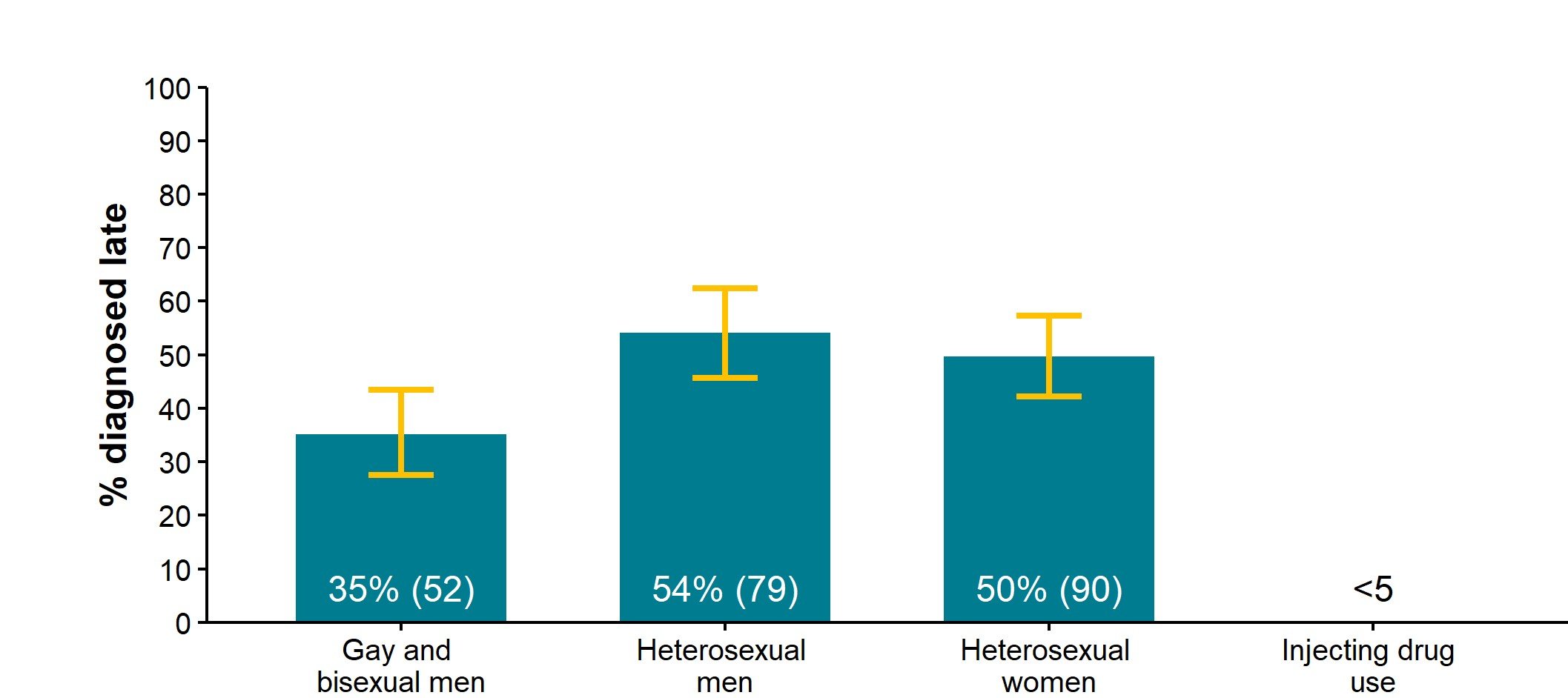
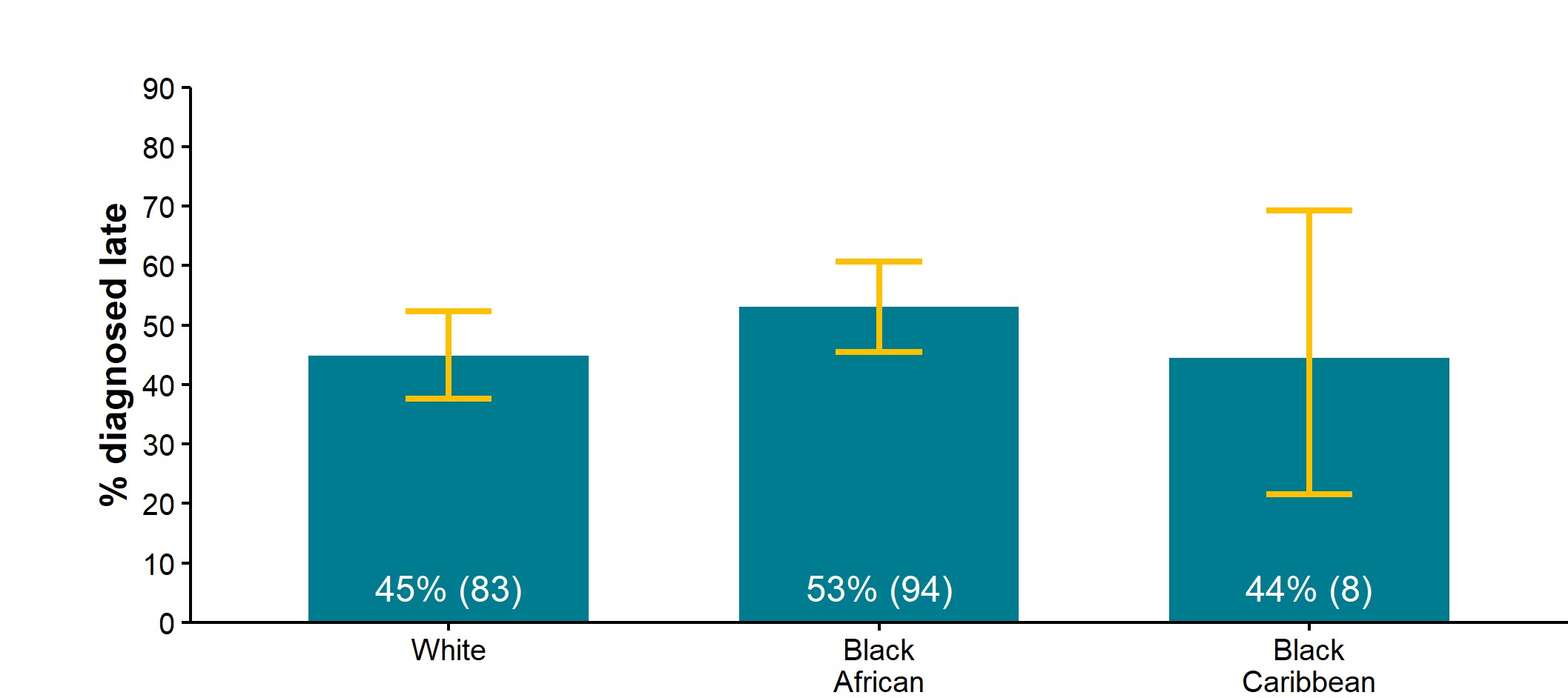
In the West Midlands, heterosexuals were more likely to be diagnosed late (54% of males, 50% of females) than gay and bisexual men (35%). By ethnic group, Black Africans were more likely to be diagnosed late than the White population (53% and 45% respectively).
People living with diagnosed HIV
The 8,498 people living with diagnosed HIV in the West Midlands in 2024 was 1% higher than in 2023 and 35% higher than in 2015. This increase is partly due to the effectiveness of HIV treatment, which has reduced the number of deaths from HIV.
The diagnosed prevalence rate of HIV in the West Midlands in 2024 was 2 per 1,000 residents aged 15 to 59 years. This was equal to the 2 per 1,000 observed in England as a whole (small differences may be hidden by rounding). Six local authorities in the West Midlands had a diagnosed HIV prevalence in excess of 2 per 1,000 population aged 15 to 59 in 2024, which is the threshold for expanded HIV testing. These were Birmingham (2.9), Coventry (2.7), Sandwell (2.9), Stoke-on-Trent (2.6), Walsall (2.4) and Wolverhampton (3.9).
The 2 most common probable routes of transmission for West Midlands residents living with diagnosed HIV in 2024 were sex between men and women (61%) and sex between men (34%).
In 2024, 38% of those living with diagnosed HIV in the West Midlands were aged between 35 and 49 years, and 48% were aged 50 years and over (up from 27% in 2015). Males represented 60% of West Midlands residents living with diagnosed HIV in 2024 and females represented 40%.
In 2024, 41% of West Midlands residents living with diagnosed HIV were White and 41% were Black Africans. However, due to the relative sizes of the White and Black African populations the rate per 1,000 population aged 15 to 59 years was higher in Black Africans (23 per 1,000) than in the White population (1 per 1,000).
In 2024, 41% of West Midlands residents living with diagnosed HIV were White and 41% were Black Africans. However, due to the relative sizes of the White and Black African populations the rate per 1,000 population aged 15 to 59 years was much higher in Black Africans (23 per 1,000) than in the White population (1 per 1,000).
HIV testing
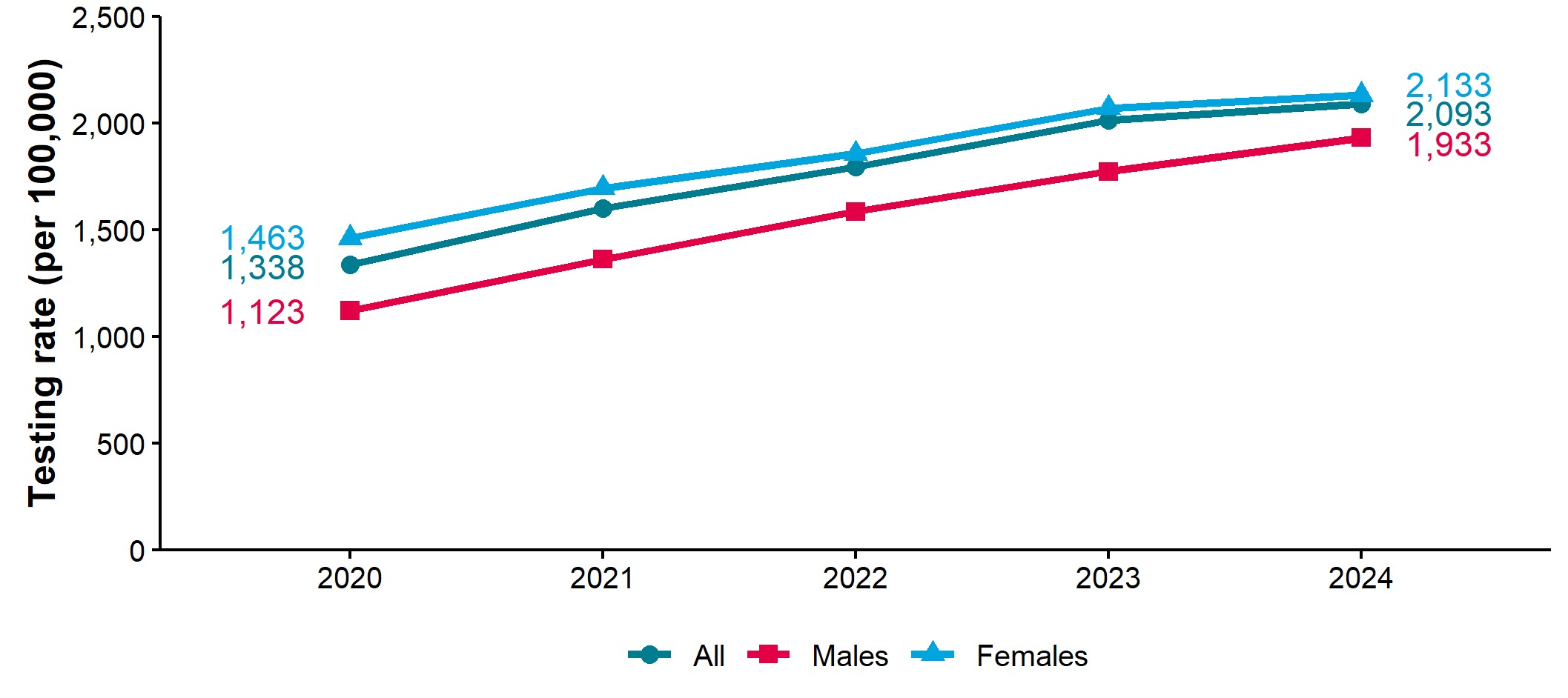
A total of 65,738 people were tested in specialist sexual health services (SHSs) in the West Midlands in 2024, an increase of 33% since 2020 and an increase of 7% since 2023. The HIV testing rate (per 100,000 population) at all SHSs in the West Midlands was 2,093, which compares to 2,843 across England. HIV testing rates in all SHSs (specialist and non-specialist services) in the West Midlands is lower in men (1,933) than women (2,133).
PrEP
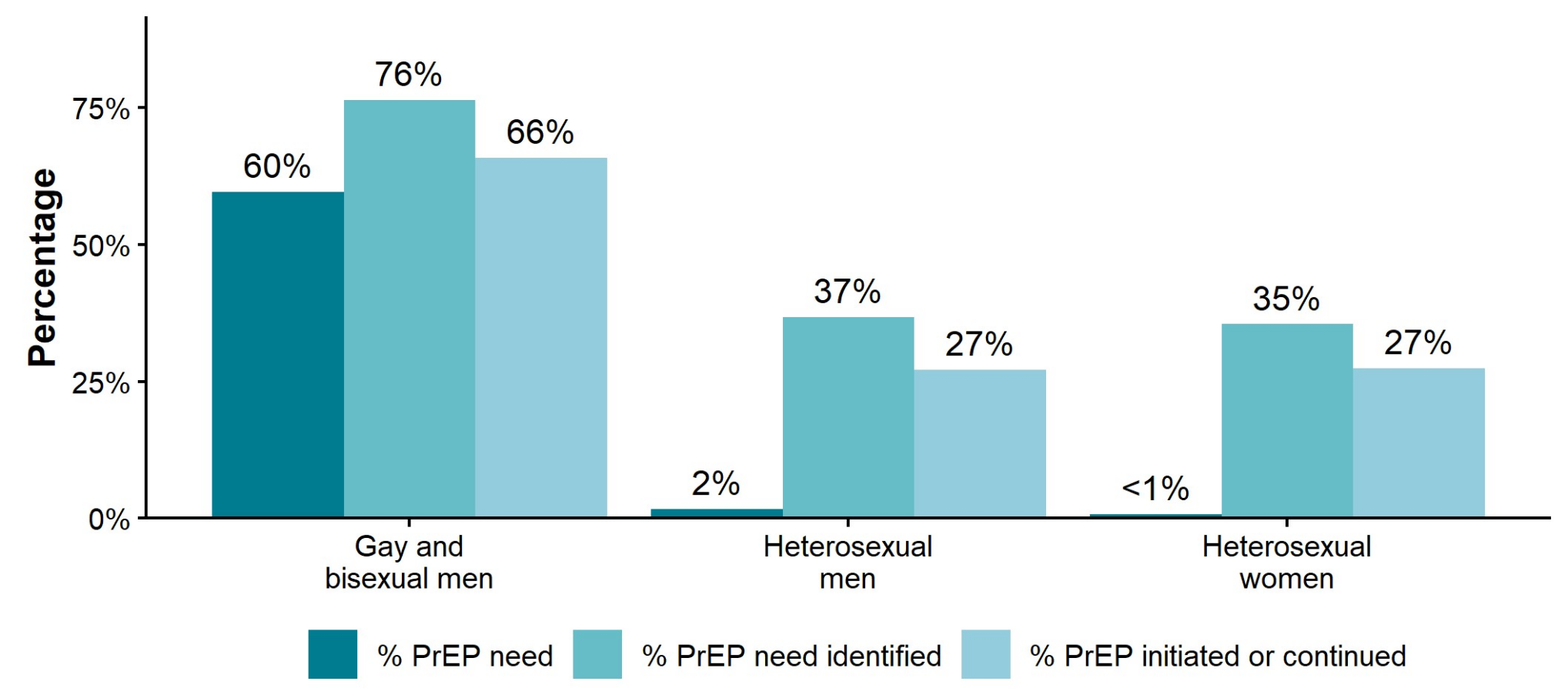
In 2024, 6% of HIV-negative West Midlands residents accessing SHSs in England were defined as having a pre-exposure prophylaxis (PrEP) need, among whom 62% initiated or continued PrEP. Of those with PrEP need, 73% had this need identified at a clinical consultation. Among gay and bisexual men, the group with greatest need, these proportions were 60%, 66% and 76% respectively. Consistent use of PrEP can be an efficacious and effective intervention to prevent HIV acquisition. Despite PrEP being routinely available through specialist SHS, awareness, accessibility and uptake of primary prevention initiatives is variable for different population groups. Addressing this disparity is key to HIV prevention.
HIV in England
The HIV Action Plan for England, 2025 to 2030 was published on 1 December 2025. It sets UNAIDS 2025 ambitions to reduce HIV transmission (measured by new HIV diagnoses) and AIDS-related deaths by 90% between 2010 and 2030. While new diagnoses among White gay and bisexual men are projected to meet the target, additional progress is required over the next 5 years to achieve similar outcomes for other groups, including gay and bisexual men from ethnic minority communities and Black African heterosexual communities along with other heterosexual ethnic minority populations. For this reason, the latest HIV official statistics emphasise the progress being made across the HIV pathway for 5 population groups.
The number of people first diagnosed with HIV in England decreased by 2% in 2024 (2,838 in 2023 to 2,773) (2). Gay and bisexual men accounted for almost 30% of new HIV diagnoses (810 of 2,773), whilst heterosexual men made up 23% (634) and heterosexual women 27% (749). Within and between these population groups, there remains evidence of considerable inequalities (2), in terms of deprivation, healthcare access and stigma. To strengthen HIV care in the West Midlands, there is a need to expand culturally competent and accessible services for diverse communities.
The number of new HIV diagnoses in England decreased by 6% (859 to 810) in 2024 for gay and bisexual men (2). However, this reduction was not observed consistently among all ethnic groups. While a reduction of 6% was observed among White gay and bisexual men (488 to 461), new HIV diagnoses increased among Black (15%, 80 to 92) and Asian (6%, 101 to 107) gay and bisexual men. Nearly half (48%, 386 of 810) of the gay and bisexual men newly diagnosed in England in 2024 were born abroad.
For heterosexuals, the number of new HIV diagnoses were similar in 2024 compared to 2023 (1,371 to 1,383), although numbers increased for heterosexual men (by 3%, 615 to 634) and decreased marginally for heterosexual women (by 1%, 755 to 749) (2). As with gay and bisexual men, for heterosexuals, there was considerable variation between ethnic groups. Notably, new HIV diagnoses among Black African heterosexual men increased by 15% (231 to 265) and decreased by 5% among Black African heterosexual women (441 to 418). Of the heterosexual men newly diagnosed in 2024, 27% (170 of 634) were known to be born in the UK and 68% (431 of 634) abroad. Among women, 15% (116 of 749) were known to be born in the UK and 77% (580 of 749) abroad.
Overall, the number of people tested for HIV in sexual health services (SHSs) in England was 3% higher in 2024 than 2023 but has not fully recovered to pre-pandemic (2019) levels for all groups. Whereas testing increased markedly within specialist SHSs (9%), non-specialist online testing declined by 4% in 2024. The proportion of people tested through online consultations at all SHSs (compared to face-to-face) fell by 3%, continuing a year-on-year reduction in this proportion since a peak in 2021, which likely reflected increased use of remote consultations during the COVID-19 pandemic when face-to-face services were restricted. There was a 7% decrease in the HIV testing rate in all SHSs in people aged 15 to 24 years. This compares to a continued increase in the HIV testing rate in all other age groups.
Testing increases were observed across gender and sexual orientation groups (gay and bisexual men 2%, heterosexual men 5%, heterosexual woman 2%). Year on year increased testing for gay and bisexual men, coupled with an overall decline in HIV test positivity (0.3% in 2020 to 0.2% in 2024) suggests that there may be a reduction in transmission in this community. HIV test positivity in heterosexual men and women has remained similar in 2023 and 2024 (0.05% to 0.06%, and 0.08% to 0.08%, respectively). The programme of emergency departments (ED) opt-out testing for bloodborne viruses continues to be a successful approach to increase the detection of HIV with this programme contributing to 8% of all new HIV diagnoses in 2024.
The number of people diagnosed with HIV before continuing care in England fell markedly in 2024 (3,363 to 2,525) with a corresponding 15% drop in all HIV diagnoses (6,201 to 5,298). This reduction was most pronounced in heterosexual women (33%), compared to reductions in heterosexual men (11%) and gay and bisexual men (21%). The decline in the number of people diagnosed before continuing care in England in 2024 varied by ethnic group. The largest proportionate reductions in numbers (compared to 2023) were seen in people of Black Other (30%, 79 to 55), Black African (28%, 2,196 to 1,587), Asian (25%, 228 to 172), Other or Mixed (25%, 288 to 216) and White (22%, 326 to 253) ethnicities.
The number of people receiving HIV pre-exposure prophylaxis (PrEP) via SHSs has been increasing on an annual basis since 2020, increasing by 7.7% between 2023 and 2024 (111,123 in 2024 compared to 103,138 in 2023). However, inequalities in access remain. While the overall number of gay and bisexual men with unmet HIV PrEP need was highest, there is proportionally greater unidentified and unmet PrEP need among heterosexual men and women.
Despite a 2% decrease in the number of adults being diagnosed late between 2023 and 2024 (950 to 928), 42% (928 of 2,196) of the new HIV diagnoses were made at a late stage in England in 2024. Reductions in the number of late HIV diagnoses fell most among gay and bisexual men (11%) compared with heterosexual women (4%) and heterosexual men (1%). The percentage of new diagnoses that were late for all 3 groups remained similar to 2023 (45% to 46%, 53% to 52%, 31% to 30% for heterosexual women, heterosexual men, and gay and bisexual men, respectively). In 2024, half of adult Black African heterosexuals newly diagnosed with HIV were diagnosed late (285 of 572, 50%). People diagnosed late with HIV in England in 2023 were 10 times more likely to die within a year of their diagnosis, compared to those diagnosed promptly.
Provisional estimates are that 95% of all adults living with HIV in England are diagnosed, with 99% of diagnosed adults receiving treatment, and 98% of adults on treatment having suppressed viral loads.
HIV prevention messaging
Effective HIV prevention relies on a combination of interventions. HIV prevention messages should reinforce that anyone can acquire HIV, regardless of age, gender, ethnicity, sexuality or religion. Challenging assumptions about who is at risk of acquiring HIV is essential to reducing missed opportunities for prevention, testing and early diagnosis.
Condoms
Consistent and correct use of condoms remains an effective way to reduce the transmission of HIV and other sexually transmitted infections, including chlamydia, gonorrhoea and syphilis. Condoms also reduce the risk of unintended pregnancy. Making condoms freely available and supporting people to use them correctly remains a core element of combination HIV prevention.
HIV testing
HIV testing is central to HIV prevention. Regular testing enables people to know their HIV status and access appropriate and timely support and treatment.
People who have condomless sex with new or casual partners are recommended to have a full STI screen, including an HIV test, at least once a year. Gay and bisexual men are recommended to test annually, or every 3 months if having condomless sex with new or casual partners. HIV and STI testing are free and confidential through local sexual health services in England.
HIV pre-exposure prophylaxis (PrEP)
HIV PrEP is a highly effective medication that significantly reduces the risk of acquiring HIV when taken as prescribed. PrEP is available free of charge from specialist sexual health services in England.
Although PrEP is routinely available through specialist SHSs, awareness, accessibility and uptake of PrEP vary across different population groups. HIV prevention messaging should continue to raise awareness of PrEP, address misconceptions, and support equitable access for those who may benefit from it.
HIV post-exposure prophylaxis
HIV post-exposure prophylaxis (PEP) can reduce the risk of acquiring HIV after some sexual exposures if started as soon as possible and within 72 hours. PEP is available free of charge from specialist SHSs and most emergency departments.
Accessing sexual health services
Specialist sexual health services are free, confidential and open to everyone, regardless of where they live. Services include:
- STI testing and treatment
- HIV testing
- vaccination (including hepatitis and mpox where indicated)
- access to HIV PrEP and HIV PEP
Information and advice about sexual health, including how to access services, is available at Sexual health services and from the National Sexual Health Helpline on 0300 123 7123.
Treatment as prevention (U=U)
People living with diagnosed HIV who are on effective treatment and have an undetectable viral load cannot pass HIV on to others through sex. This is known as Undetectable = Untransmittable (U=U).
U=U is a key HIV prevention message that supports adherence to treatment, reduces anxiety, and challenges HIV‑related stigma. Communicating U=U clearly and consistently is essential in both healthcare and public health settings.
Stigma
HIV related stigma can affect the ability of people living with HIV to seek healthcare, start treatment and remain engaged in care. Fear of judgement, discrimination or breaches of confidentiality can also act as barriers to testing and prevention.
Reducing stigma includes recognising people before a health condition and using People First Charter – HIV Language, Person First Language , inclusive language that avoids reinforcing blame or stereotypes
Reducing stigma within healthcare services supports equitable access to HIV prevention, testing and care Positive Voices 2022: survey report.
Local and regional prevention strategies
HIV prevention strategies at a local and regional level should consider inclusion of all actions published recently in the HIV Action Plan for England (HIVAP). Below are some examples of how this could be done, focusing on each of the 5 HIVAP priorities:
Prevent
Actions include:
- ensuring localities are aware that there is central funding for formula milk (and related sterilised equipment) for the infants of women living with HIV
- driving forward HIV service improvements and innovation with a focus on reducing inequalities in HIV testing, access to HIV PrEP and PEP
- collating evidence and best practice of HIV PrEP provision pilot studies
Test
Actions include:
- implementing and monitoring BHIVA, British Association for Sexual Health and HIV (BASHH) and British Infection Association (BIA) Adult HIV testing guidelines 2020, including opt-out in SHSs and reduce inequalities in HIV testing
- continuing ED opt-out testing in very high and high prevalence HIV areas
- working with GP practices to promote HIV testing into routine primary care pathways
- scaling up partner notification activities
- understanding the drivers of late diagnosis in order to better focus interventions
Treat
Actions include:
- sharing learnings from UKHSA audits with local networks and encourage provision of peer support and psychological support within HIV treatment services
- ensuring commissioning arrangements are in place with local providers for HIV peer support provision
- ensuring local SHSs and HIV services engage with and learn from retention in care reviews to strengthen pathways
Thrive
Actions include:
- ensuring services provide a holistic approach to HIV care for women, signposting to other services, such as partner violence services and menopause clinics, when needed
- improving the quality of life for people living with HIV, including promotion of U=U, particularly for older adults and people with complex health and care needs, by commissioning integrated, person-centred support services that address physical, mental and social wellbeing
Collaborate
Actions include:
- sharing culturally competent education and awareness of new technologies as they become available to enhance national messaging
- applying and promoting the HIV Low Prevalence Toolkit to guide local planning, commissioning and evaluation and strengthen outreach, primary care partnerships and service visibility to ensure equitable access to prevention, treatment and care in low prevalence areas
Charts, tables and maps
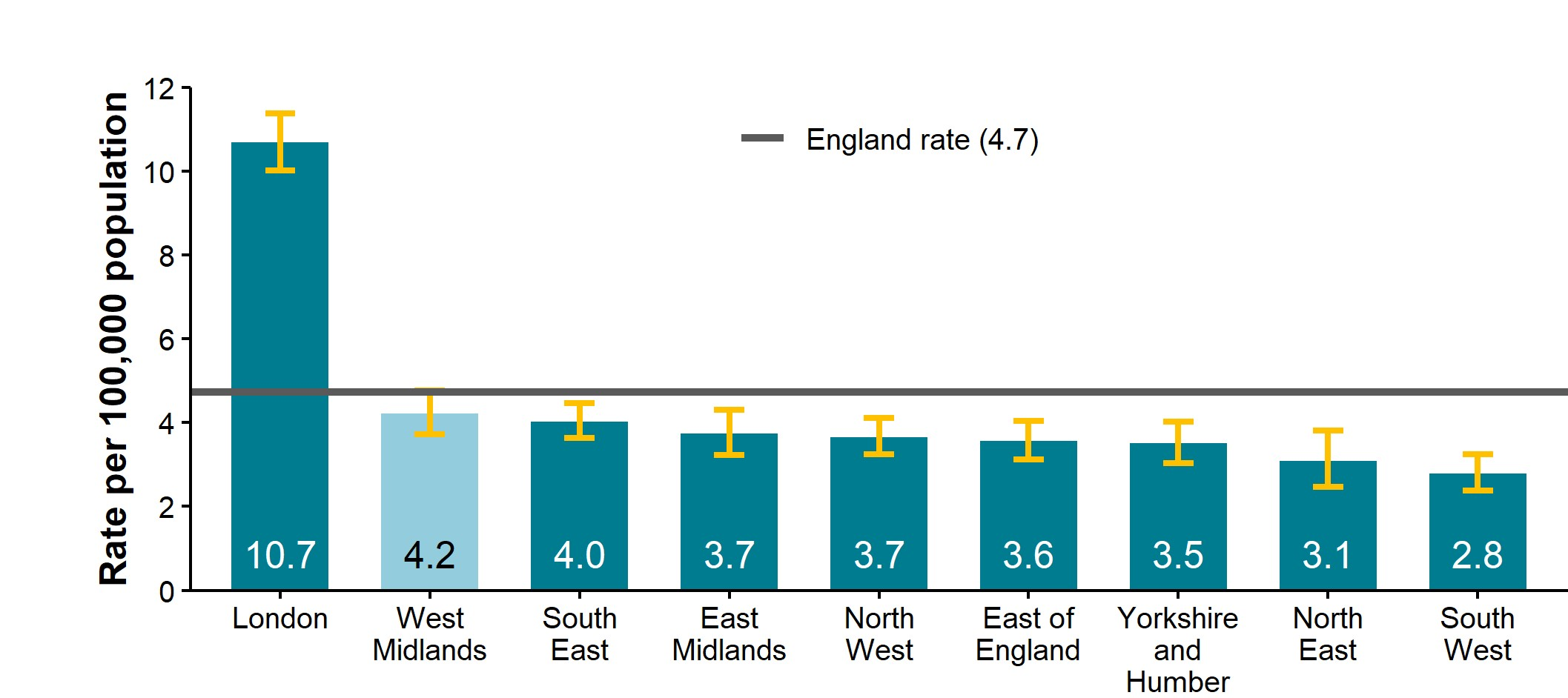
Figure 1. Rate of new HIV diagnoses per 100,000 population (all ages) by UKHSA region of residence, 2024
Source: UKHSA, HIV and AIDS New Diagnoses and Deaths (HANDD).
Note 1: The number of new diagnoses will depend on accessibility of testing as well as infection and transmission.
Note 2: The yellow lines represent 95% confidence intervals around the estimated rate.
Note 3: Due to a change in the definition of new HIV diagnoses, this figure no longer includes data for persons previously diagnosed abroad and differs from that included in previous reports.
Rates of new HIV diagnoses varied considerably across UKHSA regions in 2024. London continued to report the highest rate, reflecting its larger and more diverse population and higher background prevalence of HIV. The West Midlands recorded a rate of 4 per 100,000 population, which was below the England average of 5 per 100,000. Most regions outside London reported rates between 3 and 5 per 100,000, indicating ongoing but uneven transmission across England. Differences between regions are influenced by population demographics, levels of testing, and access to prevention interventions such as PrEP.
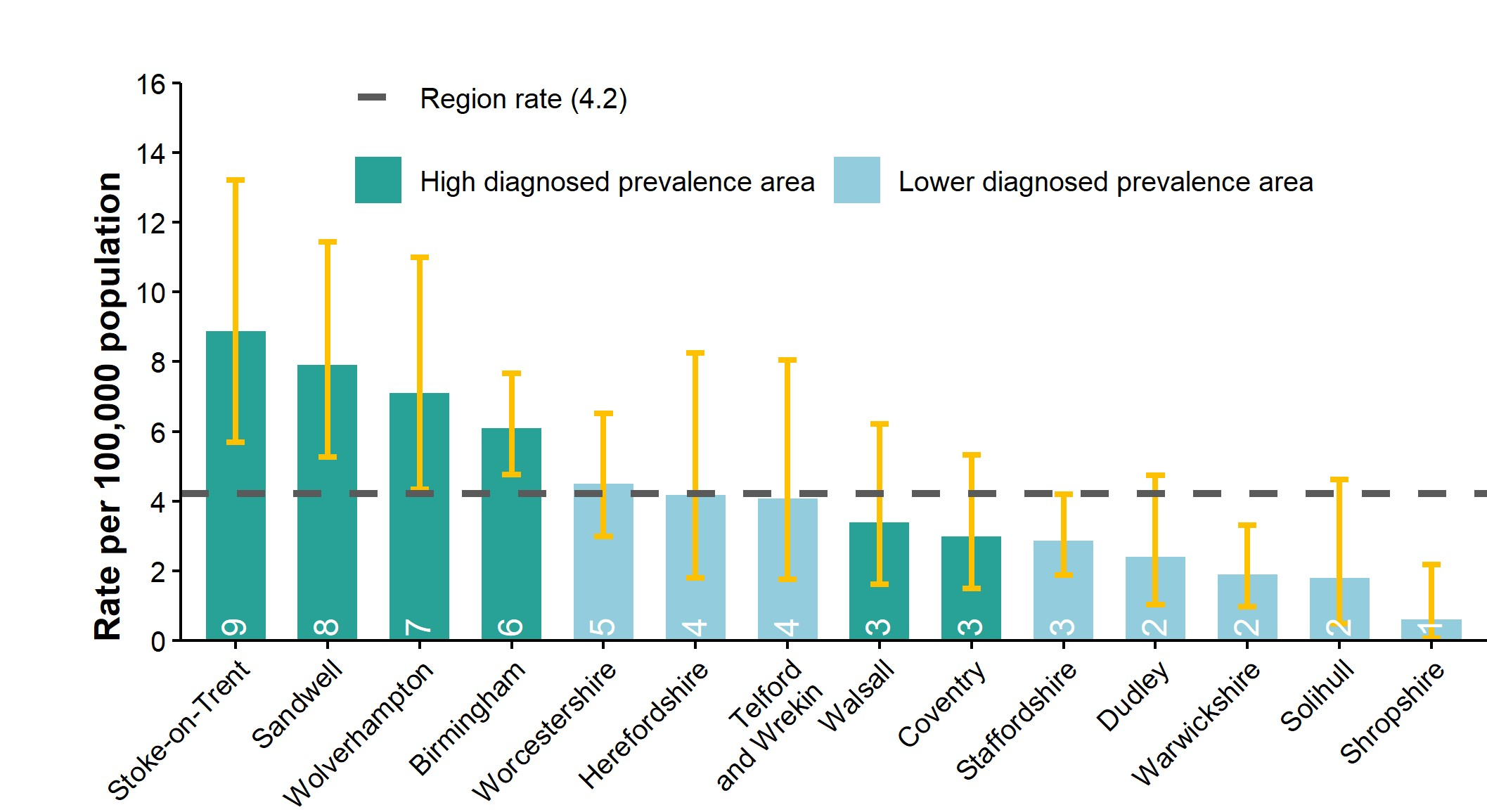
Figure 2. Rate of new HIV diagnoses per 100,000 population (all ages) by upper tier local authority of residence, West Midlands residents, 2024
Source: UKHSA, HIV and AIDS New Diagnoses and Deaths (HANDD).
Note 1: The number of new diagnoses will depend on accessibility of testing as well as infection and transmission. HIV diagnosed prevalence (rate per 1,000 aged 15 to 59 years as per NICE testing guidelines). Lower diagnosed prevalence less than 2, high diagnosed prevalence 2 to 5, extremely high diagnosed prevalence more than 5.
Note 2: The yellow lines represent 95% confidence intervals around the estimated rate.
Note 3: Due to a change in the definition of new HIV diagnoses, this figure no longer includes data for persons previously diagnosed abroad and differs from that included in previous reports.
Note 4: Colour coding of bars does not relate to new diagnosis but to the data in the diagnosed prevalence section later.
Marked variation in new HIV diagnosis rates was observed across upper tier local authorities in the West Midlands during 2024. The highest rates were concentrated in large urban areas, including Birmingham, Coventry, Wolverhampton, and Sandwell, which also have higher diagnosed HIV prevalence. Several rural or less densely populated local authorities reported very low rates, reflecting smaller population sizes, differing population demographics and lower underlying prevalence. Colour coding indicates diagnosed prevalence thresholds rather than diagnosis rates, highlighting that areas with higher background prevalence are also those where ongoing transmission and case detection are most evident.
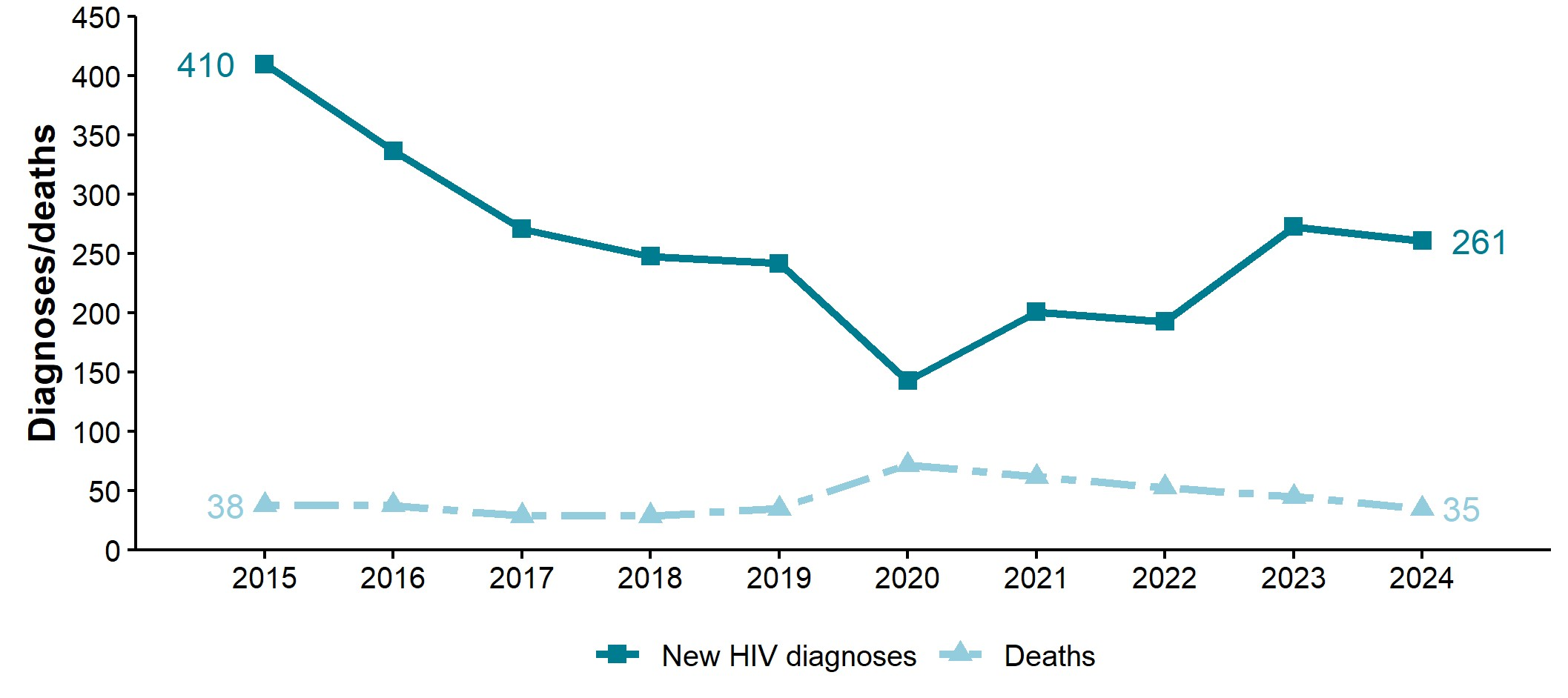
Figure 3. New HIV diagnoses and deaths, the West Midlands, 2015 to 2024 [note 3]
Source: UKHSA, HIV and AIDS New Diagnoses and Deaths (HANDD).
Note 1: The number of new diagnoses will depend on accessibility of testing as well as infection and transmission. Numbers may rise as we receive more reports and more information. This will impact on interpretation of trends in more recent years. New HIV diagnoses are shown by UK region of residence at diagnosis. Deaths are shown by UK region of death which in some instances may not be the same as UK region of residence at diagnosis. Region of death may not be known for all deaths, particularly for those in the most recent years. Numbers for these years should be interpreted as minimum numbers (deaths reported and allocated to a region of death to date) and not as a trend.
Note 2: Due to a change in the definition of new HIV diagnoses, this figure no longer includes data for persons previously diagnosed abroad and differs from that included in previous reports.
Note 3: Numbers may rise as further reports are received and more information is obtained. This is more likely to affect more recent years, particularly 2024.
New HIV diagnoses among West Midlands residents declined markedly from 410 in 2015 to 143 in 2020, representing a reduction of 65%. Following this low point, diagnoses increased in 2021 to 201, before rising further in 2023 to 273. In 2024, diagnoses remained relatively high at 261, although slightly lower than the previous year, suggesting a partial rebound rather than a return to pre-pandemic levels.
Deaths among people diagnosed with HIV remained low and relatively stable across the period, consistently below 60 per year, with a temporary increase in 2020 (72) likely related to the effects of the COVID-19 pandemic. Deaths subsequently declined to 35 in 2024, reflecting the continued effectiveness of HIV treatment. Data for recent years, particularly 2024, should be interpreted as minimum estimates and may increase as further reports are received.
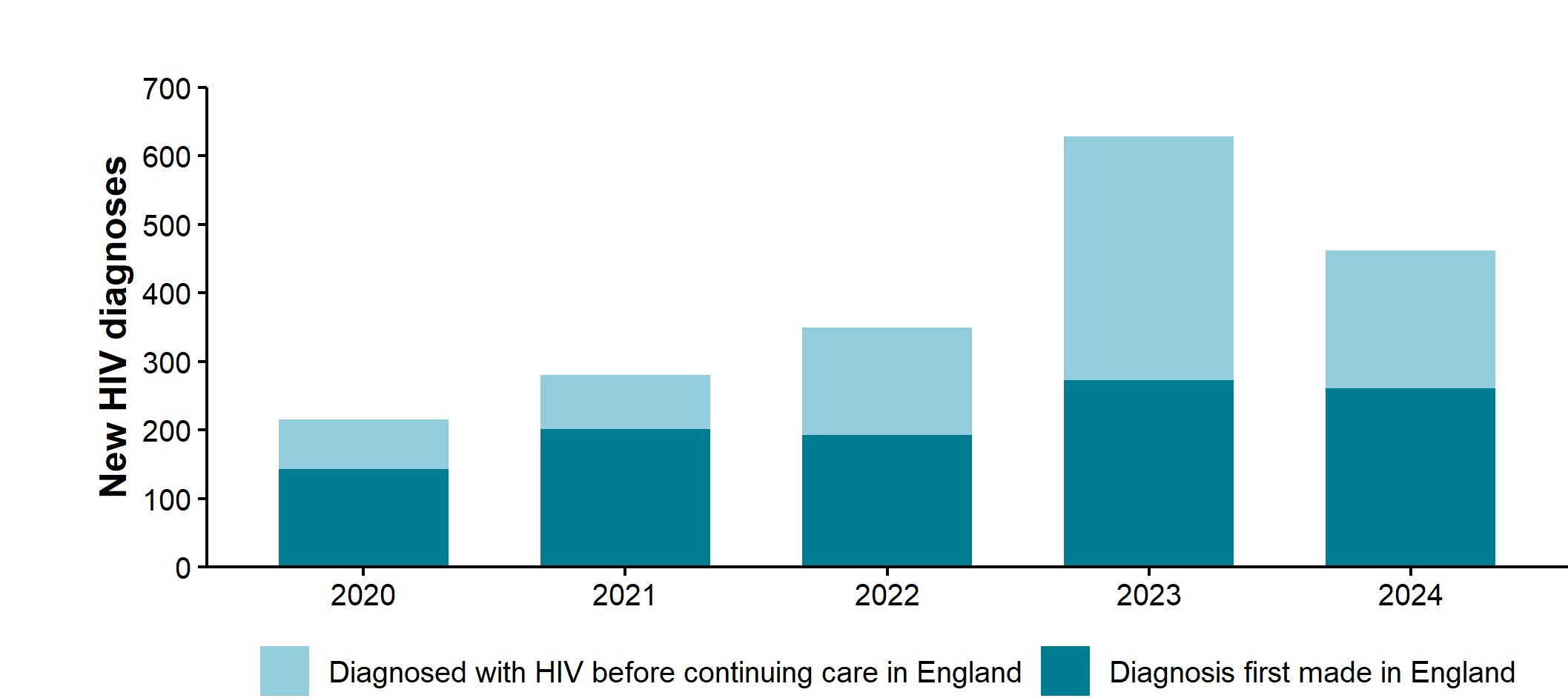
Figure 4. New HIV diagnoses by whether a person had been diagnosed with HIV before continuing care in England, the West Midlands, 2020 to 2024 [note 2]
Source: UKHSA, HIV and AIDS New Diagnoses and Deaths (HANDD).
Note 1: The number of new diagnoses will depend on accessibility of testing as well as infection and transmission.
Note 2: Numbers may rise as further reports are received and more information is obtained. This is more likely to affect more recent years, particularly 2024.
Across the period from 2020 to 2024, most new HIV diagnoses among West Midlands residents were first made in England. Diagnoses first made in England increased from 143 in 2020 to a peak of 273 in 2023, before falling slightly to 261 in 2024. This pattern mirrors the overall increase in new diagnoses following the COVID-19 period.
The number of people diagnosed with HIV before continuing care in England was smaller than those first diagnosed in England but increased notably (393.1% increase) between 2020 (72) and 2023 (355), before declining to 201 in 2024. Numbers for recent years, particularly 2024, should be interpreted as provisional. These results represent changes in national reporting definitions and reductions in migration-related diagnoses entering care in England. The overall downward trend in diagnoses aligns with improvements in testing coverage and prevention, while reinforcing that recent diagnoses largely represent infections identified within England rather than historical infections acquired elsewhere.
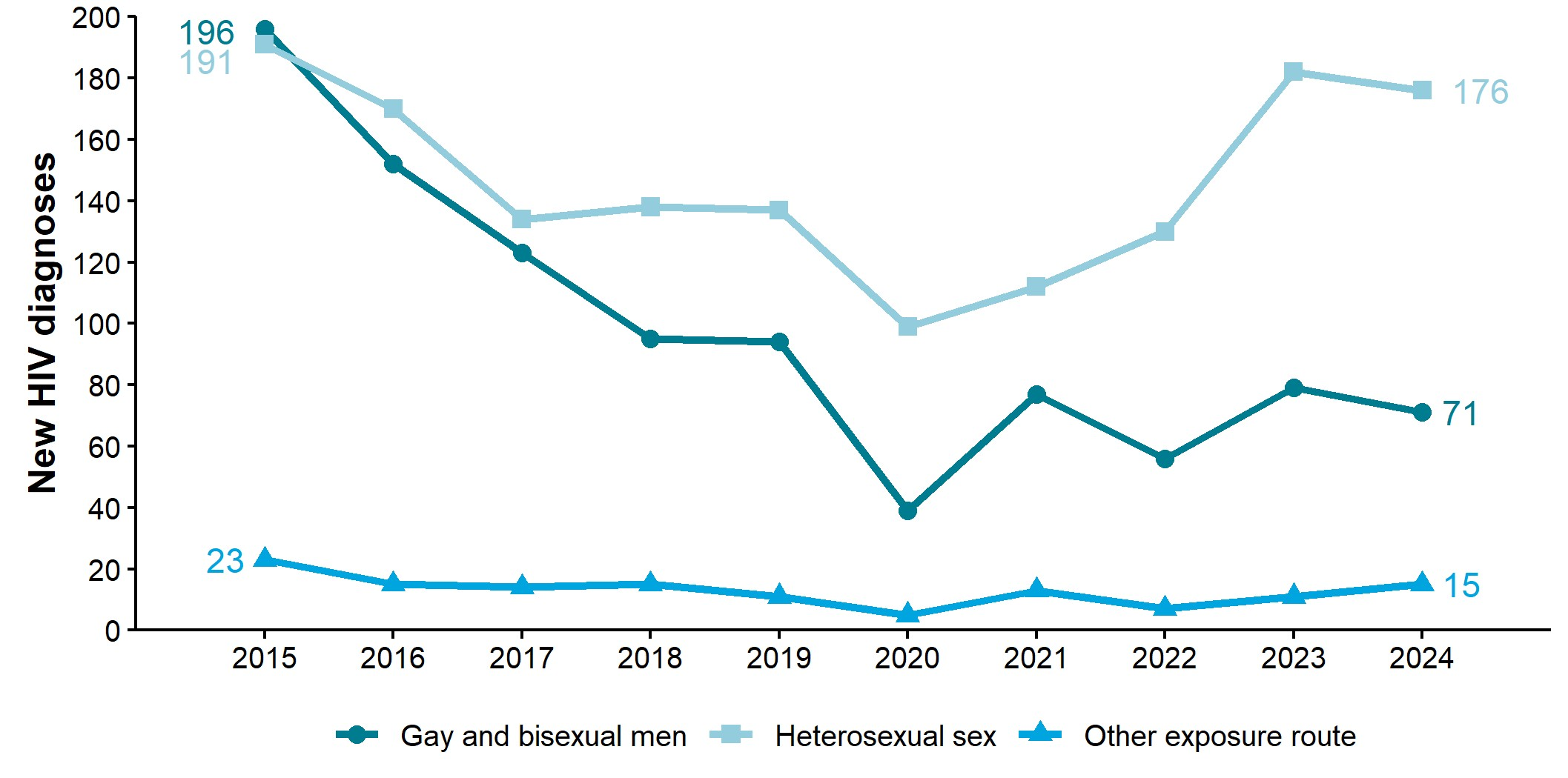
Figure 5. New HIV diagnoses by probable route of exposure (adjusted for missing route information), West Midlands residents, 2015 to 2024 [note 1]
Source: UKHSA, HIV and AIDS New Diagnoses and Deaths (HANDD).
Note 1: The number of new diagnoses will depend on accessibility of testing as well as infection and transmission.
Note 2: Due to a change in the definition of new HIV diagnoses, this figure no longer includes data for persons previously diagnosed abroad and differs from that included in previous reports.
Note 3: Numbers may rise as further reports are received and more information is obtained. This is more likely to affect more recent years, particularly 2024.
Over the period 2015 to 2024, diagnoses attributed to sex between men declined substantially, falling from around 196 in 2015 to 71 in 2024, despite some year-to-year fluctuation. The sharpest reduction occurred between 2015 and 2020, when diagnoses fell to approximately 45, followed by a partial increase in subsequent years. This overall decline represents a reduction of more than 60% over the decade.
In contrast, diagnoses attributed to sex between men and women became the dominant route of acquisition. Numbers declined from around 191 in 2015 to approximately 105 in 2020, before increasing steadily to 176 accounting for 67% of new diagnoses in 2024. Other routes of infection remained uncommon throughout the period, consistently accounting for fewer than 25 diagnoses per year, and represented a small proportion of overall diagnoses.
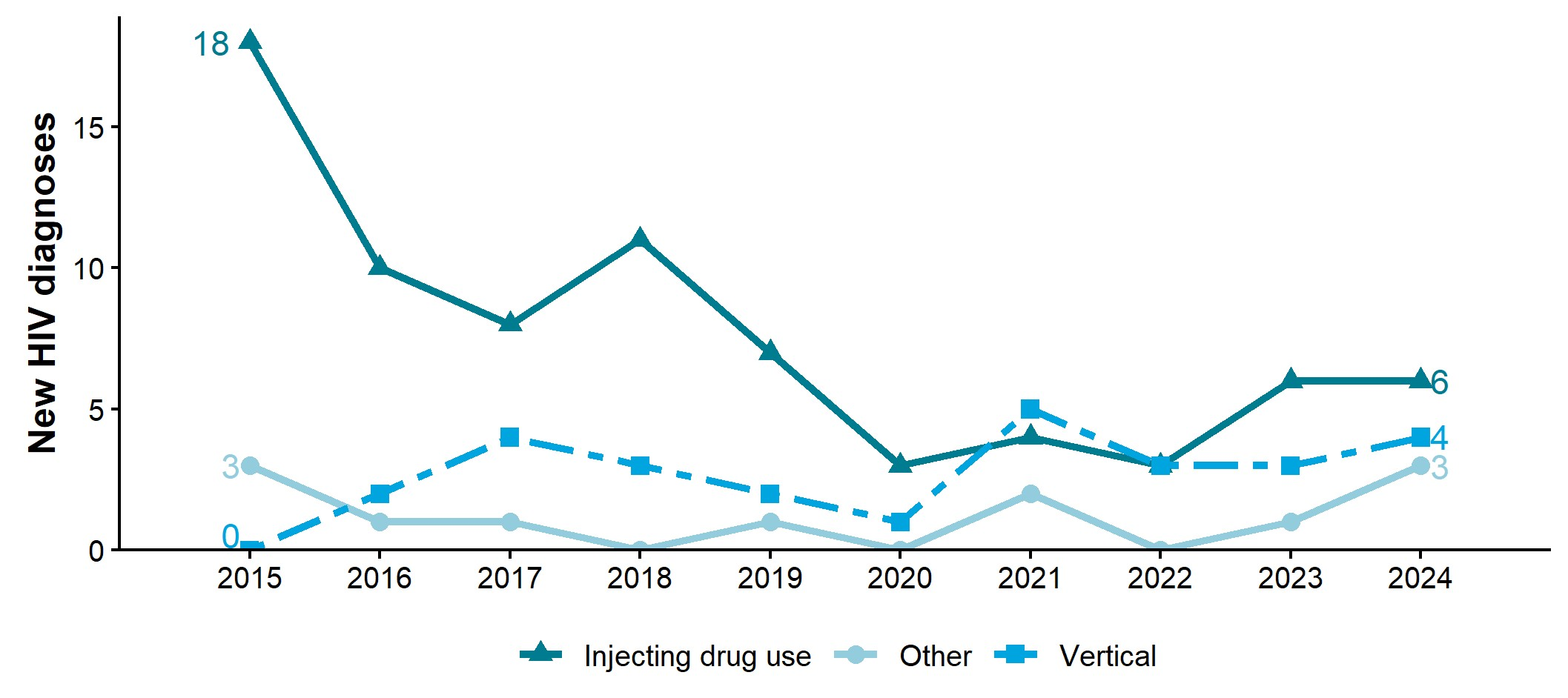
Figure 6. New HIV diagnoses detailed ‘other’ route of exposure (not adjusted for missing information), West Midlands residents, 2015 to 2024 [note 3]
Source: UKHSA, HIV and AIDS New Diagnoses and Deaths (HANDD).
Note 1: The number of new diagnoses will depend on accessibility of testing as well as infection and transmission.
Note 2: Due to a change in the definition of new HIV diagnoses, this figure no longer includes data for persons previously diagnosed abroad and differs from that included in previous reports.
Note 3: Numbers may rise as further reports are received and more information is obtained. This is more likely to affect more recent years, particularly 2024.
In terms of less common routes of HIV acquisition among West Midlands residents there were small numbers across all routes and years. Injecting drug use showed an overall decline in the number of diagnoses per year between 2015 to 2020, with some fluctuations. Since 2020 there have been a small number of diagnoses each year: low single-digit counts throughout the period and contributing only a minor proportion of overall new diagnoses. Mother-to-child transmission was rare, with very small numbers reported in most years and 4 diagnoses reported in 2024, reflecting the continued effectiveness of antenatal screening and prevention of vertical transmission programmes. Diagnoses classified as other routes of exposure occurred infrequently and showed annual small fluctuations at low levels with no clear trend over time. Overall, the persistently low numbers across these routes indicate that non-sexual transmission contributes minimally to HIV diagnoses in the West Midlands.
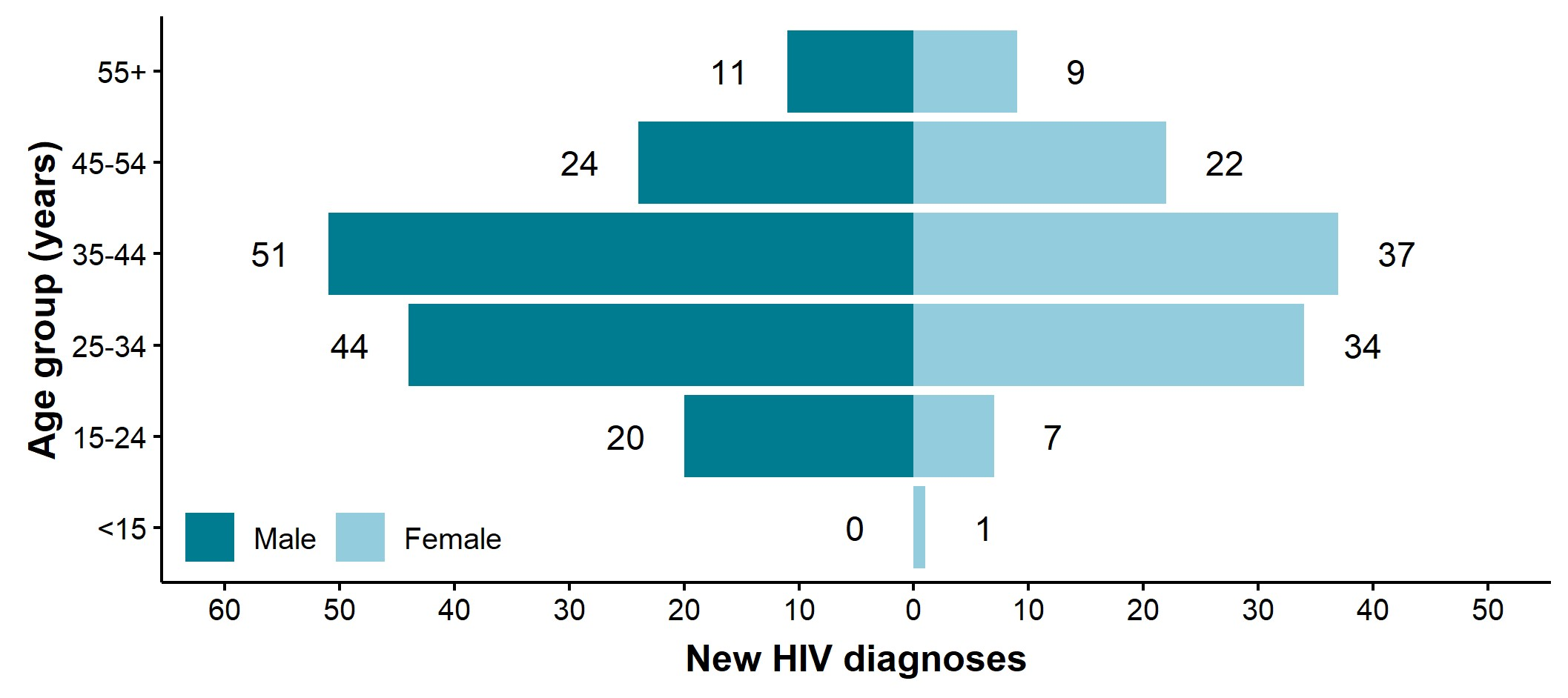
Figure 7. Number of new HIV diagnoses by age group and gender, West Midlands residents, 2024
Source: UKHSA, HIV and AIDS New Diagnoses and Deaths (HANDD).
Note 1: The number of new diagnoses will depend on accessibility of testing as well as infections and transmission.
Note2: Due t o a change in the definition of new HIV diagnoses, this figure no longer includes data for persons previously diagnosed abroad and differs from that included in previous reports.
In 2024, the highest number of new HIV diagnoses occurred among individuals aged 35 to 44 years for both males (51 diagnoses) and females (37 diagnoses) and aged 25 to 34 for both males (44 diagnoses) and females (34 diagnoses). This age pattern indicates that mid-adult age groups continue to experience the greatest burden of new diagnoses.
Diagnoses were less common at younger and older ages. Among those aged 15 to 24 years, there were 20 diagnoses in males and 7 in females, while among those aged 55 years and over, diagnoses were lower at 11 in males and 9 in females. Very few diagnoses occurred in those aged under 15 years. Across most age groups, males accounted males accounted for a greater proportion of diagnoses overall, reflecting both historical transmission patterns and differences in testing uptake by gender and age.
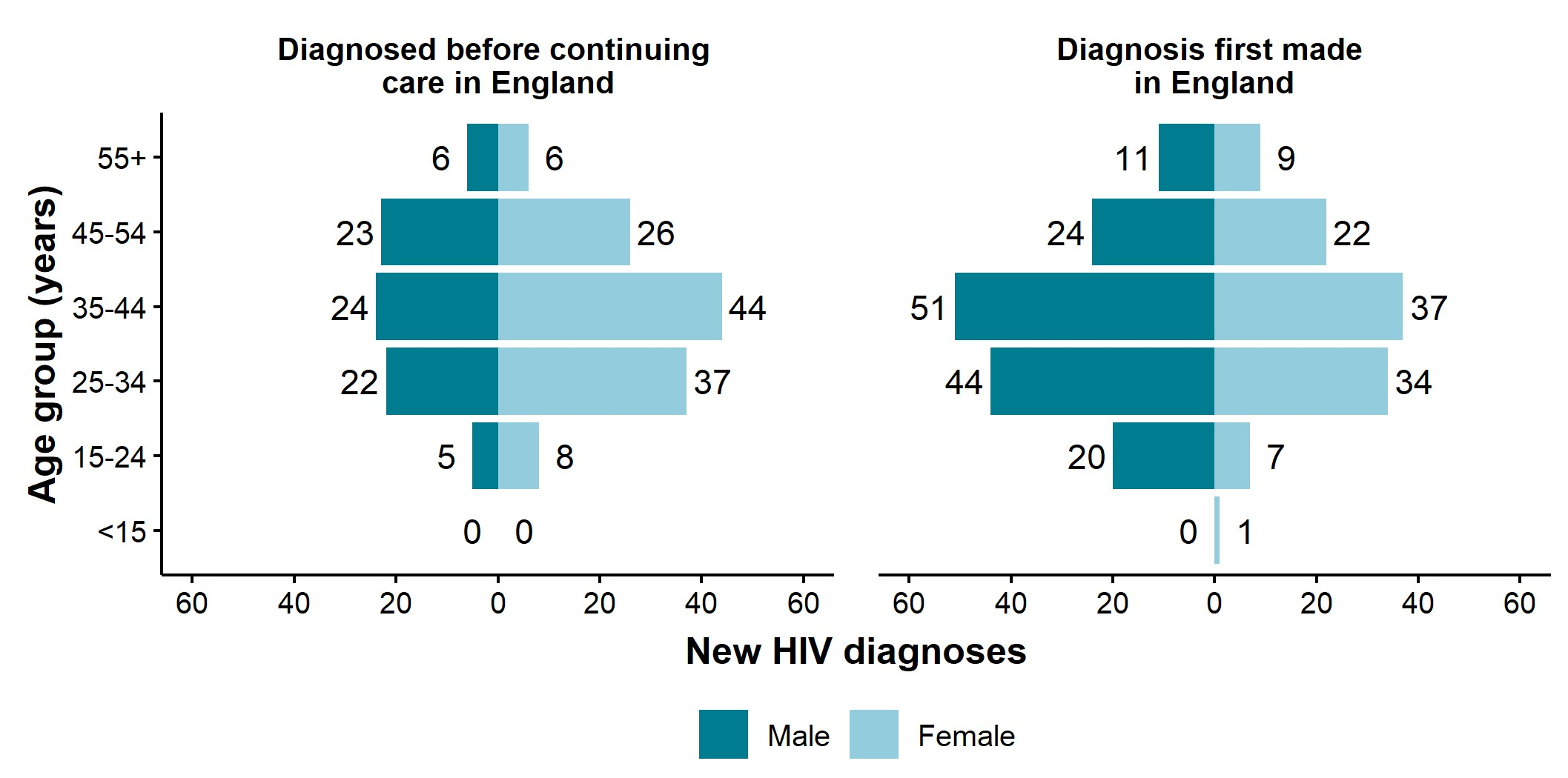
Figure 8. Number of new HIV diagnoses by age group and gender, split by whether first diagnosed in the UK or abroad, West Midlands residents, 2024
Source: UKHSA, HIV and AIDS New Diagnoses and Deaths (HANDD).
Note: The number of new diagnoses will depend on accessibility of testing as well as infections and transmission.
The majority of new HIV diagnoses across all age groups in 2024 were first diagnosed in England. Diagnoses first made in England were most common among adults aged 25 to 44 years, particularly those aged 35 to 44 years, with 51 diagnoses in males and 37 in females, followed by those aged 25 to 34 years (44 males, 34 females). Younger age groups accounted for fewer diagnoses, with 20 males and 7 females aged 15 to 24 years first diagnosed in England.
Diagnoses made before continuing care in England were more frequent among adults aged 25 to 44 years, particularly among females. In the 35-to-44-year age group, 44 females were diagnosed before continuing care in England compared with 24 males, while among those aged 25 to 34 years, 37 females and 22 males were in this category. Very few diagnoses occurred in those aged under 15 years, and numbers among those aged 55 years and over were relatively small in both diagnosis groups.
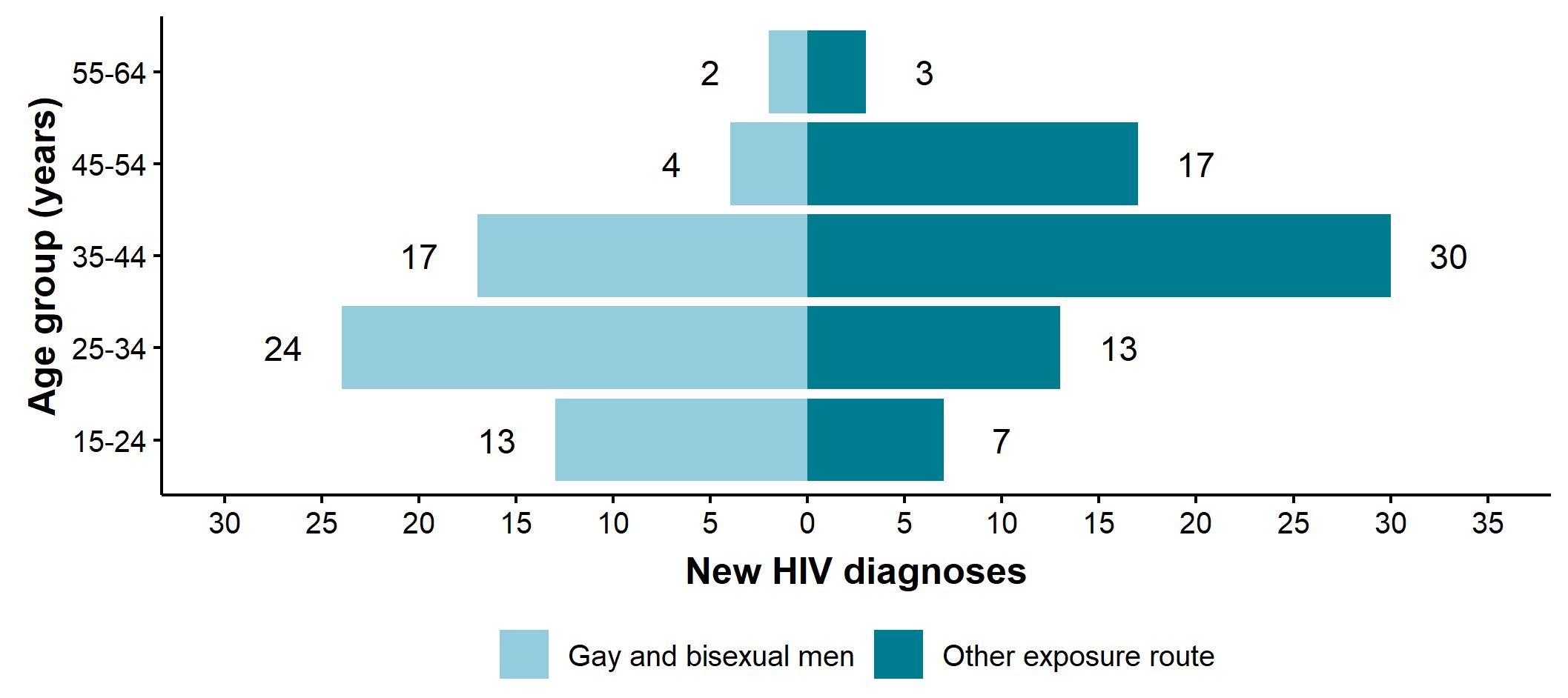
Figure 9. Number of new HIV diagnoses by age group and probable route of exposure, male West Midlands residents aged 15 to 64 years, 2024
Source: UKHSA, HIV and AIDS New Diagnoses and Deaths (HANDD).
Note 1: The number of new diagnoses will depend on accessibility of testing as well as infection and transmission.
Note 2: Due to a change in the definition of new HIV diagnoses, this figure no longer includes data for persons previously diagnosed abroad and differs from that included in previous reports.
In 2024, new HIV diagnoses among male West Midlands residents aged 15 to 64 years varied by age group and probable route of acquisition. Diagnoses attributed to sex between men were most common among those aged 25 to 34 years (24 diagnoses) and 35 to 44 years (17 diagnoses), with smaller numbers observed in younger and older age groups. Among males aged 15 to 24 years, there were 13 diagnoses attributed to sex between men, while only 2 diagnoses occurred in those aged 55 to 64 years.
Diagnoses attributed to all other exposure routes were highest among males aged 35 to 44 years, with 30 diagnoses, followed by those aged 45 to 54 years (17 diagnoses). In contrast, fewer diagnoses from other exposures were observed in the youngest and oldest age groups, including 7 diagnoses among those aged 15 to 24 years and 3 diagnoses among those aged 55 to 64 years. Overall, these patterns indicate that mid-adult age groups accounted for the largest proportion of new diagnoses across both exposure categories.
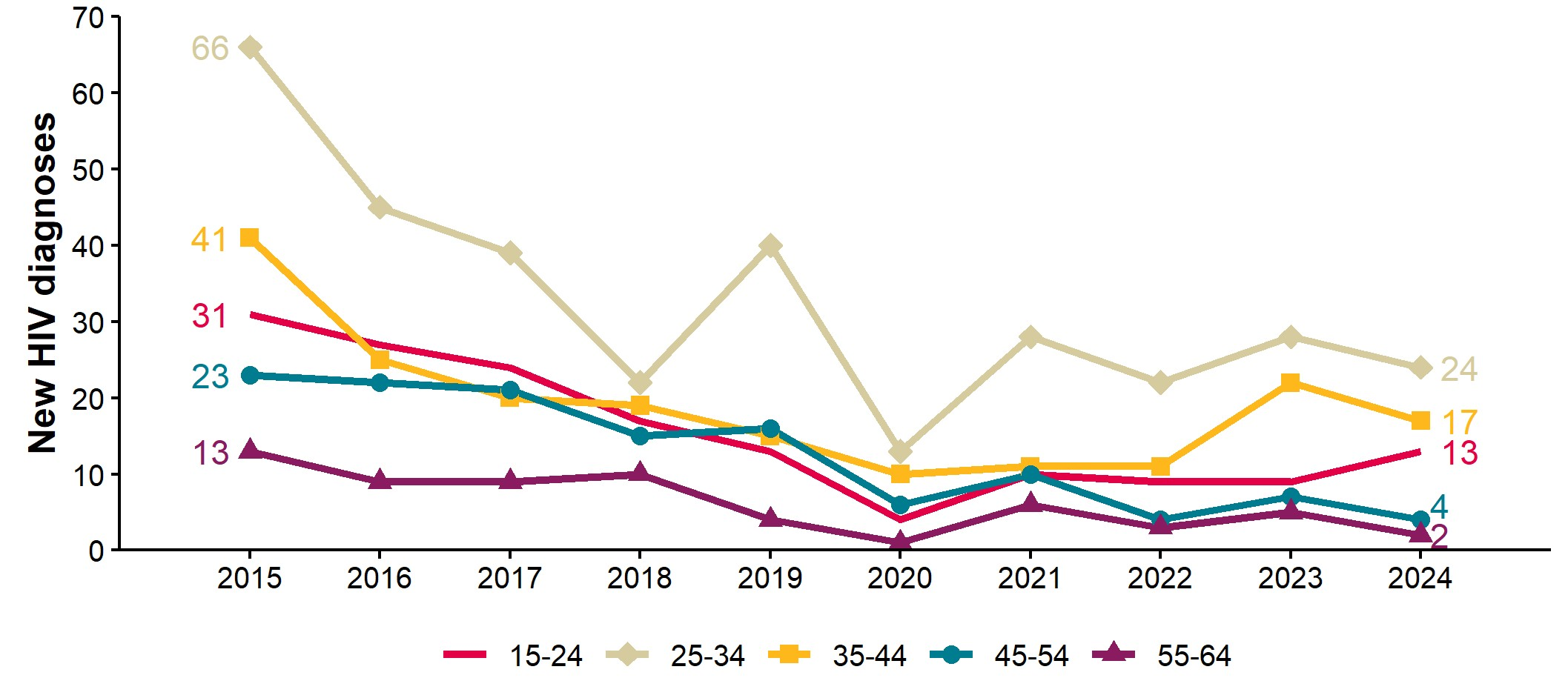
Figure 10. Number of new HIV diagnoses in gay and bisexual men by age group and year of first UK HIV diagnosis, West Midlands residents aged 15 to 64 years, 2015 to 2024 [note 1]
Source: UKHSA, HIV and AIDS New Diagnoses and Deaths (HANDD).
Note 1: The number of new diagnoses will depend on accessibility of testing as well as infection and transmission.
Note 2: Due to a change in the definition of new HIV diagnoses, this figure no longer includes data for persons previously diagnosed abroad and differs from that included in previous reports.
Note 3: Numbers may rise as further reports are received and more information is obtained. This is more likely to affect more recent years, particularly 2024.
Between 2015 and 2024, new HIV diagnoses probably acquired through sex between men declined across all age groups among West Midlands residents aged 15 to 64 years. The largest reductions were observed among men aged 25 to 34 years, where diagnoses fell from around 66 in 2015 to 24 in 2024, despite some year-to-year fluctuation.
Declines were also ASDS evident among those aged 35 to 44 years, decreasing from 41 in 2015 to 17 in 2024, and among those aged 15 to 24 years, falling from 31 to 13 over the same period.
Following a marked drop across all age groups in 2020, diagnoses partially increased in subsequent years but remained well below pre-2019 levels. By 2024, numbers were lowest among older age groups, with 4 diagnoses in those aged 45 to 54 years and 2 diagnoses among those aged 55 to 64 years. Overall, the sustained decline across age groups reflects long-term reductions in transmission among gay and bisexual men, alongside more recent fluctuations likely influenced by changes in testing and reporting.
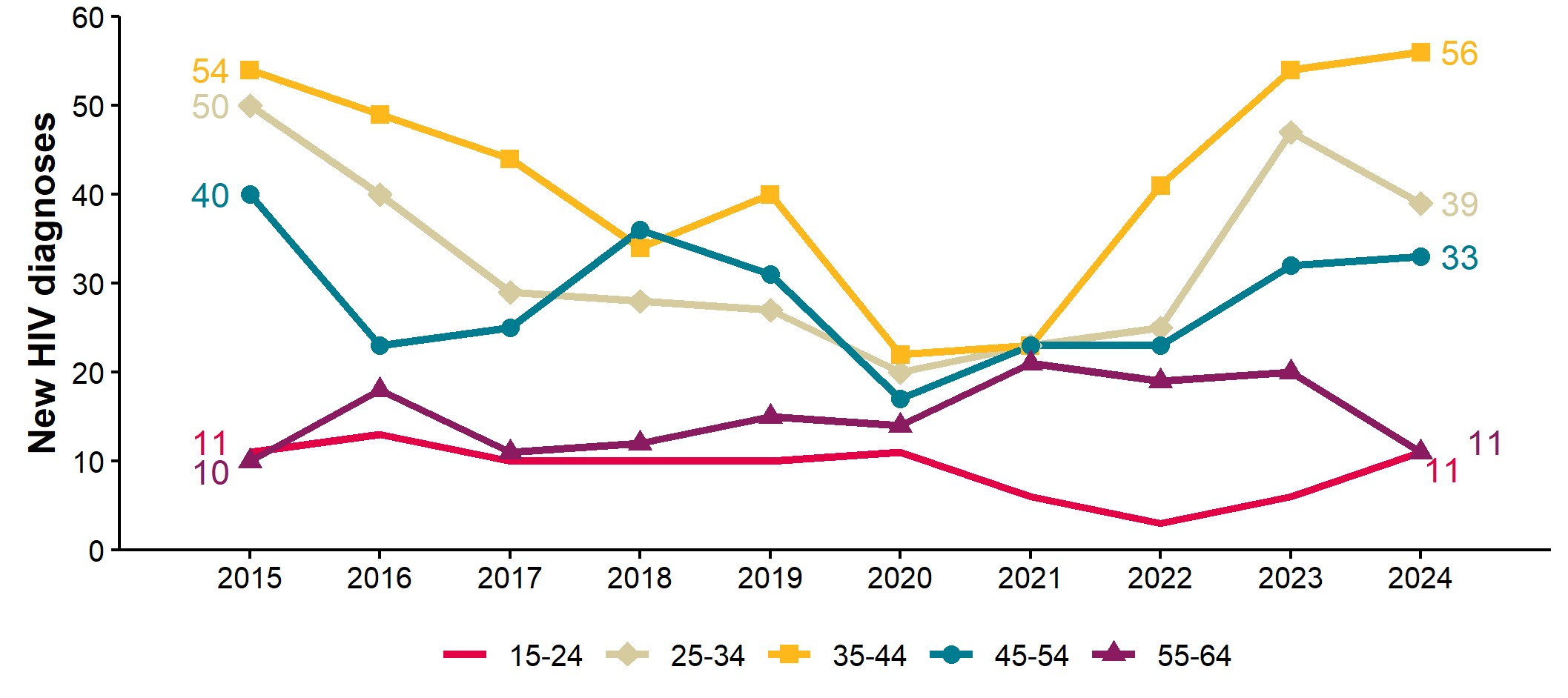
Figure 11. Number of new HIV diagnoses with a probable route of exposure through heterosexual sex by age group (in years) and year of first HIV diagnosis, West Midlands residents aged 15 to 64 years, 2015 to 2024 [note 3]
Source: UKHSA, HIV and AIDS New Diagnoses and Deaths (HANDD).
Note 1: The number of new diagnoses will depend on accessibility of testing as well as infection and transmission.
Note 2: Due to a change in the definition of new HIV diagnoses, this figure no longer includes data for persons previously diagnosed abroad and differs from that included in previous reports.
Note 3: Numbers may rise as further reports are received and more information is obtained. This is more likely to affect more recent years, particularly 2024.
New HIV diagnoses probably acquired through sex between men and women showed marked variation by age group among West Midlands residents aged 15 to 64 years between 2015 and 2024. Adults aged 35 to 44 years consistently accounted for the highest number of diagnoses across the period, declining from around 54 in 2015 to approximately 23 in 2020, before increasing to 56 in 2024. A similar pattern was observed among those aged 25 to 34 years, with diagnoses falling from 50 in 2015 to around 22 in 2020, followed by an increase to 39 in 2024.
Diagnoses among older adults aged 45 to 54 years declined from around 40 in 2015 to 19 in 2020, then increased steadily to 33 in 2024. In contrast, diagnoses among younger adults aged 15 to 24 years and older adults aged 55 to 64 years remained lower throughout the period, generally below 20 per year, with modest increases observed in recent years. Overall, the trends indicate a rebound in heterosexual transmission since 2021, particularly among mid-adult age groups.
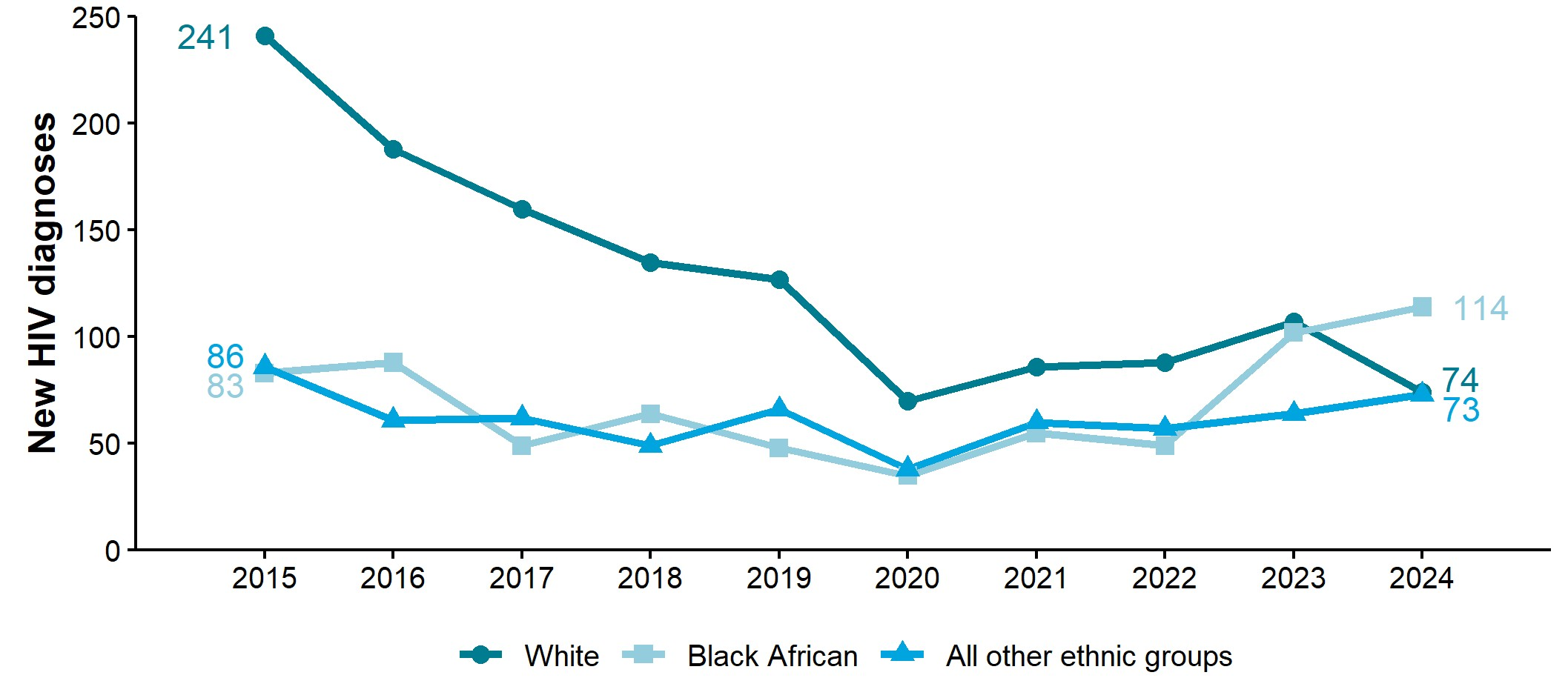
Figure 12. Number of new HIV diagnoses by ethnic group (adjusted for missing ethnic group information), West Midlands residents, 2015 to 2024 [note 3]
Source: UKHSA, HIV and AIDS New Diagnoses and Deaths (HANDD).
Note 1: The number of new diagnoses will depend on accessibility of testing as well as infection and transmission.
Note 2: Due to a change in the definition of new HIV diagnoses, this figure no longer includes data for persons previously diagnosed abroad and differs from that included in previous reports.
Note 3: Numbers may rise as further reports are received and more information is obtained. This is more likely to affect more recent years, particularly 2024.
Differences in trends were observed by ethnic group between 2015 and 2024. Among White West Midlands residents, new HIV diagnoses declined sharply in 2015 to the lowest in 2020, before increasing over the 2021-to-2023 period. Although diagnoses rose in recent years, numbers in 2024 (n=74) remained substantially lower than those seen in the mid-2010s.
New HIV diagnoses among Black African residents followed a steady trajectory from 2015 to 2022. However, there has been a sharp increase in diagnoses in recent years with 114 new diagnoses in 2024. Diagnoses among residents from all other ethnic groups were lower overall and showed less pronounced change, fluctuating per year, with 73 diagnoses recorded in 2024. These patterns indicate ongoing ethnic inequalities in HIV diagnoses in the West Midlands.
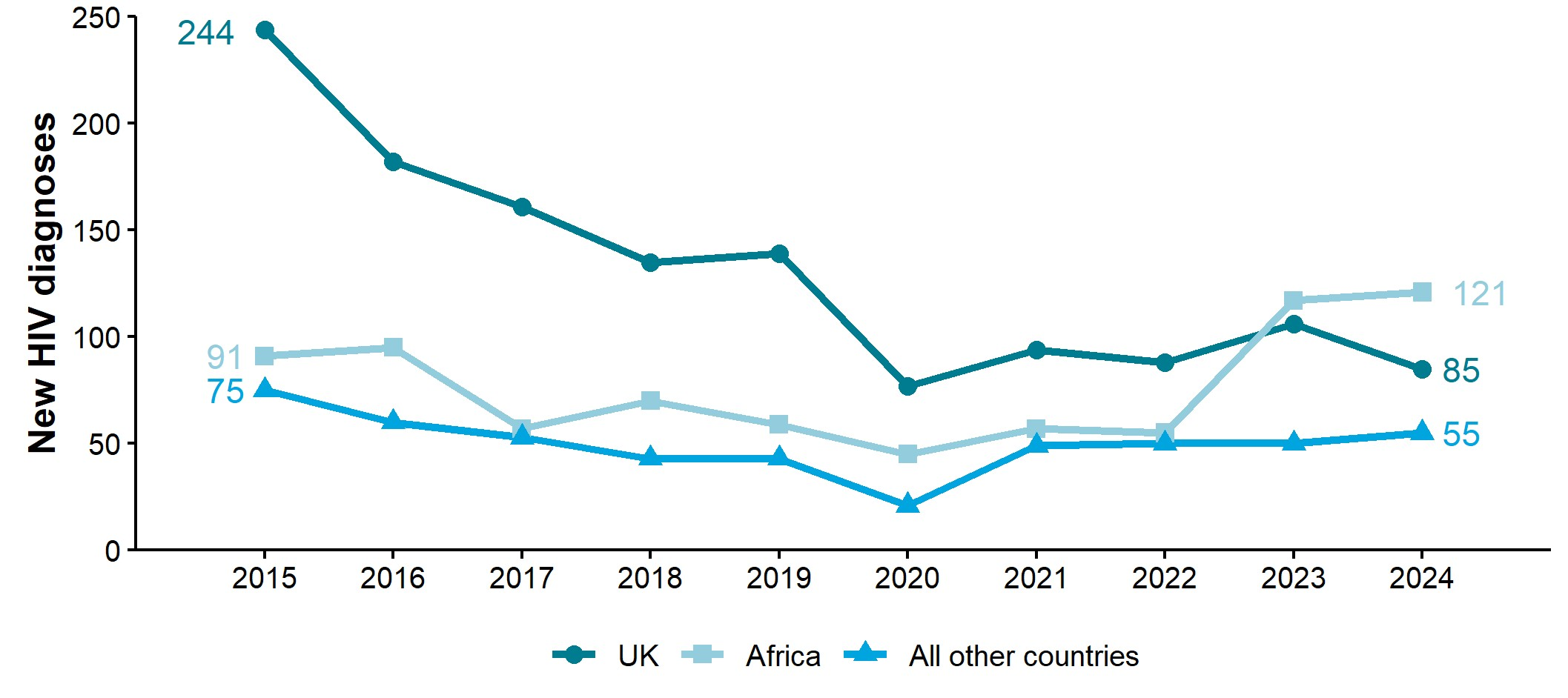
Figure 13. Number of new HIV diagnoses by world region of birth (adjusted for missing world region of birth information), West Midlands residents, 2015 to 2024 [note 3]
Source: UKHSA, HIV and AIDS New Diagnoses and Deaths (HANDD).
Note 1: The number of new diagnoses will depend on accessibility of testing as well as infection and transmission.
Note 2: Due to a change in the definition of new HIV diagnoses, this figure no longer includes data for persons previously diagnosed abroad and differs from that included in previous reports.
Note 3: Numbers may rise as further reports are received and more information is obtained. This is more likely to affect more recent years, particularly 2024.
Among UK-born West Midlands residents, diagnoses declined markedly from 244 in 2015 to 2020 before showing a relatively stable pattern in year-on-year new diagnoses, culminating with 85 in 2024. However, despite numbers rising after 2020, diagnoses among UK-born residents in 2024 remained substantially lower than levels observed in the mid-2010s.
In contrast, diagnoses among residents born in Africa showed an increase in recent years, rising from 70 in 2020 to 121 in 2024, making this the largest group by world region of birth in the most recent year. There were fewer diagnoses among residents born in all other countries, and although there was little variation in year-on-year counts, all years recorded lower new diagnoses compared with 2015. These patterns indicate that there may be disparities in access to prevention and testing interventions which highlights the need for continued efforts to promote effective support across the population.
Table 1. Number of new HIV diagnoses by ethnic group and whether born abroad, West Midlands residents, 2020 to 2024 [note 3]
| Ethnic group | UK-born | Born abroad | Unknown country of birth |
|---|---|---|---|
| White | 296 | 76 | 7 |
| Black African | 8 | 298 | 9 |
| Black Caribbean | 19 | 15 | 0 |
| Other | 74 | 142 | 9 |
| Unknown | 16 | 46 | 56 |
Source: UKHSA, HIV and AIDS New Diagnoses and Deaths (HANDD).
Note 1: Table 1 shows that the relationship between ethnic group and whether a person newly diagnosed with HIV was born abroad. Data is for the 5-year period 2020 to 2024. Those with a prior diagnosis abroad are excluded. To make it clear that there are differences in completeness of ascertainment of country of birth for different ethnic groups, numbers in this table are not adjusted for missing information.
Note 2: The number of new diagnoses will depend on accessibility of testing as well as infection and transmission.
Note 3: Numbers may rise as further reports are received and more information is obtained. This is more likely to affect more recent years, particularly 2024.
Among White residents, most diagnoses occurred in those who were UK-born (296 of 379 diagnoses), with a smaller proportion born abroad (76) and very few with unknown country of birth (7). The majority of Black African residents newly diagnosed with HIV were born abroad (298 of 315 diagnoses), while 8 diagnoses were recorded among UK-born individuals.
A more mixed pattern was observed for other ethnic groups. Among residents classified as other ethnicity, diagnoses were more common in those born abroad (142) than among those UK-born (74). Diagnoses among Black Caribbean residents were more evenly split between UK-born (19) and born abroad (15). A comparatively large number of diagnoses had an unknown country of birth in the ethnic group recorded as unknown (56), reflecting variation in data completeness.
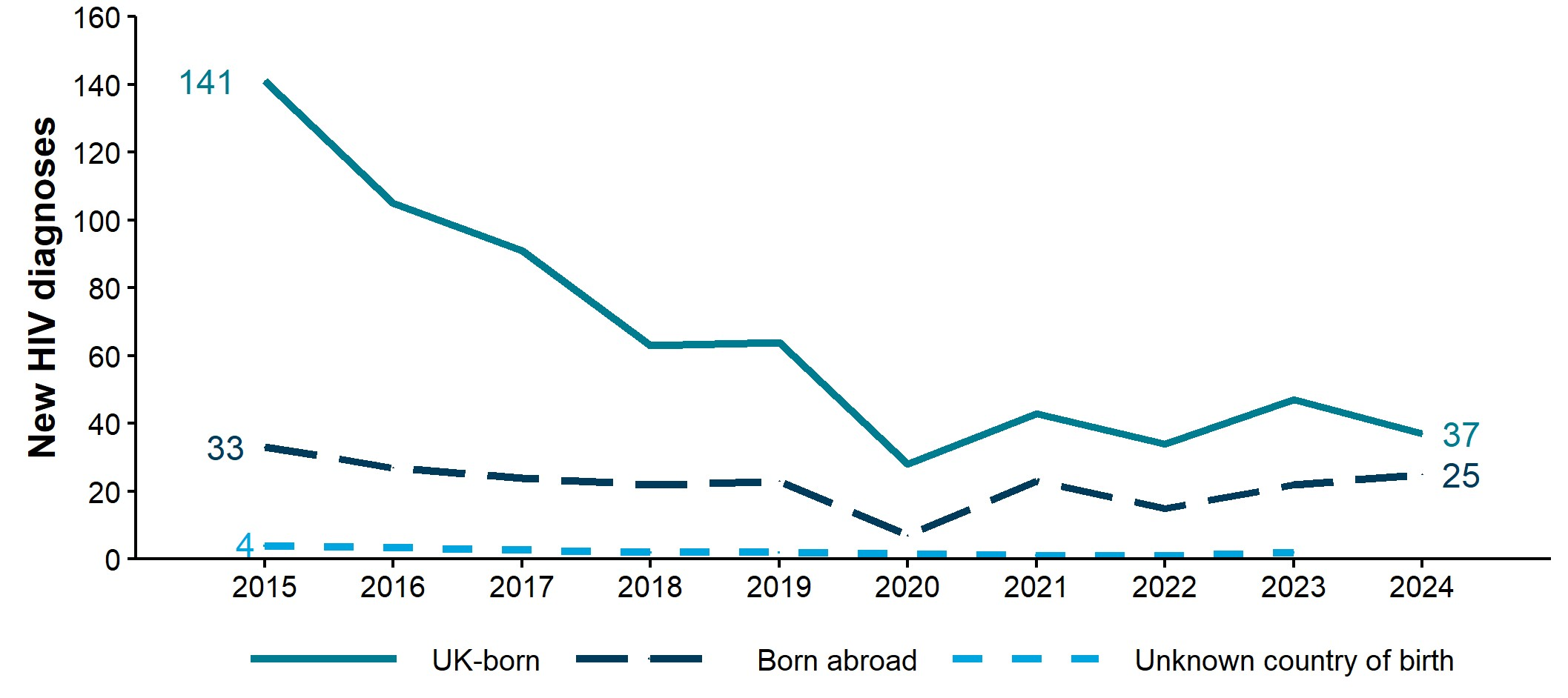
Figure 14. New HIV diagnoses in gay and bisexual men by whether born abroad, West Midlands residents, 2015 to 2024 [note 2]
Source: UKHSA, HANDD.
Note 1: The number of new diagnoses will depend on accessibility of testing as well as infection and transmission. Those with a prior diagnosis abroad are excluded.
Note 2: Numbers may rise as further reports are received and more information is obtained. This is more likely to affect more recent years, particularly 2024.
Over the period from 2015 to 2024, new HIV diagnoses among gay and bisexual men in the West Midlands declined substantially, particularly among those who were UK-born. Diagnoses in UK-born gay and bisexual men fell from 141 in 2015 to a decline in in 2020, before increasing modestly in subsequent years to 37, equivalent to a 74% reduction in 2024. Despite this recent rise, numbers in 2024 remained markedly lower than those observed at the start of the period.
Diagnoses among gay and bisexual men born abroad were consistently lower than among UK-born men but showed less pronounced long-term decline. Numbers decreased from 33 in 2015 with a drop in 2020, before rising again to 25 in 2024.
Diagnoses with unknown country of birth remained very low throughout the period. Overall, these trends indicate sustained reductions in diagnoses among gay and bisexual men with the majority of these men reporting birth in the UK.
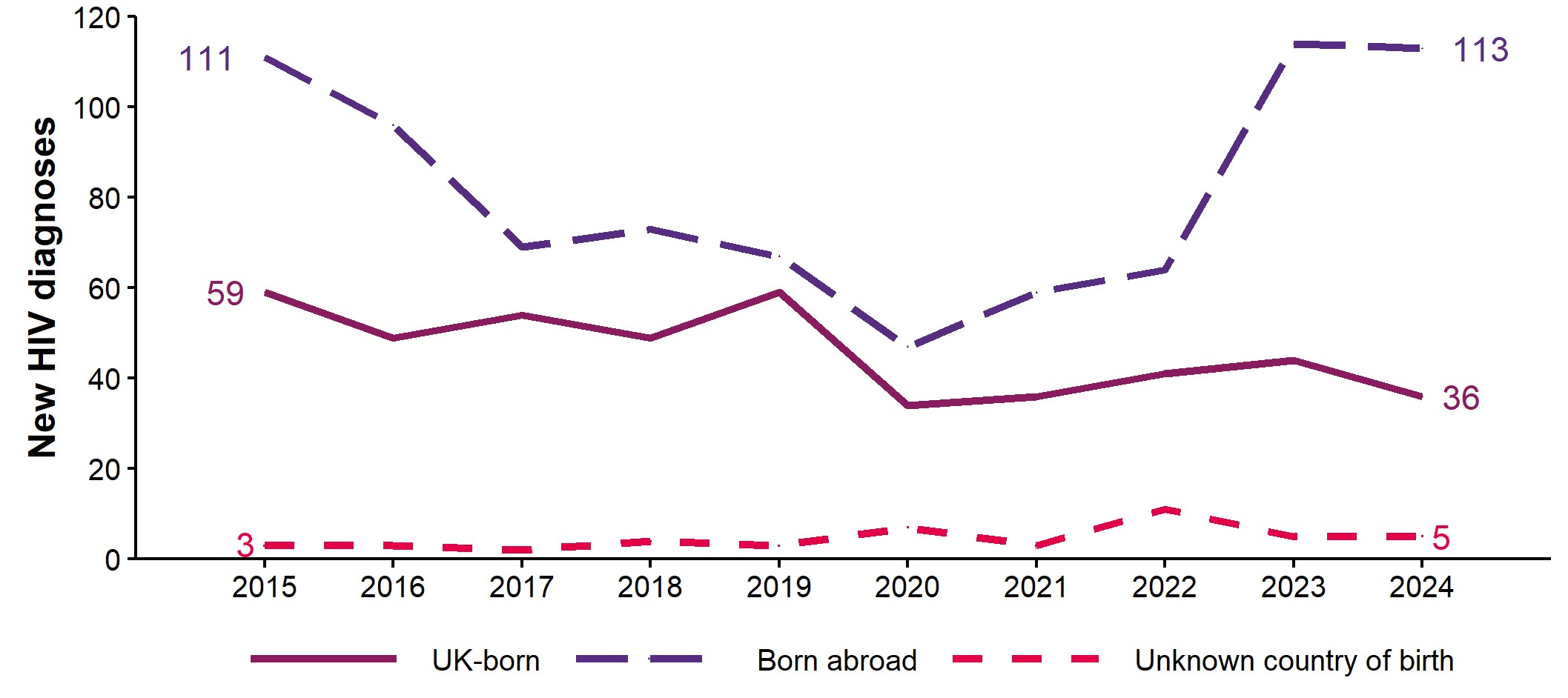
Figure 15. New HIV diagnoses in heterosexuals by whether born abroad, West Midlands residents, 2015 to 2024 [note 2]
Source: UKHSA, HANDD.
Note 1: The number of new diagnoses will depend on accessibility of testing as well as infection and transmission. Those with a prior diagnosis abroad are excluded.
Note 2: Numbers may rise as further reports are received and more information is obtained. This is more likely to affect more recent years, particularly 2024.
Among heterosexual West Midlands residents, new HIV diagnoses differed markedly by country of birth between 2015 and 2024. Diagnoses among those born abroad were consistently higher than among UK-born residents but did show a declining trend declining from 111 in 2015 to a low in 2020, before increasing sharply to 113 in 2024. This recent rise indicates a rebound to levels similar to those observed at the start of the period.
Diagnoses among UK-born heterosexuals were lower throughout the period and showed less variation, decreasing from 59 in 2015 to 36 in 2024, despite a temporary increase around 2019. Diagnoses with unknown country of birth remained very low, generally fewer than 10 cases per year. Overall, these trends indicate a higher proportion of new HIV diagnoses amongst individuals born abroad in the West Midlands.
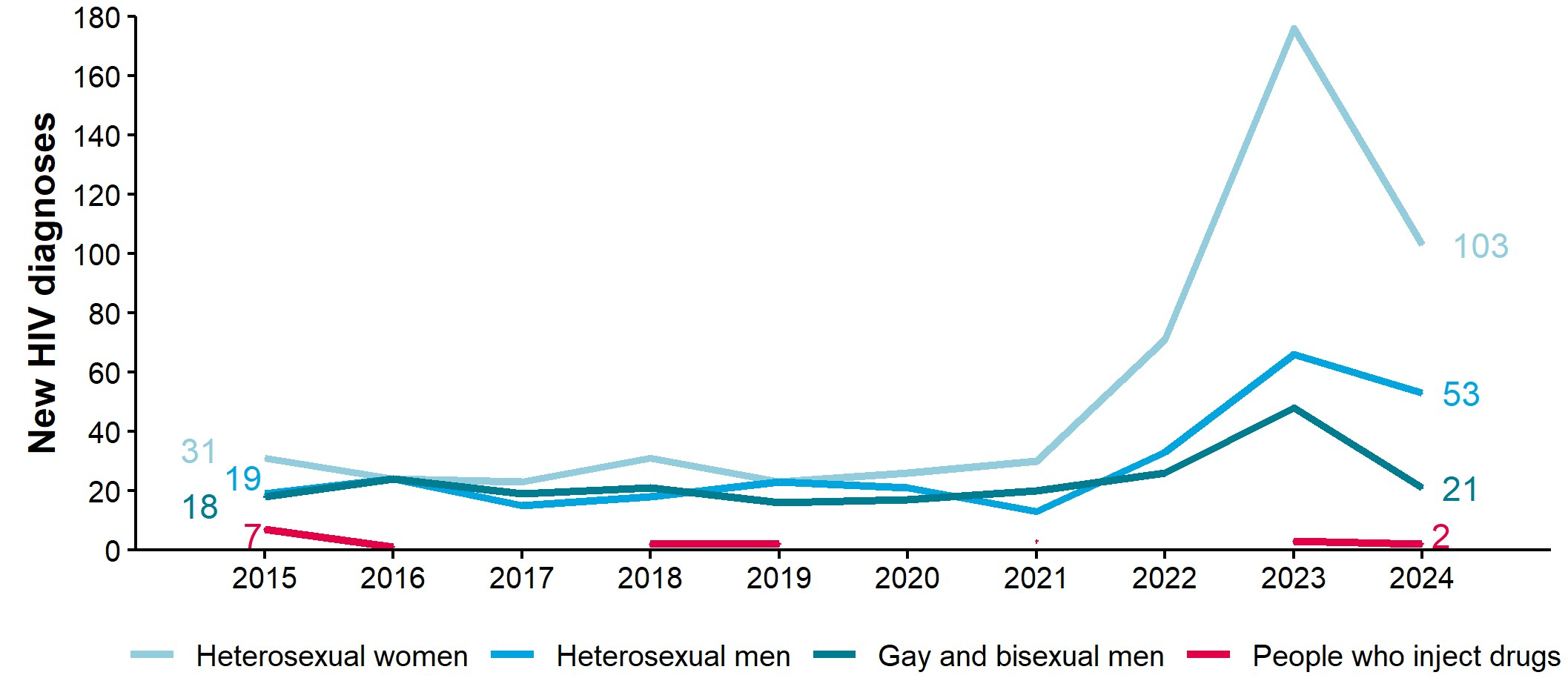
Figure 16. People diagnosed with HIV before continuing care in England by probable route of exposure, West Midlands residents, 2015 to 2024 [note 2]
Source: UKHSA, HANDD.
Note 1: The number of new diagnoses will depend on accessibility of testing as well as infection and transmission.
Note 2: Numbers may rise as further reports are received and more information is obtained. This is more likely to affect more recent years, particularly 2024.
Numbers of people diagnosed with HIV before continuing care in England varied by probable route of exposure between 2015 and 2024, with a marked increase in recent years. Diagnoses among heterosexual women remained relatively stable accounting for 31 cases in 2015, until 2021, then increased to a peak in 2023, before declining to 103 in 2024. This group accounted for the largest number of diagnoses before continuing care in England in recent years.
Diagnoses among heterosexual men also increased over time, accounting for 19 cases in 2015, then rising to a peak in 2023, before declining to 53 in 2024. Diagnoses among gay and bisexual men remained lower throughout the period, with 21 cases reported in 2024. Diagnoses among people who inject drugs were consistently very low, with 2 cases reported in 2024.
Overall, this data shows that heterosexual populations, particularly women, accounted for the highest number of diagnoses before continuing care in England in recent years.
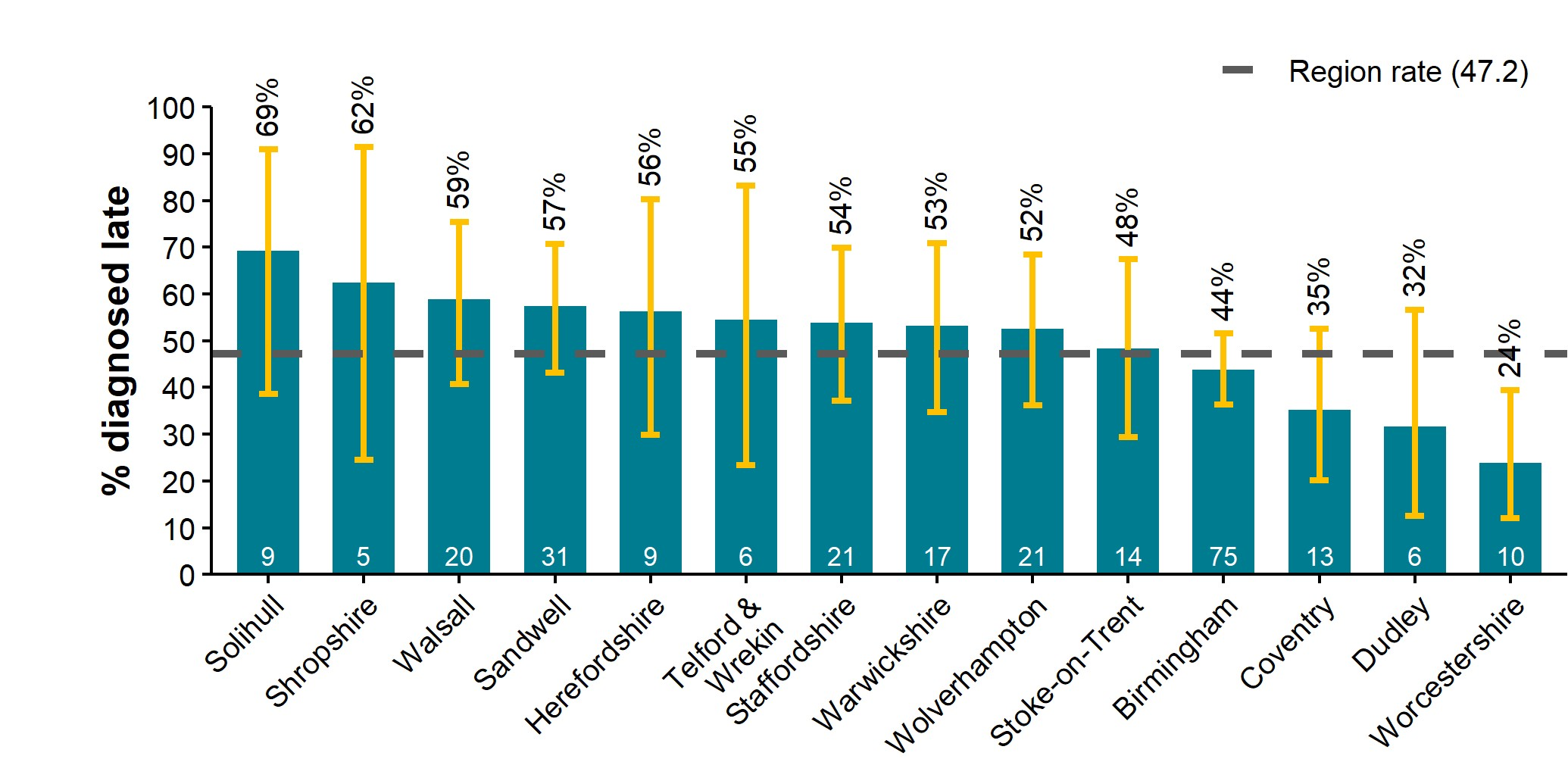
Figure 17. Percentage of new HIV diagnoses, by local authority of residence, that were diagnosed late, West Midlands, aged 15 years and over, 2022 to 2024 [note 2]
Source: UKHSA, HIV and AIDS New Diagnoses and Deaths (HANDD), HIV and AIDS Reporting System (HARS).
Note 1: The number contained within each bar indicates the number of cases.
Note 2: Only includes new diagnoses in those aged 15 years or older with no prior diagnosis abroad and for which a CD4 count was reported within 91 days of diagnosis. Late diagnosis defined as CD4 count <350 cells/mm3. The underlying population will impact on the proportion diagnosed late, for example gay and bisexual men are less likely to be diagnosed late.
The highest proportions of late diagnosis were recorded in Solihull (69%, n=9) and Shropshire (62%, n=5), followed by Walsall (59%, n=20) and Sandwell (57%, n=31). Several other areas also exceeded the West Midlands regional average of 47.2%, including Herefordshire (56%, n=9), Telford and Wrekin (55%, n=6), Staffordshire (54%, n=21) and Warwickshire (53%, n=17).
In contrast, lower proportions of late diagnosis were observed in Birmingham (44%, n=75) and Coventry (35%, n=13), Dudley (32%, n=6) and Worcestershire (21%, n=10) were below the regional average (47.2%) and national average (43%). While confidence intervals were wide in areas with small numbers of diagnoses, these findings highlight geographic differences in timely HIV diagnosis across the West Midlands and underscore the need for HIV services that can support earlier diagnosis across local authorities.
Overall, the majority of local authorities in the West Midlands reported higher levels of late HIV diagnoses than England, despite there being some variation between local authorities. This likely reflects differences in testing access, health-seeking behaviour, and underlying risk at the population level. Nonetheless, there is opportunity to learn from areas in the West Midlands reporting low levels of late diagnoses to improve health outcomes across the region.
Figure 18. Percentage and number of new HIV diagnoses by probable route of exposure that were diagnosed late, West Midlands residents, aged 15 years and over, 2022 to 2024 [note 1]
Source: UKHSA, HIV and AIDS New Diagnoses and Deaths (HANDD), HIV and AIDS Reporting System (HARS).
Note: Only includes new diagnoses in those aged 15 years or older with no prior diagnosis abroad and for which a CD4 count was reported within 91 days of diagnosis. Late diagnosis defined as CD4 count <350 cells/mm3. Proportions are only shown for the gay and bisexual men, heterosexual men, heterosexual women, and injecting drug use exposure groups and are withheld for any of these categories if they contain fewer than 5 late diagnoses.
The lowest proportion of late diagnosis was observed among those infected through sex between men, where 35% of new diagnoses were late (52 cases). In contrast, substantially higher proportions of late diagnosis were seen among heterosexuals, particularly heterosexual males, where 54% of diagnoses were late (79 cases).
Among heterosexual females, 50% of new HIV diagnoses were made at a late stage (90 cases), indicating a similarly high burden of delayed diagnosis in this group. Fewer than 5 late diagnoses were recorded among people who inject drugs, and percentages are therefore not presented for this group. These findings highlight inequalities in the timely diagnosis of HIV and indicate that sustained effort is required to raise awareness and increase access to HIV testing.
Figure 19. Percentage and number of new HIV diagnoses by ethnic group that were diagnosed late, West Midlands residents, aged 15 years and over, 2022 to 2024 [note]
Source: UKHSA, HIV and AIDS New Diagnoses and Deaths (HANDD), HIV and AIDS Reporting System (HARS).
Note: Only includes new diagnoses in those aged 15 years or older with no prior diagnosis abroad and for which a CD4 count was reported within 91 days of diagnosis. Late diagnosis defined as CD4 count <350 cells/mm3. Proportions are only shown for the White, Black African and Black Caribbean ethnic groups and are withheld for any of these ethnic group categories if they contain fewer than 5 late diagnoses. IPB means Indian, Pakistani or Bangladeshi.
The highest proportion of late diagnosis was observed among Black African residents, where 53% of new HIV diagnoses were made at a late stage (94 cases). Among White residents 45% of diagnoses were late (83 cases) and among Black Caribbean residents, 44% of diagnoses were made at a late stage (8 cases). However, interpretation is limited by small numbers and wide confidence intervals.
Overall, late diagnosis affected nearly half of new diagnoses across all ethnic groups shown, highlighting ongoing challenges in achieving timely HIV testing and diagnosis. The higher proportion of late diagnosis among Black African residents suggests a need for targeted interventions to improve access to testing, early engagement with services, and culturally appropriate prevention efforts in this population.
The confidence intervals overlap across ethnic groups, indicating that differences should be interpreted with caution. Overall, late diagnosis affected a substantial proportion of new diagnoses across all ethnic groups.
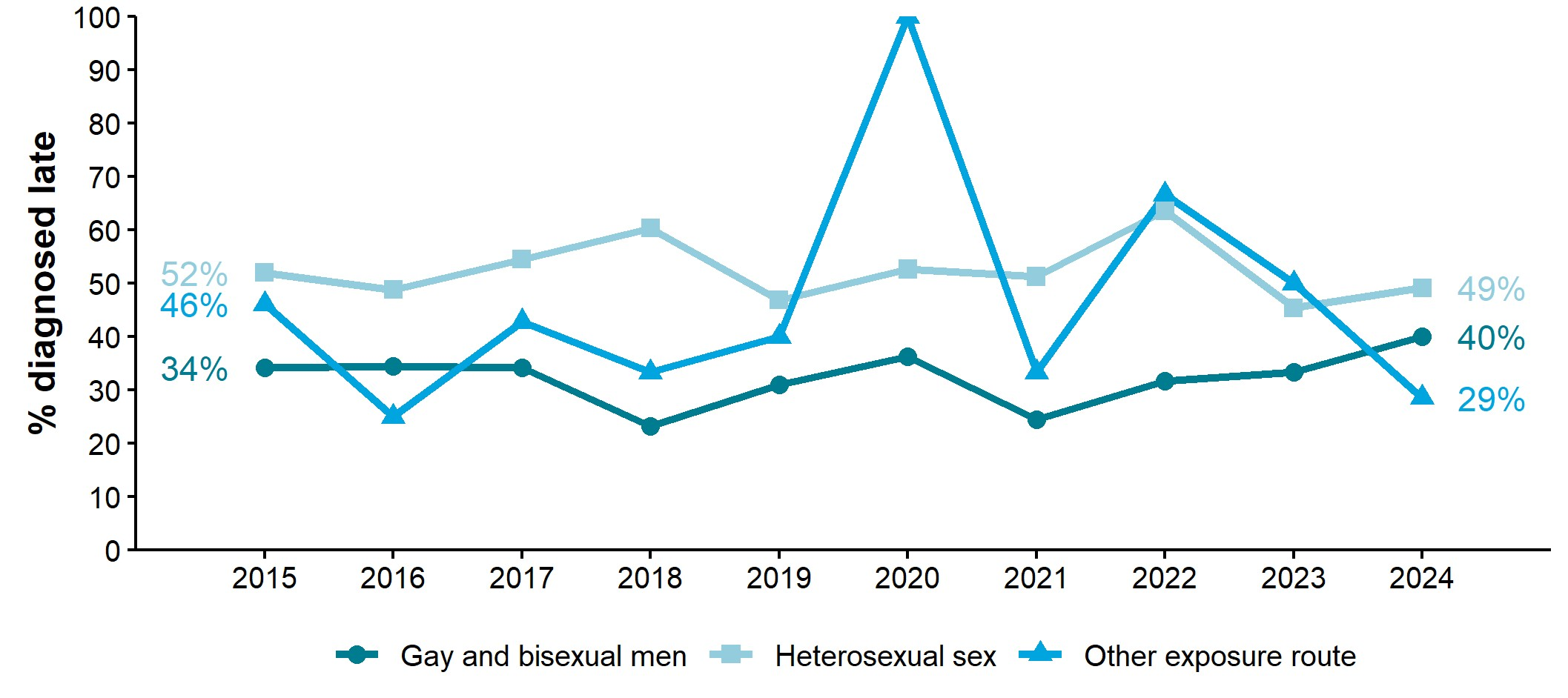
Figure 20. Percentage of new HIV diagnoses that were diagnosed late by probable route of exposure and year of first UK HIV diagnosis, West Midlands residents, aged 15 years and over, 2015 to 2024 [note]
Source: UKHSA, HIV and AIDS New Diagnoses and Deaths (HANDD), HIV and AIDS Reporting System (HARS).
Note: Only includes new diagnoses in those aged 15 years or older with no prior diagnosis abroad and for which a CD4 count was reported within 91 days of diagnosis. Late diagnosis defined as CD4 count <350 cells/mm3.
The proportion of new HIV diagnoses made at a late stage varied by probable route of infection between 2015 and 2024, with almost a consistent higher level observed among those infected through sex between men and women. Late diagnosis in this group was above 50% in most years and showed a relatively flat trend with a few peaks in 2018 and 2022. This indicates a persistent pattern of delayed diagnosis among heterosexual transmission routes across the period.
Late diagnosis among those infected through sex between men was consistently lower, remaining below 40% in most years, with only a modest increase over time from 34% in 2015 to 40% in 2024. Diagnoses attributed to other infection routes showed substantial year-to-year variation, reaching 100% in 2020, likely reflecting very small numbers and the effect of the COVID-19 pandemic, before declining to 29% in 2024. Overall, these trends demonstrate ongoing inequalities in the timeliness of HIV diagnosis by route of infection, with late diagnosis remaining most common among those infected through sex between men and women.
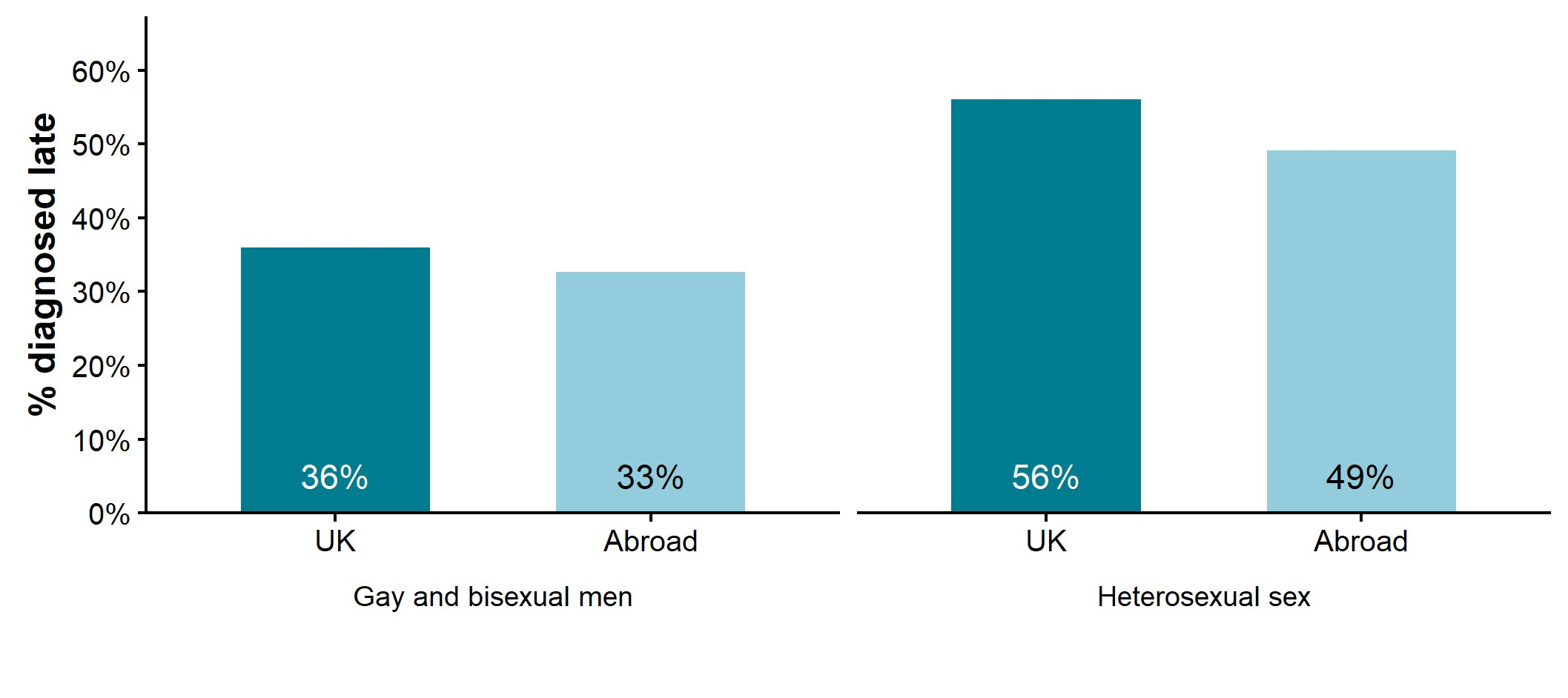
Figure 21. Percentage of new HIV diagnoses that were diagnosed late in gay and bisexual men and heterosexuals by whether born abroad, West Midlands residents, aged 15 years and over, 2022 to 2024 [note]
Source: UKHSA, HIV and AIDS New Diagnoses and Deaths (HANDD), HIV and AIDS Reporting System (HARS).
Note: Only includes new diagnoses in those aged 15 years or older with no prior diagnosis abroad and for which a CD4 count was reported within 91 days of diagnosis. Late diagnosis defined as CD4 count <350 cells/mm3.
Late HIV diagnosis varied by both probable route of infection and country of birth among West Midlands residents aged 15 years and over between 2022 and 2024. Among those infected through sex between men, the proportion diagnosed late was slightly higher in UK-born individuals (36%) compared with those born abroad (33%), indicating broadly similar levels of timely diagnosis in this group regardless of country of birth.
In contrast, substantially higher proportions of late diagnosis were observed among those infected through sex between men and women. Among this group, 56% of UK-born individuals were diagnosed late, compared with 49% of those born abroad. Overall, these findings show that late diagnosis remains more common among people infected through sex between men and women than among those infected through sex between men, with UK-born heterosexuals experiencing the highest levels of late diagnosis in the most recent period.
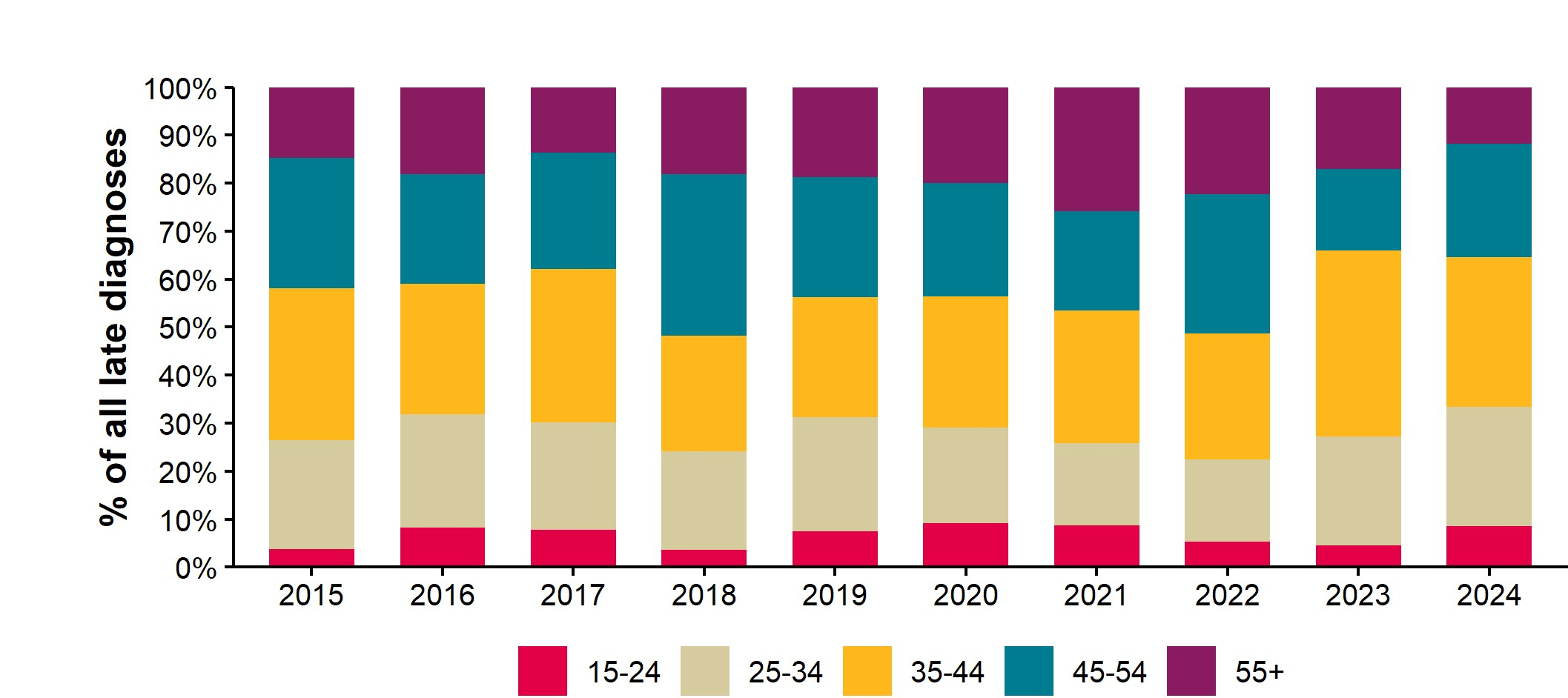
Figure 22. Age distribution of new HIV diagnoses that were diagnosed late by year of first HIV diagnosis, West Midlands residents, aged 15 years and over, 2015 to 2024 [note]
Source: UKHSA, HIV and AIDS New Diagnoses and Deaths (HANDD), HIV and AIDS Reporting System (HARS).
Note: Only includes new diagnoses in those aged 15 years or older with no prior diagnosis abroad and for which a CD4 count was reported within 91 days of diagnosis. Late diagnosis defined as CD4 count <350 cells/mm3.
Across the period 2015 to 2024, late HIV diagnoses among West Midlands residents aged 15 years and over were more concentrated in mid to older age groups. Individuals aged 35 to 44 years and 45 to 54 years accounted for the largest proportions of late diagnoses in most years, together making up around 40 to 55% of all late diagnoses annually. Those aged 55 years and over had a more varied proportion across the time period, however showed higher levels of late diagnoses from 2018 to 2022.
Those aged 25 to 34 years also showed varied proportions in late diagnoses between years, with relatively lower levels between 2020 and 2022 more pronounced contributions in recent years. The youngest age group, those aged 15 to 24 years consistently accounted for fewer than 10% of late diagnoses each year. The age distribution therefore highlights that late diagnosis is predominantly experienced among older age groups, suggesting opportunities for earlier testing interventions among these adults in the West Midlands.
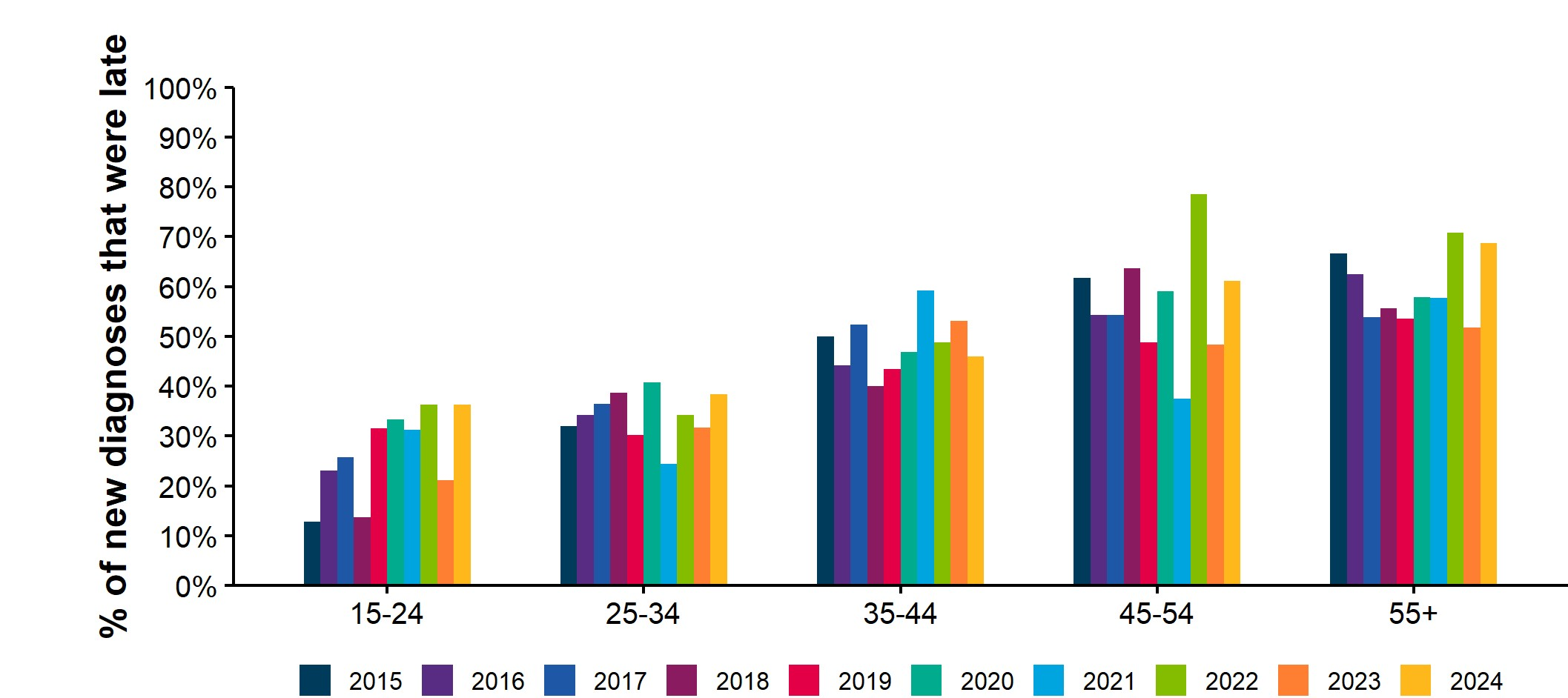
Figure 23. Percentage of all new diagnoses that were late by age by year of first HIV diagnosis, West Midlands residents, aged 15 years and over, 2015 to 2024 [note]
Source: UKHSA, HIV and AIDS New Diagnoses and Deaths (HANDD), HIV and AIDS Reporting System (HARS).
Note: Only includes new diagnoses in those aged 15 years or older with no prior diagnosis abroad and for which a CD4 count was reported within 91 days of diagnosis. Late diagnosis defined as CD4 count <350 cells/mm3.
The proportion of new HIV diagnoses that were diagnosed late increased with age across all years from 2015 to 2024. Late diagnosis was least common among those aged 15 to 24 years, where proportions generally remained below 35%, despite some year-to-year fluctuation. Among individuals aged 25 to 34 years, the proportion diagnosed late was higher, typically ranging between 30% and 45% across the period, but still relatively lower than in older age groups.
Substantially higher proportions of late diagnosis were observed in older age groups. Among those aged 35 to 44 years, around 45 to 60% of new diagnoses were late in most years, while for those aged 45 to 54 years, proportions frequently exceeded 55%, peaking at around 75% in 2022. The highest levels of late diagnosis were almost universally amongst those aged 55 years and over, with approximately 55 to 70% of new diagnoses classified as late in recent years.
Overall, the data shows an age gradient, with the likelihood of late HIV diagnosis increasing with age and this age inequality has persisted over time, emphasising the need for targeted early diagnostic interventions among adults aged 35 years and over in the West Midlands.
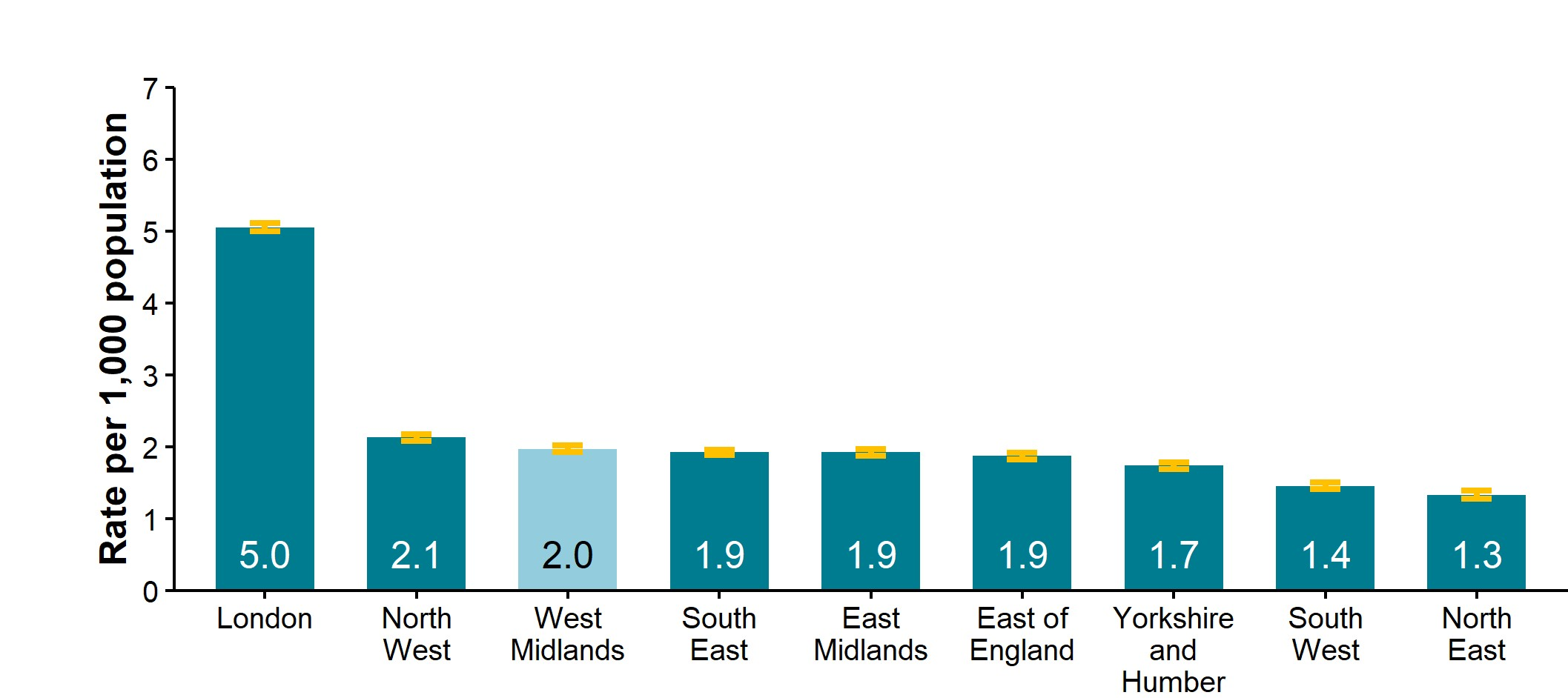
Figure 24. Diagnosed HIV prevalence per 1,000 residents aged 15 to 59 years by UKHSA region, 2024
Source: UKHSA, HIV and AIDS Reporting System (HARS).
In 2024, diagnosed HIV prevalence among residents aged 15 to 59 years varied substantially across UKHSA regions. London had the highest prevalence at 5 per 1,000 population, more than double that observed in any other region. In comparison, prevalence in the West Midlands was 2.0 per 1,000, placing it close to the national mid-range.
Across the remaining regions, prevalence rates clustered between 1.3 and 1.9 per 1,000, with slightly higher rates observed in the East of England (1.9), East Midlands (1.9) and Yorkshire and the Humber (1.7). The lowest prevalence was in the North East (1.3) and South West (1.4). While the West Midlands continues to have a substantially lower diagnosed HIV prevalence than London, it remains comparable to several other regions in England, highlighting a continued need for sustained prevention, testing and care activity.
Figure 25. Number of residents living with diagnosed HIV (all ages) and accessing care, the West Midlands, 2015 to 2024
Source: UKHSA, HIV and AIDS Reporting System (HARS).
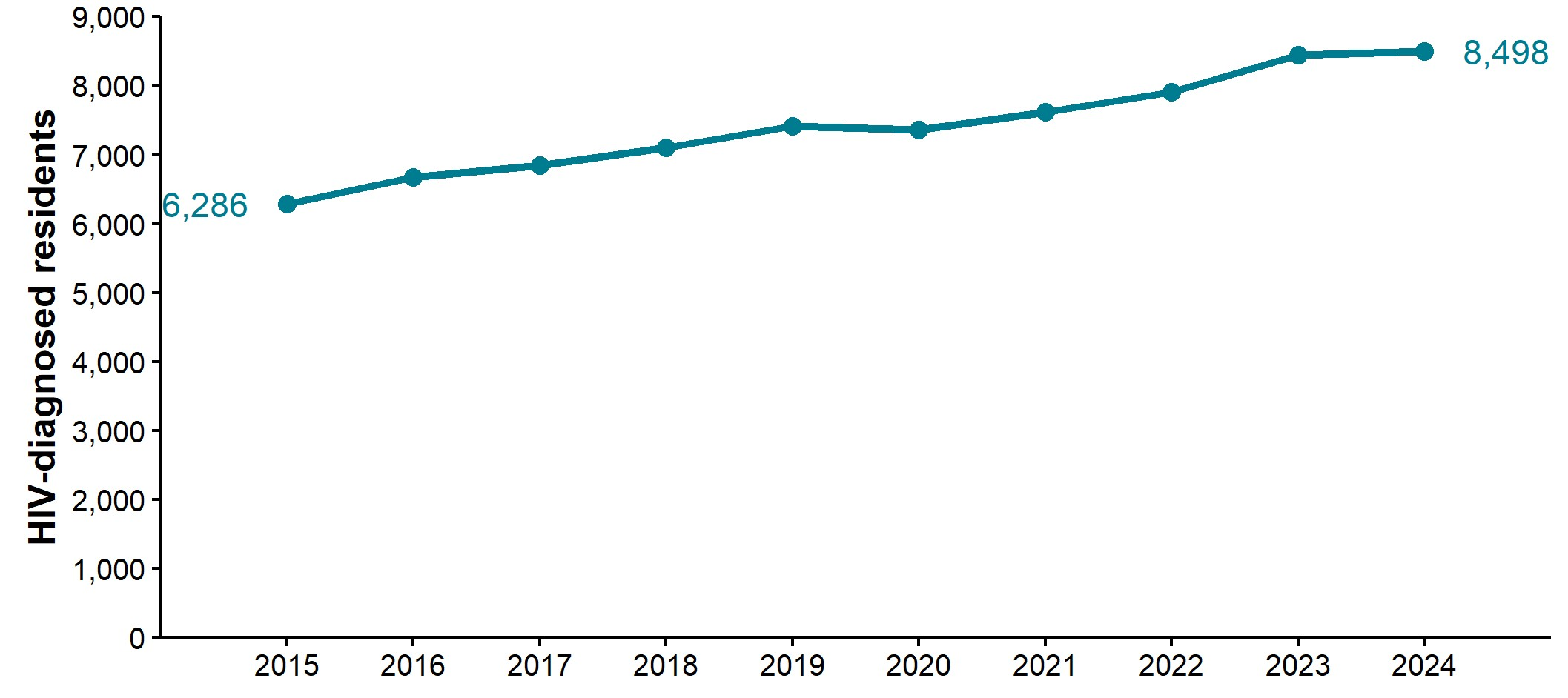
Between 2015 and 2024, the number of West Midlands residents living with diagnosed HIV and accessing care increased steadily. In 2015, approximately 6,286 residents were in care, rising to 8,498 by 2024, representing an overall increase of around 35% over the decade.
Growth was gradual and consistent across most years, with a small plateau observed around 2019 to 2020, followed by renewed increases from 2021 onwards. The continued rise reflects improvements in survival and retention in care associated with effective antiretroviral therapy, alongside ongoing new diagnoses. This increasing number of people living with diagnosed HIV highlights the growing population requiring sustained HIV treatment, care, and support services across the West Midlands.
Figure 26. Number of residents living with diagnosed HIV and accessing care by probable route of exposure (adjusted for missing route information), the West Midlands, 2024
Source: UKHSA, HIV and AIDS Reporting System (HARS).
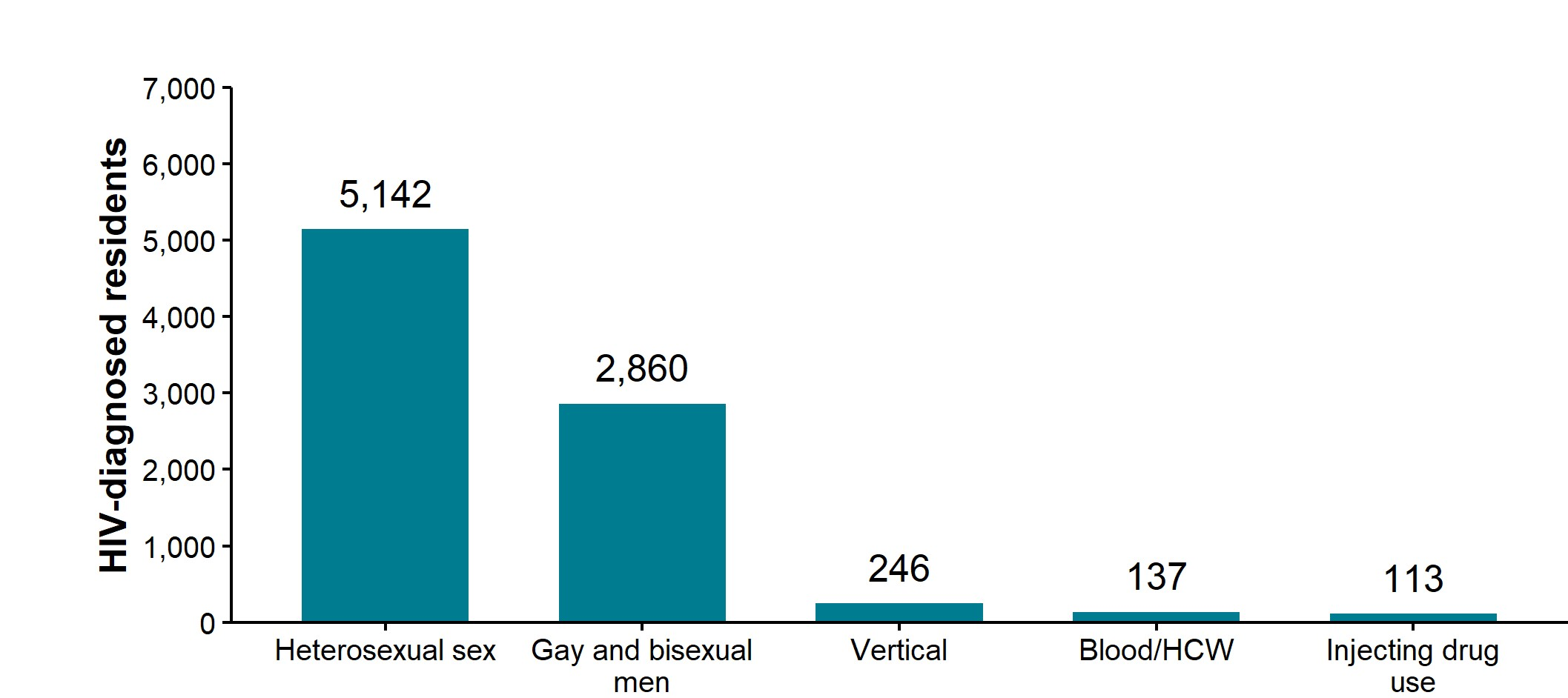
Among residents living with diagnosed HIV and accessing care in the West Midlands in 2024, transmission was predominantly attributed to sexual exposure. The largest group comprised individuals who acquired HIV through sex between men and women 5,142 residents, (60.5%), followed by those exposed through sex between men 2,860 residents, (33.7%).
Fewer residents were living with HIV following non-sexual routes of transmission: mother to child transmission accounted for 246 residents,(2.9%), while blood/HCW exposure 137 residents, (1.6%) and injecting drug use 113 residents, (1.3%) represented the smallest groups.
These findings indicate that, while a range of transmission routes are represented among people accessing HIV care, HIV is predominately acquired by sexual transmission, with non-sexual routes contributing a comparatively minor share of diagnosed prevalence in the region.
Figure 27. Percentage of all residents with diagnosed HIV who are accessing care, by age group contribution, the West Midlands, 2015 and 2024
Source: UKHSA, HIV and AIDS Reporting System (HARS).
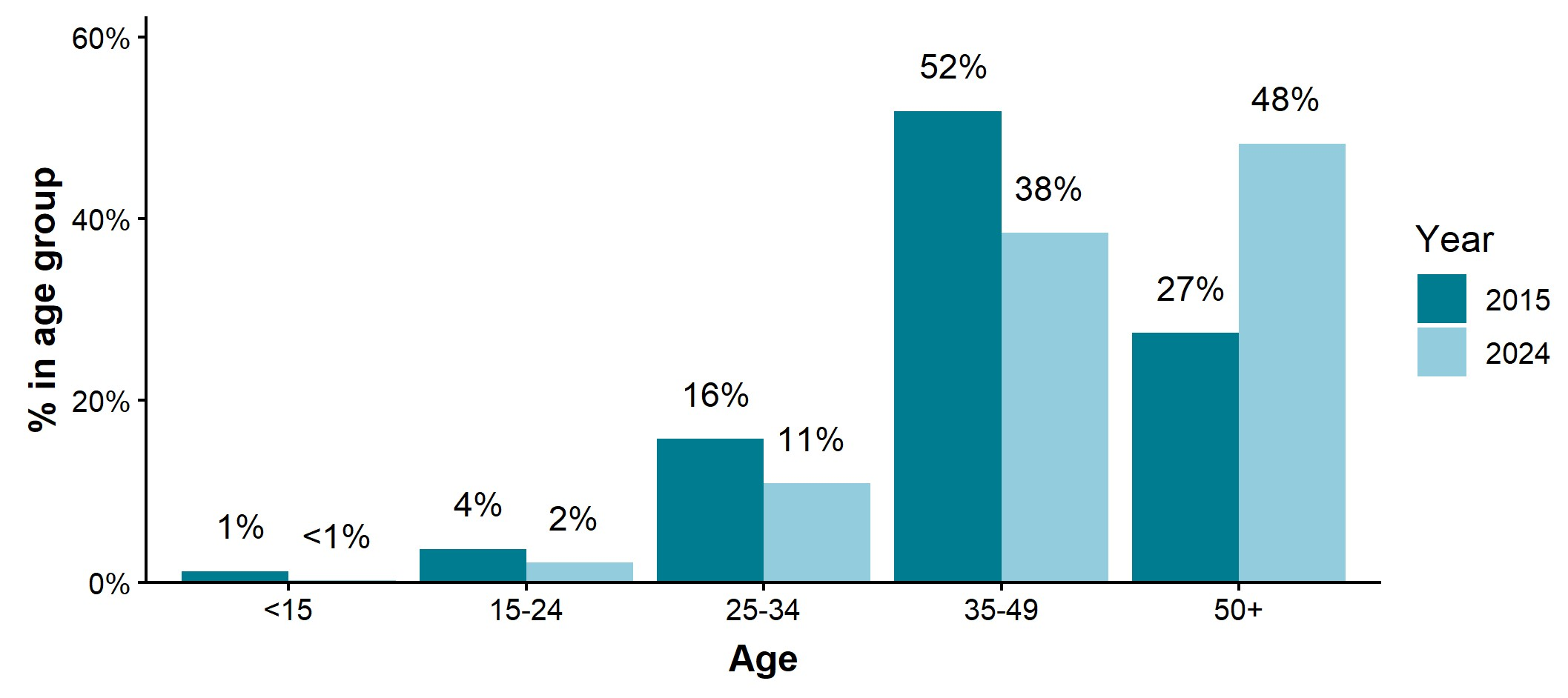
This data shows changes in the population living with HIV and accessing care over almost a decade. Over time, the ageing of those living with diagnosed HIV and accessing care has led to an increase in the proportion of residents in the 50+ age bracket which represents the largest proportion in care in 2024 (48%). This has shifted from 2015 when the largest proportion of residents in care were aged 35 to 49 years (52%) but has fallen to 38% in 2024 due to population aging.
Younger age groups contributed a small and declining share over time. The proportion aged 25 to 34 years decreased from 156% in 2015 to 11% in 2024, and those aged 15 to 24 years fell from 4% to 2%. Children aged under 15 years remained consistently at 1% or below in both years.
Overall, the figure demonstrates a substantial shift in those accessing HIV care towards older age groups, indicating improved survival and long-term engagement in care, with implications for HIV services increasingly needing to address age-related comorbidities and long-term care needs.
Figure 28. Diagnosed HIV prevalence per 1,000 residents by ethnic group (all ages), the West Midlands, 2024
Source: UKHSA, HIV and AIDS Reporting System (HARS).
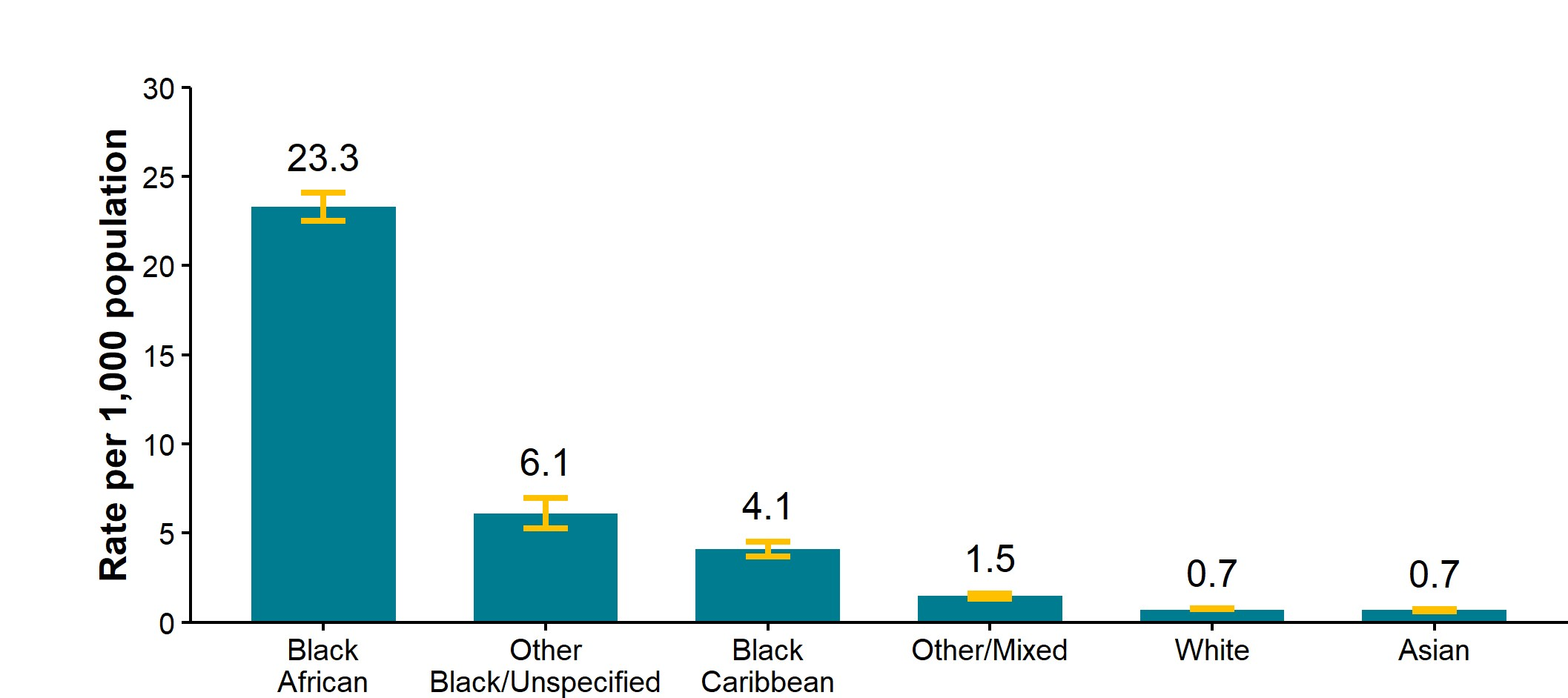
There are ethnic inequalities in diagnosed HIV prevalence in the West Midlands in 2024 with the highest prevalence observed among Black African residents, at 23.3 per 1,000 population. This is significantly higher, by over a factor of 3 than the next highest group and approximately 33 times higher than the prevalence among White residents.
Prevalence among those recorded as Other Black/Unspecified was 6.1 per 1,000, followed by Black Caribbean residents at 4.1 per 1,000. Lower prevalence rates were observed among Other/Mixed ethnic groups (1.5 per 1,000) and both Asian residents and White residents had the lowest prevalence, both at 0.7 per 1,000.
Overall, there are considerable and persistent ethnic disparities in diagnosed HIV in the West Midlands, with particularly high prevalence among Black African communities, underscoring the need for targeted prevention, testing, and culturally appropriate, accessible services.
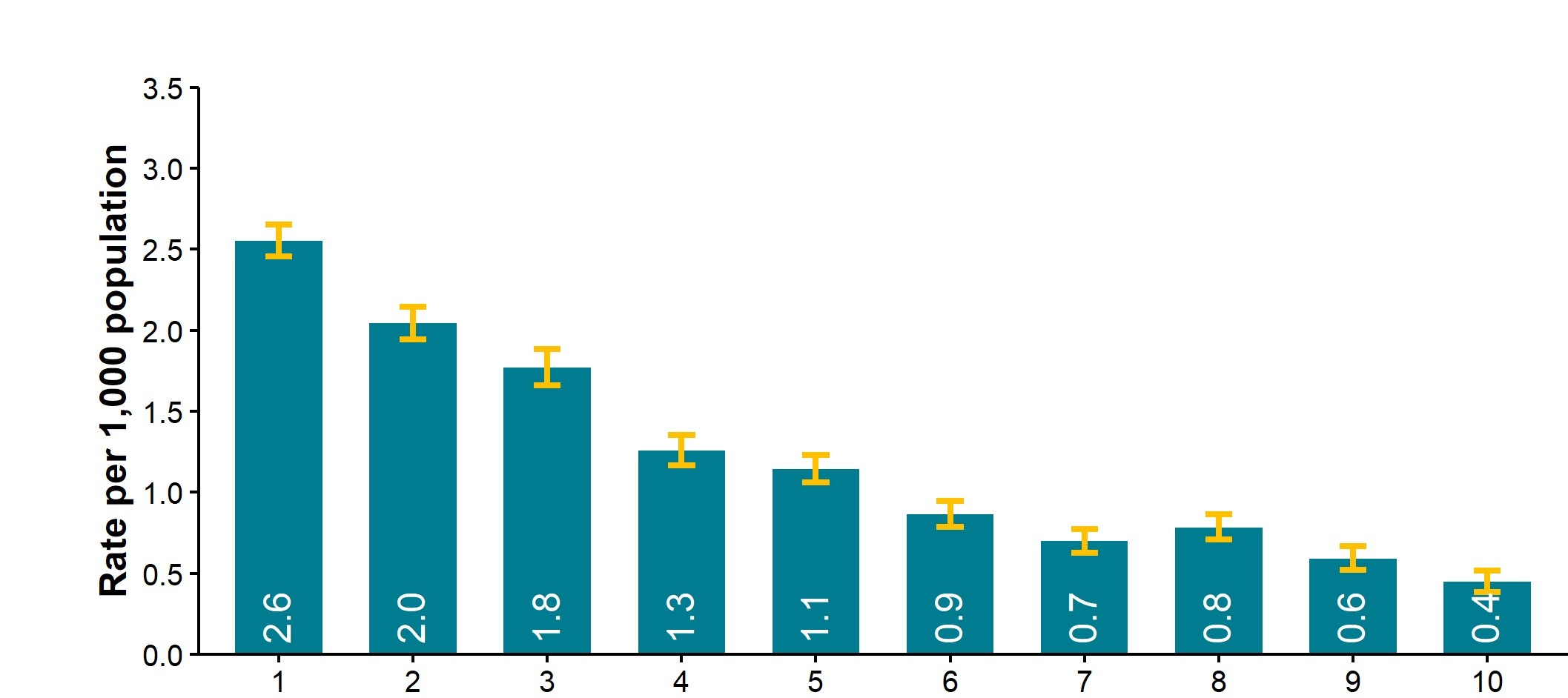
Figure 29. Diagnosed HIV prevalence per 1,000 population by Index of Multiple Deprivation decile, the West Midlands, 2024
Source: UKHSA, HIV and AIDS Reporting System (HARS).
There’s a clear and consistent gradient in diagnosed HIV prevalence by deprivation in the West Midlands in 2024, with prevalence highest in the most deprived areas and decreasing steadily with lower deprivation. Residents living in the most deprived areas (decile 1) had the highest prevalence, at 2.6 per 1,000 population, with prevalence steadily decreasing as deprivation reduced.
Rates declined progressively across deciles, falling to 2.0 per 1,000 in decile 2 and 1.8 per 1,000 in decile 3, before dropping below 1.5 per 1,000 from decile 4 onwards. In the least deprived areas (decile 10), prevalence was lowest at 0.4 per 1,000 population, representing more than a six-fold difference compared with the most deprived decile.
This pattern demonstrates a strong association between higher levels of deprivation and increased HIV prevalence, underlining the importance of addressing social and structural determinants alongside prevention and care interventions.
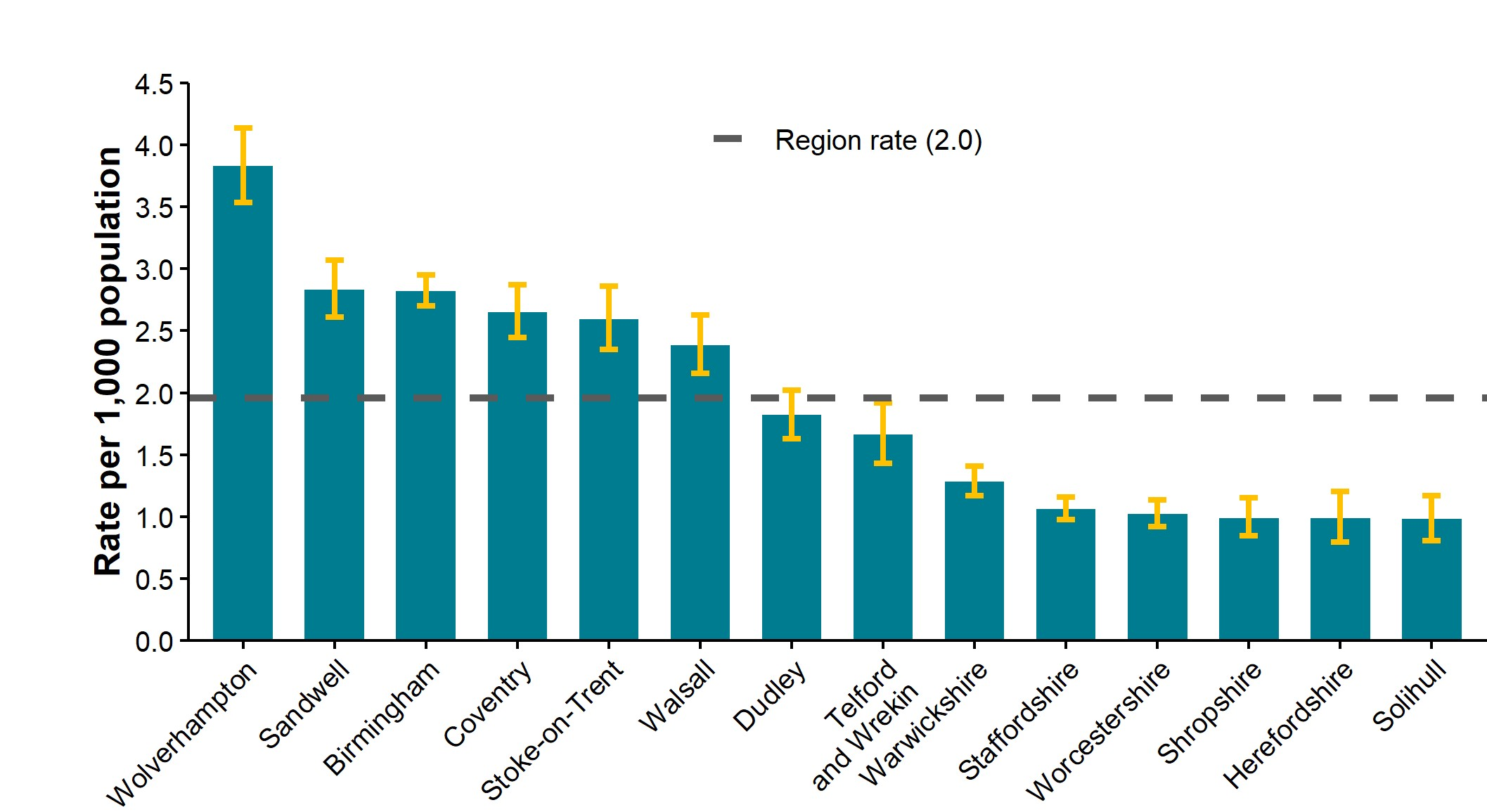
Figure 30. Diagnosed HIV prevalence per 1,000 residents aged 15 to 59 years by local authority, the West Midlands, 2024
Source: UKHSA, HIV and AIDS Reporting System (HARS).
There is variation in diagnosed HIV prevalence by local authority in the West Midlands in 2024, with several areas, particularly large urban centres, exceeding the regional average of 2.0 per 1,000 residents aged 15 to 59 years. The highest prevalence was observed in Wolverhampton, followed by Sandwell and Birmingham, all of which were above the regional average.
Prevalence was also above the regional average in Coventry, Stoke-on-Trent and Walsall. Lower prevalence rates were observed in more rural areas including Dudley, Telford and Wrekin, and Warwickshire, while Staffordshire, Worcestershire, Shropshire, Solihull and Herefordshire reported the lowest prevalence in the region.
This pattern indicates an urban-rural gradient in diagnosed HIV prevalence, with higher prevalence concentrated in urban areas.
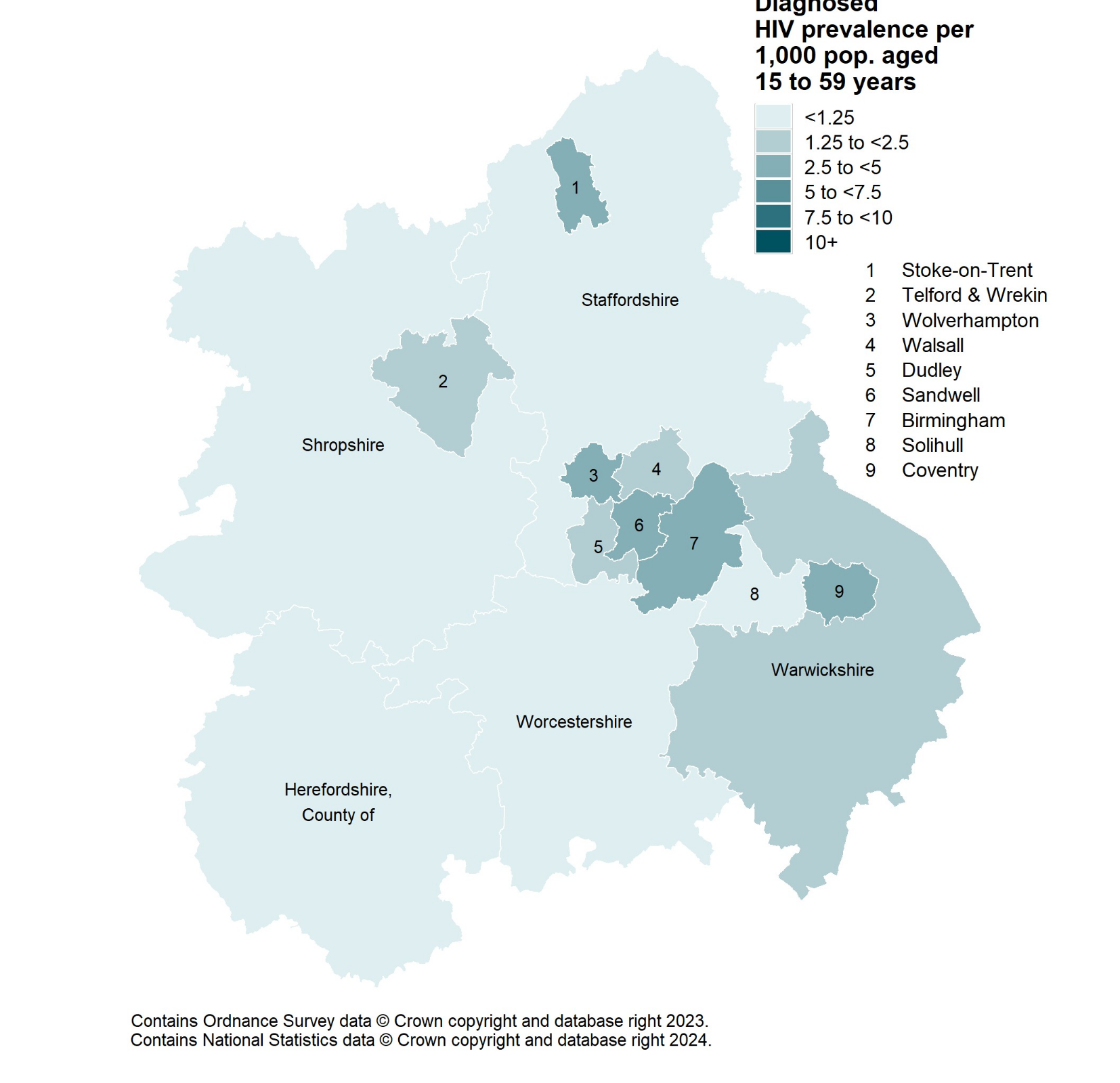
Figure 31. Diagnosed HIV prevalence per 1,000 residents aged 15 to 59 years by local authority, the West Midlands, 2024
Source: UKHSA, HIV and AIDS Reporting System (HARS).
Geographical variation in diagnosed HIV prevalence was evident across local authorities in the West Midlands in 2024. Higher prevalence rates among residents aged 15 to 59 years were concentrated in several metropolitan local authorities, particularly Stoke-on-Trent, Birmingham, Sandwell, Wolverhampton, and Coventry where diagnosed HIV prevalence fell within the 2.5 to <5 per 1,000 and 5 to <7.5 per 1,000 population categories.
Lower prevalence rates (<1.25 per 1,000 and 1.25 to <2.5 per 1,000) were observed across more rural and less densely populated areas, including Herefordshire, Worcestershire, Shropshire, and Staffordshire.
The distribution demonstrates a clear urban-rural gradient, with higher diagnosed HIV prevalence clustered in urban local authorities and lower rates in predominantly rural areas of the region.
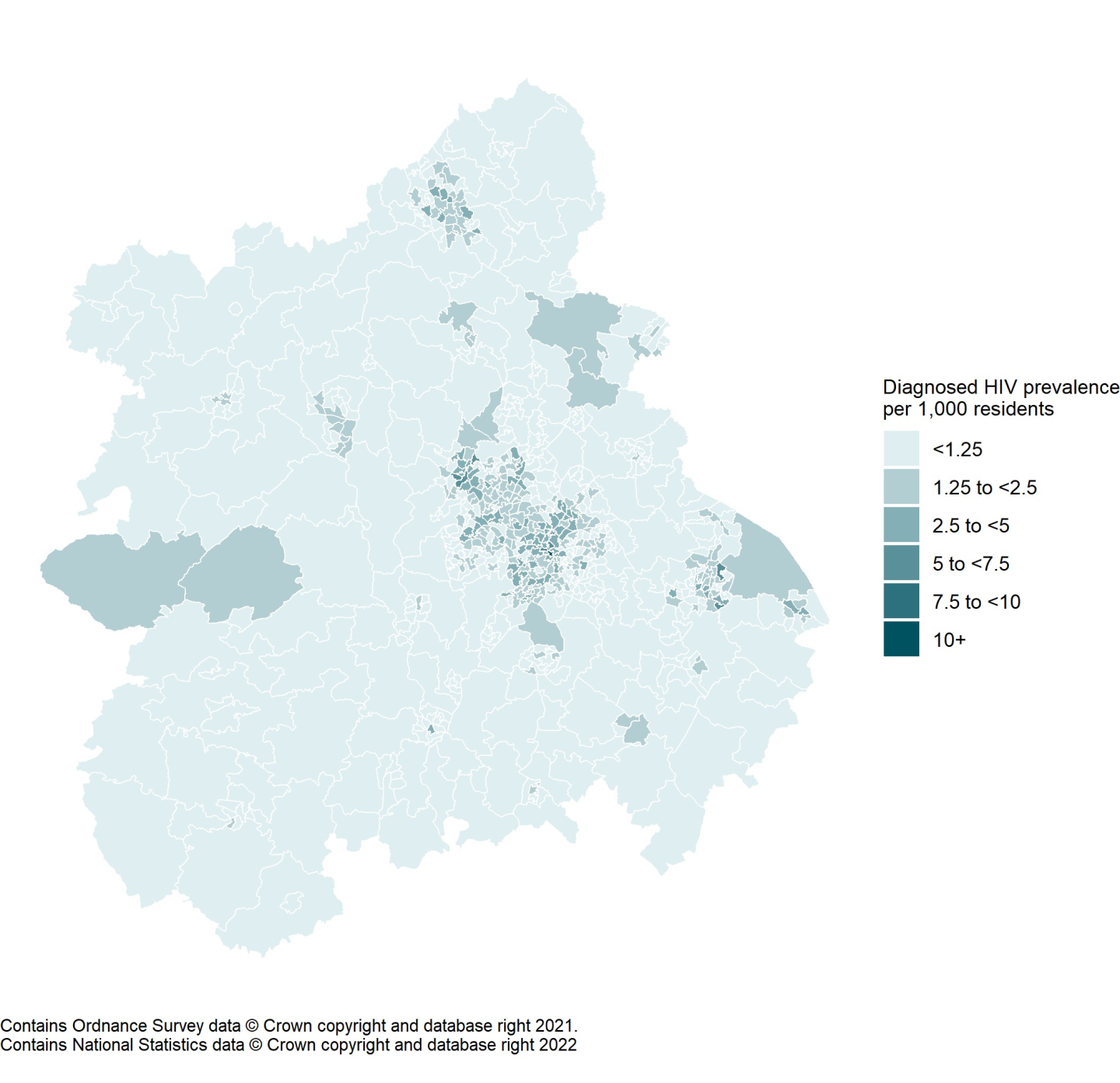
Figure 32. Diagnosed HIV prevalence per 1,000 residents (all ages) by middle super outer area of residence the West Midlands, 2024
Source: UKHSA, HIV and AIDS Reporting System (HARS).
Fine-scale mapping reveals substantial variation in diagnosed HIV prevalence across middle super output areas (MSOAs) in the West Midlands in 2024. Higher prevalence rates (5 to <7.5 per 1,000, 7.5 to <10 per 1,000, and 10+ per 1,000 residents) were concentrated within parts of major urban centres, particularly across MSOAs in and around Birmingham and the wider Black Country conurbation.
Most MSOAs across the region fell into the lower prevalence categories (<1.25 per 1,000 and 1.25 to <2.5 per 1,000 residents), especially in more rural and semi-rural areas. The distribution shows pronounced clustering of higher prevalence within densely populated urban neighbourhoods, alongside marked heterogeneity within local authorities, indicating that HIV burden is unevenly distributed at a sub-local level rather than being uniform across wider administrative areas. This underscores the importance of neighbourhood-level targeting of HIV prevention, testing, and care services, as local authority averages mask significant internal heterogeneity in diagnosed HIV prevalence.
Figure 33: HIV testing rate per 100,000 by population group, West Midlands residents, 2020 to 2024 [note 2]
Source: UKHSA, GUMCAD.
Note 1: The proportion of eligible attendees at specialist sexual health services (SHS) who accepted a HIV test. An eligible attendee is defined as a patient attending specialist SHS at least once during a calendar year. Patients known to be HIV positive, or for whom a HIV test was not appropriate, or for whom the attendance was related to Sexual and Reproductive Health (SRH) care only, are excluded.
Note 2: ONS mid-2023 population estimates have been used to calculate HIV testing rates.
HIV testing rates increased steadily across all population groups in the West Midlands between 2020 and 2024. The overall testing rate rose from 1,338 per 100,000 residents in 2020 to 2,093 per 100,000 in 2024, representing an increase of approximately 56% over the period.
Throughout the time series, testing rates were consistently higher among females than males. In 2020, the testing rate among females was 1,463 per 100,000, compared with 1,123 per 100,000 among males. By 2024, rates had increased to 2,133 per 100,000 for females and 1,933 per 100,000 for males. While both groups showed sustained growth, the absolute gap between female and male testing rates narrowed slightly over time, reflecting proportionally larger increases among males.
Overall, the upward trend indicates improved uptake of HIV testing across specialist sexual health services during the period.
Table 2. People tested for HIV by population group, West Midlands residents attending all SHSs, 2020 to 2024
| Gender/sexual orientation | 2020 | 2021 | 2022 | 2023 | 2024 | % change 2020 to 2024 |
% change 2023 to 2024 |
|---|---|---|---|---|---|---|---|
| Heterosexual men | 19,641 | 15,698 | 20,570 | 23,622 | 24,561 | 25% | 4% |
| Gay and bisexual men | 8,256 | 9,555 | 10,095 | 9,169 | 10,248 | 24% | 12% |
| All men | 31,034 | 36,478 | 40,443 | 42,747 | 45,994 | 48% | 8% |
| Hetero/bisexual women | 40,375 | 31,520 | 37,135 | 38,964 | 40,019 | −1% | 3% |
| All women | 41,549 | 47,701 | 51,143 | 53,740 | 55,866 | 34% | 4% |
| Total | 74,890 | 87,887 | 95,292 | 101,057 | 104,983 | 40% | 4% |
Source: UKHSA, GUMCAD.
Note: The totals for ‘All men’ and ‘All women’ include people tested from sexual orientation categories not shown in the table above.
Patterns in HIV testing uptake varied by gender and sexual orientation between 2020 and 2024. Overall, the total number of people tested for HIV at specialist sexual health services increased from 74,890 in 2020 to 104,983 in 2024, representing a 40% rise over the period, with a modest 4% increase between 2023 and 2024.
Among men, testing increased steadily over time, driven by rises in both heterosexual men and gay and bisexual men. Testing among heterosexual men increased by 25% between 2020 and 2024, while testing among gay and bisexual men rose by 24% over the same period. Overall, testing among all men increased by 48%, indicating a substantial expansion in uptake.
Trends among women also showed growth, though patterns differed slightly. Testing among hetero/bisexual women remained relatively stable over the period, with a marginal decrease of 1% between 2020 and 2024, but a small increase of 3% between 2023 and 2024. In contrast, overall testing among all women increased by 34% across the period.
These findings indicate that increases in HIV testing activity were observed across both men and women, with particularly strong growth among men, while trends among women were more moderate and varied by subgroup.
Figure 34. HIV pre-exposure prophylaxis (PrEP) need and initiation/continuation in residents attending specialist sexual health services (SHSs), the West Midlands, 2024
Source: UKHSA, GUMCAD.
Note: Figure 34 is a column chart showing information about PrEP need and use by gender and sexual orientation in 2024. The first column represents the percentage of West Midlands residents attending specialist SHSs who were determined to be in need of PrEP based on clinical and other information. The second column shows the percentage of those in need of PrEP whose PrEP need was identified by the service, and the third column shows the percentage of those in need of PrEP for whom PrEP was initiated or continued. These 2 final columns for each group must be looked at in relation to the first column.
Marked differences in PrEP need, identification, and initiation were observed across gender and sexual orientation groups in 2024. Gay and bisexual men had the highest proportion assessed as needing PrEP (60%), with 76% of those needs identified by services and 66% subsequently initiating or continuing PrEP, indicating relatively strong progression along the PrEP pathway.
Lower levels of identified need were observed among heterosexual men and heterosexual women, where 2% and <1%, respectively, were assessed as being in need of PrEP. However, among those identified as needing PrEP, service identification was moderate, at 37% for heterosexual men and 35% for heterosexual women. PrEP initiation or continuation among those in need was lower in both groups, at 27%, suggesting attrition between need identification and uptake.
Among heterosexual women, a small proportion were assessed as needing PrEP (<1%). In this group, with a 35% PrEP need identified by services, and a lower proportion went on to initiate or continue PrEP (27%).
Overall, the findings highlight substantial variation in both PrEP need and service delivery across population groups, with the strongest alignment between need, identification, and uptake seen among gay and bisexual men and heterosexual women, and lower conversion to PrEP use among heterosexual men and women.
Information on data sources
HIV and AIDS New Diagnoses and Deaths (HANDD) collects information on new HIV diagnoses, AIDS at diagnosis and deaths among people diagnosed with HIV. Information is received from laboratories, specialist SHSs, GPs and other services where HIV testing takes place in England, Wales and Northern Ireland. The Recent Infection Testing Algorithm (RITA) and CD4 surveillance scheme are linked to HANDD to assess trends in recent and late diagnoses. Data is deduplicated across regions and therefore figures may differ from country-specific data.
The Survey of Prevalent HIV Infections Diagnosed (SOPHID) began in 1995 and was a cross-sectional survey of all adults living with diagnosed HIV infection who attend for HIV care in England, Wales and Northern Ireland. SOPHID collected information about the individual’s place of residence along with epidemiological data including clinical stage and antiretroviral therapy (ART). In 2015, SOPHID reporting in England was replaced by the HIV and AIDS Reporting System (HARS) which captures information at every attendance for HIV care.
Date of data extract: October 2024. Updates to HANDD and SOPHID/HARS made after this date will not be reflected in this report.
Confidence intervals for rates in the figures have been calculated to the 95% level using the Byar’s method. Confidence intervals for percentages have been calculated to the 95% level using the Wilson Score method. Confidence intervals presented in the text are produced by Bayesian analysis.
The most recent ONS mid-year estimates at the time of analysis were used as denominators for rates. Unless otherwise stated, for UTLAs 2024 estimates were used (published June 2024), for MSOAs 2022 estimates were used (published November 2024), for LTLAs 2021 estimates were used (published November 2022), and for LSOAs 2022 estimates were used (published November 2024).
The data behind charts showing absolute numbers may have been adjusted for missing information. However, unless stated otherwise, the numbers in the summary section are the numbers as reported, that is unadjusted counts. Where charts are displaying adjusted data, this is indicated in the chart title. Where figures have been ‘adjusted for missing information’, this means that when unknown values are present (for example route of probable exposure = ‘unknown’), they are proportionally distributed amongst other groups for the purposes of analysis (for example if A = 12, B = 4, C = 2, and unknown = 6, the 6 ‘unknown’ values are distributed proportionally among groups A, B, and C to give A = 15, B = 6, C = 3).
The denominators for all percentages exclude records for which information was unknown, that is the proportion of new diagnoses where probable route of exposure was gay and bisexual men would be calculated using new diagnoses for which route of exposure was known as the denominator.
All analyses in this report are residence-based and reflect the patient’s place of residence at diagnosis.
Numbers may change as more information becomes available to assign area of residence to cases and historical data is refreshed accordingly.
Further information
Go to the Sexual and Reproductive Health Profiles for further information on a whole range of sexual health indicators.
For more information on local sexual health data sources, go to the UKHSA Sexual health, reproductive health and HIV in England: a guide to local and national data.
For the annual epidemiological spotlight on STIs in West Midlands (2024 data) go to Sexually transmitted infections: West Midlands data.
For the national HIV report (2024 data), go to HIV annual data tables.
Local authorities have access to additional HIV and STI intelligence via the Data Exchange and the HIV and STI web portal. They should also have received a set of tables containing HIV data specific to their authority. They should contact FSMidlands@ukhsa.gov.uk if they do not have access to this information.
About the Field Service
The Field Service was established in 2018 as a national service comprising geographically dispersed multi-disciplinary teams integrating expertise in Field Epidemiology, Real-time Syndromic Surveillance and Public Health Microbiology to strengthen the surveillance, intelligence and response functions of UKHSA.
You can contact your local FS team at FSMidlands@ukhsa.gov.uk
If you have any comments or feedback regarding this report or the Field Service, contact Ainka.Hastick@ukhsa.gov.uk
Acknowledgements
We would like to thank:
- local sexual health and HIV clinics for supplying the HIV data
- the Institute of Child Health
- UKHSA Blood Safety, Hepatitis, Sexually Transmitted Infections and HIV Division (BSHSH) for collection, analysis and distribution of data
References
- Brown Alison E, Shah Ammi, Martin Veronique, Chau Cuong and Djuretic Tamara. ‘People diagnosed with HIV before continuing care in England are extremely unlikely to pass on HIV in England’ HIV Medicine 2025: volume 26, issue 10, pages 1,626 to 1,627
- Shah Ammi, Mackay Neil, Kitt Hannah, Harrison Catriona, Okumu-Camerra Kadeen, Ratna Natasha and others. ‘HIV testing, PrEP, new HIV diagnoses and care outcomes for people accessing HIV services: 2025 report’ Annual official statistics data release (data to end of December 2024)