Annual epidemiological spotlight on HIV in the South West: 2023 data
Updated 16 January 2026

© Crown copyright 2026
This publication is licensed under the terms of the Open Government Licence v3.0 except where otherwise stated. To view this licence, visit nationalarchives.gov.uk/doc/open-government-licence/version/3 or write to the Information Policy Team, The National Archives, Kew, London TW9 4DU, or email: psi@nationalarchives.gov.uk.
Where we have identified any third party copyright information you will need to obtain permission from the copyright holders concerned.
This publication is available at https://www.gov.uk/government/publications/hiv-south-west-annual-data-spotlight/annual-epidemiological-spotlight-on-hiv-in-the-south-west-2023-data
Summary
In this report, people receiving their first positive HIV test result in the UK are included in the count for new HIV diagnoses, and this includes people already diagnosed abroad and then continuing their care in England.
HIV remains an important public health problem in the South West. In 2023, a total of 447 new diagnoses were made in South West residents (including those previously diagnosed abroad), which is over double that of the previous year and is the highest number in the last decade. Other regions have also seen increases; nationally, new diagnoses rose by 51%. Out of all the regions, the South West had the highest proportional increase compared to 2022.
For 2023, the main trends in the South West are:
- an increase in the number of new diagnoses from people who have been previously diagnosed abroad, from 119 in 2022 to 282 in 2023 (+137%)
- diagnoses among people previously diagnosed abroad make up 63% of all new HIV diagnoses in the South West in 2023 (compared to 54% in 2022)
- the number of South West residents receiving their first positive HIV test in the UK has increased, from 102 in 2022 to 165 in 2023 (a rise of 62%)
- for the first time in the past decade, most new HIV diagnoses were from females, predominantly those aged 35 to 44 years
- the majority (75%) of new HIV diagnoses in 2023 were likely acquired through heterosexual contact (sex between men and women)
- infections in African born persons accounted for over 80% of all heterosexually acquired cases in 2023, the majority of whom were previously diagnosed abroad
- whilst there has been an increase in HIV diagnoses among gay, bisexual and other men who have sex with men (GBMSM), heterosexual transmission remains the predominant transmission route among males in 2023
- the proportion of all new diagnoses in South West residents that were in GBMSM has fallen since 2022 (28% to 17%)
- the number of new diagnoses associated with mother-to-child transmission increased in 2023, with 20 new diagnoses compared to 7 in 2022 (a 186% increase)
- mother-to-child transmission saw the highest number of diagnoses ever reported for a non-sexual transmission category in the South West in the past decade
- almost half of all new diagnoses between 2021 and 2023 were made late (48%), although the late diagnosis rate has fallen among most age groups since 2022
- males whose probable route of infection was heterosexual contact had the highest proportion of diagnoses made late (60%) compared to GBMSM (44%) and women with heterosexual contact (43%)
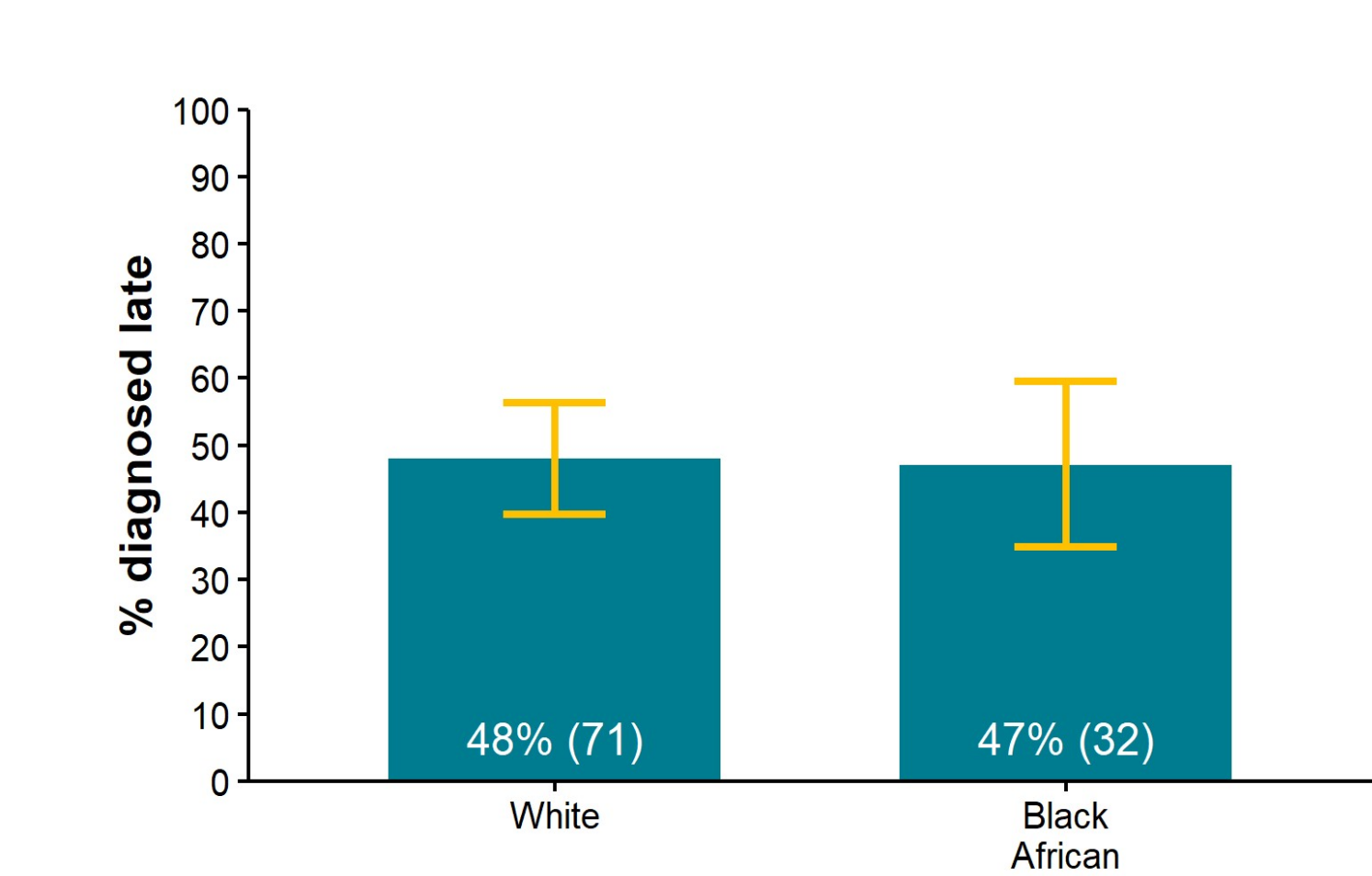
- by ethnic group, there was no difference in the proportion of late diagnoses in the Black African and White populations (47% and 48% respectively)
- the HIV testing rate has increased in 2023, in particular among heterosexual men (20% increase in the number of tests between 2022 and 2023)
New diagnoses
In 2023, 447 South West residents were newly diagnosed with HIV, accounting for 7% of new diagnoses in England. This represents a rise of 102% from 2022. Nationally, there has been a long term trend for a decline in the overall number of new diagnoses, although there was a substantial upturn in 2023.
The regional and national increases seen in 2023 are largely driven by rises in HIV diagnoses from those previously diagnosed abroad. In the South West, the majority of diagnoses (n=282) were from people diagnosed abroad who moved to the UK and continued treatment in the South West, whilst about a third (n=165) of diagnoses were from people diagnosed for the first time in 2023.
The new diagnosis rate for South West residents (8 per 100,000) was below that of England in 2023 (10 per 100,000).
In 2023, 17% of all new diagnoses in South West residents were in gay, bisexual and other men who have sex with men (GBMSM) (compared to 28% in 2022 and 59% in 2014). The number of GBMSM resident in the South West newly diagnosed with HIV (77, adjusted for missing information) was 53% lower than in 2014. Of the GBMSM newly diagnosed with HIV, 55% were White and 39% were UK-born.
Heterosexual contact was the largest infection route for new diagnoses in South West residents in 2023 (75%). Infections in African born persons accounted for 81% of all heterosexually acquired cases in 2023 (n=249, of which 195 were previously diagnosed abroad), compared to 33% (n=28, of which 4 were previously diagnosed abroad) in 2014. Infections in UK born persons accounted for 10% of all heterosexually acquired cases in 2023.
Injecting drug use accounted for 1% of new diagnoses in South West residents.
Black Africans represented 61% of all newly diagnosed South West residents in 2023 (compared to 40% in 2022 and 11% in 2014). A small proportion of new diagnoses in 2023 were in Black Caribbeans (2%).
The number of new diagnoses was highest in the 35 to 44 year age group in both males and females in 2023.
Late diagnoses
Reducing late HIV diagnoses is one of the indicators in the Public Health Outcomes Framework and HIV Action Plan Monitoring and Evaluation Framework. People who are diagnosed late have a tenfold risk of mortality within one year of diagnosis compared to those diagnosed promptly and they have increased healthcare costs.
It is of particular concern that a large proportion of South West residents with HIV are diagnosed late (48% from 2021 to 2023, compared to 43% in England), as defined by a CD4 count of less than 350 cells/mm3 at diagnosis.
In the South West, heterosexuals were more likely to be diagnosed late (60% of males, 43% of females) than GBMSM (44%). By ethnic group, Black Africans were equally likely to be diagnosed late compared to the White population (47% and 48% respectively).
People living with diagnosed HIV
The 5,829 people living with diagnosed HIV in the South West in 2023 was 7% higher than in 2022 and 50% higher than in 2014. This increase is partly due to the effectiveness of HIV treatment, which has reduced the number of deaths from HIV.
The diagnosed prevalence rate of HIV in the South West in 2023 was 1 per 1,000 residents aged 15 to 59 years. This was below that of the 2 per 1,000 observed in England as a whole (small differences may be hidden by rounding). Two local authorities in the South West had a diagnosed HIV prevalence in excess of 2 per 1,000 population aged 15 to 59 in 2023, which is the threshold for expanded HIV testing. They were Bournemouth, Christchurch and Poole (2.7) and Bristol (2.4).
The 2 most common probable routes of transmission for South West residents living with diagnosed HIV in 2023 were sex between men (50%) and sex between men and women (45%).
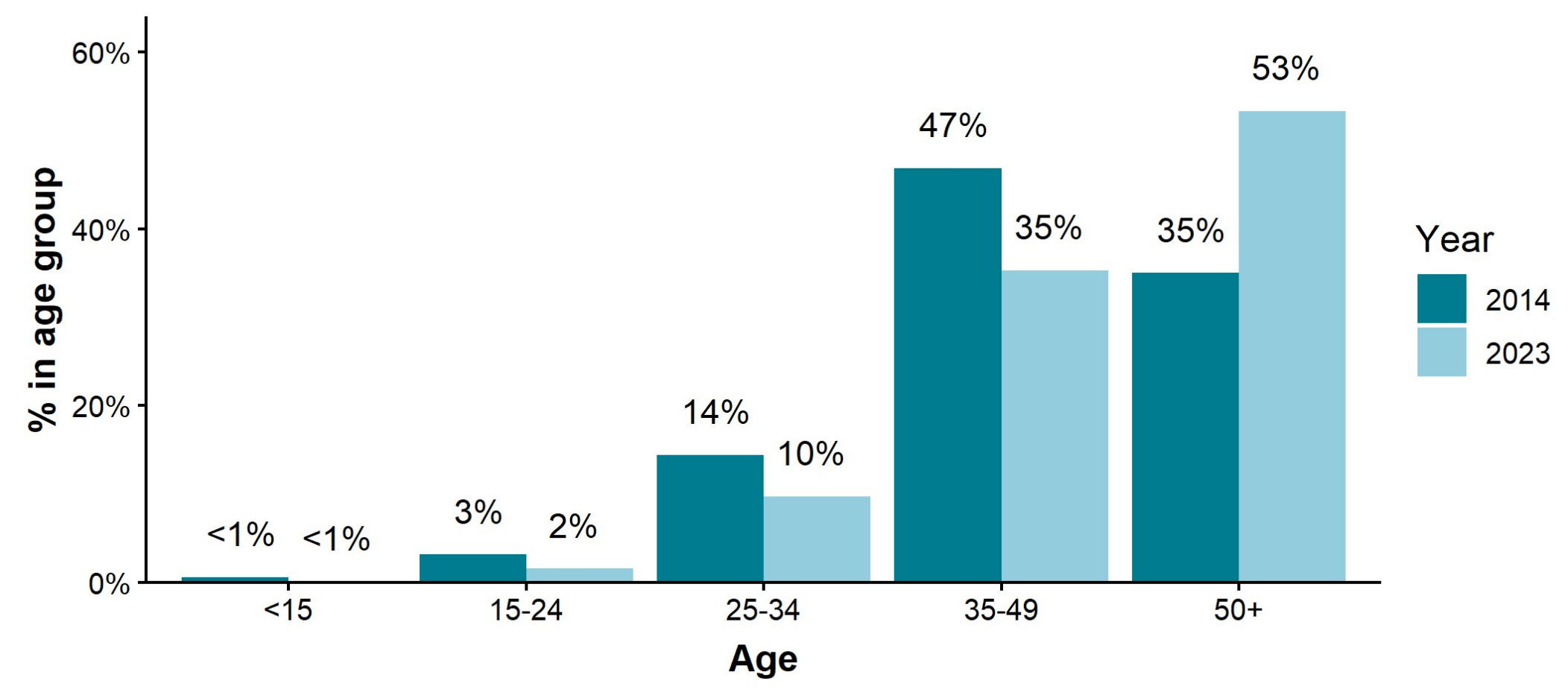
In 2023, 35% of those living with diagnosed HIV in the South West were aged between 35 and 49 years, and 53% were aged 50 years and over (up from 35% in 2014). Males represented 71% of South West residents living with diagnosed HIV in 2023 and females represented 29%.
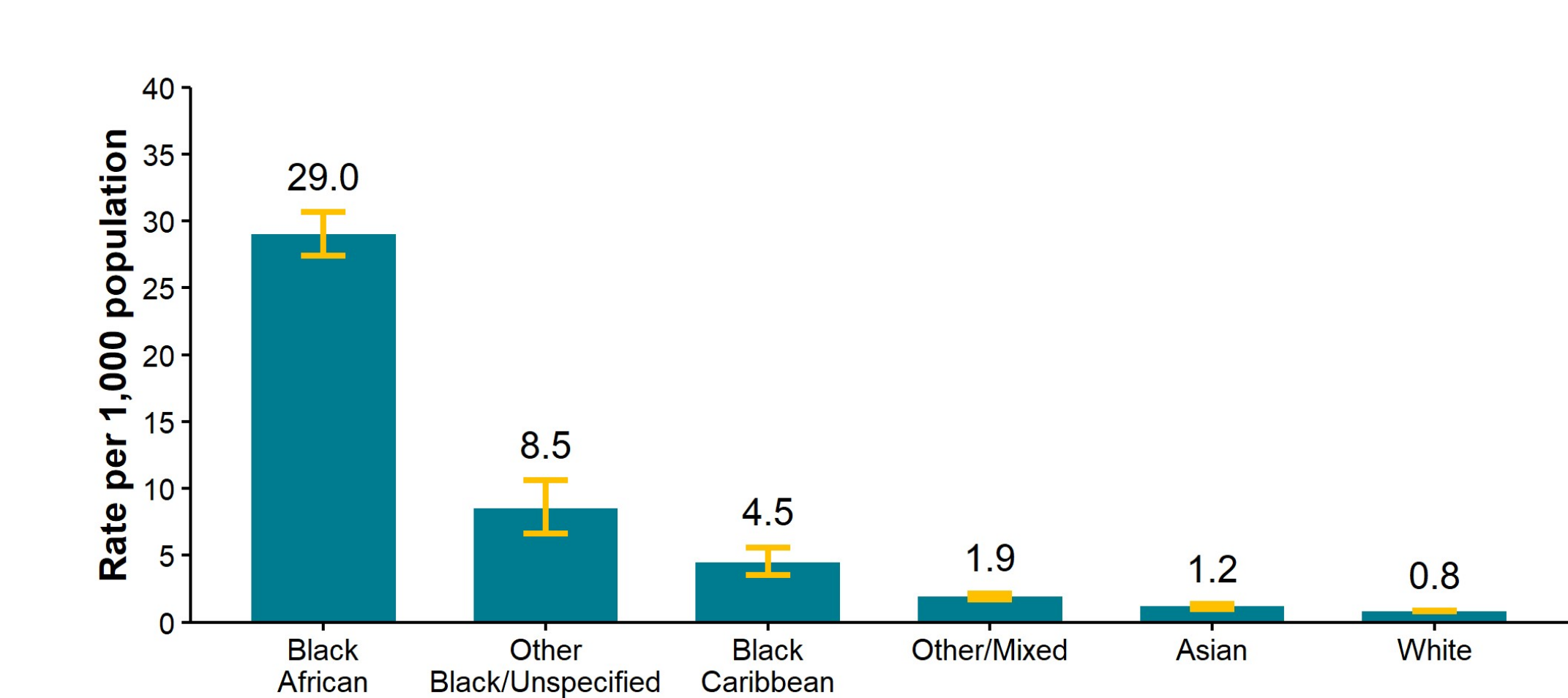
In 2023, 68% of South West residents living with diagnosed HIV were White and 21% were Black Africans. However, due to the relative sizes of the White and Black African populations the rate per 1,000 population aged 15 to 59 years was much higher in Black Africans (29 per 1,000) than in the White population (1 per 1,000).
Continuum of HIV care
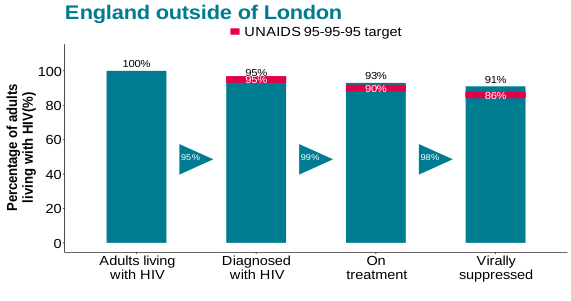
In England, excluding London in 2023, 99% of HIV diagnosed residents were receiving anti-retroviral treatment. Of these, 98% were virally suppressed (viral load less than 200) and were very unlikely to pass on HIV, even if having sex without condoms (untransmissible virus). This compares to 98% in England as a whole receiving ART and 98% of these virally suppressed.
For South West residents, the proportion starting treatment within 91 days of diagnosis for the period 2021 to 2023 was 92%. This compares to 84% for England.
People living with undiagnosed HIV
In 2023, it is estimated that 5% (Credible Interval (CrI) 4% to 7%) of people living with HIV in England, excluding London, were undiagnosed. This equates to an estimated 3,407 (CrI 2,627 to 4,787) undiagnosed people.
It is estimated that 1,100 GBMSM in England, outside London, are undiagnosed (CrI 600-2,100) and 2,200 heterosexuals (CrI 1,700 to 3,200), including 1,200 Black Africans. In England, outside London, the proportion undiagnosed varied by exposure group with the highest proportion undiagnosed among people living with HIV who inject drugs (9%, CrI 2%-20%), non black African heterosexual women (7%, 5% to 11%), and Black African heterosexual men (7%, 5% to 11%).
HIV testing
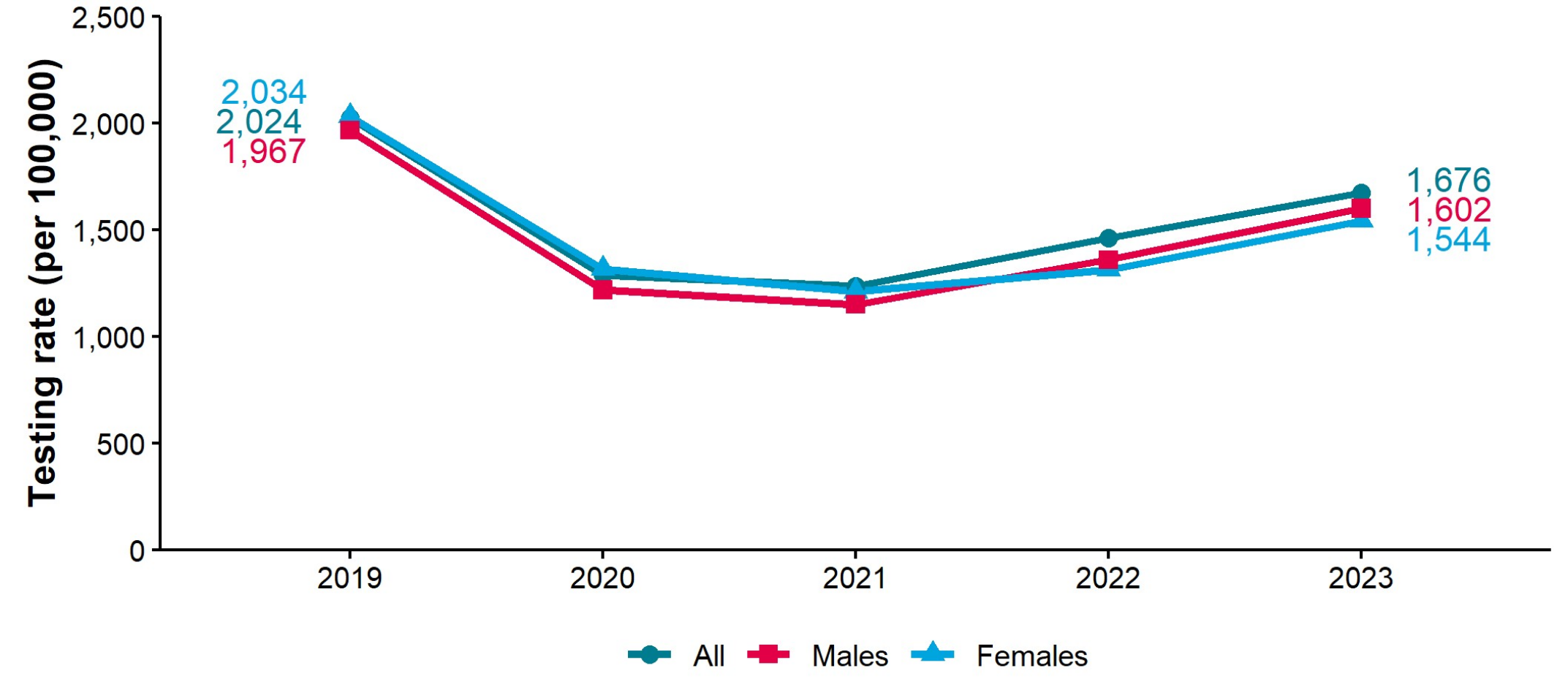
A total of 45,629 people were tested in specialist sexual health services (SHSs) in the South West in 2023, a decrease of 39% since 2019 and an increase of 12% since 2022. The HIV testing rate (per 100,000 population) at all SHSs in the South West was 1,676, which compares to 2,771 across England. HIV testing rates in all SHSs (specialist and non-specialist services) in the South West are higher in men (1,602) than women (1,544).
PrEP
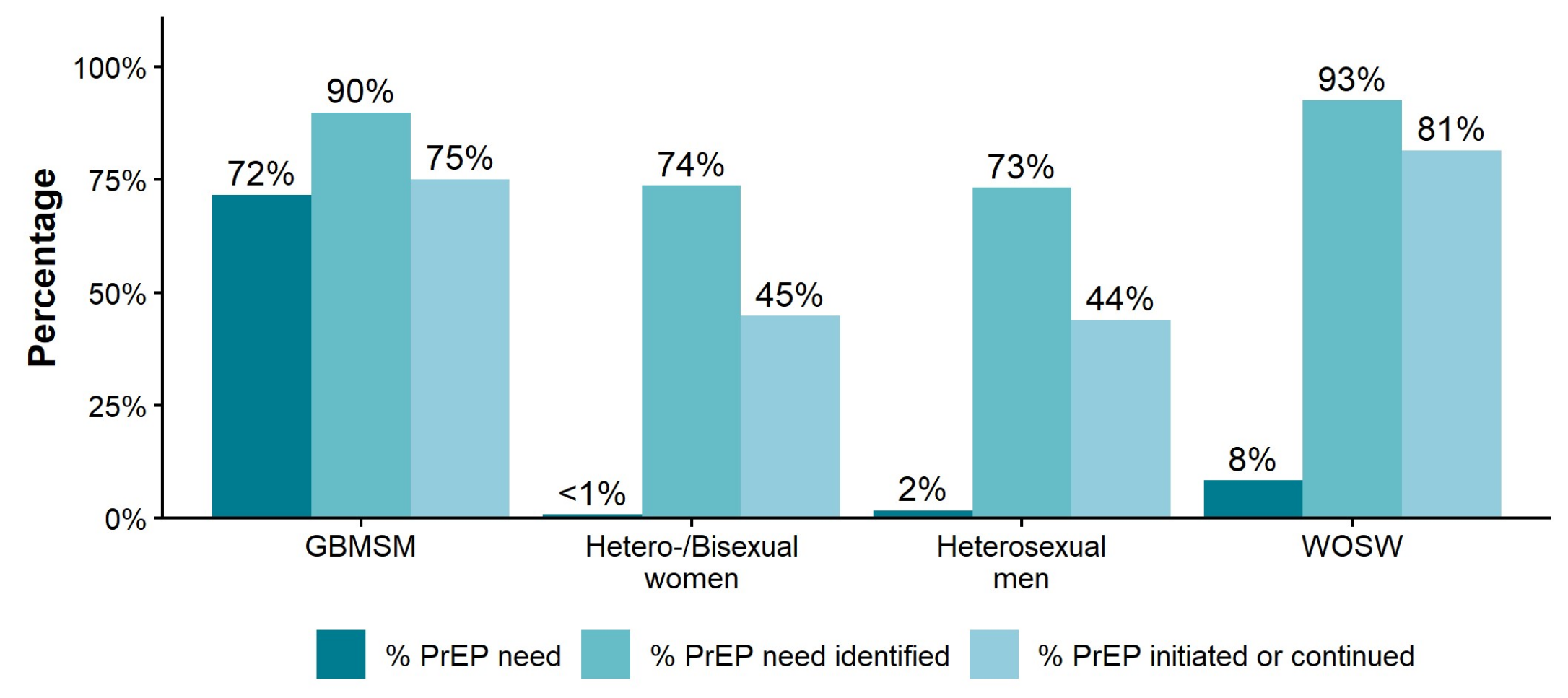
In 2023, 8% of HIV-negative South West residents accessing SHSs in England were defined as having a PrEP need, among whom 72% initiated or continued PrEP. Of those with PrEP need, 89% had this need identified at a clinical consultation. Among GBMSM, the group with greatest need, these proportions were: 72%, 75% and 90%. Consistent use of PrEP can be an efficacious and effective intervention to prevent HIV acquisition. Despite PrEP being routinely available through specialist SHS, awareness, accessibility and uptake of primary prevention initiatives is variable for different population groups. Addressing this disparity is key to HIV prevention.
HIV in England
The 2021 HIV Action Plan for England (1) sets an ambition to reduce HIV transmission by 80% between 2019 and 2025. The HIV Action Plan monitoring and evaluation framework report published in November 2024 further summarises progress made towards the ambitions of the HIV Action Plan (2). Although considerable progress has been made, it is unlikely that the 2025 interim ambitions will be met.
The number of people first diagnosed with HIV in England has risen by 15% in 2023 and there is further evidence of widening inequalities (3). Most of the increase in HIV diagnoses between 2022 and 2023 in England was among adults exposed through sex between men and women living outside London (increase of 51% among men exposed through sex with women and 44% among women exposed through sex with men). For both GBMSM and heterosexual adults, the 2023 rise has disproportionately affected ethnic minority groups. Further provision of services that are culturally competent and accessible to diverse main populations is needed.
Overall testing rates increased substantially since 2022 in England but have not fully recovered to those observed in 2019 for some demographic groups (3). The increasing levels of testing and fall in positivity over the past 5 years may be suggestive of an overall fall in HIV transmission in GBMSM, but not an overall reduction in the wider population. The rise in HIV testing together with a higher and sustained positivity in Black African heterosexuals may be suggestive of ongoing transmission. However, this number is likely affected by changing patterns of migration with a recent rise in people diagnosed with HIV abroad arriving in England.
In England in 2023, for the first time, over half of all HIV diagnoses were among those previously diagnosed abroad (3). Most of those previously diagnosed with HIV abroad have evidence of existing treatment in the form of viral suppression within a month of their England presentation, and are rapidly linked to care, ensuring good clinical outcomes and prevention of onward transmission. Services need resilience to ensure appropriate and accessible capacity for recently-arrived populations.
Migration patterns for the UK support this observed shift in the HIV burden in England. However, although immigration into the UK increased sharply following the COVID-19 pandemic, provisional estimates for July 2022 to June 2023 show a slowing of immigration during this period (4). Most people arriving in the UK for the period July 2022 to June 2023 were non-EU nationals, mainly migrants coming for work, largely using health and care visas (4).
The implementation of an NHS England funded programme of emergency departments (ED) opt-out testing for bloodborne viruses in April 2022 has contributed to the increase in HIV diagnoses in 2023. However, the increase in HIV diagnoses seen in 2023 is only partially due to the increase in testing effort due to ED opt-out testing. This is particularly apparent outside of London, where there was a 21% increase in diagnoses after adjustment for ED opt-out testing (2).
Access to PrEP has been increasing on an annual basis since 2020. However, inequalities in access remain with unmet needs by specific exposure groups.
The rising number of late diagnoses, particularly among Black African populations demonstrates an urgent need to improve access to testing and the full implementation of HIV testing guidelines.
For those diagnosed and linked to services, HIV care remains excellent with 98% of people with diagnosed HIV being treated and 98% of people on treatment virally suppressed (3). People seen for HIV care are ageing, with over half aged 50 years and over in 2023 compared to 10 years ago. This highlights the need for coordinated health and social care services to meet the needs of the ageing population.
HIV prevention messages
Using condoms consistently and correctly protects against HIV and other STIs such as chlamydia, gonorrhoea and syphilis. They can also prevent unplanned pregnancy.
HIV testing is central to HIV prevention since it provides access to PrEP and health advice for those testing HIV negative, while a positive result leads to essential HIV care and treatment, preventing onwards transmission. Everyone should have an STI screen, including an HIV test, on at least an annual basis, if having condomless sex with new or casual partners. GBMSM should have tests for HIV and STIs annually, or every 3 months if having condomless sex with new or casual partners.
HIV pre-exposure prophylaxis (PrEP) is available for free from specialist SHS and can be used to reduce an individual’s risk of acquiring HIV. Consistent use of PrEP can be an efficacious and effective intervention to prevent HIV acquisition. Despite PrEP being routinely available through specialist SHS, awareness, accessibility and uptake of primary prevention initiatives is variable for different population groups (3).
HIV post-exposure prophylaxis (PEP) can be used to reduce the risk of acquiring HIV following some sexual exposures. PEP is available for free from specialist SHS and most emergency departments.
Symptoms due to HIV and AIDS may not appear for many years, and people who are unaware of living with HIV may not feel themselves to be a risk to others. Prevention messages should reinforce that anyone can acquire HIV regardless of age, gender, ethnicity, sexuality or religion, and it is important to challenge assumptions about who is at risk of acquiring HIV.
People living with diagnosed HIV infection who are on treatment and have an undetectable viral load are unable to pass on the virus to others during sex, even without PrEP or condoms. This is known as Undetectable = Untransmittable or U=U.
Stigma, anxiety and depression experienced by people with HIV affect their ability to seek healthcare, engage in treatment and remain in care (5). Reducing stigma in healthcare services will encourage people from seeking the healthcare services they need.
Specialist SHS are free and confidential. They offer testing and treatment for HIV and STIs, condoms, vaccination, HIV PrEP and PEP. Clinic-based services are commissioned by local authorities for residents of all areas in England and online self-sampling for HIV and STIs is widely available. Information and advice about sexual health including how to access services is available at NHS.UK and from the national sexual health helpline on 0300 123 7123.
Local and regional prevention strategies
HIV prevention strategies at a local and regional level should consider inclusion of the following areas from the national HIV Action plan monitoring and evaluation framework (2).
They include:
- implementation and monitoring of BHIVA, British Association for Sexual Health and HIV (BASHH) and British Infection Association (BIA) Adult HIV testing guidelines 2020, including opt-out in sexual health services, subject to agreed support mechanisms for implementation
- continuation of ED opt-out testing in very high and high prevalence HIV areas (subject to results of the final evaluation of the programme due in October 2025)
- scaling up community testing focusing on those groups that are more likely to benefit from HIV testing in these settings such as ethnic minority populations
- understanding reasons behind the decline of HIV testing in women
- scaling up of partner notification activities
- understanding the drivers of late diagnosis in order to better focus interventions
- reducing inequalities in access and uptake to PrEP through implementation of the PrEP roadmap
Charts, tables and maps
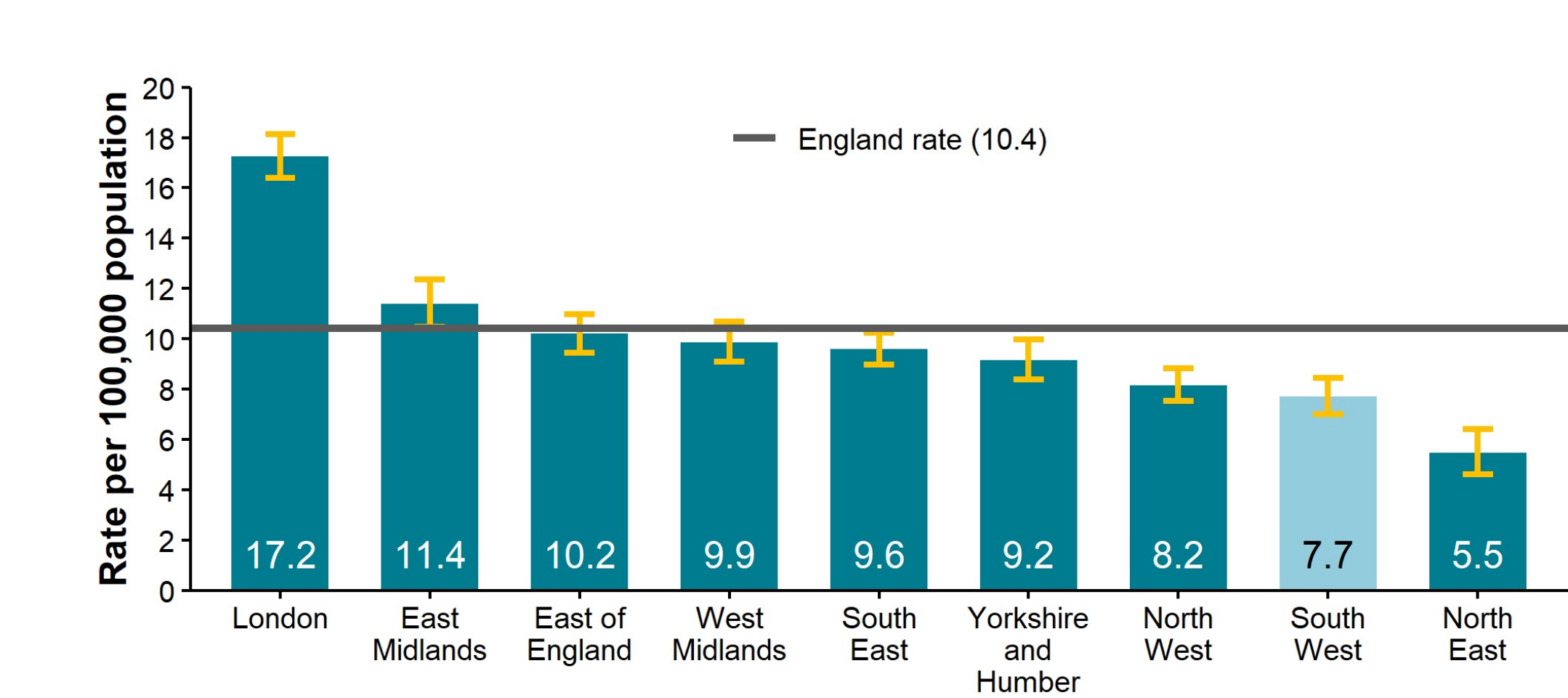
Figure 1: Rate of new HIV diagnoses per 100,000 population (all ages) by UKHSA region of residence, 2023
Source: UKHSA, HIV and AIDS New Diagnoses and Deaths (HANDD).
The number of new diagnoses will depend on accessibility of testing as well as infection and transmission.
Figure 1 is a bar chart showing the rates of new HIV diagnoses per 100,000 population (all ages) by region of residence in England in 2023. The overall rate for England was 10.4 per 100,000 population and is represented by the horizontal line. Yellow bars indicate 95% confidence intervals.
The South West had the second lowest rate (7.7) out of all regions but saw the largest relative increase, rising by 103% from 2022 (3.8).
Rates in the North East, South West, North West, Yorkshire and the Humber and South East regions were significantly lower than the national rate (10.4), whilst rates in London and the East Midlands were higher at 17.2 and 11.4 respectively.
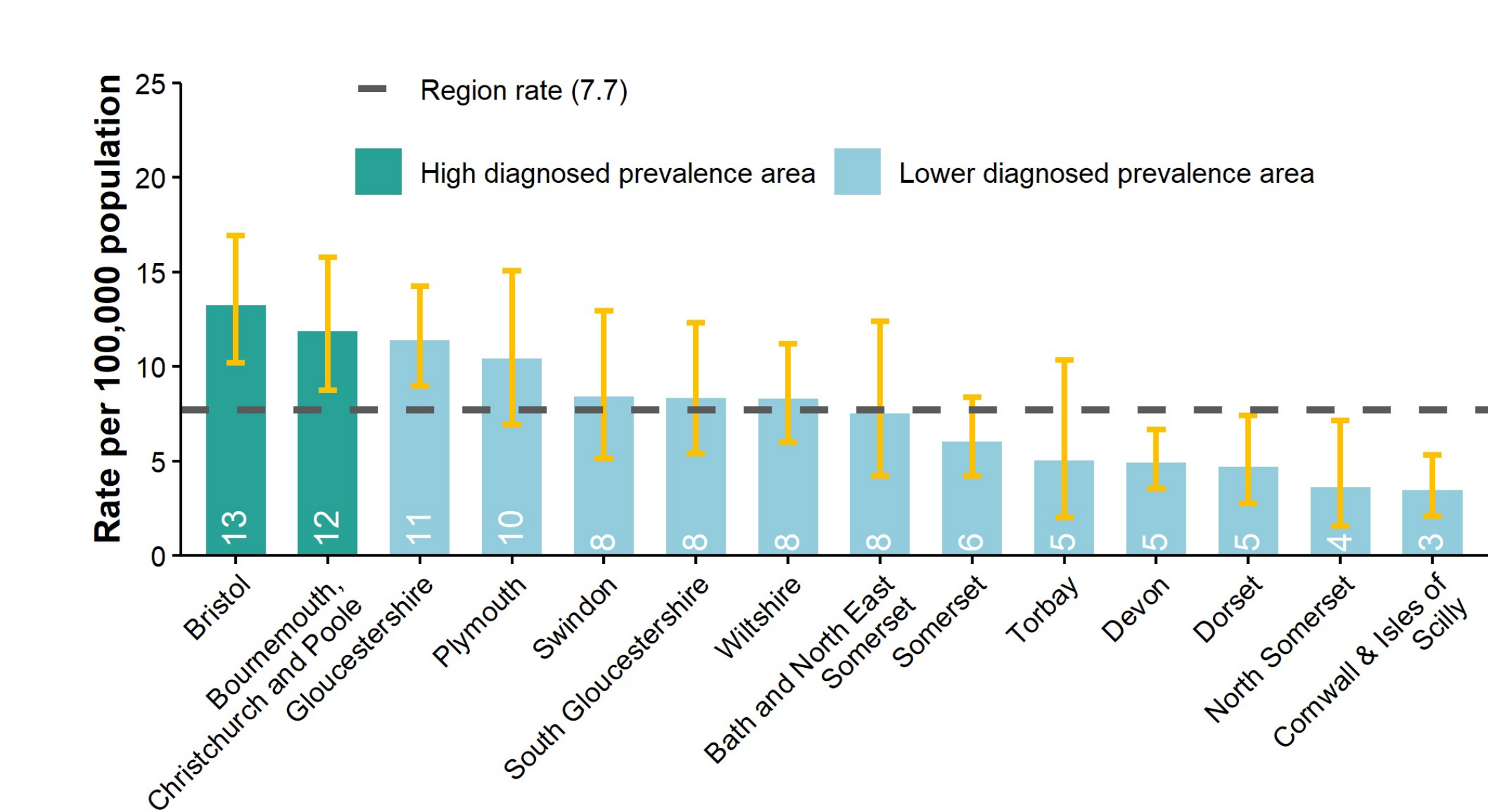
Figure 2: Rate of new HIV diagnoses per 100,000 population (all ages) by upper tier local authority of residence, South West residents, 2023
Source: UKHSA, HIV and AIDS New Diagnoses and Deaths (HANDD).
The number of new diagnoses will depend on accessibility of testing as well as infection and transmission. Bar colour coding indicates HIV diagnosed prevalence (rate per 1,000 aged 15 to 59 years as per NICE testing guidelines). ‘Lower diagnosed prevalence’ less than 2, ‘high diagnosed prevalence’ 2 to 5, ‘extremely high diagnosed prevalence’ more than 5. Note: the colour coding does not relate to new diagnosis but to the data in the diagnosed prevalence section later.
Figure 2 is a bar chart showing the rates of new HIV diagnoses per 100,000 population (all ages) by upper-tier local authority (UTLA) of residence in the South West in 2023. The regional rate was 7.7 per 100,000, shown as the dashed horizontal line. Yellow bars indicate 95% confidence intervals. HIV diagnoses for Cornwall and the Isles of Scilly were combined to preserve data confidentiality due to the small population size of the Isles of Scilly.
Rates of new diagnoses were highest for Bristol (13), Bournemouth, Christchurch and Poole (12), and Gloucestershire (11), all of which were significantly above the regional average. Rates in Devon (5), Dorset (5), North Somerset (4) and Cornwall and the Isles of Scilly (3) were significantly lower than the regional rate. Rates in all other UTLAs were not significantly different from the regional average.
The overall prevalence of new HIV diagnoses in the South West remains low (fewer than 2 per 100,000 residents aged 15 to 59) for all UTLAs except for Bristol and Bournemouth, Christchurch and Poole.
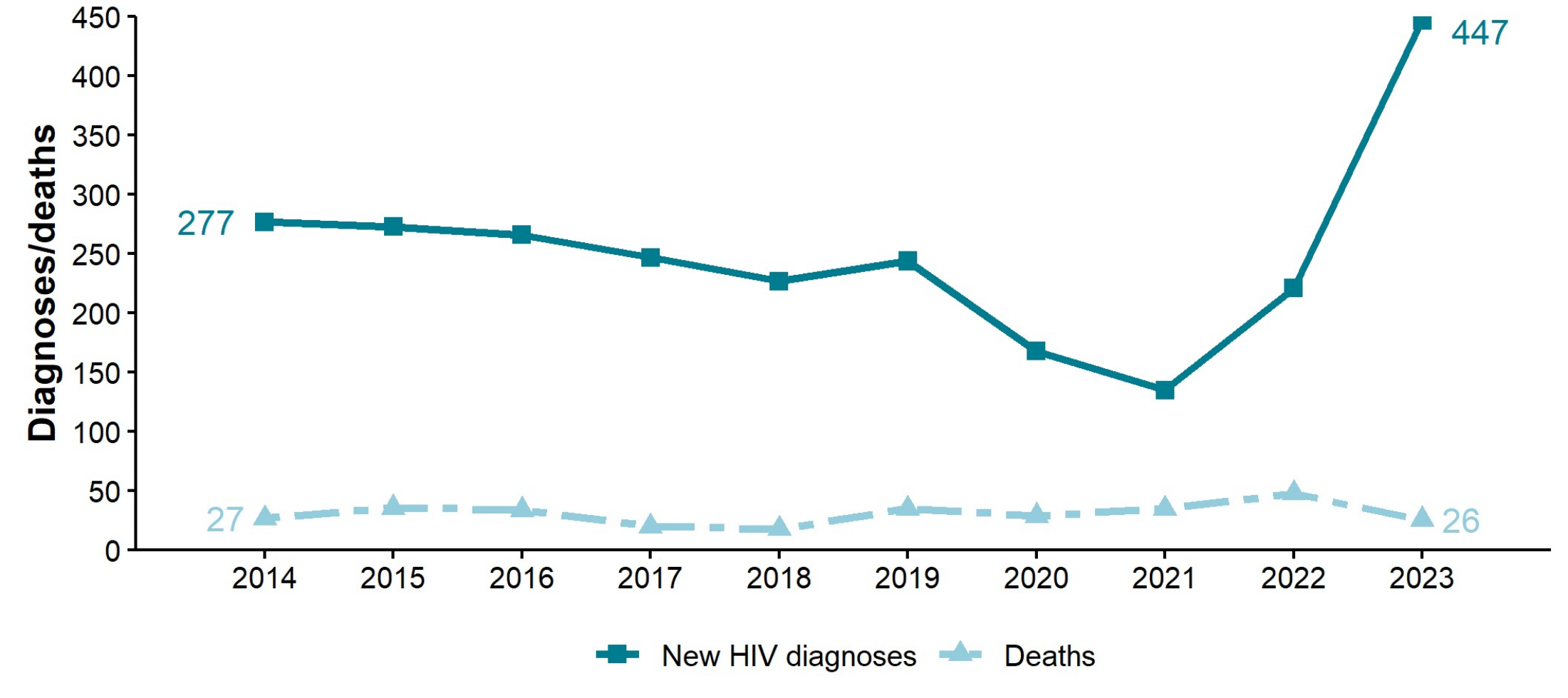
Figure 3: New HIV diagnoses and deaths, the South West, 2014 to 2023 [note 1]
Source: UKHSA, HIV & AIDS New Diagnoses and Deaths (HANDD).
The number of new diagnoses will depend on accessibility of testing as well as infection and transmission. Numbers may rise as we receive more reports and more information. This will impact interpretation of trends in more recent years. New HIV diagnoses are shown by UK region of residence at diagnosis. Deaths are shown by UK region of death which in some instances may not be the same as UK region of residence at diagnosis. Region of death may not be known for all deaths, particularly for those in the most recent years. Numbers for these years should be interpreted as minimum numbers (deaths reported and allocated to a region of death to date) and not as a trend.
Note 1. Numbers may rise as further reports are received and more information is obtained. This is more likely to affect more recent years, particularly 2023.
Figure 3 is a line graph showing the annual counts of new HIV diagnoses (solid line) and deaths (dashed line) among South West residents between 2014 and 2023.
The line representing new HIV diagnoses shows a decline between 2014 and 2021, from 277 HIV diagnoses in 2014 to 135 in 2021. There has since been a sharp increase in 2022 and 2023, to 447 new HIV diagnoses in 2023. This represents the highest annual number of new HIV diagnoses recorded in the region in the last decade.
The number of deaths among people living with HIV has remained comparatively stable, between 18 and 48 per year in the last decade. Limitations to this data may underestimate the true number of deaths (see note).
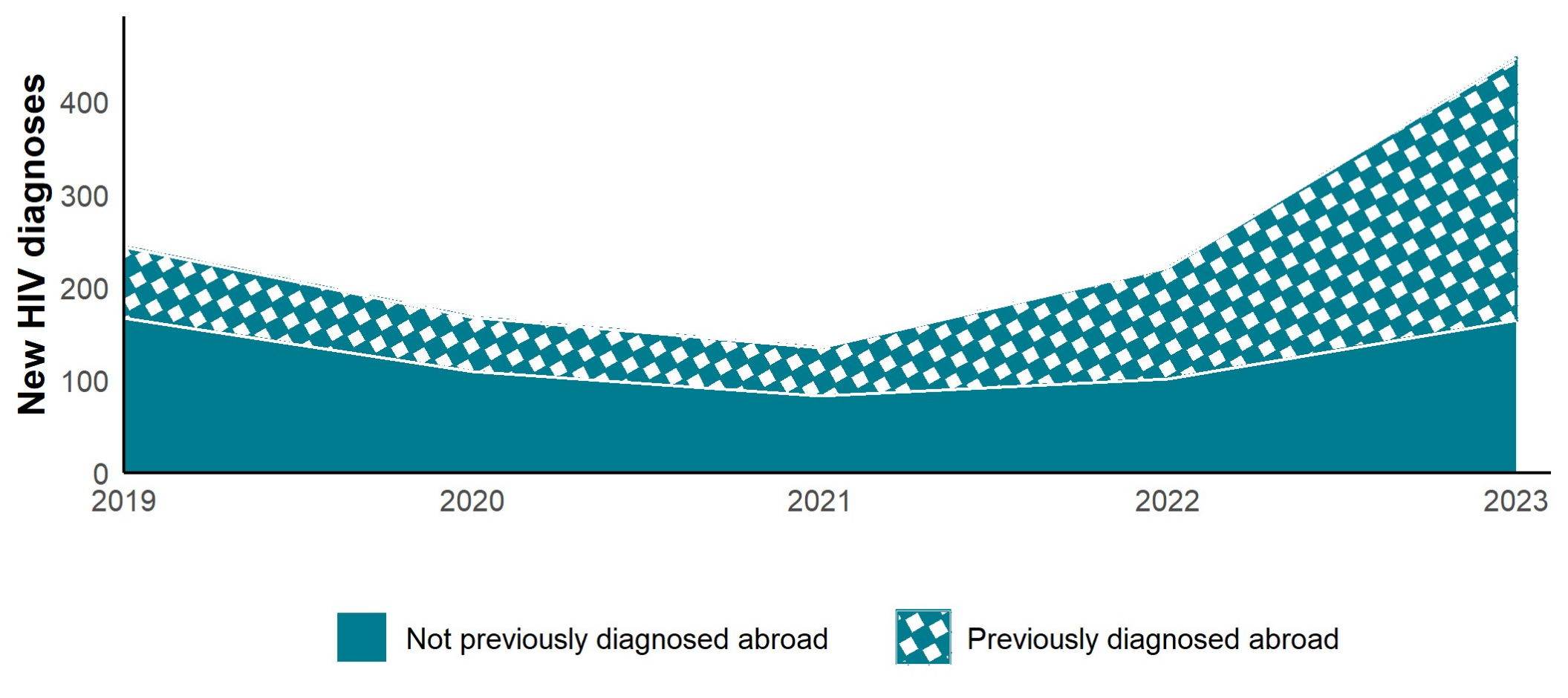
Figure 4: New HIV diagnoses by whether a person had been previously diagnosed abroad, the South West, 2019 to 2023 [note 1]
Source: UKHSA, HIV and AIDS New Diagnoses and Deaths (HANDD).
The number of new diagnoses will depend on accessibility of testing as well as infection and transmission.
Note 1. Numbers may rise as further reports are received and more information is obtained. This is more likely to affect more recent years, particularly 2023.
Figure 4 is a stacked area chart showing the total annual number of new HIV diagnoses among South West residents by whether individuals had been previously diagnosed abroad or not. The proportion of individuals previously diagnosed abroad is shaded in blue and white, while the proportion of those receiving an HIV diagnosis for the first time in the United Kingdom are shaded in solid blue.
In 2023, 63.1% of new HIV diagnoses in the South West occurred among individuals with a pre-existing diagnosis abroad, compared to 53.8% in 2022. In addition, the number of people receiving an HIV diagnosis for the first time in the UK also increased from 102 in 2022 to 165 in 2023.
Figure 5: New HIV diagnoses by probable route of acquiring HIV (adjusted for missing route information), South West residents, 2014 to 2023 [note 1]
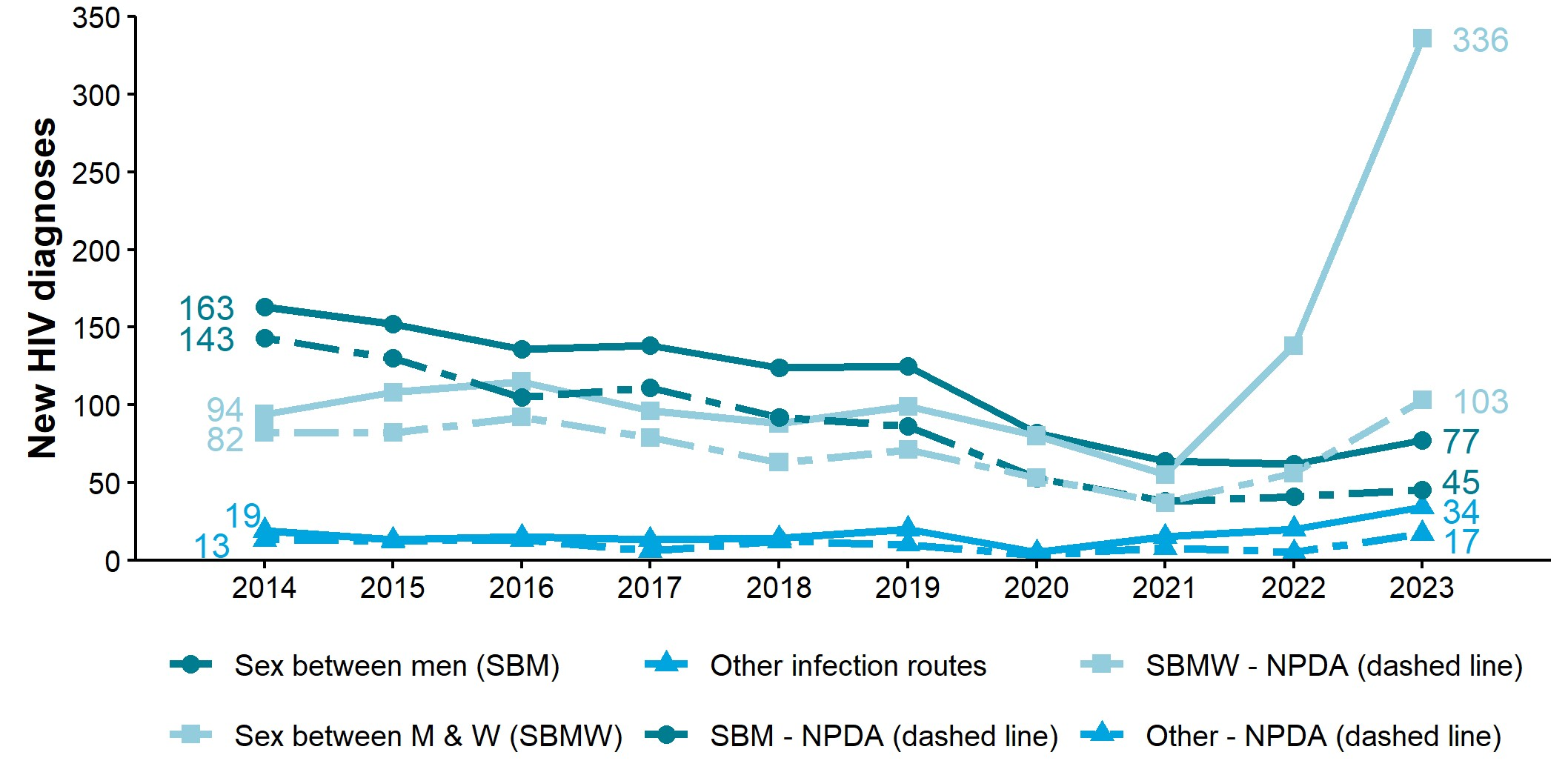
Source: UKHSA, HIV and AIDS New Diagnoses and Deaths (HANDD). NPDA = Not previously diagnosed abroad.
The number of new diagnoses will depend on accessibility of testing as well as infection and transmission.
Note 1. Numbers may rise as further reports are received and more information is obtained. This is more likely to affect more recent years, particularly 2023.
Figure 5 is a line graph showing annual counts of new HIV diagnoses among South West residents from 2014 to 2023, by estimated probable exposure route. Data are adjusted for missing route information. Data are presented separately for all diagnoses (solid lines) and for those not previously diagnosed abroad (NPDA, dashed lines). Estimated transmission routes are assigned using a risk hierarchy which reflects what we know about the epidemiology and prevalence of HIV in different communities. If an individual belongs to multiple exposure categories, they will be assigned the route with the greatest presumed risk. For example, a man who has reported a history of injection drug use – but who also reports having sex with men – will be assigned to the ‘sex between men’ group, rather than the ‘other’ group. The routes are sex between men (SBM), sex between men and women (SBMW) and other infection routes. The ‘other’ transmission route category includes diagnoses related to intravenous drug use, mother-to-child transmission, healthcare settings, blood, and blood products.
Between 2014 and 2021, annual HIV diagnoses across all exposure groups declined or remained stable, with the largest decline in diagnoses observed between 2019 and 2021. However, between 2022 and 2023 there was a large increase in diagnoses among people whose probable exposure was sex between men and women (SBMW), with diagnoses over doubling to 336 cases (after adjusting for missing exposure information). This is the highest number of diagnoses recorded in the South West across any exposure category since 2014. A total of 69% of SBMW diagnoses in 2023 were previously diagnosed abroad, compared to 13% in 2014.
Between 2014 and 2022, the number of new diagnoses for ‘Other’ transmission routes remained low. Mother-to-child transmission showed an increase in 2023, with 20 new diagnoses compared to 7 in 2022 (a 186% increase, data not shown). This was the highest number of diagnoses ever reported for a non-sexual transmission category in the South West in the past decade.
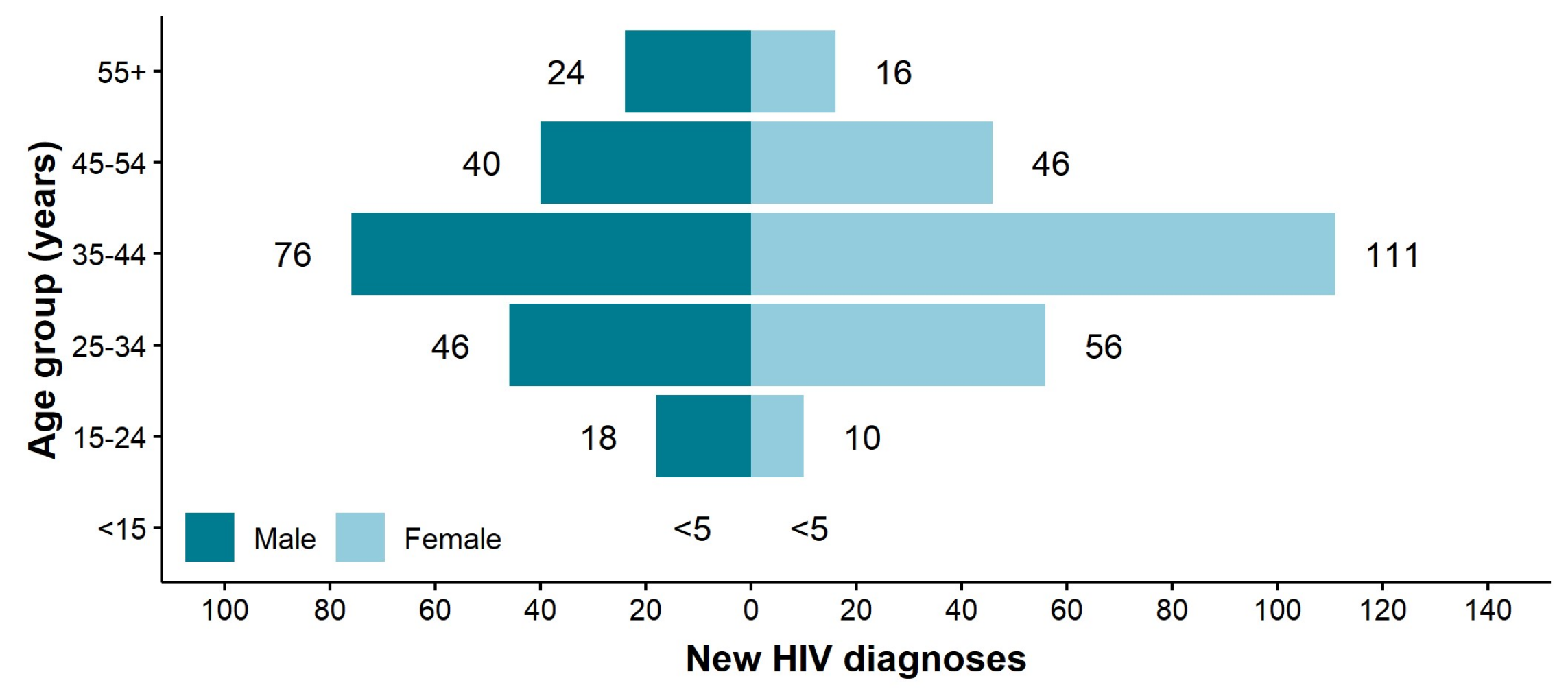
Figure 6a: Number of new HIV diagnoses by age group and gender, South West residents, 2023
Source: UKHSA, HIV and AIDS New Diagnoses and Deaths (HANDD).
The number of new diagnoses will depend on accessibility of testing as well as infections and transmission.
Figure 6a is a pyramid graph displaying the number of new HIV diagnoses among South West residents in 2023, stratified by age group and gender.
The largest number of new diagnoses was recorded among females aged 35 to 44 (111), followed by males aged 35 to 44 (76) and females aged 25 to 34 (56). Overall, 54% of new HIV diagnoses in 2023 were among females, compared to 43% in 2022. 2023 is the first year where the majority of new diagnoses have been among females.
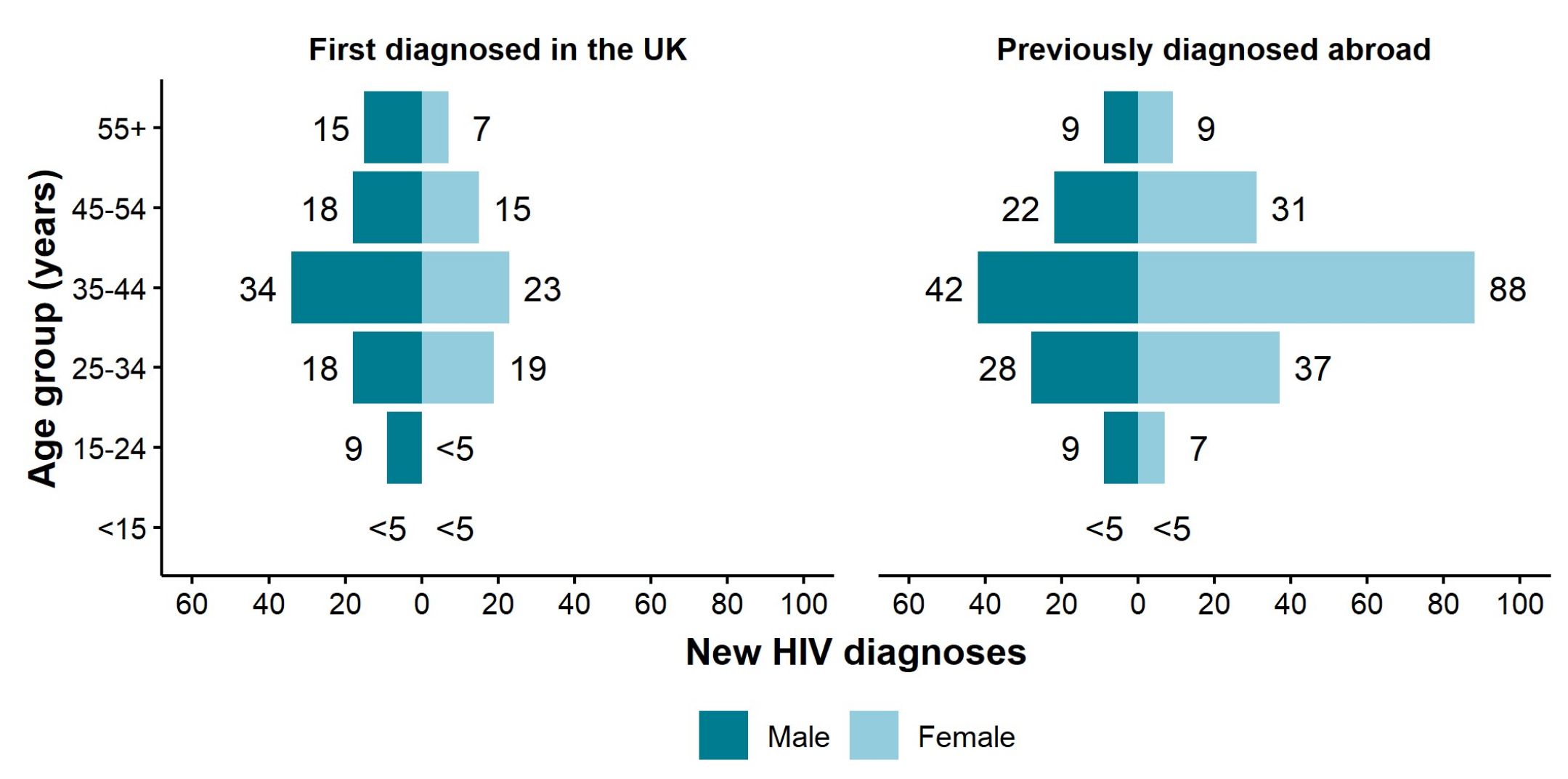
Figure 6b: Number of new HIV diagnoses by age group and gender, split by whether first diagnosed in the UK or abroad, South West residents, 2023
Source: UKHSA, HIV and AIDS New Diagnoses and Deaths (HANDD).
The number of new diagnoses will depend on accessibility of testing as well as infections and transmission.
Figure 6b is a faceted pyramid graph showing the number of new HIV diagnoses among South West residents in 2023, stratified by age group, gender and whether individuals were first diagnosed in the UK or previously diagnosed abroad.
The largest numbers of new diagnoses among those first diagnosed in the UK were people aged 35 to 44 years, followed by those aged 25 to 34 years and then 45 to 54 years.
The majority of individuals previously diagnosed abroad were also in the 35 to 44 year aged group, followed by those aged 25 to 34 years. The majority of those previously diagnosed abroad were females, notably in the 35 to 44 age group. The largest difference in demographics between the 2 groups is a relative predominance of females aged 35 to 44 among those previously diagnosed abroad compared to those first diagnosed in the UK.
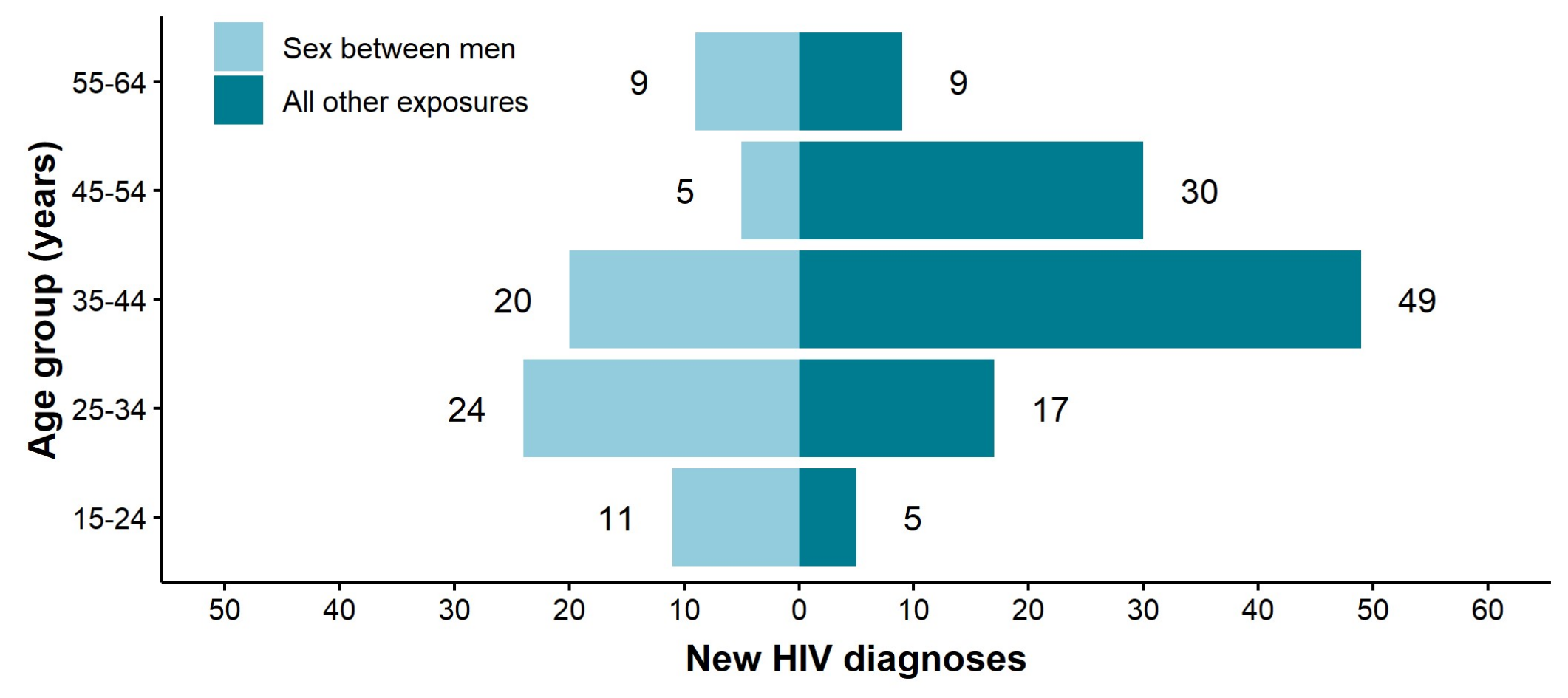
Figure 6c: Number of new HIV diagnoses by age group and probable route of acquiring HIV, male South West residents aged 15 to 64 years, 2023
Source: UKHSA, HIV and AIDS New Diagnoses and Deaths (HANDD).
The number of new diagnoses will depend on accessibility of testing as well as infection and transmission.
Figure 6c is a pyramid chart showing the number of new HIV diagnoses among male residents in the South West aged 15 to 64 years in 2023, stratified by age group and probable exposure route. The chart separates diagnoses attributed to sex between men (SBM) from those attributed to all other exposures.
The highest number of new diagnoses in men were observed among 35 to 44 year olds (20 SBM and 49 other exposures), followed by 25 to 34 year olds (24 SBM and 17 other exposures)
Exposure routes other than SBM were the predominant likely route of infection for the males in age groups of 35 to 44 and 45 to 44, whilst SBM was the predominant likely exposure route for the younger age groups. This figure highlights that whilst sex between men remains an important route of acquisition, the majority of new diagnoses among men in 2023 were linked to other exposures, particularly for men aged 35 to 54 years.
Figure 7a: Number of new HIV diagnoses probably acquired through sex between men by age group and year of first UK HIV diagnosis, male South West residents aged 15 to 64 years, 2014 to 2023 [note 1]
Source: UKHSA, HIV and AIDS New Diagnoses and Deaths (HANDD).
The number of new diagnoses will depend on accessibility of testing as well as infection and transmission.
Note 1. Numbers may rise as further reports are received and more information is obtained. This is more likely to affect more recent years, particularly 2023.
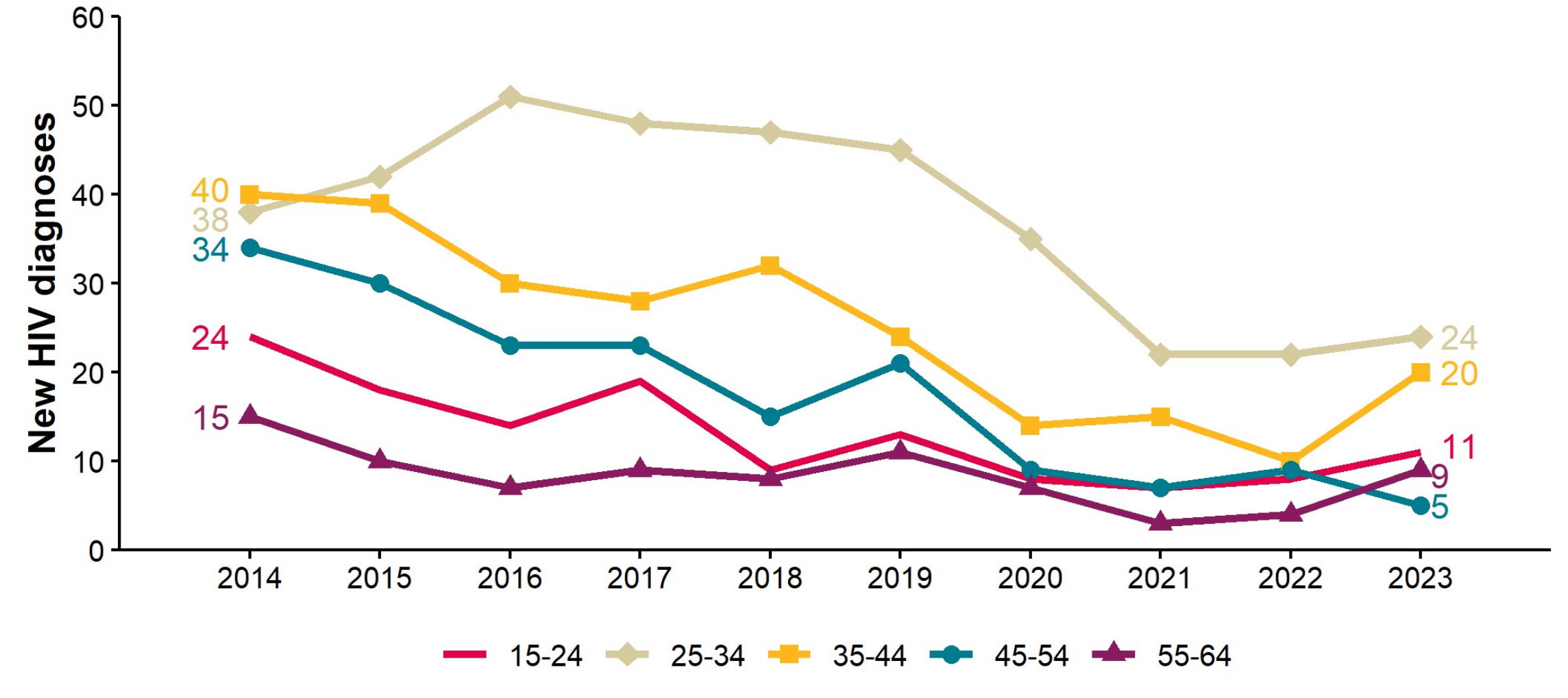
Figure 7a is a line graph showing the number of new HIV diagnoses among male residents of the South West aged 15 to 64 years between 2014 and 2023, where infection was probably acquired through sex between men (SBM). Data are stratified by age group at diagnosis.
Within the last 10 years, the overall number of new HIV diagnoses attributed to SBM declined across all age groups. In 2023 however, there was an increase in new diagnoses across all age groups (except the 45 to 54 year group), most notably in the 35 to 44 year age group.
Figure 7b: Number of new HIV diagnoses probably acquired through sex between men and women by age group (in years) and year of first UK HIV diagnosis, South West residents aged 15 to 64 years, 2014 to 2023 [note 1]
Source: UKHSA, HIV and AIDS New Diagnoses and Deaths (HANDD).
The number of new diagnoses will depend on accessibility of testing as well as infection and transmission.
Note 1. Numbers may rise as further reports are received and more information is obtained. This is more likely to affect more recent years, particularly 2023.
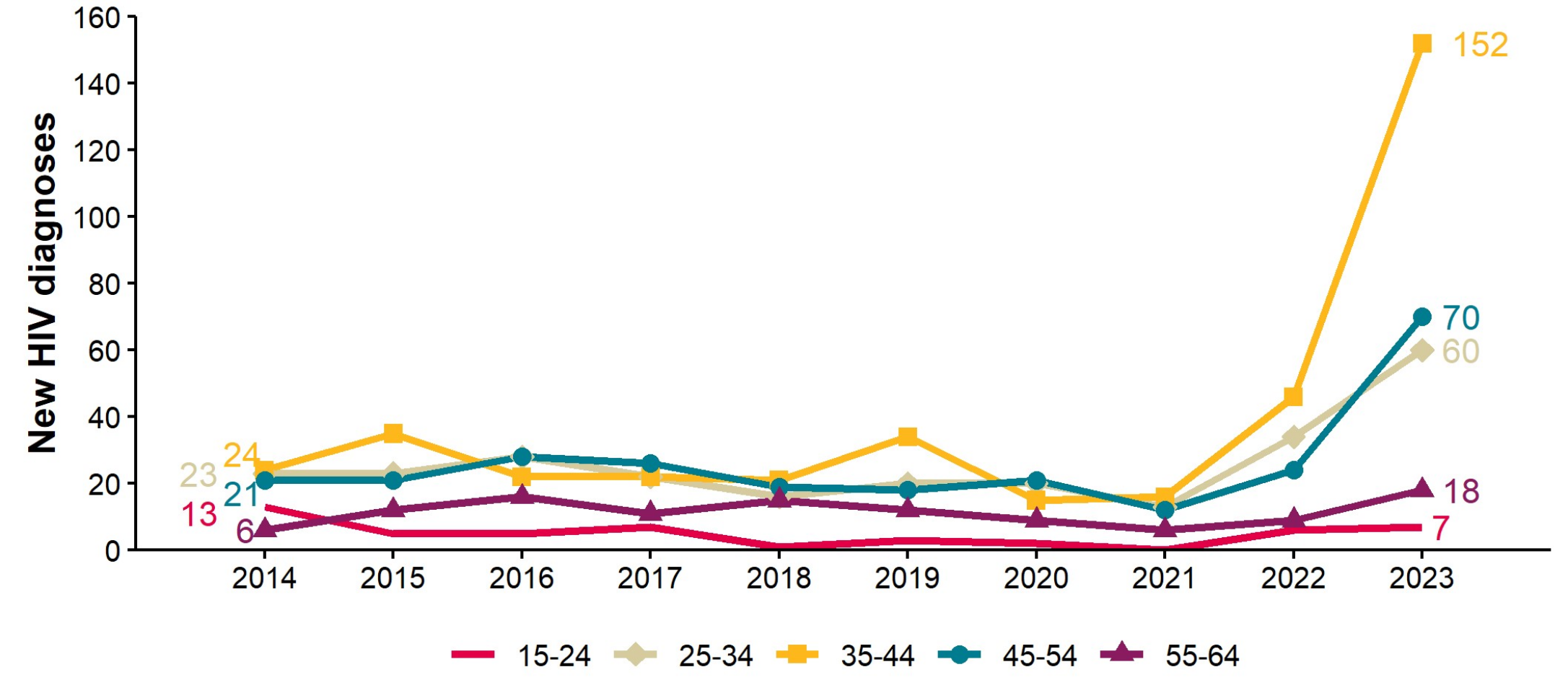
Figure 7b is a line graph showing the number of new HIV diagnoses among South West residents aged 15 to 64 years between 2014 and 2023, where infection was probably acquired through sex between men and women (SBMW). Data are stratified by age group at diagnosis.
Between 2014 and 2021, new diagnoses among SBMW remained relatively low and stable across all age groups. In 2022, diagnoses began to increase, and in 2023 there was a sharp rise across multiple age groups, particularly among 35 to 44 year olds (to 152 diagnoses), 45 to 54 year olds (70 diagnoses) and 25 to 34 year olds (60 diagnoses).
Figure 8: Number of new HIV diagnoses by ethnic group (adjusted for missing ethnic group information), South West residents, 2014 to 2023 [note 1]
Source: UKHSA, HIV and AIDS New Diagnoses and Deaths (HANDD).
NPDA = Not previously diagnosed abroad.
The number of new diagnoses will depend on accessibility of testing as well as infection and transmission.
Note 1. Numbers may rise as further reports are received and more information is obtained. This is more likely to affect more recent years, particularly 2023.
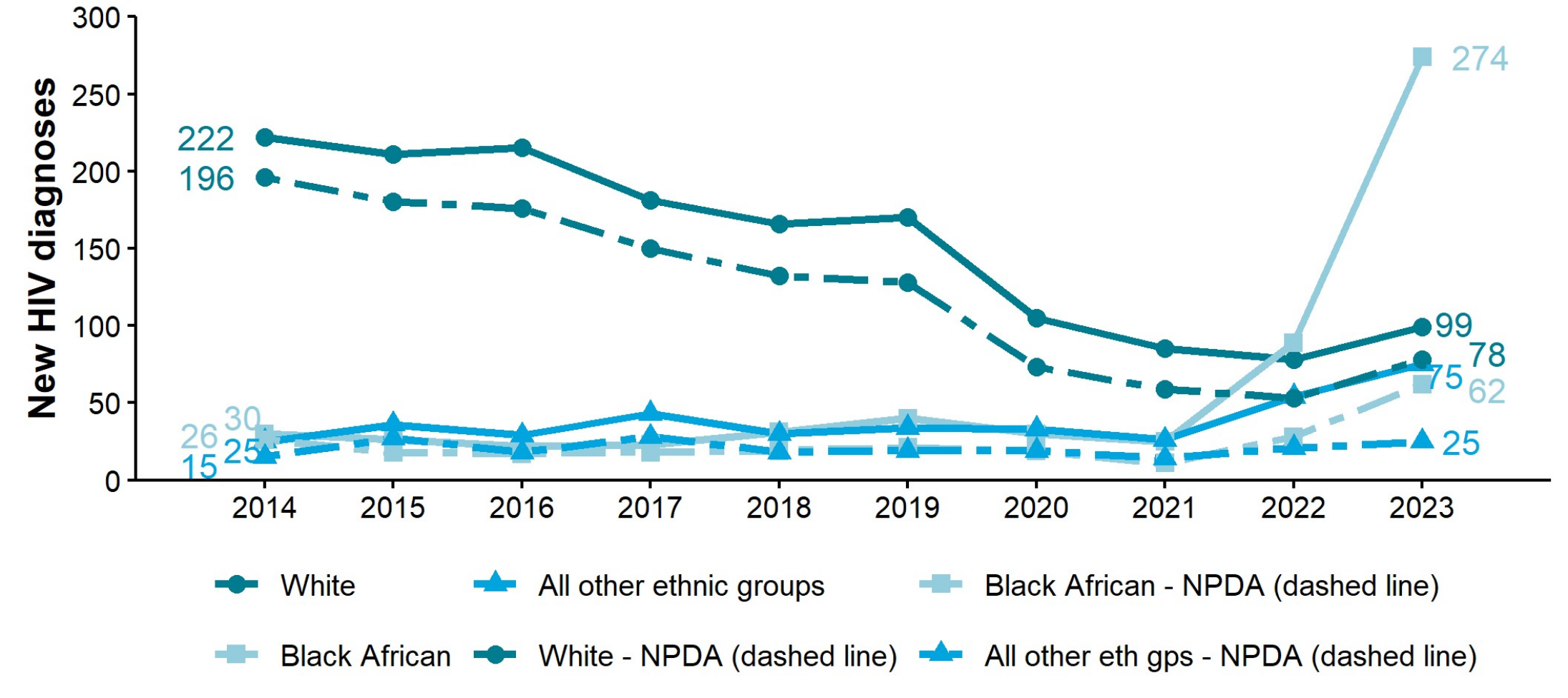
Figure 8 is a line graph showing annual counts of new HIV diagnoses by ethnic group among South West residents between 2014 and 2023. Data have been adjusted for missing ethnic group information. Total counts are shown in solid lines, and counts restricted to those NPDA in dashed lines.
From 2014 to 2021, the greatest number of new HIV diagnoses was recorded among White residents. In 2022, the greatest number of new diagnoses was recorded among Black African residents. In 2023, the number of new HIV diagnoses has increased across all ethnic groups, notably among Black African residents. In 2023, the estimated count of new diagnoses among Black African individuals with a previous diagnosis abroad increased to 212 (adjusted for missing data), making up 47% of all new diagnoses.
Figure 9: Number of new HIV diagnoses by world region of birth (adjusted for missing world region of birth information), South West residents, 2014 to 2023 [note 1]
Source: UKHSA, HIV and AIDS New Diagnoses and Deaths (HANDD).
NPDA = Not previously diagnosed abroad.
The number of new diagnoses will depend on accessibility of testing as well as infection and transmission.
Note 1. Numbers may rise as further reports are received and more information is obtained. This is more likely to affect more recent years, particularly 2023.
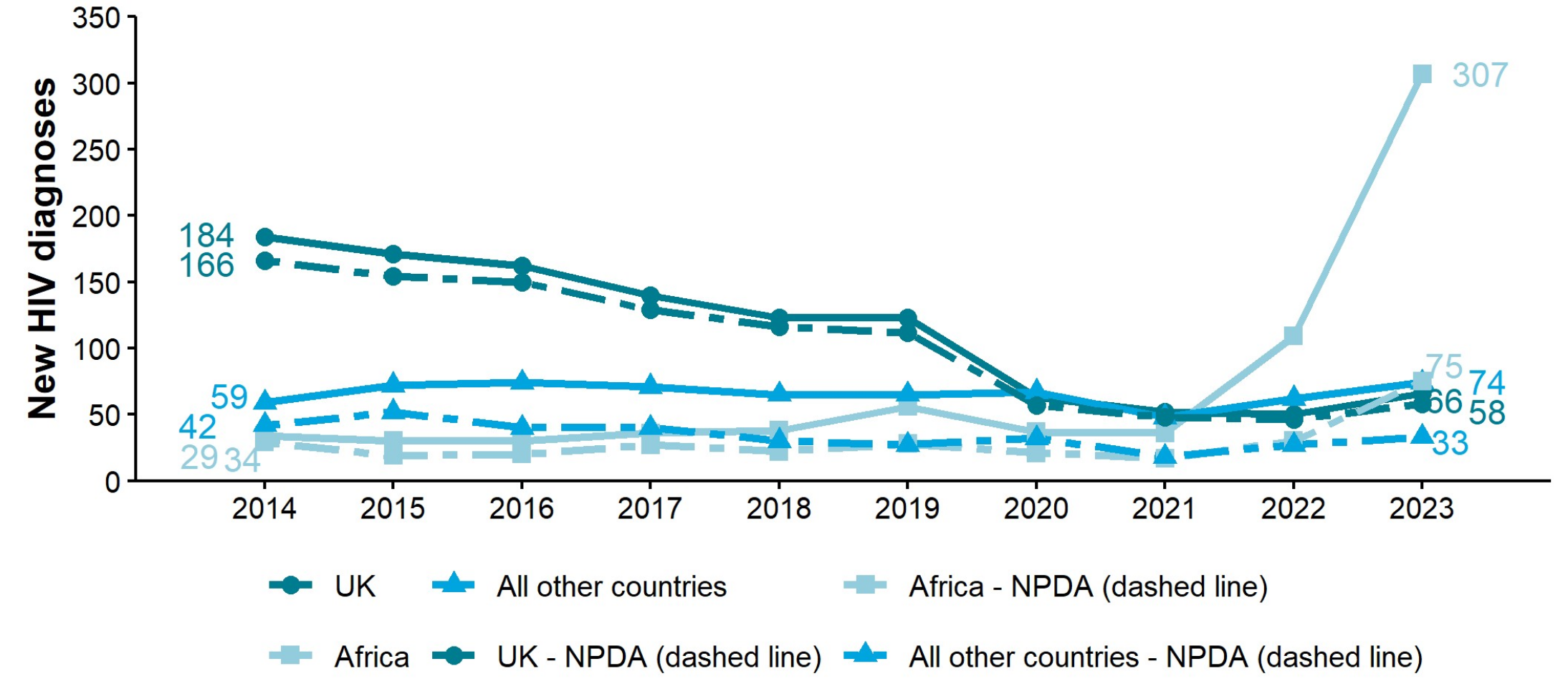
Figure 9 is a line graph displaying the annual counts of new HIV diagnoses by world region of birth among South West residents between 2014 and 2023. Total counts are shown in solid lines, and counts restricted to those NPDA are shown in dashed lines.
From 2014 to 2019, the greatest number of new HIV diagnoses were recorded among UK-born residents. From 2022, more diagnoses were recorded among residents born in Africa than those born in the UK or in all other regions combined. The majority of these were individuals who had a previous diagnosis abroad.
Table 1: Number of new HIV diagnoses (excluding those previously diagnosed abroad) by ethnic group and whether born abroad, South West residents, 2019 to 2023 [note 1]
| Ethnic group | UK-born | Born abroad | Unknown country of birth |
|---|---|---|---|
| White | 280 | 82 | 7 |
| Black African and Black Caribbean | 9 | 128 | 3 |
| Other | 12 | 66 | 5 |
| Unknown | 4 | 14 | 17 |
Source: UKHSA, HIV and AIDS New Diagnoses and Deaths (HANDD).
Data is for the 5-year period 2019 to 2023. Those with a prior diagnosis abroad are excluded. To make it clear that there are differences in completeness of ascertainment of country of birth for different ethnic groups, numbers in this table are not adjusted for missing information. The Black African and Black Caribbean groups have been combined due to small numbers.
The number of new diagnoses will depend on accessibility of testing as well as infection and transmission.
Note 1. Numbers may rise as further reports are received and more information is obtained. This is more likely to affect more recent years, particularly 2023.
Table 1 shows a breakdown of new diagnoses by ethnic group and whether the individual was born abroad. In 2023 in the South West, where country of birth was known, 22% of newly diagnosed White individuals were born abroad, 94% of Black African individuals, and 80% of those of Other ethnicities.
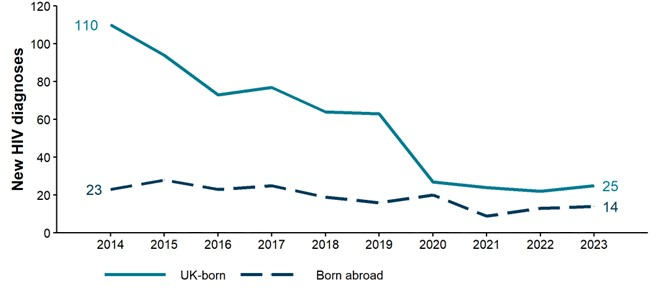
Figure 10a: New HIV diagnoses in GBMSM not previously diagnosed abroad by whether born abroad, South West residents, 2014 to 2023 [note 1]
Source: UKHSA, HANDD.
The number of new diagnoses will depend on accessibility of testing as well as infection and transmission.
Note 1. Numbers may rise as further reports are received and more information is obtained. This is more likely to affect more recent years, particularly 2023.
Figure 10a shows trends in new HIV diagnoses among GBMSM by whether born abroad between 2014 and 2023.
Unlike heterosexual men or women, the majority of new diagnoses among GBMSM continue to be reported among UK-born residents. However, this proportion has been decreasing, with 82% of new diagnoses reported among those born in the UK in 2014 compared to 65% in 2023.
Within the last 10 years, annual HIV incidence among UK-born GBMSM in the South West has decreased by 77%, from 110 new cases in 2014 to 25 in 2023. However, the number cases among this population has remained stable since 2020. The number of new diagnoses among GBMSM born abroad has remained relatively stable in the last 10 years.
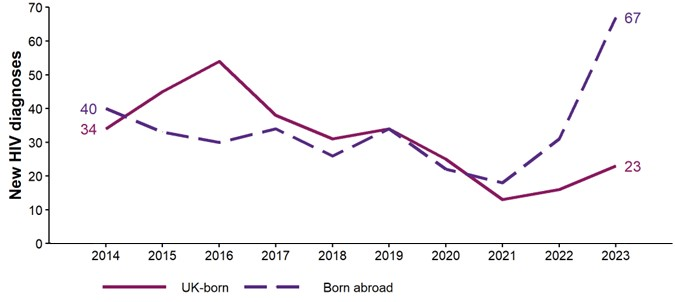
Figure 10b: New HIV diagnoses in heterosexuals not previously diagnosed abroad by whether born abroad, South West residents, 2014 to 2023 [note 1]
Source: UKHSA, HANDD.
The number of new diagnoses will depend on accessibility of testing as well as infection and transmission.
Note 1. Numbers may rise as further reports are received and more information is obtained. This is more likely to affect more recent years, particularly 2023.
Figure 10b displays trends in new HIV diagnoses among heterosexuals with no previous diagnosed abroad (NPDA) between 2014 and 2023, stratified by whether they were born abroad. From 2021, those born abroad have represented an increasing proportion of new diagnoses among heterosexuals with NPDA. Annual incidence among heterosexuals with NPDA regardless of country of birth largely decreased between 2016 and 2021, before increasing in 2022 and 2023. Between 2014 and 2023, the annual number of new diagnoses among heterosexuals with NPDA has increased by 68% for those born abroad and decreased by 32% among those born in the UK.
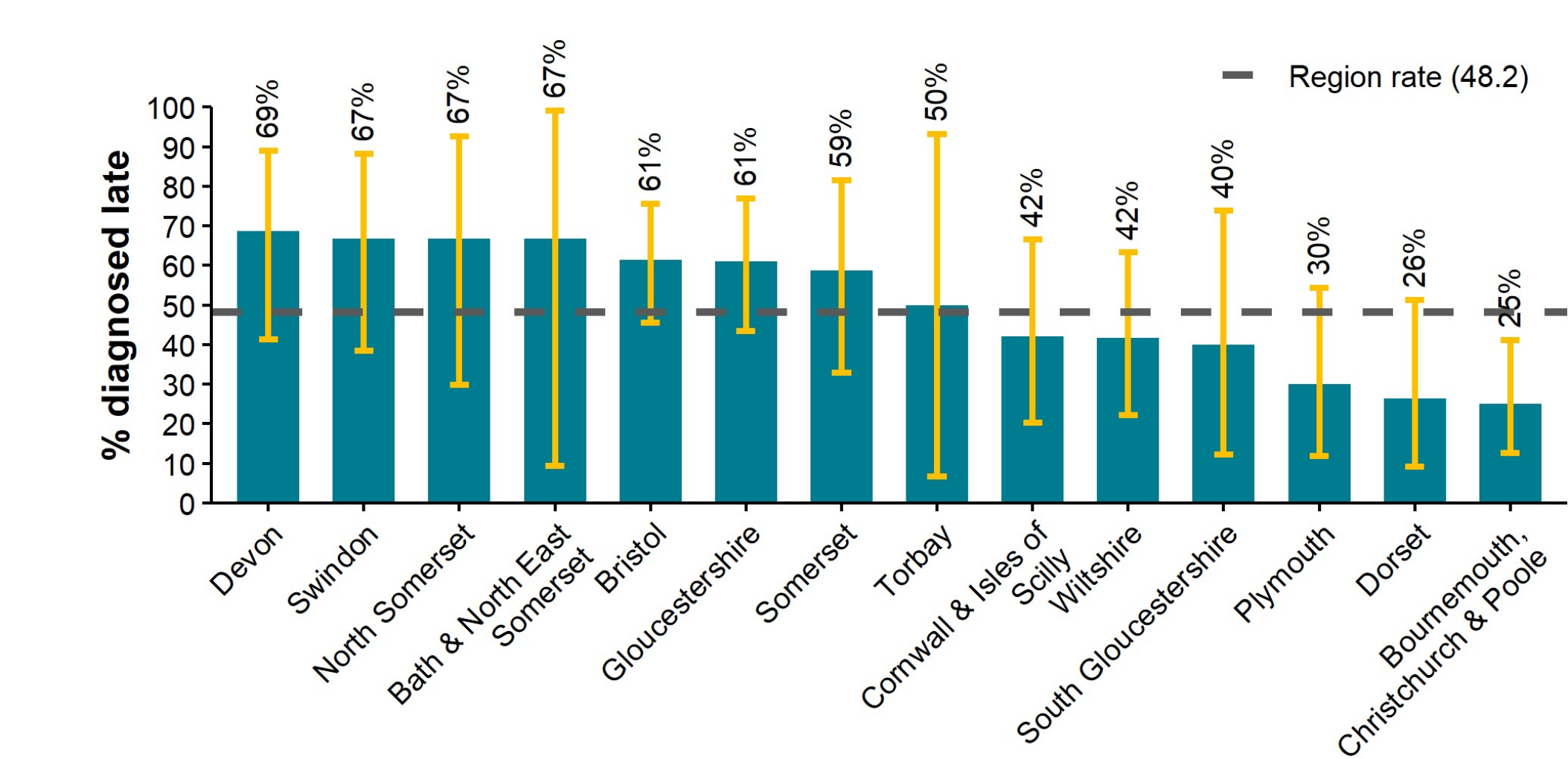
Figure 11: Percentage of new HIV diagnoses that were diagnosed late (excluding those previously diagnosed abroad) by local authority of residence, South West, aged 15 years and over, 2021 to 2023 [note 2]
Source: UKHSA, HIV and AIDS New Diagnoses and Deaths (HANDD), HIV and AIDS Reporting System (HARS).
Note 2. Only includes new diagnoses in those aged 15 years or older with no prior diagnosis abroad and for which a CD4 count was reported within 91 days of diagnosis; late diagnosis defined as CD4 count less than 350 cells/mm3. The underlying population will impact on the proportion diagnosed late, for example, GBMSM are less likely to be diagnosed late.
Figure 11 is a bar chart showing the percentages of new HIV diagnoses that were made late among South West residents, by upper-tier local authority (UTLA), between 2021 and 2023. The overall percentage for the South West (48.2%) is represented as a dashed horizontal line. Yellow bars indicate 95% confidence intervals. Diagnoses for Cornwall and the Isles of Scilly were combined to preserve data confidentiality due to the small population size of the Isles of Scilly.
The UTLA with the highest proportion of late HIV diagnoses in 2021 to 2023 was Devon (69%), followed by Swindon (67%), North Somerset (67%) and Bath and North East Somerset (67%). The UTLAs with the lowest proportions were Bournemouth, Christchurch and Poole (25%) and Dorset (26%). No individual UTLA had a proportion diagnosed late that was significantly different to the regional percentage, aside from Bournemouth, Christchurch, and Poole. Due to the small number of late diagnoses in the South West, trends and comparisons between UTLAs should be interpreted with caution.
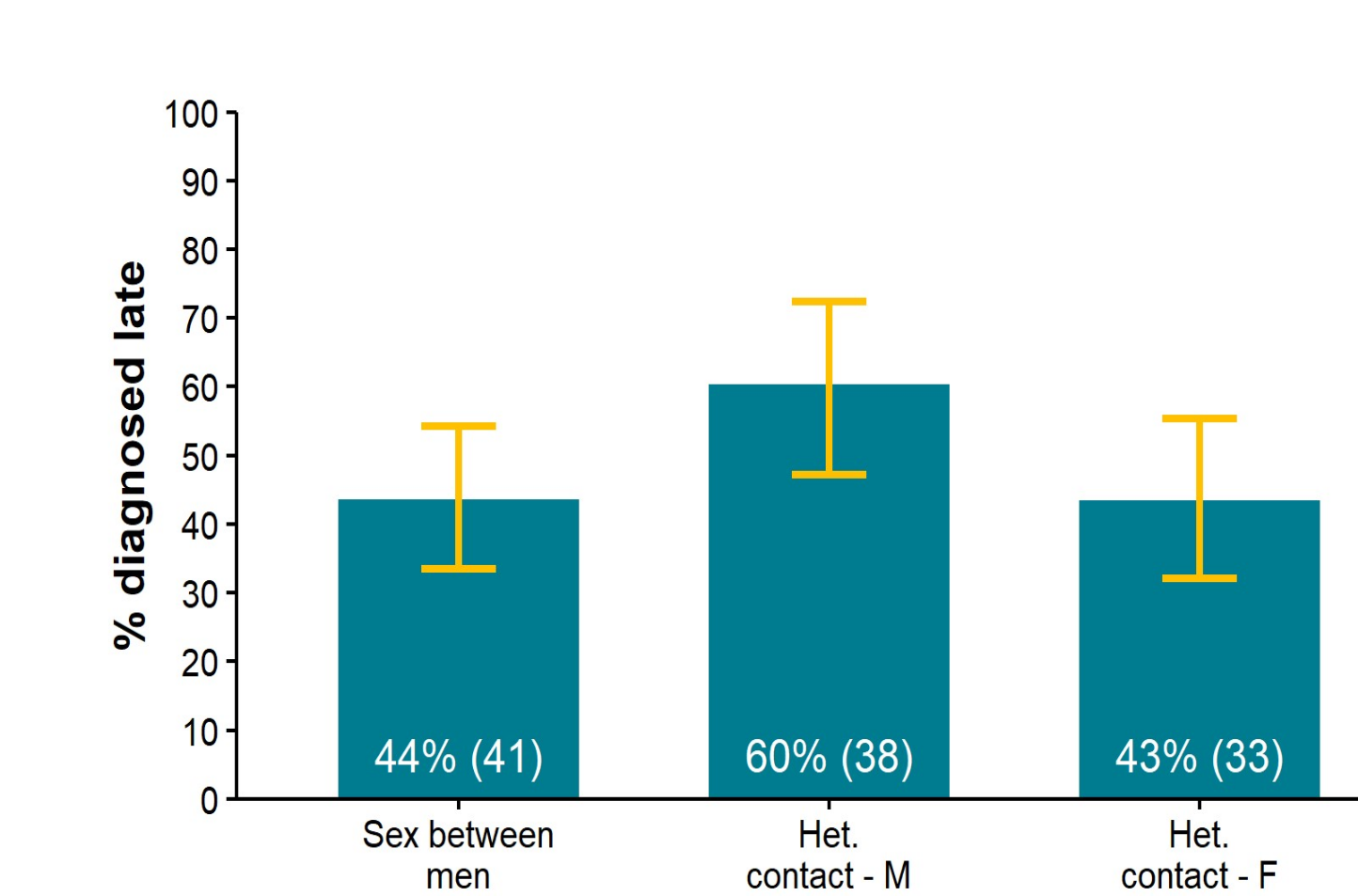
Figure 12a: Percentage and number of new HIV diagnoses by probable route of infection that were diagnosed late, South West residents, aged 15 years and over, 2021 to 2023 [note 3]
Source: UKHSA, HIV and AIDS New Diagnoses and Deaths (HANDD), HIV and AIDS Reporting System (HARS).
Note 3. Only includes new diagnoses in those aged 15 years or older with no prior diagnosis abroad and for which a CD4 count was reported within 91 days of diagnosis; late diagnosis defined as CD4 count <350 cells/mm3. Proportions are only shown for the sex between men, heterosexual contact (males), heterosexual contact (females) and injecting drug use exposure groups and are withheld for any of these categories if they contain fewer than 5 late diagnoses.
Figure 12a is a bar chart showing the percentage and number of new HIV diagnoses that were diagnosed late by probable route of infection, between 2021 and 2023, for South West residents aged 15 or older. Yellow bars indicate 95% confidence intervals.
The highest proportion of late diagnoses were among men with a history of heterosexual contact (60%), while the lowest proportion was among females with heterosexual contact (43%). This is similar to the proportion of diagnoses made late among men who have sex with men (44%).
Figure 12b: Percentage and number of new HIV diagnoses by ethnic group that were diagnosed late, South West residents, aged 15 years and over, 2021 to 2023 [note 4]
Source: UKHSA, HIV and AIDS New Diagnoses and Deaths (HANDD), HIV and AIDS Reporting System (HARS).
Note 4. Only includes new diagnoses in those aged 15 years or older with no prior diagnosis abroad and for which a CD4 count was reported within 91 days of diagnosis; late diagnosis defined as CD4 count less than 350 cells/mm3. Proportions are only shown for the White, Black African and Black Caribbean ethnic groups and are withheld for any of these ethnic group categories if they contain fewer than 5 late diagnoses.
Figure 12b is a bar chart showing the percentage and number of new HIV diagnoses that were diagnosed late by ethnic group (White or Black African), between 2021 and 2023 for South West residents aged 15 or older. Yellow bars indicate 95% confidence intervals.
The percentage of diagnoses that were made late were similar for Black African individuals and White individuals, at 47% and 48% respectively.
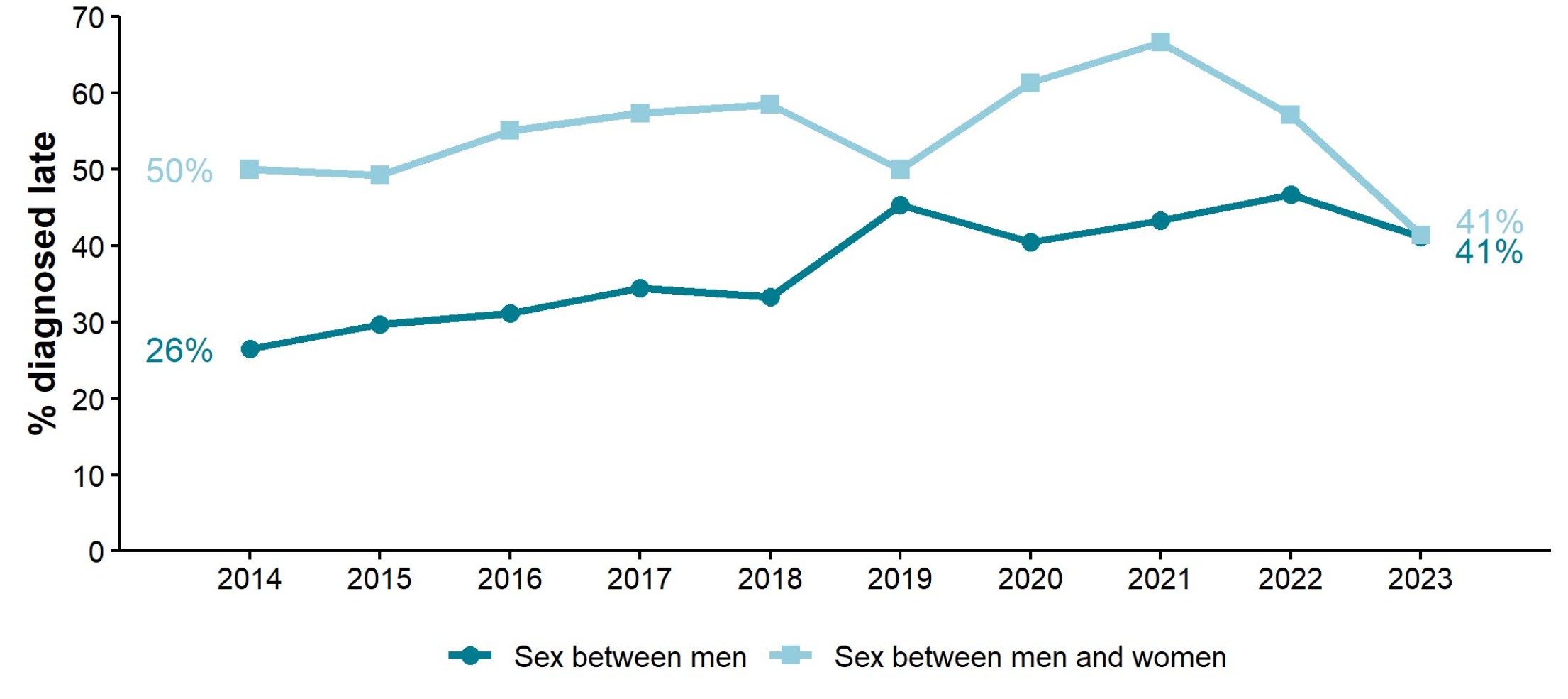
Figure 13: Percentage of new HIV diagnoses that were diagnosed late by probable route of infection and year of first UK HIV diagnosis, South West residents, aged 15 years and over, 2014 to 2023 [note 5]
Source: UKHSA, HIV and AIDS New Diagnoses and Deaths (HANDD), HIV and AIDS Reporting System (HARS).
Note 5. Only includes new diagnoses in those aged 15 years or older with no prior diagnosis abroad and for which a CD4 count was reported within 91 days of diagnosis; late diagnosis defined as CD4 count less than 350 cells/mm3.
Figure 13 is a line graph displaying the annual percentage of HIV diagnoses that were made late from 2014 to 2023, among South West residents aged 15 or older who were first diagnosed in the UK. These percentages have been stratified by probable route of infection.
Between 2014 and 2022, individuals in the South West whose probable route of infection was SBMW had a higher proportion of late diagnoses than those whose probable route of infection was SBM (that is, GBMSM). However, in 2023, both GBMSM and those with SBMW as a probable route of infection had the same proportion of late diagnoses, at 41%. The proportion of diagnoses that were made late among the SBMW group has fallen since 2021.
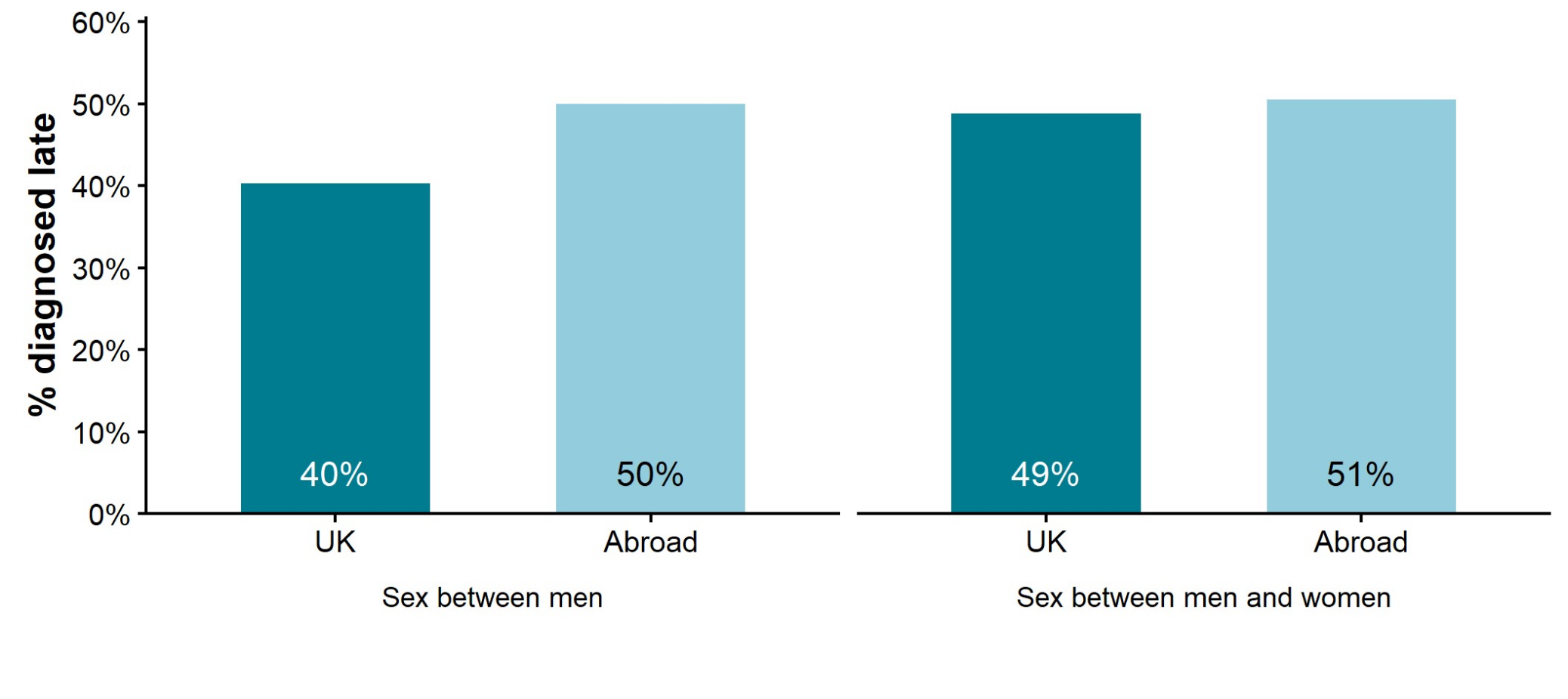
Figure 14: Percentage of new HIV diagnoses that were diagnosed late in GBMSM and heterosexuals by whether born abroad, South West residents, aged 15 years and over, 2021 to 2023 [note 5]
Source: UKHSA, HIV and AIDS New Diagnoses and Deaths (HANDD), HIV and AIDS Reporting System (HARS).
Note 5. Only includes new diagnoses in those aged 15 years or older with no prior diagnosis abroad and for which a CD4 count was reported within 91 days of diagnosis; late diagnosis defined as CD4 count less than 350 cells/mm3.
Figure 14 is a column chart comparing the proportion of HIV diagnoses that were made late in 2021 to 2023 by sexual orientation and whether born abroad. Around half of new diagnoses were made late among heterosexual individuals between 2021 and 2023, regardless where they were born. For GBMSM, a higher proportion of those born abroad had a late diagnosis (at 50%) compared to those UK-born (40%).
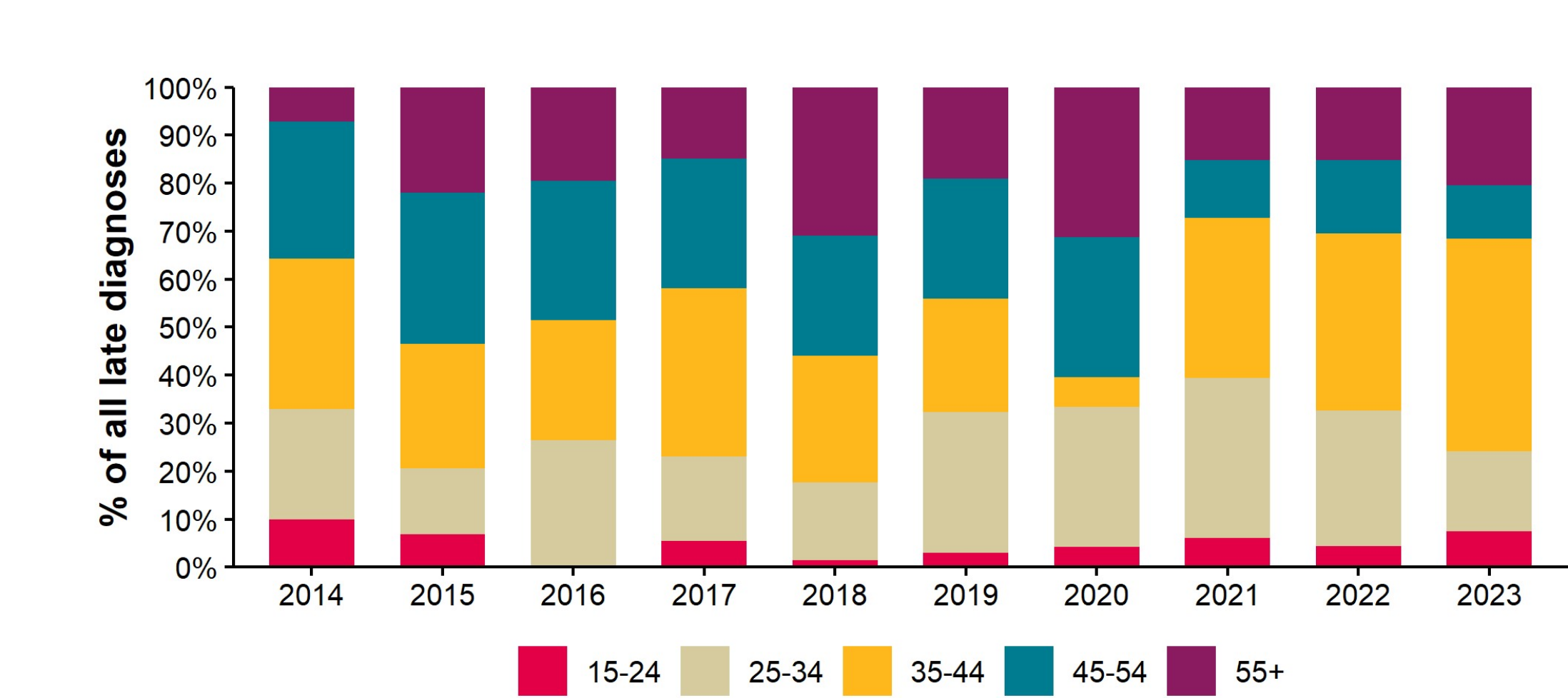
Figure 15a: Age distribution of new HIV diagnoses that were diagnosed late by year of first UK HIV diagnosis, South West residents, aged 15 years and over, 2014 to 2023 [note 5]
Source: UKHSA, HIV and AIDS New Diagnoses and Deaths (HANDD), HIV and AIDS Reporting System (HARS).
Note 5. Only includes new diagnoses in those aged 15 years or older with no prior diagnosis abroad and for which a CD4 count was reported within 91 days of diagnosis; late diagnosis defined as CD4 count <350 cells/mm3.
Figure 15a is a stacked bar chart showing trends in age distribution of late HIV diagnoses for South West residents aged 15 and older, each year from 2014 to 2023. In 2023, the highest proportion of all late diagnoses were from individuals aged 35 to 44. An increasing proportion of late diagnoses have been reported per year from those aged 35 to 44 since 2020, while that of 25 to 34 year olds has decreased.
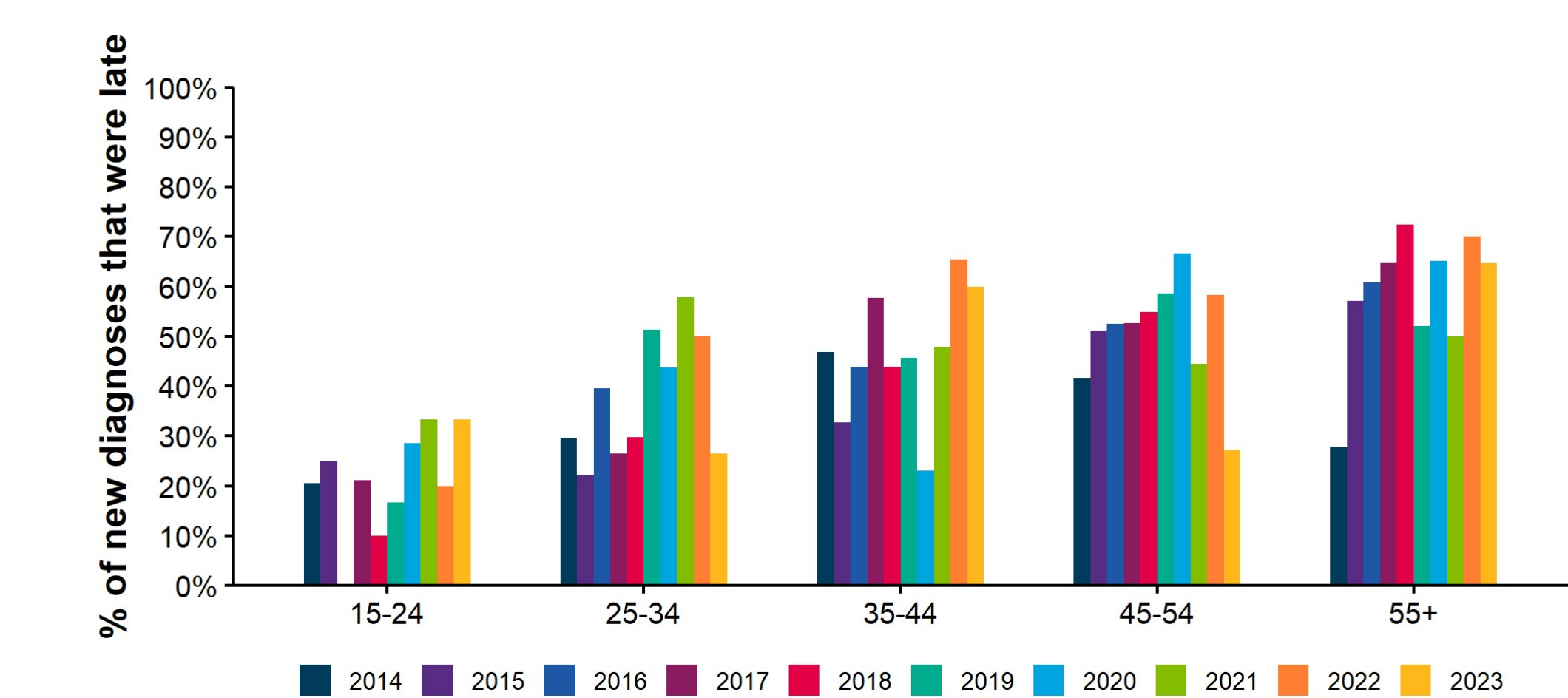
Figure 15b: Percentage of all new diagnoses that were late by age by year of first UK HIV diagnosis, South West residents, aged 15 years and over, 2014 to 2023 [note 5]
Source: UKHSA, HIV and AIDS New Diagnoses and Deaths (HANDD), HIV and AIDS Reporting System (HARS).
Note 5. Only includes new diagnoses in those aged 15 years or older with no prior diagnosis abroad and for which a CD4 count was reported within 91 days of diagnosis; late diagnosis defined as CD4 count less than 350 cells/mm3.
Figure 15b is a bar chart showing trends in the proportions of late diagnoses by age group and year in the previous 10 years, for South West residents aged 15 years and older. The proportion of diagnoses made late in older age groups is elevated compared to younger groups and this has been broadly the case within the last 10 years. In 2023, reductions in the proportion of diagnoses made late have been seen across most age groups.
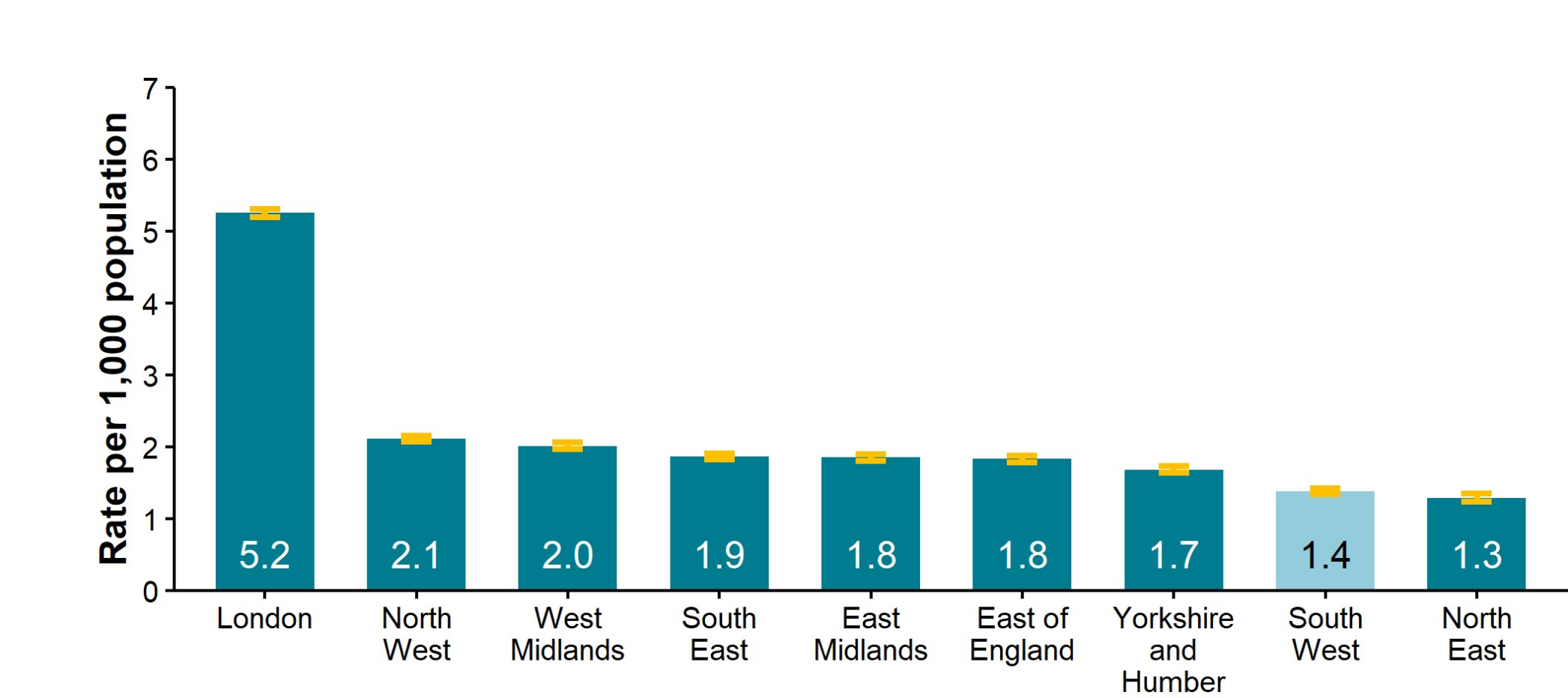
Figure 16: Diagnosed HIV prevalence per 1,000 residents aged 15 to 59 years by UKHSA region, 2023
Source: UKHSA, HIV and AIDS Reporting System (HARS).
Figure 16 is a bar chart showing the diagnosed HIV prevalence rate (per 1,000 residents aged 15 to 59 years) by UKHSA region for 2023. In 2023, the region with the highest diagnosed prevalence rates was London (5.2), which was over twice the rate of any other region in England. The South West had the second lowest prevalence rate (1.4), which is a small increase from 1.3 in 2022.
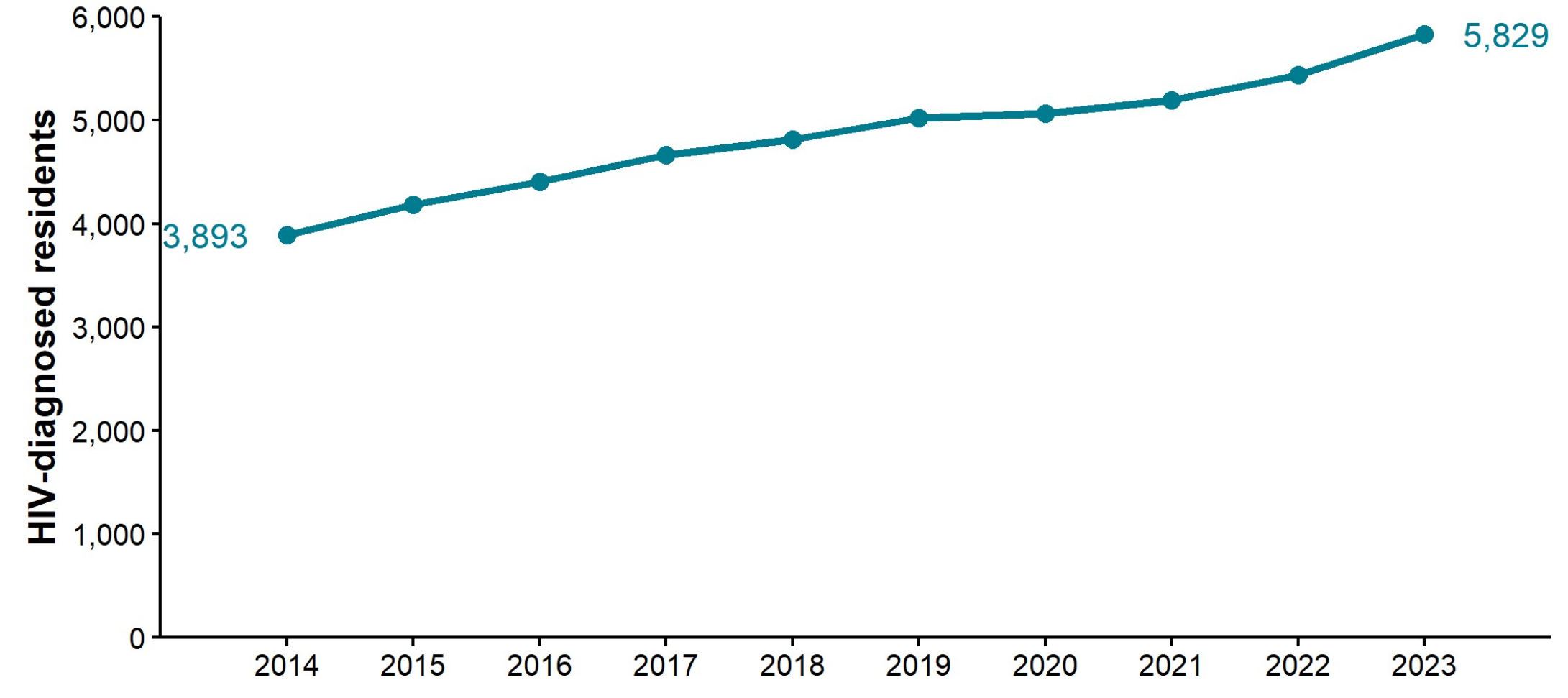
Figure 17: Number of residents living with diagnosed HIV and accessing care, the South West, 2014 to 2023
Source: UKHSA, HIV and AIDS Reporting System (HARS).
Figure 17 is a line graph displaying the annual number of diagnosed HIV-positive residents in the South West who have accessed HIV-related care. Everyone living with diagnosed HIV in the UK can access care for free, so this number acts as a proxy for the number of residents living with diagnosed HIV.
The number of residents living with diagnosed HIV and accessing care has risen every year in the last 10 years. Between 2022 and 2023, this number has increased by 7.2% to a total of 5,829 residents. This is a larger increase than the previous year-on-year change, which was 4.7% between 2021 and 2022.
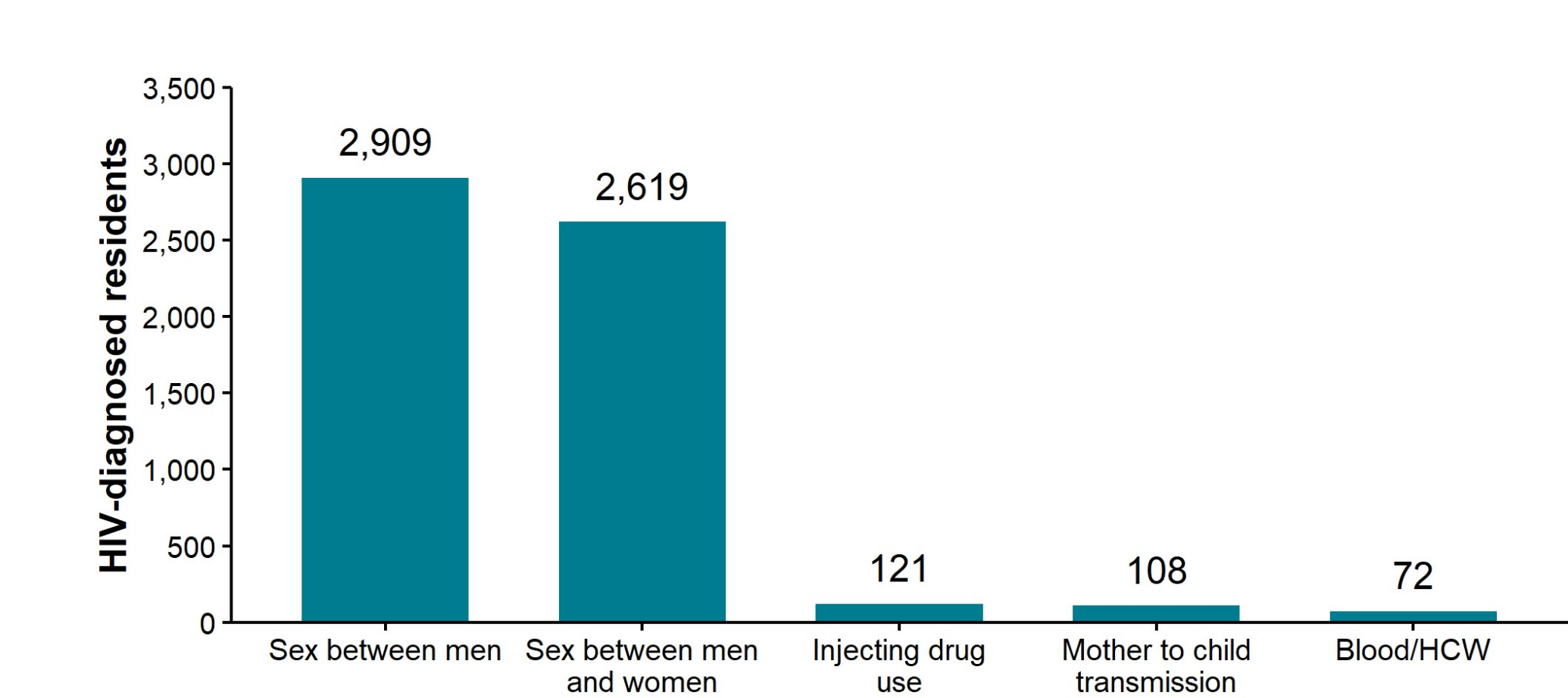
Figure 18: Number of residents living with diagnosed HIV and accessing care by probable route of transmission (adjusted for missing route information), the South West, 2023
Source: UKHSA, HIV and AIDS Reporting System (HARS).
Figure 18 is a bar chart showing counts of South West residents accessing care for diagnosed HIV in 2023 by probable route of transmission, adjusted for missing route information
The majority of South West residents accessing care for diagnosed HIV in 2023 acquired HIV through sex between men (that is, GBMSM, 2,909) or through sex between men and women (2,619). A small number contracted HIV through injecting drug use (121), mother-to-child transmission (108), or healthcare settings, blood, and blood products (72).
Figure 19: Percentage of residents with diagnosed HIV who are accessing care in each age group, the South West, 2014 and 2023
Source: UKHSA, HIV and AIDS Reporting System (HARS).
Figure 19 is a bar chart showing the percentage of South West residents with diagnosed HIV who are accessing care in each age group, for 2014 and 2023.
In 2014, the greatest proportion of HIV care access was reported among residents aged 35 to 49 (47%), followed by those aged 50 or older (35%).
By 2023, the majority of residents accessing HIV care in the South West were aged 50 or older (53%), while 35 to 49 year olds represented 35% of those accessing care.
Figure 20: Diagnosed HIV prevalence per 1,000 residents by ethnic group (all ages), the South West, 2023
Source: UKHSA, HIV and AIDS Reporting System (HARS).
Figure 20 is a bar chart showing the prevalence rates of diagnosed HIV per 1,000 South West residents of all ages in 2023 by ethnic group. Yellow markings indicate 95% confidence intervals.
The highest rate of diagnosed HIV was observed in the Black African group (29.0), more than triple the rate of the group with the second highest prevalence (Other Black/Unspecified, 8.5). The lowest rates of diagnosed HIV were observed among the White (0.8) and Asian (1.2) ethnic groups.
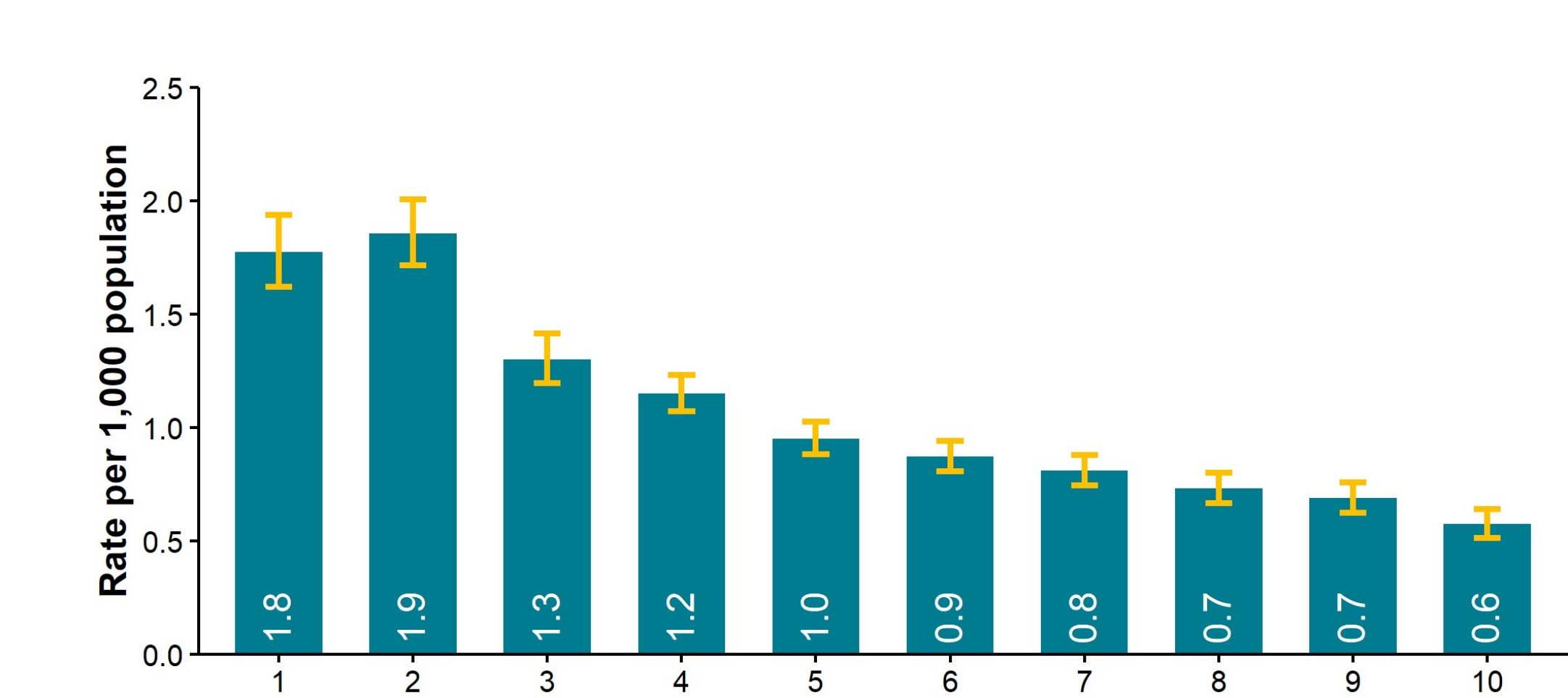
Figure 21: Diagnosed HIV prevalence per 1,000 population by Index of Multiple Deprivation decile, the South West, 2023
Source: UKHSA, HIV and AIDS Reporting System (HARS).
Figure 21 is a bar chart showing the prevalence rates of diagnosed HIV per 1,000 South West residents in 2023, by Index of Multiple Deprivation (IMD) decile. Yellow markings indicate 95% confidence intervals.
In 2023, the highest rates of diagnosed HIV were observed within the most deprived and second most deprived IMD deciles (rates of 1.8 and 1.9 per 1,000 respectively). The lowest rate of diagnosed HIV was observed within the least (0.6) deprived decile. This gradation by IMD decile has been consistently observed in previous years.
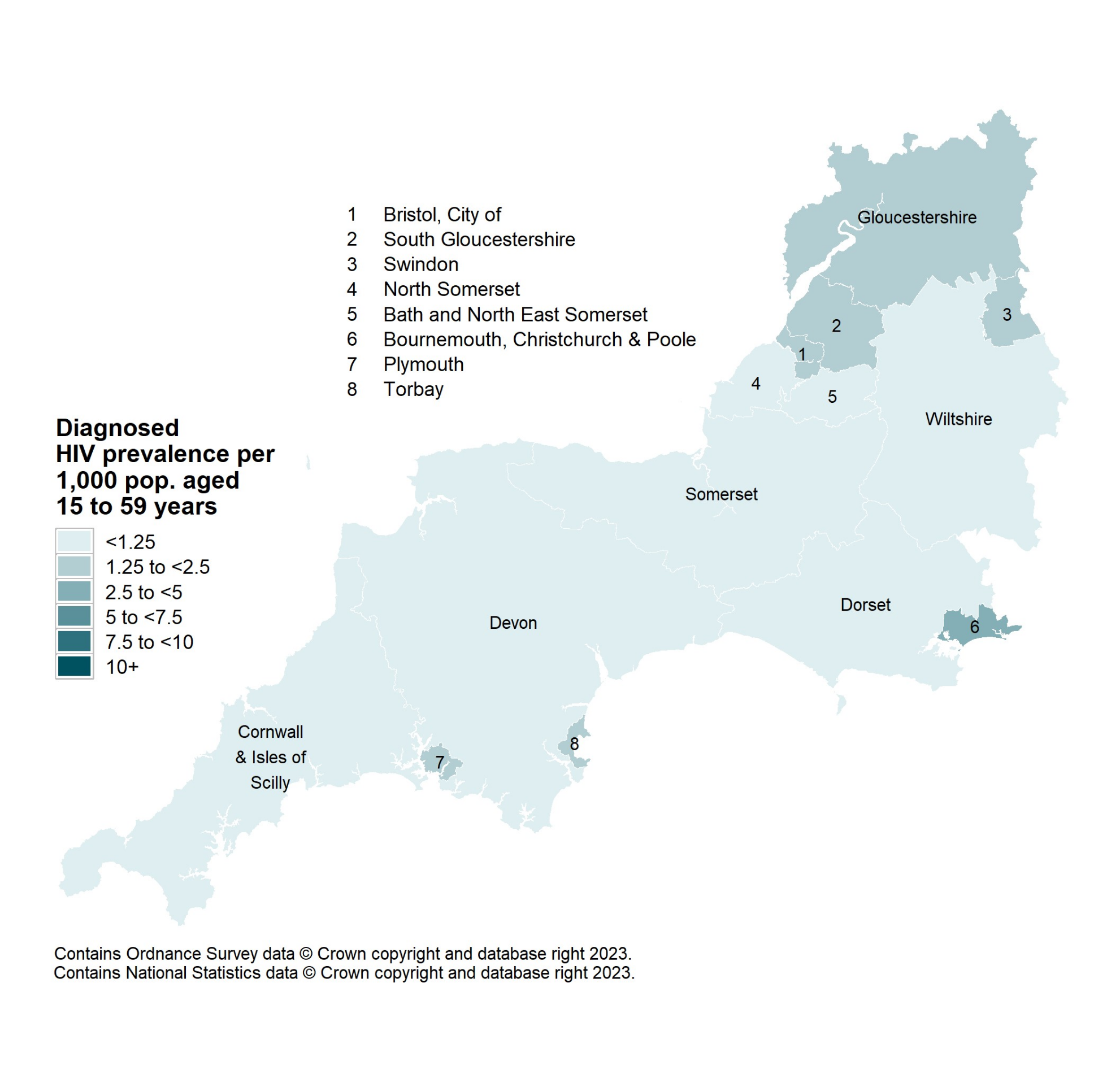
Figure 22: Diagnosed HIV prevalence per 1,000 residents aged 15 to 59 years by local authority, the South West, 2023
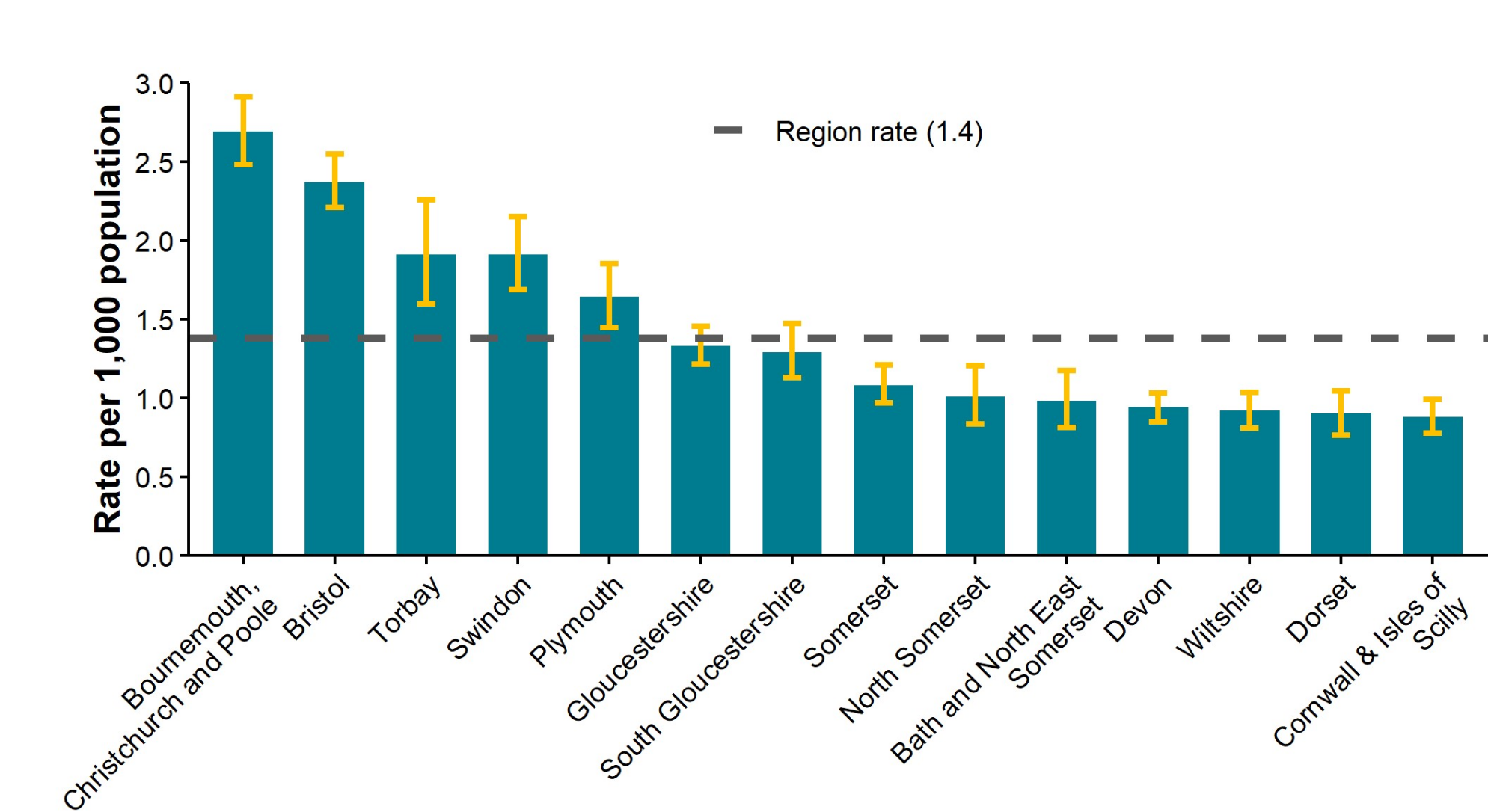
Figure 22 is a bar chart showing the prevalence rates of diagnosed HIV per 1,000 South West residents aged 15 to 59 years in 2023, by UTLA. Yellow markings indicate 95% confidence intervals. The regional prevalence rate (1.4) is indicated by a horizontal dashed line. Data for Cornwall and the Isles of Scilly were combined to preserve data confidentiality due to the small population size of the Isles of Scilly.
In 2023, the UTLAs with the highest prevalence rates of diagnosed HIV were Bournemouth, Christchurch and Poole (2.7) and Bristol (2.4). Rates for Bournemouth, Christchurch, and Poole, Bristol, Torbay, Swindon, and Plymouth were significantly higher than the regional rate, while rates for Somerset, North Somerset, Bath and North East Somerset, Devon, Wiltshire, Dorset, and Cornwall and the Isles of Scilly were significantly lower than the regional rate.
Figure 23: Diagnosed HIV prevalence per 1,000 residents aged 15 to 59 years by local authority, the South West, 2023
Source: UKHSA, HIV and AIDS Reporting System (HARS).
Figure 23 is a map of UTLAs in South West England shaded according to the prevalence rates of diagnosed HIV per 1,000 residents aged 15 to 59 years in 2023. Data for Cornwall and the Isles of Scilly were combined to preserve data confidentiality due to the small population size of the Isles of Scilly.
Figure 24: The continuum of HIV care, 2023
Source: UKHSA, HIV and AIDS Reporting System (HARS, MPES model).
Figure 24 is a chart illustrating that English regions outside of London have met or surpassed the Joint United Nations Programme on HIV/AIDS (UNAIDS) 95:95:95 HIV care continuum targets in 2023. The 95:95:95 targets were adopted by United Nations Member States in June 2021, and they aim to close gaps in HIV treatment coverage and outcomes in all sub-populations, age groups and geographic settings.
To meet its 95:95:95 targets, a country must successfully diagnose at least 95% of those living with HIV. Of those diagnosed, 95% must receive treatment, and of those receiving treatment, 95% must have suppressed viral loads.
In 2023, 95% of those living with HIV in England outside London are estimated to know their status. Of this population, 99% are known to have obtained treatment for HIV, and of those accessing care, 98% are known to have suppressed viral loads.
In total, this means that 91% of those living with HIV in England outside London are estimated to have suppressed viral loads, and cannot pass on the virus to sexual partners, even those not using PrEP or condoms.
Figure 25: HIV testing rate per 100,000 by population group, South West residents, 2019 to 2023
Source: UKHSA, GUMCAD.
‘All’ includes people who identified as gender diverse (genderqueer, non-binary, other gender and prefer not to say).
Figure 25 is a line graph showing the proportion of eligible attendees at specialist sexual health services (SHSs) in the South West who accepted a HIV test from 2019 to 2023, presented by gender. An eligible attendee is defined as a patient attending a specialist SHS at least once during a calendar year. Patients known to be HIV positive, or for whom a HIV test was not appropriate, or for whom the attendance was related to sexual and reproductive health (SRH) care only, are excluded.
HIV testing coverage in the South West declined among males and females between 2019 and 2021, alongside the total number of eligible attendees (from 114,182 in 2019 to 73,069 in 2020 and 70,593 in 2021). In 2022 and 2023 the testing rates increased, alongside the total number of eligible attendees (84,417 in 2022 and 96,613 in 2023). In 2023, the testing rate was higher among males (1,602 per 100,000) compared to females (1,544 per 100,000).
Note: this figure does not include tests performed outside of specialist SHS settings, including online consultations and British Association for Sexual Health and HIV (BASHH) Level 1 clinics. These providers are not mandated to offer an HIV test to everyone and may not consistently code and report HIV test outcomes to UKHSA.
Table 2: People tested for HIV by gender and sexual orientation, South West residents attending all SHSs, 2019 to 2023
| Gender/sexual orientation | 2019 | 2020 | 2021 | 2022 | 2023 | % change 2019 to 2023 | % change 2022 to 2023 |
|---|---|---|---|---|---|---|---|
| Heterosexual men | 33,637 | 19,870 | 15,662 | 17,892 | 21,465 | -36% | 20% |
| GBMSM | 9,876 | 8,992 | 10,561 | 10,914 | 11,612 | 18% | 6% |
| Subtotal (men) | 48,202 | 31,370 | 28,975 | 31,845 | 36,252 | -25% | 14% |
| Hetero/bisexual women | 48,020 | 33,830 | 30,076 | 31,132 | 35,930 | -25% | 15% |
| WOSW | 391 | 535 | 478 | 399 | 419 | 7% | 5% |
| Subtotal (women) | 54,143 | 37,032 | 33,955 | 35,180 | 40,097 | -26% | 14% |
| Total (all genders) | 103,410 | 69,365 | 65,564 | 73,522 | 81,812 | -21% | 11% |
Source: UKHSA, GUMCAD.
Note: GBMSM = Gay, bisexual, and other men who have sex with men; WOSW = women who only have sex with women. Subtotals and totals include individuals with incomplete or not reported demographic data. Totals also include people who identified as gender diverse (genderqueer, non-binary, other gender and prefer not to say).
Table 2 shows the number of South West residents tested for HIV at all SHSs between 2019 and 2023, by gender and sexual orientation. Residency information for consultations in this table may be less robust than for specialist SHSs only. The proportion of HIV testing via online services has increased rapidly since the COVID-19 pandemic.
Between 2019 and 2023, overall HIV testing coverage decreased by 21%. Declines in testing coverage between 2019 and 2023 are particularly notable among heterosexual men (−36%) and heterosexual and bisexual women (−25%), while improvements in coverage were observed among GBMSM (+18%) and women who only have sex with women (WOSW, +7%). Testing counts dropped significantly for all subgroups other than WOSW in 2020, during the first year of the COVID-19 pandemic. Between 2022 and 2023, testing coverage increased for all subgroups, and most notably among heterosexual men (+20%) and heterosexual and bisexual women (15%).
Figure 26: HIV pre-exposure prophylaxis (PrEP) need and initiation/continuation in residents attending specialist SHSs, the South West, 2023
Source: UKHSA, GUMCAD.
Figure 26 is a bar chart showing information about PrEP need and use by gender and sexual orientation in 2023. The first column represents the percentage of South West residents attending specialist SHSs who were determined to be in need of PrEP based on clinical and other information. The second column shows the percentage of those in need of PrEP whose PrEP need was identified by the service, and the third column shows the percentage of those in need of PrEP for whom PrEP was initiated or continued. These 2 final columns for each group must be looked at in relation to the first column.
PrEP need is identified on an individual basis by specialist SHSs. An individual may be determined as in need of PrEP through a combination of factors, including their clinical, demographic, or behavioural backgrounds.
In 2023, GBMSM were the group with the highest proportional need for PrEP (72%). Other groups had much lower need for PrEP (WOSW 8%, heterosexual men 2%, and heterosexual and bisexual women below 1%). Specialist SHSs were more effective at identifying PrEP need among WOSW (93%) than GBMSM (90%), and a greater proportion of WOSW in need of PrEP initiated or continued treatment (81%) in comparison to GBMSM (75%), although numbers in the WOSW group will be much smaller than in the GBMSM group.
In 2023, the greatest absolute number of new HIV diagnoses in the South West were reported among those having sex with men and women, but only a small proportion of the total population of this risk group was estimated to be in need of PrEP. Less than half of heterosexual and bisexual women (45%) and heterosexual men (44%) attending specialist SHSs who were estimated to be in need of PrEP initiated or continued treatment in 2023.
Information on data sources
HIV and AIDS New Diagnoses and Deaths (HANDD) collects information on new HIV diagnoses, AIDS at diagnosis and deaths among people diagnosed with HIV. Information is received from laboratories, specialist SHSs, GPs and other services where HIV testing takes place in England, Wales and Northern Ireland. The Recent Infection Testing Algorithm (RITA) and CD4 surveillance scheme are linked to HANDD to assess trends in recent and late diagnoses. Data is deduplicated across regions and therefore figures may differ from country-specific data.
The Survey of Prevalent HIV Infections Diagnosed (SOPHID) began in 1995 and was a cross-sectional survey of all adults living with diagnosed HIV infection who attend for HIV care in England, Wales and Northern Ireland. SOPHID collected information about the individual’s place of residence along with epidemiological data including clinical stage and antiretroviral therapy (ART). In 2015, SOPHID reporting in England was replaced by the HIV and AIDS Reporting System (HARS) which captures information at every attendance for HIV care.
Date of data extract: October 2024. Updates to HANDD and SOPHID/HARS made after this date will not be reflected in this report.
Confidence intervals for rates in the figures have been calculated to the 95% level using the Byar’s method; confidence intervals for percentages have been calculated to the 95% level using the Wilson Score method. Confidence intervals presented in the text are produced by Bayesian analysis.
The most recent ONS mid-year estimates at the time of analysis were used as denominators for rates. For UTLAs 2023 estimates were used (published June 2024), for MSOAs 2022 estimates were used (published November 2024), for LTLAs 2021 estimates were used (published November 2022), and for LSOAs 2022 estimates were used (published November 2024).
The data behind charts showing absolute numbers may have been adjusted for missing information; however, unless stated otherwise, the numbers in the summary section are the numbers as reported, that is, unadjusted counts. Where charts are displaying adjusted data this is indicated in the chart title. Where figures have been ‘adjusted for missing information’, this means that when unknown values are present (for example, route of probable infection = ‘unknown’), they are proportionally distributed amongst other groups for the purposes of analysis (for example, if A = 12, B = 4, C = 2, and unknown = 6, the 6 ‘unknown’ values are distributed proportionally among groups A, B, and C to give A = 15, B = 6, C = 3).
The denominators for all percentages exclude records for which information was unknown, that is, the proportion of new diagnoses where probable route of infection was sex between men would be calculated using new diagnoses for which route of infection was known as the denominator.
All analyses in this report are residence-based and reflect the patient’s place of residence at diagnosis.
Numbers may change as more information becomes available to assign area of residence to cases and historical data is refreshed accordingly.
Further information
Please access the online Sexual and Reproductive Health Profiles for further information on a whole range of sexual health indicators.
For more information on local sexual health data sources please access the UKHSA guide.
For the annual epidemiological spotlight, see STIs in South West: 2023 data.
See the national HIV report: 2023 data.
Local authorities have access to additional HIV and STI intelligence via the Data Exchange and the HIV and STI web portal. They should also have received a set of tables containing HIV data specific to their authority. They should contact fes.southwest@ukhsa.gov.uk if they do not have access to this information.
About the Field Service
The Field Service was established in 2018 as a national service comprising geographically dispersed multi-disciplinary teams integrating expertise in Field Epidemiology, Real-time Syndromic Surveillance and Public Health Microbiology to strengthen the surveillance, intelligence and response functions of UKHSA.
You can contact your local FS team at FES.SouthWest@ukhsa.gov.uk.
If you have any comments or feedback regarding this report or the Field Service, contact FES.SouthWest@ukhsa.gov.uk.
Acknowledgements
We would like to thank the following:
- local sexual health and HIV clinics for supplying the HIV data
- Institute of Child Health
- UKHSA Blood Safety, Hepatitis, Sexually Transmitted Infections and HIV Division (BSHSH) for collection, analysis and distribution of data
References
- Department of Health and Social Care UK. Towards Zero - An action plan towards ending HIV transmission, AIDS and HIV-related deaths in England: 2022 to 2025. UK Government White Paper. 2022.
- Schoemig V, Martin V, Shah A, Okumu-Camerra K, Mackay N, Bera S, Kitt H, Kelly C, Kolawole T, Ratna N, Chau C, Duretić T, Brown A and contributors. HIV Action Plan monitoring and evaluation framework 2024 report: Report summarising progress from 2019 to 2023. November 2024, UK Health Security Agency, London.
- Kitt H, Shah A, Chau C, Okumu-Camerra K, Bera S, Schoemig V, Mackay N, Kolawole T, Ratna N, Martin V, Đjuretić T, Brown A. HIV testing, PrEP, new HIV diagnoses, and care outcomes for people accessing HIV services: 2024 report. October 2024, UK Health Security Agency, London.
- Office for National Statistics (ONS), released 23 November 2023, ONS website, statistical bulletin, Long-term international migration, provisional: year ending June 2023.
- Aghaizu A, Martin V, Kelly C, Kitt H, Farah A, Latham V, Brown AE, Humphreys C. Positive Voices: The National Survey of People Living with HIV. Findings from 2022. Report summarising data from 2022 and measuring change since 2017. December 2023, UK Health Security Agency, London.