HIV: East Midlands annual data spotlight 2024
Updated 17 June 2026

© Crown copyright 2026
This publication is licensed under the terms of the Open Government Licence v3.0 except where otherwise stated. To view this licence, visit nationalarchives.gov.uk/doc/open-government-licence/version/3 or write to the Information Policy Team, The National Archives, Kew, London TW9 4DU, or email: psi@nationalarchives.gov.uk.
Where we have identified any third party copyright information you will need to obtain permission from the copyright holders concerned.
This publication is available at https://www.gov.uk/government/publications/hiv-east-midlands-annual-data-spotlight/hiv-east-midlands-annual-data-spotlight-2024
Summary
During 2024, UKHSA engaged in a stakeholders’ review on language use for HIV. Consequently, a number of changes have been made to the language used in this report. These include references to gender identity, sexual orientation and probable route of exposure:
- for gay, bisexual and all men who have sex with men, the abbreviation is gay and bisexual men (instead of GBMSM or sex between men)
- for heterosexual men or men who acquired HIV through sex with women, we abbreviate as heterosexual men (instead of men exposed through sex with women)
- for heterosexual and bisexual women or women who acquired HIV through sex with men, we use heterosexual women (instead of women exposed through sex with men)
In previous STI Spotlight reports, counts of new HIV diagnoses included people diagnosed with HIV before continuing care in England (referred to as “previously diagnosed abroad”). These cases do not reflect HIV acquired in England and most of them are rapidly linked to care shortly after arrival, making the majority extremely unlikely to pass on HIV in England (1). For this report, reflecting changes in national HIV statistics, reference to new HIV diagnoses now only includes diagnoses first made in England.
HIV remains an important public health problem in the East Midlands.
In 2024, the East Midlands continued to experience a lower rate of new HIV diagnoses compared with England overall, reflecting sustained progress in HIV prevention, testing and treatment. However, HIV remains an important public health issue in the region, with marked inequalities by population group, ethnicity, age, and geography.
Heterosexual transmission accounted for the majority of new diagnoses, particularly among people born abroad, and a substantial proportion of individuals continued to be diagnosed at a late stage of infection.
Late diagnosis remains a key concern due to its association with poorer health outcomes, increased risk of onward transmission and increased healthcare costs. Although HIV testing and PrEP uptake have increased in recent years, testing rates in the East Midlands remain below the national average and unmet prevention need persists among some population groups.
The number of people living with diagnosed HIV in the East Midlands continues to rise, largely due to improved survival resulting from effective antiretroviral therapy. This has led to an ageing population of people living with HIV, with half aged 50 years and over, highlighting the need for integrated, long-term care that addresses both HIV and wider health needs.
These findings emphasise the importance of maintaining and strengthening locally tailored HIV prevention, testing and care pathways. Continued collaboration between local authorities, NHS services, community organisations and UK Health Security Agency will be essential to reduce inequalities, improve early diagnosis, and support people living with HIV to live long and healthy lives.
New diagnoses
In 2024, 189 East Midlands residents were newly diagnosed with HIV, accounting for 7% of new diagnoses in England. This represents a fall of 3% from 2023.
The new diagnosis rate for East Midlands residents (4 per 100,000) was below that of England in 2024 (5 per 100,000).
In 2024, 24% of all new diagnoses in East Midlands residents were in gay and bisexual men (compared to 27% in 2023 and 51% in 2015). The number of gay and bisexual men resident in the East Midlands newly diagnosed with HIV (45, adjusted for missing information) was 69% lower than in 2015. Of the gay and bisexual men newly diagnosed with HIV 69% were White and 68% were UK-born.
Heterosexual contact was the largest route of exposure for new diagnoses in East Midlands residents in 2024 (71%). Infections in African born persons accounted for 60% of all heterosexually acquired cases in 2024 (n=71), compared to 52% (n=51) in 2015. Infections in UK born persons accounted for 18% of all heterosexually acquired cases in 2024.
A risk factor for HIV acquisition is injecting drug use. In the East Midlands this accounted for 1% of new diagnoses.
Black Africans represented 44% of all newly diagnosed East Midlands residents in 2024 (compared to 45% in 2023 and 23% in 2015). A small proportion of new diagnoses in 2024 were in Black Caribbeans (<1%).
The number of new diagnoses was highest in the 25 to 34 year age group in males and the 35-to-44-year age group in females in 2024.
Late diagnoses
Reducing late HIV diagnoses is one of the indicators in the Public Health Outcomes Framework and HIV Action Plan Monitoring and Evaluation Framework. People who are diagnosed late, as defined by a CD4 count of less than 350 cells/mm at diagnosis, have a tenfold increased risk of mortality within one year of diagnosis compared to those diagnosed promptly. There is also an increased risk of transmission, and greater use of healthcare resources.
A large proportion of East Midlands residents with HIV are diagnosed late (48% from 2022 to 2024), this compares to 43% in England and represents a particular challenge for the East Midlands.
In the East Midlands, heterosexuals were more likely to be diagnosed late (56% of males, 47% of females) than gay and bisexual men (40%). By ethnic group, Black Africans were more likely to be diagnosed late than the White population (47% and 45% respectively).
People living with diagnosed HIV
The 6,754 people living with diagnosed HIV in the East Midlands in 2024 was 6% higher than in 2023 and 55% higher than in 2015. This increase is partly due to the effectiveness of HIV treatment, which has reduced the number of deaths from HIV.
The diagnosed prevalence rate of HIV in the East Midlands in 2024 was 2 per 1,000 residents aged 15 to 59 years. This was equal to the 2 per 1,000 observed in England as a whole (small differences may be hidden by rounding). Five local authorities in the East Midlands had a diagnosed HIV prevalence in excess of 2 per 1,000 population aged 15 to 59 in 2024, which is the threshold for expanded HIV testing. These were Derby (3.1), Leicester (3.7), North Northamptonshire (2.6), Nottingham (3.5) and West Northamptonshire (2.7).
The 2 most common probable routes of exposure for East Midlands residents living with diagnosed HIV in 2024 were heterosexual sex (64%) and gay and bisexual men (29%).
In 2024, 38% of those living with diagnosed HIV in the East Midlands were aged between 35 and 49 years, and 50% were aged 50 years and over (up from 28% in 2015). Males represented 57% of East Midlands residents living with diagnosed HIV in 2024 and females represented 43%.
The ethnic groups with the highest proportions of individuals living with diagnosed HIV in the East Midlands in 2024 were White (40%) and Black Africans (45%). However, due to the relative sizes of the White and Black African populations the rate per 1,000 population aged 15 to 59 years was much higher in Black Africans (36 per 1,000) than in the White population (1 per 1,000).
HIV testing
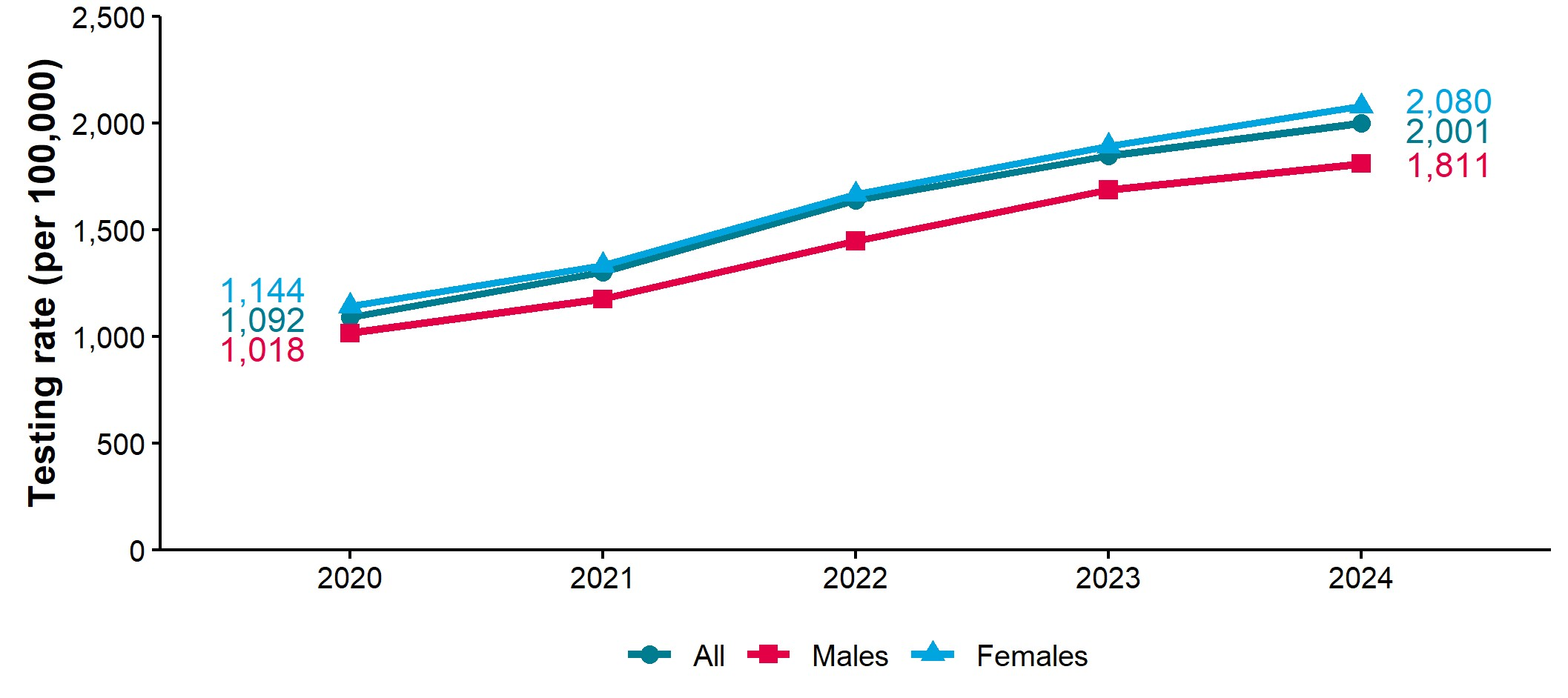
A total of 44,318 people were tested in specialist sexual health services (SHSs) in the East Midlands in 2024, an increase of 83% since 2020 and an increase of 18% since 2023. However, the HIV testing rate (per 100,000 population) at all SHSs in the East Midlands was 2,001 which was lower than the rate across England (2,843) and indicates an area for continued improvement. HIV testing rates in all SHSs and non-specialist services in the East Midlands is lower in men (1,811) than women (2,080).
PrEP
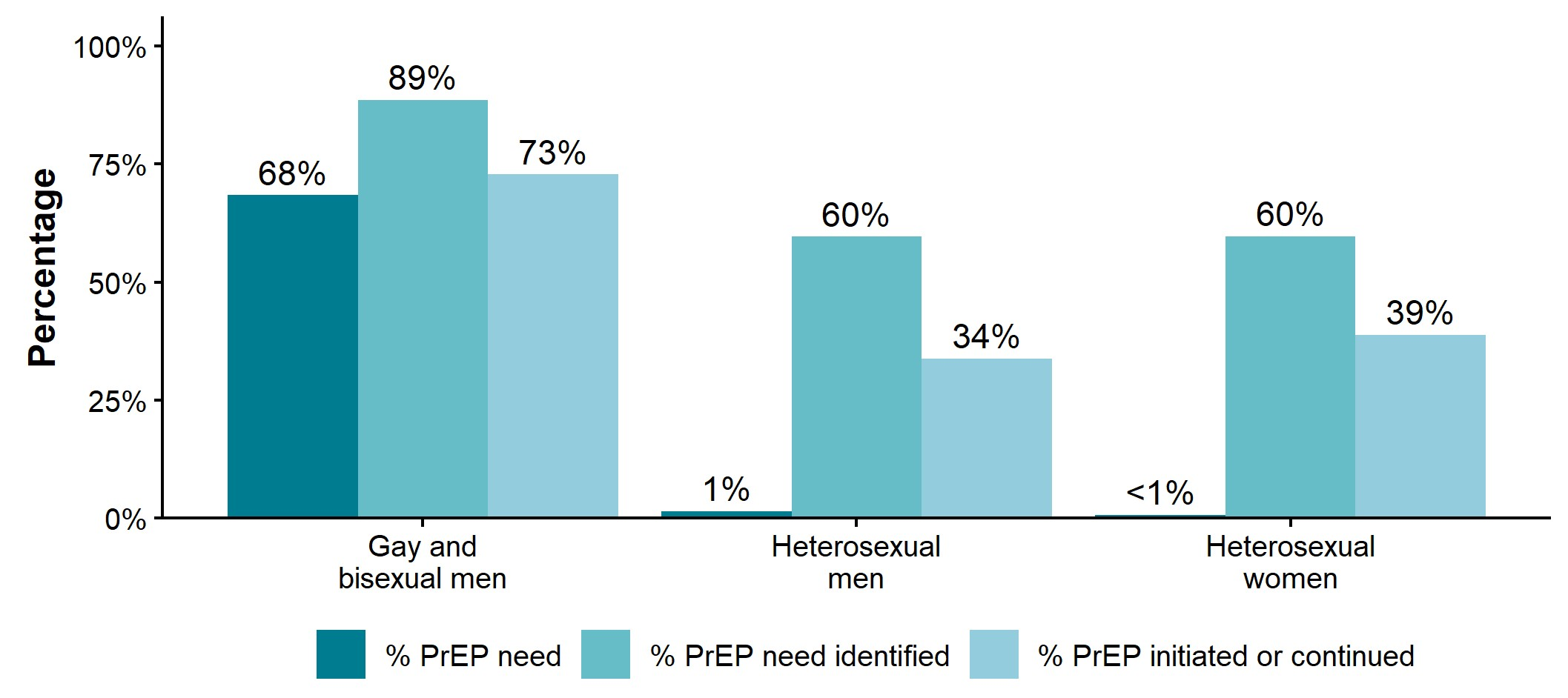
Consistent use of Pre-Exposure Prophylaxis (PrEP) can be an efficacious and effective intervention to prevent HIV acquisition. In 2024, 6% of HIV-negative East Midlands residents accessing SHSs in England were defined as having a PrEP need, among whom 68% initiated or continued PrEP. Of those with PrEP need, 85% had this need identified at a clinical consultation. Among gay and bisexual men, the group with greatest need, these proportions were 68%, 73% and 89% respectively. Despite PrEP being routinely available through specialist SHS, awareness, accessibility and uptake of this and other primary prevention initiatives is variable for different population groups. Addressing this disparity is key to HIV prevention.
HIV in England
The HIV Action Plan for England, 2025 to 2030 was published on 1 December 2025. It sets UNAIDS 2025 ambitions to reduce HIV transmission (measured by new HIV diagnoses), and AIDS-related deaths, by 90% between 2010 and 2030. While new diagnoses among White gay and bisexual men are projected to meet the target, additional progress is required over the next 5 years to achieve similar outcomes for other groups, including gay and bisexual men from ethnic minority communities and Black African heterosexual communities along with other heterosexual ethnic minority populations. For this reason, the latest HIV Official Statistics emphasise the progress being made across the HIV pathway for 5 population groups.
The number of people first diagnosed with HIV in England decreased by 2% in 2024 (2,838 in 2023 to 2,773) (2). Gay and bisexual men accounted for almost 30% of new HIV diagnoses (810 of 2,773) whilst heterosexual men made up 23% (634) and heterosexual women 27% (749). Within and between these population groups, there remains evidence of considerable inequalities (2), in terms of deprivation, healthcare access and stigma. To strengthen HIV care in the East Midlands, there is a need to expand culturally competent and accessible services for diverse communities.
The number of new HIV diagnoses in England decreased by 6% (859 to 810) in 2024 for gay and bisexual men (2). However, this reduction was not observed consistently among all ethnic groups. While a reduction of 6% was observed among White gay and bisexual men (488 to 461), new HIV diagnoses increased among Black (15%, 80 to 92) and Asian (6%, 101 to 107) gay and bisexual men. Nearly half (48%, 386 of 810) of the gay and bisexual men newly diagnosed in England in 2024 were born abroad.
For heterosexuals, the number of new HIV diagnoses were similar in 2024 compared to 2023 (1,371 to 1,383), although numbers increased for heterosexual men (by 3%, 615 to 634) and decreased marginally for heterosexual women (by 1%, 755 to 749) (2). As with gay and bisexual men, for heterosexuals, there was considerable variation between ethnic groups.
Notably, new HIV diagnoses among Black African heterosexual men increased by 15% (231 to 265) but decreased by 5% among Black African heterosexual women (441 to 418). Of the heterosexual men newly diagnosed in 2024, 27% (170 of 634) were known to be born in the UK and 68% (431 of 634) abroad. Among women, 15% (116 of 749) were known to be born in the UK and 77% (580 of 749) abroad.
Overall, the number of people tested for HIV in sexual health services (SHSs) in England was 3% higher in 2024 than 2023 but has not fully recovered to pre-pandemic (2019) levels for all groups. Whereas testing increased markedly within specialist SHSs (9%), non-specialist online testing declined by 4% in 2024. The proportion of people tested through online consultations at all SHSs (compared to face-to-face) fell by 3%, continuing a year-on-year reduction in this proportion since a peak in 2021, which likely reflects the increased reliance on remote consultation during COVID-19 pandemic when face-to-face services were restricted. There was a 7% decrease in the HIV testing rate in all SHSs in people aged 15 to 24 years. This compares to a continued increase in the HIV testing rate in all other age groups.
Testing increases were observed across gender and sexual orientation groups (gay and bisexual men 2%, heterosexual men 5%, heterosexual woman 2%). Year on year increased testing for gay and bisexual men, coupled with an overall decline in HIV test positivity (0.3% in 2020 to 0.2% in 2024) suggests that there may be a reduction in transmission in this community. HIV test positivity in heterosexual men and women has remained similar in 2023 and 2024 (0.05% to 0.06%, and 0.08% to 0.08%, respectively). The programme of emergency departments (ED) opt-out testing for bloodborne viruses continues to be a successful approach to increase the detection of HIV with this programme contributing to 8% of all new HIV diagnoses in 2024.
The number of people diagnosed with HIV before continuing care in England fell markedly in 2024 (3,363 to 2,525) with a corresponding 15% drop in all HIV diagnoses (6,201 to 5,298). This was most pronounced in heterosexual women (33%), compared to reductions in heterosexual men (11%) and gay and bisexual men (21%). The decline in the number of people diagnosed before continuing care in England in 2024 varied by ethnic group. The largest proportionate reductions in numbers (compared to 2023) were seen in people of Black Other (30%, 79 to 55), Black African (28%, 2,196 to 1,587), Asian (25%, 228 to 172), Other or Mixed (25%, 288 to 216) and White (22%, 326 to 253) ethnicities.
The number of people receiving HIV pre-exposure prophylaxis (PrEP) via SHSs has been increasing on an annual basis since 2020: increasing by 7.7% between 2023 and 2024 (111,123 in 2024 compared with 103,138 in 2023). However, inequalities in access remain. While the overall number of gay and bisexual men with unmet HIV PrEP need was highest, there is proportionally greater unidentified and unmet PrEP need among heterosexual men and women.
Despite a 2% decrease in the number of adults being diagnosed late between 2023 and 2024 (950 to 928), 42% (928 of 2,196) of the new HIV diagnoses were made at a late stage in England in 2024. Reductions in the number of late HIV diagnoses fell most among gay and bisexual men (11%) compared with heterosexual women (4%) and heterosexual men (1%). The percentage of new diagnoses that were late for all 3 groups remained similar to 2023 (45% to 46%, 53% to 52%, 31% to 30% for heterosexual women, heterosexual men, and gay and bisexual men, respectively). In 2024, half of adult Black African heterosexuals newly diagnosed with HIV were diagnosed late (285 of 572, 50%). People diagnosed late with HIV in England in 2023 were 10 times more likely to die within a year of their diagnosis, compared to those diagnosed promptly.
Provisional estimates are that 95% of all adults living with HIV in England are diagnosed, with 99% of diagnosed adults receiving treatment, and 98% of adults on treatment having suppressed viral loads.
HIV prevention messages
Using condoms consistently and correctly protects against HIV and other STIs such as chlamydia, gonorrhoea and syphilis. They can also be used to prevent unplanned pregnancy.
HIV testing is central to HIV prevention since it provides access to PrEP and health advice for people testing HIV negative, whilst also leading to essential HIV care and treatment in the event of a positive result. Testing which leads to early detection of HIV can increase the health and lifespan of the individual and prevent onwards transmission. It is recommended that individuals who have condomless sex with new or casual partners should undergo a full STI screen, including an HIV test, at least once a year. Gay and bisexual men should have tests for HIV and STIs annually, or every 3 months if having condomless sex with new or casual partners.
Specialist SHSs are free and confidential. They offer testing and treatment for HIV and STIs, condoms, vaccination, HIV PrEP and PEP. Clinic-based services are commissioned by local authorities for residents of all areas in England and online self-sampling for HIV and STIs is widely available. Information and advice about sexual health including how to access services is available at Sexual health services and from the national sexual health helpline on 0300 123 7123. HIV PrEP is available for free from specialist SHSs and can be used to reduce an individual’s risk of acquiring HIV. Consistent use of PrEP can be an efficacious and effective intervention to prevent HIV acquisition. Despite PrEP being routinely available through specialist SHSs, awareness, accessibility and uptake of primary prevention initiatives such as HIV PrEP is variable for different population groups.
HIV post-exposure prophylaxis (PEP) can be used to reduce the risk of acquiring HIV following some sexual exposures. PEP is available for free from specialist SHSs and most emergency departments. Symptoms due to HIV may not appear for many years, and people who are unaware of living with HIV may not feel themselves to be a risk to others. Prevention messages should reinforce that anyone can acquire HIV regardless of age, gender, ethnicity, sexuality or religion, and it is important to challenge assumptions about who is at risk of acquiring HIV.
Stigma, anxiety and depression experienced by people with HIV affect their ability to seek healthcare, engage in treatment and remain in care. Reducing stigma in healthcare services will encourage people from seeking the healthcare services they need. People living with diagnosed HIV who are on treatment and have an undetectable viral load are unable to pass on the virus to others during sex, even without PrEP or condoms. This is known as Undetectable = Untransmittable or U=U.
Local and regional prevention strategies
HIV prevention strategies at a local and regional level should consider inclusion of all actions published recently in the HIV Action Plan for England (HIVAP). Below are some examples of how this could be done, focusing on each of the 5 HIVAP priorities:
Prevent
Actions include:
- ensuring localities are aware that there is central funding for formula milk (and related sterilised equipment) for the infants of women living with HIV
- driving forward HIV service improvements and innovation n with a focus on reducing inequalities in HIV testing, access to HIV PrEP and PEP
- collating evidence and best practice of HIV PrEP provision pilot studies
Test
Actions include:
- implementing and monitoring BHIVA, British Association for Sexual Health and HIV (BASHH) and British Infection Association (BIA) Adult HIV testing guidelines 2020, including opt-out in SHSs and reduce inequalities in HIV testing
- continuing ED opt-out testing in very high and high prevalence HIV areas
- working with GP practices to promote HIV testing into routine primary care pathways
- scaling up partner notification activities
- understanding the drivers of late diagnosis in order to better focus interventions
Treat
Actions include:
- sharing learnings from UKHSA audits with local networks and encourage provision of peer support and psychological support within HIV treatment services
- ensuring commissioning arrangements are in place with local providers for HIV peer support provision
- ensuring local SHSs and HIV services engage with and learn from retention in care reviews to strengthen pathways
Thrive
Actions include:
- ensuring services provide a holistic approach to HIV care for women, signposting to other services, such as partner violence services and menopause clinics, when needed
- improving the quality of life for people living with HIV, including promotion of U=U, particularly for older adults and people with complex health and care needs, by commissioning integrated, person-centred support services that address physical, mental and social wellbeing
Collaborate
Actions include:
- sharing culturally competent education and awareness of new technologies as they become available to enhance national messaging
- applying and promoting the HIV Low Prevalence Toolkit to guide local planning, commissioning and evaluation and strengthen outreach, primary care partnerships and service visibility to ensure equitable access to prevention, treatment and care in low prevalence areas
Charts, tables and maps
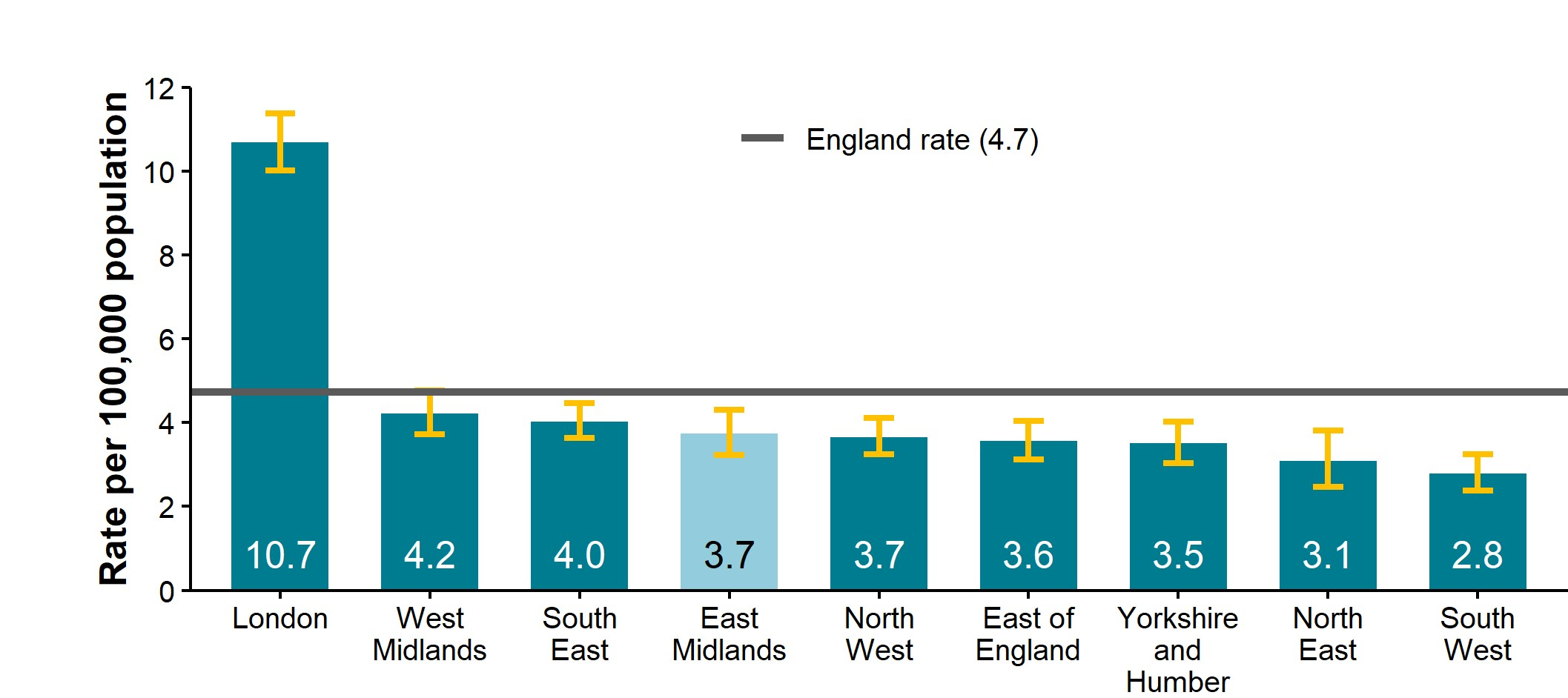
Figure 1. Rate of new HIV diagnoses per 100,000 population (all ages) by UKHSA region of residence, 2024
Source: UKHSA, HIV and AIDS New Diagnoses and Deaths (HANDD).
Note 1: The number of new diagnoses will depend on accessibility of testing as well as infection and transmission.
Note 2: The yellow lines represent 95% confidence intervals around the estimated rate.
Note 3: Due to a change in the definition of new HIV diagnoses, this figure no longer includes data for persons previously diagnosed abroad and differs from that included in previous reports.
In 2024, the rate of new HIV diagnoses varied by UKHSA region. The East Midlands had a new diagnosis rate of 4 per 100,000 population, which was below the England average of 5 per 100,000. Regions with large urban centres continued to report higher diagnosis rates, reflecting differences in population structure, testing coverage and underlying prevalence. Regional variation highlights ongoing geographic inequalities in HIV burden and the importance of locally tailored prevention and testing strategies.
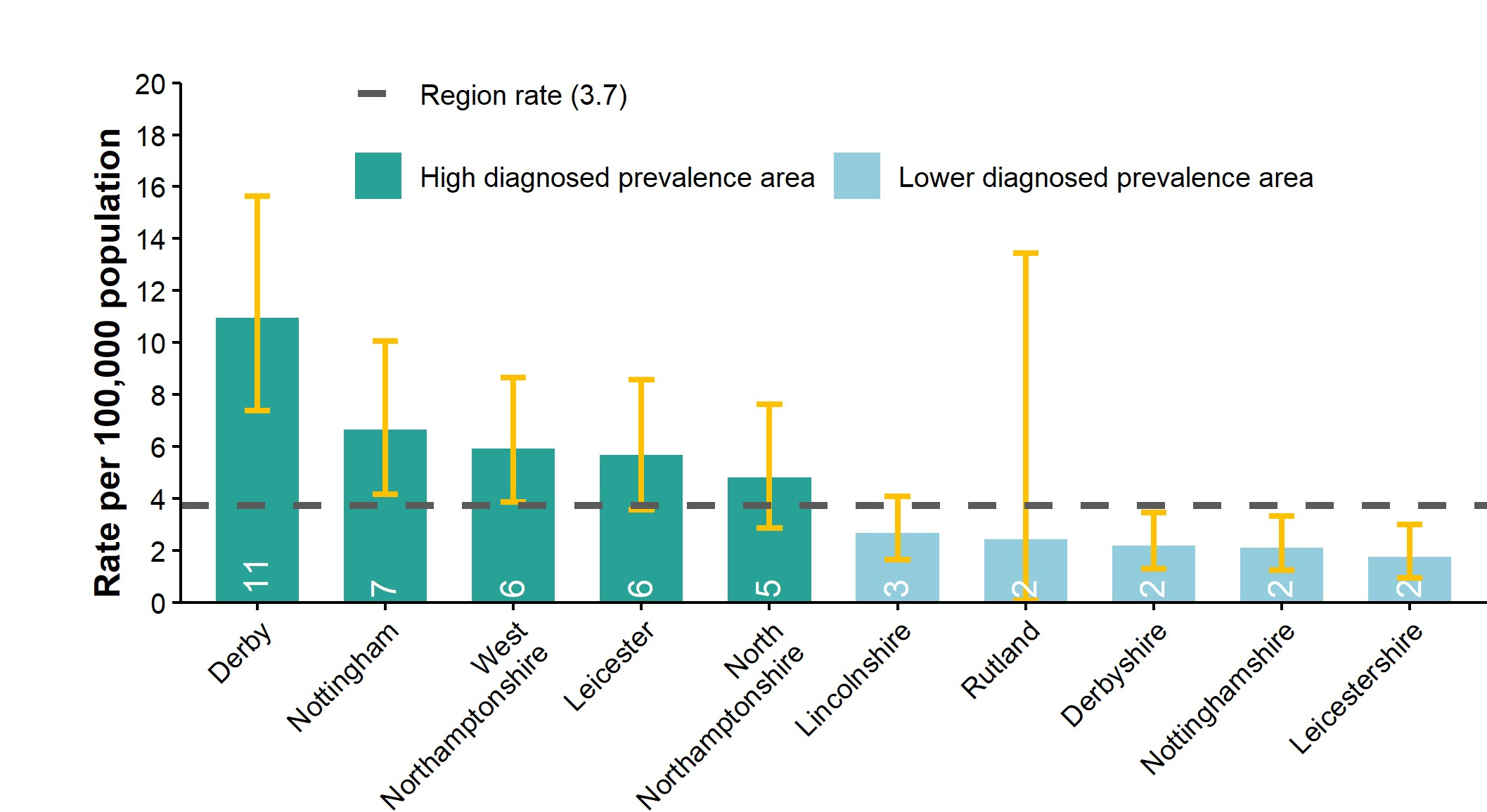
Figure 2. Rate of new HIV diagnoses per 100,000 population (all ages) by upper tier local authority of residence, East Midlands residents, 2024
Source: UKHSA, HIV and AIDS New Diagnoses and Deaths (HANDD).
Note 1: The number of new diagnoses will depend on accessibility of testing as well as infection and transmission.
Note 2: HIV diagnosed prevalence (rate per 1,000 aged 15 to 59 years as per NICE testing guidelines). Lower diagnosed prevalence less than 2, high diagnosed prevalence 2 to 5, extremely high diagnosed prevalence more than 5.
Note 3: The yellow lines represent 95% confidence intervals around the estimated rate.
Note 4: Due to a change in the definition of new HIV diagnoses, this figure no longer includes data for persons previously diagnosed abroad and differs from that included in previous reports.
Note 5: Colour coding of bars does not relate to new diagnosis but to the data in the diagnosed prevalence section later.
New HIV diagnosis rates varied across upper tier local authorities (UTLAs) in the East Midlands in 2024. Higher rates were observed in urban local authorities. Derby (11) had the highest followed by Nottingham (7), while lower rates were seen in more rural areas, Lincolnshire (3), Rutland (2).
Colour coding reflects diagnosed HIV prevalence rather than new diagnosis rates, showing that areas with higher prevalence are not always those with the highest number of new diagnoses. This demonstrates the influence of both historic transmission patterns and current testing activity.
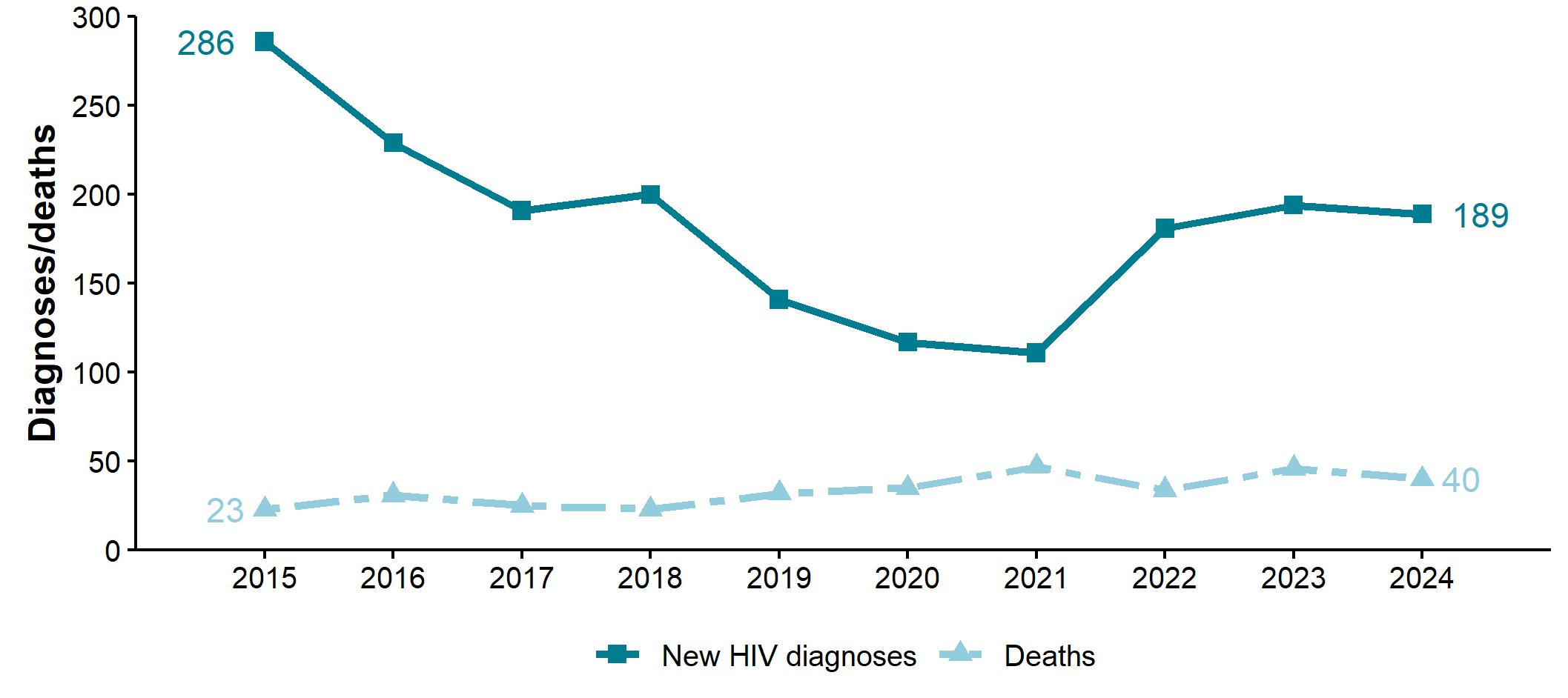
Figure 3. New HIV diagnoses and deaths, the East Midlands, 2015 to 2024 [note 4]
Source: UKHSA, HIV and AIDS New Diagnoses and Deaths (HANDD).
Note 1: The number of new diagnoses will depend on accessibility of testing as well as infection and transmission.
Note 2: Numbers may rise as we receive more reports and more information. This will impact on interpretation of trends in more recent years. New HIV diagnoses are shown by UK region of residence at diagnosis. Deaths are shown by UK region of death which in some instances may not be the same as UK region of residence at diagnosis. Region of death may not be known for all deaths, particularly for those in the most recent years. Numbers for these years should be interpreted as minimum numbers (deaths reported and allocated to a region of death to date) and not as a trend.
Note 3: Due to a change in the definition of new HIV diagnoses, this figure no longer includes data for persons previously diagnosed abroad and differs from that included in previous reports.
Note 4: Numbers may rise as further reports are received and more information is obtained. This is more likely to affect more recent years, particularly 2024.
Between 2015 (n=286) and 2024 (n=189), the number of new HIV diagnoses in the East Midlands showed an overall reduction of 34%, particularly after 2019 (n=141). However, since 2022 (n=181) the number of new HIV diagnoses has increased leading up to 2024.
While deaths among people diagnosed with HIV remained relatively low and stable between 2015 to 2019, with a steady increase from 2020 (n=35) to 2024 (n=40) peaking at 2021 (n=47) before decreasing again is likely related to the COVID-19 pandemic.
The reduction in new diagnoses reflects improvements in prevention, testing and treatment, including PrEP and earlier diagnosis. Data for the most recent years should be interpreted with caution as numbers may increase as further reports are received.
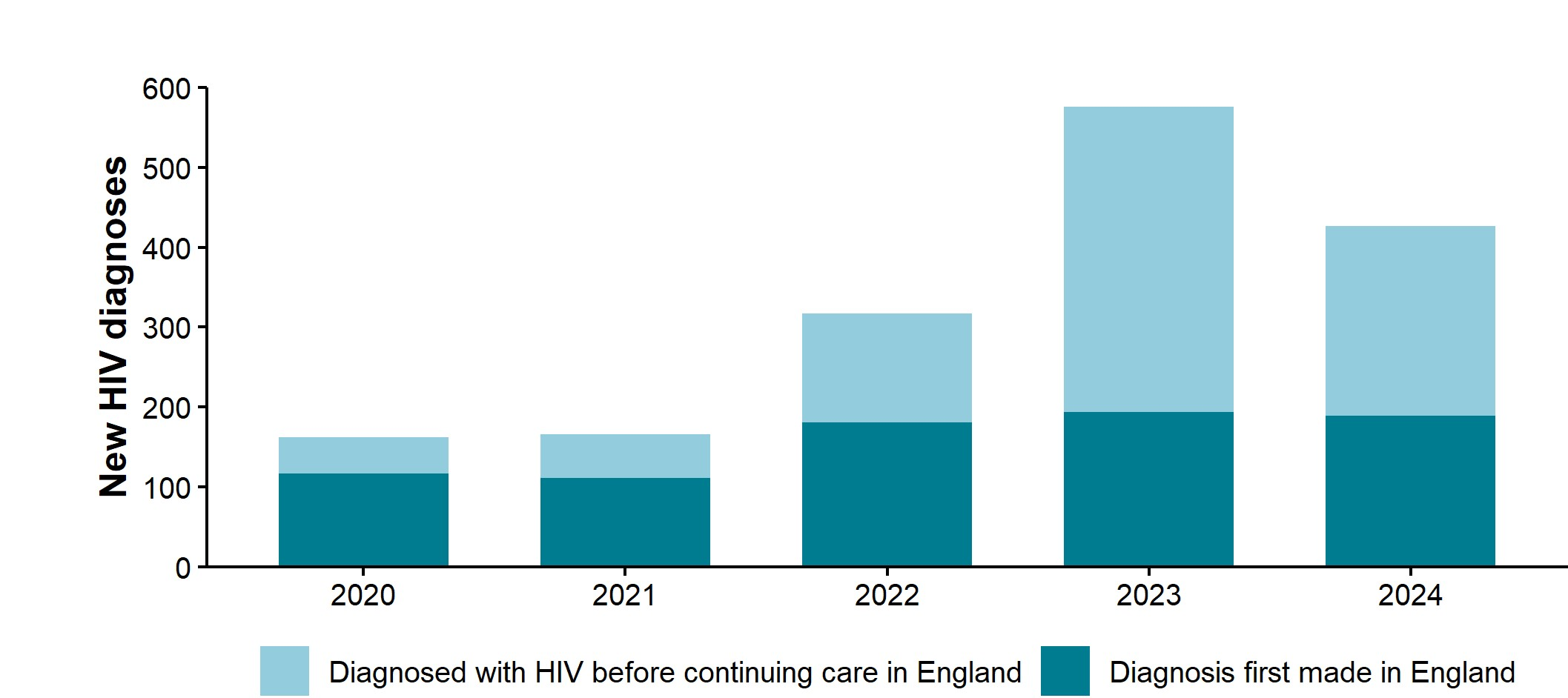
Figure 4. New HIV diagnoses by whether a person had been diagnosed with HIV before continuing care in England, the East Midlands, 2020 to 2024 [note 2]
Source: UKHSA, HIV and AIDS New Diagnoses and Deaths (HANDD).
Note 1: The number of new diagnoses will depend on accessibility of testing as well as infection and transmission.
Note 2: Numbers may rise as further reports are received and more information is obtained. This is more likely to affect more recent years, particularly 2024.
From 2020 to 2024, the composition of diagnoses changed substantially over time. The contribution of people diagnosed with HIV before continuing care in England (light blue) increased markedly and became the main driver of year-to-year change in total diagnoses. In 2020 and 2021, most diagnoses were first made in England (dark teal, 117 and 111 respectively), with a smaller number diagnosed before continuing care in England (45 in 2020 and 55 in 2021). In 2022, both categories increased, with diagnoses first made in England rising to 181 and those diagnosed before continuing care in England to 136 (total 317). In 2023, diagnoses before continuing care in England rose sharply to 382, producing the highest overall total 576. Despite diagnoses first made in England remaining broadly similar (194). In 2024, the number diagnosed before continuing care in England fell (237), leading to a reduction in the overall total of 426, while diagnoses first made in England remained relatively stable at 189. Overall, the chart shows that recent fluctuations in total diagnoses were largely driven by changes in diagnoses before continuing care in England, rather than changes in diagnoses first made in England.
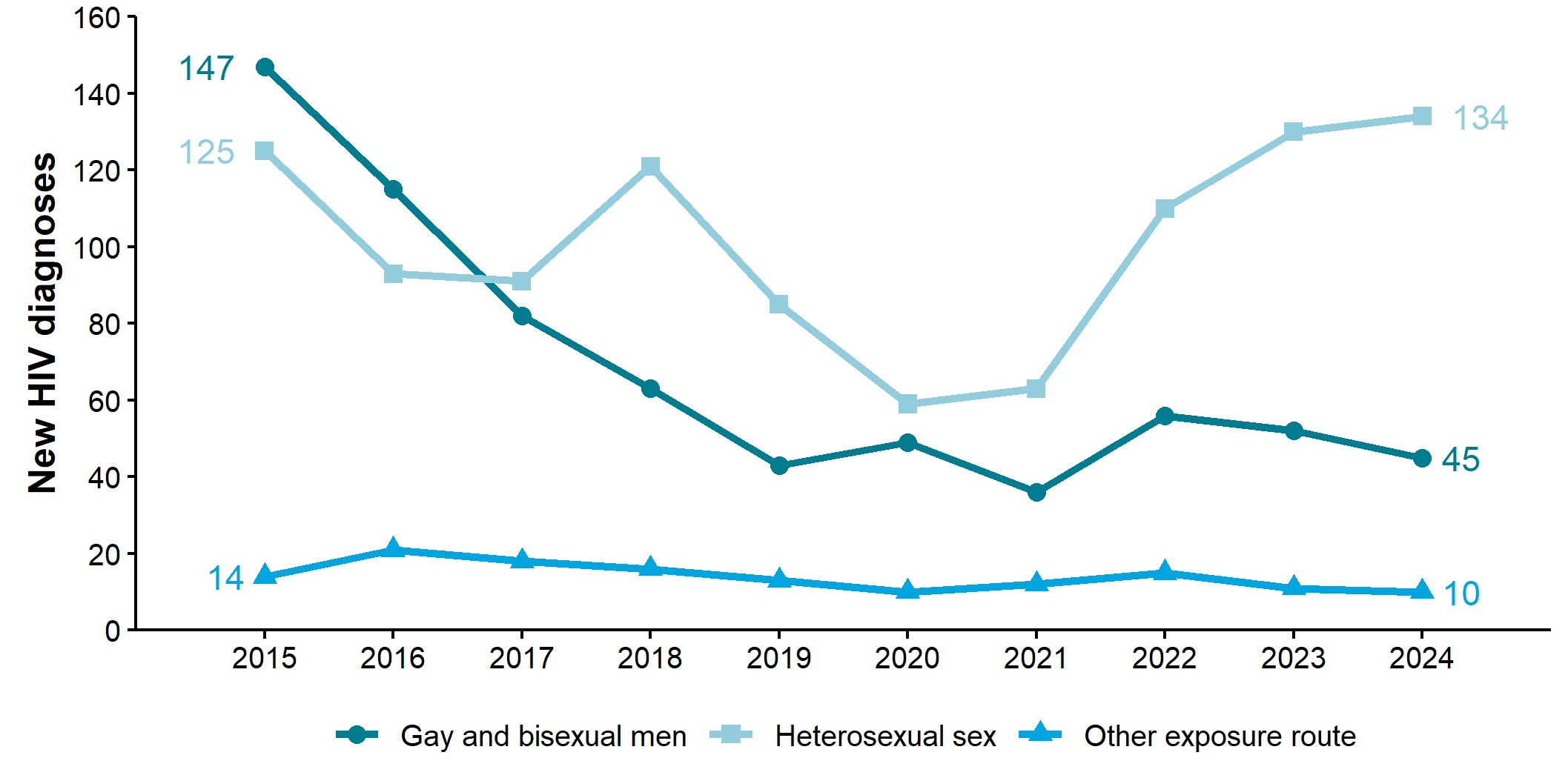
Figure 5. New HIV diagnoses by probable route of exposure (adjusted for missing route information), East Midlands residents, 2015 to 2024 [note 3]
Source: UKHSA, HIV and AIDS New Diagnoses and Deaths (HANDD).
Note 1: The number of new diagnoses will depend on accessibility of testing as well as infection and transmission.
Note 2: Due to a change in the definition of new HIV diagnoses, this figure no longer includes data for persons previously diagnosed abroad and differs from that included in previous reports.
Note 3: Numbers may rise as further reports are received and more information is obtained. This is more likely to affect more recent years, particularly 2024.
Over the period 2015 to 2024, SBMW remained the most common probable route of HIV acquisition among East Midlands residents, accounting for 71% (n=134) of new diagnoses in 2024. Diagnoses attributed to SBM has declined substantially over time, with the number in 2024 69% lower than in 2015. These trends indicate a marked shift in the epidemiology of HIV in the East Midlands.
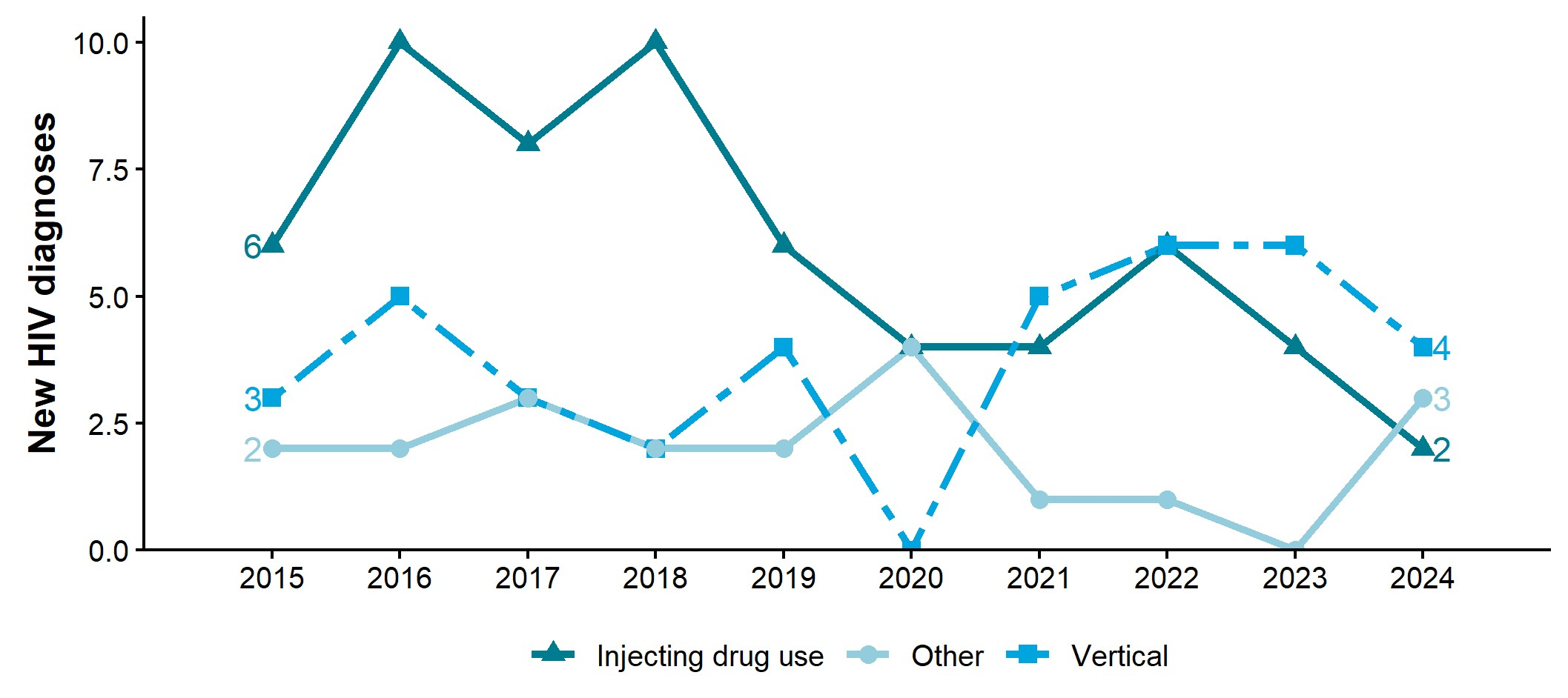
Figure 6. New HIV diagnoses detailed ‘other’ route of exposure (not adjusted for missing information), East Midlands residents, 2015 to 2024 [note 3]
Source: UKHSA, HIV and AIDS New Diagnoses and Deaths (HANDD).
Note 1: The number of new diagnoses will depend on accessibility of testing as well as infection and transmission.
Note 2: Due to a change in the definition of new HIV diagnoses, this figure no longer includes data for persons previously diagnosed abroad and differs from that included in previous reports.
Note 3: Numbers may rise as further reports are received and more information is obtained. This is more likely to affect more recent years, particularly 2024.
In terms of less common routes of HIV acquisition among East Midlands residents, injecting drug use remained consistently at a small number of diagnoses each year: low single-digit counts throughout the period and contributing only a minor proportion of overall new diagnoses. Mother-to-child transmission was rare, with very small numbers reported in most years and 0 diagnoses reported in 2020, reflecting the continued effectiveness of antenatal screening and prevention of vertical transmission programmes. Diagnoses classified as other routes of exposure occurred infrequently and showed annual small fluctuations at low levels with no clear trend over time. Overall, the persistently low numbers across these routes indicate that non-sexual transmission contributes minimally to HIV diagnoses in the East Midlands.
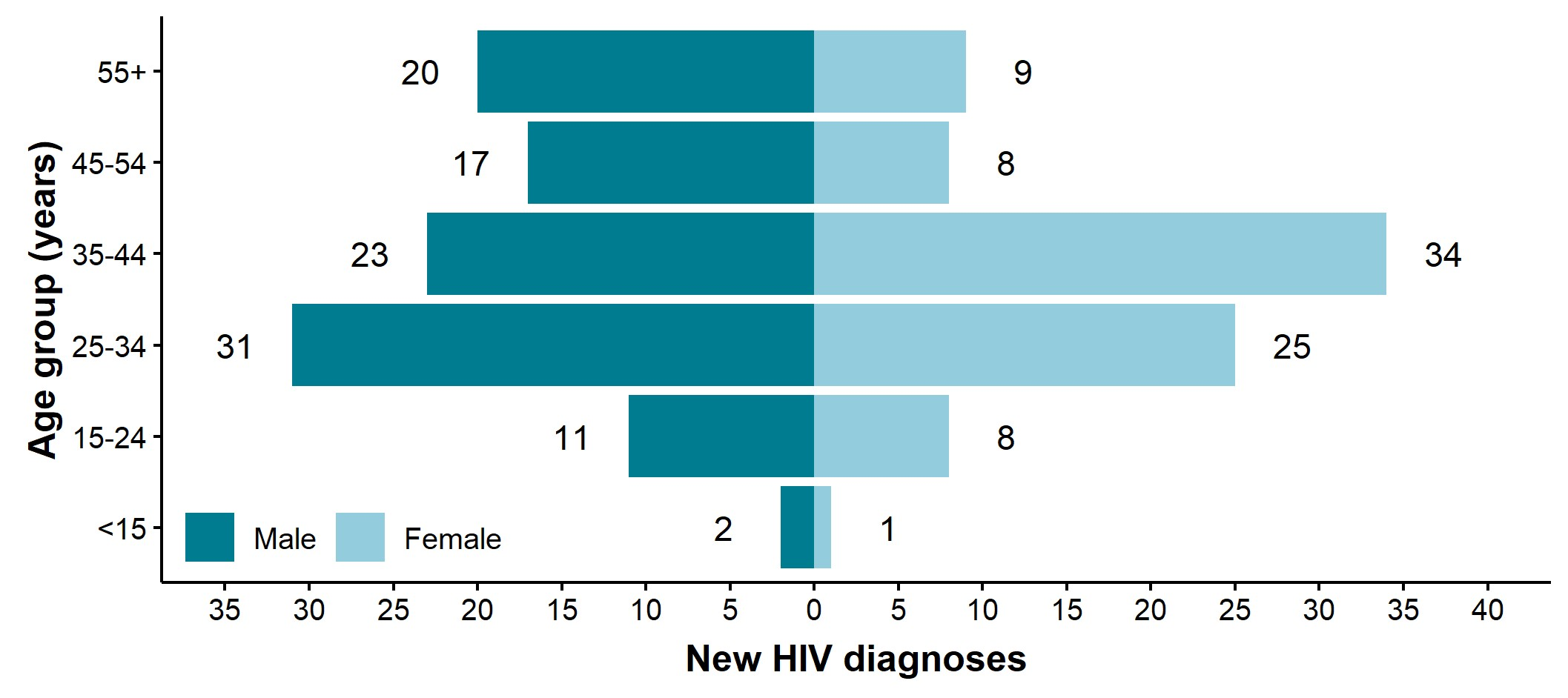
Figure 7. Number of new HIV diagnoses by age group and gender, East Midlands residents, 2024
Source: UKHSA, HIV and AIDS New Diagnoses and Deaths (HANDD).
Note 1: The number of new diagnoses will depend on accessibility of testing as well as infections and transmission.
Note 2: Due to a change in the definition of new HIV diagnoses, this figure no longer includes data for persons previously diagnosed abroad and differs from that included in previous reports.
In 2024, new HIV diagnoses among males were highest in the 25-to-34-year age group (n=31), while among females the highest number of diagnoses occurred in the 35-to-44-year age group (n=34). Across most age groups, males accounted for a higher number of diagnoses than females. This age distribution reflects differences in exposure risk, testing behaviour and underlying prevalence by age and gender.
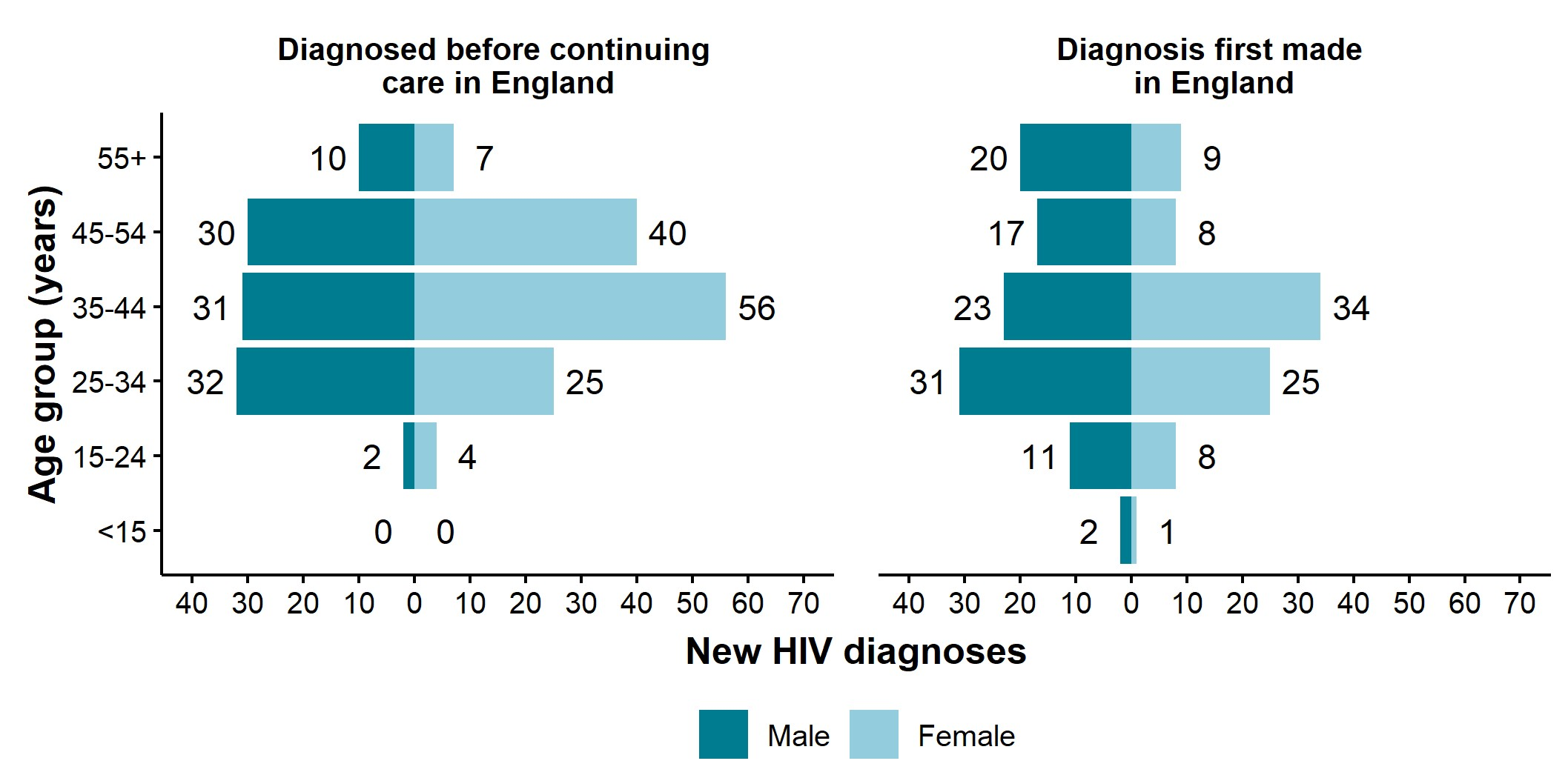
Figure 8. Number of new HIV diagnoses by age group and gender, split by whether first diagnosed in the UK or abroad, East Midlands residents, 2024
Source: UKHSA, HIV and AIDS New Diagnoses and Deaths (HANDD).
Note: The number of new diagnoses will depend on accessibility of testing as well as infections and transmission.
Among those diagnosed before continuing care in England, diagnoses were highest in the 35-to-44-year age group (56 females and 31 males), followed by those aged 25 to 34 years (32 males and 25 females). Among those first diagnosed in England, diagnoses were highest in the 25-to-34-year and 35-to-44-year age groups, with similar numbers in males and females. Diagnoses in younger age groups were low across both categories, while diagnoses before continuing care in England accounted for a substantial proportion of cases in older adults.
Overall, while ongoing diagnosis within England remains important, a significant proportion of diagnoses in adults (notably aged 35 to 44 years) reflect individuals entering or re-entering care in England following diagnosis elsewhere, rather than recent acquisition within the country.
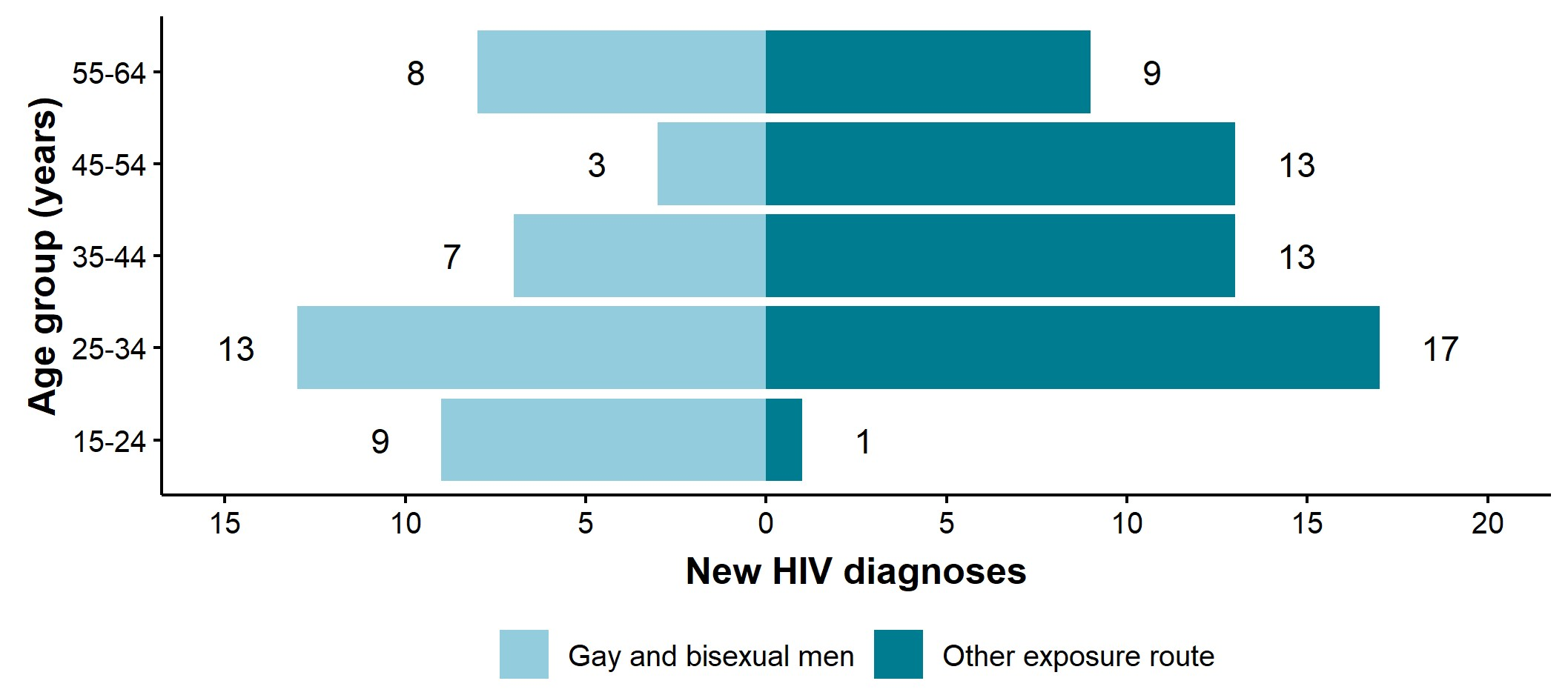
Figure 9. Number of new HIV diagnoses by age group and probable route of exposure, male East Midlands residents aged 15 to 64 years, 2024
Source: UKHSA, HIV and AIDS New Diagnoses and Deaths (HANDD).
Note 1: The number of new diagnoses will depend on accessibility of testing as well as infection and transmission.
Note 2: Due to a change in the definition of new HIV diagnoses, this figure no longer includes data for persons previously diagnosed abroad and differs from that included in previous reports.
In 2024, new HIV diagnoses among males aged 15 to 64 years were highest in those aged 25 to 34 years, with 13 attributed to sex between men and 17 diagnoses attributed to all other exposures. In males aged 35 to 54 years, diagnoses were predominantly attributed to all other exposures (13 in each age group), with fewer diagnoses attributed to sex between men (7 in those aged 35 to 44 years and 3 in those aged 45 to 54 years). In contrast, among males aged 15 to 24 years, diagnoses were mainly attributed to sex between men (9 diagnoses), with very few attributed to other exposures (1 diagnosis).
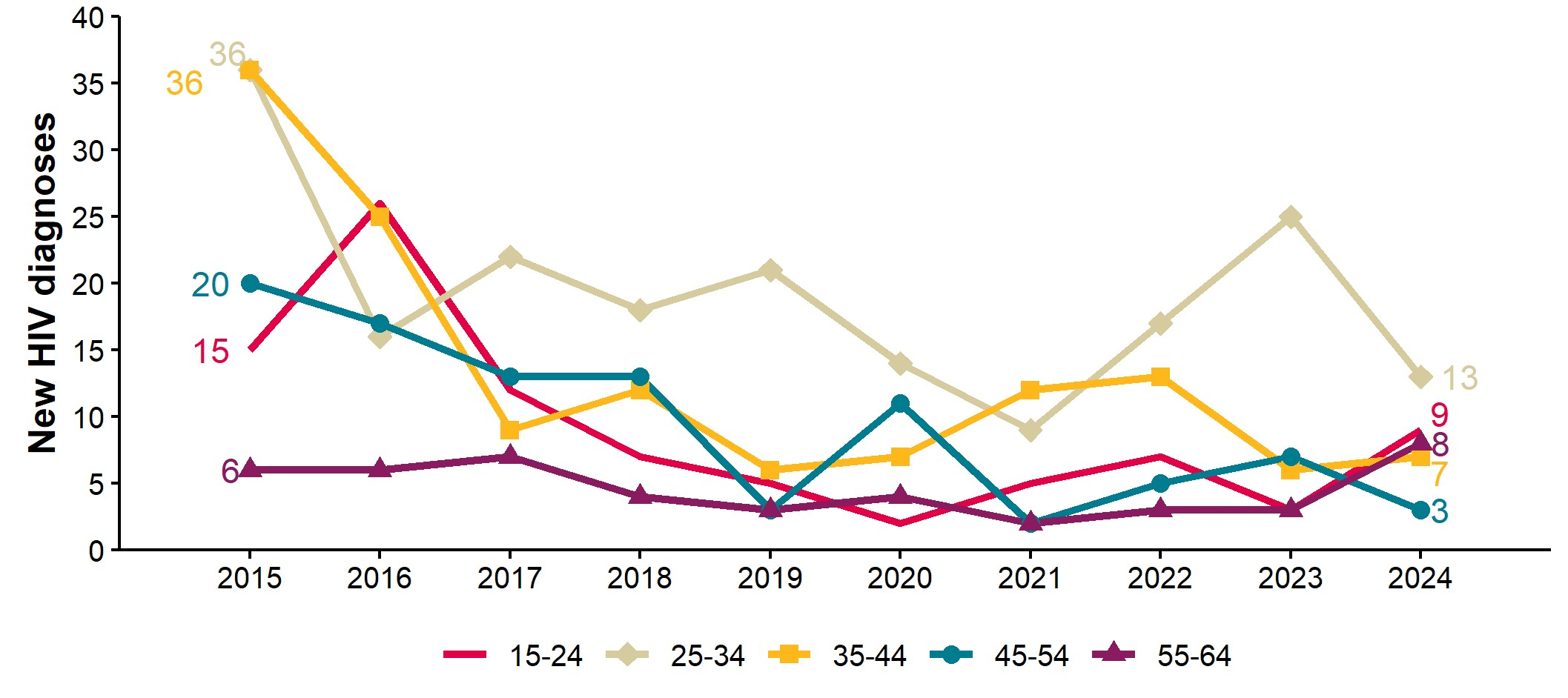
Figure 10. Number of new HIV diagnoses in gay and bisexual men by age group and year of first UK HIV diagnosis, East Midlands residents aged 15 to 64 years, 2015 to 2024 [note 3]
Source: UKHSA, HIV and AIDS New Diagnoses and Deaths (HANDD).
Note 1: The number of new diagnoses will depend on accessibility of testing as well as infection and transmission.
Note 2: Due to a change in the definition of new HIV diagnoses, this figure no longer includes data for persons previously diagnosed abroad and differs from that included in previous reports.
Note 3: Numbers may rise as further reports are received and more information is obtained. This is more likely to affect more recent years, particularly 2024.
Between 2015 and 2024, the number of new HIV diagnoses probably acquired through sex between men among East Midlands residents aged 15 to 64 years declined across all age groups, with the most marked reductions seen in those aged 35 to 44 years (81%), 45 to 54 years (85%), and 25 to 34 years (64%), with a smaller reduction among those aged 15 to 24 years (40%). Since around 2019, diagnoses in all age groups have remained at low single-digit to low-teen levels, with some year-to-year fluctuation. In 2024, diagnoses were relatively low across all age groups, consistent with sustained reductions in transmission acquired through sex between men.
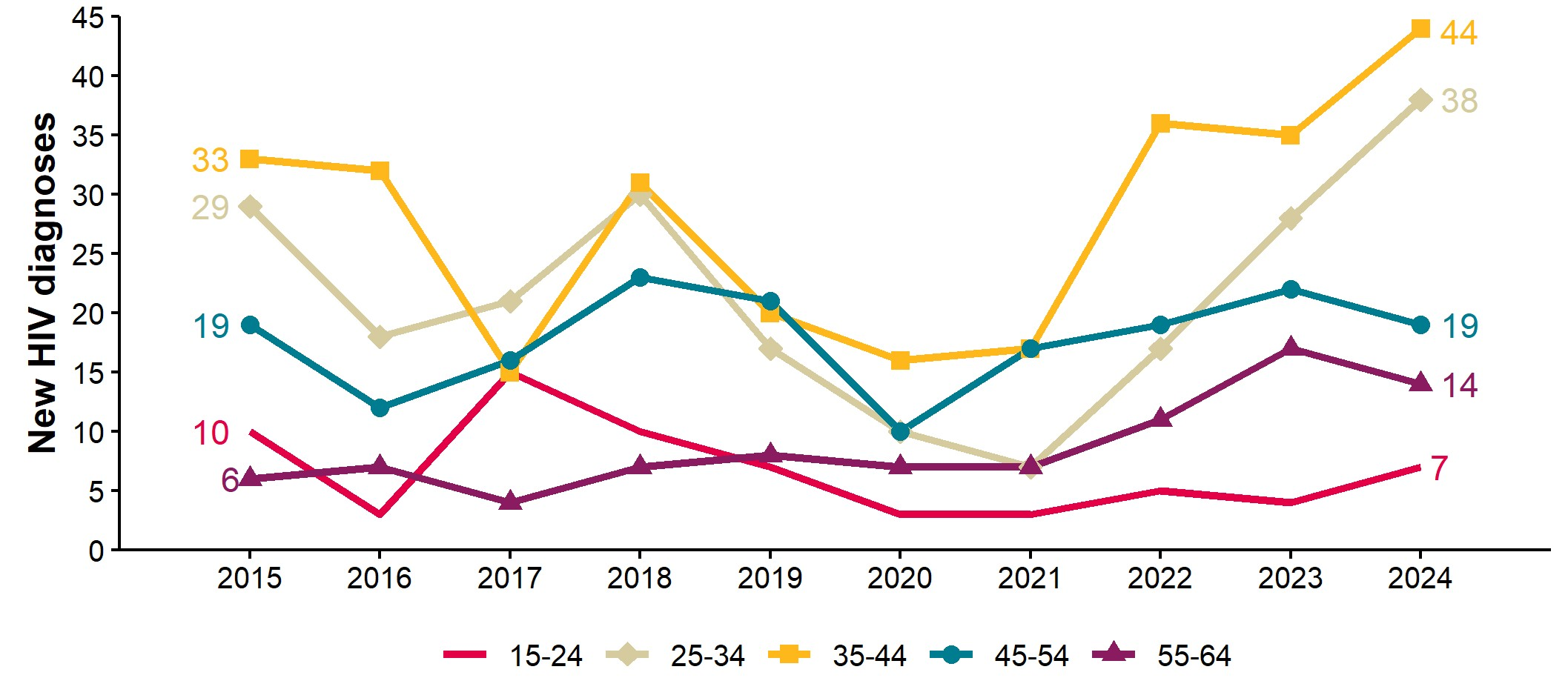
Figure 11. Number of new HIV diagnoses with a probable route of exposure through heterosexual sex by age group (in years) and year of first HIV diagnosis, East Midlands residents aged 15 to 64 years, 2015 to 2024 [note 3]
Source: UKHSA, HIV and AIDS New Diagnoses and Deaths (HANDD).
Note 1: The number of new diagnoses will depend on accessibility of testing as well as infection and transmission.
Note 2: Due to a change in the definition of new HIV diagnoses, this figure no longer includes data for persons previously diagnosed abroad and differs from that included in previous reports.
Note 3: Numbers may rise as further reports are received and more information is obtained. This is more likely to affect more recent years, particularly 2024.
New HIV diagnoses probably acquired through sex between men and women among East Midlands residents (aged 15 to 64 years) were predominantly highest in adults aged 35 to 44 years and 25 to 34 years. After a decline around 2020, diagnoses increased again from 2021 onwards, particularly in those aged 35 to 44 years and 25 to 34 years, reaching their highest levels in 2024 (44 and 38 diagnoses, respectively). Diagnoses among those aged 45 to 54 years remained relatively stable over time, while diagnoses in younger adults aged 15 to 24 years remained low throughout the period. The overall picture is one of consistent heterosexually acquired HIV which is particularly prevalent in middle-aged adults and recent years have seen an increase in these diagnoses.
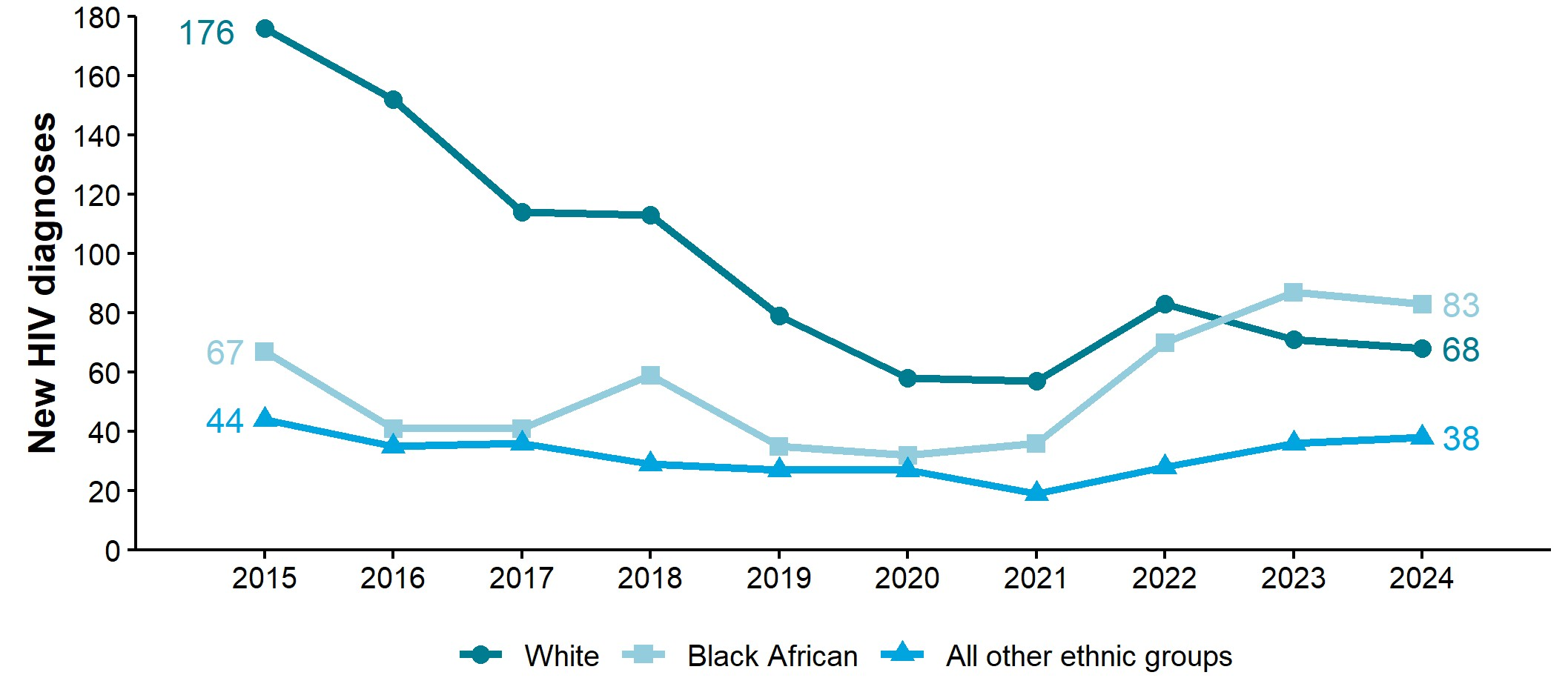
Figure 12. Number of new HIV diagnoses by ethnic group (adjusted for missing ethnic group information), East Midlands residents, 2015 to 2024 [note 3]
Source: UKHSA, HIV and AIDS New Diagnoses and Deaths (HANDD).
Note 1: The number of new diagnoses will depend on accessibility of testing as well as infection and transmission.
Note 2: Due to a change in the definition of new HIV diagnoses, this figure no longer includes data for persons previously diagnosed abroad and differs from that included in previous reports.
Note 3: Numbers may rise as further reports are received and more information is obtained. This is more likely to affect more recent years, particularly 2024.
New diagnoses of HIV among White East Midlands residents have declined substantially since 2015, falling from 176 in 2015 to 68 in 2024, with the steepest reductions occurring between 2015 and 2020. In contrast, diagnoses among Black African residents showed more fluctuation, declining to a low point around 2020 to 2021 before increasing again to 83 in 2024. Diagnoses among all other ethnic groups remained consistently lower throughout the period, decreasing overall from 44 in 2015 to 38 in 2024 Despite some reductions observed across the period, the increase in diagnoses amongst Black African and other ethnic groups in recent years, highlights ethnic inequalities in HIV diagnoses.
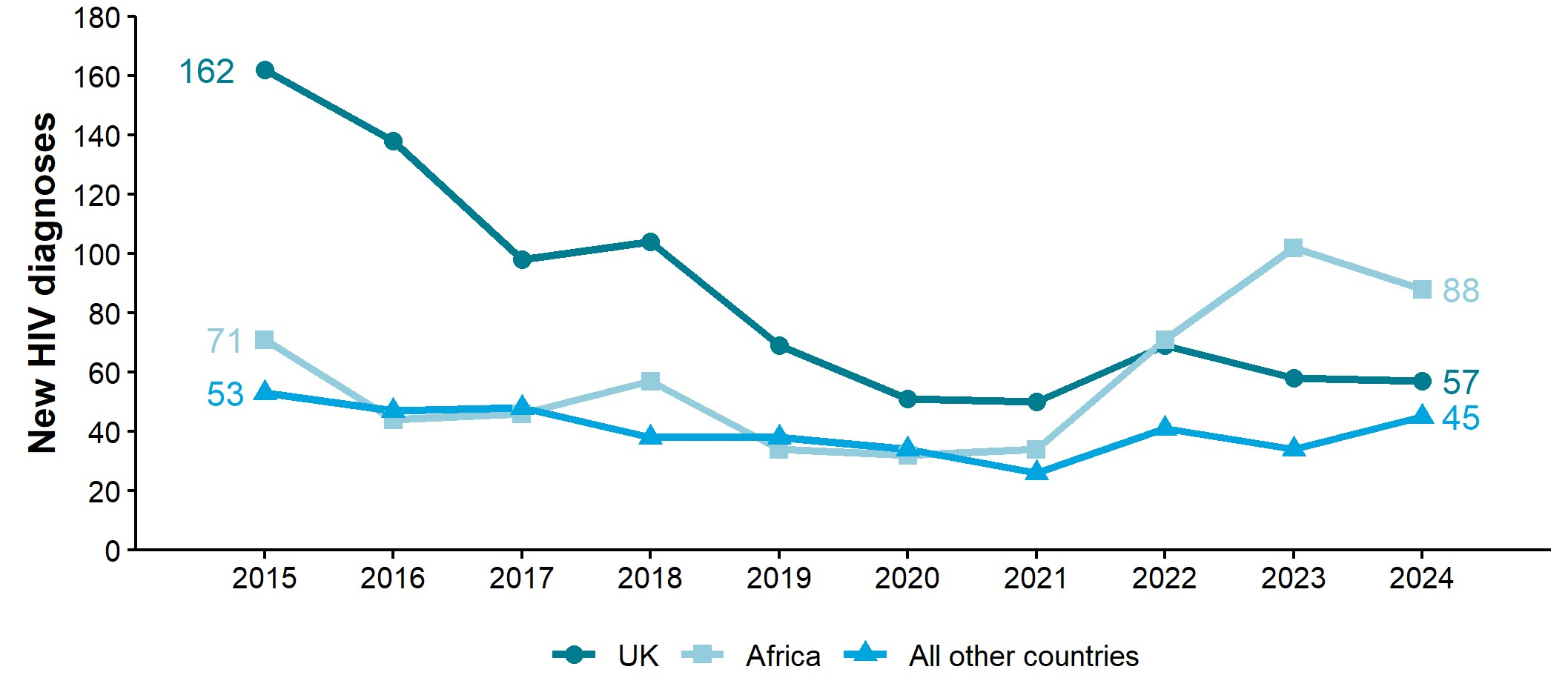
Figure 13. Number of new HIV diagnoses by world region of birth (adjusted for missing world region of birth information), East Midlands residents, 2015 to 2024 [note 3]
Source: UKHSA, HIV and AIDS New Diagnoses and Deaths (HANDD).
Note 1: The number of new diagnoses will depend on accessibility of testing as well as infection and transmission.
Note 2: Due to a change in the definition of new HIV diagnoses, this figure no longer includes data for persons previously diagnosed abroad and differs from that included in previous reports.
Note 3: Numbers may rise as further reports are received and more information is obtained. This is more likely to affect more recent years, particularly 2024.
Diagnoses among those born in the UK decreased substantially from 162 in 2015 to 57 in 2024, with the largest reductions occurring before 2020 and lower, relatively stable numbers thereafter. Among those born in Africa, diagnoses also declined overall but increased again from 2021, reaching 88 in 2024 accounting for 46% of new HIV diagnoses by world region of birth. Diagnoses among individuals born in all other countries remained lower throughout the period, decreasing from 53 in 2015 to 45 in 2024, with modest year-to-year variation. Therefore, whilst there have been sustained reductions for some world regions of birth since 2015, there has been a recent increase among African-born residents.
Table 1. Number of new HIV diagnoses by ethnic group and whether born abroad, East Midlands residents, 2020 to 2024 [note 3]
| Ethnic group | UK-born | Born abroad | Unknown country of birth |
|---|---|---|---|
| White | 211 | 82 | 10 |
| Black African | 8 | 269 | 2 |
| Black Caribbean | 4 | 3 | 0 |
| Other | 29 | 96 | 1 |
| Unknown | 13 | 24 | 40 |
Note 1: Table 1 shows that the relationship between ethnic group and whether a person newly diagnosed with HIV was born abroad. Data is for the 5-year period 2020 to 2024. Those with a prior diagnosis abroad are excluded. To make it clear that there are differences in completeness of ascertainment of country of birth for different ethnic groups, numbers in this table are not adjusted for missing information.
Note 2: The number of new diagnoses will depend on accessibility of testing as well as infection and transmission.
Note 3: Numbers may rise as further reports are received and more information is obtained. This is more likely to affect more recent years, particularly 2024.
Considering birth location and ethnic group, most White individuals newly diagnosed with HIV were UK-born (69.6%, 211 of 303), while 27.1% (82) were born abroad and 3.3% (10) had an unknown country of birth. In contrast, the majority of Black African individuals were born abroad (96.4%, 269 of 279), with 2.9% (8) UK-born and 0.7% (2) with unknown country of birth.
Among those in the Other ethnic group, most diagnoses were also among individuals born abroad (76.2%, 96 of 126), while 23.0% (29) were UK-born and 0.8% (1) had unknown birth location. For Black Caribbean individuals, numbers were small, though 57.1% (4 of 7) were UK-born and 42.9% (3) were born abroad. Country of birth was unknown for a proportion of cases overall, particularly among individuals with unknown ethnicity (51.9%, 40 of 77). The data indicates variation in country‑of‑birth profiles by ethnic group among new HIV diagnoses. These patterns support tailoring HIV prevention and testing activities to the needs of different communities.
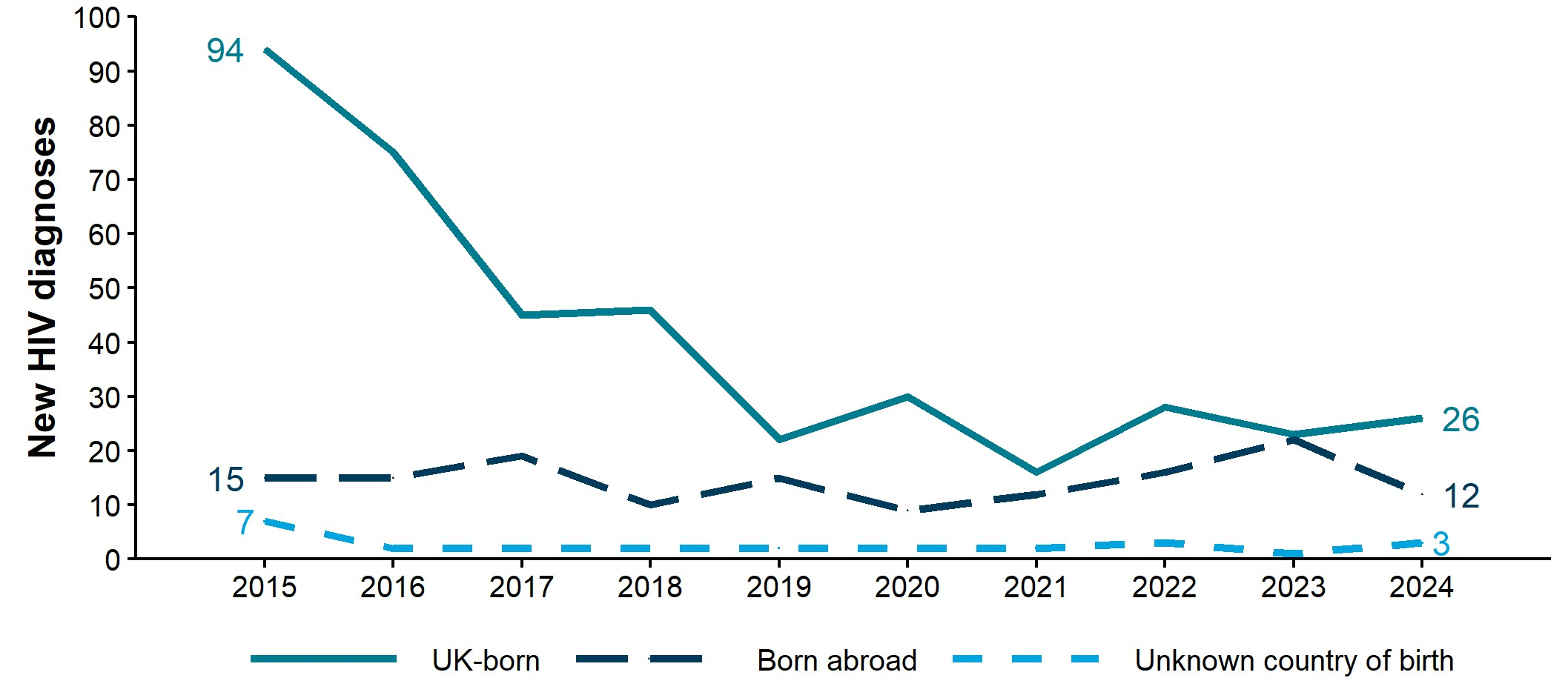
Figure 14. New HIV diagnoses in gay and bisexual men by whether born abroad, East Midlands residents, 2015 to 2024 [note 2]
Source: UKHSA, HANDD.
Note 1: The number of new diagnoses will depend on accessibility of testing as well as infection and transmission. Those with a prior diagnosis abroad are excluded.
Note 2: Numbers may rise as further reports are received and more information is obtained. This is more likely to affect more recent years, particularly 2024.
The number of new HIV diagnoses for UK-born gay and bisexual men declined markedly over time, falling from 94 in 2015 to 26 in 2024. Despite this decline, UK-born East Midlands residents still make up the highest proportion of gay and bisexual men newly diagnosed with HIV (63% in 2024), indicating continued transmission within the UK-born population. In contrast, diagnoses among gay and bisexual men born abroad remained relatively stable at lower levels over the period, fluctuating between the low-teens and low-twenties, and accounting for 12 diagnoses in 2024. Diagnoses with unknown country of birth remained very low throughout.
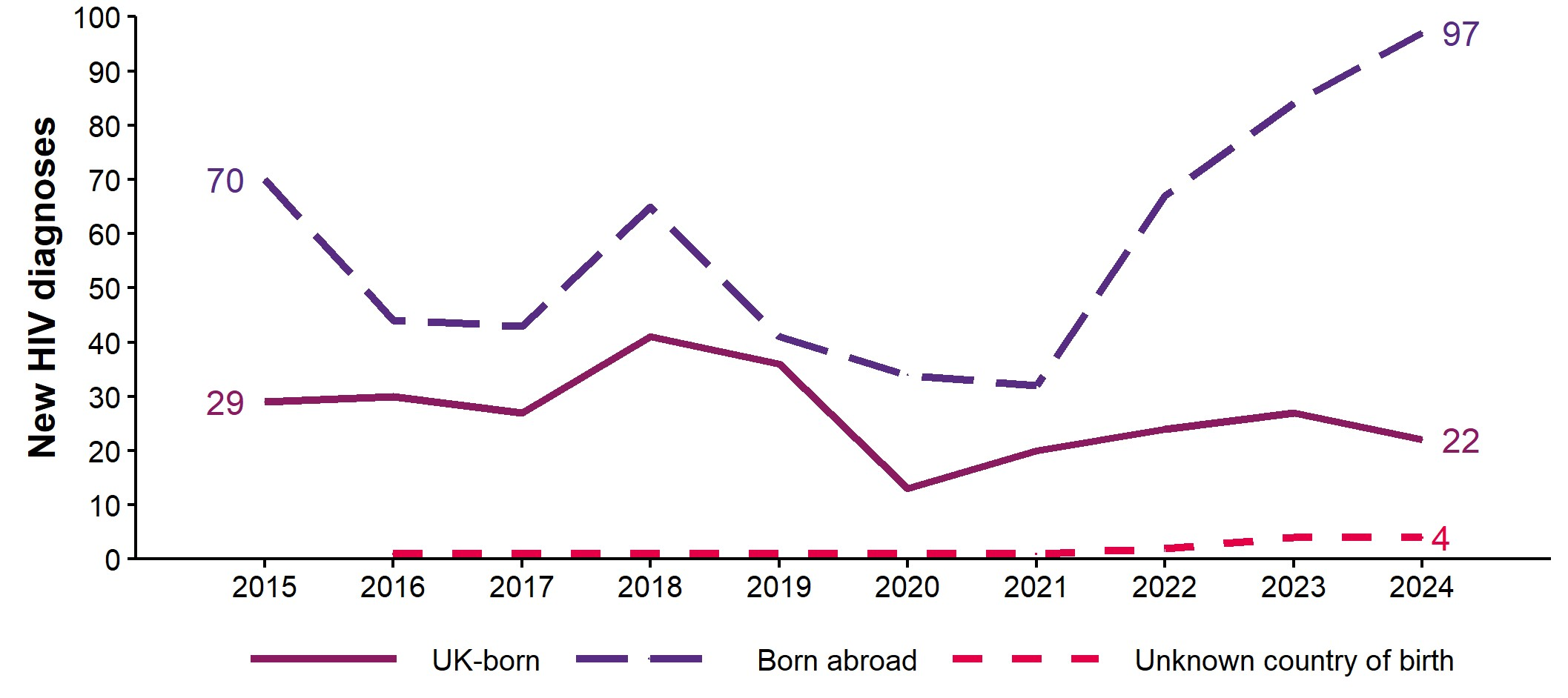
Figure 15. New HIV diagnoses in heterosexuals by whether born abroad, East Midlands residents, 2015 to 2024 [note 2]
Source: UKHSA, HANDD.
Note 1: The number of new diagnoses will depend on accessibility of testing as well as infection and transmission. Those with a prior diagnosis abroad are excluded.
Note 2: Numbers may rise as further reports are received and more information is obtained. This is more likely to affect more recent years, particularly 2024.
The highest proportion of new HIV diagnoses among heterosexuals occurred in individuals born abroad throughout the 2015 to 2024 period. Diagnoses in this group declined between 2015 and 2021. However, there was a sharp increase from 2022 onwards, reaching 97 diagnoses in 2024, the highest level observed during the period.
In contrast, diagnoses among UK-born heterosexuals remained lower and more stable over time, peaking in 2018 and falling to 22 diagnoses in 2024. Diagnoses with unknown country of birth were consistently very low throughout the period. These findings point to the importance of delivering prevention and testing approaches that are appropriately tailored and accessible.
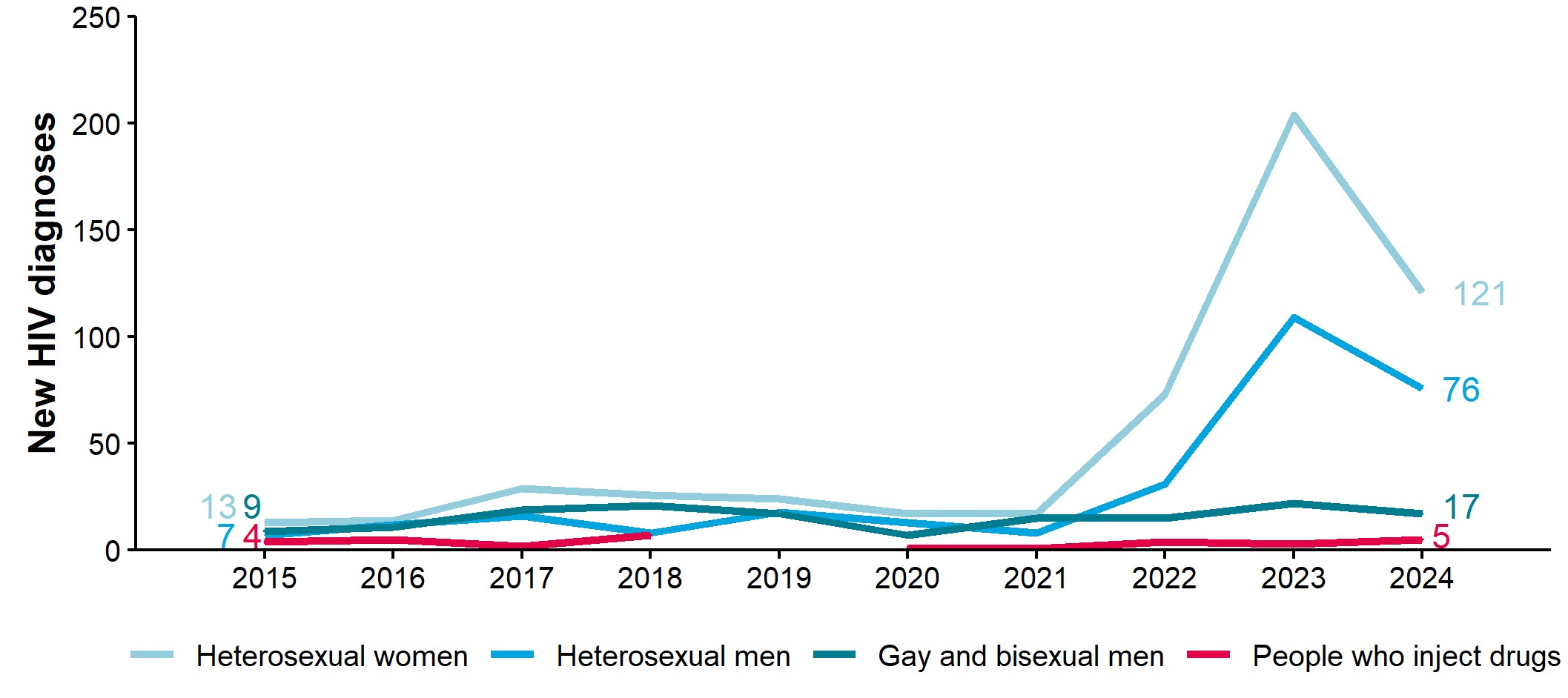
Figure 16. People diagnosed with HIV before continuing care in England by probable route of exposure, East Midlands residents, 2015 to 2024 [note 2]
Source: UKHSA, HANDD.
Note 1: The number of new diagnoses will depend on accessibility of testing as well as infection and transmission.
Note 2: Numbers may rise as further reports are received and more information is obtained. This is more likely to affect more recent years, particularly 2024.
People diagnosed with HIV before continuing care in England among East Midlands residents between 2015 and 2024 were predominantly exposed through heterosexual contact, particularly among heterosexual women. In 2024, heterosexual women accounted for 55% (121 of 219) of diagnoses and heterosexual men for 35% (76 of 219). Diagnoses among gay and bisexual men represented 8% (17 of 219), while people who inject drugs accounted for 2% (5 of 219).
Numbers remained relatively low and stable until 2021, before increasing sharply in 2022 and 2023, peaking in 2023 (around 200 diagnoses among heterosexual women and 100 among heterosexual men). Although diagnoses declined in 2024, they remained higher than pre-2021 levels. Diagnoses among gay and bisexual men were consistently lower, and diagnoses among people who inject drugs remained very low throughout the period.
As noted above, trends in diagnoses may reflect changes in testing access and screening activity as well as underlying infection and transmission, and increases observed from 2022 onwards may therefore partly reflect improved case identification in addition to changes in population or transmission patterns.
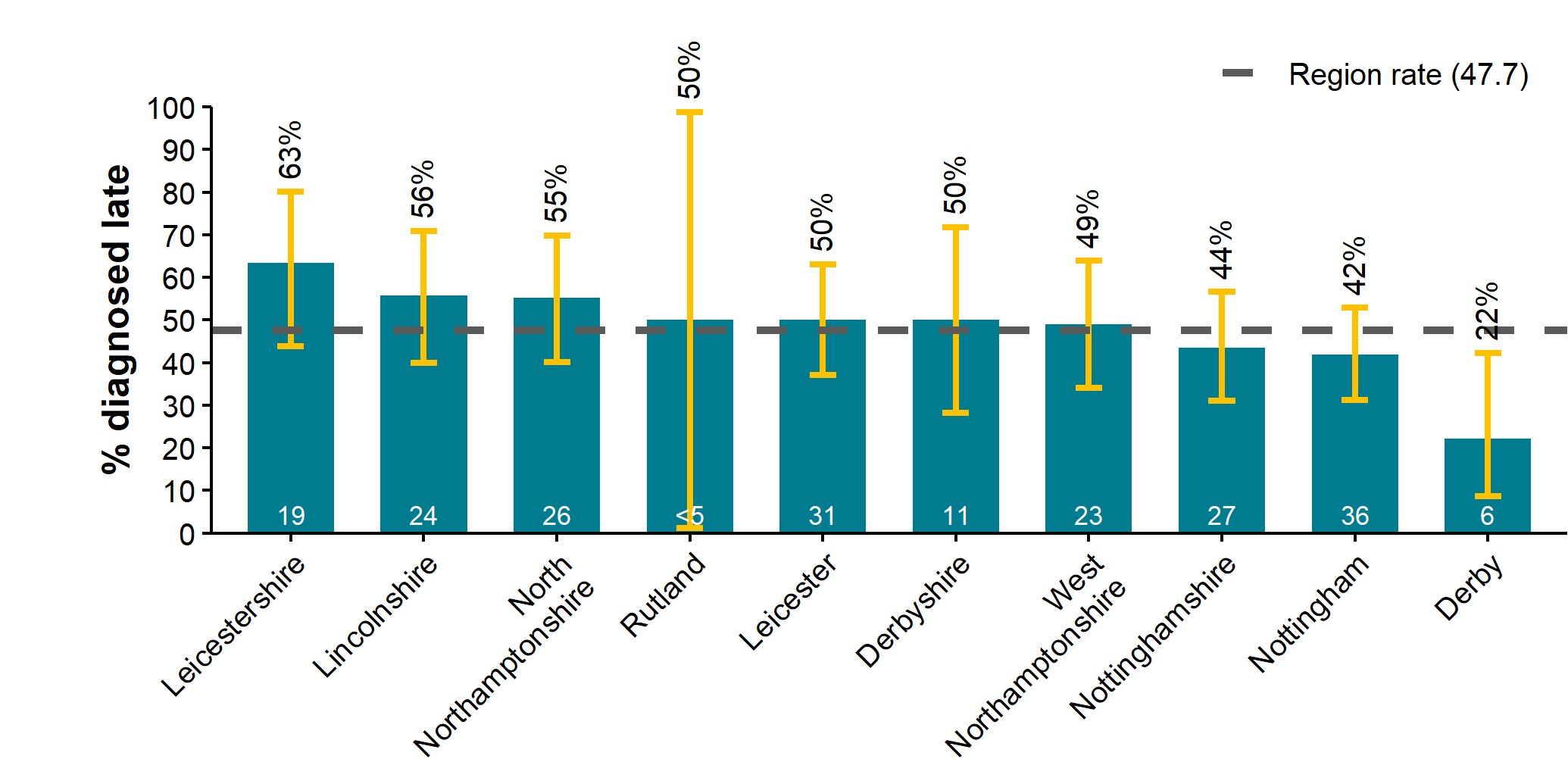
Figure 17. Percentage of new HIV diagnoses, by local authority of residence, that were diagnosed late, East Midlands, aged 15 years and over, 2022 to 2024 [note 3]
Source: UKHSA, HIV and AIDS New Diagnoses and Deaths (HANDD), HIV and AIDS Reporting System (HARS).
Note 1: The number contained within each bar indicates the number of cases.
Note 2: The yellow lines represent 95% confidence intervals around the estimated proportion diagnosed late.
Note 3: Only includes new diagnoses in those aged 15 years or older with no prior diagnosis abroad and for which a CD4 count was reported within 91 days of diagnosis. Late diagnosis defined as CD4 count <350 cells/ mm3. The underlying population will impact on the proportion diagnosed late. For example, gay and bisexual men are less likely to be diagnosed late.
A large proportion of East Midlands residents with HIV were diagnosed late (47.7% on average between 2022 and 2024), which is slightly higher than the England average of 43%. Several local authorities had point estimates above the regional average, including Leicestershire (63%, 19 cases), Lincolnshire (56%, 24 cases) and North Northamptonshire (55%, 26 cases). Derby had the lowest proportion of late diagnoses (22%, 6 cases). Although Derby appears lower than other areas, the small number of cases means this may reflect statistical variation.
However, the 95% confidence intervals (yellow lines) overlap for most local authorities, indicating that the observed differences should be interpreted with caution and may reflect small numbers rather than meaningful variation.
Overall, the majority of local authorities in the East Midlands reported higher levels of late HIV diagnoses than England, despite there being some variation between local authorities. This likely reflects differences in testing access, health-seeking behaviour, and underlying risk at the population level. Nonetheless, there is opportunity to learn from areas in the East Midlands reporting low levels of late diagnoses to improve health outcomes across the region.
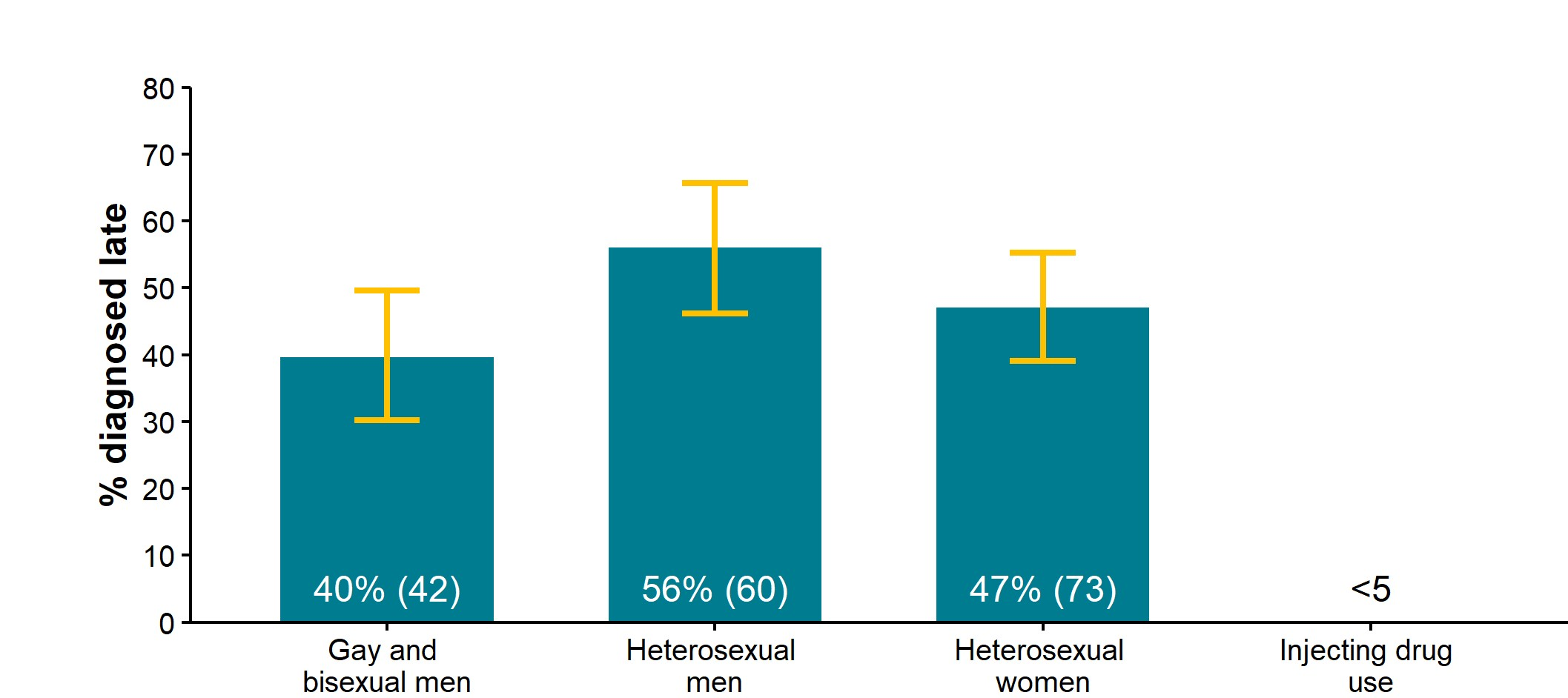
Figure 18. Percentage and number of new HIV diagnoses by probable route of exposure that were diagnosed late, East Midlands residents, aged 15 years and over, 2022 to 2024 [note 2]
Source: UKHSA, HIV and AIDS New Diagnoses and Deaths (HANDD), HIV and AIDS Reporting System (HARS).
Note 1: The yellow lines represent 95% confidence intervals around the estimated proportion diagnosed late.
Note 2: Only includes new diagnoses in those aged 15 years or older with no prior diagnosis abroad and for which a CD4 count was reported within 91 days of diagnosis. Late diagnosis defined as CD4 count <350 cells/ mm3. Proportions are only shown for the gay and bisexual men, heterosexual men, heterosexual women, and injecting drug use exposure groups and are withheld for any of these categories if they contain fewer than 5 late diagnoses.
Late diagnosis was most common among heterosexual males, with 56% (60 cases) diagnosed late, followed by heterosexual females at 47% (73 cases). Among those whose probable route was sex between men, 40% (42 cases) were diagnosed late. Fewer than 5 late diagnoses were reported among people who inject drugs (percentage not shown due to low numbers). These findings highlight inequalities in the timely diagnosis of HIV and indicate that sustained effort is required to raise awareness and increase access to HIV testing.
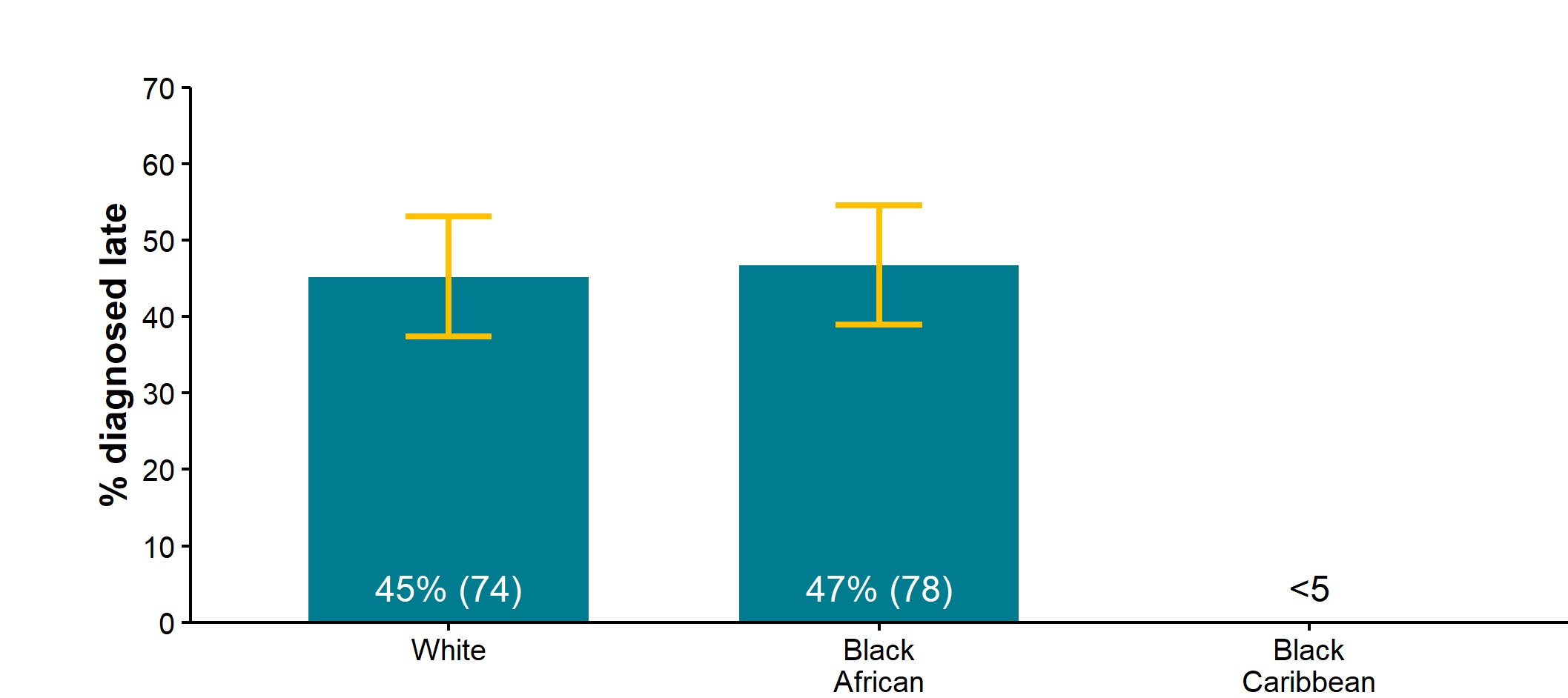
Figure 19. Percentage and number of new HIV diagnoses by ethnic group that were diagnosed late, East Midlands residents, aged 15 years and over, 2022 to 2024 [note 4]
Source: UKHSA, HIV and AIDS New Diagnoses and Deaths (HANDD), HIV and AIDS Reporting System (HARS).
Note 1: The yellow lines represent 95% confidence intervals around the estimated proportion diagnosed late.
Note 2: Only includes new diagnoses in those aged 15 years or older with no prior diagnosis abroad and for which a CD4 count was reported within 91 days of diagnosis. Late diagnosis defined as CD4 count <350 cells/ mm3. Proportions are only shown for the White, Black African and Black Caribbean ethnic groups and are withheld for any of these ethnic group categories if they contain fewer than 5 late diagnoses. IPB means Indian/Pakistani/Bangladeshi.
Late diagnosis occurred in 45% of White individuals (74 cases) and 47% of Black African individuals (78 cases), indicating similarly high levels of late presentation in both groups. Fewer than 5 late diagnoses were reported among Black Caribbean individuals (percentage is not shown due to low numbers).
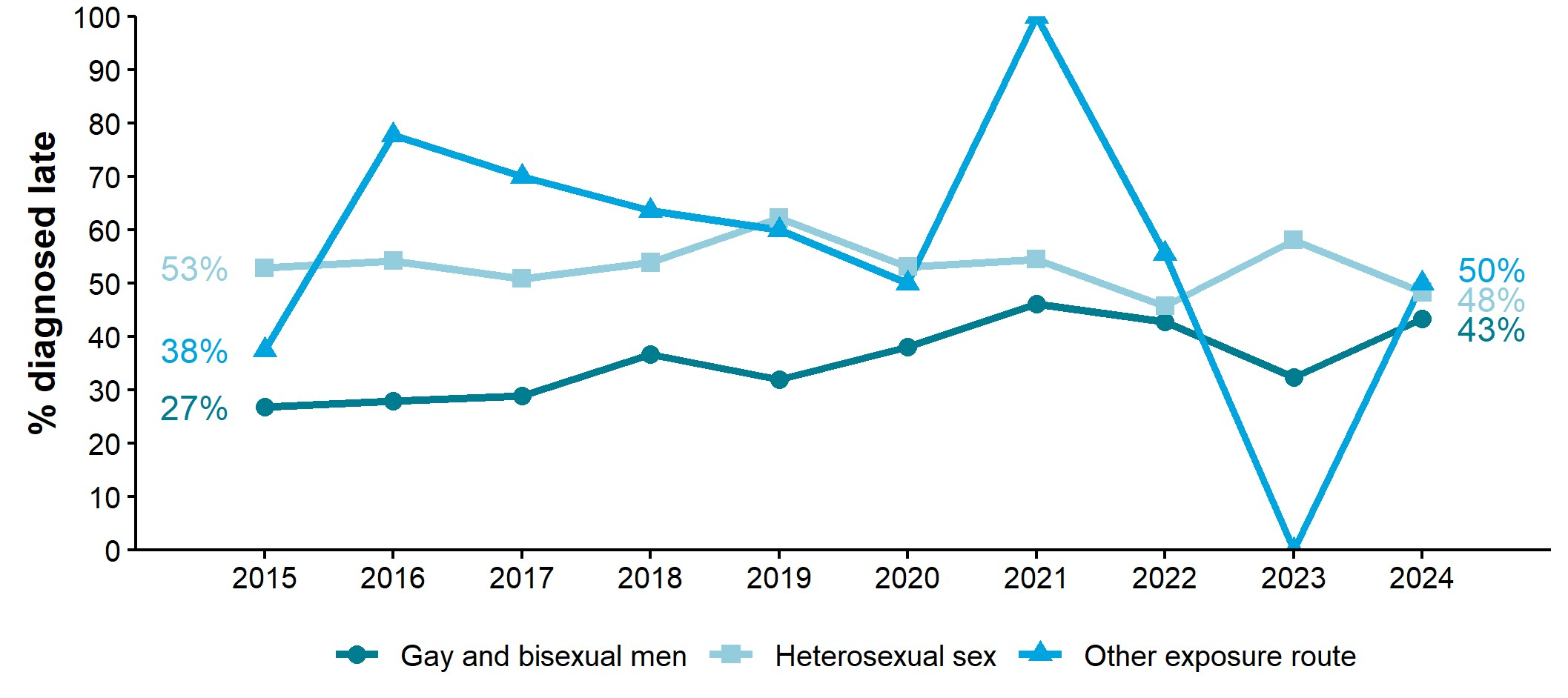
Figure 20. Percentage of new HIV diagnoses that were diagnosed late by probable route of exposure and year of first UK HIV diagnosis, East Midlands residents, aged 15 years and over, 2015 to 2024 [note 1]
Source: UKHSA, HIV and AIDS New Diagnoses and Deaths (HANDD), HIV and AIDS Reporting System (HARS).
Note 1: Only includes new diagnoses in those aged 15 years or older with no prior diagnosis abroad and for which a CD4 count was reported within 91 days of diagnosis. Late diagnosis defined as CD4 count <350 cells/ mm3.
Over the period of 2015 to 2024, the proportion of new HIV diagnoses made at a late stage varied by probable route of infection in the East Midlands. Late diagnosis was consistently lowest among those acquiring HIV through sex between men, increasing gradually from 27% in 2015 to 43% in 2024. In contrast, late diagnosis among those acquiring HIV through sex between men and women remained persistently high throughout the period, reaching 48% in 2024. There were small numbers of HIV infections from other infection routes with substantial fluctuations in the proportion of individuals in this group diagnosed late throughout the period. This data indicates that transmission between men and women is consistently associated with higher proportions of late presentation, and there is a growing proportion of late diagnoses in sex between men. HIV services should therefore ensure early diagnostic interventions are tailored to meet the needs of diverse communities.
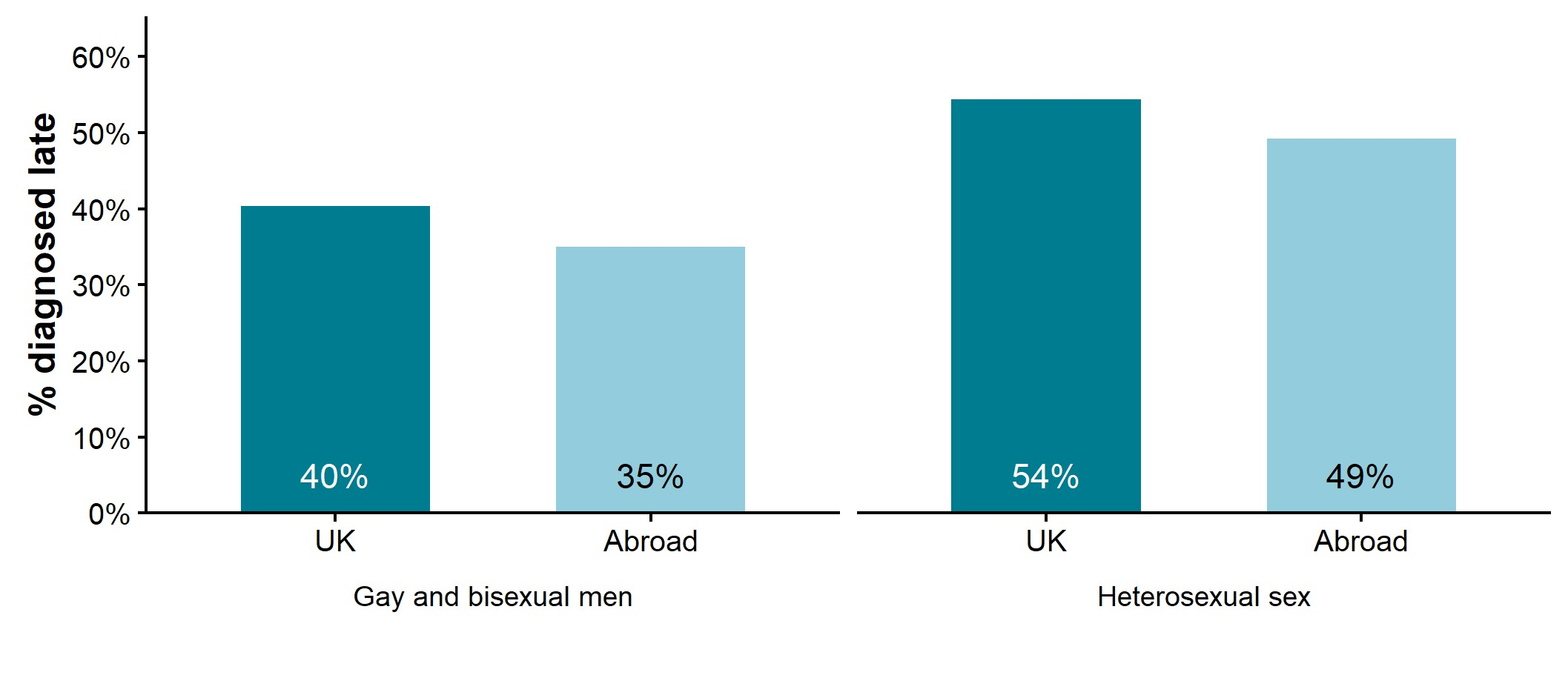
Figure 21. Percentage of new HIV diagnoses that were diagnosed late in gay and bisexual men and heterosexuals by whether born abroad, East Midlands residents, aged 15 years and over, 2022 to 2024 [note]
Source: UKHSA, HIV and AIDS New Diagnoses and Deaths (HANDD), HIV and AIDS Reporting System (HARS).
Note: Only includes new diagnoses in those aged 15 years or older with no prior diagnosis abroad and for which a CD4 count was reported within 91 days of diagnosis. Late diagnosis defined as CD4 count <350 cells/ mm3.
In 2022 to 2024, the proportion of new HIV diagnoses made at a late stage differed by probable route of infection and country of birth among East Midlands residents aged 15 years and over. Late diagnosis was more common in heterosexuals for both those born in the UK and abroad compared with gay and bisexual men. Among gay and bisexual men, late diagnosis was more common in those born in the UK (40%) than in those born abroad (35%). In contrast, among individuals acquiring HIV through sex between men and women, late diagnosis was high regardless of country of birth, affecting 54% of UK-born and 49% of those born abroad.
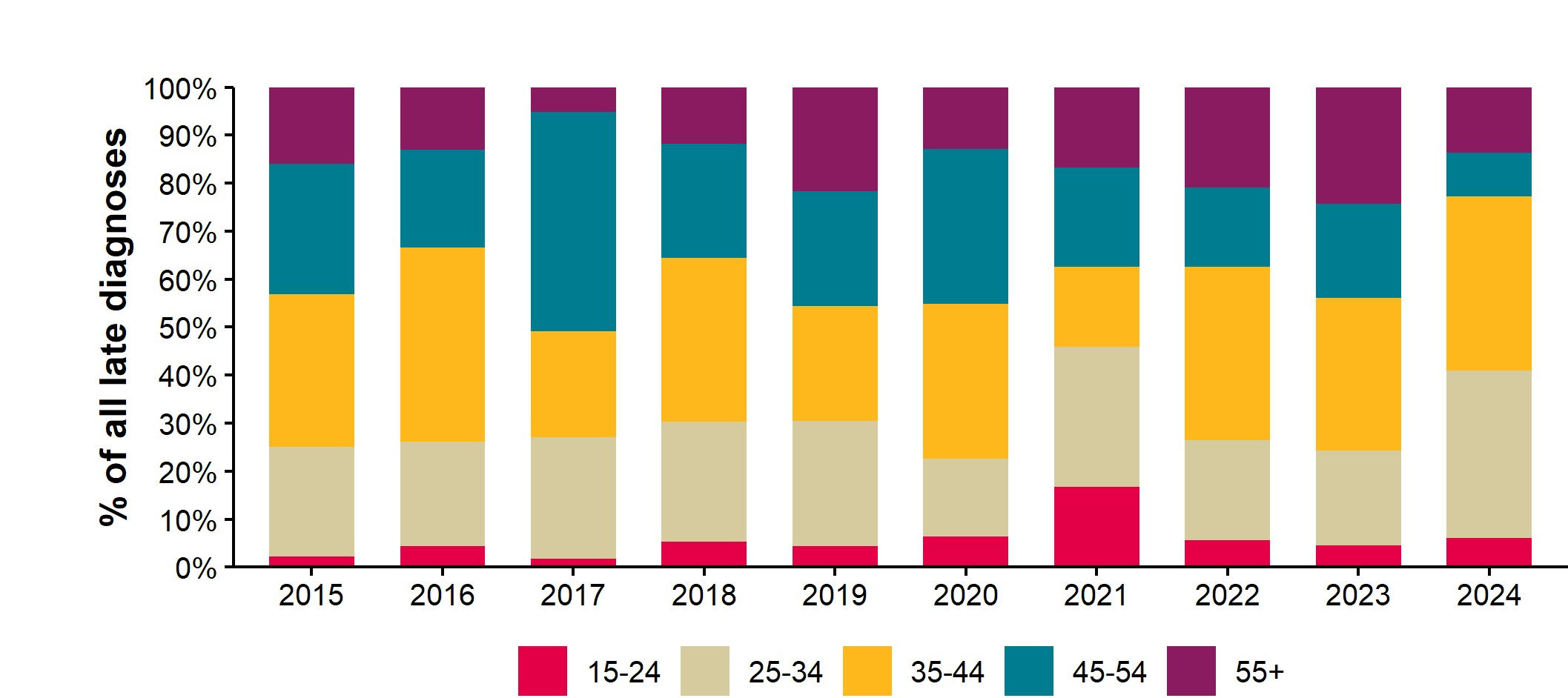
Figure 22. Age distribution of new HIV diagnoses that were diagnosed late by year of first HIV diagnosis, East Midlands residents, aged 15 years and over, 2015 to 2024 [note]
Source: UKHSA, HIV and AIDS New Diagnoses and Deaths (HANDD), HIV and AIDS Reporting System (HARS).
Note: Only includes new diagnoses in those aged 15 years or older with no prior diagnosis abroad and for which a CD4 count was reported within 91 days of diagnosis. Late diagnosis defined as CD4 count <350 cells/ mm3.
In most years, the largest proportions of late diagnoses occurred among adults aged 35 to 44 years, although there was year on year fluctuation. The relative contribution of adults aged 45 to 54 has reduced in recent years, since 2021, whilst adults aged 25 to 34 years consistently accounted for a substantial proportion of late diagnoses, particularly from 2021 onwards, when this age group increased notably as a share of all late diagnoses. Younger people aged 15 to 24 years made up a small proportion of late diagnoses throughout the period, while adults aged 55 years and over contributed a sizeable and increasing share in several recent years. This figure therefore demonstrates that late HIV diagnosis is distributed across multiple adult age groups rather than being concentrated in a single age band, with shifting contributions over time.
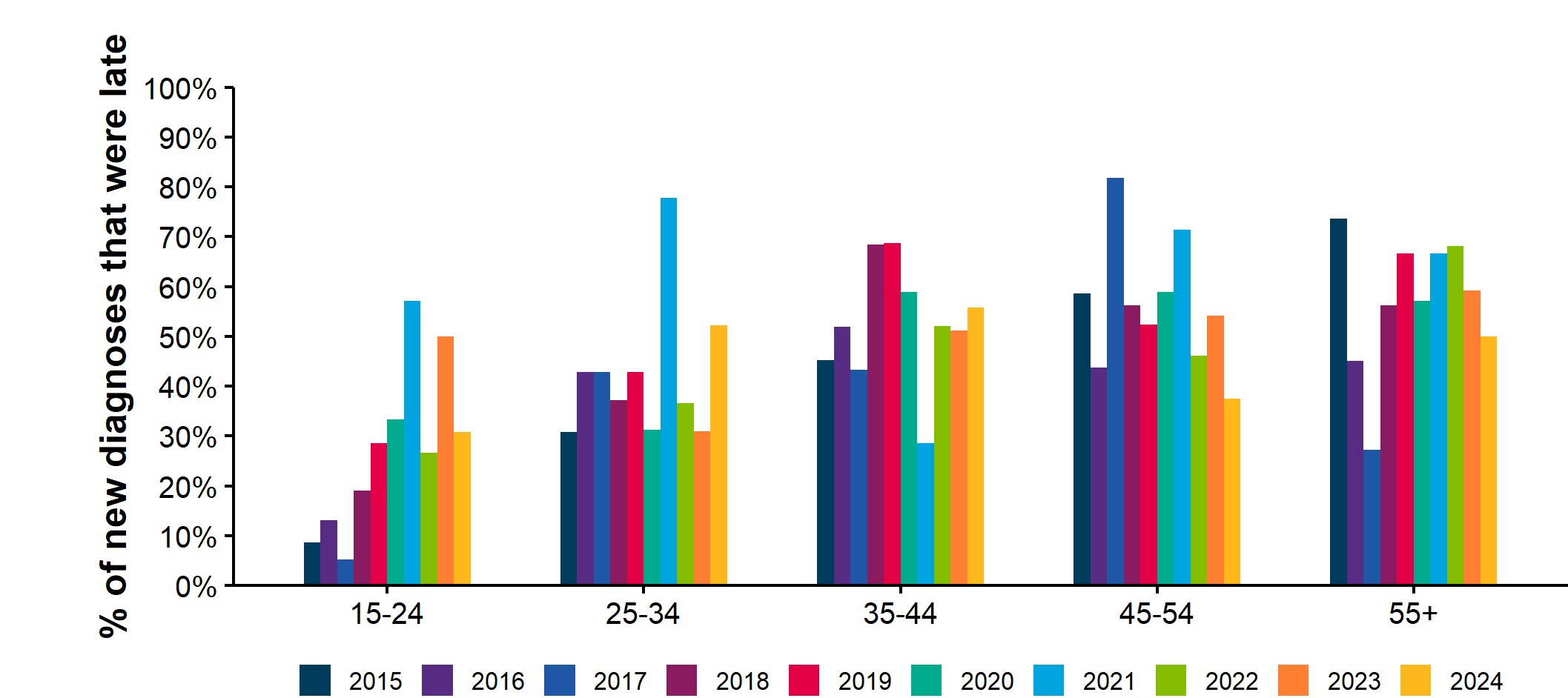
Figure 23. Percentage of all new diagnoses that were late by age by year of first HIV diagnosis, East Midlands residents, aged 15 years and over, 2015 to 2024 [note]
Source: UKHSA, HIV and AIDS New Diagnoses and Deaths (HANDD), HIV and AIDS Reporting System (HARS).
Note: Only includes new diagnoses in those aged 15 years or older with no prior diagnosis abroad and for which a CD4 count was reported within 91 days of diagnosis. Late diagnosis defined as CD4 count <350 cells/ mm3.
Late HIV diagnosis was more common with increasing age across most years in the period 2015 to 2024. For those aged 55+ years, the proportion of new diagnoses that were late was consistently high, relative to other groups, particularly in the years since 2019. There was more year-on-year variation in the 35 to 44 years group and 45 to 54 years group, though usually higher proportions observed compared to younger cohorts. In the 25 to 34 years group, high levels of late diagnoses were observed in 2021 and 2024 also showed a higher than usual proportion for this group. The 15 to 24 years population overall shows a trend for increased proportions of late diagnoses in recent years however these levels are relatively lower than older cohorts. This entails that while late diagnosis affects all age groups, older adults are more likely to be diagnosed late, and this age inequality has persisted over time despite year-to-year fluctuation.
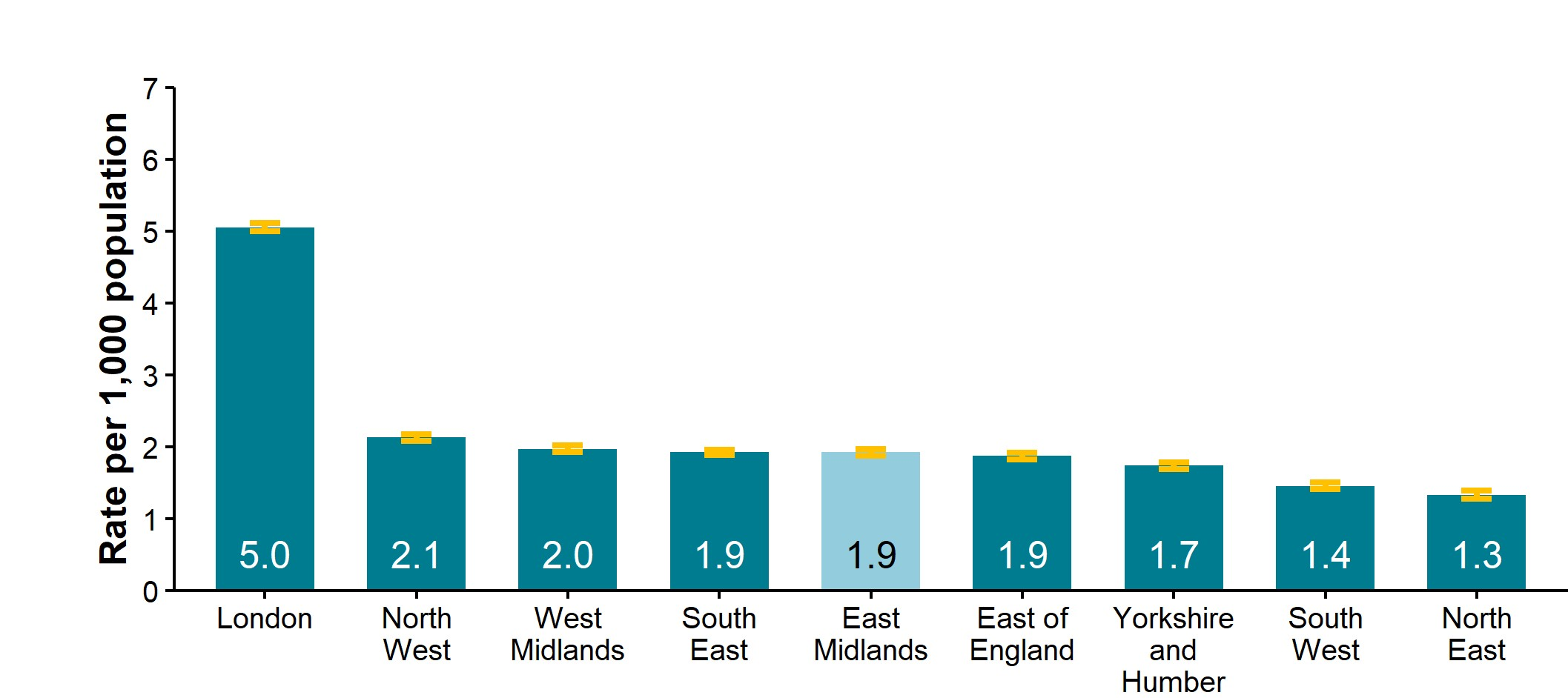
Figure 24. Diagnosed HIV prevalence per 1,000 residents aged 15 to 59 years by UKHSA region, 2024
Source: UKHSA, HIV and AIDS Reporting System (HARS).
In 2024, diagnosed HIV prevalence among people aged 15 to 59 years varied markedly by UKHSA region. London had the highest prevalence at 5.1 per 1,000 population, more than double that observed in any other region.
Outside London, prevalence was substantially lower and tightly clustered, ranging from 2.1 per 1,000 in the North West to 1.4 per 1,000 in the North East. The East Midlands had a diagnosed HIV prevalence of 1.9 per 1,000, similar to the South East (1.9) and East of England (1.9), and lower than the North West (2.1) and West Midlands (2).
This highlights the distinct epidemiology of HIV in London compared with the rest of England, while showing relatively modest regional variation outside the capital, with the East Midlands situated in the mid-range of prevalence across regions.
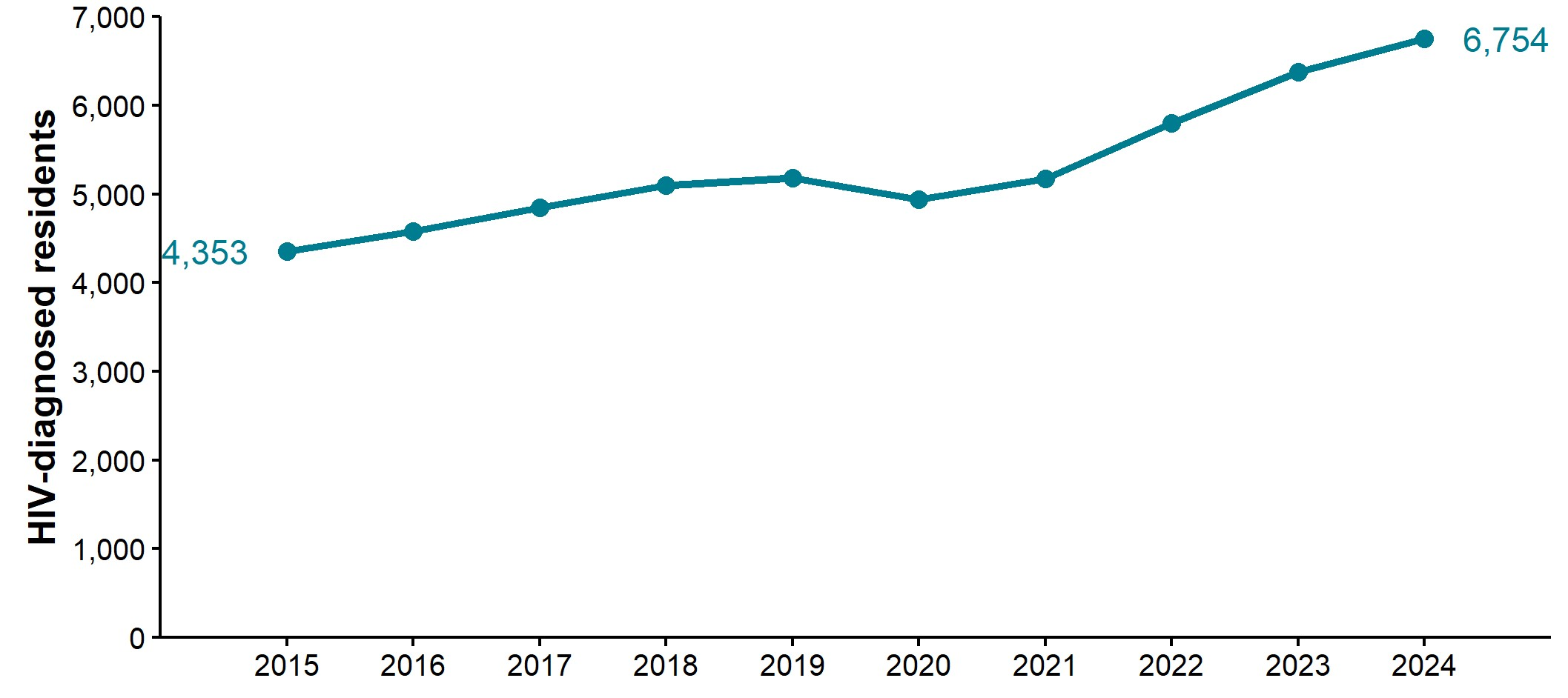
Figure 25. Number of residents living with diagnosed HIV (all ages) and accessing care, the East Midlands, 2015 to 2024
Source: UKHSA, HIV and AIDS Reporting System (HARS).
There has been a steady long-term increase in the number of East Midlands residents living with diagnosed HIV and accessing care between 2015 and 2024, rising 55% from 4,353 in 2015 to 6,754 in 2024. Growth was gradual between 2015 and 2019, followed by a small reduction in 2020, after which numbers increased more rapidly from 2021 onwards, with the steepest rise occurring between 2021 and 2023.
The overall upward trajectory reflects improved survival and sustained engagement in HIV care, rather than rising incidence, with the brief reduction around 2020 likely linked to pandemic-related disruption. By 2024, the number of people living with diagnosed HIV and accessing care reached its highest level across the period, indicating a growing population requiring ongoing HIV services in the East Midlands.
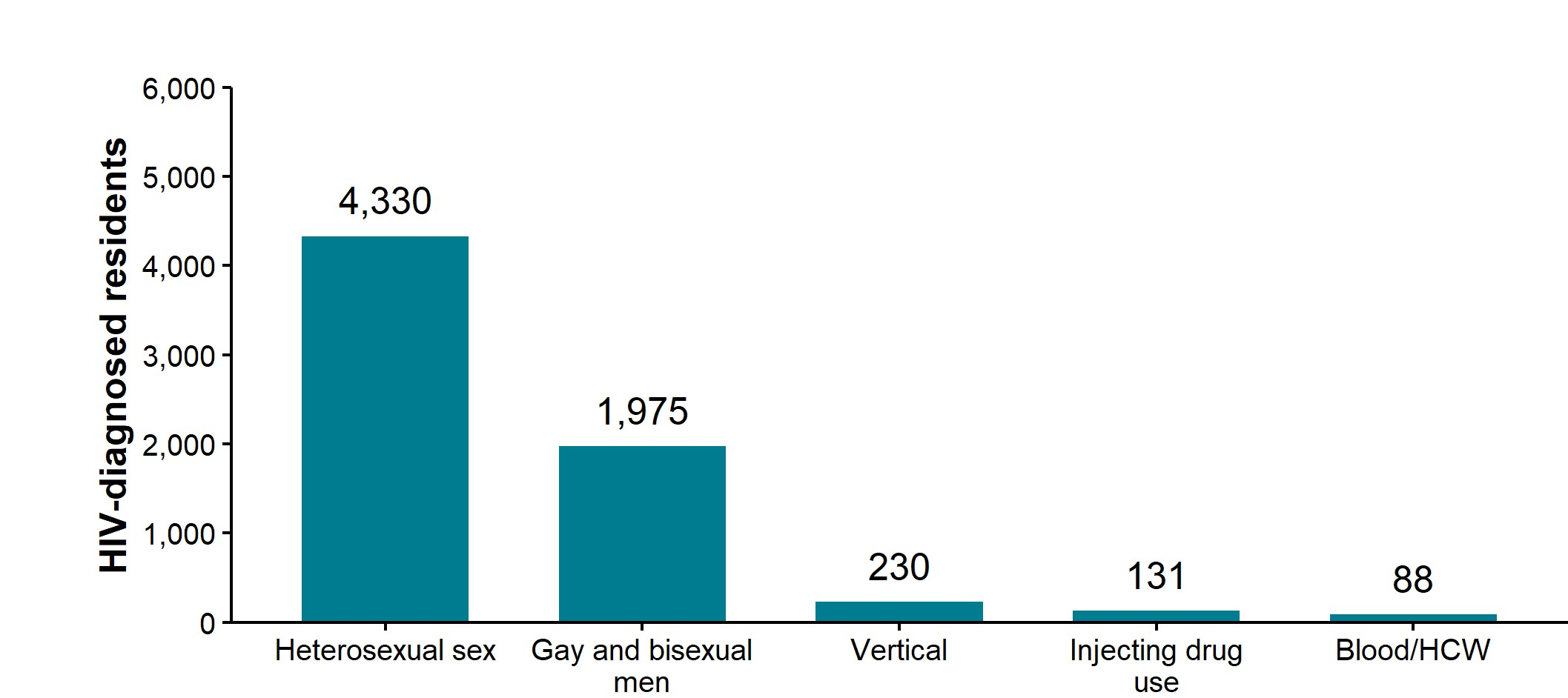
Figure 26. Number of residents living with diagnosed HIV and accessing care by probable route of exposure (adjusted for missing route information), the East Midlands, 2024
Source: UKHSA, HIV and AIDS Reporting System (HARS).
In 2024, most East Midlands residents living with diagnosed HIV and accessing care acquired HIV through sexual transmission. Transmission through sex between men and women accounted for the largest group (4,330 residents), representing around two-thirds of all people living with diagnosed HIV and accessing care. This was followed by sex between men, with 1,975 residents, accounting for approximately one-third of the total.
All other routes contributed relatively small numbers. Mother-to-child transmission accounted for 230 residents, while injecting drug use (131 residents) and blood or healthcare-related exposure (88 residents) together represented a small proportion of those in care.
This highlights that HIV care need in the East Midlands is related to acquisition of HIV through sexual transmission, particularly heterosexual exposure.
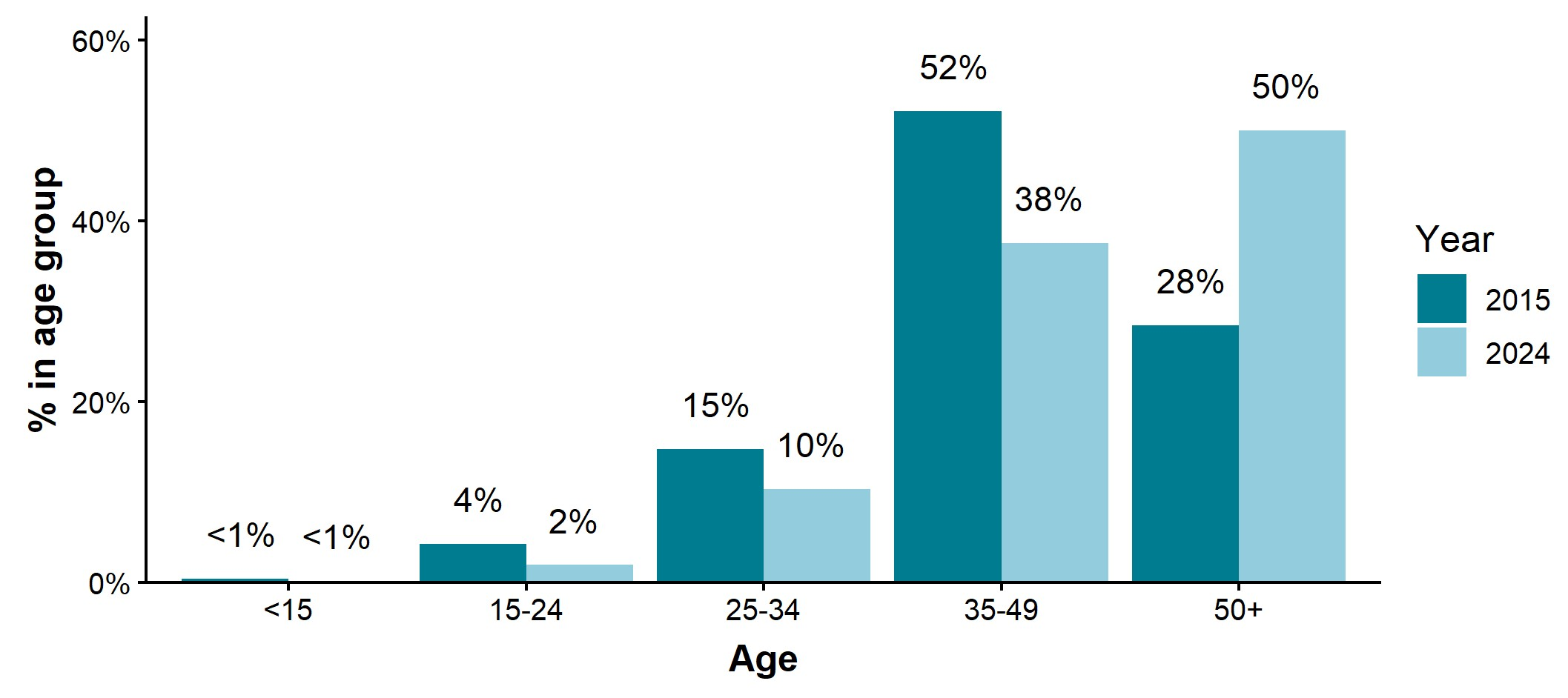
Figure 27. Percentage of all residents with diagnosed HIV who are accessing care, by age group contribution, the East Midlands, 2015 and 2024
Source: UKHSA, HIV and AIDS Reporting System (HARS).
This data shows changes in the population living with HIV and accessing care over almost a decade. Over time, the ageing of those living with diagnosed HIV and accessing care has led to an increase in the proportion of residents in the 50+ age bracket which represents the largest proportion in care in 2024 (50%). This has shifted from 2015 when the largest proportion of residents in care were aged 35 to 49 years (52%) but has fallen to 38% in 2024 due to population aging.
Younger age groups contributed a small and declining share over time. The proportion aged 25 to 34 years decreased from 15% in 2015 to 10% in 2024, and those aged 15 to 24 years fell from 4% to 2%. Children aged under 15 years remained consistently below 1% in both years.
Overall, the figure demonstrates a substantial shift in those accessing HIV care towards older age groups, indicating improved survival and long-term engagement in care, with implications for HIV services increasingly needing to address age-related comorbidities and long-term care needs.
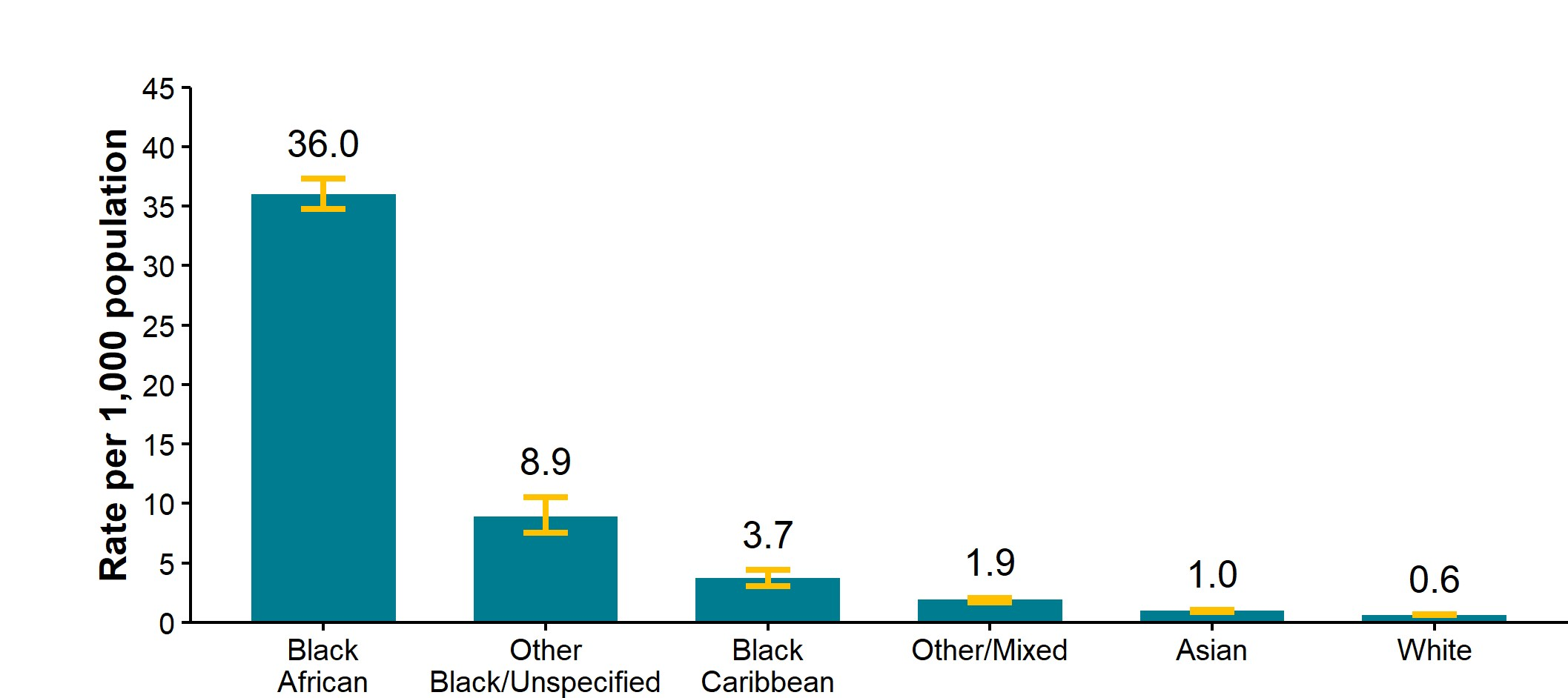
Figure 28. Diagnosed HIV prevalence per 1,000 residents by ethnic group (all ages), the East Midlands, 2024
Source: UKHSA, HIV and AIDS Reporting System (HARS).
Note: The yellow lines above each bar represent the 95% confidence intervals (CI) around the estimated prevalence rate.
There are ethnic inequalities in diagnosed HIV prevalence in the East Midlands in 2024 with the highest prevalence observed among Black African residents, at 36 per 1,000 population. This is significantly higher, by over a factor of 4 than the next highest group and approximately 60 times higher than the prevalence among White residents.
Prevalence among those recorded as Other Black/Unspecified was 8.9 per 1,000, followed by Black Caribbean residents at 3.7 per 1,000. Lower prevalence rates were observed among Other/Mixed ethnic groups (1.9 per 1,000) and Asian residents (1 per 1,000), while the lowest prevalence was among White residents, at 0.6 per 1,000.
Overall, there are considerable and persistent ethnic disparities in diagnosed HIV in the East Midlands, with particularly high prevalence among Black African communities, underscoring the need for targeted prevention, testing, and culturally appropriate, accessible services.
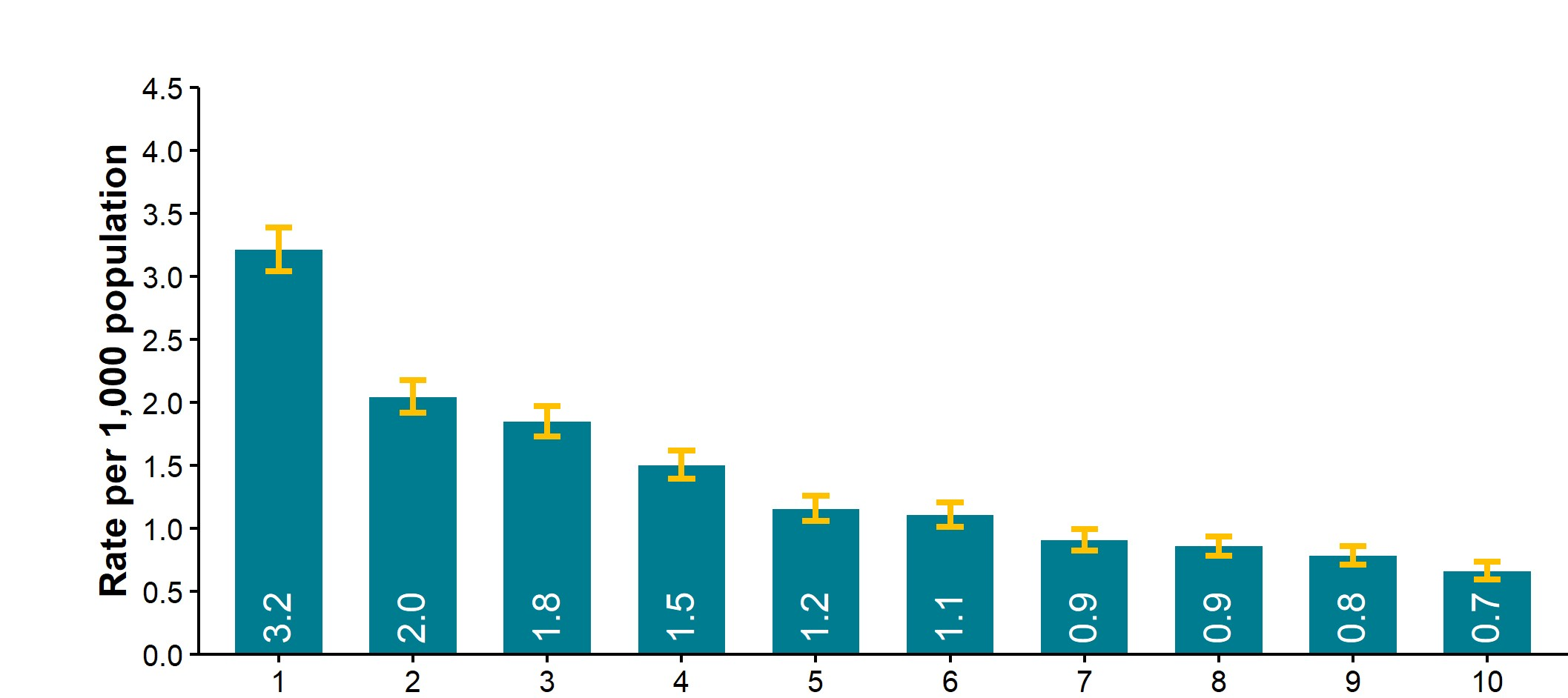
Figure 29. Diagnosed HIV prevalence per 1,000 population by Index of Multiple Deprivation decile, the East Midlands, 2024
Source: UKHSA, HIV and AIDS Reporting System (HARS).
Note: The yellow vertical lines above each bar represent the 95% confidence intervals (CI) around the estimated diagnosed HIV prevalence rate per 1,000 population.
There’s a clear and consistent gradient in diagnosed HIV prevalence by deprivation in the East Midlands in 2024, with prevalence highest in the most deprived areas and decreasing steadily with lower deprivation.
Residents living in the most deprived decile (decile 1) had the highest diagnosed HIV prevalence at 3.2 per 1,000 population, which is over 4 times higher than the prevalence in the least deprived decile (decile 10) at 0.7 per 1,000.
This figure highlights the socioeconomic inequalities in diagnosed HIV prevalence, with substantially higher burden among residents living in more deprived communities, emphasising the importance of targeted prevention, testing, and access to care in areas of greatest deprivation.
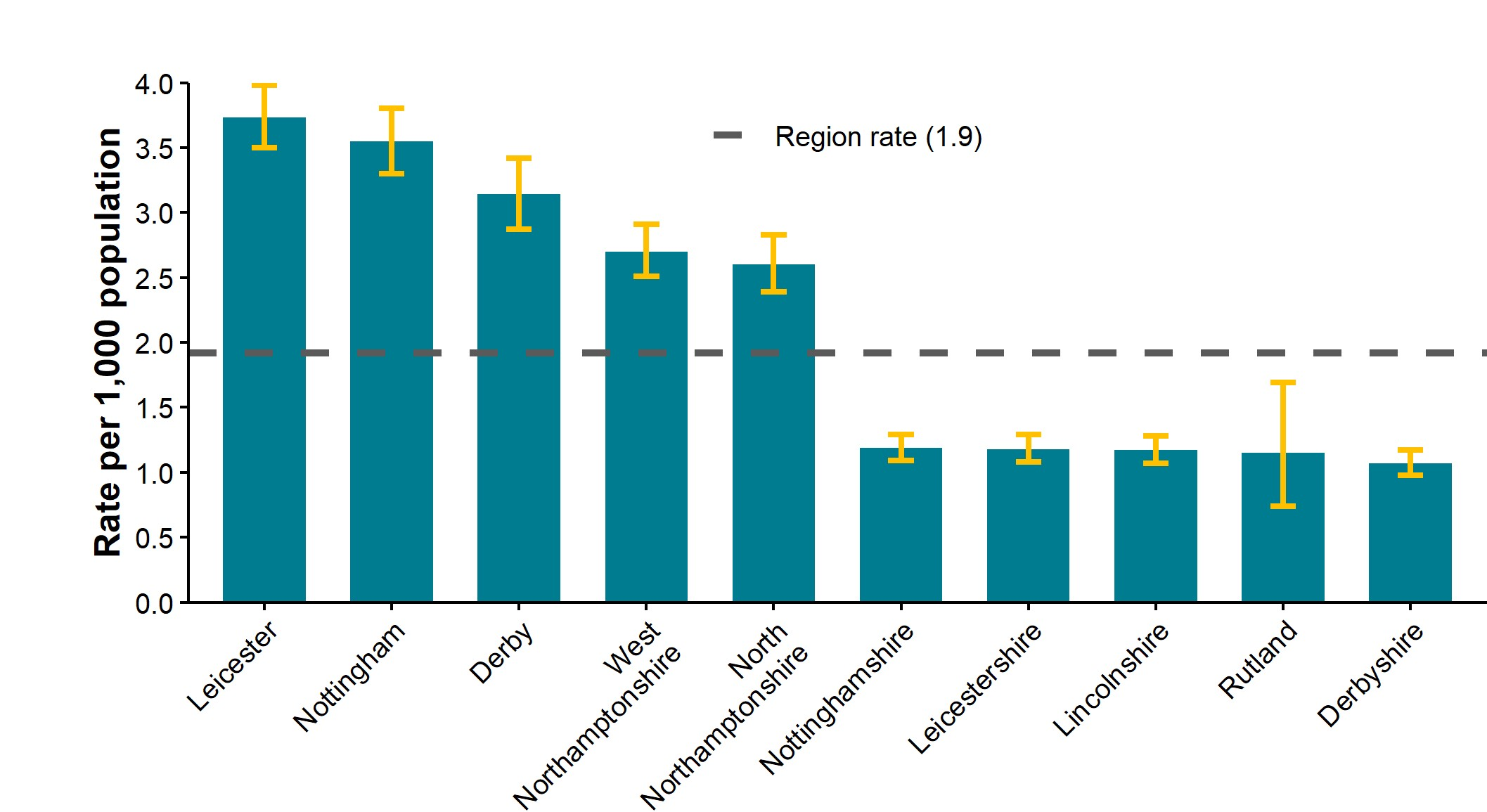
Figure 30. Diagnosed HIV prevalence per 1,000 residents aged 15 to 59 years by local authority, the East Midlands, 2024
Source: UKHSA, HIV and AIDS Reporting System (HARS).
Note: The yellow lines represent 95% confidence intervals around the estimated prevalence rate.
There is substantial variation in diagnosed HIV prevalence by local authority in the East Midlands in 2024, with several areas, particularly large urban centres, exceeding the regional average of 1.9 per 1,000 residents aged 15 to 59 years The highest prevalence was observed in Leicester, followed by Nottingham and Derby, all of which were above the regional average.
Prevalence was also above the regional average in West Northamptonshire and North Northamptonshire. Lower prevalence rates were observed in more rural areas including Nottinghamshire and Leicestershire, while Rutland, Lincolnshire and Derbyshire reported the lowest prevalence in the region.
This shows an urban-rural gradient in HIV prevalence, with the highest diagnosed HIV prevalence concentrated in cities which has implications for service provision across the region.
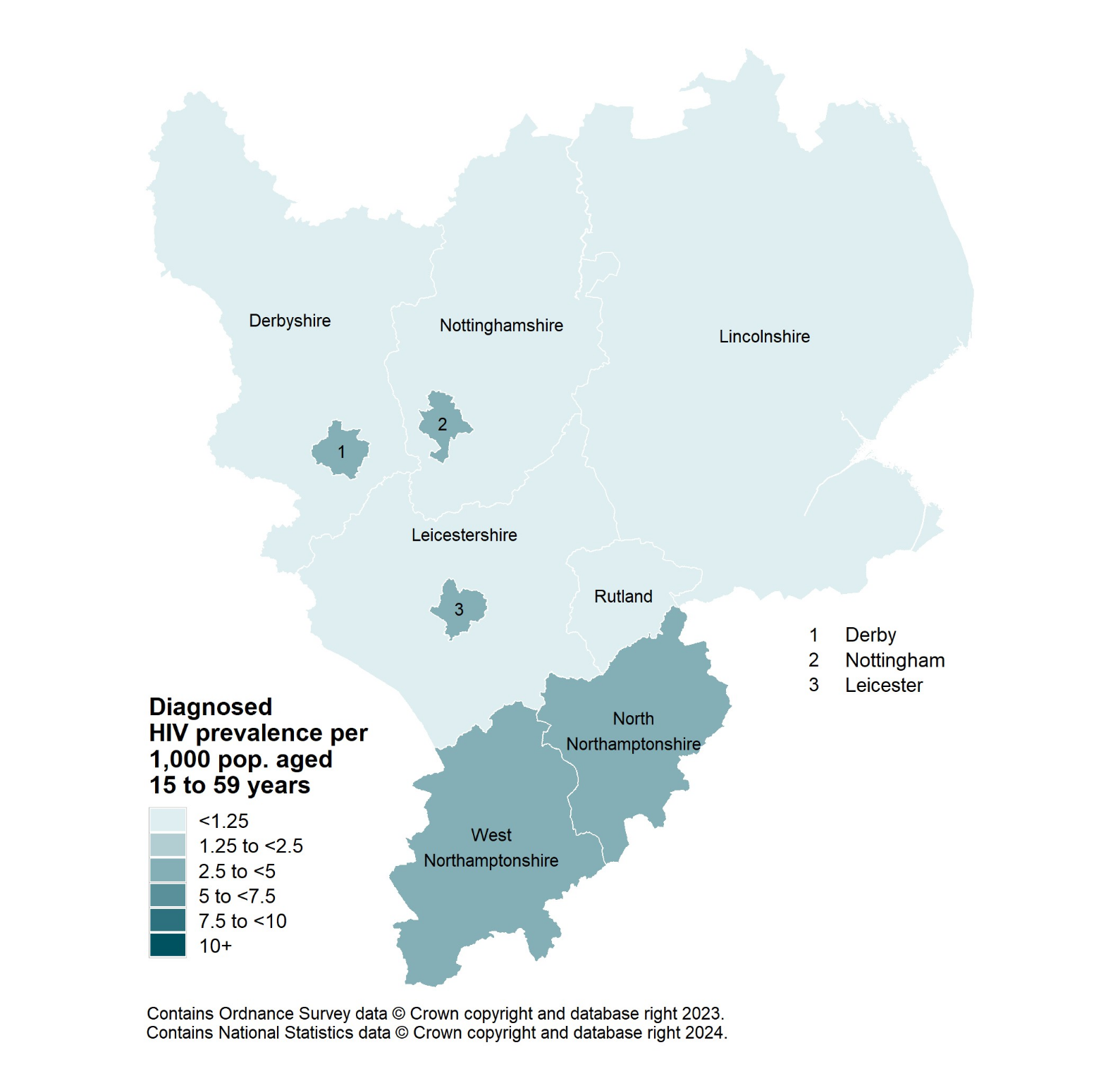
Figure 31. Diagnosed HIV prevalence per 1,000 residents aged 15 to 59 years by local authority, the East Midlands, 2024
Source: UKHSA, HIV and AIDS Reporting System (HARS).
The urban-rural distribution of HIV prevalence is observed geographically with the highest prevalence concentrated in the 3 urban unitary authorities, Leicester, Nottingham, and Derby.
In contrast, rural local authorities including Derbyshire, Nottinghamshire, Lincolnshire, Leicestershire, and Rutland show lower prevalence. This pattern reflects a the urban-rural gradient, with diagnosed HIV prevalence highest in core cities and lower in more rural or mixed local authorities.
This map reinforces findings from Figure 30, demonstrating that HIV prevalence in the East Midlands is spatially concentrated which provides opportunity for targeted prevention and care services in these areas, alongside proportionate approaches in lower-prevalence areas.
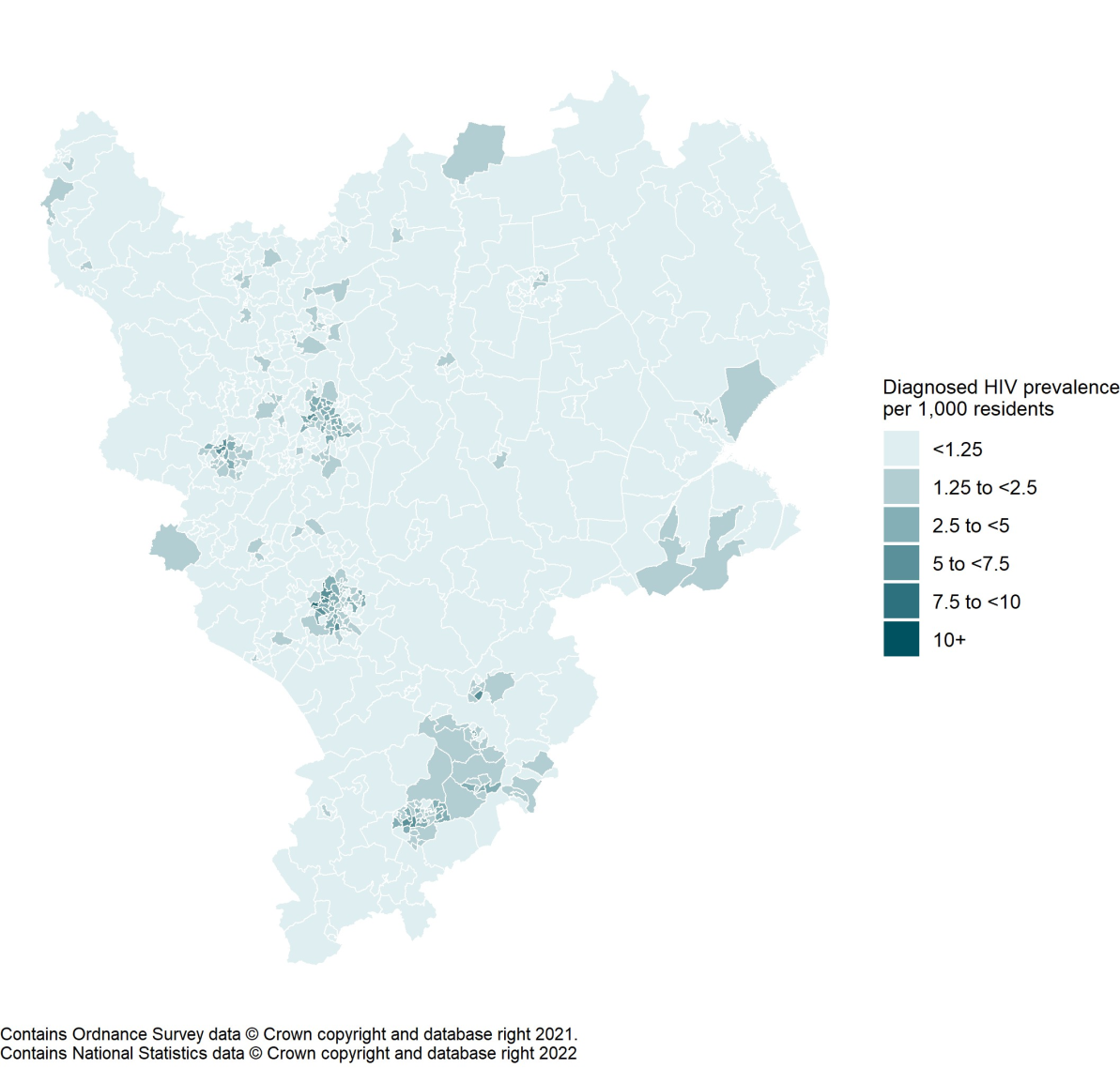
Figure 32. Diagnosed HIV prevalence per 1,000 residents (all ages) by middle super outer area of residence the East Midlands, 2024
Source: UKHSA, HIV and AIDS Reporting System (HARS).
Considering the diagnosed HIV prevalence per 1,000 residents (all ages) by Middle Super Output Area (MSOA) in the East Midlands in 2024, reveals substantial variation within local authorities that is not visible at other levels.
Most MSOAs across the region fall within the lower prevalence categories (<1.25 and 1.25 to <2.5 per 1,000), indicating generally low diagnosed prevalence across large rural and suburban areas. However, distinct clusters of higher prevalence (≥2.5 per 1,000) are evident, primarily within urban centres, particularly around Leicester, Nottingham, and Derby, and in smaller pockets within other towns.
A small number of MSOAs fall into the highest prevalence bands (≥5 per 1,000), demonstrating that HIV prevalence is highly concentrated within specific small areas rather than evenly distributed across local authorities. These high-prevalence MSOAs are surrounded by adjacent areas with substantially lower prevalence, highlighting fine-scale spatial inequality.
Overall, the map underscores the importance of neighbourhood-level targeting of HIV prevention, testing, and care services, as local authority averages mask significant internal heterogeneity in diagnosed HIV prevalence.
Figure 33. HIV testing rate per 100,000 by population group, East Midlands residents, 2020 to 2024 [note 2]
Source: UKHSA, GUMCAD.
Note 1: The proportion of eligible attendees at specialist sexual health services (SHS) who accepted a HIV test. An eligible attendee is defined as a patient attending specialist SHS at least once during a calendar year. Patients known to be HIV positive, or for whom a HIV test was not appropriate, or for whom the attendance was related to Sexual and Reproductive Health (SRH) care only, are excluded.
Note 2: ONS mid-2023 population estimates have been used to calculate HIV testing rates.
There has been a steady and substantial increase in HIV testing rates across the East Midlands between 2020 and 2024 for all population groups: testing rose from 1,144 per 100,000 in 2020 to 2,080 per 100,000 in 2024, representing an increase of around 82% over the period.
Testing rates increased for both sexes, with females consistently recording higher testing rates than males throughout. In 2024, the testing rate was 2,001 per 100,000 among females compared with 1,811 per 100,000 among males. Although males had lower absolute testing rates, they experienced a similar upward trend over time.
The sustained rise in testing since 2020 likely reflects expanded HIV testing offer within specialist sexual health services, increased routine and opt-out testing initiatives, and recovery of service activity following the COVID-19 pandemic. Overall, these trends indicate improved testing coverage, which is essential for earlier diagnosis and prevention of onward transmission.
Table 2. People tested for HIV by population group, East Midlands residents attending all SHSs, 2020 to 2024
| Gender/sexual orientation | 2020 | 2021 | 2022 | 2023 | 2024 | % change 2020 to 2024 | % change 2023 to 2024 |
|---|---|---|---|---|---|---|---|
| Heterosexual men | 15,395 | 16,129 | 20,206 | 23,562 | 24,512 | 59% | 4% |
| Gay and bisexual men | 7,124 | 9,806 | 9,576 | 9,436 | 9,844 | 38% | 4% |
| All men | 23,020 | 26,510 | 30,576 | 34,098 | 36,594 | 59% | 7% |
| Hetero/bisexual women | 26,699 | 31,114 | 36,683 | 39,858 | 41,691 | 56% | 5% |
| All women | 27,629 | 32,316 | 38,254 | 41,633 | 45,772 | 66% | 10% |
| Total | 51,086 | 60,968 | 72,503 | 78,265 | 84,711 | 66% | 8% |
Source: UKHSA, GUMCAD.
Note: The totals for ‘All men’ and ‘All women’ include people tested from sexual orientation categories not shown in the table above.
Table 2 shows a substantial increase in HIV testing across all population groups attending specialist sexual health services in the East Midlands between 2020 and 2024.The total number of people tested rose from 51,086 in 2020 to 84,711 in 2024, an increase of 66%, with an 8% increase between 2023 and 2024 alone.
Testing increased for both men and women. Among men, testing rose by 59% overall, driven by increases among both heterosexual men (from 15,395 to 24,512) and gay and bisexual men (from 7,124 to 9,844). Among women, testing increased by 66%, largely due to growth among heterosexual/bisexual women (from 26,699 to 41,691).
In 2024, women accounted for a larger share of testing than men (45,772 vs 36,594), reflecting higher attendance and testing uptake among female service users. Overall, these findings indicate expanded testing coverage and recovery of service activity since 2020, supporting earlier HIV diagnosis and prevention efforts across the region.
Figure 34. HIV pre-exposure prophylaxis (PrEP) need and initiation/continuation in residents attending specialist sexual health services (SHSs), the East Midlands, 2024
Source: UKHSA, GUMCAD.
Note: Figure 34 is a column chart showing information about PrEP need and use by gender and sexual orientation in 2024. The first column represents the percentage of East Midlands residents attending specialist SHSs who were determined to be in need of PrEP based on clinical and other information. The second column shows the percentage of those in need of PrEP whose PrEP need was identified by the service, and the third column shows the percentage of those in need of PrEP for whom PrEP was initiated or continued. These 2 final columns for each group must be looked at in relation to the first column.
In 2024, Gay and bisexual men had the highest PrEP need (68%), with most need identified (89%) and a high proportion initiating or continuing PrEP (73%). Heterosexual men and women had very low PrEP need identified (around 1% or less). However, where need was identified, initiation or continuation was lower (34% in heterosexual men and 39% in heterosexual women) relative to gay and bisexual men. Among women who only have sex with women (WOSW), PrEP need was low (7%), but identification (83%) and initiation or continuation (71%) were high relative to need. Overall, PrEP delivery was strongest among gay and bisexual men, with lower uptake among heterosexual populations despite identified need.
Information on data sources
HIV and AIDS New Diagnoses and Deaths (HANDD) collect information on new HIV diagnoses, AIDS at diagnosis and deaths among people diagnosed with HIV. Information is received from laboratories, specialist SHSs, GPs and other services where HIV testing takes place in England, Wales and Northern Ireland. The Recent Infection Testing Algorithm (RITA) and CD4 surveillance scheme are linked to HANDD to assess trends in recent and late diagnoses. Data is deduplicated across regions and therefore figures may differ from country-specific data.
The Survey of Prevalent HIV Infections Diagnosed (SOPHID) began in 1995 and was a cross-sectional survey of all adults living with diagnosed HIV infection who attend for HIV care in England, Wales and Northern Ireland. SOPHID collected information about the individual’s place of residence along with epidemiological data including clinical stage and antiretroviral therapy (ART). In 2015, SOPHID reporting in England was replaced by the HIV and AIDS Reporting System (HARS) which captures information at every attendance for HIV care.
Date of data extract: October 2024. Updates to HANDD and SOPHID/HARS made after this date will not be reflected in this report.
Confidence intervals for rates in the figures have been calculated to the 95% level using the Byar’s method. Confidence intervals for percentages have been calculated to the 95% level using the Wilson Score method. Confidence intervals presented in the text are produced by Bayesian analysis.
The most recent ONS mid-year estimates at the time of analysis were used as denominators for rates. Unless otherwise stated, for UTLAs 2024 estimates were used (published June 2024), for MSOAs 2022 estimates were used (published November 2024), for LTLAs 2021 estimates were used (published November 2022), and for LSOAs 2022 estimates were used (published November 2024).
The data behind charts showing absolute numbers may have been adjusted for missing information. However, unless stated otherwise, the numbers in the summary section are the numbers as reported, that is unadjusted counts. Where charts are displaying adjusted data, this is indicated in the chart title. Where figures have been ‘adjusted for missing information’, this means that when unknown values are present (for example route of probable exposure = ‘unknown’), they are proportionally distributed amongst other groups for the purposes of analysis (for example if A = 12, B = 4, C = 2, and unknown = 6, the 6 ‘unknown’ values are distributed proportionally among groups A, B, and C to give A = 15, B = 6, C = 3).
The denominators for all percentages exclude records for which information was unknown, that is the proportion of new diagnoses where probable route of exposure was gay and bisexual men would be calculated using new diagnoses for which route of exposure was known as the denominator.
All analyses in this report are residence-based and reflect the patient’s place of residence at diagnosis.
Numbers may change as more information becomes available to assign area of residence to cases and historical data is refreshed accordingly.
Further information
Access the online Sexual and Reproductive Health Profiles for further information on a whole range of sexual health indicators.
For more information on local sexual health data sources, access the UKHSA guide.
For the annual epidemiological spotlight on STIs in East Midlands, 2024 data, access Sexually transmitted infections: East Midlands data.
National HIV report: 2024 data.
Local authorities have access to additional HIV and STI intelligence via the Data Exchange and the HIV and STI web portal. They should also have received a set of tables containing HIV data specific to their authority. They should contact FSMidlands@ukhsa.gov.uk if they do not have access to this information.
About the Field Service
The Field Service was established in 2018 as a national service comprising geographically dispersed multi-disciplinary teams integrating expertise in Field Epidemiology, Real-time Syndromic Surveillance and Public Health Microbiology to strengthen the surveillance, intelligence and response functions of UKHSA.
You can contact your local FS team at FSMidlands@ukhsa.gov.uk
If you have any comments or feedback regarding this report or the Field Service, contact Ainka.Hastick@ukhsa.gov.uk
Acknowledgements
We would like to thank:
- local sexual health and HIV clinics for supplying the HIV data
- the Institute of Child Health
- UKHSA Blood Safety, Hepatitis, Sexually Transmitted Infections and HIV Division (BSHSH) for collection, analysis and distribution of data
References
- Brown Alison E, Shah Ammi, Martin Veronique, Chau Cuong, Djuretic Tamara. ‘People diagnosed with HIV before continuing care in England are extremely unlikely to pass on HIV in England’ HIV Medicine 2025: volume 26, issue 10, pages 1,626 to 1,627
- Shah Ammi, Mackay Neil, Kitt Hannah, Harrison Catriona, Okumu-Camerra Kadeen, Ratna Natasha and others. ‘HIV testing, PrEP, new HIV diagnoses and care outcomes for people accessing HIV services: 2025 report’ Annual official statistics data release (data to end of December 2024)