Fit Note Reform: Call for Evidence – Results
Updated 26 May 2026

© Crown copyright 2026
This publication is licensed under the terms of the Open Government Licence v3.0 except where otherwise stated. To view this licence, visit nationalarchives.gov.uk/doc/open-government-licence/version/3 or write to the Information Policy Team, The National Archives, Kew, London TW9 4DU, or email: psi@nationalarchives.gov.uk.
Where we have identified any third party copyright information you will need to obtain permission from the copyright holders concerned.
This publication is available at https://www.gov.uk/government/publications/fit-note-reform-call-for-evidence-results/fit-note-reform-call-for-evidence-results
Presented to Parliament by the Secretary of State for Work and Pensions and the Secretary of State for Health and Social Care by Command of His Majesty.
This publication is licensed under the terms of the Open Government Licence v3.0 except where otherwise stated.
Where we have identified any third party copyright information you will need to obtain permission from the copyright holders concerned.
This publication is available at Fit Note Reform: call for evidence.
Any enquiries regarding this publication should be sent to us at fitnote.team@dwp.gov.uk
ISBN 978-1-5286-5927-7
E03418966 05/26
Printed on paper containing 40% recycled fibre content minimum.
Printed in the UK by HH Associates Ltd on behalf of the Controller of His Majesty’s Stationery Office.
Summary
The Department for Work and Pensions and Department of Health and Social Care launched a call for evidence on fit note reform in April 2024, which ran for 12 weeks and closed on 8 July 2024. We are grateful to all those who took the time to respond. This report summarises the key findings from the wide range of responses received.
The questions within the call for evidence focussed on the impact of the current fit note process in supporting work and health conversations, and the enhancements needed to better support people to start, stay and succeed in work. In particular, it sought views and experiences on the following themes:
- individuals’ and carers’ experience
- employers’ experience
- clinicians’ and non-clinical healthcare professionals’ experience
- information gathering and wider system integration
- private work sickness certificates
Key findings
We heard a range of diverse views from every respondent group on the effectiveness of the current fit note process. In general, patients valued fit notes, and the majority felt the fit note system is effective in supporting their work and health needs, while employers were more likely to feel it was ineffective in meeting patients’ and employers’ needs. Among healthcare professionals (HCPs) and representatives of a local system and local system partners there were mixed views about its effectiveness. Respondents from all groups made suggestions as to how the process could be improved.
Patients
Patients and charity sector representatives, including disabled people’s organisations, were the most positive respondent group regarding the present fit note process, valuing its simplicity, accessibility and the legitimacy it provides. They felt the fit note process played an important role in legitimising their sickness absence, facilitating recovery and providing access to sick pay. There was an emphasis on the importance of in-depth work and health conversations, especially for those with complex or long-term conditions, and the continuity of care provided by primary care.
While most patients were resistant to major changes to the fit note process, they suggested making repeat fit notes easier to access, increasing the availability of GP appointments and clearer guidance on workplace adjustments for healthcare professionals would lead to a more effective process.
There was general support in using fit notes to connect patients with occupational health advice, holistic support and employment support services, however many advocated the need for strong privacy safeguards and ensuring any digital system remains accessible.
Employers
Employers, and their representative groups, generally found the current fit note process ineffective in meeting their needs. While many recognised the value of fit notes being completed by HCPs, it was suggested that there needed to be a greater understanding of workplace contexts, and they raised concerns about the ease with which fit notes could be obtained without a face-to-face consultation.
Respondents called for clearer guidance on workplace adjustments, realistic return-to-work timelines, and greater involvement of occupational health services.
Many employers suggested that ‘may be fit for work’ fit notes often lacked appropriate detail, namely needing clearer definitions and expectations, more actionable advice and timelines for adjustments. Some employers believed patients with long-term conditions, mental health conditions and disabled people would benefit most from in-depth work and health conversations.
Clinicians and non-clinical healthcare professionals (HCPs)
Clinicians and non-clinical HCPs and their representative groups expressed varied perspectives on the fit note process, with HCPs in secondary and community care viewing the process more positively than those in primary care.
Respondents generally felt fit notes provided legitimacy to both the patient’s illness and their sickness absence, supported recovery and facilitated appropriate time off work. Most agreed that fit notes should remain clinician-led due to their medical expertise and patient relationships, but many supported the expansion of certification to other HCPs and saw the opportunity this would offer in easing GP workload.
However, clinicians and non-clinical HCPs identified several barriers to effective work and health conversations, including time and resource constraints, patient expectations, lack of workplace knowledge and occupational health training, and limited access to patient records. Many supported improved training, longer appointments, and better system integration to enable more effective work and health conversations. While face-to-face interactions were preferred, digital tools were acknowledged for improving efficiency and access, though there were concerns about diagnostic accuracy and inclusivity.
Other views
Overall, views of representatives of a local system or local system partners on the fit note process were mixed. Many valued that fit notes are issued by HCPs familiar with patients’ medical histories. However, common suggestions for improvement included better access to appointments, longer consultations, more detailed fit notes and broader involvement of other HCPs to ease pressure on GPs.
Although not a major focus of the call for evidence, the report also explored the use of private online providers for ‘work sickness certificates.’ While very few respondent groups had used these services, concerns were raised about regulation, equity, and the potential for misuse. Some acknowledged the convenience of these services, particularly where NHS appointments are difficult to obtain.
Conclusion
The findings from the call for evidence reveal several challenges with the fit note process and show that the current system is not functioning as effectively as it could. We are already exploring ways to improve the system to ensure it meets everyone’s needs, so that individuals have access to the work and health advice and support they need to help them return, remain and succeed in work. The findings from the call for evidence form a crucial part of our evidence base. We will continue to use them as we work with patients, employers and the health system to build a system that works for everyone.
Methodology
Respondent type
Views and evidence were welcomed from across the UK to the call for evidence on fit note reform which ran from April to July 2024. In total we received 1,959 responses to the call for evidence, with 1,913 responses via the online survey and 46 responses via email. This was made up of a range of respondents:
- patients, carers, or people who access (or have accessed) a fit note (1,221, 62%)
- large employers (36, 2%) and small-medium enterprises (SMEs) (52, 3%)
- clinicians or non-clinical healthcare professionals (HCPs) (342, 17%)
- representatives of a local system or local system partners, for example, local authority, integrated care board or voluntary community social enterprise (31, 2%)
- academics (26, 1%)
- stakeholder organisations (60, 3%)
- other* (47, 2%)
- prefer not to say (144, 7%)
*Other includes 14 respondents who cover multiple categories.
Clinicians and non-clinical healthcare professionals were asked which care setting they work in. Of these, 67% worked in a primary care setting, 14% secondary care, 7% community/social care, 12% other (which included some respondents who work across care settings).
Please note that within the report, any reference to findings from ‘HCPs’ refers to findings from ‘clinicians and non-clinical healthcare professionals’, while any findings from ‘patients’ refers to findings from ‘patients, carers or people who access (or have accessed) a fit note’. We have also grouped together large employers and SMEs responses under findings from ‘employers’ due to small response numbers.
Generalisability
When reading this analysis, it is important to note that respondents to this call for evidence were self-selected and that results (including suggestions and recommendations) are only representative of those who responded to the call for evidence and therefore cannot be taken as being representative of a wider population or encapsulate the views of all stakeholders.
It is also important to note that our analysis has split out the different type of respondents by capacity they responded in, to capture the views of the different respondent groups, and that the number of responses across the respondent groups varies considerably. The number of respondents who identified as a patient, carer or person who accesses fit notes who responded to the call for evidence (62%) is considerably larger than those who identify as any other type of respondents, for example employers (5%) and academics (1%).
Caution is particularly advised for findings from respondent groups with a smaller number of responses. Furthermore, individuals selected under which capacity they were responding (patient, HCP, employer, stakeholder organisation, local system or local system partner, academic, other or prefer not to say) and we are unable to verify this externally.
Respondents were told to focus on questions where they felt able to give views and evidence, so not all respondents answered every question or area of the call for evidence. Within respondent groups, there were also variations in the responses and views given, and this report does not represent all individual responses. Rather, it shows the main viewpoints that were raised across these respondent groups.
The views expressed by respondents in this summary of the findings from the call for evidence are not necessarily endorsed by the Department for Work and Pensions (DWP) or the Department of Health and Social Care (DHSC).
Analysis
The call for evidence included a mixture of closed questions and open-ended questions, covering a range of topics.
Within this report for questions with a closed format - where respondents selected from predefined response options - descriptive statistics (e.g., percentages) are presented to illustrate the distribution of responses across the relevant sub-groups. For open-ended questions, where respondents provided free-text answers, these responses were analysed using a thematic approach, where common ideas and issues were grouped into key themes. This approach allows for a more meaningful interpretation of different experiences and perspectives.
For the open-ended questions, the number and length of responses varied across each question. There was therefore some variation in the analytical approach across the questions and respondent groups. Each approach, however, was designed to ensure that the saturation point[footnote 1] was reached in every instance resulting in a robust summary of key findings.
For the questions around the fit note process aimed at all respondent groups, the general approach was to undertake systematic sampling to select a robust sample of responses for each respondent group. This coding framework was subsequently quality assured using a different sample. To create the coding framework, an inductive coding approach was used to identify and group together similar responses into categories (codes). If additional key insights emerged during the quality assurance process, further responses were systematically selected. This iterative process was adopted to ensure the approach remained robust and inclusive of all key viewpoints.
For HCPs and patients, the final coding framework was then applied to a further sample of responses selected via systematic sampling to help us identify the most common themes. Due to the lower number of responses, across the questions we generally coded all responses for employers, stakeholder organisations, representatives of a local system and local system partners, academics, and those who identified as ‘other’ or ‘prefer not to say’.
Although all the questions in the call for evidence were open for all respondents to answer, with respondents being able to self-select which question(s) they answered, some questions were more targeted at specific respondent groups (e.g. “What works well with the current fit note process for employers?”). For these questions the same approach as above was generally applied for the targeted respondent groups. Responses were also received to these questions from the other respondent groups and to ensure their views were represented, their responses were still analysed to identify key themes.
As noted above, we received 46 responses via email, mainly from stakeholder organisations; some of these responses did not follow the structure of the questions posed, so we have integrated relevant parts of these responses to the questions analysed. Some stakeholders also conducted surveys of their own members to respond to questions, but for the purpose of this analysis, we have treated these stakeholders as single respondents.
Overarching views
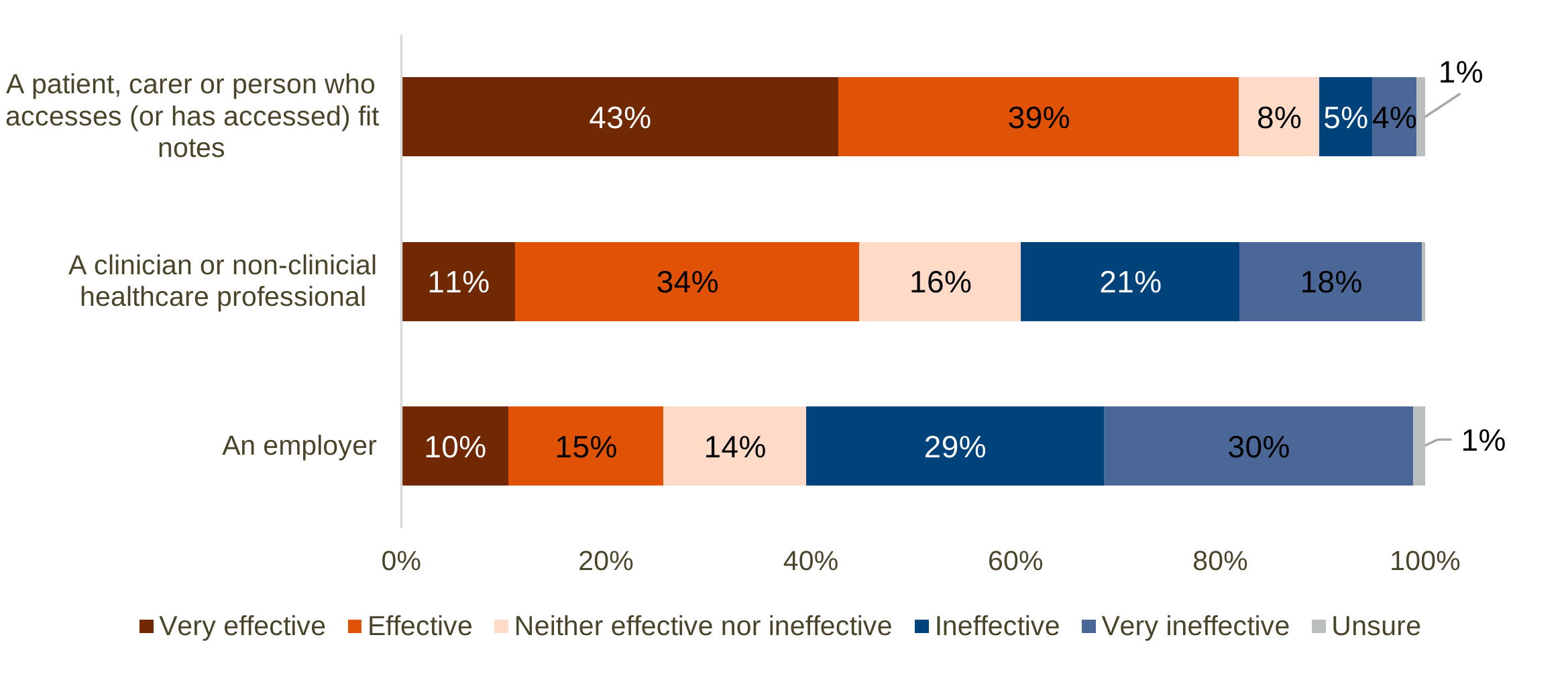
We asked respondents to share their views on the effectiveness of the current fit note process. Overall, the majority (82%) of patients, carers, or those who access (or have accessed) fit notes believed the fit note process to be either very effective or effective at supporting individuals’/patients’ work and health needs (Figure 1).
Figure 1: Respondents views on how effective they feel the current fit note process is at supporting individuals’/patients’ work and health needs
| Very effective | Effective | Neither effective nor ineffective | Ineffective | Very ineffective | Unsure | Grand Total | |
|---|---|---|---|---|---|---|---|
| Patient, carer or person who accesses (or has accessed) fit notes | 43% | 39% | 8% | 5% | 4% | 1% | 100% |
| Clinician or non-clinical HCP | 11% | 34% | 16% | 21% | 18% | 0% | 100% |
| Employer | 10% | 15% | 14% | 29% | 30% | 1% | 100% |
Base: 1,216 Patients, carers or people who access (or have accessed) fit notes; 86 Employers; 342 Clinicians or non-clinical HCPs. Figures in chart may not sum to 100% or match those in the text due to rounding.
Among employers, just over a quarter (26%) of those who responded to this question found the process to be effective or very effective, while just under six in ten (59%) believed it to be ineffective or very ineffective at supporting individuals’/patients’ work and health needs.
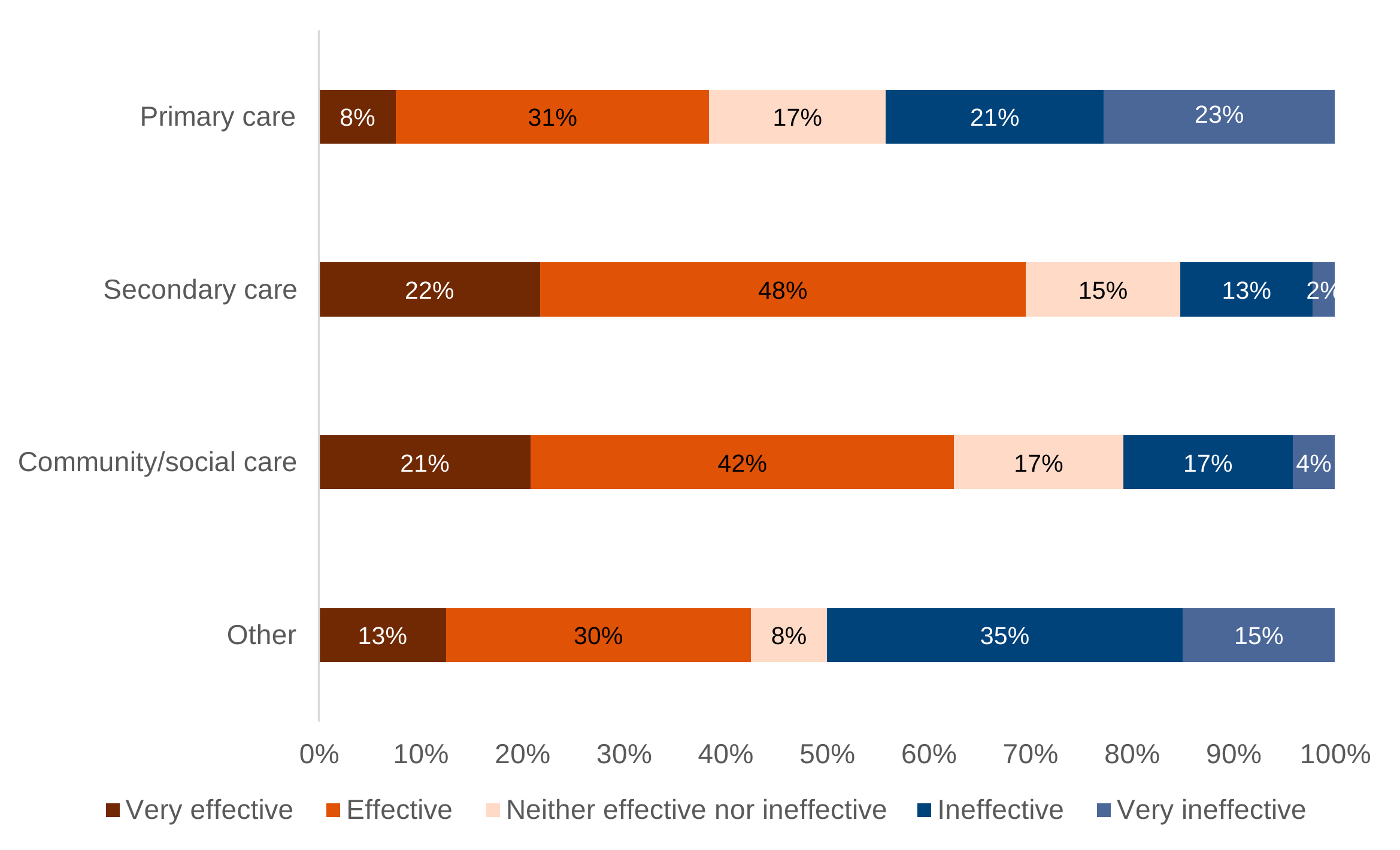
The sentiment from clinicians or non-clinical HCPs was more mixed, with 70% of those working in secondary care settings finding the process very effective or effective, compared to 63% of those working in community care and just 38% of those in primary care (Figure 2).
Figure 2: Views on how effective they feel the current fit note process is at supporting individuals’/patients’ work and health needs by healthcare setting
| Very effective | Effective | Neither effective nor ineffective | Ineffective | Very ineffective | Unsure | Grand Total | |
|---|---|---|---|---|---|---|---|
| Primary care | 8% | 31% | 17% | 21% | 23% | 0% | 100% |
| Secondary care | 22% | 48% | 15% | 13% | 2% | 0% | 100% |
| Community/social care | 21% | 42% | 17% | 17% | 4% | 0% | 100% |
| Other | 13% | 30% | 8% | 35% | 15% | 0% | 100% |
Base: 223 Clinicians or non-clinical HCPs working in primary care, 46 working in secondary care, 24 working in community/social care and 40 working in other healthcare settings. Figures in chart may not sum to 100% or match those in the text due to rounding.
Patients, carers, or those who access or have accessed fit notes
Patients generally found the fit note process was working well at supporting their work and health needs. Obtaining fit notes was commonly seen as an accessible, straightforward process. Several patients highlighted that GPs understood the wider context of their illness and were able to make an informed, unbiased decision on their ability to work. Many respondents also felt that the fit note enabled them to have the time and space to properly recover from illness and facilitated access to effective and appropriate treatment and/or support.
Many respondents felt that reducing appointment waiting times would improve the fit note process and allow for both faster access to, and more detailed, fit notes. Several patients suggested that additional detail would help with obtaining more effective workplace adjustments and return-to-work plans, though there were mixed thoughts on how much medical information should be shared with employers.
Some patients suggested that the process for repeat fit notes could be improved, especially for those who are chronically unwell or need repeat fit notes. A considerable number of patients felt nothing needed to be improved and that the fit note process met expectations.
Employers
Employers generally found that fit notes were ineffective, with a significant number of respondents stating that they would benefit from the HCP providing more detail about the patient’s condition or circumstances, what work the patient can do, and the support or adjustments they might need to return to work. There was a view that this could be achieved by HCPs carrying out a full consultation to ascertain this information. Several respondents also highlighted the negative impacts of the fit note process on employees, including the challenge in getting GP appointments resulting in breaks between periods of fit notes, which can cause anxiety. Some felt that quicker and better treatment could help employees return to work sooner.
Some employers did find that fit notes were useful in supporting and protecting employees to take the required time off, highlighting the importance of using HCPs with access to the patient’s medical history and the clarity of the fit note form itself. Others were positive about the option for the fit note issuer to include comments on workplace adjustments and the support their employees might need, including a phased return to work.
Clinicians or non-clinical healthcare professionals (HCPs)
There was a mixed range of views from HCPs. Most commonly, they felt the fit note process legitimised the patient’s health condition, enabling them to take sufficient time off work to recover and was particularly beneficial for patients with mental health conditions. Several respondents in this group felt positive that fit notes are primarily issued by GPs who have pre-existing relationships with patients, allowing them to determine how their health condition impacts their ability to work, or whether time off work might be required. Fit notes were also seen as playing an important role in helping patients to obtain reasonable adjustments, as well as being simple for clinicians to issue and for patients to access.
Many HCPs suggested that extending certification to other HCPs would improve the fit note process and allow it to meet the work and health needs of the patient. Some respondents suggested that occupational therapists should be more involved in the fit note process. They also generally supported the involvement of occupational health for those patients with long-term conditions.
Respondents felt that fit notes should be issued by the HCP providing the care to the patient rather than being referred back to the GP, with others going further and proposing that fit notes be removed from primary care entirely. There were a range of suggestions for who should be responsible for issuing fit notes amongst those respondents, including a new independent organisation, occupational health services, and DWP.
HCPs considered the difficulties that GPs have holding work and health conversations with patients, suggesting this was a result of capacity and capability constraints, and the desire to protect the patient and GP relationship. Some proposed that GPs should receive more occupational health training and whether the approach to the fit note process could differ depending on the needs of the patient.
Several respondents suggested that, beyond the fit note, employers needed to be encouraged to fulfil reasonable adjustments and provide better occupational health provision. It was also suggested that the impact of the welfare system can be stressful for patients, and that GPs should not be responsible for making decisions on benefit eligibility.
Other views
There was a mixed reception amongst stakeholder groups as to the effectiveness of the fit note process. Charity sector representatives, including disabled people’s organisations, felt more positively, with those representing HCPs tending to feel more neutral to negative, and employer stakeholders feeling more negative still.
Several stakeholder groups felt it is good that fit notes are issued by HCPs who are familiar with the patient’s medical history and thus can make informed decisions as to their ability to work. Some felt a key benefit of the fit note was that it supports patient health and wellbeing, giving them adequate time to recover from illness and involving them in the decision-making process. Some HCP stakeholder organisations felt that fit notes enabled a touchpoint between patients and their GP for other health conditions and that the best way to improve the fit note process was to improve resourcing in the NHS, allowing for improved access to treatment and more time for GPs to assess patients.
These groups also echoed the general HCP sentiment that a wider group of HCPs should be able to issue fit notes, and that improved collaboration between primary care, HCPs, occupational health and employers would help patients by providing them with comprehensive assessments and therefore better meet their work and health needs.
Charity sector stakeholders, including disabled people’s organisations, suggested that improved guidance on fit note certification, improved access to occupational health and wider support for patients could further improve the fit note process. Separately, employer stakeholder organisations advocated for increased involvement of occupational health services and wider support to help patients return to work effectively, alongside improved advice and guidance on the fit note itself regarding possible reasonable adjustments.
Representatives of a local system or local system partners had mixed views on the functionality of the fit note process, but their responses generally reflected other stakeholder groups. This group in particular noted the need to improve the information provided on the fit note, which could be facilitated through longer, face-to-face appointments.
Most academics felt the fit note process was effective and uniquely highlighted the positive impact of protecting other employees from contagious disease. Respondents echoed views that:
- the fit note process reduced stigma around being off sick by providing patients with legitimate authority to take an appropriate amount of time off work
- GPs were best placed to issue fit notes and make assessments about patients’ ability to work, but that there needed to be an improved understanding of occupational health amongst GPs
- the fit note process was person-centred, with patient wellbeing and personalised advice at the forefront of the process
- additional staffing and GP appointments, and therefore reduced waiting times, could improve the process
- there is a need for improved integration across support services and HCP teams, and a better understanding of reasonable adjustment obligations amongst employers
Those who identified as ’other’ or ’prefer not to say’ felt that GPs issuing most fit notes worked well, as they felt GPs had the expertise, patient relationships and access to medical records required to complete the task. This group of respondents also felt the process was straightforward, simple and efficient, and that it worked well that fit notes can be accessed electronically. They felt fit notes could promote recovery and give patients time to fully recover without stress or anxiety about returning to work. However, some respondents felt that nothing worked well with the current fit note process.
Individuals’ and carers’ experience
How useful do you feel the information in ‘may be fit for work’ fit notes is at supporting individuals’ or patients’ work and health needs, and why?
Patients generally felt that ‘may be fit for work’ fit notes were a useful medium through which workplace adjustments could be communicated to the employer and then implemented. However, a number of patients stated that the ‘may be fit for work’ fit note lacked detail and clarity, preventing it from being useful in meeting their work and health needs. This was particularly evident when the HCP issuing the fit note did not know the patient’s job requirements.
Other views among patients who responded featured:
- a significant number who valued receiving suggested workplace adjustments from a medical professional, particularly when the GP or HCP knew the patient and their medical history. Though they flagged that some employers are not always able to provide these recommended adjustments due to company policy
- several suggested the information on the ‘may be fit for work’ fit note provided reassurance to employers that employees were able to work in some capacity, and this could facilitate conversations between patients and employers as to potential workplace adjustments
- a small portion felt that having a ‘may be fit for work’ fit note prevented them from getting ‘too’ unwell, enabling them to rest and access treatment whilst staying in work
Most of the other respondents to this question felt strongly that the information in ‘may be fit for work’ fit notes had the potential to support patients’ work and health needs when they were clear in their recommendations on any reasonable adjustments needed and included adequate detail of the patient’s health condition. Some HCP respondents felt that the information on a ‘may be fit for work’ fit note was very useful in helping patients to remain in work, but only if employers were held to account in implementing suggested reasonable adjustments.
Employer respondents had strong views on the usefulness of the advice in ‘may be fit for work’ fit notes, with key views including:
- ambiguity in the term ‘may be fit for work’ as some employers felt this term was open to interpretation and this prevented them from assessing possible risks and reasonable adjustments, in turn promoting long term sickness absence
- when employers have the resources to do so, they reported that a detailed fit note would support conversations with employees on returning to work and remaining in the workplace
- a significant number of employers found the ‘may be fit for work’ option unhelpful, largely because they thought they were underutilised by GPs or lacked sufficient detail
Stakeholder organisations representing HCPs, charities and employers provided a range of views on the ‘may be fit for work’ fit note. Key insights from this group included:
- many stakeholders felt the fit note should be clearer and more detailed. They highlighted the need for tailored recommendations that reflect the patient’s job role, specific symptoms (especially where these fluctuate), and the expected duration of any adjustments. Several noted that vague wording can lead to misinterpretation, with concerns that employees may be pushed back to work before they are ready
- some charity sector stakeholders, including disabled people’s organisations, found the fit note useful when completed accurately, but one stakeholder highlighted that GPs often lack expertise in disability and workplace adaptations
- HCP stakeholders generally saw potential in the fit note but suggested improvements such as clearer guidance for employers, reduced ambiguity, and easier ways to recommend adjustments
- employer stakeholders generally found the fit note to be underutilised or not useful in its current form, citing limited GP consultation time and restricted healthcare access
Representatives of a local system or local system partners, academics, and those who identified as ‘other’ and ‘prefer not to say’ provided a range of views on the utility of the ‘may be fit for work’ fit note. Some felt that ‘may be fit for work’ fit notes can help people get back to work and guide return-to-work plans, for example, through a phased return, and the ability to note that an employee may be fit for certain roles but not others. However, a number suggested that the ‘may be fit for work’ fit note was underutilised and more information was needed on the form, such as more detail on recovery steps, recommendations, and lifestyle factors affecting work capability. Other key findings were:
- concerns were raised about the vague wording in the ‘may be fit for work’ fit notes. Some academics and those who identified as ‘other’ and ‘prefer not to say’ highlighted this could mean employers treat employees as fully fit, leading employees to return to work before they were fully recovered and potentially risking their health. Representatives of a local system or local system partners also highlighted the need for clearer wording to improve both consistency and understanding
- some representatives of a local system or local system partners noted that while the ‘may be fit for work’ option allows HCPs to recommend workplace adjustments, these are not always feasible due to job nature or employer limitations
- some of those who identified as ‘other’ or ‘prefer not to say’ indicated that ‘may be fit for work’ fit notes are not useful as HCPs do not have the time to provide detailed information, and workplaces do not always acknowledge adjustments on the fit note. This could be due to not having the resources or flexibility within the organisations to make the adjustments or are simply not willing to do so
- a small number of academic respondents felt the notes were unhelpful or unnecessary to help people return to work
What, if any, additional information would be useful in ‘may be fit for work’ fit notes to support individuals or patients in returning to work from sickness absence?
HCPs generally felt that more detail should be provided on the patient’s work duties to enable them to make an informed decision on the patient’s ability to work and return-to-work plan. Of these respondents:
- some HCPs thought that the ‘may be fit for work’ fit note should include an option for patients to be referred for additional support, such as occupational health or employment advice
- some HCPs felt that a flexible work culture would allow for reasonable adjustments to be made, and suggested details that should be included on the fit note, such as the number of hours a patient can work
- some highlighted that the free text box on the fit note was a useful way to provide additional information for any required support
- a few suggested that paid time off for appointments and improved communication with the employer would be beneficial
A significant number of employers suggested that the inclusion of more detail on the capability of the employee, such as what they can or cannot do, as well as any detailed reasonable adjustments would be helpful to support returns to work. Other employer respondents suggested:
- signposting to specialist support, such as occupational health or mental health services, would support employees to return to work
- HCPs should build relationships with employers, ensuring employers know what to expect and how best to facilitate a return to work for the employee
- improving detail on phased return arrangements, including clearer timelines.
- more information on the patient’s medical condition itself
Most patients suggested that more detailed information on reasonable adjustments would be a beneficial addition to the ‘may be fit for work’ fit notes, including providing more options for adjustments that are specific to the patient. In explaining how the ‘may be fit for work’ fit notes could be clearer or more detailed:
- several patients suggested clearer information as to the patient’s capability to undertake work, and some suggested that this information should be specific to the patient’s working environment so that it is easier to understand
- many patients suggested detailed phased return arrangements, including clearer timescales would be useful
- some patients proposed that reasonable adjustments should be legally enforceable
- some patients indicated that detailed guidance for the employer themselves would be useful so that they can best support their employees
- others suggested that there should be clearer definitions of ‘may be fit for work’, and that these fit notes should recommend follow up specialist support, for example an occupational health therapist, physiotherapist, or a mental health specialist
There were some patients that believed no extra information was required, and the ‘may be fit for work’ fit note was useful as it stood.
Many stakeholders and representatives of a local system or local system partners highlighted the value of adding further recommendations of reasonable adjustments on the ‘may be fit for work’ fit note, including how to use phased returns or reduced hours to support employees. These respondents stressed the importance of setting clear expectations for employers regarding what an employee can and cannot do, as well as expected timescales for their illness and ongoing support. Of the other responses received from these groups:
- a few respondents noted that more guidance should be available for employers as to their roles and responsibilities in supporting employees
- some mentioned the importance of communication between the HCP and the employer
- other stakeholders saw value in using the ‘may be fit for work’ fit note to signpost other available work and health support
- some stakeholders suggested that the ‘may be fit for work’ fit note could include more general advice on creating a healthy work environment
A significant number of academics, or those who identified as ‘other’ or ‘prefer not to say’ also suggested it would be helpful for the ‘may be fit for work’ fit note to include more detailed information on workplace adjustments for the employer to support their employee’s return to work and suggested this could include an occupational health assessment box. However, a few felt the fit note system was working well and should not be changed.
Have you ever purchased a ‘work sickness certificate’ from an online private company advertising themselves as a fit note or sick note service?
Less than 1 per cent of all respondents answered “yes” – that they had purchased a ‘work sickness certificate’ from an online private company advertising themselves as a fit note or sick note service.
What motivated you to use this online service to purchase a ‘work sickness certificate’?
The main reason given by those who had used an online service to purchase a ‘work sickness certificate’ is that they were unable to get a GP appointment or there was a long wait to see a GP. This finding should not be interpreted as representative of the wider population given the very low number of responses to this question (13 responses).
What was the experience of purchasing a ‘work sickness certificate’ from an online company like?
Among those that had purchased a ‘work sickness certificate’, most reported a positive experience. This finding should not be interpreted as representative of the wider population given the very low number of responses to this question (11 responses).
If the ‘work sickness certificate’ provided advice to support return to work, how useful was this advice?
Views were split amongst respondents on the utility of the advice provided in their ‘work sickness certificate’. This finding should not be interpreted as representative of the wider population given the very low number of responses to this question (12 responses).
Please tell us why you feel that way about the advice provided in the ‘work sickness certificate’?
The number of responses to this question was very low (10 responses) and no clear themes in the responses were established.
Was the ‘work sickness certificate’ accepted by your employer?
Among those who had purchased a ‘work sickness certificate’, the majority said it had been accepted by their employer. This finding should not be interpreted as representative of the wider population given the very low number of responses to this question (13 responses).
Employers’ experience
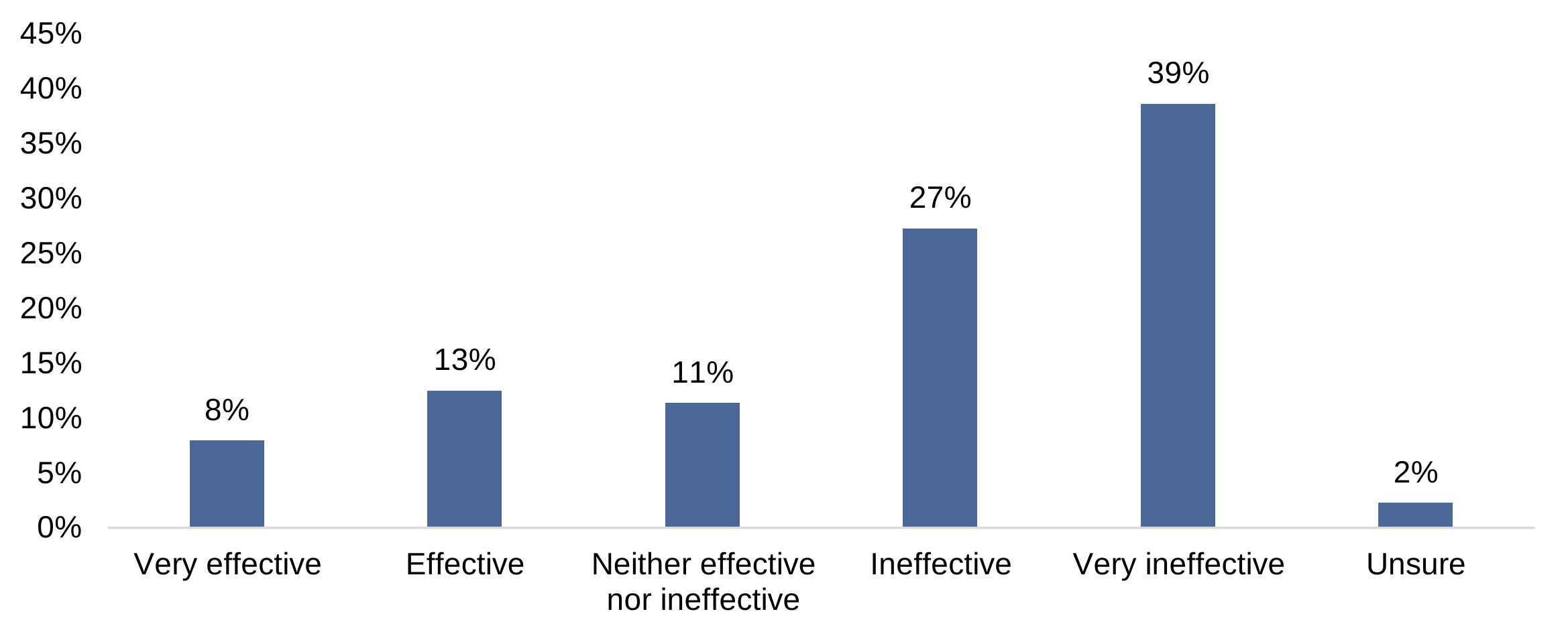
How effective do you feel the current fit note process is at meeting employer needs?
Figure 3. Employers’ views on how effective they feel the current fit note process is at meeting employer needs
| Percentage | |
|---|---|
| Very effective | 8% |
| Effective | 13% |
| Neither effective nor ineffective | 11% |
| Ineffective | 27% |
| Very ineffective | 39% |
| Unsure | 2% |
Base size: 88 Employers. Figures in chart may not match those in the text due to rounding.
Two thirds (66%) of employers felt the current fit note process was ineffective or very ineffective at meeting employer needs, while around one in ten (11%) felt it was neither effective nor ineffective, and one in five (20%) employers felt the fit note process was effective or very effective at meeting employer needs (Figure 3).
What works well with the current fit note process for employers?
The majority of employers and stakeholders representing employers felt that the current fit note process was not working well and questioned its ability to support them in managing the sickness absence of their staff. Of these respondents, several employers felt that fit notes were issued too readily, and others felt the information on the forms was inadequate to support an employee’s return to work.
Some employers felt that the fit note process was working well as it was completed by a medical expert, whose advice could help the employer understand the employee’s condition and support them back to work. Other positive comments included:
- fit notes give employers certainty as to the length of time someone should be off work, including clarity around dates for Statutory Sick Pay
- the inclusion of potential adjustments that could help employees back to work is helpful, although these recommendations often contain insufficient detail
We heard a range of views from other respondents as to what works well for employers with the current fit note process:
- whilst not universally in support of the current fit note process, some representatives of a local system or local system partners felt it was effective in clarifying and legitimising sickness absence by a medical professional and in providing suggestions for reasonable adjustments
- some HCPs noted that the advice provided by fit notes was reliable, allowing employers to plan and understand their responsibilities. However, several HCPs were critical, saying nothing was working well, that the system was open to abuse and that it was too easy to obtain fit notes
- a couple of stakeholders representing HCPs felt that the fit note process worked well for employers as fit notes could provide suggestions of reasonable adjustments to guide employers and also encourage work and health conversations between employers and employees to take place
- key themes from patients’ responses included that some valued the medical proof that a fit note provides when they are unwell, and that it can be used by employers to support and protect them financially and logistically (through reasonable adjustments)
- some academics viewed the fit note as a simple, accurate and timely process that keeps employers informed of the employee’s illness and return to work, as well as confirming that they have the capability to perform their role at work
- those who identified as ‘other’ or ‘prefer not to say’ generally felt that the information provided by a medical professional on the employee’s condition, timeframes, and any reasonable adjustments was useful for employer.
- a few stakeholder representatives across the groups felt that very little, if anything, worked well with the current fit note process for employers
What do employers feel could be improved with the fit note process so that it meets their needs?
Largely, employers reiterated that the fit note process could be improved with more detail on the types of workplace adjustments needed for the employee to return to work, as well as more detail on diagnosis and treatment. Specific suggestions from employer respondents included:
- information as to what the employee can do, as well as clearer dates for the purpose of planning adequate employee cover
- a more holistic approach to get people back to work, particularly in the case of mental health conditions
- some felt that integrating the fit note with occupational health services could be effective to avoid conflicting advice
- several suggested reducing the issuance of fit notes with no medical examination, with some feeling it was too easy for employees to obtain fit notes
Similarly, stakeholders representing employers felt that more detailed fit notes and assistance with an employee returning to work could improve the fit note process.
Among the other respondent groups, there was generally agreement that more detailed information could improve the fit note process for employers:
- representatives of a local system or local system partners broadly advocated for clear and detailed advice on how employers can support their employees, including with reasonable adjustments and amended duties
- these respondents also suggested that follow up assessments with qualified HCPs and clearer differentiation between ‘not fit for work’ and ‘may be fit for work’ would improve the process, and that employers should be more involved in the fit note process, for example via in-house occupational health services and conversations with GPs
- patients and HCPs generally agreed that more information on the length of absence, health condition and workplace adjustments would be useful improvements, as well as inclusion of more support services such as a robust occupational health system
What, if any, additional information might be helpful for employers to have within ‘may be fit for work’ fit notes to support employees to successfully return to work from sickness absence?
Employers and employer stakeholder organisations generally highlighted the need for better, clearer advice on reasonable adjustments, including the duration that these adjustments are required for. Of the responses received from employers and stakeholders representing employers:
- some employers suggested that fit notes should explicitly specify whether the employee can or cannot work, as well as requirements for a return-to-work plan and how employers could facilitate this
- several employer stakeholders requested more detail on an employee’s health condition, prognosis, treatment plan, and recovery to support their understanding and to enable them to implement tailored workplace adjustments
- some employer stakeholders commented on the need for occupational health services, particularly for SMEs
Among the other respondent groups, there was general agreement that more detailed information within ‘may be fit for work’ fit notes on the patient’s health condition and reasonable adjustments would be helpful for employers:
- some HCPs and patients suggested that a return-to-work timeline would be helpful so that they were able to plan for an employee’s return
- other HCPs suggested that occupational health professionals should be more involved in the fit note process, and that there should be an option to refer the patient to an occupational health assessment through the fit note itself
- several respondents from a local system or local system partners noted that employers needed to know what other services the patient had been referred to, and what outcomes or timescales to expect to help facilitate and plan for a return to work
- academics or those who identified as ‘other’ or ‘prefer not to say’ suggested that more information on how to conduct a successful phased return to work would be useful, several also suggested the need to consider alternative duties the employee may perform
- a number of patients stressed the need for improved guidance for employers on disability rights and their legal obligations towards their employees, while some HCPs mentioned the need for employers to take more responsibility and implement the recommended adjustments in ‘may be fit for work’ fit notes
- some stakeholders suggested that fit notes were not being used effectively by employers at present, and there was a need for change to how fit notes are approached. Two stakeholders specified that employers may not pay attention to fit notes or use them to spark helpful dialogues with their employees. This may result in suggested adjustments not being implemented
What do employers need to feel confident in having in-depth work and health conversations with employees?
Most employers and employer stakeholder organisations stated that additional information from HCPs on the fit note itself, including on the types of job roles the employee has the capacity to do, would help them feel more confident in having in-depth work and health conversations with their employees. Of the specific suggestions from employers and employer stakeholder organisations:
- some suggested involvement of in-house trained occupational health staff, or improved access to occupational health services. One suggested an occupational health platform for employers
- other employers identified the need for more training. A few highlighted the importance of training on topics including equity, diversity and inclusion, mental health, and wellbeing. Some employer stakeholders felt training for line managers, including on reasonable adjustments, was required to help them feel confident holding in-depth work and health conversations with their team
- specific guidance for employers on managing the sickness absence process and conducting work and health conversations was also mentioned as being valuable to have, as was clarification on employers legal and ethical responsibilities. One stakeholder suggested the risk of litigation was a barrier for employers at present.
- a few employers mentioned a need to understand the wider support available and how to access this
- some flagged the need for a good workplace culture to facilitate in-depth work and health conversations
Patient respondents and charity sector stakeholders, including disabled people’s organisations, felt that readily available advice from occupational health or medical professionals on the employee’s health condition and impact on their job role could help their employers to facilitate an in-depth work and health conversation. As well as this, a number of patients highlighted:
- the importance of employers creating a compassionate, supportive environment where the employees feel comfortable to have an in-depth work and health conversation
- employers should be familiar with employment law and their legal obligations, including confidentiality requirements
- it should not be the role of the employer to have in-depth work and health conversations, rather this should be fulfilled by occupational health
There was a general consensus from other respondents that clearer information on the patients’ health condition and the impact this has on their ability to work would be helpful for employers to support their employees. Other insights included:
- a number of HCPs and representatives of a local system or local system partners felt that guidance or training on how to implement workplace adjustments and conduct work and health conversations would help to improve employer confidence
- a common suggestion among HCPs, academics and those who identified as ‘other’ or ‘prefer not to say’ was that access to occupational health professionals, departments or assessments would support employer implementation of appropriate workplace adjustments
- HCPs’ responses also highlighted the importance of having a positive and open workplace culture to enable honest work and health conversations between employers and their employees to take place
- several academics and those who identified as ‘other’ or ‘prefer not to say’ suggested clearer guidance was needed for employers to interpret and implement information from fit notes. A number also highlighted the need for more organisational employer support, both from within the employer’s organisation and from external organisations such as trade unions and occupational health services
- some academic and ‘other’ or ‘prefer not to say’ respondents felt no changes were needed, either because they thought employers should not be involved in these conversations, or because the current information provided or shared with employers was sufficient
Have you ever received a ‘work sickness certificate’ or other form of fit or sick note from an employee issued by an online company advertising themselves as a fit or sick note service?
Only a very small minority of employer respondents had ever received a ‘work sickness certificate’ or other form of fit or sick note from an employee issued by an online company advertising themselves as a fit or sick note service, with 2% responding yes to this question, while 5% were unsure.
What was the experience of receiving a ‘work sickness certificate’ or other form of fit or sick note from an employee issued by an online private company like?
Only a small number of responses (24 responses) were given on experiences of receiving a ‘work sickness certificate’ from their employee, as only a few had experiences of receiving one, and views were very mixed. Some employers mentioned that they had been unsure of the authenticity of the ‘work sickness certificate’ or how to check this.
If the ‘work sickness certificate’ provided advice to support employee’s return to work, how useful was this advice?
Only a small number of responses were received for this question (26 responses), as only a very small number of respondents had received a ‘work sickness certificate’ from their employee, with views among this small sample evenly split on the usefulness of the advice provided.
Please tell us why you feel that way about the advice provided in the ‘work sickness certificate’?
Only a small number of responses were received for this question (20 responses), with those finding it useful saying it provided functional and detailed advice, while those who found it not useful stated it contained no advice or no helpful advice.
Clinicians and non-clinical healthcare professionals’ experience
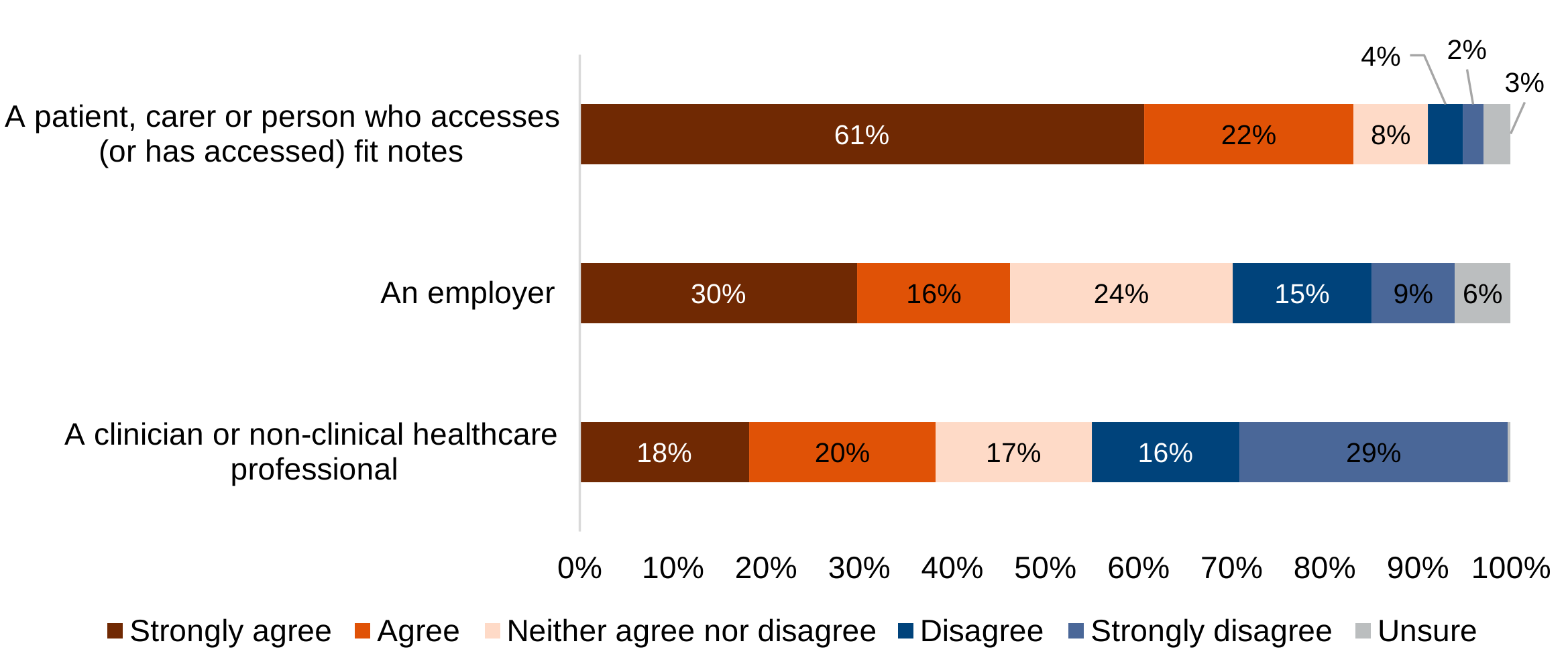
Do you agree that issuing fit notes is a good use of a General Practitioners’ (GPs’) time?
Figure 4. Proportion of respondents who agree that issuing a fit note is a good use of GP time
| Strongly agree | Agree | Neither agree nor disagree | Disagree | Strongly disagree | Unsure | Grand Total | |
|---|---|---|---|---|---|---|---|
| Patient, carer or person who accesses (or has accessed) fit notes | 61% | 22% | 8% | 4% | 2% | 3% | 100% |
| Employer | 30% | 16% | 24% | 15% | 9% | 6% | 100% |
| Clinician or non-clinical HCP | 18% | 20% | 17% | 16% | 29% | 0% | 100% |
Base size: 859 Patients, carers or people who access (or have accessed) fit notes; 67 Employers; 340 Clinicians or non-clinical HCPs.
Respondents were asked if they agreed that issuing fit notes is a good use of a GPs’ time (Figure 4). The majority (83%) of patients, carers or those who access (or have accessed) fit notes agreed or strongly agreed it was a good use of GP time, while just under half (46%) of employers agreed or strongly agreed.
Among clinicians or non-clinical HCPs, just over a third (38%) agreed or strongly agreed that issuing fit notes is a good use of a GPs’ time. However, views varied by care setting, with 29% of those from primary care settings agreeing or strongly agreeing it was a good use of GPs’ time, compared to 61% working in secondary care and 63% working in community/social care.
Please tell us why you feel that way about fit notes being a good use of GPs’ time?
The HCPs and HCP stakeholder organisations who agreed or strongly agreed that issuing fit notes was a good use of GPs’ time stated:
- GPs have a preexisting relationship with patients; they understand the patient’s health and occupational needs as well as socioeconomic and cultural circumstances and can take these into account when issuing fit notes
- GPs are fully medically qualified and experienced to make decisions about patients’ ability to work and have continuity of care with their patients. They also have access to patients’ medical history to help them make informed decisions about their ability to work
- a few respondents noted that GPs were best placed for short-term or acute illnesses, but not for long-term conditions where specialists could assess the patient better
Among HCP respondents who neither agreed nor disagreed that issuing fit notes was a good use of GP time, their main rationale was that it depends on the circumstances of the patient’s illness. There were also differing opinions among some on whether it is appropriate for GPs to certify short-term fit notes or long-term fit notes. Other reasons given included:
- GPs lack the time and resources to issue fit notes, and the time spent issuing fit notes could be better spent assessing patients
- engaging other HCPs in the fit note process would be beneficial
- a few HCP respondents believed that while GPs were overstretched and under-resourced, there was nobody better placed to issue fit notes
A number of HCPs and representative groups disagreed or strongly disagreed that issuing fit notes was a good use of GP time. Some of their responses highlighted issues around GP time and resource constraints and lack of occupational health expertise to make adequate assessments. Some HCPs and stakeholder groups also said:
- fit note assessments could be carried out by other HCPs, including those within secondary care, and may be better placed to do so in some cases. For example, it was generally felt that the HCP who follows the patient through their treatment should be the one issuing their fit note. To facilitate this, some argued certification should be further extended to other HCPs such as speech and language therapists
- some respondents expressed concern that the fit note process compromised the patient-doctor relationship, and that they found it difficult to be objective when processing fit note requests. Among these respondents, it was also noted that GPs may be more likely to issue a fit note to avoid any patient complaints
- a few respondents felt that issuing fit notes was not clinical work, and GPs could make better use of their time
Most patients and charity sector stakeholders, including disabled people’s organisations, who responded to this question felt that GPs are the most appropriate professionals to issue fit notes and make a judgement on a patient’s ability to work, largely due to their medical expertise and knowledge of the patient’s medical history. However, some concerns were raised by these groups:
- a number stated that GPs should be given the time and resources to be able to issue fit notes effectively, with some patients suggesting the time needed to complete the fit note form takes away from face-to-face time with the patient
- a few patient respondents felt that issuing fit notes was not a good use of GP time as GPs may not have an in-depth understanding of some conditions, and it was more logical for a fit note to be issued by the HCP providing care for the patient
- charity sector stakeholders, including disabled people’s organisations, felt that GPs were better equipped to understand a patient’s health and circumstances than other HCPs and shifting this would be complicated for patients
Employers and their representatives expressed mixed views on whether issuing fit notes is a good use of GP time. While some supported the current approach, many felt that GPs’ time would be better spent addressing the underlying health issues affecting employees. Additionally:
- some employers also expressed concern that fit notes were too easy to obtain and could be done so without a face-to-face appointment
- some employer stakeholders added that GPs are not specialised enough to provide appropriate occupational health advice in some more complex cases
Of the other groups who responded to this question:
- a significant number of representatives of a local system or local system partners and academics felt that GPs were best placed to certify fit notes due to their existing relationship with the patient and established clinical knowledge
- several representatives of a local system or local system partners suggested other HCPs should also be involved in the fit note process where appropriate, especially where they were already providing care for the patient. A few also felt that too many fit notes were being issued because GPs do not have sufficient time to assess patients fully
- respondents who identified as ‘other’ or ‘prefer not to say’ echoed the views outlined above, with some feeling that GPs were best placed to provide an independent diagnosis of a person’s work ability, and others suggesting that GPs did not have the time or expertise to advise on a patient’s job
What can be done to improve the fit note process to meet healthcare professionals’ needs to provide more health and work support for patients?
We received a range of responses from HCPs and their representative bodies on this question, with many suggesting that the extension of certification of fit notes to a greater number of HCPs would improve the fit note process. Of the other suggestions received:
- a significant number proposed more training on the fit note process and workplace adjustments so that HCPs can advise employers and patients accordingly
- some suggested that more GP resource was needed in primary care to enable continuity of care
- several suggested that more involvement from occupational health services, integrated within the clinical care pathway, would support them to provide better work and health support for patients
- some suggested that occupational therapists should issue fit notes rather than GPs
- there was agreement that improved waiting list times for treatment and services were needed
- stakeholders representing HCPs also agreed that longer appointment times would enable HCPs to conduct work and health conversations and improve the fit note process
- some respondents suggested that the fit note process could be more effective via improved infrastructure and technology, including increased integration of electronic health records, and greater issuance in secondary care settings without the need to refer back to primary care
- other suggestions from representative bodies included raising further awareness of existing work and health practices, and services available
Patients and charity sector stakeholders, including disabled people’s organisations had several opinions on how the fit note process could be improved to meet HCPs’ needs. These included:
- utilising electronic communications and online request forms for regular patients, including issuing fit notes via the NHS app
- further extending certification of fit notes to other HCPs and improving resourcing in the NHS
- extending the length of appointments so that HCPs have more time to focus on patient needs
- more training and guidance on disease management and workplace adjustments.
- raising awareness of the support available to patients and involving occupational therapists in the fit note process
However, a number of patient respondents felt that nothing needed to be improved and that HCPs are already doing a good job at providing work and health support.
Of the other groups who responded to this question, there was widespread agreement that more detailed information on the fit note would enable HCPs to better support their patients. Other suggestions included:
- employer respondents suggested that longer appointment times could improve the fit note process and enable HCPs to provide more work and health support for patients
- employer stakeholder organisations and some representatives of a local system or local system partners felt that improved training and awareness, as well as involvement of occupational therapists would improve the process. This sentiment was echoed by academics and respondents who identified as ‘other’ or ‘prefer not to say’
- respondents from a local system or local system partners felt that more engagement between HCPs and occupational health, as well as generally a more holistic approach, could improve the fit note process. Some also suggested referring patients to onward support such as occupational health and replacing fit notes with return-to-work plans
- some academics highlighted increased funding and staffing levels for the NHS as the most important potential improvement to the fit note process. A few suggested changes to the fit note process itself, including decreasing the length of time fit notes can be issued for
- those respondents who identified as ‘other’ or ‘prefer not to say’ generally shared the sentiments expressed by the other respondent groups. They also suggested improving the services and support patients receive after the fit note is issued
What are the enabling factors for healthcare professionals to have an in-depth work and health conversation with individuals requesting a fit note?
HCPs who responded to this question identified the key enabling factors as:
- having more time to engage in detailed work and health conversations
- having knowledge of the patient’s medical history
- having good, trusting relationships with patients as this enabled them to understand their health needs and work requirements, as well as workplace adjustments
- these respondents also felt that there should be scope to signpost their patients to other specialists and wider support such as occupational health
- some suggested additional staff who are trained, as well as training these staff in areas such as occupational health
In considering the enabling factors for HCPs to have in-depth work and health conversations with patients, employer responses were as follows:
- most employers felt that HCPs required more time and a knowledge of the patient and referral pathways to be able to have in depth work and health conversations
- some felt relevant skills, training and experience, such as in occupational health and workplace adjustments was required
- some felt that it was important these conversations took place face-to-face, either virtually or in-person, rather than over the phone
- a few mentioned the importance of ensuring continuity of care and clear expectations for both patients and employers
In considering the key enabling factors, patient respondents highlighted:
- longer and more regular appointments and continuity of care, with some stating that additional funding could achieve this
- the importance of HCPs having in-depth knowledge of the health condition, as well as the interaction between work and health and reasonable adjustments
Of the other respondents who responded to the question:
- stakeholder organisations focussed on the need for HCPs to have further training and expertise in health and work issues, as well as detailed knowledge of the individual patient. Some also thought that more time, funding and resources, and taking a collaborative approach with those who have specialist knowledge and skills, would enable detailed, meaningful and in-depth conversations
- representatives of a local system or local system partners stated the key enabling factors were HCPs having an awareness of the patient’s individual circumstances, job role and reasonable adjustments. This sentiment was echoed by academics, those who identified as ‘other’ and ‘prefer not to say’
- representatives of a local system or local system partners, academics, and those who identified as ‘other’ or ‘prefer not to say’ also suggested increasing the length and frequency of appointments, allowing HCPs to spend longer with their patients
What are the challenges for healthcare professionals to have an in-depth work and health conversation with individuals requesting a fit note?
When exploring the key challenges faced when having in-depth work and health conversations with patients, many HCPs and their representative groups stated the key concern was time to conduct these conversations, as well as increased HCP fatigue and pressure due to insufficient staff capacity. Of the other responses from this group:
- many claimed that appointment times were too short
- Some suggested that holding these conversations face-to-face would be preferable to a phone call
- a significant number of these respondents shared concerns about aggressive or manipulative patients, and how they feel unable to deny a fit note request as it may result in difficult behaviour or a formal complaint
- many stated they did not feel equipped to facilitate these in-depth conversations due to insufficient knowledge of job roles and workplaces, inadequate access to patient history or care records and poor communication with their employer
- some mentioned that patients were anxious about judgement on return to the workplace and therefore did not want to disclose health information to their employer.
- a few responses called for standardised assessments to be produced by government to enable HCPs to feel supported to have these in-depth work and health conversations with their patients. HCP stakeholder bodies also highlighted the fact that not all HCPs conducting work and health conversations have the power to certify fit notes
- there was a view among some that poor communication between patients, employers, HCPs and DWP, as well as uncertainty around roles and responsibilities, could lead to misunderstanding and confusion
Of the other responses received:
- patients, employers, and representatives of a local system or local system partners agreed that GP appointment times are too short and difficult to acquire
- patients highlighted HCPs were often prevented from having a working relationship with their patients due to a lack of care continuity and sharing of medical information. This often resulted in patients who were reluctant to have a work and health conversation. Academics, ‘prefer not to say’ and ‘other’ respondents shared a concern around access to relevant medical records
- many employers and representatives of a local system or local system partners felt that HCPs did not have sufficient knowledge of the patient’s job role and understanding of appropriate workplace adjustments. Several academics and ‘other’ and ‘prefer not to say’ respondents shared the view that HCPs often lacked relevant training and knowledge
- some employers and representatives of a local system or local system partners felt some patients could be aggressive or threatening if they disagreed with the HCP’s recommendations
- patients, employers and local system or local system partner representatives cited the fear of being made to work or losing access to existing financial support can be a key barrier to the patient’s engagement in work and health conversations
- the most common response from academics or those who identified as ‘other’ or ‘prefer not to say’ was that HCPs had a lack of time and capacity to have an in-depth work and health conversation. Lack of funding and resources was another commonly highlighted issue
What are the enabling factors for healthcare professionals in providing detailed and applicable advice in ‘may be fit for work’ fit notes to support patients’ work and health needs?
HCPs who responded to this question felt that the key enabling factors were:
- enhanced training programmes to improve knowledge and confidence in occupational health, alongside having the qualifications, experience and medical knowledge to make informed decisions about a patient’s fitness for work
- improved communication and collaboration with specialist HCPs such as occupational therapists and social prescribers, and between healthcare providers and employers
- in-depth knowledge of patients and their health needs, employment circumstances, and socioeconomic circumstances. They also discussed the importance of continuity of care in developing trusting relationships between HCPs and the patient
- a few mentioned the importance of engaged employers who are willing to implement workplace adjustments
- other key enabling factors mentioned were sufficient consultation time, clear policies, system-level support and access to relevant patient health and work information
The above themes were echoed among the stakeholders. Training and specialist knowledge for HCPs were the most widely supported enabling factors across a range of stakeholder groups. Additionally, the importance of HCPs’ knowledge of the patient, including their health condition/disability and wider circumstances was commonly raised, alongside access to patient records. Another commonly cited factor was the need for more time and resources to support in-depth work and health conversations, while some stakeholders pointed to the value of collaborative working between HCPs, employers, and specialist services.
Employers had a range of views on what were the enabling factors in providing detailed ‘may be fit for work’ advice:
- most suggested that HCPs having the skills, qualifications and training in occupational health was a key factor
- many suggested that sufficient time to conduct work and health conversations was important
- many spoke about the importance of HCP engagement with the employer, so that they are more involved in the work and health conversation
- some respondents spoke about the importance of HCPs’ knowledge – both around the support available to the patient as well as the patient’s medical history and wider circumstances
- a few mentioned the importance of active listening and empathy, and how this can be achieved via face-to-face appointments
- SMEs generally focussed more on the importance of a patient-centred approach alongside employer engagement, whereas large employers tended to highlight the importance of training and structured processes and system level resources
Among the patients who responded many highlighted the importance of HCPs’ qualifications, alongside in-depth knowledge of health conditions and their impact. Access to full medical records and history was also noted as a contributing factor. A number of other enabling factors were mentioned including:
- a need for HCPs to understand the patient’s specific job role and its requirements, so they can fully assess the patient’s ability to perform it
- the importance of taking a holistic approach and understanding the patient’s health condition as well as other factors which might impact their role
- sufficient funding, to provide the time and resource for in-depth work and health assessments
Other responses to this question highlighted the following:
- respondents from a local system or local system partners, as well as academics and those who identified as ‘other’ or ‘prefer not to say’, generally felt that HCPs’ knowledge of the patient’s medical history, job role and the wider support available was a key enabler
- some local system or local system partner representatives felt that conversations with a specialised HCP, such as an occupational therapist or physiotherapist would be beneficial in contextualising work and health
- the most common response among academics and those respondents who identified as ‘other’ or ‘prefer not to say’ was the need for HCPs to prioritise a patient-centred approach, and the importance of the HCP having a good understanding of patient needs. They highlighted that these needs should be approached with compassion, objectivity and empathy
- some representatives of a local system or local system partners, academics, and ‘other’ or ‘prefer not to say’ respondents suggested there was a need for longer appointments, better pay, better conditions and more recruitment of HCPs
What are the challenges for healthcare professionals in providing detailed and applicable advice in ‘may be fit for work’ fit notes to support patients’ work and health needs?
HCP respondents indicated that they faced multiple challenges in providing detailed and applicable ‘may be fit for work’ advice:
- a significant number cited a lack of occupational health training, knowledge, and time, as a key challenge
- many expressed concerns regarding missing links with other services and specialist support, such as occupational health, physiotherapists and mental health teams
- respondents also mentioned issues relating to employer engagement, as well as their own lack of capacity and workplace knowledge
- a few mentioned patient pressure on HCPs to issue fit notes, and difficulties in conducting work and health conversations
Suggestions from HCPs on what was required to address these challenges included structural reform, an improved training offer and better collaboration with occupational health specialists.
Stakeholders who responded to this question identified several challenges that HCPs face in providing detailed and applicable advice in ‘may be fit for work’ fit notes:
- time constraints and limited funding or resources were frequently mentioned as barriers to holding meaningful work and health conversations
- lack of communication channels between HCPs, employers and specialist services such as occupational health services was another challenge, with the need for a collaborative approach being a commonly mentioned theme
- a number of stakeholder organisations highlighted the difficulty of providing tailored advice without detailed knowledge, the need for knowledge of patient’s job and workplace, as well as training in work and health advice
- some stakeholder groups emphasised the need for more specialist knowledge and skills, including from occupational health services
- a few mentioned challenges around dealing with more complex cases such as fluctuating conditions which can make it difficult to assess and advise on fitness for work, and others noted that some patients may be reluctant to have open conversations about their fitness for work
Other respondents flagged the following key challenges:
- across all the other respondent groups, time and resource constraints was identified as a key challenge HCPs face around providing detailed ‘may be fit for work’ advice
- lack of knowledge and training among HCPs was another frequently mentioned challenge. A number of employers noted that HCPs do not always know the specifics of a patient’s role or workplace and have a lack of training or expertise in occupational health or employment law. Respondents from a local system or local system partners also felt that HCPs are ill-equipped to suggest appropriate reasonable adjustments. Many academics and other respondents indicated that insufficient training and education meant HCPs were often required to issue fit notes for patients with complex health needs, sometimes beyond their expertise, leading to low confidence
- employer attitudes were also highlighted, with some patients indicating that the advice on the fit note would be ignored by their employers, and some representatives from a local system or local system partners suggested that employers were unwilling to make reasonable adjustments
- patient attitudes, fears and behaviour was also mentioned by some respondents. Some patients highlighted pressure to return to work before they are ready and fear of societal judgement preventing them from seeking help as key blockers to receiving the support they need. Several representatives from a local system or local system partners noted that patients can find it difficult to articulate the impact of their medical conditions. Many employers mentioned reliance on full honesty from employees which may create the potential for misuse of the system. Some academic and ‘other’ or ‘prefer not to say’ respondents felt the fit note form was intrusive and insensitive, and could harm trust between patients and HCPs, leading to a lack of engagement
What steps might the government take to support healthcare professionals or work advisers to have an in-depth work and health conversation with individuals requesting a fit note?
HCPs had a range of suggestions as to how government could support them to have in depth work and health conversations with patients:
- many recommended allowing more time for fit note appointments so that work and health conversations could be held
- improved training was also a common suggestion, including occupational health skills training for all staff, more employment advice teams and training in supportive communication
- a significant number of respondents suggested that government should take work and health conversations away from GPs and give the responsibility to other HCPs with more specific work and health knowledge
- several mentioned the need for better collaboration between employers and HCPs, as well as the importance of educating employers about reasonable adjustments and their duty to support staff
- several respondents suggested improved access to secondary care services, social prescribers or talking therapies would support patient health outcomes and better work and health conversations
- a few flagged the need to remove the threat of patient complaints and patient pressure to extend fit notes, ensuring that HCPs are protected if they refuse to do so
- other HCP respondents favoured change to the fit note system itself, with individual respondents suggesting various solutions including a whole system review or public awareness campaign, further extending certification of fit notes to more HCPs, and improving IT platforms and access to patient notes
Of the other suggestions for government actions to support HCPs or work advisers to have in-depth work and health conversations, the following key themes were raised:
- a number of patients, employers, stakeholders representing HCPs, representatives from a local system and local system partners, academics and those who identified as ‘other’ or ‘prefer not to say’ suggested that improving capacity and capability through investment in increasing staffing levels and training would support more in-depth work and health conversations to take place
- some HCP representative bodies and patient respondents felt that government should look to harness new technologies to improve digital systems and automated processes within healthcare, which would in turn save HCPs’ time to spend with patients
- HCP representative bodies felt that improved communication and collaboration was key, both within multidisciplinary teams, and between employers, community care and occupational health specialists, to help patients to access the support they need
- HCP representative bodies recommended that government invest further in occupational health provision. A number of employers also suggested that access to occupational health should be widened, and more occupational health professionals should be put in place to support the fit note process
- other suggestions by employers included that government should provide more guidance and develop policies which promote the benefits of work for health and how health links to productivity, changing the fit note to include more prompts around work capability. Employers also mentioned that the government should help to facilitate better conversations with employers and HCPs
A few stakeholder organisations suggested that work and health conversations should remain in the remit of HCPs, rather than work advisors, with the importance of link workers such as social prescribers being highlighted. It was generally agreed that any reform to the fit note process should look to better support patient needs and wellbeing.
Which patients do you feel would benefit most from more in‑depth work and health conversations?
In identifying the patients who would benefit most from more in-depth work and health conversations, among HCPs:
- the most common response was that patients with mental health conditions or mood disorders would benefit most
- this was closely followed by patients with chronic health conditions or disabled people, chronic pain or fatigue or those with complex health needs
- many HCPs felt that patients on long-term sick leave would benefit, with suggested timeframes for this varying from four weeks to three months
- some HCPs felt that patients requesting repeat fit notes, or those close to the limit of their employer’s sick pay provision would also benefit. However, some HCPs felt that patients with short-term health conditions would benefit the most, including those recently absent from work, or at risk of falling out of work
- several felt those with challenging life circumstances, including those experiencing bereavement, those who are carers, or those affected by domestic abuse would benefit.
- a significant number of HCPs believed that all patients could benefit, though this was not a universally held view
A number of HCP stakeholders and charity sector stakeholders, including disabled people’s organisations, felt that those patients with chronic, co-morbid or long-term health conditions or disabled people would be most likely to benefit from more in-depth work and health conversations, including patients with fluctuating health conditions such as menopause, long covid, musculoskeletal conditions and mental health conditions. A number of HCP stakeholder groups also suggested that patients with complex socioeconomic, as well as medical, needs must be considered for more in-depth work and health conversations, highlighting these groups as most at risk of falling out of work. Stakeholders also suggested that patients who have a history of sickness absence and fit note requests could also benefit from more in-depth work and health conversations, highlighting the importance of early intervention and preventative care. As above, some HCP stakeholder organisations felt all patients requesting a fit note could benefit from more in-depth work and health conversations.
Patient and employer respondents often pointed to those with chronic and long-term conditions, disabled people, and complex illnesses, especially those with a history of long-term sickness absence, as most likely to benefit. Employers and local system or local system partner representatives frequently emphasised the needs of patients with mental health conditions. Some patients and representatives of a local system or local system partners also highlighted the importance of supporting those who want to work or could return to work with appropriate adjustments. While some respondents across these groups believed that most or all patients could benefit, others disagreed, with a minority expressing concern that such conversations could be unhelpful or even harmful.
Respondents who identified as ‘other’ or ‘prefer not to say’ echoed many of the themes above, including the importance of having in-depth work and health conversations with patients, particularly those with barriers to work, mental health conditions, or persistent fit note use, while also reflecting diverse views on whether short- or long-term conditions should be prioritised.
How can those patients who would benefit most from more in‑depth work and health conversations be identified?
HCPs had a range of views, the most common being that patients should be identified by their GPs in primary care, or by the HCP treating the patient. Other suggestions from HCPs and HCP stakeholder organisations included:
- a significant number of HCPs recommended identifying patients by the length of time they had been off sick, with suggested time periods varying from a month to three months
- some HCPs suggested an option on the fit note to refer the patient to further treatment and support
- other HCPs, and some HCP stakeholder organisations suggested identifying a trigger within patient record systems, whereby patients could be flagged for an in-depth work and health conversation after they had been off sick for a certain number of weeks or have had a certain number of fit notes. Some suggested this could be a referral to an occupational health service or to a specialist clinician for a second fit note where an individualised assessment could be conducted
- some suggested identifying those who would benefit most from more in-depth work and health conversations by type of condition or diagnosis, with specific conditions such as mental health or long-term chronic illnesses needing prioritisation
- a few HCPs suggested employers had a role to play in identifying those who would benefit from more support, whilst some suggested patients should self-refer to a work and health conversation, or that they could be identified by job centres
- some HCP stakeholders suggested using AI and/or data-based population health management to identify patients who would benefit the most from more in-depth work and health conversations
A small number of HCPs felt that patients should not be individually identified in this way, and that all patients could benefit from more in-depth work and health conversations.
The most common perspective from patient, employer, and representatives of a local system or local system partners was that GPs or HCPs were best placed to identify who would benefit most from more in-depth work and health conversations, and that this could be done via a review of their long-term health condition, a check in with their GP, or through the diagnostic process. Several patients and employers believed that patient records or sickness absence could help to prioritise patients with long-term health conditions or pre-existing illnesses.
A number of representatives from a local system or local system partners suggested specific trigger points in a patient’s journey could be used to identify patients who would benefit from further support, for example a certain duration of sickness absence. Some employer and local system respondents suggested that patients with certain conditions, such as mental health conditions, should automatically be offered an in-depth work and health conversation.
There was also a view among some patients that once patients are identified as potentially benefitting from more in-depth work and health conversations, HCPs should ask them if this would be helpful to them. A few patient and employer respondents believed patients should self-refer to a more in-depth work and health conversation, whilst others felt that identification would not be necessary, as these types of conversations would be useful for all patients.
Respondents who identified as ‘other’ or ‘prefer not to say’ mirrored those views outlined above, additionally suggesting that DWP benefit data could be used to identify individuals who could be referred to a more in-depth work and health conversation. Some also suggested that employers could flag employees who they feel would benefit from this additional support.
What, if any, are the benefits and drawbacks of patients using online private companies to issue online ‘work sickness certificates’?
Respondents mentioned both benefits and drawbacks to using online private companies to issue ‘work sickness certificates’, although most respondents focused on the drawbacks of the service. Additionally, respondents tended to use and interpret the ‘work sickness certificates’ interchangeably with fit notes, so responses largely focused on the benefits and drawbacks of a privatised fit note service.
Across all respondent groups, there was significant concern expressed about the use of private companies to issue ‘work sickness certificates’. These concerns included:
- companies prioritising profit and performance targets over patient health and wellbeing, leading to biased or overly lenient assessments
- the perception that parties or individuals who paid for a ‘work sickness certificate’ may be more likely to receive the outcome they desire, regardless of clinical need
- financial transactions creating undue influence, raising concerns that the process could be open to abuse, with certificates issued based on patient preference rather than a robust, evidence-based assessment
- an erosion of trust in the system, leading to increased absenteeism or misuse of sick leave
- lack of access to patients’ medical records and the absence of an established, and continuous relationship between the assessor and the patient, resulting in fragmented care, poor clinical decision-making, and a lack of continuity in treatment and support.
- many HCPs and employers raised concerns that private providers may refer back to GPs for additional information, increasing the administrative burden on NHS services rather than alleviating it
- widespread concerns about equity and access. Respondents noted that charging for ‘work sickness certificates’ could create barriers for disabled people or those on low incomes, potentially exacerbating existing health inequalities
- there were further concerns regarding the lack of regulation and oversight of private providers, with some questioning the qualifications of assessors and the consistency of standards across providers
Despite these concerns, a minority of respondents acknowledged potential benefits. These included faster and easier access to certification, particularly where NHS appointments are difficult to obtain, which offer greater convenience and flexibility, particularly for those with straightforward or short-term health conditions. Some respondents also mentioned the potential to reduce pressure on GPs and NHS services by reducing the number of fit note appointments.
Information gathering and wider system integration
What knowledge, skills and support would healthcare professionals need to accurately assess the impact of a patient’s health condition on their ability to work?
The most common response from HCPs and their representative bodies was that they needed further training in occupational health, or to complete a formal occupational health qualification, although other HCPs felt that fit notes should be the responsibility of occupational health specialists, rather than GPs. Other insights from HCPs and their representative bodies included:
- some said that HCPs need good knowledge of the patients’ condition and treatment plan
- many felt that HCPs need to have an awareness of the patient’s role and how their condition impacts their ability to perform it
- skills such as communication and ability to build rapport with the patient are essential
- many felt that HCPs already have the skills that are required, but they lack time and resource to have in-depth work and health conversations
- some HCP stakeholder organisations also suggested that HCPs assessing someone’s ability to work should not be pressured to meet government targets and should be able to make an independent assessment of someone’s fitness for work
A key requirement mentioned by employers, patients, and stakeholders that represented them was the need for HCPs to understand the patient’s work and the support available in the workplace alongside their medical training and understanding of the patient’s condition. It was felt that there was a need for HCPs to understand an individual’s specific circumstances, the work that they do and the impact of their condition on their ability to work, along with knowledge of potential workplace adjustments.
The most common response from representatives of a local system or local system partners was the need for HCPs to understand an individual’s health condition and impact of this on them. A number also suggested that further training on the impact of health conditions on work would be beneficial. A common suggestion among patients was that longer appointment times would better support work and health outcomes. The importance of coaching and mentoring skills, listening skills and the ability to navigate difficult conversations was also mentioned by both patient and employer respondents.
A large proportion of academics, ‘prefer not to say’ or ‘other’ respondents suggested that the skillset needed to make an assessment on a patient’s ability to work was the same as that required to be a GP. A similar response from many of these respondents was that HCPs needed knowledge of relevant health conditions and their impact on the patient’s ability to work. Many noted the importance of relevant knowledge regarding the job market or the patient’s workplace, and some suggested that specialist training on work and health could be useful. Several respondents highlighted the need for improved collaboration and organisation support for HCPs, as well as the development of strong interpersonal skills.
What knowledge, skills and support would work advisers need to accurately assess the impact of a patient’s health condition on their ability to work?
The majority of HCPs and their representative bodies felt that work advisers would need medical training, such as a medical degree, as they would need knowledge of health conditions and how they impact patients. HCPs and HCPs stakeholder organisations also mentioned other skills and knowledge they felt work advisors should have:
- many HCPs felt work advisers should have occupational health training, or insight from an occupational health practitioner and good knowledge of workplace environments and their impact on individuals, as well as any support on offer from the employer
- training on managing meetings with clients, including behaviour change, motivational interviewing and active listening, alongside empathy and the ability to establish trusting relationships, were also viewed as important by many HCPs
- some HCPs suggested that work advisers would need to mediate between employers and career advice services
- some HCP stakeholders felt that work advisers could work in collaboration with HCPs, with the latter completing the formal medical assessment and the work adviser using this information to provide work advice support. However, some HCP stakeholders did raise concerns as to the ability of work advisers to be impartial regarding the benefits system, stating that they should be able to put patient interests first and not be pressured to meet targets on work outcomes
A common view among patients was that work advisers did not have the training or skills to be able to fulfil this role, stating that they would require medical qualifications to be able to do so, as well as knowledge of workplaces and the impact of different health conditions on ability to work. This was also a view held by many employers and representatives of a local system or local system partners, as they felt that work advisers would need medical training, or medical advice from a GP to be able to accurately assess the impact of a patient’s health condition on their ability to work.
A number of employers also felt that work advisers needed to understand the person’s work environment and any associated health risk factors, as well as what adjustments an employer could put in place.
Some local system or local system partner representatives suggested that knowledge of local referral pathways, as well as better data sharing between employers and medical professionals would be required. Some employers and patients suggested that the ability to handle difficult conversations was essential and expressed a preference for these conversations happening face-to-face.
Academics and those who identified as ‘other’ or ‘prefer not to say’ respondents most commonly reiterated that specialised medical training is essential for assessing how health impacts work, reinforcing the view that work advisers are not suitably qualified for this role.
How could we utilise digital and telephony systems to gather information to better support work and health conversations?
A range of stakeholders felt that remote or virtual consultations could improve the fit note process and better support work and health conversations. HCP stakeholders and charity sector stakeholders, including disabled people’s organisations, felt that this would improve speed and accessibility for patients, whilst reducing administrative burdens for clinicians. However, they also urged caution over the accuracy of diagnostics and concerns that not all patients may be suited to using digital systems for healthcare, and that digital systems may not be accessible for all patients. Recommendations made by these stakeholders included:
- patients should be offered a choice in how their consultations are conducted, including face-to-face conversations, so that HCPs ensure the diverse needs of patients can be met
- digital systems could be used for information gathering and sharing, helping HCPs to make full assessments of their patients and providing guidance to those carrying out work and health conversations. Within this, some stakeholders specifically highlighted the role employers could play in information-sharing to help HCPs in their assessments of patients’ fitness for work
- other stakeholder suggestions included a national call centre for occupational health or work and health advice
- some stakeholders also mentioned using transcription software to save time and reduce administrative burden for HCPs
Overall, stakeholders held mixed views on the use of AI for triage/pre-screening and highlighted the importance of not solely relying on AI technologies for clinical assessments. A few stakeholders felt that digital and telephony systems were not an appropriate solution for facilitating work and health conversations, which should remain face-to-face.
One view from patients who responded to this question was that technology may be beneficial for those who struggle to travel to appointments, and that digital systems may also help HCPs check in more regularly with their patients. It was suggested that digital systems could gather and provide more information to HCPs, allowing them to make better diagnoses and provide tailored support to patients, in turn improving collaboration between employers and HCPs.
The importance of accessibility and privacy was raised by a number of patients, and that patients would need to be confident that their data was not shared with third parties without consent. There was also a view that digital or telephony systems would need to be well integrated with existing systems, enabling other HCPs to access the information, with some suggesting integrating NHS systems with DWP systems. However, some patients were against using digital and telephony systems, suggesting this would make the fit note system more open to abuse, and make it easier for HCPs to miss important symptoms.
Representatives of a local system or local system partners suggested several options for utilising digital and telephony systems, including:
- a universally accessible platform where employers and HCPs could access information about an individual, such as progress and setbacks, with some information being private and only visible to certain stakeholders
- a digital system for HCPs to find out what treatment and support might be available to patients locally, including employment support
- making use of online video calling platforms for consultations, though noting that these may not be suitable to all patients
- one respondent suggested a national employment support coaching service, joining up benefits claims and the health system, would be beneficial to patients
However, several representatives of a local system or local system partners were against the proposal to utilise digital and telephony systems to gather information to better support work and health conversations.
Only a few HCPs responded to this question, with these respondents suggesting that an online form for information gathering as to a patient’s medical history or job and workplace would be useful, as well as remote consultations and streamlined data sharing to enable relevant parties to access patient records. Video calls and automated triage was also a suggestion made by employers, to facilitate communication between patients, employers and HCPs.
Employer respondents also suggested that an online portal to offer advice on workplace adjustments or signpost to further resources for employers and HCPs. Another suggestion was that patient feedback could be collected via automated surveys and integrated with electronic records to ensure information is available to HCPs in a timely manner. However, concerns were raised by some employer respondents, that digital technologies are inaccessible and impersonal, and therefore should not be used in this way, while some HCPs raised the risk of digital inequality as not all patients will be able to access a digital service, due to fear of technology or lack of technological knowledge or language barriers.
The most common perspective from academics, ‘other’ or ‘prefer not to say’, was that digital and telephony systems should not be used, and a face-to-face alternative should be available. This was due to concerns about the accuracy of information gathered, lack of personal connection and risk of data breaches. Other respondents highlighted the value and accessibility of online communications but noted that these should remain flexible and tailored to the individual. Those in favour of using digital and telephony systems felt they were beneficial for ease of information sharing and to reduce HCPs’ workloads. Similarly to other respondent groups, a few respondents expressed concerns over digital equity.
How could the fit note process more effectively link to different forms of work and health support, such as vocational rehabilitation, occupational health, and employment support?
HCPs and HCP stakeholder organisations made a number of suggestions for more effectively linking the fit note process to work and health support:
- some stakeholders and HCPs supported using the fit note to trigger referrals to services such as occupational health or vocational rehabilitation, especially after a defined period (e.g. 4 weeks) or for specific conditions
- HCPs highlighted the value of multidisciplinary collaboration, including better integration between primary care, employers, and other services, to support patients’ return to work
- some stakeholders also called for improved referral processes and centralised IT systems to enable quicker, easier access to support services and better information sharing between GPs and other professionals
- a workplace health resource for employers, as well as proactive mental health support in the workplace to help employees to remain in the workplace
- more occupational health and vocational rehabilitation support within GP practices
However, some HCP stakeholder organisations were sceptical about the feasibility of providing adequate work and health support, considering existing pressures on the NHS.
Among patients and charity sector stakeholders, including disabled people’s organisations, there was broad agreement with the idea of referring patients to different support services, balancing this with the importance of giving those who need time off work adequate time and space to recover. Suggestions for improving the process included:
- the need to take a holistic view of the multiple barriers patients face in work and referring them to multidisciplinary forms of support, with an emphasis on WorkWell
- accelerating the fit note process, for example for those who need repeat fit notes, or those with long-term health conditions
- the inclusion of options on the fit note form to refer a patient to further support, including vocational rehabilitation, work advisers and for non-health related issues
- the need for more collaboration and better communication between the clinician and the different work and health services, to improve the patient experience and standard of care
- the need to improve information sharing, with some patients suggesting a centralised system or shared platform
Many patients did raise concerns about the lack of accessibility and availability of vocational rehabilitation or occupational health services, with many feeling that they required more funding and resources to be effective. Another point raised by a number of patients was the importance of employers implementing the recommendations made on the fit note, and the need for more support and accountability from employers.
Only a few employers answered this question directly, with a number acknowledging that it would be useful for the fit note to be linked to other work and health services, especially occupational health. Some employer stakeholder organisations felt that for this join up to be effective, improved information sharing and communications between HCPs and such services, as well as with employers, was required, and more information on the fit note form itself would help to facilitate this. Another suggestion was that the fit note should be used to refer patients to services such as occupational health or vocational rehabilitation.
The key theme mentioned by respondents from a local system or local system partners was the need for improved information sharing. They also made a series of other suggestions, including:
- sharing medical records (with consent), or the employer providing a job description to the HCP completing a fit note
- redesigning of the fit note form to include prompts for the HCP to understand whether the patient would like additional support, as well as detailing the available support
- reducing waiting times for support
- improving communications to employees on the benefits of working for an individual’s mental health
- some suggested that medical assessments should be shared with DWP to ensure an individual’s claimant commitment takes account of what a person can or cannot do
Whilst most academics, and those who identified as ‘other’ or ‘prefer not to say’ respondents did not provide a response, of those that responded, they largely felt the current fit note process is insufficient for linking to wider support, echoing calls for formal referral pathways, better collaboration, and improved information sharing, while also emphasising the need for patient-led systems and employer accountability for those off sick.
Miscellaneous
What, if anything, can be done to incentivise and increase ‘may be fit for work’ fit notes issued by healthcare professionals, where being in work is the best outcome?
Respondents identified a range of actions that could encourage and enable HCPs to issue ‘may be fit for work’ fit notes where appropriate. While the question referred to “incentivising”, many interpreted this as implying rewards or schemes. However, the intention was to explore broader ways to support and promote the appropriate use of ‘may be fit for work’ fit notes.
Most prominently, there was widespread opposition to financial incentives, with concerns that these could undermine clinical judgement, damage trust in the doctor-patient relationship, and risk inappropriate returns to work.
Respondents across all respondent groups also emphasised the importance of conducting holistic, person-centred conversations that consider whether work is genuinely the best outcome for the individual, and that these are central to issuing a ‘may be fit for work’ fit note. Many felt that the current barriers to issuing these notes were not motivational, but structural - such as lack of time, training, and access to specialist support.
HCPs and stakeholder organisations highlighted the need for improved training in occupational health and vocational rehabilitation, alongside clearer guidance on when and how to issue ‘may be fit for work’ fit notes. They also mentioned that better access to specialist services, such as being able to refer on or get advice from occupational health, physiotherapy, mental health support, and employment advisers, would help support them in their decisions and help patients stay in work safely and sustainably. Many also called for longer appointment times and reduced workloads to enable conversations.
A common theme amongst patients and also mentioned by one representative of a local system or local system partner was that employer accountability in implementing reasonable adjustments could give HCPs greater confidence that their advice would be acted upon. Some employers, on the other hand, mentioned that they would like more support implementing adjustments and a role in the conversations where patients are issued fit notes.
A small number of respondents proposed non-financial incentives, such as recognition schemes or accreditation for HCPs and employers who demonstrate good practice.
Finally, some representatives of a local system or local system partners and also those who identified as ‘other’ or ‘prefer not to say’ noted that building a stronger evidence base on the health benefits of good work could help shift clinical culture and increase confidence in using ‘may be fit for work’ fit notes.
Please can you provide us with any case study examples of where the fit note process is working well to support people with health conditions to return and remain in work?
Although some responses were submitted to this question, only a small proportion included detailed case studies that could be used for analysis. A significant number of responses were either general in nature or focused on challenges and negative experiences with the fit note process, and some described observations from professional roles, or of family and friends, rather than personal experiences. While these responses were very valuable in understanding broader experiences, they did not always provide the level of detail that allowed for inclusion as case studies. However, among the responses received, a range of examples were provided that demonstrated how the fit note process can work well when used effectively. Generally, the themes that emerged from the examples were consistent across the respondent groups.
The most commonly cited theme in these examples involved the use of fit notes to recommend reasonable workplace adjustments, such as phased returns, reduced hours, home working, or modified duties. They also enabled patients to get equipment that would support their health condition at work, such as ergonomic chairs. These adjustments were often described as instrumental in enabling individuals to re-enter the workforce in a way that supported their recovery and long-term wellbeing. In one case, a fit note recommending a phased return enabled an individual to return to their role after a five-year absence.
Fit notes were also credited with facilitating constructive conversations between employees and employers. Respondents described how the information provided on the fit note gave individuals the confidence to request support and helped employers better understand their needs. In some cases, this reduced the need for lengthy HR processes and enabled quicker agreement on return-to-work plans. One employer noted that fit notes offering clear recommendations on amended hours or duties provided a helpful steer for managers. Several examples highlighted the role of fit notes in preventing relapse by pacing recovery appropriately.
In some cases, fit notes were used alongside wider support systems, such as occupational health services, employment coaches, or mental health professionals. These multi-agency approaches were seen as particularly effective in supporting individuals with complex or long-term conditions. One example described how an occupational therapist and employment adviser worked together to produce a solution-focused fit note with clear stages of recovery, which was regularly reviewed with the patient.
Is there anything else you would like to tell us about the fit note process?
Patients who responded to this question generally stated that the current process worked well and raised concerns about any changes, with some commenting that GPs were best placed to issue fit notes as they are medically qualified and have a relationship with the patient. There were concerns about media rhetoric leading to discrimination and stigma towards disabled people. Some commented on the impact that waiting lists for treatment and limited access to specialist support may have on return to work. There were concerns with any changes that people might be forced to return to work when not fully well and stated there should be more regulations on employers to implement adjustments to support people back to work.
There were a range of views from employers, the most common response was that the process needed to be reformed, with key comments being that it was outdated and there should be better use of technology. Some employers and HCPs also stated they felt fit notes were obtained too easily. However, some employers said the process worked well and did not need changing, and a few highlighted that better work and health conversations between employers and employees was crucial to identify what people can do and what adjustments they need to help support them to stay in or return to work.
The most common response from HCPs was that the fit note process needed to be tightened up, as many felt that too many patients were being signed off as unfit for work when they may be fit for work. A few HCPs stated that only medical professionals should be able to sign off fit notes, although there were comments that occupational health training would improve the process, as would set cut off points in sickness absence where specialist assessments were conducted. There were suggestions around saving GPs time by widening who could issue fit notes to other HCPs.
Many stakeholder representatives who answered this question felt that fit notes should be part of a holistic work and health system that prepared people for work and that widening the range of HCPs who could issue fit notes would relieve pressure on the system. There were concerns that if fit notes were outsourced it would exacerbate existing issues and more emphasis on prevention would help.
Responses from representatives of a local system and local system partners were mixed, with some stating the current system worked well and others saying it needed reform, there were also observations that it did not work well for the self-employed. Of those who responded, many commented on the impact NHS resourcing and waiting lists had on patient recovery. There were concerns that privatisation and outsourcing would not improve the system and GPs were best placed to issue fit notes, although training for GPs on workplace adjustments may help. Socio-economic factors were mentioned as exacerbating mental and physical health problems for patients.
The most common response among academics or those who identified as ‘other’ or ‘prefer not to say’ was concern expressed about any potential reform to the current process and a view that GPs or those with medical qualifications were best placed to issue fit notes as they knew the patient best, while some commented they would be opposed to privatisation of the service.
Conclusion
The government is grateful to all those who took time to respond to the Fit Note Reform: Call for Evidence. The findings, which are summarised in this report, play a crucial role in policy development.
The findings reveal several challenges with the fit note process and show that the current system is not functioning as effectively as it could:
- many healthcare professionals do not feel sufficiently equipped to specialise in bridging the barriers between a patient’s work and health, particularly due to a lack of occupational health knowledge and training
- time and resource constraints, including short appointment lengths and workforce pressures, can limit healthcare professionals’ ability to hold in-depth work and health conversations and provide tailored advice
- employers report the need for a greater understanding of workplace contexts, with just over a quarter agreeing that the fit note system was effective in supporting an individual’s work and health needs
- employers feel that ‘may be fit for work’ fit notes often lack sufficient detail, including needing more actionable advice along with timelines for adjustments and returns to work
- most patients felt the fit note system was effective in supporting an individual’s work and health needs. They value the simplicity and accessibility the current fit note process provides - allowing them to take the time off work they need to recover. However, they also noted that strengthening links to occupational health, holistic services and employment support could further improve the system
- patients also highlighted that disabled people and those with chronic or long-term conditions, complex illnesses, and those with a history of prolonged sickness absence would benefit the most from more detailed work and health discussions
People should have access to timely and targeted work and health support, and the fit note process should be an important opportunity to connect people to that support. We have already been testing ways to improve the system. Our WorkWell Primary Care Innovation Fund has supported local areas with funding to improve the quality of work and health support delivered via the fit note process. The Fund is working to boost capacity in primary care and reducing pressure on GPs in local areas. We are building on this to improve patients’ work and health outcomes.
There is also more we can do to ensure the fit note system works better for employers. Sir Charlie Mayfield’s Keep Britain Working Review, published in November 2025, set out a bold vision for system-wide reform of our approach to managing ill health and disability in the workplace. It was clear that the fit note ‘is not working as intended’, with the process often acting as a barrier rather than a bridge between employees and employers. The Government welcomes the Review’s findings. As the Review sets out, we need to build a system that works for everyone: employers, employees and the health system.
This Government is committed to listening and learning. All findings from the Fit Note Reform: Call for Evidence, together with Sir Charlie Mayfield’s insight and recommendations, are helping us to consider how we can improve the fit note system.
ISBN 978-1-5286-5927-7
-
Data saturation refers to the point where new data collection no longer provides new insights or themes, which indicates data collection can be stopped, and is used to help ensure the robustness of the findings. ↩