Shiga toxin-producing Escherichia coli (STEC) data: 2025
Updated 23 July 2026
Applies to England and Wales

© Crown copyright 2026
This publication is licensed under the terms of the Open Government Licence v3.0 except where otherwise stated. To view this licence, visit nationalarchives.gov.uk/doc/open-government-licence/version/3 or write to the Information Policy Team, The National Archives, Kew, London TW9 4DU, or email: psi@nationalarchives.gov.uk.
Where we have identified any third party copyright information you will need to obtain permission from the copyright holders concerned.
This publication is available at https://www.gov.uk/government/publications/escherichia-coli-e-coli-o157-annual-totals/shiga-toxin-producing-escherichia-coli-stec-data-2025
Main points for 2025
The main points of the 2025 annual report are:
-
Overall, 2,457 cultured-confirmed cases of Shiga toxin-producing Escherichia coli (STEC) were reported in England during 2025, 568 were STEC O157 and 1,889 were STEC non-O157. This is a decrease of 3.4% compared to 2024. This decrease was partly due to an outbreak of STEC O145 with 293 confirmed cases that occurred in 2024.
-
A total of 568 culture-confirmed cases of STEC O157 were reported in England in 2025 compared to 564 in 2024, an increase of 0.7%. A total of 2,850 cases of STEC non-O157 were reported in England in 2025 (including 1,889 culture-confirmed cases and 961 faecal specimens positive for stx genes by PCR but culture-negative), an increase of 3.2% compared to 2024. Among culture-confirmed non-O157 cases, the most commonly isolated serogroup was STEC O146 (n=280 of 1,889, 14.8%).
-
As in 2023 and 2024, children aged 1 to 4 years had the highest annual incidence of infection for STEC O157 (90 cases in 2025, 3.60 per 100,000 population, 95% confidence interval (CI) 2.90 to 4.43). Children aged under 1 year had the highest annual incidence of infection due to STEC non-O157 in 2025 (72 cases in 2025, 12.55 per 100,000 population, 95% CI 9.82 to 15.80), compared to children aged 1 to 4 years having the highest incidence in 2024.
-
Where information was available, just over a quarter of both confirmed STEC O157 (n=134 of 513, 26.1%) and confirmed STEC non-O157 (n=243 of 878, 27.7%) cases in England were hospitalised in 2025. No deaths were reported among STEC O157 cases; 3 deaths were reported among STEC non-O157 cases.
-
Where information was available, 1.2% of STEC O157 cases (n=7 of 568) and 1.1% (n=32 of 2,850) of STEC non-O157 reported developing Haemolytic Uraemic Syndrome (HUS) in 2025. In contrast to 2024 (n=30 of 356, 8.4%), fewer confirmed STEC O26 (n=15 of 257, 5.7%) cases developed HUS.
-
Two outbreaks of STEC involving 19 cases, 16 of whom were resident in England, were investigated in 2025. Both were attributable to non-O157 STEC; one outbreak was STEC O26 and the other was STEC O145. A suspected or confirmed vehicle could not be identified for either outbreak. There was a re-emergence of a known strain of STEC O145 this year which has been associated with outbreaks in the previous 2 years.
Background
Shiga toxin-producing Escherichia coli (STEC), also known as Vero cytotoxin-producing Escherichia coli (VTEC), are bacteria that can cause gastroenteritis. Symptoms vary from mild to bloody diarrhoea and, in severe cases, can cause haemolytic uraemic syndrome (HUS), a serious and life-threatening condition predominantly affecting the kidneys. A small proportion of patients, mainly children, develop HUS (1).
The main reservoir for STEC is cattle although it is also carried by other ruminants such as sheep, goats and deer. Transmission can occur through direct or indirect contact with animals or their faeces, consumption of contaminated food or water, and person to person spread (2). STEC infections can present as sporadic cases or as clusters and outbreaks. Large national and multinational outbreaks have been associated with foodborne transmission (3 to 5).
Historically, the most common serogroup of STEC notified to UKHSA in England is O157 followed by O26 (6). Some STEC serogroups (termed collectively as non-O157 STEC) can also cause illness and STEC O26, O145 and O103 have been implicated in outbreaks in England and elsewhere.
Diagnostic laboratories in England use culture methods to detect STEC O157, identified by its inability to ferment sorbitol on selective media (Cefixime-Tellurite Sorbitol MacConkey (CT-SMAC) agar). Detection of non-O157 STEC requires a combination of molecular methods such as polymerase chain reaction (PCR) followed by culture on semi-selective chromogenic agar such as CHROMagar™ STEC (CHROMagar). Approximately 60% of laboratories in England have implemented these molecular methods, and therefore non-O157 STEC in England remains under ascertained but has increased in recent years (7).
Among STEC serogroups variation exists in their associations with severe disease. This is likely explained by differences in the virulence factors produced by different strains. STEC can produce 2 Shiga toxins (stx), stx1 (subtypes 1a, 1c and 1d) and/or stx2 (of which there are 7 subtypes stx2a–2g). Strains of STEC producing stx2, specifically subtypes stx2a and stx2d, are more likely to be associated with progression to HUS (1, 8). Intimin, encoded by the eae gene, is an adherence pathogenicity factor present in strains of STEC O157, and a proportion of non-O157 STEC.
The increasing notifications of non-O157 STEC has led to the need to prioritise the public health actions due to insufficient resources to follow up all cases. Risk assessment, based on clinical symptoms, risk group of the patient and potential pathogenicity of the strain of STEC infecting the patient, is challenging. In response, the Public Health Operational Guidance for Shiga toxin producing Escherichia coli (STEC) for the public health management of O157 and non-O157 STEC cases was updated and published in January 2023.
National enhanced surveillance of STEC in England has been ongoing since 2009. This report summarises the epidemiological data on confirmed cases of STEC O157 and non-O157 STEC cases in England in 2025 and compares this data to previous years.
Methods
The National Enhanced Surveillance System for STEC (NESSS) in England began in January 2009 to provide a rapid review of common exposures, record clinical outcomes and to supplement our understanding of the epidemiology of STEC infection. The system collects a standard dataset of clinical, epidemiological and microbiological data for all STEC cases, to improve outbreak recognition and facilitate and prioritise public health investigations. The data is collected from enhanced surveillance questionnaires (ESQ) and reconciled with reference laboratory (Gastrointestinal Bacteria Reference Unit (GBRU)) reports associated with cases.
STEC is notifiable under the Health Protection (Notification) Regulations 2010. In England, local diagnostic laboratories report presumptive cases of STEC to UKHSA Health Protection Teams (HPTs) and then refer samples to the GBRU for confirmation and further testing. GBRU reports the microbiological profile, including serogroup, virulence profile and single nucleotide polymorphism (SNP) type of the samples, which is derived through Whole Genome Sequencing (WGS). Depending on the virulence profile of the STEC strain and the outlined healthcare management process under the Operational Guidance algorithm, each HPT arranges for an ESQ to be completed to obtain a detailed history of exposures 7 days prior to onset of illness. The ESQ collects:
-
demographic details
-
risk status
-
clinical conditions
-
exposures including travel, food and water consumption
-
environmental exposures
-
outbreak status
Completed ESQs are submitted to the National Gastrointestinal Infections team at UKHSA to be included in NESSS.
All samples for cases included in the following report originate from GBRU.
For cases resident in England, data included in this report were validated and extracted from NESSS and cases meeting the case definitions (see Table 1) were included in analyses.
Data from the 2024 Office for National Statistics (ONS) mid-year population estimates were used to provide denominators for the calculation of incidence rates as 2025 mid-year population estimates were not available at the time of publication of this report. All dates for the figures are based on the receipt date of a sample specimen at the GBRU. Epidemiological case definitions are described in Table 1 below.
Table 1. Epidemiological case definitions
| Classification | Definition |
|---|---|
| Primary | A symptomatic case with no history of close contact with a confirmed case in the 7 days prior to onset of illness |
| Co-primary | A symptomatic case with a date of onset within 3 days of another case where the exposure is believed to be through exposure to the same vehicle and not through social contact |
| Secondary | Case with a date of onset more than 4 days after the primary case or where transmission is believed to be through exposure to a primary case |
| Unsure | It is not possible to determine whether the case is primary or secondary with the information available. This may be because the patient was lost to follow-up, is asymptomatic or in an outbreak where it is not possible to identify the primary case(s) |
| Travel-associated | Case who has reported any travel outside of the UK in the 7 days prior to their date of onset of illness |
| Asymptomatic | A person from whom STEC was identified through contact screening procedures but who is asymptomatic |
Data
Cases of STEC in England in 2025
In 2025, 2,457 cultured-confirmed cases of Shiga toxin-producing Escherichia coli (STEC) were reported in England – a decrease of 3.4% compared to 2024. These comprised 568 culture-confirmed cases of STEC serogroup O157 and 1,889 cases where a serogroup other than O157 was isolated (non-O157). For a further 961 cases, faecal specimens were confirmed as STEC by testing positive by PCR for stx genes, but STEC could not be cultured.
Forty-one confirmed cases were infected with multiple serotypes of STEC. The most commonly reported co-infection serotypes were O157:H7 (n=13), O128:H2 (n=7), O26:H11 (n=8) and O91:H14 (n=8) (Appendix 1), (Appendix 2)
STEC O157 cases in England
The crude incidence rate of confirmed STEC O157 in England had followed a decreasing trend between 2016 and 2021 but has increased in recent years (Figure 1). The rate for 2022 was inflated by the largest O157 outbreak detected since the start of routine WGS (9). In 2025, the crude incidence rate remained stable compared to 2024 (0.97 per 100,000 population in 2025, 95% CI 0.89 to 1.05), and comparable to the pre-pandemic rates in 2019.
The highest incidence of STEC O157 was in the North East (1.49 cases per 100,000 population, 95% CI 1.07 to 2.01) and the lowest was in the West Midlands (0.73 cases per 100,000 population, 95% CI 0.53 to 0.97) (Figure 2), mirroring the trends observed in 2024.
Figure 1. Incidence per 100,000 population of STEC O157 cases by year, England, 2016 to 2025
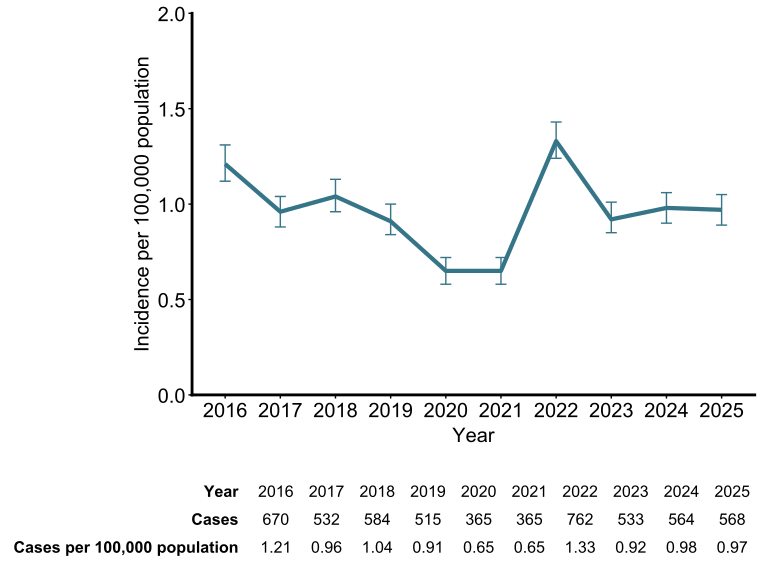
Figure 2. Incidence per 100,000 population of STEC O157 cases in England by region, 2025

In England, of the 525 (92.4%) confirmed cases for whom ESQs were received during 2025, there were 494 (94.1%) primary or co-primary cases, 19 secondary cases (3.6%) and 12 unsure (2.3%).
A slight decrease in travel-related cases was observed, with 177 cases (33.7%) reporting travel abroad during their incubation period (7 days prior to onset), compared to 184 cases (35.5%) in 2024. Of those 177 cases, only 44 (8.4%) spent their entire incubation period abroad.
Age, gender and seasonality of STEC O157 cases
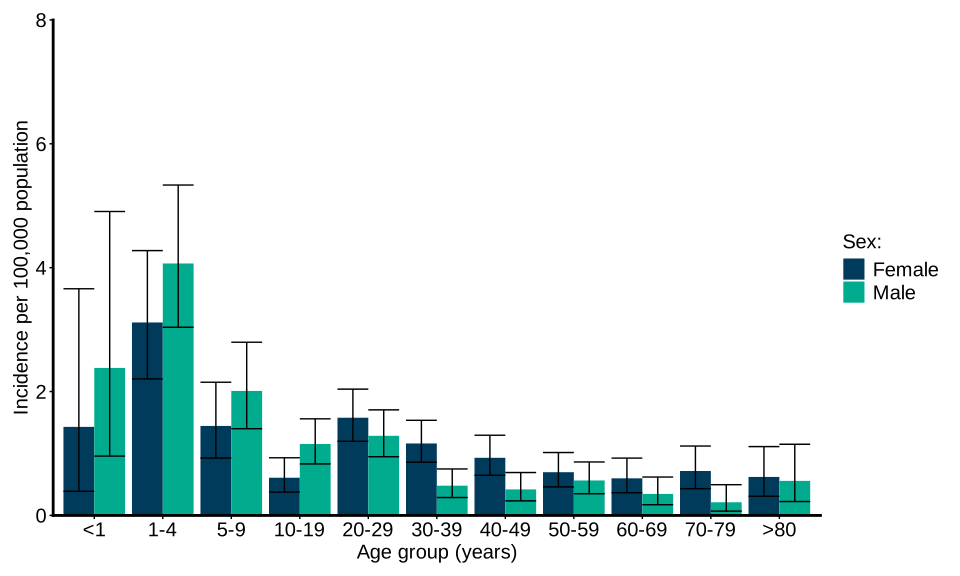
Overall, 306 (53.9%) of the 568 confirmed STEC O157 cases in England were female. In 2025, cases ranged in age from 0 to 97 years; children aged 1 to 4 years had the highest incidence of infection (90 cases in 2025, 3.60 per 100,000 population, CI 2.90-4.43) (Figure 3).
Figure 3. Age-sex specific incidence rate of STEC O157 cases in England, 2025
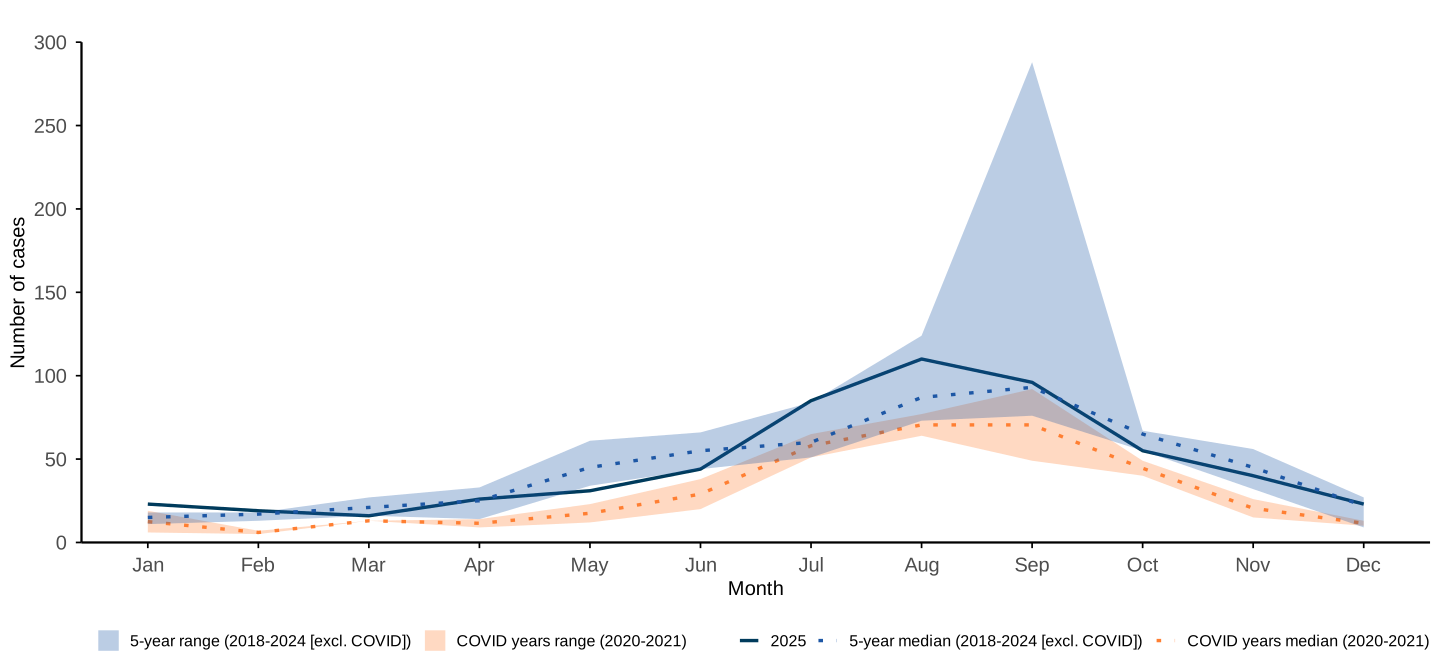
STEC O157 infections in England display a distinct seasonality with an increase in infections in the summer months (from May to September) and a decline from September onwards (Figure 4). The 2025 trend data exceeded the 5-year maximum data in January, February and July by no more than 5 cases in each month. In 2025, the number of reported STEC O157 infections rose above and below the 5-year median but continued to follow a similar seasonal pattern. Infections remained consistently higher than the SARS-CoV-2 years (2020-2021).
Figure 4. Seasonal trend of cases of STEC O157 in England, 2018 to 2025
Clinical presentation and severity of illness
While the number of STEC O157 cases has fluctuated since 2016, the proportion of cases completing an ESQ has remained above 90% (Figure 5). Of the 568 confirmed STEC O157 cases in England in 2025, ESQs were received for 525 (92.4%), which was similar to 2024 (92.0%).
Symptoms were reported for 513 of 525 cases with an ESQ (97.7%). The remaining 12 cases were asymptomatic. The majority of symptomatic cases reported diarrhoea (n=474 of 513, 92.4%), abdominal pain (n=403 of 513, 78.6%) and bloody stools (n=279 of 513, 54.4%) (Table 2).
Hospitalisation was reported by 26.1% (n=134 of 513) of symptomatic cases; duration of hospitalisation ranged from 0 to 10 days with a median stay of 2 days. No deaths were reported among STEC O157 cases.
During 2025, HUS occurred in 7 confirmed cases (n=7 of 568, 1.2%), 3 of which were under 5 years of age (42.9%), with a median age of 7 years (range: 2 to 21 years old). The incidence of STEC O157 HUS in children under 5 years in 2025 was 0.10 per 100,000 cases (CI: 0.02 to 0.29).
Figure 5. The number of STEC O157 cases and percentage of enhanced surveillance questionnaires received in England, 2025
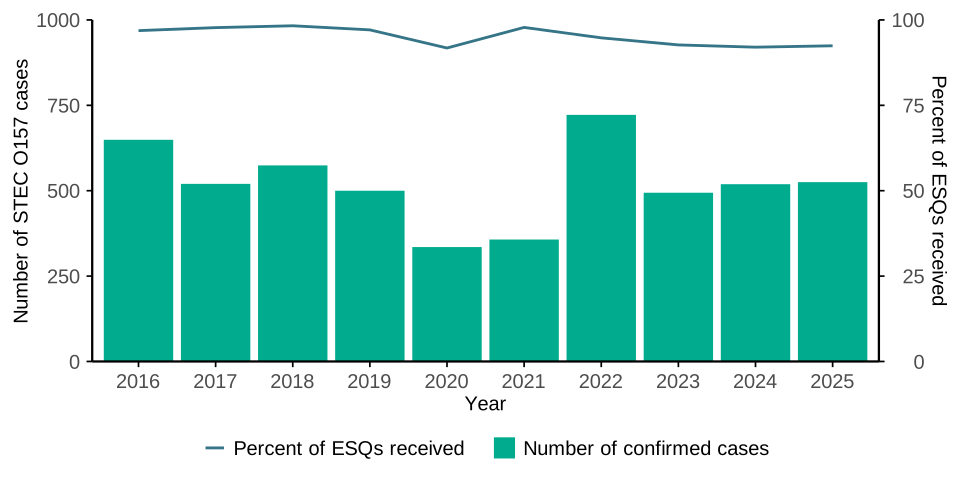
Table 2. Symptoms most frequently reported by STEC O157 cases, 2025 (n=513)
| Symptom | Number and percentage of STEC O157 cases |
|---|---|
| Diarrhoea | 474, 92.4% |
| Abdominal pain | 403, 78.6% |
| Bloody stools | 279, 54.4% |
| Nausea | 222, 43.3% |
| Vomiting | 158, 30.8% |
| Fever | 150, 29.2% |
Frequently reported subtypes of STEC O157
Among 568 isolates from confirmed STEC O157 cases in England in 2025, most had stx2 only (n=312 of 568, 54.9%), followed by stx1 + stx2 (n=250 of 568, 44.0%), and stx1 only (n=4, 0.7%). Stx2a, the subtype most likely to cause severe clinical presentation and HUS, was present in 39.6% of cases (n=225 of 568), an increase from 31.9% in 2024. The presence of stx2 only in 2025 has increased slightly compared to 2024 (54.9% in 2025 compared to 52.1% in 2023).
Non-O157 STEC cases in England
Historically, cases of non-O157 STEC have been under ascertained, with 89 cases of STEC non-O157 reported over the 5-year period 2009 to 2013, prior to enteric PCR implementation.
Following the increased use of PCR in recent years in diagnostic laboratories, there has been a significant increase in the detection of non-O157 STEC in England. Due to limited information on testing coverage at the diagnostic laboratories, it is not possible to calculate the true denominator, therefore an estimated incidence for non-O157 STEC is presented in this report.
In 2025, there were 1,889 culture-confirmed STEC non-O157 cases and a further 961 were PCR positive but STEC could not be cultured. It is estimated that most stx PCR-positive, culture-negative specimens correspond to STEC non-O157, leading to an estimated total of 2,850 STEC non-O157 cases in England in 2025, an increase of 3.2% compared to 2024 (n=2,762). The number of cases in 2025 was above pre-pandemic levels, with an increase of 184.4% compared to 2019.
Of 1,889 culture-positive STEC non-O157 cases, 101 different serogroups were confirmed by WGS for 1,839 isolates. For 50 isolates, a serotype could not be identified as the genes encoding the somatic O antigen did not match any known sequence in the database.
In England, the 5 most common non-O157 STEC serogroups isolated from the 1,889 culture-confirmed cases in 2025 were O146 (n=280 of 1,889, 14.8%), followed by O26 (n=271 of 1,889, 14.3%), O91 (n=161 of 1,889, 8.5%), O128 (n=144 of 1,889, 7.6%) and O103 (n=79 of 1,889, 4.2%) (Appendix 3). The decrease in the number of STEC O145 cases in 2025 compared to 2024 is partially attributable to a large STEC O145 outbreak of over 200 cases that occurred in 2024.
In 2025, ESQs were received for 31.4% (n=894 of 2,850) of non-O157 STEC cases (Figure 6). Of the 1,889 cases of culture positive non-O157 STEC, 38.6% (n=730) had ESQs, compared to 17.1% (n=164) of the 961 STEC cases confirmed only by PCR.
Between 2016 and 2019, there was a decline of 29.1% in the percentage of ESQs received for STEC non-O157 cases. This was thought to likely be associated with increasing numbers necessitating prioritisation and the implementation of algorithms in the 2018 guidance. Since a low of 26.6% in 2019, the percentage of non-O157 cases for which an ESQ was received increased to a high of 39.4% in 2024 but has declined to 31.4% in 2025.
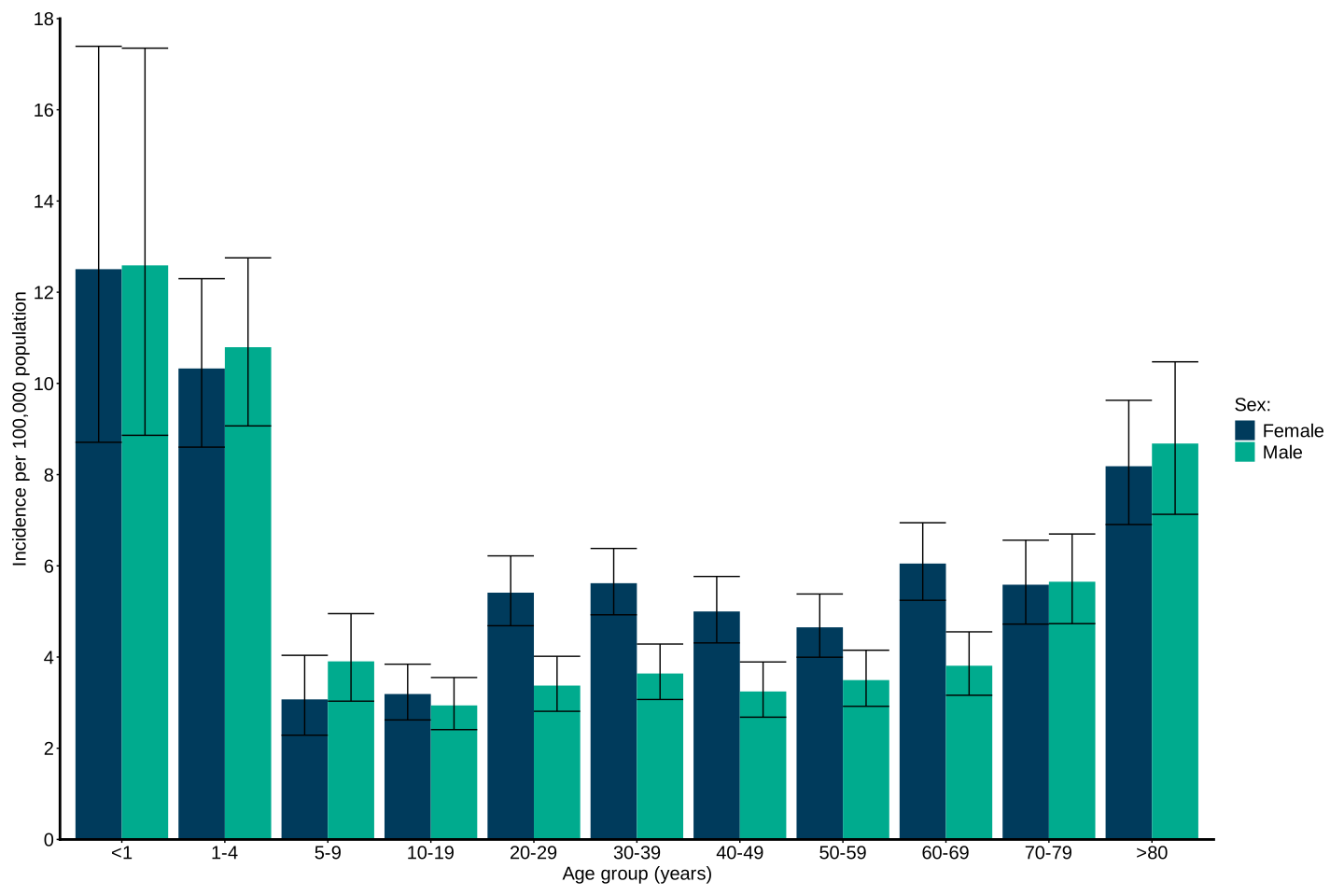
Of 2,850 reported STEC non-O157 cases in England, 1,621 (56.9%) were female. In 2025, cases ranged in age from 0 to 101 years; children aged under 1 year had the highest annual incidence of infection due to STEC non-O157 (72 cases in 2025, 12.55 per 100,000 population, 95% CI 9.82 to 15.80) (Figure 7), compared to children aged 1 to 4 years in 2024.
Figure 6. The number of STEC non-O157 cases and percentage of enhanced surveillance questionnaires received in England, 2025
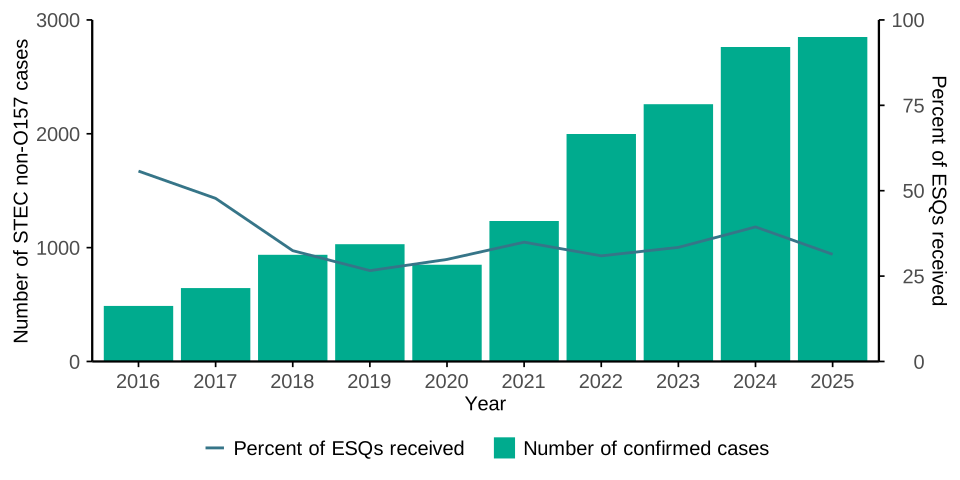
Figure 7. Age-sex specific incidence rate of STEC non-O157 cases in England, 2025
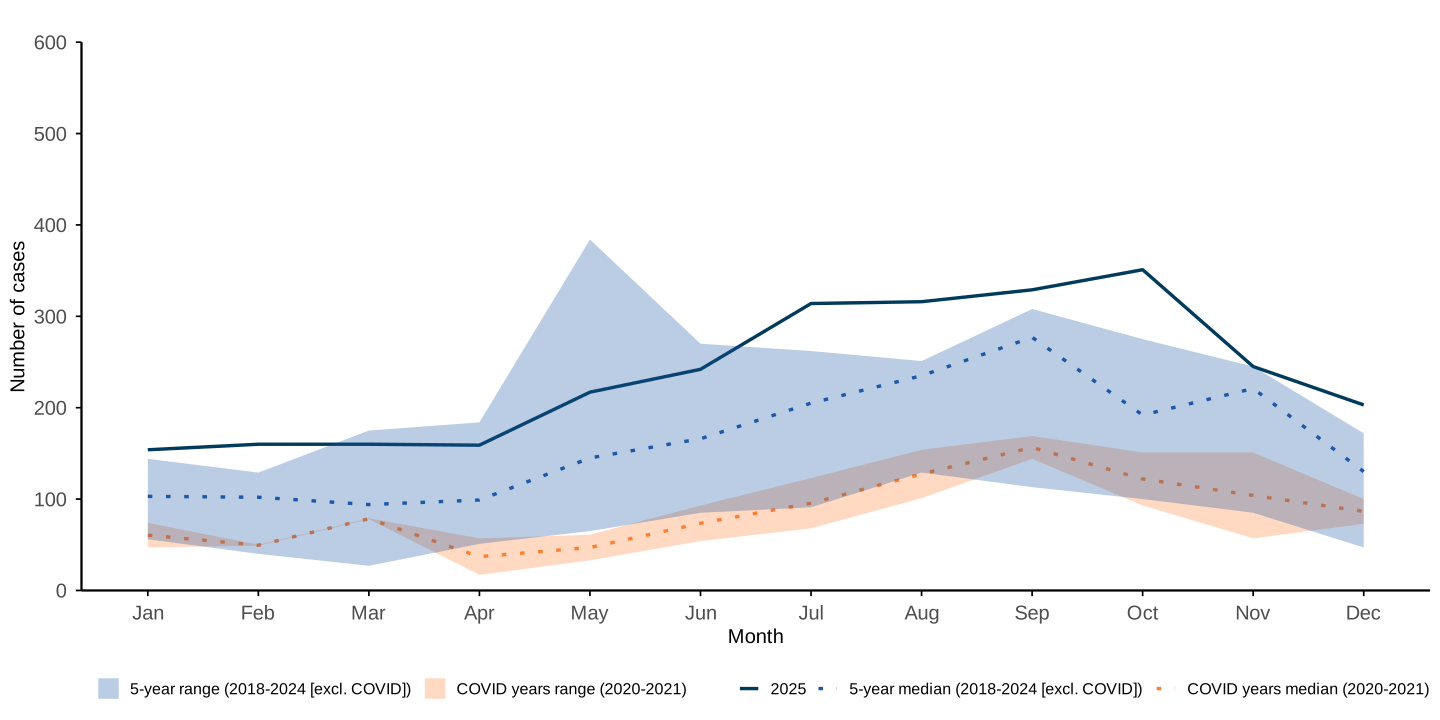
STEC non-O157 infections in England typically display a distinct seasonality, with the peak of infection in autumn, compared to the typically observed O157 seasonal trend which usually peaks during the summer months. In 2025, STEC non-O157 infections mirrored this seasonality trend closely, with the peak of infections occurring in October, and an earlier, smaller peak occurring in July (Figure 8). Notably, the 5-year maximum range increases sharply in May, likely reflecting the 2024 STEC O145 outbreak. Overall, the 2025 data exceeded the 5-year median across all months and exceeded the 5-year maximum in all months except March to June (with COVID-19 years, 2020 and 2021, excluded).
Figure 8. Seasonal trend of non-O157 STEC cases in England, 2018 to 2025
Clinical presentation and severity of illness
Of the 894 cases with clinical information, 98.2% (n=878 of 894) were symptomatic. Among the symptomatic cases, 89.4% reported diarrhoea (n=785 of 878), 67.9% abdominal pain (n=596 of 878) and 44.5% bloody stools (n=391 of 878) (Table 3). In total, 243 cases (27.7%) were hospitalised.
HUS occurred in 1.1% (n=32 of 2,850) of STEC non-O157 cases. From these 32 cases, the most frequently isolated serogroups were O26 (n=15 of 32, 46.9%), O55 (n=2 of 32, 6.3%) and O71 (n=2 of 32, 6.3%). The remaining serogroups had 1 case each: O103, O106, O111, O146, O177, O182 and O8. Serogroup was unavailable for 6 cases (18.8%), all of which (100%) were culture negative.
STEC non-O157 HUS cases ranged in age from 0 to 77 years; 40.6% (n=13 of 32) were aged between 1 and 4 years. There were 3 deaths reported among cases of non-O157 STEC (1 child, 2 adults).
Table 3. Symptoms most frequently reported by STEC non-O157 cases in 2025 (n=878)
| Symptom | Number and percentage of STEC non-O157 cases |
|---|---|
| Diarrhoea | 785, 89.4% |
| Abdominal pain | 596, 67.9% |
| Bloody stools | 391, 44.5% |
| Nausea | 342, 39.0% |
| Fever | 267, 30.4% |
| Vomiting | 248, 28.2% |
Among all 2,850 non-O157 STEC cases in England in 2025, 40.2% (n=1,146 of 2,850) possessed the stx1 toxin alone, 30.7% (n=875 of 2,850) possessed stx2 alone and 29.1% (n=829 of 2,850) possessed both stx1 and stx2. Of these 2,850 cases, 1,009 (35.4%) had the eae gene.
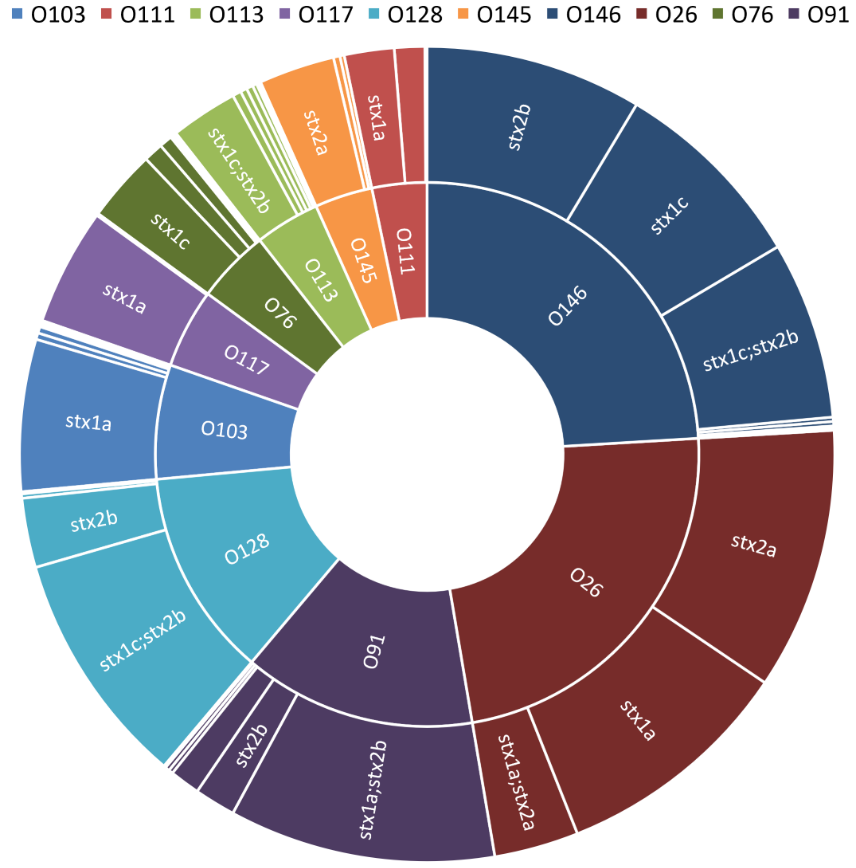
Among the 1,889 culture-confirmed STEC non-O157 cases, stx1a only was detected in 23.8% (n=449 of 1,889) of cases, stx1c only in 18.0% (n=340 of 1,889) of cases, stx2b only in 13.1% (n=247 of 1,889) of cases, and stx2a only was detected in 10.9% (n=205 of 1,889) of cases (Figure 9).
Figure 9. Prevalence of stx subtype combinations reported amongst the top 10 non-O157 STEC serogroups in England, 2025
Increase of non-O157 STEC
In England, a shift in the burden of disease from notifications of STEC O157 to non-O157 STEC cases has been observed in recent years (Figure 10). While the notifications of STEC O157 have returned to pre-pandemic levels, notifications of STEC non-O157 have increased nearly 3-fold (184.4%) from 2019 to 2025, resulting in an overall increase in STEC notifications and the burden placed on public health and clinical services. Historically, serogroups O26 and O145 have been driving the increase in STEC non-O157 cases (10). This year, O146 has been the most prevalent STEC non-O157 serogroup, above O26 and O145 (Appendix 3).
Figure 10. Percentage of laboratory confirmed STEC cases in England by serogroup, 2016 to 2025 [Note 1]
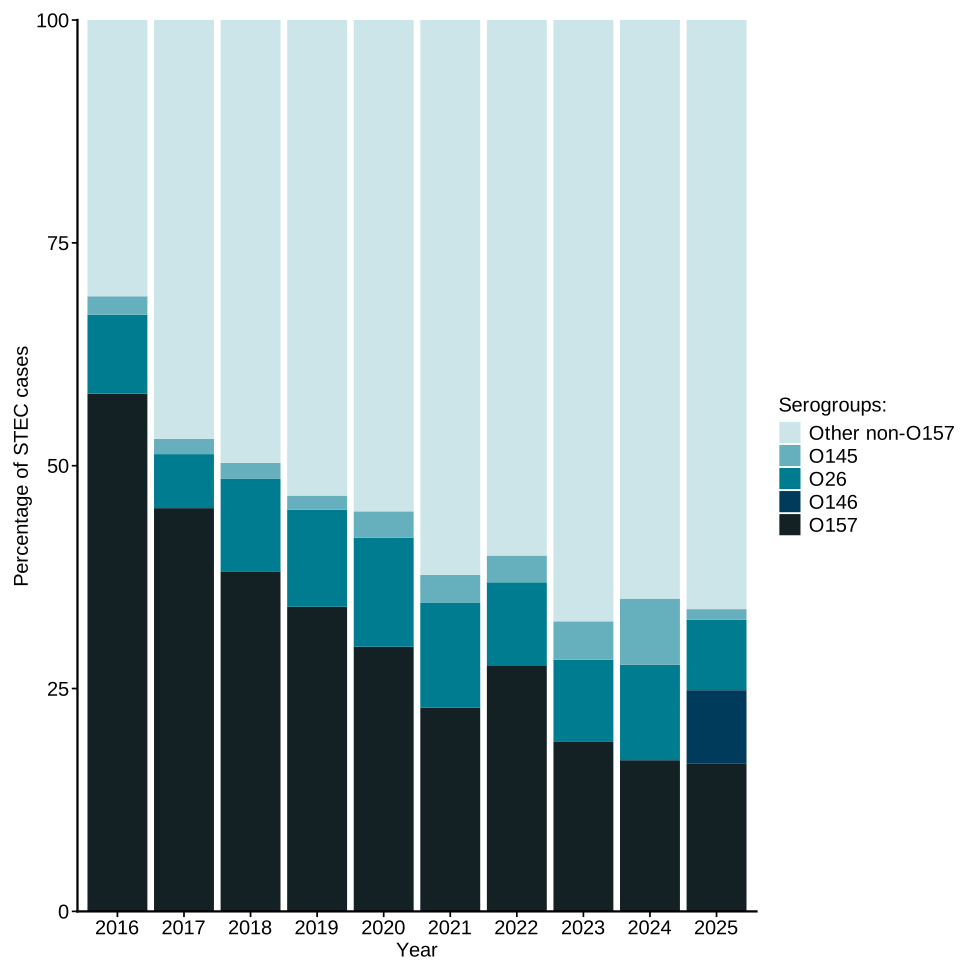
Note 1: data for O146 is only available for 2025
STEC O26 cases in England
Questionnaires were received for 94.8% (n=257) of all 271 confirmed STEC O26 cases. Fewer STEC O26 cases were reported in 2025 compared to 2024 (n=356), and STEC O26 constituted a smaller proportion of all non-O157 cases than in 2024 (14.3% in 2025 vs 18.0% in 2024). Of the 257, 98.1% (n=252 of 257) of cases were symptomatic. Of those symptomatic, diarrhoea was reported by 93.3% (n=235 of 252) of cases, 67.5% (n=170 of 252) reported abdominal pain and 45.2% (n=114 of 252) reported bloody stools (Table 4).
More STEC O26 cases (n=15 of 257, 5.8%) developed HUS in 2025 compared to STEC O157 (n=7 of 568, 1.2%); however, fewer STEC O26 cases developed HUS in 2025 than in 2024 (n=30 of 356, 8.4%).
Table 4. Symptoms most frequently reported by STEC O26 cases in 2025 (n=252)
| Symptom | Number and percentage of STEC O26 cases |
|---|---|
| Diarrhoea | 235, 93.3% |
| Abdominal pain | 170, 67.5% |
| Bloody stools | 114, 45.2% |
| Nausea | 95, 37.7% |
| Fever | 82, 32.5% |
| Vomiting | 76, 30.2% |
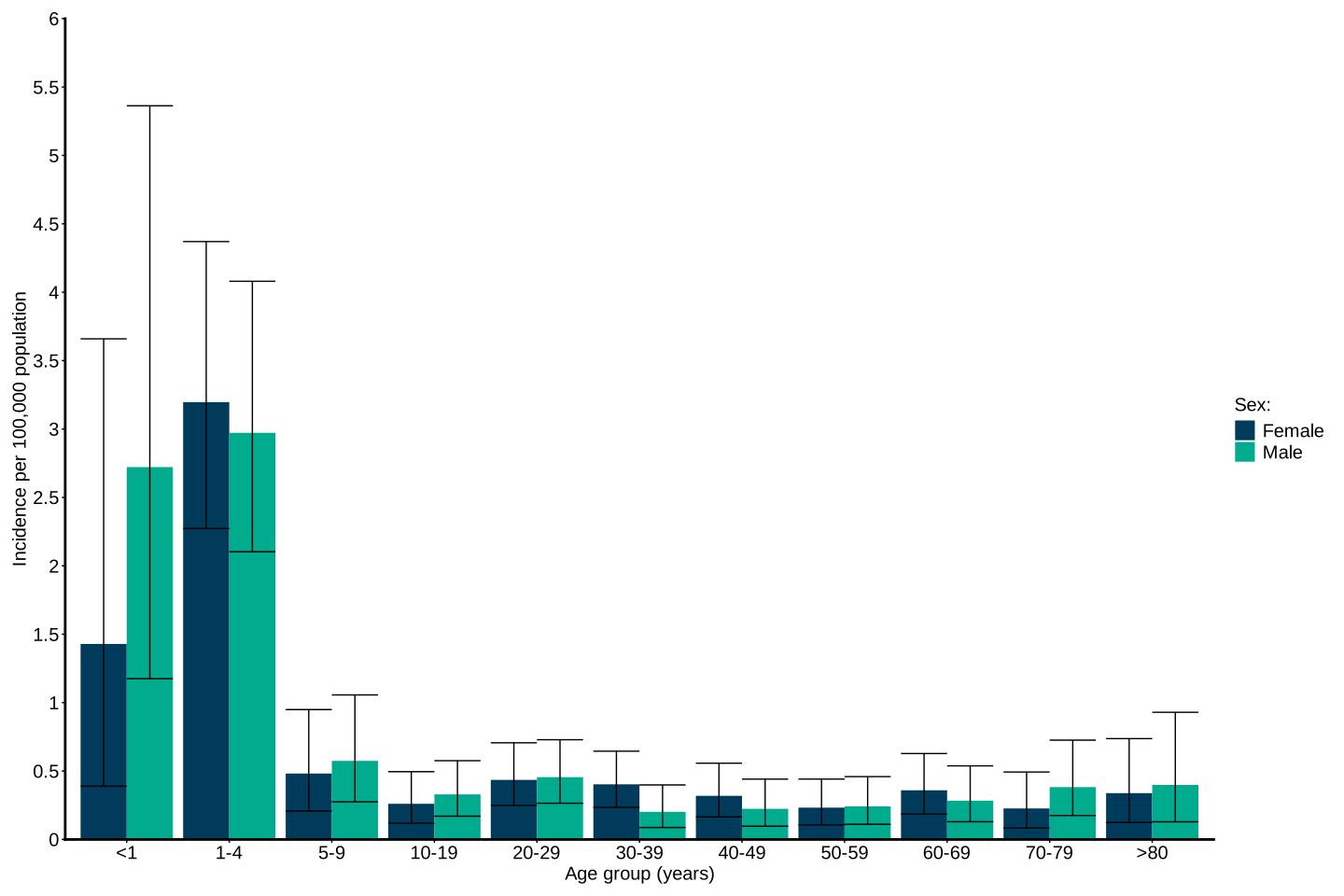
Of the 271 STEC O26 cases in England in 2025, 50.9% (n=138 of 271) were female; children aged 1 to 4 years had the highest annual incidence of infection due to STEC O26 (3.08 per 100,000 population, 95% CI 2.43 to 3.85) (Figure 11), following the same results seen in 2024.
Figure 11. Age-sex specific incidence rate of STEC O26 cases in England, 2025
STEC O145 cases in England
Questionnaires were received for 85.0% (n=34) of all 40 confirmed STEC O145 cases. Fewer STEC O145 cases were reported in 2025 compared with 2024 (n=247), and over 10% fewer STEC non-O157 cases were O145 (2.1% in 2025 vs 12.5% in 2024). Of the 35 (100.0%) cases that were symptomatic, 88.6% (n=31 of 35) had diarrhoea, 65.7% (n=23 of 35) reported abdominal pain and 51.4% (n=18 of 35) reported bloody stools.
Overall, in 2025 almost 10% fewer STEC O145 cases (n=13 of 40, 32.5%) were hospitalised compared to cases in 2024 (n=105 of 222, 47.3%). Conversely, compared to STEC O157 cases (n=134 of 568, 23.6%), over 10% more cases with STEC O145 were hospitalised in 2025. No STEC O145 cases developed HUS in 2025.
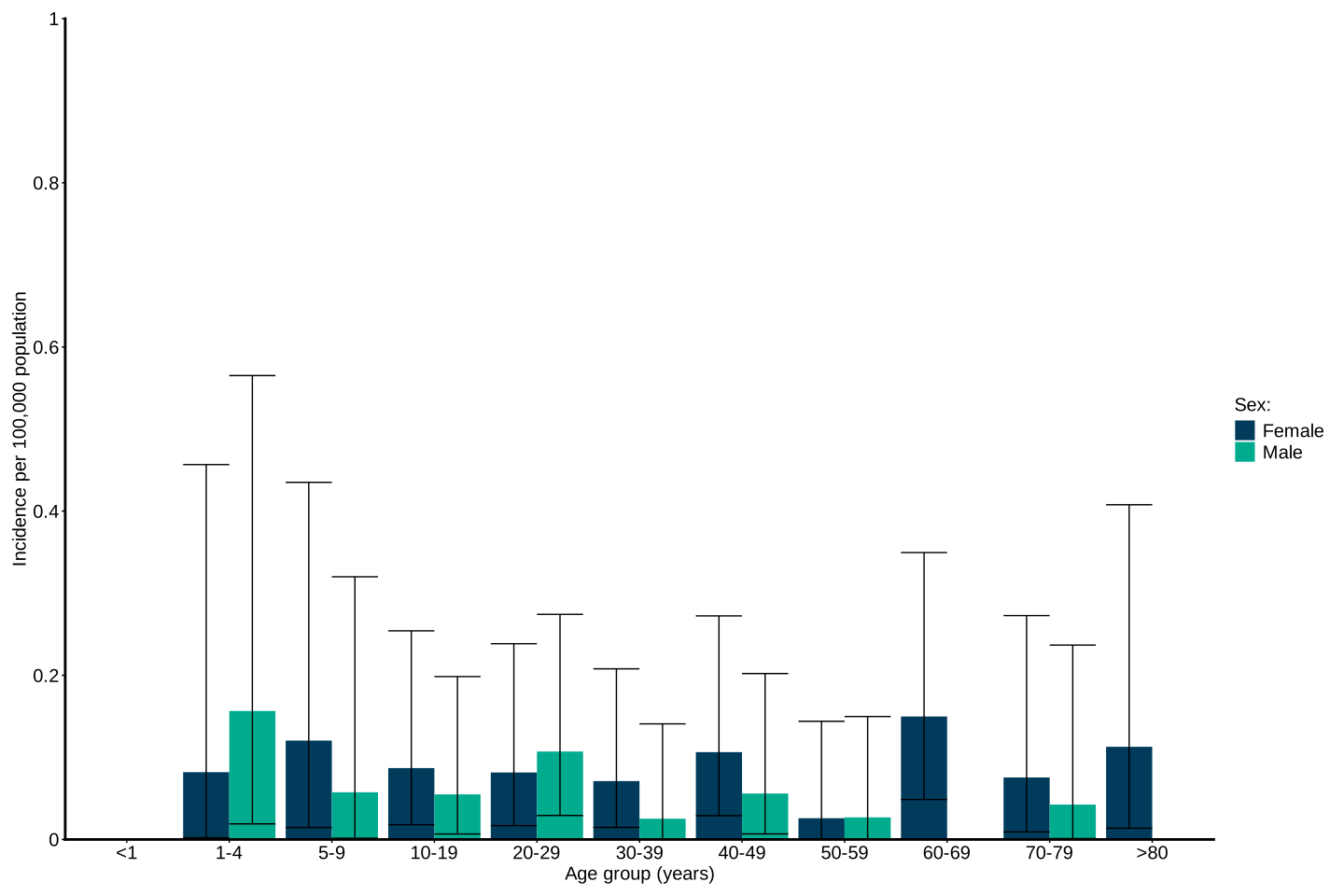
Of 40 STEC O145 cases in England in 2025, 65.0% (n=26 of 40) were female; the 1 to 4 age group had the highest annual incidence of infection due to STEC O145 (0.12 per 100,000 population, 95% CI 0.02 to 0.35) (Figure 12), compared to adults aged 20 to 29 having the highest incidence in 2024. The change in age distribution between 2024 and 2025 may be driven by the large STEC O145 outbreak that occurred in 2024.
Figure 12. Age-sex specific incidence rate of STEC O145 cases in England, 2025
Outbreaks
National STEC outbreaks investigated in England during 2025
Typically, an exceedance is investigated by the national team when 10 or more cases fall within the same 5 SNP single linkage cluster for clinically severe serotypes, or an outbreak may be declared if cases are linked to a common exposure, such as visiting the same petting farm, attending the same nursery or reporting consumption of the same food item. However, an investigation may be undertaken for clusters of concern which are between 5 to 9 cases in size after considering a number of factors, including the number of persons affected, temporal and geographic distribution, clinical severity, and the microbiological characteristics of the STEC strain.
Two STEC outbreaks affecting 19 people, 16 of whom were resident in England, were investigated by the national team in 2025. All outbreaks were attributable to non-O157 STEC: 1 outbreak involved STEC O145 and 1 outbreak involved STEC O26. There were no deaths or HUS cases associated with STEC outbreaks in 2025. No suspected or confirmed vehicle could be identified for either outbreak (Table 5).
Table 5. STEC foodborne national outbreaks in England, 2025
| Outbreak agent | Total number of laboratory confirmed cases | Source of outbreak or vehicle of infection |
|---|---|---|
|
STEC O145 t5.206 stx2a, eae positive [Note 2] |
4 (of which 2 in England) |
Not identified |
|
STEC O26 t5.2818 stx1a, eae positive |
15 (of which 14 in England) |
Not identified |
Note 2: This outbreak was investigated as a re-emergence of the same STEC strain identified in an outbreak in 2024 of 293 cases, and in 2022 to 2023 of 44 cases.
STEC O26 outbreaks
One national STEC O26 outbreak was investigated in 2025:
UKHSA and public health agencies in devolved administrations (DAs) investigated an outbreak of STEC O26 stx1a, eae positive t5.2818. There were 15 confirmed cases, 14 of which were resident in England. The median age was 28 years. ESQs containing clinical and exposure information were available for 86.7% (n=13 of 15) of cases. Overall, 13.3% (n=2 of 15) of cases reported bloody stools, no cases were hospitalised, developed HUS or died. Epidemiological and food chain investigations could not identify the likely vehicle of infection.
STEC O145 outbreaks
One national STEC O145 outbreak was investigated in 2025:
UKHSA and public health agencies in devolved administrations (DAs) investigated a re-emergence of STEC O145 stx2a, eae positive t5.206. This particular strain was responsible for an outbreak of 44 cases in 2022 to 2023 and 293 cases in 2024. In 2025, 4 confirmed cases were associated with the outbreak, of which 2 were resident in England. The median age was 39.5 years. ESQs containing clinical and exposure information were available for all 4 confirmed cases. Overall, 75.0% (n=3 of 4) reported bloody stools, 50.0% (n=2 of 4) were hospitalised. No cases developed HUS and no deaths were reported. Although previous investigations identified the apollo leaf lettuce as the likely vehicle of infection, no vehicle could be identified in 2025.
Conclusions
The number of STEC O157 and non-O157 STEC case notifications to national surveillance remained similar in 2025 when compared to those reported in 2024. This marks a change in trend from the continued annual increases witnessed since 2021. However, each year from 2022 to 2024, a high proportion of cases were linked to medium to large outbreaks, compared to 2025 when fewer outbreaks were investigated nationally.
Seasonality of STEC O157 infections continue to follow the historic trend of a steady increase in the early summer and a decline into winter. Notably, in 2025, the decline from the peak of cases began in September, compared to October in 2024. The non-O157 seasonality observed a distinctive peak in both July and October, compared to peaks of May and September in 2024. This follows a broad trend of an increase in STEC non-O157 cases earlier in the year than STEC O157.
The age-sex distribution of STEC O157 infections remains similar to 2023 and 2024, with the highest incidence of infection remaining in the 1 to 4 years age group. The proportion of STEC O157 cases who developed HUS has almost halved since 2024 to 1.2%, along with a slight reduction in the proportion hospitalised for their illness.
STEC non-O157 infections continue to be increasingly detected since 2021, and in 2025 increased by another 3.2% compared to 2024. In contrast to 2024, the most common non-O157 serogroup detected in 2025 was STEC O146 closely followed by STEC O26. A similar proportion of non-O157 cases developed HUS compared to O157 cases, and STEC O146 was the most common serotype among non-O157 HUS cases.
The 2025 report demonstrates a sustained level of STEC O157 and non-O157 activity in England. Whilst fewer outbreaks were investigated by the UKHSA national team this year, continued expansion of the number of local hospital laboratories implementing PCR will increase the capacity for STEC detection at the local and regional levels. Once again, the rates of HUS among all STEC cases have remained below 3% in England.
In the 2 national STEC outbreaks investigated in 2025, neither had a vehicle of infection identified, owing to the lack of epidemiological and food exposure data among a smaller group of cases. Despite this, previous years have shown that salad leaves, fresh produce and beef products continue to be implicated sources of STEC outbreaks. Ongoing multidisciplinary working among stakeholders under a One Health approach to prevent and investigate outbreaks of STEC remains vital to lessen the ongoing public health burden.
Appendices
Appendix 1. Confirmed STEC cases with co-infections of 2 STEC serotypes in England, 2025
| Serotype 1 | Serotype 2 | Stx profiles | eae | CC | Cases |
|---|---|---|---|
| O76:H19 | O76:H4 | stx1c stx2b, eae negative, CC675 stx1a stx2a, eae negative, CC10 |
1 |
| O146:H21 | O91:H14 | stx1c, eae negative, CC442 stx1a stx2b, eae negative, CC33 |
3 |
| O146:H21 | O91:H14 | stx2b, eae negative, CC442 stx1a stx2b, eae negative, CC33 |
1 |
| O103:H2 | O69:H11 | stx1a, eae positive, CC17 stx1a, eae positive, CC21 |
1 |
| O123:H2 | O157:H7 | stx1a stx2a, eae positive, CC17 stx2a stx2c, eae positive, CC11 |
1 |
| O26:H11 | O71:H8 | stx1a, eae positive, CC21 stx1a stx2a, eae positive, no CC |
1 |
| O174:H21 | O26:H11 | stx2c, eae negative, CC442 stx2a, eae positive, CC21 |
1 |
| O157:H7 | O71:H2 | stx2a stx2c, eae positive, CC11 stx1a, eae positive, CC17 |
1 |
| O146:H28 | O23:H6 | stx2b, eae negative, CC738 stx2b, eae negative, CC69 |
1 |
| O146:H21 | O5:H19 | stx2b, eae negative, CC442 stx1c stx2b, eae negative, no CC |
1 |
| O157:H7 | O76:H7 | stx2c, eae positive, CC11 stx2a, eae positive, CC278 |
1 |
| O111:H8 | O69:H11 | stx1a, eae positive, CC29 stx1a, eae positive, CC21 |
1 |
| O177:H25 | O55:H12 | stx2c, eae positive, CC342 stx1a, eae negative, CC101 |
1 |
| O162:H26 | O38:H26 | stx1c stx2b, eae negative, CC10 stx1c stx2b, eae negative, CC10 |
1 |
| O111:H8 | O157:H7 | stx1a stx2a, eae positive, CC29 stx2a stx2c, eae positive, CC11 |
1 |
| O151:H2 | O26:H11 | stx2a, eae positive, CC20 stx1a stx2a, eae positive, CC29 |
1 |
| O128:H2 | O157:H7 | stx1c stx2b, eae negative, CC25 stx2a, eae positive, CC11 |
1 |
| O128:H2 | O157:H7 | stx1a stx2b, eae negative, CC25 stx1a stx2c, eae positive, CC11 |
1 |
| O174:H7 | O53:H45 | stx2 positive, eae positive, no CC stx2a stx2e, eae negative, no CC |
1 |
| O103:H2 | O26:H11 | stx1a, eae positive, CC20 stx2a, eae positive, CC29 |
1 |
| O128:H2 | O8:H30 | stx1c stx2b, eae negative, CC25 stx2a stx2e, eae negative, CC23 |
1 |
| O146:H21 | O26:H11 | stx1c stx2b, eae negative, CC442 stx1a, eae positive, CC29 |
1 |
| O103:H2 | O157:H7 | stx2c, eae positive, CC11 stx1a, eae positive, CC20 |
1 |
| O117:H7 | O128:H2 | stx1a, eae negative, CC504 stx1c stx2b, eae negative, CC25 |
1 |
| O26:H11 | O43:H2 | stx2a, eae positive, CC29 stx1c, eae negative, no CC |
1 |
| O136:H12 | O165:H25 | stx1a, eae negative, no CC stx1a stx2a, eae positive, no CC |
1 |
| O145:H28 | O157:H7 | stx2a, eae positive, CC32 stx1a stx2c, eae positive, CC11 |
1 |
| O166:H28 | O27:H30 | stx1c stx2b, eae negative, no CC stx2b, eae negative, no CC |
1 |
| O157:H7 | O78:H4 | stx2c, eae positive, CC11 stx1c, eae negative, no CC |
1 |
| O157:H7 | O182:H25 | stx2c, eae positive, CC11 stx1a, eae positive, CC300 |
1 |
| O128:H2 | O91:H14 | stx2b, eae negative, CC25 stx1a stx2b, eae negative, CC33 |
1 |
| O63:H6 | O78:H4 | stx2f, eae positive, CC122 stx2b, eae negative, no CC |
1 |
| O157:H7 | O26:H11 | stx2c, eae positive, CC11 stx1a, eae positive, CC29 |
1 |
| O157:H7 | O26:H11 | stx1a stx2c, eae positive, CC11 stx1a, eae positive, CC29 |
1 |
| O108:H25 | O71:H54 | stx1a, eae positive, CC300 stx1+, eae positive, no CC |
1 |
| O unidentifiable:H21 | O147:H7 | stx1a, eae negative, CC101 stx1a stx2c, eae negative, no CC |
1 |
Appendix 2. Confirmed STEC cases with co-infections of 3 STEC serotypes in England, 2025
| Serotype 1 | Serotype 2 | Serotype 3 | Stx profiles | eae | CC | Cases |
|---|---|---|---|---|
| O128:H2 | O146:H21 | O91:H14 | stx1c stx2b, eae negative, CC25 stx1c, eae negative, CC442 stx1a stx2b, eae negative, CC33 |
1 |
| O128:H2 | O157:H7 | O80:H2 | stx2a, eae positive, no CC stx1a stx2c, eae positive, CC11 stx2a, eae positive, CC165 |
1 |
| O111:H8 | O123:H2 | O151:H16 | stx1a, eae positive, CC29 stx1a, eae positive, CC20 stx1a, eae positive, CC29 |
1 |
Appendix 3. Prevalence of stx subtype combination reported amongst the top 10 non-O157 STEC serogroups in England, 2025
| Serogroup (total number of cases) | Stx subtype | Number of cases | Percentage of cases |
|---|---|---|---|
| O146 (n=280) | stx1a | 1 | 0 |
| stx1c | 92 | 33 | |
| stx1c; stx2b | 82 | 29 | |
| stx2b | 100 | 36 | |
| stx2b; stx2c | 1 | 0 | |
| stx2b; stx2d | 2 | 1 | |
| stx2d | 2 | 1 | |
| O26 (n=271) | stx1a | 111 | 41 |
| stx1a; stx2a | 39 | 14 | |
| stx2a | 121 | 45 | |
| O91 (n=161) | stx1a | 14 | 9 |
| stx1a; stx2a | 2 | 1 | |
| stx1a; stx2b | 123 | 76 | |
| stx1c | 1 | 1 | |
| stx2a; stx2d | 2 | 1 | |
| stx2b | 19 | 12 | |
| O128 (n=144) | stx1a | 1 | 1 |
| stx1c | 2 | 1 | |
| stx1c; stx2b | 109 | 76 | |
| stx2b | 32 | 22 | |
| O103 (n=79) | stx1a | 70 | 89 |
| stx1a; stx2a | 3 | 4 | |
| stx1a; stx2b | 1 | 1 | |
| stx2a | 3 | 4 | |
| stx2a; stx2e | 1 | 1 | |
| stx2d | 1 | 1 | |
| O117 (n=55) | stx1a | 54 | 98 |
| stx1a; stx2b | 1 | 2 | |
| O76 (n=51) | stx1a | 1 | 2 |
| stx1a; stx2a | 1 | 2 | |
| stx1c | 33 | 65 | |
| stx1c; stx2b | 9 | 18 | |
| stx1c; stx2d; stx2b | 1 | 2 | |
| stx2a | 6 | 12 | |
| O113 (n=45) | stx1c | 3 | 7 |
| stx1c; stx2b | 31 | 69 | |
| stx2a | 2 | 4 | |
| stx2a; stx2d; stx2e | 1 | 2 | |
| stx2b | 4 | 9 | |
| stx2d | 3 | 7 | |
| stx2f | 1 | 2 | |
| O145 (n=40) | stx1a | 3 | 8 |
| stx2a | 35 | 88 | |
| stx2c | 2 | 5 | |
| O111 (n=38) | stx1a | 23 | 61 |
| stx1a; stx2a | 14 | 37 | |
| stx2a | 1 | 3 |
UKHSA STEC publications in 2025
-
King G, Jenkins C, Hayden I, Rodwell EV, Quinn O, Godbole G and others. Epidemiology of Shiga toxin-producing Escherichia coli other than serotype O157:H7 in England, 2016–2023 Journal of Medical Microbiology 2025: volume 74, issue 1, 001947
-
Findlater L, Quinn O, Douglas A, Sawyer C, Hall VJ, Jenkins C and others. Increased detection of Shiga toxin-producing Escherichia coli (STEC) O26: Environmental exposures and clinical outcomes, England, 2014–2023 Epidemiology and Infection 2025: volume 153, e123
-
Quinn OI, Jenkins C, Greig DR, Neale S, Jorgensen F, Yanshi and others. An outbreak of Shiga Toxin-producing Escherichia coli Serotype O145:H28 Associated with Domestic Travel and Consumption of Unpasteurized Cheese, UK, 2023 Journal of Food Protection 2025: volume 88, issue 4, 100470
-
McGeoch LJ, Quinn O, Douglas A, Sawyer C, Jenkins C, Balasegaram S. The epidemiology of haemolytic uraemic syndrome in England, 2009-2023: An analysis of national surveillance data Journal of Infection 2025: volume 91, issue 2
-
Jenkins C, Chattaway MA, Ready D. Hybrid pathotypes of Shiga toxin-producing Escherichia coli Journal of Applied Microbiology 2025: volume 136, issue 10
Data caveats
This report was produced using laboratory data for England only. Therefore, the number of Shiga toxin-producing Escherichia coli laboratory reports published in previous reports that include data from other UK countries will be higher than those included in this report.
Acknowledgements
We are grateful to:
-
the NHS and independent sector microbiology teams, local authorities and local health protection and environmental health specialists who contribute data and reports to the national enhanced surveillance system for STEC (NESSS)
-
the epidemiologists and information officers who have worked on NESSS
-
staff in the Gastrointestinal Bacterial Reference Unit (GBRU) for providing the Reference Laboratory Services and laboratory surveillance functions and expertise
-
UKHSA Regional and Collaborating Public Health Laboratories and Food Water and Environmental Microbiology Services for providing a surveillance function for GI pathogens and testing of food and environmental samples during outbreak investigations
Prepared by: Gastrointestinal Infections, Food Safety and One Health Division, UKHSA
For queries relating to this document, please contact: VTEC@ukhsa.gov.uk
References
-
Launders N, Byrne L, Jenkins C, Harker K, Charlett A, Adak GK. Disease severity of Shiga toxin-producing E. coli O157 and factors influencing the development of typical haemolytic uraemic syndrome: a retrospective cohort study, 2009-2012 British Medical Journal Open 2016: volume 6, issue 1, e009933
-
Butt S, Jenkins C, Godbole G, Byrne L. The epidemiology of Shiga toxin-producing Escherichia coli serogroup O157 in England, 2009-2019 Epidemiology and Infection 2022: volume 150, e52
-
Dodd CC, Cooper MJ. Multidisciplinary response to the Escherichia coli 0104 outbreak in Europe Military Medicine 2012: volume 177, issue 11, pages 1,406 to 1,410
-
Launders N, Byrne L, Adams N, Glen K, Jenkins C, Tubin-Delic D, Locking M, Williams C, Morgan D, on behalf of the Outbreak Control Team. Outbreak of Shiga toxin-producing E. coli O157 associated with consumption of watercress, United Kingdom, August to September 2013 Eurosurveillance 2013: volume 18, issue 44, 20624
-
Gobin M, Hawker J, Cleary P, Inns T, Gardiner D, Mikhail A, McCormick J, Elson R, Ready D, Dallman T, Roddick I, Hall I, Willis C, Crook P, Godbole G, Tubin-Delic D, Oliver I. National outbreak of Shiga toxin-producing Escherichia coli O157:H7 linked to mixed salad leaves, United Kingdom, 2016 Eurosurveillance 2018: volume 23, issue 18, 17-00197
-
Byrne L, Adams N, Jenkins C. Association between Shiga Toxin-Producing Escherichia coli O157:H7 stx Gene Subtype and Disease Severity, England, 2009-2019 Emerging Infectious Diseases 2020: volume 26, issue 10, pages 2,394 to 2,400
-
Vishram B, Jenkins C, Greig DR, Godbole G, Carroll K, Balasegaram S, Byrne L. The emerging importance of Shiga toxin-producing Escherichia coli other than serogroup O157 in England Journal of Medical Microbiology 2021: volume 70, issue 7, 001375
-
Brandal LT, Wester AL, Lange H, Løbersli I, Lindstedt BA, Vold L, Kapperud G. Shiga toxin-producing escherichia coli infections in Norway, 1992-2012: characterization of isolates and identification of risk factors for haemolytic uremic syndrome BMC Infectious Diseases 2015: volume 15, page 324
-
Cunningham N, Jenkins C, Williams S, Garner J, Eggen B, Douglas A, Potter T, Wilson A, Leonardi G, Larkin L, Hopkins S. An outbreak of Shiga toxin-producing Escherichia coli (STEC) O157:H7 associated with contaminated lettuce and the cascading risks from climate change, the United Kingdom, August to September 2022 Eurosurveillance 2024: volume 29, issue 36, 2400161
-
Rodwell EV, Chan YW, Sawyer C, Carroll A, McNamara E, Allison L, Browning L, Holmes A, Godbole G, McCarthy N, Jenkins C. Shiga toxin-producing Escherichia coli clonal complex 32, including serotype O145:H28, in the UK and Ireland Journal of Medical Microbiology 2022: volume 71, issue 8