Executive summary and recommendations (accessible version)
Published 4 December 2025

© Crown copyright 2025
This publication is licensed under the terms of the Open Government Licence v3.0 except where otherwise stated. To view this licence, visit nationalarchives.gov.uk/doc/open-government-licence/version/3 or write to the Information Policy Team, The National Archives, Kew, London TW9 4DU, or email: psi@nationalarchives.gov.uk.
Where we have identified any third party copyright information you will need to obtain permission from the copyright holders concerned.
This publication is available at https://www.gov.uk/government/publications/chief-medical-officers-annual-report-2025-infections/executive-summary-and-recommendations-accessible-version
Foreword
Infectious diseases are the oldest enemy of human health. The extraordinary improvements in life expectancy over the last 150 years have been built on the ability of medicine, science and public health to prevent and treat infections.
Multiple sciences have contributed. Public health engineering including clean water, sanitation and housing, and agricultural and food sciences to improve nutrition played major roles in reducing the impact of diseases such as cholera, typhoid and tuberculosis. Specific medical preventative countermeasures including vaccines have substantially reduced the risk of many of the most feared diseases of history including diphtheria, polio, smallpox, measles and tetanus. Diagnostic tests and antibiotics have allowed us to diagnose and treat previously fatal bacterial infections causing sepsis, meningitis and post-surgical wound infections, and antivirals have reduced the risk of major viral diseases such as HIV.
Infectious diseases have, however, a capacity to evolve around many of our most effective treatments and antimicrobial resistance (AMR) was highlighted as a major threat by previous Chief Medical Officer (CMO) Dame Sally Davies. New infections previously unknown in humans continue to emerge for which we do not initially have countermeasures, including in the lifetime of most people reading this, diseases such as HIV, SARS (SARS-CoV-1), bovine spongiform encephalopathy (BSE) leading to new variant Creutzfeldt-Jakob disease (nvCJD) and COVID-19 (SARS-CoV-2). Many of these jump from animals, periodically causing epidemics and, much more rarely, pandemics.
With international travel other known diseases previously limited to particular geographical areas can spread widely causing major harm to human health; examples in the last 15 years include Ebola in West Africa, Zika in Latin America, MERS in Asia and Mpox globally. Existing human infections can genetically reassort or evolve in response to our existing immunity, in particular influenza. Infectious diseases are therefore a very dynamic threat.
The tools of medical science have repeatedly proved very effective against varied bacteria, viruses, parasites and fungi which cause severe disease but alone they cannot defeat infections. Only if they are delivered to the right people at the right time can they prevent and treat major diseases. This requires actions by doctors and other clinical staff, health services, families, society and governments. One of the greatest threats to effective actions that reduce the predictable, serious and evolving risk multiple infections cause is complacency.
This report considers infections and our countermeasures in England in 2025. It builds on previous CMO reports, in particular ‘Getting Ahead of the Curve’ by Sir Liam Donaldson in 2002. A lot has changed since then, with several new infections, 2 new pandemics, advances in vaccine science, diagnostics and treatments. Over the same period, a rise of antibiotic, antiviral, antiparasitic and antifungal resistance has increased the threat posed by many infections. Lower levels of vaccination leave the way open for predictable, and entirely preventable, outbreaks of potentially fatal diseases in children such as measles and diphtheria.
This report has several high-level recommendations, and some specific recommendations in the individual chapters. I would, however, like to highlight some key messages for the public, the medical profession and authorities including government.
For the public, it is worth celebrating that whenever there is an infectious emergency the public respond remarkably, as they did during COVID-19. Between emergencies it is easy to take for granted the protection from infection that modern medicine invisibly gives us all. The gradual drifting down of rates of vaccination for preventable and potentially severe infections needs to be reversed if we are to provide the best protection from often exceptionally dangerous diseases of children and adults.
For the medical profession and other healthcare workers, we know that medical science has repeatedly shown its ability to combat infections, saving large numbers of lives, but I would like to highlight 2 priorities. The first is to reinforce the need to avoid overprescription of antibiotics and other antimicrobials; AMR remains a major threat. There is often a difficult balance to be struck, but antimicrobial stewardship is a professional responsibility. Secondly, we have as a profession not done enough to reduce the risk of infections in the elderly, the largest growing segment of the medically vulnerable population. This includes having too little research into infections in this age group.
For authorities, including national and local government, it has repeatedly been shown that when government takes a lead preventing infections there can be dramatic effects in reducing the infectious risk to all citizens. I would, however, highlight the risk of complacency and de-prioritisation of infectious threats between outbreaks and epidemics. The surges of infection in winter come every year, putting substantial pressure on the NHS. Outbreaks and epidemics occur frequently and pandemics are rare but potentially catastrophic. These are entirely predictable (although their timing is not) and infectious emergencies will happen multiple times during the lifetimes of those reading this report. We need to keep our capacity to prevent and respond to infections up between events rather than wring our hands and wish we had done so when they occur.
Finally, I would like to thank the many chapter authors and others from around the country who helped with this report, and in particular the editor-in-chief Dr Nileema Patel and editor Dr Alex Thompson.
Professor Chris Whitty
Chief Medical Officer for England
Infectious disease in England
Infections are ubiquitous - over the course of our lifetimes we will all experience multiple episodes of infection. In most healthy people outside the extremes of age these are usually mild illnesses that resolve quickly, often not requiring treatment. This was not the case in the England of 150 years ago, when life-threatening infections and those capable of causing long-term consequences were much more common at all ages.
The scale of progress in the prevention and treatment of infections is one of the greatest successes in scientific, medical and public health history, and has led to substantial improvements in life expectancy. Innovations in water, sanitation and hygiene led to large reductions in cases of cholera, typhoid and other faeco-oral diseases which were epidemic in England previously. Diseases such as diphtheria, polio and rubella are now very rarely seen in England because of the development of vaccines and organised efforts to provide them for the whole population in childhood. Medical and wider scientific advances including antibiotics, antiviral, antifungal and antiparasitic drugs as well as improved diagnostics mean that it is now possible to identify and treat many infections earlier, more accurately and rapidly. Infections however evolve in response to this pressure so the threat is never static. In this century the challenges presented by infections are therefore different.
This report aims to reflect on more recent trends in infections and changes to the health system, lay out current challenges and consider what comes next. The following 7 points highlight key themes explored in this report, which also covers wider issues on infections in England.
1. Preventing infection in older adults can significantly improve overall health and quality of life
Many infections are at their most dangerous at the extremes of life. This means the impact of infections as we age is increasingly important, especially as the proportion of older adults in the population is projected to increase significantly over the next 20 years in England.
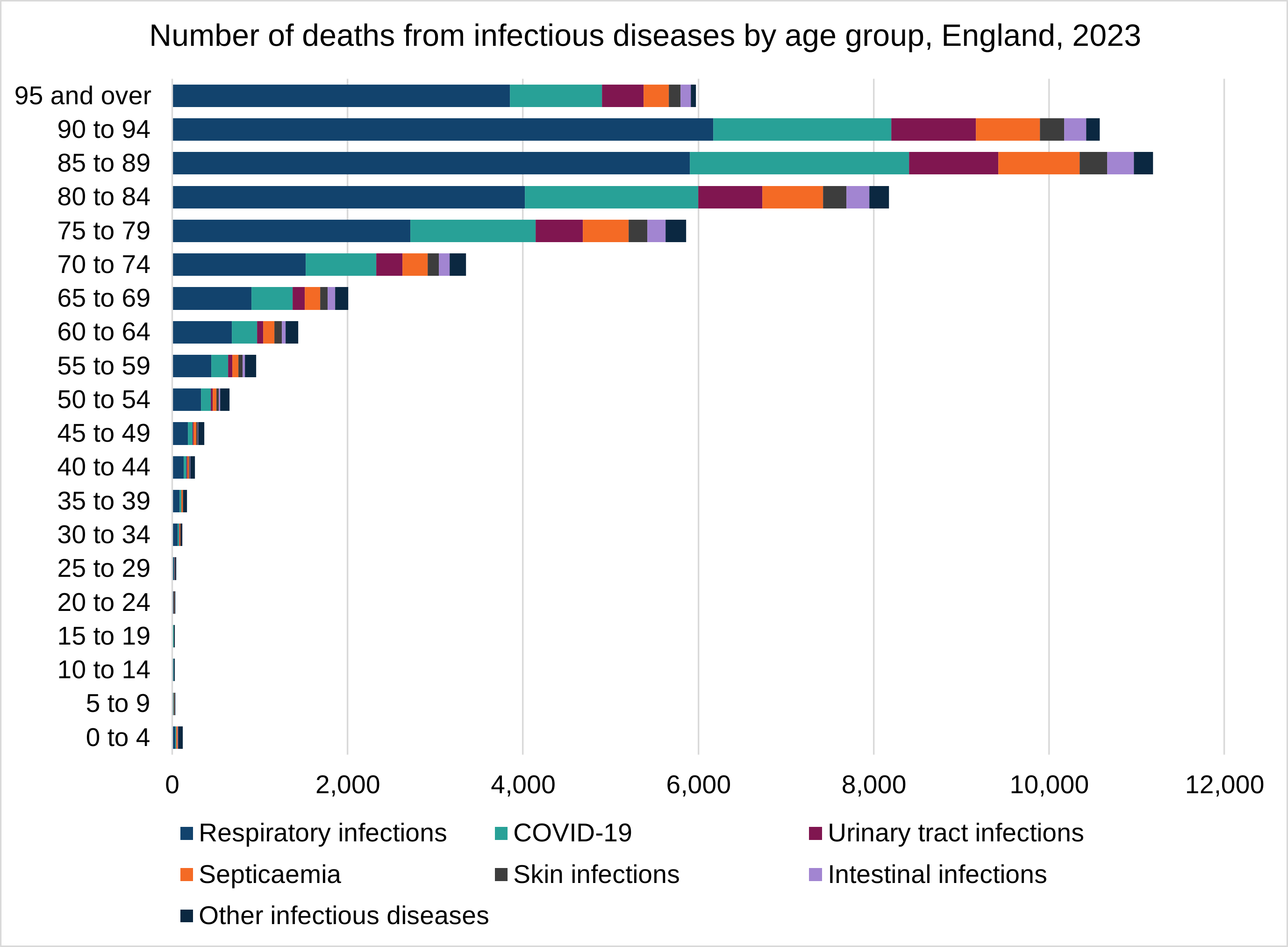
Older adults are at higher risk of infection and its severe consequences including indirectly, through increasing risk of other illnesses such as stroke and heart disease. We have historically given much more emphasis to preventing severe illness in children, and that needs to continue, but increasingly the burden of infectious diseases in older adults is dominating (figure 1). We now need to give it more systematic attention as it can reduce the quality as well as the length of life. Recent advances in vaccine science have shown that we can improve health outcomes from infection in older adults with tailored interventions such as the RSV, COVID-19 and shingles vaccination programmes now available for this age group.
Figure 1: number of deaths from infectious diseases, by age group, 2023, England
Source: Office for Health Improvement and Disparities, based on mortality data from the Office for National Statistics.
Figure 1 shows higher numbers of deaths from infectious diseases in older age groups, with the highest in the 85 to 89 age group. In older adult age groups, most deaths are indicated to be from respiratory infections, followed by COVID-19.
2. Controlling specific infections has proven highly successful in preventing certain cancers
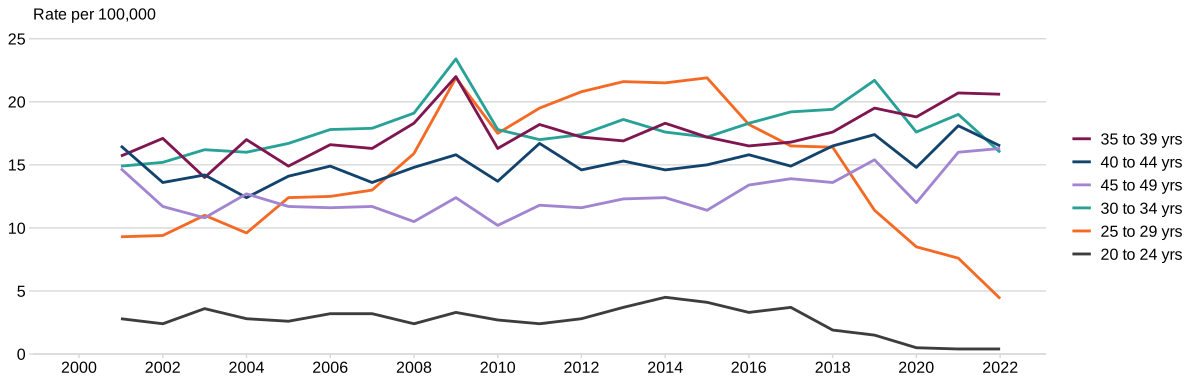
Vaccination against human papillomavirus (HPV) has significantly reduced new cases of cervical cancer in women under 30 years of age in England, reflecting eligible cohorts since the introduction of the vaccine in 2008 (figure 2). Provided we achieve consistently high coverage of vaccination (and screening), cervical cancer will become a very rare occurrence in England in the future. Other cancers we have successfully reduced the incidence of include HIV-related lymphoma and Kaposi’s sarcoma, and viral hepatitis associated hepatocellular carcinoma. There may be other infections such as Epstein-Barr virus (EBV) which if controlled might reduce cancers further.
Figure 2: trend in cervical cancer incidence by age group (age standardised rates per 100,000 population), England, 2001 to 2022
Source: image from Department of Health and Social Care Health trends and variation in England, 2025, a Chief Medical Officer report, is licensed under the Open Government Licence v3.0.
Figure 2 shows that women under 30 have rapidly falling cervical cancer rates compared to older age groups due to HPV vaccination, which was introduced in 2008.
3. Infections in pregnancy and the neonatal period present significant risks
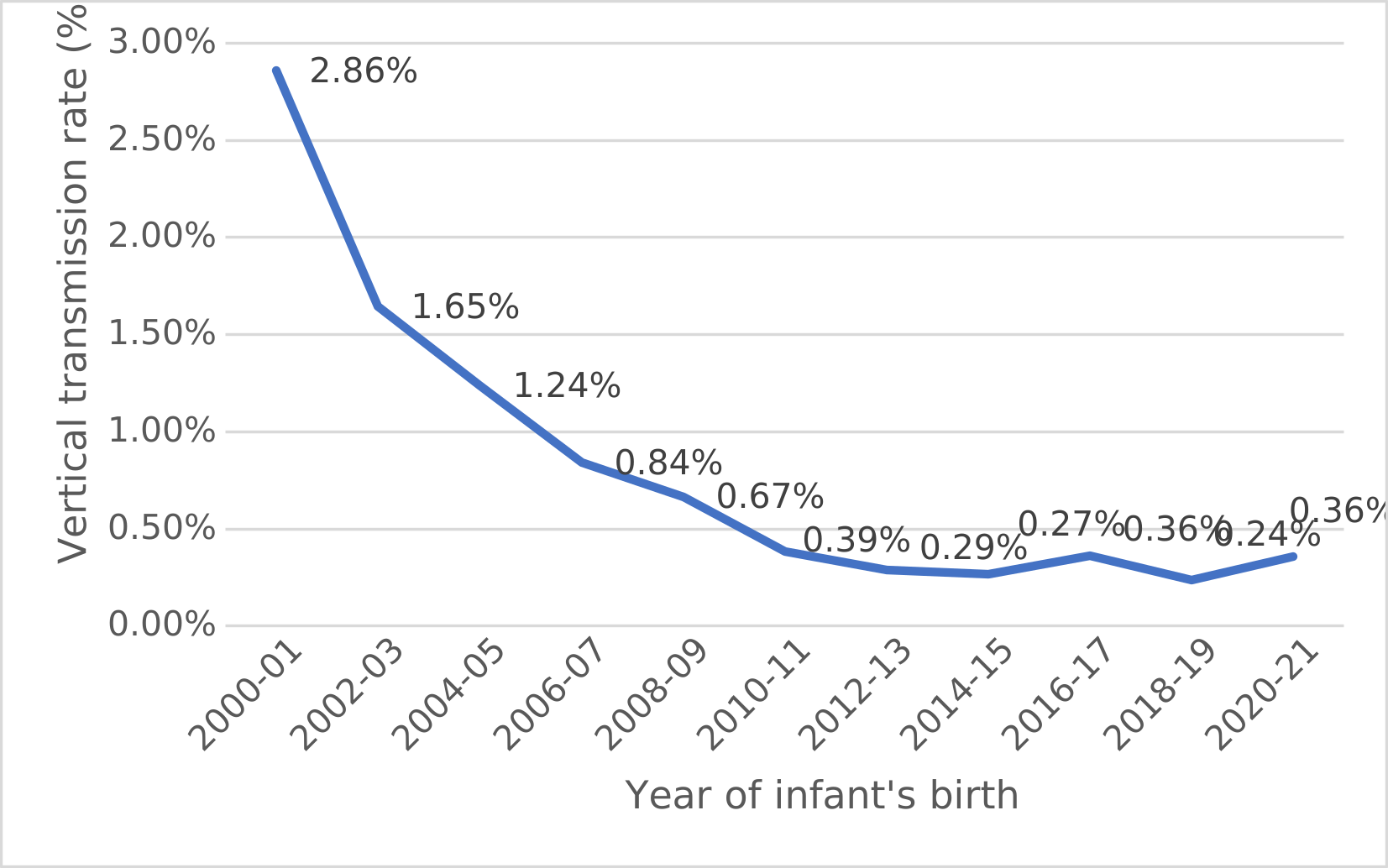
Although maternal deaths are rare in the UK, maternal sepsis remains a significant cause of harm especially in some ethnic groups and in areas of deprivation. There has been a major improvement in neonatal mortality from infections over the last 40 years but this has slowed in the last decade. Antenatal screening can reduce risk and improve outcomes as demonstrated by reductions in vertical transmission of HIV (figure 3), hepatitis and syphilis. Vaccinations such as those against RSV, influenza and pertussis during pregnancy are effective at preventing fetal and neonatal harm from these infections. However, vaccine uptake among pregnant women has sometimes been low relative to the protection provided.
Medical advancements in care and improved hygiene practices in high-risk settings such as neonatal units have also contributed to improvements in neonatal mortality from infection. Trials for screening and possibly vaccination against Group B Streptococcus, a common cause of neonatal infection, hold promise for further reductions in the burden of neonatal infection in England.
Figure 3: vertical transmission rate of HIV by year of birth for infants born to diagnosed women in England
Source: image from ISOSS HIV report (for pregnancies between 1 April 2021 to 31 March 2022), 2024, is licensed under the Open Government Licence v3.0.
Figure 3 shows the reduction in rate of vertical HIV transmission since the introduction of the universal antenatal HIV testing programme in England in 2000. Rates have dropped from 2.86% in the year 2000 to 2001, to 0.36% in the year 2020 to 2021.
4. Easily underestimated but potentially very harmful diseases are increasing due to gradually declining coverage of routine vaccinations in children and young adults over the last decade
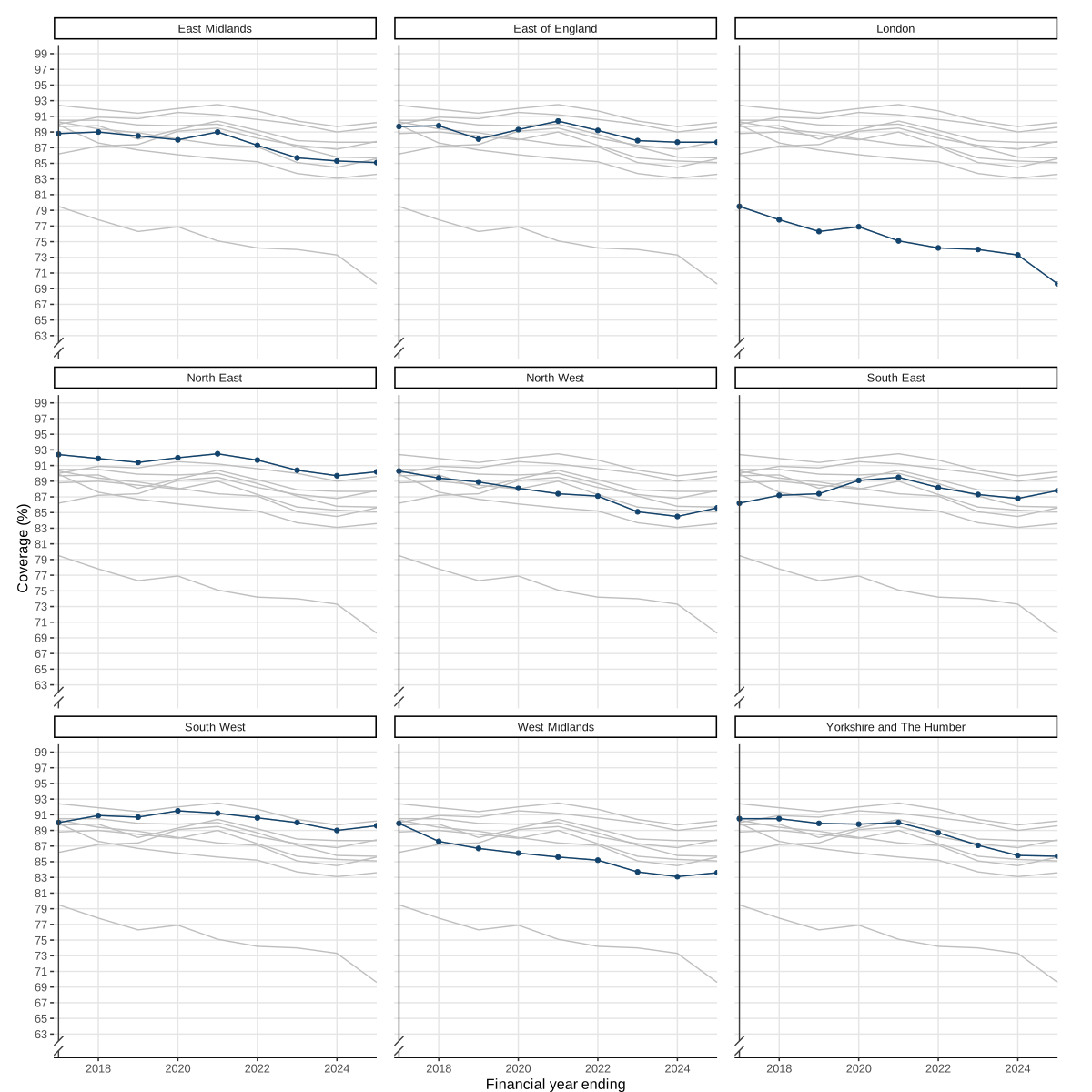
Overall rates of vaccine uptake in children in England are very high, but they have been drifting down, especially in London (figure 4). Outbreaks of serious vaccine preventable diseases such as measles are likely to become more frequent, with associated health outcomes including long-term disability and death. Inequalities in vaccination coverage by deprivation, ethnicity and geography lead to unequal distribution of disease.
Vaccination has been the keystone in safely and effectively preventing many serious infections such as diphtheria, polio and meningitis in childhood. Barriers to accessing vaccination are important as well as vaccine confidence in contributing to lower uptake. New vaccines against, for example, varicella zoster (which causes chickenpox and subsequently shingles) for children and RSV in neonates and older adults show continued scientific progress - high levels of uptake are essential to achieve the greatest health impacts from these innovations.
Figure 4: coverage of the MMR2 vaccine by region in children aged 5 years from financial year ending 2016 to financial year ending 2025
Source: image from UKHSA ‘Vaccination coverage statistics for children aged up to 5 years, England (COVER programme) report: April 2024 to March 2025’, available from Cover of vaccination evaluated rapidly (COVER) programme: annual reports, updated 2 Oct 2025, is licensed under the Open Government Licence v3.0.
Figure 4 shows broadly declining coverage of MMR2 vaccine at age 5 by region from 2016 to 2025, with lowest coverage in London where it has also declined most steeply. The most recent data points suggest trends may be stabilising or changing in some regions such as East of England and North West.
5. The burden and range of infections imported into the UK has increased over the last decade
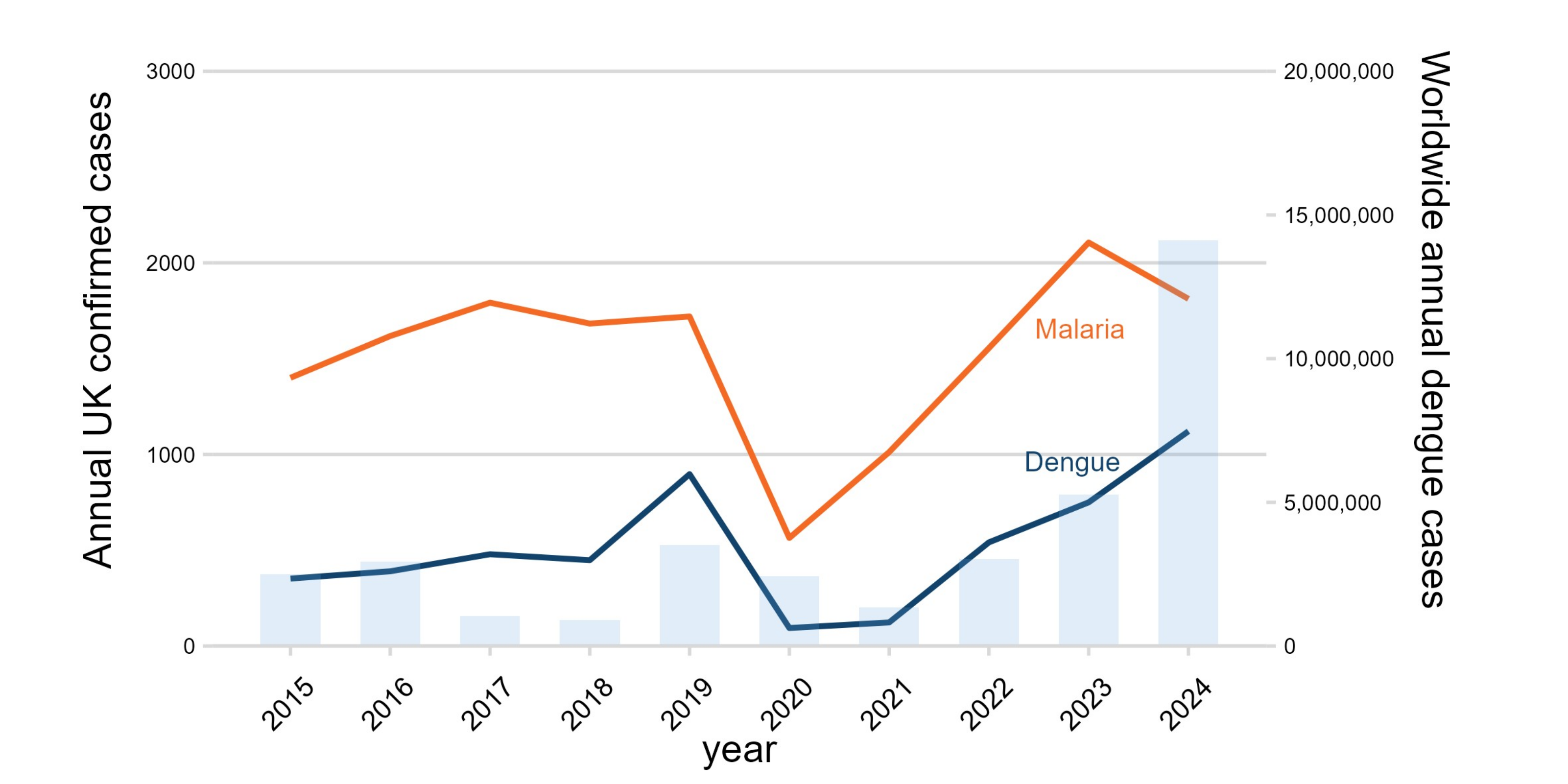
The number of imported cases of malaria, enteric fever and dengue has risen and the 2022 outbreak of Mpox demonstrates the potential for novel or emerging imported infections to cause significant ill health (figure 5). Imported infections have also been increasingly detected in animal and insect vectors of disease in the UK. Travel, trade, increased population density, changes in land usage in response to population growth, migration and climate change are global drivers of this increase. Responding to imported infections involves maintaining surveillance, diagnostic capability, professional expertise in imported infections, healthcare facilities to manage cases and international engagement in research and learning. This also can provide support to other countries.
Figure 5: cases of malaria and dengue diagnosed in the UK, 2015 to 2024
Source: Houlihan C, Warrell C, Lalloo D, Olver J. Imported infection and zoonosis, chapter 2.2.
Figure 5 shows annual confirmed dengue and malaria cases in the UK, both dipping during the COVID-19 pandemic and rising to record levels in 2023 to 2024. Background bars depict steeply increasing global dengue cases, nearly tripling from 2023 to 2024. The UK dengue cases are climbing reflective of global case burden.
6. Antimicrobial resistance (AMR) continues to be a major risk
Infections are under evolutionary pressure to adapt around our countermeasures, including antibiotics, antivirals, antiparasitic, antifungals, vaccines and insecticides. Infections are therefore a dynamic threat. As championed by Dame Sally Davies, addressing AMR requires a range of co-ordinated actions to enable more accurate and judicious use of antimicrobials in the presence of infection or possible infection.
Prevention of infection in the first instance, through for example vaccines and good hygiene practice, will reduce both the burden of resistant infections from spread and the opportunity for new resistance to develop - this applies to agriculture as it does to human medicine. Infection control measures in hospital and antimicrobial stewardship (reducing overuse of antimicrobials in human and animal health) are both essential. A realistic pipeline of new antimicrobials which can be used in the presence of resistance will mitigate ongoing risk. While England does not yet have as high rates as some countries this is a significant and growing threat, and we should learn from countries with lower rates than we have.
Figure 6: prevalence of high-risk antibiotic resistance, 2019
| Country | Average resistance (%) |
|---|---|
| United States | 24.5 |
| Canada | 17.7 |
| Germany | 15.5 |
| Ireland | 14.9 |
| France | 13.8 |
| Australia | 13.2 |
| UK | 10.8 |
| Netherlands | 7.3 |
| Denmark | 5.7 |
Source: National Audit Office (NAO). Investigation into how government is addressing antimicrobial resistance, page 17. London: NAO, 2025 (accessed 25 August 2025).
Figure 6 shows the UK is third lowest for average resistance (%) in 2019 in a comparison of prevalence of high-risk antibiotic resistance of 9 countries of similar economic and cultural profile.
7. The periodic occurrence of significant new epidemics and pandemics as a natural consequence of emerging and evolving infections is predictable, even if the timing of their onset and infection is not
Five pandemics have affected the UK in the last 75 years: COVID-19 (respiratory), HIV (sexual) and 3 involving influenza (respiratory). Multiple significant epidemics have occurred over the same time period including Ebola and Mpox (touch), Zika (vector), SARS and MERS (respiratory) and BSE/nvCJD (oral). The primary route of transmission (which can be respiratory, sexual, oral, touch or vector-borne) for each of these determined effective control measures ahead of medical countermeasures such as drugs and vaccines being available. Initial control measures at a population level differ by route of transmission. Rapid development of medical countermeasures including diagnostics, drugs and vaccines is essential and depends on a strong science base.
Overall recommendations
This report makes a number of recommendations intended for a range of healthcare, public health, scientific and government departments that each have a role to play in managing the changing burden of infections over time and across the population. More specific recommendations can be found within the individual chapters of this report, which reflect the views of their respective authors.
1. We need to be much more systematic about infections in older age
In managing common infections in elderly patients, healthcare professionals should take account both of the higher probability of older patients acquiring many infections, and of infections being more likely to cause severe or recurrent disease in this age group. The difficult balance between overuse and underuse of antibiotics is often more tilted towards treatment in older rather than younger adults in primary care. In secondary care, action to prevent further consequences of infection including sepsis and deconditioning in older patients with infection should be emphasised. The risk that infections precipitate stroke and myocardial infarction (heart attack) in older people is often underappreciated - significant infection should be a prompt to optimise secondary prevention of cardiovascular disease. Vaccines in the elderly have been shown to reduce major or debilitating disease significantly, and their development and deployment needs to be prioritised.
2. For the NHS and public health system, supporting and tailoring access to vaccines in different population groups will facilitate uptake to improve protection against infections
a. For parents, accessing professional and evidence-based support in decision-making can improve confidence in protecting their children from significant lifelong harm through vaccination. Four things in particular need to be communicated clearly, covering benefits and risks:
- the dangers of the infections being prevented
- the efficacy of the protection
- the side effects of the vaccine relative to the risk of disease
- then we need to provide easy access
Some groups in society start with less trust in government and medicine, and this needs to be respected and worked with.
b. For pregnant women, consistency of advice and access across the range of healthcare professionals and settings they interact with can improve confidence in their decision-making to protect their babies.
c. Maintaining high levels of HPV vaccine uptake in young girls and boys will work to secure a future where cervical and other HPV driven cancers are very rare.
d. For older adults, differences in eligibility and repeat schedule can make it harder for people to be aware they can have a vaccine. They may also be uncertain as to when, how or where to access vaccines. Making this obvious and widely available will support older adults to access care in the community.
e. Working with underserved communities experiencing specific vaccine concerns or practical difficulty in accessing vaccines to provide culturally acceptable, evidence-based support can improve the health of some of the otherwise most susceptible populations.
3. Concentric circles of expertise for managing infections within the healthcare system can support effective and timely intervention, including in emergencies
All clinicians need a baseline level of training and experience in infections. Increasingly, this includes training on providing basic advice to people when they travel. Specialists need to be trained in infections. We also need superspecialists to provide advice on and management of infections including those that are imported or tropical and rarer (such as fungal infections). However, specialists should retain generalist knowledge and capability to manage common complications and co-morbidities, especially as we plan for the future needs of an ageing population.
4. Antimicrobial resistance (AMR) is everybody’s problem
Reducing infections reduces the need for antimicrobials. Reducing the unnecessary use of antibiotics and other antimicrobials, using older or narrow-spectrum antimicrobials for routine use and reserving more recent antimicrobials for more complex cases will help slow the spread of resistance in England. This must be mirrored in agricultural use. Developing a pipeline of antibiotics, antivirals, antifungals, antiparasitic drugs and insecticides has to be a global endeavour in which the UK has historically played a leadership role - we must continue to keep this a significant priority. Detecting and mapping the spread of AMR globally helps our country and other countries to respond effectively to this threat.
Specific additional recommendations
-
Initial control measures for future epidemics and pandemics should be based on the primary route of transmission until medical countermeasures like drugs and vaccines are developed and made available. We need to maintain our capacity to meet threats from each of the 5 major routes of transmission (respiratory, sexual, oral, touch or vector-borne).
-
Several major cancers caused by infections can be reduced to exceptionally low levels through vaccination, treatment and screening. We should ensure we achieve that by maintaining and improving high uptake, including countering disinformation about vaccines forcefully when necessary.
-
The spread of resistant strains of fungi with the capacity to cause serious human diseases due to the agricultural use of novel fungicides is an issue that requires research and surveillance monitoring. Deployment of novel antifungals in agriculture should consider effects on human health, especially where drug development is happening in parallel so that both human and agricultural health are considered in the round.
-
We are likely to see changes to vector and vector-borne disease distribution in the future, exacerbated by climate change. This is on a background of continued threat from new infectious diseases as they emerge, particularly from domestic and wild animals. Maintaining our preparedness for these includes having a strong and comprehensive surveillance system.
-
Sharing data openly nationally and internationally and integrating UK datasets to enable timely, meaningful and comprehensive surveillance and research for COVID-19 demonstrated it is possible to use data much more effectively than we often do. We should apply this approach to collaboration on data on infections outside of emergencies, including for areas of strength in the UK such as pathogen and human genomics and clinical and biobank data.
-
Research on infections in the UK is an area of strength, however older adults and pregnant women are often underserved. Differences in physiology at these life stages mean the impact of infections differs in these groups, and the way we prevent and manage them should reflect this. Often, it is these groups that are at particular risk who are excluded from studies. A more inclusive and focused approach to key life stages within infectious disease research is possible and necessary as a next strategic step.
-
Infections are global. In order to protect both the UK population and populations more widely, particularly children and vulnerable people, it is necessary to continue supporting the global health architecture including by data sharing, research partnerships and co-development of diagnostics and treatments.