Zoonotic tuberculosis: public health management of zoonotic tuberculosis cases and exposures in England
Updated 16 September 2026

© Crown copyright 2026
This publication is licensed under the terms of the Open Government Licence v3.0 except where otherwise stated. To view this licence, visit nationalarchives.gov.uk/doc/open-government-licence/version/3 or write to the Information Policy Team, The National Archives, Kew, London TW9 4DU, or email: psi@nationalarchives.gov.uk.
Where we have identified any third party copyright information you will need to obtain permission from the copyright holders concerned.
This publication is available at https://www.gov.uk/government/publications/bovine-tuberculosis-tb-public-health-management/zoonotic-tuberculosis-public-health-management-of-zoonotic-tuberculosis-cases-and-exposures-in-england
Who this guidance is for
This guidance is intended for health protection teams (HPTs) in England when assessing the risk to individuals exposed to zoonotic tuberculous mycobacteria through close contact with infected animals or the consumption of unsafe food.
This guidance has been prepared by the UK Health Security Agency (UKHSA) in consultation with the Department for Environment, Food and Rural Affairs (Defra), the Animal and Plant Health Agency (APHA), the Food Standards Agency (FSA), the Health and Safety Executive (HSE), the Chartered Institute of Environmental Health (CIEH) and the Department of Health and Social Care (DHSC).
What has changed since this guidance was last updated
Changes to the previous guidance include:
- additional evidence from 3 systematic reviews
- clarification of the risk assessment process following exposures to zoonotic tuberculosis (TB) through close contact with infected animals or the consumption of unsafe food
- updated risk assessment algorithms
- updated template letters for owners of animals found to have TB
- updated advice for public health follow-up of TB in livestock and domestic animals
- revised definition of children at increased risk of developing active TB following animal exposure as those aged under 5 years (previously under 16 years)
While this guidance is evidence based, it is acknowledged that the underpinning evidence, including that related to the risk of recent zoonotic transmission in England, emerging routes and newly identified zoonotic mycobacteria, is growing but incomplete. Revisions to this guidance may therefore be required in the future.
Background
Zoonotic TB refers to TB acquired from animal sources (1). Historically, this was defined as human infection caused by Mycobacterium bovis (M. bovis). It is now recognised that other subspecies of the mycobacterium tuberculosis complex (MTBC), usually found in animals, can potentially be transmitted to humans, including M. caprae, M. orygis, M. microti, M. pinnipedii, M. canettii, M. mungi and M. suricattae.
M. bovis remains a significant threat to the UK cattle population. Alpacas, llamas, vicunas and guanacos – hereafter referred to as camelids – are particularly vulnerable to M. bovis infection. A systematic One Health approach is required for the management of possible public health consequences of TB in cattle and other animals.
Epidemiology of TB in animals
M. bovis infection is endemic in cattle across large parts of southwestern England, south and mid-Wales, and most of Northern Ireland (2). All mammalian species, including humans, are susceptible to infection with M. bovis to a variable degree. Badgers are a significant reservoir of infection in the West of England and large areas of Wales.
Wildlife species are not routinely tested, but APHA reports incidents of infection in non-bovine species (farmed animals and pets) each year.
Further information on the epidemiology of M. bovis in cattle is provided below.
Data on TB in cattle in Great Britain (GB) (England, Scotland and Wales) is available at Tuberculosis (TB) in cattle in Great Britain.
Data on TB in non-bovine species in GB since 2011 is available at Data on TB in Non-Bovine Species.
Other mycobacterial species, particularly those belonging to the MTBC, may also cause animal infections.
M. tuberculosis
Although M. tuberculosis infection is rarely confirmed in animals in England, it has been reported in captive elephants, non-human primates, and occasionally in dogs (3).
M. microti
M. microti causes TB in both domestic and wild mammals, particularly in cats and camelids. Wild rodents act as its natural host (4, 5). While M. microti infections in humans are uncommon, a few cases have been documented in the UK (6).
M. caprae
M. caprae is not frequently isolated from animals in the UK, but it has been identified in a small number of deer and cattle herds in England, as well as in a cluster of TB cases in cats in England and Scotland linked to the consumption of commercial raw meat pet diets. M. caprae is present in continental Europe, where it primarily causes TB in goats (7, 8).
M. orygis
M. orygis is a recently identified member of the MTBC that causes disease in humans and animals mainly in South Asia (9). To date, no animal case has been reported in England.
Other non-tuberculous species of mycobacteria
Animals can also be infected with other non-tuberculous species of mycobacteria, such as M. avium. However, M. avium isolates from animals are not routinely subtyped.
Epidemiology of zoonotic TB (in humans)
M. bovis
Most zoonotic TB cases in England are due to infection with M. bovis. Further information on the epidemiology of M. bovis infections in humans is provided below. See also Tuberculosis caused by Mycobacterium bovis: notification data - GOV.UK
M. tuberculosis
Human cases of M. tuberculosis acquired from animals, including elephants, have occasionally been described outside the UK (3).
M. microti
Human infections due to M. microti are rare but have been documented in both immunosuppressed and immunocompetent individuals (5, 6). Between 2011 and 2024, only 14 human cases were confirmed by culture in England (10). A zoonotic source for M. microti infections may not always be identified (6).
M. caprae
M. caprae has been associated with human disease in Europe (7, 8,11), but there are no documented cases of animal to human transmission in the UK to date.
M. orygis
Although M. orygis infections in animals are largely restricted to South Asia, human cases have been reported in Europe (9, 12) including in the UK (13). Reports from Canada and other European countries have mostly involved individuals originating from South Asia, suggesting that these infections may have been acquired overseas (14, 15).
Other MTBC species also have zoonotic potential, although the number of reported human cases is lower.
Roles and responsibilities
Reporting TB in animals
TB in cattle (bovine TB) is a notifiable animal disease in the UK. All confirmed or suspected cases must be reported to APHA, the competent authority for the control of TB in cattle and other domestic animals in GB.
The Tuberculosis in Animals (England) Order 2021 (‘The Order’) requires that any keeper, veterinary surgeon or inspector who suspects TB in a live animal or in a carcass immediately notifies APHA (acting on behalf of the Secretary of State). The Order applies to bovine animals (cattle, water buffalo and farmed bison), goats, sheep, pigs, camelids and deer. Additional measures, outlined in Part 3 of the Order (such as pre- and post-movement testing), apply specifically to bovine animals. The Order also prohibits the treatment of bovine animals, goats, sheep, pigs, camelids and deer for TB.
Reporting human TB
The NHS is responsible for the diagnosis and treatment of all TB cases.
Suspected and confirmed cases of TB in humans are statutorily notifiable by the registered medical practitioner. Statutory notification for active TB is made electronically through the National TB Surveillance System (NTBS) managed by UKHSA and is accessible by TB Services.
See Notifying suspected or confirmed active tuberculosis (TB).
Diagnostic laboratories
Laboratory identification of M. bovis in samples taken from any mammal (except human samples) must be reported to APHA without delay, unless M. bovis was present in the sample as a result of its deliberate introduction as part of research involving the use of this organism.
Diagnostic laboratories that test human samples are required to notify UKHSA within 7 days of identifying MTBC.
See Notifying suspected or confirmed active tuberculosis (TB).
Animal and Plant Health Agency (APHA)
APHA is responsible for the surveillance and investigation of TB in animals, and for notifying the appropriate UKHSA HPT when confirmed or suspected cases may have public health implications.
For information on the APHA investigation of TB in cattle, see Bovine TB: get your cattle tested in England.
For information on reporting TB in cattle, see Bovine TB: how to spot and report the disease.
APHA reports to the relevant HPT all incidents where the officially TB free (OTF) status of an affected herd has been withdrawn due to the detection of:
- at least one tuberculin skin test (TST) reactor animal with either:
- visible lesions of TB at post-mortem examination/inspection
- a positive M. bovis laboratory (polymerase chain reaction (PCR) test or bacteriological culture) result
Or:
- at least one non-reactor (or untested) animal with both:
- visible lesions of TB detected at post-mortem examination or meat inspection
- a positive M. bovis laboratory result
The monthly electronic report from APHA provides information to help HPTs in deciding what further public health actions may be required (see also content of the monthly electronic report). An update to this report will be issued when the TB herd incident has been resolved. APHA also issues reports to environmental health practitioners to enable monitoring of dairy farmers’ compliance with milk hygiene regulations.
A direct notification to the HPT, or further update (by email or phone), will be made in addition to the electronic report for any bovine TB incident which may have public health significance. These might include:
- clinical cases of TB in the herd
- dairy cows with tuberculous mastitis
- evidence of milk-borne spread of M. bovis infection within a herd
- supply of raw milk to visitors or guests, production of unpasteurised cheese, or sale of unpasteurised milk to the public
- bovine animal with pulmonary TB lesions
- unusually large numbers of test reactors with visible TB lesions
- partial or complete depopulations of livestock farms due to severe TB breakdowns
APHA will notify the relevant UKHSA HPT about all confirmed TB infections in non-bovine domestic animals or captive wild animals, such as camelids, goats, cats, dogs and exotic animals in zoos. This will be sent by email and/or phone.
APHA sends quarterly reports of M. bovis isolates from pets (domestic cats and dogs) and camelids in England to the relevant HPTs and the UKHSA Emerging Infections and Zoonoses (EIZ) team for surveillance purposes.
Health protection teams (HPTs)
HPTs are responsible for leading the public health response to human exposure to animals with TB and to cases of zoonotic TB. For TB detected in animals, this includes undertaking a risk assessment following notification of an animal TB incident, identifying individuals potentially exposed, determining whether TB screening is indicated, and providing public health advice and supporting those affected. For a case of zoonotic TB, this includes undertaking a risk assessment and investigating any possible zoonotic source.
TB services (NHS)
TB services (NHS) are responsible for the clinical management of individuals referred to them following risk assessment. This includes screening individuals for TB infection, offering treatment and follow-up for latent TB infection (LTBI), and ensuring appropriate investigation, treatment, and specialist referral (if needed) for individuals diagnosed with active TB, including cases potentially acquired from a zoonotic source.
Definitions
Zoonotic TB: Zoonotic TB refers to a form of TB in humans acquired from an animal source. M. bovis is the most common species involved in cases of zoonotic TB in England. Other members of the MTBC can also be transmitted from animals to humans, including M. caprae, M. orygis, M. microti, M. pinnipedii, M. canettii, M. mungi and M. suricattae.
Officially TB Free (OTF): ‘OTF Status’ takes its meaning from European law. For a region or Member State of the EU to be considered to be OTF, the annual incidence of herds with confirmed M. bovis infection must not have exceeded 0.1%, and at least 99.9% of the herds within it must have been free from bovine TB at the end of the year for at least 6 consecutive years (2).
Bovine TB incident, or herd breakdown: the detection in an OTF herd of one or more TST reactors (animals that have failed a test for bovine TB) or the presence of an animal with PCR and/or culture-positive lesions of TB at routine slaughter.
OTF herd status withdrawn (OTFW): implies that typical lesions of TB were identified during post-mortem examination/meat inspection in at least one reactor or inconclusive reactor in the affected herd, or that M. bovis was detected from tissue samples from at least one test reactor, inconclusive reactor or a slaughterhouse case.
Summary of recommendations
Effective public health action in cases of zoonotic TB relies on timely collaboration between local private veterinarians, the APHA, local authority environmental health practitioners (EHP), the relevant UKHSA HPT, and the local NHS TB service. Complex situations are best coordinated via an incident management team (IMT) meeting hosted by the HPT.
The current guidance provides algorithms to support HPTs in England when assessing and managing the public health risks associated with TB in animals. These can be directly accessed via the links below.
Actions following notification of a zoonotic TB case (in human)
Clinical features, diagnostics and treatment
Zoonotic TB presents with the same clinical features as those of non‑zoonotic TB caused by M. tuberculosis. The diagnostic and treatment approaches for both infections and the management of their public health risks follow the same principles. The public health and clinical management of zoonotic TB is detailed in NICE guidance Overview: Tuberculosis Guidance .
Public health management
Action for registered medical practitioner:
- notify human cases of zoonotic TB to NTBS
Actions for NHS TB services:
- assess, treat and give infection control advice to TB cases
- notify HPTs of any zoonotic TB cases that may require public health follow-up
- if needed, they should arrange screening at least 8 weeks after the last TB exposure
Actions for HPTs:
- complete the M. bovis enhanced surveillance questionnaire at Mycobacterium bovis (M. bovis): enhanced surveillance questionnaire on NTBS
- investigate any possible zoonotic source indicated by this questionnaire, in collaboration with APHA
- identify any close contacts
- notify the regional APHA office when sputum smear-positive or culture-positive M. bovis TB is diagnosed in a person with an agricultural connection or working in the livestock sector
- it is good practice to inform HSE where a zoonotic mycobacterial infection has occurred in a workplace to allow further investigation. The HPT should inform the local HSE office by email at bioagents@hse.gov.uk
Actions for EHPs:
- provide local intelligence around the setting of the zoonotic TB incident
- liaise with the business operator around implementing measures to protect the public
Actions following notification of TB in an animal
Actions for HPTs:
- review notifications received from APHA
- risk assess all individuals exposed to TB-infected non-bovine livestock or pets (household companion animals)
- risk assess all individuals exposed to TB-infected bovine animal if the farmer contacts the HPT following receipt of an ‘inform and advise’ letter
- where appropriate, refer exposed individuals to their local TB team for screening
Clinical presentation, diagnosis and treatment of human cases
Zoonotic TB presents with the same clinical features as those of non zoonotic TB caused by M. tuberculosis. The diagnostic and treatment approaches for both infections and the management of their public health risks follow the same principles.
Clinical presentation
Tuberculosis infection can have a slow onset of symptoms and can be serious if left untreated. Common symptoms of TB include:
- persistent cough (lasting more than 3 weeks)
- coughing up blood or sputum
- a high temperature with or without night sweats
- unexplained weight loss
- feeling tired or exhausted
Infections caused by M. bovis can affect extra-pulmonary sites (organs or tissue outside of the lungs) more frequently than infections caused by M. tuberculosis.
Information on TB symptoms, testing and management is available at Tuberculosis (TB): diagnosis, screening, management and data.
See also Tuberculosis: notifying cases.
Testing
In the UK, screening or testing for TB is carried out by the NHS and can involve a skin or blood test and a chest x-ray. The optimal time for screening is at least 8 weeks after the last TB exposure.
See also Tuberculosis screening
UKHSA and APHA routinely carry out whole genome sequencing (WGS) of mycobacterial isolates, which enables comparison of human and animal strains. This information can provide insights into transmission pathways to support the investigation of TB clusters.
See also Mycobacterium tuberculosis whole genome sequencing and cluster investigation.
Risk factors
Certain individuals may have a higher risk of contracting zoonotic TB due to either increased exposure to potentially infected animals or heightened vulnerability to infection.
There is an increased risk of exposure in people who:
- live in close contact with susceptible animals (for example, pet owners)
- are occupationally exposed to cattle and other susceptible animals (including farmers, veterinarians, slaughterhouse workers, butchers, livestock traders, deer stalkers), especially where prolonged close contact occurs
- have recreational activities that involve exposure to cattle and other susceptible animals (including ranching, hunting), especially where prolonged close contact occurs
- consume unpasteurised milk and dairy products
Certain groups of people are at higher risk of developing TB infection, including:
- children aged under 5
- people with comorbid conditions, including:
- HIV
- diabetes mellitus
- end-stage chronic kidney disease receiving renal replacement therapy
- previous gastrectomy or jejunoileal bypass surgery
- occupational lung disease (for example silicosis)
- haematological malignancy
- history of solid organ transplantation
- malnutrition
- people taking immunosuppressive drugs, including:
- prolonged duration of high-dose corticosteroids
- chemotherapy
- some biologic immunosuppressive treatments (such as anti-tumour necrosis factor (TNF)-alpha biologic treatment)
- people with a history of:
- excessive alcohol use
- injecting drug use
- smoking
Treatment for TB
In the UK, treatment for TB is provided by NHS TB services. Treatment options for zoonotic TB are the same as for other forms of TB, generally requiring a 6-month course of antibiotics, but adjustments to the standard treatment regimens may be required for M. bovis, due to natural resistance to pyrazinamide.
Transmission
Transmission between animals:
Transmission of MTBC species between animals most commonly occurs when tiny droplets containing the bacteria are released from the lungs and airways of an infected animal. Transmission can occur between animals of the same species and between different species, involving farmed, domestic and wild animals.
Routes of transmission include:
- direct contact
- ingestion of contaminated material
- indirect exposure through shared environment such as grazing or water points
Transmission from animals to humans:
Among people who have close contact with animals, it can be difficult to identify the contribution of different transmission routes to the overall risk of zoonotic TB. Human infection can occur via the following transmission routes:
- ingestion (contaminated raw milk or dairy products)
- respiratory (coughing, breathing, sneezing)
- direct contact with mucous membranes (nose, throat, mouth and digestive tract) and skin abrasions
There is little evidence available on the transmission risk from non-bovine animals to humans. In the UK, human cases have been reported following exposure to:
- domestic cats
- alpacas
See also Transmission of zoonotic TB from animals to humans.
Ingestion
In humans, the main route of transmission has traditionally been the consumption of unpasteurised dairy products from infected cows.
Milk and milk products
Pasteurisation completely inactivates MTBC and is one of the most important public health measures to reduce the risk of zoonotic transmission. The sale of unpasteurised cow’s milk to the final consumer is still permitted in England, Wales and Northern Ireland under certain conditions. Herds supplying milk for unpasteurised sale must be officially TB free (Regulation (EC) 853/2004), registered with the FSA and undergo tuberculin skin testing each year. The sale of unpasteurised milk is banned in Scotland.
There is a risk of TB infection from consuming unpasteurised milk or dairy products if there is TB in the herd, but the risk is considered very low.
The risk from unpasteurised sheep, goat, and buffalo milk and milk products is also considered very low, due to smaller production volumes and a probable lower TB prevalence in these domestic species compared with dairy cows.
Meat and meat products
There have been no documented cases of zoonotic TB in the UK following the consumption of meat from infected animals. Meat is very unlikely to be a transmission risk in the UK as animals with evidence of disseminated disease, and any part of a carcass with visible lesions, are removed from the food chain during post-mortem meat inspection in the slaughterhouse. In theory, undercooked meat can present a risk, but thorough cooking will kill organisms that might be present. The European Food Safety Authority (EFSA) considers that the risk of M. bovis infection in humans from meat is negligible.
Respiratory transmission
Infection via the respiratory route is possible but requires close contact with the infected animal.
A risk exists for people who handle animals infected with MTBC, their carcasses or tissue samples. Although rare, outbreaks or cases have been described in occupational groups including cattle and deer farmers, slaughterhouse workers, zookeepers, veterinarians, veterinary nurses, meat inspectors and TB laboratory personnel.
Direct contact (cutaneous transmission)
The tuberculous bacteria can enter the body through cuts or breaks in the skin when handling infected animal carcasses or through direct contact with infected animals. This can cause local infections in the skin, tendons, lining of the mouth or nose, or nearby lymph nodes.
This mode of transmission is now extremely rare in the UK, with only one case documented in the mid-2000s of cutaneous granuloma (a bump or patch on the skin) in the finger of a veterinary surgeon who treated an infected alpaca before the diagnosis of TB in the animal could be reached.
Transmission from humans to animals:
Although infection of animals with MTBC bacteria of human origin has been described in a very limited number of reports, the contribution of humans as a source of MTBC infections to animals in the UK is insignificant compared to the much more common reservoirs of infection in cattle, badgers and other animal populations. A review carried out by UKHSA did not find any good quality evidence to quantify the risk of transmission of M. bovis from humans to animals, see Transmission of zoonotic TB from humans to animals.
Transmission between humans
As with M. tuberculosis, human-to-human transmission of other MTBC species can occur, and outbreaks of human M. bovis infection have been reported in the UK. However, since zoonotic TB is rare, cases arising from transmission between humans are uncommon. A review carried out by UKHSA did not find any good quality evidence to quantify the risk of human-to-human transmission of zoonotic mycobacteria: Transmission of zoonotic TB between humans.
Prevention and control strategies
Several preventive measures are effective in controlling public health risks associated with zoonotic tuberculosis.
Surveillance
Animal surveillance plays an important role in identifying infected animals as early as possible, thereby reducing the risk of transmission to other livestock, wildlife, and humans.
Animal testing
In the UK, cattle must be routinely tested for bovine TB, and non-bovine animals may be tested upon request by APHA. Surveillance includes both ante-mortem testing (TST supplemented with the interferon gamma blood test in many cattle herds sustaining OTFW TB incidents) and routine post-mortem inspection of carcasses by meat inspectors and official veterinarians employed or contracted by the FSA in slaughterhouses.
Movement restrictions
Surveillance is complemented by the compulsory slaughter of test positive animals (reactors), movement restrictions on infected herds, skin testing of cattle moving between OTF herds, and thorough cleaning and disinfection of affected premises.
Pasteurisation of dairy products
The pasteurisation of dairy products remains a critical measure to prevent transmission by ingestion.
Vaccination
Vaccination of animals, including cattle and wildlife, when used alongside other disease control measures, could potentially reduce the risk of bovine TB in Great Britain in the long term. The first injectable badger vaccine (badgerBCG) was licensed in the UK in March 2010 and is available for use on prescription (16). A TB vaccine for cattle (cattleBCG) has been developed, but its use is currently forbidden pending a UK marketing authorisation and the conclusion of field trials (and a subsequent marketing authorisation) of a companion new skin test format that can accurately differentiate infected from vaccinated animals (DIVA skin test) (17).
Public health actions
The public health actions required for cases of zoonotic TB and notifications of TB in animals rely on timely and effective collaboration between local private veterinarians, APHA, local authority EHPs, HPTs, and local NHS TB services. The aims are to detect cases of active TB, determine who needs to be screened for TB infection and to ensure measures are taken to prevent further exposure to zoonotic TB in the setting concerned.
Public health action involves:
- risk assessment of the zoonotic TB exposure
- contact tracing for individuals identified as having a significant exposure to zoonotic TB
- management of contacts with exposure to zoonotic TB to include follow-up of individuals who have had significant exposure, or who are in a risk group
Public health action following notification of zoonotic TB (in humans)
The Registered Medical Practitioner will notify all human cases of zoonotic TB to the web-based NTBS.
The principles for the investigation, treatment and contact follow-up of zoonotic TB are similar to those of M. tuberculosis cases. The public health and clinical management of zoonotic TB is detailed in NICE guidance Overview: Tuberculosis Guidance. NHS TB services are responsible for the assessment, treatment and infection control advice for TB cases or exposed individuals as per this guidance. They will notify HPTs of any cases that may require public health follow-up.
When a case of zoonotic TB is notified by the NHS TB service, they will have completed the M. bovis enhanced questionnaire on NTBS (Mycobacterium bovis (M. bovis): enhanced surveillance questionnaire).
HPTs should investigate any possible zoonotic source indicated on the questionnaire, in collaboration with the local APHA team.
Risk assessment of animal contact
HPTs should collect additional information about the case if animals may have been implicated in the transmission of M. bovis or other MTBC infections to humans. This will inform the assessment of the level of exposure. This information might include:
- the type, proximity and length of contact with the infected or suspected animals (for example, intermittent contact of short duration, such as with livestock, or prolonged contact, such as with a domestic pet)
- the nature of the close contact with the animals
- whether contact was in an enclosed environment or open air
- whether the animal presented with clinical signs of TB, whether there was contact with wounds or abscesses, or whether the animal was coughing or spitting
- whether the contact animal was known to be positive for M. bovis or other MTBC species:
- if yes, what was the site of TB in this animal - cutaneous TB, pulmonary TB, TB mastitis or other?
- duration of disease in the animal?
- are there strain typing results for comparison with the human isolate?
As exposure may have taken place many years earlier due to the long latent period of TB, there is substantial patient recall bias and identification of the likely source of infection is frequently not possible.
Notifying APHA of TB cases in persons with an occupational risk
The HPT should notify APHA whenever a case of M. bovis is diagnosed in a person with an agricultural connection or working in the livestock sector. APHA will investigate the possibility of an undisclosed animal infection in the patient’s environment, either as a potential consequence or as the source of the human infection.
Public health action following notification of TB in animals
Public health action should be initiated in response to exposure to animals infected with M. bovis or M. tuberculosis. Human contacts of infected animals should be followed up to determine exposure.
In cases where an animal is diagnosed with another mycobacterium species in the MTBC, such as M. microti, M. caprae or M. orygis, the private veterinarian or APHA may inform the owner of a possible zoonotic risk and suggest that they seek further advice. If this occurs, they may be reassured that while there is a theoretical risk of transmission to humans, the risk is considered very low. No routine actions by HPTs are indicated.
1. Public health action following notification of TB in bovine animal
APHA will notify UKHSA HPTs of the detection of TB incidents in both dairy and beef cattle herds, leading to the withdrawal of OTF status.
See algorithm for a summary of actions to be taken by HPTs.
When a case of TB in cattle is notified by APHA, HPTs should:
- send an ‘Inform and advise’ letter to the farmer
- send the joint UKHSA and APHA information leaflet for farmers
- if a farmer contacts the HPT following receipt of the letter, proceed with the risk assessment
Follow-up should be limited to close contacts who are:
- aged under 5, immunocompromised or in a risk group as defined above under ‘Risk factors’
And:
- likely to have had significant exposure. In practice, this includes:
- contact with a beef or dairy herd where there is evidence of highly infectious disease in any animal, such as lung lesions, intense or unusual transmission
- consumption of raw milk or unpasteurised dairy products from a cow with lesions of TB in the mammary gland or associated lymph nodes, or from cows in a herd with strong evidence of milk-borne spread of M. bovis infection
Close contacts meeting these criteria should be referred to the local NHS TB service for clinical assessment and screening, and a copy letter[MP6.1] should be sent to the GP. The optimum time for screening to take place is at least 8 weeks after the last exposure.
2. Public health action for occupational exposure of slaughterhouse workers, meat inspectors and veterinarians
HSE is the regulatory authority for slaughterhouses in relation to workplace health and safety. There is a legal duty under the Control of Substances Hazardous to Health Regulations 2002 (COSHH, as amended) for employers to assess risks to employees and others and implement measures to prevent exposure to M. bovis as far as is reasonably practicable. Dependent upon the risk, this may include, in addition to good occupational hygiene practices and disinfection, additional control measures such as respiratory protective equipment and health surveillance.
Slaughterhouse workers and meat inspectors working in premises receiving bovine animals from infected areas or slaughtering TB reactor bovine animals from infected herds may regularly handle infected carcasses. They are at higher risk of being exposed to aerosolised M. bovis and other MTBC species.
Where a case of zoonotic TB occurs following occupational exposure (for example, in a veterinarian or slaughterhouses worker), the employer should report it to HSE under the requirements of the Reporting of Injuries, Diseases and Dangerous Occurrences Regulations 2013 (RIDDOR). Further information on the requirements of RIDDOR is available on the HSE website.
BCG vaccination is recommended for veterinary staff such as slaughterhouse workers who handle animals or animal materials which could be infected with TB, if they are previously unvaccinated and are tuberculin-negative or interferon-gamma test negative. See also: Tuberculosis: the green book, chapter 32 - GOV.UK
Further advice on how to achieve compliance with health and safety law is available on the HSE website: Zoonoses - HSE, Preventing infections at work - HSE.
3. Public health action following notification of TB in other animals (non-bovine livestock species and pets)
TB may also be reported in camelids, other livestock, and pets.
Camelids, including alpacas and llamas, appear to be highly susceptible to infection with M. bovis, which may rapidly progress to clinical TB. Emaciation, intermittent cough, respiratory distress or sudden death are variably reported. Macroscopic lesions of TB at post-mortem examination can be extensive, and mostly involve the lungs and associated lymph nodes.
Two human M. bovis infections acquired from tuberculous camelids were documented in England in the early 2010s. Although camelids are farm animals, they may have more frequent human contact than other farm species, including contact with children or other vulnerable groups, in indoor settings and at public events.
See algorithm for a summary of actions to be taken by HPTs.
For complex situations, possible zoonotic exposures should be discussed with:
- the National TB Unit at UKHSA TBunit@ukhsa.gov.uk
- the EIZ Unit zoonoses@ukhsa.gov.uk
This includes, for example, those that have occurred:
- in camelids
- at zoos or petting farms
- at veterinary practices
When a case of TB in a non-bovine livestock species or a pet is notified by APHA, HPTs should:
- obtain animal history from APHA, including:
- how long the animal was sick
- the nature of TB in the affected animal – cutaneous, pulmonary, other
- proceed with the risk assessment:
- for pets, contact tracing should include the household, and anyone else who has had close contact with the animal while it was sick (for example, frequent visitors, veterinarian)
- for non-bovine livestock animals considered to be infectious, contact tracing should include those with regular close contact, for example the animal keeper, farm workers, and household members if it was regarded as a pet. Others with regular close contact with the animal while it was sick (for example, private veterinarian, frequent visitors) might also require a risk assessment of their exposure
While specific questions should be tailored to the situation, risk assessment of exposed persons should include the following questions.
About the animal
Priority questions:
- were there wounds or abscesses?
- was the animal coughing or spitting?
Additional questions may include:
- how long was the animal unwell?
- current state of animal (for example, pets undergoing private veterinary treatment at the owners’ expense and risk)?
- is the animal still alive?
- what is or was the nature of TB in the affected animal - cutaneous, pulmonary or other:
- if there were cutaneous lesions, what was the date of onset?
- were the cutaneous lesions discharging?
- if respiratory disease is or was identified, what were the respiratory signs (for example, coughing) and the date of onset?
About the exposure
Priority questions:
- was there close, prolonged and frequent contact with the affected animal?
- was there contact with wounds or abscesses?
Additional questions may include:
- is the animal considered livestock or a pet?
- if livestock: does it have contact with the public (for example, open farm)?
- if pet: did the animal regularly sleep in the same room as a person? did the animal have physical contact with people, for example sitting on anyone’s lap?
- has anyone had regular face to face contact (within 25cm) of the animal
- how many other infected animals have been identified or are potentially infected on the same premises?
About the individuals in close contact
- is anyone who has been in close contact less than 5 years old?
- is anyone who has been in close contact immunocompromised?
- is anyone who has been in close contact a risk group as defined above under ‘Risk factors’?
All individuals risk assessed as having had close or prolonged or frequent contact with the animal, contact with wounds or abscesses, contact with an animal that was coughing or spitting, or those who are under 5, immunocompromised or in a risk group should be considered for screening (see Algorithm x[CW8.1]). If indicated, screening procedures should follow NICE guidance (Overview: Tuberculosis Guidance). The optimum time for screening to take place is 8 weeks after the last exposure.
An ‘Inform and advise’ letter for all contacts is required even if no formal screening is arranged. A sample letter for local adaptation is available on the landing page. This advice should include information on handling of infected animals and appropriate personal hygiene measures, as exposure may continue while animals are unwell and continue to shed organisms, or if the environment has been contaminated. It will also advise close contacts on what to do should they have any concerns or develop symptoms.
Supporting evidence
The 3 rapid systematic reviews that have informed this guidance are available at:
- Transmission of zoonotic TB from animals to humans
- Transmission of zoonotic TB from humans to animals
- Transmission of zoonotic TB between humans
Further information
Epidemiology of bovine TB in cattle and humans
The epidemiology of TB in cattle
A compulsory eradication campaign for bovine TB began in Great Britain (GB) and Northern Ireland in 1950 and 1959 respectively. This involved routine screening of herds by intradermal tuberculin testing, slaughter of all test positive animals (known as reactors), and cattle movement restrictions in infected herds. The basic principle of the bovine TB test and slaughter programme is to identify infected cattle as early as possible and minimise the risk of the disease being transmitted to other cattle, wildlife and people. The main screening test for TB in cattle in GB is the single intradermal comparative cervical tuberculin test (SICCT) using bovine (M. bovis) and avian (M. avium) tuberculins. This is more commonly known as the tuberculin skin test (TST), which is used throughout the world to screen cattle, various other animals (deer, goats, pigs, sheep and camelids) and humans for TB. On-farm TB surveillance of cattle herds is supplemented with post-mortem inspection of all cattle slaughtered for human consumption in slaughterhouses by FSA officials. Pasteurisation of milk is the third component of the programme.
By 1979 the campaign had reduced the incidence of bovine TB in cattle herds across England to a very low level (0.49% of herds, 0.02% of cattle tested) and infection was restricted to small pockets in the Southwest of England (18). However, from the mid-1990s to the mid-2010s, both the number and geographical spread of new incidents of bovine TB in cattle herds steadily increased in England and Wales, while remaining low and stable in Scotland. This upward trend accelerated following the 2001 foot and mouth disease outbreak, during which the routine TB testing and slaughter programme was suspended for nearly 10 months. After a period of relative stabilisation between 2013 and 2017, herd incidence showed signs of decline in England and began to stabilise in Wales (2).
M. bovis is currently endemic in cattle in large parts of southwestern England, south and mid-Wales (Figure 1), and most of Northern Ireland. In these areas M. bovis is also present in the badger population, which acts as a wildlife reservoir for the bacterium. By contrast, the disease is rare in the North and East of England. Scotland was recognised by the European Commission as an Officially TB Free (OTF) region of the UK in September 2009. A small number of bovine TB incidents still occur sporadically in low-risk regions, due mainly to inward movements of infected cattle from high-risk areas elsewhere in the UK and Ireland that escape detection by pre-movement TB testing.
The complete data set on TB in cattle in Great Britain is available at Tuberculosis (TB) in cattle in Great Britain.
In England, if at least one TB test reactor is identified but no conclusive post-mortem evidence of TB is found in the slaughtered animals, the herd is still considered to be experiencing a breakdown and is considered infected. However, its OTF status is suspended (OTFS) rather than withdrawn, and a slightly less stringent follow-up testing regime is required to restore its OTF status. Additionally, a herd’s OTF status may be suspended if its TB test becomes overdue, if a suspected case of TB is reported during post-mortem meat inspection in the slaughterhouse (pending laboratory PCR and/or culture results), or following the detection of inconclusive reactors within 3 years following an OTFW breakdown.
Once the required testing and removal of animals has been completed, APHA will issue another legal notice (TB10) to revoke the TB2 (movement restriction legal notice) and so restore the OTF status of the affected herd. This indicates the end of the disease incident on that farm. Further details on these processes are available from APHA: Bovine TB: get your cattle tested in England.
Quarterly numbers of total and OTFW new bovine TB incidents detected in GB since January 1987 are available at Bovine TB epidemiology and surveillance in Great Britain, 2024 (sheet B1a).
Figure 1. Map of Great Britain showing TB herd incidence rates in cattle by county, 2024
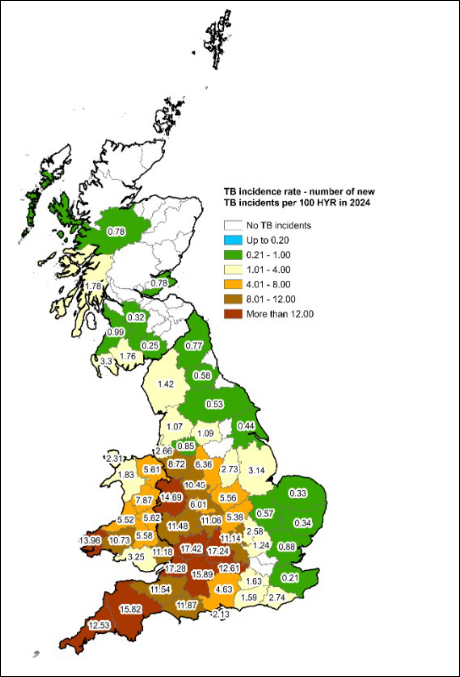
HYR = herd years at risk
Source: Data for this figure can be found in Bovine TB epidemiology and surveillance in Great Britain, 2024 – Surveillance data for 2024, sheet B5a.
Text description of Figure 1
Figure 1 is a map of Great Britain showing variation in bovine TB incidence in cattle by county in 2024, with highest rates in the southwest and lower rates in northern and eastern regions.
The epidemiology of M. bovis infections in humans
Before the introduction of animal disease controls, around 2,500 people died each year from zoonotically acquired TB in the UK (19). This represented approximately 6% of deaths due to all forms of TB (20). The sustained decline in the incidence of human M. bovis infection in the UK has largely been attributed to the introduction of wide-scale milk pasteurisation, the compulsory, regular screening of cattle herds with the TST and compulsory slaughter of reactors (21).
Data on human cases of M. bovis in the UK is available at Tuberculosis caused by Mycobacterium bovis: notification data.
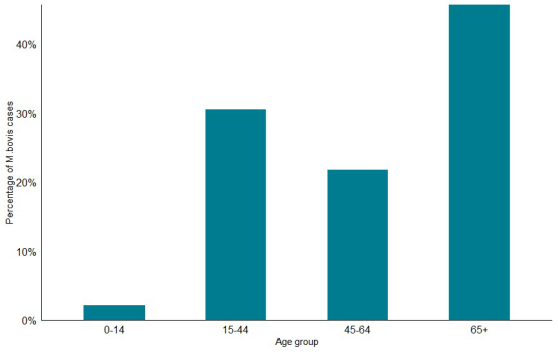
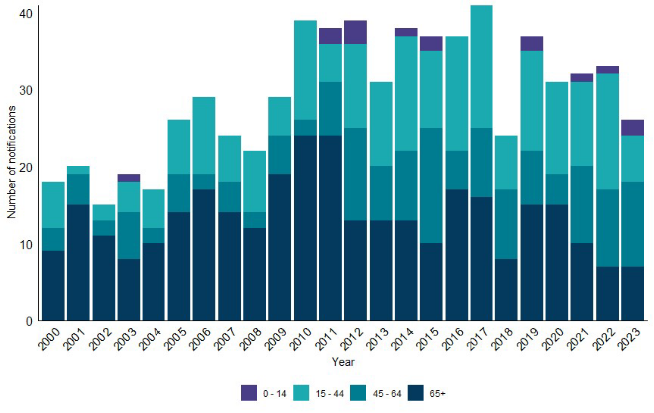
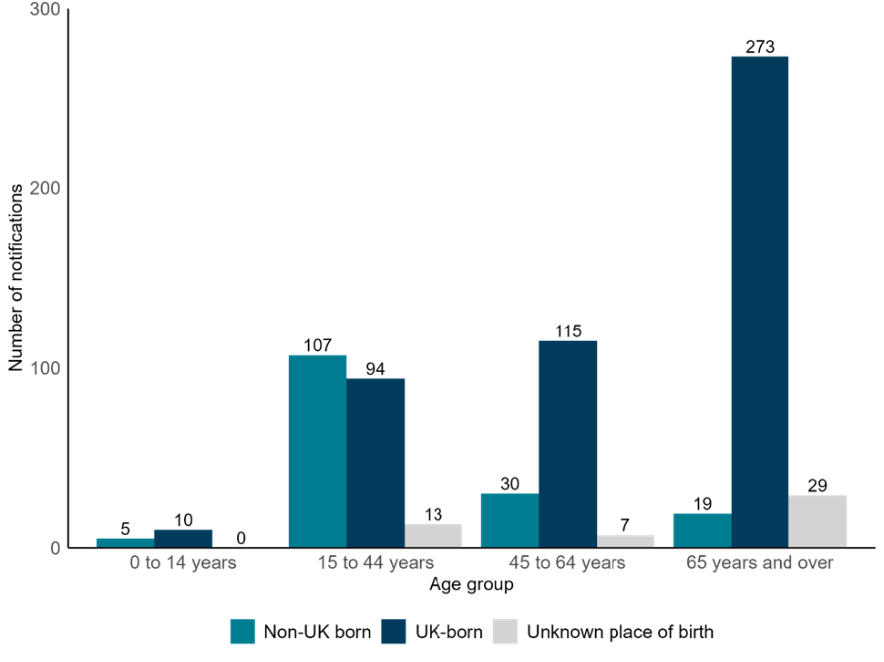
Surveillance data from the UK (22) shows that between 2000 and 2023, individuals aged 65 years and over represented the largest proportion of culture-confirmed human TB cases due to M. bovis infection (45.7%) (Figure 2). However, this age group’s annual share of cases has declined since the early 2010s (Figure 3). Among those aged 65 and over with a known place of birth, the vast majority (93.5%) were born in the UK (Figure 4). The age group 15 to 44 years accounted for the second highest proportion (30.5%) of TB cases due to M. bovis infection, with over half (53.2%) of cases in this group born outside the UK. In contrast, children aged 0 to 14 years made up only a small fraction (2.1%) of all reported TB cases due to M. bovis infection during this period.
In 2024, 23 of 3,424 (0.67%) culture-confirmed cases of human TB in England were due to infection with M. bovis, while the vast majority (97.7%) were caused by M. tuberculosis, consistent with previous years (19). The annual number of human TB cases caused by M. bovis infection has remained low in the UK since 2000, with between 12 and 41 cases (mean 28 cases) identified per annum between 2000 and 2023.
Figure 2. Percentage of culture-confirmed human TB cases due to M. bovis infection by age group, UK, 2000 to 2023
Source: Data for this graph can be found in Tuberculosis caused by Mycobacterium bovis: notification data – Supplementary table 4.
Text description of Figure 2
A bar chart showing the percentage of culture-confirmed human TB cases due to M. bovis infection by age group in the UK (2000 to 2023), with the highest proportion in those aged 65 and over (over 40%) and the lowest in children aged 0 to 14 (under 5%).
Figure 3. Number of culture-confirmed cases of TB in humans due to M. bovis infection by age group, UK, 2000 to 2023
Source: Data for this graph can be found in Tuberculosis caused by Mycobacterium bovis: notification data Supplementary table 4.
Descriptive text for Figure 3: Stacked bar chart showing the annual number of culture-confirmed human TB cases due to M. bovis infection in the UK (2000 to 2023) by age group. Over time, there is a slight increase in cases among individuals aged 15 to 44 and 45 to 64, and a decrease among those aged 65 and over.
Figure 4. Percentage of culture-confirmed human TB cases due to M. bovis infection by place of birth and age group, UK, 2000 to 2023
Source: Data for this graph can be found in Tuberculosis caused by Mycobacterium bovis: notification data Supplementary table 2.
Text description of Figure 4
A grouped bar chart showing the number and percentage of culture-confirmed human TB cases due to M. bovis infection in the UK (2000 to 2023), by age group and place of birth (UK-born or non-UK-born). Overall, most cases occur in UK-born individuals, particularly in those aged 65 and over. Only in the 15 to 44 age group is the number of cases higher among non-UK-born individuals than among UK-born individuals.
APHA notification content
The electronic monthly report of TB incidents in cattle herds with OTF status withdrawn from APHA to UKHSA HPTs includes the following:
- relevant HPT (UKHSA)
- contact details of APHA Regional Office
- incident start date
- OTF Withdrawn (confirmation) date – usually when visible lesions or laboratory positive results are received
- CPHH (county/parish/holding/herd number) (Farm identification number)
- herd type (dairy/beef/mixed)
- map reference of holding
- farm occupier/organisation name
- farm address, postcode and phone numbers
- number of reactors (test positive animals)
- number of animals with visible lesions typical of TB at post mortem examination
- number of animals with a positive M. bovis result
- number of animals with typical lesions of TB in the lungs
- number of animals with visible lesions of TB in the udder
- number of animals with visible lesions of TB in other anatomical regions/organs/lymph nodes of the carcass
- APHA incident reference number
More information
UKHSA systematic reviews on zoonotic TB:
- Transmission of zoonotic TB from animals to humans
- Transmission of zoonotic TB from humans to animals
- Transmission of zoonotic TB between humans
UKHSA information on M. bovis:
UKHSA M. bovis notification data:
Reducing the risk of human M. bovis infection: Guidance for farmers and others who work with livestock:
TB in non-bovine animals:
Bovine TB in domestic pets:
HSE information data sheet on bovine TB:
- Zoonoses - HSE
- FSA Manual for Official Controls. Chapter 6. Notifiable Diseases
- Bovine TB Hub
- APHA Bovine TB epidemiology and surveillance in Great Britain, 2024
References
1. Duffy SC, Marais B, Kapur V, Behr MA. ‘Zoonotic tuberculosis in the 21st century’ Lancet Infectious Diseases 2024: volume 24, issue 4, pages 339 to 341
2. Defra, APHA. 2025. ‘Quarterly TB in cattle in Great Britain statistics notice: June 2025
3. Ghodbane R, Drancourt M. ‘Non-human sources of Mycobacterium tuberculosis’ Tuberculosis 2013: volume 93, issue 6, pages 589 to 595
4. Michelet L, De Cruz K, Zanella G, Aaziz R, Bulach T, Karoui C and others. ‘Infection with Mycobacterium microti in Animals in France’ Forbes BA, editor. Journal of Clinical Microbiology 2015: volume 53, issue 3, pages 981 to 985
5. Panteix G, Gutierrez MC, Boschiroli ML, Rouviere M, Plaidy A, Pressac D and others. ‘Pulmonary tuberculosis due to Mycobacterium microti: a study of six recent cases in France’ Journal of Medical Microbiology 2010: volume 59, issue 8, pages 984 to 989
6. Emmanuel FX, Seagar AL, Doig C, Rayner A, Claxton P, Laurenson I. ‘Human and Animal Infections with Mycobacterium microti, Scotland Emerging Infectious Diseases 2007: volume 13, issue 12, pages 1,924 to 1,927
7. Cvetnic Z, Katalinic-Jankovic V, Sostaric B, Spicic S, Obrovac M, Marjanovic S and others. ‘Mycobacterium caprae in cattle and humans in Croatia’ International Journal of Tuberculosis and Lung Disease 2007: volume 11, issue 6, pages 652 to 658
8. Pérez De Val B, Vidal E, Stuber T, Sáez JL, Tórtola MT. ‘Zoonotic tuberculosis in Catalonia, Spain: Phylogenetic insights into Mycobacterium bovis and M. caprae transmission at the human-livestock interface’ One Health 2025: volume 20, page 100993
9. Duffy SC, Srinivasan S, Schilling MA, Stuber T, Danchuk SN, Michael JS and others. ‘Reconsidering Mycobacterium bovis as a proxy for zoonotic tuberculosis: a molecular epidemiological surveillance study’ Lancet Microbe 2020: volume 1, issue 2, pages e66 to e73
10. UKHSA 2025. ‘Tuberculosis in England, 2025 report
11. Rodríguez E, Sánchez L, Pérez S, Herrera L, Jiménez M, Samper S and others. ‘Human tuberculosis due to Mycobacterium bovis and M. caprae in Spain, 2004 to 2007’ International Journal of Tuberculosis and Lung Disease 2009: volume 13, issue 12, pages 1,536 to 1,541
12. Sumanth LJ, Suresh CR, Venkatesan M, Manesh A, Behr MA, Kapur V and others. ‘Clinical features of human tuberculosis due to Mycobacterium orygis in Southern India’ Journal of Clinical Tuberculosis and other Mycobacterial Diseases 2023: volume 32, page 100372
13. Lipworth S, Jajou R, de Neeling A, Bradley P, van der Hoek W, Maphalala G and others. ‘SNP-IT Tool for Identifying Subspecies and Associated Lineages of Mycobacterium tuberculosis Complex’ Emerging Infectious Diseases 2019: volume 25, issue 3, pages 482 to 488
14. Riopel ND, Long R, Heffernan C, Tyrrell GJ, Shandro C, Li V and others. ;Characterization of Mycobacterium orygis, Mycobacterium bovis, and Mycobacterium caprae Infections in Humans in Western Canada’ Journal of Infectious Diseases 2024: volume 230, issue 4, pages e789 to e797
15. Eldholm V, Rønning JO, Mengshoel AT, Arnesen T. ‘Import and transmission of Mycobacterium orygis and Mycobacterium africanum, Norway’ BMC Infectious Diseases 2021: volume 21, issue 1, page 562
16. Defra 2012. ‘Beef cattle and dairy cows: health regulations’
17. APHA 2025. ‘Cattle bovine TB vaccine field trials move to next phase
18. Defra 2011. ‘Bovine TB Eradication Programme for England
19. Ministry of Agriculture, Fisheries and Food. ‘Bovine tuberculosis: A centenary of animal health 1865 to 1965’ London; 1965
20. Hardie RM, Watson JM. ‘Mycobacterium bovis in England and Wales: past, present and future’ Epidemiology and Infection 1992: volume 109, issue 1, pages 23 to 33
21. De La Rua-Domenech R. ‘Human Mycobacterium bovis infection in the United Kingdom: Incidence, risks, control measures and review of the zoonotic aspects of bovine tuberculosis Tuberculosis 2006: volume 86, issue 2, pages 77 to 109
22. UKHSA 2024. ‘Tuberculosis caused by Mycobacterium bovis: notification data