Armed Forces Families and Safeguarding Overseas Survey 2025
Published 14 April 2026

© Crown copyright 2026
This publication is licensed under the terms of the Open Government Licence v3.0 except where otherwise stated. To view this licence, visit nationalarchives.gov.uk/doc/open-government-licence/version/3 or write to the Information Policy Team, The National Archives, Kew, London TW9 4DU, or email: psi@nationalarchives.gov.uk.
Where we have identified any third party copyright information you will need to obtain permission from the copyright holders concerned.
This publication is available at https://www.gov.uk/government/publications/armed-forces-families-and-safeguarding-overseas-survey-2025/armed-forces-families-and-safeguarding-overseas-survey-2025
Research authors
This research was undertaken by the Ministry of Defence. The conclusions and findings presented in this report reflects the information gathered during the research in 2025. This research, including analysis and quality assurance was completed in January 2026.
List of abbreviations
AFFS Armed Forces Families & Safeguarding Team
DPRE Defence People Research & Evaluation Team
JSP Joint Service Publication
MOD Ministry of Defence
SP Service Person/Service Personnel (including dual-Serving personnel)
LTR(E) Long Term Relationship (Established)
LTR(R) Long Term Relationship (Registered)
1.Introduction and Purpose
1.1 Introduction
The UK Armed Forces Families Strategy 2022-32, launched in January 2022, provides a framework for government, service providers, and other sectors to improve outcomes for families, and strengthen operational effectiveness. The Strategy is made up of eight interdependent workstreams and is owned by the Armed Forces Families and Safeguarding (AFFS) team.
1.2 Purpose of the research
AFFS commissioned a survey aimed at Armed Forces families living overseas to better understand their lived experience and provide an evidence base to help review current policy processes and develop future policy.
The survey was issued to Serving personnel including dual-Serving and spouses/partners assigned overseas.
2. Research Objectives
The research aimed to explore the following topics (full question sets can be found at Annex A):
- communications
- childcare
- education
- spousal employment
- safeguarding
3. Research methods
A mixed-method survey, comprising closed and open-text questions, was used as this focuses on deepening understanding and measure of the Service family community lived experiences. This research method was designed and conducted to align with: Joint Service Publication 536: Governance of research involving human participants.
3.1 Sampling
The survey used opportunity sampling and targeted our overseas Service family community. This included all Service personnel (regular and reserve), dual-Serving personnel and accompanying spouses/partners. There was no target sample size, the survey aimed to collect as many responses as possible during the period it was live.
The survey was distributed in electronic format via overseas communications channels.
While the research insights represent a range of SP and family views and provide informed outputs, this research is not reflective of the entire Armed Forces.
3.2 Data collection and analysis
Data collection occurred throughout July and August 2025 and delivered a total of 841 participant contributions (523 Serving personnel (including dual-Serving) and 318 spouse/partners).
Data Analysis
Quantitative data from the survey responses were analysed by calculating percentages based on the total number of respondents for each question. Responses were manually reviewed and grouped according to common themes e.g. childcare.
Weighting and Generalisability
The results represent the views of the survey respondents only and cannot be generalised to represent the views of all overseas SP and SP families.
The results have not been weighted and so may not reflect the Service and Rank distribution of the target population. For example, typically Officers are more likely to respond than Other Ranks. As such the views of Officers may be over-represented within these findings.
There may also be duplicate responses. The survey was anonymous, so it is possible for someone to compete the survey multiple times. Efforts have been made to identify duplication for example, by checking free text responses, and none were found. However, it is not possible to be certain.
Although not directly comparable, results from the 2025 FamCAS are provided for context taken from published results. Most of the results provided are based on all spouses/civil partners living overseas. As such they will include results from spouses living overseas but not accompanying their Serving partner. The majority (79%) of spouses/civil partners living overseas have accompanied their Serving partner overseas within the past year.
3.3 Data Storage, Ethics and Quality Assurance
The survey was anonymous. Data is only available to a small group of internal Defence groups, and the data does not contain any identifier which can be linked back to the Service person or their spouse/civil partner.
Separately, we have a list of contact email addresses, provided by willing participants, which may be used by AFFS to contact participants for future research.
All staff involved in this survey report production process adhere to the MOD and Civil Service data protection regulations. In addition, staff involved in the production of this report must follow the relevant codes of practice for their professional groups; the Government Statistical Service (GSS) and the Government Social Research (GSR) Profession.
All data is stored, accessed, and analysed using the MOD’s secure IT system. Prior to taking part, participants were informed of the purpose of the research and how data would be collected and stored. By continuing into the survey, we assumed participants were consenting to the research. As this survey was a service evaluation, Ministry of Defence Research & Ethics review was not required. Best practices from Government Social Research (GSR) Profession were followed.
4. Findings
Demographics
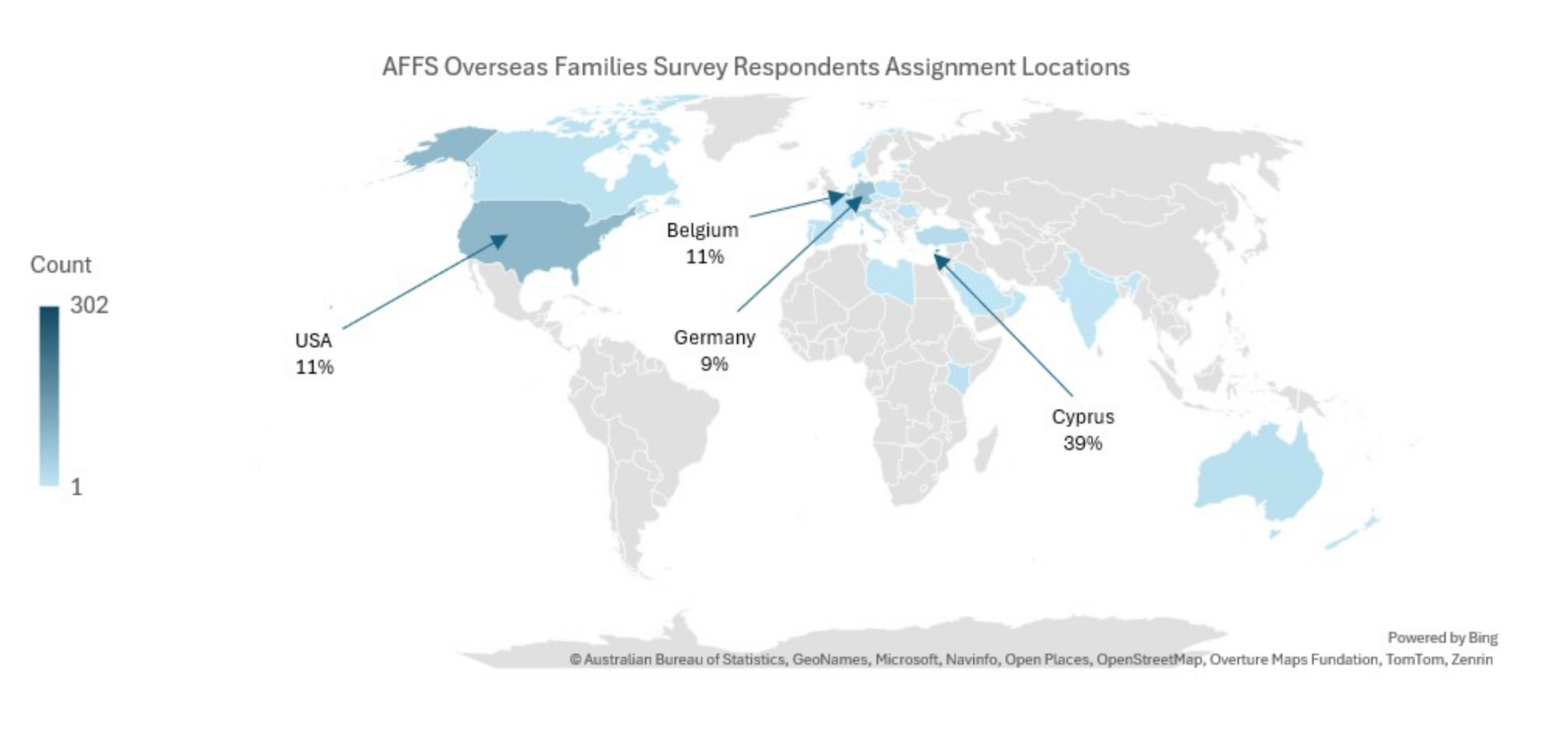
A total of 841 people responded to the survey from 34 countries across the world. The highest number of responses came from respondents in Cyprus, USA, Belgium and Germany.
Rank:
Of the 523 SP responses, 41% (212) were Officer Ranks, with 59% (311) Other Ranks.
Of the 318 spouse/partner respondents, 45% (142) of their Service partners were Officer Ranks and 55% (176) Other Ranks.
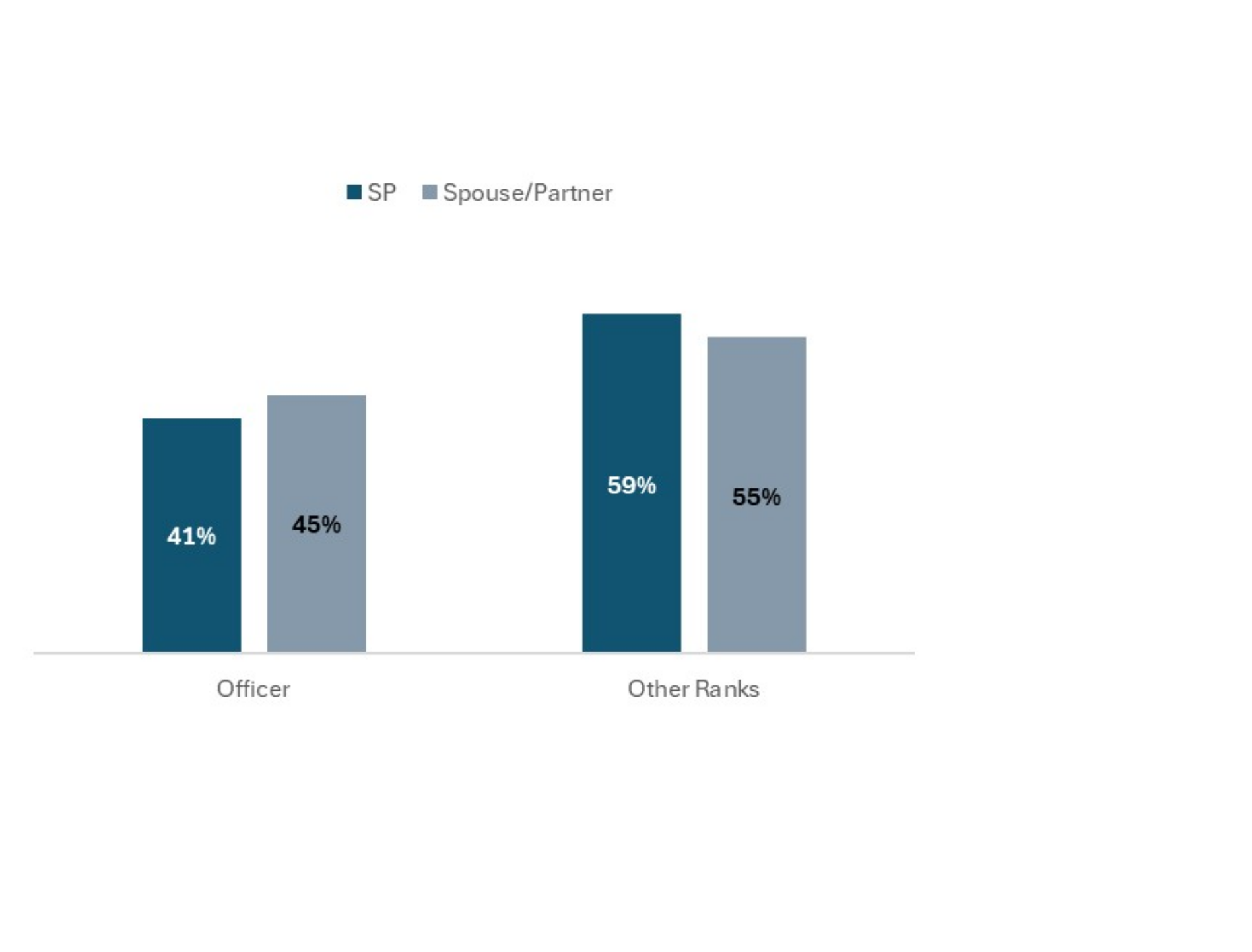
Figure 1: Rank split by respondent type
Relationship status:
405 SP advised they were married (with 377 accompanied and 28 unaccompanied), 5 were in a civil partnership (all of whom were accompanied), 20 in a Long-Term Relationship (E) (7 being unaccompanied and 13 accompanied), 20 in a Long-Term Relationship (R) (3 accompanied and 17 unaccompanied) and 73 advised they were single.
301 Spouses/partners confirmed they were married, 11 in civil partnerships and 6 were in Long-Term Relationships (E).
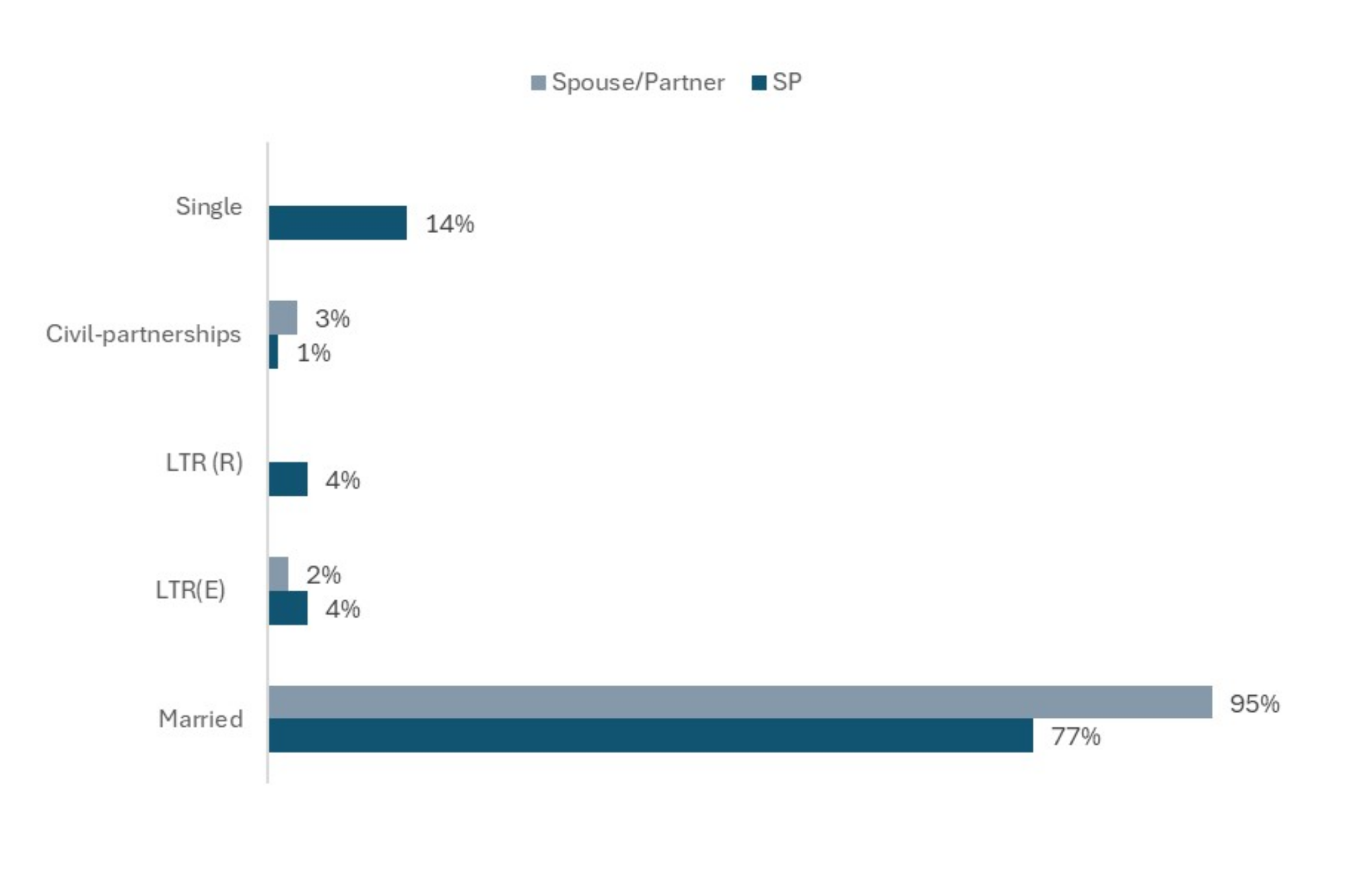
Figure 2: Relationship status by respondent type
Assignment choice:
Of the 466 SP responses received, 89% (416) confirmed they were on an assignment of their preferred choice, 6% (30) confirmed they had no choice in assignment and 4% (20) they were not on an assignment of their preferred choice.
Of the 318 spouses who responded to our question about assignment choice, 81% (258) confirmed it was one of the Serving person’s choice, 10% (31) advised they had no choice in assignment, 3% (10) advised it was not an assignment of their preferred choice and 6% (19) did not know.
469 SP answered our question about an interest in future overseas assignments, with 86% (401) confirming they are interested.
204 of our spouse/partner respondents answered our question about accompanying their Serving partner again on future assignments. (Respondents were able to tick more than one response options for this question on attitudes towards accompanying on future assignments. Therefore, the total will not sum to 100%.) The breakdown of responses is as follows;
- 42% Yes: would accompany again regardless of location
- 34% Maybe: would maybe accompany again, depending on location
- 17% Yes: would accompany again to the same location
- 14% No: would not accompany again to the same location
- 6% No: would not accompany again, regardless of location
Accompanied status:
Of the 523 SP respondents, 86% (450) were in a relationship and could have been accompanied provided their accompanied status. Of these, the majority, 88% (398) were accompanied, while 12% (52) were unaccompanied.
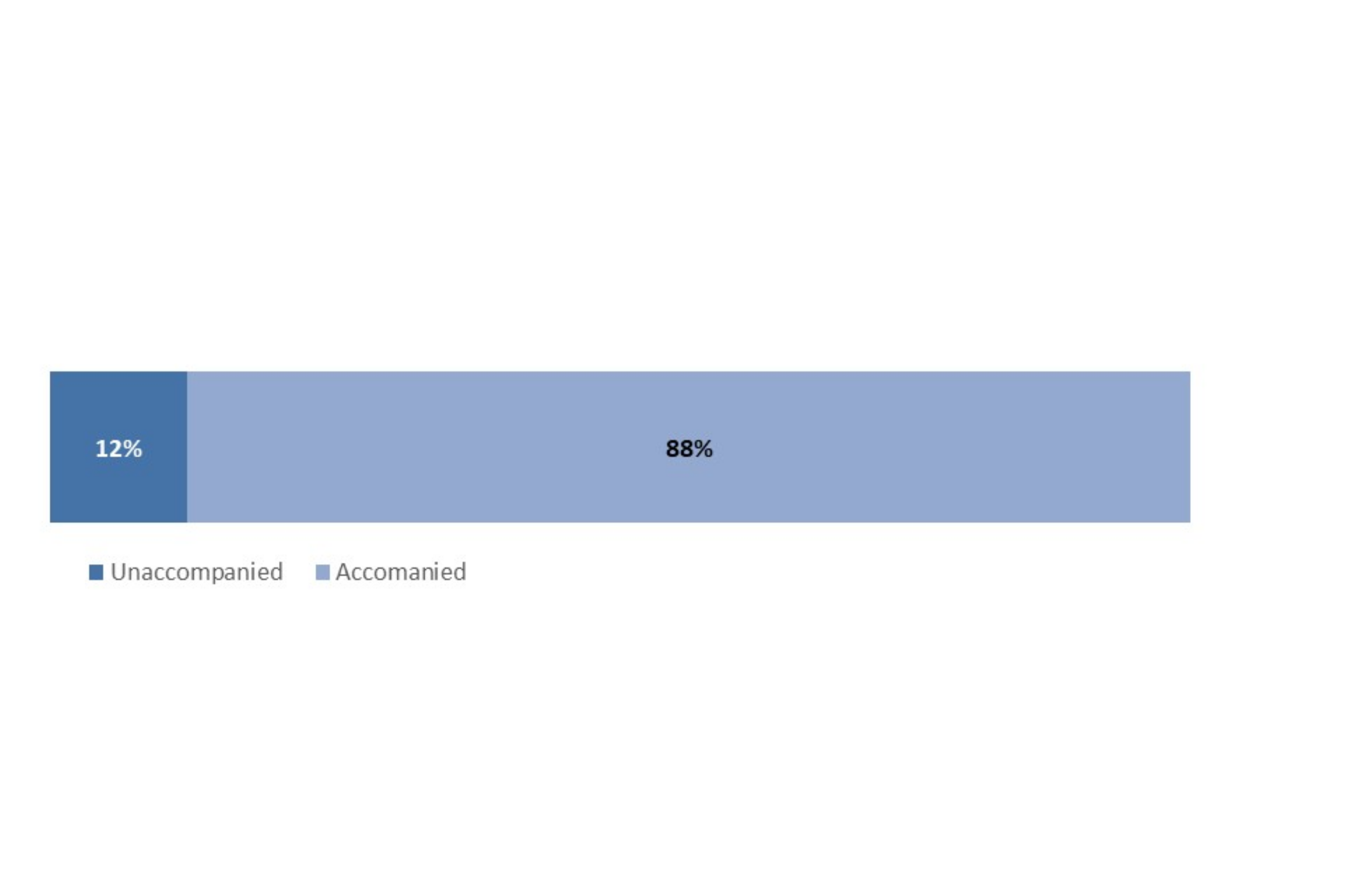
Figure 3: Overseas SP in a relationship by accompanied status
Children and Childcare:
Overall, 67% of Service personnel had children (based on 343 respondents).
- Of the 231 Serving personnel with children, 75% have at least one child accompanying them.
- Of the 173 Serving personnel with at least one child accompanying them, 10% made use of formal childcare for children aged 4-16.
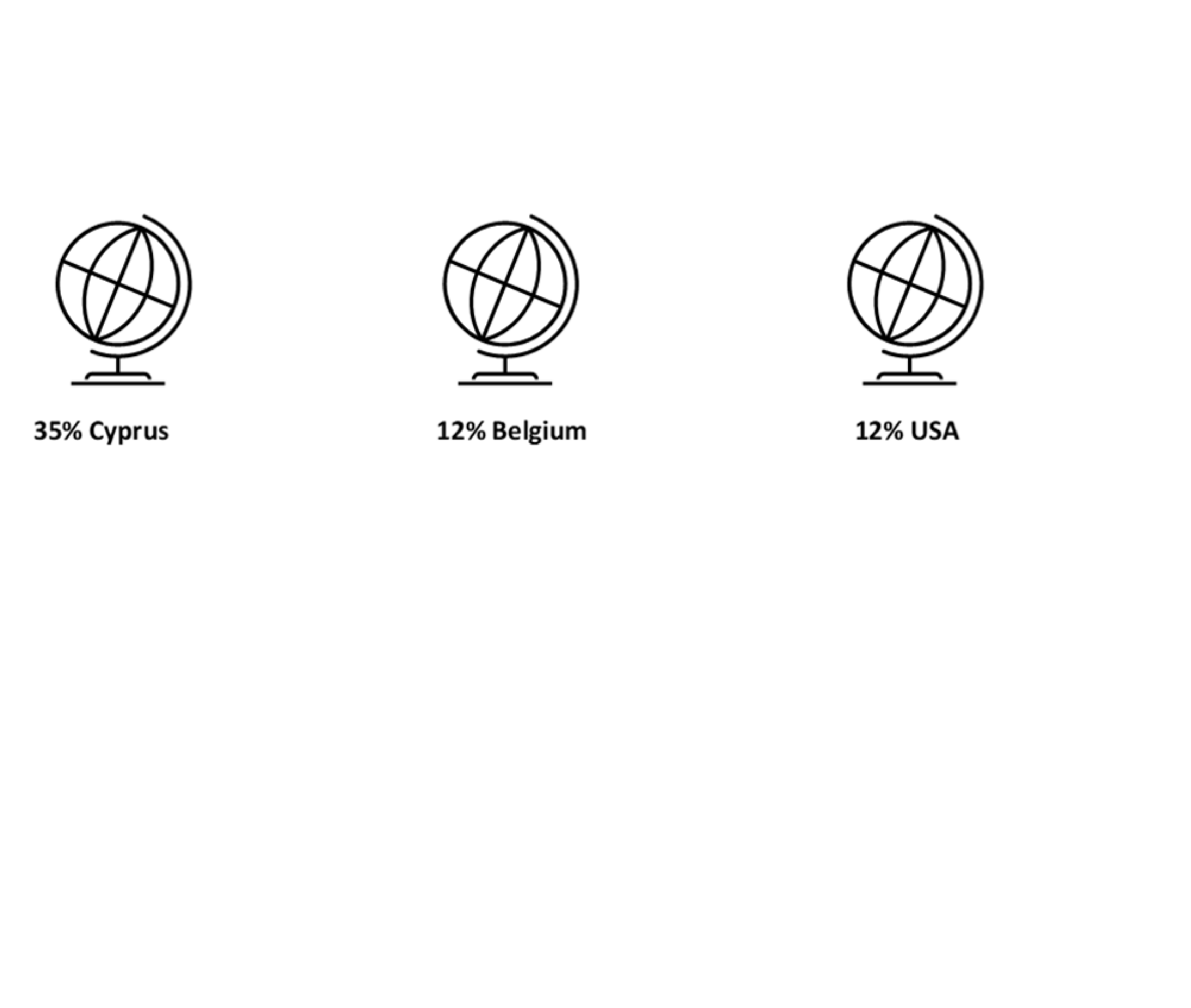
The largest number of those respondents with at least one child accompanying them being in Cyprus followed by Belgium and USA
Overall, 80% of accompanying spouses had children (based on 191 respondents).
- Of the 152 spouses with children, 82% have at least one child accompanying with them.
- Of the 124 spouses with at least one child accompanying with them, 14% made use of formal childcare for children aged 4-16.
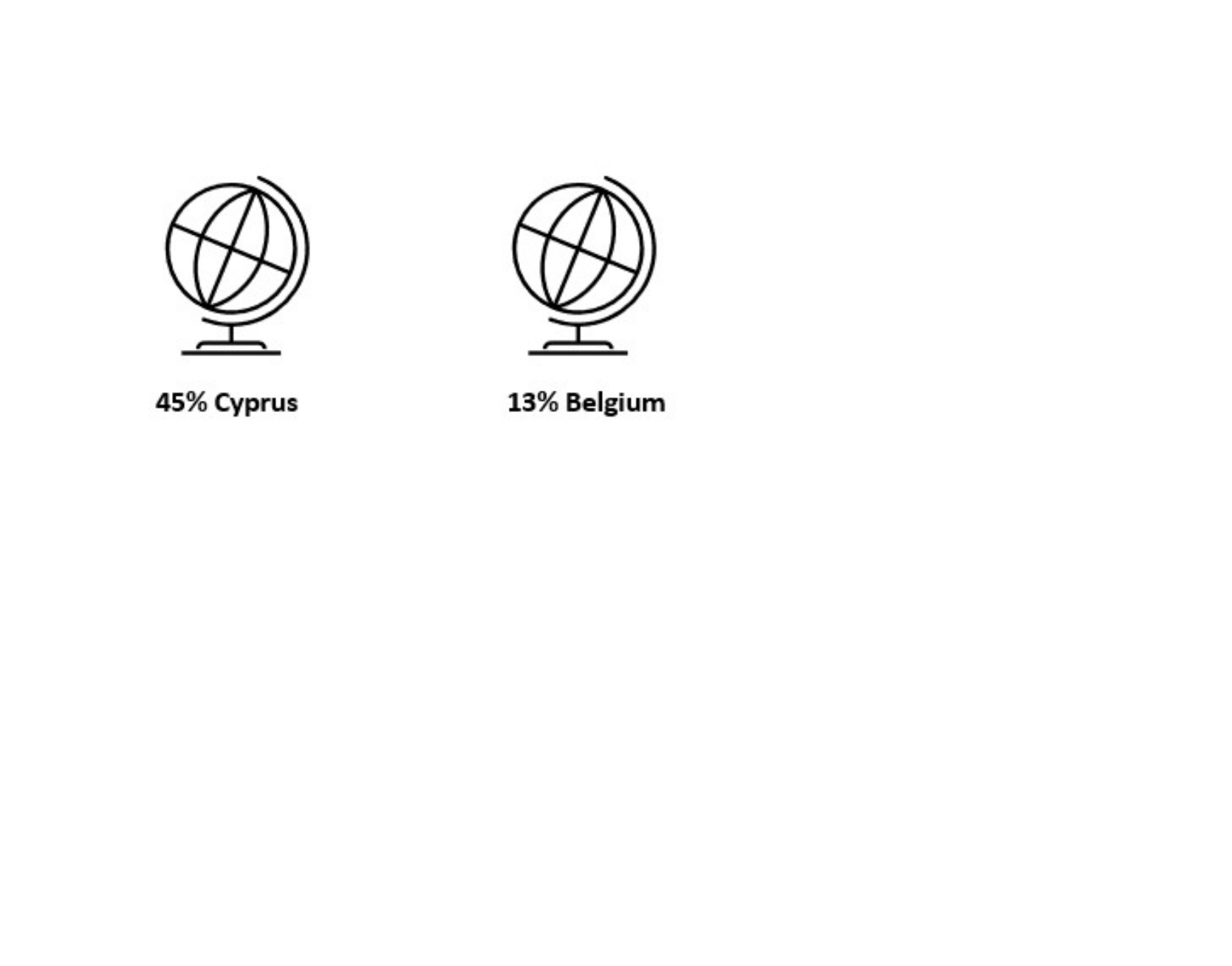
The largest number of those respondents with at least one child accompanying them being in Cyprus followed by Belgium
FamCAS 2025 results
Of spouses/civil partners living overseas, 78% have children. This is the same for spouses/civil partners living in England.
Of those spouses/civil partners living overseas with children, 28% needed formal childcare for school-aged children. This is lower than the 56% reported for spouses/civil partners living in England. This may reflect differences in employment levels as noted later in this report.
Overseas spouses/civil partners who needed childcare for school-aged children were less satisfied with the availability, quality and opening hours of local childcare than those living in England.
Communications:
Of 371 SP respondents, 35% (130) did not know where to find/access the required information prior to their current assignment.
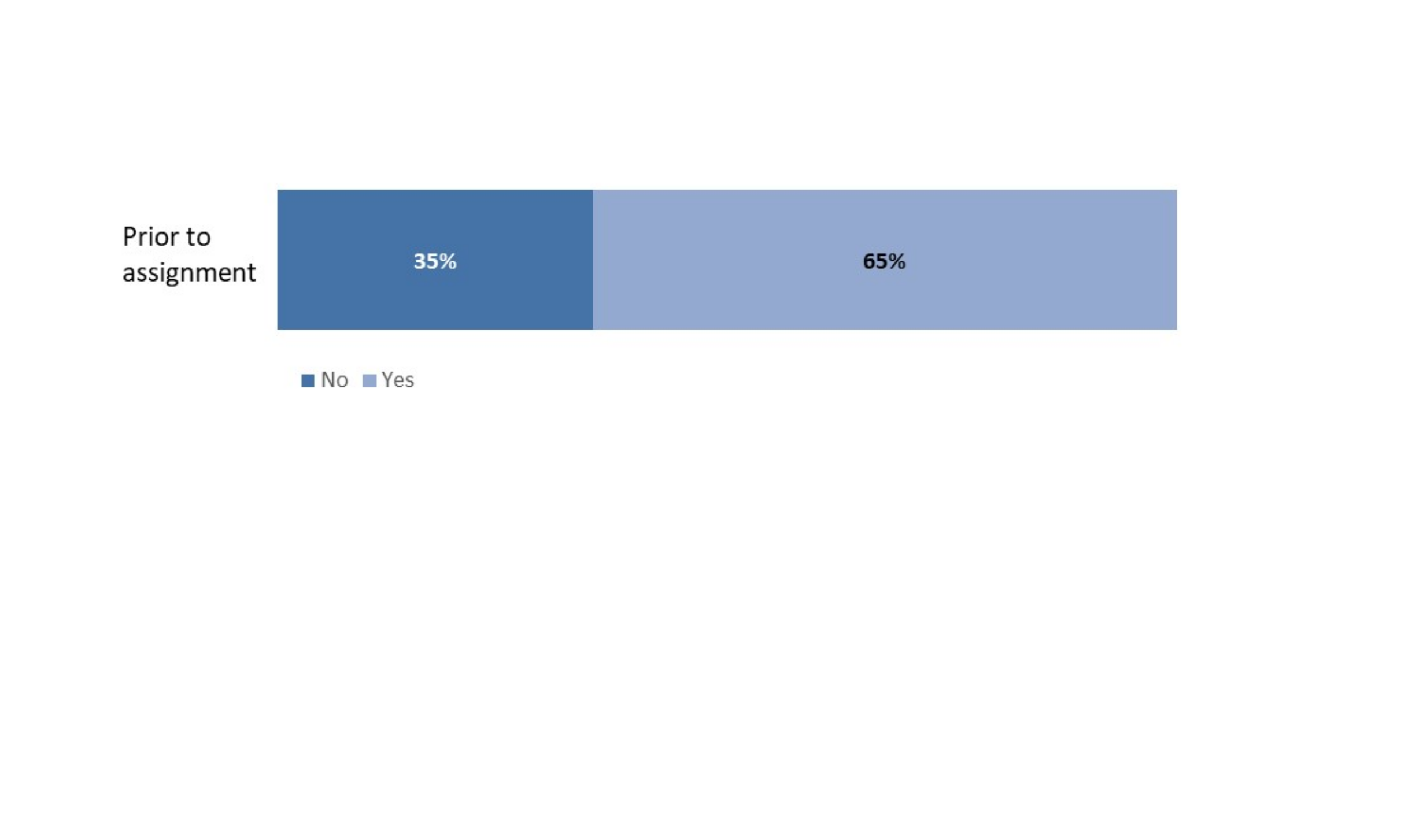
Figure 4: Access to information prior to assignment – SP respondents
Of 370 SP respondents, 20% (75) have not been able to find/access the support/advice required during their current assignment.
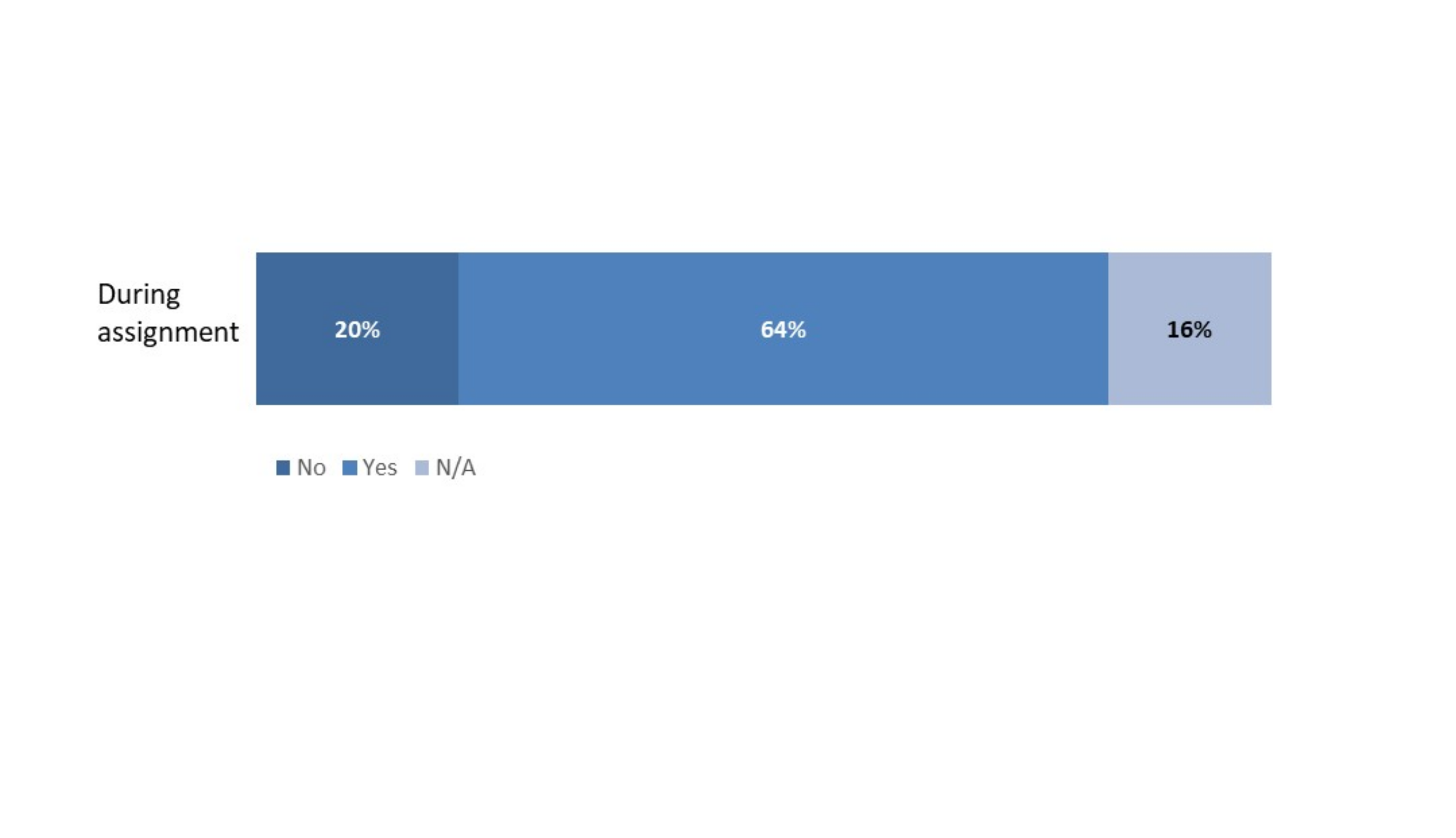
Figure 5: Access to information during their assignment – SP respondents
A higher proportion of spouse/partner respondents 49%, did not know where to find/access the required information prior to the current assignment. Based on 227 spouse/partner respondents.
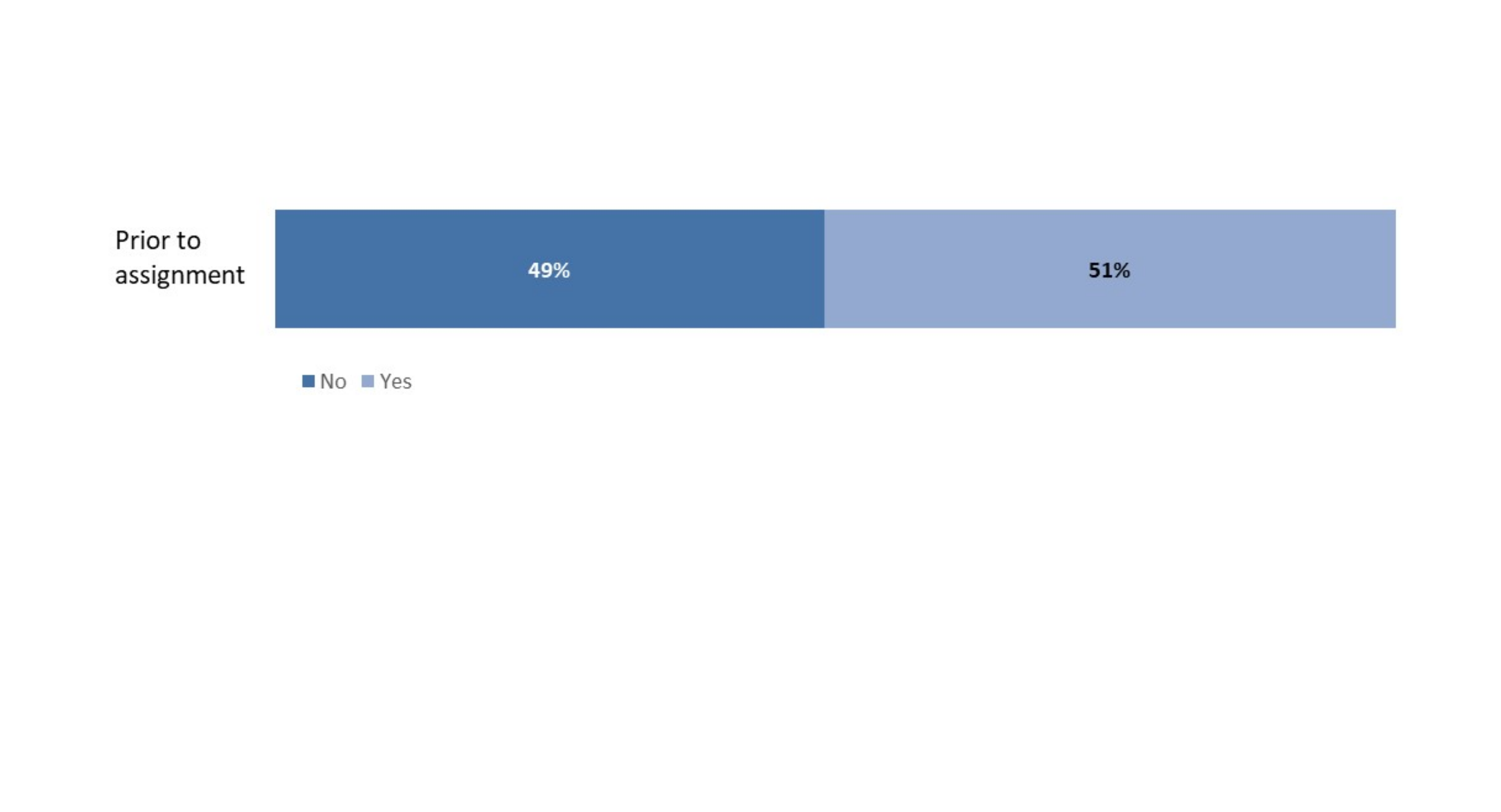
Figure 6: Access to information prior to the assignment - spouse/partner respondents
Of 204 spouse/partner respondents, 39% confirmed they have not been able to find/access the support/advice required during their time in their current location.
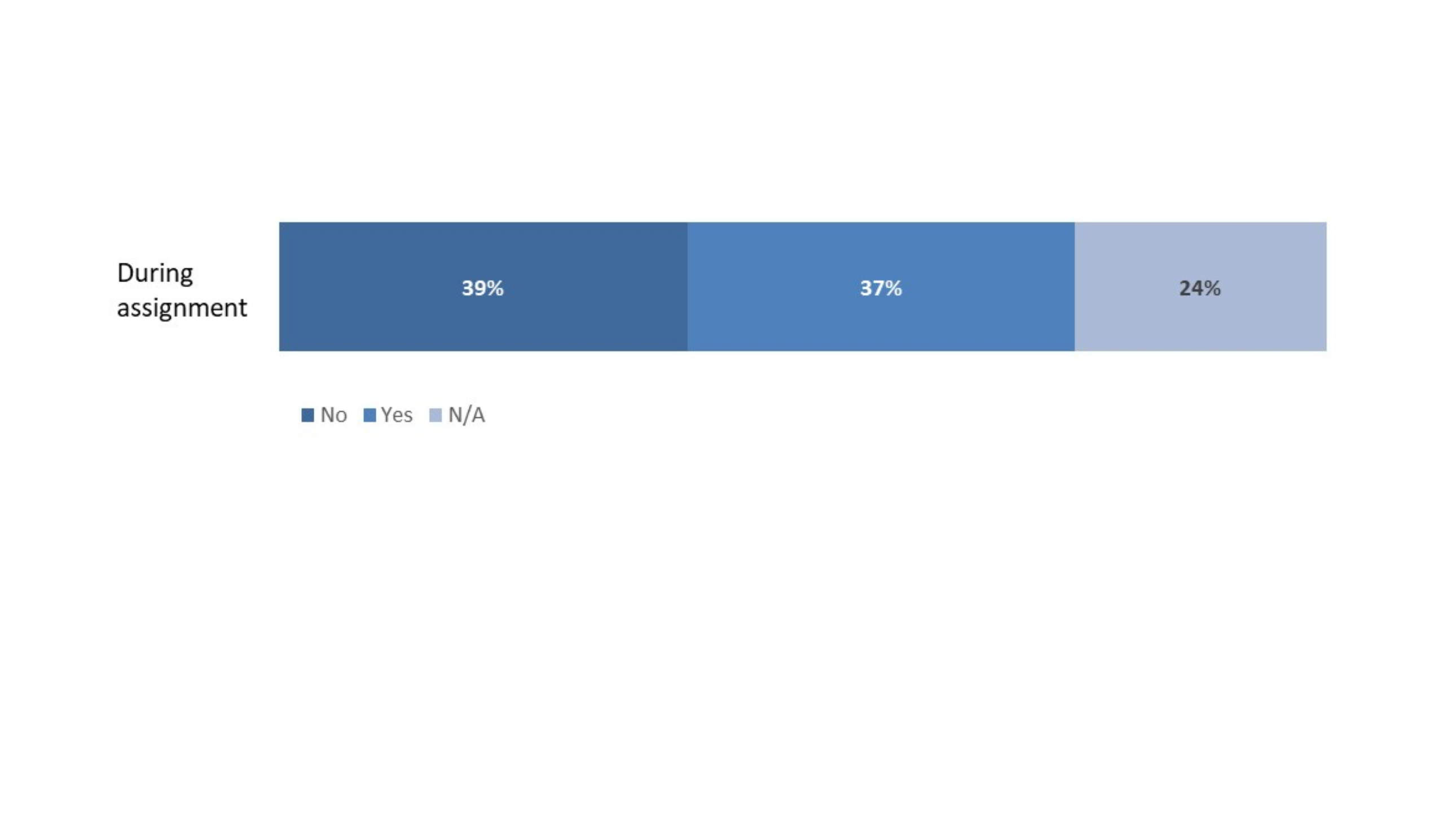
Figure 7: Access to information during the assignment - spouse/partner respondents
FamCAS 2025 results
Around one in eight spouses/civil partners (12%) accompanied their Serving partner overseas within the past year. Of these, 21% were unable to access Service provided information before moving overseas and a further 39% did so but with difficulties.
Of the 241 SP respondents who provided responses about the quality of the information they had access to prior to the assignment; 46% said the information they did access was accurate, 37% said it was up to date and 67% said it was relevant to the location they were moving to.
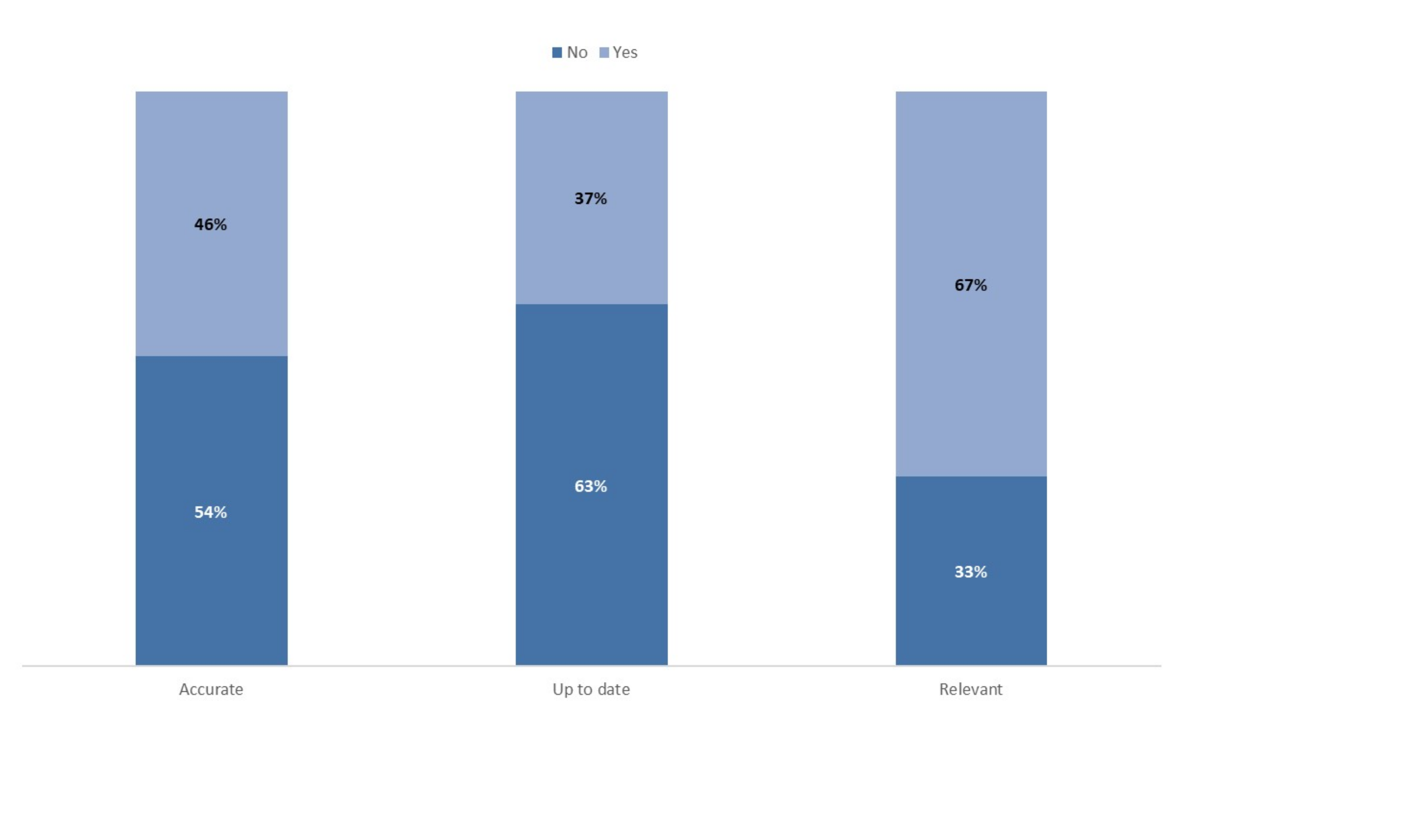
Figure 8: Quality of information prior to assignment – SP respondents
Of the 116 spouse/partner respondents who provided details about the quality of the information they had access to prior to the assignment; 33% said the information they did access was accurate, 27% said it was up to date and 53% said it was relevant to the location they were moving to.
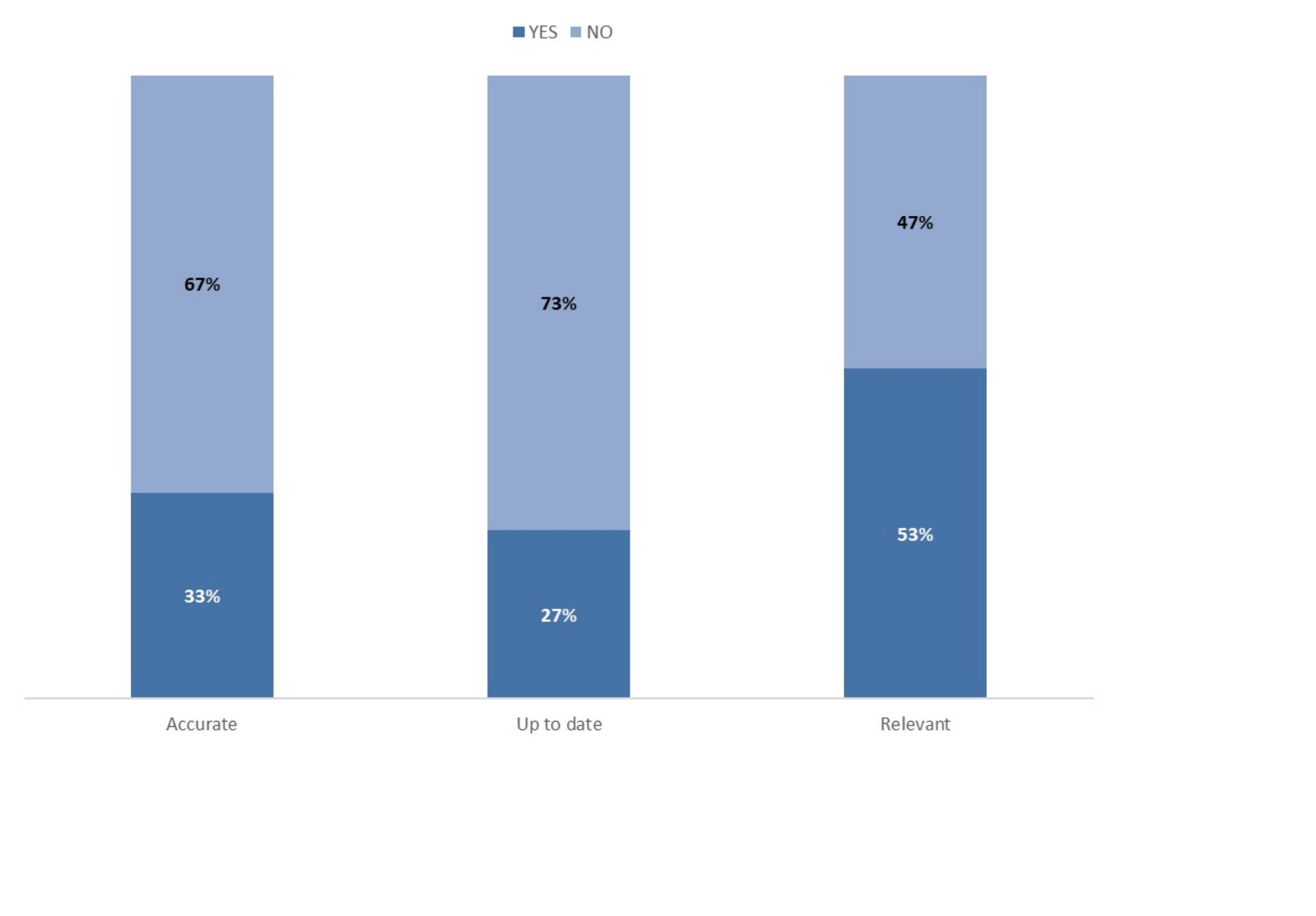
Figure 9: Quality of information prior to assignment – Spouse/partner respondents
Families Hub:
The Armed Forces Families and Safeguarding team released a new one-stop-shop digital information platform called the Families Hub in February 2025, designed to help navigate Service life. Families Hub
Of 368 SP respondents, 5% said they had heard of it and used it, 27 % said they had heard of the Families Hub but not used it yet and 68% said they have never heard of it.
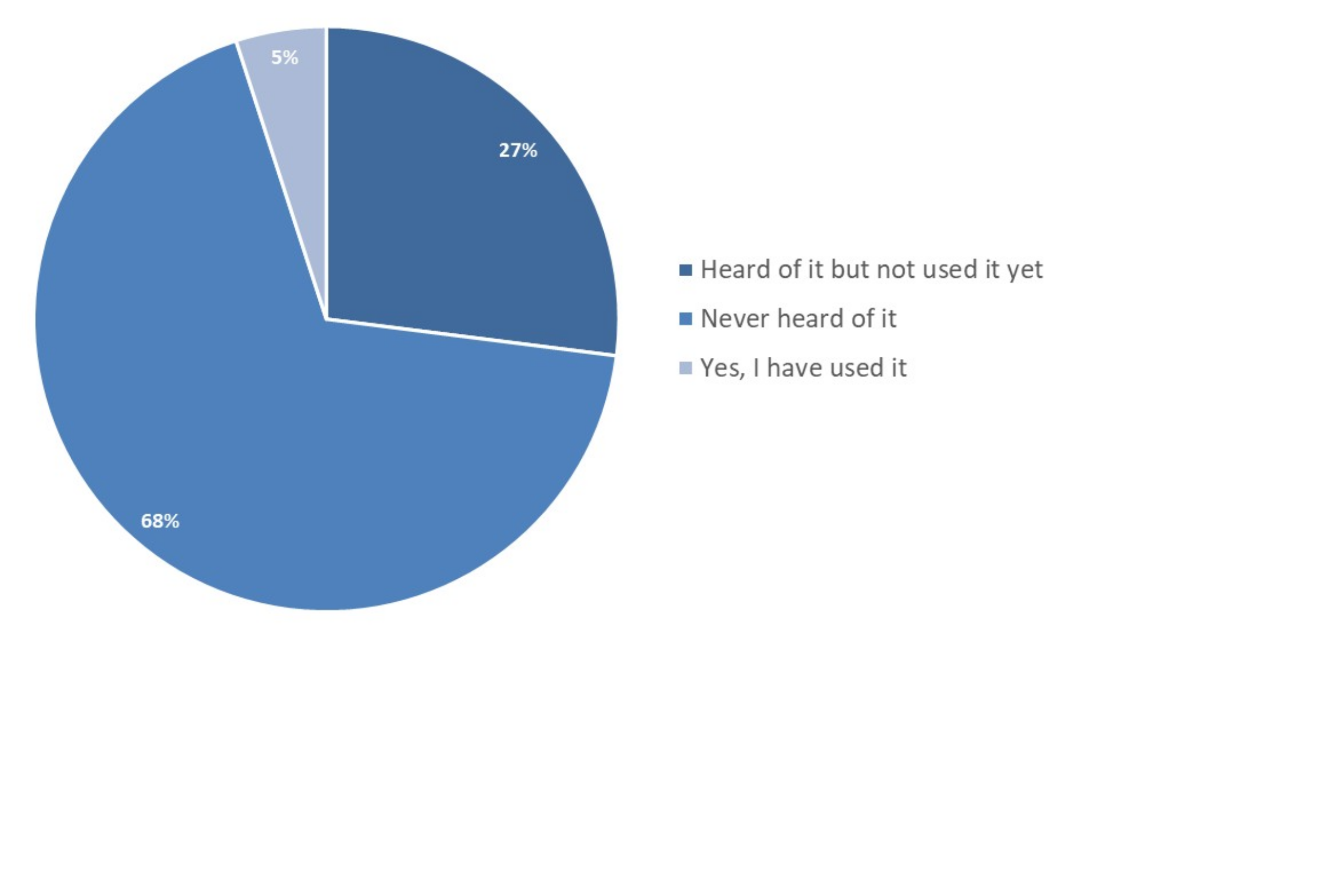
Figure 10: Knowledge of the Families Hub – SP respondents
Of 226 spouse/partner respondents, 5% said they had heard of it and used it, 20% said they had heard of the Families Hub but not used it yet and 75% said they had never heard of it.
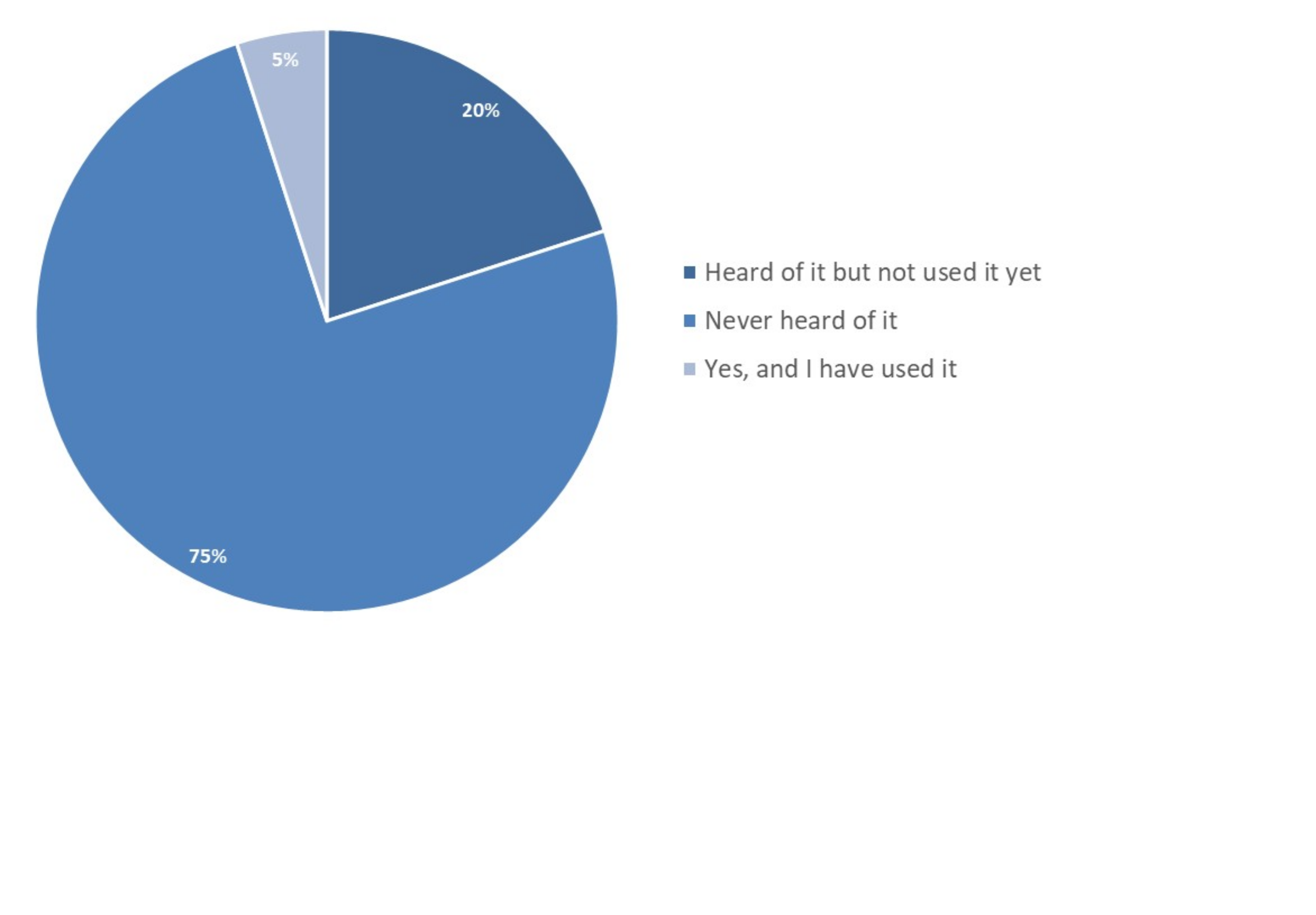
Figure 11: Knowledge of the Families Hub – Spouse/Partner respondents
Education:
Of the 88 spouse/partner respondents with at least one child accompanying them who answered the question about schooling, 72% felt their child(ren)’s needs were being met by their school setting.
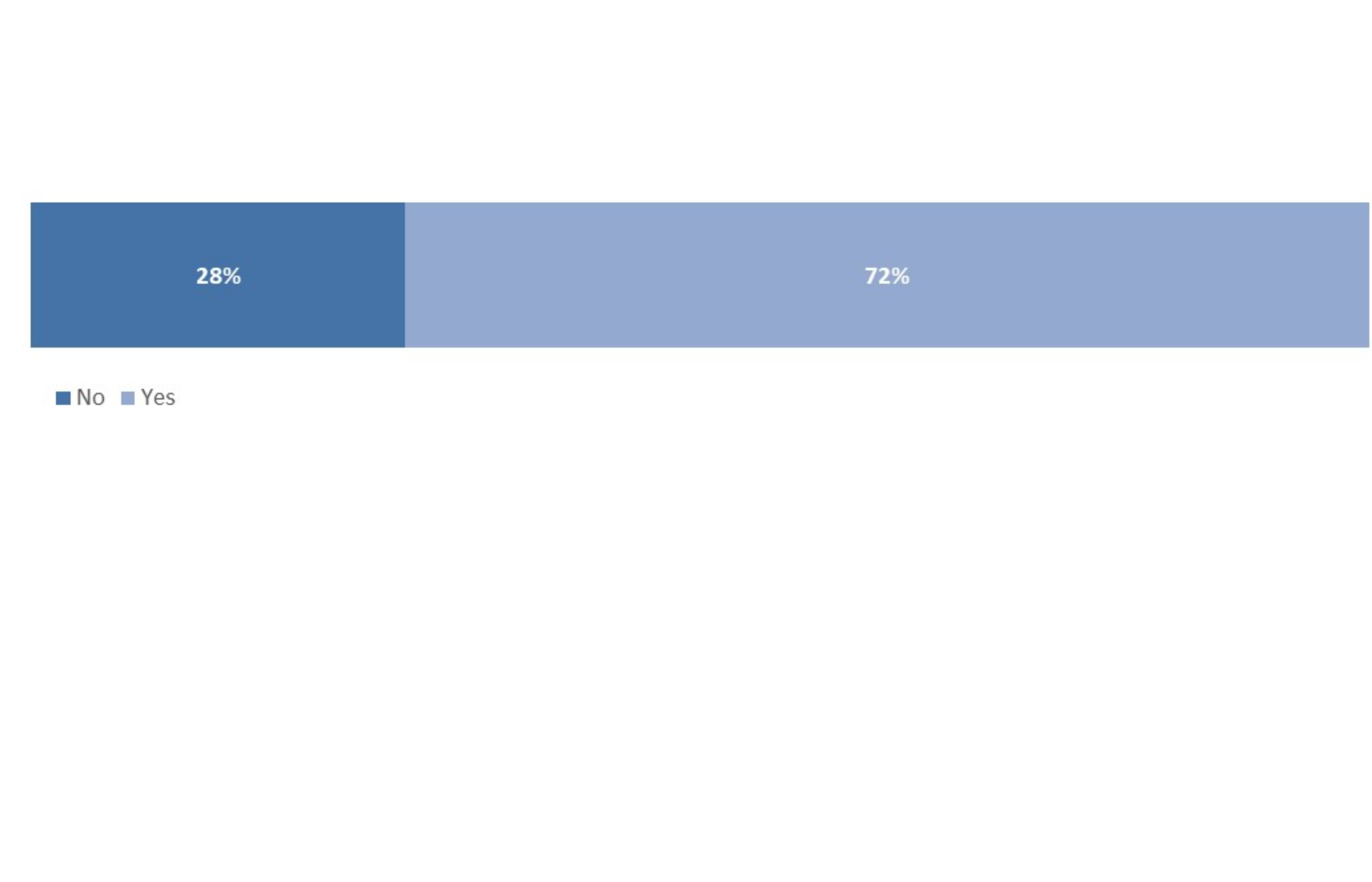
Figure 12: School needs being met – Spouse/parter respondents
FamCAS 2025 results
Of those spouses/civil partners living overseas, about half (52%) had school-aged children. Of these
- 31% had a child change school for Service reasons within the past year. More than the 14% reported by those living in England.
- 18% reported difficulties with their child(ren)’s education within the past year. Similar to level reported by families living in England.
Of the 49 spouse/partner respondents with at least one child accompanying them who answered the question about early years childcare, 73% felt their child(ren)’s needs were being met at their early years setting.
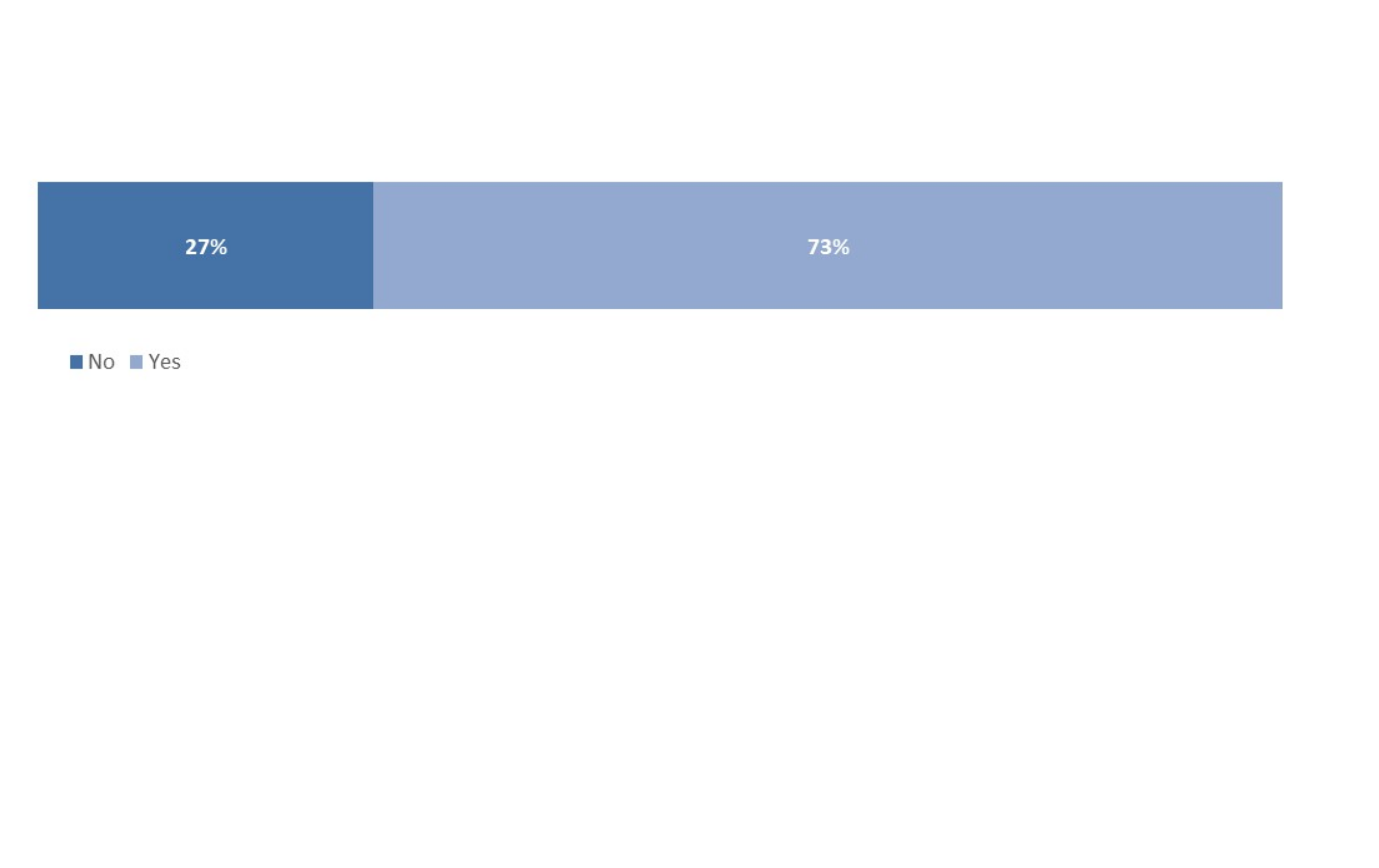
Figure 13: Early years needs being met – Spouse/partner respondents
FamCAS 2025 results
Of those spouses/civil partners living overseas, 26% needed early years childcare. Similar to level reported for those living in UK countries.
Of those spouses/civil partners living overseas who needed early years childcare, the majority (84%) were able to access it and about seven in ten (73%) were satisfied with the quality of their local early years childcare with 12% feeling dissatisfied.
When asked ‘how confident are you that your child/ren will easily transition back into their UK school? (1 being not at all confident, 5 extremely confident), 124 spouse/partners responded as shown at figure 14 (This may include responses from those without school age children).
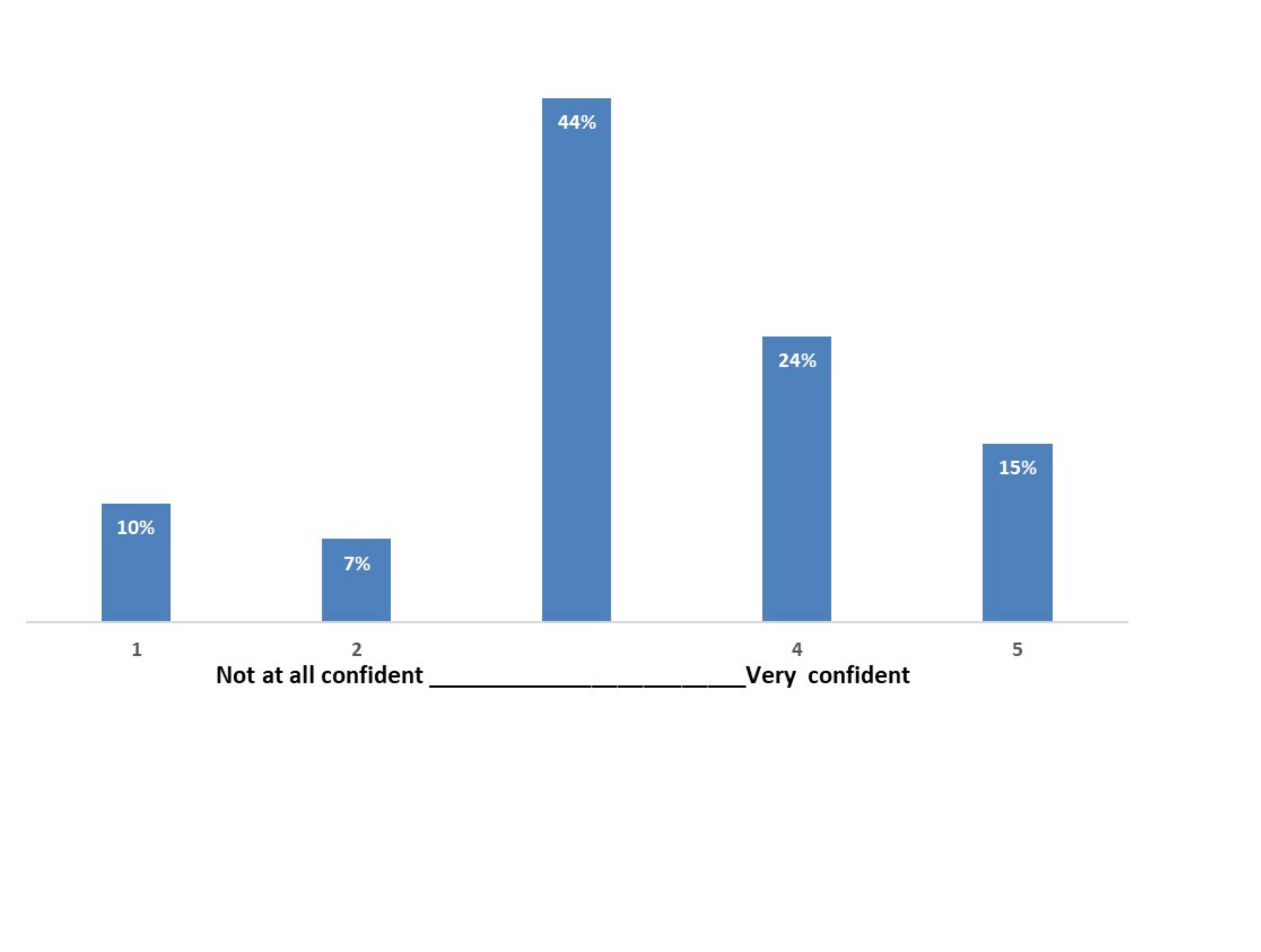
Figure 14: confidence levels for school transition – Spouse/partner respondents
Of the 173 SP who advised they had a child(ren) accompanying them, 137 answered the question about their child/ren’s needs being met at their school setting, with 83% confirming they were being met.
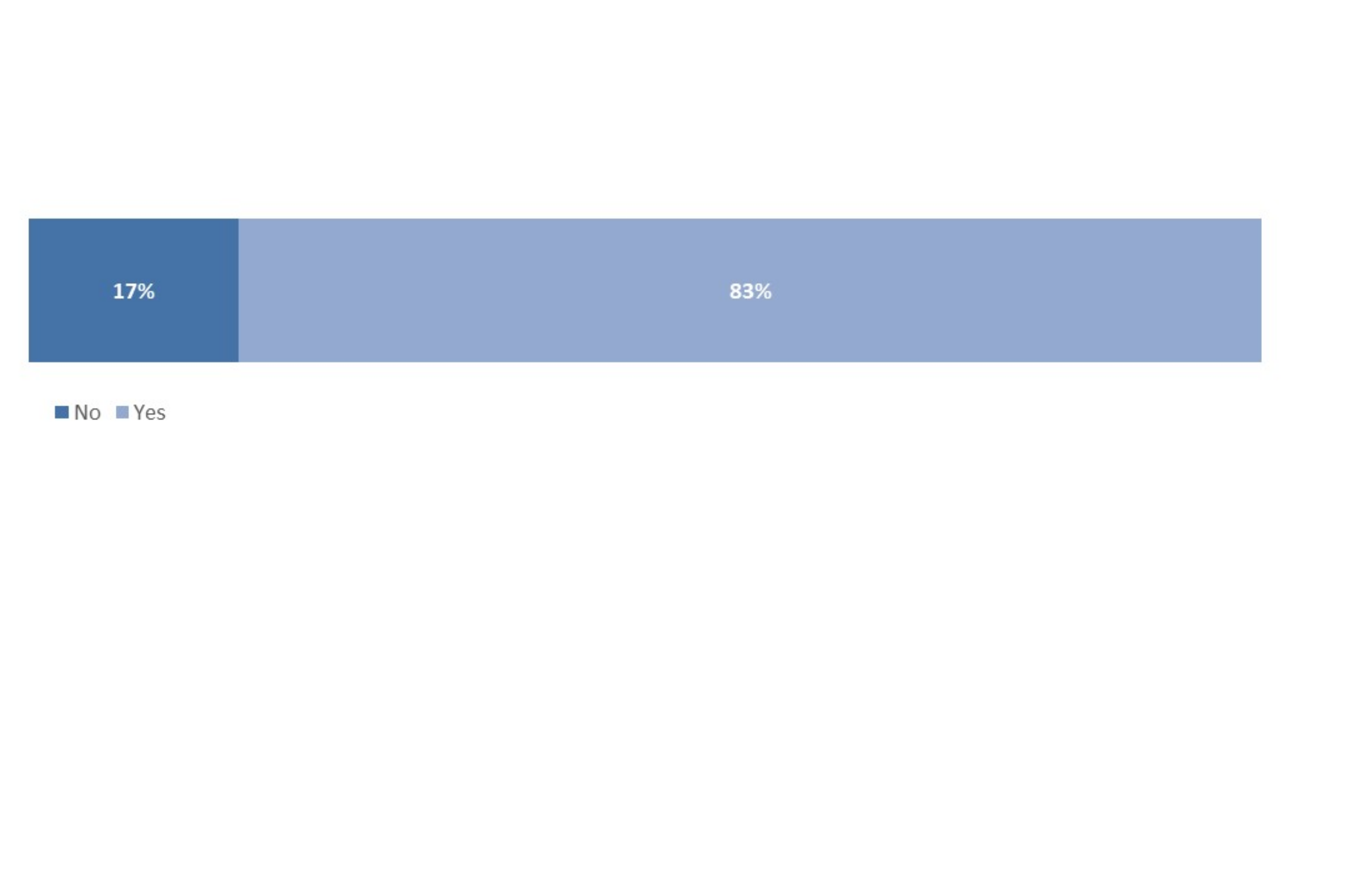
Figure 15: School needs being met – SP respondents
80 SP answered the question about their child/ren’s needs are being met at their early years setting with 74% confirming they thought they were being met.
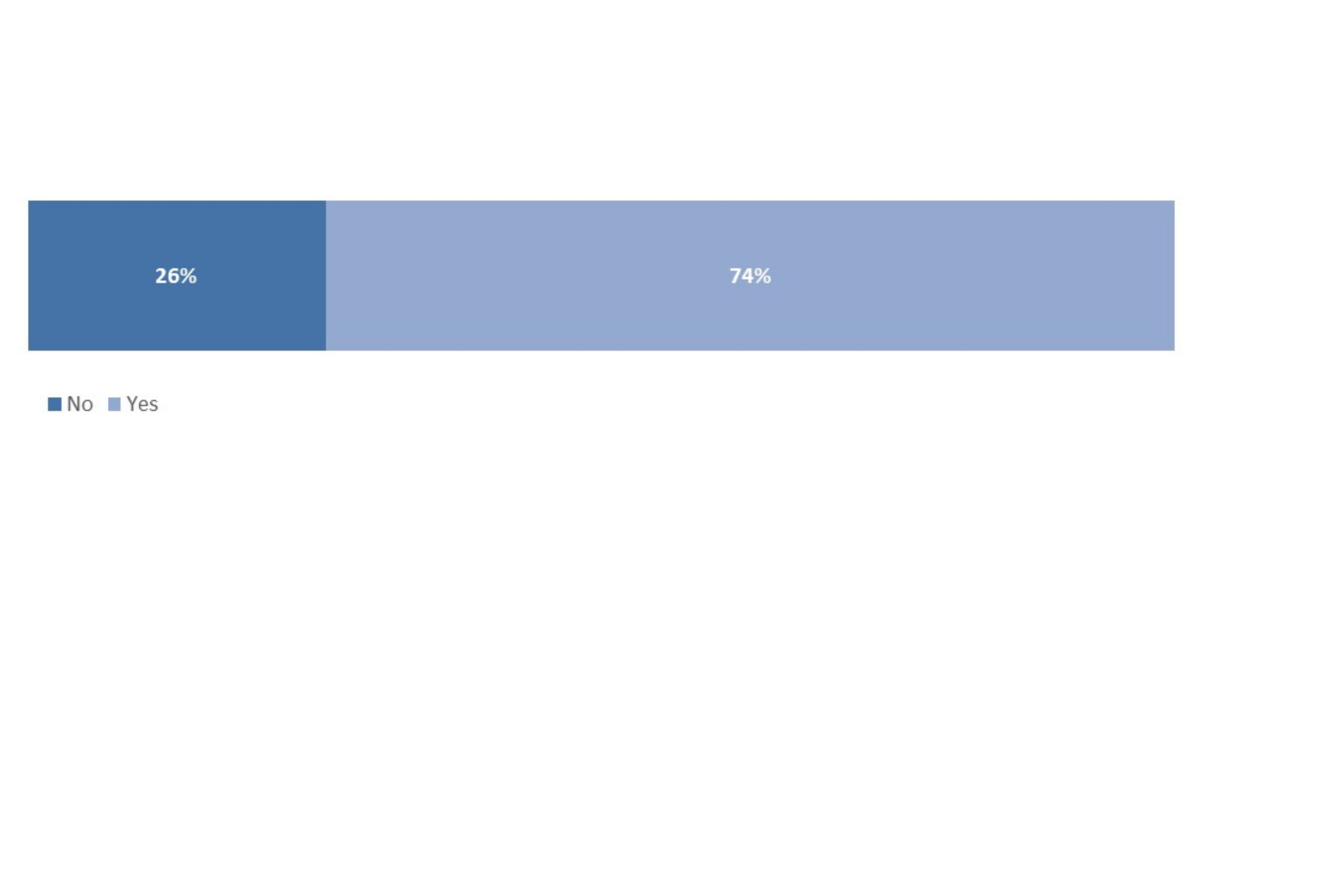
Figure 16: Early years needs being met – SP respondents
When asked ‘how confident are you that your child/ren will easily transition back into their UK school? (1 being not at all confident, 5 extremely confident), 173 SP responded as show in figure 17 (This may include responses from those without school age children).
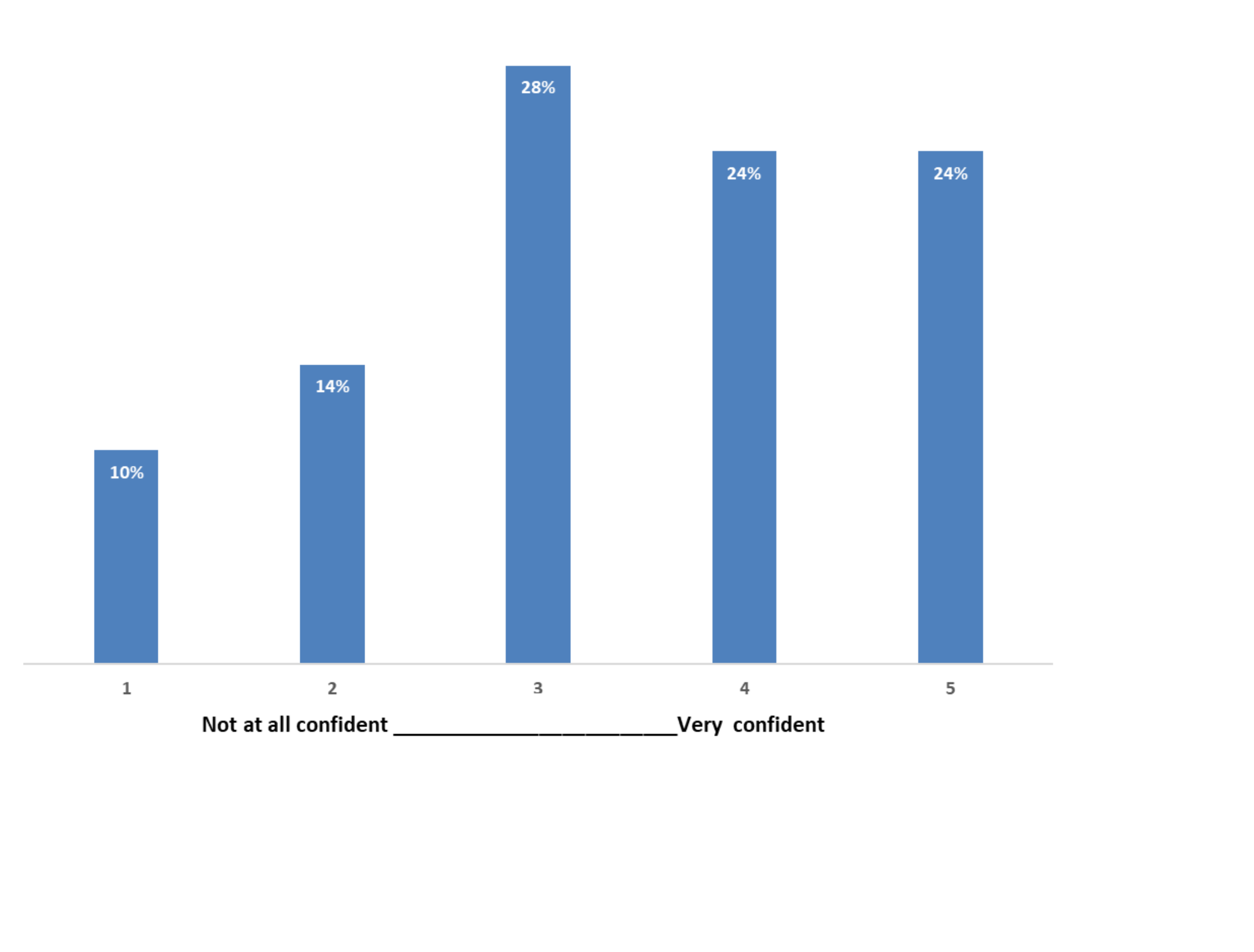
Figure 17: confidence levels for school transition – SP respondents
Spousal/Partner Employment:
Of the 202 spouse/partner respondents who answered our question about their employment prior to the current assignment. 90% advised they were working prior, with the highest proportion of those having worked in education/teaching (23%).
Of the 203 respondents who answered our question about employment whilst overseas, 37% are currently employed.
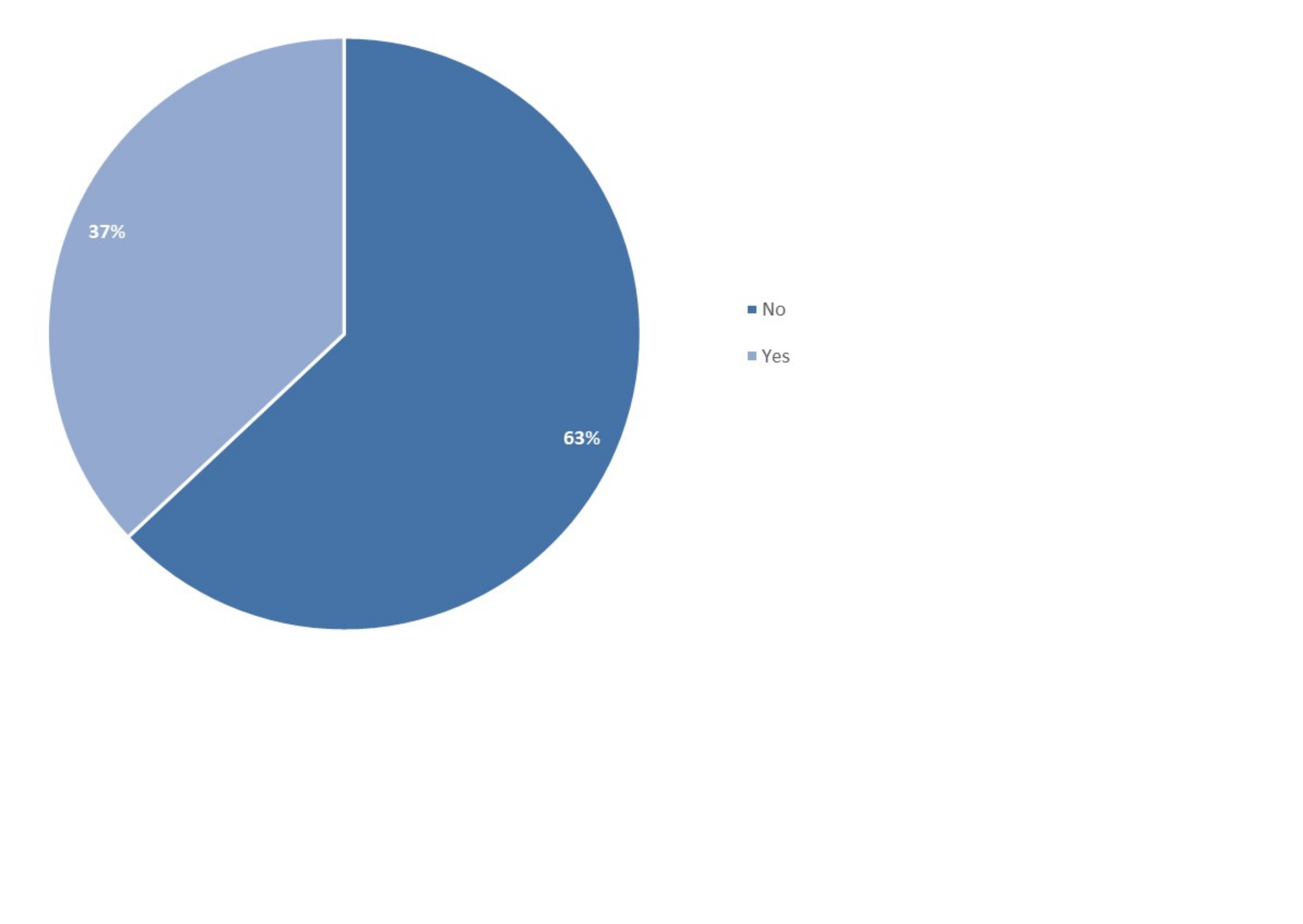
Figure 18: Employment overseas – spouse/partner respondents
FamCAS 2025 results
Of those spouses/civil partners living overseas, 44% are employed. This is considerably less than the 85% reported for those living in England.
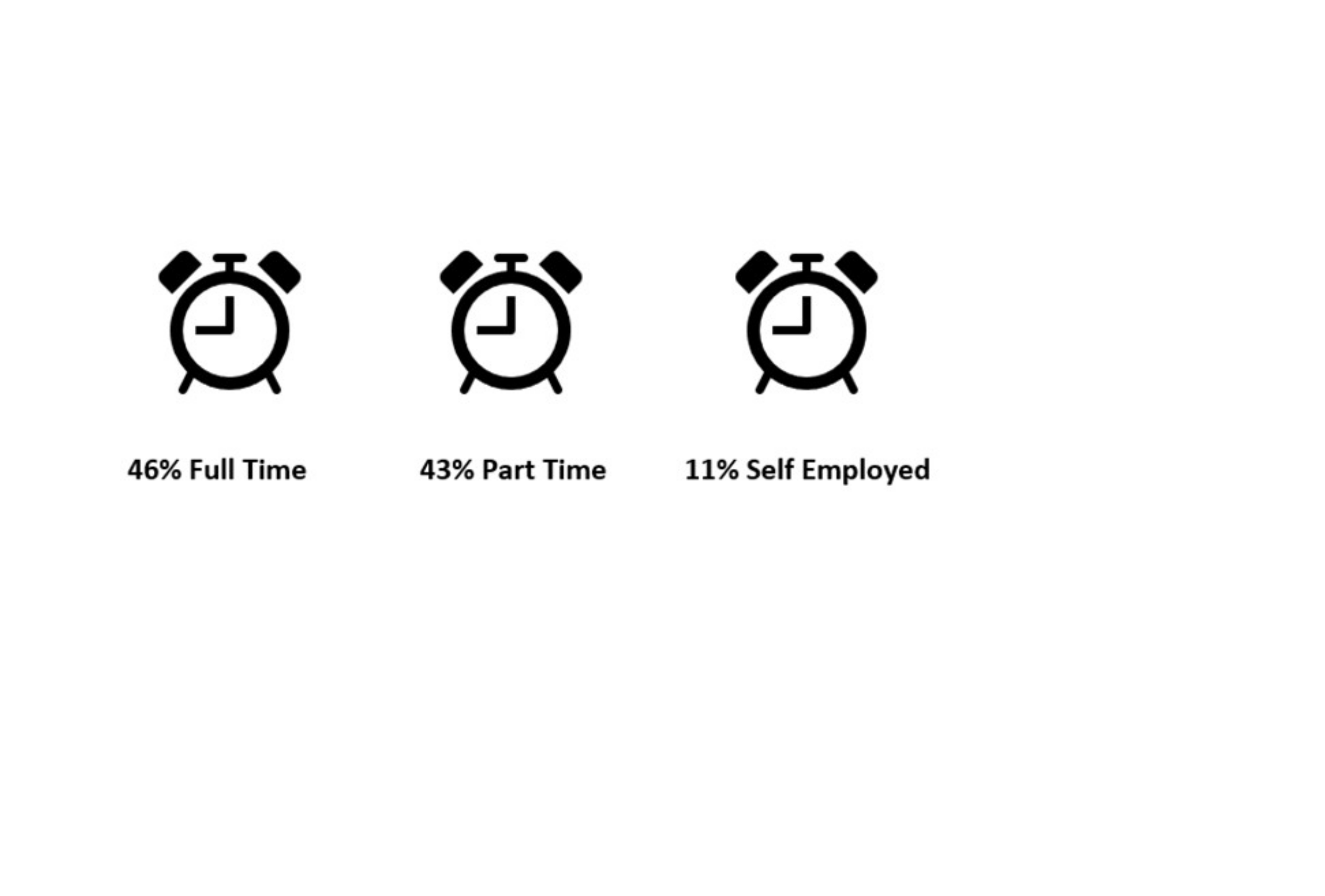
Of the 76 spouse/partner respondents in employment, 46% are working full-time, 43% part-time and 11% are self-employed.
76 respondents who are currently working whilst overseas answered our question about whether their current employment role overseas matches their skill set, with 42% of respondents confirming they believed it did match their skills set and 58% believed it did not.
FamCAS 2025 results:
Of those spouses/civil partners living overseas and working full-time, 67% were satisfied that their job matched their skills and experience whilst 15% were dissatisfied (based on 148 respondents).
Of those spouses/civil partners living overseas and working part-time, 53% were satisfied that their job matched their skills and experiences whilst 29% were dissatisfied (based on 100 respondents).
Of the 75 spouse/partner respondents in employment overseas, 32% confirmed they have been able to either work in the same company/or the same role but for a different company now that they are overseas.
Of the 127 spouse/partner respondents who are not currently working whilst overseas, 51% are actively seeking employment.
The top 2 difficulties faced securing employment overseas:
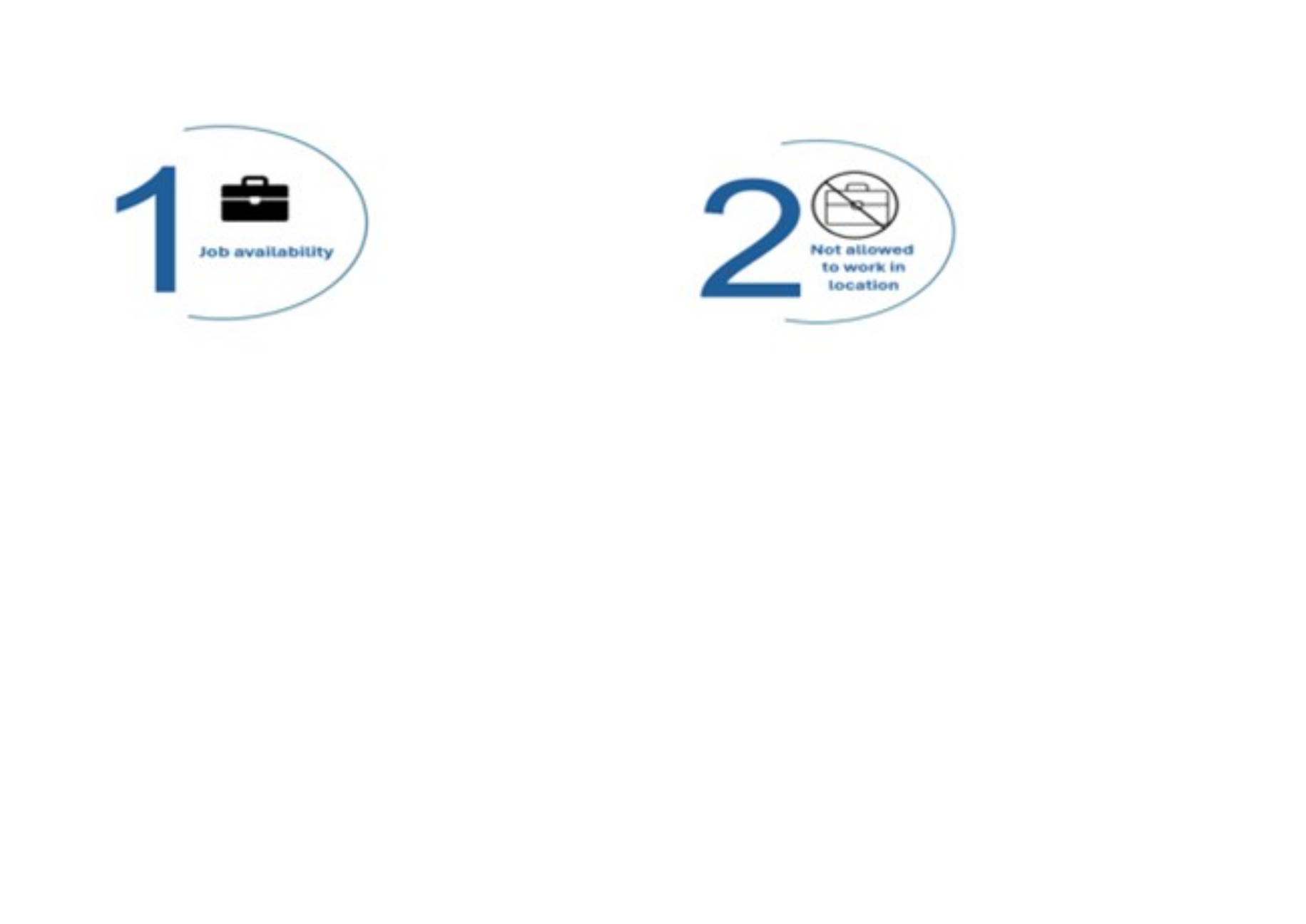
Of those spouses/civil partners living overseas, about half (51%) have been looking for a job in the past year. The majority of these (83%) experienced difficulties finding suitable employment.
Of the 204 spouse/partner respondents who answered our question about whether they felt any sense of isolation during their time overseas, 78% said they had.
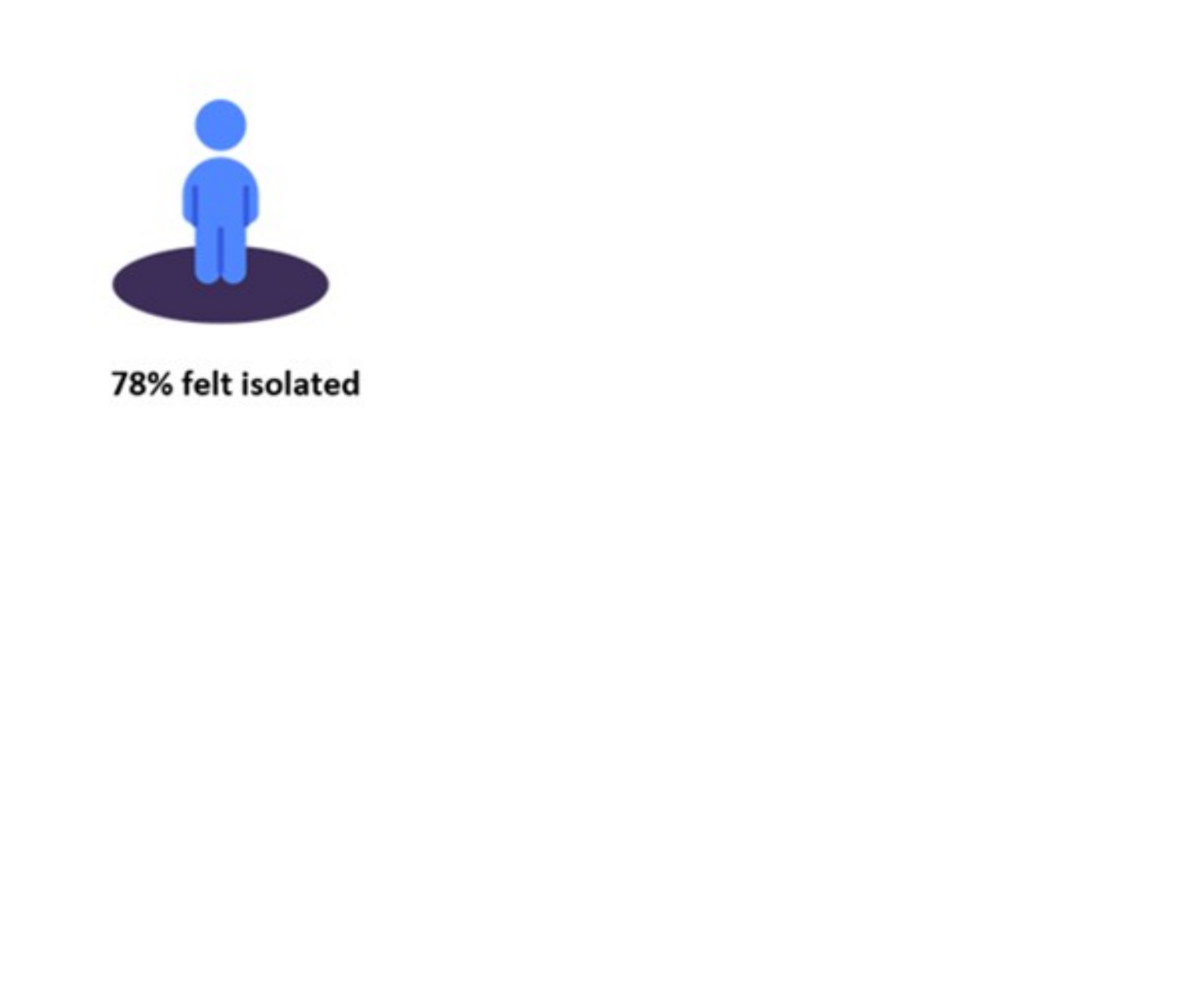
The above result reflects those respondents who felt isolated at any time during their overseas assignment. It includes the following response options:
- At first but it passed after a few months
- I felt isolated for at least half the time I was overseas
- I am currently feeling isolated
- I felt isolated towards the end of the overseas assignment.
It also includes those who chose “other”, where the free text response provided indicated that the respondent had felt lonely during the overseas assignment.
FamCAS 2025 results
Of those spouses/civil partners living overseas 62% felt lonely occasionally/some of the time and a further 17% felt lonely often/always. These are similar to levels reported by spouses/civil partners living in England.
Safeguarding:
Of the 189 spouse/partner respondents who answered our question regarding concerns about the safeguarding of their family/child/ren whilst overseas, 9% had concerns.
Of the 249 SP respondents who answered our question regarding concerns about the safeguarding of their family/child/ren whilst overseas, 8% had concerns.
5. Conclusions
This research has offered insights into the experiences of Service families within our overseas communities. AFFS would like to thank all participants for responding to our survey. These findings provide AFFS with an initial understanding of how our policies are being experienced by some Service families overseas. These findings will be used to identify areas which require further explorative work in order to ensure our policies can improve the lived experiences of our Service family community.
The research received contributions from a broad group of SPs and spouses/partners of SP; however, the research was neither representative of the SP population overseas nor reflective of the entire Armed Forces.
6. Limitations
Limitations to the researcher were recognised; as the survey used opportunity sampling, responses could not be weighted. Given that the data was unweighted, participants may have submitted multiple responses and
significance testing or confidence intervals could not be established, therefore results represented the views of survey respondents only.