Apply for PIP Digital Self-Serve: Impact Evaluation Findings
Updated 22 April 2026
Applies to England and Wales

© Crown copyright 2026
This publication is licensed under the terms of the Open Government Licence v3.0 except where otherwise stated. To view this licence, visit nationalarchives.gov.uk/doc/open-government-licence/version/3 or write to the Information Policy Team, The National Archives, Kew, London TW9 4DU, or email: psi@nationalarchives.gov.uk.
Where we have identified any third party copyright information you will need to obtain permission from the copyright holders concerned.
This publication is available at https://www.gov.uk/government/publications/apply-for-pip-digital-self-serve-process-and-impact-evaluation-findings/apply-for-pip-digital-self-serve-impact-evaluation-findings
Department for Work and Pensions (DWP) ad hoc research report no.124
A report of research carried out by the Department for Work and Pensions.
Crown copyright 2025.
You may re-use this information (not including logos) free of charge in any format or medium, under the terms of the Open Government Licence. To view this licence, visit www.nationalarchives.gov.uk or write to the Information Policy Team:
The National Archives
Kew
London
TW9 4DU
or email: psi@nationalarchives.gov.uk.
This publication is also available on our website.
If you would like to know more about DWP research, email socialresearch@dwp.gov.uk
First published March 2026.
ISBN 978-1-78659-969-8
Background
The Health Transformation Programme (HTP) is modernising benefit services to improve customer experience, build trust in DWP services and decisions, and create a more efficient service for taxpayers. The Programme is developing a new Health Assessment Service and transforming the Personal Independence Payment (PIP) service over the long term.
The Programme’s key strategic outcomes are:
-
increased trust in services and decisions
-
a more efficient service with reduced demand for health assessments
-
increased take up of wider support and employment
-
improved customer experience with shorter journey times
-
transformed in-house data and IT infrastructure that is secure
The transformed PIP service will provide an improved customer experience that is better tailored to customers’ needs, including introducing applying online.
On 27 July 2023, following small-scale private beta[footnote 1] testing, HTP made a new fully online service on GOV.UK, henceforth referred to as Digital Self-Serve (DSS), available to customers in a limited number of postcodes to enable robust evaluation. At the time of reporting, the service is available to postcodes that account for approximately 8% of registration volume in England and Wales[footnote 2]. In the treatment areas, the availability of DSS is currently restricted to specific types of applications[footnote 3]. Other application channels are available as normal.
Figure 1 demonstrates how DSS differs from the traditional route to apply for PIP. Certain customers who start their journey by telephone are invited to join the online application route from the second part of their application, but these customers are not the focus of this report.
Figure 1: PIP application channels
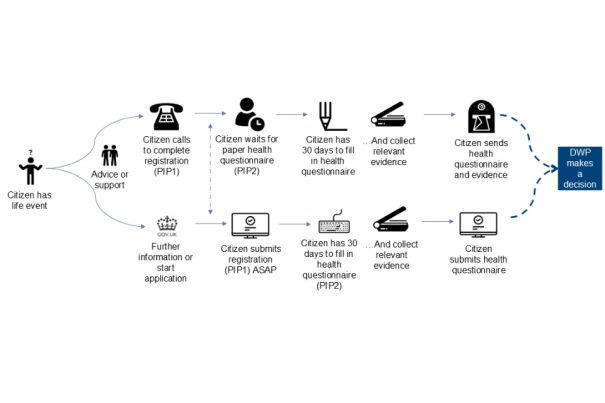
Description: Flowchart illustrating a citizen’s process through PIP registration and decision-making by DWP. It includes 2 main paths: one involving phone registration and paper health questionnaires, and the other involving parallel stages but for digital application, highlighted by icons and arrows.
We used a mixed-methods evaluation to ensure DWP has robust evidence on the processes and impact implications of DSS. A summary of process and impact evaluation findings, up to initial decision, was published in December 2024[footnote 4]. This publication updates the impact evaluation findings reported there, providing a detailed description of the methodology and includes previously unpublished findings and analysis, such as those on disputes. Furthermore, in-depth findings from the process evaluation are published alongside a higher-level summary of the impact evaluation finings in a separate report, Apply for PIP Digital Self-Serve: Evaluation Findings. The HTP Evaluation Strategy[footnote 5] provides further information about the approach to evaluating the HTP’s progress and performance across the whole scope and life of the Programme.
Glossary
| Term | Meaning |
|---|---|
| Appeal | An appeal refers to the process where a PIP customer disagrees with their decision following the mandatory reconsideration and requests the claim to be reviewed by an independent tribunal. |
| Apply for PIP | The term used by the DWP to refer to any claim where the customer has applied fully online. This includes Digital Self-Serve customers and those invited to apply online. |
| Assessment Provider | Contracted Healthcare Professionals who work on behalf of the DWP, who assess PIP applications and recommend awards to Case Managers using clinical knowledge. |
| Awarded | In the context of PIP, awarded refers to a customer who has scored enough points (at least 8 in either the daily living or mobility component, or both) to qualify for the standard or enhanced rates of PIP. |
| Case Manager | A DWP staff member who makes decisions on PIP claims using the assessment report and any evidence provided. |
| Control Area | Any area selected using the methodology outlined in this report, where the normal application channels are available, but not Digital-Self-Serve. |
| Digital Self-Serve | The fully digital route to applying for PIP where customers complete their application journey via GOV.UK. |
| Disallowance | Most disallowances occur following an assessment when a claim does not score enough points to be awarded PIP. Disallowed claims also include those that do not progress through the application process due to failing to return PIP2 within the timeframe or failure to attend a health assessment. |
| Healthcare Professional | Staff with a medical professional background who work for or on behalf of the DWP on PIP claims. |
| Health Transformation Area (HTA) | An area of the DWP where new services offered in the Health Transformation Programme are tested in a safe and controlled environment. The HTA is split across sites in London and Birmingham. |
| Health Transformation Programme | A DWP programme that, which is transforming the Personal Independence Payment service by introducing a simpler application process, including an option to apply online, improved evidence gathers, faster journey times and a more tailored journey for customers. |
| Journey Time | The number of days it takes for a customer’s PIP application to be processed, used to describe either the entire process or specific stages of the process. |
| Mandatory Reconsideration | Customers can request a Mandatory Reconsideration if they think that the DWP has made an error or missed important evidence, disagree with the decision, or would like to have the decision looked at again. |
| Nil-Nil Award | A nil-nil case refers to a PIP claim that has scored less than 8 points in either the daily living or mobility components, resulting in no-award. |
| Non-Digital Self-Serve | Claims where the customer has applied via the telephone route, sometimes referred to as the Business-as-Usual (BAU) route. |
| Personal Independence Payment (PIP) | A welfare benefit offered by the DWP to help people with extra living costs if they have both a long-term physical or mental health condition or disability and have difficulty doing certain everyday tasks or getting around because of their condition. |
| PIP1 | PIP1 is the first stage of a PIP application whereby customers are asked to provide basic personal information to register a claim. |
| PIP2 | The PIP2 is the health questionnaire in the second stage of the application process. The questionnaire asks customers to provide information about how their health condition(s) impacts them. |
| PIP ADS | PIP Atomic Data Store, where operational PIP data from the PIP Computer System is kept for analytical purposes. |
| Private Beta | Private beta is a controlled release of a service with a limited number of people using it, to enable feedback and iteration. During private beta of Digital Self-Serve, a small number of eligible PIP customers were invited to complete their application using it when they called DWP to register their application. This was not mandatory, those invited could continue to apply via alternative routes if preferred. |
| RAPID | Registration and Population Interactions Dataset. Provides an annualised view of all the interactions a person has with DWP and HM Revenue & Customs (HMRC) throughout the tax year. |
| P-Value | The probability of obtaining test results at least as extreme as the observed result, assuming the null hypothesis (there is no relationship between variables) is true. |
| Treatment Area | An Area selected using our methodology where Digital-Self-Serve was available for PIP applications, as well as the normal application channels. |
| Zero points | Zero points (0,0) outcome refers to a customer who was not awarded any points against any descriptor across both the daily living and mobility components. |
List of abbreviations
| Abbreviation | Meaning |
|---|---|
| AP | Assessment Provider |
| DiD | Difference-in-Differences |
| DSS | Digital Self-Serve |
| DWP | Department for Work and Pensions |
| GP | General Practitioner |
| HTA | Health Transformation Area |
| HTP | Health Transformation Programme |
| MR | Mandatory Reconsideration |
| Non-DSS | Non-Digital Self-Serve |
| PIP | Personal Independence Payment |
| PIP1 | PIP Initial Registration Form |
| PIP2 | PIP Health Questionnaire |
Methodology
The impact of DSS was estimated using Difference-in-Differences (DiD). While treatment and control areas were selected to be, on aggregate, as similar to each other as possible, there will be inevitable differences between them. DiD measures the variation in outcome between the treatment and control areas after DSS went live on GOV.UK, adjusting for pre-existing differences between the areas to estimate the causal impact of the service. The methodology assumes that the pre-existing differences would have remained constant in absence of the service going live. Any difference between what would have happened if the trend in the treatment area had continued to run parallel with the control area and what is observed in the analysis is the DiD estimate. This is visualised in Figure 2 below.
Figure 2: Example Difference-in-Differences
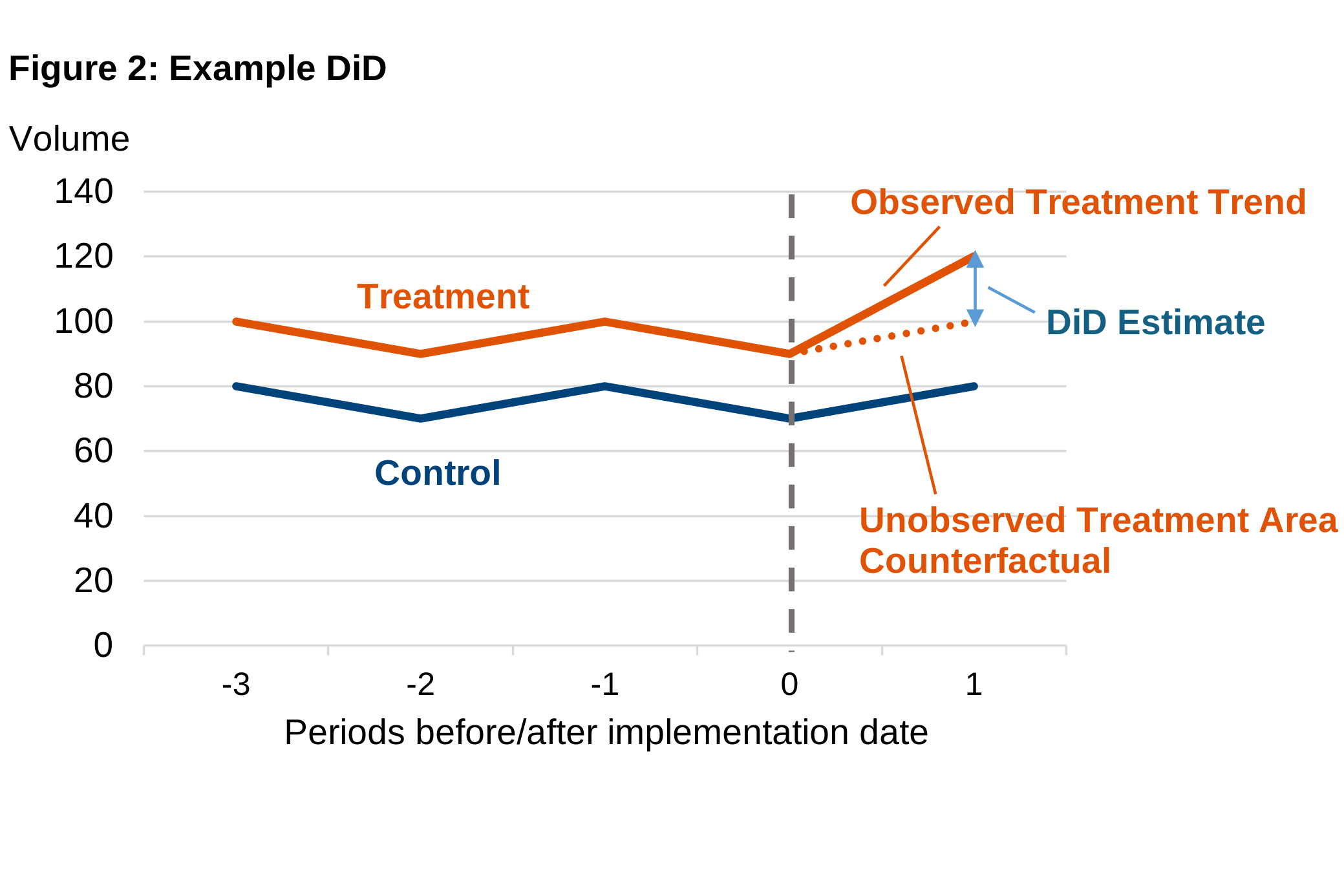
Description: Line graph demonstrating an example difference-in-differences, with 2 lines representing control and treatment. The trends are parallel before the implementation date, only diverging after that.
Where the outcome of interest is data that exhibits overdispersion (e.g. count of PIP registrations), the impact is estimated using a negative binomial regression. For other outcomes, the impact is estimated using OLS regression. Throughout the report the DiD estimates are referred to as the increase or decrease in the outcome or how much higher or lower it is.
Data
The data used to estimate the impact of DSS was sourced from the PIP Atomic Data Store (ADS), which is an extract of 100% of cases on the PIP Computer System. All new claims registered in the treatment and control areas between the beginning of January 2023 and the end of April 2025 are used in the analysis.
To assess the representativeness of the treatment areas we used the Registration and Population Interaction Database (RAPID) in addition to the ADS data. RAPID brings selected information together on citizens who interact with DWP, HMRC or Local Authorities (via Housing Benefit) systems. It is based on 100% extracts of various DWP benefit systems and is supplemented with 100% data extracts from HMRC systems. The data extracts capture 100% of the ‘people’ but only a limited selection of the variables within each database. RAPID holds records for anyone who has ever had a National Insurance Number, including resident and non-resident.
Treatment and control area selection
The treatment and control areas were selected to meet the needs of the statistical methodology, to be representative of the wider population, and to be a small enough area as to limit the potential operational impact. To do this, unitary and lower tier Local Authorities (LAs) in England were ranked by historical levels of relative PIP demand. Welsh postcodes were excluded from the trial because the Welsh language version of the DSS application had not been developed. The 5 highest and lowest LAs were removed due to the high level of influence they were having on overall trends after selection. LAs which overlapped with the Health Transformation Programme’s Health Transformation Area were also removed.
Thirty LAs were then selected at each of the 0, 25th, 50th, 75th and 100th percentiles of PIP demand (150 in all). The 30 LAs in each of the percentile groups were then individually ranked by the Index of Multiple Deprivation (Ministry of Housing, Communities & Local Government, 2019), which encompasses a wide range of factors, such as education and income. Six LAs from each group, spread across the ranking, were then allocated as treatment areas and the remaining 24 were allocated as controls. This process resulted in 30 LAs allocated as treatment areas and 120 allocated as controls.
To comply with digital treatment requirements, the LAs were mapped onto postcode districts, using the ONS Postcode Directory, forming LA ‘clusters’. Any postcode district that sat at least partially inside a treatment or control Local Authority was included as part of the Local Authorities’ cluster. If the postcode district crossed into any other of the selected Local Authorities, then it was excluded. This process resulted in 27 treatment clusters and 114 control clusters, accounting for approximately 8% and 30% of registration volumes in England and Wales respectively. To present comparable volumes, the control clusters have been scaled down.
Following the launch of DSS, the service was available in addition to the continued availability of telephone-initiated application channels in treatment areas. In the control areas, as with the remainder of England and Wales, only the telephone-initiated application channels are available. Customers have a choice over which application channel they use if they are eligible.
Internal validity
Internal validity is the extent to which we can reliably estimate the causal impact of the DSS treatment on outcomes in the treatment areas. In this section we discuss the degree to which it is possible in this analysis to determine the treatment effect on our outcomes of interest. To do so, we try to compare the outcomes of DSS, with those of a counterfactual scenario, using DiD.
To robustly estimate the causal impact of DSS, the DiD methodology requires that trends ran parallel prior to the treatment and that they would have continued to run parallel in its absence. Although the latter is unobserved, convincing evidence of parallel trends pre-treatment suggests that observed factors (other than being treated) and unobserved factors that explain the outcome of interest do not evolve differently over time, enabling one to make the assumption that the trends would have continued in the absence of the treatment.
The DSS treatment and control area selection process resulted in convincing evidence of parallel trends in registration volume prior to DSS going live, as shown in figure 3, giving confidence that they would have continued to do so in its absence.
Figure 3: Pre-treatment trends in registration volume
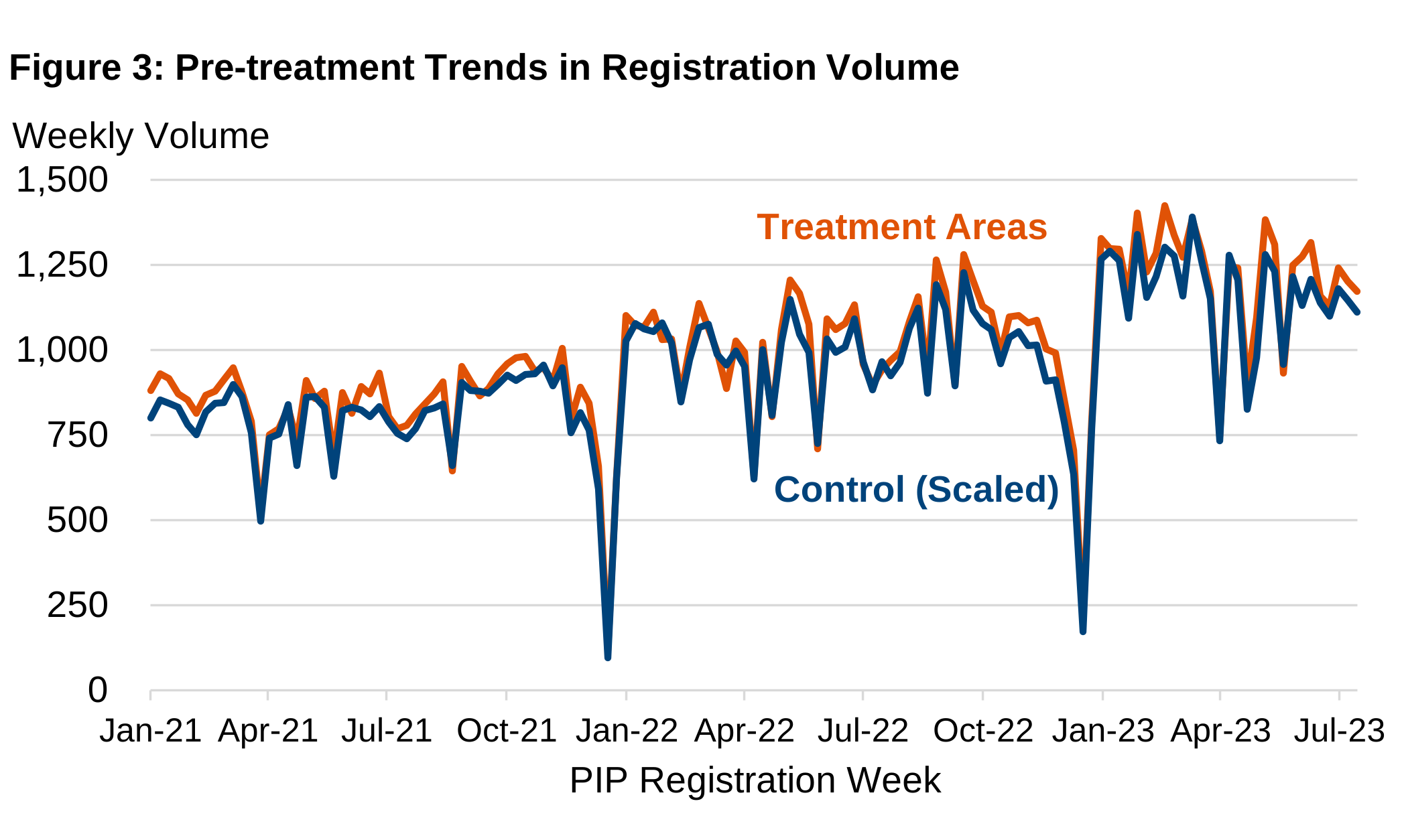
Description: A line graph showing treatment and control areas with parallel trends prior to July 2023 (after which DSS was implemented in the treatment areas).
It is always possible when using DiD that any post-launch divergences in trends could be explained by something other than the treatment. Given strong parallel trends pre-treatment, the size of the trial, and the fact that the chosen areas are not used by DWP for any other trials, we do not believe this is likely. DWP keeps a record of ongoing trials and/or tests to prevent contamination of effects.
When the service launched in the treatment areas, there was a targeted communications campaign with some local press reporting on the availability of the online service. This may have driven increased awareness of PIP both inside and outside of the treatment areas. Furthermore, there may have been increased awareness of PIP following launch due to word of mouth. Consequently, the control areas may also have had a higher volume of applications than they otherwise would have had, biasing the DiD results. However, we do not believe this will have had a large or lasting effect, if at all. The risk of contamination was mitigated through the postcode selection method which created a geographical divide between treatment and control LA clusters as well as the localised approach to communication targeted specifically on the treatment areas.
Weekly registration cohorts are used to estimate the impact of DSS treatment on outcomes in the subsequent claim journey (e.g. award rate), where they are filtered by those who the event of interest (e.g. being awarded PIP) applies to. Not all outcomes of interest have convincing evidence of parallel trends prior to treatment. This is typically explained by the outcome of interest applying to relatively few applications, leading to a smaller sample size and higher volatility in trends. For these outcomes, the trends often provide an indication of whether there has been an impact, but firm conclusions regarding the precise impact cannot be drawn. Where appropriate we use descriptive statistics and other measures to build a picture of what is happening in the treatment areas and how DSS applications differ to applications from alternative channels. Sankey diagrams and descriptive tables are included in the annex.
External validity
In addition to internal validity, we also need to understand the extent to which the analysis has external validity. That is, how generalizable the findings are to other settings. In this section we discuss how applicable our findings are to England and Wales as a whole.
The method of selecting treatment areas helps to ensure that they have a wide range of registration volume and Index of Multiple Deprivation scores. However, there are other important factors for which the treatment areas should be representative of the wider population to be confident the findings are generalisable. Table 1 breaks down some of these, comparing those who registered a PIP application in the year before DSS launched in the treatment areas to the control areas and the whole of England and Wales.
Table 1: Registration characteristics, by treatment, control, and England and Wales
| Characteristic | Treatment | Control | England and Wales |
|---|---|---|---|
| Male % | 43 | 43 | 43 |
| Average age | 44 | 44 | 44 |
| Awarded PIP at initial decision % | 46 | 47 | 46 |
| Psychiatric disorders % | 36 | 37 | 37 |
| Musculoskeletal disease (general) % | 16 | 16 | 16 |
| Musculoskeletal disease (regional) % | 13 | 12 | 12 |
| In employment or self-employment in at least 1 of the 12 months before applying for PIP % | 61 | 62 | 61 |
| In employment or self-employment in the month of applying for PIP % | 43 | 45 | 44 |
| In employment in at least 1 of the 12 months before registering for PIP % | 54 | 56 | 55 |
| In employment in the month of applying for PIP | 38 | 39 | 39 |
| In self-employment in at least 1 of the 12 months before applying for PIP | 9 | 9 | 9 |
| In self-employment in the month of applying for PIP % | 7 | 7 | 6 |
| Average weekly pay amount from all employment in financial year before applying for PIP £ | 364 | 371 | 370 |
| Average weekly pay from all self- employment in financial year before applying for PIP | 135 | 139 | 138 |
| In receipt of UC in at least 1 of the 12 months before applying for PIP | 49 | 48 | 48 |
| In receipt of UC in the month of applying for PIP % | 4 | 45 | 45 |
| In receipt of ESA in at least 1 of the 12 months before applying for PIP % | 8 | 8 | 8 |
| In receipt of ESA in the month of applying for PIP % | 7 | 7 | 7 |
Table 1 shows that registrations in treatment areas are broadly like those in the control areas and the rest of England and Wales. There are some minor differences, but they are unlikely to have a substantial impact on the generalisability of the results. There is some data on PIP customers that it would be beneficial to have for assessing generalisability but is not available. For instance, digital capability, which could be related to both take-up of DSS and outcomes of interest.
Table 2 shows the distribution of PIP registrations across the treatment and control areas, and England and Wales.
Table 2: Distribution of registered new claims in year before treatment by region
| Region | Treatment (%) | Control (%) | England and Wales (%) |
|---|---|---|---|
| East of England | 17 | 8 | 9 |
| East Midlands | 14 | 7 | 9 |
| London | 10 | 11 | 13 |
| North East | 4 | 8 | 6 |
| North West | 13 | 15 | 15 |
| South East | 8 | 17 | 12 |
| South West | 10 | 13 | 8 |
| Wales | 0 | 0 | 7 |
| West Midlands | 15 | 8 | 12 |
| Yorkshire and the Humber | 10 | 13 | 11 |
Welsh postcodes were excluded because the Welsh language version of the fully online application had not been developed at the time of the trial. Other noticeable differences include the East Midlands and the East of England which are overrepresented. This could have an impact on the generalisability of the results if different regions have a different response to the online service. However, since the treatment areas are broadly like England and Wales for the metrics in Table 1, we are confident that the treatment areas are broadly representative of the wider PIP customer population.
Estimated impacts are based on those who were eligible to make an application, but all new claims registered in the treatment and control areas are included in the analysis. Throughout the trial period, it is estimated that approximately 70% of customers were eligible to make a DSS application. It is uncertain what the impact would be if the remaining customer groups were made eligible to use the service.
Findings
Applications are grouped into weekly registration cohorts within their LA clusters. For stages of the journey after registration, weekly registration cohorts are only considered once a sufficient volume of claims within that cohort have, or are expected to have, reached that stage of the journey. Therefore, outcomes are measured across different periods of time, with fewer registration cohorts in scope as we move further along the claim journey. In the findings section we will look at the impact of the treatment on registration volume, assessment provider referrals, initial decision, mandatory reconsideration, appeals, journey times, and average award amounts.
Registration volume
A registration occurs when the first part of the PIP application, the PIP1, has been completed. For DSS applications, this is completed online. For applications from alternative channels, this is completed over the telephone.
The impact of DSS on registration volume is estimated using the first 92 weekly registration cohorts after it went live on GOV.UK. Over this period, we estimate that the number of registrations was 19% higher in the treatment areas than it otherwise would have been on average (p-value: <0.001). Under the assumption that the approximately 30% of customers who are currently ineligible to use the service were made eligible and had the same rate of increase as those currently eligible, we estimate that the full eligibility increase in registration volume would have been 27%.
Figure 4 shows registration trends in the treatment and control areas before and after the service went live. Prior to the service going live, average weekly registration volumes closely followed one another. After the service went live they diverged, with registration volumes in the treatment areas increasing and being sustained at a higher level thereafter.
Figure 4: Registration volume
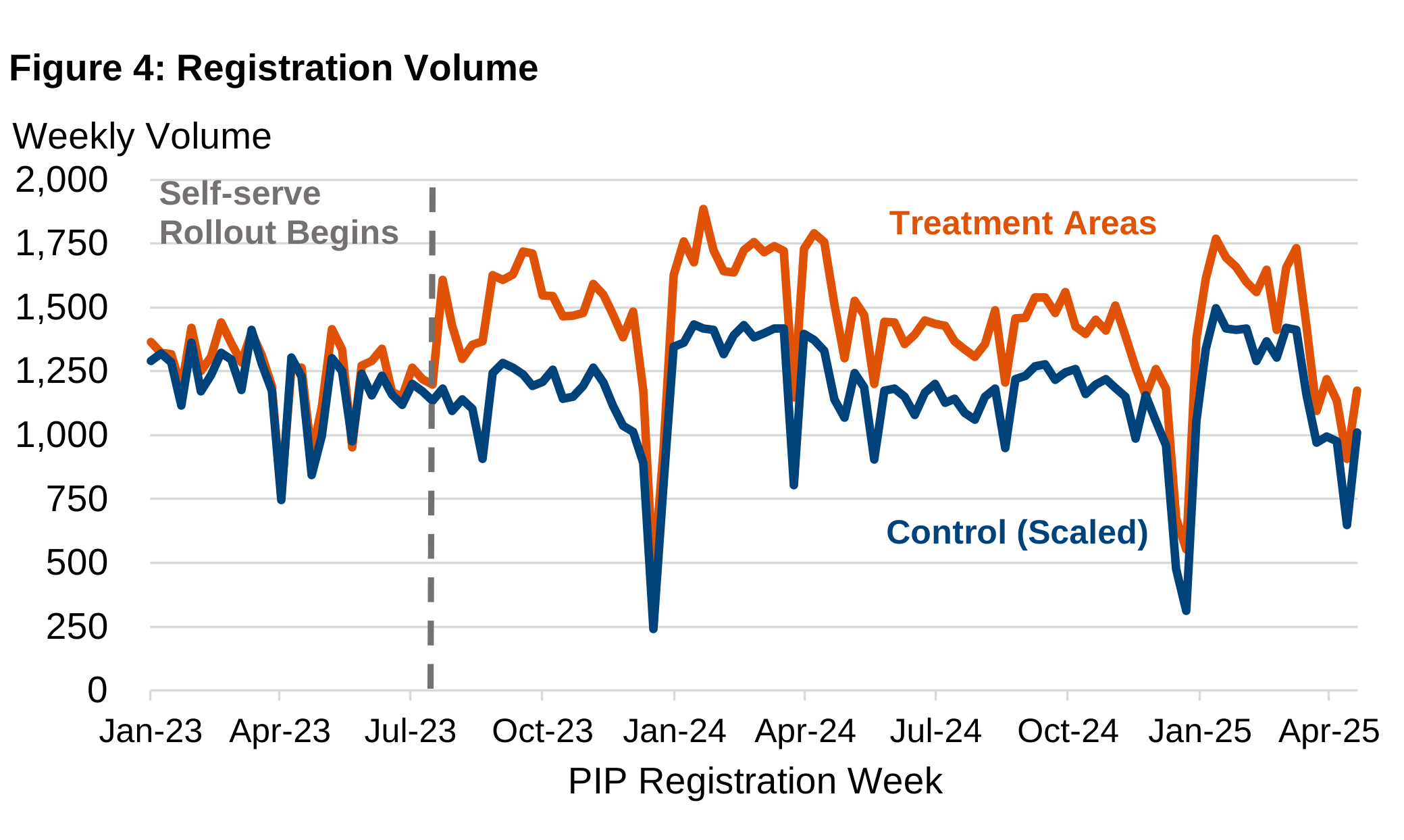
Description: Line graph showing divergence in trends after DSS rollout. Treatment areas now consistently have higher registration volumes.
The estimated increase in registration volume was higher in the first few months. Between 27 July 2023, when the service went live on GOV.UK, and the beginning of December 2023 the estimated increase was 25% on average (p-value: <0.001). Between January 2024 and April 2025, the estimated demand impact was lower at 17% on average (p-value: <0.001) and has remained relatively stable, with mostly minor fluctuations around this level.
Channel switching
DSS customers are made up of 2 groups:
-
Those who would not have made an application in the absence of the service. We refer to this group as additional demand.
-
Those who would have made an application via alternative telephone-initiated channels in the absence of the service. We refer to this group as channel switchers.
In the first 92 weeks of DSS going live, we estimate that the number of applications that started their claim over the telephone was 26% lower in the treatment areas than it otherwise would have been (p-value: <0.001). From this we can infer that approximately a quarter of those who would have made an application in the absence of the service, switched channels.
It is possible that DSS going live in the treatment areas led to an increase in telephone-initiated registrations through an increased awareness for PIP, in which case channel switching behaviour will be underestimated. It is not possible to test for this, although it is likely to be minimal and not have a meaningful impact on the results long-term.
Figure 5: Telephone registration volume
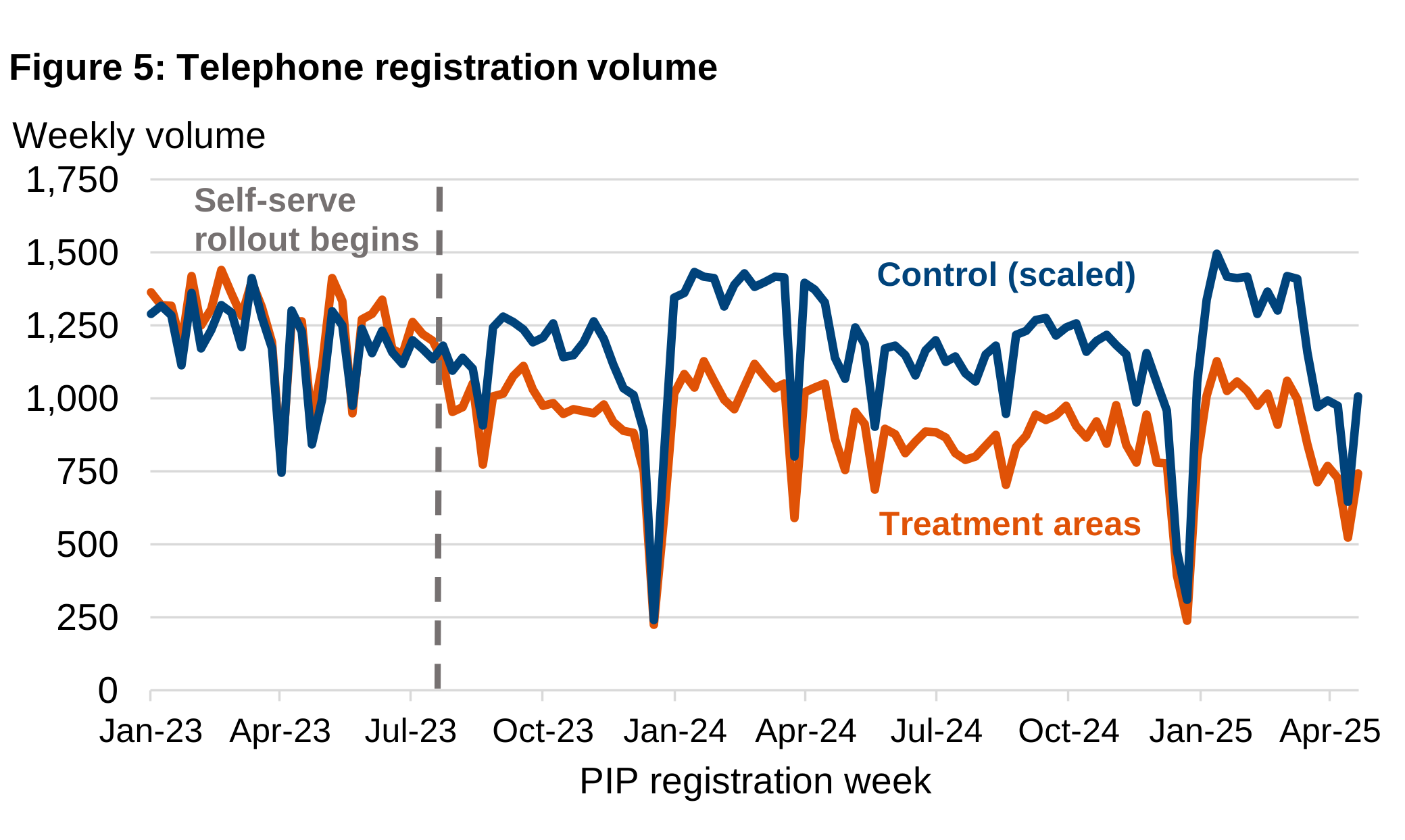
Description: Line graph showing divergence in trends after DSS rollout. Treatment areas now consistently have higher telephone registration volumes.
Figure 6 illustrates the estimated composition of applications within the treatment areas. The blue section of the bar represents applications we would have expected in the absence of DSS treatment. The orange section represents additional demand observed. The blue arrow represents non-DSS applications, i.e., expected applications who continue to register their application over the telephone. The orange arrow represents the additional demand plus the channel switchers, i.e. expected applications who submit a DSS application. Of DSS applications, we estimate that approximately 58% are channel switchers, with the remaining 42% being additional demand.
Figure 6: Estimated composition of treatment area applications
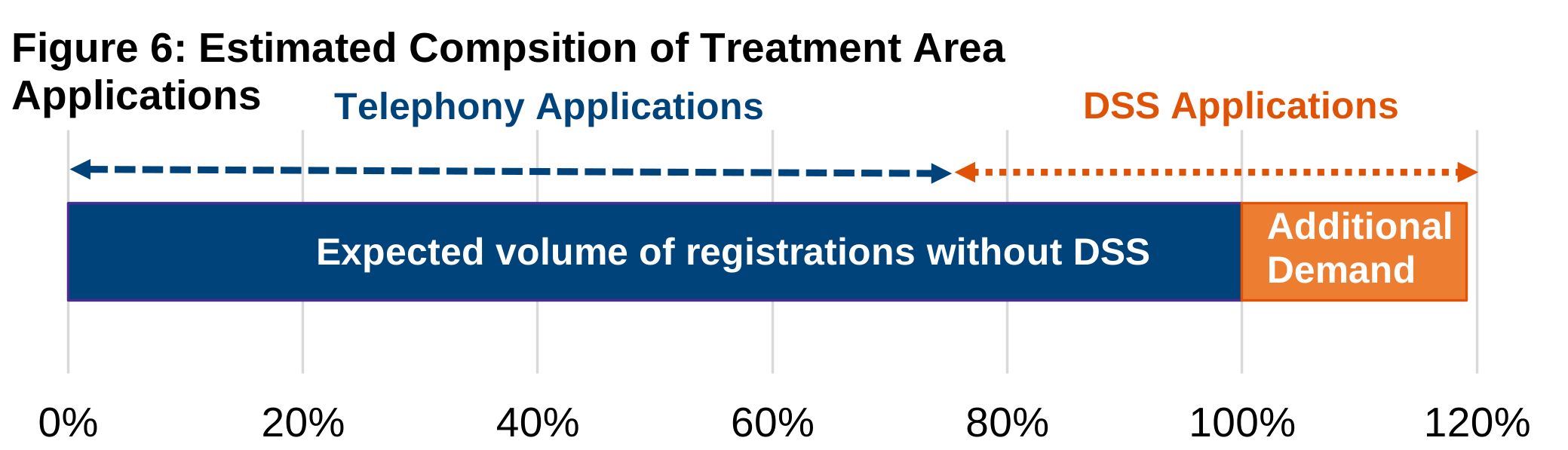
Description: Diagram demonstrating the expected volumes of telephone registrations without DSS as 100% and then the additional demand created by DSS applications, amounting to 120% overall.
DSS applications and PIP demand
The availability of a fully online application channel is likely to lead to an increase in PIP demand for multiple reasons. We have identified the following 4 which we believe account for the increase, however, the extent to which they individually contribute is uncertain.
Not being limited by telephone opening hours
PIP telephone lines are open Monday to Friday 8am to 5pm (excluding bank holidays), whereas DSS is available at any time of any day. This removes a barrier to applying for some customers, particularly those who work full-time or are otherwise unavailable during these hours. This is consistent with findings from customer interviews, where customers commonly reported that they valued the added flexibility.
Since DSS launched, out of hours registrations (outside 8am to 5pm Monday to Friday or on the weekend) have accounted for 22% of applications in treatment areas. For DSS applications specifically, 54% are made out of hours. The increase in out of hours applications may have been driven by 2 groups: those who would not have applied without the online service, and those who switched from other channels and submitted their application outside telephone hours. Non-DSS claims are registered by telephone. After this and once a health questionnaire has been issued, customers can complete an application outside of telephone opening hours.
In the first 92 weeks of DSS going live, we estimate that the number of in-hours registrations (between 8am and 5pm Monday to Friday) was 5% lower in the treatment areas than it otherwise would have been on average (p-value: 0.005). From this we can infer that a large portion of the additional demand is being driven by customers applying out of hours. It is likely that some of the additional demand is applying in-hours but this is offset by channel switchers now applying out of hours.
Figure 7: In-hours registration volume
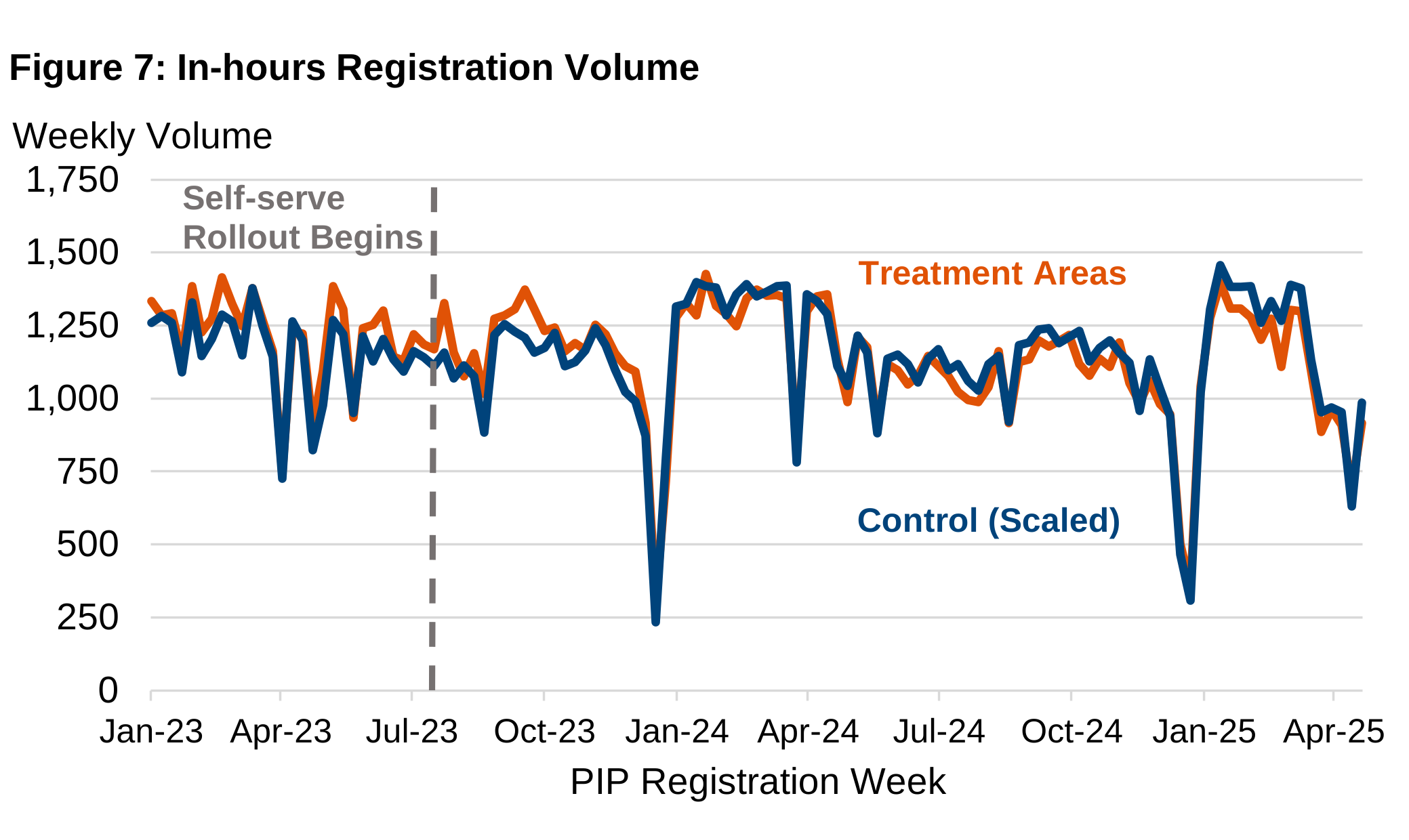
Description: Line graph showing very little divergence in in-hours registrations trends after DSS rollout. Treatment and control areas move largely in parallel both before and after rollout.
Removing the need to phone DWP lessens anxiety during the process
DSS removes the need to phone DWP when starting a PIP application, as eligible customers can complete their application entirely on GOV.UK. In addition to telephone opening hours, the telephone call itself is seen as a barrier by many customers. Customers commonly reported that removing the phone call from the application could reduce anxiety in the process. This was reported as particularly important for customers with mental health conditions who make up a substantial proportion of PIP customers. Thirty-nine per cent of DSS customers that had a health assessment had Psychiatric Disorders recorded as their primary health condition compared to 37% of customers in control areas. This is consistent with the customer research findings and provides further evidence that disabled people with mental health conditions may benefit to a greater extent from the removal of the initial phone call, although the difference is small. This is explored in more detail in the combined evaluation report.
Higher awareness of PIP
Higher awareness of PIP in the treatment areas due to the launch of DSS may partially explain the increase in demand. In the first week that DSS went live on GOV.UK there was a press release which was picked up by multiple local organisations in areas where the service was made available. This is not likely to be a long-term driver of higher demand but may partially explain why a higher increase in registration volume was observed in the initial weekly registration cohorts following the service going live. Higher awareness of PIP could also be driven by network effects. With more customers making PIP applications, this could increase knowledge of PIP in the local area and drive further increase in demand. This is not something we currently have evidence to support, however.
Latent demand
The increase in demand could be partially explained by some customers applying sooner than they otherwise would have. Research with customers has showed that having to make a phone call to register a PIP claim may have led some to delay starting a claim. We do not believe this is likely to be having a meaningful impact on the results long-term, however it may partially explain why a higher increase in registration volume was observed in the initial weekly registration cohorts following the service going live.
Assessment provider referrals
An Assessment Provider (AP) referral[footnote 7] occurs when DWP sends the application to an assessment provider for a health assessment. The impact of DSS on AP referral volume is estimated using the first 62 weekly registration cohorts after it went live on GOV.UK. Over this period, we estimate the number of AP referrals was 18% (p-value: <0.001) higher in the treatment areas than it otherwise would have been (p-value: <0.001)..
Figure 8: Assessment provider referral volume
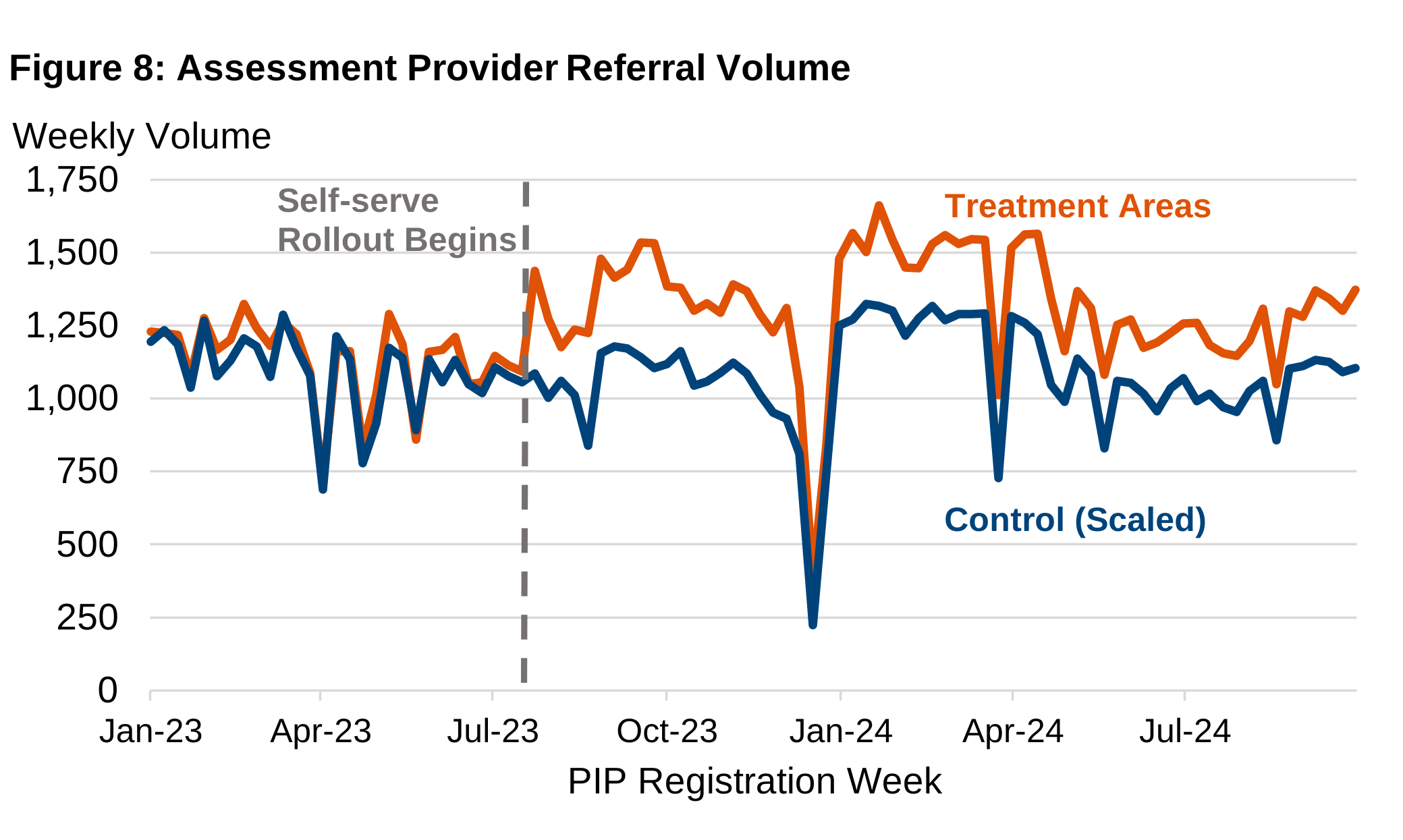
Description: Line graph showing divergence in trends after DSS rollout. Treatment areas now consistently have higher assessment provider referral volumes.
In the same period, we estimate registrations were 19% higher than they would have been in the absence of the service. From this, we can infer that DSS applications are slightly less likely to be referred to AP than applications from alternative channels. This is due to DSS applications being more likely to withdraw or be disallowed before referral to AP, discussed in more detail in the next section.
Initial decision
Initial decisions are broken down into 3 categories: award, disallowance and withdrawn. An award occurs when a PIP application meets the minimum eligibility criteria on at least one of the 2 components of PIP; daily living and mobility. Conversely, a disallowance occurs when a PIP application fails to meet the minimum eligibility criteria on both components. A withdrawal occurs when a customer decides to withdraw from the application process after registering and before DWP make a decision. The impact of DSS on initial decisions is estimated using the first 62 weekly registration cohorts after it went live in treatment areas. It is important to note that these results should be qualified by the impact of mandatory reconsiderations and appeals on the final award rate, which will be discussed in later sections.
Awards
We estimate that the number of awards at initial decision was 4% higher than it otherwise would have been in the treatment areas (p-value: 0.056). However, because this exceeds statistical significance of 0.05, the evidence does not meet the usual statistical threshold for ruling out the possibility that the difference occurred by chance.
Figure 9: Award volume
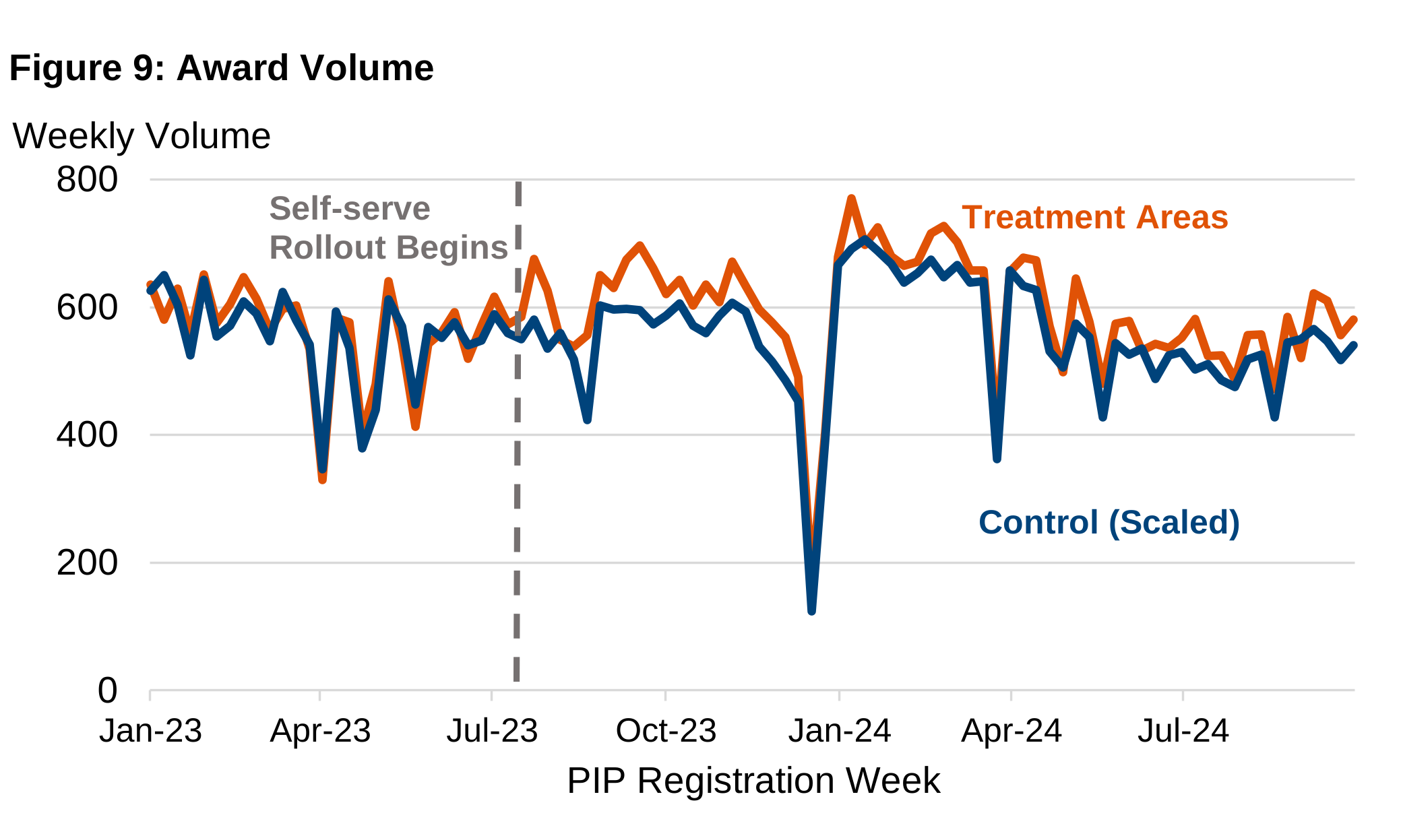
Description: Line graph showing a small divergence in trends after DSS rollout. Treatment areas now have marginally higher award volumes.
In the same period, we estimate registration volume was 19% higher in the treatment areas than it would have been in the absence of the service. Given the estimated increase in award volume is proportionately less than the estimated increase in registration volume, we can infer that DSS applications are much less likely to be awarded than applications from alternative channels.
The estimated increase in award volume was higher in the first few months. Between 27 July 2023, when the service went live on GOV.UK, and the beginning of December 2023, the estimated increase was 7% on average (p-value: 0.003). Between January 2024 and April 2025 the estimated demand impact was lower at 3% on average and is not statistically significant (p-value: 0.235). We find the lower estimated increase in award volume for cohorts registered post-January 2024 is explained by the reduction of registration volumes over the same period, rather than a change in the likelihood of a successful award.
Disallowances
We estimate that the number of disallowances was 35% higher in the treatment areas (p-value: < 0.001). An application can be disallowed for a number of reasons, which is explored in more detail in the next section.
Figure 10: Disallowance volume
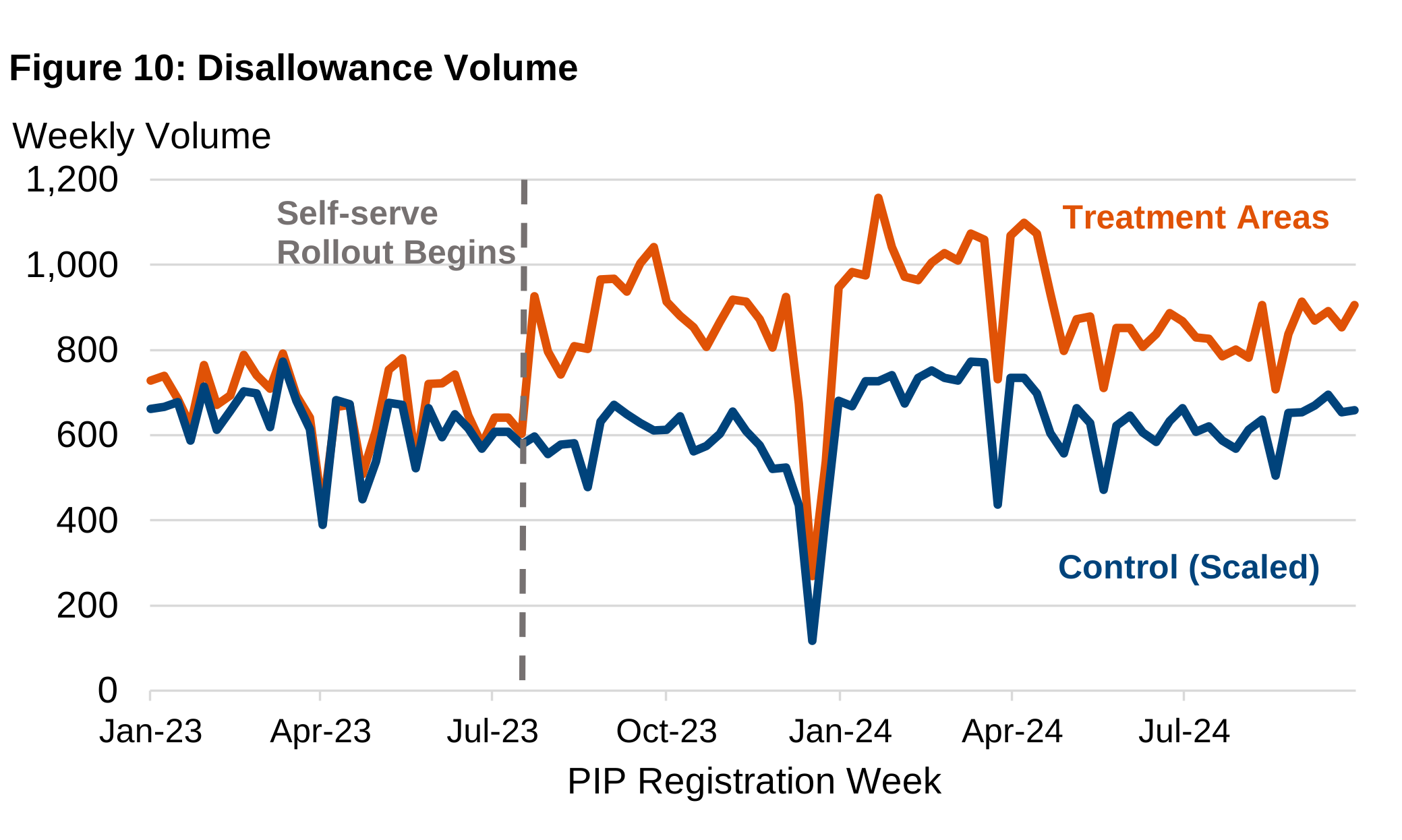
Description: Line graph showing divergence in trends after DSS rollout. Treatment areas now consistently have higher disallowance volumes.
Decomposition of increase in disallowance volume
PIP applications can be disallowed at various stages of the application journey. In addition to estimating the impact of DSS on disallowances overall, we also estimated its impact on the most commonly occurring reasons.
It is important to note that some of these represent a small proportion of applications, so a large percentage change may result in a small increase in volume. The figures for each disallowance reason are presented in the context of PIP1 registration volume, represented by the dashed lines.
Firstly, applications can be disallowed for failing to return the second part of the PIP application, known as the Health Information Gather or PIP2. We estimate that the number of applications disallowed for failing to return the PIP2 was 37% higher in the treatment areas (< 0.001).
Figure 11: Disallowed for Failing to Return Questionnaire (FTRQ) volume
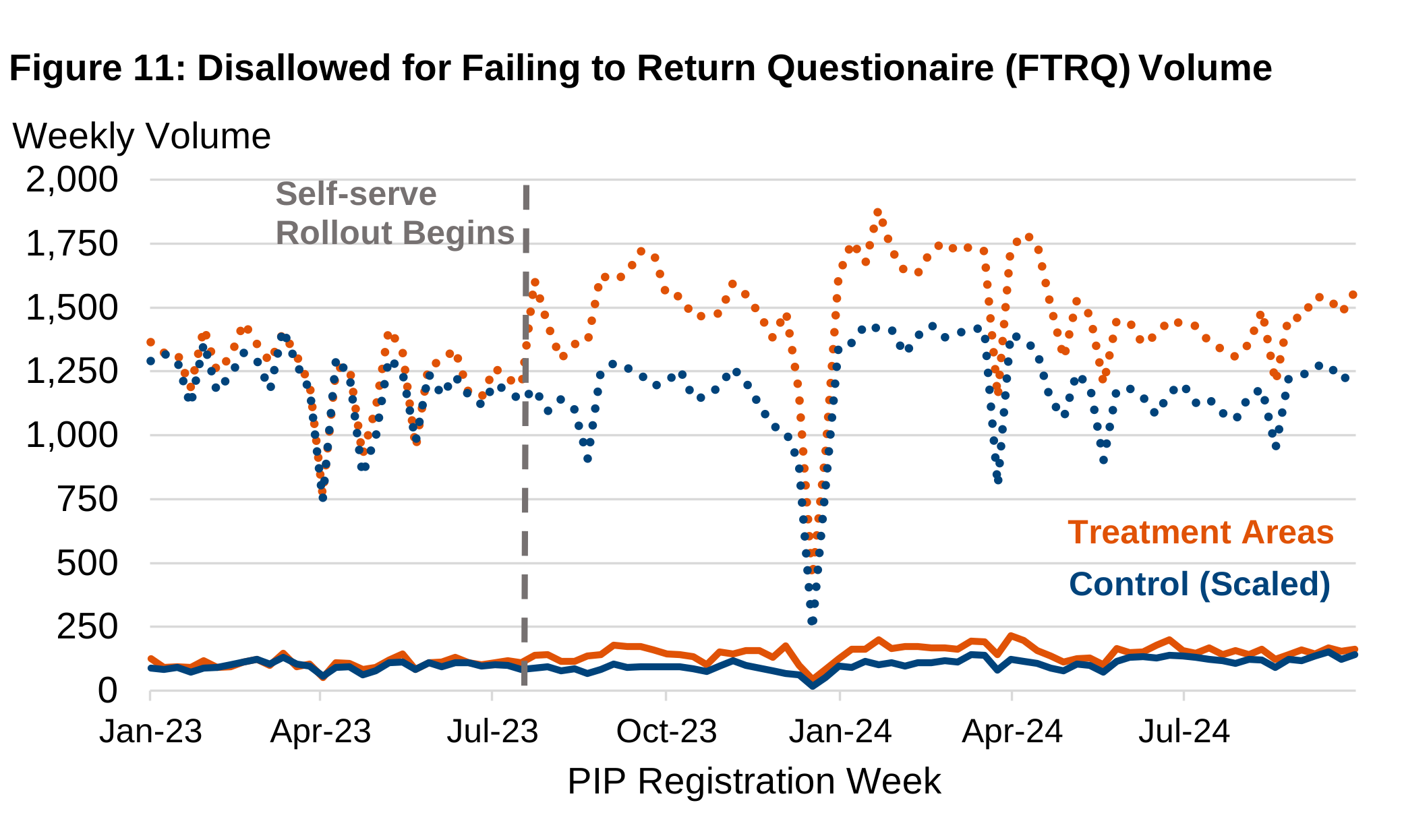
Description: Line graph showing divergence in trends after DSS rollout. Treatment areas now consistently have higher PIP 1 and FTRQ volumes.
Secondly, applications can be disallowed for failing to attend the health assessment. We estimate that the number of applications disallowed for failing attend the health assessment was 77% higher than it otherwise would have been in the treatment areas (p-value: < 0.001).
Figure 12: Disallowed for Failing to Attend (FTA) assessment volume
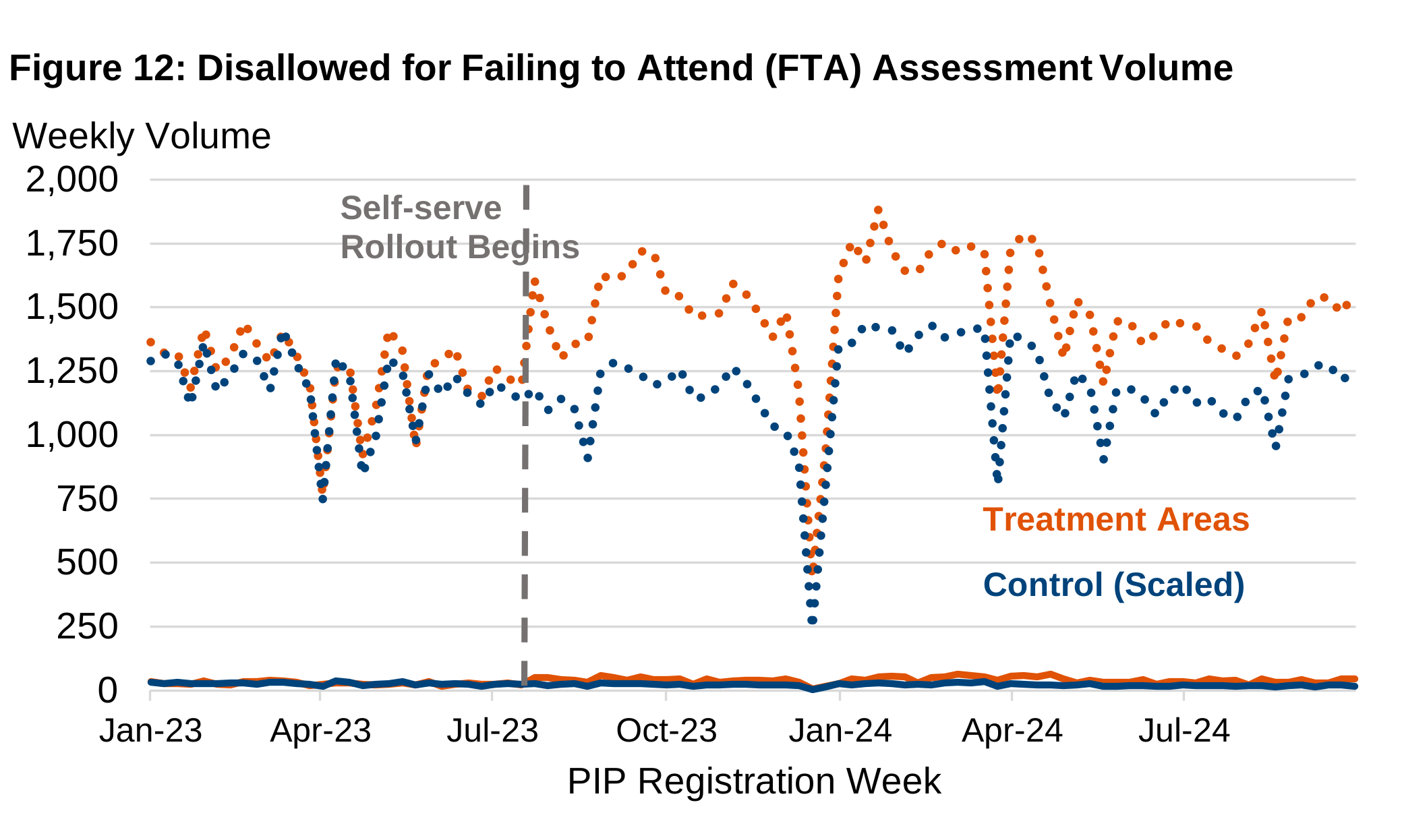
Description: Line graph showing divergence in trends after DSS rollout. Treatment areas now consistently have higher PIP 1 and FTA volumes.
Thirdly, applications can be disallowed if they are determined to be ineligible for an award by DWP once they have had an assessment. We estimate that the number of applications disallowed post-assessment was 27% higher (p-value: < 0.001).
Figure 13: Disallowed post-assessment volume
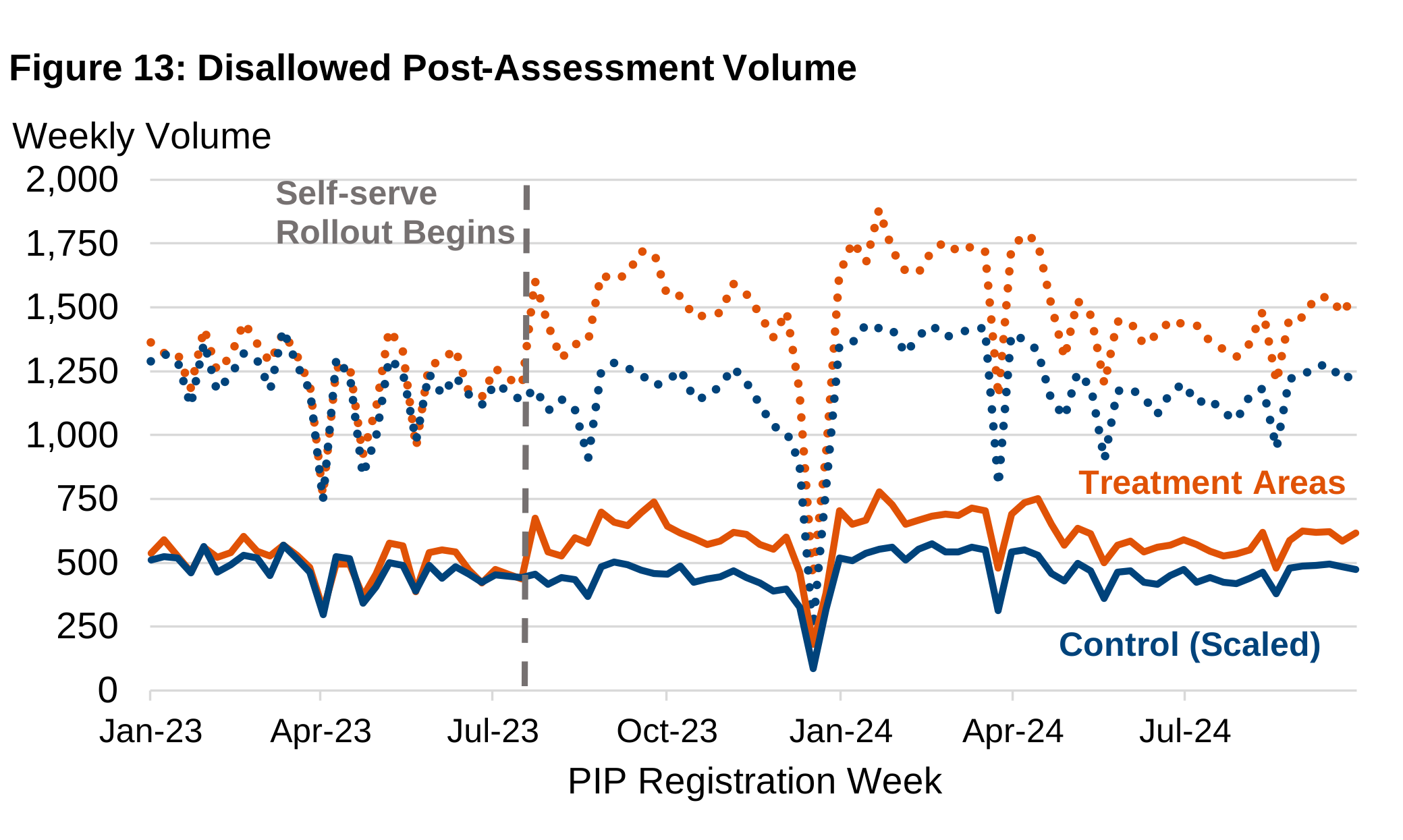
Description: Line graph showing divergence in trends after DSS rollout. Treatment areas now consistently have higher PIP 1 volumes and disallowed post-assessment volumes.
Of those that are disallowed post-assessment, some do not score any points on both the daily living and mobility component of the PIP award. This is known as scoring zero points. It is important to note that a zero points claim is not necessarily equivalent to a speculative claim. Following the launch of DSS, we estimate that the number of applications scoring zero points was 32% higher in the treatment areas (p-value: < 0.001).
Figure 14: Zero points volume
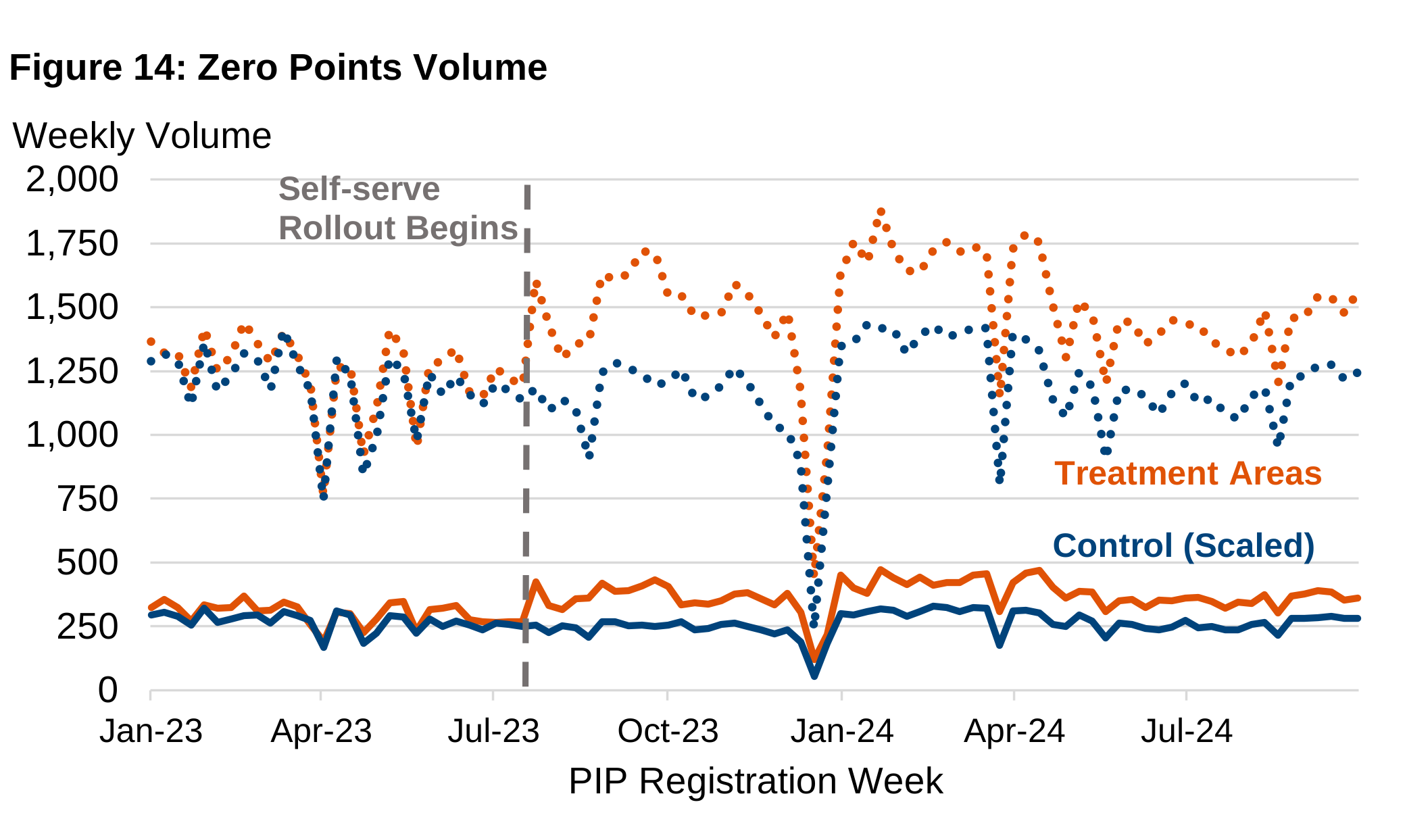
Description: Line graph showing divergence in trends after DSS rollout. Treatment areas now consistently have higher PIP 1 and zero points volumes.
Withdrawn claims
We estimate that the number of withdrawn applications was 153% higher in the treatment areas than it otherwise would have been (p-value: < 0.001). Like some of the disallowance reasons above, it is important to note that withdrawals represent a small proportion of applications. Therefore, despite there being a large percentage increase there has been a relatively small increase in volume.
Figure 15: Withdrawn volume
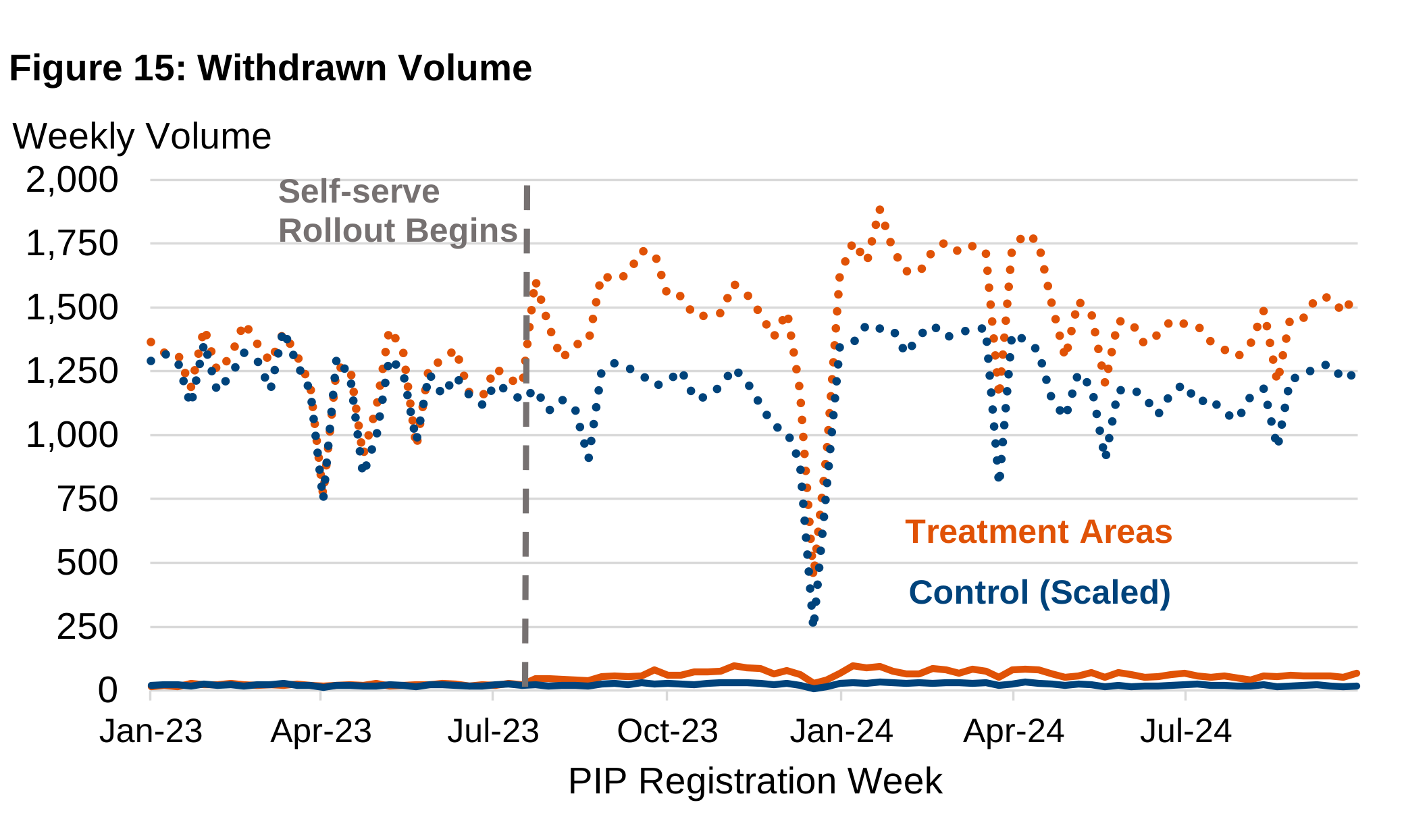
Description: Line graph showing divergence in trends after DSS rollout. Treatment areas now consistently have higher PIP 1 and withdrawn volumes.
DSS applications and PIP Awards
We find evidence that DSS customers are less likely to get an award due to 2 factors:
-
the composition of customers who use DSS
-
the service itself having an impact on application outcomes
Composition of customers
The composition of DSS customers may explain why they are less likely to get an award compared to non-DSS customers. We explore some of the more likely reasons here, but the list is not exhaustive.
The additional demand the service generates mean these claims are less likely to be awarded. It is not possible to accurately identify which DSS applications are additional, and which would have applied via alternative channels. The additional demand may be made up of customers who believe they are entitled to PIP but found the initial telephone call to register their application a barrier to applying. Therefore, its removal enabled them to make an application. However, it is possible that they are not as likely to meet the eligibility criteria to be awarded PIP. Secondly, since DSS reduces application barriers, it could encourage applications which have little to no chance of being awarded PIP. This theory could be supported by the finding that the estimated number of applications that score zero points increased by 32%. However, the rise in zero points applications doesn’t necessarily mean these customers don’t have a genuine belief that they are entitled to PIP. Interviews with customers undertaken as part of the evaluation did not find evidence that DSS customers are making speculative claims due to the availability of the online application. Customers typically reported that they were planning to apply for PIP and discovered the online option while researching the benefit and application routes.
Thirdly, DSS customers who would have made an application in the absence of the service, channel switchers, may be less likely to be awarded. However, if this was the case, then we would have expected to see the award rate of non-DSS applications increase and diverge from the control areas award rate post-treatment. We did not find evidence to support this.
Impact from the service itself
As well as the composition of people using DSS, the nature of the service could explain the lower likelihood of award. When the service was in private beta a small number of eligible customers who called DWP to register their application were offered the option of registering their claim (and subsequently their health information gather form or PIP2) on gov.uk. We do not have reason to believe the service was driving any additional demand at this stage as customers had to have phoned up with the intention to register a claim. Therefore, we were confident in our ability to match customers who applied on DSS to similar customers who applied through alternative application channels. We estimated that these private beta DSS customers were 6 percentage points less likely to be awarded compared to if they had applied through alternative channels, indicating that there is a relationship between choice of application channel and the likelihood of a successful award.
One potential explanation for this is a different behavioural response to completing digital PIP2 form compared to a paper PIP2. Perhaps the physical nature of a paper form leads to the customer spending more time with it and being more thoughtful about what evidence to include. This aligns with the staff research findings on the differences between paper and digital forms. Staff generally found digital forms were less detailed, particularly claims awarded zero points. This is explored further in our combined evaluation report, published alongside this one, though supporting evidence is limited.
Mandatory reconsiderations
A Mandatory Reconsideration (MR) occurs when a customer disagrees with their initial PIP decision and asks DWP to review the application. An MR can be registered prior to the health assessment if an application is disallowed and the customer would like to re-join the application journey. However, the focus of this section is on MRs registered post-assessment once DWP have decided whether to award or disallow an application. A customer may choose to register an MR whether they have been awarded or disallowed though MRs are more common among those who were not awarded PIP.
The impact of DSS on MR registration and clearance volume is estimated using the first 44 weekly registration cohorts after it went live on GOV.UK.
MR registrations
We estimate that the number of post-assessment MR registrations in treatment areas was 14% higher than it would have been on average, in its absence (p-value: < 0.001).
Figure 16: Mandatory reconsideration registration volume
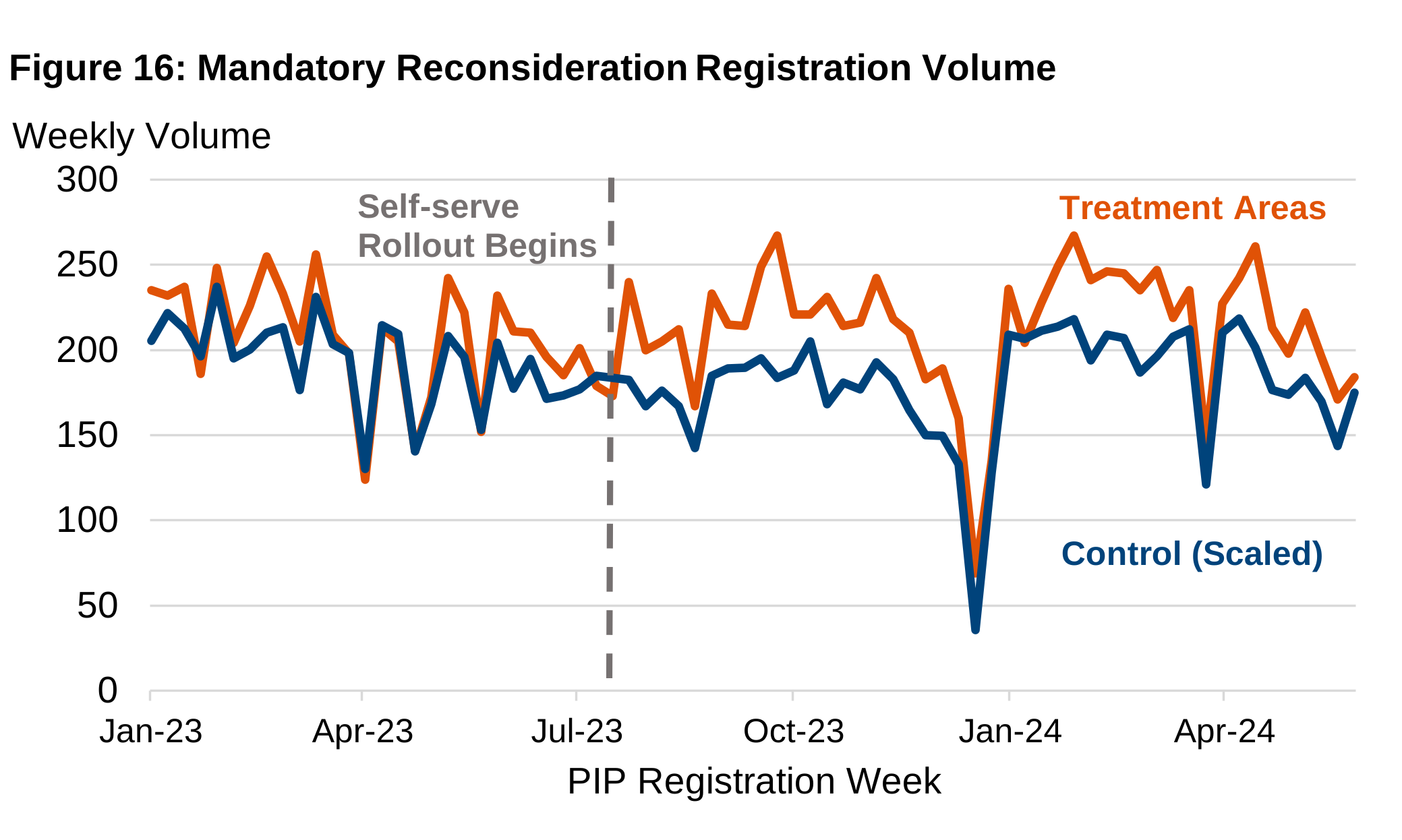
Description: Line graph showing divergence in trends after DSS rollout. Treatment areas now consistently have higher Mandatory Reconsideration registration volumes.
In the same period, the estimated increase in PIP1 demand was 19%, therefore we can infer that DSS customers are proportionally less likely to register an MR following an assessment relative to customers using alternative application channels. Since DSS applications are more likely to be disallowed, and disallowed applications are typically more likely to register an MR in BAU, this finding may be surprising. This might be partly explained by the MR process having no digital route currently available.
MR overturns
An MR Overturn is when a new decision has been issued, and the award has been changed. This may include claims that were previously disallowed or claims that had previously been awarded but the MR has resulted in a change in the level of the award (increased or decreased), or its duration. We estimate that the number of post-assessment MR overturns in treatment areas was 20% higher than it would have been in its absence on average (p-value: 0.002).
Figure 17: Mandatory reconsideration overturn volume
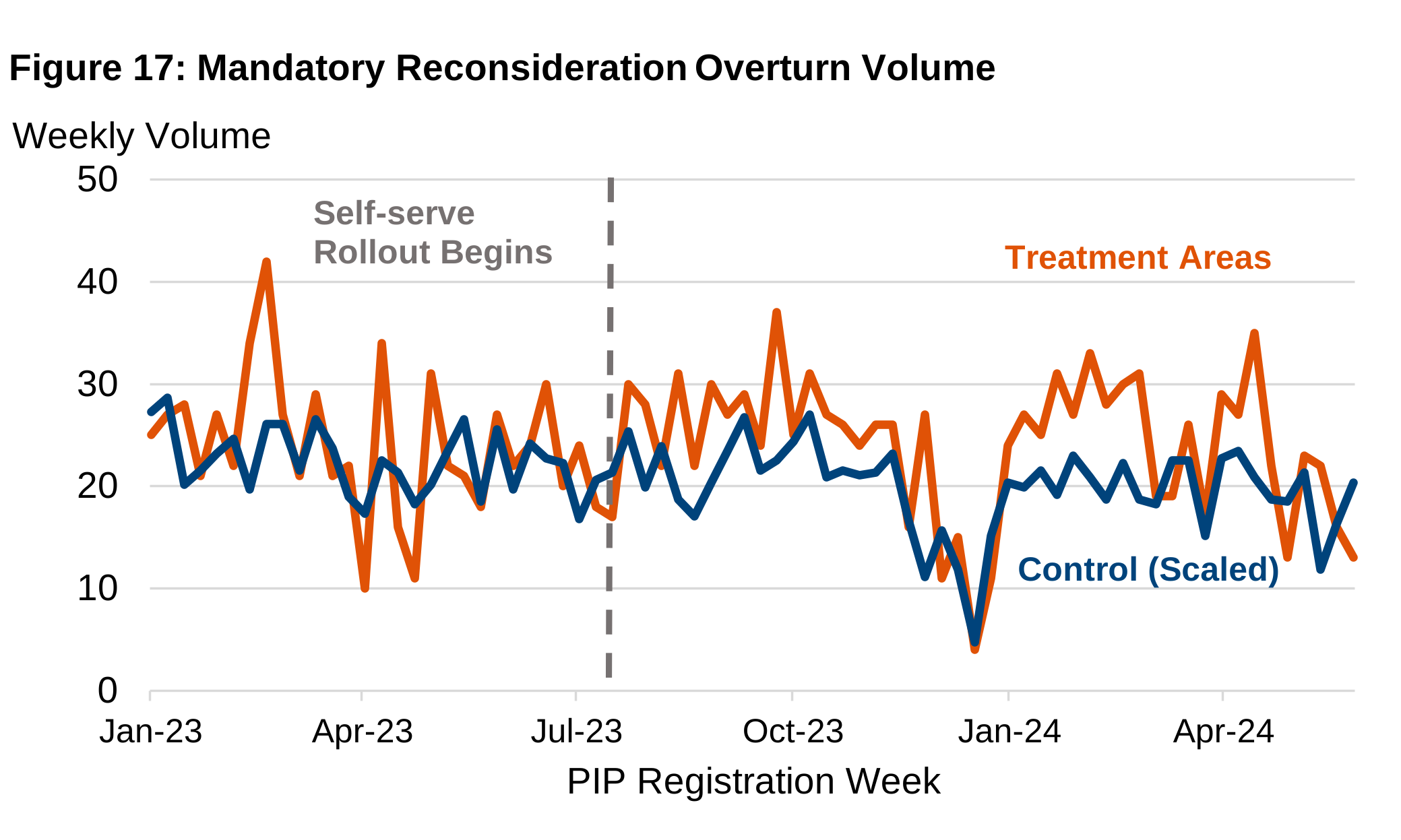
Description: Line graph showing divergence in trends after DSS rollout. Treatment areas now consistently have higher Mandatory Reconsideration overturn volumes.
Due to the relatively small number of MR overturns in each LA cluster per week the trends are more volatile than the preceding outcomes. In figure 18 we plot a longer time series to show that despite some volatility the trends have followed a similar pattern over time. However, the precision of the estimated increase should be treated with some caution.
Figure 18: Mandatory reconsideration overturn volume (longer timeseries)
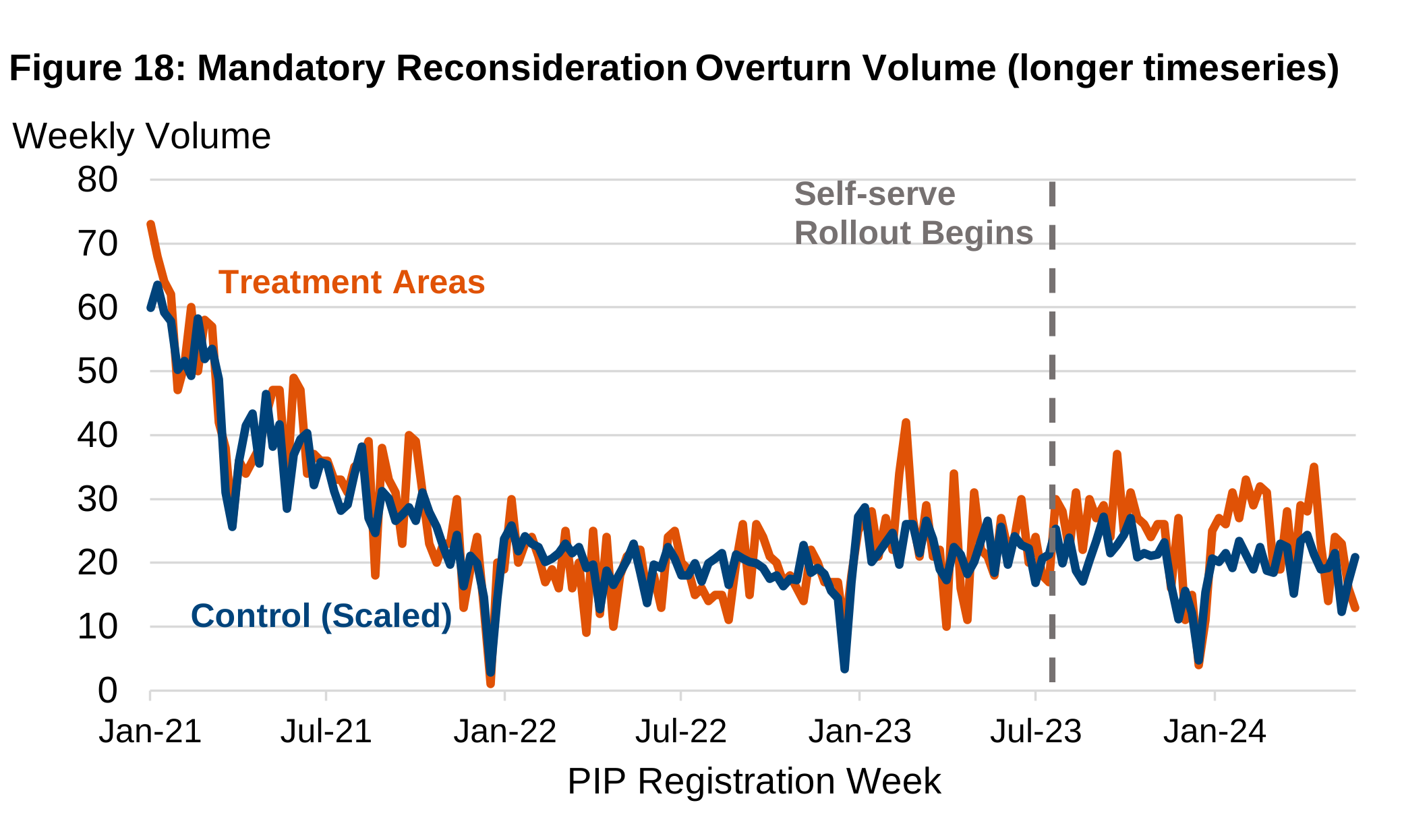
Description: Line graph showing volatility in Mandatory Reconsideration overturn volume trends since 2021.
Post-MR award volume
Of the applications which are overturned at MR, a subset changes from a disallowance to an award. Given the relatively small number of applications this applies to, we look at the impact on overall award volume post-MR. That is the sum of awards at initial decision and awards overturned from a disallowance to an award at MR. We estimate that the number of awards post-MR was 5% higher than it otherwise would have been (p-value: 0.014). This is marginally higher than the increase in awards at initial decision when compared over the same number of weeks and is statistically significant. However, given the increase remains lower than the increase in registration volume over the same period we can infer that DSS claims remain less likely to be awarded than BAU claims following MR
Figure 19: Post-mandatory reconsideration award volume
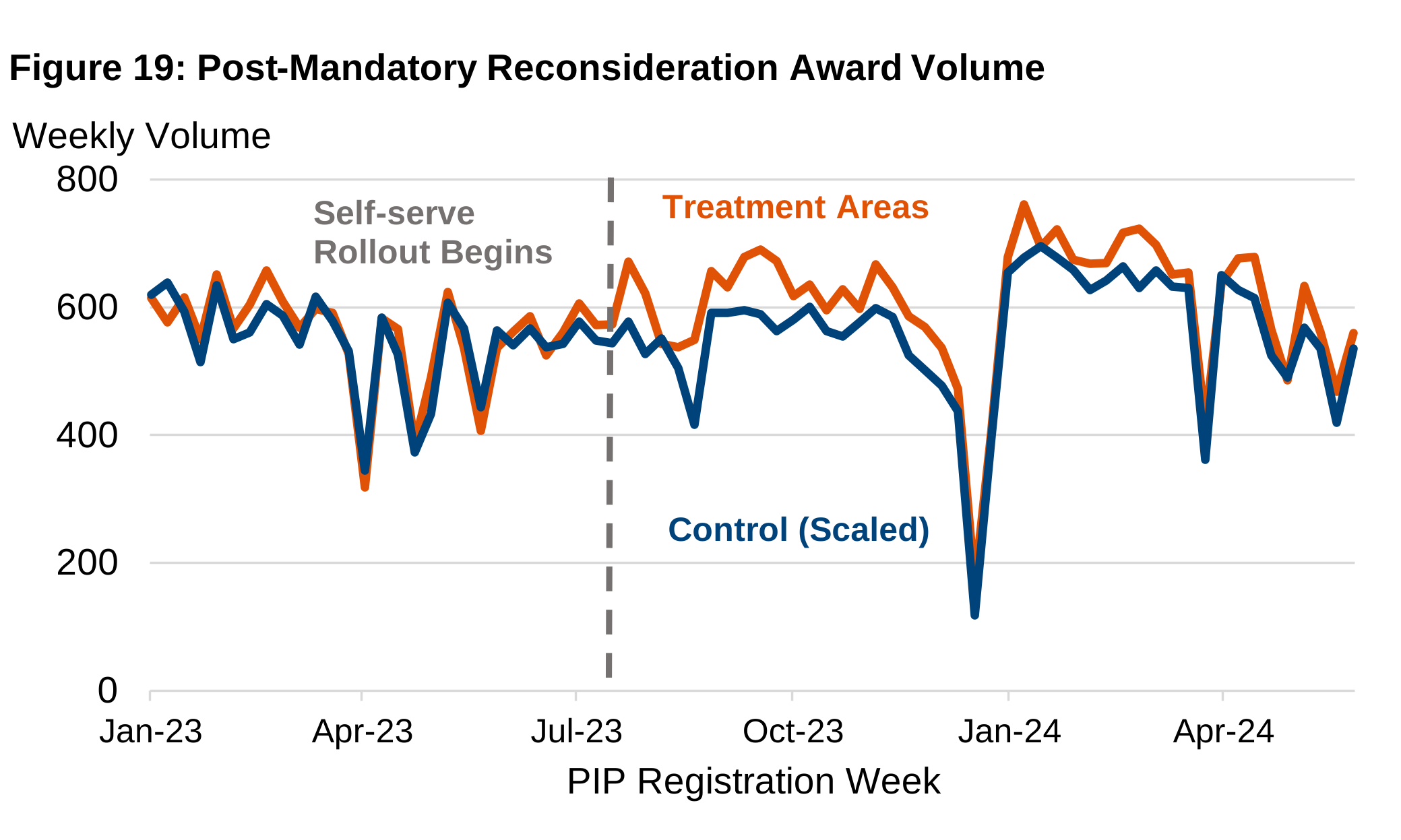
Description: Line graph showing divergence in trends after DSS rollout. Treatment areas now consistently have marginally higher Post-Mandatory Reconsideration award volumes.
Appeals
An appeal occurs when a customer disagrees with their decision following a MR and is heard by His Majesty’s Courts and Tribunals Service. The impact of DSS on appeal registration volumes is estimated using the first 35 weekly registration cohorts after it went live on GOV.UK. Appeal outcomes are not in the scope of this analysis because their volumes are yet to stabilise following the launch of DSS. This is due to how long it takes for a sufficient volume of applications to flow through the entire PIP claim journey.
Appeals lodged
We estimate that the number of appeals lodged following an MR was 12% higher in the treatment areas than it otherwise would have been (p-value: 0.001).
Figure 20: Appeals lodged volume
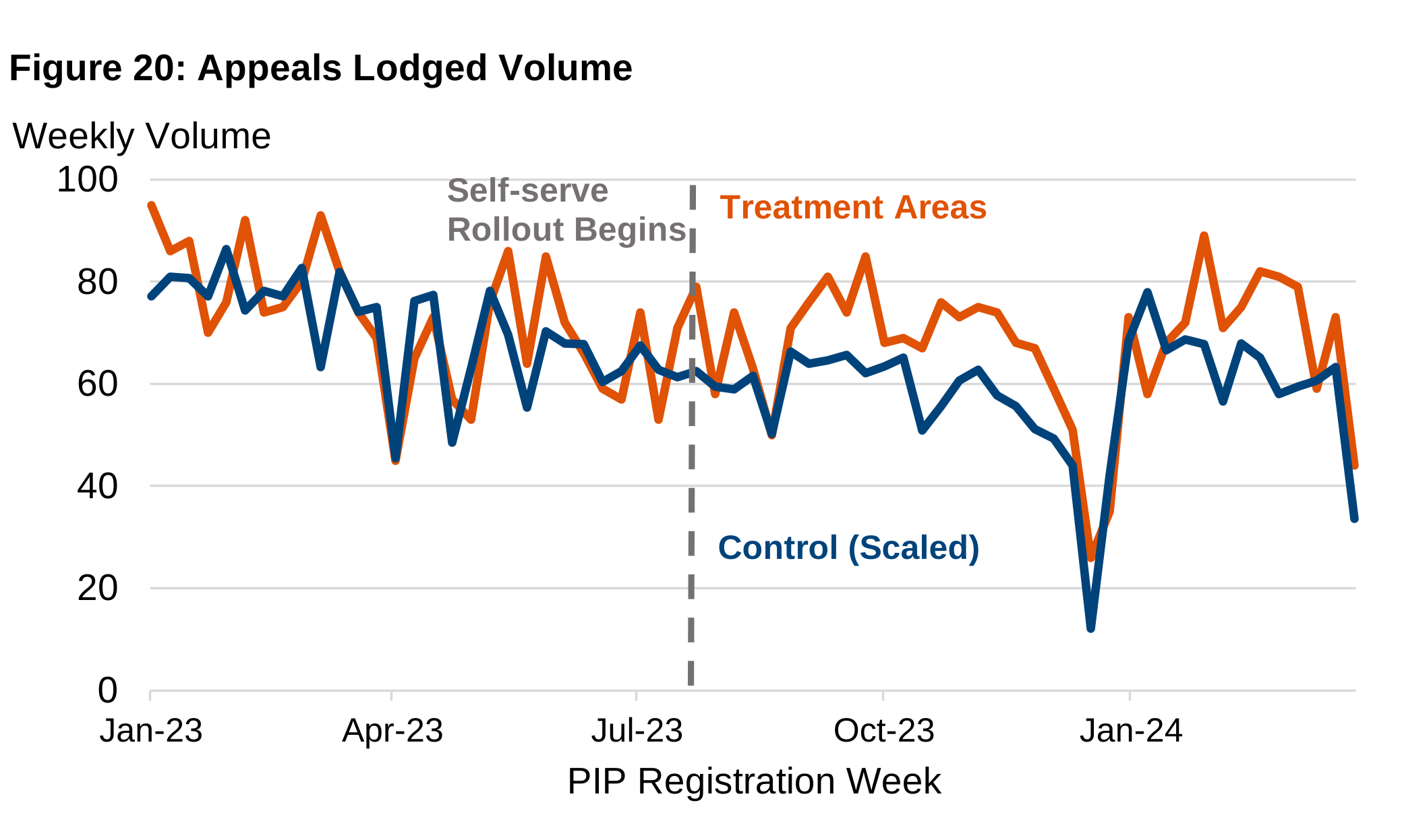
Description: Line graph showing divergence in trends after DSS rollout. Treatment areas now consistently have higher appeals lodged volumes.
Like MR overturns, due to the relatively small number of appeals being lodged in each LA cluster each week, the trends are volatile. In figure 21 we plot a longer time series to show that despite volatility, trends have followed a similar pattern over time. As was the case with MR overturns, the precision of the estimated increase should be treated with some caution.
Figure 21: Appeals lodged volume (longer timeseries)
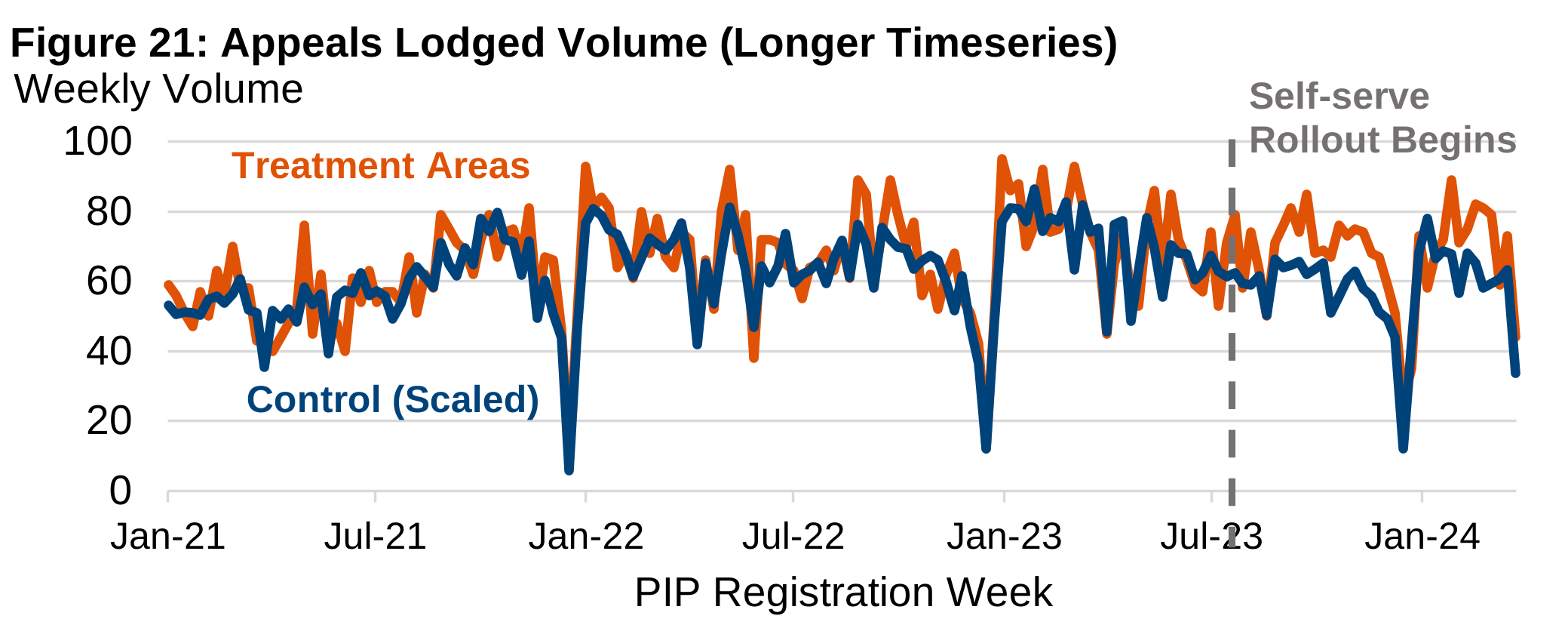
Description: Line graph showing volatility in Appeals Lodged volume trends since 2021.
Journey times
The estimated impact of DSS on customer journey times in the treatment areas is estimated at multiple stages of the application journey. Consistent with previous findings, weekly registration cohorts are only included when estimating the impact on a particular stage once volumes in both treatment and control areas have stabilised. Consequently, fewer cohorts are represented in the later stages of the journey.
We estimate that mean registration to PIP2 submission journey times are 7 calendar days shorter in the treatment areas than they otherwise would have been on average. This reduction persists from registration through to initial decision, MR outcome and lodging an appeal. We do not find evidence of a statistically significant change in average journey times post-PIP2 submission.
Table 3 summarises the estimated change in journey times between key stages of the claim journey.
Table 3: Estimated change in journey times in treatment areas compared to control areas
| Stage of application journey | Estimated change in journey times (calendar days)[footnote 8] | p-value |
|---|---|---|
| PIP1 submission to PIP2 submission | - 6.9 | < 0.001 |
| PIP1 submission to initial decision | - 6.0 | < 0.001 |
| PIP1 submission to MR clearance | - 6.2 | < 0.001 |
| PIP1 submission to appeal lodged | - 5.6 | 0.105 |
| PIP2 submission to initial decision | 2.0 | 0.271 |
| PIP2 submission to MR clearance | 1.6 | 0.537 |
| PIP2 submission to appeal lodged | 1.0 | 0.812 |
Lower average journey times in the treatment areas from registration to PIP2 submission is explained by channel switching activity and additional demand. We find DSS customers submit their PIP2 forms more quickly than those with telephone-initiated claims on average, regardless of whether they choose the paper or digital format.
DSS applications make up approximately 35% of applications in the treatment areas. Under the assumption that the reduction is driven exclusively by DSS applications, we estimate that the overall application journey is approximately 20 days calendar faster on average than applications from alternative channels.
It is important to note that the estimated impact of DSS on journey times does not necessarily reflect what we would expect to see if the service was made available to all customers. To maintain these shorter journey times at a national level there would need to be sufficient operational capacity to meet the additional registration volume that we would expect to see with national availability of the DSS channel.
Average award amounts
The estimated impact of DSS on average award amounts in the treatment areas is estimated at initial decision and post-MR. Consistent with previous findings, weekly registration cohorts are only included when estimating the impact on a particular stage once volumes in both treatment and control areas have stabilised. Consequently, fewer cohorts are represented in the latter.
Table 4: Estimated change in average award amounts in treatment areas compared to control areas
| Stage of journey | Estimated change in average award amounts, 2025 to 2026 rates (£) | p-value |
|---|---|---|
| Initial decision | - 2.62 | 0.002 |
| Post-MR | - 2.46 | 0.006 |
At each stage, there is a relatively small, yet statistically significant reduction in average awards compared with control areas. However, given the small effect size, we are not confident this would be realised if all PIP customers in the treatment areas were eligible to use DSS. In April 2025 for example, Special Rules applications, which are not eligible to make a DSS application, received an average award amount of £185, relative to an average award amount of £138.
Conclusion
The impact evaluation findings provide robust evidence that DSS lead to a substantial increase in the number of PIP registrations and AP referrals over the period included in this report, by an average of 19% and 18% respectively. However, there is a notable difference between the first 6 months of the treatment compared with next 6 months: registrations increased 25% in the former and 17% in the latter. This suggests a decreasing impact of the DSS launch on registrations over time. Additionally, this does not translate to the same increase in the number of awards received, due to a potential difference in type of claim submitted using DSS. We saw only a 4% increase in claims awarded in treatment areas, which just narrowly missed the statistical significance threshold of <0.05. This report also outlines that DSS applications are more likely to be disallowed at each stage of the customer journey, more likely to score zero points and more likely to withdraw.
However, the estimated increase in registration provides evidence that the availability of an online service is making PIP more accessible to a wider range of individuals. This accessibility is potentially leading to an increase in speculative claims by removing various potential barriers for customers. In addition to this, customers using DSS also benefit from shorter journey time by an average of 7 days from application to initial decision. The evidence presented here suggests that over the timeframe of January 2023 to April 2025, DSS offered a more efficient and accessible service when offered alongside the standard telephone route. However, although this report offers a strong foundation of evidence on the potential of DSS claims it is not possible to extrapolate completely all the current findings to a longer period or wider treatment area, and further evidence is needed.
Annex
A1. Descriptive statistics
Sankey diagrams
Registration to assessment or pre-assessment disallowance
Figures A1 and A2 illustrate the expected progression of 100 DSS applications and 100 non-DSS applications, in control areas, respectively, from registration through to either being assessed or disallowed prior to assessment. The groups are not matched; differences are purely descriptive.
Figure A1.1: Digital Self-Serve applications
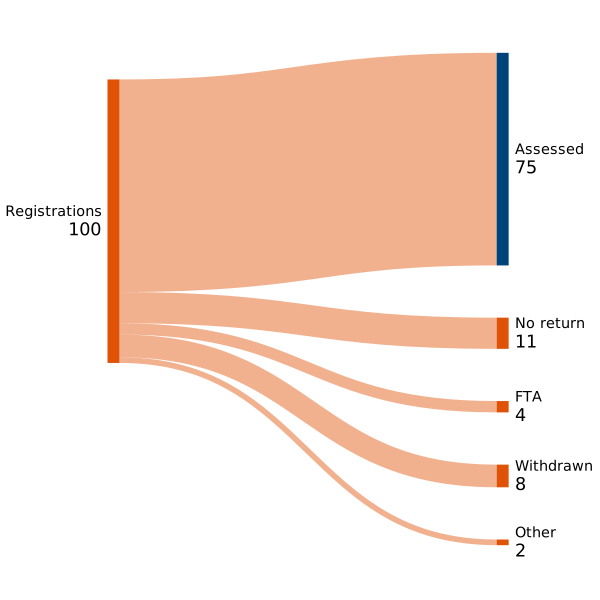
Figure A1.2: Non-Digital Self-Serve applications
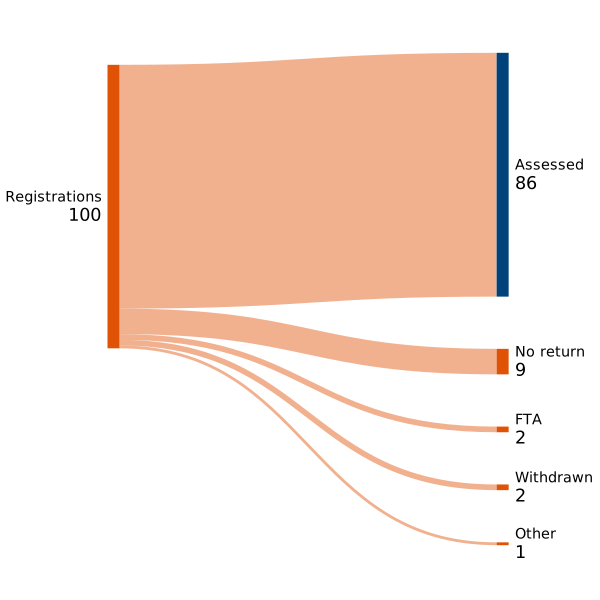
Description: Two Sankey diagrams showing DSS and Non-DSS applications, where 75 out of 100 are assessed for the former and 86 out of 100 for the latter. The charts show the higher proportion of DSS applications that are no-returns, FTA, withdrawn or other.
Assessment to appeal lodged
Figures A3 and A4 illustrate the expected progression of 100 DSS applications and 100 non-DSS applications respectively, from assessment through to lodging an appeal. The groups are not matched; differences are purely descriptive.
Figure A1.3: Digital Self-Serve applications
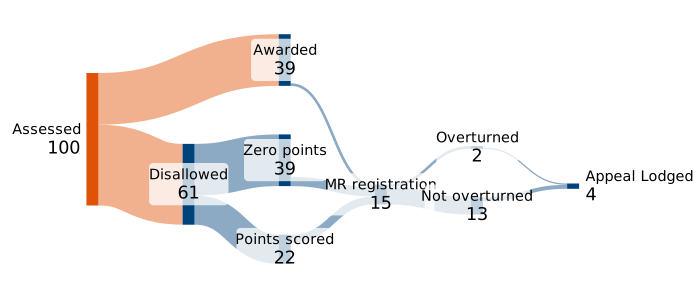
Description: Sankey diagram illustrating the flow of 100 DSS applications through outcomes including awarded (39), disallowed (61), and further breakdown of disallowed into zero (39), points scored (22), and MR registration (15). MR registration splits into not overturned (13), overturned (2), and appeals lodged (4).
Note: includes all DSS applications registered in the first 62 weeks of treatment with an initial decision.
Note: includes all non-DSS new claims applications registered in the first 62 weeks of DSS treatment with an initial decision.
Figure A1.4: Non-Digital Self-Serve applications
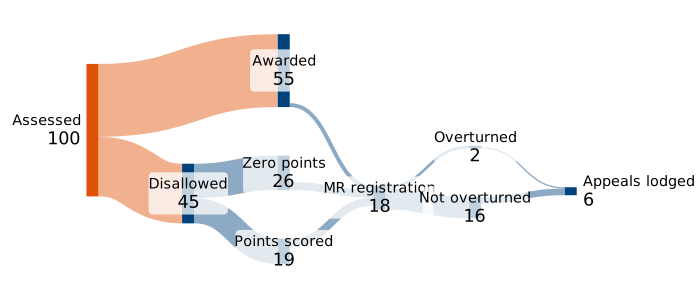
Description: Sankey diagram illustrating the flow of 100 non-DSS applications through outcomes including awarded (55), disallowed (45), and further breakdown of disallowed into zero (26), points scored (19), and MR registration (18). MR registration splits into not overturned (16), overturned (2), and appeals lodged (6).
Note: includes all non-DSS new claims applications registered in the first 62 weeks of DSS treatment with an initial decision.
A2. PIP, employment and benefit characteristics
Table A2.1: Customer characteristics, by Digital Self-Serve and non-Digital Self-Serve
| Characteristic | DSS | Non-DSS |
|---|---|---|
| Male % | 40 | 44 |
| Average age | 39 | 43 |
| Awarded PIP at initial decision % | 30 | 48 |
| UK National % | 89 | 88 |
| In employment or self-employment in at least one of the 12 months before applying for PIP % | 73 | 63 |
| In employment or self-employment in the month of applying for PIP % | 60 | 49 |
| In employment in at least one of the 12 months before applying for PIP % | 67 | 56 |
| In employment in the month of applying for PIP % | 54 | 43 |
| In self-employment in at least one of the 12 months before applying for PIP % | 9 | 9 |
| In self-employment in the month of applying for PIP % | 8 | 8 |
| Average weekly pay amount from all employment in financial year before applying for PIP £ | 409 | 395 |
| Average weekly pay from all self- employment in financial year before applying for PIP £ | 167 | 150 |
| In receipt of UC in at least one of the 12 months before applying for PIP % | 42 | 49 |
| In receipt of UC in the month of applying for PIP % | 41 | 50 |
| In receipt of ESA in at least one of the 12 months before applying for PIP % | 2 | 6 |
| In receipt of ESA in the month of applying for PIP % | 3 | 6 |
Table A2.2: Primary disability category breakdown, by Digital Self-Serve and non-Digital Self-Serve assessment claims
| Disability | DSS (%) | Non-DSS (%) |
|---|---|---|
| Psychiatric disorders % | 39 | 37 |
| Musculoskeletal disease (general) % | 14 | 16 |
| Musculoskeletal disease (regional) % | 12 | 13 |
| Neurological disease % | 7 | 8 |
| Malignant disease % | 3 | 6 |
| Respiratory disease % | 5 | 4 |
| Cardiovascular disease % | 3 | 3 |
| Gastrointestinal disease % | 3 | 2 |
| Endocrine disease % | 3 | 2 |
| Genitourinary disease % | 2 | 2 |
| Unknown or missing % | 1 | 1 |
| Hearing disorders % | 2 | 1 |
| Skin disease % | 2 | 1 |
| Visual disease % | 1 | 1 |
| Infectious disease % | 1 | 1 |
| Diseases of the liver, gallbladder, biliary tract % | 0 | 1 |
| Autoimmune disease (connective tissue disorders) % | 1 | 1 |
| Haematological Disease % | 0 | 0 |
| Metabolic disease % | 0 | 0 |
| Diseases of the immune system % | 0 | 0 |
| Multisystem and extremes of age % | 0 | 0 |
Note: figures are based on the first 62 weekly registration cohorts.
Table A2.3: Primary disability category breakdown, by treatment area and control areas, England and Wales in the year before Digital-Self serve launched in the treatment areas assessment claims
| Percentage of claims | Treatment (%) | Control (%) | England and Wales (%) |
|---|---|---|---|
| Psychiatric disorders | 36 | 37 | 37 |
| Musculoskeletal disease (general) | 16 | 16 | 16 |
| Musculoskeletal disease (regional) | 13 | 12 | 12 |
| Neurological disease | 9 | 9 | 9 |
| Malignant disease | 6 | 6 | 6 |
| Respiratory disease | 4 | 4 | 4 |
| Cardiovascular disease | 4 | 4 | 4 |
| Gastrointestinal disease | 2 | 3 | 2 |
| Endocrine disease | 2 | 2 | 2 |
| Genitourinary disease | 2 | 1 | 2 |
| Hearing disorders | 1 | 1 | 1 |
| Visual disease | 1 | 1 | 1 |
| Unknown or missing | 1 | 1 | 1 |
| Skin disease | 1 | 1 | 1 |
| Infectious disease | 1 | 1 | 1 |
| Diseases of the liver, gallbladder, biliary tract | 1 | 1 | 1 |
| Autoimmune disease (connective tissue disorders) | 1 | 1 | 1 |
| Haematological Disease | 0 | 0 | 0 |
| Metabolic disease | 0 | 0 | 0 |
| Diseases of the immune system | 0 | 0 | 0 |
| Multisystem and extremes of age | 0 | 0 | 0 |
A3. Regression estimates
Table A3.1: Summary of regression estimates
| Outcome | Estimate (%) | Upper 95% Confidence Interval (%) | Lower 95% Confidence Interval (%) | P-value |
|---|---|---|---|---|
| Registration volume | 19.122 | 23.361 | 15.028 | <0.001 |
| Registration volume, launch - December 2023 | 25.139 | 27.896 | 22.442 | <0.001 |
| Registration volume, January 2024 to April 2025 | 17.255 | 22.104 | 12.598 | <0.001 |
| Telephone registration volume (channel switching) | -26.105 | -22.766 | -29.299 | <0.001 |
| In-hours registration volume | -4.768 | -1.480 | -7.946 | 0.005 |
| Assessment provider referral volume | 18.114 | 21.387 | 14.930 | <0.001 |
| Awarded at initial decision volume | 4.491 | 9.294 | 0.101 | 0.055 |
| Awarded at initial decision volume, launch - December 2023 | 7.210 | 12.231 | 2.412 | 0.003 |
| Awarded at initial decision volume, January 2024 to April 2025 | 2.961 | 8.021 | -1.862 | 0.233 |
| Disallowed at initial decision volume | 35.520 | 40.006 | 31.178 | <0.001 |
| Disallowed for failing to return PIP2 volume | 37.448 | 43.963 | 31.228 | <0.001 |
| Disallowed for failing to attend assessment volume | 77.112 | 91.499 | 63.807 | <0.001 |
| Disallowed post-assessment volume | 26.749 | 31.023 | 22.615 | <0.001 |
| Zero points volume | 32.392 | 38.176 | 26.849 | <0.001 |
| Withdrawn volume | 152.519 | 173.014 | 133.562 | <0.001 |
| Mandatory Reconsideration registration volume | 13.549 | 19.607 | 7.797 | <0.001 |
| Mandatory Reconsideration overturn volume | 19.663 | 34.135 | 6.753 | 0.002 |
| Awarded post-Mandatory Reconsideration volume | 5.479 | 1.069 | 10.081 | 0.014 |
| Appeal lodged volume | 11.874 | 4.723 | 19.513 | <0.001 |
-
Private beta is a controlled release of a service with a limited number of people using it, to enable feedback and iteration. During private beta of DSS, a small number of eligible PIP customers were invited to complete their application on it when they called DWP to register their application. This was not mandatory, those invited could continue to apply via alternative routes if preferred ↩
-
Scotland and Northern Ireland are not in scope of this evaluation. PIP was replaced by Adult Disability Payment in Scotland in 2022. In Northern Ireland, PIP is the responsibility of the Department for Communities. ↩
-
At the time of publishing, groups excluded from applying via Digital Self-Serve are appointees, unofficial 3rd parties, customers with no mobile or email, those with an existing DLA or PIP claim, those applying under Special Rules for End of Life (SREL), those needing assisted digital, those with no National Insurance number, a GY or JY National Insurance number, a Welsh postcode, a Northern Irish postcode, or an interpreter is required. ↩
-
Apply for PIP Digital Self-Serve: Evaluation Summary - GOV.UK ↩
-
Health Transformation Programme evaluation strategy - GOV.UK ↩
-
DWP contracts out delivery of health assessment for benefits to external organisations, which are referred to as ‘Assessment Providers’. ↩
-
Calendar days are used because customers could use DSS on any day of the week and are not restricted to working days. ↩