Apheresis capacity in England: report of the apheresis expert working group
Published 27 March 2026
Applies to England

© Crown copyright 2026
This publication is licensed under the terms of the Open Government Licence v3.0 except where otherwise stated. To view this licence, visit nationalarchives.gov.uk/doc/open-government-licence/version/3 or write to the Information Policy Team, The National Archives, Kew, London TW9 4DU, or email: psi@nationalarchives.gov.uk.
Where we have identified any third party copyright information you will need to obtain permission from the copyright holders concerned.
This publication is available at https://www.gov.uk/government/publications/apheresis-capacity-in-england-report-of-the-apheresis-expert-working-group/apheresis-capacity-in-england-report-of-the-apheresis-expert-working-group
Executive summary
This report of an expert working group, convened by the Department of Health and Social Care (DHSC), provides an overview of apheresis in England. It follows concerns that there is insufficient capacity available to meet patient need. Given the increased delegation of responsibility for commissioning services, this report seeks to put the available evidence about apheresis capacity in the public domain and indicate responsibility for next steps in filling evidence gaps and solving these challenges.
Apheresis is a procedure that uses a machine to remove, exchange, collect or treat a specific component from the blood. Apheresis is a vital component in the treatment of numerous medical conditions, including sickle cell disease and blood cancers as well as neurological and metabolic conditions. It also plays an important role in the collection of cells for stem cell transplant and the preparation of ‘advanced’ therapies (cell and gene therapies).
NHS Blood and Transplant (NHSBT) undertook about 13,000 apheresis procedures (which accounts for about 50% of all activity) in England and Wales in 2024 - see the NHSBT annual report and accounts: 2024 to 2025. The vast majority of apheresis services are provided either directly by NHS trusts (in-house) or through NHSBT-managed units based within, or performing outreach services for, NHS acute trust premises. Commissioning takes place at a national (NHS England) and local integrated care board (ICB) level, depending on the condition, indication and type of apheresis.
Increasing demand across a range of clinical specialities, coupled with capacity constraints are placing increasing pressure on services providing apheresis in England. This has a direct impact on patient outcomes, with increased waiting times for apheresis delaying the delivery of life-saving treatments. There is also an impact on the provision of other services, for example dialysis, where their capacity is used for providing apheresis for other indications.
Apheresis capacity is also impacting the availability of stem cells from UK donors, contributing to a greater reliance on overseas provisions, reduced resilience of the UK stem cell supply chain and increased costs to the NHS. The proportion of UK donors for UK patients has dropped from 44% in 2018 to 24% in 2024, with the lack of availability of apheresis to collect the donor cells contributing to this. Demand for apheresis is expected to further increase with the rise in new advanced therapies coming to market.
Expert working group
In light of these pressures, DHSC established an apheresis expert working group in 2024 to examine existing apheresis capacity and develop a set of recommendations to ensure a robust and future-proof system. In October 2024, the group was commissioned by the Parliamentary Under-Secretary of State for Patient Safety, Women’s Health and Mental Health to produce this report to describe the extent of the challenges and propose actions to address them.
The findings of this report have been informed by evidence gathered from members of the group, including:
- Cell and Gene Therapy Catapult
- Advanced Therapies Treatment Centre Network
- NHS England
- the charities Anthony Nolan and DKMS
- NHSBT
- Advanced Therapies Wales
Additionally, the UK Stem Cell Strategic Forum Community Advisory Group provided valuable insights from the lived experience of stem cell transplant recipients. The report also draws on the results from 32 respondents to a survey of 36 HSCT service providers across England, undertaken by NHS England Blood Marrow and Transplantation Clinical Reference Group (BMT-CRG), with support from NHSBT. To request access to the full survey data please contact england.npoc-bloodandinfection@nhs.net.
As this report was commissioned following concerns about the impact of apheresis capacity on the provision of donor stem cells, much of the data presented here relates to stem cell collection. However, there are other specialties where there are reports of significant capacity issues, for example, paediatric renal replacement therapy. Further evidence and work is needed across other areas to build a comprehensive picture of current apheresis capacity and demand.
Priority areas
There is no single source of data on apheresis activity. Due to the difficulty in identifying apheresis-specific activity in the NHS it has been challenging to create a national picture for all types of apheresis and all indications. Evidence gathered from group members highlights a number of capacity constraints, including infrastructure, bed capacity, workforce and logistics in relation to stem cell collection. It also sets out a number of priority areas in which action is needed, including:
- role of commissioning and the coding of procedures in obtaining an overview of apheresis provision nationally
- equitable and efficient access to services
- consistency in workforce training
- the impact of the plasma for medicines programme on plasma exchange (PLEX)
Further evidence will be needed to build on these initial findings and generate final recommendations.
Addressing these constraints is particularly important in light of the changing demand in different types of apheresis for an increasing number of clinical indications. For example, there has been an increase in the use of red cell exchange for sickle cell treatment and reduced demand for extracorporeal photopheresis (ECP) for graft versus host disease (GvHD). This is due to the advent of oral therapies for the treatment of acute and chronic GvHD. There is significant projected future growth of the UK therapeutic apheresis market and the predicted scale-up of advanced therapies in coming years - see published material from the Advanced Therapy Treatment Centres (ATTC).
As a world leader in advanced therapies and the first national health system in Europe to commission CAR-T cellular therapy for blood cancer patients, the UK must act to ensure it has the apheresis capacity required to deliver cutting edge treatments equitably and at scale. While this report does not yet provide the answers on how apheresis can be most effectively commissioned and delivered, it sets out clear steps which can be taken now to fill evidence gaps and enable an improved future model. This report provides important information to aid local decision making on apheresis capacity.
Priority recommendations
Problem statement 1 - commissioning and coding of apheresis activity
A single apheresis machine can be used to treat a range of clinical conditions. However, different types of treatment and treatment pathways, regardless of who provides the service, are the commissioning responsibility of different organisations.
Apheresis can be commissioned directly as a standalone therapy, for example ECP for GvHD that is commissioned by NHS England, or as a part of a clinical treatment pathway, for example, red cell exchange for sickle cell disease commissioned by ICBs.
Under the current system, apheresis procedures for some indications are commissioned as part of a treatment pathway, which means that apheresis procedures do not have a separate reimbursement mechanism and may not be specifically allocated a treatment code.
It is not possible to fully understand the number of apheresis procedures being carried out, and for what indications, due to the way in which these procedures are recorded by NHS provider trusts. This makes it challenging to estimate current apheresis activity and forecast future requirements.
This model means that there could be a perceived lack of incentive for accurate reporting of apheresis activity, especially where apheresis forms part of a treatment pathway and is not commissioned as a standalone intervention, or where it is covered by a block contract. This makes it difficult for commissioners to understand existing apheresis demand and capacity and how existing apheresis services could be provided more effectively.
There is currently a review of commissioning arrangements taking place as part of the DHSC and NHS England transformation programme. ICBs have already taken on delegated commissioning responsibility for certain specialised services. It is anticipated that full commissioning accountability for these services will transfer to ICBs from April 2027, subject to legislation.
ICBs are currently working in close partnership with their NHS England regional teams to prepare for these changes, including establishing offices for pan-ICB commissioning (OPICs) to ensure appropriate at-scale commissioning of services continues and a concentration of expert commissioning capability maintained. The offices will support all ICBs equally and collectively across a region in discharging these new responsibilities and future accountabilities.
It is therefore critical that ICBs, in partnership with their NHS England regional teams, ensure services are fully factored into their medium terms plans and that those plans begin to realise the benefits of whole pathway and population-based commissioning.
Recommendation
Regardless of the changes in commissioning taking place as part of the transformation programme, commissioners will require accurate data to understand apheresis activity, develop strategic plans and to ensure capacity is in place to meet future demand. Strategic plans must be focused on ensuring that apheresis capacity will be sufficient to meet the future demand across all of its uses and to be able to flex in response to changing needs.
DHSC should take steps to improve coding for all apheresis procedures so that they are recorded in line with an appropriate national coding standard. This will provide evidence of delivery and inform strategic planning.
DHSC should work with the appropriate teams at a national level to ensure that the coding standard is fit for purpose and being used appropriately by provider trusts to accurately and consistently code all the apheresis procedures being carried out within their organisation.
Problem statement 2 - equitable and efficient access to services
There are a number of infrastructure constraints relating to the infrastructure capacity in apheresis services at present and these are anticipated to worsen over the next one to 3 years as new therapies that require cell collection emerge. Additional constraints have been identified that will require specific actions to address them, for example:
- geographic variations in capacity may result in inequitable access to services, however, more information is needed to quantify this
- hours of operation by both the apheresis service itself and the associated stem cell processing laboratories (in the case of stem cell collections), restrict the days on which procedures can take place
Recommendation
The bodies responsible for commissioning should work together to ensure that there is equitable geographical access to apheresis services for patients and stem cell donors by analysing the data. Specifically, this should include an examination of actual versus expected distribution of demand across England. NHSBT should provide their data to the commissioning bodies, that indicates requests from NHS trusts for support from, or access to, their apheresis services to build the evidence base for geographical access requirements.
There is increasing evidence that recent advances in cell collection techniques mean that cell collections for advanced cell therapies and for stem cell transplants can be performed in shorter times, for example in one day rather than 2. Further work should be continued at centres currently undertaking work in this area to optimise cell collections that could increase apheresis service capacity.
The National Institute for Health and Care Research (NIHR) and other research funders should consider funding further studies to build on the existing body of evidence to improve efficiency at single centres, to enable this to be generalised for use at other centres.
Problem statement 3 - workforce constraints
The NHS England survey responses indicated that there is a shortfall in the number of apheresis nurses recruited to funded establishment. Providers reported that they expect to have workforce challenges in the next one to 3 years, as demand for apheresis procedures increases, due to new therapies and clinical protocols.
Additionally, training of the apheresis workforce was identified in the survey as a constraint, because not enough of the nurses employed at NHS trusts are trained in apheresis procedures. Training of apheresis nurses in NHS providers is generally trust specific and not transferable to other providers. This leads to inefficiencies, as nurses are unable to transfer between apheresis services at other trusts in a timely fashion and must retrain each time they change location.
Recommendation
As part of the new workforce plan, DHSC should determine how strategic planning will be undertaken to ensure adequate national availability of a well-trained workforce across specialised areas, such as apheresis services. For apheresis specifically, NHSBT should be supported to undertake work to understand factors affecting recruitment and retention of apheresis nurses.
NHSBT should be supported by DHSC to put in place a nationally available training programme, by rolling out existing NHSBT programmes allowing transfer of training between centres that is evidenced in a training ‘passport’ and maintenance of competency through regular exposure to apheresis procedures. Furthermore, DHSC should work with the royal colleges, General Medical Council and training providers to ensure the passport and training materials are recognised as the national standard. DHSC should work with the royal colleges to ensure that access to apheresis services is specified within relevant standards for all indications where apheresis is a treatment.
Problem statement 4 - understanding future demand using PLEX and intravenous immunoglobulin (IVIG) as a key indicator
As new therapies are developed the demands on apheresis capacity will continue to change. A current example of this is the new plasma for medicines programme. This programme will improve the supply of IVIG, which can be used as an alternative to PLEX for some patients, and this should mean that less apheresis capacity is needed. The programme will seek to understand the economic and clinical benefits of using IVIG.
The need for replacement immunoglobulin is increasing at a rate which is likely to exceed increases in IVIG supply enabled by the plasma for medicines programme. There is currently not a mechanism to monitor this activity which makes it difficult to predict how much apheresis capacity will be needed for PLEX in the future.
Recommendation
NIHR should consider funding research to understand the current use of apheresis capacity for PLEX nationally and to predict how this might change in the future. For this, an understanding of immunoglobulin supply and demand and the health economics of PLEX versus immunoglobulin as treatment for relevant indications will be needed. Clinical research to compare use of IVIG and PLEX for conditions that could be treated with either option should be supported by research funders to inform future practice.
Additionally, DHSC is working with NIHR Innovation Observatory to scope a project to enable forecasting of demand to assist with future capacity planning.
Apheresis and what it’s used for
Apheresis is a procedure that uses a machine to collect parts of the blood from a person’s bloodstream by removing, exchanging, collecting or treating a specific component from the blood.
An apheresis machine can be used in the following circumstances.
Cell collection procedures
Apheresis can be used in cell collection procedures:
- for haematopoietic stem cell transplant (HSCT) using a patient’s own cells or donor cells to primarily treat blood cancers and some inherited conditions
- as the starting material to enable manufacture of advanced therapeutic medicinal products (ATMPs), such as CAR-T cells
Exchange procedures
Apheresis can be used in exchange procedures of:
- red cells (RCX) - to treat haemoglobinopathies such as sickle cell disease
- PLEX to treat renal and neurological conditions by removing harmful antibodies, for example in Guillain-Barré syndrome and myasthenia gravis, and haematological conditions, such as thrombotic thrombocytopenic purpura
ECP
ECP:
- removes a patient’s white blood cells and exposes them to ultraviolet light before returning them
- can be used to treat GvHD, which can occur after an allogeneic stem cell transplant (where the transplanted cells come from a donor, rather than the patient themselves), and in the case of circulating lymphomas
Lipoprotein
Lipoprotein apheresis can be used to remove low-density lipoprotein (LDL) cholesterol and lipoprotein from the blood, for treatment of high cholesterol in patients with familial hypercholesterolemia who are unresponsive to diet and medication, to reduce cardiovascular risk.
Platelet and/or white cell depletion
Platelet and/or white cell depletion can be used for removal of large volumes of platelets and white blood cells that are caused by underlying disease, usually in some types of blood cancers and myeloproliferative neoplasms.
While it is often the case that an apheresis machine may be used in practice for a single type of procedure, machines can typically be used for a number of different purposes. The working group considered all apheresis indications, in order to gain a full understanding of the overall capacity within the system.
Models of apheresis delivery
Overview of apheresis delivery in England
Apheresis services are provided either in-house by individual NHS trusts, through NHSBT from within the acute trust premises or through outreach apheresis services provided independently by NHSBT. There is currently only one private provider, located in London and used only for donor stem cell collections. The charity Anthony Nolan has recently (June 2025) opened an independently funded apheresis service in Nottingham in response to longstanding capacity constraints related to stem cell collections, providing donor cell collection for transplant, research and development. This is expected to significantly increase UK capacity for registry donor cell collections.
There is no single source of data on apheresis. To gather data on providers’ current and future capacity to inform the report, NHS England Blood Marrow and Transplantation Clinical Reference Group, with support from NHSBT, undertook a survey of the specialised providers that deliver therapeutic apheresis services. The survey was sent to 36 HSCT providers and responses were received from 32 providers, comprising 18 NHS trusts and the 8 NHSBT apheresis services, which provide cover at 14 NHS trusts. The breadth of provision indicated by survey respondents at the 18 NHS trusts covers haematology, neurology, renal and shared therapeutic apheresis services, providing all the types of apheresis described above.
Model of delivery: NHS trust in-house
In many hospitals, the apheresis service for stem cell collection is managed directly through the stem cell transplant program. This approach allows for co-ordinated integration between collection and transplant services, with shared nursing and medical cover within the same clinical team. These transplant teams also frequently deliver ECP, which is commonly used to manage complications following stem cell transplantation.
NHS trusts also deliver in-house apheresis services, typically for specific clinical specialties. These specialties, such as neurology, renal medicine and haematology often operate independently of each other and a third of the survey respondents indicated this model was in use at their NHS trust. However, in some of the larger trusts, a more integrated approach was evident for the remaining two-thirds of respondents, with combined apheresis services shared across multiple specialties. This model can enhance co-ordination of care for patients with complex needs, although variability in service delivery remains across the country. However, strain can be put on a department if patients from other specialities are referred to them for apheresis, for example stem cell patients referred to a dialysis unit for apheresis procedures.
Each NHS trust delivering HSCT is required to have access to cell collection services as part of their joint accreditation committee of the International Society for Cell and Gene Therapy accreditation programme (see JACIE standards). While this enables clinical teams to maintain direct oversight and ownership of the service, it can mean that nurses trained within a particular specialty may lack exposure to a broader range of apheresis procedures and apheresis equipment may remain underutilised when not shared across specialties. For other indications, for example, neurological conditions that require apheresis procedures, access to treatment with apheresis is not mandated by equivalent standards and can consequently result in treatment being harder to access if apheresis machines are not available in the department.
The 18 NHS trusts in England that responded to the survey indicated that they deliver in-house apheresis services. They have 116 Spectra Optia machines and 6 non-Spectra Optia machines (122 in total) and employ 168 full-time apheresis nurses. All 18 offer a weekday apheresis service, with 3 offering additional weekend services. This model of in-house apheresis service provision offers the following advantages compared to an outsourced service for the patient and medical team:
- patients are usually familiar with the treating team with the same team responsible for the preparation of the patient, the treatment and aftercare
- teams can prioritise their own workload and physical capacity if the space is not committed for apheresis procedures only
- staff are familiar with the trust IT systems and governance procedures
- prompt in-person review can be arranged by medical teams
- there can be more flexibility within the nursing team delivering the treatments and several people are available who can attempt venous access if challenging
Model of delivery: NHSBT therapeutic apheresis services
NHSBT therapeutic apheresis services (TAS) provide a comprehensive national model, delivering all major apheresis therapies across multiple clinical specialties. NHSBT TAS operates across 10 geographical regions and provides therapeutic services to both adult and paediatric patients. It accounts for approximately 50% of all NHS apheresis activity, performing around 13,000 procedures annually in 2024 to 2025 across England and Wales - see the ‘NHSBT annual report and accounts: 2024 to 2025’ (as linked to previously).
The service operates through 8 regional teams, some of which are based within NHS trusts across England and some which are based in NHSBT premises and perform outreach services to NHS trusts. It is the only provider of outreach apheresis services in the country.
NHSBT TAS delivers services through 2 models:
- onsite services, where patients or donors attend a TAS unit co-located within a hospital trust for outpatient treatment
- outreach services, where TAS staff travel to local hospitals to treat patients unable to travel, including paediatric and critically ill patients - this model is also used in areas where TAS does not operate a physical unit
NHSBT TAS currently operate 26 treatment chair spaces with 46 Spectra Optia machines, 15 CellEx systems, 2 DALI machines and employs over 100 whole-time equivalent nurses. Routine services are offered from Monday to Friday, within the working hours of 9am to 5pm, while stem cell collections typically occur Monday to Thursday to align with laboratory schedules. Emergency apheresis services, such as red cell exchange for sickle cell crisis or PLEX for thrombotic thrombocytopenic purpura, are provided 24 hours a day, 7 days a week, 365 days of the year.
TAS works collaboratively with NHS trusts, universities, charities, donor registries and pharmaceutical companies to deliver apheresis support for clinical trials. Stem cell collections are performed both for hospitals (including autologous and related donor collections, standard of care and clinical trial cases) and for donor registries such as those operated by the charities DKMS and Anthony Nolan, and the NHS stem cell donor registry. Registry collections require additional responsibilities, including conducting medical assessments to confirm donor eligibility.
TAS services are governed through service level agreements and the national model delivers the following benefits, which are not always possible within an in-house service:
- national infrastructure with 8 regional teams providing cross-coverage and resilience
- an emergency service for both adults and children that covers 24 hours a day, 7 days a week, 365 days of the year
- capacity to respond rapidly in crises, such as the red cell exchange response during the 2024 cyber-attack in London
- high volumes that support the development and maintenance of staff competence
- outreach services enabling care close to home or at bedside, enhancing accessibility
- national education and quality teams to ensure training excellence and governance alignment
- potential cost-efficiency for the NHS, supported by centralised procurement and operational scale
As there are benefits both of in-house and of NHSBT therapeutic apheresis services, the delivery model will continue to be considered by the expert working group as part of future work.
Commissioning and coding of apheresis
Commissioning currently takes place at a national (NHS England) and local (ICB) level, depending on the condition and/or indication, and clinical pathway. Apheresis is not usually commissioned as a standalone service by NHS England. Apheresis is used to treat multiple types of clinical conditions that sit within the responsibility of several different commissioning bodies. Some apheresis procedures sit within a treatment pathway, for example, stem cell transplant and CAR-T therapy, and some procedures are used as a standalone treatment, for example, red cell exchange for sickle cell disease. The commissioning responsibility for each type of apheresis is summarised in appendix 3.
Due to the delegation of commissioning responsibility of some specialised services to ICBs in April 2025 and the integration of NHS England and DHSC, the commissioning landscape is in a state of change. This may lead to opportunities to optimise the commissioning arrangements for apheresis. Therefore, once the integration of NHS England and DHSC is complete it will be important to engage with the ICBs to determine what support is required to take forward the actions identified within this report.
Pricing of apheresis procedures
Pricing of apheresis services provided by NHSBT is governed by DHSC’s National Commissioning Group for blood with NHSBT prices set and reviewed annually. NHSBT prices for therapeutic apheresis services are determined on a cost per procedure basis and are fully inclusive of medical, nursing and consumable costs. When a medical procedure takes place in an NHS setting, a code is allocated against it to ensure reimbursement takes place. Apheresis procedures are mostly coded as part of a treatment pathway rather than allocated their own code.
Data retrieval to understand the number of apheresis procedures being carried out and the indications they are being carried out for is not currently possible with the way in which these procedures are recorded. This makes it difficult and time consuming to estimate the current capacity for apheresis and forecast future capacity requirements. Accurate coding is needed to aid understanding of how apheresis capacity is being used to enable strategic commissioners to predict future trends. This could be addressed by changing the coding system so that there are specific codes for different types of apheresis procedure and ensuring these are consistently used.
Since 2022 to 2023, most of the apheresis activity is reimbursed by NHS England to NHS providers through aligned payment and incentive contracts, with planned activity also in the national elective recovery fund calculation. Historically, tariffs for PLEX, and until recently red cell exchange, have not covered the cost of delivery. However, the national tariff for automated red cell exchange was increased in the 2025 to 2026 NHS payment scheme, to appropriately recognise the full cost of delivery, including the cost of blood products.
Recommendation 1: commissioning and coding of apheresis procedures
Following the delegation of some specialised services to ICBs and the integration of NHS England into DHSC, the arrangements for commissioning apheresis should be reviewed. The bodies accountable for commissioning should consider how commissioning models can be adjusted to enable a more strategic approach that will enable apheresis capacity to be matched to demand across all its uses and to respond to needs changing over time.
Commissioners require accurate activity data to understand current apheresis activity, develop strategic planning and to ensure capacity is in place to meet future demand.
Subject to the Health and Care Act 2022 and Parliament’s approval:
- commissioning functions for delegated specialised services (along with some additional services) will transfer to ICBs - while ICBs will hold responsibility, commissioning will be undertaken through pan-ICB arrangements called OPICs, which are based regionally
- commissioning of some services (mainly highly specialised services) will transfer to DHSC to be commissioned nationally
It is proposed that DHSC will take on some functions currently undertaken by NHS England. For example, setting national standards, providing clinical leadership and undertaking transformation programmes.
From April 2027, subject to the legislative procedures and change programme, when DHSC becomes responsible for specialised services it should take steps to improve coding for apheresis procedures. Providers need to be accurately coding apheresis procedures in line with the national coding standard. This will provide evidence of delivery and inform strategic planning.
DHSC should work with the appropriate teams to ensure that the coding standard is fit for purpose and is being used appropriately by provider trusts to accurately code all the apheresis procedures being carried out within their organisation.
The following actions are recommended:
- engagement with ICBs and specialised commissioning on the report and recommendations
- assess the impact of the new commissioning landscape on apheresis services to ensure the system is set up to meet demand across uses
- address fragmented funding flows by reviewing therapeutic apheresis costs, establishing service level agreements for health boards that have sought apheresis services from a third party, and develop a roadmap to identify service gaps and ensure equitable access to apheresis services
- implement a centralised mechanism for recording and forecasting apheresis activity data to inform decision-making and resource allocation by working with the National Casemix Office - this will ensure consistent use of the coding standard and help to develop proposals for new pricing arrangements to link coding and healthcare resource groups to reimbursement
Current apheresis capacity constraints
There is consensus in the working group that current capacity is insufficient to provide timely access for a range of therapeutic apheresis procedures. There is no straightforward way of calculating national apheresis capacity beyond that delivered by NHSBT. To work out how much capacity exists and where in the system capacity is delivered, we needed to rely on information from those working within the system, within the expert group and the survey commissioned by NHS England.
Survey methodology
NHS England undertook a survey for NHS commissioned HSCT providers to gather information on the current and predicted future capacity of apheresis services. The survey was developed with input from the Blood Marrow and Transplantation Clinical Reference Group.
The survey was prepared in an Excel spreadsheet format and included 32 questions on:
- workforce
- available machines
- physical space
- stem cell laboratory availability
- use of apheresis services by stem cell donor registries
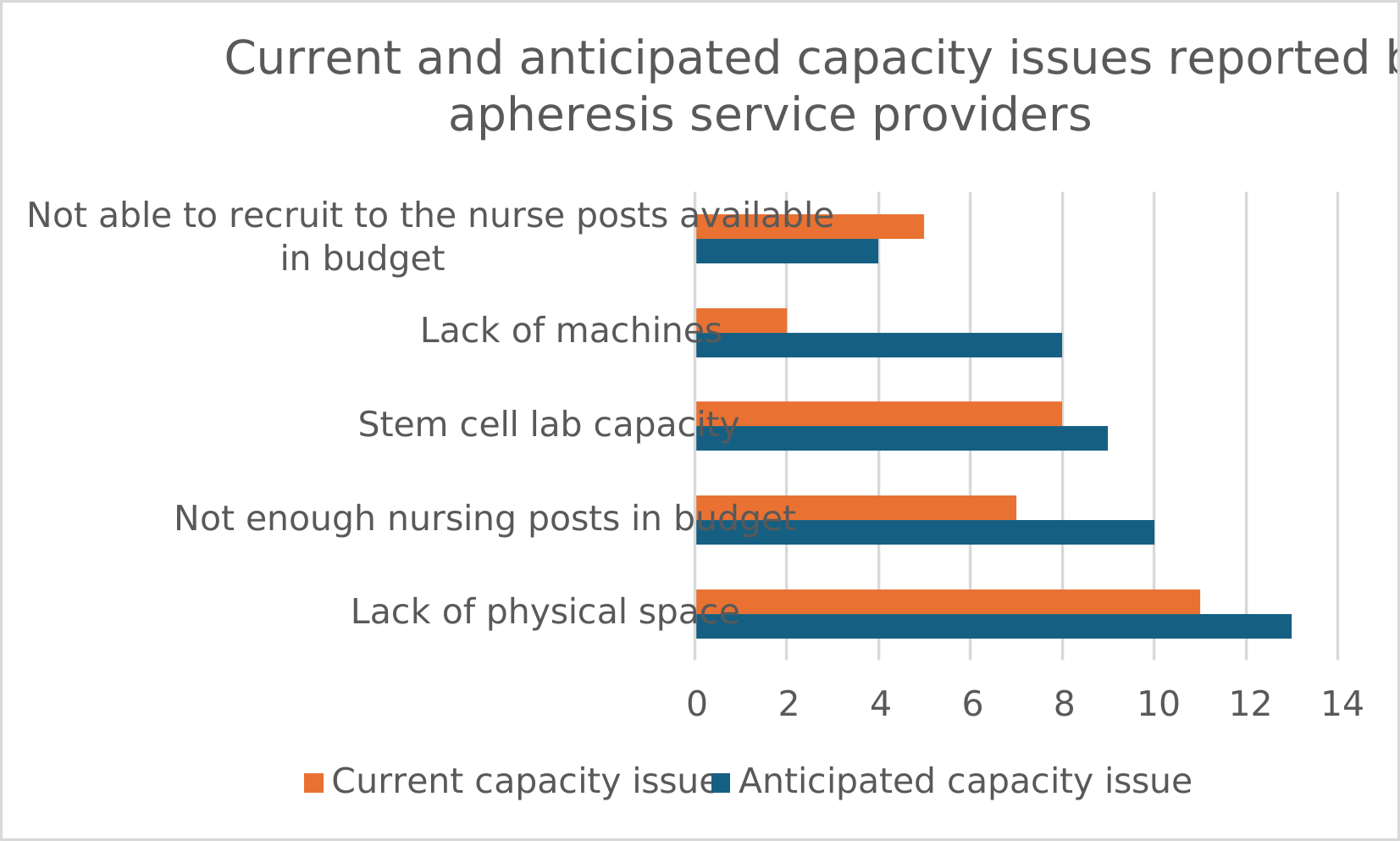
The survey ran from March to August 2025 and responses were submitted by, or on behalf of, 35 out of 38 providers. Respondents consisted of NHS trusts where apheresis is provided in-house, and NHSBT, which provides apheresis services to NHS trusts through specified contractual arrangements. As this report was commissioned following concerns about the impact of apheresis capacity on the provision of donor stem cells, much of the data presented here relates to stem cell collection. Further data collection would be required to obtain a complete picture for red cell and PLEX treatments although the limited evidence available suggests similar current and anticipated constraints across all indications - see figure 1 below.
Figure 1: survey responses for current and anticipated constraints to apheresis provision
Source: NHS England BMT-CRG survey
Figure 1 shows the responses to questions about current and anticipated constraints to apheresis provision. The constraints are categorised into:
- recruitment and retention of apheresis nursing staff
- availability of apheresis machines
- laboratory space to process the collected cells
- funding available for staff (establishment)
- apheresis space
All of these categories were reported as current constraints by the apheresis service providers who responded to the survey. All categories, except recruitment and retention of staff, were anticipated to worsen over the next 3 years.
Centre-specific evidence reported by the working group suggests that some specialties are being significantly affected by capacity constraints, for example, neurology patients waiting for a long time or being transferred out of their local areas. Some renal indications, thrombotic thrombocytopenic purpura and sickle cell disease treated by red cell exchange or PLEX are less affected than stem cell collection, as emergency out of hours provision is available for these procedures. However, out of hours provision for these procedures is not available throughout the country and hence access to treatment is not equitable for all patients who need it.
Responses to the survey indicated that while all NHSBT apheresis units provided on-call and weekend provision (in addition to weekday cover), only 3 of the 18 NHS trusts that responded provided out of hours cover - one with on-call and the other with apheresis provision available on Sundays.
In addition to the apheresis service, 44% of survey respondents indicated capacity issues related to the operational hours of the supporting stem cell laboratories. The lack of out of hours apheresis provision for conditions where this is needed for the best outcomes results in geographic inequity for patients in some parts of the country. Survey responses indicated that there is regional variation in the number of appointments that are available for stem cell collections which may impact equitable access to apheresis services.
Based on available evidence, including data from the survey of apheresis providers, the expert group determined that current capacity issues are broadly attributable to issues with infrastructure and workforce constraints (see figure 1) with other contributing factors described below.
Infrastructure
The delivery of apheresis relies on a highly specialised and co-ordinated infrastructure. Appropriately resourced apheresis units are critical for all indications. For any apheresis procedure that involves cell collection, important components include cold storage facilities for cell preservation, specialised laboratories for processing collected cells, and intensive care units for monitoring patients after treatment (see JACIE standards previously linked to). Shortages or underdevelopment in any of these critical areas can delay treatment and compromise patient outcomes.
The apheresis infrastructure within the NHS has not kept pace with the growing demand for therapeutic applications and the development of novel cell therapies. Challenges include a forecasted shortage of apheresis machines, limited existing space that may constrain service expansion, and the high expense of procuring and maintaining equipment and associated operations. As the demand for apheresis increases, these infrastructure constraints present significant barriers to timely and equitable access to care.
Apheresis procedures and bed capacity
It is not possible at present to accurately describe the number of bed spaces available for apheresis due to the differences in how this data is recorded at different centres and the inability to extract this data from multiple IT systems. In England, all centres employ the Spectra Optia system (Terumo) as the standard for both cell collection and exchange procedures, with a total of approximately 400 machines in use. There are 6 additional non-Spectra Optia machines in use in 3 centres that responded to the NHS England survey. It is unclear whether all machines are multi-use or ring fenced for a particular indication and further work is needed to understand what the future requirements will be. Of the NHS trusts with Spectra Optia machines, 77% use the Spectra Optia for stem cell collections and 23% for other apheresis uses.
In addition to standard apheresis equipment, some intensive care units and renal departments are equipped to provide PLEX using filtration devices similar to those used in dialysis. For ECP, most centres in England use the CellEx system (Therakos). NHSBT TAS also utilises the ART Universal (Fresenius) for LDL apheresis.
All survey respondents reported both current and forecasted capacity constraints to varying degrees, due to one or more factors (see figure 1). Of the 32 respondents to the NHS England survey, only 10% reported the number of apheresis machines available as a current constraint. However, nearly a third of providers indicated this was likely to become a constraint within the next one to 3 years. In considering whether further investment in apheresis machines is needed, it will be important to firstly understand future demand and secondly determine whether there is currently underutilised apheresis capacity in the system.
Physical space for apheresis provision was a significant constraint at present and in the future for 42% and 50% of respondents respectively. This indicates that the problem could not be easily solved with investment in more machines. In addition to limitations on physical space available for apheresis machines, the survey results also pointed to limitations in laboratory space and availability.
Logistics and scheduling
Scheduling and logistics present additional challenges and are an integral part of apheresis delivery, ensuring that procedures happen as planned and that there is capacity to deal with emergencies. Once cells have been collected, they need to be delivered to laboratories for processing in a timely fashion. In most apheresis units, appointments are booked 4 to 5 weeks in advance. This long lead time poses difficulties for urgent or short-notice collections, such as those required for CAR-T therapies or registry donations. While the average lead time for an apheresis procedure was just over 2 weeks, lead times of up to 7 weeks for stem cell collection were reported in the survey by some centres.
Operational hours for cell collection can affect the timing of collections with a potential impact on the patient’s treatment schedule. Transplant centres typically prefer to receive cells early in the week to align with conditioning regimens. This preference results in a demand peak at the start of the week, intensifying pressure on apheresis capacity. The Anthony Nolan Cell Collection Centre opened at the beginning of July 2025 for donors donating to stem cell transplant patients and researchers. It will implement weekend availability from 2026 onwards, which will contribute to alleviating constraints around hours of operation.
The centre is currently building its capacity while in the final phases of onboarding and training a full nursing team, with further ramp up planned to meet demand and weekend working. Notwithstanding the unpredictability that comes with collections for transplant patients, the centre has seen a steady throughput of donors for medical assessment and collection appointments. In the first 5 months of being operational (July to November 2025) the centre has facilitated 128 medicals, 46 apheresis cell collections for transplant and 24 apheresis cell collections for research.
Stem cell laboratory capacity and infrastructure also play a critical role in the overall process for apheresis procedures related to stem cell transplant and advanced cell therapy manufacture. Once cells are collected, they must be promptly tested in a local stem cell laboratory to ensure clinical requirements have been met. In some cases, additional processing at the laboratory is also necessary. This dependency adds further complexity to the scheduling of collections, particularly when co-ordinated with shipping requirements. The timing of collection and subsequent testing must be carefully managed to align with logistics for transportation, especially when the transplant centre is located overseas.
Availability of stem cell processing laboratories was flagged as a current constraint by a quarter of respondents to the NHS England survey, with this proportion rising to just over a third when looking ahead to the next one to 3 years. Further work would be needed, including engagement with the laboratories, to fully understand this finding.
Geographic and socioeconomic disparities
Apheresis procedures are delivered at specialised centres, due to the availability of currently funded centres that are resourced with appropriately trained staff. Patients may need to travel long distances to reach specialised centres, creating additional burdens related to time, cost and logistical planning. This creates inconsistencies in access to apheresis services across England, with some areas of the country facing acute challenges in access to cell collection appointments. Responses to the survey showed significant variation in apheresis appointment capacity across regions which may impact equitable access and planning.
Socioeconomic status further compounds these challenges, as lower income patients may find it difficult to cover travel expenses or take time off work for treatment. These disparities highlight the importance of targeted policy interventions aimed at reducing geographic and financial barriers to care.
Recommendation 2: equitable and efficient access to services
There is a current lack of capacity which is likely to worsen within the next one to 2 years. Consequently it will be vital to improving capacity to address as a priority the areas identified in the survey. Research funders should consider funding further studies to build on the research that has already been undertaken to improve efficiency at single centres to enable this to be utilised nationally.
The body responsible for commissioning should ensure that there is sufficient capacity across the system to ensure access is equitable in terms of geography for patients and donors, by obtaining an overview of access using data that shows the actual versus expected distribution of access across England. Commissioners should ensure that there is equitable geographical access to apheresis services for patients and stem cell donors by analysing the available data. Specifically, this should include an examination of actual versus expected distribution of demand across England
NHSBT should provide their data to the commissioning bodies that indicates requests from NHS trusts for support from, or access to, their apheresis services to build the evidence base for geographical access requirements.
The national commissioning team should work with coding teams and strategic commissioners to ensure data on apheresis procedures can be recorded and retrieved.
It is recommended that the following actions are taken to support the recommendation:
- the body accountable for commissioning should review use of machines at apheresis centres when data is available
- NHSBT to review their stem cell laboratory staff resource and capacity and the body accountable for commissioning to review stem cell capacity at stem cell laboratories based within NHS trusts
- national body responsible for commissioning to develop plans that ensure that expansion of capacity supports geographic equity and timely access for underserved populations, particularly in relation to sickle cell disease and ATMP eligibility
Workforce
Workforce limitations can significantly impact the capacity and capability of apheresis services to undertake the number of procedures they are theoretically capable of supporting.
Donor medical assessment prior to stem cell collection
Apheresis services for stem cell transplant require registered nurses with specific apheresis training to ensure safe and efficient operation. Where cell collections are performed, there is a requirement for a medical assessment and clearance of the donor prior to donation. This may be carried out away from the physical apheresis unit (see JACIE standards). This assessment must be conducted by a trained physician and in an appropriate clinical setting, although the use of advanced nurse practitioners is being considered and is likely to ease the pressure of workforce constraints.
Current staff numbers are inadequate to meet demand, as demonstrated in some NHSBT TAS regions, where workforce capacity limits the ability to complete donor medical assessments. The blood cancer charity DKMS also highlighted the need for sufficient and appropriately trained personnel to conduct necessary medical assessments. Presently, these assessments are performed primarily by doctors, although some advanced nurse practitioners are in training to support this function. Further increasing the advanced nurse practitioner workforce qualified to conduct donor medical assessments could help to address this problem. Compounding this issue is the challenge of scheduling trained staff to perform donor medical assessments at short notice, further limiting operational flexibility.
Work is currently being undertaken at Anthony Nolan’s recently opened cell collection centre to test different models of donor medical assessment aiming to mitigate some of this operational pressure. NHSBT is also investigating this as part of their continuous improvement programme. Scheduling is often complex, as donors may have limited availability and may need to travel significant distances to attend their appointments. Additionally, these assessments must take place sufficiently in advance of the collection to ensure that results from all mandatory disease marker tests are received in time - particularly since some of these results expire within 30 days. Medical assessments themselves are a significant bottleneck.
Achieving the required number of assessments - approximately 20% more than the number of collections - is challenging due to the limited availability of qualified staff and appointment slots. If a health concern is identified in a donor, it can cause a significant delay in the donation schedule, further compounding backlogs.
Training
The lack of a nationally standardised training curriculum further exacerbates this issue, limiting the pipeline of skilled nursing and medical staff able to support the growing demand for services. NHSBT has implemented several education programmes to address this issue which are currently available to NHSBT staff, but not to all staff at NHS trusts who may benefit from completing these programmes. NHS England has begun work to roll out this programme for staff across England and this needs to be completed before a nationally standardised training curriculum is available for all. Responsibility for this should sit either with DHSC or NHSBT.
Recruitment and retention
Survey data showed that recruitment and retention is an issue within the apheresis nurse workforce with the majority of unfilled posts at Agenda for Change band 6 - these are the nurses most likely to be carrying out day to day apheresis procedures. Of the 36 providers surveyed, nearly one-fifth reported that they were experiencing constraints with delivery of apheresis services due to problems with recruiting and retaining staff currently and 15% of respondents indicated that this would remain an issue over the next one to 3 years. Further work is needed to understand more about the issues feeding into staff retention and consider models which might address this.
A disparity between funded establishments and the numbers of nurses dedicated to apheresis procedures was also seen in the survey data. This indicates the number of nurse posts available in the budget compared to the number of these nurses who are able to focus solely on apheresis procedures. The majority of nurses who carry out day to day apheresis procedures are employed at band 6 and the survey responses indicated that of the total funded posts at this grade, just over one-fifth of the band 6 nurses were dedicated to apheresis procedures and another fifth of the posts were vacant. Most of these centres are constrained by lack of nurses able to focus solely on stem cell collection procedures. When apheresis providers were also asked if the funded establishment of nursing posts met capacity, 27% responded that this was a constraint for provision of apheresis services at the moment and 38% of respondents reported this would be an issue over the next one to 3 years.
Recommendation 3: workforce constraints
As part of the new workforce plan, DHSC should determine how strategic planning will be undertaken to ensure adequate availability nationally of a well-trained workforce across specialised areas, such as apheresis. This should allow transfer of training between centres and maintenance of competency through regular exposure to apheresis procedures. For apheresis specifically, NHSBT should be supported to undertake work to understand factors affecting recruitment and retention of apheresis nurses and to put in place a nationally available training programme, by rolling out existing NHSBT programmes.
This may include the following actions:
- DHSC should work with the royal colleges, General Medical Council and training providers to ensure the training passport and training materials are recognised as being the national standard
- DHSC should work with the royal colleges to ensure that access to apheresis services is specified within relevant standards for all indications where apheresis is a treatment
- DHSC should work with NHSBT to understand factors affecting recruitment and retention of apheresis nurses
Increased demand for apheresis
Demand for apheresis services has surged, with reports from the Cell and Gene Therapy Catapult indicating a 20% increase in cell collections for cell therapies over the past 2 years. NHSBT has seen notable year-on-year growth in collection activity, including a 14% increase in stem cell collections and a 38% increase in CAR-T collections - see ‘NHSBT annual report and accounts: 2024 to 2025’ (as linked to previously).
Demand for peripheral blood stem cell (PBSC) donor transplants continues to rise. Often stem cells can come from a closely related family donor. When this is not possible, cells must be obtained from an unrelated donor. For a successful stem cell transplant, it is important that the human leukocyte antigens of the donor and recipient are as closely matched as possible. Anticipated protocol changes allowing selection of mismatched donors, using post-transplant cyclophosphamide to mitigate clinical consequences of the mismatch are expected to further expand donor options and increase the number of stem cell transplants, escalating the demand for collection appointments.
Additionally, changes to National Institute for Health and Care Excellence (NICE) guidelines on apheresis procedures for the treatment of patients and for the collection of cellular therapy products and increased advocacy have led to more sickle cell patients receiving red cell exchange therapy, contributing to the upward trend. The introduction and commissioning of new ATMPs, such as CAR-T therapies in late 2018, has further strained capacity. As ATMP adoption continues, managing the corresponding increase in demand will be a pressing challenge for apheresis services.
Red cell exchange
A NICE technology appraisal in 2015 showed that use of automated red cell exchange was both cost and clinically effective in treating sickle cell disease. The Spectra Optia machine was subsequently included in the second round of the MedTech Funding Mandate to drive NHS adoption and NHS England, as the responsible commissioner, funded increased access to the technology.
As a result, and with increased awareness resulting from clinician and patient advocacy, demand for automated red cell exchange to address gaps in services for sickle cell patients has dramatically increased. In 2024, NHSBT TAS provided 2,740 red cell exchanges for 641 patients - an increase of 438% from 2017.
Expanded indications and earlier intervention in sickle cell management are contributing to longer-term and more frequent use of apheresis services. This increase in demand has been further driven by the publication of No One’s Listening - a report by the All-Party Parliamentary Group on sickle cell and thalassaemia and the Sickle Cell Society, which recommended increased access to RCX - and increasing life expectancy of people with sickle cell disorder. The tariff for RCX now includes the cost of blood products, which had previously been a barrier to trusts contracting with NHSBT TAS for RCX services.
There are particular gaps in some geographic regions, for example the working group reported that in the east of England, patients in 2024 had limited access to RCX and had to either travel to London for treatment, receive alternative treatment, or not be treated at all. NHSBT TAS continue to improve the equity of access of patients requiring this life-saving treatment, by collaborating with commissioners and NHS trusts to set up more localised services, such as the new TAS service in Cambridge which will provide RCX in the east of England on an outreach basis.
PLEX
The growing need for PLEX stems from several clinical developments and the impact of the plasma for medicines programme also requires consideration.
Approximately 17,000 patients in England rely on plasma-derived medicines annually using either IVIG or human albumin solution (HAS) during PLEX. In February 2021, the UK government lifted a ban on using plasma from UK donors for production of IVIG medicines which can be used as an alternative to PLEX for some indications and HAS, which is used during PLEX procedures. This allows NHSBT to utilise domestic plasma for manufacturing these essential medicines, which were previously reliant on imports due to safety concerns related to variant Creutzfeldt-Jakob disease. This has improved the supply of HAS and consequently the ability to provide PLEX. IVIG is used in 2 main settings:
- to replace immunglobulin in patients who are unable to produce enough of their own due to inherited conditions or as a side effect of other treatments
- to modulate the immune system
The number of patients needing replacement IVIG is increasing rapidly due to the impact of CAR-T cells and other new cancer therapies and for most there is no alternative treatment. PLEX is an alternative to IVIG being used for immune modulation. Improving the supply of IVIG could reduce the pressure to increase PLEX capacity, however the rate at which the need for replacement immunoglobulin is increasing is likely to exceed increases in IVIG supply.
In some NHS trusts, teams may work in silos which can present a challenge, for example, trust neurology teams frequently struggle to access PLEX services run by trust renal teams. Similarly to RCX, there are gaps in PLEX provision in some geographic regions, for example in the south-west peninsula, patients have limited access to PLEX and are receiving alternative treatment such as IVIG. NHSBT TAS has recently been commissioned by NHS England to provide a regional PLEX service to trusts in the south-west peninsula.
Recommendation 4: horizon scanning and PLEX use
NIHR should consider funding research to evaluate the current use of apheresis capacity for PLEX across the UK and to model potential future demand. This will require a comprehensive understanding of immunoglobulin supply and demand, as well as the health economics of PLEX compared with immunoglobulin therapy for relevant indications. Additionally, clinical research comparing the effectiveness of IVIG and PLEX in conditions where either treatment could be used should be supported by research funders to guide future clinical practice.
Additionally, DHSC should work with the National Institute for Health Research Innovation Observatory to scope a project to enable forecasting of demand to assist with future capacity planning.
Capacity constraints for stem cell collection and advanced therapies
While the provision of apheresis services should be viewed as an entire ecosystem, there are some circumstances that are seeing particular challenges.
Stem cell collection for HSCT
Apheresis is used to collect stem cells for both allogeneic transplants (where the cells are provided by a donor) and autologous transplants (where the patient’s own cells are used). The considerations outlined below relate predominantly to stem cell collection from donors, but similar constraints apply to collection of autologous cells from patients, particularly around availability of apheresis slots and stem cell laboratory capacity.
The proportion of stem cell provisions from UK donors to UK patients has reduced over recent years (see table 1 below). This is associated with an increase in imports of stem cells from overseas donors, increasing the cost to the NHS and reducing domestic stem cell supply resilience.
The choice of donor is ultimately made by the medical team, who choose the donor they feel will be best for their patient, whether that is a donor available in the UK or one available overseas. However, factors including donor availability and transplant centre apheresis capacity may also play a role in decision making.
Data from Anthony Nolan indicates that the proportion of UK stem cell donors donating on the transplant centre’s elected date has dropped to 24% in 2024 to 2025 from 44% in 2019 to 2020. This figure is even lower for data from DKMS, who reported that less than 20% of their donors were able to get an appointment at an apheresis provider to donate cells on the transplant centre preferred date for donation. While some stem cell transplants are planned months in advance, there is sometimes a need to collect donor cells at relatively short notice. The proportion of donor cell collections that could be provided within a week’s notice dropped from 62% in 2019 to 2020, to 39% in 2024 to 2025 (data from Anthony Nolan). This has led to an increase in donor imports, increasing the cost to NHS and reducing stem cell supply resilience (see table 1). Furthermore, delays to cell collection have a negative impact on patient outcomes through delays to treatment.
Table 1: UK stem cell donor provisions for UK patients 2017 to 2024
| Financial year | Imported provisions for UK patients | Domestic provisions for UK patients |
|---|---|---|
| 2017 to 2018 | 58% | 42% |
| 2018 to 2019 | 63% | 37% |
| 2019 to 2020 | 69% | 31% |
| 2020 to 2021 | 68% | 32% |
| 2021 to 2022 | 67% | 33% |
| 2022 to 2023 | 71% | 29% |
| 2023 to 2024 | 72% | 28% |
| 2024 to 2025 | 76% | 24% |
Source: Anthony Nolan provision data for UK patients
Time to transplant is important for patient outcomes, particularly in acute malignancies. Delays to treatment impact physical health, including disease progression, as well as impacting patient’s mental health.
Some transplant centres are choosing ‘back-up’ donors in place of ‘primary donors’ due to unavailability of dates close to transplant centres preferred dates - potentially resulting in a less optimal donor as centres prioritise speed over match quality. Alternatively, an overseas back-up donor can be more feasible for patients - but due to logistics this is significantly more expensive.
Where a patient becomes medically unstable, due to a delay in procedure or an infection, services such as apheresis collection appointments and couriers may have to be cancelled. This can result in schedules, couriers, logistical expenses being cancelled - all coming at a cost to the NHS or providers.
The collection of stem cells places unique and significant demands on apheresis capacity, beyond those encountered in standard apheresis procedures. Anthony Nolan reported that the time to collection can vary considerably due to one or more of the capacity constraints noted in the survey, with resulting delays in the time to transplant.
The time to find a donor that is matched with the patient can be considerable and the addition of more capacity at collection centres to enable a reduction in the time to transplant can improve outcomes - see impact of vein-to-vein time in CAR-T cell therapy. Cryopreservation of donor cells can be used to manage scheduling by enabling donor cells to be collected in advance of the transplant date, but this is not the preferred option for most transplant centres.
Research is in progress at Anthony Nolan to predict which donors can complete their stem cell donation in one day which will contribute significantly to increasing capacity by freeing up appointment slots that would have been held for a second day of stem cell collection - see UK consensus statement on the use of plerixafor in healthy stem cell donors and The effect of increased collect pump rate on collection efficiency in hematopoietic progenitor cell collection by apheresis in allogeneic adult donors. Further research is required to prospectively validate the algorithm before making it available to other cell collection centres and stem cell registries (manuscript in preparation, T Dexter).
Cell collection for advanced therapy manufacture
ATMPs can require an apheresis procedure to collect cells from a donor or patient to enable these cells to be modified and returned to the patient after processing. A significant bottleneck in the apheresis process is the capacity to perform leukapheresis, the procedure for collecting cells for CAR-T therapy - see Logistical challenges of CAR T-cell therapy in non-Hodgkin lymphoma.
Approximately 27% of UK patients referred for CAR-T therapy do not proceed to leukapheresis, primarily due to rapid disease progression. Consequently, cell collection to manufacture the CAR-T therapy needs to take place as early as possible, to enable treatment to start while treatment is still feasible. A US study on vein-to-vein time found that reducing the time from donation by the donor to infusion to the patient, also known as vein-to-vein time, improved outcomes for patients undergoing CAR-T therapy.
The number of approved ATMP products has steadily increased, as well as indications for their use, with some ATMPs now available through routine commissioning. ATMPs are also used in clinical trials, which are growing (see section on horizon scanning). Finally, cell collections are required for early research and validation of manufacturing processes by the academic and biotechnology sectors, prior to trial and clinical use. Nearly 400 patients received CAR-T therapy, a type of ATMP, in 2024 to 2025 (NHS England data) and with new therapies in the pipeline this is likely to increase. This is likely to put additional demand on existing apheresis capacity.
Research undertaken at University College Hospital London has resulted in a model that can predict the blood volume that is required to yield enough cells for starting material in CAR-T production. This could significantly increase capacity for cell collections by decreasing the apheresis time for patients and donors from the standard protocol and freeing up further appointments[footnote 1].
Apheresis capacity across the UK
The findings and recommendations of this report focus primarily on apheresis capacity in England, in line with the terms of reference of the apheresis working group (appendix 1). However, the group’s membership also includes representation from across the UK, who provided evidence to inform this report. This includes a review of therapeutic apheresis services commissioned by Advanced Therapies Wales and a survey by the Cell and Gene Therapy Catapult which gathered data on Scottish apheresis units’ capacity and capabilities. The working group continues to foster collaboration to support the development of apheresis capacity across the UK.
Future apheresis capacity constraints
It should be noted that while there has already been an increase in the number of apheresis procedures, adding pressure on a system with existing constraints, there is forecasted to be further constraints due to new therapies and protocols, if capacity is not addressed now.
Rising clinical demand for apheresis
Apheresis services are experiencing significant and sustained increases in demand, primarily due to the expanding use of advanced therapies and evolving clinical protocols. Figure 2 below shows the increase in apheresis procedures year on year for NHSBT therapeutic apheresis services, notably for red cell exchange. If access to this becomes more equitable for patients, the demand for apheresis services is likely to rise.
Figure 2: NHSBT TAS 2024 to 2025 annual activity
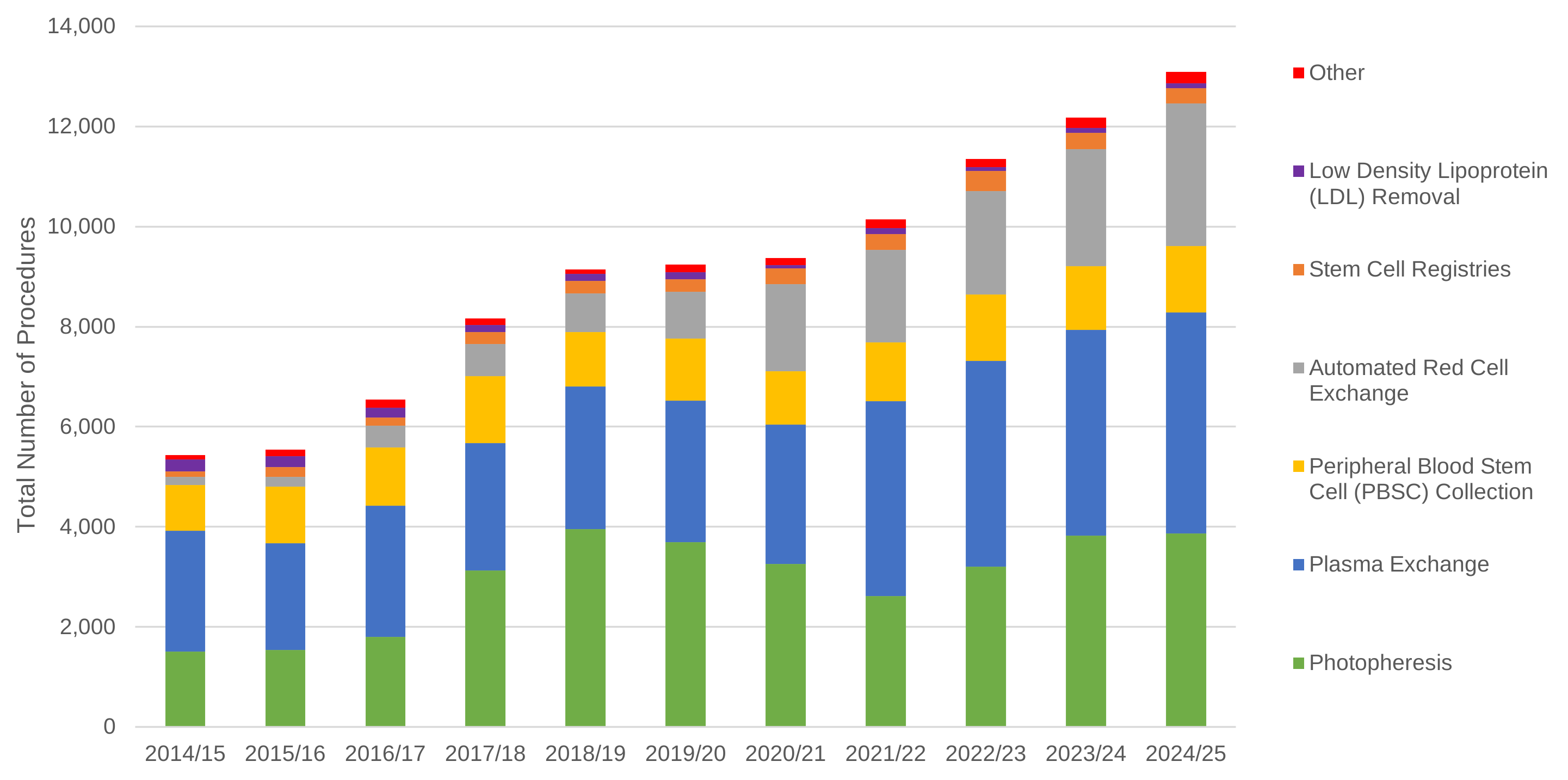
Figure 2 shows the proportion of apheresis procedures for different indications each year from 2013 to 2025.
It shows that the number of apheresis procedures has steadily risen from about 5,500 to over 12,000 procedures per year over this time period.
Automated red cell exchange, which can be used to treat sickle cell disease, is one of the indications that has seen the largest increase in the number of procedures each year over the time period shown.
Transplant centres are also expecting the number of apheresis procedures year on year will increase for both donor stem cell collection and other ATMPs (British Society for Bone Marrow and Cell Therapy survey, 2022). There is a long lead time to set up new apheresis or additional capacity in existing services due to, for example, regulatory requirements, recruitment and securing physical space. Additionally, protocol changes that expand donor eligibility criteria are anticipated to further increase the number of patients undergoing transplant, creating additional pressure on cell collection scheduling and resources. It is therefore imperative that planning starts now.
At current capacity, many UK centres will struggle to keep up with medical advances and offering patients the best care. Some of the factors influencing this are as follows.
Growth in stem cell and CAR-T therapies
Demand for PBSC collections is increasing in parallel with stem cell transplantation rates and the growing adoption of CAR-T therapies. Since CAR-T therapies were commissioned by NHS England in late 2018, there has been an increase in apheresis referrals due to the requirement for apheresis as part of the CAR-T process.
As of 2024 to 2025, the UK is undergoing a gradual expansion in the use of CAR-T therapy, primarily for treating blood cancers such as B-cell acute lymphoblastic leukaemia (ALL) and diffuse large B-cell lymphoma (DLBCL). This expansion is being driven by broader eligibility criteria, refined treatment protocols and the availability of new CAR-T products.
In England, NHS figures from April 2023 indicate that approximately 215 adult patients per year are eligible for treatment with axicabtagene ciloleucel (Yescarta) for relapsed or refractory DLBCL. An additional 75 patients are eligible annually for brexucabtagene autoleucel (Tecartus) for B-cell ALL. In Wales, more than 80 patients have already received CAR-T therapy, with 50 of those infusions delivered at the University Hospital of Wales in Cardiff. Meanwhile, Newcastle’s Freeman Hospital - one of the UK’s early adopters of CAR-T - has treated over 100 adult patients (NHS England data). The growing use of CAR-T therapy has direct implications for apheresis services, which are essential for harvesting the T cells used in these treatments.
In total, these figures suggest that several hundred CAR-T procedures are performed annually across the UK with volumes likely to grow when new therapies are approved for use in clinical trials. The increasing deployment of CAR-T therapy places further strain on apheresis infrastructure, underscoring the need for a strategic, nationally co-ordinated approach to capacity planning and service delivery. Appendix 4 shows NHS England data indicating that 8 ATMPs are anticipated to become available in the next 2 years, all of which will require cell collection by apheresis procedures. It is important to note that while these are for current indications, CAR-T therapies are moving earlier in the treatment pathway and will expand in use to autoimmune and solid tumour indications, which will add considerably to future requirements.
The broader introduction of ATMPs, including gene therapies and cell-based treatments is expected to increase baseline apheresis demand. An example of this is Casgevy which was approved for use in the NHS in England for patients with severe sickle cell disease.
Data from the ATTC network indicates variable but tangible effects on capacity when new ATMPs are implemented. Moderate impact on service provision was reported at one Scottish site after implementation of a new ATMP and with the forthcoming increase in ATMPs for an increasing number of indications, this impact is likely to become more significant across the UK.
Clinical trials
The impact of ATMPs on collection centres has been profound, with the number of procedures rising from just 5 to over 500 in a span of 3 years - see 70% increase in Phase I advanced therapy clinical trials in the UK in 2024. A major contributing factor to this growth is the expanding number of clinical trials that require apheresis as part of their protocol. However, limited apheresis capacity has become a bottleneck for many of these studies. Notably, industry partners such as Novartis are now funding equipment purchases to facilitate clinical research.
Specific indications
The demand for ECP is more difficult to predict, partly due to the introduction of new pharmacological treatments for GvHD which may influence future demand, potentially reducing reliance on ECP. In contrast, the use of apheresis for PLEX and other therapeutic indications, such as LDL cholesterol removal, appears to remain stable at current levels. These indications are further described in appendix 5.
Impact on existing capacity
Rising demand for apheresis services still presents a substantial risk to existing service provision although NHS England acknowledges that this may be partially offset by improved system efficiency. For example, as apheresis services become more integrated into care pathways and new therapies for GvHD replace apheresis. However, the projected expansion of ATMP availability across the UK will necessitate a significant increase in apheresis capacity.
According to ATTC, scaling up services will not only require infrastructural investment but also appropriate financial compensation for apheresis units to cover the costs of the complex procedures they deliver. Without adequate resourcing, there is a risk that services will be unable to keep pace with patient need, particularly as new ATMPs are adopted into clinical practice.
Conclusion
In summary, the combined impact of medical, logistical and donor-specific challenges significantly constrains the capacity for stem cell collection through apheresis. Addressing these issues requires co-ordinated action across clinical, laboratory and operational domains. Ensuring timely access to apheresis will have a positive impact on patient outcomes by reducing the time to transplant and starting other treatments. However, this also depends on addressing the other elements of the pathway outlined above. It will also support increasing the selection of UK donors, which will strengthen the resilience of the UK stem cell supply.
Therapeutic apheresis is central to the supply of cells for stem cell transplant, as the raw material for ATMPs and to treat a wide range of medical conditions. This report draws largely on capacity related to stem cell collection but apheresis is used for a wider range of indications. As demand increases, there is an impact on all of the services that provide apheresis for these indications.
The combined impact of medical, logistical and donor-specific challenges significantly constrains the capacity for stem cell collection and contributes to increased use of overseas donors, which increases the cost to the health system. Apheresis capacity is variable with geographical differences in access and this can potentially impact patients where delays in collections for CAR-T production have been shown to negatively impact overall outcomes. While evidence suggests that the current UK capacity is insufficient, increasing demand, fuelled by innovation in treatment and changing clinical protocols, is expected to rapidly outstrip the already stretched available capacity and jeopardise timely patient care.
Efforts to identify all UK apheresis activity have been hampered by the current coding and commissioning of services - changes to these aspects will allow for greater clarity over the current level of activity. The ability to anticipate future uses of apheresis and, most pressingly, correlate apheresis activity against plasma for medicines use will aid planning of wider services. Improved coding will also enable access to the data needed to help identify inequalities in geographic access and target increases in apheresis capacity.
Apheresis services in the UK are therefore at a pivotal juncture. Some measures have been introduced to mitigate capacity constraints. However, the expansion needed to support the projected increased need for NHS treatments, stem cell donor registries and the UK biopharmaceutical industry will take time. Training a registered nurse to be an independent apheresis practitioner takes at least 6 months. Most existing units do not have physical space to expand and therefore new units would need to be established. Strategic planning for expansion should start at the earliest opportunity to maintain resilience in the future. Planning will also require co-ordinated action across clinical, laboratory and operational domains.
Ensuring timely access to apheresis will have a positive impact on patient outcomes and will also:
- support increased selection of UK donors
- strengthen the resilience of the UK stem cell supply
- provide economic benefit
Strategic planning for this should start at the earliest opportunity to maintain resilience in the future.
Appendix 1: terms of reference
Apheresis background
Therapeutic apheresis is the overall term used for the range of procedures that can be undertaken using an apheresis machine. An apheresis machine is used to remove, exchange, collect or treat a specific component from the blood. It can be used to treat a range of conditions such as neurological disease and sickle cell disease, and to harvest stem cells for transplant or as the starting material for ATMP, for example CAR-T therapy.
Apheresis services are provided in-house in NHS hospital providers, or by external providers, either by NHSBT or through agreements with other hospitals. Treatments requiring apheresis may be provided by a single department or may be provided by multiple different teams within an NHS trust due to the range of conditions involved.
Purpose of the working group
NHS hospitals offer apheresis services for various conditions, but there are reports of capacity challenges.
Between 2018 to 2019 and 2022 to 2023, there was a notable decline in the percentage of UK donors available for on-request donation, falling from 32% to 19%. This decline had significant repercussions on patient care and held up research efforts focused on supplying stem cells for cell and gene therapies.
As a result of these apheresis capacity challenges, DHSC is setting up a working group which will examine existing apheresis capacity and develop a set of recommendations and actions.
The purpose of the Apheresis Working Group is to provide independent advice to DHSC ministers and the Secretary of State for Health and Social Care to drive forward work to address issues around apheresis capacity and improve the resilience of stem cell supply for the UK.
The working group will be tasked with determining the extent of the capacity issues and developing an action plan to address them. This will include a comprehensive national assessment and examination of what apheresis services are currently commissioned, by whom and what for.
Remit of the working group
Capacity assessment
The primary task of the working group will be to conduct a comprehensive assessment of apheresis capacity in England and the extent to which this matches demand across a range of treatments decided by the group. This will build on the information gathering exercise currently being undertaken by NHS England Specialised Commissioning to understand the currently available apheresis capacity across England.
Root cause analysis
Following the capacity assessment, the working group will delve into the root causes of any identified capacity issues. This involves examining where the issues lie within the system, understanding the underlying drivers and pinpointing areas for improvement.
Future demand analysis
There will be a focused effort to forecast potential future demand for apheresis services. This analysis will involve collaboration with relevant organisations and experts to consider factors such as emerging treatments, changes in demand patterns, workforce needs, training requirements and equipment advancements.
Action plan development
Based on the findings from the capacity assessment and future demand analysis, the working group will develop a comprehensive action plan. This plan will outline specific actions to address capacity issues, assign responsibilities to stakeholders, specify required resources and propose timelines for implementation.
Implementation plans and progress measures
The working group will develop detailed implementation plans for the proposed actions. These plans will include recommendations for securing necessary funding, outlining resource requirements and establishing mechanisms for monitoring progress. Additionally, the group will define key performance indicators and metrics to measure the effectiveness of implemented measures and track progress over time.
Scope of the working group
Implementation of the recommendations and supporting actions will be within England.
It is acknowledged that therapeutic apheresis services are organised across the UK. While the implementation activity may inform work in the devolved governments, the implementation of the recommendations outside of England is for local decision.
Reporting structure
The working group will be co-chaired by a deputy director in NHS quality, safety and investigations and a medical director in cell, apheresis and gene therapies.
The co-chairs of the group will inform DHSC ministers on progress made and/or planned, maintaining engagement with devolved government officials.
Stakeholder engagement
The secretariat will also provide updates for information and/or comment to the organisations listed below and others as appropriate:
- UK Stem Cell Strategic Forum chair
- patient representative groups
All members of the group are responsible for keeping informed the wider interested stakeholders they work with.
Membership
The co-chairs of the working group will be nominated by DHSC. The working group membership will include representatives of government and/or health commissioners from all 4 UK nations will be invited as observers.
Progress reports will be shared with groups with connected remits for example, the UK Stem Cell Strategic Forum and the Advanced Therapies Co-ordination Group.
At the discretion of the co-chairs additional members may be co-opted for specific input as needed.
At the discretion of the co-chair, representatives from the commercial sector may be invited to speak to specific points. DHSC will provide any commercial advice required prior to inviting commercial representatives to apheresis working group meetings.
Members will not be remunerated for their time, but reasonable travel and subsistence costs will be reimbursed in line with DHSC expenses policy.
Membership of the group will include:
- NHS England specialised services
- NHS England representative (ICBs)
- Anthony Nolan
- NHSBT
- DKMS
- Cell and Gene Therapy Catapult
- patient representatives
- subject matter experts across the disciplines relevant to discharging the duties of the working group (transplantation, physicians, managers, apheresis nurses)
- international expertise (where required)
Membership will be reviewed as workstreams progress. Further members may be added and/or co-opted as appropriate to the working group. Representatives from the devolved governments will be invited as observers.
Role and remit for members
Members of the working group are responsible for:
- working collaboratively to prioritise, plan and implement the recommendations and supporting actions
- advising on the implementation of the recommendations and supporting actions
- speaking on behalf of, and with the authority of, the organisation they represent where applicable
- championing the reports and recommendations of the working group within their organisation and/or community and disseminating important messages from the group
- leading on the development and delivery of implementation plans within their own organisation
- ensuring that the implementation plans of the organisation they represent are aligned with, and do not jeopardise, the work of others with a role in implementation
Meetings
The working group will conduct in-person and/or hybrid and/or virtual meetings at the discretion of the co-chairs. In-person or hybrid meetings where possible will be conducted at DHSC or NHSBT premises.
The working group will have their first 2 meetings 6 weeks apart, then move to quarterly meetings over approximately one year. Additional meetings may be called at the discretion of the co-chairs.
The first meeting will be an hour and a half with subsequent meetings taking place for one hour.
The meeting will be considered validly assembled if attended by at least one representative of each organisation, plus one patient representative and one subject matter expert.
Members will have signed a declaration form to alert the secretariat to potential conflicts of interest or concerns and to agree to honour confidentiality in terms of information shared or the purposes of working group discussions.
Secretariat
DHSC will provide the secretariat and administrative support for the working group including the following activities.
Secretariat
The secretariat will:
- work with the co-chairs, collate the agenda and papers
- compile reports to ministers and others - but the responsibility for the content lies with the members and ultimately the co-chairs of the working group
- work under the instruction of the co-chairs, drive activity and progress between meetings
Administration
The administration includes:
- setting dates and issuing invites
- hosting virtual meetings
- organising venues for in-person and/or hybrid meetings
- taking notes, clearing notes with the co-chairs, circulating notes to delegates
Governance
The working group will report to the director of DHSC’s NHS quality, safety and investigations directorate and indirectly to ministers.
Where implementation of recommendations needs senior level sponsorship or has resource implications, DHSC, NHSBT and NHS England members of the group will take a co-ordinated approach to escalating as appropriate within their organisations, including to the NHSBT and NHS England commissioning boards and, where needed, to ministers.
By shared agreement of the group these terms of reference may be revised to allow the working group to consider additional aspects related to apheresis that have not already been identified or considered.
Appendix 2: working group members
James Griffin, Clinical Director of Therapeutics, NHSBT (co-chair)
Amanda Davies; Deputy Director - Health Ethics, Secondary Care and Integration Group (co-chair)
Kath Bainbridge, Head of Rare Diseases and Emerging Therapies, DHSC
Lauren Watson, Emerging Technologies Team Lead, DHSC
Lilian Hook, Director of Cell, Apheresis and Gene Therapies, NHSBT
Daniel Eve, Head of Blood and Infection Programme of Care, NHS England Specialised Commissioning
Anna Kafkalia, Senior National Programme of Care Manager Blood and infection, NHS England Specialised Commissioning
Ben Doak, commissioning of ATMPs Lead in England, NHS England Specialised Commissioning
Ann O’Leary, Director Donor and Transplantation Services, Anthony Nolan
Christopher Harvey, Head of Welsh Bone Marrow Donor Registry
Teresa Baines, Head of Therapeutic Apheresis, NHSBT
Yasmin Sheikh, Head of Policy and Public Affairs, Anthony Nolan
Kiran Moyo, National Senior Manager, Innovative Treatments, NHS England
Deborah Pritchard, Welsh Blood Service, Transplantation Services
Jacqueline Barry, Chief Clinical Officer, Cell and Gene Therapy Catapult
Hasnein Alidina, Country Manager (Finance and Operations), DKMS UK
Nicolette Harrison, HTA Director of Regulation (attending in an advisory capacity for licensing requirements)
Fiona Dignan, National Specialty Advisor (Chair) of Blood and Marrow Transplantation Clinical Reference Group
Nic Alderson, Operations and Patient Services Director, Anthony Nolan
Appendix 3: commissioning arrangements by indication
Table 2: apheresis commissioning arrangements by indication
| Type of apheresis and indication or specialty | Payment mechanism or reimbursement | Commissioner | Relevant national standards or policy |
|---|---|---|---|
| Stem cell collection: autologous stem cell transplant (patient collection) | Part of stem cell transplant pathway. Not reimbursed separately. Block contract or local pricing | Responsible commissioner: ICB Accountable commissioner: NHS England |
NHS standard contract 2013 to 2014 (PDF, 508KB) |
| Stem cell collection: allogeneic stem cell transplant (donor collection) | Part of stem cell transplant pathway. Not reimbursed separately. Block contract or local pricing | Responsible commissioner: ICB Accountable commissioner: NHS England |
Not applicable |
| Stem cell collection: stem cell donor registries | Registry funded by DHSC | Not applicable | Not applicable |
| Stem cell collection: CAR-T | Included in nationally agreed CAR-T tariff | NHS England | National CAR-T service specification - to be confirmed |
| PLEX: thrombotic thrombocytopenia | Reimbursed as part of treatment pathway, dependant on coding of procedure | NHS England | Service specification: 1668 (PDF, 381KB) |
| PLEX: neurology | Reimbursed as part of treatment pathway, dependant on coding of procedure | Responsible commissioner: ICB Accountable commissioner: NHS England |
Clinical commissioning policy |
| Plasm exchange: immunology | Reimbursed as part of treatment pathway, dependant on coding of procedure | Responsible commissioner: ICB Accountable commissioner: NHS England |
Not applicable |
| Red cell exchange: sickle cell | National tariff | Responsible commissioner: ICB Accountable commissioner: NHS England |
Not applicable |
| ECP: GvHD | National contract held by North West region. Agreed price per procedure |
NHS England | Clinical commissioning policy: treatments for GvHD |
| ECP: cutaneous T-cell Lymphoma | Not applicable | ICB | Not applicable |
| Lipoprotein: familial hypercholesterolaemia | Not applicable | ICB | Clinical guidelines |
| Thromb-cytapheresis (platelet depletion): thrombo-cytosis/thrombo-cythaemia | Not applicable | ICB | Not applicable |
| Leukapheresis: Leukaemias | Not applicable | ICB | Not applicable |
Appendix 4: ATMPs for 2025 to 2027 that require apheresis
Source: ATMP Horizon Scanning Profiles and Pathways December 2024, published by NHS England and NHS Specialist Pharmacy Service.
Obecabtagene autoleucel (Aucatzyl) (Autolus)
Treatment with CAR-T in relapsed or refractory B-cell acute lymphoblastic leukaemia.
Starting material source: peripheral blood mononuclear cells (PBMC)
Mozafancogene autotemcel (Rocket Pharmaceuticals)
Lentiviral vector transduced autologous haematopoietic stem cells for treatment of Fanconi anaemia type A.
Starting material source: PBMC
Afamitresgene autoleucel Tecelra (Adaptimmune Therapeutics)
TCR (T-cell receptor therapy): lentiviral vector transduced autologous T cells for treating SyS or MRCLS sarcoma.
Starting material source: PBMC
Zamtocabtagene autoleucel (Miltenyi Biomedicine)
CAR-T cells for treatment of high-grade non-Hodgkin’s lymphoma.
Starting material source: PBMC
Marnetegragene autotemcel (Kresladi) (Rocket Pharmaceuticals)
Lentiviral vector transduced autologous haematopoietic stem cells for treatment of LAD-1 Syndrome.
Starting material source: PBMC
Simoladagene autotemcel (Great Ormond Street Hospitals NHS Foundation Trust)
Lentiviral vector transduced CD34+ stem and progenitor cells for treatment of SCID-ADA.
Starting material source: CD34+ stem and progenitor cells
Appendix 5: specific indications where apheresis is a constraint
Extra corporeal photopheresis
Members of the expert working group reported that in Scotland, the introduction of several new drug therapies for GvHD has resulted in around a 50% reduction in ECP procedures. In England, only one drug is funded for GvHD, but as third line in chronic GvHD. In March 2025 NICE approved another drug for usage in acute GvHD, but data on the impact of this approval in the use of ECP is not yet available. Several other medications are anticipated to be considered within the next few years. Additionally, alternative ways of conditioning allogeneic transplants and increased use of ATMPs may reduce the incidence of GvHD and hence reduce the need for ECP.
Lipoprotein apheresis
Lipoprotein apheresis is only provided by a small number of services, presumed to be due to lack of commissioning in some areas of England. New medications that became available about 5 years ago have resulted in a reduction in the requirement for apheresis as preventative medications are expected to reduce future demand - alongside earlier identification of at-risk patients through genetic screening.
Platelet and/or white cell depletion
Depletion procedures are very uncommon and are nearly always carried out as an emergency, for example, to manage the symptoms of a late presentation of a blood cancer. There is no change in the procedure numbers expected. There is lack of evidence for usage, with ongoing work proposed. Variation in practice may be driven by availability of apheresis services.
-
O’Reilly MA, Malhi A, Cheok KPL, Ings S, Balsa C, Keane H, Jalowiec K, Neill L, Peggs KS, Roddie C: ‘A novel predictive algorithm to personalize autologous T-cell harvest for chimeric antigen receptor T-cell manufacture’. Cytotherapy. 2023. Mar;25(3):323-329. doi: 10.1016/j.jcyt.2022.10.012. Epub 2022 December 11. PMID: 36513573 ↩