Amplify: The Local Media Action Plan
Updated 26 March 2026

© Crown copyright 2026
This publication is licensed under the terms of the Open Government Licence v3.0 except where otherwise stated. To view this licence, visit nationalarchives.gov.uk/doc/open-government-licence/version/3 or write to the Information Policy Team, The National Archives, Kew, London TW9 4DU, or email: psi@nationalarchives.gov.uk.
Where we have identified any third party copyright information you will need to obtain permission from the copyright holders concerned.
This publication is available at https://www.gov.uk/government/publications/amplify-the-local-media-action-plan/amplify-the-local-media-action-plan
Ministerial foreword
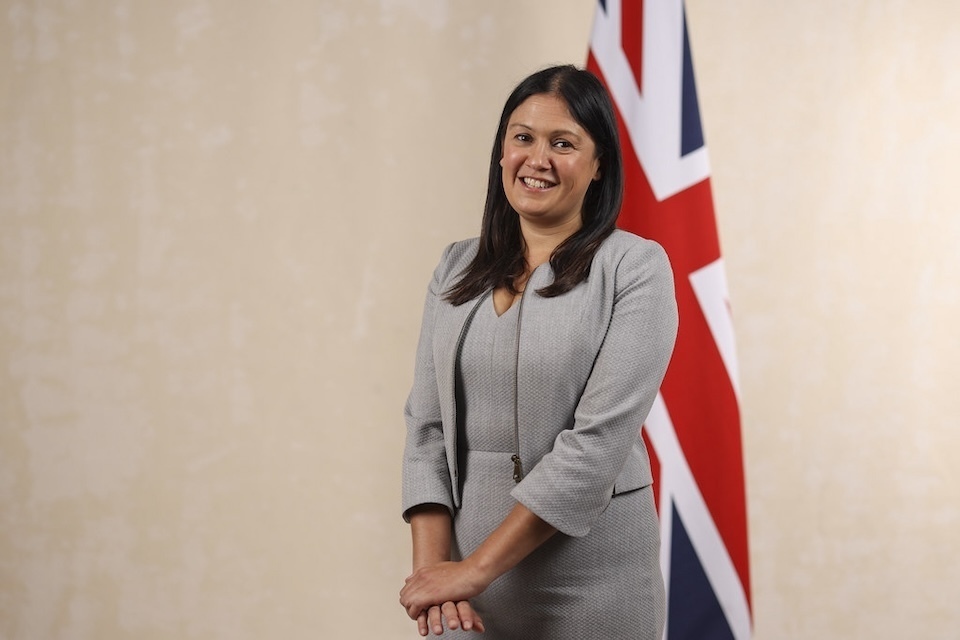
Local media is the lifeblood of our democracy. It keeps people informed about the decisions that shape their lives, speaks truth to power by holding local services and institutions to account, and it gives all of our communities a voice in our national story.
We believe there is a market for local media that is growing. In a world where facts are contested and debate has moved to the extremes, people are seeking out news they can trust and stories that reflect their lives and communities.
But for local media to thrive in every part of the country, things have to change.
As audiences move online, the foundations that once sustained local journalism have been shaken. Local publishers have shut their doors, thousands have lost their jobs, and vital stories have been left untold. The consequences of this continue to be felt across our communities, and have heralded the rise of news deserts and an increase in the spread of misinformation.
When local journalism declines, trust declines with it. Accountability weakens. And voices across the UK are silenced.
The government will not allow that to happen.
This action plan is our response. It is a commitment to the future of local journalism in the UK and while it does not solve every problem, it will set us on a path to sustain a thriving local media that shines a light on the issues that matter most to people, enriching our national conversation, strengthening communities and social cohesion, rebuilding social trust, and supporting local growth.
This action plan sets out a serious and unprecedented programme of work to support that mission. But it is only the beginning. Real change will take time, partnership and sustained commitment. This is a commitment we will make. It is based on our belief that strong, plural, locally rooted media matters.
Our country is richer for the diversity of voices, views and experiences in every nation and region and they will be heard.
The Rt Hon Lisa Nandy MP
Secretary of State for Culture, Media and Sport
1. Introduction and executive summary
1. Local media plays a vital role in the fabric of our society, providing public interest journalism in our towns and communities. It keeps citizens informed about decisions and events which directly affect them, scrutinises the activities of local public services and other institutions, and helps to reflect the views and perspectives of citizens and communities.
2. While traditional media sources in TV, radio and print continue to provide local output, citizens increasingly access local content online, including from local news websites and apps, as well as from social media and hyperlocal social networks. As audiences converge online, the impact on news consumption habits and on the business models of many traditional media sources presents significant challenges to the sustainable provision of the high quality and trustworthy local news and information on which communities depend.
3. Some local media are faring better than others during this transition. While overall local radio listening hours have fallen since 2005, the number of new commercial stations has increased over the same period due to the development of DAB and a vibrant community radio ecosystem has emerged and grown since its launch in 2005. By contrast, since their launch between 2013 and 2017, commercial local TV broadcasters have struggled to build audience and revenue share in a linear TV advertising market in structural decline. Public service media providers remain comparatively resilient, albeit while facing their own challenges in recent years, and are an important part of the landscape at a more regional level, which UK government remains committed to supporting. The Channel 3 regional services provide valuable news content right across the UK, through regional news bulletins on ITV, ITV Cymru, STV and UTV and remain the most used local news source after the BBC.
4. The impact of digitalisation has been more challenging for many of the local news publishers who act as the primary providers of public interest journalism at local level. At least 293 local newspapers have closed since 2005, equivalent to around a third of the sector. The number of journalists employed by the three largest local news publishers (which now account for around 60% of the local news publishing market) fell from circa 9000 to circa 3000 between 2007 to 2022.
5. The cumulative effect of these trends has been an overall decline in the provision of high quality local media across the UK. Less than 60% of UK citizens who are interested in local news consider that their local news needs are being met, even as interest in local news remains high compared with other countries. Up to 37 local authority districts now have no print, online, TV or radio outlet dedicated specifically to that area - leaving as many as 4.4 million citizens in local ‘news deserts’. [footnote 1] DCMS’ Community Life Survey also found that 10% of the adult population in England were not aware of a local news provider in their area.
6. This matters, given that [local journalism provides an essential and unique public good, and a range of benefits to communities, particularly in fostering social cohesion.[footnote 2] Local media can go beyond simply providing news and information by playing a role in shaping how communities think and feel about their local area, and how they perceive and respond to events that affect them. Local media can also play a vital role in times of crisis, for example in informing the public of events around the August 2024 riots as they unfolded, and helping to shape public perceptions and dialogue at the time. Local media can help break down barriers between different racial, economic or social groups. It can play a role in mediating debates on contentious issues by presenting factual information and allowing differing views to be aired constructively in contrast with often vitriolic debates on social media. And it can support communities by highlighting local events and the services of local businesses, or even by hosting physical or virtual spaces for community organisations and charities to promote their work.
7. To varying degrees, every different type of local media has grappled with a key underlying challenge arising from digitalisation - a market failure in the supply of public interest journalism necessitating public intervention, particularly at local level, identified by the independent government-commissioned Cairncross Review into sustainable journalism in 2019.
8. The underlying challenge has become increasingly urgent, not only as the pace of change in media consumption habits accelerates, but also as this government seeks to bolster society against disinformation and division, and devolve more funding and accountability to our communities. This government recognises that action is therefore needed now, and has been developing the Local Media Action Plan to build on the conclusions of the Cairncross Review and the multitude of subsequent parliamentary inquiries[footnote 3], industry working groups and other policymaking initiatives which have explored this issue. This action plan sets out a vision for financial sustainability of local journalism, achieved through continued digital innovation, proportionate regulation and renewed audience engagement. Given the breadth and complexity of the issues, this will require a collaborative approach, drawing together central and local government, industry, civil society and news consumers.
9. The action plan also serves as a statement of intent, underpinning the current government’s renewed commitment to ensuring a healthy and plural local media ecosystem for the benefit of our communities and citizens. Our vision is for a thriving local media that can continue to play an invaluable role as a key channel of trustworthy information at local level, reporting on the issues that matter to communities, reflecting their contributions and perspectives, and helping to foster a self-confident nation in which everyone feels that their contribution is part of an inclusive national story. Our overarching goal is to empower communities through a thriving local media which highlights the issues that matter to them, helping to drive community wellbeing, social cohesion and local growth.
10. To achieve this, we intend to:
-
support local media in operating in a fast-paced digital environment. Targeted funding will particularly focus on local news publishers, where we know the challenges have been most acute. In the short-medium term, we will help the industry continue to innovate and transition through digitalisation and build sustainable online-focused business models
-
support local media over the longer term by helping the industry adapt to changing online audience habits and reach younger audiences, and foster collaborative and complementary relationship with those that have most influence over citizens’ news diets - particularly big tech and the BBC
-
tackle the practical obstacles to public interest newsgathering and incentivise production of more high quality and relevant local news content.
Collectively, these objectives will help ensure engaged audiences and communities which continue to be served by relevant, high quality and trustworthy local journalism.
Figure 1: The Local Media Action Plan
Our goals
-
Digital transition and financial sustainability: Support local media in the short-medium term by helping the industry to innovate and transition through digitalisation into sustainable business models.
-
Engaged audiences in the long term: Help industry to adapt to changing online audience habits and reach younger audiences. Foster a collaborative and complementary relationship with those that have most influence over news diets.
-
Supercharged public interest news gathering: Tackle the practical obstacles to public interest newsgathering and incentivise production of more high quality and relevant local news content.
Our commitments
Help local media invest in innovation and collaborate in shared digital infrastructure and standards by:
-
launching a £6 million local news fund
-
increasing Community Radio funding to £1 million per year
-
championing local media as a high-quality channel for advertising
-
supporting smaller publishers to measure audiences
Support local media to reach younger audiences and collaborate with big tech and BBC through:
-
access to journalism for young people
-
online prominence of news from local media
-
healthier licensing ecosystem between AI developers and rightsholders
-
ensuring BBC supports diversity of local media
-
the ‘Inspire the Future’ campaign - inspiring young people to consider careers in the media
Tackle practical obstacles to newsgathering and enhance the relationship with local public services by:
-
ensuring better transparency of local decision making by exploring the future of statutory notices
-
refreshing the National Action Plan for the Safety of Journalists
-
launching a Local Media Forum with WECA, improving the relationship between local press and local public services
11. To achieve these overarching objectives, this action plan makes the following commitments:
Financial sustainability in the short-medium term
We will help local media to invest in innovation, encourage industry collaboration in developing shared digital tools and standards and revive a local news presence in areas of need. We will achieve this by:
-
launching a multiyear Local News Fund of £6 million in the first year and up to a further £6 million in the second year for local media to invest in digital innovation and the digital tools, resources and infrastructure from which the whole industry can benefit in moving towards a digital-first and sustainable future, with some funding reserved to support communities in local news deserts.
-
increasing DCMS funding for community radio to £1 million per year to strengthen community radio and encourage its development particularly in underserved areas and for underserved audiences.
-
making best use of local media as a key trustworthy channel for government advertising and public information campaigns, for the benefit of both local media and audiences.
-
championing local media as a high quality channel for commercial advertising, by demonstrating its value to the government marketing community through case studies and allowing these to be shared more widely.
-
supporting independent local radio and smaller online news publishers to develop standards to better measure their audiences, so they can compete more effectively in the advertising market, and carry government advertising.
Meet long term challenges arising from changing online audience habits
We will explore measures to ensure that local media, wider media including the BBC and the largest tech firms can thrive together online, and that local media can reach younger audiences. We will achieve this by:
-
better connecting local media to schools, starting with the ‘Inspiring the Future’ campaign, initially based in the North West. The campaign will seek to inspire young people to pursue careers in local media, build news literacy, develop young audiences’ understanding of the unique value of journalism and help them navigate the online information ecosystem. If successful, and subject to funding being available, we will seek to roll out this campaign nationwide.
-
ensuring young people from all backgrounds and in all parts of the country have access to high quality local journalism.
-
supporting industry in exploring voluntary options to make trustworthy news more prominent online, and considering further action should this later become necessary.
-
helping local news providers adapt to the emerging challenges of AI-generated news summaries, by supporting the market-led development of a healthy licensing ecosystem between AI developers and rightsholders including local media while also working with industry to ensure proportionate transparency.
-
ensuring through the BBC Charter Review process that the BBC does more to support the diversity of local media and news services in the UK over the next ten years, for the benefit of all audiences.
-
working with the BBC and others to help future-proof the Local Democracy Reporting Service and so guarantee the continued provision of local news of democratic importance over the next Charter period.
Incentivise and encourage the production of public interest news
We will make it easier for journalists to scrutinise local public services and other institutions, conduct investigative journalism and report without fear or favour. We will achieve this by:
-
establishing a best practice framework for how local journalists and local public services engage, learning from a new Regional Media Forum in partnership with the West of England Combined Authority. We will seek to work with other partners to roll out the framework nationwide, utilising legislation if necessary.
-
ensuring transparency of local decision making and supporting civic engagement through a review of statutory notices, beginning with a consultation to determine whether any changes to legislation are required.
-
refreshing the National Action Plan for the Safety of Journalists, including by assessing the specific risks of threats and abuse to local journalists, whether online, offline or legal in nature.
2. The importance of local media and the challenge it faces
12. Local media provides a vital, unique and irreplaceable service to our communities in its provision of trustworthy and locally relevant public interest journalism, fostering a range of social benefits, empowering local communities and reflecting the issues that matter to us. Over recent years, research has explored the role that local media as a whole can play in contributing to local economies, holding local public services and other institutions to account, aiding social cohesion and civic engagement, and acting as a key source of trustworthy information to help counter disinformation at local level[footnote 4].
13. UK audiences are interested in local news, with more than 70% of UK adults reporting that they consider local news or information to be important to them. This is understandable - information about local weather, local news, sports and current affairs, and local traffic and travel all have an immediate and tangible effect on our lives in ways which other categories of news do not. A similarly significant majority of the population at least engage with local news. In November 2025, 39.5 million people in the UK accessed local news online, equating to 75% of all adult internet-users in the UK. [footnote 5]
14. The impact of local media on people’s lives and on communities is realised in a range of different ways, whether through investigations, campaigning or simply the steady rhythm of coverage of local events and decision making. Protecting the right of local media organisations to conduct time-intensive, complex investigations has proved invaluable in shining a light on wrongdoing and the misuse of power (see Box A and Figure 2). Local media can also play a vital role in coordinating communities and providing an influential platform to reflect their concerns and priorities (see Figure 2).
Box A - Awaab’s Law
In 2022, the Manchester Evening News (MEN) drew public attention to the death of Awaab Ishak, whose short life ended because of damp conditions in his home. In a three month investigation the title exposed significant failings in the housing association which owned his flat, and which ignored pleas for help from his family and medics while leaving other families in the same living conditions. Subsequent investigations by the coroner and Housing Ombudsman forced changes at the housing association.
The MEN worked with the housing charity Shelter and created a petition calling for a change in the law to give tenants in social housing greater protection, which was signed by 160,000 people. The MEN went with Awaab’s family to present the petition to the Prime Minister.
The government accepted the urgent need for these proposals and “Awaab’s Law” was included in the Social Housing (Regulation) Act 2023. It came into force in October 2025, requiring social landlords to address all emergency hazards and all damp and mould hazards which present a significant risk of harm to tenants to fixed timeframes, with further protections due to be introduced in 2026 and 2027. Manchester Evening News, 15 August 2022
15. Local radio plays an important role in helping tackle loneliness, providing companionship to listeners with limited social contacts. A number of research studies - in both the UK and from other countries - highlight the ways local and community stations help to foster a sense of community through contacts with human voices as well as providing essential information on local events and services. Many community radio stations also cater to diverse communities[footnote 6], such as multicultural populations, older listeners, or those with disabilities, or in providing programming in community languages. By reaching different audiences, local radio stations also provide a powerful tool against social isolation especially for older listeners. Many local stations encourage listener interaction through on-air activities like competitions and quizzes, and by facilitating two-way communication, as well as promoting engagement and connection through access to national and local news.
Figure 2: The Tangible Impact of Local Media
Shining light on wrongdoing and the misuse of power
-
The Northern Echo has helped to uncover serious failures at the North East Ambulance Service which led to an independent review of the service.
-
Wales Online uncovered exploitative practices at charity door-to-door selling firms which helped prompt changes to nationwide rules on face-to-face fundraising.
-
The Liverpool Echo investigated a housing charity which left residents of its homes living in poor conditions.
-
London Centric has exposed concerns over the tax affairs and business practices of many gift shops in London, Edinburgh and Oxford and the impact this has had on those high streets.
Coordinating communities and platforming concerns and priorities
-
Derbyshire Live led a successful campaign to save 2000 rail jobs in Derby.
-
The Nottingham Post successfully challenged plans to impose higher rents on vital services (including food banks, children’s groups, and social clubs) which threatened to lead to their closure.
-
Birmingham Live led a campaign aimed at addressing rising concerns over knife crime involving young people in the West Midlands, uncovering new data about the extent of the issue.
-
The Press Journal and The Courier prompted Aberdeen council to confirm plans for a compensation scheme to support homeowners forced to leave their homes due to dangerous RAAC concrete.
-
Brighton’s Latest TV provided a platform for a successful campaign to restore the Western Seafront in the city, saving the historic Green Wall and Madeira Terraces.
-
Hits Radio Network South West supported a successful campaign in Cornwall to raise awareness of the safety risks of paddleboards manufactured without quick release straps.
16. In support of this plan, DCMS commissioned further research to explore the contribution that local media makes to our communities, and the risks and harms which arise from its decline in recent years. This research is being published alongside the plan.
The role of local media in communities affected by the summer riots
17. Research from the Behavioural Insights Team (BIT) explored the nature of local media coverage of the July and August 2024 riots, including how it was consumed in local communities and its role in influencing public perceptions.
18. The core conclusion of the research is that local media can go beyond simply providing news and information by playing a role in shaping how communities think and feel about their local area, and how they perceive and respond to events that affect them.
19. During the riots, local media helped inform the public of the events as they unfolded as well as reporting on the response and aftermath, helping to shape public perceptions and dialogue. Local media also played a part in de-escalating tensions by amplifying the voices of community leaders, religious leaders and the police, in contrast to more inflammatory content on social media. Local media’s coverage of the community response to the riots (such as fundraising and clean up efforts) was felt by research participants to counteract negativity.
20. Most notably, the experience of citizens in Liverpool and Birmingham, which both enjoy a relatively healthy local media presence, contrasted with that of citizens in the less well-served borough of Rushmoor, where concerns were raised about access to balanced reporting, and minimal coverage of counter-protests or of the perspectives of those targeted by rioters.
21. The analysis also highlighted how local media provides a unique service focusing on the practical impact of events on local communities, specifically the legal repercussions and community police response.
22. However, the research also highlighted concerns about the financial barriers which local media increasingly face in seeking to provide balanced information and scrutiny of local decisions and events - a concern echoed in our other recently commissioned research.
Local news provision and local public service performance
23. This research, conducted by Alma Economics, explored the role of local news in supporting local government administration through its scrutiny activities. It complements previous research which considered how local journalism can foster civic engagement, and found that for every percentage point growth in a local daily newspaper’s circulation, local election turnout in the area increases by 0.37%, with each additional daily or weekly title in the area leading to a further 1.27% increase in turnout.
24. The qualitative research found that local news provision is conducive to more effective local governance in three key ways. The first is the role that local journalism can play in highlighting challenges to local authorities of which they otherwise would not be aware - for example, by informing on potholes or fly-tipping, or by raising awareness of specific local drivers of homelessness. The second is the traditional role of local media in holding local authorities accountable and fostering transparency. And the third is the provision of in-depth scrutiny and investigations.
25. The research also explored the more direct impact of local news on communities and citizens. Some local editors consider connecting people and communities to be central to their role, including in breaking down barriers between different racial, economic or social groups. Others highlighted the role of local media in mediating debates on contentious issues, presenting factual information and allowing differing views to be aired constructively in contrast with often vitriolic debates on social media (for example the impact of low traffic neighbourhoods, as also explored in research from Demos).
26. Local media also supports communities in other ways, highlighting local events and the services of local businesses, or even hosting physical or virtual spaces for community organisations and charities to promote their work. Finally, local media’s positive impact on civic engagement can extend beyond scrutiny of local public services, to cover issues such as awareness of tenants’ rights in the private rental and social housing sectors, or promoting community-based solutions to climate change.
27. However the research again highlighted the impact of the decline in local journalism, with both journalists and local authority officials acknowledging a decline in scrutiny and in-depth reporting in many areas, with potential repercussions for public service delivery and public awareness and understanding. Interviewees also highlighted concerns about negative outcomes for the public from the spread of local news deserts, including misinformation, increased community tensions, reduced civic engagement, lower economic growth, and a lack of accountability and scrutiny of local government.[footnote 7]
28. The research found that the key barrier to continued provision of effective journalism is the lack of financial resources and the demands of a market which rarely rewards public interest journalism or the value of building communities of readers. The research also identified some other key practical barriers, most notably an imbalance of power between local media and the press offices of local public services, with some journalists raising concerns about a focus among some press offices on preserving a council’s reputation rather than on transparency.
The challenge facing local media
29. These findings underline the core challenges the industry faces. The traditional means for local media to monetise their inherent value to communities is no longer enough to ensure financial sustainability. UK audiences have migrated to other sources for the most immediate local information, with evidence suggesting social media and word of mouth are seen to be at least as valuable as newspapers and other websites for local news. While print newspapers still generate a significant proportion of total revenue for many local news publishers, these same publishers face the impending end of print’s industrial era. Declining print revenue is not always offset by digital revenue even as the industry adapts, and the online advertising market is proving increasingly difficult to navigate profitably for many publishers, with many readers unwilling to pay for online news. [footnote 8]
30. Other local media sectors are not immune to recent technological disruption. Local radio services provided by commercial or community stations remain available across the UK as important and complementary sources of news and current information. However, radio too has faced challenges in spite of steady audience numbers. Local radio advertising revenue declined from £131 million in 2019 to £84.5 million in 2024 [footnote 9] - in part due to the longer term effects of the pandemic on local businesses and the shift of business spend to social media and other forms of online advertising. Commercial local TV, available in around 15 million homes in the UK, has struggled to build audience share since its launch between 2013 and 2017, and in an increasingly competitive linear TV landscape, providers are struggling to use limited financial resources to sustainably fund genuinely local and original content.
31. Evidence also indicates that the retreat of local media in many places undermines the volume, quality and relevance of local journalism. There is a risk that this in turn further undermines public awareness or understanding of trustworthy local media and journalism, exacerbating the industry’s challenges in attracting and retaining loyal and engaged audiences. Evidence also suggests that deprived communities are being hit 1. hardest by declining coverage, prompting a rise in news inequality - recent title closures have occurred disproportionately in the most deprived urban districts which already have few titles, while launches have tended to favour moderately affluent or mixed urban-rural communities. Over 40% of recent closures took place in the North East.
32. All of this helps to explain why the local news needs of UK communities are increasingly not met. Our overarching goal is to address this gap, empowering citizens and communities with local journalism that reflects the issues that matter to them, helping to drive community wellbeing, cohesion and local growth.
33. The government recognises the vital role played by local media in our communities and in local democracy. We will take action to help ensure engaged audiences and communities continue to be served by relevant, high quality and trustworthy local journalism. With this in mind, the government’s Local Media Action Plan to support local media divides into three core objectives which are each addressed in the following chapters:
-
Digital transition and innovation. Stimulating financial sustainability in the short-medium term during the sector’s ongoing digital transition, by helping local news outlets - particularly local newspapers and news websites - to innovate and collaborate in the development of shared digital infrastructure, tools and standards.
-
Adapting to changing online news habits. Tackling longer term challenges arising from changing audience habits, by reaching younger audiences, raising awareness of the value of local journalism and fostering a complementary relationship between the industry and those with the most influence over citizens’ news diets - particularly big tech and the BBC.
-
Tackling the practical challenges of public interest newsgathering. Supporting newsrooms by making it easier for journalists to scrutinise local public services and other institutions, conduct investigative journalism and report without fear or favour.
3. Digital transition and innovation
The challenge
34. As highlighted in the previous chapter, the digitalisation of media consumption over recent years has prompted a collapse in local newspaper print revenues. Advertising revenue for local news publishers declined from £1.68 billion to £0.33 billion between 2011 and 2024. [footnote 10] Print circulation more than halved in the decade to 2022. But print remains an important element of many local news publishers’ revenues, with online advertising revenues only overtaking print advertising revenues in 2022. [footnote 11]
35. In other media markets, the fragmentation of audiences resulting from digitalisation has also made it difficult for local TV stations to assert themselves in the TV advertising market. Digitalisation has had more mixed effects for radio, allowing commercial radio to develop new national and local services. However, the consolidation of commercial radio to counter lower advertising growth and changes to BBC local radio in 2022 have reduced the overall availability of local radio programming.
Box B: Local TV
While much of the action plan’s focus is on local news publishers and the particular challenges they face in reaching, retaining and monetising audiences online, we recognise the importance of sustaining other local media over the long term, including commercial local TV.
Since the first local TV service was launched in 2013, local TV has become an important part of the local media ecosystem, providing valuable programming for communities across the UK. Local TV also provides a valuable training ground for those looking to work in journalism and TV, and public service broadcasters often seek training opportunities through local TV stations to help train their journalists.
In 2024, the government instructed Ofcom to proceed with the renewal of the licences for the local TV multiplex and the 34 individual local TV services. We welcome Ofcom’s decision to renew these licences which ensures the continuation of vital local TV services until at least 2034. As local TV looks to the future, these licence renewals give the sector greater certainty and confidence to innovate and plan for the long-term. This also means that audiences can continue to benefit from the local stories they provide, including their important coverage of council elections and parliamentary by-elections.
36. In the face of this disruption, local media as a whole has a strong propensity for innovation.[footnote 12] Local publishers including Newsquest, Reach and Iliffe Media are rebuilding reader revenue by developing online subscription models. The industry is also exploring the opportunities offered by recent developments in AI. Tindle Newspapers recently launched an AI-driven marketing initiative, offering sponsorship packages to local advertisers who wish to advertise alongside the publisher’s new automated daily weather reports.
37. This innovation is also evident at the hyperlocal end of the market. As many as 22 new titles launched between April 2024 and December 2025, a snapshot of a longer term trend over the past 20 years of innovative new entrants to the market seeking to rebuild local news provision in areas where it has retreated. In radio, the launch and development of small scale DAB in 2019 has opened the way for more local commercial and community radio stations to launch while new technology has allowed small stations to automate some production processes helping to reduce costs for commercial radio and on calls for volunteer time for community radio. The growth of community radio as a whole, with around 300 stations holding FM and MW licences and a further 100 community stations that broadcast only on DAB, illustrates the dynamism in this market.
38. The Bristol Cable (see Box C) and Mill Media are notable examples of what can be achieved. Mill Media launched as a newsletter covering Greater Manchester in 2020 with initial startup costs of around £10,000 and a focus on in-depth and feature journalism. Its commitment to purposeful community-centred news and revival of the newsletter format has enabled it to expand across 6 cities, with 20 journalists serving an audience of 175,000 readers, of which more than 10,000 are paying subscribers.
Box C: Case studies of innovation in local media
Bristol Cable
The Bristol Cable is a membership-owned local news outlet operating in print and online, and producing investigative local journalism in Bristol since 2014. More than 2500 paying members contribute more than half of its revenue, and the title reaches an average monthly audience online of more than 25,000, in addition to a quarterly print run of 14,000. The Cable’s coverage has had a notable impact on its community, tackling issues including secrecy over housing development decisions, the aggressive use of bailiffs for council tax debts, modern slavery and water pollution. It is also dedicated to community engagement through sponsored events, community forums and shared virtual spaces.
In 2025, the Cable launched a combined news and social media app exclusively available to paying members and aimed at deepening its engagement with the membership. The app seeks to break new ground in combining newsreading and social networking within a secure space, and is core to the Cable’s ambition to achieve financial self-sufficiency through membership contributions by 2030.
Mix56
Mix56 is a new small regional radio group that began its life during the Covid pandemic as Lymm Radio in 2020 before expanding and rebranding in May 2023 to reflect its wider broadcast area across Cheshire, Warrington, South Manchester, and Stockport and taking advantage of the growth of small-scale DAB networks designed for small commercial and community radio stations.
Now operating as a not-for-profit social enterprise, Mix56 station provides a new approach to traditional local radio offering local news programming while providing opportunities to new and aspiring presenters, drawing upon the experience of presenters formally based at Key 103FM and from BBC local radio. The station maintains a strong presence in the community, regularly conducting live broadcasts and engaging with local schools as it seeks to grow its audience reach.
39. But successful and sustainable innovation on a nationwide scale is more challenging without greater investment in the industry - and the consistent long-term profits required to attract private investment have been largely absent across the journalism industry as a whole since at least 2010. Nearly half of all news publishers at both national and local level agree their biggest challenge is lack of availability of skills and the financial resources needed to adapt business models, with these pressures greatest at local level. While national and the very largest local publishers can exploit economies of scale to develop digital infrastructure and diversify revenue, most local publishers do not have the resources to attract new readers, monetise content effectively or test new business models in the ways described above.[footnote 13] Smaller publishers in particular lack the scale to invest, with average annual revenue of around £60,000 pa, equivalent to less than the starting salary of three journalists.[footnote 14]
40. Philanthropic support, impactful in the US, has in the past been proposed as an alternative means of attracting substantial investment. It is possible for journalistic organisations to register as charities under existing law, and guidance from the Charity Commission was published to raise awareness of options here.The Burngreave Messenger was followed more recently by the Guildford Dragon as local news outlets which have secured charitable status, though the Messenger subsequently closed in 2023 and financial benefits for the Dragon have not yet materialised.There remains limited evidence of any wider appetite among publishers for charitable status, perhaps given the limitations on ‘for profit’ status and on the types of journalism that could be funded. The government does not at this time intend to change charity law to increase appetite, given the limited evidence of this leading to successful outcomes.
Our commitment to supporting digital innovation in local media
Innovation funding
41. Urgent intervention is required to support local media on a nationwide scale in transitioning to sustainable online business models and adapting to the rapid decline of print newspaper circulation. Stimulation funding from the government is the most impactful and targeted policy lever available for achieving our objectives in the time required.
42. We will therefore launch a multiyear Local News Fund worth £6 million in 2026 to 2027 and up to a further £6 million in 2027 to 2028 to help ensure the long-term provision of high-quality local news, supporting local media to continue innovating towards a digital and sustainable future and thereby stemming closure of titles and journalist redundancies.
43. £6 million of the fund will be distributed in 2026 to 2027, with the majority to be distributed to local media outlets in print, online, radio or TV according to the outcomes of a centrally-managed competitive bidding process. Prospective bidders will need to meet specific qualifying criteria, central to which will be that the provision of local news is a primary purpose of the organisation. Funding can be used to invest in the tools and software required for sustainable digital innovation (see Box D). The rest of the fund in its first year will be subject to a separate bidding process, reserved for other third parties which are developing the tools and initiatives from which the whole industry could benefit.
44. The second year of the fund will apportion £1 million to tackling local news deserts, in collaboration with groups of key community stakeholders, to revive a local news presence in areas of need. In turn, this will help address news inequality and diversity, with evidence showing that local news closures disproportionately occur in the most deprived urban districts, while launches tend to spread across moderately affluent communities. Addressing news deserts in this way will therefore also help maintain pathways into the profession for those from the broadest possible range of backgrounds. We will use the first year of the fund to identify suitable candidate locations and appraise options with community stakeholders, for example inviting an existing local news publisher or neighbouring local news title to expand into the area or revive a dormant title, or establishing a brand new community-owned title. Subject to availability, further funding up to an additional £5 million would be dedicated to supporting financial sustainability and digital innovation along the same lines as the first year of the fund.
45. The fund will be administered centrally, with funding decisions supported by a diverse and representative Steering Board of external industry experts, to ensure a degree of independence in government decisions about funding of media outlets. We will promote the fund as widely as possible, to ensure awareness for prospective local media bidders from across England and the diverse communities that they serve. Further details on the fund, the Steering Board and the bidding process will be announced in the coming weeks.
Box D: Using the Local News Fund to support financial sustainability in local media
Eligible local media outlets and other third parties will be able to bid for grants to support financial sustainability and digital innovation in the industry. Each bid will be considered on its own merits, but examples of the type of projects which might be funded could include:
-
developing or purchasing adtech tools to increase revenues from online advertising or subscription/reader revenues - helping ensure users are served with less intrusive and more useful advertising, using data analytics to improve understanding of readers and how to nudge them towards paying for news
-
developing better website architecture and multimedia tools to reach new audiences - unlocking new content formats, developing apps, communicating with readers across multiple different environments in audio, video and newsletters
-
developing and using AI in responsible ways to drive efficiencies in the news room - sourcing stories or identifying notable trends from large datasets, speeding up non-editorial processes such as transcription or subtitling, adapting stories to a particular local context, or streamlining back office functions
-
enabling more collaboration in the industry - developing and scaling up shared advertising exchanges to better leverage the collective reach of local media, or content sharing platforms to enable local publishers to open up new revenue streams and drive traffic to their websites, or tools and platforms which simplify and centralise journalists’ access to public records
The advertising market and local media
46. In terms of other direct levers to support the short term financial sustainability of local media, the government already spends around £4 million per annum in advertising on local media for public communications campaigns. This relatively stable revenue stream can also help enable more innovation in the sector. At the same time, it can help demonstrate the value of the industry to other advertisers. And it helps ensure the government’s public communications are delivered through the most trustworthy channels for the benefit of audiences across the UK.
47. Local media offers unique benefits which often meet the government’s objectives of planning advertising campaigns in trustworthy environments and reaching audiences who may not engage with national media or government communications through other channels, as well as for campaigns that need to reach specific regions or towns.
48. For example, Asian commercial and community radio stations provided a very effective conduit for the dissemination of trusted information to encourage vaccine take-up during the pandemic. More recently, the Department for the Environment, Food and Rural Affairs used local press in target flood-risk areas to increase understanding of the actions to be taken when preparing for a flood, ultimately leading to a 7% increase in flood-warning sign-ups. The Department for Work and Pensions used local print media and regional TV to reach older audiences living in more deprived areas in order to drive uptake of Pension Credit. NHS Blood and Transplant ran a hyperlocal campaign in Brixton to raise awareness of a new Donor Centre in the area, led by local media channels including community radio. The Cabinet Office partnered with local news publisher Reach to drive uptake of Help for Households cost of living support packages, using a series of advertorials across prominent local titles to raise awareness of the support available amongst lower income groups. As part of this campaign, advertising was also piloted on NubNews, a network of hyperlocal news websites, with results showing that the network delivered the best response against the CD2E/Parent audience, which social channels find the hardest to engage (see Figure 3).
Figure 3: The Value of Local Media in Government Communications Campaigns
Vaccine take-up
Asian Commercial and community radio stations provided a very effective conduit for the dissemination of trusted information to encourage vaccine take-up during the pandemic.
Flood-warning sign-ups
The Department for the Environment, Food and Rural Affairs used local press in target flood-risk areas to increase understanding of the actions to be taken when preparing for a flood, ultimately leading to a 7% increase in flood-warning sign-ups.
Blood donor centre awareness
NHS Blood and Transplant ran a hyperlocal campaign in Brixton to raise awareness of a new Donor Centre in the area, led by local media channels including community radio.
Cost of living support
The Cabinet Office partnered with Reach and Nub News to drive uptake of Help for Households support via local advertorials and hyperlocal pilots. This approach yielded the highest engagement among the C2DE/Parent demographic, proving more effective at reaching this audience than traditional social media channels.
Pension credit uptake
The Department for Work and Pensions used local print media and regional TV to reach older audiences living in more deprived areas in order to drive uptake of Pension Credit.
49. To ensure we are capitalising on these benefits more broadly, the government’s current media buying agency, OmniGOV, has been working with local media to improve the user experience of their sites, so that more of those sites can be included as part of online campaigns. This has led to a 92% increase in the number of local news sites which qualify for government advertising over a period of two years. [footnote 15]
50. Whilst we cannot mandate use of local media spend within the advertising frameworks, we are working with Crown Commercial Service (CCS) to incorporate measurement of spend with local publishers, and also looking at how the media buying agency could pilot local media innovations as part of their service requirement (see paragraph 55). Additionally, we have introduced training on the value of local media in paid campaigns for government officials responsible for developing those campaigns in partnership with the government’s media buying agency.
51. As part of a wider review of the SAFE framework, which sets the standards for government advertising to ensure it does not appear in inappropriate or potentially harmful environments, we have also introduced a more tailored approach to assessing the brand safety and suitability of news publisher websites. The new SAFER framework, published in March 2026, now covers both paid advertising and organic social media content, reflecting evolving marketing trends and priority concerns in the Online Safety Act. It also provides clearer guidance to all publishers on how to meet the government’s required standards on advertising clutter and viewability, which has in the past been a particular challenge for many local news publishers.
52. More broadly, the government’s approach to advertising and public communications campaigns is not only about ensuring the responsible use of taxpayer’s money and building public trust, but also about helping raise standards across the wider advertising industry. This is why, for example, the government recently signed up as an advertiser supporter to the IAB Gold Standard, an industry certification for players in the online advertising market that aims to improve the digital advertising experience, help compliance with GDPR and ePrivacy law, tackle ad fraud, uphold brand safety, and strengthen supply chain transparency.
53. It is clear that many news publishers, particularly at the local level, operate in a challenging advertising environment. The effectiveness of social media as a channel for advertising has led to significant disruption in the market, posing a risk to the financial sustainability of all advertising-funded publishers, and not only local news providers. News publishers are also at risk from advertisers who avoid hard news over brand safety concerns. Mindful of the vital role which advertising plays in sustaining trustworthy journalism, there is more that the government can do to lead by example here, and so we will illustrate the value of local media to other government communicators and allow local media to promote these case studies to commercial advertisers.
54. A healthy reciprocal relationship can operate between advertisers and news outlets, where businesses want to advertise around quality news content in trusted environments, and this applies equally at local level.This is also important in an environment in which the advertising industry often comes under pressure to carefully consider its approach to advertising in social media. It is worth noting in this context that news websites account for more than half of the government’s online programmatic advertising expenditure. [footnote 16] Brands of all sizes can advertise adjacent to quality news content, regardless of topic, given evidence which demonstrates that advertising placed alongside stories about politics or crime performs on a par with advertising placed alongside topics that are deemed more brand safe (e.g. business, sports or entertainment stories) in terms of purchase intent and brand favourability.
55. Part of the challenge here lies with the industry itself, in being able to better demonstrate its value and utility to advertisers. Smaller local media for example should be able to measure their audience impact, but often lack the resources to do so to a recognised industry standard, which risks deterring many larger advertisers. Through the Local Media Strategy, we will support smaller local media outlets to collaborate in developing the shared infrastructure and standards to enable them to better compete in the wider advertising market, as well as to carry government advertising. We will achieve this by:
-
working with the government’s media buying agency, the Community Media Association and the UK Community Radio Network to improve audience measurement for smaller commercial and community radio stations for whom RAJAR (the trading currency for radio) is not suitable
-
working with the government’s media buying agency and the Independent Community News Network (the primary trade body for independent community and hyperlocal news publishers in the UK) to pilot the use of hyperlocal local news titles in government advertising campaigns where appropriate for the audience and campaign objectives. This work will test the value of the collective reach of these titles and links with the communities that they cover.
56. More broadly, we will also endeavour to make the best use of local media in government advertising campaigns, where this helps us reach our target audience. Where local channels are identified as a good fit for a campaign, local media will benefit from government advertising spend, and audiences will receive information through trusted media. We will champion the value of local media as an advertising channel and demonstrate its value through case studies and measured outcomes.
Community radio funding
57. There are now around 400 community radio stations licensed by Ofcom operating across the UK, with numbers set to increase over the next three years due to the current rollout of small-scale DAB and the increased opportunities for more new services to launch. Community radio’s main goal is to deliver social gain, which stations achieve through their programming and the wider value provided by their volunteer networks and ability to foster social links within wider communities. The sector’s key strength lies in the variety of different stations catering for different audiences, its diverse programming and unique reach, particularly for more marginalised or underserved audiences, and its ability to create connections beyond those of other radio services or the wider media.
58. We have made some important changes to help support the sector’s growth. In February 2025, we reformed outdated licence requirements by approving regulations that removed limits on the commercial revenue community radio stations can raise through advertising and sponsorship. We also allowed all community stations a further 10-year extension to AM/FM community radio licences, enabling long-term planning. In May 2025, we announced an increase in funding for Community Radio for the 25/26 financial year. This expansion aims to boost the support available from the Community Radio Fund and allows us to support wider cross-industry initiatives. On 10 February, Ofcom announced the largest ever award of funding to community radio with 47 stations benefiting from the increased funding.
59. Recent research on the wider social impact of community radio, conducted by Wavehill for Ofcom, highlighted the potential for the sector to increase its contribution to supporting communities and strengthening local media. The research also highlighted the precarious financial situation for many stations due in part to the absence of other grant funding. We want to see a continuation of community radio’s growth and to enable stations to expand their services.
60. We are therefore pleased to announce we will set funding available to community radio to £1 million per year for the current Spending Review period (2026 to 2027 and 2028 to 2029). This more than doubles the size of DCMS funding for community radio compared to 2024 to 2025 (£450,000, which provided funding for 26 stations) and significantly increases the number of stations that will be able to access grant funding. The multi-year funding will help support the long-term sustainability of the community radio sector and strengthen the sector’s ability to grow and develop services valued by the diverse communities served. We are also keen to encourage greater choice of community radio services across the UK; particularly small stations that serve local communities and in the regions, with a focus on Welsh Language services and services in Scotland.
4. Adapting to changing online news habits
The challenge
61. Even as local media transitions to digital-focused business models, audience habits are rapidly evolving online. 51% of adults now use social media as a source for news compared with 34% for print newspapers and news websites combined. The gap is even larger among younger audiences, with 75% of 16 to 24 year olds using social media for news and 22% using print and online newspapers. Regardless of destination, around six in ten adults use an online intermediary (social media, search engines, news aggregators) to access news, with Meta and Google as the most popular options.
62. This disruption is not unique to news publishers - for example in radio and audio, there has been growing demand for podcast content amongst young audiences with 61% of 16 to 34 years olds listening to podcasts at least once per month compared to 40% in 2021. While there is currently only limited availability of podcast content covering local news issues across the UK, with most news content focused on national issues, US politics (given the reach of US podcasts) or other international issues, the medium’s appeal may arise from allowing a greater degree of opinion than is possible in TV or radio.
63. So the industry faces a growing challenge in reaching and maintaining an engaged audience online, particularly younger audiences. Coupled with young people’s increased use of social media as a news source, there is evidence to suggest that an overall decline in news engagement in recent years is particularly pronounced among younger audiences. With specific regard to local news, DCMS’ Community Life Survey found that 19% of 16 to 24 year olds in England report never engaging with local news, a statistically significant difference compared with only 7% of those over 50.
64. Part of the challenge may lie in the demographics of UK journalists. The workforce is getting older, with just 12% of journalists under 30 in 2024 compared with 22% of the UK’s overall workforce, and a fall from 23% in 2020. 61% of journalists come from households where a parent has worked in a higher-level occupation, a key determinant of social class, down from 75% in 2020, but still much higher compared to the overall workforce (at 43%). Journalists also remain disproportionately located in London and the South East - 58% of the profession compared with 30% of the overall workforce - even as local media acts as a bulwark against further geographical concentration of the industry.
65. This matters for an industry dependent on public trust and the need to stay relevant to audiences. Widespread redundancies, newsroom centralisation and remote work, talent drain, and lack of diversity, all risk eroding local media’s authenticity and connection with audiences. As highlighted by the National Union of Journalists in 2024: “Diversity in the media is essential for quality journalism and to ensure that the plurality of voices and views that exist in society are properly represented. It is also a basic requirement to strengthen public trust in media outlets as independent organisations able to hold power to account.” The industry is working to tackle this, through initiatives such as the Society of Editors’ Diversity, Inclusion and Belonging Hub providing advice, case studies and resources around diversity and inclusion in the sector, the National Council for the Training of Journalists’ Journalism Diversity Fund which awards bursaries to people from diverse backgrounds who need help funding their journalism training, and the National Union of Journalists’ dedicated equality strands, working to ensure the media industry is representative, fair and free from discrimination. We know that there is more work to do, and will continue to work with the industry and unions - and through the administration of government support - to ensure progress accelerates.
66. Another element of the challenge lies in the vital role that online intermediaries continue to play in the curation, discovery and monetisation of news. These platforms help determine search rankings and the news content served to audiences by recommender algorithms. This influence over online visibility is well-established, creating a dependency on platforms to reach an audience among news providers, and adding an extra layer between audiences and news providers in ways which risk undermining online traffic to those providers’ websites and apps. The same intermediation has also been a concern for radio and for television - through limitations in how these media reach audiences on smart speakers and smart TVs.
67. The dependency on platforms brings both benefit and risk, but perhaps most notably it limits the agency of publishers seeking to connect with their audiences. Some publishers are concerned that they are vulnerable to editorialising or takedown of content deemed to be in breach of a hosting platform’s terms and conditions. In recent months, several examples have arisen of local news publishers finding their content restricted on certain social media platforms because it covers sensitive topics. For example, in early 2024, the Manchester Evening News was subject to a reduced distribution policy on a major social media platform for an inaccurately identified breach of terms and conditions relating to a retrospective story about Manchester and Salford in 1974. The decision took five months to correct, at significant cost to audience traffic and advertising revenue.
68. All of these concerns in the platform-publisher relationship are compounded by recent developments in generative AI. While only 7% of the population currently use AI assistants for news, this proportion increases to 15% for under-25s and is likely to increase over time as AI becomes increasingly embedded in society.
69. Many publishers are increasingly concerned that generative AI platforms and services risk further diverting audiences and advertising revenue away from their websites by presenting news summaries which limit the need to click through to news websites. These summaries can also be inaccurate or misleading, with one recent study finding that 81% of news-related responses from AI assistants contained issues relating to accuracy, editorialisation, sourcing errors or limited contextualisation. This is compounded by a lack of public awareness, with 71% of the public reporting minimal or no knowledge of how data is used to train AI. These summaries also risk distorting the market by drawing on a narrow range of prominent newsbrands. Over the long term, this risks further commercial harm to local media and other news providers, to public trust in news as a whole, and to the quality of news accessed by citizens.
70. Underpinning this issue is a core concern that this disruption to the market is fuelled by publishers’ own content, scraped from publisher websites and sometimes used without appropriate remuneration or attribution. And while some publishers have blocked the crawlers of some AI developers from scraping their content, the industry fears that blocking developers which are more entrenched in the digital ecosystem risks undermining their online visibility in other ways. More broadly, concerns also remain that the UK’s copyright framework is insufficiently clear in asserting the rights of publishers and other content providers when their content is used to develop AI services.
71. We welcome the news industry’s proactive efforts to address these concerns, noting the establishment of The Standards for Publisher Usage Rights coalition (SPUR) in February, which is focused on bridging the gap between news publishers and AI developers, developing shared industry standards, and enabling transparent, legitimate, and scalable use of journalistic content in AI.
Our commitment to supporting local media adapt to changing audience habits
Promoting the value of journalism to young people
72. It is important that young people are empowered to engage critically with the information they encounter online and understand the unique value of trustworthy journalism in public discourse.
73. Our National Youth Strategy sets out our broader approach to empowering young people to interact with information, develop opinions and express them - particularly on matters that affect them. In particular, the National Youth Strategy aims to ensure young people have the information and support they need to fully participate in the democratic process, including through civic and political education. We also recognise that media literacy can help young people to critically evaluate information and analyse the curated and often unrealistic content they see online. The National Youth Strategy commits to supporting and complementing Ofcom’s work in that space and ensuring that young people have the essential digital and media literacy skills they need, preparing them for life and work in a digital society.
74. In addition, DCMS wants to promote growth and good jobs in every place, supporting our sectors and their creation of jobs across the UK, and ensuring that people have the skills to succeed in those sectors.
75. The Local Media Action Plan presents an opportunity to capitalise on this interest, inspiring young people to consider careers in local media (building on existing industry efforts - see Box E) while also turbo charging diversity in the wider media industry. At the same time, action here could help sustain public engagement in trustworthy sources of news over the longer term by promoting a better understanding among young audiences of the ethical practices and professional responsibilities of journalism which help distinguish it from other sources of news and information.
Box E - Training and job opportunities in local media
Local media offers career opportunities broadly distributed across the whole of the UK, and the sector acts as a key talent pipeline into the broader media industry, with careers in creative and media sectors the most popular job choice by year 11.
Many local media actively promote training and work experience opportunities in their communities. The Local TV industry as a whole seeks to provide a springboard into the wider broadcasting industry. KMTV, the local TV service for Kent, is a joint venture between the University of Kent and Iliffe Media and operates on the basis of a symbiotic relationship with formal education and training, working with the University in support of the journalism qualifications it offers. Latest TV has been working with the Department for Work and Pensions to deliver short courses in streaming, AI and short form social media reels, to help find new jobs for young people not in employment or full time education.
In community radio, a recent study by Wavehill for Ofcom found that many community radio stations - including Represent, Sheppey FM and Chelmsford Community Radio - offer training and work experience opportunities and enable community members to learn new skills in technical, administrative, journalistic and creative areas. There is anecdotal evidence that such opportunities often lead to paid employment and careers both within and outside of the radio industry.
76. We intend to launch an ‘Inspiring the Future’ campaign which will join volunteers working in local media with schools to inspire young people about future media careers. The 6-month campaign will gather local media employers and employees willing to devote as little as one hour of their time to talk to young people about their careers. Volunteers will be provided with resources and age-specific guidance to enable them to undertake in person or virtual school visits which help young people develop their understanding of media career pathways. This engagement will combine with a programme of higher profile multi-school showcase and themed events and visits.
77. Over the longer term, the campaign could also improve diversity in the industry, leveraging the profession’s current talent to ensure the industry better reflects society. Research from the Education and Employers charity, our delivery partner for this campaign, has shown that meeting people from the world of work helps to broaden young people’s horizons, raise their aspirations, and increase motivation to learn, which leads to improved attainment. It also helps tackle the ingrained stereotypical views children often hold about the jobs people do based on their gender, ethnicity, or socio-economic background. Education and Employers provides a service which can connect volunteers and schools using factors including age, gender, ethnicity, location, and Free School Meals eligibility, enabling the campaign for example to target schools in more deprived areas.
78. The campaign will initially launch in the North West, where a relatively healthy local media presence should make it easier to recruit industry volunteers to champion local journalism. The North West is second in England only to the South West in terms of the number of local media outlets compared with the total population, with nearly 150 titles serving a population of circa 7.5 million.
79. The campaign will be delivered as part of the refreshed DCMS-funded £9 million creative careers service, an industry-led initiative designed to provide young people with encounters and experiences of the creative industries through in-school, workplace and online opportunities, with previous iterations guided by a steering board which included the National Council for the Training of Journalists. The campaign will also seek to align with the government’s updated Gatsby Benchmarks, which set the standards for careers guidance in secondary schools and colleges. Volunteers will also be provided with resources to help pupils build confidence, motivation and skills in identifying trustworthy online information sources and understand the vital role of journalism in society, aligning with government’s plans to improve media literacy, as set out in A Safe, Informed Digital Nation: Government’s Media Literacy Action Plan (2026 to 2029).
80. The ambition is to reach 9,500 young people in the region with up to 220 local media volunteers. Evaluation of the campaign will measure impact on young people’s aspiration to future careers in local media, their confidence in identifying trustworthy online information sources, and their understanding of the role of journalism in society. If successful, we will seek to scale this up as a national campaign.
81. We also want to ensure that young people continue to have access to trustworthy and high quality local (and national) news online. Many local news publishers are joining national publishers in shifting towards digital subscription models in an effort to secure their financial sustainability. This is an understandable response to the financial pressures faced by the industry and a reflection of the significant costs involved in provision of high quality journalism. But at the same time, it is important that young audiences continue to be exposed to this journalism if they are to become paying audiences of the future. Guaranteeing this access in educational settings also offers benefits where it might be used for example as a teaching aid.
82. NLA Media Access, the principal licensing body for UK news publishers, offers digital access to around 150 national and local print titles to all state-funded primary and secondary schools across the UK, through the ‘Newspapers for Schools’ News Library database. The database is available to teachers and librarians in qualifying schools, accessible through school email addresses and enabling them to access this content in classrooms and when lesson planning.
83. However, the database currently has registered users across only 830 schools, of which around 20% are active users (noting there are over 25,000 state schools in the UK]. We want to encourage schools to capitalise on this vital but underused resource, noting that around 70% of teachers use newspaper articles as a classroom or non-educational resource at least once every term.
84. The Culture Secretary and the Education Secretary will jointly write to all state-funded primary and secondary schools in England to encourage adoption of the News Library for use in the classroom as a teaching resource, boosting children’s media literacy in line with the recommendations of the recent Curriculum and Assessment Review. We will also work with NLA and industry to explore technical improvements to the platform with a view to guaranteeing secure access for all pupils as well as teachers, so it can also be used by young people to keep up with current affairs and support homework.
85. In support of this, NLA will also work with industry to expand the number of titles available through the News Library, allowing more comprehensive coverage of local news across the country, and also explore options for extending News Library access to Further Education colleges which do not currently qualify for the offer.
Digital regulation
86. The government is already taking action to address concerns about the impact of major online platforms on the news providers which depend upon them to reach an audience. The Digital Markets, Competition and Consumers Act introduces a new digital markets regime which was brought into force on 1 January 2025. The regime will aim to boost competition in digital markets and address the far-reaching market power of the most powerful tech firms, helping rebalance the relationship between major platforms and those who rely on them, including local news publishers. It enables the Competition and Markets Authority (CMA) to designate firms which exert significant control in any given digital market with “Strategic Market Status”, and designated platforms must then comply with tailored rules on how they treat consumers and businesses in that market.
87. In a publisher-platform context, this new regime might, for example, give publishers greater transparency over the algorithms that drive traffic and revenue, or allow them greater access to valuable data which has been generated by audience engagement with their content. Such measures should help rebalance the commercial relationship between publishers and platforms, making an important contribution to the financial sustainability of local media over the long term.
88. The CMA designated Google Search with Strategic Market Status in October 2025 and launched a consultation in January on the rules that Google will need to comply with, in regard to these services. Measures proposed by the CMA include ensuring that Google’s ranking and presentation of search results is fair and transparent, with an effective process for raising and investigating issues in ranking, and that publishers are given more choice and transparency over how their content is used in Google’s AI Overviews. The CMA is expected to respond to its consultation in spring before setting out an implementation timetable. Further consideration may also be given in due course to whether publishers receive fair and reasonable terms for their content in Google search services.
89. Separately, the Online Safety Act includes provisions to ensure users can continue to access diverse news sources online, affording journalistic content greater protections against takedown and other editorialising by platforms which host this content. It includes an exemption for news publisher content from platforms’ safety duties to disincentivise the moderation of this content by platforms, a temporary “must carry” provision for news publisher content still at risk of breaching a platform’s terms and conditions, and a broader requirement on platforms to take into account the importance of free expression of journalistic content before making content moderation decisions (the Act also exempts news publishers’ own sites from the duties applied to platforms). Indeed, the largest user-to-user services that are designated by Ofcom as Category 1 will have specific duties to protect journalistic content, news publisher content and content of democratic importance. These measures are important to the long term sustainability of local media in restoring publishers’ editorial control over their content while also limiting the risks of audiences being deprived of quality news sources during peak news cycles or major incidents. Ofcom intends to implement these provisions by 2027.
90. Finally, the Media Act requires smart speaker platforms with the widest reach to keep UK radio stations available on request and prevent platforms from inserting their own content or charging for access. Smart speaker platforms will also need to meet requirements to ensure that services are able to choose the route of integration (rather than through an aggregator appointed by the platform) and that services are findable. These measures protect all BBC and commercial services (including local stations) and community stations licensed by Ofcom, making an important contribution to preserving the relationship between these stations and their audiences.
Digital policy priorities as local media markets evolve
91. Collectively, this legislation should make a significant contribution in helping rebalance the relationship between local news providers and online platforms. However, further action may be needed to support local media in adapting to changing audience habits online, guaranteeing continued public access to high quality, trustworthy public interest local journalism, and ensuring a level playing field with big tech firms as AI and other new technologies continue to disrupt the market.
92. The digital markets regime is necessarily focused on addressing commercial harm arising from the dominance of the most powerful digital firms, and not social harm or harm arising only from the financial sustainability of public interest journalism. The journalistic protections in the Online Safety Act require platforms to implement the necessary systems and processes to ensure compliance, but are reactive in nature and do not require platforms to proactively promote or explain high quality journalistic content to users.
93. Ofcom has in recent years been exploring the growing impact of online intermediaries on the online news ecosystem and the future of media plurality in the UK. This work has explored a range of concerns, some of which interact with digital markets and online safety legislation, and which include the level of influence of platforms over the news that the public sees, the lack of individual user control over this, users’ access to a diversity of views from trustworthy sources, platforms’ incentives to promote different types of content, and the commercial imbalance between platforms and news publishers. Proposed potential remedies have included improving transparency and user understanding of how online platforms select and present news content, greater user control over how news content is selected and presented to them, and more direct regulation of platforms’ selection and presentation of news content.
94. The work culminated in Ofcom’s latest Public Service Media review, published in July 2025.The report makes recommendations on online prominence of public service media (PSM) content.
95. Ofcom further suggests that the government may wish more broadly to explore prominence for news on social media platforms. Our approach to this will need to balance the importance of ensuring that the public has access to a plurality of views with the reality that not every news provider can be prominent. At the same time, we are conscious that the coverage provided by commercial local news providers in many parts of the country is unique, providing a more hyperlocal and relevant perspective than can be provided by our public service broadcasters or other national news providers. We also recognise that the commercial incentives of social media platforms may not wholly align with our objectives in ensuring audiences can access high quality journalism via their services, and that this issue should therefore be a matter for commercial negotiation between platforms and news providers in the first instance. We will support industry in exploring voluntary options for making trustworthy news more prominent online (at both local and national level), and will consider further action should this become necessary.
96. We are also taking action to address concerns about the interaction between AI and copyright. We want to support all rightsholders, including local media and journalists, to be able to licence their work in the digital age while allowing AI developers to benefit from access to creative material in the UK. The right approach will unlock new opportunities for innovation across the whole economy. More specifically with regard to news consumption and provision, clarifying the copyright framework around AI is an important step towards addressing wider policy issues and social repercussions arising from the emergence of AI-generated news, including those which interact with media plurality objectives, media ownership rules or efforts to tackle harmful mis- and disinformation online. It is vitally important that citizens have access to trustworthy news and information in an era of proliferating mis- and disinformation online, and that the providers of this content continue to be financially viable.
97. We will also explore how best to support the market-led development of a healthy licensing ecosystem between AI developers and rightsholders including local media and journalists, helping local news providers adapt to the emerging challenges of AI-generated news and news summaries. We will continue to monitor the market as it develops, including progress made by initiatives such as SPUR and the recently announced licensing initiative from collective management organisations to support smaller publishers of all kinds. We will also continue to assess the impact of transparency rules in other countries, as well as progress made by the CMA’s relevant work in digital markets and UK industry initiatives, working also with industry and experts on voluntary best practice. This will inform decisions on whether legislation is later needed, for example to govern web crawler practice. Our approach must promote clarity and enforceability for rights holders, while continuing to support the deployment and development of AI in the UK..
The role of the BBC in the local media ecosystem
98. In looking ahead to the long term future of local media, it is important that we also consider the role of the BBC, the largest provider of local news in the UK and an institution capable of shaping the market and fostering innovation. In particular, with the Charter Review now underway, there is an opportunity to consider how the BBC could better support the local media market over the next decade, not just as a provider of local news, but as a vital pillar of the local news ecosystem.
99. We recognise that many local media providers are concerned about the impact of the BBC on efforts to build subscription models, on traffic diverted to the BBC website, on the local journalist jobs market, and on the audio market and the ability of audio producers to monetise their content and develop their offerings. The BBC’s share of online local news audiences has increased from 26% to 38% between 2022 and the beginning of 2024, an increase which coincides with the BBC diverting more resources into online local news. Some in the radio industry have also questioned the BBC’s new investment in three new national DAB radio services while significantly reducing the amount of locally produced programming provided by BBC local radio and the lack of local news programming by most BBC local stations after 2pm and at weekends, where it is gradually losing audience share.
100. In response, the BBC contends that it is meeting its Public Purposes, which include that it provides impartial news and information to help people understand and engage with the world around them and also that it needs to use all available platforms to meet its wider obligation to reflect, represent and serve the diverse communities of all of the UK’s nations and regions. However there remains a risk that the objectives and challenges of commercial local media do not align with the BBC’s Mission and Public Purposes.
101. Regardless, the BBC already plays a significant role in this market, providing a comprehensive local news service via TV, radio, and online platforms. Since 2022, the BBC has shifted funding from its local radio services to online news and investing in more local investigative journalism. Although the BBC’s TV and radio audiences have declined over the past five years, its local services are still a key source of news and information. The BBC also supports the wider local news ecosystem through partnerships, content sharing arrangements and initiatives including the Local Democracy Reporting Service (see Box F).
Box F - The Local Democracy Reporting Service
The Local Democracy Reporting Service performs a vital function in guaranteeing provision of certain public interest news which the local news market is otherwise increasingly unable to provide, given the industry’s financial challenges. It is funded by the BBC and provides for the salaries of 165 journalists who are allocated to commercial local news providers and report on the decision-making processes of local authorities and other democratic institutions.
Around half a million stories have been published by Local Democracy Reporters (LDRs) since the scheme was established in 2017, and its collective impact on local communities is significant. In the past few years, LDRs have have revealed the suspension of the Gloucestershire County’s Chief Constable and chief of staff, the attempted bribery of developers by Slough Borough Councillors, failures at Nottingham University Hospitals NHS Trust which led to dozens of babies dying or being left with serious injuries, alleged corruption at Hillingdon Council, and conflicts of interest in the appointment of a Cornwall County Councillor to a role at Cornwall Spaceport.
102. The government considers that there is scope for the BBC to do more in partnership with other local news providers, without compromising its Public Purposes or committing significant additional funding. The BBC can play a role in helping ensure that the public benefits from a thriving and diverse local news market over the long term, and support the industry in adapting to changing audience habits.
103. As part of the BBC Charter Review process, we are therefore considering a variety of policy interventions including:
-
mandating that the BBC should develop a public service partnerships strategy, including a requirement that it must explore partnerships with high quality local media outlets. The aim of this would be to improve BBC access to local knowledge and insight, while providing other outlets with access to technology, skills and networks.
-
assessing whether to include explicit requirements on the quantum and news and speech content of local radio services
-
exploring whether better regulation is required to prevent disproportionate market disruption from BBC activities in local media markets
104. We will ensure through the next BBC Charter Review process, including through consultation with the public, the BBC and the local media, that the BBC does more to support the diversity of local media and news services in the UK over the next ten years, for the benefit of all audiences.
105. More specifically, we will consider how the BBC can help to guarantee the provision of local news of democratic importance over the next Charter period, with the Local Democracy Reporting Service a key part of any action we take here. The LDRS must be future-proofed and able to adapt to changes in the local news market to guarantee its ability to continue providing democratically vital local journalism over the next ten years. We will therefore work with local media stakeholders and the BBC to identify any necessary reforms or improvements to the Service and the most proportionate means of implementing those, taking into account its impact on plurality, local democracy and the financial sustainability of local media.
5. Tackling the practical challenges of public interest newsgathering
The challenge
106. Part of the challenge faced by local media as it increasingly has to compete with other, sometimes less reliable, sources of news and information lies in asserting itself through its provision of public interest news as a uniquely trustworthy, timely, high quality and relevant source.
107. The industry enjoys some inherent advantages here. Local media is often first on the ground and able to cover breaking news stories while providing important context to aid the understanding of readers, listeners and viewers. Local media has the institutional knowledge and proven track record to play an active part in local democracy, holding local politicians, councils, institutions and business to account for their decisions and policies, and giving local people a voice and highlighting issues of public significance. This unique position is reflected in the habits of UK news audiences, with nearly half (44%) using local media to seek out local government information for example, while over two fifths (42%) of weekly local commercial radio listeners particularly value local news on the radio.
108. But public interest news reporting at local level - the scrutiny of local authorities and public service delivery, complex investigative reporting or other reporting of contentious or otherwise legally sensitive matters - is resource-intensive and challenging. While important, these stories when covered often fail to reach audiences or drive revenues, despite being in the public interest. Traditionally, many news publishers have needed to fund less profitable public interest news provision through advertising and other more profitable content, but the financial challenges facing the industry make it harder to achieve an effective balance.
109. The challenges to public interest newsgathering at local level extend beyond the financial to encompass practical, legal and safety-related issues. These challenges can manifest in a variety of different ways.
110. For example, one clear expression of local journalism’s vital role in scrutinising local decision making lies in the statutory requirements to publish certain information - relating to decisions on such matters as planning, road management, alcohol licensing - in print local newspapers. Commonly known as statutory notices or public notices, this information is intended to keep communities informed of decisions made by their council or other institutions which may affect their quality of life, local services or amenities, or their property. However concerns have been raised in recent years over whether print newspapers are still an effective means of raising public awareness of this information as print circulation declines. Many local authorities have complained in this context that the cost of publishing these notices has become a costly burden.
111. There is also some evidence to suggest a decline in cooperation between local public services and local media in some parts of the country. A recent industry survey found that 55% of local news editors agreed that it is harder to report on local public bodies than it was five years ago. In that same period, 75% also agreed that council press officers and staff are less willing to help local journalists. A broadly similar view of the relationship with the police also emerged, with editors citing defensiveness in press offices and delays in responding to basic queries causing difficulties. Many similar concerns have emerged elsewhere.
112. Some journalists consider that the press offices and communications teams of local public services are increasingly focused on reputation management at the expense of transparency and accountability, effectively acting as rival publishers. Some of these concerns may be attributed to the comparatively greater resources available to local public services as local news coverage has declined.
113. The Charitable Journalism Project explored how each local police force operates a website with a news section linked to social media, operated by communications teams averaging 20 staff, often rivalling or outweighing the number of active journalists in a region, and enabling as much or more prominence as the local media presence. There is evidence to suggest that this disparity in the number of communications professionals in local public services relative to the number of local journalists in a given area is increasingly widespread. Local Government Association survey results indicate a near 50% increase in the average number of staff in core corporate communications teams in local authorities since 2017, rising from 8.3 full time equivalent (FTE) to 12.1 FTE.
114. There have recently also been high-profile examples of local journalists facing direct challenges to performing their scrutiny functions. Last August, Nottinghamshire County councillors were instructed not to give interviews or send press releases to the Nottingham Post and its online arm, Nottinghamshire Live, over claims of inaccurate reporting. Last July, Hillingdon Council informed MyLondon that neither its press office nor councillors would engage with the title’s Local Democracy Reporter covering Hillingdon due to perceived political bias. The Plymouth Herald raised concerns last year about access to important council meetings relating to regeneration of the town centre.
115. Many of these issues are not new [footnote 17] and a sometimes adversarial relationship can be expected between local media and the institutions that they scrutinise. It is also important to highlight some of the positive recent progress in this relationship. The recent introduction of single points of contact in all UK police forces for journalists facing threats and abuse is welcome (Journalist Safety Liaison Officers or JSLOs) and we will continue to work closely with the National Police Chiefs’ Council and other members of the National Committee for the Safety of Journalists on this. This commitment contributes to a broader programme of work being undertaken by the National Police Chiefs’ Council and the College of Policing focused on strengthening the relationship between the police and journalists. [footnote 18] Separately, HM Courts and Tribunals Service are developing a network of regional Open Justice Champions who will act as advocates for openness, fairness and accessibility, and provide guidance and support on engaging with the press.
116. Nevertheless, in the context of the challenges facing local media, more could be done to ensure that the relationship between local media and local public services as a whole is as cooperative and transparent as possible. This is all the more important as the government furthers its devolution agenda, with greater power in the hands of local areas.
117. Separately to this, journalists also face physical or online threats of abuse or harassment which can have a chilling impact on reporting. In DCMS’s 2021 call for evidence on journalist safety, responses confirmed the significant impact of abuse on journalists and their behaviour, including influence on their journalistic output. This can place psychological and financial burdens on individual journalists, in particular freelancers, and on local media outlets, which may find it challenging to resource the implementation of protocols to protect their employees. Media outlets have also previously reported difficulties in engaging with local police forces due to unclear routes for reporting abuse - although significant progress is now being made here.
118. Journalists also report facing vexatious legal threats which local newsrooms are often poorly resourced to defend against. These threats, commonly known as Strategic Lawsuits Against Public Participation (SLAPPs) are considered an abuse of the legal process, where the primary objective is to harass, intimidate and financially and psychologically exhaust one’s opponent via improper and costly legal intervention.
119. In the case of journalists, we have heard concerns that SLAPPs are used as a deterrent to pursuing stories that expose wrongdoing due to the high costs involved with the lawsuits, making defending the case beyond the reach of those targeted by this form of litigation. The 2022 government Call for Evidence on SLAPPs found robust evidence of SLAPPs behaviour at the pre-action stage and through court proceedings, including numerous pre-action letters issued by law firms containing quite aggressive and intimidatory language, most often in response to fact-checking or to ‘right to reply’ requests from journalists.
Our commitment to supporting public interest newsgathering
The relationship between local journalists and local public services
120. The relationship between local media and local public services should be mutually beneficial. For example, our recent research found local journalists and local authority officials agree that more local journalism is necessary to help foster more engaged and cohesive communities, and reduce local tensions by providing platforms for constructive political debate. The same parties agreed that the role of local journalism cannot be fulfilled by non-journalistic online media.
121. Empowered local journalism, able to perform its traditional watchdog role in scrutinising local government, brings greater transparency and accountability to local decision making, enhances public trust and understanding, encourages efficiencies and cost savings in delivery of services, exposes corruption and fosters civic engagement and social cohesion. This vital role is also part of what distinguishes local journalism from other sources of local news and information and makes it uniquely valuable to audiences. Leveraging it effectively is central to local media preserving and growing its audience share in the face of competition from social media and other sources.
122. There is more that local authorities and other local public services can do in partnership with local media to support this relationship, including through increased openness in providing local journalists with access to information. We will work in partnership with the West of England Combined Authority to launch a Regional Media Forum in the West of England in the coming months. The overall aim of the Forum will be to establish a framework for best practice in engagement between local journalists and the local public services which they scrutinise, identifying any areas for improvement and amplifying existing best practice, noting the recent work done at national level for example to improve the relationship between the press and the police. DCMS will work with the National Police Chiefs’ Council, HM Courts & Tribunals Service and other national partners to roll out lessons learned nationwide, encouraging voluntary adoption of this framework in other local authority areas across the country, or otherwise consider whether there is any need to legislate.
123. The Forum will bring together representatives from local media outlets in the region, together with representatives from local councils, the police and other emergency services, health services and the courts. Discussion will focus on the relationship between local media and the press officers, communications teams and elected officials working in local public services.
124. Such a Forum might also act as a channel for ongoing dialogue and cooperation between local media and local public services, for example as an extension of local resilience forums, given how local media acts as a channel of trustworthy information for local communities during periods of heightened sensitivity.
Statutory notices
125. It is vitally important that statutory notices reach as wide an audience as possible, that the means of communicating these notices reflect evolving news consumption habits, and continue to allow for journalistic scrutiny. The industry has responded to this need by launching a Public Notice Portal in 2023 with funding from Google. The Portal provides a centralised and interactive online resource for all types of statutory notice, taking advantage of print publishers’ digital audiences to now reach an average monthly audience of more than 100,000 unique users.[footnote 19] Further funding from Google is now being used to incorporate public consultation functionality in the Portal to help public bodies and commercial entities engage with the public more effectively.
126. The government considers that now is the time to review the underlying statutory requirements, to ensure that these also reflect evolving news consumption habits. In October 2025 the government published a Call for Evidence to inform the development of a modern, proportionate and enabling alcohol licensing system in support of the hospitality industry. Among other topics, the Call invited views on plans to end the requirement to publish new premises licence applications or major changes to existing licences in print local newspapers. The evidence gathered through that Call is helping to inform a wider review of all types of statutory notice as part of this Action Plan.
127. We recognise calls for greater digitalisation of statutory notice requirements, while considering these notices to be a vital means for local news publishers to assert themselves as integral to the local news ecosystem. We are planning a review of statutory notices to explore whether action is needed to better ensure that communities have access to journalistic scrutiny of local decision-making. We will launch a public consultation, to determine whether any changes to legislation are required and will publish our planned timetable in the coming weeks. Our approach will be informed by the following principles, that we:
-
continue to drive transparency and accountability in local governance
-
serve all audiences
-
help ensure value for money to the local authorities and others required to publicise the information contained within statutory notices
-
maintain a link to journalistic scrutiny
-
foster innovation in the local media ecosystem and do not unfairly disadvantage local news outlets with a proven track record in public interest journalism regardless of whether they operate in print, online or both
The safety of journalists
128. The government is committed to supporting media and journalistic freedoms, and DCMS already works closely with industry to ensure the right frameworks are in place to protect and support public interest reporting.
129. This includes a longstanding programme of work to tackle abusive threats against journalists, whether online, offline or legal in nature. DCMS and Home Office Ministers jointly chair the National Committee for the Safety of Journalists, which was established in 2020 and brings together representatives from government, journalism, policing, prosecution services and civil society to ensure that journalists operating within the UK can do so free from threats, abuse and violence.
130. The Committee oversees a National Action Plan which sets out how UK journalists will be protected from threats of violence or intimidation. Delivery of this plan has included:
-
updated Online Harassment Guidance for Journalists from the Media Lawyers Association to support journalists and their employers to understand the law relating to online harassment
-
a journalist safety tracker launched by the National Union of Journalists to help map the threats faced by journalists both locally and nationally
-
an Online Safety Toolkit published by the Society of Editors and the National Union of Journalists which provides advice and tools for journalists to use
-
the appointment of Journalist Safety Liaison Officers by every police force in the UK, to address the need for clearer routes for reporting abuse. Through this role, local journalists, freelancers and media employers can access a single point of contact for safety issues in police forces. The officers provide journalists and media employers with a single point of contact and provide practical support in response to abuse or intimidation. This includes safety guidance ahead of high-risk assignments, such as protests, and helps ensure crimes against journalists are consistently recorded and addressed.
131. Identifying non-legislative proposals to tackle abusive legal threats against journalists is now a focus for the National Committee and, through upcoming DCMS-commissioned research, we hope to better understand their impact, including on local journalists. This research will also assess the prevalence of threats against journalists and consider the specific risks to and impact on local journalists, including for example the nature of those threats, and whether journalists’ characteristics play a role in the type or scope of abuse.
132. We expect to publish this research in 2026 and we will use it to inform a refresh of the National Action Plan for the Safety of Journalists and include a focus on supporting local journalists - continuing our work in partnership with criminal justice, civil society, legal services and media industry bodies to address threats of all kinds against journalists. Alongside this, the Media Lawyers Association will publish guidance for journalists on how to identify and handle a SLAPP.
6. Conclusion and next steps
133. Local media’s contribution to our communities makes it too important to fail, and the government is committed to ensuring that it can thrive. This action plan presents a comprehensive and ambitious programme of work in support of this vital industry.
134. If successful, we will see benefits in how citizens and communities are better able to stay abreast of local issues which affect their local areas and services as well as their own lives, in how citizens are better empowered by scrutiny of local institutions and engaged to participate in civic life, in how people of all ages are better equipped with the tools and understanding to distinguish between trustworthy news and information and content which is misleading or divisive, and in the economic contribution that a thriving local media can make to local areas, championing and promoting local businesses and providing a talent pipeline for young people across all parts of the UK into journalism and the wider media industry.
135. The action plan is a key element of our wider work to ensure that the UK continues to benefit from a plural and independent media ecosystem, extending also to a range of other interventions. The next BBC Charter Review will future-proof our national broadcaster and help it continue serving the public over the next decade. Our work to guarantee the future of the wider public service media (PSM) system will ensure that our PSM providers continue to create content relevant to all audiences, including those turning to social media and video sharing platforms. Our modernisation of media ownership rules will also help maintain a plural news sector even as the ways in which citizens consume news continue to change rapidly.
136. Finally, the action plan is only the beginning of a process, which will take time to have a transformative effect. We intend to monitor our progress and the impact this has on our communities and on citizens over the coming years, and will provide a short annual update to summarise and track progress.
-
Public Interest News Foundation, UK Local News Report (December 2025) - noting that these findings are disputed by the industry in some places where larger or regional titles provide some coverage. ↩
-
Allern and Pollack, Journalism as a Public Good: A Scandinavian perspective (2017); Yamamoto, Masahiro Community Newspaper Use Promotes Social Cohesion (2011); Buchanan, Carrie, Sense of Place in the Daily Newspaper (2009) ↩
-
Scottish Public Interest Journalism Working Group, Scotland’s News - towards a sustainable future for public interest journalism: report (2021); Wales Public Interest Journalism Working Group, Of and For Wales: Towards a Sustainable Future for Public Interest Journalism (2023); House of Commons Digital, Culture, Media and Sport Committee, Sustainability of Local Journalism (2023); House of Lords Communications and Digital Committee, The Future of News (2024); Ofcom, Review of Local Media in the UK (2024); Public Interest News Foundation, Regenerating Local News in the UK: The Report of the Local News Commission (March 2025) ↩
-
Ofcom, Local news and media in the UK: Qualitative consumer research report (2024); Demos, “Driving Disinformation: Democratic deficits, disinformation and low traffic neighbourhoods - a portrait of policy failure” (2024)’ Barclay, Barnett, Moore, Townend - Local News Deserts in the UK: What effect is the decline in provision of local news and information having on communities? (2022); Ramsey, Moore, Monopolising local news: Is there an emerging local democratic deficit in the UK due to the decline of local newspapers? (2016); Howells, Journey to the centre of a news black hole: examining the democratic deficit in a town with no newspaper (2015) ↩
-
Ipsos iris, Online Audience Measurement Service, Local News Category (November 2025) - noting all aged +15 using PC/laptop, smartphone or tablet device(s). ↩
-
Ofcom, Measuring the Social Gain of Community Radio (June 2025); Hulme, Alison, “Listening Locally Across the UK: A study into the nationwide listenership and impact of local community radio” (March 2024) ↩
-
This echoes previous research which documented the decline of coverage of council and other public meetings in Port Talbot, contributing to public confusion and lack of knowledge about local issues and processes, the spread of rumour and disinformation, and feelings of frustration and powerlessness among citizens. See: Howells, Rachel, “Journey to the centre of a news black hole: examining the democratic deficit in a town with no newspaper”, (2015). Similarly a range of US-based evidence as summarised in Bisiani, Gulyas, “Challenges and Opportunities for UK Local Media: Insights from Academic Research” (2025) has also found a relationship between the spread of local news deserts and declining civic engagement ↩
-
Reuters Institute, Digital News Report (2025) - 10% of the UK audience paid for online news in the last year, which compares unfavourably with Western and Northern Europe, the USA, Canada and Australia. ↩
-
AA/WARC, Expenditure Report Dashboard (Local radio (Spots)), retrieved January 2026 ↩
-
AA/Warc expenditure figures, Regional newsbrands total ↩
-
AA/Warc expenditure figures, Regional newsbrands print total compared with Regional newsbrands digital total, retrieved January 2026 ↩
-
Cairncross Review, A sustainable future for journalism (2019); Nesta, “Future of News Pilot Fund: End of Programme Report (2020); House of Commons Digital, Culture, Media and Sport Committee, Sustainability of Local Journalism (2023); Ofcom, Review of Local Media in the UK (2024) ↩
-
Reuters Institute, University of Oxford, The Digital Transition of Local News (2018) ↩
-
Public Interest News Foundation, Index of Independent Publishing in the UK (2025). Smaller publishers are defined as those with a turnover below £2 million. ↩
-
Data from media buying agency OmniGOV’s inclusion list, as of December 2025 ↩
-
FY 24/25 - local and national news sites accounted for just over £900k worth of the total £1.8m programmatic display spend. ↩
-
Franklin, Bob,“Public Relations, the Local Press and the Coverage of Local Government.” (1986) ↩
-
The College of Policing updated its Authorised Professional Practice guidance for police media and communications in February, acknowledging that the relationship between the police and accredited media has weakened. The updated guidance recognises the vital role of journalists in informing communities and supporting public accountability, setting out clearer expectations for information sharing, faster engagement during investigations, and a commitment from police forces to build constructive relationships. The updated standards form part of a coordinated effort to rebuild trust, aligning also with the Crown Prosecution Service media protocol, which was updated in December, and which reinforces the principle of open justice and supports greater transparency in the reporting of criminal proceedings. ↩
-
Ipsos iris Online Audience Measurement Service, November 2024 - November 2025 trend analysis, all aged +15 using PC/laptop, smartphone or tablet device(s); Public Notice Portal ↩