Britain’s Story: The Next Chapter - BBC Royal Charter Review, Green Paper and public consultation
Published 16 December 2025

© Crown copyright 2025
This publication is licensed under the terms of the Open Government Licence v3.0 except where otherwise stated. To view this licence, visit nationalarchives.gov.uk/doc/open-government-licence/version/3 or write to the Information Policy Team, The National Archives, Kew, London TW9 4DU, or email: psi@nationalarchives.gov.uk.
Where we have identified any third party copyright information you will need to obtain permission from the copyright holders concerned.
This publication is available at https://www.gov.uk/government/consultations/britains-story-the-next-chapter-the-bbc-royal-charter-review-green-paper-and-public-consultation/britains-story-the-next-chapter-bbc-royal-charter-review-green-paper-and-public-consultation
Ministerial foreword
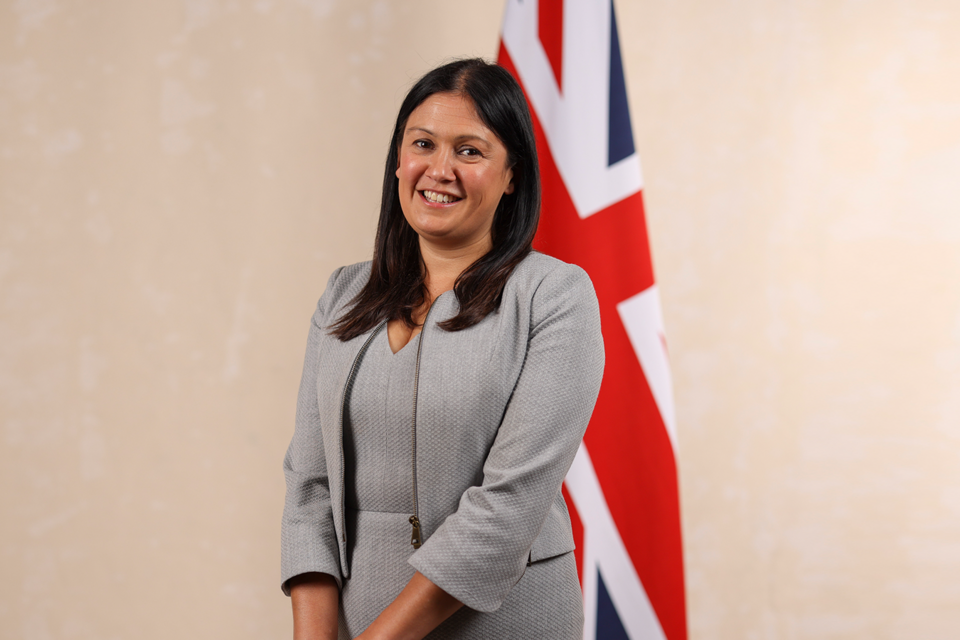
The BBC is an institution like no other. For over 100 years it has been at the heart of our national life and a light on the hill for people across the world.
Our vision is for a BBC that is trusted, loved and belongs to us all, providing those shared spaces and places that have become so rare and so precious in recent decades. Sustainably funded, with a strong presence in every nation and region so that all of us can see ourselves reflected in our national story. A broadcaster known for its unique strengths, from the highest quality children’s programmes to impartial and trusted news and documentaries, the world over.
This 10th Charter will formally set the terms of the BBC for the future. My ambition is that it sets the BBC on a path to thrive until well into the latter half of this century. I believe the BBC, alongside the NHS, is one of the two most important institutions in our country. While one is fundamental to the health of our people, the other is fundamental to the health of our democracy. This green paper begins the conversation about how to ensure it remains the beating heart of our nation for decades to come.
Lisa Nandy
Secretary of State for Culture, Media and Sport
Introduction
Summary
The UK government is reviewing the current BBC Charter, which expires on 31 December 2027. This green paper (government document) outlines the changes we are considering making to the Charter, to futureproof the BBC and help it continue serving the public. The new Charter will take effect on 1 January 2028.
Key facts
-
The BBC adds approximately £5 billion to the economy each year
-
The BBC is the single biggest investor in UK content, investing £1.2 billion in original UK content in 2023
-
94% of UK adults use BBC services on average every month
-
The BBC is the UK’s most widely used news outlet

Credit: BBC/Studio Lambert/Paul Chappells
What is the Charter Review
The BBC’s Royal Charter provides the constitutional basis of the BBC. The Charter defines the BBC’s Mission and Public Purposes and sets out how it is governed, regulated and funded. The BBC Framework Agreement sits alongside the Charter, and provides additional detail on the topics included.
The current Charter came into effect on 1 January 2017. It introduced some significant changes, particularly to the BBC’s governance and regulation. As a result, the previous government conducted a Mid-Term Review of the BBC’s Charter. Published in January 2024, it set out a number of recommendations for the BBC and Ofcom (the BBC’s independent regulator) to take forward.
The current Charter will expire on 31 December 2027. The government is reviewing the Charter to decide on the terms for its renewal, and any changes needed to help the BBC to continue to serve the public.
This Review begins with the launch of the Terms of Reference and this public consultation. The consultation is a key part of the conversation for Charter Review. It allows the public to have a say on the future of the BBC.
The renewed Charter will take effect on 1 January 2028 and will be the 10th in the BBC’s 100 year history. The Charter Review is a unique opportunity to consider all aspects of the BBC as we seek to futureproof our national broadcaster for the next decade and beyond.
The impacts of any changes to the Charter will be carefully considered. This includes any implications for S4C as an independent public service broadcaster whose funding is provided for under the Charter and Framework Agreement, and the BBC’s role in its partnerships with S4C in delivering Welsh-language media, and MG ALBA, which provides Gaelic-language media.
The BBC’s current Public Purposes
-
Public Purpose 1 - to provide impartial news and information to help people understand and engage with the world around them.
-
Public Purpose 2 - to support learning for people of all ages.
-
Public Purpose 3 - to show the most creative, highest quality and distinctive output and services.
-
Public Purpose 4 - to reflect, represent and serve the diverse communities of all the United Kingdom’s nations and regions and, in doing so, to support the creative economy across the United Kingdom.
-
Public Purpose 5 - to reflect the United Kingdom, its culture and values to the world.
The BBC as a vital national asset
This government believes in the BBC. It is not just a broadcaster - it is a national institution that belongs to all of us. The BBC was founded to bring the best that has been thought and known to every home, and has been at the centre of our democratic and cultural life for over a century. If it did not already exist, we would have to invent it.
Since the current Charter period began in 2017, the BBC has repeatedly shown its unique capacity to serve the whole nation, reflecting its Mission:
“to act in the public interest, serving all audiences through the provision of impartial, high-quality and distinctive outputs and services which inform, educate and entertain”.
The BBC provides unique value as our national broadcaster. It sits at the heart of this country’s successful media ecosystem, delivering for all of us. The BBC continues to be used more than any other media provider in the UK, with 94% of adults using BBC services on average per month, while globally it reaches 453 million people each week.[footnote 1] Over this Charter period, the BBC delivered vital news coverage, including throughout the COVID-19 pandemic; it remains the nation’s most widely used and trusted news outlet, with more people tuning in to its 6.30pm regional news than any other news programme.[footnote 2] It brought the nation together to mourn the State Funeral of Her Late Majesty Queen Elizabeth II and then to celebrate the coronation of His Majesty King Charles III; it enabled more than 36 million viewers to enjoy the Paris Olympics and celebrate when Keely Hodgkinson won gold; and had over 20 million people delight in Smithy finally proposing to Nessa in the Gavin and Stacey finale last Christmas.[footnote 3]
This is all informed by its original founding Mission set out above, and is the reason why the government and the wider public have supported the BBC for over 100 years. These principles, and the unique value the BBC provides, set it apart from other global media providers with different production values and commercial interests, and which often prioritise content with global appeal and commercial incentives.
Every day, the BBC tells the story of who we are - our people, our places and our communities that make up life across the UK. It allows communities across all nations and regions of the UK to hear their distinctive voices and see their stories represented through its local services that span the entirety of the UK and its broadcasting in Welsh, Gaelic and Irish and Ulster-Scots. In Scotland, the BBC’s coverage in English and Gaelic of festivals, including TRNSMT, Belladrum and The Mòd, brings people together for shared cultural moments. The BBC contributes to the national identity of Northern Ireland through events such as its 100th anniversary ‘The Living Air’ concert from Belfast Cathedral, showcasing the Ulster Orchestra and local cultural talent. While in Wales, the BBC’s partnership with S4C on the drama Pobol y Cwm has brought light to local Welsh stories for over 50 years.
The BBC’s Mission is to support learning at all ages. During the pandemic, BBC Bitesize delivered 1,800 online lessons, with 3.8 million visitors each week. BBC Skillswise supports adult learners who want to improve their essential reading, writing and numeracy through free videos and worksheets. The BBC is also helping people of all ages build the confidence and skills they need to access digital services in an increasingly online world.
The BBC is also the most significant public policy intervention in our creative economy, identified as a priority growth sector in this government’s Industrial Strategy and Creative Industries Sector Plan.
This government believes in the BBC. It is not just a broadcaster - it is a national institution that belongs to all of us
However, the BBC’s value as a trusted and relevant British institution, and its ability to provide a range of essential services for communities, is under pressure
It plays a uniquely important role as the cornerstone that underpins the UK’s hugely successful creative and media ecosystem. Remarkable content from Blue Lights and Wolf Hall, to There’s Only One Rob Burrow and Mr Loverman don’t just deliver huge cultural and social value, but they drive economic growth. In 2023, the creative economy was worth £124 billion, over 5% of the UK economy’s Gross Value Added (GVA).[footnote 4] Since 2019, it is estimated that the BBC has contributed almost £5 billion each year to our economy.[footnote 5] It is the single biggest investor in UK content, investing £1.2 billion in 2023 in original content - equivalent to 23% of all investment in UK original content.[footnote 6] With major production hubs in Belfast, Cardiff, Glasgow, Salford and - from 2027- Digbeth, the BBC has a footprint in our nations and regions, unmatched by any other provider, driving growth, jobs and opportunities for communities across the UK, and drawing on talent that exists in every nation and region.
Beyond its domestic impact, the BBC is also one of the UK’s greatest cultural exports and a source of national pride and soft power. It is recognised across the globe, with the BBC estimating over 1 billion visits to its online news in January 2025 alone.[footnote 7] The BBC World Service in particular is vital in delivering trusted and accurate news and information across 42 language services, providing a valuable lifeline for people and for democracy in regions where access to reliable sources is limited and press freedoms restricted. This role is evident in the BBC World Service’s shortwave radio transmissions to Ukraine, providing Ukrainian citizens with an essential source of accurate information about Russian hostility and attacks.
However, the BBC’s value as a trusted and relevant British institution, and its ability to provide a range of essential services for communities, is under pressure. It is important to recognise that there have been recent, serious editorial and operational failings. The BBC itself acknowledges this and has committed to a number of steps in response, which it has already begun to take forward, including actions to improve workplace culture following an independent review. As our national broadcaster, the BBC has a responsibility to uphold the highest standards, and where these standards have not been met, firm and swift action must follow.
Beyond these recent issues, the BBC is operating in the context of a revolution in the media landscape that is challenging all broadcasters and risks the spread of polarising narratives that fragment the public debate. Ofcom has warned that the rapidly evolving media landscape has created, and continues to create, significant challenges that pose a threat to the important contributions that the BBC (and other public services media providers) make to the cultural, democratic and economic life of the UK.[footnote 8] If the BBC’s role at the foundation of our media sector is not protected and strengthened, then we risk losing the high quality UK content, talent and investment that has made the sector a global success and provides value for audiences right across the UK. We lose this at our peril.
The next Charter period, which will last at least up to the end of the 2030s, is likely to be one of further significant change. Since the BBC was founded as our nation’s sole broadcaster in 1922, it has repeatedly proved its ability to adapt to a changing landscape and lead the way in innovation. It brought the world the first transatlantic TV transmission in the 1950s. More recently, it supported millions of households to make the switchover from analogue to digital television from 2007 to 2012. Over this Charter period, the launch of BBC Sounds has enhanced audience engagement with its live and on-demand audio content and BBC Verify is a significant innovation in providing insights to audiences on how reporting is fact checked and verified.
This Charter Review must support and empower the BBC to continue to adapt and evolve. It will therefore seek to identify and implement a range of strategic changes to futureproof the BBC and set the conditions so that it can thrive and continue to best serve the UK public as we move further into a new era of media and technology.
The Charter Review will therefore progress alongside government work considering the future of TV distribution and the future framework for public service media more broadly, following Ofcom’s recent review of public service media. The government will work with the BBC and other media providers to develop a strategic response to the challenges and opportunities presented by a changing media and technology environment. This strategy will complement the Charter Review and consider how the BBC, as a central player in the UK media environment, can continue to support public service media more broadly so that it delivers for audiences long into the future. This includes considering how the BBC and other public service content is distributed via platforms in a way that best reaches audiences, how regulation should be updated to remain fit for a digital era, and how the BBC can partner with others in the sector in a way that strengthens the wider media ecosystem.
Context of this Charter Review: The BBC’s role in a changing media landscape
Back in 2017, when the BBC’s Charter was last renewed, the media landscape looked very different. Most people still consumed their content through live broadcast television, with programmes such as EastEnders able to command audiences on BBC One of over 9 million people. TikTok had only just launched, and was yet to make its way to the UK. In 2019, less than half of UK households subscribed to a streaming service.[footnote 9]
Since then, the generational shift in how and what content we consume has brought opportunities and challenges for traditional broadcasters such as the BBC and other media organisations. If the BBC is to stay relevant and trusted by the public as an important public institution and national broadcaster, the Charter Review must consider how it responds to the key trends below which are explored in more detail in the following chapters:
Audience engagement and changing media habits: People are increasingly going online for their content, as global video platforms continue to grow and traditional broadcast viewing is declining in the UK. Over a quarter of people no longer watch live TV on a regular weekly basis.[footnote 10] This is particularly true for younger audiences: among 16 to 34 year olds in the UK, video sharing has outstripped streaming and broadcast TV over the past four years since 2022.[footnote 11] Live radio remains popular, but music streaming services are now used by 62% of all people aged over 15 on a weekly basis.[footnote 12]
- Over 25% of people no longer watch live TV on a regular weekly basis.
- Video sharing has outstripped streaming and broadcast TV among 16 to 34 year olds over the past four years.
- 62% of people aged over 15 use music streaming services weekly.
While UK audiences still turn to the BBC more than any other media provider,[footnote 13] they are engaging with its services less as they turn away from traditional broadcasters to other providers and content creators. In a crowded media environment, the BBC will have to work even harder to adapt its content, services and delivery to attract and retain audiences. The government must ensure the regulatory framework supports the BBC in achieving this.

Relevance and representation: For the BBC to reach and engage audiences, it is important that it represents and is accessible to people from across the whole of the UK. The BBC has made progress in reaching diverse audiences over this Charter period. However, there are still those who use the BBC less and feel less positive about how it reflects their lives, including people from ethnic minority backgrounds, low socio-economic groups and those with disabilities.[footnote 14] The Charter Review will need to consider what more should be done so that the BBC engages and is accessible to all audience groups and is truly representative of every part of the UK.
For the BBC to reach and engage audiences, it is important that it represents and is accessible to people from across the whole of the UK

Trust in news and institutions: Over the last decade, our society has become more fragmented and divided, both at home and abroad. News stories with partisan views risk polarising audiences and sources of misinformation and disinformation are on the rise. This affects how we understand one another, creates division, and fuels social tensions that threaten community cohesion. Truthful and trusted news and information are critical for building a shared understanding of the world, and are essential to the healthy functioning of democracy.
The BBC is uniquely placed to support a balanced and trusted news environment. While it remains the most used news provider among UK audiences,[footnote 15] the proportion of people that trust BBC News in the UK has fallen by 15 percentage points since 2018.[footnote 16][footnote 17] Other media providers have seen similar declines in audience trust in news.[footnote 18]
It is clear that instances of serious flaws in the BBC’s editorial processes - alongside cases of abuse and misconduct from some BBC staff and those working for the organisation - have damaged public trust and confidence in the BBC as an institution.
Against a context of increasing global uncertainty and tensions, the BBC’s reputation as a trusted institution that provides reliable and truthful news which helps build a shared understanding of the world has never been more important. While some would rather the BBC did not exist, in an age of disinformation, the argument for an impartial British news service is stronger than ever. To preserve the trust and confidence of the public it serves, and who pay for it, the BBC must do everything in its power to tackle and prevent these kinds of unacceptable failures and take decisive action to uphold the highest standards.

Local media sustainability: As the way we consume media shifts online, traditional news outlets serving local audiences face particular financial challenges. The proportion of adults using local and regional print newspapers has more than halved since 2018.[footnote 19] According to the Reuters Institute, despite a high interest in local content, audiences feel underserved by local news in the UK.[footnote 20] The consequences of the decline in reliable and high-quality local news sources is sharply illustrated by the false narratives and sources of misinformation that fueled social unrest in the summer 2024 riots.
- The BBC’s evening regional news broadcasts attract on average 3.4 million viewers
The BBC plays an important role providing local news for all parts of the UK. It supports the wider local media ecosystem through its partnerships with local journalism. Its evening regional news broadcasts attract on average 3.4 million viewers and collectively are watched more than other news broadcasts in the UK.[footnote 21] However, the BBC has also had to make changes to the delivery of its local radio and TV services in recent years. The government’s Local Media Strategy is intended to help address the full range of challenges facing local journalism, including BBC’s role in supporting the diversity of local news services in the UK.

Financial pressures: While the wider creative industries continue to remain a powerhouse of the UK economy, our screen and television industry is facing challenging market headwinds, with falling advertising revenues, high production costs and increased competition from global streamers for investment. The government’s Creative Industries Sector Plan sets out measures to support a vibrant creative screen sector across the whole of the UK. This Charter Review will reinforce these ambitions to ensure the BBC continues to undertake its foundational role as an engine of growth for the wider creative sector, through supporting jobs, skills, training and investment across our nations and regions.
While the BBC is sheltered from some of the commercial pressures on other media providers, its ability to deliver services valued by audiences is under strain as its real terms income from the licence fee has declined by over 30% in the last decade.[footnote 22] As a result, the BBC has made significant efficiency and cost saving measures, including a target of £700 million in annual savings between now and March 2028. It has also strengthened its commercial arm, which has supported the BBC with approximately £860 million of dividend payments in cash terms to invest in public service for audiences since 2016.
It is vitally important that the BBC operates efficiently and maximises value for the public who pay for it. This Charter Review will look to ensure that the BBC has the sufficient and necessary resources to deliver high-quality services, valued by audiences, while costs are kept as low as possible for households.
Our ambition for futureproofing the BBC
The Charter Review will write the next chapter of the BBC’s story. The government wants to use this Charter Review to futureproof the BBC so that amid a rapidly changing media landscape, it does not just survive, but thrives for decades to come. In the first instance, this means reaffirming the BBC’s original Mission in providing universal public services that are essential to national life.
The government wants to use this Charter Review to futureproof the BBC so that amid a rapidly changing media landscape, it does not just survive, but thrives for decades to come
Beyond that, for the BBC to thrive within an era of shifting consumer habits and rapid technological development, change is required. This Charter Review must therefore make necessary and targeted changes to empower the BBC with the right regulatory and operational frameworks so that it can continue delivering social, democratic and economic value in a way that represents all voices and resonates with the lives of all communities across the UK, whatever their background. The BBC should be regulated in a way that allows it flexibility to adapt to a changing media landscape and consumer habits, so that it can continue to deliver services that audiences value while also enabling economic growth that benefits the wider media and creative sectors in the UK. This Charter Review will consider the full package of BBC regulation to ensure it is proportionate and future-proofed.
In an era in which trust is fraying and truth is contested across our nation, it is vital that the BBC commands public support, and is a trusted and relevant pillar of UK society. People must be able to trust not only what they see and hear, but also trust in the BBC as an institution. One of the key aims of the Charter Review is therefore to maximise public trust in the BBC as an institution that is independent, accountable to the public and sets the highest standards for a supportive and safe work culture for all those it works and partners with. Through the Charter Review, we want to empower audiences further, so that they not only see high-quality content, but are also supported to distinguish between news and misleading or false narratives. We will therefore also ensure that the BBC has in place the highest standards in editorial guidelines and that it engages with the public to explain choices in editorial content and decision making.
We will ensure the BBC enhances its relevance to audiences to help increase the sense of connection people feel with the BBC as a national broadcaster. This means empowering the BBC to reach the broadest possible audiences through services and content that are accessible and which represent and resonate with the lives and contribution of all communities across the UK. This includes how it shapes our cultural life by supporting and promoting creativity across all parts of the nation. It is important that the whole nation is reflected in the story we tell ourselves, about ourselves, as a nation. The Charter Review will therefore consider measures that will allow the nations and regions of the BBC to drive the direction of the organisation, and also give the BBC flexibility to serve audiences and meet changing consumer habits against an evolving media landscape.
Vitally, the BBC will only be able to deliver for the public if it has a sustainable long-term funding model in place. The question of how the BBC is funded, and the level of that funding, is tied to what the BBC is for, its role in public life and the types of services and outputs it delivers. The Charter Review is an opportunity to consider these issues together. It will ensure that the BBC is set up for future success with a sustainable funding model that is fair for audiences and enables it to deliver not just for some, but all of us, to drive the growth of the creative industries, to nurture talent, to create jobs and invest across the whole of the UK. This includes ensuring a sustainable level of funding for S4C to secure its vital role as an independent Welsh-language public service broadcaster. The Charter Review will also ensure that the BBC is as efficient as possible, so that the money invested by the public is spent in a way that maximises public benefit.
The government is taking evidence and considering measures that will support the following key objectives for the Charter Review, as set out in the Terms of Reference:
Charter Review objectives
-
A BBC that is sustainably funded for decades to come to support its vital public service role.
-
A BBC that commands the public’s trust, is independent and accountable to the public it serves, and represents all communities across the UK.
-
A BBC that drives growth, opportunity and good jobs across the nations and regions of the UK, working in partnership with others.
This public consultation sets out the main options the government is considering and seeks your views on a set of related questions. These are grouped under four key chapters:
-
A trusted institution - To enhance public trust in the BBC, the Charter Review will consider options to strengthen its governance and its independence, enhance accountability and transparency, including around editorial decisions, and ensure workplace policies align with the values we expect from our national broadcaster.
-
Delivering services for the public good - The Charter Review will also consider options to support the BBC’s role as a trusted news provider and how it helps shape the information environment in the UK and internationally, including ensuring it has robust editorial standards in place and that these are consistently applied. It will also consider how the BBC can fulfil its role as our national broadcaster, delivering audiences content and innovating technologically, so it can educate and inform, enrich cultural life and tell a unifying national story that represents all communities across the UK.
-
Driving growth across the UK - The BBC is a cornerstone of the creative economy in the UK, providing training, skills, jobs and opportunities that support growth across the whole of the UK’s nations and regions. The Charter Review will consider options to enhance its economic impact, including through partnerships and collaborations that are mutually beneficial for all parties and support the wider media sector.
-
Sustainable and fair funding - In order for the BBC to deliver across all of these areas, it is essential that it has a sustainable funding model in place for the long term. The Charter Review will consider options for how to fund the BBC in a way that is sustainable and fair, while providing value for audiences.
Have your say
The BBC belongs to all of us. We are therefore looking to hear from a wide range of voices on the future of the BBC as our national broadcaster and how it can represent and deliver for every person in the UK as part of the Charter Review.
We are seeking the views of the general public, those working in the creative industries, researchers and industry organisations across a number of issues and options for change. The responses and evidence submitted to this consultation will help inform the government’s decisions on making changes to the BBC’s Charter and Framework Agreement.
The consultation will be open for 12 weeks from 16 December 2025 to 10 March 2026.
Earlier this year, the BBC carried out its own independent survey of BBC account holders to find out their views on the content and services it delivers. The BBC received 872,701 responses, demonstrating the level of interest from audiences on the role of the BBC going forward. We intend to work closely with the BBC as part of the Charter Review process, and will be considering the BBC’s views on the issues set out in this consultation.
Additionally, the government will engage with Ofcom, as the BBC’s independent regulator, and the National Audit Office (NAO), as the BBC’s independent auditor. It will also consult S4C and the devolved governments to help ensure that the BBC is delivering for all nations and regions across the UK.
How to respond
The consultation starts with a single mandatory question to confirm eligibility to respond to the consultation. If eligible, 11 number of demographic questions and 34 questions which relate to the themes of this green paper will follow. There is no requirement to provide any demographic information or answer every question. If a section or question is not relevant to your experience, or you simply do not wish to answer, you can choose not to answer it.
A Welsh language translation of the consultation will be made available on GOV.UK.
We encourage you to use the online consultation where possible. This provides us with quicker access to your responses. If you are unable to respond to the consultation online, you may submit your response by post or email.
You do not have to complete the consultation in one go. You can leave the site and then return to complete questions at a later date. When you open the link again, it will take you back to where you left. Responses not submitted by the time the consultation closes will not be included in the results. The consultation will close at 23:59 on 10 March 2026.
To allow us to process large numbers of responses, we may make use of technology, such as artificial intelligence (AI), to help us understand the emerging themes and evidence from the survey results. AI is an umbrella term for a range of technologies and approaches that often mimic human thought to solve complex tasks. Our use of AI is governed by policies and procedures that address data security, privacy and responsible AI usage. There will be no automated decision making involved in the use of AI. Further information on how the data will be used is provided in the privacy notice.
Next steps
We will publish the results of this consultation and the government’s response in 2026. We will take into account all relevant responses that are submitted to this consultation. Our response will be based on careful consideration of the points made, not the number of responses received.
Building on consultation responses as well as other evidence and views received through the Charter Review process, the government will then set out the policy changes it will look to implement in a white paper, which will be published in 2026. This will inform a new Charter for the BBC. A draft version of the new Charter will be published online and debated before Parliament.
Once approved by the Privy Council, a new BBC Royal Charter will come into effect.
Chapter 1: A trusted institution
Summary
The BBC plays a vital role in British society. It supports democracy, shapes our national identity and brings communities together. Despite this, public trust in key institutions, including the BBC, has fallen. This Charter Review aims to tackle this issue.
At its best, the BBC supports our democracy, shapes our national story and brings communities together through shared civic spaces, moments and conversations
This chapter explores trust in how the BBC operates as an institution and how the government can help the BBC to be accountable to and represent its audiences. Trust in the BBC’s outputs and services is discussed in Chapter 2.
Options being considered under the Charter Review include:
-
Enhancing public engagement and trust: Exploring ways for the BBC to engage audiences and reflect public views, both in terms of how it operates and the services and content it provides.
-
Improving the BBC’s independence, accountability and transparency: Considering reforms to the BBC’s governance structures, length of its Royal Charter and obligations to share information.
-
The BBC as a workplace: Setting up systems for reporting misconduct and extra responsibilities for BBC leadership.
-
The BBC as a sector leader: Empowering the BBC to set a high bar for all employers across the creative economy and drive improvements.
Key facts
-
In response to the BBC’s ‘Our BBC, Our Future’ survey, 83% of account holders said it’s important the BBC continues to “inform, educate and entertain” in the future.
-
Amongst under 16s, 70% used the BBC on average per week in 2024/25, compared to 84% of UK adults.
-
Around half of workers in the creative industries have experienced discrimination, neglect and/or bullying.
-
Bullying is more prevalent in the TV and film industry than other parts of the sector.
Introduction
The BBC is an institution that holds a distinct and significant position in British society, and this government is committed to supporting the BBC so it can retain that position. At its best, the BBC supports our democracy, shapes our national story and brings communities together through shared civic spaces, moments and conversations. This Mission has strong public support, with 83% of BBC account holders believing it is important that the BBC continues to inform, educate and entertain in the future.[footnote 23] The BBC is one of the most valuable tools we have to empower our citizens to help us understand one another and therefore its continued success is the best defence against forces which are trying to stoke fear and division. For moments of national importance, it still remains the source audiences turn to most, with 8 out of 10 adults coming to the BBC for its coverage of the general election results.[footnote 24]
It is right that the BBC is independent from political interference, and this is an important principle we will uphold in this Charter Review. But this does not mean the BBC should not be accountable, and this Charter Review will consider ways to ensure the BBC is truly accountable to the public who pay for and use it.
- 83% of BBC account holders believe it is important that the BBC continues to inform, educate and entertain in future
We must not be complacent about the public’s trust in the BBC, or take its great reputation for granted. Trust comes from both the services an organisation provides, and how it operates: through transparent decision-making, responsible use of public funds, and organisational and cultural standards that maintain the confidence of its audiences. After recent instances of editorial failings and workplace misconduct of staff, the BBC’s leadership has acknowledged that organisational standards have fallen short, and have committed to a number of steps in response. People must be able to trust both not just what they see and hear, but trust in the BBC as an institution. These serious failures should act as a catalyst for change in the BBC and they should not be allowed to happen again.
The Charter Review will therefore ensure the BBC is accountable to, and representative of, audiences in a way that improves perceptions of the institution and supports its central place in national civic life. We will ensure the institutional operations of the BBC, and its workplace culture and practices, align with the values and the high standards that we expect from our national broadcaster.
Our policy focus to enhance trust:
-
Enhancing accountability of the BBC so that it can better reflect and represent the public.
-
Improving engagement that leads to better perceptions of the BBC.
-
Enhancing governance, oversight and transparency in a way that supports wider public trust in how decisions are taken and in the content and services the BBC delivers.
-
Upholding the BBC’s independence so that it can maintain trust in its programmes and content.
-
Placing a renewed focus on the BBC’s organisational standards and culture, to build public trust in the institution and its reputation, and drive up standards in the wider creative sector.
In taking these policy priorities forward, we will also consider how the BBC is regulated by Ofcom and scrutinised by the National Audit Office (NAO).
Section 1: Accountability and independence
Context
The social contract between the BBC and licence fee payers means it must be accountable to the public who pay for it. This contract also justifies the BBC’s ongoing operational independence, with it being ‘trusted’ to use its public funding efficiently and effectively.
Accountability is much more than a feature of corporate governance and goes beyond transparency. Genuine accountability must be embedded in the foundation of an entire organisation. It should require that:
-
decisions are responsive to and reflective of the public
-
decisions are informed by stakeholders and explained clearly
-
feedback is considered and taken seriously
-
if mistakes happen, swift corrective action is taken and lessons are learned
Major changes were made to the BBC’s accountability framework under the last Charter Review. Greater responsibility and powers were given to Ofcom as the BBC’s independent regulator. The complaints framework was also overhauled, with Ofcom assuming a key role in the complaints process about the BBC’s content. In some areas, rules were relaxed, such as the removal of requirements on the BBC to convene Audience Councils, aimed at facilitating discussion and feedback directly from the public, as it was felt they did not meaningfully contribute to BBC decision-making. This Charter Review will prioritise the topic of accountability and, as part of that, we will review the effectiveness of structures and requirements introduced by the last Charter.
Case for change
The BBC’s ability to deliver effectively against its Mission and Public Purposes and its regulatory framework is threatened by the increasing levels of distrust in its services and lower levels of engagement from certain audience groups. Reuters Institute data show that while the BBC remains one of the most trusted news providers among UK audiences, distrust in its news services has increased by 13 percentage points from 2018 to 2025.[footnote 25] [footnote 26] Younger people also use the BBC less. Amongst under 16s, 70% used the BBC on average per week in 2024/25, compared to 84% of UK adults.[footnote 27]
While the BBC is not alone in facing many of these challenges within the media sector, the public rightly expect the highest standards of the BBC and when these standards are not met, trust can be damaged. The public have seen too many instances recently, whether relating to editorial decisions or workplace culture, where the BBC’s conduct has fallen below the expectations of those who fund it.
Alongside the broader trends that are compromising trust in institutions, a number of editorial issues and the BBC’s handling of them, has negatively impacted public confidence in the organisation. We have also seen a number of appalling examples of abuses of power within the workplace. The BBC must have clear accountability structures and culture in place, so that it can rapidly respond to events or issues which threaten to undermine the public’s trust in the organisation, responding in a way that reaffirms trust in the institution in line with the audience’s interests. The BBC’s leadership must also be accountable to its own staff by being transparent about why decisions have been taken and responsibility is taken for making these decisions, increasing the trust that those who work for the BBC have in the organisation.
We must also ensure that the BBC’s accountability to the public means that it is reflective of not just the majority of the country, but all of the country. One of the UK’s greatest strengths is its diversity, but there are too many voices that for too long have not been seen or heard in our national debate. Therefore, we must enable the BBC to be the platform and institution for everybody in the UK, giving a voice to all of our different nations and regions across the whole of the UK. The BBC must be a truly national broadcaster in which all of us have a stake.
The BBC’s independence enables it to operate flexibly and remain a key player in an evolving and competitive market place and is a core tenet of its ability to inform and educate the public. It allows the BBC to hold public institutions to account, and ensure its content is not dictated – or perceived to be – by politics, the State or commercial interests. The government guarantees that BBC editorial independence will be protected under the next Charter and we will consider measures to uphold and strengthen the BBC’s independence.
Our ambition
The next Charter will seek to strengthen the public’s trust and connection with the BBC. It will achieve this through a Charter that will uphold the BBC’s independence, make sure it is genuinely accountable to the public and those who fund it, and improve overall governance and regulation of the BBC. We will consider any changes to the BBC’s current governance structures and regulation in the round to ensure they work as a coherent package.
Options we are considering
We are consulting on a range of options to meet these aims which include the following themes:
-
Accountability and public engagement
-
Transparency and explaining decision-making
-
Charter length
-
BBC Board and independence from government
1. Accountability and public engagement
The BBC already does a lot to understand and engage the public in order to inform its decision-making. An important part of how the BBC already relates to the public, and gains audience trust, is by listening to what people have to say through the BBC First complaints process introduced in the current Charter. This process allows for audiences to directly express their views to the BBC and for decision-makers in the BBC to hear and engage those views. The BBC Mid-Term Review 2024 also introduced significant changes that provide greater external and independent scrutiny of the BBC’s complaints handling.

As the independent regulator, Ofcom must make sure the BBC First process is working well for audiences. The Mid-Term Review also recommended that Ofcom improve the transparency of its decision-making when the BBC has found a breach of its own editorial standards.
Additionally, the BBC often consults the public when making major decisions, such as the 2024 consultation on the BBC’s editorial guidelines. The BBC conducts extensive audience research through the use of surveys and focus groups to help shape decisions on content development and commissioning of services, and its Audiences team carries out a range of ongoing research and data collection to help inform the BBC’s decision-making. Similarly, it has recently undertaken a large piece of public engagement work on the future of the BBC and is currently undertaking a youth engagement exercise for those between 16 and 24 to help shape the future of its services.
However, it is clear that with declining engagement with, and trust in, the BBC, improvements to the BBC’s engagement with and accountability to the public are needed. Often the work undertaken is not widely promoted or understood, including low awareness from the public on how they can get involved and contribute their views. Engagement needs to happen in a way that is visible to audiences, ensuring that everyone feels that their voice has been heard. These insights should inform strategic decision-making on the services it delivers, for example, local radio, to ensure it is reflective of audience views.
Engagement needs to happen in a way that is visible to audiences, ensuring that everyone feels that their voice has been heard
Therefore a priority for the Charter Review is to think creatively about the best way to enhance accountability by ensuring the BBC better engages audiences and that its decision-making reflects what audiences want from the BBC. This should include both the BBC’s decision-making at a broader, strategic level, such as on its plans to engage young people, and on the services it provides, e.g. the opening or closing of radio stations.
We will consider what types of engagement could lead the BBC to be more responsive to the public and its needs, helping ensure people feel like they have a stake in the organisation and its future. We will explore whether the Charter should set general obligations for the BBC to establish its own frameworks to more effectively and innovatively engage the public in a meaningful way. This approach would give the BBC flexibility to decide how it interacts and engages with its audiences, such as enhancing the role of the BBC’s existing Audiences team or the creation of new consultative frameworks to better represent the public’s views and voices, especially from a regional and national perspective. We will also consider the merit of more explicitly requiring the BBC to start utilising other deliberative or consultative forums, such as citizens’ assemblies, as a way to enhance the level of engagement between the public and the BBC. We will also examine whether any changes are required to the BBC’s complaints process to ensure audiences feel that their concerns are being addressed.
This enhanced level of engagement should lead to more people being able to share their views directly with the BBC and ultimately lead the BBC to make decisions that are genuinely reflective of the audiences it serves.
While it must put the public at the heart of what it does, we are clear that the BBC must ultimately still remain in charge of its decision-making processes. It must have the flexibility to set direction and pursue innovative and forward thinking strategies. Frameworks to enhance responsiveness to audiences must not facilitate interference from vested interests or political groups.
As part of the Charter Review process, we are considering:
-
what relationship the public would like with the BBC
-
how the BBC can better engage with the public
-
the types of issues where the BBC should seek to engage the public
We intend for new obligations to be implemented through the next Charter and Framework Agreement.
2. Transparency and explaining decision-making
Transparency is a key method for ensuring that the BBC is acting in the best interests of the public. It supports trust in the BBC as an institution and allows scrutiny of its decision-making. Given the considerable level of public funding that the BBC receives, it is important that it is open with licence fee payers. Transparency also helps the BBC’s own staff to see that the issues they raise are addressed by the BBC’s leadership.
The BBC currently publishes a wide range of information, such as details of planned changes in its public consultations and services; key governance documents including the Annual Plan and Annual Report, board minutes; and executive pay and expenses.
The complaints process is also a key avenue for the BBC to share information with the public. Ofcom’s 2024 report found that improvements to the BBC First complaints process were delivering well for audiences, particularly with regard to the timeliness, clarity and consistency of responses. However, in a minority of cases, there was viewed to be a lack of transparency, particularly in clarifying the process to those who submit complaints.[footnote 28] Similarly, the Mid-Term Review found that stakeholders would welcome greater transparency on how the BBC reaches decisions, specifically changes to services and complaints. The BBC’s own recent audience research revealed that participants, as licence-fee payers, felt they were entitled to information that is shared in a more user-friendly format.[footnote 29]
There have also been concerns regarding the way the BBC communicates service changes. For example the changes made to local and nations’ radio and the BBC News channel in 2023 were criticised by Ofcom as lacking details and clarity,[footnote 30] and those criticisms were repeated across the country, and in both Houses of Parliament.
The Charter Review will consider the obligations on the BBC to be transparent, ensuring that both the public and the BBC’s own staff have access to the appropriate level of clear information about the BBC’s decisions. We will go further than considering just what information the BBC is required to publish, and look at how the BBC can communicate important information about the organisation’s decisions and services in a succinct and inclusive way. This could include obligations for the BBC to share information that matters to the public and its own staff, where relevant. This would ensure the BBC is responsive to their interests, concerns and questions. We will learn from organisations of a similar scale to the BBC, particularly how they use technology to gather feedback and drive engagement, to inform our proposals for the BBC.
These changes should mean that the public and BBC staff are more aware of how and why the BBC makes certain decisions, without having to go out of their way to find out this sort of information. It would mean that audiences are served engaging material and not required to look at the minutes of board meetings or annual reports to understand what is going on inside the BBC.
3. Charter length
The Royal Charter is the constitutional basis for the BBC and it sets out the BBC’s governance and regulatory arrangements. The government is committed to retaining the Charter as the appropriate constitutional basis, as it strikes the right balance between independence and accountability. The Charter Review offers an important opportunity for the BBC to be held accountable not only to the government but also to the public. The consultative process that underpins the Charter Review remains a key way the public can regularly contribute their views on the BBC and its future. We see no benefit to moving to a model that puts the BBC under a statutory footing like Channel 4, and we are committed to maintaining the BBC as a publicly funded public service media organisation.
…we are committed to maintaining the BBC as a publicly funded public service media organisation
When it expires, the current Charter will have been in force for eleven years. Having a time-limited Charter enables the government, parliament and the public to regularly hold the BBC to account. This is particularly important because of both the BBC’s national significance and the rapidly evolving nature of the media sector, which necessitate regular reviews to ensure the BBC is not unduly constrained, that it is able to adapt to any new challenges and that its structures and obligations reflect what the public want from it.
However, there are other organisations that do have ‘permanent’ Charters, such as the Bank of England and the British Film Institute. In the case of the Bank of England, a short permanent Charter is accompanied by significant and detailed primary legislation. We also recognise the challenge of the current Charter model, that the BBC would cease to exist at midnight on 31 December 2027 if the Charter expires without being replaced.
We understand the issues posed by the Charter having an explicit end date. This includes the uncertainty it can create for the BBC and the opportunity it can provide for political interference, as some commentators have suggested. However, we also think that it is necessary for there to be regular reviews of the BBC as an organisation. We will consider whether revising the length of the forthcoming Charter would support the BBC’s ability to plan and formulate its strategies over the long-term. We will also consider other ways of ensuring that the BBC is provided with greater certainty over its future so that it is able to focus its attention on serving the public rather than being concerned about its continued existence. As part of this, we will look at options to ensure that the BBC is protected from political interference while still being accountable to the public it serves. In doing so, we will ensure that the Charter is appropriately calibrated so that the BBC is able to adapt to emerging trends while still being given certainty over its future.
4. BBC Board and external accountability
The ongoing functioning and composition of the BBC Board is vital to ensuring effective accountability at the BBC as it is responsible for the effective and independent exercise of all the functions of the BBC. This includes establishing the strategic direction for the BBC, setting the BBC’s budget and outlining the creative remit for the BBC’s editorial and creative output and services.
Under the current Charter, the government is responsible for the appointment process of five of the ten non-executive board members: the Chair and four Nation Members, representing England, Scotland, Wales and Northern Ireland. Other board members are directly appointed by the BBC Board, independently of the government. The Charter sets out that public appointments to the BBC must be in line with the Governance Code on Public Appointments. The composition of the Board was designed under the last Charter to strike the right balance between members appointed by the government and by the BBC itself and we will consider if the composition remains right, including the role and appointment of the Nation Members.
On governance more broadly, it is important that the BBC has the right leadership structures in place, including the processes to appoint and remove board members, and the structure of the Board itself.
Under previous Charters, the governing body of the BBC was more detached from the BBC’s executive management. The current Charter moved the BBC to a unitary board model where non-executives and executives, including the Chair and Director General, sat together. The Mid-Term Review found that the unitary board structure has created clear roles and lines of accountability, supporting a culture of constructive challenge. While some stakeholders have affirmed this view, we have heard from others who believe that the previous Trust model ensured better accountability and independent oversight.
Given the significant changes made to governance within the last Charter Review, it is right that we review the BBC’s governance structures and consider any changes that would support delivery, uphold the BBC’s independence, and enhance its accountability and transparency. One set of options includes altering the structure of and appointments to the Board so that the Executive’s decisions are subject to a greater level of scrutiny. We will therefore consider the right make-up of the Board to support independence and accountability. This could include whether there should be a change to the government’s role in appointing board members, while also maintaining the BBC’s independence in appointing the Director General and other existing board members. This government is committed to ensuring there is appropriate transparency and scrutiny in the appointment process so that the public know that the proper and correct procedures have been followed.
To further improve the accountability and transparency of the BBC Board once in operation, we will also consider whether the roles, responsibilities and skills of the Board and its members could be better defined to enhance clarity and accountability to both the public and the BBC’s own staff. We will also explore whether the BBC is adequately accountable to parliament when looking at its governance arrangements.
While the BBC’s governance arrangements may not receive the same amount of attention from the public as the BBC’s editorial or commissioning decisions, it is vitally important as it is accountable for all of the BBC’s activities. Therefore, the right governance structures need to be in place to enable the BBC to fulfil its Mission and Public Purposes, and thereby serve all audiences and licence fee payers.
Existing external scrutiny, notably by Ofcom and the National Audit Office (NAO), also plays an important role in holding the BBC to account, and we will need to consider how any new provisions within the Charter should be regulated.
Under the current Charter, Ofcom’s job is to hold the BBC to account for fulfilling its Mission and promoting the Public Purposes on behalf of audiences and securing content standards in BBC programming. As part of this Charter Review, we will consider how Ofcom’s regulatory action supports accountability, particularly in relation to the BBC’s engagement with audiences, and whether Ofcom’s role should go further.
The NAO is the BBC’s auditor, with responsibilities around financial reporting, and its role in supporting accountability will be covered further in following chapters.
Section 2: The BBC’s culture and standards
Context
The government recognises the high calibre and fearless reporting of BBC staff and those who work with the organisation on its content. Through the Charter Review, we want to ensure that all staff are properly supported and their voices are heard.
In many areas, the BBC has been a pioneer for workforce inclusion and social change. It has a long history of providing a platform for trailblazers in journalism, such as Barbara Blake Hannah who became the first black female reporter on British television in 1968.

The BBC has also been hugely effective in driving social and operational improvements across the sector. For example, the BBC has required all programmes it commissions from 2017 to use the Albert Carbon Calculator to track emissions, and from 2022, all new commissions have been required to be Albert certified. It has helped to drive Albert from its early development to today, where every programme made in the UK by the BBC, ITV, Netflix and Sky are becoming Albert certified. The BBC plays a leadership role more broadly by acting as a focal point for discussion across media organisations on sustainable content, such as convening the Climate Creatives Conference.
However, a range of issues related to the BBC’s culture and organisational policies have threatened its reputation in recent years, most notably accusations of staff misconduct, which led the BBC to commission an independent review into workplace culture, and launch an action plan in April 2025 to address the findings.
Other issues have also drawn public concern and raised questions about the standards we expect from the national broadcaster and its staff. This has led to the BBC carrying out work to refine and clarify the expectations of staff on social media including considering how this impacts public perceptions of impartiality. The previous Charter also implemented new transparency requirements related to the BBC’s highest earners following questions about how public money is spent in a way that is transparent, fair and ensures value for money.
The BBC needs to proactively adapt to audience and staff expectations on these issues, and it is right that the Charter Review also considers these wide ranging issues related to how the BBC operates. We must assess what standards we expect from our national broadcaster, and how the next Charter can support the BBC to meet those standards, and enhance public and staff trust in the organisation. Beyond its internal policies, the unique role and resources provided to the BBC also mean it should strive to act as an exemplar for standards within the sector. We will consider how the next Charter can best support the BBC in this role.
Case for change
The internal culture and policies of the BBC influence its reputation and can have wide ranging impacts on how the public and its staff trust the institution. Some participants of Ofcom’s research into public perceptions of the BBC raised scandals, such as staff misconduct, as issues that eroded their trust in the institution.[footnote 31] In order for the BBC to remain a trusted broadcaster, it is important that there is a fair and supportive working environment for all staff, and that its internal policies uphold key values of impartiality and fair use of public money.
No matter what role people play working with or for the BBC, they must be safe at work and supported to thrive in what they do. BBC commissioned investigations over the years have uncovered failings in reporting processes, and a lack of confidence from staff that issues will be taken seriously. Most recently in 2025, the independent review into workplace culture concluded that the BBC had failed to tackle misconduct with the consistency, effectiveness and transparency that these issues demand. We welcome the public commitment made by the BBC leadership to act on the conclusions of the report. The action plan they have announced must be implemented without delay.
No matter what role people play working with or for the BBC, they must be safe at work and supported to thrive in what they do
The government has been clear in its support for the Creative Industries Independent Standards Authority (CIISA), and we are working with industry to ensure there is strong, cross-sector support for them. We are pleased to see that the BBC are being proactive in their support for CIISA, including that they are going to be a CIISA Trailblazer - testing the model in practice to ensure it works for all parts of the creative industries, and providing it with voluntary financial support. While not yet operational, CIISA aims to uphold and improve workplace behaviour across the sector, providing an independent body for inappropriate behaviour to be reported and investigated, and proactively improving organisational compliance with workplace standards.
While the BBC’s early support for CIISA, including the recent commitment for all TV production partners and those it contracts with to meet CIISA’s industry standards, is a great start, the BBC must continue to consider how its actions can have positive knock on effects beyond its own productions. Within the Charter Review, the government will consider how the BBC can expand its leadership role, such as supporting cross-sector initiatives, and best utilise its influence to improve the experience of all people working in the sector. While respecting the BBC’s operational independence, we will also consider whether other provisions are necessary to enhance the BBC’s organisational culture in a way that enhances trust in the BBC, such as reviewing the requirements on the BBC to ensure pay transparency.
Our ambition
The BBC should set the standard for workplace culture and environment across the creative economy, so that employees, contractors and the public have greater confidence in the BBC’s handling of workplace misconduct, and therefore in the organisation as a whole.
This includes measures to ensure that:
-
BBC staff, and those under contract by third parties to produce content for the BBC, are better protected at work and feel more able to raise concerns and have greater confidence that concerns raised will be taken seriously.
-
The BBC has effective processes in place to report and review complaints against staff from across the BBC and production companies commissioned by the BBC, so that comprehensive reviews of conduct can be made and appropriate action taken.
-
Given the BBC’s key role within the creative economy, it acts as a role model and sets the standard for the rest of the industry, and works to share lessons and resources with other similar employers to contribute to better workplace standards across the country.
-
The BBC’s internal policies ensure diversity in its workforce and uphold its values, as well as the fair use of public money.
Options we are considering
We are considering options to place specific duties in the next Charter related to the BBC’s workplace practices. Across all options, it is right that the BBC leadership are responsible for implementing the requirements, and driving improvements across the organisation and the wider sector, and that we consider the role of the BBC’s regulators in enforcing new requirements.
We are consulting on a range of options to meet these aims:
-
Workplace conduct and complaints, including how the BBC centralises internal complaints, so those made to third parties, e.g. production companies, are considered holistically, and patterns of unacceptable behaviour can be identified. Within this work, we will consider how any new requirements can be effectively regulated.
-
The role of the BBC Board and leadership, including new responsibilities for the BBC Board to ensure action is taken against workplace misconduct, and to report on the progress.
-
The BBC as a leader in the sector, such as specific duties on the BBC to support wider sector improvements to drive workplace culture standards.
-
Wider workplace issues, to ensure staff pay is fair and transparent to the public, and that wider workplace policies uphold BBC values.
1. Workplace misconduct and complaints
We will consider how any new requirements in the Charter can build upon the BBC’s own work and progress in this area, including on the recommendations from the independent review into BBC Workplace Culture published earlier in 2025.
One area highlighted by the review and raised to us by stakeholders, is that complex employment practices make it more difficult to take action against staff misconduct. Historically, there has not been a centralised record of complaints made against staff working on BBC content, as complaints may have been raised to multiple teams within the BBC or to third parties commissioned by the BBC to make content. This has prevented patterns of unacceptable behaviour and misconduct from being identified and addressed. We will therefore consult on whether the next Charter should put specific obligations on the BBC to address this, and make sure staffing decisions are being taken with a holistic picture of any previous complaints.
Linked to wider work on accountability and trust, it is also important to ensure that the BBC’s operational policies and actions reflect the perspectives and expectations of the public themselves. Especially where policies and decision-making risks compromising the public’s trust in the BBC.
2. The role of the BBC Board and leadership
The BBC leadership are rightly responsible for upholding its organisational policies, as well as supporting and role modelling a supportive workplace culture. We will therefore consider whether the Charter should set out additional expectations and responsibilities for the BBC’s leadership, including the Chair and Senior Executives.
This could specify new duties or responsibilities for the BBC Board in the Charter, and then leave it to the Board itself to determine how to deliver on them. Options to go further and set more specific direction for the BBC could build on those new duties, with added requirements on the BBC leadership to develop and publish strategies or action plans to address specific issues related to organisational standards such as pay or social media policies, or to appointing a board member to have specific responsibilities to track and report on progress. The BBC’s staff should also be confident in any mechanisms that enable them to have their voices heard and be able to put their points of view across to the leadership, particularly ahead of important decisions being taken.
Further options to support the BBC’s organisational culture could also include expanding the scope of responsibilities for the BBC Board’s committees, as defined in the Charter. For example, we will review the Remuneration Committee’s responsibilities to assess senior staff pay, and consider if other workplace issues should be given as much prominence within Committee structures and discussions.
3. The BBC as a leader in the sector
It is not only a moral imperative that the BBC get this right for its own staff. As a national institution, with its significant resources and its central role and influence in the creative economy, it should continue to seek to go beyond minimum standards, and proactively work to set a high bar for all employers in the sector. Recent research from CIISA found workplace culture to be an issue across the Creative Industries with half of workers having experienced discrimination, neglect and/or bullying.[footnote 32] They also found bullying was more prevalent in the TV and film industry than other areas of the sector.
We intend to explore whether and how this could be turned into formal obligations in the Charter to act as an effective role model, to drive standards and act as a convener. We would also consider how any new requirements can be effectively regulated.
4. Wider workplace issues
Beyond workplace culture, there are other areas of the BBC’s organisational policies which we will consider as part of the Charter Review to ensure they are functioning in a way that supports trust in the organisation. For example, the handling of staff social media use and the development of new guidelines drove significant public debate around public trust in the impartiality of its content, while balancing freedom of expression for staff.
Notably, the last Charter Review introduced a new requirement on the BBC to publicly report staff salaries above £150,000. This figure has now risen to £178,000 after inflation, and the list attracts significant media and public attention. Everyone deserves to be fairly compensated for their work, but in addition to considering if current salary reporting thresholds are adequate, we also need to consider how the licence fee payer can receive the best value for money from their national broadcaster, including ensuring salaries throughout the BBC are proportionate. Wider considerations of how the Charter Review can support an efficient BBC that delivers value for money are explored in Chapter 4.
The BBC should also continue to make progress in diversifying its workforce, and take a leading role to encourage greater representation across the wider sector. In its last Annual Report, the BBC reported that it has raised its representation targets from 20% to 25% across ethnicity, disability and socio-economic diversity across all production roles.[footnote 33] How the BBC’s workplace policies can support better representation of communities on and off screen will also be considered in the next chapter.
Chapter 2: Delivering services for the public good
Summary
The BBC is a critical source of news, information and culture facing significant challenges. These include changes faced by all media providers in how audiences consume media and a decline in public trust. This chapter outlines how the government plans to futureproof the BBC through this Charter Review, by enhancing its digital capabilities, providing a counterpoint to false narratives and disinformation, and ensuring it has the highest editorial standards in place to make sure it is trusted and relevant for all audiences.
Options being considered under the Charter Review include:
-
Building trust: Making sure BBC content and output follows the highest editorial standards, is seen as truthful and fair, and that its services can effectively counter misinformation and disinformation.
-
Telling a national story: Ensuring the BBC reflects and represents all audiences, creating spaces for healthy civic debate and supporting social cohesion, including by promoting democratic values. This also includes supporting the sustainability of minority language broadcasting and local media.
-
Leading new technology: Empowering the BBC as a leader in new digital technologies with strategies to maintain its relevance to modern audiences.
Key facts
-
Over half of UK adults use social media for news, rising to over 75% for 16 to 24 year olds
-
Since 2018 overall trust in UK news has dropped 7 percentage points. Over the same time period, trust in BBC News fell 15 percentage points and distrust more than doubled from 11% to 24%, though other providers have seen similar trends.
-
Over two-fifths of UK adults encounter misinformation or deep fakes
-
£700 million extra is set to be spent by the BBC outside London between 2021 and 2028
-
55% of UK audiences feel BBC content ‘includes people like me’
Introduction
The BBC is a light on the hill and our best defence against the erosion of trust in our media and our democracy. It plays a crucial role in educating and informing the public, enriching cultural life, and bringing us together as a nation to promote social cohesion. In an era where trust is fraying and lines are becoming dangerously blurred between fact, opinion, news and polemic, the BBC stands apart.
As set out in the introduction, shifting consumption habits, driven by digital technologies, pose significant challenges to traditional media. Throughout its history, the BBC has shown its ability to not just move with the times, but to shape them as an institution that sits at the heart of our wider media ecosystem. With the Reithian principles of informing, educating and entertaining at its core, the BBC must continue to reach and attract audiences in a platform age and to set the example of what healthy civic engagement looks like. Whether through events such as its coverage of the VE day celebrations, or by reaching new, younger audiences and getting tens of millions of views on TikTok, we want the BBC to continue to be at the heart of the national conversation. We are determined to ensure the BBC remains relevant to audiences and that we feel a deep sense of connection with our national broadcaster. It must be able to command the trust of the public, provide honest, truthful and fearless reporting that holds power to account, for the next decade, and many more to come.
The case for change
The government will work with and empower the BBC to ensure it is ‘futureproofed’ via this Charter. This means enhancing the BBC’s digital capabilities, countering misinformation, ensuring it is relevant to and trusted by all audiences, and embedding digital inclusion so that everyone can benefit from its services. At the same time, we recognise that it must have sufficient flexibility for it to thrive in a constantly changing world.
Our policy focus to support the BBC delivering continued public value
-
Ensure the BBC provides trusted news and information, by making sure it has the highest editorial standards, applied consistently, and that there is appropriate editorial accountability, including when things go wrong.
-
Support the BBC’s role in countering disinformation nationally and locally, promoting and contextualising democratic values and social cohesion in the UK and internationally, and supporting UK soft power and security, including through the World Service.
-
Examine how the BBC can tell a unifying national story that is responsive to all UK communities, while also representing and preserving different cultural identities across the UK’s nations and regions. We will also consider how the BBC can continue to play a foundational role in supporting the wider media ecosystem and best use its public funding to deliver content and services audiences want, especially where the market does not provide these.
-
Ensure the BBC can champion technology for the public good, effectively utilise new online platforms and deploy its own digital services to fulfil its public service remit.
Section 1: Trusted and truthful news
Context
The current Charter puts the responsibility to provide trusted information at the heart of the BBC. The BBC’s overarching Mission is to:
‘act in the public interest, serving all audiences through the provision of impartial, high-quality and distinctive output and services which inform, educate and entertain’.
It further specifies two purposes for the public, detailing its commitment to providing trusted news both in the UK and globally:
Public Purpose 1 - To provide impartial news and information to help people understand and engage with the world around them.
Public Purpose 5 - To reflect the United Kingdom, its culture and values to the world.
Ofcom’s responsibility, as the BBC’s independent regulator, is to hold the BBC’s UK Public Services to account in how they fulfil their Mission and promote the BBC’s Public Purposes. This oversight ensures certain content is compliant with the Broadcasting Code, audience complaints are investigated and that annual reports are produced on the BBC’s performance against each of its responsibilities. This work safeguards the public’s confidence in the BBC’s commitment to reliable, trusted journalism.

Case for change
Trusted and accurate news is always a priority for audiences. Ipsos research reflects this, and reports that 72% of UK adults feel BBC News is valuable to them personally, and 77% feel it is valuable to UK society as a whole.[footnote 34] Lapses in editorial judgements recently brought to light have shown why we hold the BBC to the highest standards - because it matters so much. The BBC remains the most used and one of the most trusted news sources in the UK.[footnote 35] However, trust across all news organisations and institutions is in decline. Reuters Institute data show that from 2018 to 2025, the proportion of respondents within the UK that trusts ‘most news most of the time’ dropped 7 percentage points.[footnote 36] Over the same time period, the proportion that trust BBC News fell by 15 percentage points, and the proportion who distrust its service more than doubled.[footnote 37]
-
72% of UK adults feel BBC News is valuable to them personally
-
77% feel it is valuable to UK society as a whole
In a more polarised world, the BBC’s representation of the UK, the wider world, and its weighting of opinions from differing viewpoints, have all come under greater scrutiny. There have been accusations against the BBC of systemic bias, but the government rejects these claims. The BBC plays a critical role in holding a mirror to society and to governments of all political persuasion. While conversations around whether the BBC is meeting its obligations on impartiality are not new, the challenges facing news organisations are. The internet and continued rise of social media has made retaining the engagement and trust of audiences more challenging than ever before. Within the UK, over half of people now use social media to get news, rising to over 75% of 16-24 year olds.[footnote 38] This proliferation of news sources brings benefits like faster access to breaking news and a wider breadth and diversity of stories. However, trust in respective platforms is lower for regular social media users than regular users of traditional news providers (TV, print and radio)[footnote 39] contributing to wider declines in trust.
These trends have coincided with a rapid rise in online misinformation (the unintentional spreading of false information), disinformation (the deliberate sharing of false information) and the complicated impacts of artificial intelligence on content. These are recognised in the National Security Strategy as a threat to the UK’s social cohesion. Audiences can struggle to identify what to trust, and misinformation can manipulate public opinion, influence individuals’ voting behaviours and generate political unrest.[footnote 40] False information spread after the Southport attack in July 2024 helped fuel the subsequent riots across the country. Media literacy initiatives, aiming to help individuals understand, evaluate and think critically about information, like BBC Verify and areas of BBC Bitesize aim to combat this problem, but all evidence indicates this is a growing challenge. Over two-fifths of UK adults already say they encounter misinformation or deep fakes, and nine in ten of those who encounter misinformation say they are concerned about its societal impact.[footnote 41]
BBC Verify

BBC Verify aims to fact-check sources, authenticate video footage, and analyse data to validate information and explain how complex news stories are produced. Made up of 60 journalists, it uses open source intelligence and forensic investigative skills to provide transparency on how news is created. According to Ofcom, BBC Verify is the most used fact-checker website by UK adults, with its clear analyses having a wide appeal.[footnote 42]
Internationally, misinformation and disinformation is the World Economic Forum’s top short-term risk.[footnote 43] The BBC plays an influential part in helping to combat this threat across the globe. Disinformation and misinformation from hostile states and malign actors pose a growing challenge, and the BBC’s role as a trusted and dependable source of information has become increasingly critical. The BBC World Service represents more than two thirds (69%) of the global reach of the BBC as a whole,[footnote 44] including 64 million people in 20 of the most fragile states globally.[footnote 45] With its unrivalled global reach, the BBC World Service plays a unique role in showcasing the UK’s culture and our values, including freedom of expression, media freedom, and democracy. This helps enhance the UK’s international standing and influence, and contributes to our growth, security and soft power goals.
Our ambition
Our ambition is to ensure that the vital role the BBC has played in informing and educating the public for over a century can continue. A BBC that empowers audiences to distinguish between news and polemic, misleading or false content, that has the tools it needs to support a healthy information environment. One where more people have access to impartial, accurate and trusted news from the BBC, in order to support healthy democratic debate and bolster social cohesion, across the UK and around the world. It is not the role of the government to get involved in editorial decisions or tell any media provider, including the BBC, what they can or cannot say. To ensure the BBC continues to serve audiences, it is important however to ensure that it has the right structures in place and robust editorial guidelines to match. This Charter Review will therefore support the BBC to continue to deliver a news service that can adapt and meet the challenges of the 21st century head on, pursuing measures that lead to:
-
a trusted and relevant BBC News built on clear, robust and transparent editorial standards that are consistently applied; appropriate accountability in editorial decisions; as well as high quality journalism that cover a wide range of topics and reaches wider audiences
-
a BBC that is impartial, focusing on truth and accuracy, both domestically and when serving audiences around the globe, especially through a trusted BBC World Service
-
a BBC that supports, has the tools to bolster, and drives a trusted news environment more broadly - playing a role in countering misinformation, disinformation and supporting media literacy efforts
-
a BBC that provides an accurate understanding of international issues and promotes the UK’s international standing and values
A BBC that empowers audiences to distinguish between news and polemic, misleading or false content, that has the tools it needs to support a healthy information environment
This ambition is aligned with wider government work on media literacy, misinformation and social cohesion. Respecting the BBC’s independence, we will work closely with the Department of Science Innovation and Technology and the Ministry of Housing, Communities and Local Government and Department for Education to understand how the BBC’s work can provide leadership and facilitate collaboration in these areas.
Options we are considering
We are considering options in the two areas below:
-
Trusted, impartial and accurate BBC news.
-
Countering misinformation and disinformation, and improving media literacy.
Research shows that, when people use public service media for news, it can lead to positive social outcomes which are essential to their participation in democracy and wider public life.[footnote 46] Audiences view providing accurate news, impartial news, and countering misinformation and disinformation as the three most important things for BBC News to focus on over the next ten years,[footnote 47] and our approach to policy development will focus on this.
Audiences view providing accurate news, impartial news, and countering misinformation and disinformation as the three most important things for BBC News to focus on over the next ten years
1. Trusted, impartial and accurate BBC news
We will ensure trust continues to be central to the BBC and its news provision, reflecting the view that for the public, the evolution of BBC news, not revolution, is the right course for the future.[footnote 48] Truthful is not neutral and due impartiality does not mean giving equal weight to all voices. The BBC must balance its responsibility for due accuracy and due impartiality accordingly. The public must have confidence and trust in the BBC’s editorial standards and reporting, arming people with the facts they need to allow for civilised debate about the future of our country, whatever choices they then make with that information.
Our focus will also extend to making sure the BBC is open, transparent and clear in how news is created, produced and presented. This means the public can see themselves in its content and ensure it reflects the stories that really matter to them. Therefore, we are consulting on a range of options, including:
-
Updating the BBC’s Mission and Public Purposes to give accuracy equal importance alongside impartiality when providing its news, content and services. We will consider whether further obligations on Ofcom and the BBC to report on accuracy could increase public confidence on the coverage of controversial topics.
-
Improving transparency of decision making to explain how coverage evolves, and the journalistic processes undertaken, especially in earlier stages of high profile events (e.g. the COVID-19 pandemic). We will also consider how the BBC can ensure it is transparent with its audiences when mistakes are made, and how they are being resolved.
-
In line with wider work on accountability and being representative to audiences, considering how the BBC can best engage audiences on a regular basis to ensure its news output is trusted and relevant, especially by understanding how to make coverage accessible and reflective of the public.
-
Considering how robust editorial standards are embedded and how accountability can best support their maintenance whilst ensuring the independence of the BBC on editorial decisions, free from political interference.
2. Supporting a healthy information environment, including by countering misinformation and disinformation, and improving media literacy
The BBC’s proactive work in supporting media literacy and providing a counterpoint to misinformation and disinformation is already having positive impacts. Newsround reaches 3.4 million 7 to11 year-olds weekly in schools, helping young people gain essential critical thinking skills about news and the world around them.[footnote 49]
As this area evolves, we want to understand:
-
what the BBC’s role, scale and scope could be
-
how it can bolster work undertaken by others
-
how we can empower it to lead by example in a way that reinforces the relevance of the BBC, supports a healthy media ecosystem and helps promote democratic values
The public frequently looks to the BBC for accurate information in times of crisis. Our goal is to make sure everyone feels confident in trusting the information they find from the BBC.
It is also crucial that the BBC World Service can deliver high-quality, impartial, and accurate news. The BBC is the world’s most trusted news brand and users of BBC news around the world are 22% more likely to support a free press and 27% more likely to favour democracy. [footnote 50] Our ambition is for the BBC’s international news operations and the BBC World Service to provide a counterpoint to misinformation and disinformation, delivering timely, impartial news and information in times of crisis and conflict, supporting accurate understanding of international issues, and contributing to global awareness of the UK’s culture and values. Therefore, we are considering a range of options, particularly:
-
evaluating whether the BBC should have formal, regulated duties to counter misinformation and disinformation and support media literacy in the UK, to ensure that the BBC is held to the highest standards in supporting these efforts
-
exploring how the BBC can work with other organisations working in this space, what role it should take (i.e. a convenor, a partner, a leader, or something else) and what direction it should be given to support it in undertaking that role
-
exploring transparency and oversight of the BBC World Service
-
exploring how the BBC could maximise public benefits by considering its strategic approach to its international work
Section 2: Telling a national story; representing and serving all communities
Context
A defining Public Purpose for the BBC in the current Charter, is that it must “reflect, represent and serve the diverse communities of all of the United Kingdom’s nations and regions”. Successfully delivering against this obligation, across the entire UK, is necessary if the BBC wants to maintain the trust of, and relevance to, audiences. Fairness and representation are crucial factors in trust in public institutions, especially broadcasters.[footnote 51]
For many, the BBC already provides content and shared TV moments which represents them, in a way that has not been achieved by other broadcasters. Support for Minority Language Broadcasting has led to shows like The Island from MG ALBA and Cynefin from S4C - content which continues to represent local communities and minority languages across the UK.
Similarly, this public purpose has meant the BBC has been uniquely able to reflect a variety of different voices and perspectives from across the UK in its broadcasting and on demand content. For much of its history, the BBC has acted as the town square where we come together and learn about each other and the world around us. BAFTA award winning shows like Blue Planet have educated audiences on the threats to our natural world and informed a shared understanding of the importance of protecting Earth’s resources. While other programming like Sitting in Limbo and Miner’s Strike: A Frontline Story told real and important stories about the UK’s Windrush Scandal and the 1984 Miner’s Strikes, allowing the country to understand that the impacts of those events are still felt today.
For much of its history, the BBC has acted as the town square where we come together and learn about each other and the world around us
The BBC’s Local Radio, TV and Online teams have taken audiences through huge sporting moments, from Ipswich Town’s promotion in 2024 to Newcastle United winning the Carabao Cup – the club’s first major cup win for 70 years. On the international stage, the BBC brought us the stories and successes of athletes from each country that make up Team GB at the Paris Olympics, and allowed fans to follow Northern Ireland, Scotland and Wales’ exciting men’s World Cup Qualifying campaigns.
However, fragmentation and personalisation of news and entertainment mean there is a chronic shortage of common spaces and moments. Though the BBC continues to be the service the UK public use more than any other, it must continue to innovate in its approach to online and new forms of media if it is to shape an inclusive national conversation.
Since 2021, the BBC has worked to meet this Public Purpose through its Across the UK programme. The BBC’s annual report indicates it is on track to exceed its target of spending £700m extra outside London between 2021 and 2028.[footnote 52] Like other public service media providers, the BBC is set quotas for spend and hours of network television programmes made outside the M25. BBC reporting shows it is consistently meeting or exceeding these quotas, as for instance in 2023/24.[footnote 53] However, there has been some criticism of how the BBC meets those targets, which is explored further in the following chapter.
There are also quotas for the types of content the BBC should support. The BBC’s Operating Licence sets out the specifics of how Ofcom thinks the BBC should meet its Mission and Public Purposes and ensure a distinctive output. This includes applying a number of formal quotas on the BBC about what content it makes, and where, such as BBC Parliament, ensuring at least 300 hours are allocated to proceedings of the Scottish Parliament, Northern Ireland Assembly and Senedd Cymru.[footnote 54]
In 2023, Ofcom updated the Operating Licence to give the BBC greater flexibility in how it meets audiences’ needs, and better adapt to changing audience behaviours. Ofcom replaced quotas for providing some genres including arts, religious programming and comedy with a requirement to provide a broad output. The BBC is required to set out its strategy for the provision of these genres. Nevertheless, there is evidence that some content has been in historic decline, and that their ongoing provision is at risk.
Minority language broadcast provision is an example of a section of the market that would be at significant risk in a world without public service media providers and public funding. Preparing both the BBC and S4C to provide high quality and relevant content to serve minority language audiences will be an essential part of the ongoing Charter.
Similarly, the BBC remains a significant provider of original UK children’s programmes, and plays a vital role in children’s education, accounting for 88% of all first-run UK-originated children’s programming by public service broadcasters (PSBs) in 2024.[footnote 55] S4C’s children’s programming also contributes to the cultural and linguistic development of young audiences in Wales.[footnote 56] Minority language children’s broadcasting would otherwise largely be absent in the market.
Reporting and engagement on local issues is also in significant decline. The BBC supports local journalism and the health of local democracies through the Local Democracy Reporting Service (LDRS). Some argue that the BBC’s local news presence makes it harder for local outlets to retain staff and attract an audience. Ofcom has found no direct evidence of BBC displacing local news providers, however it has noted that the BBC’s presence may be contributing to some degree to the challenges facing local publishers.[footnote 57]
Local Democracy Reporting Service
The Local Democracy Reporting Service (LDRS), which launched in 2017, is funded by the BBC and managed by the commercial local news sector. It funds the salaries of approximately 165 journalists who are allocated to commercial local news providers and report on the decision-making processes of local authorities and other democratic institutions.
The content produced by these journalists is made freely available to the BBC and other participating news providers. It supports the vital role of local news in encouraging civic engagement, by helping communities and local businesses to scrutinise decisions that impact them. It funds public interest journalism which may be less commercially profitable and is therefore more vulnerable. The initiative is broadly supported among local news providers and there have been calls for its expansion, though it is acknowledged that it cannot fix all the challenges the sector faces alone.
Case for change
Evidence indicates that certain traditionally ‘public service’ genres such as children’s, arts and classical music have been in significant decline across traditional broadcasting platforms, including the BBC and other public service media providers.[footnote 58] At the same time, there has been an explosion in the availability of this content across online platforms, from YouTube channels with millions of subscribers that discuss religion or current affairs, to massively successful podcasts like the Rest is History. The availability of huge amounts of high-quality TV-like and radio-like content is in many respects a positive shift. However, many people are arguing that our public service media providers need to continue prioritising this type of public service content, both because they are regulated in a way that ensures the programming is high quality and accurate, and they have a greater ability to reach the entire population - especially compared to content that may be behind paywalls or is algorithmically driven.
The BBC rightly has an obligation to use its significant public funding to act differently to other broadcasters and prioritise genres that would otherwise be underserved by the market. In delivering on that obligation, and especially in light of reduced income over the last 15 years, the BBC is required to make tough decisions about what content to commission, and the budgets in support of that. There is also a tension with the BBC’s duty to provide a universal service, requiring it to stay relevant to the widest possible audience. Recent funding settlements, including funding freezes, have intensified this challenge and the Charter Review needs to address the issue of how the BBC is able to provide a broad and deep range of content (including genres with limited mass appeal) and attract new audiences to its services and platforms.
The Media Act 2024 established a mechanism for Ofcom to create and impose additional quotas for ‘underserved’ types of content for licensed public service channels, not including the BBC. The BBC should be able to continue broadcasting its most popular shows in prime-time slots and promote these programmes on their online services. However, it is also right to consider how the BBC can champion genres that the market cannot or will not provide at scale or with enough quality, to ensure its content and services are still relevant. Chapter 3 sets out the economic benefits this type of activity could bring.
The BBC’s deep knowledge of British life, in all its diversity, and the fact it is insulated from many of the pressures facing other organisations, requires the BBC to differentiate itself and ensure it remains vital to the entire country
Additionally, despite the BBC meeting its regulatory obligations, across all the UK’s nations, only a slight majority of audiences believe that the BBC’s content features the nation or region of the UK where they live: 58% in Northern Ireland, 47% in Wales, 56% in Scotland and 54% in England.[footnote 59] Ofcom research has shown that although a majority of audiences are satisfied with the BBC, performance in this area is still lower than for any other BBC Public Purpose (and has been in every Ofcom Annual Report since 2020/21).
This is not just a regional or national issue. Only 53% of all UK adults feel the BBC is effective at reflecting people like them.[footnote 60] This figure drops to 46% for disabled audiences, and 48% among those from lower socio-economic groups. While Ofcom found recent signs of improvement on engagement with younger audiences, it also found those from lower socio-economic groups remain less satisfied with the BBC.[footnote 61] The BBC also faces pressures in competing with media organisations with more targeted content strategies for specific groups.
Local news providers, who are also crucial contributors to a diverse and varied national story, are facing similar pressures. The sustainability of the local news environment is under threat, with a reduction of £2 billion in local and regional print classified advertising in under 20 years.[footnote 62] Though the BBC cannot solve this issue alone, industry experts have highlighted that its operations and objectives overlap with local markets and have questioned whether it should partner more with local providers.
Our ambition
The BBC must be empowered to continue telling a unifying national story, that is driven by and responsive to all communities across the UK, is relevant to them and enriches their lives through its Mission to inform, educate and entertain. To support this, we have two broad aims:
-
To renew the BBC’s role as a national, civic institution for the online platform age.
-
To set the BBC up to be a truly universal service, able to speak to and represent the diverse communities who fund it, including supporting minority language broadcasting.
A universal BBC can and should be providing popular programming with mass appeal. This government does not see the BBC as a market failure intervention. But we expect the BBC to do things differently, centring public service values in everything it does. Take Strictly Come Dancing. It is easy to forget that the BBC took a risk to revive a format from the 1950s about the world of competitive ballroom dancing. Now, it is a set-piece of British life and a prime-time celebration of diversity. The BBC’s public funding should support this type of risk taking when it commissions and broadcasts content across a broad range of public service genres, including those in historic decline and which may be too ‘risky’ for commercial broadcasters to produce. We want to pursue a framework that empowers the BBC to be even braver so it can deliver for all audiences.
We want to pursue a framework that empowers the BBC to be even braver so it can deliver for all audiences
The BBC should also be innovative and bold as it facilitates and shapes high quality national conversations, including online. From inviting young viewers to tell the stories that matter to them as part of Newsround’s Press Pack, to partnering with the Open University to provide materials that jump off from programming and support audiences digging deeper into the people, culture and events that have shaped the world around us. The BBC must now build on these credentials and its trusted brand, rethinking how to use both existing and new platforms to create forums for healthy civic debate where breadth of opinion and mutual understanding are prioritised.
All parts of the nation should feel represented by the BBC’s output. Where audiences feel underrepresented, the BBC should be expected to close the gap, and ensure accessibility for audiences. The BBC’s deep knowledge of British life, in all its diversity, and the fact it is insulated from many of the pressures facing other organisations, requires the BBC to differentiate itself and ensure it remains vital to the entire country.
In doing so, it must continue to support the UK’s minority language communities, through direct service and partnerships with specialist broadcasters.
It must also continue to provide locally relevant services. The BBC must be empowered to support the delivery of high quality national and local journalism. The Charter Review should balance supporting the variety of the media ecosystem, whilst ensuring the BBC remains a trusted source of information, serving all communities across the UK. Partnerships and the principles that will underpin these are more fully explored in Chapter 3.
Options we are considering
The BBC, supported by public funding and benefitted by its position in the media sector, is already well-placed to deliver these objectives. However, to unlock the BBC’s full potential to tell a unifying national story, the government will focus on four key areas. These include:
-
Supporting and informing national conversations.
-
Ensuring the BBC can take risks when supporting and commissioning content that is in the interest of the wider public good.
-
Partnering with local news organisations and supporting a healthy information environment.
-
Supporting the sustainability of minority language broadcasting.
1. Supporting and informing national conversations
We are exploring how to renew the BBC’s role as a host for healthy public conversation in the online platform age. This could be delivered through a new high-level aim in the Charter, requiring the BBC to prioritise and strategically set out how it intends to fulfil this role. There is also the option to have Charter provisions that more specifically direct the BBC’s delivery of this aim. This could include requiring that the BBC works in partnership with other organisations that share its public service aims - be it other broadcasters, trusted news sources, or civic institutions like universities - to innovate new tools or forums that support informed civic discussion online.
2. Ensuring the BBC can take risks when supporting and commissioning content for the wider public good
We will consider whether the next Charter needs to support the BBC to take content risks which are in the interest of the public, reflecting its privileged position as an organisation with significant public funding. This means it does not need to operate like a commercial entity and can instead pursue a different, broader set of outcomes. This could include:
-
re-evaluating the BBC’s obligations to provide certain genres that are at-risk or underserved, as well as the BBC’s requirements to ensure content is accessible to all, such as their production of sign language content
-
looking at the provision of locally relevant services - particularly in audio - to ensure that the BBC’s ability to adapt is balanced with ensuring the provision of valued services not offered elsewhere in the market
-
working with the BBC and the independent production sector to explore whether the BBC should be encouraged to take greater risks in its commissioning strategy, and how this innovation might be supported in practice, including through the Charter and regulatory framework. Chapter 3 sets out specific options on regional commissioning and ensuring that BBC decision-making takes place across the country
Under all these options, we will consider the role of those who fund the BBC - its audiences. As explored in Chapter 1, it is vital that the BBC reflects and represents the public in its decision-making, and any new accountability requirements could be extended to how the BBC approaches its thinking on new content and services.
We recognise that the BBC will need to remain competitive in the next decade, that the funding settlement decided through the Charter Review will significantly impact the BBC’s capabilities in this space, and that any new requirements around its content should not restrict its ability to have broad appeal.
3. Partnering with local news providers and supporting a healthy information environment
For local news, the priority is to ensure the BBC complements high quality local providers, instead of displacing them, so the public can benefit from a thriving and diverse local news market. We are therefore considering a variety of policy interventions including:
-
looking at how the next Charter could guarantee local news of democratic importance is provided into the future, through initiatives such as the Local Democracy Reporting Service mandating that the BBC should develop a public service partnerships strategy, including a requirement that it must explore partnerships with high quality local media outlets. The aim of this would be to improve BBC access to local knowledge and insight, while providing other outlets with access to technology, skills and networks
-
assessing whether to reinforce commitments to local radio services, or introduce new regulatory oversight to prevent unneeded market disruption from BBC local online news offerings
Each of these will need to be carefully considered and we will consult with industry experts as well as the public and BBC. The next chapter will explore the principles that would inform our approach to partnership and market impact regulation.
4. Supporting the sustainability of minority language broadcasting
The current Charter requires the BBC to support regional and minority languages, through partnerships with organisations such as S4C and MG ALBA.
Partnerships between the BBC and S4C have been a cornerstone of Welsh language media, delivering not just daily news and current affairs but also culturally significant programming that reaches diverse Welsh-speaking communities. This includes long running soap operas like Pobol y Cwm acting as global talent pipelines, and internationally acclaimed dramas such as Y Gwyll (Hinterland) which have showcased the Welsh language on a global stage. Alongside this, S4C and BBC productions are critically acclaimed, with news and children’s content winning BAFTA UK, BAFTA Children’s, and BAFTA Cymru awards, demonstrating S4C’s impact on the industry.
Similarly, BBC ALBA has become the principal broadcaster for Gaelic speakers, offering content ranging from dedicated children’s programming to live coverage of Scottish sport, providing a daily presence for the Gaelic language. While in Northern Ireland, the BBC’s Crá brought pioneering Irish language noir to a UK-wide audience.
The government is committed to the continued success of minority language broadcasting in this country, and Charter Review will explore the potential for new regulations or bilateral frameworks that could help support minority language broadcasting across the UK. Based on what we have heard to date, that could include more explicitly defining the BBC’s commitment to minority language communities or adapting how the BBC is made to partner with existing minority language broadcasters.

An t-Eilean/The Island is BBC ALBA's flagship Scottish Gaelic-language crime drama. Credit: Black Camel Pictures/BBC ALBA
Section 3: A future-proofed BBC
Context
For over 100 years, the BBC has driven the technological transformations that shape our media ecosystem: first with sound, then the moving image, and now online. From pioneering broadcasting radio shows outside of studios in the 1920s, to interactive CEEFAX services on TV sets in the 1970s, to launching on-demand viewing through BBC iPlayer on Christmas Day, 2007. Looking ahead, we want the BBC to innovate and shape the media market, and to drive technological development in line with public values, not just commercial imperatives. We want the BBC to become a trusted guide for audiences, helping them to navigate technological change and bridge the digital divide. In particular, we want the BBC to support basic and universal skills on the one hand, and on the other to help the public understand AI, engage with it constructively and understand its impacts.
In an on-demand and online world, the BBC set out its Digital First strategy in 2022. The BBC has moved resources towards content for its online platforms like BBC iPlayer and BBC Sounds, with the stated ambition of serving everyone better and meeting its audiences where they are. The BBC is powering that shift by focusing on growing its data capabilities and use of intelligent algorithms. This is allowing the BBC - like other media organisations - to offer audiences increasingly personalised services. At their best, these technological advances make the BBC’s vast catalogue navigable and accessible for audiences, while also allowing the BBC to capture more attention in a competitive landscape. However, if due care is not taken, increased personalisation could risk the BBC’s ability to ensure people are widely informed about the world around them, and to create the shared narratives discussed earlier in this chapter. To minimise these risks, the BBC has already developed algorithms in line with public service values. These build in a higher level of editorial curation to encourage broader tastes and create national stories that drive social cohesion.
Generative artificial intelligence (Gen AI) now promises new ways to create text, video and audio content. In 2024, the BBC published its AI Principles, which set out how this step-change technology - when guided by delivering value for audiences and centering human talent - can power creativity and innovative services. Stories like the one below show what this means in practice.
English Football League commentary pilot
Gen AI takes commentary from BBC live radio coverage and generates texts for the BBC Sports app, overseen by BBC journalists. This allows online fans to follow the action, goals and red cards as they happen.
Looking ahead to the next Charter period, the pace of change is set to accelerate. Our media landscape will become even more mobile, digital and platform-dominated. As a result, the lines between editorially curated and user generated content, and between content providers and content platforms, are no longer clear. The boundaries between devices are also becoming less relevant: we increasingly use our TVs to access YouTube, and we watch TV programming on our tablets and phones. In short, what constitutes “television” is changing before our eyes. Likewise, competition within the market is becoming more intense and more global.
These challenges to public service media providers were highlighted explicitly in Ofcom’s recent Transmission Critical report on Public Service Media. It emphasised the urgent need for prominent public service media content on video-sharing platforms like YouTube, for stable and adequate funding for a broad range of public service content, and for ambitious strategic partnerships among public service media providers to compete effectively.
Case for change
This future presents both exciting opportunities and challenges for the BBC that must be addressed by the next Charter. First, we must consider what content a digital BBC should provide. Across European public service media providers, digital commissioning strategies often see a focus on fewer but bigger, more expensive titles. This helps public service media content stand out in a competitive online market. But, as set out in Section 2 of this chapter, it is an approach that could put certain types of content at risk.
As BBC iPlayer and BBC Sounds increasingly become the entry point for the BBC’s services, we will need to consider whether it is appropriate to bring the principles of ‘prime time’ into the digital world
Second, we need to consider how content is made and delivered. Audiences think AI is here to stay, but they want to understand how it has been used to shape the content they watch, read or listen to. Getting this right will be important in helping to maintain and build trust in the BBC’s services. The BBC has already made transparency central in its existing AI Principles. However, we have heard concerns about the lack of formal accountability that would require the BBC to explain how and when audiences are interacting with AI in its service, and measure the efficacy of its efforts
Specific concerns have also been highlighted around how increasing levels of data-driven personalisation will interact with the BBC’s wider obligations. In particular, how the BBC can balance individualised services while continuing to reflect the diversity of the entire country and bring audiences together in ways that support social cohesion. The BBC is required to give certain types of core public service content - especially news and current affairs - a prominent place in its schedule. As BBC iPlayer and BBC Sounds increasingly become the entry point for the BBC’s services, we will need to consider whether it is appropriate to bring the principles of ‘prime time’ into the digital world. The BBC will need to collect and store more data to drive personalisation, which also presents a potential challenge to audience trust: this will demand being clear about why data is being collected, what it will be used for and giving audiences the option to say no.
Finally, we need to consider where the BBC offers its content. Currently, the BBC primarily shares clips of its best moments on social media and video sharing platforms with the aim of attracting new audiences and bringing them to the BBC’s own platforms. This has some advantages - BBC iPlayer and BBC Sounds are closed and safe ecosystems built around the BBC’s Mission to inform, educate and entertain, while other platforms have no such commitment. But as platforms like YouTube become increasingly important in mediating access to content, we need to ask whether the BBC’s current approach is right for all audiences, or if further expansion in its use of third party platforms could bring audiences (and the organisation itself) additional benefits. For example, other broadcasters like Channel 4 are sharing full-length episodes of series like First Dates and Grand Designs on YouTube. This issue is especially important for younger audiences who use the BBC’s platforms less and are therefore at risk of missing out on its crucial public service programming.
However, this issue is a complicated one. In particular, the BBC’s ability to effectively serve different audiences across both traditional and online platforms is constrained by its income. It will become increasingly challenging to cover the costs of running multiple distribution platforms, demanding greater investment in distribution rather than in commissioning content for audiences. The government’s broader and longer term work to support public service media will further consider how the BBC and other public service media content is distributed in a way that best reaches audiences.
- Ofcom’s Media Nations 2025 report found that among children (4 to 15) and young adults (16 to34), YouTube was the most-watched service, accounting for 28% of video viewing for children, and 22% for young adults.
Our ambition
The upcoming Charter will empower the BBC to drive pioneering advancements, ensuring it remains a trusted guide for audiences navigating technological change and sets a global benchmark for public service media in the platform age. Alongside policies explored in Chapter 3 on recentering R&D as a key part of the BBC’s public service remit, we want the BBC to be an ethical and effective leader in its adoption and delivery of new technologies. We also want it to build on its work helping people of all ages build digital skills and confidence - through services like BBC Bitesize - to ensure that everyone can continue to benefit from its services.
The government will work with the BBC, and the other public service media providers, to develop a strategic response to the opportunities and challenges presented by the digital world. This strategy should use the BBC’s relative size, and its unique funding arrangements, to support the public service media system as a whole. Indeed, Ofcom has argued that more ambitious cooperation between public service media providers can help them achieve the scale to compete effectively, with the greatest opportunities for collaboration around technology and AI.
the Charter should do more than let the BBC adapt to changing technology: it should help the BBC to drive innovation for the public good
As part of this wider strategy, we must ensure the BBC’s Charter and wider regulatory framework consider the pace of change since 2017. We want to support the BBC’s transition from a traditional public service broadcaster - once rooted in linear television and radio channels - to a public service media entity, fit for the platform age. The Charter must be adaptable to manage further changes that will come. But the Charter should do more than let the BBC adapt to changing technology: it should help the BBC to drive innovation for the public good.
Options we are considering
In a world of online platforms - where access to information is organised around clicks, views and likes - it is often the most sensational and polarising content that gains traction. In this context, we believe that the social and cultural value of trusted, public service voices is as important as ever. We will consider how the BBC’s Charter can be used to contribute to the longer-term good of the public service media ecosystem as a whole. Chapter 3 outlines options for the BBC to collaborate more closely with creative industry players that share public service values or support the delivery of public service outcomes.This will ensure crucial public service media reaches all audiences, across a range of connected devices and diverse content formats. We have three priorities:
-
To establish the BBC as a trusted, public values leader in new technology.
-
To develop a public service platform strategy.
-
To future-proof broadcast services.
1. The BBC as trusted, public values leader in new technology
We want the BBC to shape new technologies. This should be done in the national interest and for the public’s benefit in a way that is both transparent and accountable. The BBC should help the public understand and navigate technological change, particularly the application of AI, while also ensuring those without basic digital skills are not left behind. We are considering how we can enable the BBC to be a public values leader in technologies shaping our media and information spheres. This could be delivered through a high level aim in the Charter. More specific measures could include:
-
giving the BBC a new role to support the development of digital skills among its audiences, including around AI
-
requiring the BBC to provide readily accessible explanations of how it uses AI
-
working with Ofcom to explore what role the regulator might have in holding the BBC accountable against any new AI transparency obligations
2. Public service platform strategy
In a world where audiences are increasingly engaging with the BBC online, we will consider what further obligations the BBC should have to ensure a broad range of public service content is promoted within the BBC’s own platforms. This could include:
-
having the BBC report publicly, with the appropriate metrics and measures, on how its online content publication and distribution strategy aligns with its broader universality requirements
-
or, going further, introducing new regulatory requirements which specify the types of content we expect to be given prominence within the BBC’s digital spaces like BBC iPlayer and BBC Sounds
It will also be important to look beyond the BBC’s own digital services and think about the role third party platforms like YouTube could play in bringing the BBC’s content to a wide range of audiences. Options include:
-
empowering the BBC to make better use of external video-sharing platforms to deliver its public service content
-
exploring what regulatory framework updates might be needed to support this work
Looking beyond this Charter Review, this government has already set out that it supports Ofcom’s recommendation that public service media content should be prominent on major video sharing platforms and on fair commercial terms. Alongside the Charter Review, we are therefore undertaking separate and broader work on the future of public service media and exploring with industry how different players can work together to deliver this outcome, including with the BBC.
3. The future of broadcast and public service media
Finally, as we look to futureproof the BBC for the decades ahead, we will need to consider what broadcast technologies the BBC should use to deliver its services. The BBC currently has an obligation to deliver its TV services on digital terrestrial TV (DTT), commonly known as Freeview, as well as online. However, as more audiences shift towards online viewing, the government is considering the future of TV distribution. Once the government’s approach has been decided in consultation with the public, we will need to consider how the BBC’s obligations might need to change, and how the BBC can make sure that no one is left behind in any transition to online viewing by centering digital inclusion in its services and activities.
Chapter 3. Driving growth across the UK
Summary
The BBC is the engine house of the UK’s world-leading creative economy, generating £2.63 for every £1 of direct economic impact. The creative sector is one of the UK’s major success stories, but is currently facing challenges like rising costs and global competition. In this changing industry, the BBC is crucial for stability and sustainable growth by nurturing talent, fostering technology, building hubs in the nations and regions, and partnering with independent companies. In line with the Creative Industries Sector Plan, we want to ensure the BBC is set up to continue driving growth across every part of the UK.
Options being considered under the Charter Review include:
-
Driving growth across the UK and supporting the creative economy: including through its investment in the British production sector across the nations and regions, its role developing skills and the creative workforce, and its research and development activities. This could also include encouraging the BBC to deliver more through collaborations and partnerships to support the wider sector.
-
Updating market impact regulation: Aiming for a more agile framework that protects other market players and maintains plurality.
Key facts
-
For every £1 of the BBC’s direct economic impact, £2.63 is generated for the UK economy
-
50% of the BBC’s direct economic impact is generated outside of London
-
60% of BBC network spend is outside of London
-
The BBC supports 50,000 jobs across the UK
-
During 2024/2025, the BBC had a total of 370 partnerships and collaborations across the UK
Introduction
The BBC is a cornerstone of our world-leading creative economy because of its reach and impact - nurturing home-grown talent, driving technological change, and encouraging investment into the UK creative sector. It is a national champion for British content and supports a hugely successful ecosystem, including forging partnerships with smaller independent companies.
The BBC contributes almost £5 billion each year to our economy.[footnote 63] For every £1 of direct economic impact generated by the BBC, a further £1.63 of economic output is generated in the rest of the UK economy, making its total economic contribution £2.63 against a sector average of £1.84.[footnote 64]
Individuals with decision-making responsibilities in businesses abroad who use the BBC are 43% more likely to invest in the UK than those who don’t use the BBC on a monthly basis, helping drive inward investment to boost the economy.[footnote 65]
This government has made it a priority to build an economy that works for people in every part of the country. The Charter Review will support this and reinforce the ambitions set out in the government’s Creative Industries Sector Plan of ensuring the BBC continues to act as an engine that supports a vibrant domestic creative sector across the whole of the UK. As the creative industries are one of the eight growth-driving sectors under the Industrial Strategy, the BBC is uniquely positioned to deliver growth and to continue to build a sustainable industry for the benefit of all.
Our creative sector is a major success story. It increased its economic output at over 1.5 times the rate of the rest of the UK economy between 2010 and 2023. In the screen industry, the UK is the largest exporter of unscripted TV programming in the world.
However, there are still challenges. The screen industry is struggling with rising production costs and underemployment. As the UK production industry increasingly makes content for global organisations, they don’t retain ownership of the intellectual property (IP), as the rights and revenue streams are held outside the UK - unlike working with a UK public service broadcaster, where independent producers retain rights under the favourable Terms of Trade.
Public service media providers like the BBC have always been crucial in providing stability and security for the sector, which is vitally important in the current context. That is why the government has recognised the unique value to UK audiences of our public service media ecosystem. In the face of global change and increased competition, we are ready to consider bold actions to support public service media, as part of the wider TV industry.
The Charter Review is a vital way we can support this ecosystem and will focus on ensuring the BBC is able to continue playing a central role in the growth of the UK’s creative economy.
Our policy focus to drive growth
-
Ensuring the BBC drives growth in the nations and regions and supports independent production, focusing on clusters and centres of excellence.
-
Ensuring the BBC considers wider industry skills and workforce requirements to address skills gaps and support meaningful career pathways across the UK.
-
Enabling the BBC to invest in technology and R&D for growth outcomes as well as public value.
-
Encouraging the BBC to enter into enhanced and mutually beneficial partnerships which benefit the wider creative industries - to drive growth and support a healthy information environment as set out in Chapter 2.
-
Updating the BBC’s market impact regulation to support the BBC’s ability to adapt while protecting the wider sector from adverse impacts of BBC activity.
This is in line with the Creative Industries Sector Plan, which aims to make the UK the number one destination worldwide for investment in creativity and innovation, and boost growth in our world-leading film and TV sector.
Section 1: Driving growth across the UK and supporting the creative economy
Context
The BBC plays a crucial role in driving growth. Its economic impact is not confined to London: 50% of the BBC’s direct impact is generated outside London, compared to 20% for the sub-sector as a whole.[footnote 66] In 2012, it was only 32%.[footnote 67] For instance, as a result of the relocation of many BBC functions to MediaCityUK, Salford, in 2011, many large organisations have also relocated key operations to the area including SIS, ITV and Ericsson. This has directly led to a significant growth of 142% in creative and digital sector jobs in Salford between 2010 and 2019, showcasing the kind of impact for people in a region.[footnote 68]
-
50% of the BBC’s direct economic impact is generated outside London, compared to 20 per cent for the sub-sector as a whole
-
The BBC was responsible for 39% of the UK’s TV exports in 2023
The BBC has been instrumental in creating quality homegrown productions, and every show that hits our screens or radios has a backdrop of producers, writers, actors, runners, set-builders, camera operators, costume designers, sound designers and many more who make it happen, boosting the economy locally and nationally. Its strategic approach to investment has helped make the UK a more attractive and viable destination for international investors, underpinning the growth we have seen in recent years. The BBC also plays a critical role in maximising the value of British intellectual property, and was responsible for 39% of the UK’s TV exports in 2023.[footnote 69]
KPMG research has shown that, on top of direct investment in production, the BBC’s additional economic impact can be traced back to a few critical activities:
-
National and local investment in TV, radio, and digital content and commissioning. The BBC’s role in driving growth and economic development in cities such as Manchester, Cardiff and Birmingham has been foundational in building healthy and sustainable creative economies in each region. This has resulted in the development of creative clusters (areas with a high concentration of creative industry activity) across the UK.[footnote 70]
-
Investment in people and skills. In 2024/25, the BBC spent £11.76 million on training.[footnote 71] This boosts the productivity of its own staff as well as individuals and organisations who benefit from the BBC’s skills and training initiatives. The BBC’s strategies for finding and nurturing new talent benefit the entire sector. Individuals who start their careers at the BBC often go on to make content for a wide range of organisations across the UK. The pool of highly skilled talent trained by the BBC has also helped the UK attract inward investment from those seeking to access some of the best creative expertise in the world.
-
Investment and innovation in technology, research and development. Since 1930, the BBC has led the way on technological breakthroughs, from developing the first regular colour television service in Europe, to Digital Audio Broadcasting (DAB). These innovations allow both the BBC and the wider sector to make cost savings and raise productivity, making the UK an attractive and innovative place to do business.
Case for change
While the BBC has been a huge driver of consistent and continuous investment into the UK creative sector since its inception, it must adapt to a changing ecosystem.
The sector, which depends on skilled labour, creativity and innovation to continue growing, has been transformed in recent years.[footnote 72] In the UK, we have seen increased investment from international commissioners, which has upped the demand for talent and resources. Globally, content spend in 2025 is predicted to reach $248 billion, with spending by video on demand services set to surpass commercial broadcasters for the first time. In the UK, domestic content investment rose from £3.5 billion in 2016 to £5.3 billion in total in 2023.[footnote 73] £1.6 billion of this investment in 2023 came from video on demand services, compared to £0.1 billion in 2016. £1.2 billion came directly from the BBC.[footnote 74]
- In the UK, domestic content investment rose from £3.5 billion in 2016 to £5.3 billion in 2023
Creative Industries Sector Plan
The government is pursuing measures to ensure the UK retains its position as a destination of choice for inward investment.[footnote 75] The Creative Industries Sector Plan sets out a clear vision for a strong UK industry that mutually benefits both the UK and its international partners. It includes interventions to unlock funding with a significant increase in support for creative businesses from the British Business Bank, and increased public funding including £100 million for the next wave of R&D creative clusters. The Sector Plan aims to strengthen the creative skills pipeline through the new Growth and Skills offer, and we are partnering with industry to deliver a UK-wide £9 million creative careers service. It also includes measures to preserve our mixed public service media ecology.
This support for our public service media providers is crucial as the market continues to change. Following the post-COVID-19 boom, commissioning slowed down in 2023, with knock-on effects from the writers’ and performers’ strikes in the US.[footnote 76] Total UK television sector revenues grew by 1.4% in 2024, with international revenues down 4.1%.[footnote 77] Commercial public service media providers have reduced their content spend over the past year, putting further pressure on independent producers.[footnote 78] Much of the 200,000 strong workforce is now under-employed.[footnote 79] Industry stakeholders have highlighted that this is a particular issue outside of London.[footnote 80] Whilst there are growing creative clusters across the UK, 47% of creative work is concentrated in London and the South East of England.
We are committed to maintaining the UK screen sector’s international position of strength. The importance of the BBC to the sector, encouraging continued stable investment, remains crucial. With its size and scale, the BBC is uniquely positioned to be a driving force in encouraging healthy and sustainable growth in the sector. It advocates for the British screen and audio industries, investing more in original British content than anyone else, with 99% of its original content made in the UK.[footnote 81] The BBC’s presence can transform an entire region, which it approaches strategically through its Across the UK programme. It is expected to open its Digbeth headquarters in Birmingham in 2027, which aims to create more than 900 jobs and 200 new creative businesses in the region over the next decade.
The BBC’s public funding model means that it is also, to some degree, sheltered from the commercial pressures faced by other organisations:
-
It is directed under its Mission and Public Purposes to invest in value-adding activities that other organisations may not be able to fund
-
It is able to pursue creative risks without the pressure of immediate financial returns or reliance solely on audience numbers and advertising revenue
-
It can invest in sectors that may be unattractive to streamers and other international investors
For example, the BBC makes double the number of original UK comedy hours than all other broadcasters and streamers combined. It invested nearly £67.1 million in TV comedy in 2024, more than double the spend from each of the other broadcasters and streamers, including Netflix, Apple TV, and Disney.[footnote 82] This supports jobs and provides export value, but also creates social value both in the UK and abroad.
The BBC’s structure and funding allows it to play a distinctive and vital role in the creative landscape, facing challenges and supporting projects that might not otherwise find investment in a purely market-driven environment. The Charter Review is an opportunity to identify what more can be done to support the sector as a whole.
Our ambition
The government wants a thriving BBC that is encouraged and empowered to drive the growth of the creative economy across the UK. We want the BBC to be more ambitious when it comes to driving economic growth, particularly in the nations and regions with stronger commitments to building clusters and sustainable commissioning to boost jobs and investment.
We know the powerful role that the BBC can play in developing the workforce on which the sector is built, but it could go further in developing skills and career pipelines. We also want to explore how the BBC can be more ambitious in its approach to research, development and innovation.
Alongside this, we agree with Ofcom’s call for more ambitious partnerships amongst public service media providers and with others in the sector, to support their sustainability and benefit audiences. We want the BBC to go further in leveraging its public funding to develop enhanced, mutually beneficial partnerships, both with public service media providers and other organisations.
Options we are considering
The areas that we want to explore to stimulate growth include:
-
A new, distinct Public Purpose for the BBC to drive economic growth across the UK and support the creative economy.
-
Unlocking growth in the nations and regions.
-
Supporting independent production across all media types.
-
Skills and workforce development.
-
The BBC’s role in technology, research and development.
-
Encouraging the BBC to deliver more through collaborations and partnerships.
1. Public Purpose on driving economic growth and supporting the creative economy
We are considering creating a new BBC Public Purpose focused on driving economic growth, to emphasise the importance of the BBC using its scale, reach and influence to address the challenges facing the creative economy across the UK. A standalone Public Purpose would reflect the importance that the government and the BBC place on the BBC’s role driving growth, and its unique position underpinning the UK’s wider creative economy, and ultimately benefit the public by boosting local economies and providing jobs.
2. Unlocking growth in the nations and regions
Unleashing the full potential of our city regions and clusters across the UK is one of the core objectives of the Creative Industries Sector Plan. As referenced in this chapter, the BBC has been foundational in building creative clusters, particularly in the areas with highest potential for regional growth, including Greater Manchester, Belfast, Cardiff, Bristol, Glasgow, and the West Midlands and the North East.[footnote 83]
We would like the BBC to drive growth further in the nations and regions, focused on growing creative clusters and centres of excellence, and supporting growth in British production.
One area we are looking at is requiring the BBC to move more commissioning and budgetary decision-making powers outside of London. This is something that the BBC are already striving for through their Across the UK strategy.
As mentioned in the previous chapter, the BBC is set quotas for spend and hours of network television programmes made outside the M25. The framework for the public service broadcasting quota system is set in the Communications Act 2003 and BBC Framework Agreement, which empower Ofcom to impose conditions requiring a “suitable proportion” of hours and spend outside the M25. This regulatory approach means that the BBC’s obligations can be adjusted in a more dynamic way.
*Table: BBC performance against its quotas for television programme making in the nations and regions
Percentage of hours and expenditure on network television shows made outside in 2024/25[footnote 84] and 2023/24[footnote 85]
| Area | Quota | 2024/25 hours | 2024/25 spend | 2023/24 hours | 2023/24 spend |
|---|---|---|---|---|---|
| UK outside the M25 | 50% | 68% | 61% | 69% | 60% |
| England outside the M25 | 30% | 42% | 36% | 42% | 38% |
| Scotland | 8% | 11% | 10% | 17% | 9% |
| Wales | 5% | 11% | 9% | 6% | 8% |
| Northern Ireland | 3% | 3% | 4% | 3% | 4% |
In recent years, some in the sector have raised concerns that the BBC does not always meet the spirit of these quotas. For example, research by O&O Associates commissioned by Screen Scotland in 2024 into screen production in Scotland found that, of the top 15 producers of productions for public service broadcasters that qualified as ‘Scottish’ under the Ofcom criteria, only five were companies formed and headquartered in Scotland. 80% of the total episodes made by the top 15 for the BBC were commissioned from producers headquartered in London. The BBC has since announced in May 2025 that it is introducing changes to its commissioning approach outside London to go well beyond the Ofcom criteria.
The benefits of requiring the BBC to shift more decision-making powers outside London would be to ensure the BBC’s economic impact continues to be felt across the UK, making the most of our world-class creative clusters in the nations and regions. This improves the BBC and the wider regional sector’s ability to reflect the experiences of audiences across the whole of the UK. To maximise impact, this would focus primarily on the clusters and creative corridors set out in the Creative Industries Sector Plan.
We will further explore a range of interventions to support the BBC and the production sector in the nations and regions, which could include:
-
further quotas or obligations around production in the nations and regions, or making adjustments to the ‘Out of London’ quotas set out above
-
new targets for basing senior commissioning staff outside London
-
governance changes to devolve budgets and decision-making to regional commissioners or other regional governance structures
-
committing the BBC to develop further long-term strategies for regional creative sector development, building on the current Across the UK programme; and
-
amending the rules around the BBC putting out commissions to independent production companies, to add a regional or geographic component.
3. Supporting independent production across all media types
Although the BBC does good work to support the independent production sector already, particularly in television, we are looking at interventions to support the independent production sector more widely.
The BBC has quotas for independent production across its television and radio output. The current Charter sets out that 100% of relevant television content should be open to competition by the end of 2027. At least 25% of the BBC’s qualifying television hours must be made by independent producers. The BBC performs well against these quotas, with 34% of its qualifying hours made by independent producers in 2024/25.
The current charter sets out:
-
At least 25% of the BBC’s qualifying television hours must be made by independent producers
-
34% of the BBC’s qualifying hours were made by independent producers in 2024/25
The BBC worked with a wide range of independent production companies in 2024/25:
-
301 independent television production companies and
-
245 independent radio production companies
The BBC also works with a wide range of independent production companies, working with 301 independent television production companies and 245 independent radio production companies in 2024/25.[footnote 86]
For radio, at least 60% of non-news radio programming is currently open to competition under the Framework Agreement.[footnote 87] Stakeholders in the radio/audio space have called for this number to be increased to better support the independent audio sector, particularly in light of the launch of BBC Studios Audio in 2023.
We want to boost growth across all our important creative sectors. This could include:
-
amending the radio commissioning competition quotas to support British radio production, ensuring we balance healthy competition with providing valuable services for licence fee payers
-
exploring how the BBC can support emerging formats including podcasting and shortform content
-
looking at how the BBC can better support the independent film production sector, including commissioning and promotion of British film.
Another way of boosting the BBC’s support for the British production sector is to look at how it can maximise the potential of British Intellectual Property (IP), including how BBC Commercial works with the independent production sector. This means empowering BBC Studios to continue to grow. BBC Studios plays a critical role in maximising the value of British content, providing routes to global markets and partnerships that otherwise might not exist for many UK independent producers, and helping drive demand for British stories overseas. BBC Studios brings a range of benefits to the creative economy across the whole of the UK. Doctor Who, which is produced in Wales by Bad Wolf with BBC Studios for the BBC, is estimated to have delivered £135 million in Gross Value Add (GVA) to the Welsh economy between 2004 and 2021, and has been a catalyst for the growing Welsh screen sector, supporting a range of jobs, opportunities and career pathways.[footnote 88] In the following chapter, we go into further detail on options for boosting the growth of BBC Studios.
4. Skills and workforce development
The BBC Framework Agreement has an existing requirement to ‘make an effective contribution to the preparation and maintenance of a highly-skilled media workforce’ and the BBC currently offers a wide variety of skills and development initiatives.[footnote 89] These include training, apprenticeships, and bursaries which support the development of talent and labour across the country. We are looking at options to enhance and adapt the BBC’s obligations, so that it continues to play a leading role in skills development for the sector.
Options could include:
-
adjusting the ambition of BBC targets on training and apprenticeships, or creating greater specificity in targets such as on training in the nations and regions
-
encouraging the BBC to consider skills pipelines and wider workforce needs across the creative industries, and to work in partnership with its third-party suppliers, education providers, industry bodies and other public service media providers to help address skills gaps across the sector
-
ensuring the BBCs uses its extensive platform to support emerging talent and showcase the creative industries as viable career options, including for underrepresented groups
A more ambitious plan for the BBC’s role in skills, training and workforce development would likely have cost implications that we will have to consider over the Charter Review.
5. The BBC’s role in technology, research and development
The government’s Industrial Strategy sets out how the creative sectors will fuel the next wave of innovation in the UK, powering the development of high-value AI models and facilitating the development of a tech-enabled society. This Charter Review could give the BBC a greater role to innovate in areas where it could create greater growth and efficiencies in the creative industries, and share these innovations for the benefit of the sector and the wider public.
The BBC has a long history of innovation. For over a century, it has collaborated with others to pioneer new technologies and it has shared these inventions with the rest of the world, providing a catalyst for wider adoption and fundamentally re-shaping our media ecosystem. The BBC has led the market in distribution technologies through services like the BBC iPlayer; and its partnerships with academia on projects like AI4ME ensure that the UK’s creative industries will be at the cutting edge of future media experiences. The BBC’s research, development and innovations have therefore generated significant value not only for the BBC, but also its audiences, and the wider industry in ways that far exceed the costs of these activities. Conservative estimates suggest that in the previous Charter period (2007 to 2017), for every pound spent by the BBC on R&D, a further £5 to £9 in value was generated.[footnote 90] This impact is also recognised internationally, and this year the BBC’s R&D team was honoured by the Television Academy with the prestigious Engineering, Science and Technology Emmy, recognising the BBC’s sustained contributions to the media industry for over 90 years.
estimates suggest that in the previous Charter period (2007 to 2017), for every pound spent by the BBC on R&D, a further £5 to £9 in value was generated
However, the current Charter saw the removal of the BBC’s Public Purpose on delivering emerging technologies to the benefit of the public. The BBC’s Principal R&D Engineer has reflected that, as the overall income of the BBC has dropped, spend on research and development has become harder to justify and has reduced in line with other areas of BBC expenditure.[footnote 91] During a period of high scrutiny, the BBC faced increasing pressure to justify its use of the licence fee.
While the BBC has nevertheless continued to innovate over the last decade, there may be scope to go further as new technologies emerge, delivering benefits to audiences and the wider sector. We must recognise that these kinds of activities can be both expensive and high risk, and they are also taking place in a context where the BBC is competing with global technology firms and their considerable resources.
However, there may be benefits for the BBC around its own operational efficiency and financial sustainability, for example harnessing the capabilities of AI could help the BBC deliver its remit at a lower cost. The BBC is also uniquely placed to share best practice and support the wider sector in benefiting from any advancements and efficiencies. For example, the BBC chaired the international committee that developed DVB-T2, a technical specification that enabled more efficient high definition broadcasting on digital terrestrial television. In 2018, the wider economic benefit generated by the BBC’s involvement is estimated to be between £77 million and £152 million.[footnote 92] The government’s AI Opportunities Action Plan also identified a potential commercial opportunity for British cultural organisations to licence their datasets at scale.
Options could include:
-
putting research, development and innovation firmly back at the centre of the BBC’s public service activities, potentially as part of a new Public Purpose on driving growth
-
exploring more specific interventions, such as formalising the BBC’s role as a hub for public value projects where resulting products and innovations are shared with other organisations who share the BBC’s Mission and aims
6. Encouraging the BBC deliver more through collaboration and partnerships
A theme we are exploring in the Charter Review is encouraging the BBC to enter into more meaningful partnerships that are mutually beneficial for all parties involved, to strengthen the creative industries and the media market. This would aim to deliver even higher quality content and services for audiences, and increase value for money for the licence fee payer.
The current Charter makes clear that the BBC should enter into partnerships with organisations to benefit the public. The BBC has said that it plans to step up its ambition to explore partnerships with the wider industry, particularly across media and technology, to enable it to adapt to changing technologies and markets.[footnote 93] This could include building on its international partnerships, such as its partnership with the US media company NBCUniversal to co-commission The Traitors and The Traitors US, which enables them to share locations and suppliers, and scale the format internationally.
There may also be more the BBC can proactively do to support some of the public value markets in which it operates such as local news and radio/audio, where there has been unprecedented disruption caused by digitalisation in recent years.
As set out in Ofcom’s Public Service Media Review, there is scope for the BBC and the public service media providers to partner in a more collaborative way.[footnote 94] We agree with Ofcom that more ambitious partnerships are necessary amongst the public service media providers, and with others in the sector, to support their sustainability and benefit audiences. This is particularly the case when it comes to emerging technology, where public service media providers need appropriate scale to compete.
We will look at encouraging the BBC to build on existing partnerships like Freely, allowing for more collaboration on services and platforms, to help create a more collaborative sector that can best serve all audiences and across devices. We will need to balance this with the potential competition impacts that enabling enhanced partnerships could create.
The BBC already has obligations in the Charter around guaranteeing that partnerships are ‘fair and beneficial’. We want to ensure that the BBC and its partners feel empowered to shape joint projects together.
We are considering options to encourage the BBC to deliver more through collaboration and partnerships:
-
Introducing more specificity in the Charter. In particular, to mandate that the BBC should enter into partnerships for the purpose of developing or maintaining a competitive and thriving UK creative sector, and/or technological innovation. This could be with a view to ‘crowding in’ other providers and, in a worst case scenario, using partnerships to mitigate any market failures in cases where it would be proportionate for the BBC to do so. An example of this is addressing skills gaps by partnering with local creative sector organisations to provide internships and training.
-
Currently the ‘fair and beneficial’ obligation lends specific attention to giving partners due attribution and recognition, including in branding and promotion. We will use the Charter Review process to discuss with the BBC and its partners what a ‘good’ partnership looks like beyond attribution and recognition.
-
Changing the existing Charter obligation (for the BBC to enter into partnerships with a range of organisations for the public interest), to include the public service media providers specifically on this list of organisations.
-
Including a specific Charter obligation for the BBC to consider entering into more enhanced partnerships with the other public service media providers. This may require making changes to the competition regulatory framework set out in the Charter and Framework Agreement, to create an environment in which the public service media providers have the ability to enter into enhanced partnerships in the future if they choose to do so.
Case study: Freely
The BBC engages in partnerships with the UK’s other public service media providers: ITV, Channel 4 and Channel 5. This led to the launch of Freely in 2024, which lets viewers stream live and on demand television via broadband, without an aerial or dish.
As an increasing number of people access content through streaming rather than digital terrestrial television, it is important that the public service media providers are able to adapt together. Freely is an example of the BBC partnering with others to adapt to changing audience habits, allowing homegrown creative content to remain discoverable by all audiences. Over the next Charter period, the BBC along with other public service media providers should continue to partner,adapt and innovate to grow the sector.
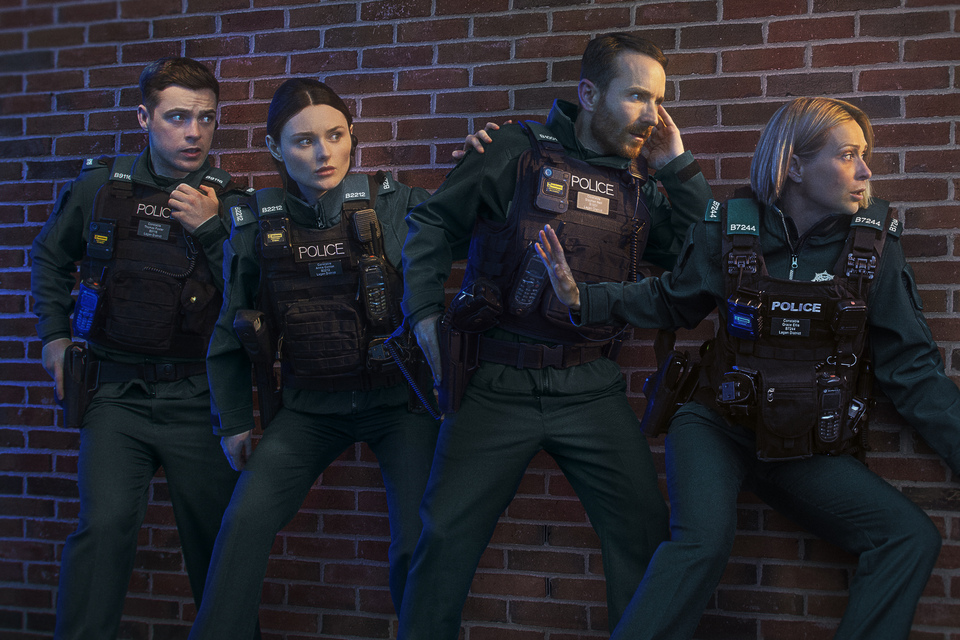
Blue Lights was commissioned as part of the BBC and Northern Ireland Screen partnership. Credit: BBC/Two Cities Television/Matthias Clamer
Section 2: Updating market impact regulation
Context
Across television, radio, streaming and news, there is more choice than ever. This has increased the level of competition faced by all public service media, but particularly the BBC, which has a responsibility to be universal and reach all audiences.
Some of the regulatory conditions the BBC operates under are positive for driving growth in the sector. For example, it is subject to the Terms of Trade regime, which ensures that independent producers retain more of their intellectual property, and profit from it. Similarly, the quota regime for productions across the UK supports the growth of the creative industries outside London and the South East.
These regulatory processes also aim to ensure that the BBC does not cause adverse and unnecessary harm to fair and effective competition, through crowding out other providers or potentially limiting the growth of developing sectors such as the audio sector.
How market impact regulation works
The BBC is currently regulated to ensure that it does not cause adverse impacts on competition when it makes changes to its services. This regulation is enforced by Ofcom, who are responsible for assessing potential changes the BBC makes to its public services to ensure that they will not have unjustified adverse impacts on commercial providers in the sector.
The BBC’s current process for altering its public services involves a regulatory framework designed to prevent undue market distortion. Any proposed material change necessitates a public interest assessment by the BBC, outlining the rationale and potential market impact. Depending on the scale and nature of the change, Ofcom may conduct a formal Competition assessment to ensure the proposals are fair and proportionate, safeguarding a level playing field for other media providers within the UK market.
Case for change
We have heard from both the BBC and wider sector stakeholders that the current market impact regulation process does not work as well as it could. While we fully support the continuation of Ofcom as the BBC’s regulator, some changes to the process are needed to reflect the rapidly changing markets in which the BBC operates.
There is a clear issue in the length of time that it takes for market impact decision-making to happen. From the BBC’s decision to make a change, to the conclusion of Ofcom’s decision on the changes, it can take over a year. The BBC has told us that it believes this time-intensive process hinders its ability to grow and deliver for audiences. This is also an issue for the wider sector, who have to meet Ofcom and the BBC’s evidential requirements and dedicate resources over a number of months. Stakeholders within the radio sector have raised concerns with the Department for Culture, Media and Sport over both the time and financial costs for meeting the evidential requirements, particularly for smaller organisations. It is therefore in the interests of all parties, including audiences, to ensure the process is both cost and time efficient. This allows parties to engage meaningfully in the decision-making process with Ofcom, and for the BBC to make the changes it needs to make in a reasonable timeframe.
Change is also necessary to reflect the fact that the markets in which the BBC operates have also evolved over the last decade. The current regulatory framework was established in a time when the BBC was still operating in generally ‘traditional’ markets and formats. In many of these it often still plays a key role - for example, while its audience share has been falling over time the BBC retained 43% of the traditional radio market share between December 2024 and March 2025.[footnote 95] But audio and visual content consumption have changed fundamentally since 2017 with the BBC increasingly competing with international media organisations with deeper pockets.
The different role the BBC plays in different markets is also relevant here. The growth and maturity of digital radio has enabled commercial radio to develop and grow its revenues. Increased smartphone and online connectivity has supported the emergence of a fast-growing audio sector, with podcasts growing in popularity across all age groups. In this context, the BBC has grown its wider audio offer with the development of BBC Sounds. However, some stakeholders have raised concerns about the role of the BBC in this emerging market, and the degree to which it has affected the ability of audio producers to monetise their content.
Weekly reach of podcasts over time and in selected demographic groups (Q1 2025)
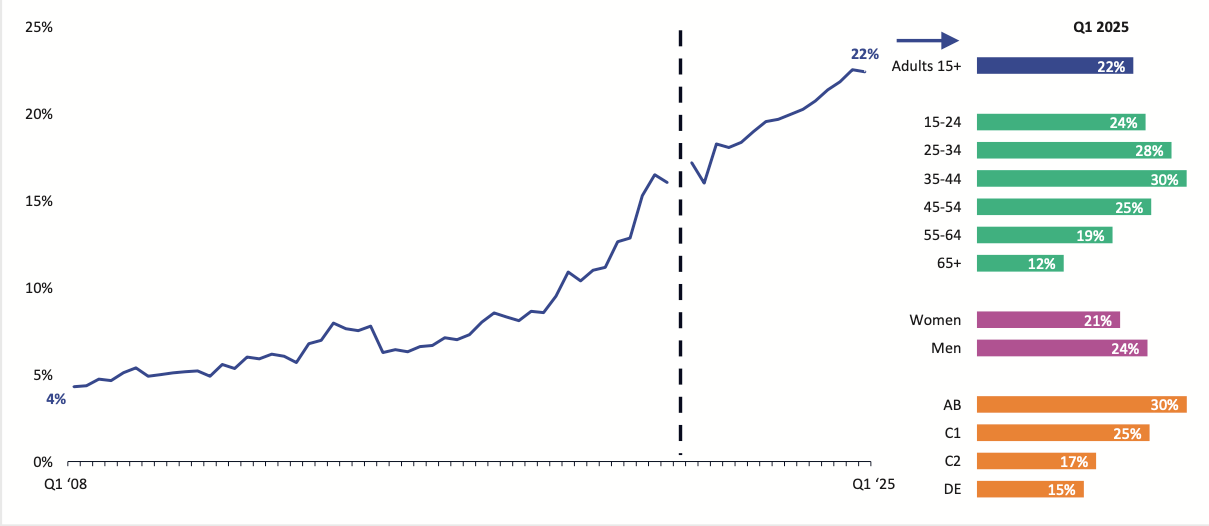
Source: Ofcom Media Nations: UK 2025; RAJAR. Average weekly reach of podcasts among adults aged 15+ each quarter on a 3-month weight. Note: dotted line indicates suspension of fieldwork from the end of Q1 2020 until Q3 2021 due to the COVID-19 lockdowns. This led to subsequent changes in methodology, so comparison with previous quarters should be made with caution.
Ofcom has made some important rulings in the audio space, which clarify the need for the BBC to be sensitive to commercial operators when developing new services in genres that are well served and where, as a result, the BBC’s prospective offer is less distinctive. This includes in April 2025 when it blocked the BBC’s proposals to launch a BBC Radio 2 extension and extend the hours of BBC Radio 5 Sports Extra as it could have had a significant adverse impact on fair and effective competition.[footnote 96] Whilst many in the sector agreed with Ofcom’s decision to block the proposed BBC Radio 2 station, some raised concerns that Ofcom approved the launch of BBC Radio 1 and BBC Radio 3 extensions as national stations.
Given changes to the local media ecosystem in recent years, we must ensure that the BBC works alongside, and does not crowd-out, high quality local media organisations. Its share of online local news audiences across the UK increased from 26% to 37% between 2022 to 2024, perhaps reflecting how rapidly this market is evolving.[footnote 97]
Stakeholders in the news media sector have been clear that they feel that BBC online local news views are displacing commercial online views. While Ofcom have not found substantive evidence to support this, it has noted that increased BBC online local news presence in recent years forms part of the headwinds facing local publishers and that future BBC changes may have a greater impact on commercial audiences.[footnote 98]
Our ambition
In order to remain relevant and universal in today’s media market, BBC regulation should allow it to be a market leader and move fast in order to make changes to its services to ensure continued universality. In line with our wider approach to ensuring regulation supports growth, the government also wants to ensure that regulation of the BBC is streamlined in order to promote growth and investment while reducing administrative costs for business.
This must be balanced against the need to ensure regulation works effectively for the best interests of the media market.
For the BBC to adapt and change, further regulatory freedoms may be required so it can move faster and innovate. However, any increase in freedom should also be tied to public accountability.
The BBC should have adequate regulatory constraints on activity that could harm public outcomes or dominate the market. The government must protect local media and ensure that the BBC thrives as one element of a coherent quality local media ecosystem. It is vital that the plurality of the UK media sector is protected.
Options we are considering
We are exploring a number of options for improving the market impacts regulation process, including:
-
Reducing administrative burdens.
-
Retaining or enhancing measures that protect certain markets from adverse competition impacts.
1. Reducing administrative burdens
To enable the BBC to adapt more swiftly and effectively to changes in a fast moving media market, we are considering options to grant more regulatory flexibility. Any changes would need to be balanced with safeguards to protect sectors where the BBC has a significant share from adverse impacts. Our aim is for a regulatory framework that works for both the BBC, and the wider markets, with the goal of enabling more efficient decision-making and reducing administrative burdens, supporting the BBC to be agile and reach decisions quickly.
Under the current Charter, the BBC is obliged to seek to avoid adverse impacts on competition which are not necessary for the effective fulfilment of the Mission and the promotion of the Public Purposes. It must also have regard to promoting positive impacts on the wider market. We are not intending to remove or lower the bar on these obligations. We also intend to retain Ofcom’s regulatory oversight of the BBC’s market impacts.
However, we will consider how to streamline the process and where regulatory burdens could be reduced. We will use the Charter Review process to examine the market impact regulation process as a whole, including the actions required of both the BBC and Ofcom. Options include:
-
Rebalancing responsibilities between the BBC and Ofcom, with the aim of removing duplication or shortening timelines where possible.
-
Exploring whether more light-touch assessments may be possible in some areas, particularly where the BBC does not play a significant role in particular markets.
-
Setting clearer expectations for transparency and information sharing between parties throughout the competition assessment process.
2. Retaining or enhancing measures that protect certain markets from adverse competition impacts
We know that there are sectors in which the BBC is a dominant player domestically and where its activities may have a significant impact on competition, including radio/audio and news media. The public has a significant interest here as well as industry, as a healthy and varied media ecosystem is vital for providing quality content to audiences and tackling mis and disinformation. We will consider whether the current regulatory regime is adequate for ensuring that the BBC cannot have an unfair impact on other actors in the market. Options include:
- Maintaining or adapting regulatory constraints in areas in which the BBC has the potential to make a particularly significant impact. This should be flexible to potential changes in the markets and the BBC’s role within them throughout the next Charter Period.
Chapter 4: Sustainable and fair funding
Summary
The government wants to ensure the BBC is sustainably funded for decades to come to support its vital public service role. This chapter outlines the challenges facing the BBC’s funding model in the context of changing audience viewing habits. It explores funding models that could provide a sustainable level of funding for the BBC to support it in serving all UK audiences in an increasingly competitive media environment.
The government wants to consider a wide range of options for how we fund the BBC.
Options being considered as part of the Charter Review include:
-
Supporting a more efficient, adaptable BBC that delivers value for money
-
Supporting the BBC to generate more commercial revenue
-
Reforming the process for determining the cost of the licence fee
-
Reforming the licence fee
-
Exploring whether licence fee concessions should be updated
-
Exploring options for fairer collection and enforcement, supported by technology
-
Exploring options for funding the BBC World Service
-
Supporting sustainable funding for minority language broadcasting, including S4C
The Charter Review will also focus on ensuring that the BBC spends its income efficiently to deliver value for money and keep costs down for households. It will explore how we can provide sustainable funding for the BBC World Service and minority language broadcasting, including for the independent Welsh language broadcaster, S4C. It will also consider how we ensure any funding model is collected and enforced fairly.
Key facts
-
The licence fee provided £3.8 billion of funding for the BBC in 2024/25.
-
The number of households with a TV licence has declined from 26.2 million licences in 2017/18 to 23.8 million today.
-
The BBC has made £1.35 billion in savings so far this Charter period.
-
BBC Group commercial income increased from £1.4 billion in 2018/19 to £2.2 billion in 2024/25.
Introduction
As outlined throughout this green paper, the government wants the BBC to continue to be an ambitious and innovative public service media provider. It is important that it can continue to act as a national champion, underpinning the success of the sector by shaping the market, driving economic growth, providing opportunities across the country, and serving audiences. This has never been more vital than it is today, given the economic challenges facing the sector as a whole and the broader challenges facing our society. We increasingly rely on institutions like the BBC to build a country that is wide and inclusive enough to respect and recognise all of us, and civilised enough to embrace difference, debate and dissent without being destroyed by it.
To maintain this vital role over the long term, the BBC requires a sufficient and sustainable level of funding. Today, the BBC receives a level of public funding commensurate with its role, which is rightly far greater than a purely market-failure intervention that only provides content and services the market would not otherwise deliver. In 2024/25, the BBC received £3.8 billion of licence fee revenue. The BBC invests the vast majority of this funding in programming and services, through which it provides high-quality British content that audiences value and trust across TV, radio, and online. This funding is supplemented by a grant-in-aid provided by the government specifically to support the BBC World Service, which totalled £137 million in 2025/26. The commercial arm of the BBC can also provide a dividend to the public service arm of the BBC to top up its funding. BBC Commercial generated revenues of £2.2 billion in 2024/25, providing £161 million to the public service arm.[footnote 99]
The BBC receives the vast majority of its funding from the TV licence, as it has done since 1946. Today, households are required to pay the licence fee, which currently costs £174.50 per year, to watch any live TV or BBC content on BBC iPlayer.
The licence fee has many benefits. It provides the BBC with a substantial and predictable income source to fund important services and output. It is paid directly by the public, with the majority of UK households investing in the BBC. This supports the BBC’s contract with audiences and its accountability to licence fee payers. In return, the BBC provides programming and services that are available to everyone and free at the point of access, as well as investing in the UK’s creative industries. The fact that it is funded by the public, rather than the government, also helps maintain the BBC’s independence. This is further protected by the long-term settlement periods in the Charter, which provide certainty to the BBC.
As a public funding model, the licence fee also aligns with the BBC’s public service Mission, enabling the BBC to invest in content that may not be commercially viable and in a way that seeks to maximise public value to licence fee payers, rather than to seek a more ‘commercial’ type of return. Equally, public funding for the BBC helps the UK maintain a broader thriving media ecosystem. It stimulates domestic Intellectual Property (IP) development and supports original UK IP retention, with BBC content commissioning spend vital to overall creative sector growth. It also ensures the BBC’s public services do not compete directly with commercial providers for commercial revenue.
While these benefits of the licence fee are important, it also has drawbacks. The TV licence is a fee households may be required to pay even if they use little or no BBC services and do not personally value the BBC’s broader societal benefits and impacts. Some therefore view the requirement as unfair and limiting audience choice. In addition, enforcement of the licence fee through household visits is resource intensive and the government also remains concerned about the impact of enforcement action on vulnerable people and the gender disparity in prosecutions for TV licence evasion.[footnote 100]
As a result of these drawbacks, a number of reviews of the licence fee funding model have taken place previously. These have always resulted in the licence fee being retained as the BBC’s primary funding model in the absence of a stronger alternative being identified.
However, despite the material benefits of the licence fee to date, the changing media market and audience viewing habits mean this Charter Review needs once more to consider whether it remains a suitable model. The media environment has changed dramatically and will continue to transform in exciting ways in the years ahead. As set out in previous chapters, audiences now have much greater choice in what media they consume, and how and when they do so. In this environment, where they are now accustomed to accessing advertising or subscription-funded content everywhere, there is a sense among some audiences that the licence fee has become outdated.
These changes are having a direct impact on TV licence uptake. The number of UK households holding a TV licence has fallen by 2.4 million since its peak in 2017/18.[footnote 101] This is partly driven by an increasing number of households declaring they no longer need a TV licence because they do not watch live TV or BBC iPlayer. We expect licence fee uptake to continue to decline as audiences move away from watching traditional broadcast TV, placing increasing pressure on the BBC’s income.
These pressures are also exacerbated by an increasing number of households evading the licence fee, a trend that reduces the BBC’s income and puts evading households at risk of facing prosecution.
In combination with these income-related challenges, the BBC is seeing its costs increase, driven largely by higher production costs and inflation.
In response to similar challenges and market changes, a number of other countries have reformed their public service media funding models in recent years to move away from a licence fee. There have been a range of approaches taken, which reflect the circumstances and objectives of different countries.
Our policy focus to deliver sustainable and fair funding
As part of the Charter Review and in line with our commitment in the government’s Creative Industries Sector Plan, we will look at how we can fund the BBC sustainably, so that it can deliver for all of us, drive the growth of the creative industries, nurture talent, create jobs and invest across the whole of the UK. Delivering for all of us also means binding us together and helping us to understand one another. The BBC must continue to be a beacon shining at home and across the world against populism, fear and division. With this in mind, we want to ensure the BBC’s funding model supports the BBC’s international activity, including the BBC World Service. We also intend to make sure that S4C and minority language broadcasting continue to be sustainably funded so that the rich linguistic heritage of our communities can continue to thrive and grow.
Under any model, the BBC is expected to take seriously the investment households are making in it, spending its income in a way that maximises the public benefit. We will seek to ensure that the cost to the public is as low as possible by examining how efficiently the BBC is operating, and whether the services it provides and the way they are delivered should be revised. This is an important part of ensuring good value for money and the effective spending of public funding, so that the public investment is as affordable as possible while still enabling the BBC to provide high-quality services in a competitive market.
We think there is scope for the BBC to further increase its commercial revenue, building on the significant growth it has captured since 2018. We are considering a range of options with increasing ambition. On the more fundamental options of advertising and subscription, we are considering options ranging from targeted advertisements on bbc.co.uk or YouTube, to full advertising across all BBC platforms. We are also considering a targeted top-up subscription service for historic BBC content, increasing to a more expansive subscription service where commercial programmes are behind a paywall. These options could further supplement BBC public funding to facilitate greater investment in content and/or enable the cost of the licence fee for households to be managed.
We will consider options for reforming the licence fee to improve its sustainability, and any future model should be designed in a way that is fair to audiences, minimises cost of living pressures, and retains audience trust in the BBC by protecting its independence from the government and delivering against public accountability objectives. We understand that ensuring the licence fee is affordable is important for householders. This will take into consideration how funding is collected and enforced, which must be effective but proportionate. We will also consider whether licence fee concessions should be updated and whether there could be further targeted interventions to support household budgets. Our work may involve substantial changes or more minor reforms to support households while ensuring BBC’s long-term sustainability.
Section 1: Sustainable and fair funding
Context
The current licence fee is tied to watching live TV (on the BBC or through any other provider) and BBC content on the BBC iPlayer. Licence fee uptake remains high, with around 23.7 million UK households holding a TV licence in 2024/25.
However, the number of licences in force has fallen every year since 2017/18. This is likely to be driven by changing audiences viewing habits. Viewing of broadcast content on TV sets has fallen by 21% since 2019 and linear viewing now only accounts for half of all in-home viewing.[footnote 102] Despite BBC iPlayer seeing record growth in recent years, it still only represents 22% of BBC viewing and does not offset shrinking broadcast audiences.
TV Licencing data shows a clear decline in licence fee uptake over the past decade. Licence fee sales have fallen by around 8.3% between 2014/15 and 2024/25, equivalent to roughly 2.1 million fewer sales.[footnote 103] These figures signal a consistent downward trend in household uptake rather than a one-off fluctuation.
At the same time the commercial income of the BBC Group has increased significantly from £1.4 billion in 2018/19 to £2.2 billion in 2024/25. Recent successes such as Britbox International indicate that this trend is likely to continue in future years.
Case for change
The licence fee funding model still has many benefits. However, uptake has been on a clear downward trend, and if that pattern continues and the current model remains in place without reform, the BBC’s licence fee income will erode over time. This could lead to a BBC that is less well funded to fulfil its role and deliver content for audiences and broader positive impacts for the UK.[footnote 104] It may also require a smaller remit for our national broadcaster.
With the wide benefits it generates, we do not believe a smaller BBC is in the UK’s interest. The government believes that the BBC needs sufficient, sustainable funding to enable it to continue to deliver its public service role and meet the objectives the government has outlined throughout this paper. We are therefore consulting on a wide range of options for future-proofing the BBC’s funding model, including reforming the licence fee, and increasing the BBC’s ability to generate commercial revenue. Under any model, we will review how the BBC can operate more efficiently and make further savings.
The government is also considering the most appropriate arrangements for providing sustainable funding for the BBC World Service, S4C (the independent Welsh language broadcaster), and other minority language broadcasting.
Additionally, we will consider whether the current process through which the government determines the level of public income the BBC receives (currently by setting the cost of a TV licence) is the right one. We will need to strike the appropriate balance between ensuring the BBC’s independence and enabling sufficient levels of oversight of public money. It would not be appropriate to set out a proposed level of funding for the BBC ahead of consulting on what its role looks like over the next Charter period. We will set out a position on this in due course.
Our ambition
To support the BBC to thrive and deliver against its public service objectives and to enable it to uphold a fair and good value contract with the public, a more sustainable funding model is needed. There are a number of principles that we believe any approach should follow:
-
Ensuring costs are kept as low as possible for households to support with cost of living, while ensuring the BBC has sufficient and necessary resources.
-
Delivering a funding model that supports the BBC’s public service remit and its objective to provide universal services in a way that is sustainable for the long term.
-
Ensuring that any future funding mechanism upholds the BBC’s independence so that it can maintain trust.
-
Ensuring the BBC’s funding model enables its crucial role in driving the growth of the Creative Industries in the UK and supporting minority language broadcasting, including providing a sustainable funding model for S4C.
-
Recognising the value of a sustainably resourced BBC World Service that provides trusted news and projects our democratic values internationally.
-
Ensuring BBC funding is collected and enforced in an effective but proportionate way.
Options we are considering
The government is keeping an open mind about the future of BBC funding and we have not yet identified a preferred model. We are therefore consulting on a number of options to help determine the optimal approach. The funding options being considered must deliver the ambition and principles set out above. The options we are looking at are:
-
Supporting a more efficient, adaptable BBC that delivers value for money
-
Supporting the BBC to generate more commercial revenue
-
Reforming the process for determining the cost of the licence fee
-
Reforming the licence fee
-
Exploring whether licence fee concessions should be updated
-
Exploring options for fairer collection and enforcement, supported by technology
-
Exploring options for funding the BBC World Service
-
Supporting sustainable funding for minority language broadcasting, including S4C
1. Supporting a more efficient, adaptable BBC that delivers value for money
The government wants to ensure we are supporting and driving the BBC to operate as efficiently as possible, to maximise the public benefit of its spending decisions and keep costs as low as possible for the public.
Under the current Charter, the BBC Board is responsible for ensuring that the BBC spends its income efficiently and provides good value for money. The National Audit Office scrutinises BBC finances and carries out Value for Money assessments as its external financial auditor. Parliament also plays an important role in holding the BBC to account on its spending decisions. In addition, the BBC is required to publish a range of information that helps the public understand where their licence fee goes.
The BBC has made progress in delivering savings and efficiencies in this Charter Period. In 2022, the BBC announced a £500 million savings and reinvestment plan, which deprioritised some areas of spend in order to focus on activities that deliver the best value for money for audiences. It has subsequently increased this target to £700 million by 2027/28.
As part of the Charter Review we will work with the BBC to assess whether it is operating as efficiently as possible, and the potential for it to deliver further savings and efficiencies over the coming years. To ensure it is being as ambitious as it can be, we also intend to determine an efficiency and savings target with the BBC ahead of the next Charter Period. We will ensure there is an appropriate level of oversight and transparency of the BBC’s progress to give the public confidence that their investment is justified and balanced by ongoing, ambitious efficiency programmes.
2. Supporting the BBC to generate more commercial revenue
The government wants to explore a range of options to support the BBC to generate more commercial revenue. Given the challenges the licence fee faces to its sustainability, and the pressures on household finances, we are keeping an open mind about the potential options for a more commercial BBC, including more radical approaches.
A more commercial funding model could help support the BBC’s sustainability over the long-term, while reducing the burden on households. However, this needs to be balanced against the importance of ensuring the BBC continues to deliver its public service role, including the provision of content that would be unlikely to be commercially viable such as local news and radio, children’s TV, the BBC World Service, BBC Monitoring, and a number of other areas.
We recognise that moving to a more commercial model could have significant impacts on the BBC, audiences, competitors, and the wider sector. We want to better understand stakeholder views on the options as part of this consultation, and are open to considering new approaches and opportunities for the BBC to generate income. As we progress our thinking we will also need to consider the competition impacts of different options and their compliance with the UK subsidy control regime.
a) Growing BBC Studios
The BBC Group currently generates commercial revenue through its commercial subsidiaries, the largest being BBC Studios. BBC Studios produces content for the BBC’s public service arm as well as other broadcasters and streaming services, driving growth through investing in Intellectual Property (IP) production across the UK. It sells content rights for programmes - this is how popular BBC-produced programmes like Killing Eve and Planet Earth become available on streaming platforms - and also provides services directly to domestic audiences, such as UKTV channels and the U online streaming platform.
The BBC’s commercial activities play an important part in supporting the BBC’s role. They generate commercial revenue, through which they pay an annual cash dividend from the commercial arm to the public service arm of the BBC. This dividend, which has averaged around £120 million annually over the past five years, tops up licence fee funding and provides the BBC with more money to invest in its public services for UK audiences.
BBC Studios also plays an important role for the UK internationally and was the largest UK exporter of TV content in 2022/23, helping British content reach international audiences.[footnote 105] It also provides a range of BBC content and services abroad directly, such as Britbox International and the bbc.com website. Through showcasing engaging British content abroad, BBC Studios helps promote British values, soft power, positive perceptions of the UK, and the likeliness that people will invest in the UK. It contributes to the BBC reaching 453 million people globally each week and helps supplement the vital work of the BBC World Service in providing trusted and truthful news internationally.
As part of the Charter Review, the government will explore how we can support the BBC to continue to drive ambitious growth of BBC Studios, including through its existing activities which already generate around £2 billion of commercial income annually. Growing this figure will help increase the dividend it pays to its public service arm, while also enabling BBC Studios to invest more in the UK’s creative industries and reach more people globally with British content. We want the BBC to continue to be ambitious in driving commercial growth where it already has the regulatory flexibility to do so. We also want to explore the potential for greater strategic alignment and closer collaboration between the BBC’s public service and commercial arms and activities, to support the BBC operate efficiently and effectively across the BBC Group. This may require changes to the way Ofcom regulates the BBC, such as amending the trading and separation requirements put in place between the public service and commercial arms. We will also review the BBC Commercial arm’s borrowing limit, which could allow it greater access to capital to invest in driving its growth.
b). Supporting the BBC to explore new opportunities to generate commercial revenue
We want to work with the BBC to explore its potential to generate more commercial revenue, including through new opportunities that arise. There are a range of options we could consider, which could include:
-
More ambitious partnerships: Chapter 3 sets out our ambition for greater collaboration between the BBC and its counterparts to support the public service media ecosystem. We want to explore the potential for the BBC to pursue stronger partnerships with other media providers, which can help to create a more collaborative sector that can better serve audiences across the country while also potentially delivering efficiency savings or greater commercial returns for the BBC. Ofcom’s report on the future of public service media noted the importance of public service media providers investing in technology as well as content to attract UK audiences, and the challenges they face around technology investment because they lack the global scale of leading streamers.
-
Partnerships on AI: In recent years there have been a number of licensing agreements announced between publishers and AI companies. The BBC holds content that could be used to train AI, including its archive. We want to work with the BBC to explore potential revenue raising opportunities here and whether these align with the BBC’s public service remit.
-
Generating revenue through third-party platforms: Video sharing platforms such as YouTube have grown significantly since the beginning of the current Charter period and they increasingly provide TV-like content. We want to explore the potential for the BBC to generate more revenue through putting content on third party platforms. For example, the BBC could make more of its content available on third party video sharing platforms such as YouTube. This would also enable the BBC to increase its audience reach, placing more content where new audiences, particularly younger audiences, are likely to find it. This could include licence fee-funded content being placed on YouTube or other third-party platforms.
As part of the Charter Review we will consider whether the BBC may require more flexibility in its regulation to allow it to pursue these kinds of opportunities. We will work with Ofcom to assess how the BBC’s regulation may need to be amended and where these changes would require regulatory approval.
c) Enabling the BBC to carry advertising on its public services
We are exploring more ambitious commercial options for the BBC, including the introduction of advertising on its public services. Traditionally, the BBC has not carried advertisements, as its ability to act commercially is currently limited. The current Charter, Framework Agreement and Ofcom regulation place a number of restrictions on the BBC to promote a range of objectives, such as ensuring that the BBC promotes fair competition and that its public service output is provided in the public interest rather than for commercial objectives. This means that currently BBC public service broadcasting (PSB) must not directly undertake any commercial activities such as carrying advertising.
The BBC could potentially generate significant revenue from carrying advertising on its public services, while continuing to make them universally available. This funding model supports other public service media providers such as ITV, Channel 4, and Channel 5.
There are a range of approaches we will explore here, including:
-
Allowing the BBC to carry limited advertising on its online platforms where advertising revenues are growing. For example, the BBC could be allowed to carry advertising on certain parts of bbc.co.uk, such as entertainment and sport pages, or on older BBC iPlayer and BBC Sounds content (e.g. after a certain time period such as one year). This approach would seek to minimise potential market impacts on competitors, with no advertising on linear services and limited advertising on online services. As the online advertising market is growing rapidly and these markets are more global in nature, we would need to fully assess the market impacts on domestic competitors as these are less definitive.
-
Allowing the BBC to carry advertising on all of its services. This approach would generate the most revenue, however we are aware that there would likely be significant negative impacts on the BBC’s competitors which could impact the strength of the UK’s wider media ecosystem. There would be particular risks for commercial public service media, TV, and radio providers. This is because of existing pressures on the linear broadcasting advertising markets and the likelihood of the BBC absorbing advertising revenue from competitors.
The additional revenue from advertising could support the BBC to provide better services or be used to reduce the burden on households funding the BBC. If the government adopted an option that enabled the BBC to generate significant revenue from advertising, this would likely be accompanied by a reduction in the cost of the licence fee. The BBC’s remaining licence fee funding would be expected to be spent primarily on output and activities that are less commercially viable.
However, we recognise the broadcasting advertising market faces wider challenges. Total TV revenue (linear and broadcaster video on demand (BVoD)) for all commercial broadcasters fell from £5.1 billion in 2018 to £4.9 billion in 2023 (a 3.9% t decline in nominal terms)[footnote 106] and linear advertising spend fell by 20% in nominal terms. Additionally, there is a significant risk to the broader UK media ecosystem of the BBC’s entry to the linear and non-linear TV advertising market. The associated decrease in the price of TV advertising as a result of their entry could result in the cannibalisation of key TV advertising revenue streams for other public service media providers, potentially jeopardising their financial viability.
We acknowledge that this would represent a significant shift for both the sector and the BBC, as well as for audience experiences. Therefore, we aim to better understand the potential impacts before making any final decision.
d) Moving to a top-up subscription model where some BBC TV content is placed behind a paywall and commercially funded
We want to explore whether the BBC could introduce a top-up subscription service for some content on BBC iPlayer, including whether this could be an effective way for the BBC to generate more commercial revenue and how it might impact the BBC’s role and audience engagement.
There are a number of approaches we will explore here, which could include:
-
The BBC placing older content behind a top-up subscription paywall on iPlayer after it has been available for a certain time period. This approach would see all of the BBC’s content remaining universally available for a certain amount of time. The BBC could then monetise older content, such as its archive or content more than a year old on its public service platforms where it holds the necessary rights. This top-up offer could also include advertising.
-
Changing the BBC’s remit so that it offers a smaller range of licence fee-funded content on a universal basis on live TV and BBC iPlayer, with some TV content and genres moved to a subscription model. Content that remained universally available could include genres such as news, current affairs, factual, and children’s TV. More commercially viable TV content could be provided on a fully commercial basis if the BBC chose to do so, funded by subscription and/or advertising. This model would significantly change the BBC’s role in serving all UK audiences with a broad range of universally available content. There would also be challenges in determining which content is licence fee funded and which is not - for example, whether British dramas like Waterloo Road or major sporting events involving the home nations should be offered as public service or paywalled output. However, it could be accompanied by a reduction in the level of the licence fee to reflect the BBC’s narrower TV remit, reducing cost pressures on households. It would require further consideration of which genres should continue to be offered on a universal basis. We would also need to consider the appropriate timing of any transition to this model, as many households continue to rely on live broadcast TV.
3. Reforming the process for determining the cost of the licence fee
We are considering options to reform the licence fee funding settlements process, which is how the cost of the licence fee is determined.
Under the current Charter, the government determines the cost of the licence fee through settlement decisions which last for a five to six year period. We continue to support multi-year funding settlements decided by the government to provide the BBC with certainty, but are considering how the decision making process could be reformed to increase transparency and support the BBC’s independence. This could involve providing more detail in the Framework Agreement on the process and the information the BBC is expected to provide to support an assessment of its funding needs. The details the BBC is asked to provide might include evidence of its operational efficiency and the potential for savings, including progress against any targets.
4. Reforming the licence fee
In addition to BBC saving and efficiency programmes, we also want to explore wider reforms that could help address the funding challenges the BBC faces. We have not ruled out keeping the current licence fee in place with its current structure. However, given the sustainability challenges it is facing, we are also reviewing the scope of services for which the licence fee is required and considering differential rates for specific types of users, to make it more sustainable for the long-term, along with increasing commercial revenue to ease the burden on the public. This would aim to reverse the trend of fewer households paying every year and declining overall income, which risks the BBC declining if it is not addressed. Any reform of the licence fee must be proportionate and reflect the cost-of-living burden on the public.
As the licence fee is a tried and tested public funding model, we are not considering replacing it with alternative forms of public funding, such as a new tax on households, funding through general taxation, or introducing a levy on the revenues of streaming services to fund the BBC.
Since the first television licence was introduced, it has been adapted a number of times to make sure it reflects changes in technology and audience viewing habits. For example, the introduction of the colour TV supplement in 1968 and the inclusion of BBC iPlayer within scope in 2016. The licence fee could be reformed again to future proof the model for the modern media environment.
We will consider the potential for reforming the licence fee alongside broader reform options, as set out throughout this chapter, which could support households with the cost of living. This will include looking at options to support the BBC to generate more commercial revenue and operate more efficiently to provide a sustainable long-term funding model for the BBC at the lowest possible cost for households.
At this stage the government is keeping an open mind on activities/services for which households could be required to hold a TV licence. We are seeking to understand the public’s views on the principle of reforming the licence fee, including how those views might be impacted were the cost of the licence fee to chanage and/or the role and scale of the BBC was altered.
5. Exploring whether licence fee concessions should be updated
As we consider the future of the BBC’s funding model, we must consider how it will impact different household budgets. A funding system that better accounts for different household situations could help alleviate concerns relating to enforcement by reducing the risk that households are unlicensed because they are facing difficulties with affording the fee.
Under the current model, there are already measures in place that try to ease pressure on households. TV Licence concessions are available to people who are registered blind or severely sight impaired, people over 75 and in receipt of pension credit, and people living in qualifying residential care who are disabled or over 60 years old. The Simple Payment Plan was also introduced, which supports those facing financial hardship to spread the cost of their TV licence. Of the approximately 287,000 households supported by the Simple Payment Plan, 53% do not keep up with their payments.[footnote 107] This may indicate that some households struggle to pay the fee, even with a more flexible payment option.
Internationally, several of the models chosen to replace the licence fee for funding public service broadcasters account for household or individual income. In Germany, for example, concessions are available to individuals who receive social benefits and to some students and people undertaking vocational training.
As part of the Charter Review we will consider whether current concessions could be improved, including the Accommodation for Residential Care concession. We will also consider whether there is potential for further targeted interventions, such as new concessions or payment schedules. Any new interventions should be targeted at those households that are most likely to face financial pressure and therefore challenges with the affordability of the licence fee. This work will also need to take into account how any new interventions could impact the BBC’s licence fee revenue, with the potential for substantial new concessions limited by the funding pressures the BBC already faces. We do not plan to remove any existing concessions or revisit the decision on over-75s licences, as the BBC provides a concession for over-75s on pension credit which targets those most in need of support. Any new interventions may require legislation.
6. Exploring options for fairer licence fee collection and enforcement, supported by technology
The BBC is legally responsible for ensuring that all households are properly licensed and the government expects the BBC to collect and enforce the licence fee in a way that is efficient, fair and proportionate. The vast majority of households that should have a TV licence do have one. However, the number of households requiring a licence but not holding one has risen from around 6% in 2015 to over 12% today.[footnote 108] This reduces the BBC’s public income level and puts evading households at risk of facing criminal enforcement action.
Enforcement of the TV licence by criminal sanctions has been the subject of much debate and has been considered in detail by both the TV Licence Enforcement Review, conducted by David Perry QC in 2015, and the 2020 DCMS-led consultation on decriminalising TV licence evasion.
The principal recommendation of the Perry Review was that the criminal enforcement system should be kept, at least while the current licence fee collection system is in place.[footnote 109] The DCMS consultation, which received 154,000 responses, demonstrated public concerns around the stress and anxiety that a criminal enforcement system can invoke. However, it also found that any alternative enforcement systems could have wide-ranging impacts for licence fee payers, including the potential for significantly higher fines for evaders and for vulnerable people to be impacted by the use of bailiffs.[footnote 110]
While it has been found that societal factors beyond TV Licensing’s control are key drivers of the gender disparity, it is an ongoing concern for the government that around 75% of prosecutions for TV licence evasion are against women. We also remain concerned about the impacts on vulnerable people.[footnote 111]
At the same time, evasion rates are rising and the government believes that it is important that the BBC has the right tools to effectively carry out its statutory collection and enforcement duties.[footnote 112]
The government will consider how compliance can be promoted and how the enforcement challenges associated with the current model could be addressed. This will include exploring whether the current negative impacts of enforcement action could be further reduced. This would be in the context of any potential wider justice reforms that may follow the Ministry of Justice’s March 2025 consultation on the oversight and regulation of private prosecutors on safeguards to justice in the Single Justice Procedure (which TV Licensing uses for most prosecutions for TV licence evasion).[footnote 113]
As audiences move to more varied sources of live television, there will be challenges to assessing whether licensable activities are being carried out by a given household - and households may also be finding it more complex to determine whether or not they require a TV licence. We want to explore the potential for the BBC to make greater use of technology to understand which households require a licence. This includes considering whether the BBC could improve compliance by requiring audiences to verify that they hold a TV licence to access BBC online services such as BBC iPlayer. This would need to be balanced against the risk of creating barriers for use for people with lower levels of digital skills.
7. Exploring options for funding the BBC World Service
The government highly values the BBC World Service, which remains the world’s most trusted international news service and shapes the global information environment through its role as a provider of impartial, accurate news. Through high-quality and investigative journalism, it exposes and debunks the misinformation, disinformation and harmful narratives that malign actors, hostile states and others produce internationally. It enables populations to stay informed, particularly in places of low/no media freedom, and plays a vital role as a UK soft power asset promoting British values abroad.
Before 2014, the government funded the BBC World Service directly through grant-in-aid. As part of the 2010 Licence Fee Settlement, it was agreed that the BBC World Service would be wholly funded through the licence fee from April 2014 to 2016. Since 2016, it has been funded through a mix of grant funding from the Foreign, Commonwealth and Development Office (FCDO) and the licence fee. The BBC World Service was awarded an uplift of 31% for financial year 2025/26, taking the FCDO grant total to £137 million.
The BBC and others have called for the BBC World Service to return to being fully funded by the government. However, there are different views on this matter and the current fiscal situation is also extremely challenging. The reduction of UK Official Development Assistance (ODA) from 0.5% of Gross National Income (GNI) to 0.3% in 2027, which enables more spending on defence in recognition of increasing threats faced by the UK, has also had an impact.
Our ambition is to establish a long-term sustainable funding model that provides predictable and stable funding for the BBC World Service. We will review the funding models for the BBC’s international work alongside our consideration of funding options for the BBC as a whole. We will explore bespoke funding arrangements that provide for multi-year budgets for the BBC World Service in recognition of its unique role. As part of this, we will work with the BBC to understand the impacts of rolling out a subscription paywall for regular users of the BBC.com website in the US and the viability of expanding this model to other countries. We will also work with the BBC to look at wider international commercial opportunities.
8. Supporting sustainable funding for minority language broadcasting, including S4C
The BBC plays a crucial role in supporting the various native languages across the British Isles. The government recognises the valuable contribution that providers of minority language broadcasting have in our society and the preservation of our national heritage. Sustainable funding is crucial to ensuring that the BBC can continue its support of minority language speakers.
The provision of minority language broadcasting more generally will also continue to be an important part of the government’s thinking on BBC future funding. In particular, the Welsh language broadcaster S4C has received all of its public funding from the licence fee since April 2022. This funding is distributed to S4C by the BBC under the BBC Framework Agreement. As a result, S4C is receiving £97.6 million of licence fee income in 2025/26. S4C’s licence fee income will rise in line with CPI inflation annually until the end of this Charter period. S4C’s partnership with the BBC spans areas including programme supply, co-production, creative collaboration, technology and platforms, and funding.
Support for minority language broadcasting has boosted the independent production sector and creative economies across the nations. In Wales, S4C’s economic contribution has resulted in 2,500 jobs and generated £150 million for the Welsh economy. For every £1 of licence fee funding S4C receives, £1.03 is generated in tax for the Treasury, demonstrating the return on investment that public funding for minority language broadcasting provides.[footnote 114]
Against this background, the government will consider the impacts of BBC future funding options on the Welsh broadcaster as part of our decision making. The Communications Act 2003 already requires the Secretary of State to ensure sufficient funding for S4C and the government will continue its commitment to this as a clear recognition of the importance of Welsh broadcasting. As part of the Charter Review, we will be engaging with S4C to understand its funding needs over the coming Charter period.
MG ALBA, which co-funds BBC ALBA content along with the BBC, also plays an important role in the provision of minority language broadcasting by working with the BBC and other partners to ensure audiences have access to high-quality content in Gaelic. We will consider options for providing MG ALBA with more certainty over its funding as part of the Charter Review.
Consultation questions
Introduction: The BBC’s Mission and Public Purposes
Question 1. Do you agree or disagree that the BBC’s current Mission and Public Purposes should remain the same?
-
Agree - The BBC’s Mission and Public Purposes should remain the same
-
Disagree - The BBC’s Mission and Public Purposes should change
-
Unsure or no opinion
Question 2. To what extent do you agree or disagree that the BBC should have a specific Public Purpose to support economic growth?
-
Strongly agree - A Public Purpose aiming to support the growth of the creative economy should definitely be added.
-
Agree - A Public Purpose aiming to support the growth of the creative economy should probably be added.
-
Neither agree nor disagree - No opinion either way.
-
Disagree - A Public Purpose aiming to support the growth of the creative economy should probably not be added.
-
Strongly disagree - A Public Purpose aiming to support the growth of the creative economy should definitely not be added.
-
Unsure
Question 3. Which option, if any, most closely represents your feelings on whether the BBC should continue to provide a wide range of content and services that represent all audiences in a way that brings communities together, supports social cohesion, and helps build a unifying national story throughout the next Charter period?
-
The BBC should do more to represent all audiences. The BBC should provide more content and services aiming to represent all audiences.
-
The BBC is doing the right amount to represent all audiences. Currently, enough is being done to ensure all audiences are represented. The BBC should continue to provide content and services aiming to represent all audiences.
-
The BBC is not doing enough to represent all audiences, but no further action should be taken. Currently, not enough is being done to ensure all audiences are represented. However, there are other areas the BBC should focus on instead of providing more content and services aiming to represent all audiences.
-
The BBC does too much to represent all audiences. The BBC should provide less content and fewer services aiming to represent all audiences.
-
No opinion either way
-
Unsure
Question 4. If you agree that the BBC should continue or do more to play this role, what options aiming to improve how the BBC reflects and represents all audiences do you support, if any? (Please select all that apply)
-
Producing more content that is distinctive to the UK
-
Covering genres which are less covered by other broadcasters e.g. arts, minority language broadcasting
-
Producing more content that brings people together around shared moments
-
Sharing diverse voices and perspectives from all parts of the UK
-
Improving on and off screen diversity
-
Other, please specify [Free text box; 50 words]
-
No changes are necessary
-
Unsure or no opinion
Chapter 1: A trusted institution
Question 5. To what extent do you agree or disagree that new requirements on the BBC should be introduced so that the BBC does more to improve workplace standards?
-
Strongly agree - New requirements on the BBC to improve workplace standards should definitely be introduced.
-
Agree - New requirements on the BBC to improve workplace standards should probably be introduced.
-
Neither agree nor disagree - No opinion either way.
-
Disagree - New requirements on the BBC to improve workplace standards should probably not be introduced.
-
Strongly disagree - New requirements on the BBC to improve workplace standards should definitely not be introduced.
-
Unsure
Question 6. How, if at all, does the amount those working for the BBC are paid impact your view of the BBC? When responding, you may wish to consider how much it impacts your trust in the BBC’s outputs and whether it affects how much you engage with BBC services. [200 word open box]
Question 7. To what extent do you agree or disagree that the BBC is currently accountable to the public?
-
Strongly agree - The BBC is almost always accountable to the public.
-
Agree - The BBC is mostly accountable to the public.
-
Neither agree nor disagree - No opinion either way.
-
Disagree - The BBC is rarely accountable to the public.
-
Strongly disagree - The BBC is almost never accountable to the public.
-
Unsure
Question 8. Which of the following options aiming to enhance the BBC’s accountability, if any, do you support? (Please select all that apply)
-
Requiring the BBC to use consultative forums, such as citizens’ assemblies, so that decision-making represents the publics’ views and voices
-
Requiring the BBC to hear regional perspectives through new consultative frameworks or other structures, representing each of the UK’s nations and/or regions
-
Enhancing how the BBC conducts audience research to help inform decision making
-
Strengthening requirements of the Board to ensure the BBC engages with the public in a meaningful way
-
Changing the structure of the Board to enhance its effectiveness and accountability
-
Changing the Board’s appointment process, this could include reducing the government’s role in board appointments to appointing the Chair only
-
Clarifying the roles and responsibilities of board members, this could include setting out duties for the Chair
-
Enhancing the role of the independent board members and their ability to hold the BBC to account
-
Strengthening the external scrutiny of the BBC, this could include, for example, greater oversight by Ofcom or Parliament
-
Other (please specify) [free text]
-
No changes are necessary
-
Unsure or no opinion
Question 9. The government is considering targeted changes to increase transparency in the BBC to enhance BBC accountability over the next Charter period. Which options, if any, do you support? (Please select all that apply)
-
Improving the way the BBC communicates important information so it is clear, concise and able to be understood by everyone
-
Requiring the BBC to communicate important information better to industry stakeholders, particularly to other UK broadcasters
-
Requiring the BBC to communicate more information about its complaints process, particularly to those who submit complaints
-
Requiring the BBC to communicate more information about the process for selecting which programmes should be made and broadcast
-
Requiring the BBC to communicate more information about its editorial decisions
-
Other, please specify [free text limited to 200 words]
-
No changes are necessary
-
Unsure or no opinion
Question 10. Why, if at all, does the BBC’s independence matter to you? (Please select all that apply)
-
It allows the BBC to be free from government or political influence in the content it releases
-
It allows the BBC to be impartial when reporting on elections, government policies, and political parties
-
It allows the BBC to hold government to account and/or be critical of government
-
It allows the BBC to be editorially independent and make the final call on what stories to cover and how to cover them
-
It allows the BBC to pursue its own agenda, without interference, so it can provide content that serves audiences across the UK
-
Other, please specify [Free text]
-
The BBC’s independence does not matter to me
-
Unsure or no opinion
Question 11. What measures to increase the BBC’s independence from government, if any, should be prioritised to support greater trust in, and engagement with, the BBC? In your response you may wish to explain your reasoning and provide relevant evidence.
-
[free text limited to 200 words]
-
Unsure or no opinion
Chapter 2: Delivering services for the public good
Question 12. What, if anything, should the BBC focus on to ensure AI is used for the public good, and for the benefit of the wider creative industries? Please select all that apply.
-
Transparently explaining its own use of AI, for example, in the creation of content and services
-
Having new requirements (for example, transparency obligations), to set the ethical standards for AI’s use in public service media organisations
-
Teaching audiences how to recognise where AI has been used, and to critically assess the reliability of information and content
-
Helping audiences to use AI themselves, for example, teaching them basic prompting skills
-
Find innovative uses of AI to drive efficiencies within the BBC and in the wider media sector
-
Act as a bridge between AI companies and smaller public service media who have less time and money to negotiate, helping to support wider collaboration
-
Other, please specify [free text limited to 200 words]
-
The new Charter should not introduce obligations around AI for the BBC
-
Unsure or no opinion
Question 13. What kind of programming, if any, do you think the BBC should make more visible on its platforms? (Please select all that apply)
-
News and current affairs programming
-
Arts, religious and international affairs programming (sometimes referred to as ‘underserved’ genres)
-
Children’s and educational programming
-
Programming showing different voices and perspectives from across the UK
-
Locally relevant programming
-
Other, please specify [free text limited to 200 words]
-
The new Charter should not require the BBC to make specific types of programmes more visible
-
Unsure or no opinion
Question 14. To what extent do you agree or disagree that the BBC should make greater use of third party platforms to share its content?
-
Strongly agree - The BBC should definitely make greater use of third party platforms to share its content
-
Agree - The BBC should probably make greater use of third party platforms to share its content
-
Neither agree nor disagree - No opinion either way
-
Disagree - The BBC should not make greater use of third party platforms to share its content
-
Strongly disagree - The BBC should definitely not make greater use of third party platforms to share its content
-
Unsure
Question 15. Reflecting on your response above, please explain why you agree or disagree that the BBC should make greater use of third party platforms to share its content. Please provide relevant evidence, where possible.
- [free text limited to 200 words]
Question 16. What, if anything, do you believe would improve the value and relevance of BBC news and current affairs to you? This includes all BBC news and current affairs content, including its TV, radio and online news services, and local, national and international news outputs.
-
A renewed focus on accuracy and impartiality
-
More clearly marking when content is news versus where it is opinion
-
Robust and transparent editorial guidelines applied consistently
-
Greater explanation of the editorial and journalistic decisions taken when reporting the news
-
Greater transparency when mistakes and errors are made
-
More effort to be made in taking into account the public’s views in its news coverage
-
Reporting more news stories which are local to you
-
Reporting more international news stories
-
Highlighting stories which are not reported by other outlets
-
Other, please specify [free text limited to 200 words]
-
No changes are necessary
-
Unsure or no opinion
Question 17. Thinking about the next Charter period, what role, if any, do you think the BBC should have in ensuring UK citizens can recognise and access trusted and accurate information? Please provide any relevant evidence to support your response.
- [200 word text box]
Question 18. The BBC’s international output showcases the UK, its culture and its values to a global audience. This includes the BBC World Service, which seeks to provide access to trusted news around the world in an increasingly challenging international environment. To what extent do you agree it is important that the BBC continues to perform these roles internationally?
-
Strongly agree - The BBC must continue to provide this role internationally.
-
Agree - The BBC should continue to provide this role internationally.
-
Neither agree nor disagree - No opinion either way.
-
Disagree - The BBC should not continue to provide this role internationally.
-
Strongly Disagree - The BBC must not continue to provide this role internationally.
-
Unsure
Chapter 3: Driving growth across the UK
Question 19. What, if anything, do you value about the BBC being UK-wide? (Please select all that apply)
-
Bringing people together from different communities across the UK, including its nations and regions
-
Representing people from across the UK
-
Telling local stories to a national audience
-
Providing local news and information
-
Money spent in local areas
-
Stimulating local creative clusters (e.g. MediaCity in Greater Manchester, BBC’s new headquarters in the West Midlands), including through supporting the independent production sector.
-
Jobs and skills development for local people
-
Other, please specify [free text limited to 200 words]
-
None of the above
-
Unsure
Question 20. (1) To what extent do you agree or disagree that the BBC should be required to spread more of its spending, activities, and decision-making across nations and regions of the UK?
-
Strongly agree - The BBC should definitely do more to spread its spending, activities and decision making across nations and regions of the UK.
-
Agree - The BBC should probably do more to spread its spending, activities and decision making across nations and regions of the UK.
-
Neither agree nor disagree - No opinion either way.
-
Disagree - The BBC should probably not do more to spread its spending, activities and decision making across nations and regions of the UK.
-
Strongly disagree - The BBC should definitely not do more to spread its spending, activities and decision making across nations and regions of the UK.
-
Unsure
Question 20. (2) Which option(s), if any, would you support for spreading the BBC’s economic impact and role supporting the production sector across the UK nations and regions? (Please select all that apply).
-
Requiring the BBC to develop long-term strategies for regional creative sector development
-
Further quotas or obligations for producing content outside London and the M25
-
New quota targets for basing staff involved in commissioning content across the UK nations and regions
-
Governance changes to give regional or local leads for commissioning content more control over their budget and decision-making
-
Changing the rules so location is factored into decision-making around commissioning content from independent production companies
-
Other: please specify
-
None of the above
-
Unsure or no opinion
Question 21. What, if anything, do you think the BBC could do to fill skills gaps in the creative sector? Please provide any relevant evidence, where possible.
-
[Free-text box; 200 words]
-
Unsure or no opinion
Question 22. If you represent an organisation that has worked with the BBC in the past, please share your reflections and provide evidence on your experience of how your partnership has worked and how it could be improved. You may wish to consider how you aligned vision and goals for the partnership, trust, communication, transparency, decision-making, or other aspects of partnership working.
-
What went well? [Free-text box; 350 words]
-
What could be improved? [Free-text box; 350 words]
Question 23. If you are responding on behalf of an organisation with an interest in R&D (e.g. a production company, university, a technology hardware company), how would you like to see the BBC supporting innovation? Please provide relevant evidence, where possible. In your answer, you may wish to consider any specific areas where you think it should focus its leadership; what point of the R&D lifecycle is the BBC’s support most valuable; and how would you like the BBC to partner with organisations like yours in R&D.
-
[Free-text box; 350 words]
-
Unsure or no opinion
Question 24. If you represent an organisation in the creative industries, please share your reflections on your experience of the current market impact regulation process and how it could be improved. Please provide relevant evidence, where possible.
-
What went well? [Free-text box; 350 words]
-
What could be improved? [Free-text box; 350 words]
Chapter 4: Sustainable and fair funding
Question 25. To what extent do you agree that the licence fee should continue to fund a wide range of services and output that aim to inform, educate and entertain audiences?
-
Strongly agree - The licence fee should definitely fund a wide range of services and output that aim to inform, educate, and entertain.
-
Agree - The licence fee should fund a wide range of services and output that aim to inform, educate, and entertain.
-
Neither agree nor disagree - No opinion either way.
-
Disagree - The licence fee should not fund a wide range of services and output that aims to inform, educate, and entertain.
-
Strongly disagree - The licence fee should definitely not fund a wide range of services and output that aims to inform, educate, and entertain.
-
Unsure
Question 26. To what extent do you agree that the BBC should use the funding it receives through the licence fee to deliver a broad range of benefits to the UK? This could include objectives such as investing in the nations and regions to drive growth across the UK, and developing skills that support the creative economy.
-
Strongly agree - The BBC should definitely use the licence fee to fund a broad range of benefits to the UK and the creative economy.
-
Agree - The BBC should use the licence fee to fund a broad range of benefits to the UK and the creative economy.
-
Neither agree nor disagree - No opinion either way.
-
Disagree - The BBC should not use the licence fee to fund a broad range of benefits to the UK and the creative economy.
-
Strongly disagree - The BBC should definitely not use the licence fee to fund a broad range of benefits to the UK and the creative economy.
-
Unsure
Question 27. To what extent do you agree that the scope of the licence fee should be reformed to support the BBC’s long term sustainability, which could involve requiring more households to pay but with each paying less?
-
Strongly agree - The licence fee should definitely be reformed to support the BBC’s long term sustainability.
-
Agree - The licence fee should be reformed to support the BBC’s long term sustainability.
-
Neither agree nor disagree - No opinion either way.
-
Disagree - The licence fee should not be reformed to support the BBC’s long term sustainability.
-
Strongly disagree - The licence fee should definitely not be reformed to support the BBC’s long term sustainability.
-
Unsure
Question 28. To what extent do you agree or disagree that BBC content or services should carry advertising, bearing in mind how this could provide a new income stream for the BBC, how it might impact the audience experience and the impact on other broadcasters?
-
Extensive advertising - The BBC should carry advertising on all of its content and services, including live TV and radio.
-
Limited advertising - The BBC should carry limited advertising on some of its online content and services, but not on live TV or radio.
-
No advertising - The BBC should not carry any advertising on its content and services.
-
Neither agree nor disagree - No opinion either way.
-
Unsure
Question 29. Would you be willing to pay for a BBC top-up subscription service focused on premium and entertainment content, in addition to your licence fee, assuming it was a similar price to other popular video-on-demand subscription services?
-
Strongly agree - I would definitely be willing to pay for a BBC top-up subscription service focused on premium and entertainment content.
-
Agree - I would be willing to pay for a BBC top-up subscription service focused on premium and entertainment content.
-
Neither agree nor disagree - No opinion either way.
-
Disagree - I would not be willing to pay for a BBC top-up subscription service focused on premium and entertainment content.
-
Strongly disagree - I would definitely not be willing to pay for a BBC top-up subscription service focused on premium and entertainment content.
-
Unsure
Question 30. To what extent do you agree or disagree that new concessions for households facing significant financial pressures should be introduced?
-
Strongly agree - The government should definitely introduce new TV licence concessions for households facing significant financial pressures, even if other households have to pay more or the quality of BBC services is reduced.
-
Agree - The government should introduce new TV licence concessions for households facing significant financial pressures only if there are no negative impacts on the BBC or higher costs for other households.
-
Neither agree nor disagree - No opinion either way.
-
Disagree - The government should not introduce new TV licence concessions for households facing significant financial pressures.
-
Strongly disagree - The government should definitely not introduce new TV licence concessions for households facing significant financial pressures.
-
Unsure
Question 31. To what extent do you agree or disagree that technology should be used to support compliance, for example by requiring households using BBC iPlayer to enter details from their TV licence?
-
Strongly agree - Technology should definitely be used to support compliance, for example the BBC iPlayer login system should definitely require households using the service to enter details from their TV licence.
-
Agree - Technology should be used to support compliance, for example the BBC iPlayer login system should require households using the service to enter details from their TV licence.
-
Neither agree nor disagree - No opinion either way.
-
Disagree - Technology should definitely not be used to support compliance, for example the BBC iPlayer login system should not require households using the service to enter details from their TV licence.
-
Strongly disagree - Technology should definitely not be used to support compliance, for example the BBC iPlayer login system should definitely not require households using the service to enter details from their TV licence.
-
Unsure
Question 32. Do you have any other views on the BBC’s funding model that you wish to share? In your response, you may wish to explain why you agree or disagree with the potential changes above or suggest a different funding model.
- [Free-text box]
-
BBC, BBC Group Annual Report and Accounts 2024/25, 2025, page 6 ↩
-
BBC, BBC Annual Plan 2025/26, 2025, page 17 ↩
-
BBC, BBC Annual Plan 2025/26, 2025, page 3 ↩
-
DCMS Economic Estimates, Annual GVA 2023 (provisional), 2025 ↩
-
BBC, BBC Group Annual Report and Accounts 2024/25, 2025, page 3 ↩
-
PACT, Changing UK Content Investment: What Could This Mean for the Health of the Production Sector?, 2025, page 21 ↩
-
BBC, BBC Annual Plan 2025/26, 2025, page 8 ↩
-
Ofcom, Transmission Critical: the future of Public Service Media, 2025, page 3 ↩
-
Ofcom, Review of Public Service Media (2019-23), 2024, page 11 ↩
-
Ofcom, Review of Public Service Media (2019-23), 2024, page 11 ↩
-
Ofcom, Media Nations: UK 2025, 2025, page 19 ↩
-
Ofcom, Media Nations: UK 2025, 2025, page 9 ↩
-
BBC, BBC Group Annual Report and Accounts 2024/25, 2025, page 6 ↩
-
Ofcom, Annual Report on the BBC 2024-2025, 2025, page 7 ↩
-
Ofcom, News Consumption in the UK: 2025, 2025, page 5 ↩
-
Reuters, Reuters Institute Digital News Report 2022, 2022, page 17 ↩
-
Reuters, Reuters Institute Digital News Report 2025, 2025, page 67 ↩
-
Reuters, Reuters Institute Digital News Report 2025, 2025, page 67 ↩
-
Ofcom, Review of local media in the UK, 2024, page 15 ↩
-
Reuters Institute, Digital News Report, 2024, page 30 ↩
-
Ofcom, Review of local media in the UK, 2024, page 23 ↩
-
Based on licence fee income reporting from annual TV Licensing, BBC Trust Statement: TV Licence Fee, Trust statement for the year ending 31 March 2025, 2025 ↩
-
BBC, Our BBC, Our Future, 2025 ↩
-
BBC, BBC Group Annual Report and Accounts 2024/25, 2025, page 17 ↩
-
Reuters, Reuters Institute Digital News Report 2022, 2022, page 17 ↩
-
Reuters, Reuters Institute Digital News Report 2025, 2025, page 67 ↩
-
BBC, BBC Annual Report & Accounts 2024/25, 2025, page 42 ↩
-
Ofcom, A mystery shopping exercise of the BBC first complaints process research report, 2024, page 1 ↩
-
BBC, BBC Group Annual Report and Accounts 2024/25, 2025, page 54 ↩
-
Ofcom, Ofcom letter to the BBC, 2023, page 1 ↩
-
Ofcom, Drivers of perceptions of due impartiality: The BBC and the wider news landscape, 2022, page 35 ↩
-
CIISA, Building the foundation of reporting harm in the creative industries, 2025, page 4 ↩
-
BBC, BBC Group Annual Report and Accounts 2024/25, 2025, page 66 ↩
-
Ipsos (Commissioned by DCMS), Value of BBC News, 2025 ↩
-
Ofcom, News Consumption in the UK: 2025, 2025, page 5; Reuters, Reuters Institute Digital News Report 2025, 2025, page 67 ↩
-
Reuters, Reuters Institute Digital News Report 2018, 2018, page 63; Reuters, Reuters Institute Digital News Report 2025, 2025, page 67 ↩
-
Reuters, Reuters Institute Digital News Report 2022, 2022, page 17; Reuters, Reuters Institute Digital News Report 2025, 2025, page 67 ↩
-
Ofcom, News Consumption in the UK: 2025 2025, page 5 and 8 ↩
-
Ofcom, News Consumption in the UK: 2025, 2025, page 12 ↩
-
The Alan Turing Institute, How do people protect themselves against online misinformation?, 2024, page 5 ↩
-
Ofcom, Understanding misinformation: an exploration of UK adults’ behaviour and attitudes, 2024, page 4 ↩
-
Ofcom, Ofcom Annual Report on the BBC 2023 2024, 2024, page 12 ↩
-
World Economic Forum, The Global Risks Report 2025, 2025, page 8 ↩
-
BBC, BBC Group Annual Report and Accounts 2024/25, 2025, page 230 ↩
-
Creative Power, Global Reach, National Impact: the soft power impact of the BBC World Service to the UK, 2025, page 24 ↩
-
Ofcom, The relationship between the use of PSBs for news and societal outcomes: An empirical analysis, 2025, page 4 ↩
-
Ipsos (Commissioned by DCMS), Value of BBC News, 2025 ↩
-
Ipsos (Commissioned by DCMS), Value of BBC News, 2025 ↩
-
House of Lords, Media Literacy, 3rd Report of Session 2024-25, 2025, page 44 ↩
-
BBC, BBC Global Impact and Influence Research 2025, 2025, page 18 and 30 ↩
-
Reuters, Reuters Institute Digital News Report 2024; OECD, OECD Survey on Drivers of Trust in Public Institutions, 2024 ↩
-
BBC, BBC Group Annual Report and Accounts, 2024/25, 2025, page 46 ↩
-
BBC, Delivering our Mission and Public Purposes, 2024, page 79 ↩
-
Ofcom, Operating Licence for the BBC’s UK Public Services, 2025, page 23 ↩
-
Ofcom, Communications Market Report 2025, interactive data (Note: Figures do not include S4C, BBC ALBA, BBC HD or nations/’regions’ programming) ↩
-
S4C, S4C Annual Report and Accounts 2024-2025, 2025, page 29 ↩
-
Ofcom, Review of local media in the UK, 2024 ↩
-
Ofcom, Transmission Critical: The future of Public Service Media, 2025, page 25 ↩
-
Ofcom, Annual Report on the BBC 2024-2025, 2025, pages 46-52 ↩
-
BBC, BBC Group Annual Report and Accounts 2024/25, 2025, page 229 ↩
-
Ofcom, Annual Report on the BBC 2024/25, 2025, pages 3-4 ↩
-
Enders Analysis, Signs of local life; A new phase for local media, 2023, page 1 ↩
-
BBC, BBC Group Annual Report and Accounts 2024/25, 2025, page 3 ↩
-
KPMG, An Assessment of the Economic Impact of the BBC: A report for the BBC for Financial Year 2019/20, 2021, page 1 ↩
-
BBC & Tapestry Research, BBC Global Impact and Influence Research, 2025, page 26 ↩
-
KPMG, An Assessment of the Economic Impact of the BBC: A report for the BBC for Financial Year 2019/20, 2021, page 1 ↩
-
KPMG, An Assessment of the Economic Impact of the BBC: A report for the BBC for Financial Year 2019/20, 2021, page 1 ↩
-
KPMG, An Assessment of the Economic Impact of the BBC: A report for the BBC for Financial Year 2019/20, 2021, page 1 ↩
-
BBC, BBC Group Annual Report and Accounts 2022/23, 2023, page 25 ↩
-
Definition of creative clustering: A creative cluster is a term used to describe geographic areas with a high concentration of creative industry activity often mapped at the Travel to Work Area (TTWA) level. These include sectors such as film and television production, video games, advertising, architecture, design, music, publishing, and digital media. ↩
-
BBC, BBC Group Annual Report and Accounts 2024/25, 2025, page 67 ↩
-
Ofcom, Review of Public Service Media (2019-23), 2024, page 40 ↩
-
PACT, Changing UK content investment, 2024, page 6 ↩
-
Ofcom, Review of Public Service Media (2019-23), 2024, page 40 ↩
-
UK Government, Creative Industries Sector Plan, 2025, page 44 ↩
-
Oliver & Ohlbaum Associates, Changing UK Content Investment: What Could This Mean for the Health of the Production Sector?, A report for Pact, 2024, page 6 ↩
-
Pact Census, Oliver & Ohlbaum Associates, UK Television Production Survey, Financial Census 2025, 2025, page 3 ↩
-
BBC, BBC Annual Plan 2025/26, 2025, page 12 ↩
-
Ampere Analysis and Screen Skills, Sizing Up: Workforce Composition and Capacity in the Screen Industries, 2025, page 66 ↩
-
Creative Industries Policy and Evidence Centre, State of the Nations research series, Skills Mismatches in the UK’s Creative Industries, 2025, page 17 ↩
-
BBC, BBC Group Annual Report and Accounts 2024/25, 2025, page 2 ↩
-
BBC, Socioeconomic Impact of BBC Comedy, 2025, page 3 ↩
-
UK Government, Creative Industries Sector Plan, 2025, page 45 ↩
-
Delivering our Mission and Public Purposes 2024/25 page 115 ↩
-
Delivering our Mission and Public Purposes 2024/25 page 119 ↩
-
BBC, BBC Commissioning Report 2024/25, 2025, page 11 ↩
-
BBC Framework Agreement, 2016, page 60 ↩
-
BBC, Doctor Who Economic Impact, 2023, page 9 ↩
-
BBC Framework Agreement, 2016, page 64 ↩
-
DotEcon Report for BBC R&D, Analysis of Research and Development Investment, 2018, page 93 ↩
-
BBC Principle R&D Engineer, BBC R&D: The Secret Laboratory, 2022 ↩
-
DotEcon Report for BBC R&D, Analysis of Research and Development Investment, 2018, page 20 ↩
-
BBC, Annual Plan 2025/26, 2025, page 4 ↩
-
Ofcom, Transmission Critical, The future of Public Service Media, 2025, page 41 ↩
-
RAJAR, Quarterly Summary of Radio Listening from 30 December 2024 - 30 March 2025, 2025, page 1 ↩
-
Ofcom, Consultation: Proposed new BBC DAB+ radio stations and proposed changes to Radio 5 Sports Extra, 2025, page 3 ↩
-
Ofcom, Review of local media in the UK, 2024, page 11 ↩
-
Ofcom, Review of local media in the UK, 2024, page 9 ↩
-
BBC, BBC Group Annual Report and Accounts 2024/25, 2025, page 126 ↩
-
BBC, Gender Disparity Review, 2023, page 2 and 23 ↩
-
BBC, BBC Group Annual Report and Accounts 2017/18, 2018, page 191 ↩
-
Ofcom, Review of Public Service Media (2019-2023), 2024, pages 10-11 ↩
-
TV Licensing, TV Licensing Trust Statement for year ending March 2015, 2015, page 5; TV Licensing, TV Licensing Trust Statement for year ending March 2025, 2025, page 6 ↩
-
National Audit Office, BBC Savings and Reform, 2021 ↩
-
BBC, BBC Group Annual Report and Accounts 2022/23, 2023, page 25 ↩
-
Ofcom, The TV Advertising Sector, 2025, page 10; Ofcom, Media Nations: UK 2024, 2024, page 31 ↩
-
TV Licensing, Television Licence Fee Trust Statement for the Year Ending 31 March 2025, 2025, page 35 ↩
-
TV Licensing, Television Licence Fee Trust Statement for the Year Ending 31 March 2025, 2025, page 7 ↩
-
DCMS/David Perry QC, TV Licence Fee Enforcement Review, 2015, page 79 ↩
-
DCMS, Government response to the consultation on decriminalising TV licence evasion, 2021, page 4 ↩
-
BBC, Gender Disparity Review, 2023, page 3 ↩
-
TV Licensing, Television Licence Fee Trust Statement for the Year Ending 31 March 2025, 2025, page 7 ↩
-
Ministry of Justice, Oversight and regulation of private prosecutors in the criminal justice system consultation, 2025 ↩
-
Wavehill, Assessment of the Economic and Social Impact of S4C’s 2024/25 Activities, 2025, page 17 ↩