Accelerating electricity network connections for strategic demand: government response (accessible webpage)
Updated 28 October 2026

© Crown copyright 2026
This publication is licensed under the terms of the Open Government Licence v3.0 except where otherwise stated. To view this licence, visit nationalarchives.gov.uk/doc/open-government-licence/version/3 or write to the Information Policy Team, The National Archives, Kew, London TW9 4DU, or email: psi@nationalarchives.gov.uk.
Where we have identified any third party copyright information you will need to obtain permission from the copyright holders concerned.
This publication is available at https://www.gov.uk/government/consultations/accelerating-electricity-network-connections-for-strategic-demand/outcome/accelerating-electricity-network-connections-for-strategic-demand-government-response-accessible-webpage
Executive summary
Electricity networks are the backbone of Britain’s economic growth, reindustrialisation, clean energy, and digital future. They provide the essential infrastructure that enables regions across the country to attract investment, create jobs and realise their growth ambitions. Demand for electricity is set to more than double by 2050 and networks will play a pivotal role in driving reindustrialisation and ensuring every part of the country benefits from the opportunities of electrification. This benefit will be felt in every part of the economy, from manufacturing and industry to new housing developments and transport, to the data centres needed to drive the AI revolution.
However, too many projects vital to national priorities are held back by long lead times to build new network infrastructure and a connections process that is overwhelmed by unprecedented growth in demand for new connections, intensified by the global race to secure AI capacity. At the same time, the growing UK data centre market offers a major opportunity to attract investment, drive innovation, and create new jobs, but we will only succeed in building out the compute we need if the significant constraints on AI data centre build out are overcome.
Government is taking bold action to accelerate network build through reforms to the planning and consenting process; ensuring communities benefit by publishing guidance on community funds and introducing a bill discounts scheme for those closest to new transmission infrastructure; supporting the supply chain and skills pipeline; reforming land access, rights and consenting; reforming system access; and most recently, establishing Great British Grid (GBG), a new publicly owned body that will help accelerate the delivery of the electricity network infrastructure Britain needs.
Government has also worked closely with the National Energy System Operator (NESO), Ofgem, and network companies to design and deliver fundamental reforms to the grid connections process which have deprioritised up to 300 GW of excess battery and solar projects from the queue and aligned generation and storage connections to the Clean Power Action Plan.
We are now going further to improve the electricity connections process for demand to ensure it is efficient and supports timely connections for all viable projects, while allowing quicker access for the most strategically important demand projects, including data centres that are vital to secure Great Britain’s AI future. We thank all those who have responded to this consultation for their considered engagement with the proposals.
Those responses show broad support for intervention to address queue congestion caused by speculative applications and strong agreement that measures to prioritise strategic demand are a proportionate way to mitigate the impact of connections delays on projects that are vital to delivering on national priorities.
Accordingly, the government now intends to proceed with the 2 key measures it consulted on: enabling NESO to prioritise strategic demand projects identified by the government; and aligning data centre connections after 2030 to regional infrastructure targets. Together, these measures will help ensure that network capacity is directed towards projects that support the government’s strategic priorities, aligning infrastructure investment with regional growth ambitions.
Prioritisation of strategic demand
These prioritisation measures will enable network capacity to be allocated to strategic demand projects, when it is released by projects exiting the queue. They will also allow the government to reserve future capacity for individual strategic projects that are not yet ready to join the queue, and reserve future capacity on a non-project specific basis. In addition, the measures will be used to give new, ‘ready’ strategic demand projects higher priority in queue formation as they apply in future.
In combination with measures to release blocked capacity from the demand queue, these are powerful tools to provide benefit to demand-side investments of the greatest value across the government’s priorities, such as manufacturing, industry, transport and data centres, while maintaining regulatory stability and minimising impact on other viable projects. Government intends to put these prioritisation mechanisms in place for projects applying through the NESO gated process, before NESO opens the next connection applications window.
Government will continue to review how scarce network capacity can be allocated most effectively to support its strategic priorities. We are exploring how capacity reservation could be deployed to support earlier network investment, bring forward capacity to support regional growth, and enhance the government’s ability to steer network development in line with national priorities. We will also work with NESO and network companies to identify locations, through network assessment, where capacity may be available before 2030, and may use Planning and Infrastructure powers to enable strategically important data centres and other strategically important projects to access this capacity where priority ahead of normal queue order is required.
Government is also considering the use of Planning and Infrastructure Act powers to enable transfer of data centre contracts to strategic AI developments, without affecting underlying network design or impacting wider demand customers, where needed to provide access to power before 2030. This will ensure greater public control over the development of AI in Great Britain.
Data centre strategic alignment
Government also intends to move forward with alignment of data centre connections to regional infrastructure targets, to secure vital capacity for the data infrastructure sector, in a way that balances the needs of the energy system and minimises impacts on the consumer. Regional targets will place limits on the volumes that can connect in each region, based on assessment of grid capacity and anticipated future data centre demand, as well as wider factors including water and land availability and the needs of other types of demand, to ensure that investment in data centre connections reflects ambitious but credible growth scenarios and the infrastructure realistically needed to support them. Work is now underway to develop these regional targets, through close engagement with industry and regional partners. Government will consider the most appropriate way to ensure that strategically important projects and projects that are in advanced stages of development are not disrupted by this reform.
Other measures
Data centre queue management
Respondents to this consultation broadly agreed that stronger queue management and stricter entry requirements should be considered to deter speculation, free up capacity and restore confidence in deliverable projects. Ofgem is leading the development of immediate measures to manage speculation. Government strongly supports the proposals set out in Ofgem’s ‘Curate – Demand Connections Reform’ consultation which closed on 17 September, including the proposed introduction of a ‘Data Centre Commitment Fee’ to incentivise speculative data centre projects to exit the queue, and enhanced progression milestones to further encourage timely project progression. These measures are critical to ensure capacity is allocated to viable projects that are capable of progressing to completion. Ofgem will publish its decision before the next NESO application window.
Flexibility and auctions
Respondents to DESNZ’s consultation broadly recognised flexibility as a potential enabler of faster connections and more efficient use of constrained capacity, confirming that the government should further explore options for flexibility as a way to support system operability, particularly for data centres.
Ofgem is taking forward development of these policies including considering alternative connection agreements, voluntary flexibility services and operational control measures, as well as options for developer self-build and transfer. Ofgem recently published an update on progress with this ‘Connect’ workstream and intends to consult on individual elements of the package in 2026.[footnote 1] This includes Ofgem’s consultation: ‘Enabling greater self-build of transmission connections’ and the development of an independent transmission owner (iTO) licence, as well as flexibility arrangements for data centres. Government expects a number of ‘Connect’ policies across Demand Connections Reform to be further defined ahead of the next NESO application window with further time required for implementation through licences, codes and contracts. Exact timing for implementation of individual policies including whether they will be delivered through the next application window, will be determined in due course.
Responses to DESNZ’s consultation expressed mixed views on the role of auctions for allocation of capacity for strategic demand, with some seeing a potential role for targeted auctions to further filter the queue in highly constrained locations, while others raised concerns about fairness, deliverability and interaction with strategic designation. Government is not taking a final decision on auctions at this stage and will continue to work with Ofgem, NESO and industry to assess feasibility and design options. Any development on auctions will be subject to further analysis and, if appropriate, consultation.
Next steps
In due course, government intends to publish:
- A Strategic Framework Document for the Connections Accelerator Service (CAS) setting out the scope, criteria and process for identifying projects that may benefit from the prioritisation mechanisms.
- Details of the regulatory changes being made to create the processes required for prioritisation, which will be achieved using section 14 of the PIA (which enables the Secretary of State to directly amend methodologies, codes, and licences, to improve the process for managing connections to the grid).
- Details of the projects that government considers in scope of the strategic framework and directions to NESO as to how these should be prioritised.
Together, these steps will enable NESO to operationalise the prioritisation of government-identified strategic demand. We expect measures to be available before the next NESO connections application window.
Separately, government will also provide an update on the policy framework for aligning data centre connections to regional infrastructure targets in due course.
Introduction
Since 2023, the grid connections process in Great Britain has been fundamentally reformed in response to unprecedented growth in connection applications, driven by record investment in renewable generation and rapid electrification of demand. The historic ‘first come, first served’ approach became unsustainable as rising application volumes and low barriers to entry allowed slow or speculative projects to block viable ones, compounding long network build times and supply‑chain constraints and constraining delivery of the government’s decarbonisation and growth objectives.
The introduction of TMO4+ reforms has shifted the connections process towards a more strategic, plan led model, requiring all projects to meet strengthened readiness and progression requirements and, for generation projects (including storage and interconnection), be aligned with the Clean Power 2030 Action Plan. This has resulted in up to 300 GW of excess capacity being deprioritised, reducing unnecessary grid reinforcement, lowering costs to consumers, and unlocking significant private investment. However, demand connections remain under acute pressure with rapid growth in applications, particularly from projects badged as data centres, driving severe oversubscription and delaying viable projects, creating a need for further intervention.
In response, the government, alongside Ofgem, NESO and network companies, has set out a demand‑focused reform programme structured around 3 pillars to create a more manageable system and give greater public control over grid connections: ‘Curate’, ‘Plan’ and ‘Connect’.
Measures in progress
Figure 1: Roles and responsibilities
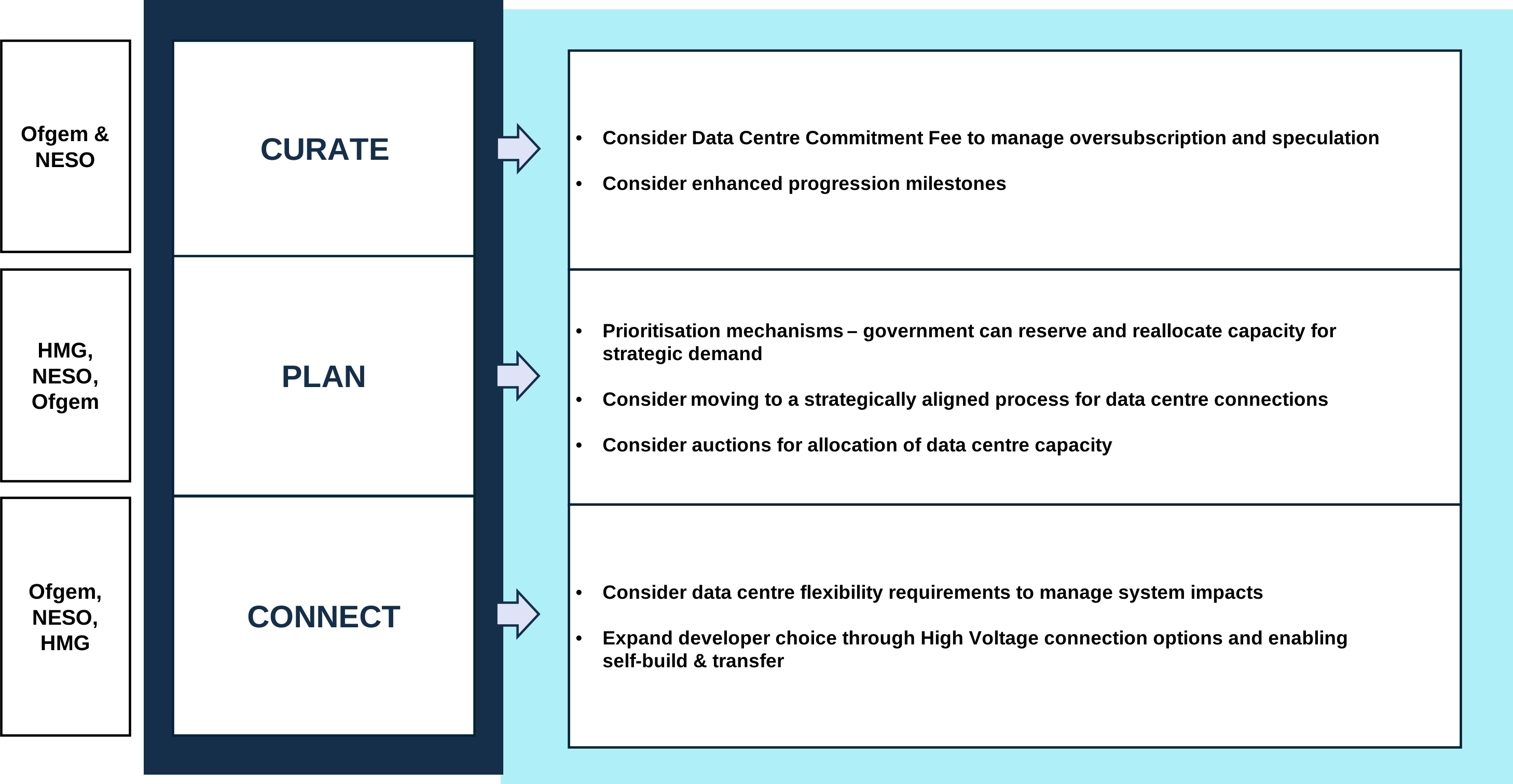
Description of figure 1: Diagram showing the roles and responsibilities by pillar:
Curate (Ofgem & NESO):
- Consider Data Centre Commitment Fee to manage oversubscription and speculation
- Consider enhanced progression milestones
Plan (HMG, NESO, Ofgem):
- Prioritisation mechanisms – government can reserve and reallocate capacity for strategic demand
- Consider moving to a strategically aligned process for data centre connections
- Consider auctions for allocation of data centre capacity
Connect (Ofgem, NESO, HMG):
- Consider data centre flexibility requirements to manage system impacts
- Expand developer choice through High Voltage connection options and enabling self-build & transfer
The ‘Curate’ pillar proposes measures to manage speculation and improve queue management so that only viable and committed projects can obtain or retain a place in the queue. The ‘Connect’ pillar includes measures to increase developer choice on how they connect to the network and to increase the volume of connections that the network can accommodate. These pillars are led by Ofgem, with support from NESO. Government is leading the ‘Plan’ pillar which covers prioritisation of strategic demand connections and a proposal for strategic alignment of data centre connections.
On 11 March 2026, the government published its consultation on Accelerating Connections for Strategic Demand which covered measures being developed under the ‘Plan’ pillar:
- Using new powers in the PIA so that NESO can prioritise strategically important demand projects through:
- Reallocation of capacity released when projects exit the queue
- Reservation of future capacity for individual strategic projects that are not yet Gate 2 ready
- Reservation of future capacity ahead of need on a non-project-specific basis
- Higher queue positions for ready strategic projects applying to Gate 2 in future (‘in-batch acceleration’)
- A proposal to strategically align data centre connections to regional infrastructure targets, to secure vital capacity to support ambitious growth of the data infrastructure sector, in a way that balances the needs of the energy system and minimises impacts on the consumer
- The role of flexibility arrangements for large demand, particularly data centre connections
- The role of auctions in allocating capacity for strategic demand
Together, these measures are intended to achieve the following objectives:
- Objective A: Safeguard fairness and efficiency of the demand connections process by minimising speculative activity and oversubscription.
- Objective B: Equip the connections regime to accelerate access to available network capacity for government-identified strategic demand projects, including facilitating pre-2030 connections for critical sites such as AIGZs, where possible.
- Objective C: Balance the government’s ambitions to accelerate demand connections with the effective management of system costs and maintenance of energy security.
- Objective D: Establish aligned processes for strategic demand connections across transmission and distribution networks, as far as practicable.
The consultation closed on 15 April. Below is the government’s response to the consultation and details on the next steps for demand-side reforms.
Consultation responses
We received 156 responses in total. The table below shows a breakdown of responses by group.[footnote 2] We appreciate the level of stakeholder engagement with this consultation and our analysis has carefully considered the full range of views expressed by respondents.
Table 1: Respondent type
| Respondent type | Count |
|---|---|
| Arm’s length body | 1 |
| Consultancy service | 9 |
| Demand project developer | 42 |
| Devolved government | 1 |
| Distribution Network Operator / Independent Distribution Network Operator | 8 |
| Financial institution | 1 |
| Generation only developer | 5 |
| Government department | 2 |
| Industry body / Trade association | 31 |
| Integrated generation / Demand developer | 16 |
| Investor | 5 |
| Local/mayoral authorities | 14 |
| Non-Governmental Organisation | 3 |
| Private individual | 7 |
| Research organisation | 1 |
| Supplier | 4 |
| Technology vendor | 2 |
| Transmission Owner | 4 |
Overall, the responses showed strong and consistent support for introducing prioritisation mechanisms to address the inefficiency of the demand connections process and resulting congestion. There was widespread agreement among respondents that low entry barriers and insufficient incentives on progression have enabled speculative or non‑viable demand projects to occupy scarce capacity, crowding out deliverable projects and undermining confidence in the connections regime.
There was strong support for tougher queue management across responses to all the proposals. These included support for clearer entry requirements, milestone‑based progression and automatic release of capacity where projects fail to advance. There was widespread agreement that faster access to capacity should be directed toward projects that are credible, mature and capable of delivery, rather than those that have secured early queue positions but are unlikely to progress.
Respondents consistently emphasised the importance of whole‑system coordination, meaning that demand‑side reforms should be coordinated with anticipatory network investment and wider system planning to be effective, and be aligned across transmission and distribution boundaries to avoid shifting bottlenecks or speculative behaviour to other parts of the system. Respondents also highlighted the importance of considering broader infrastructure requirements (including water, land, and in some cases gas) and ensuring these are coordinated across government alongside electricity system planning.
Respondents emphasised that transparency, governance and predictability are critical to ensure confidence in demand connections reforms, asking for published criteria and clear decision-making processes for strategic demand.
Similarly, investors and developers raised concerns about inconsistency, the risk of the government’s priorities changing over time, and the impact on existing connection agreements. Respondents were clear that confidence will depend not just on policy intent, but on credible, proportionate and well‑sequenced implementation.
Section 1a – Proposals: Queue management, strategic demand prioritisation, data centre strategic alignment
Proposal 1 - Queue management
Summary of proposal
Use section 14 of PIA to amend connections methodologies, codes and licences (as appropriate) to increase queue entry and membership requirements for data centres for the purpose of improving the process for managing connections to the system and addressing speculative applications. This would include data centre projects with an existing agreement as well as data centre projects seeking a connection in future. If necessary, we may also exercise the powers under section 17 to direct NESO and DNOs to amend connection agreements.
Ofgem, with support from NESO and industry, is developing policy options for a new financial requirement on data centres and working on additional progression requirements to ensure the regime for demand connections supports efficient and timely connections for viable projects. The expected outcome of these measures would be that less viable data centres voluntarily exit the queue. In our consultation, we set out the principle of using PIA powers to implement this proposal.
We did not ask a specific question on the financial requirement or additional readiness / progression requirements; however, respondents provided relevant feedback which is summarised below for transparency.
Summary of responses
There was widespread agreement that stronger queue management is essential to address the speculative and congested demand connections queue. Respondents consistently supported stricter entry requirements, particularly for data centres, to deter speculative behaviour, free up capacity, and restore confidence for deliverable projects.
Stakeholders broadly supported the introduction of data centre-specific financial commitments but stressed these must be carefully designed to drive project progression rather than act as simple barriers to entry. Refundable deposits linked to objective delivery milestones or a Progression Commitment Fee were strongly preferred over non‑refundable fees, and respondents cautioned against extending financial requirements to other sectors and SME developers without making affordability assessments, to avoid crowding out viable projects in low‑margin or early‑stage sectors.
Respondents supported strengthened readiness requirements, including planning and financial evidence, but emphasised that these must reflect normal major project development practices, especially for multi‑phase data centre campuses.
There was broad support among respondents for using PIA powers to implement ‘Curate’ reforms and respondents agreed that queue management measures should be in place before the queue reopens at the next NESO application window to limit further queue inflation.
Queue management - government response
Government strongly supports work being undertaken by Ofgem on measures to address speculative data centre demand, including the proposed Data Centre Commitment Fee to encourage less-viable projects in the existing queue to self-terminate. On 16 June, Ofgem published a summary of responses to its recent Call for Input (CfI) on demand connections reform. Ofgem received 120 responses, with the majority of stakeholders expressing support for the introduction of a Data Centre Commitment Fee and for strengthening project progression requirements.
Building on this engagement, Ofgem published its consultation on 29 July, setting out more detailed proposals.[footnote 3] This includes consulting on the value and calibration of the Data Centre Commitment Fee, ranging from £237,500 to £712,500 per MW of contracted capacity equivalent to 2.5% - 7.5% of average project capital expenditure, alongside the proposed design of enhanced progression milestones, including their scope and timing. The consultation closed on 17 September and we will continue to engage closely with Ofgem as this work progresses.
Proposal 2 – Introducing prioritisation mechanisms
Summary of proposal
Use section 165A of the Energy Act 2023 (as inserted by section 18 of PIA) to designate plans to identify demand projects that government considers strategically important, and section 14 to amend connections methodologies, codes, and licences (as appropriate) so that NESO and network companies can:
- Re-allocate capacity released when projects exit the queue to strategic demand
- Reserve future network capacity including connection points, bays and a corresponding placeholder queue position for strategic demand
- Prioritise government-identified strategic demand projects in future batched queue formation exercises
Government intends to publish a plan setting out how strategically important demand projects will be selected (which may include projects located in AI Growth Zones), within a designated strategic plan, which NESO and network companies should prioritise using the above measures.
Question 7:
We propose to introduce mechanisms to reserve future capacity, reallocate released capacity, and prioritise government-identified strategic demand projects within transmission network design batches. To what extent do you agree that these proposals would be an effective approach to enabling faster access to the electricity network for strategic demand projects?
Figure 2: Do these proposals enable faster access to the electricity network for strategic demand projects
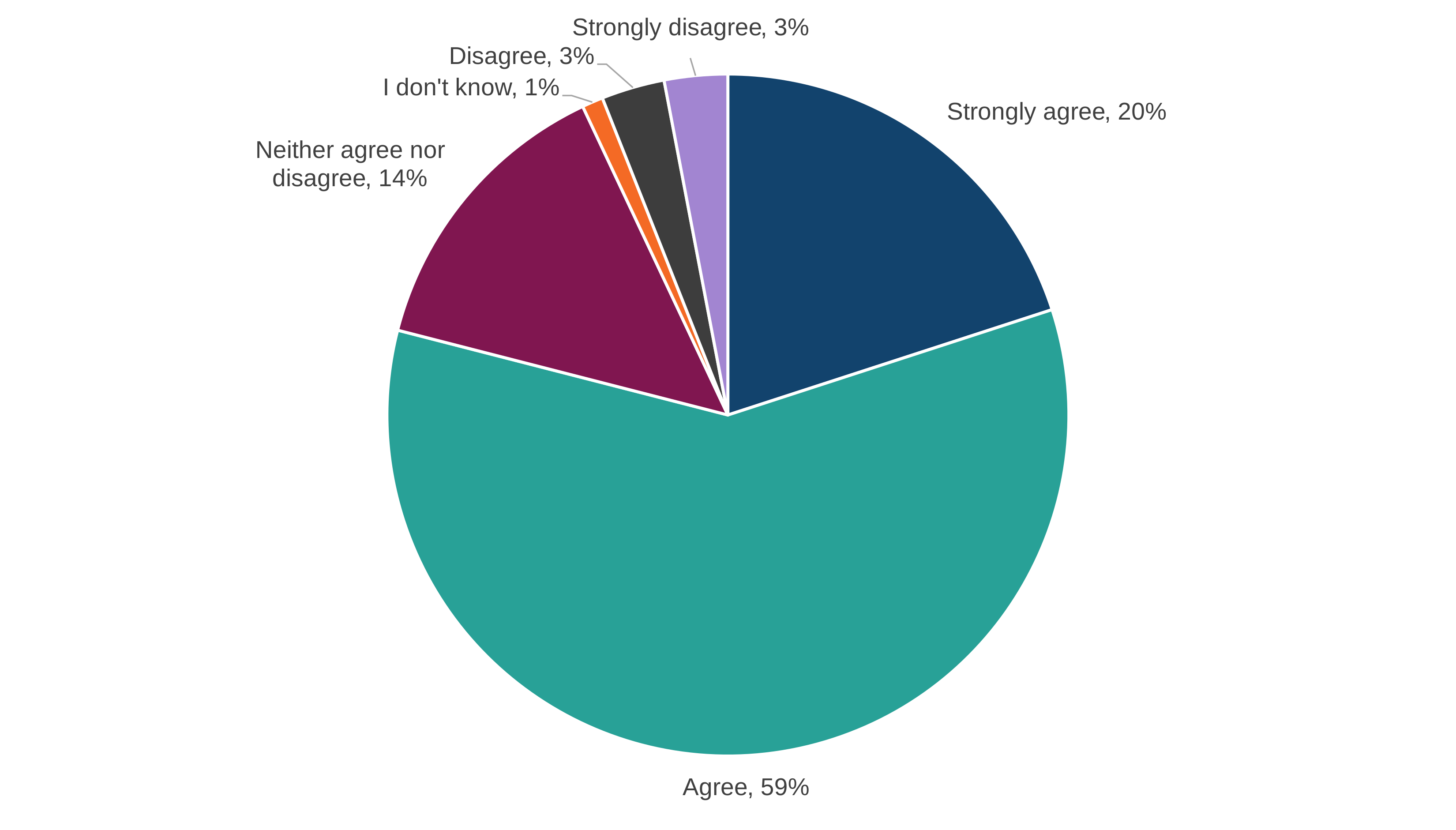
Data from figure 2:
| Response | % |
|---|---|
| Strongly agree | 20% |
| Agree | 59% |
| Neither agree nor disagree | 14% |
| I don’t know | 1% |
| Disagree | 3% |
| Strongly disagree | 3% |
Summary of responses
Out of 152 responses to this question, 121 respondents (80%) agreed that the proposed prioritisation mechanisms would be an effective approach to enabling faster access to the electricity network for strategic demand projects.
A key theme was the recognition among respondents that faster connections are essential for unlocking economic growth, decarbonisation, and critical infrastructure delivery. Respondents argued that ‘strategic importance’ as a basis for prioritisation helps direct limited network capacity to projects that can support wider system, economic, or societal outcomes, but support is conditional on projects that benefit from the mechanisms being ready to connect.
Many respondents emphasised that clear governance and criteria are important for defining ‘strategic demand’ and designating projects. Where the prioritisation mechanisms were addressed separately, there was broad agreement that reallocation could effectively unlock near-term capacity to support more viable projects. Views on the reservation mechanism were more cautious, reflecting concerns that it could lead to capacity being tied up in speculative future projects. In-batch prioritisation was the least discussed mechanism.
Among demand project developers, 81% (34) supported the introduction of prioritisation mechanisms, though many sought greater visibility on how designation affects queue positions. 80% of non-data centre demand project developers agreed with the policy with some emphasising the need for sufficiently broad criteria to capture nationally significant projects across a range of sectors, including Electric Vehicles (EV), Carbon Capture Usage and Storage (CCUS), freight, logistics, and housing.
A further 14% (21) respondents were neutral. While broadly supportive in principle, this group highlighted that their support would depend on robust governance arrangements, including clearly defined, published criteria and greater transparency on how ‘strategic demand’ is applied in practice. Some respondents highlighted the need for stronger alignment between transmission and distribution to avoid unintended consequences at the distribution level. This view was particularly prevalent among Local / Mayoral Authorities, and some emphasised that transmission-level prioritisation should be better integrated with Local Area Energy Plans.
Eight respondents (5%) disagreed with the proposal, with 5 of these coming from Private Individuals, one from a gas Distribution Network Operator (DNO), one from a Local /Mayoral Authority and one from a Generation developer.
New suggestions include making it clear that any reservation mechanism is time-bound and tied to delivery milestones, with a ‘use-it-or-lose-it’ design to allow reserved capacity to revert to shared access where projects fall behind. Some also propose that there should be penalties for holding unused headroom. A few respondents suggest that reservation could be most effective when tied to strategic sites that will require capacity in future before individual projects are ready to enter the queue. They call for a more formalised approach to anticipatory investment in strategic sites with predictable future demand, supported by stronger integration between national, regional and local planning processes, including Local Area Energy Plans.
Some respondents also suggest that flexibility readiness should be considered as part of strategic prioritisation, noting that flexibility could improve utilisation of existing assets and increase the capacity available for reservation. More broadly, respondents proposed accelerating network build-out and increasing anticipatory investment to address capacity constraints directly, rather than relying primarily on prioritisation mechanisms.
Introducing prioritisation mechanisms - government response
Given the high level of agreement amongst respondents that prioritisation is an appropriate intervention, the government intends to implement prioritisation measures for government-identified strategic demand connecting through the NESO gated process. Currently, the NESO gated application process only covers demand projects connecting directly at transmission. However, the government is working closely with Ofgem, NESO, TOs and DNOs to assess how best to incorporate embedded demand projects requiring a Transmission Evaluation Assessment (TEA) in the gated process in a way that allows them to be prioritised, while not disproportionately impacting on smaller projects.
We will introduce these measures for government-identified strategic demand by using powers provided under section 14 of the PIA to make changes to connections methodologies, codes, and licences. Our response to feedback on the legal text of these can be found at section 3 of this document. Government is now working with NESO and Ofgem to finalise the required regulatory changes and the final legal texts will be published in due course.
Government intends for the Connections Accelerator Service (CAS), launched in December 2025, to be the mechanism through which strategic demand projects are selected to potentially benefit from these prioritisation measures. Strategic demand projects proposed for inclusion to receive support from the CAS must have sponsorship from either a government department, a devolved government or a Mayoral Strategic Authority to ensure alignment with wider policy objectives and regional priorities. Projects submitted for potential inclusion on the CAS can be of any demand type and are assessed against agreed scoring criteria that consider economic, social and strategic factors, as set out in the Annex to the consultation.[footnote 4]
We have ensured the CAS criteria are broad, allowing a range of projects, from large data centres and manufacturers to hospitals and prisons, to receive support. We also acknowledge representations made in support of publishing details on the criteria for benefiting from prioritisation measures. The level of detail currently provided on the CAS selection criteria is reflective of the fact that it operates on a sponsorship model and is not open for projects to apply independently. Government will continue to review how we improve transparency of the CAS, whilst balancing this against the need to manage constraints such as commercially sensitive information.
Government intends to publish a Strategic Framework Document (Framework) providing details of the scope, criteria, and process for selecting which projects can benefit from these new measures, in due course. Government will also publish details of the projects it considers to be strategic and directions to NESO on how they should be prioritised under the new methodologies. CAS will assess projects against eligibility criteria with any final decision on which projects should benefit from these mechanisms subject to Ministerial approval. Measures are expected to be in place before the next NESO connections application window.
Since publishing this consultation, we have undertaken further policy and legal assessment on the most appropriate and effective approach to establishing these prioritisation mechanisms. Whilst government previously indicated the intention to use the powers introduced by section 18 of the PIA to designate the Framework document as a strategic plan, we now consider that the combination of changes to licences, codes, and methodologies, and directions to NESO regarding strategic projects (or capacity) to be prioritised, are sufficient to meet the policy objectives. This position will be kept under review and may be revisited if needed to ensure effective delivery of these prioritisation mechanisms.
Many respondents raised concerns that government prioritisation could lead to less viable projects being connected ahead of viable, but ‘non-strategic’ projects. The prioritisation mechanisms are designed to bring forward connections for projects that are of the highest strategic value. Government will also ensure that projects benefitting from these measures are viable and NESO methodologies and processes already contain provisions to ensure that all projects are capable of progressing to completion.
Gate 2 readiness criteria and progression milestones will still apply to government-identified strategic projects to ensure that they continue to progress or (if milestones are not met) they lose their place in the queue. In the event that a strategic project cannot meet the necessary milestones to progress and has to drop out, the government will take all reasonable steps to identify an alternative, suitable CAS project to take up the capacity. If this is not possible, the standard NESO capacity reallocation processes will apply. We will continue to monitor the efficacy of the reallocation mechanism and consider whether further action is needed to ensure that scarce network capacity is allocated in a way that supports the government’s priorities.
In the particular case of Gate 1 capacity reservation, NESO guidance contains provisions to ensure that reservations are time limited.[footnote 5] Government will ensure that agreements are in place with strategic projects that it reserves capacity for on the expected timescale for progressing to Gate 2 and will divert reserved capacity to another strategic project or back to NESO in the event that the agreed delivery timetable cannot be met.
Some respondents also questioned whether these mechanisms would override existing NESO process. As explained above, these mechanisms will be implemented in line with the processes set out in NESO connections methodologies. Furthermore, they do not change or override any underlying network engineering considerations, which are the responsibility of Transmission Owners and are governed by processes separate to queue formation.
The CAS explores options within the current regulatory framework for expediting connection timeframes through innovative engineering and flexible solutions - including sponsoring pilot tests of new or innovative connection solutions. The new prioritisation mechanisms will significantly enhance the levers available to the CAS, creating additional opportunities for earlier connections. However, the extent of any acceleration for today’s strategic projects will ultimately depend on when the enabling network infrastructure is ready.
Government sees an important role for the CAS process. However, it does not expect queue prioritisation alone to solve demand connection delays and recognises that accelerated network build is needed. An extensive package of reforms to accelerate network infrastructure build times is already in place, which includes:
- Reforming regulation, planning & consenting, land access & system access[footnote 6]
- Ensuring communities benefit benefit from hosting infrastructure via community funds and a Bill Discounts Scheme[footnote 7]
- Supporting growth of the supply chain and workforce[footnote 8]
Building on this, the government will keep the effectiveness of the prioritisation measures under review to ensure it has the appropriate levers to support greater public control of grid connections, in line with the government’s priorities. This includes considering how reservation of future capacity on a non-project specific basis could enable earlier anticipatory investment in network build in support of reindustrialisation and regional growth. We will also work with NESO and network companies to identify locations where capacity may be available before 2030 and may use Planning and Infrastructure powers to enable strategically important data centres and other strategically important projects to access this capacity.
This work is complemented by Ofgem’s End-to-End Review of the connections process which aims to improve quality and consistency of customer service in electricity network connections, including ensuring that appropriate incentives and penalties are in place so that network companies build to agreed timescales, and delivering a Demand Capacity Register to provide full visibility of the demand connections pipeline to enable better customer choice and more informed connection applications. Ofgem published next steps on the End-to-End review on 25 September.[footnote 9]
Proposal 3 - Strategic alignment of data centre connections
Summary of proposal
Use section 165A of the Energy Act 2023 (as inserted by section 18 of PIA) to designate plans and to use section 14 to amend connections methodologies, codes, and licences (as appropriate) so that NESO and network companies can align connections for data centres to a future government plan.
Government is exploring whether, following implementation of the queue management measures being developed under Proposal 1, to introduce a strategically aligned process to manage connections for data centre projects. This means aligning data centre connections to regional infrastructure targets set out in a future government plan (currently being developed) to secure capacity for data centres which deliver on the government’s ambitions for digital infrastructure and AI, while balancing the needs of our energy system.
Question 8:
Government is exploring aligning data centre connections to regional infrastructure targets set out in a future data centre strategy. Do you agree that this would be an effective approach to Objectives A, B, and C, set out above?
Summary of responses
Figure 3: Extent of agreement aligning data centre connections to regional infrastructure targets
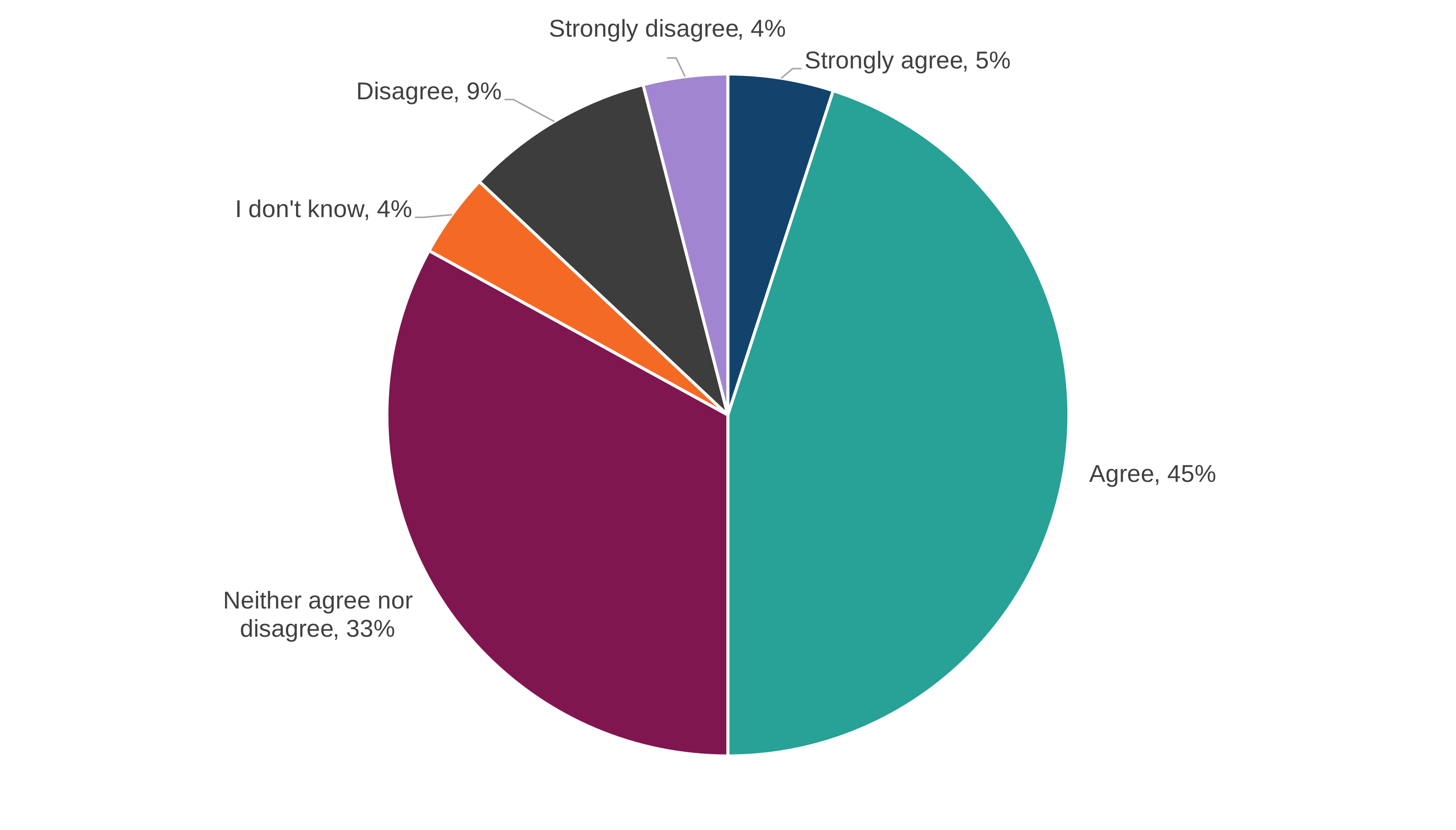
Data from figure 3:
| Response | % |
|---|---|
| Strongly agree | 5% |
| Agree | 45% |
| Neither agree nor disagree | 33% |
| I don’t know | 4% |
| Disagree | 9% |
| Strongly disagree | 4% |
We received 137 responses to Question 8, of which 50% agreed that aligning data centre connections with a future data centre strategy would help reduce speculative applications and better target capacity towards credible and deliverable projects.
Those in favour highlighted that improved alignment between national and regional planning would strengthen coordination between NESO, the government, and delivery bodies and could reduce unnecessary reinforcement, maximise use of existing capacity, lower curtailment and constraint costs, and improve overall system operability. Respondents often linked this to consumer benefit, saying a planned approach should direct projects towards places where capacity and supporting infrastructure can be delivered more efficiently. Several respondents said strategic data centre alignment should reward projects that offer wider system value, such as flexibility, storage, on-site generation, heat reuse or co-location with renewables.
55% (11) of data centre respondents were in favour of the proposal, but many warned that this would cause disruption and said that strategic alignment should include transitional protections for advanced, credible projects so that projects that have already invested capital, secured planning progress or reached late-stage readiness are not unfairly displaced by a new framework.
Six out of 10 network companies supported strategic alignment. Those in favour emphasised the importance of any data centre strategic alignment to the Strategic Spatial Energy Plan (SSEP), the Centralised Strategic Network Plan (CSNP), and the Regional Strategic Energy Plans (RESPs). Three network companies were neutral, asking for further analysis and consultation prior to any decision-making, as well as strategically aligning across all types of demand. One network company disagreed, emphasising that regional infrastructure targets should not be developed in isolation and that the knock-on impact on other demand and generation customers looking to connect in the region must be considered. The respondent also called for formal alignment of data centre targets with SSEP and RESPs, consistency across transmission and distribution, and a clear data centre classification, drawing on lessons from connections reform.
Most respondents asked for more evidence on the scope, timing, assessment methods and governance before judging the effectiveness of strategically aligning data centres. Their views reflected incomplete design detail and a desire for a clearer evidence base rather than outright opposition to data centre strategic alignment. However, one network company encouraged the government to be more ambitious by aiming to deliver strategic alignment by the next application window.
13% (18) of respondents disagreed with introducing strategic alignment for data centre connections. Many of these respondents perceived quotas or regional capacity pots as inflexible central planning that would add bureaucracy and constrain viable schemes. They noted that data centre siting depends on wider commercial and technical factors, so regional targets based solely on network considerations could misdirect projects to less viable locations. Some demand project developers warned that prescriptive UK rules could increase uncertainty and divert globally mobile investment to Europe or North America.
Alternatives suggested included a broader whole-systems approach, with better integration of electricity, gas and hydrogen planning. Many industry bodies and non-data-centre demand project developers also argued that strategic alignment should be carried out across all demand sectors, not just data centres.
In addition, some respondents suggested that strategic alignment should favour projects delivering wider system value, for example through flexibility, phased demand, on-site generation, storage, heat reuse or co-location with renewables. Funding ideas included direct government grid investment in strategic clusters, or upfront funding by demand customers for grid infrastructure.
Strategic alignment of data centre connections - government response
DESNZ is working closely with the Department for Business, Innovation, Science and Trade (BIST) to understand the strategic need for data centres in Great Britain and is working closely with NESO, network companies and NISTA to assess the availability of infrastructure to support ambitious growth of the data infrastructure sector. We are committed to aligning data centre connections after 2030 to regional infrastructure targets to secure capacity for vital data infrastructure in a way that meets the needs of the energy system, minimises costs to consumers, and considers availability of water, land, and capacity for other types of demand. Government intends to implement strategic alignment at a future NESO application window and will provide further details in due course. Many of the alternative suggestions provided for assessing the strategic value of data centres are being taken forward through government’s Data Centre Covenant.
All proposals - alignment across transmission and distribution
Across all proposals, respondents consistently referred to the need for alignment between transmission and distribution processes, reflecting the intended policy objectives and the risk of unintended consequences where the 2 systems are not aligned.
Some respondents to Proposal 2 on prioritisation of strategic demand cautioned that implementing prioritisation for transmission-level only could ‘crowd out’ distribution-connected (embedded) demand projects, with some suggesting that prioritisation should be extended to demand projects connecting through DNOs on the same timeframe as transmission projects.
Many respondents felt that smaller embedded demand projects should not be subject to the gated application process established by connections reform. While acknowledging that larger embedded demand projects should be included in scope of the connections reform process, they felt that it would be disproportionate to include smaller projects for the sake of delivering prioritisation for strategic demand, due to the risk of lengthening connection timescales and deterring investment. There was some confusion over the existing process for including embedded demand in connections reform, particularly regarding the thresholds used.
Currently, embedded demand is excluded from the gated application process established by connections reform, irrespective of whether it has an impact on transmission or not. There is no set threshold across the country for when embedded demand is judged to have a potential impact on the transmission network. Applications are judged on a case-by-case basis and DNOs decide which projects to refer for a TEA based on close engagement with NESO and TOs.
This allows embedded projects in areas with lower transmission constraints to progress without a TEA, while ensuring that those that may have an impact are properly assessed and additional network reinforcement planned, as required. However, excluding embedded demand from the connections reform gated process also means that embedded projects requiring a TEA cannot currently benefit from new measures to prioritise strategic projects. In addition, under current arrangements embedded data centres would not be subject to any future strategic alignment.
Government is working with Ofgem, NESO, TOs and DNOs to consider how best to incorporate embedded demand projects requiring a TEA in the gated process, in a way that would make them eligible for prioritisation measures (subject to any strategic alignment in the case of data centres) while not disproportionately impacting on smaller projects. This is likely to require the setting of regional thresholds above which embedded demand would require a TEA and therefore be subject to the NESO gated process. Any future approach will be consulted upon, as needed, but the form of consultation will depend on the timescales needed for implementation and the specific codes and methodologies that are to be updated. Government expects that any regulatory changes needed to bring certain embedded demand projects into the gated process would be made using PIA powers.
Section 1b: The policy landscape – consumer-led flexibility and auctions
Flexibility
Summary of proposals
Given the significant increase in demand for very large connections (especially data centres) and the shift in energy use these could entail, the government is considering how flexible connection arrangements might support rapid, sustainable growth of such demand while protecting system integrity and managing costs. Therefore, in addition to the proposals outlined above, we collected views on the flexibility of data centre connections and the role of auctions, as described in ‘The Policy Landscape’ section of the consultation. We asked the following open questions on flexibility measures:
Question 10:
Do you agree government should consider the use of flexible connection agreements, particularly for data centres, to support system operability and accelerate connections while protecting consumers from unnecessary costs? Please explain your reasoning and provide any relevant evidence.
Question 11:
What are your views on the technical, commercial and operational feasibility of: (i) mandatory or incentivised flexible connection requirements for data centres/very large demand, and (ii) incentivised voluntary flexible connections for other demand projects? Please explain your reasoning and provide any relevant evidence.
Question 12:
Do you foresee any risks of implementing flexible connection arrangements either for individual projects or the wider system as a whole? Please explain your reasoning and provide any relevant evidence. In your answer, please comment on whether the risks differ depending on the type of flexibility sought, including:
a) Flexibility activated only during system stress events and scarcity events
b) Flexibility activated during winter peak days, within defined parameters
c) Flexibility applied more broadly during normal operational periods
d) Any other risks
Summary of responses
Overall, respondents broadly recognised flexibility as a potential enabler of faster connections and more efficient use of constrained capacity. There was widespread agreement that government should explore flexibility options, particularly for data centres, to support system operability and accelerate connections while protecting consumers from unnecessary costs.
Support was strongest where flexibility is framed as targeted and exceptional, particularly in response to system stress events. In this framing, flexibility is understood as a contingency measure that can protect system operability and defer or reduce the need for costly reinforcement, thereby supporting more efficient cost allocation.
Support was also typically stronger for voluntary or incentivised arrangements than for mandatory requirements. Where flexibility was perceived as mandatory, particularly for specific sectors such as data centres, respondents raised concerns around fairness, including a perceived risk that certain demand types could be fast-tracked while others face delays or higher costs. Data centre and digital infrastructure respondents were among the more receptive stakeholders, viewing voluntary flexible or non-firm connection terms as compatible with their operational models and a means to achieve earlier access to power and greater certainty, provided arrangements are clearly defined and appropriately compensated. However, continuous industrial process, safety-critical infrastructure and public services were frequently cited as examples where any flexibility may be infeasible or undesirable.
Across responses, there was a consistent emphasis on flexibility being technically and operationally appropriate to the characteristics of the load. Data centre and digital infrastructure respondents often highlighted their technical capabilities, such as onsite storage, back up generation or load management systems, that could facilitate a degree of demand flexibility. By contrast, other demand users such as continuous industrial processes, safety critical infrastructure, and essential services, typically signalled more limited ability to curtail demand without unacceptable operational or social impacts.
A smaller number of respondents raised more fundamental objections about pursuing flexible connections, citing commercial, legal and system risks. These respondents argued that significant changes to existing codes, licences, and contractual frameworks would be required to make such changes, and that partial or poorly coordinated reform could create uncertainty. There were also concerns that flexibility could be misused or gamed, increasing overall system costs rather than reducing them.
Equity and fairness concerns featured strongly in negative responses. Some respondents argued that providing incentives for flexible connections could risk socialising the costs of improving system operation while privatising the benefits, as ordinary billpayers could subsidise large, profitable users if bills were the ultimate source of incentives. Others warn that prioritising flexible connections for strategic users could disadvantage smaller developers, housing projects or small and medium-sized enterprises, and distort locational signals.
Respondents across the spectrum propose refinements to introducing flexibility, such as introducing minimum notice periods for curtailment and limits on frequency and duration of activation and clearly defined activation triggers. Respondents also suggest explicit review points or sunset clauses and fair and predictable compensation arrangements.
Flexibility – government response
Based on consultation feedback, the government considers that flexible connection arrangements for demand connections are a proportionate and necessary intervention to accelerate access to constrained network capacity while maintaining system operability and protecting consumers. Respondents broadly agreed that appropriately designed flexibility may enable faster connections and more efficient use of existing infrastructure, provided that risks are clearly defined, bounded, and transparently allocated through contractual arrangements.
Where some respondents cautioned that imposing flexible or non-firm connection arrangements could encourage data centres to rely on on-site diesel or gas back-up generators during curtailment periods, raising local NOx emissions, noise and air quality concerns, the very limited operating hours of back-up generators, as set out in the Regulations,[footnote 10] mean they are generally considered a low-risk activity outside of an emergency.
Government will therefore continue to develop a package of complementary flexibility measures, working closely with industry, Ofgem, NESO and network operators on the detailed design.
For clarity, Ofgem and the government are progressing 3 distinct but complementary mechanisms as part of a balanced approach under the ‘Connect’ pillar:
- Alternative Connection Agreements
- Voluntary Flexibility Services
- Operational Control Measures
These measures will act as a spectrum of different mechanisms which can be adopted, from emergency backstop measures through to routine, incentivised flexibility. These are intended to work together as part of a balanced approach.
Alternative connection agreements:
Providing demand users the potential to unlock earlier grid connections by accepting specified flexibility or non-firm terms in their connection agreements. Government is working with network operators and industry to add clarity and optionality to connection agreements, enabling demand users to access capacity earlier where they are willing to accept defined levels of flexibility. This includes:
- Non-firm or lower-resilience connections (for example, N 1 rather than N 2)
- Phased or ‘ramped’ connection agreements, allowing capacity to increase over time in line with project build-out
- Hybrid firm/flexible arrangements, combining a core tranche of firm base capacity with additional interruptible capacity
These arrangements are intended to improve utilisation of existing network capacity, reduce the immediate need for major reinforcement, and provide commercially viable pathways to earlier connection. Phased connection agreements could also lead to benefits for the system operator and system planning, by providing more certainty as to how large demand will use their early years of operation. Government will identify and assess options that best support large demand and system operation through engagement with industry, networks and innovators as part of the Flex Technical Taskforce. We aim to provide an update on alternative connection agreements in due course, including how these options may be reflected in standard contracts and processes.
Voluntary flexibility services:
Government is also exploring how to unlock enduring, routine, and dispatchable voluntary flexibility from demand users, including data centres. This would involve designing incentive mechanisms or service arrangements that encourage demand customers to reduce or shift their usage at certain times (such as in response to system constraints or market signals) on a voluntary basis. Through the Flex Technical Taskforce, we will work with industry to determine realistic levels of flexibility and appropriate incentive frameworks or market mechanisms to procure this flexibility as well as the resources and infrastructure needed to implement it. We will also consider innovative arrangements that may secure routine, dispatchable flexibility without direct demand-response. Any proposals in this area will be subject to further work and consultation, with a view to consult in 2026.
Operational control measures:
Government is exploring the introduction of a last-resort operational tool enabling the System Operator to direct large energy users, such as data centres, to temporarily curtail demand. This measure is envisioned strictly as a backstop, not a routine lever: it would ensure additional large loads can connect to the grid without jeopardising security of supply, by providing an emergency mechanism to protect the system in low-probability scenarios. Government recognises that the design of this measure is critical and we will work with stakeholders to ensure investor confidence is maintained, and that air quality is maintained as per the Regulations.[footnote 11]
Further details on these measures, and the wider ‘Connect’ pillar reforms, are outlined in Ofgem’s Demand Connections Reform: ‘Demand connections reform: connect update’ published on 16 June. Government intends to finalise policy decisions on the majority of Demand Connections Reform ahead of the next NESO application window, with further time required for full implementation through licences and codes.
We will develop these measures through the Flex Technical Taskforce and will continue to engage with stakeholders as part of the ‘Connect’ Task and Finish Group. Where further consultation is considered necessary on individual elements of the flexibility package, these are expected to take place ahead of the next NESO application window. Exact timing for implementation of individual policies, including whether they will be delivered through the next application window, will be determined in due course.
Auctions
Summary of proposal
In the consultation, the government sought preliminary views on whether there is a role for auctions in the allocation of capacity for strategic demand connections. Introducing an auction mechanism to allocate capacity could allow for a market-led approach alongside government interventions and could be applied across multiple scenarios. For example, we suggested that an auction could be deployed where capacity is released in constrained locations where there is high demand for large connections, or where the government has reserved capacity ahead of need on a non-project-specific basis.
Question 13:
Do you see a role for auctions in the reservation or reallocation of capacity for strategic demand projects? Please explain your reasoning and provide any relevant evidence.
Summary of responses
Respondents had mixed views towards the role of auctions. Some respondents saw potential benefit in a limited, carefully designed tool for reallocating or reserving scarce capacity, although many opposed auctions as a primary allocation mechanism for strategic demand connections. They saw value in a market-based mechanism for revealing scarcity and discouraging speculation which could accelerate delivery by forcing projects to internalise constraint costs.
Some respondents argued that price should be combined with wider system and / or policy scoring so that the auction does not favour those with ‘the deepest pockets’, otherwise it could result in unfairness, bidding wars, and ‘pay-to-win’ outcomes that crowd out otherwise viable projects, including emergency services, hospitals and schools.
Some respondents saw auctions only as a last resort when multiple strategic projects compete for the same constrained capacity. A few respondents felt auctions could conflict with strategic designation, arguing that a project deemed ‘strategic’ should already receive priority through the designation process rather than having to outbid other strategic projects.
Suggested design options included ring-fenced tranches or caps to avoid capacity allocation being determined primarily by financial strength, protecting small and medium sized enterprises. A merit-based selection similar to Contracts for Difference or Hydrogen Allocation Rounds was raised by a few respondents so that allocation reflects strategic value and deliverability, not just ability to pay. Any design should be transparent, with clear objectives and incorporate a baseline level of ‘readiness’ in order to participate. A few respondents also suggested exemptions, separate allocation routes, or criteria that protect high public value infrastructure from being delayed by purely price‑based competition.
Auctions - government response
Government welcomes the responses received to this question. This work remains at an early stage, with further analysis required to assess feasibility and scope of application of auctions and a range of possible approaches are still under consideration. Government will continue to work with Ofgem, NESO, network companies, and industry to consider the merits and operational requirements of using auctions to allocate capacity more generally as the landscape of demand connections evolves.
Section 2 – Analytical questions
Summary of proposal
In the Analytical Annex of the consultation, we outlined the economic rationale for government intervention on demand connections and the expected impacts of the proposed reforms. It identifies a clear market failure in the connections queue, where the scarcity value of network access is not reflected in the low cost of entry, leading to significant speculative activity and an oversubscribed queue that delays strategically important demand projects.
The analysis outlined potential limited short-term costs, including administrative and potential bill impacts, although these are expected to be small, with wider benefits arising from faster connections for strategic demand, a more efficient and realistic queue, and earlier delivery of investment and jobs, leading to productivity gains across the economy.
The analysis also highlighted that distributional impacts are expected to be limited and depend mainly on how prioritisation is implemented, with measures neutral to location and developer size. Small and micro business impacts are also expected to be minimal as prioritisation is based on strategic designation rather than business size. We asked a series of questions related to the Analytical Annex.
Question 14
To what extent do you agree with the rationale for intervention and the market failures we have identified?
Summary of responses
Figure 4: Agreement with the rationale for intervention
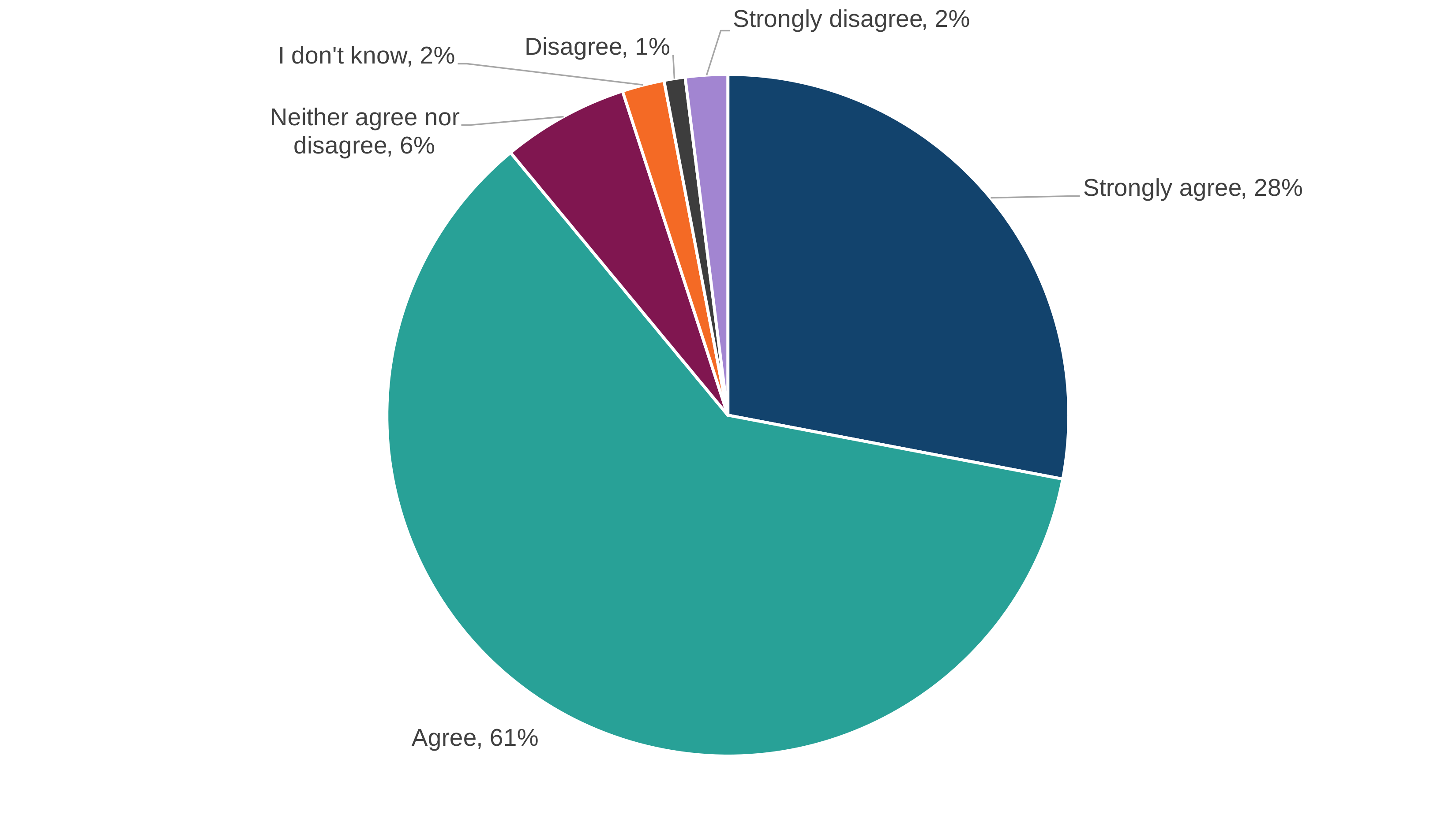
Data from figure 4:
| Response | % |
|---|---|
| Strongly agree | 28% |
| Agree | 61% |
| Neither agree nor disagree | 6% |
| I don’t know | 2% |
| Disagree | 1% |
| Strongly disagree | 2% |
Out of 121 responses, 108 respondents (89%) agreed with the rationale for intervention and market failures identified. They supported intervention on the grounds that low entry barriers and few consequences have allowed speculative or non‑progressing applications to occupy scarce capacity, distort planning signals and delay viable projects. Many said reforms should actively prioritise viable demand through stronger readiness tests, clearer progression requirements and fast‑tracking for consented or funded projects, so capacity goes to those most likely to connect and deliver economic or strategic benefits. Respondents emphasised that prioritisation must reflect wider public value, assessed against decarbonisation, growth, resilience and service delivery.
Some cautioned that queue reform should be considered within a coordinated whole-system approach. Respondents emphasised the need for faster reinforcement, stronger alignment between transmission and distribution, and better visibility of available capacity, as well as appropriate consideration of flexibility and operability. They stressed that reform should be implemented through transparent criteria, proportionate design and predictable processes, so as not to undermine investor confidence or create unintended consequences.
Seven respondents (6%) were neutral. Most accepted the case for intervention given growing queues and delivery delays, but said prioritisation needs an objective definition of ‘strategic’ demand, clear governance and safeguards so that embedded or progressed projects are not disadvantaged. They urged an enabling, rather than prescriptive, approach, using tools such as SSEP/AI Growth Zones to strengthen confidence without crowding out market-led approaches, and called for clearer eligibility and active queue management that reflects consumer needs, minimises costs and benchmarks delivery performance.
Four respondents disagreed with the rationale for intervention. Two of these were generation/integrated generation developers who expressed that existing queue management milestones and connections reform should be given time to take effect. Most against the rationale argued that government‑led strategic alignment is not the appropriate solution for data centres and instead called for stronger, consistently applied readiness tests across all projects, warning that designated lists or regional targets could displace ready, deliverable schemes through administrative choice rather than improving market outcomes.
Question 15
To what extent do you agree with the impacts that have been identified?
Summary of responses
Figure 5: Agreement with the impacts identified
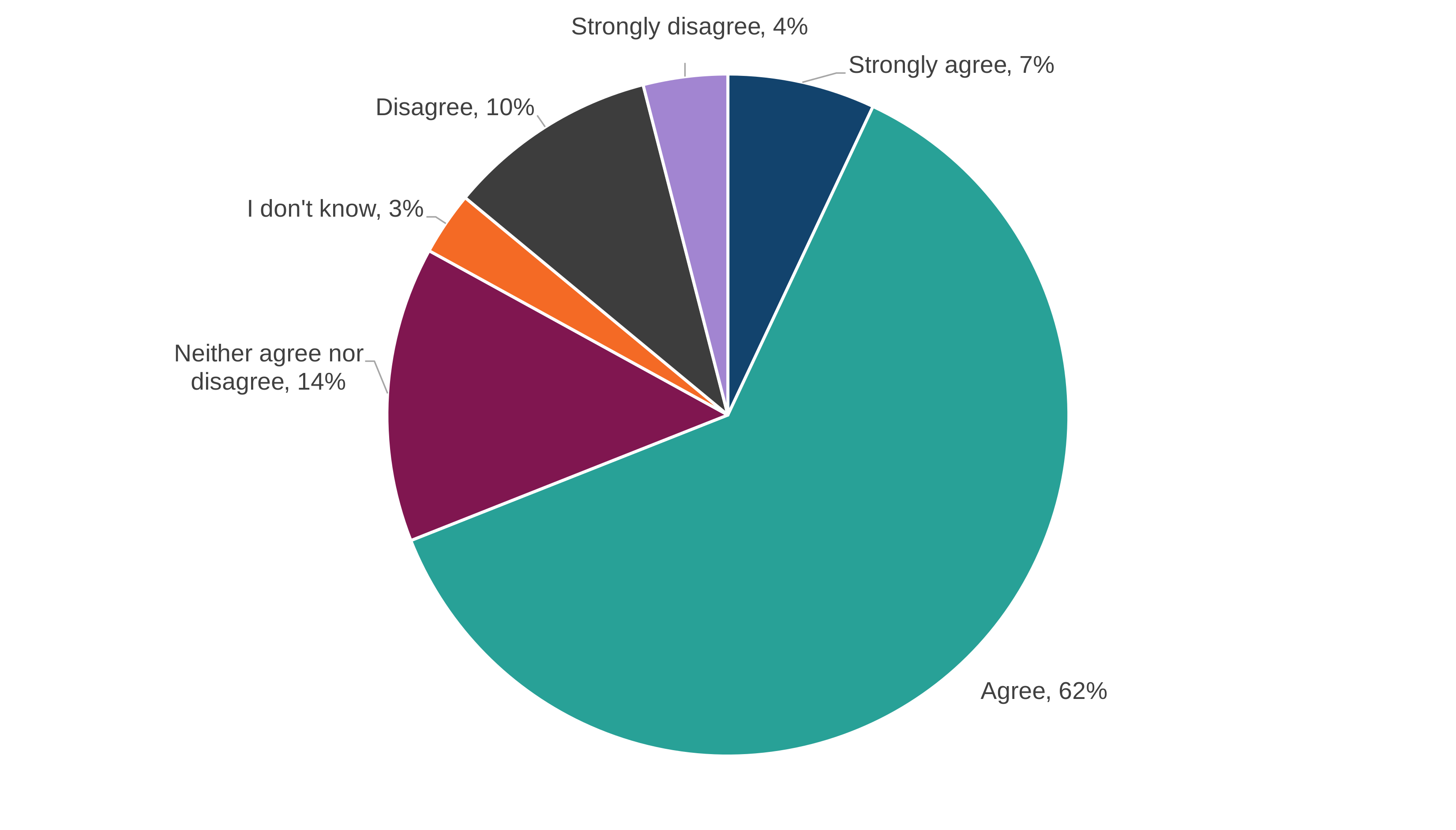
Data from figure 5:
| Response | % |
|---|---|
| Strongly agree | 7% |
| Agree | 62% |
| Neither agree nor disagree | 14% |
| I don’t know | 3% |
| Disagree | 10% |
| Strongly disagree | 4% |
81 (69%) out of 118 respondents agreed with the impacts that have been identified. Most of these respondents endorse the impacts as reasonable as reforms are seen as unlocking private investment, bringing forward jobs and keeping the UK competitive for globally mobile digital infrastructure.
14% of respondents were neutral, the majority of whom asked for clearer understanding of the impact on overall system costs and consumer bills. Many neutral respondents call for stronger quantification and transparency on cost recovery, and clearer analysis of how accelerated demand interacts with reinforcement needs, wholesale prices and distributional outcomes.
14% disagreed with the impacts that have been identified. Respondents warned the proposed measures could favour large or well-connected projects over public value and fair competition, while underplaying impacts on groups such as traditional industry, non-data-centre demand, and local authorities. Several respondents also said the evidence base is too weak, citing outdated queue data, and unclear distribution of costs and benefits. They cautioned that implementation could create disruption which undermines investor confidence and risks unfairly affecting advanced projects.
Question 16
Do you think there are other impacts that have not been identified?
Summary of responses
Figure 6: Are there other impacts that have not been identified
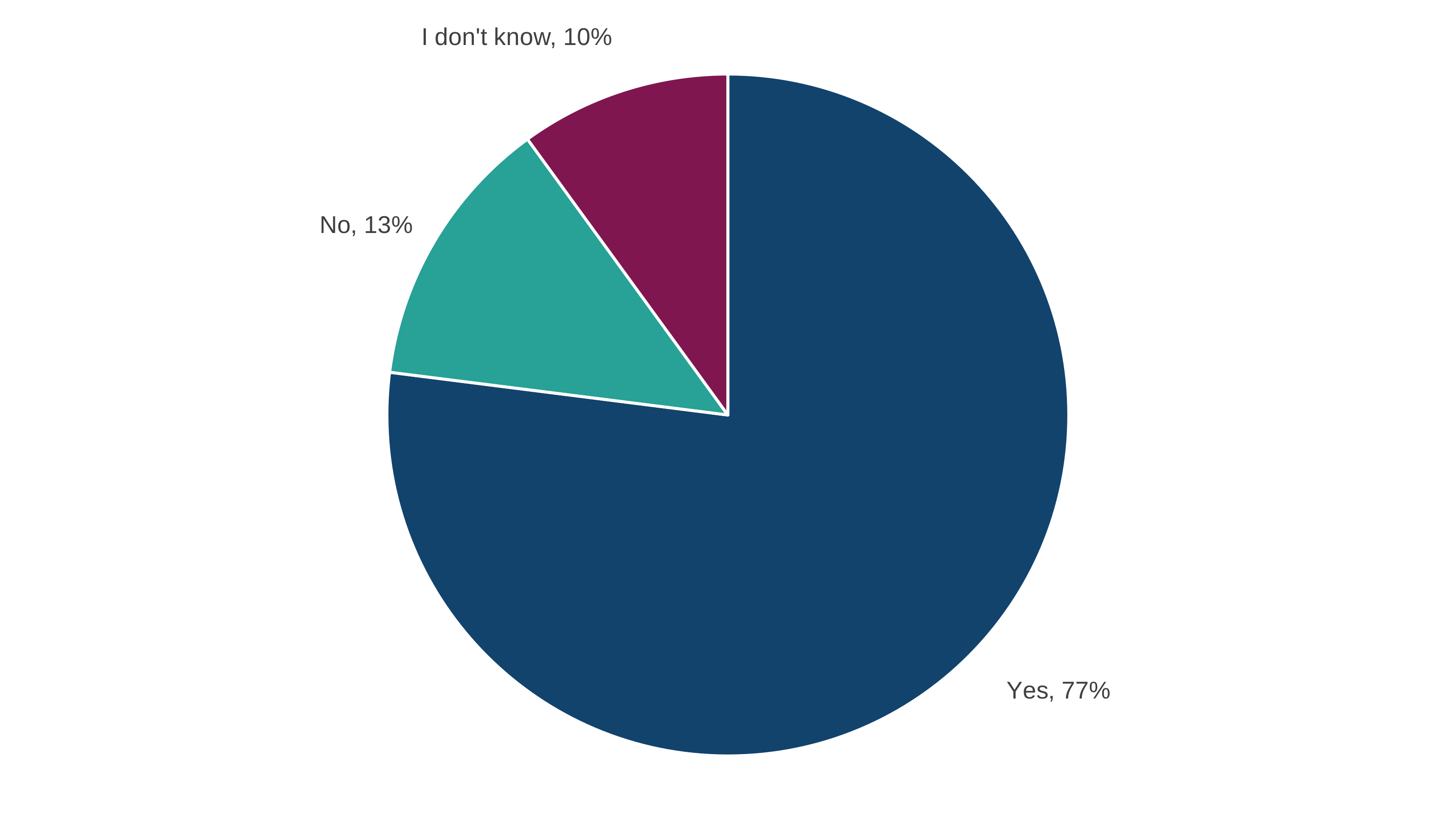
Data from figure 6:
| Response | % |
|---|---|
| Yes | 77% |
| No | 13% |
| I don’t know | 10% |
Out of 156 responses, 113 responded to this question. 77% agreed that there are other impacts that have not been identified. Some provided further detail of these impacts, many of which highlighted investor confidence as not being adequately considered as part of the impact assessment, and that the proposals could increase investment uncertainty for capital-intensive demand projects if connection terms become less predictable. A few warned that the UK risks losing investment to other countries due to the unpredictable connections landscape.
Some respondents cautioned that the reforms could have uneven regional effects, benefiting areas with existing network headroom or planned reinforcement while disadvantaging more constrained regions.
Some demand project developers raised concerns that the carbon and environmental impact of delaying connections have not been adequately assessed and should be considered. Many non-data centre demand project developers were concerned that the cost of grid connections for traditional industrial sectors has not been adequately quantified.
Question 17
Are there any groups you expect would be uniquely impacted by these proposals, such as small and micro businesses, or any groups of people sharing a particular protected characteristic?
Summary of responses
Figure 7: Would any groups be uniquely impacted
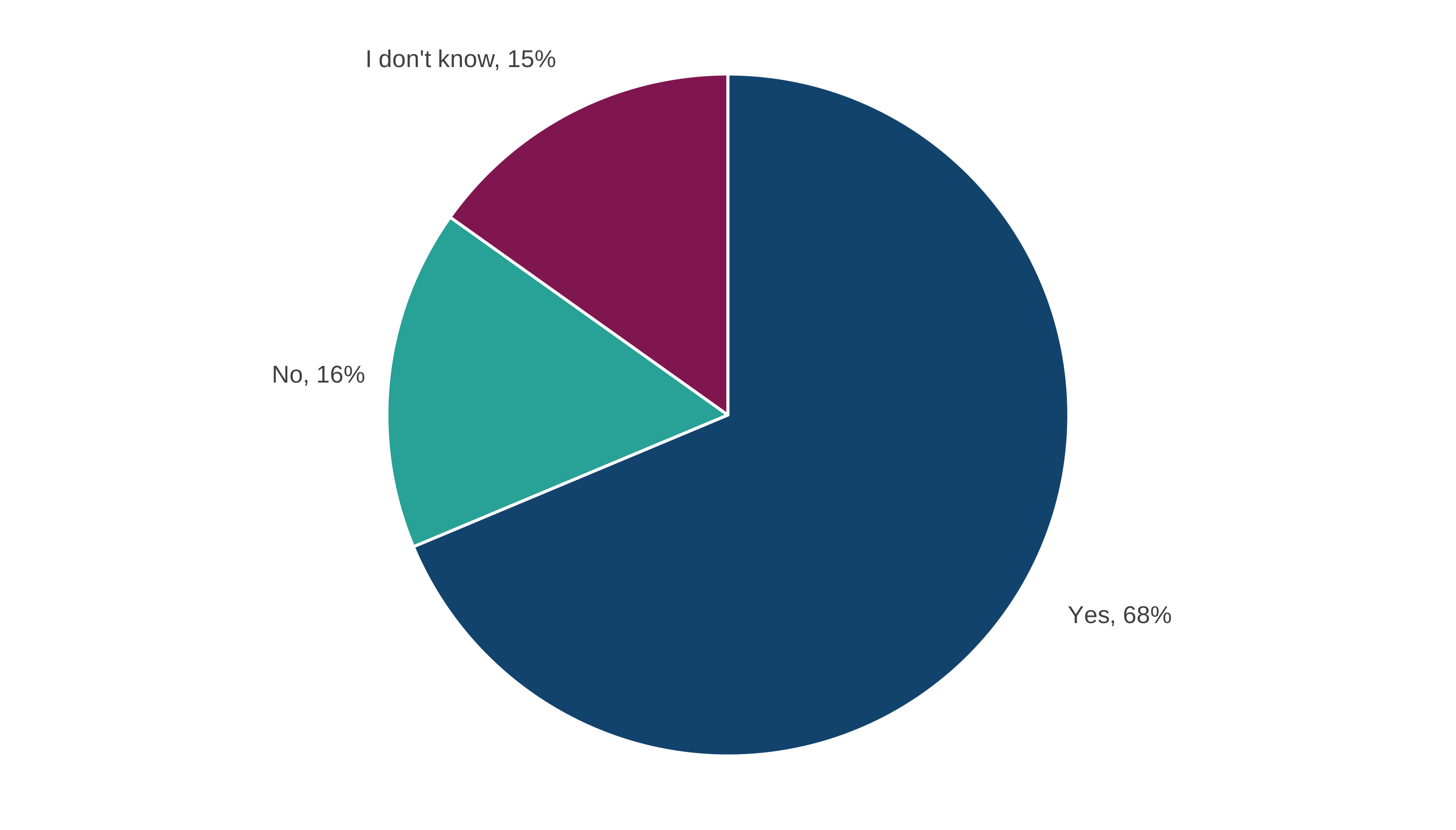
Data from figure 7:
| Response | % |
|---|---|
| Yes | 68% |
| No | 16% |
| I don’t know | 15% |
There were 110 responses to this question, with 75 (68%) of respondents agreeing that there are groups that would be uniquely impacted by these proposals.
Respondents commonly highlighted that small businesses would lack resources to navigate complex prioritisation processes and raised concerns about being crowded out by larger, better-resourced developers.
Some respondents argued that costs could be passed on to consumers for these measures. Many non-data centre demand developers flagged that other strategic sectors may be deprioritised in favour of data centres, and some Local / Mayoral authorities were concerned that projects connecting at distribution level would be disadvantaged.
Analytical Annex questions – government response
We note respondents’ broad support for intervention to address the oversubscribed queue, while recognising the emphasis placed on implementing reform in a way that is transparent, proportionate and grounded in clear definitions, and the importance placed on strengthening the evidence base underpinning the reforms, particularly in relation to system costs, consumer bill impacts, distributional effects and investor confidence.
The proposed prioritisation mechanisms are designed to support strategic demand projects of all types and with significant social as well as economic value, and to create acceleration benefit for strategic projects without causing delays to other viable projects in the queue. These measures are proportionate given the extent of oversubscription in the demand queue and are urgently needed – existing frameworks such as readiness requirements and progression milestones are necessary but not sufficient on their own to tackle this problem. Government considers that these mechanisms do not in themselves create additional complexity for small businesses, as the selection process is led by the government.
Government collects regular information on connections from network companies to track changes in application volumes and queue attrition over time. This data is already supporting the government, NESO and Ofgem to assess the efficiency and effectiveness of the current process and will support analysis of the extent to which measures are improving queue quality and supporting more efficient use of network capacity. DESNZ is working closely with NESO and DNOs to improve the granularity and regularity of demand connections data, including through data collection exercises such as NESO’s recent Information Request Notice[footnote 12] to demand customers. This aligns with work led by Ofgem through the End-to-End Review to improve public visibility of demand data through a Demand Connections Register.
Further analysis will be needed to inform development of regional infrastructure targets for data centres. Aligning data centres with regional infrastructure targets ensures that investment is directed to locations where energy and network infrastructure can be delivered most efficiently, reducing costs for consumers whilst supporting economic growth and digital infrastructure across the country. Government will set out additional detail on planned analysis, including interactions with local network planning, in a forthcoming government consultation. We are also exploring whether large load users can contribute to the infrastructure needed to support their growth, enabling faster delivery while helping to minimise costs for consumers.
Section 3 – Changes to methodologies, codes, and licences
Summary of proposal
Annex C of the consultation proposed amendments to the existing regulatory framework for connections, to be made under section 14 of the PIA, to implement prioritisation mechanisms for strategic demand.
These included amendments to the Project Designation Methodology (PDM),[footnote 13] the licence condition for Project Designation, the Connections Network Design Methodology (CNDM),[footnote 14] the Connection and Use of System Code (CUSC),[footnote 15] and licence condition for Gate 1 Capacity Reservation. We asked a series of questions related to the regulatory changes.
Question 18
To what extent do you agree that the textual changes to methodologies, licences and codes proposed would achieve the intended effects, as described in the Proposals section of this document?
Summary of responses
Figure 8: Agreement that the proposed textual changes would achieve the intended effects
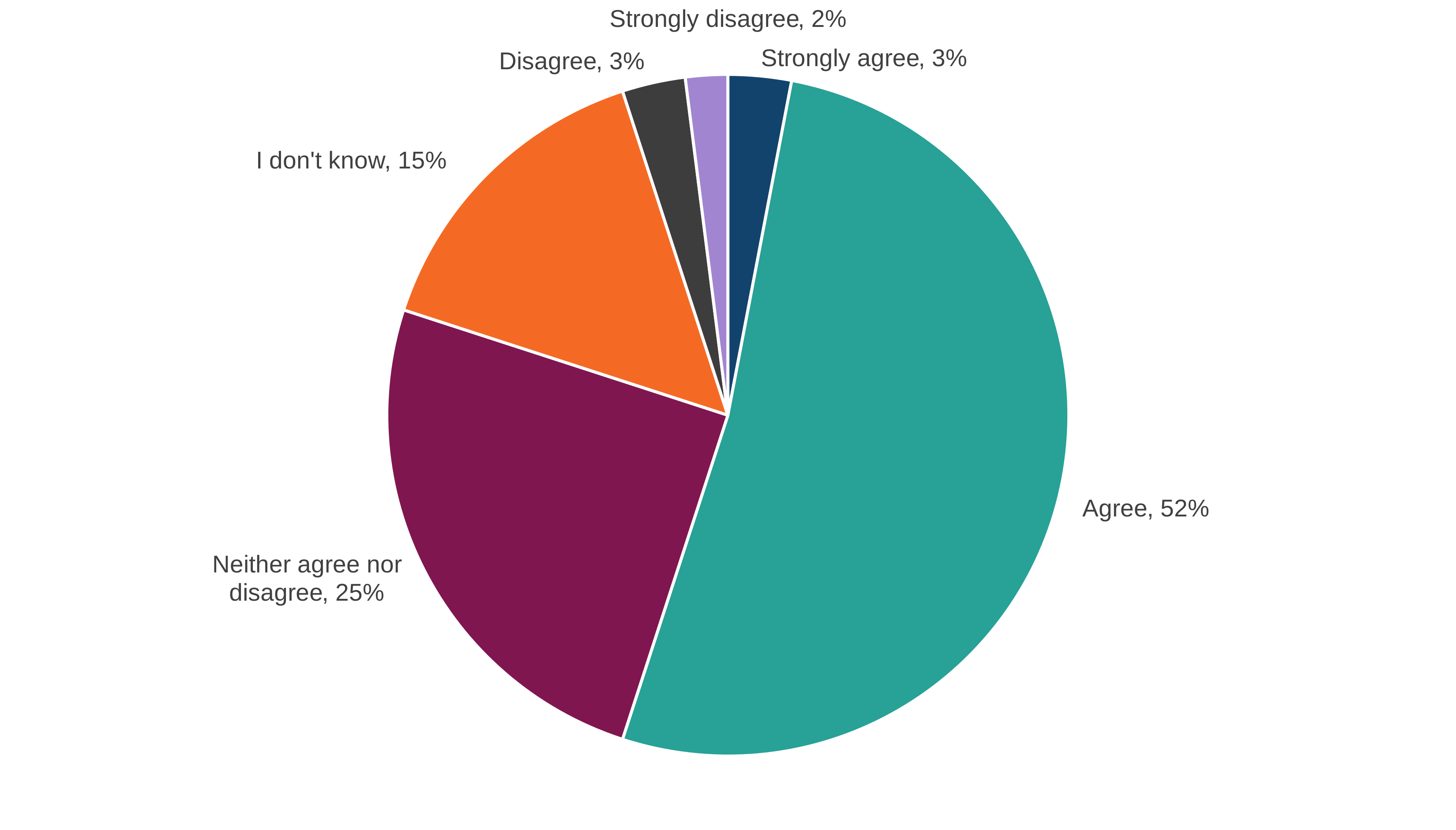
Data from figure 8:
| Response | % |
|---|---|
| Strongly agree | 3% |
| Agree | 52% |
| Neither agree nor disagree | 25% |
| I don’t know | 15% |
| Disagree | 3% |
| Strongly disagree | 2% |
55% agreed that the textual changes would achieve the intended effects. Supportive respondents generally saw the textual changes as a necessary and overdue step to make the reforms enforceable, durable and more predictable. They argued that codifying the policy would reduce ambiguity, improve consistency and give developers, investors and network operators greater confidence, particularly for long-term, capital-intensive projects.
25% remained neutral, of which most were supportive of the direction of travel but unconvinced that drafting alone would deliver the intended outcomes. Their caution centred on implementation, including how the changes would operate in practice, whether they would benefit smaller or distribution-level projects, and how they would align with other elements of the wider reform package such as flexibility, auctions and readiness requirements.
Five respondents disagreed, raising concerns around what the text would enable. These respondents opposed prioritisation in principle, arguing that government-identified projects or treating some demand types differently could create unfairness, and lead to the politicisation of what is considered to be technical system operation decisions owned by NESO.
Question 19
Can you foresee any unintended consequences of making the proposed textual changes?
Summary of responses
There were 85 responses to this question. 65% of those who responded answered ‘Yes’, and 35% answered ‘No’. Some respondents argued that textual changes introduce new concepts and processes which add complexity to the regulatory process. This concern was more consistent amongst smaller actors, who anticipated higher time and cost burdens because of the changes. Some concerns related to the inconsistent interpretation of definitions such as ‘strategic’ between network companies, and a few saw the textual changes as allowing for the government to have greater influence over operational decision-making.
Question 20
If you would suggest any alternative textual changes to achieve the intended policy effects, please describe them.
Summary of responses
Very few respondents proposed amendments to the textual changes. Most responses instead re-stated views on the policy proposals themselves. Some respondents asked for more transparency on the selection process for strategic demand and on how the mechanisms would work in practice. They also emphasised the need to ensure that designated projects are viable and sought clarity on how prioritisation would work for distribution-connected demand. Some respondents also asked whether viable projects would be pushed back in the queue to enable acceleration of designated projects.
Where changes were proposed these included that the legal text should:
- identify specific sectors as strategic, rather than designate on an individual project basis
- amend drafting to refer to ‘projects’ rather than ‘demand projects’ so that the government can support co-located projects where there is an element of both demand and generation/storage
- explicitly state that strategic projects will not be deprioritised relative to other NESO designated categories during queue formation or reallocation
- set out that reservation is time-bound and subject to expiry
- contain explicit guidance on tie breakers where multiple government designated projects compete for the same released capacity
- include a clause so that methodologies are subject to regular review
- include more explicit wording to define what is strategic, and ensuring that projects of strategic system value are considered within that
- ensure that any NESO capacity reservation does not result in capacity being reserved for desired projects that are not yet deliverable
- link prioritisation and reservation to enforceable milestones to ensure delivery and include penalties if that delivery stalls
Changes to methodologies, codes, and licences – government response
Having considered responses to Questions 18, 19 and 20, the government is broadly satisfied that the proposed legal text changes, in the form consulted on, are sufficient to achieve the desired outcome of enabling prioritisation of strategic demand projects connecting through the NESO gated application process. Government therefore intends to give effect to the amended legal texts, the final text of which will be published in due course.
Having considered responses to Questions 18, 19 and 20, the government is broadly satisfied that the proposed legal text changes, in the form consulted on, are sufficient to achieve the desired outcome of enabling prioritisation of strategic demand projects connecting through the NESO gated application process. Government therefore intends to give effect to the amended legal texts, the final text of which will be published in due course.
Clarificatory points on the implementation of strategic demand prioritisation
Government does not currently intend to designate specific sectors for prioritisation on a generic basis. If there is a need to designate the generation element of a project, the means to do so already exist in NESO methodology.
As set out above, prioritised projects will be subject to the usual entry and project progression requirements to ensure that capacity is allocated efficiently. Similarly, reserved capacity will be time-bound, per existing guidance. Ofgem guidance already provides for annual review, at a minimum, of connections methodologies.
Government does not consider it necessary to define strategic demand in the regulatory framework. Strategic demand projects will be identified through the CAS selection process which was outlined in Annex B of the consultation. The scope, criteria and process for identifying strategic projects that can benefit from the prioritisation mechanisms will be published in due course.
As the changes build on existing methodologies and have been developed with NESO, Ofgem and network companies, the government considers that they can be implemented without introducing undue complexity or disruption to standard processes.
Project designation and Gate 1 capacity reservation are distinct NESO processes. Projects identified by the government may be either:
- Gate 2-ready, in which case they may be treated by NESO as designated projects and benefit from capacity reallocation or in-batch acceleration; or
- Gate 1-ready, in which case NESO may reserve capacity for the project, including a point of connection and placeholder queue position, as if it had met the Gate 2 readiness criteria
However, it may be the case that a project that enters the queue through Capacity Reservation subsequently has the opportunity to further accelerate its queue position through reallocation where earlier capacity is released, provided it has since met the Gate 2 readiness criteria. In this event, the government will clarify publicly how it expects NESO to treat the project concerned.
‘In-batch acceleration’ may apply to modification applications ‘mod-apps’ from projects already holding a connection agreement, as well as new projects applying in future application windows.
Gate 1 capacity reservation can support earlier network planning and infrastructure build, but under current CNDM arrangements reserved projects are placed at the back of the relevant queue formation batch and are not automatically ranked ahead of other ready projects. Government is considering whether future methodology changes may be appropriate to allow reserved capacity to rank higher in the queue formation process, including for non-project-specific reservations.
As set out in the CNDM, where reservations are made for specific projects, there will be a bilaterally agreed minimum reservation period subject to annual review to ensure that capacity is not held indefinitely. This provision will apply to the reservation for any government-identified projects.[footnote 16] Finally, it is important to note that prioritisation does not override network operability and security standards and acceleration of connection date is subject to network capacity deliverability. Similarly, to benefit from capacity reallocation, strategic projects should be of a similar nature to exiting projects and have reasonable proximity to released capacity.
Next steps and implementation
The government intends to proceed with implementing the prioritisation mechanisms set out in Proposal 2 by the next NESO application window, using powers in the PIA. Government has agreed that the CAS selection framework will be used to identify which strategically important projects may be suitable to benefit from the new prioritisation mechanisms, with final decisions subject to Ministerial approval. We will keep the prioritisation measures under review, working with NESO and network companies to consider how scarce network capacity can be allocated most effectively to support government’s strategic priorities.
The final detailed legal texts of the regulatory changes required to give effect to prioritisation of strategic demand, as well as the Strategic Framework for the use of these new measures, will be published in due course.
Government intends to take forward Proposal 3 to align data centre connections to regional infrastructure targets. This measure is essential to manage oversubscription and secure capacity for vital data infrastructure in a way that balances the needs of the energy system. DESNZ is working closely with BIST, NESO and network companies to develop a framework for alignment of data centre connections to regional infrastructure targets and further detail will be provided in due course. Where changes to methodologies, codes, or licences are needed to give effect to this proposal, the government expects that these would be made using PIA powers.
Government is still considering the merits of auctions for allocation of capacity to strategic demand or as a tool to solve persistent oversubscription. However, this work remains at an early stage, with further analysis required to assess feasibility and scope of application, and a range of possible approaches are still under consideration. Government will also continue to work with Ofgem, NESO, network companies, and industry to consider the merits and operational requirements of using auctions to allocate capacity more generally as the landscape of demand connections evolves. Government will publish details of any proposed policy implementation, as needed.
Ofgem is leading on development of ‘Curate’ proposals. Following consultation which closed in September, a decision is due to be published before the next NESO application window. Ofgem will publish details of any required regulatory changes to be made under the PIA, alongside the decision. Government expects queue management measures to be implemented across transmission and distribution as far as possible, subject to decisions on the appropriate threshold at which smaller projects will be in scope. Subject to decision, the Data Centre Commitment Fee is expected to be applied to projects above 40MW connecting to or having an impact on the Transmission system.
Government, with Ofgem and NESO, is progressing a package of reforms under the ‘Connect’ pillar of the Demand Connections Reform programme, to accelerate infrastructure delivery for viable and strategically important demand, while improving the efficiency of existing network capacity. Ofgem published an update on the ‘Connect’ pillar work on 16 June and subsequently published the self-build and transfer arrangements consultation which closes on 13 November.[footnote 17] Government expects a number of additional ‘Connect’ policies across Demand Connections Reform to be defined ahead of the next NESO application window with further time required for implementation through licences, codes and contracts. Exact timing for implementation of individual policies, including whether they will be delivered through the next application window, will be determined in due course. This work will be coordinated with wider connections reform to enable earlier, more certain connections while delivering value for consumers and maintaining security of supply.
Phases
Demand connections reform – expected implementation milestones
As set out in the consultation, we are taking a staged delivery approach to demand connections reforms.
The first stage of reform focuses on addressing applications from speculative data centre projects in the demand queue. This will protect against continued inflation of the demand pipeline from speculative activity and provide data centre projects currently in the queue with an opportunity to review their position in light of the new requirements. Subject to final decisions, we expect the Data Centre Commitment Fee (Proposal 1) to be in place across transmission and distribution before NESO reopens the process for transmission connection applications, and further detail on implementation will be provided following Ofgem’s decisions.[footnote 18]
Proposal 2 (Prioritisation Mechanisms) will also be implemented in this phase and will cover projects that are in scope of the NESO gated application process.
We expect strategic alignment of data centre connections (Proposal 3) to be implemented at a future connections application window and are considering the most appropriate timing for this.
As set out in Ofgem’s ‘Connect’ Update, work to develop flexibility requirements and expedite delivery of transmission connections will be ongoing and further consultations are expected in due course.
Summary of decisions and next steps
Table 2: Policies, decisions and next steps
| Policy | Decision | Next steps |
|---|---|---|
| Data Centre Queue Management | Taken forward through ‘Curate’ workstream. Policy design subject to Ofgem final decision. Government supports stronger queue management, including a Data Centre Commitment Fee and enhanced progression milestones. |
Ofgem to publish its decision in Q1 2027 for implementation before the next NESO application window. |
| Prioritisation of strategic demand: capacity reallocation, capacity reservation and in-batch acceleration | Taken forward. | Government will make the required regulatory changes using Planning and Infrastructure Act powers and will publish the final legal texts of these, a Strategic Framework for their use by the Connections Accelerator Service, and details of strategic projects and corresponding directions to NESO, in due course. Measures are intended to be available before the next NESO application window. Note that government no longer intends to use section 18 of PIA to designate a strategic plan in support of these measures. Government is also considering how non-project-specific capacity reservation could support earlier network investment, regional growth and greater government strategic direction of network development. |
| Access to available capacity before 2030 for strategic demand. | Under development. | Government intends to work with NESO and network companies to identify locations, through network assessment, where capacity may be available before 2030 and may use Planning and Infrastructure Act powers to enable strategically important demand projects to access this capacity. |
| Strategic alignment of data centre connections | Taken forward. Government intends to align post-2030 data centre connections to regional infrastructure targets, which will act as a limit on connection volumes. |
Strategic alignment will be implemented at a future NESO application window. Government will publish details on the proposed policy framework for strategic alignment in due course, and continues to work with NESO, network companies, and NISTA on analysis to support the regional allocations. Any methodology, code or licence changes required will be made using Planning and Infrastructure Act powers. |
| Auctions for the allocation of demand connection capacity | Under further consideration. Government is not committing to an auction mechanism at this stage. |
Government will continue working with Ofgem, NESO, network companies and industry to assess the merits, feasibility and operational requirements of auctions. Details of any proposed implementation will be published as needed. |
| Alternative connection agreements | Under development through ‘Connect’ workstream. Options include non-firm or lower-resilience, phased or ramped, and hybrid firm/flexible arrangements. |
Government will continue work through the Flex Technical Taskforce, including consideration of how options could be reflected in standard contracts and connection processes. Government and Ofgem will provide an update in due course. Proposals may be subject to further consultation. |
| Voluntary flexibility services | Under development through ‘Connect’ workstream. Government is exploring routine, dispatchable voluntary flexibility from demand users, including data centres. |
Further work will be undertaken through the Flex Technical Taskforce on realistic flexibility levels and incentive or market mechanisms. Government and Ofgem will provide an update in due course. Proposals may be subject to further consultation. |
| Operational control measures | Under development through ‘Connect’ workstream. Government is exploring a last-resort mechanism allowing the System Operator to temporarily curtail demand in low-probability security of supply situations. |
Government and Ofgem will continue to work with stakeholders on policy design and will provide an update in due course. Proposals may be subject to further consultation. |
| Developer self-build and transfer arrangements | Under development through ‘Connect’ workstream. | Ofgem’s consultation on self-build and transfer arrangements closes on 13 November 2026. A decision is expected in Q1 2027. |
| Independent Transmission Owner licence | Under development through ‘Connect’ workstream. | Development will continue alongside the other ‘Connect’ policies. Ofgem will publish a Call for Input in due course and a detailed consultation on licence conditions and implementation will follow. |
Annex A: Approach to analysis
Government has considered all responses received on this consultation. However, as this is a summary it will not detail all responses but instead will outline common themes and areas of note. The summary of responses sections use the following guidance:
- ‘Most respondents’ indicates the clear view of more than 75% of respondents
- ‘Many respondents’ indicates the view of 50%-75% of respondents
- ‘Some respondents’ refers to the range between 25% and 50% of respondents
- ‘A few respondents’ refers to the range between 0% and 25% of respondents
While some respondents may reasonably fall within more than one category, we have categorised each respondent according to the primary function identified.
‘Integrated Generation/Demand Developer’ is a developer of both electricity generation projects and electricity demand projects.
Government acknowledges the range of views expressed by respondents and appreciates the feedback received. While our analysis highlights views from some categories more so than others, this does not imply that other perspectives have not been considered; all feedback has been duly taken into account.
-
Ofgem (2026) ‘Connect update: demand connections reform’ ↩
-
Respondent categories have been aligned with those used by Ofgem in the analysis of its recent Call for Input, the response to which was published on 16 June. Further information on the approach to analysis can be found at Annex A. ↩
-
Ofgem (2026) ‘Proposed data centre connection reforms’ ↩
-
DESNZ (2026) ‘Accelerating electricity network connections for strategic demand’ ↩
-
NESO (2026) ‘Connections Network Design Methodology (CNDM)’ – Section 6.5.5, ‘there will be a bilaterally agreed minimum reservation period with an annual review thereafter, to ensure the reservation is not held indefinitely ↩
-
DESNZ (2025) ‘Electricity network infrastructure: consents, land access and rights’ ↩
-
Ofgem (2026) ‘Ofgem to administer government’s Bill Discount Scheme to recognise communities hosting new electricity infrastructure’, press release, 18 May 2026 ↩
-
Ofgem (2026) ‘Growing Great Britain’s electricity network supply chains: Ofgem position and call for evidence’ ↩
-
Ofgem (2026) ‘Transforming the connections experience’ ↩
-
The Environmental Permitting (England and Wales) Regulations 2016 ↩
-
The Environmental Permitting (England and Wales) Regulations 2016 ↩
-
NESO (2026) ‘Demand Information Request Notice (IRN)’ ↩
-
NESO (2026) ‘Project Designation Methodology’ ↩
-
NESO (2026) ‘Connections Network Design Methodology (CNDM)’ ↩
-
NESO, CUSC Code Documents ↩
-
NESO (2026) ‘Connections Network Design Methodology (CNDM)’, para 6.5.5 ↩
-
Ofgem (2026) ‘Enabling greater self-build of transmission connections’ ↩
-
Ofgem (2026) ‘Proposed data centre connection reforms’ ↩