Wider Determinants of Health: statistical commentary, February 2026
Published 3 February 2026
Applies to England

© Crown copyright 2026
This publication is licensed under the terms of the Open Government Licence v3.0 except where otherwise stated. To view this licence, visit nationalarchives.gov.uk/doc/open-government-licence/version/3 or write to the Information Policy Team, The National Archives, Kew, London TW9 4DU, or email: psi@nationalarchives.gov.uk.
Where we have identified any third party copyright information you will need to obtain permission from the copyright holders concerned.
This publication is available at https://www.gov.uk/government/statistics/wider-determinants-of-health-february-2026-update/wider-determinants-of-health-statistical-commentary-february-2026
What’s new
This update includes new time points for 12 indicators, on these themes:
- economic inactivity
- average weekly earnings
- homelessness
- school readiness
- air pollution
- domestic abuse
Introduction
The Wider Determinants of Health profile brings together available indicators at England and local authority level and is designed to:
-
draw attention to the broad range of individual, social and environmental factors which influence our health
-
provide the public health system with intelligence on the wider determinants of health to inform planning to improve population health and reduce health inequalities
This statistical commentary looks at the update to data for economic inactivity due to long-term illness or disability.
Economic inactivity due to long-term illness or disability
People who are not in employment and have not been seeking work within the last 4 weeks, or who are unable to start work within the next 2 weeks are defined as economically inactive.
This indicator reports the number of people who are economically inactive due to long-term illness or disability as a proportion of the working-age population (aged 16 to 64). This indicator provides further understanding of economic inactivity to supplement data published by the Department for Work and Pensions (DWP) as part of the employment of disabled people statistics. DWP statistics give an estimate of the number of people who are economically inactive by the reason for which they are inactive.
Main findings
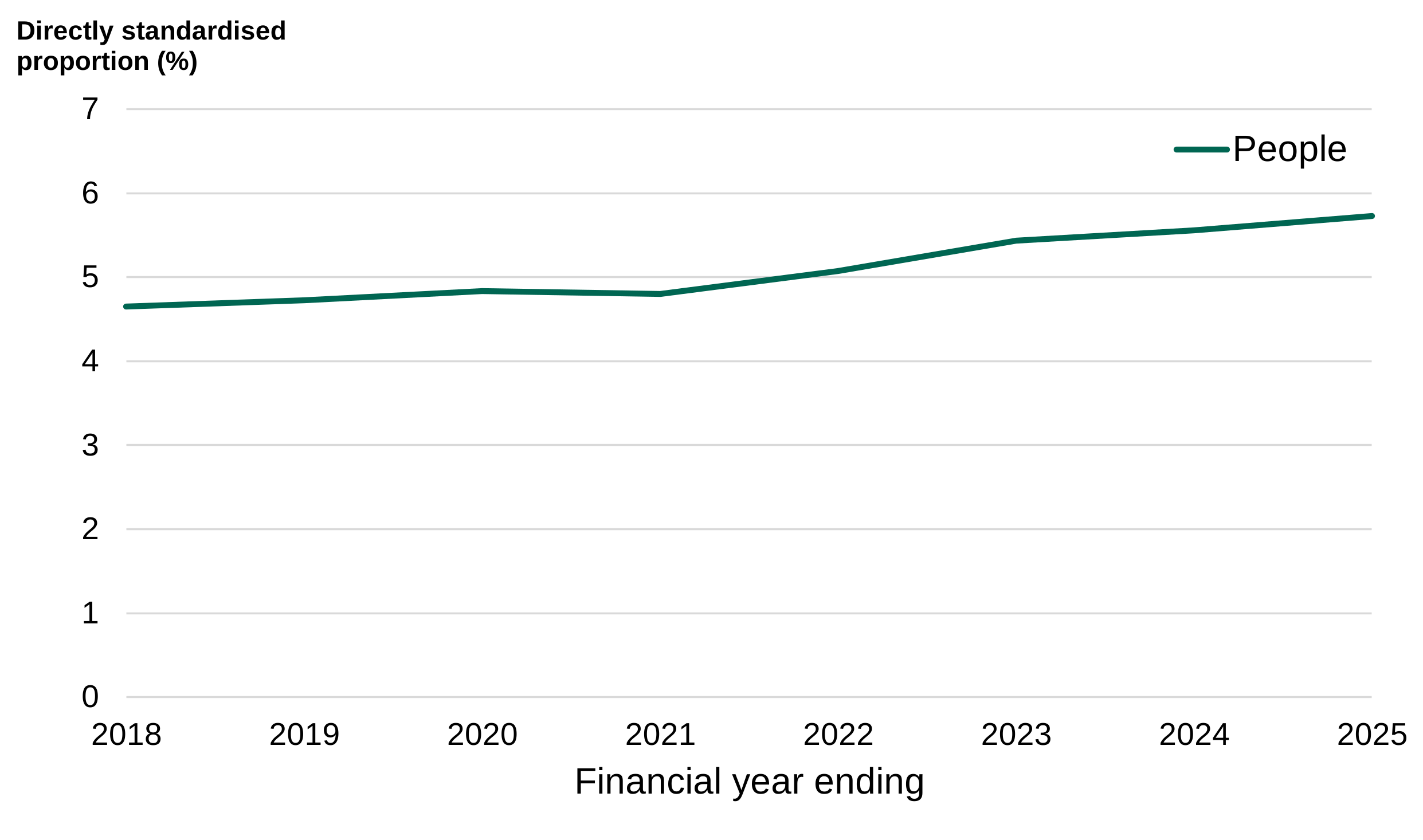
In England, 5.7% of people were economically inactive in 2024 to 2025 because of long-term illness or disability. This has been increasing since 2017 to 2018 (4.6%) (see figure 1).
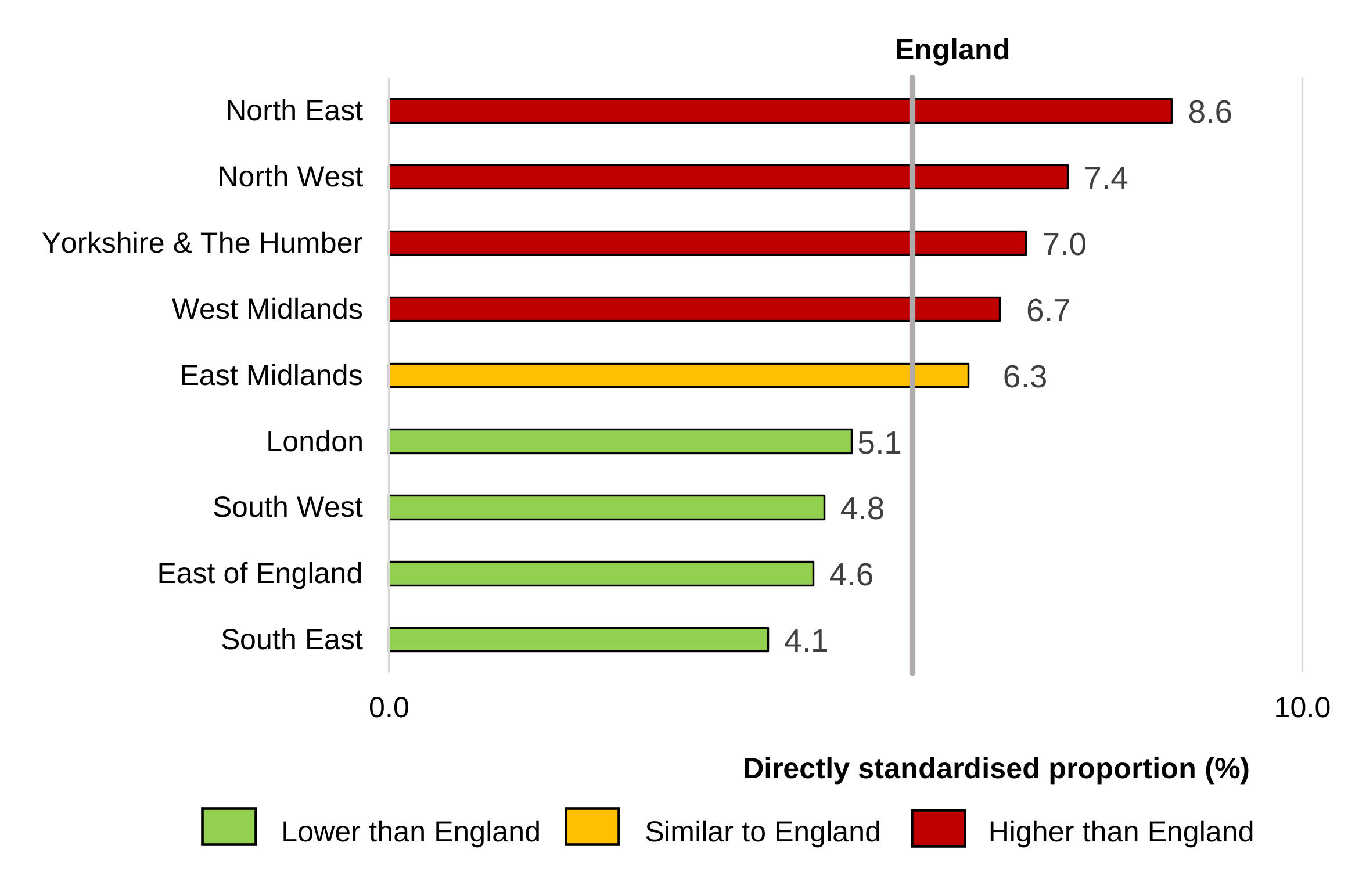
In 2024 to 2025, there were significant differences between regions. People in the North East (8.6%) were more than twice as likely to be economically inactive due to long-term illness or disability as people in the South East (4.1%) (see figure 2).
Figure 1: economic inactivity due to long-term illness or disability, aged 16 to 64, England, 2017 to 2018 to 2024 to 2025
Source: OHID, based on Office for National Statistics data
Figure 2: economic inactivity due to long-term illness or disability by region, aged 16 to 64, 2024 to 2025
Source: OHID, based on Office for National Statistics data
Further information
The Wider Determinants of Health profile includes data for all indicators that have been updated. Further details about indicator methodology are available within the definitions section.
For queries about this publication, email pha-ohid@dhsc.gov.uk.