Legionellosis in residents of England and Wales: 2024
Published 20 November 2025
Applies to England and Wales

© Crown copyright 2025
This publication is licensed under the terms of the Open Government Licence v3.0 except where otherwise stated. To view this licence, visit nationalarchives.gov.uk/doc/open-government-licence/version/3 or write to the Information Policy Team, The National Archives, Kew, London TW9 4DU, or email: psi@nationalarchives.gov.uk.
Where we have identified any third party copyright information you will need to obtain permission from the copyright holders concerned.
This publication is available at https://www.gov.uk/government/statistics/legionellosis-in-residents-of-england-and-wales-2024/legionellosis-in-residents-of-england-and-wales-2024
Main points
The main messages of this report are:
- 472 cases of legionellosis were reported in 2024, representing a 22.0% decrease compared with 2023 and returning to levels observed between 2021 and 2022
- the estimated incidence of Legionnaires’ disease in 2024 was 0.7 (confidence interval (CI): 0.7 to 0.8) per 100,000 population in England and Wales, compared to 1.0 (CI: 0.9 to 1.1) in 2023
- the majority of cases (63.9%, n = 296) were reported in individuals aged 60 years and over in 2024, with 68.0% (n = 315) of cases being male
- the case fatality rate (CFR) for Legionnaires’ disease cases in 2024 was estimated to be 2.8% (CI: 1.6% to 4.9%), which is similar to 2023
- just over half of Legionella exposures in 2024 were acquired in the community, accounting for 239 cases (51.6%). 203 cases (43.8%) were associated with travel outside the UK, while 21 cases (4.5%) were linked to healthcare facilities (healthcare-associated)
- 3 out of 4 Legionnaires’ disease cases (76.5%, n = 354) in 2024 had at least one known risk factor commonly associated with the disease. The most frequently reported risk factor was smoking, which was present in over half of cases (56.6%, n = 262)
Your feedback
This survey aims to enhance our understanding of how readers are interacting with the report, highlighting aspects which are particularly useful and identifying areas that can be improved. The insights gathered from this survey will inform the development of future reports.
Data behind all the charts in this report can be found in the accompanying data set.
Confirmed cases of legionellosis, 2020 to 2024
In 2024, 463 cases fulfilled the case definition (see Case definitions) for a confirmed case of Legionnaires’ disease (LD) in England and Wales. There were 8 cases reported with non-pneumonic legionellosis (NPL), and 1 case reported with Pontiac fever (PF) (Table 1). Overall, the number of legionellosis cases was 137, lower in 2024 than in 2023, representing a 22.0% decrease.
The total number of legionellosis cases reported for 2023 is notably higher than all other years covered in this report. However, when viewed in the context of longer-term trends, the 2023 figures are generally consistent with pre-pandemic levels (see the relevant section of the 2017 to 2023 legionellosis report).
Table 1. Number of confirmed cases of legionellosis by disease type and year of symptoms onset, England and Wales, 2020 to 2024
| Disease type | 2020 | 2021 | 2022 | 2023 | 2024 |
|---|---|---|---|---|---|
| Legionnaires’ disease | 337 | 352 | 415 | 609 | 463 |
| Pontiac fever | 1 | 0 | 0 | 0 | 1 |
| Non-pneumonic legionellosis | 0 | 0 | 0 | 0 | 8 |
| Total legionellosis | 338 | 352 | 415 | 609 | 472 |
The remainder of this report presents descriptive analyses of cases that meet the clinical and microbiological criteria for a confirmed case of LD in England and Wales, with onset of symptoms between 2020 and 2024 unless otherwise stated.
Trends in Legionnaires’ disease in England and Wales
Reported cases of Legionnaires’ disease in England and Wales
LD became a notifiable disease in April 2010. With the exception of the COVID-19 pandemic period, the annual number of reported cases of LD in England and Wales per year has broadly increased over the last 15 years (Figure 1).
Figure 1. Number of confirmed cases of Legionnaires’ disease by year of symptom onset, England and Wales, 2010 to 2024
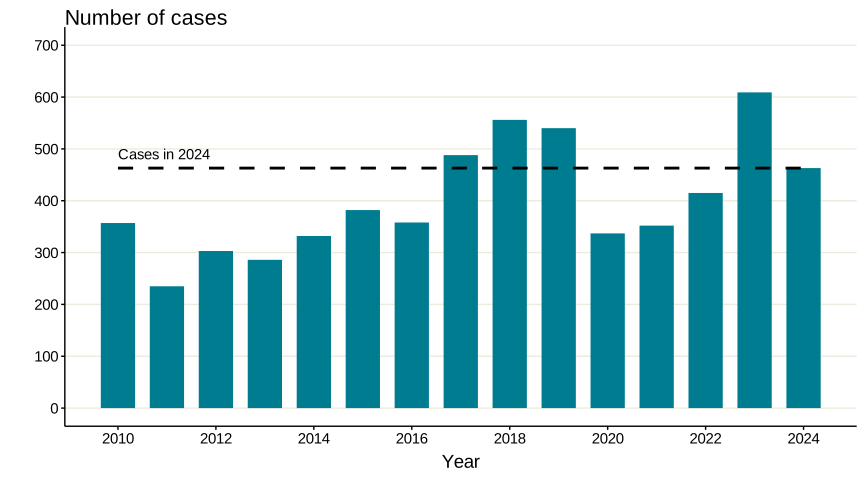
The annual rate of LD per 100,000 population remained low from 2020 to 2024, ranging from 1.0 to 0.6, with a peak in 2023 (Table 2).
Table 2. Number and rate per 100,000 population of Legionnaires’ disease cases by year of symptom onset, England and Wales, 2020 to 2024
| Year | Number of cases | Rate per 100,000 population | Lower 95% CI | Upper 95% CI |
|---|---|---|---|---|
| 2020 | 337 | 0.6 | 0.5 | 0.6 |
| 2021 | 352 | 0.6 | 0.5 | 0.7 |
| 2022 | 415 | 0.7 | 0.6 | 0.8 |
| 2023 | 609 | 1.0 | 0.9 | 1.1 |
| 2024 | 463 | 0.7 | 0.7 | 0.8 |
Seasonality of Legionnaires’ disease, 2020 to 2024
LD cases in 2024 followed the established seasonal pattern, with the highest number of cases reported between June and October 2024 (with a peak of 58 cases in August) (Figure 2). However, the peak was notably flatter than previous years and was not present when cases associated with travel abroad were removed.
Figure 2. Number of confirmed cases of Legionnaires’ disease by month and year of symptom onset, England and Wales, 2020 to 2024
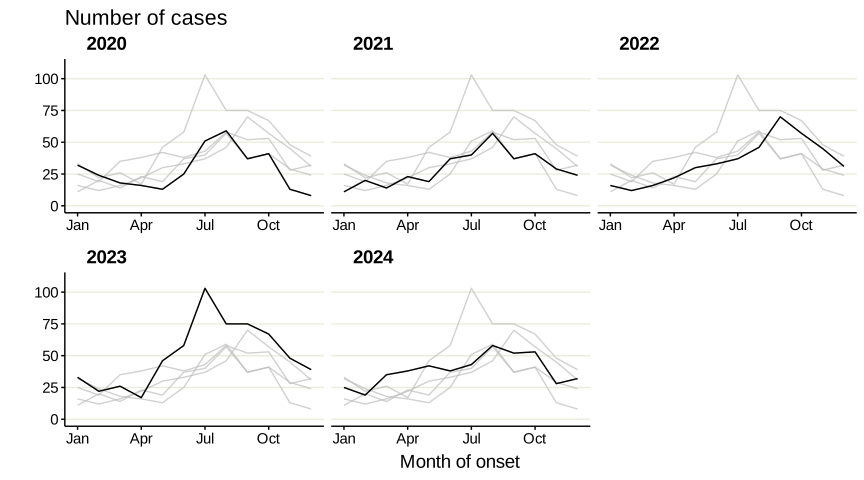
Note 1: black lines represent the year in question, grey lines represent all other years.
Age and sex distribution
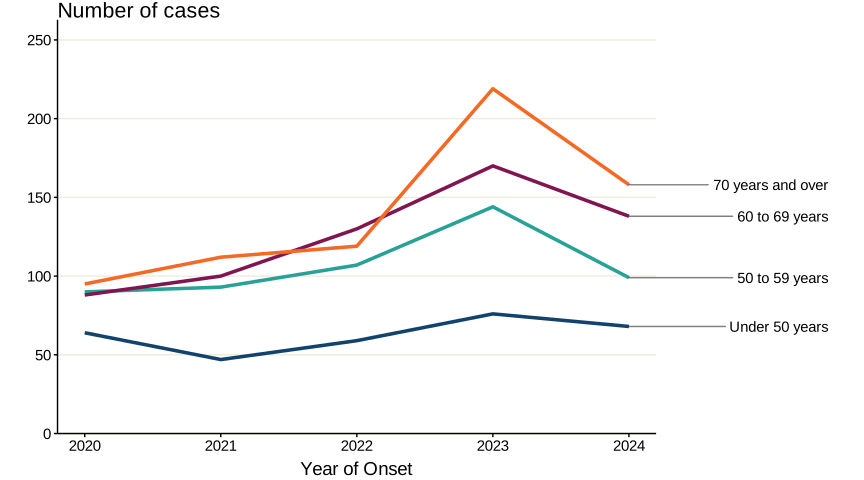
Since the COVID-19 pandemic, there has been an increase in cases of LD, especially in older age groups (Figure 3). In 2024, 158 cases were reported in individuals aged 70 years and over, comprising 34.1% of reported cases. However, this is a decrease of 61 cases compared to 2023. Those aged 60 to 69 years made up the second highest proportion of cases (29.8%) followed by 50 to 59 years (21.4%).
Figure 3. Number of confirmed cases of Legionnaires’ disease by year of symptom onset and age group, England and Wales, 2020 to 2024
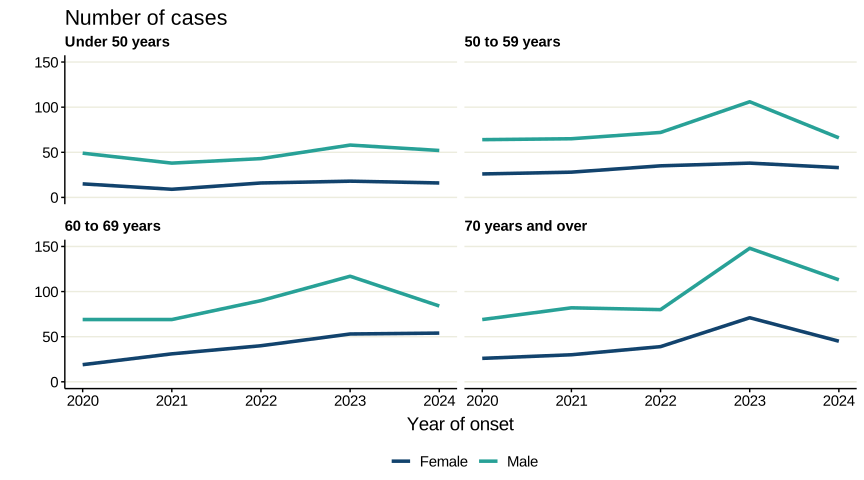
Of the 463 cases of LD reported in 2024, 315 (68.0%) were reported in males and 148 (32.0%) reported in females. The overall male-to-female ratio was 2.1 to 1, corresponding with male sex being a known risk factor for LD. For all years, there were consistently more male cases reported relative to females across all age groups (Figure 4).
Figure 4. Number of confirmed cases of Legionnaires’ disease by age group and sex, England and Wales, 2020 to 2024
Geographical distribution
The case rate during the pandemic years in England (2020 to 2021) was 0.6 cases per 100,000 population for both years (Figure 5). This increased in 2023 to a peak of 1.0. The rate of LD in Wales in 2024 was 1.1 per 100,000 population. However, overlapping confidence intervals (CI) indicate non-significant differences in rates between England and Wales.
Figure 5. Rate of confirmed cases of Legionnaires’ disease per 100,000 population, England and Wales, 2020 to 2024
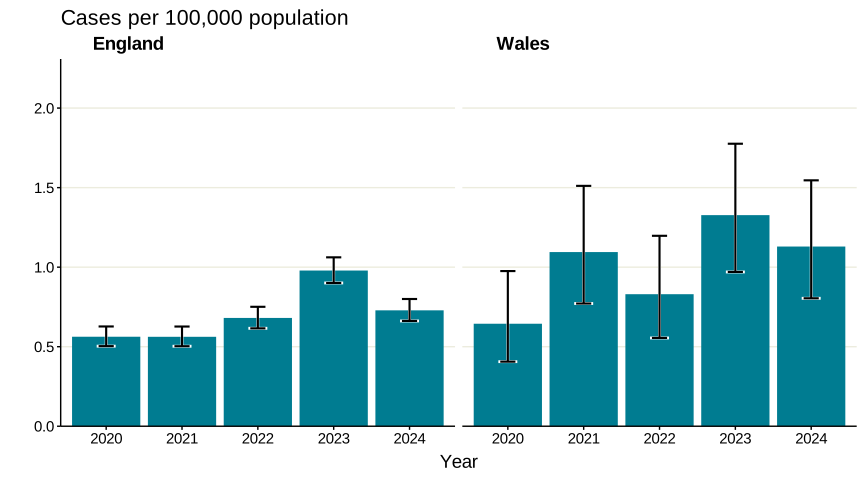
Note 2: error bars represent 95% CI.
Incidence of LD in England varied by UKHSA region. The highest rate of cases in 2024 was reported in the East Midlands, with 1.3 cases per 100,000 population (CI: 1.0 to 1.6), followed by the East of England (0.7, CI: 0.5 to 0.9). Most regions had lower case rates in 2024 compared to 2023, excluding the North East and the East Midlands (Figure 6).
Figure 6. Rate of confirmed cases of Legionnaires’ disease per 100,000 population by UKHSA regions in England, 2020 to 2024
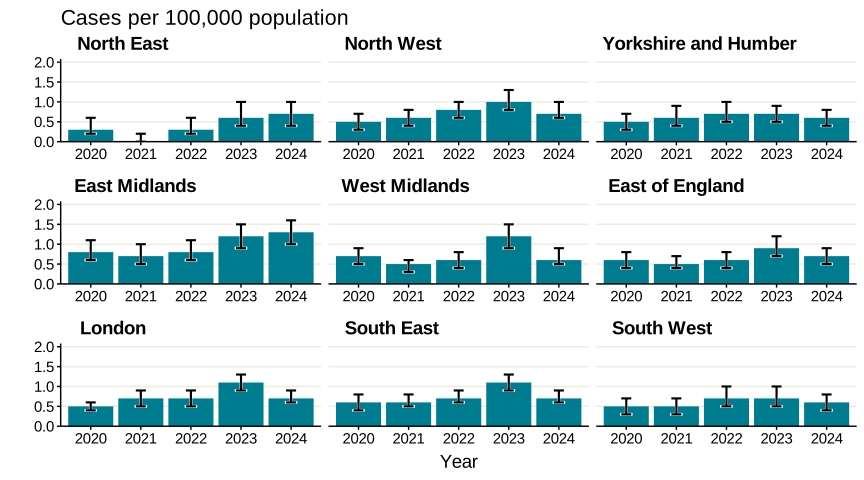
Note 2: error bars represent 95% CI.
Category of exposure
The distribution of cases between principal categories of exposure changed considerably after the COVID-19 pandemic period (Figure 7). During the pandemic (2020 to 2021), the proportion of community-acquired cases was over 80% with travel abroad around 10%, reflecting national travel restrictions. In 2024, travel-associated cases increased back to pre-pandemic levels (43.8%), and the proportion of community-acquired cases decreased to 51.6%. Healthcare-associated cases remained low across the entire period, ranging from 2.1% in 2023 to 4.8% in 2022.
Figure 7. Percentage of confirmed cases of Legionnaires’ disease by principal exposure category and year of onset, England and Wales, 2020 to 2024
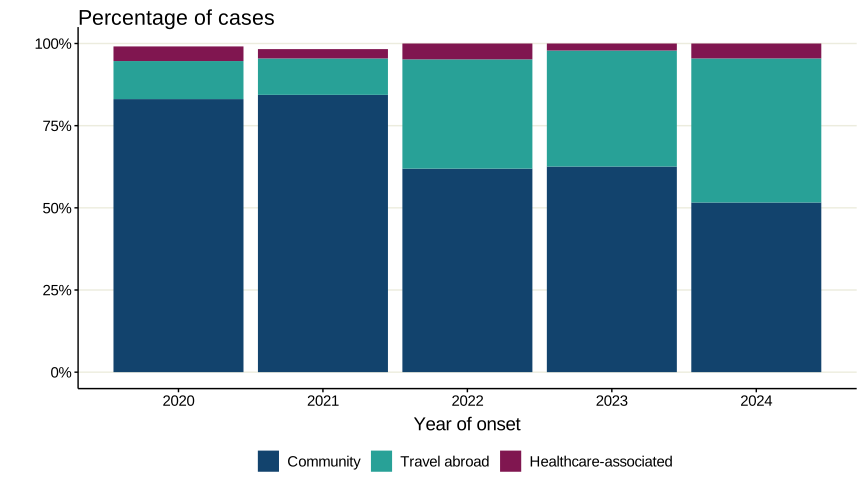
Note 3: the community exposure category includes travel within the UK.
Risk factors
Tobacco smoking and underlying medical conditions like immunosuppression, chronic respiratory diseases, and liver or kidney diseases, are well-known risk factors for LD.
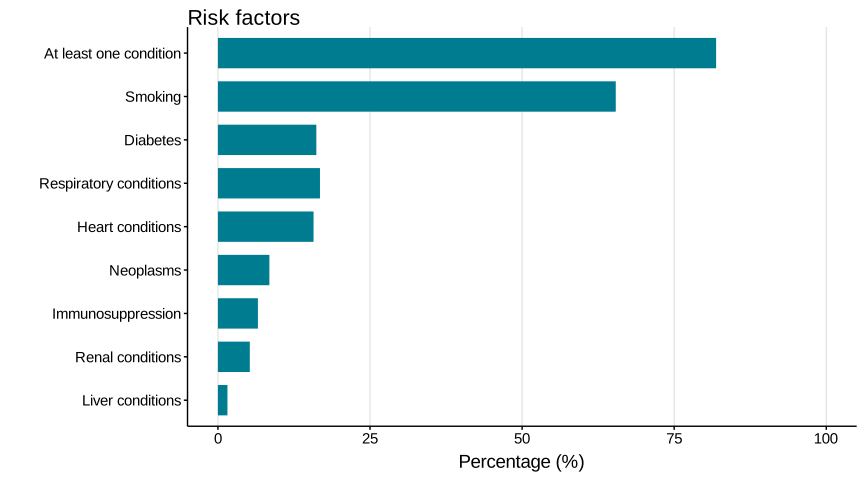
In England and Wales, the majority of LD cases (81.9%) from 2020 to 2024 had at least one underlying risk factor (Figure 8). There has been little change in the overall proportion of cases with one or more underlying medical conditions or risk factors for LD between 2020 and 2024.
In 2024, the most common reported risk factor was smoking (262 cases, 56.6%), followed by diabetes (79 cases, 17.1%), and respiratory conditions (86 cases, 18.6%), which broadly align with previous years (Figure 8).
Figure 8. Percentage of underlying medical conditions and risk factors reported in confirmed cases of Legionnaires’ disease, England and Wales, 2020 to 2024
Mortality
Between 2020 and 2024, the case fatality rate (CFR) for LD has steadily decreased from 10.4% (CI: 7.4% to 14.3%) in 2020 to 2.8% (CI: 1.6% to 4.9%) in 2024 (Figure 9). The annual number of deaths decreased from 35 in 2020 to 13 in 2024. In 2020 the CFR was notably higher than all other years likely due to disruption to healthcare and diagnostic pathways during the COVID-19 pandemic.
Figure 9. Case fatality rate of Legionnaires’ disease, England and Wales, 2020 to 2024
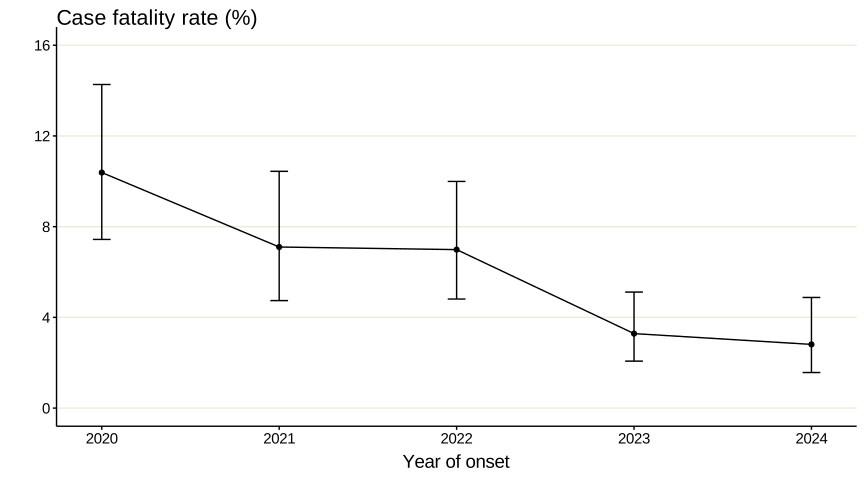
Note 2: error bars represent 95% CI.
Among LD cases who died in 2024, 53.8% (7 out of 13) cases were male and had a median age of 71 years. Fatalities among female cases had a median age of 69 years. The overall male-to-female deaths ratio was 1.2 to 1.
The number of deaths and the CFR increased with age across both sexes when combining cases from 2020 to 2024 (Figure 10). Those aged under 50 years had the lowest estimated CFR for both males (3.8%) and females (2.7%). Although the number of deaths were higher in males compared with females across age groups, the CFRs were similar between the sexes. Please note that the observed increase in CFR with age may be attributable to chance.
Figure 10. Number of Legionnaires’ disease deaths and case fatality rate (%) by age and sex, England and Wales, 2020 to 2024
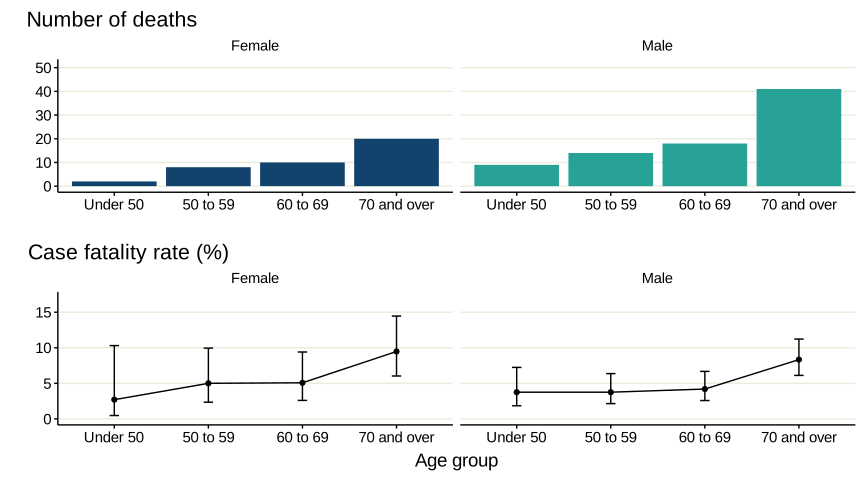
Note 2: error bars represent 95% CI.
When examining fatalities by category of exposure, the CFR was higher among healthcare-associated cases compared with other principal exposure categories (Table 3). By contrast, the CFR of those with travel abroad as a principal exposure was lower than other categories.
Table 3. Case fatality rates for confirmed cases of Legionnaires’ disease by principal category of exposure with 95% CI, England and Wales, 2020 to 2024
| Exposure category | Number of cases | Number of deaths | Case fatality rate | Lower 95% CI | Upper 95% CI |
|---|---|---|---|---|---|
| Community | 1,454 | 89 | 6.1% | 5.0% | 7.5% |
| Travel abroad | 634 | 16 | 2.5% | 1.5% | 4.2% |
| Healthcare-associated | 79 | 17 | 21.5% | 13.4% | 32.5% |
| Total | 2,167 | 122 | 5.6% | 4.7% | 6.7% |
Note 3: the community exposure category includes travel within the UK.
Deprivation
The Index of Multiple Deprivation (IMD) and the Welsh Index of Multiple Deprivation (WIMD) are designed to measure multiple forms of deprivation across small geographic areas in England and Wales, respectively (see the Glossary for details). Both indices rank areas into quintiles, with IMD quintile 1 representing the 20% of areas with the highest levels of deprivation, and quintile 5 representing the 20% of areas with the lowest levels of deprivation.
In England, there is a consistent concentration of LD cases in the most deprived areas (IMD quintiles 1 and 2), whereas the least deprived quintiles (IMD 4 and 5) consistently see fewer cases (Figure 11). In 2024, the 2 most deprived quintiles in England (IMD 1 and 2) had 100 confirmed LD cases, accounting for nearly half (21.6%) of all cases. In Wales, there is no consistent pattern of cases being distributed among the WIMD groups (Table 4).
Figure 11. Number of confirmed Legionnaires’ disease cases by Index of Multiple Deprivation (IMD) quintile, England, 2020 to 2024
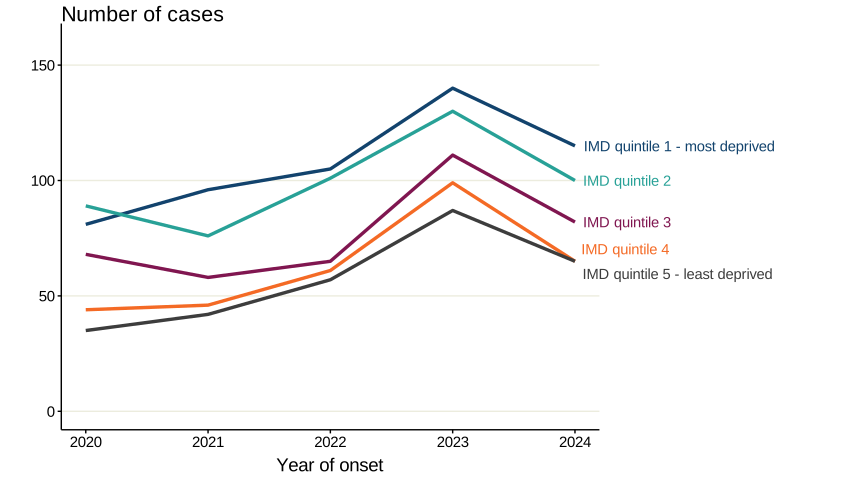
Table 4. Number of confirmed Legionnaires’ disease cases by Welsh Index of Multiple Deprivation (WIMD) quintile, Wales, 2020 to 2024
| Welsh Index of Multiple Deprivation quintile | 2020 | 2021 | 2022 | 2023 | 2024 |
|---|---|---|---|---|---|
| 1 - most deprived | 5 | 6 | 7 | 11 | 5 |
| 2 | 4 | 8 | 4 | 11 | 6 |
| 3 | 4 | 7 | 8 | 4 | 7 |
| 4 | 5 | 9 | 4 | 6 | 9 |
| 5 - least deprived | 2 | 4 | 3 | 10 | 9 |
| Total | 20 | 34 | 26 | 42 | 36 |
Microbiology
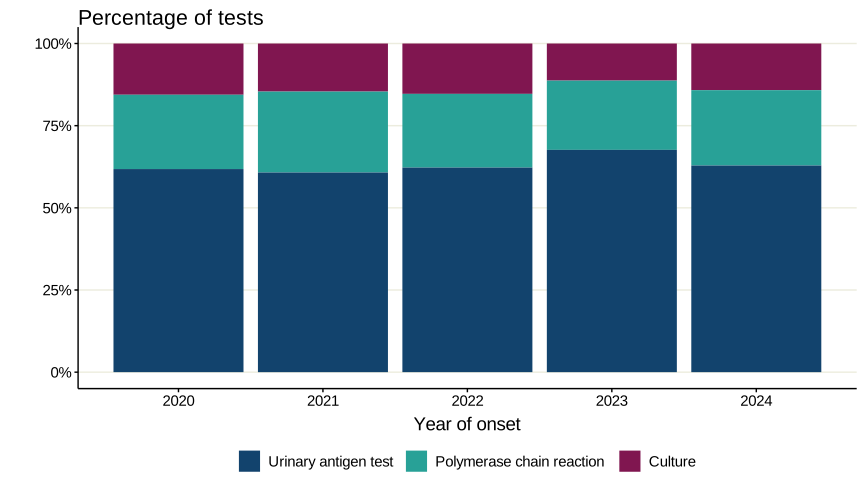
Urinary antigen tests (UATs) are the most highly used diagnostic test for LD in England and Wales, with 62.9% of confirmed cases having a positive UAT in 2024 (Figure 12). The distribution of the percentage of cases by test type was very similar across years, although in 2023 the percentage of UATs was slightly higher, and cultures lower, compared to other years. In 2024, 22.9% of cases had a positive polymerase chain reaction (PCR) test, and 14.2% of cases had a positive culture.
Figure 12. Percentage of Legionnaires’ disease cases by diagnostic test, England and Wales, 2020 to 2024
In 2024, 447 LD cases were infected by L. pneumophila (96.5% of causative organisms) whereas 16 cases were non-pneumophilia (Table 5). Between 2020 to 2024, 41 cases of L. longbeachae were identified, representing just 1.9% of total cases of Legionnaires’ disease.
Table 5. Number of Legionnaires’ disease cases by species test, England and Wales, 2020 to 2024
| Species | 2020 | 2021 | 2022 | 2023 | 2024 |
|---|---|---|---|---|---|
| L. pneumophila | 327 | 341 | 408 | 596 | 447 |
| L. longbeachae | 3 | 9 | 6 | 10 | 13 |
| L. bozemanae | 0 | 1 | 0 | 0 | 0 |
| L. wadsworthii | 1 | 0 | 0 | 0 | 0 |
| Not established | 6 | 1 | 1 | 3 | 3 |
| Total | 337 | 352 | 415 | 609 | 463 |
In line with previous years, in 2024 the largest number of L. pneumophila cases were of unknown serogroup (69.8%) (Table 6). This is expected because of the widespread use of UATs. Although UATs are primarily designed to detect L. pneumophila serogroup 1, some test kits may also produce positive results for other L. pneumophila serogroups. Therefore, only cases confirmed through additional methods such as culture and PCR testing are classified as serogroup 1.
Table 6. Number of confirmed Legionnaires’ disease cases by causative organism, England and Wales, 2020 to 2024
| Causative organism | 2020 | 2021 | 2022 | 2023 | 2024 |
|---|---|---|---|---|---|
| L. pneumophila serogroup 1 | 113 | 132 | 127 | 167 | 133 |
| L. pneumophila serogroups 2 to 14 | 1 | 2 | 8 | 3 | 2 |
| L. pneumophila serogroup unknown | 213 | 207 | 273 | 426 | 312 |
| Non-pneumophila Legionella species | 10 | 11 | 7 | 13 | 16 |
| Total | 337 | 352 | 415 | 609 | 463 |
Culture and PCR testing is undertaken when a case tests positive for a Legionella infection locally and a lower respiratory tract sample is collected from the individual and sent to the UKHSA reference laboratory (the RVPBRU in Colindale). The RVPBRU also confirms urine samples which are tested positive locally. PCR testing enables the detection of L. pneumophila serogroup 1 and non-serogroup 1, and other Legionella species. If culture positive, the L. pneumophila isolates can be further characterized using the standard sequence-based typing (SBT) method which determines the sequence type (ST) of the L. pneumophila isolate. If a lower respiratory sample is L. pneumophila PCR positive but culture negative, nested SBT (nSBT) is performed directly on the clinical sample to determine the ST, which can prove invaluable in determining the infection source and to facilitate effective public health action. Legionella isolates from environmental samples associated with clinical isolates are also sent to the reference laboratory for confirmation and typing.
Across England and Wales, 43.2% (200) of confirmed cases in 2024 had lower respiratory samples (Table 7). Among these, 77.5% (155) tested positive for PCR, and 48.0% (96) tested positive for both culture and PCR, with 115.6% (111) of these cases having a complete ST or a partial sequence-based type (SBT) determined from the tests.
Table 7. Number of confirmed Legionnaires’ disease cases with a sequence type (ST) or a partial sequence-based type (SBT), England and Wales, 2024
| Geography | Confirmed cases | Respiratory samples | PCR positive cases | PCR and culture positive cases | Cases with ST or partial SBT |
|---|---|---|---|---|---|
| England | 427 | 190 | 148 | 91 | 108 |
| Wales | 36 | 10 | 7 | 5 | 3 |
| Total | 463 | 200 | 155 | 96 | 111 |
In 2024, the most common STs identified in clinical samples were ST 47 (5.6%), followed by ST 1 (4.6%). ST 47 has been the most common ST identified in the last 5 years (Table 8).
Table 8. Top 10 most prevalent sequence types of L. pneumophila identified in clinical isolates from confirmed cases of Legionnaires’ disease, England and Wales, 2020 to 2024
| Sequence type | 2020 | 2021 | 2022 | 2023 | 2024 | Total |
|---|---|---|---|---|---|---|
| 47 | 3 | 10 | 9 | 8 | 6 | 36 |
| 1 | 5 | 2 | 5 | 4 | 5 | 21 |
| 62 | 2 | 3 | 7 | 6 | 3 | 21 |
| 42 | 2 | 6 | 5 | 4 | 3 | 20 |
| 82 | 3 | 6 | 5 | 2 | 4 | 20 |
| 23 | 6 | 2 | 3 | 4 | 2 | 17 |
| 37 | 1 | 4 | 2 | 5 | 3 | 15 |
| 74 | 2 | 0 | 5 | 5 | 1 | 13 |
| 75 | 2 | 1 | 2 | 5 | 2 | 12 |
| 1804 | 2 | 2 | 1 | 2 | 3 | 10 |
| Other | 76 | 86 | 95 | 91 | 76 | 424 |
| Total | 104 | 122 | 139 | 136 | 108 | 609 |
Note 4: an individual can be infected by multiple sequence types (STs).
In 2024, 45 unique STs were found across 82 cases. Of these cases, 41 were associated with community exposure and accounted for 50.0% of sequence-typed cases. This is in line with community exposure being the more prevalent exposure category.
The most prevalent ST for each exposure category was examined. In 2024, the most prevalent ST for community exposure (ST ST47) accounted for 12.2% of sequence-typed community exposures cases. A total of 37 (45.1%) sequence-typed cases were associated with travel abroad. There were several most prevalent STs associated with travelling abroad (ST2402, ST3090, ST37, ST42) which accounted for 32.4% of travel abroad exposure cases. Only 4 (4.9%) sequence-typed cases were associated with healthcare-associated exposure (ST1, ST1326, ST1804, ST3186).
Clusters and outbreaks
A cluster or outbreak can be defined as 2 or more cases that are geographically linked (for example based on residence, work or travel) and that occur within a set time frame (within months or years depending on the category of exposure). The number of cases associated with clusters and outbreaks can vary from year to year. See the Glossary for full case, cluster and outbreak definitions.
Overall, 238 cases in 2024 were linked to one or more additional cases (Table 9). This accounts for 50.4% of total cases reported in 2024. Although the number of community cases linked to clusters or outbreaks decreased in 2024 compared with 2023, it was the group with the highest number of cases (116 cases, 48.7%).
In 2024, the number of travel abroad cases linked to clusters and outbreaks was 87 (36.6%). Healthcare-associated outbreaks have remained relatively stable between 2020 to 2024.
Table 9. Number of cases involved in outbreaks or clusters of Legionnaires’ disease by category of exposure, England and Wales, 2020 to 2024
| Exposure type | 2020 | 2021 | 2022 | 2023 | 2024 |
|---|---|---|---|---|---|
| Community | 163 | 104 | 87 | 277 | 116 |
| Healthcare-associated | 9 | 6 | 11 | 12 | 11 |
| Travel UK | 15 | 30 | 14 | 39 | 24 |
| Travel abroad | 17 | 8 | 52 | 118 | 87 |
| Total | 204 | 148 | 164 | 446 | 238 |
Note 5: totals do not include 1 case where exposure type is unknown.
Travel-associated Legionnaires’ disease
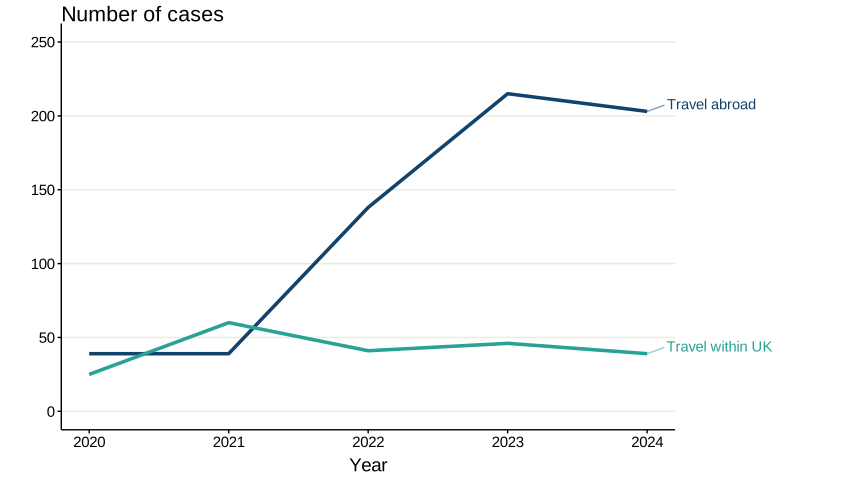
Case numbers associated with travel abroad and travel within the UK were similar in 2020 and 2021 during the COVID-19 pandemic, likely reflecting international travel restrictions (Figure 13). From 2022, cases associated with travel abroad increased, reaching 203 cases (83.9% of all travel-associated cases) in 2024. Cases associated with travel within the UK were relatively stable from 2020 to 2024, averaging 42.2 cases per year.
Figure 13. Number of confirmed cases of Legionnaires’ disease associated with travel by year of onset of symptoms, England and Wales, 2020 to 2024
Glossary
Case fatality rate (CFR)
Case fatality rate is the proportion of people who died from LD among all those who tested positive:
Case fatality rate = total deaths from LD/total confirmed cases multiplied by 100.
The case fatality rate is equal to the total number of deaths from LD divided by the total number of confirmed cases of LD, multiplied by 100.
Confidence interval (CI)
A confidence interval is a measure of the degree of uncertainty in an estimate based on a sample distribution. 95% confidence intervals indicate that if we repeated the study many times, 95% of the confidence intervals would contain the true population value. Wider confidence intervals indicate more uncertainty in the estimate. Overlapping confidence intervals indicate that there may not be a true difference between estimates.
Cluster
Read the full UKHSA (formerly PHE) LD case definitions for clusters and outbreaks in effect in 2024.
Two or more cases that initially appear to be linked by location, for example through area of residence or work, healthcare or other type of community setting and which have sufficient proximity in dates of onset of illness (months or years depending on the exposure category) to warrant further investigation. This is a working definition, and the decision to follow up cases is made locally.
Other considerations include:
- the area of residence should take account of population size and density when investigations are planned
- consideration should be given to convening an incident control team if a cluster is identified
- if, after investigation, no common exposures to a potential source of infection are identified for the cases, other than the links mentioned above, then they should be classified as sporadic community acquired cases
Outbreak
Two or more cases where the onset of illness is closely linked in time and where there is epidemiological evidence of a common source of infection, with or without microbiological evidence.
An incident control team should always be convened to investigate outbreaks.
Deprivation
The Index of Multiple Deprivation (IMD) is a composite measure used to assess levels of deprivation in specific geographic areas in England, based on factors such as income, employment, health, education, housing, crime, and environment. It ranks areas in terms of relative deprivation, providing insight into socio-economic challenges.
The Welsh Index of Multiple Deprivation (WIMD) serves a similar purpose in Wales, but the methods, data sources, and weightings for different domains can vary between IMD (used in England) and WIMD. This makes direct comparisons between the 2 indices problematic. Differences in how deprivation is defined, measured, and weighted for each region reflect local socio-economic conditions, and as a result, the rankings produced by IMD and WIMD are not directly comparable across national boundaries.
Case definitions
Confirmed case of Legionnaires’ disease
A clinical or radiological diagnosis of pneumonia with laboratory evidence of one or more of the following:
- isolation (culture) of Legionella species from a clinical lower respiratory tract specimen
- detection of Legionella pneumophila antigen in a urine specimen (using a urine antigen test)
- detection of Legionella species nucleic acid (such as via PCR) in a lower respiratory tract specimen (such as sputum, bronchoalveolar lavage (BAL))
Probable case of Legionnaires’ disease (following declaration of an outbreak only)
A case with clinical or radiological diagnosis of pneumonia but no microbiological evidence for confirmation of Legionella infection (above) is considered a probable case where the location and onset date(s) meet the outbreak-specific case definition for the exposure category (see the Category of exposure section).
Category of exposure
The national surveillance scheme supports the public health investigation of sources of infection for cases of legionellosis. This allows control measures to be implemented to prevent further cases. Potential sources of exposure can broadly be divided into 3 categories: community-acquired, healthcare-associated and travel-associated. Definitions for these categories and sub-categories are as follows.
Community-acquired
A case where the most likely potential source of infection is in the community or where there is no evidence of travel or healthcare-associated exposure during the 2 to 10 days before symptom onset.
Travel-associated
A case who either stayed overnight or was considered to have had significant exposure to the water system during a visit (for example the use of spa and leisure facilities) to holiday or business accommodation during the 2 to 10 days before symptom onset. Accommodation sites include hotels, campsites, ships, rented holiday apartments or other tourist facilities.
Travel-associated cases can be subdivided into travel abroad, and travel within the UK.
Healthcare-associated
A case who either stayed overnight or was considered to have had significant exposure to a healthcare-associated premises for some or all the 2 to 10 days prior to onset of symptoms.
Healthcare-associated cases can be sub-categorised based on the type (whether the site has been associated with previous cases) and amount of exposure (time spent at the site) the case was subjected to in the 2 to 10 days prior to onset of symptoms.
Definitions for these sub-categories are:
Type A: a case who stayed overnight in healthcare-associated premises for the entire 2 to 10 days before symptom onset.
Type B: a case who stayed overnight or worked as a regular employee in healthcare-associated premises for any of the 2 to 10 days before symptom onset and the premises have been associated with any previous case(s) of LD or other legionellosis (if the previous cases occurred less than 2 years previously, this should be investigated as a cluster).
Type C: a case who stayed overnight or worked as a regular employee in healthcare-associated premises for any of the 2 to 10 days before symptom onset and the premises have not been associated with any previous cases of LD or other legionellosis.
Type D: a case who visited healthcare-associated premises during the 2 to 10 days before symptom onset, including as an occasional, transient worker but did not stay overnight and did not work at the premises as a regular employee. A risk assessment indicates investigation of the case as healthcare-associated due to, for example, frequency of visits, nature of treatment, previous cases associated with the site or documented exposure to a source known to be contaminated.
National Enhanced Legionnaires’ disease surveillance scheme (NELSS)
The National Enhanced Legionnaires’ disease surveillance scheme (NELSS) for residents of England and Wales was established in 1980 to collect enhanced surveillance data on all cases of LD. The scheme is managed by the Acute Respiratory Infections (ARI) team within the UK Health Security Agency (UKHSA).
The primary objectives of NELSS are to:
- detect clusters and outbreaks of Legionella infection
- identify sources of infection to aid colleagues to apply control measures and prevent further cases
- disseminate Legionella surveillance data and intelligence to stakeholders involved in the investigation and management of cases in the course of their duty to protect public health
Background information
Legionellosis is a spectrum of diseases caused by Legionella bacteria. Illness can range from mild (non-pneumonic legionellosis or Pontiac fever) to LD, which is a form of atypical pneumonia that can be severe and is potentially fatal. Anyone can get infected by the bacteria but certain population groups, such as those aged 50 years and over, smokers, and individuals with weakened immune systems, are more vulnerable. LD is a seasonal disease with activity in England and Wales increasing during the summer months, usually reaching a peak between July and September.
Legionella bacteria typically inhabit natural water systems such as streams, rivers, and lakes. However, Legionella bacteria are also able to survive in artificial water systems, for example cooling towers, evaporative condensers, spa pools and hot and cold-water systems. Such human-made water systems mimic the organism’s natural habitat thereby providing an ideal environment for growth. Some species, such as Legionella longbeachae, can also be found in soil, compost, and potting mixes.
Legionellosis is typically contracted when people inhale small water droplets containing Legionella bacteria. The likelihood of illness depends on the concentrations of Legionella in the water source, the production and dissemination of aerosols, host factors such as age and pre-existing health conditions and the virulence of the strain of Legionella.
In the UK, the principal route of infection is likely through direct exposure to aerosols generated and dispersed from colonised human-made sources. However, in many cases, the source of the infection is not identified. A colonised water system which is not appropriately managed has the potential to be a source of major outbreaks.
Prevention of legionellosis is principally through the implementation of stringent control and management of human-made water systems to prevent these systems from becoming contaminated. For this reason, there is legislation governing the use and management of these systems.
Data sources and methodology
Information on the data sources and methodology used in this report can be found in Quality and methodology information: Legionellosis in residents of England and Wales - GOV.UK.
Further information and contact details
Feedback and contact information
For feedback and comments on this report please contact legionella@ukhsa.gov.uk
Official statistics
Our statistical practice is regulated by the Office for Statistics Regulation (OSR). OSR sets the standards of trustworthiness, quality and value in the Code of Practice for Statistics that all producers of official statistics should adhere to. You are welcome to contact us directly by emailing respdsr.enquiries@ukhsa.gov.uk with any comments about how we meet these standards. Alternatively, you can contact OSR by emailing regulation@statistics.gov.uk or via the Office for Statistics Regulation website.
UKHSA is committed to ensuring that these statistics comply with the Code of Practice for Statistics. This means users can have confidence in the people who produce UKHSA statistics because our statistics are robust, reliable and accurate. Our statistics are regularly reviewed to ensure they support the needs of society for information.