Gram-negative bacteraemia, MRSA and MSSA and C.difficile infections: infographics for England, financial year 2025 to 2026
Published 24 September 2026
Applies to England

© Crown copyright 2026
This publication is licensed under the terms of the Open Government Licence v3.0 except where otherwise stated. To view this licence, visit nationalarchives.gov.uk/doc/open-government-licence/version/3 or write to the Information Policy Team, The National Archives, Kew, London TW9 4DU, or email: psi@nationalarchives.gov.uk.
Where we have identified any third party copyright information you will need to obtain permission from the copyright holders concerned.
This publication is available at https://www.gov.uk/government/statistics/gram-negative-mrsa-and-mssa-bacteraemia-and-c-difficile-infections-annual-epidemiological-commentary-2025-to-2026/gram-negative-bacteraemia-mrsa-and-mssa-and-cdifficile-infections-infographics-for-england-financial-year-2025-to-2026
Escherichia coli
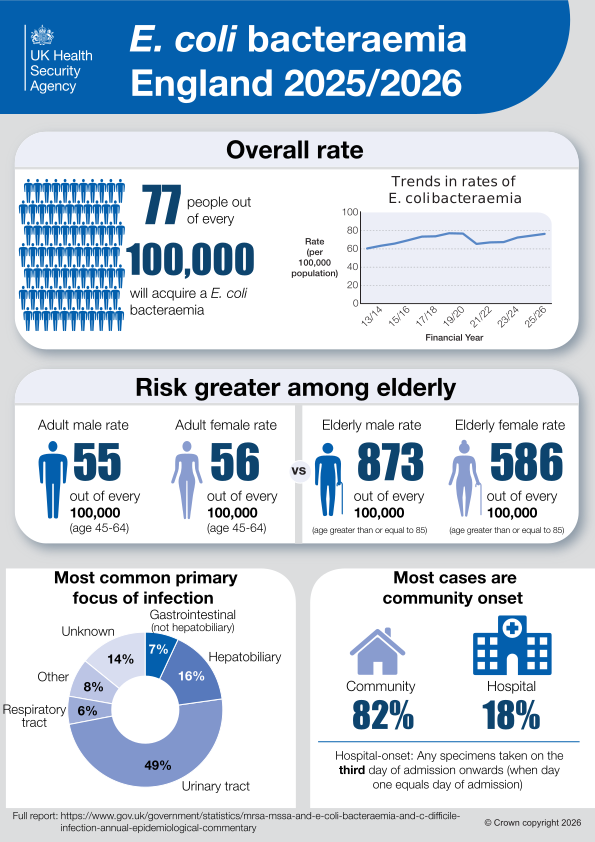
In England, 77 people out of every 100,000 had an Escherichia coli (E. coli) bacteraemia during the April 2025 to March 2026 period.
The risk was greater among the elderly: 55 males and 56 females out of every 100,000 people aged 45 to 64 had an E. coli bacteraemia, compared to 873 males and 586 females out of every 100,000 people aged 85 years and above.
Most cases (82%) occurred in the community, while 18% were hospital-onset. Hospital-onset is defined as diagnosis from any specimens taken on the third day of admission onwards (when day one equals day of admission).
The most common primary focus of infection for E. coli were urinary tract infections (49%).
Klebsiella species
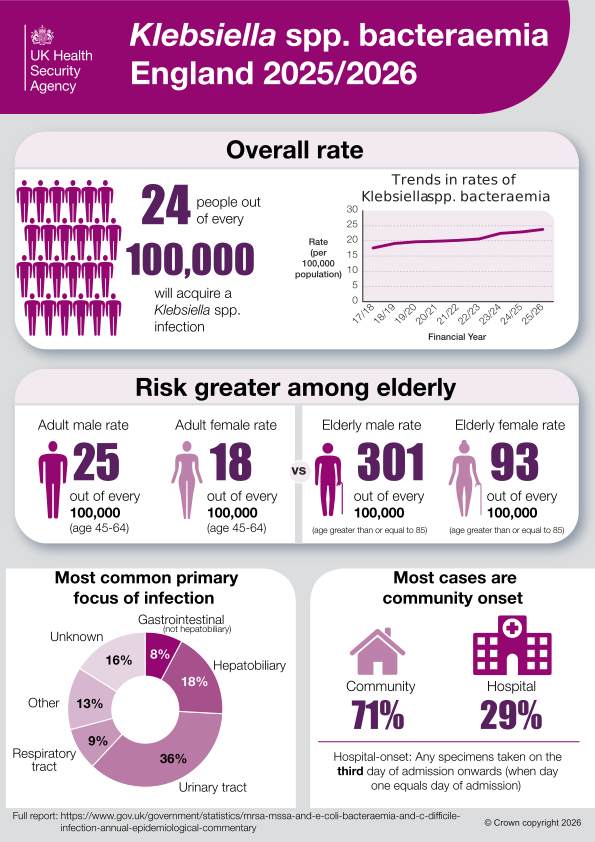
In England, 24 people out of every 100,000 had a Klebsiella spp. bacteraemia during the April 2025 to March 2026 period.
The risk was greater among the elderly: 25 males and 18 females out of every 100,000 people aged 45 to 64 had a Klebsiella spp. bacteraemia, compared to 301 males and 93 females out of every 100,000 people aged 85 years and above.
Most cases (71%) occurred in the community, while 29% were hospital-onset. Hospital-onset is defined as diagnosis from any specimens taken on the third day of admission onwards (when day one equals day of admission).
The most common primary focus of infection for Klebsiella spp. were urinary tract infections (36%).
Pseudomonas aeruginosa
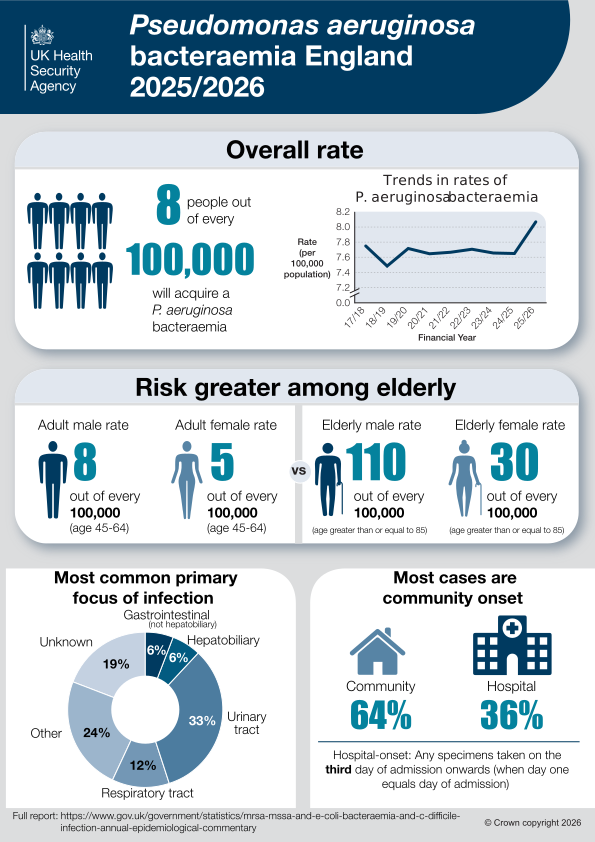
In England, 8 people out of every 100,000 had a Pseudomonas aeruginosa (P. aeruginosa) bacteraemia during the April 2025 to March 2026 period.
The risk was greater among the elderly: 8 males and 5 females out of every 100,000 people aged 45 to 64 had a P. aeruginosa bacteraemia, compared to 110 males and 30 females out of every 100,000 people aged 85 years and above.
Most cases (64%) occurred in the community, while 36% were hospital-onset. Hospital-onset is defined as diagnosis from any specimens taken on the third day of admission onwards (when day one equals day of admission).
The most common primary focus of infection for P. aeruginosa were urinary tract infections (33%).
Meticillin-resistant Staphylococcus aureus
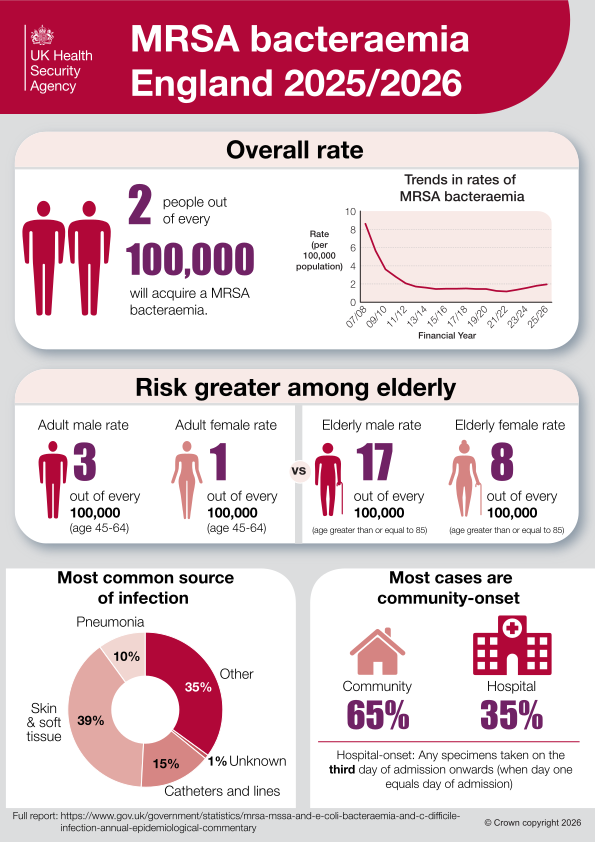
In England, 2 people out of every 100,000 had a meticillin-resistant Staphylococcus aureus (MRSA) bacteraemia during the April 2025 to March 2026 period.
The risk was greater among the elderly: 3 males and 1 female out of every 100,000 people aged 45 to 64 had a MRSA bacteraemia, compared to 17 males and 8 females out of every 100,000 people aged 85 years and above.
Most cases (65%) occurred in the community, while 35% were hospital-onset. Hospital-onset is defined as diagnosis from any specimens taken on the third day of admission onwards (when day one equals day of admission).
The most common source of infection for MRSA was skin and soft tissue infection (39%).
Meticillin-sensitive Staphylococcus aureus
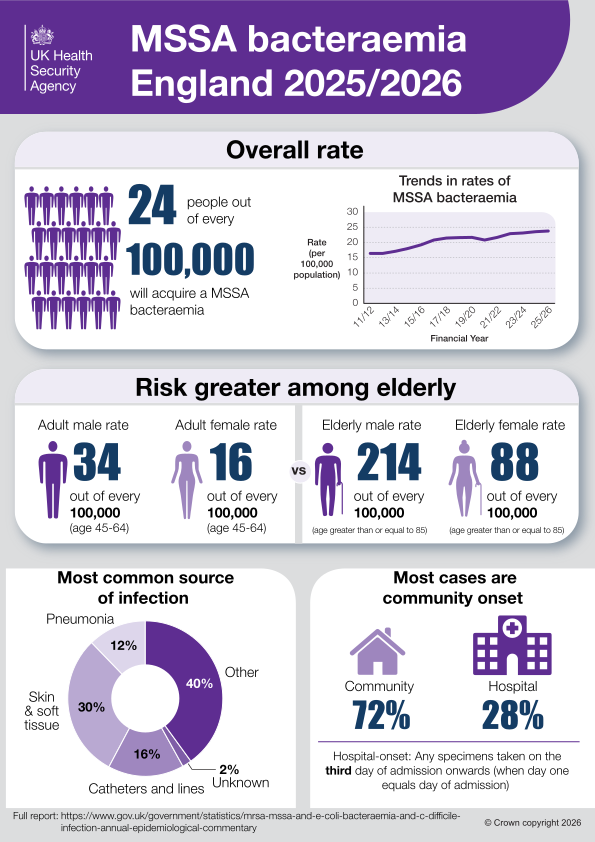
In England, 24 people out of every 100,000 had a meticillin-sensitive Staphylococcus aureus (MSSA) bacteraemia during the April 2025 to March 2026 period.
The risk was greater among the elderly: 34 males and 16 females out of every 100,000 people aged 45 to 64 had a MSSA bacteraemia, compared to 214 males and 88 females out of every 100,000 people aged 85 years and above.
Most cases (72%) occurred in the community, while 28% were hospital-onset. Hospital-onset is defined as diagnosis from any specimens taken on the third day of admission onwards (when day one equals day of admission).
The most common source of infection for MSSA after other (40%) was skin and soft tissue infection (30%).
Clostridium difficile infection
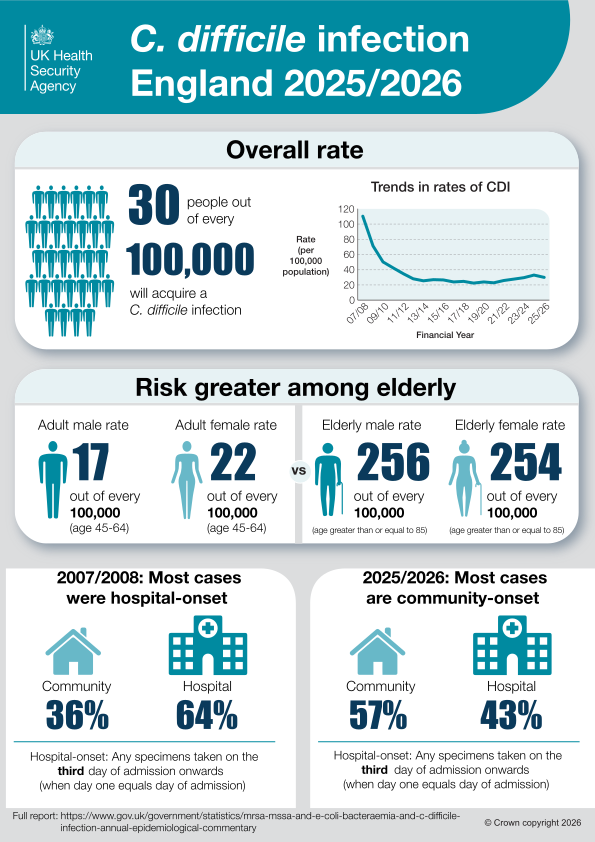
In England, 30 people out of every 100,000 had a Clostridium difficile infection (CDI) during the April 2025 to March 2026 period.
The risk was greater among the elderly: 17 males and 22 females out of every 100,000 people aged 45 to 64 had a CDI, compared to 256 males and 254 females out of every 100,000 people aged 85 years and above.
Most cases (57%) occurred in the community, while 43% were hospital-onset. Hospital-onset is defined as diagnosis from any specimens taken on the third day of admission onwards (when day one equals day of admission).