Farmer Opinion Tracker for England, April 26
Updated 29 July 2026
Applies to England

© Crown copyright 2026
This publication is licensed under the terms of the Open Government Licence v3.0 except where otherwise stated. To view this licence, visit nationalarchives.gov.uk/doc/open-government-licence/version/3 or write to the Information Policy Team, The National Archives, Kew, London TW9 4DU, or email: psi@nationalarchives.gov.uk.
Where we have identified any third party copyright information you will need to obtain permission from the copyright holders concerned.
This publication is available at https://www.gov.uk/government/statistics/farmer-opinion-tracker-for-england-april-2026/farmer-opinion-tracker-for-england-april-26
This report contains estimates from the Farmer Opinion Tracker providing a snapshot of views and opinions towards Defra’s vision for farming at this time. Farmers were asked questions about business planning, relationships with farming organisations and Defra, new schemes and the future of farming.
A time-series comparing the results from each survey from September 2019 to date can be found on GOV.UK as well as a dataset providing a more detailed breakdown of each question’s responses for farm ownership, size, type and region.
Key messages for April 2026
- Farmers on 57% of holdings said that they either fully (7%) or roughly (50%) understand Defra’s vision for farming, similar to the percentage in April 2025 (56%).
- Farmers on 36% of holdings indicated that they are making changes to their farm business and a further 46% said they will need to make changes to their farm business in the next 5 years.
- Farmers on 53% of holdings said that they would be making changes to their agri-environment scheme agreements within the next year.
- Farmers on 80% of holdings said that Defra paying for environmental outcomes will be very (58%) or moderately (22%) important to their business in the future.
- Farmers on 71% of holdings are not at all confident that changes to schemes and regulations will lead to a successful future for farming, similar to the percentage in April 2025 (72%).
- Farmers on 35% of holdings feel positive about their future in farming (3% very positive; 32% somewhat positive).
Farmers had the opportunity to share their thoughts on farming (i.e. what was on their mind at the time of the survey). The open text comments analysis in section 2 provides context around the statistics.
Section 1 - Detailed Results
1.1 Vision
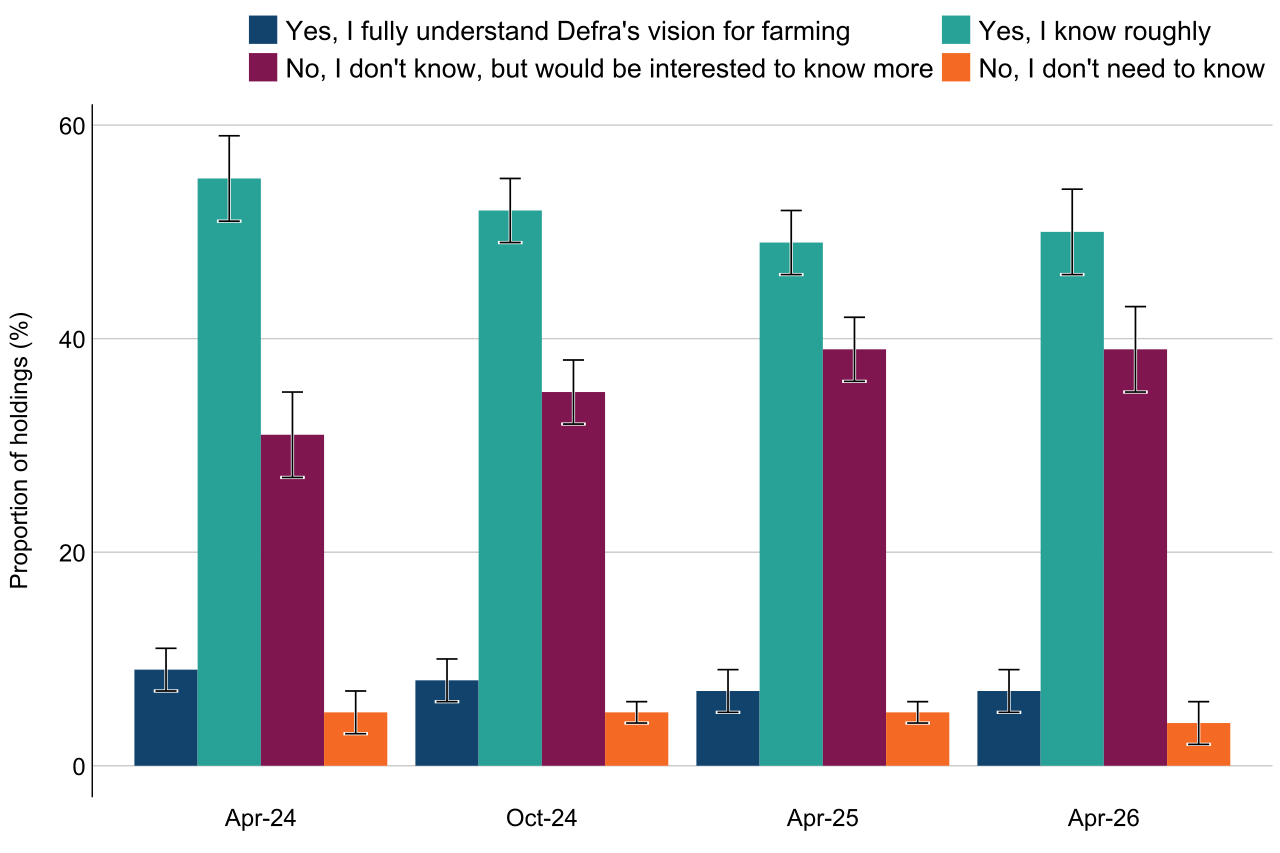
Defra is setting out what they think the future for farming would look like. In this vision, England’s farmers improve the health of our environment and animals as part of a sustainable, productive agricultural sector. In April 2026, when asked if they know what Defra’s vision meant for farming, farmers on 57% of holdings said that they either fully (7%) or roughly (50%) understood Defra’s vision (see Figure 1). This is an increase from 56% in April 2025 (fully understand 7%; roughly understand 49%). A further 39% said they didn’t know but would be interested to know more. Farmers on the remaining 4% of holdings didn’t need to know what the future vision meant for farming.
Figure 1: Proportion of holdings that understand Defra’s vision for farming, April 2024 to April 2026
Download the data for this chart
1.2 Changes
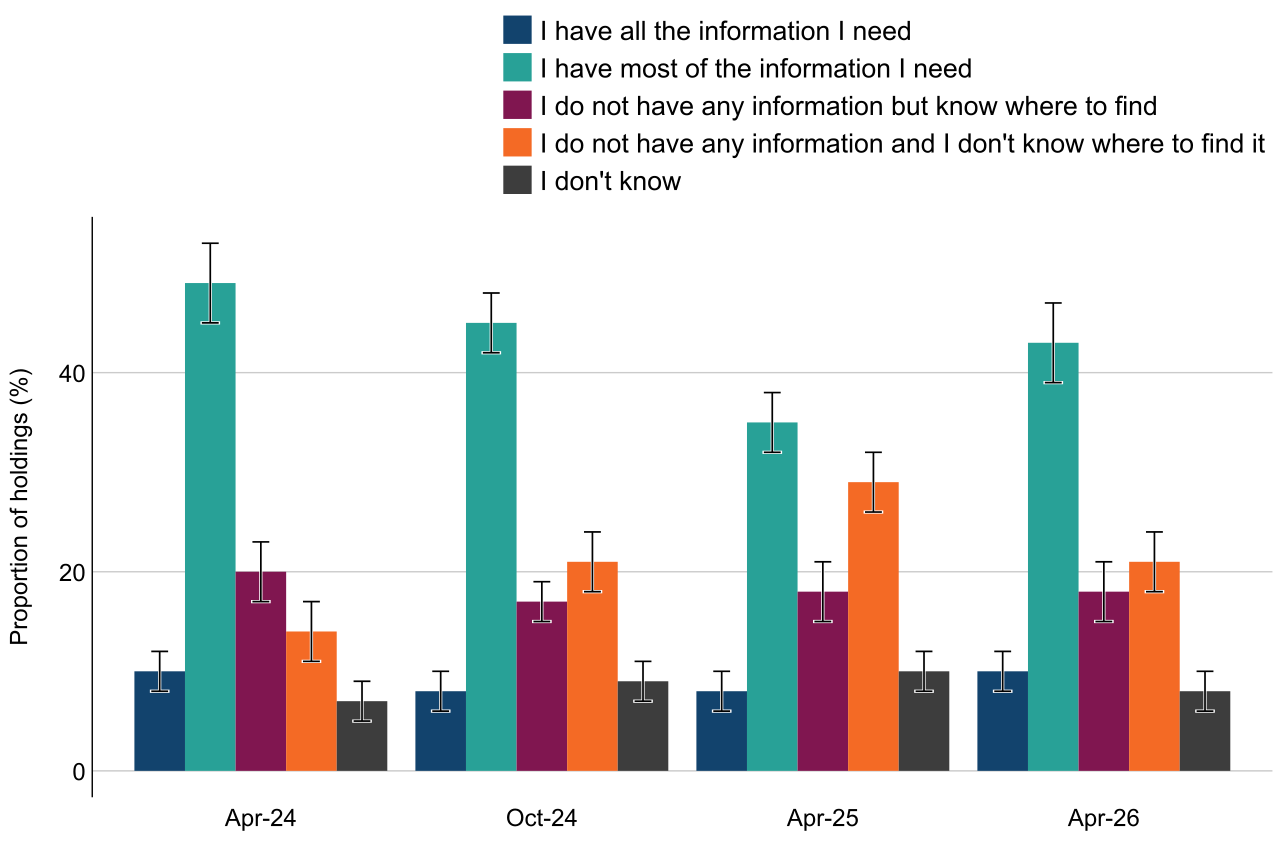
In 2021, Defra started the transition away from the EU Common Agriculture Policy which will involve changes to the payments farmers receive and the regulations their businesses must follow. Farmers were asked whether they had all the information they needed at this point to help with their business planning (see Figure 2). In April 2026, farmers on 53% of holdings said they had all (10%) or most (43%) of the information they required. This proportion is an increase from 43% in April 2025 and no change from 53% in October 2024. In April 2026, a further 18% indicated that they didn’t have any information but knew where they could find it. Farmers on 21% of holdings said they didn’t have any of the information they needed for their business planning and were unsure where to find it. The remaining 8% of all holdings didn’t know if they had the information they needed.
Figure 2: Proportion of holdings that have the information they need to inform business planning, April 2024 to April 2026
Download the data for this chart
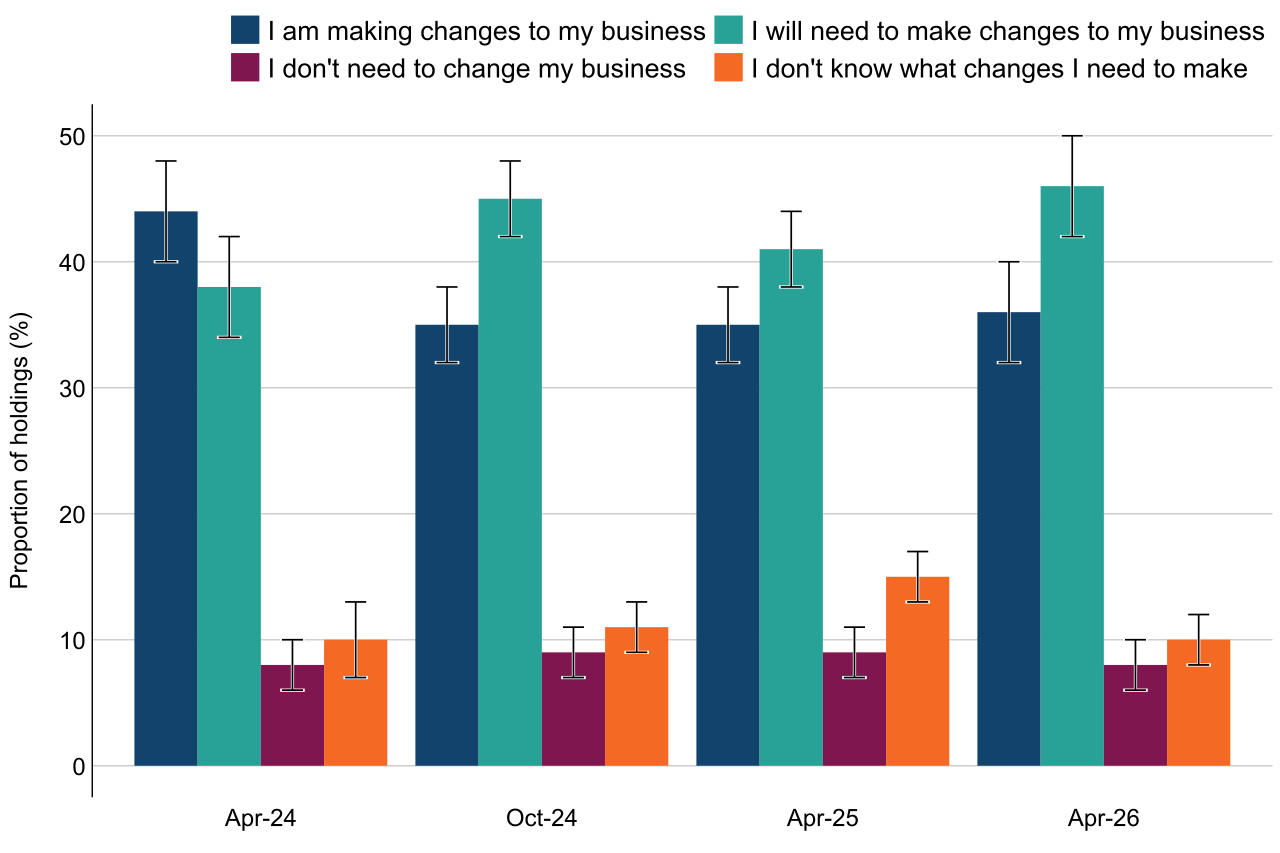
In April 2026, farmers on 82% of holdings said that they are currently making changes (36%) or that they will need to make changes (46%) to their business in the next 5 years. This is an increase from the proportion (76%) reported in April 2025 (Figure 3). A further 8% of farmers on all holdings indicated that they don’t need to make any changes to their farming business and the remaining 10% don’t know what changes they need to make.
Figure 3: Proportion of holdings that need to make changes to their farm business in the next 5 years, April 2024 to April 2026
Download the data for this chart
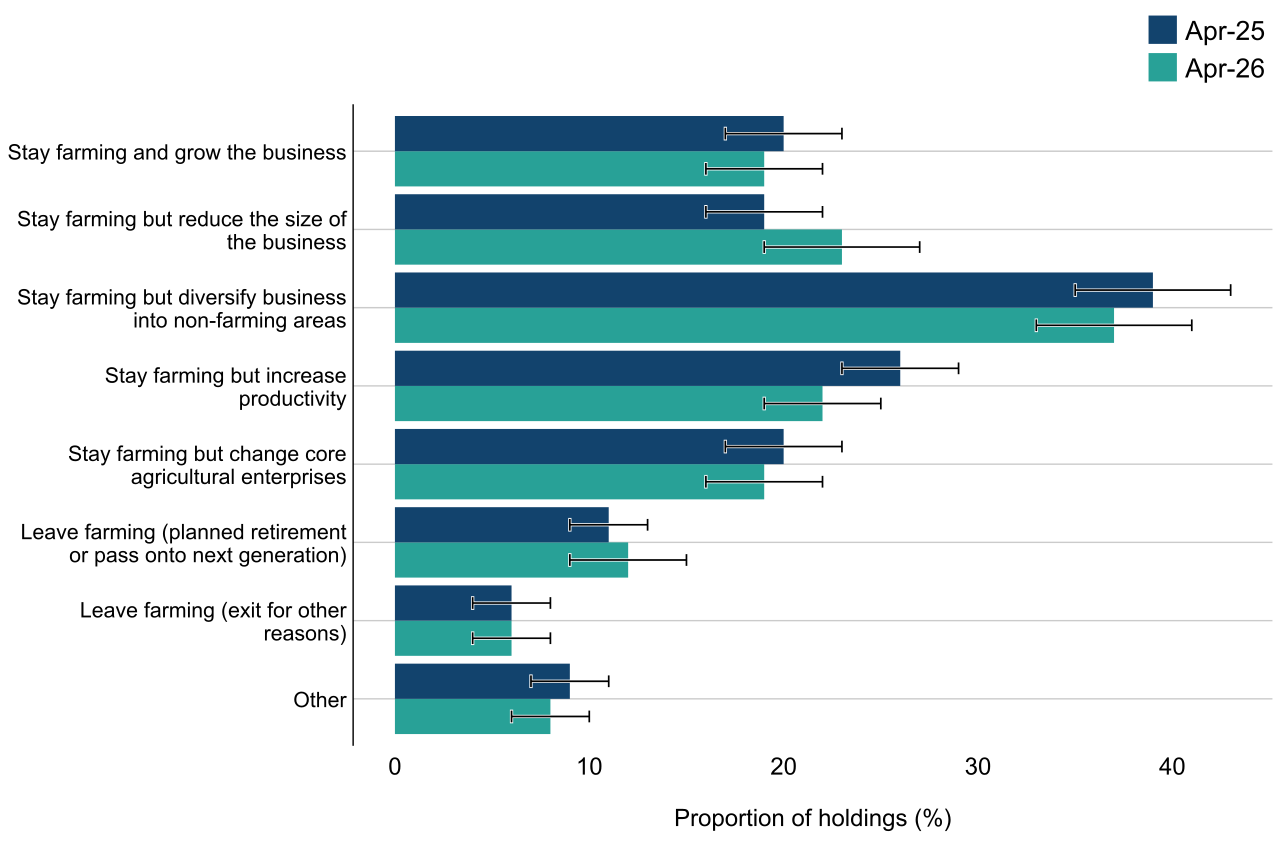
Farmers who answered that they are making changes or will need to make changes to their farm business in the next 5 years were then asked what changes they are making or will need to make (see Figure 4). In April 2026, farmers on 37% of holdings said they would stay farming but diversify business into non-farming areas. This proportion is similar to the 39% reported in April 2025. Around 23% of farmers said they will stay farming but reduce the size of the business and a further 22% said they will stay farming but increase productivity. A number of farmers indicated that they would leave farming, as 12% are planning on retiring or passing the farm onto the next generation and 6% would leave farming for other reasons. Farmers on 8% of holdings stated other changes they plan to make to their farm business which included cutting costs and participating in environmental schemes.
Figure 4: Changes to farm business, April 2025 to April 2026
Download the data for this chart
Notes:
-
Farms could select more than one option.
-
Only respondents who answered “I am making changes to my business” or “I will need to make changes to my business” to the previous question (“Do you feel you will need to make changes to your business in the next 5 years?”) were shown this question in the survey.
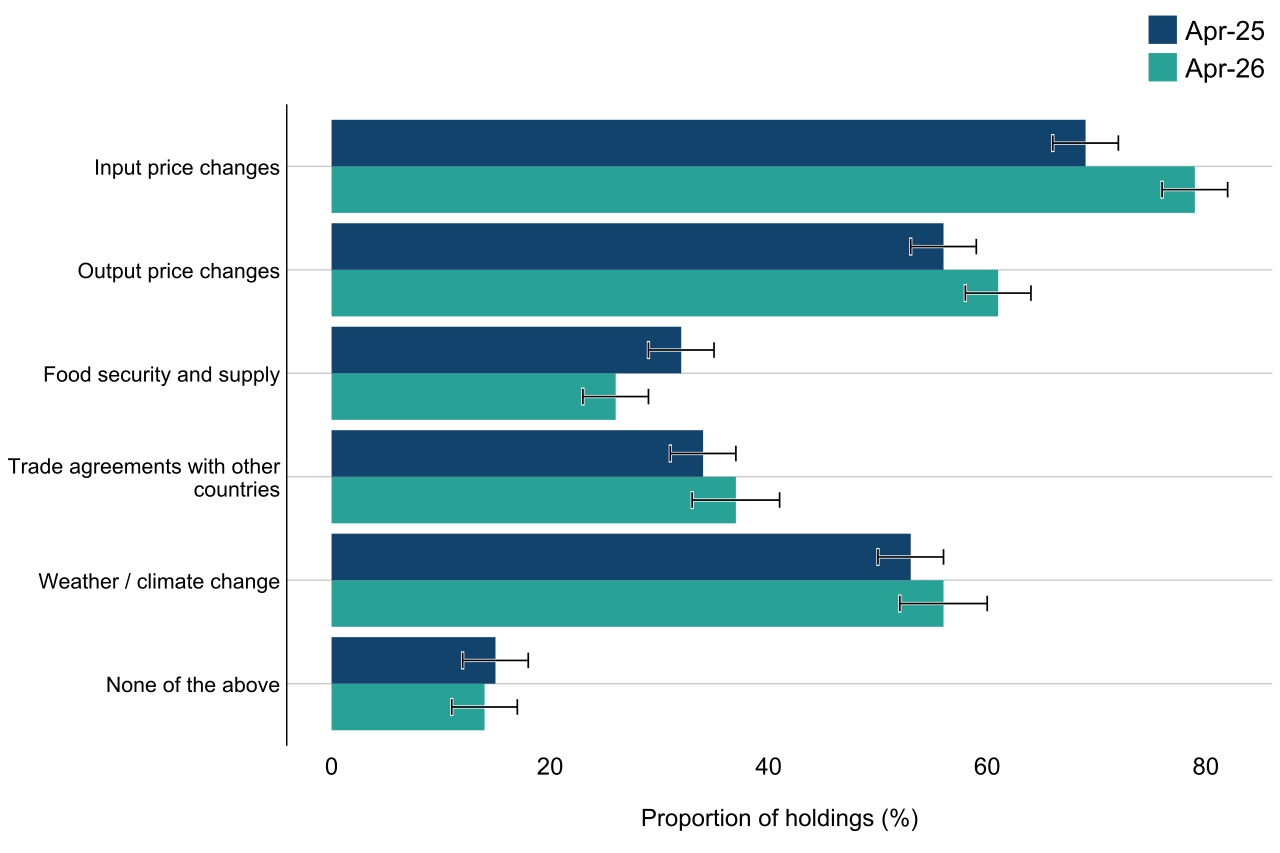
All farmers were asked whether a range of external factors led them to make changes on their farm, regardless of whether they intend to make changes to their business in the next 5 years. In April 2026, input price changes remained the most commonly selected external factor that led farmers to make changes to their business with farmers on 79% of holdings selecting this option (see Figure 5). This was followed by output price changes (61%), weather / climate change (56%) and trade agreements with other countries (37%). The least commonly selected external factor leading farms to make changes to their business was none of the above (14%).
Figure 5: Changes to farm business due to external factors, April 2025 to April 2026
Download the data for this chart
Notes:
- Farms could select more than one option.
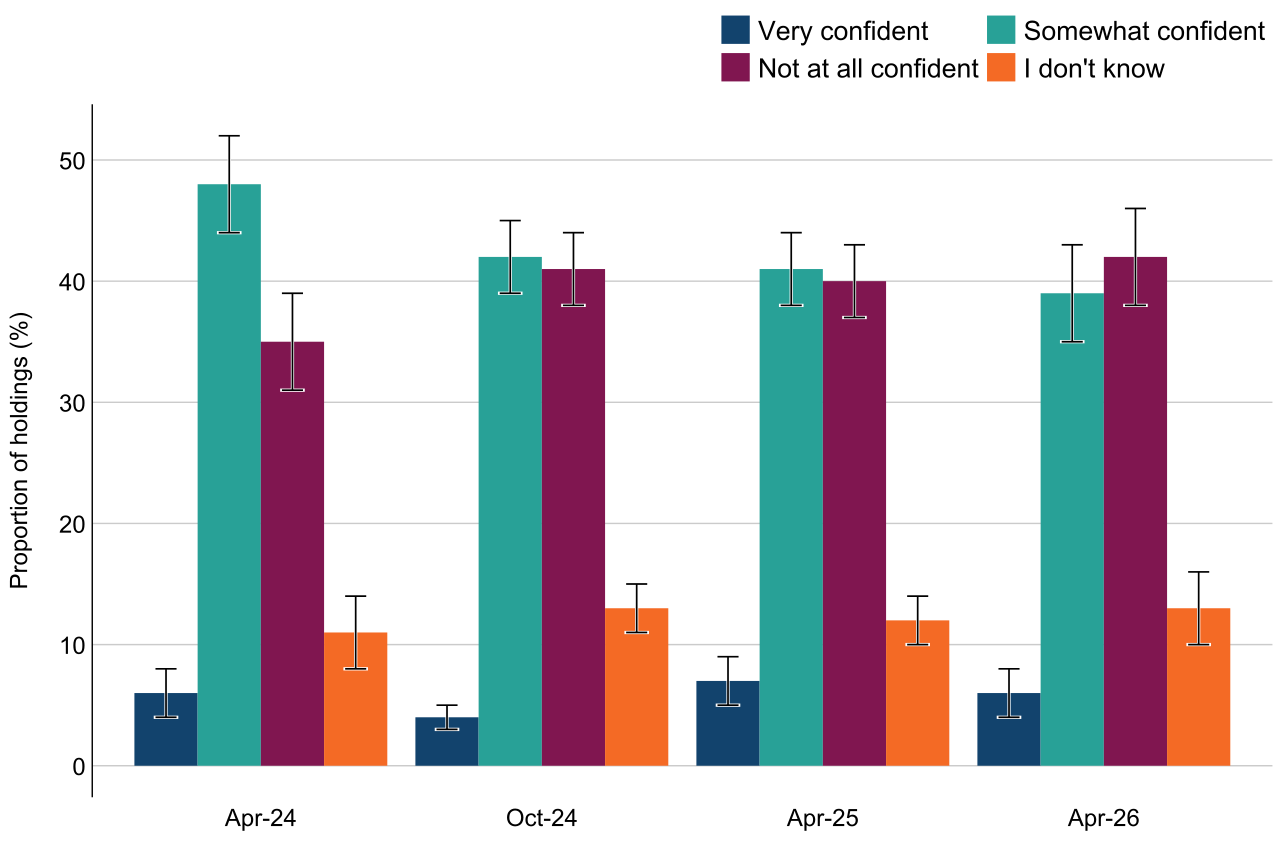
In April 2026, farmers on 45% of holdings are either very (6%) or somewhat (39%) confident that they can respond to any changes that are needed. This similar to the 48% reported in April 2025 (very confident 7%; somewhat confident 41%). Farmers on 42% of all holdings are not at all confident they can respond to the changes needed and the remaining 13% are unsure (see Figure 6).
Survey respondents were asked how external factors were affecting changes needed for their farm businesses. The question listed input and output price changes, food security and supply, trade agreements, and weather and climate. In total, 84 respondents provided details on the changes they were making.
The most commonly cited changes related to reducing input costs and overheads. These were mainly reductions in inputs, although respondents also mentioned other costs such as contractor use and staffing. Respondents also described adapting to weather and climate pressures, including drought, flooding and seasonal shifts, through changes to cropping, land use and livestock systems. Less frequently mentioned changes included diversification, delaying or reducing investment, scaling back production, and leaving farming or particular enterprises. Where respondents described business changes, they were often presented as responses to instability and factors outside their control, shaping immediate decisions rather than part of longer-term plans.
Responses were also reviewed by farm size, farm type and occupancy type. Differences between groups should be read as indicative because comment numbers varied across groups and some groups were small. Overall, differences appeared to be mainly differences in emphasis, rather than fundamentally different responses. Smaller farm respondents tended to describe enterprise-level changes, such as stocking decisions, while larger farm respondents included some more structural changes involving cropping, land use and investment. Crop-based farms particularly emphasised changes to cropping, land use and input use. Livestock farms more often described changes to stock systems, feed, climate resilience and scaling back. Relatively few respondents from tenanted farms referred to changes they were making in response to external factors. Among respondents who referred to scaling back, the highest proportion were owner-occupiers, while reducing inputs was referred to across ownership types.
Figure 6: Proportion of holdings that are confident they can respond to changes, April 2024 to April 2026
Download the data for this chart
1.3 Environmental Schemes
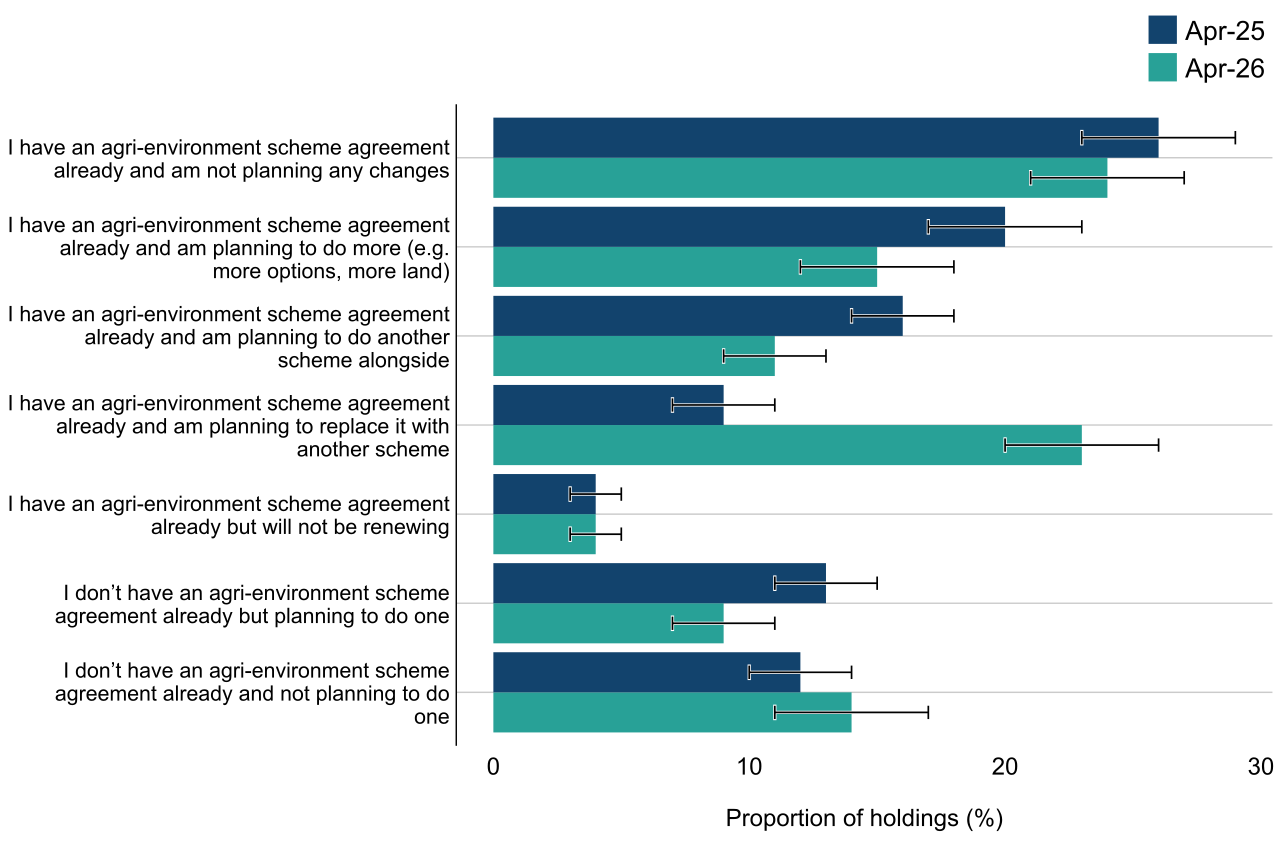
Defra offers Environmental Land Management (ELM) schemes for farmers - these include Countryside Stewardship (CS), Environmental Stewardship and the Sustainable Farming Incentive (SFI). Farmers were asked if they planned on making any changes to any agri-environment agreements they have on their farm in the next year (see Figure 7). In April 2026, farmers on 77% of holdings said they already had an agri-environmental scheme agreement, and 24% of all farmers said they were not planning on making changes to their agri-environmental scheme agreement. On the other hand, 15% said they were planning to do more (e.g. more options or more land), 11% were planning to do another scheme alongside, 23% were planning to replace their current scheme with another, and 4% would not be renewing their agreements. A number of farmers indicated that they did not have an agri-environment scheme agreement in place: 9% were planning to do one, and 14% did not plan on doing one.
Figure 7: Proportion of holdings that plan to make changes to their agri-environment agreements within the next year, April 2025 to April 2026
Download the data for this chart
Notes:
- This question was added in April 2024
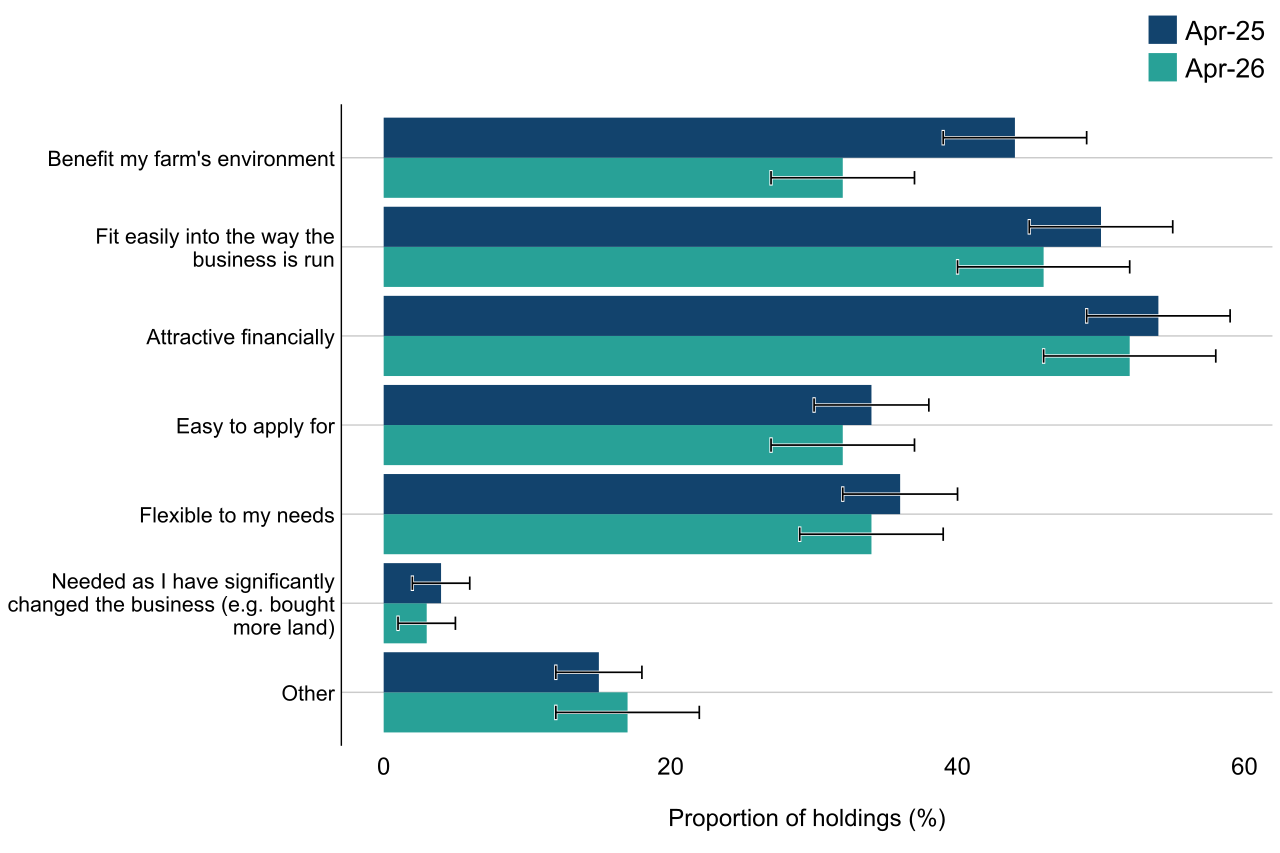
Farmers who answered that they were planning on making changes to their agri-environment agreements were asked what issues led to them planning these changes (see Figure 8). In April 2026, attractive financially was the most selected factor that led farmers to plan changes to their agri-environment agreements, with farmers on 52% of holdings choosing this option. This was followed by fit easily into the way the business is run (46%), flexible to my needs (34%), benefit my farm’s environment (32%), easy to apply for (32%) and needed as I have significantly changed the business (e.g. bought more land) (3%). Farmers on 17% of holdings stated other factors led to them planning to enrol or make changes which included their existing scheme expiring and reduced profit margins.
Figure 8: Factors influencing changes to agri-environment schemes/agreements within the next year, April 2025 to April 2026
Download the data for this chart
Notes:
-
Farms could select more than one option.
-
This question was added in April 2024
-
Only respondents who answered they had an agri-environment scheme agreement already and were planning on making changes to the previous question (“In the next year, do you plan on making changes to any agri-environment schemes / agreements you have for your farm?”) were shown this question in the survey.
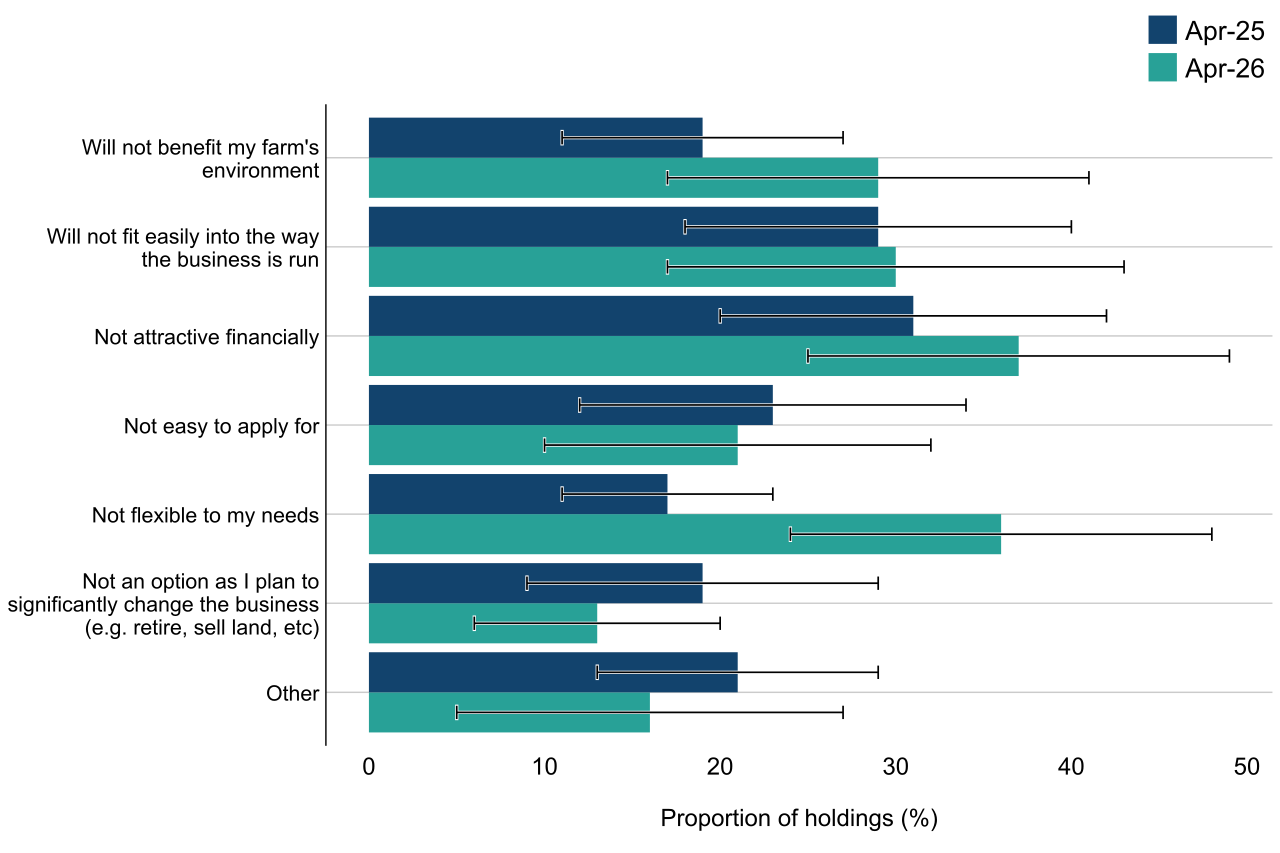
Farmers who answered that they do not plan to enrol or renew agri-environment scheme agreements in the next year were asked what issues led them to making this decision (see Figure 9). In April 2026, not attractive financially was the most commonly selected factor that led farmers to choose not to enrol or renew agri-environment agreements, with farmers on 37% of holdings selecting this option (see Figure 8). This was followed by not flexible to my needs (36%), will not fit easily into the way the business is run (30%), will not benefit my farm’s environment (29%), not easy to apply for (21%) and not an option as I plan to significantly change the business (e.g. retire, sell land, etc) (13%). Farmers on 16% of holdings stated other factors led to them not planning to enrol or renew agri-environmental agreements, this included changes in policy and disagreement with the efficacy of the schemes.
Figure 9: Factors influencing non-enrollment or renewal in agri-environmental schemes/agreements within the next year, April 2025 to April 2026
Download the data for this chart
Notes:
-
Farms could select more than one option.
-
This question was added in April 2024
-
Only respondents who answered “I have an agri-environment scheme agreement already but will not be renewing” or “I don’t have an agri-environment scheme agreement already but planning to do one” to the previous question (“In the next year, do you plan on making changes to any agri-environment schemes / agreements you have for your farm?”) were shown this question in the survey.
1.4 Groups
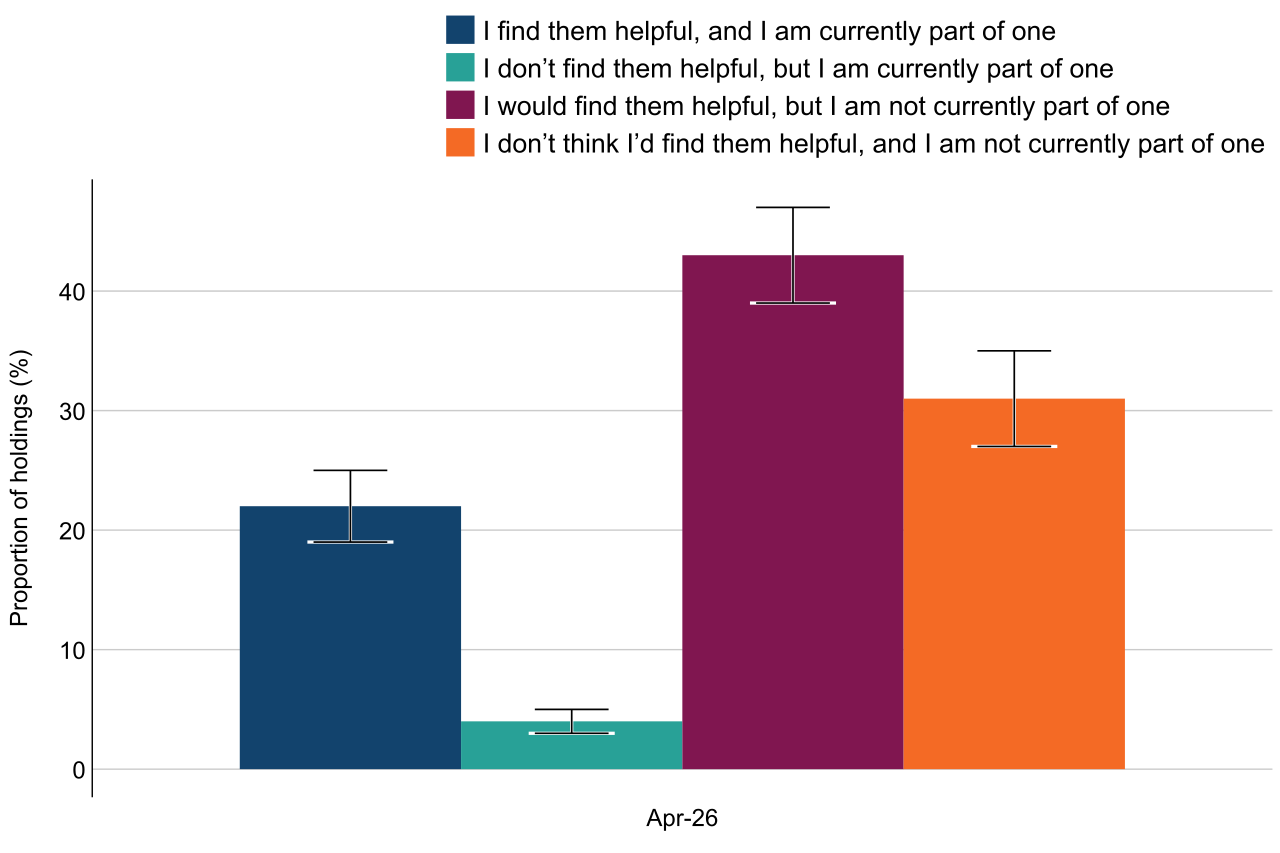
Farming groups and advisors have a role in helping farm businesses to adapt to the changes needed. In April 2026, farmers on 22% of holdings find these groups helpful and are currently part of one, with an additional 43% indicating they would find them helpful but are not currently part of one. Approximately 4% are part of one, and do not find it helpful, whereas a further 31% said they are not part of a group and that they don’t think these groups would be helpful to them (see Figure 10).
Figure 10: Proportion of holdings that are part of groups and whether they find it useful, April 2026
Download the data for this chart
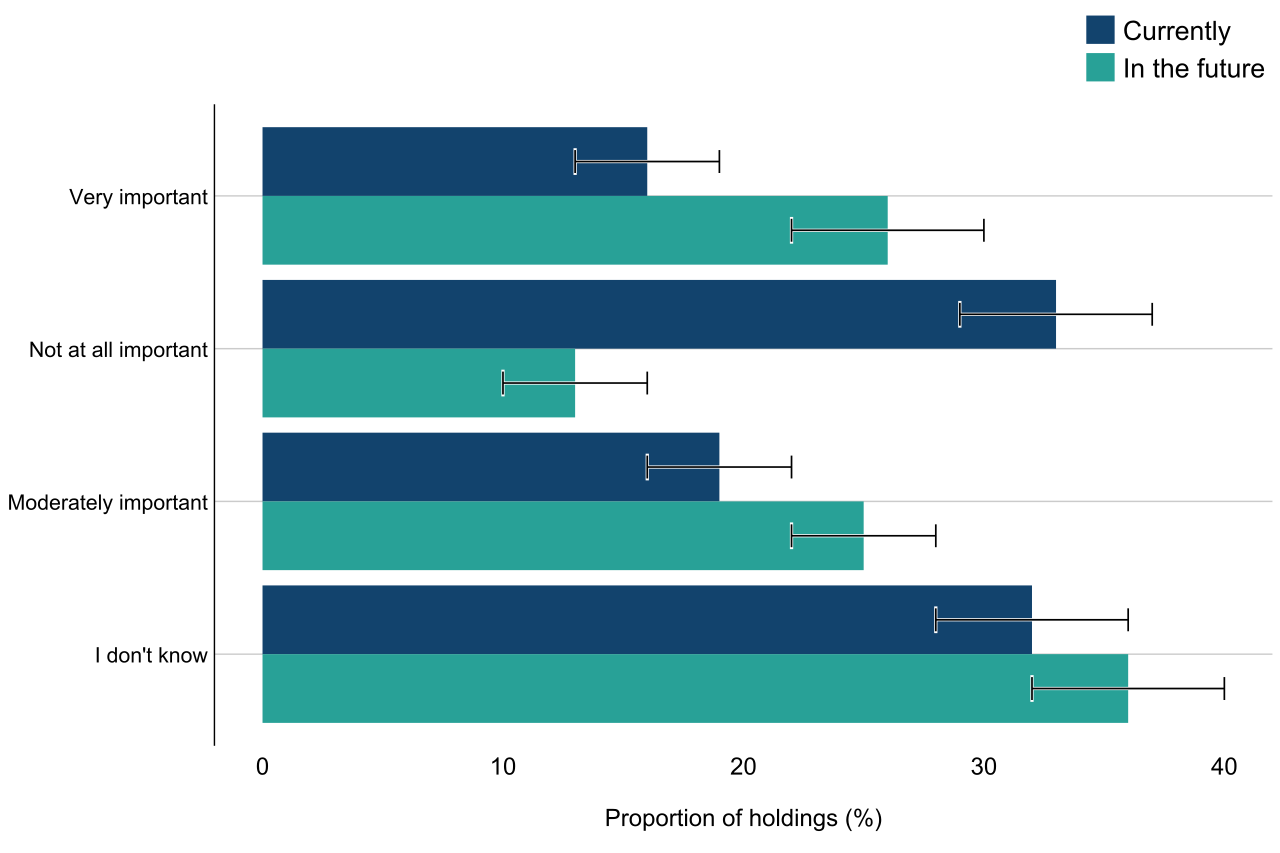
In April 2026, farmers on 16% of holdings said that private sources of finance are very important for delivering environmental outcomes, with a further 19% indicating that it would be moderately important (see Figure 11). Only 33% said that it was not at all important, and farmers on the remaining 32% of holdings were unsure.
Looking to the future, private sources of finance for delivery of environmental outcomes was said to be very important by 26% of holdings and 25% indicated that it would be moderately important in April 2026 and only 13% said it was not at all important. Farmers on the remaining 36% of holdings were unsure.
Figure 11: Proportion of holdings that believe private sources of finance are important for delivering environmental outcomes for their business, April 2026
Download the data for this chart
1.5 Environment
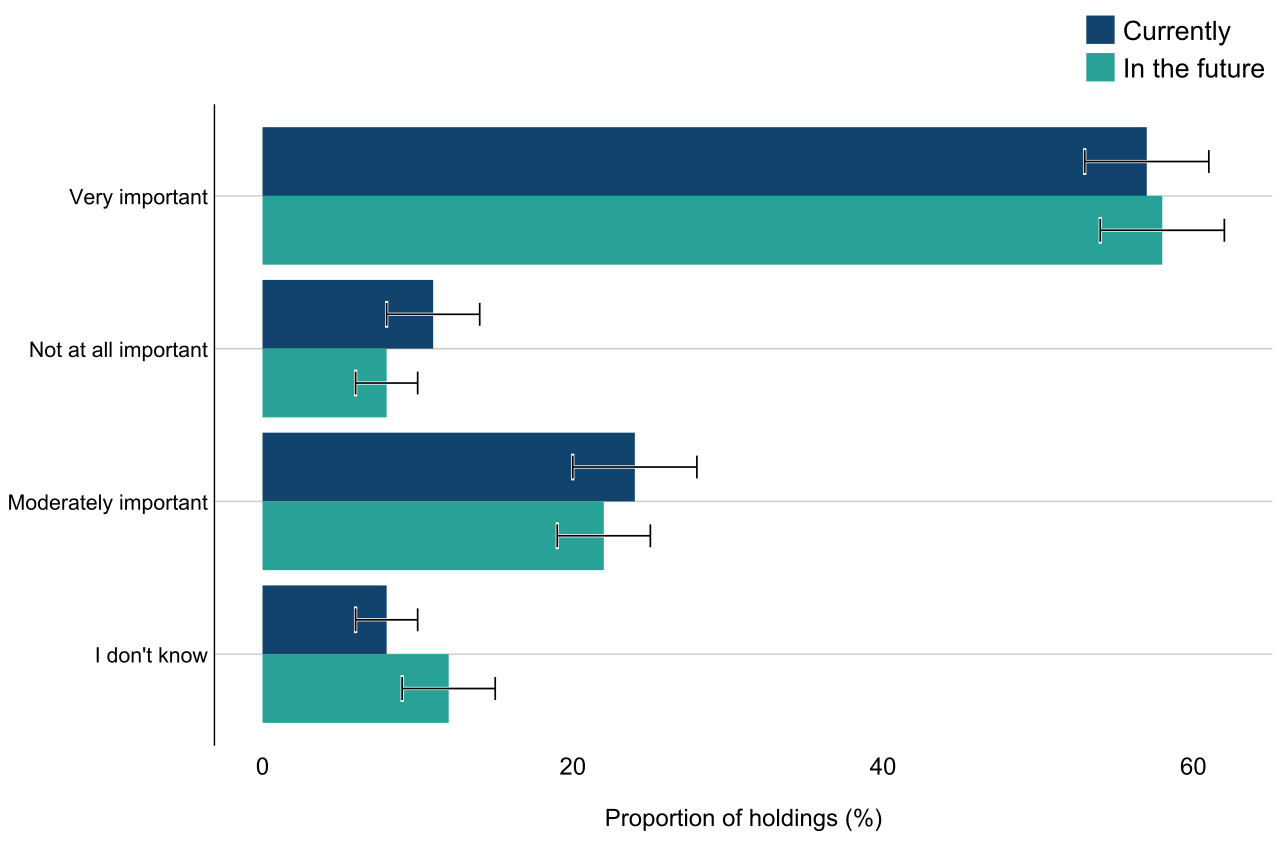
Defra’s vision for farming involves providing environmental outcomes. In April 2026, farmers on 81% of holdings said Defra paying for environmental outcomes was currently very (57%) or moderately (24%) important for their business (see Figure 12). A further 11% said that it was currently not at all important.
In April 2026, when asked how important it will be in the future for Defra to pay for environmental outcomes, farmers on 58% of holdings said it would be very important. A further 22% believed it would be moderately important and only 8% said that Defra paying for environmental outcomes in the future was not at all important.
Figure 12: Proportion of holdings that believe Defra paying for environmental outcomes would be important for their business, April 2026
Download the data for this chart
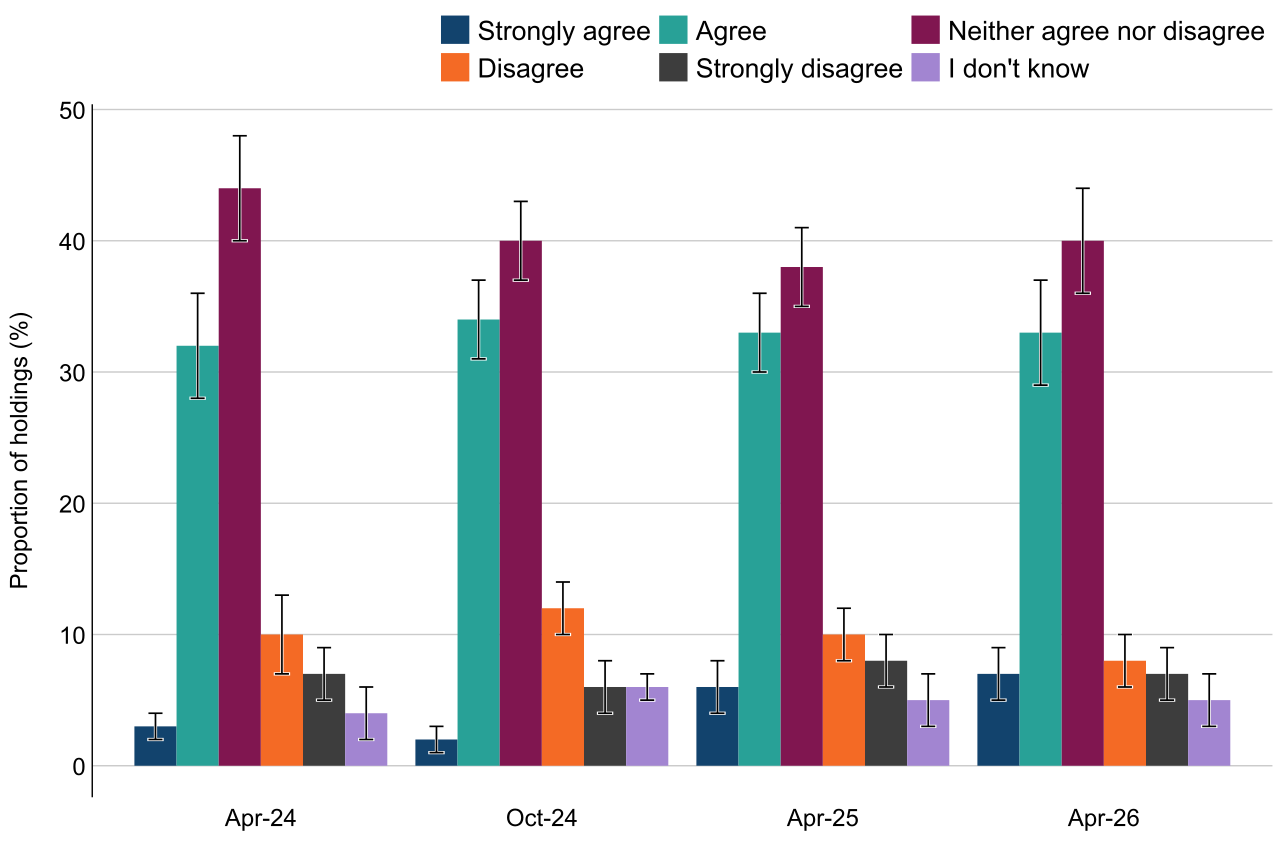
Environmental safeguards and standards in farming are maintained by both enforcing regulations and empowering individual responsibility. In April 2026, farmers on 40% of holdings either agreed (33%) or strongly agreed (7%) that the current approach balances enforcement with individual responsibility (see Figure 13). This is in line with the 39% reported in April 2025 and the 36% reported in October 2024. Farmers on 40% of holdings neither agreed nor disagreed with the statement. A further 8% disagreed that the current approach balances enforcement with individual responsibility and 7% strongly disagreed. Farmers on the remaining 5% of holdings were unsure.
Figure 13: Proportion of holdings that agree the current approach balances enforcement with individual responsibility, April 2024 to April 2026
Download the data for this chart
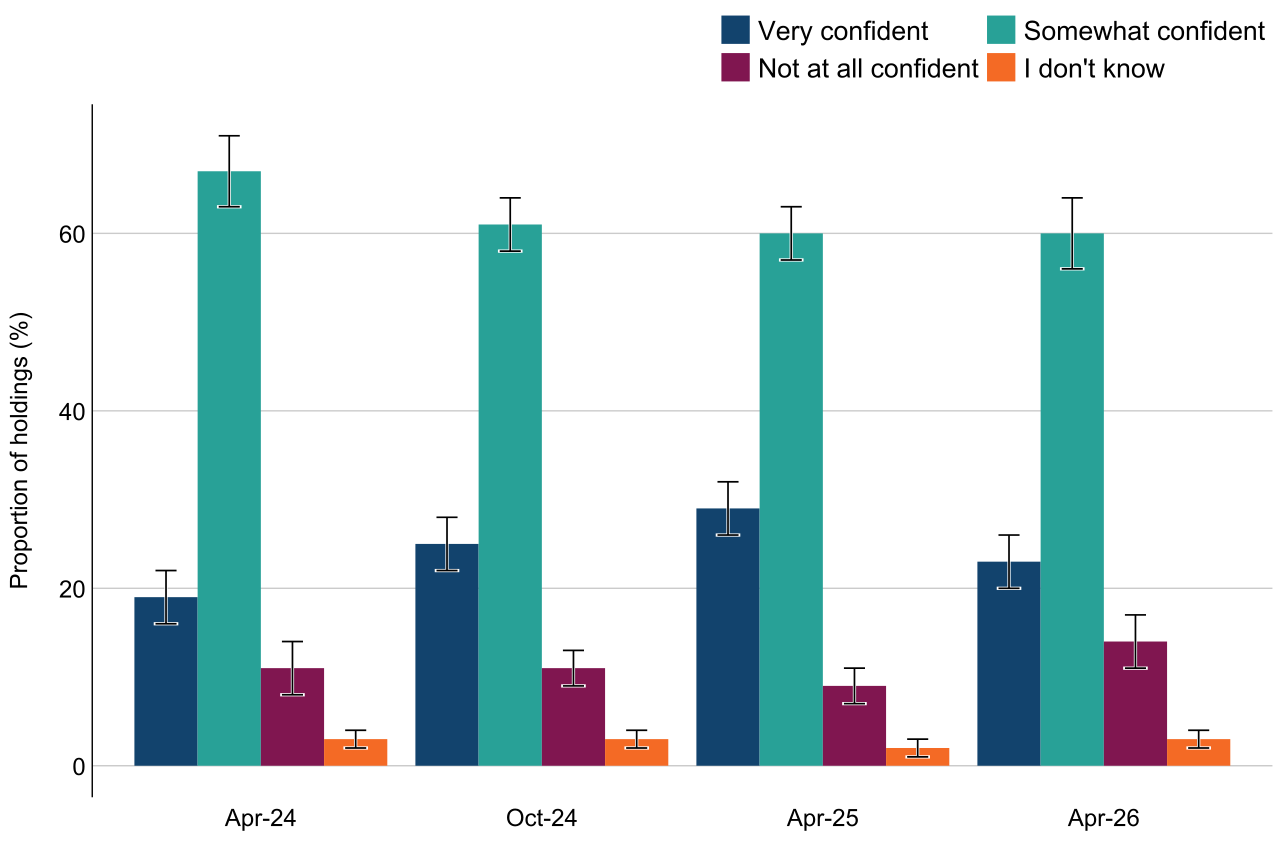
Regulations protect the environment, farmed animals and public health. In April 2026, farmers on 83% of holdings are either very (23%) or somewhat (60%) confident that they understand which regulations apply to their farm. This is a decrease from 89% in April 2025 (very confident 29%; somewhat confident 60%). As of April 2026, a further 14% are not at all confident and 3% don’t know which regulations apply to their farm (see Figure 14).
Figure 14: Proportion of holdings that are confident they understand which regulations apply to their farm, April 2024 to April 2026
Download the data for this chart
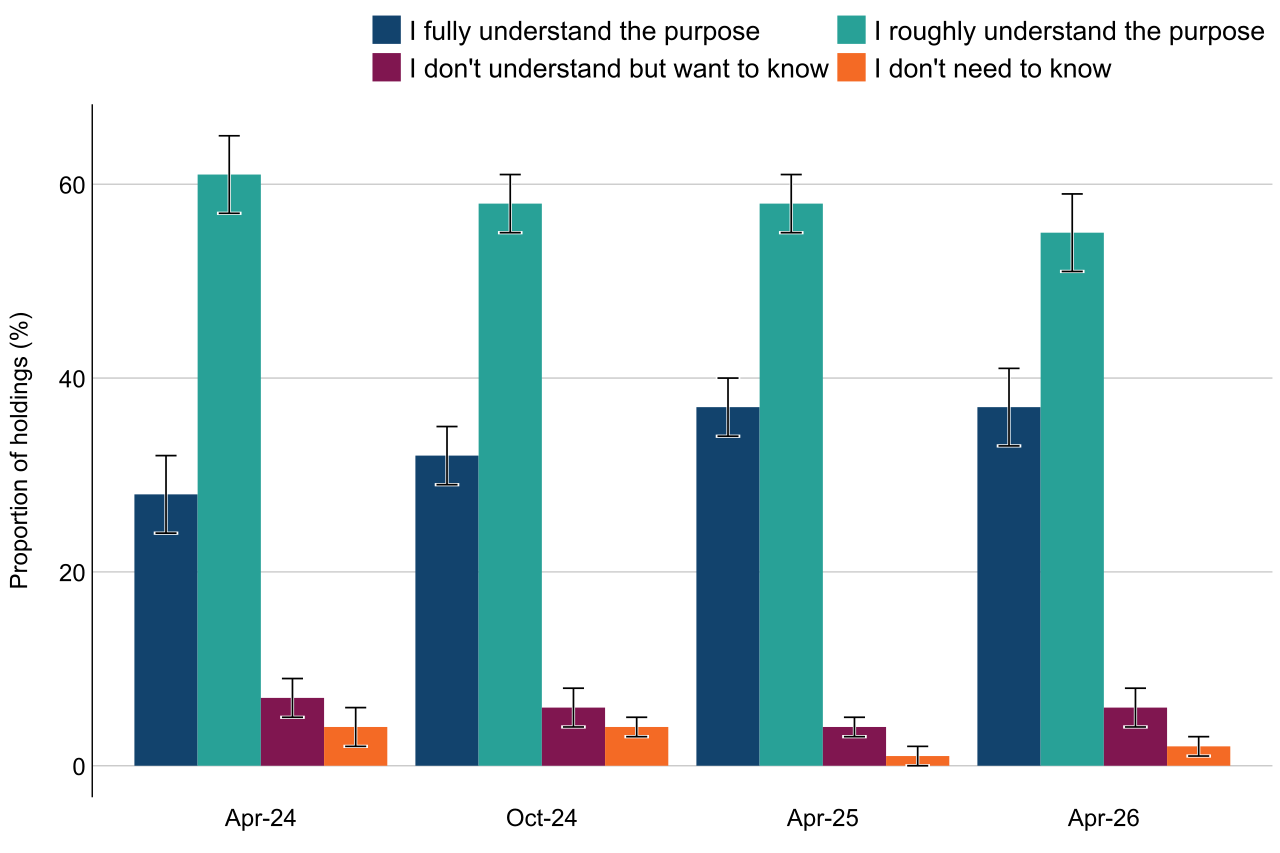
Farmers were asked to consider the regulations that apply to their farms and 37% of all holdings indicated that they fully understood the purpose of the rules in April 2026. Farmers on 55% of all holdings say that they roughly understood the purpose of the rules which apply to their farm. A further 6% don’t understand the purpose but want to know and only 2% said that they don’t need to know.
Figure 15: Proportion of holdings that understand the purpose of the regulations which apply to their farm, April 2024 to April 2026
Download the data for this chart
1.6 Relationships
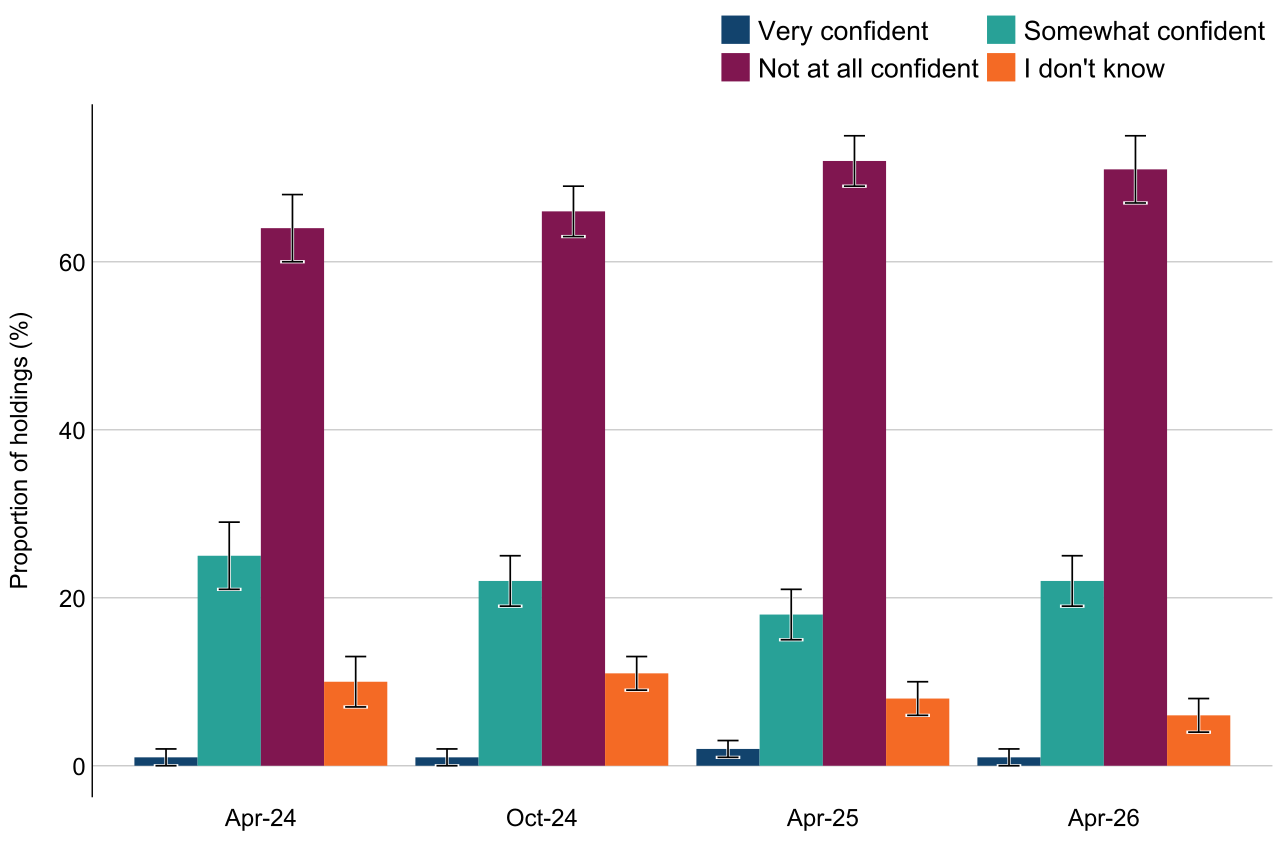
Farmers were asked how confident they were that changes to schemes and regulations will lead to a successful future for farming and 71% of holdings said that they are not confident at all (see Figure 16) in April 2026. Approximately 23% of holdings indicated that they are either very (1%) or somewhat (22%) confident in the changes to the schemes. This is consistent with the 20% reported in April 2025 (very confident 2%; somewhat confident 18%). as of April 2026, the remaining 6% of farmers on all holdings don’t know if the changes to schemes will result in a successful future for farming.
Figure 16: Proportion of holdings that are confident the changes to schemes and regulations will lead to a successful future in farming, April 2024 to April 2026
Download the data for this chart
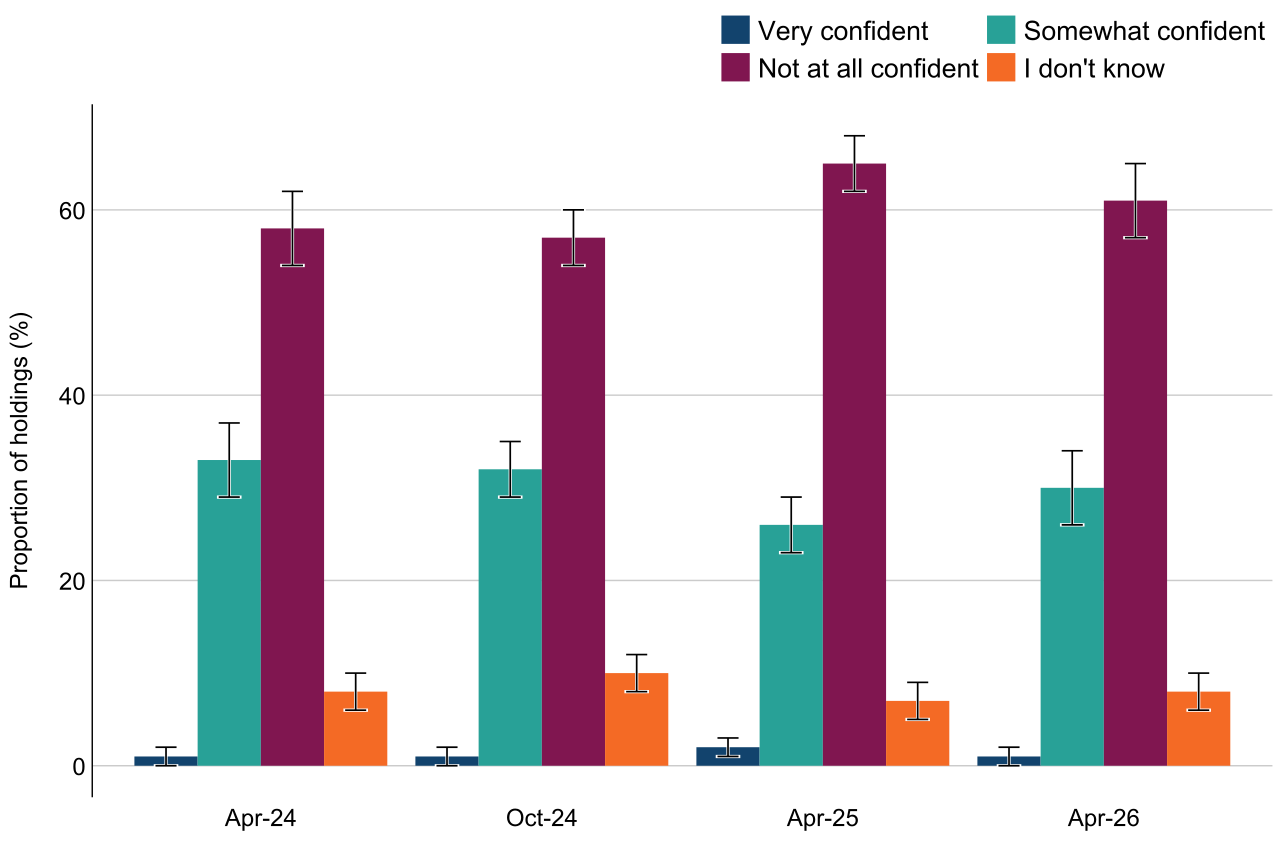
Defra and Defra agencies such as the Rural Payments Agency and Natural England are working together to deliver planned changes to schemes and regulations. In April 2026, farmers on 61% of holdings are not at all confident in Defra and Defra agency’s ability to deliver planned changes to schemes and regulations. This proportion is a slight decrease from 65% in April 2025 (see Figure 17). In April 2026, a further 31% of holdings are either very (1%) or somewhat (30%) confident in Defra and Defra agency’s ability to deliver planned changes to schemes. Farmers on the remaining 8% of holdings are unsure.
Figure 17: Proportion of holdings that are confident in Defra and Defra agency’s abilities to work together to deliver changes to schemes and regulations, April 2024 to April 2026
Download the data for this chart
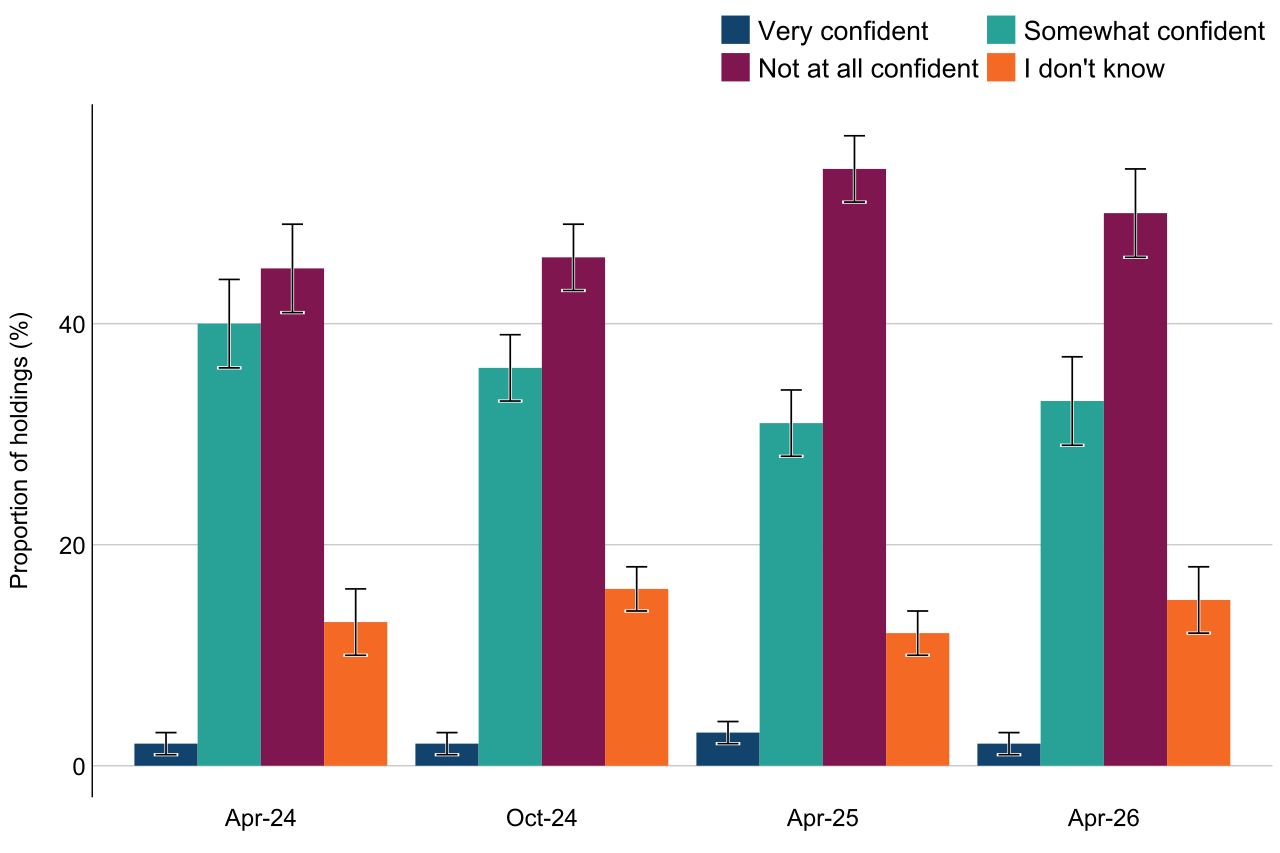
The April 2026 survey showed that as part of delivering the changes, farmers on 50% of holdings are not at all confident that their relationship with Defra and Defra agencies (such as the Rural Payments Agency and Natural England) will develop positively in the future. This proportion is a slight decrease from 54% in April 2025. In April 2026, approximately 35% of holdings are either very (2%) or somewhat (33%) confident that their relationship with Defra will develop positively in the future. Farmers on the remaining 15% of holdings said that they were unsure (see Figure 18).
Figure 18: Proportion of holdings that believe their relationship with Defra and Defra agencies will develop positively in the future, April 2024 to April 2026
Download the data for this chart
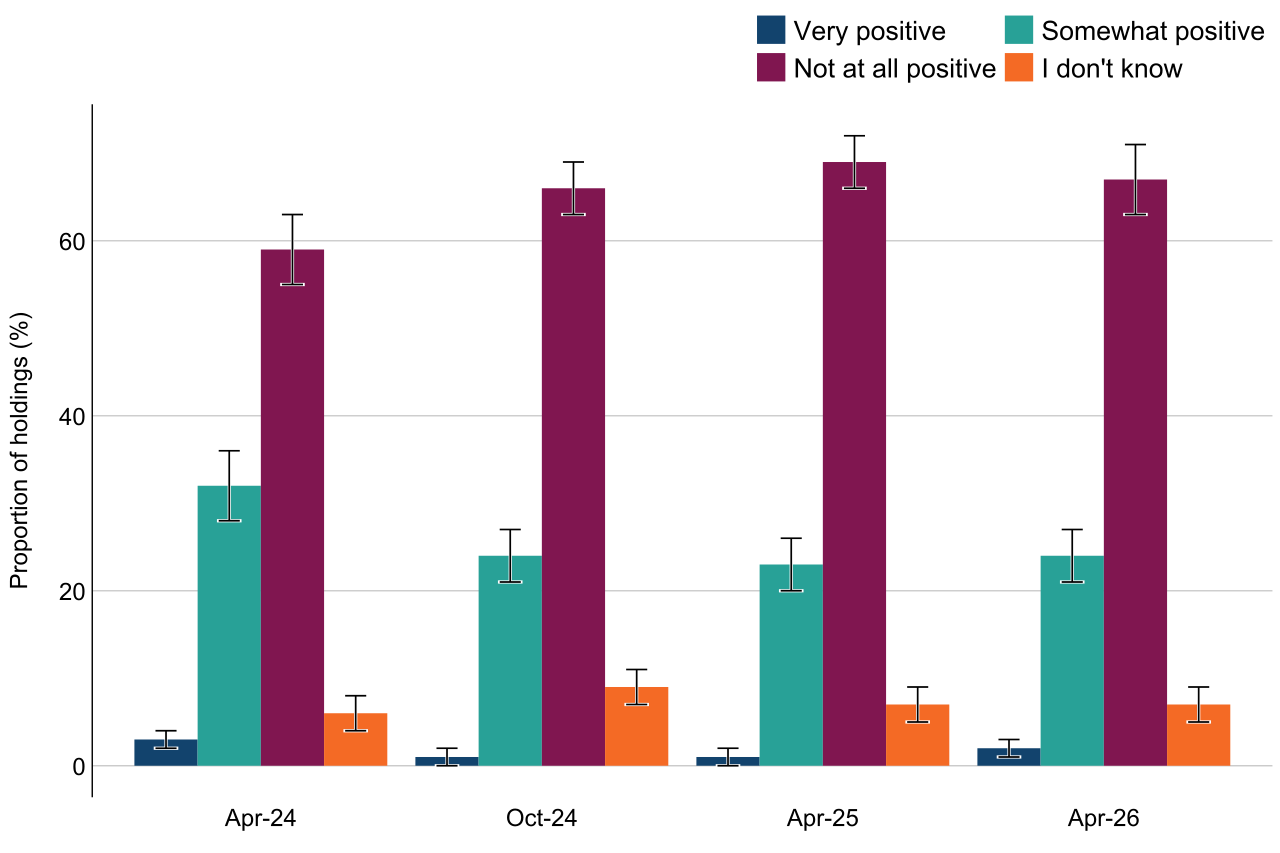
In April 2026, when asked to consider the changes to existing payments and regulations as well as the new schemes that will be available, farmers on 26% of holdings feel either very (2%) or somewhat (24%) positive about the future of farming (see Figure 19). This is a consistent with the 24% reported in April 2025 (very positive 1%; somewhat positive 23%). In April 2026, farmers on 67% of all holdings are not at all positive about the future of farming and the remaining 7% are unsure.
Figure 19: Proportion of holdings that feel positive about the future of farming, April 2024 to April 2026
Download the data for this chart
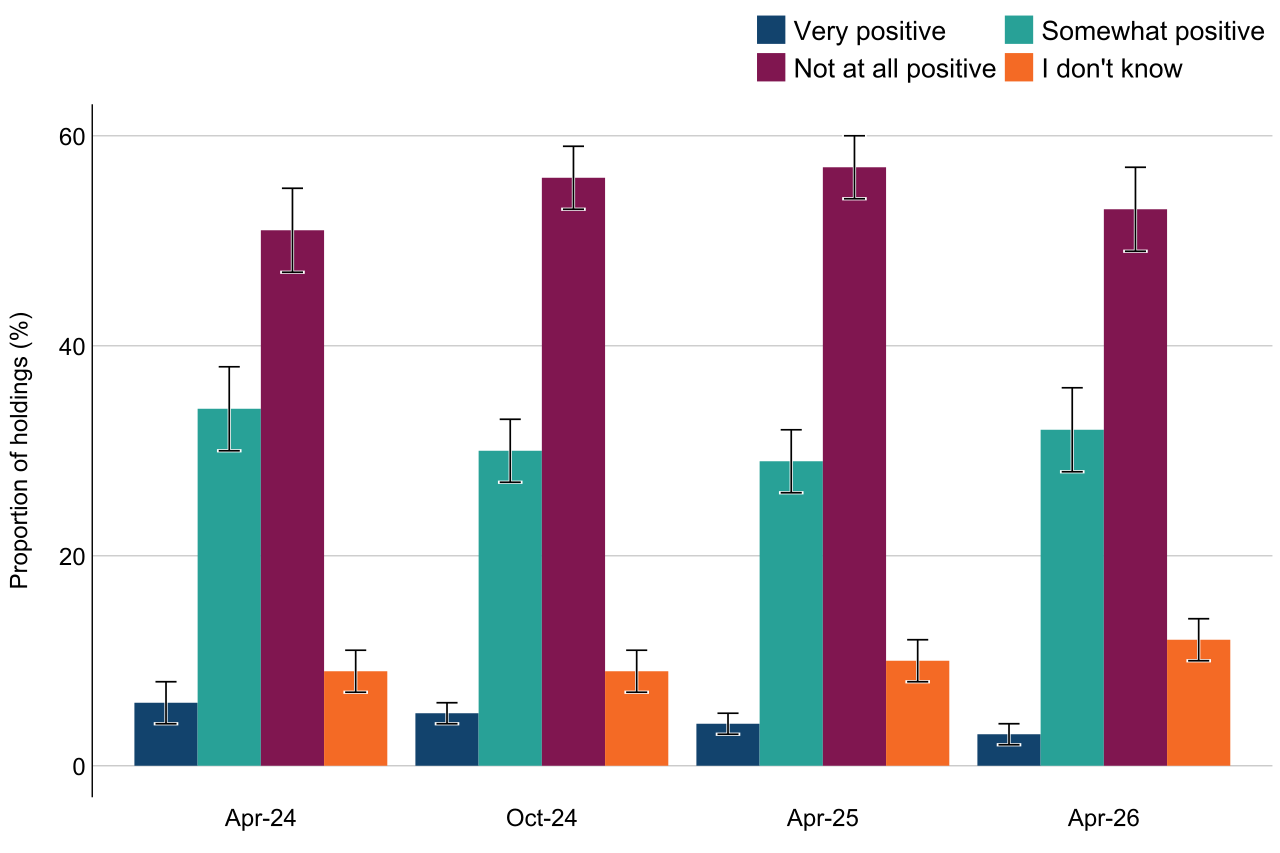
In April 2026, farmers on 35% of holdings felt positive about their own future in farming (very positive 3%; somewhat positive 32%). This is consistent with the 33% reported in April 2025. In April 2026, approximately 53% indicated that they are not at all positive and the remaining 12% are unsure how they feel about their own future in farming (see Figure 20).
Figure 20: Proportion of holdings that feel positive about their own future in farming, April 2024 to April 2026
Download the data for this chart
Section 2 - Open Text Comments
Of the 998 tracker respondents, 355 (36%) provided additional comments. Below is a summary of the comments, focusing on those relevant to Defra and the Agricultural Transition.
Comments provide insight into the experiences and views of respondents who chose to give additional feedback. As voluntary responses, they may disproportionately reflect stronger views or more negative experiences, while those with positive or neutral experiences may have been less likely to comment. They should therefore not be treated as representative of all farmers or all survey respondents.
The survey was open for a defined period, and the comments reflect respondents’ views at the time of completion. They do not capture policy developments that occurred after the survey period. The survey was conducted before the publication of the Farming Roadmap on 24 June and before SFI26 opened to applications on 30 June.
2.1 Cross-cutting factors
Comments pointed to a set of closely linked issues. Concerns about the priority given to domestic food production cut across comments on food security, confidence in government and scheme design, but appeared in different ways across these themes. Respondents also described financial viability, weather volatility, market uncertainty, trade, regulation and administration, and confidence in government as overlapping influences rather than separate concerns.
Comments were also reviewed by farm size, farm type and occupancy type. These comparisons should be read as indicative because comment numbers varied across groups and several subgroups were small. Where differences were observed, they appeared to reflect differences in emphasis rather than fundamentally different responses. Smaller farm respondents more often focused on viability, costs and scheme access, while larger farm respondents more often referred to adaptation, investment, scheme funding caps and cropping decisions. Occupancy type also appeared to shape comments on vulnerability and constraint, particularly where respondents described limited control, security or flexibility to make longer-term changes.
2.2 Costs, prices and profitability
Costs, prices and profitability were prominent themes across the open text responses. Respondents most often linked profitability concerns to the relationship between rising input costs and weak or volatile output prices. Input cost inflation, particularly for fuel, fertiliser, energy and labour, was often raised. Some respondents described returns from agricultural products as static, uncertain or insufficient relative to these costs, which was framed as reducing margins and limiting the scope to absorb further costs. Some respondents described these issues as threatening business and farm household viability.
Some respondents described price volatility as affecting their ability to plan, invest or adapt. Comments referred to uncertainty in both input and output markets, as well as wider factors such as global events and weather and climate impacts. This was described as making business planning more difficult, particularly where respondents were already managing reduced margins, changing scheme income or weather-related disruption. The loss of direct payments was also raised as part of wider viability concerns. Some respondents felt that replacement schemes did not provide the same level of predictable income support, particularly for businesses previously using direct payments to manage volatility or support investment.
Some respondents also linked weak or volatile output prices to perceived imbalances in the wider supply chain. These comments described farmers as “price takers”, with limited power to influence farmgate prices, particularly where prices were seen as shaped by supermarkets, processors, traders or global commodity markets. Imports and regulatory or compliance costs were also mentioned as factors that could add to costs for some businesses.
Reduced margins were also linked to lower capacity to invest, decisions about production levels and diversification, and the future viability of particular enterprises. Tenant respondents referred to additional constraints on diversifying, investing or making longer-term changes, linked to limited control or security. A smaller number of comments connected financial concerns with domestic food production, succession, inheritance tax and wider tax policy. Several respondents also described the cumulative effect of financial pressure, uncertainty and workload as affecting stress, wellbeing or mental health.
2.3 Weather and climate
Weather volatility was another significant factor highlighted by respondents who provided additional comments. Respondents described drought, flooding, wet winters and dry springs affecting yields, forage availability, stocking decisions, cropping choices and land use. These effects were described differently across farm types. Among grazing livestock respondents, particularly those from smaller, upland or lowland grassland farms, weather was linked to forage availability, stocking decisions and the cost of bought-in feed.
Cereal farm respondents linked weather to yield variability, cropping risk and the timing of decisions against cropping cycles. Across comments, weather was often linked to financial pressure, particularly where poor growing conditions meant buying in feed or forage, changing production plans, or absorbing further operational disruption when margins were already under pressure. For some respondents, this was presented as adding to uncertainty about future business resilience.
2.4 Food security, trade and domestic production
Food security, trade policy and imports were closely linked concerns among respondents who chose to comment. Many comments suggested that domestic food production was not being given sufficient priority in current policy and decision-making. Respondents questioned whether food production was being adequately supported or valued, particularly where they perceived environmental objectives, imports or alternative land uses to be taking precedence. While some felt the balance of policy was weighted too far towards environmental outcomes, a few called for a more integrated approach that supports food production alongside environmental goals.
Several comments linked food security to national resilience, arguing that reliance on global supply chains, geopolitical instability and climate change increased the importance of maintaining domestic production capacity. Trade policy and imports were often described as contributing to concerns about domestic competitiveness and viability. Several respondents described English farmers as operating on an “uneven playing field”, particularly where imports were perceived to be produced to lower regulatory, environmental or welfare standards, or supported by different subsidy regimes. A central concern was that cheaper imports and trade agreements could make it harder for domestic producers to compete, which respondents linked to longer-term risks for production capacity and national resilience.
2.5 Confidence in government and policy direction
Among respondents who provided additional comments, lack of confidence in government and current policy direction was the most frequently cited concern. Respondents raised concerns about a perceived lack of understanding of farming, low trust in policy motives and competence, and a wider sense that farming experience is not adequately reflected in policy design. Several described decision-making as disconnected from practical farming realities and questioned whether policy provides a clear long-term direction for the sector. While the dominant tone was negative, a small number expressed more positive views on some scheme developments, and interactions with Defra staff.
2.6 Environmental Land Management (ELM) schemes
Many of those respondents who provided additional comments discussed ELM schemes. Views were largely critical, although a small number expressed cautious or qualified support. These more positive respondents highlighted ELM schemes as a source of income and a way to deliver environmental benefits, but support was often tentative and set against concerns about future access, funding and delivery. The main concerns related to scheme continuity and planning, including sudden changes or closures, funding caps, application windows, agreement end dates, seasonal workloads and crop cycles. Some respondents, particularly those from non-cereal cropping farms, also raised concerns about how well scheme options aligned with their farming systems.
There were also practical frustrations around difficulties moving between different schemes and agreements. For example, concerns were raised about the end of some Countryside Stewardship agreements and whether agreement holders would be able to move into the Sustainable Farming Incentive. A few respondents were concerned that, without a smooth transition between schemes, progress towards long-term environmental outcomes could be lost.
Scheme payment adequacy was also regularly raised, with several respondents describing payment rates as too low relative to the work, risk and administrative burden involved. A few, however, referred to ELM schemes as an essential income source or a useful ‘add on’, demonstrating differing perspectives on reliance among respondents. Perceived unfairness cut across responses. Some respondents suggested that smaller, non-arable farms were disadvantaged compared with larger arable businesses, while others felt that longstanding environmental practices were not always recognised or rewarded. Tenant respondents also described scheme access, landlord decisions and practical barriers that could limit their ability to enter schemes or make longer term changes. Several comments linked low trust in Defra and delivery bodies to poor communication and difficult experiences during scheme application and administration.
2.7 Regulation and administration
Regulation and scheme administration were mentioned less often than other main themes but were still a concern for some respondents who chose to comment. These respondents described frustration with complex rules, paperwork, inspections, unclear guidance and difficulty accessing support, including in relation to regulatory requirements and scheme processes. Comments from dairy, pig and poultry farmers included sector-specific references to regulation, inspections and labour.
Some respondents felt that regulation and administrative burden added cost without clear benefit, while others wanted simpler processes and more consistent advice. A few comments recognised environmental aims but argued that delivery should be more practical and farmer-facing.
2.8 What’s different now?
Although the overall number of responses was lower than in the previous survey, the proportion of respondents providing comments was slightly higher.
Comments in the April 2025 and October 2024 trackers appeared strongly shaped by specific policy issues, particularly the temporary closure of SFI to new applications in March 2025 and the autumn 2024 Budget measures on inheritance tax respectively. By comparison, responses to this tracker suggest a broader and less single-issue pattern of concern, with respondents more often linking policy direction, market pressure and questions about domestic food production. Uncertainty around ELM-related concerns also appeared broader than in April 2025, moving beyond immediate dissatisfaction with the pause in applications towards questions about longer-term scheme delivery. Inheritance tax continued to be raised, particularly in relation to succession, but appeared less dominant than in April 2025 or October 2024.
Since the tracker recorded these responses, Defra has published further information on strategic policy direction through the Farming Roadmap 2050: Growing England’s Future and its response to the Farming Profitability Review. The roadmap sets out the government’s long-term framework for a profitable, productive, sustainable and resilient farming sector by 2050. Defra has also announced further scheme delivery detail, including the opening of the Sustainable Farming Incentive 2026 (SFI26) application window on 30 June 2026. Window 1 is open to small farms and those without an existing Environmental Land Management revenue agreement, with a budget of £60 million and an indicative duration of around two months, subject to demand. A second application window is expected to open in September 2026, extending eligibility to a wider group of farmers and land managers, including those with agreements due to expire by February 2027. Defra has also announced additional funding through the Farming Innovation Programme to support private investment in agri-technology, and new grants for farms on lowland peat soil to support water management and explore alternative land uses.
Section 3 - What you need to know about this release
3.1 Contact details
Statistics
Responsible statistician: Will Drabble
Team: Farming Statistics - Department for Environment, Food and Rural Affairs
Email address: Farming-Statistics@defra.gov.uk
Telephone: 03000 600170
Social Research
Responsible social researcher: Rhiannon Naylor
Team: Future Farming Insights and Evaluation - Department for Environment, Food and Rural Affairs
3.2 Official statistics status
Our statistical practice is regulated by the Office for Statistics Regulation (OSR). OSR sets the standards of trustworthiness, quality and value in the Code of Practice for Statistics that all producers of official statistics should adhere to. You can read about how Official Statistics in Defra comply with these standards on the Defra Statistics website.
Section 4 - About these statistics
4.1 Methodology
The Farmer Opinion Tracker provides a snapshot of views and opinions towards Defra’s vision for farming as of April 2026. Farmers were asked questions about Defra’s vision for farming, business planning, relationships with farming groups and Defra and the future of farming.
The results provided in this report are based on surveys sent to a representative sub-sample of the farming community in England, approximately 6,000 holdings. The survey was voluntary and 998 responses were received (including some partial responses), resulting in a response rate of around 17%.
We have made changes to the survey since it was last run in April 2025. The new questions focus on farming groups, and farmers were asked their opinion on collaboration groups and the importance of private sources of finance for delivering environmental outcomes. Farmers were also asked to provide further details about how external factors have affected the changes needed on their farms.
To be included in the main sample, holdings had to have at least 50 cattle, 100 sheep, 100 pigs, 1,000 poultry or 20 hectares of arable crops or orchards. Therefore, all results given in this statistical report reflect just over 60,000 holdings that exceed these thresholds out of the total English population of almost 107,000 commercial holdings.
4.2 Data analysis
Results have been analysed using a standard methodology for stratified random surveys to produce national estimates. With this method, all of the data are weighted according to the inverse sampling fraction.
4.3 Accuracy and reliability of the results
We show 95% confidence intervals against the results for this survey (statistical release and time series). These show the range of values that may apply to the figures. They mean that we are 95% confident that this range contains the true value. They are calculated as the standard errors (se) multiplied by 1.96 to give the 95% confidence interval (95% CI). The standard errors only give an indication of the sampling error. They do not reflect any other sources of survey errors, such as non-response bias.
4.4 Uses and Users
The survey was set up to collect farmer opinion on the future for farming in England prior to, and during, the Agricultural Transition. The aim is to be open and transparent about what we are hearing from the farming community and then acknowledge and respond to areas where we need to improve. The data collected via this survey will be used to create a baseline dataset of farmer opinion which can then be monitored over time to see how it is changing as we move through the agricultural transition period.
4.5 Definitions
Region
This refers to the ITL1 regions in England, for the purposes of this analysis we have combined the South East with London.
Farm type
This refers to the “robust type”, which is a standardised farm classification system. Farms are split into Dairy, Grazing Livestock Less Favoured Areas (LFA), Grazing Livestock Lowland, Mixed, Other crops, Cereals and Pigs & Poultry (Specialist Pigs and Specialist Poultry combined).
Farm sizes
This is based on the estimated labour requirements for the holding, rather than its land area. The farm size bands used within the detailed results tables which accompany this publication are shown in the table below. Standard Labour Requirement (SLR) is defined as the theoretical number of workers required each year to run a holding, based on its cropping and livestock activities.
| Farm size | Definition |
|---|---|
| Small | Less than 2 SLR |
| Medium | 2 to less than 3 SLR |
| Large | 3 or more SLR |
Farm ownership
This is based on data from the June Survey of Agriculture and Horticulture. The types are split into:
- Owned - all area on the holding is owned
- Tenanted - All area on the holding is rented under a Full Agricultural Tenancy, Full Business Tenancy, Other agreement or is seasonally rented in (364 days or less)
- Mixed - area on the holding is a mixture of owned and tenanted
4.6 Future publications
The Farmer Opinion Survey for England was first run in Autumn 2019. The survey was set up to collect opinion prior to, and during, the agricultural transition which is the period of the Future Farming and Countryside Programme.
The survey was initially run every six months, except for 2020 when a single survey was carried out in response to disruption caused by Covid-19. From April 2025, the survey has run once annually. Maintaining the survey once a year allows us to track long term trends, monitor gradual shifts in farmer sentiment and compare results to a single point in time, whilst reducing survey burden on farmers and improving government efficiency.
The next survey will be run in April 2027. The publication date will be announced on the research and statistics webpage on gov.uk.
To view previous statistical releases and the full breakdown of results, please visit the Farm Opinion Tracker collection.