Abortion statistics commentary, England and Wales: 2023
Updated 19 March 2026
Applies to England and Wales

© Crown copyright 2026
This publication is licensed under the terms of the Open Government Licence v3.0 except where otherwise stated. To view this licence, visit nationalarchives.gov.uk/doc/open-government-licence/version/3 or write to the Information Policy Team, The National Archives, Kew, London TW9 4DU, or email: psi@nationalarchives.gov.uk.
Where we have identified any third party copyright information you will need to obtain permission from the copyright holders concerned.
This publication is available at https://www.gov.uk/government/statistics/abortion-statistics-for-england-and-wales-2023/abortion-statistics-commentary-england-and-wales-2023
Introduction
The information presented in this report is based on abortion notification forms (HSA4 forms) submitted by clinics and hospitals to the Chief Medical Officer (CMO) at the Department of Health and Social Care (DHSC), together with forms submitted to the Welsh CMO.
DHSC monitors the HSA4 forms to ensure that there is full compliance with the legislation set out in the Abortion Act 1967. You can find further details on the legislative context of the Abortion Act, in addition to methodological and technical information on the data in the ‘Guide to abortion statistics, England and Wales: 2023’ published alongside this report.
This report provides the latest data for 2023 on abortions for England and Wales as follows:
- metrics such as method, gestation, age and area of residence
- trends in abortions over time
Changes in the 2023 report
Statistical disclosure control
The figures in this publication have been rounded to the nearest 5 to prevent disclosing sensitive information. As a result of this change, totals may not add up and counts of 0 can mean no or a small number of procedures in the given field. Rates and percentages are based on rounded figures. Therefore, percentages may not add up to 100.
Data validation and imputation
Each year a small proportion of HSA4 forms are returned to clinics to check for missing or inconsistent information. To prevent further delays to the publication of the 2023 statistics, a cut of data was taken before all forms containing missing or inconsistent information were checked and, if necessary, returned to the terminating doctor. We estimated this could affect a maximum of 2% of forms.
Home use methodology
The method for collecting information on home use of abortions changed in 2023. Previously, this information was recorded in section 4d of the HSA4 form. Section 4d asks for the name and address of place of treatment with prostaglandin (misoprostol) if different from the address in section 4a. From April 2023 onwards, the HSA4 form was amended to include an explicit question about whether any of the medication was administered at home for medical abortions.
Changes to metrics
The following metrics have not been included in this publication due to a lack of available population data at the time of analysis:
- abortion rates by integrated care board
- abortion rates by index of multiple deprivation decile
Main findings
The main points in 2023 are:
- there were 277,970 abortions for residents of England and Wales in 2023, the highest number since the Abortion Act was introduced, and 26,593 abortions (11%) higher than in 2022 (see table 1 in the data tables for residents of England and Wales)
- the age-standardised abortion rate for residents was 23.0 abortions per 1,000 women aged 15 to 44, the highest rate since the Abortion Act was introduced (see table 1 in the data tables for residents of England and Wales)
- the crude abortion rate increased for every age group, including for those aged under 18, which increased from 7.6 in 2022 to 7.8 per 1,000 women in 2023 (see table 3b in the data tables for residents of England and Wales)
- most abortions continued to be provided by the independent sector (81%) while the share of abortions performed in NHS settings continued to fall from 19% in 2022 to 17% in 2023 (see table 3a in the data tables for residents of England and Wales)
- 248,250 (89%) of the 277,970 abortions were performed at 2 to 9 weeks gestation, an increase of 26,666 compared to 2022 (see tables 2 and 3a in the data tables for residents of England and Wales)
- most abortions continued to be medical abortions (87%). However, the number of surgical abortions increased in both 2022 and 2023, having decreased for the preceding 20 years (see table 2 in the data tables for residents of England and Wales)
- taking both medications at home remained the most common method of abortion, making up 72% of abortions (200,745) abortions in 2023, an increase of 48,340 abortions since 2022 (see table 2 in the additional tables)
- the rate of abortions resulting in at least one complication as recorded on the HSA4 form up until the time of discharge remained similar to 2022, falling from 1.2 in 2022 to 1.1 per 1,000 abortions in 2023. Note complications that are not recorded on the HSA4 form or that occur after discharge may not be included (see table 8 in the data tables for residents of England and Wales)
Commentary: residents of England and Wales
Unless otherwise specified, the following commentary, charts and tables relate only to abortions in England and Wales, for residents of England and Wales, in 2023. Similarly, unless otherwise stated, the rates presented in this publication are based off abortions per 1,000 women aged 15 to 44.
Overall number and rate of abortions
There were 277,970 abortions for residents of England and Wales in 2023, the highest number since the Abortion Act was introduced and an increase of 11% compared with 2022. This was a smaller increase than the 17% increase in the number of abortions between 2021 and 2022, but still a higher increase than reported in recent years. (See table 1 in the data tables for residents of England and Wales and figure 1 below.)
Figure 1: number of abortions, residents of England and Wales, 1969 to 2023
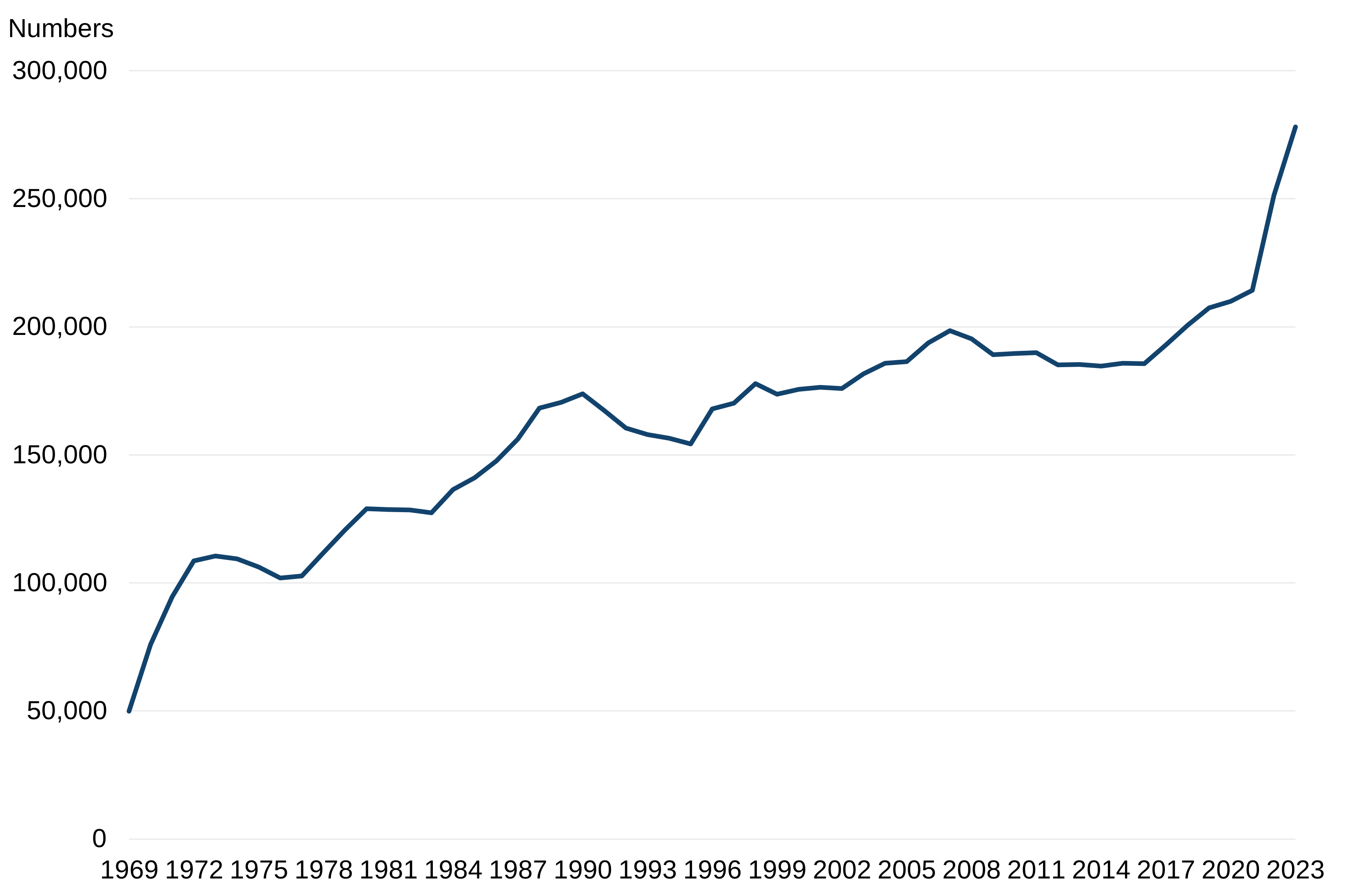
Description of figure 1: the line chart shows a generally upward trend in the number of abortions for residents of England and Wales from 1969 to 2023. There are some periods where numbers decreased, but an overall pattern of increase.
The age-standardised abortion rate for residents was 23.0 abortions per 1,000 women, the highest rate since the Abortion Act was introduced. This was an increase of almost 2 abortions per 1,000 women since 2022 (21.1 per 1,000 women). (See table 1 in the data tables for residents of England and Wales and figure 2 below.)
Figure 2: age-standardised abortion rate per 1,000 women aged 15 to 44, residents of England and Wales, 1969 to 2023
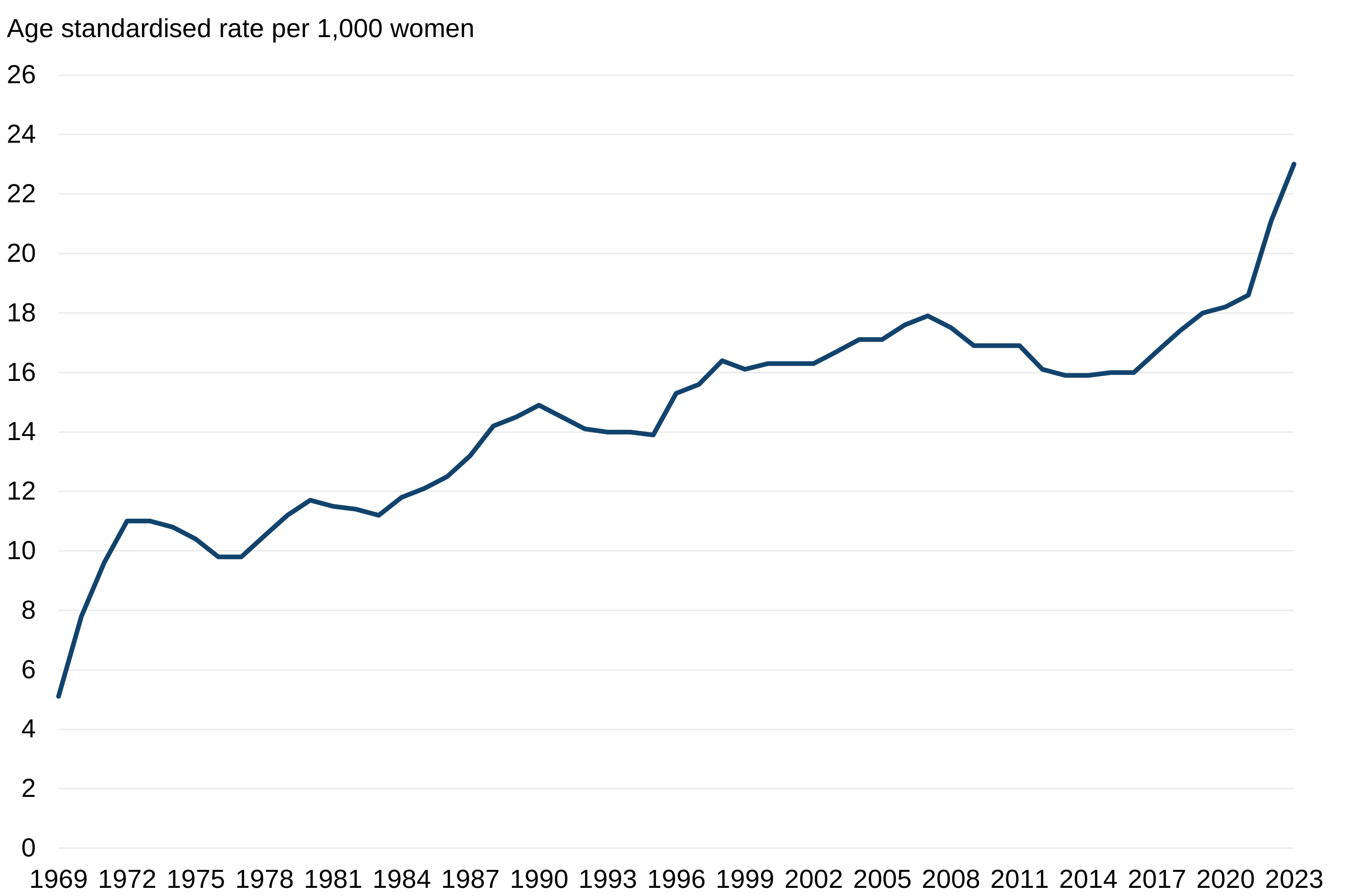
Description of figure 2: the line chart shows a generally upward trend in the age-standardised rate of abortions for residents of England and Wales from 1969 to 2023, with some periods of decline, but an overall pattern of increase.
Age
In both 2022 and 2023, the crude abortion rate (the total number of abortions in a specified population in the year divided by the number of women in the population) increased across all age groups. (See table 3b in the data tables for residents of England and Wales and figure 3 below.)
There remained a general downward trend in the crude abortion rate for those aged under 18, with the 2023 rate below the rate observed in 2019. However, in recent years the crude abortion rate for those aged under 18 increased from 6.4 per 1,000 women in 2021 to 7.6 in 2022 and to 7.8 in 2023.
Over the past decade, the crude abortion rate for those aged 35 and over increased steadily from 7.1 per 1,000 women in 2013 to 12.3 per 1,000 women in 2023.
The crude abortion rate was highest among those aged 20 to 24, at 39.4 per 1,000 women, a pattern that has remained consistent over the past decade.
Figure 3: crude abortion rates by age group, residents of England and Wales, 2013 to 2023
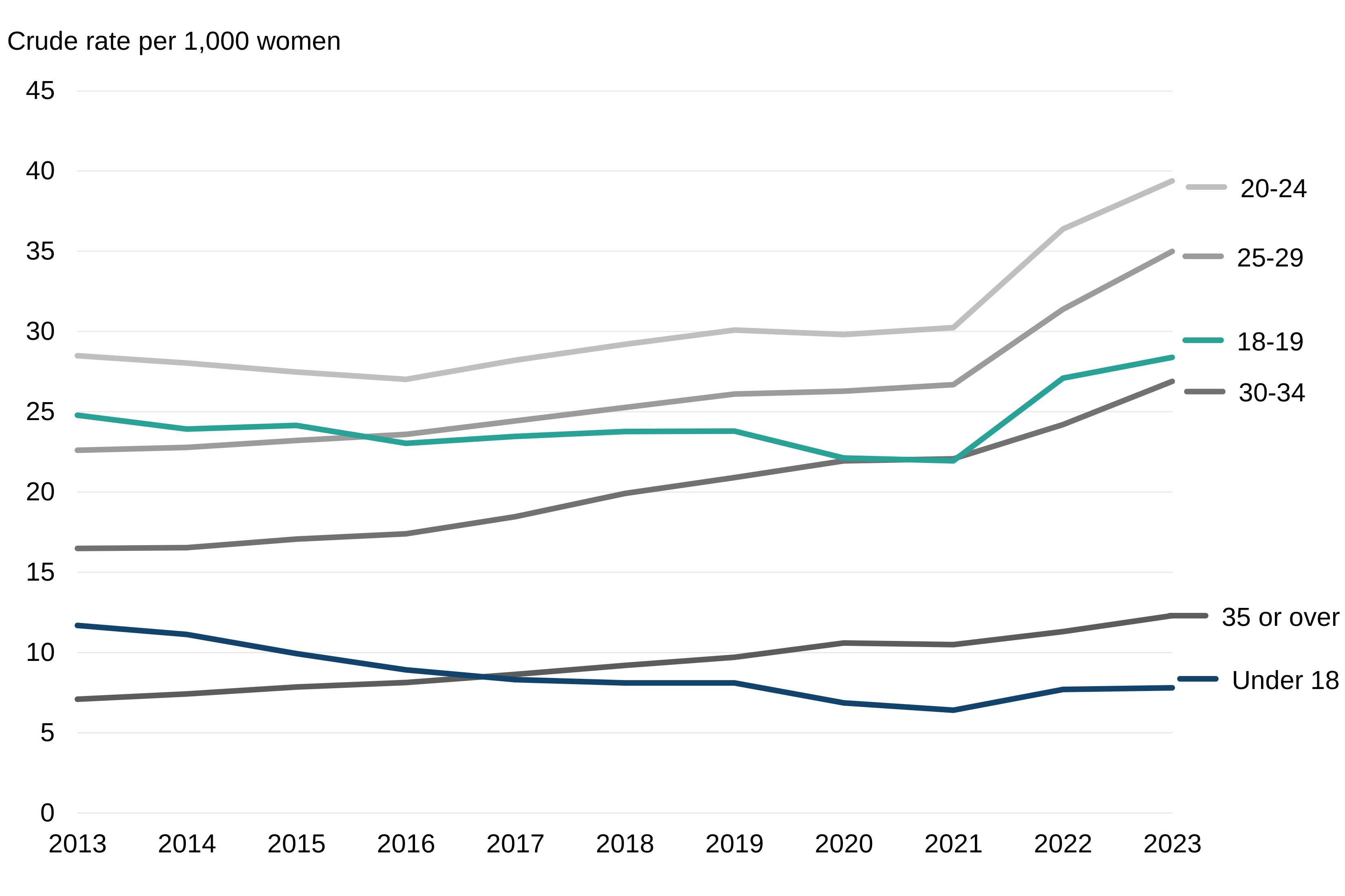
Description of figure 3: the line chart shows a generally upward trend in the crude abortion rate between 2013 and 2023 for those aged 18 to 19, 20 to 24, 25 to 29, 30 to 34 and 35 and over. Over the same period, for those aged under 18 there has been a general downward trend in the crude abortion rate.
Location and funding
Since 1981, the share of abortions performed in the independent sector grew substantially, while the share of abortions performed in NHS hospitals and in the private sector declined. (See table 3a in the data tables for residents of England and Wales and figure 4 below.)
In 2023, most abortions took place in the independent sector (81%), similar in 2022 (80%). NHS hospitals accounted for 17% of abortions, which was a decrease compared with 2022 (19%).
Overall, 98% of abortions were funded by the NHS, while the remaining 2% were privately funded, consistent with trends over the last decade.
Figure 4: percentage of abortions by purchaser and provider, residents of England and Wales, 1981 to 2023
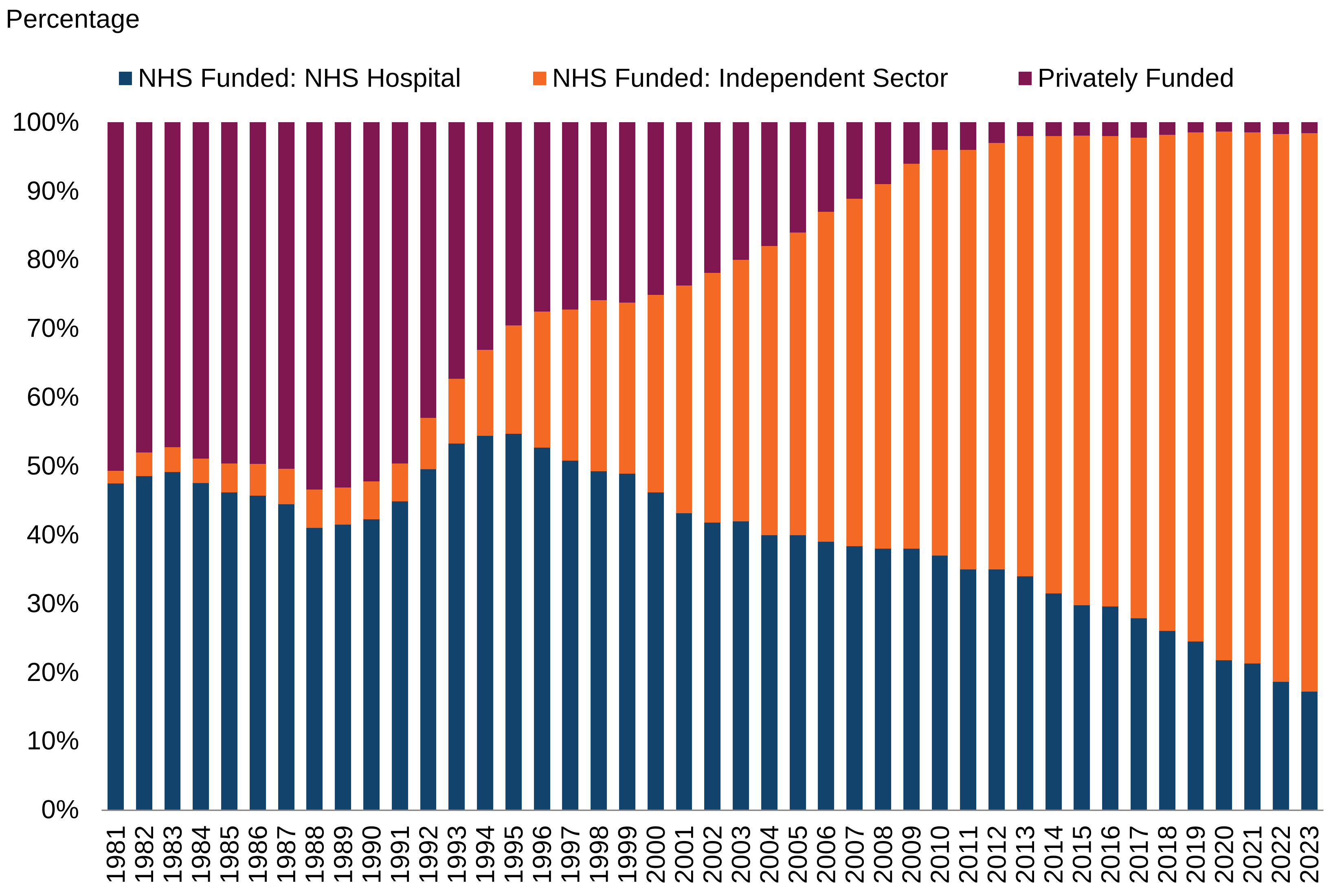
Description of figure 4: the funnel chart shows an increasing proportion of abortions taking place in the independent sector between 1981 and 2023. Over the same time period the proportion of abortions taking place in NHS hospital settings and the private sector decreased.
Gestation
Between 2013 and 2023, the percentage of abortions performed at the lowest gestation grouping (2 to 9 weeks) increased by 10 percentage points from 79% to 89%, accounting for 248,250 of all abortions in 2023.
Over the same period, the percentage of abortions performed at 10 to 12 weeks decreased from 12% to 4% of all abortions. Similarly, the percentage of abortions performed at 13 to 19 weeks decreased from 7% to 5%.
The percentage of abortions performed at the highest gestation grouping (20 weeks and over) remained between 1% and 2% over the period. (See tables 2 and 3a in the data tables for residents of England and Wales and figure 5 below.)
Figure 5: percentage of abortions by gestation group (weeks), residents of England and Wales, 2013 to 2023
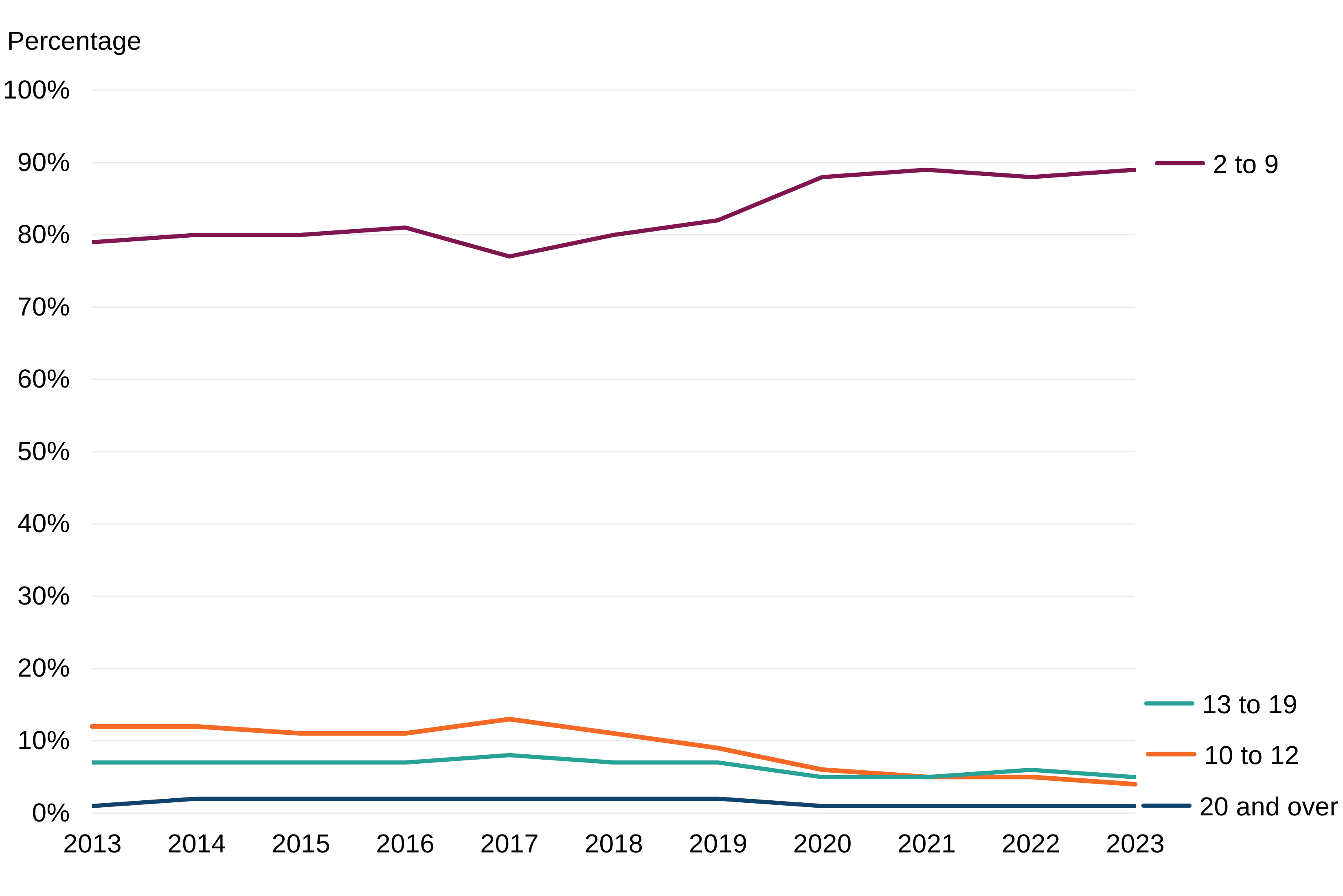
Description of figure 5: the line chart shows an upward trend in the percentage of abortions performed at 2 to 9 weeks gestation between 2013 and 2023. Over the same period, was a downward trend in the percentage of abortions performed at 10 to 12 weeks gestation and 13 to 19 weeks gestation. For abortions performed at 20 weeks gestation or over, the trend remained stable over the same period.
Method
Since 2013, the percentage of medical abortions (pregnancy is ended using medications prescribed by a doctor) increased from 49% of all abortions to 87% in 2023. Conversely, the percentage of surgical abortions (pregnancy is removed in an operation by a doctor) decreased from 51% of all abortions to 13% over the same period. (See table 3a in the data tables for residents of England and Wales and figure 6 below.)
The number of surgical abortions decreased from 94,573 abortions in 2013 to 27,280 abortions in 2021. However, in both 2022 and 2023, the number of surgical abortions increased, reaching 35,765 abortions in 2023. (See table 2 in the data tables for residents of England and Wales.)
Figure 6: percentage of abortions by method, residents of England and Wales, 2013 to 2023
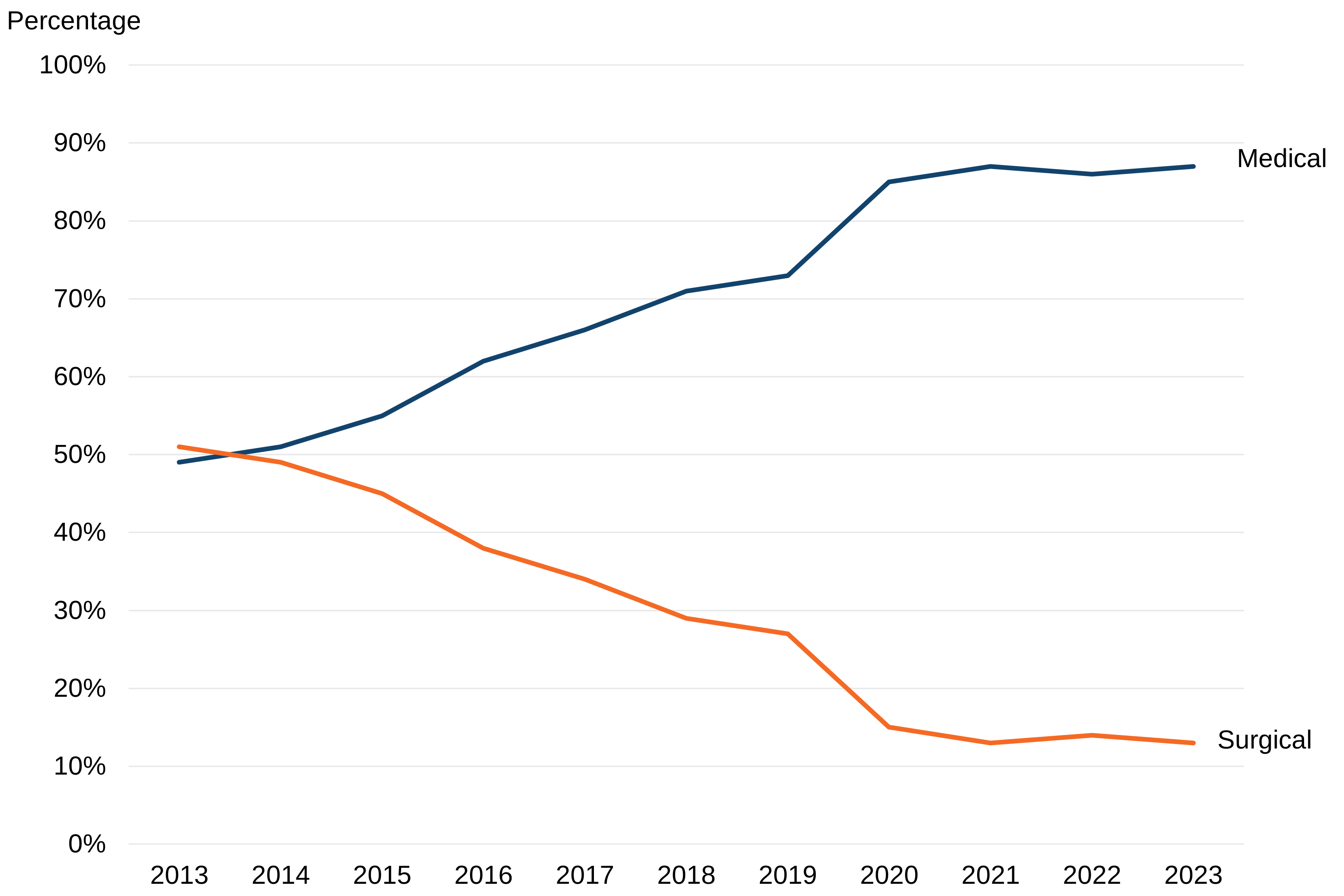
Description of figure 6: the line chart shows an upward trend in the percentage of medical abortions and a downward trend in the percentage of surgical abortions between 2013 and 2020. From 2021 to 2023, both trends stabilised.
Home use
Since March 2020, residents of England and Wales have been able to take both abortion medications, mifepristone and misoprostol, at home for early medical abortion (up to 9 weeks and 6 days’ gestation) without the need to first attend a hospital or clinic. For more information on legislative changes, see annex A.
The methodology for collecting information on home use abortions changed in April 2023. For more information, see the ‘Guide to abortion statistics, England and Wales: 2023’ published alongside this report
The following commentary is for medical abortions where both mifepristone and misoprostol have been taken, and all surgical abortions. 945 medical abortions (0.3%) were excluded where one of the following methods was used:
- only misoprostol or mifepristone were taken
- feticide with a medical evacuation
- other medical agents
Since its introduction as a method of abortion during the COVID-19 pandemic, taking both medications at home remained the most common method of abortion, making up 72% of abortions (200,745 abortions) in 2023. This was an increase of 48,340 abortions since 2022.
Over the same period, the number of abortions for all other methods generally decreased. This was particularly true for taking both medications in clinic, which declined from 58,897 abortions in 2020 to 12,700 abortions in 2023, making it the least common method of abortion in 2023. (See table 2 in the additional tables and figure 7 below.)
Figure 7: Number of abortions by method and where the medication was administered, residents of England and Wales, quarterly, 2020 to 2023
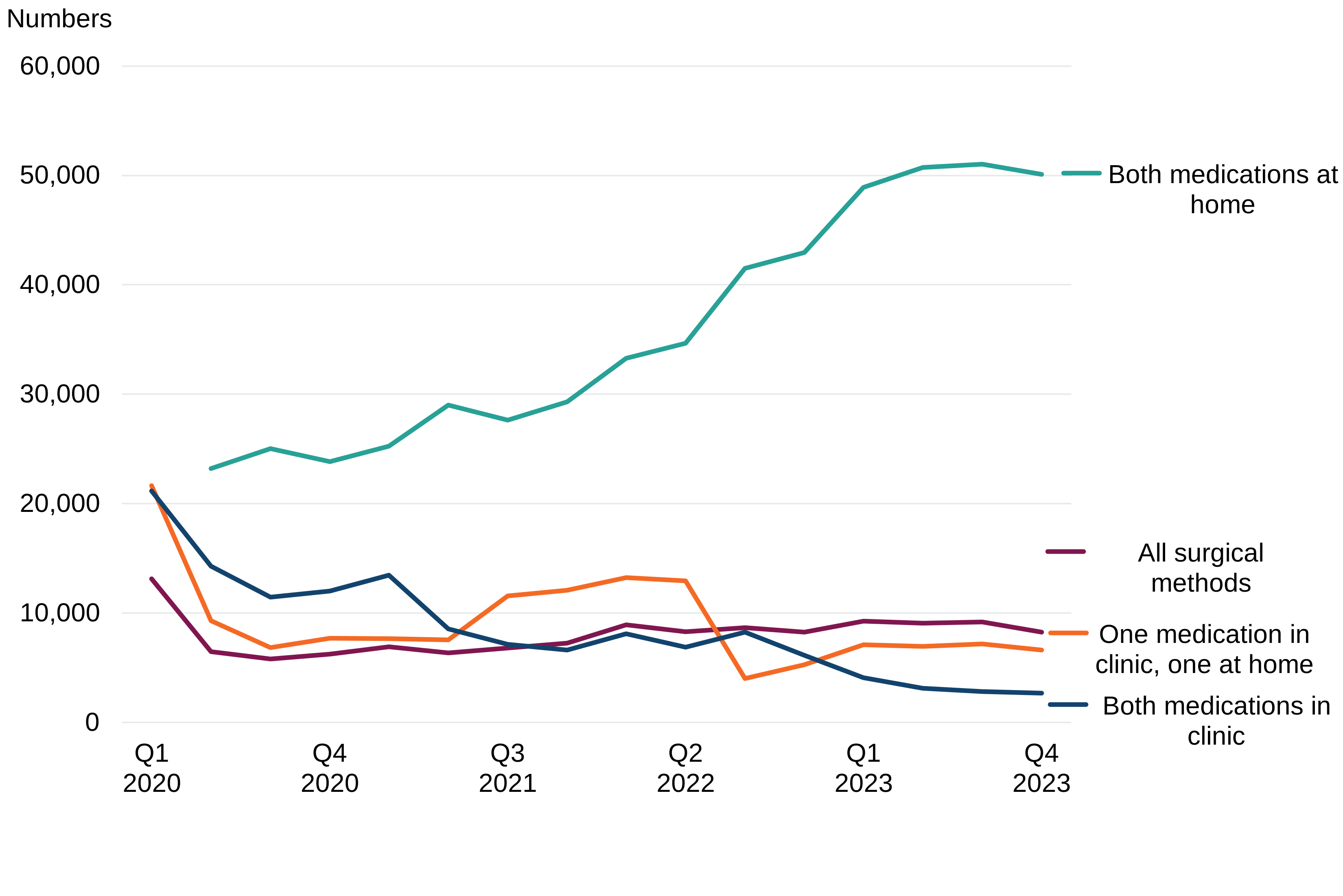
Description of figure 7: the line chart shows a generally upward trend in the number of medical abortions where both medications are taken at home between 2020 and 2023. Over the same period, the number of surgical abortions and the number of medical abortions where one medication was taken in clinic and one at home and where both medications were taken in clinic decreased.
Statutory grounds for abortion
Under the Abortion Act 1967, a pregnancy may be lawfully terminated by a registered medical practitioner, in approved premises, if 2 medical practitioners are of the opinion, formed in good faith, that the abortion is justified under one or more of grounds A to G. Annex B explains each ground for abortion and its definition.
The percentage of abortions performed under different grounds remained similar over the past decade. In 2023, 98% of abortions were performed under ground C alone. A further 1% were performed under ground E alone or with A, B, C or D. The remaining grounds accounted for very few abortions - 1,190 (0.4%) in total across grounds A, B, D, F and G. (See table 2 in the data tables for residents of England and Wales and table 1 below.)
For information on the breakdown of ground E abortions by medical condition, gestation and method see table 9a, 9b and 9c in the data tables for residents of England and Wales.
Table 1: number and percentage of abortions by statutory grounds, residents of England and Wales, 2023
| Ground | Number | Percentage |
|---|---|---|
| A (alone or with B, C or D) | 95 | 0 |
| B (alone) | 65 | 0 |
| B (with C or D) | 10 | 0 |
| C (alone) | 273,700 | 98 |
| D (alone or with C) | 1,020 | 0 |
| E (alone or with A, B, C, D) | 3,075 | 1 |
| F or G | 5 | 0 |
Area of residence
Between 2022 and 2023, abortion rates increased for all regions of England and for Wales. As in 2022, the abortion rate by region of residence in England in 2023 was highest in the North West (26.7 per 1,000 women) and lowest in the South West (19.6 per 1,000 women). (See table 10d in the data tables for residents of England and Wales and figure 8 below.)
Figure 8: age-standardised rate of abortion per 1,000 women aged 15 to 44, by region and country of residence, 2023
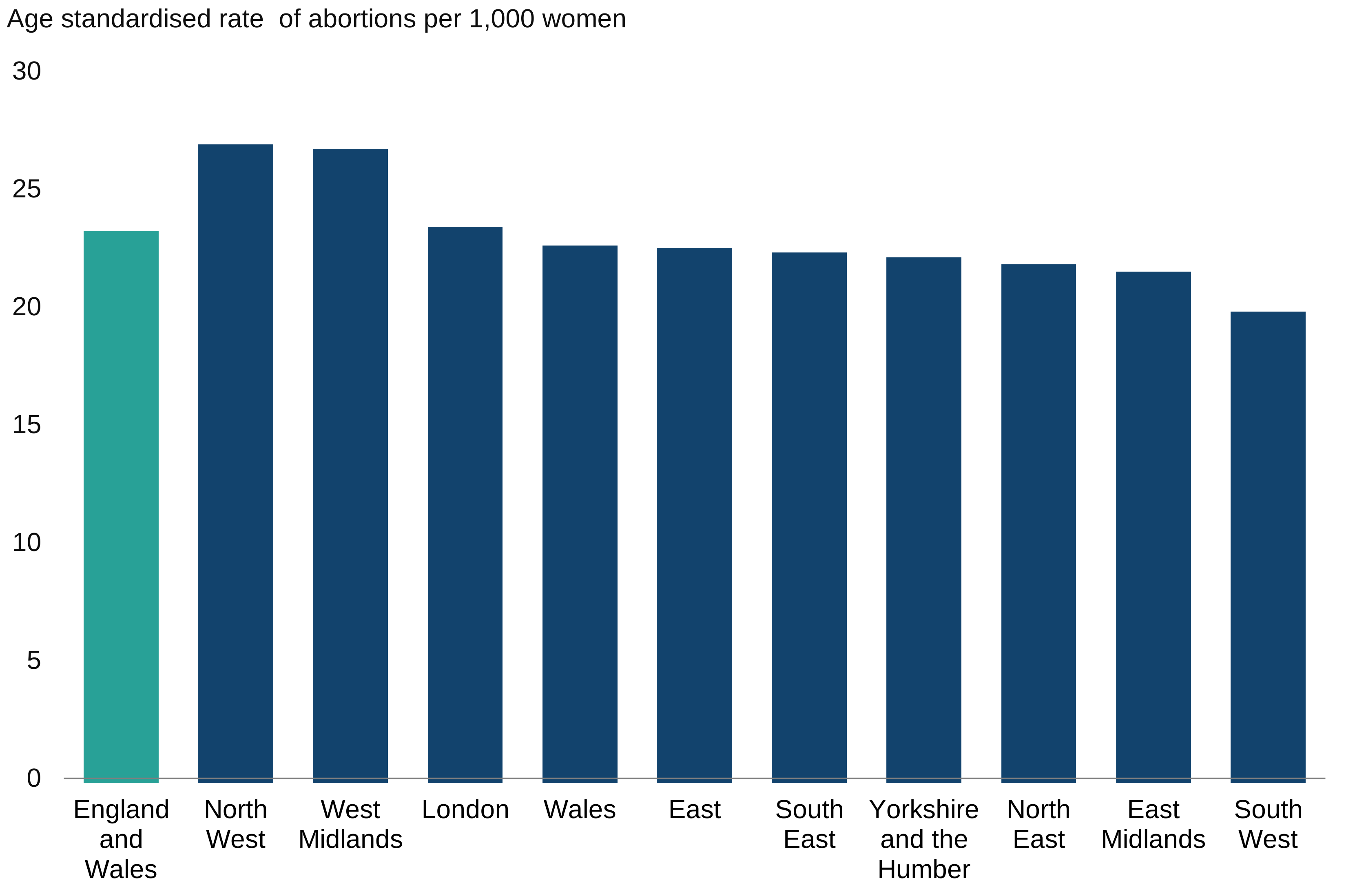
Description of figure 8: the bar chart shows that the North West region had the highest age-standardised abortion rate by region, exceeding the overall rate for England and Wales. The South West region had the lowest age-standardised abortion rate by region, which was below the overall rate for England and Wales.
Complications
Data on complications should be treated with caution, as it may not capture all complications. This report includes complications recorded on the HSA4 form up until the time of discharge from the abortion provider. Therefore, complications that are not recorded on the HSA4 form or that occur after discharge may not be recorded. For early medical abortions where either medication is administered at home, complications may be less likely to be recorded.
In 2023, there were 315 abortions resulting in at least one complication reported on the HSA4 form, a rate of 1.1 per 1,000 abortions. This was a decrease from 2022 (1.2 per 1,000).
The rate of surgical abortions resulting in at least one complication decreased from 3.5 per 1,000 surgical abortions in 2022 to 2.8 in 2023. The rate of medical abortions resulting in at least one complication stayed roughly the same since 2022 at 0.9 per 1,000 medical abortions. (See table 8 in the data tables for residents of England and Wales.)
Ethnicity
Ethnicity was recorded on 92% of forms. This was similar to 2022 (91%). Where ethnicity was recorded, 74% of those having abortions reported their ethnicity as ‘White’, 11% as ‘Asian’, 9% as ‘Black’, 5% as ‘Mixed’ and 1% as ‘other’. (See table 3a in the data tables for residents of England and Wales.)
Previous abortions
Over the last decade, the percentage of those having an abortion who reported already having had at least one abortion rose steadily from 37% in 2013 to 42% in 2023.
The percentage of those having an abortion who reported already having had at least one abortion increased with age.
The percentage of those aged under 18 having an abortion who reported already having had one or more previous abortions was 7%, no change on 2022. The percentage of those aged 30 or over having an abortion who reported already having had one or more previous abortions was 51% in 2023, an increase from 46% in 2013. (See table 3a and 4b in the data tables for residents of England and Wales.)
Previous pregnancies
Between 2013 and 2020, the percentage of those having an abortion who reported having had one or more previous live or stillbirths rose steadily from 53% to 58%. Since 2020, the percentage decreased to 54% in 2023.
The percentage of those having an abortion who reported having previously had a miscarriage or ectopic pregnancy increased from 18% in 2013 to 21% in 2023. (See table 3a in the data tables for residents of England and Wales.)
Commentary: residents outside England and Wales
The following commentary and charts relate only to abortions in England and Wales, for residents outside of England and Wales, in 2023.
In total there were 770 abortions for those residing outside England and Wales, accounting for 0.3% of all abortions. Of those 770 abortions, most were for residents of the Republic of Ireland (31%), Scotland (23%) or Northern Ireland (19%).
Those residing outside England and Wales were more likely to have an abortion at a later gestation compared with residents of England and Wales. A third of all abortions (31%) for those residing outside England and Wales were for 20 and over weeks’ gestation compared to just 1% for residents of England and Wales. (See tables 12a and 12b in the data tables for non-residents.)
Residents of Northern Ireland and the Republic of Ireland
Annex A sets out the legislative changes affecting residents of the Northern Ireland and residents of the Republic of Ireland.
In 2023, there were 145 abortions in England and Wales for residents of Northern Ireland, a decrease from 172 in 2022. This was below the 1990 peak of 1,855 abortions and lower than 10 years ago, when there were 802.
In 2023, there were 235 abortions in England and Wales for residents of the Republic of Ireland. This was below the peak in 2018, at 2,879, falling to 375 in 2019, staying low at around 200 each year subsequently. (See tables 12g and 12e in the data tables for non-residents and figure 9 below.)
Figure 9: number of abortions for residents of Northern Ireland and the Republic of Ireland, 1970 to 2023
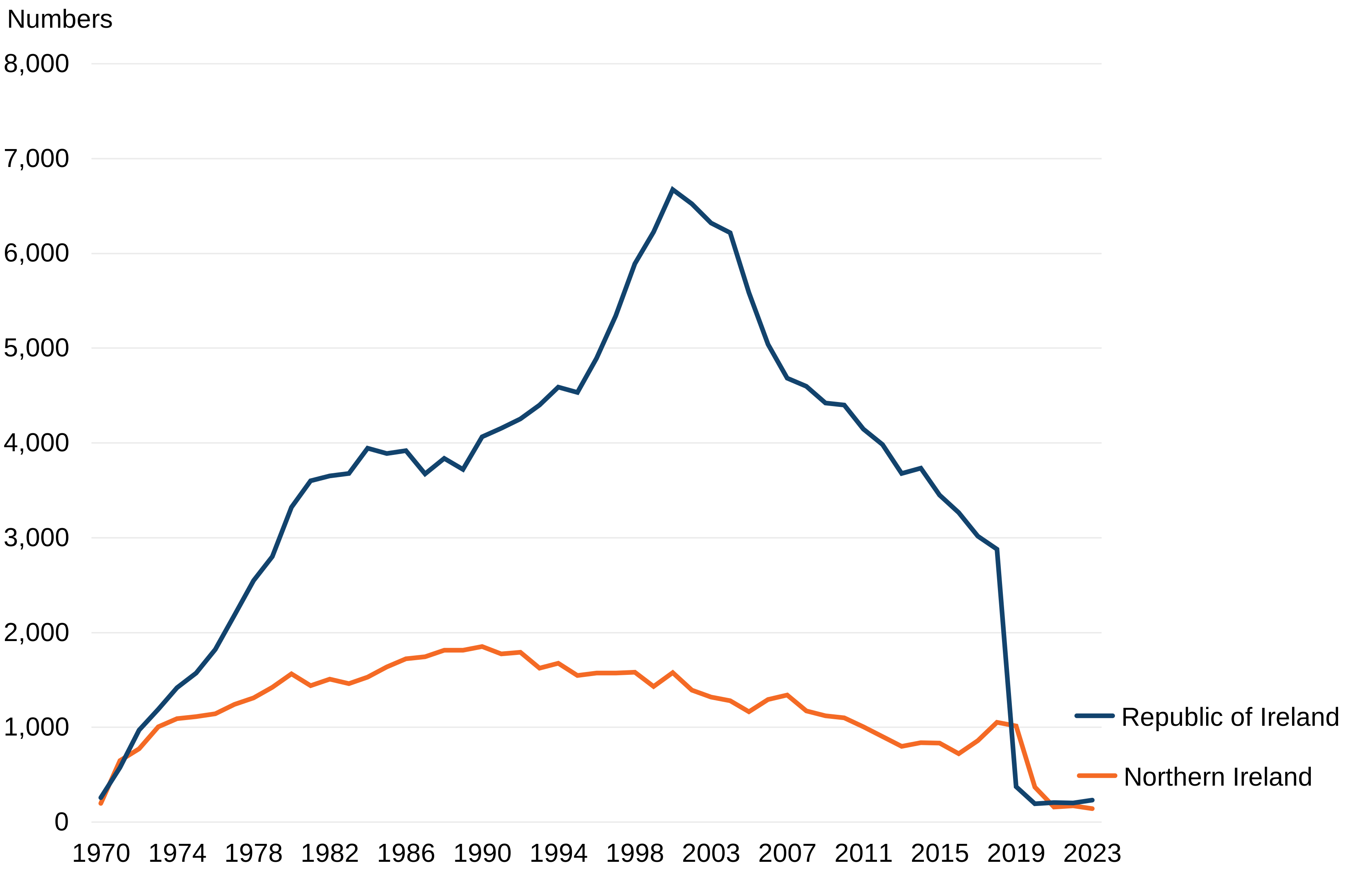
Description of figure 9: the line chart shows a upward trend in the number of abortions for residents of the Republic of Ireland from 1970, peaking in 2001, followed by a decline from 2001 to 2023. Over the same period, the number of abortions for residents of Northern Ireland remained comparatively lower, with a more gradual increase from 1970, peaking in 1990, and then a gradual decrease from 1990 to 2023.
Annex A: timeline of events
October 1967
The Abortion Act 1967 was passed. It was introduced by David Steel and supported by the government under a free vote. It legalised abortion on certain grounds, by legalised practitioners, in England, Wales and Scotland. The act came into effect on 27 April 1968.
November 1990
The Human Fertilisation and Embryology Bill lowered the gestation limit for abortions from 28 weeks to 24 weeks. This is the currently accepted point at which the fetus is considered viable outside the woman’s body. The Human Fertilisation and Embryology Act 1990 came into effect on 1 April 1991.
June 2017
Northern Ireland funding scheme introduced to provide funded abortions in England and Wales for residents of Northern Ireland. In cases of hardship, travel costs are also covered. Funding is provided by the Government Equalities Office and HM Treasury. This provision for Northern Irish women remained in place throughout 2023 despite the decriminalisation of abortion in Northern Ireland, and ended on 31 March 2024. Northern Irish residents are therefore included in this 2023 abortion statistics publication.
May 2018
In May 2018, the ban on abortion in the Republic of Ireland was overturned, repealing the eighth amendment of the constitution. The law came into effect on 20 December 2018 meaning that abortion is permitted in the first 12 weeks of pregnancy and in later cases where the woman’s life or health is at risk, or in cases of fatal fetal abnormality.
June 2018
Women in Wales and, from 28 December 2018, women in England can take the second of the 2 abortion pills, misoprostol, at home. This brought England and Wales in line with Scotland, which allowed the second pill to be taken at home from October 2017.
December 2018
Abortion legalised on certain grounds in the Republic of Ireland up to 12 weeks’ gestation and later if the woman’s life or health is at risk. The law came into effect on 20 December 2018.
October 2019
Abortion in Northern Ireland decriminalised after a free vote by Westminster MPs in July 2019. The suspended Northern Ireland Executive did not return by 21 October 2019, meaning the amendment introduced by Stella Creasy was passed into law through the Northern Ireland (Executive Formation etc) Act 2019 on 22 October 2019.
March 2020
Women in England and Wales can take both abortion medications, mifepristone and misoprostol, at home for early medical abortion (up to 9 weeks and 6 days’ gestation), without the need to first attend a hospital or clinic. This was temporarily approved by the Secretary of State for Health and Social Care to limit the transmission of COVID-19 from 30 March 2020 and by the Welsh Government’s Minister for Health and Social Services from 31 March 2020.
March 2020
The Abortion (Northern Ireland) Regulations 2020 came into force on 31 March 2020. The regulations introduced a new legal framework for abortion services in Northern Ireland.
February 2022
The temporary measures, put in place in March 2020 to allow women in Wales to take both abortion medications at home, were made permanent from 24 February 2022.
March 2022
On 30 March 2022, Parliament voted in favour of an amendment to the Health and Care Bill, making the temporary approval allowing home use of both pills for early medical abortions permanent in England and Wales. These provisions supersede the arrangements made permanent in Wales in February 2022.
Annex B: grounds for abortion
Ground A
That the continuance of the pregnancy would involve risk to the life of the pregnant woman greater than if the pregnancy were terminated.
Ground B
That the termination is necessary to prevent grave permanent injury to the physical or mental health of the pregnant woman.
Ground C
That the pregnancy has not exceeded its 24th week and that the continuance of the pregnancy would involve risk, greater than if the pregnancy were terminated, of injury to the physical or mental health of the pregnant woman.
Ground D
That the pregnancy has not exceeded its 24th week and that the continuance of the pregnancy would involve risk, greater than if the pregnancy were terminated, of injury to the physical or mental health of any existing child (or children) of the family of the pregnant woman.
Ground E
That there is substantial risk that, if the child were born, it would suffer from such physical or mental abnormalities as to be seriously handicapped.
Ground F
To save the life of the pregnant woman.
Ground G
To prevent grave permanent injury to the physical or mental health of the pregnant woman.
Glossary
Age-standardised rate
A method to standardise the comparison of rates within populations where there are structural differences in age. (See the ’Guide to abortion statistics, England and Wales: 2023’ for more details.)
Chief Medical Officer (CMO)
The CMO is the most senior government adviser on health matters in the UK. The CMO advises government on public health issues. This extends to recommending policy changes affecting the law governing abortion and advising doctors who perform abortions regarding the interpretation of that law.
There are 4 in total, each one advising either His Majesty’s Government (CMO for England and medical adviser to the UK government), the Northern Ireland Executive, the Scottish Government or the Welsh Government.
Crude abortion rate
The number of abortions in a specified population per year, divided by the total number of women in that population.
Feticide
An abortion is a procedure to end a pregnancy. Feticide is the destruction of a fetus in the uterus.
Grounds
The grounds for abortion are specified in Annex B above and in the Abortion Act 1967.
Medical abortion
Two medicines are taken:
- the first is mifepristone and is taken at the clinic
- the second is misoprostol, which may be taken at the same time or within 3 days of the first medicine. It may be taken either at the clinic or at home under amendments to the Abortion Act
From 30 March 2020 for England and 31 March 2020 for Wales, temporary measures were put in place to limit the transmission of COVID-19 by approving the use of both pills for early medical abortion at home, without the need to first attend a hospital or clinic. These were made permanent in Wales from 24 February 2022. On 30 March 2022, Parliament voted in favour of an amendment to the Health and Care Bill, making the temporary approval allowing home use of both pills for early medical abortions permanent in England and Wales.
Surgical abortion
The pregnancy is removed in an operation by a doctor. There are 2 types:
- vacuum or suction aspiration, where the pregnancy is removed using suction, which can be used up to 14 weeks’ gestation
- dilatation and evacuation, where the pregnancy is removed using forceps, which can be used after 14 weeks’ gestation
Contact
We’d like feedback from our users about how you use our products, how well these products meet your needs and how they could be improved.
Contact us at abortion.statistics@dhsc.gov.uk.