Wastewater Analysis: Estimating drug consumption
Updated 12 June 2026
Applies to England and Scotland

© Crown copyright 2026
This publication is licensed under the terms of the Open Government Licence v3.0 except where otherwise stated. To view this licence, visit nationalarchives.gov.uk/doc/open-government-licence/version/3 or write to the Information Policy Team, The National Archives, Kew, London TW9 4DU, or email: psi@nationalarchives.gov.uk.
Where we have identified any third party copyright information you will need to obtain permission from the copyright holders concerned.
This publication is available at https://www.gov.uk/government/publications/wastewater-analysis-estimating-drug-consumption/wastewater-analysis-estimating-drug-consumption
Executive summary
Since 2021, the Home Office’s Wastewater Analysis for Narcotics Detection (WAND) Programme has taken samples from wastewater treatment plants (WWTPs, or sites) across England and Scotland. WAND utilises wastewater analysis, which is a method used internationally, to provide robust and timely estimates of drug consumption in England and Scotland.
- phase 1 of the WAND programme ran from May 2021 to May 2023, during which sampling expanded to 18 WWTPs in England, covering around 25% of England’s residential population
- phase 2, from November 2023 to September 2024, increased coverage to 30 WWTPs across England and Scotland, covering 25% of England’s population and 46% of Scotland’s population
- phase 3 began in August 2024, expanding the programme to 50 sites, covering 28% of England’s population and 46% of Scotland’s population
This report presents, for the first time, national (England) level estimates of drug consumption and market value estimates based on an experimental and new methodology. Given its experimental nature the approach has been applied to data for England only.
National estimates (England only)
England level estimates of drug consumption cover the period August 2024 to July 2025. These estimates are experimental and based on a new analytical method developed by Aqua Clear, Eurofins, and Ginkgo Biosecurity UK Limited, which extrapolates findings from the 42 sites where testing takes place in England (covering 28% of the population). A central estimate and confidence interval are provided for each estimate.
Overall, WAND shows cocaine has the highest estimated consumption and market value of the 6 key drug types measured. The programme does not currently test for cannabis due to complexities of the sampling method. The England level estimates show that between August 2024 and July 2025:
- cocaine had the highest estimated consumption and market value, with around 123,000 kilograms (kg) consumed, equating to a £9.8 billion market value
- ketamine consumption was estimated to be 30,800kg equating to a £0.9 billion market value
- heroin consumption was estimated to be 6,800kg equating to a £0.3 billion market value
- amphetamine consumption was estimated to be 46,700kg, equating to a £0.5 billion market value
- MDMA consumption was estimated to be 9,900kg equating to a £0.3 billion market value
- methamphetamine consumption was estimated to be 2,300kg, equating to a £0.2 billion market value
Trends in drug consumption (England only)
To compare trends in drug consumption between 2021 and 2025, the 16 sites (covering 18% of England’s population) that have been sampled continuously since 2021 are used and an average taken of the wastewater samples collected in January to April in each year.
Since the last drug consumption estimates were published in the March 2025 wastewater analysis report, an improved methodological approach has been applied to provide more robust consumption estimates. The figures in this report therefore supersede those that were included in the March 2025 report (see Annex A for full detail of the methodology and limitations).
The latest trend analysis shows the largest increase in estimated consumption is for ketamine and MDMA. There have been decreases in estimated consumption of heroin and amphetamine. Comparing January and April 2021, with January and April 2025, the overall consumption estimates (measured in milligrams per 1,000 people per day) increased for:
- MDMA (232%)
- ketamine (229%)
- methamphetamine (61%)
- cocaine (26%)
However, estimates decreased for:
- heroin (-40%)
- amphetamine (-27%)
Patterns in drug consumption (England and Scotland)
The analysis of wastewater data across the 50 sites included in WAND phase 3 across England and Scotland reveals a clear geographical variation in drug consumption. Most drugs, particularly cocaine, MDMA, and methamphetamine, show higher concentrations in urban areas, with sites in London, the North West, and South East being notable hotspots.
Certain drugs, such as MDMA and cocaine, show high weekend usage and low weekday usage, as would be expected from usage as a recreational drug. Conversely, drugs such as ketamine, amphetamine and methamphetamine are consumed more consistently throughout the week indicating more regular and potentially problematic use.
1. Introduction
1.1 Background
Since 2021, the Home Office’s Wastewater Analysis for Narcotics Detection (WAND) Programme has provided robust and timely estimates of drug consumption.
WAND utilises wastewater analysis, a method used internationally, where samples are taken from wastewater treatment plants (WWTPs) across England and Scotland. Wales was not included in the Home Office WAND programme as, at the time of commissioning, the Welsh Government had their own wastewater programme and was assessing the utility and use cases for narcotic drug detection.
The method is based on the principle that when drugs are consumed, the body breaks them down into by-products called metabolites. These metabolites are passed out in urine and faeces and end up in wastewater, which are the substances measured (called analytes). For example, cocaine is broken down into a substance called benzoylecgonine, which is then excreted in urine. Measurements of these analytes are used to calculate the quantity consumed of key illicit drugs. Annex A provides more information on the WAND methodology.
Prior to the WAND programme, insights into levels of drug misuse have largely been reliant on the Crime Survey England and Wales (CSEW). However, the CSEW is likely to be subject to some uncertainty due to its reliance on self-report methods, where respondents may not feel comfortable reporting their illicit drug use. In addition, the CSEW is based on a sample of the population living in private households in England and Wales. This means it omits people who are homeless or living in institutions, such as prisons, and other settings. Given that there is an increased risk of heroin and crack cocaine use among some of these populations (See ‘Drug-related harms in homeless populations’), it is likely that the CSEW underestimates consumption of these drugs.
The first report from the Home Office’s WAND programme was published in March 2025 and presented findings from the first (May 2021 to May 2023) and second (November 2023 to September 2024) phases of WAND. This included a comparison of consumption estimates calculated based on samples from 16 WWTPs, covering 18% of England’s population, between January and April 2023 and between January and April 2024. Full details of the methodology used in phases 1 and 2 of WAND are included in: Wastewater analysis: Measuring illicit drug consumption in 2023 and 2024 - GOV.UK. WAND phase 1 and phase 2 were delivered by scientists and epidemiologists from the Environmental Research Group at Imperial College London, through Imperial Projects.
Phase 3 of WAND began in August 2024 and the number of WWTPs sampled from has increased to 50 sites, covering 28% of England’s population and 46% of Scotland’s population (32% of the total population for England and Scotland). These additional sites were chosen to maximise the demographic diversity of the sample collected, with the aim of calculating the most accurate national estimate by building a model that understood where drugs are more likely to be consumed in higher quantities. The additional sites selected were often more rural towns, so the population coverage increase was modest, as the major cities had already been covered in WAND phases 1 and 2. Annex A provides details of the WAND phase 3 methodology. WAND phase 3 is being delivered by a consortium of Aqua Clear, Eurofins, and Ginkgo Biosecurity UK Limited.
This report presents England level estimates of drug consumption for the first time. These estimates are based on a new analytical method and given its experimental nature, the approach has been applied to data for England only. Further work would be needed to apply the approach to Scotland given key data sources used in the methodology are different across England and Scotland.
The report also presents trends in drug consumption in England for WWTPs where testing has taken place across all 3 WAND phases, and findings related to patterns of drug use in England and Scotland.
2. National estimates of drug consumption
2.1 National estimates methodology
This report presents for the first time, England level estimates of drug consumption over the period August 2024 to July 2025 (WAND phase 3), for the following drugs:
- cocaine
- heroin
- MDMA
- ketamine
- amphetamine
- methamphetamine
These drug consumption estimates are used to calculate the size of the retail market for each drug by applying drug purity and street value price data.
These estimates are experimental and based on a new analytical method developed by Aqua Clear, Eurofins, and Ginkgo Biosecurity UK Limited, which extrapolates the findings from the 42 sites where testing takes place in England (covering 28% of England’s population). Annex B provides further details of the methodology used to produce the national estimates.
The estimates are based on phase 3 of WAND, which uses a different sampling approach to that used in the first 2 phases of WAND. A key aim of WAND phase 3 was to develop national estimates, and the approach was adapted from the first 2 WAND phases to provide a more representative sample, covering a diverse range of locations and the variation in drug use across these locations. This includes urban and rural locations, socioeconomic diversity and geographical coverage. At present, due to the different sampling approaches, it is not possible to apply the national estimates methodology to findings from the first 2 WAND phases to produce England estimates for that period.
The error bars on these estimates are large, but this is not due to variation in the wastewater signal (the measured concentrations of drug residues in wastewater). Instead, the uncertainty mainly arises from 2 factors: excretion rates and extrapolation. Excretion rates determine how much of a consumed drug is excreted and detected in wastewater, which is essential for converting measured concentrations into consumption estimates. The uncertainty from extrapolation comes from how well the model captures the characteristics of drug users and adjusts for the differences in consumption patterns across the country. Although these uncertainties lead to wide confidence intervals (showing the range within which the true value is likely to fall), they are comparable to, and in some cases have smaller margins of uncertainty than, estimates reported in similar international studies. Numerous studies using wastewater analysis and other approaches to estimate drug market size acknowledge these limitations (for example, UNODC, EMCDDA, RAND).
2.2 National estimates of drug consumption for England
Table 1 shows the England consumption estimates for 6 key drugs – cocaine, ketamine, heroin, amphetamine, MDMA, and methamphetamine – over the period August 2024 to July 2025. It also presents the equivalent market value. For each drug a central estimate is provided as well as upper and lower ranges to reflect the uncertainty in the estimates.
As wastewater analysis estimates how much of a pure substance is consumed, consumption estimates were adjusted by retail purity estimates sourced from the National Crime Agency (NCA). Data on the retail price of drugs in 2025 was also sourced from the NCA and applied to produce the equivalent market value.
Cocaine is estimated to have the highest consumption and market value, with around 123,000kg consumed between August 2024 and July 2025 (with a confidence interval of +/- 39,400kg). This equates to a £9.8 billion market value based on 2025 prices at the retail market level (with a confidence interval of +/- £3.2 billion).
Table 1: England consumption (purity-adjusted) and equivalent market value for key drug types, August 2024 to July 2025
| Drug | England consumption (kg) | Market Value (£ billion) |
|---|---|---|
| Cocaine | 123,000 (+/- 39,400) | £9.8 (+/- £3.2) |
| Ketamine | 30,800 (+/- 26,400) | £0.9 (+/- £0.8) |
| Heroin | 6,800 (+/- 6,100) | £0.3 (+/- £0.3) |
| Amphetamine | 46,700 (+/- 22,200) | £0.5 (+/- £0.2) |
| MDMA | 9,900 (+/- 6,700) | £0.3 (+/- £0.2) |
| Methamphetamine | 2,300 (+/- 1,700) | £0.2 (+/- £0.1) |
3. Trends in drug consumption
3.1 Trends in drug consumption methodology
To allow trends in drug consumption to be monitored across WAND phases 1, 2 and 3, the most suitable data to use was from 16 WWTPs (covering 18% of England’s population) where samples had consistently been taken between January and April 2021 and the same period in 2022, 2023, 2024 and 2025.
For each WWTP, samples were averaged within each period and 95% confidence intervals were calculated, producing consumption estimates with upper and lower bounds for January to April 2021 and the same period in each year from 2022 to 2025.
Due to a different methodological approach, the figures in this report supersede those that were included in the March 2025 wastewater analysis report. Two key methodological improvements were introduced in this update, which provide more robust consumption estimates:
- Outlier removal for deposition events (this is where the drug in its raw form is directly deposited into the wastewater network without first passing through a human). Previously, all data points were included, which meant that deposition events could skew the average upwards. These events, which do not correspond with increases in metabolite levels, are unlikely to reflect true consumption. The updated method removes such outliers, ensuring that the figures represent actual consumption rather than total deposited mass.
- Population-weighted averaging. Instead of a simple average across WWTPs, the updated method applies a population-weighted average. This is standard practice in the field and ensures that larger sites, which represent more people, have proportionally greater influence on the overall average.
3.2 Trends in drug consumption across 16 WWTPs in England between 2021 and 2025
Table 2 shows overall consumption estimates (measured in milligrams per 1,000 people, per day) for 6 key drugs in January to April in each year between 2021 and 2025. The latest trend analysis shows, when comparing January and April 2021 with January and April 2025, the largest increase in estimated consumption is for ketamine and MDMA, with smaller increases in cocaine and methamphetamine consumption. There were decreases in estimated consumption of heroin and amphetamine over this period.
Comparisons between January to April 2021 and the same period in 2025, and comparisons between January to April 2024 and the same period in 2025 show:
- cocaine consumption is estimated to have increased by 26% between 2021 and 2025 but decreased by 19% between 2024 and 2025
- ketamine consumption saw the largest increase and is estimated to have increased by 229% between 2021 and 2025, and by 54% between 2024 and 2025
- heroin consumption is estimated to have decreased by 40% between 2021 and 2025, and by 19% between 2024 and 2025
- MDMA consumption saw the largest increase and is estimated to have increased by 232% between 2021 and 2025, and by 21% between 2024 and 2025
- amphetamine consumption is estimated to have decreased by 27% between 2021 and 2025, and by 40% between 2024 and 2025
- methamphetamine consumption is estimated to have increased by 61% between 2021 and 2025, and by 25% between 2024 and 2025
Table 2: Wastewater analysis consumption estimates in January to April 2021 to 2025, with confidence intervals, measured in milligrams consumed per 1,000 people, per day1
| Drug | 20212 | 20222 | 20232 | 20242 | 20253 |
|---|---|---|---|---|---|
| Cocaine | 3,206 (+/‑ 109) |
4,164 (+/‑ 62) |
4,328 (+/‑ 156) |
4,975 (+/‑ 201) |
4,045 (+/‑ 98) |
| Ketamine | 324 (+/‑ 8) |
353 (+/‑ 5) |
391 (+/‑ 15) |
691 (+/‑ 34) |
1,066 (+/‑ 30) |
| Heroin | 1,921 (+/‑ 267) |
1,138 (+/‑ 104) |
1,289 (+/‑ 72) |
1,421 (+/‑ 204) |
1,154 (+/‑ 271) |
| MDMA | 93 (+/‑ 7) |
139 (+/‑ 7) |
158 (+/‑ 11) |
257 (+/‑ 25) |
311 (+/‑ 28) |
| Amphetamine | 2,711 (+/‑ 144) |
2,167 (+/‑ 111) |
3,978 (+/‑ 333) |
3,311 (+/‑ 833) |
1,978 (+/‑ 111) |
| Methamphetamine | 149 (+/‑ 6) |
135 (+/‑ 4) |
157 (+/‑ 5) |
192 (+/‑ 8) |
240 (+/‑ 8) |
Notes:
- These figures do not reflect national‑scale estimates. Estimates were adjusted by retail purity using data provided by the National Crime Agency. Individual purity rates for cocaine and heroin were applied for 2022 to 2024. Where 2021 purity data were unavailable, 2022 rates were applied. For all other drugs, 2025 purity rates were applied across all years.
- Estimates for 2021 to 2024 are from WAND phases 1 and 2 and are based on independent analysis by the Environmental Research Group at Imperial College London, incorporated into the methodology by Ginkgo Biosecurity UK Limited.
- Estimates for 2025 are from WAND phase 3 and are based on analysis by the consortium of Aqua Clear, Eurofins and Ginkgo Biosecurity UK Limited.
4. Patterns of drug consumption
4.1. Geographical variation in drug consumption across England and Scotland
The analysis of wastewater data across the 50 sites included in WAND phase 3 across England and Scotland, reveals a clear geographical variation in drug consumption between August 2024 and July 2025. Some drugs exhibit notably higher concentrations in certain areas, while other areas show more consistent or lower usage patterns.
Table 3 shows areas across WAND phase 3 which have consistently shown high and low estimated consumption by drug. Most drugs, particularly cocaine, MDMA, and methamphetamine, show higher concentrations in urban areas than in rural ones, with sites in London, the North West, and South East being notable hotspots.
Due the instability of the metabolite for heroin, 6-Monoacetylmorphine (6-MAM), it is not possible to make comments on low estimated consumption of heroin (see limitations of wastewater analysis in Annex A).
Table 3: Drug consumption by area1 in England and Scotland, WAND phase 3, August 2024 to July 2025
| Drug | Areas with high estimated consumption | Areas with low estimated consumption |
|---|---|---|
| Cocaine | North East (site), North West (site), Scotland | Yorkshire and the Humber |
| Ketamine | East of England (site), North West (site), South East, South West (site), | East Midlands, West Midlands, Scotland |
| Heroin | Scotland, West Midlands, East of England | 6-MAM is too unstable to make comments on low estimated consumption |
| Amphetamine | North West, East of England | South East (site), Yorkshire and the Humber |
| MDMA | London, North West (site), South East (site), South West | North East |
| Methamphetamine | East of England (site), London, North West (site), South East (site), South West, West Midlands (site), Yorkshire and the Humber (site) | Low in rural areas and small cities |
Notes:
- A region name followed by (site) refers to a single sampled site within that area with high or low estimated consumption. A region name on its own is where multiple sites consistently show high or low estimated consumption within that area.
4.2 Weekend versus weekday drug consumption
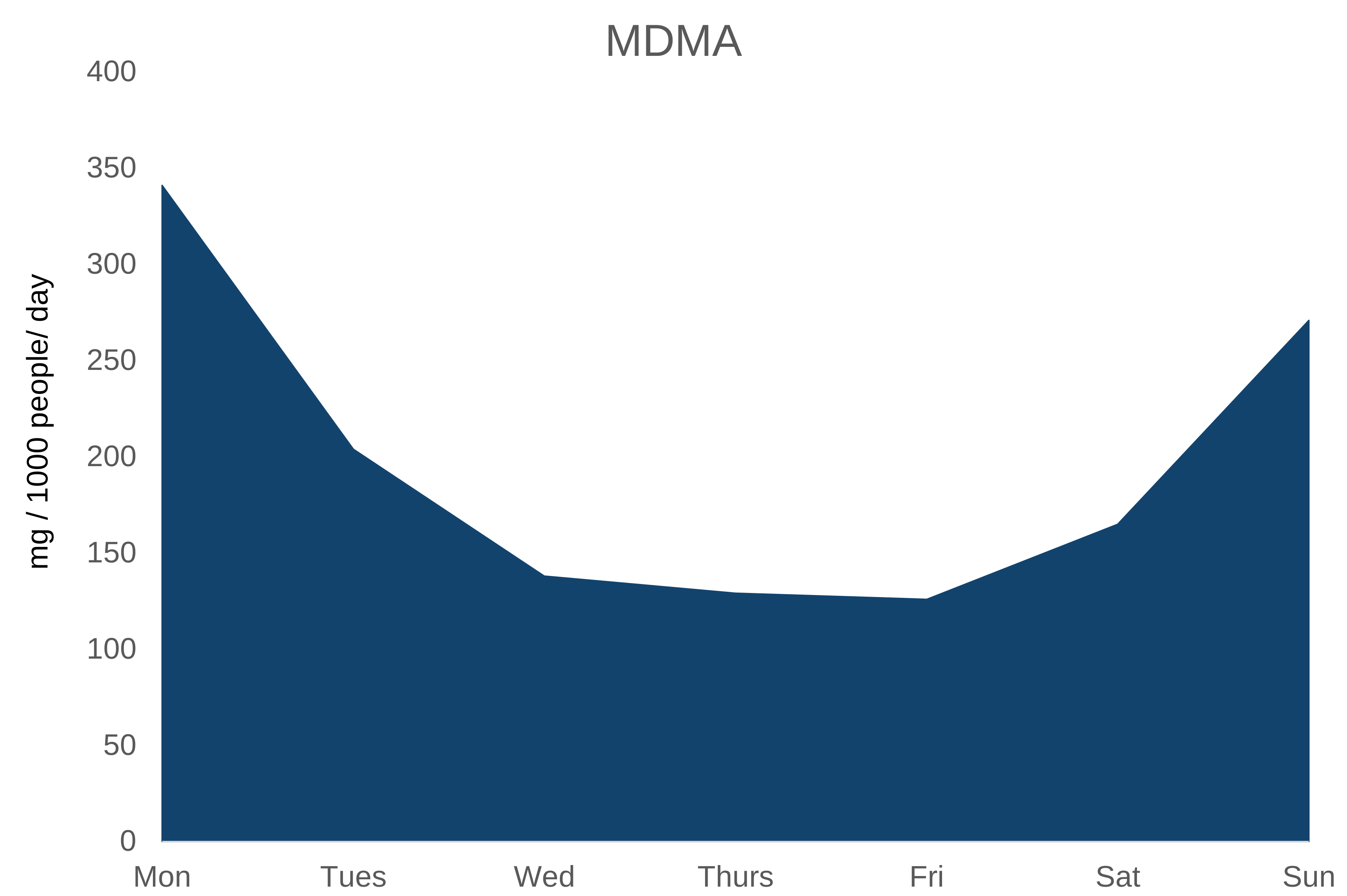
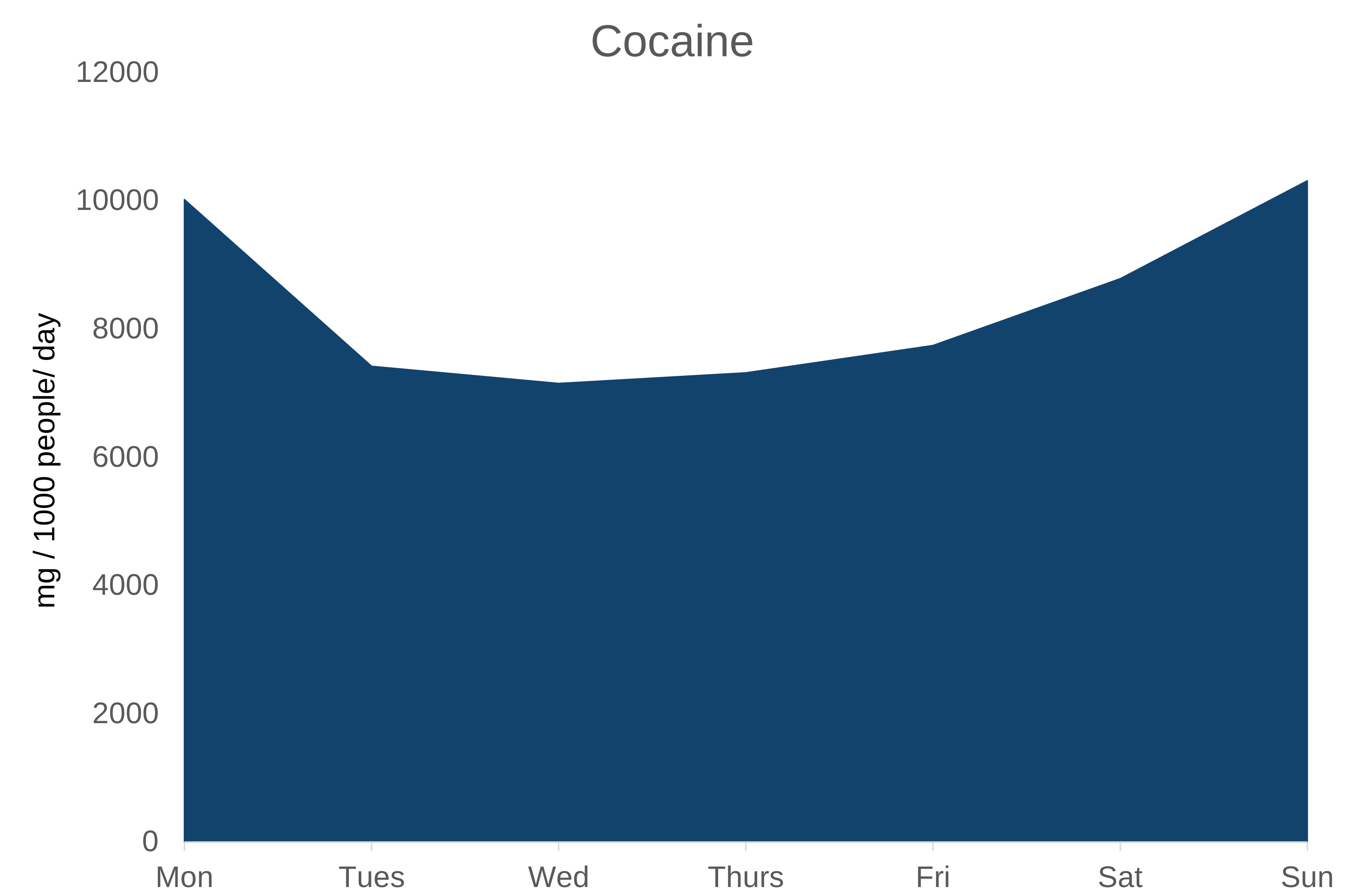
Certain drugs, MDMA and cocaine, show high weekend usage and low weekday usage, as would be expected from usage as a recreational drug.
Of all the drugs tested in WAND phase 3 (August 2024 to July 2025), MDMA shows the strongest pattern of estimated consumption across the week. As shown in Figure 1, there is a notable tail on Monday and Tuesday, low consumption on Wednesday to Thursday before consumption increases on the weekend. This pattern is partly due to how slowly MDMA is metabolised as it takes approximately 1 to 2 days to be excreted and so high weekend consumption carries over into wastewater samples early in the week. The findings show MDMA use is concentrated at weekends, with lower levels during the week. This pattern suggests occasional, social use rather than continuous consumption.
Figure 1: Estimated MDMA and cocaine consumption for all sites across the week, WAND phase 3, August 2024 to July 2025
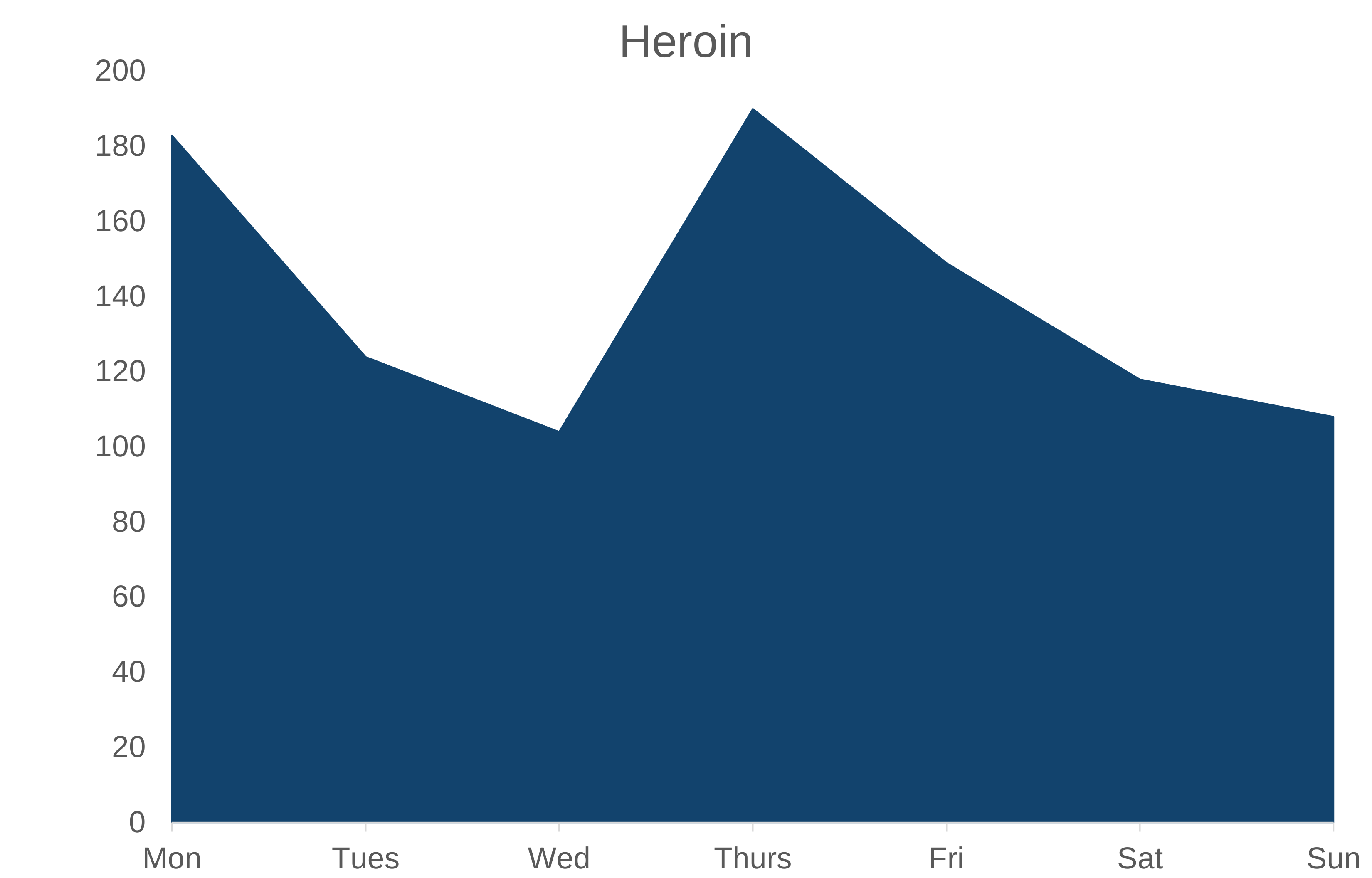
In comparison, drugs such as ketamine, amphetamine and methamphetamine are consumed more consistently throughout the week indicating more regular and potentially problematic use. Figure 2 shows ketamine consumption is much more consistent across the week. Other drugs such as heroin, as shown in Figure 3, show no clear pattern in estimated consumption across the days of the week.
Figure 2: Estimated ketamine consumption for all sites across the week, WAND phase 3, August 2024 to July 2025
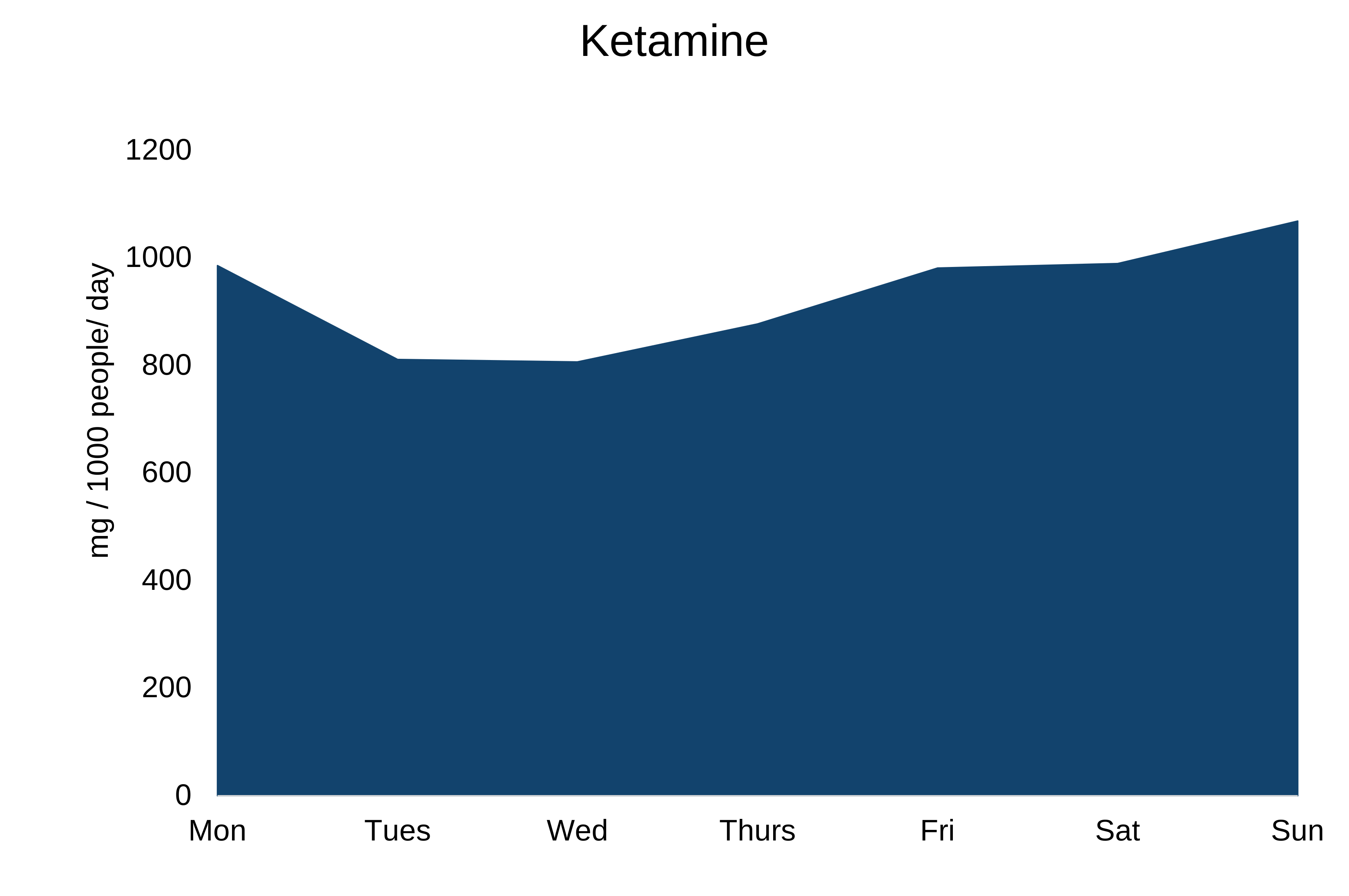
Figure 3: Estimated heroin consumption for all sites across the week, WAND phase 3, August 2024 to July 2025
Annex A: Wastewater Analysis for Narcotics Detection (WAND) Programme Methodology
This Annex covers the methodology used in WAND phase 3. For further details on the methodology used in WAND phase 1 and 2 please see: Wastewater analysis: Measuring illicit drug consumption in 2023 and 2024.
Substances measured
Since August 2024, WAND phase 3 monitored 28 substances, prioritised by the Home Office. The 28 substances monitored were:
- 10 types of nitazenes
- 12 types of fentanyl
- cocaine – the figures in this report include both powder and crack cocaine, as it was not possible in WAND phase 1 and 2 to produce individual estimates for these drugs
- heroin
- ketamine
- MDMA
- amphetamine
- methamphetamine
Site selection
Substances were monitored across 50 wastewater treatment plants (WWTPs, or sites) in England and Scotland, covering 32% of the total English and Scottish population. Sites were selected to provide evidence-based insights that can support targeted interventions, inform public policy, and contribute to a better understanding of substance use dynamics across the UK.
To ensure a representative and comprehensive analysis, the sampling strategy includes wastewater catchments covering a diverse range of locations. These sites were selected to encompass:
- urban and rural areas – large metropolitan cities with high population densities, as well as smaller towns and rural communities, capturing variations in drug use across different settings
- socioeconomic diversity – catchments spanning affluent areas and regions with higher deprivation indices, helping to assess the impact of economic factors on drug consumption
- geographical coverage – locations are distributed across England and Scotland, capturing regional differences and enabling comparisons between urban centres and more remote regions
Sampling
Each wastewater sample was taken over a 24-hour period to ensure it was representative of the entire day. This reduces the possibility of missing the presence of drugs at certain times. Sites are sampled asynchronously once every 2 months for a period of 7 consecutive days.
The sampling process was as follows:
- A 24-hour composite sample is taken from the crude wastewater inlet to the treatment works daily over a 7-consecutive day period (including weekends). If a composite sample could not be taken, then a grab/spot sample will be taken where possible. This is a very rare event which involves a single sample rather than an average 24-hour sample.
- Each sample comprising the composite sample is immediately refrigerated in the refrigerated autosampler, resulting in an approximately 9L composite sample.
- Two sub-samples of 100ml are sub-sampled and bottled, from the 9L composite sample.
- The 2 sample bottles are immediately placed in a freezer.
After 7 consecutive days of samples have been collected, the samples are then transported to the laboratory where the testing occurs.
Testing
When drugs are consumed, the body breaks them down into by-products called metabolites. These metabolites are passed out in urine and faeces and end up in wastewater, which are the substances we measure (called analytes). For example, cocaine is broken down into a substance called benzoylecgonine, which is then excreted in urine.
The drugs and their analytes tested in this report are shown in Table 4.
Table 4: Drugs and their analytes
| Drug | Analyte |
|---|---|
| Cocaine | Benzoylecgonine (BZE), cocaine and cocaethylene (a metabolite formed when cocaine and alcohol are consumed together) |
| Ketamine | Norketamine and ketamine |
| Heroin | 6‑monoacetylmorphine (6‑MAM) |
| Amphetamine | Amphetamine |
| MDMA | MDMA |
| Methamphetamine | Methamphetamine |
Limitations of wastewater analysis
Correction factors
Correction factors are used to adjust the wastewater data for known processes that impact sample results. For example, to convert the amount of a drug found in wastewater into the amount consumed, it must be adjusted by how much the drug is estimated to break down in the human body (that means metabolised) and while travelling to the WWTP where sampling takes place. However, as these are estimated, a level of uncertainty will always remain. Other factors are more difficult to control for, such as in-sewer wastewater losses (for example, by combined sewer overflows, adhesion to the sewer walls and breakdown of the analyte in the wastewater network), and the way people administer drugs (for example, smoking or injecting) which can impact how much of the drugs are excreted. It is due to these factors, and other limitations outlined below, that wastewater analysis should be used as part of a wider set of metrics to measure drug consumption and related harms, rather than in isolation. These metrics include drug seizures in England and Wales, drug misuse statistics from the Crime Survey for England and Wales, and the National Crime Agency’s annual National Strategic Assessment.
Deposition events
Deposition events in the wastewater signal are when the drug, in its raw form, is directly deposited into the wastewater network without first passing through a human. These signals are seen as a significant spike in the drug concentration, with no corresponding increase in the metabolite concentration. Whilst large drug deposition events are easily detectable, it would be impossible to tell if the drug is regularly being deposited in small amounts. This is a particularly acute problem where only the drug is measured and not the metabolite as is the case for MDMA, methamphetamine, and amphetamine. For these drugs it is therefore impossible to tell the difference between what is consumed and what is deposited, therefore the consumption estimates for these drugs will be an overestimate.
Medical use of substances
Some substances have medicinal applications (for example, amphetamine and heroin/diamorphine) and therefore wastewater estimates include use for medical purposes. Ketamine is also widely used as an anaesthetic and analgesic in veterinary practice, so some of the ketamine detected in wastewater may originate from veterinary sources such as animal clinics or racecourses. However, veterinary use of ketamine does not typically result in norketamine (the main human metabolite) appearing in wastewater. Comparison to NHS prescription/dispensing and veterinary data may help distinguish medical use in the future, but further research is required to assure robustness of this approach.
Population size
Estimation of population size is a significant uncertainty of wastewater-based epidemiology. Population is usually based on census data. However, this does not consider people moving in and out of the area for work or travel. Therefore, drug consumption may be overestimated in those areas which have large tourist or commuting populations. Additionally, the quality of the flow data, which shows the amount of wastewater and rainfall passing through the WWTP each day, directly influences the consumption estimates and therefore the quality of the data.
It is not possible to assign consumption to an individual person, and so it is impossible to use wastewater analysis data to determine the number of people consuming a particular substance. In addition to this, wastewater estimates only consider the targeted substance and therefore cannot be used to estimate purity.
Heroin estimates
Back-calculation of heroin consumption from its specific biomarker 6-monoacetylmorphine (6-MAM) is constrained by the metabolite’s short detection window in vivo and its limited stability in wastewater. In clinical pharmacokinetic studies, urinary excretion of 6-MAM following intravenous heroin administration shows an excretion half-life of approximately 0.6 hours, with a typical detection window of 2–8 hours depending on analytical sensitivity, emphasising its rapid disappearance after use (Cone et al., 1991; Jones et al., 2013).
In environmental matrices, 6-MAM displays relatively poor stability compared with other opioid biomarkers. Laboratory stability experiments in real municipal wastewater have reported pseudo-first-order half-times of 7 hours at 20 °C and 18 hours at 10 °C, identifying 6-MAM as one of the most unstable biomarkers among those assessed (Senta et al. 2014). A separate study using raw influent observed approximately 20% degradation over 12 h at 20 °C and pH 7.5, consistent with an apparent first-order half-life on the order of several tens of hours (van Nuijs et al., 2012).
Because wastewater‐based epidemiology relies on the concentration of biomarkers at the sampling point, any unknown or variable travel time through the sewer network introduces uncertainty into consumption estimates, particularly for short-lived metabolites like 6-MAM (McCall et al., 2016; Yi et al., 2023).
Cannabis
The programme does not currently test for cannabis due to complexities of the sampling method. The Crime Survey for England and Wales indicates cannabis is the most widely used drug in England and Wales, with 6.5% of people aged 16 to 59 years reporting use in the last 12 months in year ending March 2025.
Synthetic opioids
In WAND phase 3 an expanded list of nitazenes were included in the drug testing panel. During this phase, there was limited detection of nitazenes. However, lack of detection is not necessarily indicative of a lack of consumption of these types of drugs. This is due to these substances being more difficult to detect in wastewater due to (a) their stability, (b) the fact they are not consumed in large quantities, and (c) testing methods not being as developed as they are for other drugs.
Annex B: National estimates methodology
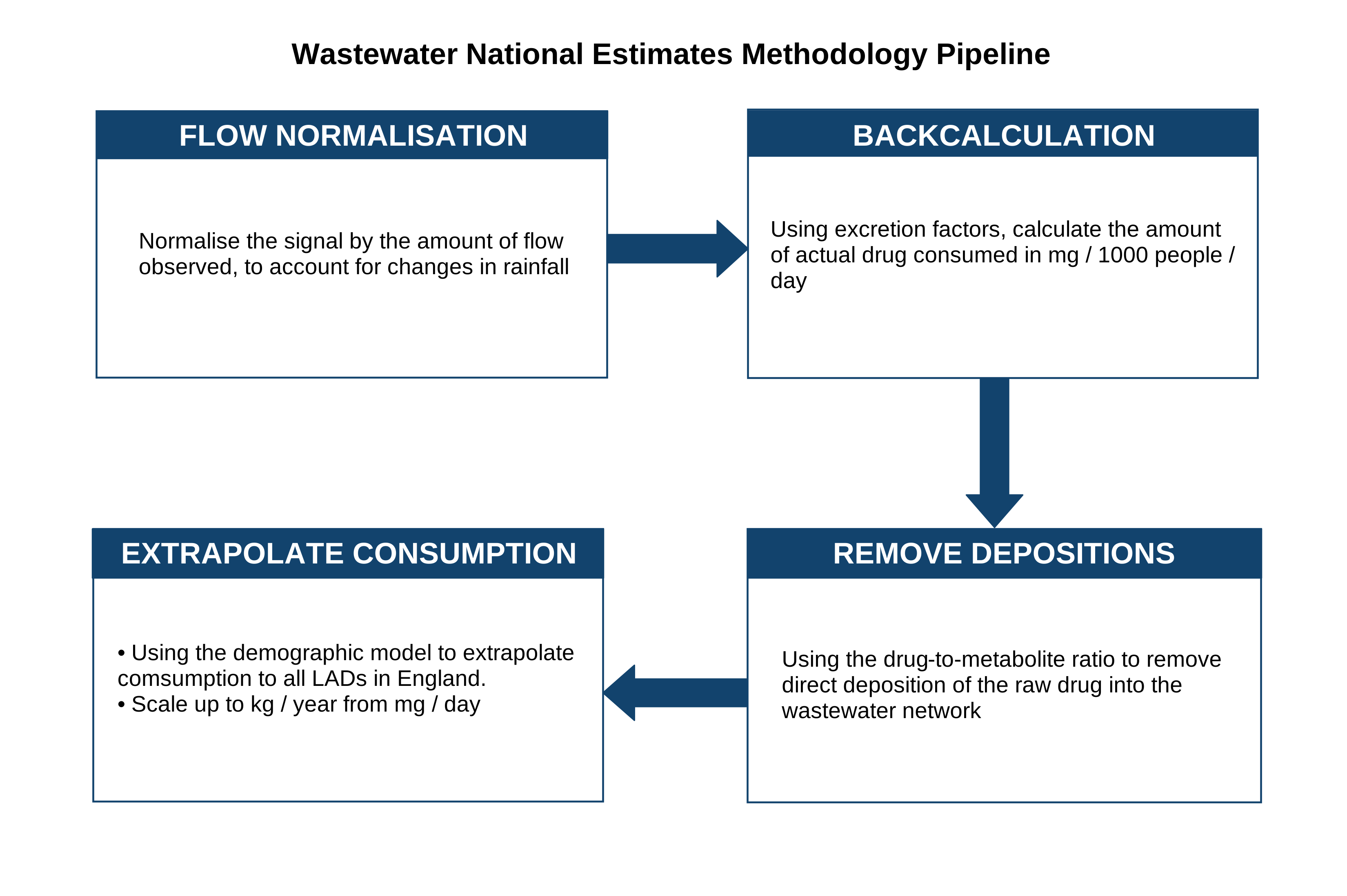
The aim of the national estimates methodology is to provide the best possible estimate of total drug consumption, in units of kilograms (kgs). However, WAND 3 measures drug concentration at 50 sites across England and Scotland in units of nanograms per litre (ng/L). To convert these measurements into estimates of consumption in kgs per year, the following stages are applied:
- Flow normalisation: The wastewater signal is normalised by the amount of flow observed to account for changes in rainfall.
- Back‑calculation: Excretion factors are applied to calculate the amount of actual drug consumed, expressed in milligrams per 1,000 people per day.
- Removal of depositions: Drug‑to‑metabolite ratios are used to remove direct deposition of the raw drug into the wastewater network.
- Extrapolation of consumption: A demographic model is used to extrapolate consumption to all local authority districts in England. Estimates are then scaled from milligrams per day to kilograms per year.
Figure B1: WAND estimates methodology
Wastewater-based epidemiology has emerged as a powerful tool for monitoring community-level drug consumption. However, challenges arise when extrapolating from sampled sites to national estimates due to the limited spatial coverage of monitoring sites; the temporal variability in sampling; the heterogeneous population distributions and day-of-week consumption patterns.
This methodology addresses these challenges through a machine learning framework that:
- Models drug consumption patterns at monitored sites.
- Predicts consumption at unmonitored locations.
- Aggregates to national estimates with proper uncertainty quantification.
Methods
Data preparation
Input data included wastewater measurements from monitoring sites:
- metabolite concentrations (log-transformed where appropriate)
- sampling dates and days of week
- site characteristics (population served, deprivation indices)
- geographic information (region, water company)
Pre-processing involved:
- Outlier removal: When a sample is greater than 2.5 standard deviations (SD) above the site average and when it is more than 1.5 SD above the national average it is removed from the input data – this approach uses z-scores for normalisation, and overall 0.74% of samples were removed as anomalies.
- Ratio outlier removal: When a sample has a ratio between drug and metabolite that is 2.5 SD away from the national average of the ratios.
- Temporal aggregation: Measurements averaged to site-day level.
- Log transformation: Applied to analyte concentrations when needed (log1p).
- Feature engineering: Derived month and year from sampling dates.
Only the metabolite is used in the estimate, the raw drug is only used for outlier removal as there is a known comparability problem between the estimated consumption using lab-based excretion factors for drugs compared to metabolites. In numerous studies it has been shown that the back calculated consumption from the drug is several times higher than the back calculated consumption from the metabolite (Zhao et al., 2025).
Du et al. (2020) argue that it is best to disregard the lab-based excretion factor for the drug and multiply by the ratio of the drug-to-metabolite, effectively creating a water-based epidemiology (WBE) -adjusted excretion factor. This is the current best-practice method. Table B1 shows the drug or metabolite, excretion rate and key remarks.
Table B1: Drug or metabolite and excretion rate
| Drug or metabolite | Percentage excretion rate (%) | Remarks or range |
|---|---|---|
| Cocaine | ~5% unchanged cocaine |
Zuccato et al. (2005) |
| Benzoylecgonine | 45% | Zuccato et al. (2005) |
| Ketamine | 2% unchanged |
RxList (2020). 2% unchanged to 20% unchanged in wastewater‑based epidemiology (Du et al., 2020); 2% norketamine (Dinis‑Oliveira, 2017) |
| Norketamine (ketamine) | 2% | Dinis‑Oliveira (2017). Remainder excreted as other metabolites |
| Heroin (6‑MAM) | ~60% (total morphine and 6‑MAM products) |
6‑MAM (free): 1.5%; heroin (free): 0.5% |
| Methadone (EDDP) | ~57% (methadone and EDDP) |
Wolf et al. (2014). Urinary fraction depends on chronic dosing |
| Amphetamine | 35 to 44% | Poklis et al. (1998). Variability by dose; mostly excreted in urine |
| MDMA | ~34% | Abraham et al. (2009). Range of 24 to 52% over 5 days across studies |
| Methamphetamine | 37 to 45% | Volkow et al. (2010). Amphetamine (metabolite): 6 to 7% |
Modelling framework
For each metabolite, a Bayesian Additive Regression Trees (BART) model was fitted, with the response variable defined as the log-transformed estimated milligrams per 1,000 people per day. The model incorporated a range of predictor variables, including the day of the week on which samples were collected, site-specific characteristics (such as local population size and deprivation indices), geographic features (including region and water company), and temporal covariates (month and year).
Monitored sites were randomly partitioned into training (80%) and testing (20%) subsets to enable model validation. Hyperparameter tuning was undertaken through cross-validation to optimise model performance. A total of 1,000 posterior samples were retained from each fitted model to facilitate subsequent quantification of predictive uncertainty.
National estimation procedure
Point estimates
Posterior mean predictions were generated for all Local Authority Districts (LAD) regions, encompassing both monitored and unmonitored areas. This approach was justified as LADs are of comparable scale to wastewater catchment sites, thereby providing an appropriate spatial unit for extrapolation.
Temporal scaling was applied to the daily predictions to produce annualised estimates. Weekday predictions were multiplied by 52, representing the number of weeks in a calendar year, whereas Saturday predictions were multiplied by 53 to account for the presence of 53 Saturdays within the 2024 to 2025 financial year.
Population weighting was subsequently performed to derive national-level estimates. LAD-specific estimates were combined using population size as a weighting factor. The resulting annual totals were then converted to average daily rates by division by 365.
Uncertainty quantification
Uncertainty was propagated through the estimation process via posterior sampling. Specifically, 1,000 draws were obtained from the posterior predictive distribution of the BART model. For each site, a single posterior draw was sampled per day in order to preserve coherent temporal structures within weekly consumption patterns.
These samples were then aggregated to the national level by applying the same temporal scaling and population-weighting procedures used for point estimates. The 95% credible intervals were derived from the 2.5th and 97.5th percentiles of the posterior predictive distribution.
Adjustments for substance purity were subsequently applied. As wastewater analysis quantifies the amount of pure substance entering the system, the resulting consumption estimates were corrected using retail purity estimates obtained from the National Crime Agency, thereby reflecting consumption of the pure compound.
Validation
Internal validation was conducted using out-of-sample predictions derived from the held-out test sites. Model performance was evaluated by comparing predicted and observed metabolite consumption patterns. Sensitivity analyses were performed to assess the robustness of results to methodological choices, including the use of alternative log-transformation strategies, variations in model specification, and differences in temporal aggregation procedures.
Discussion of national wastewater methodology
The proposed national estimation framework exhibits several methodological advantages. The BART model affords substantial flexibility, enabling the capture of nonlinear relationships and higher-order interactions among predictors without the need for manual specification. Comprehensive uncertainty quantification is achieved through propagation of the full posterior distribution throughout all stages of estimation. The approach is also readily generalisable and may be applied to a wide range of WBE analytes. Moreover, the population-weighted national estimates produced by the framework are directly interpretable in terms of human exposure, thereby enhancing their utility for policy and public health decision-making.
Limitations of the national estimates methodology
Notwithstanding its advantages, several limitations of the methodology should be acknowledged:
- the accuracy of national estimates is contingent upon the spatial distribution of monitored sites, and areas with limited coverage may be associated with higher uncertainty
- the temporal resolution of the estimates is constrained by the assumption that weekly consumption patterns remain stable throughout the year
- the method assumes that consumption is proportional to the residential population, an assumption that may be violated in regions characterised by high levels of population mobility or commuting
References
Abraham, TT, Barnes AJ, Lowe RL, Kolbrich Spargo EA, Milman G, Pirnay SO, Gorelick DA, Goodwin RS, and Huestis MA (2009) ‘Urinary MDMA, MDA, HMMA, and HMA excretion following controlled MDMA administration to humans’. Journal of Analytical Toxicology, volume 33, issue 8, pages 439-446 (viewed on 7 January 2026). DOI: 10.1093/jat/33.8.439
Cone EJ, Welch P, Mitchell JM and Paul BD (1991) ‘Forensic drug testing for opiates: I. Detection of 6-acetylmorphine in urine as an indicator of recent heroin exposure; drug and assay considerations and detection times’. Journal of Analytical Toxicology, volume 15, issue 1, pages 1-7 (viewed on 7 January 2026). DOI: 10.1093/jat/15.1.1
Dinis-Oliveira RJ (2017) ‘Metabolism and metabolomics of ketamine: a toxicological approach’. Forensic sciences research, volume 2, issue 1, pages 2-10 (viewed on 7 January 2026). DOI: 10.1080/20961790.2017.1285219
Du P, Zheng Q, Thomas KV, Li X and Thai PK (2020) ‘A revised excretion factor for estimating ketamine consumption by wastewater-based epidemiology - Utilising wastewater and seizure data’. Environment International, volume 138, article 105645 (viewed on 7 January 2026). DOI: 10.1016/j.envint.2020.105645
European Monitoring Centre for Drugs and Drug Addiction (2019) ‘EU Drug Markets Report 2019’. Publications Office of the European Union, Luxembourg (viewed on 7 January 2026)
Jones JM, Raleigh MD, Pentel PR, Scriba GKE, Hodgson PS, Bigler TL and Gentry WB (2013) ‘Stability of heroin, 6-monoacetylmorphine, and morphine in biological samples and validation of an LC–MS assay for delayed analyses of pharmacokinetic samples in rats’. Journal of Pharmaceutical and Biomedical Analysis, volume 74, pages 291-297 (viewed on 7 January 2026). DOI: 10.1016/j.jpba.2012.10.033
McCall AK, Bade R, Kinyua J, Lai FY, Thai PK and Thomas KV (2016) ‘Critical review on the stability of illicit drugs in sewers and wastewater samples’. Water Research, volume 88, pages 933-947 (viewed on 7 January 2026). DOI: 10.1016/j.watres.2015.10.040
Midgette G, Davenport S, Caulkins JP and Kilmer B (2019) ‘What America’s users spend on illegal drugs, 2006-2016’. RAND Corporation, Santa Monica, CA (viewed on 7 January 2026)
Poklis A, Still J, Slattum PW, Edinboro LF, Saady JJ and Costantino A (1998) ‘Urinary excretion of d-amphetamine following oral doses in humans: implications for urine drug testing’. Journal of analytical toxicology, volume 22, issue 6, pages 481-486 (viewed on 7 January 2026). DOI: 10.1093/jat/22.6.481
Senta I, Krizman I, Ahel M and Terzić, S (2014) ‘Assessment of stability of drug biomarkers in municipal wastewater as a factor influencing the estimation of drug consumption using sewage epidemiology’. Science of the Total Environment, volume 487, pages 659-665 (viewed on 7 January 2026). DOI: 10.1016/j.scitotenv.2013.12.054
United Nations Office on Drugs and Crime (2022) ‘Coca Cultivation and Cocaine Production in the Andean Region: Methodology and Validation Annexes’. UNODC, Vienna
van Nuijs ALN, Abdellati K, Bervoets L, Blust R, Jorens PG, Neels H and Covaci A (2012) ‘The stability of illicit drugs and metabolites in wastewater, an important issue for sewage epidemiology?’. Journal of Hazardous Materials, volumes 239-240, pages 19-23 (viewed on 7 January 2026). DOI: 10.1016/j.jhazmat.2012.04.030
Volkow ND, Fowler JS, Wang G-J, Shumay E, Telang F, Thanos PK and Alexoff D (2010) ‘Distribution and pharmacokinetics of methamphetamine in the human body: clinical implications’. PloS one, volume 5, issue 12, article e15269 (viewed on 7 January 2026). DOI: 10.1371/journal.pone.0015269
Wolf CE, Goldstein A, Poklis JL and Poklis A (2014) ‘Evaluation of an Enzyme Immunoassay for the Detection of Methadone Metabolite EDDP (2‐Ethylidene‐1, 5‐Dimethyl‐3, 3‐Diphenylpyrrolidine) in Urine’. Journal of Clinical Laboratory Analysis, volume 28, issue 2, pages 136-140 (viewed on 7 January 2026). DOI: 10.1002/jcla.21657
World Bank (2016) ‘Drug Trafficking, Violence and Development World Development Report Background Paper’. World Bank, Washington DC
Yi R, Zeng T, Chen J, Liu D, Yang X, Zhao M and Zhou Z (2023) ‘Wastewater-Based Epidemiology: Assessing Illicit Drug Usage and Impact through an Innovative Approach’. Water, volume 15, issue 23, article 4192 (viewed on 7 January 2026). DOI: 10.3390/w15234192
Zhao Z, Yuan J, Zheng Q, Tscharke BJ, Boogaerts T, Wang Z, Chen S, O’Brien JW, van Nuijs AL, Covaci A and Mueller J (2025) ‘Utilizing national wastewater and sales data to derive and validate the correction factors of 5 common antidepressants for wastewater-based epidemiology’. Water Research, volume 276, article 123263 (viewed on 7 January 2026). DOI: 10.1016/j.watres.2025.123263
Zuccato E, Chiabrando C, Castiglioni S, Calamari D, Bagnati R, Schiarea S and Fanelli R (2005) ‘Cocaine in surface waters: a new evidence-based tool to monitor community drug abuse’. Environmental Health, volume 4, issue 1, article 14 (viewed on 7 January 2026). DOI: 10.1186/1476-069X-4-14