UK Overseas Territories biodiversity strategy
Updated 12 January 2026

© Crown copyright 2026
This publication is licensed under the terms of the Open Government Licence v3.0 except where otherwise stated. To view this licence, visit nationalarchives.gov.uk/doc/open-government-licence/version/3 or write to the Information Policy Team, The National Archives, Kew, London TW9 4DU, or email: psi@nationalarchives.gov.uk.
Where we have identified any third party copyright information you will need to obtain permission from the copyright holders concerned.
This publication is available at https://www.gov.uk/government/publications/uk-overseas-territories-biodiversity-strategy/uk-overseas-territories-biodiversity-strategy
Ministerial statement
Nature is the monopoly provider of everything we need to live. It provides the food we eat, the water we drink, and the clothes we wear. It regulates our climate, gives us fuel, materials and medicine. Nature provides inspiration, knowledge and wonder, and spending time in it can improve our wellbeing.
But across the globe, nature is under threat, and nature in the UK Overseas Territories is on the front line.
Biodiversity in the Territories is globally significant and locally unique. Home to over 90% of species unique to the UK, the Territories and their oceans host plants, fungi and animals found nowhere else on earth. A number of the Territories are small, low-lying islands that are vulnerable to invasive non-native species and to the impacts of climate change. These include rising sea levels, warming oceans, changes in rainfall patterns, and more frequent, more intense storms. Increasingly, we are seeing how the damage caused by heavy winds, floods, droughts, wildfires and ocean acidification have devastating effects on livelihoods and life on land and at sea. Every effort need be made to conserve, protect and restore nature in these unique places.
This strategy aligns with this new Government’s approach to the partnership with our Overseas Territories and agreements at the 2024 Joint Ministerial Council, marking a new era of collaboration and communication between our governments, united for nature. It celebrates the rich biodiversity of the Territories and their globally important place within the UK family.
With the support of the Joint Nature Conservation Committee (JNCC), we have worked with each Territory to set out the top priorities for nature to guide future, long-term investment with purpose - for people, for future generations and nature. Together, we will build on the conservation successes already achieved. Our ambition is to unite administrations, agencies and communities in engaging with nature and pave the way for new partnerships, skills and innovation to create resilient, sustainable communities and safeguard our irreplaceable species and their precious homes.
Mary Creagh CBE MP, Minister for Nature
Stephen Doughty MP, Minister for the UK Overseas Territories
Foreword
Running a small territory is no simple matter. The limits set by size and remoteness, and often by the closeness and familiarity of the community, can produce unexpected tensions. Balancing aspirations for economic betterment with the need for and commitment to environmental protection and restoration is not easy, at least not until it is realised that both contribute positively to social progress and wellbeing.
To truly protect the natural environment, one must first have the local knowledge to understand it. That is why it is so important that a UK Overseas Territories Biodiversity Strategy be developed jointly by the UK and the Territories, in full consultation, as is the case with this valuable document.
Tremendous progress has been made over the past decade in the level of consultation and participation by Overseas Territory environment ministers and officials in discussions with UK Government and in international forums. This is vital and must continue to progress - not just because of the incredible biodiversity that we hold and protect, but because many of us are on the very front line of the consequences of climate change.
The relationship is and must be two-way. The UK and its institutions have a wealth of world-class technical and scientific knowledge that the Territories can draw upon. The Territories have the unique natural assets and the local experience and expertise to ensure their best application.
This is a journey we must continue together, with the strength that our historical links and our enriching cultural and biological diversity provide us. For we are a partnership with no equivalent, with a potential that has no limit.
We are proud of what nature has given us. With that pride comes a responsibility that we must jointly accept.
Prof John Cortes MBE
Minister for the Environment, Sustainability and Climate Change, HM Government of Gibraltar
Co-chair, UK Overseas Territories’ and Crown Dependencies’ Environment Ministers’ Council
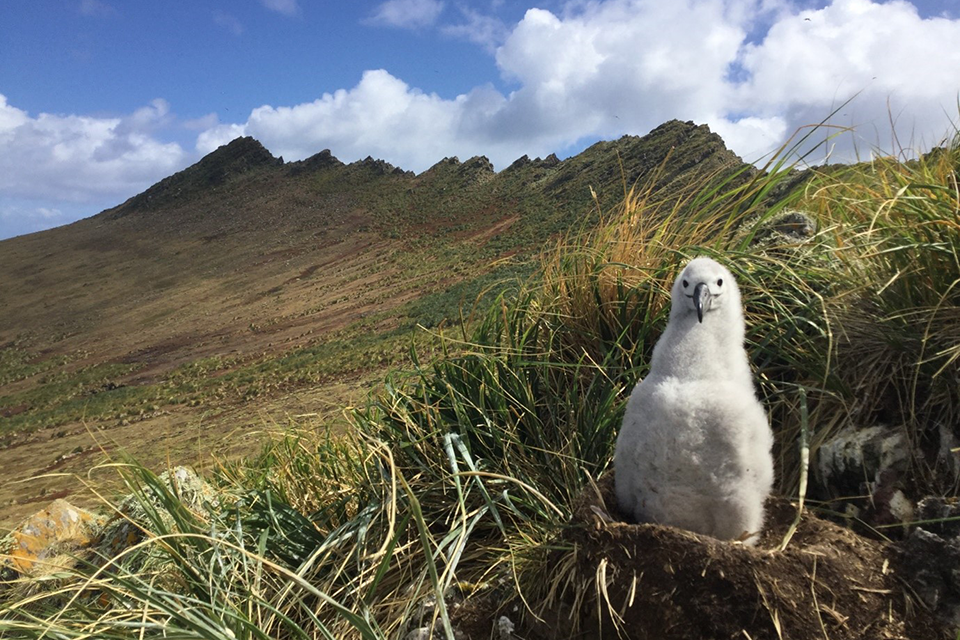
Black-browed albatross chick at Steeple Jason, Falkland Islands, the world’s largest Black-browed Albatross colony. © Megan Tierney
Context
The global importance of biodiversity
Biodiversity is vital for our survival, supporting all aspects of human life from health to infrastructure, to economic development, food security, and beyond. Across terrestrial and marine environments, biodiversity supports vital ecosystem goods and services. It enhances our water and air quality, agricultural productivity and soil quality, and provides us with key medicinal ingredients. Healthy ecosystems can be highly effective at buffering habitats from the effects of climatic extremes and protecting communities from coastal and inland flooding. Healthy ecosystems including trees, soils and peatlands can also mitigate climate change by pulling carbon out of the atmosphere. Thus, biodiversity offers our strongest natural defence to the ongoing threat of climate change.
Beyond what it provides us, biodiversity itself has huge economic value. More than half of the world’s gross domestic product (GDP) comes from industries that are moderately or highly dependent upon ecosystem services (World Economic Forum, 2020). This is the case for many of the UK Overseas Territories that are heavily dependent on nature-based tourism.
Biodiversity is also of intrinsic value. It is often inherently linked to our cultural heritage and spirituality. It provides inspiration and even a sense of wellbeing through a connection to the natural environment. Biodiversity is valuable and deserving of protection in its own right - its importance, as well as the benefits it provides, is now being recognised worldwide.
Biodiversity in the UK Overseas Territories
Small but mighty, the UK Overseas Territories (the Territories) are a beacon for nature on the global stage. Supporting every one of Earth’s major ecosystems, from coral reefs to polar tundra (see figure 1), the rich diversity of habitats in the Territories host a vast array of species. These include many that are classified as endemic species – those found nowhere else naturally on Earth.
Of the total number of unique species associated with the UK’s biodiversity, 94% reside in the Territories, with 30% residing in St Helena alone (Churchyard and others, 2016). Collectively the Territories provide habitat to more penguins than any other nation. For example, the Falkland Islands boast an estimated population of one million penguin nesting pairs comprised of 5 species, including globally significant populations of Rockhopper and Gentoo Penguins. In warmer climates, Ascension holds the second largest Green Turtle rookery in the Atlantic Ocean, while the British Virgin Islands are home to one of the world’s longest continuous coral reefs.
Many of the Territories include wilderness areas that represent some of the last remaining large-scale pristine tracts in the world. Examples range from the mangrove forests of the Cayman Islands to the remote rugged wilderness of South Georgia and the South Sandwich Islands.
The Territories host 26 Ramsar sites, which are wetlands of international importance. Collectively, protected areas and other effective conservation measures cover more than a quarter (26.1%) of the Territories’ terrestrial environments and three-quarters (75%) of their marine environments (Defra, 2023) – protecting over 1% of the world’s ocean surface (Coe and others, 2023).
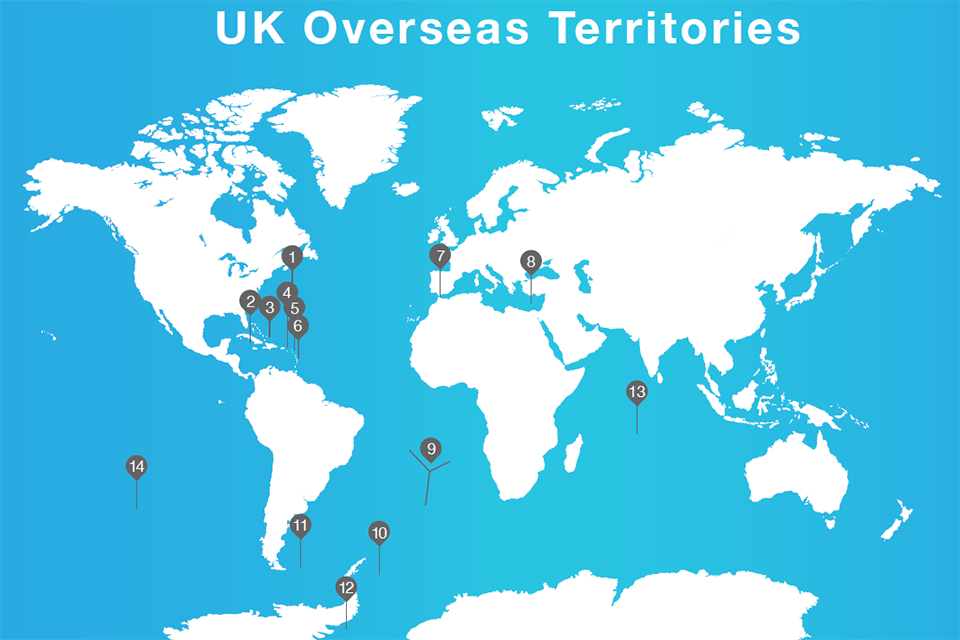
Figure 1. Map of UK Overseas Territories. Credit: Defra. Recognising the distinct ecology and geography of each Territory, this strategy details the biodiversity of St Helena, Ascension, and Tristan da Cunha separately, despite their governance classification as one Territory group.
The UK Government and Mauritius signed a treaty on 22 May that secures the vital UK-US base on Diego Garcia. At the point that the treaty comes into force, Mauritius will be sovereign over the Archipelago and the British Indian Ocean Territory (BIOT) will cease to be a British Overseas Territory.
Map of the Overseas Territories, showing:
- Bermuda
- Cayman Islands
- Turks and Caicos Islands
- British Virgin Islands
- Anguilla
- Monserrat
- Gibraltar
- Sovereign Base Areas of Akrotiri and Dhekelia
- St Helena, Ascension and Tristan da Cunha
- South Georgia and the South Sandwich Islands
- Falkland Islands
- British Antarctic Territory
- British Indian Ocean Territory - Chagos Archipelago
- Pitcairn Islands
To date, 40,329 native species have been recorded in the Territories, of which 1,851 species have been found to be endemic (see Table 1). However, knowledge of species occurrences varies greatly between Territories and between taxonomic groups, with invertebrates the most likely to be under recorded (Churchyard and others, 2016). For example, Bermuda records over 12,000 species which is 4 times over the number of species recorded in any other Territory.
Table 1: Known native species and species endemic to single UK Overseas Territories.
| Overseas Territory | Known endemic species | Known native species |
|---|---|---|
| Anguilla | 5 | 761 |
| Ascension | 71 | 2,418^ |
| British Antarctic Territory | 70^ | 2,701 |
| Bermuda | 552^ | 6,103^ |
| British Indian Ocean Territory | 9 | 2,754 |
| British Virgin Islands | 18 | 3,315^ |
| Cayman Islands | 106 | 3,188 |
| Sovereign Base Areas of Akrotiri and Dhekelia | 1^ | 1,030 |
| Falkland Islands | 82 | 2,519 |
| Gibraltar | 6^ | 2,843 |
| Montserrat | 85 | 2,339 |
| Pitcairn Islands | 49^ | 1,814 |
| South Georgia and the South Sandwich Islands | 77 | 3,104 |
| St Helena | 502 | 2,144^^ |
| Turks and Caicos Islands | 35 | 1,650 |
| Tristan da Cunha | 183 | 1,646 |
Estimated totals do not include Tardigrades, Brachiopods, Ctenophores, lower plants or ‘other’ taxa. The Sovereign Base Areas and Gibraltar both host endemics of their neighbouring countries.
Table 1 figures derived from:
- Churchyard and others, 2014
- ^Overseas Territories governments and administrations
- ^^Brown and others, 2023
Scale of the challenge
Nature, and the ecosystem goods and services it provides, is severely threatened. In each Territory, a unique combination of pressures and threats are driving widespread biodiversity losses. Many of these are interconnected and exacerbated by climate change. Pollution, emerging infectious diseases, plant pests, invasive non-native species, habitat loss and resource exploitation risk biodiversity loss in all Territories, whilst tourism and development pose both pressures and opportunities (see Figure 2). Each pressure and threat is multi-faceted, resulting from human activities such as overexploitation of local, regional and global resources, and impact biodiversity in isolation and together.
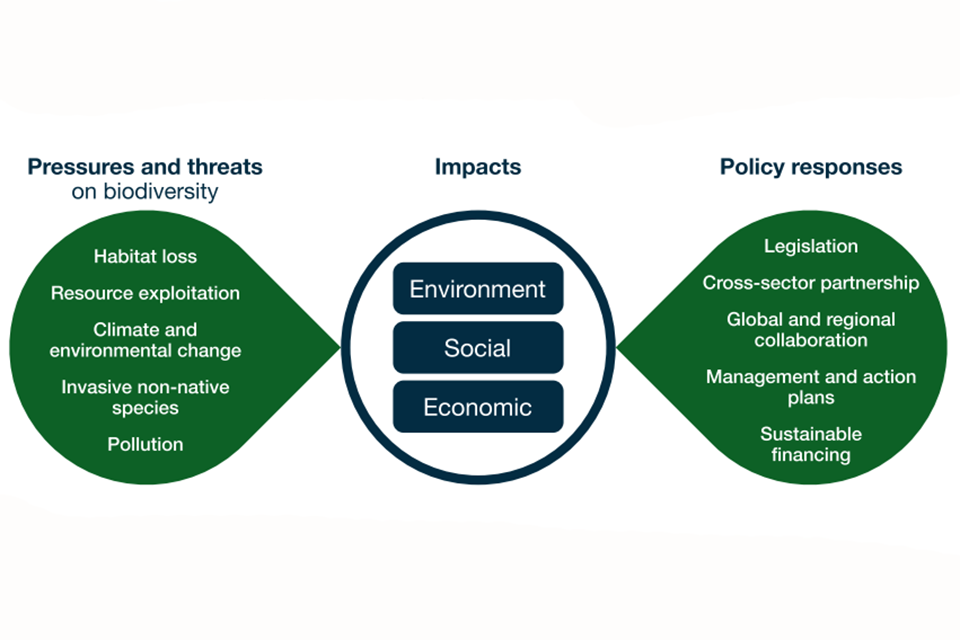
Figure 2. The pressures and threats on biodiversity in Overseas Territories.
The impact of these pressures and threats on biodiversity can be seen and felt environmentally, such as through declining environmental quality, with social and economic drivers, leading to business losses or infrastructure development. These impacts are already requiring preventative and mitigative policy responses delivered through collaboration and action on local, regional and/or global levels.
Many of the Territories are geographically remote or low-lying, with a high incidence of and vulnerability to, climate change and natural disasters. Across the Territories, global warming is already shifting fish stocks, bleaching coral reefs, rifting icebergs and threatening food security, causing detriment to local economies. From the Emperor Penguin in British Antarctic Territory, to Montserrat’s Mountain Chicken, the Territories’ iconic species are at risk from both the immediate and projected effects of climate change.
The Territories are mostly small islands. They hold a disproportionately large number of threatened species, including many restricted-range species and endemics (Kier and others, 2017), which are particularly vulnerable to the impacts of invasive, non-native species, plant pests and pathogens. Currently over 48% (321) of the OTs endemic species assessed by the IUCN are considered threatened with extinction (Farquharson, LR and others, 2025). For all species, conservative estimates suggest over 10% (697 species) are known to be threatened with extinction, with figures likely to be an underestimate for less well-known taxa (Burns and others, 2023). Therefore, the outlook for nature in the Territories is of grave concern.
To meet a challenge of this scale, the Territories need more support. Often with small populations and government departments, some Territories have limited skills and capacity for safeguarding nature. Through consultation, collectively they report lacking access to ecologists, botanists, oceanographers, hydrologists, geographers, and people with specialisms in processing and managing data, knowledge sharing and project management. While there are strong and experienced advocates for nature in the Territories, too often, stakeholders are finding that their environment must compete with other priorities in decision-making.
By working together, the UK and the Territories can turn the tide for nature. Through fostering environmental values within local communities, there is scope to connect more people with nature to address the challenge. Investing in skills and talent, the UK and Territories can take an innovative approach to maximise opportunities for funding, partnership and collaboration. With a focus on strengthening and implementing management and regulatory frameworks, realising the benefits of participation in multilateral environmental agreements (MEAs), and placing environmental resilience at the heart of decision-making, gains for biodiversity can be realised. Working in partnership, the benefits of biodiversity in the Territories can be newly championed to mobilise support into the future.
Joint strategy development
To develop this strategy, Defra, supported by the Joint Nature Conservation Committee (JNCC), has undertaken extensive consultation in-territory, remotely and online. Input has come from UK and Territory Governments and Administrations, agencies and wider stakeholders, spanning the key issues, challenges and opportunities for biodiversity in the Territories.
Recognising both the globally significant and locally unique nature in the Territories, this strategy comprises 2 parts. Part 1 brings together priority aims for UK government, Territory governments and administrations and opportunities to work in partnership for the benefit of nature. Part 2 contains designated Territory chapters that each recognise the Territories’ distinct environments and unique priorities for action.
Joint goals
The 2012 White Paper sets out the devolved responsibility for biodiversity conservation and environmental management in the Territories. In line with commitments made at the Joint Ministerial Council, the UK and Territories continue to work together in close partnership on environmental issues, and jointly commit to take action in addressing the threat to biodiversity in an era of unprecedented climate change.
Recognising, for some territories, the importance of the 2001 Environmental Charters and their success, this strategy provides a new adaptive framework for partnership working. Through the delivery of this strategy, it is the joint ambition of the UK Government and governments and administrations of the UK Overseas Territories to:
- conserve, protect, and restore biodiversity in the Overseas Territories
- champion the benefits of nature
To achieve these ambitions, this strategy outlines 6 goals that will guide actions to:
- reconnect people with nature
- develop skills and talent
- maximise opportunities for funding, partnerships, and collaboration
- strengthen and implement management and regulatory frameworks
- enhance environmental resilience
- champion the benefits of nature
Together, these goals will promote and catalyse the successful delivery of vital on-the-ground action in support of biodiversity conservation, protection and recovery.
Working toward these goals, the coordinated efforts of the UK and the Territories will support improved outcomes for nature and people. By driving new investments in biodiversity for every Territory, and recognising the different needs, priorities, commitments, and drivers for change in each Territory, this strategy will guide action where it is needed most. Working together, the UK and the Territories will review progress and address evolving needs to keep this strategy relevant.
There is, and will be, no single solution to tackling the scale or urgency of biodiversity loss. Working toward these goals, the UK and the Territories will seek to streamline efforts and maximise the impact of funding available.
Part 1: Joint goals
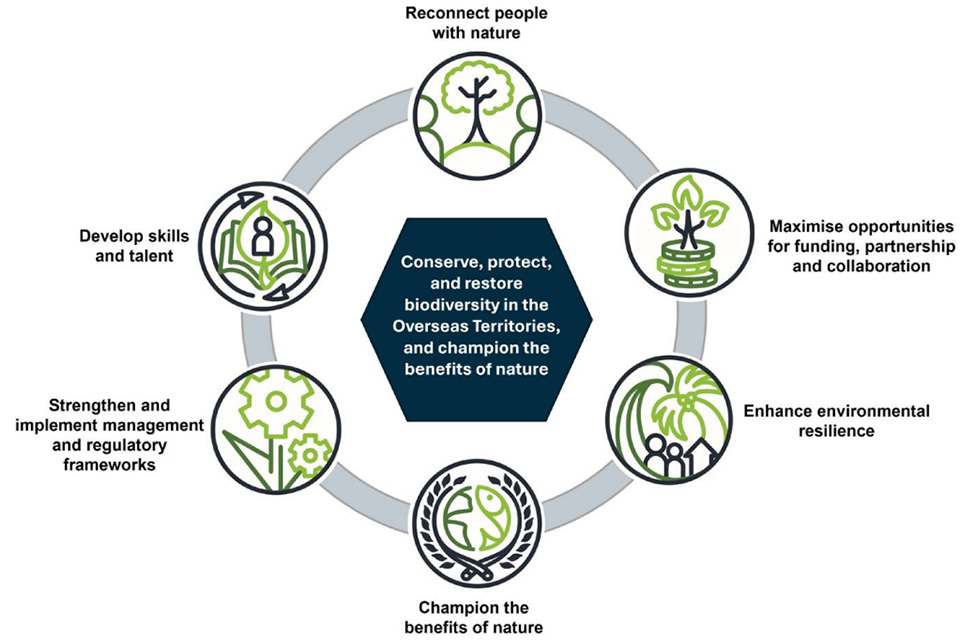
Figure 3. The 6 goals of the UK Overseas Territories Biodiversity Strategy
Figure 3 shows the 6 joint goals aimed to achieve the ambitions of the UK Overseas Territories Biodiversity Strategy.
The goals are:
- reconnect people with nature
- develop skills and talent
- maximise opportunities for funding, partnerships and collaboration
- strengthen and implement management and regulatory frameworks
- enhance environmental resilience
- champion the benefits of nature
Goal 1: Reconnect people with nature
Key to the success of this strategy will be raising the profile of nature so that people appreciate the value of biodiversity in their daily lives. By reconnecting people with nature, communities will have more reason to feel a sense of pride, respect, and interdependence with their natural world, and feel more empowered to take action and participate in how nature is managed.
Starting from an early age, environmental education needs to be incorporated into the national curriculum. Doing so will help foster engagement between young people and their natural world, supporting improved outcomes for nature with the new generation. Some Territories are already leading the way in this regard. For example, the Cayman Islands has successfully introduced mangrove teaching guides to their schools and, based on educational material developed through the FCDO’s Blue Belt programme, St Helena has incorporated marine-focused GCSEs into their curriculum.
Local communities, with local knowledge and insight, will be engaged in conservation work and lifelong learning to help deepen their understanding and appreciation of nature. For across the Territories, it is local communities and landowners who know their unique landscapes best. By improving their access to environmental information, local people will be encouraged to understand the role of biodiversity and the value of the ecosystem services it provides. Combining traditional and cultural knowledge and experiences of local people with modern science will give conservation measures every chance of success.
There is vast potential for the UK and Territories to share educational materials, examples of best practice and case studies, supporting the development of nature-based education and outreach.
How we will reconnect people with nature
The Territories will aim to:
- foster and sustain nature-based community outreach programmes to support ongoing opportunities for interactions with nature
- encourage the use of local knowledge, culture and tradition in nature conservation efforts, including through volunteers and citizen science
- promote and demonstrate respect, appreciation and sustainable use of the environment to drive positive behavioural change
- deliver targeted promotion of best practice to biodiversity-related sectors such as tourism, planning, agriculture, maritime and fisheries
- incorporate biodiversity, environment and climate change in school curricula
- drive behavioural change through increased awareness of the risks posed by invasive non-native species and pests
The UK will aim to:
- ensure assessment criteria respects and values local environmental knowledge, culture, and tradition as part of future funding decisions
- provide advice on ecosystem services and the benefits they provide, to foster a greater understanding of the links between biodiversity, biosecurity, climate adaptation, sustainable development, food security, livelihoods and the economy
Case study: Promoting the appreciation of local biodiversity in the Sovereign Base Areas of Akrotiri and Dhekelia
The Akrotiri Peninsula is a globally important biodiversity hotspot located within the Sovereign Base Areas (SBA) on the island of Cyprus. Hosting a Ramsar Site and several protected areas, the peninsula is an important wetland system for over 800 plant species and approximately 360 species of bird. Rich in archaeology and culture, the basket making craft born out of the wetlands is now an intangible heritage of the community, as acknowledged and celebrated by UNESCO.
Inspired by the peninsula, the community and administration of the SBA, in collaboration with the Republic of Cyprus, founded the Akrotiri Environmental Education Centre in 2004. Funded by the Ministry of Defence, the centre now provides over 30 different educational programmes focused on nature, archaeology, geology, and the importance of Akrotiri’s protected wetlands. The centre also supports research on and management of the local environment. Through a combination of seminars and events, each year the centre educates over 15,000 guests – thousands of whom are school children.
Forming part of a network of environmental education centres across Cyprus, the Akrotiri Environmental Education Centre honours the natural and cultural heritage of the Peninsula and is inspiring a connection with nature in local people and tourists from around the world.
Goal 2: Develop skills and talent
There are significant barriers to pursuing a career in conservation in the Territories. Often, individuals are required to leave their Territory to access further specialist and technical education to gain competency. To make a difference to biodiversity on the ground, there needs to be opportunities to develop the skills required to support conservation work in-territory.
Working together, alternative pathways to careers in conservation will be developed. Apprenticeships, volunteering schemes and exchange programmes across the British family will help to create a pipeline of skilled professionals living and working in the Territories. Mentoring, secondments and attachments into regional and international partners will promote talent development and sharing of best practice.
The UK Government’s Darwin Plus People & Skills grant scheme is already helping to fund such activity. Open to Territory citizens, long-term residents, and those with links to the uninhabited Territories, the scheme is improving its recipients’ knowledge and ability to deliver long-term strategic outcomes for their natural environments. Rebranded in 2024, the scheme (previously called Darwin Plus Fellowships) is now providing academic, participatory, and field-based working to equip organisations in the Territories with green skills for the future.
How we will develop skills and talent
The Territories will aim to:
- promote the value of investing in environmental career opportunities and enhanced technical capacity to grow innovation in green and blue skills
- develop volunteer and citizen science initiatives for local and tourist participation
- create and promote learning and career development opportunities in support of succession planning and provide structured continuous professional development programmes to enable broader training
- support existing mechanisms for upskilling and retaining staff both within and between Territories
The UK will aim to:
- explore and accommodate learning opportunities, such as secondments between the Territories and the UK Government, its agencies and partners
- facilitate and deliver technical training in priority areas, such as ecology, monitoring and evaluation, communication and spatial planning
Case study: Investing in future leaders in the Turks and Caicos Islands
In 2014, the Turks and Caicos Islands (TCI) Government was seeking to develop technical knowledge, skills and capacity in marine ecosystem services management. Applying to the UK Government’s Darwin Plus programme, the Marine Conservation Society was successful in securing funding for a long-term technical staff member of the government – Mr Luc Clerveaux – to undertake a master’s degree in Coastal and Marine Resource Management.
Studying at the University of Portsmouth, Mr Clerveaux developed an interdisciplinary understanding in how to plan research, develop and implement policy, and communicate work in coastal and marine management. Successfully completing his studies in 2017, Mr Clerveaux went on to become Assistant Director of the TCI’s Department of Environment and Coastal Resources and was later promoted to Director in 2023. Having led many successful conservation projects in the TCI, Mr Clerveaux continues to share his skills, knowledge and experience with other members in the TCI, seeking to mentor and inspire the next generation of environmental stewards.
Investing in the development of local skills and talent can bring invaluable benefits to biodiversity conservation and lend critical support to partnership building in and between Territories.
Goal 3: Maximise opportunities for funding, partnership and collaboration
Nature conservation and recovery depends on strong collaboration between wide-reaching partners across governments, businesses and industries, local communities, academics and non-governmental organisations (NGOs). There is much to be gained from collaborating domestically, regionally and internationally. With sufficient support and commitment, these partnerships can facilitate practical action on the ground and pool knowledge to achieve common goals for biodiversity.
Central government schemes are bringing together vital partnerships for nature. Since its inception in 2012, the Darwin Plus programme has invested more than £64 million in nearly 400 projects across the Territories, supporting vital efforts to conserve and restore both their terrestrial and marine environments. Since 2016, the Blue Belt programme has invested £50 million in supporting Territories to sustainably manage their seas and protect 4.4 million km2 of global ocean. Additionally, investing over £5 million between 2019 and 2024, the predecessor to the Integrated Security Fund has supported 10 Territories to deliver environmental resilience to climate change. Given their ineligibility under most international funds, the Territories have shown strong support for the continuation of these funded programmes, and welcomed the UK Government’s commitment to expand the Blue Belt Programme as recognised in the 2024 Joint Ministerial Council Communique.
To realise the benefits of available funding streams, opportunities will be more widely advertised and eligible Territories will be better supported to apply.
Drawing on both public and private investment, new support will be leveraged from broader audiences to unlock long-term, sustainable and mutually beneficial financing solutions. Models of conservation funding for the mutual good of biodiversity and business are already emerging. From the Atlantic Guardians endowment fund in Tristan da Cunha, to a new partnership in the Falkland Islands (see case study), entrepreneurial examples such as these will be supported to thrive.
How we will maximise these opportunities
Together the UK and Territories will aim to:
- facilitate the sharing of knowledge, best practice and expertise between the Territories and the UK
- align ambitions through partnerships and collaborations, to deliver regional and international commitments
- foster cross-department and cross-territory relationships working to achieve positive biodiversity outcomes
- understand the value of and barriers to investing in the blue and green economies of the Territories
- support mechanisms that are socially, environmentally and economically innovative and sustainable
The Territories will aim to explore with businesses, local industries and NGOs the co-financing of projects that result in mutual benefits for biodiversity, business and society.
The UK will aim to:
- collaborate with the Territories to review and rectify gaps in UK Government support for biodiversity
- engage domestic and international funders to advocate for criteria that better enable Overseas Territories to access funding for nature conservation and recovery
- advertise available funding programmes clearly and promptly via appropriate media
- clarify the processes relating to applications for funding, implementation of projects and meeting reporting requirements for those Territories eligible for funding
Case study: Building collaborative partnerships for biodiversity in the Falkland Islands
The Falkland Islands Government has a close working partnership with its commercial fishing industry, as represented by the Falkland Islands Fishing Companies Association (FIFCA). Given the reliance on a healthy environment for productive fisheries, FIFCA recognises the industry’s responsibilities for maintaining a thriving natural environment.
Working together, the Falkland Islands Government and FIFCA have agreed a framework for conservation efforts. This includes a commitment to regularly commission environmental research and to sponsor PhDs that will be of benefit to the marine management of the Islands. Guided by the framework, FIFCA is playing a key role in resourcing research efforts by, for example, using their vessels for marine fieldwork and monitoring, and trialling innovative concepts to reduce bycatch and better protect the marine environment. Both at land and sea, FIFCA is also directly funding and resourcing environmental projects such as tussac planting initiatives.
Collaborating on multidisciplinary initiatives for the sake of the natural environment, this partnership demonstrates the value of industry and government working together to protect natural resources and strengthen the economy.

Falkland Islands Government operated fisheries patrol vessel the Lilibet at anchor in the Falkland Islands © Megan Tierney, JNCC.
Goal 4: Strengthen and implement management and regulatory frameworks
With increased capacity and streamlined support, the Territories will be empowered to strengthen and implement their biodiversity management and regulatory frameworks.
Governance and legislation for biodiversity varies across the Territories: in agreement with the UK, each Territory has had a different combination of MEAs extended to them for the protection and sustainable use of their biodiversity (Annex A). Supported by rigorous management and regulatory frameworks, the Territories’ commitment to agreements such as the UN Sustainable Development Goals and the Convention on Biological Diversity (CBD) have vast potential for conserving global biodiversity stocks. The ambitions of these agreements are achieved through a series of goals and targets, such as the conservation of at least 30% of land, waters and seas by 2030 (CBD Target 3).
The Territories can face challenges in ensuring that their legislation keeps pace with local, regional and international commitments. Bolstered by improved access to scientific and technical advice, the Territories will develop management and regulatory frameworks, agile enough to protect nature into the future and robust enough to deliver for all sectors of society. This will include their legislation and resource to underpin enforcement and compliance whilst also supporting sustainable development planning.
How we will strengthen these frameworks
Together, we will aim to:
- demonstrate the importance and use of ecosystem service valuations to inform decision-making and fiscal planning
- explore opportunities for extension of international conventions and agreements to Territories
The Territories will aim to:
- prioritise the creation and strengthening of robust policy and legislation to identify and fill gaps in support of increased biosecurity, biodiversity conservation and recovery
- streamline monitoring and reporting requirements through the review and alignment of national, regional and international commitments
- enhance data collection and support data sharing between Territories
- strengthen cross-sectoral approaches to enhance biodiversity, biosecurity and ecosystem management and support enforcement and compliance
The UK will aim to:
- collaborate on reporting for relevant MEAs to minimise requests to the Territories
- share best practice examples of approaches to environmental regulation and enforcement to help support the development and passage of environmental legislation and regulations by the Territories
- facilitate Territory access to relevant UK, regional and international expertise to develop legislation, policies, enforcement capability and infrastructure to mitigate threats to Territory biodiversity (including illegal, unreported, unregulated (IUU) fishing, poaching, biosecurity, pests and invasive non-native species)
- further develop links between UK maritime services and Territory governments and administrations to assist with monitoring of the marine environment
Case study: Monitoring in South Georgia and the South Sandwich Islands
The fragile vegetated ecosystems of South Georgia are under threat from extensive populations of non-native plants. Such became evident following the recovery of vegetation previously grazed after the successful eradication of introduced reindeer led by the Government of South Georgia and the South Sandwich Islands’ (GSGSSI) between 2013 and 2018.
Funded by Darwin Plus, the GSGSSI has undertaken botanical surveys to develop the first non-native plant management strategy. Introduced in 2016, the strategy has guided monitoring and management, aiming to eradicate key invasive plant species, through the control of non-native plants, research, human resources and outreach.
Supported by the UK Overseas Territories Biosecurity Initiative, funded by UK Government and run by the Great Britain Non-Native Species Secretariat, 27 recommendations were made to strengthen existing practices, and reduce the risk of introducing invasive invertebrate or plant species.
Recognising the success and ongoing importance of the strategy, the GSGSSI has incorporated the eradication programme into its ongoing management activities and updating the strategy to support environmental recovery and resilience. Self-funding the work since 2016, the government has:
- implemented a 5-year programme to control high-priority invasive non-native species across 6.8 hectares of key sites
- introduced control measures to increase the resilience of its native plant communities
- developed a database for plant records
- placed the GSGSSI on a pathway to meeting its commitments under the Convention on Biological Diversity

Kelvin Floyd from Indigena Biosecurity spraying weeds at Moltke © GSGSSI.
Goal 5: Enhance environmental resilience
Species-rich and diverse ecosystems provide us with the critical services needed for life on earth. They provide food and water security, climate regulation and protection from flooding. Deserving of our support, it is in society’s best interests to keep ecosystems healthy, functioning and performing at their best. More than ever under a changing climate, it is paramount that Territory environments are kept resilient to the risk of shocks and disturbance.
Ecosystem health is best maintained and improved by bringing together on the ground conservation action with management that allows species and habitats to adapt and change over time. The Territories continue to identify highly biodiverse areas for protection and are working to manage key ecosystems within networks of protected areas - an important management tool for unlocking benefits for nature. The Territories are also engaged in efforts to monitor and restore vital ecosystems such as wetlands, beaches, seagrass beds and coral reefs recognising that when effectively maintained, these environments can play a vital role in climate mitigation and adaptation.
With support from the UK Government, the Territories are also developing and implementing management plans for invasive non-native species and rapid response plans for disease outbreaks such as Stony Coral Tissue Loss Disease, Phytophthora and coral bleaching.
As the effects of climate change take hold and pressures from tourism and development continue to grow, there will fast come a need to include nature in all levels of decision-making. By considering the impact of new policies and practices on ecosystem health, decision-makers will be helped to avoid unintended consequences in the management of their Territory. Decision-makers will be supported to harness the power of nature-based solutions, choosing action which can realise mutual benefits for local biodiversity and community wellbeing.
How we will enhance environmental resilience
The Territories will aim to:
- identify opportunities to safeguard vulnerable ecosystems and develop resilience-based management plans
- appropriately assess the implications of pressures and threats upon the range and condition of species and habitats, to inform management and contingency planning
- prioritise biodiversity monitoring, management, and evaluation efforts to bolster overall environmental resilience
- monitor and take steps to eradicate or manage populations of invasive non-native species and plant pests
- promote and employ locally appropriate nature-based solutions, including habitat restoration, green infrastructure, and ecosystem rehabilitation
The UK will aim to:
- provide technical expertise and advice on the impact of climate change on biodiversity and supporting habitats
- respond to requests for support and advice on monitoring and evaluation, the active application of nature-based solutions and innovative approaches
- provide support, technical expertise and advice on the identification and management of invasive non-native species, pests, disease outbreaks and pathogens
- co-ordinate UK and cross-Territory emergency support and rapid responses for environmental incidents such as pollution, disease, and invasive non-native species outbreaks where necessary
Case study: Nature based solutions for disaster resilience in Anguilla
Anguilla is well-known for its pristine beaches and sand dunes. These 2 coastal ecosystems are critical for providing community protection from storm surges and supporting Anguilla’s high-end tourism economy. During the last decade, climate change has catalysed severe beach erosion that has been exacerbated by coastal development and sand mining. Compounded by overwhelming influxes of sargassum arriving on its shores, Anguilla’s high-end tourism industry and biodiversity that relies on the beach ecosystems have been put at risk.
Using nature and ingenuity, the Government of Anguilla has developed an innovative line of defence. By removing sargassum from high priority beaches and stockpiling it along its deteriorating sand dunes, the government has helped to re-establish sand dunes in areas vulnerable to erosion. Supported by the Anguilla National Trust, the government has planted grape trees (Coccoloba uvifera) along the dunes. Together with nutrients released from the decomposed sargassum, these have encouraged the growth of coastal vegetation to stabilise their beaches into the future.
Turning challenges into opportunities is an important component of climate adaptation. Working together, the natural environment can provide an invaluable resource for disaster risk reduction.
Goal 6: Champion the benefits of nature
Hosting over 20 times the number of species found in mainland UK, the incredible nature of the Territories deserves global recognition. By championing the benefits of nature and the successes of nature conservation, the UK and the Territories can ensure momentum generated by this strategy continues.
The UK family is proud to be so incredibly biodiverse. Raising the profile of the Territories’ role in delivering global ecosystem goods and services, and in supporting global economies will be a priority. Communicating and celebrating conservation efforts and recognising their value in delivering domestic and international commitments will help mobilise new support. It will also create a global voice for nature and sustainable development.
How we will champion the benefits of nature
Together we will aim to:
- develop communication packages and case studies to highlight the role and value of biodiversity nationally, regionally and internationally
- celebrate and communicate the Territories’ contribution to global biodiversity by reporting through regional and international agreements, events and forums
- facilitate processes to enable efficient and timely two-way flow of knowledge and information on Territory biodiversity
The Territories will aim to:
- celebrate the value of nature in improving people’s quality of life, heritage and culture
- promote the local publication of Territory biodiversity information
The UK will aim to:
- promote the Territories’ collective interests and engagement in biodiversity related international fora, including relevant MEAs, scientific meetings and conferences
- support the creation of environmental leadership programmes that help to develop skills in impactful communication
- actively promote the importance of the Territories’ biodiversity in domestic and international communications
- recognise the Territories’ contributions on the global stage and support their voice for nature
Case study: Championing exceptional marine wildlife conservation in the Pitcairn Islands
The Pitcairn Islands host the world’s third largest fully protected continuous Marine Protected Area (MPA). Encompassing the entire Exclusive Economic Zone (EEZ), the MPA (at 842,000 km2) includes the elevated coral platform of Henderson Island, a UNESCO World Heritage Site. With some of the last remaining untouched marine habitats on earth, Pitcairn’s clear waters support near-pristine coral reefs, seamounts and over 1,250 marine species and seabirds.
In 2023, the Pitcairn Islands won a prestigious Platinum Blue Park Award for its exceptional marine wildlife conservation. A tiny, remote island, with a population of under 40 people, its approach to actively engaging residents in the management of its MPA has enabled a sense of custodianship, pride and responsibility for marine conservation. With technical support from the UK Government’s Blue Belt Programme, including in marine legislation, monitoring for IUU fishing, marine plastics research, all scientific and management activities are carefully defined in a management plan for the MPA. Continued funding via the Blue Belt Programme for annual science expeditions and a new marine science base on the island will continue to develop community engagement and new skills in scientific research work.
Pitcairn’s growing environmental profile has turned the spotlight onto biodiversity management, forming a leading model for community involvement and innovative marine wildlife conservation. The strength and innovation of the Pitcairn Islands, as the smallest member of the British family, demonstrates the global influence the Territories can have.
Next steps
This strategy marks the beginning of a new journey toward improvements in policy, legislation, support, collaboration and engagement, for the benefit of biodiversity in the UK Overseas Territories.
The UK Government, through arms-length bodies, will offer its support to those Territories where the offer is requested, to help realise these 6 joint goals. The UK Government will continue to work with the Territories in close partnership to implement this strategy, including through distinct technical and Ministerial working groups.
To ensure the strategy remains fit for purpose, the UK Government will chair an annual roundtable with Territory Environment Ministers as part of a 3-year review phase. Using this forum to understand and maximise impact, the UK Government and governments and administrations of the Territories will agree updates to the strategy to ensure its goals and actions remain fit for the future.
Part 2: Territory chapters
This section of the strategy provides an individual chapter for each of the 16 Territories.
Each chapter:
- provides critical context on the key geographies, species, habitats, and ecosystems that make up each Territory’s unique biodiversity
- details the immediate priorities under each of the 6 goals to highlight what matters most for each Territory
These chapters will guide external funders and stakeholders working in-territory toward locally important, on the ground outcomes for biodiversity.
The priority species, habitats and ecosystems in these chapters were identified through consultation.
- Anguilla
- Ascension
- British Antarctic Territory
- Bermuda
- British Indian Ocean Territory - Chagos Archipelago
- British Virgin Islands
- Cayman Islands
- Sovereign Base Areas of Akrotiri and Dhekelia
- Falkland Islands
- Gibraltar
- Montserrat
- Pitcairn Islands
- South Georgia and the South Sandwich Islands
- St Helena
- Turks and Caicos Islands
- Tristan da Cunha
Anguilla
The vision for biodiversity in Anguilla
“Protection of Anguilla’s biodiversity for future and present generations.”
Consultation workshop, April 2023
Formed from coral and limestone, Anguilla’s undulating geology gives rise to a unique diversity of wildlife in the region. With crystal clear waters, sea-grass beds and over 30 white sandy beaches, Anguilla is an important foraging and egg-laying ground for turtles such as the vulnerable Leatherback (Dermochelys coriacea). The cliffs and rocky karst shores of Anguilla’s remote offshore cays and uninhabited islets (Prickly Pear, Dog Island, Sombrero, and Scrub) are globally important stops for migratory birds along the Atlantic Flyway. Together with Anguilla’s network of wetlands, comprising springs and 30 salt ponds, these cays provide sanctuary for large colonies of nesting birds. These include the Masked Booby (Sula dactylatra), and four of the Lesser Antilles Restricted Range Species: Green-throated Carib (Eulampis holosericeus), Antillean Crested Hummingbird (Orthorhyncus cristatus), Pearly-eyed Thrasher (Margarops fuscatus) and Lesser Antillean Bullfinch (Loxigilla noctis).
Anguilla’s rich biodiversity consists of over 760 currently known native species of which 5 are endemic. It hosts over 300 plant species, such as the endemic Anguilla Bush (Rondelitia anguillensis), 130 species of birds and 21 species of reptiles including 2 endemic lizards, the critically endangered Sombrero Ameiva (Ameiva corvina), and the endangered Censky’s Ameiva (Ameiva corax). Dune systems and coral reefs are critical structures providing coastal resilience from stormwaters and habitat for important species, such as the reef-dwelling Long-spined Sea Urchin (Diadema antillarum) and Red Snapper (Lutjanus species).
Anguilla’s natural beauty and biodiversity is fundamental to local life and livelihoods, with over half of the population employed in the high-end tourism industry. The coastal waters support nearshore fisheries, notably for crayfish and lobster. Its thriving agriculture and native plants are crucially upheld by pollinators of all species.
Terrestrial and marine protected areas include the Fountain Cavern and Big Spring Cave which are of cultural, historical and archaeological interest. The species, habitats and ecosystems mentioned are considered some of the key priorities for conservation and management.
Recognising the existential threats associated with climate change, coral reef degradation, beach erosion, pollution and invasive species, Anguilla’s ‘Building for the Future’ agenda aims to preserve the nation’s natural resources for the benefit of all Anguillans. This will be achieved by emphasising the role and value of biodiversity, the importance of reversing habitat loss, and creating healthy ecosystems to develop Anguilla’s blue-green economy. Establishing linkages to the National Environmental Management Strategy, Sustainable Development Goals, St. George’s declaration of Principles for Environmental Sustainability and Global Biodiversity Framework will further support conservation efforts.
National priorities for Anguilla
Reconnect people with nature
- develop initiatives to address perceptions of climate change, preserve local history and promote nature-based solutions
- develop and promote public education and awareness programmes
- promote environmental stewardship through public awareness campaigns on the benefits provided by healthy ecosystems and how they support thriving local communities and livelihoods (for example addressing unsustainable fishing practices)
- work with landowners and local businesses to manage and conserve biodiversity and protect natural resources
Develop skills and talent
- promote and facilitate training for environment officers in grant application drafting, project management and effective communications
- create opportunities for apprenticeships and promote career pathways in the environment sector for youth
- review and develop mechanisms to promote staff retention
Maximise opportunities for funding, partnership and collaboration
- explore and support opportunities for additional funding for national conservation agencies
- develop partnerships to strengthen protection of key habitats and ecosystems on privately owned land
- review opportunities for sustainable financing to deliver continuity of biodiversity strategies, plans and long-term monitoring
- undertake research and development on biodiversity, habitats and ecosystems and advocate for technical support, scientific research, technology and sustainable financing
Strengthen and implement management and regulatory frameworks
- improve implementation of existing policy and legislation to support strategic planning and sustainable development
- implement a National Development Plan to integrate environmental considerations with social and economic development
- strengthen enforcement and compliance mechanisms (such as unregulated marine activities, development, fisheries and sand mining)
- implement extended Multilateral Environmental Agreements and review potential for extension of relevant agreements
Enhance environmental resilience
- review baseline data, assess extent and condition of natural resources and identify opportunities for restoration
- monitor and assess priority habitats (such as sand dunes, seagrass beds, mangroves, coral reefs, beaches, and wetlands)
- develop evidenced-based risk assessments for terrestrial and coastal species and habitats
- review and update species and habitat action plans to restore and manage priority endemic, native and traditional species
- manage and eradicate, wherever possible, invasive non-native species
- ensure that all species and habitat management plans are climate informed
Champion the benefits of nature
- highlight and emphasise the role and intrinsic value of nature to achieve stakeholder buy-in
- promote measurable outcomes and provide feedback on conservation initiatives to guide decision-making
Ascension Island
The vision for biodiversity in Ascension Island
“Ascension’s biodiversity and ecosystems are safeguarded for the future and contribute to the identity and prosperity of the island.”
Ascension Island Biodiversity Strategy and Action Plan, 2023
The emerging summit of a volcano forms this remote, sub-tropical island west of the mid-Atlantic ridge. Ascension Island’s lush upland slopes, bare basalt lava plains, scoria cones and extensive Marine Protected Area (MPA) sustain diverse habitats and ecosystems, home to 2,418 currently known native species and 71 endemics. The mainland, inland stacks and Boatswain Bird Island are designated Important Bird Areas, supporting 11 species of breeding seabirds, including the Ascension Frigatebird (Fregata aquila), the largest Atlantic population of nesting Sooty Terns (Onychoprion fuscatus), and many endemic invertebrates such as the critically endangered Giant Pseudoscorpion (Garypus titanius). Once confined to islands and cliffs, nesting birds have recovered on the mainland and are supported by Ascension’s Biosecurity Ordinance (2020) and the strong connection between the island community and their natural world which has created a culture of conservation.
The species, habitats and ecosystems highlighted herein as priorities were identified through consultations.
9 protected areas conserve 20% of land under the National Protected Areas Order (2014). These include 6 Nature Reserves, one Sanctuary, one Area of Historical Interest and the island’s apex, Green Mountain National Park. This man-made cloud forest, formed from plants introduced from across the globe, produces freshwater and has created novel ecosystems that are still evolving. Controlling introduced species is a high priority: reducing competition for the surviving native species, particularly the 4 critically endangered endemic ferns and Hedgehog Grass (Sporobolus caespitosus). Green Mountain also hosts the native Land Crab (Johngarthia lagostoma) and endemic invertebrates. Few vascular plants have naturally colonised the bare lava terrain and native plants such as the critically endangered endemic Ascension Spurge (Euphorbia origanoides) are threatened by introduced species such as the Mexican Thorn (Neltuma juliflora). The successful recovery of the nesting bird population following the eradication of feral cats offers encouragement for the sustained management of invasives.
Coastal anchialine pools harbour unique communities of invertebrates. These include miniature endemic shrimps (Typhlatya rogersi and Procaris ascensionis), a free-living reef coral (Favia gravida) and a variety of endemic amphipods.
Ascension’s MPA, encompassing its entire Exclusive Economic Zone (445,000 km2), hosts diverse ecosystems such as hydrothermal vents, seamounts and mesophotic reefs and beaches which provide important nesting sites for Green Turtles (Chelonia mydas). The vast pelagic habitats are a haven for top predators and unique fauna such as the endemic Ascension Wrasse (Thalassoma ascensionis). Many migratory fish species are heavily fished in the surrounding international waters. Biodiversity is protected through the Ascension Island Biodiversity Strategy and Action Plan (2023) and Marine Protected Area Management Plan (2021). All of Ascension’s ecosystems are further threatened by climate change.
National priorities for Ascension Island
Reconnect people with nature
- work with the local community to support the development of sustainable inshore fisheries management
- support community-led protection and management of biodiversity through voluntary and school groups
- provide opportunities for public consultation on conservation plans and strategies (such as designation of additional terrestrial protected areas)
- expand a public awareness campaign to increase understanding and pride in biodiversity among local people
- foster youth conservation action and education through trips, events, and committees
Develop skills and talent
- provide specialist training to government officials to increase global and local engagement with Ascension’s biodiversity through communication, awareness raising, monitoring, research and knowledge management
- advance fair and equitable sharing of genetic knowledge and facilitate appropriate access to knowledge sharing among key stakeholders including researchers and government
- promote access to scientific conferences, networks, and professional development opportunities for conservation staff
Maximise opportunities for funding, partnership and collaboration
- map available donor, sector and partnership opportunities for core funding and research capacity
- review opportunities for increasing sustainable long-term funding to manage the impacts of climate change and invasive species
- assess opportunities and collaborations for the development of natural capital products and sectors
Strengthen and implement management and regulatory frameworks
- develop best practice guidance and legislation to manage resource exploitation and increase sustainable practices through inshore recreational and sports fisheries
- strengthen legislation and mechanisms to implement the Ascension Island Biodiversity Strategy and Action Plan (2023 to 2026) and Marine Protected Area Management Plan (2021 to 2026), including commitments to Multilateral Environmental Agreements
- implement a robust regulatory framework and evaluation schedule to report on progress as set out in the National Biodiversity Strategies and Action Plans
- establish research permits and implement regulation for monitoring species outside of the Wildlife Protection Ordinance
Enhance environmental resilience
- review baseline data on the distribution and vulnerability of terrestrial invertebrates, endemics and habitats, deep sea environments and genetically distinct populations to address knowledge gaps
- strengthen monitoring, reporting and management plans of protected areas, focusing on the impacts of climate change and pollution on priority species and habitats
- implement Environmental Impact Assessments on all major developments aligned with protected areas and species
- strengthen biosecurity through surveillance, import regulation, control programmes and horizon scanning
- review habitat use for migratory species such as land crabs, seabirds and fish
- review and update the protected area network to safeguard priority species and habitats
Champion the benefits of nature
- integrate effective nature conservation into all strategic and operational decision making among government and partners (such as US Airforce and UK Ministry of Defence)
- implement stakeholder-led, adaptive management for Ascension-wide protection of priority species and habitats
- utilise platforms to demonstrate the role and value of nature to engage key stakeholders and inform decision making
- celebrate and share progress towards achieving commitments under national and international agreements
Bermuda
The vision for biodiversity in Bermuda
“To conserve Bermuda’s natural diversity through the care of its [our] unique island environment in order to enhance the quality of life for present and future generations.”
The Bermuda Biodiversity Action Plan, 2011
Situated in the North Atlantic Ocean, Bermuda is an isolated archipelago of over 150 islands and islets covering 54 km2. Formed of a limestone cap, Bermuda has no rivers or large freshwater lakes, yet its sub-tropical rainforest climate supports approximately 6,103 currently known native species and 552 known endemics. Among these are important pollinators and soil forming species and Bermuda’s only surviving endemic terrestrial vertebrate, the Bermuda Skink (Plestiodon longirostris). Other critically endangered species include the island’s national bird, the Bermuda Petrel (Pterodroma cahow), and Governor Laffan’s Fern (Diplazium laffanianum) - nearly extinct in the wild.
Extensive cave systems, characterised by fragile speleothems, offer a rare habitat for endemic fauna and flora. For example, drowned caves are home to unique invertebrates such as the Bermuda Cave Shrimp (Mictocaris halope).
Designated a UNESCO World Heritage Site and an Important Bird Area, the Castle Harbour Islands Nature Reserve is a biodiversity hotspot. This site serves as the last refuge for several globally threatened species as well as the Common Tern (Sterna hirundo), whose breeding population was devastated by a hurricane in 2003. Bermuda boasts 7 Ramsar wetland sites of marshland, mangrove and brackish ponds. Paget Marsh is one of the few remaining sites at which Bermuda Sedge (Carex bermudiana) is found. The 64-acre Spittal Pond bird sanctuary, a globally important stop for migratory birds, protected by the Protection of Birds Act 1975, has recorded sightings of two-thirds of Bermuda’s avian biodiversity.
As the only land mass in the Sargasso Sea, Bermuda’s waters are crucial breeding and nursery habitats for many endangered species. Seagrass meadows provide shelter to a variety of small invertebrates and juvenile fish and provide a critical foraging habitat. Reef fish and invertebrates thrive in the island’s coral reef habitats which provide vital coastal protection. These waters are safeguarded by the Fisheries Act 1972 and Protected Species Act 2003 while a new Marine Spatial Plan will consider creating protected areas within Bermuda’s Exclusive Economic Zone.
Bermuda’s natural heritage is crucial for its economy, identity and way of life, supporting a large tourist industry and artisanal fisheries. However, high population density, ongoing land development, erosion, pollution and climate change create ongoing challenges for its conservation and protection. Interventions to control invasive species such as Rats (Rattus rattus), Great Kiskadees (Pitangus sulphuratus) and Brazil Peppers (Schinus terbinthifolius) have had limited success. Although, efforts to restore critical populations, including the Greater Bermuda Land Snail (Poecilozonites bermudensis), Yellowwood (Zanthoxylum flavum) and Bermuda Cedar woodlands (Juniperus bermudiana) offer hope for Bermuda’s resilience. The species, habitats and ecosystems mentioned are some of the key priorities for conservation and management, highlighted during consultations.
National priorities for Bermuda
Reconnect people with nature
- expand and improve environmental education, literacy, and networks through the national curriculum and adult learning
- promote and expand public awareness campaigns, publishing outreach materials, to the local community and tourism sector
- increase community engagement and community-driven initiatives for conservation, resilience planning, monitoring and maintenance of sustainable traditional practices
- provide opportunities for public consultation to integrate conservation into industry and spatial development
Develop skills and talent
- provide specialist training to government and conservation staff in communication, policy making, stakeholder engagement and monitoring and reporting
- raise awareness of career pathways in environmental fields through vocational training programmes and employer networks
- support external grant development to help create jobs in environmental fields
Maximise opportunities for funding, partnership and collaboration
- review and strengthen public and private investment and commitments to implement habitat restoration and management
- review and expand economic incentives to create opportunities for conserving nature
- develop mechanisms to stimulate external investment and promote alternative funding streams for conservation, continuing and building on the work of the Bermuda Ocean Prosperity Programme
- develop collaborations to support innovation and investment in blue and green economies
Strengthen and implement management and regulatory frameworks
- review and update environmental legislation and mechanisms to strengthen marine and terrestrial planning, pollution and biosecurity
- strengthen enforcement and compliance mechanisms (such as through the Blue Belt Ocean Shield programme to reduce illegal, unreported and unregulated (IUU) fishing and harmful shipping activity)
- develop best practice guidance and incentives to promote sustainable tourism, fishery and farming practices
- support the Sargasso Sea Commission’s efforts to reinforce commitments to current MEAs and review for future international agreements such as Biodiversity Beyond National Jurisdiction
Enhance environmental resilience
- create and implement new marine protected areas to safeguard critical marine habitats
- review and update species recovery and management plans prioritising the management of invasive species and restoration of high diversity landscapes
- implement evidence-based Conservation Management Plans and Environmental Impact Assessments for all development including potential impacts on protected areas and species
- review management and action plans to incorporate nature-based solutions to build environmental and climate resilience
- strengthen the management and reporting framework for Nature Reserve Zones (that is for areas of special significance)
Champion the benefits of nature
- promote conservation plans and successes with regional and international stakeholders and enable decision-makers to address pressures on Bermuda’s biodiversity
- demonstrate the role and value of nature to mainstream conservation across government departments
- provide biodiversity literacy training in key industries (such as tourism, landscaping, agriculture, fishing and construction)
British Antarctic Territory
The vision for biodiversity in British Antarctic Territory
“Protecting the biodiversity of the British Antarctic Territory, both through strengthening the protections afforded by the Antarctic Treaty system and supplementing with additional measures and focused initiatives.”
Consultation workshop, May 2024
Extending from the South Pole to the mountainous Antarctic Peninsula and offshore islands, British Antarctic Territory (BAT) provides a home in the Southern Ocean for over 2,700 currently known native species. These species are highly specialised, adapted to extreme cold and long periods of darkness. The species, habitats and ecosystems mentioned herein were identified as priorities for management and conservation during consultations. Nearly 3% of BAT’s land is ice-free, fringed by coastal ice shelves, and sparsely colonised by communities of mosses, lichens, fungi and 2 flowering plants. It provides habitats for a limited diversity of terrestrial invertebrates, including 2 Antarctic endemic insects, the flightless midge Belgica antarctica, and the region’s only winged insect, Parochlus steinenii. Retreating glaciers are revealing fjords that are becoming carbon sinks as they are colonised.
31 Antarctic Specially Protected Areas are designated for the protection of biodiversity. The UK led on the designation of Antarctica’s first Marine Protected Area, encompassing 94,000 km2 of sea around the South Orkney Islands. Important Bird Areas safeguard breeding grounds for penguins such as the vulnerable Macaroni Penguin (Eudyptes chrysolophus). Other bird species reside here, including 20% of the global breeding population of the Southern Giant Petrel (Macronectes giganteus). The iconic, near-threatened Emperor Penguin (Aptenodytes forsteri) breeds on BAT’s sea ice, a seasonally variable habitat that influences a variety of environmental conditions, such as ocean circulation. The rich plankton and krill-filled waters surrounding BAT provide foraging areas for many species, including albatross and petrels. Several species numbers are decreasing due to fishing bycatch and warming seas, causing food shortages for species such as the endangered Grey-headed Albatross (Thalassarche chrysostoma).
BAT’s waters support a variety of marine life, including higher predators, such as the specially protected Ross Seal (Ommatophoca rossii). These habitats are globally important for their carbon sequestration capacity, driven by rich benthic communities. Productive Toothfish (Dissostichus mawsoni) and Antarctic Krill (Euphausia superba) fisheries are regulated through the Convention for the Conservation of Antarctic Marine Living Resources (CCAMLR). This convention is an integral part of the Antarctic Treaty System: it goes beyond fisheries management and takes an ecosystem approach to both conservation and management. The International Convention for the Regulation of Whaling has established a legally binding moratorium on all whaling activity in the region.
Although there is no permanent human population in BAT, the presence of research stations and high tourist numbers make the Peninsula the most visited part of Antarctica. The impact of human activity and disturbance is managed through the Protocol on Environmental Protection. However, ecosystems and species are threatened by the impacts of climate change, changes in food availability, pollution, the introduction of non-native species and disease.
National priorities for British Antarctic Territory
Reconnect people with nature
- deliver awareness campaigns to educate tour operators and researchers on protection, conservation, the recovery of ecosystems and the impacts of climate change
- continue to implement best practice for the sustainable operation of research stations
- work with the International Association of Antarctica Tour Operators on the development and implementation of measures to minimise the human footprint of tourism, in accordance with the Antarctic Treaty system
Develop skills and talent
- support training for scientific researchers in grant writing, communications, monitoring and reporting
- review training for stationed personnel and support continuous learning and professional development in conservation activities
Maximise opportunities for funding, partnership and collaboration
- review funding mechanisms to advance conservation objectives
- develop innovative technologies and partnerships for managing climate change and threats to biodiversity
- identify opportunities and develop partnerships to support conservation and new learning
- continue to enhance mechanisms for collaboration and knowledge sharing among researchers and groups across the Antarctic
Strengthen and implement management and regulatory frameworks
- continue to strengthen biosecurity measures for visitors, cargo and ships to minimise the introduction and distribution of pathogens and non-native species
- advocate for strengthened monitoring and compliance of fisheries to manage issues such as illegal fishing, bycatch, sector pollution and population maintenance (for toothfish and Antarctic krill) to inform decision making
- incorporate climate change actions for biodiversity, as part of the BAT Strategy 2019 to 2029
- continue to implement Environmental Impact Assessments for all infrastructure developments and land use change
- maintain and regularly review the criteria for research permits to align scientific activities with priorities for conservation and support associated implementation plans
Enhance environmental resilience
- collate baseline data and develop monitoring of climate change impacts (such as ocean warming and acidification; non-native species establishment and interaction with native species; retreating ice shelves and iceberg scouring; declines in native species populations and loss of habitat)
- monitor pressures and threats on biodiversity, including cascading effects (such as krill stocks, retreating glaciers and sea ice)
- monitor and review priority Antarctic biodiversity, including vulnerable and representative habitats, to inform management and the potential expansion Antarctic Specially Protected Areas
Champion the benefits of nature
- promote biodiversity protection through the Consultative Parties to the Antarctic Treaty and CCAMLR and ensure priority for conservation, in the context of the rational use of fish stocks
- celebrate and share outcomes of environmental protection initiatives achieved through the Antarctic Treaty to foster active engagement and build support for the unique biodiversity of BAT and Antarctica
- promote the profile of the Southern Ocean’s marine and seabird populations and their vulnerability to climate change
British Indian Ocean Territory - Chagos Archipelago
Please note: On 22 May 2025 the UK Government and Government of Mauritius signed a treaty to ensure the continued operation of the UK-US military base on Diego Garcia. The national priorities captured within this chapter were agreed prior to the finalisation of these sovereignty negotiations. These priorities will remain until the treaty comes into force. Thereafter, the UK Government will support the Mauritian Government in an enhanced partnership to ensure the future protection of the unique environment of the Chagos Archipelago.
The vision for biodiversity in the British Indian Ocean Territory - Chagos Archipelago
“The global significance of the islands’ biodiversity is maintained, enhanced, and sustainably managed for functional and resilient ecosystems and to ensure BIOT’s status as a refuge and point of recovery in the region, supporting the healthiest, best managed large ecosystem complex in the Indian ocean.”
Consultation workshop, January 2023
The 58 low lying coral atoll islands that form the British Indian Ocean Territory - Chagos Archipelago (BIOT) represent one of the most unique and pristine marine environments in the world. Consisting of 5 atolls, including the 13,000 km2 Great Chagos Bank, the largest coral atoll in the world, BIOT hosts over 1% of the world’s coral reefs; perhaps the most extensive coral reef wilderness left on Earth. While these reefs have suffered global bleaching events, they have benefited from the absence of major human pressures and shown good recovery. Their resilience is linked to their extensive coverage, interconnectedness, lack of local pressures, and presence of full ecosystem function, including high fish biomass, presence of large predators, and major seabird populations.
Home to 2,754 known native species and 9 endemics, such as the Chagos brain coral (Ctenella chagius) and Chagos Anemonefish (Amphiprion chagosensis); BIOT hosts over 800 species of fish, 300 coral species, 380 mollusc species and over 25 species of sharks and rays. These include increasing populations of vulnerable Reef Manta (Manta alfredi), Green Turtles (Chelonia mydas) and critically endangered Hawksbill Turtles (Eretmochelys imbricata). Since 2010, 640,000 km2 of BIOT waters have been designated a ‘no take’ Marine Protected Area, creating a refuge for species such as the regionally declining Bigeye (Thunnus obesus) and Yellowfin Tuna (Thunnus albacares), sustaining important populations of dolphins and whales, and the previously unknown population of Pygmy Blue Whales (Balaenoptera musculus brevicauda) discovered in 2021. Other important marine features include intertidal lagoons, mangroves, seagrass beds, mesophotic reefs and seamounts.
Many islands support rare native hardwood forests, while others are dominated by Coconut (Cocos nucifera), historically planted as a commercial crop. Populations of land crabs - including the world’s largest arthropod, the vulnerable Coconut Crab (Birgus latro) - are present throughout BIOT. The 20 rat-free islands, many of which are incorporated into the Strict Nature Reserves and 10 Important Bird Areas, are a haven for nesting seabirds. These are globally important sites for 18 species of breeding seabirds, like Red-Footed Boobies (Sula sula) and Lesser Noddies (Anous tenuirostris). Of the 280 higher plants recorded, 45 are considered native. The rest are introduced, including several invasive species. Over 250 invertebrates and vertebrates, of which rats, cats, and cane toads are of particular concern, have been introduced. Significant efforts are proposed to eradicate rats and restore native vegetation.
The species, habitats and ecosystems identified through consultations and mentioned above are a high priority. Along with managing the pressures from human activity, the territory’s biodiversity faces impacts from climate change such as sea level rise, increasing temperatures and warming seawater.
National priorities for the British Indian Ocean Territory - Chagos Archipelago
Reconnect people with nature
- raise awareness of good environmental practices; highlight existing work with nature-based solutions and encourage stakeholders to work with nature, promoting long term resilience to issues like climate change, waste management and invasive non-native species
- foster and promote community engagement and shared ownership of conservation actions, particularly on Diego Garcia
- support the production of interactive educational materials, education and awareness campaigns highlighting the need to preserve the biological environment of the Chagos Archipelago and sustainably manage human activity
Develop skills and talent
- provide opportunities for engagement with practical conservation activities and biodiversity research through knowledge exchange and training, and streamline working practices
- encourage and enable ongoing working practices to be nature positive, empowering those working in or for BIOT
- continue to provide support to conservation science by hosting group discussions relating to ecosystems across BIOT and the importance of the interactions among them
Maximise opportunities for funding, partnership and collaboration
- work with local and international partners to develop and implement plans to rehabilitate and restore degraded sites
- work with local and international partners to assess the impacts of climate change and take action to mitigate
- support new funded research based on local needs where outcomes will directly inform evidence-based management plans
- explore opportunities for long-term funding of ecosystem conservation and restoration activities, including the control or eradication of invasive non-native species, and the restoration of degraded habitats
- continue working with stakeholders to explore all aspects of management and interests in relation to the MPA
Strengthen regulatory frameworks
- develop and maintain a centralised biodiversity monitoring system and database
- review and enhance ordinances and regulations which govern protected areas, biosecurity, development, fisheries, scientific research and tourism
- complement legal frameworks with policies and best practice guidelines for activities that could impact biodiversity
- maintain and strengthen surveillance and enforcement activities to target illegal, unreported, and unregulated fishing (IUU), and vessel damage
- review management and governance arrangements to ensure greater policy congruence and effective conservation management
- engage in regional and global collaborations and conventions to support biodiversity protection including regional fisheries and climate and biodiversity agreements
- enhance and implement biosecurity measures for both Diego Garcia and the outer islands
Enhance environmental resilience
- develop and implement management plans for invasive non-native species (such as rats and ants), including the use of integrated pest management, where appropriate
- develop and implement management plans for species, habitats and protected areas with specific action to enhance seabird density; improve nutrient cycling and reef resilience
- identify vulnerable areas and opportunities for habitat restoration to enhance resilience and mitigate the impacts of development, including addressing coastal erosion, pollution, and coral reef conservation and stabilisation
- develop effective emergency response plans for key land and sea-based risks
Champion the benefits of nature
- showcase BIOT and highlight the value of Chagos biodiversity as a global example of large-scale conservation, protection and sustainability of ecosystems
- work with regional partners to promote a better understanding of the global importance of BIOT biodiversity and reduce threats of illegal exploitation and over-exploitation (such as through the Indian Ocean Tuna Commission)
British Virgin Islands
The vision for biodiversity in the British Virgin Islands
“The Virgin Islands desires to be empowered to have a healthy environment where its biodiversity is well managed and sustained, creating a resilient future for people and planet.”
Consultation workshop, May 2023
The Virgin Islands (VI), commonly referred to as the British Virgin Islands (BVI), are a Caribbean archipelago. With 4 main islands, Tortola, Virgin Gorda, Anegada and Jost Van Dyke, and over 50 islets and cays, it has a total land mass of 153 km2. Excluding the low coral limestone island of Anegada, BVI’s volcanic, mountainous terrain features scrubland, dry tropical and upland evergreen forests. These diverse habitats, alongside the marine and coastal waters, lagoons and mangroves, host 3,315 currently known native species and 14 endemic species. However, much remains unknown about BVI’s fauna. The species, habitats and ecosystems mentioned are key priorities for management and conservation identified through consultation.
The 51 protected areas and 18 Tropical Important Plant Areas support 648 native flora species, such as the endemic, near-threatened Galactia eggersii, and the fauna that depend upon them. These include all 5 species of bat, Roseate Tern (Sterna dougallii), Magnificent Frigatebird (Fregata magnificens), VI Boa (Chilabothrus granti), the critically endangered Carrot Rock Anole (Anolis ernestwilliamsii), Anegada Blindsnake (Antillotyphlops catapontus), and the endangered Virgin Gorda Least Gecko (Sphaerodactylus parthenopion). Several species are symbols of national identity, such as the Mountain Dove (Zenaida macroura) and White Cedar (Tabebuia heterophylla).
The Western Salt Ponds of Anegada are a designated Ramsar site. These harbour the endemic endangered tree, Pokemeboy (Vachellia anegadensis), endemic perennial vine (Metastelma anegadensis), critically endangered Anegada Rock Iguana (Cyclura pinguis), and Currimole (Mugil curema) an important local fishery.
Freshwater springs and ghuts (rivers), coastal waters, lagoons, extensive mangroves and seagrass beds support abundant aquatic life. Shallow coastal waters host 400 species of reef fish, including the Red Hind (Epinephelus guttatus), a key commercial fishery. BVI’s coastal waters host 4 sea turtle species, including the critically endangered Hawksbill Turtle (Eretmochels imbricate) and 380 km² of diverse coral reefs. These reefs feature the globally important 125,000-year-old Anegada horseshoe reef, the world’s fourth largest barrier reef. These reefs are under threat from human activities such as anchoring and boat groundings, as well as from storm damage, invasive species, disease outbreak and coral bleaching events that are increasing in frequency and severity.
BVI’s diverse species and habitats are protected through the Virgin Islands National Parks Act (2006) and Regulations (2008), the Wild Birds Protection Ordinance (1982), the Fisheries Act (1997) and Regulations (2003) and the National Sustainable Development Plan 2020 to 2036. However, pressures from climate change and increasingly related flooding, development, pollution, disease, and invasive species (such as rats and iguana), continue to threaten the biodiversity of the BVI.
National priorities for the British Virgin Islands
Reconnect people with nature
- create and implement public awareness initiatives to promote the importance and value of biodiversity to students, residents and tourists, including opportunities to interact with nature and actively volunteer in conservation and citizen science activities
- develop educational materials and signage on the harmful impacts of human activities, such as littering and proliferation of microplastics, sewage discharge in coastal waters, invasive species introductions and catching of juvenile fish
- support community-led conservation activities
Develop skills and talent
- encourage and foster opportunities for professional development such as secondments, mentoring, attachments, network participation and presence at international conferences
- provide scholarships to support tertiary-level education in environmental management and conservation fields
- provide conservation officers with training in grant writing, project and budget management and specialist species identification
- develop and deliver sector specific training to improve biodiversity literacy, such as tourism, planning, surveying and development
- promote conservation activities to engage young people with conservation and widen knowledge of local career pathways
Maximise opportunities for funding, partnership and collaboration
- identify alternative sustainable financing funding sources, including public-private partnerships for long-term conservation
- expand and develop collaborations with strategic partners, including NGOs, universities and private sector (locally, regionally, across Territories and internationally), strengthening a coordinated response to cross-border challenges, such as management and prevention of invasive species and pollution
- implement natural capital accounting to understand and promote the value of biodiversity among stakeholders
- identify opportunities for sustainable enterprise and business-led conservation actions that incorporate the value of nature in business models
- enhance capacity to access scaled-up financing for environmental management and biodiversity initiatives
Strengthen and implement management and regulatory frameworks
- develop legally enforceable coastal water quality standards and strengthen enforcement and licencing mechanisms, penalties and incentive measures, and environmental impact assessment processes to manage threats to biodiversity
- review and update legislation mechanisms, pass the environment and Climate Change Bill and develop a framework for the protection and sustainable management of biodiversity
- streamline biodiversity monitoring and reporting, aligning objectives with relevant regional and international agreements
- integrate sustainable practices and enhance sector-specific guidance such as tourism, fisheries, agriculture and land management
- develop a maritime framework for the sustainable management of marine resources and activities which impact it
Enhance environmental resilience
- improve monitoring of and reporting on protected areas and species, adopting a “ridge-to-reef” management approach, utilising nature-based solutions to enhance environmental and climate resilience
- review and strengthen biosecurity facilities and measures and use horizon scanning to manage and prevent introduction of new non-native species
- establish a baseline for the state and extent of priority species, habitats, endemics and identify opportunities for restoration
- develop mechanisms to protect or sustainably manage 30% of Territorial waters
Champion the benefits of nature
- integrate ecosystem and biodiversity values into sustainable resource management, budgeting, planning and development
- foster cross-department collaboration opportunities and governance mechanisms for environmental policy and implementation
- promote the use of programmes to foster and celebrate meaningful corporate social responsibility through industry-led biodiversity restoration and private and public partnerships
Cayman Islands
The vision for biodiversity in the Cayman Islands
“A Cayman Islands that fosters abundant native species and thriving habitats for their intrinsic value, and benefits to the economy, quality of life, culture, and heritage; effectively safeguarded by all for current and future generations.”
Consultation workshop, June 2023
The three islands that form the Cayman Islands (263 km2) - Grand Cayman, Cayman Brac and Little Cayman - are remnant emergent peaks of a partially submerged mountain range. Flanking the Cayman Trench, the land mass is dominated by dry sub-tropical forests, xerophytic shrubland and mangrove wetlands. The porous limestone bedrock has formed unique cave habitats. These habitats support over 3,100 currently known native species, of which 106 are endemic, and include the endangered Grand Cayman Blue Iguana (Cyclura lewisi) and critically endangered Ghost Orchid (Dendrophylax fawcettii). Protection of these species is through the National Conservation Act (2013). The species, habitats and ecosystems mentioned were highlighted as priorities for management and conservation during consultation.
Cayman’s old growth forests are of international significance as some of the Caribbean’s last remaining semi-deciduous dry forest, composed of culturally significant species such as Ironwood (Chionanthus caymanensis). These habitats are havens for endemic Mistletoe species (Dendropemon), Bromeliads such as the critically endangered Old George (Wittmackia caymanensis), and provide nesting sites for many bird species such as the endemic subspecies of Cayman Parrot (Amazona leucocephala). The Central Mangrove Wetland of Grand Cayman hosts one of the largest contiguous mangrove forests in the insular Caribbean region (8,655 acres, of which 1,500 acres are protected). This near-pristine inland and coastal wetland is vitally important for its biodiversity, carbon sequestration, nutrient cycling, and for influencing local climate and rainfall and, in turn, agriculture.
Coastal bluff cliffs are crucial for nesting seabirds, such as Brown Boobies (Sula leucogaster). Over half (54%) of the Caymanian coastal shelf is protected. Its beaches provide critical nesting site for turtles, including Green Turtles (Chelonia mydas). Its coastal mangroves are an important habitat for juvenile fish and other marine life. The system of extensive coral reefs, seagrass beds and mangroves, known as sounds, surround the islands, stabilising shorelines, preventing erosion and protecting low-lying land from waves and storms, defending against flooding. These sounds and bays provide spawning and nursery habitats for fish, invertebrates and elasmobranchs. The fully protected elasmobranchs include the Southern Stingray (Hypanus americanus) and 17 species of shark, such as the critically endangered Scalloped Hammerhead (Sphyran lewini). More needs to be understood about the offshore marine environment.
Climate change and sea level rise pose a significant threat to the biogeography, society and economy of the Cayman Islands. Predation and competition from invasive species such as feral cats, Shiny Cowbirds (Molothrus bonariensis) and Beach Elm (Scaevola plumieri), is the most immediate threat to many species. Habitats are being lost rapidly to development for, primarily economic purposes, exacerbated by exponential population growth in recent decades.
National priorities for Cayman Islands
Reconnect people with nature
- further develop the national curriculum to incorporate the role and value of nature and intrinsic links between nature, culture and resilience, to develop a youth cohort of nature stewards
- create a communications plan and develop innovative ways to engage with local communities to deliver conservation and develop national pride in Cayman’s wildlife
- develop new ways of empowering landowners to conserve biodiversity on their holdings
Develop skills and talent
- promote the continued development and improvement of operational capacity for undertaking environmental protection
- build capacity in key departments and organisations with training in grant writing, project management and log frames for tracking progress
- increase scientific knowledge, research capacity among locals and support local conservation efforts and sustainable use of Cayman’s oceans
- explore career development opportunities for national, regional, and international internships, apprenticeships, secondments and attachments
Maximise opportunities for funding, partnership and collaboration
- promote greater alignment of funding to priority areas and highlight inter-governmental links and shared responsibility on key projects
- encourage Government and NGO collaboration on responsible management and sustainable use of the natural environment, based on local priorities
- encourage cross-departmental planning and working, particularly between the Environment and Planning and Agriculture departments
- continue the use of alternative funding for environmental protection and conservation work, taking into consideration market-driven fluctuations
- encourage co-ordinated data collection, to identify and monitor international threats and understand the movement of species across territories
- work with partners to develop biodiversity data sharing (data hub) and identify and address data deficiency and gaps
- encourage the development of a collaborative network across OTs and regional countries to advocate for support, learn more about international best practices, set common goals and facilitate joint implementation, working in partnership with the other OTs to meet MEA commitments
Strengthen and implement management and regulatory frameworks
- review and update policies and plans, providing supporting legislation and regulations to manage invasive species, novel and emerging disease, illegal take and degradation
- continue to develop and deliver marine environmental protection and environmental management programs
- develop and implement a National Sustainability Strategy to promote a cross-sectoral and public-private approaches to biodiversity conservation and decision-making
- realise the implementation of Cayman’s revised National Energy Policy and draft National Climate Change Policy
- produce a development plan and planning legislation for the three Cayman Islands that embed the principals of sustainability and use of Environmental Impact Assessment
- develop frameworks to fill data gaps, provide evidence, support delivery and report progress against MEA commitments
- promote evidence-based decision-making throughout government and civil society
Enhance environmental resilience
- work to designate national parks across the three islands and conclude the protection for key areas defined in the National Conservation Council (such as Barkers, CMW, Brac Eastern Lighthouse National Park)
- review and improve biosecurity measures and management of invasive species
- establish baseline data for biodiversity, identify and implement opportunities for restoration, and link protected areas to create wildlife corridors
- enhance environmental resilience through the implementation of climate adaptation and nature-based solutions
- support development of a sustainable green economy to protect the environment
Champion the benefits of nature
- develop cross-department understanding of the threats and risks to biodiversity to prioritise conservation actions
- recognise and promote the importance of biodiversity and associated ecosystem services to achieve the long‐term conservation of nature
- evaluate, report, and share progress towards MEA commitments and raise the international profile of Cayman’s biodiversity
- champion Caymanian values in the context of conservation efforts, integrating into legislation the importance of protecting sensitive habitats from unsympathetic development
Falkland Islands
The vision for biodiversity in the Falkland Islands
“A well-resourced and informed Falkland Islands that has healthy, functional ecosystems that are valued by the Falkland Islands and global communities, successfully tackling the threats to biodiversity to enable a resilient and sustainable economy, community and environment.”
Consultation workshop, August 2023
The archipelago of over 700 islands on the Patagonian shelf that makes up the Falkland Islands is home to over 2,500 currently known native species, 82 of which are endemic. These include the endemic Falkland Steamer Duck (Tachyeres brachypterus) and Cobbs Wren (Troglodytes cobbi). Coastal inlets, pristine offshore islands and coastal waters provide foraging hotspots and breeding grounds for over 220 species of birds. Hosting 23 Important Bird and Biodiversity Areas, the Falklands are an integral part of the broader Southern Patagonian Endemic Bird Area. The freshwater wetlands, rivers and ponds support two native freshwater fish; the Zebra Trout (Aplochiton zebra) and Falklands Minnow (Galaxias maculatus).
The islands support globally significant seabird populations, such as 72% of the global population of Black-browed Albatross (Thalassarche melanophris), 43% of the world’s population of Southern Giant Petrel (Macronectes giganteus) and 36% of the world’s population of vulnerable Southern Rockhopper Penguin (Eudyptes chrysocome). Two Ramsar wetland sites - Bertha’s Beach and Sea Lion Island - protect the rich inshore kelp and algal waters that many species are dependent upon for food and breeding grounds. The islands host the world’s first Key Biodiversity Area for Sei Whales (Balaenoptera borealis) conservation and the Protected offshore deep-sea waters provide a stronghold for recovering populations of Fin Whales (Balaenoptera physalus). These globally endangered species, and the genetically distinct populations of Peale’s and Commerson’s Dolphins, are protected under the Marine Mammals Ordinance 1992. These marine waters, which sustain the islands ecosystems and the Falkland’s important fishing industry, are protected through the Fisheries Conservation and Management Ordinance (2005).
The land area is characterised by high mountain habitats, low lying scrub and heathland and lower plant flora, including 40 species of Red Listed vascular plants, mosses, liverworts and lichen. Many of these are protected under the Conservation of Wildlife and Nature Ordinance (1999). The heavily grazed Bluegrass (Poa alopecurus) and Tussac Grass (Poa flabellate) provide shelter for 74% of the Falklands’ breeding bird species and pinnipeds such as the Southern Elephant Seal. The flora and associated invertebrates provide key ecosystem functions such as soil and peat creation and carbon sequestration. These features are increasingly at risk from climate change induced periods of drying and wildfires.
The natural environment is a vital part of the Falkland Islands’ identity and the foundation for key economic sectors such as fisheries, nature tourism and sheep ranching - which produces world-renowned Responsible Wool Standard certificated wool. However, both the marine and terrestrial environments are under serious threat from climate change and invasive species. Through consultation, the species, habitats and ecosystems mentioned were identified as priorities for management and conservation.
National priorities for Falkland Islands
Reconnect people with nature
- increase community-led nature conservation, opportunities for volunteer participation and education projects linking climate change, biodiversity, invasive species and disaster resilience
- extend forums for dialogue between government and local community on conservation issues, wellbeing and key decisions
- deliver public awareness campaigns to celebrate progress and the Falkland’s unique biodiversity, heritage and culture
- increase youth opportunities for learning and engagement with environment activities through the national curriculum and conservation groups and develop links between youths and environmental organisations
Develop skills and talent
- increase professional development, skills transfer, access to conferences and enrichment opportunities for government staff
- coordinate international research opportunities to address knowledge and data gaps and facilitate skills transfers from contractors
- expand opportunities for ‘lifelong learning’ in the conservation sector, including apprenticeships, secondments, attachments and mentoring
Maximise opportunities for funding, partnership and collaboration
- review available conservation funding opportunities and create a long-term funding plan
- explore mechanisms to share and access scientific data with Southwest Atlantic nation states
- encourage collaboration and innovation for responsible management and sustainable use of the natural environment, based on local priorities (such as the fisheries corporation)
- identify opportunities and partners to develop carbon sequestration projects and products from natural ecosystems
Strengthen regulatory frameworks
- implement a reporting and review schedule for ongoing management of priority species, habitats, and ecosystems
- develop guidance to support sustainable use of the natural environment and ecosystem approach to integrate (such as tourism, development and extraction industries)
- review and strengthen sector-specific legal, management and implementation frameworks (such as biosecurity, new marine legislation, sustainable fisheries, and agriculture) to improve ecosystem integrity
- implement a ‘whole government approach’, integrating biodiversity into policy, legislation, and decision-making
- implement a robust MEA commitments framework and align with existing national plans
Enhance environmental resilience
- strengthen biosecurity and management of invasive non-native species, and review with impacts of climate change
- identify opportunities to restore native ecosystems, and mitigate for degradation
- consult, develop and implement protected area plans with clear progress indicators for ecosystems
- identify and develop indicators that respond to specific pressures from human activities to inform decision making and management and support implementation of the Environment Strategy (2040) and Islands Plan (2022 to 2026).
- review data and knowledge gaps (such as biodiversity responses to land and freshwater use change and marine activities)
- provide open access to data on the state and threats to fauna and flora, prioritising freshwater, and marine shelf environments, particularly from climate change and invasive non-native species
Champion the benefits of nature
- streamline the sharing of information, learnings and progress between the Falklands, other Territories and the UK
- utilise the networks of nature-reliant sectors to develop guidance and, together, promote a shared vision for biodiversity
- celebrate and reward industry leaders in key sectors who make progress towards biodiversity commitments
- highlight conservation successes in regional and international arenas and via relevant reporting mechanisms
Gibraltar
The vision for biodiversity in Gibraltar
“No further loss of Gibraltar’s biodiversity, with net gain by 2030.”
Consultation workshop, January 2023
Gibraltar, located at the southern tip of the Iberian Peninsula, serves as the gateway to the Mediterranean. It borders Spain to the north and is separated from Africa by a 14 km stretch of sea, the Strait of Gibraltar. The terrestrial area is dominated by The Rock, an iconic 426-meter-high limestone outcrop.
Gibraltar’s unique location and geography creates many diverse habitats for the 2,843 currently known native species. These habitats include coastal lowlands, garrigue, fossil dunes, maquis scrub, caves, and sandy isthmus and host 6 endemic species, such as the Gibraltar Saxifrage (Saxifraga globulifera gibraltarica) and a rare perennial, the Gibraltar Campion (Silene tomentosa). Several species share ranges with Morocco, such as Gibraltar Thyme (Thymus willdenowii) and Gibraltar’s national flower, the Gibraltar Candytuft (Iberis gibraltarica). Invasive species pose an increasing threat, such as the Bermuda Buttercup (Oxalis pes-caprae).
Biodiversity is chiefly protected through the Nature Protection Act 1991. The Gibraltar Nature Reserve covers 36% of Gibraltar’s terrestrial area. Composed chiefly of thick maquis scrub, it hosts over 1,500 recorded species, including endemic plants and the iconic Barbary Macaque (Macaca sylvanus), an endangered primate native to North Africa. Gibraltar is also home to Europe’s only breeding site for the Barbary Partridge (Alectoris barbara) and several native bat species, including the crevice-dwelling Isabelline Serotine (Eptesicus isabellinus) and the vulnerable Schreiber’s Bent-winged Bat (Miniopterus schreibersii). Two Important Bird Areas are crucial transit points for hundreds of thousands of migratory birds along the African-Eurasian Flyway. Over 300 bird species have been recorded including raptors, waterbirds and passerines, such as the critically endangered Balearic Shearwater (Puffinus mauretanicus), endangered Egyptian Vulture (Neophron percnopterus) and vulnerable Audouin’s Gull (Larus audouinii). The sites also provide important nesting and overwintering habitats for resident birds. However, invasive species such as rats, mice, and feral cats create an ever-present threat to avian species.
67% of Gibraltar’s waters are protected within the Marine Nature Reserve Area. Extending 5.6 km from the coastal cliffs the offshore waters feature shallow and deep-water coralligenous reefs, a submarine canyon, sandy beds and submerged caves. The coastal zone also hosts the Mediterranean Ribbed Limpet (Patella ferruginea), the most threatened macroinvertebrate in the western Mediterranean. The waters are migratory routes for cetaceans and marine reptiles, such as the endangered Sperm Whale (Physeter macrocephalus), vulnerable Fin Whale (Balaenoptera physalus), endangered Atlantic Bluefin Tuna (Thunnus thynnus) and Loggerhead Turtle (Caretta caretta). The species, habitats and ecosystems mentioned were identified during consultation as priorities for management and conservation.
Exacerbated by human development, Gibraltar’s highly urbanised and land limited areas are increasingly vulnerable to sea level rises and storm surges. Climate change is also increasing species ranges, presenting a rising challenge to invasive species control.
National priorities for Gibraltar
Reconnect people with nature
- incorporate conservation activities, environmental information and the importance of Gibraltar’s biodiversity into school curricula
- create communications materials, and explore successful measures undertaken, to develop community understanding of the importance of Gibraltar’s biodiversity (such as to drive public understanding of invasive non-native species management)
- foster early engagement with local communities in conservation work to develop ownership and pride in conservation work
- promote awareness of the nature reserves through the development and installation of interactive interpretation panels
Develop skills and talent
- provide training to conservation officers to enable skills and resources to be embedded in Gibraltar from externally funded projects
- develop and provide training in grant applications and ensure all work with partners includes training to embed skills where required
- identify opportunities for mentoring and secondments with partners, including participation at international conferences and scientific meetings
Maximise opportunities for funding, partnership and collaboration
- explore opportunities for alternative funding (such as sustainable financing) to support long-term planning and post-project outcomes
- develop partnerships and collaborations with regional countries, NGOs and academics to utilise partner facilities and expertise, transboundary species protection and restoration programmes
Strengthen and implement management and regulatory frameworks
- foster cross-department collaboration opportunities and governance mechanisms to align biodiversity recovery plans to meet national biodiversity targets
- review and strengthen environmental legislation and incorporate new scientific knowledge, initiatives and policies such as Biodiversity Net Gain as a requirement of future development
- explore the opportunity to join the Barcelona Convention
- review and strengthen management, monitoring and reporting frameworks to align with international and regional agreements such as the Bern Convention and United Nations Environment Programme’s Mediterranean Action Plan
- strengthen connectivity and knowledge transfer between Territories (such as data management, indicator development and cross-territory collaborations)
- develop and implement strategies to minimise human impacts on biodiversity, such as an Urban Wastewater Treatment Plant and Sustainable Transport Plan
Enhance environmental resilience
- establish a baseline assessment and condition status for Gibraltar’s biodiversity to inform management plans for priority species
- review the impact of pressures and threats, such as tourism and invasive non-native species, on Gibraltar’s protected areas particularly for marine, plant diversity and network of caves
- improve monitoring and reporting of protected areas and species (such as in the Upper Rock), reptiles and caves, and incorporate conservation measures in urban development
- identify opportunities to restore or reintroduce indigenous plant and animal populations, combatting impacts of habitat loss, fragmentation and degradation
- implement biodiversity net gain as a requirement for future development proposals
Champion the benefits of nature
- recognise and highlight the importance of Gibraltar’s biodiversity to the UK and on the global stage
- promote successful conservation of protected habitats and species within Europe
- undertake an economic valuation of Gibraltar’s biodiversity and ecosystem service accounts and incorporate these values in national statistics to increase public engagement and raise awareness
- highlight the benefits of the international agreements
Montserrat
The vision for biodiversity in Montserrat
“Montserrat’s unique biodiversity is conserved and managed in line with regional and international standards. The Montserrat community better understands the wealth of biodiversity present on island and commits to protecting and enhancing its natural capital and making informed decisions with the support of sustainable partnerships.”
Consultation workshop, August 2022
Shaped over time by volcanic activity, Montserrat’s rugged terrain, natural flowing springs and meandering ghauts (rivers) sustain a rich and biodiverse landscape. Known as the Emerald Isle of the Caribbean, Montserrat boasts several distinct vegetation regions, including deciduous seasonal forest, lower montane rainforest and elfin woodland, and is home to over 2,000 currently known native species, of which 85 are endemic. The 1995 to 2010 volcanic activity destroyed the southern part of the island and impacted large areas of native habitat including the only known location of the endemic plant, Xylosma serratum. This restricted ranges for both marine and terrestrial species and the extent of these impacts on recorded and unrecorded taxa remain unknown. Through consultations, the species, habitats and ecosystems mentioned are considered some of the key priorities for management and conservation.
Almost 11% of Montserrat’s total land area is demarcated as a Protected Forest Area, encompassing most of the Centre Hills, one of the few remaining habitats for many terrestrial species, including invertebrates and economically important pollinators. The freshwater habitats provide an oasis for endemic species such as the critically endangered Mountain Chicken (Leptodactylous fallax), the Montserrat Galliwasp (Diploglossus montisserrati), Black Iguana (Iguana iguana melanoderma) and the partially protected Montserrat Orchid (Epidendrum montserratense). The South Soufriere Hills, the Northern Forested Ghauts and Centre Hills are recommended as globally Important Bird Areas for key species, such as the endemic Montserrat Oriole (Icterus oberi). Given Montserrat’s size and geography, many species are susceptible to climate change due to their restricted range along the island’s highest peaks and ridges, and vulnerable to predation by feral animals such as pigs, goats and chickens. Other invasive species such as the prevalent fire ants are a threat to soils, agricultural production, and human and forest ecosystem health.
The erosion-prone coastline of steep cliffs, rocky shores and black volcanic beaches extends to a biologically diverse marine environment. Characterised by a small shelf area with coral and algal reefs and pockets of sea grass, these habitats host reef finfish, deep-sea pelagic fishes, sharks and rays. The beaches provide important nesting sites for turtles such as the critically endangered Hawksbill (Eretmochelys imbricata). Montserrat’s marine ecosystems are fundamental to the island’s tourist and artisanal fishing industries. Severely impacted by the volcanic eruptions, sediment flow still presents a threat through smothering and reducing water quality.
The Conservation and Environmental Management Act, the Fisheries Act, and the Physical Planning Act set the ambition for addressing the pressures and threats on biodiversity from key sectors such as agriculture, sand mining, tourism and development, as well as safeguarding biodiversity for future generations.
National priorities for Montserrat
Reconnect people with nature
- implement a public engagement campaign using print and electronic media to build capacity for enhanced knowledge of the natural environment (including biodiversity and species conservation) at the community level
- encourage local communities to champion nature and promote sustainable natural resource management, including agro-ecological approaches to gardening and cultivation to enhance food security
- incorporate the island’s natural environment (terrestrial and marine), culture and heritage into the national curriculum
Develop skills and talent
- deliver training in financial accounting, grant and proposal writing, data collection and analysis, communications and reporting
- establish opportunities and capacity building through secondments, scientific research permits and work programmes
- utilise the learning opportunities from participation in initiatives with regional and international partners
- promote the contribution of citizen science and traditional knowledge in understanding local biodiversity and ecosystems management
Maximise opportunities for funding, partnership and collaboration
- review partnerships and financial mechanisms to rapidly address emerging environmental issues which threaten endemic species
- promote sustainable development of key sectors in the Economic Growth Strategy, aligning development with long-term planning, food security, climate resilience and environmental protection
- foster greater collaboration and interaction amongst public and private sector, including NGOs, foundations and businesses
- explore innovative funding opportunities in the blue economy
Strengthen and implement management and regulatory frameworks
- advance the development of a marine policy and ocean governance framework
- review and update the existing legal and regulatory framework to address gaps and increase compliance
- create a phased implementation plan for the Biodiversity Strategy with measurable indicators and review timeline
- explore opportunities for extension of, and alignment with, the Convention on Biological Diversity
- designate and monitor protected areas in the marine environment
- develop the infrastructure for the National Environmental Information Strategy to improve access to evidence for decision making and streamline reporting
- develop a national biodiversity strategy that incorporates the livelihoods, traditions, customs and heritage of Montserrat
Enhance environmental resilience
- establish a baseline inventory of priority habitats, ecosystems and species in Montserrat
- undertake climate vulnerability assessment of important ecosystems such as the Centre Hills protected forest
- recommend and implement best practices to minimise the impact of climate-related events in selected ecosystems
- undertake condition and resilience assessments for priority habitats and ecosystems to inform adaptation to climate change
- create management and monitoring plans of Protected Areas to address conservation needs, manage pressures such as invasive species, pollution, and waste management
- undertake a biodiversity assessment of dry, littoral, and mesic forest inventory to inform the development and implementation of a sustainable management plan for Montserrat’s Centre Hills, and the Silver Hills Forest Reserve
Champion the benefits of nature
- integrate sustainable resource management into the centre of the political agenda through key strategies and developments
- provide opportunities to engage and promote sector leaders and legislators as champions for nature conservation
- develop a communications strategy for biodiversity protection which celebrates local conservation progress
Pitcairn Islands
The vision for biodiversity in the Pitcairn Islands
“The unique ecosystems of the Pitcairn Islands are protected.”
Remote consultation, September 2023
The Pitcairn Islands are a remote archipelago in the South Pacific comprising 4 islands: the volcanic island of Pitcairn, Henderson - a UNESCO World Heritage Site and one of the world’s finest raised coral atoll islands, and the 2 low-lying coral atolls, Oeno and Ducie. Each of these islands are designated as Key Biodiversity Areas. Collectively, the Pitcairn Islands are home to 1,814 currently known native species, 49 of which are endemic. These include Pitcairn’s 14 plant communities and species such as the critically endangered Red Berry tree (Coprosma rapens var. beneficia). Through consultation, the species, habitats and ecosystems mentioned were identified as priorities for management and conservation.
All the islands are important avian sites and home to 6 endemic bird species, including the endangered Pitcairn Reed-warbler (Acrocephalus vaughani). They are important for ground-nesting birds and populations of Murphy’s Petrels (Pterodroma ultima). The islands’ invertebrate fauna remain unknown but are expected to be similarly diverse. Henderson in particular, is recognised for its exceptional endemism hosting 9 endemic plants and 5 endemic birds, such as the endangered Henderson Petrel (Pterodroma atrata), the vulnerable Henderson Lorikeet (Vini stepheni) and Henderson Island Crake (Zapornia atra), and the woody plant (Santalum insulare var. hendersonense).
Pitcairn’s 841,995 km2 near pristine territorial waters are designated as one of the world’s largest Marine Protected Areas (MPAs). The rich diversity of habitats found here include 69 seamounts, 327 knolls and vast areas of coral reefs, supporting over 1,200 marine species. Oeno is home to 58 species of coral and Ducie hosts exceptionally high coral cover and top predators, supporting 62% of the archipelago fish biomass – one of the largest recorded globally. Undisturbed by human activity and commercial fishing, the MPA’s waters provide globally important mating and nursery grounds for endangered Oceanic sub-populations of Humpback Whales (Megaptera novaeangliae) and harbour many unique and threatened species. These include the critically endangered Hawksbill Sea Turtle (Eretmochelys imbricata), the endemic Henderson Squirrelfish (Sargocentron megalops), and the endemic Henderson Triplefin (Enneapterygius ornatus).
The Pitcairn Islands MPA Ordinance 2016, Marine Conservation Regulations 2022 and the MPAs Management Plan (2021 to 2026) provide the management and regulatory framework for protecting the islands’ distinct biodiversity. Despite Pitcairn’s isolation, pressures from human activities are ever present; its location on an oceanic current has led to the remote islands having one of the highest densities of marine plastic pollution in the world. Invasive species, discarded fishing gear, soil erosion, and the impacts of climate change are key threats to biodiversity. Exploring options for renewable energy, supporting sustainable ecosystems-based livelihoods, and managing its growing tourism industry are deemed critical to the management and protection of the Pitcairn Islands terrestrial and marine habitats.
National priorities for Pitcairn Islands
Reconnect people with nature
- implement activities to raise awareness of the importance of the MPA among the local community
- improve communication of the unique ecosystems, species and habitats among the international research community
Develop skills and talent
- promote the marine science base and encourage scientific expeditions to inform and deliver conservation priorities
- utilise external partner resources and expertise to increase data management strategies and infrastructure
- promote training opportunities from external experts, such as in compliance and enforcement
- develop blue and green careers through community education and certification programmes with external universities and organisations
Maximise opportunities for funding, partnership, and collaboration
- review funding opportunities to support conservation efforts, including sustainable finance, public-private partnerships and or local levees or fees
- explore opportunities to develop collaborations with trusts, foundations and philanthropy
- strengthen collaboration, communications and knowledge sharing with South Pacific partners and the international MPA network
- explore becoming a member of Secretariat of the Pacific Regional Environment Programme to advance all terrestrial technical advice, management strategies and expertise
Strengthen and implement management and regulatory frameworks
- strengthen legislation, enforcement, and partnerships to address IUU fishing
- ensure legislation on territorial waters is consistent with best practice
- align local government regulation with MEAs including use of Environmental Impact Assessments for all new developments
- undertake a gap analysis to determine future projects to contribute and deliver management objectives
- review biosecurity and risks posed by invasive non-native species and implement management plans using the Marine Biosecurity Toolkit
- establish a research permit system to improve data management including collection, analysis, reporting and sharing
Enhance environmental resilience
- establish baseline data on status and location of biodiversity, for example breeding birds in Henderson
- review pressures on biodiversity to inform policy, management plans and decision making
- identify opportunities to use ecosystem-based initiatives to strengthen conservation and sustainable use of natural resources and resilience to climate change and rainfall intensity
- continue to investigate rodent eradication on Pitcairn and Henderson Islands building on lessons learnt, regional experiences and successes
- develop and implement monitoring and tracking of Key Biodiversity Areas, and effectiveness of initiatives such as the whale watching code of conduct
Champion the benefits of nature
- raise awareness of regional and global challenges which threaten Pitcairn’s biodiversity such as debris, marine litter and pollution
- communicate evidence from the MPA to the UK and stakeholders to improve recognition and support for conservation
- promote the importance of Pitcairn’s biodiversity and successes of the MPA to the UK, regionally and globally and explore joining the Big Ocean Network
South Georgia and the South Sandwich Islands
The vision for biodiversity in South Georgia and the South Sandwich Islands
“Environmental recovery and resilience through world-leading evidence-based sustainable management. To work in partnership with experts and stakeholders in the UK and the rest of the world to conserve the biodiversity and ecosystem function of the South Georgia and the South Sandwich Islands’ environment for the benefit of all humankind, and to facilitate responsible access, ensuring that the Territory remains at the forefront of cutting–edge environmental management best practice”. March 2023
A glacial archipelago in the southern Atlantic Ocean, South Georgia and the South Sandwich Islands (SGSSI) hosts unique biodiversity that is particularly threatened by climate change. The interior of the island is dominated by permanent snow and glaciers, but below 200m the land is mostly ice free supporting abundant biodiversity. South Georgia is home to the highest mountain in the sub-Antarctic, Mt Paget, rising to nearly 3,000m. Access is strictly regulated and restricted to the coastal fringe.
The entire Territory is designated as a protected area, comprising a 3,800 km2 Terrestrial Protected Area (TPA), hosting vast areas of wilderness, and a 1.24 million km2 Marine Protected Area (MPA). These areas safeguard one of the most globally diverse migratory seabird communities, with over 3,000 currently known native species and 77 endemics.
This includes 2 endemic birds: the omnivorous South Georgia Pintail (Anas georgica georgica), and the only sub-Antarctic songbird the South Georgia Pipit (Anthus antarcticus). Biosecurity is important with invasive species, diseases and pathogens are a major threat to ecosystem function.
The lower altitude rocky terrain, bogs and sheltered bays are covered by sparce grasslands of Tussac (Parodiochloa flabellata), herbaceous shrubs, mosses and liverworts. These habitats provide globally important breeding grounds for over 100 million individual seabirds, including 50% of the world’s population of Grey-Headed Albatross (Thalassarche chrysostoma) and significant populations of the vulnerable Wandering Albatross (Diomedea exulans). The islands harbour around half the world’s population of Southern Elephant Seals (Mirounga leonina) and 95% of the global population of Antarctic Fur Seals (Arctocephalus gazella).
The South Sandwich Islands are an isolated, volcanic archipelago, located 700 km south-east of South Georgia. Less well studied, they support a wide variety of biodiversity, including nearly half of the world’s breeding pairs of Chinstrap Penguins (Pygoscelis antarcticus) (1.3m), 95,000 pairs of Macaroni Penguins (Eudyptes chrysolophus) and over 100,000 pairs of Adélie Penguins (Pygoscelis adeliae).
No Take Zones comprise 36% of the MPA, designated to conserve feeding grounds for whale populations, including endangered Blue Whales (Balaenoptera musculus). Antarctic Krill (Euphausia superba) are a keystone species, underpinning marine ecosystems and SGSSI’s fisheries. Seamounts, hydrothermal vents and the South Sandwich Trench provide habitats for an unknown variety of taxa. The species, habitats and ecosystems referred to were identified as priorities for management and conservation through consultation.
National priorities for South Georgia and the South Sandwich Islands
Reconnect people with nature
- support and trial inventive methods of communication such as virtual reality, touring exhibits, and improving the visitor experience to engage visitors and the wider public with the threats and measures to be taken to support biodiversity conservation
- promote and support visitor-led conservation including participation in citizen science activities
- implement the production and publication of educational material promoting the value and importance of biodiversity
Develop skills and talent
- promote SGSSI as a distinct location where science and research of global importance is welcome
- support data access, peer-to-peer learning and representation for scientists at conventions and committees
- explore mechanisms to strengthen interdisciplinary networks, support resilience and continuity of staffing, and attract people to work in SGSSI to deliver effective conservation
Maximise opportunities for funding, partnership, and collaboration
- review funding mechanisms to support baseline assessments, filling data and knowledge gaps and long-term monitoring needs
- collaborate with fishing operators, the Commission for the Conservation of Antarctic Marine Living Resources and tourism industry to investigate and trial new methods to strengthen biosecurity and enhance conservation measures
- further develop and strengthen collaborations (such as the British Antarctic Survey and other science organisations) to inform policy in SGSSI and internationally
- establish regional strategies with the Falkland Islands, British Antarctic Territory and wider sub-Antarctic to finance cross-cutting initiatives for long-term environment protection
Strengthen and implement management and regulatory frameworks
- deliver the measurable indicators and outcomes for the Government of SGSSI’s ‘Protect, Sustain, Inspire’ strategic framework
- update the legal and policy framework to underpin the sustainability of the fishing and tourism industries
- periodically review the permit processes to deliver sustainable tourism, aligning with relevant international and regional standards
- strengthen networks to align, strengthen and enforce environmental protection outside the SGSSI jurisdiction (such as management of high seas fishing, disease control and invasive species migration)
- periodically review the protected areas management plans and associated monitoring and research activities
Enhance environmental resilience
- implement a risk-based approach to actions from the MPA research and monitoring plan
- review and update baseline data on the state of terrestrial species and habitats to inform monitoring and management needs (such as high wilderness, low biodiversity areas and impacts of fisheries on biodiversity)
- review and strengthen surveillance, monitoring and reporting of the island-wide TPA
- implement evidence-based actions to deliver the TPA management plan and removal of invasive non-native species
- strengthen biosecurity by implementing clear policies and guides for vessels, cargo and visitors
Champion the benefits of nature
- promote SGSSI biodiversity successes through representation in international forums and MEA networks
- promote the benefits of protected areas and the SGSSI model for marine conservation and sustainable use
- champion and support the provision of data and knowledge sharing locally and regionally
Sovereign Base Areas of Akrotiri and Dhekelia
The vision for biodiversity in the SBAs of Akrotiri and Dhekelia
“Nature in the Sovereign Base Areas is diverse, resilient and abundant.”
Consultation Workshop, June 2023
Located on the island of Cyprus, the Sovereign Base Areas (SBAs) of Akrotiri and Dhekelia are 2 geographically separate sites covering a total area of 256 km2, approximately 3% of the terrestrial area of the island of Cyprus. Principally used as military bases, 60% of the land is a combination of residential, privately owned farmland and important sites for culture and archaeology.
The landscape is characterised by salt marshes, wetlands, sand dunes, maquis shrubland and grasslands, hosting internationally important terrestrial and marine habitats, significant for the Mediterranean biogeographic region. Through consultation, the species, habitats and ecosystems mentioned were identified as priorities for management and conservation.
One species, the land snail, (Xerocrassa carinatoglobosa), is endemic to the SBAs. However, at least 61 of the 142 Cyprus-wide endemics extend into the Territory. The island of Cyprus has the highest percentage of plant endemism in Europe making pollinators such as bees, butterflies and moths integral to their survival. This connectivity makes the close relationship between the SBAs and the Republic of Cyprus (RoC) vital for impactful conservation.
Regulated by the Fisheries Ordinance and the Fisheries Regulations (2005), the territorial waters extend to 5.6 km. The coral reefs, sandy flats and Seagrass (Posidonia oceanica) meadows support the critically endangered Fan Mussel (Pinna nobilis), sharks and rays (Elasmobranchii), and Green Turtles (Chelonia mydas) which nest along the coastline. Coastal caves are breeding sites for the endangered Mediterranean Monk Seal (Monachus monachus) and host Europe’s only population of the critically endangered Egyptian Fruit Bat (Rousettus aegyptiacus), one of 18 bat species found in the SBAs. The Episkopi cliffs harbour Cyprus’ only remaining colony of Eurasian Griffon Vultures (Gyps fulvus). These sites are included within 3 Special Protection Areas (SPAs) and 5 Special Areas of Conservation (SACs) designated under the Protection and Management of Nature and Wildlife (2007) and Game and Wild Birds Ordinances (2008). Additional protections to key species and their habitats in these sites are effectuated through the Convention on Conservation of European Wildlife and Natural Habitats (Bern).
The SBAs’ Ramsar Site is the largest aquatic system in Cyprus and sits within the Akrotiri Important Bird Area. Comprising Akrotiri Salt Lake, marshes and sand flats, the wetland is a hub for thousands of migratory birds. The site hosts almost 200 bird species, with up to 20,000 wintering Greater Flamingos (Phoenicopterus roseus), cranes, wading birds, and raptors such as Eleonora’s Falcons (Falco eleonorae).
Climate change is a significant driver of threats to the SBAs, increasing the range of invasive species such as Mosquitoes (Aedes albopictus and aegypti) and Rabbitfish (Siganus species), and threatening ecosystem and public health. Sea level rise and coastal erosion also threaten habitats on the western coast of Akrotiri Peninsula through degradation, fragmentation and sea water inundation.
National priorities for the Sovereign Base Area Administration
Reconnect people with nature
- continue to build collaborative partnerships with stakeholders (local communities, landowners, developers) to raise awareness of the importance of the SBAs’ biodiversity and ecosystem services (such as links between human health and mosquitoes)
- develop opportunities for community involvement, particularly youth participation, in environmental and conservation activities
- develop educational materials, interpretation boards and literature for a variety of audiences for use at the Akrotiri Education Centre
- support early engagement with local stakeholders to integrate environment-based livelihoods such as agriculture with sustainable management practices
Develop skills and talent
- explore ways to increase staff capacity (such as hiring project managers or support officers within funded projects)
- provide training to SBA Environmental Department on project design, development, financial forecasting and budget management
- identify opportunities and mechanisms for specific conservation activity training and development for staff within the SBA Environmental and other Departments, NGOs and for local community participation in conservation initiatives
Maximise opportunities for funding, partnership, and collaboration
- explore opportunities for sustainable financing and identify alternative funding sources to deliver long-term benefits of projects and management plans
- explore initiatives to encourage corporations to invest in the environment
- identify and strengthen key partnerships to progress the priorities of the SBA Environmental Department
- strengthen collaborations with RoC Government, communities and NGOs on island-wide initiatives for biodiversity, highlighting and promoting the importance of ‘biodiversity without borders’ and ‘stakeholder synergy’
- foster greater consultation to align to ways of working with partners to address key challenges (such as collaborations to address capacity limitation to support enforcement of environmental laws)
- streamline the sharing of knowledge, expertise and best practices with other Territories, the UK, EU and RoC
Strengthen and implement management and regulatory frameworks
- review and strengthen the existing SBA environmental management policy and fill policy gaps to create greater alignment with international best practice (particularly that of RoC) and regional agreements
- review SBA priorities and promote and encourage the integration of biodiversity into plans and strategies (such as sustainable development and tourism, planning, water management and resource use)
- review and update the management plans for key habitats including Special Protection Areas
- strengthen enforcement of legislation and protection ordinances, ensuring adequate penalties for infractions, and collaborate with the RoC to effectively address cross-boundary issues
- continue to implement extended MEAs and evaluate opportunities to extend other relevant agreements
- develop an SBA Biodiversity Strategy, aligning with the RoC’s Biodiversity Strategy, underpinned by legislation
Enhance environmental resilience
- establish priority biodiversity baseline assessments to inform conservation policy and mechanisms for monitoring biodiversity
- identify opportunities to protect and restore priority species and habitats such as Eleonora’s Falcon, Griffon Vultures, Akrotiri marsh, Agiofyla, Cape Pyla and Lady’s Mile, and prioritise areas at risk of habitat fragmentation to increase environmental and climate resilience
- implement effective biosecurity and invasive species management to control species such as mosquitoes, acacia, myna and lionfish
Champion the benefits of nature
- highlight the conservation successes made in SBA and important contributions to Cypriot and Mediterranean biodiversity
- explore opportunities to collaborate with RoC and highlight successful collaborative working and ambitions for biodiversity on the global stage
St Helena
The vision for biodiversity in St Helena
“St Helena has a pristine environment achieved by the community working sustainably for island prosperity.”
Consultation workshop, October 2022
The remote, volcanic tropical island of St Helena is situated along the Mid-Atlantic Ridge in the South Atlantic Ocean, 1,950 km from the coast of southern Africa. St Helena’s mountainous terrain, isolation, and unique micro-climate have given rise to a variety of species. St Helena is home to over 2,144 currently known native species and over 500 endemics, of which over 80% are terrestrial species. This accounts for almost 30% of the endemic species found across the Overseas Territories (Churchyard and others, 2016). Species include the only remaining endemic bird, and St Helena’s national bird, the vulnerable Wirebird (St Helena Plover, Charadrius sanctaehelenae), the critically endangered Spiky Yellow Woodlouse (Pseudolaureola atlantica) and a once thought extinct species of snail, Nesopupa turtoni. St Helena is globally important for invertebrates, hosting over 400 endemic species such as the Mole Spider (Molearachne sanctaehelenae), Loveridge’s Hoverfly (Sphaerophoria beattiei) and near threatened Blushing Snail (Helisiga sanctaehelenae). Together these species are symbols of national pride.
14 nature National Conservation Areas (NCAs) cover 38% of the island, protecting habitats such as semi-desert, coastal fringe, dry scrub, wetland, Gumwoods, pasturelands, woodlands and moist cloud forest. Underpinned by the Environmental Protection Ordinance (2016), the NCAs protect nature and ecosystem services in support of sustainable livelihoods. The cloud forest, now restricted to the central ridge, provides almost 60% of the island’s fresh water through mist-capture. This resource is important for agriculture, soils, pollinator species and maintaining St Helena’s culturally important landscapes.
Diana’s Peak, the highest point (826m), is an important habitat for many island endemics, such as the critically endangered He Cabbage (Pladaroxylon leucadendron), She Cabbage (Lachanodes arborea), and numerous bryophytes and invertebrate fauna. Invasive species, such as New Zealand Flax (Phormium tenax) and Bridal Creeper (Asparagus asparagoides) are encroaching on the forest and lower altitude shrub habitats. Pressures from climate change and invasive species means St Helena’s biodiversity is under increasing threat as species move and hydrology changes.
The stacks and islands around the coast are designated Important Bird Areas for 10 breeding seabird populations. Species include the Masked Booby (Sula dactylatra) and Black Noddy (Anous stolidus). Beaches provide important turtle nesting sites.
In 2016, St Helena declared its entire Exclusive Economic Zone a Marine Protected Area (MPA). This supports the sustainable use of commercially important fish, such as Tuna (Thunnus albacares, T. alalunga and T. obesus). Fishing, a culturally and economically important industry, is managed under St Helena’s Fisheries Ordinance and Marine Management Plan, and Fisheries Sector Strategy (2016 to 2025). The MPA also provides habitats for migratory species, such as the endangered migratory Humpback Whales (Megaptera novaeangliae) and Whale Shark (Rhincodon typus).
National priorities for St Helena
Reconnect people with nature
- create a youth biodiversity forum to support representation and engagement with decision makers
- integrate environmental studies into educational programmes to inspire future stewards of nature
- implement a communication strategy for nature using community networks and agricultural syndicates to promote the socio-economic value of healthy ecosystems
- facilitate formal activities and events to preserve and share cultural and environmental knowledge with the local community ensuring particular emphasis on engagement of young people
Develop skills and talent
- strengthen communication training and capacity to improve public engagement and information sharing
- deliver key stakeholders’ training in grant application, project management, budget and finance management, and reporting
- explore options to develop and retain experienced project officers
- consolidate spatial data into a user-friendly system and provide training to increase staff access to biodiversity information
Maximise opportunities for funding, partnership and collaboration
- review current funding sources and investigate opportunities to diversify and secure other funding to support long-term environmental work
- foster partnerships and explore mechanisms to address shared environmental challenges that threaten the island’s unique biodiversity
- increase collaboration with regional South Atlantic Territories to address cross-cutting priority issues (such as biosecurity)
- build a platform to share experiences, challenges and lessons across St Helena Government departments
- prioritise funding for data collection and delivery of restoration and conservation actions for priority species and habitats
Strengthen and implement management and regulatory frameworks
- update the St Helena Environment Strategy to include biodiversity as a central pillar with targets to align conservation goals with local plans and development
- continue to incorporate biodiversity and environmental factor consciousness into sustainable and sector development strategies and plans
- implement timelines for the regular review of strategies and plans in line with reporting schedules for MEAs
- engage with UK Government on delivery and reporting against MEAs and the Global Biodiversity Framework
Enhance environmental resilience
- enhance data on endemic invertebrates, priority habitats and threats and incorporate into the National Trust database
- establish a baseline for priority species and habitats, soils and freshwater habitats, and use the data to support key sector management such as water and soil management for agriculture and disaster resilience and develop management plans
- review and update policy to address priority invasive species, pollution, and illegal fishing and to strengthen biosecurity
- monitor, evaluate and build on successful biodiversity strategies implemented in the 14 NCAs and identify opportunities for restoration
- support the integration of sustainable and biodiverse farming, disseminating best practice and procedures through networks
- guide and support the tourism industry in reducing its impact on nature
Champion the benefits of nature
- raise awareness with the UK and global partners of the unique biodiverse environments in St Helena and celebrate advances in achieving global commitments and MEAs
- develop high-level understanding of the importance of biodiversity across St Helena Government
- support the establishment of a Green Business Award to encourage corporate accountability across key sectors
Tristan da Cunha
The vision for biodiversity in Tristan da Cunha
“To conserve the native biological diversity of Tristan da Cunha, halting and reversing biodiversity decline, so the people of Tristan da Cunha continue to benefit from it and the global community is enriched by it.”
Remote consultation, April 2024
Tristan da Cunha is a remote volcanic archipelago of 4 islands, Tristan, Inaccessible, Nightingale and Gough, in the middle of the South Atlantic Ocean. Located 2,816 km from South Africa, its remoteness has necessitated a self-sufficient lifestyle that depends heavily on biodiversity and ecosystem services to sustain its population of 250 people. The community predominately relies on subsistence farming, a growing tourism sector and fisheries that include the commercially important MSC-certified Tristan Rock Lobster (Jasus tristani).
Characterised by volcanic slopes, cliffs and crater-formed ponds, the landscape features dense thickets of Tussock Grass (Spartina arundinacea), Bog Ferns (Blechnum palmiforme) and Tristan’s only tree, the endemic Island Tree (Phylica arborea). Tristan da Cunha’s global importance for endemic species and pristine natural environment is internationally recognised with the designation of 4 Endemic Bird Areas, 2 Ramsar sites, a UNESCO World Heritage Site for nature and the largest ‘no-take zone’ Marine Protection Zone (MPZ) in the Atlantic Ocean. These areas conserve 1,646 currently known native species, 183 of which are endemic; of these 67 are terrestrial invertebrates. The islands provide a haven for 7 endemic landbirds including the critically endangered Finches (Nesospiza questi, Nesospiza wilkinsi and Rowettia goughensis), and the flightless, vulnerable Inaccessible Island Rail (Laterallus rogersi) and their critical habitats. They support breeding grounds for 11 endemic seabirds, notably the critically endangered Tristan Wandering Albatross (Diomedea dabbenena) and the vulnerable Spectacled Petrel (Procellaria conspicillata). The Islands are important stopping points for migratory species such as the Kerguelen Petrel (Aphrodroma brevirostris) and the Shearwaters, Puffinus assimilis and P. gravis. Many species remain unknown and under threat from invasive plant, mammal and invertebrate species.
The MPZ encompasses 91% of the Exclusive Economic Zone. Marine ecosystems below 40m are a priority along with the species and habitats they support. Rocky shorelines provide globally important breeding grounds for seals and rookeries for over 90% of the world’s population of endangered Northern Rockhopper Penguins (Eudyptes moseleyi). Its coastal and intertidal waters, with dense seaweed and kelp forests, are home to many endemic invertebrates and fish including the vulnerable Nightingale Ribbon Worm (Katechonemertes nightingaleenisis) and Klipfish (Bovichtus diacanthus). The seabed, which drops sharply from a narrow, inshore shelf to depths of 3,000m, hosts significant numbers of whales, such as Southern Right Whales (Eubalaena australis) which breed in the waters.
The Conservation Ordinance 2006 provides crucial regulation for managing the threats to nature, but despite its isolation, climate change and invasive alien species present key pressures to Tristan da Cunha’s biodiversity. The species, habitats and ecosystems mentioned above are priorities identified through consultation.
National priorities for Tristan da Cunha
Reconnect people with nature
- create materials for environmental education about the local and global importance of Tristan’s biodiversity for use in school and to engage visiting scientists
- improve opportunities for Tristanians to liaise with the Government and receive support on specific issues regarding conservation
- promote awareness and community-led conservation activities through local networks, newsletters, exhibitions and social media
- integrate Citizen Science opportunities into the Marine Management Plan to establish monitoring, reporting and local engagement
- support the continued development of the museum garden to display selected native plant species
Develop skills and talent
- support international research and permits to incorporate local skills and knowledge within all project development (such as in marine exploration)
- review data management mechanisms and identify opportunities to fill data, knowledge and skills gaps, and incorporate indigenous knowledge
- provide training to the Conservation and Agriculture Department on invasive species management and marine monitoring
Maximise opportunities for funding, partnership and collaboration
- review and expand partnership and donor opportunities to secure sustainable investment in conservation
- foster closer working relationships with relevant UK government and other Territory government departments to tackle regional priorities such as IUU fishing
- support sustainable diversification of economic activities to reduce reliance on fisheries (such as agriculture, tourism and research)
- develop collaborative partnerships to increase capacity for the long-term monitoring of conservation objectives
Strengthen and implement management and regulatory frameworks
- regularly review and improve biosecurity systems to prevent further non-native species introductions
- continue to integrate the principles of sustainable development into national policies to make Tristan a model sustainable community
- foster synergies between biodiversity policy, agriculture and horticulture
- review and update the Biodiversity Action Plan 2012 to 2016 and implement national and international commitments
- develop and implement a cost-effective monitoring and enforcement mechanism
- integrate Environmental Impact Assessments into all new developments across infrastructure, fisheries, tourism and agriculture
Enhance environmental resilience
- review and update baseline data to increase knowledge of native habitats and species, prioritising terrestrial invertebrates, terrestrial flora, and the marine environment (deeper than 30m) and identify opportunities for restoration (such as Phylica arborea forests)
- monitor and report on emerging impacts of climate change on marine and terrestrial ecosystems, including the impacts on endemic species (such as Tristan Rock Lobsters)
- develop and implement an invasive alien species management plan
- review and implement Protected Area and island-wide management plans that include monitoring and reporting schedules
- promote sustainable agriculture and horticulture practices, with guidance on management of livestock, invasive alien species and sustainable land management techniques
Champion the benefits of nature
- promote Tristan’s unique biodiversity internationally through the Ramsar and UNESCO World Heritage Centre networks
- maintain and regularly update the Tristan da Cunha website to highlight Tristan’s biodiversity priorities, and to celebrate conservation successes and the contributions of all stakeholders
- celebrate and promote progress within the Marine Protection Strategy among local and international stakeholders
Turks and Caicos Islands
The vision for biodiversity in the Turks and Caicos Islands
“The Turks and Caicos population is environmentally conscious, driven to nature stewardship with pride in its biodiversity, supported by a clear understating of the value of native biodiversity, its role in sustainability, climate change resilience and provision of ecosystem services. This is bolstered by strong legal and political will and the resources to balance economic development with the needs of biodiversity and protection of its valued native and endemic species.”
Consultation workshop, August 2022
The Turks and Caicos Islands (TCI) are an archipelago of 40 islands typified by turquoise waters, white sand beaches and dunes, salt ponds, cays, coral reefs, caves, mangrove stands and dry tropical forests. These habitats and ecosystems are a haven for over 1,650 currently known native species, including the national plant, the Turk’s Head Cactus (Melocactus intortus). TCI’s 35 endemics comprise arthropods and speleothems that include shrimp, copepods and remipedes that dwell in submerged caverns, 7 terrestrial reptiles, such as the critically endangered Turks Islands Skink (Spondylurus turksae) and endangered Turks and Caicos Rock Iguana (Cyclura carinata) and 9 known endemic plants like the endangered Caicos Encyclia Orchid or Wild Shallot (Encyclia caicensis) and Slender-Stemmed Peppergrass (Lepidium filicaule). There are likely many more flora and fauna yet to be discovered. The mentioned species, habitats and ecosystems were raised during consultations as priorities for conservation and management.
One of the most threatened habitats is the pine yard: hosting TCI’s National Tree and the only native pine species, the Caicos Pine (Pinus caribaea var. bahamensis) being put at risk by the invasive Pine Tortoise Scale (Toumeyella parvicornis) which feeds on the plant, often leading to infestation by sooty mould.
67% of TCI’s terrestrial protected area is within the North, Middle, and East Caicos Nature Reserve and Ramsar wetland site. This site comprises Red Mangrove (Rhizophora mangle) forests, mud flats, salt marshes, pine yard and rocky plain habitats. Protected through the National Parks Ordinance, these habitats are Important Bird and Biodiversity Areas for 23 species of shorebirds that migrate along the Atlantic Flyway. These include the threatened West Indian Whistling Duck (Dendrocygna arborea), as well as resident populations of TCI’s national bird, the Brown Pelican (Pelecanus occidentalis), and endemic lizards.
Tourism - TCI’s primary economic sector - is highly dependent upon the natural environment. Diving, snorkelling and beach activities prosper from the islands’ fringing coral reefs, seagrass beds and mangroves. These habitats provide coastal protection from storm surges and offer food security for key fish species such as snappers, bonefish and Nassau Groupers (Epinephelus striatus). Spiny Lobster (Panulirus argus) and the Convention on International Trade in Endangered Species (CITES) listed Queen Conch (Strombus gigas) fisheries are of economic and cultural importance, managed through the Fisheries Protection Ordinance (revised 2009). The increasing frequency of climate induced bleaching events, combined with storm damage, sedimentation, invasive species, and disease outbreaks threaten TCI’s important coral reefs, offshore marine and terrestrial habitats.
National priorities for Turks and Caicos Islands
Reconnect people with nature
- work with TCI’s Department of Education and teachers to develop and expand the environmental and scientific curriculum
- ensure local communities are included in conservation projects from the outset and increase community-led nature conservation initiatives
- develop a communication strategy for nature and high-quality materials to raise awareness of TCI’s wildlife and cultural traditions, and to highlight TCI’s dependency on the natural environment
- work with landowners to protect and conserve biodiversity
- create science and environment clubs targeting the youth
- make parts of protected areas accessible for public nature-based activities with interpretation and low-impact facilities for users
Develop skills and talent
- undertake training for environmental officers in effective communication, writing and outreach, budget management and financial accounting, project management, planning, reporting, grant applications, and data management and standards; and provide opportunities for participation in practical conservation activities
- facilitate environmental training for all relevant officers to enhance capacity as nature stewards and educators
- provide access to scientific conferences, specialist workshops, training programmes and mentoring for career enrichment and professional development
Maximise opportunities for funding, partnership and collaboration
- establish a network of nature stewards comprising delivery partners, donors, and practitioners working together for nature
- review alternative funding mechanisms to support conservation, to include establishment of the Blue Carbon Credit System
- publicly celebrate partnerships and support local NGOs in their conservation action
- develop public-private partnerships working towards innovation and sustainable agriculture
Strengthen and implement management and regulatory frameworks
- elevate climate and environment agenda by reflecting nature considerations in all decision-making
- adopt and implement the TCI Environmental Strategy, Wildlife and Biodiversity Protection Bill, Environmental Management Bill and Coastal Zone Management Policy
- review, develop, harmonise and update policy and legislative frameworks for Minerals, Sargassum, fisheries, biosecurity and waste management policy, and utilise opportunities arising from international conventions
- refine Research Permit Application and Environmental Impact Assessment processes and their links to relevant strategies
- review and develop incentives to address non-compliance in the development, tourism, fishing and waste management sectors
Enhance environmental resilience
- establish terrestrial baseline for species, habitats (including soils) and ecosystems, and identify and implement restoration opportunities
- support measures to protect coastal biodiversity, prevent erosion, increase environmental resilience and promote the sustainable use of biodiversity
- develop and implement management plans for species, habitats and protected areas
- establish biosecurity processes, improve surveillance, and implement management programmes for invasive species
Champion the benefits of nature
- celebrate progress towards achieving commitments under national, regional and international agreements
- demonstrate the role and value of nature to achieve cross-sector buy-in, behaviour change and adherence to environmental regulations and guidance
- communicate evidence from conservation to decision-makers to address the pressures and threats upon biodiversity
- promote the use and publication of Natural Capital Accounts and Ecosystems Services values.
Acronyms
BAT - British Antarctic Territory
BIOT - British Indian Ocean Territory - Chagos Archipelago
BVI - British Virgin Islands
CBD - Convention of Biological Diversity
CCAMLR - Commission for the Conservation of Antarctic Marine Living Resources
CITES - Convention on International Trade in Endangered Species of Wild Fauna and Flora
CMW - Central Mangrove Wetland (Cayman Islands)
CSSF - Conflict, Stability and Security Fund
DEFRA - Department for Environment, Food and Rural Affairs
DPLUS - Darwin Plus
EEZ - Exclusive Economic Zone
EU - European Union
FIFCA - Falkland Island Fishing Companies Association
GCSE - General Certificate of Secondary Education
GDP - Gross Domestic Product
GSGSSI - Government of South Georgia and the South Sandwich Islands
HM - His Majesty
IUCN - International Union for Conservation of Nature
IUU - Illegal, Unreported and Unregulated Fishing
JNCC - Joint Nature Conservation Committee
KBA - Key Biodiversity Area
MBE - Member of the British Empire
MEA - Multilateral Environmental Agreement
MPA - Marine Protected Areas
MPZ - Marine Protected Zone
MSC - Marine Stewardship Council
NCA - National Conservation Areas (St Helena)
NGO - Non-Governmental Organization
OT - Overseas Territory
RoC - Republic of Cyprus
SAC - Special Areas of Conservation
SBA - Sovereign Base Areas of Akrotiri and Dhekelia
SPA - Special Protection Areas
TCI - Turks and Caicos Islands
TPA - Terrestrial Protected Area
UK - United Kingdom
UKOTs - United Kingdom Overseas Territories
UN - United Nations
UNESCO - United Nations Educational, Scientific and Cultural Organization
VI - Virgin Islands
References
Generic references
Burns, F., Mordue, S., al Fulaij, N., Boersch-Supan, P.H., Boswell, J., Boyd, R.J., Bradfer-Lawrence, T., de Ornellas, P., de Palma, A., de Zylva, P., Dennis, E.B., Foster, S., Gilbert, G., Halliwell, L., Hawkins, K., Haysom, K.A., Holland, M.M., Hughes, J., Jackson, A.C., Mancini, F., Mathews, F., McQuatters-Gollop, A., Noble, D.G., O’Brien, D., Pescott, O.L., Purvis, A., Simkin, J., Smith, A., Stanbury, A.J., Villemot, J., Walker, K.J., Walton, P., Webb, T.J., Williams, J., Wilson, R., Gregory, R.D. 2023. State of Nature 2023. The State of Nature Partnership United Kingdom. Available from: https://stateofnature.org.uk/wp-content/uploads/2023/09/TP25999-State-of-Nature-main-report_2023_FULL-DOC-v12.pdf
Canari, 2022. OECS Biodiversity and Ecosystems Management Framework 2020 to 2035. Organisation of Eastern Caribbean States. Castries, Saint Lucia. Available from: https://oecs.int/en/our-work/knowledge/library/biodiversity/oecs-biodiversity-and-ecosystems-strategy-2020-2035
Churchyard, T., Eaton, M., Hall, J., Millett, J., Farr, A., Cuthbert, R. & Stringer, C. 2014. The UK’s wildlife overseas: A stocktake of nature in our Overseas Territories. RSPB, Sandy, UK.
Churchyard, T., Eaton, M.A., Havery, S., Hall, J., Millett, J., Farr, A., Cuthbert, R.J., Stringer, C. & Vickery, J.A. 2016. The biodiversity of the United Kingdom’s Overseas Territories: A stocktake of species occurrence and assessment of key knowledge gaps. Biodiversity and Conservation, 25, 1677–1694.
Coe, S., Uberoi, E. & Sutherland, N. 2023. Debate on Marine Protected Areas. Debate Pack, Number CDP 2023/0094. Available from: https: https://www.parliament.uk
Convention on Biological Diversity. 2022. Kunming-Montreal Global biodiversity framework [online]. Available from: https://www.cbd.int/doc/c/f98d/390c/d25842dd39bd8dc3d7d2ae14/cop-15-17-en.pdf
Defra, Welsh Government, Scottish Government. 2023. The Great Britain Invasive Non-Native Species Strategy. Available from: https://www.nonnativespecies.org/assets/Uploads/The-Great-Britain-Invasive-Non-Native-Species-Strategy-2023-to-2030-v2.pdf
Farquharson, L.R. 2025. 25 Year Environment Plan Outcome Indicator K3: Status of
endemic and globally threatened species in the UK Overseas Territories (2025 update).
JNCC Report 795, JNCC, Peterborough, ISSN 0963-8091 Available from: https://jncc.gov.uk/resources/5226c2cc-e3cc-4075-8722-9a7497320800
GB Non-Native Species Secretariat. Country profiles. Non-native species information portal [online]. Available from: https://www.nonnativespecies.org/non-native-species/information-portal
Information from Birdlife International Data Zone [online]. Available from: https://datazone.birdlife.org/
Information from Ramsar Sites Information Service [online]. Available from: https://rsis.ramsar.org/
Information from Royal Botanic Gardens country profiles [online]. Available from: https://brahmsonline.kew.org/
Information from UK Overseas Territories Association country pages [online]. Available from: https://ukota.org/member-territories/
Information from UK Overseas Territories Conservation Forum including country pages and Environment Charters [online]. Available from: HomePage - UK Overseas Territories Conservation Forum
International Union for Conservation of Nature (IUCN) Red List species assessments [online]. Available from: https://www.iucnredlist.org/species/
JNCC, 2024. Ramsar Sites in the UK and the UK’s Overseas Territories and Crown Dependencies [online]. Peterborough. Available from: https://jncc.gov.uk/our-work/ramsar-sites/#overseas-territories-crown-dependencies-overseas-territories
Kier, G., Kreft, H., Lee, T.M., Jetz, W., Ibisch, P.L., Nowicki, C., Mutke, J., Bartholott, W. 2009. A global assessment of endemism and species richness across island and mainland regions. Proceedings of the National Academy of Sciences, 106, 9322–9327.
Réserve Naturelle de Saint-Martin (RNSM) & Regional Activity Centre for the SPAW Protocol (SPAW-RAC). 2016. Ecosystem profile for the 15 European Overseas entities in the Caribbean region. Report of the Caribbean Hub team for the European BEST III Initiative. Available from: https://www.best2plus.org/wp-content/uploads/2021/02/best-ecosystem_profile_carribean_2016.pdf
Secretariat of the Convention on Biological Diversity. 2014. Ecologically or Biologically Significant Marine Areas (EBSAs): Special places in the world’s oceans. In: Volume 2: Wider Caribbean and Western Mid-Atlantic Region. Secretariat of the Convention on Biological Diversity. ISBN: 92-9225-560-6. Available from: https://www.cbd.int/marine/ebsa/booklet-02-wcar-en.pdf
World Economic Forum. 2020. Nature Risk Rising: Why the crisis engulfing nature matters for business and the economy. New Nature Economy Series. World Economic Forum in collaboration with PwC. Colongy/Geneva, Switzerland. Available from: https://www3.weforum.org/docs/WEF_New_Nature_Economy_Report_2020.pdf
Wright, H.L. 2024. 25 Year Environment Plan Outcome Indicator K4: 2023 update on the extent of Protected Areas in the UK Overseas Territories. JNCC Report No. 760, JNCC, Peterborough, ISSN 0963-8091. Available from: https://webarchive.nationalarchives.gov.uk/ukgwa/20240906053023/https://hub.jncc.gov.uk/assets/d7207246-4903-4e87-9c19-65cf016accd5
Specific chapter references
Anguilla
Homer, F. 2005. Anguilla National Environmental Management Strategy and Action Plan, 2005–2009. Government of Anguilla. Available from: https://www.fao.org/faolex/results/details/en/c/LEX-FAOC177450/
Government of Anguilla. 2024. Budget Address: Anguilla’s Blueprint: Harnessing Technology, Empowering Tomorrow’s Leaders, and Building the Future. Delivered by Dr Ellis Webster, Honourable Premier, 15 December 2023 [online]. Available from: https://cdn.eccb-centralbank.org/documents/2024-03-04-07-21-11-2024-Budget-Address.pdf
Ascension Island
Ascension Island Government. 2015. Anchialine pool habitat action plan. In: The Ascension Island Biodiversity Action Plan. Ascension Island Government Conservation Department, Georgetown, Ascension Island. Available from: https://www.ascension.gov.ac/wp-content/uploads/2019/09/ANCHIALINE-POOL-HAP-edited.pdf
Ascension Island Government, 2021. Ascension Island Marine Protected Area Management Plan 2021 to 2026. Ascension Island Government Conservation and Fisheries Directorate, Georgetown, Ascension Island. Available from: https://www.ascension.gov.ac/project/mpa-management-plan
Ascension Island Government, 2023. Ascension Island Biodiversity Strategy and Action Plan 2023–2026. Ascension Island Government, Georgetown, Ascension Island. Available from: https://www.ascension.gov.ac/wp-content/uploads/2023/03/Ascension-BSAP-Final-super-compressed.pdf
Bermuda
Forbes, K. A. 2020. Bermuda’s Fauna: animals, birds, fish, insects, lizards, marine life, reefs, endemic and naturalized [online]. Available from: https://www.bermuda-online.org/fauna.htm
Government of Bermuda 2001. Bermuda Biodiversity Country Study [online]. Department of the Environment and Natural Resources. Paget, Bermuda. Available from: https://environment.bm/country-study
Government of Bermuda. 2003. Bermuda Biodiversity Action Plan 2003 [online]., Department of the Environment and Natural Resources, Paget, Bermuda. Available from: https://environment.bm/biodiversity-action-plan
Government of Bermuda. 2018. The Draft Bermuda Plan. Department of Planning, Paget, Bermuda. Available from: https://www.gov.bm/sites/default/files/The-Draft-Bermuda-Plan-2018.pdf
Government of Bermuda. 2023. Bermuda Biodiversity Action Plan A blueprint for conservation in Bermuda. Department of Environment and Natural Resources, Paget, Bermuda. Available from: https://static1.squarespace.com/static/501134e9c4aa430673203999/t/58af2c40db29d6acd5e1fc25/1487875137986/Biodiversity+Action+Plan_March2003.pdf
Iliffe, T. 2011. Bermuda Cave Biology Bermuda Deep Water Caves 2011: Dive Discovery [online]. Available from: https://oceanexplorer.noaa.gov/explorations/11bermuda/background/biology/biology.html
Information on Bermuda Ocean Prosperity Programme. 2024 [online]. Available from: https://www.bermudaoceanprosperity.org/
Information on Bermuda Sedge [online]. Available from: Bermuda Sedge — The Department of Environment and Natural Resources
Information on Common Tern [online]. Available from: Common Tern – Audubon
Information on Government of Bermuda: Conservation [online]. Available from: https://www.gov.bm/conservation
Information on Government of Bermuda, Department of Environment and Natural Resources [online]. Available from: https://environment.bm/
Pienkowski, M. (ed). 2003. A Sense of Direction: a conference on conservation in the UK Overseas Territories and other small island communities. UK Overseas Territories Conservation Forum. Available from: https://www.ukotcf.org.uk/wp-content/uploads/2020/04/Bermuda_2003Conference_Proceedings_reduced.pdf
Sargasso Sea Commission. 2024. Hamilton Declaration on collaboration for the conservation of the Sargasso Sea, 2014 (Hamilton Declaration) [online]. Available from: http://www.sargassoseacommission.org/meet-the-commission/hamilton-declaration
British Antarctic Territory
Bax, N., Sands, C.J., Gogarty, B., Downey, R.V., Moreau, C.V.E., Moreno, B., Held, C., Paulsen, M.L., McGee, J., Haward, M., Barnes, D.K.A. 2021. Perspective: Increasing blue carbon around Antarctica is an ecosystem service of considerable societal and economic value worth protecting. Global Change Biology, 27(1), 5-12. DOI: 10.1111/GCB.15392.
British Antarctic Survey. 2018. Marine Protected Areas. Science Briefing. Available from: https://www.bas.ac.uk/wp-content/uploads/2018/10/Marine-Protected-Areas_Oct18.pdf
Fretwell, P.T., Boutet, A. & Ratcliffe, N. 2023. Record low 2022 Antarctic sea ice led to catastrophic breeding failure of emperor penguins. Communications Earth and Environment, 4, 273. Available from: https://www.nature.com/articles/s43247-023-00927-x
Harris, C.M., Lorenz, K., Fishpool, L.D.C., Lascelles, B., Cooper, J., Coria, N.R., Croxall, J.P., Emmerson, L.M., Fijn, R.C., Fraser, W.L., Jouventin, P., LaRue, M.A., Le Maho, Y., Lynch, H.J., Naveen, R., Patterson-Fraser, D.L., Peter, H.-U., Poncet, S., Phillips, R.A., Southwell, C.J., van Franeker, J.A., Weimerskirch, H., Wienecke, B., Woehler, E.J. 2015. Important Birds Areas in Antarctica 2015. Birdlife International and Environmental Research & Assessment Ltd., Cambridge, UK.
Hughes, K. A., Constable, A., Frenot, Y., López-Martínez, J., McIvor, E., Njåstade, B., Terauds, A., Liggett, D., Roldan, G., Wilmotte, A., Xavier J. C. 2018. Antarctic environmental protection: Strengthening the links between science and governance. Environmental Science & Policy, 83, 86-95. Available from: https://www.sciencedirect.com/science/article/pii/S1462901117311279 .
Information on the Antarctic Territory: The Protocol on Environmental Protection to the Antarctic Treaty [online]. Available from: https://www.ats.aq/e/key-documents.html
Information on Environmental Protection: British Antarctic Territory [online]. Available from: https://www.britishantarcticterritory.org.uk/research/environmental-protection/
Information on Impacts of Climate Change [online]. Discovering Antarctica (British Antarctic Survey; British Antarctic Territory, Foreign, Commonwealth and Development Office; Royal Geographical Society). Available from: https://discoveringantarctica.org.uk/climate-change/impacts-of-climate-change/
Information on International Whaling Commission: Commission Overview [online]. Available from: https://iwc.int/commission
The Government of the British Antarctic Territories. 2019. British Antarctic Territory Strategy 2019 to 2029. Polar Regions Department of the Foreign and Commonwealth Office, London. Available from: https://britishantarcticterritory.org.uk/wp-content/uploads/2019/07/British-Antarctic-Territory-Strategy-2019-2029-Accessible.pdf
British Indian Ocean Territory - Chagos Archipelago
Information on British Indian Ocean Territory [online]. Available from: https://www.biot.gov.io/
Information on the Chagos Conservation Trust: Chagos Overview [online]. Available from: https://chagos-trust.org/chagos/overview
British Virgin Islands
BVI Ports Authority. 2021. Ship Waste Management Plan. Tortola, British Virgin Islands. Available from: https://bviports.org/media/attachments/2020/10/30/BVIPA-Ship%20Waste%20Management%20Plan%201.0%20Mar.%202021.pdf
Government of the Virgin Islands. (undated). Green Paper on Environmental Management, Climate Adaptation and Sustainable Development for the Virgin Islands. Ministry of Natural Resources and Labour, Tortola, British Virgin Islands.
Wolfs Company. 2017. Scope of a Natural Capital Assessment in the British Virgin Islands. Available from: https://data.jncc.gov.uk/data/edca5b41-ef1c-48f4-a8f0-6c0fd1184340/OT-6-NCA-BVI-Scope-of-a-NCA-in-the-BVI.pdf
Cayman
Birdlife International. 2008. Important bird areas in the Caribbean: Key sites for conservation. BirdLife Conservation Series 15. Birdlife International, Cambridge, UK. pp. 109–118.
Cayman Nature, 2024. Ironwood forest. Available from: Ironwood Forest - caymannature.
DaCosta-Cottam, M., Olynik, J., Blumenthal, J., Godbeer, K.D., Gibb, J., Bothwell, J., Burton, F.J., Bradley, P.E., Band, A., Austin, T., Bush, P., Johnson, B.J., Hurlston, L., Bishop, L., McCoy, C., Parsons, G., Kirkconnell, J., Halford, S. and Ebanks-Petrie, G. 2009. Cayman Islands National Biodiversity Action Plan 2009. Cayman Islands Government. Department of Environment. Available from https://cnslibrary.com/wp-content/uploads/Cayman-Islands-National-Biodiversity-Action-Plan-2009.pdf
National Trust for Cayman Islands. 2018. Strategic Plan 2018 to 2023 [online]. Available from: https://nationaltrust.org.ky/wp-content/uploads/2019/08/NTCI-Strategic-Plan-2018-2023.pdf
Caymans Islands Government. 2023. Overview of the Cayman Islands’ Performance against the Sustainable Development Goals focused on the environment. Environment Office of the Auditor. 2023. Available from: https://cnslibrary.com/wp-content/uploads/OAG-Environment-PIR-Mar23.pdf
Falkland Islands
Falkland Islands Government. 2008. Falkland Islands Biodiversity Strategy, 2008 to 2018. Falkland Islands Government, Stanley. Available from: http://www.globalislands.net/userfiles/Falklands4.pdf
Falkland Island Government. 2020. State of the Environment 2020. Falkland Islands Government, Stanley. Available from: https://www.falklands.gov.fk/policy/jdownloads/Reports%20&%20Publications/Environmental%20Reports%20and%20Guidance/Falkland%20Islands%20State%20of%20the%20Environment%202020.pdf
Falkland Islands Government. 2021. Falkland Islands Environment Strategy 2021 to 2040. Available from: https://www.falklands.gov.fk/policy/environment/environment-strategy
Falkland Island Government. 2022. Islands Plan 2022 to 26. Falkland Islands Legislative Assembly, Gilbert House, Stanley, Falkland Islands. Available from : 2022-2026 Islands Plan.pdf
Upson, R. 2012, Identification guide to globally and nationally threatened vascular plants of the Falkland Islands. Falklands Conservation, Stanley, Falkland Islands. Available from: https://falklandsconservation.com/wp-content/uploads/2020/07/ADDID_guide_FI_Red_List_plants_final_RU2012.pdf
Upson, R. 2012. Important Plant Areas of the Falkland Islands. Unpublished report. Falklands Conservation In association with Royal Botanical Gardens Kew and Plantlife International, Stanley, Falkland Islands. Available from: https://www.ukfit.org/wp-content/uploads/2016/04/IPA_directory_final_RU_191012.pdf
Gibraltar
H.M. Government of Gibraltar. 2013. Environmental Action and Management Plan, 2013. Department of the Environment. Available from: HM Government of Gibraltar website
H.M. Government of Gibraltar. 2017. Gibraltar Marine Reserve Management Plan 2017. Department of the Environment, Heritage, and Climate Change. Available from: https://www.gibraltar.gov.gi/uploads/documents/environment/publications/Gibraltar_Marine_Reserve_Management_Plan.pdf
H.M. Government of Gibraltar. 2019. Gibraltar Nature Reserve Management Plan, 2019. Department of the Environment, Heritage, and Climate Change. Available from: https://www.gibraltar.gov.gi/uploads/documents/environment/publications/Gibraltar_Nature_Reserve_Management_Plan.pdf
Montserrat
Canari (undated) Draft National Climate Change Action Plan for Montserrat. Government of Montserrat Online Policy Register [online]. Available from: Final-Climate-Change-Action-Plan-revised-CANARI-.doc (live.com)
Environment Systems Ltd, 2018. A National Ecosystem Assessment of the UK Overseas Territory Montserrat: Earth observation based mapping and interpretation. Available from: https://data.jncc.gov.uk/data/64ae2a94-09df-4ff4-9b52-1e4e5534a5bf/ot-nca-sup-cbn-13-mst-nea-eo-may2018.pdf
Government of Montserrat. 2008. Montserrat Centre Hills Management Plan 2008 to 2010: Enabling the effective conservation and management of natural resources within Montserrat’s Centre Hills. Department of Environment. Available from: https://www.darwininitiative.org.uk/documents/DAR14027/5339/14-027%20FR%20Ann%2011%20-%20Centre%20Hills%20Management%20Plan.pdf
Government of Montserrat. 2010. Montserrat Sustainable Development Plan 2008 to 2020. Ministry of Economic Development and Trade. ISBN 978-976-95277-0-6 Available from: https://www.gov.ms/wp-content/uploads/2020/08/Montserrat-SDP-2008-to-2020.pdf
Government of Montserrat. 2012. Government of Montserrat Physical Development Plan for North Montserrat 2012 to 2022. Physical Planning Unit, Ministry of Agriculture, Lands, Housing and the Environment, Available from: Physical-Development-Plan.pdf (www.gov.ms)
Government of Montserrat. 2019. Montserrat Tourism Strategy 2019 to 2022 [online]. Available from: https://www.gov.ms/wp-content/uploads/2019/04/2019-03-29-Montserrat-Tourism-Strategy-2019-2022.pdf
Information on Laws of Montserrat [online]. Available from: Attorney General’s Chambers – Government of Montserrat (www.gov.ms)
Pitcairn Islands
Avagliano, E., Artzner, F., Kape, J., Bocquet, A. 2016. Regional ecosystem profile – Pitcairn Islands, Pacific Region. EU Outermost Regions and Overseas Countries and Territories. BEST, Service contract 07.0307.2013/666363/SER/B2, European Commission. Available from: best-ecosystem_profile_pitcairn_2016-1.pdf (best2plus.org)
Dawson, T., Gray, K., Irving, R.A. Crick, A., O’Keefe, S., Christian, M. 2018. Fisheries Management Plan for the Pitcairn Islands Coastal Conservation Areas. Darwin Initiative Project 20-006 [online]. Available from: https://static1.squarespace.com/static/6526ff6fef608a3828c13d05/t/6563de96db158e58050b811c/1701043879581/Fisheries+Management+Plan+for+the+Pitcairn+Islands+Final.pdf
Government of the Pitcairn Islands. 2021. The Pitcairn Islands Marine Protected Area Management Plan 2021 to 2026. Available from: https://www.pitcairn-island.pn/environment
Government of the Pitcairn Islands. 2024. Pitcairn’s Environment. Available from: https://www.government.pn/environment
Government of the Pitcairn Islands. 2024. The Laws of Pitcairn, Henderson, Ducie and Oeno Islands. Available from: https://www.government.pn/laws
IUCN and UNEP-WCMC. 2017. World Heritage Datasheet: Henderson Island [online]. Available from: http://world-heritage-datasheets.unep-wcmc.org/datasheet/output/site/henderson-island/
Mount, S. 2017. The Laws of Pitcairn, Henderson, Ducie and Oeno Islands. Revised Edition (Treadwell, P. J. 2001.). Government of the Pitcairn Islands [online]. Printlink. Available from: https://static1.squarespace.com/static/6526ff6fef608a3828c13d05/t/65585fca2ce3972fb3bc8da3/1700290563094/Revised+Laws+of+Pitcairn%2C+Henderson%2C+Ducie+and+Oeno+Islands%2C+2017+Rev.+Ed.+-+Volume+1.pdf
Roudaut, P., Vieux, C., Boonet-Vidal, E. 2017. Action Plan for Pitcairn (August 2014 – January 2018). SPC-INTERRE, New Caledonia. Available from: https://integre.spc.int/images/pdf/INTEGRE/telechargements/Action_Plan_Pitcairn.pdf
Smyth, N. 2008. The Pitcairn Islands Environment Management Plan 2008 [online]. Available from: https://www.ukotcf.org.uk/wp-content/uploads/2020/05/PitcairnManagePlanNoPicsOct2008.pdf
Townhill, B., Lincoln, S., Wabnitz, C., 2022. In deep water? Understanding the future climate risks to Pitcairn’s coral reefs. Marine Science: blog [online]. https://marinescience.blog.gov.uk/2022/12/19/in-deep-water-understanding-the-future-climate-risks-to-pitcairns-coral-reefs/
South Georgia and the South Sandwich Islands
ACAP, 2024. Helping seabirds, seals and whales. Enhanced protection for a large Marine Protected Area in South Atlantic [online]. Available from: https://www.acap.aq/latest-news/helping-seabirds-seals-and-whales-enhanced-protection-for-a-large-marine-protected-area-in-the-south-atlantic
British Antarctic Survey. 2022. Islands given protected status. News story [online]. Available from: https://www.bas.ac.uk/media-post/islands-given-protected-status/
British Antarctic Survey. 2024. Bird Island Research Station [online]. Available from: https://www.bas.ac.uk/polar-operations/sites-and-facilities/facility/bird-island/
British Antarctic Survey. 2024. Important bird areas: South Georgia [online]. Available from: https://www.bas.ac.uk/data/our-data/publication/important-bird-areas-south-georgia/
Government of South Georgia and the South Sandwich Islands. 2024. Stewardship framework for SGSSI: 5 Year Stewardship Framework [online]. Stanley, Falklands Islands Available from: https://gov.gs/stewardship-framework-for-sgssi/
Government of South Georgia and the South Sandwich Islands. 2024. Environment Documents [online]. Available from: https://gov.gs/documents_environment/
Government of South Georgia and the South Sandwich Islands. 2024. Marine Protected Areas [online]. Available from: https://gov.gs/marine-protected-area/
Government of South Georgia and the South Sandwich Islands. 2024. Plans To Introduce Significant Enhancements To Marine Protection In The Southern Ocean [online]. Available from: Plans To Introduce Significant Enhancements To Marine Protection In The Southern Ocean – Government of South Georgia & the South Sandwich Islands
Information on South Georgia and the South Sandwich Islands (SGSSI) Environment [online]. Available from: https://gov.gs/south-georgia-the-south-sandwich-islands/#:~:text=South%20Georgia%20%26%20the%20South%20Sandwich%20Islands%20is%20a%20haven%20for,the%20endemic%20South%20Georgia%20pipit.
UK Overseas Territories Conservation Forum, 2004. Information sheet on Ramsar (RIS) [online]. Available from: http://www.ukotcf.org/pdf/Ramsar/55SGSSI.pdf
Sovereign Base Areas of Akrotiri and Dhekelia
Information on Sovereign Base Areas Administration. 2024 [online]. Available from: https://www.sbaadministration.org/
Sovereign Base Areas Administration, 2012. Akrotiri Peninsula Environmental Management Plan Version 2.0. Available from: 20120412empwithmaps-u-MASTERDOC1305.doc (sbaadministration.org)
Sovereign Base Areas Administration, 2015. Protection and Management of Nature and Wildlife (Special Areas of Conservation) Order 2015. Public Instrument 26 of 2015. Gazette No. 1795. Available from: SI/SR Template (sbaadministration.org)
St. Helena
Collins, M., (undated) St Helena Fisheries Sector: Review and Strategy (2016 to 2025)(Draft) [online]. St Helena Government. Available from: St Helena Fisheries Strategy Summary Final (sainthelena.gov.sh)
Royal Society for the Protection of Birds. 2024. How cloud forest restoration on St Helena is bringing back wildlife and boosting water security. News article [online]. Available from: https://www.rspb.org.uk/whats-happening/news/international-day-of-forests
St Helena Government. 2017. St Helena Island 10 Year Plan (2017 to 2027): Your Island, Your Vision, Your Future, Your 10 Year Plan. Available from: 10-Year-Plan-20-January-2017.pdf (sainthelena.gov.sh)
St Helena Government. 2017. Environment and Natural Resources, Environment Protection Ordinance, 2016. Revised Edition of the Laws: 2017 [online]. St Helena. Available from: Environmental-Protection-Ordinance.pdf (sainthelena.gov.sh)
St Helena Government. 2021. Environment and Natural Resources, Fisheries Ordinance, 2021. Revised Edition of the Laws: 2017 [online]. St Helena. Available from: Fishery Limits Ordinance (sainthelena.gov.sh)
St Helena Government. 2022. St Helena Marine Management Plan, 2022. Available from: https://www.sainthelena.gov.sh/wp-content/uploads/2022/09/St-Helena-EXEC-SUMMARY-WEB.pdf
St Helena Government. 2024. Terrestrial Conservation Section [online]. Available from: https://www.sainthelena.gov.sh/portfolios/environment-natural-resources-planning/environmental-management/terrestrial-conservation/
Tristan da Cunha
Caselle J.E., Hamilton S.L., Davis K., Bester M., Wege M., Thompson C., Turchik A., Jenkinson R., Simpson D., Mayorga J., Rose P., Fay M., Myers D., Glass J., Glass T., Green R., Repetto J., Swain G., Herian K., Lavarello I., Hall J., Schofield A., Dews S., McAloney D., Sala, E. 2017. Ecosystem Assessment of the Tristan Da Cunha Islands. National Geographic Pristine Seas, Royal Society for Protection of Birds and Tristan da Cunha Government. Expedition Report. July 2017. Available from: PristineSeasTristandaCunhaScientificReport.pdf (nationalgeographic.org)
Taylor, M., Pelembe, T., Brickle, P. 2016. Regional ecosystem profile – South Atlantic Region. EU Outermost Regions and Overseas Countries and Territories. BEST, Service contract 07.0307.2013/666363/SER/B2, European Commission. Available from: https://www.best2plus.org/wp-content/uploads/2021/02/best-ecosystem_profile_south_atlantic_2016.pdf
Tristan da Cunha Government & Tristan da Cunha Association, 2015. Tristan da Cunha Marine Life. Available from: Tristan da Cunha Marine Life (tristandc.com)
Tristan da Cunha Government & Tristan da Cunha Association, 2017. Wildlife and Conservation. Available from: Wild Tristan da Cunha (tristandc.com).
Tristan da Cunha Government & Tristan da Cunha Association, 2022. Tristan’s Marine Protection Zone Announced. Available from: Tristan da Cunha Government News: Tristan’s Marine Protection Zone Announced (tristandc.com)
Tristan da Cunha Government & Tristan da Cunha Association. 2015. United Nations Convention on Biological Diversity: Extracts relating to Tristan da Cunha drawn from the Fifth National Report: April 2014, of the United Nations Convention on Biological Diversity [online]. Available from: Tristan da Cunha Wildlife News 2015: United Nations Convention on Biological Diversity (tristandc.com)
Tristan da Cunha Government, 2021. Tristan da Cunha Marine Management Plan 2021 – 2026. Available from: TdC-MMP-web.pdf (tristandc.com)
UNESCO World Heritage Convention. 2024 Gough and Inaccessible Islands [online]. Available from: https://whc.unesco.org/en/list/740/
Turks and Caicos Islands
Government of the Turks and Caicos Islands. 2009. Chapter 10.08. Fisheries Protection Ordinance and Subsidiary Legislation. Rev Edition: 2009 [online]. Available from: faolex.fao.org/docs/pdf/tci107368.pdf
Government of Turks and Caicos Islands. 2019. Turks and Caicos Islands Vision 2040 Public Consultation Document, version 3 Complete Version [online]. Available from: https://fliphtml5.com/pejq/szuk/basic
Government of The Turks and Caicos Islands. 2021. Turks and Caicos Islands Fiscal and Strategic Policy Statement (FSPS) 2022 to 2026 [online]. Available from: Fiscal and Strategy Policy Statement
Turks and Caicos Tourism Board. 2024. Turks & Caicos Islands, Beautiful by Nature: Our sister islands [online]. Available from: https://turksandcaicostourism.com/
Visit Turks and Caicos Islands. 2024. Ramsar Nature Reserve: North and Middle Caicos [online]. Available from: https://www.visittci.com/north-caicos-middle-caicos/ramsar-nature-reserve
Annex A
Overseas Territories signatories to Multilateral Environmental Agreements relating to biodiversity
| Convention on Biological Diversity | Convention on International Trade in Endangered Species | Convention on Migratory Species | Ramsar Convention on Wetlands | United Nations Framework Convention on Climate Change | Bern Convention | |
|---|---|---|---|---|---|---|
| Anguilla | X | X | ||||
| Ascension | X | X | X | X | ||
| Bermuda | X | X | X | X | ||
| British Indian Ocean Territory | X | X | X | |||
| British Virgin Islands | X | X | X | X | ||
| Cayman Islands | X | X | X | X | X | |
| Falkland Islands | X | X | X | X | X | |
| Gibraltar | X | X | X | X | X | X |
| Montserrat | X | X | X | |||
| Pitcairn Islands | X | X | X | |||
| St Helena | X | X | X | X | ||
| South Georgia and the South Sandwich Islands | X | X | X | |||
| Sovereign Base Areas of Akrotiri and Dhekelia | X | X | X | |||
| Tristan da Cunha | X | X | X | X | ||
| Turks and Caicos Islands | X | X |
Biodiversity in the British Antarctic Territory is protected through The Antarctic Treaty system, including its Protocol on Environmental Protection.