UK journalist safety research 2026
Published 24 July 2026

© Crown copyright 2026
This publication is licensed under the terms of the Open Government Licence v3.0 except where otherwise stated. To view this licence, visit nationalarchives.gov.uk/doc/open-government-licence/version/3 or write to the Information Policy Team, The National Archives, Kew, London TW9 4DU, or email: psi@nationalarchives.gov.uk.
Where we have identified any third party copyright information you will need to obtain permission from the copyright holders concerned.
This publication is available at https://www.gov.uk/government/publications/uk-journalist-safety-research-2026/uk-journalist-safety-research-2026
One-page summary
Introduction and methodology
Journalism is essential to democracy; it informs the public, holds power to account, and challenges misinformation and disinformation. Yet UK journalists increasingly face threats, harassment, and intimidation that compromise their ability to work freely and safely. To build an up-to-date picture of these risks, the Department for Culture, Media and Sport (DCMS) commissioned Alma Economics to assess the prevalence, nature, and impact of safety concerns affecting journalists. The research used a mixed-methods approach: a national online survey of 531 journalists to identify patterns and scale, alongside 55 in-depth, trauma-informed interviews exploring lived experiences, impacts, and reporting behaviours.
Findings and conclusion
Safety concerns are widespread and increasingly normalised across UK journalism. Nearly three-quarters of surveyed journalists reported experiencing harassment, abuse, threats, or legal intimidation in connection with their work. Many described how newsroom cultures and professional training have come to treat abuse as inevitable, fostering expectations that journalists should rely on personal resilience rather than structural protection. Participants widely believed that risks have intensified over time, driven by declining public trust, narratives portraying the media as “fake news”, and blurred boundaries between journalists and the public.
Digital platforms have amplified these threats. The immediacy and visibility of online spaces expose journalists to instant, often hostile reactions, while inconsistent moderation has normalised aggression. Journalists are now more publicly identifiable and easier to target, while newsroom support and external protections have weakened. Rising use of Strategic Lawsuits Against Public Participation (SLAPPs) and aggressive defamation and privacy actions further deters public‑interest reporting. Vulnerability varies across contexts and identities. Risk is heightened by the topics journalists cover, e.g. politics, immigration, or crime, and by modes of work such as online engagement or live broadcasting. Around four in ten respondents felt personal characteristics, particularly gender but also ethnicity, class, immigration status, and sexual orientation, increased their exposure. Freelancers and independent journalists were found to face high levels of risk due to limited institutional backing.
The personal and professional impacts of these threats are considerable. Many journalists described lasting emotional harm and anxiety, and nearly one in four had considered leaving the profession. Such pressures contribute to self‑censorship and shifts in reporting behaviour, narrowing the breadth of public debate. Concerns for personal and family safety are common, with many journalists developing their own protective strategies in the absence of formal support.
Reporting and support routes remain inconsistent. Around one-third of those experiencing safety concerns did not report them to any source, citing limited trust in outcomes and uncertainty about where to turn. While larger organisations provide some legal and safety resources, freelancers and smaller outlets often lack access. Informal responses from employers were viewed as effective just over half the time. Uptake of the Journalist Safety Liaison Officer (JSLO) route was low, and online platform reporting was widely regarded as ineffective.
Journalists provided recommendations for change across legislation platforms, institutions, and training. They called for action to curb SLAPPs and reform outdated defamation laws; stronger regulation and accountability for social media companies; improved police understanding of journalistic roles; and clearer, consistent employer policies. Embedding practical safety training in journalism education and creating dedicated support for freelancers were also seen as essential to reversing the normalisation of abuse and ensuring UK journalists can work freely and safely.
Executive summary
Introduction
Journalism is essential to democracy; it informs the public, holds power to account, and challenges misinformation and disinformation. Journalists’ ability to work freely and safely is critical to an open society, but there are increasing concerns about journalist safety in the UK.
For this research, safety concerns are defined as any form of harassment, abuse, threats, or legal intimidation, online or offline, that may restrict journalists’ freedom or ability to work, including those directed by a foreign state. Previous research has found that many UK journalists experience abuse or intimidation, with women, ethnic minority, and LGBTQ+ journalists being particularly at risk (Reuters Institute and University of Oxford, 2025; NCTJ, 2024). These harms can lead to stress, anxiety, self-censorship, and decisions to alter or abandon their journalistic reporting.
In response, the National Committee for the Safety of Journalists was established in 2020 to unite government, industry, law enforcement, and civil society in improving protections for journalists. It oversees the National Action Plan for the Safety of Journalists, which aims to strengthen the understanding of safety issues, enhance justice responses, support personal safety, tackle online abuse, and address legal threats.
To support these efforts, the Department for Culture, Media and Sport (DCMS) commissioned Alma Economics to deliver an up‑to‑date assessment of the prevalence, nature, and impacts of journalist safety concerns in the UK, including who is most at risk, how these issues affect wellbeing and professional practice, and how incidents are reported or addressed.
Methodology
The research used a mixed-methods approach, combining a comprehensive online survey and in-depth interviews to develop a comprehensive picture of journalist safety in the UK.
The survey provided insight into how widespread safety issues are, who is most affected, and how these experiences relate to wellbeing, professional practice, and reporting behaviours. In total, 531 valid responses were received. The survey, hosted on SurveyMonkey, was distributed primarily through the Roxhill media database and supplemented by journalist organisations and an online recruitment platform.
To explore safety concerns in greater depth, 55 semi-structured interviews, following a trauma-informed protocol, were conducted with journalists recruited from the survey. These interviews examined who is most at risk, when journalists are most vulnerable, and how they experience and respond to safety concerns.
Findings and conclusions
Prevalence, nature, and context of safety concerns experienced
Safety concerns are both widespread and increasingly normalised across UK journalism. Nearly three-quarters of surveyed journalists reported experiencing harassment, abuse, threats, or legal intimidation in connection with their work. Many described how newsroom cultures and professional training have come to treat abuse as inevitable, fostering an expectation that journalists should develop personal resilience rather than rely on structural protections. Participants widely believed that risks have intensified over time, reflecting declining public trust, narratives framing the media as “fake news,” and the collapse of traditional boundaries between journalists and the public.
Digital platforms have amplified these threats. The immediacy and visibility of online spaces expose journalists to instant, often aggressive reactions, while weakened moderation and enforcement have normalised hostility. Interviewees noted that journalists are now more publicly identifiable and therefore easier to target. At the same time, the media landscape itself is seen as less supportive; reduced newsroom resources, weaker links with police, and the rise of unregulated “citizen journalism” have collectively eroded the sense of professional protection. Legal pressures are also mounting, with growing use of Strategic Lawsuits Against Public Participation (SLAPPs) and increasingly aggressive defamation and privacy actions used to deter public-interest reporting.
Journalists reported a wide range of risks linked to the contexts in which they work, with vulnerability shaped by where and when reporting takes place, the topics covered, and the environments in which interactions with the public or sources occur. Identity plays a significant role: around four in ten felt that personal factors, particularly gender, but also ethnicity, social class, immigration status, and sexual orientation, heightened their vulnerability. Freelancers and independent journalists face the greatest exposure, often lacking the institutional shielding of staff reporters. Online engagement and live broadcasting were identified as high-risk contexts, though in-person reporting in hostile environments continues to pose serious dangers. Journalists covering politics, immigration, or crime felt especially exposed.
Impact of safety concerns
The personal and professional impact of safety concerns is considerable, and many participants described lasting emotional harm. Nearly one in four journalists had considered leaving the profession, citing fear, stress, and declining job satisfaction. These strains have broader consequences for media freedom: journalists reported avoiding or altering coverage due to intimidation, leading to self-censorship and a narrowing of the public conversation. Concerns for personal and family safety were common, prompting some journalists to adopt their own protective measures.
Reporting of safety concerns
While awareness of reporting and support routes is relatively high, access and effectiveness remain uneven. Notably, approximately one third of journalists who had experienced safety concerns had not reported them to any source. Journalists in large organisations benefit from dedicated legal or safety support, while those in smaller outlets or freelance roles are often left to manage risks on their own. Most affected journalists tend to raise safety concerns informally with managers or colleagues rather than through formal systems; official responses from the employer are seen as effective only about 50% of the time. Few incidents are reported to the police or via legal channels, and the dedicated Journalist Safety Liaison Officer (JSLO) route has very few reports of uptake amongst the sample. However, it should be acknowledged that JSLOs remain fairly new to the sector. Online platform reporting is viewed as highly ineffective, with inconsistent responses and minimal action. Across all mechanisms, the most common reasons for not reporting include believing nothing would change and not knowing where to turn for help.
Suggestions to improve journalist safety
Journalists offered a wide range of recommendations to strengthen protections across the profession, emphasising the need for legislative reform, stronger institutional support, and cultural change to ensure journalists can work safely and freely:
Regulation and legislative recommendations
Key proposals include requiring proof of harm before legal proceedings to combat SLAPPs, establishing independent legal assistance schemes, allowing journalists to recover costs from abusive lawsuits, rigorous enforcement of existing laws against threats, and modernising libel, defamation, and contempt of court frameworks for the digital age.
Stronger regulation of social media companies
Journalists recommended updating the Online Safety Act, enforcing platforms’ defamation responsibilities, mandating stronger identity verification, creating verified journalist profiles, and establishing dedicated support channels for faster removal of abusive content and improved accountability.
Recommendations for the government
Suggestions include investing in specialist teams for digital threats like doxxing and AI misuse, collaborating with Reporters Without Borders (RSF) and Committee to Protect Journalists (CPJ) on transnational risks, launching campaigns against abuse of journalists by politicians, and ensuring freelancer support.
Police and JSLO recommendations
Journalists called for better JSLO promotion with complaint-tracking systems, mandatory police training on journalist roles and digital threats, and stronger collaboration to address misunderstandings at reporting scenes such as protests and crime incidents.
Recommendations for employers
Proposals focus on clearer editorial policies, comprehensive risk-preparedness training, practical safety tools (e.g., emergency alerts, work phones), dedicated risk assessment teams, management training, expanded mental health services, reduced personal contact visibility, and reimbursements for safety costs.
Recommendations for training and education of journalists
Journalists advocated embedding safety training in journalism programmes, public education campaigns on media ethics, and enhanced roles for professional organisations like the National Union of Journalists (NUJ) in providing abuse-handling guidance and outreach.
Reporting structures recommendations
Recommendations target freelancers and independents through a new protection infrastructure, structured training on risk recognition, quick-reference guidance tools, dedicated reporting hotlines, and clear escalation procedures to boost confidence and reduce underreporting.
Introduction
Journalism is central to a healthy democracy. It informs the public, supports scrutiny of those in power, and helps address misinformation and disinformation through accurate and independent reporting. For these reasons, journalists’ ability to operate freely and safely is an important condition for an open society. In the UK, however, journalists are operating under sustained pressure, including economic strain, declining trust, and structural change across the media sector. These pressures sit alongside growing concerns about journalists’ safety, with implications for both individual wellbeing and media freedom.
For the purposes of this research, safety concerns among journalists in the UK are defined as any form of harassment, abuse, threats, or legal intimidation, both online and offline, that may affect their freedom as journalists or their ability to carry out their work, including those directed by a foreign state. These harms constrain the conditions under which journalists feel able to report and may deter people from entering or remaining in the profession. Existing evidence from sources such as the Reuters Institute for the Study of Journalism and the National Council for the Training of Journalists indicates that many UK journalists have experienced abuse, intimidation or other safety issues in connection with their work, and that women, ethnic minority and LGBTQ+ journalists can face particularly high levels of targeted harassment. These experiences can contribute to stress, anxiety, self-censorship, and decisions to alter or abandon reporting.
In recognition of these challenges, the National Committee for the Safety of Journalists was established in 2020 to bring together government, industry, law enforcement and civil society to improve protections for journalists. The Committee oversees the National Action Plan for the Safety of Journalists, which sets out actions to increase understanding of safety issues, enhance the criminal justice response, support journalists and employers to protect personal safety, address online abuse, improve public recognition of the value of journalism, and respond to legal threats. Within this, particular attention has been given to abusive legal tactics, including Strategic Lawsuits Against Public Participation (SLAPPs), which can be used to intimidate or deter journalists by threatening costly legal action. In 2023, DCMS convened a SLAPPs Taskforce, and work on legal threats has since continued through a dedicated sub-group of the National Committee.
Previous work, including the DCMS call for evidence on journalist safety, earlier research into journalist safety, and other studies on safety and wellbeing among UK journalists, has provided valuable insights into the threats journalists face. However, an up-to-date and comprehensive assessment is needed to inform ongoing policy and practice.
Aims and objectives
Against this backdrop, the Department for Culture, Media and Sport (DCMS) has commissioned Alma Economics to carry out new research on journalist safety in the UK. The overarching aim of the study is to provide an up-to-date, systematic assessment of the prevalence, nature, and impacts of safety concerns, as defined above, to inform future policy interventions and support measures. The findings are intended to support the work of the National Committee for the Safety of Journalists, including delivery of the National Action Plan, and to strengthen efforts to ensure that journalists in the UK can carry out their work safely and freely.
The research has:
-
quantified how widespread different safety concerns are among journalists in the UK
-
identified the types of abuse, threats and legal intimidation journalists experience, and when and where these harms are most likely to occur
-
examined which journalists are most at risk, and how risk varies by role, demographic characteristics, employment status and outlet type
-
explored the short- and long-term impacts of safety concerns on journalists’ wellbeing, their decisions to stay in or leave the profession, and what is reported and how
-
assessed how often and through which channels journalists report safety incidents, how visible and effective existing mechanisms are (including routes through employers, platforms and the justice system), and what barriers prevent reporting or seeking support
Methodology
Methodology overview
The research adopted a mixed-methods approach, combining an online survey and in-depth interviews to build a comprehensive understanding of journalist safety in the UK.
An online survey of UK journalists provided quantitative insights into how widespread different safety issues are, who is most affected, and how these experiences relate to wellbeing, professional practice, and reporting behaviours. Qualitative interviews explored the same themes in greater depth, offering contextual understanding of how journalists experience, manage, and respond to threats and abuse.
Survey of UK journalists
The purpose of the survey was to provide an initial quantitative assessment of the research objectives set out above and to generate early insights into key patterns and relationships relevant to journalist safety. In total, 531 valid responses were included in the analysis.
The survey consisted primarily of closed-ended questions and was hosted on SurveyMonkey. The primary dissemination route was the Roxhill media database, reaching approximately 36,000 journalists. However, as the initial response rate was lower than anticipated, additional dissemination methods were employed, including distribution through journalist organisations and an online recruitment platform. To further maximise participation, a shortened 5-minute version of the survey containing the key questions was developed. The survey remained open for responses from December 2025 to February 2026. Survey data were analysed using descriptive statistics (see Annex A for a detailed description of the survey methodology).
In-depth interviews
This qualitative strand sought to develop a more detailed, contextual understanding of journalists’ experiences of safety concerns. It addressed the same core research objectives as the survey, but in greater depth, focusing on who is most at risk, when journalists are most vulnerable, how abuse and threats affect them, and how they navigate reporting, support and protection mechanisms.
A total of 55 semi-structured interviews were conducted with journalists. These follow-up interviews were recruited via the survey; at the end of the questionnaire, respondents were invited to indicate whether they were willing to be contacted for a potential interview. Journalists who expressed interest were subsequently approached and, where possible, interviewed. These journalists were contacted up to four times, with approximately one week between each contact attempt.
Recognising that discussions about safety concerns and personal experiences could be sensitive, the research followed a trauma-informed protocol. Participants were reminded that they could skip questions, pause or stop the interview at any time, and a debrief form was provided after each interview, signposting relevant sources of emotional support and safety advice.
Interviews were analysed thematically (see Annex A for a detailed description of the qualitative methodology).
Findings
Overall prevalence and perceived normalisation of safety concerns
-
Safety concerns are both widespread and normalised, with nearly three-quarters of respondents reporting having experienced them. Training and education often frame abuse as inevitable, reinforcing a culture where resilience to hostility is expected.
-
Participants believed the risks associated with journalism have increased significantly over time, driven by narratives portraying traditional media as “fake news” and blurred boundaries between professional journalists and the public, which have further eroded trust and increased exposure to criticism and abuse.
-
Online abuse is identified as an increasingly significant issue, as digital platforms allow users to react instantly and aggressively. Increased visibility has made journalists more publicly identifiable and easier to target, and reduced enforcement of rules against abusive behaviour has normalised aggressive online discourse.
-
The media landscape is perceived as less supportive and more distant, with a clear deterioration in relationships with the police, weakened traditional newsrooms, and the rise of influencers and “citizen journalists” who often lack formal training, contributing to declining public trust.
-
Legal pressures on journalism are also thought to be growing, with SLAPPs becoming more prevalent, legal strategies increasingly shifting toward privacy and reputational claims, and law firms becoming more aggressive in pursuing reputational attacks against reporters investigating powerful actors.
The following themes highlight both the prevalence and the growing normalisation of safety concerns described by journalists in the interviews. While participants noted an increase in such concerns, they also emphasised that the forms of harm journalists face vary significantly in both severity and impact. Safety, in this context, is understood as a broad and layered issue, encompassing risks arising from audiences, external institutions (such as governments and corporations), and within the workplace itself.
Journalists stressed the importance of distinguishing between lower-level abuse, such as negative comments from members of the public, and more serious threats, for instance, those involving powerful actors. For example, while negative comments from readers can often be managed, particularly when institutional support is available, legal actions were perceived as far more serious and difficult to contest. Ultimately, journalists underscored that the prevalence of harm cannot be understood solely by frequency but must also account for its nature and source.
Accordingly, this section offers a high-level overview of the factors journalists perceive as increasing the prevalence of safety concerns and how certain experiences make them feel these concerns are being normalised in the sector. In that sense, it should be understood as illustrative rather than exhaustive, and not necessarily representative of all journalists’ experiences.
Increased prevalence and normalisation of safety concerns
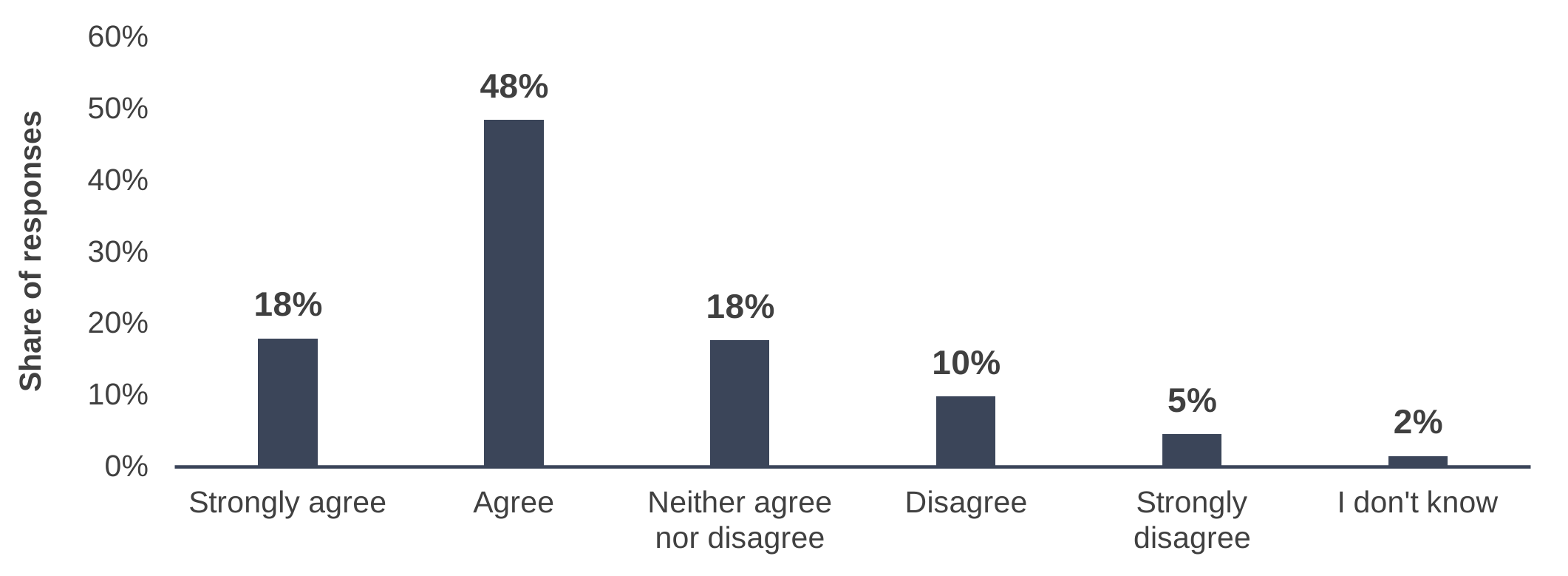
Both survey and interview findings indicate that safety concerns are both widespread and increasingly seen as a routine part of journalistic work. Nearly three-quarters of respondents (72%) reported having experienced safety concerns, while only 28% had never experienced any threats or abuse. Furthermore, two-thirds (66%) agreed that “safety concerns have become normalised and seen as part of the job” (see Figure 1).
Figure 1. Perceived normalisation of safety concerns among journalists
Source: Alma Economics survey of journalists (n=396 journalists that responded to the long survey; single response).
This perception of normalisation was strongly echoed in the interview findings. Some journalists described that harassment, threats, and abuse, especially online, are now expected when publishing stories. This expectation is reinforced, with training and education often framing abuse as inevitable rather than unacceptable. As a result, journalists internalise the idea that they must be “thick-skinned” and learn to ignore hostility rather than challenge it. There is a feeling that the industry has a culture where resilience to hostility is expected.
I also think there’s a little bit of a mentality in the industry generally that you should have a hard skin and you should just get on with it.
Concerns about personal safety, professional reputation, and the potential escalation from online abuse to physical harm persist, even when journalists try to dismiss them. In many cases, coping strategies involve avoidance, such as not reading comments, separating personal and professional lives, or blocking abusive users, rather than formally reporting incidents. However, journalists still felt anxiety and were affected by the abuse.
If you’re going to get involved in journalism, you should expect this. But I’m not complaining exactly, but […] it does keep you awake at night. But I suppose, if you’re going to write stuff about people that they don’t like, then I suppose you’re going to have to face this.
This normalisation, as some journalists expressed, is further reinforced by newsroom culture, where resilience is valued but not always meaningfully supported. Journalists are told to expect abuse. Over time, repeated exposure can accumulate, particularly for those facing sustained or gendered harassment. However, as many journalists have underlined, there is no conversation about the mental health of journalists.
People have naturalised a lot of abusive behaviours, and people do not get treated well in many instances.
Despite recognising that this culture is problematic, many feel resigned to it, highlighting a broader industry attitude that discourages speaking out and frames risk as an unavoidable condition of the profession rather than an issue that should be addressed.
At uni, and we were going into it, we were told straight away that [abuse] was to be normalised, like it is normal. So maybe if our attitudes towards it changed when we were learning, we wouldn’t put up with it. We’d be like, this isn’t okay. Whereas we had safety sessions, and we were kind of told, this is what you need to expect. No one sort of said, but it’s not right.
Less risk in the UK than internationally
Despite the high proportion of journalists who reported experiencing safety concerns, it is important to highlight that journalists viewed the UK as a comparatively safe and supportive environment for reporting. Reflecting this, most survey respondents (79%) reported feeling “free” or “very free” to carry out their journalistic work in the UK, compared with 13% who felt restricted to any degree. Furthermore, journalists interviewed described feeling fortunate to live in a functioning democracy that protects free speech and allows the press to operate.
Journalists also reported that other countries (such as Iran, China, Hong Kong, Pakistan, Afghanistan, and others) present far greater risks to their freedom to operate, where journalists often face harassment, imprisonment, or worse. These concerns were particularly pronounced for reporters covering international issues, even while working from the UK. For example, some journalists expressed concerns about being identified or blacklisted by foreign governments based on their coverage, creating potential risks if they travel to those countries.
While the UK was considered a relatively safe and free environment for journalists, interviewees still stressed that safety concerns do exist and that efforts are needed to strengthen protections for journalists. Furthermore, the proportion of journalists who reported feeling restricted in carrying out their journalistic work (13%) is a concerning minority, particularly given that the UK ranks 20th in the 2025 RSF World Press Freedom Index.[footnote 1]
Journalists perceive that risk is increasing
Many journalists agreed that the risks associated with their profession have increased significantly over time. Just over half of (51%) survey respondents said that their sense of safety had worsened over the course of their careers, while four in ten reported that it had remained the same, and a very small proportion (c.5%) stated it had improved. Interviewees described journalism as operating in a more hostile and uncertain environment than before, shaped by declining public trust in the media and a lack of constructive conversation around false information.
It’s not the hate that scares me, but it’s the level of it that [makes you not] want to have a conversation.
Journalists described how there has been an increased narrative portraying the traditional media as “fake news”, which, in consequence, has weakened journalists’ credibility and protection, and therefore worsened the harassment and hostility toward them. At the same time, the widespread availability of online publishing tools has blurred the boundaries between professional journalists and the public, making it harder for audiences to distinguish between verified journalism and misinformation. This has further eroded trust in the profession and increased journalists’ exposure to criticism and abuse.
Changing media landscape makes journalists feel more vulnerable
Several journalists noted that one of the reasons for risks increasing is the changing media landscape, which is reshaping traditional journalism and making journalists feel more vulnerable. The rise of social media and digital platforms has fragmented the sector, weakening structured career paths, training, and apprenticeships where young journalists once learned professional standards, ethics, and legal boundaries through mentorship. This shift is reflected in the growth of influencers and “citizen journalists,” who contribute to information sharing but often lack formal training. Without a strong grounding in ethics and editorial standards, they may struggle with balance and accountability, blurring the line between reporting and activism, and contributing to a decline in public trust.
At the same time, audience behaviour has shifted, with more people consuming news through social media platforms rather than traditional outlets. These platforms rarely verify the information shared and perpetuate fake news, further eroding trust.
The framework that protects journalists is now way out of kilter with the reality of how content is published online.
Meanwhile, journalism’s declining reputation has weakened traditional newsrooms, undermining investigative and in-depth reporting. In this fragmented and less protected environment, powerful actors can more easily target individual outlets, while the rise of freelance and independent work leaves journalists more exposed. Several interviewed participants discussed how freelance and independent journalism were associated with a lower level of protection and less institutional support to handle harassment, conflicts of interest, and ethical challenges, thereby heightening their exposure to risk. As a result, many journalists feel increasingly vulnerable and unsupported.
How the media landscape has changed. These organisations [that threaten legal action] also know that it’s a more vulnerable landscape. […] I think a lot of journalists feel that there’s nothing being done to protect us. We’re really by ourselves.
Interviewees noted that in staff roles, they had previously benefited from access to legal teams and institutional support structures, which served as meaningful safeguards when confronting threats or safety concerns. By contrast, freelance journalists and those working for smaller outlets reported having to navigate these risks entirely on their own. This included facing legal threats without institutional backing and, in some cases, choosing not to pursue or publish stories out of fear of potential consequences.
If there was any potential risk from a story you were following, you presented your stuff to the legal team, they would go through it and they would double-check it, same as anywhere else. Or if you had a threat, come in, or a complaint, or even if you got as far as a letter before action, then you would take that down and let them advise you or deal with it on your behalf. Since I’ve been a freelancer now, you have to live on your wits or take advice from people.
A few participants also highlighted exposure and visibility as requirements of freelance work, which increase their risk of harassment and safety threats.
It’s so tricky with journalism and social media as well, because to get your name out there as a journalist, you also need to be big on social, like quite […] active on social media and also have your profile be open, which I do. I know a lot of journalists don’t to be fair, for the reason that people can’t just find them and message them […] But if you want to get a blue tick on Instagram, you have to be public.
Additionally, journalists also highlighted that their relationship with the police is less supportive, more distant, and lacking the reliability they need to feel protected in their work. Several noted a clear deterioration of relationships with the police compared to the past, when strong relationships and direct lines of communication allowed journalists to quickly seek help when needed. Today, some journalists perceive that those police relationships have largely disappeared, and in some situations, such as protests or large events, police presence can even increase their sense of risk rather than reduce it.
Another big factor for the perceived increased risks journalists have observed is the significant shift in public discourse. They noted that populist rhetoric and polarised media environments have reframed public perception towards journalists and making abuse, threats, and hostility toward journalists more socially acceptable, particularly online, with women journalists and journalists of colour often disproportionately affected. They also highlighted that misinformation spreads easily, while journalists who report facts can be accused of bias, intensifying public mistrust. As one journalist mentioned, terms like “enemy of the people” and attacks on mainstream media have become more widespread, echoing tactics seen in the United States and amplifying the risk in the UK.
This environment can expose journalists to extreme accusations or threats, particularly when reporting on certain political or social topics. However, as some journalists noted, the abuse has also expanded to topics that in the past tended to be neutral and of public interest, such as science or public health.
Things are changing. Globally, there is the rise of populism, especially in the UK, the attacks by Trump and his administration on systems of science. People are feeling much more free to express themselves violently and aggressively to science journalists. […] People write to me and say, you’re a murderer because you promote vaccines. I never would have heard that kind of language before.
Social media as a factor affecting the prevalence of harm
Journalists consistently described online abuse as an increasingly significant issue in the sector, directly linked to the expansion and changing dynamics of social media. Many journalists felt that digital platforms allow users to react instantly and aggressively. Journalists expressed that things have changed as there is a shorter distance between journalists and the public.
Somebody might ring up and scream down the phone. But, you know, they weren’t insulting me in an online way everybody could see it and they weren’t, making threats against reporters and their families all the time. They weren’t hounding journalists in a way because the technology didn’t exist to enable them to do that.
Some journalists highlighted that increased visibility and accessibility online have made them more vulnerable. The demands of digital journalism and social media engagement mean journalists are more publicly identifiable and easier to contact, criticise, or target. Many feel that being active on social media is now an expectation from employers, which increases exposure to hostility and makes online safety a growing concern within the profession.
It was also suggested that the rise in online hostility is related to broader political polarisation and weakening moderation on platforms. Some reported that reduced enforcement of rules against abusive behaviour has normalised aggressive online discourse. Others pointed to the influence of populist political actors and social media influencers who benefit from division and controversy.
Regulation and legislation as a factor affecting prevalence of harm
Another factor journalists highlighted is the growing legal pressure on journalism, driven by changes in regulation and legislation that have made it harder for journalists to report on suspected wrongdoing. For many, the use of Strategic Lawsuits Against Public Participation (SLAPPs), which can be used to intimidate or deter journalists through the threat of costly legal action, has become prevalent. Furthermore, legal strategies that once relied mainly on libel law are increasingly shifting toward privacy and reputational claims, allowing lawyers to challenge or delay stories about alleged wrongdoing. Journalists believe law firms are becoming more aggressive in pursuing reputational attacks against reporters investigating powerful actors.
Some journalists noted that well-resourced regional and national outlets once played a key role in scrutinising local issues. However, as these traditional outlets have weakened, the quality and reliability of information have declined. Fewer journalists doing investigative journalism means less scrutiny of local authorities and corporate actors, who may in turn become less rigorous in the information they provide, making it harder for journalism to report on potential wrongdoing. At the same time, working in a fragmented and under-resourced local media landscape increases the risks associated with investigative work, such as harassment and legal threats, which can discourage journalists from pursuing such stories.
Nature and context of safety concerns
-
Journalists face a wide range of persistent safety risks, with threats to their physical wellbeing, mental health, and professional freedom all commonly reported.
-
Identity plays a significant role in shaping risk; 40% of journalists felt that who they are made them more vulnerable, with gender the most discussed factor, followed by ethnic background, socioeconomic status, immigration status, and sexual orientation.
-
Freelance and independent journalists face heightened exposure to risk, as they typically lack the institutional support and protections available to staff journalists.
-
Online interactions and live streaming pose the greatest perceived risk among survey respondents, though interviewees emphasised the dangers of in-person reporting in unpredictable or hostile environments.
-
The majority of journalists felt more at risk when covering certain topics, including politics and government affairs, immigration, and crime.
Types and frequency of harms experienced
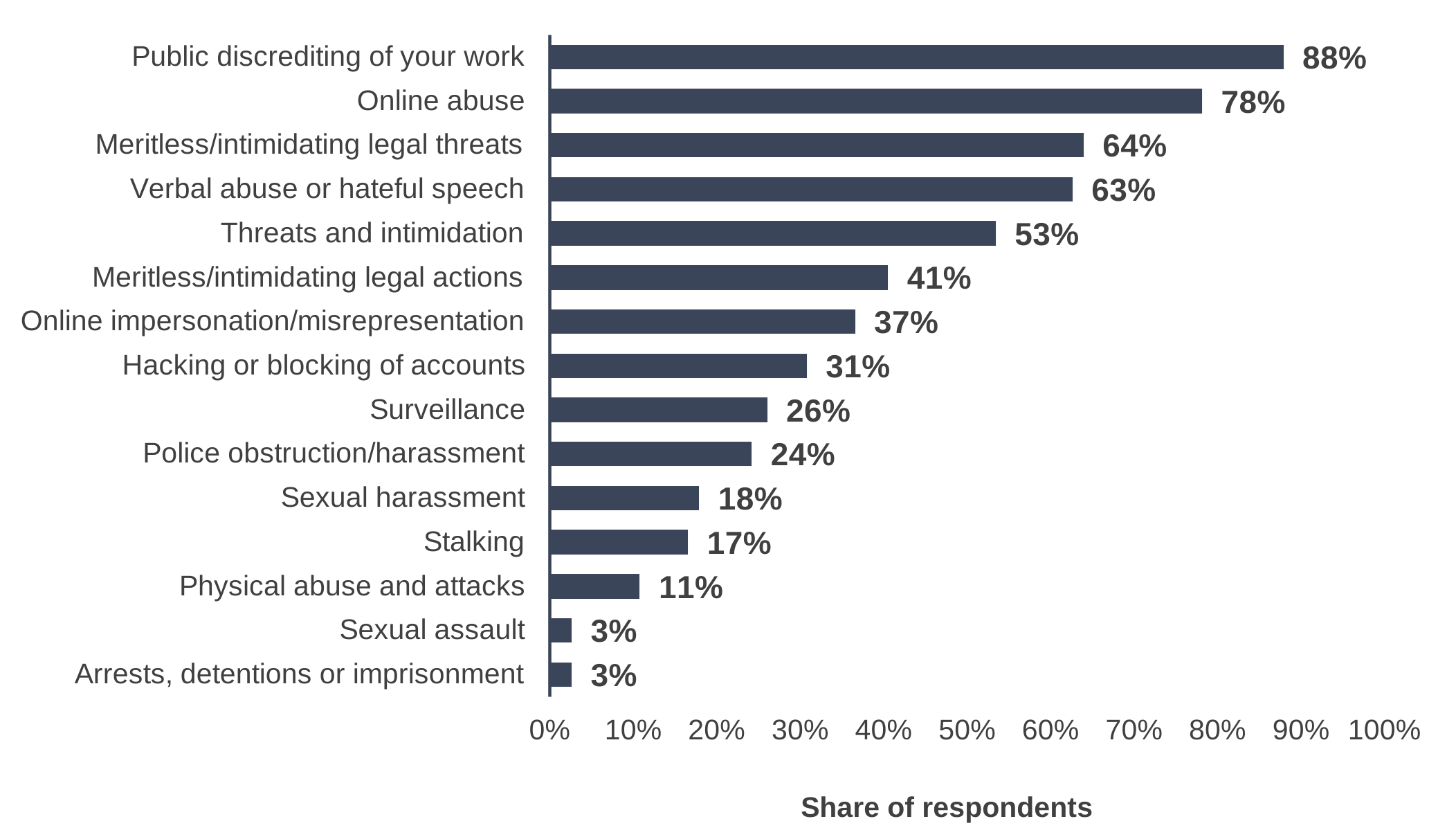
Survey findings revealed a concerning picture of the range and frequency of harms journalists face, highlighting persistent risks to their safety, wellbeing, and ability to work freely (see Figure 2). Online harms were among the most widespread. Nearly nine in ten journalists (88%) reported having experienced public discrediting of their work, and more than three quarters (78%) had faced online abuse at least once. Although slightly less frequently experienced, incidents such as impersonation or misrepresentation (37%) and hacking or blocking of accounts (31%) remain serious intrusions that compromise digital security and personal privacy.
Offline and physical harms had also been experienced at least once by many. Around two-thirds of respondents reported verbal abuse or hateful speech (63%), while more than half (53%) had experienced threats or intimidation. Acts such as stalking (17%) and physical attacks (11%), though less common, pose grave risks to personal safety. A small minority (3%) also reported arrests or detentions, which could represent violations of press freedom wherever they occur.
Legal and institutional pressures presented another form of harm. Meritless or intimidating legal threats (such as overbearing legal correspondence, pre-action communication, or legal pressure affecting financial and personal safety) affected 64% of journalists, and 41% had faced formal legal actions[footnote 2] of this nature. Even when not successful, these tactics can discourage investigative work and impose psychological and financial strain.
Sexual harms were also reported. Sexual harassment had been experienced once or more by nearly one in five journalists (18%) while sexual assault had been experienced by 3%.
Frequency data further show that these experiences are not infrequent. Among participants who reported safety concerns, public discreditation of journalistic work occurred at least weekly for 12%, monthly for 17%, and several times a year for 29%. Online abuse was equally pervasive, with 28% experiencing it several times a year, 13% monthly, and 8% on a weekly basis. Overall, these findings underline the need to strengthen protections for journalists in the UK.
Figure 2. Safety concerns experienced once or more by UK journalists.
Source: Alma Economics survey of journalists, two survey questions combined (n=380 journalists who had experienced any safety concerns; single response).
Who is most at risk?
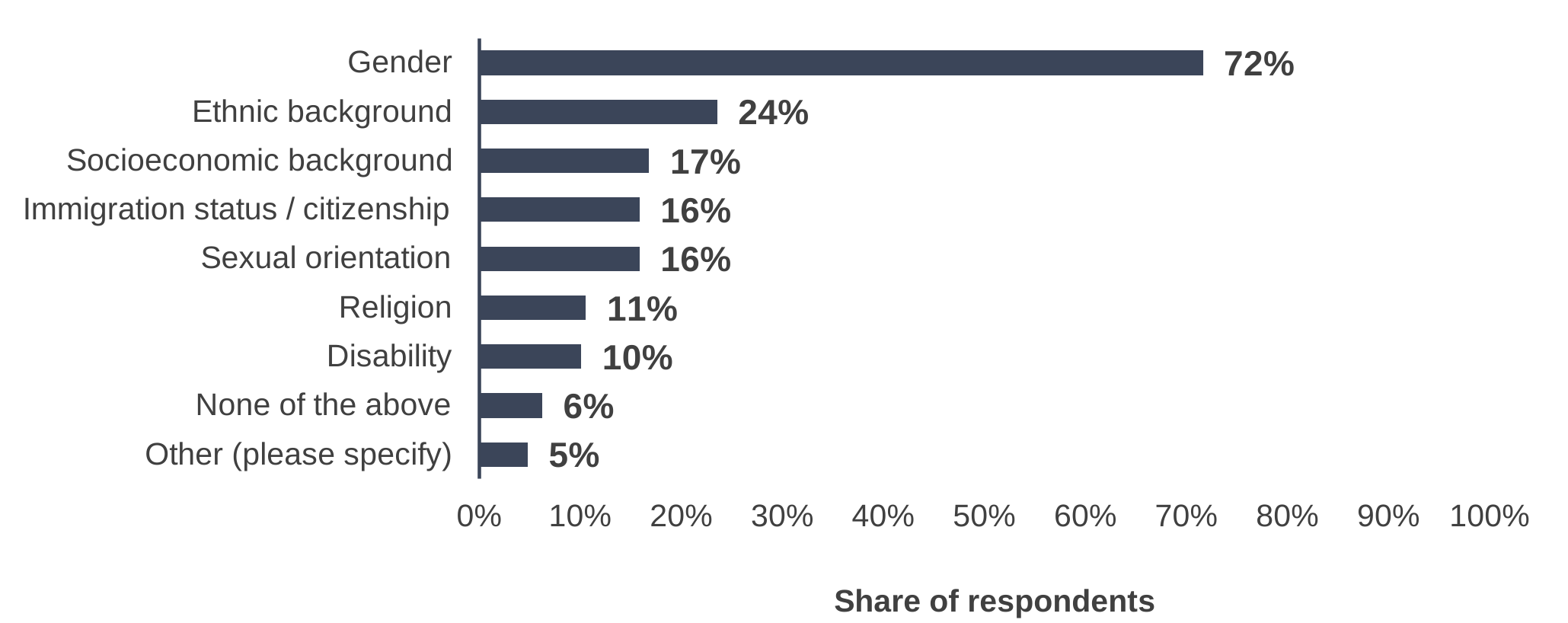
39% of survey respondents felt that some aspects of their identity put them at higher risk of safety concerns compared to other journalists. For journalists who believed their identity heightened their vulnerability to safety risks, gender was the most frequently cited factor, selected by 72% of journalists surveyed (see Figure 3).
Figure 3. Aspects of journalists’ identities perceived as increasing vulnerability to safety concerns
Source: Alma Economics survey of journalists, (n=208 journalists who agreed or strongly agreed that aspects of their identity make them more vulnerable to safety concerns; multiple response).
The increased vulnerability of journalists because of their gender was also the most frequently discussed risk factor in the interviews. Several interviewees highlighted the increased likelihood of being targeted as a woman, describing how women were more frequently shouted at, singled out, or targeted both online and in person. Some explicitly contrasted this with the experiences of male colleagues, noting that men faced less hostility and were not required to take the same precautions.
When I first started, I never thought my gender would ever play a role in the job, but actually, it massively impacts what I do.
A recurring theme was the nature of abuse directed at women journalists. Several participants described harassment that was consistently gendered and sexualised, encompassing explicit threats, inappropriate messages, and comments focused on appearance. Several participants, men and women, contrasted this with the experiences of male colleagues, noting that while men may receive criticism or threats, abuse directed at women was far more likely to be personal, sexually violent, or degrading.
Some participants linked gender to physical safety concerns, describing how women were more vulnerable when reporting in person, particularly when working alone, attending protests, or travelling to unfamiliar locations. These concerns encompassed fear of harassment and sexual violence and translated into practical safety measures such as avoiding certain assignments, sharing location details with editors, or feeling unsafe during late shifts. A few participants also described gendered dynamics within professional settings, including being taken less seriously, being undermined in interactions with sources or colleagues, and having authority defaulted to male journalists.
A further issue raised by several participants was the impact of increased visibility. The growing expectation for journalists to maintain a public profile has made them more accessible to audiences and, consequently, more exposed to harassment. Participants emphasised that this shift disproportionately heightens safety concerns for women.
Journalists used to be much more anonymous. You’d have your byline, but people might never know what you look like. Now, you’re expected to be live, presenting TikToks all the time. […] People talk about all sorts of things about like, ‘what’s the future of journalism?’ and ‘how can we adapt?’. But very rarely is it discussed, ‘what does that take from us?’ And especially from female journalists.
Survey respondents also identified ethnic background (24%), socioeconomic background (17%), immigration status or citizenship (16%), and sexual orientation (16%) as identity elements that heighten journalists’ safety concerns.
These were similarly echoed during the interviews, where some participants discussed risks linked to ethnicity and racism, noting that journalists from minority ethnic backgrounds may face additional barriers, including hostility linked to accents or perceived nationality, as well as broader societal attitudes towards migrants. Participants noted that these dynamics can affect both personal safety and professional practice, including difficulties accessing sources or conducting on-the-ground reporting in certain environments. Interviewees highlighted how gender intersects with other aspects of identity, including ethnicity, religion, sexuality, and immigration status, to compound vulnerability and amplify risk. A few interviewees added age as another identity factor that increases their vulnerability. They explained that early-career journalists were at greater risk due to limited experience, weaker professional networks, and less confidence in challenging inappropriate behaviours.
I’m a heterosexual, white male, middle-aged, I’m as safe as it’s possible to get. Whereas anyone who is from any form of minority, be it their sexuality, their gender, their religion, whatever, they are at the same level of danger as me for being a journalist with the added multiplier of whatever characteristic it is that people decide to pick on.
Additionally, interviewed participants identified freelance and independent journalists as a group with high risk of safety concerns (please see ‘Changing media landscape makes journalists feel more vulnerable’).
When and where are journalists most vulnerable?
Survey respondents identified online interactions and live streaming as the situations in which they feel most at risk (53%), followed closely by reporting on public demonstrations, protests, or riots (48%) and working in public areas more generally (43%).
These findings diverge somewhat from the interview discussions, which centred on safety concerns about in-person reporting and broadcasting. This may reflect the issues that left the deepest impression on participants, rather than the most widespread ones.
Challenges most frequently mentioned by interviewees included being physically present at events, travelling for work, and being publicly recognisable. A central concern was reporting in unpredictable or potentially hostile environments. Some participants described risks associated with covering protests, crime scenes, and large public events, including those on sensitive topics, which they described as situations marked by uncertainty that often required rapid safety decisions.
I was definitely looking over my shoulder and making sure I wasn’t being followed and making sure that people weren’t going to start shouting things at me.
A few participants also raised the issue of visibility, noting that journalists who are easily identifiable, particularly those working on camera or in public-facing roles, may face heightened exposure to harassment.
It’s quite hard to kind of like actually have the courage to go out, go to work, go to the tube, get on the train and go into the office without feeling like you’re kind of looking over your shoulder.
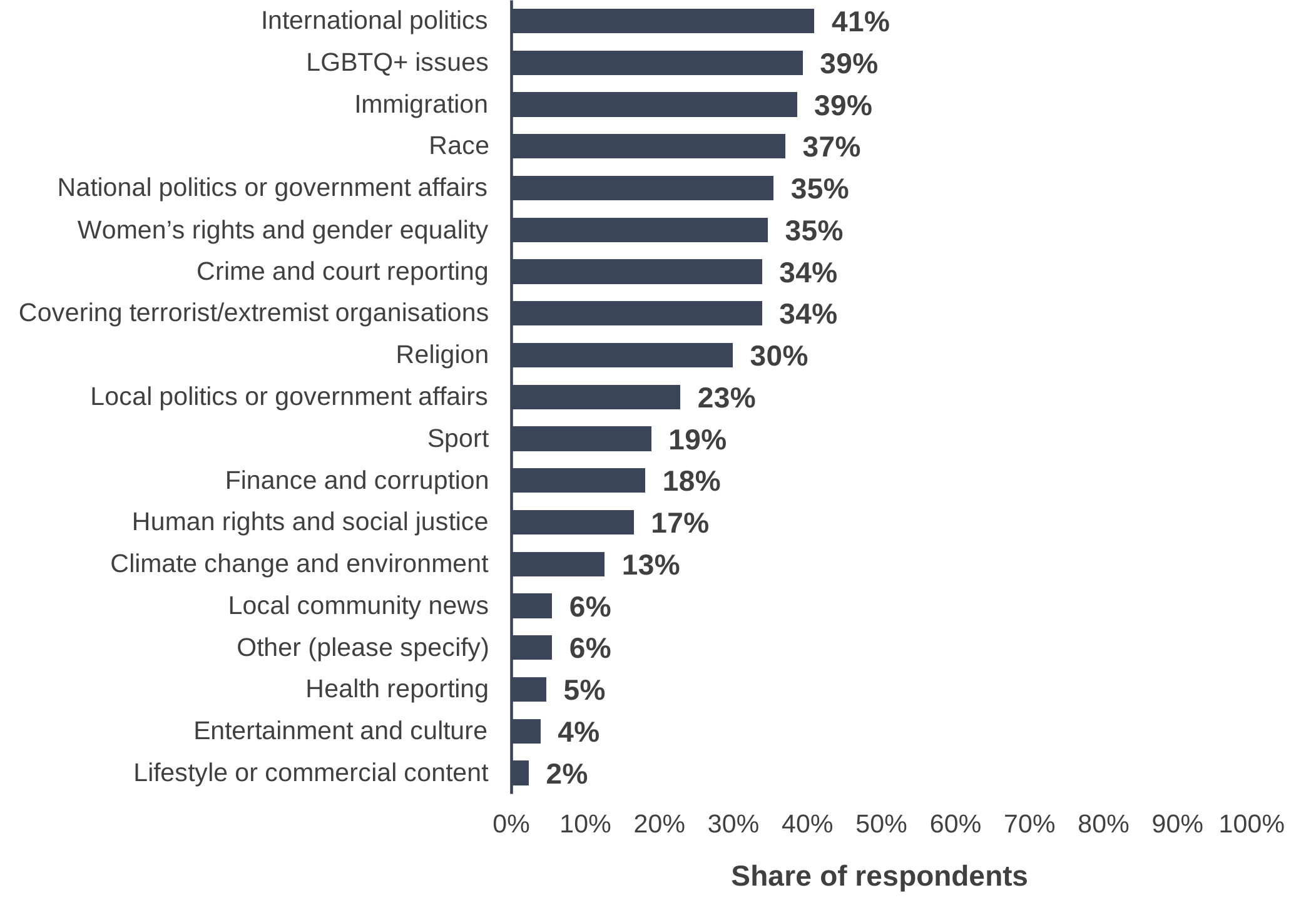
Surveyed journalists also connected safety concerns to the topics they cover; 66% said they felt more at risk when reporting on certain issues, a sentiment shared by 64% of managers and supervisors who expressed concern for their teams. Among journalists, national politics and government affairs posed the greatest perceived risk, followed by immigration, and crime and court reporting. Managers painted a different picture; aside from immigration, their top concerns diverged significantly, with international politics ranking highest, followed by LGBTQ+ issues and immigration, as seen in Figure 4. Respondents who selected ‘Other’ specified being concerned for the safety of journalists when they reported on organised crime, company, brands and manufacturers’ affairs, first-person articles, cybercrime, and transportation.
Figure 4. Topics that make journalists more concerned about the safety of the journalists they manage, supervise or edit the work of (n=127; multiple response)
Source: Alma Economics survey of journalists (n=127 managers who have more concerns for the safety of journalists when they cover certain topics and who responded to this question; multiple response).
Interviewees echoed these concerns, pointing to the risks that come with covering certain topics. Politically sensitive issues, protests, crime, and other contentious subjects were frequently linked to a higher likelihood of harassment, intimidation, or backlash. Crucially, participants noted that these pressures shaped not only their day-to-day experiences but, in some cases, their editorial decisions about what to report on.
Interviewees also identified situational factors that heighten risk. Several pointed to local and regional dynamics, noting that close proximity to the communities they cover can increase exposure, especially when reporting on sensitive issues or engaging with powerful figures in smaller, more tightly connected settings where journalists are easily recognised.
Overall, discussions of the factors affecting safety risks in journalism highlighted the complex, intersecting nature of risk, detailing how vulnerability is shaped not by any single characteristic but by the interplay of identity, role, topic, and working conditions.
Impact of safety concerns
-
Safety concerns have a substantial impact on journalists’ personal and professional lives.
-
The mental health toll is severe; many journalists report lasting emotional harm, compounded by heavy workloads, chronic understaffing, and a near-absence of meaningful organisational support.
-
One in four journalists had considered leaving the profession due to safety concerns. Participants described a diminishing sense of job appeal and a growing feeling of precarity.
-
Beyond individual wellbeing, safety concerns have taken a measurable toll on media freedom. Journalists reported that safety concerns had affected their willingness to report on certain stories and sometimes changed what or how they cover information.
-
Safety concerns have also stirred fears for journalists’ physical safety, and that of their families and friends. In response, many have adopted practical protective measures.
The following themes summarise the impacts journalists described regarding safety concerns and incidents. However, these experiences are inherently shaped by the specific context in which incidents occur and by journalists’ individual circumstances, identities, and professional positions. As such, it is difficult to discuss impacts outside of the context of the incident and the individual. Accordingly, the section below offers only a high-level overview of the types of impacts journalists have faced, and, in many cases, continue to face, in relation to safety issues in their careers. It should be understood as illustrative rather than exhaustive, and not necessarily representative of all journalists’ experiences.
Survey findings revealed that safety concerns have a substantial impact on journalists’ personal and professional lives. As shown in Figure 5, over half of journalists (52%) reported that safety concerns had led them to withdraw from online spaces, while a similar proportion said such concerns had negatively affected their wellbeing (51%) or made them hesitate before reporting certain stories (48%). One third (33%) reported changes to their working practices or environments, and almost a quarter noted impacts on their home life (23%). Notably, due to safety issues, almost a quarter of journalists considered leaving journalism entirely (23%), which, if acted upon, would have lasting impacts on the journalism sector and democracy more broadly. These figures align closely with the experiences described by interview participants, who provided detailed accounts of the psychological, professional, and systemic consequences of working under threat.
Figure 5. Impact of safety concerns on journalists’ personal and professional lives.
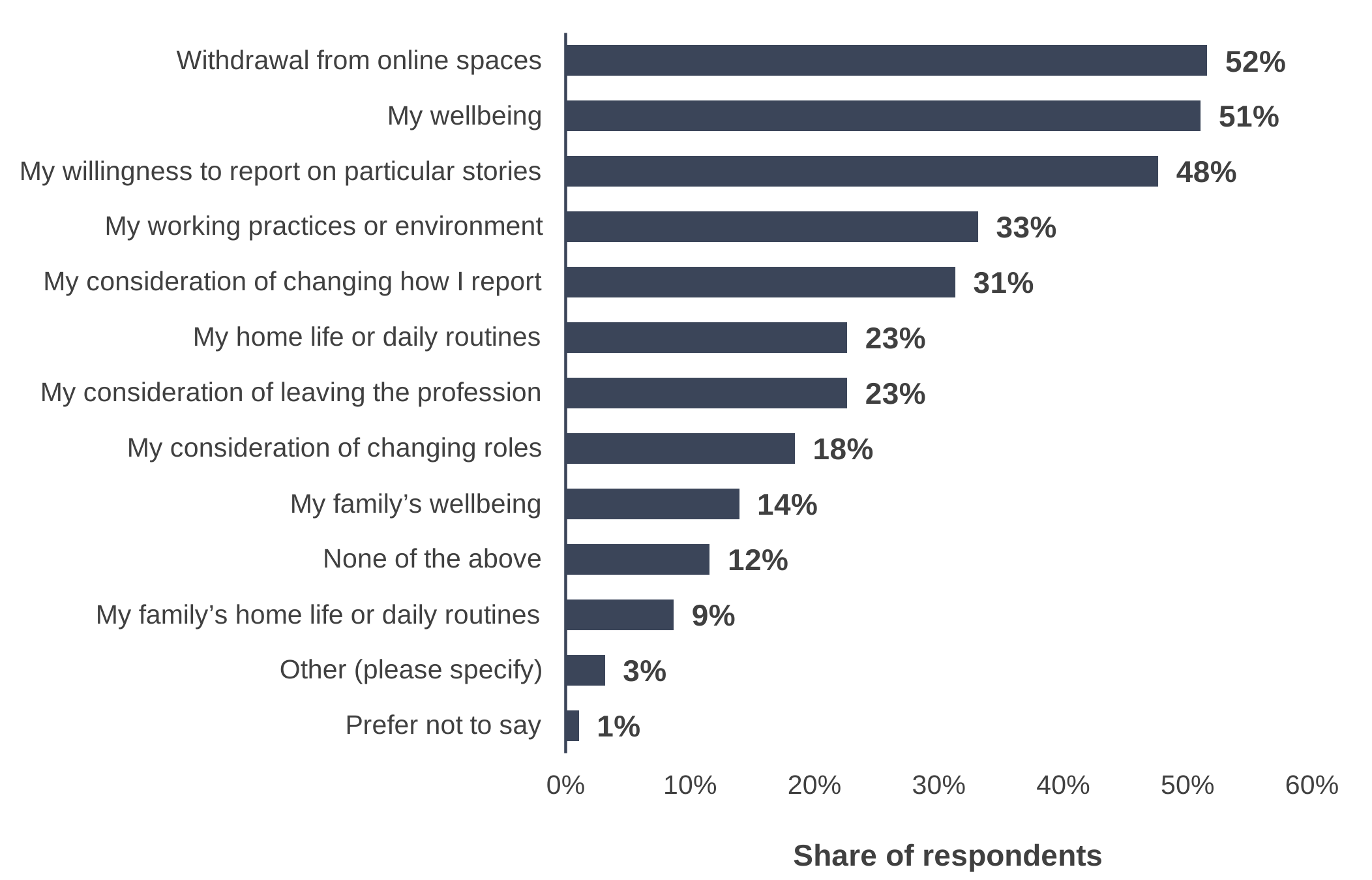
Source: Alma Economics survey of journalists (n=380 journalists who had experienced any safety concerns; multiple response)
Mental health and wellbeing
One of the most significant consequences of safety concerns was their impact on journalists’ mental health, with more than half of participants in this research reflecting that safety concerns or incidents have had a detrimental impact on their emotional wellbeing. The extent of the impact on their mental health varied depending on the specific context and the nature of the concern. However, common symptoms included feelings of stress, anxiety, and the inability to sleep.
Instances of high stress were further intensified when journalists faced heavy workloads, often due to organisations being understaffed, with participants who covered more stories often being exposed to further abuse. When this was combined with inaction by their organisation in response to safety concerns or incidents, it led to feelings of loneliness, frustration and anger. Similarly, freelance journalists referenced a lack of protection from organisations, which increased feelings of insecurity and had a negative effect on their personal wellbeing.
A commonly referenced safety incident which impacted journalists’ mental health was online abuse and harassment, which was also the form of harm most cited by survey respondents (76%) as having the largest effect on the profession. Participants reflected on the cumulative impact of online hostility, noting feelings of panic when receiving social media notifications due to fear that they may contain abuse and/or harassment. Additionally, the content of the abuse, which often included personal attacks related to their appearance or background, also led to feelings of self-consciousness and impacted journalists’ confidence.
In relation to SLAPPs, participants also noted feelings of panic due to the threatening nature of the letters received from solicitors. Several participants shared how their “stomach dropped” when they initially read the letter from the solicitors, with the stress intensifying over the course of the case.
In relation to instances such as stalking or assault, participants described a range of feelings such as paranoia, panic attacks, and suicidal thoughts. It was evident that serious safety concerns or incidents had a lasting impact on journalists, with effects persisting regardless of how much time had passed since the original incident.
I’m still very hyper vigilant. I’m still paranoid, leaving the office, you know, scanning everything whenever I go out anywhere, in a way that I didn’t use to before. So yeah, it’s had a very real impact.
Participants also described the negative impact that safety concerns and incidents were having on their own personal relationships, with several journalists noting they did not share the full extent of the abuse to avoid worrying their loved ones. Some journalists also reflected on the impacts on their own family’s mental health and wellbeing. These were specifically linked to those currently living and working in the UK who had been forced to leave their home countries due to safety risks associated with their journalism careers.
Alongside journalists who referenced negative impacts on their mental health and wellbeing, various others shared that they had become desensitised to the abuse. Various participants noted that while incidents affected them earlier in their career, repeated instances of harassment and hostility had led them to develop a thick skin, which has allowed them to continue in journalism. A few of these participants noted they were aware that this was a method of coping with the intensity and regularity of the safety incidents.
Professional impact
As mentioned, survey results indicated that nearly one in four journalists (23%) had considered leaving the profession due to safety concerns, a pattern substantiated in interviews where participants reflected on diminishing job appeal and growing precarity. Various journalists reflected on the commercial pressures facing the industry, which were resulting in lower salaries alongside longer hours. This context meant that issues were intensified when journalists subsequently faced abuse and harassment. Several participants referenced the impact of the current culture of safety issues on journalists entering the profession, expressing concerns about the industry’s future. Due to this, around 20% of journalists interviewed shared that they had considered leaving the profession.
I think it could definitely turn off a lot of people, especially young journalists. If it’s one of your first times publishing and then you get this kind of horrible response and wave of abuse online, I think it would be understandable for a lot of people to decide to do something different or to just move away from journalism.
Some participants also reflected on negative impacts they had experienced in their careers due to safety concerns. Journalists described how pile-ons[footnote 3] and doxxing[footnote 4] had negatively impacted their personal and professional reputations, as the negativity remained associated with their name online. They referenced the paradox of needing a public profile to support their career, yet the risks to their professional reputation of having one. Some expressed concern about whether they would be able to secure another position, given the significant amount of negative press and online allegations circulating about them because of reporting backlash. Freelancers also referenced the precarity of their position when facing pile-ons or doxxing due to not having an organisation to provide support or legal advice.
Another impact noted by participants was the time spent dealing with safety concerns, particularly in relation to lengthy legal battles, which involved time away from reporting to support a legal case. Journalists also noted that these concerns and the subsequent impacts proved disheartening and distracting, impacted on their productivity. One participant also referenced the financial impacts of legal issues, particularly for smaller publications who would not be able to fight SLAPPs as easily.
Impact on journalism and media freedom
Alongside personal impacts on journalists’ wellbeing and careers, a key theme which emerged was the impact of safety concerns on media freedom. Survey data revealed that almost half (48%) of journalists said safety concerns influenced their willingness to report on certain stories, while around a third (31%) had changed how or what they cover. This finding was mirrored in interviews, where most participants expressed concerns about reporting on certain topics, noting that the likelihood of backlash made them hesitate and reconsider covering such stories.
Examples of common topics raised included right-wing anti-immigration protests, topics related to the Trump administration, including the ICE protests in the United States, and trans issues. Anti-immigration protests were most widely referenced by journalists, both regarding the in-person risks of attending the marches and the backlash to any subsequent reporting. In relation to reporting on the Trump administration, journalists expressed concerns that he would target their news organisations because of his reputation for going after outlets. Other journalists noted concerns with covering trans issues due to polarisation surrounding the topic, which has led journalists to receive death threats and hostility. Outside specific topics, court reporters noted a particularly high level of safety concerns within the interviews due to their close, and often in-person contact with the public in particularly intense situations.
Another concern that affected what journalists felt comfortable reporting on was legal threats, with references to colleagues who have ended up in court because of the stories they have covered. In particular, the risk of SLAPPs and the subsequent costs of responding to these were noted to impact what some editors felt comfortable reporting on. Some journalists reflected that although they won’t avoid certain topics, they may adjust their tone or intonation due to safety concerns.
*“I think we got eight in one week that you could argue were SLAPPs, which was pretty shocking […] Some [stories] we just decided not to cover, even though we thought they’re in the public interest, because even if we fought and won, we would have lost like £20,000 or more. So we just couldn’t justify it. I know that it’s common in many news organisations.
So there have definitely been times where there’s been a story that’s maybe in the public interest, maybe worth reporting on, where we have had frank discussions about whether it’s ‘worth it.’ So that is definitely something I’ve come up against.
I’d say it changes maybe the way that we approach the story in that we kind of seek out experts and we let them take the brunt of the hot takes or the opinions that might upset the US administration.
Alongside journalists expressing concerns around topics, there were also several participants who reflected that they were not deterred by the risk of backlash. However, they acknowledged the risks and continued reporting on the issue, while taking additional precautions to address safety concerns. One participant noted that repeated incidents can have mixed effects on journalists such as becoming more thick-skinned and bullish where others may lose confidence and scale back the range of topics they are willing to cover. They emphasised the need for a diversity of perspectives and characters to maintain a healthy industry.
As a result, various journalists noted a reduction in media freedom due to safety concerns, reflecting that legal threats are a means of limiting press freedom. Examples included journalists facing backlash online, not being included in the press release lists due to no longer being seen as a reputable journalist, as well as intimidation tactics in local communities limiting what journalists were able to report on.
There was also reference to the rise of ‘citizen journalists’, and although the benefits they brought to the industry were noted, it was noted that they were contributing to the mainstream media being demonised. Journalists reflected perceptions from some citizen journalists that the mainstream media were associated with ‘fake news’ as a result of ties to organisations and corporations. A small number felt that this was damaging democracy in the UK.
We’re living in a time, you know, they call it post-truth, where there is just so much misinformation, disinformation and downright lies being peddled. The term ‘mainstream media’ has become a slur against journalism, while there are aspects of it which fully deserved that but if there weren’t any journalists, then people wouldn’t know when things were going wrong. The lack of a free press is one of the first stages towards moving towards a totalitarian regime.
Fears and coping mechanisms
As a result of the safety concerns experienced, journalists reflected that it had led to fears both for their own physical safety and that of their family and friends. As a result of safety concerns, journalists reflected on the practical security measures they have been taking to minimise risk, which include installing security systems in their homes, arriving early to in-person work events, and avoiding travelling on their own. Although most journalists did not reference large changes to their routines, many referenced becoming more cautious in their daily lives because of safety concerns in their careers.
Journalists commonly reported making the decision to stop posting on social media or dramatically reducing their use of it to avoid harassment. Several journalists noted they had removed personal information from the internet to better protect themselves and their families, including removing photographs and their byline from articles, as well as doing regular digital security checks to minimise risk. Some journalists even reflected that they avoided going out socially in their local area to ensure better anonymity and protect the security of themselves and their family.
Amongst these precautions, a notable theme raised by participants was the solidarity between journalists as a support mechanism. Several journalists discussed having WhatsApp groups where they could check in with other journalists covering difficult topics such as the anti-immigration protests. There were references of journalists across organisations looking out for one another, for example, going to events in groups and walking each other back to their cars to avoid lone working at night. This solidarity was highlighted by supporting journalists in the field, as well as providing an extra layer of reassurance surrounding safety concerns.
Reporting routes and support
-
Awareness of reporting routes is generally high, but access remains deeply unequal. Journalists in larger organisations benefit from formal support structures, including in-house legal teams and dedicated online safety officers, while those in smaller outlets or on short-term contracts have far fewer resources.
-
Informal reporting to employers is the most common first step. Almost half of journalists who experienced safety concerns turned to their direct manager or editor rather than making official complaints or using other formal channels.
-
When journalists do report safety concerns, responses are only found to be effective about half of the time at best.
-
Police and legal routes remain largely untapped for various reasons, including not believing it would be taken seriously. Very few journalists reported concerns to the police or sought legal advice, and the dedicated Journalist Safety Liaison Officer (JSLO) route is especially underused, with just 7% of journalists engaging with it.
-
Reporting to online platforms is widely seen as ineffective. Only 5% of those who used this route found it helpful, a view reinforced in interviews, where journalists described the process as futile, marked by inconsistent responses and little meaningful action.
-
Common barriers across sources to reporting included believing nothing would change and being unaware of where to report.
This section summarises journalists’ awareness of reporting routes and structures, as well as their experiences of reporting safety concerns. These experiences are shaped by the contexts in which journalists work, the types of organisations they are part of, the nature of the safety concerns they face, and their individual circumstances, identities, and professional roles. As such, this section provides an overview of how journalists perceive and engage with reporting routes and structures. It is intended to be illustrative rather than exhaustive and is not necessarily representative of all journalists’ experiences.
Awareness of reporting routes and support available
Survey findings highlighted a high level of awareness of employer-related routes for reporting safety concerns, with 67% of respondents identifying informal mechanisms such as speaking to a line manager or colleague, and 51% reporting knowledge of formal reporting procedures within their organisation. The reporting route through the police was also recognised by more than half of participants.
Figure 6. Awareness of formal and informal routes for reporting safety concerns among journalists
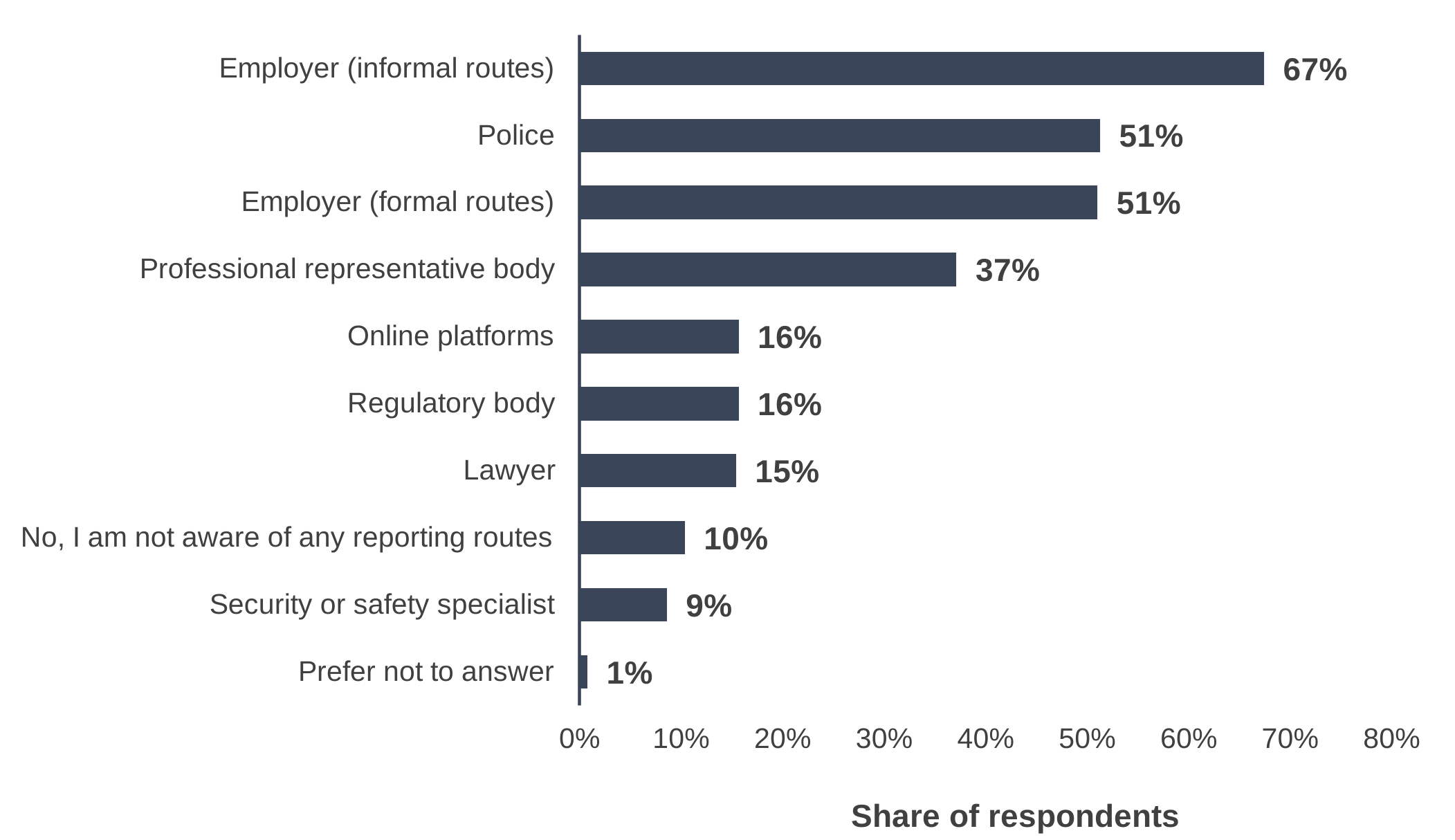
Source: Alma Economics survey of journalists (n=396 journalists that responded to the long survey; multiple response)
Interview findings similarly highlighted high levels of awareness from participants in terms of reporting routes and support available. However, interviewees offered more nuanced perspectives in terms of the difference between the availability of support and the effective access to them. In general, those working in larger media organisations tended to be more familiar with reporting procedures and have more access to them, while journalists in smaller outlets or working independently often expressed greater uncertainty about where to seek help, particularly outside their own workplace.
Within large organisations, such as the BBC or Reach PLC, journalists described a range of formal support systems. These often include clear reporting procedures, media law training, and access to in-house legal teams. Journalists mentioned that the training helps them understand how to avoid legal risks, such as defamation and follow editorial rules to handle sensitive reporting. The presence of internal legal departments in larger organisations was frequently mentioned as an important safeguard, as journalists know that if legal threats or complaints arise, the organisation’s lawyers will manage the situation and provide advice.
Beyond reporting procedures, journalists mentioned that some organisations have introduced additional safety and wellbeing measures. These include systems for monitoring and managing online comments, as well as dedicated online safety officers who provide training on digital harassment and security risks. Informal mechanisms exist, such as mentoring arrangements where more experienced reporters support younger colleagues and editorial practices designed to reduce risk, for example, ensuring journalists are not sent alone to potentially difficult assignments. Some organisations also provide specific guidance for situations that may arise during reporting, such as how to respond if arrested while covering protests.
I think as employers, we’ve got to think about how we do that in a way that allows the freedom and flexibility for journalists to be investigative, for them to do their work without being wrapped in cotton wool, but at the same time give them the recovery periods that they need.
However, access to these support structures is not consistent across the sector. Journalists working for smaller organisations, or those employed on short-term contracts, often said that formal procedures and resources are more limited in their workplaces. Some journalists reported receiving limited training or guidance, with the main advice being to consult their editor or remove themselves from a risky situation.
I think that then there is a real sense of frustration and being let down, and the outcomes of that can be that that person then loses faith in us, you know, loses faith in the people around them, even though we’ve tried to support them. And they might also lose faith in being a journalist and in that role.
Some freelance journalists highlighted that access to support can vary significantly. While some media organisations may help freelancers, this is not always guaranteed. In some cases, freelancers who have an established relationship with a publication may receive support if they face safety concerns. For example, one editor explained that when a regular freelance contributor was potentially threatened by an individual with a history of harassment and stalking, the newspaper provided support because the situation involved a serious risk. However, journalists noted that this level of assistance often depends on the nature of the relationship with the outlet, meaning that occasional contributors may not always receive the same level of backing.
Being a freelancer is positive in that you are not tied to any publishing company, and you are free to publish what you want in a way. However, during these situations, you do feel isolated. Because it could also turn into a legal action and you don’t have a legal team or advise.
Reporting behaviour and outcomes
Among survey participants who had experienced any safety concerns, almost half of journalists reported them to their employer through informal routes. Reporting through other routes was relatively low, with 17% of participants making reports to the Police or using their employer’s formal routes, followed by 15% who reported through online platforms. Less than 10% of respondents reported to either professional representative bodies, a lawyer, security or safety specialists, or a regulatory body. Notably, one-third had not reported concerns at all.
Figure 7. Reporting of safety concerns to sources of support or authorities among journalists
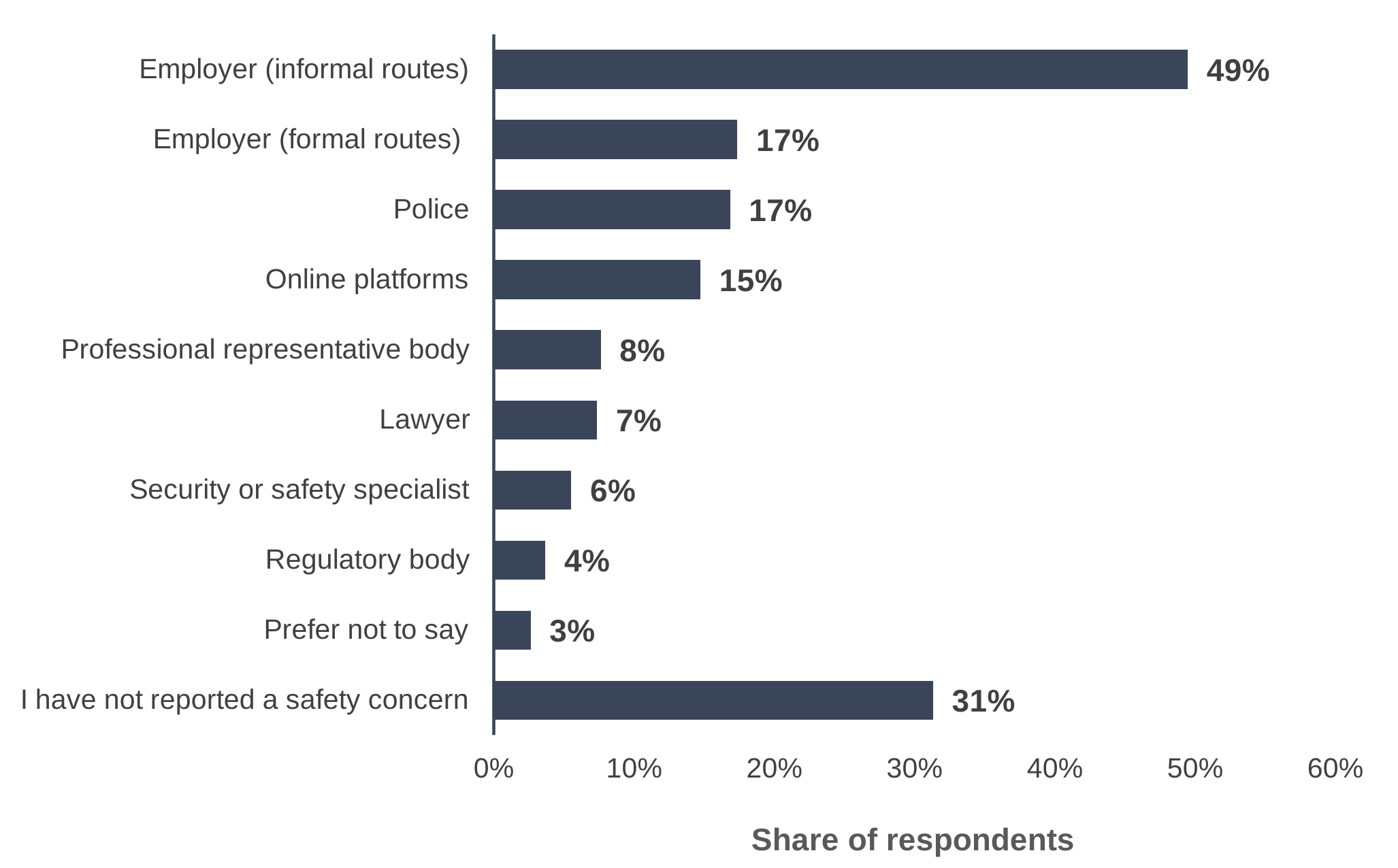
Source: Alma Economics survey of journalists, (n=380 who had experienced any safety concerns; multiple response)
Surveyed journalists who reported their safety concerns stated that their desired outcomes for reporting included mostly raising awareness or helping prevent similar incidents for others (60%), followed by stopping the abuse, threat, or harassment from continuing (58%). Around half also sought formal documentation of the incident (54%) or personal safety/protection measures (45%), while 39% wanted emotional support.
Experiences of reporting to employers
Survey findings highlighted that when journalists do report safety concerns, they only find responses genuinely effective at most half of the time (e.g., 51% effective rating is the highest of any of the routes). Surveyed journalists who had reported safety concerns to their employers were asked to rate how effective they felt the action taken was in response.
Approximately half (51%) of journalists who had reported a safety concern to their employer through a formal route found this to be effective or very effective, while 48% felt the same for informal employer routes. A more detailed breakdown of those who reported to their employer formally is 16% found it very effective, 34% effective, 21% neither effective nor ineffective, 8% ineffective, 6% very ineffective, and 14% preferred not to answer.
During the interviews, journalists described mixed experiences when reporting safety concerns to their employers and the support provided, with responses often depending on both the specific situation and the type and size of the organisation they work for.
Support offered by managers
While 71% of surveyed journalists reported seeking advice or guidance around their safety concerns from any source, 46% did so from a manager. Similarly, for most interviewed journalists, the first step in reporting an incident is to speak with their direct manager or editor. This is often seen as the most accessible and supportive option, allowing them to share the experience, receive initial emotional support, and discuss possible next steps to handle the situation. Several journalists said that simply being able to talk to their manager helped them cope with the emotional impact of safety concerns and feel less isolated. In some cases, editors played an active role in helping journalists navigate abusive situations. For example, one journalist described how their editor reassured and encouraged them to continue the story they were working on, which helped restore their confidence.
Editors are commonly described as safe colleagues to consult when dealing with harassment, aggressive sources, or complaints related to their reporting, although the level and type of support can vary. In many cases, managers see themselves as the first point of contact, offering reassurance, listening to concerns, and helping journalists think through the next steps. Some managers acknowledged that they do not always have the tools or authority to resolve issues directly, but they try to provide initial support and, when necessary, escalate the matter to more senior colleagues within the organisation.
Several journalists described positive examples of managerial support. In one case, a journalist raised safety concerns about attending court, and their editor contacted the court directly to request that appropriate safety measures be in place if a reporter was sent there. The journalist appreciated this action and the fact that the editor also checked on their wellbeing afterwards. Managers also encourage practical safety measures, such as asking reporters to share meeting times and locations with editors or colleagues, even when covering seemingly routine stories.
Managers are also involved in supporting journalists facing emotionally difficult assignments. Some editors described situations where junior reporters felt scared or vulnerable after covering sensitive stories. In these cases, managers often provide emotional support and reassurance, recognising the balance between building resilience and ensuring journalists have the right preparation and tools for challenging tasks. One editor, for example, mentioned there is now greater awareness of mental health and wellbeing, and they would prioritise a journalist’s safety over pursuing a story.
However, some journalists reported that support from managers was not always consistent or sufficient. In some cases, journalists felt that although their editors were personally supportive and approachable, structural pressures still made it difficult for them to refuse assignments or raise concerns. In other cases, managers saw their responsibilities as limited mainly to editing and overseeing content, rather than addressing broader safety or wellbeing issues affecting journalists. This created a sense that, despite good communication with managers, journalists felt they had to continue with their work, even if they were not comfortable with the stories they cover, or if they felt there might be safety or wellbeing concerns.
I have really nice editors, and they’re really supportive, and I feel like I can communicate with them, but I don’t personally feel like I’m in a position as an employee where I can say no.
Employer’s actions and support structures
Journalists were asked, through the survey, to what extent their current main employer or organisation provides support or resources related to safety, including digital security, reporting channels, or legal support. Around one-quarter reported comprehensive support, while nearly one-third indicated limited support. Notably, almost one in three journalists (28%) either received no support or were unaware of what was available.
In interviews, journalists explained that employers sometimes take practical steps to support journalists facing abuse, though the effectiveness of these measures varies. In some cases, employers moderate comment sections by removing abusive posts and advise journalists to block phone numbers or accounts of individuals who send threatening or offensive messages. Some organisations have also introduced employee assistance programmes focused on mental health support. However, journalists reported that accessing these services can be difficult. High demand often means long waiting times, and the unpredictable schedules associated with irregular work hours and high workloads make it challenging to commit to fixed appointments.
Journalists also noted that larger news organisations tend to have more structured support systems. These may include access to mental health services, human resources support, and formal safety protocols. For instance, one large media company has created a dedicated role focused on journalist safety, a position specifically designed to address the growing problem of online abuse.
In situations involving serious threats, some organisations may provide additional security measures, such as dedicated work phones, guidance on improving online security, and assistance in removing sensitive personal information from the internet, legal advice, or in extreme cases, physical security arrangements. For example, one journalist was supported by an online safety adviser who provided them with training on digital security and helped them strengthen their online privacy. This included removing personal photographs and other identifiable information from the internet.
When legal threats arise, responses are often more formalised, particularly in larger media organisations. In many cases, the subject involved in the story sends a letter, legal complaint or legal threats to the media organisation. Then the company’s legal team typically handles the matter and decides how to respond, although the journalist responsible for the story may be asked to provide evidence, explain their reporting process, or identify the sources and documentation supporting the published material. As long as the reporting and sources can be proven, journalists generally feel reassured by this process. Those working for large companies felt fortunate to have institutional backing in situations involving harassment or attempts to silence them.
By contrast, smaller media organisations often rely on more informal approaches or external support. With fewer internal resources, legal issues are frequently handled collectively by editors or senior staff rather than by dedicated legal teams. In some cases, organisations seek assistance from professional bodies or external networks. For example, one participant explained that their employer contacted the Society of Editors, which provided practical guidance and helped establish contact with the Manchester Law Society. Through this connection, a lawyer was assigned to the case and offered pro bono legal advice.
Journalists working with small local or independent newsrooms explained that their employers can struggle to provide adequate protection because of limited legal, financial, and organisational resources. Hence, even if journalists report the incidents, their employers often lack formal mental health support, dedicated HR departments, or clear safety protocols to address these kinds of concerns.
In the case of my company, which is a fairly small operation, it would be quite an informal process. I wouldn’t really see a world in which I would report something to HR, for example, or to other parts of the company. I would speak either directly to my line manager or maybe to the editor in chief.
Not all journalists feel that reporting abuse to their employer leads to meaningful action. Some journalists described negative experiences, feeling that their organisations don’t always take safety concerns seriously enough. One journalist recalled being told by their employer that stress is simply part of the job and something journalists must learn to manage. The advice given to them was to avoid reading comment sections or to block abusive emails and contacts, steps that, according to the participant, most journalists are already taking. Another journalist, for example, said they had reported several incidents to editors and management but felt they didn’t offer much advice or practical help. This can lead to frustration, especially when journalists feel that employers could be doing more to protect them. For instance, having editorial practices in which published stories covering certain local areas or topics may be without bylines, making it harder for journalists to be personally identified and targeted.
Some female journalists felt that employers do not always fully understand their experiences, even when incidents are reported. A female journalist expressed that managers struggled to appreciate how threatening situations might feel different for someone facing them alone, particularly for women.
For female journalists, the issue is a lack of understanding of the specific risks and emotional impact of placing themselves in vulnerable situations. Others were more critical, describing situations in which they felt their employer’s response was ineffective or unhelpful.
Journalists working for larger companies described having security procedures when covering potentially risky situations. For example, one participant explained that their organisation monitors their location continuously while they are on assignment, and the monitoring only ends once they confirm that they have returned home safely. This kind of system was seen as reassuring, as it ensures the organisation is aware of the journalist’s whereabouts if something goes wrong.
Yet, some journalists questioned how effective these measures are in practice, particularly for those reporting in the field. One journalist recalled covering a story in a remote location and receiving a safety leaflet from human resources, along with instructions to download a safety app that allows employees to check in and alert the company if they encounter difficulties. Although the measure was designed to increase safety, the journalist questioned how useful it would be in a real emergency, particularly when reporting far from the organisation’s headquarters. Journalists also underline that being in the field, for example, in protests, visiting people’s houses, or covering public manifestations, exposes them to dangerous situations where they can be injured or attacked, even if they have the safety apps. Despite these concerns, the journalist felt that such measures could still provide a degree of reassurance.
Journalists also noted that there can be an implicit organisational expectation that abuse is simply part of the job. Some felt that senior leadership does not always fully understand the reality of the safety risks journalists face. While managers may show empathy, participants suggested that stronger organisational responses are often triggered only when threats become particularly serious.
[When receiving a death threat], I would say initially they [the employer] were reluctant [to act], but I think as soon as I did make it clear how bad it was, they then did spring into action and they have been very understanding about it all since then.
Experience reporting to online platforms
From the surveyed journalists who experienced safety concerns, 15% filed reports to online platforms. Among these participants, only 5% deemed this reporting route as effective. Echoing this finding, interviewees expressed that reporting abuse to online platforms often feels pointless, and that the outcome varies depending on both the platform and the type of incident. Some mentioned that in their experience, reporting abusive content on platforms such as X or Facebook rarely leads to the platform taking action or deleting a post, comment or account. Although a handful of journalists did reference instances when posts or accounts were eventually taken down. One journalist shared that when they receive anonymous, loosely threatening messages in X, they block the sender and move on with their day rather than report it, since reporting feels ineffective, emotionally draining, and platforms may never reply. By contrast, journalists expressed that platforms like Instagram sometimes reply and are more effective, for example, by removing abusive posts or comments.
Journalists expressed greater concern when online content includes personal or identifying information, such as posts revealing their home address, sharing photos of them, or mentioning people close to them. These situations are perceived as more serious because they may pose potential safety risks, and they are more willing to report it and ensure the posts or comments are removed. However, many journalists still see reporting as ineffective overall because online abuse and trolling are so frequent and constant that it becomes impossible to keep up with reporting every incident.
Some journalists have also experienced online impersonation, harassment, and defamation, including cases on professional platforms such as LinkedIn or through blogs created specifically to target them. In these cases, they noted that submitting complaints to LinkedIn and Google can be relatively effective, as these companies tend to respond quickly. For example, by de-indexing defamatory websites so they no longer appear in search results.
Nonetheless, journalists stated that other service providers (i.e. WordPress) are often less cooperative when asked to remove entire websites. These providers may cite free speech protections or jurisdictional limitations. In cases where the hosting company is based abroad, for example, in the United States, companies may argue that they operate under US law, which makes it difficult for UK-based journalists to pursue further action.
Some said they choose not to formally report online incidents because they believe it would not change anything. Journalists working in highly visible topics, such as political reporting or sports journalism, especially football coverage, felt there is an implicit assumption within these topics that abuse is simply part of the job. Journalists perceive that being active and visible on social media is considered necessary for the role, and that exposure to abuse is therefore tolerated as an occupational risk.
It just seems to be like a bit of a free-for-all when these attacks happen on social media, and there’s not really any, like, I know so many journalists that just like don’t really even bother making complaints to platforms like X or Meta because there’s just never going to be any sort of positive outcome of that. But then it’s sort of like the alternative just seems to be like endure the harassment or the doxxing or whatever it is.
Experience of reporting to the police
According to survey findings, few journalists (17%) had reported their safety concerns to the Police, and among those who did, only 26% found it effective.
In line with survey findings, only a few interviewees discussed their experiences reporting safety concerns to the police. Their experiences varied according to the type of safety concern, with some positive and others not as positive experiences.
Journalists mentioned that police officers are helpful when reporting in the field, for instance, covering events such as riots or social marches, because they tend to be alert and helpful. For example, a journalist mentioned that police tend to protect the legal right to film and report in public spaces and stop possible confrontations between the public and journalists. Police can also protect journalists by checking on them during protests or reporting in the field.
Conversely, when it comes to online safety concerns, journalists felt that the police are less prepared and have not yet developed the tools needed to respond effectively. Some journalists noted that many police officers are not well-trained in understanding how abuse and harassment take place on social media and, as a result, do not take it seriously. They believe there is still a lot for the police to learn, including developing clearer protocols on how to respond to these situations. Because officers do not always fully understand how digital platforms work, their responses tend to be reactive rather than proactive or preventive.
For example, one journalist experienced a fake Instagram account created in their name, which was used to post harmful content, including pornography and fake news. When the incident was reported to the police, the journalist felt the response was not very helpful. Officers said they were unable to identify who was behind the account and explained that even if the journalist provided a suspected name, they could not verify whether that person was responsible. In the end, the journalist had to deal with the situation directly with Instagram to have the account deleted.
Some journalists have had positive experiences with the police, particularly in harassment and stalking situations. They reported that police officers are prepared and helpful if they are handed information about the safety concern. For example, a journalist explained how he had been harassed by an individual, and after gathering evidence and reporting to the police, the person was taken to court. Then, the journalist was awarded a restraining order against the individual for five years. Nonetheless, journalists also underline that if they don’t have enough information about the stalkers or the harassment, the police cannot do much to help journalists.
Some journalists said they tend to have stronger relationships with the police because of the nature of their work and the stories they cover. For example, they may visit crime scenes, report directly from the field, or cover political issues. Through this work, they often interact with police officers and sometimes Members of Parliament, which can naturally lead to closer professional relationships. These connections can be useful when safety concerns arise. One journalist, for instance, explained that his good relationship with the police has helped him get support when dealing with harassment, potential physical threats, and even online defamation.
At the same time, journalists are aware that not everyone in the profession has the same level of access to this kind of support, which raises concerns. For example, one journalist reported a stalking incident to the police. Initially, the officers were helpful in gathering information and submitting the report. However, six months later, there had been no progress, and the journalist had not received any updates. They had to follow up with the police every month but received no clear answers. The case was passed between several officers, and, according to the journalist, some of the evidence was eventually lost. Although the stalking eventually stopped, the experience left the journalist feeling unsafe, and they had to take some time off work to avoid a breakdown.
Many journalists noted they have not always had positive experiences when reporting incidents to the police. Some described the reporting process as slow and frustrating. Others said they do not fully trust the police to handle their cases effectively, in part because some journalists have had difficult interactions with police while reporting in the field. A journalist mentioned that during their work, reporters and camera crews have been pushed away or removed from areas by officers while covering events.
A couple of times, I haven’t had to do this personally; a couple of my colleagues have accompanied other colleagues to go and visit police stations. Another colleague has sat in on a couple of phone calls with police officers. Most of the concerns I’ve had have been against the police rather than for them.
A common concern was the feeling that, even after a report is made, little happens afterwards, cases are not actively investigated, and perpetrators are rarely held accountable. Others felt the police were not very helpful when incidents were reported. In some cases, officers said there was little they could do. A few journalists even recalled police admitting they were unsure how to deal with the situation and suggesting that the journalist stop covering certain stories or individuals who might pose a threat. For many journalists, these responses felt less like practical advice and more like a sign that the authorities were not making enough effort to address the risks they face in their work.
Experience reporting to a Journalist Safety Liaison Officer (JSLO)
Only 7% of surveyed journalists reported speaking to a JSLO in a police force about their safety concerns, suggesting that this dedicated route to police support is rarely used at present.
A few interviewed journalists who had gone through this reporting route expressed that even though they support the existence of the JSLO, they had experienced some disappointment when they had reported safety concerns to them. Some journalists noted that after reporting, nothing changed around their threats or cases. However, it should be noted that this initiative is still in its infancy.
It was actually really disappointing because we had been sold with a big song and dance, these journalist liaison officers at the police forces. So, I reported [the incident] to work. They told me to report it to this journalism liaison officer, which turned out to be someone in the press office. It was just a press officer. I reported it to them with all the background, with all the context, and I never heard anything back.
Experience reporting to a lawyer
According to survey findings, only 7% of participants had reported their safety concerns to a lawyer. However, the effectiveness perceived by those who did was higher than for other routes (44%).
Similarly, most interviewed journalists said they do not usually report their safety concerns to a lawyer. In many cases, when legal support is needed, particularly in response to legal threats, the organisations they work for handle the situation and provide the necessary legal expertise. A small number of journalists also pointed out that accessing a lawyer as an individual can be expensive. Because of these costs, freelance or independent journalists often prefer not to pursue legal support on their own. Instead, they tend to rely more on journalists’ unions and international journalist organisations for advice and support.
Experiences reporting to journalist organisations
Among survey participants who had experienced safety concerns, 8% reported to a professional representative body. Of those who had only 24% felt that it was effective.
Through the interviews, some journalists shared their views and experiences with different journalist organisations, particularly in relation to safety and professional support.
National Union of Journalists (NUJ)
Several journalists mentioned they value being members of the NUJ, as they have received support from the organisation when facing safety or professional concerns. Some noted that the NUJ, along with the National Council for the Training of Journalists (NCTJ), has taken steps to help ensure that new members receive appropriate training and greater awareness of potential safety risks. For some journalists, the union is a source of guidance and information on how to better protect themselves from safety threats.
The NUJ is also an important source of legal support, particularly for freelancers who may not have access to legal advice through an employer. Some freelance journalists highlighted the role of the NUJ’s Freelance Branch in supporting them when dealing with safety issues, especially legal threats and SLAPPs. For example, one journalist explained that in his case, the NUJ provided advice about the legal process and helped coordinate contact with anti-SLAPP organisations so that he could access legal guidance. Journalists also noted that the NUJ plays an important role in publicly speaking about threats to journalists, helping to raise awareness about the risks they may face.
At the same time, a few journalists pointed out that their experiences with the NUJ have not always been entirely positive. Some felt that the organisation is understaffed and lacks the funding needed to support every case. They believe the NUJ has weakened institutionally over time and may only be able to provide support in certain situations.
International journalist organisations
Some journalists highlighted the important role that international journalist organisations can play in supporting them when dealing with safety and security concerns. In some cases, these organisations have provided both practical and emotional support. For example, one journalist explained that a couple of European organisations that support journalists worldwide proactively reached out to them during a difficult period, offering financial assistance as well as pastoral support. She described their response as “brilliant,” noting that they contacted them directly when they knew about the case.
Journalists also mentioned receiving technical and security support from international organisations. For instance, one journalist said that RSF helped check whether their phone had been hacked or placed under surveillance by hostile actors. Another journalist said they regularly stay in contact with RSF and has benefited from security training, equipment support, and technical assistance, including help with digital security and VPN tools.
For some journalists, these international organisations complement the role of national bodies such as the NUJ, which they see as focusing more on journalists’ rights and labour issues. International organisations, in contrast, are often perceived as providing more direct support related to safety, security, and protection.
Other journalist organisations
Some journalists also pointed out that specialised journalist organisations can provide different types of support depending on the area of journalism. For example, the British Press Photographers’ Association (BPPA) works to ensure that its members have a voice and can raise concerns when needed. Journalists noted that the organisation offers guidance and support if members need someone to talk to or require advice about security issues. It also helps photographers understand their equipment insurance policies, which is particularly important for freelancers who may be more exposed to risks in the field and may find it difficult to replace equipment if it is stolen, damaged, or if they are injured while working. Understanding what their insurance covers and which policies are most suitable for their work is, therefore, an important form of support.
Football journalists mentioned receiving support from the Football Writers’ Association. Through this organisation, journalists can report threats they receive. In some cases, the association has dealt with reports of serious abuse, including death threats both online and in person, which have sometimes discouraged journalists from writing about certain clubs. In response, the organisation may offer practical advice, such as encouraging journalists to travel with a colleague when working, as well as providing access to mental health support services.
Finally, some journalists said that the Society of Editors can also be a helpful resource, particularly because it provides practical guidance on issues such as legal advice and security protocols. However, a few journalists felt that the organisation lacks the resources to support a larger number of cases or to provide more extensive assistance, for example, in complex and costly situations such as SLAPPs.
Reasons journalists do not report safety concerns
Surveyed journalists were asked to indicate the main reasons that have held, or would hold, them back from reporting safety concerns to each source of support. Common barriers across sources included believing nothing would change (31% related to reporting to the police and online platforms, as well as 18% reporting formally to an employer) and being unaware of where to report (32% related to a regulatory body and 23% to a security or safety specialist).
Interviews suggest that underreporting is driven by a combination of cultural norms within journalism, uncertainty about reporting pathways, perceived inefficiency of formal responses, and concerns about professional reputation. A common theme among journalists was the normalisation of abuse within the profession. Many journalists highlighted that they had come to see hostile messages, harassment, or intimidation as part of the job and therefore did not feel that every incident warranted formal reporting.
Journalists expressed that there can be a perception that believing that reporting would take too much time or would not lead to meaningful action. Others felt reluctant to involve their editors or the police, assuming managers and authorities were dealing with more serious matters and did not want to “waste their time”. Others felt that senior editors sometimes had a “put-up-with-it” attitude toward harassment, which discouraged reporters from raising concerns.
Workplace culture and professional pressures were another important factor. Some journalists worried that reporting abuse might make them appear unable to cope with the job, especially early in their careers or during probation periods. For example, a freelancer mentioned that reporting accidents might jeopardise future contracts with their employer, as they might see them as unable to handle pressure.
Another key reason was uncertainty about what should be reported. Some journalists underlined that they would only consider contacting the police in very serious situations, such as a direct threat to their life. In some situations, journalists also choose not to report incidents to avoid further interaction with the perpetrator, particularly after distressing encounters in the field. A few journalists also noted they wished there were clearer guidelines explaining when incidents should be reported and through which channels.
In cases that felt less severe, they tended to minimise the incident or deal with it themselves rather than report it formally. For example, some handled issues directly by communicating with the perpetrator or reporting incidents to online platforms, while others relied on blocking abusive users or simply ignoring threats. One journalist with more industry experience mentioned that they have developed their own strategies for responding to threats or abuse. They explained that when receiving threatening messages, they respond formally by asking the sender not to contact them again and referencing the Protection from Harassment Act 1997, warning that further communication would be reported to the police. In their view, using legal language helps signal that the behaviour could have consequences.
Suggestions to improve journalist safety
This section summarises journalists’ recommendations, drawn from the fieldwork interviews, on how to improve safety concerns in the sector. These suggestions are shaped by concrete actions that different stakeholders can take to improve support for journalists, as well as suggestions that involve legislation, cultural, and behavioural change.
Journalists’ reflection on the importance of journalism and cultural change
For some journalists, journalism plays a vital role in holding power accountable and promoting good governance, often at little cost to the state compared with creating complex regulatory bodies. High-quality journalism ensures transparency and enables society to function more efficiently and fairly as it covers difficult, controversial, and complex issues.
In that sense, there is a need for a broader cultural change within both the media industry and society to protect high-quality journalism. This includes rebuilding public trust, raising awareness of the press’s role among the public and within institutions such as courts, and tackling harmful norms such as sexism, harassment, and hostility toward journalists. There is also a need for addressing financial constraints, profit-driven priorities, and emerging technologies like AI, as these conditions can exacerbate risks and undermine safety.
Regulation and legislative recommendations
Recommendation: Requesting claimants provide a clear proof of harm or damages before starting a legal process as a measure against SLAPPs
When asked about how to prevent SLAPPs, many journalists noted an urgent need to strengthen legislation and regulation against SLAPPs. For example, by requesting that claimants provide clear proof of harm or damages before proceedings can begin. Journalists emphasised that the current legal threshold for initiating defamation, privacy, or related claims is too low, allowing powerful individuals and organisations to pursue or threaten legal action against journalists with minimal evidence and it is easy for them to stop reporting from happening.
Recommendation: An independent legal assistance scheme for journalists.
Journalists suggested improving access to legal support for journalists facing SLAPP threats to help balance resource inequalities between powerful individuals who use SLAPPs and journalists, while protecting investigative journalism and ensuring fair consideration between claimants’ privacy and reputational rights and the public interest value of journalism.
Recommendation: Allowing journalists to recover damages or costs when SLAPPs are considered abusive
Journalists think that SLAPPs are a systemic threat to press freedom, and actions need to be taken to balance the legal landscape, ensuring that protections for reputation do not undermine the public interest role of journalism. In that sense, creating real consequences for individuals who initiate SLAPPs to decrease incentives for claimants to use litigation as a tool of intimidation, thereby addressing the current imbalance in resources between journalists and powerful claimants.
Recommendation: Apply existing laws more rigorously and increase prosecution for attacks on journalism
Threats, harassment, and intimidation against journalists are already illegal, yet there is a perception that offenders often act with impunity. Increasing arrests and prosecutions, even in a limited number of high-profile cases, could help change public perceptions and act as a deterrent. Firm enforcement would also help restore journalists’ faith in the judicial system and reassure them that offences will not result in minimal penalties.
Recommendation: Modernisation of existing laws relating to libel, defamation, and contempt of court
These frameworks were widely described as outdated and insufficiently adapted to digital communication, where content spreads rapidly across borders and harassment can be sustained at scale. Legislative reform should reflect the realities of online publishing and ensure that journalists are protected from intimidation.
Stronger regulation of social media companies
Recommendation: Updating regulation and legislation for online platforms
Many journalists emphasised that current legal and regulatory systems have not kept pace with the realities of digital publishing, social media, and coordinated online harassment. There were concerns that current regulatory tools, such as those provided under the Online Safety Act, may not be sufficiently robust or flexible to respond to the technological changes. Addressing these gaps would require both modernised legislation and stronger accountability mechanisms for technology companies.
Recommendation: Enforcing social media companies’ responsibility under defamation rules where harmful content is hosted and distributed
Journalists also suggested improving moderation practices and systems in online platforms because, as journalists highlighted, they frequently report abusive content, but it is not removed. Journalists highlighted the need for clearer legal standards governing how social media companies operate and how they respond to harassment and harmful content.
Recommendation: Online platforms should have stronger identity verification systems to control and monitor harmful behaviour online
There is a repeated concern among journalists that anonymity and coordinated online attacks cannot be monitored. Demanding companies to have stronger user identification, standards to remove harmful content more effectively, and imposing consequences on platforms that allow abusive or misleading content to spread.
Recommendation: Creating journalist-verified social media accounts/profiles and dedicated support channels for journalists to enable faster responses to safety concerns
Journalists suggested having stronger relationships between journalists and online platforms. Improving communication between journalists and online platforms was highlighted as an urgent need. Many journalists think that online platforms and journalists could work together to find solutions. For example, social media platforms could verify journalists’ accounts, similar to how they verify public figures, to show that information comes from trusted sources. This approach could help reduce misinformation, although it would need further testing and careful consideration. Journalists think there could also be dedicated support channels offered by the platforms for journalists to enable faster responses to safety concerns, as well as improve accountability of published content and information.
Recommendations for government
Recommendation: Government could invest in specialist teams and research to better understand digital threats
Journalists noted that the government could invest in specialist teams and research to better understand digital threats, including trolling, doxxing, coordinated harassment campaigns, and the misuse of artificial intelligence to create harmful or deceptive content, such as manipulated images. A deeper understanding of the complexity of these risks would enable policymakers to anticipate emerging threats and design more effective protective measures for journalists.
Recommendation: Work more closely with international organisations such as Reporters Without Borders (RSF) and the Committee to Protect Journalists (CPJ) to address international pressures on journalists
Some journalists, particularly those in exile, suggested that government action should extend to addressing transnational threats to journalism. Journalists expressed that additional funding for non-governmental organisations supporting journalists in exile could provide legal advice, safety training, and emergency assistance to better protect and support these journalists living in the UK. For these journalists, such measures would demonstrate that the UK government recognises the critical role of a free press in democracy and is willing to take concrete steps to protect journalists both domestically and internationally.
Recommendation: Campaigns to address the abusive behaviour of politicians toward journalists.
Some noted that abuse from senior political figures in the UK has become normalised, creating a culture in which harassment and intimidation towards journalists has become legitimised. Such high-profile contempt undermines press freedom and exposes journalists to increased personal risk. Journalists suggested that the government could create targeted campaigns, codes of conduct, and parliamentary accountability measures to discourage abusive behaviour by politicians.
Recommendation: Ensure minimal legal and safety support for freelancers.
Journalists suggested that protections for freelancers be integrated into broader reforms for gig economy workers. Strengthening government resources and guidance for freelancers was underlined as essential to reduce isolation, improve access to advice, and ensure that freelance journalists can operate safely even without traditional employers’ support.
Police and JSLO recommendations
Recommendation: Clear systems for tracking complaints and communicating outcomes to improve the service and promotion of Journalist Safety Liaison Officers
Many journalists mentioned the need to strengthen and better promote the JSLO services offered by the police. Some journalists reported limited awareness of JSLO or described the existing service as ineffective. Some journalists noted that the service could be redesigned through stronger collaboration and engagement between police and journalists to understand each other’s needs and priorities. Finally, there is a need to strengthen reporting and accountability services provided by the JSLO, so that journalist complaints are taken seriously and addressed transparently.
Recommendation: Implement mandatory police training that improves officers’ understanding of journalists’ roles
Many journalists expressed that police should receive mandatory training focused on the role of journalists, recognition of UK press credentials, and appropriate professional collaboration between journalists and police forces at ground reporting scenes, such as crime, protest, riots, or incident scenes. Such training should also address the specific risks faced by journalists, including harassment, doxxing, new online forms of harm, such as social media and online platforms and threats linked to transnational repression. Journalists felt that increasing officers’ understanding of these issues would reduce misunderstanding between police forces and journalists.
Recommendations for employers
Recommendation: Clearer editorial policies and guidelines to prevent misrepresentation and manipulation of information
Journalists highlighted the need for stronger ethical guidelines across media organisations, including the use of misleading framing, selective editing, or imagery that could distort narratives or target individuals unfairly. Ethical standards should also address issues such as sexist representation and the responsible portrayal of vulnerable groups. Alongside the importance of responsible editorial practices, including avoiding inflammatory headlines that may increase risks for frontline journalists.
Recommendation: Development of comprehensive safety programmes, like the risk-preparedness training provided to field staff
Some journalists suggested stronger protection and structured safety training for journalists working in the field, particularly those covering high-risk environments, like approaches used by international organisations such as the United Nations. These programmes would equip journalists with practical skills to assess and respond to a wide range of risk scenarios, including physical threats, civil unrest, and conflict situations.
Training should also focus on practical safety preparation, particularly learning how to support early-career journalists. Many journalists reported limited formal preparation for working in challenging environments such as courts, public inquiries, or hostile reporting settings. Suggestions included comprehensive training provided by employers on topics like court reporting, risk awareness, and personal safety, including clear instructions on when and how to withdraw from unsafe situations.
Recommendation: Implementing practical safety mechanisms, such as emergency alert systems, location monitoring, and clear escalation procedures for responding to unsafe situations
Journalists noted that training should be complemented by stronger employers’ responsibilities for risk assessment and planning. Journalists also highlighted the importance of implementing practical safety mechanisms, for example, ensuring that journalists working night shifts or in potentially dangerous environments are not left working alone.
Recommendation: Established risk assessment team
Media employers could be encouraged to establish dedicated teams responsible for researching the environments in which journalists operate, including analysing potential security risks, monitoring political or social tensions, and identifying reliable local contacts who can provide support on the ground.
Recommendation: Training for journalists with management roles to equip them with guidance on confidentiality, escalation procedures, and legal options available to support their staff.
Editors and senior staff were seen as particularly important stakeholders in shaping newsroom culture, and several journalists recommended mandatory training for editors on how to support journalists facing abuse, threats, or legal risks.
Recommendation: Expanding the availability of mental health services and ensuring they are accessible and actively promoted within employers.
Journalists emphasised the need for significantly stronger mental health and wellbeing support for journalists, recognising the cumulative psychological impact of exposure to traumatic events, harassment, and high-pressure working conditions. Journalists expressed the need to improve access to mental health services tailored to the realities of journalistic work. While some organisations already provide wellbeing services, journalists noted that these supports are often difficult to access in practice due to limited capacity and high demand. As a result, journalists may face long waiting times or may not seek help at all.
Recommendation: Provide dedicated work phones to avoid the use of personal devices for work communication
Journalists are often required to share contact details or need to contact individuals who may pose a risk. However, many journalists expressed concern that relying on personal mobile phones exposes them to unnecessary risks, including harassment, intimidation, and the misuse of personal contact details.
Recommendation: Reducing the public availability of journalists’ personal and direct contact details to minimise exposure to harassment and abuse.
Journalists suggested that individual email addresses and bylines should not be published on sensitive topics and that media outlets should review these practices and consider safer alternatives, such as using centralised newsroom contact addresses or moderated communication channels.
Recommendation: Reimbursement system to cover costs associated with personal safety, equipment, or risk mitigation
Journalists highlighted the need for stronger practical and financial support mechanisms to ensure journalists are not personally burdened by the costs of protecting themselves. Some reported significant additional expenses incurred for safety-related measures, such as mental health services, personal protection or lawyers.
Recommendations for training and education of journalists
Recommendation: Educational initiatives and campaigns for the public
Journalists noted that there needs to be ways to increase public understanding of how journalism operates, particularly in ethical and legal frameworks, as this could reduce misunderstanding towards media and reporting. For example, educational initiatives should explain why certain reporting decisions are made, like withholding names in criminal cases due to contempt of court laws, which are sometimes misinterpreted by the public as evidence of bias or cover-up. Broader audience education campaigns were also mentioned as a way to reinforce the distinction between legitimate criticism of journalism and abusive or threatening behaviour, as well as to promote respectful engagement with the media.
Recommendation: Safety training should be embedded as a core component of journalism programmes
Journalists suggested that educational institutions offering journalism programmes and certifications should include safety training courses to ensure students are equipped to manage the risks associated with modern reporting environments, including online harassment and digital threats. Collaboration between media organisations and educational institutions was also recommended to ensure that training reflects the realities journalists face in contemporary newsrooms.
Recommendation: Professional organisations and unions encouraged to play a stronger role in supporting journalists through outreach and specialised training.
Some journalists suggested that journalist organisations (i.e. NUJ) could include guidance on how to handle abuse, how to report threats through appropriate channels, and how to escalate incidents beyond simply blocking offenders online. While the NUJ has noted that such resources already exist via their Safety Toolkit and Safety Tracker, these findings highlight a gap in participant awareness. Increasing awareness and visibility of these existing reporting mechanisms could therefore help produce more accurate data on the scale of abuse and support stronger institutional responses.
Reporting structures recommendations
Recommendation: Strengthen professional infrastructure and support systems for the changing landscape of journalists.
Journalists noted that there is a growing number of freelance, independent, and non-traditional journalists whose work may fall outside established employment or institutional frameworks. As journalism increasingly overlaps with digital platforms, there is a need to develop new forms of protection infrastructure that do not rely solely on traditional newsroom employment. For example, journalists mentioned a solution could be creating a system that allows freelancers and independent reporters to access legal protections, safety resources, and professional support even if they are not affiliated with a union, media organisation, or formal employer.
Journalists also highlighted that younger or freelance journalists have an absence of formal training on reporting safety risks, and many rely on informal advice or personal judgment, because of limited experience and reduced access to institutional support. The development of structured training programmes on risk recognition, reporting procedures, and personal safety would help standardise responses across organisations and reduce reliance on informal decision-making.
Recommendation: Practical tools, such as quick-reference guidance cards or digital resources, were suggested as effective ways to support journalists in high-pressure situations
There is a clear need for having clear guidelines on how safety concerns can be reported. These should distinguish between incidents that require formal reporting and those that can be managed internally, as well as distinguish between structures for journalists that work with an employer that prefers an external person to keep confidentiality. This lack of clarity contributes to delays in reporting, underreporting of incidents, and reduced confidence that concerns will be taken seriously, particularly for freelancers, diaspora journalists, and those in smaller organisations.
Recommendation: Dedicated reporting hotlines to escalate situations and increase availability and visibility of support services
Many journalists expressed uncertainty about the appropriate reporting routes when dealing with safety concerns. In some cases, even senior staff reported being unsure where to direct concerns, while journalists who contacted police were often redirected to generic online reporting systems without clear guidance or follow-up.
Conclusion
Safety concerns, encompassing harassment, abuse, threats, and legal intimidation, are widespread and increasingly normalised among UK journalists, affecting nearly three-quarters of those surveyed.
These risks have substantial impacts on journalists’ personal wellbeing (causing stress, anxiety, and lasting emotional harm), professional decisions (with one in four considering leaving the profession and many engaging in self-censorship or altering coverage), and media freedom (narrowing what is reported and how it is reported). Freelancers, women, ethnic minorities, and LGBTQ+ journalists face heightened vulnerability, particularly during online interactions, live reporting, and coverage of topics like politics and immigration. Fears for personal and family safety have also prompted protective measures among many.
While awareness of reporting routes like employers, police, JSLO, and online platforms is relatively high, effectiveness remains low, with informal channels being most commonly used but rarely delivering meaningful outcomes. Barriers such as scepticism about change and unclear guidance perpetuate underreporting.
This research underscores the urgent challenges identified by the National Committee for the Safety of Journalists and its National Action Plan, confirming the need for concerted action across government, industry, law enforcement, and civil society. Ensuring journalists can work freely and safely is essential to preserving the independent reporting at the heart of UK democracy.
From consulting with those who are directly affected by these safety concerns, the following key recommendations and suggestions emerged to enhance protections and strengthen journalist safety across the UK:
-
legislative reforms requiring proof of harm before SLAPPs can proceed, independent legal assistance schemes, and cost recovery for abusive lawsuits
-
social media regulation with stronger identity verification, verified journalist profiles, and dedicated support channels for faster abuse removal
-
police/JSLO enhancements through better promotion, complaint tracking, and mandatory training on journalist roles and digital threats
-
employer measures such as risk-preparedness training, mental health services, work phones to protect personal devices, and reduced public visibility of contact details
-
government action including digital threat research investment, campaigns against politician abuse, and freelancer safety support
-
education and culture embedding safety training in journalism programmes and public campaigns to rebuild trust and challenge harassment norms
Annex A: Detailed methodology
Survey methodology
Design
The survey instrument was developed to provide a comprehensive, quantitative overview of journalist safety in the UK and to address all core research objectives. Questions were structured into sections covering:
-
prevalence and experience of journalist safety concerns
-
impact of safety concerns
-
reporting safety concerns
-
suggestions for improving journalist safety
-
demographic and background information
-
expressions of interest in participating in an interview
The vast majority of questions were closed-ended, with some opportunities for brief free-text comments to capture additional context. The survey was hosted on SurveyMonkey and piloted internally before launch to check clarity, flow and completion time.
Sampling frame and eligibility
The target population for the survey was journalists working in or for the UK. To ensure that respondents were actively engaged in journalism, a brief screening section was used at the start of the survey. Eligibility was based on two main criteria:
-
the extent to which journalism formed a significant proportion of a respondent’s work (in terms of income or working hours)
-
the extent to which their journalistic activities were focused on the UK
Respondents were first asked whether at least half of their overall work (either in terms of income or working time) came from journalism. Those who did not meet this threshold were screened out. Eligible respondents were then asked whether at least half of their journalistic activities took place in the UK. Only those who indicated that the majority of their journalistic work was UK-based proceeded to the main survey. These criteria were used to ensure that the final sample reflected practising journalists for whom journalism is a primary occupation and whose work is predominantly focused on the UK context.
Recruitment, dissemination, and response rates
Based on the UK Journalists in the 2020s research, the primary recruitment approach used the Roxhill Media database of UK-based journalists. The survey was distributed through Roxhill’s platform to approximately 36,000 journalists and remained open for responses from December 2025 to February 2026. A total of 5 communications were sent during this period, including 4 reminder emails. As the initial response via this route was lower than anticipated, the survey was subsequently disseminated through several additional channels and approaches. These included:
-
circulation via professional contacts and networks held by the research team and DCMS
-
promotion through organisations representing journalists (for example, unions and professional bodies) via their mailing lists and newsletters
-
recruitment via the online research platform Prolific
-
a shorter, approximately five-minute version of the survey introduced towards the end of the fieldwork period to encourage additional participation
Across all recruitment routes, we received a total of 860 survey responses. Of these, 533 were eligible journalists (i.e. passed screening), representing 62% of the total. During data cleaning, we identified and removed two responses that were duplicates or incomplete, resulting in a final sample of 531 eligible responses. Sample sizes for each question vary due to different survey routes (e.g., whether they had experienced safety concerns or not) and on the survey length.
A precise overall response rate cannot be calculated, as the number of journalists who saw survey invitations disseminated via third-party organisations (for example unions and networks) is not known. However, a response rate of \~1% response rate was received from dissemination through Roxhill as 402 complete responses were obtained from approximately 36,000 journalists. This is substantially lower than the expected response rate, as well as the response rate of around 7% reported in the earlier UK Journalists in the 2020s study. Several factors may help to explain the lower-than-expected response:
-
the timing of fieldwork. The survey was launched the week before Christmas, when many journalists may not have received the communication or been available to participate
-
the length of the main survey. Depending on the survey branching and the number of questions presented, completion could take up to 20 minutes. Furthermore, completion rates were notably lower than usual (around 60%), suggesting that survey length was a contributing factor
-
reluctance among some journalists to engage with a survey focused on safety concerns. This may have been due to perceptions that the topic was either too sensitive or not directly relevant to their work.
Demographic profile of survey respondents
Out of the full sample, 396 respondents provided demographic and background information. The demographic profile of these participants is summarised in the tables below:
Table 1. Demographic profile of the final survey sample (n = 396).
| Demographics | Category | Count | % of sample |
|---|---|---|---|
| UK country | England | 352 | 88.9% |
| Scotland | 27 | 6.8% | |
| Northern Ireland | 6 | 1.5% | |
| Wales | 4 | 1.0% | |
| Prefer not to answer | 7 | 1.8% | |
| Sex | Female | 175 | 44.2% |
| Male | 212 | 53.5% | |
| Non-binary | 3 | 0.8% | |
| Prefer not to answer | 6 | 1.5% | |
| Age | 18–24 | 25 | 6.3% |
| 25–34 | 95 | 24.0% | |
| 35–44 | 87 | 22.0% | |
| 45–54 | 82 | 20.7% | |
| 55–64 | 76 | 19.2% | |
| 65–74 | 22 | 5.6% | |
| 75 and older | 3 | 0.8% | |
| Prefer not to answer | 6 | 1.5% | |
| Ethnicity | White | 335 | 84.6% |
| Asian / Asian British | 15 | 3.8% | |
| Black / African / Caribbean / Black British | 11 | 2.8% | |
| Mixed / Multiple ethnic backgrounds | 11 | 2.8% | |
| Other ethnic group | 11 | 2.8% | |
| Prefer not to answer | 13 | 3.3% | |
| Sexual orientation | Heterosexual or straight | 314 | 79.3% |
| LGBTQ+ | 55 | 13.9% | |
| Prefer not to answer | 27 | 6.8% | |
| Religion | No religion | 236 | 59.6% |
| Christian | 116 | 29.3% | |
| Muslim | 7 | 1.8% | |
| Jewish | 11 | 2.8% | |
| Hindu, Buddhist, and any other religion | 5 | 1.3% | |
| Prefer not to answer | 21 | 5.3% | |
| Disability | No | 327 | 82.6% |
| Yes (disabled) | 57 | 14.4% | |
| Prefer not to answer | 12 | 3.0% | |
| SES / social grade | AB/C1 | 287 | 72.5% |
| C2/DE | 76 | 19.2% | |
| I don’t know | 6 | 1.5% | |
| Prefer not to answer | 27 | 6.8% |
Analysis
Following data cleaning, we conducted descriptive statistics to analyse the survey findings in Excel. This involved calculating frequencies and percentages for categorical variables such as demographics, professional background, and key response items to summarise the sample characteristics and response distributions. No weighting was applied.
Interview methodology
Design
Interviews were semi-structured and designed to explore journalists’ experiences of safety concerns in depth, addressing the core research objectives. Topics covered included the prevalence and nature of safety threats (e.g., online abuse, physical intimidation, legal risks); their impact on wellbeing, mental health, and professional practice; experiences of reporting incidents and accessing support; barriers to protection; as well as suggestions for improvement.
Interviewers reviewed each interviewee’s survey responses in advance, enabling them to follow up on specific answers for greater context and understanding without requiring participants to repeat information. Discussions lasted up to 60 minutes, were conducted remotely via video or phone and were recorded, subject to participant consent.
Sampling and recruitment
Interview participants were recruited directly from the survey sample of 531 eligible journalists. At the end of the questionnaire, respondents were invited to indicate interest in participating in a follow-up interview; 145 (27%) expressed willingness to be contacted. From this pool, 55 journalists were successfully approached and interviewed after up to four contact attempts (spaced approximately one week apart). This fell slightly short of the initial recruitment target due to scheduling challenges, including last-minute cancellations, no-shows, and repeated rearrangements.
Ethical considerations
The research was approved by an internal research ethics committee, which reviewed all materials (including interview guides, participant information sheets, and consent forms) prior to fieldwork. Recognising the sensitive nature of discussions around safety concerns, abuse, and personal experiences, a trauma-informed protocol was followed throughout. Participants were reminded at the outset that they could skip questions, pause, or withdraw at any time without consequence. A debrief form was provided post-interview, signposting emotional support resources, safety advice, and professional organisations for journalists.
Demographic profile of interviewees
Demographic information was available for 49 out of 55 interviewees. The profile is summarised in the table below:[footnote 5]
Table 2. Demographic profile of the interview sample where demographic information was available (n = 49).
| Demographics | Category | Count | % of sample |
|---|---|---|---|
| UK country | England | 43 | 87.8% |
| Scotland, Northern Ireland and Wales | 6 | 12.2% | |
| Sex | Female | 26 | 53.1% |
| Male | 23 | 46.9% | |
| Age | 18–24 | 14 | 28.6% |
| 35–44 | 17 | 34.7% | |
| 45–54 | 6 | 12.2% | |
| 55 + (combined) | 11 | 22.4% | |
| Prefer not to answer | 1 | 2.0% | |
| Ethnicity\ | White | 39 | 79.6% |
| Asian / Asian British, Mixed / Multiple ethnic backgrounds and other ethnic groups (combined) | 9 | 18.4% | |
| Prefer not to answer | 1 | 2.0% | |
| Sexual orientation | Heterosexual or straight | 39 | 79.6% |
| LGBTQ+ | 8 | 16.3% | |
| Prefer not to answer | 2 | 4.1% | |
| Religion | No religion | 31 | 63.3% |
| Christian | 10 | 20.4% | |
| All other religions (combined) | 6 | 12.2% | |
| Prefer not to answer | 2 | 4.1% | |
| Disability | No | 37 | 75.5% |
| Yes (disabled) | 11 | 22.4% | |
| Prefer not to answer | 1 | 2.0% | |
| SES / social grade | AB/C1 | 38 | 77.6% |
| C2/DE | 10 | 20.4% | |
| Prefer not to answer | 1 | 2.0% |
Analysis
Responses from the interviews were analysed using thematic analysis, guided by the research objectives, while remaining open to emergent patterns. Transcripts were coded inductively and deductively, with themes iteratively refined through team discussions to ensure robust interpretation.
-
Publication of the report may fall around the time of the 2026 index being published. ↩
-
Legal actions referred to disproportionate, meritless or intimidating legal actions designed to deter reporting or investigation, including SLAPP actions, or other use of legal processes to discourage journalistic scrutiny. ↩
-
A ‘pile-on’ is an informal term for a situation where a large group of people collectively attacks, criticises, or bullies an individual or smaller group, often unfairly and intensely. ↩
-
‘Doxxing’ is the malicious act of publicly revealing private, personally identifiable information about an individual or organisation online without consent, such as home addresses, phone numbers, or private documents. ↩
-
To protect privacy, categories with counts below 5 have been combined where necessary. ↩