
Tree supply report, data analysis and appendix
Published 27 April 2026

© Crown copyright 2026
This publication is licensed under the terms of the Open Government Licence v3.0 except where otherwise stated. To view this licence, visit nationalarchives.gov.uk/doc/open-government-licence/version/3 or write to the Information Policy Team, The National Archives, Kew, London TW9 4DU, or email: psi@nationalarchives.gov.uk.
Where we have identified any third party copyright information you will need to obtain permission from the copyright holders concerned.
This publication is available at https://www.gov.uk/government/publications/tree-supply-report-2026/tree-supply-report-data-analysis-and-appendix
1. Considerations and limitations
Production data was collected between September 2025 and January 2026 from some of the largest 16 private forest nurseries in England, Scotland, and Wales, as well as the 2 public nurseries in England and Scotland. 4 nurseries had not supplied their most recent data at the time of analysis; therefore, previous production figures were used in these cases. We estimate that these 18 nurseries grow over 90% of the saplings used in forest and woodland planting in UK.
We have left the figures of Christmas trees, hedging species and native shrubs as stated by the producers. It should be noted however that the report targeted nurseries which produce forest and woodland trees, therefore this report does not aim to be representative of the production of Christmas trees, hedging species or native shrubs. Amenity and urban planting are likewise outside of the scope of this report, although we cannot exclude some overlap.
Nurseries were asked to provide the species and quantities of trees expected to be ready for sale in the 2025/26 season. As such, the dataset is based on sample extrapolations and predicted figures, rather than verified counts or sales data. It also does not consider seedlings and saplings currently in production, but too small for the forestry market. Where nurseries did not provide their most recent figures, their previous year’s data was used for analysis.
Nurseries also reported a total of 554,000 imported trees for inclusion in this study. The true number of imports is likely higher, as many saplings are imported after the period during which data were collected. Despite this, imports and exports of forestry saplings are considered marginal and have therefore been excluded from further analysis.
This report aims to illustrate the overall production of saplings for woodland and forestry planting in the 2025/26 season in the United Kingdom. Unless otherwise stated, ‘tree’ and ‘sapling’ are used interchangeably and refer to stock destined to woodland and forestry.
The given figures represent overall saleable tree production in 2025/26, but do not intend to represent availability for sale, nor market demand.
The complete species dataset used for analysis can be found in the Appendix.
2. Number of trees produced
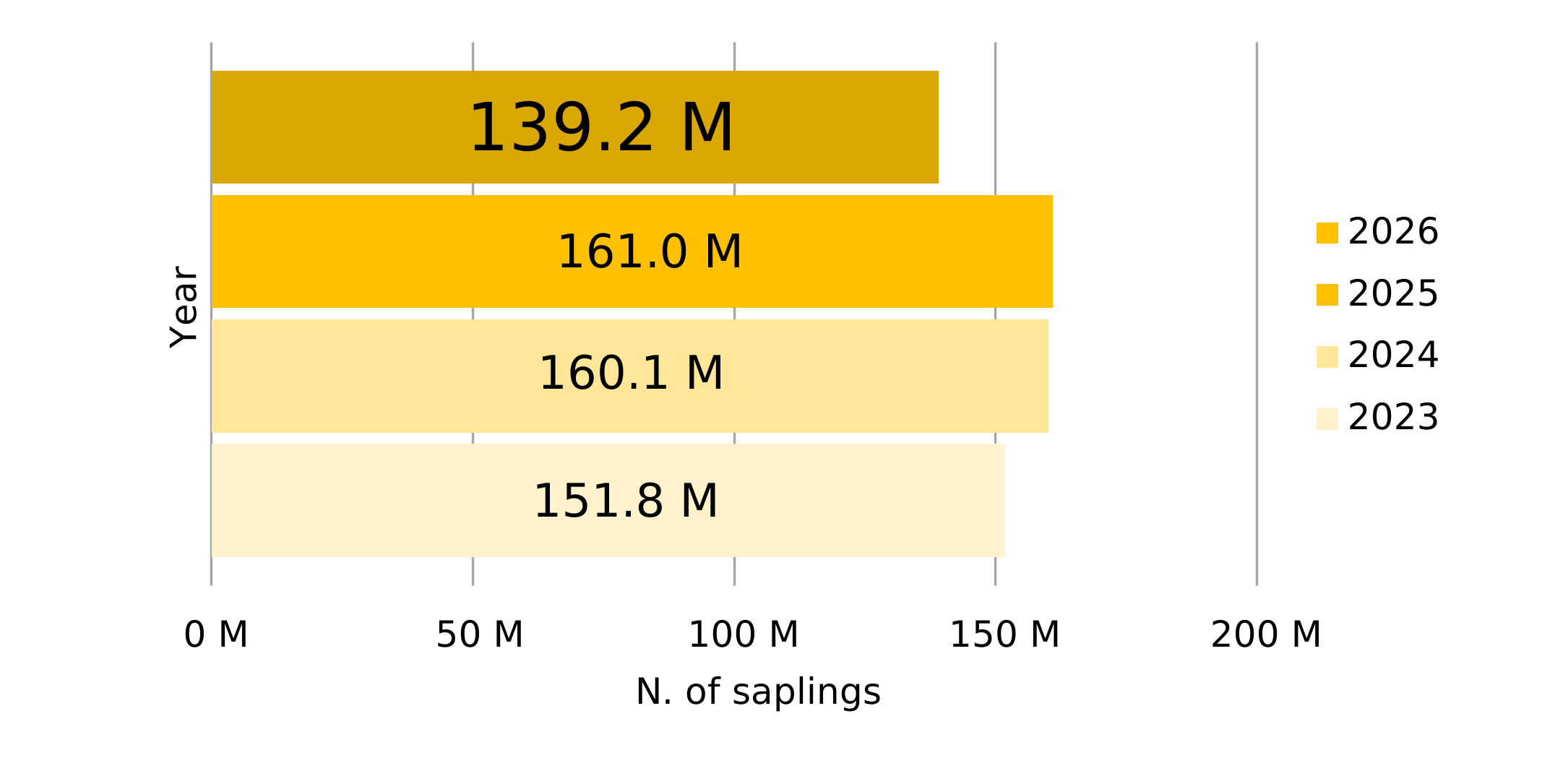
Figure 1: Number of saplings grown for sale in season 2025/26 (dark yellow), compared to previous years (lighter yellow).
The nurseries surveyed reported a combined total production of 139.2 million saplings for the 2025/2026 season, representing a 14% decrease compared with the previous year (Figure 1). This reduction is likely associated with the decline in Scottish woodland creation funding during the preceding year, which prompted nurseries to adjust their production in anticipation of reduced market demand.
This figure does not include production estimates for nurseries that did not participate in the survey. There is also uncertainty regarding the final output of one of the largest nurseries in the dataset. The nursery entered administration and subsequently changed ownership during a peak operational period. At the point of writing, its final production for the season remains unclear.
3. Number of species produced
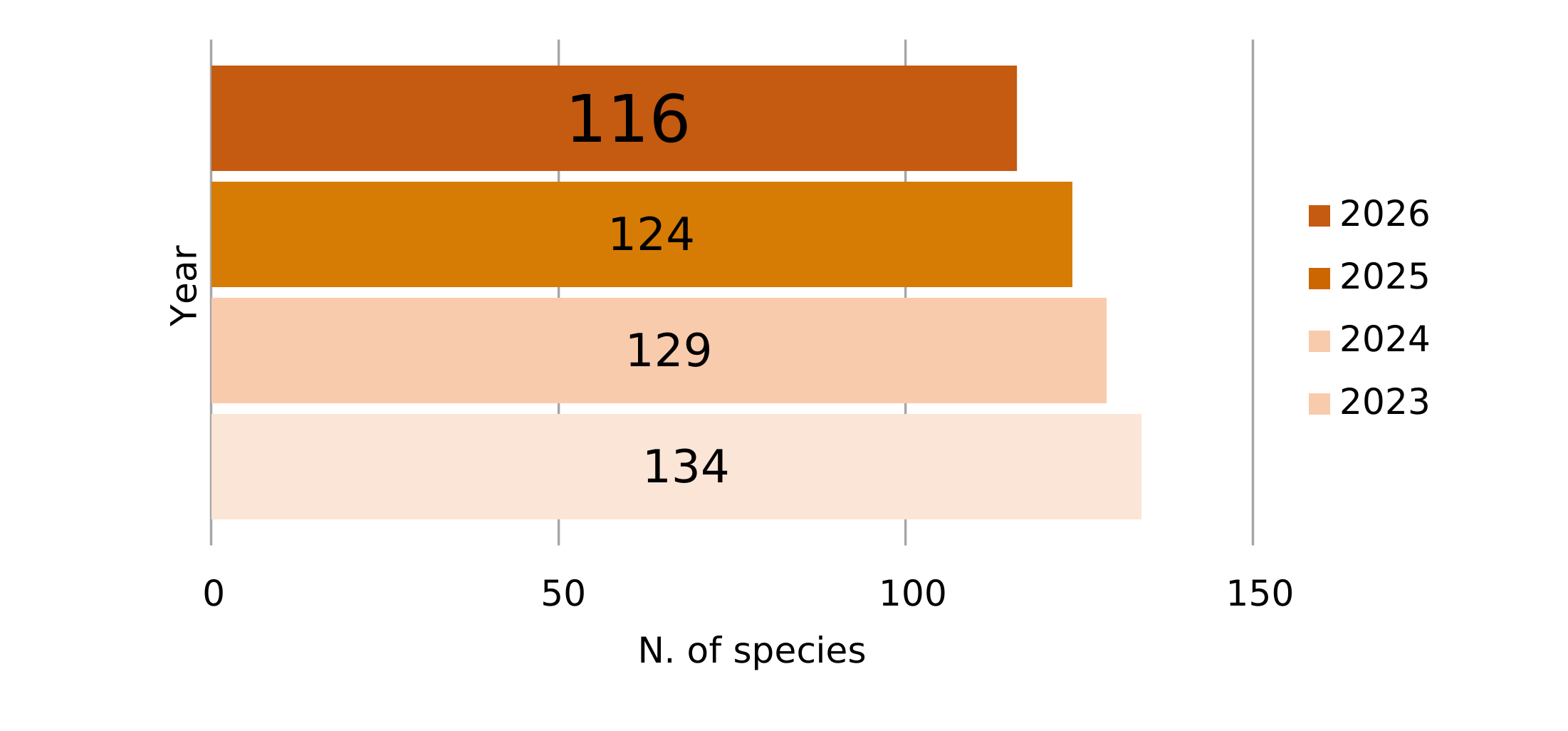
Figure 2: Number of tree and shrub species grown at the 18 nurseries surveyed.
The nurseries surveyed have produced a total of 116 species, which is lower than previously recorded (Figure 2). A complete list of all the species can be found in the Appendix. Because this total includes several species grown in small quantities, simple species counts provide limited insight into the practical diversity available to the forestry sector. It can therefore be useful to consider an alternative metric that captures both variety and abundance.
Figure 3 illustrates the number of species grown in high volumes, specifically those exceeding 500,000 and 1,000,000 saplings. These categories give a more accurate indication of species availability for largescale woodland and forestry projects. The data indicates that the availability of high volume species has remained broadly consistent across survey years.
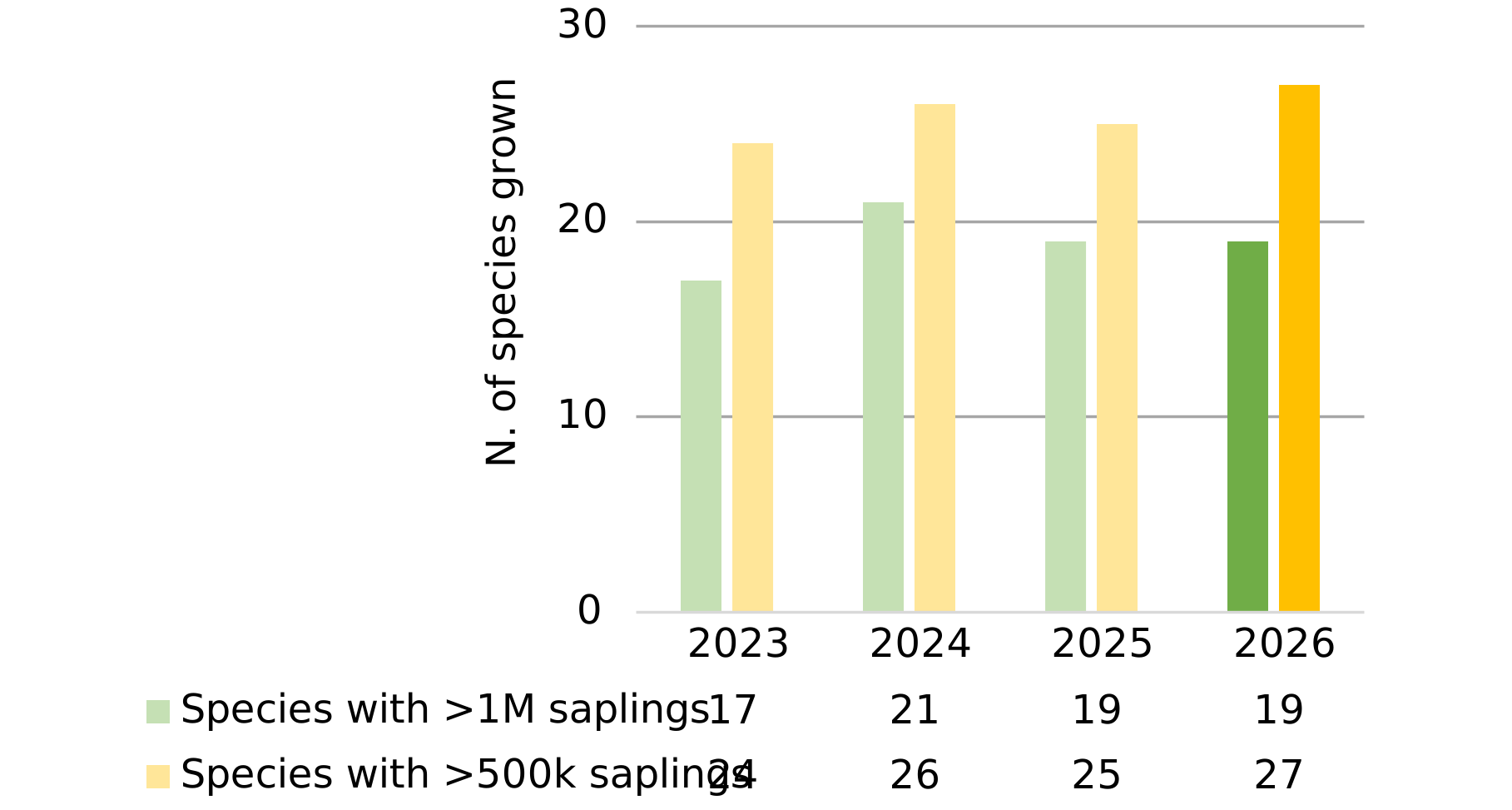
Figure 3: Species with more than 1 million (green) and 500,000 (yellow) saplings produced, from 2023 to 2026.
4. Method of growing
The increase in cell-grown production observed last season has not continued in 2025/26. Cell-grown saplings account for 31% of total production (Figure 4), compared with 34% in the previous year. This figure is still higher than the previous two years (27% and 24% respectively). The proportion of bareroot stock has therefore increased slightly.
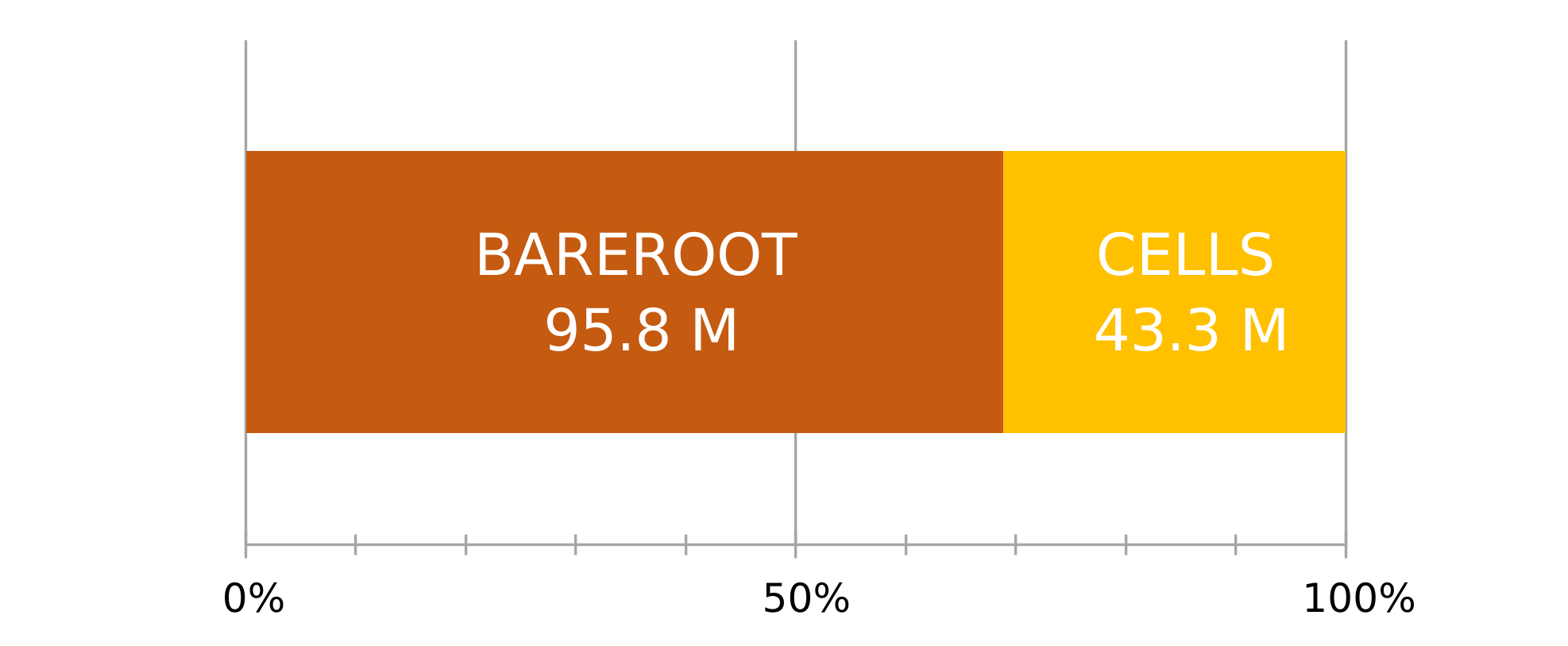
Figure 4: Breakdown of saplings by growing method in the nurseries surveyed.
5. Broadleaved and conifers
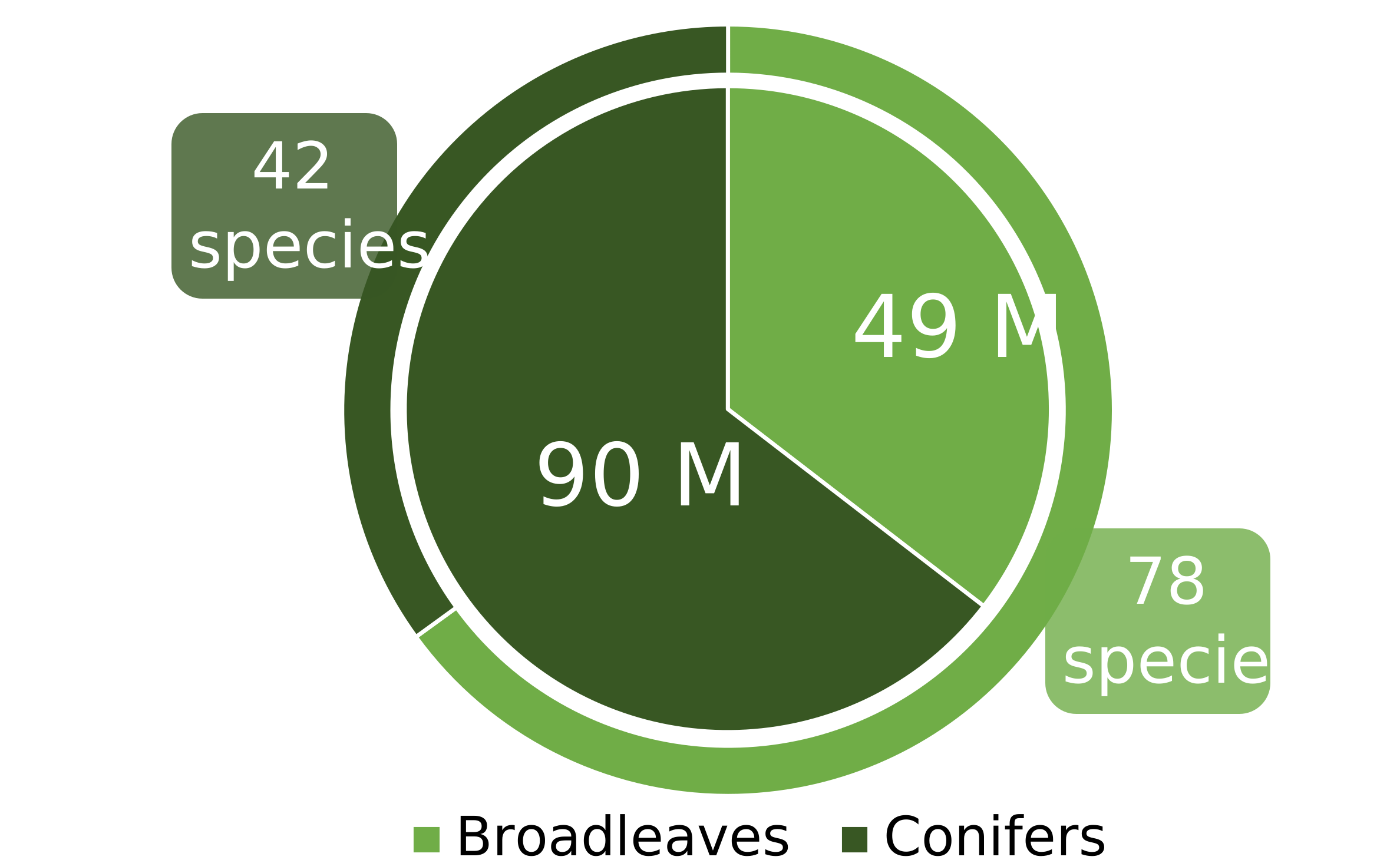
Figure 5: Pie and ring chart illustrating the proportion of broadleaves (light green) and conifers (dark green) within total nursery production. The inner pie chart presents the total number of trees produced in each group, while the outer ring chart indicates the number of species represented within each group.
A total of 90 million conifer saplings were produced in 2025/26, representing 64.6% of total output (Figure 5). The number of conifer species grown has remained stable over the last four years, ranging between 41 and 43 species. In contrast, nurseries have reduced the number of broadleaf species produced from 91 in 2023 to 78 in 2026. Some broadleaf species removed from production this year include green alder and several Eucalyptus species (E. gunnii, E. nitens and E. glaucescens).
This reduction reflects a shift by nurseries towards lower risk production strategies. Species with inconsistent or low customer demand are being phased out in favour of those with predictable sales. This trend highlights the importance of early communication between customers and nurseries, particularly when demand exists for less commonly produced species.
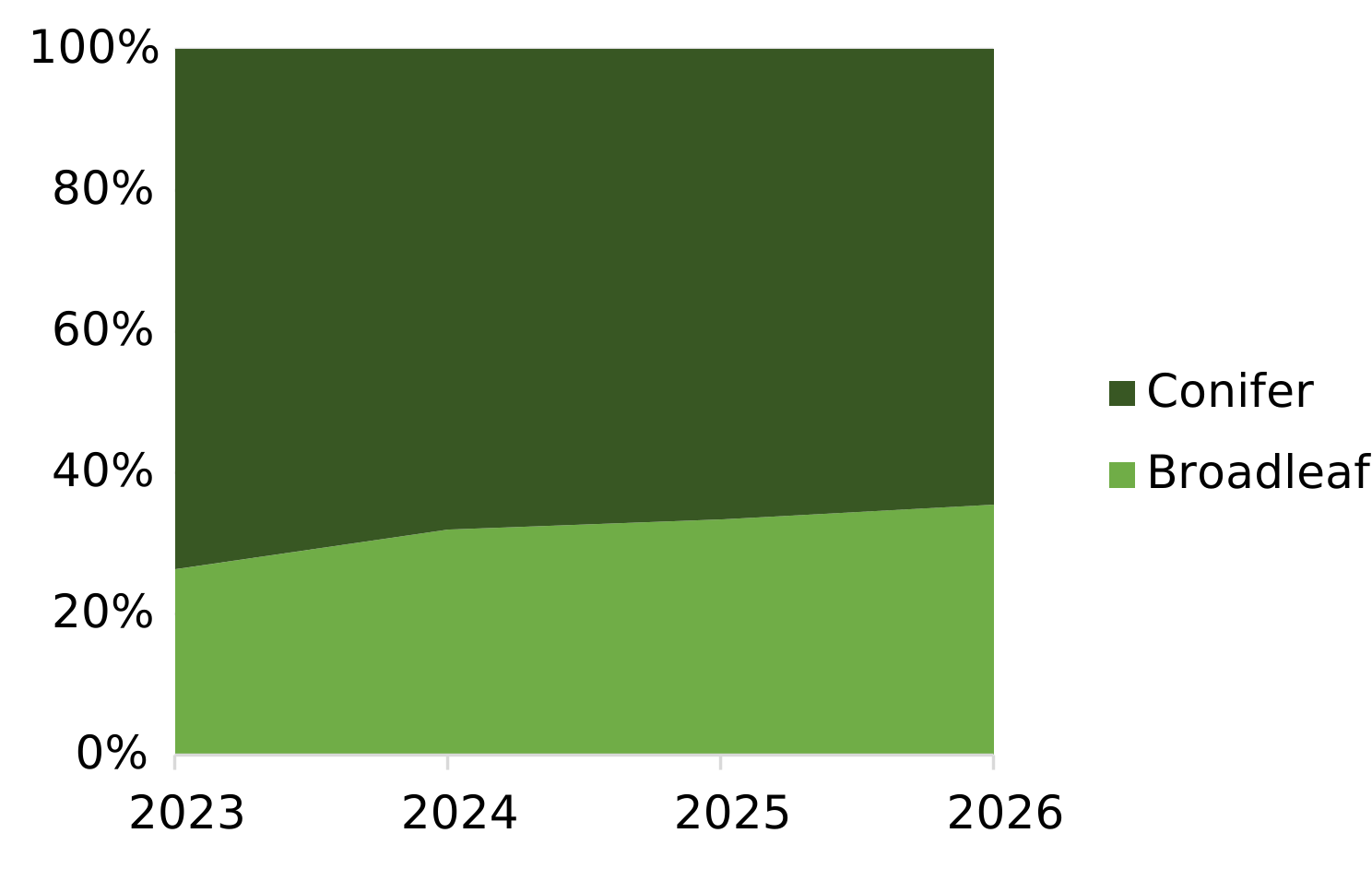
Figure 6: Stacked area chart showing percentage of broadleaves (light green) and conifer (dark green) sapling production 2023 to 2026.
The ratio of broadleaf to conifer saplings has continued to rise throughout the survey period. This trend aligns with broader patterns in woodland creation, including increases in native broadleaf planting in England (Figure 6). An overview of annual changes within the most commonly produced species is provided in Figure 11 to 13.
6. Nurseries and species
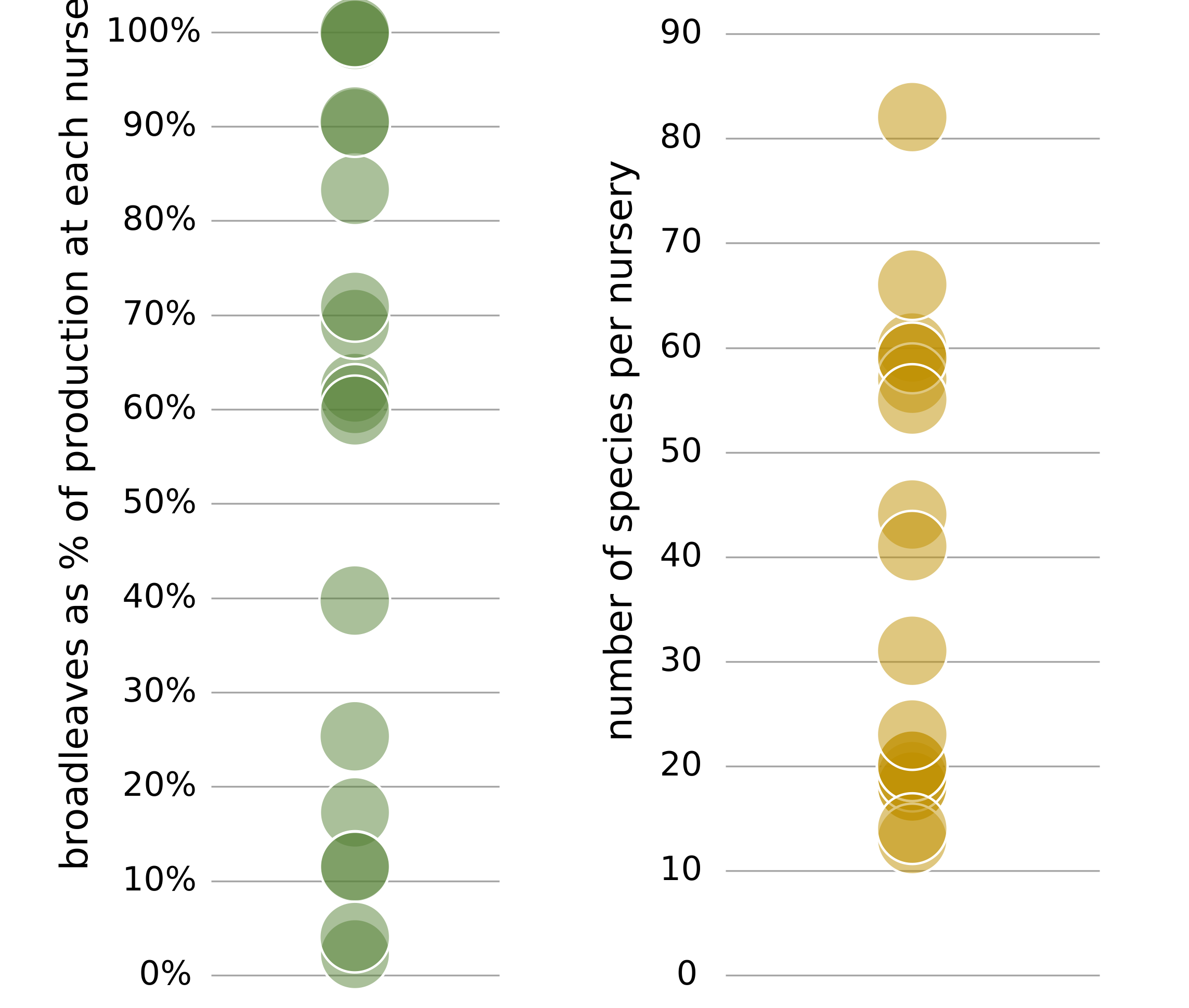
Figure 7: Broadleaves as a percentage of the total production of each nursery. Each circle represents a nursery surveyed.
Figure 7 (left) shows broadleaf production as a percentage of total output at each nursery. The mean proportion is 55%, which is one percentage point higher than the previous season. These percentages do not account for nursery size, as larger nurseries tend to focus on conifer production.
Despite the overall reduction in the total number of species grown, the minimum number of species produced at each nursery has increased. Figure 7 (right) shows the minimum has risen from 4-5 species in previous years to 14 species in 2026. The average number of species grown per nursery remains similar to previous years.
7. Top species produced
Despite a substantial reduction in overall conifer production, Sitka spruce comfortably remains the predominant species in UK sapling production, with 59.5 million plants grown. It is followed by Scots pine at 10.6 million and hawthorn and downy birch shortly behind (Figure 8). Productive conifers Norway spruce and Douglas fir, at 6.6 and 5.8 million trees respectively, are the next most commonly produced species. Changes in production volumes for the leading species are presented in Figures 11 and 12.
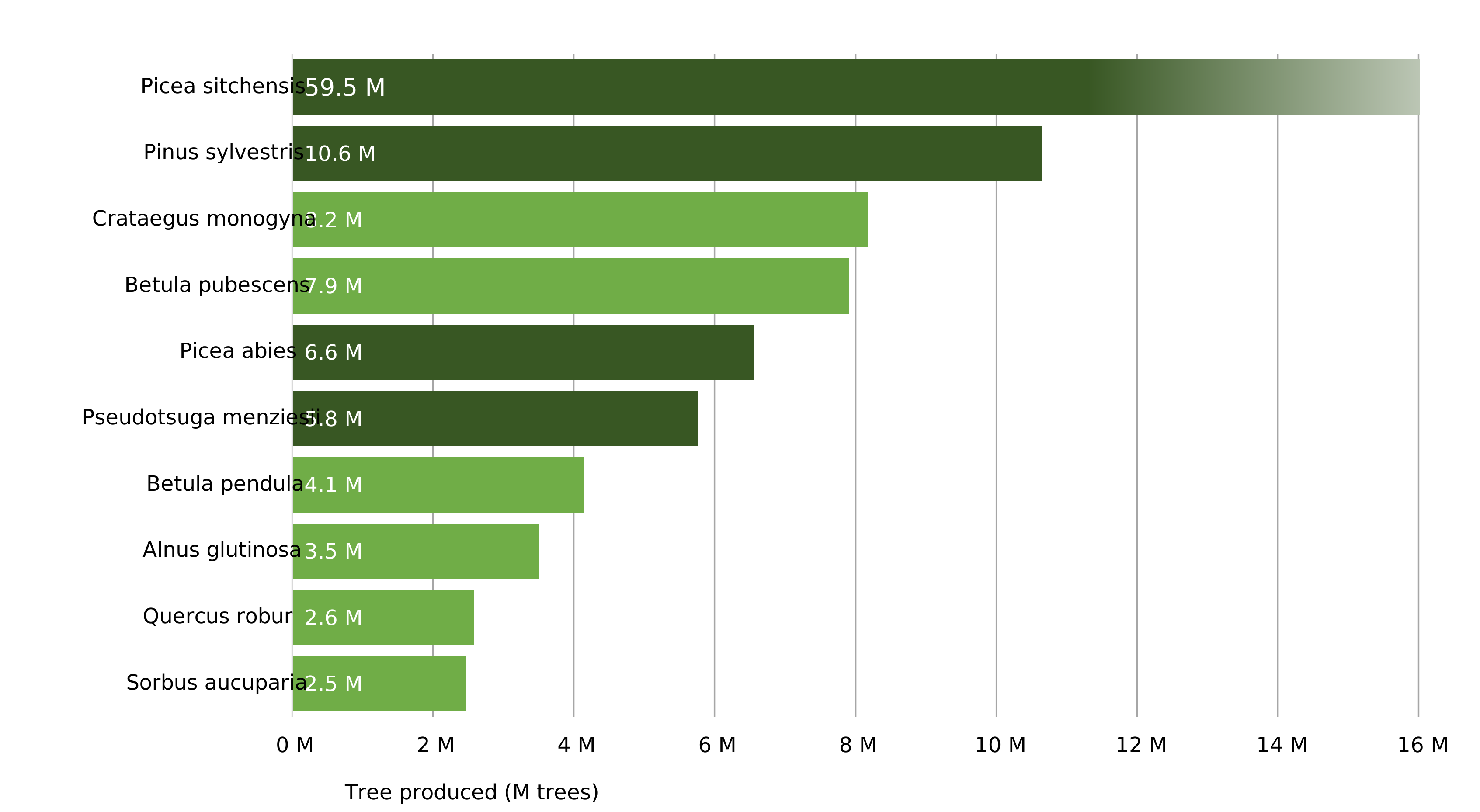
Figure 8: Top 10 species grown in UK. The measurement bar for Picea sitchensis has been faded for ease of interpretation. Scots pine includes both native provenances as well as improved material. Dark green coloured bars denote coniferous trees, while lighter green represents broadleaves.
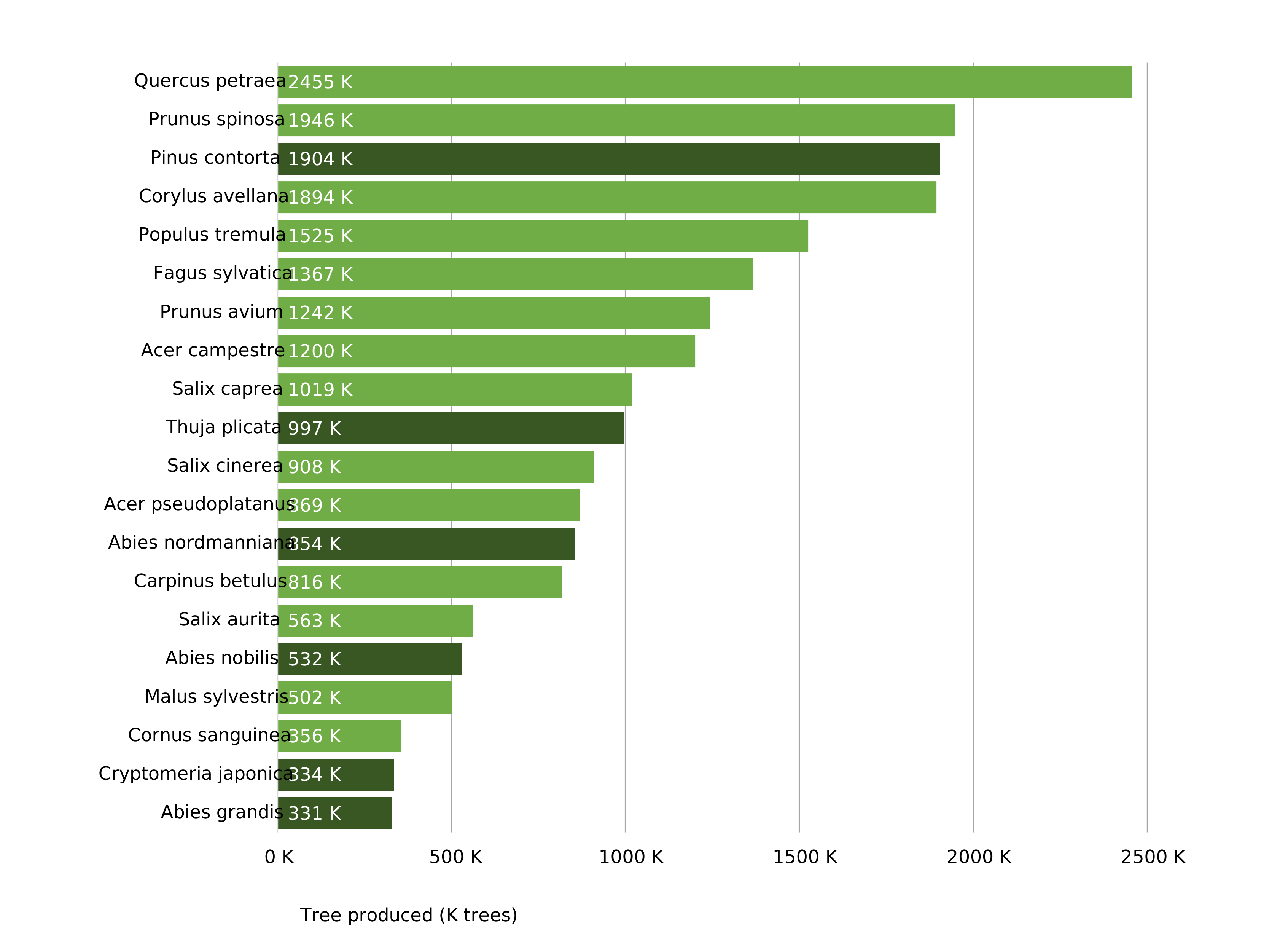
Figure 9: Top species grown in UK- continued (n11-30). The unit of measurement has changed from M trees in the previous graph, to thousand (K) trees. Dark green coloured bars denote conifer species, and light green broadleaf species.
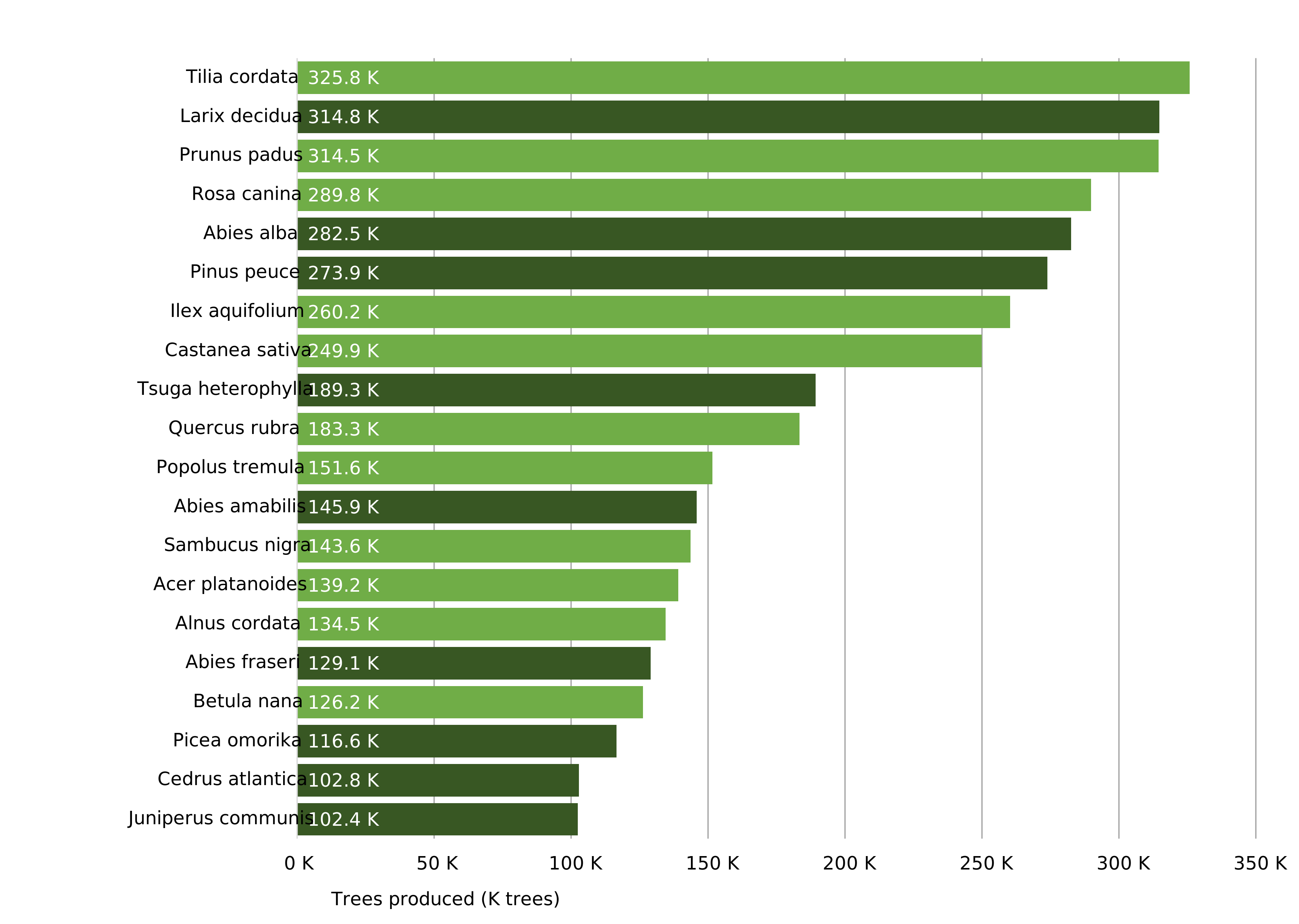
Figure 10: Top species grown in UK -continued (n31-50). Dark green coloured bars denote conifer species, and light green broadleaf species.
8. Species change from previous year
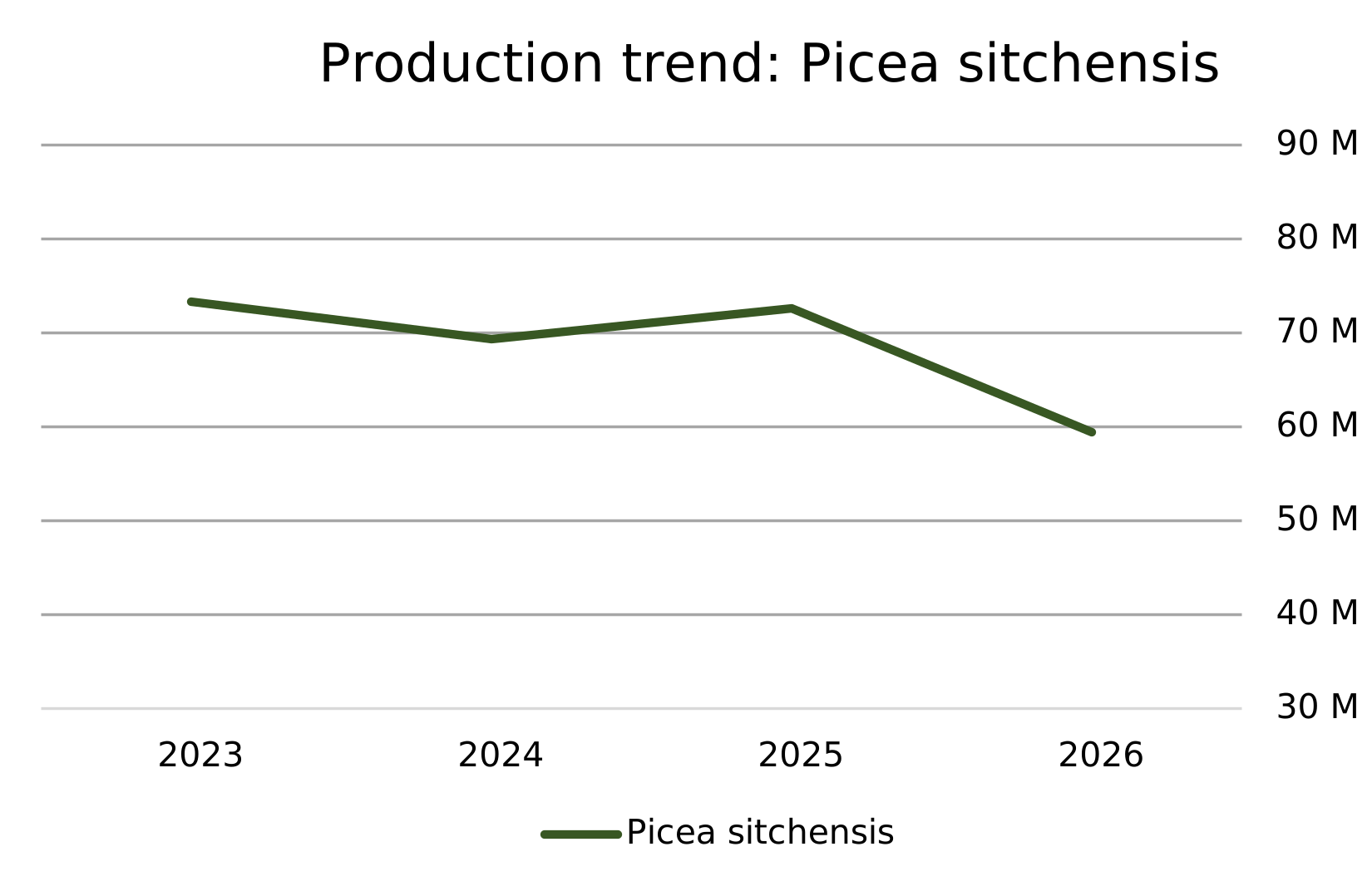
Figure 11: Change in production of Sitka spruce from 2023 to 2026 at the nurseries surveyed.
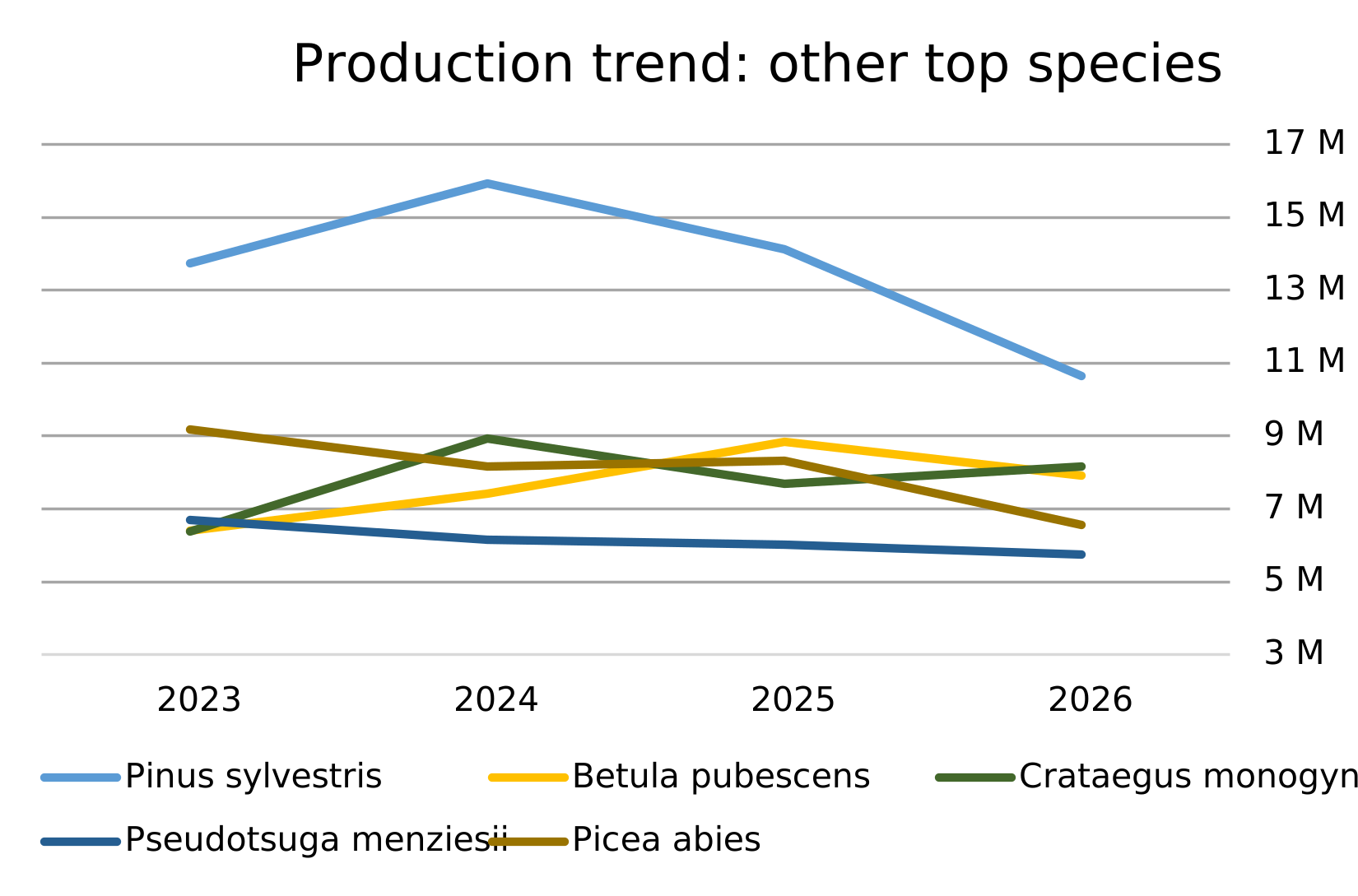
Figure 12: Change in production of the other most commonly produced species from 2023 to 2026.
Figures 11 and 12 show a marked decrease in Sitka spruce and Scots pine nursery production compared to the previous years. As discussed earlier, this can be attributed to the decreased planting in Scotland, where productive conifers are the prevalent stock used in forestry.
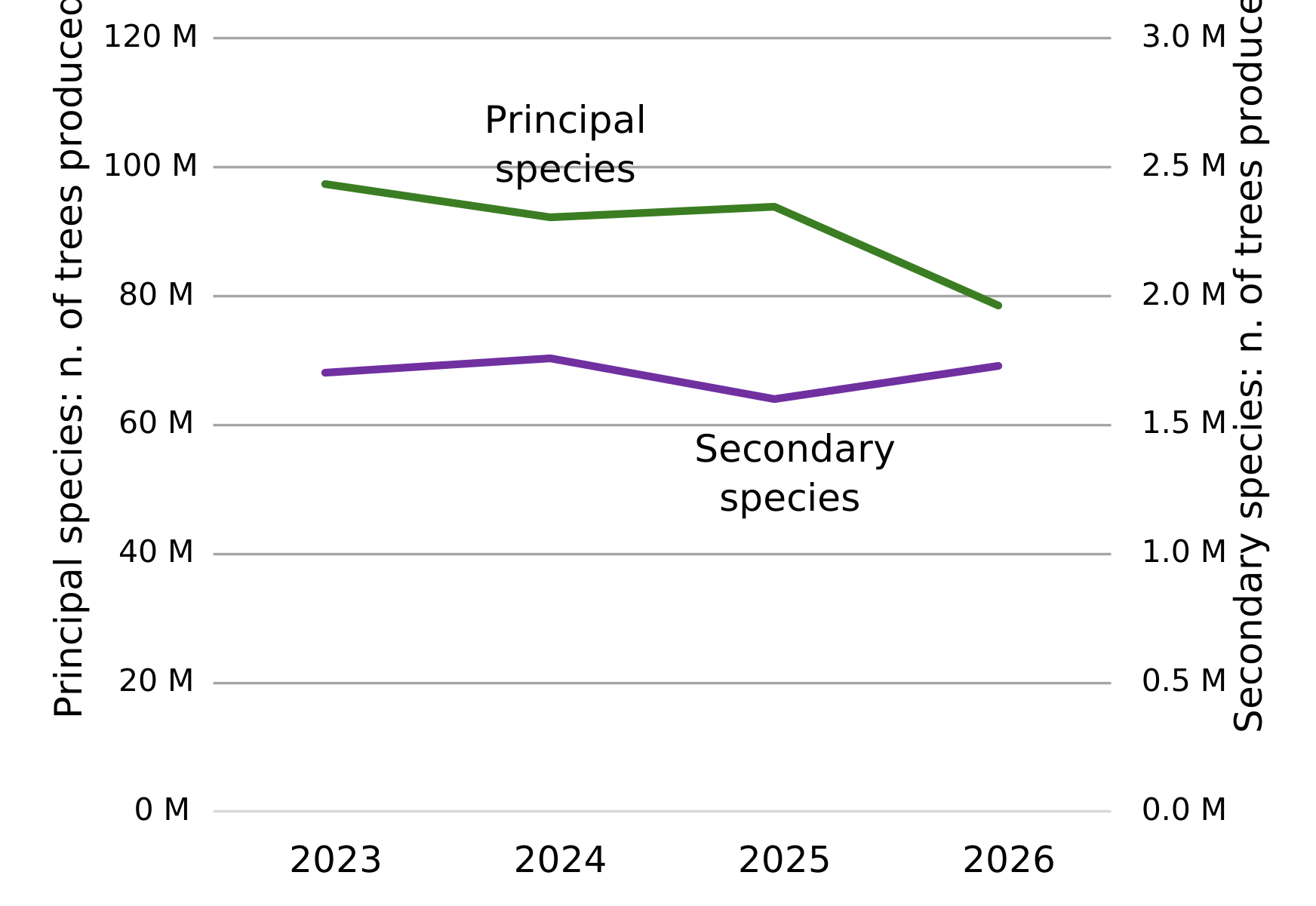
Figure 13: Line chart showing the total amount of saplings which are defined as 'principal' and 'secondary' species in Forest Research's Tree Species Database. Native trees species have not been included. A secondary axis has been used for the secondary species to allow a clearer visualisation of the production trends.
Figure 13 shows production trends for non-native species grouped according to Forest Research categories. Principal tree species have well-established silvicultural characteristics across Britain. This group includes Sitka spruce, lodgepole pine, noble fir, Populus species and sycamore.
Secondary tree species have shown positive performance in trial plots, but gaps in silvicultural knowledge or limited operational experience restrict wider deployment at this point. Species in this category include coast redwood, Eucalyptus species, Japanese cedar and walnut.
9. Overview of tree supply trends
Across the survey period, nurseries have adjusted production in response to policy changes, market expectations and operational risk. We can identify 3 trends in the figures:
- Total production has decreased relative to previous years, reflecting reduced planting expectations in Scotland. Conifer production has been particularly affected.
- The number of species grown has fallen, with nurseries withdrawing low volume and higher risk species. However, the minimum number of species grown per nursery has increased, suggesting a shift towards broader but more predictable portfolios.
- The steady increase in broadleaf proportions aligns with national trends that promote native broadleaf woodland expansion. Despite fluctuating species diversity, broadleaf production as a share of total output has increased each year.
10. Appendix
Table 1: All tree and shrub species grown for 2025-26 season, as reported by the nurseries surveyed, and rounded to the nearest hundred in alphabetical order.
| Group | Scientific name | Common name | N. of trees |
|---|---|---|---|
| CF | Abies alba | Silver fir | 282,500 |
| CF | Abies amabilis | Pacific silver fir | 145,900 |
| CF | Abies balsamea | Balsam blue fir | 900 |
| CF | Abies concolor | White fir | 6,000 |
| CF | Abies fraseri | Fraser fir | 129,100 |
| CF | Abies grandis | Grand fir | 330,600 |
| CF | Abies nobilis | Noble fir | 531,600 |
| CF | Abies nordmanniana | Nordmann fir | 853,700 |
| CF | Abies procera | Noble (red) fir | 76,600 |
| BL | Acer campestre | Field maple | 1,200,100 |
| BL | Acer platanoides | Norway maple | 139,200 |
| BL | Acer pseudoplatanus | Sycamore | 869,300 |
| BL | Aesculus hippocastanum | Horse chestnut | 2,800 |
| BL | Alnus cordata | Italian alder | 134,500 |
| BL | Alnus glutinosa | Common alder | 3,512,000 |
| BL | Alnus incana | Grey alder | 58,400 |
| BL | Alnus rubra | Red alder | 53,800 |
| CF | Araucaria araucana | Monkey puzzle tree | 100 |
| BL | Betula nana | Dwarf birch | 126,200 |
| BL | Betula pendula | Silver birch | 4,145,500 |
| BL | Betula pubescens | Downy birch | 7,911,400 |
| BL | Carpinus betulus | Hornbeam | 816,500 |
| BL | Castanea sativa | Sweet chestnut | 249,900 |
| CF | Cedrus atlantica | Atlas cedar | 102,800 |
| CF | Cedrus deodara | Deodar cedar | 1,100 |
| CF | Cedrus libani | Lebanon cedar | 30,000 |
| CF | Chamaecyparis lawsoniana | Lawson’s cypress | 68,700 |
| BL | Cornus alba | Siberian dogwood | 22,600 |
| BL | Cornus sanguinea | Common dogwood | 356,500 |
| BL | Corylus avellana | Hazel | 1,894,000 |
| BL | Crataegus laevigata | Midland hawthorn | 2,000 |
| BL | Crataegus monogyna | Hawthorn | 8,174,400 |
| CF | Cryptomeria japonica | Japanese cedar | 334,100 |
| BL | Eucalyptus dalrympleana | Mountain gum | 3,000 |
| BL | Euonymus europaeus | European spindle | 72,400 |
| BL | Fagus orientalis | Oriental beech | 2,000 |
| BL | Fagus sylvatica | Beech | 1,366,600 |
| CF | Ginkgo biloba | Ginkgo | 200 |
| BL | Hippophae rhamnoides | Seaberry | 4,600 |
| BL | Ilex aquifolium | Common holly | 260,200 |
| BL | Juglans nigra | Black walnut | 18,400 |
| BL | Juglans regia | English walnut | 40,000 |
| CF | Juniperus communis | Juniper | 102,400 |
| CF | Larix decidua | European larch | 314,800 |
| CF | Larix eurolepis | Hybrid larch | 67,500 |
| CF | Larix laricina | Tamarack | 11,000 |
| BL | Malus sylvestris | Crab apple | 501,900 |
| CF | Metasequoia glyptostroboides | Dawn redwood | 70,100 |
| CF | Picea abies | Norway spruce | 6,561,100 |
| CF | Picea lutzii | Lutz spruce | 1,000 |
| CF | Picea omorika | Serbian spruce | 116,600 |
| CF | Picea orientalis | Oriental spruce | 31,600 |
| CF | Picea pungens glauca | Colorado blue spruce | 31,600 |
| CF | Picea sitchensis | Sitka spruce | 59,497,900 |
| CF | Pinus contorta | Lodgepole pine | 1,903,600 |
| CF | Pinus nigra maritima | Corsican pine | 80,500 |
| CF | Pinus nigra nigra | Austrian pine | 17,400 |
| CF | Pinus peuce | Macedonian pine | 273,900 |
| CF | Pinus pinaster | Maritime pine | 100,300 |
| CF | Pinus radiata | Monterey pine | 55,400 |
| CF | Pinus strobus | Eastern white pine | 23,000 |
| CF | Pinus sylvestris | Scots pine | 10,645,100 |
| CF | Pinus taeda | Loblolly pine | 20,000 |
| BL | Populus Hybrid | Hybrid poplar | 31,000 |
| BL | Populus nigra | Black poplar | 40,000 |
| BL | Populus tremula | Aspen | 1,677,000 |
| BL | Prunus avium | Wild cherry | 1,242,300 |
| BL | Prunus cerasifera | Cherry plum | 22,000 |
| BL | Prunus domestica | Plum | 1,000 |
| BL | Prunus institia | Damson plum | 1,000 |
| BL | Prunus lusitanica | Portoguese laurel | 17,500 |
| BL | Prunus padus | Bird cherry | 314,500 |
| BL | Prunus spinosa | Blackthorn | 1,946,300 |
| CF | Pseudotsuga menziesii | Douglas fir | 5,756,900 |
| BL | Pyrus communis | Common pear | 50,000 |
| BL | Quercus cerris | Turkey oak | 4,300 |
| BL | Quercus ilex | Holm oak | 17,400 |
| BL | Quercus petraea | Sessile oak | 2,455,500 |
| BL | Quercus robur | Pedunculate oak | 2,586,100 |
| BL | Quercus rubra | Red oak | 183,300 |
| BL | Rhamnus cathartica | Purging buckthorn | 58,900 |
| BL | Rhamnus frangula | Alder buckthorn | 72,000 |
| BL | Robinia pseudoacacia | Black locust | 3,300 |
| BL | Rosa arvensis | Field rose | 5,100 |
| BL | Rosa caesia | Northern dog-rose | 38,100 |
| BL | Rosa canina | Dog rose | 289,800 |
| BL | Rosa rubiginosa | Sweet briar rose | 5,000 |
| BL | Rosa rugosa | Red japanese rose | 46,600 |
| BL | Rosa spinosissima | Scotch rose | 8,400 |
| BL | Salix alba | White willow | 30,300 |
| BL | Salix aurita | Eared willow | 562,600 |
| BL | Salix caprea | Goat willow | 1,019,400 |
| BL | Salix cinerea | Grey willow | 908,100 |
| BL | Salix fragilis | Crack willow | 29,000 |
| BL | Salix lapponum | Downy willow | 70,000 |
| BL | Salix myrsinifolia | Dark-leaved willow | 50,000 |
| BL | Salix pentandra | Bay willow | 30,300 |
| BL | Salix purpurea | Purple willow | 2,000 |
| BL | Salix repens | Creeping willow | 35,000 |
| BL | Salix viminalis | Osier willow | 13,100 |
| BL | Sambucus nigra | Elder | 143,600 |
| BL | Scandosorbus intermedia | Swedish whitebeam | 43,100 |
| CF | Sequoia sempervirens | Coast redwood | 51,800 |
| CF | Sequoiadendron giganteum | Giant redwood | 20,100 |
| BL | Sorbus aria | Common whitebeam | 93,200 |
| BL | Sorbus aucuparia | Rowan | 2,470,000 |
| BL | Sorbus torminalis | Wild service tree | 82,900 |
| CF | Taxus baccata | Yew | 97,600 |
| CF | Thuja plicata | Western red cedar | 997,400 |
| BL | Tilia cordata | Small-leaved lime | 325,800 |
| BL | Tilia platyphyllos | Large-leaved lime | 24,500 |
| CF | Tsuga heterophylla | Western hemlock | 189,300 |
| BL | Ulex europaeus | Gorse | 57,000 |
| BL | Ulmus glabra | Wych elm | 58,200 |
| BL | Viburnum lantana | Wayfaring tree | 40,900 |
| BL | Viburnum opulus | Guelder rose | 69,800 |