Travel-associated infections in England, Wales and Northern Ireland: 2025
Updated 26 March 2026
Applies to England, Northern Ireland and Wales

© Crown copyright 2026
This publication is licensed under the terms of the Open Government Licence v3.0 except where otherwise stated. To view this licence, visit nationalarchives.gov.uk/doc/open-government-licence/version/3 or write to the Information Policy Team, The National Archives, Kew, London TW9 4DU, or email: psi@nationalarchives.gov.uk.
Where we have identified any third party copyright information you will need to obtain permission from the copyright holders concerned.
This publication is available at https://www.gov.uk/government/publications/travel-associated-infections/travel-associated-infections-in-england-wales-and-northern-ireland-2025
Executive summary
This report identifies the following key trends:
- the number of chikungunya cases in England, Wales and Northern Ireland increased to 160 in 2025, up from 112 in 2024; the majority of cases reported travel to Sri Lanka, India and Bangladesh, consistent with ongoing outbreaks in parts of Asia and the Indian Ocean region
- there were 14 cholera cases recorded in 2025, an increase compared to 9 cases in 2024; thirteen cases were travel-associated and one became ill after consuming water from an endemic country; the main travel destinations reported among cases were Pakistan and India
- the number of dengue cases decreased to 344, down from 904 in 2024, with India, Thailand and Indonesia as the most frequently reported travel destinations
- the number of returning travellers with rickettsial infections was 40 in 2025, compared to 44 in 2024, with most cases reporting travel to South Africa
- the number of travel-associated Zika virus disease cases decreased from 16 in 2024 to 7 in 2025, with India and Thailand being the most frequently reported travel destination
- Oropouche virus disease was reported in returning travellers for the first time in England, Wales and Northern Ireland in 2025, with 3 cases linked to travel to Brazil
- no cases of Japanese encephalitis or yellow fever were reported in England, Wales and Northern Ireland in 2025
Background
This report, produced by the Travel Health and International Health Regulations (IHR) team in the Epidemic and Emerging Infections Directorate, UK Health Security Agency (UKHSA), summarises case numbers of selected travel-associated infections reported in England, Wales and Northern Ireland (EWNI). The data presented in this report supersedes any other case numbers previously reported.
Detailed information is included on the trends of chikungunya, cholera, dengue, rickettsial infections and Zika virus disease in 2025. An infection summary and key findings are provided for Japanese encephalitis, Oropouche virus disease and yellow fever. Data presented here is collated from a variety of sources and may be subject to limitations in completeness due to various factors, including underreporting. Trends in case numbers should also be interpreted with caution as they can be impacted by changes in travel patterns, testing activities and reporting practices. Denominator data on the number of travellers from the UK has not been used in this report due to unavailability of up-to-date travel figures and low case numbers which would make interpretation of trends unreliable
Detailed annual reports are available elsewhere for imported malaria cases in the UK and enteric fever (typhoid and paratyphoid) in EWNI.
Data sources
Data for cases of chikungunya, dengue, Japanese encephalitis, rickettsial infections, yellow fever and Zika virus disease were obtained from the Rare and Imported Pathogens Laboratory (RIPL), UKHSA Porton (1). Data was extracted based on the RIPL return status, which reflects the diagnostic interpretation of the laboratory result. Only cases with a return status of confirmed or probable were included and these groups are combined for all analyses, unless otherwise specified. Case definitions used for these infections are:
- confirmed: molecular detection (PCR, other molecular amplification test or sequencing) and/or positive virus isolation and/or seroconversion between acute and convalescent samples
- probable: IgM and IgG positive and compatible clinical syndrome
Data for confirmed cholera cases was obtained from the UKHSA Gastrointestinal Bacteria Reference Unit (GBRU). A confirmed case is a person with Vibrio cholerae serogroup O1 or O139 that is positive for the cholera toxin gene (ctxA), as confirmed by the GBRU (2).
For all cases, specimen collection date was used where available to conduct analysis. In cases where this information was not available, laboratory receipt date was used.
Residential postcodes were not available for all cases and where unavailable, local diagnostic laboratory postcode was used. This means that EWNI residents as well as non-residents may be included in this report.
Data for UK residents and UK overseas visitors, including 2024 travel trends, were obtained from the Office for National Statistics (ONS) (3).
World regions of travel were assigned based on the United Nations world region classifications (4).
Travel to and from the UK in 2024
Data on travel to and from the UK was sourced from the ONS International Passenger Survey (IPS), representing the most up‑to‑date travel trend estimates available (3).
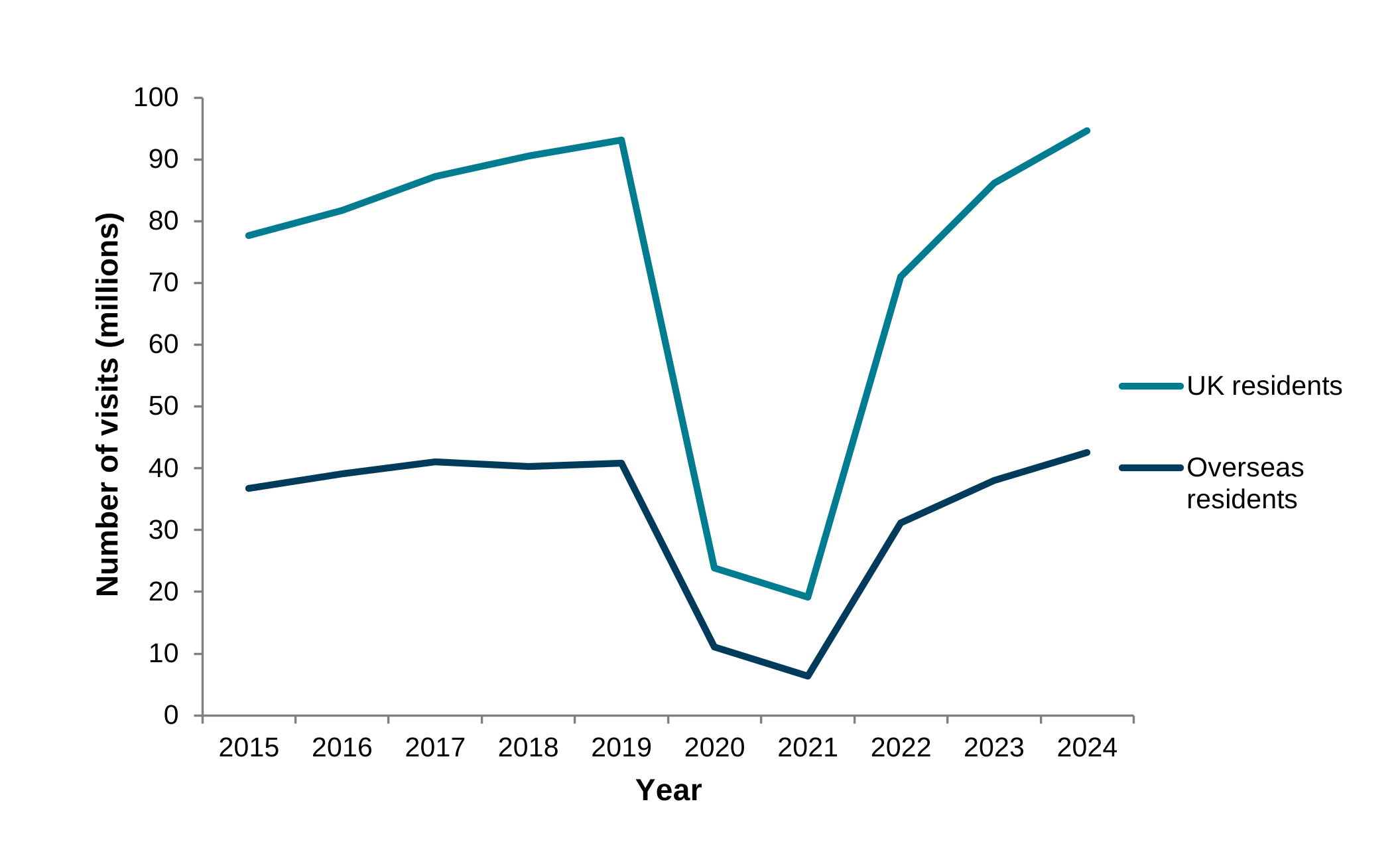
In 2024, UK residents made 94.6 million visits abroad, a 10% increase from 86.2 million in 2023. Overseas residents made 42.6 million visits to the UK, up 12% from 38 million in 2023. For the first time, travel to and from the UK in 2024 exceeded the previous peak observed in 2019, prior to the COVID-19 pandemic, when UK residents made 93 million visits abroad and overseas residents made 40.8 million visits to the UK (Figure 1) (5, 6).
The remaining estimates in this section refer to Great Britain (GB) rather than the UK, due to changes in reporting arrangements in Northern Ireland which mean the data is now provided by the Northern Ireland Statistics and Research Agency (NISRA) (5, 7).
During 2024, data for quarters 1 and 2 were collected under the previous IPS design. From quarter 3 onwards, ONS implemented a new survey design to allow for more accurate and coherent statistics (7), As a result, comparisons across 2024 quarters should be treated with some caution. Travel by GB residents was highest between April and June (quarter 2), although visit numbers were similar to those between July and September. Travel by overseas residents peaked in 2024 during quarter 3 (July to September).
Holidays remained the most common reason for travel by GB residents, accounting for 55.4 million visits, followed by visiting friends and relatives (25.4 million) and business travel (7.8 million). The top 5 destinations for GB residents were Spain (17.8 million), France (9.3 million), Italy (4.8 million), Turkey (4.1 million) and the United States of America (4.1 million), with no changes in the top 3 destinations compared to 2022 and 2023 (3, 5).
Similarly, holidays were the most popular reason for travel among overseas residents visiting GB, with 15.9 million visits, followed by visiting friends and relatives (13.3 million) and business travel (6.8 million), similar to 2023. Residents of the USA, France, Germany, Republic of Ireland and Spain continued to make up the largest numbers of overseas residents visiting the UK, in line with previous years (3, 6).
Figure 1. Number of visits to and from the UK: from 2015 to 2024
Travel-associated infections 2021 to 2025
Table 1. Number of cases of travel-associated infections in England, Wales and Northern Ireland (EWNI): 2021 to 2025
| Disease (organism) [note] | 2021 | 2022 | 2023 | 2024 | 2025 |
|---|---|---|---|---|---|
| Chikungunya | 17 | 31 | 45 | 112 | 160 |
| Cholera (Vibrio cholerae serogroup O1 or O139) | 2 | 20 | 17 | 9 | 14 |
| Dengue | 97 | 446 | 631 | 904 | 344 |
| Japanese encephalitis | 0 | 0 | 1 | 0 | 0 |
| Oropouche virus disease | 0 | 0 | 0 | 0 | 3 |
| Rickettsial infections | 4 | 31 | 44 | 44 | 40 |
| Yellow Fever | 0 | 0 | 0 | 0 | 0 |
| Zika virus disease | 1 | 8 | 8 | 16 | 7 |
Note: only includes confirmed and probable cases.
Table 1 presents reported travel-associated infections diagnosed in England, Wales, and Northern Ireland from 2021 to 2025. Dengue remains the most frequently reported infection, however, the number of diagnosed cases declined sharply from a peak of 904 in 2024, observed after sustained increases from 2021 onwards, to 344 cases in 2025. In contrast, the number of cases diagnosed with chikungunya continued to rise between 2021 and 2025, with 160 cases in 2025, the highest annual total since 2014. The reasons for these trends are multifactorial and include changes in testing and ascertainment, disease burden and global epidemiology, clinician awareness, travel patterns, interruptions in global vector control programmes, and the geographical spread of Aedes mosquitoes.
Chikungunya
Chikungunya is a mosquito-borne infection transmitted by the bite of an infected female Aedes mosquito and is caused by a virus from the Togaviridae family. It is characterised by a sudden onset of fever usually accompanied by joint pain (arthralgia), however, symptoms vary in severity. Serious complications are uncommon, but in older people it may occasionally contribute to the cause of death, particularly if there is other underlying illness.
Chikungunya is widely distributed across the African, Asian and American continents, where large outbreaks occur periodically. Sporadic smaller outbreaks have occurred in Europe. Chikungunya has now been identified in more than 110 countries worldwide (8). In 2025, the World Health Organization (WHO) reported several significant chikungunya outbreaks globally, including large outbreaks in countries across the Indian Ocean region, increased transmission in Asia and the Americas, as well as locally acquired cases in France and Italy (9).
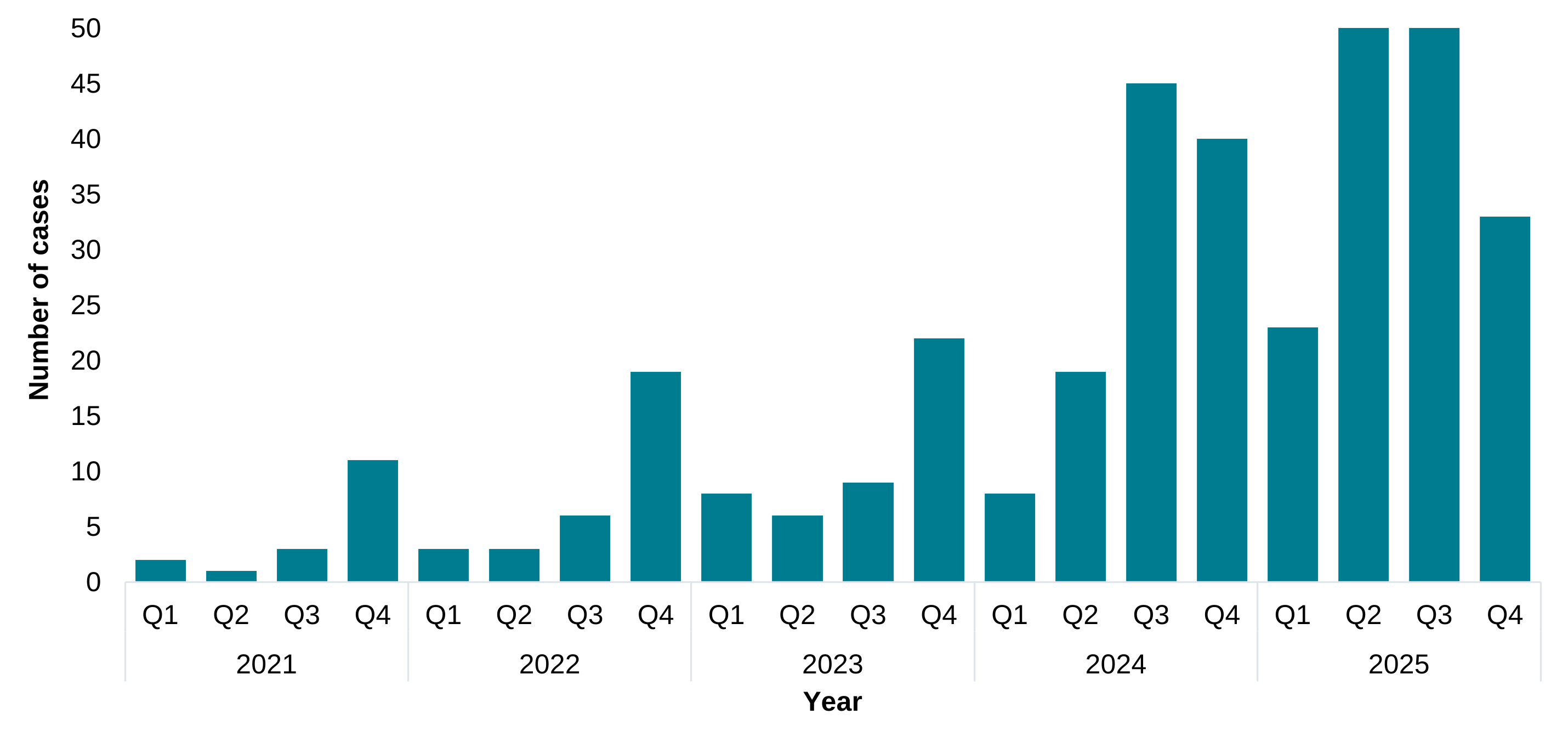
In EWNI, there were 160 chikungunya cases reported in 2025, of which 68 (43%) were confirmed cases and 92 (58%) were probable cases. This is the highest annual total recorded since 2014 and represents a 43% increase compared to 2024 when 112 cases were reported. Most cases were reported in the second and third quarters, with 52 cases in each (Figure 2).
Figure 2. Number of chikungunya cases (confirmed and probable) by quarter, Q1 2021 to Q4 2025
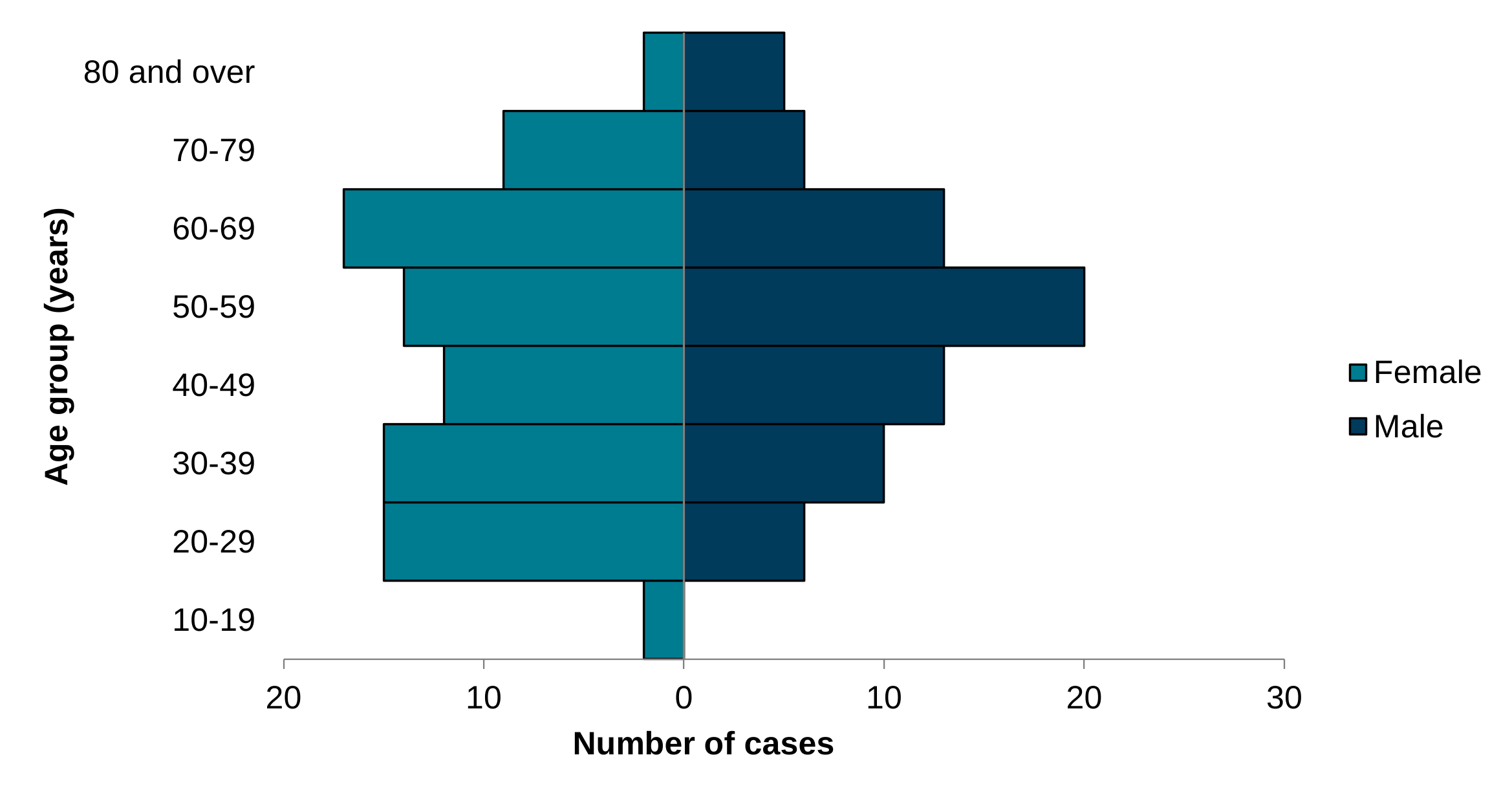
In 2025, age and sex were known for all 160 cases. Of these, 86 cases (54%) were female (aged 10 to 82 years, median=49) and 74 (46%) were male (aged 4 to 94, median=54) (Figure 3).
Figure 3. Number of chikungunya cases (confirmed and probable) by age group and sex, 2025 (n=160)
In 2025, there were 159 cases reported in England, one case in Wales and zero cases in Northern Ireland. The largest proportion of cases in England were reported in London (56%), consistent with previous years (Table 2).
Table 2. Number of chikungunya cases (confirmed and probable) in England, Wales and Northern Ireland by geographical distribution, 2025
| Geographical area | Number of cases |
|---|---|
| London | 89 |
| South East | 27 |
| West Midlands | 11 |
| South West | 8 |
| East of England | 7 |
| Yorkshire and Humber | 6 |
| East Midlands | 4 |
| North West | 4 |
| North East | 3 |
| England total | 159 |
| Wales | 1 |
| Northern Ireland | 0 |
| EWNI Total | 160 |
In 2025, travel history was known for 156 out of 160 cases (98%), with the majority of these reporting travel to Southern Asia (105 cases, 67%), followed by Eastern Africa (33 cases, 21%) and South-Eastern Asia (8 cases, 5%). The most frequently reported country of travel for chikungunya cases was Sri Lanka (75 cases), followed by India (17 cases) and Bangladesh (16 cases) (Table 3).
In 2025, Sri Lanka reported its first large-scale chikungunya outbreak in 16 years, with sustained transmission recorded throughout the year (10, 11). This aligns with the marked increase in EWNI cases linked to travel to Sri Lanka seen in the same year, compared with the very low numbers (0 to 5 cases) reported annually in previous years. Similar patterns were observed globally, with rising chikungunya cases reported across multiple regions in Asia and the Indian Ocean region (9). Cases in EWNI linked to travel to Eastern Africa, particularly Mauritius, Somalia and Kenya, similarly reflect ongoing transmission in the region during this period (9).
A small number of cases reported travel to countries not previously recorded for confirmed cases in EWNI, including Botswana, Cuba, Madagascar, Saudi Arabia, the Seychelles and Réunion. Travel to Mauritius was also reported more frequently among both confirmed and probable cases in 2025, with the last report in 2015.
Table 3. Number of chikungunya cases (confirmed and probable) by country of travel, 2025
| Country of travel | Number of cases |
|---|---|
| Sri Lanka | 75 |
| India | 17 |
| Bangladesh | 16 |
| Mauritius | 10 |
| Somalia | 8 |
| Cuba | 7 |
| Madagascar | 7 |
| Kenya | 6 |
| Indonesia | 4 |
| Thailand | 4 |
| Maldives | 2 |
| Philippines | 2 |
| Seychelles | 2 |
| South Africa | 2 |
| Vietnam | 2 |
| Botswana | 1 |
| Brazil | 1 |
| Cambodia | 1 |
| Ethiopia | 1 |
| Laos | 1 |
| Malaysia | 1 |
| Nigeria | 1 |
| Pakistan | 1 |
| Réunion | 1 |
| Singapore | 1 |
| Not stated | 5 |
| Total [note] | 179 |
Note: some cases travelled to more than one country. All countries or regions are included here so the total may be higher than the actual number of cases.
Cholera (Vibrio cholerae serogroup O1 or O139)
Cholera is an illness caused by infection with Vibrio cholerae bacteria from serogroups O1 or O139, which are the cholera toxin-producing lineages. The cholera toxin (CTx) is a key virulence factor causing symptoms of cholera – infection with non-toxigenic Vibrio cholerae lineages does not cause cholera and is not reported here.
Cholera is an acute diarrhoeal disease caused by ingestion of food or water contaminated with toxigenic strains of V. cholerae. Symptoms include acute, profuse watery diarrhoea (‘rice water stools’) and vomiting, and can lead rapidly to severe dehydration. In extreme cases infection can result in death if left untreated (12). A vaccine is available but is only recommended for some travellers.
The disease occurs mainly in Africa and Asia, but sporadic cases have also been reported in other regions (13). In 2022, the World Health Organization reported a global increase of cholera notifications, with more cases reported from an increasing number of countries. In 2024, 39 countries reported outbreaks and 21 reported travel-associated cases only (14). In 2025, cases were reported in 33 countries across 5 WHO regions, with the highest number of cases in the Eastern Mediterranean, followed by Africa, South-East Asia, the Americas and the Western Pacific (15).
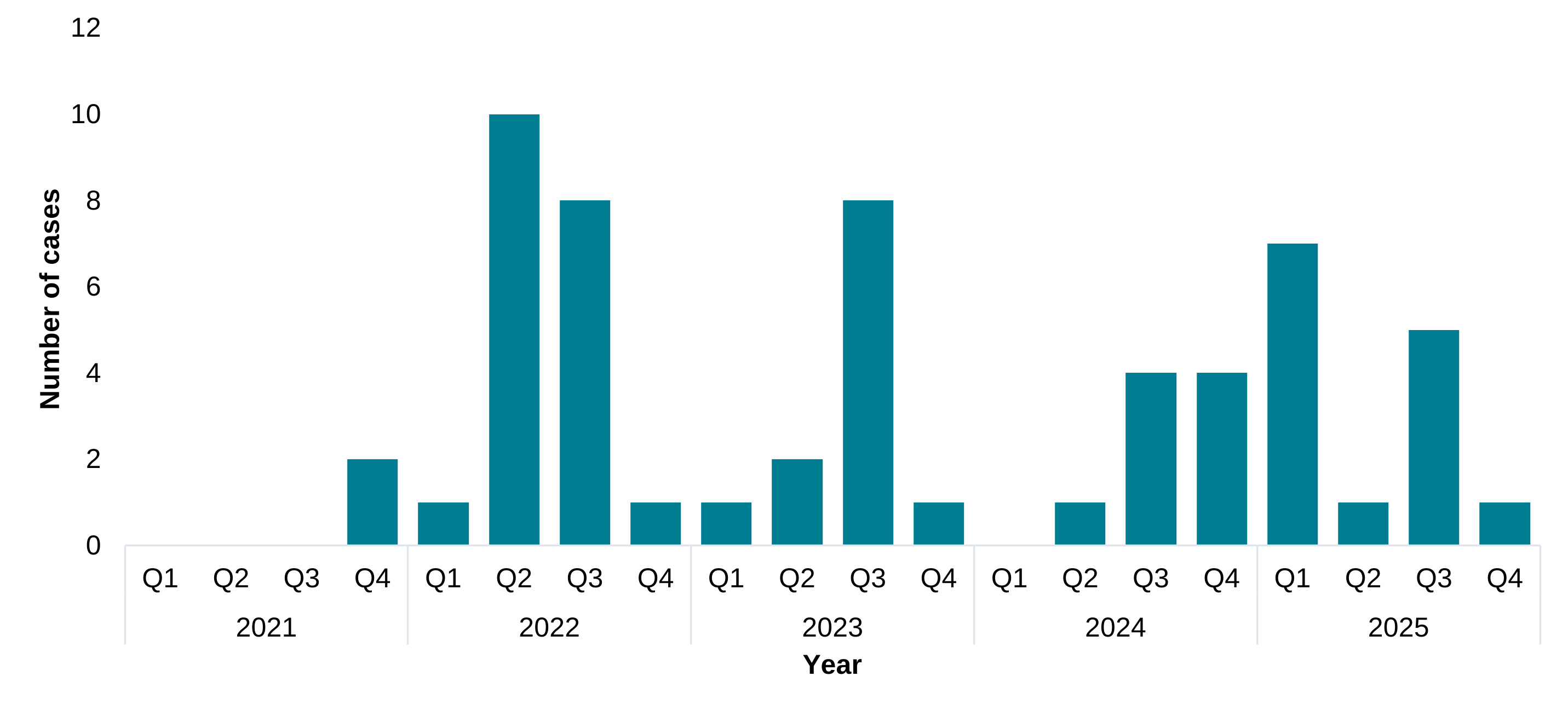
In EWNI, there were 14 confirmed cholera cases reported in 2025, which represents a 56% increase to 2024 where 9 cases were reported. Case numbers were highest in the first quarter of 2025 (n=7) (Figure 4).
Figure 4. Number of cholera cases (confirmed) by quarter, Q1 2021 to Q4 2025
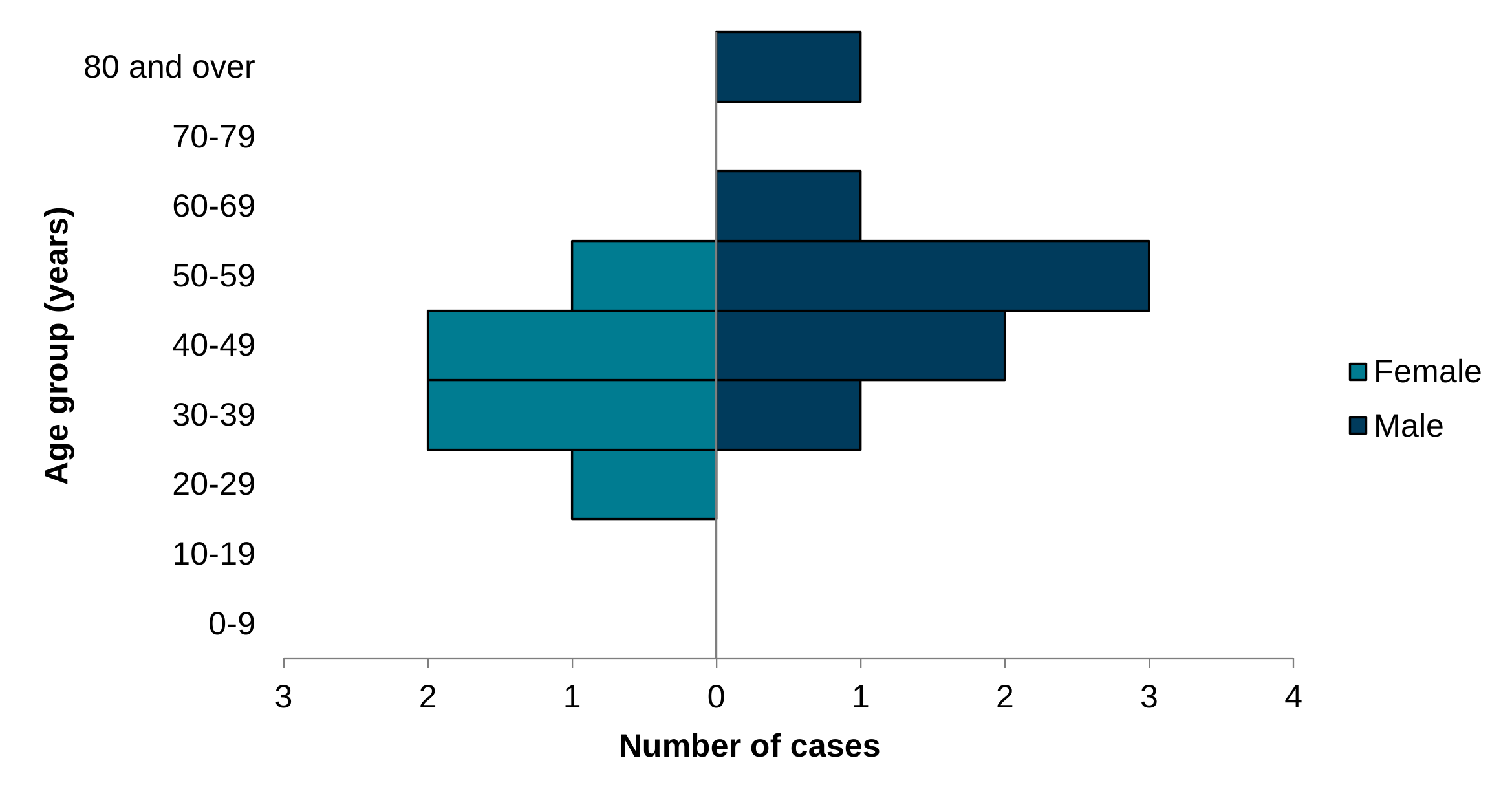
In 2025, 6 cases (43%) were female (aged 28 to 55 years, median=42) and 8 (57%) were male (aged 37 to 81 years, median=55) (Figure 5).
Figure 5. Number of cholera cases (confirmed) by age group and sex, 2025 (n=14)
In 2025, there were 14 cases reported in England, with no cases in Wales and Northern Ireland. The largest proportion of cases were reported in London, East Midlands and the South East (each region comprising 21% of reported cases) (Table 4).
Table 4. Number of cholera cases (confirmed) in England, Wales and Northern Ireland by geographical distribution, 2025
| Geographical area | Number of cases |
|---|---|
| East Midlands | 3 |
| London | 3 |
| South East | 3 |
| West Midlands | 2 |
| Yorkshire and Humber | 2 |
| East of England | 1 |
| England total | 14 |
| Wales | 0 |
| Northern Ireland | 0 |
| EWNI total | 14 |
In 2025, travel history was known for 12 out of 14 cases (86%), with the majority of these reporting travel to Southern Asia (8 cases, 57%) (Table 5). The most frequently reported countries of travel were India (4 cases), Pakistan (4 cases) and Ethiopia (3 cases). One case did not travel outside of the UK but reported drinking holy water from Ethiopia, brought back by another cholera case who also became ill (16).
Cholera is endemic in Pakistan and parts of India, where 19,017 and 2,267 cases of cholera and acute watery diarrhoea were reported in 2025 respectively (15). Cholera is also endemic in Ethiopia, where an outbreak has been ongoing since 2022 with over 58,000 cases as of early 2025 and 8,503 cases of cholera and acute watery diarrhoea reported in 2025 (15, 17).
Table 5. Number of cholera cases (confirmed) by country of travel, 2025
| Country of travel | Number of cases |
|---|---|
| India | 4 |
| Pakistan | 4 |
| Ethiopia | 3 |
| Rwanda | 1 |
| Not stated | 1 |
| Total | 13 |
Dengue
Dengue is a mosquito-borne infection transmitted by the bite of an infected female Aedes mosquito. It is caused by a flavivirus from the Flaviviridae family and has 4 main serotypes: DENV-1, DENV-2, DENV-3 and DENV-4.
Illness is characterised by an abrupt onset of fever often accompanied by severe headache and pain behind the eyes, muscle pain, joint pain, nausea, vomiting, abdominal pain and loss of appetite; however, symptoms can range from mild or non-existent to severe. Severe dengue (previously known as dengue haemorrhagic fever) is more likely during a second infection and may develop after fever resolves, with symptoms such as severe abdominal pain, vomiting or bleeding (18). Severe dengue is rare in travellers.
Dengue is endemic in over 100 countries across Africa, the Americas, the Eastern Mediterranean, South-East Asia and the Western Pacific, with sporadic autochthonous cases occurring within Europe, in France, Croatia Italy and Spain (18, 19, 20). Following a 2-year global surge, with more than 5 million cases reported worldwide in 2023 and a record 14.4 million cases in 2024, global case numbers fell substantially in 2025, with the WHO estimating just over 5 million cases by December (21, 22).
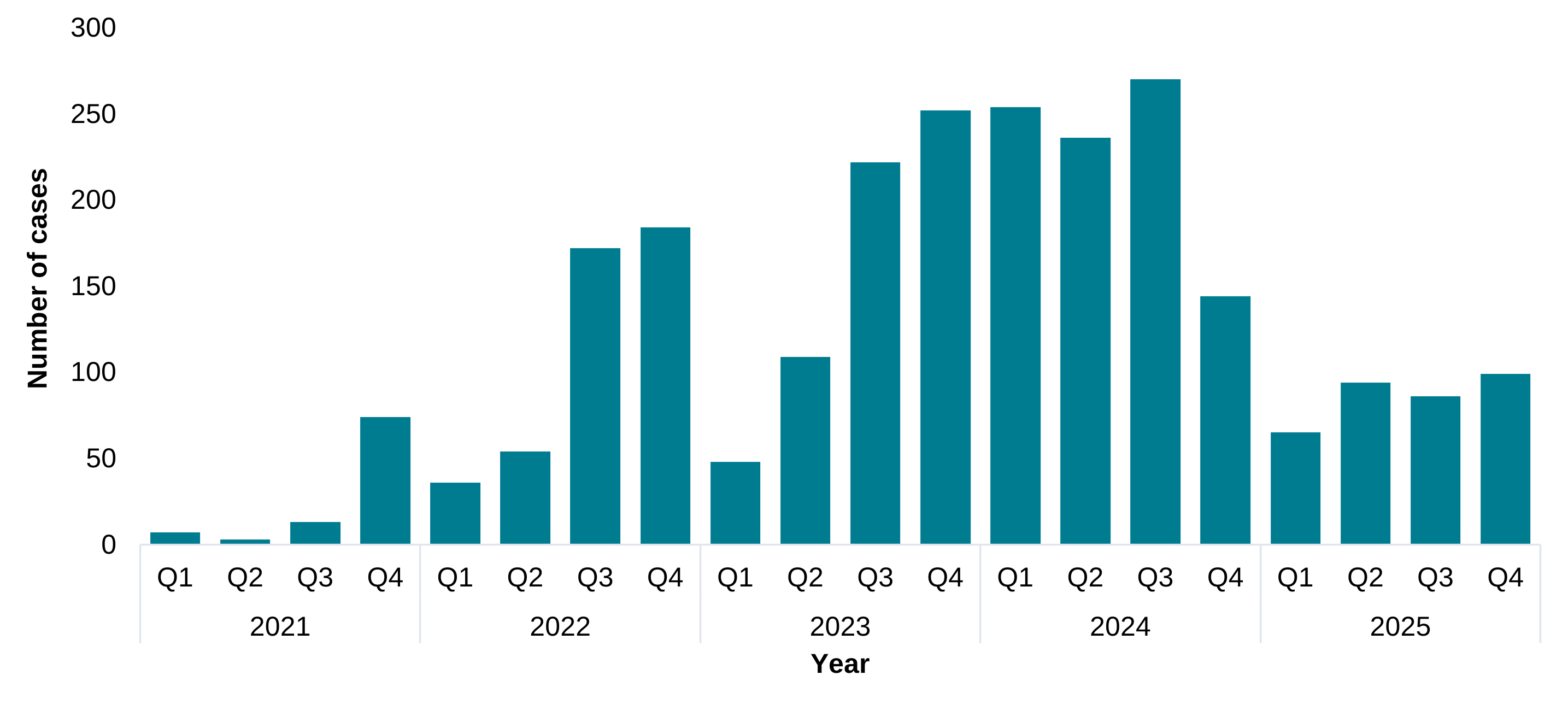
In EWNI, 344 dengue cases were reported in 2025, of which 310 (90%) were confirmed cases and 34 (10%) were probable cases. This represents a 62% decrease compared with 2024 (n=904). Most cases were diagnosed in the second and fourth quarters of 2025, with 94 and 99 cases, respectively (Figure 6).
Figure 6. Number of dengue cases (confirmed and probable) by quarter, Q1 2021 to Q4 2025
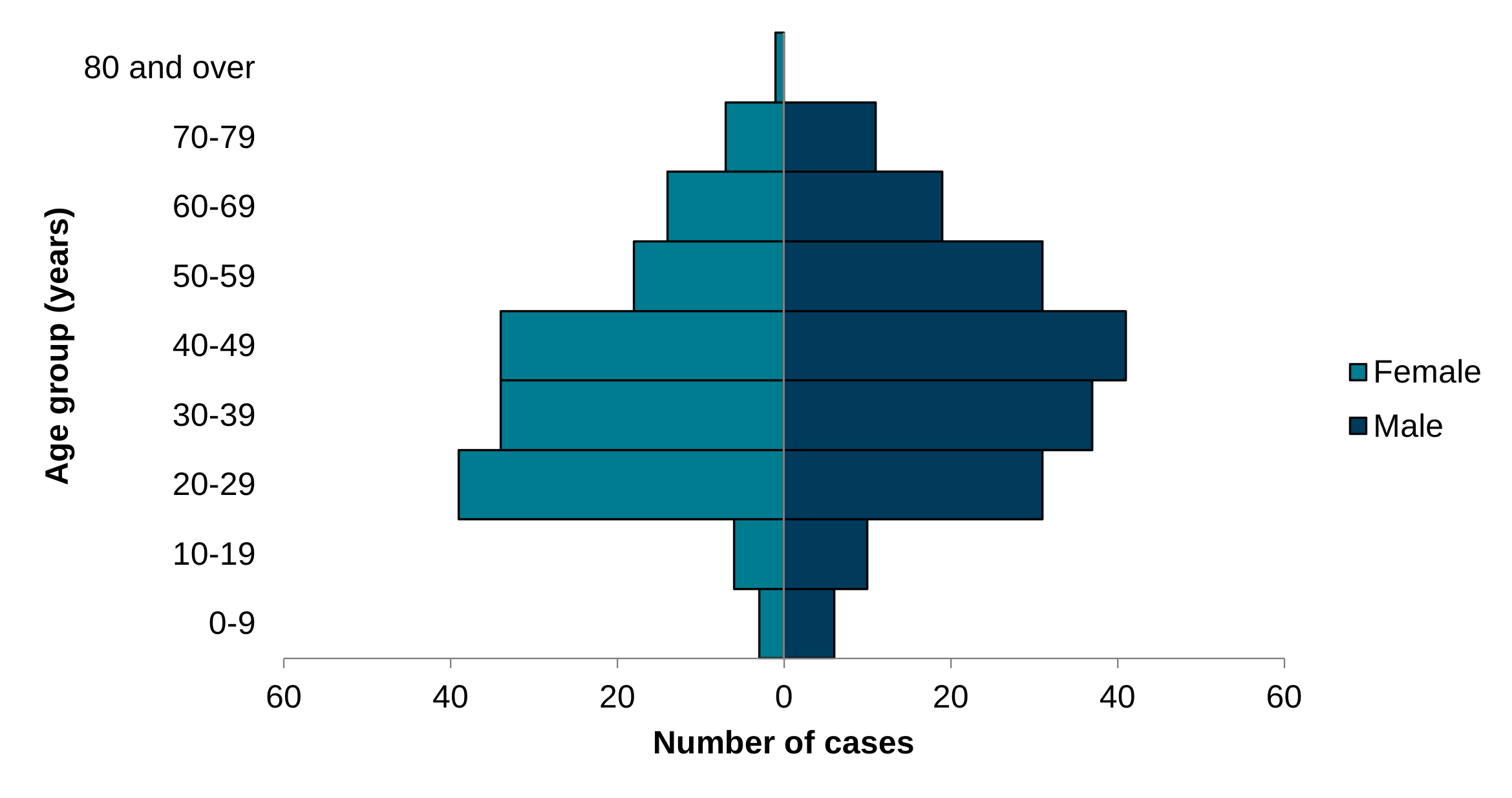
In 2025, 156 cases (45%) were female (aged 6 to 86 years, median=37) and 186 (54%) were male (aged 0 to 75, median=41) (Figure 7). Sex was not known for 2 cases.
Figure 7. Number of dengue cases (confirmed and probable) by age group and sex, 2025 (n=342)
In 2025, there were 336 cases reported in England, 6 cases in Wales and 2 cases in Northern Ireland. The largest proportion of cases in England were reported in London (41%), consistent with previous years (Table 6).
Table 6. Number of dengue cases (confirmed and probable) in England, Wales and Northern Ireland by geographical distribution, 2025
| Geographical area | Number of cases |
|---|---|
| London | 139 |
| North West | 40 |
| South East | 39 |
| South West | 28 |
| West Midlands | 27 |
| East of England | 20 |
| East Midlands | 20 |
| Yorkshire and Humber | 12 |
| North East | 11 |
| England total | 336 |
| Wales | 6 |
| Northern Ireland | 2 |
| EWNI total | 344 |
In 2025, travel history was known for 325 out of 344 cases (94%), with most cases linked to travel to Southern Asia (130 cases, 40%) and South-Eastern Asia (100 cases, 31%) (Table 7). India remained the most reported travel destination (59 cases, a decrease of 67% compared to the previous year), while Thailand was the highest in South-Eastern Asia (42 cases, a decrease of 56% compared to the previous year). These trends reflect a broader global reduction in dengue transmission in 2025, following exceptionally high levels seen in 2023 and 2024 (21, 22). In the Americas, PAHO reported a 61% decrease in suspected dengue cases compared to 2024.
In Southern Asia, dengue transmission levels followed expected monsoon-linked seasonal patterns in 2025, with India experiencing a mid-year increase before declining overall, while Pakistan’s transmission peaked later in the post-monsoon period in October 2025 (22, 23).
In South-Eastern Asia, Thailand saw a mid-year peak followed by a steady decline in reported cases in 2025, whereas Indonesia reported a continuous decline in case numbers from a high transmission from early in the year (24).
Table 7. Number of dengue cases (confirmed and probable) by region of travel, 2025
| Country of travel | Number of cases |
|---|---|
| India | 59 |
| Thailand | 42 |
| Indonesia | 35 |
| Pakistan | 32 |
| Brazil | 23 |
| Sri Lanka | 17 |
| Philippines | 13 |
| Maldives | 11 |
| Singapore | 11 |
| Bangladesh | 10 |
| Tanzania | 9 |
| Malaysia | 8 |
| Cambodia | 7 |
| Nigeria | 7 |
| Vietnam | 7 |
| Mexico | 6 |
| Colombia | 4 |
| Cote d’Ivoire | 4 |
| Kenya | 4 |
| Sierra Leone | 4 |
| Somalia | 4 |
| Caribbean | 9 |
| Oceania | 8 |
| Other Eastern Africa | 5 |
| Other Western Africa | 4 |
| Eastern Asia | 3 |
| Northern Africa | 3 |
| Other Central America | 3 |
| Other South America | 3 |
| Middle Africa | 2 |
| Other Southern Asia | 2 |
| Other South-Eastern Asia | 2 |
| Not stated | 20 |
| Total [note] | 381 |
Note: Some cases travelled to more than one country/region. All countries or regions are included here so the total may be higher than the actual number of cases.
Rickettsial infections
UKHSA carries out surveillance for rickettsial infections caused by the Orientia and Rickettsia genera in the Rickettsiaceae family. Rickettsial infections are a group of bacterial infections, which are transmitted by different arthropod vectors, including ticks, mites, lice and fleas, to animals such as humans, dogs, cats and cattle. In general, the incubation period is between 6 to 14 days post infection and symptoms vary but may include fever, myalgia, headache, dry cough and rash (25, 26, 27).
Infections caused by the Rickettsia and Orientia genera are classified into 3 main groups: spotted fever group, typhus group and scrub typhus group. Spotted fever group infections are caused by over 30 Rickettsia species such as Rickettsia africae, Rickettsia conorii and Rickettsia rickettsii. They are transmitted by ticks and have a specific geographical distribution. Typhus group infections are composed of 2 organisms; Rickettsia typhi and R. prowazekii. R. typhi is transmitted to humans through flea faeces mostly in Asia, Africa and the Western Pacific. R. prowazekii is transmitted to humans through louse faeces and is associated with high density living with associated poor hygiene. Scrub typhus infections are caused by Orientia tsutsugamushi and transmitted through the bite of infected mite larvae. They are endemic across Asia, the Western Pacific, South America and Africa and cause an estimated one million cases per year (26, 27).
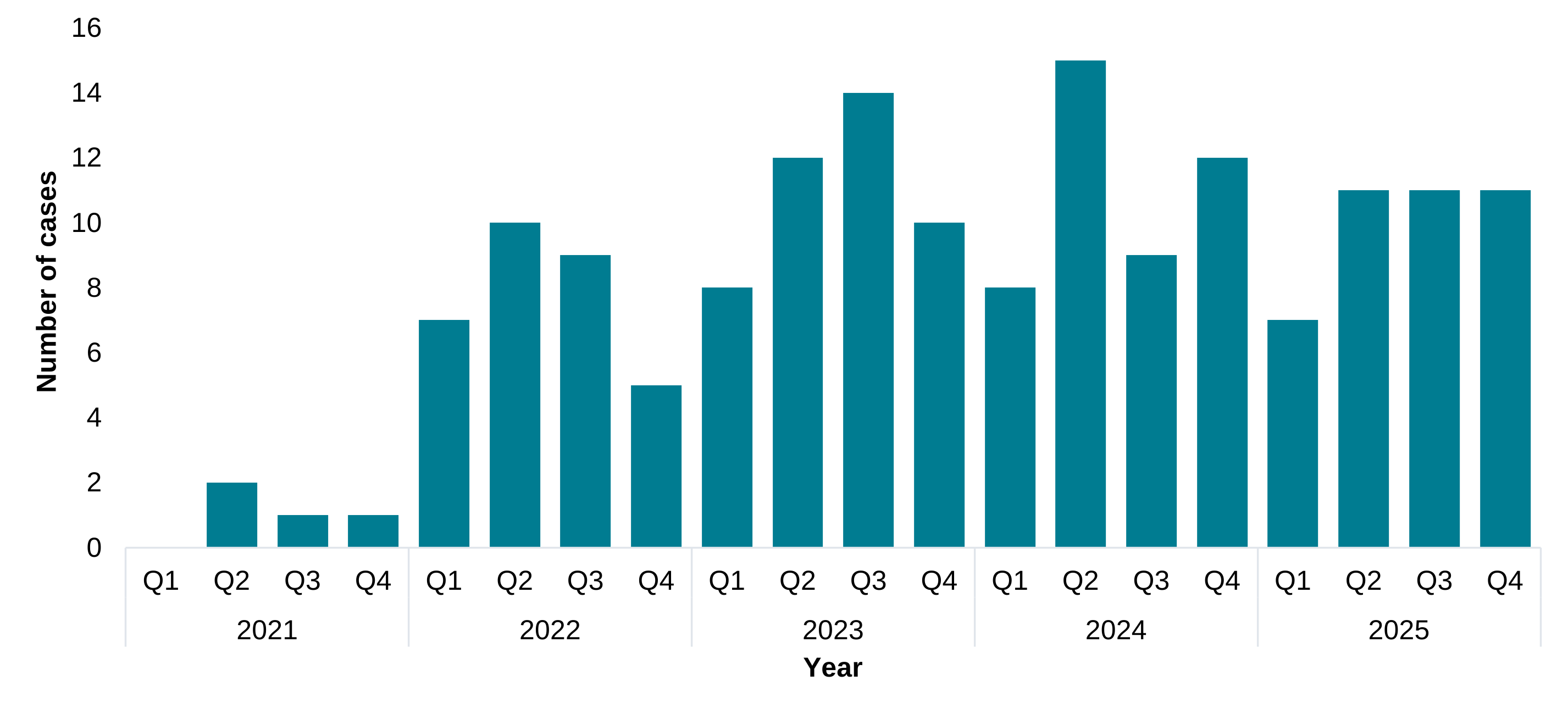
In 2025, there were 40 cases of rickettsial infections reported in EWNI, which is a 9% decrease compared to 44 cases reported in 2024. Of these, 21 (52.5%) were confirmed cases and 19 (47.5%) were probable cases. Case numbers in 2025 were the highest in each of the second, third and fourth quarters (n=11) (Figure 8). Of the reported cases, there were 22 cases (55%) in the spotted fever group, 10 cases (25%) in the typhus group and 8 cases (20%) in the scrub typhus group.
Figure 8. Number of cases with rickettsial infections (confirmed and probable) by quarter, Q1 2021 to Q4 2025
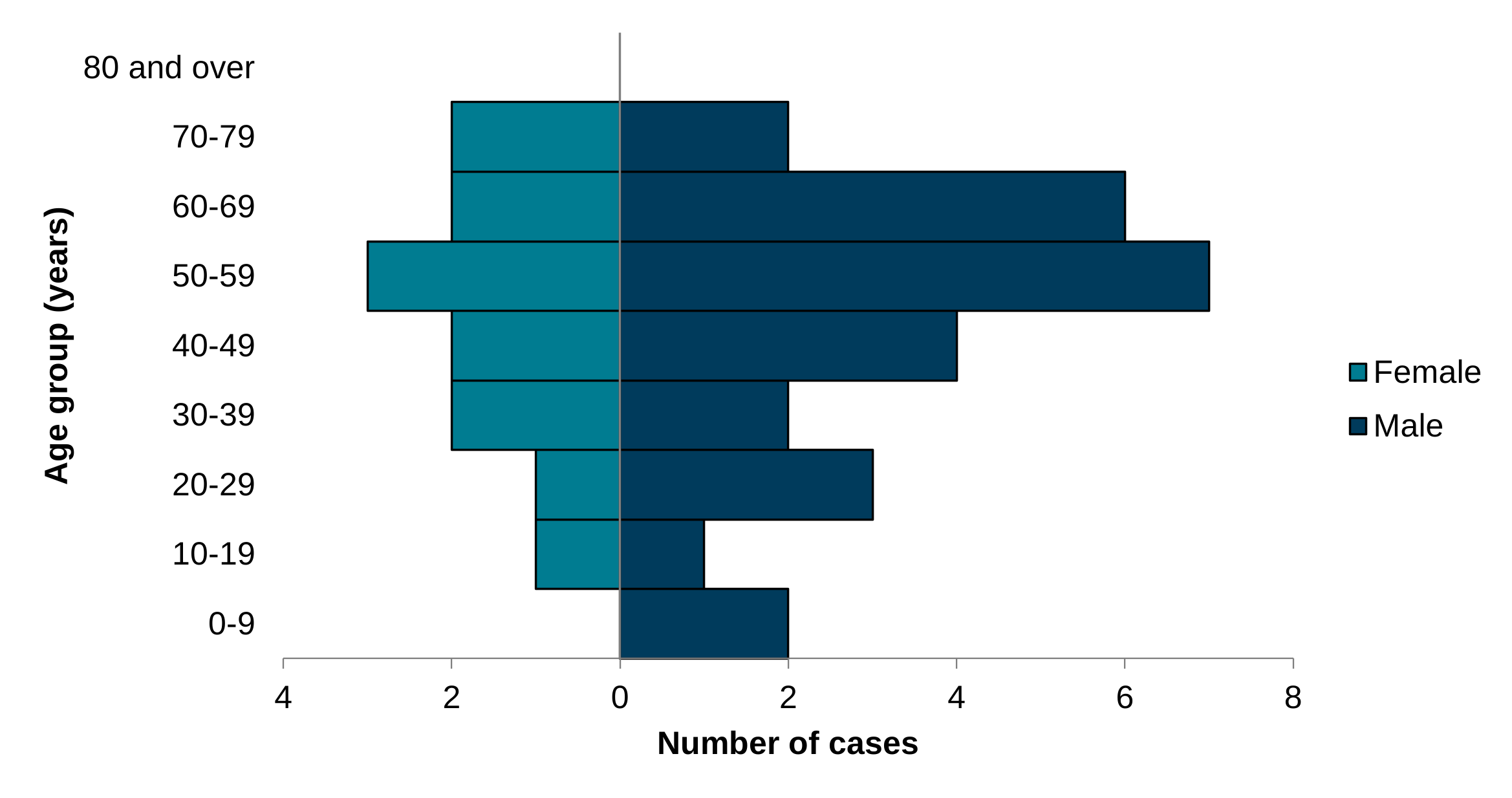
In 2025, age and sex were known for all cases. Of these, 27 cases (67.5%) were male (aged 4 to 77 years, median=52) and 13 (32.5%) were female (aged 17 to 71 years, median=52) (Figure 9).
Figure 9. Number of cases with rickettsial infections (confirmed and probable) by age group and sex, 2025 (n=40)
In 2025, there were 37 cases reported in England, 3 cases reported in Wales and zero cases in Northern Ireland. The largest proportion of cases in England were reported in London (33%), consistent with previous years (Table 8).
Table 8. Number of cases with rickettsial infections (confirmed and probable) in England, Wales and Northern Ireland by geographical distribution, 2025
| Geographical area | Number of cases |
|---|---|
| London | 13 |
| South East | 7 |
| North West | 4 |
| East of England | 3 |
| Yorkshire and Humber | 3 |
| East Midlands | 2 |
| North East | 2 |
| South West | 2 |
| West Midlands | 1 |
| England total | 37 |
| Wales | 3 |
| Northern Ireland | 0 |
| EWNI total | 40 |
In 2025, travel history was known for 38 out of 40 cases. Of these, the majority of spotted fever cases reported travel to Southern Africa (19 cases, 79%). Scrub typhus cases reported travel to Southern Asia (6 cases, 75%) and South-Eastern Asia (2 cases, 25%). Typhus group cases reported travel to multiple regions including South-Eastern Asia (4 cases, 36%) and Oceania, Middle Africa, Southern Asia, Southern Europe and Western Asia, each reporting one case (9%).
For all cases of rickettsial infection, the most frequently reported country of travel was South Africa (19 cases), followed by India (4 cases), Thailand (3 cases) and Bangladesh (3 cases) (Table 9).
Table 9. Number of cases with rickettsial infections (confirmed and probable) by region of travel and rickettsial group, 2025
| Country of travel | Scrub typhus | Spotted fever | Typhus group | Total number of cases |
|---|---|---|---|---|
| South Africa | 0 | 19 | 0 | 19 |
| India | 3 | 1 | 0 | 4 |
| Bangladesh | 2 | 0 | 1 | 3 |
| Thailand | 2 | 0 | 1 | 3 |
| Vietnam | 0 | 0 | 2 | 2 |
| Zimbabwe | 0 | 2 | 0 | 2 |
| Australia | 0 | 0 | 1 | 1 |
| Cambodia | 0 | 0 | 1 | 1 |
| Chad | 0 | 0 | 1 | 1 |
| China | 0 | 0 | 1 | 1 |
| Cyprus | 0 | 0 | 1 | 1 |
| Indonesia | 0 | 1 | 1 | 2 |
| Malaysia | 0 | 0 | 1 | 1 |
| Malta | 0 | 0 | 1 | 1 |
| Morocco | 0 | 0 | 1 | 1 |
| Sri Lanka | 1 | 0 | 0 | 1 |
| Switzerland | 0 | 1 | 0 | 1 |
| Not stated | 0 | 0 | 2 | 2 |
| Total [note] | 8 | 24 | 14 | 47 |
Note: some cases travelled to more than one country. All countries are included here so the total may be higher than the actual number of cases.
Zika virus disease
Zika virus disease is a mosquito-borne illness transmitted by the bite of an infected female Aedes mosquito. It is caused by a flavivirus from the Flaviviridae family. Less commonly, transmission can occur through sexual contact, congenitally from a pregnant woman to her fetus, and through blood transfusion (28).
Most people infected with Zika virus do not develop symptoms. Those that do often have mild symptoms which can include fever, headache, malaise, joint and muscle pain, a rash, itching, conjunctivitis and swollen joints (29).
Serious complications are uncommon, however, Zika virus infection can be associated with neurological complications such as Guillain-Barré Syndrome and, if infection occurs during pregnancy, congenital Zika syndrome, which is characterised by microcephaly and other congenital anomalies.
During 2015 and 2016, there was a large outbreak of Zika virus disease in the Americas and the Caribbean, leading to the first imported cases in the UK. As of 2024 (latest available global data), 92 countries and territories across Africa, Europe, the Americas, South-East Asia and the Western Pacific have reported autochthonous Zika virus disease cases (30).
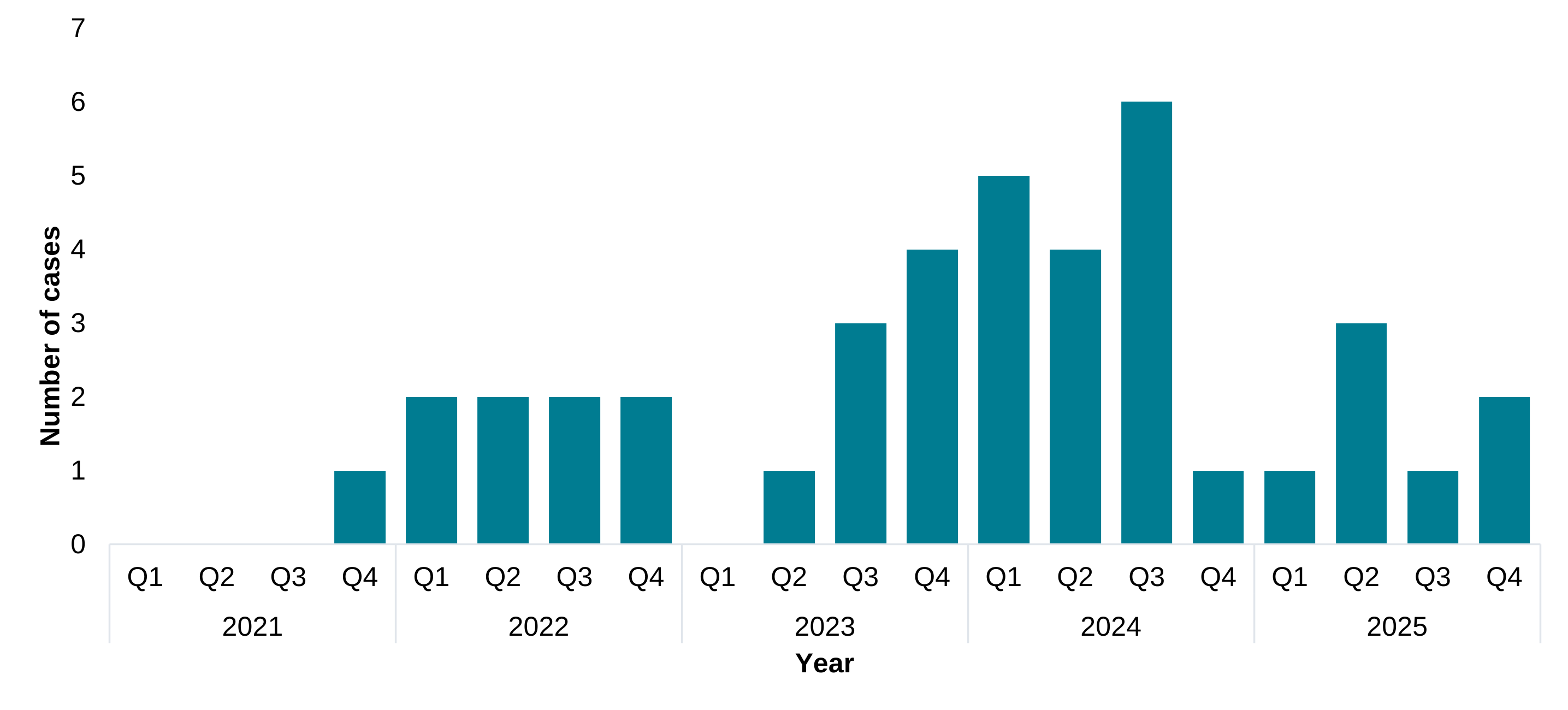
In 2025, there were 7 cases of Zika virus disease reported in EWNI, a 56% decrease compared to the 16 cases reported in 2025. Of these, 5 were confirmed cases (71%) and 2 were probable cases (29%) (Figure 10).
Figure 10. Number of Zika virus disease cases (confirmed and probable) by quarter, Q1 2021 to Q4 2025
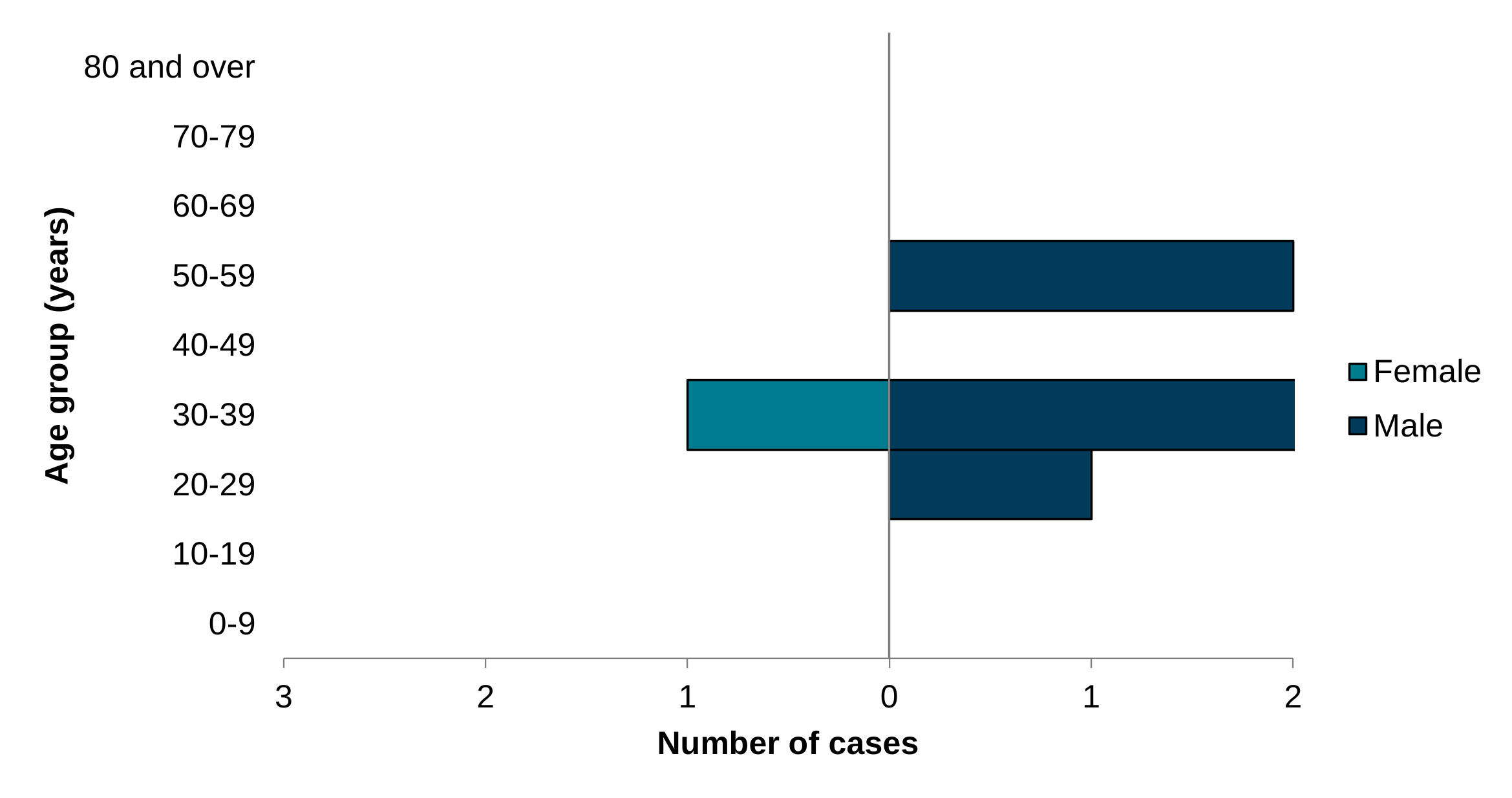
In 2025, one case (14%) was female (aged 30 to 39), and 6 cases (86%) were male (aged 24 to 54, median=34) (Figure 11).
Figure 11. Number of Zika virus disease cases (confirmed and probable) by age group and sex, 2025 (n=7)
In 2025, there were 7 cases reported in England and no cases in both Wales and Northern Ireland. The largest proportion of cases in England were reported in East of England (29%) and the North West (29%) (Table 10).
Table 10. Number of cases with Zika virus disease in England, Wales and Northern Ireland by geographical distribution, 2025
| Geographical area | Number of cases |
|---|---|
| East of England | 2 |
| North West | 2 |
| East Midlands | 1 |
| London | 1 |
| South East | 1 |
| England total | 7 |
| Wales | 0 |
| Northern Ireland | 0 |
| EWNI total | 7 |
In 2025, travel history was known for all Zika virus disease cases, with the majority linked to Southern Asia (4 cases, 57%). The most frequently reported country of travel was India (3 cases, 33%), followed by Thailand (2 cases, 22%) (Table 11). Thailand continues to report Zika virus disease cases, with 245 cases reported in 2025 across 77 provinces, representing a decrease from the 422 cases reported in 2024 (31, 32). In India, 151 Zika virus disease cases were reported in 2024, marking the largest outbreak since the first outbreak in 2021 (33). No updated national case totals are available for 2025.
In 2025, there was one case reporting travel to Sierra Leone. This is the first time this country has been reported as a travel destination among Zika virus disease cases in EWNI.
Table 11. Number of Zika virus disease cases (confirmed and probable) by country of travel, 2025
| Country of travel | Number of cases |
|---|---|
| India | 3 |
| Thailand | 2 |
| Bangladesh | 1 |
| Maldives | 1 |
| Sierra Leone | 1 |
| Sri Lanka | 1 |
| Total [note] | 9 |
Note: some cases travelled to more than one country. All countries are included here so the total may be higher than the actual number of cases.
Other travel-associated infections
Japanese encephalitis
Japanese encephalitis (JE) is a vaccine preventable mosquito-borne infection transmitted by the bite of Culex species mosquitoes. It is a flavivirus from the Flaviviridae family and is transmitted via mosquitoes to humans from pigs and water birds. Cases of Japanese encephalitis have been reported in 24 countries in South-Eastern Asia and the Pacific, mainly in settings where humans live in close proximity to pigs and water birds. A vaccine is available in the UK and is advised for travellers at increased risk of infection. Most people with JE do not develop symptoms but for those who do, symptoms may include fever and headache or vomiting in children. Less than 1% of people with JE develop severe disease, which is characterised by encephalitic symptoms such as disorientation, seizures, coma and paralysis. Among cases who develop encephalitis, approximately 30% are fatal, and around 30% of survivors suffer long term cognitive, behavioural and neurological complications (34, 35).
In EWNI there were no cases of Japanese encephalitis reported in 2025. The most recently reported case in EWNI was in 2023.
Oropouche virus disease
Oropouche virus disease is an infection primarily transmitted by the bite of the midge Culicoides paraensis, which is not present in the UK. Some mosquito species are competent vectors, however their contribution to disease transmission is not fully understood. Oropouche virus is a virus from the Peribunyaviridae family. Approximately 60% of people infected with Oropouche virus become symptomatic. Symptoms typically resolve within 2 to 7 days, but a high proportion of cases experience recurrent symptoms days or weeks after initial recovery. Symptoms include fever, headache, joint pain, muscle pain, chills, nausea, vomiting and rash and most cases recover within 7 days after onset of symptoms. Approximately 60% of patients experience a recurrence of symptoms after the initial fever resolves. Severe disease complications like aseptic meningitis are rare but may occasionally occur in the second week of illness (36, 37).
Local transmission continues to be reported in multiple countries in South America, Central America and the Caribbean. In 2024, there was a steep increase in case numbers in the Americas and additional countries reporting cases, with over 16,000 confirmed cases recorded in the Americas, the majority of which occurred in Brazil. In 2025, 12,786 cases were reported between epidemiological weeks 1 and 30, with Brazil accounting for 11,888 cases during this period. Geographical expansion continued as the virus spread to new areas, with Venezuela reporting its first locally acquired case in 2025. Additionally, Oropouche virus disease cases continue to be reported in North America and Europe in 2025 among travellers returning from countries with local transmission (38).
Deaths from Oropouche virus infection continued to be reported in 2025, with Brazil recording 5 fatalities during this period. No new confirmed cases of vertical transmission were identified in 2025, following the first confirmed events reported in 2024 (38, 39).
In 2025, 3 cases of Oropouche virus disease were reported for the first time in EWNI. All were male adults aged 35 to 66 years with recent travel to Brazil – consistent with ongoing high levels of transmission in Brazil. Similar travel-associated cases were detected elsewhere in Europe in 2025, with 6 cases reported across EU countries linked to travel to South America and the Caribbean, this is compared to 44 travel-associated cases in 2024 (40).
Yellow fever
Yellow fever is a vaccine-preventable mosquito-borne infection transmitted by the bite of multiple species of infected mosquitoes, including Aedes and Haemogogus species. Yellow fever virus is a flavivirus from the Flaviviridae family. Forty countries across Africa and Central and South America are classified as high-risk for yellow fever outbreaks (41).
The incubation period ranges from 3 to 6 days. Many people do not develop symptoms but for those who do, these may include fever, headache, nausea or vomiting, muscle pain (often with backache), and loss of appetite. Most people will make a full recovery after 3 to 4 days; however, a small number (approximately 15%) will progress to a second phase of the infection and go on to develop jaundice, abdominal pain, renal failure and haemorrhage (bleeding). Up to half of infections in cases who develop severe symptoms may result in death. Yellow fever is rare in travellers as there is a safe and effective vaccine available. Although the vaccine is safe, it is not recommended for some groups and there have been reports of rare adverse events associated with its use (41, 42).
In EWNI there were no cases of yellow fever reported in 2025. The most recently reported case in EWNI was in 2018.
References
1. UKHSA. Rare and Imported Pathogens Laboratory (RIPL): user manual (updated 5 June 2025)
2. UKHSA. Bacteriology reference department user manual (updated 29 November 2024)
3. ONS. Travel trends: 2024
4. United Nations Statistics Division (UNSD). Methodology
5. ONS. Travel trends estimates: UK residents’ visits abroad
6. ONS. Travel trends estimates: overseas residents in the UK
7. ONS. Improving our travel and tourism statistics: changes from July 2024
8. WHO. Chikungunya (updated 14 April 2025)
9. WHO. Chikungunya virus disease- Global situation
10. Sri Lanka Ministry of Health and Mass Media, Epidemiology Unit. ‘Chikungunya: Disease Profile and Epidemiological Overview – Sri Lanka, 2025’ Weekly Epidemiological Report: volume 52, number 11
11. Sri Lanka Ministry of Health, Epidemiology Unit. ‘Chikungunya - Situation Report 31-12-25’
12. WHO (2017). Cholera vaccines: WHO position paper
13. WHO (2025). ‘Global situation report for cholera, 2024’. Weekly Epidemiological Record: volume 100 (36), pages 347 to 364
14. WHO. ‘Cholera upsurge (2021-present)’
15. WHO (2026). ‘Multi-country outbreak of cholera, epidemiological update #33 -27 January 2026’
16. Frank C, Jenkins C, Weis JM, Brilmayer A, Schoeps A, Dupke S, Wilking H, Katwa P, Nair S, Barker C, Ready D, Godbole G, Hopkins S, Kirkbride H. (2025). ‘Cholera due to exposure in Europe associated with consumption of holy water from Ethiopia, January to February 2025’. Eurosurveillance: volume 30, issue 14
17. WHO (2025). Weekly bulletin on outbreaks and other emergencies Week 9: 24 February to 2 March 2025
18. WHO. Dengue and severe dengue (updated 21 August 2025)
19. ECDC. Historical data on local transmission of dengue in the EU/EEA (updated 9 March 2025)
20. Medić A, Savić V, Klobucar A, Bogdanić M, Posavec MC, Nonković D, Barbic L, Rončević I, Stevanovic V, Vilibić-Čavlek T. (2025). ‘Epidemiological and Entomological Study After the Possible Re-Emergence of Dengue Fever in Croatia, 2024’ Microorganisms: volume 13
21. WHO. Dengue: Global situation (updated 21 December 2023)
22. WHO. Global dengue surveillance (accessed 18 February 2026)
23. ECDC. Dengue worldwide overview. Situation update, February 2026
24. WHO (2025). Update on the Dengue situation in the Western Pacific Region Dengue Situation Update 735
25. Premaratna R (2022). ‘Rickettsial illnesses, a leading cause of acute febrile illness’ Clinical Medicine Journal: volume 22, issue 1
26. Blanton LS (2019). ‘The Rickettsioses: A Practical Update’ Infectious Disease Clinics of North America: volume 33, issue 1
27. Warrell CE, Osborne J, Nabarro L, Gibney B, Carter DP, Warner J, Houlihan CF, Brooks TJG, Rampling T (2023). ‘Imported rickettsial infections to the United Kingdom, 2015–2020’ Journal of Infection: volume 86, issue 5
28. WHO. Zika virus disease factsheet (updated 6 November 2025)
29. PHE. Zika virus disease: symptoms and complications guidance (updated 2 August 2017)
30. WHO (2024). Zika epidemiology update - May 2024
31. Department of Disease Control (Thailand) (2025). Zika Report 2025
32. Department of Disease Control (Thailand) (2025). Zika Report 2024
33. WHO. Zika virus disease – India
34. WHO. Japanese encephalitis (updated 6 August 2024)
35. Yun SI, Lee YM (2013). ‘Japanese encephalitis: the virus and vaccines’ Human Vaccines and Immunotherapuetics: volume 10, issue 2
36. WHO. Oropouche virus disease (updated 22 October 2024)
37. PAHO. Oropouche virus disease (accessed 18 February 2026)
38. PAHO (2025). ‘Epidemiological Update Oropouche in the Region of the Americas - 13 August 2025’
39. PAHO (2024). Epidemiological Alert: Oropouche in the Americas Region, 13 December 2024
40. ECDC (2025). Communicable disease threats report, 16 to 22 August 2025, week 34
41. WHO. Yellow fever (updated 20 October 2025)
42. MHRA (2019). Yellow fever vaccine (Stamaril) and fatal adverse reactions: extreme caution needed in people who may be immunosuppressed and those 60 years and older