Outbreak report: investigation into a UK wide outbreak of Shiga toxin-producing E. coli O145 in 2024
Published 10 December 2025

© Crown copyright 2025
This publication is licensed under the terms of the Open Government Licence v3.0 except where otherwise stated. To view this licence, visit nationalarchives.gov.uk/doc/open-government-licence/version/3 or write to the Information Policy Team, The National Archives, Kew, London TW9 4DU, or email: psi@nationalarchives.gov.uk.
Where we have identified any third party copyright information you will need to obtain permission from the copyright holders concerned.
This publication is available at https://www.gov.uk/government/publications/shiga-toxin-producing-escherichia-coli-o145-outbreak-report-2024/outbreak-report-investigation-into-a-uk-wide-outbreak-of-shiga-toxin-producing-e-coli-o145-in-2024
1. Executive summary
On 22 May 2024, the Gastrointestinal Infections, Food Safety and One Health Division (GIFSOH) and the Gastrointestinal Bacteria Reference Unit (GBRU) at the UK Health Security Agency detected a rise in multiple Shiga toxin-producing Escherichia coli (STEC) surveillance indicators. Similar patterns identified by Public Health Wales (PHW) and the Scottish E. coli O157/STEC Reference Laboratory (SERL) suggested the rapid emergence of a large national non-O157 STEC outbreak which possessed a virulence profile (stx2 and eae positive) associated with more severe illness and increased likelihood of progression to haemolytic uraemic syndrome (HUS); a complication which can be fatal. An outbreak was declared on 24 May 2024 and a multi-disciplinary Incident Management Team (IMT) convened to investigate, with the aims of identifying potential vehicles, providing evidence to enable the implementation of appropriate control measures and to determine the source of the contamination to prevent reoccurrence. The IMT included representatives from the relevant teams across government and subject matter experts responsible for health protection and food safety. Whole genome sequencing (WGS) was expedited and on 29 May STEC O145:H28 t5.206 was confirmed as the outbreak strain. This strain was also responsible for an outbreak of 44 cases between June and October during 2023, but there was insufficient evidence at the time to identify the vehicle of infection or source of contamination despite an epidemiological signal for fresh produce.
Overall, there were 293 confirmed cases, and 3 probable cases reported across the UK between May and November 2024, but 76% of symptom onset dates were between 13 and 19 May 2024. Cases were distributed across the UK, 57% were female, the median age was 29 years (range: 1 to 89 years) and just over half the cases (51%) were in the 20 to 39 year age group. Cases had symptoms of severe gastrointestinal illness; 77% (n=213) reported bloody stools, 46% (n=129) were admitted to hospital and a further 13% (n=36) attended A&E for their symptoms but were not admitted. Eleven cases (4%) developed HUS, and 2 cases (1%) died. International communications and phylogenetic analyses determined there were no cases of the same genetic profile reported outside of the UK.
Close collaboration between UKHSA, Public Health Scotland (PHS), PHW and the Public Health Agency Northern Ireland (PHA) enabled swift initiation of the epidemiological investigations. Initial analysis of questionnaire data identified pre-packaged sandwiches, salad vegetables and eating out as exposures significantly associated with being an outbreak case by 31 May 2024. Multiple analytical epidemiological studies were conducted iteratively, each adding to the weight of evidence that pre-packaged sandwiches containing lettuce were the likely vehicle.
Concurrent food chain investigations led by the Food Standards Agency (FSA) in collaboration with Food Standards Scotland (FSS), local authorities (LAs) and supported by industry partners determined that UK grown Apollo leaf lettuce was the likely contaminated ingredient in the implicated pre-packaged sandwiches. The most commonly reported types of sandwiches were bacon, lettuce and tomato and chicken salad sandwiches and food chain analysis traced back to 3 common sandwich manufacturers. On 13 and 15 June 2024 these manufactures undertook a precautionary voluntary recall due to possible contamination with E. coli after 4 low level detections of E. coli in samples from raw Apollo leaf and finished sandwiches. Despite extensive collaboration between food safety authorities, the implicated businesses, the Animal Plant Health Agency (APHA), the Environment Agency (EA) and the UKHSA Food, Water and Environmental Microbiology Services Laboratory (FWEMS) investigations failed to provide conclusive microbiological evidence of STEC contamination or identify the root cause of the outbreak.
Outbreaks associated with fresh produce or ready-to-eat (RTE) foods are especially challenging to investigate due to the rapid escalation in size, their short duration and the lack of available product for testing once the potential vehicle has been identified. An additional challenge in this outbreak was the limited options for non-O157 STEC testing available to the food industry. Furthermore, as the root cause analysis did not identify a specific source that could be eliminated, another re-emergence of the outbreak strain is possible. To mitigate this risk, following closure of the investigation the focus shifted to identifying best practice and prevention strategies. These included lessons learned exercises, raising awareness of risks and sharing information through training and workshops, re-issuing of guidance by trade associations and identifying knowledge gaps to be addressed through research.
This outbreak is the largest reported STEC outbreak in the UK since the implementation of routine WGS in 2015 and highlights the public health threat posed by STEC O145 which is now one of the most commonly reported serotypes, alongside O157 and O26.
The following recommendations have been made by the IMT following review of the outcomes and reflection on the challenges of this outbreak investigation:
Recommendation 1
Close cooperation between UK public health agencies, food safety authorities and partners (for example, NHS, local authorities, APHA) should be maintained for rapid detection, investigation and response to foodborne outbreaks. Sharing of information in a timely manner is essential to rapidly progress full investigations, gather the best possible evidence and determine the root cause for national outbreaks.
Recommendation 2
UKHSA should continue to collaborate across all levels to strengthen national STEC surveillance systems, enhance data linkage and reduce evidence gaps to ensure early detection and provide robust information for risk assessment of emerging outbreak clusters.
Recommendation 3
UK public health agencies should consider how best to enable expediting completion of enhanced surveillance questionnaires (ESQs) or food diaries and analytical epidemiological studies based on detection of early surveillance signals of an emerging outbreak, to facilitate rapid identification of a likely vehicle and enable more timely microbiological investigations.
Recommendation 4
Multidisciplinary collaboration between public health agencies, food safety authorities and industry is required for an effective response; all should work together to achieve better engagement, at an earlier stage and support rapid information exchange in a secure way including the details of the emerging outbreak, risk-assessments undertaken and product traceability.
Recommendation 5
UK public health agencies and food safety authorities should continue to work together to raise awareness of the risks posed by STEC with industry and local authorities, particularly around fresh-produce and non-O157-STEC, and prioritise the development of prevention strategies including rapid tests for detection of STEC in fresh produce.
Recommendation 6
Routine use of WGS data for outbreak detection and strain characterisation is essential for a rapid response. UKHSA and partners should continue to work together to undertake phylogenetic analyses to better characterise the STEC O145 population and inform future risk management strategies.
Recommendation 7
UKHSA should work with the NHS to establish a systematic method to rapidly obtain bed occupancy of STEC-HUS patients, acute dialysis and intensive care units capacities (adult and paediatric) during STEC outbreaks, to enable modelling of the impact of future outbreaks and undertake preparedness work for rapid escalation of tertiary and quaternary care bed capacity if necessary.
2. Introduction
2.1 Background
STEC are a group of bacteria defined by the presence of 1 or both phage-encoded Shiga toxin genes; stx1 and stx2 and can cause gastrointestinal illness in humans. Historically the most frequently reported STEC serogroup was O157 with around 600 cases reported each year in England, however since 2019 the annual number of cases of STEC serogroups other than O157, or ‘non-O157’, has been increasing. As more diagnostic laboratories have implemented testing for non-O157 STEC, notifications to national surveillance have increased and in 2023 there were 2,260 non-O157 cases reported compared to only 533 O157 cases. Better detection and diagnosis are not solely driving the rising incidence of non-O157 STEC; over this period serotypes O26 and O145 have emerged to replace O157 as the most common serotypes associated with large national foodborne outbreaks in the UK (1).
STEC are zoonotic pathogens, with ruminants, predominantly cattle and sheep, considered the main reservoir of infection. Human infections occur through direct contact with infected animals or their environment, consumption of contaminated food or water, or through person to person spread (2). Most STEC cases are sporadic and not part of a recognised outbreak, although outbreaks are regularly investigated in the UK. Foodborne outbreaks of STEC have been associated with contaminated meat and dairy products including unpasteurised products as well as contaminated raw vegetables and salads in ready to eat product (RTE) (3, 4).
The symptoms of STEC infection can vary in severity, ranging from mild diarrhoea through to severe abdominal cramps, vomiting and bloody diarrhoea. In 5 to 15% of cases, infection also leads to the development of HUS; a severe multisystem syndrome which can cause renal failure and death. HUS is most often seen in young children (under 5 years) but can also affect other vulnerable groups including the elderly (5) and therefore STEC infection is recognised as a significant public health concern. The clinical severity of STEC infections also means large outbreaks have the potential to place unexpected pressure on frontline health services, especially for paediatric and adult renal dialysis units.
For community and hospitalised cases presenting with symptoms of infectious gastrointestinal disease, faecal specimens are tested at local NHS diagnostic laboratories to identify any causative gastrointestinal pathogens. Both STEC and HUS are notifiable under The Health Protection (Notification) Regulations 2010 (6) legislation and therefore must be notified to national surveillance. There is established public health operational guidance for management of STEC cases (7) and outbreaks in the UK and all UK public health agencies undertake enhanced monitoring. All cases of STEC O157, O26 or those with a higher risk strain or part of an outbreak undergoing investigation are requested to complete a routine enhanced surveillance questionnaire (ESQ) which captures clinical symptoms and environmental and food exposures (8). These ESQs are submitted for entry into the National Enhanced STEC Surveillance System (NESSS) in England and equivalent systems in Scotland, Wales and Northern Ireland. In addition, isolates of STEC identified at local NHS diagnostic laboratories are referred to the National Reference Laboratories for confirmatory testing. Whole genome sequencing (WGS) is employed on all STEC isolates referred to the Reference Laboratories, providing highly discriminatory typing for public health surveillance and facilitating outbreak detection and investigation.
This outbreak was a re-emergence of the same outbreak strain (O145:H28 t5.206) previously investigated in 2023. In total 44 confirmed cases were reported between June and October, 27 cases resided in England, 11 in Scotland, and 4 in Wales. The median age was 35 years and overall, 79% of cases reported blood in stools (n=33) and 21 were admitted to hospital (50%). There were 2 reports of HUS but no deaths in association with this outbreak. Epidemiological investigations were undertaken, and descriptive analyses of questionnaire data determined the vehicle was likely a type of fresh produce. However food chain investigations were inconclusive, and no further cases were reported. Therefore, despite a multi-agency investigation there was insufficient evidence to conclusively identify the vehicle of infection at that time.
2.2 Outbreak detection and incident coordination
On 22 May 2024, GBRU raised awareness of an unprecedented, almost 10-fold, rise in the number of faecal samples referred to the GBRU for WGS which were PCR and culture positive for non-O157 STEC and with the stx2 and eae virulence profile. A profile which is associated with more severe illness and increased likelihood of progression to HUS (5). The SERL reported a similar trend and PHW also reported a jump in non-O157 notifications in May, at 50% higher compared to previous years. ESQ submissions doubled and the UKHSA Syndromic Surveillance Team detected a concurrent increase in emergency department attendances for HUS-like illness. Initially it was unclear if the increase was driven by a general increase in multiple STEC strains or one outbreak strain, however due to additional testing capabilities in the South West UKHSA Laboratory the UKHSA Health Protection Team (HPT) had been able to determine that the cluster of 6 cases they were investigating was STEC serotype O145:H28. On Sunday 26 May 1 of these cases was confirmed as belonging to the t5.206 5-SNP cluster which had been investigated in the autumn of 2023. By 29 May STEC O145:H28 t5.206 was confirmed as the outbreak strain, with 24 confirmed cases and 55 probable cases distributed across the UK and was the sole focus of subsequent investigations.
A Risk Assessment Team meeting (RAT) was convened on 24 May and an initial Dynamic Risk Assessment (DRA) meeting was held; an outbreak was declared, and an incident was set up to be managed at routine response. An Epidemiology Subgroup was held on 28 May to confirm arrangements for case interviews and a second DRA was held on 29 May at which the outbreak was escalated to a standard response. The first IMT was held on 30 May, followed by a third DRA where the outbreak was escalated again to an enhanced response. A briefing note was published on 1 June to alert UKHSA HPTs, clinical laboratories and local authority environmental health teams to the outbreak.
This incident was managed as a national enhanced response as set out by UKHSA’s Incident Response Plan (IRP) (9) with a multi-disciplinary national Incident Management Team (IMT) convened and led by the GIFSOH Division in UKHSA (timeline of events in Appendix 1). Investigations were carried out according to national level guidelines on communicable disease outbreak management and aimed to identify potential vehicles, routes of transmission, the source of contamination and to provide evidence to enable the implementation of appropriate control measures to protect the public and prevent reoccurrence.
The IMT included representatives from the relevant teams across government and subject experts responsible for health protection and food safety (core members listed in Appendix 2). The national IMT met on 13 occasions between 24 May and 26 November 2024 to collate and review the epidemiological, microbiological and food tracing information obtained during the investigation.
Epidemiological investigations were led by UKHSA, PHS, PHW and the PHA. Microbiological and phylogenetic investigations were led by GBRU in collaboration with SERL. Food chain investigations were led by the FSA and FSS working with relevant local authorities and industry partners. Local authorities supported the investigations by visiting implicated premises, sampling where appropriate and obtaining relevant information on supply chains and food safety processes. APHA led on investigations into the proximity of livestock to growing areas and seed and plant supply chains. Any testing of food, water or environmental samples was carried out by the FWEMS Laboratory in UKHSA.
In addition, several cells were convened:
- a Strategic Response Group (SRG) to oversee the strategic aspects of incident management and promote joint understanding of the shared risks between partners
- an Epidemiological subgroup was established to rapidly initiate interviews with trawling questionnaires by the UKHSA Rapid Investigation Team (RIT) which later became the Data, Epidemiology & Analytics cell (DEA or Epi cell), to progress the epidemiological investigations and was led by UKHSA Field Services (FS)
- a Food Chain subgroup was established to initiate food tracing and later became the Food Cell, responsible for coordination of food chain investigations and sampling, as well as risk management advice and was led by the FSA
- a Clinical Cell to provide support to the incident response through evidence-based advice on the management of cases, in particular assessing clinical severity indicators and was led by GIFSOH. The cell interrogated existing datasets to understand complications from STEC infection resulting in hospitalisation and the need for renal replacement therapy and/or blood product transfusions. It developed a modelling framework to determine the impact on the healthcare system at trust, regional and national levels in order to coordinate clinical services, such as intensive care unit (ICU) and acute dialysis capacities. When required, the cell facilitated messaging to frontline clinicians about best principles of management and infection, prevention and control
- a Communications Cell to coordinate communications across partners and to the public, led by the UKHSA National Communications Team
- a Diagnostic and Genomics Cell to coordinate the microbiological and bioinformatics services to provide validated WGS data, led by the UKHSA Gastrointestinal Bacteria Reference Unit
- a Policy Cell to manage upward communications and briefings led by UKHSA Policy team
Following the implementation of control measures and slowing of case reporting the incident was de-escalated to routine on 28 June 2024 and closed on 26 November 2024. Ongoing monitoring for new cases of the outbreak strain continued as part of routine surveillance activities in all UK public health agencies. Food safety authorities continued to work with industry to better understand the specific challenges of investigating and managing a non-O157 outbreak to inform future preventative actions.
All incident documents and communications were treated in accordance with the General Data Protection Regulation (UK GDPR) requirements and stored securely. A dedicated email account was used to manage all incident related communications which included appropriate security classifications and handling instructions.
3. Investigation methods
3.1 Epidemiology investigations
The objectives of the epidemiological investigation were to identify and describe cases associated with the outbreak, and to identify the likely vehicle of infection. Important aspects of the epidemiological investigation included agreeing case definitions, case ascertainment and follow up, collection and analysis of epidemiological data for hypothesis generation and testing to identify the vehicles of infection.
Case definitions
All confirmed, probable and possible cases in England, Northern Ireland and Wales were identified using the UKHSA GDW2 database which contains all WGS results for STEC isolates processed by UKHSA’s GBRU. Confirmed, probable and possible cases in Scotland were identified by PHS. Microbiological typing results, validated and reported by GBRU and SERL were used for case finding and classification using the following definitions which were agreed by the IMT:
- Confirmed case: a case of STEC O145:H28 resident in the UK and belonging to the SNP designation 2.8.17.17.197.206.% reported by GBRU or SERL (includes asymptomatic cases) since 1 April 2024
- Highly probable: a case of STEC O145:H28 resident in Scotland (includes asymptomatic cases) with SNP address pending but reported by SERL as clustering, by cgMLST, with strains with the SNP designation 2.8.17.17.197.206.% with sample date since 1 April 2024
-
Probable case: a case resident in the UK who tested PCR positive for STEC locally, and culture positive for STEC stx2 positive, eae positive, not O157 or O26 and awaiting WGS at GBRU or SERL, reported since 1 April 2024
Or:
A case resident in the UK who tested PCR positive for STEC, with a sample date since 1 April 2024, but was culture negative at the reference lab, with an epidemiological link to a confirmed case. -
Possible case: a case resident in England, Northern Ireland or Wales with a faecal specimen testing PCR positive for stx2 and eae, and awaiting culture and WGS at GBRU, with sample date since 1 April 2024
Or:
A case of PCR confirmed non-O157 STEC with stx2 STEC resident in Scotland awaiting WGS result at SERL, with sample date since 1 April 2024 - Primary case: first case with symptoms consistent with STEC infection in a household or other epidemiological cluster where at least one case is a confirmed case of O145:H28 resident in the UK and belonging to the SNP designation 2.8.17.17.197.206.%
- Secondary case: a case of STEC O145:H28 resident in the UK belonging to the SNP designation 2.8.17.17.197.206.% reported by GBRU or SERL with an epidemiological link to a case and an onset date 5 or more days after a case
Epidemiological analyses
UKHSA managed the national line list, combining data from the UKHSA National Enhanced Surveillance System for STEC (NESSS) and case information extracted from equivalent enhanced surveillance systems at PHS, PHW and PHA. Descriptive analyses were performed on these data in MS Excel and R version 4.3.2 and a summary shared with the IMT in epidemiological summaries or SitReps ahead of the meetings. These included summaries of case demographics, clinical severity, geographical and temporal distribution, reported travel as well as available food exposure information. If only limited or incomplete information was available in the ESQ, cases were re-interviewed by trained health protection staff in an attempt to obtain more detailed information.
For rapid hypothesis generation, data from NESSS (ESQ data) was used to perform a case-case analytical study with confirmed cases resident in England compared to other STEC cases in England, matched based on age and time of diagnosis. PHW undertook a similar analysis. Initially univariable logistic regression analysis of exposure variables were undertaken, and odds ratio (OR), 95% confidence intervals (CI) and p-values reported. As more questionnaire data became available it was possible to increase the number of cases included, so the univariable analyses were repeated and there was sufficient power to progress with multivariable logistic regression. Exposures with a raised odds of being an outbreak case and a likelihood ratio test (LRT) p-value <0.1 were considered for inclusion in the multivariable analysis using forward stepwise regression. The analysis was conducted using R version 4.3.2.
Between 28 and 31 May 2024 17 trawling questionnaires were completed by telephone with cases or the parents or guardians if the case was a child (under 18 years of age). The trawling questionnaire covered case demographics, details of illness onset and duration, hospitalisation, clinical management of the illness, detailed description of any eating out and extensive questions around consumption of different foods including meat and meat products, dairy products, eggs and egg products, salad, fruit and vegetables during the incubation period which was defined as 7 days prior to onset of illness. Non-food exposures (including national and international travel, unwell contacts, animal contact, pet foods and wildlife exposures), as well as food purchase locations were covered across this period as well.
The results of the descriptive and case-case analyses were used to refine the trawling questionnaire into a targeted questionnaire. It aimed to capture more detailed information on sandwiches, including fillings, place of purchase and salad items for hypothesis testing and to share with food safety authorities to direct their investigations. Telephone interviews were competed with 43 cases resident in England, Scotland and Wales between 31 May and 7 June 2024.
Two analytical case-control studies were carried out: study 1 used Salmonella cases as controls and study 2 used individuals recruited via a market panel as controls. All controls were frequency matched to cases by age group.
Salmonella controls for study 1 were:
- individuals with laboratory confirmed non-typhoidal salmonellosis recorded on UKHSA’s case management system
- did not report international travel in the 7 days prior to their onset
- not in a WGS cluster under investigation by UKHSA
- reported onset date between 1 April and 9 June 2024
- in specified age groups of 11 to 18 years, 19 to 29 years, 30 to 70 years
Market panel controls for study 2 were recruited via a market panel research company, they were:
- did not report international travel in the 7 days before the survey (6 June 2024)
- no reported diarrhoea in the 7 days before the survey
- in specified age groups of 10 to 18 years (adult to answer on behalf of their child), 19 to 34 years, 35 to 70 years
Controls were asked to self-complete an electronic version of the targeted questionnaire. This questionnaire included questions on whether an individual had consumed a particular food item in the past 7 days, but did not include questions specifying whether that item was eaten raw or cooked or how the item was prepared for consumption. General questions on which retailers fruit products, vegetable products and sandwiches were purchased from were included, however information on the place of purchase of individual food items was not captured.
In both studies, univariable ORs and 95% CI were calculated with p-values for these associations computed using Pearson’s chi-squared test or Fisher’s exact test. Exposures present in ≥20% cases with an OR >1.00 and p-value <0.10 in univariable analyses were considered for inclusion in a multivariable model using Firth regression with a forward stepwise approach. Age group and sex were included a priori as potential confounding variables. During sensitivity analyses, composite variables were created and used in multivariable logistic regression model-building to investigate the association with other lettuce containing items. Data were analysed in Stata (v17, StataCorp) and R 4.3.2.
These epidemiological analyses identified food exposures of interest and sequentially added to the weight of evidence supporting the hypothesis. Detailed information on specific food items of interest (for example, brand, retailer, location and date of purchase and so on) was shared securely with the food safety authorities as soon as it became available to enable parallel food chain investigations.
International case finding
UKHSA GIFSOH team routinely monitors the European Centre for Disease Control (ECDC) EpiPulse platform, for notifications of foodborne disease outbreaks. The IMT agreed to post a notification on 30 of May 2024 and the portal was checked regularly until December 2024 for responses.
As part of the previous outbreak investigation GIFSOH directly contacted colleagues at the Health Service Executive in the Republic of Ireland on 2 September 2023 to enquire if they had any cases which were closely genetically related to the outbreak strain, sharing representative sequence information to enable identification of any potentially linked cases.
3.2 Microbiology and phylogeny investigations
UKHSA’s GBRU and the SERL perform WGS on all STEC positive samples or isolates received, including those from human, food, animal, and environmental sources.
Faecal specimens from patients presenting with GI symptoms were processed at frontline diagnostic laboratories in hospitals for identification of GI pathogens including STEC non-O157. Suspected STEC non-O157 faecal specimens or faeces testing negative locally from patients with a high clinical suspicion of STEC infection, were then sent to GBRU or SERL for PCR confirmation of Shiga toxin (Stx) gene detection, STEC isolation and typing, including WGS as previously described (10, 11).
All strains of STEC isolated from faecal specimens underwent WGS using Illumina technology (HiSeq 2500, NextSeq 1000 or Miseq), which included in silico serotype, stx subtype and single nucleotide polymorphism (SNP) typing. Genomic sequences of bacteria isolated from humans, animals, food and/or environmental samples can be compared, and genetically related isolates of STEC identified. It is possible to quantify this similarity between DNA sequences and isolates with 5 or less SNPs (5-SNP) are typically considered to be closely genetically related, with a very strong likelihood of being linked to a common source of contamination.
Genome-derived serotyping detection was performed using the GeneFinder tool. Illumina reads were mapped to the STEC O145:H28 reference genome Sakai (Genbank accession: CP006027). High-quality variants (SNPs) were identified using GATK v2.6.5 in unified genotyper mode. Core genome positions that had a high-quality SNP (>90% consensus, minimum depth 10×, GQ >=30) in at least one isolate were extracted from SnapperDB v0.2.9 and IQtree v2.0.4 was used to derive the maximum likelihood phylogeny of the isolates after first removing regions of the genome predicted to have undergone horizontal exchange using Gubbins v3.2.0. Representatives from the outbreak cluster were used to screen international databases, including the National Center for Biotechnology Information (NCBI) and Enterobase, for any closely related international genomes. Case definitions were extended to include core-genome Multilocus Sequence Typing (cgMLST) results for probable cases in Scotland, which were subsequently confirmed by SNP-typing through UKHSA bioinformatic pipelines.
3.3 Food chain investigations
A 4-nation approach was adopted for food chain analysis and investigation, with the aim of identifying common supply chain products, processes, trends and establishments. The FSA and FSS used the exposure information derived from case interviews to inform the supply chain investigation and focused on the most commonly reported exposures of interest identified through epidemiological analyses.
For the food exposures of interest, the FSA liaised with relevant food business operators (FBOs) directly and via their local authorities to confirm any recent changes in the supply chain, including:
- supply dates across the distribution network
- transition dates from EU to domestic supply
- any microbiological results (raw material, semi-finished product, finished product, environment, and water), any adverse microbiological results, and in the absence of a specific STEC food safety criterion for lettuce in assimilated Regulation 2073/2005, what constituted an adverse result were across the different businesses involved in the investigations. Results were highlighted by crop, season, farm/field, and customer specification requirements
- other risk factors considered included previous crop and land use, animal grazing and manures, wildlife activity, proximity to water bodies (canals, ditches, reservoirs, wetlands or lakes), flooding, excess rain, drought, irrigation systems and water sources, neighbouring fields or third parties, and relevant staff illnesses
A review of the food chain data gathered during the 2023 STEC O145 t5.206 outbreak was undertaken and further analysed against the 2024 outbreak information. Information provided by the growers identified during the 2024 investigation was analysed including their geographical landscape, neighbouring activities and field use or crop rotation during the 2022 and 2023 UK season.
3.4 Food and environmental sampling
Food and environmental sampling was led by local authorities with the support of FSA, FSS, APHA and UKHSA outposted scientists, with testing carried out by UKHSA’s FWEMS laboratories. Food and environmental samples were collected by UKHSA staff and local EHOs and transported in accordance with the FSA Food Law Code of Practice (6) to UKHSA FWEMS laboratories in cool boxes at a temperature of between 2°C and 8°C.
All samples were examined for STEC based on the ISO/TS 13136:2012 method (ISO 2012) and using a SureTect™ Escherichia coli O157:H7 and STEC Screening PCR Assay (Thermofisher, Basingstoke, UK) performed according to the manufacturer’s instruction (Faulds and others 2022) on a QuantStudio™ 5 Real-Time PCR instrument (Applied Biosystems). Briefly this involved enrichment in buffered peptone water, screening by real-time PCR for stx and O157:H7 genes and then subcultured onto cefixime tellurite sorbitol MacConkey and tryptone bile glucuronic agars followed by PCR of suspect E. coli O157 for any stx positive sample enrichments. Any PCR positive samples were cultured and the STEC isolates were referred to GBRU for WGS and SNP-typing.
3.5 Plant investigations
The APHA and FSA worked together to investigate the seed and plant supply chains at growers of interest identified during the food chain investigations. Each supplier provided details about the origin and distribution of the relevant seed lots, which were analysed to identify any commonalities.
3.6 Animal and environment investigations
FSA, APHA and the EA worked together to support the investigation by conducting a risk assessment within their respective roles and remits.
APHA provided advice throughout the outbreak to the IMT within the veterinary remit and expertise of APHA. APHA were asked to risk assess the potential of contamination of crop fields by extensively grazed livestock via hypothesised water contamination. Falling outside of APHAs expertise, general advice was given, and the investigation was signposted to other more specialist sources of information.
The EA carried out a water resources site visit and a risk assessment to inform food safety risk assessments. FWEMS supported one local authority investigation in testing water samples from growers. A water resources compliance inspection was carried out at one additional grower site, with no samples collected. The EA also undertook a water resources compliance inspection on 9 October of water sources linked and adjacent another grower.
4. Investigation results
4.1 Epidemiological investigation results
Descriptive epidemiology
There were 293 confirmed cases of the outbreak strain identified with sample dates between 29 April and 1 November 2024 (Figure 1). Seven were secondary cases and there were also 3 probable cases. Overall, 15 confirmed cases (9 in England, 4 in Scotland and 2 in Northern Ireland) were lost to follow up and therefore did not complete an ESQ despite attempts to do so by the local teams.
Figure 2 shows the temporal distribution of the outbreak by onset date, which was available for 259 confirmed cases. Onset dates ranged from 29 April and 23 October 2024 (weeks 18 to 43, 2024), however, 76% (n=194) were during week 20; between 13 and 19 May 2024. Overall, 57% of confirmed cases were female (n=169, Figure 2) and just over half the cases (51%) were in the 20 to 39 year age group. Cases were aged between 1 to 89 years, with a median age of 29 years and distributed across the UK (Table 1).
Information on clinical symptoms and hospitalisation were available for 276 cases. Clinical presentation was severe; 77% (n=213) reported bloody stools, 46% (n=129) were admitted to hospital and a further 13% (n=36) attended A&E for their symptoms but were not admitted. Eleven cases (4%) developed HUS, and 2 cases (1%) died. Other commonly reported symptoms included diarrhoea (n=261, 95%), abdominal pain (n=243, 88%), nausea (n=147, 53%), vomiting (n=102, 37%) and fever (n=82, 30%). Median duration of hospitalisation for admitted cases was 3 days (n=93, range 1 to 14 days).
Exposure information was available for 217 confirmed cases. The most frequently reported exposures were eating outside of the home (n=131, 60%) and consumption of poultry (n=127, 59%), pasteurised milk (n=115, 53%) and pre-packaged sandwiches (n=112, 52%). Multiple different restaurant or takeaway chains were reported but no common premises or meals were identified. Poultry products and pasteurised milk are often frequently reported as these items are commonly consumed, so this finding was not unusual. Further analysis determined a broad range of poultry products (fresh, frozen and processed) were reported and were purchased from a variety of retailers, this was also the case for pasteurised milk. Pre-packaged sandwiches, however, were reported more frequently than expected with common types including BLT and chicken salad, all from major UK retailers.
Overall, 52% (n=112) of cases with information available reported contact with animals in 7 days prior to symptom onset, mostly those kept as pets, including dogs (n=93) cats (n=53) and horses (n=6).
Travel information collated from ESQs was available for 217 cases, 18 of which self-reported international travel to Spain (n=9), Greece, (n=2), Italy (n=1), Republic of Ireland (n=1), The Netherlands (n=1), Norway (n=1), Slovakia (n=1), Tunisia (n=1) and Turkey (n=1). It was not possible to verify that all 18 cases travelled within the 7 days prior to onset of symptoms, nor that cases spent their entire incubation period outside the UK. Thirty-eight cases reported travel within the UK, most notably all 4 cases resident in Northen Ireland travelled to England, albeit no common destinations were identified.
Figure 1. Temporal distribution of confirmed STEC O145 t5.206 cases by sample date (n=280) or sample receipt date (n=7) and country during the peak of the outbreak [note 1]
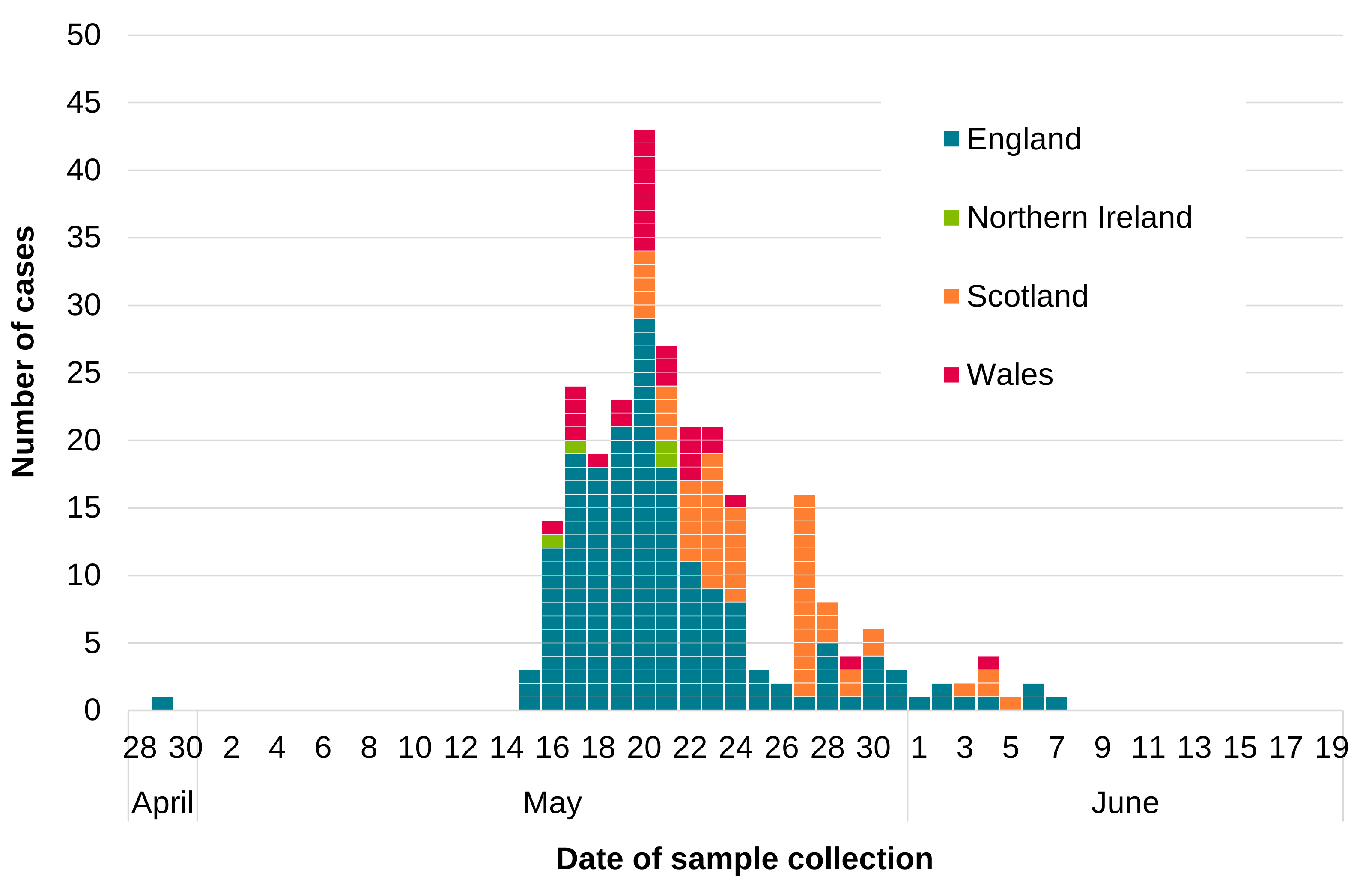
Note 1: sample date or receipt date unavailable for 9 cases and sample dates for 4 cases occurring after 19 June not shown (4 July, 19 August, 24 October and 9 November 2024).
Figure 2. Temporal distribution of confirmed STEC O145 t5.206 cases by symptom onset date and case definition (n=259) [note 2]
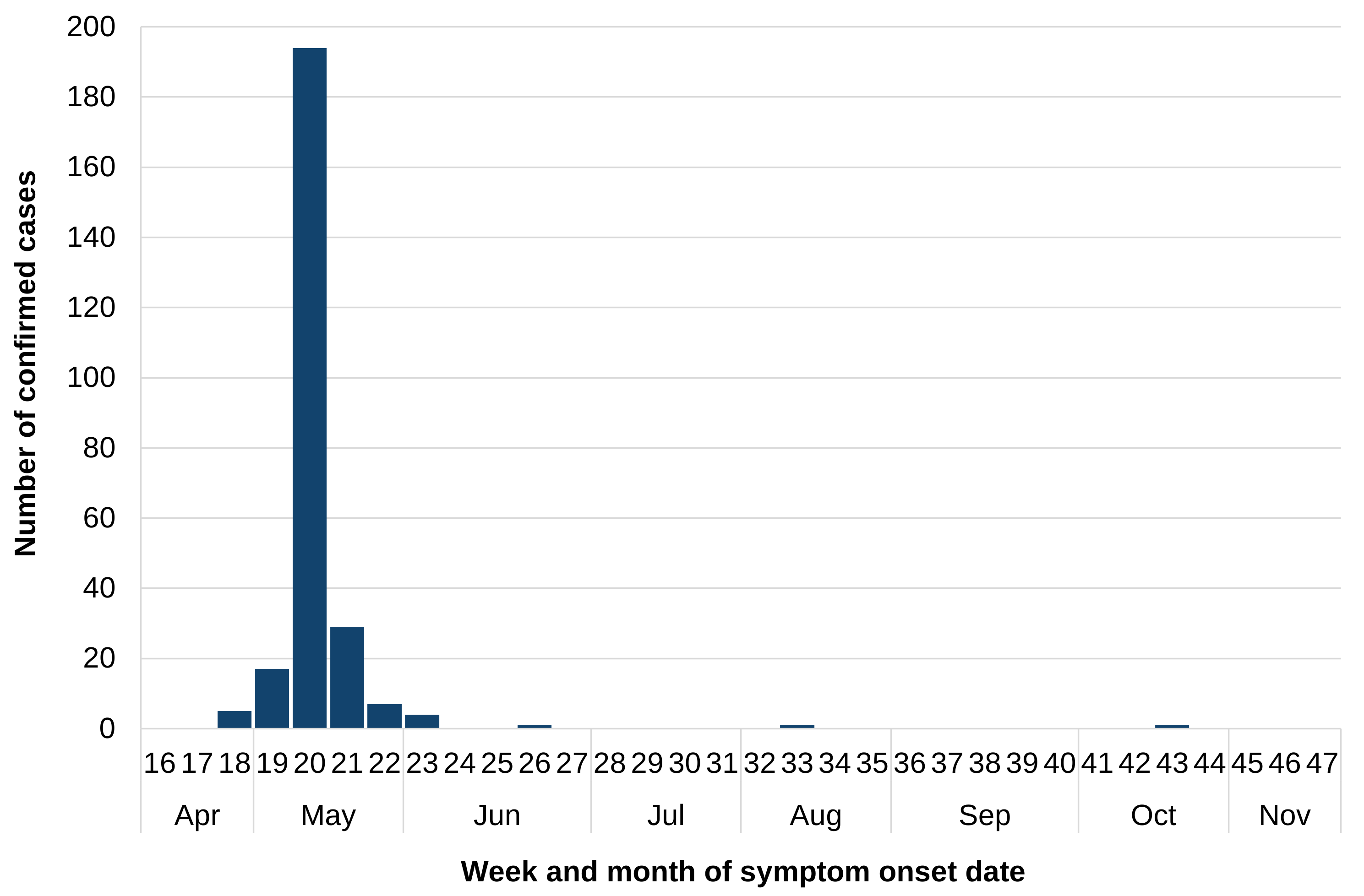
Note 2: onset date unavailable for 34 cases.
Figure 3. Age-sex distribution of confirmed STEC O145 t5.206 cases in the UK (n=292) [note 3]
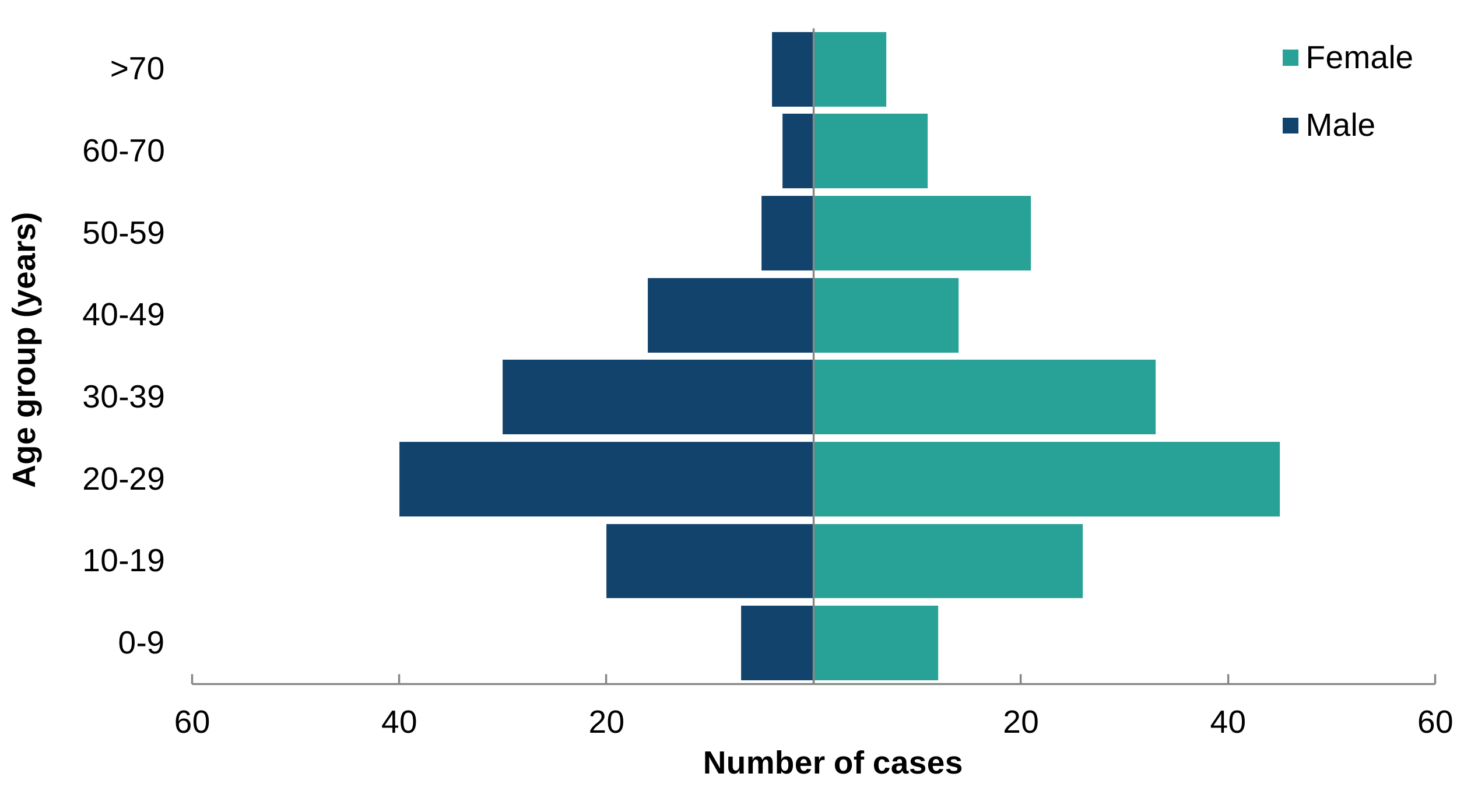
Table 1. Distribution of confirmed cases by country and UKHSA region of residence (n=293)
| Region or country | Number of cases | Percentage |
|---|---|---|
| East Midlands | 13 | 4% |
| East of England | 23 | 8% |
| London | 14 | 5% |
| North East | 21 | 7% |
| North West | 39 | 13% |
| South East | 33 | 11% |
| South West | 14 | 5% |
| West Midlands | 18 | 6% |
| Yorkshire and Humber | 21 | 7% |
| England | 196 | 67% |
| Northern Ireland | 4 | 1% |
| Scotland | 62 | 21% |
| Wales | 31 | 11% |
| Total | 293 | - |
Analytical epidemiology
Case-case analysis
An initial univariable case-case analysis with England only data was conducted on 31 May 2024 for hypothesis generation, using 17 confirmed cases and 64 other STEC cases as controls. This analysis identified pre-packaged sandwiches as the most significantly associated exposure with being an outbreak case (OR: 4.91, 95%CI 1.51–15.1, p= 0.004), after which this was the working hypothesis of the likely vehicle of infection. A similar study in Wales identified the same hypothesis (aOR: 3.9, 95%CI 1.7 - 9.6, p = 0.002). At this point in the investigation 15 of the 17 (88%) confirmed cases who had completed a trawling questionnaire reported eating a pre-packaged sandwich, with bacon/ bacon, lettuce and tomato (BLT) (n=9) and chicken (n=9) the most commonly reported type of sandwich, but from a variety of different national retailers. As a result of these analyses on 31 May detailed information on pre-packaged sandwiches, loose lettuce, tomatoes and cucumber was shared with FSA.
On 3 June 2024 univariable analyses were repeated including data for additional confirmed cases (n=59, Appendix 3, Table 1), results were consistent with previous analyses. The final multivariable model included pre-packaged sandwiches (adjusted OR (aOR): 3.88, 95% CI: 1.65-9.57, p=0.002), iceberg lettuce (aOR: 2.99, 95% CI: 1.24-7.48, p=0.016) and eating out (aOR: 2.17, 95% CI: 0.91-5.37, p=0.08, Appendix 3, Table 2).
Case-control analyses
In total, 43 cases completed targeted questionnaires and were included in both case-control studies. The median age of cases was 27 years old (range: 15 to 66 years but unavailable for 1 case), 65% were female (n=28) and they were resident in England (n=29), Scotland (n=10) or Wales (n=4). Overall, 67% of cases (n=29) reported consumption of pre-packaged sandwiches.
Study 1. Salmonella cases as controls
Fifty-nine control Salmonella cases were available and eligible for inclusion in the study along with 43 confirmed cases, giving a case:control ratio of 1.4 Salmonella case controls per confirmed case.
The results of the univariable analyses were consistent with that of the case-case analyses, highlighting prepackaged sandwiches, lettuce, cucumbers and tomatoes as exposures of interest (Appendix 3, Table 3). The composite variable of having consumed ‘any lettuce in a sandwich’ was significantly associated with an increased odds of being a case of STEC O145 (OR: 13.2, 95%CI: 4.3 to 44.4, p<0.001, Appendix 3, Table 4). In the multivariable model, STEC O145 t5.206 cases were significantly more likely to have consumed a pre-packaged sandwich containing lettuce (aOR: 7.1, 95%CI: 2.3 to 21.5, p=0.001, Appendix 3, Table 5).
In total, 32.6% (n=14) of cases reported having consumed a BLT or bacon containing sandwich, in the week before their onset, compared to only 1.7% of Salmonella case controls. Of the 14 cases who reported consuming a BLT/bacon containing pre-packaged sandwich 43% (n=6) had purchased them from different branches of the same retailer, although another 6 retailers were also named. Cases provided details of meal deal BLT sandwiches, a chicken and bacon Caesar salad wrap and ‘BLT with salad’.
Study 2. Market research panel controls
Ninety-three market research panel controls were identified and eligible for inclusion in the study, with the 43 confirmed cases this gave a case:control ratio of 2.2 controls per confirmed case.
In the univariable analyses being a case was most strongly associated with consuming a BLT/bacon containing sandwich (OR: 14.5, 95%CI: 3.6 to 82.1, p<0.001), consuming any lettuce containing sandwich (OR: 7.2, 95%CI: 3.0 to 17.8, p<0.001) and consuming a sandwich containing iceberg lettuce (OR: 6.6, 95%CI: 2.5 to 17.8, p<0.001, Appendix 3, Table 6). Model 1 was consistent with the multivariable model in Study 1, in that STEC O145 t5.206 cases were significantly more likely to have consumed pre-packaged sandwiches containing lettuce (aOR: 4.8, 95%CI: 1.9 to 12.0, p= 0.001, Appendix 3, Table 7). Model 2 showed increased odds of illness if consuming a pre-packaged sandwich containing lettuce compared to any other type of sandwich or no sandwiches (aOR: 7.1, 95%CI: 3.0 to 17.5, p<0.001, Appendix 3, Table 8) and Model 3 showed consuming lettuce as part of a meal out but not in a sandwich was not significantly associated with being an outbreak case (aOR: 1.4, 95%CI: 0.4 to 5.4, p=0.6, Appendix 3, Table 9).
Table 2. Summary of associations of being an outbreak case with consumption of a pre-packaged sandwich containing lettuce across all 3 studies conducted [note 4]
| Study | Exposure | Adjusted OR | 95% CI | p-value |
|---|---|---|---|---|
| Case-case analysis | Pre-packaged sandwiches | 3.9 | 1.7 to 9.6 | 0.002 |
| Case-control, Study 1 | Pre-packaged sandwich eaten contains lettuce | 7.1 | 2.3 to 21.5 | <0.001 |
| Case-control, Study 2 | Lettuce consumed in a pre-packaged sandwich | 7.2 | 3.1 to 16.8 | <0.001 |
Note 4: full final multivariable generalised linear regression model for each study available in Appendix 3, Table 3, Table 5 and Table 9, respectively.
Table 2 summarises the findings of the 3 studies conducted as part of the investigation. These epidemiological analyses provided robust evidence that pre-packaged sandwiches containing lettuce were the likely vehicle of infection. As such, the detailed information on these products was shared with FSA and FSS as it became available to assist their investigations. Furthermore, these findings were shared with the public in a peer-reviewed publication in the Epidemiology and Infection Journal in December 2024 (12).
International case finding
All countries who replied to the EpiPulse notification confirmed they had no closely genetically related cases, providing assurance this outbreak did not pose a cross-border threat.
4.2 Microbiological and phylogenetic investigation results
SNP-typing identified the outbreak strain as Shiga toxin-producing Escherichia coli O145:H28, SNP address 2.8.17.17.197.206.%. The Shiga toxin (Stx) subtype of all cases available through WGS indicated the strain possessed Stx subtype stx2a and was eae positive. Therefore, this strain had a virulence profile indicative of likely enhanced severity of infection and potential to cause STEC-HUS (5).
The average distance across the isolates in this outbreak was 2-SNPs, and the maximum distance was 25 SNPs (note these figures account for recombination, tree available in Appendix 4). Phylogenetic analysis of WGS data indicated that the outbreak strain was a variant of 1 of the domestic STEC O145:H28 sub-lineages endemic in UK cattle.
The Enterobase cgMLST hierarchical cluster designation for the outbreak isolates was HC5-204561. FASTQ reads from all sequences in this study can be found at the UKHSA Pathogens BioProject at the National Center for Biotechnology Information (Accession SRR14559909). Examination of international databases did not identify any international sequences which fell within the outbreak cluster.
4.3 Food chain investigation results
The FSA and FSS analysed the information provided by the IMT on food exposures of interest, initially focussing on the types of pre-packaged sandwiches and wraps most commonly reported amongst confirmed cases. The most frequently reported sandwich types were chicken containing lettuce (n=41) and BLT/bacon containing lettuce (n=35).
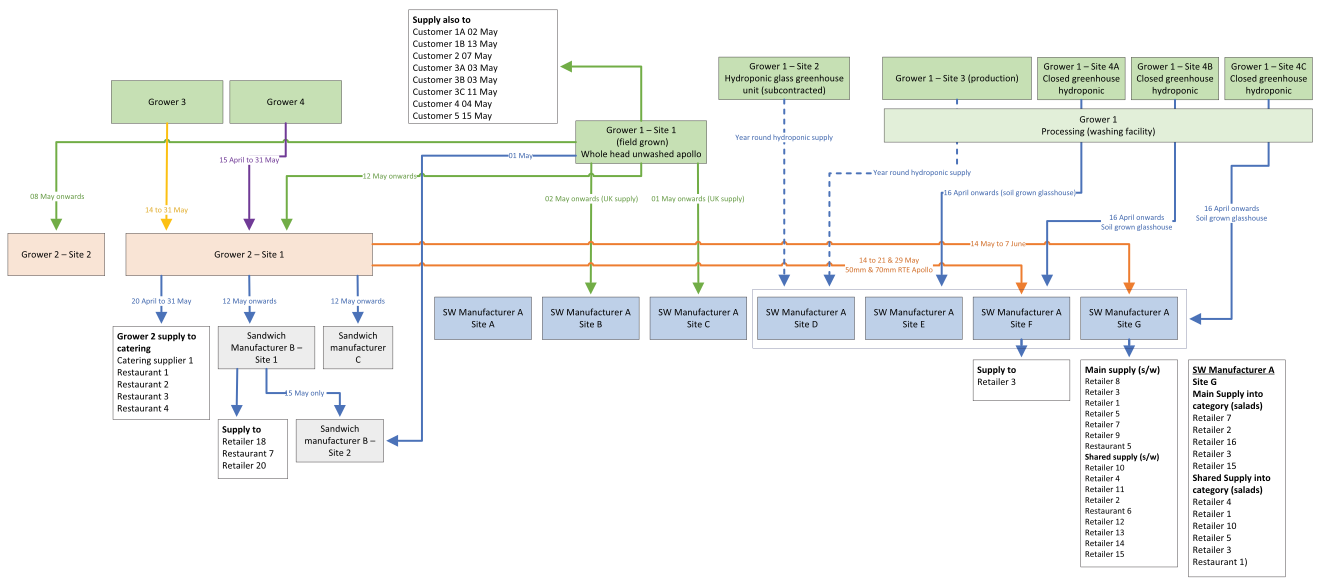
FSA explored a total of 26 types of sandwiches and wraps as well as salads, which included a total of 126 ingredients. The most common of the relevant raw materials was Apollo lettuce. Other common raw materials investigated were tomatoes and mayonnaise. The traceability investigation led back to 3 sandwich manufacturers: Sandwich Manufacturers A, B and C. These 3 sandwich manufacturers were supplied by 4 main UK growers: 1, 2, 3 and 4.
Sandwich manufacturer A has more than 15 manufacturing sites across the UK, which manufacture in excess of 770 million Food to Go units per year, with 1,600 products across 20 different categories. All sites have the same accreditation, technical and strategic policies and procedures. Apollo leaf included in sandwiches was the most common ingredient identified across ingredient analysis, however some foods reportedly consumed did not contain Apollo lettuce. The food traceability investigation traced the sandwiches, wraps and salads reported by cases back to 7 Sites (A to G) of sandwich manufacturer A. There were no commonalities in supply chain and ingredients identified across all 7 supply chains. Overall, 44% of the reported pre-packaged sandwiches or wraps could be linked to manufacturing sites F, and G. Site visits were undertaken by FSA personnel to aid understanding on the complexities of the industry.
Raw material supply chain investigations
Apollo leaf
Supply chain investigation highlighted 2 different types of Apollo leaf: Apollo grown from seed in closed greenhouses using hydroponic systems (Grower 1, site 2) and soil-grown Apollo leaf (Growers 1 to 4). Hydroponic Apollo leaf was supplied as washed and RTE, therefore ready-to-use (RTU) in assembly of end products, soil grown Apollo leaf was supplied as unwashed leaf that required further processing before being used in RTE products.
In 2024 harvest and supply of UK soil grown Apollo leaf commenced from 29 April. Prior to then, the UK market was supplied with lettuce crops sourced from the EU. Investigations determined hydroponic Apollo leaf was supplied all year round, (52 weeks) to 1 customer: Sandwich Manufacturer A, site D. This site solely used hydroponic Apollo leaf and RTE products from this site were supplied to only 1 major retail supermarket. Products from this retailer were not listed in the detailed food exposure information provided by the IMT, making contamination from hydroponic Apollo leaf unlikely.
Due to supply and demand issues, Grower 1 was not able to supply Sandwich Manufacturer A’s site F from 14 May to 21 May 2024 or site G between 13 May and 7 June 2024. To address the shortfall, Sandwich Manufacturer A approached Grower 2 for additional Apollo leaf supply.
Sandwich Manufacturers A, B, and C supplied a variety of retailers, with Sites F and G of Manufacturer A being the most frequently used supply sites. According to the supply chain investigation Sandwich Manufacturer A was supplied by Growers 1 and 2, Sandwich Manufacturers B and C were supplied by Growers 3 and 4 with some supply by Grower 2 (Appendix 5, Figure 1).
The most commonly reported pre-packaged sandwiches were from 2 national retailers; Retailer 1 and Retailer 2, which were both supplied by Sandwich Manufacturer A. Ten cases reported consuming BLT sandwiches and 7 reported consuming chicken salad sandwiches from Retailer 1 and 10 cases reported BLT sandwiches from Retailer 2. Common ingredients of interest included:
- Apollo leaf from Growers 1 and 2
- hydroponic Apollo leaf from Grower 1
- tomatoes from a shared supplier
- mayonnaise from 2 suppliers
Together the epidemiological and food chain investigations provided evidence that Apollo leaf from Grower 2 was the likely source of the contamination. Whilst Grower 2 supplied Apollo leaf during the period of interest, as investigations progressed, it became clear that the supply dates did not cover the full exposure period for reported cases, even when accounting for the longest likely shelf life of these highly perishable foods. The shift from EU-based supply chain to the UK-based supply chain for Apollo leaf had not occurred for early exposure dates. As a result, food chain investigations were inconclusive and unable to identify the source of contamination and root cause of the incident.
Tomatoes
For the period of interest, May to August 2024, tomatoes were sourced from the Netherlands and Morocco. Investigations determined there were no differences in the supply chain between these countries and the UK, and no common links amongst the tomato supply chains to the implicated sandwich manufacturers. Given there were also no international cases reported, tomatoes were considered unlikely to be the source of contamination in this domestic outbreak.
Mayonnaise
Investigations identified 2 different suppliers were linked to the various types of mayonnaise used in sandwiches, wraps, and salads of interest, each with distinct raw material supply chains. Additionally, some mayonnaise products were distributed outside the UK, to the Republic of Ireland. Therefore, due to a lack of wider cases and multiple suppliers, mayonnaise was ruled out as the likely source of contamination in this domestic outbreak.
Comparison of data from previous STEC outbreaks linked to fresh produce
2023 and 2024 STEC O145 t5.206 outbreak investigation
Epidemiological investigations into the 2023 outbreak of the same strain provided weak evidence for cucumbers as the suspected vehicle, with food chain investigations subsequently identifying a UK-based cucumber grower, however the root cause of the investigation was inconclusive. There were 3 main findings from the 2023 and 2024 outbreak data comparison:
- Limited loyalty card information helped established that no sandwiches containing Apollo leaf were reported in the 2023 outbreak.
- In the 2024 outbreak there was a weak link to cucumbers as a raw ingredient in prepacked sandwiches, however, many cases reported consumption of whole and cut cucumbers sold at retail from multiple suppliers (including the UK-based grower identified in the 2023 investigation).
- Five common major retail supermarkets were contacted as part of the 2023 and 2024 outbreak investigations, there were no reports of failures or inadequacies of HACCP, audits, product specification or any other potential food safety risks or hazards.
Grower sites and field rotation
The 2024 food chain investigations focused on 4 growers and built on earlier food chain analysis, enabling comparative analysis of between 2022, 2023 and the 2024 fields and crop rotation. However, it was not possible to draw any firm conclusions on which crop and which field was linked to the outbreak, summarised in Table 3.
Table 3. Summary of field and crop rotation in 2024 compared to 2022 and 2023 for growers identified in the investigation
| Grower | 2024 field rotation | 2022 and 2023 field rotation |
|---|---|---|
| Grower 1 | Four of the fields used at the peak of the outbreak in May and June 2024 were replanted. Only one field was reused in later months of 2024 to plant Apollo leaf, the other 3 fields were used to plant other lettuce crops. | None of the fields used in 2024 were used in 2022 or 2023: no field-level link to previous STEC outbreaks in fresh produce. |
| Grower 2 | None of the fields used during the peak of the outbreak in May and June 2024 were replanted for the later months of the 2024 UK crop season. | None of the fields used in 2024 were used in 2022 or 2023: no field-level link to previous STEC outbreaks in fresh produce. |
| Grower 3 | None of the 3 fields used during the peak of the outbreak in May and June 2024 were replanted for the later months of the 2024 UK crop season. | Field 1 was not used in the 2022 and 2023 UK crop seasons, so there is no field-level link to previous STEC outbreaks in fresh produce. Iceberg lettuce was harvested from field 2 in late October 2022 but was not used in the 2023 UK crop season. Field 3 was not used in the 2022 UK crop season. |
| Grower 4 | Of the 2 fields used during the peak of the outbreak, one was re-used twice in 2024 UK crop season. | The same fields used in the 2024 UK crop season were also used in 2023. |
These growers and their local authorities provided information to the FSA on the food safety and good manufacturing practises they implement routinely such as completion of robust risk assessments on geographical location, topography, proximity to livestock, staff hygiene and water sources used for irrigation. Extreme Weather Protocols exist and, when triggered, result in enhanced testing (increased frequency and scope) for early detection, increased frequency of field and crop inspections to identify and address any issues promptly, as well as consultations with technical experts to ensure best practices are followed and to address any emerging risks.
Food chain investigations identified Apollo leaf lettuce grown in the UK as the likely vehicle of infection, while also ruling out tomatoes and mayonnaise as likely vehicles. Despite extensive analysis of the food supply chain, it was not possible to confirm which grower supplied the Apollo leaf or identify the fields the crop was grown in. As such the root-cause investigation was inconclusive.
4.4 Food and environmental sampling results
Each of the sandwich manufacturers and the growers have more than one site within the company group. On the request of and input from the FSA, 6 local authorities undertook announced site visits to inform investigations at 6 sites. These were conducted at Sandwich Manufacturer A, (sites G and F), Grower 1 (site 1), Grower 2 (site 1), Grower 3 (site 1) and Grower 4 (site 1). The local authorities reviewed operational processes such as supplier approval procedures, supply chain management procedures, microbiological testing and adverse weather events. Local authorities advised that the food safety management systems were reviewed and all in accordance with the FBO HACCPs, with no food safety or non-compliance issues identified.
Local authorities were supported by UKHSA FWEMS at 6 sampling locations, and collected food and environmental samples, all of which were PCR negative for Shiga toxin genes.
During routine surveillance of end products by Manufacturer A, 5 detections of low-level generic E. coli, 4 on 13 June, one on 20 June; in addition to one raw ingredient sample of Apollo on 8 June. E. coli isolates from these samples were referred to the UKHSA FWEMS reference laboratory for further analysis. All were PCR negative for Shiga toxin genes. Sandwich Manufacturer A submitted an additional 25 generic E. coli isolates obtained from food samples from site A, and site B, to the UKHSA for confirmatory testing. Again, all were PCR negative for Shiga toxin genes.
Grower 3 and Grower 4 were visited jointly by the local authority and UKHSA FWEMS colleagues in August and September 2024, similarly, no food safety and non-compliance issues linked to the 2024 outbreak strain were reported.
Table 4 summarises the 88 food, water and environmental samples collected from implicated premises during the investigations between June and September 2024. Overall, there was no microbiological confirmation of the outbreak strain in any samples tested.
All samples tested negative for Shiga toxin genes by PCR testing but one sample of irrigation water from Grower 4 tested positive for Shiga toxin genes. This sample was cultured, STEC was isolated and following WGS and SNP-typing the isolate was confirmed as STEC O55:H12 CC101 stx1a, which was not the outbreak strain.
Table 4. Summary of food, water and environment samples tested during the investigation
| Date | Location | Environmental (swabs) | Water samples | Food samples | Total |
|---|---|---|---|---|---|
| 11 June 2024 | Sandwich Manufacturer D | 0 | 0 | 1 salad | 1 |
| 13 June 2024 | Grower 2, site 1 | 13 | 6 | 4 salad | 23 |
| 17 June 2024 | Grower 2, site 1 | 0 | 0 | 3 salad | 3 |
| 17 June 2024 | Sandwich Manufacturer A, site G | 15 | 0 | 0 | 15 |
| 19 June 2024 | Sandwich Manufacturer A, site F | 14 | 0 | 5 salads, 2 sandwiches | 21 |
| 2 July 2024 | Grower 1 | 0 | 4 (irrigation) | 5 salads | 9 |
| 14 August 2024 | Grower 4 | 0 | 3 (irrigation) | 2 food | 5 |
| 19 August 24 | Grower 3 | 0 | 3 (irrigation) | 2 food | 5 |
| 2 September 2024 | Grower 3 | 0 | 6 (irrigation) | 0 | 6 |
| Total | 42 | 22 | 24 | 88 |
4.5 Plant investigation results
The seed associated with implicated crops was traced back to 3 different suppliers.
One supplier confirmed that their seed originated primarily from Chile and the Netherlands and was harvested between 2022 and 2023 by various growers. Although the seed origin was traceable, the supplier had no remaining stock available for follow-up sampling.
A second supplier provided origin details and confirmed that, as of August 2024, 5 seed lots remained in stock and were available for potential further sampling. These originated from countries including the Netherlands, Chile, Peru, and Spain. Sales records showed that seed batches had been distributed since July 2023 to 9 different customers, with multiple batches sold over the previous year.
The third supplier reported that 2 seed lots remained in store, both of which had also been supplied to EU countries. The supplier detailed batch-level distribution data and confirmed that several lots had been fully distributed, with some still held in local stock.
Following a risk assessment, it was decided that no further testing would be undertaken, as no related issues had been reported in the EU despite the same seed lots being used there.
4.6 Animal and environment investigation results
The investigation and risk assessments determined that this was a foodborne outbreak with limited evidence of animal involvement, therefore animal or farm investigations were not required, and sampling of any animals was not performed. APHA specialist veterinarians and One Health colleagues attended the IMTs for this outbreak to provide input into veterinary and animal investigation aspects where necessary.
Following a water resources compliance inspections at Grower 1 and 3 the EA advised no issues of concern and no follow up investigations were required at either sites. Based on the risk assessment and review undertaken by the EA at both sites, no further action was deemed necessary.
5. Risk management
5.1 Cases and contacts
All cases and contacts of cases were managed in line with recommendations in the national guidance (7). Where applicable, this included the exclusion and screening of cases and contacts in risk groups to reduce the risk of further spread. Advice on hand and food hygiene was provided to all cases and contacts together with guidance on environmental cleaning and disinfection.
5.2 Communications
On 29 May an email alert was sent to UKHSA HPTs to inform them of the re-emergence of the STEC O145 t5.206 outbreak strain, the scale of the outbreak and importance of completing ESQs as soon as feasible. A Briefing Note was then published on 3 June to raise awareness of the rapidly growing outbreak and to provide guidance on testing and notification to national surveillance. This was accompanied by upward briefing to Ministers which was co-ordinated by the Policy Cell.
An EpiPulse notification was posted on 3 June 2024 to alert International public health agencies to the emerging outbreak and enable international case-finding, shortly followed by a notification to WHO under Article 6 of the International Health Regulations (2005) (13) , via UKHSA, the UK’s National IHR focal point.
Following recommendations from previous outbreak investigations the IMT agreed to take a proactive approach to sharing information about the outbreak and ongoing investigations with the public. The Communications Cell co-ordinated weekly press releases on behalf of the IMT from early June, with updates published on 6 June, 14 June, 20 June, 27 June and 3 July (14). These updates included public health messaging on symptoms of STEC and measures people could take to reduce the risk of infecting to others. Furthermore, on 27 June 2024 UKHSA published an article in the Health Protection Report summarising the investigation so far and noting the rate of case reporting had dramatically declined and highlighting the shift towards prevention of re-occurrence (15).
The Emergency Contact Point for INFOSAN for the Republic of Ireland were informed of the outbreak, in the event of distribution of food from Northern Ireland to ROI. No wider INFOSAN communication occurred, in the absence of international supply chains identified in the food chain analysis, and absence of closely genetically linked cases reported outside the UK.
The findings of the analytical epidemiological studies and the initial stages of the outbreak investigation were shared with the public in a peer-reviewed publication in the Epidemiology and Infection Journal in December 2024 (12).
5.3 Control measures implemented
The FSA worked with local authorities, EA, APHA, businesses directly involved and with a high number of trade associations during the response phase of the incident, as well as afterwards, to strengthen prevention strategies.
Product recall and withdrawal
During the investigation FSA risk manager provided risk management and food safety advice (RMA) to the IMT, local authorities and the businesses concerned. This advice was based on food law requirements, information provided by IMT, local authorities and implicated growers, food chain investigations and advice from FSA risk assessors.
Following sampling and testing in early June, Sandwich Manufacturer 1 notified the FSA of a small number of generic E. coli detections in RTE Apollo leaf and 3 pre-packed sandwiches. FSA risk managers were asked to consider if this action was proportionate or if further food safety action, in the form of a product recall should be considered. They concluded it was difficult to demonstrate that a recall due to presence of generic E. coli alone was a proportionate response. However, considering the seriousness of the situation and the ongoing uncertainties, and in discussion with the FSA, on 14 June (16, 17) and 16 June (18) Sandwich Manufacturers A, B, and C voluntarily withdrew and recalled all potentially affected RTE products (sandwiches, wraps, and salads) due to possible contamination with E. coli.
Voluntary enhanced routine testing
Following the E. coli detections in Apollo leaf and 3 sandwiches at end of production additional testing for both raw material and final product was introduced by the sandwich manufacturers until the end of the UK growing season in 2024.
Prevention strategies
The FSA, as a Lessons Identified exercise, convened 31 of the affected businesses, including growers, manufacturers, and retailers in January 2025 to improve industry awareness of challenges in the industry surrounding STEC, and sought to agree common production standards across the sector. The British Leafy Salads Association (BLSA) responded by delivering training for growers and collaborating with local authorities to improve understanding of salad production risks which involved delivery of a webinar for local authority officers, and the Chilled Food Association (CFA) also updated guidance for growers to reduce STEC risks. Over 180 local authority officers attended and further training is to be delivered.
Wider outcomes included: trade associations re-issuing microbiological guidance for fresh produce suppliers to chilled food manufacturers and delivering training to relevant parties. Industry experts leading suggestions to tighten industry accredited standards and a food assurance scheme reviewing and agreeing their assurance targets and standards with industry, in liaison and discussion with other assurance and audit schemes with a view to achieving harmonised standards across the sector.
Efforts remain ongoing to implement changes to enhance prevention strategies and maximise capability to rapidly contain any similar outbreaks in the future. This includes embedding learnings from lessons identified and ensure solutions prove to be effective; sourcing new digital tools so they are deployable in future and ensuring professional development and competency associated with grower training to provide assurance of proficiency. More long-term work includes trade associations (BLSA and CFA) working together with a view to offering professional certification post training, with FSA input as well as further research network led initiatives on testing, including methods, trigger for action and the interpretation of results, notifications mechanisms and data sharing.
6. Discussion
In this outbreak, early detection based on multiple surveillance indicators from robust national surveillance systems and effective collaboration amongst the UK public health agencies enabled a rapid response, and expedited identification of pre-packaged sandwiches containing lettuce as the likely source of the outbreak. The high resolution provided by WGS typing has improved outbreak detection and response through refining of case definitions to target outbreak investigations. Early sharing of information and epidemiological evidence with partner agencies facilitated parallel food chain investigations, identifying the implicated sandwich manufacturers and the prompt initiation of root cause analysis with their suppliers of Apollo leaf lettuce. International communications established the outbreak was restricted to the UK and further investigation determined all cases in Northern Ireland had travelled to England during their incubation period, further supporting the hypothesis that Apollo leaf grown in England was the source. Proactive sharing of information on the investigation at regular intervals and public health messaging on how to prevent onwards transmission also kept the public informed.
STEC O145 has emerged as one of the most common serotypes causing foodborne outbreaks in England, accounting for 3 of the 7 national outbreaks investigated in 2023 (only one of which was STEC O157) (1). These 3 outbreaks include the previous emergence of the outbreak strain totalling 44 cases and another 2 of similar size (36 and 47 confirmed cases each), with the same virulence profile and severe clinical presentation; at least 65% of cases reporting bloody stools and 45% or more hospitalised. Only one investigation conclusively identified the vehicle of infection, an unpasteurised cheese produced in the UK (19). This virulence profile leads to outbreaks which can place more pressure on public health and clinical services. For example, in the 2022 STEC O157 national outbreak while the scale, pace and demographics of cases were similar, only 29% were admitted to hospital, none of the cases developed HUS and there were no associated deaths (20), compared to 46% admitted, 11 with HUS and 2 deaths for this outbreak. The increased burden of STEC O145 and severity of illness is concerning and highlights a need for better understanding of the potential impact on NHS services should an even larger outbreak occur. Multidisciplinary collaboration using tools such as WGS to better characterise the STEC O145 reservoir will also help inform future prevention strategies.
Although hydroponic lettuce production is maintained throughout the year, the UK soil grown leaf season is between May to October. It is approximately 189 to 195 days of the year, with produce harvested daily and supplied to consumers usually within 24 to 48 hours from harvest, depending on timing of harvest. The short shelf life of Apollo leaf and other salad leaves posed additional challenges to the root cause analysis investigation. In particular the highly perishable nature of fresh produce limits the opportunities to establish microbiological links between the implicated food vehicle and the cases, as none of the original batch is usually available for testing. In previous outbreaks analysis of extreme UK weather patterns and geographical profile of the different grower sites and fields has been used to narrow down the potential source of contamination (21). On this occasion, however, it was not possible to use this approach. Through investigation, the FSA were able to identify the likely cause of this outbreak, however despite the robust epidemiological evidence and food chain evidence identifying Apollo leaf, the lack of a clear implicated supply chain and of microbiological evidence led to an inconclusive source of contamination and root cause investigations. Given the challenges identified in this outbreak, extensive engagement methodologies have been and are being worked on to develop prevention and surveillance measures, and strategies at manufacturing and grower level. Furthermore, the utility of environmental and food testing for the detection of E. coli as an indicator of a potential contamination event was demonstrated in this investigation and factored into the decision to implement control measures and potentially prevented further cases.
7. Conclusions and recommendations
This outbreak surpassed the 2022 STEC O157 outbreak and at 293 confirmed cases, is now the largest reported STEC outbreak in the UK since the implementation of routine WGS in 2015. Furthermore, it is the largest O145 outbreak ever recorded in the UK. Early detection of the re-emergence of the STEC O145 t5.206 strain was facilitated by the use of multiple surveillance indicators and communications across the public health agencies of the UK, enabling rapid initiation of the epidemiological investigations and highlighted the benefit of close cooperation between UKHSA, PHW, PHS and PHA. The use of a case-case analytical study for hypothesis generation provided evidence to identify food exposures of interest and early sharing of detailed information on these allowed food safety authorities to progress food traceback and supply chain analysis in parallel. The iterative approach of undertaking multiple case-control studies further added to the weight of evidence that pre-packaged sandwiches containing lettuce were the vehicle of infection, which was supported by the supply chain and identified Apollo leaf as the likely contaminated ingredient. The collection and analysis of both epidemiological and food chain data is time consuming and resource intensive, however the approach taken in this outbreak facilitated concurrent investigations, expediting identification of the vehicle and the implementation of control measures. The process and approach are something of continuous improvement with the intent to implement tools and technology where partners can, to ensure efficiency where possible.
Recommendation 1
Close cooperation between UK public health agencies, food safety authorities and partners (for example, NHS, local authorities, APHA) should be maintained for rapid detection, investigation and response to foodborne outbreaks. Sharing of information in a timely manner is essential to rapidly progress full investigations, gather the best possible evidence and determine the root cause for national outbreaks.
Recommendation 2
UKHSA should continue to collaborate across all levels to strengthen national STEC surveillance systems, enhance data linkage and reduce evidence gaps to ensure early detection and provide robust information for risk assessment of emerging outbreak clusters.
Outbreaks associated with fresh produce or RTE foods are notoriously challenging to investigate due to the pace at which they emerge, their short duration and the lack of available product for testing once the potential vehicle has been identified. While it was not possible to detect the outbreak strain in any food samples tested during the investigation, this may be because there were also no samples left from the implicated batches. An additional challenge which this outbreak highlighted as an area for attention is the limited options for non-O157 STEC testing available to industry. Furthermore, the inconclusive findings of the root cause analysis mean another re-emergence of the outbreak strain is possible.
Recommendation 3
UK public health agencies should consider how best to enable expediting completion of enhanced surveillance questionnaires (ESQs) or food diaries and analytical epidemiological studies based on detection of early surveillance signals of an emerging outbreak, to facilitate rapid identification of a likely vehicle and enable more timely microbiological investigations.
Recommendation 4
Multidisciplinary collaboration between public health agencies, food safety authorities and industry is required for an effective response; all should work together to achieve better engagement, at an earlier stage and support rapid information exchange in a secure way including the details of the emerging outbreak, risk-assessments undertaken and product traceability.
Recommendation 5
UK public health agencies and food safety authorities should continue to work together to raise awareness of the risks posed by STEC with industry and local authorities, particularly around fresh-produce and non-O157-STEC, and prioritise the development of prevention strategies including rapid tests for detection of STEC in fresh produce.
The emergence of STEC O145 as one of the most common serotypes associated with foodborne outbreaks in the UK in recent years highlights the need for a better understanding of the reservoirs and routes of contamination.
Recommendation 6
Routine use of WGS data for outbreak detection and strain characterisation is essential for a rapid response. UKHSA and partners should continue to work together to undertake phylogenetic analyses to better characterise the STEC O145 population and inform future risk management strategies.
The severity of illness reported by cases in this outbreak is concerning and consistent with the virulence profile of the outbreak strain. On this occasion the main demographic affected were in the ‘healthy adult’ range however if this had been linked to a vehicle more commonly consumed by vulnerable groups the number developing HUS could be substantially higher.
Recommendation 7
UKHSA should work with the NHS to establish a systematic method to rapidly obtain bed occupancy of STEC-HUS patients, acute dialysis and intensive care units capacities (adult and paediatric) during STEC outbreaks, to enable modelling of the impact of future outbreaks and undertake preparedness work for rapid escalation of tertiary and quaternary care bed capacity if necessary.
8. References
1. UKHSA 2023 STEC annual report
2. Pennington H. ‘Escherichia coli O157’ Lancet 2010: volume 376, issue 9,750
3. Jenkins C, Dallman TJ, A Grant K. ‘Impact of whole genome sequencing on the investigation of food-borne outbreaks of Shiga toxin-producing Escherichia coli serogroup O157:H7, England, 2013 to 2017’ Eurosurveillance 2019: volume 24, issue 4
4. UKHSA 2024 STEC annual report
5. Launders NB. ‘Disease severity of Shiga toxin-producing E. coli O157 and factors influencing the development of typical haemolytic uraemic syndrome: a retrospective cohort study, 2009 to 2012’ BMJ Open 2016: volume 6, issue 1, article e009933
6. The Health Protection (Notification) Regulations 2010
7. UKHSA (2023). Shiga toxin-producing Escherichia coli: public health management
8. Shiga toxin-producing Escherichia coli: questionnaire
9. Emergency preparedness, resilience and response: concept of operations: Incident response plan
10. Holmes A. ‘Validation of whole-genome sequencing for identification and characterization of Shiga toxin-producing Escherichia coli To Produce standardized data to enable data sharing’ Journal of Clinical Microbiology 2018: volume 56, issue 3, pages e01388-17
11. Chattaway MA (2016). ’Whole genome sequencing for public health surveillance of Shiga toxin-producing Escherichia coli other than serogroup O157’ Frontiers in Microbiology 2016: volume 7, issue 258
12. Quinn O, Yanshi, King G, Hoban A, Sawyer C, Douglas A, Painset A, Charlett A, Nelson A, Rees C, Byers C, Williams C, Brown C, Mohan K, Brown C, Jenkins C, Neill C, Leckenby G, Larkin L, Allison L, Olufon O, Nickbakhsh S, Mannes T, Inns T, Balasegaram S. ‘National outbreak of Shiga toxin-producing Escherichia coli O145:H28 associated with pre-packed sandwiches, United Kingdom, May to June 2024’ Epidemiology and Infection 2024: volume 152, article e179
13. International Health Regulations (2005) – Third edition
14. E. coli advice issued amid rise in cases
16. Greencore Group recalls sandwiches, wraps and salads because of possible contamination with E. coli
17. E.coli O157 and Haemolytic Uraemic Syndrome
18. THIS! recalls Chicken and Bacon wrap because of possible contamination with E. coli
19. Quinn OI, Jenkins C, Greig DR, Neale S, Jorgensen F, Yanshi, Inns T, Allison L, Browning L, Douglas A, Balasegram S. ‘An outbreak of Shiga toxin-producing Escherichia coli serotype O145:H28 associated with domestic travel and consumption of unpasteurized cheese, UK, 2023’ Journal of Food Protection 2025: volume 88, issue 4, 100470
20. Shiga toxin-producing Escherichia coli O157 outbreak: September to October 2022
21. Cunningham Neil, Jenkins Claire, Williams Sarah, Garner Joanna, Eggen Bernd, Douglas Amy, Potter Tina, Wilson Anthony, Leonardi Giovanni, Larkin Lesley, Hopkins Susan. ‘An outbreak of Shiga toxin-producing Escherichia coli (STEC) O157:H7 associated with contaminated lettuce and the cascading risks from climate change, the United Kingdom, August to September 2022’ Euro Surveillance 2024: volume 29, issue 36, page 2400161
9. Appendices
Appendix 1. Timeline of meetings
Table 1. Timeline of meetings held during the investigation, April to November 2024
| Date | Meeting |
|---|---|
| 24 May 2024 | DRA 1 |
| 24 May 2024 | RAT |
| 28 May 2024 | Epi subgroup 1 |
| 29 May 2024 | DRA 2 |
| 30 May 2024 | IMT 1 |
| 30 May 2024 | DRA 3 |
| 31 May 2024 | Diagnostic and genomic cell 1 |
| 31 May 2024 | DEA cell 1 |
| 2 June 2024 | Weekend bird table 1 |
| 3 June 2024 | IMT 2 |
| 4 June 2024 | SRG 1 |
| 4 June 2024 | Diagnostic and genomic cell 2 |
| 4 June 2024 | DEA cell 2 |
| 4 June 2024 | Clinical cell 1 |
| 5 June 2024 | DEA cell 3 |
| 6 June 2024 | IMT 3 |
| 6 June 2024 | Clinical cell 2 |
| 7 June 2024 | Diagnostic and genomic cell 3 |
| 7 June 2024 | Food chain subgroup 1 |
| 8 June 2024 | Weekend bird table 2 |
| 10 June 2024 | DEA cell 4 |
| 11 June 2024 | IMT 4 |
| 12 June 2024 | DEA cell 5 |
| 12 June 2024 | Clinical cell 3 |
| 13 June 2024 | IMT 5 |
| 14 June 2024 | Diagnostic and genomic cell 4 |
| 15 June 2024 | Weekend bird table 3 |
| 17 June 2024 | SRG 2 |
| 17 June 2024 | Food chain subgroup 2 |
| 17 June 2024 | DEA cell 6 |
| 19 June 2024 | DEA cell 7 |
| 20 June 2024 | IMT 6 |
| 20 June 2024 | Clinical cell 4 |
| 21 June 2024 | Diagnostic and genomic cell 5 |
| 22 June 2024 | Weekend bird table 4 |
| 24 June 2024 | Food cell 1 |
| 24 June 2024 | DEA cell 8 |
| 25 June 2024 | IMT 7 |
| 26 June 2024 | DEA cell 9 |
| 26 June 2024 | Clinical cell 5 |
| 27 June 2024 | IMT 8 |
| 28 June 2024 | DRA 4 |
| 01 July 2024 | Food cell 2 |
| 1 July 2024 | DEA cell 10 |
| 3 July 2024 | IMT 9 |
| 3 July 2024 | DEA cell 11 |
| 10 July 2024 | Clinical cell 6 |
| 16 July 2024 | Food cell 3 |
| 18 July 2024 | IMT 10 |
| 30 July 2024 | Food cell 4 |
| 1 August 2024 | IMT 11 |
| 5 August 2024 | IMT 12 |
| 26 November 2024 | IMT 13 |
Appendix 2. Incident Management Team (IMT) member organisations
The multidisciplinary IMT consisted of representatives from the following organisations:
- UK Health Security Agency (UKHSA)
- Public Health Scotland
- Public Heath Wales
- Public Health Agency, Northern Ireland
- Food Standards Agency
- Food Standards Scotland
- Animal and Plant Health Agency
- Environment Agency
- local authorities
Appendix 3. Epidemiological study tables
Table 1. Univariable analysis results for case-case analysis with outbreak cases (n=59) and other STEC (n=64) cases as controls for England only [note 5]
| Exposure | Other case | Outbreak case | OR | 95% CI | p-value |
|---|---|---|---|---|---|
| Pre-packaged sandwiches | 12 (19%) | 29 (50%) | 4.25 | 1.92, 9.86 | <0.001 |
| Iceberg lettuce | 11 (17%) | 25 (43%) | 3.58 | 1.59, 8.50 | 0.003 |
| Ate out | 36 (58%) | 44 (79%) | 2.65 | 1.19, 6.13 | 0.019 |
| Raw beef | 11 (17%) | 20 (34%) | 2.49 | 1.08, 5.96 | 0.035 |
| Dogs | 18 (29%) | 27 (47%) | 2.18 | 1.03, 4.68 | 0.042 |
| Cooked poultry | 32 (51%) | 40 (69%) | 2.15 | 1.03, 4.59 | 0.043 |
| Cats | 8 (13%) | 16 (28%) | 2.62 | 1.05, 7.00 | 0.044 |
| Ice cream | 7 (11%) | 13 (22%) | 2.31 | 0.87, 6.60 | 0.100 |
Note 5: univariable generalised linear regression model, only food exposures with an OR of >1 and LRT p-value <0.1 shown, general exposures (such as any salad leaf, any meat) were excluded and data correct as of 3 June 2024.
Table 2. Multivariable analysis model for case-case analysis with outbreak cases and other STEC cases as controls for England only [note 6]
| Exposure | aOR | 95% CI | p-value |
|---|---|---|---|
| Pre-packaged sandwiches | 3.88 | 1.65, 9.57 | 0.002 |
| Iceberg lettuce | 2.99 | 1.24, 7.48 | 0.016 |
| Eating out | 2.17 | 0.91, 5.37 | 0.080 |
Note 6: data correct as of 3 June 2024.
Table 3. Study 1 univariable analysis of estimated odds ratios of infection with STEC O145 t5.206 [note 7]
| Exposure | Number of cases | Percentage of cases | Number of controls | Percentage of controls | OR | 95% CI | p-value |
|---|---|---|---|---|---|---|---|
| BLT/bacon sandwich | 14 | 33% | 1 | 2% | 29.9 | 4.1, 1285.1 | <0.001 |
| Iceberg lettuce in a sandwich | 19 | 44% | 5 | 8% | 9.2 | 2.8, 34.4 | <0.001 |
| Eaten a pre-packaged sandwich | 29 | 67% | 19 | 30% | 4.8 | 1.9, 12.1 | <0.001 |
| Tomato in a sandwich | 17 | 40% | 6 | 10% | 6.2 | 2.0, 21.2 | <0.001 |
| Cucumber in a sandwich | 9 | 21% | 34 | 54% | 0.2 | 1.6, 40.4 | <0.001 |
| Cucumber | 21 | 49% | 13 | 21% | 3.7 | 1.4, 9.5 | 0.002 |
| Mayonnaise in a sandwich | 12 | 28% | 5 | 8% | 4.5 | 1.3, 17.5 | 0.006 |
| Hamburger | 14 | 33% | 7 | 11% | 3.9 | 1.3, 12.5 | 0.007 |
| Chicken sandwich | 17 | 40% | 11 | 17% | 3.1 | 1.2, 8.4 | 0.011 |
| Cold chicken | 10 | 23% | 4 | 6% | 4.5 | 1.2, 20.8 | 0.012 |
| Other fruits (oranges, grapes, melons) | 20 | 47% | 15 | 24% | 2.8 | 1.1, 7.0 | 0.015 |
Note 7: Includes data from 43 cases and 63 controls, restricted to exposures where p<0.1 and where confidence intervals did not overlap 1
Table 4. Study 1 univariable analysis of estimated odds ratios of infection with STEC O145 t5.206 with composite ‘any salad variable’ [note 8]
| Exposure | Number of cases | Percentage of cases | Number of controls | Percentage of controls | OR | 95% CI | p-value |
|---|---|---|---|---|---|---|---|
| Any lettuce sandwiches* | 25 | 58% | 6 | 10% | 13.2 | 4.3, 44.4 | <0.001 |
| BLT sandwich | 14 | 33% | 1 | 2% | 29.9 | 4.1, 1285.1 | <0.001 |
| Iceberg lettuce in a sandwich | 19 | 44% | 5 | 8% | 9.2 | 2.8, 34.4 | <0.001 |
| Eaten a pre-packaged sandwich | 29 | 67% | 19 | 30% | 4.8 | 1.9, 12.1 | <0.001 |
| Tomato in a sandwich | 17 | 40% | 6 | 10% | 6.2 | 2.0, 21.2 | <0.001 |
| Cucumber in a sandwich | 11 | 26% | 3 | 5% | 6.9 | 1.6, 40.4 | 0.002 |
Note 8: includes data from 43 cases and 63 controls, restricted to exposures where p<0.1 and where confidence intervals did not overlap 1, ‘any lettuce containing sandwich’ includes cases who answered yes to having ‘iceberg’, ‘other lettuce’ and ‘other leaves’ in a sandwich.
Table 5. Study 1, Model 1, multivariable analysis of estimated odds ratios of infection with STEC O145 t5.206 compared to Salmonella cases as controls [note 9]
| Exposure | aOR | 95% CI | p-value |
|---|---|---|---|
| Age (ref: 11 to 18 year olds) | |||
| Age: 19 to 29 year olds | 4.4 | 0.9, 21.3 | 0.063 |
| Age: 35 to 70 year olds | 2.3 | 0.5, 10.8 | 0.300 |
| Sex (ref: female) | |||
| Male | 1.2 | 0.4, 3.1 | 0.280 |
| Any lettuce leaf in a pre-packaged sandwich | 7.1 | 2.3, 21.5 | <0.001 |
| BLT/bacon containing sandwich | 6.7 | 1.0, 43.4 | 0.047 |
Note 9: Includes data from 43 cases and 63 controls.
Table 6. Study 2 univariable analysis of estimated odds ratios of infection with STEC O145 t5.206 [note 10]
| Exposure | Number of cases exposed | Percentage of cases exposed | Number of controls exposed | Percentage of controls exposed | Odds Ratio | 95% CI | p-value |
|---|---|---|---|---|---|---|---|
| BLT/bacon sandwich | 14 | 33% | 3 | 3% | 14.5 | 3.6, 82.1 | <0.001 |
| Any lettuce containing sandwich* | 25 | 58% | 15 | 16% | 7.2 | 3.0, 17.8 | <0.001 |
| Iceberg lettuce in sandwich | 19 | 44% | 10 | 11% | 6.6 | 2.5, 17.8 | <0.001 |
| Eaten a prepackaged sandwich | 29 | 67% | 35 | 38% | 3.4 | 1.5, 8.0 | 0.001 |
| Tomatoes in sandwich | 17 | 40% | 14 | 15% | 3.7 | 1.5, 9.3 | 0.002 |
| Mixed leaf salad | 9 | 21% | 6 | 7% | 3.8 | 1.1, 14.0 | 0.012 |
| Mayonnaise in sandwich | 12 | 28% | 11 | 12% | 2.9 | 1.0, 8.0 | 0.020 |
| Beef burger | 14 | 33% | 16 | 17% | 2.3 | 0.9, 5.8 | 0.045 |
| Minced beef | 15 | 35% | 18 | 19% | 2.2 | 0.9, 5.4 | 0.049 |
| Chicken sandwich | 17 | 40% | 22 | 24% | 2.1 | 0.9, 4.9 | 0.057 |
| Cucumber | 21 | 49% | 30 | 32% | 2.0 | 0.9, 4.5 | 0.063 |
| Cucumber in sandwich | 11 | 26% | 12 | 13% | 2.3 | 0.8, 6.4 | 0.067 |
| Orange peppers | 9 | 21% | 9 | 10% | 2.5 | 0.8, 7.7 | 0.072 |
| Dining out | 18 | 42% | 25 | 27% | 2.0 | 0.9, 4.5 | 0.081 |
| Cold chicken | 10 | 23% | 11 | 12% | 2.3 | 0.8, 6.5 | 0.086 |
| Strawberries | 22 | 51% | 33 | 36% | 1.9 | 0.9, 4.2 | 0.083 |
| Blueberries | 11 | 26% | 13 | 14% | 2.1 | 0.8, 5.7 | 0.099 |
Note 10: includes data from 43 cases and 93 controls, restricted to exposures where OR>1, at least 20% of cases exposed and p<0.1, ‘any lettuce containing sandwich’ includes cases who answered yes to having ‘iceberg’, ‘other lettuce’ and ‘other leaves’ in a sandwich.
Table 7. Study 2, Model 1, multivariable analysis of estimated odds ratios of infection with STEC O145 t5.206 compared to market panel controls [note11]
| Exposure | Number of cases | Percentage of cases | Number of controls | Percentage of controls | aOR | 95% CI | p-value |
|---|---|---|---|---|---|---|---|
| Age (ref: 11 to 18 year olds) | |||||||
| Age: 19 to 34 year olds | 25 | 58% | 43 | 46% | 1.8 | 0.5, 6.2 | 0.696 |
| Age: 35 to 70 year olds | 12 | 28% | 37 | 40% | 1.0 | 0.3, 3.5 | 0.997 |
| Sex (ref: female) | |||||||
| Male | 15 | 35% | 35 | 38% | 1.2 | 0.5, 2.9 | 0.696 |
| Sandwich containing lettuce (ref: no sandwich eaten) | |||||||
| Sandwich eaten contains lettuce | 25 | 58% | 15 | 16% | 7.1 | 3.0, 17.5 | <0.001 |
| Sandwich eaten does not contain lettuce | 3 | 7% | 13 | 14% | 1.0 | 0.3, 3.9 | 0.997 |
| Sandwich eaten possibly contains lettuce | 3 | 7% | 10 | 11% | 1.5 | 0.4, 6.0 | 0.531 |
Note 11: This multivariable model included data from 43 cases and 93 controls.
Table 8. Study 2, Model 2, multivariable analysis of estimated odds ratios of infection with STEC O145 t5.206 compared to market panel controls [note 12]
| Exposure | Number of cases | Percentage of cases | Number of controls | Percentage of controls | aOR | 95% CI | p-value |
|---|---|---|---|---|---|---|---|
| Age (ref: 11 to 18 year olds) | |||||||
| Age: 19 to 34 year olds | 25 | 58% | 43 | 46% | 1.8 | 0.5, 6.1 | 0.347 |
| Age: 35 to 70 year olds | 12 | 28% | 37 | 40% | 1.0 | 0.3, 3.5 | 0.993 |
| Sex (ref: female) | |||||||
| Male | 15 | 35% | 35 | 38% | 1.2 | 0.5, 2.8 | 0.694 |
| Lettuce consumed whilst dining out (ref: no sandwich eaten or no dining out) | |||||||
| Lettuce consumed in a pre-packaged sandwich | 25 | 58% | 16 | 17% | 7.2 | 3.1, 16.8 | <0.001 |
| Lettuce consumed as part of a meal out (not in a sandwich) | 3 | 7% | 11 | 12% | 1.4 | 0.4, 5.4 | 0.597 |
Note 12: This multivariable model included data from 43 cases and 93 controls
Table 9. Study 2, Model 3, multivariable analysis of estimated odds ratios of infection with STEC O145 t5.206 compared to market panel controls [note13]
| Exposure | Number of cases | Percentage of cases | Number of controls | Percentage of controls | aOR | 95% CI | p-value |
|---|---|---|---|---|---|---|---|
| Age (ref: 11 to 18 year olds) | |||||||
| Age: 19 to 34 year olds | 25 | 58% | 43 | 46% | 1.8 | 0.5, 6.1 | 0.347 |
| Age: 35 to 70 year olds | 12 | 28% | 37 | 40% | 1.0 | 0.3, 3.5 | 0.993 |
| Sex (ref: female) | |||||||
| Male | 15 | 35% | 35 | 38% | 1.2 | 0.5, 2.8 | 0.694 |
| Lettuce consumed whilst dining out (ref: no sandwich eaten or no dining out) | |||||||
| Lettuce consumed in a pre-packaged sandwich | 25 | 58% | 16 | 17% | 7.2 | 3.1, 16.8 | <0.001 |
| Lettuce consumed as part of a meal out (not in a sandwich) | 3 | 7% | 11 | 12% | 1.4 | 0.4, 5.4 | 0.597 |
Note 13: This multivariable model included data from 43 cases and 93 controls.
Appendix 4. Phylogenetic tree
Figure 1. Phylogenetic tree of confirmed cases
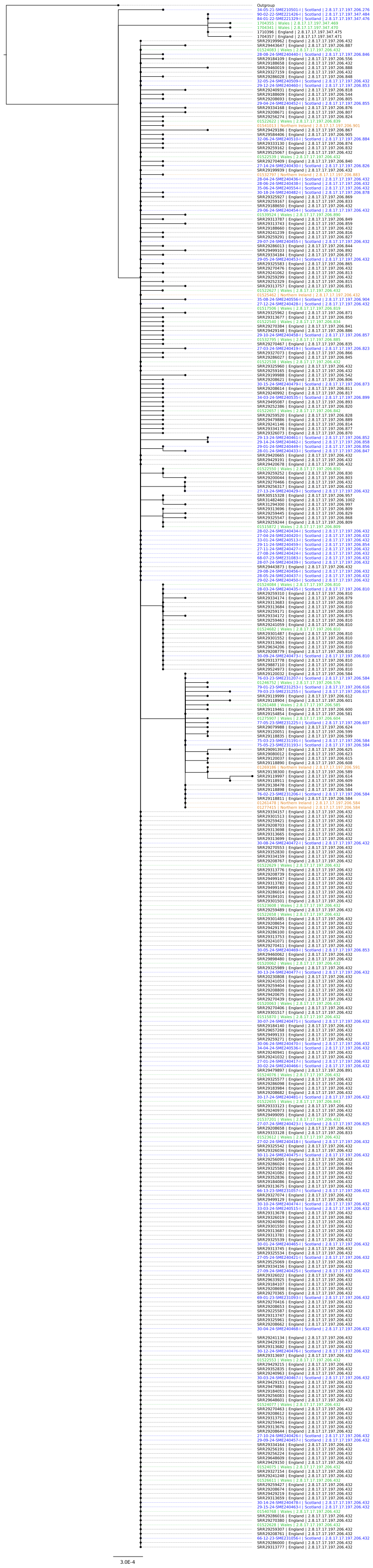
Appendix 5. Supply chain diagrams
Figure 1. Apollo leaf supply chain by dates
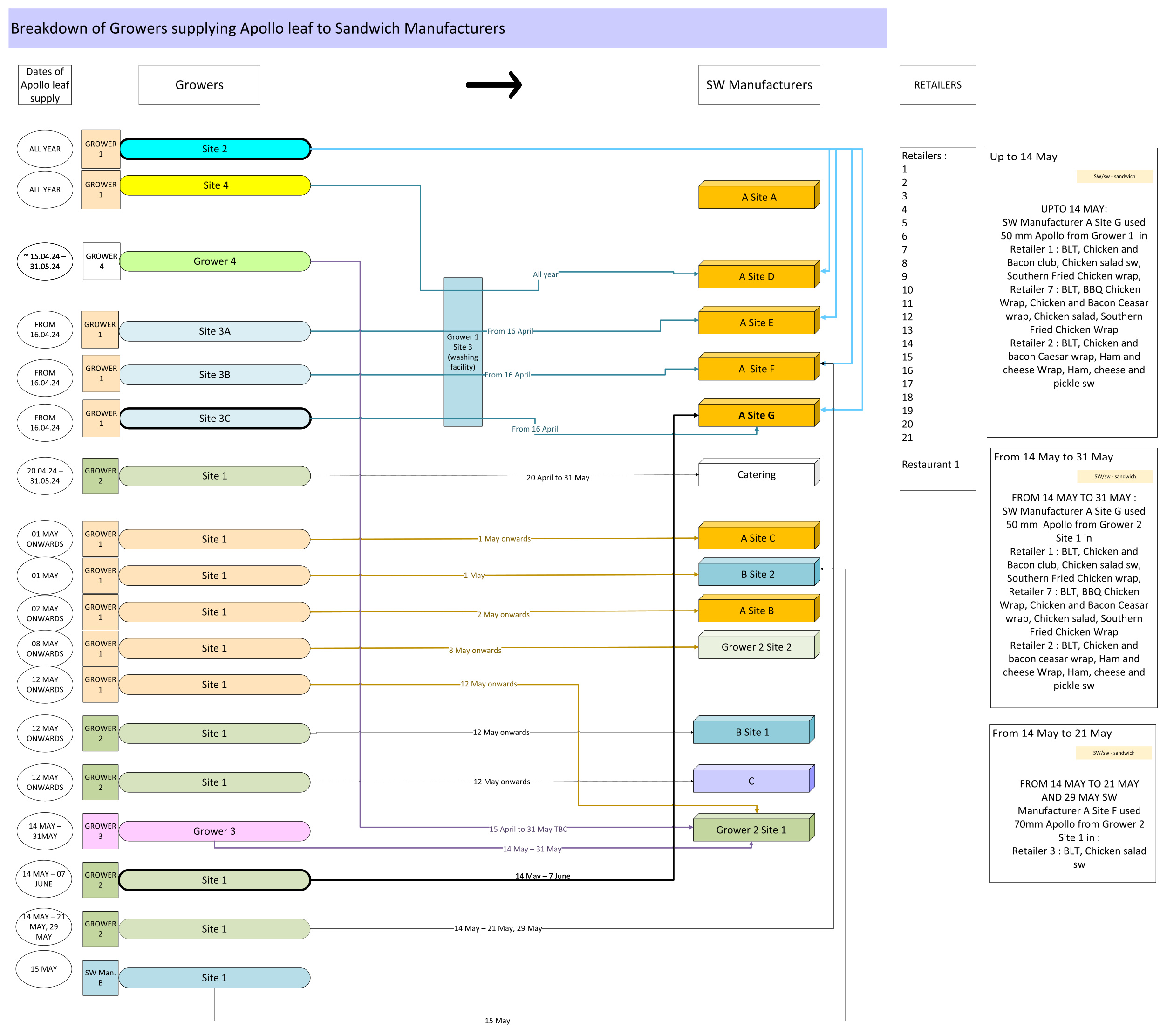
Figure 2. Supply of pre-packed sandwiches by retailer