Spotlight on sexually transmitted infections in the East of England: 2024 data
Updated 8 October 2026
Applies to England

© Crown copyright 2026
This publication is licensed under the terms of the Open Government Licence v3.0 except where otherwise stated. To view this licence, visit nationalarchives.gov.uk/doc/open-government-licence/version/3 or write to the Information Policy Team, The National Archives, Kew, London TW9 4DU, or email: psi@nationalarchives.gov.uk.
Where we have identified any third party copyright information you will need to obtain permission from the copyright holders concerned.
This publication is available at https://www.gov.uk/government/publications/sexually-transmitted-infections-east-of-england-data/spotlight-on-sexually-transmitted-infections-in-the-east-of-england-2024-data
Summary
While this report primarily focuses on the trend between 2023 and 2024, some trends relative to 2019 or earlier are included to provide a comparison to sexual health service provision and STI diagnoses prior to the COVID-19 pandemic during 2020 and 2021. For England, the numbers of consultations, sexual health screens and STI diagnoses in 2020 and 2021 are lower than preceding years and any trends during periods which include those years must be interpreted in that context.
Sexually transmitted infections (STIs) represent an important public health problem in the East of England. Of all the UK Health Security Agency (UKHSA)’s regions it has the lowest rate of new STIs in England.
26,542 new STIs were diagnosed in East of England residents in 2024, a rate of 392 diagnoses per 100,000 population. Rates by upper tier local authority ranged from 291 new STI diagnoses per 100,000 population in Central Bedfordshire to 608 new STI diagnoses per 100,000 population in Luton.
The number of new STIs diagnosed in East of England residents decreased by 13% between 2023 and 2024. Changes were seen in the numbers of the 5 major STIs: syphilis increased by 4%, gonorrhoea decreased by 24%, chlamydia decreased by 15%, genital herpes decreased by 4% and genital warts decreased by 11%.
UKHSA recommends that local areas should be working towards achieving a chlamydia detection rate no lower than 3,250 per 100,000 among women aged 15 to 24 years and this is an indicator in the Public Health Outcomes Framework. In 2024, the chlamydia detection rate among East of England women aged 15 to 24 years was 1,200 per 100,000 residents.
Rates of new STIs vary between men and women (393 and 330 per 100,000 residents, respectively). Where gender and sexual orientation are known, gay, bisexual, and other men who have sex with men (GBMSM) account for 21% of East of England residents diagnosed with a new STI excluding chlamydia diagnoses reported via CTAD (66% of those diagnosed with syphilis and 55% of those diagnosed with gonorrhoea).
STIs disproportionately affect young people. East of England residents aged between 15 and 24 years accounted for 40% of all new STI diagnoses in 2024. A steep decline has been seen in genital warts diagnosis rates in females aged 15 to 19 following the introduction in 2008 of vaccination against human papillomavirus (HPV), the virus which causes genital warts, for girls. Recent years have seen fluctuating rates though, with a 22% decrease in East of England from 2020 to 2024.
The White ethnic group has the highest number of new STI diagnoses: 16,858 (74.3%). Although 2.8% of new STIs are in the Black Caribbean ethnic group, they have the second highest rate: 1,511 per 100,000, which is 4.9 times the rate seen in the White ethnic group. Where country of birth was known, 78% of East of England residents diagnosed with a new STI in 2024 (excluding chlamydia diagnoses reported via CTAD) were UK-born. The rate of new STIs among people who lived in the most deprived areas (589 per 100,000) was 1.9 times higher than the rate for people who live in the least deprived areas (304 per 100,000).
Conclusion
There was an overall decrease in the number of consultations at specialist sexual health services in the East of England between 2023 and 2024 (13%, 422,825 to 365,882). Online consultations made up 42% of all consultations in 2024. An appropriate mix of both face to face and online services may facilitate access to SHSs given evidence of inequality of use of online services and some people finding it difficult to be tested for STIs using online services (1).
Diagnoses rates in the East of England were the lowest out of the 9 UKHSA regions. London had the highest rate at 1,368.5 per 100,000. However, diagnoses rates should be interpreted alongside data on STI testing and positivity rates. For the East of England both are consistently below the England rate.
The most commonly diagnosed STIs in the East of England in 2024 were chlamydia, gonorrhoea, first episode genital herpes and first episode genital warts. However, the number of new STIs diagnosed in East of England residents decreased by 13% between 2023 and 2024. In line with the trend over the past decade, diagnoses of syphilis continued to increase.
Since June 2021, the primary aim of the National Chlamydia Screening Programme (NCSP) changed to focus on reducing reproductive harm of untreated infection in young women (2). The chlamydia detection rate is a Public Health Outcomes Framework (PHOF) indicator and UKHSA recommends that local authorities should be working towards the revised female only minimum detection rate of 3,250 per 100,000 women aged 15 to 24 years. In 2024, nationally only 2 local authorities met this rate (Isles of Scilly (small numbers) and Blackpool) and no local authorities in the East of England met this rate. The highest area in the East of England was Milton Keynes with a rate of 2,214 per 100,000.
In 2024, STIs continued to disproportionately affect GBMSM, people of Black ethnicity and young people aged 15 to 24 years.
UKHSA’s main messages
Commissioners and providers of Sexual Health Services (SHSs) have a significant role in communicating messages about safer sexual behaviours and how to access services.
The main prevention messages are set out in the following paragraphs.
Using condoms consistently and correctly protects against HIV and other STIs such as chlamydia, gonorrhoea, and syphilis – condoms can also be used to prevent unplanned pregnancy
Regular screening for STIs and HIV is essential to maintain good sexual health – everyone should have an STI screen, including an HIV test, on at least an annual basis if having condomless sex with new or casual partners – and in addition:
- women, and other people with a womb and ovaries, aged under 25 years who are sexually active should have a chlamydia test annually and on change of sexual partner
- gay, bisexual, and other men who have sex with men (GBMSM) should have tests for HIV and STIs annually or every 3 months if having condomless sex with new or casual partners
Doxycycline post-exposure prophylaxis (doxyPEP) is recommended to people at risk of syphilis to reduce their risk of infection – doxyPEP is available at specialist SHSs
HIV pre-exposure prophylaxis (PrEP) is available for free from specialist SHSs and can be used to reduce an individual’s risk of acquiring HIV
HIV post-exposure prophylaxis (PEP) can be used to reduce the risk of acquiring HIV following some sexual exposures – PEP is available for free from most specialist SHSs and most emergency departments
People living with diagnosed HIV who are on treatment and have an undetectable viral load are unable to pass on the infection to others during sex – this is known as ‘Undetectable=Untransmittable’ or ‘U=U’
Vaccination against human papillomavirus (HPV), hepatitis A and hepatitis B will protect against disease caused by these viruses and prevent the spread of these infections:
- GBMSM can obtain the hepatitis A and hepatitis B vaccines from specialist SHSs – these vaccines are also available for other people at high risk of exposure to the viruses
- GBMSM aged up to and including 45 years can obtain the HPV vaccine from specialist SHSs
- GBMSM who have a recent history of multiple sexual partners or an STI and other high-risk groups are eligible for a meningococcal B disease vaccine (4CMenB) which can protect against gonorrhoea and help tackle the increasing levels of antibiotic resistant strains of the disease
- Mpox vaccination is available for those at increased risk, including GBMSM who have a recent history of multiple sexual partners
Specialist SHSs are free and confidential and offer testing and treatment for HIV and STIs, condoms, vaccination, HIV PrEP and PEP:
- clinic-based services are commissioned for residents of all areas in England
- online self-sampling for HIV and STIs is widely available
- information and advice about sexual health including how to access services is available at NHS.UK and from the national sexual health helpline on 0300 123 7123
Charts, tables, and maps
Figure 1. New STI diagnosis rates by UKHSA region of residence, England, 2024
Data sources: GUMCAD, CTAD
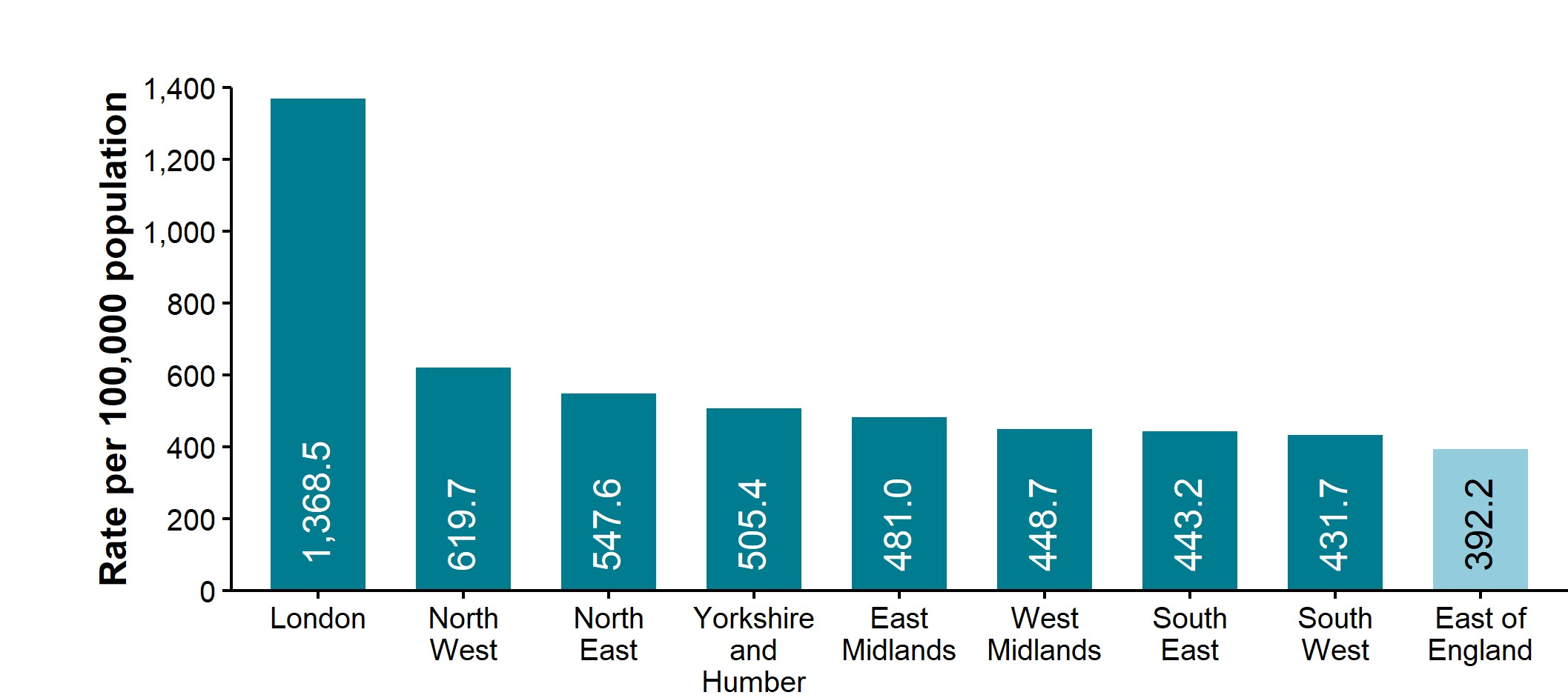
Figure 1 is a bar chart showing the rate of new STI diagnoses per 100,000 population by UKHSA region of residence in 2024. The East of England had the lowest rate (392.2 per 100,000) in England. London had the highest rate (1,368.5 per 100,000).
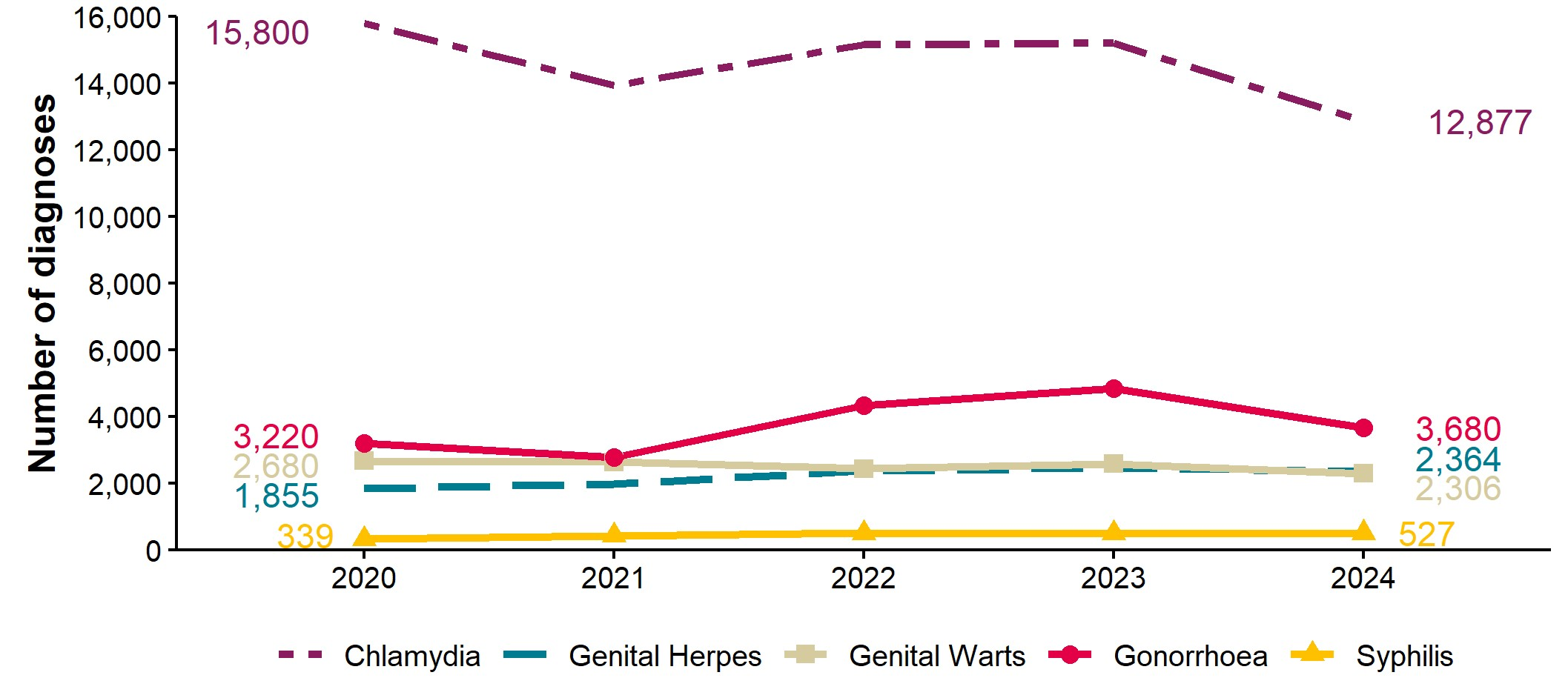
Figure 2. Number of diagnoses of the 5 main STIs, East of England residents, 2020 to 2024
Data sources: GUMCAD, CTAD
It is important to consider whether there have been any changes to testing or vaccination practices when interpreting increases or decreases in STIs.
Any increase in gonorrhoea diagnoses may be due to the increased use of highly sensitive nucleic acid amplification tests (NAATs) and additional screening of extra-genital sites in GBMSM.
Any decrease in genital wart diagnoses may be due to a moderately protective effect of HPV-16/18 vaccination.
Any increase in genital herpes diagnoses may be due to the use of more sensitive NAATs.
Increases or decreases may also reflect changes in testing practices.
Figure 2 shows trend lines for the number of diagnoses of the 5 main STIs among East of England residents from 2020 to 2024. The number of diagnoses of chlamydia and genital warts were lower in 2024 compared to 2020. The number of diagnoses of gonorrhoea, syphilis and genital herpes showed an increase in diagnoses from 2020 to 2024.
Table 1. Percentage change in new STI diagnoses, East of England residents
Data sources: GUMCAD, CTAD
| Diagnoses | 2024 | Percentage change 2020 to 2024 | Percentage change 2023 to 2024 |
|---|---|---|---|
| Chlamydia | 12,877 | -18% | -15% |
| Genital herpes | 2,364 | 27% | -4% |
| Genital warts | 2,306 | -14% | -11% |
| Gonorrhoea | 3,680 | 14% | -24% |
| Syphilis | 527 | 55% | 4% |
| Other | 4,788 | 38% | 2% |
| All new STIs | 26,542 | -3% | -13% |
See notes for Figure 2. See section 3.3 for a list of diagnoses that are included in the other STIs.
Table 1 shows the percentage change in new STI diagnoses in East of England residents. In 2024, 26,542 new STI diagnoses were made in the East of England, which was 13% lower than 2023 and 3% lower than in 2020. Syphilis, gonorrhoea, and genital herpes all increased between 2020 and 2024. Diagnoses of genital warts and chlamydia decreased between 2020 and 2024.
Figure 3. Rates of new STIs per 100,000 East of England residents by age group (for those aged 15 to 64 years only) and gender, 2024
Data sources: GUMCAD, CTAD
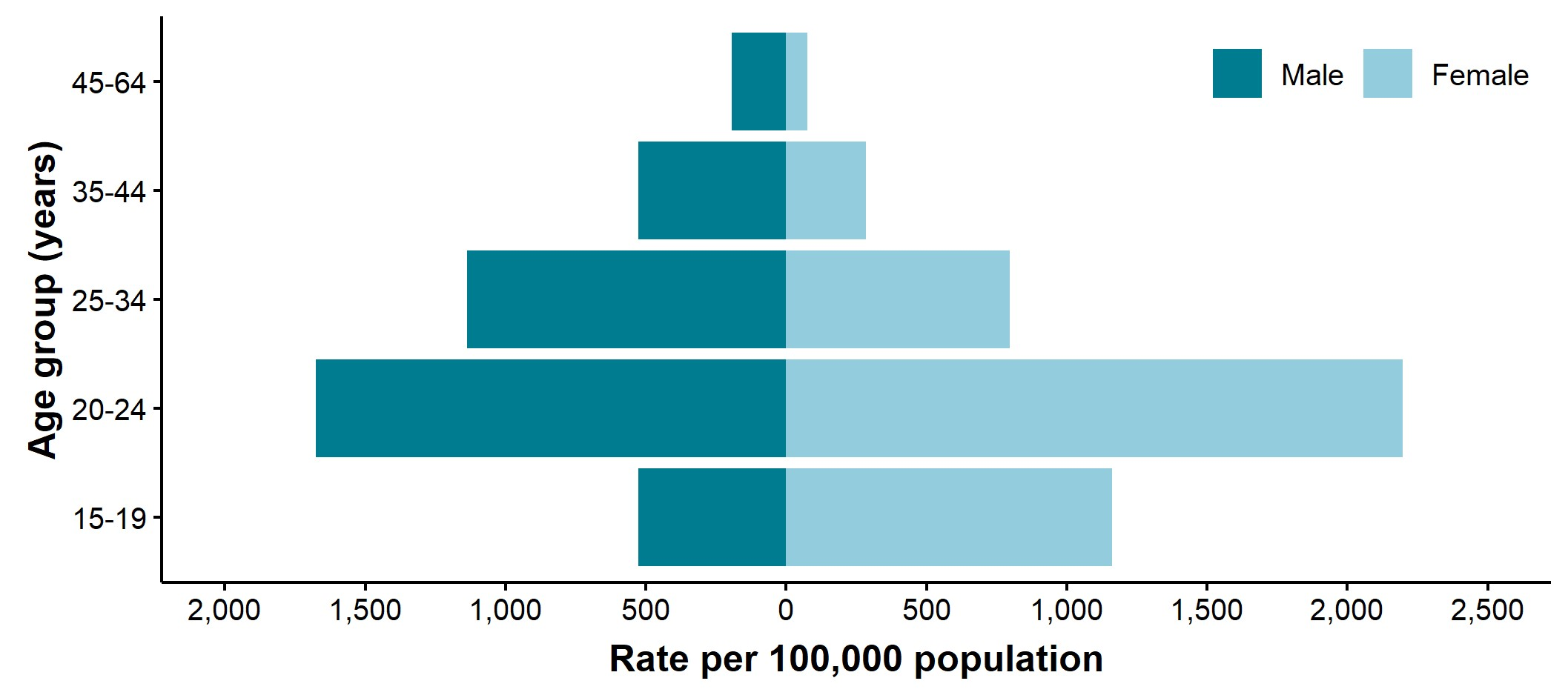
Figure 3 is a bar chart showing that the highest rates of new STIs in 2024 were in the group aged 20 to 24 years for both males and females, with a higher rate of diagnosis in females. The lowest rates of new STIs in 2024 were in those aged 45 to 65 years for both males and females.
Figure 4. Rates of gonorrhoea per 100,000 East of England residents by age group [note 1] (for those aged 15 to 64 years only), 2020 to 2024
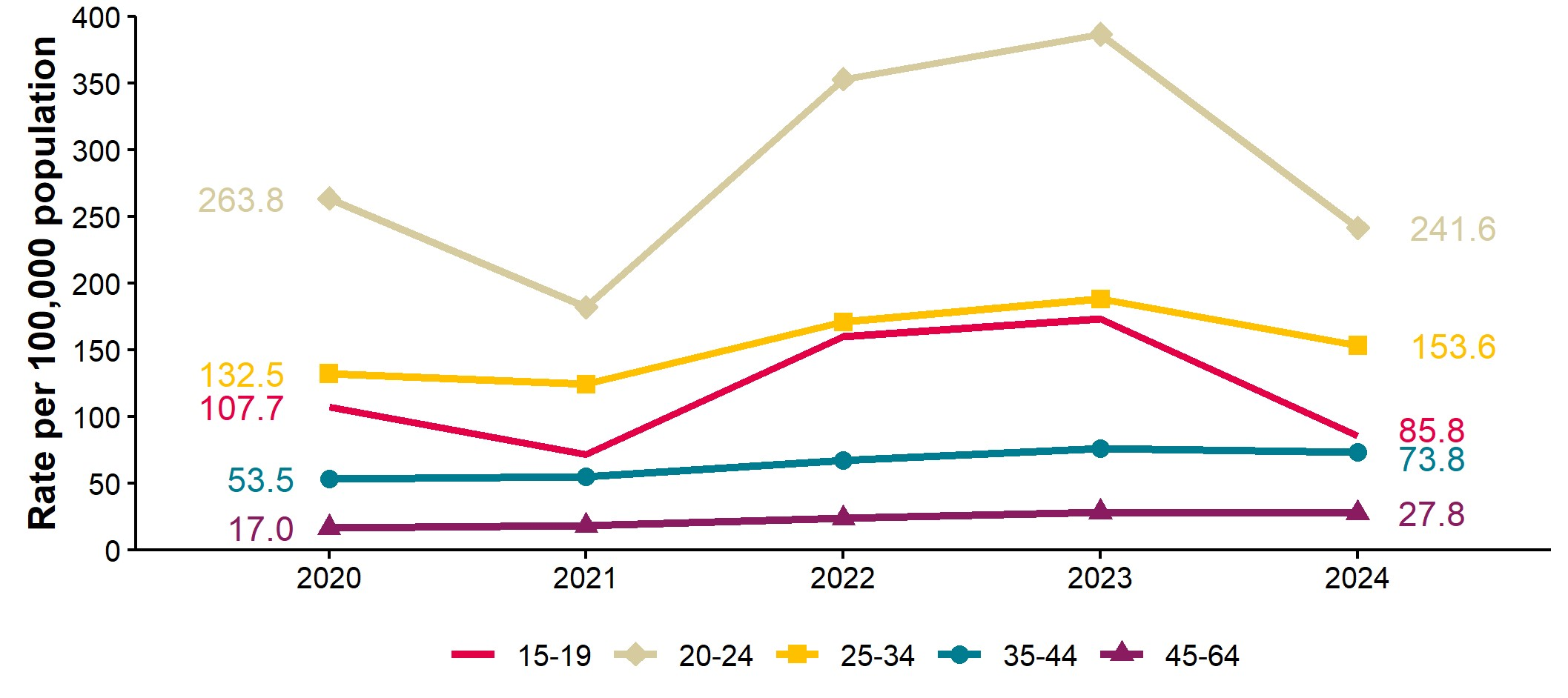
Note 1: age-specific rates are shown for those aged 15 to 64 years only.
Figure 4 shows trends lines for rates of gonorrhoea per 100,000 residents by age group in the East of England from 2020 to 2024. The highest rate of gonorrhoea was in those aged 20 to 24 years and the lowest in those aged 45 to 64 years. Rates of gonorrhoea decreased in most age groups between 2023 and 2024.
Figure 5. Rates of genital warts per 100,000 East of England residents aged 15 to 19 years by gender, 2020 to 2024
Data sources: GUMCAD
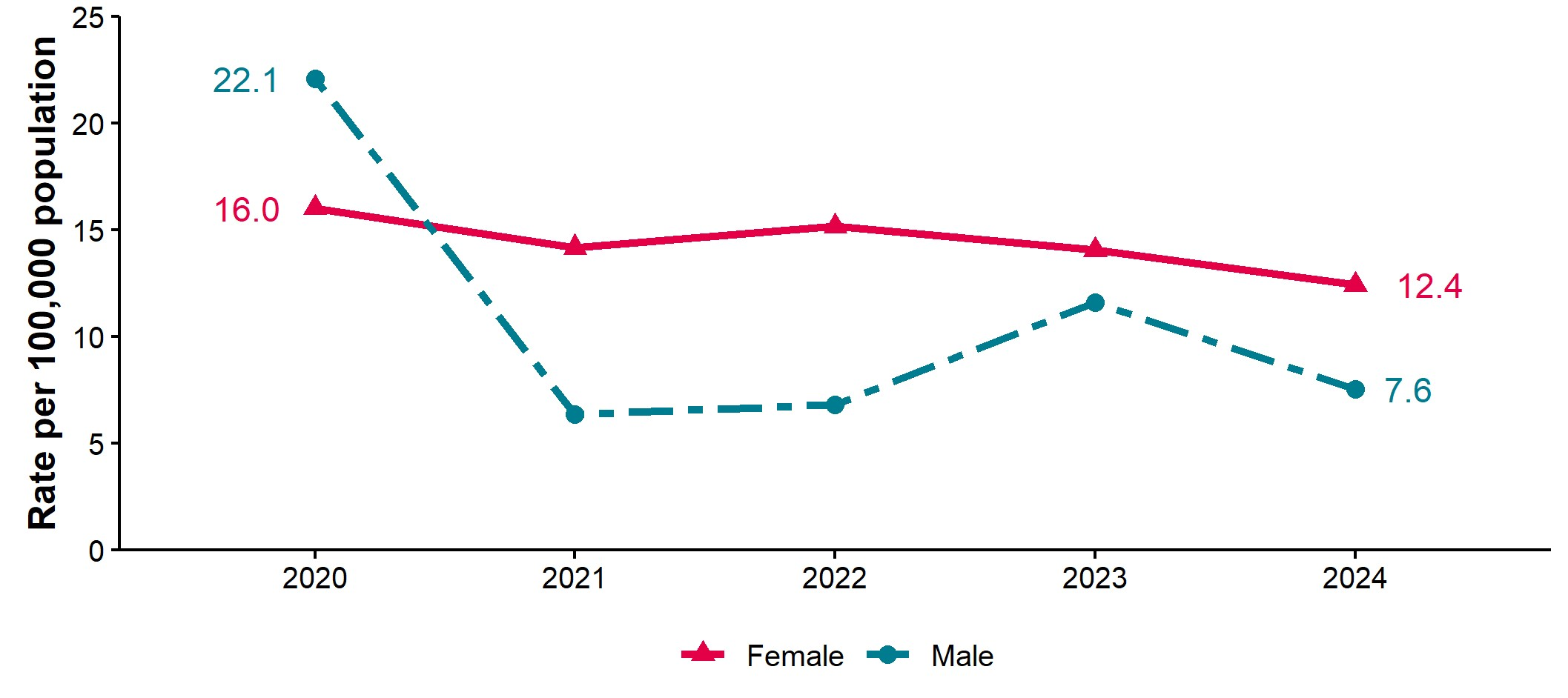
Figure 5 shows trend lines for the rate of genital warts per 100,000 residents aged 15 to 19 years by gender in the East of England between 2020 and 2024. The rate of genital warts is lower in 2024 than it was in 2020 for both males (22.1 per 100,000 to 7.6 per 100,000) and females (16.0 per 100,000 to 12.4 per 100,000). However, the rate in males rose from 2021 to 2023 before declining again in 2024.
Figure 6. Rates of new STIs per 100,000 East of England residents by ethnic group, 2024
Data sources: GUMCAD, CTAD
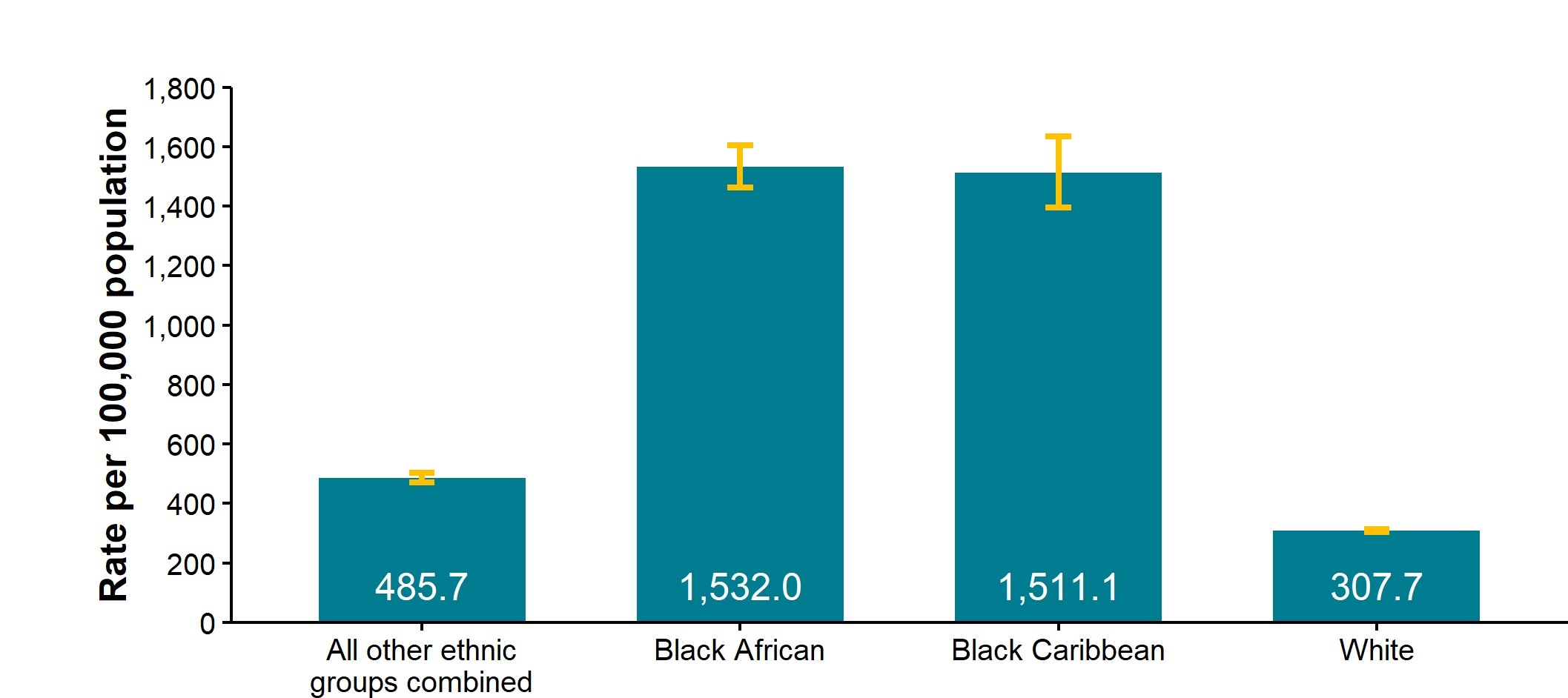
Figure 6 is a bar chart showing rates of new STIs by ethnic group per 100,000 in the East of England in 2024. The Black African ethnic group had the highest rate of STIs in 2024 (1,532.0 per 100,000) followed by the Black Caribbean ethnic group (1,511.1 per 100,000), all other ethnic groups combined (485.7 per 100,000) and the white ethnic group (307.7 per 100,000).
Table 2.Percentage of new STI diagnoses among East of England residents by ethnic group, 2024
Data sources: GUMCAD, CTAD
| Ethnic group | Number | Percentage (excluding unknown) |
|---|---|---|
| All other ethnic groups combined | 3,381 | 14.9% |
| Black African | 1,819 | 8.0% |
| Black Caribbean | 633 | 2.8% |
| White | 16,858 | 74.3% |
| unknown | 3,851 | - |
Table 2 shows the proportion of East of England residents diagnosed with a new STI by ethnicity in 2024. The white ethnic group made up the greatest proportion (74.3%) and the Black Caribbean ethnic group the lowest proportion (2.8%).
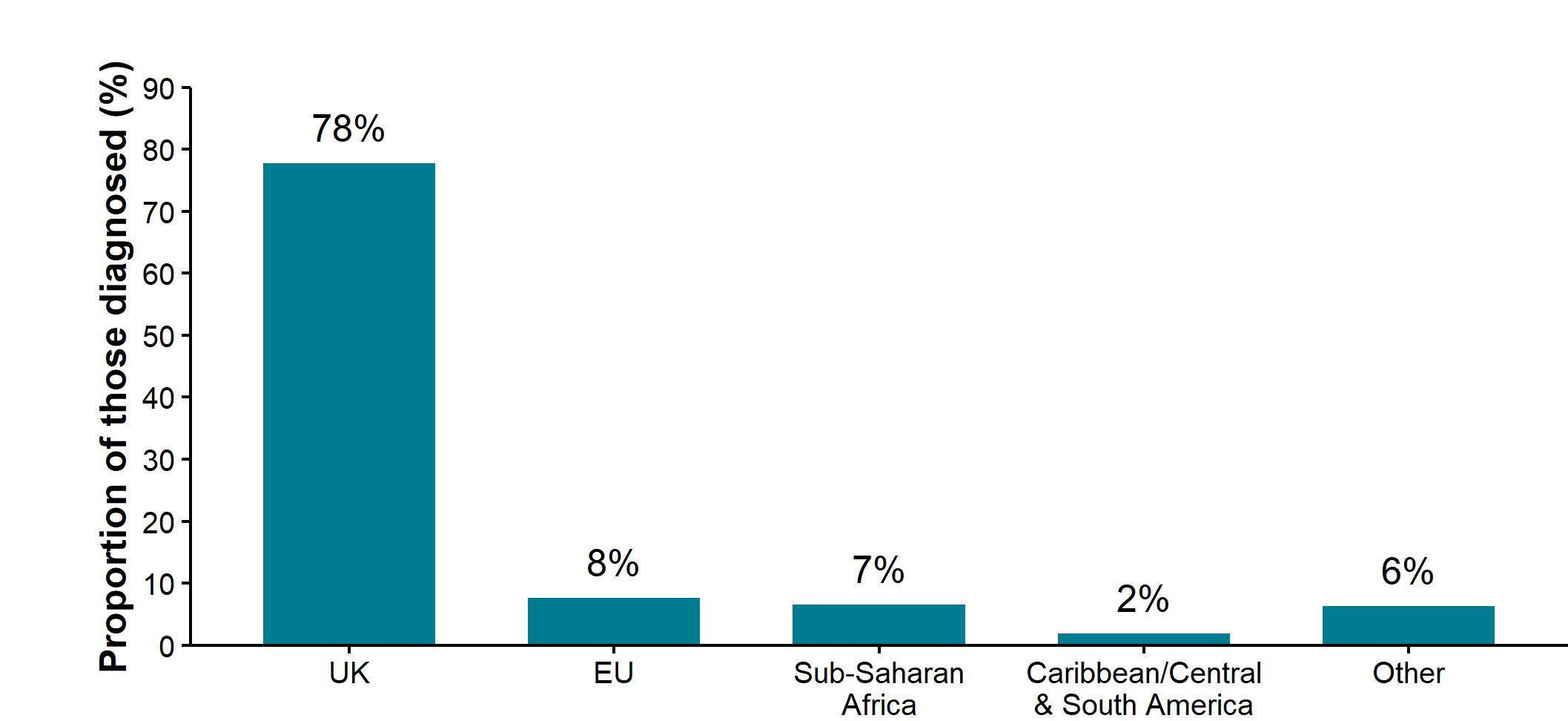
Figure 7. Percentage of East of England residents diagnosed with a new STI by world region of birth [note 1], 2024
Data sources: GUMCAD data only
Note 1: data on country of birth is not collected by CTAD. All information about world region of birth is based on diagnoses made in specialist and non-specialist services which report to GUMCAD.
Figure 7 is a bar chart showing the proportion of East of England residents diagnosed with a new STI by world region of birth in 2024. The highest proportion was in those who were UK born (78%) followed by the EU excluding UK (8%).
Figure 8. Rates of new STIs per 100,000 East of England residents by decile of deprivation [note 1], 2024
Data sources: GUMCAD, CTAD
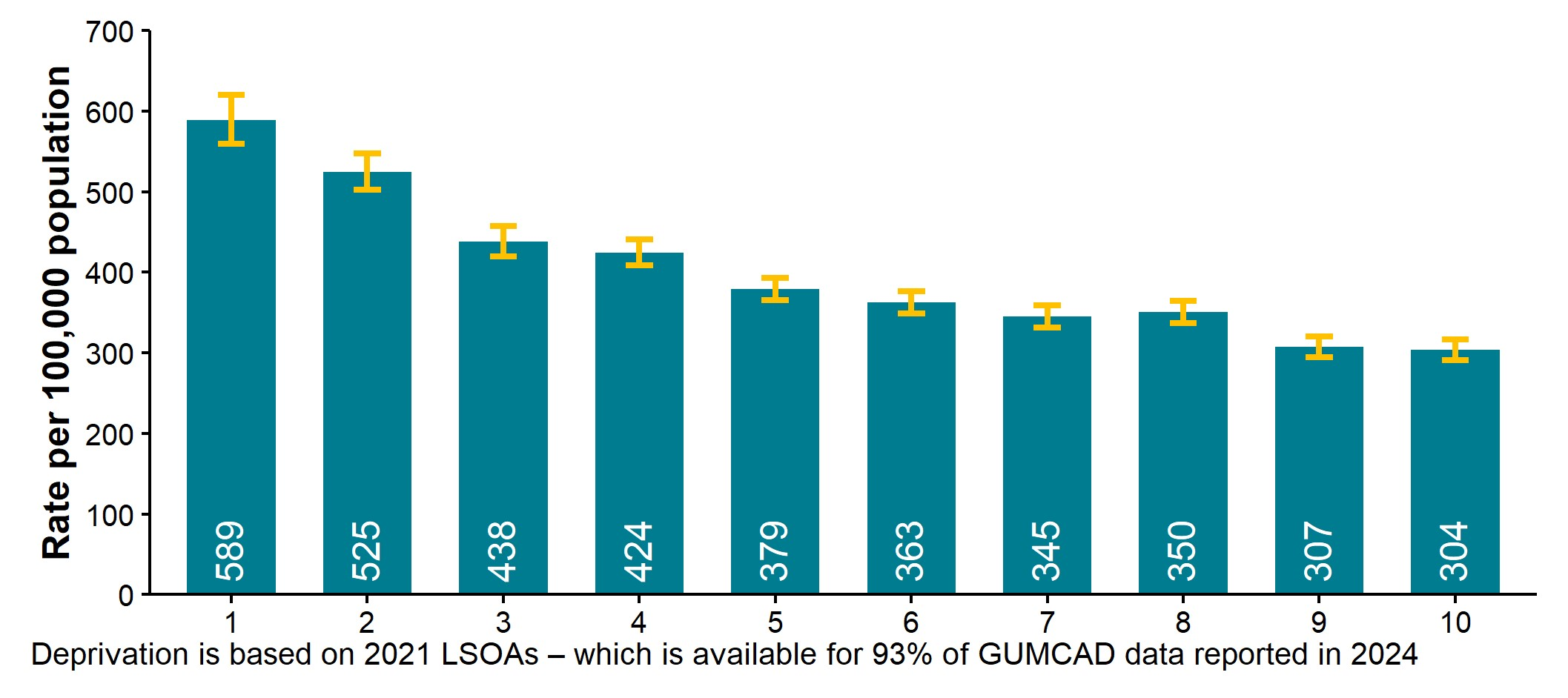
Note 1: deciles run from 1 to 10 in order of decreasing deprivation, with 1 being the decile for the most deprived area.
Figure 8 is a bar chart showing rates of new STIs per 100,000 residents by decile of deprivation. The highest rates are in those living in the most deprived areas. Rates increased from the least deprived (Decile 10) to the most deprived areas (Decile 1).
Figure 9. Diagnoses of the 5 main STIs among GBMSM [note 1], East of England residents, 2020 to 2024
Data sources: GUMCAD data only
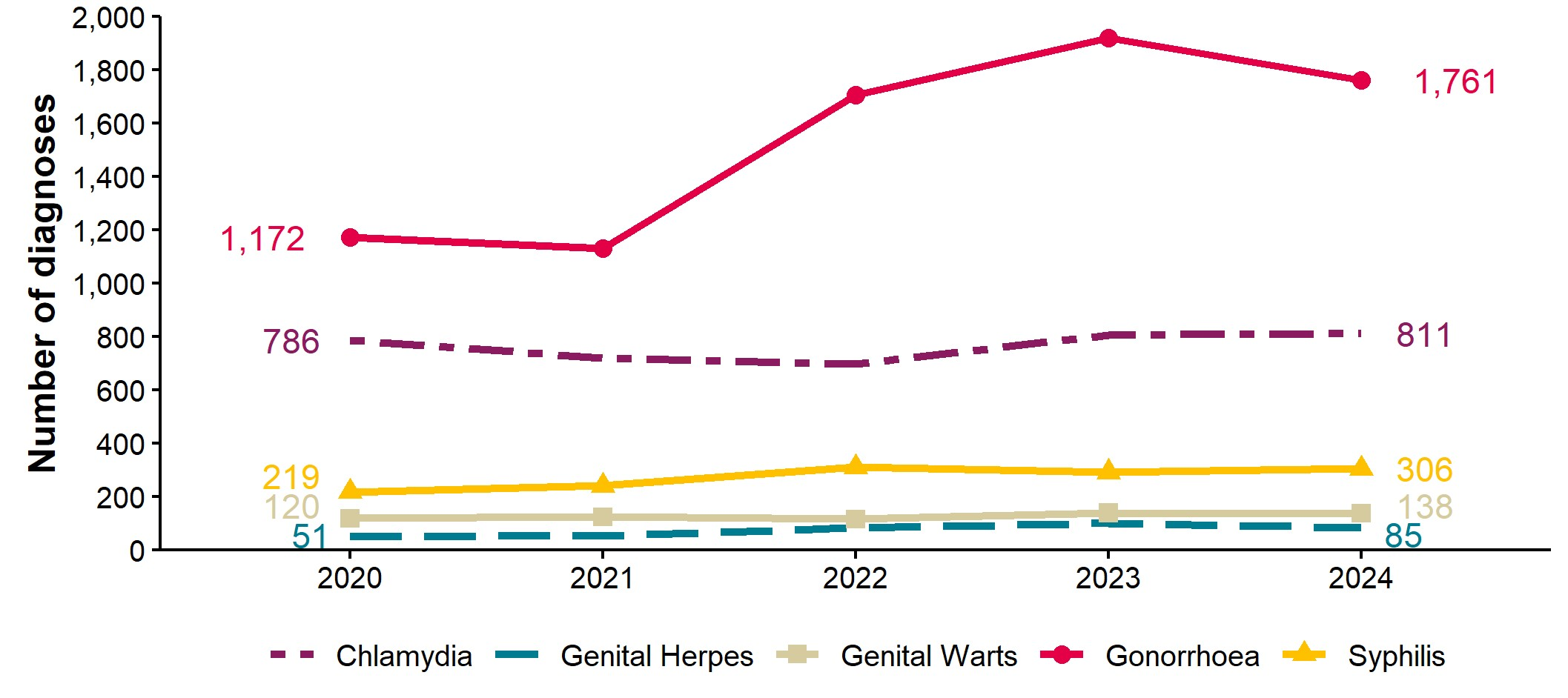
Note 1: data on sexual orientation is not collected by CTAD. All information about GBMSM is based on diagnoses made in specialist and non-specialist services which report to GUMCAD and exclude chlamydia diagnoses via online services.
It is important to consider whether there have been any changes to testing or vaccination practices when interpreting increases or decreases in STIs:
Increases in gonorrhoea may be due to the increased use of highly sensitive nucleic acid amplification tests (NAATs) and additional screening of extra-genital sites in GBMSM.
Decreases in genital wart diagnoses may be due to the moderately protective effect of HPV-16/18 vaccination.
Increases in genital herpes diagnoses may be due to the use of more sensitive NAATs.
Figure 9 shows trend lines for diagnoses of the 5 main STIs among GBMSM resident in the East of England from 2020 to 2024. Diagnoses all 5 main STIs (chlamydia, genital herpes, genital warts, gonorrhoea and syphilis) were higher in 2024 than in 2020. Gonorrhoea had the highest number of diagnoses in 2024 (1,761) followed by chlamydia (811).
Table 3. Percentage change in new STI diagnoses in GBMSM* residents in the East of England
Data sources: GUMCAD data only
| Diagnoses | 2023 | 2024 | Percentage change 2023 to 2024 |
|---|---|---|---|
| Chlamydia | 807 | 811 | 0% |
| Genital herpes | 101 | 85 | -16% |
| Genital warts | 140 | 138 | -1% |
| Gonorrhoea | 1,921 | 1,761 | -8% |
| Syphilis | 293 | 306 | 4% |
| Other | 442 | 541 | 22% |
| All new STIs | 3,704 | 3,642 | -2% |
See notes for Figure 9. See section 3.3 for a list of diagnoses that are included in the other STIs.
Table 3 shows the percentage change in new STI diagnoses in GBMSM resident in the East of England in 2024. In 2024, 3,642 new STI diagnoses were made in GBMSM in the East of England. Diagnoses of genital herpes, genital warts, gonorrhoea all decreased between 2023 and 2024. Diagnoses of syphilis increased and there was no change in chlamydia diagnoses.
Figure 10. Rate of new STI diagnoses per 100,000 East of England residents by upper tier local authority of residence, 2024
Data sources: GUMCAD, CTAD
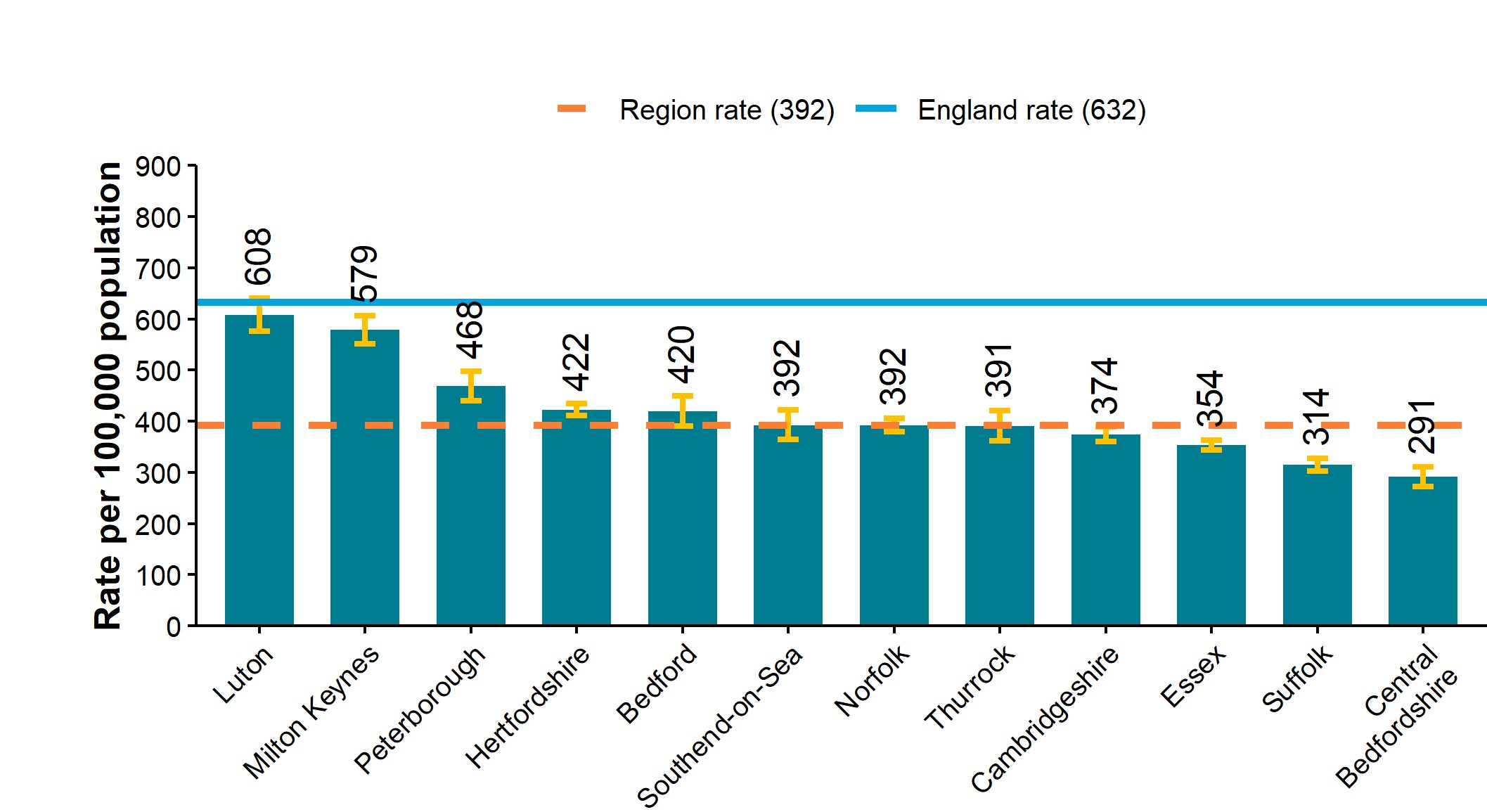
Figure 10 is a bar chart showing the rate of new STI diagnoses per 100,000 population among East of England residents by upper tier local authority of residence in 2024. Luton (608 per 100,000), Milton Keynes (579 per 100,000) and Peterborough (468 per 100,000) had the highest rates. The lowest rate was in Central Bedfordshire (291 per 100,000).
Figure 11. Rate of new STI diagnoses (excluding chlamydia diagnoses in residents aged under 25 years [note 1]) per 100,000 East of England residents by upper tier local authority of residence, 2024
Data sources: GUMCAD, CTAD
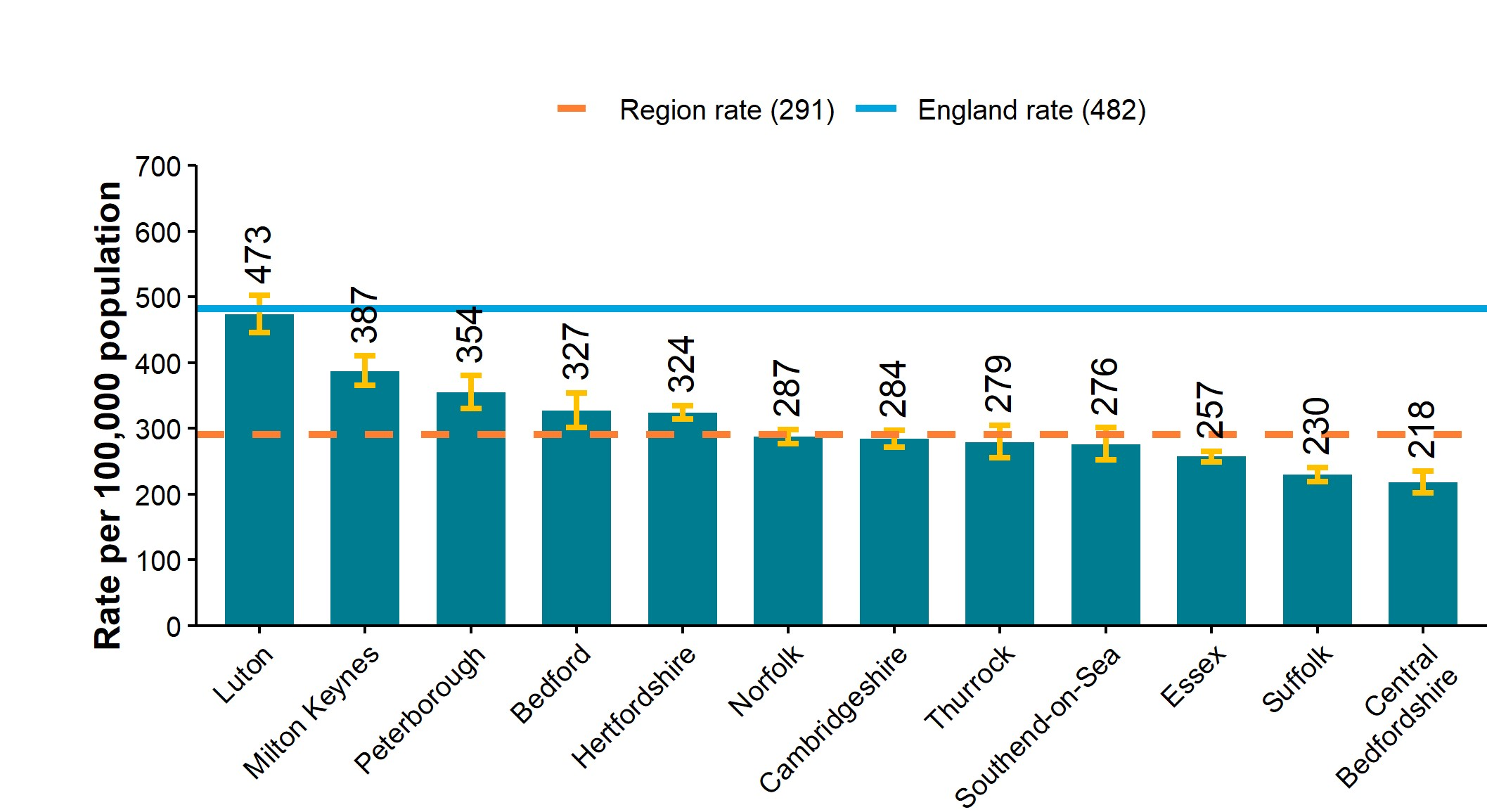
Note 1: chlamydia diagnoses in the target group of the National Chlamydia Screening Programme NCSP (those aged 15 to 24 years) are excluded because these diagnoses could reflect how NCSP is implemented locally rather than actual prevalence.
Figure 11 is a bar chart showing the rate of new STI diagnoses per 100,000 population among East of England residents excluding chlamydia diagnoses in residents aged less than 25 years by upper tier local authority of residence in 2024. Luton, Peterborough, and Milton Keynes continue to have the highest rates as in Figure 10 and Central Bedfordshire continues to have the lowest rate.
Figure 12. Chlamydia detection rate per 100,000 female East of England residents aged 15 to 24 years by upper tier local authority of residence, 2024
Data sources: GUMCAD, CTAD
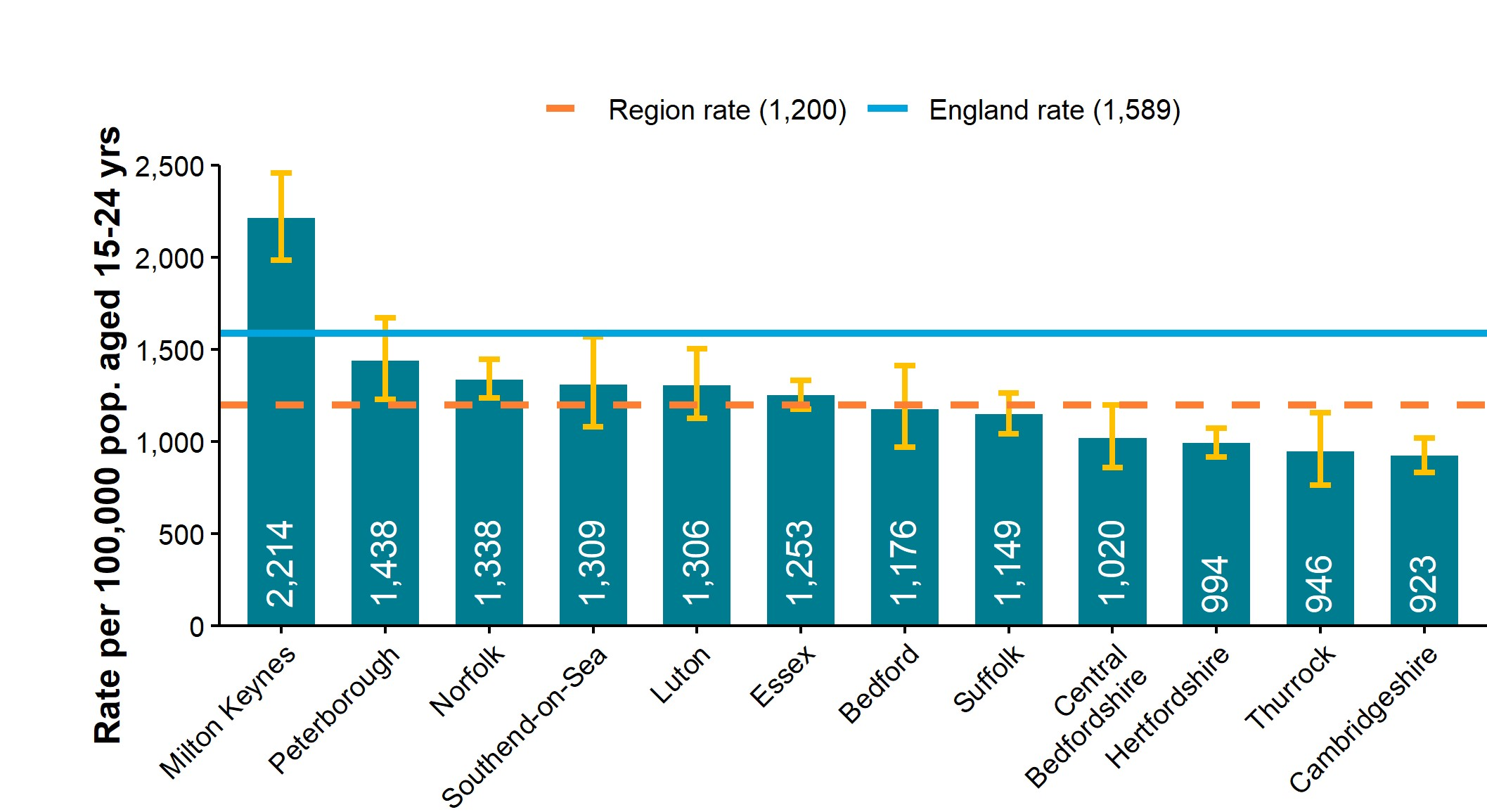
Figure 12 is a bar chart showing the chlamydia detection rate per 100,000 population aged 15 to 24 years in East of England residents by upper tier local authority of residence in 2024. The highest rate was in Milton Keynes (2,214 per 100,000) followed by Peterborough (1,438 per 100,000). The lowest rate was in Cambridgeshire (923 per 100,000).
Figure 13. Rate of gonorrhoea diagnoses per 100,000 East of England residents by upper tier local authority of residence, 2024
Data sources: GUMCAD
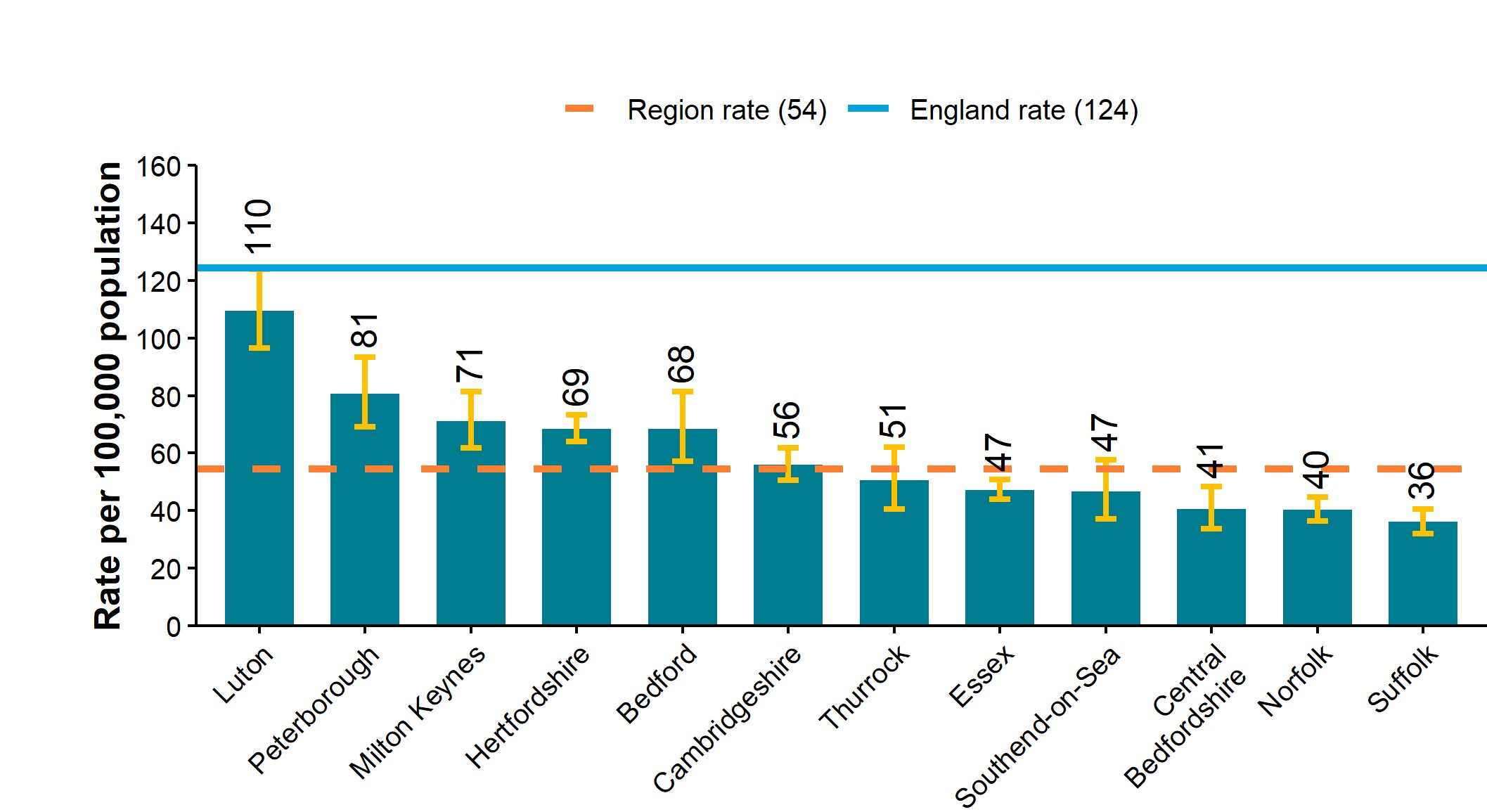
Figure 13 is a bar chart showing the rate of gonorrhoea diagnoses per 100,000 population in East of England residents by upper tier local authority of residence in 2024. Luton had the highest rate (110 per 100,000) followed by Peterborough (81 per 100,000) and Milton Keynes (71 per 100,000). The lowest rate was in Suffolk (36 per 100,000).
Figure 14. Map of new STI rates per 100,000 East of England residents by upper tier local authority, 2024
Data sources: GUMCAD, CTAD
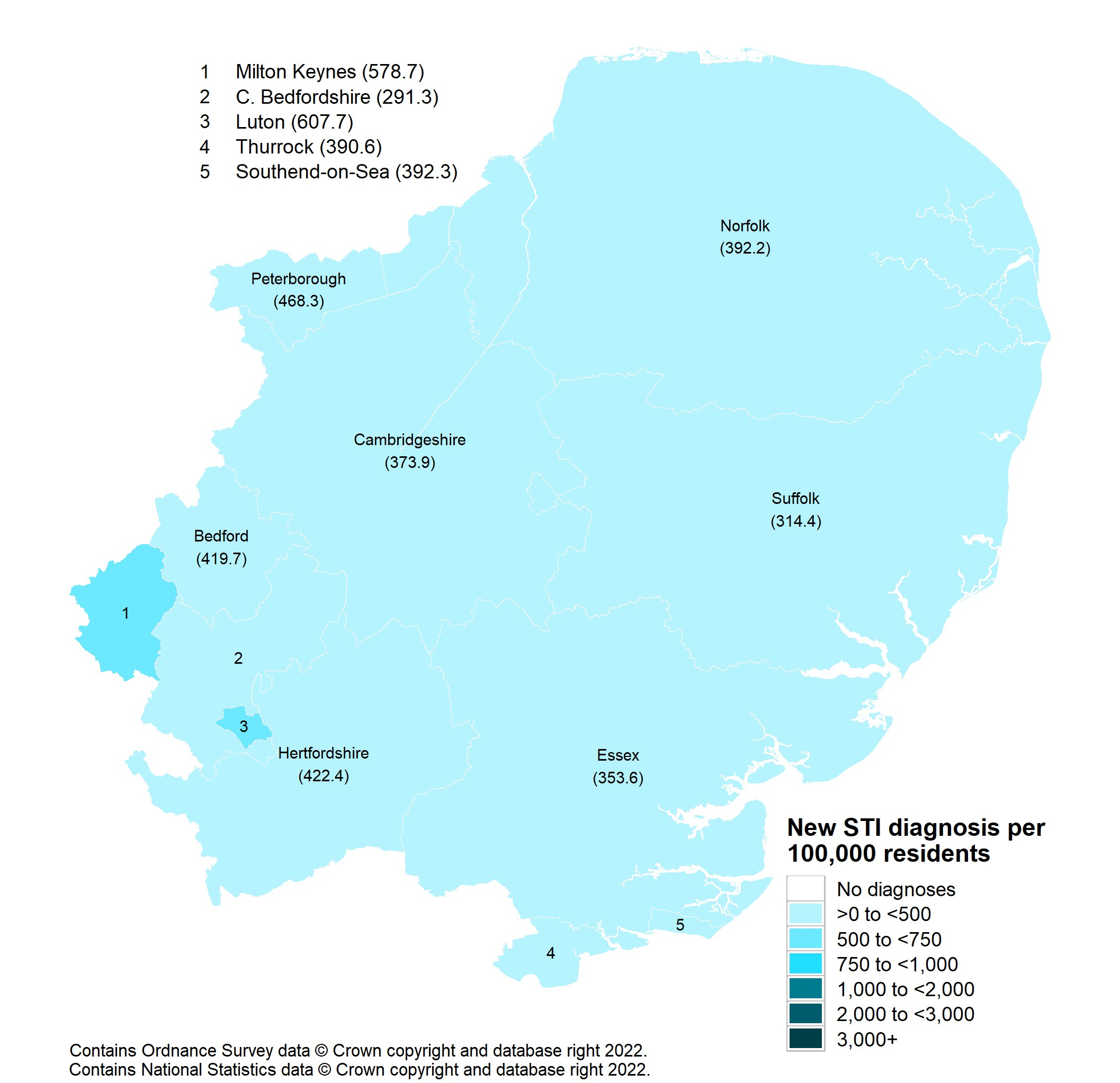
Figure 14 is a map of all East of England upper tier local authorities showing new STI rates per 100,000 residents in 2024. Two local authorities (Milton Keynes and Luton) had rates within the 500 to 750 per 100,000 range. All other upper tier local authorities had rates below 500 per 100,000.
Figure 15. Map of new STI rates per 100,000 East of England residents by middle super output area (MSOA21), 2024
Data sources: GUMCAD, CTAD
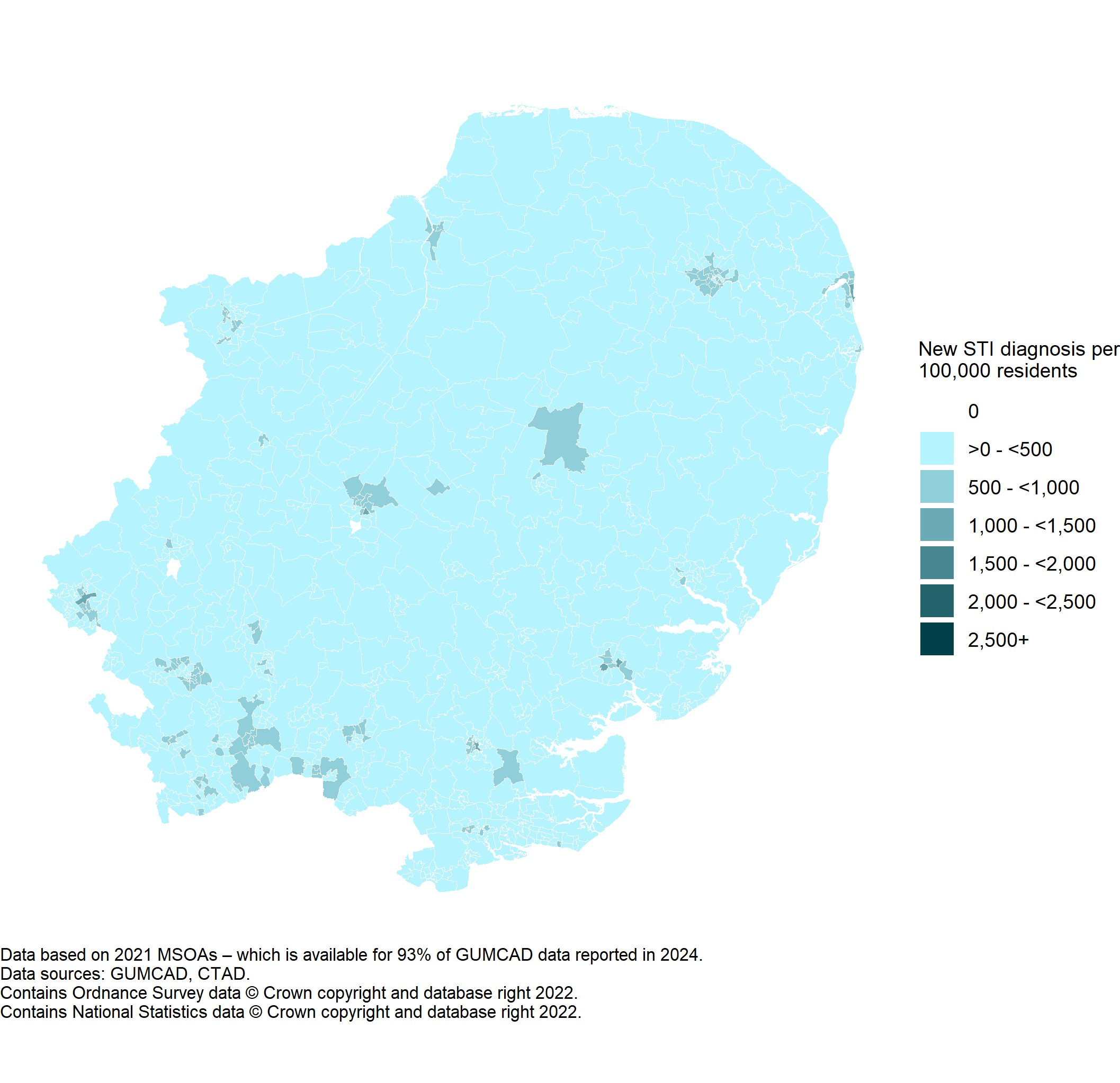
Figure 15 is a map of all East of England middle super output areas showing new STI rates per 100,000 residents in 2024. Most areas had rates under 500 per 100,000.
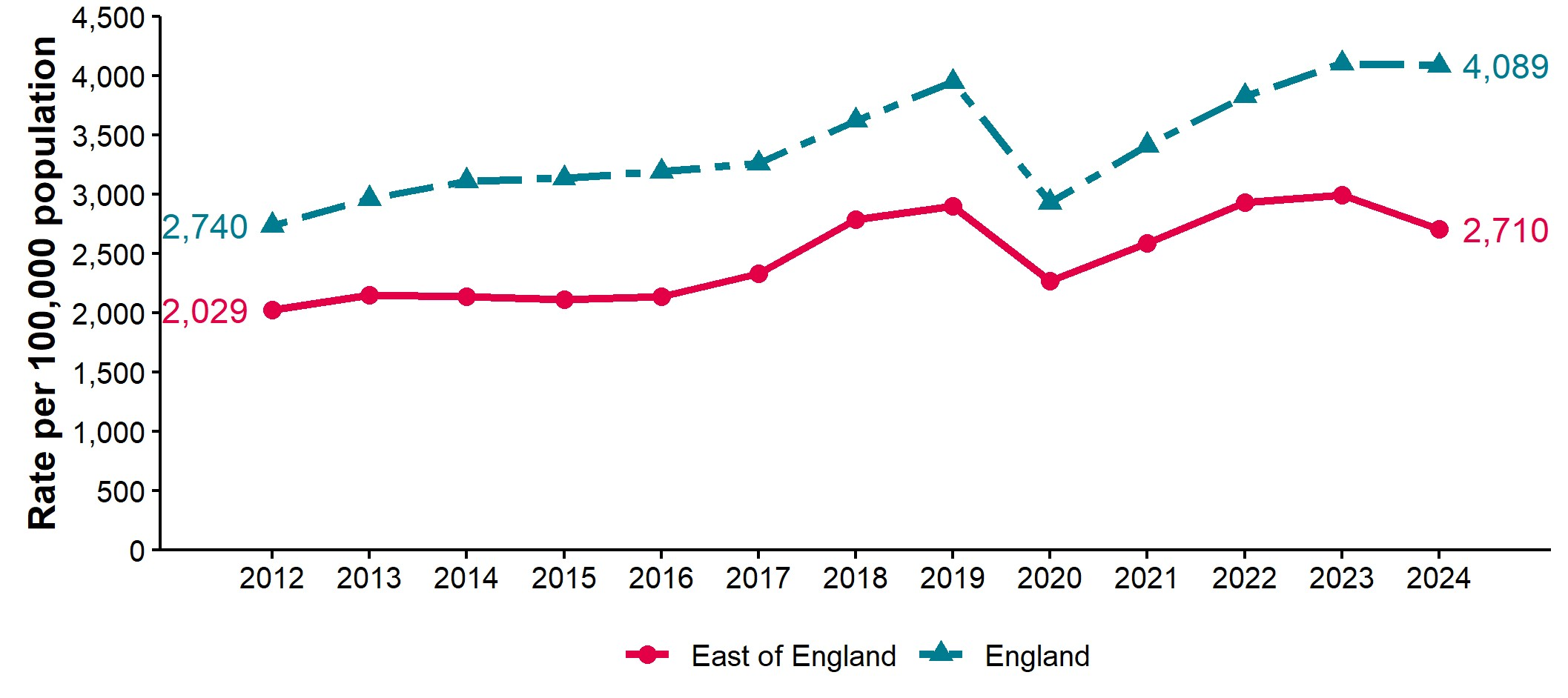
Figure 16. STI testing rate (excluding chlamydia in under 25 year olds [note 1]) per 100,000 East of England residents, 2012 to 2024
Data sources: GUMCAD, CTAD
Note 1: chlamydia diagnoses in the target group of the National Chlamydia Screening Programme NCSP (those aged 15 to 24 years) are excluded because these diagnoses could reflect how NCSP is implemented locally rather than actual prevalence.
Figure 16 shows trend lines for STI testing rate (excluding chlamydia in those aged under 25 years) per 100,000 in East of England residents between 2012 and 2024. The East of England testing rate has been consistently below the England rate. The testing rate in the East of England was higher in 2024 (2,710 per 100,000) compared to 2020 (2,029 per 100,000). However, the testing rate dropped between 2023 and 2024.
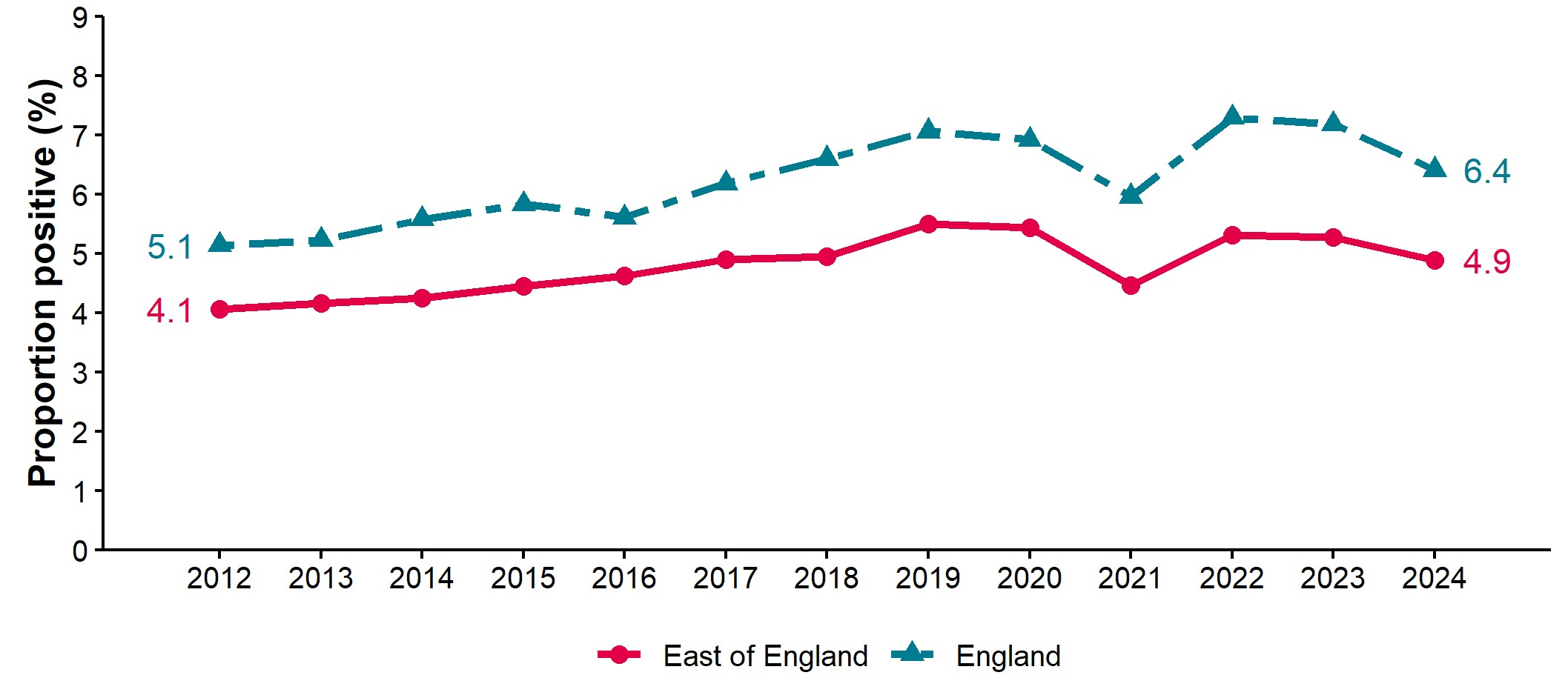
Figure 17. STI testing positivity rate (excluding chlamydia in under 25 year olds [note 1]) in East of England residents, 2012 to 2024
Data sources: GUMCAD, CTAD
Note 1: chlamydia diagnoses in the target group of the National Chlamydia Screening Programme NCSP (those aged 15 to 24 years) are excluded because these diagnoses could reflect how NCSP is implemented locally rather than actual prevalence.
Figure 17 shows trend lines for STI testing positivity rate (excluding chlamydia in those aged under 25 years) in East of England residents between 2012 and 2024. The East of England testing positivity has consistently been below the England rate. The testing positivity was higher in 2024 (4.9%) compared with 2012 (4.1%) but has been declining for the past 2 years.
Table 4. Number of diagnoses of new STIs by UKHSA region of residence, data source and data subset 2024
Data sources: GUMCAD, CTAD
| UKHSA region of residence | GUMCAD specialist SHSs | GUMCAD non-specialist SHSs [note 1] | CTAD [note 2] | Total |
|---|---|---|---|---|
| East Midlands | 13,865 | 5,900 | 4,244 | 24,009 |
| East of England | 17,674 | 2,317 | 6,551 | 26,542 |
| London | 87,381 | 11,044 | 23,995 | 122,420 |
| North East | 10,121 | 1,722 | 3,004 | 14,847 |
| North West | 33,672 | 4,248 | 9,175 | 47,095 |
| South East | 29,777 | 2,455 | 8,472 | 40,704 |
| South West | 17,434 | 2,856 | 4,797 | 25,087 |
| West Midlands | 19,125 | 4,566 | 3,618 | 27,309 |
| Yorkshire and Humber | 20,263 | 1,671 | 6,339 | 28,273 |
| UK (not England or Wales) | - | - | 3 | 3 |
Note 1: diagnoses from enhanced GPs reporting to GUMCAD are included in the ‘Non-specialist sexual health services (SHSs)’ total.
Note 2: including site type 12 chlamydia from GUMCAD.
Table 4 shows the number of diagnoses of new STIs by UKHSA region of residence in by source of diagnosis in 2024. Most diagnoses came from specialist sexual health services (16,850 out of 29,537 in the East of England).
Table 5. Number of diagnoses of the 5 main STIs in the East of England by STI, data source and data subset 2024
Data sources: GUMCAD, CTAD
| 5 main STIs | GUMCAD specialist SHSs | GUMCAD non-specialist SHSs [note 1] | CTAD [note 2] | Total |
|---|---|---|---|---|
| Chlamydia | 5,137 | 1,189 | 6,551 | 12,877 |
| Genital Herpes | 2,349 | 15 | - | 2,364 |
| Genital Warts | 2,290 | 16 | - | 2,306 |
| Gonorrhoea | 2,627 | 1,053 | - | 3,680 |
| Syphilis | 527 | 0 | - | 527 |
Note 1: diagnoses from enhanced GPs reporting to GUMCAD are included in the ‘Non-specialist sexual health services (SHSs)’ total.
Note 2: including site type 12 chlamydia from GUMCAD.
Table 5 shows the number of diagnoses of the 5 main STIs in the East of England by source of diagnosis in 2024. Overall, most diagnoses came from specialist sexual health services. CTAD is a surveillance system for chlamydia only and most diagnoses for chlamydia (6,551) came from this system.
Figure 18. Consultations by service medium: East of England residents, 2020 to 2024
Data sources: GUMCAD
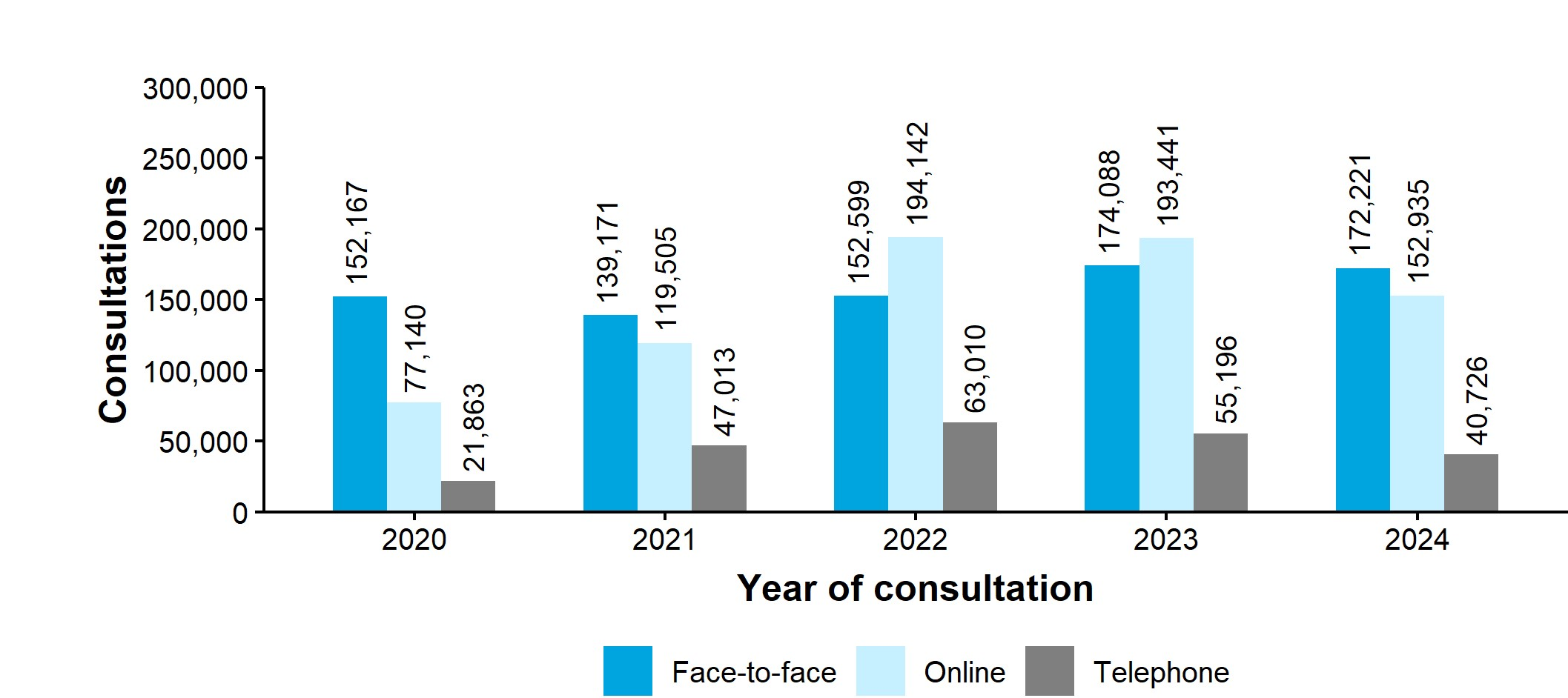
Figure 18 is a bar chart showing the number of consultations in East of England residents by type of consultation – either face to face, online or via telephone. Between 2020 and 2024 most consultations were either face to face or online. In the most recent year (2024) the highest number of consultations face to face (172,221).
Information on data sources
Find more information on local sexual health data sources in the UKHSA guide.
The gender and age group chart are restricted to those aged 15 to 64 years as information about STIs in those aged under 15 years is considered highly sensitive. Analyses specific to this group are not provided in routine outputs. Rates for those aged 65 or older are withheld to ensure that no deductive disclosure is possible for the under 15 years age group. The proportion of STIs in those aged under 15 years or older than 64 years is very low.
GUMCAD surveillance system
This disaggregate reporting system collects information about attendances and diagnoses at specialist (Level 3) and non-specialist (Level 2) sexual health services. Information about the patient’s area of residence is collected along with demographic data and other variables. GUMCAD superseded the earlier KC60 system and can provide data from 2009 onwards. GUMCAD is the main source of data for this report.
Due to limits on how much personally identifiable information sexual health clinics can share, it is not possible to deduplicate between different clinics. There is a possibility that some patients may be counted more than once if they are diagnosed with the same infection (for infection specific analyses) or a new STI of any type (for new STI analyses) at different clinics during the same calendar year.
CTAD surveillance system
CTAD collects data on all NHS and local authority, or NHS-commissioned chlamydia testing carried out in England. CTAD is comprised of all chlamydia (NAATs) tests for all ages (except for conjunctival samples), from all venues and for all reasons. CTAD enables unified, comprehensive reporting of all chlamydia data, to effectively monitor the impact of the NCSP through estimation of the coverage of population screening, proportion of all tests that are positive and detection rates.
For services which report to GUMCAD and for which CTAD does not receive data on the patient’s area of residence (for example, SHSs), information about chlamydia diagnoses is sourced from GUMCAD data.
CTAD does not collect information about sexual orientation or country of birth. Reports from CTAD are excluded from figures in this report which relate to analyses by sexual orientation or world region of birth.
New STIs
New STI diagnoses comprise diagnoses of the following: chancroid, LGV, donovanosis, chlamydia, gonorrhoea, genital herpes (first episode), HIV (acute and AIDS defining), Molluscum contagiosum, non-specific genital infection (NSGI), non-specific pelvic inflammatory disease (PID) and epididymitis, chlamydial PID and epididymitis (presented in chlamydia total), gonococcal PID and epididymitis (presented in gonorrhoea total), scabies, pediculosis pubis, syphilis (primary, secondary and early latent), trichomoniasis and genital warts (first episode), Mycoplasma genitalium, shigella.
Calculations
Confidence Intervals were calculated using Byar’s method for numerators great than or equal to 10. For small numerators Byar’s method is less accurate and so an exact method based on the Poisson distribution is used.
ONS mid-year population estimates for 2023 were used as a denominator for rates (other than by ethnic group) for 2024. ONS estimates of population by ethnic group for the year 2019 were used as a denominator for rates by ethnic group for 2024. This is the first time that new estimates of population by ethnic group have been available since 2011. This must be considered if comparing rates for 2024 in this report with rates by 2023 in last year’s report, as the rates in the last report used the 2011 estimates.
More information
As of 2020, all analyses for this report include data from non-specialist (Level 2) SHSs and enhanced GP services as well as specialist (Level 3) SHSs.
For more information, access the online Sexual and Reproductive Health Profiles.
For more information on HIV data, see the separate HIV Spotlight report.
For more information on local sexual health data sources, see the UKHSA guide.
Local authorities have access to The Summary Profile of Local Authority Sexual Health (SPLASH) Reports (accessible from the Sexual and Reproductive Health Profiles) and the SPLASH supplement reports via the HIV and STI Data exchange.
About the Field Services
The Field Services was established in 2018 as a national service comprising geographically dispersed multi-disciplinary teams integrating expertise in Field Epidemiology, Real-time Syndromic Surveillance and Public Health Microbiology to strengthen the surveillance, intelligence, and response functions of UKHSA.
You can contact your local FS team at eoe.stihiv@ukhsa.gov.uk.
Acknowledgements
We would like to thank the following:
- local SHSs for supplying the SHS data.
- local laboratories for supplying the CTAD data.
- UKHSA Blood Safety, Hepatitis, Sexually Transmitted Infections (STI) and HIV Division for collection, analysis, and distribution of data
References
-
Sonubi T, Sheik-Mohamud D, Ratna N, and others. STI testing, diagnoses and online chlamydia self-sampling among young people during the first year of the COVID-19 pandemic in England’ International Journal of STD and AIDS 2023: volume 34, issue 12, pages 841 to 853
-
‘Changes to the National Chlamydia Screening Programme (NCSP)’ 2021, Public Health England, (accessed 4 December 2025)