RSV vaccination for older adults and pregnant women in the East of England region: synthesis of learning from a community pharmacy pilot
Published 18 March 2026
Applies to England

© Crown copyright 2026
This publication is licensed under the terms of the Open Government Licence v3.0 except where otherwise stated. To view this licence, visit nationalarchives.gov.uk/doc/open-government-licence/version/3 or write to the Information Policy Team, The National Archives, Kew, London TW9 4DU, or email: psi@nationalarchives.gov.uk.
Where we have identified any third party copyright information you will need to obtain permission from the copyright holders concerned.
This publication is available at https://www.gov.uk/government/publications/rsv-vaccination-for-older-adults-and-pregnant-women-in-the-east-of-england/rsv-vaccination-for-older-adults-and-pregnant-women-in-the-east-of-england-region-synthesis-of-learning-from-a-community-pharmacy-pilot
Executive summary
Context and purpose
This report is intended to synthesise early, context‑specific implementation learning from a small, highly supported pilot of respiratory syncytial virus (RSV) vaccination delivery via community pharmacies in the East of England. It should be read as part of evidence‑building on how and under what conditions pharmacy-based delivery of vaccinations may add value.
In autumn 2024, NHS England agreed to commission 50 ‘early-adopter’ community pharmacies (CPs) across 2 integrated care boards (ICBs) in the East of England (EoE) to supplement RSV vaccination for older adults and pregnant women. The core delivery model for RSV vaccines for older people is via general practice (GP), and for pregnant women the vaccine is commissioned for delivery via both maternity services within trusts and opportunistically via general practice). The aim of the ‘early adopters’ was to test the potential for using CPs as a supplementary service to improve vaccine uptake and to address potential issues in relation to access and equity.
Three rapid evaluations have been conducted to assess the feasibility and impact of the ‘early adopter’ CPs, and to generate lessons to guide future decision making in relation to policy and any future NHS expansion of CP vaccination services. The first 2 evaluations – an After-Action Review (AAR), and an Early-Programme (Process) Evaluation – were commissioned by NHS England, while a third – a Geographic Accessibility and Coverage Analysis – was undertaken by UKHSA. In addition, data for community pharmacy and GP vaccine consumption generated by the UKHSA Vaccine and Countermeasures Response team was also incorporated to provide insight into vaccine supply and usage. This evidence-synthesis report integrates the findings from these early evaluations and the vaccine supply data.
Key findings
Following a tender process to select up to 50 participating CPs, 38 contracts were awarded to pharmacies. The selection of the EoE as an area to test this delivery approach was based on having existing experience of providing vaccination services and ability to stand up services immediately. A small number of bids did not proceed to contract because those bids were made centrally by one chain without adequate consultation with the individual pharmacy sites who subsequently advised that they did not have capacity to start the programme. One contract was rescinded for a CP due to operational challenges.
Across the remaining 37 participating community pharmacies, a total of 8,900 RSV vaccine doses were administered (from 1 October 2024, to 20 February 2025), representing the administration of approximately 12% of all RSV vaccinations delivered across the 2 pilot integrated care boards (ICBs). The majority of the doses administered during this period (88%) continued to be delivered in the GP sites. The mean throughput per pharmacy (241 doses) was closely aligned with throughput in GP practices (266 doses per practice, or a total of 62,681 doses administered across 236 GP sites), suggesting comparable overall delivery capacity across settings. However, there was immense variability in individual site-level throughput for CPs. Overall vaccine coverage among older adults in the region reached 55.3%. While CPs successfully supported mid-range uptake within their catchment areas, CP delivery was not a feature of areas in highest uptake group (that is, achieving coverage over 80%), where GP was the primary delivery model.
The ethnicity profile of pharmacy recipients (2% other than White or mixed ethnicity) was similar to that of GP recipients (3% other than White or mixed ethnicity), and the proportion of individuals from the most deprived index of multiple deprivation (IMD) quintiles (6%) was identical across both GP and CP settings suggesting that, in this setting, the provision of this supplementary service provided additional choice in relation to access for those who were already likely to attend rather than reducing inequity.
According to the geographical accessibility mapping evaluation, which assessed travel distance based on straight-line (‘as the crow flies’) measurements, nearly three-quarters (73%) of individuals vaccinated at participating community pharmacy (CP) sites lived within 5 miles of the site, and almost one-third resided less than one mile away. In addition, approximately 65% of recipients vaccinated in community pharmacies were vaccinated at their nearest participating pharmacy. However, none of the reports included data on distance to provider for those vaccinated at GP sites, limiting the ability to compare geographic accessibility between the 2 delivery models.
Nearly all pharmacy-administered doses (98%) were delivered before mid-January with peak activity in October and November. This window was closely associated with the timing of the national call letter sent to all registered patients in the 2 ICBs advising of the offer and publicity linked to the service launch. Whilst this was in keeping with principle of protecting individuals ahead of the peak period of RSV disease activity, the RSV programme is not designed as a seasonal one. In addition, the first year of the programme involved catch-up activities for those aged 75 to 79 at the commencement of the programme on 1 September 2024. The catch up runs until 31 August 2025 and to achieve high uptake in both cohorts, the service was commissioned and expected to be delivered as an all-year-round service.
Data available from vaccine supply consumption reports since February 2025 indicates that there was a second peak of activity (in both CPs and GP sites) in March 2025 again aligned with the distribution of a second national call letter to all residents who had not yet accepted an offer to be vaccinated. However, activity in CPs between these active calls was very low with only 346 vaccines being delivered across all 37 CPs between 1 April and 29 June 2025. While GP activity also declined during this period it remained at a consistently higher level. The contribution of the CPs to overall uptake declined after February 2025, with only 8.74% of the total being given by CPs and 91.26% of vaccines being given by GPs as at 29 June 2025.
In addition to facilitation of the national calls by the NHSE national team, operational insights from the early adopter sites highlighted several enablers that were required to support the community pharmacies, as well as a number of perceived barriers. Notably, existing pharmacy skill-mix was considered largely sufficient and pharmacy technicians working under patient group directions (PGDs) offered further potential for workforce expansion. Sites were asked if they required additional training and only 5 out of the 9 reported that they did. However, as this was a new programme all vaccinators in the CPs involved should have received the additional training required to administer this specific vaccine in order to have been signed off as competent against the PGD. In addition, many pharmacies (particularly those reliant on locum staff) cited workforce capacity as a key bottleneck influencing ability to deliver especially where RSV activities overlapped with COVID-19 and flu.
The level of capital investment needed to support pharmacy delivery in the pilot sites was variable. Additional regional support in the form of microgrants (up to £1,000), which may not be available for a national service offer, was taken up by some participating pharmacies although the total of the grants disbursed was not given in the reports. Some sites required extra refrigeration, while others requested IT equipment and promotional materials. However, no quantitative, cost-effectiveness analysis was conducted to evaluate the direct cost of using the commissioning support and regional fundings, training, resources, national facilitation (call/recall and digital enablers), and other enablers that were provided. The region, and the early adopter sites, were also selected for the project due to their previously demonstrated high performance (particularly in relation to the COVID-19 vaccination programme), their readiness, competence and high throughput in vaccine deployment, with only a few sites indicating a requirement for additional refrigerator, laptop, and promotional, information and marketing resources (posters, banners). In addition, the AAR notes that the regional team undertook 30 site readiness visits to support the launch of the CPs and continued to provide access to weekly support and other input including developing and distributing posters to sites during the period under review. These activities appeared to be effective in enabling the pilots to proceed. However, further assessment is needed to determine what level of support may be required on an ongoing basis and/or the impact of not providing enabling support as part of any wider rollout, as well as the feasibility of providing that support.
Challenges around payment mechanisms emerged as a significant issue. This related to lack of clarity about the payment mechanism for the CPs and coding problems because 2 different codes were available for the maternal and older adult vaccines.
Flexible booking mechanisms, including the National Booking Service and a national call arrangement via letter, text and email provided and facilitated by the national team in NHSE, contributed significantly to raising awareness of the CP offer and therefore to uptake at these sites, as evidenced by the peaks in activity aligned to the timing of the national call activity.
Whilst there was the potential for opportunistic walk-ins and this was highlighted as a key strength of CP delivery, the evaluations were not able to provide robust evidence on the scale of opportunistic take-up. The numbers attending the CPs between the 2 calls were very small (737 between December to February, and 346 April to June 2025). Data on the proportion of these attendances that were opportunistic walk-ins was not available at the time of the report, however, the booking systems were still active during these time periods and booked activity is therefore likely to be included within these figures.
Communication across delivery partners was fragmented with overlapping messages creating confusion, potentially due to the short timescales for commissioning and implementation and resultant limited consultation with GP practices. A streamlined, and centralised communication approach, such as a single weekly bulletin, was strongly recommended if any wider expansion is planned.
Site-readiness visits prior to launch, facilitated by the regional NHSE commissioning team, were effective in resolving operational issues, and geographic analysis reinforced the importance of targeted placement: community pharmacies primarily serve their immediate catchment, and future site selection should prioritise coverage gaps, particularly in areas beyond a 5-mile radius from existing providers.
A key limitation across the evaluations was the absence of qualitative feedback from participating GPs and from stakeholders vaccinated at the different sites (CP and GP). While quantitative data from GPs and CP settings were analysed, only the latter included provider qualitative perspectives and feedback. This meant that it was not possible to draw balanced comparisons between delivery models and weakened the overall assessment of the pilot’s implementation and impact across primary care settings.
In addition, site selection prioritised pharmacies with existing demonstrable vaccination experience, previous high performance in the COVID-19 programme, and self-assessed readiness to deliver. The East of England is also a region that historically performs very well in relation to other older adult programmes, for example shingles. The lack of explicit needs-based criteria (for example, area of low coverage or sited in underserved populations) for the selection of the 2 ICBs, and also the specific CP sites that participated in the early adopter project, may limit the generalisability of these findings to less experienced, poorer performing, or more resource-constrained providers and regions.
Next steps
This report forms part of a series of ongoing and planned evaluation activities for CP-based vaccination delivery in England. Lessons from this and other work will be used to inform the design of onward evaluation activities to build a more complete picture of the potential scope of CP activity and how and under what conditions it may add greatest impact for vaccination delivery.
Background
Respiratory syncytial virus (RSV) is a common cause of respiratory infections, particularly during the winter months. It spreads primarily through large droplets and direct contact with respiratory secretions from infected individuals. Although RSV typically results in mild, cold-like symptoms, it can lead to serious illness in certain groups. This virus presents a significant health burden among older adults (especially those aged over 75 years) and infants (aged under 6 months), due to higher rates of complication from conditions such as bronchiolitis and pneumonia, which in turn contribute to increased morbidity, healthcare utilisation, and hospitalisations among those infected.
The launch of the RSV vaccination programmes for older people and for pregnant women on 1 September 2024 was aimed at improving protection for these at-risk groups, offering direct protection against infection for the older adults and indirect protection for infants by vaccinating women during pregnancy.
The older adult programme targets adults aged 75 to 79, offering routine vaccination to all individuals turning 75 on or after the programme start date (routine cohort), along with a one-time catch-up for those already aged 75 to 79 years at the programme start date (1 September 2024). Whilst catch-up activity was planned for completion by 31 August 2025, older adults remain eligible for vaccination until they reach their 80th birthday and so activity should be continuous across the year. The second programme is for pregnant women, aiming to protect newborns through the transfer of passive immunity during pregnancy to protect them in the early months after birth. Women who had reached at least 28 weeks’ gestation as of 1 September 2024 were offered a single dose of the RSV vaccine, with ongoing eligibility for those who reached 28 weeks gestation later in the season. Unlike seasonal programmes, such as flu, these routine programmes are planned and commissioned to be delivered on a year-round basis resulting in higher cumulative coverage over time.
In line with the NHS Vaccination Strategy principles of exploring the potential of using a range of providers to improve uptake and address inequity, the RSV Community Pharmacy Early Adopter Service was established to test the feasibility and impact of integrating CPs into the routine RSV vaccination programme operational pathway. Drawing on the accessibility and community presence of pharmacies, the service sought to meet local population needs and explore how pharmacies could support wider system delivery. To initiate the pilot, NHS England launched a competitive commissioning process to identify and contract ‘early adopter’ sites within 2 Integrated Care Boards (ICBs) in the East of England region.
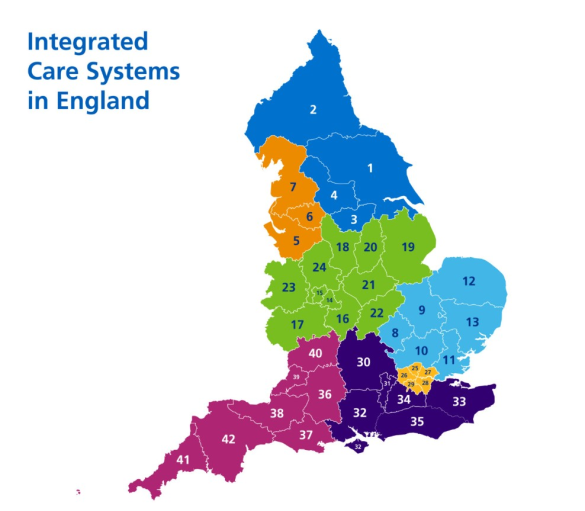
Figure 1. Integrated Care Systems in England as of October 2025. CPs in the Early Adopter Service covered by this report were located in areas 11 and 13
Source: NHS Integrated care in your area
The programme initially aimed to commission up to 50 community pharmacy sites across the 2 ICBs: NHS Mid and South Essex ICB (25 sites) and NHS Suffolk and North East Essex ICB (25 sites) (figure 1). Bids were invited from interested pharmacies within these regions. Pharmacies within the 2 ICBs were selected through a competitive tender process, guided by a structured set of award criteria designed to ensure alignment with broader public health priorities and system readiness. Bid assessment placed the greatest emphasis on improving access, reducing health inequalities, and facilitating patient choice (45%). Additional considerations included the extent to which applicants demonstrated integration with local health systems, collaboration with other providers, and the sustainability of the proposed service model (40%). Smaller weightings were allocated to quality and innovation (5%) and social value contributions (10%). A value-for-money assessment was also applied on a pass/fail basis [footnote 1].
Ultimately, 38 contracts were awarded, to pharmacies with prior experience in delivering vaccination services and an ability to commence service delivery immediately. However, one contract for a pharmacy within a large, multi-provider chain was later rescinded due to operational issues. The bid had been submitted centrally on behalf of the site without direct consultation with the individual pharmacy or pharmacist. Upon further review, it was determined that the site lacked the operational capacity to deliver the service. The final number of sites participating in the pilot was therefore 37.
The proposal for a number of CPs to be included in the delivery of the RSV programme came late in the planning for the launch of this new vaccination programme. An explicit strategic driver for the selection of the participating ICBs and the early adopter sites was therefore the ability to be able to commission and implement the project in the sites within very compressed timescales. The East of England commissioning team, the ICBs and the CPs in those areas had demonstrated high levels of performance as providers of COVID-19 vaccines and therefore were potentially more capable of delivering this new programme in the short timescales available. The regional commissioning team was also highly committed to testing and ensuring the success of these sites and provided significant practical, technical and commissioning support throughout the period of these reports.
Demographically, these ICBs encompass areas with varying levels of deprivation, but overall, a higher proportion of their populations fall into less deprived deciles than in some other regions. In addition, GP practices within the region have also historically achieved relatively high uptake rates for vaccines targeting older adults, such as shingles, suggesting a favourable context in terms of vaccine engagement and primary care participation. While these contextual factors may not have been formally cited as selection criteria, they likely contributed to the feasibility and operational readiness of these sites for early implementation.
The service was commissioned as a Local Enhanced Service (LES), a model that allowed regional flexibility and potential for local consultation with local pharmaceutical committees (LPCs). Under this approach, pharmacies were required to demonstrate readiness and capacity to deliver safe vaccination services and were selected based on previous vaccine delivery performance. In addition, the CPs needed to demonstrate accurate recording of vaccination events and ensure timely data sharing with GP practices while also providing access to eligible individuals, including those who may experience barriers in accessing GP appointments.
The early adopter model served multiple exploratory functions, including:
- testing vaccine supply logistics
- evaluating recording and reporting infrastructure
- understanding data flows between pharmacy, GP systems, and central NHS databases
- identifying enablers and barriers to inform any potential future policy decisions related to scale-up
The initial self-reported comments and feedback from the participating East of England CP sites suggested that they thought that involvement of pharmacies led to increased flexibility in appointment access; however, there is limited evidence to robustly support an assertion that this increased coverage or uptake. The total number accessing these services remains low compared to those accessing GP services to receive the RSV vaccine in these areas however, this may be in part due to a low number of participating CPs.
Review objectives
This evidence synthesis aims to integrate findings and insights from 4 evaluation reports produced by NHS England and the UK Health Security Agency (UKHSA), assessing various aspects of the early implementation of the RSV vaccination programme delivery through the GP and CPs in the East of England, with a specific focus on the role of community pharmacies. The synthesis aims to distil shared insights, identify lessons learnt, and inform future decisions on the potential expansion of the CP-based roll out of the RSV vaccine, in particular to inform implementation, and provide evidence on impact relating to uptake and equity.
The synthesis is structured around the following objectives:
1. Primary objective
To critically appraise and synthesise evidence on the coverage, effectiveness, supply considerations and stakeholder experience of the RSV vaccination rollout through CPs, with a focus on the operational feasibility and reach during the early adopter phase in the East of England delivered under the LES model during its initial implementation phase (October 2024 to early 2025).
2. Secondary objectives
1. Implementation process and stakeholder learning
This synthesis explores how planning, coordination, regional and national bespoke enablers and stakeholder engagement shaped the implementation of the community pharmacy-led RSV vaccination programme and influenced the CPs own perceptions of its value and inclusivity.
2. Vaccination coverage and geographic accessibility
The synthesis assesses regional coverage and spatial accessibility of pharmacy vaccination sites, focusing on travel distances (measured as the crow flies from eligible individual post code), local uptake patterns, and equity of access across the East of England.
3. Operational lessons
The synthesis identifies key logistical, technical, and workforce-related challenges, as well as examples of good practice, to inform future service delivery and integration models. In addition, data collected on vaccine supply and ordering provided valuable information on the variation in ordering and administration activity across the community pharmacies and comparable GPs, including efficiency of use.
4. Programme outcomes and evaluation learning
The synthesis summarises early findings on uptake, provider efficiency in relation to vaccine supply and usage, impact of access on equity, and programme responsiveness, highlighting how evaluation data supported real-time learning and adaptation.
The synthesis is intended to support decision-makers at regional and national levels, including NHS commissioners, integrated care boards (ICBs), and national policy leads involved in the design and implementation of immunisation services.
Methods
1. Synthesis design and approach
A structured, narrative synthesis approach was used to integrate findings from 4 evaluation reports to construct a holistic view of the early rollout of the RSV vaccination programme through community pharmacies in the East of England. This design was selected due to the suitability for integrating data from multiple evaluations based on different methodologies and evaluation scope. A thematic framework used to extract relevant data and structure the synthesis to assess programme feasibility, reach, and scalability – with themes as follows:
- implementation and service delivery
- access and uptake
- vaccine ordering and administration activity
- equity and reach
- stakeholder experience
- scalability and policy implications
Extracted findings were mapped to this thematic framework, integrating both quantitative and qualitative evidence. This approach supported the identification of convergent insight, contextual variation, and implementation insights relevant to both policy and practice. No meta-analysis of quantitative data was conducted due to the heterogeneity of methods and metrics used across the reports. However, descriptive data and case-specific examples were included where available to illustrate key findings and inform the broader interpretive narrative.
2. Data sources
All 4 reports were identified from officially commissioned process reports and evaluations and were selected based on their relevance to the early adopter phase of the RSV community pharmacy programme in the East of England. These sources form the full evidence base for this synthesis, with no additional literature included.
3. Data extraction
A standardised data extraction framework was developed to systematically collect and compare information across reports. Key categories included:
- evaluation objectives and methods
- geographic scope and populations covered
- implementation processes and challenges
- uptake data and coverage estimates
- vaccine supply and ordering data
- equity considerations (for example, index of multiple deprivation (IMD), ethnicity, rurality)
- stakeholder and user perspectives
- reported outcomes and recommendations
4. Evidence quality considerations
Although all sources are official government-commissioned reports, a light-touch appraisal was conducted to assess clarity of methods, transparency of data sources, relevance to review objectives and coverage of target populations and implementation settings. No exclusion or weighting was applied, but limitations and scope differences are noted in the synthesis.
Findings
Evaluation objectives and methods
The 4 reports reviewed in this synthesis were commissioned by NHS England and UKHSA to examine distinct but complementary aspects of the RSV vaccination programme rollout through community pharmacies in the East of England. While each report had a different focus and methodological approach, they collectively provide a comprehensive overview of the programme’s early implementation, coverage, and stakeholder experience (Table 1).
Report 1: After-Action Review (AAR)
The primary objective of the AAR was to gather feedback from those involved in the design and delivery of the community pharmacy model, with the aim of improving future vaccination campaigns and provider expansion. The AAR analysed stakeholder reflections to identify what worked well, where challenges arose, and how the programme was perceived by those delivering it. Emphasis was placed on surfacing operational insights, addressing disparities in delivery experience, and enhancing stakeholder engagement. The method involved structured responses from participants across multiple organisations involved in planning and delivering the service, allowing for the identification of good practice and opportunities for system-level improvements. The approach did not involve wider stakeholders such as those delivering the core service in General Practice and therefore does not address any challenges that this may have presented to those services, any input from those who received but did not accept the CP offer, any information to inform how core and supplementary services could or should be integrated, or any issues that might arise in relation to this, in any wider roll-out.
Report 2: Early programme evaluation
This report used a mixed-methods design, combining quantitative activity data (for example, number of vaccinations administered, service uptake trends) with survey responses to evaluate the performance and acceptability of the RSV vaccination programme in its early stages by those using the service and by those delivering the service. The objective was to generate timely insights that could support decision-making and inform potential scale-up. The evaluation captured real-time feedback from pharmacy teams and activity data on the vaccine administration in the participating CPs and GPs in the ICB on the feasibility, utility, and constraints of the model, to inform a potentially more responsive and adaptive future delivery approach. The survey was only sent to participating CPs and therefore did not include insights relating to acceptability from GPs, as stakeholders, or from for those eligible persons who were sent but did not accept the invite to attend a CP to receive the vaccine.
Report 3: Geographic accessibility and coverage analysis
Focusing on spatial and equity dimensions of the programme, the third report aimed to assess vaccination coverage by LSOA and examine the geographic accessibility of community pharmacy sites. Specific objectives included:
- measuring the distance between an individual’s home and the pharmacy where they were vaccinated
- evaluating the proportion of individuals who were vaccinated at their nearest available pharmacy
The analysis relied on the Immunisation Information System (IIS) vaccination record, postcode-level data and spatial mapping techniques to assess distributional equity and identify areas of low or high coverage. This report offered a geospatial lens through which to understand the reach and inclusiveness of the pharmacy-based model and comparison of the uptake to the participating GP, however the comparative geographical distance to the participating GP practices was not included.
Report 4. Vaccine ordering, delivery, administration and supply report
The vaccine ordering report presents detailed operational data on the ordering, delivery, and administration of RSV vaccines across participating community pharmacies and general practices during the pilot phase. The primary objective of this analysis was to assess patterns of RSV vaccine ordering, delivery, and administration across CPs, damages and wastage, and to compare efficiency of utilisation with general practices where data was available. A descriptive approach was used to analyse both site-level and aggregated data. Metrics assessed included:
- the volume of vaccines ordered, delivered, and administered
- average doses per site; utilisation rates
- temporal trends in activity
Comparative insights between provider types were included where corresponding data was available. The data was sourced from the ImmForm vaccine supply and administration reports submitted by participating sites. The reporting period spanned from 19 September 2024 (the date of the first recorded order by a community pharmacy) to 29 June 2025.
Collectively, the 4 reports reflect a pragmatic, multi-perspective evaluation strategy:
- the AAR captured experiential and operational feedback
- the early evaluation assessed performance and uptake dynamics
- the supply and ordering data provided intelligence on the efficiency of vaccine usage
- and the geographic analysis explored spatial equity and access
Although the methods varied (qualitative, quantitative, and spatial analysis) the reports were aligned in their intent to inform ongoing development and potential future expansion of the community pharmacy vaccination model under the LES framework.
All 4 evaluation reports focused on providers within the NHS Mid and South Essex (MSE) ICB and NHS Suffolk and North East Essex (SNEE) ICB. However, the analysis of the geographical accessibility report was based on data from all the East of England therefore limiting the comparability of the GPs data to the CPs for the report.
From a life course perspective, the 2 NHSE evaluations primarily assessed vaccination delivery to adults aged 75 to 79 years and to pregnant women from 28 weeks gestation, in line with the national eligibility criteria for the RSV programme. The report on supply and ordering data assessed activity related to these aspects of the programme, including timelines on ordering and administration activity and efficiency of vaccine usage. In contrast, the geographic analysis report focused only on the older adults (routine and catchup cohort) based on data between 1 September 2024 and 28 February 2025 with the disaggregated findings by LSOA, enabling a more granular understanding of spatial access, population reach, coverage around GPs and CPs, and potential equity gaps in service provision.
Tables 1 and 2 provide overviews of the respective approaches, key findings and limitations for each of the 4 included reports.
Table 1. Summary of evaluation report included in the evidence synthesis
| Report title | Author / Organisation | Core Objective | Design and Data sources | Primary Population | Geographic focus | Publishing date |
|---|---|---|---|---|---|---|
| Respiratory Syncytial Virus Community Pharmacy Pathfinder Programme - After Action Review | Public Health Commissioning: Strategy and Operations; Public Health Directorate; NHS England – East of England) | Capture after-action review and real-time reflections from those who planned, delivered, or oversaw the CP model in order to refine future campaigns. | Structured MS-Forms questionnaire and facilitated focus-groups with pharmacy leads, ICB immunisation teams, LPC reps and NHSE regional staff. Analysis used rapid thematic coding to surface ‘what worked, what didn’t’. | Selected stakeholders (not patients) involved in design and delivery. | NHS Mid and South Essex ICB; NHS Suffolk and North-East Essex ICB | January 2025 |
| Early evaluation of the RSV vaccination in Community Pharmacy Early Adopter programme | NHS England | Provide early, quantitative feedback on uptake, feasibility and acceptability during the first season. | Mixed methods: Pharmacy survey (9/38 usable responses). Extract of IIS activity data to 20 Feb 2025 (site, ethnicity, IMD, dose date). | All adults in the routine and catchup cohort (75 – 79 years) and pregnant women ≥28 weeks’ gestation vaccinated in CPs or GPs. | NHS Mid and South Essex ICB; NHS Suffolk and North-East Essex ICB | February 2025 |
| East of England Community Pharmacy RSV Pilot – Geographical Analysis | United Kingdom Health Security Agency (UKHSA) | Geographical analysis of vaccination coverage, spatial reach and equity: who got vaccinated, how far they travelled, and where coverage gaps remain. | IIS extract (1 Sep 2024 – 28 Feb 2025) for all RSV doses.GIS analysis (ArcMap) calculating straight-line distance from home postcode to vaccination venue and coverage by Lower-layer Super Output Area (LSOA). | All adults in the routine and catchup cohort (75 – 79 years) vaccinated in CPs or GPs. | East-of-England region, mapped to all 1 LSOAs; focus on 37 CP pilot sites | April 2025 |
| RSV Community pharmacy vaccine consumption report | United Kingdom Health Security Agency (UKHSA) | Assess vaccine consumption trends in CPs participating in the RSV programme, including ordering, delivery and administration patterns | Descriptive analysis of vaccine ordering data for participating CPs and GPs including volume order and delivery logs, and administration reports (19 September 2024 to 29 June 2025) | Individuals eligible for RSV vaccination and vaccinated through CPs and GPs | NHS Mid and South Essex ICB; NHS Suffolk and North-East Essex ICB | June 2025 |
Table 2. Comparative overview of methodologies and focus areas across evaluation and vaccine ordering reports
|
After-Action Review – NHSE/ICBs (Jan 2025) |
Early Evaluation Report – NHSE (Feb 2025) |
Geographical Mapping Report – UKHSA (Apr 2025) |
Vaccine Ordering, and Administration Report (June 2025) |
|
|---|---|---|---|---|
|
Primary purpose |
Capture operational lessons, successes and pain-points through structured stakeholder reflection. |
Rapid ‘proof-of-concept’ appraisal of pharmacy service readiness, activity and early uptake. |
Quantify spatial reach, travel burden, and LSOA-level coverage generated by the pharmacy pilot. |
Evaluate vaccine ordering, delivery, and administration patterns in CPs and GPs |
|
Design and data sources |
• MS-Forms feedback, focus groups, site-visit notes (≈30 visits), system-lead interviews. |
• Online survey (9/38 sites) • RSV activity extract to 20 Feb 2025 (site, ethnicity, IMD). |
• IIS extract 1 Sep 2024 – 28 Feb 2025 (346 936 eligible adults) • GIS/ArcMap distance modelling. |
• ImmForm vaccine supply report data • Descriptive analysis of vaccine supply, ordering and administration |
|
Time window covered |
1 Oct to 31 Dec 2024 (with planning reflections from Aug 2024). |
Oct 2024 to 20 Feb 2025. |
1 Sep 2024 to 28 Feb 2025. |
19 Sept 2024 to 29 June 2025 |
|
Key quantitative outputs |
• 8,732 doses delivered in first 3 months; anecdotal report of high staff and patient acceptance. |
• 8,900 pharmacy doses vs 62,681 GP doses (12 % share). • Mean 241 doses/site (GP = 266). • Ethnicity and IMD profiles almost identical to GP. |
• 8 808 pharmacy doses (4.6 % of East-of-England total). • 73 % vaccinated ≤ 5 miles from home; 65 % at nearest pharmacy. |
• A total of 14,387 delivered to CPs and 11,193 administered • Participating GPs had 163,296 doses delivered and 143,189 administered |
|
Key qualitative / thematic insights |
• National enablers: Nationally facilitated call of eligible patients, national booking system, national digital solution (RAVS) Regional enablers: £1,000 start-up grant, comms toolkit, site-readiness visits, weekly webinars. • Challenges: locum capacity, comms overload, unclear payment route. |
• Pharmacies highly experienced; minimal extra kit requirements (2 fridges). |
• Pharmacy presence lifts mid-range (40–79 %) coverage but not ≥ 80 % ‘top band’. • Long-distance outliers rare. |
• General practices recorded the highest vaccine ordering, and average doses administered per site compared to CP sites based on data up to June. • Community pharmacy activity followed a bimodal pattern, with peak vaccine delivery and administration in October 2024 and a secondary rise in March 2025 closely aligned with national recall activity and very low-level activity between these 2 peaks. |
|
Strengths |
Rich frontline narratives; captures ‘why and how’ behind numbers; embeds lessons for policy. |
Direct comparison with GP activity; concrete service-capability metrics. |
Region-wide denominators; objective travel-distance analysis; visual maps for commissioning. |
Timely and detailed insight into vaccine ordering and administration patterns at the site level, enabling assessment of operational efficiency of vaccine usage. |
|
Limitations |
• Qualitative recall bias; no patient or core provider (GP) voice; lacks independent quantitative corroboration. |
• Survey response 24 %; selection bias (experienced sites). • No travel or cost data. |
Straight-line distances (not real travel); pharmacy sample limited to 37 sites. |
The analysis focused on site-level data for CPs, with only aggregated comparisons to GP data for the whole EoE |
|
Unique contribution to synthesis |
Illuminates operational levers (site-readiness, comms, workforce) and specifies fixable barriers (IT, payments, procurement timeline). |
Demonstrates feasibility, equity neutrality based on data included in the report and throughput parity with GP. |
Shows that site placement delivers genuine proximity and identifies geographic cold spots for future rollout. |
Demonstrates that the participating GPs have a higher utilisation rate (administering a higher proportion of their delivered vaccine doses) compared to the CPs. |
Overall uptake and delivery volume
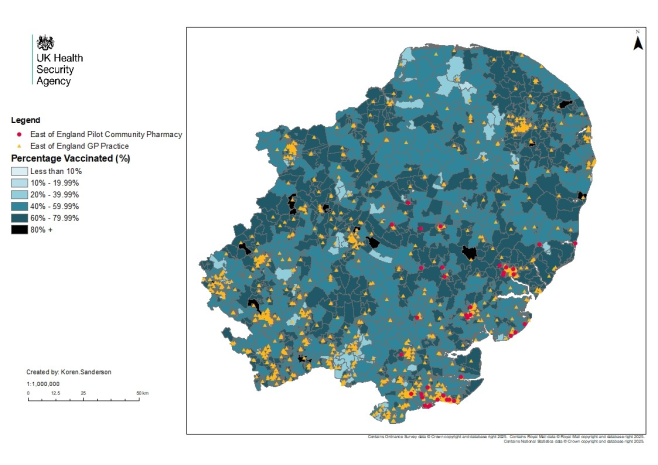
Between 1 September 2024 and 28 February 2025, overall RSV vaccination coverage of 55.3% (191,763 of 346,936 eligible individuals) was achieved among older adults in the East of England. At the Lower Super Output Area (LSOA) level, 84.4% of LSOAs across the region recorded vaccination coverage between 40% and 79.9%. In the 37 LSOAs hosting a participating CP, coverage ranged from 20% to 79.9%. These figures take into account the combined effect on coverage of uptake via established GP, and new CP routes (Figure 2).
Figure 2. Older adult RSV vaccination coverage by LSOA in the East of England and the distribution of the participating CPs and GPs (Source: Geographical Mapping Report)
Vaccine uptake climbed rapidly in the participating CPs at the launch of the service after an initial ‘site-readiness’ period and a national call of all eligible individuals resulting in a combined 8,732 RSV doses delivered by the end of December 2024 in pharmacies (8,707 doses to older adults and 25 doses to pregnant women). The vaccination activities subsequently plateaued towards the last week of December 2024 and then remained at a very low level until March 2025, with a second increase in activity at that point being closely associated with a further national recall of eligible patients. A breakdown of the weekly vaccination uptake by ICB within this period also showed more vaccination doses administered in the SNEE compared to MSE ICB.
During the initial 5-month period (1 October 2024 to 20 February 2025) the 37 early-adopter community pharmacies delivered 8,900 RSV vaccinations, compared with 62,681 doses administered by 236 GP practices across the same 2 ICBs. This means roughly 7 in every 8 RSV vaccinations in the pathfinder ICBs (87.5%) were given in a GP setting and 1 in 8 (12.5%) in a participating CP site. At the site level, CPs delivered an average of 241 RSV doses per site (median 190; range 15 to 722), closely matching the average of 266 doses recorded at each participating GP practice (median 227; range 1 to 1,143) across the 2 pilot ICBs. The highest volumes administered at a GP site are almost double the highest numbers administered at a CP site and this may be related to practice population size, delivery methods and approaches within those sites (for example, clinic capacity and throughput and so on) which may be relevant and requires further consideration. An investigation of GP practices recording only one dose during the reporting period found that these entries related to East of England residents (identified by postcode) who were vaccinated at practices outside the region. For such practices, only the vaccinations administered to East of England residents (one dose in this instance) rather than the practices’ total vaccination counts and were reported.
Looking across the whole East of England, the data extracted from the IIS show 191,763 RSV doses were given to older adults between 1 September 2024 and 28 February 2025. CPs accounted for 8,808 of these (4.6%), while the remaining 95.4% (182,955 doses) were delivered in GP. It should be noted that the CPs commenced vaccine administration in October 2024, a month after the roll out of the programme commenced in GPs. The number of vaccinations reported for participating CPs and GPs in the geographical accessibility report (Report 3) differs from those presented for a similar period up to February in the Early Evaluation Report (Report 2). This discrepancy is primarily due to the exclusion of duplicate vaccination records submitted by one of the GP IT system suppliers. Furthermore, the spatial analysis was limited to data for older adults and did not include doses administered to pregnant women.
Overall, available data show an initial spike in activities at the participating pharmacies, in line with that expected for a well-publicised new programme with a significant catch-up campaign element, and considerable national and regional enablers provided in support of the sites. This dropped below 100 weekly doses administered in CPs from period starting week 52 of 2024 till the end February, followed by a second smaller spike associated with a second national recall, and then a reduction to 67 doses across all CPs at the end of the reporting period in the consumption report (29 June 2025).
Vaccine ordering and administration activity
Vaccine ordering by CPs commenced on 19 September 2024. Activity data was compiled from 393 GP sites and 38 CPs participating in the RSV vaccination early adopter project across the 2 ICBs. In total, 163,296 doses were delivered to GP sites, of which 143,189 were administered which corresponds to an average of 415 doses administered per GP site. In contrast, the 38 CPs recorded 14,387 doses delivered and 11,193 administered, as at the end of the reporting period for the consumption report (29 June 2025), equating to an average of approximately 379 doses received, and 295 doses administered, by each pharmacy.
The utilisation rates (defined as the proportion of delivered doses that were administered compared to those delivered to the sites) were higher among GP practices (average 88%, median: 88%, interquartile range [IQR]: 82% to 92%) compared to CPs (average 77%, median: 85%, IQR: 64% to 98%). Notably, 97% of GP practices achieved greater than 50% utilisation of their ordered doses, compared to 89% among CPs within the reporting time period. This suggests a consistently higher dose uptake across GP settings, potentially reflecting differences in call/recall and scheduling models. This may have been due to having access to the registered eligible patient lists, or to differences in patient flow, or vaccine handling processes and potential for opportunistic vaccination. Whilst CPs were provided with support to enable bookable appointments via the National Booking System, call/recall had to be facilitated nationally.
In terms of the ordering patterns, analysis of temporal trends revealed a bimodal peak in ordering and administration activity in participating CPs. The first peak occurred in October 2024, coinciding with the start of the programme, with 8,632 doses delivered and 5,830 administered during this period. A second peak was observed in March 2025, with 3,416 doses delivered and 1,958 administered. These patterns likely reflect both the initial campaign rollout and the first national call of eligible patients, a later peak following the second national call and recall in February 2025 which likely prompted a renewed public awareness. Given the consistent peaks in activity within both GP and CP settings during the time periods associated with these national calls, findings suggest that call/recall is a more significant driver of decisions to access vaccination services than the availability of supplementary provider sites.
Access and geographical reach
Of those vaccinated at a CP, 73.1% received their vaccination within 5 miles of their home address, and one-third receiving it less than a mile from their home, suggesting high spatial accessibility. Furthermore, 65.4% were vaccinated at their geographically closest pharmacy, with this proportion ranging from 22.8% to 100% across individual pharmacy sites. This highlights that proximity alone is not the sole driver of pharmacy selection. Factors such as opening hours, ease of parking, co-administration of other vaccines (for example, flu), and public awareness likely influenced individual choices. These determinants were touched on as part of the findings from the AAR report and should be considered in future pharmacy deployment strategies.
Importantly, while the presence of a pharmacy correlated with moderate coverage (40 to 80%) in local areas, it did not consistently drive coverage into the highest coverage tier (over 80%). Overall, the highest uptake rates were achieved in areas where GP delivery predominated. This indicates that while pharmacy availability potentially improves choice, it does not, on its own, address all structural barriers to uptake, such as health literacy, perceived vaccine value, or service integration. None of the reports examined the residential distance of individuals vaccinated at participating GP practices. This analysis is therefore limited in the ability to draw direct comparisons between the data from community pharmacy and GP settings and should be included as part of any future UKHSA mapping activity.
Equity and socioeconomic considerations
Equity analysis was only partially addressed in the early evaluation report (Report 2), with limited disaggregation by ethnicity and socioeconomic status across participating ICBs. Ethnicity data was reported using broad categories (White, non-White or mixed, and unknown) without detailed subgroup analysis. Similarly, socioeconomic status was presented using IMD quintiles, but without deeper exploration of contextual factors or intersectional disparities.
Ethnicity
The ethnicity distribution of vaccine recipients at both participating CP and GP practices was predominantly White, comprising 96% of recipients in each setting. Those from other than White ethnic groups accounted for just 2% of vaccinations at CPs and 3% at GPs, with 1% unknown in both, indicating a similar ethnic distribution of vaccine recipients across both delivery settings. This data underscore concerns about inequities in vaccine access or uptake among ethnic minorities, which were not meaningfully altered by the inclusion of a supplementary provider. In addition, the ethnicity breakdown lacks granularity, presenting only broad categories (as identified above). This coarse classification may obscure important differences among diverse ethnic subgroups, which can have distinct health behaviours, barriers to vaccination, and risk profiles. Without more detailed ethnicity data, it is difficult to identify and address specific gaps in vaccine equity. Enhanced collection of detailed, disaggregated ethnicity data is therefore essential for monitoring whether the early adopter model does address equity concerns and to guide the development of more effective, culturally appropriate vaccination efforts.
Indices of multiple deprivation
IMD analysis showed a 20-percentage point difference in vaccine uptake between the most and least deprived groups among pharmacy recipients, and a 21-percentage point difference for GP recipients in the participating ICBs. Vaccine administration was also broadly similar across deprivation quintiles for doses administered in both settings. Both settings recorded the lowest proportion of doses in the most deprived areas (quintile 1), each accounting for 6% of vaccinations. The majority of doses were delivered in mid-range deprivation areas (quintiles 3 and 4): GP sites administered 53% of their total in these quintiles (26% in quintile 3, 27% in quintile 4), while CPs delivered a comparable 55% (29% in quintile 3, 26% in quintile 4). In the least deprived areas (quintile 5), activity was also similar, with GPs accounting for 26% and CPs 27% of doses. This distribution demonstrates that both general practice and community pharmacy vaccination efforts were concentrated in more affluent areas overall, with similar engagement across these populations.
Geographic reach
While the pharmacies delivered fewer doses in absolute terms, they served individuals who travelled varying distances. However, further analysis of rurality and population density around participating CPs is needed to fully understand the model’s implications for geographic equity. In addition, the distance from residential postcode of individuals vaccinated by the GPs was not available thus limiting comparability of the geographical accessibility between the 2 settings. Furthermore, there is a need for a more contextualised evaluation and comparison of the geographical accessibility to ensure the comparison of the CP within the ICB of interest (MSE and SNEE) to improve comparability of the vaccination delivery between the 2 settings.
Acceptability and relational equity
Qualitative feedback reported by the CPs in the AAR indicated that they considered that some individuals preferred being vaccinated by familiar pharmacy staff, citing trust and convenience. Qualitative feedback notes from pharmacists in the participating CPs reported that the service was able to reach people who “liked being vaccinated by someone they know and trust”, hinting at potential relational equity benefits. Additionally, CP respondents noted that the ability to offer opportunistic or walk-in appointments for eligible individuals (particularly those already visiting for other services) created additional touchpoints to engage patients in conversations about vaccination and to administer doses on the spot. These factors may be particularly valuable in building trust and improving access in communities with strong ties to their local pharmacies. However, the strength of this insight is constrained by 2 key limitations. First, none of the evaluation reports provided data on the actual proportion of vaccines administered through opportunistic or walk-in bookings (or their distribution across groups). This omission prevents any meaningful assessment of how frequently these relational access opportunities were realised in practice, or their impact on overall uptake. Second, while qualitative feedback was gathered from CP providers themselves, no equivalent quantitative or qualitative feedback was collected from GPs, or directly from individuals vaccinated in either setting, thus limiting the ability to compare the relational dynamics or opportunistic access mechanisms between and within the 2 settings. The data from the periods between the 2 national calls indicate higher activity in the GP settings than the CPs which suggests potentially greater use of local call/recall and opportunistic and/or booked appointment realisation in those GP settings which, given that this is frequently cited as a key driver for increasing CP deployment, warrants further investigation.
Overall, while the qualitative accounts from CPs alone suggest a potentially valuable model for improving vaccine access through trusted community relationships and flexible booking options, the absence of supporting data and comparative perspectives weakens the evidence base for drawing firm conclusions or generalising these benefits across primary care settings. Strengthening future evaluations with more systematic data collection (on booking pathways and opportunistic access across all provider types, as well as comparative qualitative data on reports of trust and convenience) would enhance understanding of relational equity and its practical implications for vaccination delivery models.
Stakeholder perspectives on operational enablers and challenges
Drawing on data from the AAR, Early Evaluation Survey responses, and free-text comments across the 3 evaluation reports, the thematic synthesis below analyses the experiences of pharmacy teams, system partners, and regional implementers. The feedback provides valuable insights into what worked well, what challenges were encountered, and what improvements are necessary to inform wider rollout under the National Enhanced Service (NES). Themes span operational processes, workforce capacity, relational dynamics, and perceptions of service impact. Table 3 below summarises the core themes, supported by illustrative quotes and observations.
Table 3. Additional summary of qualitative feedback from stakeholders
| Theme | Summary of stakeholder insights |
|---|---|
| 1. Acceptability and convenience | Pharmacists and system partners reported that the service was well-received by the members of the public who used the service. The convenience of location, extended hours, and walk-in availability were repeatedly emphasised as factors that improved accessibility, which they felt offered potentially more flexibility in the booking and access particularly for older adults. |
| 2. Trust and relationships | Longstanding relationships between community pharmacy staff and local populations were self-reported by the community pharmacies as a key enabler. They considered that this familiarity fostered communication about the vaccine and increased willingness to engage. |
| 3. Opportunistic offer and booking | Pharmacists frequently mentioned opportunistic booking for eligible individuals attending for flu/COVID jabs or medication collection. This opportunistic approach was highlighted as a factor that could potentially help maximise uptake with minimal additional effort. (Note however, national guidance states that co-administration of RSV vaccine with the Flu vaccine for older people was not recommended, and if this was undertaken may indicate lower awareness of, or compliance, with this guidance) |
| 4. Data entry and IT Challenges | There was some confusion among some pharmacies about the need for different ordering code for the older adult and maternal vaccines. This is clearly described in training materials suggesting that the CPs may not have accessed these comprehensively prior to commencing administering the programme. Most of the participating pharmacies had no previous experience ordering directly through the ImmForm platform since they had only previously administered flu vaccine (which is ordered direct from wholesalers) or COVID-19 vaccine (which is supplied via national supply chain arrangements). Some pharmacies were initially concerned about whether this new ordering process would reliably deliver the requested vaccine quantities, or if issues similar to those during the COVID-19 allocations (where requests can be overridden by a central allocation algorithm based on anticipated need) would arise. Survey participants in the process report commented that once they started using the ImmForm system they found it simpler, and it was preferred to that provided for ordering the other vaccines. In addition, highlighted the need for a clearer payment mechanism as the current payment system proved challenging for some. |
| 5. Communication and guidance clarity | Clear and streamlined communication was identified as a key need. Several sites reported challenges in managing information due to receiving emails and guidance from multiple sources, particularly during the concurrent delivery of COVID-19 and flu vaccination programmes. Some pharmacies noted that communications from national and regional teams were, at times, duplicative, conflicting, excessive, or lacking clarity. There was a strong call for a single, coordinated communication channel to ensure consistency and reduce information overload. |
| 6. Cold chain and stock management | Most pharmacies reported adequate cold chain capacity, but some flagged issues with timing of deliveries, and sharing across sites. In addition, this led to some pharmacies waiting a while to maximise their available cold storage capacity before starting the RSV programme in order to prioritise the flu and COVID programmes that were running concurrently. A small number of sites had to purchase additional refrigeration units. Some sites also commented about how bulky the vaccine boxes were as it took up more fridge space than expected. The vaccine was positively received for being a single vial dose which made administration easier to deliver compared to other vaccines with multidose vials. However, some pharmacies found the process for reconstitution complicated and time-consuming as had anticipated it being in pre-filled syringes. Reconstitution was addressed in the national training materials and guidance provided ahead of the programme, including the provision of a video which shows the vaccine presentation, the use of the adaptor and the reconstitution process. |
| 7. Staff capacity and workforce pressures | While pharmacists were confident delivering the vaccine, peak-period staffing constraints limited availability for some patients. Locum shortages and reliance on a single vaccinator were cited as bottlenecks. Some pharmacies also had to delay the RSV rollout and prioritise the flu and COVID vaccination to manage their available human resource capacity. In addition, some pharmacies belonging to a chain highlighted they were signed up without proper communication and human resource allocation from their main branch, or when they had their clinical lead located in a different non-participating ICBs/ NHS region. An important point to note was the case of the 38th site belonging to a chain that had their award rescinded due to their bid application being made centrally without factoring in local capacity and capability in the participating site. |
| 9. Regional support and engagement with ICBs and LPCs | Pharmacies had significant active support from the EoE NHS-E public health commissioning and pharmacy teams and reported that this enabled a smoother implementation. Site-readiness visits and shared troubleshooting helped build confidence. In addition, the EoE NHS-E team also organised weekly webinars which were initially held from mid-September to mid-December for community pharmacies (CPs), Local Pharmaceutical Committees (LPCs), regional teams, and Integrated Care Boards (ICBs). These sessions were later reduced to monthly frequency. The webinars provided updates, facilitated reflections on progress and challenges, highlighted best practices, and addressed operational issues. In addition, 30 supportive site visits were conducted by the NHS England’s regional public health pharmacist and vaccination lead to the pathfinder CPs and other sites. The region also made available additional funds (up to £1,000) to support set up by the participating CPs, cover promotional or marketing expenses and validated fridges. These enablers represented considerable resource commitment to these 37 CPs which is a significant variable as this level of support was not provided to GPs who were equally delivering this as a completely new vaccination programme. |
| 10. Motivation and professional satisfaction | Several pharmacy teams expressed pride in being part of an innovative pilot and appreciated the recognition of their potential role in public health programme delivery. They welcomed being included in the new patient group direction (PGD) which also enabled pharmacy technicians to assist tin the delivery. |
Limitation of available evaluations
A critical appraisal of the 4 source evaluations reveals methodological, data-quality, vaccine usage, and scope constraints that must temper the interpretation of all preceding findings.
Evaluation-specific limitations
An overview of methodological limitations by document is given in table 4, below.
Table 4. Summary of limitations and their key implications by report.
| Evaluation | Principal limitations | Consequence for evidence strength |
|---|---|---|
| Early Evaluation Report (NHSE, Feb 2025) | Selection bias – pharmacies were recruited on the basis of pre-existing positive vaccination experience, including high performance and throughput for the COVID-19 programme, and willingness to start immediately. Survey response – only 9 of 38 sites (24 %) provided usable survey data. No surveys were undertaken with existing core service providers, for example GPs. |
Inflates feasibility estimates and may underestimate implementation challenges faced by less-experienced or lower-resourced contractors (including those who did not respond to the survey) or related impact on, or in relation to integrating this service with, existing core service providers. |
| Geographical Mapping Report (UKHSA, Apr 2025) | Distances calculated ‘as the crow flies’, not by real-world transport routes; analysis confined to 37 pharmacies, unevenly distributed across the region; absence of patient-level socio-economic covariates beyond postcode. No information from patients on how they actually travelled to the sites and / or why. | Travel-distance findings may under- or over-estimate true access barriers; geographic generalisability may be limited; cannot fully disentangle proximity effects from individual deprivation or mobility factors, or decisions to accept offers of vaccination. |
| After-Action Review (AAR) (NHSE and ICBs, Mar 2025) | Qualitative design with purposive stakeholder sampling; no systematic patient voice; relies on individual retrospective recall; limited triangulation with independent operational data; survey and focus groups participation was limited to those professionals actively involved in design and delivery, there was no wider stakeholder consultation, for example, no GP involvement as the core service provider, and no patient involvement. | Insights on acceptability and system enablers are rich but potentially subject to significant positive-reporting bias and may omit dissenting perspectives from non-engaged professional and public stakeholders System enablers were perceived as success factors when these, or the absence of these, may actually be significant challenges for any future wider roll-out. |
| Vaccine Ordering, and Administration Report (UKHSA, June 2025) | The report focused primarily on disaggregated site-level data for community pharmacies (CPs), while general practice (GP) data was presented only in aggregated form. Ordering, delivery, and administration data was not linked to underlying population denominators or demand estimates (although the ImmForm supply platform is based on a pull model which gives the site control over their own ordering and draw down arrangements enabling this to flex if demand increases). Data anomalies were observed in some sites, with reported administered doses exceeding delivered doses in some sites. This was however clarified and confirmed as being associated with movement of vaccine between sites within the same legal entity (indicating that this was possible to address local demand and not a limiter of activity). | The lack of comparable site-level data between CPs and GPs weakens the ability to draw robust conclusions about relative performance or operational efficiency. The absence of population-based metrics limits the usefulness of the data for understanding reach, equity, or impact at a system level; Data quality concerns were clarified and resolved as described but need to be factored into future analyses to improve confidence in the generalisability of conclusions and order allocation to sites. |
Cross-cutting synthesis limitations and critical appraisal
1. Data incompleteness and temporal alignment
Variability in data completeness, definitions, and reporting formats across the 3 evaluations posed challenges for synthesis and comparison. For instance, ethnicity categorisation differed between datasets and vaccination figures were not always reported to the same cut-off dates, introducing minor denominator inconsistencies.
2. Non-random site selection
Community pharmacy sites were not purposively selected based on equity or coverage needs. While the competitive tender approach used structured and well-defined award criteria (emphasising access, health inequalities, integration, and service sustainability), it inherently favoured pharmacies that were already well-positioned, more experienced, higher performing and operationally ready. As a result, the pilot may not fully reflect the capabilities or challenges of pharmacies in more resource-constrained or less integrated settings, and CPs were not purposively selected based on population coverage or equity needs. This introduces potential bias and limits the generalisability of findings to other regions or settings.
3. Missing GP feedback and evidence gaps
A significant limitation of all the available evaluation reports is the absence of qualitative data from participating GPs. Although each report included quantitative analyses of vaccination activity across both CPs and GPs, none incorporated insights from GPs regarding their experiences, challenges, or perceptions of the pilot. This omission precludes meaningful comparisons with the qualitative findings reported by CPs and undermines a comprehensive assessment of the pilot’s implementation. In addition, none of the evaluations included perspectives from people who received but did not access the CP offer and who continued to be vaccinated at GP practices. As a result, the evidence base lacks balance and may limit the applicability of lessons learned across primary care settings, particularly in informing future scale-up or national rollout strategies.
4. Missing patient feedback and evidence gaps
Similarly, a further significant limitation is the absence of qualitative data on comparative patient experience and acceptability of the CP and GP offers. Whilst the CPs themselves reported that they considered that patients who attended felt that the service was highly acceptable, based on perceptions of trust, familiarity with staff and convenience, there was no direct patient feedback to support this. Similarly, there was no feedback sought from those who received the offer of a vaccine at the CP and did not accept the vaccine, or from those who preferred to accept the offer to be vaccinated at a GP setting. Note that all eligible patients registered at a GP practice in the 2 ICBs were sent letters, texts and emails advising them that they could make a booking and attend the CP or could wait to be called and invited to attend at their GP practice. At the end of the period covered by these reports 91.26% of the eligible patients vaccinated in the 2 ICB areas had opted to attend the GP. The reasons for this require further investigation. It should be noted that the vaccine administration in the CPs commenced on 1 October 2024, one month after its introduction in the GP sites.
5. Evidence Gaps on booking models and access impact
Although the potential for opportunistic booking was frequently cited as a key advantage of the CP participation, none of the evaluation reports provided empirical evidence to assess its actual impact on access. There was no data on the volume or effectiveness of opportunistic vaccinations delivered to clients attending pharmacies for unrelated reasons, nor any comparison with appointments booked via the National Booking System (NBS) or those booked through the GP practices or given opportunistically by GPs when patients attended for another reason. This lack of evidence limits the ability to evaluate the added value of this purported benefit and constrains policy decisions regarding optimal booking strategies for future rollouts.
6. Limited analysis of equity
The analysis was limited to broad ethnic groups (3 categories) and IMD quintiles. It did not consider finer-grained socioeconomic markers, clinical risk indicators, or rurality which are factors that can shape health-seeking behaviour. Future evaluations should incorporate these variables to provide a more comprehensive equity assessment.
7. Generalisability beyond East of England
Structural factors such as pharmacy density, GP workload, public-transport infrastructure may differ materially in other regions, therefore the extrapolation of the findings of these evaluations requires caution until replicated and tested elsewhere. In addition, the evaluations did not include comparator areas or non-participating ICBs, limiting the ability to isolate the effect of the CP model from other concurrent influences (for example, flu or COVID campaigns). There was no involvement of GP stakeholders; no consideration of the existing high core provider performance / comparable programme uptake, and skewed demography of the chosen areas.
8. Operational enablers and support mechanisms
As outlined in the After-Action Review, the capital investment required to initiate pharmacy-based vaccine delivery was considered to be relatively modest. Only few sites required additional refrigeration, while others sought support for promotional materials such as posters and banners. To address these needs, small-scale micro-grants of up to £1,000 were provided to sites requiring supplementary resources, including laptops and marketing materials. The availability of these operational enablers was a critical factor in supporting successful delivery during the pilot. However, the potential impact of their absence in a national rollout (particularly under the national advanced or enhanced service models, or in other vaccination programmes where such grants may not be available) remains difficult to quantify. This underscores the importance of factoring in all the enabling infrastructure and resource flexibility required when costing the design of scalable delivery models.
9. Pregnancy cohort under-representation
Only 25 antenatal vaccinations were recorded across all sources during this time period (data up to February 2025), with only 5 being recorded as administered in a participating CP site, limiting transferability of any conclusions to the pregnancy RSV pathway. Overall, a total of 385 vaccine doses had been delivered between 19 September 2025 and 1 June 2025 compared to 14,002 doses for the adult cohort in the participating CPs which further reinforces this suggested service underutilisation. There are however no cohort disaggregation of the doses vaccinated in this period to evaluate the doses that have been administered and the utilisation rate by cohort order in the CP and GP settings.
10. Lack of cost data
None of the evaluations captured detailed resource utilisation or opportunity costs, precluding robust cost-effectiveness inference. This also makes it difficult to compare the cost across the CP and GP settings and the evaluation of the attendant overhead cost of the various enabling and support mechanisms put in place for the early adopter CP sites.
Discussion
Principal findings in brief
The East-of-England pilot shows that a relatively small number of community pharmacies can deliver RSV vaccination at GP-equivalent throughput over time while maintaining socio-demographic parity and short travel distances for most recipients. Mean output per pharmacy (241 doses) was similar to the GP mean (266), although the volume delivered in the GP practices with the highest number of vaccinations was almost double that of the highest CP, and the population density and rural-urban mix of the CP is not well defined making direct comparison more difficult. CP delivery accounted for approximately 12% of all RSV doses given across the 2 pilot ICBs in the period up to February 2025 but reduced to 8.76% of all doses given in reporting available to 29 June 2025.
Ethnicity and IMD profiles matched closely between GP and CP, with 6% of doses administered to the most-deprived quintile in both settings. 73% of pharmacy recipients travelled 5 miles or less to be vaccinated; however, equivalent data is not available to compare distances travelled by those attending GP settings. Given that a central justification for commissioning the CPs was that these would address populations that were undeserved by or would not otherwise attend the core offer, the similarity of the profiles of those attending suggests that the most likely impact has been to increase choice of setting for those already likely to take up the offer rather than having demonstrable impact on uptake, overall coverage or inequalities for those less likely to do so.
Qualitative reflections from the pharmacists in the participating CPs reported high acceptability for delivering the programme among these early providers, but also identified technical, operational and human resource challenges, as well as communication issues as barriers to delivery. Participating sites benefits significantly from national support through communications activities, call/recall and focused, pump-priming support which may not be available to the same extent in a wider national rollout. In addition, the selection of the 37 participating community pharmacy sites was highly influenced by the short turnaround time for the bidding process, favouring providers that were already well-prepared, experienced, and operationally ready to deliver. As a result, the feedback and performance data from these sites may be skewed toward more resourced or engaged providers and may not fully reflect the challenges or perspectives of a broader, more diverse range of pharmacy settings. Furthermore, there are no available reflections from the participating GPs in these areas, or from and vaccinated individuals in both settings that are required in order to have a balanced view of the impact of the early adopter model. All these factors limit the generalisability of the findings and suggest that the pilot outcomes may considerably overestimate the feasibility and ease of expanding the model nationally.
Interpretation in context of existing evidence
Findings from this report broadly align with those of a systematic review of literature evidence from England on community pharmacies (drawing largely on evidence from delivery of seasonal flu and COVID-19 vaccination) – which noted that there is no evidence to suggest CPs materially increase overall vaccination coverage, and no evidence that they reach populations that would not otherwise access vaccination via their GP. This early adopter pilot project in the MSE and SNEE ICBs generated valuable operational learning on delivering RSV vaccines through CP-based model to complement the GP and NHS Trust delivery settings. While the pilot demonstrated that pharmacists can effectively administer vaccinations within short start-up periods, current evidence does not show that this model improved overall vaccine coverage, particularly due to the lack of direct comparative data with general practice, limited reach among underrepresented groups, and the highly supported environment in which the pilot was delivered. As a result, the true impact of the pharmacy model on increasing vaccine uptake, especially among underserved populations, remains uncertain and warrants further evaluation to determine the suitability for moving towards national scale-up and adopting this delivery model to improve access and uptake.
Early COVID-19 vaccination roll-outs in several countries revealed widening uptake gaps when booking systems assumed universal digital literacy (1, 2). By contrast, pharmacies in this pilot deployed multiple booking routes, including walk-in sessions, which may have mitigated such barriers although no quantitative breakdown of the appointment booking by opportunistic and pre-booked routes were available in the reports. Nonetheless, equity conclusions remain tentative due to the broad categorisation used and limited comparable data which may mask within-group heterogeneity and the generalisability of the available data.
The ethnicity data from the evaluation reports show a pronounced overrepresentation of individuals from White ethnic backgrounds, with 96% of vaccinations in both general practice and community pharmacy settings administered to this group. This consistency across provider types highlights 2 significant concerns. Firstly, the very low proportion of vaccinations among ethnic minorities raises questions about the programme’s reach and effectiveness in engaging ethnically diverse populations. Without contextual information on the ethnic composition of the eligible local population, it remains unclear whether these figures reflect a true gap in service provision, differences in vaccine acceptance, or structural barriers to access. This underrepresentation is particularly concerning given the well-documented disparities in vaccine coverage and health outcomes among ethnic minority groups in the UK.
Secondly, the crude categorisation of ethnicity in the data (limited to White, Non-white or mixed, and Unknown) significantly restricts the analytical value of the findings. Such broad groupings obscure important differences between ethnic subgroups, each of which may have distinct health behaviours, access challenges, and levels of trust in healthcare systems. For example, combining Black, Asian, and mixed-heritage populations into a single ‘non-white or mixed’ category fails to capture the nuanced barriers and facilitators that may influence vaccine uptake within these communities. The lack of granularity not only limits the ability to assess the true equity impact of the programme but also hampers the development of targeted interventions to address specific needs. Future evaluations should prioritise more detailed, disaggregated ethnicity reporting and integrate both quantitative and qualitative insights, enabling a more meaningful assessment of equity and supporting the design of culturally tailored public health strategies.
The analysis of vaccine administration by IMD quintile demonstrates that both GP and CP settings delivered the majority of doses in mid to higher deprivation areas, with the least deprived quintile accounting for the lowest activity. Over half of all vaccinations were administered in quintiles 3 and 4, while the most deprived quintile represented roughly a quarter of doses in both settings. This pattern suggests that the programme effectively targeted populations where health inequalities are often more pronounced, supporting public health goals to reduce disparities in vaccine access and uptake. The similar distribution of vaccine activity between community pharmacies and general practices further indicates that pharmacies were reaching comparable, but not more deprived, demographic groups across the deprivation spectrum. Further monitoring of IMD-based uptake, together with qualitative feedback from communities, will be important to assess the programme capacity to address local needs and promotes equitable access at all levels of deprivation.
Mechanisms behind the outcomes
Three operational levers appear pivotal:
1. Existing vaccination infrastructure
Most participating pharmacies already ran influenza/COVID-19 clinics and reported that they required minimal additional training. However, several statements in the evidence suggested that there was lack of awareness of training requirements and professional guidance, beyond the PGD, for this new programme and a need for consideration of the training infrastructure and assurance processes for any future proposed programme expansions within community pharmacy.
2. Single-dose presentation
RSV’s single-dose format avoided the wastage anxiety associated with multi-dose COVID-19 vials, which were perceived to help improve the operational component of the vaccine administration and also enable potential for opportunistic offers. Some CPs, however, reported not expecting to reconstitute the vaccine while some reported issues with the reconstitution process. This issue was addressed in the national training programme, which included the provision of the training video.
3. On-site relational trust
Qualitative feedback suggests that long-standing relationships between pharmacists and local residents fostered uptake. However, there is good evidence from the wider literature on primary care that patients (especially older patients) enjoy similar relationships with GP services.
While the pilot demonstrated encouraging outcomes in terms of community pharmacy (CP) engagement and operational delivery, the conditions under which these results were achieved were significantly shaped by intensive, resource-rich enablers—many of which may not be replicable or sustainable at national scale.
Key success factors identified in the After-Action Review (AAR) included targeted national support, such as call-and-recall mechanisms using centrally developed call templates and digital infrastructure, frequent hands-on assistance from regional commissioning and ICB staff, and over 30 site visits offering on-the-ground support. Additional measures included help adapting and delivering printed national resources, locally driven communication campaigns, and weekly support sessions tailored to the participating pharmacies. These layers of support were substantial and played a critical role in site readiness, public engagement, and overall implementation success.
These enablers however present a double-edged sword which while instrumental in supporting early adopter CPs, their intensity and specificity limit the generalisation of performance outcomes to broader settings. Notably, such extensive support structures were not made available to general practices thus highlighting a disparity in implementation conditions that further complicates comparisons between the 2 delivery models. In addition, the feasibility of replicating this support framework at scale raises serious questions around cost and capacity. If such supports are deemed essential for success, then a national rollout of the LES model would require significant investment in regional personnel, training, communication infrastructure, and bespoke site-level engagement (costs not accounted for in the pilot’s performance outcomes).
These concerns are compounded by other limitations of the evaluation, including the non-representative site selection process, which prioritised pharmacies with existing vaccination experience and operational readiness. This likely skewed the findings toward higher-performing, better-resourced sites and does not reflect the full spectrum of pharmacy capabilities nationwide. In addition, the lack of disaggregated data on vaccine uptake by ethnicity, cohort, or deprivation, and the absence of qualitative and quantitative feedback from GP providers, and service users further constrain the strength and generalisability of the evidence base.
In summary, while the pilot offers valuable insights, observed uptake patterns were tightly coupled with context-specific enablers that limit the extrapolation of outcomes to a scaled national delivery model. Future planning must account for these dependencies and either ensure equivalent support structures are funded (both to the CPs and the core GP providers) or reconsider the assumptions underpinning wider rollout feasibility.
Conclusions
Key take-aways
Vaccine throughput by administration setting
Thirty-seven early-adopter community pharmacies administered ≈ 8,900 RSV doses (≈ 12 % of all vaccinations in the 2 pilot ICBs) with an average throughput (241 doses/site) almost identical to general practice (266 doses/site) based on data up to February 2025. An extended activity data based on the vaccine supply and ordering report shows a total of 163,296 doses were delivered to GP sites with 143,189 administered in GP settings, while 14,387 doses were delivered to CPs, of which 11,193 doses were administered. By the end of the reporting period for the consumption report doses delivered by GPs represented 91.26% of the total administered, while 8.74% of the total were delivered in participating CPs. This should be interpreted in the context of the one-month delay in the commencement of vaccination in the CPs, as well as the difference in the relative numbers of participating CP and GP sites in the area.
Equity and accessibility
Uptake by broad ethnicity and deprivation bands mirrored GP delivery. Vaccination activity across the GP and CP settings were concentrated in the mid-to-higher deprivation quintiles, with limited differentiation between both settings. Ethnicity data showed that 96% of recipients were recorded as White across both settings, with minimal representation from minority ethnic groups. The lack of disaggregated ethnicity data and absence of contextual population benchmarks limit the ability to assess the programme impact on reducing inequalities, however, given that an overt objective of the project was to provide a supplementary offer to improve access and uptake among populations who did not access or were underserved by the current offer, the evidence suggests that the main impact of the early adopter sites was to improve choice of venue for those accepting an offer rather than acting to increase coverage or reduce inequity. In addition, 73 % of individuals vaccinated at the pharmacies resided within ≤ 5 miles, indicating acceptable geographic reach although no comparable geographical delineation of accessible GP to residence was explored.
Unclear cost-effectiveness and unrecorded implementation costs
The cost effectiveness of the early adopter model is hard to unpack due to the lack of cost-effectiveness studies to validate the attendant cost for the CP-based delivery and to compare them effectively with the delivery in the GP setting. In addition, the generalisabilty of the early adopter findings and scalability is hard to assess based on current available information as the attendant hidden cost and resources required for the various regional and national enablers enacted to facilitate the pilot implementation will be harder to deploy for a NES model.
Site readiness and organisational misalignment
Some participating CPs, particularly those that were part of larger chains, reported being registered for the pilot centrally without prior consultation, resulting in sites that lacked capacity or readiness to deliver the vaccination service and a number that had to withdraw from the process before and after contract award. In some cases, the designated clinical lead operated in a region not delivering the CP-based model, further limiting oversight and support (especially in pharmacies already reliant on locum staff for core service delivery).
Workforce capacity and quality assurance
While the existing pharmacist and pharmacy technician skill mix was generally reported to be sufficient, the reliance on locum staff raises concerns about the consistency of training, ongoing competency maintenance, and the quality assurance processes needed to ensure safe and effective vaccine delivery across all community pharmacy settings.
Perceived acceptability and convenience
There was a reported high acceptability among involved stakeholders and pharmacy staff involved in the delivery of the CP-based vaccination model. The stakeholder feedback highlighted perceived convenience and trusted relationships as being core enablers of uptake, although no direct feedback was sought from members of the public to confirm this. In addition, some opportunistic bookings were reported to be successfully used for patients attending for other services (for example, blood pressure checks, COVID-19 vaccination, or prescription collection), often prompted by in-store promotional materials, although there is no data in the reports reviewed to quantify this.
Limited reedback scope and representativeness
The feedback was gathered exclusively from individuals directly involved in the design and delivery of the service, limiting the representativeness of the perspectives captured and potentially introducing positive recall bias. No input was obtained from core GP providers to assess the impact of the CP offer on general practice planning, capacity, or perceptions of patient diversion.
Communication and patient choice
All eligible patients in the pilot areas were sent a national offer letter informing them about the local CP vaccination option. Despite this, 91.76% of recipients who were vaccinated continued to attend general practice for their RSV vaccination, suggesting that the CP offer did not significantly alter patient behaviour or distribution of uptake.
Implementation enablers
The RSV community pharmacy early adopter sites were supported by several key enablers that contributed to its successful delivery. These included site-readiness visits dedicated regional support, national communication materials, flexible booking options, peer-learning webinars, and microgrants to address local infrastructure or promotional needs. These elements were widely viewed as essential for implementation across the small number of pilot sites.
Operational barriers
The programme also faced significant operational barriers as reported by the CPs and stakeholders. Communication was often challenging, and many pharmacies (particularly those reliant on locum staff) struggled with workforce consistency and training. Cold storage limitations, overlapping demands from other vaccination programmes, and confusion around vaccine ordering and payment codes created additional challenges. The NHS booking system was not optimised for pharmacy appointments, and national messaging (which was developed before the project was confirmed and because the offer was only available in a very small area) remained GP-focused, limiting public awareness of the CP offer. This was however mitigated by the development of a bespoke communications toolkit and support for local communications work from the NHSE regional team. Short bid/procurement timelines and a lack of pharmacy-specific preparation materials further impacted readiness.
These findings suggest that while the pharmacy model is feasible, it relied on intensive support that may not be easily scaled. Future expansion would require considerable strategic investment and planning to replicate these enablers and to address systemic barriers to ensure sustainable delivery.
Recommendations
The expansion of the RSV vaccination programme to up to 200 community pharmacies in identified target areas for 2025/26 under a NES framework presents a critical opportunity to address the limitations identified in this early adopter pilot and to systematically evaluate the potential impact of adding this supplementary provider on health inequalities. Based on the evidence from the initial 37-site pilot and broader vaccination equity research, the following recommendations should guide the project expansion:
1. Strengthen equity-focused site selection
Site selection should prioritise pharmacies serving more socioeconomically and ethnically diverse populations, including settings with varying levels of deprivation and existing healthcare access gaps. This will allow for a more robust assessment of the CP model’s role in addressing health inequalities. In addition, the prioritisation should focus on areas with poor access to existing vaccination services, particularly rural and underserved urban areas where travel time (and not merely distance to residence) to GP practices may exceed 30 minutes.
2. Ensure balanced provider feedback
Evaluation frameworks must include qualitative and quantitative feedback from both CP and GP providers to enable meaningful comparison of delivery models, operational challenges, and community engagement effectiveness.
3. Reduce dependence on intensive enablers
To support generalisability, the NES scale-up should test delivery models under more typical operational conditions. Where intensive support (for example, weekly touchpoints, site visits) is provided, its cost and impact should be transparently documented to assess affordability and sustainability in the event of any proposed national scale up.
4. Monitor opportunistic access pathways
Data should be collected on the use and effectiveness of opportunistic or walk-in vaccination pathways in both CPs and in GP settings, including the proportion of doses administered through these channels and their reach across different population groups.
5. Integrate population-based coverage analysis
Future evaluations should measure uptake against eligible population denominators within defined catchment areas to assess how effectively the CP model reaches target groups, particularly in underserved communities.
6. Extended operating hours
Ensure participating pharmacies offer vaccination services outside traditional working hours, including evenings and weekends, to reduce access barriers for working populations and caregivers, and assess how effectively these extended hours appointments are used and by whom.
7. Measure additionality versus substitution
Establish clear methodology to determine whether the pharmacy model is genuinely expanding access to new or underserved population groups, or simply shifting existing service users from GP services to a different setting. This should include analysis of:
1. Proportion of pharmacy vaccinees with no recent GP vaccination history (for flu and COVID as a proxy).
2. Changes in overall population-level uptake and coverage in target areas.
3. Impact on GP appointment availability, usage and patient choice.
8. Assess cost-effectiveness
Evaluate the cost per additional vaccination achieved through the pharmacy model compared to GP delivery, considering both direct costs (£9.58 per dose), indirect costs (training, drop-in support and so on), and indirect benefits (freed GP practice nurse capacity, including subsequent use of that freed time; reduced health system burden and so on).
9. Develop quality assurance mechanisms
Implement standardised training and quality metrics for participating pharmacies to ensure consistent service delivery and patient experience across all sites.
10. Create feedback loops
Establish mechanisms for continuous improvement based on real-world performance data, patient feedback, and identification of emerging barriers to access.
11. Embed real-time monitoring and adaptive evaluation
A dedicated evaluation framework with real-time monitoring indicators should be built into the NES rollout to allow for adaptive learning, mid-programme adjustments, and timely equity assessments.
12. Mandate disaggregated equity data collection
Ethnicity data should be recorded in more granular categories aligned with national standards (for example, ONS classification), and vaccination data should be linked to deprivation quintile, age cohort, and other sociodemographic variables. This will enable more precise evaluation of equity outcomes and differential impact across groups and settings.
This report forms part of a series of ongoing and planned evaluation activities for CP-based vaccination delivery in England, and the recommendations outlined above will be used to help inform the design of these evaluation activities to build a more complete picture of how and where CPs offer greatest benefit for vaccination delivery.
References
1. Azzopardi-Muscat N, Sorensen K. ‘Towards an equitable digital public health era: promoting equity through a health literacy perspective’ European Journal of Public Health 2019: volume 29, supplement 3, pages 13 to 17
2. Marzo RR, Su TT, Ismail R, Htay MNN, Essar MY, Chauhan S, and others. ‘Digital health literacy for COVID-19 vaccination and intention to be immunized: a cross sectional multi-country study among the general adult population’ Frontiers of Public Health 2022: volume 10, page 998234