Mycoplasma pneumoniae surveillance in England and Wales, October 2020 to September 2025
Updated 27 November 2025
Applies to England and Wales

© Crown copyright 2025
This publication is licensed under the terms of the Open Government Licence v3.0 except where otherwise stated. To view this licence, visit nationalarchives.gov.uk/doc/open-government-licence/version/3 or write to the Information Policy Team, The National Archives, Kew, London TW9 4DU, or email: psi@nationalarchives.gov.uk.
Where we have identified any third party copyright information you will need to obtain permission from the copyright holders concerned.
This publication is available at https://www.gov.uk/government/publications/mycoplasma-pneumoniae-surveillance-january-2019-to-march-2024/mycoplasma-pneumoniae-surveillance-in-england-and-wales-october-2020-to-september-2025
Summary of findings
The main findings are that:
- Mycoplasma pneumoniae epidemic peaks occur every 4 to 7 years with the most recent epidemic occurring in the previous 2023 to 2024 period
- laboratory reports from the 2024 to 2025 period show a reduction in incidence from a peak during the 2023 to 2024 outbreak period, returning to non-epidemic levels
- although cases declined compared to the previous epidemic season, the incidence and rates remained higher than during previous non-epidemic periods over the five-year period
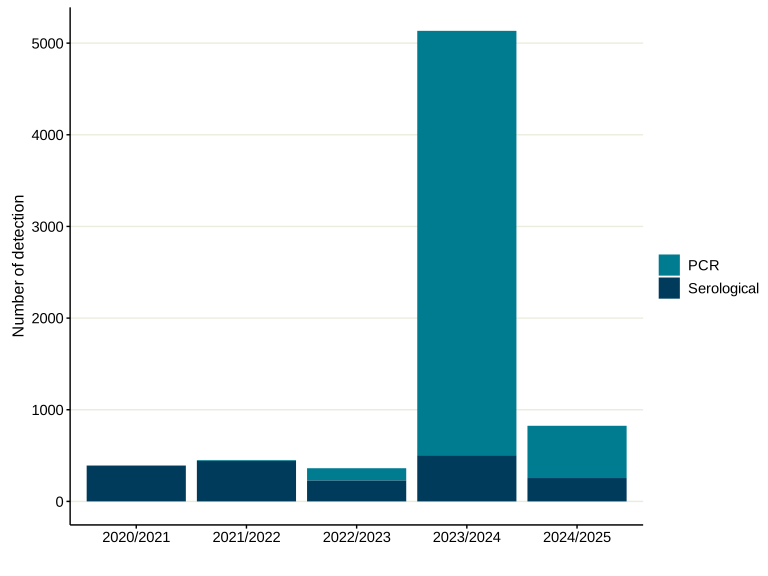
- higher observed incidence and rates may partly reflect changes in testing methodology; laboratories have increasingly shifted from serological testing to molecular PCR testing, which has become more widely available. In 2022 to 2023, serological methods predominated, with only 37.0% of cases (134 out of 362) detected by PCR testing. This proportion rose to 90.2% (4,630 out of 5,134) during the 2023 to 2024 winter season and to 69.1% (507 out of 825) in the current winter period
- in the 2024 to 2025 period, laboratory detections of Mycoplasma pneumoniae were highest among ages 15 to 44 years, representing 33.0% (272 out of 825), with the highest rate per 100,000 population being in the 0 to 4 age group at 4.95 (95% CI: 4.21 to 5.82). This likely represents testing behaviour, with more tests carried out in young adults, but higher prevalence in younger age groups
- during the 2024 to 2025 period, fewer samples were submitted for macrolide resistance testing than the previous year, consistent with a lower overall number of positive cases. Among the 456 samples received by reference laboratories, Mycoplasma pneumoniae was detected in 197 cases (mostly in younger patients), and macrolide resistance was identified in 5.6% (95% CI: 2.9 to 10.4) of PCR-tested samples. This was greater than the previous non-epidemic year of 2020/21, where no resistance was detected. These estimates may be affected by incomplete national data linkage and potential sampling bias
- between October 2023 and July 2025, Mycoplasma pneumoniae hospitalisations peaked in early 2024, mainly among children aged 5 to 14 years; the highest age-specific rate was 4.1 per 100,000 in those aged 5 to 9 years, followed by 2.9 per 100,000 in ages 0 to 4 and 2.2 per 100,000 in ages 10 to 14. Hospitalisations declined steadily from late 2024, with the Mycoplasma pneumoniae peak occurring between two broader peaks in bacterial and viral pneumonia observed in November 2023 and November 2024
Clinical picture
Mycoplasma pneumoniae is a bacterium which is a major cause of respiratory infections – particularly pneumonia (atypical pneumonia), predominantly in children, but it can cause infection in all ages. Mycoplasma pneumoniae has a wide clinical syndrome, ranging from causing mild respiratory symptoms to severe pneumonia and death. Rarely, it has also been associated with severe complications such as encephalitis.
Epidemiology and surveillance of Mycoplasma pneumoniae in England and Wales
Mycoplasma pneumoniae epidemic peaks occur periodically in the UK and worldwide every 4 to 7 years (1). Although the transmission of Mycoplasma pneumoniae is not fully understood, the periodicity of these peaks may be determined by changes in community immunity or the introduction of new strains into the population (2). Mycoplasma pneumoniae is found in all age groups however it is one of the most common aetiological agents of community-acquired pneumonia (CAP) found in children with pneumonia over 5 years old (3,4,5).
No single surveillance system fully captures national changes in Mycoplasma pneumoniae activity. This report presents data from three distinct systems which collectively describe recent trends: laboratory detections from local and hospital laboratories, macrolide resistance testing from the UK Health Security Agency (UKHSA) reference laboratory, and hospital admissions. These systems are detailed in the Data Sources and Methodology section.
To capture the winter peak activity in one reporting period, some data is presented by season rather than by calendar year. A season captures the full 12 months of a year, starting from 1 October and ending on 30 September of the subsequent year.
Mycoplasma pneumoniae laboratory detections presented here are based on laboratory reports of Mycoplasma pneumoniae from 1 October 2020 to 30 September 2025 in England and Wales, extracted from UKHSA’s voluntary surveillance database, the Second-Generation Surveillance System (SGSS) which diagnostic laboratories report to. Previously reported data is shown for comparison and context.
The inclusion of updated data may mean data differs from that in earlier publications. Mycoplasma pneumoniae is a non-notifiable organism in England and Wales and, therefore, data is reported on a voluntary basis, and only positive results are reported. This may lead to an underestimate of disease caused by Mycoplasma pneumoniae.
Laboratory testing (all diagnostic laboratories reporting to SGSS)
For this report, laboratory detections included were limited to those using:
- serological methods on blood, serum or plasma.
- nucleic acid amplification testing (NAAT) methods, including polymerase chain reaction (PCR) on blood, serum, plasma, throat, nose or nasal, bronchial, upper respiratory tract, broncho-alveolar lavage (BAL), alveolar, naso-pharyngeal aspirate (NPA), endotracheal aspirate, trachea or sputum
Testing for Mycoplasma pneumoniae has changed significantly from before the COVID-19 pandemic. Prior to the pandemic, serology was the primary means of laboratory diagnosis. During and post the pandemic, serology has been largely replaced by PCR based methods. Commercial respiratory pathogen multiplex PCR tests that include Mycoplasma pneumoniae as a target are increasingly available, simple and rapid to implement and are highly sensitive.
By contrast, diagnosis of acute infection using serology is limited by the need for acute and convalescent sera 2 weeks apart, which delays results and is being used less. Raised Mycoplasma pneumoniae IgM (which occurs around 7 days post symptom onset) and/or a four-fold increase in IgG levels between the initial sample and the convalescent sample indicate an active or recent Mycoplasma pneumoniae infection. Increases in IgG, without an increase in IgM levels, can also be seen with a re-infection for up to three months. Hence, results from serological analyses can be difficult to interpret as the presence of IgG alone may not definitively indicate a new infection but could also signify a recent re-infection (6).
It is important to note that Mycoplasma pneumoniae exposure can result in asymptomatic carriage (7). Therefore, detections of Mycoplasma pneumoniae may be incidental and not indicative of a clinical infection. These factors should be borne in mind when considering all laboratory detections.
Mycoplasma pneumoniae detections (all diagnostic laboratories reporting to SGSS)
Overview of the 2023 to 2024 season
During the winter period 2024 to 2025, there was a decrease in Mycoplasma pneumoniae laboratory detections compared to the previous winter. During the 2024/25 winter, there were 825 Mycoplasma pneumoniae detections, a substantial decrease compared to 5,134 in the 2023/24 winter season (Figures 1 and 2).
The 2024/25 winter season marks the first non-outbreak period since the 2023/24 outbreak, which exhibited similar incidence peaks across Europe (8). The two previous epidemic winter periods (2019/20 and 2023/24) saw peaks in January; however, the current 2024/25 winter period shows a peak in November, followed by a decline. The rate difference between 2024/25 and 2023/24 is 1.34 per 100,000 population (95% CI: 1.25 to 1.43), compared with 8.32 cases (95% CI: 8.09 to 8.55), respectively.
Figure 1. Monthly reported Mycoplasma pneumoniae detections by PCR and serology in England and Wales, 1 October 2020 to 30 September 2025
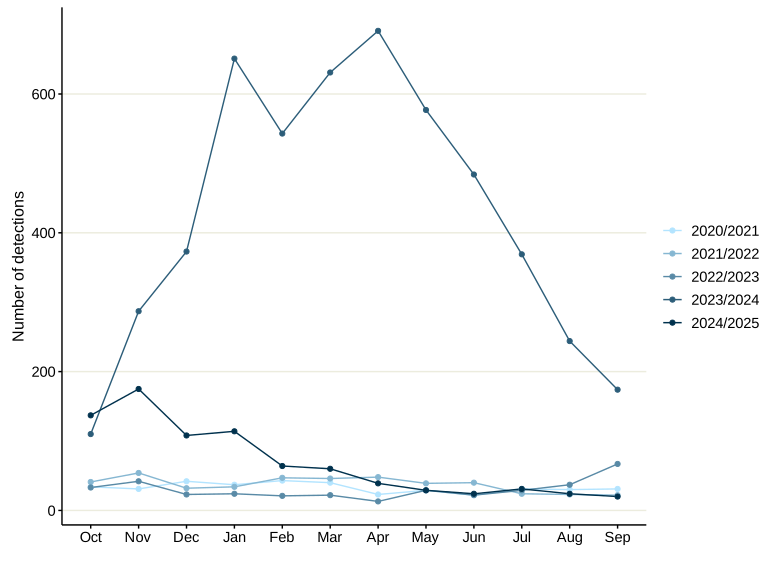
Figure 2. Monthly reported Mycoplasma pneumoniae detections by PCR and serology per 100,000 population in England and Wales, 1 October 2020 to 30 September 2025
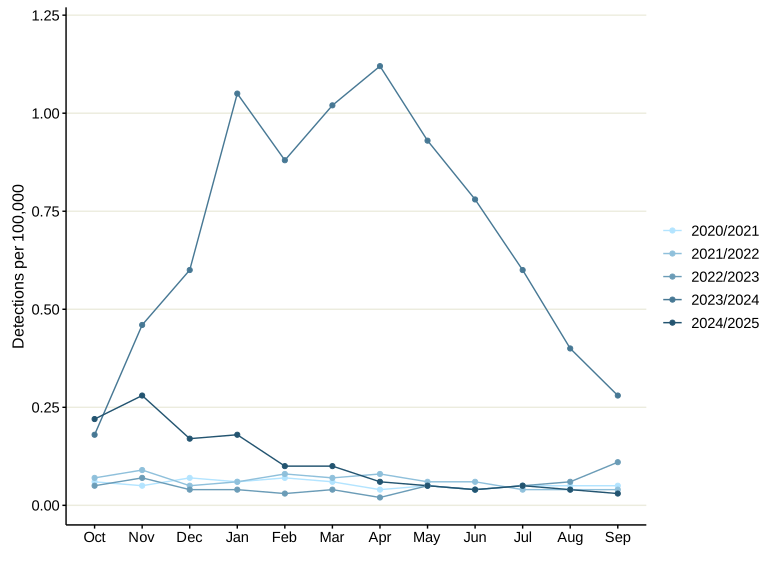
Figure 3. Cumulative monthly Mycoplasma pneumoniae detections by PCR and serology in England and Wales, 1 October 2020 to 30 September 2025
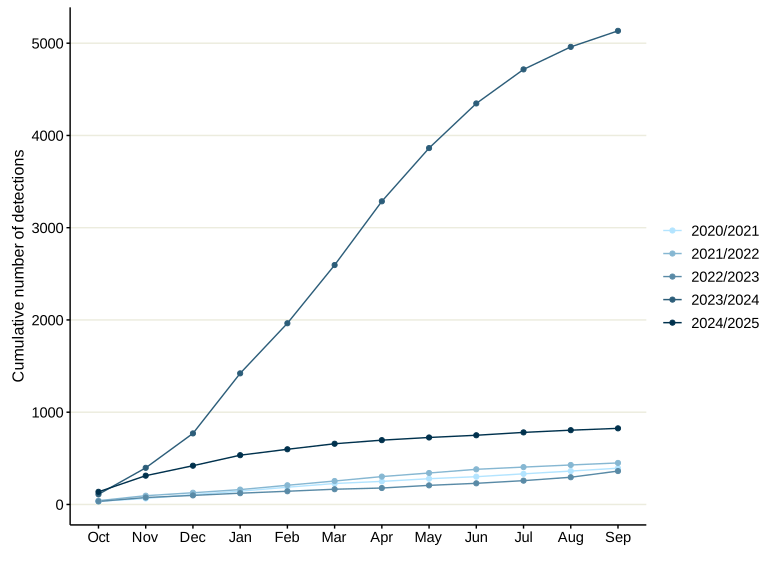
Prior to the COVID-19 pandemic, PCR detections of Mycoplasma pneumoniae were typically fewer than 200 per year. The proportion of detections confirmed by PCR has risen substantially in recent years, from 1.3 to 2.0% in winter seasons 2020/21 and 2021/22, to 37.0% in 2022/23, 90.2% in 2023/24, and 70.0% in 2024/25. This increase reflects the wider availability of molecular testing in NHS laboratories following the COVID-19 pandemic.
Figure 4. Monthly reported Mycoplasma pneumoniae detections by PCR in England and Wales, 1 October 2020 to 30 September 2025

Figure 5. Cumulative monthly reported Mycoplasma pneumoniae detections by PCR in England and Wales, 1 October 2020 to 30 September 2025
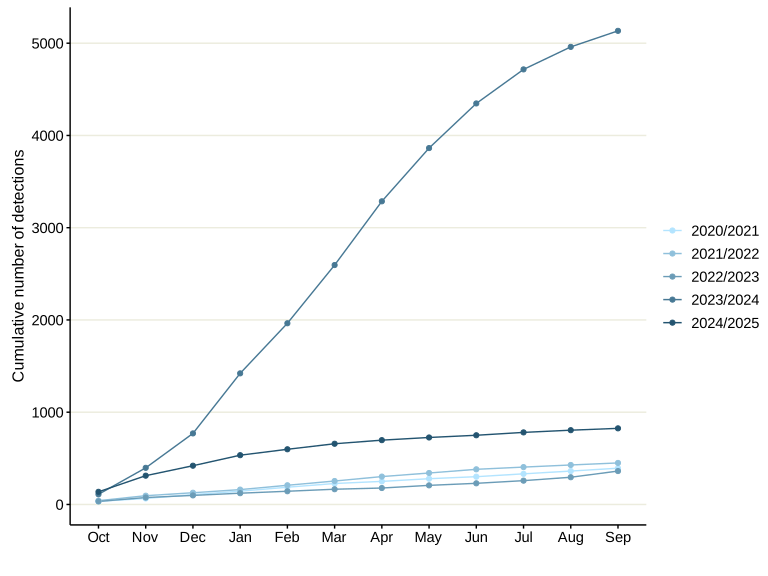
Before the availability and implementation of commercial respiratory PCR testing panels, serological testing for Mycoplasma pneumoniae was typically requested. The introduction of multiplex respiratory pathogen PCR tests, which include Mycoplasma pneumoniae as a target, now allows routine testing of respiratory samples for the organism. This increase in testing volume may have contributed to the higher baseline detection rate observed during the most recent non-epidemic winter period. The transition to PCR testing over time is presented in Figure 6.
Figure 6. Number of Mycoplasma pneumoniae detections by PCR and serology, over time in England and Wales, 1 October 2020 to 30 September 2025
From 1 October 2024 to 30 September 2025, a total of 825 cases were reported in England with a rate per 100,000 of 1.34 (95% CI: 1.25 to 1.43) (Table 1). Notably, the highest rate per 100,000 was observed in Yorkshire and the Humber (0.49) in November 2024, followed by the East of England (0.42), the South East (0.41), and London (0.35), all peaking in the same month (Figure 7).
Table 1: Positive specimen number and rate per 100,000 population of Mycoplasma pneumoniae detections by PCR and serology, within England and Wales
| 2020 to 2021 | 2021 to 2022 | 2022 to 2023 | 2023 to 2024 | 2024 to 2025 | |
|---|---|---|---|---|---|
| Number of cases | 393 | 450 | 362 | 5,134 | 825 |
| Rate per 100,000 | 0.64 (0.58-0.7) |
0.76 (0.7-0.84) |
0.59 (0.53-0.65) |
8.32 (8.09-8.55) |
1.34 (1.25-1.43) |
Figure 7. Rates per 100,000 of Mycoplasma pneumoniae detections by PCR and serology, by month and region, in England and Wales, 1 October 2020 to 30 September 2025
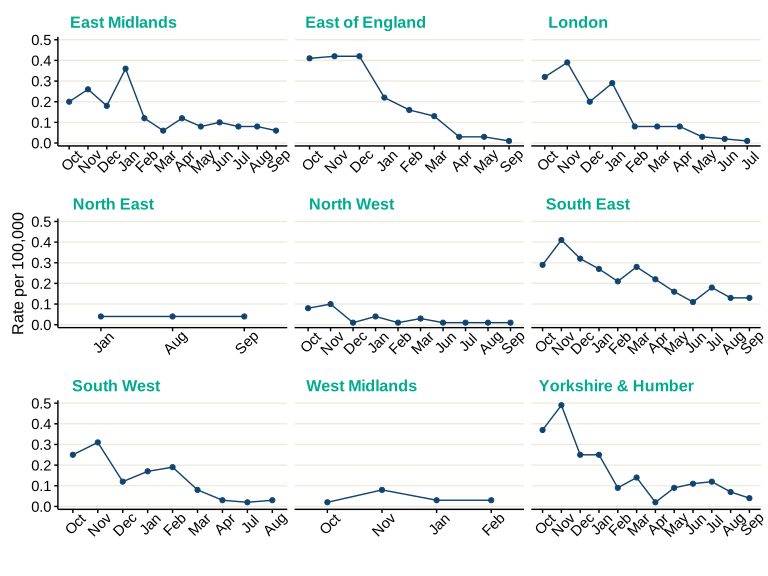
Note: Regions with reported cases in 2 months or fewer over the study period were excluded.
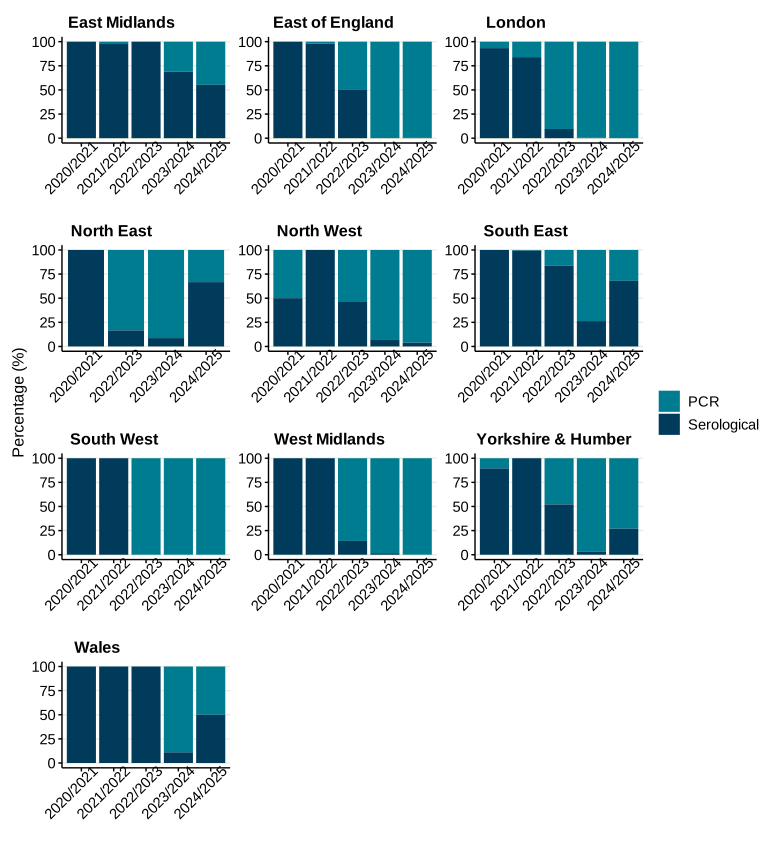
Detections in Wales, the East of England, South West, Yorkshire and the Humber, West Midlands, and North East regions were primarily based on serological tests until the 2023/24 winter season, when PCR detections became more prevalent. During the 2024/25 period, the only regions where serology accounted for the majority of positive tests were the South East (67.6%), East Midlands (54.9%), North East (50.0%) and Wales (50.0%).
Figure 8a. Number of Mycoplasma pneumoniae byPCR and serology detections over time, by English region and Wales, 1 October 2020 to 30 September 2025
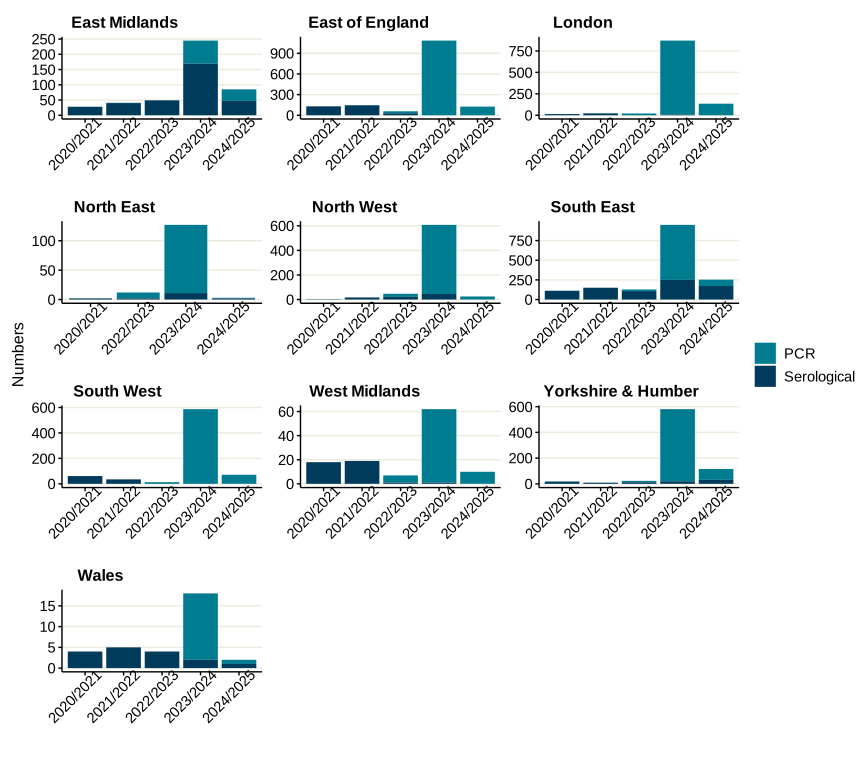
Figure 8b. Proportion (%) of Mycoplasma pneumoniae detections by PCR and serology by test method over time, and by English region and Wales, 1 October 2020 to 30 September 2025
Detections of Mycoplasma pneumoniae were largely higher during the winter 2024/25 season in all age groups compared to previous non-epidemic years (Figure 9). In January 2025, 18.3% (32 of 175) of all Mycoplasma pneumoniae detections were in children 0 to 4 years old, 15.4% (27 of 175) were in children aged 5 to 9 years, 9.7% (17 of 175) were in children aged 10 to 14 years, and 35.4% (62 of 175) in those aged 15 to 44 (Table 2). Rates peaked in October 2024 at 1.04 per 100,000 population (95% CI, 0.72 to 1.49) in the 0 to 4 years old group (Figure 10). There does not appear to be any consistent difference in patterns of detections amongst males and females over past seasons (Figure 11).
Figure 9: Monthly reported Mycoplasma pneumoniae detections by PCR and serology by age group and year in England and Wales, 1 October 2020 to 30 September 2025
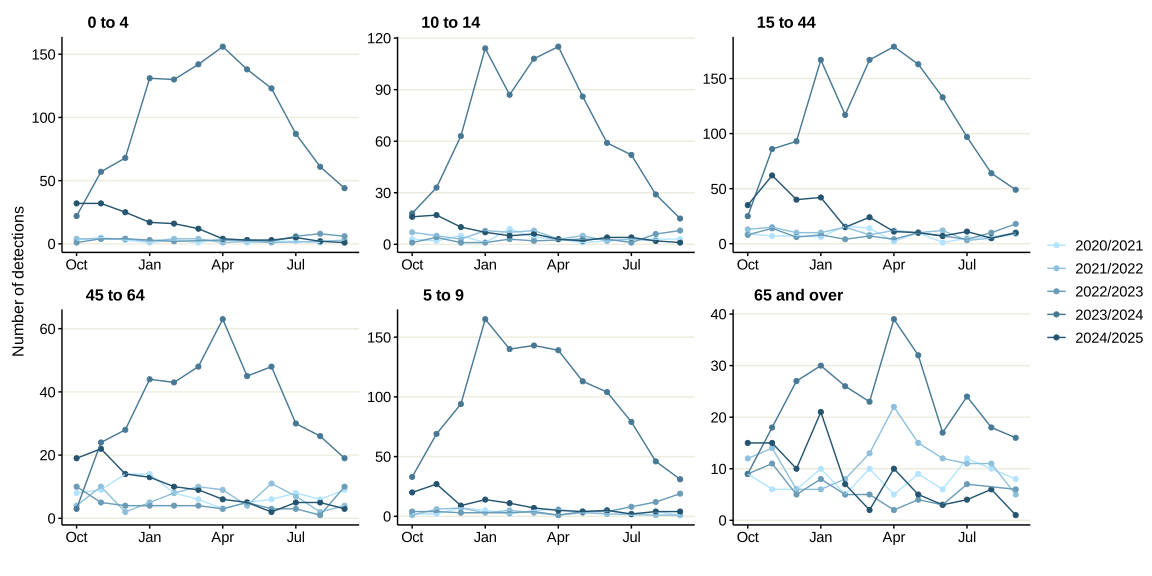
Table 2. Number and proportion (%) of Mycoplasma pneumoniae detections by PCR and serology, by age groups and month, 1 October 2020 to 30 September 2025
| Age groups (years) | Oct | Nov | Dec | Jan | Feb | Mar | Total |
|---|---|---|---|---|---|---|---|
| 0 to 4 | 32 (23.4%) | 32 (18.3%) | 25 (23.1%) | 17 (14.9%) | 16 (25.0%) | 12 (20.0%) | 152 (18.4%) |
| 5 to 9 | 20 (14.6%) | 27 (15.4%) | 9 (8.3%) | 14 (12.3%) | 11 (17.2%) | 7 (11.7%) | 112 (13.6%) |
| 10 to 14 | 16 (11.7%) | 17 (9.7%) | 10 (9.3%) | 7 (6.1%) | 5 (7.8%) | 6 (10.0%) | 77 (9.3%) |
| 15 to 44 | 35 (25.5%) | 62 (35.4%) | 40 (37.0%) | 42 (36.8%) | 15 (23.4%) | 24 (40.0%) | 272 (33.0%) |
| 45 to 64 | 19 (13.9%) | 22 (12.6%) | 14 (13.0%) | 13 (11.4%) | 10 (15.6%) | 9 (15.0%) | 113 (13.7%) |
| 65 and over | 15 (10.9%) | 15 (8.6%) | 10 (9.3%) | 21 (18.4%) | 7 (10.9%) | 2 (3.3%) | 99 (12.0%) |
| Total | 137 (100.0%) | 175 (100.0%) | 108 (100.0%) | 114 (100.0%) | 64 (100.0%) | 60 (100.0%) | 825 (100.0%) |
Figure 10. Monthly rate of reported Mycoplasma pneumoniae detections by PCR and serology, by age group, in England and Wales, 1 October 2020 to 30 September 2025
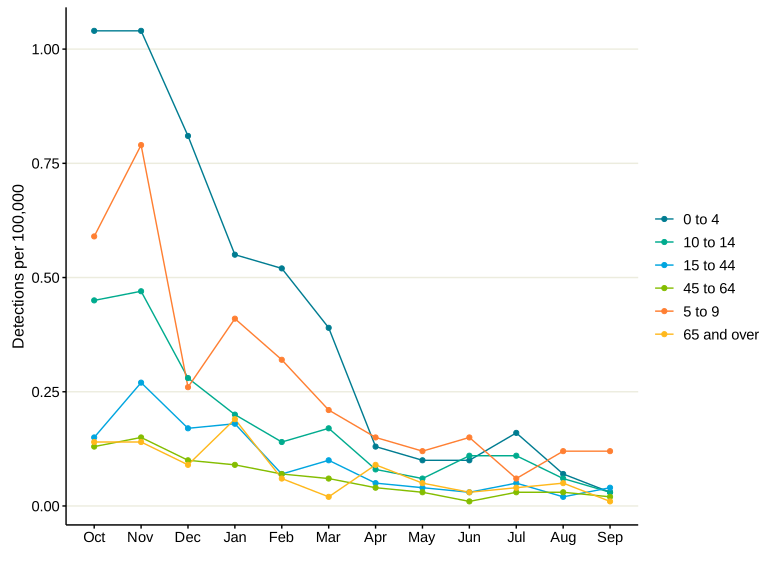
Figure 11. Age-sex pyramid of reported Mycoplasma pneumoniae detections by PCR and serology in England and Wales, 2019/2020 to 2023/2024
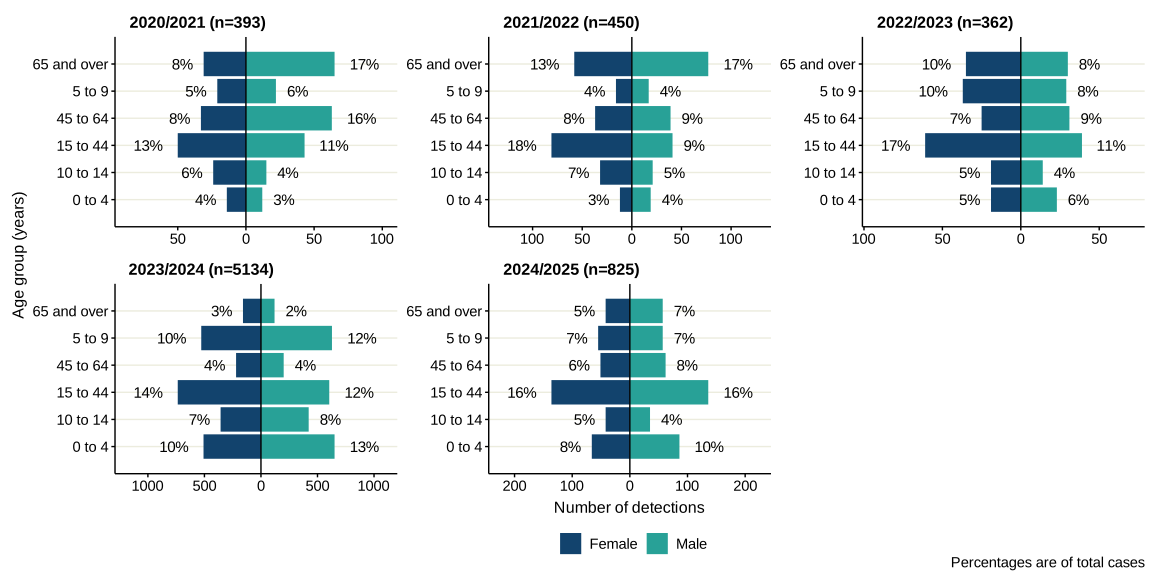
Note: 2023 to 2024 only has data until 31 March 2024.
Macrolide resistance (reference laboratory data only)
During the 2024/25 season, there were fewer samples submitted to the UKHSA Respiratory and Vaccine Preventable Bacteria Reference Unit (RVPBRU) for Mycoplasma pneumoniae testing and macrolide resistance testing than the previous season, in keeping with a lower number of positive samples overall. RVPBRU is currently the only laboratory in the UK where macrolide resistance testing is performed (Table 3).
Reference laboratory data is maintained within the UKHSA reference Laboratory Information Management System (LIMS) and is not included in SGSS, which captures data only from other laboratories that report to SGSS. Approximately half of the samples tested by the reference laboratory could be matched to a corresponding record in SGSS. As Mycoplasma pneumoniae is not a notifiable organism, data sharing across the laboratory network is inconsistent. Consequently, initial detection data for many samples referred to the UKHSA reference laboratory and reported only through the local LIMS is not captured in SGSS, resulting in incomplete data matching between the two systems.
A total of 456 patient samples were received by the reference laboratory between 1 October 2024 and 30 September 2025, with a median patient age of 15 years old (IQR 5 to 44).
Of those 456 samples tested, Mycoplasma pneumoniae was detected by PCR in 197 samples in 2025, with a median age of 28 years old (IQR 10 to 39). Macrolide resistance was detected in 5.6% of samples (95% CI: 2.9 to 10.4) between 1 October 2024 and 30 September 2025, ranging between 33.3% (95% CI: 1.8 to 87.5) in August 2025 and 0% (95% CI: 0.0 to 94.5) in September 2025. This is elevated in contrast to macrolide resistance of 4.2 (95% CI: 3.4 to 5.1) between 1 October 2020 and 30 September 2025, ranging between 100.0% (95% CI: 5.5 to 100.0) and 0.0% (95% CI: 0.0 to 94.5). It is noted that potential bias in the samples submitted between 1 October 2020 and 30 September 2025 may limit these estimates, and the wide confidence intervals reflect the relatively small number of samples tested for macrolide resistance at the reference laboratory.
Table 3. Monthly reporting of Mycoplasma pneumoniae and macrolide resistance testing by the UKHSA bacterial reference laboratory, based on date of receipt by the reference laboratory, from 1 October 2020 to 30 September 2025
| Year | Month | Samples received in the reference laboratory (n) | PCR detections by reference laboratory (n) | Macrolide resistant samples (n) | Macrolide sensitive samples (n) | Samples with valid PCR macrolide testing (n) | Resistant samples out of PCR detections (%) | 95% confidence interval |
|---|---|---|---|---|---|---|---|---|
| 2024 | Oct | 79 | 52 | 2 | 43 | 45 | 4.4 | 0.8 to 16.4 |
| 2024 | Nov | 76 | 43 | 2 | 37 | 39 | 5.1 | 0.9 to 18.6 |
| 2024 | Dec | 74 | 38 | 1 | 34 | 35 | 2.9 | 0.1 to 16.6 |
| 2025 | Jan | 50 | 28 | 2 | 23 | 25 | 8.0 | 1.4 to 27.5 |
| 2025 | Feb | 34 | 15 | 1 | 12 | 13 | 7.7 | 0.4 to 37.9 |
| 2025 | Mar | 32 | 9 | 0 | 8 | 8 | 0.0 | 0.0 to 40.2 |
| 2025 | Apr | 36 | 5 | 1 | 4 | 5 | 20.0 | 1.1 to 70.1 |
| 2025 | May | 19 | 2 | 0 | 2 | 2 | 0.0 | 0.0 to 80.2 |
| 2025 | Jun | 8 | 0 | 0 | 0 | 0 | 0.0 | 0.0 to 0.0 |
| 2025 | Jul | 17 | 1 | 0 | 1 | 1 | 0.0 | 0.0 to 94.5 |
| 2025 | Aug | 15 | 3 | 1 | 2 | 3 | 33.3 | 1.8 to 87.5 |
| 2025 | Aug | 15 | 3 | 1 | 2 | 3 | 33.3 | 1.8 to 87.5 |
| 2025 | Sep | 16 | 1 | 0 | 1 | 1 | 0.0 | 0.0 to 94.5 |
| Total | - | 456 | 197 | 10 | 167 | 177 | 5.6 | 2.9 to 10.4 |
Note 1: These numbers represent the overall numbers of samples received by the reference lab. Some patients may have multiple samples taken from illness episode. Note 2: There may be under reporting of the reference laboratory in the most recent months, due to reporting delay.
Hospitalisations (England NHS Hospitals only)
Between 1 October 2023 and 31 July 2025, Mycoplasma pneumoniae-related admissions (identified using relevant ICD-10 diagnosis codes (see ‘Data sources and methodology’ section for definitions) peaked in April 2024 at 601 cases, followed by a steady decrease throughout this current mycoplasma season, ending in July 2025 with 9 cases (Table 4).
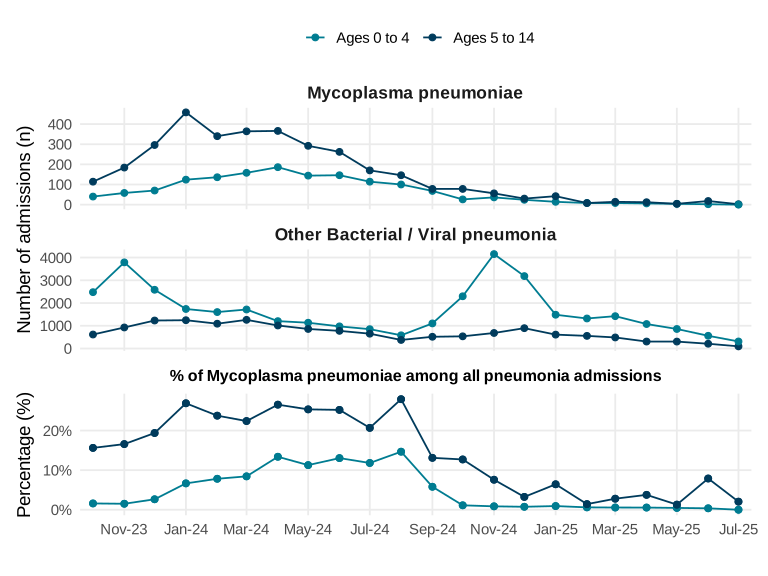
Over the same period, Mycoplasma pneumoniae-related admissions in age groups 0 to 4 and 5 to 14 (identified using relevant ICD-10 diagnosis codes, see ‘Data sources and methodology’ section for definitions) consistently observed the greatest number of hospitalisations in age group 5 to 14, peaking in January 2024 with 458 hospitalisations, representing 26.9% of all pneumonia hospitalisations, followed by a steady reduction to 2 cases observed in July 2025. Age groups 0 to 4 reached their peak in April 2024 with 186 hospitalisations, representing 13.4% of pneumonia hospitalisations followed, again, by a steady reduction in case numbers with 0 hospitalisations in July 2025 (Figure 12). (Note that HES records are continually updated and may be subject to change, particularly for the most recent reporting periods).
Conversely, of all other bacterial and viral pneumonia hospitalisations, age groups 0 to 4 saw the greatest number of hospitalisation, with two peaks over the same period in November 2023, and in November 2024, when there were 3,787 and 4,151 hospitalisations, respectively. Age groups 5 to 14 observed flatter peaks within March 2024 and December 2024, with 1,261 and 895 hospitalisations, respectively (Figure 12).
Overall Mycoplasma pneumoniae hospitalisations between ages 0 to 14 peaked in January 2024, with 582 hospitalisations, representing 16.3% of all pneumoniae hospitalisations, and plateauing before finally reducing from April 2024 with 552 hospitalisations and 19.9% of pneumonia hospitalisations. For other pneumoniae hospitalisations, two peaks within November 2023 and November 2024 were observed, with 4,955 and 4,926 hospitalisations, respectively. Notably, the Mycoplasma peaks occurred between the two other pneumonia peaks, resulting in a higher relative proportion of Mycoplasma hospitalisations (Figure 13).
Age groups under 14 were associated with the greatest age-specific rates with ages 5 to 9 having the greatest peaks in January 2024, with 4.1 per 100,000 population. This is followed by age groups 0 to 4, which peaked in April 2024, with 2.9 per 100,000 population, and 10 to 14, with dual peaks in January 2024 and April 2024, with 2.2 and 2.1 per 100,000 population (Figure 14).
Table 4. Monthly total of overall hospital admissions in England associated with Mycoplasma pneumoniae and monthly proportion change (%)
| Year | Month | Total Mycoplasma pneumoniae hospital admissions | Percentage (%) change (from previous month) |
|---|---|---|---|
| 2023 | Oct | 136 | 88.89 |
| 2023 | Nov | 275 | 102.21 |
| 2023 | Dec | 379 | 37.82 |
| 2024 | Jan | 566 | 49.34 |
| 2024 | Feb | 459 | -18.90 |
| 2024 | Mar | 540 | 17.65 |
| 2024 | Apr | 601 | 11.30 |
| 2024 | May | 486 | -19.13 |
| 2024 | Jun | 434 | -10.70 |
| 2024 | Jul | 323 | -25.58 |
| 2024 | Aug | 265 | -17.96 |
| 2024 | Sep | 186 | -29.81 |
| 2024 | Oct | 155 | -16.67 |
| 2024 | Nov | 165 | 6.45 |
| 2024 | Dec | 129 | -21.82 |
| 2025 | Jan | 123 | -4.65 |
| 2025 | Feb | 49 | -60.16 |
| 2025 | Mar | 66 | 34.69 |
| 2025 | Apr | 41 | -37.88 |
| 2025 | May | 35 | -14.63 |
| 2025 | Jun | 41 | 17.14 |
| 2025 | Jul | 9 | -78.05 |
Note 1: ICD-10 codes used to identify Mycoplasma pneumoniae B96.0, J15.7 and J200.
Note 2: Data are available only up to July 2025 because Hospital Episode Statistics (HES) releases are subject to a delay of approximately two months. Furthermore, the most recent data is subject to updates, thus may be an underestimate of real numbers.
Figure 12. Hospital admissions for Mycoplasma pneumoniae versus other bacterial and viral pneumonia, and the proportion of Mycoplasma pneumoniae among all pneumonia cases in children aged 0 to 4 and 5 to 14 years, 1 October 2023 to 31 July 2025
Note 1: ICD-10 codes used to identify Mycoplasma pneumoniae B96.0, J15.7 and J200
Note 2: Data are available only up to July 2025 because Hospital Episode Statistics (HES) releases are subject to a delay of approximately two months. Furthermore, the most recent data is subject to updates, thus may be an underestimate of real numbers.
Note 3: Within the HES cohort from 1st October 2023 to 31st July 2025, there were 35 Mycoplasma pneumoniae (ICD-10 positive) records and 8,865 other pneumoniae records with missing age variables.
Figure 13. Total number of all bacterial and viral pneumonia admissions for children aged 0 to 14 years in England, November 2023 to March 2024
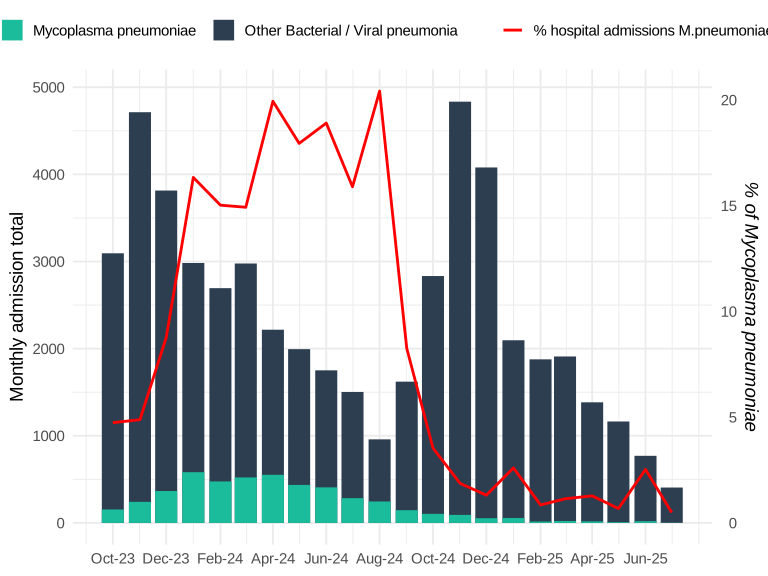
Note 1: Bars correspond to left hand axis, line corresponds to right hand axis. Note 2: ICD-10 codes used to identify Mycoplasma pneumoniae B96.0, J15.7 and J200. ICD-10 codes for pneumonia are found in Annex 1. Note 3: Red line corresponds to percentage which were positive for mycoplasma pneumoniae. Data source: Admitted patient care (APC).
Figure 14. Total monthly Mycoplasma pneumoniae related admission rates, per 100,000 population, by age group, in England, 1 October 2023 to 31 July 2024

Note 1: ICD-10 codes used to identify Mycoplasma pneumoniae B96.0, J15.7 and J200.
Data sources and methodology
Laboratory detections
The Second-Generation Surveillance System (SGSS) is the national database of microbiological and virological at local and hospital laboratory detections and includes the recording of positive detections of Mycoplasma pneumoniae. The cut-off date of SGSS detection in this report was 31 March 2024. Rates of laboratory detection were calculated using the 2021 mid-year resident population estimates in England and Wales released by the Office for National statistics.
Reference laboratory data is held within local Laboratory Information Management System (LIMS) and is not captured in SGSS.
Macrolide resistance data
Reference laboratory methods for Mycoplasma pneumoniae testing
Respiratory samples were submitted to the national reference laboratory at the Respiratory and Vaccine Preventable Bacteria Reference Unit (RVPBRU), UKHSA for Mycoplasma pneumoniae confirmation and macrolide resistance testing. Samples received were predominantly PCR positive samples (locally).
Respiratory samples were initially tested using an in-house qPCR assay based on the detection of Mycoplasma pneumoniae P1 adhesion gene. Mycoplasma pneumoniae PCR positive samples were subjected to macrolide resistance testing using a Sanger sequencing method for determination of known point mutations in domain V of 23S rDNA conferring macrolide resistance (MR) to Mycoplasma pneumoniae (Table 5).
Table 5. Known mutations in Domain V of 23S rDNA conferring macrolide resistance (MR) to Mycoplasma pneumoniae.
| Resistance locus | Mutation | Sequence | Result |
|---|---|---|---|
| 2053 to 2067 | |||
| Wild type | AACGGGACGGAAAGA | MR mutation not detected | |
| A 2063 G | AACGGGACGGGAAGA | MR mutation detected | |
| A 2063 C | AACGGGACGGCAAGA | MR mutation detected | |
| A 2064 G | AACGGGACGGAGAGA | MR mutation detected | |
| A 2064 C | AACGGGACGGACAGA | MR mutation detected | |
| A 2067 G | AACGGGACGGAAAGG | MR mutation detected | |
| 2609 to 2619 | |||
| Wild type | GGTTGGTCCCT | MR mutation not detected | |
| C 2617 G | GGTTGGTCGCT | MR mutation detected | |
| C 2617 A | GGTTGGTCACT | MR mutation detected |
Mycoplasma pneumoniae PCR positive samples (excluding viral transport medium (VTM) samples) with CT value <30 as well as all macrolide-resistant samples were cultured for identification. Antimicrobial susceptibility testing (AST) is not offered in RVPBRU.
The data used for this report was extracted on 30 September 2025. This extract only includes samples received from England and Wales. Only samples with definitive PCR results were included in this analysis. Some reporting delay is expected.
Hospitalisations
Figures in this report include NHS hospitals in England only. These may include patients whose usual residence is outside of England but were admitted to a hospital in England.
Hospital admissions for Mycoplasma pneumoniae were identified in the Admitted Patient Care (APC) dataset using the ICD-10 codes: B96.0 (Mycoplasma pneumoniae as the cause of diseases classified to other chapters), J15.7 (Pneumonia due to Mycoplasma pneumoniae) and J200 (Acute bronchitis due to Mycoplasma pneumoniae). Hospital admissions were grouped by admission category and then aggregated by calendar month.
Hospitalisation data is subject to reporting delays, with diagnoses taking up to three months to be filed in the APC dataset, resulting in a lag compared with laboratory data..
Annexe
Bacterial and viral pneumonia hospitalisation codes
| Codes | Code description |
|---|---|
| A01.03 | Typhoid pneumonia |
| A37.01 | Whooping cough due to Bordetella pertussis with pneumonia |
| A37.11 | Whooping cough due to Bordetella parapertussis with pneumonia |
| A37.81 | Whooping cough due to other Bordetella species with pneumonia |
| A37.91 | Whooping cough, unspecified species with pneumonia |
| A481 | Legionnaires disease |
| A54.84 | Gonococcal pneumonia |
| B01.2 | Varicella pneumonia |
| B05.2 | Measles complicated by pneumonia |
| B59 | Pneumocystosis |
| B59X | Pneumocystosis |
| B96.0 | Mycoplasma pneumoniae (M. pneumoniae) as the cause of diseases classified to other chapters |
| J09.X1 | Influenza due to identified novel influenza A virus with pneumonia |
| J11.0 | Influenza due to unidentified influenza virus with unspecified type of pneumonia |
| J11.08 | Influenza due to unidentified influenza virus with specified pneumonia |
| J12 | Viral pneumonia, not elsewhere classified |
| J12.0 | Adenoviral pneumonia |
| J12.1 | Respiratory syncytial virus pneumonia |
| J12.2 | Parainfluenza virus pneumonia |
| J12.3 | Human metapneumovirus pneumonia |
| J12.81 | Pneumonia due to SARS-associated coronavirus |
| J12.89 | Other viral pneumonia (e.g. COVID-19) |
| J12.9 | Viral pneumonia, unspecified |
| J128 | Other viral pneumonia |
| J13 | Pneumonia due to Streptococcus pneumoniae |
| J13X | Pneumonia due to Streptococcus pneumoniae |
| J14 | Pneumonia due to Hemophilus influenzae |
| J14X | Pneumonia due to Haemophilus influenzae |
| J15 | Bacterial pneumonia, not elsewhere classified |
| J15.0 | Pneumonia due to Klebsiella pneumoniae |
| J15.1 | Pneumonia due to Pseudomonas |
| J152 | Pneumonia due to staphylococcus |
| J15.20 | Pneumonia due to staphylococcus unspecified |
| J15.211 | Pneumonia due to Methicillin susceptible Staphylococcus aureus |
| J15.212 | Pneumonia due to Methicillin resistant Staphylococcus aureus |
| J15.29 | Pneumonia due to other staphylococcus |
| J15.3 | Pneumonia due to streptococcus, group B |
| J15.4 | Pneumonia due to other streptococci |
| J15.5 | Pneumonia due to Escherichia coli |
| J15.6 | Pneumonia due to other Gram-negative bacteria |
| J15.7 | Pneumonia due to Mycoplasma pneumoniae |
| J15.8 | Pneumonia due to other specified bacteria |
| J15.9 | Unspecified bacterial pneumonia |
| J16 | Pneumonia due to other infectious organisms, not elsewhere classified |
| J16.0 | Chlamydial pneumonia |
| J16.8 | Pneumonia due to other specified infectious organisms |
| J17 | Pneumonia in diseases classified elsewhere |
| J170 | Pneumonia in bacterial diseases classified elsewhere |
| J171 | Pneumonia in viral diseases classified elsewhere |
| J172 | Pneumonia in mycoses |
| J173 | Pneumonia in parasitic diseases |
| J178 | Pneumonia in other diseases classified elsewhere |
| J18 | Pneumonia, organism unspecified |
| J18.0 | Bronchopneumonia, unspecified organism |
| J18.1 | Lobar pneumonia, unspecified organism |
| J18.8 | Other pneumonia, unspecified organism |
| J18.9 | Pneumonia, unspecified organism |
| J85.1 | Abscess of lung with pneumonia |
| J95.851 | Ventilator-associated pneumonia |
References
-
Brown RJ, Nguipdop-Djomo P, Zhao H, Stanford E, Spiller OB, Chalker VJ (2016). ‘Mycoplasma pneumoniae epidemiology in England and Wales: a national perspective’
-
ECDC (2023). ‘Acute respiratory infections in the EU/EEA: epidemiological update and current public health recommendations’
-
Kutty KP, Seema Jain S, Taylor TH, Bramley AM, Diaz MH, Ampofo K and others (2019). ‘Mycoplasma pneumoniae among children hospitalized with community-acquired pneumonia’
-
Chalker VJ, Stocki T, Mentasti M, Fleming D, Sadler C, Ellis J, Bermingham A, Harrison TG (2011). ‘Mycoplasma pneumoniae infection in primary care investigated by real-time PCR in England and Wales’
-
British Thoracic Society (2011). ‘Guidelines for the management of community acquired pneumonia in childhood’
-
Anand Manoharan, M.S. Ramya, Sara Chandy, P.N. Ranjitha, Abdul Hameed, Gothai S. Nachiyar (2022). ‘Evaluation of real-time PCR with serology for diagnosis of community acquired pneumonia caused by Mycoplasma pneumoniae’.
-
Riordan A (2014). ‘In children with respiratory symptoms are Mycoplasma pneumoniae PCR and serology clinically significant?’ Archives of Disease in Childhood: Education and Practice
-
Meyer Sauteur PM, Beeton ML, Uldum SA, Bossuyt N, Vermeulen M, Loens K and others (2022). ‘Mycoplasma pneumoniae detections before and during the COVID-19 pandemic: results of a global survey, 2017 to 2021’. Eurosurveillance volume 27, number 19