MARS report, 2025
Updated 21 September 2026
Applies to England

© Crown copyright 2026
This publication is licensed under the terms of the Open Government Licence v3.0 except where otherwise stated. To view this licence, visit nationalarchives.gov.uk/doc/open-government-licence/version/3 or write to the Information Policy Team, The National Archives, Kew, London TW9 4DU, or email: psi@nationalarchives.gov.uk.
Where we have identified any third party copyright information you will need to obtain permission from the copyright holders concerned.
This publication is available at https://www.gov.uk/government/publications/mycoplasma-genitalium-antimicrobial-resistance-surveillance-mars/mars-report-2025
This report includes sentinel Mycoplasma genitalium Antimicrobial Resistance Surveillance (MARS) data from 1 March to 30 June 2025.
Main findings
Mycoplasma genitalium (M. genitalium) is a sexually transmitted pathogen that is often asymptomatic but is a cause of non-gonococcal urethritis (NGU) and is associated with cervicitis and pelvic inflammatory disease (PID). In 2025, the MARS programme included 709 M. genitalium specimens with linked demographic and resistance data. These showed:
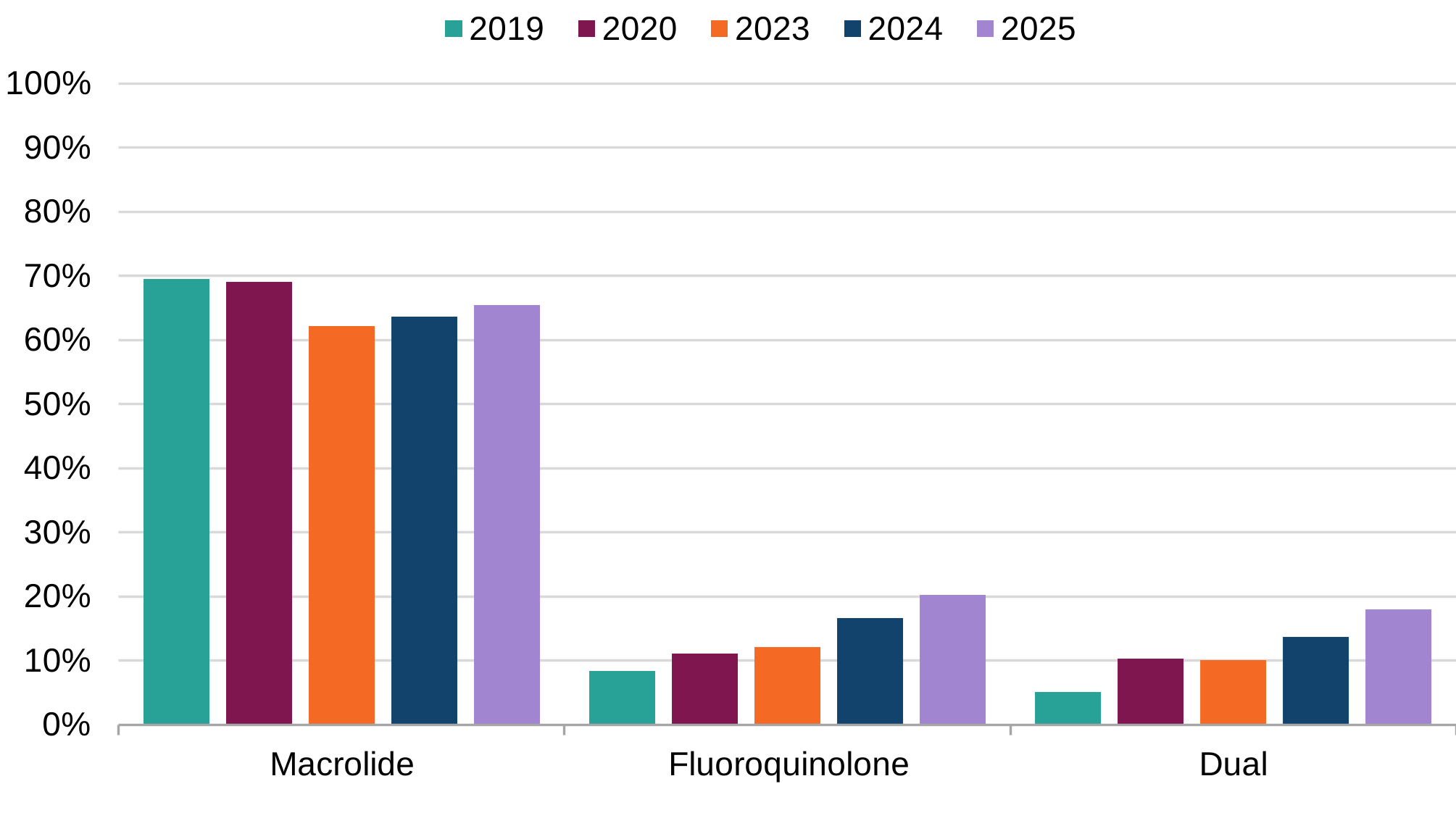
- macrolide resistance increased slightly from 63.6% in 2024 to 65.5% in 2025
- fluoroquinolone resistance increased from 16.7% in 2024 to 20.2% in 2025
- dual macrolide and fluroquinolone resistance increased from 13.7% in 2024 to 18.0% in 2025
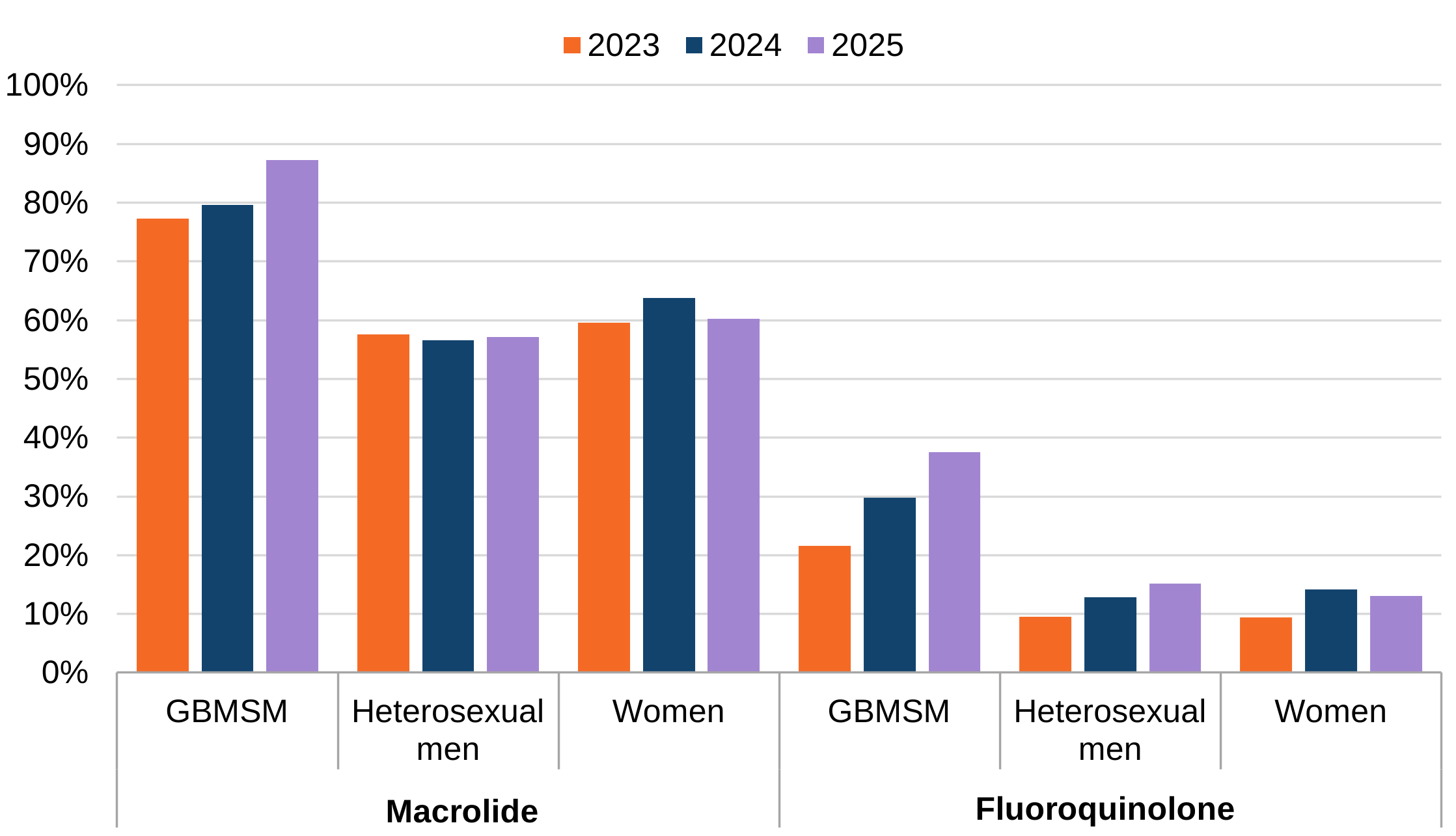
- specimens from gay, bisexual and other men who have sex with men (GBMSM) had higher levels of macrolide (87.3%) and fluoroquinolone (37.5%) resistance compared with women (60.2% and 13.1%, respectively) and heterosexual men (57.2% and 15.1%, respectively)
- macrolide and fluoroquinolone resistance were also higher in specimens from those aged 45 years and over and those with a previous sexually transmitted infection (STI)
- the high and increasing resistance detected in 2025 highlights the urgent need for alternative treatment options
Recommendations
Possible cases of treatment failure with third-line therapy should be reported to the UK Health Security Agency (UKHSA) via the HIV and STI Data Exchange.
Healthcare practitioners should ensure that individuals are tested appropriately, and those diagnosed with M. genitalium are treated and managed according to national guidelines and should be alert to changes in recommended first-line therapies.
Introduction
Background
M. genitalium is a sexually transmitted pathogen that causes NGU and is associated with cervicitis and PID. Although M. genitalium may present with a range of symptoms, infections are often asymptomatic. Asymptomatic screening for M. genitalium is not recommended in the UK; instead, testing is recommended in people experiencing PID and NGU, or in current sexual partners of M. genitalium-infected individuals. Treatment of M. genitalium infections is challenging due to limited antimicrobial options and acquired antimicrobial resistance (AMR). Doxycycline has limited effectiveness as a monotherapy but can be used in combination with another agent as it reduces bacterial load and may help limit the emergence of resistance during treatment. Whilst genomic markers predictive of resistance to doxycycline have not been reported in M. genitalium, this bacterial species is naturally less susceptible to tetracyclines.
Azithromycin, a macrolide antibiotic, is used as first-line therapy. However, its extensive use has been linked to a rise in macrolide resistance. Previous MARS surveillance has shown resistance rates in England exceeding 62% since 2019, while other studies have documented rates over 50% in several regions globally. Macrolide resistance is conferred by single nucleotide polymorphisms (SNPs) in region V of the 23S ribosomal ribonucleic acid (rRNA) gene, specifically at positions A2058 or A2059 (Escherichia coli numbering) that inhibit antimicrobial binding. The association between 23S rRNA SNPs, high azithromycin minimum inhibitory concentrations (MICs) and resultant clinical treatment failure is well documented.
Moxifloxacin, a broad-spectrum fluoroquinolone, is the recommended alternative treatment for macrolide-resistant infections; however, moxifloxacin resistance is also a growing threat, with MARS 2024 detecting 16.7% resistance, an increase from 12.1% in 2023. A recent review showed the resistance rate in the European non-Nordic region is also rising (8.1% in 2015 to 2017 compared with 12.3% in 2018 to 2021). The effect of specific mutations on fluoroquinolone resistance in M. genitalium is not fully elucidated. Mutations in the quinolone resistance-determining region (QRDR) of the deoxyribonucleic acid (DNA) topoisomerase IV subunit C (parC) gene, leading to amino acid substitutions in ParC particularly at positions S83 and D87 (M. genitalium numbering), are associated with elevated moxifloxacin MICs and clinical treatment failure. However, it is unclear whether ParC substitutions beyond positions S83 and D87 confer moxifloxacin resistance, due to their rarity and insufficient phenotypic MIC and associated clinical outcome data.
QRDR mutations in the DNA gyrase subunit A (gyrA) gene, resulting in amino acid substitutions in GyrA, are less common and usually occur alongside a ParC substitution, but their contribution to fluoroquinolone resistance is less well defined. The combined presence of the ParC S83I and GyrA M95I substitutions appears to be of particular importance, as individuals infected with ‘double mutation’ strains were twice as likely to fail treatment with moxifloxacin than those with ParC substitutions alone.
In the UK, the British Association for Sexual Health and HIV (BASHH) recommends a resistance-guided sequential approach to treatment. This consists of doxycycline (100mg twice daily for 7 days) followed by azithromycin (1g orally as a single dose, then 500mg once daily for 2 days) where the organism is macrolide-susceptible or resistance status is unknown. Where macrolide resistance is confirmed, or azithromycin has failed, doxycycline is followed by moxifloxacin 400mg once daily for 7 days. However, access to assays that detect macrolide resistance varies across UK sexual health services (SHSs), meaning empiric therapy is often required.
The MARS Programme was established by the UKHSA to estimate the prevalence of genotypic macrolide and fluoroquinolone resistance in M. genitalium infections among individuals attending sentinel SHSs in England and to examine the distribution of key demographic factors such as gender identity, sexual orientation, and age. The UKHSA performed 2 pilot collections in 2019 and 2020, before MARS was launched as an annual surveillance programme at a larger scale in 2023. Here, we present the key findings from MARS 2025, the third year of MARS as a routine sentinel surveillance programme.
MARS methodology
Full details on the methodology used for the MARS sentinel surveillance system are available in the online protocol.
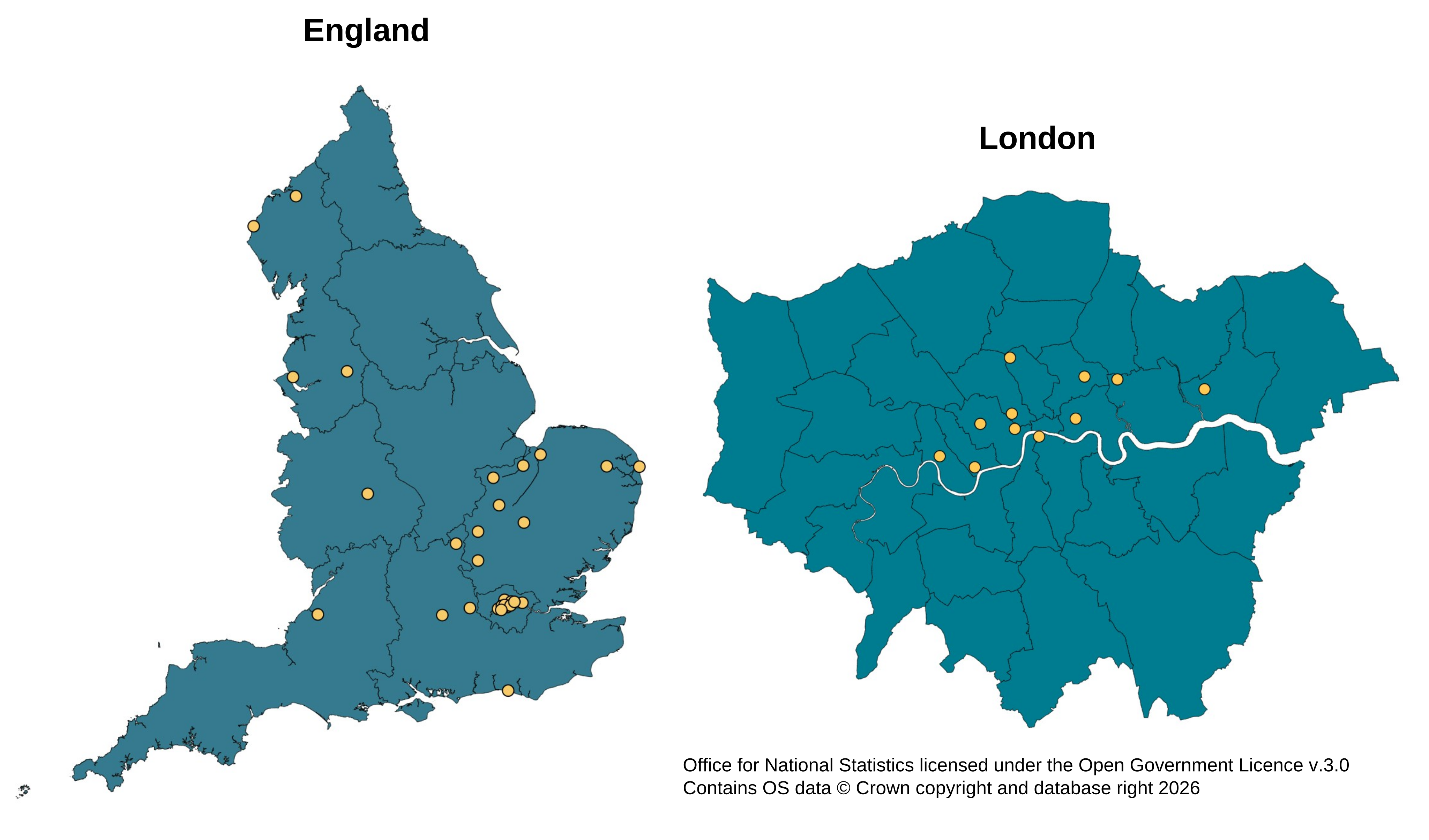
MARS sentinel surveillance data and M. genitalium specimens are obtained annually from a network of SHSs and their associated laboratories. In 2025, a total of 30 SHSs (including 11 in London) and 18 laboratories participated in the programme, representing 6 of the 9 UKHSA public health regions (see Figure 1).
Testing for M. genitalium is only recommended in individuals who present with specific syndromes or those identified as contacts, in line with the BASHH guidelines. Specimens included in MARS were collected as part of routine clinical care, and decisions regarding testing and treatment were made at the discretion of clinicians at participating SHSs.
Based on a comparison of the demographics of the MARS 2023 sample with a GUMCAD extract of M. genitalium diagnoses during the same period (1 March to 30 June 2023), the MARS sample overrepresented diagnoses from SHSs in London. On a sensitivity analysis, an upper limit of 50 specimens per London SHS had a minimal impact on the proportion of resistant M. genitalium specimens or the sample demographics (see Tables A1 and A2 in the Appendix), therefore this specimen cap was implemented in MARS 2025 to improve the sample’s representativeness of all diagnoses in England.
M. genitalium-positive specimens collected from sentinel SHSs were tested for molecular markers of antimicrobial resistance using Sanger sequencing. Macrolide resistance was inferred from the detection of mutations in Region V of the 23S rRNA gene and fluoroquinolone resistance was inferred from mutations within the QRDR of the parC gene, acknowledging the limited data for correlating some QRDR mutations with fluoroquinolone resistance. In specimens where the parC genotype was non-wildtype, the QRDR of the gyrA gene was also sequenced. Sequence data was analysed using BioNumerics v6.1 (Applied Maths).
Antimicrobial susceptibility results were linked to the pseudonymised GUMCAD STI Surveillance System data to obtain demographic and behavioural data. GUMCAD comprises a pseudonymised, depersonalised dataset of all SHS attendances in England. Data regarding services, tests, and diagnoses are coded by healthcare practitioners in keeping with surveillance reporting specifications.
In a change to previous MARS cycles, SHSs were not asked to submit enhanced clinical data, due to the availability of relevant data in GUMCAD and to reduce the reporting burden on SHSs. Specimens that could not be case matched to a corresponding M. genitalium diagnosis within GUMCAD were excluded from all analyses.
Treatment and associated outcome data are no longer presented in MARS 2025 as this data is not reported to GUMCAD. Previous MARS cycles demonstrated that the complexity of this data, as captured within the constraints of the 4-month programme, made its utility and interpretation difficult. Additionally, with the publication of the 2025 BASHH guidelines, which no longer recommend a test of cure in individuals whose symptoms have resolved, it was anticipated that the completeness and utility of such data would decline further in future years.
Figure 1. Map showing the 30 sentinel SHSs participating in MARS 2025 across England and London (shown at larger scale)
Source: data from MARS sentinel surveillance programme.
Results
Sample characteristics
Between 1 March and 30 June 2025, 1,039 specimens were collected from 965 individuals at sentinel SHSs. Of these, 923 specimens from 867 individuals (88.8%) were confirmed to be M. genitalium-positive using the STI Reference Laboratory (STIRL) real time polymerase-chain reaction (RT-PCR) assay. Of the 867 individuals with a confirmed M. genitalium-positive specimen, 709 (81.8%) were successfully linked to a corresponding M. genitalium diagnosis in GUMCAD and were thus included in the final MARS 2025 dataset.
Comprehensive data and demographic breakdowns for all reported M. genitalium diagnoses in England are available in the UKHSA STI annual data tables. There were 2,750 M. genitalium diagnoses reported in GUMCAD between 1 March and 30 June 2025; therefore, the MARS 2025 sample represents 25.7% of total national diagnoses, a reduction compared with 36.6% (n=1,049 out of 2,867) in 2024 and 45.4% (n=1,289 out of 2,841) in 2023. To note, the sentinel nature of the MARS programme means this data may not be fully representative of all M. genitalium diagnoses or AMR patterns in England.
Tables 1a to 1c present the demographic and behavioural characteristics of the 709 individuals included in the MARS 2025 sample.
Among 709 individuals with a M. genitalium-positive specimen and a corresponding diagnosis recorded in GUMCAD, 70.9% were male, the majority of whom (59.0%) were heterosexual. Individuals most frequently belonged to White (44.7%) or Black (31.1%) ethnic groups and ages ranged from 16 to 67 years. Most individuals were born in the UK (58.7%) and just over half (56.0%) attended a SHS in London.
Almost two thirds (62.5%) of individuals were reported as being symptomatic at their SHS attendance, although details of symptoms were not available. Symptoms were more common among heterosexual men (67.9%), compared with women (57.3%) or GBMSM (52.6%), however, symptomatic status was not reported for 155 individuals. Of the M. genitalium diagnoses in GUMCAD, 98.8% were based on genital samples; however, the site of diagnosis was not reported for 120 individuals.
Among all individuals, 1.8% were living with HIV. Among those who were HIV negative or whose HIV status was unknown, 11.1% were using HIV pre-exposure prophylaxis (PrEP) at the time of their M. genitalium diagnosis. At the time of M. genitalium diagnosis, 17.3% of individuals were diagnosed with a concurrent STI (excluding HIV), most commonly chlamydia (n=71) or gonorrhoea (n=43). Over one fifth of individuals had been diagnosed with another STI in the 12 months preceding their M. genitalium diagnosis (21.3%), with another diagnosis of M. genitalium being the most reported prior infection (n=66). Individuals most frequently reported having 1 (55.9%) or 2 to 4 (35.4%) sexual partners in the 3 months prior to their M. genitalium diagnosis, however, this variable was incompletely reported, with missing data for 333 individuals.
Table 1a. Age, ethnic group, country of birth, and location of SHS attended among individuals included in the MARS sample, by gender identity and sexual orientation, MARS 2025 [note 3]
| Characteristic | GBMSM | Heterosexual men | Women [note 4] | Other [note 5] | Total |
|---|---|---|---|---|---|
| Metric |
n (% of total number (N)) |
n (% of N) |
n (% of N) |
n (% of N) |
n (% of N) |
| Number of individuals | 176 (24.8%) |
297 (41.9%) |
206 (29.1%) |
30 (4.2%) |
709 (100.0%) |
| Aged 16 to 19 years | 2 (1.1%) |
10 (3.4%) |
17 (8.3%) |
2 (6.7%) |
31 (4.4%) |
| Aged 20 to 24 years | 21 (11.9%) |
66 (22.2%) |
67 (32.5%) |
10 (33.3%) |
164 (23.1%) |
| Aged 25 to 34 years | 76 (43.2%) |
159 (53.5%) |
85 (41.3%) |
10 (33.3%) |
330 (46.5%) |
| Aged 35 to 44 years | 57 (32.4%) |
52 (17.5%) |
31 (15.0%) |
6 (20.0%) |
146 (20.6%) |
| Aged 45 and over | 20 (11.4%) |
10 (3.4%) |
6 (2.9%) |
2 (6.7%) |
38 (5.4%) |
| Ethnic group: Asian [note 6] | 22 (13.1%) |
17 (6.4%) |
16 (8.2%) |
4 (15.4%) |
59 (9.0%) |
| Ethnic group: Black [note 6] | 29 (17.3%) |
124 (46.4%) |
42 (21.5%) |
9 (34.6%) |
204 (31.1%) |
| Ethnic group: Mixed [note 6] | 13 (7.7%) |
30 (11.2%) |
24 (12.3%) |
2 (7.7%) |
69 (10.5%) |
| Ethnic group: Other [note 6] | 8 (4.8%) |
11 (4.1%) |
12 (6.2%) |
0 (0.0%) |
31 (4.7%) |
| Ethnic group: White [note 6] | 96 (57.1%) |
85 (31.8%) |
101 (51.8%) |
11 (42.3%) |
293 (44.7%) |
| Ethnic group: not reported [note 7] | 8 | 30 | 11 | 4 | 53 |
| Country of birth: UK | 75 (47.5%) |
147 (59.0%) |
124 (67.0%) |
11 (68.8%) |
357 (58.7%) |
| Country of birth: outside of the UK | 83 (52.5%) |
102 (41.0%) |
61 (33.0%) |
5 (31.3%) |
251 (41.3%) |
| Country of birth: not reported [note 7] | 18 | 48 | 21 | 14 | 101 |
| SHS location: London | 138 (78.4%) |
158 (53.2%) |
92 (44.7%) |
9 (30.0%) |
397 (56.0%) |
| SHS location: outside of London | 38 (21.6%) |
139 (46.8%) |
114 (55.3%) |
21 (70.0%) |
312 (44.0%) |
Source: data from MARS sentinel surveillance programme.
Note 3: these percentages reflect the distribution of these characteristics among people attending the 30 sentinel SHSs participating in MARS.
Note 4: includes women who have sex with men (WSM) and women who have sex with women (WSW).
Note 5: includes men where sexual orientation was not reported.
Note 6: the ethnic categories above are as specified by the Office for National Statistics (ONS).
Note 7: individuals where data was not reported are not included in the percentage calculations.
Table 1b. Symptom status at consultation and diagnosis site among individuals included in the MARS sample, by gender identity and sexual orientation, MARS 2025 [note 8]
| Characteristic | GBMSM | Heterosexual men | Women [note 9] | Other [note 10] | Total |
|---|---|---|---|---|---|
| Metric | n (% of N) | n (% of N) | n (% of N) | n (% of N) | n (% of N) |
| Symptomatic: no | 54 (47.4%) |
76 (32.1%) |
76 (42.7%) |
2 (8.0%) |
208 (37.5%) |
| Symptomatic: yes | 60 (52.6%) |
161 (67.9%) |
102 (57.3%) |
23 (92.0%) |
346 (62.5%) |
| Symptomatic: not applicable: patient not asked [note 11] | 62 | 60 | 28 | 5 | 155 |
| Diagnosis site: genital [note 12] | 124 (94.7%) |
248 (100.0%) |
185 (100.0%) |
25 (100.0%) |
582 (98.8%) |
| Diagnosis site: rectal | 7 (5.3%) |
0 (0.0%) |
0 (0.0%) |
0 (0.0%) |
7 (1.2%) |
| Diagnosis site: unknown [note 11][note 13] | 45 | 49 | 21 | 5 | 120 |
Source: data from MARS sentinel surveillance programme.
Note 8: these percentages reflect the distribution of these characteristics among people attending the 30 sentinel SHSs participating in MARS.
Note 9: includes WSM and WSW.
Note 10: includes men where sexual orientation was not reported.
Note 11: individuals where data was not reported are not included in the percentage calculations.
Note 12: genital is the default diagnosis site in GUMCAD, so there may be overreporting for this site.
Note 13: includes when diagnosis site was not collected (for example if it was not relevant to the consultation) or was not reported.
Table 1c. HIV status and use of HIV PrEP, previous and concurrent STI diagnoses, and number of sexual partners among individuals included in the MARS sample, by gender identity and sexual orientation, MARS 2025 [note 14]
| Characteristic | GBMSM | Heterosexual men | Women [note 15] | Other [note 16] | Total |
|---|---|---|---|---|---|
| Metric | n (% of N) | n (% of N) | n (% of N) | n (% of N) | n (% of N) |
| HIV status: living with HIV | 7 (4.0%) |
4 (1.3%) |
1 (0.5%) |
1 (3.3%) |
13 (1.8%) |
| HIV status: negative or unknown [note 17] | 169 (96.0%) |
293 (98.7%) |
205 (99.5%) |
29 (96.7%) |
696 (98.2%) |
| Use of HIV PrEP [note 18]: yes | 72 (42.6%) |
2 (0.7%) |
2 (1.0%) |
1 (3.4%) |
77 (11.1%) |
| Use of HIV PrEP [note 18]: no or unknown | 97 (57.4%) |
291 (99.3%) |
203 (99.0%) |
28 (96.6%) |
619 (88.9%) |
| Any concurrent STI diagnosis: no | 133 (75.6%) |
253 (85.2%) |
176 (85.4%) |
24 (80.0%) |
586 (82.7%) |
| Any concurrent STI diagnosis: yes | 43 (24.4%) |
44 (14.8%) |
30 (14.6%) |
6 (20.0%) |
123 (17.3%) |
| Concurrent STI diagnosis [note 19]: gonorrhoea | 26 (14.8%) |
11 (3.7%) |
5 (2.4%) |
1 (3.3%) |
43 (6.1%) |
| Concurrent STI diagnosis [note 19]: chlamydia | 14 (8.0%) |
33 (11.1%) |
19 (9.2%) |
5 (16.7%) |
71 (10.0%) |
| Concurrent STI diagnosis [note 19]: syphilis | 1 (0.6%) |
0 (0.0%) |
0 (0.0%) |
0 (0.0%) |
1 (0.1%) |
| Concurrent STI diagnosis [note 19]: other | 6 (3.4%) |
4 (1.3%) |
13 (6.3%) |
0 (0.0%) |
23 (3.2%) |
| Any previous STI diagnosis (last 12 months): no | 111 (63.1%) |
250 (84.2%) |
173 (84.0%) |
24 (80.0%) |
558 (78.7%) |
| Any previous STI diagnosis (last 12 months): yes | 65 (36.9%) |
47 (15.8%) |
33 (16.0%) |
6 (20.0%) |
151 (21.3%) |
| Previous STI diagnosis (last 12 months) [note 19]: gonorrhoea | 38 (21.6%) |
10 (3.4%) |
5 (2.4%) |
3 (10.0%) |
56 (7.9%) |
| Previous STI diagnosis (last 12 months) [note 19]: chlamydia | 23 (13.1%) |
17 (5.7%) |
7 (3.4%) |
3 (10.0%) |
50 (7.1%) |
| Previous STI diagnosis (last 12 months) [note 19]: syphilis | 2 (1.1%) |
1 (0.3%) |
0 (0.0%) |
0 (0.0%) |
3 (0.4%) |
| Previous STI diagnosis (last 12 months) [note 19]: M. genitalium | 21 (11.9%) |
26 (8.8%) |
17 (8.3%) |
2 (6.7%) |
66 (9.3%) |
| Previous STI diagnosis (last 12 months) [note 19]: other | 7 (4.0%) |
4 (1.3%) |
8 (3.9%) |
0 (0.0%) |
19 (2.7%) |
| Total sexual partners (past 3 months): 0 | 0 (0.0%) |
4 (2.3%) |
3 (2.5%) |
1 (5.6%) |
8 (2.1%) |
| Total sexual partners (past 3 months): 1 | 20 (29.4%) |
96 (55.8%) |
85 (72.0%) |
9 (50.0%) |
210 (55.9%) |
| Total sexual partners (past 3 months): 2 to 4 | 37 (54.4%) |
62 (36.0%) |
26 (22.0%) |
8 (44.4%) |
133 (35.4%) |
| Total sexual partners (past 3 months): 5 or more | 11 (16.2%) |
10 (5.8%) |
4 (3.4%) |
0 (0.0%) |
25 (6.6%) |
| Total sexual partners (past 3 months): not reported [note 20] | 108 | 125 | 88 | 12 | 333 |
Source: data from MARS sentinel surveillance programme.
Note 14: these percentages reflect the distribution of these characteristics among people attending the 30 sentinel SHSs participating in MARS.
Note 15: includes WSM and WSW.
Note 16: includes men where sexual orientation was not reported.
Note 17: individuals without a recorded positive diagnosis are grouped into a single category, which includes both tested-negative and untested (unknown HIV status) individuals.
Note 18: HIV PrEP use is only among individuals who are HIV negative or where HIV status is unknown. Individuals without recorded PrEP use are grouped into a single category, which includes both non-PrEP users and individuals with unknown HIV status.
Note 19: some individuals had more than one concurrent or previous STI diagnosis, so appear in more than one total.
Note 20: individuals where data was not reported are not included in the percentage calculations.
Antimicrobial resistance
Only clinical specimens that were confirmed to be M. genitalium-positive using the STIRL RT-PCR assay and had sufficient DNA yield underwent antimicrobial susceptibility analysis. The following data only includes specimens where macrolide (92.8%; n=658), fluoroquinolone (88.6%; n=628), or dual (87.5%; n=621) resistance data was available.
Of sequenced specimens, 65.5% had a mutation associated with macrolide resistance in the 23S rRNA gene (Figure 2), most commonly A2058G (45.0%) or A2059G (40.1%; Table 2a). These mutations were also the most common in MARS 2023 and 2024.
For fluoroquinolones, 20.2% of sequenced specimens in MARS 2025 had an amino acid substitution associated with resistance (Figure 2), most commonly serine to isoleucine at codon 83 (S83I; 67.7%), aspartic acid to asparagine at codon 87 (D87N; 28.4%), or aspartic acid to tyrosine at codon 87 (D87Y; 3.9%), as was also the case in MARS 2023 and 2024. ParC substitutions other than these were detected in 3.0% (n=19) of specimens in 2025 (Table 2b); these have unknown clinical significance and are defined as non-wildtype in this report.
Among the 146 non-wildtype parC specimens, sequencing of the gyrA QRDR was successful for 95.9% (n=140). Analysis revealed that 10 specimens harboured GyrA substitutions that may act synergistically with ParC substitutions to confer fluoroquinolone resistance. Specifically, 6 harboured a methionine to isoleucine 95 (M95I) substitution, 3 harboured an aspartic acid to tyrosine99 (D99Y) substitution, and 1 harboured an aspartic acid to asparagine99 (D99N). All 10 of these specimens harboured a S83I ParC substitution, which has been reported previously, and were genotypically resistant to macrolides.
Predicted dual resistance to both macrolides and fluoroquinolones was detected in 18.0% (n=112) of sequenced specimens (see Figure 2). Of the 127 specimens with substitutions predictive of fluoroquinolone resistance, 88.2% (n=112) also contained macrolide resistance-associated mutations (where 23S rRNA testing was successful).
Figure 2 shows annual trends in macrolide, fluoroquinolone, and dual resistance in the MARS 2019 to 2025 samples. Macrolide resistance was high in all 5 years and has increased slightly since 2023 (65.5% compared with 63.6%). Fluoroquinolone resistance increased to 20.2% in 2025, rising from 16.7% in 2024 and 12.1% in 2023. Similarly, dual resistance increased to 18.0% in 2025 (compared with 13.7% in 2024 and 10% in 2023), predominantly driven by the rise in fluoroquinolone resistance.
Figure 2. The percentage of M. genitalium specimens with genetic markers predictive of macrolide, fluoroquinolone, and dual resistance in the MARS pilots (2019 and 2020), MARS 2023 to 2025
Source: data from MARS sentinel surveillance programme.
Table 2a. The frequency of mutations in the 23S rRNA gene and their association with macrolide resistance in M. genitalium specimens, MARS 2025 (n=658)
| Genotype | Frequency | Percentage (%) |
|---|---|---|
| Susceptible [note 21] | 227 | 34.5% |
| Resistant total | 431 | 65.5% |
| A2058G | 194 | 45.0% |
| A2059G | 173 | 40.1% |
| A2058T | 55 | 12.8% |
| A2059C | 8 | 1.9% |
| A2059G and A2058T | 1 | 0.2% |
Source: data from MARS sentinel surveillance programme.
Note 21: susceptible indicates wildtype sequence.
Table 2b. The frequency of amino acid substitutions in ParC (n=628) and GyrA (n=140) and their association with fluoroquinolone resistance in M. genitalium specimens, MARS 2025
| Genotype | Frequency | Percentage (%) |
|---|---|---|
| ParC: susceptible [note 22] | 482 | 76.8% |
| ParC: unknown [note 23] | 19 | 3.0% |
| ParC: resistant total | 127 | 20.2% |
| ParC: S83I | 86 | 67.7% |
| ParC: D87N | 36 | 28.4% |
| ParC: D87Y | 5 | 3.9% |
| GyrA: susceptible [note 22] | 130 | 92.9% |
| GyrA: resistant total | 10 | 7.1% |
| GyrA: M95I | 6 | 60.0% |
| GyrA: D99Y | 3 | 30.0% |
| GyrA: D99N | 1 | 10.0% |
Source: data from MARS sentinel surveillance programme.
Note 22: susceptible indicates wildtype sequence.
Note 23: unknown includes D87G, G81C, S83N amino acid substitutions (Appendix: Table A3).
Resistance profiles by patient and demographic factors
The percentage of M. genitalium specimens with genotypic markers of macrolide or fluoroquinolone resistance by selected demographics are presented in Figures 3 to 5.
Gender and sexual orientation
Macrolide resistance was more prevalent in specimens from GBMSM (87.3%) compared with heterosexual men (57.2%) and women (60.2%; Figure 3). Compared to MARS 2024, resistance increased steeply in GBMSM, increased slightly in heterosexual men, and decreased slightly in women (from 79.6%, 56.6%, and 63.8% in 2024, respectively).
Although fluoroquinolone resistance was less common overall, it was also higher in specimens from GBMSM (37.5%) compared with heterosexual men (15.1%) and women (13.1%; Figure 3). Relative to MARS 2024, increases were seen in both GBMSM and heterosexual men (rising from 29.8% and 12.9%, respectively), although the increase in GBMSM was much steeper. A slight decrease in resistance was observed in women (decreasing from 14.2%).
Figure 3. The percentage of macrolide- and fluoroquinolone-resistant M. genitalium specimens in the MARS sentinel surveillance sample by gender and sexual orientation, MARS 2023 to 2025
Source: data from MARS sentinel surveillance programme.
Age group
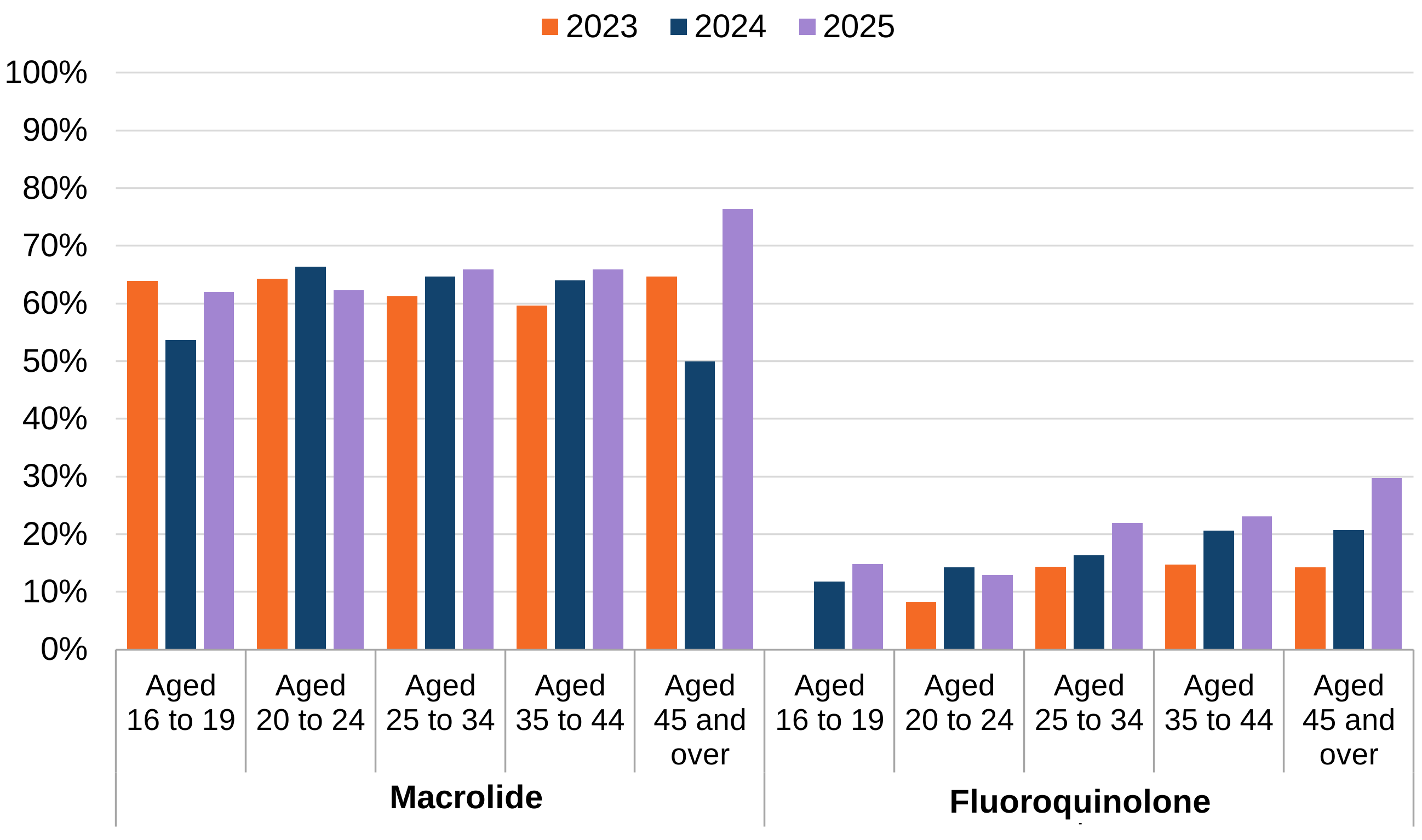
In 2025, the prevalence of macrolide resistance was similar among specimens from those aged 16 to 44, ranging from 62.1% (n=18 out of 29) among those aged 16 to 19 to 65.9% among those aged 35 to 44 (n=89 out of 135; Figure 4). Similar levels of macrolide resistance among those aged 16 to 44 were also observed in MARS 2024. In 2025, macrolide resistance was higher among those aged 45 and over (76.3%; n=29 out of 38), than among the younger age groups. This was also an increase compared with 2024 (50.0%; n=30 out of 60).
The prevalence of fluoroquinolone resistance increased with age in 2025, from 14.8% (n=4 out of 27) among those aged 16 to 19 to 29.7% (n=11 out of 37) among those aged 45 and over (Figure 4). Fluoroquinolone resistance increased in all age groups compared to 2024, except in those aged 20 to 24, where there was a slight decrease (from 14.3% to 12.9%).
Figure 4. The percentage of macrolide and fluoroquinolone-resistant M. genitalium specimens in the MARS sentinel surveillance sample by age group (years), MARS 2023 to 2025
Source: data from MARS sentinel surveillance programme.
Previous STI diagnoses
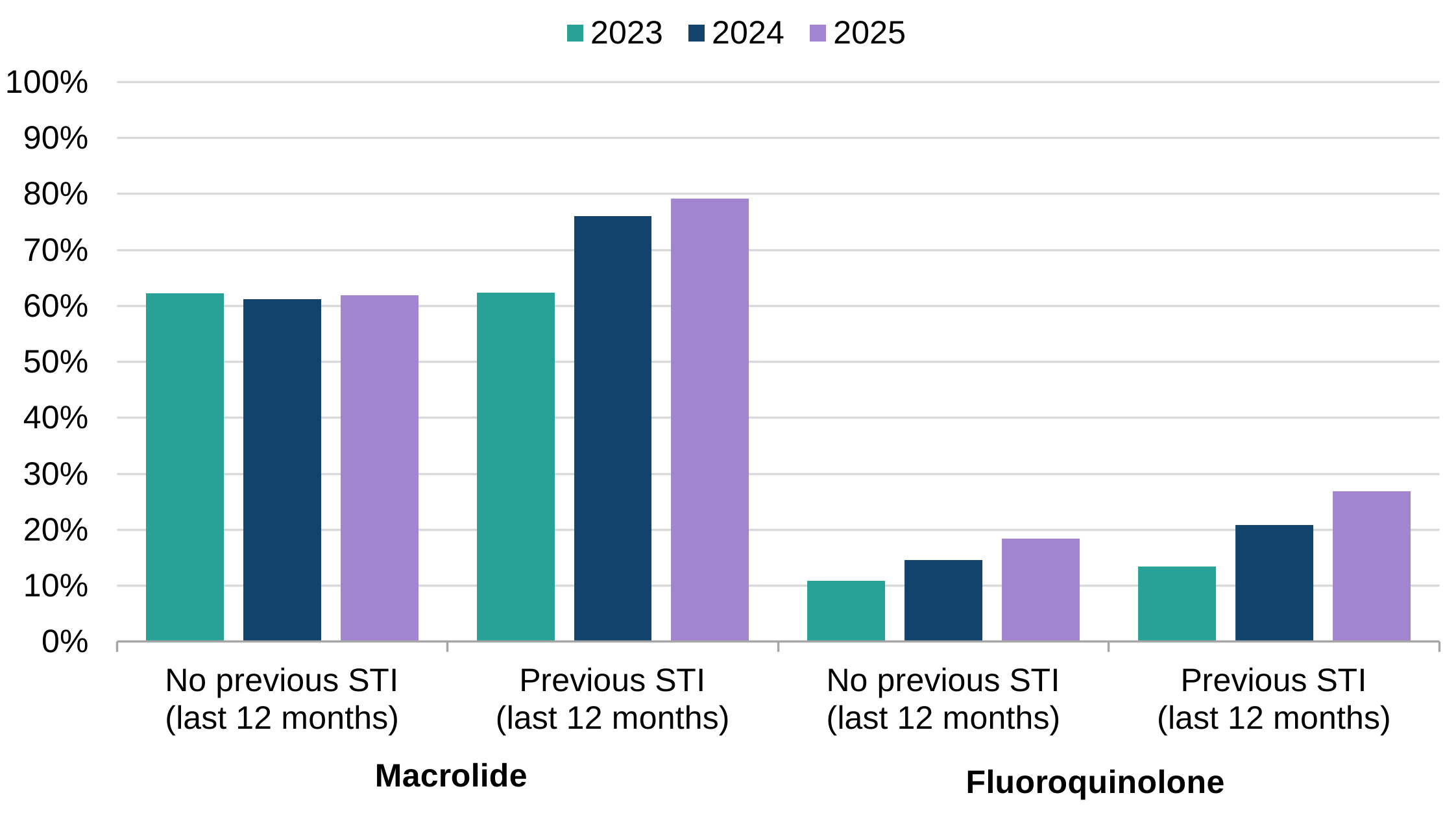
In 2025, macrolide resistance was more prevalent in specimens from individuals who had reported a previous STI diagnosis in the last 12 months (79.1%) compared with individuals without a previous STI diagnosis (61.9%; Figure 5). Macrolide resistance among those who reported an STI diagnosis in the last 12 months increased compared with the MARS 2024 data, where the percentage of resistant specimens was 76.0%.
The prevalence of fluoroquinolone resistance was also higher in specimens from individuals who reported a previous STI diagnosis in the last 12 months (26.9%) compared with those who did not (18.5%; Figure 5). The percentage of fluoroquinolone resistant specimens increased in both groups compared with the MARS 2024 data (rising from 20.9% and 14.6%, respectively).
Figure 5. The percentage of macrolide- and fluoroquinolone-resistant M. genitalium specimens in the MARS sentinel surveillance sample by previous STI diagnosis (last 12 months), MARS 2023 to 2025
Source: data from MARS sentinel surveillance programme.
Discussion
The 2025 MARS programme demonstrates that macrolide resistance in M. genitalium remains high and widespread across all demographic groups in England, with 65.5% of sequenced specimens carrying mutations associated with resistance. This represents a continued upward trend since 2023. Fluoroquinolone resistance has also shown a marked rise, increasing from 16.7% in 2024 to 20.2% in 2025. The prevalence of dual resistance has also increased from 13.7% to 18.0% since 2024, largely driven by the rise in fluoroquinolone resistance.
Although macrolide resistance was universally high, specimens from GBMSM had much higher rates of macrolide resistance and fluoroquinolone resistance compared with other gender and sexual orientation groups. Since MARS 2023, elevated resistance to both antimicrobial classes has been consistently observed in specimens from GBMSM, with the largest increases since 2024 also observed in this group, while remaining stable or declining among women and heterosexual men.
Macrolide resistance was similar in specimens from those aged 16 to 44, but higher in those aged 45 and over, whereas fluoroquinolone resistance increased with age (and rose in most groups compared with 2024). However, the number of individuals among both the 16 to 19 and the 45 and over age groups were small. Resistance to macrolides and resistance to fluoroquinolones was higher in specimens from individuals reporting a previous STI in the last 12 months than in those without, with increases observed in both groups compared with 2024. A greater proportion of GBMSM were represented among the older age groups and among those reporting a previous STI, so some of the observed differences may reflect confounding by gender identity and sexual orientation. The most reported previous STI was another diagnosis of M. genitalium, which may reflect persistent infection following previous treatment failure or re-infection. Individuals with previous STI diagnoses are also more likely to have been exposed to one or more courses of antimicrobial treatment within a relatively short period, which may contribute to the selection and persistence of resistant strains.
A key methodological change in the 2025 MARS programme was the discontinuation of the data enhancement stage. As a result, treatment and outcome data are no longer available, limiting the ability to link resistance-associated mutations with prescribing practices or clinical outcomes. Since resistance-associated mutations do not always predict treatment failure, the impact of the increases in resistance observed in MARS 2025 on treatment effectiveness cannot be determined from these data alone. Possible cases of treatment failure with third-line treatments should be reported to the UK Health Security Agency (UKHSA) via the HIV and STI Data Exchange, as these reports remain important for monitoring the clinical outcomes.
Additionally, as demographic information is now derived solely from GUMCAD, there is greater reliance on reporting completeness which varies between SHSs (see Table A4). Furthermore, the variables available through GUMCAD have minor differences compared with those previously collected through the data enhancement stage. This may limit comparability with previous MARS years for some demographic analyses (see Table A5).
The MARS 2025 collection comprised 709 specimens, representing a substantial sample size, although lower than in 2023 and 2024. The reduced MARS sample is partly attributable to the cap applied to London SHSs, as well as the exclusion of specimens that could not be successfully matched to a GUMCAD record, with varying match rates by SHS that may introduce selection bias. The streamlined use of GUMCAD as the primary source of demographic data has, however, significantly reduced the resource requirements and supports the sustainability of the programme, enabling continued annual surveillance.
As SHSs were invited to participate based on the availability of local M. genitalium testing, this may further influence the representativeness of the MARS 2025 sample. To note, as asymptomatic screening for M. genitalium is not recommended, national diagnoses captured in GUMCAD, and subsequently the MARS sample, are not fully representative of all M. genitalium infections in England.
Comparison with GUMCAD data for the same period suggests the MARS 2025 sample is fairly representative of the reported M. genitalium infections in England, although diagnoses from SHSs in London were overrepresented in MARS 2025, despite the cap implemented (see Appendix A4). Additionally, the number of specimens from GBMSM, those of Black ethnicity and those born outside of the UK were overrepresented in MARS 2025 compared to GUMCAD.
Conclusions
MARS 2025 represents the third year of MARS as an annual sentinel surveillance programme, providing sufficient data to begin assessing longitudinal trends. The MARS 2025 findings highlight persistently high and increasing levels of macrolide resistance, alongside increasing fluoroquinolone and dual resistance. The inclusion of detailed demographic data enables analysis of AMR patterns across different population groups, offering insight into observed disparities, with GBMSM being most affected by M. genitalium AMR.
The continued increase in M. genitalium resistance is concerning, particularly in the absence of alternative treatment options and the lack of planned randomised controlled trials to evaluate new therapies for the clinical toolkit.
Ongoing longitudinal monitoring is essential to develop our understanding of changing resistance patterns and will help shape future management strategies, such as appropriate testing and treatment guidelines for M. genitalium.
Appendices
Table A1. The percentage of M. genitalium specimens with genetic markers predictive of macrolide (23S rRNA) and fluoroquinolone (parC) resistance and the effect of capping the specimens received from London SHSs at 50, MARS 2023
| Genotype | Full MARS 2023 sample | MARS 2023 sample with London cap |
|---|---|---|
| Metric | n (% of N) | n (% of N) |
| 23S rRNA: susceptible [note 24] | 318 (37.8%) |
269 (38.3%) |
| 23S rRNA: resistant | 523 (62.2%) |
434 (61.7%) |
| 23S rRNA: a2058g | 247 (47.2%) |
209 (48.2%) |
| 23S rRNA: a2058t | 36 (6.9%) |
31 (7.1%) |
| 23S rRNA: a2059c | 10 (1.9%) |
9 (2.1%) |
| 23S rRNA: a2059g | 230 (44.0%) |
185 (42.6%) |
| ParC: susceptible [note 24] | 682 (84.5%) |
573 (84.6%) |
| ParC: unknown | 27 (3.4%) |
21 (3.1%) |
| ParC: resistant | 98 (12.1%) |
83 (12.3%) |
| ParC: S83I | 69 (70.4%) |
59 (71.1%) |
| ParC: D87N | 20 (20.4%) |
15 (18.1%) |
| ParC: S83R | 5 (5.1%) |
5 (6.0%) |
| parC: D87Y | 4 (4.1%) |
4 (4.8%) |
Note 24: susceptible indicates wildtype sequence.
Table A2. The demographic characteristics of the MARS 2023 sample and the effect of capping the specimens received from London SHSs at 50, MARS 2023
| Characteristic | Full MARS 2023 sample | MARS 2023 sample with London cap |
|---|---|---|
| Metric |
n (% of N) |
n (% of N) |
| Gender identity and sexual orientation: GBMSM | 236 (20.3%) |
127 (16.5%) |
| Gender identity and sexual orientation: heterosexual men | 545 (46.9%) |
371 (48.1%) |
| Gender identity and sexual orientation: women [note 25] | 371 (31.9%) |
273 (35.4%) |
| Aged 15 to 19 years | 54 (4.6%) |
37 (4.7%) |
| Aged 20 to 24 years | 296 (25.5%) |
214 (27.4%) |
| Aged 25 to 34 years | 548 (47.1%) |
374 (47.9%) |
| Aged 35 to 44 years | 194 (16.7%) |
115 (14.7%) |
| Aged 45 years and over | 71 (6.1%) |
41 (5.3%) |
| Ethnic group: Asian [note 26] | 66 (6.0%) |
43 (5.9%) |
| Ethnic group: Black [note 26] | 292 (26.7%) |
191 (26.2%) |
| Ethnic group: Mixed [note 26] | 127 (11.6%) |
82 (11.2%) |
| Ethnic group: Other [note 26] | 53 (4.8%) |
32 (4.4%) |
| Ethnic group: White [note 26] | 557 (50.9%) |
382 (52.3%) |
| Country of birth: UK | 738 (67.1%) |
503 (68.6%) |
| Country of birth: outside of the UK | 362 (32.9%) |
230 (31.4%) |
| SHS location: London | 634 (54.5%) |
372 (47.6%) |
| SHS location: outside of London | 529 (45.5%) |
409 (52.4%) |
Note 25: includes WSM and WSW.
Note 26: the ethnic categories above are as specified by the ONS.
Table A3. The frequency of amino acid substitutions in ParC (n=19) with an unknown effect on fluoroquinolone resistance in M. genitalium specimens, MARS 2025
| Genotype | Frequency | Percentage (%) |
|---|---|---|
| ParC: D87G | 2 | 10.5% |
| ParC: G81C | 4 | 21.1% |
| ParC: S83N | 13 | 68.4% |
Source: data from MARS sentinel surveillance programme.
Table A4. Comparison of the percentage of missing data for demographic variables included in MARS, 2023 to 2025
| Characteristic | MARS 2025 | MARS 2024 | MARS 2023 |
|---|---|---|---|
| Metric | n (% of N) | n (% of N) | n (% of N) |
| Gender identity | 0 (0.0%) |
1 (0.1%) |
0 (0.0%) |
| Sexual orientation | 44 (6.2%) |
18 (1.7%) |
12 (1.3%) |
| Age group | 0 (0.0%) |
0 (0.0%) |
0 (0.0%) |
| Ethnic group | 53 (7.5%) |
54 (5.1%) |
55 (5.9%) |
| Country of birth | 101 (14.2%) |
56 (5.3%) |
53 (5.7%) |
| SHS location | 0 (0.0%) |
0 (0.0%) |
0 (0.0%) |
| HIV status | Not applicable [note 27] | 95 (9.1%) |
45 (4.9%) |
| Use of HIV PrEP | Not applicable [note 28] | 90 (8.6%) |
60 (6.5%) |
| Symptomatic status | 155 (21.9%) |
0 (0.0%) |
0 (0.0%) |
| Concurrent STI | 0 (0.0%) |
39 (3.7%) |
Not available |
| Previous STI | 0 (0.0%) |
171 (16.3%) |
59 (6.4%) |
| Total sexual partners (last 3 months) | 333 (47.0%) |
82 (7.8%) |
58 (6.3%) |
| Sexual partners whilst abroad (past 3 months) | Not available | 433 (41.3%) |
421 (45.4%) |
Source: data from MARS sentinel surveillance programme.
Note 27: individuals without a recorded positive diagnosis are grouped into a single category, which includes both tested-negative and untested (unknown HIV status) individuals.
Note 28: individuals without recorded PrEP use are grouped into a single category, which includes both non-PrEP users and individuals with unknown HIV status.
Table A5. Comparison of the demographic characteristics of individuals diagnosed with M. genitalium reported in GUMCAD (1 March to 30 June 2025) and individuals in the MARS 2023 to 2025 sample
| Characteristic | GUMCAD sample | MARS 2025 sample | MARS 2024 sample | MARS 2023 sample |
|---|---|---|---|---|
| Metric |
n (% of N) |
n (% of N) |
n (% of N) |
n (% of N) |
| Gender identity: male | 1,647 (62.4%) |
503 (70.9%) |
688 (65.8%) |
627 (67.8%) |
| Gender identity: female | 992 (37.6%) |
206 (29.1%) |
358 (34.2%) |
298 (32.2%) |
| Sexual orientation: heterosexual | 2,147 (81.7%) |
475 (71.4%) |
789 (76.5%) |
714 (78.1%) |
| Sexual orientation: homosexual | 328 (12.5%) |
152 (22.9%) |
174 (16.9%) |
159 (17.4%) |
| Sexual orientation: bisexual | 152 (5.8%) |
38 (5.7%) |
68 (6.6%) |
41 (4.5%) |
| Aged 16 to 19 years | 182 (6.6%) |
31 (4.4%) |
45 (4.3%) |
41 (4.4%) |
| Aged 20 to 24 years | 712 (25.9%) |
164 (23.1%) |
278 (26.6%) |
246 (26.5%) |
| Aged 25 to 34 years | 1,207 (43.9%) |
330 (46.5%) |
460 (44.0%) |
449 (48.4%) |
| Aged 35 to 44 years | 491 (17.9%) |
146 (20.6%) |
202 (19.3%) |
135 (14.6%) |
| Aged 45 to 64 years | 145 (5.3%) |
36 (5.1%) |
59 (5.6%) |
53 (5.7%) |
| Aged 65 and over | 11 (0.4%) |
2 (0.3%) |
2 (0.2%) |
3 (0.3%) |
| Ethnic group: Asian [note 29] | 175 (6.7%) |
59 (9.0%) |
93 (8.9%) |
66 (6.0%) |
| Ethnic group: Black [note 29] | 610 (23.4%) |
204 (31.1%) |
245 (23.4%) |
292 (26.7%) |
| Ethnic group: Mixed [note 29] | 254 (9.7%) |
69 (10.5%) |
54 (5.2%) |
127 (11.6%) |
| Ethnic group: Other [note 29] | 88 (3.4%) |
31 (4.7%) |
49 (4.7%) |
53 (4.8%) |
| Ethnic group: White [note 29] | 1,481 (56.8%) |
293 (44.7%) |
503 (48.0%) |
557 (50.9%) |
| Country of birth: UK | 1,757 (70.7%) |
357 (58.7%) |
660 (66.5%) |
738 (67.1%) |
| Country of birth: outside of the UK | 728 (29.3%) |
251 (41.3%) |
333 (33.5%) |
362 (32.9%) |
| SHS location: London | 1,154 (42.0%) |
397 (56.0%) |
500 (47.7%) |
634 (54.5%) |
| SHS location: outside of London | 1,596 (58.0%) |
312 (44.0%) |
549 (52.3%) |
529 (45.5%) |
Source: data from MARS sentinel surveillance programme.
Note 29: the ethnic categories above are as specified by the Office for National Statistics (ONS).
Acknowledgements
The MARS Team would like to thank the collaborating centres for their continued support, SHSs for the prompt submission of clinical data and laboratories for sending isolates to the national STIRL at UKHSA, Colindale.
SHS collaborators
- 10 Hammersmith Broadway (S Harish, O Perry, M Rayment, M Varadarajan)
- Ambrose King Clinic and Sir Ludwig Guttman Centres (E Chung, L Dufaur, J Gaddie, R Sheriff, C Sood, N Uthayakumar)
- Archway Sexual Health Clinic and Mortimer Market Centre (R Browne, L Lau, M Pearson, C Thorpe)
- Barking Community Hospital (A Umaipalan)
- Burrell Street Sexual Health Clinic (S Keegan, A Nori)
- Bristol Royal Infirmary (J Lim, M Molosiwa)
- Cambridgeshire Community Services NHS Trust integrated Contraception and Sexual Health (R Acosta, S Basavaraj, S Clapp, N David, I Hawkins, E Hodges, M Gupta, D Johnson, K Mariyappa, H Pintilie, D Raha, C Sewell, P Williams)
- Dean Street Clinic (F Lander, S Patel, G Whitlock)
- Derwent and Solway Clinics (A Hodgson)
- Florey Clinic Royal Berkshire Hospital (R Smart)
- Homerton Hospital (P Horne)
- Jefferiss Wing Centre for Sexual Health (G Garcia, J Husband)
- John Hunter Clinic (E Brunicki, J Lopez)
- Luton and Dunstable Hospital (K Zyla)
- Royal Liverpool University Hospital (E Clarke, A Elmer, G McCarthy)
- Royal Sussex County Hospital (S Soni)
- The Garden Clinic (J Pakia)
- The Hathersage Centre (S Buckley)
- University Hospital Birmingham (V Marshall, J Phattey).
Laboratory collaborators
- Bedford Medical Microbiology (H Denning, D Karim)
- Health Services Laboratories (P Grant)
- King George Hospital, Barking, Havering and Redbridge University Hospitals NHS Trust (F Johny William, C Koshy, V Patel)
- Manchester Royal Infirmary (R Buttery, A Lord, N Machin, E Wood)
- Morecombe Bay NHS Trust (W Hacking, S Mitha)
- North Cumbria Acute Hosp NHS Trust (G Scott)
- North West London Pathology hosted by Imperial College Healthcare NHS Trust (K Lewis)
- Queen Elizabeth Hospital (H Ahmed, A Dadrah, P Patel)
- Royal Liverpool Hospital (M Hopkins, J Watts)
- Southmead Hospital, Bristol (R Hopes)
- Synnovis, St Thomas Hospital (T Azim, M Sarker)
- Virology, Barts Health NHS Trust (K Harris)
- Virology, St Peters Hospital (R Ahmed, M Tadych)
Authors
Authors: Kirsty Bennet, Sandhya Vivekanand, James Johnson, Sandra David, Michelle Cole, Anna Vickers, Penelope Cliff, Ella Breese, Rachel Pitt-Kendall, Hamish Mohammed, Katy Sinka, Sarah Alexander, Helen Fifer.
Suggested citation: Bennet KF, Vivekanand S, Johnson JEC, David S, Cole MJ, Vickers A, Cliff PR, Breese E, Pitt-Kendall R, Mohammed H, Sinka K, Alexander S, Fifer H, and contributors. Mycoplasma genitalium Antimicrobial Resistance Surveillance (MARS) report: 2025, July 2026, UKHSA, London.