Mapping the homelessness workforce: Exploring the profile and experiences of the homelessness sector
Published 23 February 2026
Applies to England

© Crown copyright 2026
This publication is licensed under the terms of the Open Government Licence v3.0 except where otherwise stated. To view this licence, visit nationalarchives.gov.uk/doc/open-government-licence/version/3 or write to the Information Policy Team, The National Archives, Kew, London TW9 4DU, or email: psi@nationalarchives.gov.uk.
Where we have identified any third party copyright information you will need to obtain permission from the copyright holders concerned.
This publication is available at https://www.gov.uk/government/publications/mapping-the-homelessness-workforce-exploring-the-profile-and-experiences-of-the-homelessness-sector/mapping-the-homelessness-workforce-exploring-the-profile-and-experiences-of-the-homelessness-sector
Executive summary
2023-24 saw a marked increase in all forms of homelessness, with 324,990 households assessed as owed a homelessness duty in England,[footnote 1] 4,282 people estimated to be sleeping rough in autumn 2024[footnote 2], and 131,140 households in temporary accommodation[footnote 3] as of 31 March 2025. At the same time, evidence suggests that people experiencing homelessness are presenting to services, both statutory and non-statutory, with increasingly complex and significant needs.[footnote 4] Appropriately supporting these individuals relies on a skilled and knowledgeable workforce, but our understanding of the composition of this workforce, and their skills and knowledge, is lacking. This research, commissioned by the Ministry of Housing, Communities and Local Government, aims to fill this evidence gap.
This research sought to build a broad understanding of the homelessness sector, including: quantifying the scale and shape of the sector; understanding who works in the sector and their pay and conditions; why people join, remain and leave the sector; learning and development opportunities and needs; and the experiences of the homelessness workforce. To meet these research objectives the following methods were used:
- An online organisational survey with Local Authorities, Housing Associations, Voluntary and Community sector providers, and the wider homelessness sector.
- An online individual survey for individuals within the homelessness sector
- Focus groups with participants identified through the online surveys
- Analysis of data from Homeless Link’s Jobs Board
The composition of the homelessness workforce
- In 2025, the total estimated size of the homelessness workforce is 34,519. Of these, an estimated 30,811 are Full Time Equivalent (FTE) roles within the homelessness sector (7,983 are estimated to be held within Local Authority homelessness services, and 22,828 are estimated to be VCSF+ organisations). There are an estimated 3,708 vacant posts.
- There are an estimated 16,417 volunteers working within the homelessness sector, comprising nearly a third of the overall workforce (32%). This takes the overall estimate of the homelessness workforce to 50,937.
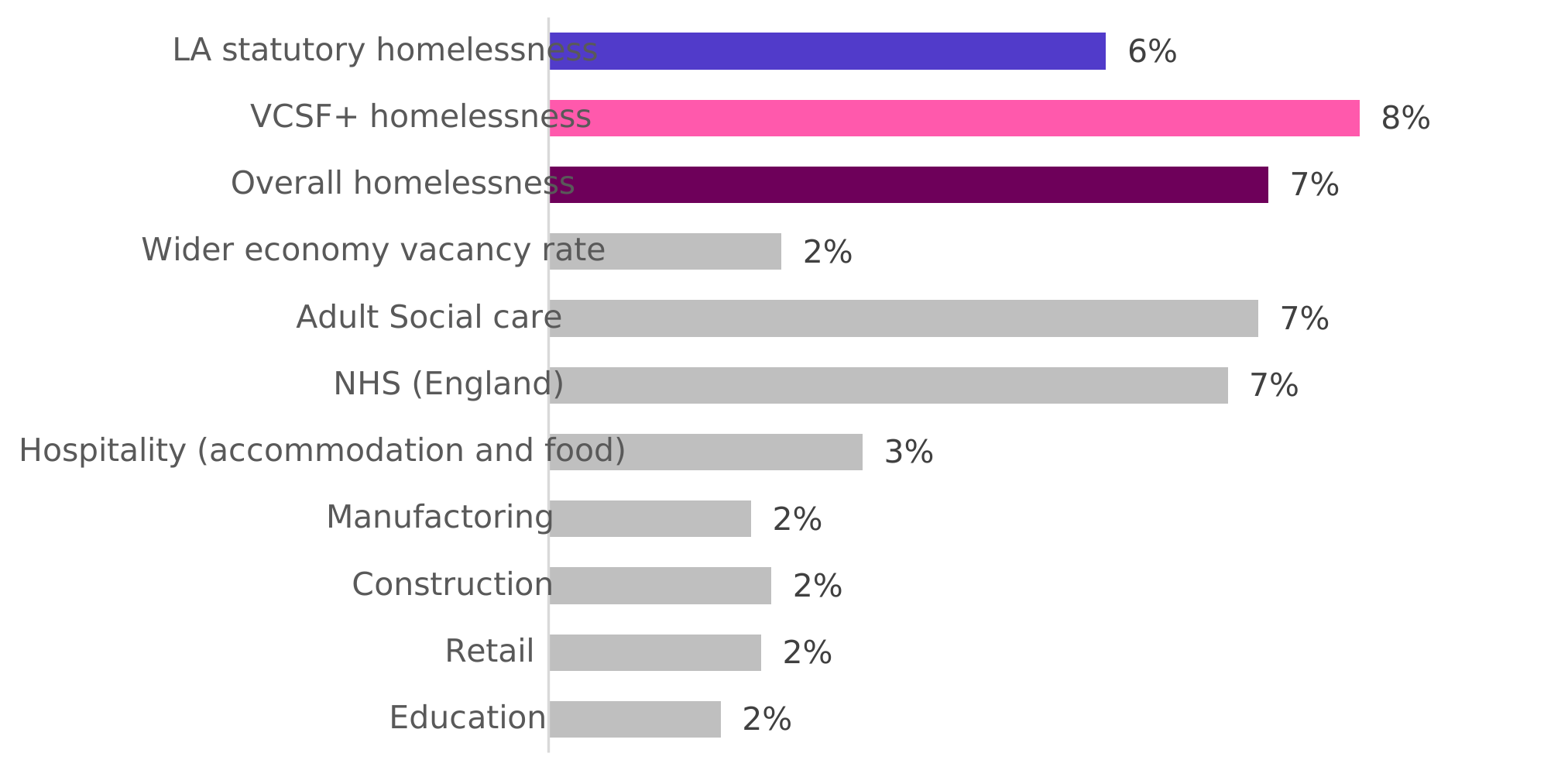
- The estimated overall vacancy rate in the homelessness sector is 7% (5% in LAs; 8% VCSF+).
- The average salary for LA and VCSF+ frontline workers is well below the UK median salary of £37,430. The average VCSF+ frontline workers’ salary is closer to the National Minimum Wage than it is the median salary.
- Staff across all roles are very likely to hold permanent contracts, with 11% or fewer people across all roles in both VCSF+, and LAs holding an employment contract of less than 1 year.
Profile of the homelessness sector workforce
- The homelessness workforce is predominantly female.
- The homelessness workforce is evenly split across four main age groups spanning ages 25-64, with a peak of those aged 45-54. Staff are younger within the VCSF+ (40% aged 18-35) and older in LAs (30% aged 55+).
- Frontline roles are unique in attracting people regardless of age and/or are especially able to retain staff as they age.
- 12% of the homelessness workforce have a reported disability compared to 24% of the working age population, suggesting an underrepresentation within the sector.
- Black / Black British people, and people from mixed or multiple ethnic backgrounds are three times as likely to be working in the homelessness sector compared to the 2021 UK census. People from White ethnic backgrounds are overrepresented in senior leadership roles (84%) and team leader and manager roles (83%).
- Based on the individual staff survey, 38% of staff have caring responsibilities for a child or children and/or adults. Based on organisational surveys, 42% of staff within LAs have caring responsibilities, compared to 35% of staff from VCSF+ organisations.
- A quarter of staff (25%) responding to the individual survey reported that they had lived experience of homelessness. Organisations report lower levels of lived experience within their workforce (0-10% (33% VCSF+; 70% LA), and 10-20% (23%; 15% LA), suggesting that this data is not always accurate at an organisational level.
Routes into the homelessness sector
- 65% of individual staff survey respondents applied for their current role via the open job market. The second most common route into current roles was via volunteering (10%), demonstrating the importance of volunteer development to the sector.
- The majority of individual staff survey respondents had worked in another job within the sector, and more than a third of staff (39%) had previously been support workers. Of those who had been support workers, 32% were currently working as frontline workers, 23% were currently team leaders and service managers, and 22% held senior leadership roles.
- 30% of staff had previously worked in the health and social care sector. There are no dominant sectors within which staff had worked outside of this, suggesting that staff come from diverse professional backgrounds and sectors.
- 62% of individual staff survey respondents held a qualification at Level 4 or above. This includes 55% of frontline workers and 56% of housing advice and assessment workers. A higher proportion of staff in more senior positions, and in corporate and central services, held Level 4 qualifications: 76% of senior leaders, 64% of team leaders and service managers, and 79% of corporate and central services staff.
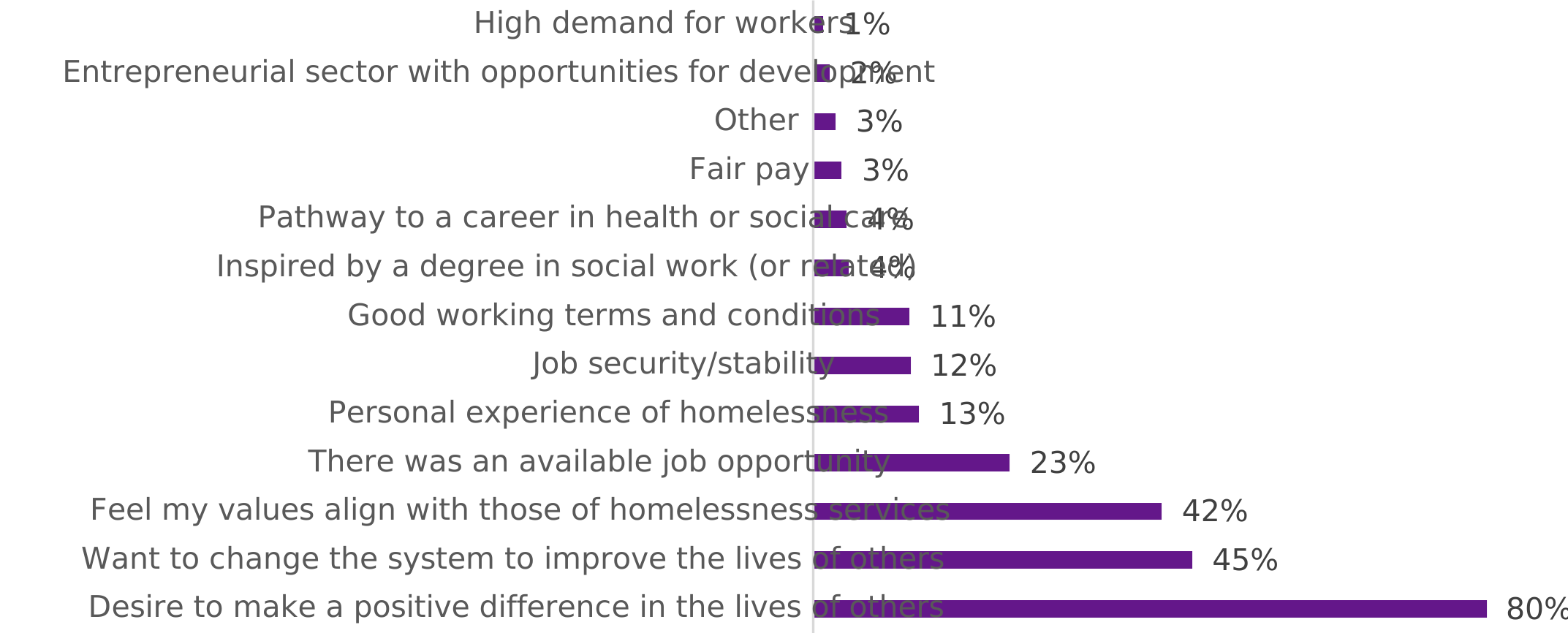
- The homelessness workforce is highly values driven, with 80% of staff survey respondents reported they joined the sector to make a positive difference in the lives of others. 45% of respondents wanted to change the system to improve the lives of others, and 42% wanted to work somewhere that aligned with their values.
Experience of working in the homelessness sector
- The top reported benefit of working in the homelessness sector was the ability to have a meaningful impact (75%), echoing the motivation that drew many staff to the sector in the first place. 86% of staff feel that their work has value (vs. 6% who disagree) and 70% of staff agree that they experience job satisfaction (vs.12% disagree).
- The top challenges reported by staff include the complexity of clients’ needs (42%), high workloads (42%), funding uncertainty (31%), burnout (29%), low pay (23%), and wider systemic funding constraints (23%).
- Nearly half of staff surveyed (48%) agreed that they are at risk of experiencing burnout, compared to 28% who disagreed. Although 44% of respondents said they had enough time to do their job effectively, 41% reported that they do not, suggesting many people in the sector are feeling high levels of pressure due to the demands on their time.
- 43% of staff reported that their role positively impacted their wellbeing, while 46% reported a negative impact. Staff in local authorities were more likely to report negative impact on their wellbeing (52%) compared to those working in Housing Associations (40%) and non-faith-based charity and voluntary organisations (VCS) (42%).
Learning and development
- The skills most commonly reported as necessary by staff for their roles within the homelessness sector were: communication (68%), managing challenging behaviour (65%), team working (65%), time management (62%), professional boundaries (62%) and active listening (62%).
- The types of knowledge most commonly identified as necessary by staff for their roles were: safeguarding (77%), housing and homelessness legislation and statutory requirements (74%), EDI (Equality, Diversity and Inclusion) (71%), stress, vicarious trauma and managing wellbeing (70%).
- Staff are commonly offered learning and development opportunities through online learning, e-learning and face-to-face training. Staff were interested in. but had not been offered, reverse mentoring (51%), CPD-accredited training (51%), gaining qualifications (49%), mentoring (47%), and coaching (43%).
- There were some differences within the sector, with coaching and mentoring more widely embedded in LAs, and 49% of LAs offering apprenticeships, compared with 19% of VCSF+ organisations.
- Across both LAs and VCSF+ organisations, barriers to accessing learning and development opportunities included insufficient funding, lack of staff cover, and limited time to source or organise training. These barriers were more pronounced in the VCSF+ group (7% reporting no barrier, compared with 28% LAs.)
- More than half of staff (52%) want to progress within the sector and more than half (52%) of staff identified a lack of progression opportunities within their organisation as a major barrier to this. Other barriers identified included unclear progression routes within their field (32%), the precarity of roles with fixed-term contracts (28%), and the fact that the types of roles staff are interested in are often not advertised or available (28%).
Retention
- 29% of respondents from the individual staff survey had been in post for 3 – 5 years, and 27% had been in post for 1 – 2 years. Findings were consistent for local authorities (LA) and non-faith-based charity and voluntary organisations (VCS). A higher proportion of staff within Housing Associations were in their role for less than one year (26%).
- Many people stay working within the homelessness sector for many years, 24% of staff respondents reporting that they had worked in the homelessness sector for 3-5 years, 54% of staff for over 6 years and 35% for over 10 years.
- Again indicating a high level of commitment to the sector, 71% of staff reported that they were likely to continue working in the homelessness sector long-term, while 11% said they are unlikely, 13% were neutral and 5% did not know. Figures were across LA, VCS organisations, and housing associations were similar with 69–73% of staff reporting that they were likely to continue working in the sector long-term.
- The most common reason that staff intended to continue working in the homelessness sector was the ability to make a positive difference to someone’s life (63%). This was followed by having a rewarding career (51%), having variety in their roles (28%), having flexible working opportunities (26%) and a good work/life balance (24%).
- Of those who were unlikely to remain in the sector long-term, more than half (52%) reported the risk or experience of burnout as the leading reason for leaving. This was followed by seeking to improve their pay (37%), lack of career progression (26%), high workload (23%), and feeling undervalued (21%).
- Within the VCSF+ 32% of organisations had a retention rate over 90%, 51% of organisations had a retention rate over 80% and 74% of organisations had a retention rate over 70%. Local Authorities report an overall higher retention rate, with 60% of local authorities reporting a rate over 90% and 85% having a retention rate over 80%.
- Barriers to retaining staff differed between the VCSF+ and LA, with VCSF+ organisations more likely to report that low pay is a barrier to retaining skilled staff members (62% VCSF+; compared to 49% LA), and LAs more likely to report burnout leading to long-term sickness (39% LA; 24% VCSF+) and a lack of ability to offer job security (39% LA; 33% VCSF+).
Conclusion
This research finds that the homelessness sector makes up a sizeable workforce within England, spanning statutory and non-statutory providers, and with a significant voluntary element. Our findings show that the sector is poorly paid, particularly amongst the VCS and frontline roles, with an average annual salary of £29,217. This presents challenges in both recruitment and retention, but also demonstrates some of the longer-term financial challenges facing the sector, particularly with an increased National Minimum Wage which is likely to impact an increasing number of roles within the sector as it rises.
The demographic profile of the homelessness sector indicates a disproportionately female workforce (64%), and certain observed demographic trends suggest challenges with equitable progression, in particular amongst people from Black or Black British backgrounds, who make up 22% of frontline workers, but only 7% of senior leaders.
25% of the workforce have lived experience of homelessness. Whilst this is particularly prevalent amongst frontline workers (28%), it is encouraging to see that this holds true across roles, with 20% of team leaders and senior leaders reporting having lived experience of homelessness.
Staff within the homelessness sector require and use a wide range of skills, with a particular focus on skills required to build strong and effective relationships. Many of the skills and knowledge identified by the workforce represent the challenge of supporting people with an increasing complexity of needs. This requires a range of, not only knowledge to understand the clients’ needs, but also skills to manage stress and vicarious trauma of providing support.
However, despite a real expressed want for additional training and support, across both local authority and VCSF+ services there is little budget allocated or spent on training per person. Further indicating the challenges of working in the sector, 46% of individual survey respondents reported that their role in the homelessness sector negatively impacted their wellbeing, with high workloads and the complexity of client needs the most common reasons driving this.
Despite this, we find a motivated workforce who are driven by their values and desire to help people. 71% of respondents stated that they intended to stay in the sector long-term, with the majority of people citing the ability to make a positive difference to someone’s life as their primary motivating factor both for joining the sector, and for wanting to stay. Despite very real challenges, this is a workforce which is committed to, and takes pride in, the work that they do to support people experiencing homelessness. This is a solid foundation upon which to build a workforce strategy that looks to address the challenges identified in this research, and build on the opportunities highlighted.
1. Introduction
2023-24 saw a marked increase in all forms of homelessness, with 324,990 households assessed as owed a homelessness duty in England,[footnote 5] 4,282 people estimated to be sleeping rough in autumn 2024[footnote 6], and 131,140 households in temporary accommodation[footnote 7] as of 31 March 2025. At the same time, evidence suggests that people experiencing homelessness are presenting to services, both statutory and non-statutory, with increasingly complex and significant needs.[footnote 8]
Appropriately supporting these individuals relies on a skilled and knowledgeable workforce, but our understanding of the composition of this workforce, and their skills and knowledge, is lacking. Whilst anecdotal evidence and longitudinal research do exist, such as the Frontline Network’s Annual Worker Survey and Homeless Link’s Support to End Single Homelessness series, these tend to focus on an experiential investigation of the homelessness workforce. Without national quantitative data on the composition of the homelessness workforce, workforce planning to meet the challenges of supporting people is difficult, development and learning needs are hard to quantify, and steps to support the recruitment, development and retention of good staff are not evidence led.
The Ministry of Housing, Communities and Local Government commissioned this research as a comprehensive mapping exercise to produce quantitative evidence as to the composition of the homelessness workforce. In the absence of existing datasets, this is an ambitious project that aims to provide a benchmark for a more detailed understanding of the homelessness workforce.
Alongside this overarching aim, this research has a number of additional objectives:
- Ascertain the number of paid staff versus volunteers.
- To understand the demographic make-up of the workforce, including all aspects of intersectionality, and where diversity can be improved to better represent the wider population and those who experience homelessness.
- To better understand staff development, recruitment and retention.
- To improve knowledge of the roles, salaries, and skills, knowledge and qualifications held by staff within the homelessness sector.
- Build an understanding of who is entering the sector, their of education and past experience, and understand the level of staff turnover and the reasons that staff leave.
- Provide insight into the employment practices used in the homelessness sector, and their impact on the sector’s ability to recruit and retain staff.
- Understand what training, support and qualifications are provided to identify learning and development needs and to help project future skills shortages.
The report is structured as follows: Chapter 2 describes the research methods deployed in this study; chapter 3 then provides an overview of the composition of the homelessness workforce in England. Subsequent chapters examine in more detail the demographic profile of the sector, routes into the homelessness sector, learning and development, retention, and overall experiences of working within homelessness.
2. Methodology
This research project sought to evidence a broad understanding of the homelessness sector including quantifying the profile of the sector, evidencing the learning and development needs of the sector, and better understanding the experiences of the homelessness workforce. To meet these research objectives the following methods were used:
- An online survey seeking responses at organisational level from Local Authorities, Housing Associations, Voluntary and Community sector providers, and the wider homelessness sector.
- An online survey for individual staff members within the homelessness sector.
- Focus group discussions with participants identified through both organisational and individual online surveys.
- Analysis of data from Homeless Link’s Jobs Board.
Online organisational survey
The online organisational survey was launched in June 2025 and closed in August 2025. Homeless Link promoted the survey through email and social media channels, including through existing newsletter and communication content. Dissemination was also supported by sector partners including Housing Justice, Frontline Network, and MHCLG, who supported the survey reaching Local Authorities.
A decision was made to separate out the Local Authority statutory homelessness survey from the wider homelessness sector. The wider homelessness sector is referred to throughout this report as ‘VCSF+’, and includes Housing Associations, voluntary, community and faith-based organisations, as well as non-housing and -homelessness related statutory and public sector provision e.g. NHS or social care services. This distinction was made to account for the specificity of job roles within the statutory homelessness sector, and to clearly distinguish the findings from the two organisational level surveys. Throughout this report we refer to the survey available to Local Authority statutory homelessness services as ‘LA’, and the survey open to the remainder of the sector as “VCSF+” (voluntary, community, and faith-based and other organisations).
The surveys closed with a total of 309 respondents (of whom 118 were LA respondents; and 191 VCSF+ respondents).
Survey questions focused on five key sections:
- The organisation overall, including location, headcount and services provided
- The roles and salaries within the organisation
- The demographic profile of each organisation’s workforce
- Recruitment and retention
- Learning and development
There was a known challenge in estimating the total population of local authority homelessness services (including differentiating between two tier authorities, and Combined Mayoral Authorities), and the total number of non-statutory organisations within the sector. We therefore use proxy figures to inform estimates of overall population size to ascertain the representativeness of our survey sample, and in further analysis within this report.
For local authorities, population size was based on the total number of local authority recipients of the Homelessness Prevention Grant: 296. For voluntary, community and faith-based organisations, Housing Associations, and other providers there is a greater challenge as there is no comprehensive registry of all non-statutory homelessness providers. We therefore utilised the Homeless England database; this is the best available record of homelessness services across England, with an estimated 1,088 services across England. It is expected that this is an underestimate of the total number of services operating across England and this should be acknowledged in the interpretation of these findings.
The confidence level and margin of error achieved through the sample is presented in Table 1 below.
Table 1: Overview of organisational survey sample size
| Sample achieved | Confidence level | Margin of error | |
|---|---|---|---|
| LA | 118 | 85% | 5.4% |
| VCSF+ | 191 | 90% | 5.5% |
| Total organisational responses | 309 | 90% | 5% |
Regional data was collected from organisational surveys and is presented in Table 2 below, with the North East the lowest reporting region.
Table 2: Organisational response rate by region
| VCSF+ N | VCSF+ % | Local Authority N | Local Authority % | |
|---|---|---|---|---|
| East of England | 15 | 8% | 16 | 14% |
| East Midlands | 20 | 10% | 12 | 10% |
| London | 30 | 16% | 8 | 7% |
| North East | 7 | 4% | 5 | 4% |
| North West | 24 | 13% | 16 | 14% |
| South East | 46 | 24% | 36 | 31% |
| South West | 29 | 15% | 10 | 8% |
| West Midlands | 12 | 6% | 9 | 8% |
| Yorkshire and the Humber | 20 | 10% | 6 | 5% |
| All England | 9 | 5% | 0 | 0% |
Source: Organisational Surveys. VCSF+, N=191; Local Authority, N=118.
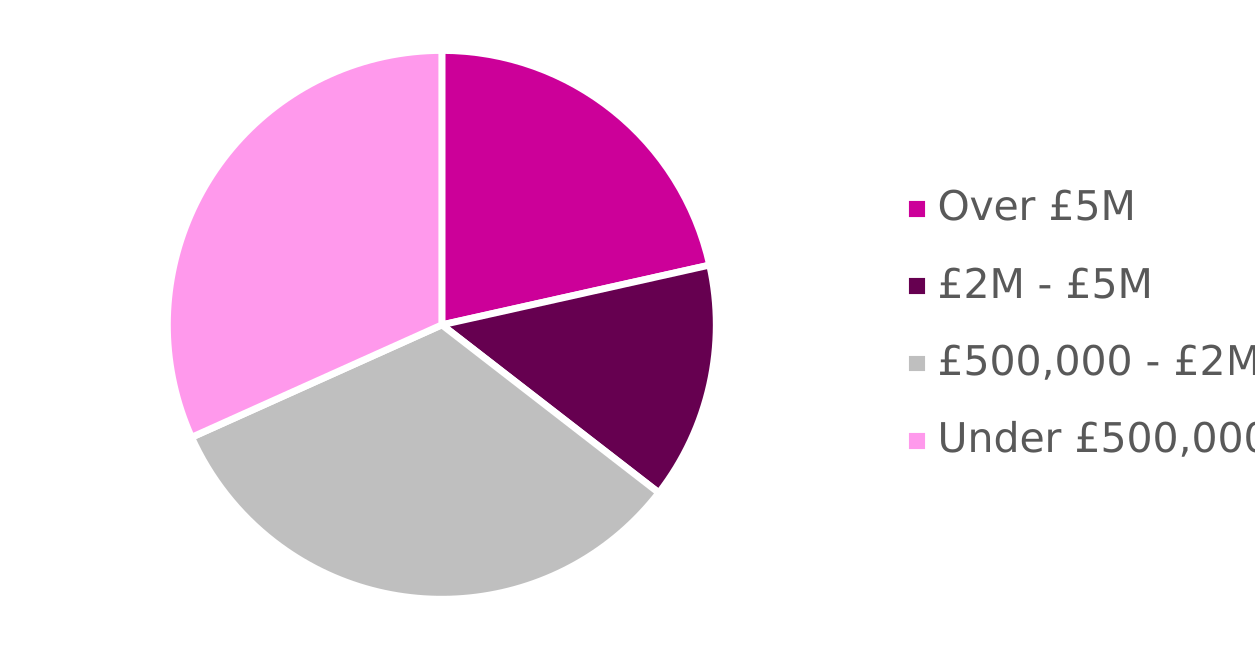
The annual turnover and total number of employed staff was collected from responding organisations within the VCSF+, since these organisations can vary significantly in size. Data on annual turnover of VCSF+ organisations is presented in Figure 1.
Figure 1: Annual turnover of VCSF+ organisations respondents
Source: Organisational VCSF+ survey. N=186
Online individual survey
The online individual survey was launched in July 2025 and closed in August 2025. Homeless Link promoted the survey through email and social media channels. Dissemination was also supported by sector partners including Housing Justice, Frontline Network, and MHCLG. It was open to anyone working or volunteering within homelessness to complete and was widely circulated using both targeted and snowball sampling techniques.
The survey closed with a total of 2,246 respondents, of which 1,802 were taken forward to analysis. 444 surveys were rejected due to incompletion or duplication.
Survey questions focused on five key sections:
- Individual demographics
- Previous experience and background, including previous roles and education
- Experience of working in the homelessness sector
- Learning and development
- Recruitment and retention
Figure 2 sets out the organisational profiles represented within the individual survey. Throughout this report, where individual survey findings are presented based on the type of organisation that respondents work for, we present data from the three largest categories: i) local authorities, ii) charities/ voluntary organisations (non-faith based) (referred to as VCS), iii) housing association. In all other cases, all data is included.
Figure 2: Organisation type of individual staff survey respondents
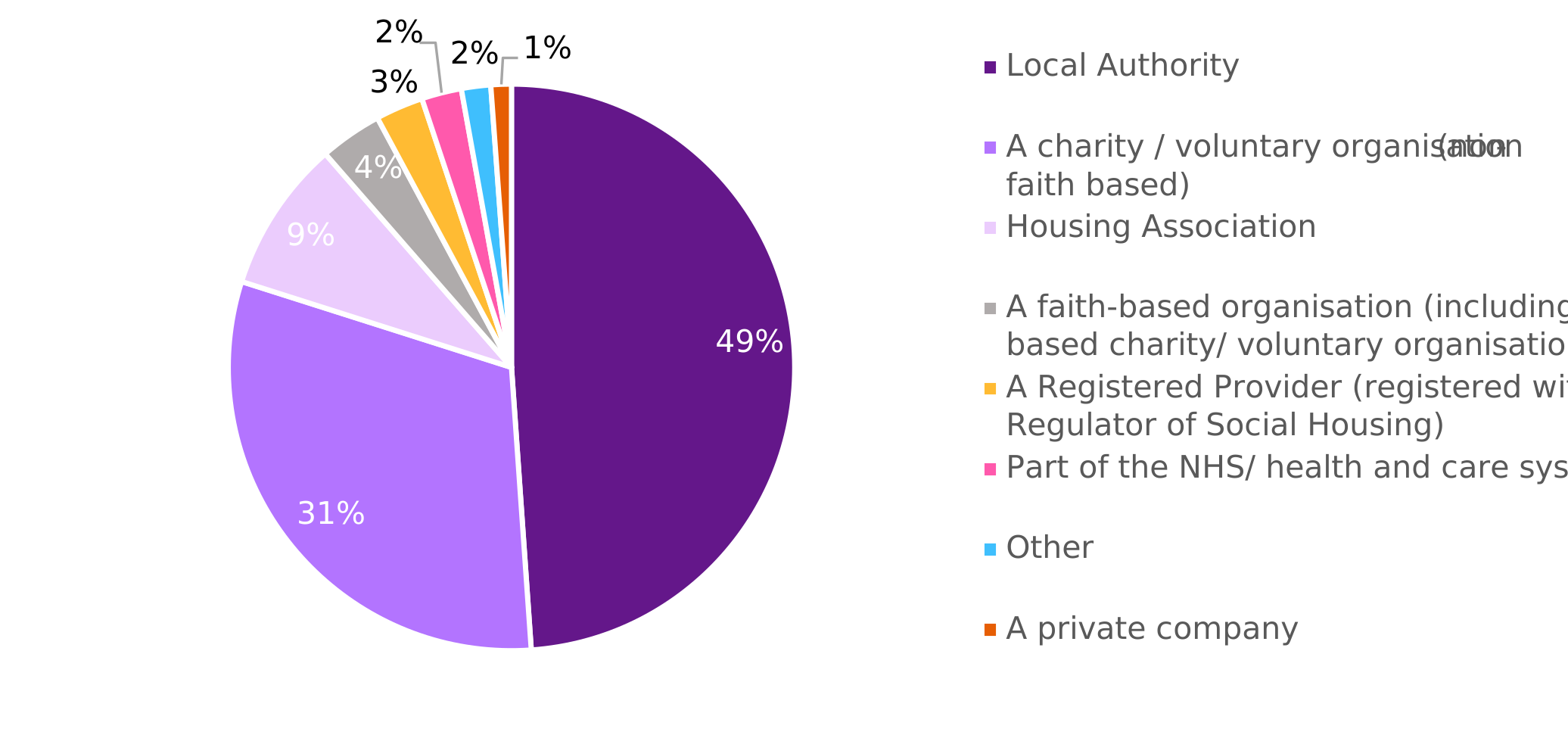
Source: Individual staff survey. N=1796 *other includes Community Interest Company (CIC), universities and Arms-Length Management Organisations (ALMOs)
Focus groups
Once surveys had closed, initial analysis was undertaken to reveal emerging findings and four focus groups were conducted to extend and explore these key findings. Focus groups were run online, and invitees were drawn from survey respondents who had expressed an interest in participating in focus groups as part of this research.
The aim of the focus groups was to provide a deeper understanding of key learnings, exploring themes that emerged from surveys and focussing on more substantive or nuanced issues.
Four focus groups were run in total: two each with LA staff and two each with VCSF+ staff. For both LAs and VCSF+ organisations, the first focus group invited individual survey respondents to share their own personal workplace experiences, and the second invited respondents from the organisational surveys to share a broader organisational perspective.
Each focus group lasted for 90 minutes, and a total of 20 staff members participated across the 4 sessions. The topic guides for these focus groups are included within supplementary materials.
Analysis of Homeless Link’s Jobs Board data
Homeless Link’s Jobs Board advertises both paid for and voluntary roles within the homelessness sector and afforded us an additional data point to understand the roles advertised within the sector and the average salaries. We extracted and analysed jobs advertised between September 2024 and August 2025. The total number of jobs advertised during this period was 830. It should be noted that in general fewer senior roles are advertised through this jobs board, with roles tending to be more frontline in nature. This means that the data on more senior roles should be interpreted with caution. Likewise, this dataset is biased towards the voluntary, community, and faith sector and does not capture Local Authority roles.
EDI statement
Homeless Link is committed to leading the sector in delivering inclusive policy and research rooted in the diverse lived experiences of all those facing homelessness.
In this research, we bring together data on the homelessness workforce for the first time. In doing so, we have sought to refine our analysis in order to understand how the diverse experiences of the workforce impact people’s experiences of working in the sector. This research collected data on a range of characteristics and throughout the report we present analysis which illustrates where the experiences of different groups diverge. This report presents a large amount of data and whilst it has not been possible to present all cuts of data in the main body, tables are available within supplementary materials for further exploration.
3. The composition of the homelessness workforce
This chapter sets out the composition of the homelessness workforce. It explores estimates of the overall size of the sector, the roles held by the workforce, and salary profiles. It also explores vacancy rates and recruitment.
Key findings
- In 2025, the total estimated size of the homelessness workforce is 34,519. Of these, an estimated 30,811 are Full Time Equivalent (FTE) roles within the homelessness sector (7,983 are estimated to be held within Local Authority homelessness services, and 22,828 are estimated to be VCSF+ organisations). There are an estimated 3,708 vacant posts.
- There are an estimated 16,417 volunteers working within the homelessness sector, comprising nearly a third of the overall workforce (32%). This takes the overall estimate of the homelessness workforce to 50,937.
- The estimated overall vacancy rate in the homelessness sector is 7% (5% in LAs; 8% VCSF+).
- The average salary for LA and VCSF+ frontline workers is well below the UK median salary of £37,430. The average VCSF+ frontline workers’ salary is closer to the National Minimum Wage than it is the median salary.
- Staff across all roles are very likely to hold permanent contracts, with 11% or fewer people across all roles in both VCSF+, and LAs holding an employment contract of less than 1 year.
How many people work in the homelessness sector?
The calculations in this section of the report are drawn from organisational survey data and use assumptions of total population size to provide scaled up estimates of the overall size of the homelessness workforce.
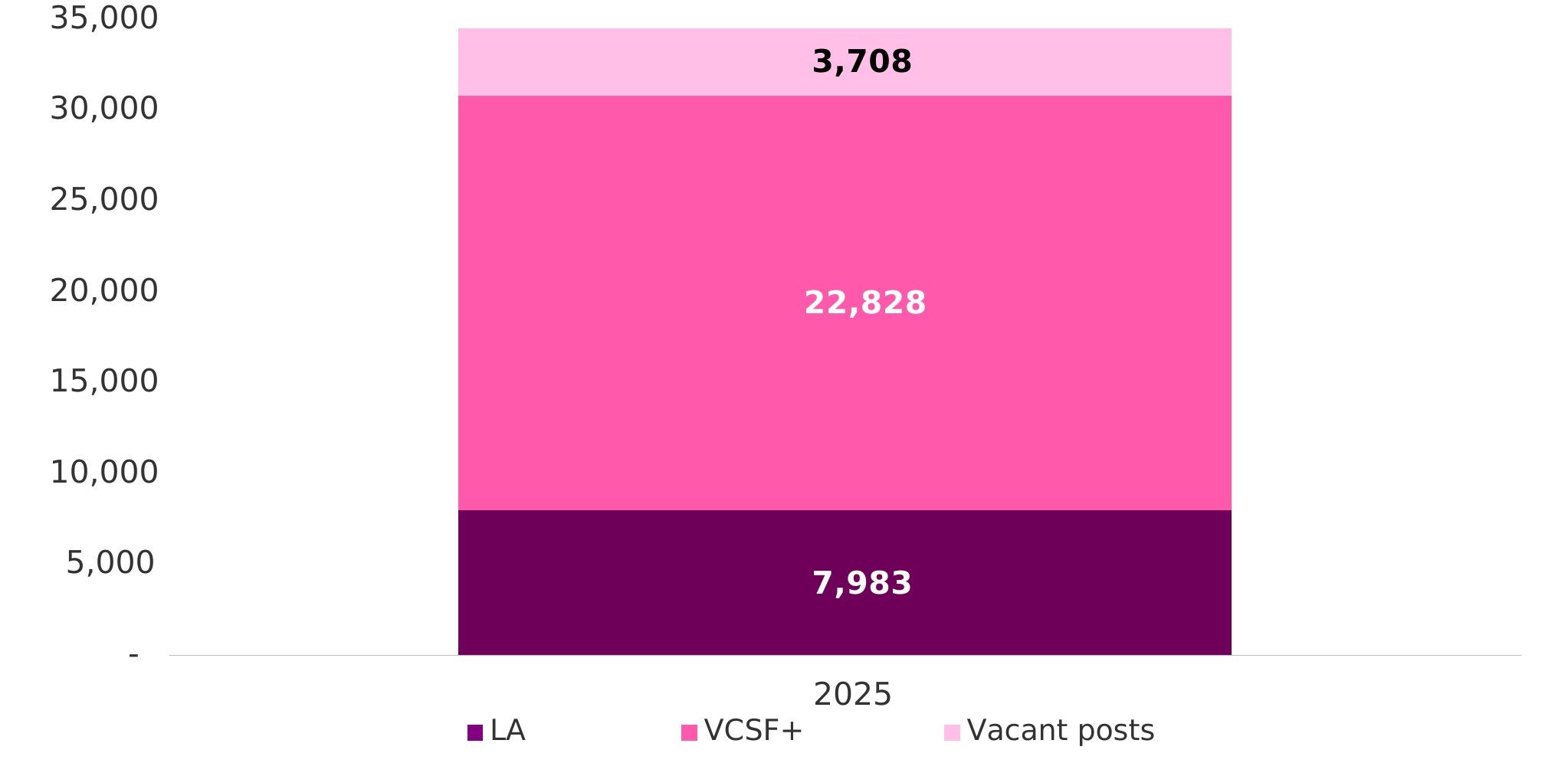
In 2025 there are an estimated 30,811 Full Time Equivalent (FTE) roles within the homelessness sector. Of these, 7,983 are estimated to be held within local authority homelessness services, and 22,828 are estimated to be within the VCSF+. In addition to this, there were an estimated 3,708 vacant posts, taking the total estimated size of the homelessness workforce to 34,519 posts. Some vacant posts may be covered by bank or agency staff and the impact of this is covered later in this report.
Figure 3: Estimated number of homelessness sector posts in England, 2025
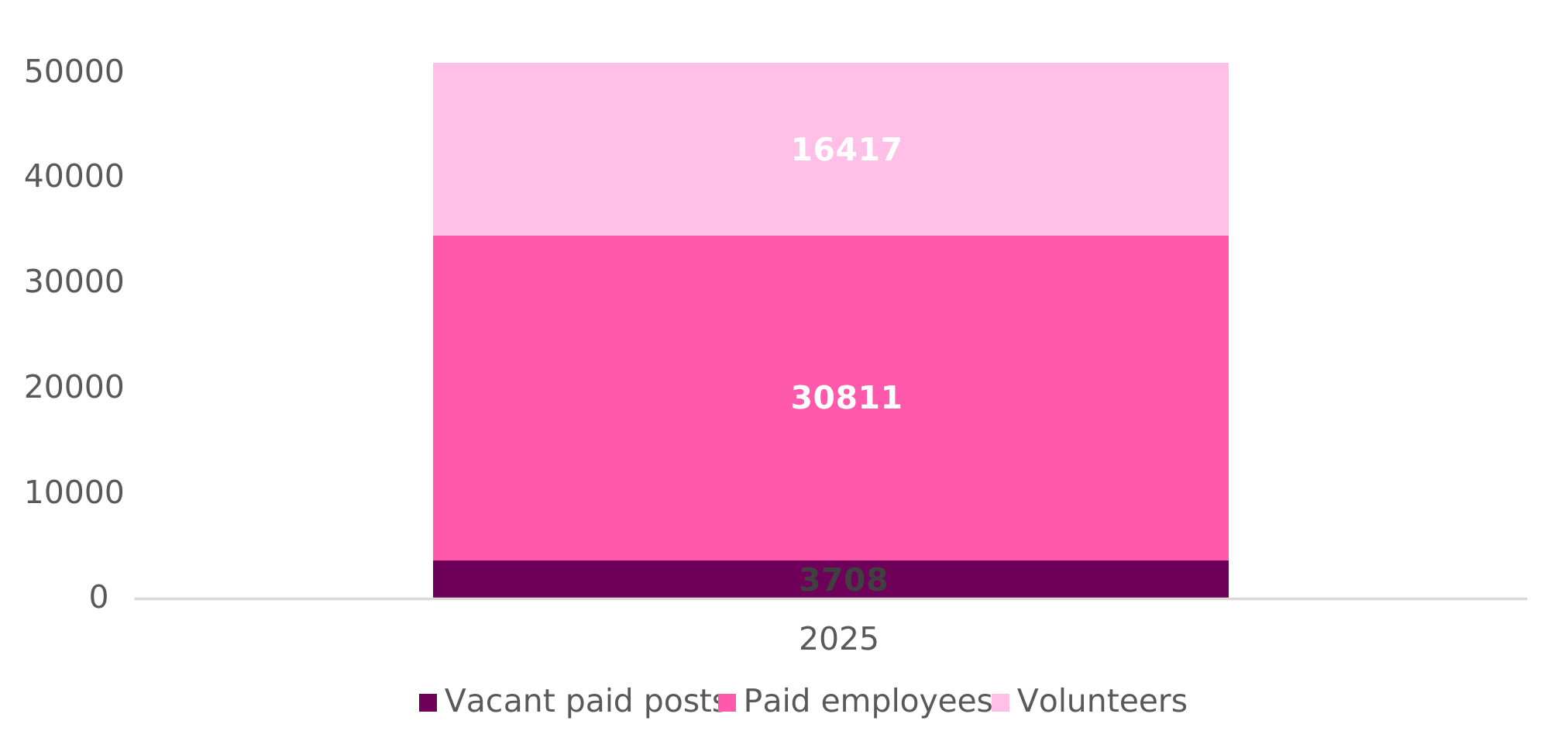
Add to these figures, there are an estimated 16,417 volunteers working within the homelessness sector, comprising nearly a third of the overall workforce (32%). This takes the overall estimate of the homelessness workforce to 50,937.[footnote 9]
Figure 4: Estimated number of paid and volunteer roles within the homelessness workforce in England, 2025
Vacancy rates
The estimated overall vacancy rate in the homelessness sector is 7%, although there is a difference between LAs (5%) and VCSF+ organisations (8%).
Vacancy rates in the homelessness sector are comparable to those seen across health and social care sectors, suggesting significant synergy between the two sectors and that considerations around recruitment and retention in these areas may translate across to the homelessness sector.[footnote 10]
Figure 5: Homelessness sector vacancy rates, in comparison with the wider economy
Source: Organisational surveys (LA and VCSF+)
It should be noted that vacancies are not spread equally across the sector. Table 3 sets out the number of vacancies held by organisation, presenting this spectrum of job vacancies.
Table 3: Number of open job roles for both LAs and VCSF+ organisations
| Local Authorities | VCSF+ | |
|---|---|---|
| 0 vacancies | 35% | 45% |
| 1 vacancy | 17% | 16% |
| 2 vacancies | 23% | 19% |
| 3 vacancies | 8% | 7% |
| 4+ vacancies | 25% | 13% |
Source: Organisational survey, Local Authorities, N=48; VCSF+, N=85.
The structure of the homelessness sector
The homelessness sector sits across different broader sectors and creates a complex mix of organisational types. This includes statutory and non-statutory services, with diversity within each of these broader categories.
Local authority statutory homelessness services make up an estimated 26% of the homelessness workforce. With Housing Associations, VCS services (including providers of night shelters, hostels, supported accommodation, day centres, and outreach services) and wider statutory provision (including dedicated NHS or Social Care posts) making up the remaining 74%. Due to the lack of comprehensive data across this latter group, it is not possible to make a meaningful estimation of the breakdown between these further subcategories.
The differences and similarities between different parts of the sector are explored through this report. It is however important to recognise when interpreting the data that these different organisations will represent different organisational cultures, remuneration opportunities and job security.
Roles within the homelessness sector
Data provided through the organisational survey allows us to understand what roles are carried out within the sector and at what scale; this is vital to growing our understanding of the composition homelessness workforce. Respondents to both the organisational and individual survey performed a wide range of jobs, with a high number of job descriptions. 40 commonly reported roles were identified through both the organisational and individual surveys. As part of the analytical process, broader categories were created to group roles together and allow a more coherent understanding of the sector. It is these broad categories which are presented throughout our analysis, a full breakdown of detailed roles and the overarching group they are assigned to is included in Table 4 below to demonstrate the diversity of core roles across the sector.
Table 4: Job role groupings
| Broader role categories | Roles of staff |
|---|---|
| Frontline workers | Criminal justice system worker |
| Frontline workers | Complex needs worker/ navigator |
| Frontline workers | Drug and alcohol worker |
| Frontline workers | Employment / training worker |
| Frontline workers | Frontline staff providing specialist, qualified support (e.g. nurse, clinical) |
| Frontline workers | Night support |
| Frontline workers | Outreach worker |
| Frontline workers | Peer worker |
| Frontline workers | Rough sleeping worker |
| Frontline workers | Support worker / floating support worker |
| Frontline workers | Supported housing worker |
| Frontline workers | Tenancy Sustainment officer |
| Frontline workers | Housing First |
| Frontline workers | Activities coordinator |
| Frontline workers | Lived experience coordinator |
| Housing advice and assessment | Housing Advice & Homelessness Assessment Officer |
| Housing advice and assessment | Housing Advice and Homelessness Triage Officer |
| Housing advice and assessment | Housing Allocations Officer |
| Housing advice and assessment | Housing Register Assessment Officer |
| Housing management and procurement | Housing management worker |
| Housing management and procurement | Housing Reviews Officer |
| Housing management and procurement | Private Rented Sector procurement & placement Officer (not TA) |
| Temporary accommodation workers | Temporary Accommodation (other) |
| Temporary accommodation workers | Temporary Accommodation Management Officer |
| Temporary accommodation workers | Temporary Accommodation Move-On/Resettlement Officer |
| Temporary accommodation workers | Temporary Accommodation Placement Officer |
| Team leaders and service managers | Operations Manager |
| Team leaders and service managers | Team leader / Deputy manager / Coordinator of frontline services |
| Team leaders and service managers | Team Leader/Manager |
| Senior leadership | Senior leadership team |
| Senior leadership | Senior Manager (defined as Directors, Assistant Directors & Heads of Service) |
| Senior leadership | Senior manager / Manager of frontline services |
| Corporate and central services | Commissioning |
| Corporate and central services | Corporate / central services manager (e.g. Admin, HR, finance, data and evaluation) |
| Corporate and central services | Corporate / central services worker |
| Corporate and central services | Housing Strategy & Policy Officer |
| Trustee | Trustee |
| Volunteer | Volunteer |
| Other | Apprentice |
| Other | Other |
| Other | Trainee |
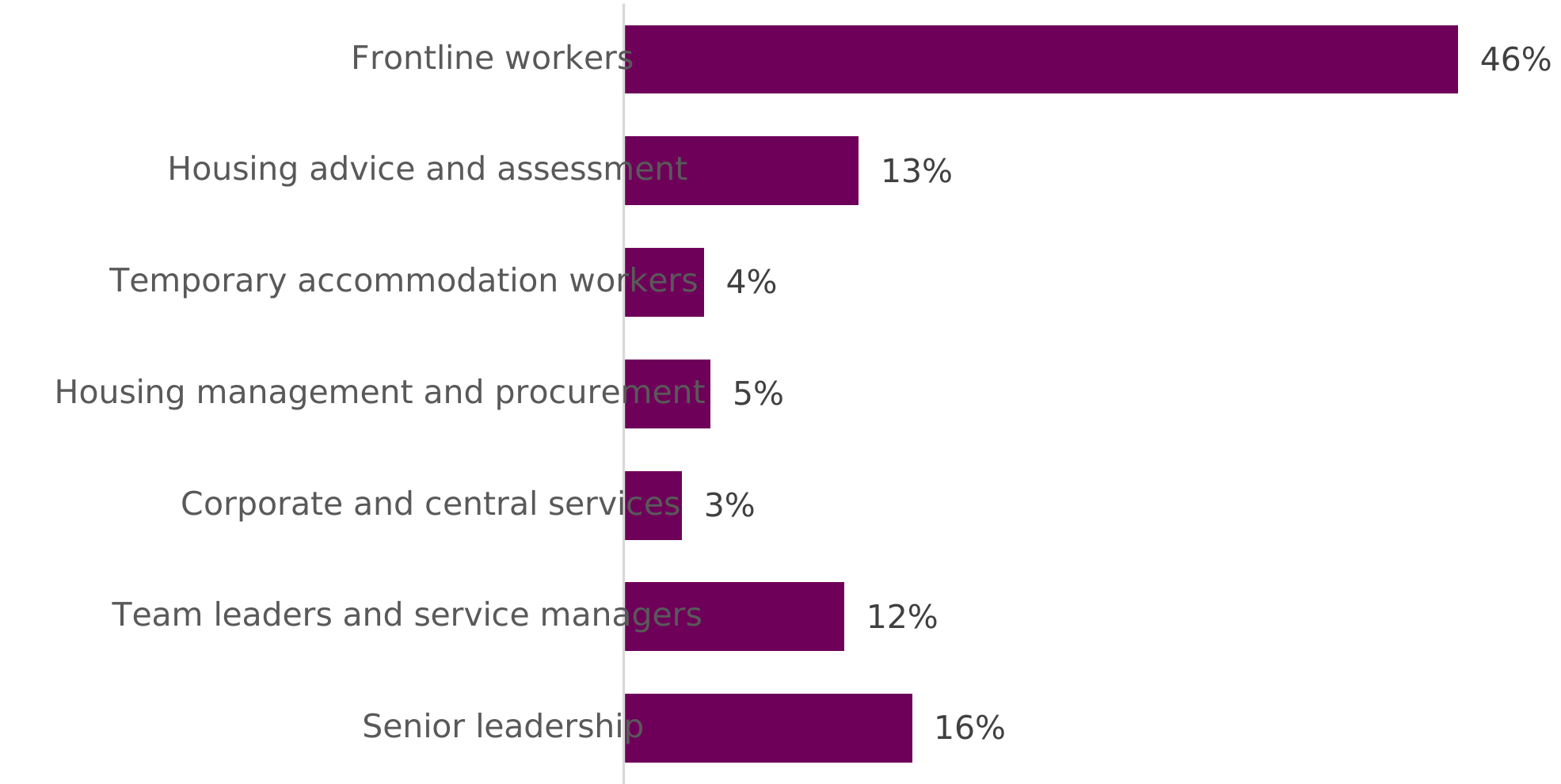
To capture the specificity of roles within local authority statutory homelessness services and the wider VCSF+ sector, two parallel job groupings were developed to cover both core parts of the sector. Figure 6 explores these roles as part of the overall workforce, before breaking this down by LA statutory homelessness services, and the wider VCSF+ workforce.
Figure 6: Percentage of roles within the homelessness sector
Source: Organisational Surveys, Local Authority and VCSF+ combined. Frontline workers, N=14233; Housing advice and assessment, N=4015; Temporary accommodation workers, N=1378; Housing management and procurement, N=1491; Corporate and central services, N=1002; Team leaders and senior managers, N=3770; Senior leadership, N=4922.
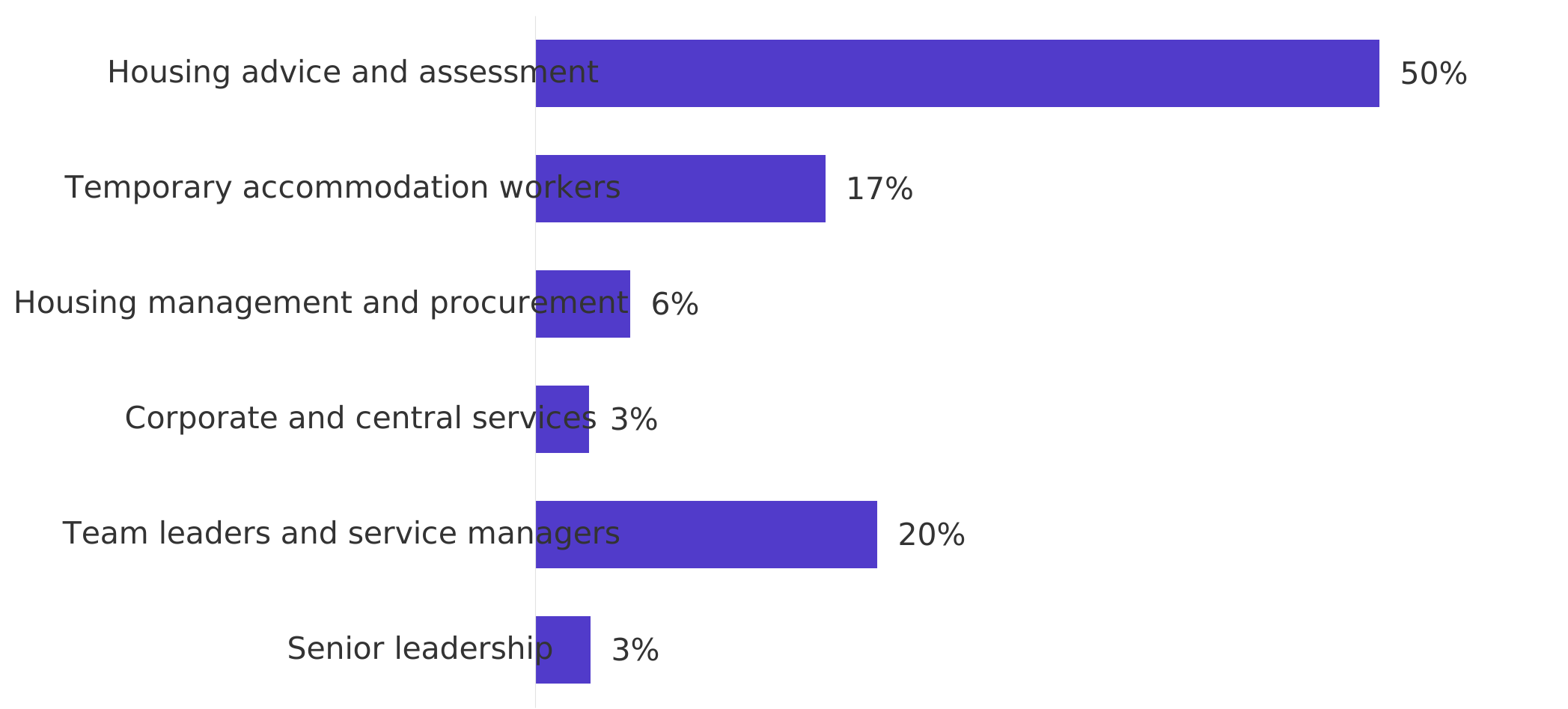
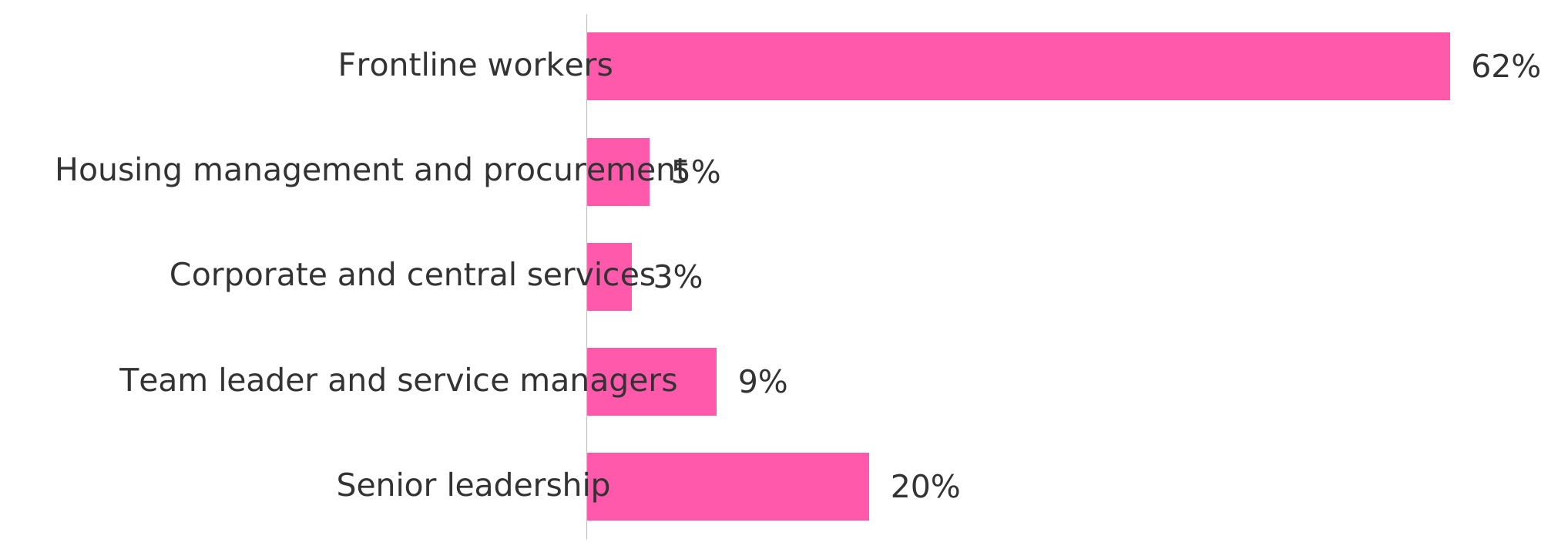
As Figure 7 sets out, the most common roles performed within the homelessness sector are frontline: whether within the VCSF+ workforce or within the LA statutory homelessness workforce.
It is interesting to note that there are slightly fewer team leaders and managers than senior leaders, suggesting an hourglass shaped workforce. This is heavily driven by the wider VCSF+ workforce aspect of the sector as set out in Figure 8 below.
Figure 7: Proportion of roles within Local Authority statutory homelessness services
Source: Organisational survey, Local Authority. Housing advice and assessment, N=4015; Temporary accommodation workers, N=1378; Housing management and procurement, N=450; Corporate and central services, N=255; Team leaders and service managers, N=1625; Senior leadership, N=261.
Figure 8: Proportion of roles within VCSF+ services
Source: Organisational survey, VCSF+. Frontline workers, N=14233; Housing management and procurement, N=1041; Corporate and central services, N=747; Team leader and service managers; N=2146; Senior leadership, N=4661.
It is important to note that a sizeable proportion of the VCSF+ workforce is comprised of volunteers who perform a wide range of roles, from office support through to direct frontline activity. Volunteers are also an important part of the sector governance through their roles as trustees. When we include volunteers and trustees, this has a substantial impact on the profile of roles within the sector, emphasising the risks inherent in the observed decline in volunteering within the sector.
Figure 9: Role profile of the homelessness sector including volunteers
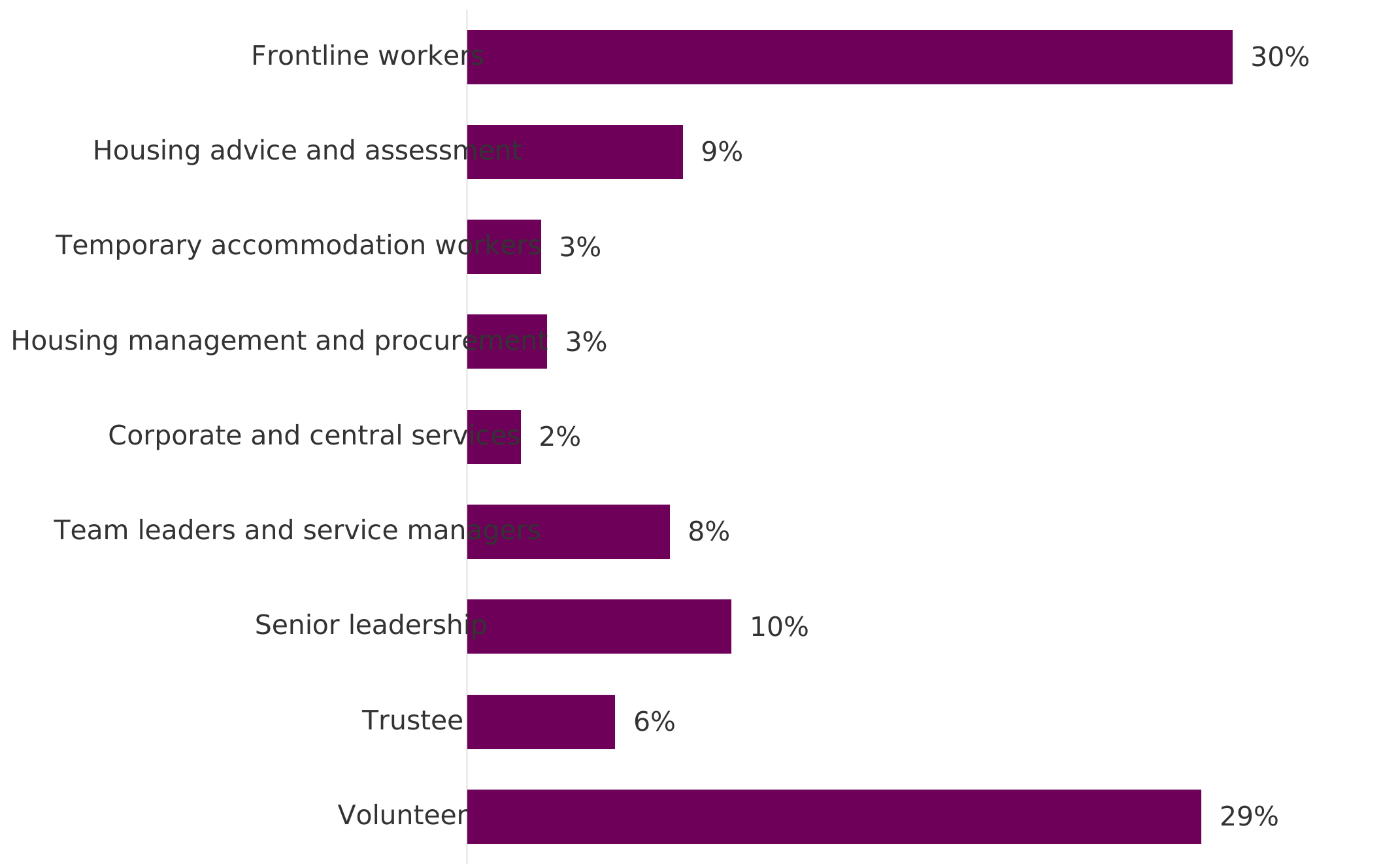
Source: Organisational Surveys, Local Authority and VCSF+ combined. Frontline workers, N=14233; Housing advice and assessment, N=4015; Temporary accommodation workers, N=1378; Housing management and procurement, N=1491; Corporate and central services, N=1002; Team leaders and senior managers, N=3770; Senior leadership, N=4922; Trustee, N=2759; Volunteer, N=13658.
Chapter 4 provides an exploration of the demographic breakdown of the homelessness sector through the lens of these roles.
Salaries
Organisations were asked to provide the salary or salary range paid for different roles. This data was provided as a mixture of banded and fixed salaries. To enable comparison, data was converted to salary ranges, with averages of the midpoint of these salary ranges calculated and presented in Figure 10 below.
Figure 10: Average salary per role, VCSF+ and Local Authority
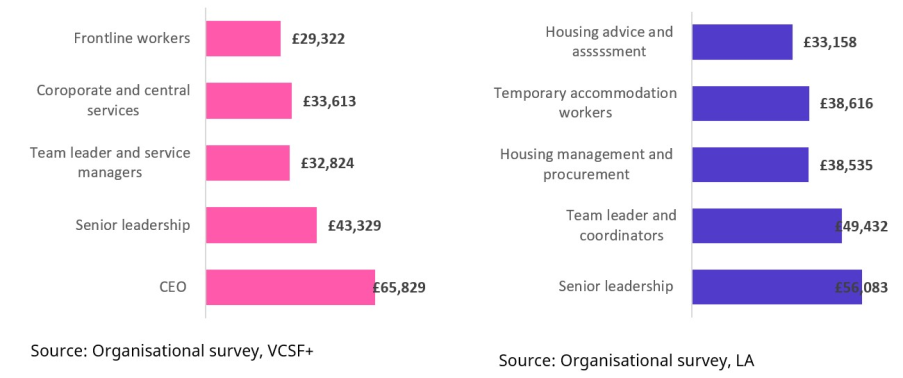
Whilst there is some differentiation of roles within job types between the VCSF+ and LAs, this data demonstrates that the VCSF+ workforce is generally paid at a lower rate than those working within local authorities. Among the VCSF+, frontline workers earned around £29,000, whilst those in senior leadership roles earned £43,000, and Chief Executive/ Directors an average of £65,000. By comparison, among local authorities, housing advice and assessment roles earned £33,000 on average, whilst team leaders earned £49,000 and the average earnings of those in senior leadership positions was £56,000.
For both VCSF+ and LA frontline workers, the average salary is well below the UK median salary of £37,430. For the average VCSF+ frontline worker, their salary is likely to be closer to the National Living Wage (NLW) than it is the median salary. This shows how exposed the sector is to rises in the NLW, as the threshold at which significant numbers of the sector workforce will be caught within rising NLW rates increases.
In addition to the data reported in organisational surveys, data from Homeless Link’s Jobs Board was analysed to triangulate salary findings within VCS organisations. Our analysis finds that salaries here are slightly lower than reported by organisations for senior jobs, with Director/CEO jobs paid around £55,000 and senior manager roles paid at £43,000. It is worth noting that the Jobs Board is used more widely for frontline than senior roles, and so this data should be interpreted with caution. For frontline staff, the Jobs Board salary analysis aligns with that reported in the VCSF+ survey, with these roles averaging around £28,000.
Figure 11: Average salary per role type advertised on Homeless Link Jobs Board
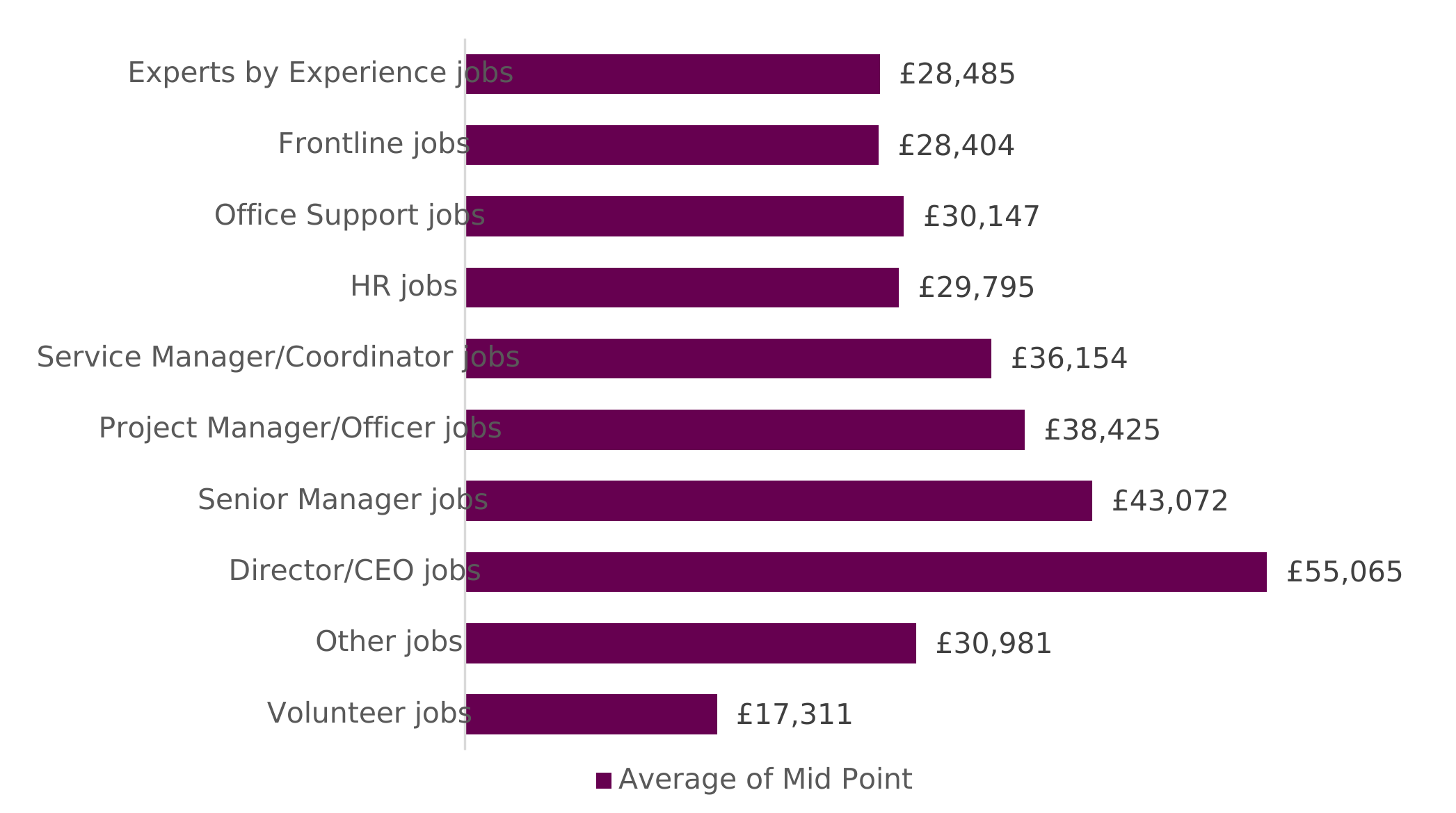
Source: Homeless Link Jobs Board advertised roles September 2024-August 2025. N=830 jobs advertised – note jobs could be advertised under multiple categories
Within these average salaries sit some significant variation and ranges particularly when looked at regional. The following breakdowns looks at the two most substantive roles within the sector: VCSF+ frontline workers, and LA Housing Advice and Assessment workers. The average top salary in London for a Housing Advice and Assessment worker is £41,843, whereas in the North East the equivalent top salary is £30,924. Within the VCSF+ the average top frontline salary in London is £34,571, whereas the North East equivalent top salary is £27,759. Tables 5 and 6 below set out the average salary range broken down by region for both roles. Across the regional breakdowns we see higher salaries in general for London and the South East, with the North East and Yorkshire and the Humber at the lower end of the scale. The full breakdown for all roles can be found in the supplementary materials.
Table 5: Average salary range by region, VCSF+ frontline workers
| Region | Low | Mid | High |
|---|---|---|---|
| East Midlands | £26,079.00 | £27,987.28 | £29,895.56 |
| East of England | £26,142.86 | £28,107.14 | £30,071.43 |
| London | £29,641.53 | £32,106.47 | £34,571.42 |
| North East | £24,472.67 | £26,115.83 | £27,759.00 |
| North West | £27,240.05 | £29,300.53 | £31,361.00 |
| South East | £26,606.69 | £28,696.08 | £30,785.46 |
| South West | £29,039.44 | £30,771.17 | £32,502.89 |
| West Midlands | £25,500.00 | £26,750.00 | £28,000.00 |
| Yorkshire and the Humber | £26,105.50 | £27,143.13 | £28,180.75 |
| Average | £27,345.13 | £29,322.47 | £31,299.81 |
Source: Organisational survey, VCSF+
Table 6: Average salary range by region, LA Housing Advice and Assessment officer
| Region | Low | Mid | High |
|---|---|---|---|
| East Midlands | £29,044.38 | £30,280.81 | £31,517.25 |
| East of England | £30,567.56 | £32,143.78 | £33,720.00 |
| London | £39,481.33 | £40,662.17 | £41,843.00 |
| North East | £28,494.00 | £29,709.33 | £30,924.67 |
| North West | £30,423.67 | £34,129.00 | £37,834.33 |
| South East | £30,063.02 | £33,046.19 | £35,877.60 |
| South West | £30,863.70 | £32,299.60 | £33,735.50 |
| West Midlands* | - | - | - |
| Yorkshire and The Humber | £31,029.43 | £34,362.14 | £37,694.86 |
| Average | £30,751.71 | £33,158.39 | £35,500.54 |
Source: Organisational survey, LA *No data returned
Contract type
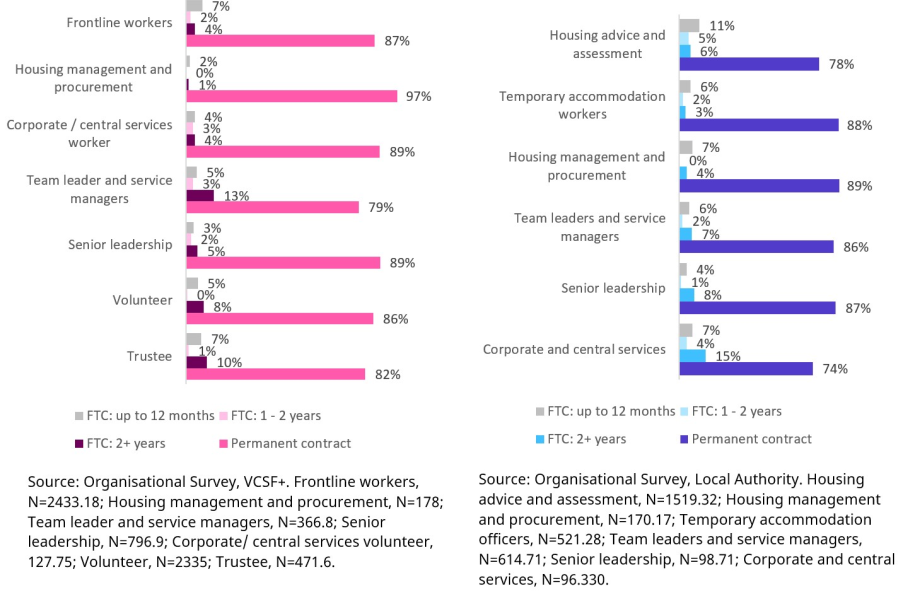
The types of contracts offered to staff within each role were reported through organisational surveys. Staff across all roles within local authorities and VCSF+ are very likely to hold permanent contracts. Looking across all roles, the group least likely to have a permanent contract is local authority staff holding corporate and central services roles (74%). The group with the highest proportion of people on permanent contracts is housing management and procurement staff within the VCSF+ (97%). Few staff across both the VCSF+ and LAs hold a contract of less than 1 year: 11% or less across all role groupings in both VCSF+, and local authorities. Although the majority of contracts offered across all roles were permanent, organisational challenges relating to use of fixed-term and short-term contracts was a key theme within focus group discussions, highlighting that, although small in number, the impact of short-term funding and short-term contracts can be high. This will be further explored in the next chapter.
Figure 12: Contract types by role
Organisational recruitment challenges
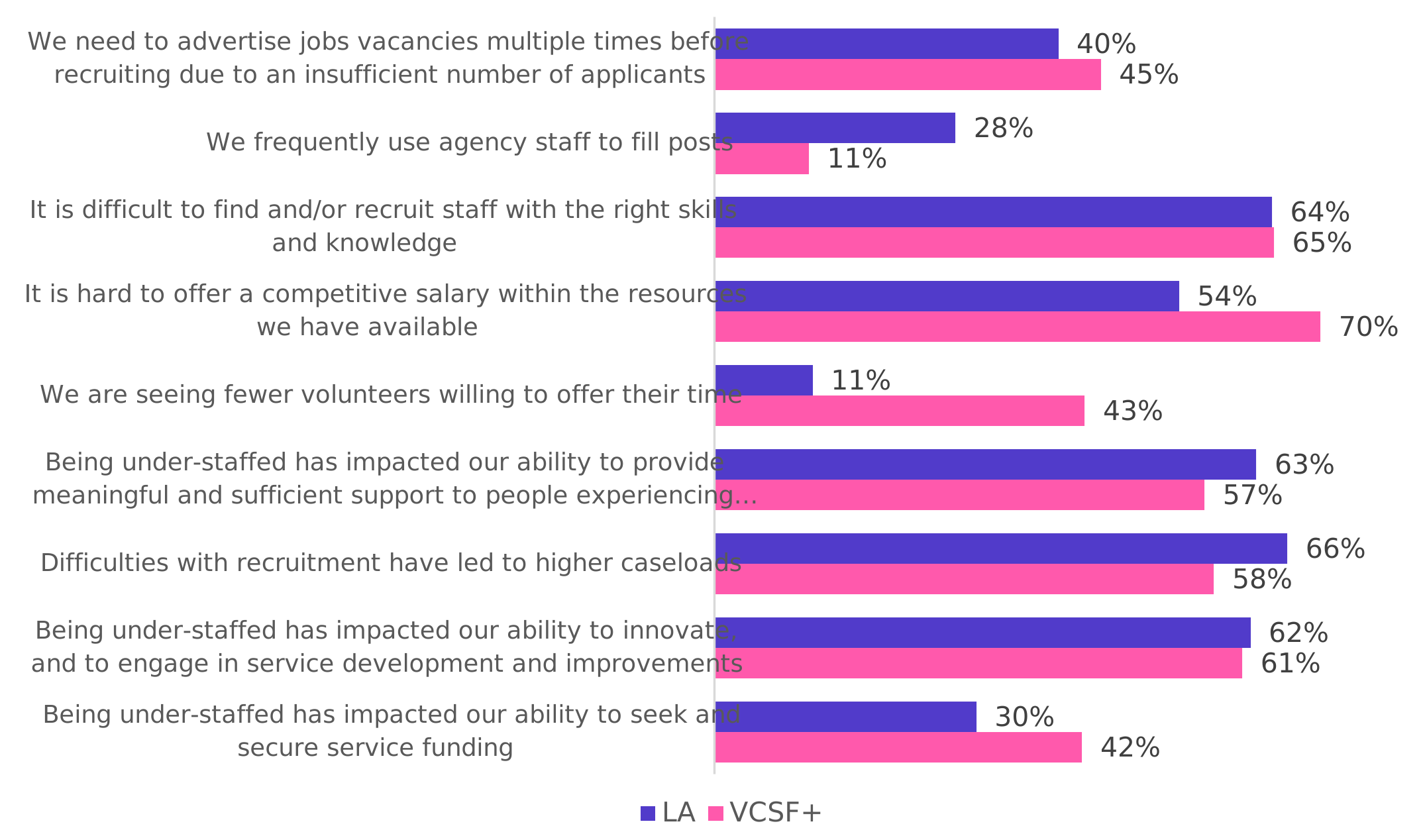
The recruitment challenges faced by organisations were collated via organisational surveys and shared during the focus group discussions attended by organisational representatives. Figure 13 below sets out the key recruitment challenges identified through surveys.
Figure 13: Organisational challenges in recruitment
Source: Organisational survey, LA and VCSF+ organisations.
Challenges in offering a competitive salary
70% of VCSF+ and 54% of LAs reported that it is hard to offer a competitive salary within the resources they have available.
This challenge was discussed in organisational level focus groups, which found a general sentiment that the challenge of offering competitive pay is tied to the wider cost of living crisis, local rental markets (particularly in more expensive cities like London and across the South East), and the lack of funding for certain roles, particularly entry level jobs.
Closely tied to salary, organisations also felt that the way funding is allocated, which impacts the type of contracts organisations can offer, creates recruitment challenges. Participants agreed that fixed-term and short-term contracts make it challenging to recruit the best people, while permanent contracts which provide job security and stability and are more desirable to applicants.
“Attracting people for, you know, initially a 12-month contract is a challenge […] No one’s guaranteed a job, but let’s have some certainty. You know that we’ll get the best people if we can.” Representative from Local Authority
Organisational leaders agreed that offering permanent contracts attracts stronger applicants and people who are more values-driven and more committed. As a response to this, some participants advertised jobs as permanent even if they had limited funding (e.g. 2 years), with the intention of finding future funding elsewhere.
Difficulties in recruiting staff with the right knowledge and skills
Within the organisational survey, 65% of VCSF+ organisations and 63% of LAs reported that it is difficult to find and/or recruit staff with the right skills and knowledge (see Figure 13 above).
Focus group participants discussed that there is a smaller pool of applicants for more highly skilled frontline roles, and that this can make it challenging to hire well qualified staff for these roles:
“We run our own hostels for temporary accommodation and when we’re hiring for hostel officers, we ask for less skills and we get something like 45 applicants. Whereas when we’re asking for housing options applicants, they require a bit more skill and we only get maybe about 5 applicants.” Representative from Local Authority
Interestingly, participants reported that advertising senior roles, which tend to have fewer vacancies, can lead to a huge amount of competition and an overwhelming number of applicants. This also poses a challenge when it comes to recruitment.
Several focus group participants, particularly within VCSF+ organisations, spoke about using a more values-driven recruitment strategy. This seemed to align with the motivations of people coming into the sector, and was especially relevant for roles where interpersonal, communication, and softer skills are highly valued and could be considered more difficult to learn in comparison to learning theories and acquiring knowledge.
“But it’s really about looking at what are the things that make the person, who will take on those skills and experience and deliver in the right way. Because we know that relationships are the tool for change, not necessarily the fact that most people do three years’ experience doing this, or two years’ experience doing that, and knowledge of housing law. You know they’re not as important [..]. We’ve got much better staff by following that process.” Representative from VCSF+ organisation
Focus group participants discussed using training and learning and development opportunities to address the challenge of finding people with the right skills and knowledge. This is further explored and discussed in Chapter 7.
Changing working practices and expectations
In focus groups attended by organisational representatives, there was significant discussion of how the COVID-19 pandemic influenced people’s working patterns, leading to preferences for working from home, or hybrid flexible working. Due to the nature of some roles, this served as a barrier to attracting applicants:
“We struggled to recruit for more junior roles because of the salaries that we offer [due to] rents in London. And generally, the more junior the role, the less easy it is to work from home. I have the luxury of working from home quite a bit in my role and then with more senior roles. We really struggled to get any applications in and now we’re overwhelmed.” Representative from VCSF+ organisation
One organisation discussed a successful strategy they had used to target local recruitment for in-person roles, and another shared about the importance of making job advertisements clear about the need for in-person roles vs remote roles.
It is notable that 43% of VCSF+ organisations stated that they are seeing fewer people wanting to volunteer their time. Given that volunteers make up nearly a third of the overall workforce, if this is an ongoing pattern it could have serious implications on the capacity of the sector to deliver the support and services required.
The impact of recruitment challenges
Recruitment challenges had a broad range of consequences, perhaps most notably in directly impacting on the quality of support being provided - and therefore a direct impact on people experiencing homelessness.
High caseloads and the ability to provide meaningful support
Recruitment challenges led directly to frontline staff holding increased caseloads, with 65% of LAs and 61% of VCSF+ organisations reporting that difficulties with recruitment have led to higher caseloads.
The negative impact of this was reported through the organisational surveys, where 63% of LAs and 57% VCSF+ organisations agree that being understaffed has impacted on the ability of staff to provide meaningful and sufficient support. We also discuss findings on how staff burnout relates to high caseloads later in this report. Evidence on ideal caseload size is sparse; a 2022 Homeless Link review found that caseload sizes of between 7-15 people were recommended within specified models of case management such as Clinical Case Management and Intensive Case Management.[footnote 11] However, whilst some homelessness support providers will be using internationally recognised case management models, many others will be providing support within a less structured framework with caseloads generally expected to decrease as the intensity of support increases.
The pressure created by higher workloads impacts on the capacity of the sector to innovate, to respond to changing environments, and to invest in service development and improvements; with 62% of LAs and 61% of VCSF+ reporting challenges here. This is particularly notable in the context of substantial incoming regulation to the sector, which may demand of providers an investment in development and improvement that is not currently feasible.
Using agency staff to fill posts
28% of Local Authority and 11% of VCSF+ organisations use agency staff to fill posts (as seen in Figure 13 above). This practice is costly and particularly challenging for a workforce reliant on relationship building as a key part of the support offer.
The impact of agency staff was reported to be significant by focus group participants, who shared concerns about the motivation of agency staff and raised as an issue agency staff tending to be better paid, which negatively impacted on staff feeling unfairly paid.
4. Profile of the homelessness sector workforce
This chapter explores who works within the homelessness sector. We present demographic findings of the homelessness sector workforce and identify where different groups appear to be over- or under-represented. This chapter draws on findings from the individual staff survey, and both Local Authority (LA) and VCSF+ organisational surveys.
Key findings
- The homelessness workforce is predominantly female.
- The homelessness workforce is evenly split across four main age groups spanning ages 25-64, with a peak of those aged 45-54. Staff are younger within the VCSF+ (40% aged 18-35) and older in LAs (30% aged 55+).
- Frontline roles are unique in attracting people regardless of age and/or are especially able to retain staff as they age.
- 12% of the homelessness workforce have a reported disability compared to 24% of the working age population, suggesting an underrepresentation within the sector.
- Black / Black British people, and people from mixed or multiple ethnic backgrounds are three times as likely to be working in the homelessness sector compared to the 2021 UK census. People from White ethnic backgrounds are overrepresented in senior leadership roles (84%) and team leader and manager roles (83%).
- Based on the individual staff survey, 38% of staff have caring responsibilities for a child or children and/or adults. Based on organisational surveys, 42% of staff within LAs have caring responsibilities, compared to 35% of staff from VCSF+ organisations.
- A quarter of staff (25%) responding to the individual survey reported that they had lived experience of homelessness. Organisations report lower levels of lived experience within their workforce (0-10% (33% VCSF+; 70% LA), and 10-20% (23%; 15% LA), suggesting that this data is not always accurate at an organisational level.
Demographic profile of the homelessness sector
In this section we explore staff demographics, caring responsibilities and lived experience of homelessness, noting where there are differences between those working within local authorities and those working within the VCSF+. We find that across a number of areas there is greater diversity within staff working within the VCSF+ than within local authorities (LAs).
Gender and gender identity
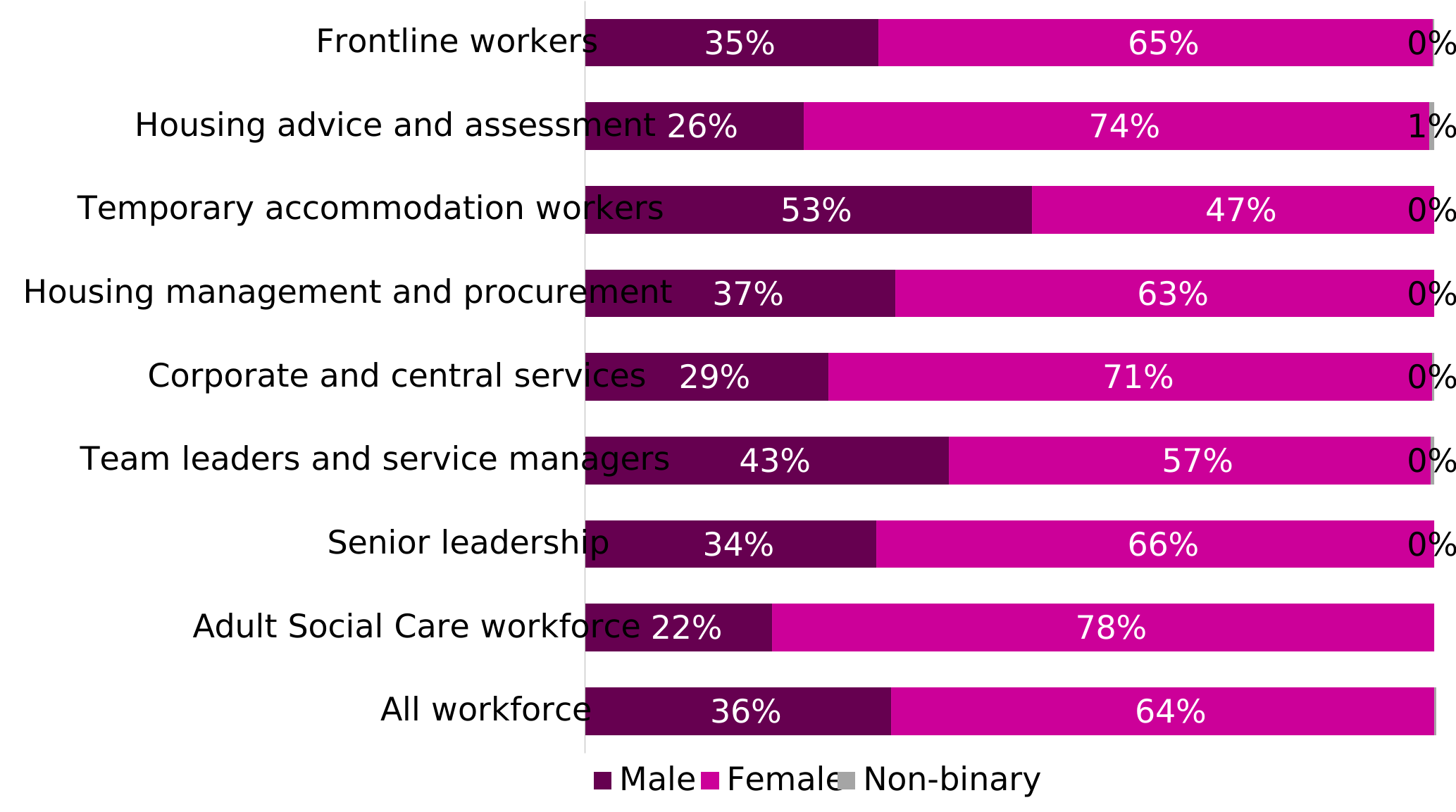
Across data sources, we see that the homelessness workforce is predominantly female. Organisational surveys were remarkably consistent in the reported gender balance of those working within homelessness, with local authorities reporting that staff are 65% female, 35% male, <1% non-binary and VCSF+ reporting that 64% of its workforce are female, 36% male and <1% non-binary. The proportion of female staff in the homelessness sector is slightly lower than within the adult social care workforce, where 78% of staff were female in 2025.[footnote 12]
The individual staff survey saw a higher proportion of responses from females, with 72% of respondents recording their gender as female, a quarter (26%) as male, 1% as non-binary and 2% of staff preferring not to disclose. Given that this survey was open to greater selection bias from participants, it is likely that the organisational survey gives a broadly accurate representation of the gender profile of the sector.
Across the organisational surveys, between 97% and 99% of the workforce, and 98% of staff from individual staff survey identified with the same sex they were assigned at birth.
Looking at the gender breakdown by role, most roles have significantly higher numbers of female than male staff, however, there are some differences. Organisational surveys showed more females in corporate and central services (71%) and housing advice and assessment (74%) roles, compared to frontline roles (65%). The most common role occupied by male staff, at 53% of men in the workforce, was temporary accommodation officers within LAs. Team leaders and service managers also show a disproportionate weighting towards men, with 41% of men in these roles compared to the overall average of 36%. It is interesting to note that this trend does not continue through to senior leadership roles.
Figure 14: Gender breakdown by role
Source: Organisational Survey, LA and VCSF+, Frontline workers, N=1517; Housing advice and assessment, N=793; Temporary accommodation workers, N=367; Housing management and procurement, N=197; Corporate and central services, N=409; Team leaders and service managers, N=614; Senior leadership, N=543
Further gender breakdown based on individual survey response can be found in the supplementary materials.
Sexual orientation
Data from organisational surveys shows that staff working in the VCSF+ report a greater diversity of sexual orientation than those working in local authorities. Whilst 94% of staff working in local authorities were heterosexual, this was the case for 87% of VCSF+ staff. Within the VCSF+, staff are more likely to identify their sexuality as gay/ lesbian (7% in VCSF+ vs 4% LA) and as bisexual (5% VCSF+ vs 2% LA), with 1% of those in the VCSF+ and 0% of those in LAs preferring to self-describe.
Age
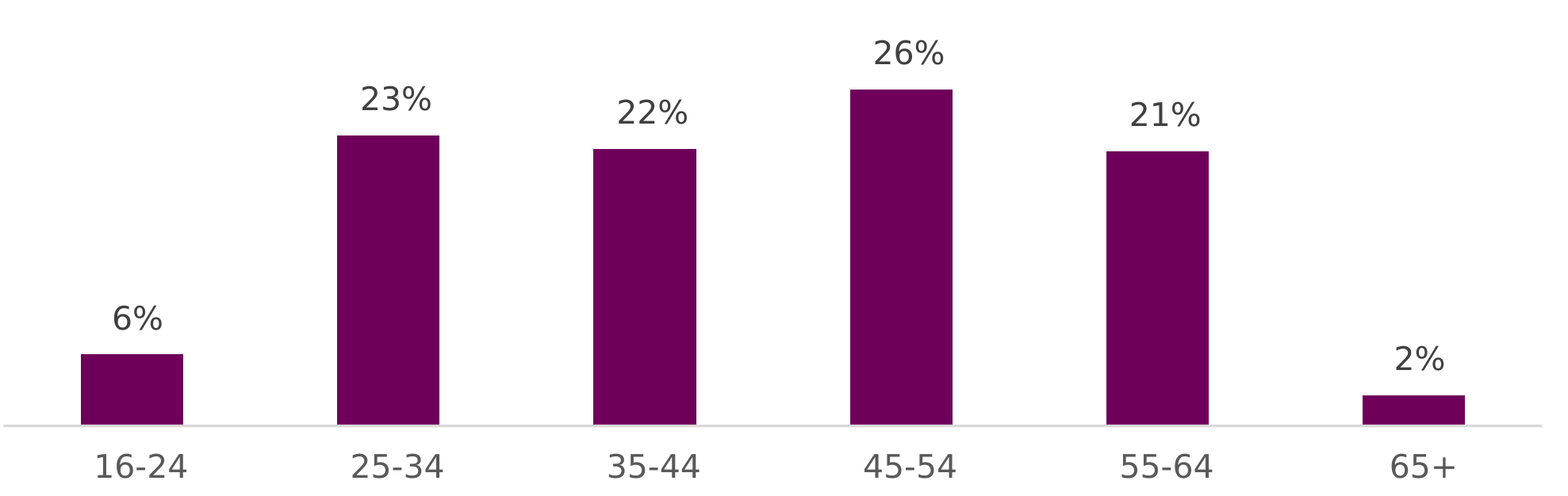
The homelessness workforce is fairly evenly split across four main age groups spanning ages 25-64, with a peak of those aged 45-54 and a smaller group of people working in homelessness earlier on in their working lives (6% who are 18–24-year-olds). Figure 15 presents this data in full. Comparing this to the age distribution of the adult social care workforce, the peak similarly falls between the age range of 25 – 54, and a small proportion of 7% who are under 25[footnote 13].
Figure 15: Age profile of the homelessness workforce
Source: Organisational surveys, LA & VCSF+ combined. 16-24, N=249 ; 25-34, N=1013 ; 35-44, N=968 ; 45-54, N=1174 ; 55-64, N=958 ; 65+, N=105.
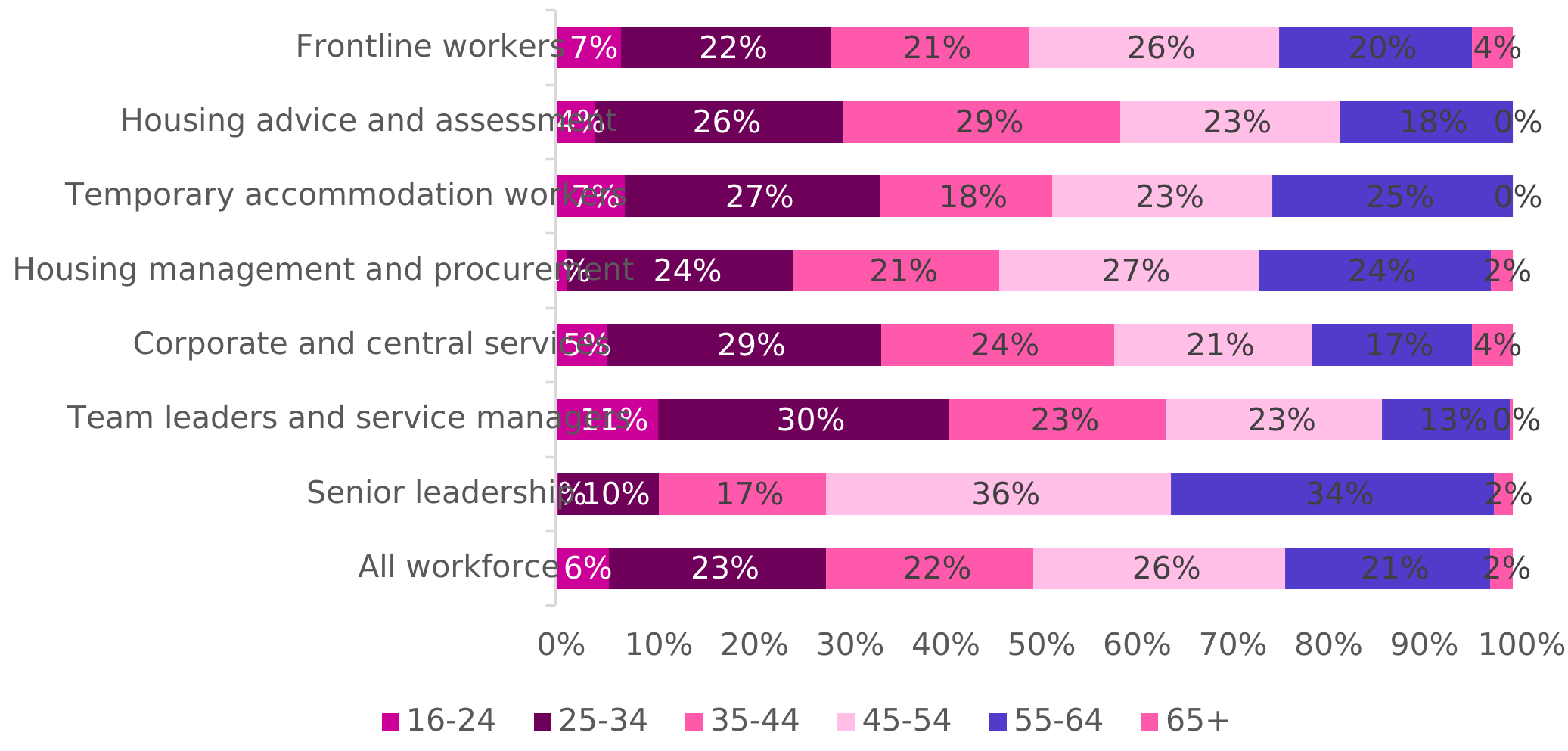
When we look at whether there is any association between role types and age, we see some consistent trends. For example, senior leadership roles are skewed towards those aged 45+ (overall 72%, and broken down for LA, 84%, and VCSF+, 71%). This is to be expected, as these roles require experienced workers who have likely spent longer working in the sector.
One key difference in the age profile of workers within LAs and the VCSF+ is in regard to the age of those doing corporate and central service roles. This skews younger in the VCSF+ (40% aged 18-35) and older in LAs (30% aged 55+). This may reflect the different nature of these roles across the organisations e.g. within the VCSF+ this might include communications and marketing roles, whereas in the LA this would likely sit within broader local authority services and not be unique to the homelessness element of the LA workforce.
Interestingly, the data suggests that frontline roles are unique in attracting people regardless of age and/or are especially able to retain staff as they age. Figure 16 below presents full data for this question from the individual staff survey. Full tables for the organisational LA and VCSF+ surveys and for individual survey response can be found in the supplementary materials.
Figure 16: Age breakdown by role
Source: Organisational surveys, LA & VCSF+ combined. Frontline workers, N=1614; Housing advice and assessment, N=604; Temporary accommodation workers, N=319; Housing management and procurement, N=177; Corporate and central services, N=353; Team leaders and service managers, N=638; Senior leadership, N=762; All workforce, N=4467.
Ethnicity
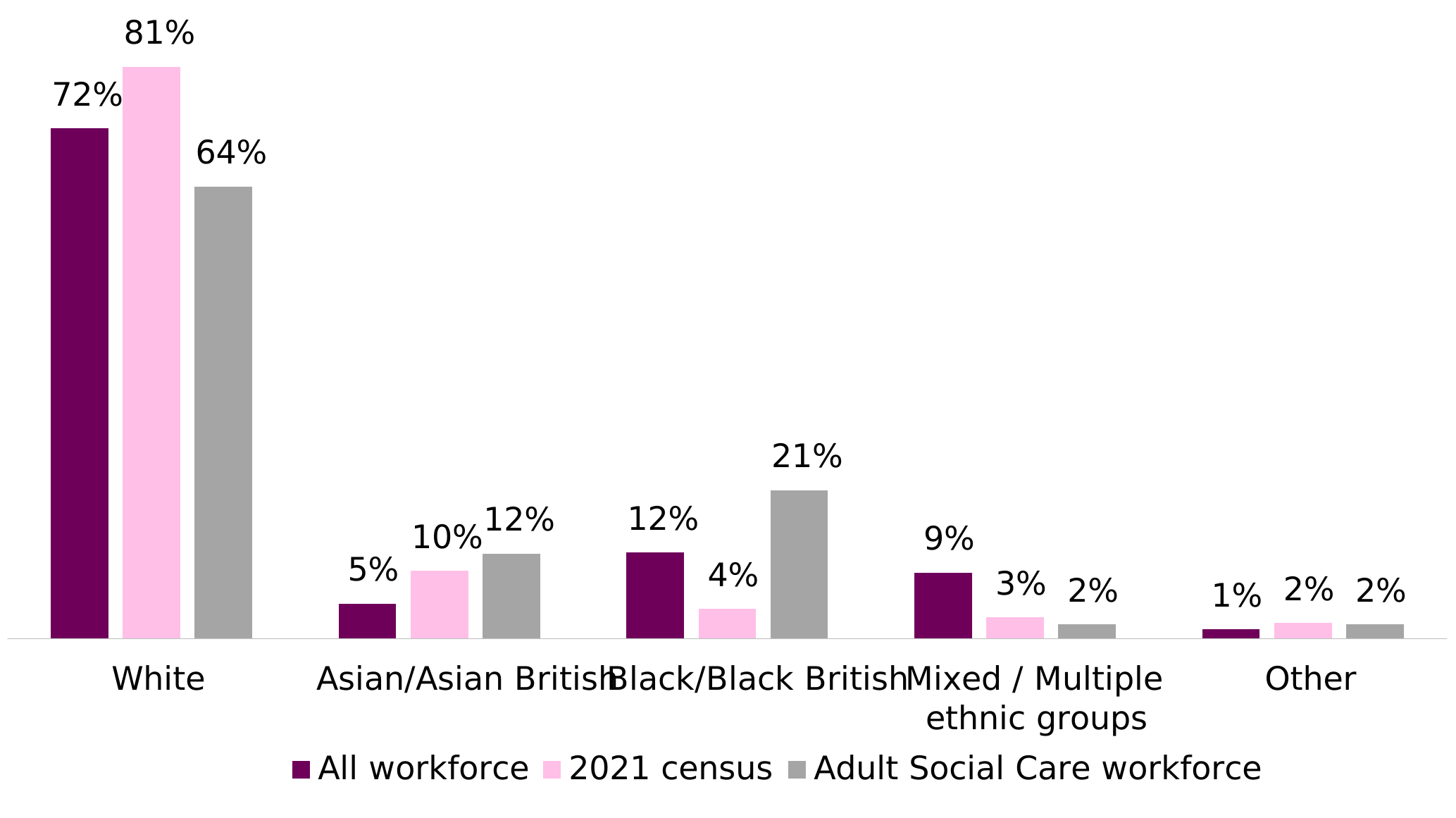
Data on the ethnicity of homelessness sector staff suggests that some demographics are overrepresented within the workforce, and some underrepresented, when compared to the general population as well as to the Adult Social Care workforce. In particular, Black/Black British people, and people from mixed or multiple ethnic backgrounds are three times as likely to be working in the homelessness sector compared to the general population as reflected in 2021 census. Conversely, there are fewer people from Black/ Black British ethnicities within the homelessness workforce than within the Adult Social Care workforce (12% compared to 21%). Organisational surveys suggest that Asian / Asian British people are under-represented within the homelessness sector (5%) compared to the general population (10%) and the Adult Social Care workforce (12%).
Figure 17: Ethnicity of staff within the homelessness workforce
Source: Organisational surveys, LA & VCSF+ combined, 2021 Census, and Adult Social Care workforce dataset.
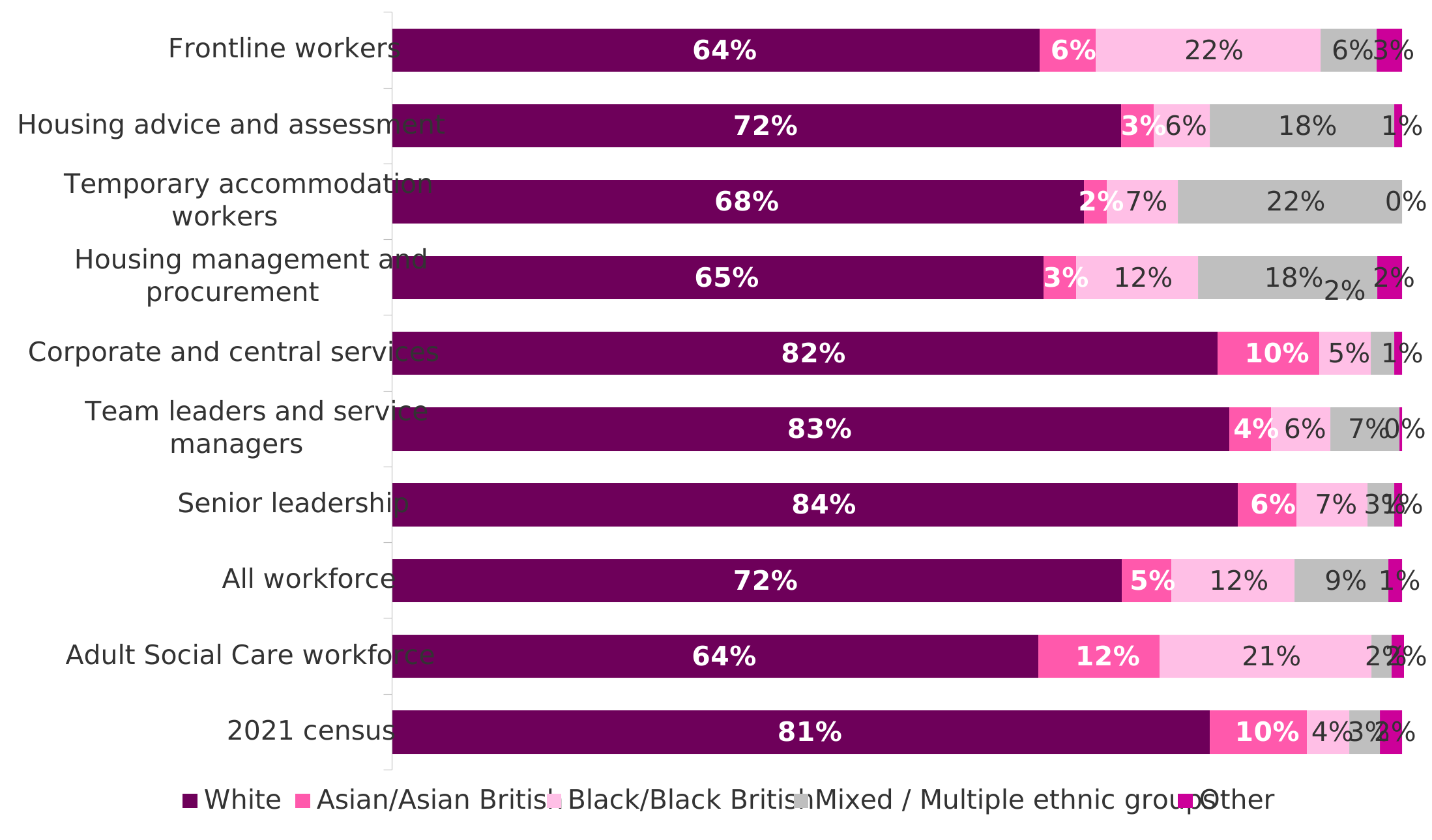
When looked at by role, we do observe some important trends. People from White ethnic backgrounds are overrepresented in senior leadership roles (84%) and team leader and manager roles (83%). Interestingly, Black/Black British staff within the homelessness sector hold senior leadership roles at rates comparable to that of the Adult Social Care dataset (7% vs 10% in Adult Social Care). Conversely, White staff members are underrepresented amongst frontline workers (64%), whilst Black/ Black British staff members are significantly overrepresented (22%). Figure 18 below sets out the full demographic breakdown by role type.
Figure 18: Ethnicity breakdown by role
Source: Organisational Survey, LA & VCSF+ combined, Adult Social Care workforce dataset, 2021 census. Frontline workers, N=1120; Housing advice and assessment, N=509; Temporary accommodation workers, N=311; Housing management and procurement, N=124; Corporate and central services, N=257; Team leaders and service managers, N=410; Senior leadership, N=382; All workforce, N=3112.
A further breakdown of this data by LA and VCSF+ services can be found in the supplementary materials.
Disability status
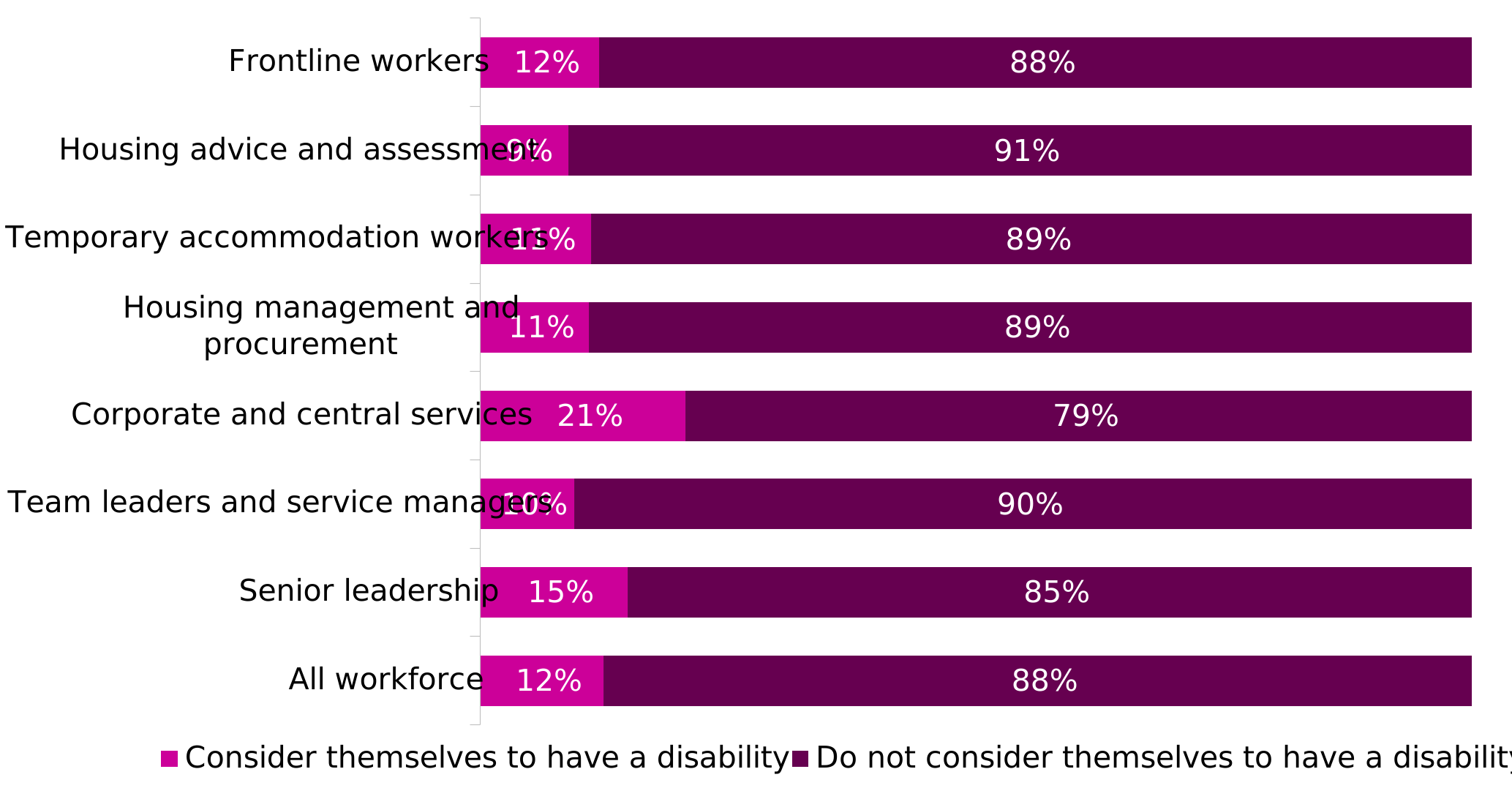
Organisational surveys found that 12% of staff in the homelessness workforce have a reported disability. 24% of the working age population have a reported disability, suggesting that this is an underrepresentation within the sector.[footnote 14] It should be noted that this information was provided by the employer, whilst within the individual survey, 18% of staff reported that they had a disability. This may indicate that organisations do not hold accurate, up-to-date data on whether those in their workforce have a disability. Whilst it will always be a personal decision whether or not to disclose this information, it is relevant if staff feel they are unable to disclose and consequently miss out on any adjustments or support that would benefit them. Our data suggests that there are a higher proportion of staff with disabilities in the homelessness workforce compared to the adult social care workforce, in which 3% of staff have a disability.[footnote 15] Figure 19 sets out reported disability by role.
Figure 19: Disability breakdown by role
Source: Organisational Survey, LA & VCSF+ combined. Frontline workers, N=929; Housing advice and assessment, N=347; Temporary accommodation workers, N=267; Housing management and procurement, N=109; Corporate and central services, N=236; Team leaders and service managers, N=304; Senior leadership, N=282; All workforce, N=2446.
When comparing LA statutory homelessness workforce and VCSF+ we do observe a difference, with 9% of the LA workforce reporting a disability compared to 14% of the VCSF+. Data on the differences between LA and VCSF+ can be found in the supplementary materials.
Caring responsibilities
Based on the individual staff survey, 38% of staff have caring responsibilities for a child or children and/or adults, 59% do not have any of these caring responsibilities, and 2% preferred not to say. 42% of staff from Local Authority have caring responsibilities, compared to 35% of staff from VCS organisations.
Lived experience of homelessness
In the individual staff survey, a quarter of staff (25%) reported that they have lived experience of homelessness, while 4% preferred not to say.
In the organisational VCSF+ and LA surveys, data was banded according to the percentage of each organisation’s workforce with lived experience. We found that it was most common for organisations to report that 0-10% of their workforce have lived experience of homelessness (33% VCSF+; 70% LA), followed by 10-20% (23%; 15% LA). Full data from this question can be found in the supplementary materials for this paper. It is noted that there is a discrepancy in the lived experience figures from the individual staff survey compared to the organisational surveys, and this likely represents an underreporting at the organisational level due to lack of data capture of staff choosing not to disclose.
Within individual survey respondents, staff who reported lived experience of homelessness were most likely to hold frontline roles (28%). This is followed by team leaders and service managers (20%), senior leaders (20%), and housing advice and assessment workers (19%). Further discussion on recruitment opportunities for people with lived experience of homelessness is discussed in Chapter 5. Individual staff survey data for volunteers and trustees should be interpreted with caution, as surveys did not have wide reach within volunteers and trustees.
Table 7: Proportion of staff with lived experience of homelessness by roles
| Roles | % of lived experience (total) | % of lived experience in Local Authority | % of lived experience in VCS organisations |
|---|---|---|---|
| Frontline workers | 28% | 11% | 37% |
| Team leaders and service managers | 20% | 29% | 15% |
| Senior leadership | 20% | 4% | 31% |
| Housing advice and assessment | 19% | 35% | NA |
| Corporate and central services | 4% | 4% | 11% |
| Temporary accommodation workers | 4% | 9% | NA |
| Other | 3% | 5% | 3% |
| Housing management and procurement | 1% | 4% | 2% |
| Volunteer | 1% | 0% | 1% |
| Trustee | 0% | 0% | 1% |
Source: Individual staff survey. N=440
5. Routes into the homelessness sector
This chapter outlines how staff arrived at their current role within the homelessness sector. It explores the routes into employment, qualifications held, and the reasons that staff were drawn to the sector. Data is drawn from the individual staff survey and from organisational LA and VCSF+ surveys.
Key findings
- 65% of individual staff survey respondents applied for their current role via the open job market. The second most common route into current roles was via volunteering (10%), demonstrating the importance of volunteer development to the sector.
- The majority of individual staff survey respondents had worked in another job within the sector, and more than a third of staff (39%) had previously been support workers. Of those who had been support workers, 32% were currently working as frontline workers, 23% were currently team leaders and service managers, and 22% held senior leadership roles.
- 30% of staff had previously worked in the health and social care sector. There are no dominant sectors within which staff had worked outside of this, suggesting that staff come from diverse professional backgrounds and sectors.
- 62% of individual staff survey respondents held a qualification at Level 4 or above. This includes 55% of frontline workers and 56% of housing advice and assessment workers. A higher proportion of staff in more senior positions, and in corporate and central services, held Level 4 qualifications: 76% of senior leaders, 64% of team leaders and service managers, and 79% of corporate and central services staff.
- The homelessness workforce is highly values driven, with 80% of staff survey respondents reported they joined the sector to make a positive difference in the lives of others. 45% of respondents wanted to change the system to improve the lives of others, and 42% wanted to work somewhere that aligned with their values.
Staff employment and education history
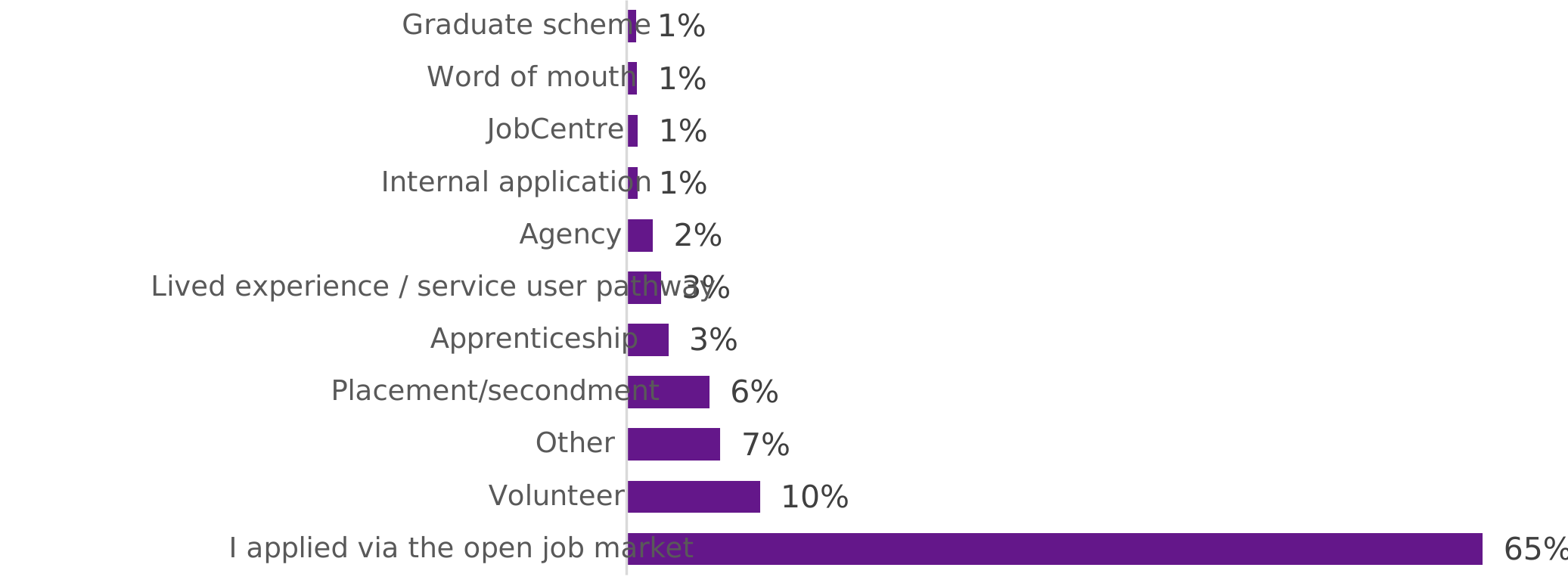
All respondents to the individual staff survey were asked how they had found their current job. The majority of staff, at almost two-thirds (65%), applied for their current role via the open job market. Interestingly, the second most common route into current roles was via volunteering (10%), demonstrating the importance of volunteer development to the homelessness sector. Full findings from this question are presented in Figure 20 below. Further figures split for Local Authority and VCS organisations can be found in the supplementary materials for this research.
Figure 20: Route into current roles
Source: Individual staff survey. N=1761
Staff were asked whether they had worked in a homelessness sector role prior to their current job. Findings show that more than half of respondents had worked in another job within the homelessness sector, and more than a third of staff (39%) had previously been support workers. The full findings of this question are presented in Figure 21 below. It is interesting to note that of those who were previously support workers, almost a third (32%) are currently working as frontline workers, 23% are currently team leaders and service managers, and 22% currently hold senior leadership roles. Further split for those in Local Authority and VCS organisations can be found in the supplementary materials for this research.
Figure 21: Roles staff were working in previously
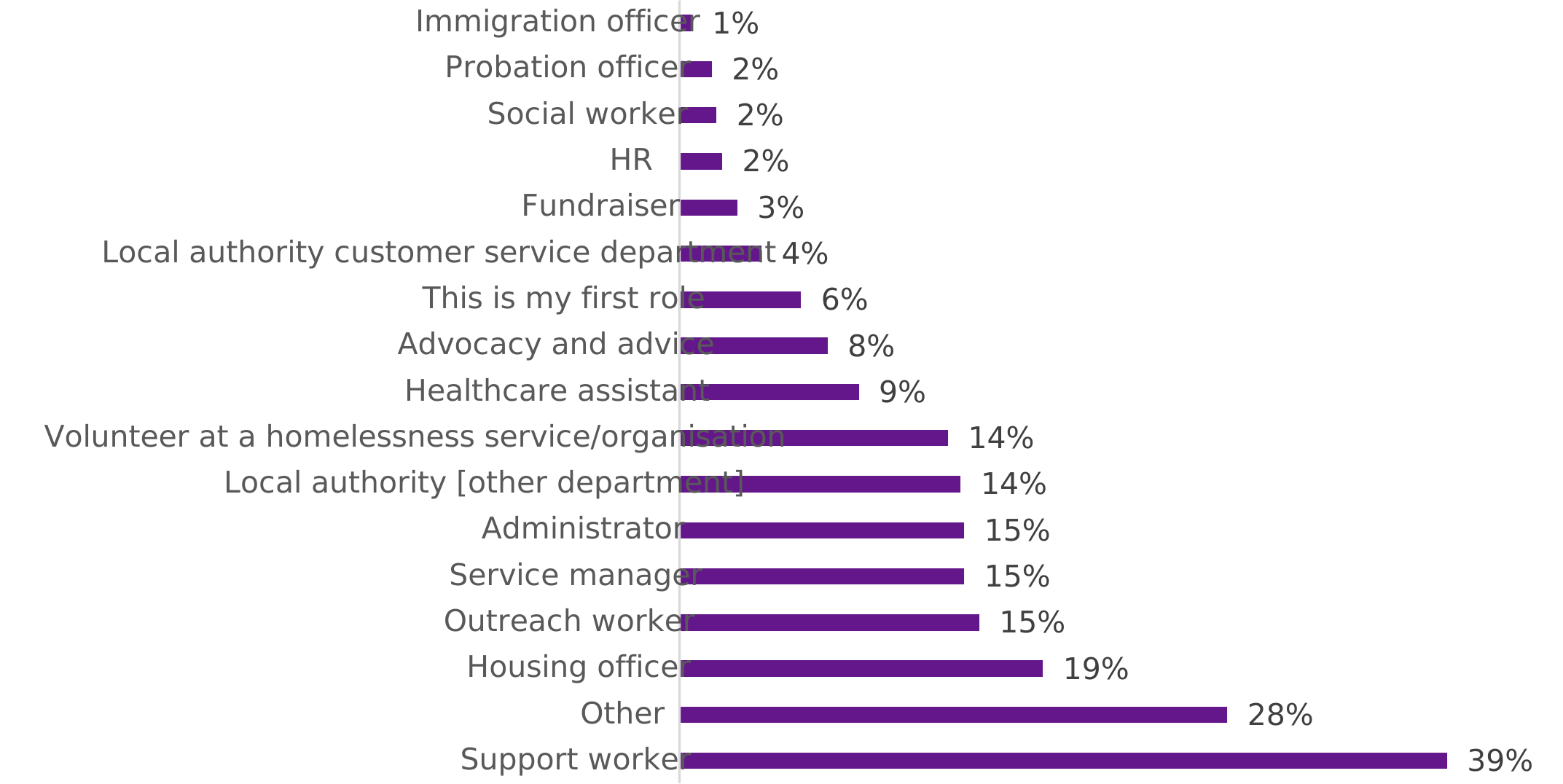
Source: Individual staff survey. N=3327
As well as any homelessness sector jobs previously held, respondents were also asked within which sectors they had previously worked. Findings show that 30% of staff had previously worked within health and social care. Interestingly, outside of health and social care there are no dominant sectors within which staff had worked, suggesting that staff come from diverse professional backgrounds and sectors. Whilst on the one hand this means people are likely bringing with them a range of skills, knowledge and expertise, this may suggest a lack of defined routes into the homelessness sector. The full findings for this question are presented in Figure 22 below. ‘Other’ included civil service, the arts, construction, retail, charity and many others. Further splits for those in Local Authority and VCS organisations can be found in the supplementary materials.
Figure 22: Sectors staff were working in previously
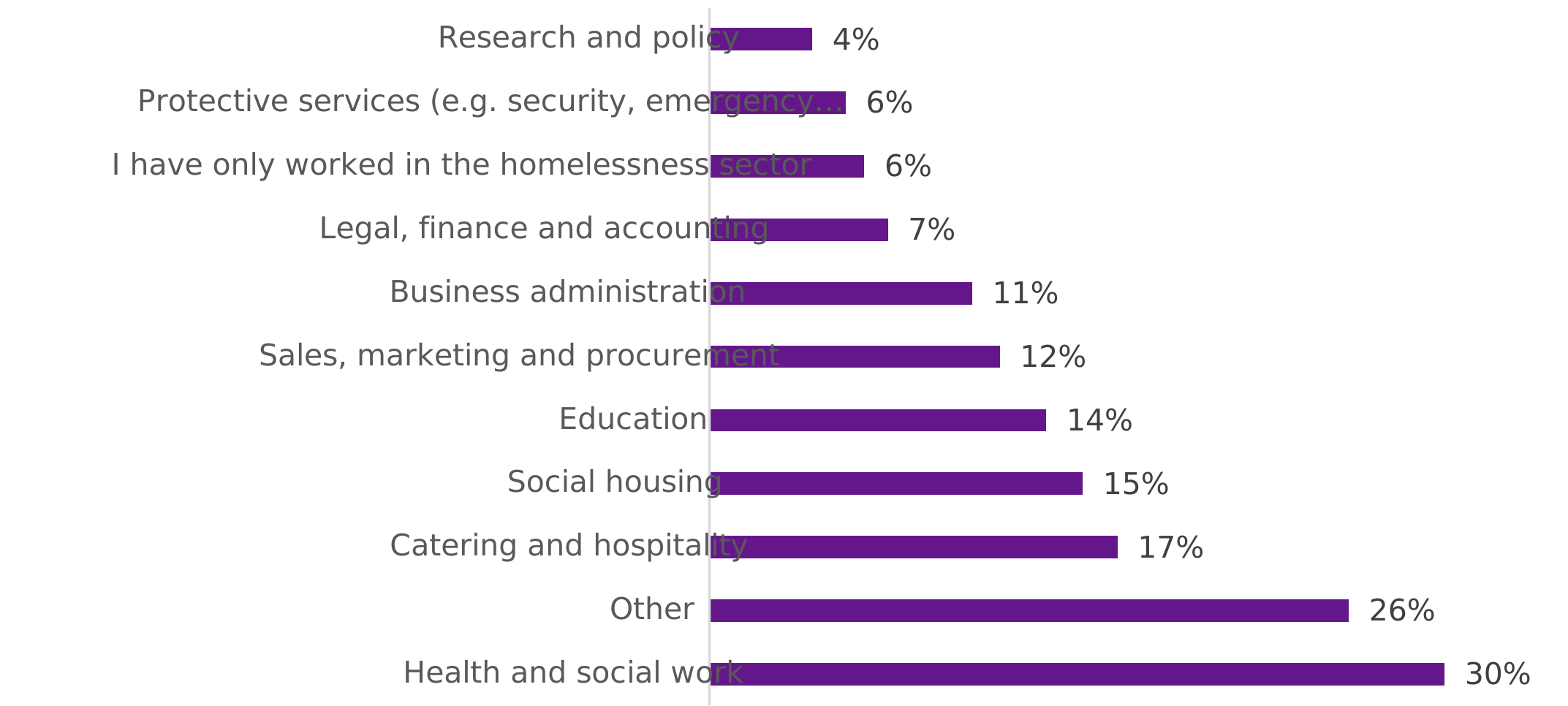
Source: Individual staff survey. N=2551
Respondents were asked to report their highest qualification to help understand the educational and training profile of the workforce. The majority of respondents, at 62%, hold a Level 4 qualification or above. Only 1% of respondents reported having no qualifications at all. The full educational breakdown can be seen in Figure 23 below.
Figure 23: Highest educational qualification across the homelessness workforce[footnote 16]
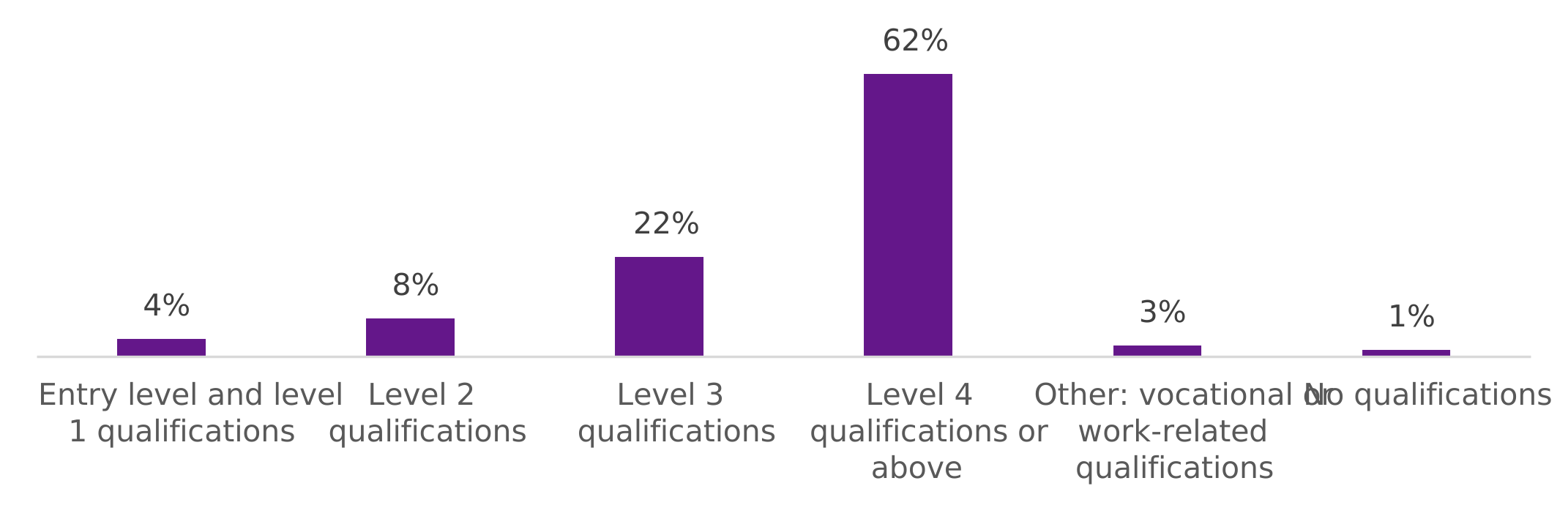
Source: Individual staff survey. N=1794.
When we look at how this data relates to the roles that people hold, at least half of staff in a majority of roles hold a level 4 qualification, including frontline workers (55%) and housing advice and assessment workers (56%). A higher proportion of staff in more senior positions have level 4 qualifications: 76% of senior leaders, and 64% of team leaders and service managers. Interestingly, 79% of corporate and central services staff hold a level 4 qualification, perhaps reflecting the educational expectations within recruitment of these roles. Full findings are presented in Figure 24 below.
Figure 24: Highest qualification of staff by roles
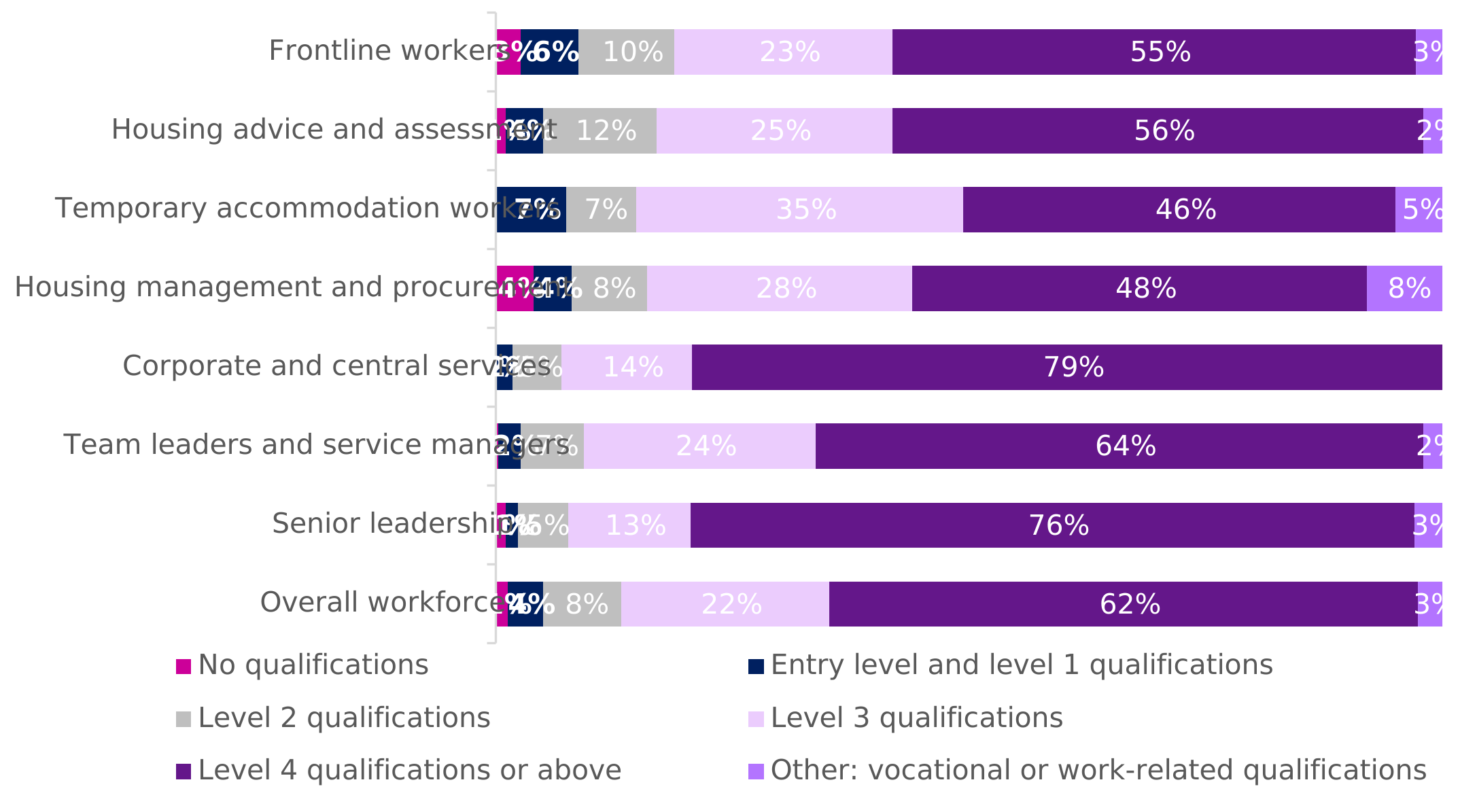
Source: Individual staff survey. Corporate and central services, N=116; Frontline workers, N=461; Housing advice and assessment, N=301; Housing management and procurement, N=50; Senior leadership, N=302; Team leaders and service managers, N=388; Temporary accommodation workers, N=81
A minority of staff responding to the individual survey held qualifications related and/or specific to homelessness, housing and social care as seen in Table 8 below. 10% of individual staff survey respondents hold other leadership and management qualifications, including Homeless Link’s Emerging Leaders course, qualifications and courses offered by Institute of Leadership and Management (ILM), National Vocational Qualification (NVQ), postgraduate degrees and diploma programmes.
Table 8: Housing and homelessness-related qualifications
| Qualifications | % |
|---|---|
| Other leadership and management qualification | 10% |
| CIH Level 3 Certificate in Providing Homelessness Services | 3% |
| Level 2 Adult Social Care Certificate qualification | 3% |
| CIH Level 3 Certificate in Housing Practice | 3% |
| CIH Level 2 Certificate in Housing Practice | 3% |
| CIH Level 3 Certificate in Housing Services | 2% |
| Level 3 Diploma in Adult Care | 2% |
| Masters of Business Administration | 2% |
| CIH Level 3 Award in Housing Practice | 1% |
| Level 5 Diploma in Leadership Management for Adult Care | 1% |
| Level 4 Certificate in Principles of Leadership and Management for Adult Care | 1% |
| Level 4 Diploma in Adult Care | 1% |
| Level 5 Certificate of Fundamental Knowledge in Commissioning for Wellbeing | 0% |
| Level 5 Award in Understanding Digital Leadership in Adult Social Care | 0% |
Source: Individual staff survey
Reasons for joining the sector
Staff completing the individual survey were asked why they had joined the homelessness sector, and were able to select multiple reasons. Figure 25 below shows that an overwhelming majority of staff (80%) joined the sector to make a positive difference in the lives of others. Aligned to this, 45% of staff wanted to change the system to improve the lives of others, and 42% of staff wanted to work somewhere that aligned with their values. These findings show that the homelessness workforce is highly values-driven.
Figure 25: Reasons for joining the homelessness sector
Source: Individual staff survey.
Recruitment opportunities for people with lived experience of homelessness
In the individual survey, personal experience of homelessness emerged as the fifth most common reason that people joined the sector, and a quarter of staff reported having lived experience of homelessness. This suggests that people with lived experience of homelessness are driven to join the homelessness workforce, which presents an opportunity for organisations to offer development opportunities.
In focus group discussions, organisational representatives were asked to share their perspectives on the opportunities available for people with lived experience to join the sector. There was a general appreciation that people with lived experience of homelessness add value to the workforce, particularly in having a genuine and deep understanding of issues faced by clients, destigmatising these issues, acting as role models for what clients can achieve, and reducing the power imbalance between organisations and clients.
At the same time, concerns and challenges around hiring people with lived experience of homelessness were also highlighted. Some expressed they did not think that recruitment decisions should primarily rest on whether a person has lived experience since this does not guarantee that they will be good at the job. Instead, participants talked about valuing individual applicants’ skillsets, values, and attitude.
“What would be amazing is if you just had a team that had like a nice balance, people with different experiences, including experience of homelessness, and you have to remember that having lived experience of homelessness doesn’t necessarily mean you’re going to be right for the job.” Representative from VCSF+ organisation
The risk of re-traumatisation was also raised, with concern about the lack of resources and budget to support this.
“We’re open to it [recruiting people with lived experience] but deliberately seeking that out when you’re very small could be a bit risky, but I think welcoming it and being open to it.” Representative from VCSF+ organisation
“I think the empathy is the value base. I think that we get from someone with that experience, and I think that’s a real positive. I would agree it’s not essential. We can have empathy even if you’ve not had lived experience. But I do think it brings a richness that maybe some others don’t have, but I would agree around some of the challenges around that and that’s why I think it’s helpful for the manager to know because they’re re-traumatised or expectations.” Representative from Local Authority
There was a shared sentiment amongst organisational representatives in the focus groups that while awareness about involving people with lived experience has increased, the level of resources to support involving people with lived experience has not. It was also mentioned that there is a need to provide training and support to organisations on how they can best employ people and support with lived experience.
“We need to remember that people with lived experience can need extra support. I felt I needed to really keep an eye on her because she had been through some tough stuff with those people who then presented (for) support.” Representative from VCSF+ organisation
6. Experience of working in the homelessness sector
This chapter explores the experiences of staff within the homelessness sector, including the benefits and challenges of working in the sector, experiences of burnout and job satisfaction, the impact of roles on wellbeing, and the extent to which staff feel supported. The findings draw primarily from the individual staff survey and focus group discussions. It is worth noting that many of these findings support those found in other experiential research including the Frontline Network Annual Frontline Survey.
Key findings
- The top reported benefit of working in the homelessness sector was the ability to have a meaningful impact (75%), echoing the motivation that drew many staff to the sector in the first place. 86% of staff feel that their work has value (vs. 6% who disagree) and 70% of staff agree that they experience job satisfaction (vs.12% disagree).
- The top challenges reported by staff include the complexity of clients’ needs (42%), high workloads (42%), funding uncertainty (31%), burnout (29%), low pay (23%), and wider systemic funding constraints (23%).
- Nearly half of staff surveyed (48%) agreed that they are at risk of experiencing burnout, compared to 28% who disagreed. Although 44% of respondents said they had enough time to do their job effectively, 41% reported that they do not, suggesting many people in the sector are feeling high levels of pressure due to the demands on their time.
- 43% of staff reported that their role positively impacted their wellbeing, while 46% reported a negative impact. Staff in local authorities were more likely to report negative impact on their wellbeing (52%) compared to those working in Housing Associations (40%) and non-faith-based charity and voluntary organisations (VCS) (42%).
Benefits of working in the sector
Overall, staff report a high level of job satisfaction, supported by both survey responses and focus group discussions. In the individual staff survey, 70% of staff agreed that they experience job satisfaction, while only 12% disagreed.
Figure 26: Benefits of working in the homelessness sector
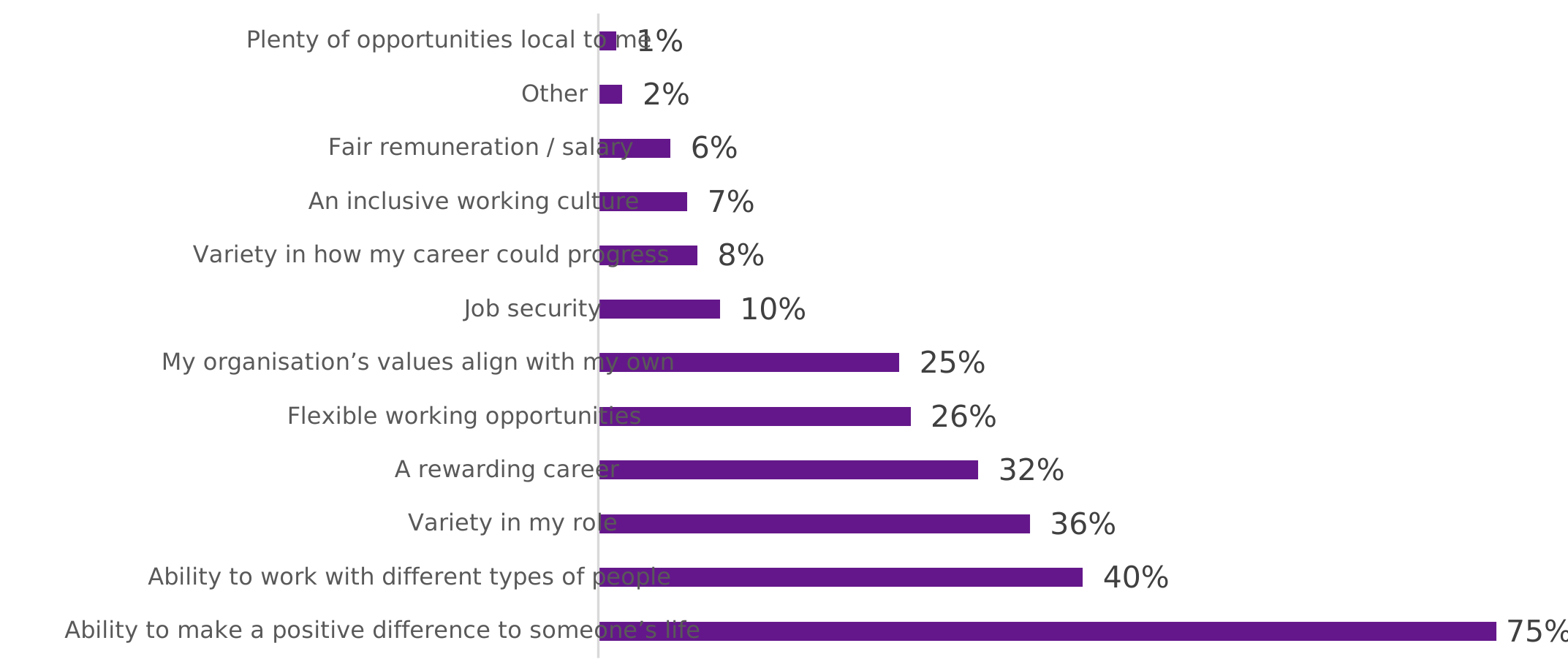
Source: Individual staff survey, N=4563 (responses varied per question)
Doing meaningful work and being able to make a positive impact
Most staff feel that their work has value (86% agree vs. 6% disagree with this) and provides an opportunity to make a positive difference in people’s lives. As seen in Figure 26, the ability to have a meaningful impact emerged as the top benefit of working in the sector (75%), echoing the motivations that drew many staff to the sector in the first place. More than half of respondents (53%) also felt that their work is recognised and rewarded, and ‘having a rewarding career’ emerged as one of the top four benefits.
Focus group discussions reinforced these findings. Staff described the meaningful nature of their work and the satisfaction derived from helping others:
“A real positive is being able to spend a large chunk of time, and my emotional and mental energy, into something that feels really important to me, I really value. […] Never wanted to work in a bank, all my working experience has been hands on with people.” Staff from VCSF+ organisation
Variety within role and the opportunity to work with different types of people
Other benefits highlighted in the survey include variety within their role (36%), and the opportunity to work with different types of people (40%). This too was echoed within focus group discussions:
“When you when you talk about people who are rough sleeping people have huge variety in their life experiences. People come from all kinds of backgrounds. They have all sorts of resources. They have often really enormous strengths, and it’s really moving. I feel really engaged and really moved by the people that I meet and really privileged to get to know people as well as I do in the role. Staff from VCSF+ organisation
Supportive work colleagues
A supportive work environment amongst colleagues is another important benefit. Survey data show that 84% of staff agree they are supported by their colleagues, compared to just 7% who disagree. The quote below reflects the factors that contribute to staff’s overall positive wellbeing:
“I also mostly enjoy my relationships with my colleagues. I think working in this sector, you also meet people with a variety of life experiences themselves and people who are committed to what they do, and I feel really lucky to be able to work in a team of people who you also get close to, you know them very well. You face sometimes quite scary situations together.” Staff from VCSF+ organisation
Conversely, lack of support from colleagues can negatively affect wellbeing. For example, one staff member shared how due to non-supportive colleagues their workload felt heavier, creating added challenge in supporting their clients. These insights highlight the crucial role of a supportive work environment and that supportive peers can act as a buffer against the stresses of frontline work. There is a sense that collegial support and camaraderie help staff manage the emotional and practical demands of their work while sustaining their wellbeing.
Challenges of working in the sector
Staff face multiple challenges in their roles within the homelessness sector, many of which are closely tied to the nature of the work, workload and systemic constraints. Respondents to the individual staff survey most commonly reported as challenges the complexity of clients’ needs (42%), and high workload (42%), followed by funding uncertainty (31%), burnout (29%), low pay (23%), and wider systemic funding constraints (23%).
Figure 27: Challenges of working in the homelessness sector, individual survey
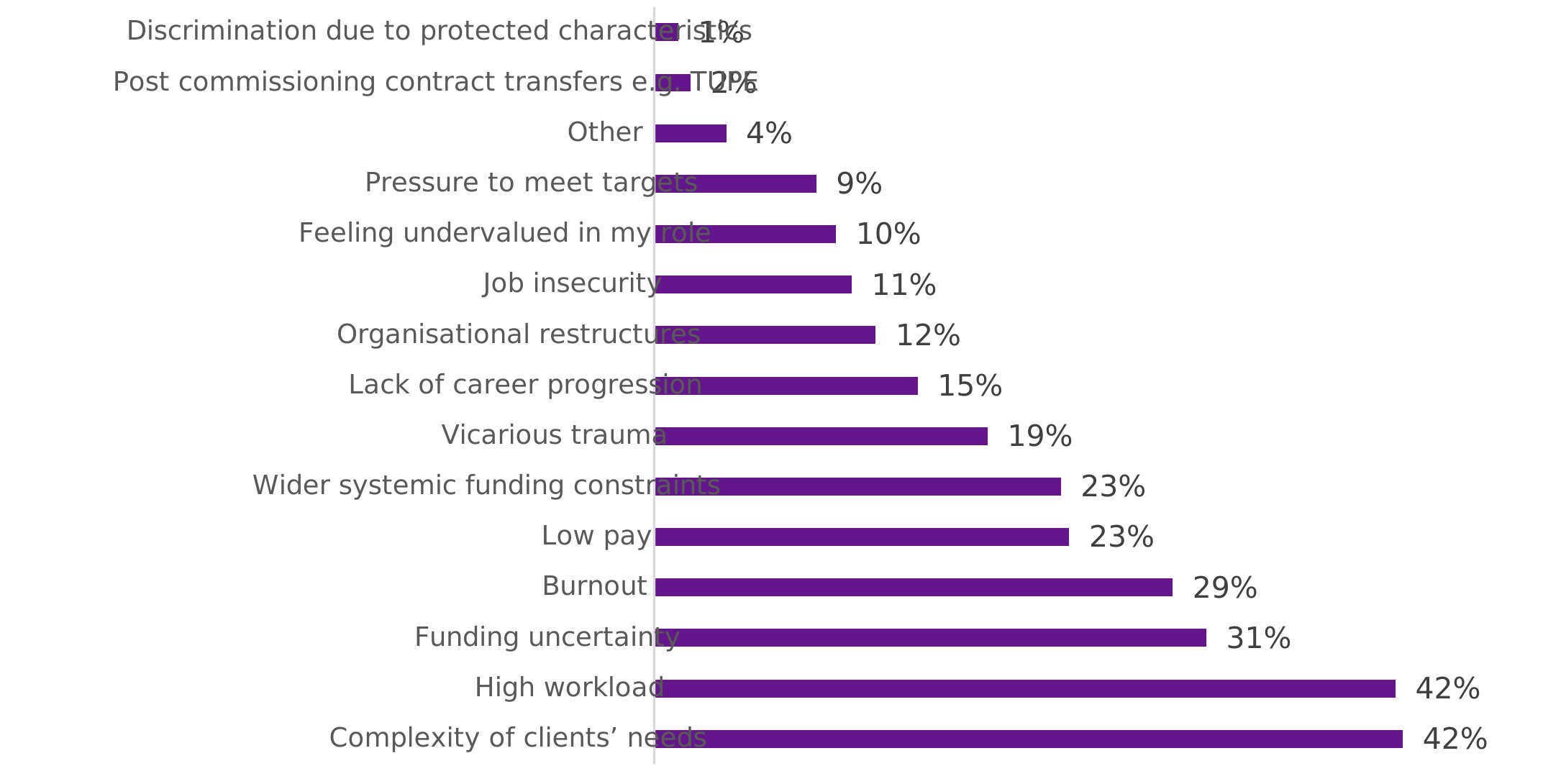
Source: Individual staff survey, N=4661 (responses varied per question)
Complexity of client needs
Managing the complexity of client needs was both the most commonly identified challenge in the individual survey and a key theme that emerged in focus group discussions. Staff frequently witness or are at the receiving end of angry or violent behaviours, which can directly impact their wellbeing. While staff expressed empathy and understanding, recognising that frustration often stems from systemic failings or trauma, they reported that such behaviours still take an emotional toll.
Staff mentioned that they experienced clients threatening violence and causing harm to themselves which led to staff feeling guilty and like they were to be blamed.
“It’s very hard to take this back home with you. ‘I’ve had somebody saying that they were going to slit their throat in the office and that would be my fault.” Staff from Local Authority
Experiences of burnout
Burnout is another prominent concern. Nearly half of staff surveyed (48%) agreed that they are at risk of experiencing burnout, while 28% disagreed, and 24% neither agreed nor disagreed. Focus group discussions reinforced that burnout is both common and normalised, often resulting from high caseloads, the complexity of client needs, lack of support, and limited resources:
“It’s slightly disheartening when you’re wanting to have a positive outcome for the person, but the reality to the situation is that we have a team that you know, I would say I think three or four people currently are off long-term sick. Majority of that is through burnout and stress. And then you’re left almost to deal with that workload that’s coming in and it’s high at the best of levels.“ Staff from Local Authority
Although 44% of respondents to the individual survey stated that they had enough time to do their job effectively, 41% reported that they do not, suggesting that many people in the sector feel high levels of pressure due to the demands on their time. Focus group participants echoed this, describing that there is not enough time in the day to do their job well or do things to help them cope with the demands of their role, linking high caseloads to reduced funding and increasingly complex client needs:
“Funding for roles has been cut which means we are a smaller team, so our caseloads are higher. We lost funding for a chef, so workers were expected to cook. A lot more writing up and reports. After COVID, clients coming in more unwell and with more complex needs. More pinched and squeezed in every direction. Roles can be contradictory. I think if you have a very high workload with clients with high complex needs, and feel like you are running on the spot, links in the idea of bureaucracy, and not having the resources to give to people. Feel like I am watching people are suffering without having the resources to offer. Vicarious trauma for staff.” Staff from VCSF+ organisation
Lack of boundary between work and home life
Although only 19% of staff reported a lack of boundaries between work and home life, focus group discussions provided another perspective as participants expanded on this challenge. Contributing factors to a poor boundary between work and home included remote working, exposure to vicarious trauma, tasks performed outside of standard hours, and the constant visibility of homelessness in daily life. One staff member shared that remote working at home made it difficult for their home to feel like a safe space due to exposure to verbal abuse and threats from clients.
Local authority staff reported unique challenges due to their proximity to clients and the public:
“Working in a local authority, it’s like working for the most accessible branch of government. You can’t walk into the House of the Commons or Parliament and shout at your MP and demand policy change. You can’t always approach your MPs office and ask them for help, but you can nine times out of 10 go into a Council office and ask for support, and most of the Councils, at least near where I live, are open and do have a work base based inside.” Staff from Local Authority
Red tape and bureaucracy
Another recurring theme that emerged within focus group discussions is frustration with bureaucracy. Staff reported feeling restricted by organisational rules, reporting requirements, and the rigidity of the system, which can prevent them from supporting clients as they would like. Open-ended survey responses reinforced this sentiment, with staff reporting challenges in coordinating across multiple agencies and dealing with repetitive reporting tasks.
How does working in homelessness impact staff wellbeing?
Staff reported mixed experiences regarding how their roles in the homelessness sector affected their wellbeing. In the individual staff survey, 43% of staff reported that their role (slightly or very) positively impacted their wellbeing, whereas 46% reported a (slightly or very) negative impact. The fact that almost half of people experience a negative impact on their wellbeing is significant. These reflections on the sector’s impact on wellbeing echo those found in the latest Frontline Network Annual Frontline survey, in which 51% of frontline workers reported their work impacted negatively on their wellbeing.
Figure 28: Impact of current role on wellbeing
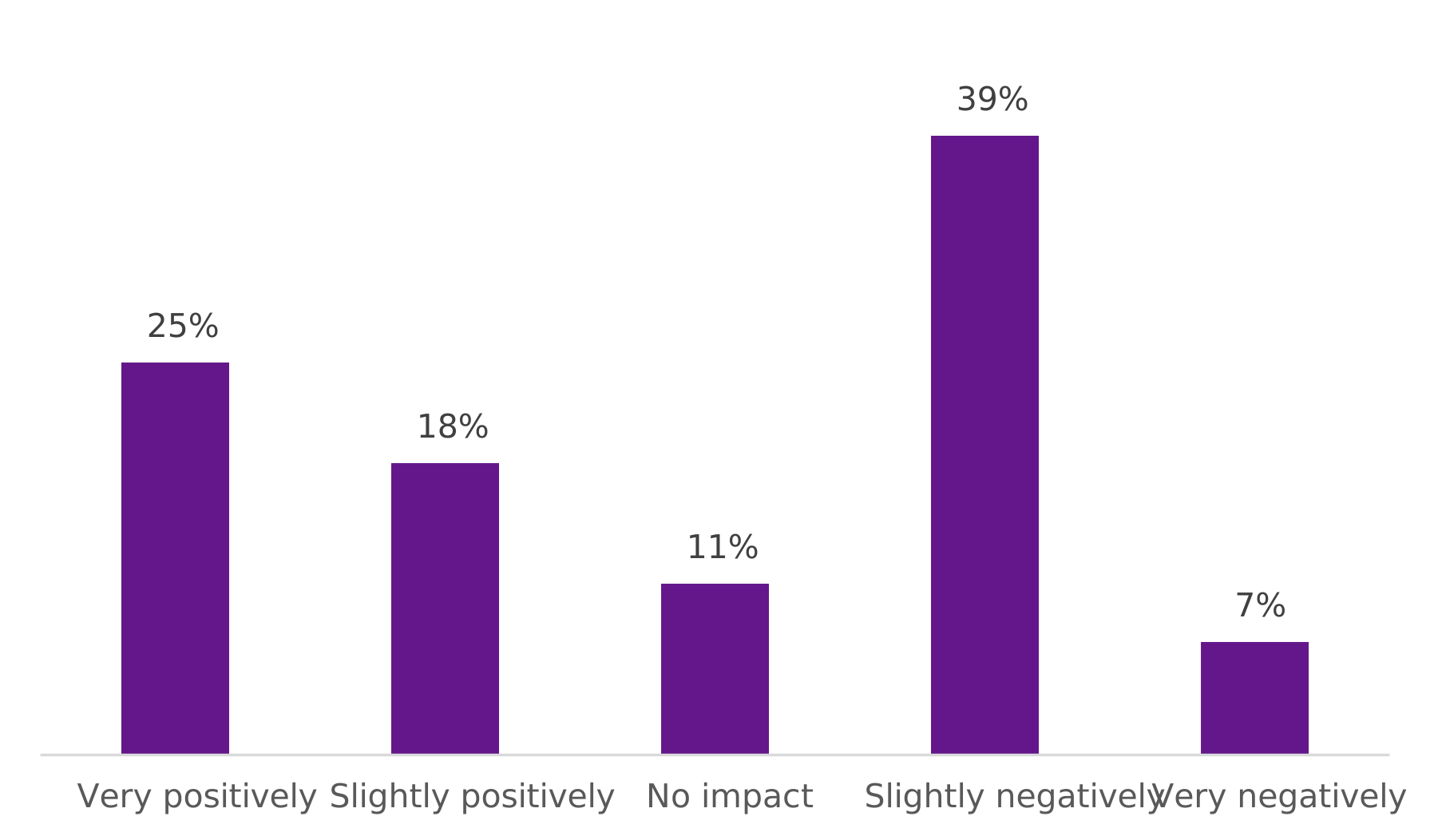
Source: Individual staff survey. N=1741
Wellbeing based on organisation
Comparing across organisation types, staff in local authorities report a greater negative impact on their wellbeing than those working in Housing Associations and non-faith-based charity and voluntary organisations (VCS). Over half of local authority staff (52%) rated their wellbeing negatively, compared to 42% in VCS and 40% in Housing Associations.
“This is the most exhausting job I’ve ever had. It’s relentless. It’s pressured. There’s not enough money. There’s not enough suitable temporary accommodation. There’s not enough support. The complexity is increasing. My team are great, but they’re tired. We’re all done, and it is relentless.” – Staff from Local Authority
Figure 29: Impact of current role on wellbeing by organisation type
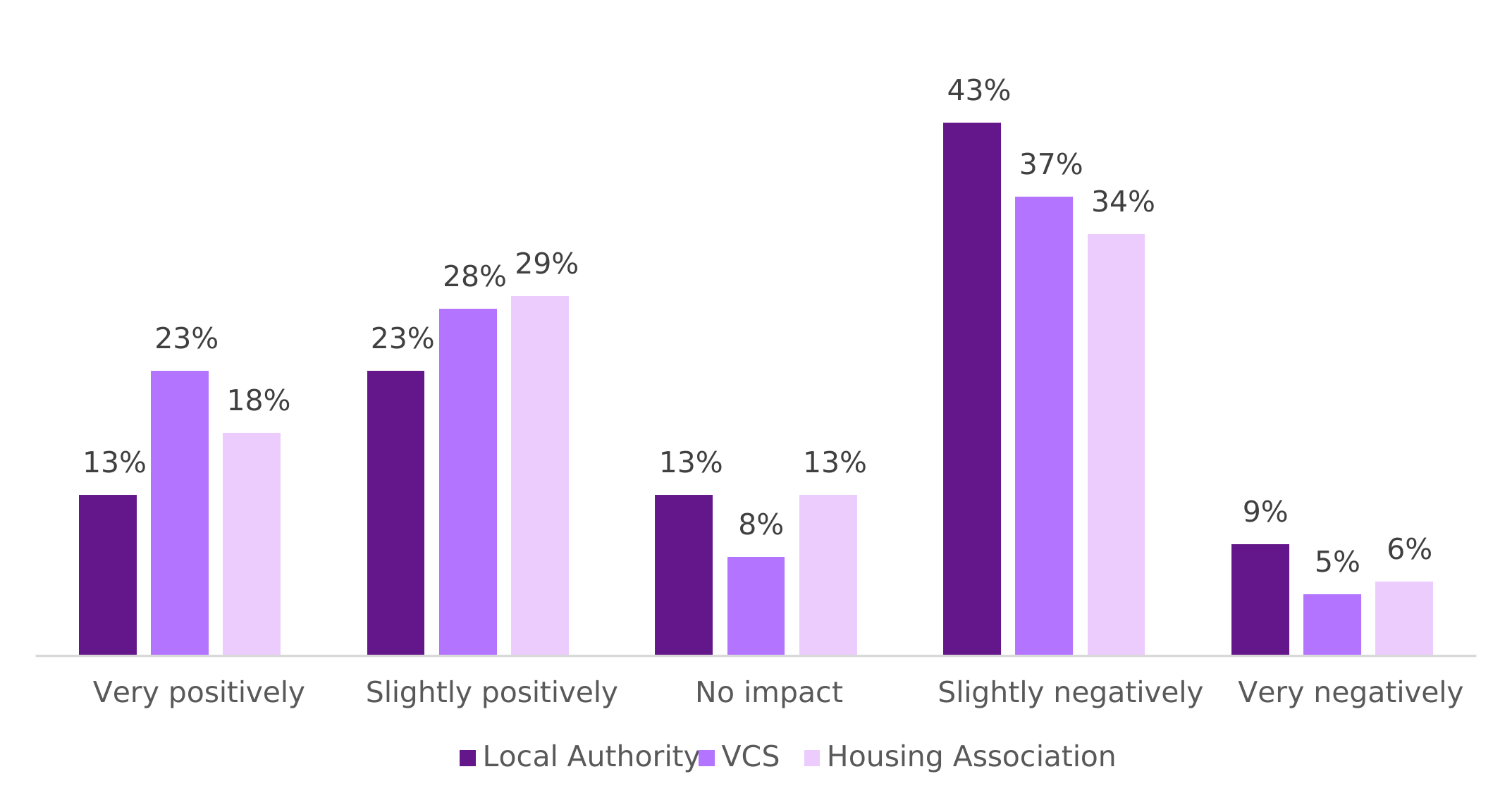
Source: Individual staff survey. N=1539. Local Authority, N=847; Charity / voluntary organisation, N=540; Housing Association, N=152.
Focus group discussions suggest that a key contributor of this within local authorities is the tension between the responsibility of delivering person-centred care and the statutory obligations they must uphold. Staff described a gap between the compassionate, person-centred care they aim to provide, and the limitations imposed by systemic and organisational factors, such as housing shortages, funding and staffing pressures, eligibility thresholds, bureaucratic procedures, risk management requirements, and fragmented services. This disconnect can lead to moral injury, client distress, and significant frustration for staff.
“Our local authorities split up into different teams. You’ve got prevention, relief and homelessness or like rough sleeping as it’s called, and that makes it incredibly complex, and the teams do not correspond. And then you have this trauma informed care approach, you have the psychologically involved environment. But then when you’re actually following legislation [..] am I following the trauma informed, mental health where we’re looking at the person rather than legislation? Or am I looking at people as stats of sets of statistics that ultimately you don’t care if they become housed, whether they are categorised as already homeless?” – Staff from Local Authority
Focus group discussions suggest that staff in local authorities increasingly face verbal threats as well as racial abuse. They noted that these experiences are compounded by broader societal and political factors, including a growing tolerance for abusive speech, freedom-of-speech claims, and a hostile media and political climate, which can amplify clients’ frustration and anger.
In VCS and housing associations, staff experiences are more mixed. Many described the fluctuating nature of their roles and this impact on wellbeing, with times when their wellbeing was affected negatively and other times when the impact of their role was more positive.
Wellbeing based on role
Wellbeing varies across different roles in the homelessness sector. Staff in housing advice and assessment, as well as team leaders and service managers, report a more negative impact on wellbeing compared to other roles (see Figure 30). Housing advice and assessment roles are predominantly embedded within local authorities, which aligns with findings that local authority staff experience greater negative wellbeing impact overall. It is interesting to note that the most negatively impacted cohort are those in middle management positions, further investigation is needed to understand and explore this further.
Figure 30: Impact of wellbeing by roles
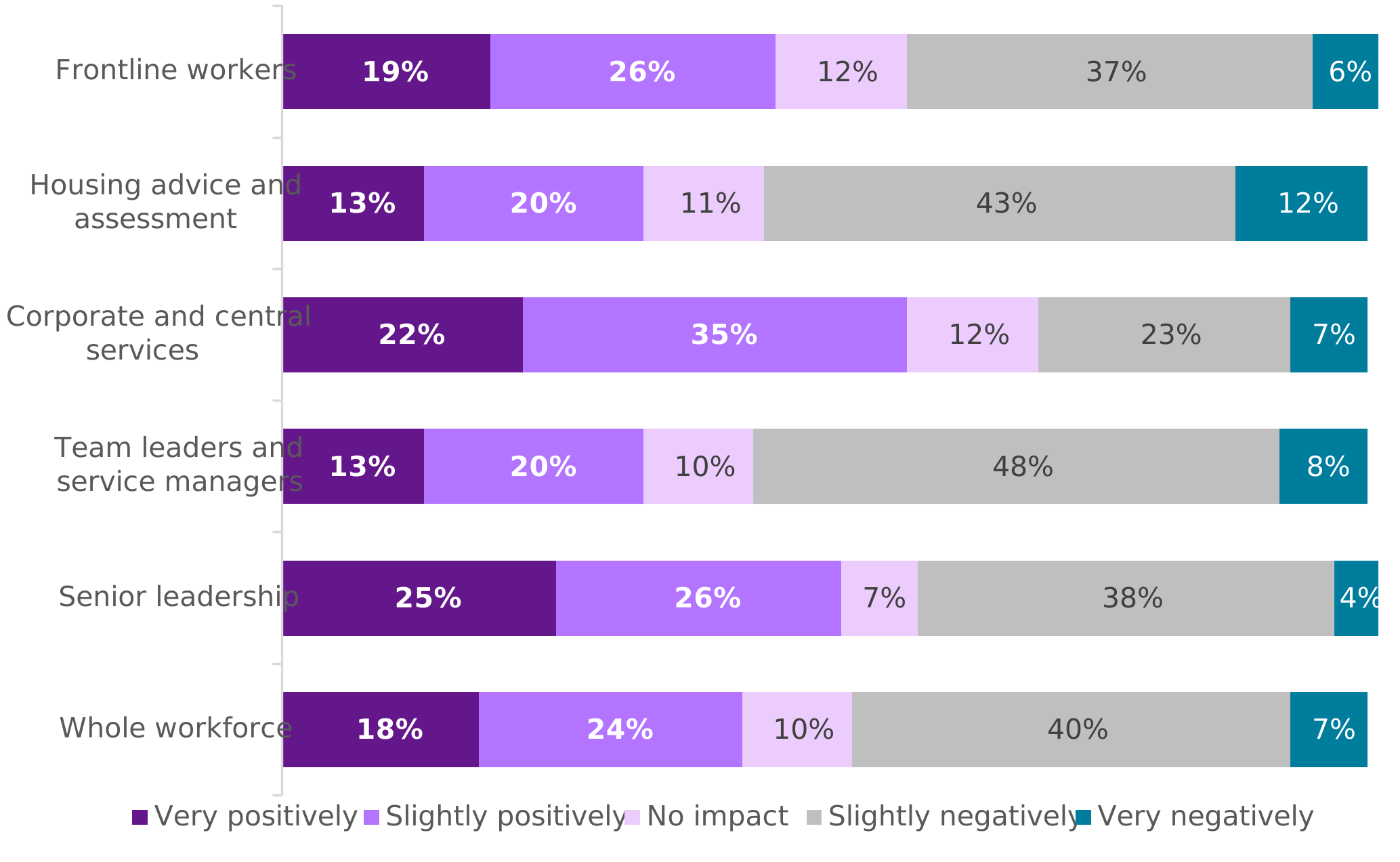
Source: Individual staff survey. Frontline workers, N=446; Housing advice and assessment, N=299; Team leaders and service managers, N=378; Senior leadership, N=289; Corporate and central services, N=113 (The rest of roles are omitted from this analysis due to small sample size)
The only job role group that reports proportionately more positive impact on wellbeing is corporate and central services staff, with 57% reporting positive wellbeing from their job. It is notable that this is the only role group in which roles are non-client facing.
7. Learning and development
This chapter outlines the workforce’s learning and development needs, as well as what learning and development opportunities organisations are currently offering. It also considers the individual and organisational barriers to both providing and taking up learning and development opportunities. The data draws from the individual staff survey, both the VCSF+ and LA organisational surveys and from individual and organisational focus group discussions.
Key findings
- The skills most commonly reported as necessary by staff for their roles within the homelessness sector were: communication (68%), managing challenging behaviour (65%), team working (65%), time management (62%), professional boundaries (62%) and active listening (62%).
- The types of knowledge most commonly identified as necessary by staff for their roles were: safeguarding (77%), housing and homelessness legislation and statutory requirements (74%), EDI (Equality, Diversity and Inclusion) (71%), stress, vicarious trauma and managing wellbeing (70%).
- Staff are commonly offered learning and development opportunities through online learning, e-learning and face-to-face training. Staff were interested in. but had not been offered, reverse mentoring (51%), CPD-accredited training (51%), gaining qualifications (49%), mentoring (47%), and coaching (43%).
- There were some differences within the sector, with coaching and mentoring more widely embedded in LAs, and 49% of LAs offering apprenticeships, compared with 19% of VCSF+ organisations.
- Across both LAs and VCSF+ organisations, barriers to accessing learning and development opportunities included insufficient funding, lack of staff cover, and limited time to source or organise training. These barriers were more pronounced in the VCSF+ group (7% reporting no barrier, compared with 28% LAs.)
- More than half of staff (52%) want to progress within the sector and more than half (52%) of staff identified a lack of progression opportunities within their organisation as a major barrier to this. Other barriers identified included unclear progression routes within their field (32%), the precarity of roles with fixed-term contracts (28%), and the fact that the types of roles staff are interested in are often not advertised or available (28%).
Current learning and development needs
In the individual staff survey, staff were asked what skills and knowledge they felt they needed in their current roles. Respondents were provided with a range of skills and knowledge and were able to select all that applied to them.
As Table 9 below shows, the most needed skills are: communication (68%), managing challenging behaviour (65%), team working (65%), time management (62%), professional boundaries (62%) and active listening (62%). It is noteworthy that these top-rated skills are not only practical, but also very interpersonal in nature. In the open-ended responses to this survey question, other ‘soft’, interpersonal skills were mentioned such as restorative practice, skills that pertain to emotional regulation (such as how to remain calm and patient under pressure), resilience, having empathy and compassion, and the ability to remain curious. Certain specific communication skills were also cited such as networking skills, multi-organisational communication, and the ability to make referrals and signpost efficiently. Other specific skills, such as operational management and property management, performance management, and HR were also cited.
In focus group discussions, staff discussed the importance of communication skills, not only to communicate with clients but also to better understand the work carried out by other teams. This included visiting or shadowing other teams to build understanding and empathy to foster better working relationships and improve wellbeing.
Table 9: Skills and knowledge in demand to support current roles
| Skills | % | Knowledge | % |
|---|---|---|---|
| Communication | 68% | Safeguarding | 77% |
| Managing challenging behaviour | 65% | Housing and homelessness legislation and statutory requirements | 74% |
| Team working | 65% | EDI | 71% |
| Time management | 63% | Stress, vicarious trauma and managing wellbeing | 70% |
| Professional boundaries | 62% | Data protection | 69% |
| Active listening | 62% | Mental health and mental capacity act | 69% |
| Creative problem solving | 60% | Welfare benefits | 67% |
| IT | 59% | Substance and alcohol use | 66% |
| Partnership working | 59% | Self-harm and suicide | 63% |
| Conflict resolution | 58% | Housing and homelessness case law and/or legal precedents | 60% |
| Negotiation and influencing | 56% | Immigration and asylum system | 60% |
| Risk assessment | 56% | Lone working | 58% |
| Solutions focused | 56% | Advocacy | 56% |
| Trauma Informed Care | 53% | Modern slavery | 54% |
| Ethical behaviour | 52% | Psychologically informed environments (PIE) | 53% |
| Strategic thinking | 51% | Gender informed experiences of homelessness | 53% |
| Assessment and support planning | 47% | Multiple disadvantage | 51% |
| Strengths-based practice | 43% | External policy and political environment | 48% |
| Change management | 36% | Youth informed experiences of homelessness | 43% |
| Project management | 35% | Funding landscape | 39% |
| Data analysis | 35% | Hoarding | 38% |
| Motivational interviewing | 35% | Governance | 36% |
| Coaching | 34% | Finance for non-finance specialists | 34% |
| Impact reporting | 32% | Other | 4% |
| Financial acumen | 30% | ||
| AI and big data | 17% | ||
| Other | 4% |
Source: Individual staff survey. Skills, N= 1132; Knowledge, N=1254
When we look at the knowledge that staff report they need in their roles, the top areas identified across the cohort are: safeguarding (77%), housing and homelessness legislation and statutory requirements (74%), EDI (Equality, Diversity and Inclusion) (71%), stress, vicarious trauma and managing wellbeing (70%). The breadth of specialist knowledge required across and beyond homelessness is notable and speaks to the learning demand on the workforce.
In the open-ended responses, staff also mentioned the importance of learning more about neurodivergent conditions (such as ADHD and autism spectrum disorder), domestic abuse, and stalking. Staff also raised the need for more specialised knowledge to support particular client groups, including migrants and asylum seekers (and those with no recourse to public funds), understanding the offender population, people exhibiting antisocial behaviours, veteran informed experiences of homelessness, as well as training on how to more effectively challenge racism. Other knowledge cited includes knowledge of health systems, labour markets, commissioning, bid writing, contracting, how other organisations have implemented case management systems and the general sharing of best practice amongst different organisations.
“I feel in our service we could do with more training around working with migrants and asylum seekers… some very practical ‘how to challenge racism’ training.” Staff from VCSF+ organisation
Several of the knowledge and skills represented here reflect the solutions to challenges experienced by the staff as identified in previous chapters; particularly around the need to respond to the increasing complexity of clients’ needs. This requires a range of knowledge to understand clients’ needs, and also the skills to manage the stress and vicarious trauma of providing support. Focus group discussions reinforced this point, where staff talked about the need to be equipped with practical, hands-on knowledge and skills and bespoke training for staff to manage stress and vicarious trauma.
“Proper training starts’ when new staff are on the ground, facing real situations.”
“It’s not just technical, reading forms and sending letters… you’ve got to have soft skills: empathy, understanding, communication, emotional resilience.” Staff from Local Authority
We also see that there are specific skills and knowledge in common amongst different roles and sectors, and some clear differences.
Communication and safeguarding are the two universal top three skills and knowledge identified across all roles and all sectors, with two thirds of respondents across all role types stating that both are in high demand. Amongst frontline roles, both LA and VCSF+, managing challenging behaviours is the number one skill identified, with active listening and team working also commonly identified. Unsurprisingly strategic leadership was considered the most in demand skill amongst senior leaders, both LA and VCSF+, with creative problem solving also considered important.
The LA workforce were much more likely to identify the need for knowledge around legislation and policy as high priority, with housing and homelessness legislation and statutory requirements understandably the most in demand, but likewise knowledge related to safeguarding, welfare benefits, EDI, and the Mental Health and Mental Capacity Act all considered of high importance. Whilst safeguarding knowledge was the most commonly identified amongst VCSF+ frontline workers, this was followed by insight into stress, vicarious trauma and managing wellbeing, substance and alcohol use, and self-harm and suicide.
Tables 10 to 13 below show the top five skills and knowledge in demand for specific roles. The full breakdown of all skills and knowledge across all roles can be found in the supplementary materials.
Table 10: Top 5 skills and knowledge in demand for VCSF+ frontline worker
| Skills | % | Knowledge | % |
|---|---|---|---|
| Managing challenging behaviour | 69% | Safeguarding | 80% |
| Communication | 62% | Stress, vicarious trauma and managing wellbeing | 78% |
| Professional boundaries | 61% | Substance and alcohol use | 77% |
| Active listening | 61% | Self-harm and suicide | 74% |
| Trauma Informed Care | 61% | Mental health and mental capacity act | 74% |
Table 11: Top 5 skills and knowledge in demand for LA Housing Advice and Assessment worker
| Skills | % | Knowledge | % |
|---|---|---|---|
| Managing challenging behaviour | 73% | Housing & homelessness legislation & statutory requirements | 89% |
| Communication | 71% | Safeguarding | 84% |
| Time management | 68% | Housing and homelessness case law and/or legal precedents | 80% |
| Active listening | 67% | Welfare benefits | 78% |
| Team working | 66% | Equality, diversity and inclusion (EDI) | 77% |
Table 12: Top 5 skills and knowledge in demand for LA and VCSF+ Team Leaders and Service Managers
| Skills | % | Knowledge | % |
|---|---|---|---|
| Managing challenging behaviour | 75% | Safeguarding | 85% |
| Communication | 72% | Housing & homelessness legislation & statutory requirements | 83% |
| Team working | 71% | Stress, vicarious trauma and managing wellbeing | 80% |
| Time management | 70% | Equality, diversity and inclusion (EDI) | 80% |
| Partnership working | 69% | Mental health and mental capacity act | 79% |
Table 13: Top 5 skills and knowledge in demand for LA and VCSF+ Senior Leaders
| Skills | % | Knowledge | % |
|---|---|---|---|
| Strategic thinking | 69% | Housing & homelessness legislation & statutory requirements | 78% |
| Communication | 68% | Safeguarding | 72% |
| Creative problem solving | 68% | Data protection | 71% |
| Solutions focused | 64% | Equality, diversity and inclusion (EDI) | 70% |
| Team working | 64% | Stress, vicarious trauma and managing wellbeing | 67% |
Learning and development opportunities
This section explores the learning and development opportunities currently available to staff, areas of learning and development that staff and organisations would like to explore further, and those they consider less relevant or of little interest. Findings are drawn from both the individual staff survey and the organisational surveys for local authorities and the VCSF+.
When asked about learning and development opportunities, staff reported that they have most commonly been offered online learning, e-learning and face-to-face training. Organisations confirmed these as the most widely provided opportunities. However, focus group discussions revealed mixed feelings about the dominance of online learning with many reporting that a number of key and core skills require in-person practice rather than theory and screen-based training.
There is also clear demand for opportunities that staff report they have not been offered but would like to pursue, including reverse mentoring (51%), CPD-accredited training (51%), gaining qualifications (49%), mentoring (47%), and coaching (43%). Organisations echoed this interest: although only a small proportion currently offer reverse mentoring (15% of VCSF+ and 19% of Local Authorities), more than half indicated they would like to introduce it. Coaching and mentoring were more widely embedded in Local Authorities, where three-quarters of organisations surveyed reported already providing this.
Apprenticeships were less commonly pursued by staff, with 65% reporting they had not taken them up. Organisational data shows that 49% of local authorities offer apprenticeships, compared with 19% of VCSF+ organisations, highlighting a difference in provision across sectors.
Figure 31 illustrates individual staff perspectives on learning and development opportunities. Organisational survey results for local authorities and VCSF+ can be found in the supplementary materials for this research.
Figure 31: Learning and development opportunities, individual staff perspectives
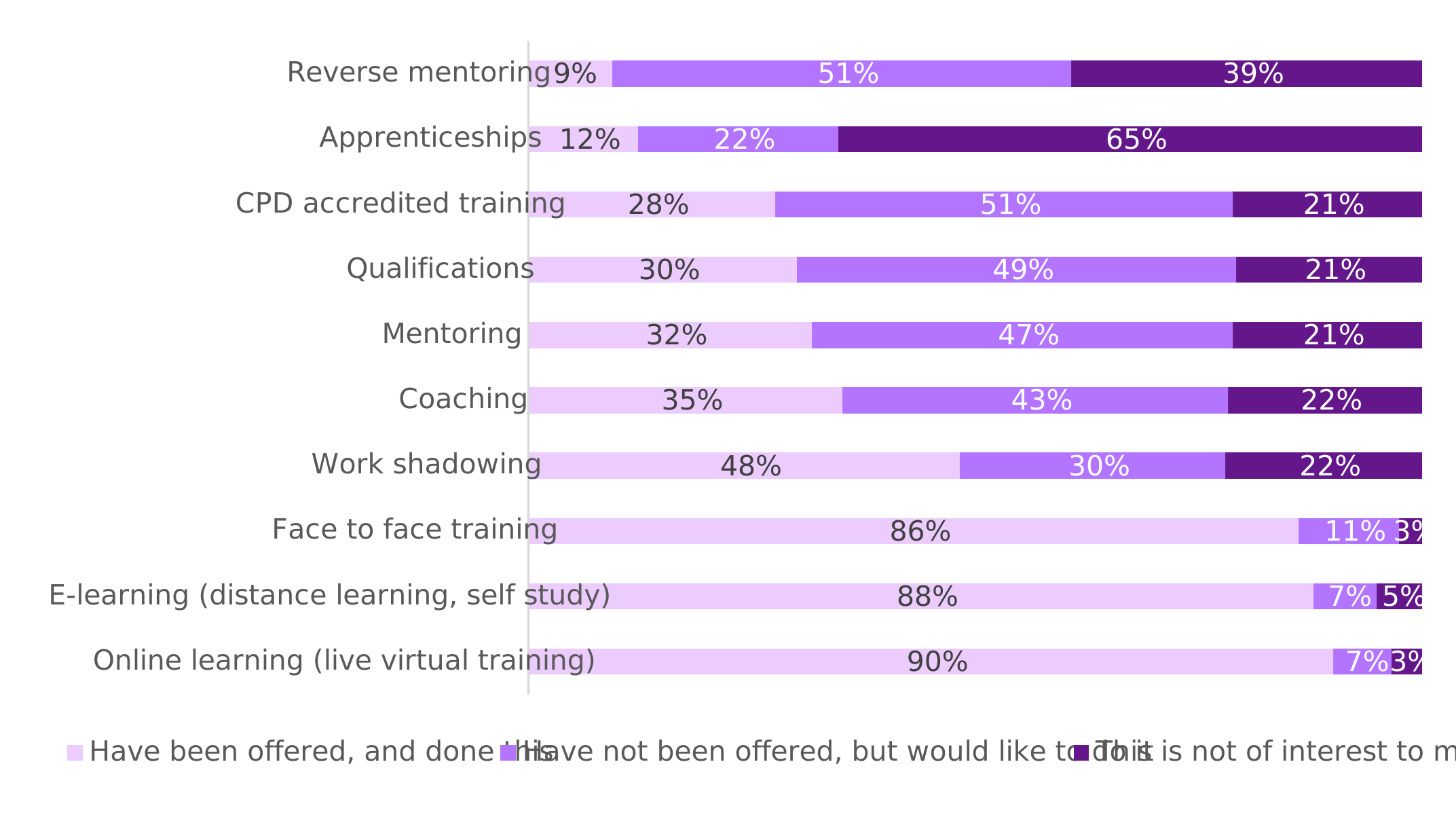
Source: Individual staff survey.
Interestingly, staff who have completed training were more likely to report wanting to work within the homelessness sector long-term, compared to staff who had not been offered training (and would like to access it). These findings are presented in Figure 32 below. It should be noted that this data is correlational and cannot show causality or direction, therefore it is possible that staff who are highly motivated to remain in the sector are being given more opportunities for training, and/or are highly motivated to seek opportunities to learn and develop their skills. Further research will be needed to better understand the impact and outcome of attending training on retention rates.
Figure 32: Proportion of staff wanting to stay in the sector long-term when they have undergone training versus staff who have not
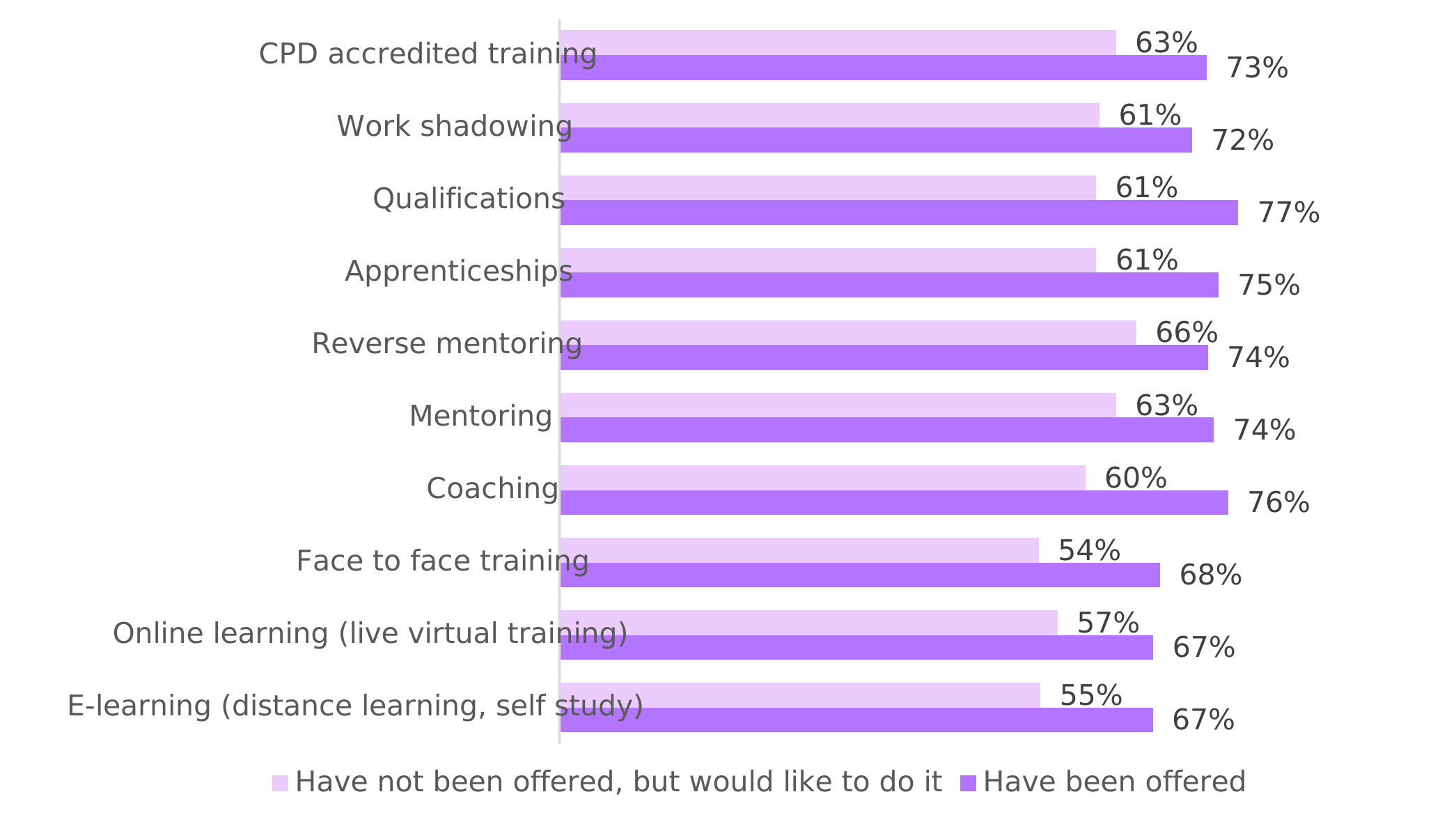
Source: Individual staff survey.
Learning and development budget
Across local authorities and VCSF+ organisations, the most common average budget allocated, and spent, is £200+ per head for staff training and development.
In the local authority organisational survey, 25 local authorities provided information on the average allocated budget per head for staff training and development in 2024; and 24 local authorities provided information on what was actually spent. The most common allocated and actual spending for the year was over £200, where 40% of local authorities allocated this and 54% of them spent this. 44% of local authorities also allocated a budget of under £100 for training and 33% of this group actually spent this.
Within the VCSF+, 60 organisations provided data on allocated training and development budget for 2024 and 62 on actual spend for the same period. The most common allocated and actual spending for VCSF+ is over £200; 77% of organisations claimed to have allocated over £200 and 65% reported that they spent this. 13% of wider homelessness organisations reported that they allocated under £100 and 18% of them actually spent this amount.
Barriers to accessing learning and development
The organisations surveyed identified several barriers to accessing learning and development opportunities. For both local authorities and VCSF+ organisations, the main challenges identified were insufficient funding, lack of staff cover, and limited time to source or organise training. These barriers appear to be more pronounced in the VCSF+ group, with only 7% reporting no barriers to access training, compared with 28% of local authorities. This data is presented in full in Figure 33 below.
Figure 33: Main barriers to accessing learning and development opportunities, organisational perspective
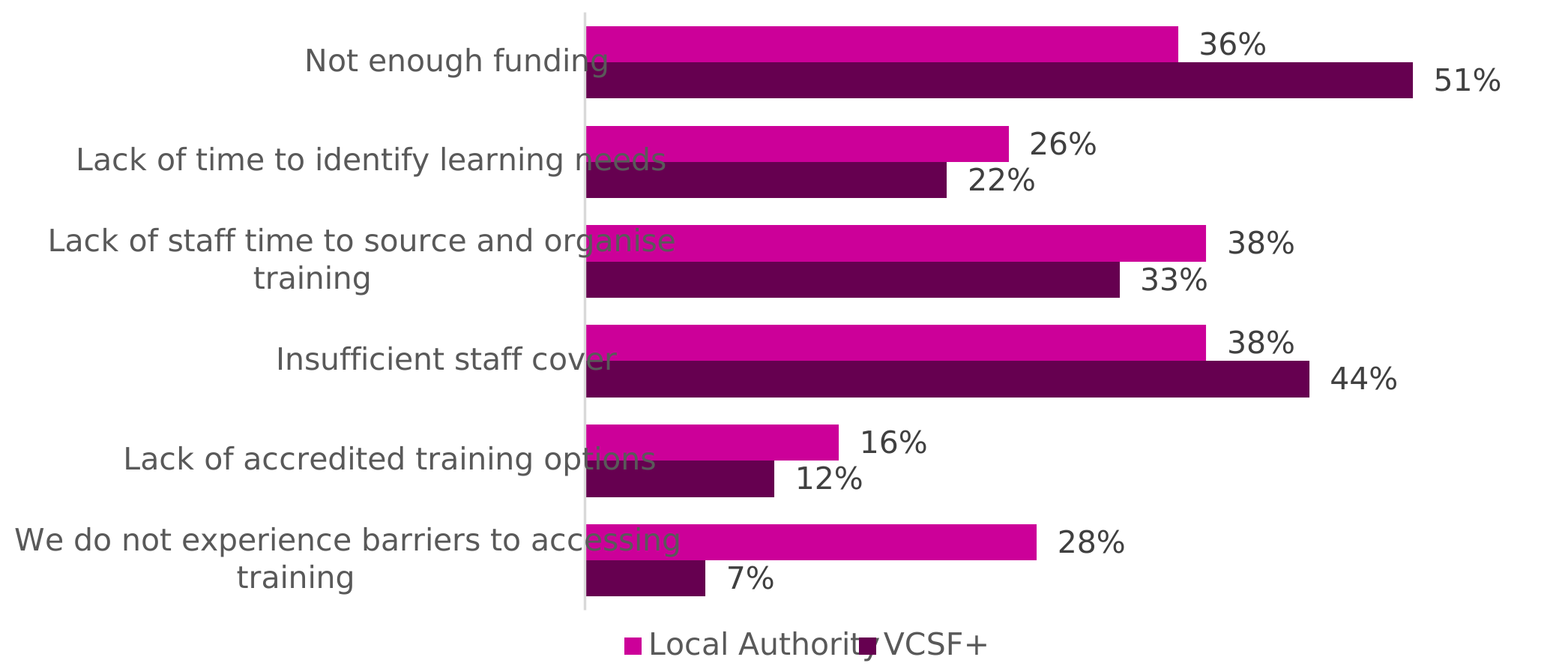
Source: Organisational Survey, Local Authority, N=58; VCSF+, N=95.
Focus group discussions provided further insight into these challenges. Staff highlighted that bespoke training tailored to their actual needs is often unavailable, with much of the training offered failing to provide meaningful learning, instead feeling generic or misaligned with the realities of their work. Mandatory training was described as repetitive and tokenistic, often delivered in a ‘tick-box’ manner that adds little real value. Initial training for new staff was described as insufficient and disconnected from real-life challenges, while ongoing training rarely addressed practical skills for working with diverse clients or managing complex needs.
Online-based training was frequently cited as limiting. While convenient, staff described the difficulty of fully engaging with screen-based learning due to work pressures, distractions, or lack of a conducive environment. Some stressed that some skills can only be, or are better, learned in-person and that you can’t just learn some of these skills on a document or through a screen.
“It works for some people, but I know if I had a choice of going to an in-person training, I would probably go; if it was online, I probably wouldn’t bother.” Representative from VCSF+ organisation
Time and budget constraints were also recurrent themes. Staff often cannot attend training because backfilling shifts is difficult or unaffordable, particularly in tighter contractual budgets:
“It’s budget and being able to cover services… some of the courses that you’ve offered, we just haven’t had the ability to backfill the time.” Representative from VCSF+ organisation
Progression opportunities
Findings from the individual staff survey indicate that more than half of staff (52%) want to progress (i.e., get promoted) within the sector, while 23% do not, and 25% are unsure. This is obviously weighted towards certain roles within the sector i.e. senior leaders, who have perhaps reached a peak of their career were much less likely to show progression ambition compared with those working in frontline roles.
However, focus group discussion also highlighted nuances to the idea of progression within the sector with some people hesitant to move ‘upwards’ because they value direct client contact which decreases in more senior roles:
‘I wouldn’t want to go beyond a deputy manager role… you lose all the client contact… I came into this because I like working with people (…) It would be good if organisations were able to support workers who develop a particular interest or expertise… otherwise an organisation is losing out on the skills people offer.’ Staff from VCSF+ organisation
There are notable findings in regard to ethnicity here, with 80% of Asian/Asian British staff members, and 67% of Black/ Black British staff reporting that they want to progress, compared to 54% of staff of Mixed/Multiple ethnicities and 50% of white staff. In context of the underrepresentation of non-White employees in middle and senior management roles, this perhaps warrants further investigation to understand why there is a disconnect between ambition and reality amongst this population.
Barriers and enablers to progression
In the staff survey, respondents were asked to reflect on the key challenges they face when seeking to progress within the homelessness sector.
More than half (52%) identified a lack of progression opportunities within their organisation as a major barrier. Other key challenges identified included unclear progression routes within their field (32%), the precarity of roles with fixed-term contracts (28%), and the fact that the types of roles staff are interested in are often not advertised or available (28%). Additional barriers were highlighted by 15–20% of staff, including limited learning and development opportunities, a lack of flexibility to maintain work/life balance, and insufficient pay differences for higher-level roles. Discrimination, while the least cited, remains an important and significant factor affecting progression for some staff.
Collectively, these findings suggest that structural, organisational, and systemic factors play a major role in shaping career pathways within the sector. The full findings of this question are presented in Figure 34 below.
Figure 34: Barriers to progression
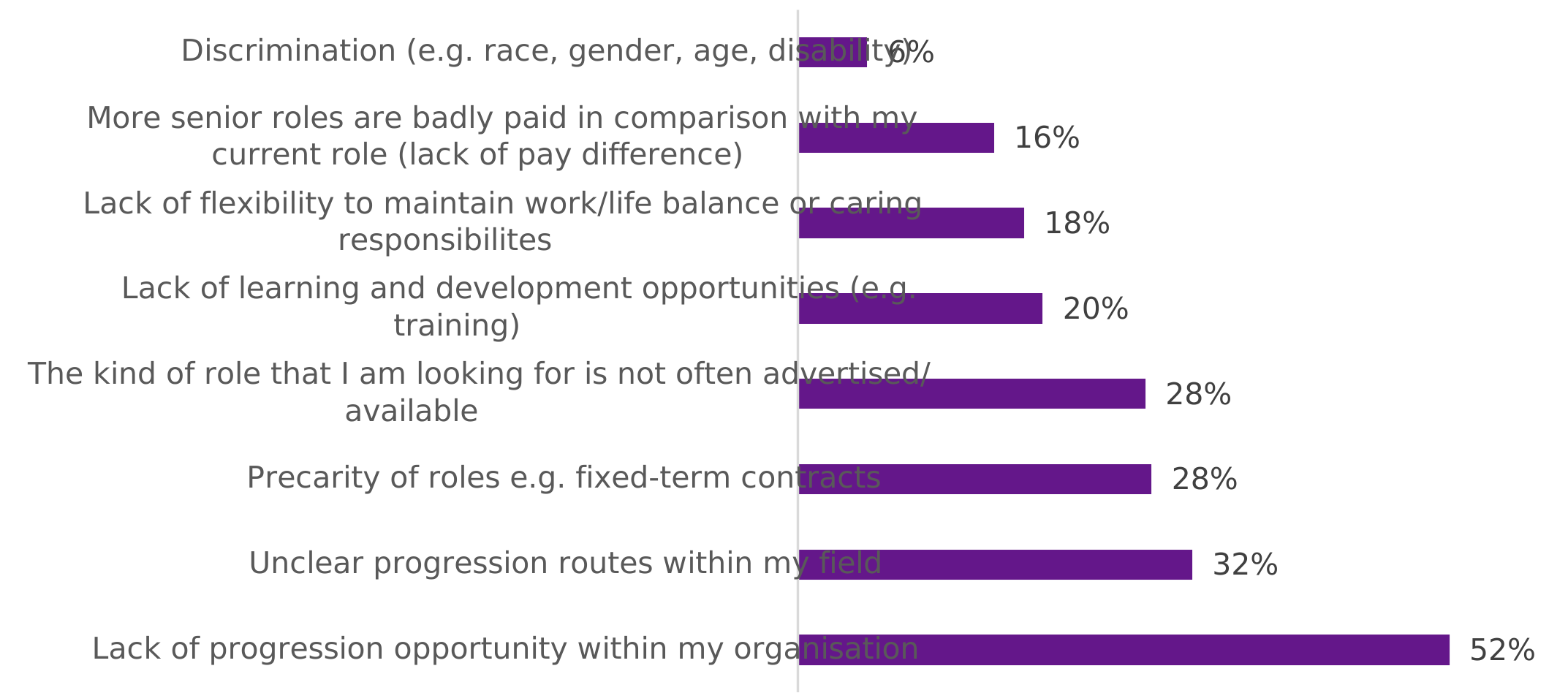
Source: Individual staff survey, N= 67 – 628 (sample size varies per response)
Staff were also asked the degree to which specific types of support could facilitate their career progression. When combining responses of ‘extremely helpful’ and ‘very helpful,’ the most valued enablers were: increased opportunities to progress (82%), training (75%), leadership development programmes (70%) and opportunities to network and connect with other professionals (68%). The full data for this question is presented in Figure 35.
Taken together, these findings highlight that enabling progression requires both clear opportunities and structured support. Providing accessible pathways, relevant training, leadership development, and professional networks can serve as stepping stones, helping staff move into desired roles.
Figure 35: Enablers of progression
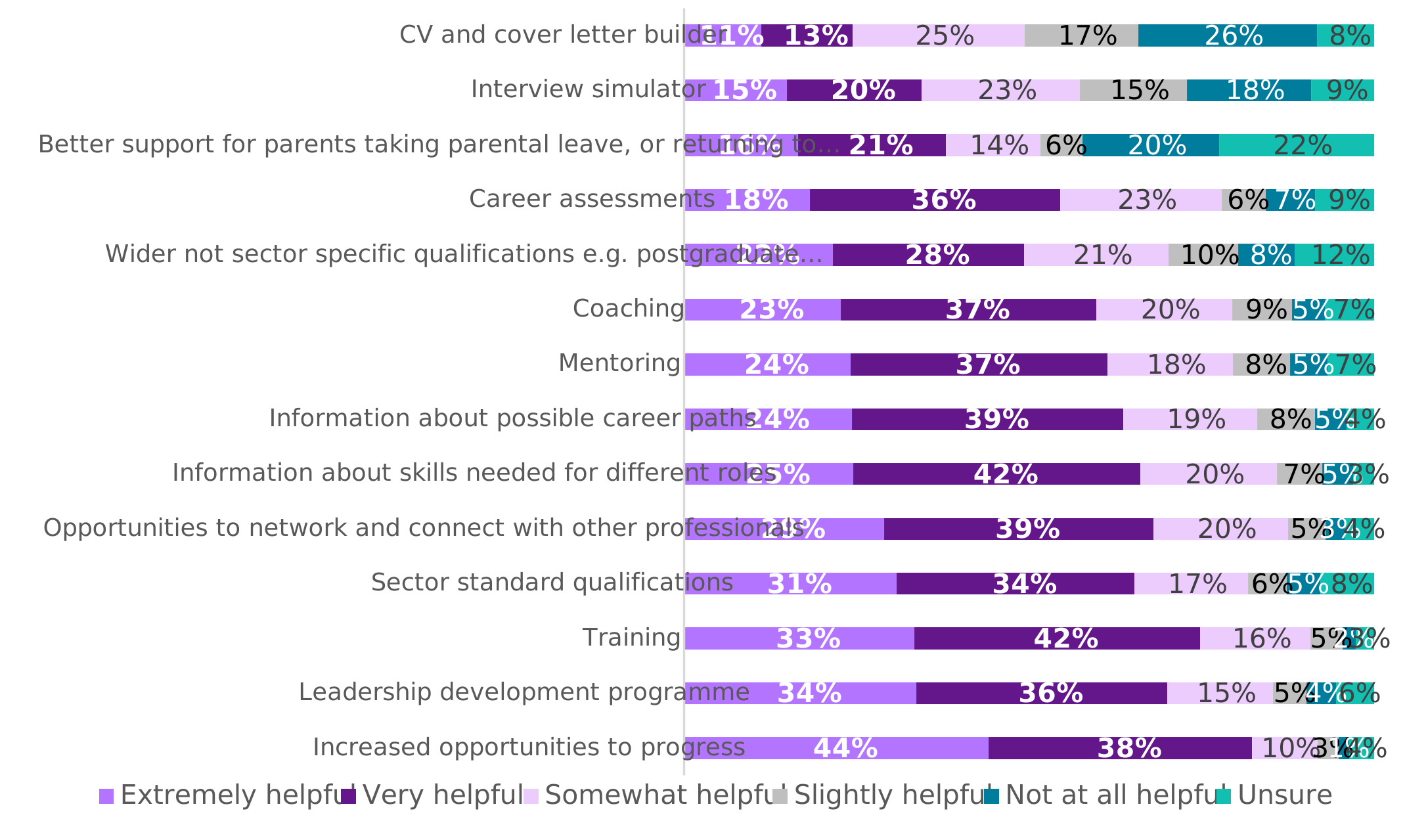
Source: Individual staff survey. N=1015 (sample size varies for each response)
8. Retention
This chapter explores: the length of time that staff have worked in their roles and in the homelessness sector more widely; how likely they are to remain in the sector; and the factors that influence retention. It then considers an organisational perspective on retention, presenting staff retention rates, organisational views on turnover and retention and the strategies that organisations are using to support staff to stay. Findings are presented from local authority and VCSF+ organisational surveys, from the individual survey, and from focus groups.
Key findings
- 29% of respondents from the individual staff survey had been in post for 3 – 5 years, and 27% had been in post for 1 – 2 years. Findings were consistent for local authorities (LA) and non-faith-based charity and voluntary organisations (VCS). A higher proportion of staff within Housing Associations were in their role for less than one year (26%).
- Many people stay working within the homelessness sector for many years, 24% of staff respondents reporting that they had worked in the homelessness sector for 3-5 years, 54% of staff for over 6 years and 35% for over 10 years.
- Again indicating a high level of commitment to the sector, 71% of staff reported that they were likely to continue working in the homelessness sector long-term, while 11% said they are unlikely, 13% were neutral and 5% did not know. Figures were across LA, VCS organisations, and housing associations were similar with 69–73% of staff reporting that they were likely to continue working in the sector long-term.
- The most common reason that staff intended to continue working in the homelessness sector was the ability to make a positive difference to someone’s life (63%). This was followed by having a rewarding career (51%), having variety in their roles (28%), having flexible working opportunities (26%) and a good work/life balance (24%).
- Of those who were unlikely to remain in the sector long-term, more than half (52%) reported the risk or experience of burnout as the leading reason for leaving. This was followed by seeking to improve their pay (37%), lack of career progression (26%), high workload (23%), and feeling undervalued (21%).
- Within the VCSF+ 32% of organisations had a retention rate over 90%, 51% of organisations had a retention rate over 80% and 74% of organisations had a retention rate over 70%. Local Authorities report an overall higher retention rate, with 60% of local authorities reporting a rate over 90% and 85% having a retention rate over 80%.
- Barriers to retaining staff differed between the VCSF+ and LA, with VCSF+ organisations more likely to report that low pay is a barrier to retaining skilled staff members (62% VCSF+; compared to 49% LA), and LAs more likely to report burnout leading to long-term sickness (39% LA; 24% VCSF+) and a lack of ability to offer job security (39% LA; 33% VCSF+).
Length of time in role and sector
Responses to the individual survey show that respondents had most commonly been in their role for 3-5 years (29%), followed by 1-2 years (27%). The full findings of this question are presented in Figure 36 below.
Figure 36: Length of time in current roles
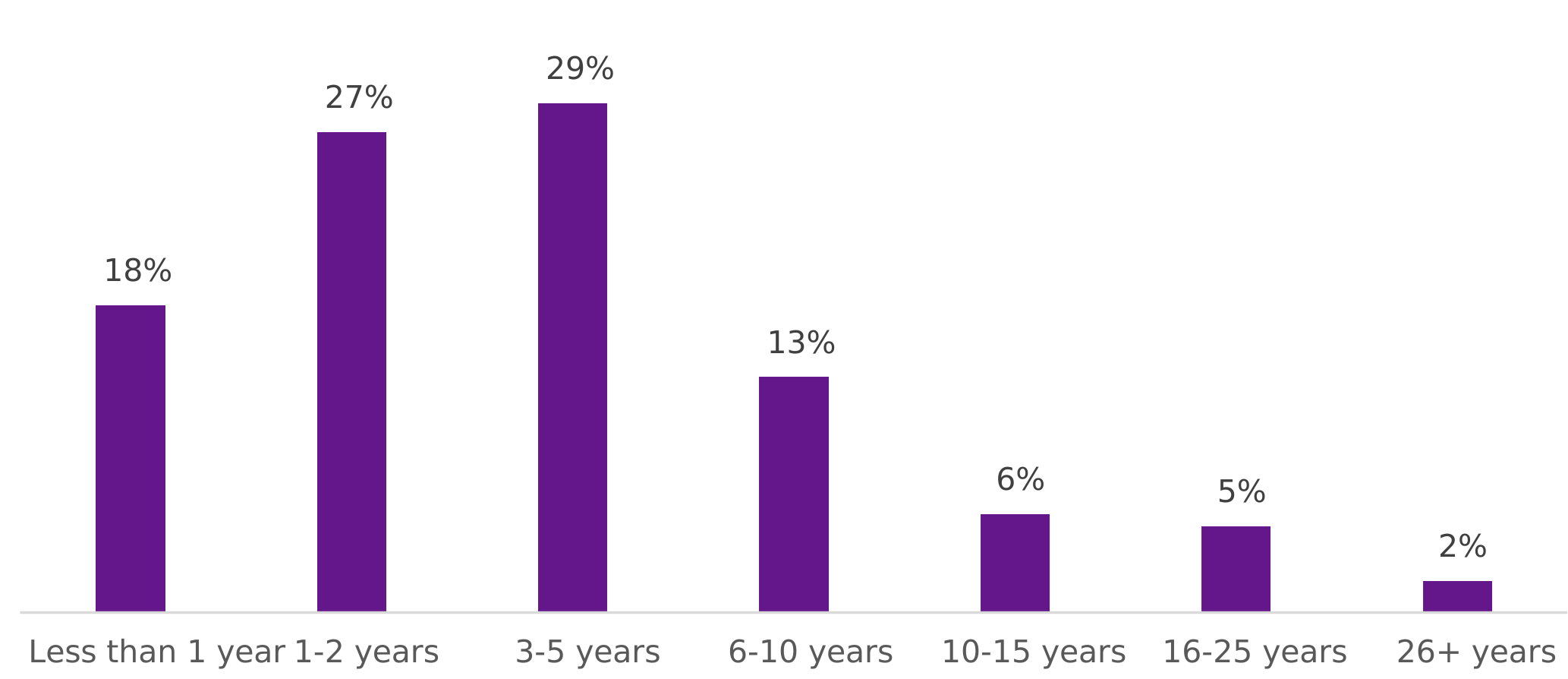
Source: Individual staff survey. N=1797
When we look at this data by organisation, findings are quite consistent for those working across both local authorities and non-faith-based charity and voluntary organisations (VCS). Within Housing Associations a higher proportion of respondents report being in their role for less than one year (26%).
When exploring length of time in role by staff role, we see some clear differences. Frontline workers, team leaders and service managers, senior leaders and those in housing advice and assessment see a similar trajectory to the sample as a whole, with length of employment peaking at 3 – 5 years. This trend is different in corporate and central services, housing management and temporary accommodation, where employment length peak at a lower 1-2 years in role. The full data presented by role can be found in the supplementary materials for this research.
When we compare the length of time that staff had worked in the homelessness sector to the length of time in their current role, we see that for many respondents this is not their first job in the sector. Data on the length of time people had worked within the homelessness sector shows that whilst the most common response was 3-5 years (24%), a larger group of people have committed to working in the sector much longer term, with 54% of respondents having worked in the sector for over 6 years and 35% for over 10 years.
Figure 37: Length of time in sector
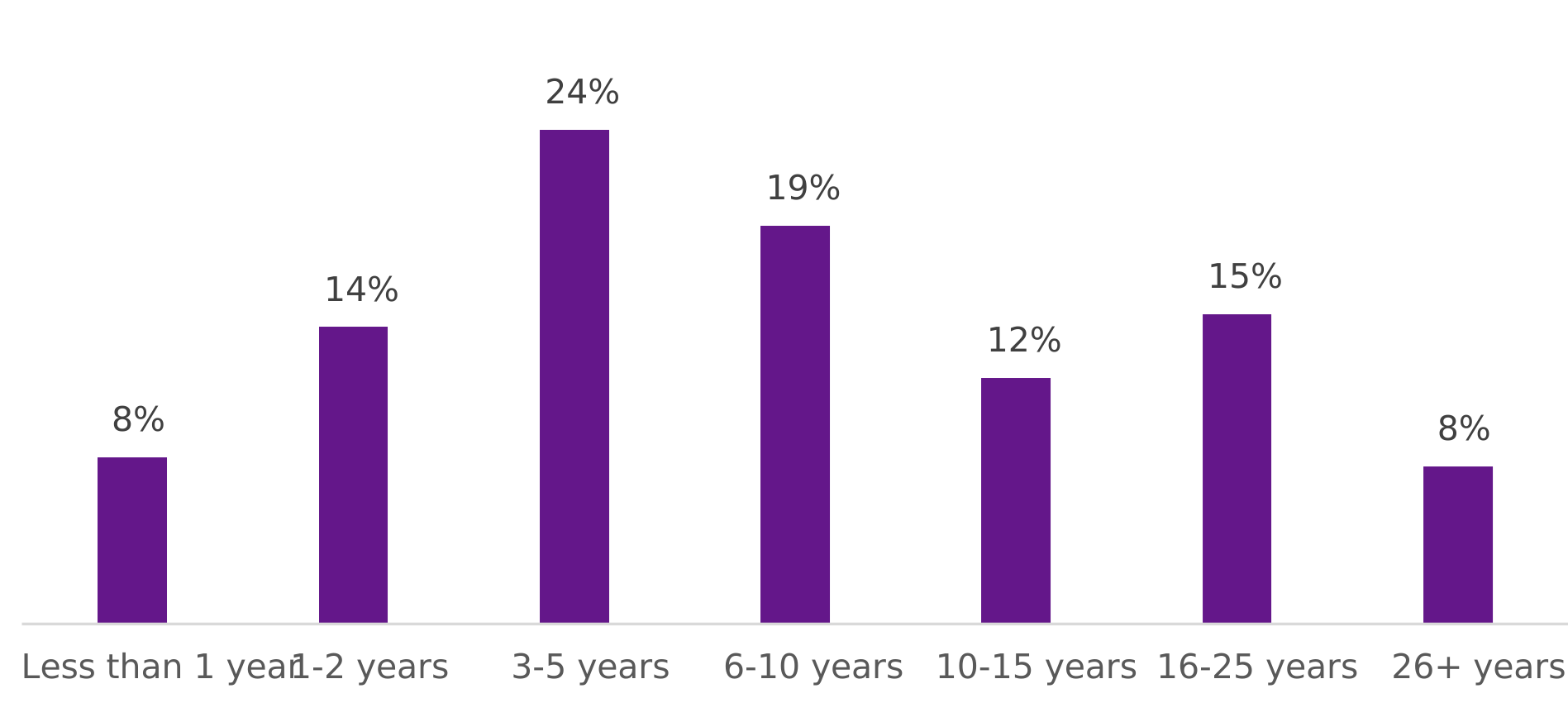
Source: Individual staff survey. N=1784
Likelihood of remaining in the sector long-term
In the staff survey, individuals were asked about the likelihood of them continuing to work in the sector long-term. Overall, as seen in Figure 37 below, a significant 71% of staff are likely to continue working in the homelessness sector long-term, while 11% said they are unlikely, 13% were neutral and 5% did not know.
Figure 38: Likelihood of staff working in sector long-term
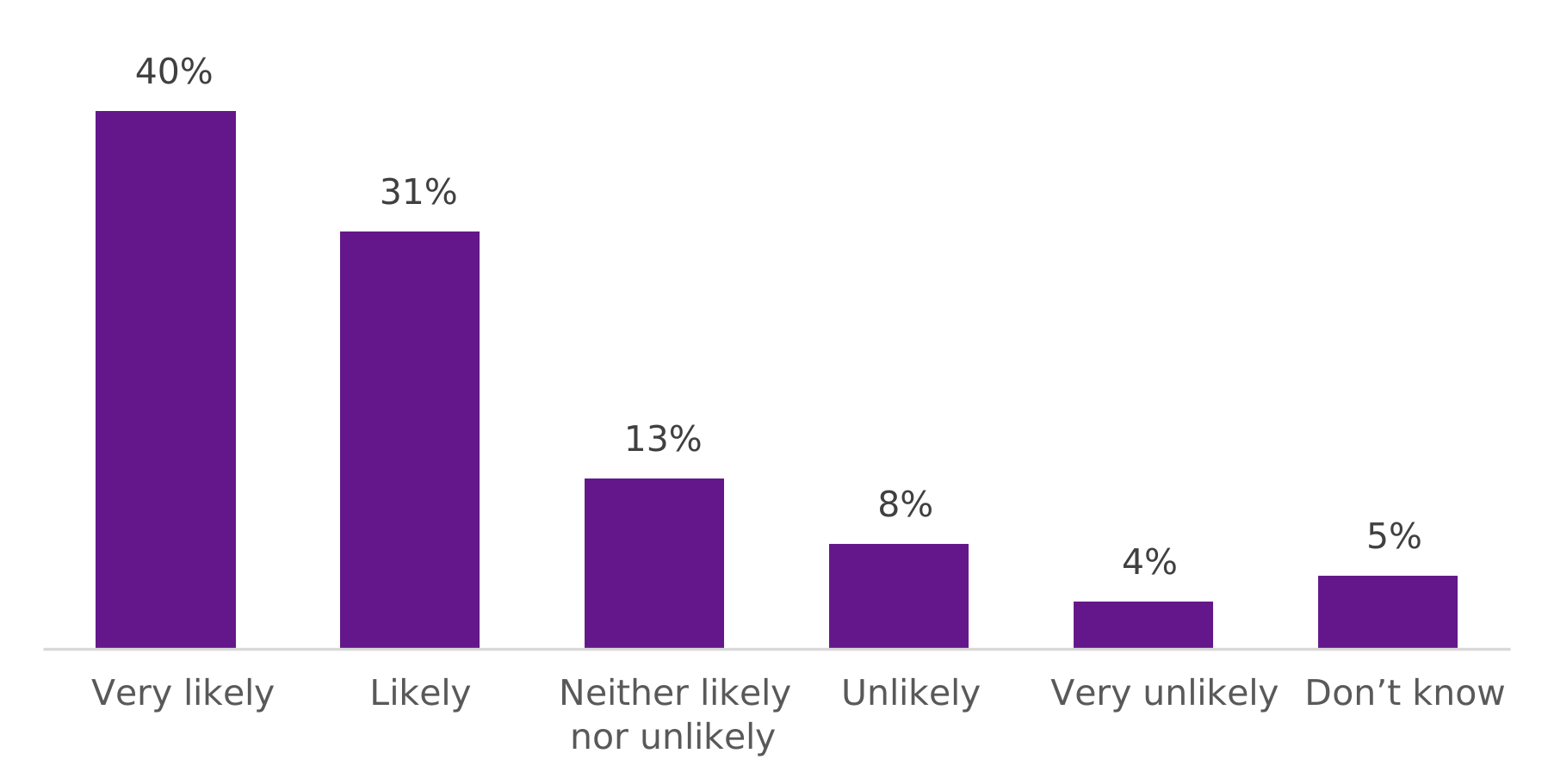
Source: Individual staff survey. N=1475<s/up>
Staff across local authorities, non-faith based charity / voluntary (VCS) organisations, and housing associations expressed similar intentions to stay, with around 69–73% likely to continue working in the sector long-term. Notably, more than a third of staff in each organisation type reported being very likely to remain (41% in Local authorities, 39% in VCS, and 44% in Housing Associations).
Figure 39: Likelihood of staff working in sector long-term in different organisation types
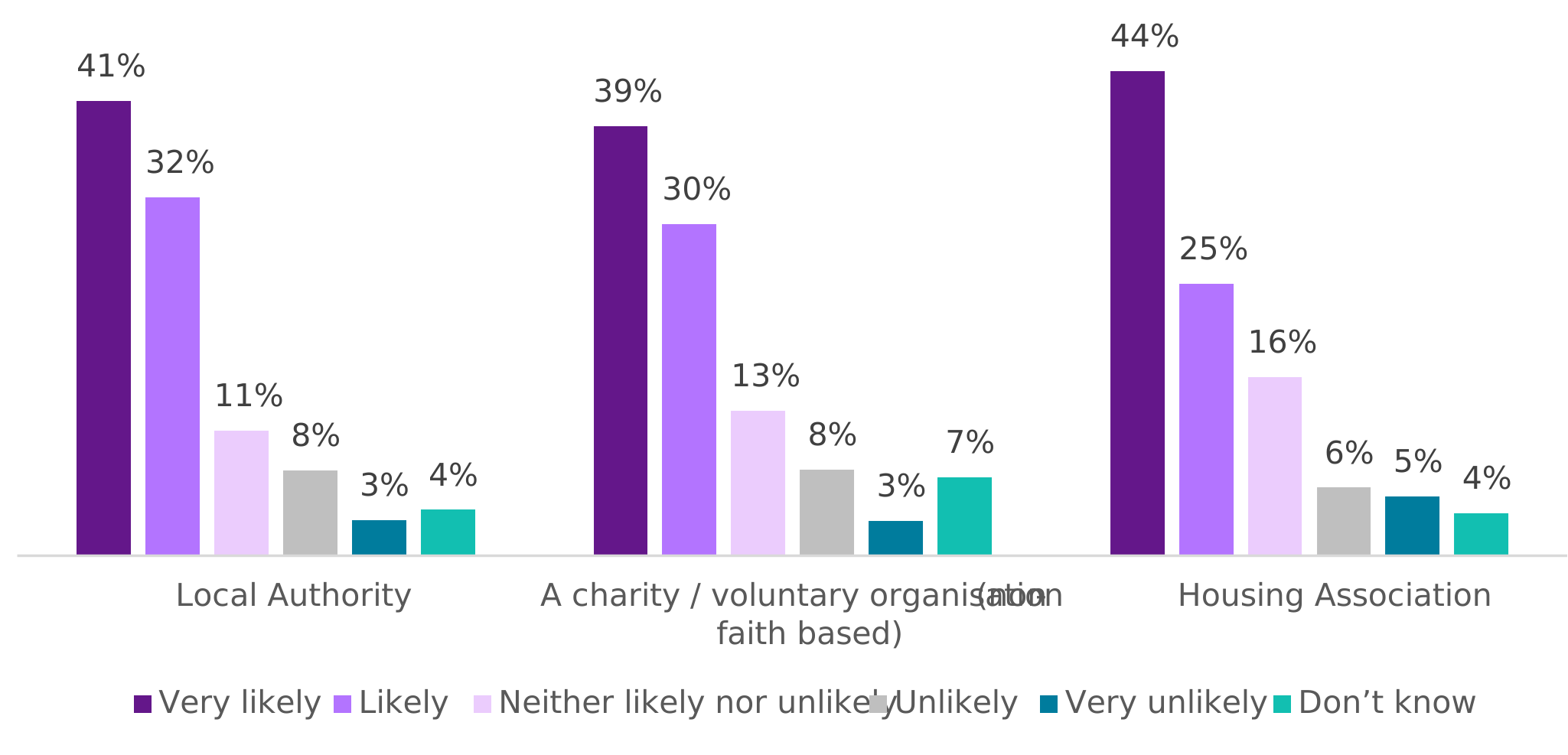
Source: Individual staff survey. Local Authority, N=724; VCS organisation, N=450; Housing Association, N=130
Demographic breakdowns of likelihood of remaining in the sector by gender, ethnicity, role, disability status, and caring responsibilities can be found in the supplementary materials for this research.
Key drivers of staff retention
In the individual survey, staff were asked to reflect on the reasons that they continue to work in the homelessness sector. The most common reason cited was the ability to make a positive difference to someone’s life (63%). As seen in chapter 5, this is also the leading reason motivating staff to join the sector (80%), which reinforces the finding throughout this research that the homelessness sector workforce is highly values-driven. This theme came across very strongly amongst staff focus groups:
“We certainly haven’t had any issue hanging on to people they once they’re here, they don’t want to go. But…I think that’s to do with kind of the staff culture and because it’s certainly not the money keeping people here” Representative from VCSF+ organisation
The second most common response was having a rewarding career (51%), followed by having variety in their roles (28%). The way that jobs fit in with people’s wider lives was highly valued as a reason to work in the sector long-term, with 26% of respondents citing having flexible working opportunities (26%) and 24% citing having good work/life balance. Respondents were much less likely to select variety in how their career could progress (5%), opportunities for progression (7%), opportunities for learning and development (7%), and getting fair pay (11%) as reasons to work in the sector. These findings are mirrored below, as we explore the push factors causing people to consider leaving the homelessness sector.
Figure 40: Reasons to continue working in the sector long-term
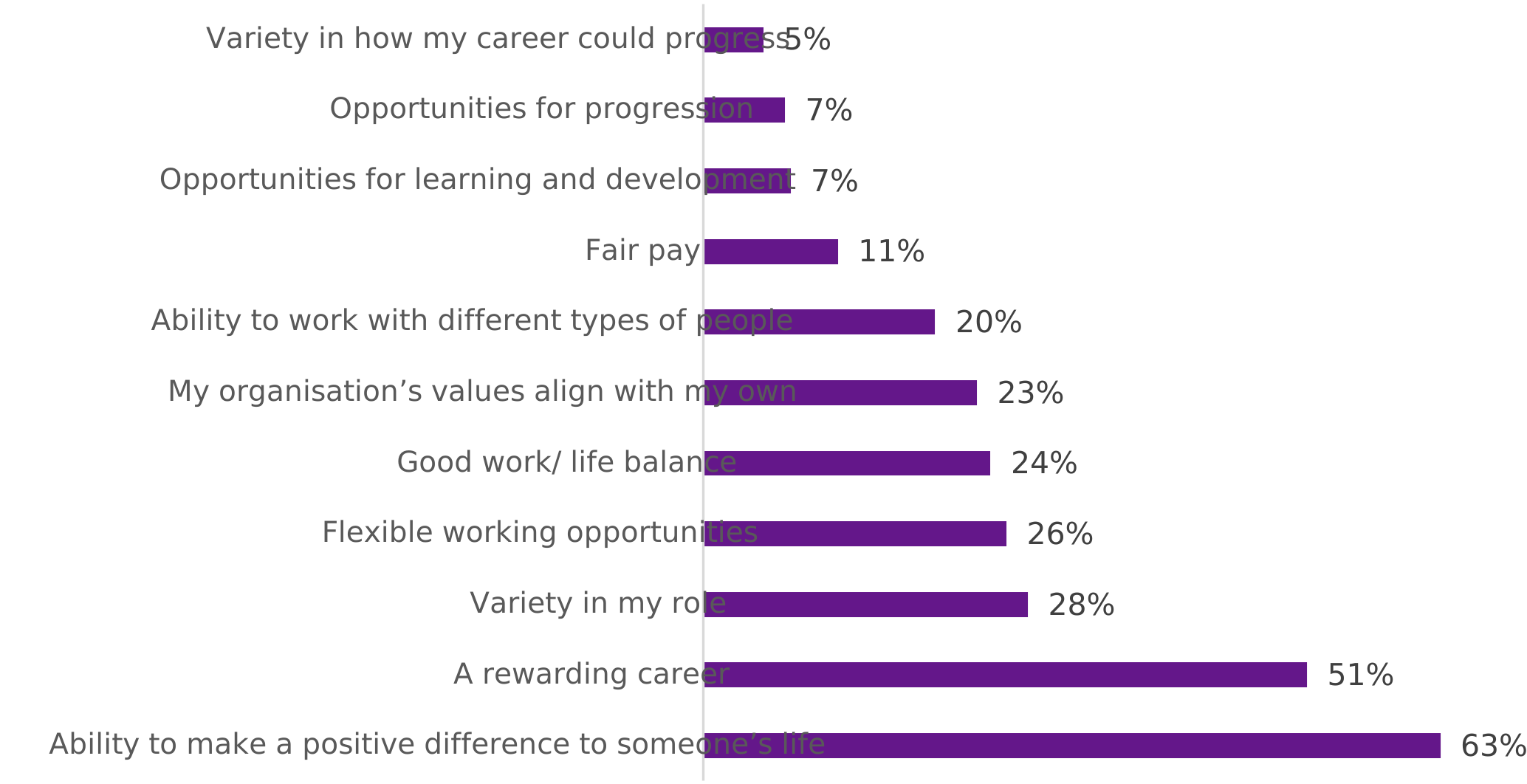
Source: Individual staff survey, N=1041
Staff who reported that they are unlikely to remain in the sector long-term were further asked the reasons why they were considering leaving. More than half of respondents in this group (52%) identified the risk or experience of burnout, making this the leading reason that staff are considering leaving the sector. This is followed by seeking to improve their pay (37%), lack of career progression (26%), high workload (23%), and feeling undervalued (21%). The full results for this question are presented in Figure 41 below.
Within focus group discussions, some organisations reported instances of losing staff because they have been offered better pay for similar roles elsewhere. This was a shared sentiment amongst representatives from local authorities where participants talked about neighbouring local authorities paying more for the same job role, leading to people leaving their organisations and a lack of people from other local authorities joining theirs.
“Our colleagues in the three other districts and boroughs have differing pay scales, one which is much higher than what we offer. And obviously we’re working within the framework of our local authority, HR pay scales, so you are restricted, and it does cause us some problems. We have lost some staff to our neighbouring local authorities.” Representative from Local Authority
Figure 41: Reasons to leave the sector
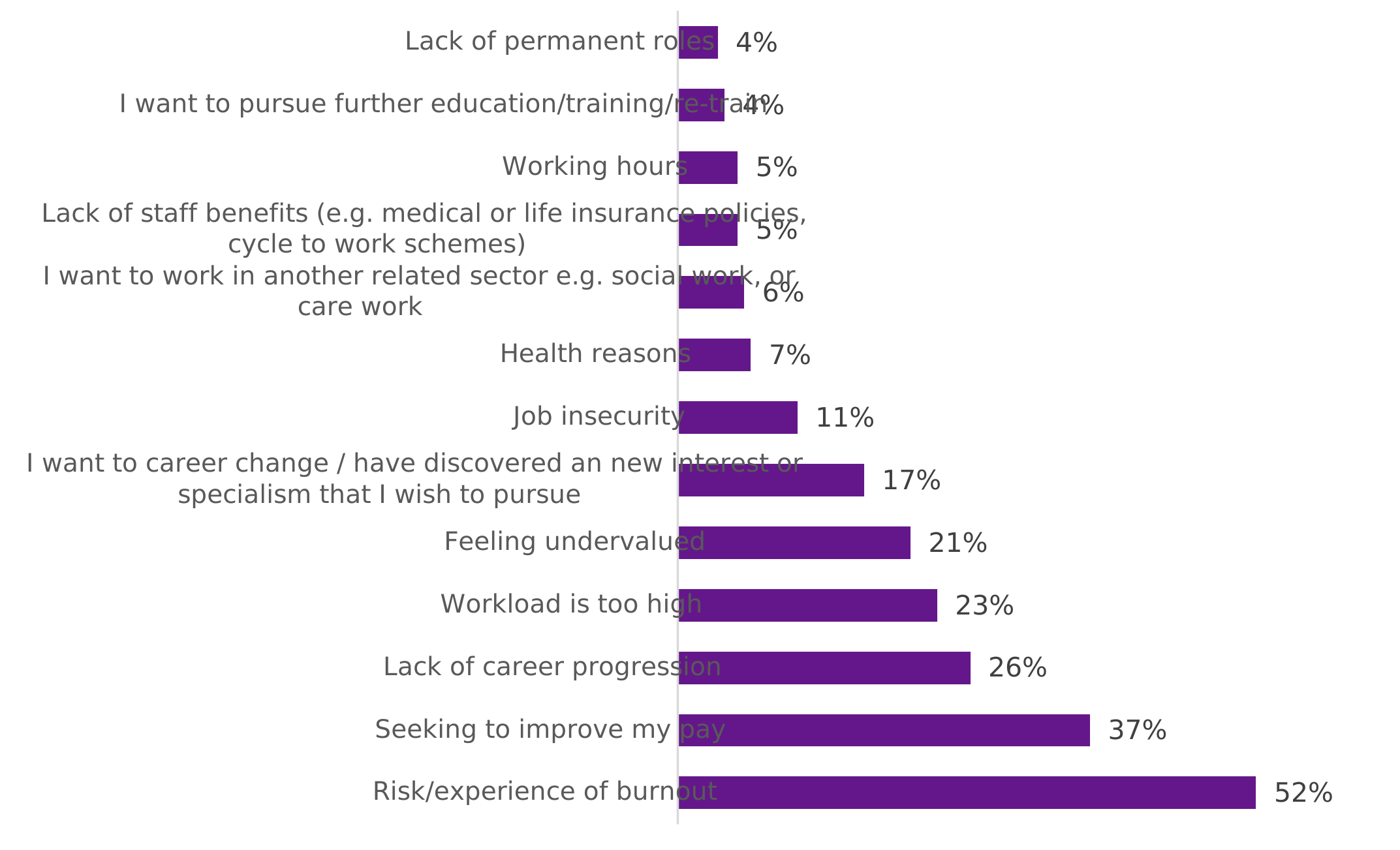
Source: Individual staff survey, N=167
Whilst a majority of people join the homelessness sector and remain there because they want to make a positive difference in people’s lives, it is burnout, lack of progression and feeling undervalued that cause people to consider leaving. This indicates that without sufficient support to help manage these issues, the sector is at risk of losing staff who are motivated, committed and ambitious.
Organisational perspectives on staff retention
Staff retention rates
So far this chapter has explored the reasons that people enter and remain in their roles and in the homelessness sector more widely. We now turn to consider the organisational perspective on staff retention. We present staff retention rates, the organisational perspective of staff turnover and retention, and we discuss strategies used by different organisations to improve staff retention.
Retention rate data was collected via the local authority and VCSF+ organisational surveys. Retention rates were calculated by taking the number of staff at the start of the year minus the number who left over the course of the year, and dividing the result by the number of staff at the start of the year. It should be noted that, particularly for local authorities, very small numbers of organisations provided this data and some of those that did had to be removed due to errors. Thus, the figures provided here should be treated with caution.
Within the VCSF+, 32% of organisations have a retention rate over 90%, 51% of organisations have a retention rate over 80%, and 74% of organisations have a retention rate over 70%. Local authorities see an overall higher retention rate, with 60% reporting a retention rate over 90% and 85% having a retention rate over 80%. These retention rates compare favourably with the wider UK workforce, in which the retention rate sits at 66%[footnote 17] and with the social care workforce, which in 2025 reported a retention rate of 77%.[footnote 18]
Views on turnover and retention
VCSF+ organisations and local authorities were asked several questions about their opinions and experiences around staff turnover, and the support they felt they were able to provide to people in their roles. A majority of organisations across both local authorities and VCSF+ felt that they were able to provide staff with wellbeing support to manage stress and vicarious trauma (80% LA; 81% VCSF+), and report that it is easy to keep high quality staff (66% LA; 65% VCSF+).
The experiences of VCSF+ and LAs diverge on some of the challenges experienced, with VCSF+ organisations more likely to report that low pay is a barrier to retaining skilled staff members (62% VCSF+; 49% LA) and local authorities more likely to report burnout leading to long-term sickness (39% LA; 24% VCSF+) and a lack of ability to offer job security (39% LA; 33% VCSF+) as barriers. The full findings for this question are presented in Figure 42 below.
Figure 42: Organisational views on staff turnover and retention
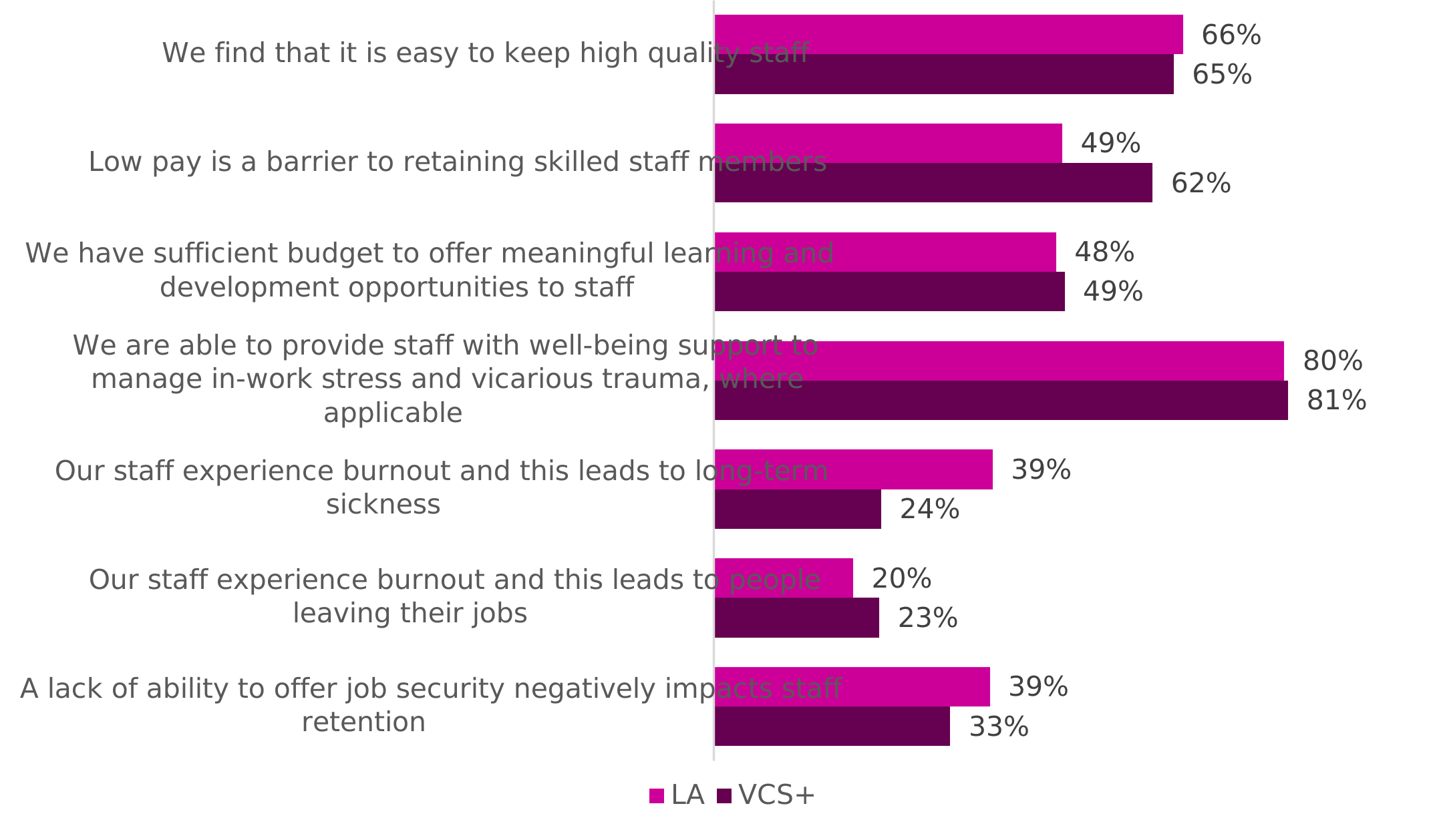
Source: Organisational Survey, Local Authorities (N=54-56; VCSF+ (N=87-90). Strongly agree and agree combined.
Retention strategies
Organisations were asked what strategies they had used to recruit or retain staff. The strategies that organisations had tried and found successful differ somewhat between local authorities and VCSF+ organisations.
Within local authorities, offering flexible working was the most successful strategy, with 90% stating that they had tried this and it had worked (vs 68% of VCSF+ organisations). Other strategies that had been effective within LAs included instilling a sense of purpose (79%), ensuring staff are recognised for the work they do (76%) and increasing pay annually (73%). For VCSF+ organisations, the most reported successful retention strategy was helping to instil a sense of purpose across staff (88%), followed by ensuring staff receive recognition for the work they do (80%), and increasing pay annually (71%).
For both VCSF+ organisations and LAs, the strategy that most report that they would like to implement to improve staff retention is to lower staff caseloads. 52% of LAs report that they would like to reduce caseloads, as do 46% of VCSF+ organisations. The full aggregated findings for this question are presented in Table 14, and the breakdowns by organisational type can be found in the supplementary materials for this research.
Table 14: Organisational recruitment and retention strategies
| Yes, and did help | Yes, but did not help | No, but would like to | No, this is not right for us | |
|---|---|---|---|---|
| Apprenticeships | 21% | 10% | 30% | 39% |
| Support for people to develop from volunteer to paid staff member | 38% | 2% | 25% | 36% |
| Support for people with lived experience, or service users, to become paid staff members | 42% | 3% | 36% | 20% |
| Ensuring staff are well paid | 58% | 5% | 33% | 4% |
| Improving staff benefits (e.g. cycle to work schemes, EAP, increased leave, etc.) | 50% | 16% | 27% | 7% |
| Improving opportunities for progression | 52% | 5% | 35% | 8% |
| Improving professional development offer | 57% | 7% | 30% | 5% |
| Ensuring staff receive recognition for the work they do | 79% | 12% | 7% | 2% |
| Helping to instil a sense of purpose across staff | 84% | 9% | 6% | 1% |
| Increasing pay annually | 72% | 11% | 13% | 4% |
| Offering flexible working | 77% | 7% | 3% | 13% |
| Securing longer-term funding / permanent roles | 54% | 5% | 31% | 10% |
| Lower caseloads | 22% | 6% | 48% | 23% |
Source: Organisational Survey, Local Authorities (N=47-52) and VCSF+ (N=78-87)
Focus group discussions agreed that, despite general consensus that pay is not one of the most important drivers to stay in the sector long-term, it is nevertheless important. Both staff and organisational representatives highlighted the disparities of agency staff being paid more than those with permanent roles, and that this causes a lack of motivation for staff to remain in the sector. One of the retention strategies proposed was not just to pay staff fairly but to also reduce reliance on agency staff, which could improve job security and foster a consistent and stable relationship between staff and clients.
“To keep me in the sector longer term, I will need more time off, more pay, and changes on the ground so that person-centred care is actually possible.” Staff from Local Authority
While members of staff would like to be paid better, organisations struggle to meet this demand. There is a general agreement that offering a competitive salary is sometimes out of reach for organisations, with retention strategies instead focussing on staff culture management.
“We certainly haven’t had any issue hanging on to people they once they’re here, they don’t want to go. […] I think that’s to do with kind of the staff culture and because it’s certainly not the money keeping people here, it is more about the fact that it’s we are a project of many. Within a charity […] it’s just an incredibly supportive environment and it offers us a lot. I do worry that that’s not going to be enough for some people longer term. I know it’s not going to be enough.” Representative from VCSF+ organisation
9. Conclusion
This research looked to map the homelessness workforce to provide a baseline understanding of the composition of the sector both in terms of size and structure, but also role types and demographics, learning and development, recruitment and retention and individual experiences of working in the sector.
This research finds that the homelessness sector makes up a sizeable workforce within England spanning across statutory and non-statutory providers, and with a significant voluntary element. This is a particular area of note given the research also found that 43% of VCSF+ organisations are finding fewer volunteers willing to offer their time. With volunteers making up 32% of the overall sector this is a potential significant risk to the capacity and resilience of the homelessness sector.
Our findings show that the sector is poorly paid, particularly amongst the VCS and frontline roles, with an average annual salary of £29,217. Housing Advice and Assessment workers within local authorities, who make up the majority of the statutory homelessness workforce, have an average annual salary of £32,999. This presents challenges in both recruitment and retention, but also demonstrates some of the longer-term financial challenges facing the sector, particularly with increased National Minimum Wage which is likely to impact an increasing number of roles within the sector as it rises.
Many of the findings in this research concerning recruitment and retention echo comparable findings found amongst the wider health and social care sector, in particular amongst adult social care. This includes similar vacancy rates, and shared themes related to low pay, reliance on agency staff, and staff burnout as a result of high caseloads. Whilst these are significant challenges, the similarity with other sectors perhaps provides useful blueprints and opportunities for shared learning in considering how to resolve and address these issues.
The demographic profile of the homelessness sector indicates a disproportionately female workforce (64%), and certain observed demographic trends suggest challenges with equitable progression, in particular amongst people from Black or Black British backgrounds, who make up 22% of frontline workers, but only 7% of senior leaders.
25% of the workforce stated that they had lived experience of homelessness. This is particularly prevalent amongst frontline workers (28%), but it is encouraging to see that this holds true across roles, with 20% of team leaders and senior leaders reporting having lived experience of homelessness.
When exploring the necessary skills needed to work in the homelessness sector across all roles, there was a strong theme of the importance of interpersonal skills, focussed on skills required to build strong and effective relationships. Many of the needed skills and knowledge identified by the workforce represent meeting the challenge of the increasing complexity of needs that they are seeing amongst the people they are supporting. This requires a range of, not only knowledge to understand the clients’ needs, but also skills to manage stress and vicarious trauma of providing support. However, despite a real expressed want for additional training and support, across both local authority and VCSF+ services there is little budget allocated or spent on training per person. Lack of funding to cover the costs of training was identified as a key barrier to access to learning and development, but so too was the challenge in finding the time to identify learning needs, and the capacity to cover staff time whilst on training courses.
46% of individual survey respondents reported that their role in the homelessness sector negatively impacted their wellbeing. This was more prominent in local authorities (52%), than in the VCS (42%) and Housing Associations (40%). Client facing roles were more likely to report a negative impact on their wellbeing than corporate or central service roles. High workload and the complexity of their clients’ needs were the most commonly reported reasons given.
Despite this, we find a highly motivated workforce, who are driven by their values and desire to help people. 71% of respondents stated that they intended to stay in the sector long-term, with the majority of people stating the ability to make a positive difference to someone’s life as their primary motivating factor both for joining the sector, and for wanting to stay. This is a values-led workforce, which is committed to, and takes pride in, the work that they do to support people experiencing homelessness. This is a solid foundation upon which to build a workforce strategy that looks to address the challenges identified in this research, and build on the opportunities highlighted.
Homeless Link: What we do
Homeless Link is the national membership charity for frontline homelessness services. We work to improve services through research, guidance and learning, and campaign for policy change that will ensure everyone has a place to call home and the support they need to keep it.
Homeless Link
Minories House
2-5 Minories
London
EC3N 1BJ
-
MHCLG (2024) Statutory homelessness in England: financial year 2023-24. ↩
-
MHCLG (2025) Rough sleeping snapshot in England: autumn 2024. ↩
-
MHCLG (2025) Statutory homelessness in England: January to March 2025. ↩
-
Homeless Link (2025) Support to End Homelessness 2024: A review of services addressing single homelessness in England. ↩
-
MHCLG (2024) Statutory homelessness in England: financial year 2023-24. ↩
-
MHCLG (2025) Rough sleeping snapshot in England: autumn 2024. ↩
-
MHCLG (2025) Statutory homelessness in England: January to March 2025. ↩
-
Homeless Link (2025) Support to End Homelessness 2024: A review of services addressing single homelessness in England. ↩
-
This is the first attempt to accurately quantify the size of all parts of the homelessness workforce and therefore should be considered an experimental figure in that regard. In order to assess comparability the total number of sign-ups under the homelessness BlueLight card was used with latest data showing approximately 39,000 sign-ups across both LA and VCS (as of December 2025). The figure above calculates based on FTE, whereas the BlueLight card figure is individual posts. The BlueLight figure is not able to account for turnover. As such both figures appear to account for a similar estimate. ↩
-
Skills for Care (2025) The size and structure of the adult social care sector workforce in England: Workforce supply and demand trends 2024/25. ↩
-
Homeless Link, (2022) Case Management in the homelessness sector: supporting people from referral to move-on. ↩
-
Skills for Care (2025) The size and structure of the adult social care sector workforce in England: Workforce supply and demand trends 2024/25. ↩
-
Skills for Care (2025) The size and structure of the adult social care sector workforce in England: Workforce supply and demand trends 2024/25. ↩
-
2021 UK census. ↩
-
Skills for Care (2025) The size and structure of the adult social care sector workforce in England: Workforce supply and demand trends 2024/25. ↩
-
Entry level and level 1 qualifications: GCSEs (grades D, E, F, G or 3, 2, 1), NVQ level 1, Awards, certificates or diplomas entry level or level 1; Level 2 qualifications: GCSEs (grades 9, 8, 7, 6, 5, 4 or A*, A, B, C), O levels (grades A, B, C), NVQs level 2, Awards, certificates or diplomas level 2; Level 3 qualifications: A levels, AS levels, NVQs level 3, Awards, certificates or diplomas level 3, T levels; Level 4 qualifications or above: Degree, Master’s degree, Postgraduate degree, NVQ levels 4+, Award, certificate or diploma levels 4+. ↩
-
CIPD analysis of ONS Annual Population Survey. CIPD (2024) Benchmarking employee turnover: What are the latest trends and insights?. ↩
-
Skills for Care (2025) The size and structure of the adult social care sector workforce in England: Workforce supply and demand trends 2024/25. ↩