Loneliness, isolation and social connection among boys and young men in England
Published 15 June 2026
Applies to England

© Crown copyright 2026
This publication is licensed under the terms of the Open Government Licence v3.0 except where otherwise stated. To view this licence, visit nationalarchives.gov.uk/doc/open-government-licence/version/3 or write to the Information Policy Team, The National Archives, Kew, London TW9 4DU, or email: psi@nationalarchives.gov.uk.
Where we have identified any third party copyright information you will need to obtain permission from the copyright holders concerned.
This publication is available at https://www.gov.uk/government/publications/loneliness-isolation-and-social-connection-among-boys-and-young-men-in-england/loneliness-isolation-and-social-connection-among-boys-and-young-men-in-england
Report authors: Ekaterina Khriakova, Saskia Redgate, Hannah Morgan, Sam Beardsworth and Sokratis Dinos.
Key messages
Boys and young men face specific risks linked to loneliness, yet wider research suggests they may be less likely to report these experiences because of stigma. This means loneliness among this group may be underestimated, despite evidence that it is associated with poorer mental health, social difficulties and harmful behaviours. To better understand the extent and nature of loneliness, isolation and social connection among boys and young men in England, this research draws on national survey data from Understanding Society (waves 14 and 15, collected between 2022 and 2025) and the Mental Health of Children and Young People survey (MHCYP wave 4, collected in 2023). The key messages below summarise the factors most strongly associated with experiences of loneliness and isolation for boys and young men aged 10 to 25 (these associations should not be interpreted as causal relationships).
Levels of loneliness, isolation and social connection
-
Most boys and young men did not report chronic loneliness (feeling lonely often or always), although many reported feeling lonely at least some of the time. Only a small minority reported feeling lonely often or always, while around half said they felt lonely occasionally or some of the time.
-
Loneliness and isolation overlapped strongly among young men. Most young men who reported feeling lonely also said they felt isolated, suggesting that stigma around reporting both loneliness and isolation works in the same way.
-
Measures of social connection were limited across datasets. Surveys captured the number of close friends, frequency of meeting friends and family support, but no available measure fully captured all dimensions of social connection. This limited analysis of social connection and its relationship to loneliness and social isolation.
Risk factors related to loneliness and social isolation
-
Mental health was the strongest and most consistent factor associated with loneliness and isolation. Boys and young men with lower levels of wellbeing, more emotional difficulties (such as anxiety or low mood) and more peer relationship problems (such as struggling to get along with others or feeling rejected) were substantially more likely to report feeling lonely or isolated across all age groups. Young men aged 16 to 25 with mental distress measured with the General Health Questionnaire-12 (GHQ)) were much more likely to report feeling lonely often.
-
Bullying was closely associated with higher loneliness. Boys and young men who experienced bullying online or at school were much more likely to report feeling lonely often.
-
Being economically inactive increased the likelihood of loneliness among young men. Young men who were unemployed were more likely to report feeling lonely or isolated, although these patterns weakened after accounting for other factors such as wellbeing and bullying.
Protective factors related to loneliness and social isolation
-
Family support played an important protective role. Young men who felt well supported by their family were far less likely to report feeling isolated; those who felt unsupported were more vulnerable to isolation.
-
Having more friends was associated with lower isolation. Boys and young men with fewer close friends were more likely to report feeling lonely or isolated, although these patterns weakened when other factors such as mental health/wellbeing and bullying were accounted for.
-
Participation in group-based activities showed lower associations with loneliness. Involvement in clubs, groups, societies and community organisations was associated with lower levels of loneliness for young men.
Relationship between age and levels of loneliness
- Age patterns differed across datasets, suggesting that age itself was not a strong predictor of loneliness among boys and young men aged 10 to 25. MHCYP showed higher loneliness among older adolescents and young adults, whereas Understanding Society showed little variation by age. Once the transitions and experiences that often accompany early adulthood were taken into account, including changes in mental health, education and employment age was not a strong factor.
Executive Summary
Introduction
Drawing on robust national survey data, this research identifies the specific risk and protective factors that shape how boys and young men experience loneliness, isolation and social connection, to inform how interventions may be most effectively targeted to mitigate the harms of loneliness and support improved outcomes for boys and young men.
While most people feel lonely at times, chronic loneliness - defined throughout this report as loneliness experienced ‘often’ or ‘always’ - can cause serious harm to health and wellbeing, with effects comparable to those of smoking or obesity.[footnote 1] It is also associated with poor mental health,[footnote 2] fewer close friendships[footnote 3] and difficulties in employment. [footnote 4]
The Department for Culture, Media and Sport (DCMS) is committed to improving social connection for those most at risk of loneliness and its harmful consequences. To support evidence-based policy, DCMS previously commissioned research into the factors associated with loneliness in adults in England, [footnote 5] drawing on data from the Community Life Survey (covering those aged 16 and over). That research provided useful insights into who is at risk of loneliness, how risk factors have changed over time, what predicts the alleviation of loneliness, and the relationship between loneliness and mental wellbeing.
This report builds on that work, with a specific focus on boys and young men. While loneliness affects people of all ages, some groups are more at risk than others and people aged 16 to 24 are among those most likely to experience loneliness.[footnote 6] There is also growing concern about the specific consequences of loneliness for boys and young men, including poor mental health,[footnote 7] vulnerability to radicalisation,[footnote 8],[footnote 9] and the development of misogynistic attitudes.[footnote 10] Although girls and women are more likely to report chronic loneliness, the lower figures for boys and young men may partly reflect the stigma and shame associated with experiencing loneliness which is likely to make this group reluctant to acknowledge feeling lonely. As a result, lower reported levels of loneliness among boys and young men should not necessarily be interpreted as indicating a lower need for support or better evidence.
Because loneliness can be difficult to measure and because stigma may lead people to under-report loneliness, this research also examines related concepts, including isolation and social connection. While these are distinct experiences, exploring the links between them provides a fuller picture of young men’s experiences and can inform more effective policies and interventions.
In this report loneliness refers to a “subjective, unwelcome feeling of lack or loss of companionship. It happens when we have a mismatch between the quantity and quality of social relationships that we have, and those that we want”[footnote 11], whereas isolation describes an objective lack of contact with others. Social connection describes the quantity, function and quality of relationships, which may help to protect against feelings of loneliness and isolation.
This report uses data from Understanding Society and the Mental Health of Children and Young People (MHCYP) survey. These surveys offer complementary strengths. Understanding Society provides detailed information on social connection, bullying and wellbeing across ages 10 to 25. MHCYP offers richer measures of mental health, including validated wellbeing and behavioural scales, and covers ages 11 to 25. Together, they provide the most comprehensive recent evidence on loneliness among boys and young men in England.
Understanding Society measures both loneliness and isolation and whilst experiences of loneliness were more common, the two experiences overlapped strongly. Most boys and young men who reported feeling lonely also said they felt isolated. This overlap informed the analytical approach throughout the report, which focuses primarily on loneliness while presenting isolation patterns where relevant. Because survey questions and response categories differed across datasets, findings should be interpreted as complementary rather than directly comparable.
Prevalence of loneliness, isolation and social connection
Population estimates of loneliness show that 7% of the adult population (aged 16+) in England feel lonely often or always.[footnote 12] Our analysis found that most boys and young men did not report chronic loneliness, although many said that they felt lonely at least occasionally.
-
Across both Understanding Society and MHCYP, only a small minority reported feeling lonely often or always:
-
In Understanding Society, 13% of young men aged 16 to 25 reported feeling lonely often, while 2% of boys aged 10 to 15 said they felt lonely all the time.
-
A similar pattern appeared in MHCYP, where 8% of boys and young men aged 11 to 25 said that they felt lonely often or always.
-
Across both surveys, a substantial share of boys and young men said that they felt lonely occasionally or some of the time:
-
In Understanding Society 36% of boys and young men reported feeling lonely some of the time and
-
In MHCYP almost half (45%) of boys and young men aged 11 to 25 reported feeling lonely occasionally or some of the time.
These patterns indicate that loneliness is a regular experience for many boys and young men, even if reporting chronic loneliness is less common.
Feelings of isolation followed a similar pattern, although fewer young people reported feeling isolated often. Among young men aged 16 to 25 in Understanding Society, around one in ten said that they felt isolated often (12%) and a further 37% reporting feeling isolated some of the time, while just over half said that they hardly ever felt isolated (50%). These findings suggest that experiences of loneliness and isolation vary among boys and young men, with most young people feeling connected much of the time but a notable minority experiencing frequent disconnection.
Measures of social connection were limited across the datasets. Surveys captured the number of close friends, how often boys and young men met friends in person or online, and how supported they felt by their family. However, none of the measures in Understanding Society, MHCYP or other datasets considered fully reflected the different dimensions of social connection. Social connection, when measured through the number of close friends, showed only weak links with loneliness or isolation. Many boys and young men had several close friends yet still reported feeling lonely. This suggests that loneliness reflects how supported and connected young people feel, rather than the number of close friendships they have.
Differences by age
Age patterns, within the 10 to 25 age group, varied across datasets and did not show a consistent trend. Understanding Society showed little variation in loneliness between boys aged 10 to 15 and young men aged 16 to 25. By contrast, MHCYP showed that older adolescents and young adults were more likely to report feeling lonely often or always. However, age differences did not remain once other factors such as mental health were taken into account. This suggests that age itself is less important than the experiences that tend to accompany it, such as changes in mental health, education, work and independence.
Factors associated with loneliness and isolation
The table presents the key risk and protective factors that were independently associated with loneliness after accounting for other factors, such as socio-demographic and personal characteristics, social connection, and social media use.
The analysis identified associations rather than causal relationships between loneliness and its factors. Many relationships are likely to be bidirectional (for example, poorer mental health may increase loneliness, and loneliness may also contribute to poorer mental health), and some findings may reflect selection effects (for example, boys who already feel lonely may be more likely to engage in certain individual activities). While useful for identifying patterns and potential risk or protective factors, these findings do not provide evidence that changing any single factor would directly reduce loneliness or isolation.
Summary for risk and protective factors
Risk factors
- Poor mental health/low wellbeing for all ages from 10 to 25 for both loneliness and isolation.
- Bullying online (for boys and young men aged 10 to 21) or at school (for boys aged 10 to 15) for loneliness and isolation.
- Peer relationship difficulties (e.g. feeling rejected, difficulty getting along with others) for boys and young men aged 11 to 25 for loneliness.
- Not being in employment or training for young men aged 17 to 25 in MHCYP, when other factors such as mental health and wellbeing are accounted for, although employment status was not an independent risk factor in Understanding Society when bullying, social media use, friends and family support were accounted for.
Protective factors
- Poor mental health/low wellbeing for all ages from 10 to 25 for both loneliness and isolation.
- Bullying online (for boys and young men aged 10 to 21) or at school (for boys aged 10 to 15) for loneliness and isolation.
- Peer relationship difficulties (e.g. feeling rejected, difficulty getting along with others) for boys and young men aged 11 to 25 for loneliness.
- Not being in employment or training for young men aged 17 to 25 in MHCYP, when other factors such as mental health and wellbeing are accounted for, although employment status was not an independent risk factor in Understanding Society when bullying, social media use, friends and family support were accounted for.
- Family support (protective against isolation for men aged 16 to 21; not a factor for loneliness once wellbeing and bullying are accounted for).
- Close friendships (overall associated with lower loneliness/isolation; an independent protective factor for isolation, but not independent for loneliness once wellbeing and bullying are accounted for).
- Participation in organised/group activities (e.g. clubs, societies, community groups; associated with lower loneliness in MHCYP): young men aged 17 to 25 who reported taking part in activities as part of a club, society or community group were less likely to report feeling lonely.
Mental health and wellbeing
Mental health was the strongest and most consistent factor associated with loneliness across all age groups and both datasets. Boys and young men with lower levels of wellbeing were much more likely to report feeling lonely often than those with higher levels of wellbeing. For example, in Understanding Society, one third of young men aged 16 to 25 with mental distress said they felt lonely often, compared with just 6% of those without mental distress. Similarly, MHCYP showed that boys and young men with lower mental wellbeing were far more likely to report chronic loneliness. This was also true for those with higher levels of emotional and behavioural difficulties as measured by the Strengths and Difficulties Questionnaire (SDQ), especially the peer problems and emotional difficulties subscales. This strong association between mental health, emotional and behavioural difficulties, and loneliness reflects patterns identified in wider research.
More generally, these patterns mirror findings from previous longitudinal research among adults aged 16 and over, which shows a close, two-way relationship between mental wellbeing and loneliness. [footnote 13] That research found that people experiencing mental distress were more likely to go on to feel lonely, while existing loneliness strongly predicted the onset of mental distress. This suggests that the strong associations observed among boys and young men reflect patterns seen across the wider population. Further research would be needed to understand how these relationships develop among boys and young men aged 10 to 25.
Peer relationships and bullying
Negative peer experiences were closely associated with loneliness. Boys and young men who had been bullied, whether online or at school, were far more likely to report feeling lonely often. Online bullying showed a particularly strong association with loneliness among young men aged 16 to 21, consistent with wider research that bullying remains salient in shaping young men’s social experiences as they get older. [footnote 14]This pattern highlights the significant impact that harmful interactions in digital spaces can have on young men’s sense of connection.
Peer problems more generally, such as difficulties getting along with friends or feeling rejected, were strong markers of chronic loneliness in MHCYP. These findings underscore the central role of peer relationships in shaping feelings of connection during adolescence and early adulthood.
Family support and friendship as a protective factor against isolation among young men
Family support was an important protective factor against isolation for young men. Young men who felt well supported by their family and had more friends were less likely to say they felt isolated. Those who felt unsupported or only partly supported by their family were significantly more likely to report feeling isolated often. A similar pattern was not seen for loneliness amongst boys and young men once other factors such as mental wellbeing and bullying were accounted for.
Employment, education and early adulthood
There was some evidence from MHCYP to suggest that men who were unemployed or not in education or training in early adulthood were more likely to be lonely often than those in education or paid work, although this association was not present in Understanding Society when taking into account additional factors such as bullying, social media use and social connection with friends and family. Further research would be needed to better understand how being in work, education or training interacts with other risk factors for loneliness.
Social participation and organised activities
There was some evidence from MHCYP that indicated that participation in organised activities was associated with lower levels of loneliness. Young men aged 17 to 25 who took part in activities as part of a club, society or community groups were less likely to report feeling lonely. This suggests that opportunities for regular social contact outside the home may play an important role in protecting against loneliness for this group.
Conclusions and implications for policy and practice
The strongest factors linked to loneliness among boys and young men were mental health, peer relationships and bullying. These factors shaped experiences across all age groups and were consistent across datasets. Family support and friendships played a protective role against isolation, while social participation was associated with loneliness in more complex ways.
The findings highlight several areas where policy and service design can reduce loneliness among boys and young men:
-
Lower mental wellbeing was the strongest and most consistent factor associated with loneliness, which suggests that strengthening mental health support across adolescence and early adulthood could have wide benefits.
-
Bullying in schools and online was also strongly associated with chronic loneliness, highlighting the need for coordinated approaches across digital and educational settings.
-
The data suggests that family support protects young men from isolation, whereas difficulties with peer relationships mean young men are more at risk of experiencing loneliness. This indicates that programmes that build communication, trust and relational skills may reduce risk.
-
Finally, taking part in activities as part of a club, group, society or community organisation were associated with lower loneliness, suggesting that policies which encourage access to activities where participants belong to a wider group may support stronger social connection.
Methodology and findings
Introduction
This project used secondary analysis of national survey data collected from boys and young men aged 10 to 25 in Understanding Society and the Mental Health of Children and Young People survey (MHCYP) to investigate the characteristics and experiences that are associated with higher levels of loneliness, isolation and social connection in this group.
Chronic loneliness disproportionately affects young people with almost 10% of people aged 16 to 24 feeling lonely always or often (CLS, 2025). Evidence indicates that loneliness carries health risks comparable to smoking or obesity.[footnote 15] DCMS recognises that boys and young men (aged 10 to 25) are facing specific challenges and this research seeks to identify the specific risk and protective factors that influence how boys and young men experience loneliness, isolation and social connection.
Research on loneliness, isolation and social connection
Loneliness, isolation and social connection are related, but distinct concepts:
-
Loneliness refers to unwelcome feelings of a lack of companionship that can arise from a difference between the quality and quantity of social relations we want and the social relations that we have. Chronic loneliness is defined here as loneliness experienced ‘often’ or ‘always. [footnote 16]
-
Isolation describes an objective lack or infrequency of social contact. Although isolation can lead to feelings of loneliness, some people who are isolated may feel content with their situation, whilst others with many social contacts may still feel lonely.
-
Social connection can be described as how people relate to and interact with others across three different dimensions: structure; function; and quality. The structural dimension reflects the number and variety of relationships a person has (including frequency, duration and mode or contact). The functional dimension relates to how support is received and perceived as available from relationships. The quality dimension relates to the nature of the relationships which could be positive or negative. [footnote 17]
Loneliness, isolation and social connection have become important concerns in public policy because the evidence is clear that chronic loneliness causes significant harm to mental and physical health,[footnote 18] employment prospects[footnote 19] and the quality of people’s relationships[footnote 20]. National statistics in England have mainly focused on measuring loneliness among the population and estimates show that 7% of adults feel lonely often or always.[footnote 21] Although loneliness and isolation can affect anyone, there are some groups who are more at risk of loneliness and isolation than others. A recent analysis of the Active Lives Survey (2022 to 2023) found that loneliness is especially common among young adults aged 16 to 24 in England compared to other age groups, confirming the relationships between age and chronic loneliness.[footnote 22] Earlier ONS analysis supports this pattern: drawing on the Good Childhood Index Survey (2018), 11.3% of children aged 10 to 15 reported they were “often” lonely, while data from the Community Life Survey (2016 to 2017) showed that 9.8% of young people aged 16 to 24 said they often or always felt lonely.[footnote 23] This evidence suggests that adolescence may be a period of heightened risk for loneliness.
Experiences during adolescence and early adulthood can have lasting consequences for health, wellbeing and participation in education and work. Among adolescents and young adults, loneliness is linked to poorer educational outcomes, reduced job prospects and worse mental health.[footnote 24] There is growing recognition that loneliness among boys and young men specifically is shaped by distinct social and psychological factors.[footnote 25] Research indicates that young men may feel greater stigma about loneliness,[footnote 26] viewing it as incompatible with dominant expectations of masculinity,[footnote 27] and are less likely to seek help or admit to emotional vulnerability.[footnote 28] At the same time, social connection has been shown to protect against violent or radical behaviours, as feelings of belonging and purpose can buffer against isolation and alienation.[footnote 29],[footnote 30],[footnote 31] Understanding these dynamics is essential for designing interventions that build positive social engagement.
Given the scale of the issue, understanding loneliness among boys and young men is important for prevention and support. Drawing on robust national survey data, the research seeks to identify the specific risk and protective factors that influence how young men experience loneliness, isolation and social connection.
Research questions
The overall aim of this research was to investigate the relationships between the characteristics and experiences of boys and young men and feelings of loneliness, isolation and social connection. The research questions it aimed to address were:
-
How common are loneliness, isolation and social connection among boys and young men?
-
How do levels of loneliness, isolation and social connection vary between boys and young men by their personal characteristics?
-
What is the relationship between loneliness, isolation and social connection?
-
Which individual, social and contextual factors are associated with different levels of loneliness and isolation among boys and young men?
-
How do these associations differ across age groups, and do different factors emerge as more or less important at different stages of childhood and young adulthood?
Data and methods
This report draws on two national surveys (Understanding Society[footnote 32] and the Mental Health of Children and Young People survey (MHCYP)[footnote 33]) to provide the most comprehensive recent data on loneliness, isolation and social connection among boys and young men in England.
A range of national surveys and longitudinal datasets covering loneliness, isolation and social connection were reviewed as part of a data mapping exercise conducted prior to carrying out the analysis. The data sources that were reviewed differed in age coverage, measures of loneliness, isolation and social connection, availability of explanatory variables, survey design, timeliness and access arrangements. Following this review, Understanding Society and MHCYP were selected for analysis. Together, these two datasets provided good coverage of boys and young men aged 10 to 25, included validated loneliness measures and offered rich information on mental health, social connections, socio-demographic characteristics and wider contextual factors. Both surveys are based on strong probability sampling designs and support population-representative analysis using appropriate survey weights.
Understanding Society and MHCYP each offered robust data, but they differ in design, age coverage and question wording. As a result, findings from the two surveys should be interpreted as complementary rather than directly comparable. This section outlines the datasets used and summarises the key measures included, covering loneliness, isolation and the main explanatory variables.
Understanding Society
Understanding Society (the UK Household Longitudinal Study) is a long-running nationally representative household panel survey collecting data on households across England, Scotland, Wales and Northern Ireland. Only data from households in England was used for this analysis. Data is collected through interviews in people’s homes or through a self-completion online survey. Those aged 16 and over are asked the adult questionnaire, whilst children aged 10 to 15 are asked a youth questionnaire. A subset of questions on the adult survey is asked only to young people aged 16 to 21 (Self-Completion Young Adults Module).[footnote 34]
Understanding Society covers a wide range of topics including health, work, education, income, family and social life. Questions on the survey vary year on year. This analysis uses the most recently available wave of data – Wave 15, collected in 2023-2025. Wave 15 data was used as a principal dataset to carry out most of the analysis due to its large sample size, inclusion of data on loneliness, isolation and social connection as well as a wide range of other potential explanatory factors, and full coverage of the age range of interest (boys and young men aged 10 to 25).
In addition to the wave 15 data, data from wave 14 was also used to supplement analysis due to the inclusion of some specific data around participation in extracurricular activities among boys aged 10 to 15 which was not collected at wave 15. Wave 14 data was collected from children between 2022 to 2024. Wave 15 analysis was carried out on an unweighted sample of 1,915 boys and young men in England, and wave 14 analysis was carried out on an unweighted sample of 620 boys and young men in England.
Mental Health of Children and Young People survey
The Mental Health of Children and Young People Survey (MHCYP) is a longitudinal survey series collecting data on children and young people aged 2 to 25 in England. The main survey was carried out in 2017 with data collected during a face-to-face interview. Four follow-up waves collected data through an online survey from the same group of participants in 2020, 2021, 2022 and 2023. The survey covers topics such as mental disorders, wellbeing, bullying, education and family life. Data from the most recent survey (follow-up 4, 2023) was used as a supplementary dataset in this analysis to investigate the relationship between measures of mental health and wellbeing and loneliness. Children and young people were administered slightly different questionnaires depending on their age. Parent questionnaires were asked of parents of nominated children aged 8 to 16. The child questionnaire was administered to children aged 11 to 16 and the young people questionnaire was administered to young adults aged 17 to 25. For this study, data from the child and young person questionnaires was used, covering an overall age range of 11 to 25. The analysis of the MHCYP survey was carried out on an unweighted sample of 626 boys and young men in England.
Measurements of loneliness, isolation and social connection
Loneliness
Survey questions can ask respondents about feelings of loneliness either directly or indirectly. Direct measures ask respondents about their perceived feelings of loneliness. There is variation in how people understand the term loneliness, and social stigma around loneliness means that some people may not want to admit to it or may not see it as a label that applies to them despite experiencing similar feelings to other people. A multi-item scale that does not mention loneliness directly such as the University of California, Los Angeles (UCLA) multi-item loneliness scale can help with these issues. For the analysis of loneliness, the ONS recommended direct measure was used, as this was most widely available across the three different datasets used and asked most consistently across the surveys for different age groups. The direct measure of loneliness is: [footnote 35]
“How often do you feel lonely?”
The answer options varied by survey; for Understanding Society these were ‘hardly ever/never, some of the time, all of the time’ for ages 10 to 15, and ‘hardly ever/never, some of the time, often’ for ages 16 to 25. For the MHCYP survey they were ‘Often or always, some of the time, occasionally, hardly ever, never’.
Isolation
Measures of isolation were less common than measures of loneliness in the surveys that were considered for analysis. The UCLA indirect measure of loneliness is made up of three questions, with one of these being ‘how often do you feel isolated from others’ with answer options ‘hardly ever or never, some of the time, often’. This measure was asked in the Understanding Society adult survey (ages 16+) and so was selected as a measure to investigate feelings of isolation.
Social connection
Social connection is a broad concept with multiple dimensions including quantity, function and quality of connections. A number of scales have been developed and validated to measure social connection (e.g. the Social Connectedness Scale,[footnote 36] the Multidimensional Scale of Perceived Social Support[footnote 37] or the Social Provision Scale [footnote 38]). However, many of these scales have been developed with adults – often older adults – in mind (asking about relationships with spouse and children) making them less suitable for use among boys and young men. The Social Connectedness Scale was developed for use among young people aged 14 to 18 however has not yet been used in any national surveys in England. This lack of consensus means there is little consistency across datasets when measuring social connection. A number of single-item measures were identified within Understanding Society that spoke to certain aspects of social connection.
These included the following questions asked of those aged 10 to 21:
- ‘How many close friends do you have?’
- ‘In a typical week, how often do you get together with friends (outside of school, college, university or work)’
- ‘In a typical week, how often do you get together with friends online (including on your mobile phone, on social media, or through online gaming)?’
- ‘Do you feel supported by your family, that is the people who live with you?’
These measures taken on their own do not fully encapsulate the concept of social connection and therefore are not suitable for investigating the associations between different characteristics and experiences and social connection. In the analysis investigating the prevalence of loneliness, isolation and social connection among boys and young men the ‘number of close friends’ has been used as a proxy for social connection with the acknowledgement that this only covers one particular aspect of the concept. This question and the other social connection questions are used in later sections of the analysis to investigate the associations of different aspects of social connection with loneliness and isolation.
Key explanatory variables
The explanatory variables used in the analysis to explore boys and young men’s experience of loneliness and isolation fall into the following categories:
-
Personal characteristics such as age, ethnicity, disability, household size
-
Economic/social class such as subjective financial wellbeing (“How well would you say you yourself are managing financially these days?” asked directly of older age groups or collected from an adult in the household on behalf of younger participants), work status, education
-
Mental health and wellbeing based on happiness with life, the Warwick-Edinburgh Mental Wellbeing Scale (a single measure of wellbeing), the General Health Questionnaire-12 (GHQ) and the Strengths and Difficulties Questionnaire (SDQ)
-
Social connection: this includes number of friends, frequency of meeting friends, family support
-
Experience of bullying including at school (physically and in other ways) and online
-
Social media and experiences online including online friends, frequency of social media use
-
Activities including participation in cultural, creative, sporting, educational and social activities
Using logistic regression to explore the factors of loneliness and isolation
Logistic regression modelling was used to identify factors that were independently associated with loneliness and isolation among boys and young men, moving beyond descriptive patterns to identify the characteristics and experiences that mattered most once other influences were taken into account. Although regression analysis goes beyond descriptive analysis by estimating independent associations, it still cannot establish causal relationships between loneliness and related factors. Some relationships are likely to work in both directions. For example, poorer mental health may increase loneliness, while loneliness may also worsen mental health. Some associations may also reflect selection effects, such as boys who already feel lonely being more likely to take part in certain individual activities. The findings are therefore useful for identifying patterns and highlighting potential risk and protective factors, but they should not be interpreted as evidence that changing any one factor would, by itself, reduce loneliness or isolation.
Given that reporting frequent loneliness was relatively uncommon, the analysis focused on identifying factors associated with feeling lonely (or isolated) at least some of the time. The response categories combined to reflect differences in wording across datasets and age groups and to ensure sufficient sample sizes for modelling. Specifically, outcomes typically grouped responses such as “some of the time” with “often” or “all of the time” (or “often or always” in MHCYP).
To ensure that all relevant explanatory factors were considered while minimising the risk of overfitting (where too many predictors relative to the available sample can cause the model to fit random noise, producing unstable coefficients and results that may not generalise beyond the sample), and accounting for sample size limitations (including the need to balance the number of variables estimated against the number of observations and outcome events), the analysis was conducted in stages. Variables were first grouped into thematic domains reflecting conceptually related factors. Separate regression models were then run for each domain to identify which predictors within each thematic area were independently associated with feeling lonely more often. Only explanatory variables that were significant within these domain-specific models were taken forward into the final combined model (statistical significance was assessed using a 0.05 threshold). However, age, ethnicity, household size, and disability status were included as control variables in the final models based on Understanding Society data, where the sample size allowed, to obtain more accurate estimates for the explanatory variables. These controls were not included in the MHCYP final models due to sample size limitations.
After fitting the final combined models, the predicted probability of feeling lonely more often for each respondent was estimated using the regression coefficients from the final model and respondents’ observed characteristics, to show how strongly different predictors are associated with loneliness.
For each predictor variable found to be important, the average predicted probabilities were then calculated for each category of this variable (for example, each wellbeing group). This allowed differences between groups to be interpreted as differences in the likelihood of feeling lonely more often, though these probabilities also reflect the other characteristics of individuals in each group. For instance, if wellbeing was found to be a significant predictor, it was then possible to compare the average predicted probability of feeling lonely for those with low wellbeing versus those with high wellbeing, based on each group’s observed characteristics.
Differences between age groups
The analysis explored whether there were natural age divisions in boys and young men’s experiences of loneliness, isolation and social connection. The life experiences of boys and young men may differ widely between childhood, adolescence and early adulthood, so identifying meaningful age thresholds could strengthen the analysis, providing valuable context for our approach, especially if there is need to incorporate additional age-band splits into any analyses. Decision-tree models offered a way to test whether data-driven age groups aligned with research, developmental stages, and policy-relevant groupings. The decision-tree models contained age as the only predictor of loneliness to attempt to identify meaningful age thresholds.
Decision tree models are well suited to the task because they test all possible age values and select the split that best distinguishes groups based on how likely they are to feel lonely. The model does this by examining variance reduction, which assesses how similar people become within each age group and how different they become from those in the other group. Importantly, this avoids assuming that loneliness increases or decreases steadily with age. The modelling, however produced mixed results across datasets.
The MHCYP model identified one meaningful split at age 18 years and 6 months suggesting that experiences of loneliness differed between those in mid-adolescence and those entering young adulthood. In contrast, the Understanding Society model did not identify any reliable age splits. Even when the model was allowed to split on very small improvements in fit, no single age value explained the variation in loneliness in a meaningful way.
These findings meant that only the MHCYP dataset offered a potential data driven threshold. However, using a different age structure across datasets would have introduced inconsistency, creating difficulties when interpreting patterns that appeared in both. For this reason, the existing age groups defined within each dataset were used. In MHCYP these were 11 to 16 and 17 to 25, which aligned closely with the model’s suggested threshold at 18.5 and therefore remained supported by the modelling. In Understanding Society, the age groups defined by the survey were 10 to 15, 16 to 21 and 22 to 25 and because the model did not identify meaningful splits, no additional comparison could be made. Using age groups that corresponded to the data available for different age groups across the surveys had practical advantages. These groups reflected meaningful real-world differences between younger and older participants, including whether young people were in school or work and the types of wellbeing questions they were asked. Relying on well-established age bands also reduced uncertainty by avoiding splits that appeared in one dataset but did not hold across others.
Findings
How common are loneliness, isolation and social connection among boys and young men
This section describes how often boys and young men experienced loneliness, isolation and social connection, drawing on Understanding Society (Wave 15) and the Mental Health of Children and Young People (MHCYP) survey. These surveys asked about loneliness using slightly different response options, so results are comparable only at a broad level. The answer options for each question are summarised in Table 1 below. The MHCYP included the more granular option of ‘Occasionally’ which does not easily group into the answer options of the questions asked in Understanding Society. Within the Understanding Society questionnaire there was a difference in wording when it comes to reporting experiences of loneliness between the two age groups surveyed with boys aged 10 to 15 required to choose between ‘Some of the time’ and ‘All of the time’ and young men aged 16 to 25 choosing between ‘Some of the time’ and ‘Often’. This difference in question wording may be driving part of the differences observed between the age groups in the Understanding Society analysis so direct comparisons of this category of loneliness should be taken with caution. The two surveys also include slightly different age groups with Understanding Society covering ages 10 to 25 and MHCYP covering ages 11 to 25 which may also affect comparability of findings.
The findings presented here focus first on those who experienced chronic loneliness (feeling lonely often or all the time), followed by those who experienced loneliness some of the time.
Table 1. Response categories for direct loneliness questions in Understanding Society and Mental Health of Children and Young People survey
| Understanding Society (Youth questionnaire ages 10 to 15) | Understanding Society (Main questionnaire ages 16 to 25) | Mental Health of Children and Young People survey |
|---|---|---|
| All of the time | Often | Often or always |
| Some of the time | Some of the time | Some of the time |
| No data | No data | Occasionally |
| Hardly ever/never | Hardly ever/never | Hardly ever |
| No data | No data | Never |
Levels of loneliness
In Understanding Society, 36% of young men aged 16 to 25 reported feeling lonely some of the time and 13% reported feeling lonely often. Younger boys aged 10 to 15 showed similar overall patterns. Loneliness was less common among boys aged 10 to 15, with 36% reporting sometimes feeling lonely and only a small minority reporting feeling lonely all the time (2%). A similar pattern appeared in MHCYP, where almost half (45%) of boys and young men aged 11 to 25 reported feeling lonely occasionally or some of the time and a smaller group reported feeling lonely often or always (8%). These differences partly reflect the different answer categories available across the two surveys, MHCYP offering a more granular category of ‘Occasionally’ which cannot easily be mapped onto the three answer options in Understanding Society. Overall, while most boys and young men in England did not report chronic loneliness, almost half reported feeling lonely at least some of the time.
Differences in loneliness levels by sex
As found in previous research, boys and young men were less likely than girls and young women to report often feeling lonely.[footnote 39] In both Understanding Society and MHCYP, boys and young men were more likely to report rarely feeling lonely than girls and young women. These differences were consistent across the young people aged 10 to 25 included in each survey.
For example, among young people aged 10 to 15 in Understanding Society, only 2% of boys reported feeling lonely all of the time, compared with 8% of girls. Girls were also more likely than boys to report feeling lonely some of the time at 46% compared with 36% among boys. A similar pattern was observed among young people aged 16 to 25, where 13% of young men reported feeling lonely often, compared with 15% of young women.
Previous research suggests that these differences may partly reflect differences in reporting rather than differences in underlying experience. In particular, boys and men may be less likely to label or disclose feelings of loneliness due to stigma around emotional vulnerability,[footnote 40] gender norms linked to masculinity,[footnote 41] and a greater tendency to under report feelings.[footnote 42],[footnote 43] As a result, lower reported levels of loneliness among boys and young men should not necessarily be interpreted as indicating a lower need for support.
Levels of isolation
Feelings of isolation followed a similar pattern to loneliness. In Understanding Society, around a third of young men aged 16 to 25 said they felt isolated some of the time (34%), with around one in ten reporting feeling isolated often (12%). Just over half of young men aged 16 to 25 (54%) said they hardly ever felt isolated. These findings indicate that, for most young men, isolation was an occasional rather than frequent experience. This pattern closely mirrors the distribution of loneliness in the same age group.
Young women aged 16 to 25 were more likely than young men to report feeling isolated. Fewer young women aged 16 to 25 said they hardly ever or never felt isolated, compared with young men (44% compared with 54%). More young women felt isolated some of the time or often (56% compared with 46%). This difference by sex was similar to the pattern observed in reported loneliness.
Difference in levels of loneliness and isolation by age
There was little evidence of a strong age pattern in loneliness amongst boys and young men aged 10 to 25 within Understanding Society. Boys aged 10 to 15 and young men aged 16 to 25 showed similar distributions, with most reporting rarely feeling lonely, a substantial minority saying they felt lonely some of the time and smaller groups saying they felt lonely often. However, MHCYP showed clearer differences by age. Boys aged 11 to 13 and 14 to 16 were more likely to say they hardly ever or never felt lonely, and less likely to report feeling lonely often or always than older adolescents and young adults (Figure 1).
Figure 1. Levels of loneliness by age among boys and young men aged 11 to 25.
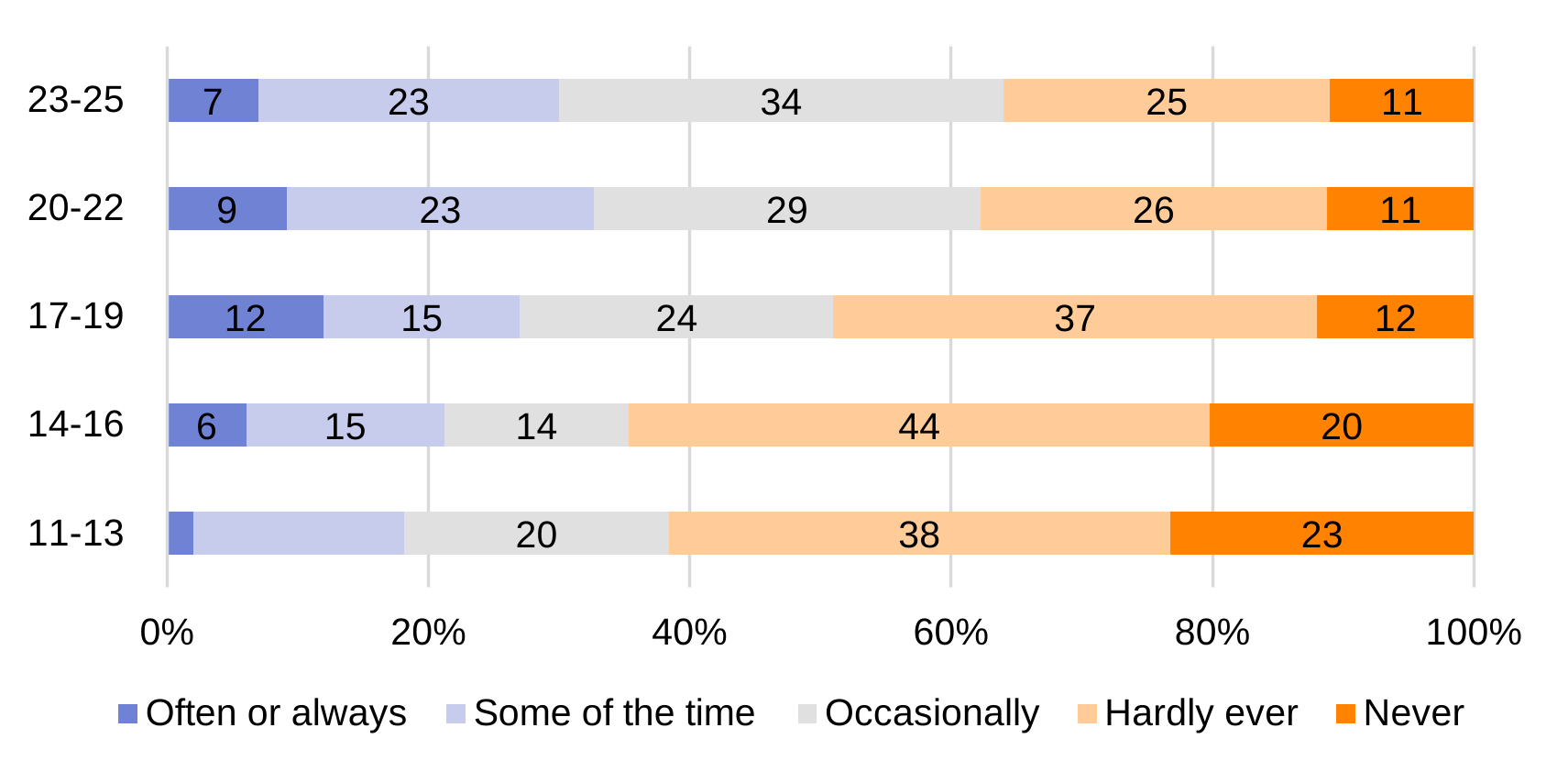
Source: MHCYP, Wave 4 (data collected between February and April 2023).Base: All young men living in households in England: 11 to 13, (162), 14 to 16, (142), 17 to 19, (140), 20 to 22 (112), 23 to 25 (70).
Analysis of Understanding society wave 15 did not reveal any relationship between age and feelings of isolation for young men aged 16 to 25.
Social connection
Most boys and young men reported having several close friends. In Understanding Society, boys aged 10 to 15 reported an average (median) of five close friends, while young men aged 16 to 21 reported an average (median) of four. Although the number of close friends was broadly stable within each age group, young men aged 16 to 21 reported slightly fewer close friends than boys aged 10 to 15, suggesting a modest decline as boys transition into young adulthood. These two groups were surveyed using different questionnaires, so this comparison should be interpreted with caution.
What type of young men are vulnerable to experiencing loneliness, isolation and and a lack of social connection
Findings from three datasets were reviewed to give a better understanding of which boys and young men were more vulnerable to loneliness and isolation. Understanding Society Wave 15 covered personal characteristics, area factors, social media use, bullying, social connection and wellbeing. The Mental Health of Children and Young People (MHCYP) survey provided detailed mental health measures and a question on extracurricular activities. Understanding Society Wave 14 included additional indicators of extracurricular and community involvement. The report did not examine differences in social connection because available measures were limited; in Understanding Society we used number of close friends as a proxy, which captures only one dimension of social connection and is not comparable across the datasets. The findings show how loneliness and isolation vary across different personal characteristics, behaviours and experiences, but they should not be interpreted as evidence of causal relationships.
Loneliness and isolation by personal characteristics
Disability was a strong marker of loneliness and isolation among young men aged 16 to 25. Disabled young men were three times as likely to report often feeling lonely than non-disabled young men (27% compared with 9%). They were also less likely to say they hardly ever or never felt lonely (34% compared with 55%). Feelings of isolation followed the same pattern, with 23% of disabled young men often feeling isolated compared with 9% of those without a disability. The analysis of loneliness by disability among boys aged 10 to 15 was limited by small sample sizes.
Ethnicity was related to loneliness and isolation among young men aged 16 to 25, although small sample sizes limit confidence in the findings
Young men from the Asian ethnic group were the least likely to report feeling lonely often (6%), between two and three times lower than other ethnic groups (between 13% and 17%). They were also more likely to say they hardly ever felt lonely (55%) than young men from the White British (49%) or Mixed (44%) ethnic groups. Feelings of isolation varied too, with the highest levels of often feeling isolated experienced among young men from the Black ethnic group (18%) and White British ethnic group (14%). Fewer than one in ten young men from the Asian, Mixed or Other ethnic groups said they often felt isolated. The analysis among boys aged 10 to 15 was limited by small sample sizes.
Managing worse financially was linked to higher loneliness and isolation across age groups
Understanding Society respondents aged 16 and over were asked directly how well they themselves were managing financially, while for children aged 10 to 15 the question was answered by an adult in the household. Among young men aged 16 to 25 those managing worse financially were more than twice as likely to report feeling lonely often or some of the time. Seven per cent of those living comfortably reported often feeling lonely, compared with 17% of those finding things quite difficult or very difficult. A similar pattern appeared for isolation, with 15 to 16% of young men who were finding their financial situation quite or very difficult reporting feeling isolated often, compared with 8% of those living comfortably.
The pattern was the same for boys too. Those aged 10 to 15 in households where a surveyed adult reported managing worse financially were more likely to report feeling lonely at least some of the time. By contrast, boys in households where a surveyed adult reported they were living comfortably were much more likely to say they hardly ever or never felt lonely (around 70%), compared with 56% of those just about getting by and 49% of those finding it quite or very difficult.
Employment status was another important factor for young men’s loneliness and isolation
Unemployed young men were the most likely to feel lonely often (23%), followed by those who were self-employed (19%). Full-time students, young men in paid work and apprentices were less likely to often feel lonely, at 12%, 10% and 7% respectively. Apprentices and young men in paid work were also most likely to say they hardly ever or never felt lonely. Patterns for isolation were similar: young men who were unemployed (21%) or self-employed (20%) were over twice as likely to report often feeling isolated compared to those in paid employment (9%). They were also more likely to report feeling isolated than those on apprenticeship (7%) and full-time students (11%).
Other personal characteristics and area factors did not show clear associations with loneliness
There were no statistically significant differences in loneliness or isolation by highest educational qualification (possibly because most young men aged 16 to 25 are still in education or have only recently left, so there has been limited time for education to influence loneliness). There was no difference detected by rural or urban area and area deprivation (IMD) for boys or young men as well as between households with two or three or four and more members, which was in line with other research on loneliness among young people.[footnote 44]
Loneliness and isolation by support and social connection
Alongside personal characteristics, the quality of a young person’s relationships and sense of being supported are closely linked to how lonely they feel. This section used Understanding Society wave 15 data to examine how family support and the number of close friends were related to reduced loneliness and isolation among boys and young men.
Boys and young men who felt less supported by their family were more likely to feel lonely often. Feeling lonely often was more common among young men aged 16 to 21 with lower family support, with 26% reporting it compared with 10% among those who felt better supported (Figure 2). Similarly, reporting feeling isolated often was more common among young men who felt less supported by their family, with 26% compared to just 9% of those who felt mostly or entirely supported by their family.
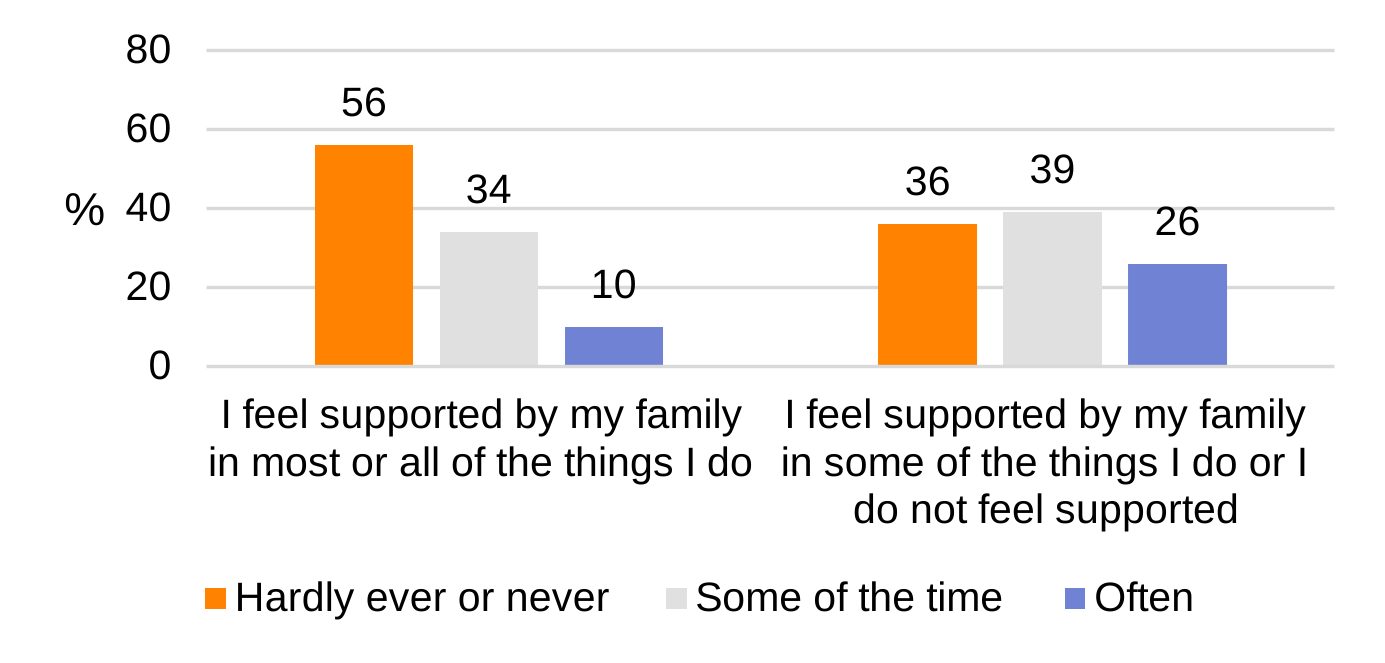
Source: Understanding Society Wave 15 (data collected between January 2023 to May 2025). Base: All young men living in households in England aged 16 to 21: I feel supported by my family in most or all of the things I do (618), I feel supported by my family in some of the things I do or I do not feel supported (185).
Figure 2. Levels of loneliness by family support among young men aged 16 to 21.
A similar pattern was seen among boys aged 10 to 15: most of those who did not feel supported by their family or only supported in some of the things they do said they sometimes felt lonely (53%), compared with 31% of those who felt more supported (Figure 3). Feeling lonely all of the time was rare overall, but also slightly more common among boys who felt less supported by their family (4% compared with 1%).
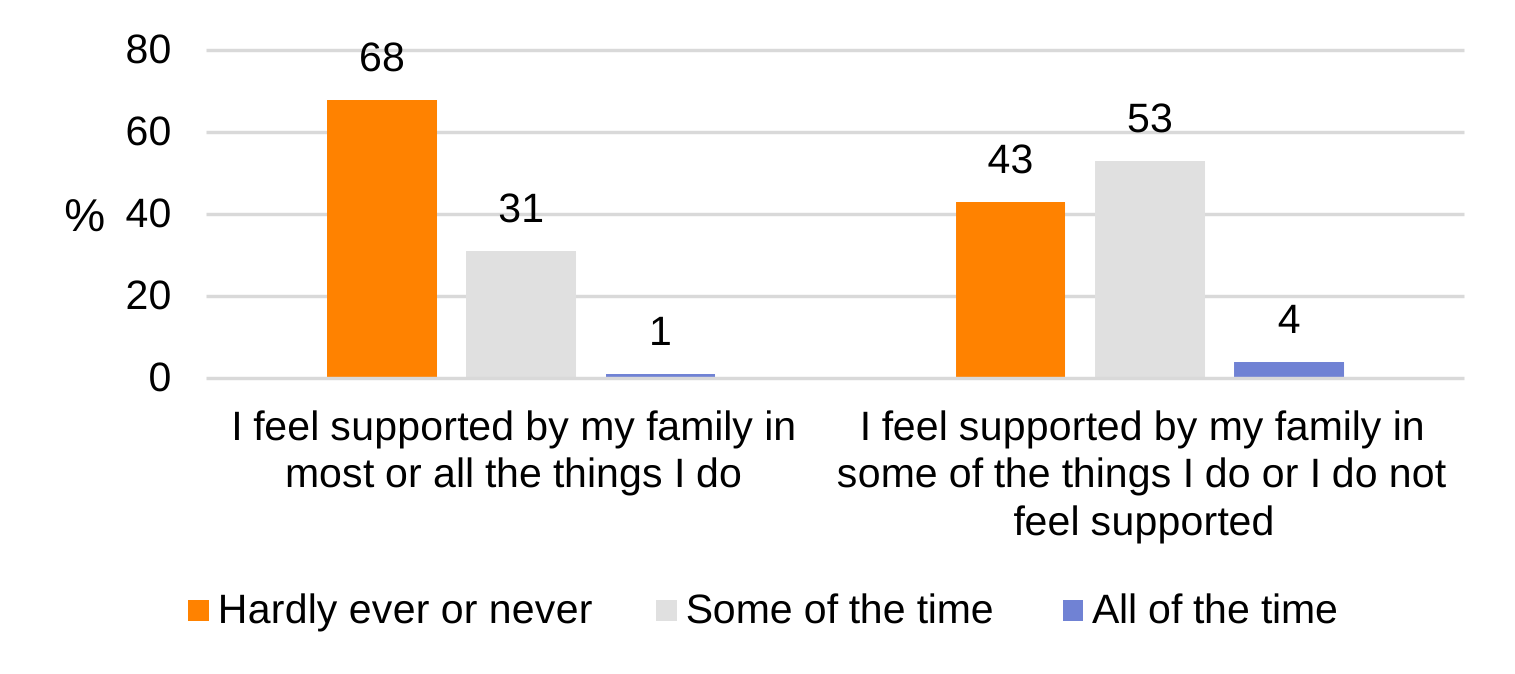
Source: Understanding Society Wave 15 (data collected between January 2023 to May 2025).Base: All boys living in households in England aged 10 to 15: I feel supported by my family in most or all of the things I do (450), I feel supported by my family in some of the things I do or I do not feel supported (104).
Figure 3. Levels of loneliness by family support among boys aged 10 to 15.
Having more close friends was associated with lower levels of loneliness among boys and young men. Similarly to family support, young men aged 16 to 21 with more close friends were much more likely to say they hardly ever or never felt lonely. Chronic loneliness was about three times as common among young men with smaller friendship groups, with 31% of those with no close friends and 27% of those with one or two friends reporting feeling lonely often, compared with around 9 to 11% among those with three or more friends (Figure 4). Feelings of isolation followed the same pattern with young men with none or few close friends reporting feeling isolated often (31%) compared to those with some or many friends (7% and 5% respectively).
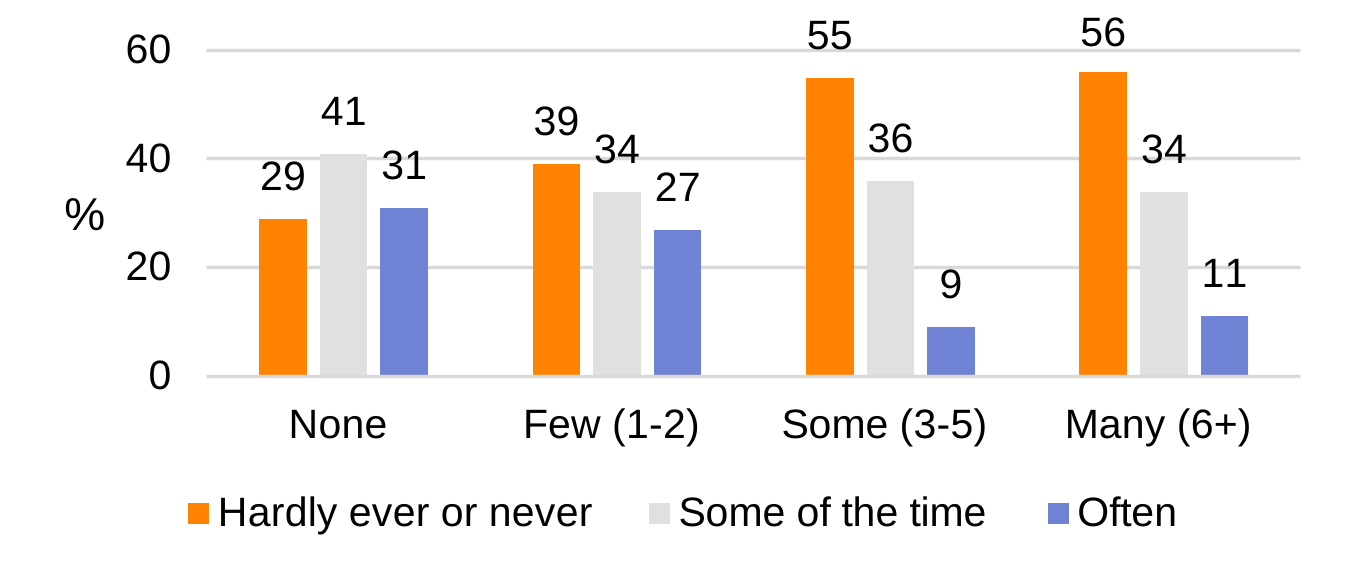
Source: Understanding Society Wave 15 (data collected between January 2023 to May 2025).Base: All young men living in households in England aged 16 to 21: None (46), Few (1-2) (165), Some (3-5) (383), Many (6+) (231).
Figure 4. Levels of loneliness by the number of close friends among young men aged 16 to 21.
Levels of loneliness among boys aged 10 to 15 showed a similar trend. Boys with fewer close friends were also the most likely to report feeling lonely some of the time or all of the time, with over a half of them reporting feeling lonely some of the time (54%) compared with 28 to 33% among those with more close friends (Figure 5).
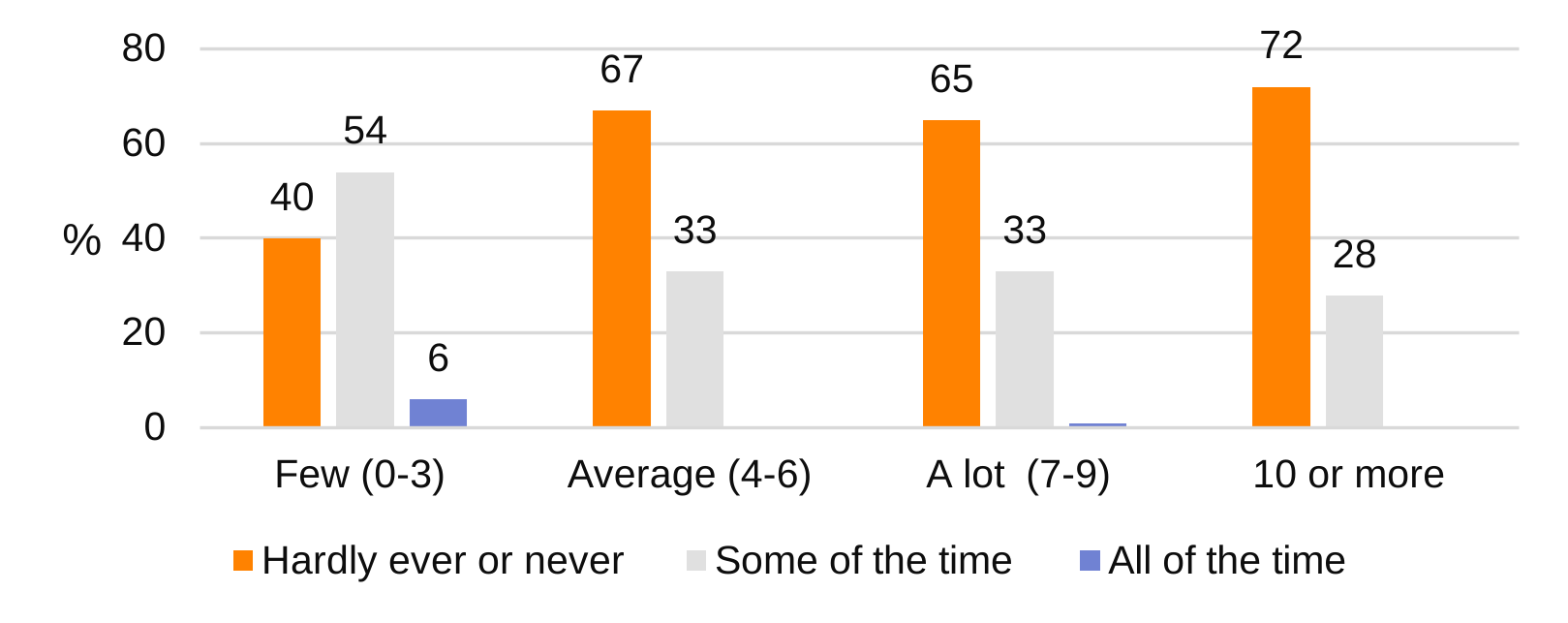
Source: Understanding Society Wave 15 (data collected between January 2023 to May 2025). Base: All boys living in households in England aged 10 to 15: Few (0 to 3) (107), Average (4 to 6) (192), A lot (7 to 9) (89), 10 or more (165).
Figure 5. Levels of loneliness by the number of close friends among boys aged 10 to 15.
Meeting friends in person was associated with young men’s experience of loneliness, but this pattern did not appear among boys aged 10 to 15. Reporting loneliness was more common among young men who saw their friends in person less often, with the share of young men reporting chronic loneliness rising from 9% among those meeting friends daily or several times a week to 21% among those meeting friends less often than once a week, as shown in Figure 6.
This trend was similar for feelings of isolation. Only 4% of young men who met with friends in person almost every day reported feeling isolated often compared to about five times as many among those who saw their friends less than once a week (21%).
Most young boys aged 10 to 15 reported hardly ever or never feeling lonely regardless of the frequency of getting together with friends in person.
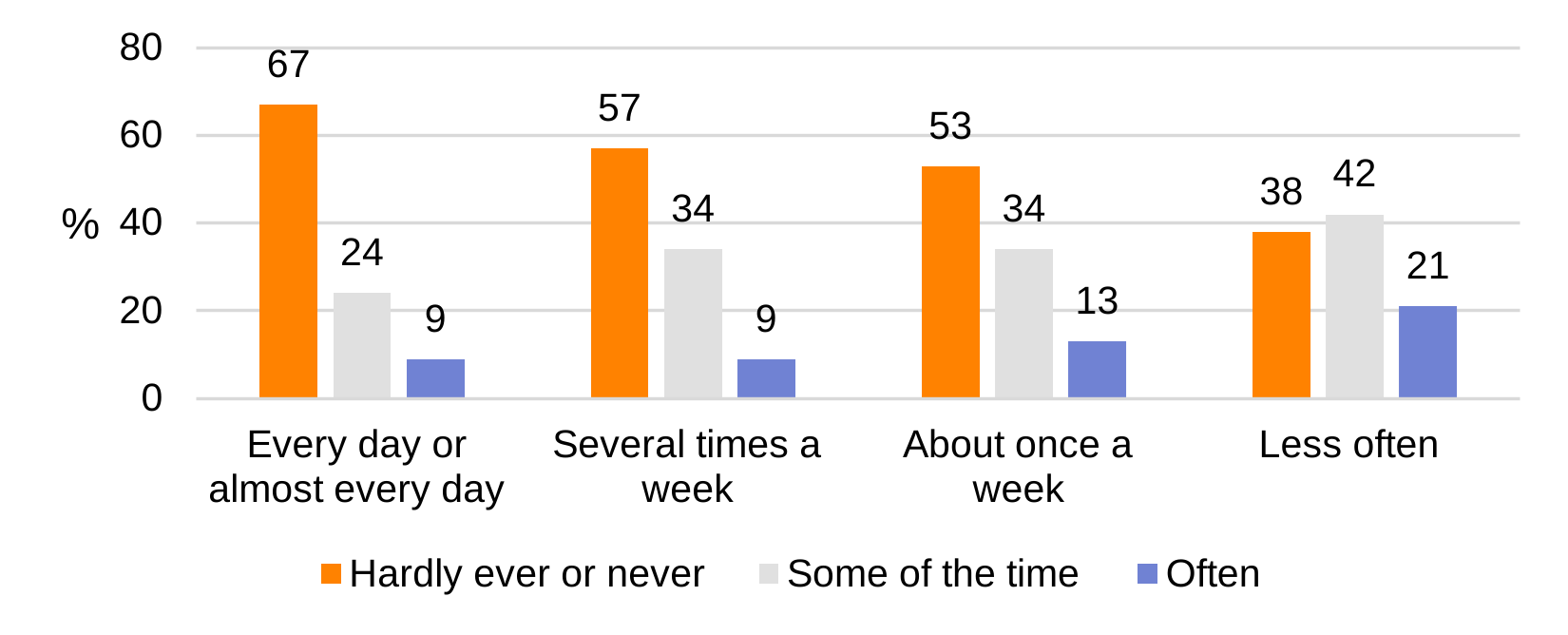
Source: Understanding Society Wave 15 (data collected between January 2023 to May 2025).Base: All young men living in households in England aged 16 to 21: Every day or almost every day (117), Several times a week (248), About once a week (236), Less often (242).
Figure 6. Levels of loneliness by the frequency of meeting friends in person among young men aged 16 to 21.
Loneliness and isolation by social media use and watching TV
This section explores whether levels of loneliness differed by social media use and television viewing among boys and young men, using Understanding Society Wave 15. Overall, the analysis found little evidence of consistent differences in loneliness or isolation across these behaviours. This likely reflects the complexity of these relationships: the link between social media and loneliness may depend more on how platforms are used (e.g. passive vs active social media use) and the quality of connections that may be gained from social media rather than time spent on them,[footnote 45] although wider evidence suggests that the relationship between type and quality of social media use and wellbeing outcomes is complex. [footnote 46]
Television viewing is too near-universal to distinguish between those who feel lonely and those who do not.
Social media was not consistently related to how often boys and young men felt lonely. Most boys and young men had a social media account, and levels of loneliness and isolation were similar for those with and without an account across age groups. Having online only friends was not related to loneliness or isolation among boys and young men either.
There was no clear pattern between how often young men met friends online and loneliness (Figure 7). Those who met friends online several times a week were the most likely to report chronic loneliness (19%), higher than those who met friends online daily or almost daily (13%), once a week (10%), or less frequently (11%). At the same time, those who met friends online less than once a week were the most likely to report feeling lonely some of the time (49%), compared with 29% of those who met friends online daily or almost daily. No differences in loneliness were detected based on how often boys aged 10 to 15 engaged with friends online. Similarly, levels of isolation did not differ by frequency of getting together with friends among young men.
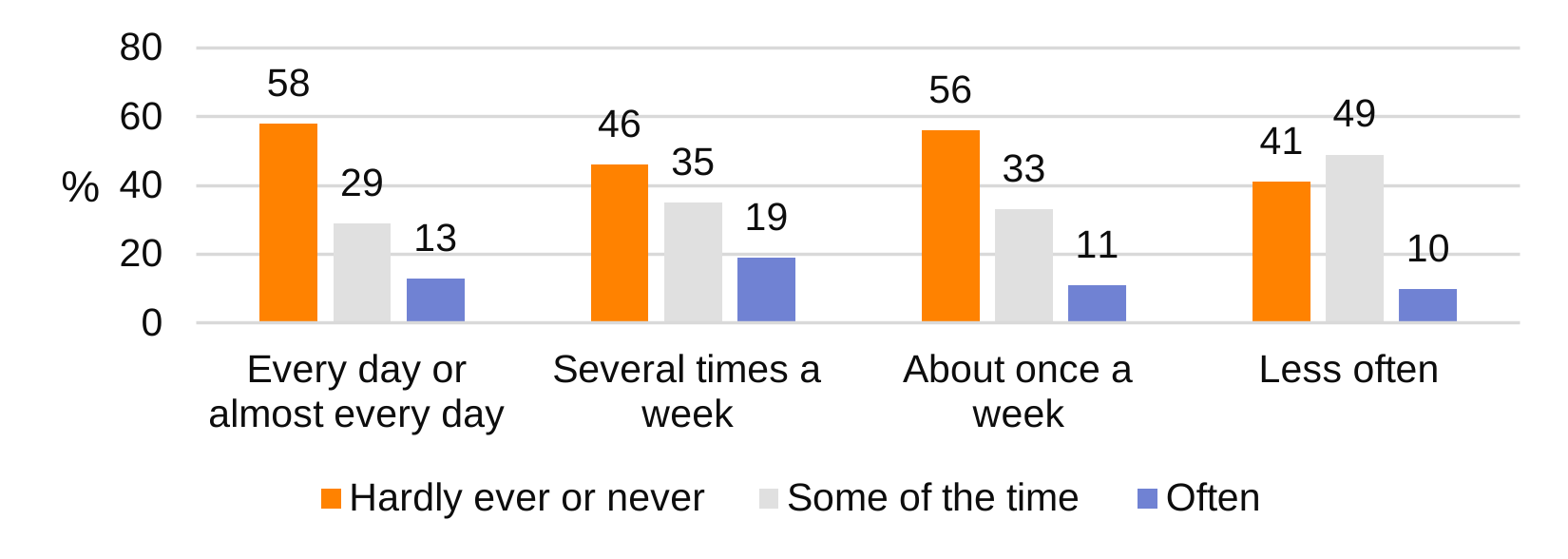
Source: Understanding Society Wave 15 (data collected between January 2023 to May 2025).
Figure 7. Levels of loneliness by the frequency of getting together with friends online among young men aged 16 to 21.
Base: All young men living in households in England aged 16 to 21: Every day or almost every day (254), Several times a week (266), About once a week (150), Less often (178).
Among boys and young men with social media accounts, levels of loneliness and isolation did not differ by the amount of time they spent on social media. Additionally, watching television was common among boys aged 10 to 15, and there were no differences in loneliness by the number of hours they watched it.
Loneliness and isolation by experiences of bullying
This section examines how experiences of bullying relate to loneliness among boys and young men using Understanding Society Wave 15 data.
Bullying is recognised as one of the more damaging experiences a young person can face, undermining their sense of safety, belonging and connection to others.[footnote 47] The findings reflect this: despite bullying being relatively uncommon in this population, with most boys and young men reporting that they were never bullied at school or online, those who had experienced it showed a strong and consistent association with loneliness across age groups. This aligns with broader evidence that bullying undermines trust, safety, and belonging, which are core components of social connection. Experiences of being bullied at school were less common among young men aged 16 to 21, reported by less than one percent, as most in this age group were out of school (95%). However, 10% of them reported being bullied online, which included experiences like getting called hurtful names, having nasty stories spread about them, being bothered or threatened. Being bullied at school was more common among younger boys. For example 30% reported being bullied in other ways at school (getting called names, getting left out of games, or having nasty stories spread about them on purpose) and 18% reported being physically bullied at school (e.g., getting hit, pushed around or threatened, or having belongings stolen) and being bullied in other ways (getting called names, getting left out of games, or having nasty stories spread about them on purpose). Similarly to older age groups, a small but substantial share of boys aged 10 to 15 reported being bullied online (16%). Notably, reporting being bullied occasionally (a few times in the last 6 months) was more common than reporting frequent bullying (a few times every week) among boys and young men aged 10 to 21.
Online bullying (such as getting called hurtful names, having nasty stories spread about you, being bothered or threatened) was closely associated with how lonely young men aged 16 to 21 felt. Those who had been bullied online were over twice as likely to report feeling lonely often, at 29% compared with 12% of those who had not been bullied and were also more likely to say they felt lonely some of the time, at 50% compared with 34%. Young men who had not experienced online bullying were over twice as likely to say they hardly ever or never felt lonely, at 54% compared with 21% of those who had been bullied. Additionally, those who had experienced bullying online also had a higher proportion reporting they often felt isolated, compared to those who never had experienced online bullying (28% compared to 11% respectively). A similar pattern was seen among boys aged 10 to 15, for whom being bullied online was also associated with higher levels of loneliness.
Both types of bullying at school were linked to higher loneliness among boys aged 10 to 15 (Figure 8). For example, likelihood of feeling lonely some of the time doubled with bullying frequency from 29% among those who did not experience it to 63% among those bullied a lot or quite a lot. Additionally, feeling lonely all of the time was highest among those bullied frequently (11%). The base sizes for those bullied frequently and those who reported feeling lonely all the time were relatively small (44 cases) so these findings should be interpreted with caution. Physical bullying, which was less common among young boys than other types of bullying, showed a similar pattern, with bullied boys less likely to report rarely feeling lonely and slightly more likely to report feeling lonely all the time.
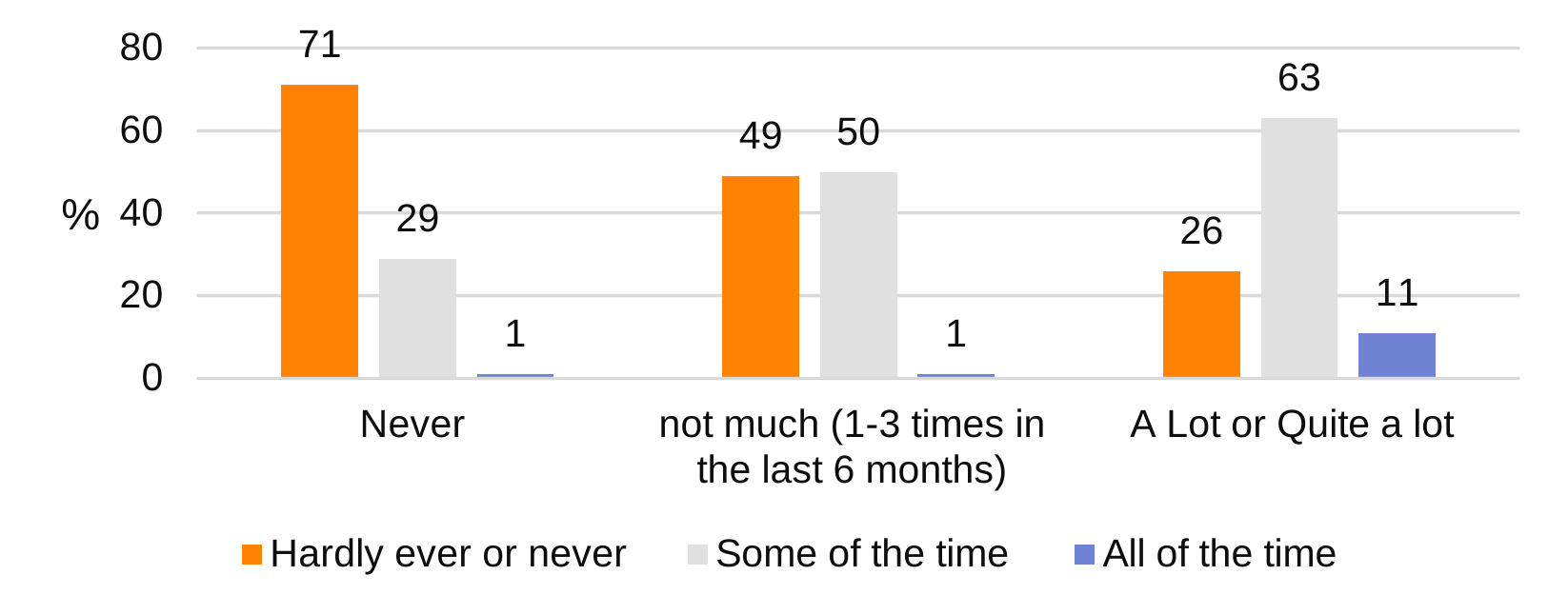
Source: Understanding Society Wave 15 (data collected between January 2023 to May 2025).Base: All boys living in households in England aged 10 to 15: Never (394), not much (1-3 times in the last 6 months) (116), A Lot or Quite a lot (44).
Figure 8. Levels of loneliness by frequency of being bullied at school (getting called names, left out of games, or having nasty stories spread about them on purpose) among boys aged 10 to 15.
Loneliness and isolation by wellbeing and mental health
This section brings together evidence from Understanding Society Wave 15 and the Mental Health of Children and Young People (MHCYP) survey to demonstrate how boys and young men with different levels of mental wellbeing experienced loneliness. It covers overall measures of mental wellbeing across all age groups first and then presents a more detailed analysis of how boys and young men with different emotional and behavioural difficulties experience loneliness using the Strengths and Difficulties Questionnaire (SDQ) measures from MHCYP.
Across both datasets and all age groups, mental health emerged as a key factor in relation to loneliness, with boys and young men who reported lower mental wellbeing consistently more likely to report experiencing loneliness more often than those with higher wellbeing. The relationship between mental health and loneliness is likely to be complex and may work in both directions. Poor mental health may make it harder to form and maintain connections, increasing feelings of loneliness, while loneliness may in turn change how young people feel about themselves and others, affecting their mental health.
In Understanding Society, young men aged 16 to 25 with lower levels of wellbeing (measured with the General Health Questionnaire-12 (GHQ)) were much more likely to feel lonely often: those with mental distress were approximately six times as likely to report chronic loneliness compared with those without (6% compared to 34%). Analysis of MHCYP data, using the GHQ measure, also identified mental health as a key factor of loneliness among young men, with young men with mental distress being six times as likely to report feeling lonely often or always than those without, at 24% compared to 4%. Additionally, analysis of Understanding Society showed that young men aged 16 to 25 with mental distress were five times as likely to report feeling isolated often than those without (30% compared to 6%, respectively).
Similarly, analysis of Understanding Society showed that among boys aged 10 to 15, levels of reported loneliness differed substantially by levels of wellbeing: feeling lonely some of the time was almost three times as common among those with lower levels of wellbeing (55% versus 19%). These differences were reflected across other wellbeing domains, including schoolwork, appearance, family, friends and school: the proportion who said that they felt lonely often was higher among boys who were less happy across the domains and lower among those who were happier. Analysis of MHCYP data for ages 11 to 16 showed a similar relationship between levels of loneliness and wellbeing measure, although smaller samples limited detailed reporting.
To further understand what mental health factors shape feelings of loneliness among boys and young men this research explored difficulties they may face navigating day-to-day life using the Strengths and Difficulties Questionnaire (SDQ) scores in the MHCYP dataset. SDQ is a measure that captures a range of emotional and behavioural challenges affecting young people’s lives, with higher scores indicating greater levels of difficulty. It covers several areas, including emotional difficulties, peer relationships, behavioural difficulties, hyperactivity and prosocial behaviour.
Across all ages, boys and young men who reported greater difficulties on the SDQ were far more likely to experience chronic loneliness. Among boys aged 11 to 16, 12% of those with above average total difficulties said they felt lonely often or always, compared with just 1% of those with average scores. The gap widened with age: among young men aged 17 to 25 with above average total difficulties scores reporting chronic loneliness was almost five times as common compared to those with average scores (22% against 4% respectively).
Two sub-scores were particularly relevant to examining loneliness. The emotional difficulties sub-score measures how often a young person experiences low mood, anxiety and distress — feelings that can make connection harder to reach or sustain. The peer problems sub-score measures how much difficulty a young person has getting along with others by capturing experiences such as feeling rejected or lacking supportive friendships. Among boys aged 11 to 16, 52% of those with above average peer problems scores reported feeling lonely some of the time or occasionally, compared with half as many (24%) of those with average scores. A similar gap was seen among young men aged 17 to 25 (around 58% versus 45%). Emotional difficulties scores showed equally strong associations with loneliness across both age groups.
Other SDQ domains showed similar patterns, but there was no clear association for prosocial behaviour, suggesting these aspects are less directly linked to feelings of loneliness. Prosocial behaviour measures tendencies such as being kind, helpful or considerate towards others. While these behaviours are positive, they do not necessarily mean that a young person feels emotionally supported or socially connected. There were no differences detected for behavioural difficulties domain among those aged 17 and over, probably due to small sample sizes.
Evidence on extracurricular activities and community involvement
Analysis of Understanding Society Wave 14 and MHCYP showed that overall, there was no consistent association between participation in cultural and extracurricular activities and loneliness among boys and young men. However, the findings show some specific activities were associated with different levels of loneliness. Boys and young men who took part in organised activities like clubs, groups or organisations had lower levels of loneliness. This differed from those who took part in some individual activities like music classes which was associated with more frequent feelings of loneliness.
It is worth noting that associations between activities and loneliness discussed in this section are likely to reflect selection effects for example, boys who feel lonely may be more likely to take part in certain activities. Additionally, several activities were reported by only a small number of survey participants, which limited the analysis.
Loneliness by overall organized group activities
Analysis on the MHCYP showed that taking part in any groups, clubs or organisations was associated with lower loneliness levels among boys and young men. Young men aged 17 to 25 who did not take part in these activities were more likely to report feeling lonely than those who did take part (Figure 9). Among those who did not report taking part, most said they felt lonely either occasionally (33%), some of the time (24%) or often or always (14%). By contrast, young men who took part in any such activities were more likely to say they hardly ever or never felt lonely.
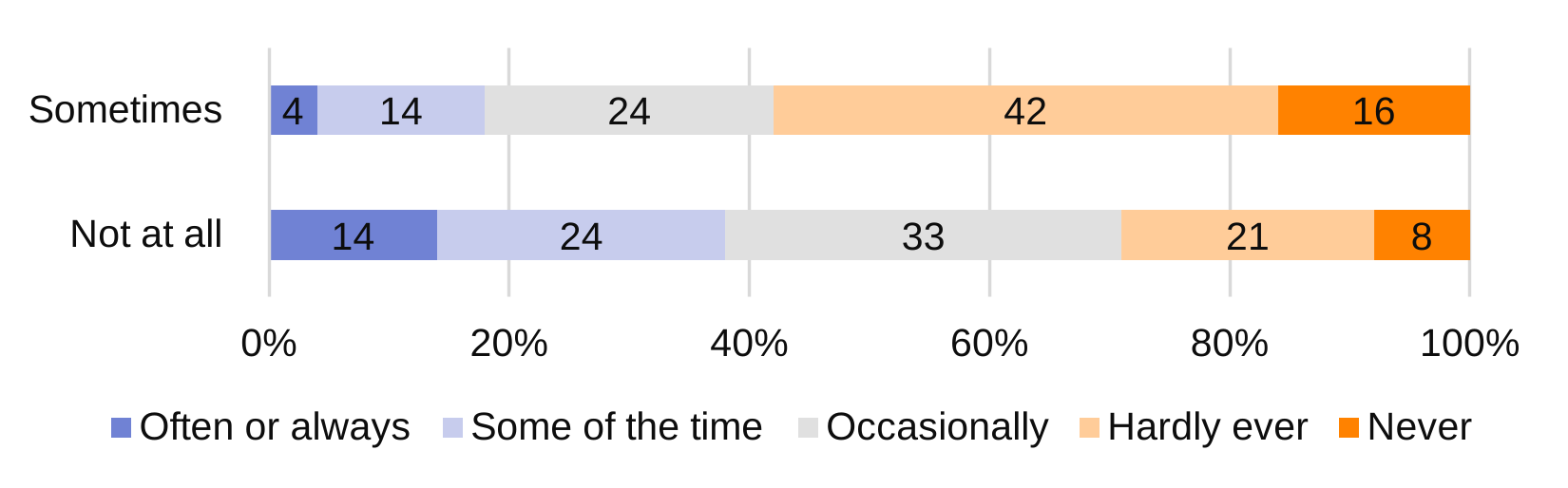
Source: MHCYP, Wave 4 (data collected between February and April 2023).Base: All young men living in households in England aged 17 to 25: Not at all (167), Sometimes (149).
Figure 9. Levels of loneliness by engagement in organized group activities among young men aged 17 to 25.
Similarly, young boys aged 10 to 16 those who took part in club or community activities outside of school on most days of the week were less likely to report feeling lonely than those who attended less often (Figure 10). Boys who attended such activities less often than three days a week were more likely to say that they felt lonely some of the time and occasionally compared to more frequent participants most of whom (78%) reported hardly or never feeling lonely.
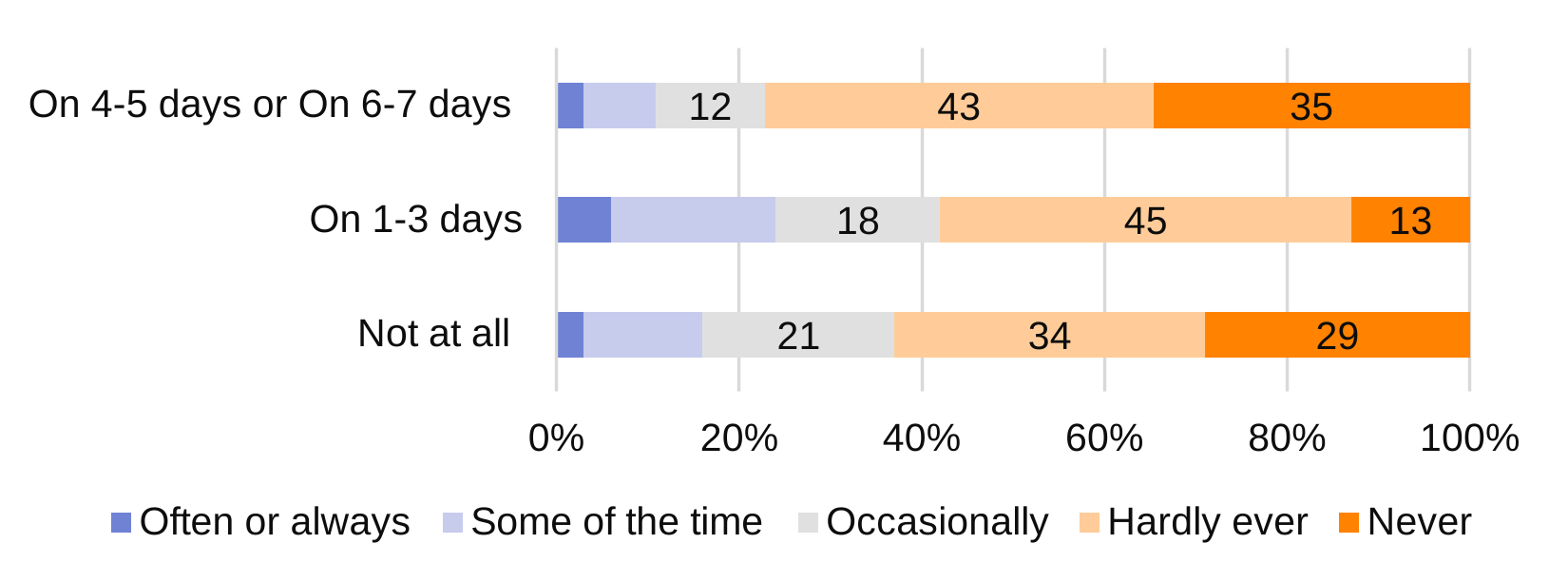
Source: MHCYP, Wave 4 (data collected between February and April 2023).Base: All young men living in households in England aged 10 to 16: Not at all (78), On 1 to 3 days (150), on 4 to 5 days or 6 to 7 days (69).
Figure 10. Levels of loneliness by engagement in extracurricular among boys aged 10 to 16.
Activities associated with higher loneliness
Understanding Society wave 14 showed that among boys aged 10 to 15, taking part in music activities was associated with slightly higher loneliness. Boys who attended music classes were more likely to report feeling lonely some of the time, (48%) compared with those who did not attend music classes (31%). A similar pattern was seen for boys who played a musical instrument, with 40% feeling lonely some of the time compared with 33% of those who did not play.
A small group attending tutorials for school subjects also showed higher loneliness with 43% of them reporting feeling lonely some of the time compared with 33% of those who did not attend such tutorials.
Activities with no consistent relationship to loneliness
Participation in many activities showed mixed associations with loneliness. This may be because taking part in particular activities is shaped by other factors such as wellbeing, confidence, household finances, family support, or prior social experiences, which are themselves related to loneliness, making it difficult to isolate any clear relationship between participation and loneliness.
Understanding Society Wave 14 data suggested that attendance at live sporting events was associated with lower loneliness among boys aged 10 to 15, though the pattern was not straightforward (Figure 11). Boys who watched live sport several times a year were most likely to report feeling lonely some of the time (52%) compared with those attending more often (at least once a week (22%) or at least once a month (36%)) and less often (once a year or less (36%) or never and almost never (30%)). So, while boys who attended live sport only a few times a year reported the highest levels of occasional loneliness, there was no clear pattern suggesting that attending events more often leads to lower levels of loneliness.
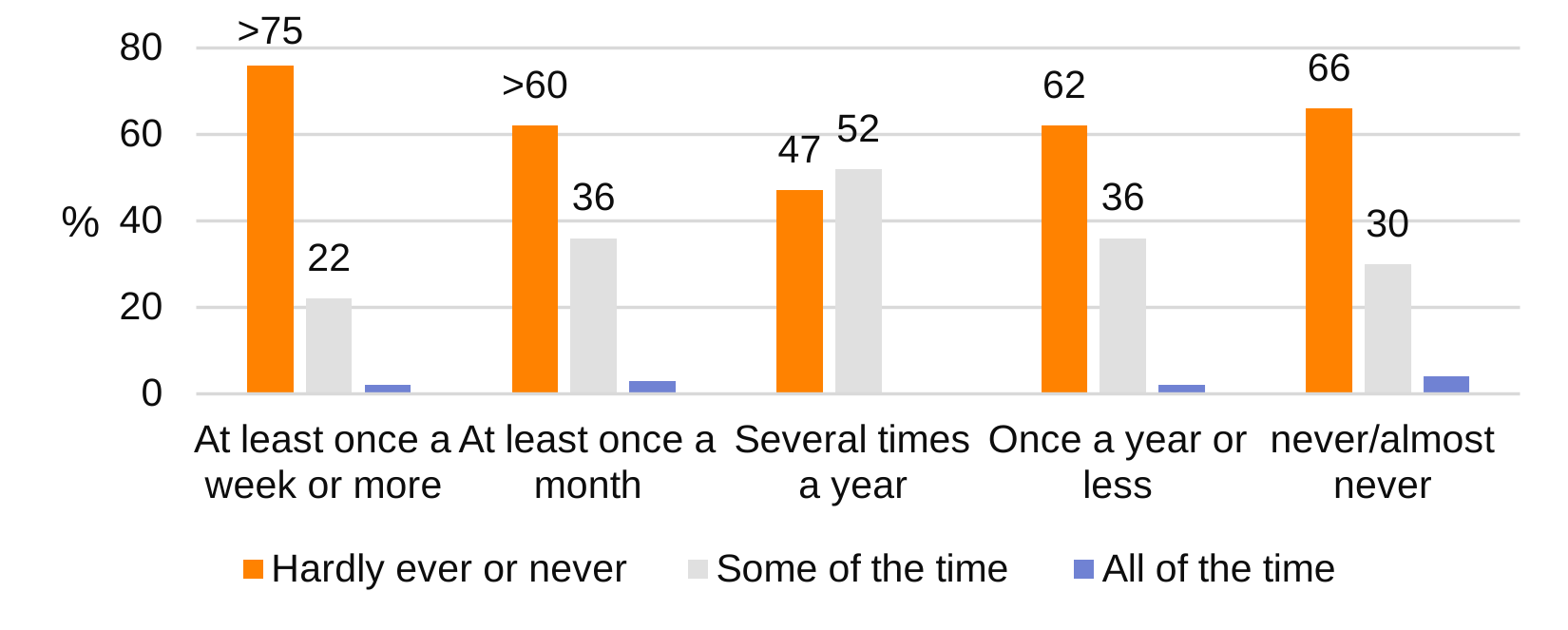
Source: Understanding Society Wave 14 (data collected between January 2022 to May 2024).Base: All boys living in households in England aged 10 to 15: At least once a week or more (67), At least once a month (57), Several times a year (122), Once a year or less (119), Never/almost never (250).
Figure 11. Levels of loneliness by frequency of watching live sport among boys aged 10 to 15.
Similarly to attending events, being taken to sporting events by parents or other adults was also associated with levels of loneliness, though the pattern was not straightforward. Boys rarely taken to live sport events were most likely to feel lonely some of the time. Otherwise, there was no clear link between how often boys attended sporting events with parents or other adults and their reported levels of feeling lonely.
The link between reading and loneliness was not straightforward. Feeling lonely some of the time was lowest among boys who read around three to four books in the past month (20%), and higher among both those who read less than three or four books (36%) and those who read more than five books (38%). This suggests that both low and high levels of reading were linked to higher loneliness, while moderate levels of reading was associated with lower loneliness. Boys who read a moderate number of books, around three to four in the past month, were the least likely to feel lonely.
There was an association between loneliness and taking part in creative arts activities, but differences were small and the pattern was mixed. Boys who did painting, drawing, printmaking or sculpture at least once a month were the least likely to say they felt lonely sometimes (26%), compared with over a third of those who did these activities less often than once a month or more often than once a month. This pattern is difficult to interpret and may reflect chance variation rather than a meaningful relationship between creative arts participation and loneliness.
A small share of boys who reported going to a political meeting, march, rally or demonstration were slightly more likely to feel lonely some of the time than those who did not report these activities. A similar pattern was observed among boys who attended dance classes. However, participation in these activities was rare, which limited the robustness of the analysis.
There were no clear differences in reported levels of loneliness among boys for most other leisure, cultural or social activities, including:
- attending sport, art or religious classes
- using a computer to create original artworks or animation
- visiting cinema, theatre, museums, historic places, galleries, libraries
- going to parties, dance, disco or to a nightclub, visiting pubs or bars
- doing voluntary or community work
- family factors like discussing books or television programmes at home, parents or other adults buying books as gifts, or being taken to theatre, dance or classical performances
How are loneliness, isolation and social connection related among young men
Loneliness, isolation, and social connection are different but related concepts. A young person may have few friends yet not feel lonely, while another may have many friends but still feel isolated. This section examined how often these experiences overlapped among young men aged 16 to 21 in England, using Understanding Society data. Understanding the overlap between these experiences helped clarify what each measure selected for this analysis captured in practice, and informed decisions about further analysis.
First, we calculated pairwise correlation coefficients to examine how loneliness, social isolation, and proxy for social connection (measured by number of friends) are related. Correlation coefficients (r) quantify the strength and direction of association between each pair of variables, ranging from minus one (perfect negative association) to one (perfect positive association). Based on this analysis, loneliness and social isolation were found to be strongly related (r = 0.62), indicating that the two experiences are closely intertwined, and young men experiencing loneliness are also likely to experience isolation. By contrast, the number of close friends showed weak relationships with both loneliness (r = 0.15) and isolation (r = 0.19), indicating that young men can experience isolation or loneliness regardless of their number of close friends.
To understand how many young men fell into each combination of experiences, they were grouped into eight mutually exclusive categories based on three dimensions:
-
whether they reported feeling lonely (often or sometimes, versus never or hardly ever);
-
whether they reported feeling isolated (often or sometimes, versus never or hardly ever); and
-
their level of social connection, proxied by number of close friends (median number of friends or above (four or more) versus less than median number of friends (three or less)).
The distribution across these groups was heavily uneven and reflected the relationships between loneliness and isolation and the number of close friends:
First the distribution confirmed that loneliness and isolation tended to go together: young men who reported one were very likely to report the other. The largest two groups were those who were socially connected, not lonely, and not isolated (31%), and those who were less socially connected, lonely, and isolated (22%). Groups reporting loneliness without isolation, or isolation without loneliness, were small including less than 6% of young men.
This overlap provides insight into the stigma related to reporting feeling lonely and isolated. Only 5% of young men aged 16 to 21 were isolated but not lonely. If it was particularly difficult to admit loneliness, but not isolation, this group would have been bigger. This indicates that stigma around recognising and admitting these feelings is likely to affect how young men report loneliness in the same way as they report isolation. This is in line with research carried out by ONS that showed that young people have “mental images of loneliness, very similar to those for isolation”.[footnote 48] The report also found that these negative views suggest a stigma around loneliness, with young people describing it as embarrassing to admit and a kind of “failing”. Because young people view the two states so similarly, it is fair to assume that the stigma attached to one would apply to the other.
Secondly, the analysis demonstrated a weak positive relationship between loneliness and isolation and number of friends, showing that having fewer friends did not automatically lead to loneliness and isolation or vice versa. A substantial share of young men reported feeling lonely and isolated despite having four or more close friends (22%), while a further 15% of young men had fewer close friends but reported neither loneliness nor isolation.
It is important to note that the number of close friends is a simplified measure of social connection. It captures how many friends a young man has but says little about the quality of those relationships, e.g., how supported, or understood he feels. This likely explains why the number of close friends was only weakly related to loneliness and isolation among young men.
Finally, the distribution showed that certain combinations of these experiences were rare in practice (reporting loneliness without isolation, or isolation without loneliness regardless of social connection level), while others were common (reporting both loneliness and isolation or neither).
| Isolation status | Socially connected (4 or more close friends): not lonely | Socially connected (4 or more close friends): lonely | Less socially connected (3 or fewer close friends): not lonely | Less socially connected (3 or fewer close friends): lonely |
|---|---|---|---|---|
| Not isolated | 31% | 6% | 15% | 3% |
| Isolated | 2% | 19% | 3% | 22% |
Base: Young men aged 16 to 21 in England, N= 1,011. Source: Understanding Society Wave 15.
These patterns shaped the analytical approach taken in the remainder of the report. Given the strong overlap between loneliness and isolation, regression analyses focused on loneliness as the primary outcome, with isolation explored separately to check whether similar patterns emerge. Including isolation as a predictor of loneliness would have added little new information and risked producing unreliable estimates. The number of close friends was not taken forward as a central measure, reflecting its limitations as an indicator of meaningful social connection.
Factors that predict loneliness among boys and young men
The descriptive analyses showed that levels of loneliness among boys and young men were linked to a range of factors, including socio-demographic characteristics, mental health, social connection, family support, and experiences of bullying. The picture was mixed for participation in cultural and extracurricular activities, with some activities associated with lower loneliness and others with higher loneliness.
These patterns point to the complexity of loneliness suggesting that many different aspects of boys and young men’s lives appear to play a role. However, descriptive analysis alone cannot tell us which factors impact loneliness and isolation among boys and young men most, or whether an association holds once other influences are taken into account. To address this, logistic regression modelling was used, as outlined below.
Using different datasets allowed us to examine how a range of social, economic and mental health factors were associated with loneliness and isolation at different stages from 10 to 15 years old to young adulthood (ages 16 to 25). After a brief explanation of the overall approach to exploring factors of loneliness and isolation among boys and young men, this section presents findings from the analysis for each of the datasets in turn.
Analysis was carried out separately for each dataset, reflecting differences in age coverage and the explanatory variables available. Specifically:
- Understanding Society (Wave 15) was used to explore factors associated with loneliness among boys aged 10 to 15 and young men aged 16 to 21 (with a reduced model for ages 22 to 25). These analyses included a wide range of factors, including personal characteristics, socio-economic factors, mental health and wellbeing, social connection (such as number of close friends, frequency of meeting friends and family support), experiences of bullying, and selected measures of social media and technology use (where available) as well as employment status among young men aged 16 and over.
- Understanding Society (Wave 14) was used to examine the relationship between extracurricular and community activities and loneliness among boys aged 10 to 15, drawing on activity measures not available in Wave 15.
- The Mental Health of Children and Young People (MHCYP) survey was used to explore the relationship between mental health and loneliness among boys and young men aged 11 to 25, enabling more detailed analysis of wellbeing and the Strengths and Difficulties Questionnaire (SDQ) measures that were not available in Understanding Society data.
The analysis identified associations but not causal relationships between loneliness or isolation and related factors. It is worth nothing that some relationships may be bidirectional. For example, poorer mental health may increase loneliness, while loneliness may also contribute to poorer mental health. Some associations may also reflect selection effects, for example, boys who already feel lonely may be more likely to take part in certain activities.
Loneliness among boys aged 10 to 15
When examining loneliness among boys aged 10 to 15 using Understanding Society wave 15 only two factors showed clear independent associations with feeling lonely “some of the time” or “all the time” as opposed to “never or hardly ever”. Specifically:
- Subjective wellbeing: based on happiness measures, boys with lower levels of wellbeing were more likely to report feeling lonely some or all of the time than those with higher wellbeing. Predicted probabilities show that reporting loneliness among boys with lower levels of wellbeing (54%) was more than double the rate among those with higher wellbeing (23%).
- Experiences of being bullied at school (in ways other than physical bullying) were also associated with loneliness. The predicted probability of feeling lonely increased with the frequency of bullying, from 29% among boys who reported never being bullied, to 47% among those bullied 1 to 3 times in the last six months, and to 80% among those bullied a lot or quite a lot.
All explanatory variables were tested in thematic models presented in Table 2. Several variables that showed associations with loneliness in the domain specific models did not retain independent associations once other factors were included together in the combined model. These included:
- household financial wellbeing, where, when controlling for personal characteristics and household size, boys living in households experiencing greater financial difficulty were initially more likely to report loneliness - area deprivation (IMD), where, when controlling for the type of area, boys living in more deprived areas initially appeared less likely to report loneliness; and - social connection measures, including family support and number of close friends, where greater support and more friends were initially associated with lower loneliness when controlling for frequency of meeting with friends
A number of other factors were not associated with loneliness when tested in the thematic models, as shown in Table 2.
Table 2. Staged regression modelling: control and explanatory variables by domain and inclusion in the final model (Understanding Society, Wave 15, boys aged 10 to 15). “Yes” indicates the variable was a significant predictor of loneliness in the model; “No” indicates it was not a significant predictor.
| Domain | Variable | Domain models | Final model |
|---|---|---|---|
| Personal characteristics (control variables) | Age | No | No |
| Personal characteristics (control variables) | Ethnicity | No | No |
| Personal characteristics (control variables) | Disability | No | No |
| Personal characteristics (control variables) | Household size | No | No |
| Personal characteristics (control variables) | Financial wellbeing in the household | Yes | No |
| Wellbeing | Wellbeing measure | Yes | Yes |
| Area data | IMD | Yes | No |
| Area data | Rural/Urban | No | No data |
| Social connection | Family support | Yes | No |
| Social connection | Number of friends | Yes | No |
| Social connection | Frequency of meeting friends | No | No data |
| Bullying | Bullying (physically at school) | No | No data |
| Bullying | Bullying (other ways at school) | Yes | Yes |
| Bullying | Bullying online | No | No data |
| TV | Frequency of watching TV | No | No data |
| Social media/technology | Social media account (Y/N) | No | No data |
| Social media/technology | Freq. of getting with friends online | No | No data |
| Social media among social media users | Freq. of social media use to talk with friends | No | No data |
| Social media among social media users | Freq. of social media use | No | No data |
Loneliness among boys aged 10 to 15 and extracurricular activities
Using Understanding Society wave 14 data we explored whether any extracurricular activities are related to levels of loneliness among boys aged 10 to 15, whilst also controlling for personal characteristics, social connection and wellbeing to examine independent impact of engagement with arts and culture whilst controlling for these factors.
Explanatory variables were tested in thematic models presented in Table 3. The final three factors showed clear independent associations with feeling lonely “some of the time” or “all the time” as opposed to “never or hardly ever”. Specifically, these were:
-
Subjective wellbeing: boys with higher wellbeing were less likely to report loneliness. Predicted probability of reporting feeling lonely some of the time or all of the time was more than twice as high among those with lower wellbeing (60%) than among those with higher wellbeing (25%).
-
Spectator sport attendance: Overall, more frequent attendance was associated with lower levels of loneliness among boys, but the pattern was not linear and should be interpreted with caution.
-
Boys who never or almost never attended reported lower loneliness than those attending once a year or less (34% compared with 39%), while those attending several times a year were the most likely to feel lonely (57%). Loneliness then declined among those attending at least once a month (39%) and was lowest among those attending once a week or more (17%). However, the base sizes for the last two categories were small (55 and 60 respectively), which reduces the reliability of these estimates. One explanation is that attendance may be linked to other factors not captured by the analysis which may themselves reduce loneliness (for example attending with friends or family, shared routines and belonging, and local opportunity to attend). As a result, boys who attend only occasionally are likely to be a mixed group: some may lack access to these protective factors while others may experience them in ways not captured by the analysis. Overall, the findings suggest that more frequent attendance is associated with lower levels of loneliness among boys, but the mechanism behind this association is not clear.
-
Disability status: boys who were non-disabled were less likely to report being lonely some or all of the time compared with disabled boys. The predicted probability of feeling lonely some or all of the time was 50% among those with a limiting disability and 35% among those without.
By contrast, several variables that appeared important in domain models did not retain independent associations in the combined model once other factors were controlled for, including:
- ethnicity (Boys from the Asian ethnic group initially appeared less lonely than boys from the White British ethnic group, when controlling for other personal and household factors)
- area type (boys living in rural areas appeared to be more likely to experience loneliness than those in urban, when controlling for area deprivation)
- number of close friends (higher number was initially associated with lower loneliness when controlling for the frequency of meeting friends), and
- music classes (attendance was associated with higher loneliness)
Table 3. Staged regression modelling: control and explanatory variables by domain and inclusion in the final model (Understanding Society, Wave 14, boys aged 10 to 15). “Yes” indicates the variable was a significant predictor of loneliness in the model; “No” indicates it was not a significant predictor.
| Domain | Variable | Domain models | Final model |
|---|---|---|---|
| Personal characteristics | Age | No | No |
| Personal characteristics | Ethnicity | Yes | No |
| Personal characteristics | Disability | Yes | Yes |
| Personal characteristics | Household size | No | No |
| Personal characteristics | Subjective financial wellbeing (reported by Household Reference Person) | No | No |
| Wellbeing | Wellbeing measure (happiness score) | Yes | Yes |
| Area data | IMD | No | No data |
| Area data | Rural/urban | Yes | No |
| Social connection | Number of friends | Yes | No |
| Social connection | Frequency of meeting friends | No | No data |
| Arts and creative | Do painting, drawing, printmaking or sculpture | No data | No data |
| Arts and creative | Use a computer to create original artworks or animation | No | No data |
| Cultural and educational | Go to the theatre | No | No data |
| Cultural and educational | Go to the cinema | No | No data |
| Cultural and educational | Go to a library | No | No data |
| Cultural and educational | Go to museums or galleries | No | No data |
| Cultural and educational | Go to an historic place or stately home | No | No data |
| Social and leisure | Go to a pub or bar | No | No data |
| Social and leisure | Go to a party, dance, disco or nightclub | No | No data |
| Organised and community | Go to youth clubs, scouts, girl guides or other organised activities | No | No data |
| Organised and community | Go to a political meeting/march, rally or demonstration | No | No data |
| Organised and community | Do voluntary or community work | No | No data |
| Live sports | Go to watch live sport | Yes | Yes |
| Discussing things in family | Discuss TV programmes at home | No | No data |
| Discussing things in family | Discuss books at home | No | No data |
| Discussing things in family | Parents/other adults at home buy respondent books as gifts | No | No data |
| Discussing things in family | Parents/other adults take respondent to museums or art galleries | No | No data |
| Discussing things in family | Parents/other adults take respondent to sporting events | No | No data |
| Discussing things in family | Parents/other adults take me to theatre, dance performance or classical | No | No data |
| Reading | Number of books read in the past month | No | No data |
| Music | Plays a musical instrument | No | No data |
| Attending classes | Music | Yes | No |
| Attending classes | Art | No | No data |
| Attending classes | Dance | No | No data |
| Attending classes | Sport | No | No data |
| Attending classes | Tutorials for school subjects | No | No data |
| Attending classes | Religious classes | No | No data |
| Attending classes | Attending no classes | No | No data |
Loneliness and isolation among young men aged 16 to 21
Understanding society wave 15 data allowed analysis of factors related to both loneliness and isolation among young men aged 16 to 21. When examining loneliness among this group three factors showed independent associations with feeling lonely “some of the time” or “often” as opposed to “never or hardly ever”. Specifically, these were:
- Mental wellbeing: Young men with mental distress, based on the General Health Questionnaire-12 (GHQ) measure, were more likely to report feeling lonely some of the time or often than those without mental distress. Predicted probabilities show that loneliness was about twice as common among younger men with mental distress (77%) as among those without (38%).
- Online bullying: Experiences of being bullied online were associated with more frequent feelings of loneliness. Young men who reported being bullied online were more likely to report feeling lonely some of the time or often than those who did not, with predicted probabilities of 75% and 45%, respectively.
- Age: older groups within the 16 to 21 target group were more likely to report feeling lonely more often. There was a gradual increase in the predicted probability of feeling lonely more often by age, with levels increasing from 41% among men aged 16 to 54% among young men aged 21.
By contrast, several variables that showed associations with loneliness in the domain specific models for young men aged 16 to 21 did not retain independent associations once other factors were included together in the combined model. These included:
- Disability status: disabled young men initially appeared more likely to report loneliness,
- Economic activity: those on apprenticeships, initially appeared less likely to report loneliness, while those who were long term sick or disabled appeared more likely to report loneliness,
- Social connection measures, including family support and frequency of meeting friends in person, where greater support and more frequent contact with friends were initially associated with lower reports of loneliness; and
- Having online only friends, which showed an initial association with higher reported levels of loneliness.
Feelings of isolation was not included as a predictor of loneliness in the final model. The model reflected that feelings of isolation and loneliness were closely linked and the results were too extreme to be meaningful. A number of other factors were not associated with loneliness when tested in their thematic models, as shown in Table 4.
When examining isolation among young men aged 16 to 21 using Understanding Society wave 15 three factors showed independent associations with feeling isolated “some of the time” or “often” as opposed to “never or hardly ever”. Specifically, these were:
-
Mental wellbeing: Younger men with mental distress, based on the GHQ measure, were more likely to report feeling lonely some of the time or often than those without mental distress. Predicted probabilities show that isolation was about twice as common among younger men with mental distress (73%) as among those without (34%).
-
Number of friends: Young men who had fewer close friends were more likely to report feeling isolated. Predicted probabilities show this relationship: the probability of feeling isolated was 60% among those with one to two friends, decreasing to 42% among those with three to five friends and was the lowest among young men with six and more friends at 34%.
-
Family support: Young men who felt supported by their family in most or all things they do were less likely to report feeling isolated. Predicted probabilities show that feeling isolated was more common among younger men who felt that they are only supported in some of the things they do or do not feel supported at all at (62%) compared with those who felt supported (39%).
These findings suggested that social connection was a stronger protective factor for isolation than for loneliness once other factors were taken into account. Similar to analysis for loneliness, several variables that showed associations with isolation in the domain specific models for young people aged 16 to 21 did not retain independent associations once other factors were included together in the combined model. These included:
-
Disability status, where disabled young men initially appeared more likely to report isolation,
-
Economic activity: compared to full time students, young men in employment had similar likelihood for reporting feeling isolated, but those who were self-employed, unemployed, on apprenticeship or doing something else were less likely to report feeling isolated,
-
Online bullying: Experiences of being bullied online were associated with higher likelihood of feeling isolated,
-
Frequency of meeting friends in person: more frequent contact with friends were initially associated with lower isolation; and
-
Having online only friends, which showed an initial association with higher isolation.
Feelings of loneliness were not included as a predictor of isolation in the final model. The model reflected that feelings of isolation and loneliness were closely linked and the results were too extreme to be meaningful. A number of other factors were not associated with isolation when tested in their thematic models, as shown in Table 4.
Table 4. Staged regression modelling: control and explanatory variables by domain and inclusion in the final model (Understanding Society, Wave 15, young men aged 16 to 21). “Yes” indicates the variable was a significant predictor of outcome in the model; “No” indicates it was not a significant predictor.
| Domain | Variable | Domain models for loneliness | Final model for loneliness | Domain models for isolation | Final model for isolation |
|---|---|---|---|---|---|
| Personal characteristics (control variables) | Age | No | Yes | No | No |
| Personal characteristics (control variables) | Ethnicity | No | No | No | No |
| Personal characteristics (control variables) | Disability | Yes | No | Yes | No |
| Personal characteristics (control variables) | Household size | No | No | No | No |
| Economic/class factors | Subjective financial wellbeing | No | No data | No | No data |
| Economic/class factors | Work status | Yes | No | Yes | No |
| Economic/class factors | Education | No | No data | No | No data |
| Mental wellbeing | Wellbeing measure (GHQ) | Yes | Yes | Yes | Yes |
| Area data | IMD | No | No data | No | No data |
| Area data | Rural/urban | No | No data | No | No data |
| Social isolation/loneliness | Isolation | Overfit | No data | No data | No data |
| Social isolation/loneliness | Loneliness | No data | No data | Overfit | No data |
| Social connection | Family support | No | No data | Yes | Yes |
| Social connection | Number of friends | Yes | No | Yes | Yes |
| Social connection | Frequency of meeting friends | Yes | No | Yes | No |
| Bullying | Bullying online | Yes | Yes | Yes | No |
| Social media/technology | Social media account (Y/N) | No | No data | No | No data |
| Social media/technology | Freq. of getting with friends online | Yes | No | No | No data |
| Social media/technology | Online friends only (Y/N) | No | No data | Yes | No |
| Social media use among social media users | Freq. of social media use to talk with friends | No | No data | No | No data |
| Social media use among social media users | Freq. of social media use | No | No data | No | No data |
Loneliness among young men aged 22 to 25
Analysis for young men aged 22 to 25 using Understanding Society wave 15 was based on a reduced regression model as Understanding Society only collected data on social connection, family support, experiences of bullying and social media use among younger age groups. Overall, the model for men aged 22 to 25 did not suggest any new explanatory factors compared with the model for men aged 16 to 21. It confirmed the association of mental health with loneliness: young men with mental distress were around twice as likely to report feeling lonely as those without (predicted probabilities of 81% versus 40%).
Factors relating to mental health among boys and young men
To build on the findings from Understanding Society, this research then used the Mental Health of Children and Young People (MHCYP) survey to explore mental health and wellbeing in more depth. This provided a broader set of measures, which helped us examine how different aspects of wellbeing related to loneliness. The analysis included the same demographic and socioeconomic variables where they were available, to ensure the analyses were comparable. The outcome variable was feeling lonely often or always as opposed to hardly ever and never, meaning that the analysis excluded survey participants who said that they feel lonely occasionally. This was done for consistency, because the “occasionally” answer option did not match clearly to Understanding Society data on loneliness.
Mental health and loneliness among boys aged 11 to 16
When examining loneliness among boys aged 11 to 16, three factors showed clear independent associations with feeling lonely often or always as opposed to hardly ever and never. These were:
- Warwick-Edinburgh Mental Wellbeing Scale: A well-established, validated tool to measure mental wellbeing. Boys with lower scores on the Warwick–Edinburgh Mental Wellbeing Scale were over three times as likely to report feeling lonely than those with higher scores. Predicted probabilities ranged from 23% among those with average scores to 74% among boys with lower wellbeing scores.
- SDQ peer subscale: A subscale of the SDQ looked into peer problems such as bullying and difficulty with friendships. Higher scores on the SDQ Peer Problems scale were also associated with higher reported loneliness. Boys with more peer difficulties (above average peer scores) were four times as likely to report loneliness (57%) compared to boys with average SDQ peer scores (14%).
- Support from family members outside the household: Boys who neither agreed nor disagreed that they had support from family members outside the household had higher predicted probabilities of feeling lonely than those who agreed that support was available. This finding however should be treated with caution because the result for those who disagreed was not statistically significant and the sample sizes were relatively small across these subgroups.
In the domain specific models, only one variable showed an association with loneliness for boys and young men aged 11 to 16. However, this did not remain once other factors were included in the combined model. This was disability status, where it was initially suggested in the domain model that disabled boys were more likely to report loneliness. Several other factors were not associated with loneliness when tested in their thematic models, as shown in Table 5.
Table 5. Staged regression modelling: control and explanatory variables by domain and inclusion in the final model (MHCYP, Wave 4, boys aged 10 to 16). “Yes” indicates the variable was a significant predictor of outcome in the model; “No” indicates it was not a significant predictor.
| Domain | Variable | Domain models | Final model |
|---|---|---|---|
| Personal characteristics (control variables) | Age | No | No data |
| Personal characteristics (control variables) | Ethnicity | No | No data |
| Personal characteristics (control variables) | Disability | Yes | No |
| Personal characteristics (control variables) | Household size | No | No data |
| Economic factors | Subjective financial wellbeing | No | No data |
| Area | IMD | No | No data |
| Wellbeing | Wellbeing measure (WEMWBS) | Yes | Yes |
| SDQ | SDQ Peer problems | Yes | Yes |
| SDQ | SDQ Emotional problems | Yes | No data |
| SDQ | SDQ Conduct problems | No | No data |
| SDQ | SDQ Hyperactivity | No | No data |
| SDQ | SDQ Prosocial subscale | No | No data |
| SDQ | SDQ ‘impact score supplement’ | No | No data |
| Social connection | Friend they can turn to | No | No data |
| Social connection | Adult at school or work they can turn to | No | No data |
| Social connection | Family Member outside of home they can turn to | Yes | Yes |
| Activities | Taken part in any groups, clubs or organisations outside of school time (for example, an after-school club, a sports club, a choir, or a volunteering society) | No | No data |
Mental health and loneliness among young men aged 17 to 25
When examining loneliness among young men aged 17 to 25, four factors showed clear independent associations with feeling lonely often or always as opposed to occasionally, hardly ever and never. These were:
-
Employment: Young men aged 17 to 25 who were not in employment were more likely to be lonely. Their predicted probability of loneliness was 78% for the group not in employment, compared with 37% among those in employment and 38% among those in training.
-
Mental wellbeing: Young men aged 17 to 25 with mental distress (as measured by the General Health Questionnaire-12 (GHQ)) were more likely to report being lonely. Those with mental distress had a much higher predicted probability of loneliness (76%), compared with 30% among those without mental distress.
-
SDQ Peer Problems Subscale (an SDQ sub measure capturing peer problems such as bullying and having friendships): Higher scores on the SDQ Peer Problems scale were also associated with a greater likelihood of loneliness, rising from 34% among young men with average scores to almost double that among those with scores above the average (66%).
-
Activities (being part of a club, group, society or other community organisation): Young men who took part in an activity sometimes were less likely to be lonely than those who did not take part at all. Their mean predicted probability of loneliness was 25%, compared with 56% among those who took part in no weekly activities.
In the domain specific models, only one additional variable showed an association with loneliness for young men aged 17 to 25. This was subjective financial wellbeing status, where it was initially suggested in the domain model that young men who disagreed/strongly disagreed with being worried about money were less likely to report being lonely. However, this did not remain the case once other factors were included in the combined model. Several other factors were not associated with loneliness when tested in their thematic models, as shown in Table 6.
Table 6. Staged regression modelling: control and explanatory variables by domain and inclusion in the final model (MHCYP, Wave 4, young men aged 17 to 25). “Yes” indicates the variable was a significant predictor of outcome in the model; “No” indicates it was not a significant predictor.
| Domain | Variable | Domain models | Final model |
|---|---|---|---|
| Personal characteristics (control variables) | Age | No | No data |
| Personal characteristics (control variables) | Ethnicity | No | No data |
| Personal characteristics (control variables) | Disability | Yes | No |
| Personal characteristics (control variables) | Household size | No | No data |
| Economic factors | Subjective financial wellbeing | No | No data |
| Area | IMD | No | No data |
| Wellbeing | Wellbeing measure (WEMWBS) | Yes | Yes |
| SDQ | SDQ Peer problems | Yes | Yes |
| SDQ | SDQ Emotional problems | Yes | No data |
| SDQ | SDQ Conduct problems | No | No data |
| SDQ | SDQ Hyperactivity | No | No data |
| SDQ | SDQ Prosocial subscale | No | No data |
| SDQ | SDQ ‘impact score supplement’ | No | No data |
| Social connection | Friend they can turn to | No | No data |
| Social connection | Adult at school or work they can turn to | No | No data |
| Social connection | Family Member outside of home they can turn to | Yes | Yes |
| Activities | Taken part in any groups, clubs or organisations outside of school time (for example, an after-school club, a sports club, a choir, or a volunteering society) | No | No data |
Synthesis of findings
Findings on loneliness and isolation
Mental health and wellbeing were key factors linked to loneliness and isolation
Experiences of loneliness, isolation and social connection among boys and young men were shaped by several consistent factors across datasets, with mental health and wellbeing emerging as the strongest and most wide reaching. Across both Understanding Society and the Mental Health of Children and Young People (MHCYP) survey, boys and young men with lower levels of mental wellbeing were far more likely to report feeling lonely or isolated more often. This pattern held across all age groups, from 10 to 25, and across different measures of wellbeing including the General Health Questionnaire-12 (GHQ), Warwick-Edinburgh Mental Well-being Scale (WEMWBS) and Strengths and Difficulties Questionnaire (SDQ). These findings suggest that loneliness is closely entwined with young people’s emotional state, and that poor mental health both cooccurs with and may exacerbate feelings of loneliness and isolation. This strong association between mental health, emotional and behavioural difficulties, and loneliness is consistent with patterns found in previous research among adults aged 16 and over in England which found a close, two-way relationship between mental wellbeing and loneliness.[footnote 50] Further research would be needed to understand how the relationship between loneliness and mental health and wellbeing develops among boys and young men aged 10 to 25.
Difficulties with peer relationships and experiences of bullying were risk factors of loneliness and isolation
Relatedly, difficulties in young people’s relationships with peers reinforced this link between wellbeing and loneliness. Across both surveys, boys and young men with higher SDQ peer problem scores were consistently more likely to report feeling lonely, and this relationship strengthened with age. Similarly, boys and young men who had been bullied, whether online or at school, were substantially more likely to report feeling lonely or isolated. These findings indicate that peer relationships matter not only because they provide companionship but also because negative experiences can intensify feelings of loneliness. In this respect, bullying and peer difficulties are both consequences of and contributors to feelings of loneliness.
Family support and friendship networks were a protective factor against loneliness and isolation
Although peer problems were closely associated with loneliness, the size of friendship networks showed weaker and less consistent associations. In descriptive analysis, boys and young men with fewer friends were more likely to report feeling lonely or isolated, but this pattern was modest and did not always remain after accounting for other factors. This suggests that the quality of friendships may matter more than the number of friends. Supporting evidence came from family support measures. Boys and young men who felt less supported by family members were substantially more likely to report feeling lonely or isolated, highlighting the protective role of supportive relationships outside the peer group. Notably, among young men aged 16 to 21, having fewer close friends and lower family support remained independently associated with a higher likelihood of feeling isolated, even after accounting for mental wellbeing, experiences of bullying and other personal characteristics. This suggests that social connection may play an important role in isolation for this age group.
Socioeconomic factors and personal characteristics were associated with loneliness and isolation
Whilst some socioeconomic factors and personal characteristics such as subjective financial situation, ethnicity and being disabled appeared to be associated with loneliness and isolation in the descriptive findings, these factors did not remain independently associated with a higher likelihood of feeling lonely when other factors were accounted for. The findings for disabled young people contrasted with previous research, which has shown a strong link between disability and loneliness.[footnote 51] In the descriptive analysis, disabled young men were more likely to feel lonely, and this pattern was also evident in models that included only personal characteristics. However, once factors related to mental health and wellbeing were included, being disabled was no longer independently associated with loneliness. This may reflect the high prevalence of poor mental health among young disabled people, meaning that mental health and wellbeing accounted for much of the association with loneliness. This differs from qualitative research, which highlights how being disabled can shape experiences of loneliness through barriers to participation and social connection. Rather than contradicting qualitative evidence, this suggests that mental health and wellbeing may account for much of the observed relationship between disability and loneliness in quantitative analysis.
Economic activity was sometimes linked to loneliness, but findings were mixed
In the descriptive analysis of Understanding Society Wave 15, a larger proportion of young men aged 16 to 25 who were unemployed felt lonely compared to those in employment or education/training. In more detailed statistical analysis of MHCYP, economic activity status remained independently associated with loneliness among young men aged 17 to 25, with those in employment or training less likely to report feeling lonely often once other factors, such as mental wellbeing, social connections and participation in activities, were taken into account. However, this pattern was not consistent across datasets. In analysis of Understanding Society data for young men aged 16 to 21, work status was not independently associated once other related factors including mental wellbeing, bullying, social media use and connections with family and friends, were considered. Taken together, this means we cannot conclude that unemployed or NEET young men are consistently more likely to experience chronic loneliness, although economic activity appears to be relevant in some contexts. Further research would be needed to better understand how economic activity interacts with other risk factors for loneliness.
Differences by age and life stage in loneliness and isolation
Patterns across age groups highlighted that the drivers of loneliness and isolation changed gradually across adolescence and early adulthood. Boys aged 10 to 15 showed few demographic differences in loneliness, and their experiences were shaped primarily by wellbeing and bullying. By contrast, experiences widened among those aged 16 to 25, as additional factors such as employment status and online bullying became more influential. Young men who were unemployed or not in education or training were more likely to report feeling lonely, reflecting the greater importance of education, work and training in providing opportunities for connection in early adulthood. Similarly, online bullying emerged as a particularly strong factor for young men aged 16 to 21, suggesting that online spaces become increasingly central to young men’s social lives as they grow older.
Despite this, age alone showed limited explanatory power within the 10 to 25 age group. Although older adolescents in MHCYP reported higher levels of loneliness, this pattern did not consistently appear in Understanding Society, and age effects did not persist once other factors were considered in regression models. This indicates that, within this age group, it is not chronological age itself that shapes loneliness, but the wider changes in experiences that tend to accompany it, such as shifts in mental health, educational transitions, employment, and online engagement.
Findings on loneliness
Social participation and activities had mixed association with loneliness
Participation in extracurricular and community activities showed mixed relationships with loneliness. There was some evidence that involvement in clubs or community groups was associated with lower loneliness amongst young men aged 17-25 in descriptive analyses and retained significance in regression models for certain age groups. Other activities, such as music classes or high levels of reading, were associated with higher loneliness among boys, although these associations were inconsistent and likely reflect selection effects rather than the direct effect of participating in the activity. Overall, there is some evidence to suggest that participation in activities can support social connection, but further research would be needed to investigate the type and context of activities and how this participation is associated with experiences of loneliness.
Overlap between loneliness, isolation and social connection.
Across all sections of the analysis, loneliness and isolation emerged as overlapping but distinct experiences. Most boys and young men who reported one also reported the other, and this overlap drove the decision to treat loneliness as the primary outcome within this research. Social connection measured through the number of close friends, showed only weak relationships with both loneliness and isolation, demonstrating that having more friends does not always protect against feeling lonely. These findings reinforce that loneliness reflects perceived quality of connection rather than the presence of social contacts.
Summary of implications
Taken together, the findings indicate that interventions focused on mental health, anti bullying, and relationship quality are likely to have the greatest impact on reducing loneliness among boys and young men. The strongest and most consistent factors shaping loneliness and isolation among boys and young men were mental health, peer relationships and experiences of bullying. Experiences of economic inactivity, weak family support and limited social participation also played a role, but the evidence for these factors was less consistent and conclusive than that for wellbeing and social relationships.
Implications for policy and practice
The findings point to several areas where policy and service design can have the greatest impact on reducing loneliness among boys and young men:
- Strengthen mental health support across adolescence and early adulthood. Lower levels of wellbeing was the strongest and most consistent predictor of loneliness; interventions that improve emotional wellbeing are likely to have broad benefits.
- Address bullying both in schools and online as a core loneliness prevention strategy. Bullying showed strong associations with chronic loneliness, highlighting the need for coordinated anti-bullying approaches across digital and educational settings.
- Support the development of high-quality relationships at home and in peer networks. Family support and positive peer relationships were protective across age groups, suggesting that programmes that build relational skills, communication and trust may reduce loneliness risk. -Promote opportunities for group-based social participation. Group-based activities, clubs and community organisations were linked to lower loneliness, indicating potential value in expanding and making these opportunities accessible. There was mixed evidence on the link between specific activities and loneliness and the relationship between specific activities measured in the data (such as music classes, attending live sporting events) was not clear and straight forward. Further research would be needed to deepen the understanding of these relationships.
-
Siva N. Loneliness in children and young people in the UK. Lancet Child Adolesc Health. 2020 Aug;4(8):567–8. doi: 10.1016/S2352-4642(20)30213-3. Epub 2020 Jul 22. PMCID: PMC7375781. ↩
-
Matthews T, Danese A, Caspi A, et al. Lonely young adults in modern Britain: findings from an epidemiological cohort study. Psychological Medicine. 2019;49(2):268-277. doi:10.1017/S0033291718000788 ↩
-
Marquez J, Goodfellow C, Hardoon D, Inchley J, Leyland AH, Qualter P, Simpson SA, Long E. Loneliness in young people: a multilevel exploration of social ecological influences and geographic variation. J Public Health (Oxf). 2023 Mar 14;45(1):109-117. doi: 10.1093/pubmed/fdab402. PMID: 34999845; PMCID: PMC10017088. ↩
-
Bryan BT, Thompson KN, Goldman-Mellor S, Moffitt TE, Odgers CL, So SLS, Uddin Rahman M, Wertz J, Matthews T, Arseneault L. The socioeconomic consequences of loneliness: Evidence from a nationally representative longitudinal study of young adults. Soc Sci Med. 2024 Feb 22;345:116697. doi: 10.1016/j.socscimed.2024.116697. Epub ahead of print. PMID: 38490911; PMCID: PMC11845567. ↩
-
DCMS (2022) Investigating factors associated with loneliness in adults in England. ↩
-
DCMS (2025) Official Statistics Community Life Survey 2024/25: Loneliness and support networks Community Life Survey 2024/25: Loneliness and support networks - GOV.UK. ↩
-
Van Tilburg, W. A. P., Igou, E. R., Maher, P. J., & Lennon, J. (2019). Various forms of existential distress are associated with aggressive tendencies. Personality and Individual Differences, 144, 111-119. ↩
-
Markovi, M., Nicovi, A., & Živanovi, M. (2021). Contextual and psychological predictors of militant extremist mindset in youth. Frontiers in Psychology, 12, 622571. ↩
-
Williams M. J., Horgan J. G., Evans W. P. (2015). The critical role of friends in networks for countering violent extremism: toward a theory of vicarious help-seeking. Behav. Sci. Terrorism Polit. Aggress. 8, 45–65. ↩
-
Zhang, J., Mollandsøy, A. B., Nornes, C., Erevik, E. K., & Pallesen, S. (2025). Predicting hostility towards women: Incel-related factors in a general sample of men. Scandinavian Journal of Psychology, 66, 35–46. ↩
-
Department for Digital, Culture, Media and Sport (2018). A connected society A strategy for tackling loneliness – laying the foundations for change. ↩
-
Department for Culture, Media and Sport (2024) Community Life Survey 2023/24: Background and headline findings: Community Life Survey 2023/24: Background and headline findings - GOV.UK ↩
-
DCMS (2022) Investigating factors associated with loneliness in adults in England. ↩
-
Matthews T, Caspi A, Danese A, Fisher HL, Moffitt TE, Arseneault L. (2022) A longitudinal twin study of victimization and loneliness from childhood to young adulthood. Dev Psychopathol. 2022 Feb;34(1):367-377. doi: 10.1017 ↩
-
Siva N. Loneliness in children and young people in the UK. Lancet Child Adolesc Health. 2020 Aug;4(8):567–8. doi: 10.1016/S2352-4642(20)30213-3. Epub 2020 Jul 22. PMCID: PMC7375781. ↩
-
Jo Cox Commission on Loneliness (2017) Combatting loneliness one step at a time. ↩
-
Garcia, L., Hunter, R., Anderson, N., & WHO Commission on Social Connection (2025). From loneliness to social connection - charting a path to healthier societies: report of the WHO Commission on Social Connection. World Health Organization. ↩
-
Matthews T, Danese A, Caspi A, et al. Lonely young adults in modern Britain: findings from an epidemiological cohort study. Psychological Medicine. 2019;49(2):268-277. doi:10.1017/S0033291718000788 ↩
-
Bryan BT, Thompson KN, Goldman-Mellor S, Moffitt TE, Odgers CL, So SLS, Uddin Rahman M, Wertz J, Matthews T, Arseneault L. The socioeconomic consequences of loneliness: Evidence from a nationally representative longitudinal study of young adults. Soc Sci Med. 2024 Feb 22;345:116697. doi: 10.1016/j.socscimed.2024.116697. Epub ahead of print. PMID: 38490911; PMCID: PMC11845567. ↩
-
Marquez J, Goodfellow C, Hardoon D, Inchley J, Leyland AH, Qualter P, Simpson SA, Long E. Loneliness in young people: a multilevel exploration of social ecological influences and geographic variation. J Public Health (Oxf). 2023 Mar 14;45(1):109-117. doi: 10.1093/pubmed/fdab402. PMID: 34999845; PMCID: PMC10017088. ↩
-
Department for Culture, Media and Sport (2024) Community Life Survey 2023/24: Background and headline findings: Community Life Survey 2023/24: Background and headline findings - GOV.UK ↩
-
Yang, K. (2025). Identifying the loneliest intersectional groups among young people in England: Results from Active Lives Surveys (2022–2023). Journal of Youth Studies. ↩
-
ONS. (2018). Children’s and young people’s experiences of loneliness: 2018. ↩
-
Department for Culture, Media & Sport. (2023). Tackling loneliness evidence review: Main report. ↩
-
Department for Culture, Media and Sport. (2018). A connected society: A strategy for tackling loneliness – laying the foundations for change (Update V2). ↩
-
Barreto, M., Van Breen, J., Victor, C., Hammond, C., Eccles, A., Richins, M., & Qualter, P. (2021). Exploring the nature and variation of the stigma associated with loneliness. ↩
-
Nordin T, Degerstedt F, Granholm Valmari E. A Scoping Review of Masculinity Norms and Their Interplay With Loneliness and Social Connectedness Among Men in Western Societies. Am J Mens Health. 2024 Nov-Dec;18(6):15579883241304585. doi: 10.1177/15579883241304585. ↩
-
NatCen on behalf of DCMS. (2023). Exploring loneliness stigma through qualitative interviews and focus groups. ↩
-
Van Tilburg, W. A. P., Igou, E. R., Maher, P. J., & Lennon, J. (2019). Various forms of existential distress are associated with aggressive tendencies. Personality and Individual Differences, 144, 111-119. ↩
-
Markovi, M., Nicovi?, A., & Živanovi, M. (2021). Contextual and psychological predictors of militant extremist mindset in youth. Frontiers in Psychology, 12, 622571. ↩
-
Williams M. J., Horgan J. G., Evans W. P. (2015). The critical role of friends in networks for countering violent extremism: toward a theory of vicarious help-seeking. Behav. Sci. Terrorism Polit. Aggress. 8, 45–65. ↩
-
University of Essex, Institute for Social and Economic Research. (2025). Understanding Society: Waves 1-15, 2009-2024 and Harmonised BHPS: Waves 1-18, 1991-2009. [data collection]. 20th Edition. UK Data Service. SN: 6614. ↩
-
National Centre for Social Research, Office for National Statistics, University of Cambridge, University of Exeter. (2025). Mental Health of Children and Young People in England, 2023: Wave 4, Special Licence Access. [data collection]. UK Data Service. SN: 9476. ↩
-
Understanding society. Questionnaires. ↩
-
ONS Measuring loneliness: guidance for use of the national indicators on surveys - Office for National Statistics ↩
-
Lee, R. M., & Robbins S. B. (1995). Measuring belongingness: The social connectedness and the social assurance scales. Journal of Counseling Psychology, 42, 232-241. (see summary The-Social-Connectedness-Scale-Revised.pdf) ↩
-
Zimet, G. D., Dahlem, N. W., Zimet, S. G., & Farley, G. K. (1988). The Multidimensional Scale of Perceived Social Support. Journal of Personality Assessment, 52(1), 30–41. ↩
-
Psychometric properties of the 10-item English-language Social Provisions Scale - ScienceDirect ↩
-
ONS. (2018). Children’s and young people’s experiences of loneliness: 2018. ↩
-
Barreto, M., Van Breen, J., Victor, C., Hammond, C., Eccles, A., Richins, M., & Qualter, P. (2021). Exploring the nature and variation of the stigma associated with loneliness. ↩
-
NatCen on behalf of DCMS. (2023). Exploring loneliness stigma through qualitative interviews and focus groups. ↩
-
Doosje B., Moghaddam F. M., Kruglanski A. W., de Wolf A., Mann L., Feddes A. R. (2016). Terrorism, radicalization and de-radicalization. Curr. Opin. Psychol. 11, 79–84 ↩
-
Kruglanski A. W., Gelfand M. J., Bélanger J. J., Sheveland A., Hetiarachchi M., Gunaratna R. (2014). The psychology of radicalization and deradicalization: how significance quest impacts violent extremism. Polit. Psychol. 35, 69–93 ↩
-
ONS. (2018). Children’s and young people’s experiences of loneliness: 2018. ↩
-
Godard, R. Holtzman, S., Are active and passive social media use related to mental health, wellbeing, and social support outcomes- A meta-analysis of 141 studies, Journal of Computer-Mediated Communication, Volume 29, Issue 1, January 2024, zmad055, ↩
-
Matthews T, Arseneault L, Bryan BT, Fisher HL, Gray R, Henchy J, Moffitt TE, Odgers CL. Social media use, online experiences, and loneliness among young adults: A cohort study. Ann N Y Acad Sci. 2025 Jun;1548(1):194-205. doi: 10.1111/nyas.15370. Epub 2025 May 11. PMID: 40350583; PMCID: PMC12220285. ↩
-
Tsomokos, D.I., Slavich, G.M. Bullying fosters interpersonal distrust and degrades adolescent mental health as predicted by Social Safety Theory. Nat. Mental Health 2, 328–336 (2024). ↩
-
ONS. (2018). Children’s and young people’s experiences of loneliness: 2018. ↩
-
DCMS (2022) Investigating factors associated with loneliness in adults in England. ↩
-
DCMS (2025) Qualitative research exploring how and why young disabled people experience loneliness and what could be done to reduce it. ↩