Lessons learnt from best value interventions 2025
Published 19 March 2026
Applies to England

© Crown copyright 2026
This publication is licensed under the terms of the Open Government Licence v3.0 except where otherwise stated. To view this licence, visit nationalarchives.gov.uk/doc/open-government-licence/version/3 or write to the Information Policy Team, The National Archives, Kew, London TW9 4DU, or email: psi@nationalarchives.gov.uk.
Where we have identified any third party copyright information you will need to obtain permission from the copyright holders concerned.
This publication is available at https://www.gov.uk/government/publications/lessons-learnt-from-best-value-interventions-2025/lessons-learnt-from-best-value-interventions-2025
Disclaimer: This work is a reflective report, jointly written by MHCLG and Verian, based on original research undertaken by Verian and the Institute for Government (IfG) as part of a strategic delivery partnership. The Institute for Government team designed, delivered, and reported on the roundtable discussions, and advised on the reforms the government could make. The conclusions and recommendations of this final report are those of the authors alone and do not necessarily reflect the views of the Institute for Government. This report is not a statement of policy of government.
Executive summary
Context: Best Value
Under the Local Government Act 1999, local authorities must legally deliver what is termed ‘Best Value.’ They must be able to show that they have arrangements to secure continuous improvement in how they carry out their work. Where a council is failing to meet its Best Value duty, the Secretary of State has powers to inspect and intervene. In this case, the statutory guidance is clear that central government cannot be seen to reward failure, so council leaders at political and officer level should be responsible for their actions. A council must meet the cost of its own recovery. This includes fees for best value experts assigned on behalf of the Secretary of State to direct and support recovery.
Project aims and objectives
There has been a significant increase in the number of councils entering best value intervention since 2020. This work explores the increase in intervention in English local authorities from June 2020 to June 2025. It aims to learn from direct council experiences to improve policy, practice, and central government’s relationship with local government. For the first time, the Ministry of Housing, Communities and Local Government (MHCLG) has undertaken structured engagement with all councils in statutory and non-statutory interventions during this period, exploring the challenges, recovery actions, and outcomes behind them. Recommendations are made for future improvements.
Methodology
The evaluation applied a non-judgemental, affirmative inquiry approach. It was delivered through a strategic partnership between MHCLG, Verian, and the Institute for Government. Methods included a literature review, 40 extended interviews with councils and their best value experts and 5 roundtable discussions with wider stakeholders (including sector bodies).
Semi-structured topic guides were used with common ‘key lines of enquiry’ across all interviews. Summarised data was then analysed thematically. The research relies on qualitative data, but some quantitative approaches were used to identify patterns across intervention characteristics.
Four written submissions from local government stakeholders were received as additional evidence to supplement their participation in interviews and roundtables. Each offered key lessons learnt from delivery of improvement and intervention in local government.
A Value for Investment (VfI) proof of concept was also conducted. This was an experimental approach which aimed to develop a draft framework by defining and assessing the ‘value proposition’ of investment made in improvement activity by both councils and MHCLG. A high-level assessment evaluating best value interventions against the ‘3Es’ – economy, efficiency and effectiveness was completed. This initial assessment identified economy and efficiency as ‘adequate’ (amber), and effectiveness as ‘good’ (green) ratings. There is strong potential for improving value for investment. If a weighting is applied in the future for impact, the overall rating could be improved to ‘adequate-to-good’ (or amber-green).
Cohort profile
The research focused on a cohort of 24 councils in England, comprising of 11 with experience of statutory intervention and 13 with experience of non-statutory intervention. At the time of writing, there are 12 live interventions. Councils spanned all 9 geographical regions of England, different political administrations, and leadership models. The breakdown for each of these categories is:
Geography
The highest number of interventions were in the South East (5), followed by the North West and East of England (4 each), London (3), the South West, North East and West Midlands (2 each), and the East Midlands and Yorkshire and the Humber (1 each).
Council type
The cohort is made up of different types of councils (and different lead administrations). The highest number of interventions were in unitary or metropolitan district councils (12), followed by district councils (6), London Boroughs (3), and Combined Authorities (3). No counties councils had been in best value intervention during the period of this evaluation.
For Mayoral leadership models
Eight councils had an elected mayor with any sort of role, remit or powers.
Exceptional Financial Support
This is a mechanism of support to help councils requesting assistance to manage financial pressures that they consider unmanageable. MHCLG considers and agrees to requests only in exceptional circumstances. Whilst Exceptional Financial Support is outside the scope of this research and there is no direct causal link to the interventions, there is some overlap. Of the 12 live interventions, 8 currently receive this type of support from government.
Drivers of best value interventions
Findings identified the main reasons for failure as weaknesses in governance, finance, leadership, culture, local politics, and external factors (predominantly cited as the constraint on public sector finances). Governance challenges were reported for 18 out of 24 councils, followed by financial (17) and leadership (16) challenges. Most councils faced challenges across several themes.
Governance challenges included lack of process oversight, poorly defined officer roles, poor scrutiny, accountability and transparency in decision-making, and ineffective delegation. All combined authorities, London boroughs and most unitary and metropolitan district councils reported poor governance arrangements. Similarly, all (8) councils with an elected mayor of any type, remit or powers reported it as a key contributor leading to wider best value failure (this includes Combined Authorities).
Cultural challenges included a failure to act on, or address problems, and an absence of shared values and common purpose. Overly controlling, negative or punitive cultures can cause distrust and conflict amongst staff. This can be disempowering and lead to a reluctance to challenge, low staff morale, and negative behaviours – all of which undermine corporate effectiveness.
Leadership challenges included poor decision making, persistent churn of senior roles, lack of strategic mindset and capability, and an absence of leadership. In a few (5) councils interviewed, leadership styles were reported to have created ‘toxic’ and dysfunctional work environments. A common recovery response during or following an intervention is the replacement of both political leadership and senior officers. A change in leadership was explicitly mentioned as an enabler for some (7) interventions where leadership and governance were original drivers for failure.
Financial challenges included inadequate oversight and financial reporting, poor risk management, and poor contract management. With the exception of Combined Authorities, poor financial management was common for most (17) councils experiencing best value failure. Some (9) councils perceived that their financial challenges resulted from a reduction in central government funding, with one best value expert commenting that underlying financial pressures make councils less resilient to missteps or shocks. Previous government policy of civic commercialisation, which encouraged councils to adopt more commercial approaches to generate income, was highlighted.
Political challenges included hung councils, polarised councils, vulnerable coalitions with small majorities, or, conversely, dominant political cultures with no challenge.
External factors included the constraint on public sector finances and structural issues with the local government audit regime. Councils and wider stakeholders described the current system as weak and deprioritised, allowing councils to deteriorate unnoticed over time.
Pre-intervention
There was widespread agreement across sector bodies, best value experts, and MHCLG that interventions happen too late. There was also a general recognition that when councils are struggling, they are reluctant to seek early help from central government due to mistrust.
Whilst there is a broad spectrum of support for councils, stakeholders described a fragmented improvement landscape. They highlighted that greater co-ordination is required if councils are to make best use of existing offers to help them prevent best value failure in the future. The key areas for gradated sector improvement were financial management and local audit, better use of data, more robust corporate peer review, improved capacity, and collaborative working across sectors.
Some (6) councils mentioned a change in ethos under the current government. They stated there was more willingness to explore weaknesses in the whole system. Relationships with MHCLG were generally positive but most stakeholders reported the need for more consistency and improvement across the end-to-end process, communication, and joint working. Most (18) councils said they were receptive to their intervention. Openness was mentioned as a key driver of the intervention’s success, as it facilitated greater ownership from the council and smoother relationships with best value experts.
Experience of best value interventions
Key factors influencing a council’s experience of intervention included their openness to intervention, their understanding of the reasons for intervention, the clarity of improvement plans, and relationships with best value experts and MHCLG.
Key highlights are:
Most (19) councils were assessed as having a positive intervention experience overall despite some challenges. However, 4 councils felt communication was opaque or politically influenced, which impacted their levels of receptiveness and trust.
Six councils reported a significant impact on organisational capacity and financial investment.
Nine councils and other stakeholders had concerns about costs, including ‘high’ best expert rates.
Reputational damage and staff morale issues were common impacts of being in a best value intervention and could create difficulties in retaining or recruiting staff.
For most (17) councils, their intervention led to improvements in governance, leadership, finance, culture. For some councils, it was an opportunity for an organisational reset.
Recovery actions included short-term financial balancing, improved decision-making processes, clearer officer-member roles, and revisions to council constitutions. Cultural improvements were often associated with refreshed senior leadership. This led to effective changes as senior leaders were more strategic, willing to take difficult decisions, and build stronger member-officer-partner relationships. More broadly, structural reforms were deemed necessary to aid the continuous improvement and resilience of local government.
There was a widespread perception among participants outside of MHCLG that interventions last too long. Some (6) councils reported that they had no clear exit strategy. Conversely, participants from MHCLG highlighted the risk of interventions ending too early before problems were solved, with MHCLG potentially having to return years later with the council in a worse state.
Best value experts
Most (17) councils cited the skills and expertise of best value experts as contributory and enabling factors for a positive intervention experience. However, some (6) identified difficulties with their experts, ranging from personal conflict to differing perceptions of council progress. Two councils reported that the value (versus cost) of their experts diminished over time. The initial diagnostic phase was considered most helpful, to help the organisation understand what needed to be done.
Whilst a few (5) councils proposed greater flexibility in the scale and composition of the best value expert team, most (14) found the process flexible. They valued the adaptability of best value expert teams to meet the needs of the intervention.
Findings across interviews and roundtables indicated that statutory powers are valuable especially in cases where a more direct approach is required. Best value experts with statutory powers preferred to use them only as a last resort and instead sought council ownership and accountability for decision making.
Roundtable participants expressed the need for greater transparency and clarity around the selection, roles and responsibilities (especially where political advisors are deployed), and oversight of best value experts. Interviewees were positive about the (potential) involvement of political advisors, but concerns were expressed about the potential risk of them becoming ‘obstructive.’
Conclusions
The findings evidence that success depends on 4 themes, transparency, clarity, collaboration, and flexibility. Improvements across these themes could make the process to be clearer and more supportive for councils so they understand the expectation that they continue to own their own improvement, how the intervention process works, and their agreed conditions for exit.
Recommendations
MHCLG is responsible for stewardship and oversight of the local government system. The best value framework is the cornerstone of councils’ duty to deliver value for money and continuous improvement. To strengthen the system, this report recommends updating the Best Value statutory guidance to clarify the end-to-end process of intervention. This includes the models, roles and responsibilities of each party, and providing reassurance that delivery of each intervention is monitored.
More collaboration to innovate prevention approaches, and better coordination across government of data to ensure joined up and proportionate support, will help normalise improvement and restore trust. Finally, more research and evaluation are recommended to understand the ‘protective factors’ that make other councils resilient to failure; and to test the most conducive conditions for continuous improvement.
Specifically, MHCLG should:
1. Update the Best Value statutory guidance.
2. Clarify:
- data sources used to monitor councils
- processes for recruiting and appointing best value experts
- roles and responsibilities of best value experts
- processes for setting and reviewing expectations for best value experts
- how intervention delivery and progress are reviewed
- the range and flexibility of intervention models
- receipt of Exceptional Financial Support does not automatically preclude a council from exiting intervention, depending on the drivers of EFS and its plan and progress.
3. Enhance and embed structured induction into each intervention.
4. Continue to use political advisors with caution, assessing their need by default on a case-by-case basis. Where a political advisor is used, their role, remit, and parameters of engagement should be clearly outlined from the outset.
5. Provide more structured opportunities for networking, knowledge-sharing, and learning and development for best value experts.
6. Continue to facilitate collective understanding and co-ordination of which government departments are intervening in which councils at any one time, and on what basis.
7. Strengthen its sector improvement strategy to enable all councils to access gradated high-quality support.
8. Collaborate with the local government sector to strengthen its role in tailored intervention support.
9. Collaborate with councils and sector bodies to rebrand and relaunch Best Value Notices for early action, and to restore trust and normalise improvement using this model.
10. Ensure learning from interventions is shared and used to inform the set-up of new institutions to strengthen the system.
11. Invest in a structured programme of research and evaluation to better understand the resilience of councils not in intervention, and to test conducive conditions for continuous improvement.
1. Introduction
Background
1.1 Best Value Duty in the Local Government Act, 1999, applies to all types of local authority (for example, councils, national park authorities, fire authorities). It requires a local authority to show what is termed ‘best value’ in the way it goes about its business, and to have regard to a combination of ‘economy, efficiency, and effectiveness.’ The Best Value statutory guidance outlines expectations that councils must continuously improve across the best value themes.
1.2 Under the best value regime from 1999 to 2014, councils were required to apply 4 C’s – Challenge, Consult, Compare, and Compete – to review and improve their services. They were assessed and received a judgement from an independent central body, the Audit Commission, on their performance. When the policy of Localism was introduced, the Audit Commission was abolished in 2014.
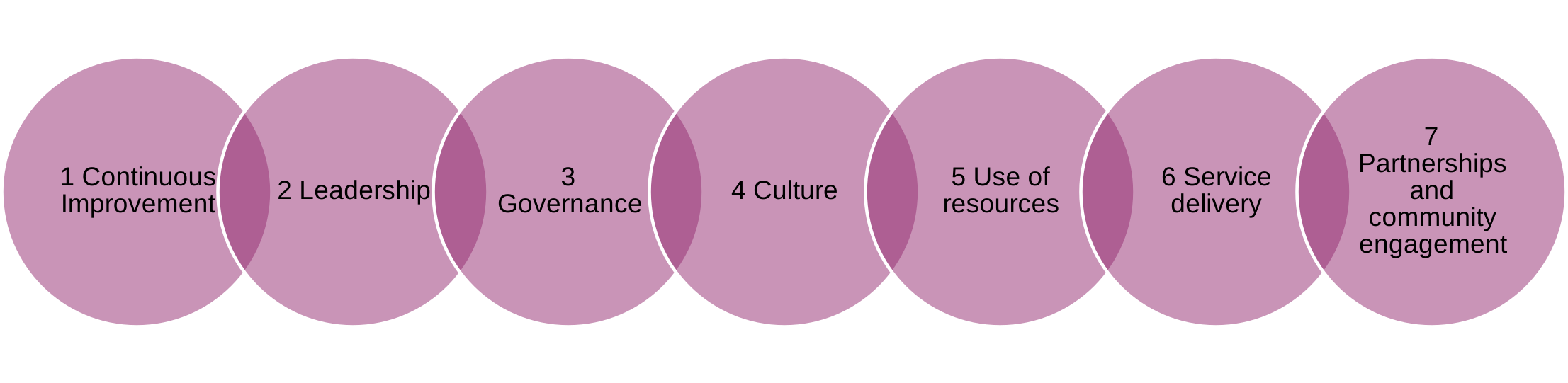
1.3 Over time, the Best Value statutory guidance has expanded to identify 7 key themes. Figure 1 is a linear Venn diagram featuring 7 circles, each representing 1 of the 7 best value themes. These are: continuous improvement, leadership, governance, culture, use of resources, service delivery, and partnerships and community engagement. The Best Value statutory guidance also outlines expected standards, indicators of compliance, and the range of models used to tackle best value failure.
Figure 1: Seven themes of Best Value
1.4 Where a council is failing to meet its Best Value duties, the Secretary of State has powers to inspect and intervene where necessary under the 1999 Act. Depending on the severity of risk, depth of failure, and the support required, a council may enter a statutory or non-statutory intervention towards recovery and improvement.
1.5 When a council fails, the guidance is clear that central government cannot be seen to reward failure, so council leaders at political and officer level should be responsible for their actions. A council must meet the cost of its own recovery. This includes fees for best value experts assigned on behalf of the Secretary of State to direct and support recovery. Such experts are experienced change professionals selected to match the council’s improvement needs. They are charged at rates for external senior consultants dealing with high levels of complexity under public scrutiny.
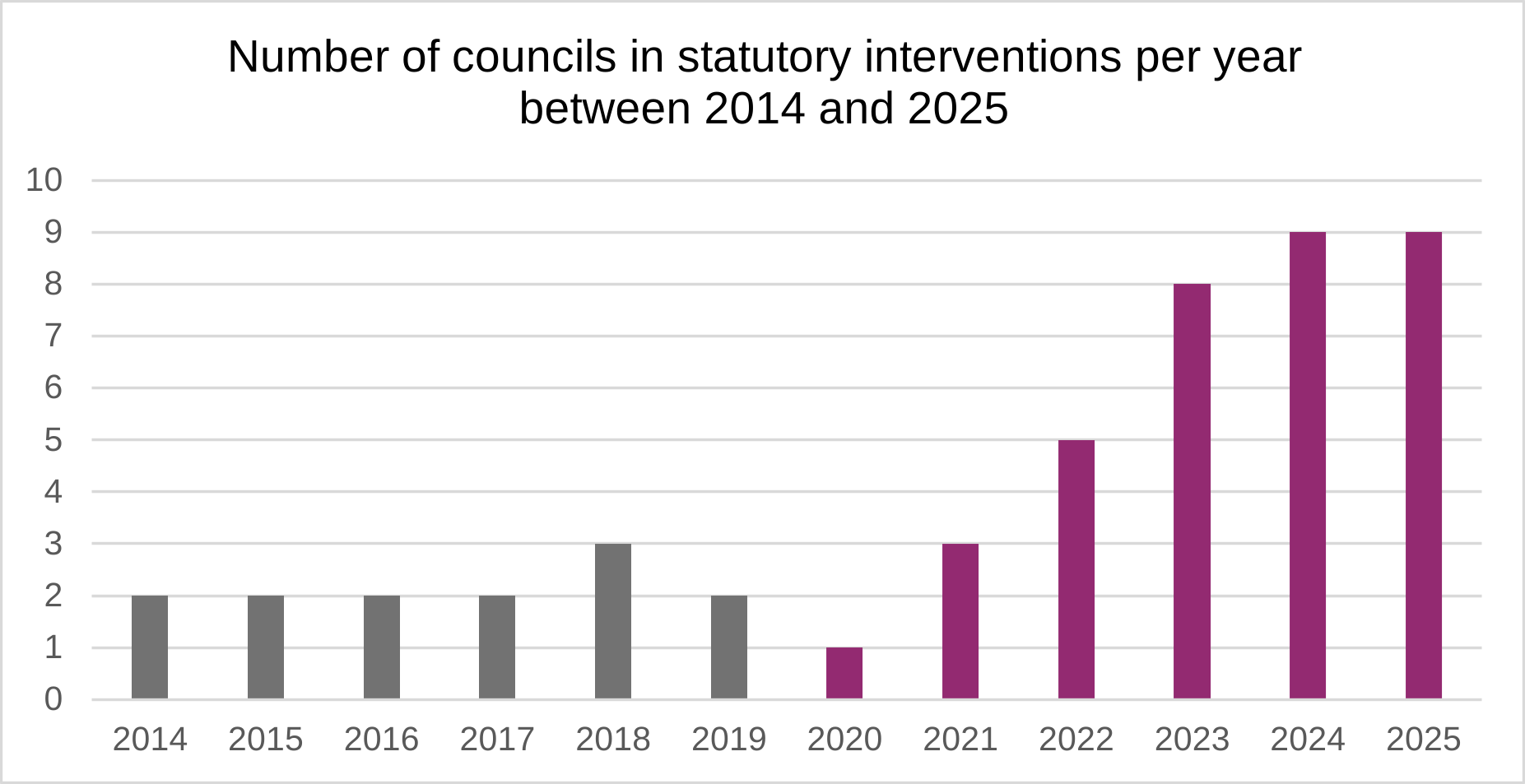
1.6 Between 1999 and 2020, the lever of best value intervention was very rarely used. As shown in the clustered column chart in Figure 2 below, from 2014 to 2020 there were just 4 cases of best value intervention (2 being driven by failures in Children’s Services). The chart of statutory interventions shows 2 each in 2014–2017, 3 in 2018, and 2 in 2019. Purple bars mark interventions in scope for this evaluation: 1 in 2020, 3 in 2021, 5 in 2022, 8 in 2023, and 9 in both 2024 and 2025. As the graph shows, there has been a significant rise in the total number of councils entering a best value intervention in the past 5 years.
Figure 2: Number of councils in statutory interventions per year between 2014 and 2025
1.7 Since 2020, the wider context of local government has changed. Structural factors such as limited public sector funding and weaknesses in the local audit system led to a reduction in council corporate capacity to minimise risks to services. To raise income, many councils increased their commercial activity, exposing themselves to higher levels of risk and debt.
1.8 Interventions are not static and can flex to the on-going needs of the council. Two councils, Nottingham and Croydon, initially had non-statutory interventions with an improvement panel in 2022 and 2023, respectively. However statutory interventions with commissioner teams were subsequently announced to accelerate their recovery. The new ‘Ministerial envoy’ model has been used in statutory interventions in Tower Hamlets and Warrington from 2024 and 2025, respectively. At the time of reporting, there are 12 councils in a live intervention (9 statutory and 3 non-statutory). Each are at a different point in their intervention lifecycle.
1.9 The oversight and stewardship for local government in England sits with MHCLG. The department sought to understand the drivers of best value risk and failure behind the increase of interventions. Additionally, the depth of challenge, change, and complexity in the public sector has created a landmark moment for the reform and implementation of oversight and improvement of local government. It is against this backdrop that MHCLG has undertaken this study.
Project aims and objectives
1.10 Building on the foundation of MHCLG’s 2020 publication, this work is an evaluative review of the experiences of councils who have been in a best value intervention in the period June 2020 to June 2025. It is the first time that the department has undertaken structured engagement with all 24 councils that have experienced an intervention over the past 5 years.
1.11 The purpose of the engagement was to capture the learning from council experiences of intervention, along with insights from the best value experts who advise and support them. This will be used to inform future policy and practice, and to shape new approaches to improvement, prevention, and intervention. This will ensure that councils are fit, legal, and decent and “able to meet the highest standards of leadership and governance.” (Secretary of State MHCLG, introductory letter to councils on appointment September 2025).
1.12 In capturing the learning from both statutory and non-statutory best value interventions, this work considered 5 main research questions:
- what are the drivers of best value failure, and can any correlations be identified?
- what impact do interventions have on councils?
- how can intervention models be improved to be more user-focused and supportive?
- did the investment in recovery activity deliver value for money?
- is prevention an alternative ’counter factual’ to intervention?
1.13 Following a discovery period of scoping and validation, using desk research and internal stakeholders’ consultation, the research proposal was scrutinised and challenged by MHCLG’s corporate Research Gateway process and other senior leader governance forums, and outlined to Ministers. Findings were also presented to a best value experts forum before this report was drafted.
1.14 A control analysis from documentary evidence of targeted interviews from 2023-24 with councils who had not experienced a best value intervention was also undertaken. The main findings of that work on the need for a more preventative approach and changes to ways of working were comparable, highly consistent, and validate the methodology and results of this study. The research methodology is set out in detail in chapter two. Additional supporting information can be found in Appendices A (list of participants of this research and data tables) to E (accompanying pdf document).
2. Methodology
2.1 The evaluation applied an affirmative inquiry approach. This is a non-judgemental method which explores real experiences and uses positive and provocative questioning to simulate candid, collaborative, and co-created knowledge for change.
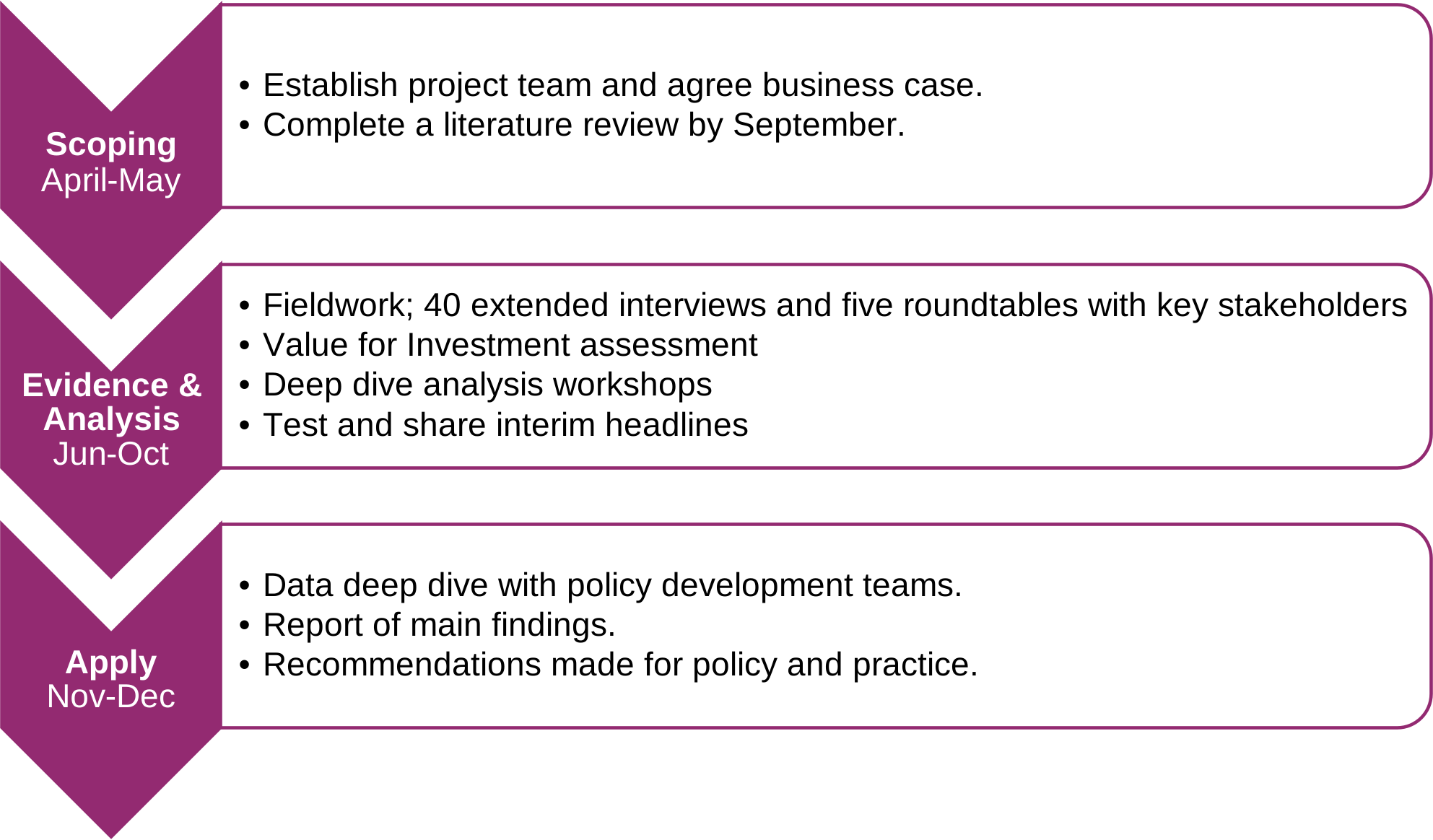
2.2 The work was delivered through a strategic partnership between MHCLG, Verian, and the Institute for Government (IfG). The overall project approach was undertaken in 3 stages, using different research methods. These included: secondary analysis (of literature and written submissions), primary qualitative research (direct engagement with key stakeholders via interviews and roundtables), and a test case Value for Investment assessment of best value intervention functions.
2.3 The approach is captured in a vertical flow chart in Figure 3 below which shows the 3 phases of the evaluation. It illustrates that the project was set up in April and May 2025. Engagement was undertaken to gather a body of evidence in June to October 2025. The main findings were analysed and compiled for this final report in November and December 2025. Our intention is that findings will be used to inform and improve policy and practice from 2026 onwards.
Figure 3: Overview of the methods and approach
2.4 Secondary analysis: a review of relevant literature (conducted by MHCLG) explored publications on the drivers of organisational failure that can lead to failure of Best Value duties. Service specific failures are subject to their own inspectorate regimes so were out of scope of the work, except where the service has exposed deeper corporate failure of Best Value duties. A summary of the literature review can be found in chapter 4, with the full document at Appendix D.
2.5 Documentary analysis was undertaken by MHCLG of 4 written submissions provided to the evaluation team by participants of interviews and roundtables as supplementary evidence. All 4 written submissions highlighted the value of collaboration, evidence-based practice, and transparent and proportionate intervention models. There was a strong focus on empowering councils through better use of data, developing a learning culture, and access to sector support. Commentary from this is woven into the analysis of our findings throughout the report.
2.6 A snapshot of each submission is offered below:
- submission A by a public sector delivery body facilitating strategic partnerships with councils focused on drivers of council failure
- submission B by offered a best value expert perspective on the role and usage of political advisors in interventions
- submission C by a local government professional body focused on learning from interventions in children’s social care services
- submission D by a national local government body focused on more collaborative and equal models of sector support and of intervention
2.7 Primary qualitative research: comprised of extended interviews (conducted by Verian) of 60-90 minutes duration, with all 24 councils in England with experience of intervention since 2020. Separate interviews were completed with 16 lead best value experts assigned to support those councils. Interviews took place from June-November 2025 and deployed semi-structured topic guides, with common ‘key lines of enquiry’. This allowed for consistency of approach, comparable analysis, and flexibility to enable councils to raise any issues important to them not already covered in the topic guide. (A list of councils interviewed can be found at Appendix A and copies of the topic guides used at Appendix B).
2.8 In addition, 5 discursive roundtables took place in September and October 2025 (conducted by the IfG). These built on the evidence collected in interviews and sought to elicit views on process improvements, firstly from the local government sector and arms-length bodies, then best value experts supporting council recovery, followed by cross-government officials, and then MHCLG internal stakeholders, (including staff responsible for relationship management with councils). The list of roundtables participants and a summary of findings can be found at Appendix C.
2.9 Another novel element of this work is the experimental application of the Value for Investment framework for a light-touch assessment of best value interventions. A draft framework has been developed as a proof of concept to assess the continuous improvement of MHCLG’s interventions functions. The initial performance assessment was reached using documentary evidence gather across MHCLG teams, qualitative data from interviews, and a high-level review of available cost data. The overall rating of ‘adequate’ (amber) is summarised in Section 3.
Analysis
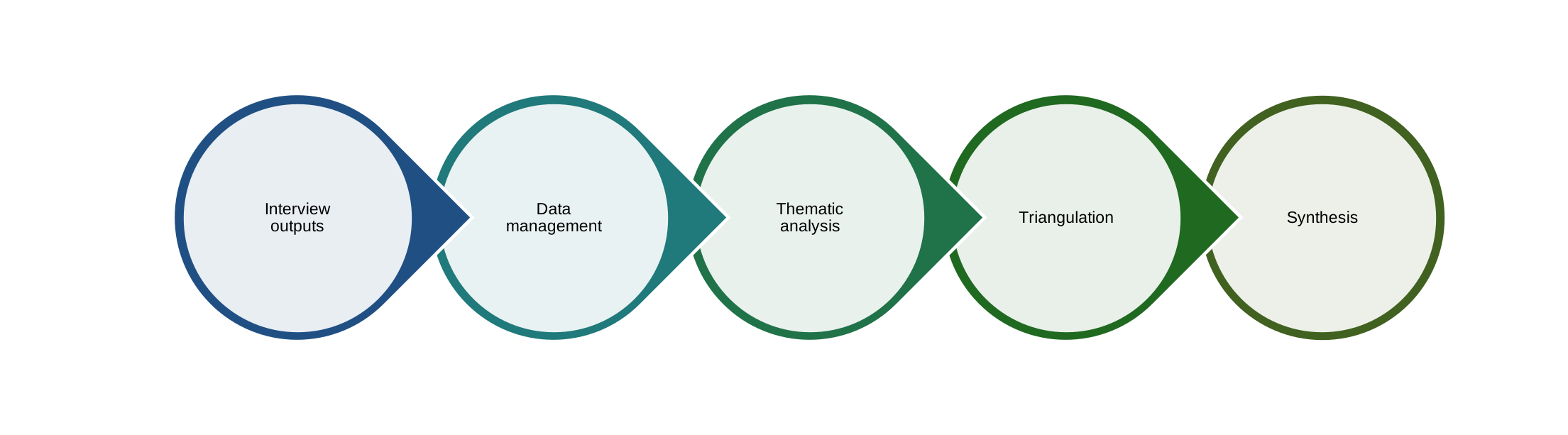
2.10 Analysis for this report followed an iterative process conducted throughout the study. This is depicted in Figure 4, which sets out in 5 interconnected rings the steps of interview outputs, data management, thematic analysis, triangulation, and synthesis. As interviews were completed, researchers reviewed emerging notes and insights through regular research discussions, and interim analysis meetings with MHCLG and the IfG. This enabled the evaluation team to test and refine early interpretations, challenge assumptions, and adapt lines of inquiry as needed.
Figure 4: Overview of the analysis approach
2.11 Data management: Framework analysis was used to manage the wealth of data generated. It is a widely used and established approach in policy research and evaluation. Its structured, transparent nature is particularly suited to studies requiring systematic handling of large volumes of qualitative data based on experiences, views, and perceptions. The process incorporates familiarisation, framework development, charting, interpretation, and reporting.
2.12 The approach involved researchers immersing themselves in the dataset by reviewing interview notes, transcripts, and, where necessary, recordings. This ensured an initial understanding of emerging issues in which to ground the framework. A draft Microsoft Excel-based thematic framework was then developed by the lead researcher, informed by the research questions, topic guide, and Best Value statutory guidance.
2.13 The framework was piloted, refined and quality assured throughout. All researchers received a detailed briefing on the analytical process and how to apply the framework consistently. Each interview was manually summarised into the framework, then mapped by theme and sub-theme to provide traceability back to the original transcript or notes. The completed analysis framework served as the structured representation of the raw data and enabled systematic comparison across interviews.
2.14 Interpretation and thematic analysis: Interpretative thematic analysis involved reviewing the summarised data across the framework to identify patterns, explanatory factors, and areas of convergence or divergence in views. Interpretation was developed collectively across thematic mapping and iterative drafting report plans. These activities supported analytical rigour and helped ensure that findings and report transparent and grounded in methodological rigour.
2.15 Notwithstanding the qualitative nature of the data, some quantitative approaches have been applied to test the findings, and to ascertain any emerging patterns across intervention characteristics. For instance, whether a pattern exists between the drivers of the intervention and type of council. A summary of this data can be found in Appendix A.
2.16 Quality assurance principles: This work applied the government’s Analytical Quality Assurance (AQuA) Book for producing robust and transparent analysis, following a structured set of quality assurance principles across all stages. The AQuA Book emphasises the need for clear methodological rationale, consistency in analytical procedures, triangulation, and an auditable trail of decisions. For this study, these principles were embedded in:
2.17 The analysis process, review of interpretations and drafts, and clearance of reporting decisions were jointly undertaken by lead officers across the strategic partner organisations. MHCLG and best value expert governance forums were used to test emerging findings and seek constructive challenge. Separately, MHCLG undertook its own quality assurance by a social research analyst to track and chart findings back to the original data source.
2.18 Triangulation and synthesis of multiple evidence: The analysis involved the integration of multiple strands of evidence, including the qualitative views of councils and best value experts and insights from the roundtables, documentary review, and written submissions to enhance depth and triangulation. The additional evidence sources were reviewed alongside the framework outputs to identify where they reinforced, extended, or challenged the interview findings.
Reading this report
2.19 This research relies on qualitative data, which provides a rich and in-depth understanding of councils’ experiences and perceptions of best value interventions. As a result, some findings cannot be directly treated as, or compared to, statistical survey data or objective facts. Even though the whole target group was engaged, views cannot be assumed to represent the views of all councils and sector stakeholders.
2.20 Throughout the report, the following terminology is used to indicate the frequency of responses. Where relevant and appropriate, the number of interviews has also been given:
- Few: Less than 25% (up to 5) councils
- Some: 25-50% (6-12) councils
- Most: 51-%-75% (13-18) councils
- Nearly all: Over 75% - nearly all or all (19 or more) councils
In addition, some of the findings and their frequency have been illustrated in graphics throughout this report.
2.21 Feedback from participating councils and best value experts has been grouped to present findings by council, intervention, and themes. In some cases, the total number of responses was adjusted. For example, when a finding applied only to statutory interventions rather than all, this is clearly stated.
2.22 Quotes by participants are used throughout the report to illustrate the analysis. This adds depth and richness to insights but also illustrates the impact of the interventions on people as well as the organisation. As this is the first time councils have been directly engaged on their experiences of intervention, and organisational failure is a sensitive and complex area, a robust trust framework was put in place to respect respondent confidentiality. Direct quotes are therefore not directly attributed and instead reference the type of council and its region, and for best value experts, their role.
Limitations and caveats
2.23. This work follows Professor Sir David Spiegelhalter’s principles of trustworthiness and clear communication of data uncertainty presented at his address to Bennett School for Public Policy (2022). There are some potential limitations to this research. These include:
2.24 Focus: This research looks at the drivers and experiences of best value interventions. As the functions are enshrined in legislation, this work does not examine or question the existence or purpose of the best value framework or the sanctions for failure of said duties.
2.25 Cohort of interviewees from councils: This was focused on the senior leader apex of the organisations, so Chief Executives and Leaders/Elected Mayors were targeted, not the whole senior management team of the council. In some cases, the Chief Finance Officer was included at the council’s request. Future research may find it useful to systematically gather wider perspectives.
2.26 Retrospective: Half of the interviews were with councils who had exited from their intervention so there were issues of recall. In many cases political and/or managerial leadership had changed. Therefore, perspectives on drivers of failure are retrospective and not necessarily given by those directly involved at the time.
2.27 Counterfactual: Although a control analysis was undertaken of interviews with well performing councils (2023-24), the interviews for this work (2025) focused solely on councils that were or are in intervention. Their questions also differed so comparability of findings is limited to perceptions on preventing best value failure and sector support. The control analysis cannot evidence the counterfactual and identify why some councils in similar circumstances did not fail to meet their Best Value duties. Best value expert interviews and roundtables included senior stakeholders with broad experience of local government leadership, financial management, and governance. These respondents were able to reflect on both good and bad practice when identifying the reasons for the intervention in councils. For the future, further research could be undertaken into the identification of good practice and the protective factors that prevent intervention. This could helpfully be undertaken in collaboration with wider sector partners.
2.28 Perception-based findings: Council and best value expert contributions to this research are perceptual. In social research perceptions are valid qualitative data in that they derive from their direct experience. For respondents, their perceptions are real even though they may not be objective fact. To address any imbalance, a multi-method approach has been used to test the consistency and reliability of perceptions across a range of respondent groups. Findings were consistent with other research undertaken by a sector body, and a desk-based control analysis of relevant qualitative data from other engagements. The aim of this research was to enable council voice, and to start a candid dialogue with local government that can help ‘reset’ the relationship with the sector. Acknowledging the direct experience of councils is one way to do this.
2.29 Treatment of Combined Authorities: Whilst acknowledging the distinct nature, roles, remit, and powers of these institutions, this analysis does not treat these authorities as a unique data set for stand-alone analysis. There are just 3 combined authorities in the cohort, which is too small a number from which to extrapolate meaningful conclusions for publication. It would also make the authorities’ specific contributions easily identifiable and thus breach our trust framework. Therefore, they are grouped with the wider cohort, and findings apply also to Combined Authorities unless otherwise stated in the commentary.
2.30 The imitations of the value for investment activities and literature review are addressed in the relevant chapters (3 and 4 respectively) summarising those work streams.
2.31 In summary, any potential limitations to the research are addressed through a multi-method approach which included wider engagement with important stakeholders active in the stewardship and sustainability of local government, and other parts of the cross-sector system that are affected when councils are at-risk or fall over (e.g. key recovery, improvement, and policy actors).
2.32 Anonymised findings were fed into other concurrent research in real time such as the Value for Investment work, and policy teams in MHCLG across teams.
3. Value for Investment Proof of Concept
3.1 One of the research questions this work seeks to explore is if the investment in recovery and improvement activity delivers value for money at a macro level. Best value is a complex policy area, the impacts of which are difficult to quantify using a ‘traditional’ value for money analysis. Therefore, we have used the Value for Investment (VfI) framework as a proof of concept to assess the economy, efficiency, and effectiveness of best value functions.
3.2 A proof of concept is a small-scale, preliminary study or pilot project designed to demonstrate that a product, service, or idea is technically feasible and holds real-world value.
3.3 This approach was taken because there are two main challenges to assessing value for money of an intervention: (i) each intervention can vary significantly depending on local context and problems, and (ii) the potential cost of failure of an entire council is so vast that any level of preventative spend would appear justified. Verian applied the multi-disciplinary Value for Investment framework as a proof of concept to see if it could provide a more nuanced mechanism for measuring the value for money of corporate recovery and improvement.
3.4 The aim of the light-touch assessment was to provide a high-level independent judgement on performance of best value functions to date, and to identify ways they could be continuously improved in the future. The work followed 8 sequential stages from the creation of a value proposition, through to reporting of the judgement, as depicted by the chevron diagram in Figure 5 below.
Figure 5: The 8 steps of the Value for Investment process
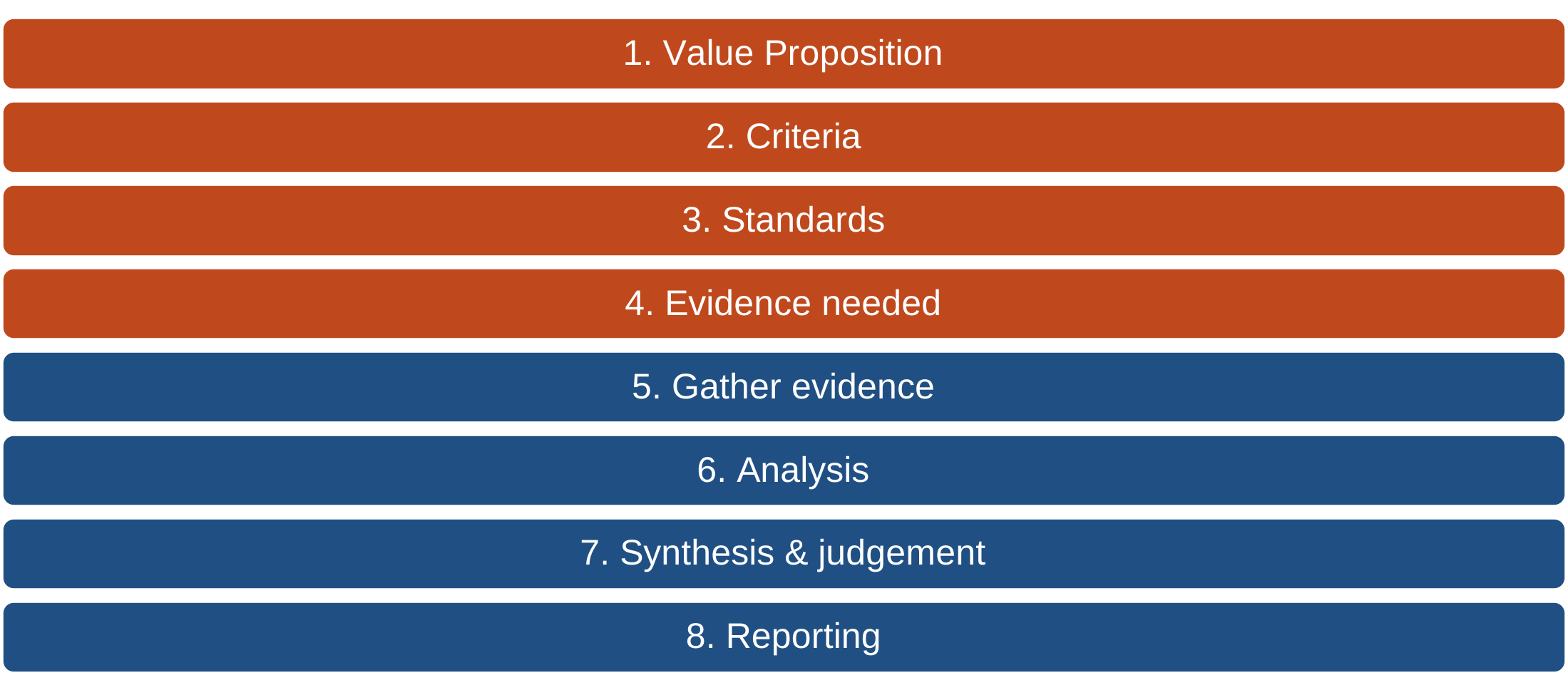
3.5 Two workshops were conducted with relevant MHCLG teams working to deliver best value functions and sustainability in local government. The first tailored the design of the framework to the context and needs of the best value functions, and the main output was an agreed value proposition. The second workshop focused on setting criteria, performance and standards and measures to evidence and track the economy, efficiency, and effectiveness of the best value functions (in the diagram, these are shaded orange).
3.6 The next 4 steps involved Verian economists gathering, analysing, and synthesising the evidence provided by MHCLG teams, the wider Lessons Learnt engagement, and expenditure by councils on their improvement activities during their interventions. From this, a light touch assessment was undertaken, with an overarching report and judgement on the Value for Investment of best value functions (shaded blue in the diagram above).
Performance summary
3.7 Figure 6 depicts and defines each of the best value 3Es (economy, efficiency, and effectiveness) which were developed into criteria for performance assessment.
Figure 6: the best value 3Es
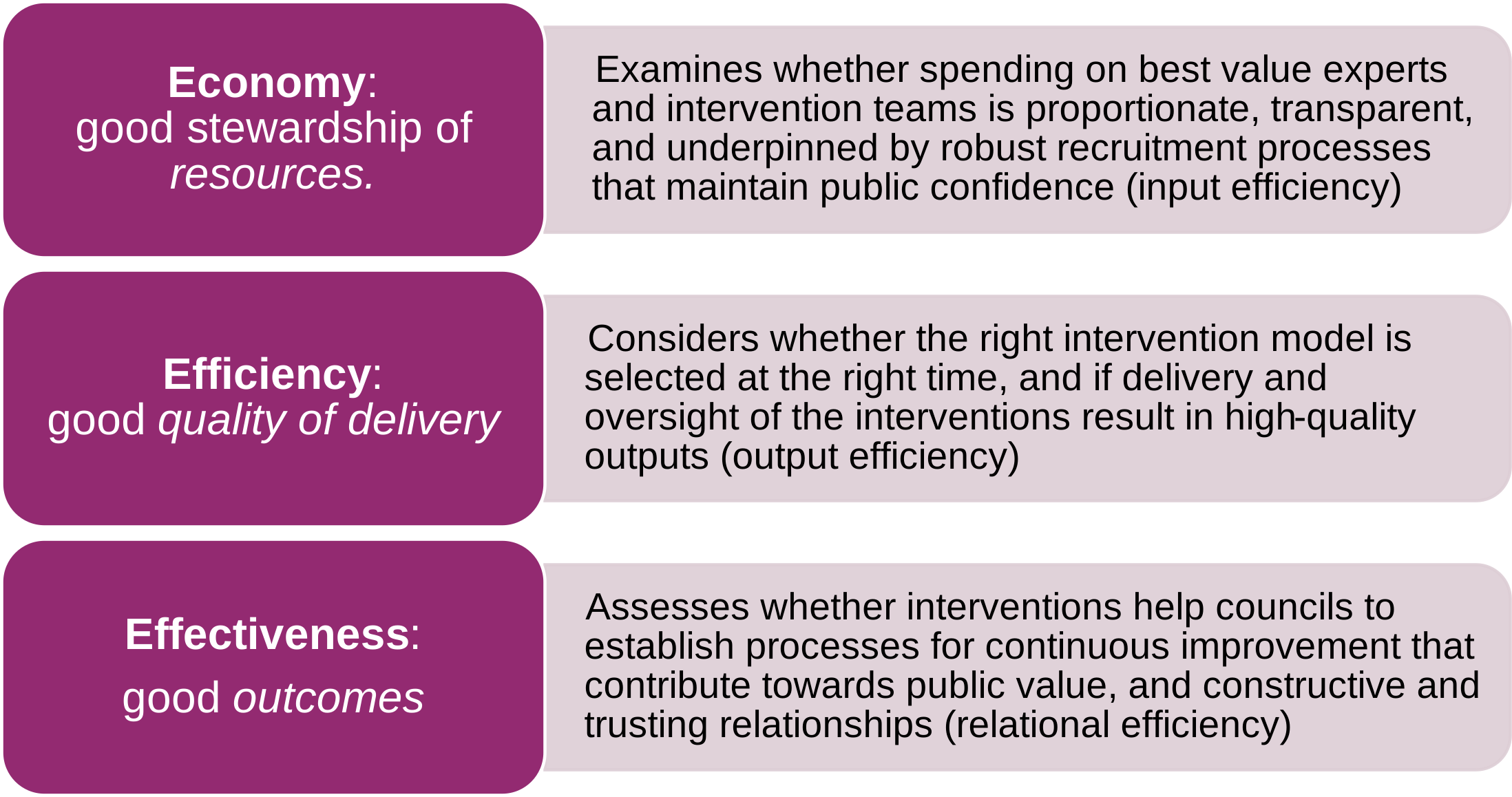
3.8 Value proposition: Councils are autonomous democratically elected bodies, so a clear value proposition is important to explain why central government intervention is required in the case of best value (‘market’) failure. This was developed during the workshops with MHCLG delivery teams to describe how best value interventions generate public value. The value proposition was then used to develop criteria and performance standards into a bespoke framework.
3.9 The value proposition agreed was:
Best value interventions provide targeted, time-bound, and high-quality expert support to councils that are at risk of, or have failed, to meet their statutory Best Value Duty. The right type of intervention, at the right time, and delivered in the right way (collaboratively), to a high standard delivers sustainable improvement. In this way, a relatively small, well-targeted investment can generate substantial and sustainable value for councils and the communities they serve.
3.10 A range of evidence was triangulated to assess performance against the value proposition. This included expenditure data on improvements made by councils during their interventions. As no additional or new data was collected there are some gaps. However, the available evidence was sufficient for economists to make a high-level indicative judgement.
3.11 The initial overall assessment found that best value interventions score was adequate (amber) for economy and efficiency, and good (green) for effectiveness. Key elements of this assessment are outlined in each of the 4 boxes as illustrated in Figure 7 below. The 4 boxes show that best value interventions provide adequate value for money and improved governance, leadership, culture, and financial management, with scope to increase value through better delivery, collaboration, and transparency.
Figure 7: High-level assessment summary
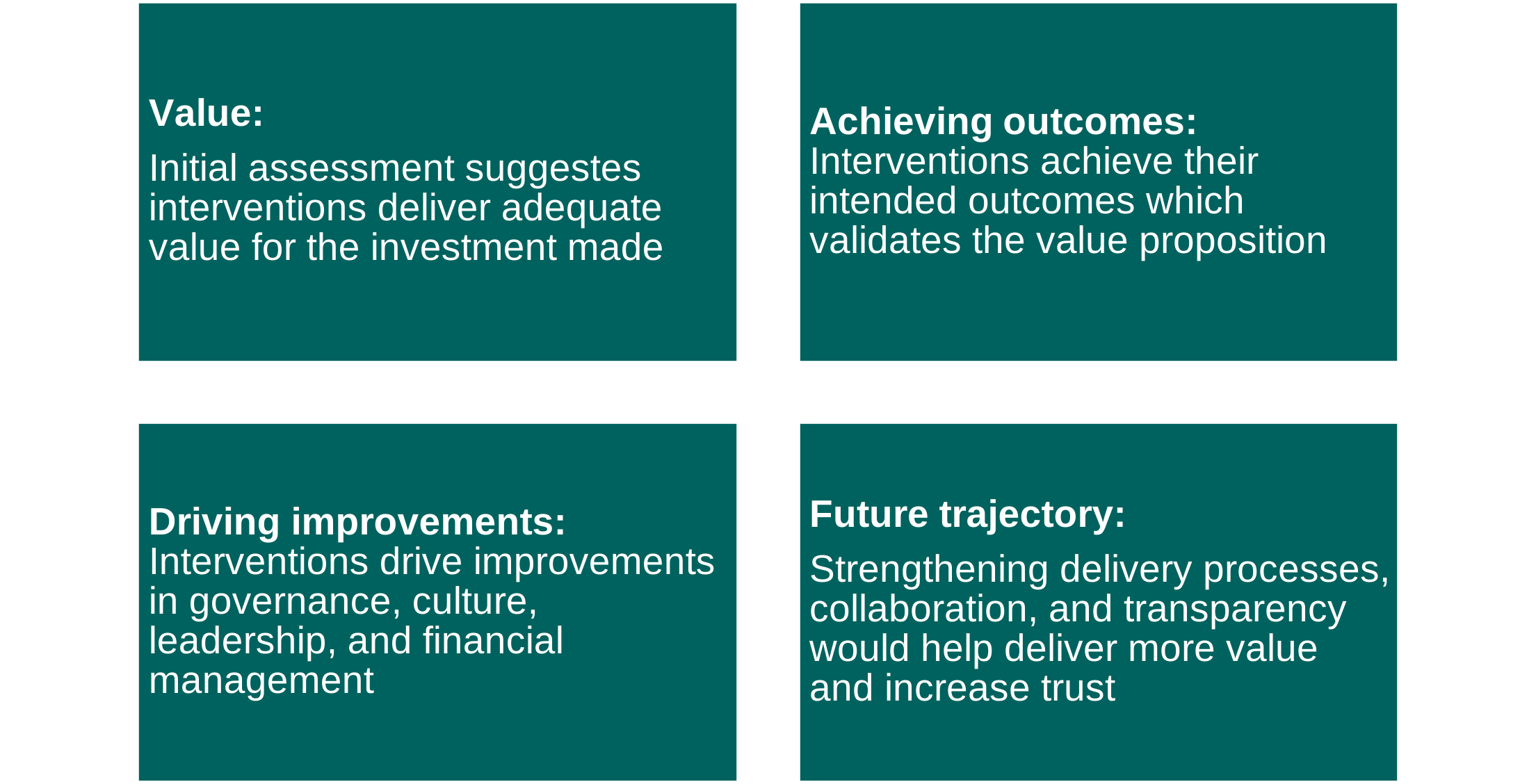
3.12 Findings indicate that best value interventions achieve their intended outcomes as they resulted in improvements in governance, culture, leadership, and financial management, which are viewed positively by councils and best value experts. This validates the value proposition. However, there is a misalignment of council perceptions of the costs of best value expert rates and MHCLG’s fee policy. Explaining clearly to councils how current day rates are set, strengthening clarity, consistency, and flexibility of delivery, and more collaborative ways of working would help deliver more understanding, value, and trust for councils.
Strengthening Value for Investment
3.13 The evidence available to assessors on economy and efficiency criteria is partial. However, for the effectiveness criteria, there is strong evidence that the intended improvement outcomes of interventions are achieved, delivering good financial value for the public purse.
3.14 Notwithstanding the limitations of data collection behind the experimental use of the framework, there are strong prospects and potential for improving the value for money of interventions in the future. The overall rating could be improved by a more balanced strategy of both proactive elements to prevent best value failure, as well as reactive elements to facilitate recovery when they do. By working more collaboratively, trust-based relationships can be strengthened in the future.
3.15 Figure 8 shows chevrons denoting ‘amber’ (adequate) judgement for economy, to an ‘amber-green’ (near good) judgement for efficiency, and consolidation of a ‘green’ (good) judgement for effectiveness. Suggestions are made to improve the rating from amber to green in the short term. Opportunities for improvement are summarised in paragraph (3.16 to 3.17) below the diagram.
Figure 8: Suggestions to improve Value for Investment judgement in the future

3.16 Economy: Communicate clearly current processes (e.g. best value expert fees, recruitment and oversight) to increase council and stakeholder confidence that resources are being used proportionately.
3.17 Efficiency: Strengthen explanation, clarity, and consistency. This includes making better use of data to identify issues earlier; helping councils to understand why and how specific intervention models are chosen. Improving user focus and more collaborative ways of working with councils will make delivery more agile.
3.18 Effectiveness: To consolidate the good rating, strengthen post-intervention support offers to avoid ‘cliff edges,’ analyse secondary data sources to more comprehensively track post-intervention council performance. More collaborative working would strengthen trust.
3.19 If these suggested improvements were to be implemented, and a weighting applied to the key criteria, the future assessment would likely evidence good value for investment across economy, efficiency, and effectiveness.
3.20 The draft framework requires further development, but it could be used as an operational performance management tool to drive best value continuous improvement of interventions in the future.
4. Summary of literature review
4.1 A literature review was conducted by MHCLG officials, with a critical friend review provided by Dr Jason Lowther, Director of the Institute of Local Government Studies (INLOGOV).
4.2 The literature review is summarised below. It captures learning from organisational failure that might explain best value failure in a council context. Drawing on diverse sources, including government, academic and sector body reports, it covers the impact of interventions, recovery actions, and ideas for future improvement. The review also includes reflections on the methods used and recommendations for policy and practice development. The full text literature review is included in Appendix D.
Approach
4.3 A traditional literature review approach was employed, utilising various search engines and expert recommendations to identify relevant sources, focusing primarily on council failures and best value interventions in England. It included diverse sources and methods, with a rigorous selection process based on specific criteria such as credibility, timeliness, and real-world application. It also included seminal works for context. It incorporated academic reviews to ensure robustness and synthesised findings through thematic mapping.
4.4 Limitations include a focus on recent literature and variable source quality, with some gaps in terminology coverage. The review notes that there is paucity of recent literature on the impacts of MHCLG’s best value interventions, partly due to the relatively small number of interventions as a proportion of the number of all councils in England, and the sensitivity surrounding them.
4.5 Additionally, whilst much of the literature evidence is general and applicable to any type of organisation, Combined Authorities are relatively new institutions and thus may be less explicitly represented in published secondary resources.
Key findings of the literature review
4.6 Published literature consistently identifies governance, leadership, and cultural (GLC) weakness as central factors in best value failure. This research also provides insights into the role of governance, leadership, and culture as drivers of failure.
4.7 Effective governance systems are vital for council performance. Weak internal structures, ineffective scrutiny, and defensive cultures reduce accountability and hinder problem identification. Financial and audit systems are particularly vulnerable to governance weaknesses, often exacerbated by funding cuts. However, not all councils facing similar environments fail, suggesting other factors influence best value failure.
4.8 Leadership deficiencies are a key driver of best value failure, including poor decision-making, leadership churn, absence of strategic vision, and negative behaviours such as blaming and authoritarianism. Leaders who resist critique and external challenge foster environments prone to ineffective decisions and low morale.
4.9 Organisational culture significantly influences performance. Negative cultures characterised by bullying, harassment, distrust, groupthink, overconfidence, and malaise increase the risk of failure. These cultures can silence critical voices and normalise failure, making recovery more prolonged and difficult.
4.10 Additionally, external structural factors such as financial constraints, weaknesses in the local audit system, socio-economic geography, central government policy, and increasingly global economic shocks contribute to failure risks. This complexity means councils have varied failure pathways requiring flexible and tailored recovery approaches. The literature advocates for a dynamic, multifaceted understanding of failure informed by theory and context-specific research.
4.11 Financial constraints – Relevant literature highlights financial pressure as a significant contributory external factor. Commentators state that councils have faced prolonged austerity with real-term reductions in core spending power since 2010, compounded by rising demand for statutory services such as health and social care, education, and homelessness support. Other factors such as inflation rises, and the instability of one-year funding settlements weakened councils. However, all councils have experienced financial constraints, and only a minority of councils have failed. As the fieldwork findings on this issue (section 6.27 and 6.38-40) indicate, this is not a linear causal factor. The aim of government reforms including the Fair Funding Review 2.0 is to provide more stability through better alignment of funding with deprivation and local needs.
4.12 Local audit – Some literature identifies the weaknesses in the local audit system as playing a role in best value failure, arising from significant delays and shortcomings of audit reporting undermining financial oversight. The abolition of the Audit Commission and privatisation of audit have led to systemic issues, with cases like Birmingham City Council highlighting how audit failings delayed recognition of financial risks, escalating the need for intervention. Government reforms, including clearing the local audit backlog and the creation of the Local Audit Office, aim to address the ‘broken system.’
4.13 Central-Local Government relationship – Academic studies suggest that after 2010, there was a shift towards austerity and a more adversarial relationship between central and local government. Commentators suggest that this shift has reduced investment in prevention and improvement infrastructure, weakened sector-led improvement, and disempowered councils’ influence on policy. Challenges within central government, including high turnover of Ministers, and short-term focus, further complicate efforts for effective partnership. Some view recent policy developments and reforms, such as the Devolution White Paper, as positive opportunities for improvement.
4.14 Geography of failure – Emerging evidence suggests socio-economic geography influences failure risk, with large urban authorities facing higher deprivation, poverty, and service demand more likely to experience best value failure. These councils also face uneven austerity impacts and possess limited income-raising capacity, compounding their challenges. Whilst such impacts are important to understand in the context of local growth, this issue is not fully developed and warrants further research before any conclusions can be drawn.
Intervention responses
4.15 Existing government publications, including the 2020 lessons learnt study, provide insights into remedial actions to address problems of internal governance, leadership, and culture. These insights are summarised below. However, it is important to note that these reports predate recent increases in interventions and lack direct council perspectives, underscoring the need for updated evidence from this study.
4.16 Enhanced leadership – Replacing ineffective leadership, including Chief Executives and senior managers, is a common recovery strategy. Refreshing political leadership introduces diversity and new perspectives, helping to overcome complacency and resistance. During periods of transition, new leaders can often benefit from political advisors and mentors, who can support decision-making and lend credibility to intervention.
4.17 Strategic vision – Developing a compelling and achievable strategic vision with detailed action plans guides improvement and provides transparency. Its absence often signals leadership failure.
4.18 Addressing negative behaviours and cultures – Interventions focus on strengthening governance, improving scrutiny, and addressing grievances to foster accountability. Cultivating openness to external challenge is crucial for sustainable improvement.
4.19 Community engagement and modelling positive culture – Improving community engagement and modelling positive behaviours by intervention experts support cultural change. Leaders are encouraged to act as stewards of culture, promoting transparency, inclusivity, and consensus-building.
Improvement support
4.20 Commentators highlight that the improvement landscape is fragmented, with uncoordinated offers of variable standard, and that it can be daunting for councils to navigate. This suggests a need for simplification and clearer coordination, drawing on devolved area models.
Improving interventions
4.21 Conceptual frameworks identify key factors for turnaround: cognition (understanding challenges), capability (vision and support), and capacity (political and managerial ability). External and internal mechanisms influence these factors in different ways affecting the speed of recovery. Whilst useful, some frameworks are dated and warrant re-examination in current contexts.
4.22 Debate exists on the need to reform best value intervention models, emphasising prevention, sector-led improvement, and long-term transformation over short-term fixes. Cultural change, leadership development, and enhanced collaboration between central and local government are recommended. However, most commentators suggest structural reforms (e.g. local government finance, local audit, standards, and conduct) are necessary to address deeper systemic issues beyond procedural improvements.
4.23 Publications observe that the abolition of the Audit Commission led to the reduction of data collection on performance and oversight capacity, further complicating performance management. Structural changes such as reinstating national performance data sets are seen as crucial to replenish oversight capacity in councils. Conclusions of the literature review
4.24 The literature review concludes that governance, leadership, and culture remain central to best value failure, but external structural factors such as financial constraints, audit systems, central-local relations, and socio-economic geography are increasingly influential. Recovery often involves short-term rebalancing of finances, but sustainable improvement requires longer term coherent public service reform within a broader accountability framework.
4.25 Preliminary recommendations for improvement to intervention arising from the literature review include enhanced transparency of risk assessments, encouraging a whole-system approach to understand the complexity of corporate failure, exploration of socio-economic factors in risk evaluation, and learning from other government interventions.
4.26 In terms of the evidence base, there is a significant gap in recent literature on best value interventions, which this study has sought to narrow. A more systematic approach to gathering feedback from councils (and the communities they serve) on their experiences of best value interventions would help ensure that the model remains fit for purpose against the wider backdrop of local government reform and wider social, economic, technological, and political change. Evaluation might also include thematic deep dives of comparative council improvement activities across the best value themes, and protective factors that prevent councils from failing.
4.27 It is worth noting that the UK’s highly centralised approach contrasts with other international models, suggesting potential for comparative learning through further research. As a starting point, desk research was undertaken on a short comparative overview of how different states address local government failure. This is included in Appendix E.
5. Cohort profile
5.1. The research focuses on local authorities in England with experience of best value intervention. Interviews were conducted with 24 councils that were subject to statutory or non-statutory best value intervention since 2020. The full list of local authorities can be found in Appendix A. Learning from pre-2020 interventions was included in the previous publication.
5.2 Figure 9 depicts a cohort breakdown by intervention model. The cohort included 13 councils that have experience of a non-statutory intervention. In 4 of these – Bournemouth, Christchurch and Poole Council, South Cambridgeshire District Council, Runnymede Borough Council, and Eastleigh Council – no best value experts were involved.
5.3 Eleven councils had experience of in a statutory intervention. Of these, 9 are Commissioner-led and 2 are Ministerial envoy-led. This number includes 2 councils – Nottingham City Council and London Borough of Croydon – in which the model changed from non-statutory to statutory during intervention.
Figure 9: Cohort breakdown by intervention model
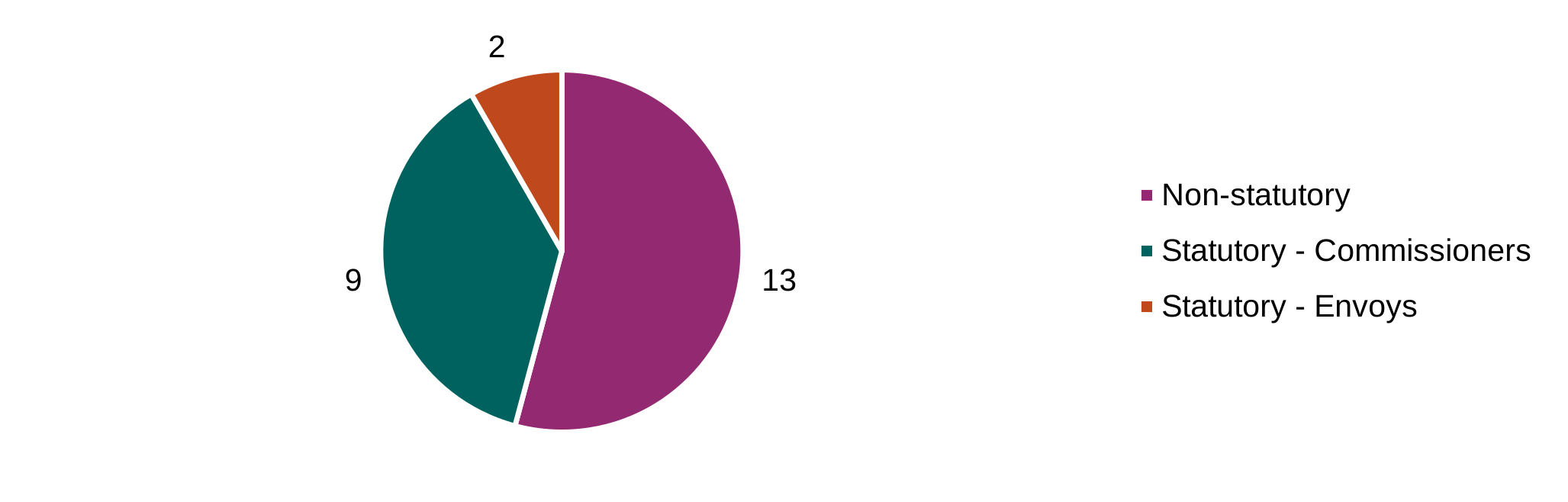
5.4 Of the 24 interventions covered in this research, 12 were live at the time of interview (9 statutory and 3 non-statutory). Twelve were already completed (2 statutory and 10 non-statutory).
5.5 Best value interventions affected councils across England, with every region represented by at least one authority. Figure 10 is a bar chart depicting the cohort breakdown by region, and Figure 11 shows where these are located on a map by region. The highest numbers of interventions were in the South East, with 5 local authorities. The North West and East of England both had 4. London had 3. The South West, North East and West Midlands had 2 each. The East Midlands and Yorkshire and the Humber had 1 each.
Figure 10: Cohort breakdown by region
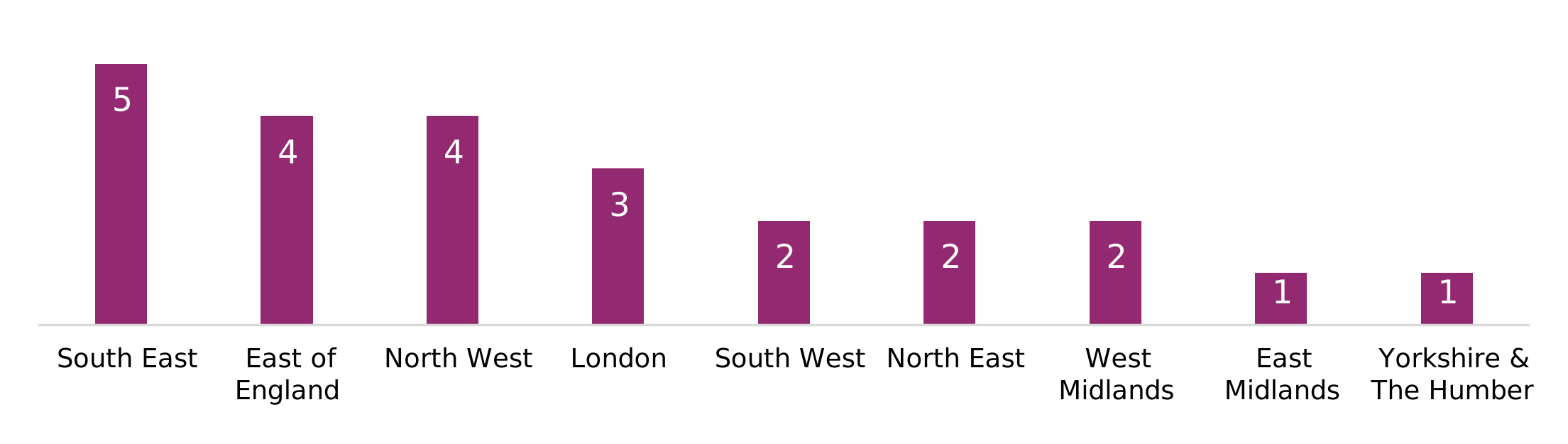
Figure 11: Map of cohort by region
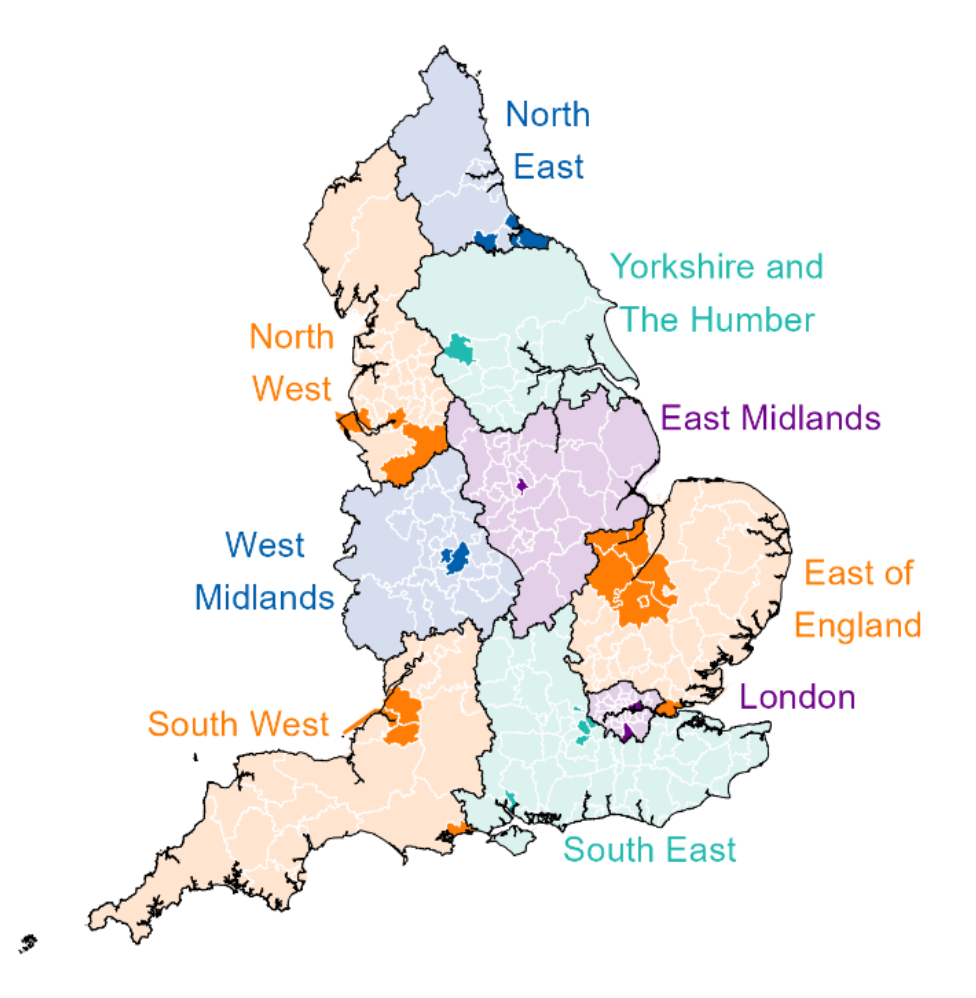
5.6. The literature review mentions a possible ‘geography of failure’ whereby deeper socio-economic challenges and higher levels of deprivation increase levels of organisational risk, (Ravaghi, Mannion, and Sajadi in the National Library of Medicine 2017). No specific geographic element came through in the primary research in relation to intervention, but further research may clarify this point.
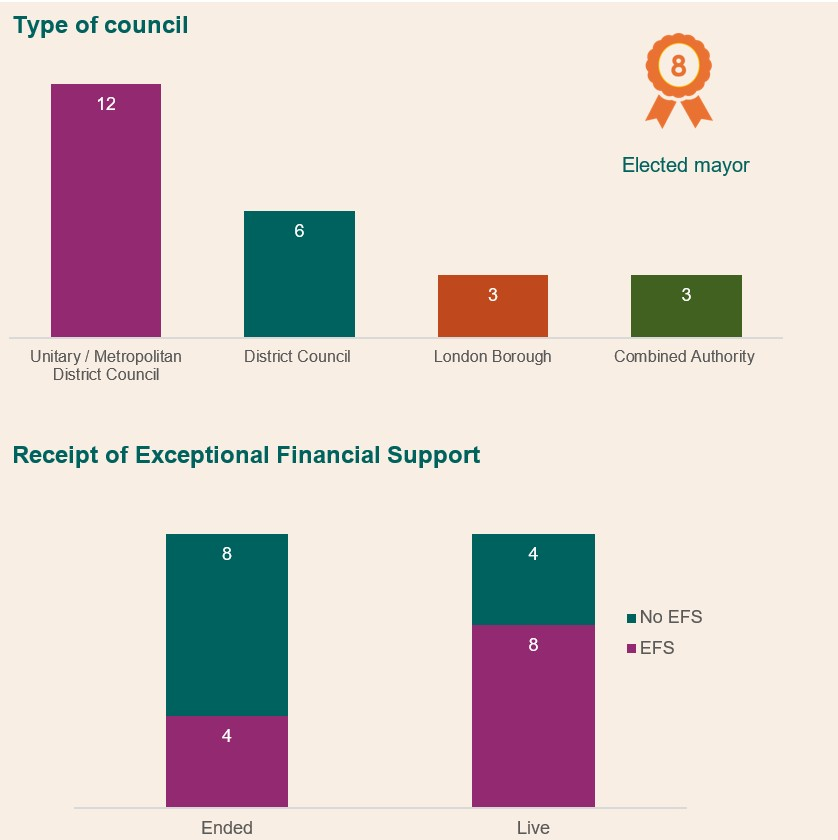
5.7 Figure 12 depicts different bar charts to illustrate the cohort breakdown by council type, and receipt of Exceptional Financial Support. The bar charts on the top row show that interventions affected most types of councils, including London boroughs, unitary authorities, district councils, and strategic combined authorities.
5.8 It also shows that most interventions took place in unitary councils. It should be noted that no county councils have been subject to best value intervention since 2020; and that councils in this study were led by administrations spanning the political spectrum.
5.9 Of the 24 local authorities, 11 were led by elected mayor and cabinet models. Of these 8 had directly elected mayors (there were Combined Authorities (CAs) in this cohort). A directly elected mayor and Cabinet model is the main model in our cohort. The others are Leader and Cabinet, and traditional Leader and full Council systems.
5.10 Best value failure can occur for reasons other than weak financial management, as findings below and in paragraphs 6.27 and 6.38 indicate. There is some overlap with councils whose intervention has been driven by weak financial management and who are also in receipt of Exceptional Financial Support (EFS). The bar chart on the bottom row of Figure 12 shows that more than half of councils in a live intervention receive such support - but this does not infer a causal link with intervention.
Figure 12: Cohort breakdown by council type and receipt of EFS
6. Drivers of Best Value interventions
6.1 Interview findings indicate a range of reasons that have resulted in councils entering intervention. The main drivers behind failure of their Best Value duties are governance, finance, leadership, culture, local politics, and external factors. These areas align with the themes of the Best Value statutory guidance, and the main causes of organisational failure identified in the literature review.
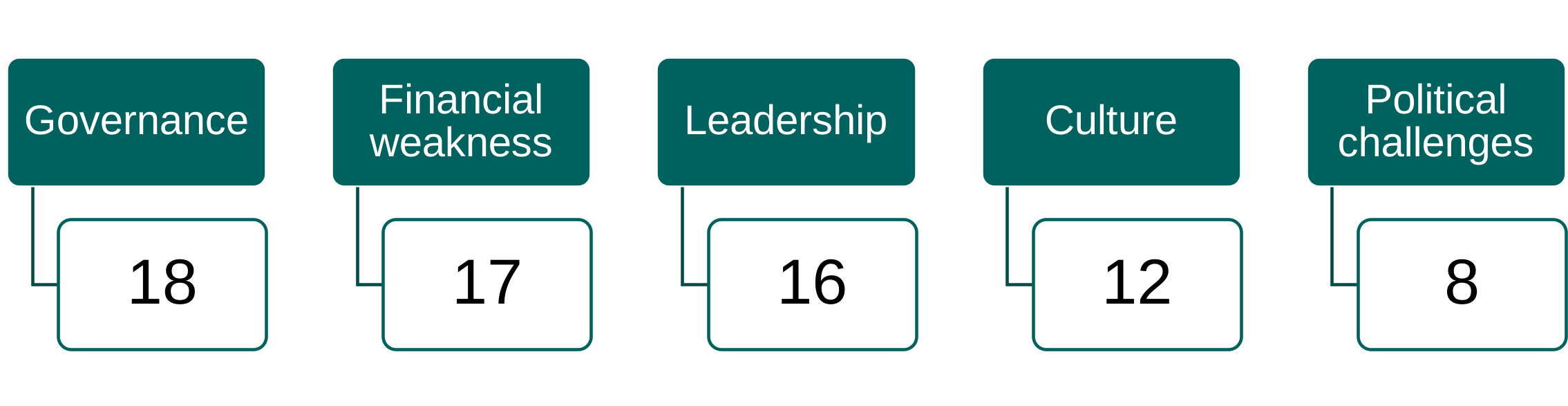
6.2 Figure 13 depicts titles boxes to show how many of the 24 councils reported each of the key drivers as reasons for their intervention. The most frequent were governance challenges which were reported for 18 out of 24 councils, followed by financial (17) and leadership (16) challenges. There were 12 councils who faced cultural challenges, and 8 experiencing local political challenges.
Figure 13: Key drivers of best value intervention
6.3 As the threshold is high for best value failure, it is not surprising that most councils faced challenges across several themes, many of which were interlinked. For example, failure of governance can lead to poor oversight, which can weaken financial controls. Similarly, weaknesses in leadership can lead to insufficient levels of scrutiny and poor governance, and in turn poor financial controls or vice versa. Typically, challenges were not mutually exclusive, and other issues surfaced once the intervention started.
You then start picking up other areas and you flip the stone over to see what’s going on.
Unitary Council
6.4 Written evidence (A) from a sector body highlights that many of the challenges councils face stem from a lack of clarity of organisational purpose, and a breakdown in the “golden thread” connecting strategy, planning, and delivery. Without this, councils often experience weak governance, poor challenge, and inadequate planning. This can have far reaching implications, for example leading to financial distress, poor value for money that may lead to intervention. This written submission states that many councils have oversight gaps, especially in strategic delivery partnerships, commercial ventures, and transformation programmes.
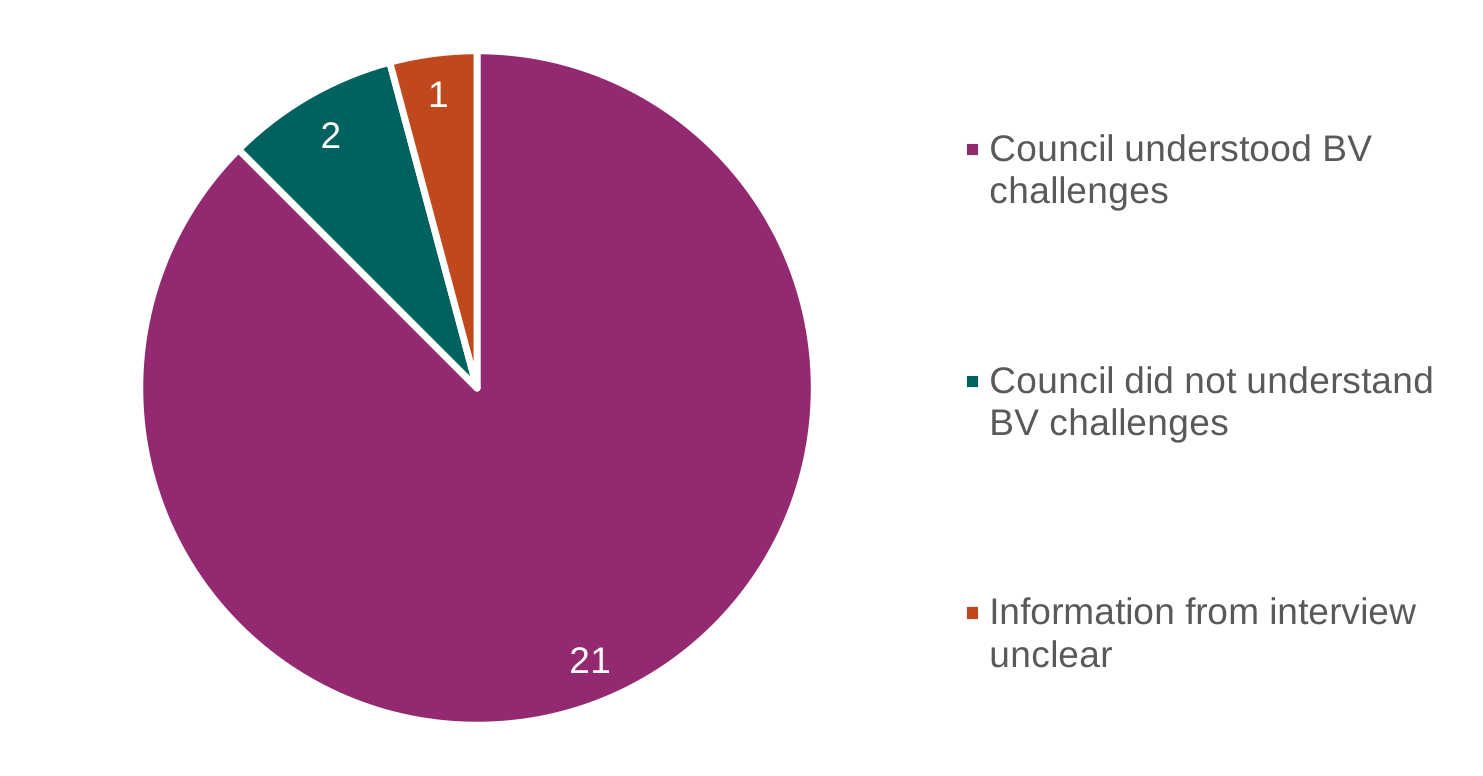
6.5 Interviews sought to explore whether councils were aware of, and understood, the drivers for failure. This is depicted in the pie chart in Figure 14 which shows the number of councils who demonstrated an understanding of the reasons for their best value intervention. Nearly all (21) councils showed an understanding of their challenges and the reasons why they were subject to best value intervention. Two councils did not understand or did not accept their drivers for intervention. For one council it was unclear or too early in the intervention to tell whether they understood the challenges faced, and therefore the rationale for the government intervening.
Figure 14: Number of councils demonstrating an understanding of the reasons for intervention
Governance
6.6 MHCLG’s 2020 lessons learnt report highlighted that poor scrutiny functions contribute to best value failure. Poorly designed, ineffective governance structures were often associated with poor decision-making, which negatively impacted effective use of resources and corporate health. They reflected defensive cultures, decreased accountability, and increase risk for councils, especially in internal financial and risk systems (Dossett and Clifton in the Grant Thornton Report 2023: preventing failure in local government, pages 1 to 16).
We’ve come a really long way, and we’ve got better governance, better procedures, better ways of doing things… it was all needed.
Combined Authority
6.7 Most (18) councils interviewed faced governance challenges. This ranged from specific governance weaknesses to complete governance breakdowns, and in the most extreme cases, allegations of bribery and corruption. Examples included lack of process oversight, poorly defined officer roles, poor scrutiny, accountability and transparency in decision-making, and ineffective delegation.
6.8 In 5 councils, poor governance was associated with the disproportionate turnover of senior leadership roles which led to instability across the organisations. In 2 of these councils, the transition from a committee to a cabinet system was viewed as contributing to reduced levels of transparency and accountability, which in turn led to their best value failure.
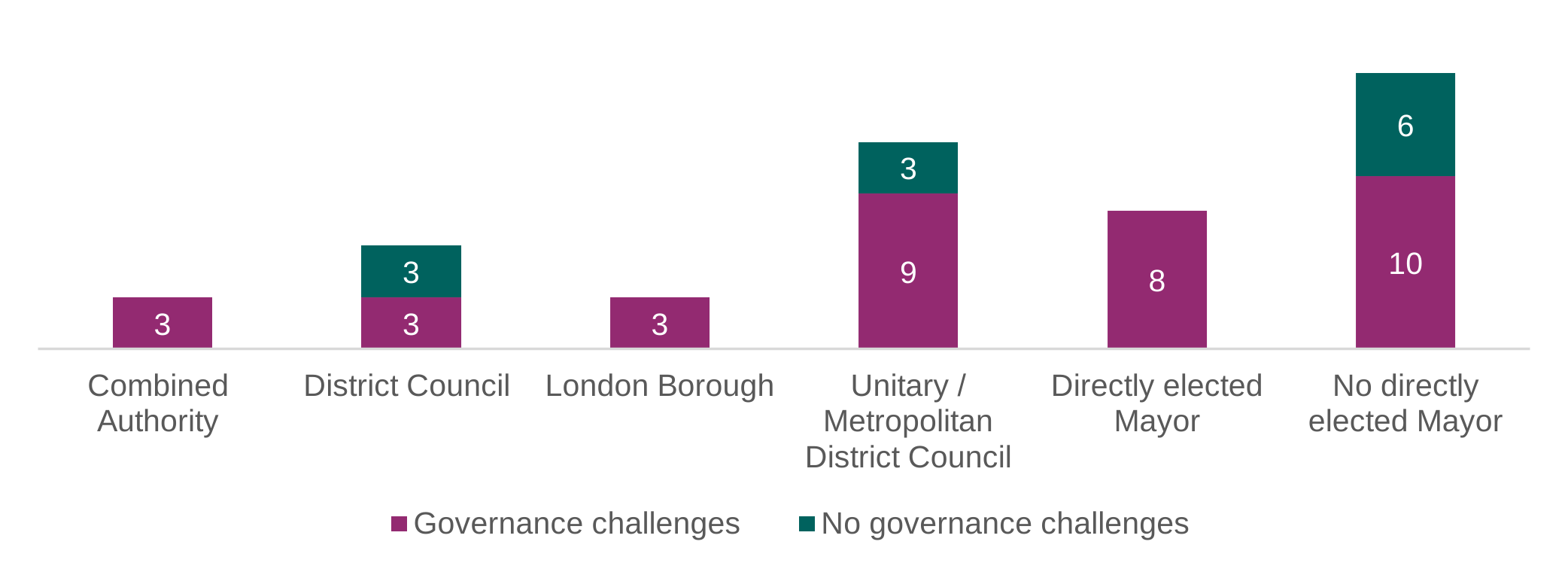
6.9 Most councils identified poor governance arrangements as a driver for their failure. Figure 15 is a stacked column chart showing governance challenges by council type and presence of elected mayor. It shows that all combined authorities, London boroughs, and most unitary and metropolitan district councils reported poor governance arrangements. Similarly, all (8) councils with an elected mayor of any type, remit or powers reported it as a key contributor leading to wider best value failure (this includes Combined Authorities).
Figure 15: Governance challenges by council type and presence of elected mayor
6.10 Specific examples of governance challenges (including those cited by Combined Authorities) were mayors (of any type, role, or powers) exceeding their authority and exhibiting intimidating behaviours. In another example (a unitary council), the mayor was described as acting beyond their remit by assuming the role of the Chief Executive, thus undermining the authority of senior executive officers, and reducing accountability.
6.11There is some learning offered from one of the written submissions (A) which states that councils ‘frequently’ have governance gaps in how they oversee companies, investments, and transformation programmes. The same written evidence also included recommendations for how councils can become robust organisations, including regularly reviewing and testing business plans, and building capacity for challenge and oversight.
6.12 Following targeted action to improve governance during intervention, councils cited examples such as more transparency in decision-making processes, clearer definitions of officer roles, and revisions to council constitutions.
Case study 1: Challenges in governance
A combined authority faced significant challenges across several areas including culture, leadership, and governance.
Overall, the organisation was described as lacking a shared ambition. There had not been sufficiently robust governance systems established from the outset, resulting in basic inadequacies such as not having HR policies in place.
Culture
6.13 Culture is a fundamental factor in organisational performance. The literature review highlights that it plays an important role in corporate failure (see Warrick abstract in Business Horizons journal 60.3 2017). The literature states that negative or punitive cultures can cause distrust, conflict amongst staff, and lead to an unwillingness to challenge. This increases the risk of failure by reducing scrutiny and hindering decision-making. Such negative culture was reported by 2 councils interviewed.
There had been service failures and challenges including in children’s services which they had not tackled… there was no culture around dealing with issues or tackling things full on.
Best value expert
6.14 Some literature identifies a culture of overconfidence as a concern, noting that it can result in a dismissal or underplaying of risks. Councils displaying these characteristics often fail to seek the right support or address underperformance, as their problems become invisible to them.
6.15 Cultural challenges were identified across a range of different council types and constitutions. Some (12) of the councils interviewed reported challenges due to poor organisational culture. These challenges manifested as a failure to act on or address problems, and an absence of shared values and common purpose - all of which undermined corporate effectiveness.
We instituted a review of the culture of the organisation because it was toxic, people did not feel safe. The council collapsed and there hadn’t been one case of whistleblowing.
London Borough Council
6.16 Cultural improvements after intervention typically resulted in greater self-awareness of senior leaders, a stronger willingness to take difficult decisions, and a more focused and ambitious organisational mindset. For example, one council reported that its intervention resulted in more of a focus on strategic priorities, local economic growth, and co-ordination with partners.
6.17 Interventions also led to enhanced relationships within organisations. This included improved collaboration between officers and more constructive political relationships, which enabled more effective and transparent decision-making.
Leadership
6.18 Most (16) of the councils interviewed identified leadership problems (amongst both senior officials and elected members) as a driver of their best value failure. Leadership challenges were reported across different councils regardless of their council type, leadership models, and administrative control.
6.19 Leadership issues manifest in various ways, from poor decision making, persistent churn of senior roles (which was both a cause and effect of poor leadership), to an absence of leadership. A lack of strategic mindset and capability, such as the inability to develop a strategic vision or local plan, was cited as another sign of ineffective leadership.
6.20 Negative behaviours by political and senior managerial leaders can also impact on council performance and lack of openness by creating to poor working relationships and conditions (Cipfa and Solace publication 2025, pages 7-8). Typically, this can be seen through a dislike of critique, or challenge and blaming others, which can limit leadership adaptability and decrease morale. Authoritarian behaviours can disempower staff and detrimentally affect collaboration (Dorsett and Clifton, ibid).
6.21 In a few (5) councils interviewed, leadership styles were reported to have created ‘toxic’ and dysfunctional work environments. Of these councils, 2 highlighted inappropriate leadership styles by their mayors, which resulted in their inability to work in cross-party collaboration.
6.22 Literature on pre-2020 interventions indicates that openness to organisational improvement was often the result of senior leadership changes, particularly where issues originated at the top of the organisation. This was also true of interventions in this research. For example, in 2 interventions best value experts reported that senior leadership hindered initial progress, viewing the intervention as a personal criticism and defending their own decisions rather than constructively addressing the organisation’s challenges.
6.23 Indeed, where this was the case, a common recovery response during or following an intervention was the replacement of both political leadership and senior officers. A change in leadership was explicitly mentioned as an enabler for some (7) interventions where leadership and governance were original drivers for failure. This included changing the Chief Executive and strengthening the senior management teams, such as the Section 151 and Monitoring Officers. In 9 interventions, best value experts had advised a change of managerial leadership as part of the intervention. This often resulted in fresh mindset and momentum.
Everyone was open to work in a different way because at the very top of the organisation there was a significant change. That’s critical in any intervention that you can’t have the same person who was leading it [into intervention] helping you turn it around.
Unitary Council
6.24 A written submission (C) indicates that successful improvement is linked to factors such as strong leadership and acceptance of the need for change. This is usually enhanced by openness to collaboration and strengths-based partnerships.
6.25 Interview findings indicate that new leadership provided a fresh start, which helped accelerate progress, and address governance and leadership challenges. Respondents stated the new leaders demonstrated a willingness to engage openly with the intervention - and in doing so ‘reset’ their organisation and relationships.
Case study 2: Challenges with political leadership
The council had a long period of consistent political leadership. During this time there were several changes in senior officer appointments, including the use of interim roles. While the political environment remained stable, this consistency contributed to limited challenge and less emphasis on developing a shared vision.
Collaboration across the organisation and constructive engagement between officers and political leaders were not as strong as they could have been. The council has since taken significant steps to strengthen these areas and improve overall culture and governance.
Finance
6.26 Apart from Combined Authorities, poor financial management was common for most (17) councils experiencing best value failure. Issues ranged from specific financial issues to complete financial breakdowns. Specific examples included inadequate oversight and governance, weak financial reporting, poor risk management, and/or poor contract management. As a result, councils experienced revenue shortfalls, high and unsustainable debt levels, largescale overspends, and depleted financial reserves.
It was a combination of… the avoidance of making difficult decisions in terms of raising income, cutting services. Then the desire to plug the gap by taking commercial decisions that were very unwise and for which nobody had the capability.
Unitary Council
6.27 Some (9) councils perceived that their financial challenges resulted from a reduction in central government funding. One best value expert commented that the persistence of underlying financial pressure makes councils less resilient to missteps or shocks. All respondents understood that poor local financial management exacerbated their situation. However, despite experiencing similar financial constraints and fiscal shocks not all councils have requested emergency Exceptional Financial Support or failed their Best Value duties. The drivers for intervention are not mutually exclusive or linear and are more complex in nature.
6.28 There is some interaction between drivers. For example, interview data indicates that governance and leadership are critical areas of failure, which can contribute to and result in weaknesses in financial management and corporate vulnerability.
6.29 Both councils and best value experts highlighted the context of previous government policy of civic entrepreneurship, under the general power of competence, which encouraged councils to adopt more commercial approaches to generating income. For some (7) councils the main reason for engaging in commercial activity was to raise income to avoid cuts to their services. This strategy often included private sector investments (for example in a solar company), property acquisitions, or the establishment of council-owned trading companies (such as energy or housing firms) to create new revenue streams. However, these ventures were high risk and undermined by limited organisational capability, insufficient due diligence, and weak governance for this more commercial, often volatile, environment. In a few (4) cases, it was reported that this combination of high risk, unmanageable debt, and financial losses resulted in the declaration of Section 114 notices.
6.30 Most councils reported financial improvements following intervention. This resulted in enhanced financial performance (for example, the restructuring of debt, operational savings, and efficiencies), stronger financial risk management, and overall improved oversight of the council’s finances.
Case study 3: Challenges in financial management and governance
A borough council described how, following reductions in central government funding, it took measures to raise alternative local sources of income. This included property investments, and increased borrowing for transformation projects, and developments in its town centre. However, the council had fundamental weaknesses in its governance frameworks and financial management systems.
In addition, the council had a poor organisational culture, was managerially top-heavy, and had lost focus on local needs. Senior managers lacked oversight and scrutiny of significant levels of expenditure, which led to opaque and unaccountable decision-making.
Political challenges
6.31 Political challenges were experienced in some (8) councils. This resulted in both political stability and instability. Political challenges occurred across all council types and parties, affecting councils both with and without elected mayors of any remit/powers/accountabilities.
6.32 A few (5) councils interviewed had displayed challenges with political instability prior to entering intervention. Examples included hung or polarised councils, or those with vulnerable coalitions and small majorities. In each case this hindered decision-making. Frequent change in administration was destabilising as it consumed significant senior leadership capacity and diverted attention away from both general day-to-day business and wider strategy.
6.33 Conversely, a dominant political culture can give rise to ‘groupthink,’ where lack of challenge served to weaken decision-making and preserve the status quo. In 2 councils, longstanding majority administrations were reported to have become complacent, and to act without sufficient scrutiny. In both cases, this was reported to have contributed to poor decisions being taken - a major factor for their best value interventions.
6.34 A written submission from a best value expert on political advisors concluded that this role can be valuable where there are political challenges and dysfunctionality, and especially where poor member behaviour or relationships have contributed to council failure of best value duties.
Case study 4: Political challenges
A unitary council experienced poor relationship between political parties and political instability, for example 3 different minority administrations. Scrutiny and oversight were ineffective and led to financial and governance challenges. This led to poor financial planning, oversight, and grip of external contracts.
External factors
6.35 Interviews identified a range of external factors beyond the control of councils that they reported to have contributed to, or accelerated, their best value failure. The principal factors councils cited were the constraint on public sector finances and the local audit regime.
There is an element of desperation in local government …We’re facing massive pressure, not just in our core services.
Unitary Council
6.36 The literature review (Laffin and Diamond 2024) highlights the effect of financial constraints on local government, which has been affected more than other public services, making councils more vulnerable to shocks. Two councils stated that they were negatively impacted by structural issues with financial settlements. Service demand and rising costs of statutory services have created pressures. One London borough interviewed commented on the unsustainable rise in demand for temporary accommodation. This has resulted in the difficult decision to house people in locations far outside the borough.
6.37 Councils in acute financial difficulty may apply to government for Exceptional Financial Support (EFS). This is a support mechanism which permits financial flexibilities to councils so they can manage their financial pressures. Figure 16 is a stacked column chart depicting financial challenges by type of council, and those in receipt of Exceptional Financial Support. It shows that most (17) councils with experience of intervention had faced financial challenges, and 11 of these were recipients of EFS. Overall, have of the cohort was in receipt of EFS and half were not.
Figure 16: Financial challenges by type of council and receipt of Exceptional Financial Support
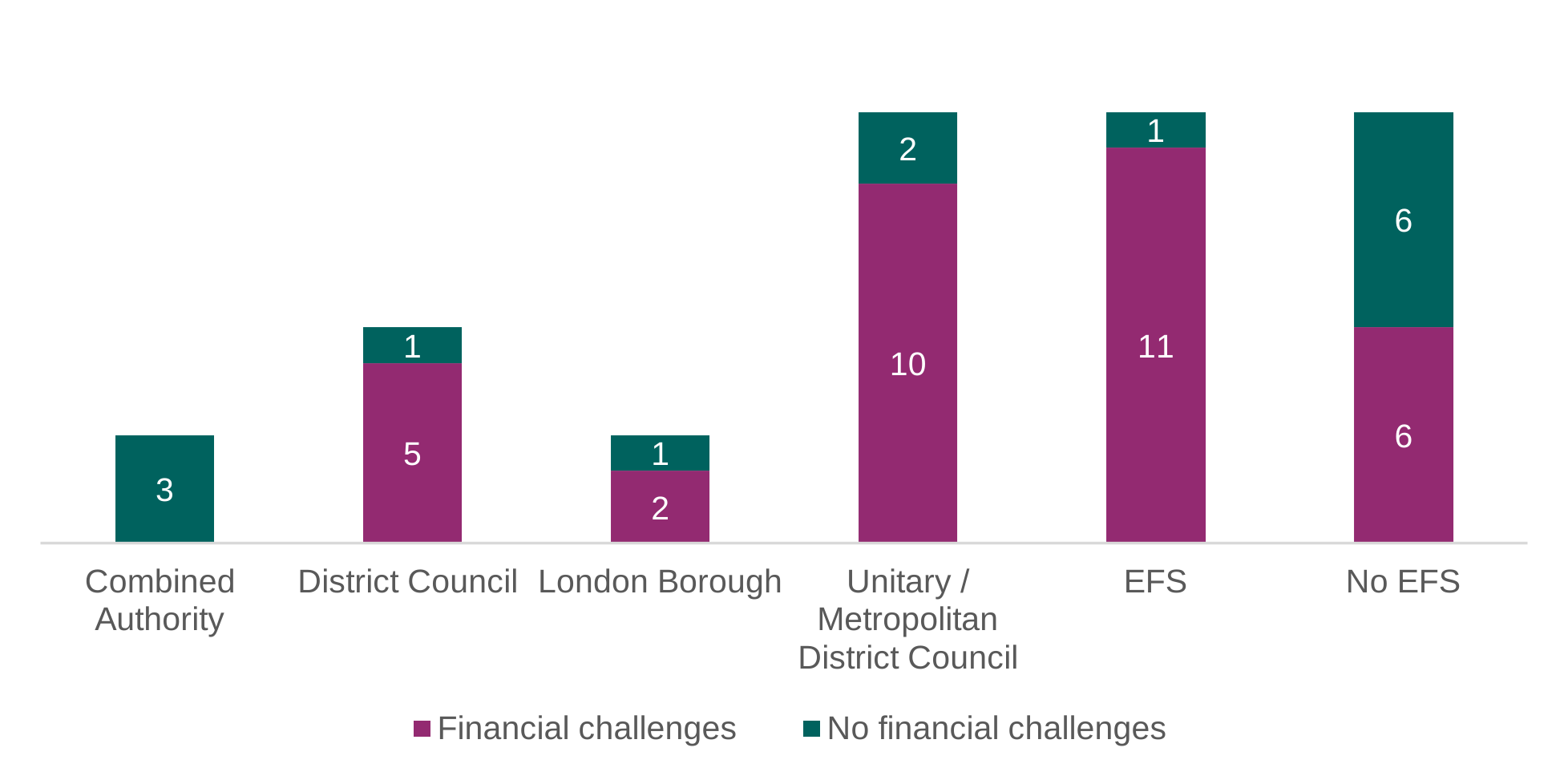
6.38 An observation from these findings is that 8 councils currently in a live intervention and experiencing financial challenges (as outlined in Figure 12) receive EFS. However, across the whole cohort 6 councils displaying financial challenges are not in receipt of EFS (Figure 16). Conversely, 6 councils who did receive it did not have financial weakness as the main driver of their intervention.
6.39 Crucially, even though the increasing number of EFS cases in the wider sector demonstrates external funding constraints, a large majority of those councils have used EFS to avoid S114 declarations and prevent intervention. This suggests that the relationship between funding constraints and best value failure is not linear. Indeed, evidence from the cohort demonstrates that failure was frequently driven by council choices to take on excessive commercial risks, lack of financial discipline, and governance failures, rather than central funding reductions alone.
6.40 Our analysis indicates that a direct link between funding constraints, financial weakness, and this support mechanism cannot be inferred. As EFS is out of scope of this research, consideration of the specific factors/criteria for its approval, and its relationship to best value failure, was not explored further.
6.41 Fixing the audit regime was also seen as key to preventing future interventions. In the absence of a central performance management system for local government, externally certified audit reports are the only independent oversight mechanism under the Local Government Accountability Framework. This is a set of principles reinforced by a whole system of structures to ensure councils are effective, transparent, and responsive to the public. Key components reflect the Best Value statutory guidance. Post-Covid, delays to audit have increased risk in the sector, leading to council decisions being made with incomplete or inaccurate financial information.
6.42 Councils and wider stakeholders described the current system as being weak and deprioritised, allowing councils to deteriorate unnoticed over time. Whilst external audits were considered helpful and often provided a useful starting point, best value experts saw the quality of some audits as inadequate. For example, one audit was criticised for being too narrow and failing to identify all significant issues.
Audit quality and capability has generally fallen away in the sector in the last decade… the understanding of public sector audit is not as great in some of the audit firms as it should be.
Best value expert
6.43 In a few (4) cases, poor financial management was linked to poorly conducted external and internal audits, or failure of councils to implement audit recommendations. For example, 2 councils failed to conduct audits for 5 consecutive years, requiring both organisations to retrospectively reassess and regularise their financial position during their interventions.
6.44 Despite views on the systematic inadequacies of the local audit regime, one best value expert observed that councils themselves have underinvested in local audit. This is evident inadequate and deprioritised audit functions, and lack of action to backfill the lost capacity of on-site District Auditors.
6.45 Since the Independent Redmond Review of Local Audit (2020) there has been a growing consensus that the current local audit system in England is not fit for purpose. Participants of this evaluation agree, seeing it an external contributory factor to best value failure and a blocker to long-term recovery. This is reinforced by best value experts who stated they had also seen a general decline in audit quality in recent years. This was mentioned by 2 local authorities and 4 Best value experts.
6.46 In response to these issues, MHCLG stated that the current system is broken and will be overhauled as part of structural reforms. This will include decisive action to address the local audit backlog. MHCLG says a package of reforms will include the establishment of a Local Audit Office to provide better oversight, simplification, and streamlining of the current fragmented system.
7. Pre-intervention
Early warning
7.1 An element considered as part of this evaluation was the pre-intervention period when a council is at risk but has not yet failed its Best Value duties. Participants were asked whether there were ‘early warning’ signs that they were struggling, and if and where they went for help and support. This phase also covers MHCLG’s liaison and risk assessment that precedes intervention.
7.2 A robust risk assessment process precedes any decision to intervene. This involves monitoring a range of early warning signs or indicators. Much of the data is already publicly available. Participants of different roundtables stated that observant stakeholders in the sector can see a council is at risk well before MHCLG acts.
If a council does fail, it doesn’t fail overnight.
Best value expert
7.3 Across the roundtables there was a general recognition that when councils are struggling and at risk, they are reluctant to seek early help from central government due to mistrust. Similarly, the politics of requesting support from the government are difficult for elected members, and there is a concern that central government will intervene too readily, rather than provide proportionate support. However, there was a recognition that some councils will always be reluctant to come forward however supportive the environment. This is due to the difficulty of admitting vulnerability, fault, or fear of failure.
Towards a preventative approach
7.4 One of the written submissions (D) highlighted the importance of timely support. It suggested that councils at risk often receive support after problems have become entrenched, accelerating poor performance and increasing the costs.
7.5 This was reinforced by another written submission (C) which recommended a shift towards more preventative, collaborative, and evidence-based approaches. More preventative ways of working could feature improved brokerage, clearer information on the type of support on offer, where to find it, and how best to deploy it.
7.6 There was widespread agreement across sector bodies, best value experts, and MHCLG that all interventions happen too late. MHCLG participants stated that pre-intervention risk assessment requires “a sense of profound caution” to avoid increasing the democratic deficit through its actions. Sector and arm’s length bodies and best value experts stated that by the time MHCLG intervenes, problems have already become entrenched and more difficult to solve.
7.7 Written submission (D) also noted that there may always be a need for government to work directly with a small number of councils in difficulty, but this should be “the exception rather than the rule.” This stakeholder stated that the increase in cases since 2020 suggests the system is not working well for councils or the taxpayer. It advocated for a more preventative approach.
7.8 Stakeholders acknowledged that where there are serious failures, it will often be necessary for MHCLG to take direct and robust action contrary to the wishes of senior officials and members in councils - some of whom may be responsible for the failures. There was consensus that where this was the case MHCLG should do this as transparently as possible.
7.9 Nevertheless, participants of the roundtables recognised that prevention is complex. They identified that there are different early warning signs for different councils, and a range of different tailored responses may be required.
Better use of data
7.10 Roundtable participants and best value experts cautioned that whilst data is helpful in assessing a council at risk, too narrow a focus on a small number of indicators can lead to ‘gaming’ or perverse incentives rather than continuous improvement. There was unanimous agreement that different types of qualitative (‘soft intelligence’) data are often required to fully understand what is going on in any council, and more so for ones at risk of best value failure.
7.11 Both research findings and the literature review suggest that councils themselves do not make sufficient use of available performance data. Participants viewed this as a negative consequence of the abolition of the Audit Commission in 2014 which had led to the reduction of the corporate data and analytical functions in councils, and which has left a legacy of limited and poor-quality performance monitoring. Whilst volume of performance data required by Audit Commission inspectors was seen as burdensome, councils nevertheless found it useful for their own corporate and business planning (Murphy, Ferry, Glennon and Greenhalgh, 2019).
7.12 Interviewees suggested that it would be helpful if MHCLG transparently shared the data and indicators it uses to assess council weakness against their Best Value duties. This would increase transparency and encourage councils to monitor their own early warning signs more closely. Indeed, 5 best value experts and one council suggested more data sharing and monitoring early warning. This could foster better understanding and use of data by the sector over time.
7.13 In the roundtables, external stakeholders stated that MHCLG could make more effective use of the wide range of quantitative and qualitative sources that could be used to identify problems earlier. Their view was that risk assessment focuses on audit and financial data and does not consistently consider whether councils are trying to address problems flagged by inspectorates, Corporate Peer Challenge (CPC) reports, and other public assessments.
7.14 Several other information sources were suggested across the roundtables which could be used to spot problems early on. For example, this might include evidence from across the sector improvement programme, financial index and rapid financial reviews, service performance, and workforce data.
7.15 However, the Best Value statutory guidance indicates that most of the data sources participants thought should be used to monitor councils are currently used. This was confirmed in the roundtable with MHCLG staff who reported consistent use of multiple data sources which are weighted according to the level of risk they imply. The data set includes a wide range of quantitative and qualitative sources beyond financial metrics, and includes reports from inspectorates, corporate peer challenges, annual governance statements, and other indicators. Whilst most of the sources are public, MHCLG does not currently publish details of the specific metrics or weighting it uses for monitoring best value risks. This has resulted in a transparency deficit with the sector.
7.16 Most best value experts and sector body respondents acknowledged that councils should be making better use of available data, but service-specific performance data alone is not a substitute for corporate best value data. They argued that certain services have their own inspectorate regimes (for example, Ofsted, Care Quality Commission, Social Housing Regulator). These can highlight where challenges are occurring, but they do not necessarily give a holistic assessment of corporate weakness across the best value themes.
7.17 An enduring legacy of the abolition of the Audit Commission has been the reduction in capacity and capability of performance data across the local government sector. This has had a negative impact on oversight and transparency. Councils now self-service their data reporting through use of sector-support tools such as the LG Inform data hub. This enables them to benchmark their performance on certain indicators against nearest neighbour or comparative councils. LG Inform has filled the gap, and councils find it useful. However, some participants stated that the holistic data of the Audit Commission’s Comprehensive Performance Assessment is missed – because it was exactly that – ‘comprehensive’ in nature.
7.18 Participants of the sector bodies, best value expert and central government roundtables suggested that the reinstatement of a national performance data system for local government would help to identify early signs of council risk. Equally important were clear standards for identifying risks on the one hand, and for fast tracking councils out of intervention on the other.
7.19 The emerging Outcomes Framework could enable both local and central government to track the performance of local range services against national outcomes to inform a better assessment of a council’s overall corporate health and performance. Notwithstanding the lag in data publication, this could enrich the information available for best value risk assessments, especially in identifying broader performance trends.
7.20 Wider reforms by government across local audit, local finance, and standards and conduct were viewed by interviewees and roundtable participants as a positive opportunity to review common challenges in governance and leadership. These drivers are particularly prevalent to the 3 Combined Authorities in the cohort. The creation of these authorities is relatively recent, and findings suggest that newly established institutions may require more support with capacity and capability on governance, leadership, and culture. Best value experts suggested that joint learning across MHCLG teams working on best value policy and establishing new institutions (for example, devolution and local government reorganisation teams) will be critical if reforms are to be a catalyst for prevention and lasting change.
Sector led improvement
7.21 Best value experts and participants of the MHCLG roundtables discussed the role of sector led improvement in providing preventative support. The objective of the best value approach is to secure sustainable continuous improvement. That requires councils possessing self-awareness, acknowledging their weaknesses, owning their improvement, and demonstrating cognition and ability to learn from their experiences.
7.22 Written submissions discussed the wide variety of offers and sources of good practice of sector-led improvement which are available to councils. Two submissions noted that the improvement landscape is uncoordinated, and there is no consistent understanding across the sector bodies of what ‘good’ governance, leadership and culture look like. The best value expert roundtable participants agreed.
7.23 Both councils and best value experts view access to external support as invaluable to accelerate council recovery. However, evidence from interviews and roundtables indicates that the current landscape is fragmented, and in the same way that councils are not making enough use of existing data, they are not also making use of existing improvement offers.
7.24 Indeed, both the literature review and fieldwork findings highlight the fragmented nature of improvement support. Even councils with a high level of self-awareness of their vulnerabilities can find it daunting and confusing to access the right support at pace. The literature review proposes that it must be enhanced if monitoring and improvement are to be strengthened. Roundtable participants called for clearer route maps for different levels and type of improvement.
7.25 Across the councils interviewed, there was also a strong appetite to learn from their public sector peers, and to access opportunities for advice and support to boost their capability and resilience outside of a formal intervention process. For instance, councils found the (Local Government Association’s) corporate peer challenge to be a useful tool. Other stakeholders believed it was not robust enough to be used as a completely preventative tool (which is not its sole purpose), and as an improvement tool, can identify and address issues before they become more serious. Nevertheless, the ‘power of the peer’ remains an important element of improvement support, as the roundtables concluded that councils are more open to improvements if they trust and respect the credibility of the people suggesting them.
7.26 Discussion also considered the advantages and disadvantages of the peer model. There were some concerns about the extent to which representative membership bodies can scrutinise their members effectively without a conflict of interest. One such body, the Local Government Association (LGA) was specifically mentioned. It was viewed as a credible, influential sector body and its specialist support is widely valued by councils (only one council suggested it needed to be reformed). As the trusted ‘go-to,’ first point of contact for councils at risk, with its expansive improvement offers, the LGA is a key player. Roundtable stakeholders suggested that MHCLG works collaboratively with the LGA to formalise its role in step-up and step-down tailored support for councils in intervention and to strengthen the corporate peer challenge as a way of normalising improvement into council cultures.
7.27 On the latter, participants encouraged both parties to work together to make the corporate peer review more consistently rigorous to fit the complex challenges councils are facing.
7.28 When asked for suggestions, participants said this might include steps such as allowing MHCLG to choose reviewers and timely publication of reports. Similarly, it was suggested that collaboration could explore the development of a more in-depth corporate peer review process, which fills the current market gap between the existing corporate peer review offer (1 week in duration) and Best Value Inspections (10-12 weeks).
7.29 Participants stated this is required because the abolition of the Audit Commission led to the loss of the wider benefits of its collective, mutually supportive use of expert agencies that provided evidence and assistance (and sanctions such as including transparent public reporting) for underperforming councils.
7.30 There is a case for simplification of the local government improvement landscape, which is seen as confusing. Some key lessons can be learnt from Devolved Areas where local audit remains centralised and stable (Scotland and Wales), or which operate a system of statutory improvement support, and have not seen a council in best value intervention for 4 years (Wales).
7.31 The Department for Education evaluation (shared with the research team by sector body as part of written submission B) concluded that, overall, ‘the success of any given approach is as much down to how the council is supported as to the mechanics of what is done.’ This explains why models that draw on, and pay for, the expertise of exemplar councils to improve failing councils are favoured by the sector over the assigned best value expert model. This ‘Partner in Practice’ approach is seen as delivering the highest level of public value and outcomes under Barber’s framework because the investment stays in the sector making it more sustainable.
7.32 Participants suggested that, in the short term, improvement support can be outsourced to the best value expert teams during intervention. However, councils need to proactively own and sustain their improvement to build resilience that will prevent intervention. The ability to navigate, and access, sector improvement more easily can make them more open to external scrutiny, challenge, and support.
7.33 To this end, roundtable participants encouraged MHCLG to be both bold and creative when considering how to co-ordinate, leverage, and optimise existing and new sector support offers in collaboration with public and private providers. There was an open invitation from all sector bodies, which advocated for a whole-system, partnership-based approach, with the sector maintaining ownership of its own improvement.
Central and local government relationships
7.34 Another dynamic that can affect a council’s self-awareness and willingness to seek help when struggling is its trust and confidence in its relationship with central government. The literature review identified that some challenges in relationships between central and local government and the need for a more collaborative dialogue. Two councils described this dynamic as disempowering and resembling a ‘parent–child relationship.’
7.35 Some (6) councils mentioned a change of ethos under the current government. They stated there was more willingness to explore weaknesses in the whole system of local government accountability including the structural issues that are affecting councils. They also suggest that where communication and engagement had previously felt ‘top-down’ and interventionist it has now become more collaborative in tone.
The relationship with Ministers did change noticeably in tone. I’m saying that as a neutral officer but, from my point of view, it changed.
Metropolitan District Council
7.36 Roundtable participants reported that councils subject to intervention by multiple departments can experience a lack of coordination between the various advisors and receive mixed messages and contradictory advice. For example, one council was advised by MHCLG best value commissioners (responsible for facilitating whole-council improvement) to practice spending restraint at the same time as a Department for Education (DfE) commissioner (there to recover a specific service) was recommending significant investment in children’s social care. The council was confused and demoralised.
7.37 To remedy this, respondents encouraged greater collaboration across departments to ensure interventions are both coherent and effective. Best value experts also called for greater explanation across government of their own roles and responsibilities, and models of intervention.
7.38 Information, advice, and intelligence are currently shared across government departments through regular and extraordinary joint meetings. Lead policy officials work together to identify issues and support at-risk councils, as well as exploring cross-government interdependencies around ‘failure’ to ensure effective join-up. However, there was a general view amongst cross-government roundtable participants that effort is limited to information sharing rather than co-ordinated action to achieve maximum impact for and with the councils at risk or in intervention.
Working with MHCLG
7.39 Councils’ views were often positive about government staff, but some concerns were raised about variations in levels of understanding, and practical improvement experience, of local government. This was mentioned by 2 local authorities and 2 Best value experts.
I particularly praise the officers [at] MHCLG, particularly the ones in the finance team, because they’re all absolute experts in what they do, and they’re really approachable.
Unitary Council
7.40 Contributors to the research observed that a preventative strategy is important as MHCLG will be increasingly pressured if interventions continue to rise. Currently, it has relatively few people providing a range of oversight, risk monitoring, support, and guidance to 300 councils on their Best Value duties.
7.41 This latter observation is supported by evidence from the literature review which identified high levels of churn across Ministers and civil servant officials, the preference for adaptive generalists over local government sector specialists and technical experts, a focus on the short-term (following election cycles), and lack of cross sector collaboration.
7.42 Roundtable participants suggested MHCLG might benefit from increasing departmental resources for analytical and stakeholder management to provide more consistent standards of delivery, and timely tailored support to councils at risk or in an intervention. The roundtable findings indicate that councils will trust the process more if they trust the people leading it and who can engage with them more regularly.
7.43 A reoccurring theme from the interviews was insufficient communication from MHCLG to councils. This was highlighted specifically in relation to the early part of the intervention journey when decisions were being communicated, but also at the end regarding exit.
7.44 A few (5) councils reported that their entry to intervention was not communicated transparently or with sufficient notice. Similarly, 3 councils with non-statutory Best Value Notices reported that they were unclear whether their Notice would be lifted. One council, believing it had made significant progress, reported that it had limited communication from MHCLG and the best value experts at a crucial time in the process and when it was anxious for feedback.
7.45 Participants wanted greater transparency from MHCLG on the basis for interventions, arguing that this would reduce the risk or perception that the process can, or has been, politicised. This had led to mistrust across local government of central government’s intentions for interventions. Overall, roundtable participants stated that MHCLG and other departments still have work to do to ‘reset’ and improve the relationship.
7.46 Indeed, 4 councils reported that MHCLG did not transparently and sufficiently communicate the reasons for their best value intervention. Two stated the belief that the reason for their interventions was politically influenced. This impacted their openness and experience and had a detrimental impact on trust.
7.47 Sector bodies also argued for a more collaborative and transparent process, with one of the written submissions (D) proposing a joint panel to make recommendations to Ministers. MHCLG stated that there are constraints to this suggestion given that the decision to intervene is a formal ministerial one, and intervention is a statutory function under existing legislation.
7.48 All participants advocated for more proactive communication. Councils reported that at key points in the process they experienced a ‘communication void.’ One council reported it was awaiting a decision on whether it could exit intervention and was in an ‘echo chamber.’ The best value expert roundtable argued for more timely communication. MHCLG stated that there are certain points in the process when officials are required to step back for legal reasons, but agreed that in this case, the council could have been signposted to another that had experience of successfully exiting an intervention and could explain the next steps in the process. Officials could usefully clarify to councils when the process requires them to must withdraw.
Openness to intervention
7.49 The bar chart at Figure 17 illustrates the number of councils who described themselves as open or receptive to intervention. The findings indicate most (18) showed an openness or level of understanding of the factors that had led them to intervention, at least in retrospect.
Figure 17: Number of councils describing themselves as open or receptive to intervention
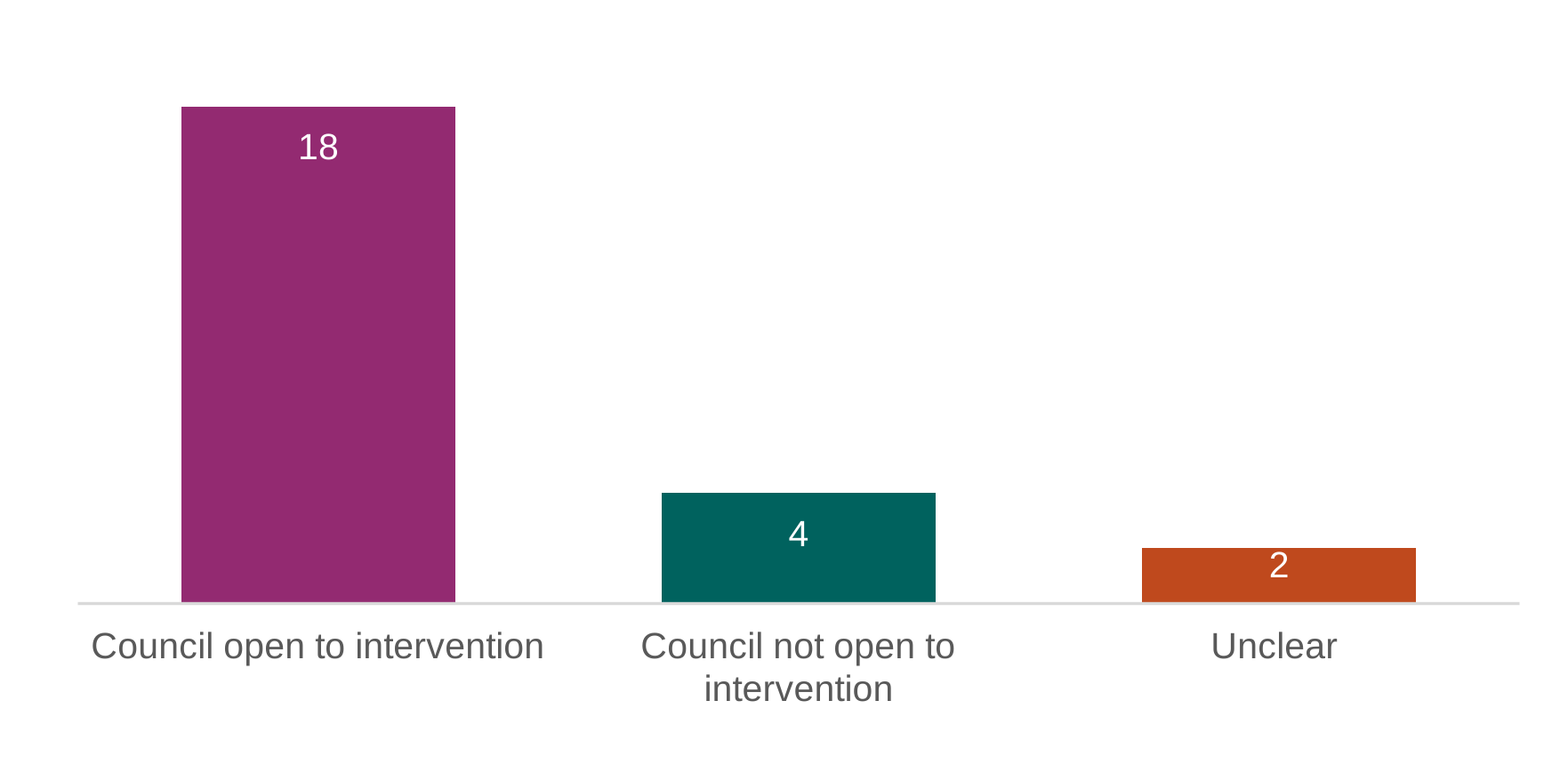
7.50 This was characterised by an acceptance of the council’s challenges amongst senior leaders, and the intervention as an opportunity to improve. In half of these, councils mentioned openness as a key driver of the intervention’s success, as it facilitated greater ownership from the council and smoother relationships with their experts.
If you can get to a situation where the authority is taking ownership, not in denial, accepting that things are wrong and… that there is a requirement to do some sometimes pretty painful stuff to sort it out, then that is a recipe for success.
Best value expert
7.51 The findings suggest that the level of openness is driven by the council’s understanding of the rationale for intervention and the commitment of senior leadership to change. Indeed, councils that were less open to intervention did not report these factors.
7.52 However, there were contradictory findings on 2 councils being less open as they perceived that the scale of the challenge (in these cases, high borrowing) was overstated by MHCLG. There was a view from the roundtables that councils entering intervention had not recently referred to, or were unfamiliar with, the Best Value statutory guidance so did not realise they were on the path to best value failure.
7.53 The analysis also examined whether the lifecycle of the intervention impacted openness, for example, whether a council would become more receptive over time. However, there was no clear pattern to suggest this was the case. Two of the 4 councils who were classified as less open are live interventions - but at an early stage. The other 2 councils had completed their interventions. They believed the reason for their intervention was unclear. Of the 6 that were less than a year into intervention, just 1 was not open, 3 were open. For the remaining 2, it was too early to tell or unclear.
7.54 Best value experts reported that a lack openness could also lead to lack of willingness to accept and follow their expert advice. This hampered improvement, with challenges remaining unresolved or worsening due to inadequate action. There were also a few (4) instances where councils reported they were open to intervention, but the relevant best value experts did not agree.
7.55 The current Best Value guidance highlights the importance of councils and other local authorities being “open to external challenge and scrutiny” (Guiding Principles, chapter 3) engagement in informal and formal improvement reviews, making good use of performance and other data, and being responsive and transparent to challenge from the press, public and local communities more generally.
8. Experience of Best Value interventions
8.1 Key factors influencing councils’ experiences of intervention include their openness to intervention, their understanding of the reasons for intervention, the clarity of improvement plans, and relationships with best value experts and MHCLG. Figure 18 is a pie chart depicting council’s self-reported improvement outcomes from intervention. It illustrates that both councils reported that most (17) interventions resulted in positive improvements and outcomes. In a few (5) ongoing or very recently completed interventions, respondents felt it was too early to make a full assessment of their impact.
Figure 18: Councils’ self-reported outcomes from intervention
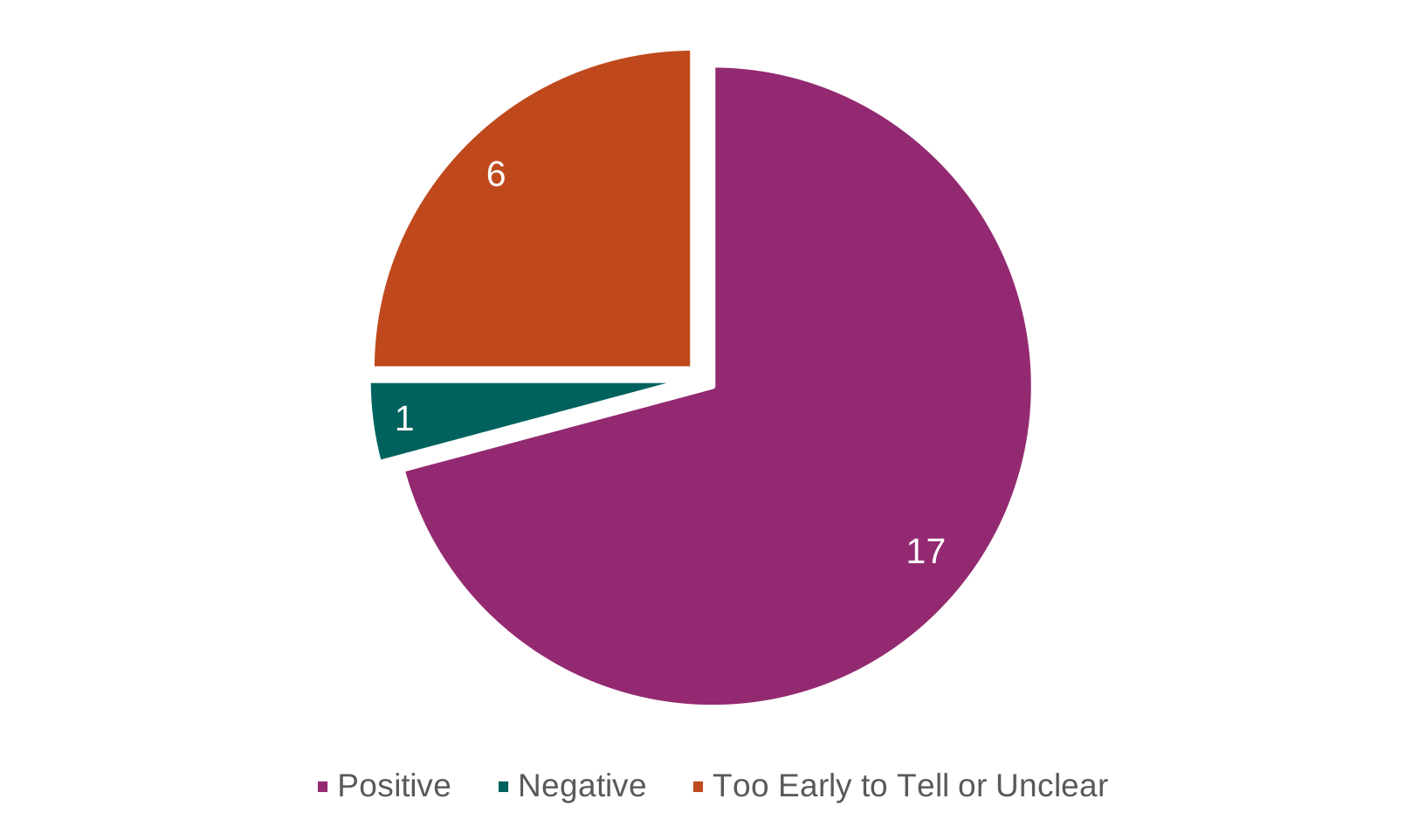
Model
8.2 The Best Value statutory guidance outlines various models of intervention that may be considered during the assessment process. Interventions have a degree of flexibility to respond to the local challenges, circumstances, and context of each council. This can also lead to variation in the intervention process, duration, best value expert teams, and models.
I think at the beginning they [commissioners] gave us the structure, they raised the right questions, they helped us and then towards the latter stages, we across the council, felt maybe there was a little bit of overstaying.
Unitary Council
8.3 A written submission from a sector body (D) suggests that the variation results from the layered complexity of the case-based approach, application of different models, inconsistencies of practice, and limited transparency of decision making. This was equally confusing for the sector and some best value experts. Councils and sector bodies called for a simplified, and consistent model of intervention with baseline standards of performance. Best value experts called for more clarification and communication of the different models, roles, and responsibilities of each party.
8.4 Despite the confusion, of the 11 councils interviewed that were or had been in a statutory model, 8 reported an eventual positive outcome from their intervention, and 3 said it was too early to tell.
8.5 The main criticism of non-statutory interventions was reported by 2 councils, both of whom felt that the model was insufficient to address the scale of challenges they faced. This highlights the importance of flexibility of the end-to-end delivery of the intervention. One best value expert noted that it can be difficult to escalate interventions once they are underway as government approvals are not timely, and doing so can disrupt established relationships and ways of working. Yet if the intervention is not working effectively - as was the case with these 2 councils – it risks being a waste of public money and can damage public confidence in the process.
Case study 5: Successful statutory intervention
A metropolitan borough council entered its best value intervention due to poor governance and organisational culture. With an established political majority and little opposition, councillors had become complacent in their roles. The result was an ineffective working environment which negatively affected staff, and a “complete lack of governance and transparency in decision-making.”
The commissioner-led intervention was seen as successful. Recovery actions included the replacement of senior leadership, a comprehensive organisational health check and the opportunity to engage with partners for complete organisational reset. Positive outcomes included:
- Governance improvements: Clear definitions of officer roles and expectations, transparent governance procedures, clear protocols for officer and member relationships, stronger scrutiny and audit functions, and whistleblowing provisions.
- Cultural improvement: Officers were empowered and had parity of esteem with elected members.
- Strategic vision: Renewal of strategic vision and decision-making, which fostered a culture of continuous improvement and performance-driven practice across the organisation.
Case study 6: Unsuccessful non-statutory intervention
A unitary council had struggled to balance its budget for several years, as a result of poor financial decisions such as setting up a council owned housing construction company and purchases of commercial properties. The council also displayed poor governance and oversight arrangements and inadequate financial controls, illustrated by its team transferring substantial funds without sufficient payment evidence. Eventually a Section 114 notice was declared.
The initial intervention involved a non-statutory improvement and assurance panel. It was viewed as unsuccessful by both the council and the improvement panel. The council’s financial situation and relationship with the panel deteriorated.
The council felt that this type of intervention did not adequately address the scale of the financial challenge it faced. Overall, the non-statutory intervention was deemed to be poor value for money. It was escalated to a commissioner-led model, which the council welcomed. Whilst outcomes are still to be agreed, relationships and appetite for change have improved.
Cost
8.6 In cases of best value failure, recovery from crisis point will always be more expensive than earlier preventative action. When the Secretary of State deems an intervention is required, the council’s investment in its own recovery is necessary as the government cannot allow the situation to remain unaddressed.
8.7 Whilst most interventions led to improvements and were understood to be necessary, the evidence indicates that the process was often a challenging and expensive experience for councils. Some (6) commented that interventions were resource-intensive and required significant organisational capacity and financial investment. Some of the resource intensity councils experienced was partially due to their initial lack of capacity to support the improvement process and best value experts.
8.8 Councils also reported that they had to redirect resources to pay for their recovery activity. This created backfill pressures which could negatively impact staff motivation and morale. Despite this, councils stated that their interventions delivered improvements that achieved actual and opportunity cost savings, which helped them deliver better value for money.
8.9 Some (9) councils reported that their spending on interventions was driven by what they perceived as the high cost of best value experts (whether in statutory or non-statutory models), as well as salary and recruitment costs for interim or new staff. One council in a statutory intervention with commissioners highlighted the challenge of explaining to residents how commissioners could earn £1,100 a day - a sum exceeding the average local monthly salary. Despite perceptions of the costs, most (17) councils had developed a positive relationship with their best value experts. They acknowledged the necessity of the investment and accepted resource intensity as an unavoidable part of the improvement process.
8.10 On the cost of best value experts, the roundtables revealed divergent views between MHCLG participants and other stakeholders. The latter expressed their concerns about the impact on the market day rates compared to other roles in the wider local government improvement system.
8.11 MHCLG respondents referred to the previous policy for (contingent labour/consultancy) rates, saying they are justified given the challenge, complexity and public responsibility such roles carry. Officials disagreed with the suggestion that current best value expert rates disincentivise high performers from taking on peer mentoring work. They stated that most have portfolio careers and some experts currently do both, and recognise the latter is more a demanding role.
8.12 The divergence also arises from councils’ usual experience of procuring consultants, where there is generally a high level of oversight of them.
8.13 The Value for Investment assessment explored this disparity and concluded that explaining the day rate more clearly would increase both transparency and understanding for councils. The previous contingent labour policy on external consultants is paused but spending controls (by Cabinet Office approval) remain in place. This may provide an opportunity for MHCLG to demonstrate its commitment to achieving a more sustainable rate for the LG sector, by reviewing the approach to fees, and engaging with wider stakeholders to ensure overall efficiency.
Reputation
8.14 Most (14) councils interviewed reported that interventions caused reputational damage, which was amplified by negative coverage in local and national media. This was reported to create difficulties in retaining or hiring staff, which was critical when new senior leadership was required. Some (8) councils mentioned negative effects on staff morale and retention, particularly in relation to perceptions of working in a struggling or “failing” organisation.
There is paralysis within the organisation… In all honesty, morale is at an all-time low. You end up losing people because they don’t want to be associated with a poor local authority.
Unitary Council
8.15 Organisations in the public sector can struggle to recruit and retain staff as remuneration has been less attractive to the private sector. The reality and visibility of being a failing organisation can magnify this. However, it can also provide an opportunity to inject a new mindset and to renew skills. Councils that maximise their corporate human resources (HR) functions, viewing them on a parr with statutory officers, are most successful in attracting candidates who are ‘up for the challenge’ of corporate turnaround. Playing a role in a council’s corporate recover can be appealing to highly motivated candidates with a strong public sector ethos.
Health and wellbeing
8.16 The research identified a unique case of a Chief Executive who was targeted with personal abuse and threats of violence from extremists because of the council going into a best value intervention. The Leader and Chief Executive reported this had an extremely negative impact on the mental health and well-being of the Chief Executive, and more broadly on both their personal and professional life. This was further exacerbated by increased negative media coverage and social media trolling about the intervention.
8.17 Once this case was drawn to the attention of the evaluation team, MHCLG offered a private follow up meeting with the Chief Executive and Leader of the council. Understandably, they were cautious, wanting instead to see if the findings would be reported with objectivity in this independent report.
8.18 The Duty of Candour places a public duty on public authorities and servants to promote and maintain ethical conduct. It requires them to provide information honestly and proactively where there is likelihood of an adverse impact arising from a policy – in this instance the personal safety of the Chief Executive. This case also raises important considerations for duty of care, and the way senior leaders experiencing an intervention are held accountable in a supportive and compassionate manner.
8.19 This is particularly pertinent if MHCLG acts earlier to increase the number of non-statutory interventions to potentially reduce the volume of deeper and more costly statutory interventions. Repeated incidents of this nature may become an unintended consequence of policy. For such cases in the future, MHCLG could consider options for appropriate action. These may range from light-touch signposting to support from a relevant professional sector body (for example in this case the Society of Local Authority Chief Executives), to incorporating a duty of care impact assessment of an intervention. MHCLG states that it now provides best value experts with training to identify mental health risks of senior leaders in intervention.
Transitioning out of intervention
8.20 There was a widespread perception among participants outside of MHCLG that interventions last too long. Some participants believed that commissioners may have a conflict of interest in recommending the timing of their exit. Conversely, participants from MHCLG highlighted the risk of interventions ending too early before problems were solved, with MHCLG potentially having to return years later with the council in a worse condition.
8.21 There was broad agreement that interventions should be focused and deliver timely improvement based on the councils’ local circumstances. Decisions to exit statutory intervention should, in general, be led by commissioners. The Best Value statutory guidance states that commissioners should start the discussion about the conditions for exit from statutory interventions at the outset, but this is not well understood, inconsistently applied, and according to findings across roundtables with best value experts and MHCLG, may not always happen.
I don’t think you should go in without having agreed an exit strategy. So, the council or the combined authority… know what they need to do to get themselves in a position for you to go.
Best value expert
8.22 Some (6) councils reported that they had no clear exit strategy. In these cases, councils were uncertain about the objectives required to conclude the intervention. Where an exit strategy had been present, it was perceived to be a crucial factor in success as it enabled councils to take ownership of the process and provided a framework for focused engagement between best value experts and councils.
8.23 MHCLG officials explained that the early focus of the intervention is on ‘discovery’ work to understand the root causes of problems is and this can be time consuming. This means it may not be possible to discuss exit conditions at that point. However, councils want to ‘see light at the end of the tunnel,’ and MHCLG has an important role in encouraging commissioners towards more agile exit, particularly where interventions have been in place for years.
8.24 One best value expert highlighted that whilst exit strategies should be guided by clear and measurable indicators, they should not become a tick-box exercise. To avoid this happening, they could combine specific indicators with a broader commitment to embedding organisational change. Linked to this, there were also comments about the sustainability of exiting intervention; and equipping councils with the skills to continue their improvement after the intervention ends, to avoid re-entry into intervention.
8.25 Findings indicate that some best value experts are providing support for a brief period post-intervention to coach and mentor councils. MHCLG could consider how to avoid a ‘cliff-edge’ where support is suddenly withdrawn at once. This would require careful coordination between the council, best value experts, and sector bodies to ensure the council receives the most appropriate improvement support tailored to its specific needs.
8.26 To improve consistency of approach and fairness for councils, interventions should have both a clear route map and an exit strategy agreed in the earlier stages of the intervention, particularly when new leadership is in place. This can motivate councils to own their improvement journey to exit. The evidence indicates that setting the right conditions of clarity and collaboration from the outset played a role in councils’ openness to intervention. Conversely, a lack of clarity led some (6) council to experience difficulties with their best value experts.
Public engagement
8.27 Roundtable participants agreed that community engagement is a key responsibility of any council and part of its Best Value duties. Therefore, stakeholders agreed that whilst it is the role of the council to lead engagement and respond to queries on its intervention, the nature of that engagement depends on the local context of the intervention and the council.
8.28 Officers and members cannot properly understand the impact of their decisions if they do not engage effectively with the public. As such, demonstrating effective public engagement will sometimes be an exit condition, and councils should take responsibility for communicating with residents about their interventions and the role of best value experts. Roundtable participants suggested that commissioners should only lead public engagement where they are making decisions that could be seen as impacting the democratic process or overruling elected members.
8.29 Participants emphasised that residents should already have a route to engagement through the council or, in the case of concerns, through the ombudsman. However, for timeliness and visibility, it was suggested that best value experts could set up local mechanisms to allow members of the public to contribute queries and views where best value expert decisions are contentious (e.g. the sale of community assets to restore financial stability).
8.30 Further research is needed to understand whether involving residents more directly as service users during an intervention could improve its outcomes. There may be lessons to learn from other sector bodies that incorporate a community engagement element into their reviews and support products.
9. Best Value experts
Working with best value experts
9.1 The skills and expertise of best value experts were cited as contributory and enabling factors for a positive intervention experience by most (17) interventions. Additionally, 13 councils stated that expert advice was clear. Three councils specifically highlighted the value of having access to a diverse group of experts with deep knowledge in local government and/or leadership, combined with a shared commitment to council excellence.
I’m not here to run the council, I’m here as part of an intervention process to help the council learn better how to do what it should be doing for itself.
Best value expert
9.2 Best value experts were recognised for their ability to communicate difficult decisions and deliver messages that had stalled continuous improvement and should have been made years earlier. They did so with openness and could “speak truth to power.”
9.3 Councils who reported positive experiences described how their best value experts were able to strike the right balance between offering support and constructively challenging councils. Having access to a “critical friend” was seen as essential for driving effective organisational change.
9.4 The literature review also suggests a role for best value experts in modelling effective leadership behaviours (Parkes 2025 in www.themj.co.uk). This could include being more transparent and inclusive in decision-making, seeking to establish consensus, and engaging a diverse range of staff at all levels.
9.5 Councils valued high levels of engagement from best value experts, their on-site presence and in-person meetings, which most (17) councils said strengthened relationships and allowed for a deeper understanding of the council and its local context.
9.6 However, some (6) identified difficulties with their experts. The reasons for this ranged from personal conflicts, to differing perceptions of council progress, and concerns about the level of expertise or support advice provided. For their part, best value experts tended to attribute poor relationships to councils not being receptive to, or engaged with, the intervention process.
9.7 Two councils reported that the added value (as distinct from the cost) of best value experts was initially high but diminished over time. They were most helpful during the initial diagnostic phase, in helping the organisation to understand what needed to be done. Beyond that point, there were concerns that their continued presence created confusion of accountability in decision-making. However, it was generally recognised that best value experts should remain involved until the end of the process to ensure problems are addressed and improvements can be delivered sustainably.
9.8 This concern of commissioners’ powers overlapping with those of members and officers was echoed by roundtable participants. They viewed it as creating an additional layer of bureaucracy and slowing down decision-making. Central government participants, however, tended to view this overlap as intentional, as it exposed the failure of senior officers and members to exercise their functions effectively.
9.9 Similarly, councils were confused by the variation of best value expert styles (some are directive, others ‘do,’ or ‘coach’). Further difficulties may stem from a mismatch of the way councils usually work with external (consultant) support. Under a procurement process, councils are normally in control of the appointment and management of external delivery, with a set brief and budget. The best value intervention process inverts this model as government selects the external personnel, decides their brief, but the council must meet the cost. This dynamic may explain why councils hold the view that best value experts require more oversight.
9.10 When councils expected best value experts to “deliver solutions, not uncover more issues for the council” it led to difficulties, and the best value experts observed a lack of engagement and ownership.
9.11 A particular quote from an interview illustrates a mismatch in expectation and communication: “We couldn’t see the added value because they [the experts] weren’t really doing anything other than walking around with that clipboard and pen and just sitting in our meetings or observing me.” MHCLG stated that there might be instances when observation is part of monitoring a council’s progress. Yet if such activity remains unexplained, the perceived cost to the council is higher than the added value – and it is seen as a diminishing return on investment.
9.12 The process could benefit from a clearer induction. This could clarify the process, role and responsibilities of best value experts, the expectation that the council drives its own improvement, and the conditions which can lead to exit from intervention.
Composition of the improvement team
9.13 Roundtable discussions suggested that best value expert involvement should continue to be flexible over time as the circumstances of the intervention and council can change. Generally, during the initial stages of a statutory intervention, best value experts tend to be more directive, becoming more advisory and making less use of their directions and powers over time.
9.14 A few (5) councils also proposed greater flexibility in the scale and composition of the improvement team, with options to reduce team and panel sizes as the council progresses. For example, 2 councils in statutory intervention suggested that commissioners should have stepped down once both organisations had a clear understanding of the issues they needed to address. From the councils’ point of view, this blurred lines of accountability and the continued presence impacted decision making.
9.15 Current models do allow for flexibility, for example, to reduce team or panel sizes and commissioner tenure as a council improves - but this is not explained clearly or understood by councils and thus could benefit from improved communication and consistent application. Best value experts repeatedly highlighted the value of flexibility of process, as it allows them to explore issues across the organisation rather than being confined to specific areas. Most (14) valued such adaptability, which included being able to change the team of experts to meet the needs of the intervention. For example, one lead commissioner noted that appointing an additional commissioner with financial specialism proved helpful after uncovering significant financial issues.
9.16 One council with Ministerial envoys reported that the process and role of envoys required clearer definition. It stated that its envoy team spent a lot of time establishing its own principles and ways of working, which delayed the implementation of the intervention and improvement activity.
Selection, recruitment, and performance
9.17 Roundtable participants expressed the need for greater transparency around the selection of best value experts, more clarity about their roles and responsibilities (especially where political advisors are deployed), and greater oversight of their performance against agreed objectives. One stated that without this, “there are risks of further bureaucracy and confusion in an already bureaucratic and confused situation.”
9.18 Roundtable participants acknowledged that until 2024, the process for recruiting best value experts had been informal and unstructured. They welcomed the recent open recruitment process, which now enables MHCLG to attract a more diverse group of candidates. This has resulted in a standing pool of around 80 pre-assessed best value experts, which is more diverse by gender and ethnicity. This is higher than local government leadership levels (which has poor levels of diversity at senior tiers). Participants reported that increased diversity of best value experts enables them to better understand and respond to the specific needs of the council, and its communities and place.
9.19 Several issues were raised about the selection and role of best value experts. This ranged from appointment on past, rather than recent, achievement, to the need for more reflection on how best value experts (specifically commissioners) would fit into the existing council structure.
9.20 A key success factor behind the positive experience of non-statutory interventions was the ability for councils to select improvement and advisory panels. Out of 13 non-statutory interventions, 10 were seen as successful, 1 reported a negative impact, and 2 were unclear/too early to tell.
9.21 This fostered ownership of the process and buy-in of objectives. This approach also gave councils a sense of control, making the intervention feel less punitive.
9.22 Two best value experts stated that they would like to see the non-statutory model used more frequently to help reduce throughput to statutory interventions - which are longer, cost more, and liked less by councils and sector bodies.
9.23 A few (3) councils called for greater scrutiny and accountability of best value expert performance. They suggested stronger oversight by MHCLG over the course of interventions, in line with the principles of best value.
When you apply the best value argument in a local authority, I think you’ve got [to] apply the best value argument around commissioners as well.
Unitary Council
Training
9.24 MHCLG reported that it does not offer comprehensive training for best value experts as it considers them to have extensive experience which should be sufficient to do the job well. Areas of induction are agreed between best value experts and MHCLG Senior Civil Servants. However, best value experts in both interviews and roundtables noted that MHCLG could improve induction, learning and development, networking, and pastoral support for them. This includes promoting learning from across government, and standardising best practice in continued professional development.
Powers
9.25 Findings across interviews and roundtables indicate that statutory powers are valuable, especially in cases where failure is deeply engrained and a more direct approach is required. Best value experts with statutory powers preferred to use them only as a last resort and instead sought council ownership and accountability for improvement decisions.
9.26 In 3 interventions, best value experts exercised their statutory powers, for example, to hire or dismiss staff or to issue instructions to officers. However, one commissioner felt that using statutory powers was a sign of failure, as the council should have acted earlier.
9.27 This perspective was reflected in feedback from councils under statutory intervention. Two of them noted that their commissioners had not yet exercised any statutory powers, which they took as evidence that their intervention was going in the right direction. One of the councils in which commissioners has used their statutory powers reported that this felt demoralising for them, as it was evidence of the organisation not overseeing its operations effectively.
9.28 The Managing Director Commissioner role was seen as an effective model for councils facing significant challenges, particularly when issues originated from senior leadership. It was also valued for its ability to expedite decision-making in critical situations.
9.29 The roundtables offered a note of caution on the use of statutory powers. Best value experts and sector bodies perceived that some commissioners assumed too much power without fully understanding the context or the potential consequences of their decisions.
Political advisors
9.30 Participants of this research were asked about the value of including political advisors within the best value expert team. Whilst just 2 councils had experience of working with political advisors during their interventions, 6 councils and 3 best value experts interviewed were generally positive about the (potential) involvement of political advisers if appropriate. Three councils and 2 best value experts expressed concerns.
9.31 For council leaders in particular, political advice was seen as valuable, as they stated that the success of any intervention depends on effective political decision-making. One council leader noted that a Leader’s role can be quite isolated and that additional support and advice during challenging times - such as intervention - was welcomed.
9.32 Roundtable participants raised concerns about the potential risk of political advisers becoming ‘obstructive’ during the intervention process, particularly in councils where political dynamics are already challenging. Sector bodies were sceptical of their value. They argued that political advisers “muddy the waters” about who is responsible for what and can politicise aspects of the intervention, making it harder to secure cross-party support for difficult decisions.
9.33 In contrast, participants at the other 4 roundtables were positive about political advisers and said they could be helpful in cases where the council is led by a different party to the government. They thought that political advisers could identify issues and dynamics that would not otherwise occur to commissioners and could talk frankly with elected members in a way that may be more difficult for officers.
9.34 A written contribution (B) from one of the best value experts offered professional reflections and learning from the use of political advisers within statutory interventions. In deciding if a political advisor could add value, the submission stressed the need for early assessment of political challenges and clear definition of the role, remit, objectives, and tenure of the political advisor in the intervention. This would not only improve effective delivery but would enable this unique role to be embedded in, rather than isolated from the improvement team. The submission proposes that a key potential benefit of political advisors was in supporting member-officer relationships to achieve lasting cultural change.
10. Conclusion
10.1 The evidence from this evaluation indicates that best value interventions deliver their intended improvements and outcomes. Positive outcomes reported ranged from improved performance in specific areas (such as governance, leadership, culture, and finance) to ‘complete organisational reset.’
10.2 Whilst interventions were regarded as successful, there are elements in relation to policy, practice (process) and people (relationships) that can be improved for best value interventions to feel more supportive for councils. For instance, 2 councils reported the outcome of their initial non-statutory intervention was negative because they believed the model too insufficient to address the scale of the challenges they faced. They felt that the process was too rigid to adapt in real time. As a result, one council with significant financial challenges perceived its initial experience as a lost opportunity and a waste of public money. This council now has a commissioner-led statutory intervention in place, is more receptive to its challenges, and has new leadership working with new commissioners.
10.3 This work identifies the main factors impacting successful outcomes, across all types of council, model of intervention, and stage of delivery. These are summarised under 4 key themes: transparency, clarity, collaboration, and flexibility. These 4 themes underpin the suggested recommendations at the end of the report.
Transparency
10.4 The evidence highlights the importance of transparency across the whole intervention experience. Councils want more transparency of process, Ministerial decision-making, the suitability of the model applied, and the roles and responsibilities of best value experts. This is particularly important at the start as it can improve a council’s receptiveness its intervention.
10.5 Whilst the government’s expectations and standards for best value are outlined in the Best Value statutory guidance, some councils raised questions about the rationale for their intervention. This perception may, in part, reflect the weaknesses that can lead to intervention - such as lack of self-awareness. Greater transparency is important to secure council trust and engagement, whilst recognising that Ministerial prerogative will always apply.
Clarity
10.6 Clarity is critical throughout all phases of intervention. It is particularly crucial for councils to be clear on the challenges they face, the improvement plan they must follow, and their exit pathway.
10.7 Roundtable participants highlighted the need for all parties to create a shared understanding of requirements, roles, and responsibilities from the start of the intervention. This was seen as essential to avoid delays and reduce friction between councils and best value experts. Similarly, participants highlighted the need for an early discussion on exit to enable councils to ‘see the light at the end of the tunnel’ and to understand the standards and conditions that will lead to exit.
Collaboration
10.8 Best Value interventions are complex with a multiplicity of stakeholders so collaboration throughout is vital to their success. Findings highlight that across all intervention models, a positive, collaborative working relationship between the council and its best value experts was a critical enabler of success. It led to mutuality, respect, and trust.
10.9 Collaboration was also crucial in ensuring that different political groups within a council can work together effectively to co-produce successful improvement outcomes. In one council, dedicated working groups helped overcome political divisions, enabling elected members to work collectively for the good of the council. Moreover, engaging more widely across opposition members can ensure buy-in across the political spectrum.
10.10 Councils and other contributors highlighted areas where more could be done to improve. This included collaboration on supportive processes (between MHCLG, councils, best value experts) and tailored improvement (between MHCLG and sector bodies) to ensure that no council exits intervention without the appropriate support. This could be further strengthened by skills development of best value experts (between MHCLG and best value experts). This would ensure effective coordination of improvement, prevention, and intervention functions, reduce duplication, and increase economy, efficiency, and effectiveness.
Flexibility
10.11 Flexibility of strategies, and post-intervention support were key enablers of successful interventions. Most (14) councils stated that their intervention process had been flexible. Nearly all (19) councils highlighted the need for inherent flexibility across the whole intervention process to help them to improve. Cross-cutting flexibility was seen as an essential element in terms of timing (at all points of the intervention), and remit (for example, injecting new experts and skillsets as appropriate). Councils (5) and best value experts (4) also welcomed step up and down flexibility to ensure interventions remained relevant and maximised benefits.
Building on this work
10.12 This research has focused on council and stakeholder experiences and perceptions of intervention, so it did not seek to address why other councils experiencing the same structural pressures and environment did not fail their Best Value duties. Further research is required to identify and optimise the ‘protective’ or resilience factors that enable such councils to avoid best value failure.
10.13 Similarly, more research is required to further understand the effects of the (often unconscious) organisational, rational, and relational elements of resistance that destabilise change. This may explain more fully why a council that has exited an intervention then re-enters it. These factors are part of the bigger picture of creating conducive conditions for continuous improvement.
10.14 This research has provided multi-source data on the enablers and blockers of interventions, and what works or does not work from the perspective of councils and their assigned best value experts. In triangulating the evidence from this work, a 7Cs model (depicted in the hexagonal radial at Figure 19 below) has been devised to highlight the common conditions for continuous improvement. These are: competence, conduct, culture, candour, collaboration, co-ordination, and cognition, and they align with the 7 themes of the Best Value statutory guidance. This is a hypothetical model to test through joint working with stakeholders committed to best value, and who have contributed openly to this work.
Figure 19: The 7C conditions for sustainable and continuous improvement
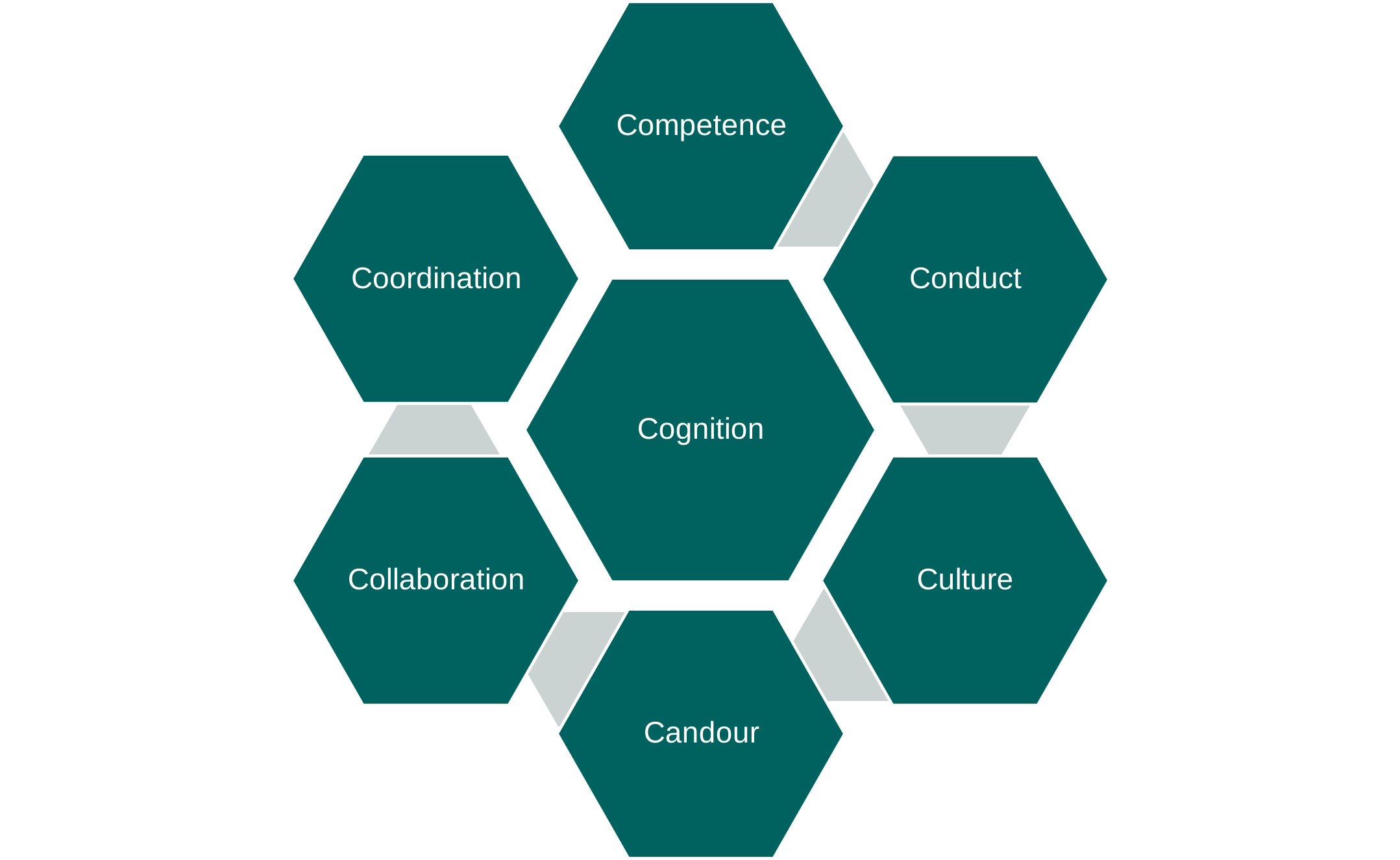
10.15 Best value legislation empowers councils to proactively manage their own performance, but this can only be effective in a reformed public sector system with a more coherent, agile improvement ecosystem. National changes to strengthen standards (for example, standards and conduct), finance sustainability (for example, Fair Funding Review, Local Audit reforms), institutions (for example, local government Reorganisation, Devolution), and data (Local Outcomes Framework) are likely to support councils to comply with their Best Value duties.
10.16 It is in this context that the Best Value Framework enables robust stewardship and oversight of the sector and ensures preventative or recovery action can be delivered swiftly and more supportively.
Given the scale of change underway across the sector it feels increasingly important that organisations working across governance and improvement remain well connected. We see daily, through our work with councils, how leadership, scrutiny and democratic capability are being tested in new ways.
Sector Body
10.17 As this research shows, there is a real opportunity to ensure that national policy intent and local system reality remain closely aligned. And for individual councils that have unique pathways into intervention, any attempts of preventative support and recovery require a flexible rather than formulaic or rigid model of intervention.
Acknowledgements
10.18 Thank you to all contributors of this study who openly shared their valuable views, experiences, learning, and time - and without whom this research would not have been possible.
11. Recommendations
MHCLG should:
1. Update the Best Value statutory guidance.
2. Clarify:
- data sources used to monitor councils
- processes for recruiting and appointing best value experts
- roles and responsibilities of best value experts
- processes for setting and reviewing expectations for best value experts
- how intervention delivery and progress are reviewed
- the range and flexibility of intervention models
- receipt of Exceptional Financial Support does not automatically preclude a council from exiting intervention, depending on the drivers of EFS and its plan and progress.
3. Enhance and embed structured induction into each intervention.
4. Continue to use political advisors with caution, assessing their need by default on a case-by-case basis. Where a political advisor is used, their role, remit, and parameters of engagement should be clearly outlined from the outset.
5. Provide more structured opportunities for networking, knowledge-sharing, and learning and development for best value experts.
6. Continue to facilitate collective understanding and co-ordination of which government departments are intervening in which councils at any one time, and on what basis.
7. Strengthen its sector improvement strategy to enable all councils to access gradated high-quality support.
8. Collaborate with the local government sector to strengthen its role in tailored intervention support.
9. Collaborate with councils and sector bodies to rebrand and relaunch Best Value Notices for early action, and to restore trust and normalise improvement using this model.
10. Ensure learning from interventions is shared and used to inform the set-up of new institutions to strengthen the system.
11. Invest in a structured programme of research and evaluation to better understand the resilience of councils not in intervention, and to test conducive conditions for continuous improvement.
Glossary
Affirmative Inquiry
The underlying design principles of this evaluation. This is a non-judgemental approach, which uses positive and provocative questioning to simulate collaborative and co-created knowledge for change.
Best value Duty
Under the Local Government Act 1999 (Part 1) local authorities have a statutory responsibility to secure continuous improvement and achieve value for money in the delivery of their functions.
Best value expert
Collective term used in this report for external experts supporting statutory and non-statutory Best Value interventions. This includes, commissioners, ministerial envoys improvement panellists and political advisors.
Best Value Notice
A non-statutory tool used to support local authorities at risk of failing their Best Value Duty. It signals the need for improvement while enabling the authority to proactively lead its own recovery, with oversight from the department. This typically uses advisory powers.
Best Value statutory guidance
The Best Value Statutory Guidance was most recently published in May 2024, and outlines what constitutes best value, the standards expected by MHCLG, and a clear escalation route in the event of failure to uphold these standards.
Best Value themes
The 7 themes by which compliance with the Best Value Duty is assessed. They are: Continuous improvement, Leadership, Governance, Culture, Use of resources, Service delivery, and Partnerships & community engagement.
Combined authority
A legal body set up by a group of 2 or more authorities to collaborate and take collective decisions across council boundaries with a strategic remit, devolved powers, and responsibilities. (This is sometimes referred to as a Strategic Authority).
Commissioner
A type of best value expert, and a senior external appointee, sent into a council by the government for a statutory intervention, with specific ‘directions or powers. For example, this may include the taking over specific functions of a local authority in cases of serious best value failure. Depending on powers, a commissioner can be responsible for strategic planning, resource allocation, and the procurement of services that the local authority must provide effectively, aiming for improvement, and restoring good governance or performance within the local authority.
Council
A council in England is a form of local government, made up of elected councillors, responsible for delivering public services, managing local planning, and enhancing the community’s economic, social, and environmental well-being. They operate under statutory powers and can take different forms (e.g. unitary or single tier authorities, two tier authorities such as county councils, and district/borough councils, or town/parish councils. Under the Local Government Act 1999 councils must legally deliver best value. This report uses the term ‘council’ rather than ‘local authority’ to refer to interviewee organisations.
County council
A type of council in areas with a two-tier local government system. These are responsible for services across the whole of a county such as: education, transport, planning, fire and public safety, social care, libraries, waste management, trading standards.
Corporate Peer Challenge
A voluntary review led by the Local Government Association that involves a team of experienced local government councillors and officers conducting a high-level review of a council’s performance, to identify its strengths, weaknesses and areas for improvement.
District /shire borough council
A type of local authority in areas with a two-tier local government system. It is usually responsible for local services such as rubbish collection, recycling, council tax collection, housing, and planning applications.
Exceptional Financial Support
A mechanism of support to help councils requesting assistance to manage financial pressures that they considered unmanageable. MHCLG considers and agrees to requests only in exceptional circumstances.
Improvement & Assurance Board/Panellist
A senior external appointee sent into a local authority by the government to provide advice, oversight, and support to improve services, leadership, and financial management. This occurs after a best value assessment has revealed that the authority is at risk or failing in its duties. Panellists may work closely with the council’s leadership for a fixed period.
Local Government Accountability Framework
This framework is dispersed system to ensure councils are well run. It describes the financial controls, governance, and system of scrutiny locally, that provides assurance that resources are spent properly, and in the event of failure, the availability of sector-led support and central government intervention as a last resort; as well as the mechanism by which MHCLG receives assurance that the system is functioning properly.
Local Government Act 1999
This Act introduced the best value framework for local authorities, aiming to improve service delivery through economy, efficiency, and effectiveness.
Local Government Association
National representative membership body for local authorities in England, and the main provider of support to the local government sector.
Local Outcomes Framework
Announced in July 2025, this signals a new approach to outcome-based accountability for councils in England designed to empower councils as place leaders. The Framework will set key national outcomes that government expects to work on with local authorities to deliver for local people and communities.
Managing Director Commissioner
A type of best value expert used in a commissioner model intervention, who provides additional capacity at the senior level working within the council, appointed as Head of Paid Service, to aid implementation of an improvement plan and to drive the cultural change required.
Mayor
There are 2 types of ‘Mayors’ in local government. In a local authority, a mayor may be either a ceremonial figurehead, or a directly elected executive with decision-making powers over council services. In a Combined (‘Strategic’) Authority, the Mayor is directly elected and has devolved powers from central government to set strategic direction on issues such as integrated transport and economic growth.
Note: The roles, powers, and responsibilities of council mayors and combined authority mayors are distinct. References in this report should be read in context, as issues such as role confusion or overreach typically relate to council mayors, not necessarily combined (‘strategic’) authority mayors where elected mayors have wider remit and powers of greater economically active area, sub regions, and regions.
Ministerial Envoy
A senior external appointee sent into a local authority by the government to provide support during a statutory intervention to act as advisors, mentors, and monitors. It is a collaborative model where the council remains responsible for leading its own improvement, with Ministerial Envoys providing scrutiny, challenge, and support, but can step in immediately if necessary to protect local services and drive recovery. Envoys generally do not have the ability to exercise council functions as although the risks are sufficient to warrant a statutory intervention, the council has been assessed as having the capacity to lead its own improvement. Some ministerial envoys hold powers in reserve to exercise council functions, which are intended to be used only as a last resort to ensure compliance with the Best Value Duty.
Non-statutory intervention
Measures aimed at ensuring compliance with the Best Value Duty which do not involve the Secretary of State using the powers in the 1999 Act. They usually take the form of a Best Value Notice and are appropriate for addressing failure or risk that does not appear to be systemic and where that authority has the willingness, capacity to improve. (See Best Value Notice).
Political advisor
A senior external local government political leader appointed by government to ‘support the intervention team,’ who may typically act as a mentor, providing guidance and challenge to elected members, reinforcing the importance of strong political capacity. MHCLG has not yet appointed a standalone political appointee with powers.
Section 114
A report and declaration from the council’s finance officer that the authority is unable to balance its books and thus will incur expenditure that is unlawful according to the Local Government Finance Act 1988.
Statutory direction
A legally binding instruction requiring a local authority to take specific actions. Under section 15 of the 1999 Local Government Act these can be made in authorities where, from the available evidence, the Secretary of State is satisfied that the authority is failing to comply with the Best Value Duty.
Statutory intervention
A best value statutory intervention is used in cases of more serious best value failure and used to provide more directive support to a council where there is evidence of significant failure and non-compliance of its Best Value Duty. Ministers consider public representations before making their decision. This typically applies to deeper directions power, with senior experts or Commissioner appointments.
Unitary authority
In some parts of the country, there is just one (unitary) tier of local government providing all the local services. The 3 main types are: unitary authorities in shire areas; London boroughs; and metropolitan boroughs.
Appendix A: Supporting information
List of councils interviewed
Live interventions
Statutory
- Birmingham City Council
- London Borough of Croydon
- Nottingham City Council
- Slough Borough Council
- Spelthorne Borough Council
- Thurrock Council
- London Borough of Tower Hamlets
- Warrington Metropolitan Borough
- Woking Borough Council
Non statutory
- Cheshire East Council
- London Borough of Newham
- Tees Valley Combined Authority
Completed interventions
- Bradford City Council
- Bournemouth, Christchurch, and Poole Council
- Eastleigh Borough Council
- Liverpool City Council
- Middlesborough Council
- Peterborough City Council
- Runnymede Borough Council
- Sandwell Metropolitan Borough Council
- South Cambridgeshire District Council
- Wirral Metropolitan Borough Council
- Cambridgeshire and Peterborough Combined Authority
- West of England Combined Authority
Table A.1 Experience and openness to intervention
| Experience and Openness | Yes | No | Unclear |
|---|---|---|---|
| Overall positive experience | 19 | 4 | 1 |
| Understanding of best value challenges | 21 | 2 | 1 |
| Openness to intervention | 18 | 4 | 2 |
Table A.2: Challenges experienced prior to intervention
| Challenges experienced prior to intervention | Number of councils |
|---|---|
| Governance | 18 |
| Finance | 17 |
| Leadership | 16 |
| Culture | 12 |
| Local politics | 8 |
Table A.3: Outcome of intervention
| Outcome of intervention | Number of councils |
|---|---|
| Positive | 17 |
| Negative | 5 |
| Too early to tell | 1 |
| Unclear | 1 |
Table A.4: Experience of intervention themes
| Experience of intervention theme | Number of councils |
|---|---|
| Positive relationships with best value experts | 17 |
| Some difficulties with best value experts | 6 |
| Best value experts had diverse range of skills | 6 |
| Found the process flexible | 14 |
| Lack of transparency from MHCLG upfront | 5 |
| Lack of transparency from MHCLG on exit | 3 |
| Experienced reputational damage | 14 |
| Negative effects on staff morale | 8 |
| Required significant organisational capacity | 6 |
| High cost of fees for best value experts | 9 |
Table A.5: Views on quality of advice given by best value experts
| Views on quality of advice given by best value expert | Number of councils |
|---|---|
| Advice was clear | 13 |
| Advice was unclear/poor | 6* |
| Not applicable (no best value experts) | 4 |
| Unclear / too early to say | 3 |
*Includes 2 councils talking about their previous non-statutory intervention
Table A.6: Views on political advisors
| View on political advisors | Positive | Negative |
|---|---|---|
| Councils | 6 | 3 |
| Best value experts | 3 | 5 |
Table A.7: Best value improvements for MHCLG
| Best value improvements for MHCLG (Extrapolated from triangulated evidence sources not solely what interviewees said) | Number of councils | Number of best value experts |
|---|---|---|
| More advance notice | 5 | 0 |
| More clarity on intervention models | 4 | 1 |
| More clarity on intervention decisions | 5 | 1 |
| Minimise political interference | 2 | 1 |
| More review periods | 1 | 2 |
| More opportunities for LA voice/ views | 4 | 0 |
| Ensure high quality best value expert assigned | 0 | 3 |
| More scrutiny of best value experts | 3 | 0 |
| More freedom for best value leads to appoint team | 0 | 2 |
| More flexibility | 5 | 4 |
| Reduce panel/team size near exit | 2 | 0 |
| Reduce best value expert involvement over time | 3 | 0 |
Table A.8: Suggestions for approaches to prevent future interventions
| Suggestions for approaches to prevent future interventions | Number of councils | Number of best value experts |
|---|---|---|
| Fixing local audit regime | 3 | 4 |
| More data sharing on LA performance | 1 | 2 |
| More monitoring of early warning signs | 1 | 4 |
| Sort out surcharges | 1 | 2 |
| Improvement landscape in need of reform | 1 | 4 |
| Improving constitution of combined authorities | 1 | 1 |