Leprosy notifications to national leprosy surveillance: UK 2001 to 2025
Published 15 September 2026

© Crown copyright 2026
This publication is licensed under the terms of the Open Government Licence v3.0 except where otherwise stated. To view this licence, visit nationalarchives.gov.uk/doc/open-government-licence/version/3 or write to the Information Policy Team, The National Archives, Kew, London TW9 4DU, or email: psi@nationalarchives.gov.uk.
Where we have identified any third party copyright information you will need to obtain permission from the copyright holders concerned.
This publication is available at https://www.gov.uk/government/publications/leprosy-notifications-to-uk-national-surveillance-2001-to-2025/leprosy-notifications-to-national-leprosy-surveillance-uk-2001-to-2025
Main points
Between 2000 and 2025:
- 255 people were notified with leprosy in the UK, with 15 notifications in 2025 – all infections were acquired outside the UK
- no transmission of leprosy in the UK was detected for the period of this report
- 70% of people with leprosy diagnosed in the UK started multi-drug therapy (MDT)
- leprosy notifications in the UK are most commonly in males aged 15 to 65 years
- the most common World Health Organization (WHO) regions of acquisition for UK notifications are the South-East Asia Region (SEAR) followed by the Region of the Americas (AMR) and the African Region (AFR)
Background information
Leprosy, also known as Hansen disease, is a curable infectious disease caused by the bacteria Mycobacterium leprae and Mycobacterium lepromatosis, mainly affecting the skin, peripheral nerves, eyes and upper airway mucosa. Leprosy spreads through prolonged close contact with an untreated individual and may have an incubation period of 20 years or more. If untreated, it can cause permanent nerve damage and disability. In the UK, consultant advisors in leprosy, who are physicians based in Liverpool, Birmingham and London, will advise clinicians on any problems concerning diagnosis, potential infectivity and the management of all patients with suspected leprosy and their close contacts (1).
Global epidemiology
A total of 172,717 new notifications were reported globally in 2024, a 5.5% decrease on 2023. Southeast Asia (SEAR) accounted for 72% of notifications, followed by the Americas (AMR)(13.7%) and Africa (AFR)(11.1%). India, Brazil and Indonesia accounted for 79.8% of all new case notifications (2). Global case numbers have decreased by around 20% over the past decade, though the rate of decline has been gradual. The WHO Global Leprosy Strategy 2021 to 2030 targets zero new infections, zero disability and zero stigma by 2030 (3).
Leprosy in the UK 2000 to 2025
UK notifications 2001 to 2025
Figure 1. Number of UK leprosy notifications since 2001
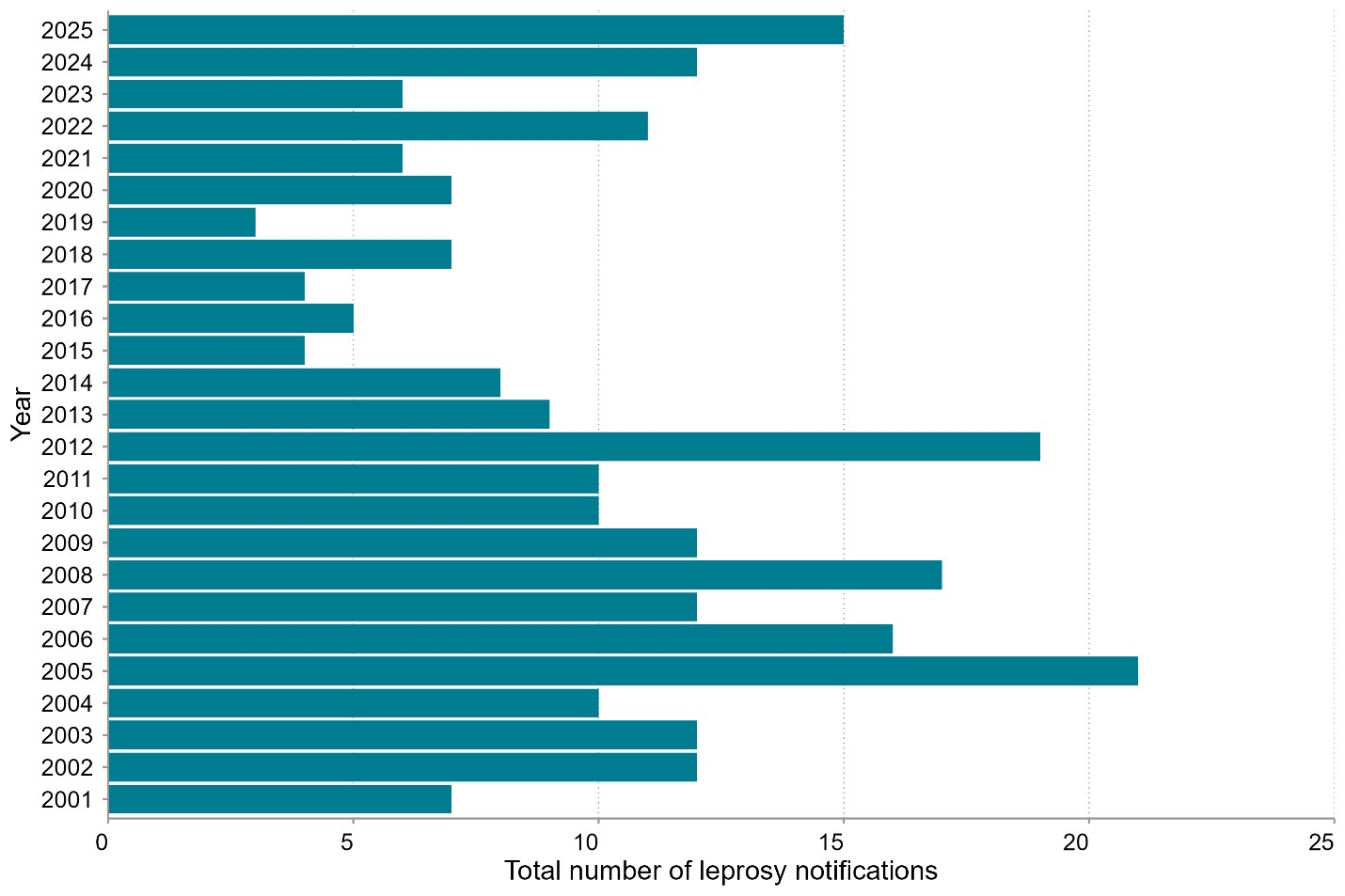
Data used in this figure can be found in supplementary table 1 of the Supplementary tables.
From 2001 to 2025, 255 people were notified with leprosy in the UK (see table 1 of Supplementary tables). There was a period between 2015 and 2021 with a lower number of notifications in the UK followed by an increase from 2022 to 2025. This increase may reflect shifting migration patterns from countries with a higher prevalence of leprosy. The numbers notified remain small, and no transmission of leprosy within the UK has been detected in this reporting period.
Figure 2. Age sex pyramid of people notified with leprosy in the UK since 2015 [note 1]
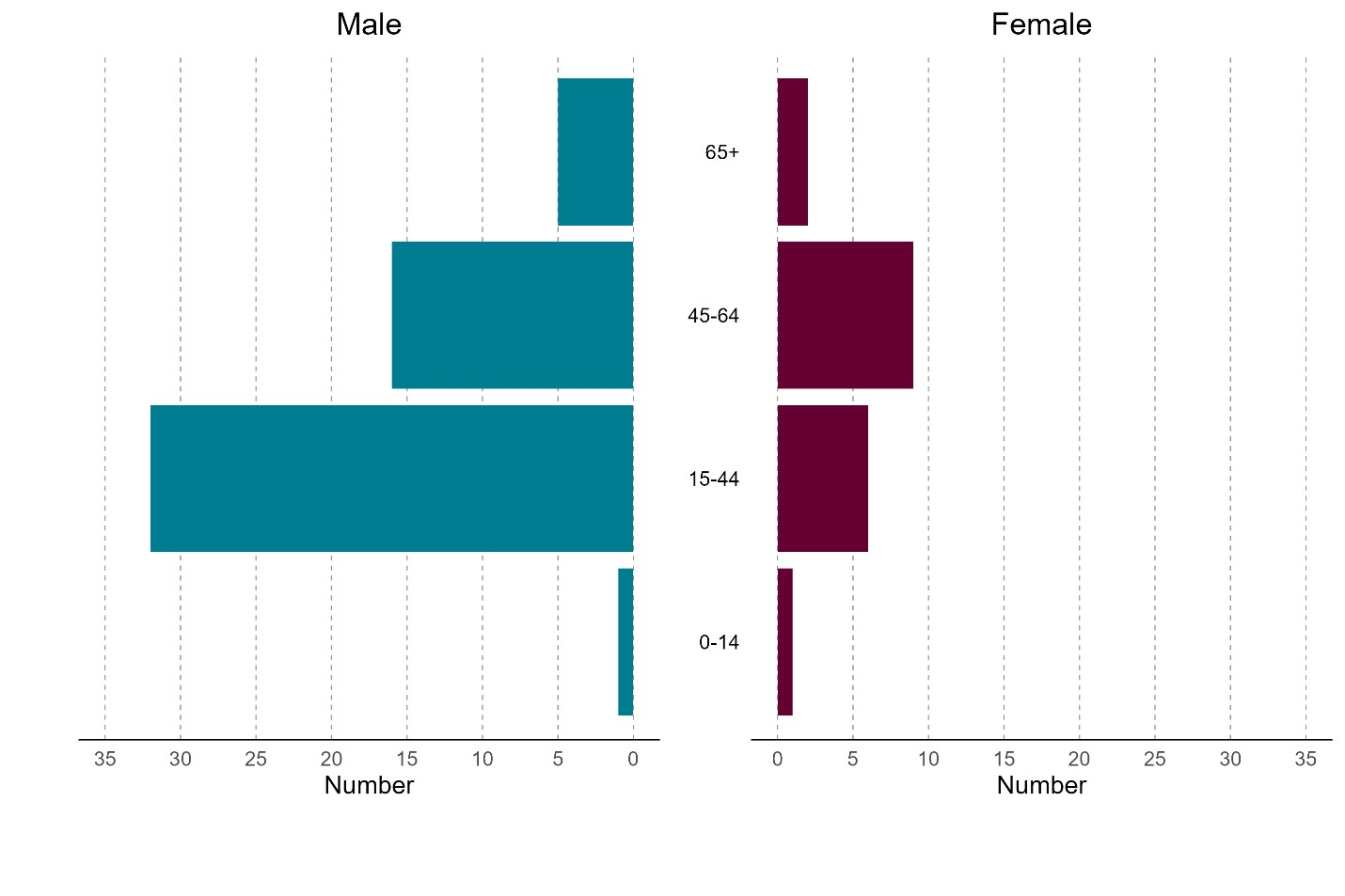
Note 1: data was missing for sex for 4 people in the 15-to-44 age group.
Data used in the above figure can be found in table 2 of the Supplementary tables.
Figure 2 shows that people notified with leprosy in the UK were more frequently male (M:F ratio = 3:1) and most commonly in the 15-to-44 age group. There is a lower proportion of female notifications in the UK, with 25% of notifications in females compared to 40.2% of global notifications in 2024 (2). However, this is consistent with the proportion of new notifications among females in Europe in 2024 (26.5%) (2).
Country of acquisition
Figure 3. WHO region of presumed leprosy acquisition for people notified with leprosy in the UK 2011 to 2025
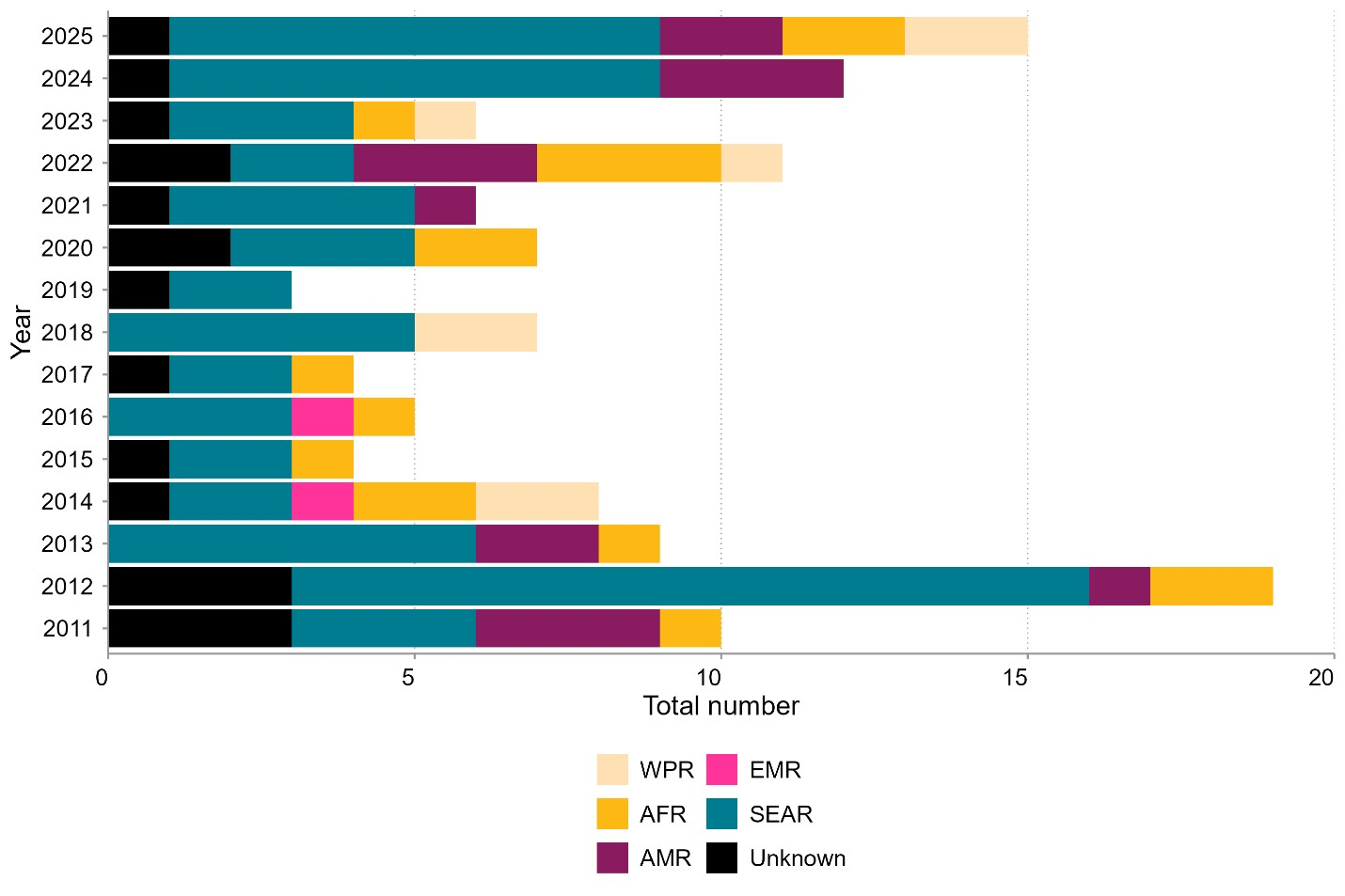
AFR = African Region; AMR = Region of the Americas; EMR = Eastern Mediterranean Region; EUR = European Region; SEAR = South-East Asia Region; WPR = Western Pacific Region
Data used in the above figure can be found in table 3A of the Supplementary tables.
Where data is available, SEAR countries are the most common countries of presumed acquisition for new leprosy notifications in the UK each year. The most common country of presumed acquisition is India. Notifications also reference several other global regions of presumed acquisition including Africa and South America (see figure 4 below).
Figure 4. Map of countries of presumed leprosy acquisition for people diagnosed with leprosy in the UK 2011 to 2025
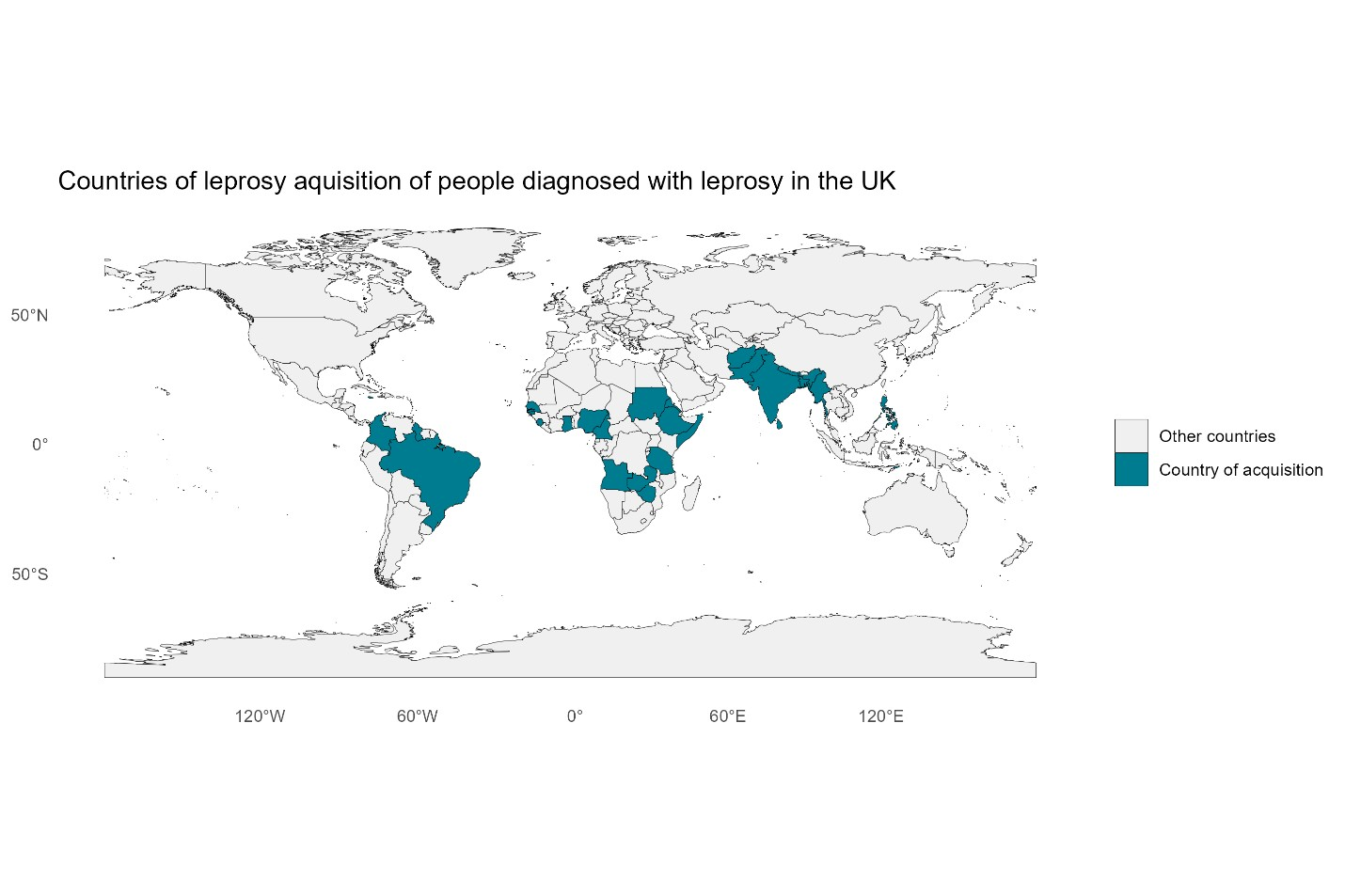
Countries of presumed acquisition ordered by frequency are listed in table 3B of the Supplementary tables.
Figure 5. Time since entry to the UK of people notified with leprosy in the UK
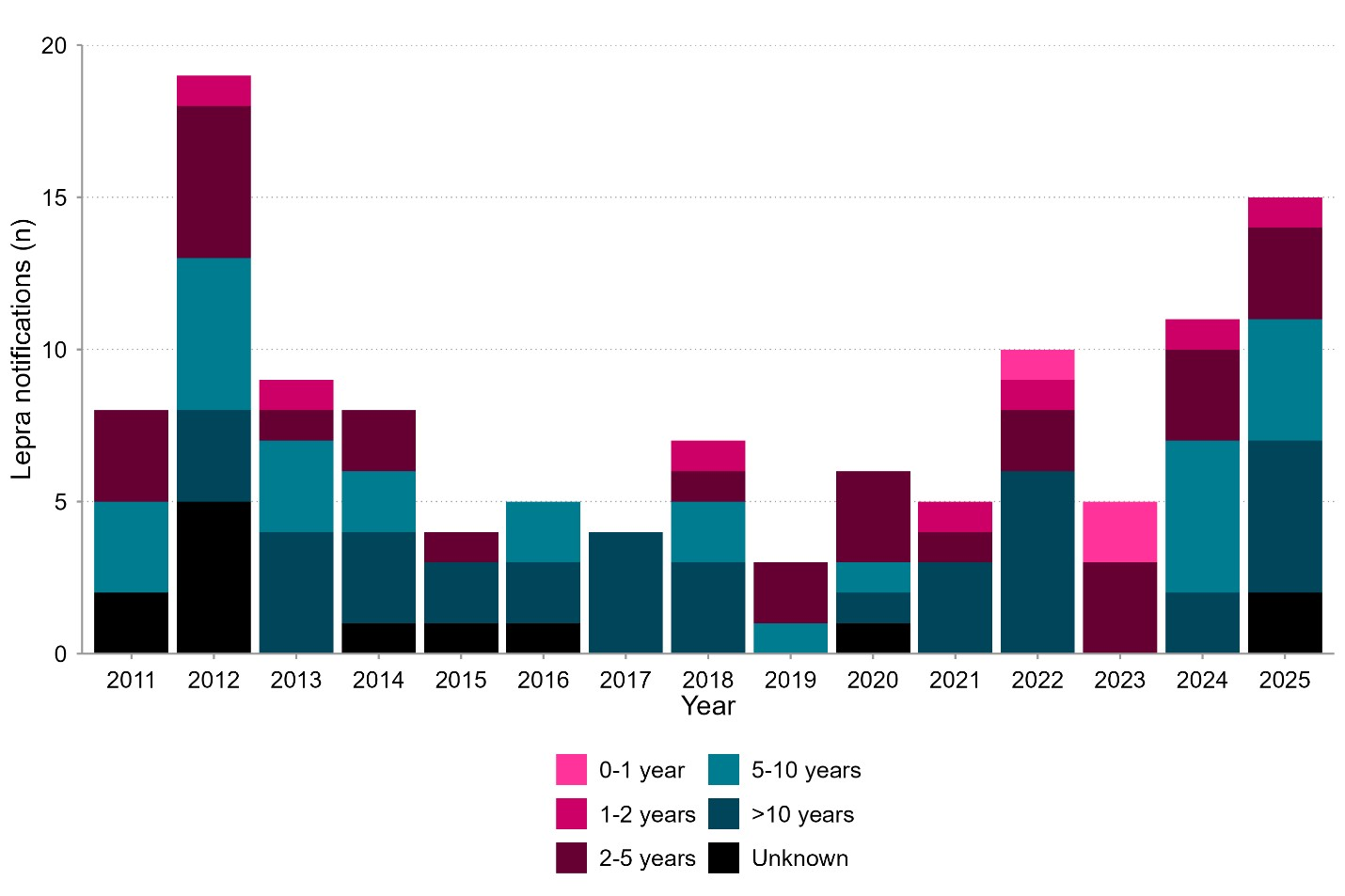
Data used in the above figure can be found in table 4 of the Supplementary tables.
Leprosy has an incubation period ranging from 6 months to 20 years or more. Most people notified have been in the UK for 2 years or longer (96/106 (91%)), with just under 2 out of 3 (62%) being in the UK for 5 or more years at the time of diagnosis. This has remained consistent since 2011, with notifications rarely presenting within less than 2 years since entry to the UK. Notification numbers in the UK reflect migration and travel patterns.
Disease classification
Figure 6. Type of leprosy notified in the UK
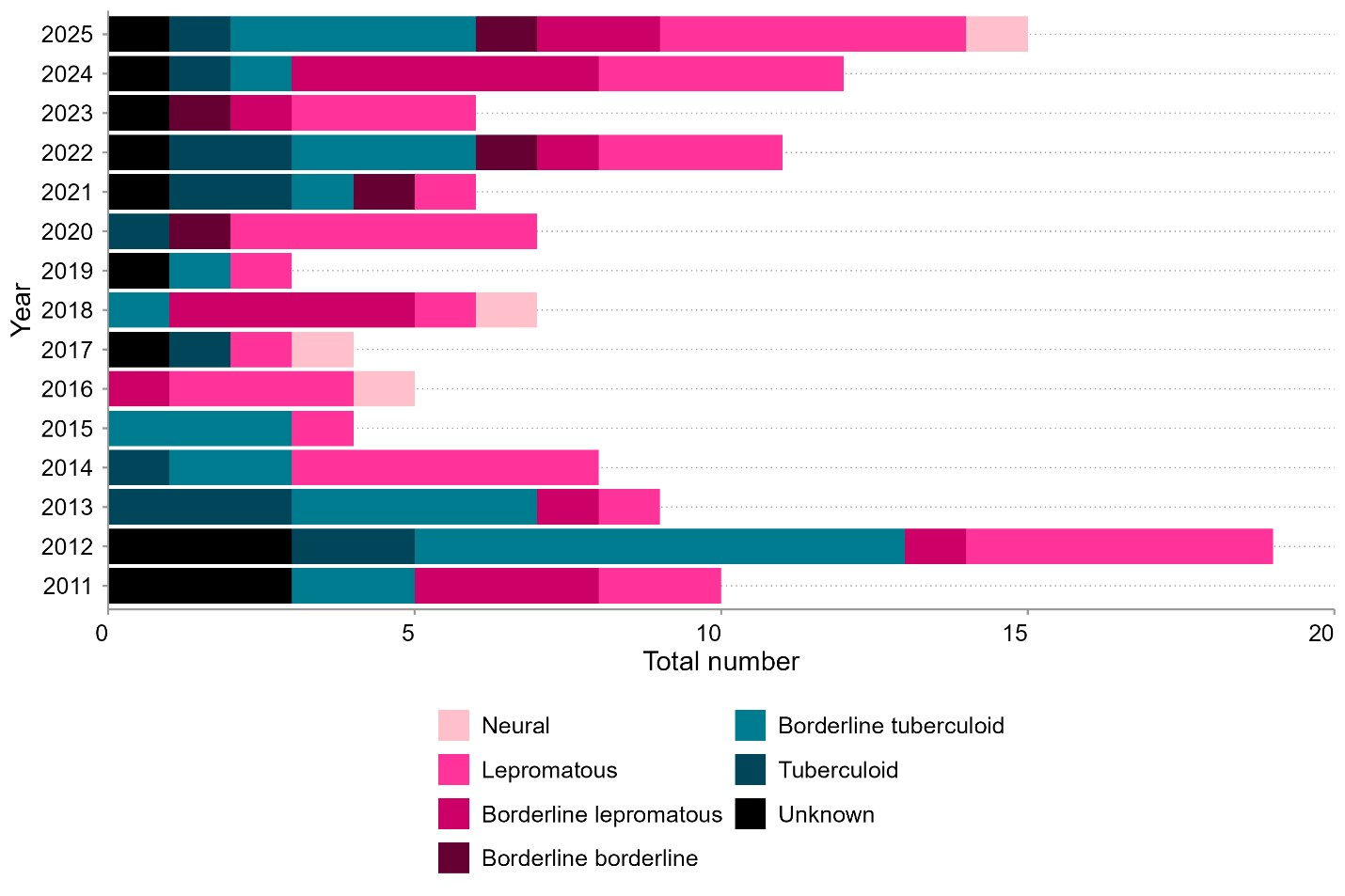
Data used in the above figure can be found in table 5 of the Supplementary tables.
Figure 5 shows the classification and features of leprosy notifications reported in the UK per year. Notifications are recorded according to the Ridley-Jopling classification system) for leprosy (4). Further information on disease classification is available at Memorandum on leprosy 2023.
Grade 2 disability (G2D) in leprosy is where there are visible deformities resulting from severe nerve damage to the eyes, hands or feet at the time of diagnosis (3). This is used as an indicator for delayed detection of disease. G2D was reported in 22.4% of the people notified with leprosy in the UK between 2011 to 2025. This is higher than global estimates of new leprosy notifications with G2D, which was 5.3% globally in 2024 (2). The number of people with G2D per year can be seen in table 6 of the Supplementary tables.
Treatment and outcomes
In the UK, leprosy is treated with either the WHO suggested multi-drug therapy (MDT) (5) or a personalised antimicrobial therapy as recommended by a consultant advisor in leprosy. The duration of the treatment regimen that a patient receives is determined by disease classification and is between 6 and 12 months. When given early, MDT reduces the risk of disability. Full details on the classification and of management of leprosy in the UK can be found at Memorandum on leprosy 2023.
Figure 7. MDT received by people at the time of notification with leprosy in the UK between 2011 and 2025
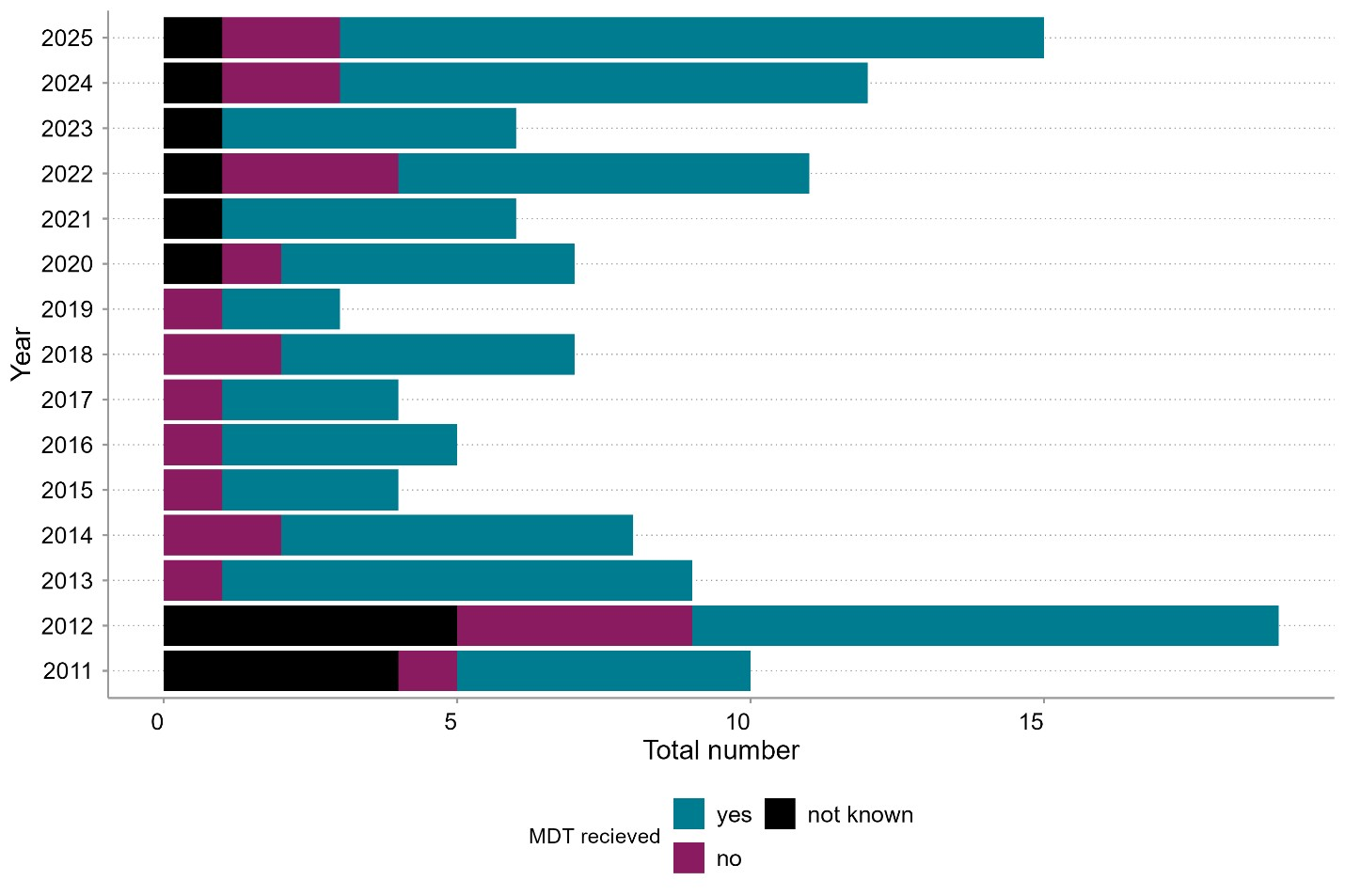
In the UK, 70.6% of notifications were reported to have received standard MDT treatment for leprosy (see table 7 of the Supplementary tables). The remainder of notifications received a different antimicrobial regimen or did not have the treatment received reported. Half (50%) of patients with multibacillary disease experience immune-mediated reactions before, during or after successful completion of anti-microbial treatment, which cause further nerve damage if not managed promptly. Long-term follow-up, physiotherapy and specialist support remain essential for those affected. Stigma remains a barrier to early presentation in many communities and can compound long-term outcomes.
Relapse
Leprosy relapse is defined as the reappearance of active infection after successful completion of appropriate anti-microbial therapy. Estimated relapse rates are globally very low (less than 1% per year). However, in endemic countries it can be difficult to determine if there is relapse or reinfection. In the UK, 6 people (4.8%) were recorded to have disease relapse out of a total of 126 notifications (table 8 of the Supplementary tables). The specifics of their previous treatment adherence and completion (either within or outside the UK) are not available.
Contact tracing in the UK
Notification of leprosy enables the management of any close contacts, so that any necessary contact tracing is performed, with due regard to the stigma and sensitivities attached to the disease. Contact tracing was performed for 60.8% of people diagnosed with leprosy in the UK between 2011 and 2025. See table 9 of the Supplementary tables.
Data sources and methodology
This report includes data on people diagnosed with leprosy notified in the UK. Data was obtained from the National Leprosy Surveillance Database. Data was cleaned, prepared and analysed by the National TB Surveillance Team at the UK Health Security Agency (UKHSA). Further details on methodology and leprosy in the UK can be found in the UKHSA Memorandum on leprosy 2023. Data presented in these tables supersedes data presented in previous years.
As part of leprosy notification, each patient is allotted a unique identifier, and details, such as address, type of leprosy and the state of the disease, are entered into the National Leprosy Surveillance Database maintained by the Tuberculosis Surveillance Unit (TBU) compliant with UKHSA standards.
Only aggregate data is reported. Aggregated data values of less than 5 are not suppressed due to the low overall numbers of the disease. However, data is aways either aggregated across large geographic areas (that is, the whole of the UK) or multiple years to make identification risk low.
Further information and contact details
For more information, contact TBunit@ukhsa.gov.uk
Authorship and citations
This document was prepared by the TBU, TARZET, UKHSA in collaboration with leprosy specialist Dr Stephen L Walker, University College London.
References
1. UKHSA. Memorandum on leprosy 2023 2023
2. WHO. Global leprosy (Hansen disease) update, 2024: Beyond zero cases – what elimination of leprosy really means Weekly epidemiological record 2025: pages 365 to 384
3. WHO. Towards Zero Leprosy: Global Leprosy (Hansen’s Disease) Strategy 2021 to 2030 2021
4. Ridley DS and Jopling WH. Classification of Leprosy According to Immunity International Journal of Leprosy 1966: volume 34, issue 3
5. WHO. Guidelines for the Diagnosis, Treatment and Prevention of Leprosy 2018