Lead Exposure in Children Surveillance System (LEICSS) annual report, 2025
Updated 22 December 2025
Applies to England

© Crown copyright 2025
This publication is licensed under the terms of the Open Government Licence v3.0 except where otherwise stated. To view this licence, visit nationalarchives.gov.uk/doc/open-government-licence/version/3 or write to the Information Policy Team, The National Archives, Kew, London TW9 4DU, or email: psi@nationalarchives.gov.uk.
Where we have identified any third party copyright information you will need to obtain permission from the copyright holders concerned.
This publication is available at https://www.gov.uk/government/publications/lead-exposure-in-children-surveillance-reports-from-2021/lead-exposure-in-children-surveillance-system-leicss-annual-report-2025
Executive summary
Lead Exposure in Children Surveillance System (LEICSS) is a national surveillance system coordinated by the UK Health Security Agency (UKHSA). The surveillance system notifies Health Protection Teams (HPTs) of incident cases of elevated blood lead concentration (BLC) in children aged 0 to 15 years in England. Notification initiates health protection case management and public health interventions to remove exposure sources.
Following a review of the evidence on the harm of lead exposure in children (1,2), a UKHSA task and finish group recommended to lower the blood lead public health intervention threshold for England. Since 5 July 2021, the case definition for surveillance changed to half the original concentration, from 0.48 μmol/L (equivalent to ≥10 μg/dL) to 0.24 μmol/L (equivalent to ≥5 μg/dL). As expected, this led to a steep increase in the number of cases being reported to LEICSS.
This report summarises the surveillance of cases from January 1 to December 31, 2024. It provides an update on surveillance activities, including data collected from the Enhanced Surveillance Questionnaires (ESQs) conducted by HPTs as part of case management to gather information on potential risk factors and lead exposure sources.
Key findings
The main findings of this report are that:
- in 2024, a total of 247 cases were reported to UKHSA, reflecting a 9% increase from the 226 cases recorded in 2023; most cases (223, 90%) were directly notified to LEICSS by participating laboratories, with 24 (10%) notified by other routes, similar to previous years
- the median delay between the specimen collection date and the date cases were entered into the UKHSA Case Incident Management System (CIMS) was 10 days (Inter quartile range (IQR) 7 to 15 days), slightly shorter than in 2023 (median 11 days, IQR 6 to 17). This indicates that case processing delays may be decreasing
- as in previous years, cases were primarily 1 to 4 years of age (64%) and residing in the most deprived areas (48%). The median blood lead concentration of lab-detected cases was 0.37 μmol/L (7.66 µg/dL) in 2024, which is almost similar to 2023, 0.39 μmol/L (8.07 µg/dL)
- according to statistics from several international population surveys, we believe that the number of cases reported to LEICSS is significantly lower than the estimated incidence of lead exposure in children in England (3 to 6)
- in 2024, the detection rate for children aged 0 to 15 in England was 23 cases (per million), although there were large regional variations. The highest reporting rates were from Yorkshire and the Humber region (93 cases per million), and the lowest in the East of England region (7 cases per million)
- in 2024, the most commonly reported lead exposures (based on ESQ 101 cases) were soil (24%), paint (17%) and drinking water pipes (12%). Other reported sources of exposure included cases exposed due to a parent or guardian’s occupation (6%); imported utensils, ceramic pottery, and pewter (4%); imported spices and food (2%); and traditional medicines and herbal remedies (1%)
- in 2024, of the 82 cases with completed ESQs, 93% (76) reported pica behaviour and 72% (58) reported learning difficulties
Main messages and recommendations
Lead is a heavy metal contaminant that persists in the environment and can be harmful to the body, even at low concentrations in the blood. As a result, there is no known safe level of lead exposure. Children who exhibit pica [footnote 1] or who engage in hand-to-mouth behaviors in environments with lead hazards are at the highest risk of exposure.
Clinicians must be aware of the risk of lead exposure in children, and it is essential for them to understand the main sources of lead exposure, identify children who are most at risk, and recognize the symptoms and signs of exposure. For additional information on resources for public health professionals and clinicians, see the Resources section of this report.
Cases that meet the case definition (aged under 16 years, BLC ≥5 µg/dL or ≥0.24 µmol/L) must be notified to UKHSA health protection teams for public health case management. Additional notification requirements are detailed in the Case reporting to LEICSS section of this report.
Background
A recent study discussed the mining and smelting activities that occurred during the Roman era which released substantial amounts of lead into the atmosphere, resulting in widespread environmental pollution across Europe. This contamination led to elevated blood lead levels in ancient populations, which likely contributed to cognitive decline and had broader public health implications througthout the Roman Empire (7). Primary prevention efforts – such as reducing the use of lead in paints and fuels, programs and advice on removal of leaded drinking water pipes, remediating lead in soil, and controlling industrial emissions have successfully reduced lead in the environment. As a result, exposure to lead has lowered, which has contributed to a reduction in BLCs in children in the USA (4,8). However, lead is a persistent contaminant, and children can still be exposed to lead in the environment from historical remnants. Since the removal of lead from road vehicle petrol, ingestion rather than inhalation is the most common route of exposure in high-income countries, particularly from dust, soil and flakes of leaded paint (9). Lead-based paint was widely used in the UK before its gradual withdrawal starting in the 1960s (10) and was eventually banned from sale in 1992.
Evidence from LEICSS indicates that in England, lead exposure can occur through routes, including the ingestion of lead-contaminated water, soil, or dust. Other sources include herbal medicine preparations, contaminated food and spices, and consumer products that fail to meet safety regulations, such as painted toys, makeup, and lead crystal glassware. Between 2014 and 2022, the most reported sources of lead exposure for children in England were paint and soil (11). Children can also be exposed to lead through secondary exposure from their parents’ hobbies or occupations, such as coming into contact with lead dust on their work clothing (9,12). A recent study (13) found that living in terraced houses and those built before the 1970s were key risk factors for increased BLC in children in England.
Exposure to lead can result in severe multi-system toxicity (1). The manifestation of this toxicity depends on both the BLC and the rate at which it accumulates. Overt manifestations of toxicity (that is, lead poisoning), such as anaemia or abdominal pain, is often associated with higher blood lead concentrations, (for example, >1.93 μmol/L (>30 µg/dL) (2,9) [footnote 2]. However, while individuals with a lower BLC may not exhibit obvious symptoms, such exposure still carries increased risk of adverse health impacts, particularly to the central nervous system and cardiovascular system (14,15). The primary approach to managing lead exposure is the timely removal or reduction of the source of exposure. Additionally, symptomatic children and those with a BLC greater than 2.4 μmol/L (> 50 µg/dL) may require chelation therapy (9).
There is no defined safe threshold for the harmful effects of lead in children. BLC as low as 0.17 µmol/L (3.5 µg/dL) has been associated with decreased intelligence in children, behavioural difficulties, and learning problems (16). In 2021, the US Centers for Disease Control and Prevention (CDC) lowered the intervention level for lead in blood from 0.24 µmol/L (5 µg/dL) to 0.17 µmol/L (3.5 µg/dL) (17). In the UK, the case definition for elevated BLC in children under 16 was also halved from 0.48 µmol/L (10 µg/dL) to 0.24 µmol/L (5 µg/dL) in July 2021. This change means that more affected children will receive the necessary public health case management and intervention.
An estimate 1 in 3 children (up to 800 million globally) have a BLC at or above 0.24 µmol/L (5 µg/dL), which is the threshold at which many nations recommend taking clinical or public health action. However, there is no data available regarding the number of children in England who are exposed to lead resulting in concentrations above this threshold. In comparable high-income countries, such as the United States of America and France, national screening programmes have been established to test children aged 1 to 5 years (commonly targeting children identified as being at higher risk of lead exposure) and identify those with elevated BLCs (18, 19). In 2018, the UK National Screening Committee reviewed the evidence to assess the need for population screening (20). They did not recommend a systematic population screening program due to concerns about testing and treatment, as well as the lack of current population prevalence data indicating that lead exposure is a significant public health concern.
Survey data from comparable high-income countries can be used, (after considering population differences) to estimate the prevalence of elevated BLC in England. A survey conducted in France from 2008 to 2009 [footnote 3] estimated that 1.5% of children aged 1 to 6 years had a BLC ≥ 0.24 µmol/L (≥5 µg/dL). In the USA, it was estimated that 1.1% of the children aged 1 to 5 years had a BLC ≥0.24 µmol/L. Applying the U.S. estimate to the UK population of children aged 1 to 5 years in England in 2024 (based on ONS 2023 Census data) (21,22), it is estimated that approximately 34,541 children may have BLCs above the intervention concentration. Recent estimates from the Institute of Health Metrics and Evaluation (6), using the Global Burden of Disease tools, suggest that for the UK in 2019 there may have been as many 213,702 (95% CI 186,000 to 281,500) children aged 0 to 19 years with a BLC of ≥0.24 µmol/L (≥5 µg/dL), and 29,036 (95% CI 25,000 to 42,500) children with BLC ≥0.48 µmol/L (≥10 µg/dL).
Cases of lead exposure are identified through a blood test. Since the signs and symptoms of lead exposure are not specific, they can often be overlooked or misdiagnosed in clinical settings. Case detection, therefore, depends on clinicians having a high level of clinical suspicion for lead poisoning symptoms as well as following clinical guidance for the management of pica. This process requires a broad understanding of the child’s physical and behavioural development, socioeconomic background, and home/housing circumstances to identify factors that may increase the risk of lead exposure. Surveillance of cases identified by clinicians provides valuable information that can guide public health case management and inform preventive action.
Children with learning and developmental disorders are more likely to be exposed to lead because they often engage in hand-to-mouth behaviours or have pica. Through this, they ingest non-food items that may contain lead, such as paint flakes or soil (23). Additionally, children already exposed to lead, even at very low concentrations, have been shown to have reduced learning capacity and increased prevalence of developmental disorders (16,24). It’s essential to note that iron deficiency can increase the risk of lead toxicity and may also lead to pica behaviour (25).
The Lead Exposure in Children Surveillance System (LEICSS)
The UKHSA coordinates LEICSS, a national surveillance system for children residing in England. Formal surveillance of lead exposure in children in England began in 2010 with the Surveillance of elevated blood Lead in Children (SLiC) study, a collaborative research project involving the British Paediatric Surveillance Unit and the Health Protection Agency (the forebear to PHE, now UKHSA). The authors of the SLiC study recommended establishing a laboratory-based surveillance system to facilitate timely public health management of cases of lead poisoning in children (26). Therefore, a pilot system, known as the Lead Poisoning in Children (LPIC) surveillance system, was instigated in 2014. Following a successful evaluation, it was permanently implemented as LEICSS in 2016. In December 2021, LEICSS was integrated into a UKHSA Lead Exposure, Public Health Intervention and Surveillance group (LEPHIS) to recognise the broader aims of preventing lead exposure in children, in addition to the rapid recognition of cases of lead poisoning.
LEICSS aims are:
- To facilitate timely public health action for individual cases, as the mainstay of treatment for cases of lead exposure is rapid removal of the putative source of exposure.
- To meet population level surveillance objectives, to inform public health action that reduces the incidence of lead exposure in children in England, such as identification of geographic areas or populations at risk, and identification of current and emerging sources of exposure.
The aims and development of LEPHIS are overseen by a cross-departmental working group within UKHSA and an external steering group with additional representatives from participating laboratories, academia, NHS clinical toxicology, and patient representative groups (for example,Lead Exposure and Poisoning Prevention Alliance). For the complete list of members, please refer to the Steering and Working Group Members section at the end of this report.
The data collected from LEICSS feeds into the Environmental Public Health Surveillance System (EPHSS) for England, operated by UKHSA as part of the Environmental Public Health Tracking programme and the steering group and working group report to the UKHSA Environmental Public Health Tracking Board.
Case reporting to LEICSS
LEICSS is a passive surveillance system that integrates reports of incident (newly detected) cases of lead exposure notified to UKHSA from a variety of sources.
Since 5 July 2021, a case is defined as a child:
- with a blood lead concentration ≥0.24 μmol/L (equivalent to ≥5 μg/dL), as detected in a UK Accreditation Service (UKAS) accredited biochemistry or toxicology laboratory
- reported to UKHSA for public health intervention
- aged under 16 years at the time of first elevated blood lead concentration
- resident in England
The surveillance system collates cases reported:
- To LEICSS directly from a UK Accreditation Service (UKAS) accredited testing biochemistry or toxicology laboratory.
- To a local UKHSA Health Protection Team (HPT) from a non-UKHSA source (for example, the managing clinician or an environmental health officer) [footnote 4], and recorded on the CIMS.
- To another UKHSA Directorate (for example, the Radiation, Chemical, Climate and Environmental Hazards (RCCE) Directorate) and then referred to an HPT.
Case notification to UKHSA is voluntary but encouraged for efficient case management and surveillance purposes.
Direct reporting to LEICSS from biochemistry and toxicology laboratories
A group of highly specialised diagnostic laboratories, known as the SAS Trace Elements network, serve as a referral network for specialised laboratory investigations in the UK. BLC is measured at 6 SAS Trace Elements laboratories in England, which are estimated to conduct the vast majority of these tests nationwide. All 6 SAS laboratories participate in the LEICSS program, and a partnership has been established with the SAS-associate laboratory in Wales (Cardiff Toxicology Laboratory) to notify LEICSS of England residents whose BLC may be determined in Cardiff. Additionally, other non-SAS laboratories that are UKAS accredited have also agreed to report cases to LEICSS; these laboratories are typically located in larger NHS Trusts or operate as private entities. A list of all contributing laboratories is included in the Acknowledgements section of this report.
Reports of cases meeting the case definition are referred to as ‘laboratory-detected’ cases. LEICSS surveillance staff enter case details into the CIMS upon receiving a notification. The relevant local HPT is then alerted to investigate and manage the case. This route of notification to the investigating HPT is timelier than waiting for notification from other sources involved in treating the case, for example, the managing clinician (27).
Health Protection Team notified cases
HPT cases are those that are or were:
- notified directly to a health protection team in England for public health management and classified on the HPT case management system as ‘toxic exposure to lead’
- aged under 16 years at the time of notification to the health protection team
- resident in England
- not initially notified to LEICSS by a participating biochemistry/toxicology laboratory
Blood lead concentration data for cases notified by non-laboratory sources is not routinely recorded in the HPT case management system in a way that facilitates easy extraction for analysis by LEICSS. Thus, an HPT notified case may potentially have a BLC <5 µg/dL (<0.24 µmol/L) or may have missing BLC data.
UKHSA notified cases
Occasionally, cases may be initially identified by other departments (such as RCCE) before they are notified to the HPT. For example, this may occur as a result of a wider lead exposure incident on which RCCE is leading. These cases will also be entered into the HPT case management system and can be extracted in the same way as HPT notified cases.
Public heath management of cases
Once notified to a local HPT, lead exposure cases are assigned to a lead clinician who uses UKHSA national guidance to manage the cases (28). The specific actions taken depend on the initial BLC notified but, in general, are aimed at supporting the family of the case, the clinical team and other relevant stakeholders (for example, UKHSA’s Environmental Hazards and Emergencies department, local authority Environmental Health and Public Health and Housing departments) to identify the source of the lead and mitigate it effectively.
Surveillance data for 2024
This section provides a summary of cases of blood lead exposure in children residing in England, reported to HPTs during 1 January to 31 December 2024. In this report, the 2024 metrics were compared to the 2015 to 2023 data and 9-year average, where relevant, using data from cases reported for each of these years.
Figures are correct at the time of publication but may be subject to change as new information about cases becomes available.
This report, and previous years’ annual reports since 2021 are available at Lead exposure in children: surveillance reports. For reports published before 2021 Lead Exposure in Children Surveillance System: Surveillance Reports published before 2021
Number of incident cases
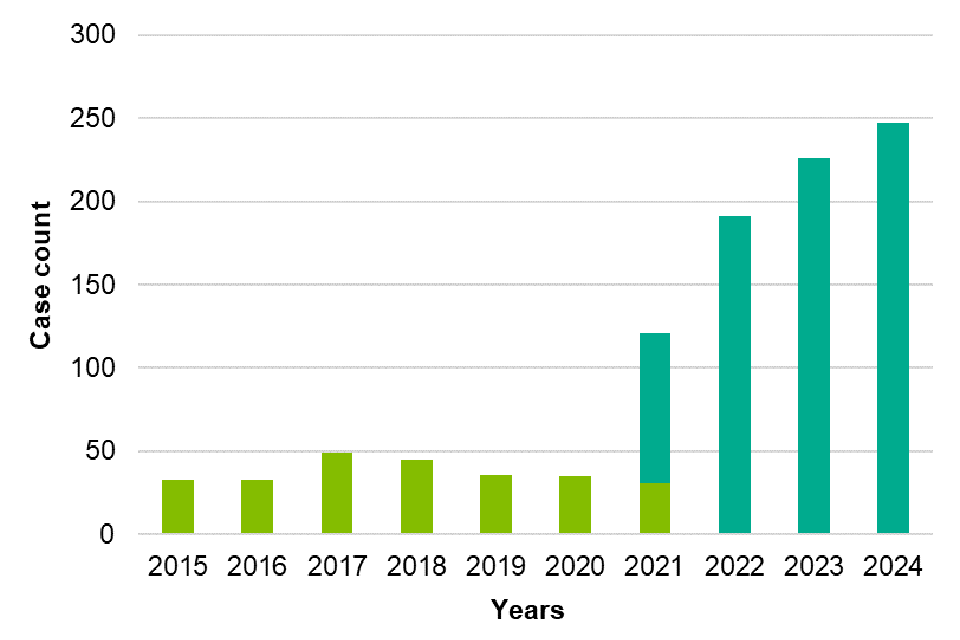
In 2024, a total of 275 reports of elevated BLC in children were notified to LEICSS. Of these, 247, 90% met the case definition (reports of BLC <0.24 μmol/L are not included). Figure 1 shows the number of cases, by year, from 2015. In 2024, there was 9% increase in cases compared to 2023.
Ninety percent of cases were direct laboratory reports to LEICSS, with 10% from other reporting routes (direct to HPTs, and so on) (Table 1). This is higher compared to previous years, where 79% of cases were directly reported by laboratories.
Table 1. Count and percentage of LEICSS cases, England 2024, compared to 2015 to 2023
| Route of detection by LEICSS | Count of cases 2024 (% of total) | Count of cases 2015 to 2023 (% of total) |
|---|---|---|
| Direct laboratory reports | 223 (90) | 617 (79) |
| Other Routes (HPZone search) | 24 (10) | 166 (21) |
| Total | 247 | 783 |
Figure 1. Count of LEICSS cases per year (England): 2015 to 2024
Note: The darker green bar in 2021 to 2024 denotes the number of cases, post-case definition change
Timeliness of reporting of laboratory-detected cases to LEICSS and notification to Health Protection Teams
For laboratory-reported cases, the median delay between the date of specimen collection and the date the case was entered onto CIMS (as a proxy for the date of report to HPTs) was 10 days, with a wide inter-quartile range (IQR) of 7 to 15 days, which is slightly less than the reported average for previous years (11 days; IQR 6 to 17). This indicates that case processing delays are decreasing. (Table 2).
Table 2. Time between specimen collection to case entry on to CIMS (for case management) for laboratory-detected LEICSS cases (England): 2015 to 2024
| Year | Direct lab- detected cases | Cases with valid data [note 1] (%) | Median days delay | IQR [note 2] |
|---|---|---|---|---|
| 2024 | 223 | 221 (99) | 10 | 7 to 15 |
| 2023 | 177 | 166 (94) | 11 | 6 to 17 |
| 2022 | 160 | 159 (99) | 17 | 10 to 32 |
| 2021 [note 3] | 86 | 80 (93) | 11 | 8 to 15 |
| 2020 [note 4] | 21 | 20 (99) | 17.5 | 10 to 30 |
| 2019 | 30 | 28 (93) | 8 | 7 to 14 |
| 2018 | 34 | 31 (91) | 8 | 6 to 13 |
| 2015 to 2017 | 91 | 82 (90) | 9 | 7 to 14 |
Note 1. Cases where both a valid specimen date and a valid date of entry onto to HPZone were extracted from HPZone.
Note 2. IQR = Inter quartile range.
Note 3. Case definition changed.
Note 4. During the Covid year, HPTs experienced significantly reduced capacity due to their involvement in responding to Covid related incidents.
Occurrence and trends of cases of lead exposure in children
Count and detection rate (by LEICSS) of cases by region and year
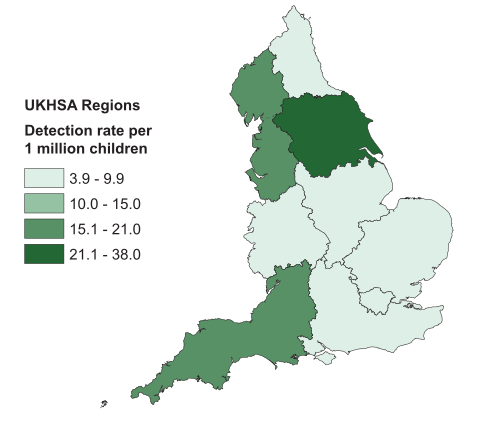
Similar to recent years, in 2024 there was a further increase in LEICSS cases compared to the previous year. Since the case definition changed in 2021, the percentage increase in cases is 58% in 2022 compared to 2021,18% in 2023 compared to 2022, and a 9% increase in 2024 compared to 2023. (Figure 2 and Table 3). The detection rate of LEICSS cases in 2024 (23 per million) has increased compared to 2023 (21 per million). The highest reporting rates continue to be from the Yorkshire and the Humber region (94 per million, 39% of the reported cases in 2024) followed by London (25 per million, 18% of the reported cases in 2024) and the South West (21 per million, 7% of the reported cases in 2024). All these 3 regions had an increase in case reporting compared to the previous year by 24%, 43%, and 25%, respectively (Table 3). This year, the lowest rate is in the East of England region (7 per million, 3% of the reported cases in 2024), with a 20% decrease in case reporting compared to last year. A decrease in case reporting is also noted for the South East (by 34%), West Midlands (by 26%), and East Midlands (by 38%) regions which account for 6%, 9%, and 3% of total the 2024 cases respectively. Overall, regions with a higher proportion of the reported cases in 2024 generally experienced an increase in case reporting compared to the previous year (Table 3).
Figure 2. Graph showing detection rate of LEICSS cases (per million) per regional population of 0 to 15 year old children, 2015 to 2024, England

The asterisk (*) denotes centres where an SAS laboratory that participates in the surveillance system is situated; 2023 mid-year population estimate (MYE) was used as the denominator for each year (22).
Table 3. Count (and % of total) of LEICSS cases, percentage change from 2022 to 2023, and average detection rate [note 2] of cases (per million of 0 to 15-year-old children) by region and year of notification, England 2015 to 2024
| Region | Cases 2015 (%) | Cases 2016 (%) | Cases 2017 (%) | Cases 2018 (%) | Cases 2019 (%) | Cases 2020 (%) | Cases 2021 (%) | Cases 2022 (%) | Cases 2023 (%) | Cases 2024 (%) | Cases 2015 to 2024 (%) | % change in cases from 2023 to 2024 | Average detection rate [note 3] of cases (per million per year) 2015 to 2024 |
|---|---|---|---|---|---|---|---|---|---|---|---|---|---|
| South East [note 1] | 6 (18) | 0 (0) | 4 (8) | 3 (7) |
1 (3) |
0 (0) | 7 (6) |
10 (5) | 23 (10) | 15 (6) | 69 (7) | -34% | 4.04 |
| London [note 1] | 5 (15) |
7 (21) | 10 (20) | 12 (27) | 11 (31) | 4 (11) | 20 (17) | 24 (12) | 30 (13) | 43 (18) | 166 (16) | 43% | 9.4 |
| South West | 2 (6) |
0 (0) | 2 (4) | 4 (9) | 2 (6) | 3 (9) | 9 (7) | 9 (5) | 16 (7) | 20 (8) | 67 (7) | 25% | 19.9 |
| West Midlands [note 1] | 2 (6) |
3 (9) | 3 (6) | 4 (9) | 0 (0) | 2 (6) | 11 (9) | 38 (20) | 30 (13) | 22 (9) | 115 (11) | -26% | 9.9 |
| East Midlands | 1 (3) |
0 (0) | 0 (0) | 3 (7) |
1 (3) |
3 (9) | 0 (0) | 10 (5) | 13 (6) | 8 (3) | 39 (4) | -38% | 4.3 |
| North West | 4 (12) |
6 (18) | 11 (22) | 3 (7) |
4 (11) | 5 (14) | 11 (9) | 26 (14) | 18 (8) | 27 (11) | 115 (11) | 50% | 20.8 |
| North East | 1 (3) |
0 (0) | 1 (2) |
0 (0) | 0 (0) | 2 (6) | 5 (4) | 3 (2) | 8 (4) | 7 (3) |
27 (3) | 13% | 5.7 |
| Yorkshire and the Humber [note 1] | 9 (27) |
12 (36) | 16 (33) | 12 (27) | 14 (38) | 12 (34) | 54 (45) | 65 (34) | 78 (35) | 97 (39) | 369 (36) | 24% | 35.6 |
| East of England | 3 (9) |
5 (15) | 2 (4) | 4 (9) | 3 (8) | 4 (11) | 4 (3) | 6 (3) | 10 (4) | 8 (3) | 49 (5) | -20% | 3.9 |
| England | 33 | 33 | 49 | 45 | 36 | 35 | 121 | 191 | 226 | 247 | 1016 | 9% | 11.11 |
Note 1. Centres where participating SAS laboratories are situated.
Note 2. Should not be interpreted as an estimate of incidence – see ‘The case detection rate and ascertainment’ section of this report.
Note 3. The numerator for this indicator is incident cases from 2015 to 2024, and the denominator is the ONS mid-year estimate of the 0 to 15 year-old population from 2015 to 2024. Cases allocated to UKHSA Centre according to postcode of residence.
Figure 3. Average detection rate [note 2] of LEICSS cases (per million 0 to 15 year-old children) by Region, England 2015 to 2024
The case detection rate and ascertainment
Due to the lack of overt clinical symptoms at lower BLCs (GI symptoms are more common above 20 μg/dL and increased risks of neuropathy and renal failure are associated with BLC above 40 μg/dL) (9), surveillance of clinically reported cases is likely to underestimate the number of affected children. International population surveys, which offer a more accurate estimate of the number of children exposed to lead, suggest that the actual cases of paediatric lead exposure are considerably higher than those identified by the LEICSS (3,4,5, 29). Therefore, the figures above should not be considered representative of the incidence of child lead exposure in England.
The substantial differences observed in LEICSS data across various regions are likely due to bias in case ascertainment rather than a reflection of incidence or prevalence rates. The Leeds SAS laboratory (located in Yorkshire and Humber) actively encourages clinicians to test children for lead exposure when they are assessed for iron deficiency and when the child is also known to have pica behaviours (30). This practice has contributed to a 90% increase in testing and case reporting in this region since its implementation. This laboratory also actively involves local clinicians, demonstrating that clinician awareness and testing frequency have a significant impact on case detection by the surveillance system. Although it is expected that SAS labs carry out the majority of BLC tests in children in England, other laboratories also carry out blood lead testing and may not report directly to LEICSS; this may contribute to variable case ascertainment, although these cases may anyway be reported to UKHSA via other routes.
Count detection rate of cases by gender and age
In 2024, a higher proportion of cases were male (n=143, 58%), which is a decrease from the previous year (n=148, 65%). The number of female cases increased slightly (n=92, 37%), compared to the previous year (n=74, 33%) (Table 4), and this is observed across all age groups (Figure 4). This gender disparity is reflected in the literature and may indicate a predisposition to specific high-risk behaviours in males or a higher risk/prevalence of comorbidities in young males. This heightened risk of lead exposure may be linked to conditions like autism (associated with pica) (31) being more prevalent in males than females, with a ratio of 3:1 (32).
The highest case detection rate was in children aged 1 to 4 years; 64% of cases identified in 2024 were from this category, slightly less than the 2015 to 2023 period average 67% (Table 4) however, this difference was not statistically significant. Fewer cases were reported between 5 and 11 years (29%), while only 5% were in the oldest age group, and only 2% were under 1 year old. Lead exposure in children primarily occurs through the ingestion of substances containing lead (particularly from deteriorating paint). The high percentage of cases in preschool-aged children may suggest that they are more vulnerable to lead exposure due to mouthing behaviours (4). Additionally, developmental delays/learning difficulties are often more noticeable in this age group, and symptoms of autism may become more apparent, which could result in more investigations for these children.
Table 4. Count and percetange of LEICSS cases by age group and sex in England, 2024, and 2015 to 2023
| Age group [note 1] | Male (n,%) 2024 | Female (n,%) 2024 | Unknown [note 2] (n,%) 2024 |
Male (n,%) 2015 to 2023 | Female (n,%) 2015 to 2023 |
Unknown [note 2] (n,%) 2015 to 2023 |
Cases (n,%) 2024 | Cases (n,%) 2015 to 2023 |
|---|---|---|---|---|---|---|---|---|
| Under 1 year | 1 (1) |
3 (3) |
1 (8) |
19 (4) |
19 (7) |
0 (0) |
5 (2) |
38 (5) |
| 1 to 4 years | 87 (61) |
64 (70) |
8 (67) |
321 (65) |
187 (72) |
6 (50) |
159 (64) |
514 (67) |
| 5 to 11 years | 48 (33) |
21 (23) |
3 (25) |
139 (28) |
46 (18) |
5 (42) |
72 (29) |
190 (25) |
| 12 to 15 years | 7 (5) |
4 (4) |
0 (0) |
18 (3) |
7 (3) |
1 (8) |
11 (5) |
26 (3) |
| Total | 143 | 92 | 12 | 497 | 259 | 12 | 247 | 768 |
Note 1. Age of child at date of entry onto CIMS.
Note 2. The extracted data had missing gender details.
Figure 4. Average case age and gender-specific detection rate per million of 0 to 15 year old children per year, England 2015 to 2024
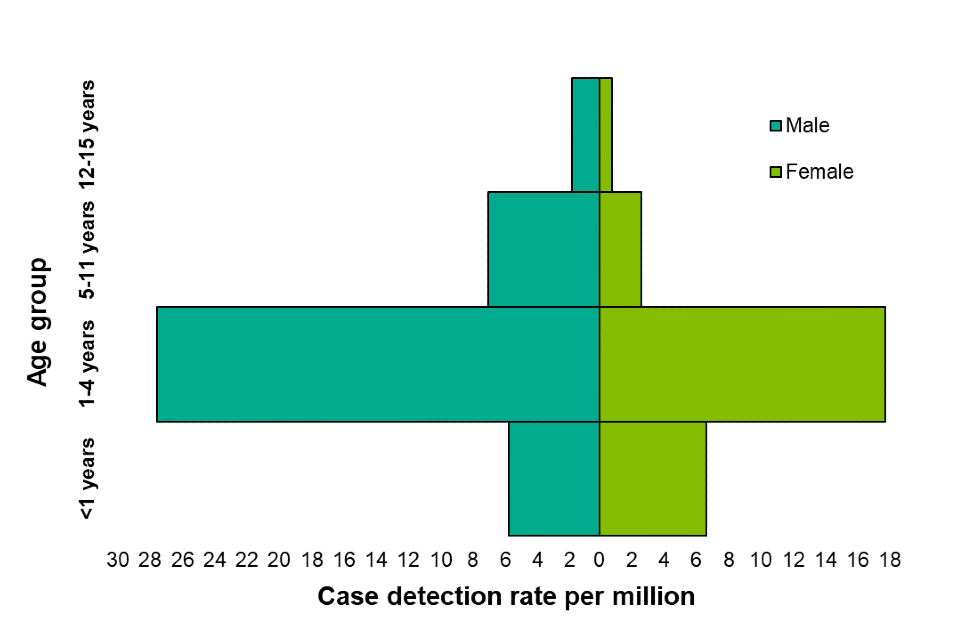
Figure 4 should not be interpreted as an estimate of incidence – see ‘The case detection rate and ascertainment’ section below.
Percentage of cases by index of multiple deprivation (IMD) quintile
The IMD provides a measure of deprivation across 7 domains [footnote 5], summarised at the area level. In 2024, 67% of the cases (n=166) residential postcode were from areas classified in the 2 most deprived quintiles of IMD, similar to the previous 9-year average (71%) (Figure 5). This percentage is higher than expected, given that only 45% of the under 16 population in England lives in areas within these 2 quintiles (Figure 5). Nearly half (49%) of the cases in 2024 lived in the most deprived areas (Q5).These findings align with trends observed in U.S. national survey data regarding lead exposure and socioeconomic status (16). Some possible explanations include increased exposure to lead-containing hazards, such as older housing (13,17), or a greater frequency of co-morbidity conditions such as iron deficiency anaemia, autism and learning difficulties (33). Since children of ethnic minority heritages are more likely to be housed in deprived areas (34), they may therefore be disproportionately exposed to lead hazards; however, this cannot be assessed in the LEICSS dataset due to insufficient completeness in ethnicity data (12, 35).
Figure 5. Percentage of LEICSS cases in each quintile of index of multiple deprivation [note 1], England 2024 and 2015 to 2023, for 0 to 15 year-old children
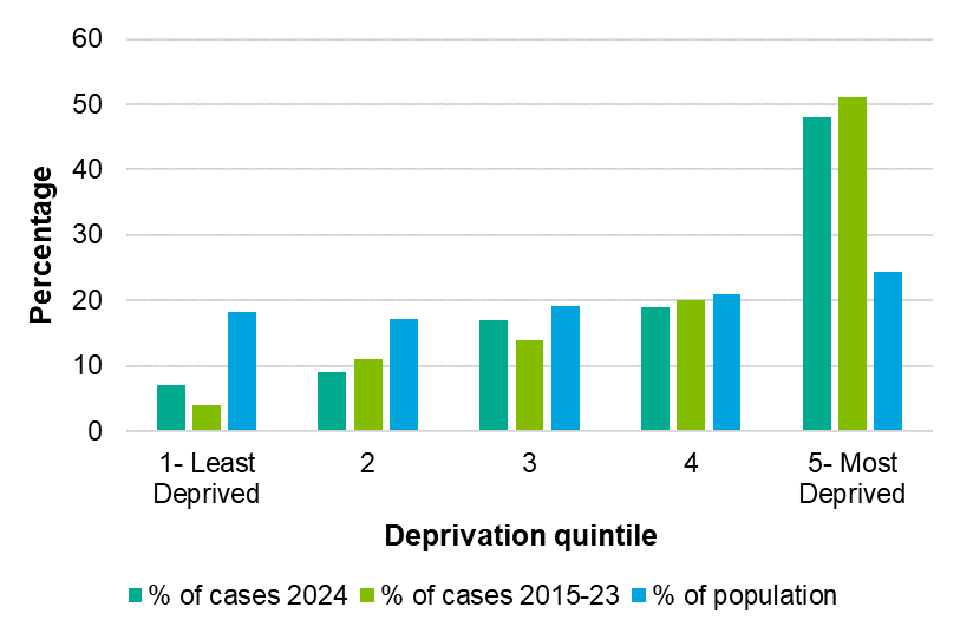
Note 1. Index of multiple deprivation (IMD) assigned to the Lower-level Super Output Area of the cases’ postcode, using IMD scores from 2019.
Blood lead concentrations of laboratory-detected cases
Table 6 shows the distribution of BLC recorded for the cases in 2024, compared to previous years. The mean and median BLC for 2024 were 0.62 μmol/L (12.8 µg/dL) and 0.37 μmol/L (7.66 µg/dL), respectively, which are similar to the values from the last 3 years but lower than the mean and median of 1.01 μmol/L (20.91 µg/dL) and 0.71 μmol/L (14.6 µg/dL), respectively, from 2015 to 2020 (Table 5). The reduction in case mean and median BLC seen since 2020 are expected as a result of lowering the blood lead public health intervention threshold in 2021. As mentioned previously, the case definition for surveillance was changed to half the original concentration, from 0.48 μmol/L (≥ 10 μg/dL) to 0.24 μmol/L (≥ 5 μg/dL).
In 2024, the majority of reported cases (n=159, 58%) were in the 0.24 to <0.48 µmol/L range. Meanwhile, the number of children reported with blood lead levels (BLC) at or above 0.48 µmol/L remained the same as in 2023 (n=88) and was higher than the cases in 2022 (n=72). This suggests that factors other than the lowering of the public health intervention concentration from 10 µg/dL to 5 µg/dL (0.48 μmol/L to 0.24 μmol/L), such as increased clinical awareness, contributed to this increase.
Ninety two percent (data not shown) of BLC were below 1.45 μmol/L (<30 µg/dL) from 2015 to 2024. At this level, children are likely to be asymptomatic or may exhibit non-specific neurobehavioral clinical manifestations (17), suggesting that these cases were identified based on a high degree of clinical suspicion.
Table 5. Blood lead concentration (μmol/L) from laboratory-detected LEICSS cases, England, 2024, compared to 2023, 2022 and 2015 to 2021 [note 5]
| Year | Lab detected cases (total cases) | Minimum | Maximum | Median | Lower Quartile | Upper Quartile | Mean |
|---|---|---|---|---|---|---|---|
| 2024 [note 1] | 223 (247) | 0.24 | 9.74 [note 3] | 0.37 | 0.28 | 0.6 | 0.62 |
| 2023 [note 1] | 177 (226) | 0.24 | 5.1 | 0.39 | 0.28 | 0.53 | 0.55 |
| 2022 [note 1] | 160 (191) | 0.24 | 4.03 | 0.37 | 0.29 | 0.66 | 0.61 |
| 2021 [note 1] | 80 (121) | 0.24 | 4.49 | 0.48 | 0.33 | 0.78 | 0.67 |
| 2015 to 2020 [note 2] | 160 (231) | 0.48 | 17.59 [note 4] | 0.71 | 0.55 | 1.13 | 1.01 |
Note 1. Only children with a BLC≥0.24 μmol/L were eligible for notification to LEICSS.
Note 2. Only children with a BLC≥0.48 μmol/L were eligible for notification to LEICSS.
Note 3. The highest BLC (2024):9.74 μmol/L; excluding this single case, the maximum reported was 5.8 μmol/L
Note 4. The highest BLC (2015 to 2021): 17.59 μmol/L; excluding this single case, the maximum reported was 3.30 μmol/L
Note 5. In previous reports, values below the intervention concentration were included. In this year’s report, only direct lab-detected cases meeting the case definition are included.
Table 5 looks at individual years post 2021 rather than summarising 2015 to 2023 because 2021 is when the public health intervention concentration was lowered and the impact on mean and median BLC in reported cases is expected to be significant.
Table 6. Distribution of blood lead concentrations reported to LEICSS in England for 2024, 2023, 2022 and 2015 to 2021 [note 1]
| Year | BLC <0.24 µmol/L (%) [note 2] | BLC 0.24 to <0.48 µmol/L (%) | BLC ≥0.48 µmol/L(%) |
|---|---|---|---|
| 2024 [note 1] | 28 (10) | 159 (58) | 88 (32) |
| 2023 [note 1] | 35 (13) | 138 (53) | 88 (34) |
| 2022 [note 1] | 21 (10) | 119 (56) | 72 (34) |
| 2015 to 2021 | 18 (6) [note 2] | 60 (19) | 242 (75) |
Note 1. Only children with a BLC ≥24 μmol/L (equivalent to ≥5 μg/dL) were eligible.
Note 2. There are often reports of children with BLC below the reporting threshold from labs and other sources.
Duration of case investigation
Of the cases for which the investigation had been concluded by the time of data extraction for this report (51%), the median duration of the investigation in 2024 was 11 weeks, excluding the Yorkshire and Humber HPT, which has implemented a new case management system. This is similar to the median duration in 2023, which was also 11 weeks, and similar to the median for the years 2015 to 2023 (10 weeks, see Table 7).
Table 7. Duration, in weeks, of the public health investigation of LEICSS cases [note 1] reported to the surveillance system, England, 2024, and 2015 to 2023
| Year | Closed cases/total cases (%) | Median duration (weeks) [note 1] (LQ-UQ) [note 2] |
|---|---|---|
| 2024 [note 3] | 76 out of 150 (51) | 11 (3 to 20) |
| 2015 to 2023 | 691 out of 769 (90) | 10 (3 to 22) |
Note 1. Period between date entered onto CIMS and date case closed on CIMS; cases must have been closed at date of data extraction from CIMS in January 2025.
Note 2. LQ = lower quartile; UQ = upper quartile.
Note 3. These includes all HPT’s, excluding Yorkshire and Humber, which has instituted a new case management system.
Children whose death was attributed to lead exposure
In 2015, a case report was published about the death of a 2-year-old child who had pica and iron deficiency. The child ingested lead-containing paint, resulting in acute lead toxicity. The delay in diagnosis and the subsequent death of the child was attributed to clinicians’ lack of awareness regarding the connection between lead exposure and pica (30). Historical data has shown deaths from lead exposure in children to be very infrequent in England (32,36).
System developments
Progress on developing surveillance of lead cases continued in 2024. To reflect the multi-disciplinary nature of managing lead exposures, sources, interventions and clinical management, the governance of the UKHSA working group has been updated. The Lead Exposure Public Health Interventions and Surveillance (LEPHIS) Working Group meets regularly to coordinate surveillance efforts and intervention initiatives and raise awareness of lead hazards.
Invitation of further laboratories to participate in surveillance
We continue to invite laboratories in the UK National External Quality Assessment Scheme for Trace Elements (which includes measurement of blood lead concentration) to participate in case reporting to LEICSS. Presentations to the Association of Clinical Biochemists (ACB) and other interested parties on the work of LEICSS have raised awareness of reporting by laboratories and resulted in the recruitment of more laboratories participating in surveillance. Contact epht@ukhsa.gov.uk for more information.
Alerts for testing for blood lead concentrations in children
The introduction of an alert on the electronic test request system by Leeds SAS laboratory to encourage clinicians to consider testing for blood lead (for those children suspected of pica/iron deficiency) increased test requests by 90% in 2017. We supported laboratories in exploring the feasibility of implementing a similar model across the SAS laboratory network. However, due to the diversity of information systems being used, a standardised alerting system is not feasible to implement at this time. However, a discussion with laboratories is underway to amend the text on blood lead reporting to include more detailed information on expected BLC, in line with Leeds SAS laboratory reporting.
Enhanced Surveillance Questionnaire
The ESQ is an e-questionnaire used to support the HPT risk assessment by gathering information on potential exposures, such as a history of pica, learning difficulties, the occupational status of guardians, home age, and ownership, among others. The electronic questionnaire was introduced in July 2021 to practice with the lowering of the intervention concentration. The ESQ helps to scope in and out potential sources of lead for case management. We summarised the findings from the ESQ to show the frequency of sources of lead exposure for cases.
A paper published in 2023 examined the sources of lead exposure in reported cases (12). This involved an audit of cases through a look-back questionnaire distributed to all HPTs who had reported LEICSS cases between 2014 and 2021.
Table 8 summarises the ESQ data for cases reported in 2024, compared to the ESQ from 2021 to 2023 inclusive, as well as the findings from the published study (12). In 2024, out of 247 LEICSS cases, 101 ESQs were concluded (41%). In 2024, a higher percentage of exposures were linked to soil sources (24%) and paint sources (17%). Notably, the proportion of cases exposed through drinking water and lead pipes has doubled compared to the previous year, rising from 6% to 12%. Other significant exposure sources include the workplace, parents and guardians, imported spices, imported utensils, ceramic pottery, and pewter products.
The ESQ also records any history of pica behaviour and diagnosed learning difficulties. In 2024, 95 cases (94%, of those with an ESQ) reported pica behaviour. This marks an increase compared to previous years when the rate was 82%. Furthermore, learning difficulties were reported in 75 cases (74%), which is nearly the same rate as that reported in previous years (69%). This may suggest that clinicians recognize that children at the highest risk of exposure are those who exhibit pica or engage in more hand-to-mouth behaviour, as well as those with learning difficulties. However, without more complete data and reliable population estimates for the prevalence of pica and elevated blood lead levels in children, these findings should be interpreted with caution.
Table 8. Reported exposure sources for cases with an ESQ (which is completed during active case management by HPTs)
| Years in which cases were reported | Number of cases with a completed ESQ or look-back questionnaire, out of total cases [note 1] (%) | Paint source (%) | Soil source (%) | Imported spices or food (%) | Traditional medicines (%) | Imported utensils; ceramic pottery/pewter (%) | Workplace exposure from parents and guardians (%) | Drinking water and/or leaded pipe sources (%) |
|---|---|---|---|---|---|---|---|---|
| 2024 [note 1] | 101 out of 247 (41%) |
17 (17%) |
24 (24%) |
2 (2%) |
1 (1%) |
4 (4%) |
6 (6%) |
12 (12%) |
| 2021 to 2023 [note 2] | 236 out of 507 (47%) |
103 (44%) |
157 (67%) |
32 (14%) |
19 (8%) |
15 (6%) |
8 (3%) |
13 (6%) |
| 2015 to 2022 [note 3] | 347 out of 542 (64%) |
150 (43%) |
103 (29%) |
20 (6%) |
14 (4%) |
7 (2%) |
3 (1%) |
19 (5%) |
Note 1. Case management requires cases with a BLC ≥0.48 μmol/L (equivalent to ≥10 μg/dL) to complete an ESQ; therefore, not all cases are expected to have an ESQ completed.
Note 2. Data obtained from the ESQ; this includes cases reported from July 2021 to December 2023.
Note 3. Data obtained from an audit of historical cases, via both a look back questionnaire and the ESQ (12).
UKHSA’s Environmental Public Health Surveillance System
The Environmental Public Health Surveillance System (EPHSS) collates and integrates data from selected databases on environmental hazards, exposures, and health outcome data. Further details of the system are available at: Environmental public health surveillance system (EPHSS).
A LEICSS module incorporated into EPHSS enables the anonymised, aggregated LEICSS data to be interrogated and analysed, producing user-defined outputs for surveillance reporting purposes. Currently, the EPHSS platform is only available to UKHSA staff; however, plans are in place to make it accessible to external users in the future. The goal is to update the LEICSS cases data in EPHSS every quarter.
To gain access to LEICSS outputs via EPHSS, email to: ephss@ukhsa.gov.uk
Current and future activities
1. Analysis of LEICSS and ESQ data is ongoing with plans to publish the results.
2. The LEPHIS Steering Group reviewed existing priorities for lead exposure research and practice in 2025.
3. The UKHSA Dashboard (Lead exposure in children: UKHSA data dashboard) includes LEICSS data as part of its modules which is public facing.
4. The University of Northumbria alongside members of the LEPHIS Steering Group are leading the Elevated Child Lead Interagency Prevalence Study (ECLIPS) and have secured funding from UK Research and Innovation (UKRI) for a feasibility study focused on protocol development. The pilot study, designed to test the finger-pricking screening method for lead poisoning, started in January 2025 ECLIPS: Lead-safe Futures.
5. The Environmental Hazards and Emergencies Department of the UKHSA partnered with members of UKHSA’s Health Protection Teams (HPTs) to develop a set of documents and standardised letters to support child-lead case management. These resources are now available to practitioners through the UKHSA internal duty doctors’ pack (37). Additionally, a new public-facing web page on.gov.uk summarise this guidance Lead poisoning: advice for the public and healthcare professionals.
6. UKHSA has completed a research project with the Georgian National Center for Disease Control to identify sources of lead exposure in children in Georgia. A proof of principal study used lead isotope ratio (LIR) analysis to identify potential sources of environmental lead from spices, milk, soil, dust, toys, water and paint that contribute to blood lead in children previously identified with a BLC exceeding the Georgian action level (5 µg/dL) in previous national sampling under the Multiple Indicator Cluster Survey (MICS). The study identified spices as a significant source of lead ingestion. A follow-up project began with a pilot study in the port city of Poti and a substantial decrease in BLC among children aged 2 to 7 years was observed (geometric mean 7.5 to 2 µg/dL, 69% to 3% above action level ), primarily attributed to public health initiatives to remove lead from spices (38 to 41). LIR identified dust as the main environmental source of lead. A second phase of the study was conducted in the Guria region, which previously had the second-highest average BLC in Georgia and which involved representative sampling of children aged 2 to 7 years. In-line with the pilot study, a substantial decrease in BLL (geometric mean 2.1 µg/dL) and an exceedance of the guidance value by 4.7% of cases were observed. The LIR analysis of environmental samples collected in Guria found an association with dust and spices in those children with elevated BLC. Furthermore, a workshop was conducted in collaboration with UNICEF and other stakeholders to discuss the issues related to lead exposure and explore potential interventions. The investigator of the study was also invited to the Georgian parliament to talk about lead exposure in children.
7. Papers and reports (as detailed below) on the issues of BLC in children and surveillance have been published and reached a wide clinician base. However, LEICSS data has shown the disparity between areas where clinicians are reminded by laboratories to take blood lead samples and those that are not. Developing materials and guidance to support stakeholders (including clinicians) in identifying and managing child lead exposed cases has been identified as a priority.
8. A summary on lead exposure sources and public health investigations for children with elevated blood lead levels in England, 2014 to 2022, was published in the Royal College of Paediatrics newsletter in March 2025.
References
1. UKHSA. Lead: toxicological overview
2. Public Health England (2021). Evaluation of whether to lower the public health intervention concentration for lead exposure in children
3. Etchevers A, and others (2014). Blood lead levels and risk factors in young children in France, 2008 to 2009. International Journal of Hygiene and Environmental Health: volume 217, pages 528 to 537.
4. American Academy of Pediatrics Committee on Environmental Health (2005). Lead exposure in children: prevention, detection, and management. Pediatrics: volume 116 number 4, pages 1,036 to 1,046.
5. Rees N and Fuller R (2020). The Toxic Truth: Children’s exposure to lead pollution undermines a generation of future potential. Unicef and Pure Earth
6. Larsen B, Sanchez-Triana E (2023). Global health burden and cost of lead exposure in children and adults: a health impact and economic modelling analysis. The Lancet Planetary Health: volume 7, issue 10.
7. McConnell JR, and others(2024). Pan-European atmospheric lead pollution, enhanced blood lead levels and cognitive decline from Roman-era mining and smelting. Environmental Sciences. volume 122.
8. Kaysi I, Mahmassani H, Arnaout S, and Kattan L (2000). Phasing out lead in automotive fuels: conversion considerations, policy formulation, and application to Lebanon. Journal of Environmental Assessment Policy and Management.
9. WHO (2010). Childhood lead poisoning: pages 1 to 72.
10. Johnson L, Barlow PJ and Barratt RS (1984). Lead in paint: brushed aside? Journal of the Royal Society of Health: volume 104 number 2, pages 64 to 67
11. UK Health Security Agency. (2024). UK Lead Exposure in Children Surveillance System (LEICSS) annual report, 2024.
12. Dave M and others (2023). Lead exposure sources and public health investigations for children with elevated blood lead in England, 2014 to 2022. PLOS One: volume 19, number 7.
13. Crabbe H, and others (2022). As safe as houses; the risk of childhood lead exposure from housing in England and implications for public health. BMC Public Health volume 22 number 1, page 2052.
14. World Health Organization (2024). Lead poisoning and health.
15. Agency for Toxic Substances and Disease Registry (2020). ATSDR Lead Tox Profile
16. US Centers for Disease Control and Prevention (2024). CDC Updates Blood Lead Reference Value.
17. Ruckart PZ and others (2021). Update of the blood lead reference value: United States, 2021. Morbidity and Mortality Weekly Report: volume 70 number 43, pages 1,509 to 1,512.
18. Etchevers A, and others (2015). Screening for elevated blood lead levels in children: assessment of criteria and a proposal for new ones in France. International Journal of Environmental Research and Public Health: volume 12, issue 12, pages 15,366–15,378.
19. US Centers for Disease Control and Prevention (2021). CDC updates blood lead reference value for children
19. Bazian Ltd (2018). ‘Screening for elevated blood lead levels in asymptomatic children aged 1 to 5 years’. In: External review against programme appraisal criteria for the UK National Screening Committee.
21. US Centers for Disease Control and Prevention (2025). Childhood Blood Lead Surveillance: National Data.
22. Office for National Statistics (2024). Population estimates for England and Wales: mid-2023.
23. US Centers for Disease Control and Prevention (1991). Preventing lead poisoning in young children.
24. Lewendon G ,and others (2001). ‘Should children with developmental and behavioural problems be routinely screened for lead?’ Archives of Disease in Childhood: volume 85, number 4, pages 286 to 288.
25. Kwong WT, Friello P and Semba RD. ‘Interactions between iron deficiency and lead poisoning: epidemiology and pathogenesis’ Science of the Total Environment 2004: volume 330, number 1 to 3, pages 21 to 37.
26. Public Health England (2018). Surveillance of elevated blood lead in children (SLiC): a British Paediatric Surveillance Unit analysis.
28. UKHSA (2024). Lead standard operating procedure for HPTs [internal document].
29. Tsoi MF and others (2021). Continual decrease in blood lead level in Americans: United States National Health Nutrition and Examination Survey 1999 to 2014. American Journal of Medicine: volume 129 number 11, pages 1,213 to 1,218.
30. Talbot A, Lippiatt C and Tantry A (2018). Lead in a case of encephalopathy. BMJ Case Reports.
31. Matson JL and others (2011). ‘Pica in persons with developmental disabilities: characteristics, diagnosis, and assessment’. Research in Autism Spectrum Disorders: volume 5, number 4, pages 1,459 to 1,464.
32. Loomes R, Hull L and Mandy WPL (2017). What is the male-to-female ratio in autism spectrum disorder? A systematic review and meta-analysis. Journal of the American Academy of Child and Adolescent Psychiatry: volume 56 number 6, pages 466 to 474.
33. Hauptman M, Stierman B, and Woolf A D (2019). ‘Children with autism spectrum disorder and lead poisoning: diagnostic challenges and management complexities’. Clinical Paediatrics: volume 58, issue 6, pages 605 to 612.
34. Jivraj S and other (2022). ‘How likely are people from minority ethnic groups to live in deprived neighbourhoods?’ Cambridge University Press.
35. Perry MJ, and others (2021). Pervasive structural racism in environmental epidemiology. Environmental Health: volume 20 number 1, page 119.
36. Elliott P, and others (1999). Clinical lead poisoning in England: an analysis of routine sources of data. Occupational and Environmental Medicine: volume 56 number 12, pages 820 to 824.
37. Roberts DJ, and others (2022). Lead exposure in children. British Medical Journal: volume 377.
38. Ericson B, and others (2020). Elevated levels of lead (Pb) identified in Georgian spices. Annals of Global Health: volume 86 number 1, page 124.
39. Ruadze E, and others (2021). Reduction in blood lead concentration in children across the Republic of Georgia following interventions to address widespread exceedance of reference value in 2019. International Journal of Environmental Research and Public Health: volume 18 number 22.
40. Laycock A, and others (2022). The Use of Pb isotope ratios to determine environmental sources of high blood Pb concentrations in children: a feasibility study in Georgia. International Journal of Environmental Research and Public Health: volume 19 number 22.
41. Bainduri M and others (2024). Assessment of blood lead levels in 2 to 7-year-old children in Poti, Georgia, 2023: a pilot study of environmental lead exposure sources. Environmental Research: volume 278.
Resources
The UKHSA launched a free online training course, ‘Tackling lead poisoning in public health’, in July 2021, designed for professionals involved in responding to lead incidents to develop their understanding of lead poisoning and public health policy.
A webinar on the importance of lead exposure, held in 2021 by the Royal College of Paediatrics and Child Health (RCPCH) for training of physicans and paediatrics, is available on YouTube (See ‘RCPCH-BPSU webinar series: Toxicity in children – a continuing problem’).
To stay updated with the work of UKHSA’s Environmental Public Health Tracking (EPHT) group and EPHSS, email epht@ukhsa.gov.uk
To find out more about gaining access to LEICSS outputs via EPHSS, email ephss@ukhsa.gov.uk
Further resources for the public health management of cases of lead exposure
The LEPHIS Steering group, with the British Paediatric Surveillance Unit (BPSU) and Royal College of Paediatrics and Child Health presented a webinar on lead as part of their series on rare diseases (to raise awareness of LEICSS amongst clinicians).
Lead incident management advice (UKHSA Chemicals Compendium): Lead: health effects, incident management and toxicology
Incidents of Lead Poisoning: an online public health course
Lead pages in the UKHSA chemicals compendium
Lead Exposure in Children Surveillance System: surveillance reports from 2021
Lead Exposure in Children Surveillance System: surveillance reports published before 2021
Health and Safety Executive report: ‘Statistics - exposure to lead’
Resources for clinicians
Clinicians with clinical lead exposure queries should consult TOXBASE or contact the National Poisons Information Service.
Procedures for reporting of lead cases to UKHSA
For adult cases with a BLC of ≥0.48 μmol/L (equivalent to ≥10 μg/dL): contact the local HPT of the case. The relevant HPT can be identified by entering the residential postcode of the case into GOV.UK.
For pregnant women with a BLC of ≥0.24 μmol/L (equivalent to ≥5 μg/dL): contact the local HPT of the case. The relevant HPT can be identified by entering the residential postcode of the case into GOV.UK.
For children aged under 16 years old at the time of first elevated BLC: please report cases to LEICSS, using lpic@nhs.net
Sources and presentations of lead exposure in children
Important sources of lead exposure in children are as follows:
- deteriorating leaded paint (particularly houses built prior to early 1970s)
- herbal medicinal preparations
- consumer products (if unregulated): medicines, food, spices, ceramic cookware, toys, make-up
- parental hobbies or occupations (including dust on clothing)
- lead water pipes, and lead from drinking water pipe fittings (namely, solder) (particularly houses built prior to early 1970s)
- contaminated soil or land
Children at most risk of lead exposure are as follows:
- children with pica or increased hand to mouth behaviour (for example, children with autism or global developmental delay), particularly with iron deficiency
- children who have recently migrated from countries with less regulation to prevent lead exposure
- children living in older homes and attending older schools containing leaded paint
- children living in more urban or industrial environments
Presentations of lead exposure in children are as follows:
- acute exposure resulting in high BLC: anorexia, abdominal pain, constipation, irritability and reduced concentration, encephalopathy
- chronic exposure
- lower BLCs: mild cognitive and behavioural impairments, may contribute to global developmental delay, decreased academic achievement, IQ, and specific cognitive measures (S); increased incidence of attention-related behaviours and problem behaviours (S), and delayed puberty and decreased kidney function in children ≥12 years of age (L)
- higher BLCs: reduced appetite, abdominal pain, constipation, anaemia, delayed puberty, reduced postnatal growth, decreased IQ, and decreased hearing (S); and increased hypersensitivity or allergy by skin prick test to allergens and increased IgE (L)
Where (S) = sufficient evidence and (L) = limited evidence
Contacts
To notify cases (participating laboratories only), contact: phe.leicss@nhs.net
For general enquiries, contact: epht@ukhsa.gov.uk
For lead surveillance module in UKHSA’s Environmental Public Health Surveillance System, contact: ephss@ukhsa.gov.uk
Steering and working group members (UKHSA unless otherwise indicated)
LEICSS surveillance team: Araceli Busby (surveillance lead and Chair); Neelam Iqbal; Rebecca Close; Neena George; Priya Mondal.
LEPHIS Working Group (as above plus the following members): Helen Crabbe; Sarah Dack; Alec Dobney; Lorraine Stewart; Kerry Foxall; Ovnair Sepai; Richard Dunn; Lee Grayson; Tim Marczylo; John Astbury; Darren Bagheri; Bernd Eggen; Mercy Vergis; Tess Tigere; Naomi Earl; Vince Cassidy, Emily Bird.
LEPHIS Steering group (includes the above working group plus the following members): Alan Emond (University of Bristol/British Paediatric Surveillance Unit); Louise Ander (British Geological Survey); Sally Bradberry (National Poisons Information Service, City Hospital, Birmingham); Kishor Raja / Carys Lippiatt (Supra-regional Assay Service Trace Elements laboratories); Andrew Kibble (RCE Wales); Tim Pye (LEAPP Alliance); Geoffrey Mullings (UKHSA CIMS team); Priyanka Chaurasia (Ulster University).
Acknowledgement to laboratories
NHS Supra-regional Assay Services Trace Elements laboratories: Birmingham; Leeds; Southampton; Guildford; London Charing Cross; London Kings College.
Other laboratories notifying cases included in this report: Cardiff Toxicology Laboratories; Southmead Hospital, Bristol; Alder Hey Children’s Hospital, Liverpool; Royal Liverpool University Hospital; Northern General Hospital, Sheffield; Nottingham University NHS Trust Hospital.
-
Pica is the persistent ingestion of non-nutritive substances at an age where this is developmentally inappropriate. ↩
-
Both µmol/L and µg/dL units are commonly used internationally to express blood lead concentrations, where 1 µg/dL = 0.0483 µmol/L. Divide the concentration in µg/dL by 20.7 to obtain the concentration in µmol/L. ↩
-
France banned white lead-based interior paint in 1909 (earlier than England); thus, exposures from this source would be expected to be lower than in the UK. ↩
-
HPTs are frontline units responsible for investigating and managing public health threats to their populations. ↩