Evaluation of the Listed Places of Worship Scheme - Case studies
Published 22 January 2026

© Crown copyright 2026
This publication is licensed under the terms of the Open Government Licence v3.0 except where otherwise stated. To view this licence, visit nationalarchives.gov.uk/doc/open-government-licence/version/3 or write to the Information Policy Team, The National Archives, Kew, London TW9 4DU, or email: psi@nationalarchives.gov.uk.
Where we have identified any third party copyright information you will need to obtain permission from the copyright holders concerned.
This publication is available at https://www.gov.uk/government/publications/evaluation-of-the-listed-places-of-worship-scheme-final-report/evaluation-of-the-listed-places-of-worship-scheme-case-studies
Overview
Case studies have been gathered from a cross-section of listed places of worship, recruited from survey respondents who agreed in their survey response to take part in a follow up interview. As over 1,500 respondents agreed to a follow up, survey data was methodically scrutinised to select a longlist of potential case studies that would provide a range of experiences from both users and non-users, and across different regions, denominations, types of places of worship and sizes of building. There are no case studies from Northern Ireland as there were only a small number of respondents and none of them agreed to participate in follow up research.
Key findings
The case studies vary from small chapels to large cathedrals and therefore showcase a variety of different repair needs. There are also a variety of ways that repair and maintenance are managed, with the majority involving a paid role of some kind - though in most cases not one specialising in building management - and many also involving volunteers to some degree. The interviewees held a variety of roles from Chief Operating Officer or Head of Finance to parish vicars and volunteers.
Most of the case studies below describe places of worship that rely on fundraising (including from the congregation) and grant applications. Some had other incomes such as rental of properties or shops, and one had recourse to central funding (the Methodist Church).
The Listed Places of Worship Grant Scheme (LPOWGS) was described positively by all the interviewees, who all expressed the importance of the scheme in supporting the repair and maintenance of their place of worship. The certainty of the funding (within the relevant funding period) was a common theme of this positive description. Other aspects that were praised include the ability to contact helpful staff if necessary, and the immediacy with which payments are processed, especially in comparison with other funding sources and, to some degree, with earlier phases of the LPOWGS itself.
Some interviewees felt that the criteria that determine the eligibility of specific types of works did not always reflect needs. Specific examples cited included paths up to the building’s doors, and dishwashers (portable, not fixed goods), i.e. it was felt that there is an unclear distinction between fixed and non-fixed goods.
Most of the case studies include ‘What would have happened without the LPOWGS’ and ‘Other impacts’, looking at the wider benefits of the scheme beyond the repair and maintenance itself. The role of the LPOWGS is frequently understood to be important for securing additional funding, for ensuring a project can be done promptly before costs increase, or for ensuring there are reserve funds to reassure cautious decision-makers and to provide a foundation for future works.
Projects that have been facilitated by the scheme have gone on to have wide community impacts, with some of the case study listed places of worship in use every day of the week for charitable or community purposes. Examples include providing warm spaces, warm meals, addiction clinics, blood donation centres, or music nights. Some repair and renovation works have enabled places of worship to rent their space for commercial / private hire uses, which can improve the long-term financial sustainability of the building.
Case studies have been written by Harlow Consulting, informed by depth interviews with the participating listed places of worship. Case studies were written in draft format initially and shared with respondents for their review, giving them the opportunity to make any corrections, additions or amendments. The final case studies were then signed off by respondents prior to publication.
Durham Cathedral, County Durham
Interview with a member of the Executive Leadership Team

Tilman2007, CC BY-SA 4.0, via Wikimedia Commons
About Durham Cathedral
Durham Cathedral is a vast Grade I listed cathedral and part of the UNESCO World Heritage Site ‘Durham Castle and Cathedral.’ It is roughly 900 years old, built between 1093 and 1133 as a monastery and expanded through the following centuries, with the central tower built in the fifteenth century. The cathedral was historically very wealthy, and a desire to preserve the cathedral’s wealth against Church Commissioner schemes was part of the reason for the establishment of Durham University in 1832. Nonetheless it became relatively impoverished in the following decades, until it was regifted some of its endowment in 1872. Despite some assets, the charity operates on a budget deficit of over £500,000 each year.
Today the cathedral is the mother church of the Church of England diocese of Durham. Just over 100 permanent staff are employed at Durham Cathedral, headed by the ‘Chapter Clerk’ or Chief Operating Officer, and around 400 volunteers assist with the operation of the cathedral in various roles.
Repair needs
The 2019 quinquennial inspection resulted in an extensive list of repairs with a rough estimated cost of more than £60 million.
These repairs will take over a decade due in part to the fundraising need. For example, the mediaeval cloister roof needs substantial repair. The rough estimate from the quinquennial inspection suggests that roofs and rainwater goods would cost over £5 million, with £350,000 planned to be spent this year merely on initial professional fees and scoping works.
The original Norman stonework around the 11th century North Door is also deteriorating, which had several million pounds put against it in the 2019 quinquennial inspection, subject to a more precise quote. Another project is to fix the glazing, surrounding stonework, and supporting metal rods that were installed in the Victorian era.
The COVID-19 pandemic, high staff turnover, and lack of money has hampered progress on these projects .
We’ve picked off the easier lower-cost items just to get going until we’ve put formal structures in place.
How are these financed
The income of the cathedral is made up of donations, tickets hire charges for events or filming, commercial letting of adjoining properties including a shop, and revenue from investment assets. The interviewee, a member of the executive leadership team, believes that the cathedral can raise about half of the money needed for the long list of works through their own financial wherewithal. The remaining half can only be funded by fundraising and grants - they report that ‘it can take one to two years to raise a substantial grant’ - and they cannot start the project until funding is secured.
How are these managed
The Head of Works looks after the physical elements such as joinery and masonry, while a Head of Facilities covers the services e.g. electricity, heating and associated maintenance contracts. Their remit covers both the cathedral and the ‘college’, a square of rented properties adjoining the cathedral. The Friends of Durham Cathedral is an independent charity that supports conservation and heritage, having contributed over £2 million towards restoration projects in the past 10 years.
Using the LPOWGS
The cathedral puts in a routine claim every quarter, typically £3,000-£4,000, covering a broad range of smaller items that relate to the fabric of the cathedral. The majority of the cathedral’s activities are eligible for a 65% VAT reclaim from HMRC due to the level of trading activities the cathedral operates. As a result, the claims made to the LPOWGS do not represent the equivalent of the full 20% VAT rate, but closer to 10%, as many claims represent only the balance of what can already be reclaimed as part of the cathedral’s business operations.
What would have happened if the scheme was not available
The impact of not having the scheme would therefore be to effectively add on 10% to the cathedral’s repair and maintenance costs. With the estimated backlog of works valuing around £60 million across the next decade, this amounts to £6 million. Citing the cathedral’s experience of the Covid-19 pandemic, when expenditure had to be reduced due to lower income, this would have the effect of deferring works, which in turn increases costs in the long run. Should the cathedral ever become structurally unsound the interviewee anticipated that the government would intervene, given the historical significance of the property.
Challenges for the future
The interviewee felt that capping the LPOWGS claim value would disproportionately affect the largest places of worship, as the main difference would be major capital projects valued at millions of pounds.
I wonder if there should be a specific fund for the higher category listed buildings, as financial needs are very different from smaller churches.
The interviewee felt that the concept of applying VAT to a cathedral indicates that the government is not recognising that cathedrals are not ‘end users’ but rather charitable operations. They also suggested that restrictions to the overall funding limit would encourage applications at certain times of year, to ‘get in before funding runs out’. Nonetheless they felt that reviewing the function and purpose of the scheme was a worthwhile endeavour.
Carlisle Cathedral, Cumbria

Carlisle Cathedral - Cathedral Church of the Holy and Undivided Trinity by Eirian Evans, CC BY-SA 2.0, via Wikimedia Commons
Interview with Vicki Farish, Head of Finance
About Carlisle Cathedral
Carlisle Cathedral, officially ‘the Cathedral Church of the Holy and Undivided Trinity,’ is a Grade I listed Anglican cathedral in the centre of Carlisle. The cathedral building dates from the early 12th century with various rebuilding and expansion until the early 15th century. The cathedral was historically poor, to the extent that Charles I wrote to the Dean in 1639 to draw his attention to the repair needs, warning of ‘the ruins into which it is now likely to fall.’ Shortly after this, the cathedral lost the nave and many of its monastic buildings and clergy residences during the Civil Wars. Today, the cathedral has a small staff team supported by around 180 volunteers assisting with the cathedral’s operations.
Repair needs
At time of interview, the quinquennial inspection has been completed but formal quotes have not yet been obtained regarding any of the recommendations. The main capital works project highlighted by this inspection concerns the glazing and surrounds of the south clerestory windows. The sandstone masonry of the tower also requires attention as it has not been touched for 30 years.
Funded mostly by a grant, the internal lighting is to be shortly upgraded to LEDs, following the installation of LED lighting outside. However, ‘our initial quote was on the basis that we are going to be able to reclaim some of the VAT back on the list of places of worship scheme’, which they are now concerned about.
How are these financed
The unrestricted funds of the cathedral available to spend by the Cathedral Chapter is around £72,000 per annum, which does not cover the repair and maintenance needs. Outgoings have to be balanced between the repair and maintenance of the dozen cathedral-owned properties as opposed to the repair and maintenance of the cathedral itself. This includes the Bishop’s Registry, an ancient building that is currently unusable with high costs to bring it into use (upwards of £650,000).
How are these managed
The Fabric Committee and Senior Leadership Team (SLT) (made up of the Dean, Chief Operating Officer, Head of Finance, Head of Fundraising, Head of Commercial Activity and Residentiary Canons) lead overall decisions on repair and maintenance, with the input of an architect. The Properties Manager, whose role also covers maintenance of a dozen cathedral-owned properties, leads low-level works, sometimes involving a handful of volunteers, and contacts contractors and professionals.
Challenges for the future
Providing there are no unexpected events, such as another Covid-19 level disruption, the interviewee was confident that the cathedral has sufficient cashflow to break even in the next three to five years. They are aware that they will not be able to achieve all the repair and maintenance work that they would like to, and the Fabric Committee and SLT will shortly meet to consider next steps and the recent quinquennial report.
Using the LPOWGS
Since 2016 Carlisle Cathedral has reclaimed £95,000 through the LPOWGS. Claims are made on a project-by-project basis, with the last claim made in 2020 for organ repairs, rainwater pipes, and handrails; £40,000 was reclaimed from the urgent works to the nave roof in 2016.
A representative of the cathedral commented that the nature of the scheme as a VAT rebate requires an additional administrative burden compared with, say, an upfront payment, but this is still far simpler than working to the precise conditions that ‘lump sum’ funding sources tend to require.
What would have happened if the scheme was not available
Without the grant scheme, the interviewee reports that one or two of the last decade’s projects would not have gone ahead. Most importantly, the 2016 nave roof repair, which was urgent, would not have been able to go ahead to the suitable degree of safety. This would have meant closing the nave to the public.
The largest project was the £3.5 million development of Fratry Hall, a 14th-century refectory building, into accessible spaces with a dedicated learning area and a new pavilion café. While this was primarily funded through National Lottery funding, the interviewee stated that the refurbishment of the Undercroft would not have been possible without the LPOWGS. The restoration of the Undercroft, with its stone-ribbed ceiling, now provides a multi-faceted space for up to 60 people, and is largely used for schools and learning workshops, exhibitions, private hire, and as an overspill from the cathedral café.
The income from this commercial arm has given some financial sustainability to the cathedral’s future by subsidising the dean and chapter, without which they would not still be operating as a cathedral.
St Asaph Cathedral, Denbighshire, Wales
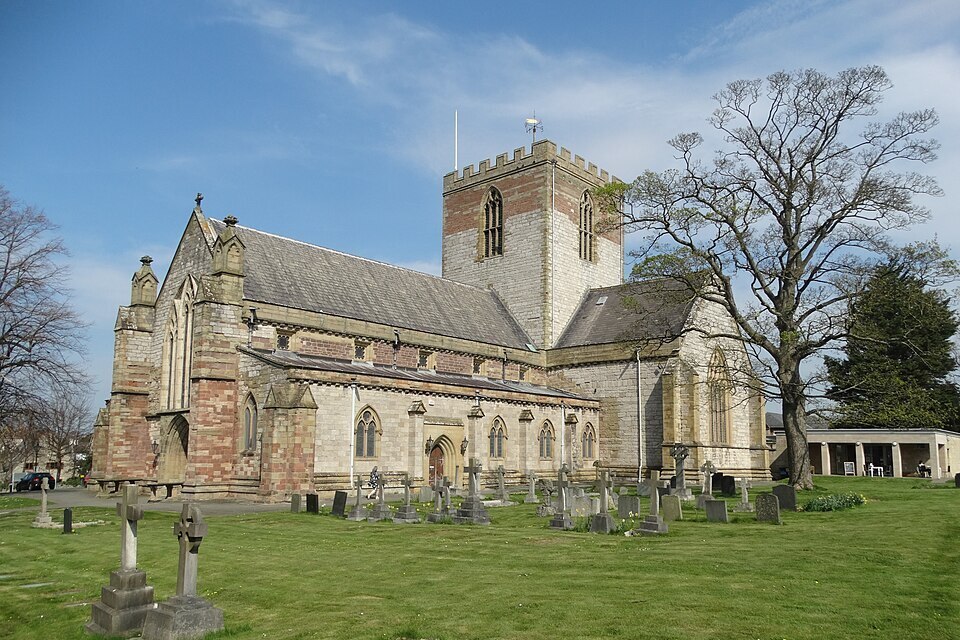
St Asaph Cathedral, St Asaph by Neil Theasby, CC BY-SA 2.0, via Wikimedia Commons
Interview with Jackie Feak, Administration and Business Officer
About St Asaph Cathedral
St Asaph Cathedral, officially ‘the Cathedral Church of Saints Asaph and Cynderyrn’, is a Grade I listed cathedral, part of the Anglican Church in Wales and one of the smallest cathedrals in the UK. It dates from the 13th century, with a 14th century nave ceiling. The cathedral is built from two types of stone – finely grained limestone and sandstone – which react chemically to make parts of the masonry susceptible to increased weathering.
Repair needs
Currently the main repair need is around the east window, where daylight is visible between the arch above the window and the window itself. The estimated cost to fix this is between £500,000-£600,000. A secondary repair need relates to the masonry at the west end of the church, where the combination of the two types of stone has accelerated weathering. The most urgent elements of this are estimated to cost £50,000, but a ‘full fix’ closer to half a million.
How these are managed
The board of trustees is currently attempting to draw up a schedule of repairs following a recent quinquennial inspection. While a paid caretaker looks after smaller maintenance, the administrator does the administration of grant applications and organises repair and maintenance work by contractors.
How these are financed
Smaller repair needs are financed through income, which is largely from donations plus a small proportion from hiring out the building. Congregation members have in the past given individual donations for the specific purpose of enabling particular small-scale works such as an access ramp. Larger-scale repairs are financed predominantly through successful grant applications.
Challenges for the future
St Asaph reported that recourse to grants has become less and less reliable through recent years; for example, the support Cadw are able to give used to cover major works but has been reduced. While many grant mechanisms remain, ‘a lot of grants give less per grant,’ which makes larger-ticket items difficult to fund. The National Lottery Heritage Fund has supported works once in 2017, but the interviewee described it as ‘massively oversubscribed.’ There are also challenges around accessing community benefit funding because many funds exclude religious buildings from their criteria. The only fund given by virtue of being a cathedral, with no application process involved, was from Ecclesiastical Insurance, now part of the Benefact Group, who historically gave £11,000 a year to St Asaph. This is now subject to an application and is being gradually reduced - this year’s grant was £8,000 - until it will be gone in three years’ time.
Using the LPOWGS
The cathedral has used the LPOWGS for all eligible works. Historically they have made an annual claim but more recently, as they have undertaken more works, the administrator has opted to put in a claim whenever works have gone above the minimum threshold. In 2015 a small extension was built to house toilets and a new vestry space, costing around £500,000, with £84,000 support in the form of the LPOWGS VAT rebate. The interviewee described a positive experience of the scheme, stating that the move to online applications has made the process much easier. The cathedral reported challenges around using the scheme regarding professional fees with the understanding that it is only possible to claim the VAT back on professional fees once the project work has commenced.
What would have happened if the scheme was not available
To use the largest project, the 2015 extension, as an example, this had to be stripped to lower and lower budgets as grant applications were unsuccessful. Without the LPOWGS, the cathedral would have worked with the architect to see if there was a possibility of reducing the costs before starting and, if not, the works would not have happened.
Other impacts
The LPOWGS has been used to provide match funding in one instance, just over ten years ago when the drainpipes were renewed. The scheme also has an impact on the choice of contractors: the cathedral deliberately chose an electrician who was VAT registered in the knowledge that it could be claimed back, whereas without the scheme, they would have employed the cheapest, regardless of VAT status.
Broad Street Methodist Church, Spalding, Lincolnshire
Interview with Bryn Chappell, Treasurer
About Broad Street Methodist Church
Broad Street Methodist Church is a large Grade II listed Victorian church and adjoining church hall (or ‘Sunday School’ hall) in the centre of the market town of Spalding, Lincolnshire.
Repair needs
A major redevelopment named ‘Vision21’ was carried out between 2012 and 2021, following a dedicated church meeting in 2008 and the appointment of an architect in 2009.
The redevelopment consisted of seven pieces of work across multiple phases of works. The first stage was the re-roofing of the church, as a complex Victorian water management system was failing and causing water ingress. The main roof was completed in 2014, with support from grants. In addition to the VAT claim via LPOWGS, a joint Historic England and National Lottery Heritage Fund ‘Repair Grants for Places of Worship’ grant contributed £70,000,1 the Methodist Property Consents contributed £27,000, and the Methodist district (Lincolnshire) contributed £20,000.
As the church had been saving up for years in the knowledge that the roof needed attention, these grants enabled the savings to go towards the second stage of the works, which was the reordering of the church interior. With these savings making up half of the £235,000 required, a one-off donation and some grant contributions from organisations such as the Rank Trust made up enough of the rest that the works could start in 2014 and were completed in October 2015. This stage transformed the church from wooden pews and cast-iron heating to a flexible space with modern systems.
It revolutionised our worship.
Several years later a foyer between the two buildings was built where there was previously a dark outdoor alley, amounting to roughly £250,000. This was financed from the LPOWGS and unexpected funds from the sale of another Methodist church in Spalding, which closed, and the congregations were merged.
Another £250,000 scheme is in the works to fund a shower and extra storage space, following the extreme popularity of the space in the community and the role it is now playing in supporting vulnerable people.
Using the LPOWGS
All of the works outlined above have benefited from the LPOWGS.
The interviewee found that the system was well run throughout the whole period.
The administration companies were unbelievably efficient and helpful.
What would have happened if the scheme was not available?
The 2014-2015 interior re-ordering would have been delayed by ‘a couple of years’ in order to raise the further £50,000 to cover VAT. The LPOWGS also allowed the foyer to be built shortly after receiving funds from the sale of the other Methodist church, rather than requiring further fundraising.
Other impacts
The church is currently open 7 days a week for between 55 and 60 hours. It functions as a Warm Space and holds a meal for 50 people every week of the year. Other community uses include a community choir, community orchestra, ukulele orchestra, and a number of support groups. The interviewee stated that this wide community function of the church was only made possible because of the interior re-ordering, and further assisted by the foyer development, both of which received LPOWGS funding.
St Saviour’s, Redbrook, Newland Parish, Gloucestershire
Interview with Mark Bick, Local Minister and volunteer grant co-ordinator
About St Saviour’s
St Saviour’s Church in Redbrook is a Grade II listed ‘chapel of ease’ by the river Wye, on the England-Wales border, built in 1873 to enable the population around the Redbrook Tinplate works to access an Anglican church without climbing the hill to the original parish church in Newland. The brickwork, made of red sandstone and Bath stone, experienced accelerated corrosion from the nitrous oxide and sulphur dioxide smog of the nearby tinworks, which frequently settled in the narrow Wye Valley. While the tinworks closed in 1961, weathering continues to flake away the stones, so that some have a concave effect of 300 millimetres (see above photograph). This erosion was the main reason the chapel was inscribed onto the Heritage at Risk Register in 1984. Of the seven church buildings in the more recent combined parish of Mid-Wyedean, two others have been forced to close due to repair and maintenance costs; St John’s Coleford has been subject to a decade long process which is expected to lead to conversion into flats, and Clearwell burial chapel is in the process of being passed to the Forest of Dean Buildings Preservation Trust.
Repair needs
The key exterior repair need is the highly eroded brickwork. The Diocesan Advisory Committee suggested that the outer fabric of the church be fixed before any interior changes were undertaken. However, given the sparse facilities available, the exterior and interior works were juggled carefully to ensure there could be a use for the church while preventing deterioration and working towards getting the building off the Heritage at Risk register. The interviewee outlined the philosophy behind this decision:
If it’s not viable to use the church for anything, why do we want to fix it? You could patch it all up, but if it just sits empty, in another few decades it will fall into disrepair.
How are these managed
The continuation of this church operations including its repair and maintenance is entirely dependent on volunteers and any expertise they might have. The vicar’s husband volunteers as the ‘local minister’ and also takes on responsibility for building works and grant applications. Awareness of the LPOWGS and other grant funding the church has been able to raise is a result of his experience in fundraising.
Using the LPOWGS
In response to near closure, the new vicar and her husband applied for grants to enable the building to continue to be used, including the LPOWGS. With a congregation of three elderly members at the time, there was little recourse to donations. The church was revitalised by arranging essential repairs to the roof alongside internal works, including moving the pews aside so that the neighbouring primary school could use the space for events such as P.E., assemblies, and wet weather lunches.
See details including cost below.
| Year | Works | Cost |
| April 2016 | Internal works to clear nave floor, move font, remove organ, redecorate nave walls and protect windows (internally) | £14,000 |
| Sept 2016 | Strip and retile nave south pitch and porch pitches, overhaul all rainwater goods, clear drains, carry out high level masonry repairs | £48,000 |
More recently, with the support of the LPOWGS, a toilet and drains were installed, followed by complete electrical refurbishment, and an incomplete but usable kitchen has now been built.
The parish architect, Toby Falconer, devised an annual 3-day stonemasonry workshop as a creative solution to the need for extensive external stone repair works. These have now taken place for four years, with three local conservation stonemasons as instructors. Participants have included cathedral apprentices recruited and funded through the Cathedrals Workshop Foundation. The architect volunteers his time towards this. Costs are covered through fees and grant funding from the Gloucestershire Historic Churches in addition to the LPOWGS.
The interviewee stressed the strength of the certainty that the scheme provides. He added that many other factors provide uncertainty, not least of them the complex bureaucracy internal to the Church of England.
On top of that to add uncertainty about whether we get the LPOW grant would be disastrous. You have to have multi-year certainty.
Furthermore, the all-year-round availability of the scheme ensures that works can be done at the time that is appropriate for the works, considering weather patterns.
The interviewee mentioned that the threshold for minimum payments can take away from the certainty:
In a small church like this, often there is a small piece of work that is just below the threshold and you think you’re going to have a second piece of work within the period in order to claim both, but you aren’t able to do that second piece in time and you end up unable to claim the VAT for either of them.
What would have happened if the scheme was not available?
The case for closure of the building would have been stronger, and works would have been delayed until sufficient funds were raised from other sources. All the completed and planned works are strongly affected by the scheme, because the works are always done to a precise budget with no room for error.
I’m terrified that I’ll miss a claim and we’ll be 20% short because we just haven’t got that money.
Other impacts
The interior works have allowed the hall to be opened up for a number of wider uses, firstly the school, and now community events such as a community choir and a monthly family-friendly music night including a meal. This has grown awareness and increased the congregation size, making the building’s finances more sustainable in addition to providing events for the relatively isolated community.
Additionally, the exterior works have provided training in heritage skills for apprentice stonemasons, conservation officers, architects, local volunteers, and others who have taken part in the annual workshops.
Benefice of the Paxtons, Cambridgeshire
Interview with Canon Annette Reed, Vicar of Southoe Church (until July 27 2025, becoming afterwards grants co-ordinator for Southoe Parochial Church Council)
About the Benefice of the Paxtons
There are four churches which are included in the Benefice of the Paxtons. These are Great and Little Paxton, Diddington and Southoe. The churches share one vicar. The churches and key points of interest around repair needs, plans and history are explored below.
Great Paxton
This is an Anglo-Saxon minster church with Hanoverian and Georgian pews. It receives many visitors who are interested in Saxon Architecture. It is described as a very expensive place to run. Due to its historic features, there is a limit on what can be changed about the building to make it usable; however, toilets and a servery were added in 2008 and the south aisle refurbished with a small meeting area in 2023.
Little Paxton
The church dates back to the mid-12th century. A range of repair and development works have been completed since 2006 to improve the condition and turn the church into a community space as well as a place of worship. The Church for Tomorrow project ran from 2007-2012 and included removing pews and adding underfloor heating, VAT has been claimed back on most of these works and some were zero-rated. Little Paxton is seen as an excellent example of the impact of repair and restoration on a community and its ability to bring in income. Due to its development, it is now used for a range of community events, meetings, worship and office space.
Diddington, St Lawrence
A 12th-century church in a very small village of 80 people which is still active in terms of community events. The church has around six services a year. Many repair works have been undertaken over the years, for example, there was an emergency roof repair during the Covid-19 pandemic. This church is on a privately owned estate, but the church is a parish church.
Southoe
A 12th-century church in a small village of around 450 people. The community is keen to re-order the church, to create a flexible community space and reduce its carbon footprint. This project has completed the design stage, has full permissions, and is now seeking grants for the works of around £385,000. The church has found it difficult to find contractors to quote for this project and it is beyond the scope of their preferred contractor.
The church has just finished an application to the National Lottery Heritage Fund which includes the statement that up to £25,000 will be available to claim from the LPOWGS up to March 31st, 2026.
Due to the uncertainty as to whether the LPOWGS will continue after that date, it is hard to plan beyond that time. It is also unsettling to not know whether £25,000 will be available until that date, as the amount the LPOWGS can give out has been capped nationally.
Southoe Parochial Church Council has already received funding from Huntingdonshire District Council to put Solar PV panels on the roof and another grant to dig a combined service trench into the building.
The uncertainty of the future of the LPOWGS is affecting this project in terms of planning and budgets. The Parochial Church Council has employed a VAT consultant who has worked out what can be zero-rated without the scheme, for example, works that are related to improving church access.
Repair needs
Overall repair and maintenance needs
The interviewee explains that the most important repairs will always be roofs, masonry repointing and basic upkeep such as keeping downpipes flowing and making sure hoppers aren’t blocked. The basic maintenance requirements picked up on the quinquennial report, are dealt with as soon as possible. In this context larger building projects could be seen as a luxury, however it is these projects that in the long run bring the community into the church and build income, as is seen in Little Paxton.
Financing repair and maintenance
Income
The ministry share for the Benefice of Paxtons is £62,000 of which Great Paxton pays £13,000. The interviewee explained that Great Paxton has been able to break even due to funeral fees and summer fundraising. However, this was described as just scraping through. As described previously Little Paxton has a steady income acquired through its hire for events such as children’s birthday parties or commercial groups. This shows that an investment in making a church usable for the community can lead to an increase in income. In contrast, Great Paxton is described as often being too cold for people to use, so receives less engagement and therefore income.
We have quite low numbers attending services especially in winter when it is so cold in the church. When people don’t come then collections are low.
We survive through the hard work of a PCC [Parochial Church Council] member who runs a 100 Club which brings in a reliable yearly income and through community fundraising activities.
Grant funding
The Benefice of the Paxtons does apply for a range of grant funding, and on the whole, grant applications are undertaken by the vicar. Types of grants applied for include the National Churches Trust, Cambridge Community Fund and National Lottery Heritage Fund. The interviewee is very experienced in running projects related to the repair and development of church buildings and underlined how complex and difficult it is to keep churches in good repair so that they can stay open and improve them for community use. They explained that grant funding has become more and more complicated and now often requires the applicant to have match funding or have an additional project element, all of which add to the complexities.
Using the LPOWGS
The Benefice of the Paxtons has used the scheme on a range of activities over the years. For repairs and also for professional fees from architects’ fees, bat surveys, building controls, and planning permission.
The administration of the scheme is highly praised for its speed and responsiveness. The interviewee described how, over the last two years, payments and responses have been quicker. In terms of payments, they described how it used to take a few months, but now it’s very quick: as little as five days.
They also feel that the application form is excellent and works well, describing it as ‘the best online form I have used’.
And whenever I ring up about something, they are excellent. They answer straight away and they’re very clear. And the other thing I will say, unlike most grant applications, it’s an excellent online form. I cannot praise that form enough.
The helpline is really good, and the turnaround is amazing at the moment, so I cannot fault the scheme.
What would have happened if the scheme was not available?
The interviewee stated that if they hadn’t been able to claim the VAT back on church works over the years, the majority of projects would not have happened. Additionally, all of the benefice Parochial Church Councils feel that the scheme is vital for carrying out the repairs that are requested in the architect’s QI reports and for developing the buildings for community use.
Without the VAT-listed place of worship grant scheme, I am sure that Great Paxton church would have closed by now.
The interviewee also explained their view that many churches rely heavily on the LPOWGS and the VAT rebate, and for that to be removed or reduced in scope would cause difficulty. Specifically, if the scheme were to be ended, there would be additional pressure on fundraising, and it is unclear at present whether other grant-making bodies would or could cover the extra costs.
Churches have been so used to getting the VAT back for a long time now. Should the scheme be withdrawn or diminished further, this will be of great concern to those involved with repairing and maintaining their buildings. There is no certainty that other grant making bodies would start funding VAT in that instance. The uncertainty is a big hindrance to churches currently planning, particularly larger projects, into 2026. This could deter PCCs [Parochial Church Councils] from tackling expensive urgent repairs.
Should the LPOWGS be unavailable, the interviewee was also concerned that curtailed projects might have a knock-on effect on the architects and contractors in terms of losing work.
Other impacts
The interviewee noted that the works made possible by the scheme had enabled all the churches where significant works of renovation and adaptation had taken place to become more heavily used and sustainable. In many cases, they were able to host events that generated consistent revenues that helped pay for ongoing repair and maintenance.
St John’s Cathedral, Portsmouth, Hampshire

St John's Roman Catholic Cathedral by Paul Gillett, CC BY-SA 2.0, via Wikimedia Commons
Interview with Emma Mullen, Cathedral Architect
About St John’s Cathedral
St John’s Cathedral, Portsmouth was built in three phases between 1882 and 1906. It is the mother church of the Catholic Diocese of Portsmouth, covering Hampshire, the Isle of Wight, the Channel Isles and parts of Berkshire, Dorset and Oxfordshire. The cathedral building sits on a triangular site with the Bishop’s House, the Aula building (a meeting space from c.1886 and another heritage asset) and the Discovery Centre (housed in a former school, which is where the community work is done). The cathedral is based within the Charles Dickens ward, which is the most deprived in Portsmouth. Over 1,000 people attend Mass regularly, and many of the congregation are from places outside of the UK, the cathedral giving them a sense of place. It is an important resource for the vulnerable people in the community, particularly the homeless, those with mental health illnesses and victims of domestic abuse.
Repair needs
The most recent quinquennial report highlighted the main repair needs for St John’s (listed in the bullet points below). These fabric repairs have been costed at £1.6 million and will require an expensive scaffold and highway closure.
- There has been considerable patching of the roof, and it has reached the point of nail fatigue.
- In addition, lead flashings are slipping and failing.
- There is structural movement of the cathedral due to its position on reclaimed land.
- Access to the roof is a problem for maintenance and repair, and work is needed to ensure safety at roof level.
- Glazing in the cathedral is post-war, and all the windows require an overhaul.
- The Portland stone on the external masonry has been dressed or covered in cementitious mortar and this is now failing.
There’s just a multitude of issues that need a full scaffolding and a temporary roof, and just to deal with them all in one go. It just needs that level of overhaul now.
In addition, the heating system is described as ‘hobbling along’ by the interviewee, with boilers at the end of their serviceable life and the oldest pipework in excess of 100 years old. The pipework has been patched and repaired regularly and now requires replacement before the failure of the system becomes permanent. This has not been costed, but the interviewee imagines this would cost around £500,000.
For ongoing repairs, the interviewee estimates that around £100,000 is spent per year. These are works such as changing the lead on the parapets and adding overflows to mitigate water leaks.
The current buildings are no longer fit for purpose, with inadequate storage and ‘tired’ interiors, that do little to inspire those who visit. There is poor accessibility and security, and safeguarding is compromised by poor circulation routes through habitable spaces. Fabric improvements are required to improve the safety and success of community outreach and events within the site.
Fabric repairs on a large scale offer an opportunity to make associated improvements that comply with current government legislation, such as insulating to reduce the building’s energy use and improving fire safety when large-scale roof repairs are required.
Challenges to repairs
The interviewee explained that because Catholic churches are not under the care of the cathedrals measure that St John’s potentially misses the infrastructure and sharing of knowledge that other cathedrals may have. In the interviewee’s opinion, although St John’s has a good voluntary backing, and enough people who want to help, they are potentially lacking some expertise. There is a lack of continuity with knowledge sharing: the cathedral has seen three architects over 10 years and changes of key personnel within the Diocesan and clergy teams. The age of the buildings is such that many aspects of the building are reaching the end of their serviceable life at the same time.
Funding the repairs
The parish is responsible for the cathedral, but it must get approval from the Portsmouth Catholic Diocese or the Trustee Board for any larger contracts (over £5,000-£250,000) and depending on their contract length (for example over 12-36 months). There are limited funds for building works from the Diocese, who are responsible for residential buildings. For the bigger capital works projects, the interviewee explains that lottery funding feels like the only option. Lottery-funded projects must meet many criteria, including heritage conservation coupled with community outreach and social or educational programmes.
The interviewee explained that they are currently in the process of putting together a large grant application. There is currently a fundraiser who is being employed on a volunteer basis to assist in this work. There is also advice available from the Catholic Bishop’s Conference for help with grant applications and the like. The interviewee described that many of the users and beneficiaries of the cathedral are the most vulnerable in the community and are not able to contribute financially to its upkeep or improvement. The community does not have the resources in a way that other communities might via fundraising or donations.
Using the LPOWGS
The LPOWGS has largely been used on routine works such as roof repairs. The largest contract has been around £20,000 - £30,000, so they have claimed via the scheme for those.
Experiences of the scheme
The interviewee explained that although there has been some confusion over eligibility in the past, this has been resolved overall, and enquiries are dealt with excellently by the LPOWGS. In the interviewee’s opinion, although the VAT reclaim system feels beneficial to smaller projects (see impacts below), they feel that it creates a lot of bureaucracy, which would not be there if the works were 0% rated. This is felt more strongly with bigger projects, where if they are covering the VAT with a loan and then going through the reclaim process, this can be a lot of additional work.
The interviewee suggested the cap will affect larger buildings more and there is potentially an issue of scale that’s not been looked at. The LPOWGS could consider taking a scaled approach to the cap, as it will affect small buildings and larger buildings differently.
Impact of the LPOWGS
The interviewee describes that one of the impacts of the LPOWGS is that it gives momentum to the next project. This is because the reclaim nature of the scheme allows funds that have already been raised to be reinvested; the next project does not start at zero.
The relief that the capital is raised, and the money comes back. When you have rolling repairs especially.
The interviewee explained that the scheme, and receiving a subsidy from a third party, may potentially put more of an impetus on the quality of work. There is a feeling that the work needs to be justified, done well and that it is important to please that third party.
The fund is also described as giving a LPOW a feeling of being supported and makes them feel like they are doing important work, especially when it is a volunteer group. This may also help build confidence when applying for other grant funding.
I think that’s quite important from the get-go to know, okay, we’ve got that help already.
As mentioned previously, the cathedral is described as not having a community who are able to give financially. The interviewee explains that it is important that the cathedral is supported to help the vulnerable people in the community, but it needs help to do that.
What would have happened if the scheme was not available?
As well as losing the impacts that are mentioned above, the interviewee explained that not having the scheme may lead to a reduction in the quality of repair work. Having less funding would mean having to choose cost over quality when tendering for work. Lower-cost repairs may also have a shorter lifespan.
Doing a good quality piece of work might have a greater capital cost, but it will last longer.
Not having the scheme may also lead to repair works only being done when they are urgent, rather than being able to do preventive work. The interviewee explained that there is already a long list of priorities and losing the scheme would lead to this being felt more strongly.
Something else always comes up that is higher priority because the water is pouring in at that point.
Church of St Augustine, South Croydon, Greater London

User:Hassocks5489, CC0, via Wikimedia Commons
Interview with the Geoff Dumbreck, Vicar
About St Augustine’s
St. Augustine’s is a grade II* listed church built from 1881-1884. The church features flint walls and clay tiled roofs. It is chiefly in the Decorated style, with some Perpendicular window tracery. In 1987, Paul Darrington led the reordering of the church, dividing the interior to create multiple halls, adding a new porch, and converting the former baptistry into a kitchen, this was completed in 1989. It is currently on the Heritage at Risk register. The congregation numbers between 40 and 60.
Repair needs
In 2015, the roofs of the south transept and south chapel were repaired, alongside renewed rainwater goods and some stone repairs. The guttering was overhauled in 2023. Over the next few years, the vicar and church wardens plan to take on over £1 million on repairs and maintenance. Critically, the roof of the north aisle needs further repairs, specifically remodelling to cope with heavy rain, and the tower stonework needs repairing. In terms of interior works, much of the 1987 work has either been upgraded, but some has not yet - specifically the accessible toilet needs remodelling to suit modern standards. The lighting also requires upgrading, and adding soundproofing would allow noisy groups to use different rooms at the same time.
How the works are financed
The Master Plan will involve an application from the National Churches Trust. The 2015 roofing project benefitted from the LPOWGS, and a joint grant from the National Lottery Heritage Fund and Historic England. The 2023 guttering project cost around £80,000 with support from the Valencia Communities Fund (now closed) and the LPOWGS.
Using the LPOWGS
The interviewee described how they use the LPOWGS as ‘lift-off’ to start fundraising for a project. The ability to put the VAT amount down as ‘secured’ strengthens the case for funding when approaching funding bodies.
In the interviewee’s opinion, the LPOWGS requirement that architects’ fees must be claimed in the same year as the works commence creates a difficulty. This is because often within long-term projects that develop over time architects’ fees will need to be paid several years before any works happen. Therefore, not being able to claim these fees ‘eats into’ the limited funds for the project.
While the church is not imminently at risk of closure, the interviewee described how the current model of funding coming predominantly from the congregation is not what has been done historically and suggested that it is not sustainable long-term. The building is used by community groups but, since the pandemic, this has not generated any significant profit.
What would have happened if the scheme was not available?
If the LPOWGS did not exist, the interviewee suggested that they would focus only on what has to be done to safeguard the future of the building, e.g. roofworks to prevent the building from collapse. The interviewee explained how users of the building feel no benefit from these types of works so this approach would come at the expense of the elements that directly benefit the community.
Other impacts
With the multiple rooms available for hire, the church has several users through the week, including Indian dance, speech and drama, Mencap twice a week, and Alcoholics Anonymous. The interviewee described community spaces as highly valuable as there are few community spaces available in the South Croydon area.
Jireh Chapel, Lewes, Sussex

Hassocks5489, CC0, via Wikimedia Commons
Interview with Matthew Hyde, Pastor
About Jireh Chapel
Jireh Chapel is a wooden-framed chapel with unusual surviving features that have led it to be Grade I listed. Built in 1805 under the influence of Calvinist preacher William Huntingdon, whose tomb (Grade II listed) is behind the chapel, it was extended at the eastern end in 1826 to accommodate a thousand people. Local shipwrights’ involvement shaped the design. The interior is largely wooden, containing an octagonal wine-glass pulpit, original pine box pews, and wooden colonnades supporting a gallery and extending to the roof around all four sides. The chapel is clad in red mathematical tiles, a now-extinct local building technique, on the north and east aspects, with dark grey slate on the south side and plain tiles on the west.
In 1986 the chapel maintained a Calvinist congregation of around 10 members, but the building was subject to vandalism and falling into dereliction. English Heritage stepped in and completed a full survey with a view to renovation, only for the roof to be stripped off in the Great Storm of 1987. English Heritage spearheaded emergency work into the 1990s. The building was then used by the Free Presbyterian Church of Ulster from 1998 to 2024 before it was transferred to the Strict and Particular Baptist church who had previously met in Galeed Chapel, Brighton. They are currently using the building but waiting for the sale process to be completed before they can undertake repair and maintenance works.
Repair needs
Although the building was thoroughly renovated over 30 years ago, there is little evidence of repair work in the interim and the LPOWGS has not been used. The incoming owners commissioned a dilapidation survey in 2024 which identified that: ‘the extent of plaster cracking, particularly within the barrel-vault, and first floor areas including the gallery is of particular and considerable concern.’ They are awaiting the structural survey but anticipate a major expense of completely redoing the plaster barrel-vault ceiling.
Meanwhile the first works planned are the replacement of seriously deteriorated wooden window frames, pictured, which have been quoted at around £85,000.
How the finances are managed
The new owners are a small independent Baptist church with a congregation of about 30. They have an annual income (mostly from voluntary giving alongside an apartment and car park) of about £25k per year, and a running deficit of about £1.5k per year. They have reserves (from past legacies) of approximately £40k. The previous church in Brighton is estimated to be worth over £1 million, so the sale of this church will provide funding that can go towards repair and maintenance. As a Grade I listed building they expect to still require external support in the future.
Without external support to enable the repair, the building will be declared unusable. The grade I listing includes all interior furniture, so use of the building for any other purpose than a place of worship is very difficult.
Using the LPOWGS
As the sale process is still ongoing the church can only plan to use the grant scheme at this stage.
The grant scheme goes a small way to alleviating the additional burden of expense that listing brings.
The interviewee expressed the opinion that the restrictions of Grade I listing create a considerable expense that are not sufficiently acknowledged.
Christ Church, Swindon
My another account, CC0, via Wikimedia Commons
Interview with Stephen Grosvenor, Chair of Buildings Committee
About Christ Church
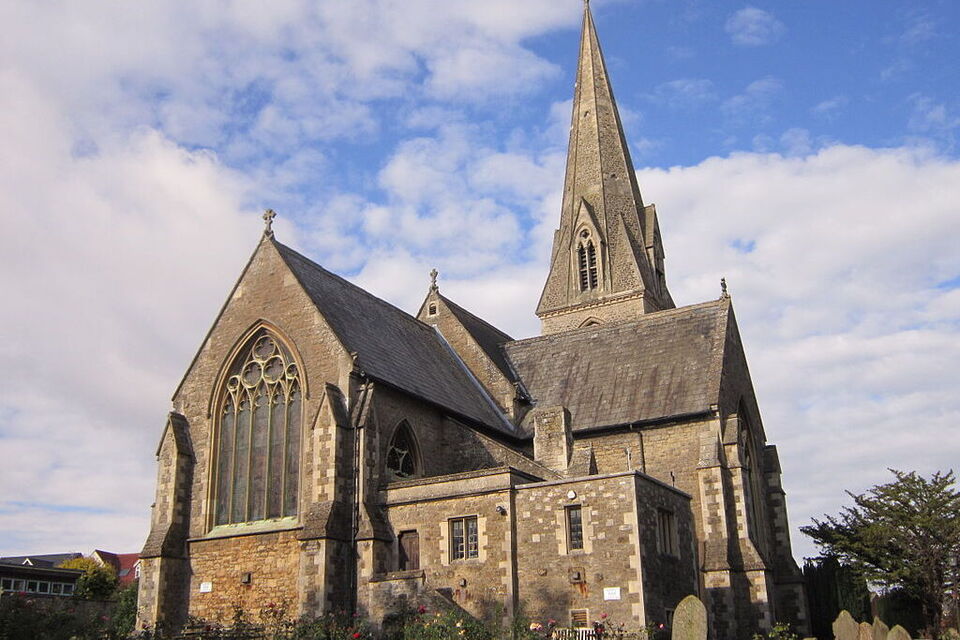
Christ Church with St Mary’s is a Grade II* listed Anglican church in the Old Town of Swindon, designed by Gilbert Scott and built 174 years ago.
Repair needs
Repairs are managed by the Buildings Committee. Problems with the fabric were diagnosed in quinquennial inspections around 15 years ago, particularly concerning the roof. Having obtained quotes, there was a perception that the works to the roof were too expensive to undertake, even when accounting for grant support. The committee made the decision to prioritise other works, while incorporating the roof works into their medium-term strategy:
The big breakthrough we made was deciding that you didn’t have to do the roof before other things. But we then we worked out that if we made the inside more attractive, used it more for the community, we would be able to generate more interest within the community, more value for the building and that would promote awareness in order to generate funds for the roof.
For this reason, a major renovation of the interior of the church was carried out in 2016-17, costing around £321,000. Additionally, £750,000 was spent to erect a community centre (not listed) in the grounds of the church, which now brings in another revenue stream to the church income. Various grants including Section 106 contributions made up roughly half of the funds and fundraising the other half.
Following this, the roof work was then undertaken in 2019 at a cost of around £200,000, to last another 100 years. Other notable works include a major stained-glass window in the transept, which was restored in 2022, costing around £70,000, and organ works to give the organ another 50 years before needing further maintenance.
How are these financed
The yearly income of the church, around £300,000, comes from multiple sources. 30% of the income is from regular giving, conducted through the Parish Giving Scheme. A large proportion of the rest is from rental/hire revenue, including of the community centre built around 2015, from car park spaces for local businesses, and rental income of three properties (both residential and commercial). Alongside this is regular fundraising and events such as the beer festival. In terms of outgoings the parish share is 30% of expenditure.
Using the LPOWGS
The interviewee described the administration of the LPOWGS as ‘excellent’, citing the speed with which the money comes through as ‘relatively quick’.
One of the main benefits of the scheme historically has been that certainty of planning: the ability to plan your project, because it’s a complicated project to fiddle around with in the first place.
The interviewee described the weakest element of the scheme as a lack of self-promotion:
It doesn’t promote its own value. Nobody’s ever celebrated it or said this is really good, keeping old heritage buildings going.
What would have happened if the scheme was not available?
The total interior works in 2016-2017 cost around £321,000. Of the full VAT due on the works (£55,500), around £38,000 of VAT was eligible to be reclaimed. The interviewee described the Parochial Church Council’s risk-averse position, not wishing to draw on reserves, which meant the works would not have all been able to go ahead without the confidence and certainty of the LPOWGS.
Looking across all of the works that have benefitted from the LPOWGS, the interviewee stated that ‘they probably would have been done, but over a much longer period of time.’
Other impacts
The interviewee described how the interior works enabled worship to continue and how awareness of the church is spreading as it builds a reputation as an events and entertainment venue. The regular congregation, who numbers about 80 to 90, has grown. They still provide around 30% of the income, but this represents an increase because the income as a whole has grown. More widely, by visiting for events such as concerts, members of the community who are not part of the congregation are contributing to the building’s long-term survival.
Merthyr Tydfil Synagogue, Wales

Eirian Evans / Merthyr Tydfil Synagogue
Interview with Michael Mail, Chief Executive, Foundation for Jewish Heritage
About Merthyr Tydfil Synagogue
Established in the 1870s, the Merthyr Tydfil synagogue is built in the Northern Gothic Revival style with unusual architectural features. As the Jewish community in the town declined, the synagogue closed in 1983, becoming the Merthyr Christian Centre and then a gym before standing empty from 2006. Initially categorised as Grade II*, it was downgraded to Grade II following the conversion into a gym.
The synagogue was purchased by the Foundation for Jewish Heritage in 2019 with the intention to restore the building and open it as a Welsh Jewish Cultural Centre, ‘a space which celebrates and shares the stories of 250 years of Jewish history in Wales.’
Repair needs
When purchased, the valuation of the property was nil due to the urgent investment required to prevent further deterioration, including holes in the roof, smashed windows, and plant intrusion. In 2020 initial structural repairs were carried out to stabilise the condition of the property by making the property wind- and waterproof, including works to the roof, the windows and parts of the walls. The cost of these repairs was roughly £125,000 inclusive of VAT.
A Business Plan was then prepared with funding from the Architectural Heritage Fund.
Following this, the ‘Development’ stage is currently underway to transform the building into the proposed Cultural Centre.
How the works are financed
The 2018 feasibility study ahead of purchase was funded by the Muriel and Gershon Coren Charitable Trust. The initial repair work was half funded by Cadw and half from private fundraising, including individual donors and trusts such as GRoW@Annenberg, the Pilgrim Trust and the Philip King Charitable Trust – all in addition to the VAT reclamation via the LPOWGS.
The current ‘Development’ stage is being funded by the National Lottery Heritage Fund, providing around £400,000, the Welsh Government’s Transforming Towns Programme, providing £107,800 as part of the town centre’s Placemaking Plan and £25,000 from Merthyr Tydfil County Borough Council. This will be followed by the Delivery Phase which includes the capital works and will require approximately £6 million of funding.
Using the LPOWGS
The interviewee found the scheme easy and straightforward to use. They describe the team as helpful and valued being able to easily speak to someone over the phone. They also found the eligibility criteria highly useful. Because the building does not meet the criteria of being ‘used for public religious worship at least six times a year,’ they were grateful for the website’s clear guidance, which states an exception for ‘churches owned or vested in organisations that look after redundant places of worship’, including by name the Foundation for Jewish Heritage.
When approaching donors, the LPOWGS was used as ‘match funding’ on several occasions.
What would have happened if the scheme was not available?
The interviewee stated that the existence and certainty of the scheme contributed to the incentive to take on the purchase and restoration of the building. Moreover, the scheme allowed them to ‘get on with it’ and maximise the momentum of the initial purchase: without this the works would have been delayed.
The interviewee expressed that it is strange that preserving heritage sites incurs VAT while new builds are exempt from VAT.
Other impacts
The stated purpose of the Heritage Centre is to be a space that the whole community can benefit from. The interviewee suggested that it would be a valuable destination for individuals, tourists and schools to educate about the Jewish experience and minority communities in general; promoting cross-cultural dialogue was a core aim of the project.
Steeple Church, Dundee (part of Dundee Law Parish Church)

David Dixon / Steeple Church & Dundee Parish Church (St Mary's)
Interview with the Fabric Convenor
About Steeple Church
The Steeple Church is a Category A-listed church within a large church building in the centre of Dundee. Known as the ‘City Churches’ building, the one building has unusually been home to multiple churches simultaneously under one roof. While St. Mary’s Tower at the western end is from the late fifteenth century, the eastern end was rebuilt after the 1841 fire. With four Church of Scotland congregations meeting in separate churches before the fire, this was reduced to three after the fire, and then the congregations of the central church (St Paul’s and St David’s) merged with the Steeple Church several decades ago. Following the union, the central section became the Mary Slessor Centre, which functions as a church hall and community centre attached to the Steeple Church. The east section is still separate as the Parish Church of St Mary’s.
Last year the Steeple Church united with the Coldside Church, a Category B listed 1880s church on another site, to form ‘Dundee Law Parish Church’.
Repair needs
A large job that has been put off since the 1980s is repairs to the leadwork and glasswork in the windows. Masonry work on pillars is also planned subject to fundraising. The increased cost of scaffolding is a concern for planning these works.
From 2012 to 2014 there was a major renovation designed by Simpson and Brown, including new rooms to create a more multi-functional space, a passenger lift, new wiring, and heating. The current requirements are for regular maintenance, which is done according to an annual schedule.
How repairs are managed and financed
A building team look after the maintenance of the church and report to the governing body, who would lead any key spending decisions. The recent union with the Coldside Church has increased the responsibility for repair and maintenance. The budget for the Steeple Church is £15k per year and, for Coldside, £10k per year, which the interviewee described as ‘not enough to do things quickly but allows us to make sure they are wind and watertight.’
The major renovation and repair works were partly funded by grants, for example in 2015 the church was awarded a grant of £17,000 from the Listed Places of Worship Roof Repair Fund. This was one of 502 grants for urgent roof repairs in a £30 million funding package administered by the National Heritage Memorial Fund. The renovation works were also partly funded through the sale of a church-owned apartment, and considerable donations raised from the congregation. The interviewee explained that the congregation has since that time aged and diminished slightly, which reduces this income.
Using the LPOWGS
Since the church union in summer 2024 £14,000 was spent at Coldside, which was seen by the interviewee as a significant sum, for which 20% back from VAT is very important. Additionally, the LPOWGS often allows a proportion of funds to be retained and form the foundation for the next year’s funding, keeping the momentum going. The interviewee described this as a very important financial tool.
We’re more prepared to do things because we can claim 20% back. Rather than ‘can we afford this?’ it’s ‘we’ll do it’.
The interviewee expressed that they found the eligibility criteria ‘a little arbitrary’, specifically that a dishwasher would not be eligible (as it is technically not a fixed item) while an oven and hob would.
They also had a specific difficulty entering the data for the first five invoices on a Mac and suggested that all invoices go into a supplementary table rather than have this step.
Nonetheless they described the administration as ‘fantastic.’
The interviewee expressed the strength of the certainty of the scheme and explained how uncertainty creates concern. They also stressed how helpful the scheme is in the face of unexpected costs such as electrical failures, or to help offset costs that have recently risen rapidly, such as scaffolding.
What would have happened if the scheme was not available?
The 2012-2014 project cost around £1 million, of which roughly £200,000 worth of work was only possible because of the scheme.
Without that help it would have been a much smaller scheme and taken longer. I think it might Hunnave taken place, but it certainly would not have been as ambitious and as successful, in creating a welcoming space that can be used for outreach activities, conferences and concerts.
Other impacts
Following the 2012-2014 works, the church is considered a multifunctional space. With a prominent city centre position, the church and church hall are well used throughout the week. Two days a week a Parish Nursing drop-in for the vulnerable, lonely and those with addiction problems is held there including meals cooked on site, which is self-financing but gives a contribution to the church. Counselling is also available. The church is used as a base for recent immigrants to learn English in a cafe setting. The NHS Blood Transfusion Service are regular monthly users of the space with the NHS Mobile Dental Surgery parks outside the church twice a week in connection to the Parish Nursing drop-in. Around half of the Saturdays of the year are booked for arts and crafts fairs, and private hire at other times is also available. With the different rooms available it is used for conferences and training sessions, while the main spaces have been utilised for concerts and plays. The Mary Slessor Centre is also the base for the Hot Chocolate charity, an initiative started 23 years ago by members of the Steeple Church to support young people in the community.
St Mary’s Church, Offwell, Devon (non-user of scheme)

Offwell, St. Mary's Church: The nave by Michael Garlick, CC BY-SA 2.0, via Wikimedia Commons
Interview with Jonathan Paveley, Church Warden
About St Mary’s Church
St Mary’s Church is located in the small Devon village of Offwell. The Church is Grade 1 listed. The church is described as unusually large for the size of the village and has many interesting architectural and heritage features. The Chancel, Nave and South aisle of the church are all pre-1200. There was a second wave of building during the 15th century, which included the tower and bells, two of which are pre-Reformation. There is a medieval furnished carving and a medieval rood screen. The rood screen was taken from the medieval church of St Mary Major in Exeter and some of the original paint survives.
The church is described as exceptional for the area and is popular with visitors. The church is open daily to visitors and due to its features and history, it has had various publications written about it including a History of Offwell Church and Parish.
The church is well supported by its local community. St Mary’s has an active Parochial Church Council, two dedicated church wardens and a range of volunteers. It is worth noting that St Mary’s benefits from a range of skills and knowledge from its committee, church wardens and volunteers, including business development, accountancy and historic building surveying.
Repair needs
Managing repair and maintenance
Church Wardens are responsible for the management of repairs and maintenance of St Mary’s, with contributions from other volunteers. A historic building architect and other bodies are also involved, depending on the nature of the repair and maintenance. All works are carried out with contractors approved by the architect after approval by the Diocese under the faculty system. Two main things impede management and undertaking repair and maintenance, which are: getting approval for works, and funding.
Undertaking repair and maintenance
Some work was undertaken at St Mary’s during the 20th century. However, the interviewee explained that the wrong materials were used for this restoration. Cement rather than lime was used, leading to the building becoming damp. Therefore, one of the priorities for St Mary’s was the removal of the cement and its replacement with lime mortar. Currently, half of this is complete.
We’ve done half the tower and repaired the stone on the tower because that was badly in need of doing so. We’ve got most of the damp out. I think what we’ve now got is a much drier building, which you’ve got to do before you can do anything else.
They have redecorated the vestry, the porch, and have repaired the outdoor steps, which had collapsed.
Repair and maintenance priorities
There are three key projects that St Mary’s sees as priorities to undertake, which are estimated at around £150k:
- Repairing the main nave where the 17th/18th century pews are resting on bare earth, and the supports have rusted out. They also wish to remove a few pews to help the building be more flexible. This is estimated to cost £100,000 and involves working with heritage bodies.
- Replacing the mineral tiles in the central valley of the roof with Welsh tiles, repairing the lead work and adding solar panels. It is estimated that the solar panels will reduce the electricity bill by two thirds. The estimated cost is £20,000.
- Building a toilet facility so that community use can be extended. Estimated at £20,000.
Financing repair and maintenance
All the projects so far at St Mary’s Church have been financed by donations, some of which are raised through fundraising events. Money is saved into reserves every year to undertake the smaller repairs and work towards the larger projects. There is no risk of closure due to issues relating to financing repair and maintenance, because of the work of the volunteers and their efforts to raise income.
For the larger projects mentioned in the previous section, there is a wider team of community volunteers who have formed a fundraising committee to apply for grants. Again, the village benefits from a range of knowledgeable people to take part. When talking about financing the bigger projects, the interviewee mentioned the importance of the scheme and their hopes that it will still be in place for the future.
What influences the non-use of the Scheme
The reason that St Mary’s has not used the LPOWGS is that many of the works they are carrying out cost less than £1,000. They felt the scheme only seems to work well for bigger projects.
Another reason is works undertaken have been ineligible as they have focused on the outside of the building and repairing the path. The interviewee felt that it was odd that the scheme did not allow this kind of claim as, without the works, the building would be inaccessible for the future.
They also seemed unsure whether they could access the LPOWGS if works did not need to be approved, i.e. ‘List A’ works. This may be an element which the LPOWGS could consider making clearer within the guidance.
Due to the experience of the church wardens and volunteers, the interviewee felt that making the application was not an issue. They felt that the application form was sensible and appropriate.
What would encourage use of the LPOWGS
St Mary’s would use the scheme in the future if they had eligible works. They would be encouraged in their use of the scheme if the following were included: routine repair work, repair work for works that don’t need approval and outside works, such as paths. When asked what an ideal grant scheme would look like, their general sentiment was that there needs to be more funding available for structural repairs. Grant funders should support churches in ensuring their buildings are safe and watertight. Sometimes, the focus on project-based funding means that there are fewer opportunities to apply for funding that keeps the building open, which in turn allows for projects to happen. They would like to see more in person visits from any funding body that is looking to fund works within churches, which would cut out the back and forth that happens and, in their opinion, ‘causes a waste of energy’. They feel that sometimes, grant funding bodies forget that they are volunteers.
If they did have access to the scheme, what difference would it make?
With access to the scheme, St Mary’s would be a year ahead, and works would have been accelerated. They estimated they would have an additional £10,000 to invest in repairs and maintenance.
We would have probably done these two pointing projects by now, which would have reduced taken out areas of the main two areas of damp on the walls of the church.
They also explained that their use of the scheme could lead to additional funds to employ local crafts people; that the rebate from the LPOWGS may be able to be put back into the wages of skilled crafts people.
Ely Cathedral, Cambridgeshire (non-user of scheme)

SantCybi, CC BY-SA 4.0, via Wikimedia Commons
Interview with Jonathan Bell, Chief Operating Officer
About Ely Cathedral
Ely Cathedral, officially the Cathedral Church of the Holy and Undivided Trinity of Ely, is one of England’s largest Anglican cathedrals. Over 160 metres in length, it is constructed from Barnack stone and was mostly built from the twelfth to the fourteenth century.
Repair needs
The cathedral is in good condition, owing to a large restoration project in the 1990s. In the last five years the cathedral has conducted significant roof repairs and major conservation work on the Galilee porch. Some window repairs are needed on the east end of the cathedral, amounting to around £500,000, and the organ’s cyclical refurbishment will soon be due, at a cost of around £1 million-£1.5 million.
How repairs are managed
The Director of Conservation of Works is principally responsible for the condition and conservation of the cathedral, overseeing a team of four or five people who look after day-to-day maintenance (gutter cleaning, minor repairs, etc). Work that requires specialists, such as leadwork, glasswork or stonework, is contracted in; a process that is managed in conjunction with the Surveyor to the Fabric and supported by the Cathedral Archaeologist. Barnack stone requires relatively little maintenance compared to the stonework of many other cathedrals.
Inspections are regularly carried out on the cathedral and all properties under its ownership, which has ensured that since the 1990s there is never an insurmountable backlog of works. For example, significant works were undertaken on the exterior of the Almonry Range in 2024 following an inspection in 2023.
How repairs are financed
Ely Cathedral holds short-term cash reserves of over £400,000, £4.2 million ‘medium term’ unrestricted free reserves of the Ely Cathedral Group, and long-term reserves, currently £11.9 million, are held separately in the Ely Cathedral Trust. This policy is one of preparation for any unexpected problems. Their annual income in 2024 totalled £3.75 million, from sources detailed in the image below:
In 2024 the Cathedral’s income totalled £3,760,000 and came from the following sources: (Equivalent figures for total income of £3,870,000 in 2023 shown in brackets.)
-
Income given to us: 46% (2023: 57%)
- Grants from Ely Cathedral Trust, The Friends of Ely Cathedral and others 31% (2023: 42%)
- Income from the Church Commissioners 7% (2023: 5%)
- Congregational giving 4% (2023: 3%)
- Other donations & legacies 4% (2023: 7%)
-
Income generated ourselves: 54% (2023: 43%)
- Visitors 27% (2023: 21%)
- Property income 12% (2023: 11%)
- Events 13% (2023: 9%)
- Investment income 2% (2023: 2%)
What influences the non-use of the scheme
The reason that Ely Cathedral does not use the scheme is that they have a large amount of VAT relevant income, akin to a business, so they collect and pass on a large VAT sum to the government already. This grants them exemption from 90% of VAT on expenditure such as repair and maintenance works. The VAT quantity claimable would therefore be just 2% of total cost.
I think the scheme is enormously important and valuable and it’s only by this strange fluke that we don’t need to use it.