ESPAUR report 2025 to 2026: Chapter 8. Research insights and knowledge mobilisation
Published 12 November 2026

© Crown copyright 2026
This publication is licensed under the terms of the Open Government Licence v3.0 except where otherwise stated. To view this licence, visit nationalarchives.gov.uk/doc/open-government-licence/version/3 or write to the Information Policy Team, The National Archives, Kew, London TW9 4DU, or email: psi@nationalarchives.gov.uk.
Where we have identified any third party copyright information you will need to obtain permission from the copyright holders concerned.
This publication is available at https://www.gov.uk/government/publications/english-surveillance-programme-for-antimicrobial-utilisation-and-resistance-espaur/espaur-report-2025-to-2026-chapter-8-research-insights-and-knowledge-mobilisation
Main messages
A wide range of new and ongoing research projects were undertaken in the fields of healthcare-associated infections (HCAI) and antimicrobial resistance (AMR) in the last year, with the publication of over 100 peer-reviewed papers from across the UK Health Security Agency (UKHSA).
The chapter showcases key AMR and HCAI research projects across the UKHSA, jointly with external stakeholders, undertaken from April 2025 to March 2026, and highlights the contributions made to the priorities, outcomes, and commitments of the UK 2024 to 2029 AMR National Action Plan (NAP).
The chapter also covers the aims and impacts of the latest National Institute for Health and Care Research (NIHR) Health Protection Research Unit (HPRU) in HCAI and AMR. The HPRU, led by the University of Oxford in partnership with the UKHSA, began in April 2025 and runs to March 2030. It brings together multidisciplinary expertise across 4 research themes; optimising surveillance, establishing population impact, advancing stewardship approaches and mitigating Gram-negative bacterial infections.
Introduction to Chapter 8
During 2025 to 2026, the UKHSA and its academic, NHS, industry, and international partners have continued to develop a broad programme of research spanning healthcare-associated infections (HCAIs) and antimicrobial resistance (AMR), resulting in more than 100 peer-reviewed publications. This work centers around epidemiology, surveillance, genomics, behavioural science, mathematical modelling, health economics, diagnostics, fundamental research, and innovation, and therapeutics and vaccine development. The work expands the evidence base needed to prevent infections, optimise antimicrobial use, improve patient outcomes, slow the emergence and spread of AMR, and find novel and innovative solutions for the treatment and prevention of resistant infections.
The research described in this chapter directly supports the UK 2024 to 2029 Antimicrobial Resistance National Action Plan (NAP), addressing priority questions on the cost of AMR, its relationship to health disparities, public awareness and behaviour, international dimensions, the drivers and spread of resistance, prevention, optimising antimicrobial use, non-antimicrobial approaches to treatment, innovation and implementation.
The sections that follow are organised around 7 topics:
- health disparities and inequalities
- surveillance and epidemiology
- optimising genomic and molecular characterisation
- antimicrobial stewardship, prescribing and primary care
- public engagement, behaviour and communication
- modelling, health economics and policy evaluation
- innovative solutions for the treatment and prevention of AMR infections
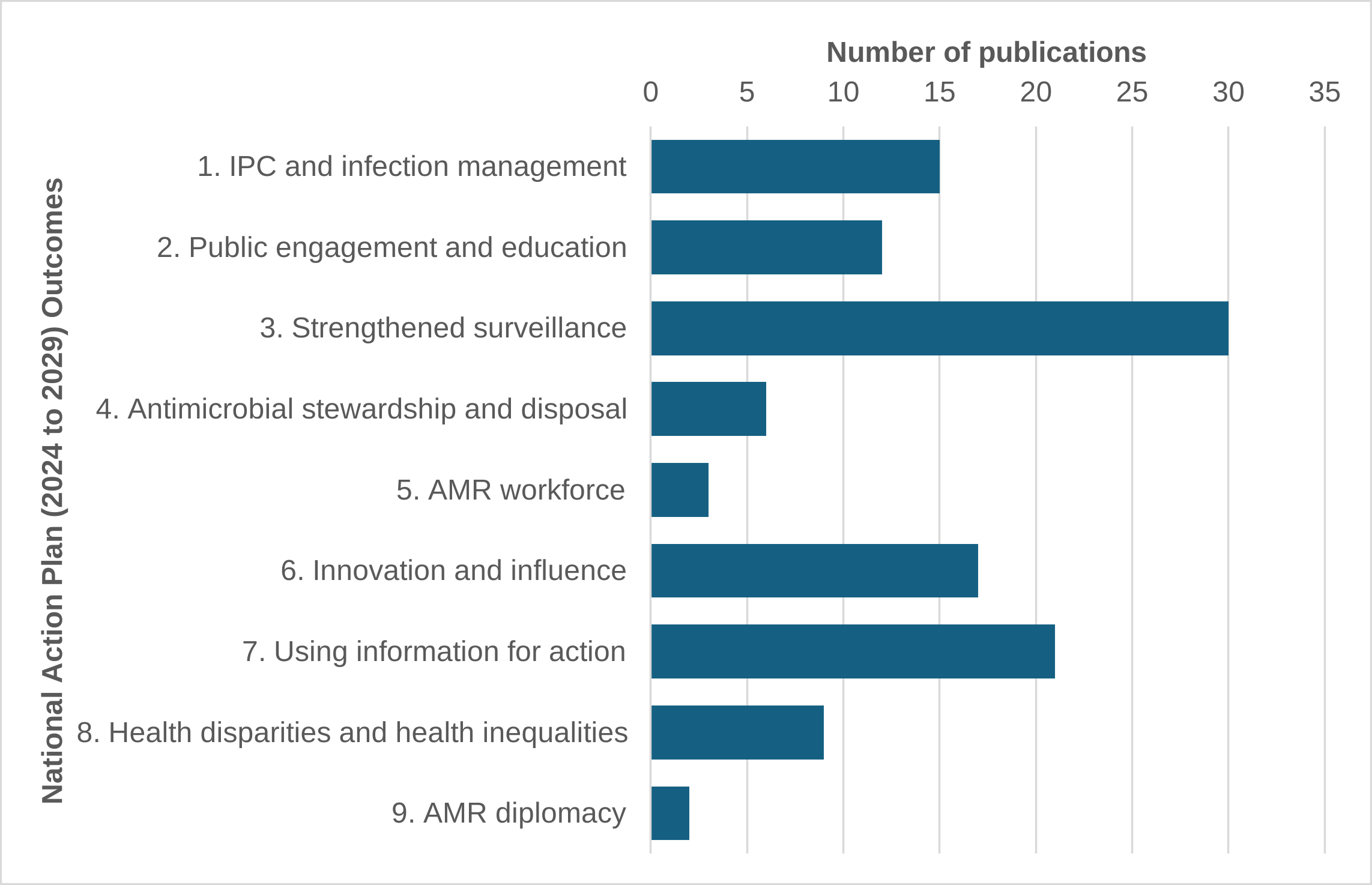
Figure 8.1 illustrates the breadth of the UKHSA’s peer-reviewed output against NAP outcomes, and a full publication list is provided in the annexe accompanying this report (Chapter 8).
Figure 8.1. AMR peer-reviewed publications from April 2025 to March 2026, by National Action Plan (2024 to 2029) outcome
Text version of Figure 8.1
A figure showing the number of peer-reviewed publications by NAP outcome: IPC and infection management = 15 publications, public engagement and education = 12 publications, strengthening surveillance = 30 publications, antimicrobial stewardship and disposal = 6 publications, AMR workforce = 3 publications, innovation and influence = 17 publications, using information for action = 21 publications, health disparities and health inequalities = 9 publications, AMR diplomacy = 2 publications.
Health Protection Research Unit
The chapter also introduces the latest National Institute for Health and Care Research (NIHR) Health Protection Research Unit (HPRU) in HCAI and AMR, led by the University of Oxford in partnership with UKHSA. Running from April 2025 to March 2030, the HPRU brings multidisciplinary expertise to 4 themes:
-
optimising surveillance through automated, electronic health record-linked systems
-
establishing population impact of interventions through health economic and modelling evidence
-
advancing tailored stewardship approaches particularly considering underserved populations
-
mitigating Gram-negative infections through genomic surveillance and diagnostics
Pandemic preparedness is embedded across all 4 themes, and the chapter closes with examples of the HPRU’s early impacts.
The projects and publications presented in this chapter illustrate how a range of scientific disciplines are being brought together to address the challenges posed by HCAIs and AMR, from understanding the fundamental biological, clinical, and societal drivers of infection and resistance, to developing and evaluating interventions and novel therapeutics and vaccines that inform policy and practice. The chapter, therefore, illustrates both the breadth and depth of UKHSA-led and collaborative research, and the central role that research plays in delivering the ambitions of the UK 2024 to 2029 AMR NAP.
Research projects
For full description of abstracts for the research projects, see Abstracts section.
Summary of research projects
Health disparities and inequalities
Understanding health inequalities and how infection burden and resistance affect different populations is a key theme throughout. Research within the chapter examines inequalities in Escherichia coli bacteraemia and antibiotic resistance across population groups, while complementary reviews explore the contribution of pharmacists and pharmacy teams to outbreak preparedness and response, and to the management of bacteraemia and antimicrobial-resistant bloodstream infections. The research also includes innovative work exploring the use of large language models to support systematic-review methodology, demonstrating how emerging technologies may help increase the efficiency of evidence synthesis.
Surveillance, epidemiology and genomics
High-quality surveillance data underpins much of the research presented. Studies have evaluated national surveillance systems for carbapenemase-producing organisms, assessed how AMR surveillance outputs are used and valued by stakeholders, tracked the rapid emergence of Trichophyton indotineae as its epidemiology evolves and identified mortality risk factors associated with bloodstream infections. Other projects have used network analysis and transmission modelling to design efficient whole-genome sequencing (WGS) surveillance systems and established the genomic sampling required to capture pathogen diversity. These studies demonstrate the central role of surveillance in risk assessment, outbreak detection, and evidence-based decision-making. Genomic and molecular methods feature throughout this work: WGS has been used to trace persistent hospital clusters of NDM-1 and KPC-producing Klebsiella pneumoniae, characterise plasmid-mediated dissemination of resistance genes and improve understanding of resistance mechanisms and genotype-phenotype relationships, supporting the evaluation of newer antimicrobial agents against multidrug-resistant organisms.
Antimicrobial stewardship, prescribing and primary care
Antimicrobial stewardship (AMS) and the optimisation of antibiotic use form another major strand of the research programme. National initiatives, such as Pharmacy First, have been evaluated alongside studies of prescribing behaviour, AMS implementation in primary care, collaboration between healthcare professionals, and the adaptation of the World Health Organization’s AWaRe (Access, Watch, Reserve) framework for use in the UK. Additional work examines training programmes for the AMR workforce and interventions to reduce antibiotic-resistant urinary tract infections (UTIs). This research provides evidence on how stewardship can be implemented and sustained across healthcare settings, helping to reduce inappropriate antibiotic use, a key element of the 2024 to 2029 AMR NAP.
Public engagement, behaviour and communication
AMR is a behavioural and societal challenge as much as a biological one, and this chapter reflects that breadth of perspective. Research explores public understanding of antibiotics and AMR, the role of schools in infection prevention and control (IPC), parental knowledge, expectations and decision-making around antibiotic use and common childhood infections, women’s experiences of UTI management during the COVID-19 pandemic, and how social media shapes and spreads AMR misinformation. The studies demonstrate how public perceptions, social influences, and healthcare interactions shape antimicrobial use and infection-prevention behaviours.
Modelling, health economics and policy evaluation
Mathematical modelling and health economics research can help translate scientific evidence into decisions about impact and investment. Novel modelling approaches have quantified the cost of Gram-negative bloodstream infection admissions, modelled the potential benefits of point-of-care susceptibility testing and evaluated cost-effectiveness of future vaccines and monoclonal antibodies, as well as IPC measures for carbapenemase-producing organisms in hospital settings across Europe. Alongside this, a strong programme of translational research is developing new approaches to diagnosis and treatment: rapid susceptibility testing technologies (iFAST) and biomarker-based diagnostics are being developed alongside novel antimicrobial compounds and combination therapies, while tuberculosis vaccine and immunotherapy programmes are strengthening future intervention options. Cutting across all these areas is the growing use of advanced analytical approaches, including the interrogation of large linked national datasets, network analysis and large language models, generating new insights into pathogen transmission, resistance mechanisms and the effectiveness of interventions for public health action.
Innovative solutions for the treatment and prevention of AMR infections
UKHSA Porton collaborates on AMR activities with external partners in academia, industry, and Public Sector. These activities range from discovery and evaluation of new antibiotics vaccines for AMR, development of diagnostics alternatives to antibiotics/reduction in antibiotic usage (Antigen Research Group), IPC, and novel molecular technologies that underpin our understanding of AMR pathogens and the discovery of therapeutics. In this reporting year, we have made progress in the discovery and evaluation of new antibiotics and non-traditional therapies that target AMR pathogens, including Gram-negative bacteria, Mycobacterium tuberculosis, and non-tuberculous mycobacteria. This has been through screening regimens and focused mode of action studies, in collaboration with the ‘Pathways to Antimicrobial Clinical Efficacy’ (PACE) partnership and discovery partnerships with Academia and Industry. Antimicrobial discovery to combat carbapenem-resistant Enterobacterales is centered around combinations of licensed antibiotics to optimise currently available antibiotics and to overcome the rise in multi-drug resistance and optimise. Prevention of AMR infections through translational research into vaccines is a focus for UKHSA Porton. The development of functional immune assays allows for the prediction of defined correlates of protection for Group B Streptococcus and gonococcal vaccines. In vivo evaluations are providing information about TB vaccines in the vaccine development pipeline.
Health disparities and inequalities
NAP Outcome: 8 – Health disparities and health inequalities
Health inequalities in E. coli bacteraemia and associated antibiotic resistance: A national surveillance study, 2018/19 to 2023/24
The role of pharmacists and pharmacy teams in the prevention, preparedness, response and recovery of HIV and hepatitis C virus outbreaks: a rapid systematic review
Pharmacist-led interventions for bacteraemia and antimicrobial-resistant bloodstream infections: a systematic scoping review
Assessing Large Language Model Performance in Abstract Screening for an Infection-Focused Systematic Review with >16,000 Records
Surveillance and epidemiology
NAP outcome: 3 – Strengthened surveillance
Using network analysis and transmission modelling to design an efficient WGS surveillance system to rapidly detect emerging Clostridioides difficile strains in England
Evaluation of UKHSA surveillance outputs related to the AMR NAP 2024 to 2029
How much is enough for genomic surveillance of Escherichia and Klebsiella bloodstream infections?
Is mandatory surveillance of carbapenemase-producing Gram-negative organisms working? A surveillance evaluation, England, 2020 to 2023
NAP outcome: 7 – Using information for action
Rapid emergence of Trichophyton indotineae observed in the United Kingdom, up to August 2025
Optimising genomic and molecular characterisation
NAP outcome: 3 – Strengthened surveillance
Persistent cluster of NDM-1 carbapenemase-producing K. pneumoniae among patients attending a haematology ward in England
Genomic and molecular characterisation of a KPC-producing K. pneumoniae clinical isolate resistant to multiple novel agents
In-vitro activity of ceftazidime-avibactam against multidrug resistant clinical isolates from the UK
Quantifying the association of resistance with antimicrobial resistance genes in E. coli for new β-lactam/β-lactamase-inhibitor/enhancer combinations
IncHI2 plasmids drove dissemination of carbapenemase gene blaIMP among healthcare-associated Enterobacterales in the UK, 2014 to 2022
Identifying risk factors for mortality in E. faecalis and E. faecium bacteraemia: A Retrospective Cohort Study, 2019 to 2024
NAP outcome: 7 – Using information for action
The importance of monitoring a new antibiotic: ceftazidime/avibactam usage and resistance experience from England, 2016 to 2020
Antimicrobial stewardship, prescribing and primary care
NAP outcome: 4 – Antimicrobial stewardship and disposal
An impact and implementation evaluation of the Pharmacy First Services for management of common conditions in England
Exploring community pharmacy and general practice views on primary care communication and pathways to access antibiotics
Implementing a cycle of AMS in primary care: a qualitative study
NAP outcome: 5 – AMR workforce
Exploring factors affecting the national implementation and uptake of an AMS training programme to primary care providers in England
NAP outcome: 6 – Innovation and influence
Development of biomarker-based diagnostics to support early infection detection and AMS
NAP outcome: 7 – Using information for action
Adaptation of the WHO AWaRe antibiotic classification to support national AMS priorities in the UK
Improving primary care antibiotic prescribing to reduce antibiotic resistant UTIs
Public engagement, behaviour and communication
NAP outcome: 1 – Infection prevention and control and infection management
The role and needs of teachers/schools in IPC post COVID-19
NAP outcome: 2 – Public engagement and education
Social media as a means of sharing information on AMR and appropriate antibiotic use: a systematic review
A systematic review of research methodologies to inform the study of AMR misinformation on social media
Parental awareness and management of antibiotic side effects and allergies in children and young people: a UK survey
A survey of parental health-seeking behaviour, knowledge, and expectations around ear infection symptoms in children
NAP outcome: 4 – Antimicrobial stewardship and disposal
Women’s experiences of the assessment and management of UTIs during the COVID-19 pandemic
Modelling, health economics and policy evaluation
NAP outcome: 3 – Strengthening surveillance
Cost of Gram-negative bloodstream infection admissions in English NHS trusts: An analysis using health resource groups
GNBSIM: Modelling the impact of point-of-care susceptibility testing on E. coli bloodstream infections
Estimating the impact on patient mortality of antibiotic-resistant bloodstream infections in England
Model-based economic evaluation of IPC measures to address carbapenemase producing Enterobacterales in hospitals across Europe (REVERSE)
Predicting the Impact of Monoclonal Antibodies and Vaccines on AMR (PrIMAVeRa)
Innovative solutions for the treatment and prevention of AMR infections
NAP outcome: 6 – Innovation and influence
Open Innovation model to support Pathways to Antimicrobial Clinical Efficacy (PACE)
Impedance-based Fast Antimicrobial Susceptibility Tests (iFAST)
TBVAC-HORIZON (EU HORIZON EUROPE/UKRI)
ITHEMYC (EU HORIZON EUROPE/UKRI)
IMPAc-TB (NIH)
Systematic unbiased mapping of an antibiotic interaction landscape identifies novel combinations in high-risk E. coli lineages
A novel nitroaromatic scaffold: nitrofuran isoxazolines bypass Ddn activation
Expanded screening of under-utilised novel compounds against AMR pathogen panels
Generation of outer membrane vesicles from representative Neisseria gonorrhoeae isolates for standard assay development
Analysing Case-Control samples for predicting defined correlates of protection for Group B Streptococcus vaccines
Antibiotic mitigation process for removing antibiotics from clinical samples to allow for testing in bacterial killing assays
Health protection research units (HPRU)
Imperial College London HPRU 2020 to 2025
The HPRU in HCAI and AMR at Imperial College, developed an innovative programme of applied, truly multidisciplinary research over its decade, leveraging strengths in engineering, chemistry and design. In additional to the application of novel biosensors for real-time therapeutic drug monitoring, the development of lab-on-a-chip diagnostics and the first adoption of social sciences to describe the process of antibiotic prescribing, the Unit trained and developed a cohort of future leaders at all levels.
PhD students from the first HPRU cohort now hold academic positions at Imperial College and beyond, while other early and mid-career research talent from among this multi-professional group have transitioned into other scientific leadership or policy roles. The Fleming Initiative, under the Directorship of Professor Alison Holmes (OBE), has enabled the continuation and acceleration of research established within the Imperial College HPRU HCAI AMR as well as an expansion of work beyond its original UK focus to embrace a more global and international dimension. With its research pillars of science and innovation, public engagement, involvement and behaviour change, informed policy and key convening areas (surveillance, diagnostics, global fellowship, education programmes, National Action Plans and policy), the Initiative and its HPRU-alumni are directly contributing to the United Nations General Assembly declaration commitments.
The Fleming Initiative has also built upon over 10 years of public and patient engagement and involvement experience at the HPRU, enabling work on a grander scale. Our ‘thank you antibiotics’ activity was re-envisaged as a giant billboard campaign at Piccadilly Lights in 2025, while other resources are feeding directly into the design of Fleming Centre, planned to open in 2028, which will include a permanent public exhibition, interactive game play and a dedicated space for gathering public input and insight into AMR research.
Research highlights, which have their antecedents in the HPRU include: commencement of a digital clinical trial to address community acquired sepsis; a global therapeutic drug monitoring (TDM) data infrastructure for optimised individual dosing; implementation of biosensor technology to improve disease detection in resource limited settings; successful adoption of large data linkage and analytics to improve surveillance of AMR, and real-time monitoring of dynamic transmission of multi-drug resistant organisms including CPE (Carbapenemase-Producing Enterobacteriaceae) identifying patients; commencement of an international policy analysis and co-development of a dashboard for decision makers, establishing methods for quantifying economic implications across the health and social care economy.
University of Oxford HPRU 2025 to 2030
The NIHR HPRU in HCAI and AMR, led by the University of Oxford in partnership with the UKHSA, began in April 2025 and runs to March 2030. The AMR and HCAI HPRU brings together multidisciplinary expertise across 4 research themes each addressing key health protection needs, integrating, for example, advanced data analytics, economics, behavioural science, epidemiology and genomics.
The research themes are supported by cross-cutting functions including Knowledge Mobilisation (KM), Research Inclusion (RI), and Patient and Public Involvement, Engagement and Participation (PPIEP). By embedding inclusion, collaboration, and stakeholder engagement throughout the research, the HPRU aims to generate actionable evidence that improves patient outcomes, reduces health inequalities, and strengthens our responses to AMR.
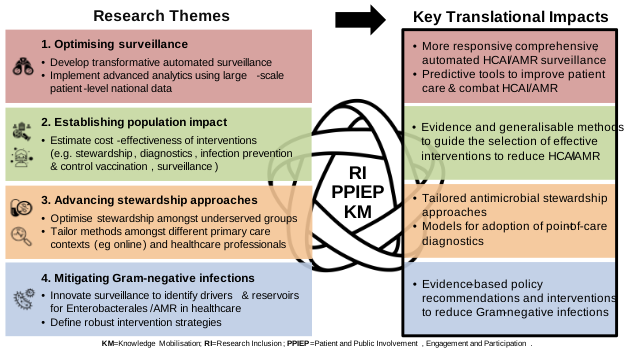
Figure 8.2 provides an overview of the 4 HPRU research themes and their intended translational impacts.
Figure 8.2. Research themes within the NIHR Health Protection Research Unit in Antimicrobial Resistance and Healthcare Associated Infection and their intended impacts
Text version of Figure 8.2
Research Themes: 1. Optimising surveillance (Develop transformative automated surveillance, implement advanced analytics using large-scale patient-level national data). 2. Establishing population impact (Estimate cost-effectiveness of interventions for example stewardship, diagnostics, infection prevention and control vaccination, surveillance). 3. Advancing stewardship approaches (Optimise stewardship amongst underserved groups, tailor methods amongst different primary care contexts for example online and healthcare professionals). 4. Mitigating Gram-negative infections (Innovate surveillance to identify drivers and reservoirs for Enterobacterales/AMR in healthcare, define robust intervention strategies).
Key Translational Impacts: More responsive, comprehensive, automated HCAI/AMR surveillance. Predictive tools to improve patient care and combat HCAI/AMR. Evidence and generalisable methods to guide the selection of effective interventions to reduce HCAI/AMR. Tailored antimicrobial stewardship approaches. Models for adoption of point-of-care diagnostics. Evidence-based policy recommendations and interventions to reduce Gram-negative infections.
Research themes
1. Optimising surveillance
The key health protection need addressed by this theme is for a more responsive, comprehensive, and automated HCAI/AMR surveillance and for predictive tools to improve care of individual patients and combat AMR.
This theme therefore focuses on developing fit-for-purpose automated surveillance schemes and tools by exploiting increasingly large-scale, linked electronic health records (EHRs) and maximizing NHS value from them.
Key activities include:
- developing automated systems for identifying infections and AMR patterns
- applying predictive analytics to inform clinical decision-making, including antibiotic prescribing, screening and IPC
- understanding risk factors for HCAI and AMR to identify priority interventions
- creating new metrics to assess antimicrobial use, such as ‘antibiotic budgets’ and ‘AMR footprints’
- piloting the use of a data analyses pipeline to automatically create and report Pseudomonas aeruginosa bloodstream infection case data in real time, as an alternative to self-reporting by NHS acute trusts
The theme also supports responsive research capacity, enabling rapid investigation of emerging threats, such as hospital outbreaks, through flexible study design and national network collaboration. An example in the first year of the HPRU is the initiation of a study to understand the burden of Candidozyma auris in hospitals in England.
2. Establishing population impact
The key health protection need addressed by this theme is for evidence to guide the selection of effective and value for money interventions to reduce HCAI and AMR.
This theme uses health economic, statistical and mathematical modelling approaches to evaluate interventions and their impact on population health. Its core aim is to determine which interventions are most effective, for which populations, and at what stage in the patient pathway. The theme aims to provide evidence to improve overall population health and minimise disparities in both quality of care and patient outcomes.
Key activities include:
- assessing HCAI/AMR quality indicators to support improvements in healthcare performance
- understanding health inequalities and incorporating these into decision-making
- estimating the economic burden of HCAI and AMR
- modelling transmission dynamics of HCAI and AMR
- conducting cost-effectiveness analyses of interventions such as stewardship programmes, diagnostics, IPC measures and vaccination
A notable contribution in year 1 has been the use of network modelling to directly inform the design of a new national sentinel-based C. difficile surveillance programme, launched in April 2025, by identifying the optimal combination of trusts to enable rapid detection of emerging strains. The approach was subsequently adapted to support the UKHSA’s outbreak management, generating targeted outbreak alerts for health protection teams and enabling proactive infection prevention measures.
3. Advancing stewardship approaches
The key health protection needs addressed by this theme are for: tailored prescribing approaches to reduce health inequalities, and better value for money point-of-care (POC) infection diagnostics and an upskilled AMR workforce.
This theme assesses novel approaches to improving and implementing AMS, aiming to improve AMS by moving beyond ‘one-size-fits-all’ approaches and developing tailored interventions that reflect diverse patient populations and care settings.
Key objectives include:
- engaging underserved populations to reduce health inequalities in access to care and antibiotic use
- evaluating and supporting the adoption of point-of-care (POC) diagnostics to underpin stewardship in primary care
- understanding prescribing behaviour across the healthcare workforce and different primary care models
- developing interventions that align with patient preferences and evolving care pathways, including digital and remote care
Research combines qualitative and quantitative methods to ensure interventions are both effective and implementable in real-world settings.
4. Mitigating Gram-negative infections
They key health protection needs addressed by this theme are for: genomic approaches to improve surveillance, including through hospital wastewater, and better diagnostics and understanding of where to use them.
This theme focuses on reducing the burden of infections caused by Gram-negative pathogens, particularly Enterobacterales. It aims to identify drivers and reservoirs of infection and resistance, through innovating genomic-based surveillance approaches, optimise evaluation and use of rapid diagnostics and explore different mitigation approaches, including those related to wastewater and vaccination.
Key activities include:
- developing genomics-supported surveillance to track transmission and resistance mechanisms
- evaluating rapid diagnostics and their optimal placement within care pathways
- investigating links between genotype, phenotype, and clinical outcomes
- exploring environmental reservoirs, including wastewater, as sources of AMR
- informing vaccine and therapeutic development through epidemiological and modelling studies
Pandemic preparedness
Alongside the above, pandemic preparedness is embedded across all research themes rather than treated as a standalone activity. The HPRU develops systems and methodologies that can rapidly pivot to address emerging infectious disease threats, leveraging existing infrastructure, datasets, and partnerships.
Progress in year 1
The aim of the HPRU is to generate evidence to guide effective and value for money interventions to reduce AMR and HCAI across all populations. Emphasis is placed on generation of impact, by embedding KM, RI and PPIEP throughout all activities the HPRU undertakes research that is equitable, co-produced, and is well-positioned to be translated effectively into policy and practice.
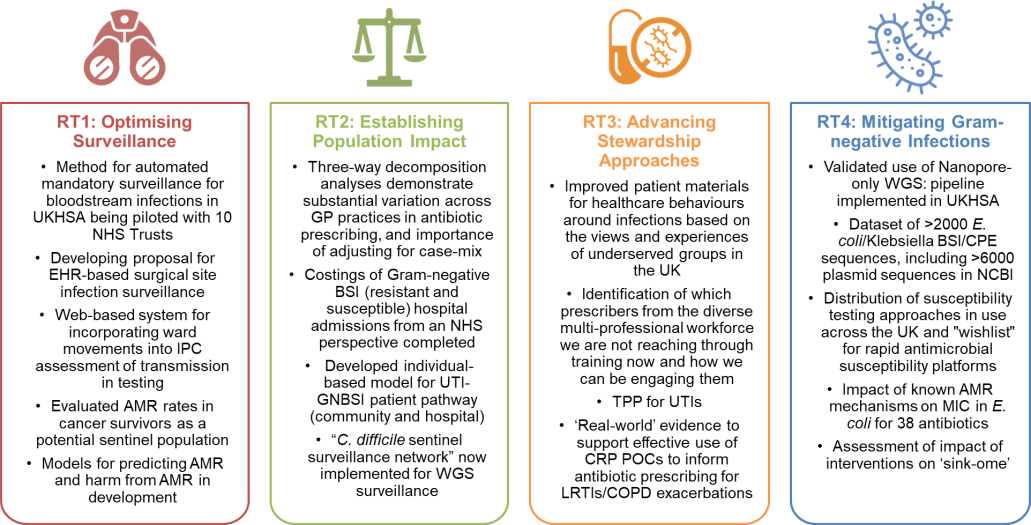
Examples of short-term impacts achieved in year 1 of the HPRU across all themes are represented in Figure 8.3.
Figure 8.3: Examples of short-term impacts from year 1 of the AMR and HCAI HPRU, either achieved or close to being achieved
Text version of Figure 8.3
RT1: Optimising surveillance
Method for automated mandatory surveillance for bloodstream infections in UKHSA being piloted with 10 NHS trusts
Developing proposal for EHR-based surgical site infection surveillance
Web-based system for incorporating ward movements into IPC assessment of transmission in testing
Evaluated AMR rates in cancer survivors as a potential sentinel population
Models for predicting AMR and harm from AMR in development
RT2: Establishing population impact
Three-way decomposition analyses demonstrate substantial variation across GP practices in antibiotic prescribing, and importance of adjusting for case-mix
Costings of Gram-negative BSI (resistant and susceptible) hospital admissions from an NHS perspective completed
Developed individual-based model for UTI-GNBSI patient pathway (community and hospital)
‘C. difficile sentinel surveillance network’ now implemented for WGS surveillance
RT3: Advancing Stewardship Approaches
Improved patient materials for healthcare behaviours around infections based on the views and experiences of underserved groups in the UK
Identification of which prescribers from the diverse multi-professional workforce we are not reaching through training now and how we can be engaging them
TPP for UTIs
‘Real-world’ evidence to support effective use of CRP POCs to inform antibiotic prescribing for LRTIs/COPD exacerbations
RT4: Mitigating Gram-negative Infections
Validated use of Nanopore-only WGS: pipeline implemented in UKHSA
Dataset of >2000 E. coli/Klebsiella BSI/CPE sequences, including >6000 plasmid sequences in NCBI
Distribution of susceptibility testing approaches in use across the UK and “wishlist” for rapid antimicrobial susceptibility platforms
Impact of known AMR mechanisms on MIC in E. coli for 38 antibiotics
Assessment of impact of interventions on ‘sink-ome’