ESPAUR report 2024 to 2025: extended summary
Updated 13 May 2026

© Crown copyright 2026
This publication is licensed under the terms of the Open Government Licence v3.0 except where otherwise stated. To view this licence, visit nationalarchives.gov.uk/doc/open-government-licence/version/3 or write to the Information Policy Team, The National Archives, Kew, London TW9 4DU, or email: psi@nationalarchives.gov.uk.
Where we have identified any third party copyright information you will need to obtain permission from the copyright holders concerned.
This publication is available at https://www.gov.uk/government/publications/english-surveillance-programme-for-antimicrobial-utilisation-and-resistance-espaur-report/espaur-report-2024-to-2025-extended-summary
Introduction
The English Surveillance Programme for Antimicrobial Utilisation and Resistance (ESPAUR) Report is published annually. The 2024 to 2025 edition comprises 9 chapters, covering topics such as antimicrobial resistance and consumption, antimicrobial stewardship, NHS England improvement and assurances schemes, professional and public education, engagement and training, research, ESPAUR oversight group activities and actions to tackle AMS as well as knowledge mobilisation of the ESPAUR report.
Key findings from the ESPAUR 2024 to 2025 report include an increase in antibiotic-resistant infections, with E. coli remaining the most common cause of antibiotic-resistant bloodstream infections.
While overall antibiotic consumption within the NHS has declined compared to pre-pandemic 2019 levels, antibiotic consumption was marginally elevated in 2024 among certain patient groups, particularly children and young people. The report also highlights growing health inequalities with individuals in the most deprived areas were more likely to acquire an antibiotic-resistant infection than those in the least deprived area. The report also identifies examples of positive practice and recommends wider knowledge mobilisation and evaluation of interventions to strengthen the evidence base of the reach and impact of the ESPAUR report. This year’s report has expanded its data access and analysis to include private (non-NHS) antibiotic prescribing.
The findings from the report demonstrate the urgent need for continued targeted interventions and surveillance as outlined in the UK National Action Plan 2024 to 2029. Tackling antimicrobial resistance remains critical, especially given its potential to cause severe complications such as sepsis, bacteraemia, and increased mortality. The ESPAUR report serves as a vital resource in guiding national efforts to preserve antimicrobial effectiveness and protect public health. UKHSA will continue to work with partners to understand the reasons for these differences and design interventions to tackle them. Table 1 shown a summary of key progress measures linked to the National Action Plan targets and the NHS England incentives schemes.
This short summary provides brief insight into the key findings from each of the 9 chapters and the overarching themes of ESPAUR 2024 to 25 report. While the chapters can be read together, each is designed to stand alone with full details including the full set of infographics, lay summary, annex of methods and data tables.
Antimicrobial resistance (AMR)
Bacteraemia rates rose by 5.2% between 2023 and 2024, driven by increases in E. coli and Klebsiella pneumoniae infections while rates of fungaemia increased by 15.4% between 2020 and 2024. The national AMR burden reached 20,484 antibiotic resistant bacteraemia episodes in 2024, a 13.1% increase since 2019. Enterobacterales contributed 85.1% of resistant cases; resistant S. aureus increased by 33% since 2019. Regional differences persisted, with London showing the highest AMR burden and the North East the lowest. Surveillance shows rising antimicrobial resistance in gonorrhoea, with emerging treatment failures and increasing drug-resistant cases, some linked to international travel and possible local transmission. In relation to the NAP targets, the incidence of the specified drug-resistant infections rose by 22.7% between financial year (FY) 2019 to 2020 and FY 2024 to 2025 in England.
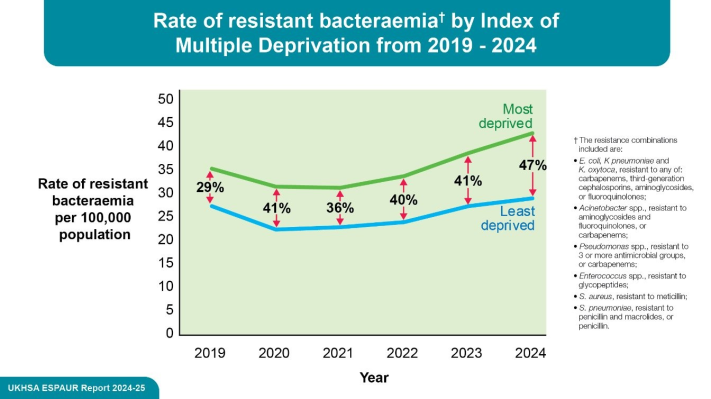
Health inequalities were evident: resistant bacteraemia rates were 47% higher in the most deprived areas compared to the least deprived (Figure 1) and higher in Asian or Asian British populations than in other ethnic groups. The highest burden of resistant bacteraemia was in the ‘Asian or Asian British’ ethnic group, followed by the ‘Black, African, Caribbean or Black British’ group, although most episodes were in the ‘White’ ethnicity (77.3%).
In 2024, crude 30-day all-cause mortality for Gram-negative bacteraemia was 14.7% for susceptible strains, 17.2% for resistant ones, and 24.1% when carbapenemase-producing organisms were found from sterile sites. Older adults had the highest mortality, and more infections were reported in deprived areas, leading to more deaths despite similar mortality rates as the least deprived areas. Modelling suggests approximately one in ten deaths following resistant bacteraemia are directly attributable to AMR itself. Reports of carbapenemase-producing organisms (CPOs) rose from 4.7 to 12.9 per 100,000 population between 2021 and 2024, dominated by NDM and OXA-48-like carbapenemases.
AMR continues to represent a major public health threat, with significant implications for treatment efficacy, infection control, and equity-focused interventions. Resistance trends show increases in resistance across major antibiotic classes, including resistance to third-generation cephalosporins, piperacillin-tazobactam, and aminoglycosides in E. coli and K. pneumoniae. Carbapenem resistance in Enterobacterales remained low but increased slightly since 2019, with E. coli at 0.2% and K. pneumoniae at 1.5%.
Target 1a of the 2024 to 2029 UK Government’s AMR National Action Plan aims to prevent rises in antibiotic-resistant infections by 2029 from the 2019 to 2020 financial year baseline. In England, there was a 22.7% increase in FY 2024 to 2025 compared to the baseline, mainly due to increases in resistant E. coli and K. pneumoniae.
Candidozyma auris cases have risen yearly from 2020, with outbreaks in London and the South East, and identification of C. auris in a human sample became legally notifiable in April 2025. However, rates of resistance to available antifungals remained low in 2024. Resistance to fluconazole was detected in 1.9% of C. albicans, 14.5% of N. glabratus and 2.2% of C. parapsilosis isolate
Treatment failure with artemisinin combination therapy (ACT) for Plasmodium falciparum malaria is growing in East Africa and Southeast Asia. Alternative ACT guidance is now available for when treatment failure occurs.
Figure 1. Rate of resistant bacteraemia between most and least deprived IMD quintiles and gap between most and least deprived quintiles, 2019 to 2024
Antimicrobial consumption
By 2029, the UK AMR National Action Plan (NAP 2024 to 2029) aims to reduce human antibiotic use by 5% from 2019 levels. Usage in England in 2024 was 2% lower than 2019, indicating a return to more stable prescribing after pandemic-related disruptions and a surge in group A Streptococcus cases in 2022 to 2023.
Antibiotic use in 2024 was slightly lower than in 2019 across most settings, except in ‘other community’ settings, which saw a 43.8% increase, and hospital inpatients, which rose by 2.7%. The rise in ‘Other community’ use partly reflects expanded access and improved data capture through the NHS Pharmacy First service. When adjusted for hospital activity (measured in DDDs per 1,000 admissions), secondary care antibiotic use increased by 0.65% between 2019 and 2024. Regional variation in total consumption persisted, with the Northeast having the highest consumption and London the lowest. Most regions saw declines in prescribing between 2023 and 2024, especially in the Northwest, where TARGET training was rolled out.
Penicillins remained the most commonly used antibiotics. Certain antibiotic groups exceeded 2019 levels, including first- and second-generation cephalosporins, anti-Clostridioides difficile agents, sulfonamides and trimethoprim, and other antibacterials. The increase in anti-C. difficile agents reflects rising associated infection rates. Quinolone use saw the largest drop since 2019 (-23.2%), likely due to updated MHRA guidance. The use of methenamine, an antibiotic-sparing agent, currently classified under the Other antibacterial group rose by 54.1% between 2023 and 2024.
The UK revised its AWaRe classification in 2024, aiming for 70% of antibiotic use to come from the ‘Access’ category. Although ‘Access’ use surpassed pre-pandemic 2019 levels, it declined slightly from 64.1% in 2023 to 63.2% in 2024 due to reduced primary care prescribing and increased use of ‘Other’ category antibiotics.
Primary care accounted for nearly 80% of total antibiotic use, with GP practices making up 70.4%. Measured by items per 1,000 inhabitants per day, primary care use slightly increased compared to 2019, suggesting smaller average quantities per prescription. While GP and dental prescribing fell below 2019 levels, ‘other community’ use increased, largely related to new data from the Pharmacy First service, which represented 34.5% of antibiotic use within the ‘Other community’ setting. Walk-in centres and community services also saw small increases, indicating growing community demand.
GP prescribing declined overall compared to 2019, this was seen across all age groups, except in the paediatric age categories. In secondary care, overall use in 2024 was similar to 2019, with inpatient prescribing rising and outpatient use falling. Prescribing of anti-C. difficile agents increased, reflecting more hospital-onset C. difficile infections.
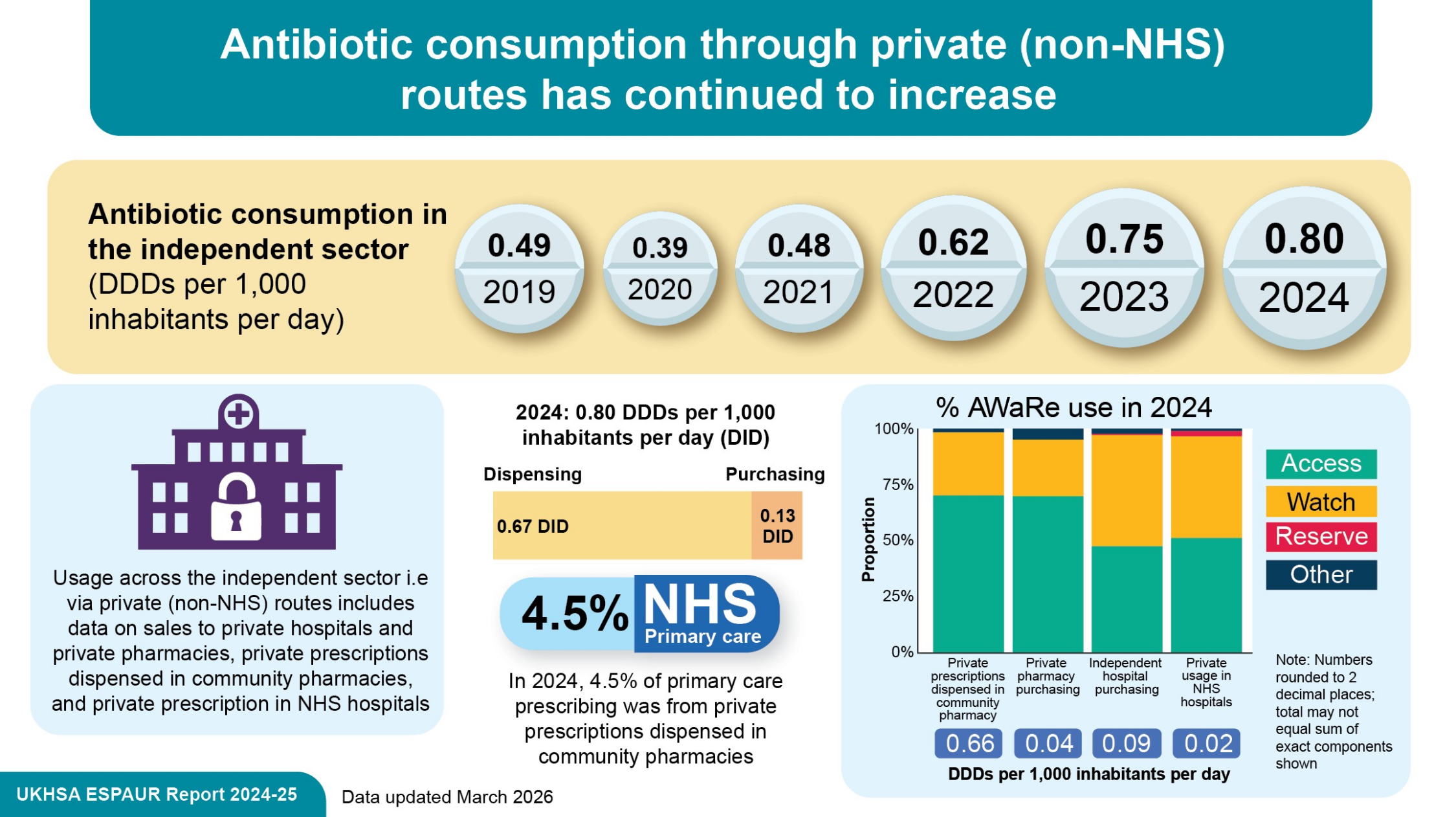
In 2024, total antibiotic purchasing within the independent sector was 0.31 DID, while total dispensing from community pharmacies and private prescription usage within NHS hospitals was 0.67 DID (Figure 2). It should be noted that purchasing data does not equate to antibiotic usage, as not all purchased antibiotics are subsequently dispensed or administered. Private (non-NHS) antibiotic dispensing has risen since 2019. Between 2019 and 2024, whilst NHS primary care antibiotic use decreased (from 14.21 to 13.96 DID), private prescriptions dispensed in community pharmacies increased (0.37 to 0.66 DID). Overall, 4.5% of antibiotics in 2024 were dispensed through the private sector. An overall direct comparison of antibiotic use between NHS and private non-NHS settings is not possible due to the difference in nature of the data availability in secondary care settings.
Figure 2. Antibiotic consumption through Private (non-NHS) routes
Systemic antifungal use in 2024 was 2% higher than in 2019. After a drop in 2020 during the pandemic, usage increased annually. Terbinafine, the most prescribed community antifungal, rose steadily and surpassed pre-pandemic 2019 levels. Posaconazole prescribing in secondary care rose sharply from 2019 to 2020 and remained elevated in 2024.
Use of COVID-19 antivirals dropped by 29.7% between 2023 and 2024, reflecting fewer cases and updated guidance. Among antiparasitics, quinine use declined since 2019, while mebendazole use fell in the NHS but rose in private settings. Albendazole use increased by 75% between 2021 and 2023, then declined in 2024.
Antimicrobial stewardship (AMS)
The UK’s 5-year National Action Plan (NAP) prioritises AMS, aiming to reduce human antibiotic use by 5% from 2019 levels and ensure 70% of antibiotics used fall within the Access category. This year’s AMS chapter features multiple projects that span both primary and secondary care.
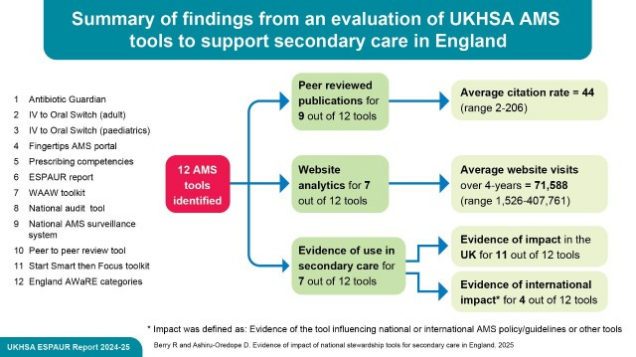
TARGET (Treat antibiotic responsibly; Guidance, education and tools) training reached over 1,000 clinicians and TARGET AMS resources were integrated into general practice workflows (Figure 3). National AMS tools to support secondary care continued to expand. In secondary care, UKHSA AMS tools (for example, Start Smart-then focus (SSTF) toolkit, National audit Tool for hospitals, IV to Oral Switch Criteria for Adults) showed widespread uptake, with over 71,000 website visits and evidence of national and international impact, including media coverage and influence on guidance (Figure 4). Following publication of the updated UK-AWaRe categories subsequently knowledge mobilisation activities included the publication of a press release and subsequent articles in trade journals, Fingertips news webpage update, presentation at ESPAUR Oversight Group, a news article included in the Antibiotic Guardian newsletter, email dissemination with key individuals and stakeholders, and sharing by ESPAUR Oversight Group stakeholder organisations with their membership.
A systematic review conducted by UKHSA examined indicators used to estimate or measure the appropriateness of antibiotic prescribing in high-income countries. Initial findings highlight the complexity of defining appropriate antibiotic prescribing. Most studies found consistent patient-level indicators – such as guideline compliance, drug choice, dosage, and duration – linked to the drug, diagnosis, and patient. About a quarter of articles include population-level indicators like antibiotic consumption and diagnostic coding. Overall, determining appropriateness typically requires detailed knowledge of both the drug and the diagnosis.
A second systematic review explored what roles pharmacy professionals have had in the preparedness, prevention, response, and recovery to non-COVID-19 outbreaks. Initial findings show pharmacy professionals have played key roles in outbreak management across various countries, primarily in the response phase of the WHO emergency cycle, with fewer contributions in prevention, preparedness, and recovery. Most interventions occurred at the micro-level (focus on individuals), while their expertise at meso- (group/institutional) and macro (regional/national) levels, especially during recovery, remains underutilised.
Antifungal stewardship also improved, with wider access to fungal biomarkers and updated prescribing guidance. However, guidelines were more likely to be unavailable for paediatric populations. The main barriers to Antifungal stewardship were lack of staff time and competing priorities, similar to those found in a 2016 study (1).
Figure 3. Target Activities completed activities between April 2024 and March 2025
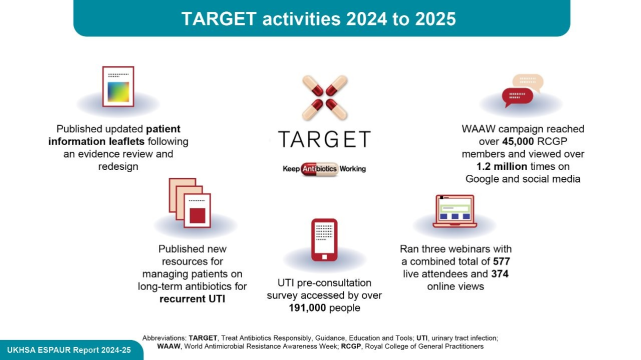
Figure 4. Evaluation of UKHSA AMS tools to support secondary in England
NHS England: improvement and Assurance schemes
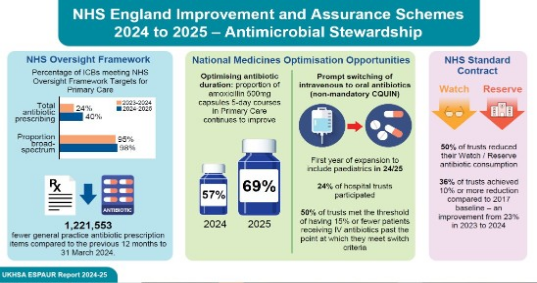
NHS England (NHSE) continued to drive AMS through improvement and assurance schemes across Integrated Care Systems. In 2024 to 2025, 40% of Integrated Care Boards met the national target for total antibiotic prescribing in primary care of ‘at or less than 0.871 items per STAR-PU’, up from 24% the previous year, while 98% met the target for broad-spectrum prescribing ‘at or less than 10%’. General practice antibiotic prescription items dropped by over 1.2 million (Figure 5).
In primary care, the proportion of amoxicillin 5-day prescribing rose to 69%, exceeding the 60% target, alongside a reduction in total items dispensed. The new Pharmacy First service delivered 2.3 million consultations in community pharmacies for 7 common infections for the financial year 2024 to 2025, with antimicrobials supplied in 45 to 85% of cases and antibiotic-sparing medicines in up to 36% of relevant pathways.
Forty-eight of 132 (36%) NHS trusts achieved a 10% or more reduction in their ‘Watch’ and ‘Reserve’ antibiotic DDD per 1,000 admissions from the 2017 baseline. National consumption in these categories fell 1.4% from the previous year. Blood culture audit compliance was low, with only 26% of trusts submitting data meeting blood volume standards and 61% meeting processing time targets of placing the blood culture bottles in the analyser within the recommend 4-hours period.
The non-mandatory Commissioning for Quality and Innovation (CQUIN) scheme for prompt IV-to-oral antibiotic switching was expanded to include paediatrics, with 24% of trusts participating. Based on the CQUIN data, nationally, 18% of cases continued IV antibiotics beyond switch criteria. NHSE also supported system-wide improvement through resources including those focused on antimicrobial duration, recurrent infections, and fluoroquinolone safety.
Figure 5. NHS England Improvement and Assurance Schemes 2024 to 2025
Professional and public education, engagement and training
A range of public and professional educational, engagement and training initiatives have been undertaken throughout financial year 2024 to 2025 to support NAP target 2a: by 2029, we aim to increase UK public and healthcare professionals’ knowledge on AMR by 10%, using 2018 and 2019 baselines, respectively.
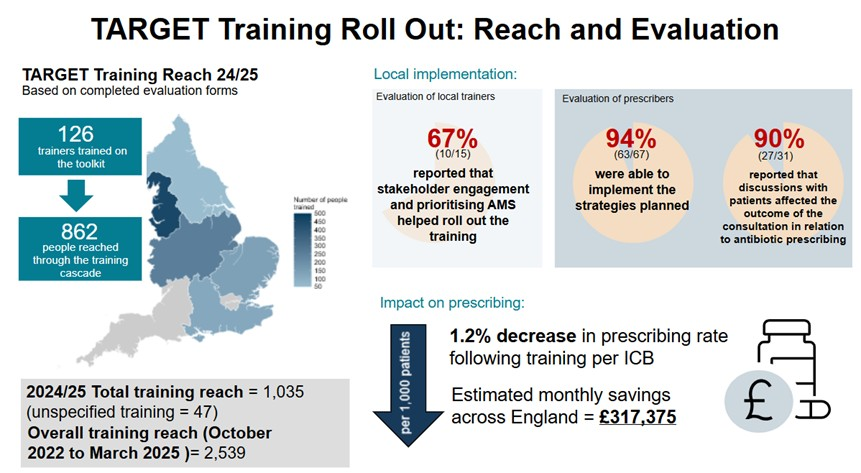
TARGET AMS Training continued to be disseminated across England in collaboration with NHSE; preliminary data analysis shows a 1.2% decrease in prescribing rate per 1000 patients following training per ICB, resulting in an estimated monthly savings of £317,375 across England. Process evaluation confirmed positive behavioural changes and high satisfaction (Figure 6). The TARGET and Royal College of General Practitioners (RCGP) collaborative webinar series continued with high engagement and positive feedback for all 3 webinars.
Figure 6. TARGET Training Roll out: Reach and Evaluation
The e-Bug and the Antibiotic Guardian Schools Ambassadors program have successfully engaged educators, schools and the public to empower children and young people to raise awareness of AMR and IPC. The e-Bug program expanded its international network, partnering with a further 7 countries and delivering 2 free online training courses, with most enrolled participants reporting increased knowledge and confidence in infection prevention and antimicrobial use. The Antibiotic Guardian Schools Ambassadors programme attracted over 400 individuals to register to be an ambassador.
The UK wide AMR public survey, conducted in March 2024, revealed gaps in knowledge around antibiotic use and AMR, highlighting the need for renewed public education campaigns. As a result, UKHSA piloted a campaign guided by research on 18 to 34 year-olds, introducing Andi Biotic – an antibiotic character who delivers important messaging to scenarios which present common antibiotic misbehaviours (2).
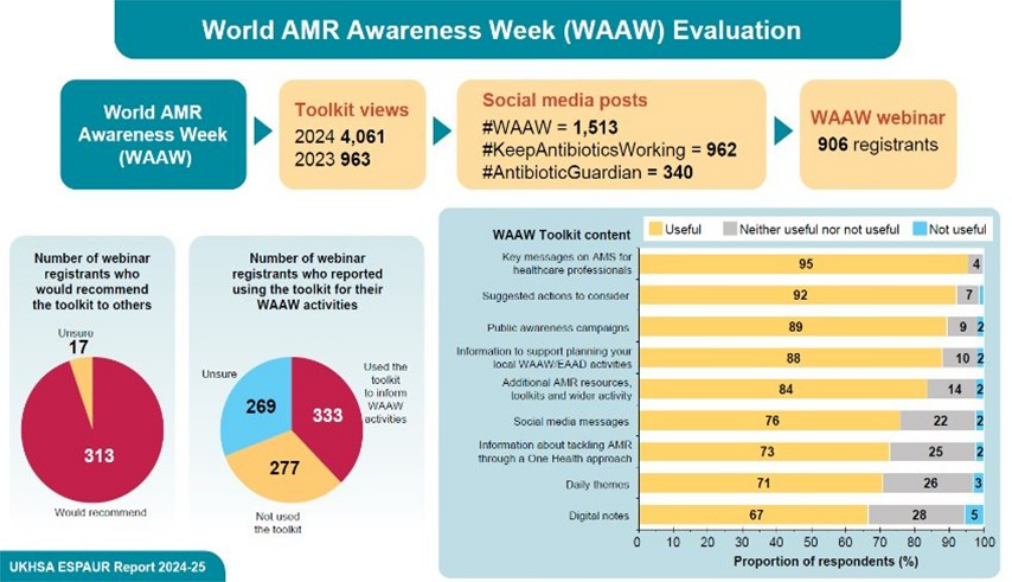
Professional and public AMR campaigns undertaken during the 2024 to 2025 FY included the Antibiotic Guardian campaign, World Antimicrobial Resistance Awareness Week (WAAW) (Figure 7) and the UKHSA Andi Biotic AMR campaign. All themes were aligned with the updated NAP for AMR.
The Antibiotic Guardian campaign webpage received 153,558 views and 12,967 pledges in 2024. A notable spike in activity occurred on 21 August, coinciding with the launch of the 2024 WAAW webinar. The Antibiotic Guardian Shared Learning and Awards took place for its seventh annual event on 9 June 2025. Shortlisted posters and video presentations are available on the Antibiotic Guardian webpage.
Figure 7 shows the reach and feedback of WAAW. An evaluation of the Andi Biotic AMR campaign is ongoing to review its effectiveness.
Figure 7. WAAW Evaluation
Research insights and knowledge mobilisation
This chapter showcases key AMR and healthcare-associated infections (HCAI) research projects within the UKHSA and jointly with external stakeholders, undertaken from April 2024 to March 2025.
In this chapter, an overview of research from the 2 National Institute for Health Research (NIHR) Health Protection Research Units (HPRUs) in the topic area of HCAI and AMR is highlighted, with examples where knowledge mobilisation has enhanced the impact of the work.
The Oxford HPRU has developed a Knowledge Mobilisation Toolkit containing an array of tools, plus supporting information to help users navigate knowledge mobilisation (KM) and apply it to their own research, facilitating translation to impact. It has been shared and promoted widely and is used by multiple researchers within academia and the UKHSA, across HPRUs and other partnerships. It has achieved strong buy-in from senior leaders and active researcher engagement
Thirty-five research projects or abstracts across 4 categories are also featured in this chapter, namely:
- strengthening surveillance and epidemiology (15)
- impact of COVID-19 (5)
- infection prevention and control (8)
- novel therapeutics, technologies and vaccination (7)
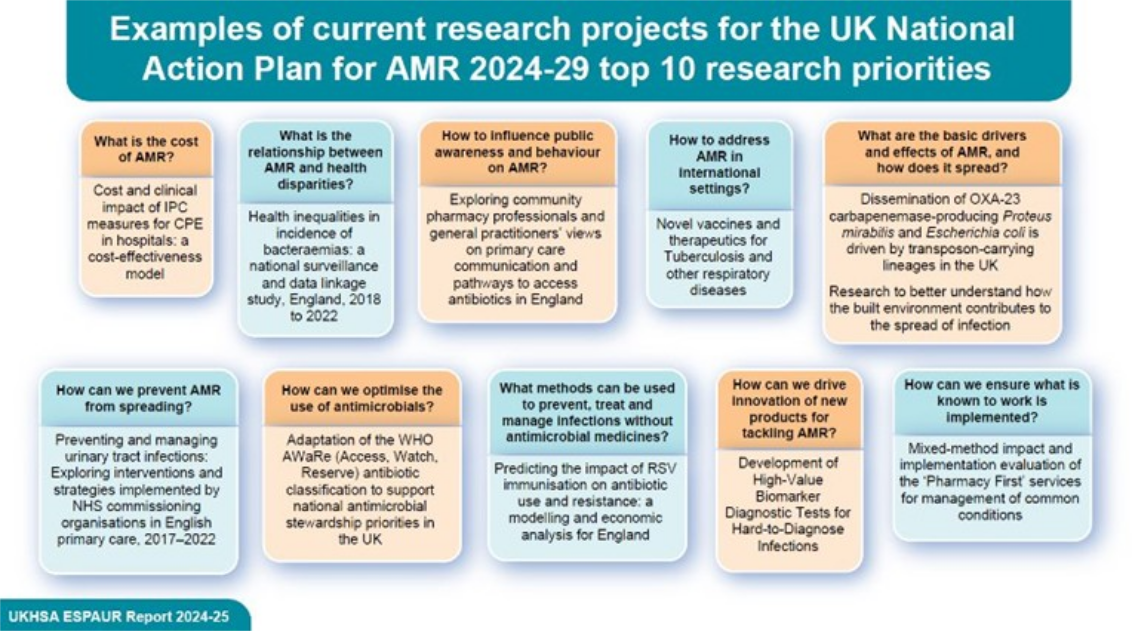
Within and in collaboration with the UKHSA, there are a wide range of new and ongoing AMR associated research projects with the publication of over 100 peer-reviewed papers from across the UKHSA. Figure 8 and 9 demonstrated the breadth of peer-reviewed publications resulting from research undertaken by the UKHSA against the 2024 to 2029 NAP outcomes and current research project by the UK NAP research priorities.
Figure 8. AMR peer-reviewed publication from April 2024 to March 2025
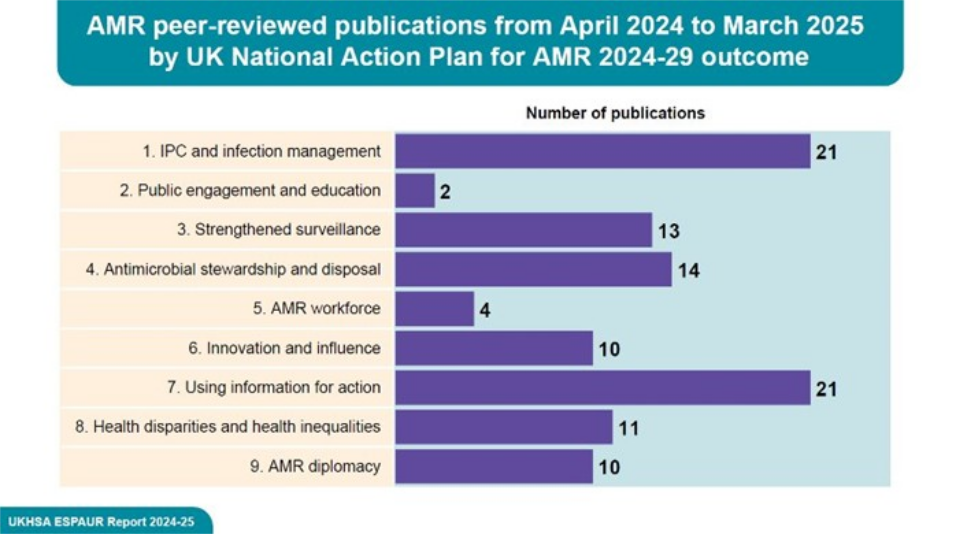
Figure 9. Examples of current research projects by the UK NAP top 10 research priorities.
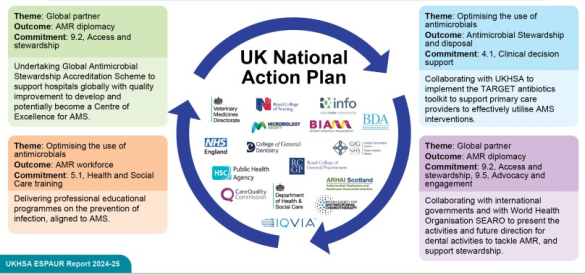
ESPAUR oversight group members’ activities and actions to tackle AMR- mapping to National Action Plan
The ESPAUR Oversight Group comprises over 30 stakeholder organisations including the UK nations and national organisations, professional and educational bodies, healthcare providers and regulators.
Fifteen stakeholders contributed to this year’s ESPAUR report (British Dental Association (BDA), British Infection Association (BIA), British Society for Antimicrobial Chemotherapy (BSAC), Care Quality Commission (CQC), College of General Dentistry (CGD), IQVIA, Microbiology Society, Royal College of General Practitioners (RCGP), Royal College of Nursing (RCN), RX-Info Ltd, Veterinary Medicines Directorate (VMD – DEFRA), NHS England (NHSE), Public Health Wales, Public Health Agency (Northern Ireland), Antimicrobial Resistance and Healthcare Associated Infection (ARHAI) Scotland).
Forty-five updates from 7 organisations in support of 16 commitments and 6 outcomes within the 2024 to 2029 National Action Plan (NAP) for Antimicrobial Resistance (AMR) have been reported to ESPAUR between May 2024 and June 2025. These include, but are not limited to, undertaking global antimicrobial stewardship (AMS) programme initiatives to promote appropriate use of antimicrobials; attending international conferences and meetings on AMR for advocacy and to ensure partnership in handling AMR; delivering workshops and professional educational programmes on infection prevention aligned to AMS; producing guidelines and educational resources; publishing evidence-based guidance on public and political engagement; promoting pharmacy resources such as the TARGET antibiotics toolkit (Figure 10).
Figure 10. Examples of activities undertaken by ESPAUR Oversight Group members to support the UK National Action Plan for AMR 2024 to 2029
Knowledge mobilisation of ESPAUR report: evaluation of feedback from report users
The annual ESPAUR report and its collation of surveillance and AMS efforts is used widely in the UK. To accompany the annual publication of the ESPAUR report, a webinar is hosted by the UKHSA to explore key insights and features of the new report to stakeholders.
ESPAUR Oversight Group members were encouraged to reach out to different audiences to disseminate the key messages from the report and to provide tailored messages for their groups. An example of how the ESPAUR report was knowledge mobilised by an ESPAUR Oversight Group member to the RCGP Special Interest Group (SIG) in response to an Oversight Group action is included in the main report.
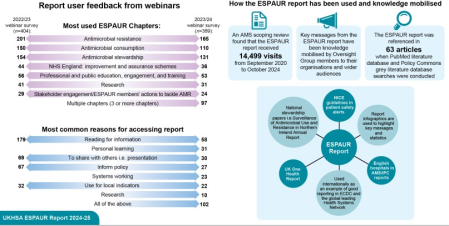
A report was compiled to understand the usage of the ESPAUR report, the professional backgrounds of those who use the ESPAUR report, and to summarise their feedback based on data gathered from a survey completed by attendees of the annual ESPAUR webinar held in 2024. A total of 389 respondents participated in the survey (Figure 11).
A process evaluation found that the ESPAUR report had received 14,499 visits to the website from September 2020 to October 2024 (Figure 11). Searches on PubMed literature database and the Policy Commons grey literature database found 63 articles referencing the report. These papers showed widespread use of the ESPAUR report in English hospitals, usually through referencing in annual AMS/IPC reports. There is also evidence of wider use across the UK, including references within NICE guidance, in a patient safety alert, and in national stewardship papers, such as the Surveillance of Antimicrobial Use and Resistance in Northern Ireland Annual Report and the UK One Health Report. There is also evidence of impact internationally, including references to the ESPAUR report as an exemplar of reporting in papers from France, New Zealand, the European Centre for Disease Prevention and Control, and the global Leading Health Systems Network.
Figure 11. ESPAUR report user feedback from 2023 to 2024 webinar survey and ways which the ESPAUR report has been used
Future actions highlighted within the ESPAUR report chapter
Currently patient-level prescribing and dispensing data is available in primary care, with secondary care data expected at the end of 2025. This will enable linkage between prescribing records, hospital admissions, and other datasets including antimicrobial susceptibility data, to better understand patient pathways and prescribing impacts. Increased granularity of data collected, particularly clinical indication, will expand epidemiological research and improve insights into patient groups, risk factors, and prescribing appropriateness.
The NIHR launched new Health Protection Research Units (HPRUs) in 2025. As previously, the HPRUs are intended to act as multi-disciplinary centres of excellence. This latest iteration of the HCAIs and AMR HPRU, which runs until 2030, is a partnership between the University of Oxford and the UKHSA, with the objective to conduct research to inform the prevention and control of HCAIs and of AMR and support the delivery and accelerate progress towards the UK 2024 to 2029 AMR National Action Plan. To achieve this, the vision of the University of Oxford and UKHSA HCAI and AMR HPRU is to integrate powerful, increasingly rich types of data, becoming available at large scale, with sophisticated models. The research aims to innovate and identify the most efficient and cost-effective approaches for the detection, surveillance, investigation and reduction of HCAI and AMR to support delivery of value-for-money, evidence-based, high-quality public health interventions. Furthermore, the HPRU aims to train the next generation of public health-focussed researchers to work together across multiple disciplines.
The Pharmacy First service was introduced in 2024, and for the first time national data is available linking the supply of antimicrobials with standardised diagnosis for 7 common infections (see NHS England: Improvement and Assurance section). The UKHSA and NHS England will continue to monitor the impact of Pharmacy First on trends in antimicrobial use in the community in England and are involved in the evaluation of the service with academic partners.
Upcoming AMS projects will focus on evaluating and strengthening national strategies to optimise antibiotic use. The next phase of the UKHSA AMS tools evaluation includes surveying the AMS workforce to determine which tools are used in secondary care. Furthermore, because of the initial phase of this evaluation, changes are planned to some gov.uk resource pages to enable easy access to some of the less frequently used resources.
Several rapid systematic reviews are nearing completion. One examines how the appropriateness of antibiotic prescribing is measured in high-income countries, aiming to inform policy and give greater clarity and consistency for measuring appropriateness across the UK. Another explores the roles of pharmacy professionals in outbreak management beyond COVID-19.
Work addressing health inequalities is also expanding, with new reviews on as victims of modern slavery and Gypsy, Roma, and Traveller communities and the creation of a national toolkit to support local and regional UKHSA teams, NHS colleagues and public health teams to identify and address health inequalities in access, infection incidence, clinical outcomes, vaccine uptake and antimicrobial exposure. In addition to this work which supports Commitment 8.2 and 8.3 of the 2024 to 2029 National Action Plan work is ongoing to further improve reporting on infection incidence and AMR by age, sex, ethnicity, deprivation, geography, and high-risk settings including adult social care and prisons.
A toolkit is in development to support local and regional UKHSA teams, NHS colleagues and public health teams to identify and address health inequalities in access, infection incidence, clinical outcomes, vaccine uptake and antimicrobial exposure.
With the publication of the NHS 10 Year Health Plan review of NHS priorities for AMR will be undertaken with appropriate actions that continue to align with the commitments of the UK AMR NAP. The NHS Oversight Framework for 2025 to 2026 includes ‘percentage of children prescribed antibiotics in primary care’ as a key patient safety metric for local and regional teams to prioritise AMS in this important cohort. To optimise antimicrobial duration, new antibiotic prescription duration metrics will be published in the PrescQIPP duration dashboard with lymecycline duration identified as a priority for improvement. Additionally, a new Pharmacy Quality Scheme for 2025 to 2026 was launched to focus on AMS for acute sore throat consultations in community pharmacies.
For professional and public education, engagement, and training the TARGET programme will continue its collaborative webinar series with the RCGP, introducing 3 new topics to inform AMS best practices in primary care whilst e-Bug are developing new lesson plans on vector-borne diseases in partnership with France, Norway and UK Overseas Territories.
Following the successful pilot of the Keep Antibiotics Working campaign featuring the Andi Biotic mascot, the UKHSA is preparing for the next phase to be launched in November 2025. The Antibiotic Guardian programme will focus on engaging new participants with the planned development of pledges in more languages (Mandarin, Punjabi, Urdu, Polish, Romanian) as well as newly qualified healthcare professionals, to boost public and professional knowledge. The Antibiotic Guardian Schools Ambassadors scheme will continue prioritise areas of deprivation to address health inequalities. The 2025 WAAW campaign will include 2 new daily themes: ‘Tacking health inequalities’ and ‘One Health and Research’ and a new cross cutting research theme along with updated key messages section and additional resources included within the toolkit for 2025.
Table 1. 2024 to 2025 Summary of key progress measures linked to the National Action Plan targets and NHS England incentives schemes
| Metric | National ambition | Actual outcome (2024) |
|---|---|---|
| AMR Infections | Prevent any increase in a specified set of drug-resistant infections in humans from the 2019 to 2020 FY baseline by 2029. | 22.7% increase in England in specified set of drug-resistant infection |
| AMR knowledge | Increase UK public and healthcare professionals’ knowledge on AMR by 10%, using 2018 and 2019 baselines, respectively by 2029 | - 1% reduction in UK public knowledge - 4% increase in UK HCP knowledge - highlighted the need for renewed public education campaigns and support for healthcare professionals to promote appropriate antibiotic use |
| Antibiotic Consumption (2024 to 2029 NAP) | To reduce total antibiotic use in human populations by 5% from the 2019 baseline by 2029 | - Antibiotic use in the NHS in 2024 was 2% lower than the 2019 pre-pandemic level of (17.5 versus 17.9 DID) - highlighting the need for sustained improvements in AMS to meet the ambitions of the new NAP (Note: this year ESPAUR has expanded data access to include private (non-NHS) antibiotic use. Further work is ongoing to better assess the impact of private prescribing on progress toward NAP targets) |
| New UK adapated AWaRE category | Achieve 70% of total use of antibiotics from the Access category (new UK category) across the human healthcare system by 2029 | Proportion of Access antibiotic was 63.2% |
| Primary Care Prescribing Target | Total prescribing of antibiotics in primary care At or less than 0.871 items per Specific Therapeutic group Age-Sex Related Prescribing Uni (STAR-PU) Proportion of broad-spectrum antibiotic prescribing in primary care at or less than 10% |
- 40% ICBs meet the total antibiotic prescribing target per STAR-PU - 98% of ICBs met the proportion of broad-spectrum prescriptions target |
| Non-mandatory CQUIN ‘Prompt switching of intravenous to oral antibiotic’ including paediatric | 15% or fewer patients receiving IV antibiotics past the point at which they meet the switch criteria | 50% of participating trusts successfully met the IVOS target |
| NHS standard contract Watch/Reserve | 10% reduction in use of Watch and Reserve antibiotics in hospitals from a 2017 baseline | 36% trusts achieved a 10% or more reduction in their ‘Watch’ and ‘Reserve’ antibiotic DDD per 1,000 admissions from the 2017 baseline |
| Total antibiotic consumption (2019 to 2024 NAP target) | Reduce total antibiotic use in humans by 15% from a 2014 baseline (that is to below 16.92 DID) by 2024 | - 11.3% reduction from 2014 baseline to 17.4 DID, demonstrating strong progress, although falling short of the 15% reduction target (3.7% or 0.36 DID above) - data was not adjusted for population change including age, sex or risk factors |
Acknowledgements
Summary collated by
Sandeep Rai, Bee Yean Ng, Diane Ashiru-Oredope.
ESPAUR report chapters leads
Jacquelyn McCormick (Antimicrobial Resistance and Prescribing Team), Mariyam Mirfenderesky (Incidents, Outbreaks and Infection Advice and Guidance), Sabine Bou-Antoun, Alicia Demirjian (Antimicrobial Resistance and Prescribing Team), Ellie Tang, Diane Ashiru-Oredope (AMR PROGRESS Section), Monsey McLeod, Kieran Hand (NHS England Antimicrobial Prescribing and Medicines Optimisation Workstream), Liam Clayton, Donna Lecky (Primary Care and Interventions Unit), Emily Agnew (Modelling and Evaluations Team), Joanna Bacon (Discovery Group in Countermeasures Development, Evaluation, and Pandemic Preparedness), Julie Robotham (Modelling and Evaluations Team), Karina Micah (AMR PROGRESS Section), Russell, Hope (Gram-Negative Team), Colin Brown, Richard Pebody.
Contributing teams to ESPAUR report
Chapter 1: AMR PROGRESS Section [note 1] and Gram-Negative Team.
Chapter 2: Antimicrobial Resistance and Prescribing Team (AMRP) [note 1], Incidents, Outbreaks and Infection Advice and Guidance (IOIG) [note 1], Gastrointestinal Infections, Food Safety and One Health (GIFSOH), Tuberculosis Team (TB), Gonococcal Resistance to Antimicrobials Surveillance Programme (GRASP), Mycoplasma genitalium Antimicrobial Resistance Surveillance (MARS), Candidozyma auris Incident Management Group and Data, Epidemiology and Analytics cell, Respiratory Virus Unit, Antiviral Unit, Health Equity Team, Modelling and Evaluations.
Chapter 3: Antimicrobial Resistance and Prescribing Team (AMRP) [note 1], Blood Safety, Hepatitis STIs and HIV (BSHSH), Chief Data Officer Group.
Chapter 4: AMR PROGRESS Section [note 1], Primary Care and Interventions Unit (PCIU), Health Equity Team.
Chapter 5: NHS England Antimicrobial Prescribing and Medicines Optimisation Workstream (APMO) [note 1].
Chapter 6: Primary Care and Interventions Unit (PCIU) [note 1], AMR PROGRESS Section, Communications.
Chapter 7: Modelling and Evaluations [note 1], Discovery Group in Countermeasures Development, Evaluation, and Pandemic Preparedness (CDEP).
Chapter 8: AMR PROGRESS Section [note 1].
Chapter 9: AMR PROGRESS Section [note 1] and Communications.
Note 1: UKHSA Chapter Lead team.
References
- Micallef C, Ashiru-Oredope D, Hansraj S, Denning D W, Agrawal S G, Manuel R J, Schelenz S, Guy R, Muller-Pebody B, Patel R, Howard P, Hopkins S, Johnson E, Enoch D A. ‘An investigation of antifungal stewardship programmes in England’ Journal of Medical Microbiology 2017: volume 66, issue 11, pages 1,581 to 1,588
- UK Health Security Agency. (2025). What is Antimicrobial Resistance (AMR) and how can you help combat it? (Accessed 11 November 2025)