Guide to effective practice in strategic planning in further education
Published 10 February 2026
Applies to England

© Crown copyright 2026
This publication is licensed under the terms of the Open Government Licence v3.0 except where otherwise stated. To view this licence, visit nationalarchives.gov.uk/doc/open-government-licence/version/3 or write to the Information Policy Team, The National Archives, Kew, London TW9 4DU, or email: psi@nationalarchives.gov.uk.
Where we have identified any third party copyright information you will need to obtain permission from the copyright holders concerned.
This publication is available at https://www.gov.uk/government/publications/effective-practice-in-strategic-planning-in-further-education/guide-to-effective-practice-in-strategic-planning-in-further-education
Executive summary
This guide serves as a practical resource for senior leaders and governors in further education (FE) colleges seeking to enhance their strategic planning processes. Ideally suited for those leaders that are starting in a senior strategic role, or for those wishing to enhance their organisation’s strategic planning process, this guide encourages reflection, responsiveness, and shared ownership, ensuring that strategic plans are not only well-conceived, but also executed effectively and continuously monitored and developed.
The guide provides a framework for effective strategic planning in FE colleges, drawing on sector-wide experience. It is designed to support senior leaders, governing bodies, and stakeholders in developing, implementing and monitoring strategic plans that are responsive, inclusive and impactful.
Expiry or review date
This guidance will be reviewed before November 2027.
Who this guidance is for
This guidance is for:
- colleges (general FE colleges and sixth form colleges) and designated institutions. The use of the term ‘college’ in this guide is generic.
- college chief executive officers (CEOs), principals, chairs and governors, strategic planning leads, and owners of supporting strategies
The guide may also be of interest to other provider types, and stakeholders such as private training providers, local authorities and Mayoral and Strategic Authorities.
The strategic lead in a college of further education can be a CEO or a combined role of CEO and principal. The guide refers to these roles as a CEO.
Development of the guide - methodology
When preparing this guide to effective practice, a combination of desk-based research and case studies were used to draw from practices and information used in the FE sector. This included a review of relevant publications.
Researchers undertook a series of 20 case studies in a range of colleges across the FE sector. Colleges were selected using a balance of criteria including type, size, designation, quality, financial health, breadth of provision and strength in meeting local skills needs. Colleges are not specifically cited in any area of the guide, but acknowledged in appendix C. We thank them for sharing their expertise, models, and approaches to strategic planning.
Introduction
This guide draws on contemporary research and the expert insights and knowledge of senior leaders in successful colleges across the FE sector. The guide will be helpful for leaders new to the process of strategic planning, those already actively involved in strategic planning who are seeking to further develop their organisation’s practice, and colleges who need to significantly improve practice.
Effective strategic planning is an essential and primary process in all organisations, including FE colleges. Senior leaders and governors of high-performing colleges clearly identify their mission and objectives, improvement priorities and targets. the actions required to achieve them, what defines success and how it will be measured. Developing an effective strategic plan takes time and should be viewed not as a static product, but more as a dynamic process that enables leaders to adapt and respond flexibly to changes in both external and internal environments.
The challenges and opportunities facing colleges constantly evolve. Colleges must continue to provide high-quality, effective learning and skills provision while securing greater investment value from capital and recurrent funding. This, combined with the everchanging needs of students, staff, employers, society and stakeholders, increases the complexity of decision making and planning, reinforcing the need for effective, progressive strategic planning that improves cycle on cycle.
Differences in approach and process are beneficial drivers of effective practice. There is no single solution to approaching strategic planning. As such, this Further Education Commissioner (FEC) guide describes effective practices that allow for flexible interpretation and organisational choice. What is important is that it works for the college, reflecting its unique circumstances. For example, a college that is experiencing an acute financial or quality issue might develop a shorter-term plan focussed on addressing the challenges it has and be more risk averse than a college that is building on existing success. Therefore, the core principles underpinning the guide are to identify and share the common features of effective strategic planning used by successful colleges.
Similar to other guides to effective practice on the FEC’s Help and Support for Colleges page, this guide responds to a recognised need. It presents a series of key processes considered effective by organisations within the sector. Importantly, it recognises that strategic planning is not just a process of review and refresh but also enables organisations to align provision with markets, policies, other strategic drivers (such as Local Skills Improvement Plans (LSIPs), national skills priorities and qualification reforms), and to set out the medium to long-term ambition for the organisation, its staff and its students.
Strategic planning framework
Leadership and governance
Leadership and governance in the FE sector are critical to an effective strategic planning framework. Amid major policy reforms, funding constraints and evolving learner needs, colleges and training providers must adopt structured approaches to ensure sustainability and impact. Planning frameworks help align institutional goals with external demands, anticipate challenges, allocate resources, and track progress.
The CEO and senior postholders are central to mitigating risk, shaping vision, fostering collaboration and driving strategic development, with leadership characterised by shared responsibility, transparency and innovation. Governing bodies are equally crucial, overseeing strategy development from start to finish. Boards are responsible for approving the mission and strategic plan, ensuring effective implementation, aligning resources, and maintaining accountability through structured monitoring.
Strategic Risk Assessment in FE
Strategic planning in FE must start with risk. Colleges face rapid policy shifts, funding pressures, changing learner needs and technological disruption. Embedding strategic risk assessment at the outset ensures decisions are informed, resources are targeted, and long-term sustainability is safeguarded.
SWOT Analysis
SWOT helps institutions evaluate internal strengths and weaknesses, and external opportunities and threats:
- Strengths, such as strong reputation, skilled staff, high learner outcomes, modern facilities and resources
- Weaknesses, such as reliance on a single income stream, skills gaps, outdated curriculum unresponsive to economic and social need, and low learner progression outcomes
- Opportunities, such as government initiatives promoting apprenticeships or technical excellence colleges, civic, community, employer and educational partnerships
- Threats, such as competition, demographic change, economic uncertainty, ability to respond to policy reform or funding changes and technological changes
SWOT turns insight into action, prioritising staff development, curriculum updates, partnerships and risk mitigation. It will also inform the college’s strategic risk register.
PESTLE Analysis
PESTLE provides a broader, macro lens on external factors shaping strategy:
- political: policy, funding, education reforms
- economic: labour market trends, economic cycles
- social: demographics, learner expectations
- technological: artificial intelligence (AI), digital learning, new curriculum needs
- legal: compliance, safeguarding, employment law
- environmental: net-zero targets, green skills, sustainability initiatives
For instance, a skills-based funding shift (Political) may open new curriculum opportunities, while economic downturns (Economic) can drive demand for upskilling.
By embedding risk-focused SWOT and PESTLE analysis at the heart of planning, FE leaders move from reactive management to proactive strategy, anticipating threats, seizing opportunities and steering institutions confidently into the future
Strategic planning for local skills needs
FE colleges are vital to regional economic growth and social mobility. DfE’s Post-16 education and skills white paper, LSIP guidance and Skills England roadmap make local skills alignment a core policy priority, requiring FE providers and employers to work collaboratively through employer-led local plans that directly inform planning and delivery.
Meeting local skills needs strategically ensures learners gain qualifications and competencies that lead to real job opportunities while businesses benefit from a skilled workforce, productivity and innovation.
Strategic planning enables colleges to align with government priorities and anticipate labour market trends, reducing risk of skills mismatches that limit individual progression and local economic resilience.
Planning to meet local skills needs
The diagram below sets out a wide interconnected framework that can inform a dynamic strategic planning process that aligns provision with labour market needs, promotes collaboration, and supports both learners and the wider community.
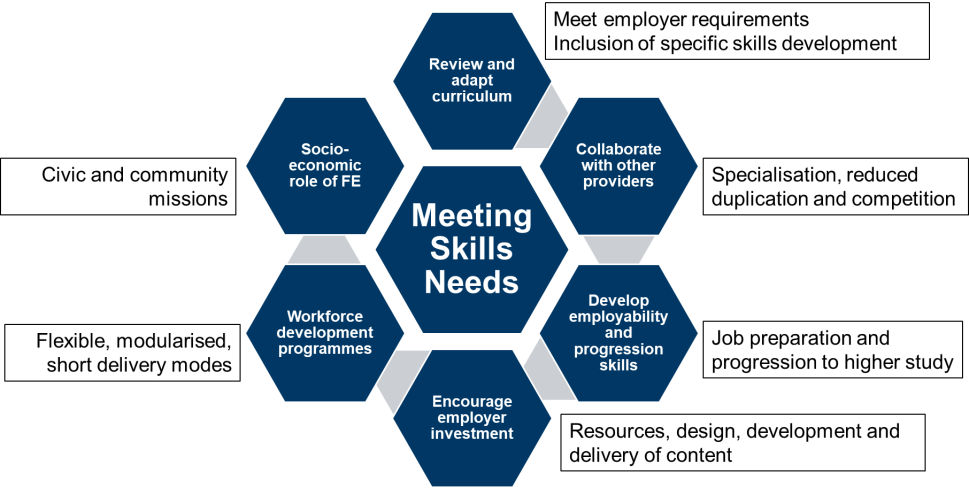
Figure 1: meeting skills needs framework
Strategic planning hierarchy
A clear planning hierarchy is essential for governors and leaders. It shows how the Strategic Plan is delivered through supporting strategies (for example curriculum, people), operational plans, and underpinning policies, with SMART targets providing measurable checkpoints. The board, its subcommittees and leadership use this framework to monitor progress, oversee implementation, and confirm accountability, ensuring that actions and resources consistently support strategic priorities.

Figure 2: strategic planning hierarchy
Mission and vision statement
Almost all colleges include a mission statement (sometimes referred to as a ‘purpose statement’). Most seek to reflect the organisation’s unique market position. In many cases, colleges also include a vision statement. A mission statement describes the purpose of the college, and why it exists, whereas a vision statement normally describes where and what the college seeks to become. The vision can often be used to illustrate the long-term direction of the college. It can be used as an expression of leadership that helps to inform decision making.
In the most effective examples, institutions strengthen their mission and vision statements with strategic aims, policies, core values and behaviours.
Summary of approaches to planning
Many institutions begin with visioning exercises and risk assessments to identify priorities and opportunities. Planning is often informed by labour market intelligence, socio-economic data including demographic trends, and policy shifts, with some colleges using backward planning or scenario-based risk assessments. Strategic priorities are frequently aligned with national missions, national skills priorities, LSIPs and sector-specific needs, and strategic and local authority priorities. Comprehensive internal and external stakeholder groups, including students, are often a key feature in development activity
Many colleges emphasise foundational pillars or cross-cutting themes, while others use structured frameworks like “Lines of Enquiry” or “Transformational Themes”. Leadership plays a central role, with the CEO and their senior team guiding the process, supported by governors and advisory groups. Planning is also shaped by historical performance, funding contexts and regional collaborations, with some institutions embedding social justice and community impact into their strategic vision.
Effective practice points: planning
Stability or evolution: some colleges maintain long-standing mission statements and values, emphasising continuity and cultural embedding, while others have evolving missions that are revised regularly to reflect changing societal roles, stakeholder feedback, or broader aspirations.
Community and social impact focus: many colleges integrate social justice, inclusion and civic responsibility into their missions, whereas others primarily focus more on learner experience, curriculum relevance and academic excellence.
Mission’s role in strategic planning: many colleges are found to use the mission as a foundation for strategic priorities and performance frameworks, whereas others review the mission during strategic planning cycles, but treat it more as a reference point.
Stakeholder engagement in mission formation: many colleges emphasise the importance of being highly consultative when shaping or refining their missions. Others have a more board-led or executive-led approach, relying more on leadership and governance structures for mission development. Some combine the 2 approaches, which provides the most thorough development process.
The strategic planning structure
Strategic planning is a core leadership process enabling senior teams to set the institution’s long-term direction. As a continuous, cyclical activity, strategic planning can have 6 main stages:
- planning: devising and agreeing a planning timeline and process influenced by an organisation’s business planning cycle.
- researching: including analysing strategic drivers, generating ideas, opportunities and choices, engaging with stakeholders, and establishing enablers
- presenting: presenting and documenting the plans
- communicating: identifying your audience, crafting key messages, choosing the right channels, assigning responsibilities, and creating feedback loops to ensure two-way dialogue
- implementing: action taken to achieve agreed objectives and goals
- monitoring: assessing progress against measures of success and adapting to inform future strategy
The process should lead to several clear outputs, including:
- a long-term plan, usually referred to as a strategic or college plan (the plan should set out the vision, mission, long-term aims, objectives, priorities, goals (different terminology is interchangeable), and how they will be achieved)
- supporting strategies that reflect the operational structure of the college and ensure each leaders’ area of responsibility contributes to the overall plan
- a series of operating plans or statements that refine the actions into annual targets, milestones or objectives for the years ahead, including actions required to effect implementation and, where possible, ‘impact measures’ to ensure a clarity of evidence and allied measures that can link with future impact monitoring
- a method of monitoring including a timetable, frequency and processes.
Stage 1: planning
Successful colleges commit to strategic planning, recognising that even well-researched, long-term objectives may need adjustment due to unforeseen internal and external changes. Effective planning recognises that following a plan that no longer fits current circumstances has little value. Instead, it builds flexibility into the process, allowing for adjustments when needed. This approach helps colleges seize unexpected opportunities and address unforeseen risks. The most effective examples include an annual review to confirm strategic direction and adapt to any emerging changes.
Flexibility in the planning process does not suggest that planning is unnecessary. Rather, it highlights that the process is as important as the product itself. With increasing emphasis on the importance of meeting local skills needs, governors and senior leaders recognise that the process remains essential because it forces systematic analysis of the organisation and its environment, alongside re-affirmation of organisational values. It also generates a sense of ‘challenge’ by setting future direction and objectives.
There are variations in the FE sector as to how far plans can look forward, but most fall within the range of 3 to 5 years, supported by their relevant annual operating statements
Strategic planning can include incremental phases through which to view and monitor future goals and objectives, such as:
- horizon planning (10+ years ahead): high-level principles to frame the expected direction of the organisation and to develop the culture and characteristics needed
- strategic planning (3 to 5 years): objectives covering a shorter period for testing and implementing the principles
- short-term planning (1+ years): often developed as operating statements/plans that include specific, time-served actions designed to achieve stepping stone objectives - sometimes used when a college has an acute set of issues (finance, quality, restructuring) that it needs to address before resuming normal planning procedures
These ranges recognise that, given the rate and depth of change in FE, there are risks in setting objectives too far ahead. Despite this, college leaders said that it makes it even more important to have an agreed and clear sense of direction for their organisation. When circumstances change, effective FE organisations make deliberate adjustments that maintain alignment with their strategic direction, rather than diverting resources towards peripheral opportunities.
Strategic planning and the accountability statement
Although colleges share common approaches to linking their strategic plan and accountability statement, the accountability statement has centrally determined components, while the format of strategic planning is determined by the individual organisation and its leadership preference. This makes it difficult to draw exact correlation between the 2 processes/documents. However, a broad relationship is observed.
The strategic plan sets out the long-term goals, priorities and values of the college. It defines the institution’s mission, vision and strategic priorities, such as:
- curriculum
- quality of provision
- community engagement
- sustainability
- partnership with employers and stakeholders
The accountability statement is a forward-looking annual document that:
- demonstrates how the college intends to deliver on its strategic plan
- illustrates the alignment the college has with local, regional and national priorities, including LSIPs
- provides a top-level summary of annual actions, outcomes, and progress
- is used to report to stakeholders and demonstrates the college’s response to changing needs
The accountability statement is directly informed by the strategic plan and serves as a mechanism for review and reflection. It includes annual objectives, key performance indicators (KPIs), and case studies that illustrate how strategic goals are being met.
Colleges and stakeholders can use it to evaluate progress, engage with partners, and adjust plans based on feedback and evolving priorities.
Leadership and governance
In most FE organisations, it will be the CEO that will be responsible for ensuring the strategic planning process works effectively. It is the role of the CEO to lead in the process of shaping the overall strategic direction of the organisation, taking a lead in significant events as they unfold during the planning year. Governors will expect the CEO to involve them in the process of the plan, especially in the early envisioning stages. Governors will expect the CEO and senior leaders to implement the approved plan by steering the direction of the organisation, identifying and progressing major developments and in accounting for success or failure.
The CEO’s level of involvement will be influenced by their leadership style, the culture of the organisation and the complexity of the business model. However, it would be appropriate for the most senior leader in the organisation to take the lead in the following 4 key principles:
- planning
- visioning
- consultation
- challenging and communication
In the effective examples we saw, the CEO, through involvement of board members and consultation with staff, proposed the long-term vision for the organisation. This provided the context within which other leaders in the organisation determined their own plans and actions.
Effective practice points: leadership
Collaborative visioning: Emphasises inclusive participation in shaping the institution’s future. Leadership role:
- Leaders initiate the process but actively involve stakeholders and staff to ensure diverse perspectives.
- Visioning: creating a shared, aspirational vision that aligns with institutional values and long-term goals.
- Data Analysis: using evidence-based insights (such as performance metrics, market trends) to inform decisions and validate the vision.
- Benefits: builds trust, fosters ownership, and ensures the strategic plan reflects collective priorities.
Distributed leadership model: Decentralises authority, promoting shared responsibility for strategic outcomes.
Key characteristics:
- Leadership is not concentrated at the top. Instead, it is distributed across departments and teams.
- Encourages stakeholder engagement, empowering individuals at all levels to contribute ideas and take initiative.
Impact:
- Enhances responsiveness to challenges and opportunities.
- Creates a culture of collaboration and accountability, reducing bottlenecks in decision-making.
Strategic evolution: Focuses on moving from planning to action, ensuring strategies are dynamic and measurable.
Core principles:
- Plans are action-oriented, with clear steps and timelines.
- Emphasis on measurable outcomes to track progress and demonstrate impact.
Why It matters:
- Avoids static plans that sit on shelves.
- Encourages continuous improvement and adaptability in response to changing conditions.
Transformational themes: - Organises strategic priorities around high-level themes that drive innovation and excellence.
Purpose:
- Provides clarity and focus by grouping initiatives under broad, aspirational themes (such as “Innovation”, “Student Success”, “Global Engagement”).
Leadership role:
- Champions these themes to inspire stakeholders and align resources.
Creates a cohesive narrative for change, motivating the institution to pursue bold, future-oriented goals.
Governance
Governors’ responsibilities in strategic planning are defined by the organisation’s governing instruments. In FE colleges, the governing body sets and monitors the educational character, mission, and efficient use of resources, following guidance such as Managing Public Money.
The governing body shapes the organisation’s mission and ensures alignment with strategic goals. Many colleges hold strategic events outside regular board meetings to involve governors in key discussions before finalising the strategic plan and Accountability Statement.
At a minimum, the board should approve and own the strategic plan and may also review supporting strategies through its committees. Common approaches include:
- full board participation in strategic planning events (for example, PESTLE or SWOT analysis) before senior leaders refine the plan
- delegation to committees (finance, curriculum) to draft elements, with full board ratification
- senior leadership drafting initial themes for discussion at strategic events or awaydays before final approval
- formation of a governor-led planning task group with senior leaders to draft strategic themes
Monitoring occurs through board meetings and annual progress reports, including impact assessments. Awaydays provide valuable time for in-depth strategic discussions, far beyond regular meetings. Involving experienced governors in these processes strengthens assurance and familiarity with the plan.
Consultation and Challenge
A successful strategic plan requires a committed leadership team, timely management information and market intelligence. CEO engagement with stakeholders and the board depends on organisational circumstances and whether the current strategy aligns with their vision or needs major change. Communication, both internal and external, is critical during planning, with its scale varying by the level of strategic change. Openness and effective communication ensure internal buy-in and align all planning elements toward a unified vision. The CEO, alongside senior leaders, typically leads strategic consultations with external stakeholders.
There are a variety of ways in which a CEO can challenge the strategic ambitions of their managers. For example, they could provide guidance as to what needs to be developed based on the intelligence available or, where necessary, in relation to organisational performance, resources available, or even team or individual performance.
Supporting strategies
The governing body oversees the strategic plan but not operational plans. Its involvement depends on leadership performance and assurance needs. Possible roles include:
- developing and approving supporting strategies, with periodic monitoring
- reviewing drafts and ratifying strategies prepared by senior leaders
- receiving strategies for information, with key implementation updates annually or as needed
Resource prioritisation
While not always explicit, resource prioritisation is an implied responsibility under accountability agreements. Governors approve budgets, major expenditures and financial forecasts, ensuring resources align with strategic goals. Involvement may include:
- assigning strategic resourcing to planning committees
- focusing on academic resources or key metrics (such as staff-to-income ratios) - any remit should be agreed with management and formalised by board resolution to avoid overlap with other committees
Monitoring
The governing body must ensure the strategic plan is implemented effectively. Oversight typically occurs through committees reporting progress to the board. CEOs may provide dashboards and annual reports summarising achievements. Boards should:
- receive updates on significant issues affecting strategic priorities
- avoid involvement in non-strategic matters
- ensure reports are detailed enough for informed decisions (minimum expectation: 3 updates per year and an annual report on operating plans, feeding into accountability and performance reviews)
Core Functions in strategic planning
The governing body is responsible for:
- defining the college’s educational character
- setting strategy and goals
- holding leaders accountable for performance and compliance
- ensuring financial control and legal obligations
In strategic planning, governors should:
- approve mission and strategic plans
- participate in planning
- review annual targets and monitor progress
- understand resource allocation
- define monitoring requirements
- align internal planning with external oversight
Effective practice points: governors
Governors’ involvement in strategic planning processes can be multi-faceted to draw from the experience and knowledge of an expert resource. This may include:
Early and active involvement in strategy formation: initiating the strategic planning process with a working group of board members steering development from the outset.
Participation in the planning process through shaping the vision and priorities collaboratively.
Oversight and accountability: reviewing local curriculum plans and strategic goals, ensuring alignment with the overarching strategy.
Participating in performance reviews and internal audits, addressing underperformance through governance structures.
Challenging areas lacking critical feedback, fostering a culture of openness and accountability.
Decision making and risk management: making final decisions on strategic direction and, where appropriate, challenging overly radical proposals, showing a balance of innovation and prudence.
Risk management, particularly in high-risk areas like mergers and leadership-driven projects.
Strategic communication and culture: inclusion in leadership communications, such as the “state of the nation” addresses and weekly updates.
Overseeing strategic committees aligned with specific priorities, reinforcing a culture of shared responsibility.
Monitoring and review: Receiving regular updates, including termly milestone reviews and annual target tracking.
Reviewing and approving the final strategic draft after extensive consultation.
Structuring corporate meetings around the strategic plan, ensuring continuous alignment and monitoring.
Stage 2: researching
Researching is often made up of 6 elements. These are:
- exploration - reviewing the landscape for environmental factors that could influence the content of the plan, available resources and skills, strategic influences such as policy, LSIPs, key strategic change agents
- consultation - identification of key stakeholders that have an interest/stake in the college’s future direction, where consultation and stakeholder buy-in during planning is critical
- analysis - understanding the college’s current position in the markets within which it currently works and those it might want to enter
- review of provision - reviewing provision against current and future need (invest/divest assessment framework), developing new provision or delivery methods to meet the needs of new and emerging markets
- formulation - translating the results of the planning stages into key strategic priorities
- facilitation - establishing an organisational capacity to deliver the strategic priorities and ambitions of the organisation
Exploration
The exploration stage of strategic planning is the foundational phase where the college seeks to understand the environment in which it operates and the factors that will shape the content and direction of the plan. This process begins with a comprehensive review of the external landscape to identify environmental influences that could impact strategic decisions. These influences include political, economic, social, technological, legal, and environmental factors, as well as emerging trends and market dynamics. By examining these elements, the organisation gains insight into potential opportunities and threats that may affect its ability to achieve its objectives.
Alongside this analysis, the college conducts an internal assessment of its available resources and capabilities. This involves evaluating financial assets, infrastructure, technology and human capital to determine the strengths that can be leveraged and the gaps that need to be addressed. A skills audit is often undertaken to understand the competencies within the workforce and to identify areas where development or recruitment may be necessary. This ensures that the strategic plan is grounded in a realistic appraisal of what the college can achieve with its current and potential resources.
The exploration stage also requires a thorough review of strategic influences such as national and regional policies, regulatory frameworks and sector-specific priorities. For example, LSIPs and government initiatives often set the direction for workforce development and funding opportunities, making it essential for the organisation to align its strategy with these external drivers.
Ignoring external influences could result in missed opportunities or non-compliance with critical requirements. The main drivers stem from the legal framework that govern the work of the organisation. These are listed within the Skills and Post-16 Education Act 2022 and list the expectations of an FE organisation. For example, a key mandate is that all FE organisations contribute to meeting local skills needs and are required (by duty) to regularly review their curriculum within this context.
Another key element of this stage is the identification of strategic change agents and stakeholders who have the power to influence or support the implementation of the plan. These may include internal leaders, external partners, industry bodies and community representatives. Understanding their interests, motivations and potential impact allows the organisation to develop strategies for engagement and collaboration, which are vital for building consensus and reducing resistance to change.
Throughout the exploration stage, the organisation synthesises these insights into a clear picture of its operating context. This involves connecting external trends with internal capabilities and strategic influences to form a holistic understanding of the challenges and opportunities ahead. The outcome of this stage is a well-informed foundation upon which the subsequent phases of strategic planning, such as implementation and monitoring, can be built.
Consultation
The consultation stage in a strategic planning process is a critical phase that ensures inclusivity, transparency and alignment with the interests of those who have a stake in the college’s future direction. It begins with the identification of key stakeholders, which typically includes internal groups such as staff, students and governing bodies, as well as external parties such as local partners, employers, community partners and regulatory authorities. This identification process involves mapping out who will be affected by the strategic plan and who can influence its success, ensuring that no significant voice is overlooked.
Once stakeholders are identified, the next step is to establish clear channels for engagement. This often involves designing structured consultation mechanisms such as surveys, focus groups, interviews and meetings. These forums provide opportunities for stakeholders to share their perspectives, priorities and concerns. The process emphasises active listening and the collection of qualitative and quantitative intelligence to capture a comprehensive view of expectations and aspirations.
The information gathered is reviewed to identify common themes, areas of consensus, and potential conflicts. This analysis informs the drafting of strategic objectives and ensures that the plan reflects the collective vision rather than isolated interests. At this stage, transparency is key. Stakeholders should be kept informed about how their input is being used and how decisions are being shaped.
The final part of the consultation process focuses on securing stakeholder buy-in. This involves presenting the proposed strategic direction back to stakeholders for validation and feedback. By demonstrating that their contributions have influenced the plan, trust and commitment are strengthened, which is essential for successful implementation. This iterative approach not only enhances the quality of the strategic plan but also fosters a sense of shared ownership, making it more resilient and adaptable to future challenges.
Analysis
The analysis stage focuses on understanding the college’s current position within its existing markets and evaluating potential opportunities in new markets. This begins with gathering comprehensive data on the college’s performance, reputation and competitive standing.
Market research plays a critical role in examining trends in student demand, employer needs, and regional or national education priorities. The college must also assess external factors such as demographic shifts, policy changes, and technological advancements that could influence future market dynamics.
Internally, this stage involves reviewing enrolment patterns, financial health and resource allocation to determine strengths and weaknesses. The goal is to create a clear picture of where the college currently stands and identify areas where it can grow or needs to adapt.
It is essential to use external resources (such as the LSIPs, Skills England reports, FE Provider Dashboard or View your education data (VYED) reports) and commercially available tools to identify where gaps in the regional and local skills environment are likely to appear and opportunities may arise. Analysing the market share will involve undertaking competitor profiling. By using both commercial and departmentally available sources, organisations can assess their position against other organisations nationally, regionally and locally. This requires the researcher to identify FE organisations with which there is a reasonable comparison and possibly with colleges/organisations that it aspires to emulate. Having identified the benchmark targets, the aspirational market position can be expressed in the organisation’s mission or vision statements. Market share analysis will often provide a clear market profile of what the college itself achieves and what percentage of the market other providers achieve from the same area.
Tools to support effective analysis
DfE provides a range of accessible tools through which senior leaders and managers can analyse the business profile of their organisation. Most can be found on the VYED service, where data is presented in the FE Provider Dashboard with comparisons from across the sector. Other comparison tools include detailed data analysis relating to quality of provision, financial performance, curriculum efficiency and quality assurance.
For more extensive analysis of market position, competitor analysis, travel to learn patterns, learner projections and labour market intelligence, commercial tools are available but require a user license. Examples of the types of data presentation are available in appendix B.
Review of current provision
Most colleges undertake an analysis of their course portfolio as part of the strategic planning process and may revisit aspects of this on an annual review basis. The objective is to identify the least and most successful areas of provision, using the information to inform strategy. This is often undertaken by assessing the entire portfolio of courses against agreed criteria:
- quality
- market or local needs
- available resource
- financial assessment
This is sometimes referred to as the invest/divest assessment framework.
Review of provision against current and future need builds on the insights from the analysis. This stage evaluates whether existing programmes and services align with present and anticipated demand. It involves scrutinising the relevance and viability of current provision, considering factors such as student outcomes, employability and alignment with strategic priorities.
Programmes that demonstrate strong performance and future potential may warrant further investment, while those with declining demand or limited strategic value may be candidates for divestment or restructuring.
This process also includes forecasting future needs based on labour market intelligence and emerging skills requirements, ensuring that the college remains responsive and competitive.
Ultimately, this stage informs decisions about resource allocation, curriculum development, and partnerships, ensuring that the college’s provision is both sustainable and forward-looking.
Invest/divest assessment framework
The invest/divest assessment framework (figure 3) illustrates 3 distinct criteria that a college might use to prioritise investment in an area of curriculum. These are the:
- strategic priorities of the college
- college’s level of available resources and expertise
- assessed market for the provision
A review assessment is split into 2 types. Those that only satisfy a single criterion are considered high risk and those that meet 2 are considered a moderate risk. Each flags the need for further research into areas of weakness. For example, if the assessment identifies that the market and resources are relatively strong, but the provision is not a strategic priority, then senior leaders would need to determine if an adjustment to provision could realign it with the strategic priorities without adversely impacting the organisation’s market or quality. Likewise, if the provision is a strategic priority and the college has the resources/expertise but there appears to be a difficulty with the market (for example too much competition), then senior leaders will need to assess if the provision is strong enough to justify retaining.
A strong assessment meets all the criteria for continued investment in the provision.
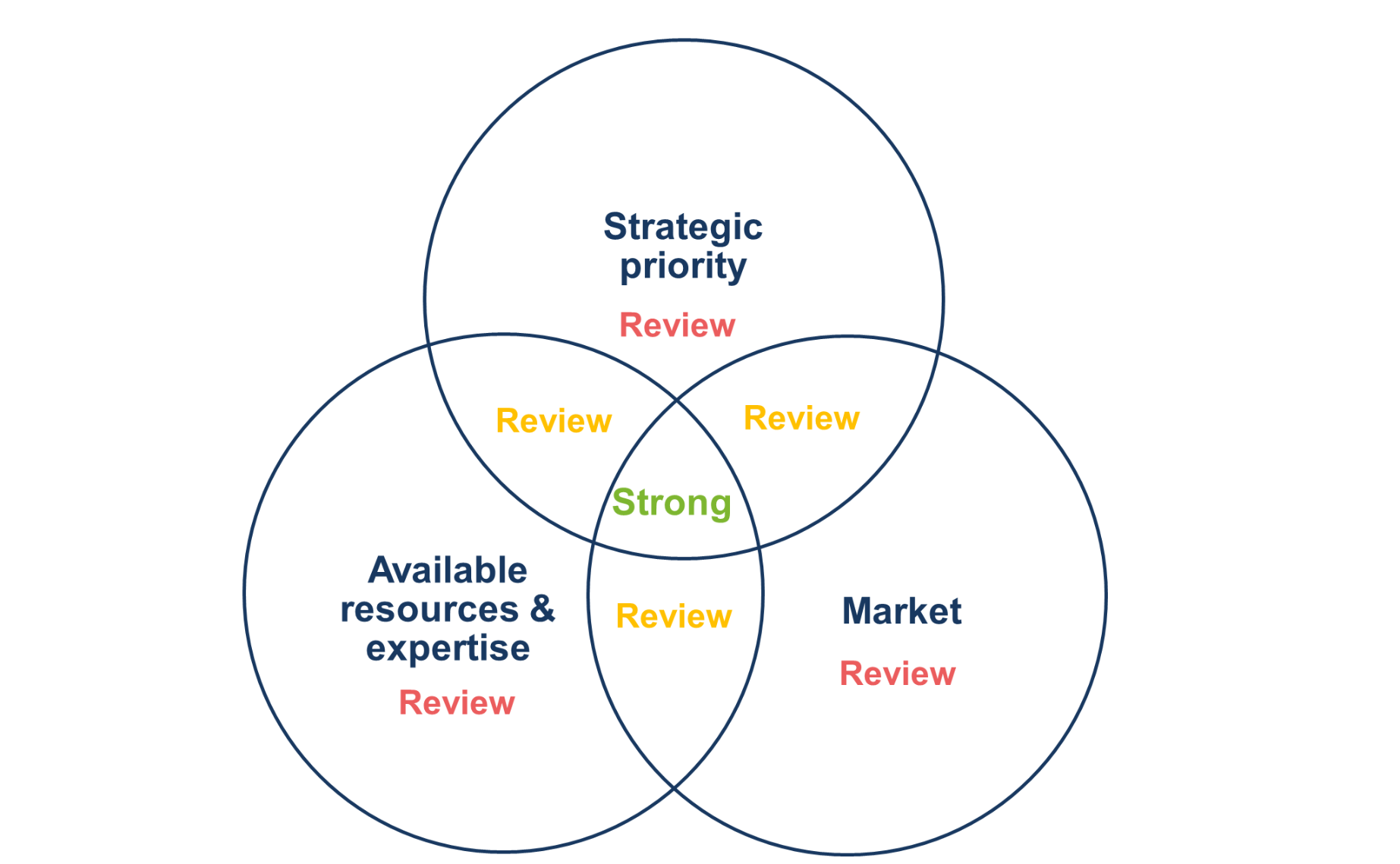
Figure 3: invest/divest assessment framework
Invest/divest criteria
When reviewing courses, further criteria can be used to inform strategic assessment.
Strong
- Consistently successful in terms of educational and financial performance. These courses would normally continue as part of the core strategy of the organisation.
Review
- Good quality but not financially sustainable. This may be the consequence of poor recruitment or high costs. If so, the initial strategic response should be to tackle each of the causes of the issues identified. In the longer term there may be a legitimate reason for carrying a financial burden if the courses secure other benefits to the organisation and its students. For example, it might be a loss-leader that is cross-subsidised by another successful programme, or maybe it is considered integral to the organisation’s core values.
- Successful financially but poor quality. The initial response should be to investigate the reasons for poor quality. For example, if the reason stems from underinvestment, maintaining just the financial performance can make it commercially attractive, but the long-term implications to students and organisational reputation of running low quality provision, regardless of profitability, should be considered very carefully in the context of risking reputational damage.
Weak
- Consistently unsuccessful in academic and financial terms. While the position of such courses might be clear, it will still be important to understand the reasons for the failure before investing in, or divesting of, the provision.
Portfolio course analysis may also flag other weaknesses and strengths that may need considering during strategic planning, such as staffing implications, staff development or conditions of employment. All should be addressed early in the strategic planning process to demonstrate a clear understanding of the implications of progressing with any given strategic priority.
Quantitative analysis and modelling of financial and other performance data is an essential process in all strategic planning models. FE organisations hold a vast amount of data. However, it is not always accessible in a format to be useful when planning. Regardless of scale, to inform planning it is essential that data can provide comparisons over time, between like organisations and regional/national benchmark information.
Effective practice point: analysis and review
Strategic Planning Approaches
- Visioning and consultation: colleges start with collaborative sessions involving staff, governors and stakeholders to shape future direction.
- Data-driven decisions: labour market intelligence, competitor analysis, and demographic data guide strategic priorities.
- Engagement tools: workshops and surveys collect input from staff, students and external partners.
- Leadership forums: strategic leadership days and awaydays refine ideas.
Examples of practice
- Staff sessions combine visioning and data analysis to identify strengths and opportunities.
- Planning begins with a consultative project plan and thorough research (competitor, labour market, demographics).
- PESTLE analysis informs strategic direction, leading to ‘Lines of Enquiry’ and ‘Strategic Moves.’
- Development sessions for board members and staff engagement phases ensure inclusivity.
- CEOs initiate planning with reflective input, explored with executive teams.
- Strategy development treated as research, using workshops and surveys to shape themes.
- Cost centre managers contribute early ideas, refined during leadership team days.
Formulation
The formulation stage transforms intelligence into a set of strategic priorities. This phase begins with defining or refining the organisation’s vision and mission. The vision articulates the long-term aspirations and desired future state, while the mission clarifies the organisation’s core purpose and values. Together, they provide a guiding framework for all subsequent decisions and actions.
Once the vision and mission are established, the next step is to set strategic objectives that translate these broad aspirations into specific, measurable outcomes. These objectives should be realistic yet ambitious, aligned with the opportunities and constraints identified during the exploration stage. They often span short-, medium-, and long-term horizons to ensure both immediate progress and sustainable growth.
With objectives in place, the organisation moves to prioritisation. Not all goals can be pursued simultaneously, so this process involves identifying the most critical areas that will deliver the greatest impact. Strategic themes such as workforce development, digital transformation, or operational efficiency may emerge, providing a structure for grouping related initiatives. Prioritisation ensures that resources are directed toward actions that align most closely with external influences and internal capabilities.
The next step is to develop strategies, plans or initiatives that will achieve these objectives. This involves selecting the most effective approaches, whether through partnerships, technology adoption, process improvements or capacity-building programmes. Each initiative is assessed for feasibility, cost and potential risk, ensuring that the chosen actions are both practical and aligned with the organisation’s strengths.
Resource allocation is a crucial component of formulation. The organisation must determine how financial, human and technological resources will be distributed to support the strategic initiatives. This often includes planning for workforce development and addressing skills gaps identified earlier. Without adequate resourcing, even the most well-designed strategies cannot succeed.
The formulation stage establishes a performance measurement framework. KPIs are defined for each objective and initiative, providing a means to monitor progress and evaluate success. These metrics create accountability and enable timely adjustments when circumstances change.
The outcome of the formulation stage is the basis of a comprehensive strategic plan that includes the vision, mission, objectives, prioritised initiatives, resource plans, and performance measures. This document serves as a roadmap for implementation, ensuring that the organisation moves forward with clarity, purpose and alignment.
Facilitation
The facilitation stage of a strategic planning process is focused on establishing organisational capacity to deliver strategic priorities and ambitions. It involves several interconnected phases and begins with a thorough assessment of the college’s current capabilities, resources and structures. This diagnostic step identifies strengths, gaps and potential barriers that could affect the implementation of strategic objectives. It often includes evaluating leadership capacity, workforce skills, technological infrastructure, and financial resources to ensure alignment with the strategic vision.
Once the assessment is complete, the next phase is capacity building. This involves designing and implementing initiatives to strengthen areas where gaps exist. It may include:
- developing leadership competencies
- enhancing governance structures
- improving operational systems
- investing in technology or talent development.
At this stage, colleges often establish clear accountability frameworks and decision-making processes to ensure that roles and responsibilities are well-defined and aligned with strategic priorities.
Following capacity building, attention shifts to embedding a culture that supports strategic delivery. This requires fostering collaboration, innovation, and adaptability across the organisation. Communication plays a critical role, as leaders must articulate the strategic vision clearly and consistently, ensuring that all stakeholders understand their contribution to achieving the goals. Training programmes, workshops, and engagement activities are often used to reinforce desired behaviours and values.
Subsequently, resource alignment, where financial, human and technological resources are allocated effectively to support strategic initiatives, is a critical process. This includes creating performance management systems that track progress, measure outcomes and provide feedback loops for continuous improvement. Colleges also establish monitoring and evaluation mechanisms to assess whether the capacity-building efforts are translating into tangible results.
Finally, the facilitation stage culminates in creating a sustainable framework for ongoing capacity development. Strategic ambitions evolve over time, so the college must remain agile and responsive to changing internal and external conditions. This means institutionalising learning processes, maintaining flexibility in resource allocation, and regularly revisiting capacity assessments to ensure continued alignment with strategic priorities.
Stage 3: presenting
A strategic plan for any FE organisation typically begins with an introduction explaining why the plan has been produced. It includes a mission statement summarising the organisation’s purpose and a vision statement outlining its aspirations and long-term goals. Core values are defined to guide the behaviour of staff and learners, followed by high-level priorities and aims.
The plan should also detail the main objectives to be achieved during its duration, specifying responsibilities and timescales. It must show how these objectives relate to supporting strategies (such as those set out in the hierarchy diagram) to demonstrate feasibility.
Supporting strategies
To make strategic planning practical, organisations often create supporting strategies that explain how strategic aims will be delivered. Individual colleges will determine which supporting strategies they will need to deliver their strategic priorities.
Integration of these strategies within the main plan is vital. It helps prioritise actions within resource limits, secures collective agreement on resource distribution, and ensures new opportunities align with strategic objectives, while managing risks. Supporting strategies usually follow the same framework as the main plan, identifying purpose, aims, objectives and tasks.
Senior teams should employ a similar process when preparing these strategies. They should:
- consult widely across relevant stakeholder groups
- address conflicts between strategies
- apply consistent approaches to monitoring and reviewing outcomes
Operating statements
An operating statement supports the delivery of a supporting strategy (as shown in the hierarchy diagram). It should set out what the organisation intends to do in the short to medium term to meet the longer-term aims of the strategic plan. Operating statements will normally include objectives with a list of actions/targets to be undertaken in each year of the supporting strategy, building up to achieving the aims of the strategic plan. Some supporting strategies have the operating statements woven into the strategy itself, whereas others have them as separate documents to enable easier monitoring of each objective.
Operating statements commonly include the following components:
- Actions with SMART targets, sometimes referred to as annual critical success factors or annual indicative success measures, or stepping stone targets.
- Stepping stone targets must identify the steps needed to achieve long-term objectives, stating interim targets to achieve on route to the goal
- Some colleges include a combination of realistic and stretch targets designed to encourage staff to improve performance
- Assigned responsibility, usually to an individual, even when it will rely on others to support successful achievement - these can then form a part of the individual’s personal goals and performance appraisal
- Direct links to the relevant supporting strategy
To be manageable, effective practice case studies suggest an operating statement should contain around 6 strategic aims or key priorities with an allied set of objectives, each objective having 3 to 4 operating actions with SMART targets.
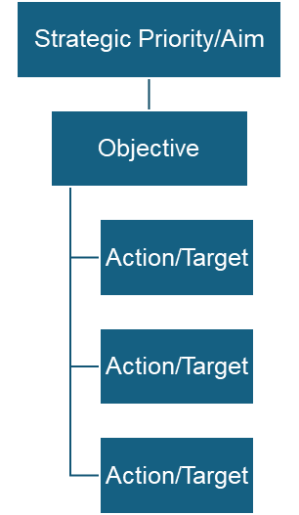
Figure 4: priorities/aims, objectives and actions/targets
Organisational objectives are translated into actionable plans with SMART targets, usually under the guidance of a senior leader responsible for that area. In some cases, a planning team drafts an initial version of the plan, which senior leaders then review and adjust to ensure it aligns with the organisation’s priorities. Occasionally, external consultants are brought in to provide specialist advice and support the planning process.
In larger organisations, strategic responsibility typically rests with a senior leader who oversees the process. Their role is to steer and monitor planning activities so that the strategy remains consistent and effective.
Creating targets
Targets are often more realistic and motivating when developed from the ground up. This approach helps clarify accountability and encourages ownership among those delivering the plan. Operating statements and targets usually cover one academic year, but some organisations extend this timeframe for objectives that require more time. This is particularly relevant for major projects such as IT infrastructure upgrades, estate development, or qualification changes, where the academic year can feel like an artificial deadline.
Keeping stakeholders informed
Transparency is vital. Organisations should share their strategic plan, supporting strategies, and operating statements so stakeholders understand the organisation’s direction and ambitions. While some details may be commercially sensitive, this can be managed by publishing the full plan internally and providing a shorter executive summary for external audiences.
Effective practice point: operating statements/plans
Supporting strategies are used to support the delivery of strategic objectives in areas such as curriculum and quality, estates and infrastructure, people, digital transformation and sustainability, finance and investment, community engagement, and social mobility. Each will normally include an operating statement/plan.
Operating statements/plans are commonly used to translate strategic goals into annual objectives, departmental targets and KPIs.
Some colleges explicitly link operating plans to strategic priorities, with annual milestones and performance indicators.
Operating statements/plans can be embedded within departmental or curriculum-level planning, especially in colleges with group structures or multiple campuses.
Finance and resource planning
To make sure plans are practical, adaptable, and cost-effective, financial and resource considerations need to be built into the overall strategy. A strong financial plan is key to successful delivery.
In most colleges detailed financial planning for the next academic year usually starts in January or February. At this stage, the focus is on understanding the financial impact of the curriculum plan. Early alignment helps prevent curriculum decisions, especially during growth, from exceeding available funds.
Refining annual budgets and medium-term forecasts typically takes place between March and July, alongside the final stages of curriculum and strategic planning. How closely these processes connect often depends on leadership roles. For example, a chief operating officer may be more involved than a chief finance officer.
Planning beyond the short term is essential for sustainability and resilience. Without a clear financial roadmap, strategies risk becoming unrealistic. Longer-term planning gives visibility into resource needs, investment priorities and funding requirements. It helps organisations balance growth with financial responsibility, anticipate risks, manage cash flow, and align major investments with strategic goals. This integration supports informed decision-making and avoids short-term compromises.
Budgeting can be centralised, decentralised, or a mix of both. Funds may be allocated through curriculum-linked planning or bidding for specific projects like equipment or refurbishment. Multiple rounds of budgets and forecasts are common to achieve integrated financial and resource planning. You should:
- schedule processes logically
- involve cross-functional teams
- link budgeting clearly with curriculum, business support, estates, and operational plans
Medium-term forecasts should reflect resource needs, and finance processes must be transparent, with clear communication about allocation models and bidding procedures.
When extra resources are needed for strategic goals beyond normal operations, representatives from all functions should review draft strategies and assess their impact. Strategic leads must consider resource needs across the full lifecycle of supporting plans, and heads of resource functions should approve all related requirements.
Stage 4: communicating
Strategic plans are communicated through a variety of formats tailored to different audiences. Colleges will use brochures, digital presentations, CPD events, and internal briefings to ensure clarity and accessibility. Some institutions launch their plans during dedicated events or through multimedia content. Others share the plan using polished public-facing documents supported by internal alignment through departmental plans. A minority of colleges use CEO/SLT video presentations to share the college’s strategic priorities, which can be a useful aid in college groups with geographically dispersed campuses where logistics can be challenging.
Communication strategies can also include newsletters, staff meetings, student events, and visual displays across campuses. Colleges often integrate strategic messaging into daily operations and recognition systems, reinforcing values and priorities. Plans are also shared with external stakeholders, including employers, local authorities and civic partners to ensure alignment and transparency.
Presentation formats vary from high-level summaries to detailed operational documents, with some colleges adopting headline frameworks instead of traditional plans to maintain flexibility and relevance.
Methods of communication
Methods and approaches to communicating strategic plans are many and varied depending on the purpose of the message and the style of leadership. Examples include:
Strategic Clarity and Vision Sharing
- launch strategic plans using pre-recorded content and tailored brochures to ensure clarity and accessibility
- reinforce transparency and leadership presence through college-wide addresses and regular updates
- promote shared understanding and ownership by presenting the strategic plan in workshops and consultation sessions
Inclusive and Collaborative Engagement
- involve staff and governors in strategy development, incorporating bottom-up input refined by senior leadership
- build leadership capacity by engaging wider staff in drafting the plan and aligning departmental objectives
- conduct comprehensive consultations with students, staff, unions, and community stakeholders to refine strategic priorities
Multi-Channel Communication
- maintain continuous engagement through termly updates, staff briefings, and informal dialogue
- use newsletters, student events, and recognition initiatives to strengthen alignment with organisational values and strategic objectives
Values-Driven Messaging
- embed organisational values within the strategic identity
- integrate core values into recognition systems for staff and students
- reinforce values consistently through internal communications and strategic initiatives
Effective practice points: communication
Many colleges present their strategic plan in brochure format, making use of highly effective infographics, photographs of students and resources to engage the audience. This is often complemented with poster, online and seminar-type promotional campaigns. Some will also employ business meetings to share the plan with local employers.
Rarely used, but often highly effective, is the use of a published video featuring the CEO explaining the key strategic priorities, direction, and ambition of the organisation. This format also provides an opportunity for external stakeholders to ‘meet’ the CEO and for the CEO to ask for their support.
Stage 5: implementing
To implement plans effectively, it is important to give individuals and teams clear responsibilities. These should be supported by well-defined goals and milestones that make it easy to track progress. Objectives need to be challenging but also connected directly to the overall strategy, flowing down to local teams and individuals so that everything aligns with operational plans.
The organisation’s structure must enable these plans to work. As the organisation grows or changes, it may be necessary to review and adjust the structure to achieve strategic goals. This could mean redefining leadership roles, reorganising services, or changing the size and number of teams.
The successful implementation of change relies on having a common vision, a clear strategy, detailed plans, adequate resources, and strong monitoring. Communication and consultation are essential, along with coaching, staff development and recognition. A formal system for managing and tracking change helps maintain alignment, reduce resistance, and support decisions based on data. Such systems create transparency and accountability, which builds trust and encourages continuous improvement.
External specialists, such as facilitators, can bring fresh perspectives, additional resources, and new skills for short-term projects while helping to strengthen internal capabilities. For major initiatives, dedicated project teams are often the best option, especially for large or cross-functional work. Providing project management training for senior leaders and those likely to lead significant projects is also highly beneficial.
Managing risk in strategic planning
Effective strategic planning requires proactive risk management to ensure organisational resilience and long-term success. Risks, both internal and external, can surface from market volatility, regulatory changes, resource constraints, and cultural resistance. Rather than viewing risk solely as a threat, organisations should recognise its potential to create opportunities.
The risk management key principles are:
- integration (embed risk management into the strategic planning process through identification, assessment and scenario planning)
- culture (foster a risk-aware culture that promotes transparency, accountability and proactive decision-making)
- tools (utilise frameworks such as SWOT, PESTLE, risk heat maps, and Key Risk Indicators to evaluate and monitor risks)
- adaptation (continuously review assumptions, monitor emerging trends, and maintain agility to pivot strategies when necessary)
- governance (define risk appetite, ensure oversight by leadership, and integrate risk reporting into performance reviews)
Organisations that anticipate uncertainties, prepare contingencies, and align risk management with strategic objectives are better positioned to achieve sustainable growth and competitive advantage.
Summary of approaches to implementing strategic plans
Implementation is generally decentralised, with strategic priorities managed by senior leaders or executive sponsors responsible for specific themes or projects. Effective planning and implementation will align management structures with strategic goals, ensuring departmental objectives and staff appraisals reflect these priorities.
Departmental operating plans will integrate strategic actions with local development goals and quality improvement initiatives.
Accountability and innovation are driven through collaborative executive meetings with agreed KPIs or SMART targets, possibly supported by fixed-term project boards, working groups, and cross-college departments with clear ownership of outcomes. Financial planning, estates strategies, and curriculum development are embedded in the process, informed by stakeholder input, national priorities, LSIPs, local intelligence, and regional needs.
Effective practice will draw from an organisation’s:
- agility and responsiveness
- ability to match initiatives to capacity
- performance
- adaptation to address emerging challenges
Leadership development, staff wellbeing and recruitment remain essential, particularly for colleges undergoing transformation or recovery.
Stage 6: monitoring
Successful monitoring relies on colleges adopting a structured and transparent approach to the successful delivery of their strategic plan. This begins with establishing clear, measurable objectives aligned with the institution’s vision and mission. Each objective should have defined SMART targets, ensuring progress can be tracked consistently. Responsibility for each strategic priority must be assigned to specific departments or individuals, creating accountability and clarity in ownership.
Effective monitoring of a college’s strategic plan requires a structured, transparent, and collaborative approach. Leadership teams play a critical role in ensuring that progress is tracked, challenges are addressed promptly, and the plan remains aligned with the institution’s vision.
Regular progress reviews are essential. Colleges should schedule formal reporting periods, such as quarterly, termly or biannual reviews, where data on KPIs is analysed and compared against targets. These reviews should not only focus on quantitative metrics but also include qualitative assessments, such as stakeholder feedback and evaluation of the impact on student outcomes. To support this, colleges can implement dashboards or performance management systems that provide real-time visibility into progress, enabling leaders to identify trends and intervene promptly when objectives are at risk.
Communication plays a critical role in effective monitoring. Colleges should maintain open channels for sharing updates with staff, students, governors and other stakeholders, fostering a culture of transparency and engagement. This includes regularly updating governors through structured published summary reports and, where appropriate, holding forums where progress and challenges are discussed openly.
Continuous improvement should be embedded in the process. When gaps or delays are identified, corrective actions must be agreed upon and documented, ensuring the plan remains dynamic and responsive to changing circumstances.
Finally, colleges should conduct an annual strategic review to evaluate overall success, reflect on lessons learned, and adjust priorities for the coming year. This review should incorporate external benchmarking and stakeholder input to ensure the institution remains competitive and aligned with sector trends. By combining clear accountability, robust data analysis, transparent communication, and adaptive planning, colleges can monitor and drive the successful delivery of their strategic plan effectively.
Seven step guide to effective monitoring
-
Define clear objectives and measures
Ensure the design of the strategic plan facilitates effective monitoring. It should consist of measurable objectives with associated SMART targets. This clarity ensures that progress can be assessed objectively and consistently. -
Assign ownership and accountability
Every strategic priority should have a designated owner, preferably an individual. Clear accountability helps maintain focus and ensures that responsibilities are understood across the organisation. -
Establish regular review cycles
Schedule formal progress reviews at agreed intervals, such as quarterly, termly or biannually. These reviews should include both quantitative data (for example, KPI performance) and qualitative insights (such as feedback from staff and students). Use these sessions to identify achievements, address risks, and agree on corrective actions where needed. -
Use Data and technology for visibility
Implement tools such as dashboards, scorecards or performance management systems to provide real-time visibility of progress. This enables leadership teams to spot trends early and make informed decisions quickly. -
Communicate progress transparently
Share updates regularly with staff, students, governors and relevant stakeholders. This can be done through summary reports, newsletters, or open forums. Transparent communication builds trust and keeps the entire college community engaged in the strategic journey. -
Embed continuous improvement
When gaps or delays occur, document the reasons and agree on corrective actions. Treat the strategic plan as a living document that can adapt to changing circumstances, ensuring flexibility without losing sight of long-term goals. -
Conduct an annual strategic review
At the end of each year, evaluate overall progress against the plan. Include external benchmarking and stakeholder feedback to ensure the college remains competitive and responsive to sector trends. Use this review to refine priorities for the coming year.
Appendix A: strategic planning headline checklist
| Stage | Action | Who | When |
|---|---|---|---|
| Planning | Define Purpose and Scope Confirm mission, vision, and core values Identify planning horizon (short, medium, long term) |
||
| Planning | Stakeholder Engagement Schedule consultations with staff, students, governors, and employers |
||
| Planning | Risk Assessment Identify key risks and mitigation strategies |
||
| Research | Confirm Strategic Drivers Align with LSIPs, Post-16 Education and Skills White Paper, Industry Strategy and national priorities |
||
| Research | Environmental Exploration Complete PESTLE analysis Gather labour market intelligence and demographic data |
||
| Research | Internal Analysis Conduct SWOT analysis Review financial health, curriculum portfolio, and resource capacity |
||
| Research | Innovation Organise visioning workshops and bottom-up input sessions |
||
| Presentation | Draft strategic plan including: Mission and vision statements Strategic aims and priorities SMART objectives and milestones |
||
| Presentation | Develop supporting strategies (curriculum, estates, finance, digital, people) | ||
| Presentation | Prepare operating statements/plans with annual SMART targets | ||
| Presentation | Validate resource requirements and financial feasibility | ||
| Communication | Design communication plan: Internal (staff briefings, newsletters) External (employers, community partners) |
||
| Communication | Create accessible formats (brochure, infographic, video summary) | ||
| Implementation | Align organisational structure to strategic priorities | ||
| Implementation | Assign responsibility for each strategic aim and objective | ||
| Implementation | Integrate operating statements/plans into departmental plans | ||
| Implementation | Establish project teams for major initiatives | ||
| Implementation | Confirm resource allocation and budget alignment | ||
| Implementation | Launch internal and external communication campaigns | ||
| Monitoring | Define KPIs and success measures for each objective | ||
| Monitoring | Set reporting schedule (monthly, termly, biannual) | ||
| Monitoring | Implement dashboards and RAG rating system | ||
| Monitoring | Integrate financial monitoring with strategic progress | ||
| Monitoring | Schedule annual strategic review to inform next cycle | ||
| Monitoring | Document lessons learned for future planning and update risk register and |
Appendix B: examples of data presentation
FE Provider Dashboard
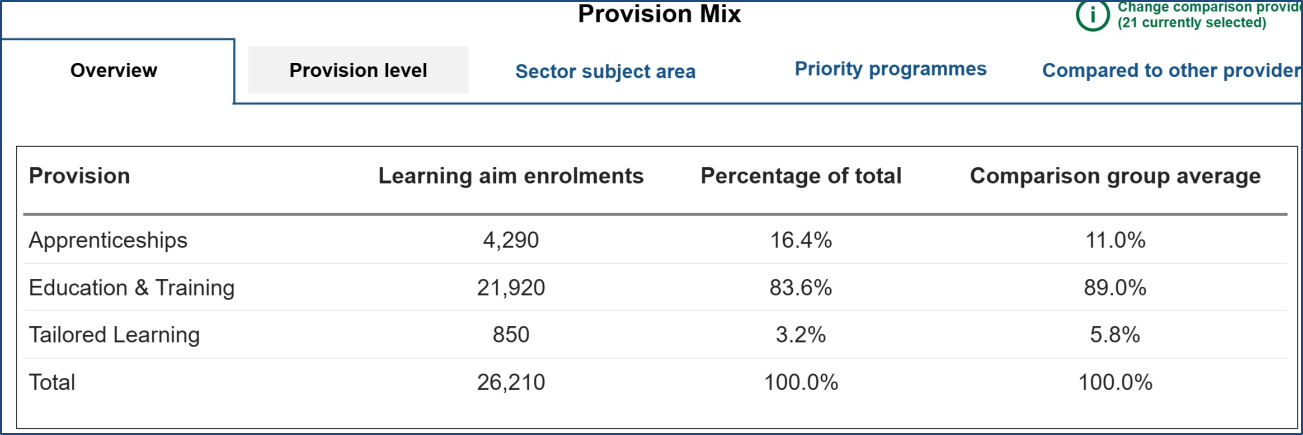
Figure 5: high level overview of provision mix against main competitors
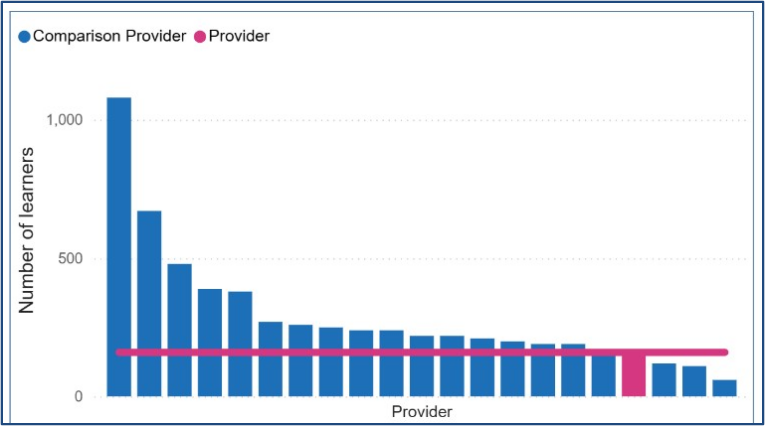
Figure 6: Number of high needs enrolments against competitors
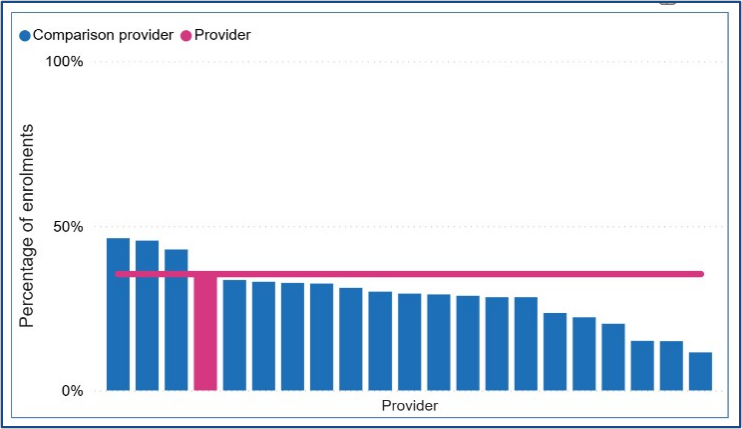
Figure 7: Percentage enrolments by sector subject area against competitors
Commercial tools
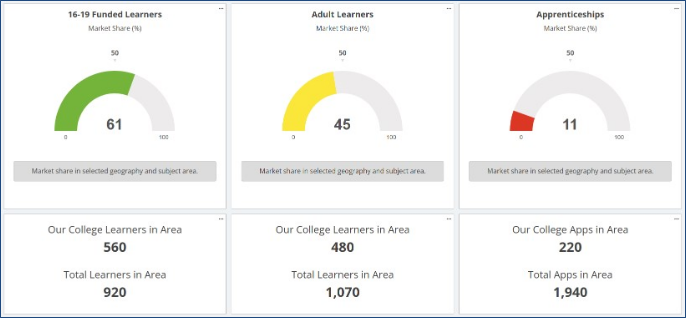
Figure 8: market share analysis (VECTOR)[footnote 1]
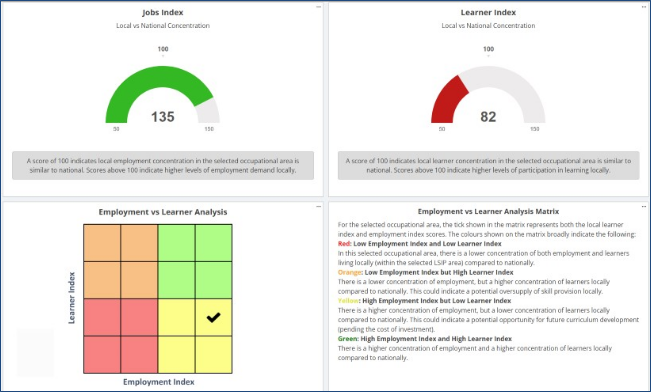
Figure 9: jobs versus learners in relevant training (VECTOR)
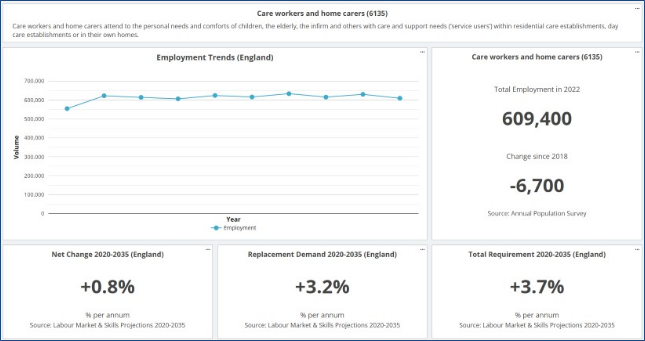
Figure 10: employment trend analysis - care sector (VECTOR)
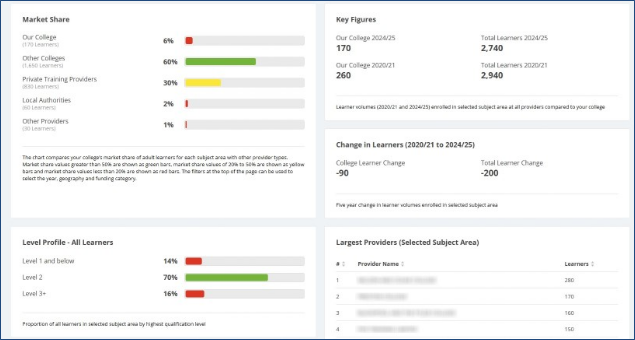
Figure 11: summary market share by sector subject area (VECTOR)
Appendix C: sector contributors
The project team and FEC would like to thank the following college leaders for their contributions to the guide. Their experience, expertise, insight and knowledge has been invaluable in drawing together examples of effective practice.
Alan Pease, Suffolk New College, Chief Executive Officer/Principal
Alex Scott, Itchen Sixth Form College, Chief Executive Officer/Principal
Anna Dawe, Wigan and Leigh College, Chief Executive Officer/Principal
Anthony Bravo OBE, Basingstoke College of Technology, Chief Executive Officer/Principal
Christopher Payne, Ada. National College for Digital Skills, Chief Operating Officer (COO)
Debra Gray MBE, Hull College, Chief Executive Officer/Principal
Dr Sam Parrett CBE, London South East Colleges, Chief Executive Officer/Principal
Gillian May, Windsor Forest College Group, Chief Executive Officer/Principal
Gill Worgan CBE, West Herts College, Chief Executive Officer/Principal
Julia Heap, Hopwood Hall College, Chief Executive Officer/Principal
Julie Milburn, Sparsholt College, Chief Executive Officer/Principal
Jacqui Canton, Abington and Witney College, Chief Executive Officer/Principal
Janet Gardner OBE, Waltham Forest College, Chief Executive Officer/Principal
John Laramy CBE, Exeter College, Chief Executive Officer
Jonathan Adams, Activate Learning, Chief Strategy Officer (CSO)
Rachel Nicolls, Inspire Education Group, Chief Executive Officer/Principal
Sam Wright, Heart of Yorkshire College, Chief Executive Officer/Principal
Tony Day, Joseph Chamberlain Sixth Form College, Chief Executive Officer/Principal
Mark Robertson, Cambridge Regional College, Chief Executive Officer/Principal
Zoe Lewis CBE, Middlesbrough College, Chief Executive Officer/Principal
Appendix D: project team
Nigel Duncan OBE, Deputy Further Education Commissioner
Pauline Hagen OBE, Further Education Adviser
Tim Jackson OBE, Further Education Adviser
Dr Jo Pretty, Further Education Adviser
-
VECTOR is a commercial tool available under licence from RCU. Other commercial tools are available. ↩