Cryptosporidium data 2016 to 2025
Updated 13 August 2026

© Crown copyright 2026
This publication is licensed under the terms of the Open Government Licence v3.0 except where otherwise stated. To view this licence, visit nationalarchives.gov.uk/doc/open-government-licence/version/3 or write to the Information Policy Team, The National Archives, Kew, London TW9 4DU, or email: psi@nationalarchives.gov.uk.
Where we have identified any third party copyright information you will need to obtain permission from the copyright holders concerned.
This publication is available at https://www.gov.uk/government/publications/cryptosporidium-national-laboratory-data/cryptosporidium-data-2016-to-2025
Main points for 2025
The 2025 report shows that:
- the number of Cryptosporidium laboratory reports in England fell from 5,703 cases in 2024 to 4,149 cases in 2025, a decrease of 1,554 cases (27.2%) – the number of laboratory reports in 2025 was comparable to pre-pandemic years, reversing higher activity seen in 2023 and 2024
- the highest rates of laboratory reports were in the North East (10.6 per 100,000 population) and the South West (10.3 per 100,000 population) – the South West had the highest number of outbreaks reported, followed by the North East
- the highest number of laboratory reports were in children aged 0 to 9 years (26.2% of total reports) and adults aged 30 to 39 years (22.5% of total reports), with the majority of cases aged 30 to 39 years occurring in females – overall, 55.5% of Cryptosporidium laboratory reports in England were female, which was similar to 2024 (57.1%)
- the number of outbreaks reported in 2025 (n=29) were comparable to 2024 (n=32), but fewer cases were reported in outbreaks in 2025. As in 2024, the majority of outbreaks in 2025 were linked to farm settings (n=18; 62.1% of total outbreaks reported)
Background
Cryptosporidiosis is an infection caused by the protozoan Cryptosporidium (1). The most common symptom is profuse watery diarrhoea, often accompanied by stomach cramps, nausea, vomiting, low-grade fever and loss of appetite. Most people recover within 14 days; however, children under 5 years of age or individuals with weakened immune systems are at higher risk of developing more severe illness due to persistent diarrhoea and the person’s inability to absorb nutrients (2, 3). There is no specific treatment for cryptosporidiosis licenced in the UK. Information about managing Cryptosporidium infection is available on the Cryptosporidium: public advice website.
In humans, infections are primarily associated with one of the 2 most common species of Cryptosporidium: Cryptosporidium hominis (C. hominis) and Cryptosporidium parvum (C. parvum) (4). C. hominis almost exclusively infects humans and is usually associated with direct or indirect person-to-person transmission. C. parvum infects both humans and animals, most commonly young livestock such as lambs and calves (1, 5). Several other Cryptosporidium species have been isolated from humans, however these detections are less common in the UK (6).
In the UK, the 2 main Cryptosporidium species show seasonal activity. C. parvum is reported throughout the year but peaks in spring (April and May) while C. hominis peaks in autumn (September to November) with fewer cases during the rest of the year (7). These seasonal trends are influenced by the hosts and transmission route of each species. C. parvum is associated with exposure to farm animals, particularly during visits to petting farms in the lambing season, while C. hominis is often associated with exposure to contaminated water during swimming pool use and international travel. Likely sources of Cryptosporidium are hand-to-mouth after animal contact or touching surfaces or clothing contaminated with animal faeces, swallowed swimming pool water, drinking contaminated or inadequately treated drinking water and less frequently identified, the consumption of food exposed to faeces or contaminated water. Person-to-person transmission is also common especially for C. hominis (7, 8).
Traditionally, diagnosis has been performed by stained microscopy or immunoassay. However, more sensitive molecular techniques (PCR) are increasingly being used in England, which may have an impact on detections. PCR-based methods are used by the national Cryptosporidium Reference Unit (CRU), Public Health Wales for genotyping to differentiate species and subtypes (7, 9). In outbreaks, CRU performs further sub-typing of C. parvum and C. hominis by sequencing part of the gp60 gene (10). Further genetic characterisation using a multi-locus variable number of tandem repeats analysis (MLVA) by fragment sizing has been validated and used by the CRU since 2021 for C. parvum for both identifying and investigating outbreaks (9, 11, 12, 13).
This report summarises the trends in reporting of Cryptosporidium cases in England in 2025 with a comparison to reporting in previous years.
COVID-19 pandemic
During 2020 and 2021 it is likely that the emergence of the novel severe acute respiratory syndrome coronavirus 2 (SARS-CoV-2), the causative agent of coronavirus disease (COVID-19), and subsequent non-pharmaceutical interventions (NPIs) implemented to control COVID-19 transmission affected notifications of Cryptosporidium infections to national surveillance in a number of ways. These include, but are not limited to, changes which may have impacted ascertainment (for example, healthcare seeking behaviour, access to health care, availability or capacity of testing) as well as changes which likely impacted incidence (for example, limited international travel, closure of hospitality and attractions, such as petting farms, or behavioural changes around food consumption) which will have also varied over time. A large reduction of cases due to the COVID-19 pandemic and subsequent NPIs was observed (7). Therefore, trends presented in this report should be interpreted with caution, and 2020 and 2021 data is excluded from the calculation of 5-year medians. This approach is consistent with annual reports of other gastrointestinal pathogens.
The magnitude and duration of the impacts on reporting differed by gastrointestinal pathogen due to differences in severity, transmission routes and risk factors (14, 15). Therefore, the number of years impacted and consequentially excluded from the calculation of 5-year medians also differs by pathogen, for example 2020 and 2021 for Cryptosporidium but only 2020 for Campylobacter.
Methods
This report covers all Cryptosporidium notifications in England. National surveillance of cryptosporidiosis in England is coordinated by the Gastrointestinal Infections, Food Safety and One Health Division (GIFSOH) at the UK Health Security Agency (UKHSA) in collaboration with the national reference laboratory, the Cryptosporidium Reference Unit at Public Health Wales. As a live laboratory reporting system was used for extraction, the data is subject to change and historical totals may differ from those previously published (see Data sources section for more information). Laboratory report date was used for all data analyses in this report. All data presented in this report is correct as of 16 February 2026.
Population data was sourced from the Office for National Statistics (ONS) for England. The latest mid-year population estimates were used to provide denominators for the calculation of rates in 2025 (at the time of production, the latest mid-year population estimates available were mid-2024). All rates are calculated as per 100,000 population.
Regional classification was based on ONS regional boundaries using patient residence postcode where available. Where patient residence postcode was not available or invalid, GP postcode or referring laboratory postcode was used as a proxy. Previous reports used Nomenclature of Territorial Units for regional boundaries, level (NUTS1) codes therefore historical regional totals in previous publications may differ slightly. Updated regional totals were calculated for 2024 for accurate comparison with 2025 data. This change was made to ensure the same regional assignment methodology is used across all Cryptosporidium surveillance outputs.
The deprivation level of an area (Index of Multiple Deprivation decile) was mapped to each case using patient home postcode and 2025 IMD version.
When calculating the median of the previous 5 years, 2020 and 2021 were excluded due to the impacts of the COVID-19 pandemic, therefore the 5-year median was calculated from the same period in 2018 to 2019 and 2022 to 2024.
Cryptosporidium laboratory data 2016 to 2025
Annual data 2016 to 2025
Figure 1 and Table 1 show the trend of Cryptosporidium laboratory reports in England from 2016 to 2025. The rate of Cryptosporidium laboratory reports per 100,000 population decreased by 26.8% from 9.7 in 2024 to 7.1 in 2025. The rate in 2025 was similar to pre-pandemic years, following unusually high activity in 2023 and 2024.
Figure 1. Annual laboratory reports of Cryptosporidium in England from 2016 to 2025
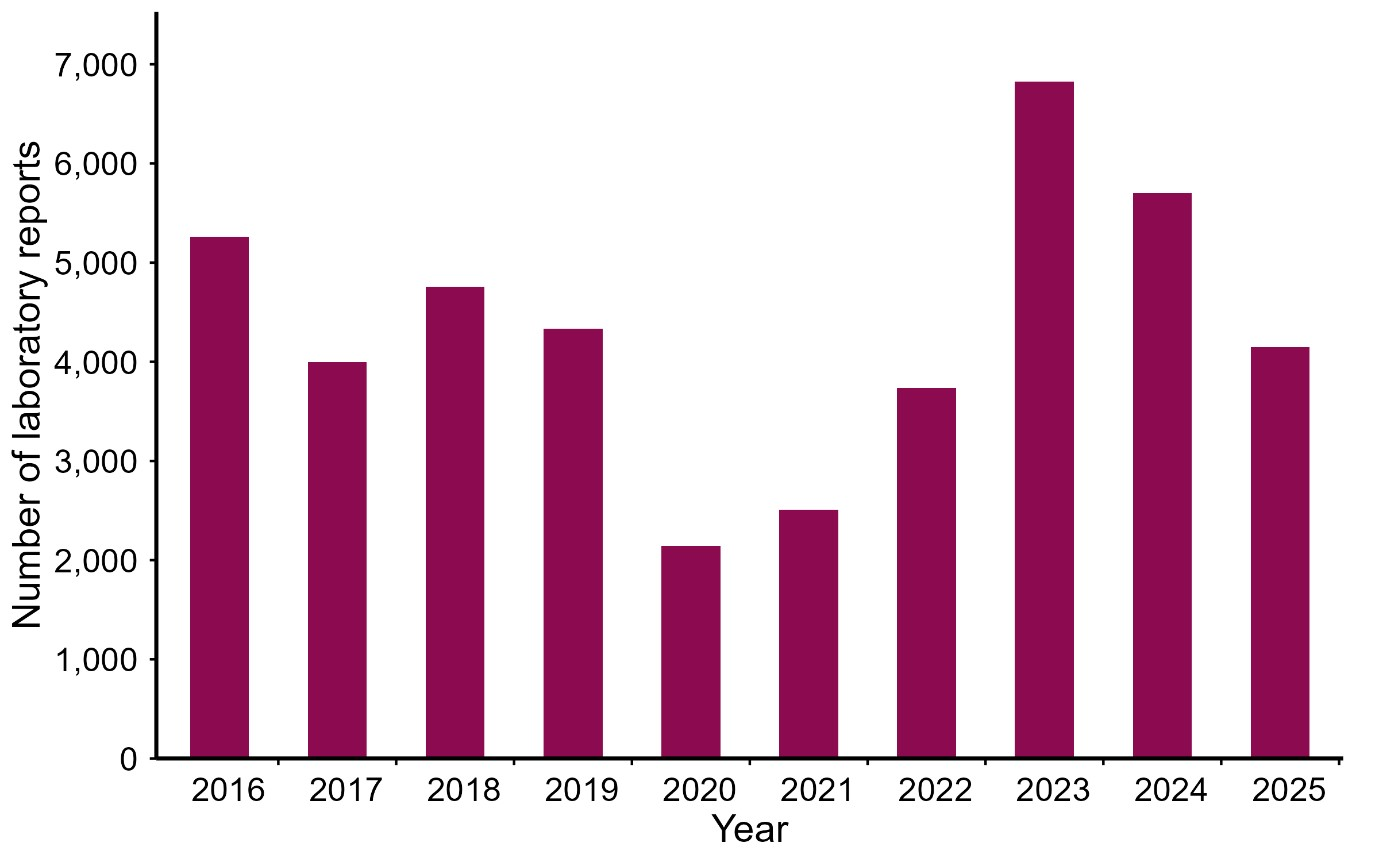
Table 1. Annual laboratory reports of Cryptosporidium in England from 2016 to 2025
| Year | Number of laboratory reports | Laboratory reports per 100,000 population |
|---|---|---|
| 2016 | 5,261 | 9.5 |
| 2017 | 4,000 | 7.2 |
| 2018 | 4,759 | 8.5 |
| 2019 | 4,333 | 7.7 |
| 2020 | 2,145 | 3.8 |
| 2021 | 2,510 | 4.4 |
| 2022 | 3,736 | 6.5 |
| 2023 | 6,828 | 11.8 |
| 2024 | 5,703 | 9.7 |
| 2025 | 4,149 | 7.1 |
Regional data in 2025
Table 2 displays the number of Cryptosporidium laboratory reports and the rate per 100,000 population per region in 2025.
Rates decreased between 2024 and 2025 in all regions. In 2025, the North East region had the highest rate of laboratory reports (10.6 per 100,000 population), with similarly high rates reported in the South West (10.3 per 100,000 population) and North West (10.1 per 100,000 population). The lowest rate was in the South East (4.3 laboratory reports per 100,000 population), where the rate decreased by 42.7% from 7.5 reports per 100,000 population in 2024, the largest decrease of any region.
Table 2. Regional distribution of laboratory reports of Cryptosporidium in England in 2025
| Region | Laboratory reports | Laboratory reports per 100,000 population |
|---|---|---|
| East Midlands | 348 | 6.9 |
| East of England | 328 | 5.0 |
| London | 515 | 5.7 |
| North East | 294 | 10.6 |
| North West | 783 | 10.1 |
| South East | 417 | 4.3 |
| South West | 606 | 10.3 |
| West Midlands | 472 | 7.6 |
| Yorkshire and the Humber | 386 | 6.8 |
Age and sex distribution in 2025
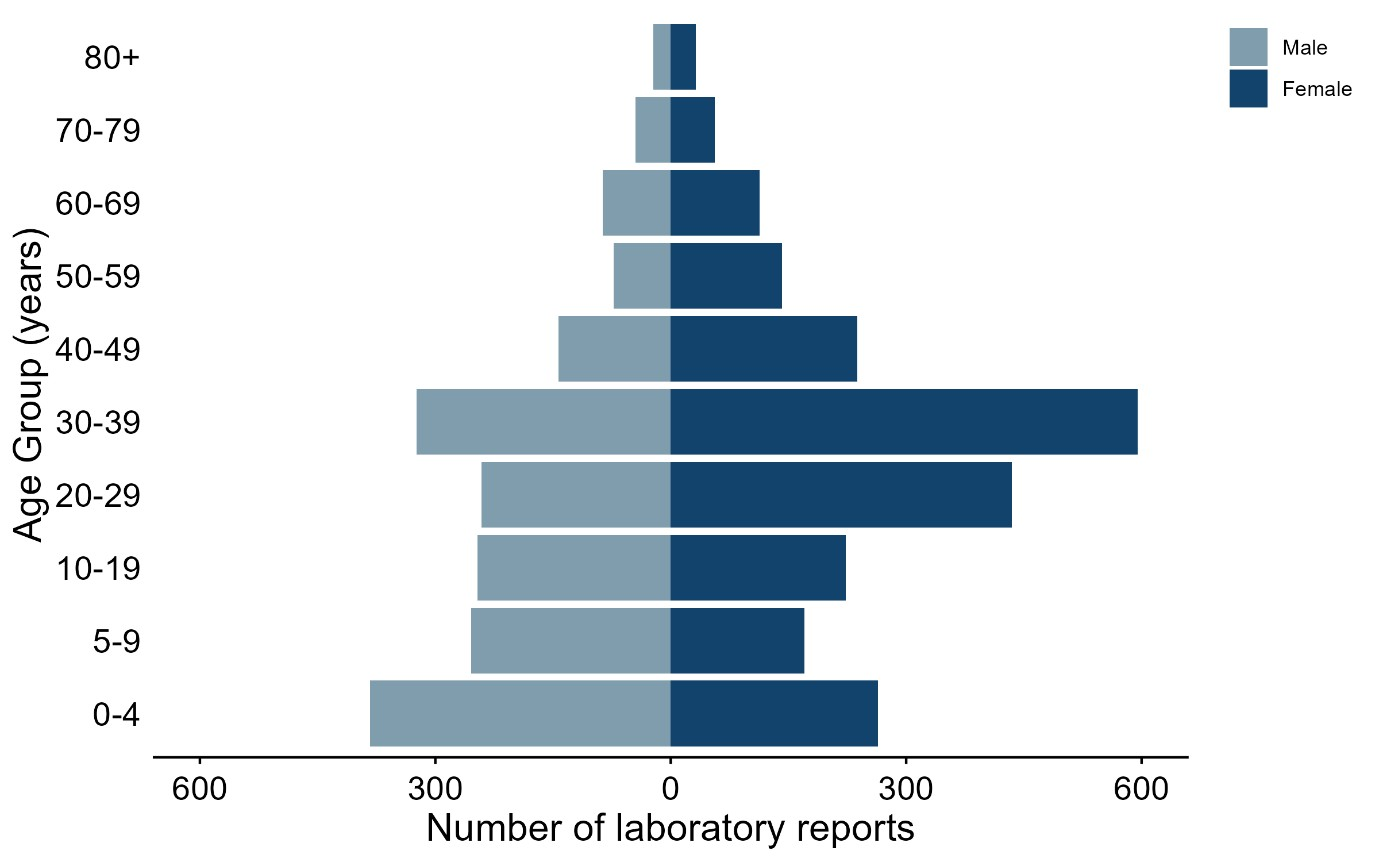
Figure 2 shows the age and sex distribution of Cryptosporidium laboratory reports in England during 2025. Laboratory reports were excluded where age or sex was unknown (n=63). As in previous years, cases were slightly more likely to be female (55.5%; n=2,268), particularly in adults aged 20 to 59 years (n=1,410; 34.5%). However, males accounted for more laboratory reports in all age groups below 19 years.
Children aged 0 to 9 were most affected accounting for 1,071 cases (26.2% of total laboratory reports), of which 647 cases (15.8% of total) were aged 0 to 4 years, followed by adults aged 30 to 39 years (22.5%, n=919) the majority being female.
Figure 2. Age and sex distribution of laboratory reports of Cryptosporidium in England in 2025 (n=4,086)
Index of Multiple Deprivation (IMD) in 2025
Table 3 displays the number of Cryptosporidium cases resident in postcodes of each Index of Multiple Deprivation (IMD) decile. IMD decile could not be established for 113 cases without a valid postcode. The median IMD decile of Cryptosporidium cases was 6 (interquartile range: 3 to 8).
Table 3. Number of Cryptosporidium cases per Index of Multiple Deprivation (IMD) decile in England 2025 (n=4,036)
| IMD deciles | Total number of cases (%) |
|---|---|
| 1 (Most deprived) | 347 (8.6) |
| 2 | 339 (8.4) |
| 3 | 385 (9.5) |
| 4 | 418 (10.4) |
| 5 | 478 (11.8) |
| 6 | 413 (10.2) |
| 7 | 457 (11.3) |
| 8 | 433 (10.7) |
| 9 | 412 (10.2) |
| 10 (Least deprived) | 354 (8.8) |
| Total | 4,036 |
Seasonal variation in 2025
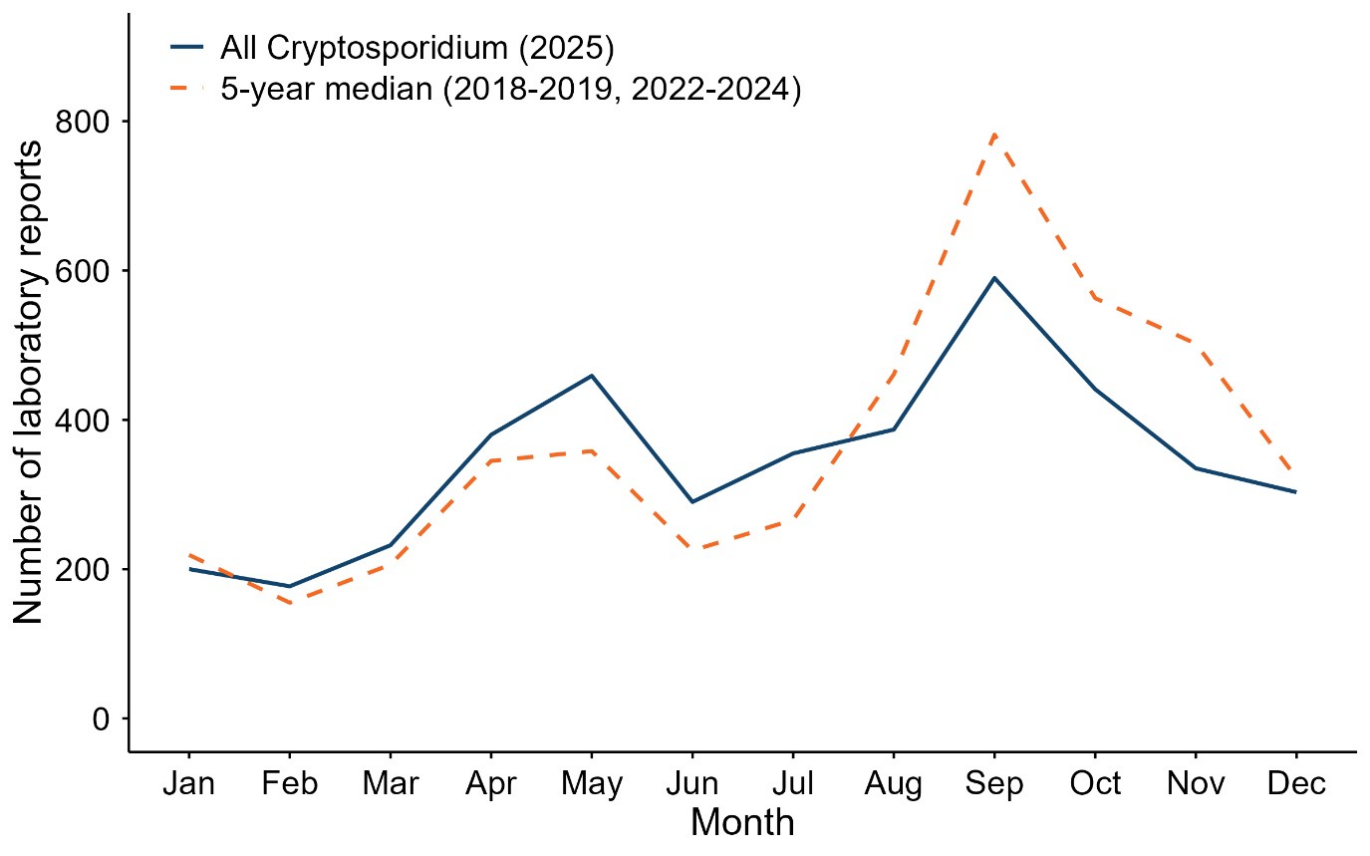
Figure 3 shows the seasonal trend of laboratory reporting for Cryptosporidium in England during 2025 by month. In 2025, the number of laboratory reports per month between February and July was higher than the 5-year median (2018 to 2024, excluding 2020 and 2021). Laboratory reports in 2025 fell below the 5 year median from August onwards, with the number of cases reported between September and November 2025 (n=1,366) considerably lower than the 5-year median (n=1,882).
Figure 3. Seasonality of laboratory reports of Cryptosporidium in England by month in 2025 with median number of reports by month in 2018 to 2024 (excluding 2020 and 2021) (n=4,149)
Species data in 2025
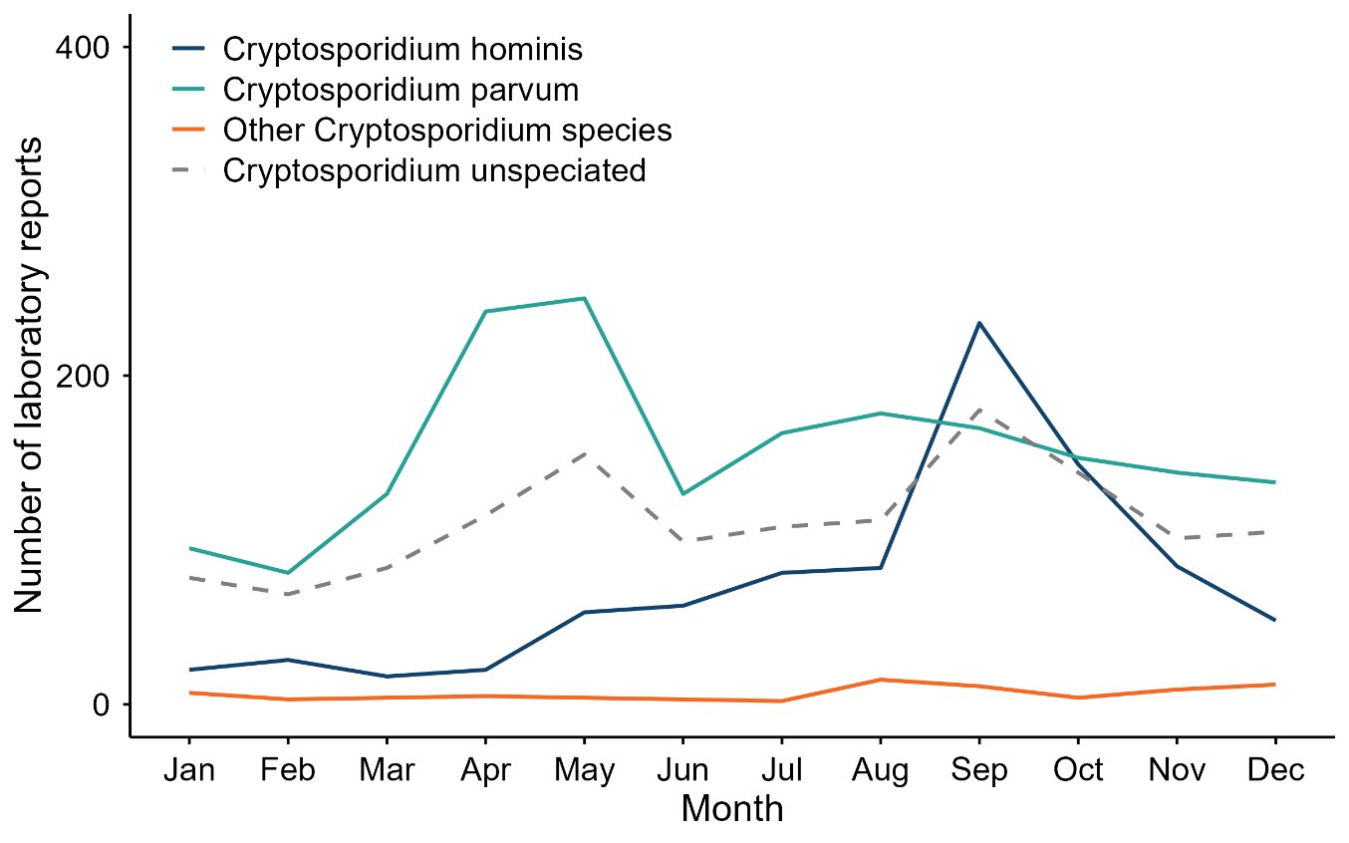
Figure 4 shows laboratory reporting of Cryptosporidium species in England during 2025 by month. Of laboratory reports where a specimen was referred and species could be identified (n=2,810; 67.7% of reports), 1,853 (65.9%) were C. parvum and 878 (31.2%) were C. hominis. Nine species other than C. parvum or hominis were reported, accounting for 2.8% (n=79) of reports where a species could be identified, of which C. cuniculus and C. ubiquitum were most commonly identified (n=28 and n=23 laboratory reports respectively). The number of reports peaked in April and May for C. parvum (n=247) and September for C. hominis (n=232). This trend was in line with the normal seasonality observed for each species. Unspeciated Cryptosporidium accounted for 32.3% (n=1,339) of all laboratory reports in 2025.
Figure 4. Cryptosporidium species laboratory reports in England by month in 2025 (n=4,149)
Outbreak data in 2025
In 2025, there were 29 Cryptosporidium outbreaks reported to national surveillance; 2 C. hominis, 18 C. parvum and 9 outbreaks where the species of Cryptosporidium was not reported (Table 4). Overall, the total number of people affected was 194 with 178 laboratory confirmed cases, of which at least 7 were admitted to hospital and there were no reported deaths ( hospitalisation and death data is not collected routinely or systematically). However, there is likely to be under ascertainment in the number of cases reported. There were 32 outbreaks reported in 2024.
As in previous years, the majority of reported outbreaks were associated with farm settings (n=18; 62.1%), with 15 C. parvum and 3 unspeciated outbreaks reported. Seven outbreaks were reported in nursery and education settings (24.1%), of which 1 was C. hominis, 2 were C. parvum and 4 were where the species was not reported. Three outbreaks were associated with swimming pools (10.3%; 1 C. parvum and 2 unspeciated).
Table 4. Outbreaks of Cryptosporidium reported in England in 2025 [note 1]
(Use scroll bar to view all data.)
| Agent | Total affected | Laboratory confirmed | Hospital admissions [Note 2] | Deaths [Note 2] | Setting | Month |
|---|---|---|---|---|---|---|
| Cryptosporidium species | 2 | 2 | Unknown | Unknown | School | January |
| C. parvum | 2 | 2 | Unknown | Unknown | Farm vending machine (pasteurised milk) | February |
| C. parvum | 24 | 19 | Unknown | Unknown | Open farm | February |
| Cryptosporidium species | 2 | 2 | Unknown | Unknown | Nursery | February |
| Cryptosporidium species | 4 | 4 | Unknown | Unknown | Open farm | February |
| C. parvum | 3 | 3 | Unknown | Unknown | University veterinary school | March |
| Cryptosporidium species | 6 | 6 | Unknown | Unknown | Open farm | March |
| C. parvum | 22 | 22 | Unknown | Unknown | Open farm – lamb contact event | March |
| C. parvum | 6 | 6 | Unknown | Unknown | Working farm - lamb contact event | March |
| C. parvum | 8 | 8 | Unknown | Unknown | Farm shop - lamb contact event | April |
| C. parvum | 18 | 16 | Unknown | Unknown | Heritage site - lamb contact event | April |
| C. parvum | 3 | 3 | Unknown | Unknown | Working farm/farm shop - lamb contact event | April |
| C. parvum | 11 | 11 | 3 | Unknown | Working farm/plant nursery and tearoom – lamb contact event | April |
| C. parvum | 4 | 4 | 4 | Unknown | Working farm with restricted public visitors | April |
| C. parvum | 13 | 10 | Unknown | Unknown | Open farm - lamb contact event | April |
| C. parvum | 5 | 5 | Unknown | Unknown | Open farm - lamb contact event | April |
| C. parvum | 5 | 5 | Unknown | Unknown | Working farm - lamb contact event | April |
| C. parvum | 2 | 2 | Unknown | Unknown | Open farm | April |
| C. parvum | 5 | 5 | Unknown | Unknown | Swimming pool | May |
| Cryptosporidium species | 3 | 2 | Unknown | Unknown | Nursery | May |
| C. hominis [note 3] | 9 | 8 | Unknown | Unknown | Nursery | June |
| C. hominis [note 3] | 14 | 12 | Unknown | Unknown | Community cases – unknown exposure | June |
| Cryptosporidium species | 4 | 2 | Unknown | Unknown | Swimming pool - holiday park | August |
| Cryptosporidium species | 5 | 5 | Unknown | Unknown | Swimming pool - holiday park | August |
| Cryptosporidium species | 3 | 3 | Unknown | Unknown | Nursery | August |
| Cryptosporidium species | 4 | 4 | Unknown | Unknown | Agricultural college | September |
| C. parvum | 2 | 2 | Unknown | Unknown | Nursery | October |
| C. parvum | 3 | 3 | Unknown | Unknown | Commercial farm | November |
| C. parvum | 2 | 2 | Unknown | Unknown | School | December |
Use scroll bar to view all data.
Note 1: number of cases affected, and number laboratory confirmed for cases resident in England.
Note 2: clinical outcome is not known for all cases and the data reported represents cases who have been admitted to hospital or deaths reported to national surveillance.
Note 3: nursery and community case outbreaks are linked but without strong epidemiological links.
Conclusions
In 2025, the rate of Cryptosporidium laboratory reports in England decreased from 9.7 in 2024 to 7.1 per 100,000 population. However, the number of laboratory reports in 2025 was comparable to pre-pandemic years, with both 2023 and 2024 outliers.
The age and sex distribution of cases remained comparable to historic years; children under 10 years of age were the most affected age group and there were a higher number of female cases reported, particularly in adults aged 20 to 59 years.
Rates of laboratory reports were highest in the North East, South West and the North West. The North East and South West reported the greatest number of outbreaks (n=6 and n=7 respectively).
Overall, 29 outbreaks of Cryptosporidium were reported to national surveillance in 2025, comprising at least 194 cases of which 178 were laboratory confirmed. Although the number of outbreaks was similar in 2024 (n=32), the number of cases associated with outbreaks in 2025 were lower than in 2024 (1,544 total and 547 laboratory confirmed cases in 2024). It is unclear if this was due to outbreaks being smaller in size or whether it was due to reduced case identification, as it is known there is likely under-ascertainment of cases associated with outbreaks as not all cases will seek healthcare or be captured in surveillance systems.
Four outbreaks each with over 100 reported cases occurred in 2024 while in 2025 the 2 largest outbreaks had 24 and 22 reported cases. Both outbreaks occurred in open farm settings – one with a lamb contact event. As in previous years, the majority of reported outbreaks were associated with farm settings (n=18; 62.1%), with most occurring between February and April coinciding with spring lamb contact events.
Where a specimen was referred and a species was identified (67.7% of reports), 1,853 (65.9%) were C. parvum and 878 (31.2%) were C. hominis. Nine species other than C. parvum and C. hominis accounted for 2.8% of reports. Just under a third of laboratory reports did not have a species. Completeness of species identification could be improved if all laboratories referred specimens for typing.
The number of reports peaked in April and May for C. parvum (n=239 and n=247 respectively) and September for C. hominis (n=232) similar to the normal seasonality observed for each species. During the spring peak, laboratory reports were above the 5-year median likely associated with lamb contact with several outbreaks identified linked to farm settings. In late summer and autumn, when C. hominis activity is highest, the number of reports were below the 5-year median in 2025. C. hominis activity was higher than C. parvum for one month in 2025, when historically this period of higher activity has lasted 2 to 3 months. Investigations are ongoing to understand the observed decrease in C. hominis activity, with causes likely to be multifactorial.
Data sources
This report was produced using data derived from 6 data sources:
- the UK Health Security Agency (UKHSA), formerly Public Health England (PHE), Second Generation Surveillance System (SGSS). This is a live laboratory reporting system therefore numbers are subject to change. In 2015, PHE upgraded the laboratory reporting system so direct comparisons between data reported from the previous system (LabBase2) and the new system (SGSS) requires cautious interpretation
- the Gastrointestinal Infections, Food Safety and One Health (GIFSOH) Division’s eFOSS (electronic foodborne and non-foodborne outbreak surveillance system), which is also a live laboratory reporting system and therefore numbers are subject to change
- the national Cryptosporidium Reference Unit at Public Health Wales undertakes genotyping of referred specimens and supports outbreak investigations, therefore species and subtypes are derived from this data
- the population data used for England was sourced from the Office for National Statistics - mid-year 2024 estimates is available at Population estimates (ONS)
- the regional classification of cases were identified through postcode matching with lookup tables sourced from Office of National Statistics via the Census 2021 geographies available at Census 2021 geographies (ONS)
- the Index of Multiple Deprivation (IMD) Deciles were sourced from the Ministry of Housing, Communities and Local Government English indices of deprivation 2025 and are available at English indices of deprivation 2025
Data caveats
This report was produced using laboratory data for England only, therefore the number of Cryptosporidium laboratory reports published in previous reports which include data from other UK countries may differ to those included in this report.
Acknowledgements
We are grateful to:
- the NHS and private sector diagnostic laboratories, microbiologists and local authorities, health protection and environmental health specialists who have contributed data and reports to national surveillance systems
- the epidemiologists and information officers who have worked on the national surveillance of intestinal infectious diseases
- colleagues in the national Cryptosporidium Reference Unit (Public Health Wales) for providing the Reference Laboratory Services and laboratory surveillance functions, species data and expertise
- UKHSA (formerly PHE) Information Management Department for maintenance and quality assurance of UKHSA national surveillance databases used for Gastrointestinal Infections (GI) pathogen surveillance at the national level
- UKHSA (formerly PHE) Local Public Health Laboratories and Food Water and Environmental Microbiology Services for providing a surveillance function for GI pathogens and testing of food and environmental samples routinely and during outbreak investigations
Prepared by: Gastrointestinal Infections, Food Safety and One Health Division, UKHSA.
For queries relating to this document, please contact EEDD@ukhsa.gov.uk
References
1. Leitch GJ, He Q. ‘Cryptosporidiosis-an overview’ Journal of Biomedical Research 2012, volume 25, issue 1, pages 1 to 16
2. Khalil IA, Troeger C, Rao PC, Blacker BF, Brown A, Brewer TG, Colombara DV, De Hostos EL, Engmann C, Guerrant RL, Haque R, Houpt ER, Kang G, Korpe PS, Kotloff KL, Lima AAM, Petri WA Jr, Platts-Mills JA, Shoultz DA, Forouzanfar MH, Hay SI, Reiner RC Jr, Mokdad AH. ‘Morbidity, mortality, and long-term consequences associated with diarrhoea from Cryptosporidium infection in children younger than 5 years: a meta-analyses study’ Lancet Global Health 2018, volume 6, issue 7, pages e758 to e768
3. Lilja M, Widerström M, Lindh J. ‘Persisting post-infection symptoms 2 years after a large waterborne outbreak of Cryptosporidium hominis in northern Sweden’ BMC Research Notes 2018, volume 11, issue 1, page 625
4. Hunter PR, Hughes S, Woodhouse S, Syed Q, Verlander NQ, Chalmers RM, Morgan K, Nichols G, Beeching N, Osborn K ‘Sporadic cryptosporidiosis case-control study with genotyping’ Emerging Infectious Disease 2004, volume 10, issue 7, pages 1,241 to 1,249
5. Chalmers RM, Smith R, Elwin K, Clifton-Hadley FA, Giles M. ‘Epidemiology of anthroponotic and zoonotic human cryptosporidiosis in England and Wales, 2004-2006’ Epidemiology and Infection 2011, volume 139, issue 5, pages 700 to 712
6. Elwin, K., Hadfield, S.J., Robinson G., Chalmers, RM. ‘The epidemiology of sporadic human infections with unusual cryptosporidia detected during routine typing in England and Wales, 2000 to 2008’ Epidemiology and Infection 2012, 140, pages 673 to 683
7. Adamson JP, Chalmers RM, Thomas DR, Elwin K, Robinson G and Barrasa A. ‘Impact of the COVID-19 restrictions on the epidemiology of Cryptosporidium spp. in England and Wales, 2015–2021: a time series analysis’ Journal of Medical Microbiology 2023, volume 72, issue 6, page 001693
8. McKerr C, Shepherd W, Chalmers RM, Vivancos R, O’Brien SJ, Waldram A, Pollock K, Christley RM. ‘Exposures associated with sporadic Cryptosporidium infection in industrialised countries: a systematic review’ medRxiv 2022, 22272080
9. Chalmers R, Robinson G, Risby H, Elwin K, Howarth R, Simkin F, Nelson A. ‘The transformation of a Cryptosporidium reference microbiology service to tackle the One Health challenge’ Food and Waterborne Parasitology, 2025, 40, article e00274
10. Chalmers RM, Robinson G, Elwin K, Elson R. ‘Analysis of the Cryptosporidium spp. and gp60 subtypes linked to human outbreaks of cryptosporidiosis in England and Wales, 2009 to 2017’ Parasites and Vectors 2019, volume 12, issue 1, page 95
11. Nadon CA, Trees E, Ng LK, Møller Nielsen E, Reimer A, Maxwell N, Kubota KA, Gerner-Smidt P, MLVA Harmonization Working Group. ‘Development and application of MLVA methods as a tool for inter-laboratory surveillance’ Eurosurveillance 2013, volume 18, issue 35, page 20565
12. Robinson G, Pérez-Cordón G, Hamilton C, Katzer F, Connelly L, Alexander CL, Chalmers RM. ‘Validation of a multilocus genotyping scheme for subtyping Cryptosporidium parvum for epidemiological purposes’ Food and Waterborne Parasitology 2022, volume 27, e00151
13. Risby H, Robinson G, Chandra N, King G, Vivancos R, Smith R, Thomas D, Fox A, McCarthy N, Chalmers RM. ‘Application of a new multi-locus variable number tandem repeat analysis (MLVA) scheme for the seasonal investigation of Cryptosporidium parvum cases in Wales and the northwest of England, spring 2022’ Current Research in ‘Parasitology and Vector Borne Diseases’ 2023, volume 4, page 100151
14. Love NK, Elliot AJ, Chalmers RM, Douglas A, Gharbia S, McCormick J, Hughes H, Morbey R, Oliver I, Vivancos R, Smith G. ‘Impact of the COVID-19 pandemic on gastrointestinal infection trends in England, February to July 2020’ British Medical Journal 2022 March 21, volume 12, issue 3, article e050469
15. Love NK, Douglas A, Gharbia S, Hughes H, Morbey R, Oliver I, Smith GE, Elliot AJ. ‘Understanding the impact of the COVID-19 pandemic response on GI infection surveillance trends in England, January 2020 to April 2022’ Epidemiology and Infection 2023 August 25, volume 151, article e147