Government response to the recommendations from the independent review of Arts Council England
Updated 26 March 2026
Applies to England

© Crown copyright 2026
This publication is licensed under the terms of the Open Government Licence v3.0 except where otherwise stated. To view this licence, visit nationalarchives.gov.uk/doc/open-government-licence/version/3 or write to the Information Policy Team, The National Archives, Kew, London TW9 4DU, or email: psi@nationalarchives.gov.uk.
Where we have identified any third party copyright information you will need to obtain permission from the copyright holders concerned.
This publication is available at https://www.gov.uk/government/publications/arts-council-england-an-independent-review-by-baroness-margaret-hodge/government-response-to-the-recommendations-from-the-independent-review-of-arts-council-england
Ministerial foreword
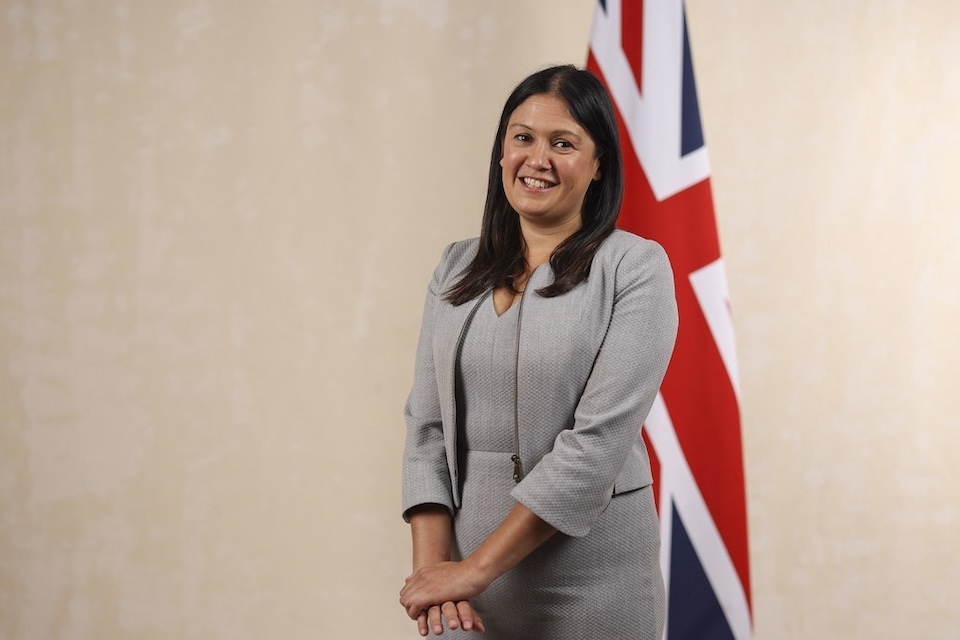
We are a nation of storytellers. Through literature, television, film, music, fashion, dance and drama, through our galleries and our museums, we light up the world. In a time when it feels we have lost our ability to understand one another, the arts are an essential force for good in a divided nation and our gift to a troubled world.
But in this last, lost decade the arts has been treated as an unaffordable luxury, or worse - a nuisance or a weapon for governments in their ongoing, exhausting culture wars. Culture and creativity have been erased from too many classrooms and communities, the routes for working class artists and performers have narrowed almost to the point of extinction and the contribution of most of us, in places with a proud history of culture and contribution, has been written off. As a result, too many of us no longer see ourselves reflected in the story we tell ourselves, about ourselves, as a nation.
An inclusive national story doesn’t mean making movies where posh boys play gangsters. It means harnessing the strength of our nation. The extraordinary diversity of our people, places, traditions and disciplines – across ballet, northern soul, opera and street art - that creates one of the most vibrant, sought-after artistic scenes in the world, drawing on the contribution of the whole nation and all the people in it. All of us deserve the chance to be part of it and in turn we need all of us to sustain it.
We lose the things that matter in two ways, gradually, then all at once. That is why our government is determined, especially in these difficult times, to support, nurture and protect the arts. Indifference is a choice with the most profound consequences, and we are choosing to back the arts, for our people and for our country.
We have put arts back at the centre of the curriculum, worked with our national institutions to bring collections out of the basement and into our communities and launched a new town of culture contest to recognise the cultural contribution of our whole country.
We are overhauling the honours system to recognise the unseen and unsung ordinary, extraordinary people who make up our cultural life, and we have announced the biggest capital uplift to the arts in a generation so that the battle to keep the lights on and the doors open for institutions – especially outside of London - is no longer the struggle it has been for so long.
But we are impatient for change and our country deserves more. That is why I asked Baroness Hodge of Barking to review the role of the Arts Council to ensure this most precious institution, founded by a visionary generation who put arts and culture at the heart of our efforts to rebuild a nation after war, can thrive for generations to come.
We are convinced her vision will help us to anchor our arts in our people and places and help us to recover our sense of self-confidence as a nation and turn outwards to the world.
That is why we are accepting every recommendation made by the Hodge Review.
This is not a licence for business as usual. For so long arts organisations have had to exist day to day, focusing on protecting and preserving our institutions. We will work with you to rebuild the foundations but in return we ask you to blow the doors off, to become anchors in our communities, enable access to excellence everywhere and provide the chance for every person in our country to live richer, larger lives.
We ask you to play your full part in shaping the future of this nation, drawing from the best of our diverse and vibrant nation and show the country we can be.
Our government believes that the arts are for everyone, everywhere. We know so many of you share that vision and together, through the actions outlined in this report, we will write the next chapter in our nation’s story.
The Rt Hon Lisa Nandy MP
Secretary of State for Culture, Media and Sport
Introduction
Our vision:
Our vision for the arts is clear. Under this government, access to exceptional culture will no longer be the preserve of the few, and citizens will be able to enjoy a cultural offer that is bold, representative, and genuinely unafraid of challenging the status quo.
A reformed and independent Arts Council is at the heart of that vision, ensuring that funded cultural activity reflects the priorities and stories of every corner of England. It is also critical to ensuring that the cultural sector is well supported by the government, whilst being given the freedom and power to better support itself.
We know that world-leading creativity can only be sustained and strengthened by breaking down the barriers to opportunity which hold too many talented people back. In our vision, individual artists will be supported in new ways, access to excellent art will be improved across the country, and creatives and organisations engaging with the Arts Council will find an efficient, supportive, creative, and modern organisation that is truly fit for the future.
1. We are grateful to Baroness Margaret Hodge for her Independent Review (“the Review”) of Arts Council England (“the Arts Council”).
2. Culture and art enriches all of our lives. It can inspire us, deepen our understanding of the world and give us the tools to process and tell our own unique stories. In all its forms - the visual arts, music, theatre, museums, libraries, the combined arts, the digital arts, literature and dance - culture is indispensable to the life and story of our nation.
3. The value of the arts also lies in the opportunities and pride they bring to individuals and our communities, particularly in the face of fragmentation and division. They allow us to tell our national story across the globe - showcasing the best of Britain to the world - and foster inclusivity and togetherness here at home.
4. Culture is essential to job creation, economic growth, and skills that drive innovation. In 2024, the arts, museums, galleries, archives and libraries sector contributed £13.2 billion in Gross Value Added (GVA) to the UK economy. The arts and cultural sector are the lifeblood of the wider creative industries (which generated an estimated £145.8 billion in GVA in 2024), feeding the ecosystem with creative skills, fulfilling careers, international soft power, intellectual property and fruitful business partnerships. Arts and culture also have a key role in social cohesion and health and wellbeing: cultural engagement can help prevent, treat and manage physical and mental health problems, raising self-esteem and improving child development, and reducing incidences of depression and the onset of cognitive decline. Our analysis has found that general adult engagement in culture contributes around £8 billion in health-related benefits for our society each year.
5. However, we know that the benefits that exceptional culture brings are not equitably distributed. This government refuses to sit back while communities are written out of our national story, and too many people are unable to fulfil their creative ambitions and engage with art that inspires them. While publicly funded culture takes place in every Local Authority area in the country, we know from the Department for Culture, Media and Sport (DCMS)’s Participation Survey that you are less likely to engage with culture if you come from a disadvantaged background, if you come from a deprived area, or if you are of certain ethnicities.[footnote 1] This is unacceptable, and speaks to the false belief that pits access against excellence; namely that one has to be sacrificed in order to achieve the other.
6. This government knows that for many, the status quo is not working for them. The truth is that talent is everywhere, but opportunity is not. We need a culture sector that successfully reaches, inspires and nurtures young people who otherwise would not have that opportunity; we need a culture sector that actively responds to the needs of the communities it serves; we need a culture sector that is proud and unafraid to tell the whole story of our nation.
7. Baroness Hodge’s Independent Review of Arts Council England proposes a wide-reaching vision of reform. We welcome this vision and the opportunity to build a culture sector that works for the whole country. We accept Baroness Hodge’s recommendations as set out below; and where Baroness Hodge has suggested ideas for further consideration, we commit to doing so in collaboration across government. In all areas we commit to working closely with our partners in Arts Council England to achieve our shared aims.
Our work so far
8. We want to support the cultural sector to deliver our vision and address persistent inequalities that have plagued the sector for far too long. We are already fixing the foundations - tackling long-standing underinvestment in the sector, supporting people to access high-quality art and culture on their doorstep, and making a career in the cultural and creative sectors a viable option across the country - through a series of significant interventions:
-
We are investing £1.5 billion to protect cultural infrastructure in communities across England for generations to come, including in areas of high deprivation and which have been historically underserved. This will support over 1,000 capital projects at arts venues, museums, libraries and heritage sites by the end of this Parliament, enabling inclusive access to vital community assets up and down the country. We will also deliver the biggest uplift in decades for the nearly 1,000 National Portfolio Organisations, enabling citizens everywhere to have access to excellent culture.
-
In January, we launched our campaign to find the first UK Town of Culture, a testament to the ongoing success of the UK City of Culture competition. City of Culture, developed in collaboration with the devolved governments in Northern Ireland, Scotland and Wales, delivers years of rich cultural activity rooted in local identities, strengths and stories. It is proven to bring in economic investment to the winning places and boost visitor numbers, and has become a model for cultural place-making. We are confident that the exciting and popular new Town of Culture competition will help to boost local pride, discover unique culture and excellence in towns up and down the country and ensure that towns can see their contribution to culture as a vital part of the national story.
-
We are committed to enabling all children across the country to have access to excellent culture. Through the Every Child Can programme, we will use £132.5 million of dormant assets funding to increase disadvantaged young people’s access to enrichment opportunities in the arts, culture, sports and wider youth services. This builds on both our commitment to revitalise arts education as part of a reformed national curriculum, and to increase access to enriching opportunities for young people across the country through the new National Youth Strategy. We also recently announced a new core enrichment entitlement for all children, which delivers access to arts and culture as well as nature, the outdoors and adventure, sport and physical activities; and opportunities to develop civic engagement and wider life skills.
-
In June 2025, as part of the Industrial Strategy, we published our Creative Industries Sector Plan. This Plan will tackle barriers to growth and maximise opportunities across the creative industries sector, with the aim of making the UK the number one destination for creativity and innovation by 2035. As part of the Plan, we identified music, performing and visual arts as some of our subsectors with the highest growth potential, and committed to backing the next generation of British talent, unlocking new growth at home and abroad, and capitalising on the opportunities for musicians, performers and artists. Delivery is already under way: we announced £25 million each for six Mayoral Strategic Authorities through our Creative Places Growth Fund; we confirmed plans to ban the resale of a ticket for more than the original ticket cost; and we launched a record £500 million funding package for research, development and innovation in the creative industries, with more reform and support to be set out in areas including finance, skills, trade and key sub-sectors in the coming months.
The Review
9. For all the benefits already set out, we support culture and are proud to do so. The Arts Council is a key partner in this, and the most significant single actor in developing and shaping England’s creative landscape and cultural economy. As the sector faces the persistent challenges outlined above, this role is more important than ever, and the systems that underpin it must be ready to meet new challenges and opportunities. That is why we asked Baroness Hodge to review the Arts Council: to ensure it can continue to fulfil its role effectively for years to come.
10. When we published the Terms of Reference for the Review, we committed to ensuring it was shaped around communities and local areas, and the principle that arts and culture are for everyone, wherever they live and whatever their background. The cultural sector is a rich ecosystem, which works best when everyone has the chance to contribute and benefit.
11. We are grateful to Baroness Hodge for her rigour and determination over the past 12 months, and for the thorough and considered way in which she fulfilled her duties. She met with over 600 individuals and organisations and took into account the views of 4,550 consultation respondents. We also thank the seven members of Baroness Hodge’s Advisory Panel, who freely gave their time to support Baroness Hodge’s reflections. We are grateful to the Arts Council for their constructive and open engagement in the Review: to its Chair, Chief Executive, and senior leadership, and to the many people across the Arts Council working to support our arts and culture ecology every day. Finally, we thank all those who contributed to the Review, either through submitting views via the online survey, or those who met Baroness Hodge and her team.
The government’s vision for Arts Council England
Supporting a strong democracy (Recommendations 1 and 2)
12. We agree with Baroness Hodge’s recommendation that there should be an Arts Council, and its functions should be at an arm’s length from all levels of government. Under this government, the Arts Council will remain an independent and politically-impartial champion of freedom of expression.
Driving a strong cultural sector, fundamental to growth (Recommendations 3.1-3.12)
13. We recognise that the arts and cultural ecosystem is under strain, and we are committed to supporting it to thrive. We agree to explore all ideas that have the potential to increase growth and drive investment into our cultural sector, securing its domestic future and international impact.
Led by citizens and communities (Recommendations 4-8, 13 and 16)
14. We agree with Baroness Hodge’s vision for an Arts Council that is better able to serve England’s citizens through closer engagement with communities, particularly in places where people have been less able to access or participate in arts and culture. We will support the Arts Council to further empower communities, firstly through reforms to the National Portfolio Investment Programme, to enable local people to have a greater say in what arts organisations deliver for them in their area.
Cultivating talent everywhere (Recommendations 10-12)
15. We agree that the Arts Council should continue to drive the development of extraordinary individual talent, especially in places where opportunity has been lacking. We will work towards a future where artistic funding is more equitably distributed, ensuring access and excellence are never pitted against each other. We commit to working with the Arts Council to create a new national programme for individuals, enabling the discovery of talent everywhere.
An organisation fit for the future (Recommendations 9, 14-15, 17-21)
16. We agree that the Arts Council should be an ever more effective advocate for the cultural sector, while maintaining a trusting and cooperative bilateral relationship with the government to achieve our shared goals. The Arts Council must be an expert in the way it develops each art form and sub-sector, and should use its power as a convener to tackle cross-sector challenges. Through reform of the Arts Council’s systems and application processes, we and the Arts Council will make engagement with the Arts Council simpler and less time-consuming.
17. Baroness Hodge has proposed a substantial vision for reform, which the government strongly welcomes. However, we recognise that implementation will require a phased and balanced approach, and some recommendations will require difficult choices about funding, timing and prioritisation. We know we must provide as much certainty as possible for organisations and individuals that seek the Arts Council’s funding. 2026 will be a significant year for the Arts Council as they welcome a new Chair, with a mandate to pursue this reform agenda. This year, the Arts Council will also set out its plans for the National Portfolio from 2028/29, in light of the proposals from the Review. The design of the next Portfolio will be the Arts Council’s first focus for reform.
18. In some areas, Baroness Hodge has recommended a particular course of action: we accept these recommendations as set out below. Where Baroness Hodge has suggested the government consider ideas, we will work towards achieving those proposals. In all areas we commit to working with the Arts Council on a roadmap to delivery. Where recommendations include proposals on tax policy, DCMS will be providing evidence to HM Treasury to support consideration by the Chancellor at a fiscal event, in the context of the public finances.
The recommendations
Supporting a strong democracy (Recommendations 1 and 2)
What this means for citizens and culture
Citizens will have the confidence that the Arts Council is a home for diversity of ideas and freedom of expression. Artists and organisations across England will be able to act with independence and in the knowledge that individual funding decisions are free from political interference.
19. An independent Arts Council that serves the public (Recommendations 1 and 2): We strongly agree with Baroness Hodge that there must be a national Arts Council, and that the ‘arm’s length principle’ - the principle that ensures Arts Council England’s individual funding decisions are taken outside of political interference from all levels of government - must be protected. The Arts Council must operate within a set of policy objectives set by democratically-elected ministers, but independence over funding decisions is vital to our democracy. This is why we will maintain a strong, politically-impartial and independent Arts Council that remains a champion for freedom of expression. We will work with the Arts Council to ensure we have a mutually agreed understanding of what the arm’s length principle means in practice.
Driving a strong cultural sector, fundamental to growth (Recommendations 3.1-3.12)
What this means for citizens and culture
By the end of this Parliament, audiences will have benefited from £1.5 billion in funding support for refurbishments and repairs in concert halls, theatres and museums across the country. Communities will be opening the doors of their newly refurbished local arts venues and accessing exceptional cultural offers.
Cultural organisations will be on a firmer footing, allowing them to provide a bolder and bigger programme of activity to their communities. Meanwhile new types of funding will be supporting activity such as touring, to support more of what is best about England’s culture to be accessible everywhere.
20. Supporting a growing ecosystem (Recommendations 3.1-3.12): We are committed to finding innovative ways to support the arts and cultural sector. A healthy cultural ecosystem is fundamental to our mission to pursue growth, and it is essential in realising the benefits that flow from culture to people from all backgrounds in all parts of the country.
21. Baroness Hodge found evidence of considerable financial stress within the cultural sector. We also recognise this, and that is why we have committed £1.5 billion across the Parliament to keep the doors open and the lights on at over 1,000 arts, museums, libraries and heritage organisations. This includes £425 million to the recently created Creative Foundations Fund, the largest investment in local arts venues in decades.
22. Baroness Hodge has asked us to consider a range of further interventions that could financially support the arts and cultural sectors. We will carefully explore how best to increase growth and drive investment into our world-class cultural sector, whilst noting the context of a challenging fiscal climate. We recognise that, given this climate, choices need to be made about what to prioritise and how best to deliver it.
23. Tax measures (Recommendation 3.1-3.3): We recognise the importance of the UK’s cultural tax reliefs and the value they offer to the UK’s cultural industries. That is why we maintain the most generous reliefs offered anywhere in the world: for the 2023 to 2024 financial year, 1,380 claims were made for Theatre Tax Relief (TTR), totalling £261 million in relief. 260 claims for Orchestra Tax Relief (OTR) paid out £50 million in relief, and 270 claims for Museums and Galleries Exhibition Tax Relief (MGETR) paid out £28 million in relief in the same year.
24. Any changes to tax policy are announced by the Chancellor at a fiscal event in the context of the wider public finances. There are a wide range of factors to take into consideration when introducing a new tax relief or expanding an existing one. These include how effective the relief would be at achieving the policy intent, how targeted support would be, the level of complexity it adds to the tax system, and the cost. DCMS will provide evidence to HM Treasury to support consideration of these proposals.
25. Broadening the Arts Council’s financing options (Recommendations 3.4 and 3.5): We will consider whether there are appropriate mechanisms to extend the Arts Council’s ability to offer a wider range of financing options (noting the promising progress of recent interventions such as the Incentivising Touring Scheme). We will consider options to enable the Arts Council to operate its own trading arm, which has worked so successfully for other cultural public organisations.
26. Philanthropy (Recommendations 3.6-3.9, 3.11 and 3.12): We want to create a better environment for philanthropy, and will soon publish our roadmap to support the growth of place-based philanthropy. We will work with a wide range of partners, including the Arts Council and others in the arts and cultural sector as we deliver this strategy. In addition to this, we will explore how best to incentivise greater philanthropic giving specifically for the arts and cultural sector. Baroness Hodge’s proposals will guide our approach here. We will work with experts in the sector, to balance ambition and feasibility alongside each other to develop avenues for incentivising further philanthropic giving. For example, Baroness Hodge has recommended establishing a cultural endowment fund: we agree that endowments and philanthropy can be a powerful and successful tool for supporting innovation and resilience in the cultural sector.
27. The Culture Recovery Fund (Recommendation 3.10): We note the considerable capital investment needs of charitable cultural organisations, and the financial pressures many of these organisations are experiencing, and this is why we committed £1.5 billion capital funding over this Parliament. We will continue to work closely with the Arts Council, in their role as Loan Agent, to engage with borrowers and explore requests to change repayment schedules on a case-by-case basis with organisations who demonstrate a financial need, while maintaining a focus on safeguarding taxpayer money. We do not believe that the blanket request for deferrals is the right way to address capital investment needs. However, we welcome the opportunity to draw on the insights of this repayable finance programme, particularly as the loan book has shown positive repayment performance. We commit to continue working closely with the Arts Council to explore broadening the financial tools available to the sector which, alongside the funding we have announced, will be more effective in delivering capital investment for charitable organisations.
28. Longer-term recommendations: The government will explore longer-term options for securing sustainable income streams and growth for the sector as suggested by Baroness Hodge, including but not limited to the below:
-
The Hodge Review also recommended a levy on overnight stays. The government recently launched a consultation on a new discretionary power for Mayoral Strategic Authorities (MSAs) to introduce a visitor levy on short-term, commercially-let overnight accommodation to support long-term, locally led growth and investment, including in the visitor economy. The results of that consultation will be published in due course.
-
We will work with the museum sector to explore the potential opportunities that charging international visitors at national museums could bring to support access to arts everywhere, and the timeframes for this. The government believes charging international visitors at national museums could provide significant benefits. It could underpin our commitment to ensure art and culture is accessible, representative and shared across the country, and support the long-term financial resilience of these organisations. We will work with the museum sector to explore options for charging international visitors that will deliver benefits for the sector and we will provide an update before the end of the year.
-
We will work with the Arts Council to investigate charges on assets and title restrictions where changes could support income generation and growth, while not diluting the public policy rationale for these, and taking into account financial impact for the government.
Led by citizens and communities (Recommendations 4-8, 13 and 16)
What this means for citizens and culture
Citizens will know that the funded activity taking place in their communities has been chosen because it matters to them and the places they live. Organisations will be reaching new audiences across England, embedding high-quality arts and culture in previously underserved communities.
This will be underpinned by new Culture Priority Places, which will ensure that citizens in areas with historically low levels of arts participation and funding will see a major change in their ability to access and participate in culture.
Meanwhile, the involvement of more art-form experts in the Arts Council’s decision-making processes will give confidence to audiences that publicly-funded art is of truly high quality. Arts organisations will be spending less time on applications and reporting, and more time engaging local citizens with excellent culture, and empowering them to determine the work they want to see. While the scope and role of these experts is to be determined, the Arts Council will aim to reflect a broad diversity of expertise, and continue to uphold transparency in decision making.
29. The Arts Council’s Strategy (Recommendation 4 and 16): We agree with Baroness Hodge’s recommendations for a new strategy that is ambitious and simple, and with a focus on access to excellence for all. We will ensure that any new Arts Council strategy reflects our commitment to ‘Arts Everywhere’ with more equitable access to excellent arts and culture.
30. We also agree with her recommendation that the Arts Council should continue to pursue diversity within the organisation and its work. We will work with the Arts Council to ensure that it reflects and champions the diversity of the communities it serves, with under-represented groups present across the organisation at all levels and throughout its funded portfolio.
31. The National Portfolio Investment Programme (Recommendations 5-7): The National Portfolio Investment Programme is unusual in providing long-term, core funding. We recognise the unique value of this type of investment in providing cultural organisations with the stability, time and freedom to develop excellent work for citizens, and to build long-term relationships with communities.
-
We strongly agree with Baroness Hodge’s recommendation that the programme must encompass both greater localism, and greater input from experts in cultural disciplines and artforms. Both art form expertise and local communities and citizens must exist at the heart of the design and decision-making of the next National Portfolio Investment Programme.
-
We strongly agree with Baroness Hodge that the application and monitoring processes must be less bureaucratic and onerous for organisations, enabling more time to focus on creative output, audiences and participants. Application processes must be as accessible as possible, while ensuring that those receiving public funding can appropriately demonstrate both the cultural and social value they bring. The Arts Council has already started this work by testing differentiated requirements for National Portfolio Organisations receiving less than £1 million annually, and introducing a new, more flexible approach to monitoring and reporting. We will work with the Arts Council to build on these innovations.
-
We agree that the programme should focus on the creative work undertaken by organisations, and that interaction with the Arts Council’s overall strategy should be flexible and avoid a “one-size-fits-all” approach.
-
We agree with Baroness Hodge that the current funding cycles mean that organisations can spend too much time applying for new rounds when they could be working with the communities they serve. The Review suggests we consider other ways to enable longer term planning and reduce bureaucracy within the National Portfolio - including lengthening funding rounds, assuring certain organisations that they will receive a percentage of funding in future years, and having a rolling programme of applications. We will deliver longer National Portfolio funding rounds of up to five years, with final funding levels subject to decisions at the Spending Review, and will work with ACE to assess and determine the optimum length.
-
We will work with and support the Arts Council on the National Portfolio Investment Programme design as a first priority, and aim to begin transition in time for the planned 2028-onward National Portfolio Investment Programme. The Arts Council will set out plans at the earliest possible moment, including clarity on roles for National and Area Councils.
32. A citizen-focused Arts Council (Recommendations 5, 8 and 13): As the Secretary of State for Culture, Media and Sport expressed in her inaugural Jennie Lee Lecture, we are particularly committed to creating cultural opportunities in places where there is low investment and infrastructure. We are committed to working together with the Arts Council to ensure support is driven towards those places that need it most. We are supportive of the Arts Council’s work to improve local access to culture and the arts, including through its longstanding Creative People and Places programme, but agree with the Review that there is an urgent need to go further.
-
We agree with Baroness Hodge’s findings that all communities should enjoy access to, and participation in, excellent art and culture. Baroness Hodge outlines direct interventions to empower communities, building on the Arts Council’s existing programmes to increase access to culture in underserved areas. The government strongly agrees with and accepts the ambition of this, and the associated recommendations, and will work with the Arts Council to review, reform and build upon its current place-based interventions. We have been working closely with the Arts Council on updating their approach to place prioritisation, in light of change over time and the need to renew the commitment to improving access to excellent culture in underserved places. We will announce additional Culture Priority Places to shift the dial on access to excellent culture in underfunded areas with low levels of participation.
-
We agree with Baroness Hodge’s recommendations for the Arts Council to improve its regional decision-making structures, and for these structures to include local community groups, local cultural organisations, individuals, education partners, and local government. We believe it is critical that local people and organisations should have more of a say in decisions that affect them, and that Arts Council decisions should be integrated into local places and plans. We want to reach a point where all local funding decisions and all local activity is shaped by citizens. We will work with the Arts Council to determine options and timelines to achieve structural reform to decision making within the Arts Council, and as a priority we will work with the Arts Council on strengthening community voices in the National Portfolio Investment Programme. Today we are announcing that - enabled by DCMS support - the Arts Council will be spending £2.225 million to deliver hyper-local engagement with citizens to ensure that the decisions about funding are deeply informed by the voices of citizens. This “Citizens’ Voices for Culture” project will mean going beyond the familiar perspectives of government and industry, but give more say to those whose voices are less often heard in deciding what culture and creativity they want to be supported. While the Arts Council will be doing more work to determine precisely how these will function, they are looking at models such as that of the West of England Combined Authority’s recent Citizens for Culture panel.
-
We will also work with the Arts Council and local government to achieve effective collaboration, ensuring decisions on funding by both are done in a strategic way with maximum impact for local people. We have already begun work in response to Baroness Hodge’s recommendation to consider new statutory duties for local government to prepare cultural strategies. Recognising the importance of local government to the arts and cultural sector, ‘culture’ has been added as a standalone competency for Strategic Authorities. This empowers the Mayors of Strategic Authorities to use their convening power to bring together local partners, including Arm’s Length Bodies and public service providers, to grow their cultural offer.
Cultivating talent everywhere (Recommendations 10-12)
What this means for citizens and culture
By the end of this Parliament, access to a high-quality arts education will not be the preserve of the privileged few, but the entitlement of every child. The government’s enrichment policies will have supported schools to build relationships with arts organisations, and all children will have access to a stronger arts enrichment offer.
Individual artists from across the country - and particularly from areas where opportunity has historically been limited - will be supported through a new national programme for individuals.
33. Developing talented individuals (Recommendations 10 and 12): We think that it is essential that the Arts Council effectively supports those brilliant and talented individuals up and down the country who are the backbone of our creative industries and the creators of the future. Access to opportunities for individuals, whatever their background or circumstances, must be improved. We have already made inroads to support individuals working in the creative sectors, recognising that freelance and self-employed artists face specific challenges: we are appointing a Freelance Champion - who will participate in the Creative Industries Council - to represent creative freelancers within government; and we will continue to work with the sector on the Good Work Review action plan, which includes a workstream on support for self-employed creators.
34. We strongly agree with Baroness Hodge’s vision to ensure the Arts Council develops its offer to support talented professionals and creatives across the country, and warmly support her recommendation for a National Programme for Individuals. In line with Baroness Hodge’s recommendation, we will prioritise work to understand routes to support individual artists and to establish a fund for future artists and creatives - bringing meaningful change to cultural practitioners at all stages of their career, and focusing in particular on those who historically have had fewer opportunities. We will explore with the Arts Council all options for a new programme for individuals, and we will look at ways to crowd-in philanthropy and voluntary contributions - such as ticket levies - to support this initiative.
35. Our vision for this is a model where artists and cultural practitioners, especially those from underrepresented groups and underserved areas, can apply for a structured medium term development programme that helps individuals develop their discipline, contribute to their community, and gain exposure and opportunities in their field. We will work with the Arts Council to test and refine different ideas with the sector. We recognise that without additional funding choices will need to be made about what to prioritise and how best to deliver it. We will also work with the Arts Council to ensure future National Portfolio Organisations will better support the development of England’s creative future.
36. Future generations of audiences, visitors, artists and professionals (Recommendation 11): Access to a high-quality arts education should be the entitlement of every child, not the preserve of the privileged few. We agree with Baroness Hodge that realising a high-quality arts education and creative enrichment for every child will require the combined efforts of government, the Arts Council and industry partners.
-
We are revitalising arts education through reforms to the national curriculum, qualifications, accountability measures and enrichment. To support the implementation of these reforms, we are establishing a new National Centre for Arts and Music Education from September 2026. The National Centre - backed by £13 million funding over three years - will aim to ensure every child in England has more equitable access to high-quality arts education by providing strategic national leadership in revitalising arts in school, supporting excellent teaching in music, art and design, drama and dance, and promoting arts education opportunities.
-
This is alongside £22.5 million of new funding over three years to create tailored, youth-led enrichment offers in up to 400 schools, across all types of enrichment activity, including arts and cultural activities.
-
The Department for Education and DCMS will work in partnership to ensure there is strategic alignment across government funded programmes, including the Arts Council, to support arts education and enrichment – both in schools and communities. We will set out our plans, including to enable partners outside of government to align their funding and activities to contribute to this national mission, and we will convene an advisory group to support this work.
-
The Arts Council will play an important role in realising this ambition. We will work with the Arts Council to improve access to the breadth of enrichment it offers via its National Portfolio, and other Arts Council programmes, ensuring they support the delivery of the Enrichment Framework and the benchmarks it sets out.
An organisation fit for the future (Recommendations 9, 14-15, 17-21)
What this means for citizens and culture
Citizens will be able to access a richer cultural offer as cultural organisations pivot from time spent engaging with their funder, to time spent engaging with local people. Meanwhile, the local offer will be more joined-up and dynamic, as the Arts Council steps more into its role as convener and supporter of the cultural sector, and its data assets are increasingly used by the sector to shape and support their work.
Cultural organisations will be supported by and have full confidence in an Arts Council that is an expert advocate for culture and a leader in bringing partners together to address the biggest challenges and opportunities for their disciplines.
37. Systems and structures (Recommendations 7, 9, 14, 21): We agree with Baroness Hodge’s recommendations for updating the Arts Council’s systems, structures and processes, to enable a reformed approach to applications, monitoring, collection and sharing of data. This will support organisations and individuals that rely on Arts Council funding, ensure organisations can better serve the public, and lead to more transparent and more coordinated decision-making for citizens.
-
We have earmarked up to £8 million in new funding to enable the Arts Council to invest in their systems, and are working with them to determine systems and processes that work best for citizens and allow applicants and the Arts Council to collaborate more effectively.
-
We will seize the opportunities that will flow from a transformed digital system, in order to improve the Arts Council’s data gathering and use for the benefit of the whole cultural sector. As part of this work, we will bring together our lottery funding distributors to improve consistency and alignment across their organisations. New systems will also enable the Arts Council to respond to the Review’s recommendation for a more streamlined set of funding programmes by providing a clearer experience for Arts Council applicants, while allowing the Arts Council to run programmes to address specific strategic challenges.
-
We will work with the Arts Council to develop an evaluation and monitoring framework to ensure the Arts Council can demonstrate the impact and value for money of public funding. This approach should be aligned to the DCMS’ Evaluation Strategy and the Culture and Heritage Capital Programme. This means collecting the right data that recognises the different work of the range of cultural sectors. The Arts Council is already making progress in this space, having recognised Digital Arts as a distinctive artform from April 2026, making it possible to track digitally-led practice in funding data. This also means ensuring the value of data assets are fully realised within and beyond the Arts Council, by sharing collated data in a genuinely useful way to the organisations that provide it, and that helps provide necessary assurance to DCMS.
38. Advocacy and expertise (Recommendations 15, 17, 18, 19, 20): We agree the Arts Council should be an effective public advocate for the benefits of culture, while maintaining a trusting and cooperative working relationship with the government. The Arts Council should represent organisations and individuals that it does not currently fund directly, as well as those that it does fund.
-
The Arts Council should take a nuanced and strategic approach to building arts and cultural sub-sectors, convening artists, leaders, and the public in order to tackle issues collaboratively. We agree that Arts Council staff must have the ability, through reformed systems and structures, to be able to offer more proactive support to funded organisations and the wider sector.
-
We will implement a sponsorship approach that enables this role for the Arts Council, setting overarching policy objectives, while maintaining the arm’s length principle in respect of funding decisions. We will work with the Arts Council to build its role as a trusted and expert “development agency”. This will enable it to play a bespoke role for different sectors, for example building on its existing work in the music sector to administer the Music Growth Package of up to £30 million, announced in the Creative Industries Sector Plan.
-
We recognise that we need an effective development agency which will work with the public libraries sector to develop a long-term plan. We will work with the Arts Council, the British Library and other library stakeholders to ensure the development agency can support this aim.
-
We support the recommendation that the Arts Council should work with the museum sector to develop a strategy and long-term plan for the sector, working closely with DCMS and voices across the sector including DCMS-sponsored museums and galleries. We will work closely with the Arts Council on the details.
-
We welcome the recommendation to raise awareness of key schemes like Acceptance in Lieu and Cultural Gifts and will explore the issue of risk for Government Indemnity. We will work with the Arts Council to build on work already underway to improve public access and understanding of these schemes which strengthen and protect our country’s cultural heritage, and which support the manifesto commitment to increase the number of loans from national museum collections to communities across the country.
How we will work
39. We are ambitious to work with the Arts Council to make reforms to a fast timetable. We want citizens to be experiencing some of the changes we are pursuing within 2026, and by the end of this Parliament we want to see significant reforms to the Arts Council embedded and working smoothly. However, the comprehensive and wide-ranging nature of the Review means that we will need to make decisions on which areas to prioritise.
40. In the first instance, we will prioritise working with Arts Council on the reform of the National Portfolio Investment Programme. This work will cover reforming the National Portfolio Investment Programme decision-making process, including giving greater voice to communities and implementing regional boards: the Arts Council will publish details on these reforms ahead of launching the new programme. Concurrently, we will prioritise work to understand routes to support individual artists, to bring meaningful change to cultural practitioners at all stages of their career, focusing in particular on those who historically have had fewer opportunities.
41. We are making immediate progress with the Arts Council on certain recommendations that underpin other reforms. For example, we have already started work with the Arts Council on new investment in new digital systems to transform the experience of citizens who engage with the Arts Council, and to enable new digital systems to support other reforms. Similarly, we will begin work with the Arts Council to plan how they will deliver a new strategy. The Arts Council is setting out a fuller roadmap for pursuing the whole programme of reform, and together we will keep the public and sector informed as decisions are made.
42. Baroness Hodge’s Review was based on deep and extensive engagement with stakeholders and citizens. In implementing the Review’s reforms, we and the Arts Council will continue in that spirit of close engagement. We will both continue to engage with the sector through our regular channels and - where relevant - hold issue-specific roundtable discussions and make calls for written representations. We do not intend to pursue any further formal consultation processes, except in areas where this is required.
-
For example, adults from the Arab ethnic group’s engagement with the arts falls 23 percentage points below the average for England, while adults from the most deprived areas were less likely to engage physically compared to adults from the least deprived areas by a margin of 14 percentage points (DCMS Participation Survey 2024-25 Main Report, figure 2.12). ↩