Annex A to TOX/2026/37
Published 12 October 2026

© Crown copyright 2026
This publication is licensed under the terms of the Open Government Licence v3.0 except where otherwise stated. To view this licence, visit nationalarchives.gov.uk/doc/open-government-licence/version/3 or write to the Information Policy Team, The National Archives, Kew, London TW9 4DU, or email: psi@nationalarchives.gov.uk.
Where we have identified any third party copyright information you will need to obtain permission from the copyright holders concerned.
This publication is available at https://www.gov.uk/government/publications/20th-october-2026-committee-on-toxicity-meeting/annex-a-to-tox202637
This is a paper for discussion. This does not represent the views of the Committee and should not be cited.
1. Introduction
1. The Scientific Advisory Committee on Nutrition (SACN) last considered maternal diet and nutrition in relation to offspring health in its reports on ‘The influence of maternal, fetal and child nutrition on the development of chronic disease in later life’ (SACN, 2011) and on ‘Feeding in the first year of life’ (SACN, 2018). In the latter report, the impact of breastfeeding on maternal health was also considered.
2. In 2019, SACN agreed to conduct a risk assessment on nutrition and maternal health focusing on maternal outcomes during pregnancy, childbirth and up to 24 months after delivery; this would include the effects of chemical contaminants and excess nutrients in the diet. The assessment would also consider infant outcomes, but only where they relate to the neonatal period. The neonatal period was normally considered to be up to 28 days after birth, but the relevant time window for neonatal effects would be determined on a case-by-case basis.
3. SACN agreed that, where appropriate, other expert Committees would be consulted and asked to complete relevant risk assessments e.g. in the area of food safety advice. This subject was initially discussed during the horizon scanning item at the January 2020 meeting with a scoping paper being presented to the Committee in July 2020. This included background information on the provisional list of chemicals proposed by SACN. It was noted that the provisional list of chemicals was subject to change following discussion by COT who would be guiding the toxicological risk assessment process: candidate chemicals or chemical classes can be added or removed as the COT considered appropriate. The list was brought back to the COT with additional information in September 2020 ([ARCHIVED CONTENT]). Following a discussion at the COT meeting in September 2020, it was agreed that papers on a number of components should be prioritised and to this end, papers on iodine, vitamin D and dietary supplements have been or will be presented to the Committee. The remaining list of compounds were to be triaged on the basis of toxicity and exposure. The current paper presents information intended to aid this process.
4. Following discussion of the first prioritisation paper (COT Contribution to SACN review of nutrition and maternal health: proposed scope of ) on substances to be considered for risk assessment by the COT, the Committee decided that Vitamin E should be considered in a specific paper.
1.1 Current UK Government and International advice
5. UK Government advice as given on the national health service (NHS) NHS.uk website lists good sources of vitamin E as plant oils (such as rapeseed (vegetable oil), sunflower, soya, corn and olive oil), wheatgerm (found in cereals and cereal product), nuts and seeds (NHS, 2020).
6. UK Government dietary advice, as given on the NHS website, does not have specific recommendations concerning pregnant women consuming Vitamin E and states that ‘a healthy, varied diet’ should provide sufficient vitamin intake during pregnancy, unless stated otherwise.
7. The World Health Organisation (WHO) reports that the current evidence does not support the routine use of vitamin E supplementation during pregnancy. The WHO’s recommendations are considered in more detail in paragraph 18.
2. Background
3. Structure and sources
8. Vitamin E is the collective name for a group of eight structurally similar compounds consisting of four tocopherols and four tocotrienols (α (alpha), β (beta), γ (gamma), and δ (delta) forms) (Szewcyyk, et al. 2025). α-tocopherol is recognised as the only essential form of Vitamin E (EFSA, 2024).
9. Vitamin E activity is expressed as d-α-tocopherol equivalents. Where activity is given as International Units (IU), 1 IU of d-α-tocopherol (RRR-α-tocopherol) is equivalent to 0.67 mg. If the vitamin E is present in the form of dl-α-tocopherol (all-rac-α-tocopherol), then 0.91 mg is equivalent to 1 IU.
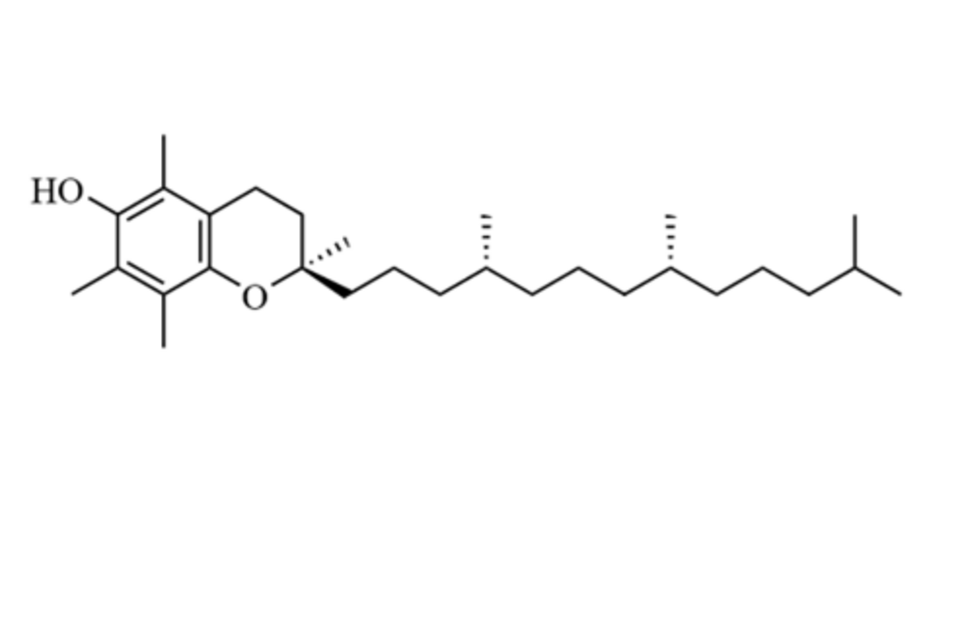
Figure 1: Chemical structure of natural α-tocopherol (i.e. RRR-α-tocopherol). RRR refers to R- conformation at the 2,4 and 8 positions.
10. Vitamin E in the diet is essential for health in general and vitamin E deficiency in pregnant women is known to compromise fetal development and increase the risk of miscarriage, pre-eclampsia, and premature delivery (Gagné, et al., 2009).
11. The NHS recommends that for a healthy diet, 4 mg for men and 3 mg for women of vitamin E should be consumed daily and would be easily obtained by eating a balanced diet.
12. Vitamin E is synthesized by plants and is primarily found in dietary sources such as vegetable oils, seeds, kernels, and nuts (Szewcyyk, et al. 2025). Animal tissues generally have a low concentration of vitamin E, with accumulation occurring in fatty tissues depending on intake.
13. Plant oils are the main dietary sources of vitamin E (560-1600 mg/kg in soybean oil, 530-1620 mg/kg in corn oil and 50-150 mg/kg in olive oil), with meat (0.5-1.6 mg/kg), poultry (1.6-4.0 mg/kg) and dairy products (0.4-10.0 mg/kg) providing only moderate amounts. The Expert Committee on Vitamins and Minerals (EVM) (2003) states that vitamin E is present in a variety of dietary supplements at doses of up to 268 mg/day in multi-constituent products and 670 mg/day in single constituent products (EVM, 2003). Recent data from market analysis of vitamin E supplements (vitamin E only or multi-ingredient dietary supplements (MIDS)) showed a daily dose of 4-536 mg of vitamin E.
4. At risk populations
14. In low- and middle-income countries around the world there are issues with vitamin E deficiency in vulnerable populations through limited intake of food sources containing vitamin E and a higher prevalence of oxidative stressors such as malaria and HIV infection, which accelerate its depletion (Dror and Allen, 2011). Only very variable data on population level estimates of vitamin E deficiency is available, causing difficulty in accuracy estimating population level vitamin E deficiency, particularly in areas prevalent in nutrient deprivation. Vitamin E deficiency in pregnant women can cause miscarriage, preterm birth, preeclampsia, and intrauterine growth restriction (Gagné, et al, 2009).
5. Previous evaluations
15. Previous evaluations of vitamin E have been carried out by the European Food Safety Authority (EFSAa, 2015; EFSAb, 2015; EFSA, 2024), EVM (2003), the Scientific Committee on Food (SCF) (2003), and the WHO (Rumbold, et al. 2015).
16. The SCF (2003) set a Tolerable Upper Intake Level (TUL) for vitamin E of 280 mg/day for adults, rounded to 300 mg/day using an uncertainty factor of 2, based on the effect on blood clotting and the increased risk of bleeding from a study by Meydani et al. (1998). The same TUL was applied to pregnant and lactating women.
17. The EVM established a Safe Upper Level (SUL) of 540 mg (800 IU) for supplemental Vitamin E, equivalent to 9 mg/kg bw/day in a 60 kg adult (EVM, 2003). This was based on 3 key studies (Gillilan et al. (1977); Meydani et al. (1996); Stephens et al. (1996)) which are discussed in more detail in paragraph 113. In the studies by Gillilan et al. (1977) and Meydani et al. (1996), the biochemical and physiological effects of vitamin E were investigated and the findings indicated that supplemental doses of 800 to 1600 IU/day were without apparent adverse effect. The results were derived from small groups that may not be representative, therefore the EVM considered that an additional uncertainty factor could be applied to account for inter-individual variation. However, the results of the larger Cambridge Heart Antioxidant Study (CHAOS) trial (Stephens et al., 1996) supported the view that 800 IU/day supplemental vitamin E would not result in any adverse effects and, taking the three studies together, the EVM concluded that no further uncertainty factors were necessary (EVM, 2003).
18. In EFSA 2015, the Panel on Food Additives and Nutrient Sources added to Food (ANS) re-evaluated the safety of tocopherol-rich extract (E 306), α-tocopherol (E 307), γ-tocopherol (E 308) and δ-tocopherol (E 309) as food additives (EFSAb, 2015). EFSA adopted the TULs for vitamin E from all dietary sources retained for all population groups in line with the SCF of 300 mg/day for adults, including pregnant and lactating women. In 2024, EFSA reviewed the TUL of α-tocopherol previously established by the SCF, and found no basis to change the TUL, therefore retaining the TUL of 300 mg α-tocopherol/day for adults. This TUL also applies to pregnant and lactating women as no new evidence was found regarding specific adverse effects or different susceptibility in these groups (EFSA, 2024).
19. The WHO’s systematic review of vitamin E supplementation in pregnancy found that the evidence ‘does not support the routine use of vitamin E supplementation in pregnancy for the prevention of fetal or neonatal death, preterm birth, preeclampsia, or intrauterine growth restriction for women with or without a high risk of adverse pregnancy outcomes. While vitamin E supplementation reduced the risk of placental abruption, an increased risk of term [premature rupture of membranes] PROM and the side effect of abdominal pain was also found among women receiving vitamin E’ (WHO, date not given; Rumbold, et al. 2015).
6. Functions
20. Vitamin E is often considered the main lipophilic antioxidant of the body due to its important role in counteracting oxidative stress. Free (non-esterified) vitamin E functions as an antioxidant and deactivates reactive oxygen species (ROS). Vitamin E’s antioxidant activity is mostly directed at cellular membrane lipids, where it protects against ROS‑mediated lipid peroxidation by preventing and terminating reactions that produce peroxide, which act as secondary ROS (Rutkowski and Grzegorczyk, 2012).
21. Secondary functions such as gene transcription and expression have also been suggested for alpha-tocopherol (EVM, 2003).
7. Mechanisms of action
8. Antioxidant effects
22. The mechanism of action for most of vitamin E’s effects are currently still unknown (Brigelius-Flohe, 2009). α-tocopherol is an antioxidant that binds free radicals, protecting cellular components from oxidative damage (EVM, 2003, Okebukola, Kansra and Barrett, 2017).
23. A mechanism of vitamin E’s antioxidant effect is in the termination of lipid peroxidation. The vitamin reacts with unstable lipid radicals, which produces stable lipids and a relatively stable vitamin E radical. This radical is then reduced back to stable vitamin E by reacting with ascorbate or glutathione (EVM, 2003, Herrera and Barbas, 2001).
9. Mechanisms of toxicity
24. The most established mechanism of toxicity of vitamin E is its interference with vitamin K metabolism and function, leading to impaired blood coagulation particularly in susceptible individuals (EVM, 2003; Meydani, et al. 1998; Megavitamin E Supplementation and Vitamin K-Dependent Carboxylation. 1983; Corrigan and Marcus, 1974; and Yue, and Jansson. 2001).
25. The mechanism of this interference is uncertain, but it has been suggested that competitive inhibition between tocopheryl quinone and vitamin K, which are both structurally similar, for the enzyme vitamin K-dependent carboxylase. This enzyme is essential for converting specific residues in certain proteins into functional clotting factors (Booth, 2004). Another proposed mechanism is competitive redox reaction between tocopherol quinone and the reduced form of vitamin K, vitamin K hydroquinone, which would result in a depletion of the cofactor for the vitamin K-dependent carboxylase (Tovar, 2006).
10. ADME
26. α-tocopherol is absorbed from the small intestine by non-saturable passive diffusion. Tocotrienol esters are hydrolysed first by pancreatic esterase, and then absorption occurs mostly in the upper and middle of the small intestine. The absorption efficiency of tocopherol and its esters are generally considered variable (EFSA, 2024). EVM (2003) stated that human studies reported that absorption of alpha-tocopherol and its acetate ester is in the region of 21-86% over 24 hours. EFSA (2024) considered that the average α-tocopherol absorption from a usual diet would be about 75% (EFSAa, 2015).
27. Vitamin E has not been found to have a specific carrier protein in plasma (EVM, 2003). There are currently no data to suggest that any tissue serves as a storage site for α-tocopherol for its release on demand. Thus, tissues acquire α- tocopherol by non-specific lipid- or lipoprotein-dependent mechanisms that also deliver peroxidisable fats, but it is not known how the tissues release or secrete α-tocopherol (EFSA, 2024). α-tocopherol is absorbed by the liver and released in low density lipoprotein. Most absorbed tocopherols are transported unchanged to the tissues. Kinetic studies have indicated that the human body has two collections of Vitamin E. One is ‘labile’ that turns over rapidly and one is ‘fixed’ that turns over slowly. The labile collection predominates in tissues such as plasma and liver because tocopherol is depleted rapidly in those tissues under conditions of vitamin E deprivation (EVM, 2003). In contrast, the fixed collection appears to predominately reside in the bulk lipid phase as adipose vitamin E (EFSA, 2024; EVM, 2003).
28. The presence of α-tocopherol transfer protein (α-TTP) in the placenta has been shown (Kaempf-Rotzoll et al., 2003; Muller-Schmehl et al., 2004). Based on immunohistochemical localisation of α-TTP and estimated staining intensity, it was found that α-TTP expression in the placenta doubled from the first trimester (six to eight weeks) to term (Rotzoll et al., 2008).
29. EFSA (2024) noted that, in humans, although some α-tocopherol catabolism takes place in the intestine or the kidney, more than 90% of α-tocopherol catabolism takes place in the liver, where α-tocopherol is catabolised to long-chain carboxy-catabolites and, ultimately, α-carboxyethyl hydroxychroman (α-CEHC) (EFSA, 2024; Traber et al., 2019). α-CEHC is then excreted in the urine, bile and faeces (EFSA, 2024; EVM, 2003). EVM (2003) stated that 30–70% of vitamin E is excreted in the faeces via the bile, whereas less than 1% is excreted in the urine (EVM, 2003).
11. Acute toxicity
30. Vitamin E is largely considered safe compared to other fat-soluble vitamins (Tappel, 1972) and vitamin E toxicity is almost exclusively associated with high-dose supplementation. Overall, EFSAb (2015), EVM (2003) and SCF (2003) all consistently consider the acute oral toxicity of α-tocopherol to be very low, commonly citing an acute toxicity study conducted by Krasavage and Terhaar (1977). In this study, mature CD rats (10 animals/sex/group) were fasted for 16 hours before being given either d-α-tocopheryl poly(ethylene glycol) 1000 succinate, polyethylene glycol 1000 or d-α-tocopheryl acid succinate at 7000 mg/kg bw. All animals were observed for clinical signs of toxicity for 14 days, after which, gross necropsies were conducted. Six of the 60 animals died within 48 hours of treatment; all deaths were attributed to dosing errors. After an initial transient 24-hour period of listlessness and diarrhoea, no further adverse effects were observed. The LD50 values for all three test substances were greater than 7000 mg/kg bw.
31. Acute clinical effects of vitamin E toxicity in humans are gastrointestinal upset, including nausea and diarrhoea, fatigue, muscle weakness, and anticoagulant effects caused by detrimental effects on vitamin K activity (Kappus and Diplock. 1992).
12. Short term and subchronic toxicity
32. The effects of tocopherols (primarily α-tocopherol) following repeated exposures in short-term and subchronic studies have been previously reviewed (EFSAb 2015; EVM, 2003; SCF, 2003). The key studies (Krasavage and Terhaar, 1977; Abdo et al., 1986) cited in these reviews are summarised in the following paragraphs. Full details on these studies can be found in (TOX/2026/25).
33. Krasavage and Terhaar (1977) conducted a 90-day dietary study, where CD weanling rats fed diets containing 0, 0.002, 0.2 or 2 % d-α-tocopheryl poly(ethylene glycol) 1000 succinate (calculated by the study authors to be 0, 0.5, 50 or 500 mg/kg bw/day vitamin E, respectively). There were no adverse findings in this study. (Krasavage and Terhaar, 1977). The EFSA ANS (2015) panel concluded that the NOAEL for this study is ≥ 500 mg/kg bw/day d-α-tocopheryl poly(ethylene glycol) 1000 succinate.
34. Abdo et al. (1986) carried out a 13-week oral gavage study, conducted in accordance with a protocol that is comparable with OECD TG 408 (OECD, 1998a). Weanling Fischer 344 rats (10 animals/sex/group) were dosed with 0, 125, 500 or 2,000 mg/kg bw/day d-α-tocopherol acetate in corn oil. The untreated controls were dosed with corn oil only. Deaths occurred in male rats that had received the highest dose only (7 out of 10 male rats in this group died); these deaths were attributed to internal haemorrhage. Signs of toxicity observed in the male rats that had received the highest dose were diarrhoea, tachypnoea, nose bleeds, dark faeces and red crusts around the eyes. There were no adverse effects on body weight or food consumption. Statistically significant increase of the liver-to body-weight ratios of females in the 500 and 2000 mg/kg bw/day groups (p < 0.05) was observed. There was a significant dose-related trend (p < 0.02) for increased thromboplastin time, activated partial thromboplastin time, fibrinogen, and reticulocyte, white blood cell, lymphocyte and segmented neutrophil counts (statistically significant at 90 days, p < 0.05) in males. There was also a decrease in haematocrit, red blood cell count and haemoglobin concentrations after 90 days (statistically significant at 90 days, p < 0.05) in males. Activated partial thromboplastin time was also increased in the 500 mg/kg bw/day group at 90 days (p < 0.05). In females, statistically significantly increased reticulocyte counts, decreased red blood cell counts and haemoglobin concentrations (p-values not given) were observed but there was no dose-dependent trend. There was, however, a dose-dependent increase in activated partial thromboplastin time in females at 90 days. There were statistically significant increases in serum chloride and γ-glutamyl transpeptide concentrations in males of the highest dose group, but the change was not dose-dependent (p-value not stated). Thyroid stimulating hormone was statistically significantly increased in all treated male and female rats at 90 days (p < 0.05). Haemorrhagic diathesis (haemorrhage or haemorrhagic inflammation in the nose, oesophagus, salivary gland, trachea, mediastinum, epididymis or meninges of the brain) occurred in 7 out of 10 males and in 2 out of 10 females in the 2000 mg/kg bw/day group. Increased extramedullary erythropoiesis of the spleen was observed in highest dose males (4/10 rats). Adenomatous hyperplasia and chronic interstitial inflammation of the lung were observed in all vitamin E-treated rats; the incidence and severity increased in a dose-dependent manner (Abdo et al., 1986). In the SCF opinion (SCF, 2003), the NOAEL derived for this study was 125 mg/kg bw/day, based on the serum chemistry and the effects on the liver that indicated hepatotoxicity.
35. A 90-day dietary study conducted in accordance with OECD TG 408, Gianello et al., 2007 on mixed tocopheryl phosphates was not considered by the EFSA ANS Panel to be relevant, as the fact that studies on the mixed tocopheryl phosphates give toxicological findings that were not relevant to the re-evaluation, and the availability of other good quality studies on the tocopherols, additional studies on mixed tocopheryl phosphates were not included (EFSAb, 2015).
36. Additionally, in the 1994 Alpha-Tocopherol, Beta-Carotene (ATBC) study, vitamin E supplementation was associated with an increased risk of mortality from haemorrhagic stroke. The 1996 CHAOS observed a small excess of cardiovascular deaths in the vitamin E supplemented group (EVM, 2003).
13. Interactions – Vitamin K
37. Studies in animals have shown that high dietary α-tocopherol can lead to impaired coagulation (Frank et al., 1997). Specifically, fatal haemorrhaging was associated with excess dietary vitamin E (Takahashi et al., 1990) and was prevented with vitamin K supplementation (Frank et al., 1997).
38. EFSA (2024) discussed how it is well established that high doses of α-tocopherol increase the risk of bleeding, as observed in animal studies (Abdo et al., 1986; EFSAb, 2015; Frank et al., 1997; Helson, 1984; March et al., 1973; Takahashi et al., 1990; Wheldon et al., 1983; Woolley, 1945). An increased risk of haemorrhage and prolonged prothrombin times and activated partial thromboplastin times have been observed upon oral administration of high doses of α-tocopherol to chicks, rodents and mini-pigs (EFSAb, 2015; IOM, 2001). In vitro, ex vivo and in vivo data suggest that the mechanisms by which α-tocopherol could impair blood clotting could be similar in animals and humans.
39. Different mechanisms were proposed by which high α-tocopherol intakes could increase the risk of bleeding in humans. First, α-tocopherol appeared to impair vitamin K absorption, hepatic metabolism and status. In animals, fatal haemorrhages associated with excess dietary α-tocopherol were prevented with vitamin K supplementation (Frank et al., 1997; Helson, 1984; Wheldon et al., 1983). In healthy humans, high-dose α-tocopherol supplements (1000 mg/day RRR- α-tocopherol) for 12 weeks increased concentrations of the inactive under-γ-carboxylated forms of prothrombin to levels indicative of poor vitamin K status (Booth et al., 2004). Second, α-tocopherol was found to inhibit platelet aggregation in vitro (Kakishita et al., 1990; Srivastava, 1986) and reduced platelet adhesion was observed in individuals taking α-tocopherol supplements (Jandak et al., 1989; Steiner, 1983). The exact mechanism for the effect was unknown but was thought to be mediated by the inhibition of protein kinase C, a major regulator of platelet granule secretion, integrin activation and platelet aggregation (Freedman et al., 1996; Steiner, 1999). Finally, α-tocopherol at high doses could potentiate the effect of antiplatelet and anticoagulant medications through different mechanisms (Podszun & Frank, 2014). In this context, the SCF considered the effect of α-tocopherol on blood clotting as the critical endpoint to derive a TUL for vitamin E (SCF, 2003).
40. EVM (2003) stated that ‘Vitamin E may exacerbate the effects of vitamin K deficiency, thus affecting blood coagulation. This has been reported in animal studies and in case reports of humans taking large doses the basis for the interaction is unclear. Vitamin E may also interfere with vitamin A absorption.’
14. Vitamin E and the placental barrier
41. The placenta is an organ that develops in the womb during pregnancy that acts as a protective barrier between the mother and developing foetus. The placenta acts as both a significant physical and a carefully controlled metabolic barrier to limit foetal exposure to potentially harmful substances and infections (Yong, et al., 2021). Bidirectional transport, by diffusion and carrier-mediated transport, across the placenta provides nutrients and oxygen to the foetus while also facilitating the removal of metabolic waste products (Schneider, 1991). It has been suggested that α-TTP plays a major role in supplying the placenta and foetus with α-tocopherol in pregnant mice (Kaempf-Rotzoll, et al. 2002) and that the presence of α-TTP in the placenta suggests a role for α-TTP in the regulation of transfer of tocopherols through the placental barrier (Gagné, et al., 2009). The role of vitamin E during different stages of pregnancy, especially during implantation and placental development, is not well understood, nor the control of the transfer of necessary amounts of vitamin E to the foetus.
15. EFSA ANS 2015 discussion of vitamin E and pregnant or lactating women
42. In EFSA 2015, the Panel on Food Additives and Nutrient Sources added to Food (ANS) re-evaluated the safety of tocopherol-rich extract (E 306), α-tocopherol (E 307), γ-tocopherol (E 308) and δ-tocopherol (E 309) as food additives (EFSAb, 2015). The Panel considered three key animal studies by Hook, et al. 1974, Krasavage and Terhaar, 1997, and Martin and Hurley, 1977, which are described in sections 3.2.5 of EFSAb, 2015, to be insufficient to address reproduction and developmental endpoints. The Panel also concluded that no multigeneration studies were conducted according to appropriate test guidelines for tocopherol-rich extract and α-, γ- and δ-tocopherols. In addition to the three key animal studies, the Panel did consider the human studies described below as indicative of no adverse effects (Boskovic et al. 2004) or of showing that tocopherols have a positive effect on fetal growth and male fertility (Scholl et al. 2006; Masters et al. 2007; Greco et al. 2005). There was no concern that tocopherols were genotoxic or carcinogenic. Data were considered insufficient to address the reproductive and developmental toxicity. The Panel considered prolonged coagulation time as the critical adverse effect.
16. Reproductive toxicity
43. Boskovic et al. (2004) investigated prospectively the safety of high doses of vitamin E supplementation during the first trimester of pregnancy in 82 pregnant women exposed to 400-1200 IU/day vitamin E. A major malformation was reported in the vitamin E group (details not stated), the mean birth weight of the vitamin E group was statistically significantly lower than the control group. There were no statistically significant differences in live birth rates, premature births, miscarriages or stillbirths (Boskovic et al., 2004; no further details).
44. Scholl et al. (2006) found that α-tocopherol showed a positive linear relationship with birth weight, but there was no such relationship with γ-tocopherol. The relationship with fetal growth was also observed in a study conducted by Masters et al., (2007), which showed that maternal vitamin E is essential for normal growth and development of the human fetus.
45. Greco et al. (2005) conducted a study to investigate the potential benefit of antioxidant treatment (1 g each of vitamin C and E) prior to collection of spermatozoa, and found that treatment led to a decrease in DNA-fragmented spermatozoa in 76 % of men and although fertilisation was not affected by treatment, the pregnancy rates increased from 6.9 % to 48.2 %, and implantation increased from 2.2 % to 19.6 % in the treated group, compared with the pre-treated rates. It is not clear from these results which of the vitamins, or if both, had the beneficial effect. The Panel noted that this study may point to a protective role for vitamin E in male fertility.
46. EFSA ANS (2015) stated that although the study conducted by Boskovic et al. (2004) indicated that vitamin E supplements lead to reduced birth weights in humans, this result was not representative of the data as a whole. Overall, EFSA ANS (2015) considered that the data from human studies do not suggest that the tocopherols have an adverse effect on reproduction and development, and instead are essential for normal fetal growth and male fertility.
17. EFSA NDA 2015 discussion of vitamin E and pregnant or lactating women
47. In EFSA 2015, the Panel on Dietetic Products, Nutrition, and Allergies (NDA) were requested to derive Dietary Reference Values for vitamin E (EFSAa, 2015). The Panel’s discussion on the effects of vitamin E on pregnant and lactating women is included below.
18. Pregnancy
48. Four prospective cohort studies investigated the association between maternal ‘vitamin E’ intake from foods and supplements during pregnancy and the risk of wheeze, asthma, eczema and/or hay fever (Martindale et al., 2005; Devereux et al., 2006; Litonjua et al., 2006; Allan et al., 2015) in children at various ages within their first 10 years with, overall, inconsistent results.
49. A randomised control trial found that pregnant women receiving daily vitamin C and E supplements in late pregnancy had higher mean maternal plasma α-tocopherol concentrations at delivery but no significant difference in cord plasma α-tocopherol at delivery. In addition, maternal plasma and chorioamnion α-tocopherol concentrations were correlated (Pressman et al., 2003).
50. An observational study found that in pregnant women consuming vitamin E supplements there was no significant correlation between maternal and cord blood α-tocopherol concentrations or α-CEHC concentrations, but a significant correlation was observed between maternal and cord blood α-CEHC concentrations (Didenco et al., 2011). The author stated that this suggests that insufficient placenta transfer is a factor that limits α-tocopherol transfer to the fetus and speculated that, based on these results, a higher intake of vitamin E during pregnancy results in elevated concentrations of vitamin E metabolites in the fetal blood, without increasing the fetal blood vitamin E. However, the source of the metabolite was not determined, and could have been maternal liver, fetal liver or placenta. Therefore, if vitamin E supplements are taken during pregnancy to increase fetal stores, in reality there might be an increase in metabolites, rather than increasing circulating tocopherol (Didenco et al., 2011).
51. Studies also found that mean maternal plasma α-tocopherol concentration was significantly higher than mean cord plasma α-tocopherol concentration (Jain et al., 1996; Kiely et al., 1999; Acuff et al., 1998), with significantly higher concentrations of D3-RRR-α-tocopherol than D6-all-rac-α-tocopherol (Acuff et al., 1998). No correlation was seen between maternal and cord blood α-tocopherol concentrations as well as lipid-adjusted α-tocopherol concentrations (Kiely et al., 1999). However maternal plasma α-tocopherol concentrations correlated significantly with those in the fetus, with no significant differences in plasma α-tocopherol concentrations throughout pregnancy in either mother or fetus, which suggested that placental transfer of α-tocopherol is relatively constant throughout gestation (Abbasi et al., 1990).
52. Overall, the Panel noted that, despite the presence of α-TTP in the placenta and the existence of a correlation between maternal plasma and chorioamnion α-tocopherol concentrations, the α-tocopherol concentration of cord blood is much lower than that of maternal blood. In addition, maternal ‘vitamin E’ supplementation increases maternal but not cord plasma α-tocopherol concentrations. The Panel also noted that placental transfer of α-tocopherol is relatively constant throughout gestation.
19. EFSA 2024 core studies discussing Vitamin E and pregnancy and lactation
53. In EFSA 2024, the NDA were asked to deliver a scientific opinion on the revision of the tolerable upper intake level for vitamin E (EFSA, 2024).
20. Reproductive toxicity
54. Rumbold et al. (2015) published a systematic review of randomised control trials to evaluate the safety of ‘vitamin E’ supplementation during pregnancy. A total of 21 trials were eligible for that review, of which only three trials administered supplemented ‘vitamin E’ alone versus placebo (Anthony et al., 1996; Sawhney et al., 2003; Shahraki, 2006). Two of those were available as conference abstracts and did not report the dose and form of ‘vitamin E’ used (Anthony et al., 1996; Sawhney et al., 2003). Shahraki (2006) aimed to assess the effect of 100 mg/day ‘vitamin E’ supplementation (form not specified) for 45 days on leg cramps. The study found that Vitamin E supplementation reduced mean cramp duration and overall did not report adverse effects of α-tocopherol under the conditions of the intervention.
55. EFSA (2024) identified two additional RCTs on α-tocopherol supplementation that were not included in the review by Rumbold et al. (2015). Bastani et al. (2011) randomised pregnant women to receive 296 mg/day α-tocopherol (400 IU/day RRR- α-tocopheryl acetate) or a placebo from week 14 of gestation to the end of pregnancy and assessed the risk of preeclampsia, birth weight and Apgar score. Wangkheimayum et al. (2011) reported the effects of 2-weeks of supplementation of 400 IU/day as α-tocopheryl acetate versus a placebo in women with pre-eclampsia on plasma concentrations of soluble P-selectin. These studies did not indicate adverse effects of α-tocopherol under the conditions of the interventions.
56. The Panel notes that available RCTs do not indicate adverse effects of α-tocopherol under the conditions of the interventions. However, data are scarce and provide limited relevant information for the safety assessment.
57. The Panel considered that the available evidence on the relationship between α-tocopherol intake and pregnancy-related outcomes could not be used for establishing a TUL for vitamin E (α-tocopherol).
21. Recently published literature on reproductive effects of vitamin E
58. The previous discussion paper (TOX/2026/25) on excess vitamin E in the maternal diet included a comprehensive literature review on the toxicological effects of excess vitamin E, including summaries of recent reviews and toxicological studies. The literature review covered 1st January 2024 to 14th May 2026 to identify any studies published since the EFSA Opinion (EFSA, 2024). Upon review of the recent literature, which included three animal studies and six human studies, the COT concluded that the data confirmed the current knowledge on the toxicity of vitamin E and did not constitute a basis for revising the current HBGVs for vitamin E in the maternal diet.
22. Health-based guidance values (tolerable upper intake levels (TULs)/safe upper limits (SULs))
59. EVM (2003) considered key studies (Gillilan et al. (1977); Meydani et al. (1998); and Stephens et al. (1996)) and determined a NOAEL of 800-1600 IU/day (540 – 970 mg d-α-tocopherol equivalents/day) and applied an uncertainty factor of 1. The Gillilan et al. (1977) and Meydani et al. (1998) studies were derived from small groups that may not be representative, thus an additional uncertainty factor could be applied to account for inter individual variation. However, the results of the larger CHAOS trial (Stephens et al., 1996) support the view that 800 IU/day supplemental vitamin E would not result in any adverse effects and, taking the three studies together, no further uncertainty factors were necessary. EVM (2003) discussed a study in male smokers which had suggested that 55 IU/day vitamin E (equivalent to 37 mg d-α-tocopherol equivalents/day) may increase the risk of mortality from haemorrhagic stroke in hypertensive subjects who smoked. Although biologically plausible, the significance of this finding is uncertain. It has not been repeated in other studies in subjects at high risk of cardiovascular events treated with higher doses of vitamin E (up to 600 mg/day); however, if it is an effect related to smoking there may have been too few smokers in these studies for any effect to be apparent. In addition, a large observational study of male health professionals did not report this association. The EVM concluded that “a Safe Upper Level of 800 IU/day (540 mg d–tocopherol equivalents/day) supplemental vitamin E is recommended. This is equivalent to 9.0 mg/kg bw/day for a 60 kg adult. Assuming an intake of 18 mg/day from food, a total intake of 560 mg d–tocopherol equivalents/day would not be expected to result in any adverse effect. This is equivalent to 12.4 mg/kg bw/day.”
60. In order to set a Tolerable Upper Intake Level (TUL), SCF (2003) considered the impact on blood clotting as the critical adverse effect. This was based on a study by Meydani et al. (1998) in which 88 healthy subjects over 65 received either a placebo or doses of 40, 134 or 537 mg α-TE/day for four months. It was stated that no side effects were reported. Supplementation had no adverse effects on plasma concentration of other anti-oxidant vitamins and minerals, glutathione peroxidase, superoxide dismutase or total cysteine. There was no significant effect of vitamin E on serum non-specific immunoglobulin concentrations or anti-DNA and anti-thyroglobulin antibodies. The cytotoxic ability of neutrophils against Candida albicans was not compromised. Vitamin E had no effect on body weight, plasma total proteins, albumin, glucose, plasma lipids or the lipoprotein profile, total bilirubin, serum liver enzymes, blood count, platelet number, bleeding time, haemoglobin, haematocrit, urinary or serum creatine levels. The study concluded that supplementation had no detrimental effect on health (Meydani et al. 1998; EVM, 2003).
61. Based on the Meydani et al. (1998) study, SCF (2003) identified a No Observed Adverse Effect Level (NOAEL) of 540 mg α-TE/day (800 IU/day). SCF (2003) concluded that ‘an uncertainty factor (UF) of 2 would adequately cover interindividual differences in sensitivity. A larger UF was not considered necessary because data from a number of other older but less well controlled studies showed no adverse effects at considerably higher intakes.’ SCF (2003) established a TUL of 280 mg/day for adults, rounded to 300 mg/day using an uncertainty factor of 2. The same TUL was applied to pregnant and lactating women. TULs for children and adolescents were extrapolated from the TUL for adults based on body surface area 0.75 (allometric scaling). No TUL was established for infants (< 1- year old).
62. In 2015, EFSA adopted the TUL for vitamin E in line with the SCF of 300 mg/day for adults, including pregnant and lactating women. In 2024, EFSA reviewed the TUL of α-tocopherol previously established by the SCF, and found no basis to change the TUL, therefore retaining the TUL of 300 mg α-tocopherol/day for adults. This TUL also applies to pregnant and lactating women as no new evidence was found regarding specific adverse effects or different susceptibility in these groups (EFSA, 2024). EFSA further noted that two additional human intervention studies, which were not previously considered by the SCF, confirmed this conclusion. Also, in line with the SCF conclusions, EFSA considered the effect on blood clotting, and the increased risk of bleeding is the critical effect to establish a TUL for vitamin E (α-tocopherol) for the general population (EFSA, 2024).
23. Exposure
24. Vitamin E in the diet and in supplements
63. Vitamin E occurs naturally in a large variety of foods; main sources of vitamin E in the diet include plant oils (such as rapeseed oil (vegetable oil), sunflower oil, soya bean oil, corn oil and olive oil), nuts and seeds, wheatgerm (found in cereals and cereal products), fortified cereals, avocados, spinach, eggs, tuna, herring, swiss chard, tomatoes and broccoli (NHS, 2023; Huizen, 2023).
64. For further information, a summary of the vitamin E content of some common foods is presented in Annex B in Table 4. This information is based on data UK where possible. This information is presented for information only as the exposure assessment for vitamin E has been performed using a nutrient assessment.
65. A nutrient assessment utilises the UK Nutrient Databank (NDB) and the National Diet and Nutrition Survey (NDNS) years 1-11 data. The NDB contains extensive information on the nutrient content of foods, including vitamin E, and can be used with the NDNS food consumption data to estimate dietary exposure to specific nutrients.
66. Information on supplements that contain vitamin E and are available on the UK market was gathered from online research. Details of the supplements identified from the online research and that were subsequently used in this exposure assessment are presented in Annex B (Annex B, Table 1). Where the vitamin E content of the supplement was provided on the packaging and/ or website, calculations have been performed to estimate the maximum daily exposure to vitamin E from that supplement.
67. A number of vitamin E containing drinks were identified in the online research; these were marketed as being beneficial to health as multivitamin drinks, metabolism boosting, or similar. Some meal replacements drinks which also contain vitamin E were identified. These drinks were not included in the exposure assessment as they are not considered to be either vitamin E supplements or MIDS. Further information can be found in Annex B.
25. UK Vitamin E exposure – Supplements
68. The exposure assessment for supplements assumes that a woman of childbearing age (16-49 years) would consume only one type of supplement and would follow the instructions on either the packaging or the website for the dosage (whichever reports the highest dosage).
69. For further information, the daily vitamin E dose resulting from the consumption of the supplements identified for the exposure assessment is summarised in Annex B in Table 5. Estimated daily doses are between 4 and 536 mg of vitamin E per day. Generally, MIDS resulted in lower doses than specific vitamin E supplements, particularly for those aimed at pregnant or breastfeeding women, or those looking to conceive.
70. Based on the range of recommended daily doses (4 -536 mg of vitamin E), an exposure assessment has been performed using the average bodyweight of women of childbearing age from the NDNS years 1-11 (70.3 kg); this is presented in Annex B in Table 2.
71. The resulting range of estimated exposure is 0.057 – 7.6 mg/kg bw/day. These values have been rounded to 2 significant figures.
26. UK Vitamin E exposure – Dietary
72. A nutrient assessment was performed using the National Diet and Nutrition Survey (NDNS) and the UK Nutrient Databank (NDB). This assessment used food groups based on those established for the 2014 Total Diet Study (TDS) for metals and other elements (FSA, 2014) with NDNS years 1-11 consumption data. Mean and 97.5th percentile exposure estimates have been provided on a chronic basis, using a population-based approach for women of childbearing age (16-49 years).
73. The exposure estimates for women of childbearing age to vitamin E from the diet are presented in Table 1 for each food group and all food groups (referred to as “All” in Table 1). It should be noted, that “All” food groups do not refer to the sum of exposures from individual food groups, but is an exposure estimate from the distribution of exposures to vitamin E from all foods when considered together.
74. Based on the consumption of all food groups the mean dietary exposure to vitamin E for women of childbearing age is 9.0 mg/person/day or 0.13 mg/kg bw/day. The high level (97.5th percentile) dietary exposure to vitamin E for women of childbearing age is 18 mg/person/day or 0.28 mg/kg bw/day.
Table 1. Chronic exposure to vitamin E from the diet for women of childbearing age (16-49 years) (NDNS years 1-11)
| Food groups | Consumers exposed to vitamin E from the food group | Mean (mg/ person/ day*) | P97.5 (mg/ person/ day*) | Mean (mg/ kg bw/day*) | P97.5 (mg/ kg bw/day*) |
|---|---|---|---|---|---|
| Bread | 2402 | 0.25 | 1.2 | 0.0038 | 0.017 |
| Misc cereals | 2500 | 1.2 | 3.9 | 0.018 | 0.062 |
| Milk | 2154 | 0.11 | 0.41 | 0.0016 | 0.0059 |
| Carcase meat | 1102 | 0.014 | 0.090 | 0.00020 | 0.0013 |
| Meat products | 1721 | 0.23 | 1.2 | 0.0033 | 0.018 |
| Fish and seafood | 1322 | 0.45 | 2.3 | 0.0068 | 0.037 |
| Canned vegetables | 1552 | 0.25 | 1.4 | 0.0037 | 0.022 |
| Other vegetables | 2378 | 0.59 | 2.4 | 0.0088 | 0.039 |
| Green vegetables | 2020 | 0.21 | 1.1 | 0.0032 | 0.017 |
| Potatoes | 2005 | 0.58 | 2.7 | 0.0086 | 0.043 |
| Fresh fruit | 1858 | 0.27 | 1.5 | 0.0041 | 0.023 |
| Sugars and confectionary | 1334 | 0.17 | 1.1 | 0.0026 | 0.017 |
| Non-alcoholic beverages | 564 | 0.029 | 0.24 | 0.00043 | 0.0036 |
| Fruit products | 1204 | 0.14 | 0.85 | 0.0022 | 0.014 |
| Alcoholic beverages 1 | 25 | 0.0022 | 0 | 0.000033 | 0 |
| Condiments | 2351 | 1.1 | 5.2 | 0.016 | 0.081 |
| Poultry | 1994 | 0.38 | 2.1 | 0.0055 | 0.035 |
| Nuts and seeds | 734 | 0.32 | 2.7 | 0.0049 | 0.044 |
| Snacks | 1452 | 0.50 | 2.3 | 0.0074 | 0.038 |
| Fats and oils | 2378 | 1.5 | 6.1 | 0.022 | 0.094 |
| Eggs | 1367 | 0.33 | 1.6 | 0.0049 | 0.024 |
| Dairy products | 2203 | 0.28 | 1.5 | 0.0042 | 0.022 |
| Desserts | 840 | 0.092 | 0.79 | 0.0014 | 0.012 |
| Meat alternatives | 137 | 0.025 | 0.31 | 0.00037 | 0.0045 |
| Offal | 86 | 0.0029 | 0.038 | 0.000042 | 0.00054 |
| **All | 2556 | 9.0 | 18 | 0.13 | 0.28 |
*Rounded to 2 significant figures
** This is not a sum of all the individual groups
1 There are very few consumers exposed to vitamin E from the alcoholic beverage food group as the large majority of the products within the group do not contain vitamin E. For this reason, there are very few consumption events where consumers of alcoholic beverages are exposed to vitamin E from these foods, compared with the total number of consumption events. Therefore, it is possible for the 97.5th percentile to be 0 in this case.
27. Combined exposure assessment scenarios
75. It is possible that women of childbearing age may take a supplement containing vitamin E at varying dosages and that this exposure occurs in addition to their dietary intake of vitamin E. The scenarios included in this section aim to estimate the combined exposure to vitamin E from supplements and the diet. These scenarios are listed below.
76. Scenario 1: Average estimate – combines the range of exposure estimates for vitamin E intake from supplements with the mean dietary exposure estimate for vitamin E (‘All’ in Table 1) for women of childbearing age.
77. Scenario 2: High-level estimate– combines the high-level exposure estimate for vitamin E intake from supplements (highest recommended dose) and the high-level dietary exposure estimate (97.5th percentile) for vitamin E (‘All’ in Table 1), for women of childbearing age.
78. The exposure estimates for these scenarios are presented in Table 2.
Table 2. Exposure estimates for scenarios 1 and 2 (combining dietary exposure estimates to vitamin E with exposure estimates from supplements)
| Scenario | Exposure estimates (mg/person/day*) | Exposure estimates (mg/kg bw/day*) |
|---|---|---|
| Scenario 1: Average estimate (range of supplementation and mean dietary exposure ) | 13-550 | 0.19-7.7 |
| Scenario 2: High-level estimate (highest supplementation and high level (97.5th percentile) dietary exposure) | 550 | 7.9 |
- Rounded to 2 significant figures.
28. Uncertainties and assumptions
79. Some assumptions have been made where dosage recommendations are varied. In cases where the dosage is given as a range (e.g. 1-3 capsules per day), the highest recommended amount has been assumed to be consumed (e.g. 3 capsules per day). Also, where there is a discrepancy between the packaging image and website instructions, the highest dosage has been assumed e.g. if the website suggests a serving of 2 capsules a day, but the packaging suggests 3, then the highest suggestion has been used.
80. For many of the supplements listed, the warnings provided on the website/ packaging recommend that pregnant or breastfeeding women consult a doctor/ healthcare professional before taking them. It is possible that a health care professional may advise against taking certain supplements or advise a different dosage. Actual vitamin E intakes from supplements may therefore vary depending on individual circumstances.
81. The NDNS does not include pregnant or breastfeeding women and so the nutrient assessment has been performed for women aged 16-49 (women of childbearing age). The diet of this population group may not be fully representative of the maternal diet.
82. The “Alcoholic beverages” food group has been included in the assessment as the exposure assessment uses women of childbearing ages as a proxy and this consumption may differ to those who are pregnant or trying to conceive.
83. In NDNS there is a reported 30% energy intake underestimation. There are many possible reasons for this, resulting from both misreporting and the survey design. However, exposure assessments at the 97.5th percentile are undertaken to ensure that high consumers are accounted for in the assessment, including those who may have mis-reported their energy intake.
29. Risk Characterisation
84. EFSA (2024) reviewed the TUL of α-tocopherol from all dietary source and found no basis to change the TUL previously established by the SCF, therefore retaining the TUL of 300 mg α- tocopherol/day for adults, including pregnant and lactating women from all dietary sources. The EVM (2003) recommended a SUL of 800 IU/day (540 mg d–tocopherol equivalents/day) supplemental vitamin E.
85. The COT reviewed all evidence and agreed that the more recent EFSA 2024 TUL of 300 mg/day was the most appropriate value as it considers more recent studies and more sources of vitamin E for pregnant women. The Committee also noted that this TUL allowed for a suitable margin of safety that takes into account several uncertainties that have been identified more recently since the 2024 EFSA TUL was set, including recent evidence on possible effects of xenobiotics on transplacental transfer.
86. Using a more conservative approach and considering that the TUL set by EFSA accounts for all dietary sources, the TUL of 300 mg/day is used to characterise the risk to health from intake of Vitamin E during pregnancy.
87. Based on the TUL of 300 mg/day and taking women of childbearing age as a whole, the dietary intake of vitamin E from food sources is below the TUL and therefore would not be a concern for maternal health or for fetal development. Vitamin E is widely distributed in common foods such as vegetable oils, nuts, seeds and cereals, and typical dietary patterns do not result in excessive intakes.
88. However, use of high-dose vitamin E supplements may result in intakes exceeding the EFSA TUL. Individuals consuming the highest-level supplements of α-tocopherol in combination with a high-level dietary exposure estimate (97.5th percentile) have calculated intakes of 550 mg/day (shown in Table 4), exceeding the EFSA TUL.
89. Therefore, there may be an increased risk of impaired blood clotting or haemorrhagic effects, particularly in susceptible individuals or those taking anticoagulant medication. However, it should be noted that evidence for adverse effects at these intake levels remain limited and inconsistent.
90. Considering the use of high-dose vitamin E supplements, particularly in pregnancy or individuals with conditions affecting blood coagulation, individuals would be advised to seek advice from their medical practitioner prior to taking high-dose supplements to reduce potential risk associated with excessive vitamin E intake.
30. Conclusions
91. Vitamin E in the diet is essential for health in general and vitamin E deficiency in pregnant women is known to compromise fetal development and increase the risk of miscarriage, pre-eclampsia, and premature delivery (Gagné, et al., 2009).
92. Vitamin E functions as an antioxidant and deactivates ROS, mostly directed at cellular membrane lipids where it protects against ROS‑mediated lipid peroxidation by preventing and terminating reactions that produce peroxide, which act as secondary ROS.
93. After oral intake, vitamin E is absorbed from the small intestine and then absorbed by the liver where it is catabolised into α-CEHC, and is ultimately excreted in the urine, bile and faeces. It has been suggested that α-TTP plays a major role in supplying the placenta and foetus with α-tocopherol in pregnant mice (Kaempf-Rotzoll, et al. 2002) and that the presence of α-TTP in the placenta suggests a role for α-TTP in the regulation of transfer of tocopherols through the placental barrier (Gagné, et al., 2009). The role of vitamin E during different stages of pregnancy, especially during implantation and placental development, is not well understood, as well as how necessary amounts of vitamin E transferral to the foetus is controlled.
94. Excessive vitamin E intake has been associated with a range of potential adverse effects, including increased risk of gestational hypertension, pre-eclampsia, and macrosomia. The COT noted that possible effects of vitamin E in pregnancy seemed to be contradictory, with human studies indicating mixed responses in plasma levels, smaller cranial circumference, and effects seen in birth weight, however there were no adverse effects on birth rates or successful pregnancy outcomes. The Committee noted that the effects on the offspring are likely secondary to effects on the mother rather than any direct toxic effects on the foetus, however with the information available and low study participant numbers, it was not possible to determine if the effects on the foetus were direct or indirect.
95. Vitamin E has also been found to interfere with vitamin K absorption and metabolism, reducing the production of vitamin K-dependant clotting factors, resulting in increased risk of prolonged bleeding. This interaction was identified as a critical endpoint for establishing the TUL, and although direct evidence in pregnant women is very limited, it remains a concern that such effects could have adverse effects during pregnancy and childbirth. This is a greater concern in the context of high-dose supplements, which may result in total vitamin E intakes exceeding the TUL when combined with dietary exposure.
96. Evidence reviewed by the World Health Organization indicates that vitamin E supplementation during pregnancy may increase the risk of premature rupture of membranes (PROM) and abdominal pain, despite potential reductions in placental abruption. This highlights uncertainty regarding the overall benefit–risk balance of vitamin E supplementation during pregnancy.
97. The COT reviewed all evidence and agreed that the more recent EFSA 2024 TUL of 300 mg/day was the most appropriate value as it considers more recent studies and more sources of vitamin E for pregnant women. It was further noted that this TUL allowed for a suitable margin of safety that takes into account several uncertainties that have been identified more recently since the EFSA TUL was set, including recent evidence on possible effects of xenobiotics on transplacental transfer.
98. Dietary vitamin E is generally well below established upper intake levels and is unlikely to pose a risk. High-dose supplementation can lead to total intakes exceeding the EFSA TUL of 300 mg/day. Overall, evidence is inconsistent with limitations, however a consistent finding across studies is that adverse effects are more likely to occur in the context of high-dose vitamin E supplementation rather than habitual dietary intake.
99. The NHS recommends that for a healthy diet, 4 mg for men and 3 mg for women of vitamin E should be consumed daily and would be easily obtained by eating a balanced diet.
100. Based on the TUL of 300 mg/day and taking women of childbearing age as a whole, the dietary intake of vitamin E from food sources is below the TUL and therefore would not be a concern for maternal health or for fetal development. Vitamin E is widely distributed in common foods such as vegetable oils, nuts, seeds and cereals, and typical dietary patterns do not result in excessive intakes.
101. However, use of high-dose vitamin E supplements may result in intakes exceeding the EFSA TUL. Individuals consuming the highest-level supplements of α-tocopherol in combination with a high-level dietary exposure estimate (97.5th percentile) have calculated intakes of 550 mg/day (shown in Table 4), exceeding the EFSA TUL.
102. Considering the use of high-dose vitamin E supplements, particularly in pregnancy or individuals with conditions affecting blood coagulation, individuals would be advised seek advice from their medical practitioner prior to taking high-dose supplements to reduce potential risk associated with excessive vitamin E intake.
Secretariat
October 2026
31. Abbreviations
| Abbreviation | Definition |
|---|---|
| α-CEHC | α-Carboxyethyl Hydroxychromanol |
| α-TTP | α-tocopherol transfer protein |
| ATBC | Alpha-Tocopherol Beta-Carotene |
| CHAOS | Cambridge Heart Antioxidant Study |
| COT | Committee on Toxicity |
| EAT | Exposure and Trade Team |
| EFSA | European Food Safety Authority |
| EU | European Union |
| FSA | Food Standards Agency |
| FSS | Food Standards Scotland |
| IU | International Units |
| NDNS | National Diet and Nutrition Survey |
| NHS | National Health Service |
| NOAEL | No Observed Adverse Effect Level |
| PROM | Premature Rupture of Membranes |
| ROS | Reactive Oxygen Species |
| SACN | Scientific Advisory Committee on Nutrition |
| SUL | Safe Upper Level |
| TDS | Total Diet Study |
| TUL | Tolerable Upper Intake Level |
| UF | Uncertainty Factor |
| WHO | World Health Organisation |
32. References
Abdo, K. M., Rao, G., Montgomery, C. A., Dinowitz, M., & Kanagalingam, K. 1986. Thirteen- week toxicity study of d- alpha- tocopheryl acetate (vitamin E) in Fischer 344 rats. Food and Chemical Toxicology, 24, 1043–1050. https://doi.org/10.1016/0278-6915(86)90287-5
Allan KM, Prabhu N, Craig LC, McNeill G, Kirby B, McLay J, Helms PJ, Ayres JG, Seaton A, Turner SW and Devereux G, 2015. Maternal vitamin D and E intakes during pregnancy are associated with asthma in children. European Respiratory Journal, 45, 1027-1036.
Anthony, J., Smith, P., Mantel, G., & Johanson, R. 1996. A randomised controlled trial of vitamin E supplementation in conservatively managed pre- eclamptic patients. Proceedings of the 10th world congress of the International Society for the Study of hypertension in pregnancy; 1996 August 4–8 (p. 193). Seattle, USA.
Bastani, P., Hamdi, K., Abasalizadeh, F., & Navali, N. 2011. Effects of vitamin E supplementation on some pregnancy health indices: A randomized clinical trial. International Journal of General Medicine, 4, 461–464. https://doi.org/10.2147/IJGM.S20107
Booth, S. L., Golly, I., Sacheck, J. M., Roubenoff, R., Dallal, G. E., Hamada, K., & Blumberg, J. B. 2004. Effect of vitamin E supplementation on vitamin K status in adults with normal coagulation status. The American Journal of Clinical Nutrition, 80, 143–148. https://doi.org/10.1093/ajcn/80.1.143
Boots. 2025. A-Z multivitamins. Boots A-Z 180 Tablets (6 month supply) - Boots. Viewed 24/11/2025.
Boots. 2025. Boots skin formula Vitamin E, 400iu capsules. Boots Skin Formula Vitamin E, 90 Capsules - Boots. Viewed 21/11/2025.
Boskovic R, Gargaun L, Oren D, Djulus J, Koren G. Pregnancy outcome following high doses of Vitamin E supplementation. Reprod Toxicol. 2005 May-Jun;20(1):85-8. Pregnancy outcome following high doses of Vitamin E supplementation - Ariel University
Brigelius-Flohe R: Vitamin E: the shrew waiting to be tamed. Free Radic Biol Med. 2009.;46(5):543-54. https://doi.org/10.1016/j.freeradbiomed.2008.12.007
Bulk. 2025. Vitamin E softgels, 400iu. Vitamin E Softgels 400 IU Pure Vitamin E Bulk™. Viewed 21/11/2025.
Corrigan, J.J. and Marcus, F.I., 1974. Coagulopathy associated with vitamin E ingestion. Jama, 230(9), pp.1300-1301.
COT. 2026. Discussion paper on the effects of excess Vitamin E on maternal health. GOV.UK. Updated 17 September 2026. Discussion paper on the effects of excess Vitamin E on maternal health - GOV.UK
Cytoplan 2025. Vitamin E as tocopherol and tocotrienols. Tocopherols & Tocotrienols Complex Vitamin E Cytoplan. Viewed 21/11/2025.
Cytoplan 2025. Women’s wholefood multi with Iron . Women’s Wholefood Multi Award-Winning Multivitamin Capsules. Viewed 24/11/2025.
Devereux G, Turner SW, Craig LC, McNeill G, Martindale S, Harbour PJ, Helms PJ and Seaton A, 2006. Low maternal vitamin E intake during pregnancy is associated with asthma in 5-year-old children. American Journal of Respiratory and Critical Care Medicine, 174, 499-507.
Didenco, S., Gillingham, M. B., Go, M. D., Leonard, S. W., Traber, M. G., & McEvoy, C. T. 2011. Increased vitamin E intake is associated with higher alpha- tocopherol concentration in the maternal circulation but higher alpha- carboxyethyl hydroxychroman concentration in the fetal circulation. The American Journal of Clinical Nutrition, 93, 368–373. https://doi.org/10.3945/ajcn.110.008367
Dror, D.K. and Allen, L.H., 2011. Vitamin E deficiency in developing countries. Food and nutrition bulletin, 32(2), pp.124-143.
EFSAa (EFSA Panel on Dietetic Products, Nutrition and Allergies), 2015. Scientific Opinion on Dietary Reference Values for vitamin E as α‐tocopherol. EFSA Journal, 13(7), p.4149.
EFSAb (EFSA Panel on Food Additives and Nutrient Sources added to Food). 2015. Scientific Opinion on the re- evaluation of tocopherol- rich extract (E 306), α- tocopherol (E 307), γ- tocopherol (E 308) and δ- tocopherol (E 309) as food additives. EFSA Journal, 13(9), 4247. https:// doi. org/ 10. 2903/j. efsa. 2015. 4247
EFSA NDA Panel (EFSA Panel on Dietetic Products, Nutrition and Allergies), 2009. Scientific Opinion on the appropriate age for introduction of complementary feeding of infants. EFSA Journal 2009;7(12):1423, 38 pp. https://doi.org/doi:10.2903/j.efsa.2009.1423
EFSA NDA Panel (Panel on Nutrition, Novel Foods and Food Allergens), Turck, D., Bohn, T., Castenmiller, J., de Henauw, S., Hirsch‐Ernst, K.I., Knutsen, H.K., Maciuk, A., Mangelsdorf, I., McArdle, H.J. and Pentieva, K., 2024. Scientific opinion on the tolerable upper intake level for vitamin E. EFSA Journal, 22(8), p.e8953.
Elise Kelly, Simon Sinclair. 2025. Nutridex
Expert Group on Vitamins and Minerals (EVM). 2003. Safe Upper Levels for Vitamins and Minerals. [ARCHIVED CONTENT] Expert Group on Vitamins and Minerals (2003) Safe Upper Levels for Vitamins and Minerals Food Standards Agency
FAO/WHO/UNU (Food and Agriculture Organization of the United Nations/World Health Organization/United Nations University), 2004. Human energy requirements. Report of a Joint FAO/WHO/UNU Expert Consultation: Rome, 17–24 October 2001. FAO food and nutrition technical report series, 103 pp.
Frank, J., Weiser, H., & Biesalski, H. K. 1997. Interaction of vitamins E and K: Effect of high dietary vitamin E on phylloquinone activity in chicks. International Journal for Vitamin and Nutrition Research, 67, 242–247.
Freedman, J. E., Farhat, J. H., Loscalzo, J., & Keaney, J. F., Jr. 1996. Alpha- tocopherol inhibits aggregation of human platelets by a protein kinase C- dependent mechanism. Circulation, 94, 2434–2440. https://doi.org/10.1161/01.CIR.94.10.2434
FoodPlus. 2025. Dr Witt Premium metabolism green multivitamin drink. Dr Witt Premium Metabolism Green Multivitamin Drink 1l Food Plus Shop online. Viewed 24/11/2025.
Food Standard Agency. 2014. Total diet study: Metals and other elements. Total diet study: metals and other elements
Gagné, A., Wei, S.Q., Fraser, W.D. and Julien, P., 2009. Absorption, transport, and bioavailability of vitamin e and its role in pregnant women. Journal of Obstetrics and Gynaecology Canada, 31(3), pp.210-217.
Gianello, R., Hall, W.C., Kennepohl, E., Libinaki, R. and Ogru, E., 2007. Subchronic oral toxicity study of mixed tocopheryl phosphates in rats. International journal of toxicology, 26(5), pp.475-490.
Gillilan, R. E., Mondell, B., & Warbasse, J. R. 1977. Quantitative evaluation of vitamin E in the treatment of angina pectoris. American Heart Journal, 93, 444–449. https://doi.org/10.1016/s0002-8703(77)80406-7
Greco E, Romano S, Iacobelli M, Ferrero S, Baroni E, Minasi MG, Ubaldi F, Rienzi L and Tesarik J, 2005. ICSI in cases of sperm DNA damage: beneficial effect of oral antioxidant treatment. Human Reproduction, 20, 2590–2594.
Helson, L. 1984. The effect of intravenous vitamin E and menadiol sodium diphosphate on vitamin K dependent clotting factors. Thrombosis Research, 35, 11–18. https://doi.org/10.1016/0049-3848(84)90308-6
Herrera E, Barbas C. Vitamin E: action, metabolism and perspectives. J Physiol Biochem. 2001. Mar;57(2):43-56. PMID: 11579997. Vitamin E: action, metabolism and perspectives - PubMed
Holland and Barett. 2025. Centrum women. Centrum Women (60 Tablets) H&B. viewed 24/11/2025.
Holland and Barett. 2025. Multivitamins and minerals, Ultra woman. Holland & Barrett Ultra Woman Tablets 3 Months Supply Bundle H&B. viewed 24/11/2025.
Holland and Barett. 2025. SevenSeas Omega-3 and multivitamins (woman). Omega-3 & Multivitamins Woman Duo Pack Seven Seas H&B. viewed 24/11/2025.
Holland and Barett. 2025. Vitamin E 400iu capsules. Holland & Barrett Vitamin E 400iu 30 Capsules H&B. Viewed 21/11/2025.
Hook EB, Healy KM, Niles AM and Skalko RG, 1974. Letter: vitamin E: teratogen or anti-teratogen? Lancet, 1, 809.
Huel. 2025. Ready-to-drink On-the-go meal shakes. Ready-To-Drink Meal Replacement Shakes Huel. Viewed 24/11/2025.
iHerb. 2025. NOW Foods, Vitamin E-Oil, 170mg (253 iu). NOW Foods, Vitamin E-Oil, Antioxidant Protection, 170 mg (253 IU), 1 fl oz (30 ml). Viewed 21/11/2025.
Inessa. 2025. Advanced multivitamin. Inessa Advanced Multivitamin. Viewed 24/11/2025.
IOM (Institute of Medicine). 2001. Dietary reference intakes for vitamin C, vitamin E, selenium, and carotenoids (p. 531). Food and Nutrition Board. National Academy Press.
Jandak, J., Steiner, M., & Richardson, P. D. 1989. Alpha- tocopherol, an effective inhibitor of platelet adhesion. Blood, 73, 141–149. https:// doi. org/ 10. 1182/ blood. V73.1. 141. 141
Jennifer Huizen. 2023. 10 foods rich in vitamin E. The 10 best foods high in vitamin E
Kappus, H. and Diplock, A.T., 1992. Tolerance and safety of vitamin E: a toxicological position report. Free Radical Biology and Medicine, 13(1), pp.55-74.
Kaempf-Rotzoll DE, Horiguchi M, Hashiguchi K, Aoki J, Tamai H, Linderkamp O and Arai H, 2003. Human placental trophoblast cells express alpha-tocopherol transfer protein. Placenta, 24, 439-444.
Kaempf-Rotzoll, D.E., Igarashi, K., Aoki, J., Jishage, K., Suzuki, H., Tamai, H., Linderkamp, O. and Arai, H., 2002. α-Tocopherol transfer protein is specifically localized at the implantation site of pregnant mouse uterus. Biology of reproduction, 67(2), pp.599-604.
Kakishita, E., Suehiro, A., Oura, Y., & Nagai, K. 1990. Inhibitory effect of vitamin E (alpha- tocopherol) on spontaneous platelet aggregation in whole blood. Thrombosis Research, 60, 489–499. Klein EA, Thompson IM, Jr., Tangen CM, Crowley JJ, Lucia MS, Goodman PJ, Minasian LM, Ford LG, Parnes HL, Gaziano JM, Karp DD, Lieber MM, Walther PJ, Klotz L, Parsons JK, Chin JL, Darke AK, Lippman SM, Goodman GE, Meyskens FL, Jr. and Baker LH, 2011. Vitamin E and the risk of prostate cancer: the Selenium and Vitamin E Cancer Prevention Trial (SELECT). Journal of the American Medical Association, 306, 1549-1556.
Krasavage, W.J. and Terhaar, C.J., 1977. d-α-Tocopheryl poly (ethylene glycol) 1000 succinate: acute toxicity, subchronic feeding, reproduction, and teratologic studies in the rat. Journal of Agricultural and Food Chemistry, 25(2), pp.273-278.
Litonjua AA, Rifas-Shiman SL, Ly NP, Tantisira KG, Rich-Edwards JW, Camargo CA, Jr., Weiss ST, Gillman MW and Gold DR, 2006. Maternal antioxidant intake in pregnancy and wheezing illnesses in children at 2 y of age. American Journal of Clinical Nutrition, 84, 903-911.
Marneys. 2025. Liquid Vitamin E VITAHELP. Liquid Vitamin E MARNYS. Viewed 21/11/2025.
March, B. E., Wong, E., Seier, L., Sim, J., & Biely, J. 1973. Hypervitaminosis E in the chick. The Journal of Nutrition, 103, 371–377. https://doi.org/10.1093/jn/103.3.371
Martin, M.M and Hurley, L.S, 1977. Effect of large amounts of vitamin E during pregnancy and lactation. American Journal of Clinical Nutrition, 30, 1629–1637.
Martindale S, McNeill G, Devereux G, Campbell D, Russell G and Seaton A, 2005. Antioxidant intake in pregnancy in relation to wheeze and eczema in the first two years of life. American Journal of Respiratory & Critical Care Medicine, 171, 121-128.
Megavitamin E Supplementation and Vitamin K-Dependent Carboxylation, Nutrition Reviews, Volume 41, Issue 9, September 1983, Pages 268 270,
https://doi.org/10.1111/j.1753-4887.1983.tb07197.x
Meydani, S. N., Meydani, M., Blumberg, J.B., Leka, L.S., Pedrosa, M., Diamond, R., Schaefer, E.J. 1998. Assessment of the safety of supplementation with different amounts of vitamin E in healthy older adults. American Journal of Clinical Nutrition 68, 311-318.
Muller-Schmehl K, Beninde J, Finckh B, Florian S, Dudenhausen JW, Brigelius-Flohe R and Schuelke M, 2004. Localization of alpha-tocopherol transfer protein in trophoblast, fetal capillaries’ endothelium and amnion epithelium of human term placenta. Free Radical Research, 38, 413-420.
NHS. 2023. Vitamin E-Vitamins and minerals. Vitamins and minerals - Vitamin E - NHS
NHS (2020). NHS advice on vitamins and minerals: Vitamin E. Last reviewed, August 2020 Vitamins and minerals - Vitamin E – NHS
Nutravita. 2025. Multivitamins and minerals. Multivitamin Minerals - Vegan & Vegetarian Multivitamins - Nutravita Nutravita. Viewed 24/11/2025.
Nutritionvalu.org. 2025. Beverages fortified acai berry drink. Beverages, fortified, Acai berry drink nutrition facts and analysis. viewed 24/11/2025.
OECD (Organisation for Economic Co-operation and Development), 1998a. OECD Guideline for testing of chemicals. Test No. 408: Repeated Dose 90-day Oral Toxicity Study in Rodents. Adopted 21 September 1998. Test No. 408: Repeated Dose 90 Day Oral Toxicity Study in Rodents OECD
Podszun, M., & Frank, J. 2014. Vitamin E- drug interactions: Molecular basis and clinical relevance. Nutrition Research Reviews, 27, 215–231. https://doi.org/10.1017/S0954422414000146
Pressman EK, Cavanaugh JL, Mingione M, Norkus EP and Woods JR, 2003. Effects of maternal antioxidant supplementation on maternal and fetal antioxidant levels: A randomized, double-blind study. American Journal of Obstetrics and Gynecology, 189, 1720-1725.
ProteinPackage. 2025. Vitamin Well Vitamin Drinks. Vitamin Well Vitamin Drinks 12x500ml Protein Package Protein Package. Viewed 24/11/2025.
Purolabs. 2025. Puro vegan Multivitamin. Vegan Multivitamin Multivitamins Purolabs. Viewed 24/11/2025.
Rotzoll, D.E., Scherling, R., Etzl, R., Stepan, H., Horn, L.C. and Pöschl, J.M., 2008. Immunohistochemical localization of α-tocopherol transfer protein and lipoperoxidation products in human first-trimester and term placenta. European Journal of Obstetrics & Gynecology and Reproductive Biology, 140(2), pp.183-191.
Rumbold, A., Ota, E., Hori, H., Miyazaki, C., & Crowther, C. A. 2015. Vitamin E supplementation in pregnancy. Cochrane Database of Systematic Reviews, 2015, CD004069.https://doi.org/ 10.1002/14651858.CD004069.pub3
Rutkowski, M., Grzegorczyk, K. 2012. Adverse effects of antioxidative vitamins. International Journal of Occupational Medicine and Environmental Health. 25, 105–121. pdf-2262-2130
Sawhney, H., Singhal, S., Vasishta, K., & Majumbar, S. 2003. Effect of vitamin E supplementation on lipid peroxide levels in preeclampsia. International Journal of Gynecology & Obstetrics, 70, E31. https:// doi. org/ 10. 1016/ S0020- 7292(00) 82441- 8
SCF (Scientific Committee on Food), 2003. Opinion of the Scientific Committee on Food on the Tolerable Upper Intake Levels of vitamin E. SCF/CS/NUT/UPPLEV/39 Final, 10 pp.
Schneider, M.H., 1991. The role of the placenta in nutrition of the human fetus. American journal of obstetrics and gynecology, 164(4), pp.967-973.
Scholl TO, Chen X, Sims M and Stein TP, 2006. Vitamin E: maternal concentrations are associated with fetal growth. American Journal of Clinical Nutrition, 84, 1442–1448.
Shahraki, A. D. 2006. Effects of vitamin E, calcium carbonate and milk of magnesium on muscular cramps in pregnant women. Journal of Medical Sciences, 6, 979–983. https://doi.org/10.3923/jms.2006.979.983
Srivastava, K. C. 1986. Vitamin E exerts antiaggregatory effects without inhibiting the enzymes of the arachidonic acid cascade in platelets. Prostaglandins, Leukotrienes, and Medicine, 21, 177–185. https:// doi. org/ 10. 1016/ 0262- 1746(86) 90151- 4
Steiner, M. 1983. Effect of alpha- tocopherol administration on platelet function in man. Thrombosis and Haemostasis, 49, 73–77. https://doi.org/10.1055/s-0038-1657324
Steiner, M. 1999. Vitamin E, a modifier of platelet function: Rationale and use in cardiovascular and cerebrovascular disease. Nutrition Reviews, 57, 306–309. 10.1111/j.1753-4887.1999.tb06903.x
Stephens, N. G., Parsons, A., Schofield, P. M., Kelly, F., Cheeseman, K., & Mitchinson, M. J. 1996. Randomised controlled trial of vitamin E in patients with coronary disease: Cambridge heart antioxidant study (CHAOS). Lancet, 347, 781–786. https:// doi. org/ 10. 1016/ s0140- 6736(96) 90866- 1
Supplemented. 2025. Vitamin E 400iu softgel capsules. Vitamin E 400iu Softgel Capsules – Supplemented. Viewed 21/11/2025.
Swallow. 2025. Daily multivitamin. Daily Multivitamin Tablets for Women and Men - High Dose – The Swallow Co. viewed 24/11/2025.
Takahashi, O., Ichikawa, H., & Sasaki, M. 1990. Hemorrhagic toxicity of d- alpha- tocopherol in the rat. Toxicology, 63, 157–165. https://doi.org/10.1016/0300-483X(90)90039-J
Tappel, A. 1972. Vitamin E and free radical peroxidation of lipids. Ann. N. Y. Acad. Sci. 203(1):12-28.
Tovar, A., Ameho, C.K., Blumberg, J.B., Peterson, J.W., Smith, D. and Booth, S.L., 2006. Extrahepatic tissue concentrations of vitamin K are lower in rats fed a high vitamin E diet. Nutrition & Metabolism, 3(1), p.29.
Verve. 2025. Transparent Greens V80 Powder. V80 Greens Powder from Verve - Boost Your Nutrition. Viewed 24/11/2025.
Vitabiotics. 2025. Pregnacare him and her conception tablets. Pregnacare® Him & Her Conception Tablets By Vitabiotics. Viewed 21/11/2025.
Vitabiotics. 2025. Pregnacare original tablets. Pregnacare® Original Pregnancy Supplement Vitabiotics. Viewed 21/11/2025.
Vitabiotics. 2025. Pregnacare max. Pregnacare® Max Pregnancy Vitamins By Vitabiotics. Viewed 21/11/2025.
Vitabiotics. 2025. Pregnacare gummies. Pregnacare® Gummies Pregnancy Gummies Vitabiotics. Viewed 21/11/2025.
Vitabiotics. 2025. Pregnacare liquid. Pregnacare® Liquid Pregnancy Vitamins Vitabiotics. Viewed 21/11/2025.
Vitabiotics. 2025. Wellwoman multivitamin gummies. Wellwoman® Multi - Vitamin Gummies For Women. Viewed 24/11/2025.
Vitabiotics. 2025. Wellwoman original. Wellwoman Original Multivitamin For Women Vitabiotics®. Viewed 24/11/2025.
Vitabiotics. 2025. Wellwoman plus. Wellwoman® Plus Omega 3-6-9 By Vitabiotics. Viewed 24/11/2025.
Vitabiotics. 2025. Wellwoman Max. Wellwoman® Max Supplement For Women By Vitabiotics. Viewed 24/11/2025.
Wangkheimayum, S., Kumar, S., & Suri, V. (2011). Effect of vitamin E on sP- selectin levels in pre- eclampsia. Indian Journal of Clinical Biochemistry, 26, 169–171. Effect of Vitamin E on sP-Selectin Levels in Pre-Eclampsia Indian Journal of Clinical Biochemistry Springer Nature Link
WeightWorld. 2025. Multivitamins and Minerals tablets. Multivitamin and Mineral Tablets 400 Tablets WeightWorld. Viewed 24/11/2025.
Wheldon, G. H., Bhatt, A., Keller, P., & Hummler, H. (1983). d,1- alpha- Tocopheryl acetate (vitamin E): A long term toxicity and carcinogenicity study in rats. International Journal for Vitamin and Nutrition Research, 53, 287–296.
WHO. (no date given). Vitamin E supplementation in pregnancy. Vitamin E supplementation in pregnancy [Online]. World Health Organisation. [Accessed 2 July 2026].
Woolley, D. W. (1945). Some biological effects produced by α- tocopherol quinone. Journal of Biological Chemistry, 159, 59–66. https://doi.org/10.1016/S0021-9258(19)51301-1
Yong, H.E., Chan, S.Y., Chakraborty, A., Rajaraman, G., Ricardo, S., Benharouga, M., Alfaidy, N., Staud, F. and Murthi, P., 2021. Significance of the placental barrier in antenatal viral infections. Biochimica et Biophysica Acta (BBA)-Molecular Basis of Disease, 1867(12), p.166244.
Yue, Q.Y. and Jansson, K., 2001. Herbal drug curbicin and anticoagulant effect with and without warfarin: possibly related to the vitamin E component. J Am Geriatr Soc, 49(6), p.838.