Rape, serious child sex and grooming offences barred from sentencing changes
The Prime Minister has ordered that rape, serious child sex and other grooming offences will be barred from upcoming changes to prison sentences, protecting the public from these dangerous criminals.
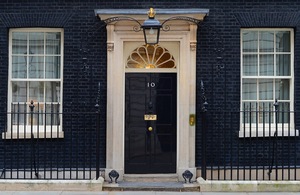
- Prime Minister blocks cuts to sentences for rape, serious child sex and other grooming offences
- Prime Minister wanted to go even further, but can’t without the prison system collapsing, putting the public at greater risk
- Offenders will now face tougher community supervision and new GPS monitoring for rapists to restrict movements
- New package to give victims stronger, specialist support and better access to information
The Prime Minister has ordered that rape, serious child sex and other grooming offences will be barred from upcoming changes to prison sentences, protecting the public from these dangerous criminals.
This follows the Prime Minister halting planned changes to sentencing and demanding the policy be reconsidered within days of coming into office.
After listening to victims’ concerns, rape and serious child sex offences, including vile grooming gang offences, will now be blocked from the upcoming sentencing changes, meaning these dangerous criminals will see no change to their custodial sentence and stay locked up for longer.
The changes mean rape and child sexual offences will be added to the exclusions that were already in place for 18,000 offenders, including those who have been found by a court to be the most dangerous or anyone serving a life sentence.
The Prime Minister wanted to go even further, and he recognises that people will be worried about other offenders being released. The significant changes he is making go as far as possible without putting the prison system at risk of collapse, which would put the public at greater risk.
The Prime Minister has insisted that offenders face tough new surveillance after leaving prison. There will be a presumption that all offenders are tagged, tougher periods of supervision and robust new rules, including restriction zones for offenders. He has also been clear that victims must be placed at the heart of the justice system, announcing a new package of victim support – backed by £10 million – to provide better, trauma-informed contact. This is alongside a new national helpline and efforts to contact all affected victims to offer information and support.
A lack of investment in the prisons estate for over a decade has led to a situation where adult male prisons are now at 98% capacity. That’s why the Government will take decisive action to fix the broken prison system, with prison building moving at the fastest rate since the Victoria era, with 14,000 new prison places expected by 2031.
The Prime Minister has also asked the Justice Secretary to move rapidly on scoping and accelerating the next generation of prisons, providing a long-term shift in capacity to resolve this crisis. He has also asked the Justice Secretary to look at how we can remove foreign offenders from our prisoners faster and in greater numbers, review outdated Imprisonment for Public Protection sentences and free up space in the women’s prison estate.
Prime Minister Andy Burnham said:
Keeping the public safe is my top priority. That’s why I asked for an urgent review of the prisoner release scheme. I fully understand the anger, anxiety and distress that’s been caused. I’ve heard that loud and clear. That’s why we’re making significant changes: offenders who have been sentenced for rape, serious child sex offences and other grooming offences will be excluded from the changes.
I want to be honest - I wanted to go even further as I know there will still be concerns about other offenders having their sentence shortened. But it’s not possible without the prison system reaching capacity and collapsing, which would put public safety at much greater risk. That’s why we will also be introducing much tougher community measures. There will be a presumption that all offenders are tagged, longer periods of supervision and tough new rules, including restriction zones for offenders.
As a country, we haven’t invested in the prison estate when we should have, going back over a decade. This has created an unacceptable situation, with our adult male prisons now at 98 per cent capacity. For too long, the problems facing our prison system have been ignored – and it’s the victims who have been paying the price. That is not good enough. My government will deliver the fastest prison building programme since the Victorian era and do what’s necessary to fix the prison crisis.
Justice Secretary Alex Norris:
The Prime Minister and I have reviewed these reforms, listened to the concerns and gone further to protect victims.
These are decisions no Minister would ever want to take but it is right these sickening crimes are excluded from these reforms. Victims will also have access to better support and reassurance that offenders leaving prison face tougher supervision and punishment.
Ministers are also delaying wider releases from prison under the Sentencing Act from September to October, giving probation staff have time to plan for releases and that victims can have a say in the restrictions placed on offenders.
The Sentencing Act will restore order to the prison system and make sure we have cells available for dangerous criminals. This will put an end to the use of repeated early release schemes prior to July 2024, which were emergency, temporary measures forced upon successive governments because of repeated capacity crises.
The changes also introduce a new progression model which will end automatic release for badly behaved offenders. Those who break the rules or are violent behind bars face spending 100% of their sentence locked up.
Additional information:
Under tough new probation measures, a stricter punishment package in the community will create a prison outside prison for offenders, to better protect the public, including:
- Near real-time electronic monitoring data for probation staff to track offender movements.
- Alerts warning offenders if they risk breaching an exclusion zone.
- Random drug testing for 1,000 offenders every month.
- Moves to double the number of regions using chemical suppression to help manage the drivers of sexual offending.
- We are also giving probation the power to ban offenders from driving, pubs and events such as football matches.
To further boost victim protection, offenders convicted of rape or serious child sex offences who have served their full time in prison will now face stronger surveillance after leaving prison, including:
- GPS trail monitoring for 12 months, giving probation constant access to their location via GPS tag.
- Strengthened community supervision, keeping them in the highest probation supervision tiers, with close contact and oversight
- Mandatory consideration of referral to Approved Premises, probation’s most secure community accommodation.
- Offenders flagged as having links to organised child sexual exploitation, such as grooming gangs, will be subject to tougher management. They will now face stricter supervision, including elevated risk assessments, stronger multi-agency plans and robust licence conditions.
The stronger package of support for victims includes:
- Increased and improved contact to all affected victims, regardless of sentence length, offence or if they are in the Victim Contact Scheme. Previously just victims who opted in to the Scheme were able to be contacted.
- A £10m boost for victim support to fund extra local frontline services for victims to get trauma-focussed support.
- A pause in commencement to ensure more victims are informed and, where they can be reached, have a say on licence conditions, including exclusion zones and restrictions to make them feel safer.
- A dedicated victim helpline available by October for all those affected by the reforms to provide emotional support and practical guidance.
The Government has already announced £100m of additional funding so prison leavers are tagged on release, and are banned from attending public events, pubs and clubs. This is all part of a record £700m investment into probation and community punishment, with 1,300 extra probation officers.
The changes introduced in the Sentencing Act are part of a new framework which balances the need to keep the system in balance and protect the public.
The Progression Model, a measure introduced in the Sentencing Act, is now due to come into force on 1 October 2026, and will bring forward the following changes:
- Offenders serving standard determinate sentences with an automatic release of forty or fifty percent, the earliest release point will now be one third.
- For those serving standard determinate sentences with an automatic release point of two thirds, their earliest possible release will now be one half. Until 2020 release at two-thirds for these offenders was not possible and the release point for all standard determinate sentences was halfway.
- Rape and child sexual offences will be excluded.
- Offenders found by the court to be the most dangerous – those on indeterminate sentences like life or Extended Determinate Sentences – are excluded.
- They will not be released any earlier than they are now and will remain subject to Parole Board review.
- Over 18,000 offenders serving more serious sentences will not be released early.
- For others, the earlier release point is theirs to lose: if they break the rules and behave badly, they will stay locked up for longer and potentially for 100% of their sentence.
- The number of individuals released in each tranche will depend on the makeup of the prison population, which will continue to evolve between now and implementation.