Marine licensing supporting coastal restoration, defence infrastructure and offshore wind
Recent marine licensing decisions are supporting kelp restoration in the northeast, MOD facility maintenance at Weymouth Bay, marina refurbishment in Essex, habitat creation at Thorney Island, and Norfolk offshore wind development safety.
Green Gravel Kelp Restoration Project Aims to Rewild Britain’s Coastline
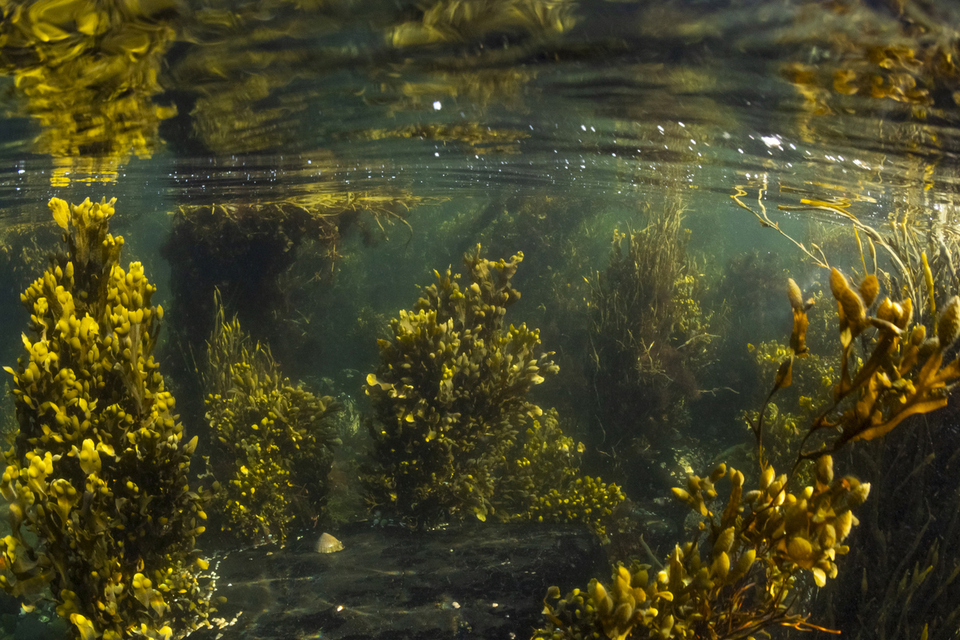
A marine licence has been granted to a pioneering marine restoration initiative led by Newcastle University and the Marine Biological Association to revive native kelp beds along England’s northeast coast. The Green Gravel Kelp Restoration Project seeks to combat climate change and biodiversity loss by reintroducing juvenile kelp into the ocean using an innovative technique.
The project involves cultivating juvenile kelp (Laminaria hyperborea) in controlled laboratory conditions and attaching it to gravel (known as green gravel) before depositing it back into the sea. Scuba divers will mark and monitor the restoration plots quarterly, with seasonal out-plantings scheduled for summer and winter to assess environmental impacts on growth success.
The project is designed to future-proof English kelp beds against climate and human-induced stresses. Kelp forests are vital to marine ecosystems providing habitat, food, and breeding grounds for marine species, while also supporting fisheries and recreational opportunities like diving.
Kelp is a natural carbon sink, aiding in climate mitigation. It also contributes to coastal resilience through flood defence and denitrification, enhancing overall ecosystem functioning.
If successful, the green gravel method could be scaled up across the UK, marking a significant step in the rewilding of Britain’s coastal habitats.
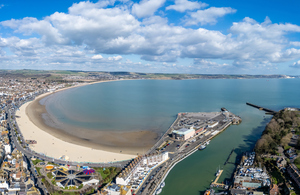
MOD Maritime Range at Weymouth Bay to Undergo Maintenance Under New Licence
QinetiQ has been granted a marine licence for the continued operation and maintenance of the Ministry of Defence’s (MOD) Weymouth Magnetic Open Sea Range, a vital maritime testing facility.
Located off the Dorset coast, the range plays a crucial role in ensuring that Royal Navy and Royal Fleet Auxiliary vessels remain fit for service. The facility has operated in the area for many years, and the new licence allows for ongoing maintenance and repair of equipment used in the range.
The site is important in supporting national defence capabilities. By maintaining the range, the MOD ensures that naval vessels continue to meet operational standards, ultimately contributing to maritime safety and readiness.
Bridgemarsh Marina Set for Long-Awaited Infrastructure Overhaul
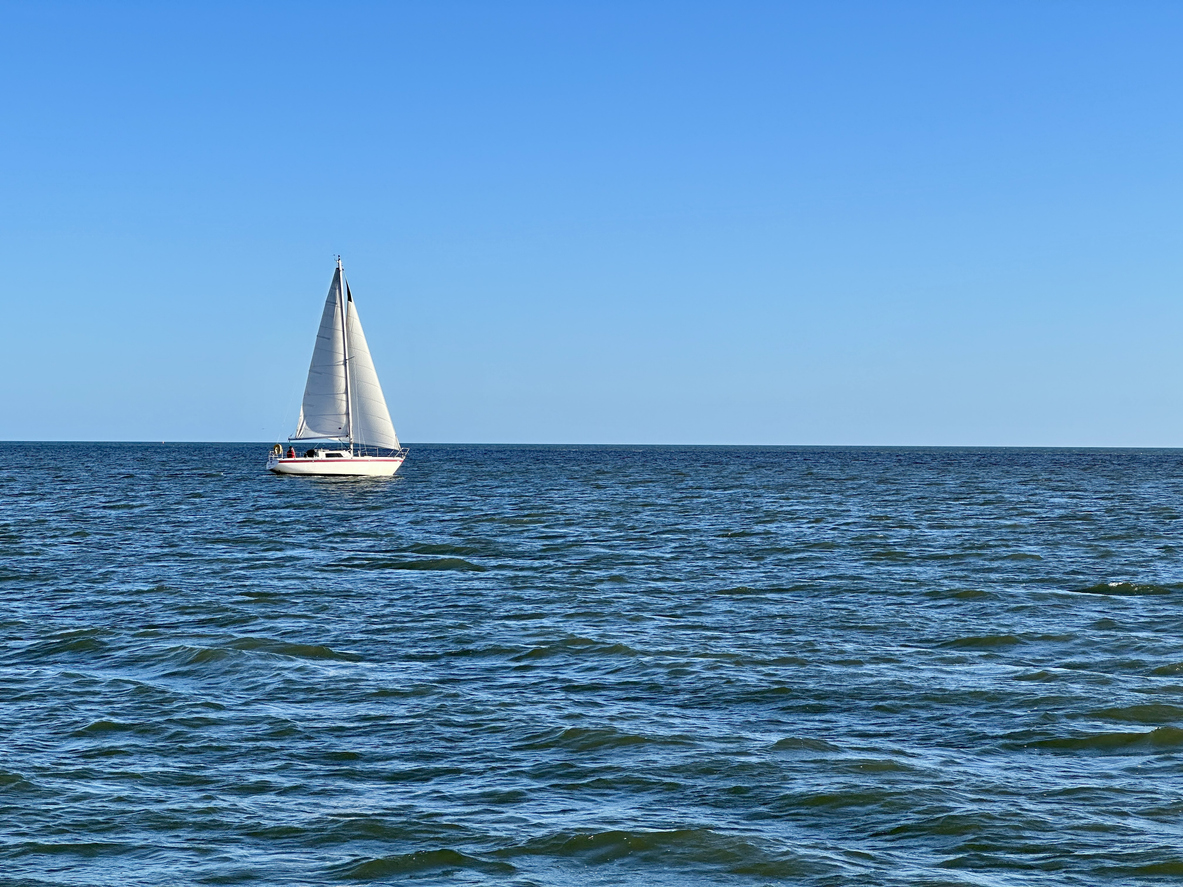
Bridgemarsh Marina in Essex is preparing to undergo a major refurbishment aimed at replacing aging infrastructure and improving long-term safety and usability for boaters and visitors.
The MMO Marine Licensing team approved variations to the original marine licence, allowing the project to be better tailored to the marina’s operational needs. The works are essential for maintaining the marina’s functionality and safety.
The marina’s refurbishment will include the replacement of existing piles and pontoons with modern marine equipment. A key part of the upgrade involves renewing a 125-metre section of sheet pile wall along the quayside, which is primarily used for berthing boats during lift-in and lift-out operations. Additionally, a new crane pad will be installed in the adjacent yard to support these activities.
The improvements are expected to benefit the public by preserving access to a well-used local marine facility and supporting the boating community in the region.
Environment Agency Plans Major Intertidal Habitat Creation at Thorney Island
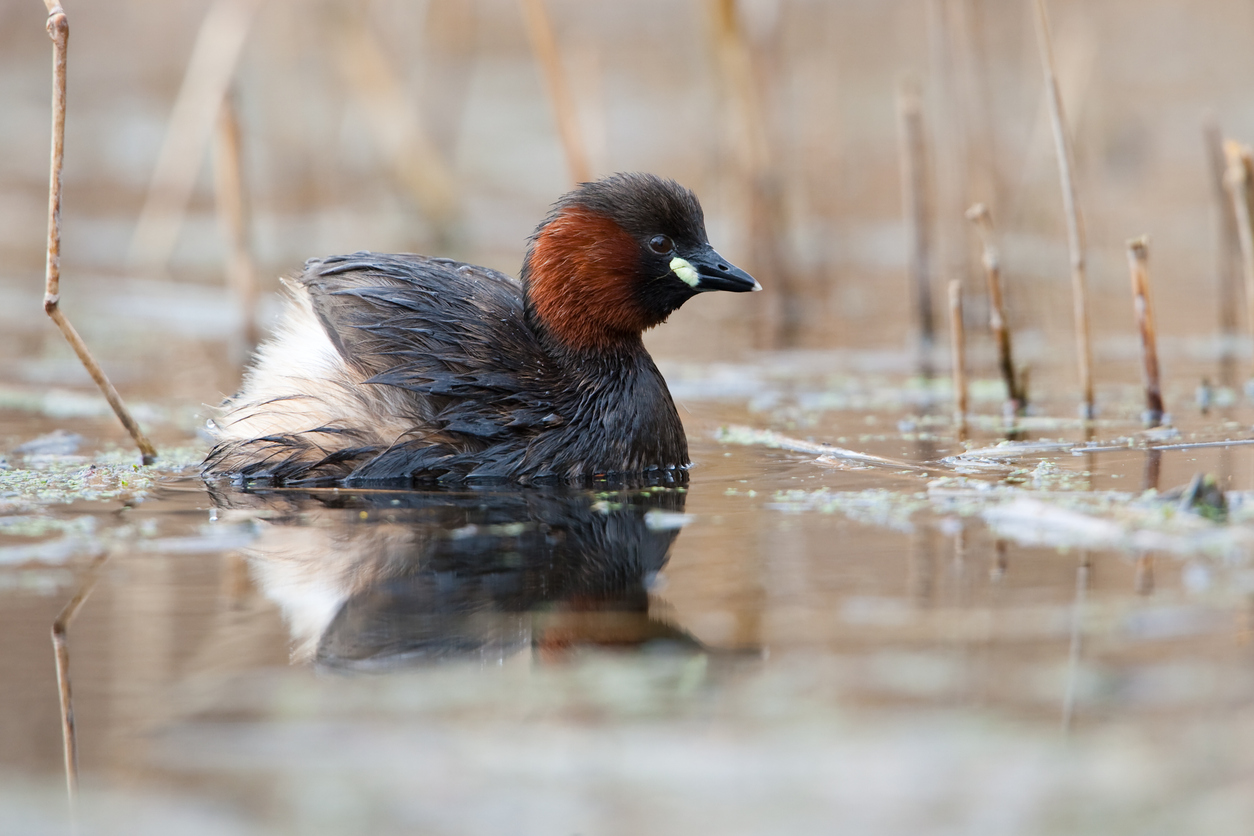
A new initiative led by the Environment Agency is set to transform the western side of Thorney Island with the creation of over 20 hectares of compensatory intertidal habitat by 2030. The Thorney Island Habitat Creation Project forms part of the wider Habitat Compensation and Restoration Programme (HCRP), which aims to restore and protect vital coastal ecosystems across the region.
The project is in the early stages, having undergone a scoping and screening opinion through the MMO Marine Licensing team. While a formal marine licence application has not yet been submitted, the project is considered legally imperative as compensation for the Solent and South Downs Area Flood and Coastal Risk Management (FCERM) capital programme.
The planned habitat will play a crucial role in supporting local biodiversity, providing essential feeding and breeding grounds for a range of marine and bird species. The creation of these habitats will not only meet legal obligations but also deliver lasting benefits for wildlife and the local community.
The public stands to benefit from improved environmental resilience and enhanced natural spaces, contributing to the overall sustainability of the Chichester coastal region.
UXO Investigations for Norfolk Vanguard West Offshore Wind Development
Two marine licence applications have been submitted to support the safe development of the Norfolk Vanguard West offshore wind farm, with investigations targeting unexploded ordnance (UXO) across key areas of the project site.
The first licence covers the investigation of up to 570 targets outside of the Sabellaria spinulosa reef, including 310 potential UXO targets within the export cable corridor, 200 within the wind farm array area, and 30 archaeological targets. A recent variation request seeks to add five more UXO targets to the scope. The works, anticipated to begin in 2025, will involve visual surveys using remotely operated vehicles (ROVs) and small vessels, with small-scale excavation using water jets or dredge pumps for buried items.
The second licence focuses on 126 UXO targets and 30 archaeological targets within 50 metres of the Sabellaria spinulosa reef. Similar survey and excavation methods will be used. This application includes conditions to ensure coordination with local fisheries, following requests from the Inshore Fisheries and Conservation Authority (IFCA).
Both investigations are essential to ensure the safe installation of offshore cables and infrastructure for the Norfolk Vanguard West wind farm. By identifying and mitigating UXO risks, the project supports the UK’s renewable energy goals while maintaining safety standards.
Find out more about Planning and development: Marine licences