Forestry Commission extends Sweet Chestnut Blight demarcated area
Trade restrictions to prevent Sweet Chestnut Blight will be extended in Devon, and the area will now include a small part of Cornwall
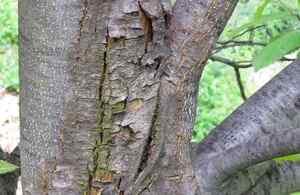
Photo: D.Rigling
The Forestry Commission is today (Wednesday 19 August) announcing an extension to the demarcated area for Sweet Chestnut Blight in Devon, and into a small part of Cornwall, following further findings close to the current restricted zone boundary. The new area will come into force on Wednesday 26 August.
The expanded area subject to restrictions will now include West Devon District and South East Cornwall constituency. The extension follows continued surveillance work, which has confirmed additional infected sites with buffer zones that extend beyond the current area boundary.
Trading restrictions on sweet chestnut trees and other susceptible material will apply across the expanded area, to help prevent the further spread of this fungal disease through the movement of infected plants and material, and to help disease management efforts.
A Sweet Chestnut Blight finding in October 2025 marked the first occurrence of the disease with sexual sporulation present since 2011. The additional outbreak sites identified through recent surveillance also show evidence of sexual sporulation, meaning an increased number of airborne spores are being produced. This significantly raises the risk of the disease spreading further afield.
The Forestry Commission is urging woodland owners, land managers and members of the public to remain vigilant for signs of the disease and to report any suspected findings through the TreeAlert portal.
Defra Chief Plant Health Officer Professor Nicola Spence said:
The risk of Sweet Chestnut Blight spreading has increased significantly in parts of the South West. Extending the demarcated area is a necessary step to help protect sweet chestnut trees.
I would urge anyone who owns or works with sweet chestnut trees to remain vigilant and report signs of disease through TreeAlert.
Forestry Commission Head of Plant Health Forestry Andrea Deol said:
Restricting the movement of susceptible material is one of the most effective tools we have to slow the spread of this disease.
We would encourage the public to check their sweet chestnut trees and support the Check a Sweet Chestnut campaign. The compliance and cooperation we have already seen from forestry and trades has played a significant role in supporting our efforts so far.
The Check a Sweet Chestnut campaign, run in partnership with the Royal Horticultural Society and Forest Research, encourages the public to identify and report signs of the disease.
Additional information:
-
A map of the expanded demarcated area is available via this link.
-
Sweet Chestnut Blight, caused by the fungus Cryphonectria parasitica, affects sweet chestnut trees and can cause significant dieback and tree death. Sexual sporulation produces airborne spores, which can travel further than spores produced through other means, increasing the risk of the disease spreading to new areas.
-
Members of the public, tree owners and plant professionals can report suspected sightings of Sweet Chestnut Blight using the TreeAlert portal.
-
Guidance on the demarcated area and current restrictions is available on GOV.UK.