Children’s health further protected with energy drinks ban
The government will ban the sale of high-caffeine energy drinks to under 16s in England from April 2027.
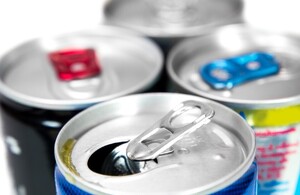
- Government to ban the sale of high-caffeine energy drinks to under 16s in England
- Proposals to protect thousands of children who drink high-caffeine energy drinks daily
- Ban will come into force in April 2027 and will apply in shops, vending machines and online
Children’s health will be better protected from the harms linked to high-caffeine energy drinks - after the government confirmed today (16 July 2026) it will ban their sale to under 16s in England.
It’s estimated that around 100,000 children in England drink energy drinks high in caffeine every day and evidence suggests this can negatively impact their physical and mental health, as well as their education.
Children living in more deprived areas and households are more likely to consume these drinks, increasing health risks and impairing their learning.
Public Health Minister, Sharon Hodgson, said:
High-caffeine energy drinks have no place in children’s hands. We know thousands of kids in England consume them daily but the evidence is clear that this can cause anxiety, affect their sleep and concentration and can have a detrimental impact on their education.
This ban will reduce children’s opportunity to buy drinks that are harmful to their health and wellbeing, and demonstrates our firm commitment to creating the healthiest generation of children ever.
The ban follows a consultation that received nearly 1,100 responses from businesses, public health organisations, enforcement bodies and members of the public, with strong support for introducing an age restriction.
The legislation will apply to drinks, other than tea or coffee, containing more than 150mg of caffeine per litre. It will cover sales in all retail settings, including shops, vending machines and websites and online. Business-to-business sales will be excluded.
Education Minister, Olivia Bailey, said:
This ban will protect children from high-caffeine energy drinks that undermine their health and focus in the classroom, so they can make the most of all the exciting opportunities ahead of them.
It will go hand in hand with our overhaul of school food for the first time in over a decade, to ensure children across the country have delicious, nutritious food that helps them thrive.
Retailers themselves will be responsible for ensuring these drinks are not sold to under 16s, while local authorities will enforce the ban. Businesses that break the law face fines of up to £2,500.
The government will take forward secondary legislation using powers contained in the Food Safety Act 1990, with the ban intended to come into force in April 2027, subject to Parliamentary approval.
Katharine Jenner, Executive Director of the Obesity Health Alliance, said:
This is a hugely popular policy, backed by parents, health professionals and the public, and a vital step towards protecting children’s health. Strong evidence links high-caffeine energy drinks to anxiety, poor sleep, reduced concentration and harm to learning and wellbeing. Restricting sales to children at a vital time in their life is just common sense.
Children in more deprived communities are disproportionately affected. Extending the ban across shops, vending machines and online sales will create a fair, consistent system for retailers and families. After years of delay, the government must now secure approval, support effective enforcement and ensure the ban starts promptly in April 2027.
Barbara Crowther, Children’s Food Campaign Manager at Sustain, said:
The decision to ban sales of high-caffeine energy drinks to children is absolutely right, given strong evidence of their harmful effects on their physical, mental and dental health, and overwhelming public support including from parents, young people, health professionals, teachers and food retailers.
We look forward to seeing legislation laid before Parliament at the earliest opportunity, to meet the April 2027 deadline. It’s now 2 years since the Labour government pledged this action - almost 300 million more high-caffeine energy drinks have been sold to children in that time. The decision is made, no more kicking the can down the road - let’s make this law now.
Carrera aged 19, Bite Back youth activist, said:
This is positive news and I’m so pleased to see the government taking this step. While we’ve been waiting for this announcement, around 5 high-caffeine energy drinks have been sold to children every second. That’s why this matters so much.
Young people have been speaking up about energy drinks for a long time because we’ve seen how normal they’ve become in our schools, on our journeys to school and through the influencers and sports we love.
They’ve become the social currency of the playground and that simply shouldn’t be the case. At a time when so many young people have just been sitting exams, the last thing we need are products that can affect our sleep, concentration and wellbeing becoming part of everyday life.
It’s encouraging to know young people’s voices have helped get us here and I hope this is another important step towards creating healthier places where every young person can thrive.
Sarah Muckle, ADPH Policy Co-Lead for Children and Young People, and Director of Public Health for Essex County Council, said:
Every child deserves a healthy childhood and to grow up in an environment that supports their wellbeing, and today’s decision is a significant step toward achieving this. Energy drinks carry consequences for children’s physical and mental health, including tooth decay, sleep disruption and an increased risk of high blood pressure.
By putting this ban into effect, these products will no longer be so easily accessible to our young people, giving them greater freedom to grow up without their harms. This is especially important for children living in our most deprived communities, who are too often unfairly impacted by the health harms of these products.
This consultation is part of a series of measures by this government to improve kids’ health, combat childhood obesity and help support parents to raise the healthiest generation of children ever. Other measures include:
- extending the Soft Drinks Industry Levy
- introducing supervised toothbrushing for 3 to 5 year olds to protect those in the most deprived communities from tooth decay
- restricting less healthy food from being:
- placed in certain locations in stores
- included in volume price promotions
- advertised when and where children are most likely to be watching
The consultation on banning the sale of high-caffeine energy drinks to children ran from 3 September to 26 November 2025 and received 1,095 responses.