Draft rare disease therapies regulatory framework
Published 21 May 2026

© Crown copyright 2026
This publication is licensed under the terms of the Open Government Licence v3.0 except where otherwise stated. To view this licence, visit nationalarchives.gov.uk/doc/open-government-licence/version/3 or write to the Information Policy Team, The National Archives, Kew, London TW9 4DU, or email: psi@nationalarchives.gov.uk.
Where we have identified any third party copyright information you will need to obtain permission from the copyright holders concerned.
This publication is available at https://www.gov.uk/government/consultations/draft-rare-disease-therapies-regulatory-framework/draft-rare-disease-therapies-regulatory-framework
Foreword
Around 1 in 17 people will be affected by a rare disease during their lifetime. In the UK, this amounts to over 3.5 million people. The impact extends further still, touching families, friends and carers. Yet despite this scale, only around 5% of rare diseases have an approved medicinal product, meaning that thousands of conditions remain without satisfactory treatment options. Of the estimated 10,000 rare diseases, the vast majority still have no effective therapy.
Furthermore, the cost of delayed diagnosis is estimated at £340 million annually, with a further estimated £4.7 billion health related disability costs and a £14.9 billion annual loss to the economy.
Conventional regulatory guidance is typically designed for common diseases. They assume large patient populations, validated clinical endpoints, and Phase 3 confirmatory trials. While some rare disease therapies can be approved based on clear clinical benefit from small trials, certain conditions fundamentally challenge these assumptions.
Key challenges include:
- Apparent modest efficacy signals due to slow disease progression, small and heterogeneous populations, or the absence of a control arm, even where endpoints are meaningful to patients.
- The impracticality or infeasibility of randomised controlled trials in very small populations.
- Limited natural history data, making it difficult to define and validate clinically meaningful endpoints.
- Urgent unmet medical need that may be incompatible with the timelines of traditional development programmes.
- Advanced modalities, such as highly personalised medicines and gene and cell therapies, which raise complex questions around manufacturing, durability of efficacy, and long-term safety.
- Economic challenges, where traditional development models may not be sustainable given limited patient numbers and uncertain returns on investment.
Some genetic conditions are caused by “private” variants seen only in an individual or a single family. Enabling access to bespoke therapies in such circumstances presents significant challenges under current regulatory requirements. At the same time, the number of patients identified with actionable mutations, suitable for highly targeted treatments such as oligonucleotides or gene editing, is rapidly increasing. This progress underscores the need for a regulatory approach that can accommodate repurposed, precision, and individualised approaches.
The Medicines and Healthcare products Regulatory Agency (MHRA) recognises that these challenges require a patient-centred and tailored regulatory framework – one that maintains appropriate standards of safety, quality, efficacy, and evidence while enabling timely access to innovative therapies.
The MHRA is therefore proposing to establish a new Rare Disease Therapies Regulatory Framework to support earlier, more frequent, and iterative engagement with developers, providing structured regulatory flexibility where conventional approaches are not feasible.
The UK has the foundations to be a global leader in rare disease innovation: a strong academic base, a single national genomics provider, and the unique scale and diversity of NHS datasets. The challenge is to bring these strengths together within a coherent and enabling regulatory framework. This new framework guidance is designed to support that ambition in innovation while safeguarding patients and maintaining confidence in regulatory decision-making.
1. A proposed practical approach
The Rare Disease Therapies Regulatory Framework (“The Framework”) represents a significant shift from traditional development models. Its emphasis on earlier regulatory engagement, flexible evidence requirements, and iterative or modular approvals is expected to substantially shorten the time from discovery to patient access.
By supporting proportionate, risk-based decision making and encouraging the use of prior knowledge and real-world evidence, the framework enables more efficient development, particularly for therapies addressing high unmet medical need.
To meet the needs of patients, academics, and industry, new guidance and regulatory considerations are needed to support the development and licensing of treatments. This approach is required because, for some rare diseases, the difficulties, resource requirements of research and demonstrating benefit under current structures are prohibitive.
The Framework has been deliberately designed as a technology‑agnostic regulatory framework for medicinal products. Its structure enables consistent application across a wide range of current and emerging technologies, including advanced therapies, individualised medicines, digital enabled medicinal products, and innovative manufacturing platforms.
It is designed for therapies for traditionally described rare conditions with a prevalence of typically 1 in 50,000 or less in the UK.
This document outlines the key elements of the regulatory framework and provides supporting guidance on its application. It covers three key areas: patient engagement, guidance on how the framework will work in practice, and regulatory considerations specific to rare diseases.
While the framework is primarily intended for rare diseases, elements of it – together with the accompanying guidance – may also be relevant to conditions with higher prevalence where randomised controlled trials are not feasible or are impractical.
By exception, the principles and concepts described in this document may also be applied to higher-frequency conditions that fall within the orphan designation. However, this does not represent a change to the regulation of orphan medicinal products, as the existing provisions are generally considered appropriate for the development and licensing of these products.
The regulatory steps outlined in this guidance are intended to remain flexible, allowing for different entry points and decision-making stages depending on the product. The framework is designed to provide a structure for discussion and to support frequent interaction with the agency throughout the development process.
In addition, the document includes general considerations to provide context on broader topics and to reflect current MHRA thinking.
Where elements of the framework require legislative change, the timeline for full implementation may be affected. In the interim, pilot opportunities - such as regulatory sandboxes or similar approaches - may enable early demonstration and testing of the framework’s principles.
The guidance also seeks to support the international validity of evidence by requiring alignment with ICH standards and globally recognised Good Clinical Practice. This is intended to support the potential acceptability and reuse of data across jurisdictions.
2. Expected impact
A key consideration of this adaptive approach is the potential reduction in development timelines. More targeted trials, smaller datasets, and earlier go/no-go decisions can decrease late-stage attrition and reduce capital demands. This is particularly beneficial to encourage start-ups and early-stage projects, where improved capital and resource efficiency and earlier value inflection points can strengthen business models and provide for more focused and effective developments.
For larger pharmaceutical companies, the framework may support diversification into very rare indications, enable staged investment strategies, and allow commercial viability in a more iterative regulatory environment. This in turn then provides more potential solutions to be developed for early patient access to treatment
Overall, the framework is expected to compress development timelines meaningfully, especially in the early phases and during regulatory decision making. Traditional rare disease programmes typically require 10–12 years to reach marketing authorisation, driven by linear phase progression and late regulatory involvement. Under the proposed MHRA approach, early scientific advice, pre-designation interactions, and modular assessments could reduce development timelines with some therapies targeting high unmet needs potentially achieving significantly earlier patient access through investigational authorisation routes.
The proposed Investigational Marketing Authorisation (IMA) for rare disease therapies provides a route that can cover early-stage research, enable rigorous safety assessment, and support controlled patient access. Because it is a form of marketing authorisation, it would allow use in principle (subject to conditions) while evidence continues to mature.
Adaptive trial designs and acceptance of real-world or surrogate endpoints may be considered where appropriate. These approaches support a shift from prolonged pre-authorisation requirements to a more balanced lifecycle model, where earlier access is possible and remaining uncertainties are addressed through structured post-authorisation evidence generation.
3. Implementation
This guidance sets out the MHRA’s direction of thinking to enable greater development certainty. Some elements can be implemented immediately. Others, most notably the full implementation of an Investigational Marketing Authorisation, would require legislative change, or a new power for the MHRA, to permit access under this type of authorisation. A formal consultation on changes to specific legislation will be considered following the public consultation of this pathway during the first half of 2026.
4. Patient engagement
4.1 Patient involvement in development of the framework
It is crucial that the perspectives and experiences of rare disease patients and their representatives, including patient organisations, are reflected in the development of this framework. Patients and patient representatives bring a vast range of knowledge and expertise, ranging from lived experience to practical knowledge gained through working with companies and non-commercial developers. Their insights span clinical trial design, regulatory engagement, and the day-to-day realities of navigating health technology assessment processes.
Patient perspectives should and will play a significant role in informing the development of this guidance. This is invaluable, particularly in areas where clinical evidence is limited and regulatory decisions require balanced consideration of unmet need and treatment impact.
This involvement supports balanced risk–benefit assessment and helps ensure the framework reflects real-world priorities alongside scientific and regulatory requirements.
4.2 Patient communication through the framework
Patient-centred regulation ensures that patients and families are empowered and supported in making informed healthcare decisions. It requires giving people clear, balanced information about the benefits and risks of different treatment options and ensuring that this information can be applied to their individual circumstances. Open, accessible communication with patients and carers remains essential throughout the process.
As part of early access to a treatment through the Rare Disease Therapies Regulatory Framework, the patient, or where appropriate a parent or legal guardian, should be supported through an informed consent process acknowledging the uncertainties, potential risks, and the possibility that access may change as evidence develops.
This process is intended to support shared decision-making, strengthen communication between clinicians and patients, and ensure that everyone understands the nature of early access. It is not intended to shift responsibility away from clinicians or regulators, nor to create unnecessary barriers. Instead, it aims to empower patients and caregivers by giving them clearer information, greater involvement in the process, and the opportunity to make informed choices.
However, informed consent is only the starting point. Understanding risk versus benefit is an ongoing process, especially for innovative or higher risk treatments. Patients and caregivers should have access to regular updates, neutral and balanced information, and opportunities to ask questions as evidence evolves.
This commitment to patient‑centred regulation directly underpins Section 5.4, where a risk‑appropriate approach to evidence generation ensures that data requirements are proportionate not only to the therapy’s risks and uncertainties but also to the practical realities and unmet needs faced by rare disease patients.
4.2.1 Expectations for developers:
Because evidence may be limited at the point of approval, developers should:
- Provide clear and ongoing communication to patients, carers, patient organisations, prescribers and clinical teams.
- Update information promptly as new safety, efficacy, or practical-use data become available.
- Consider consent processes that allow wider access to data for research, including through national services such as the National Disease Registration Service (NDRS), while ensuring this is explained clearly and remains patient-centred.
4.2.2 Involvement of patient organisations, individuals, and carers
Patient organisations (and, where not applicable, individual patients, parents, carers, and legal guardians) should be involved in shaping how information about the Rare Disease Therapies Regulatory Framework, particularly the risks and uncertainties, is communicated to the wider rare disease community.
Communication approaches must be tailored to the needs of the target population (for example, paediatric versus adult groups, or individuals with differing cognitive or functional abilities). Their insights help ensure that information is understandable, realistic, and aligned with the needs and concerns of those most affected.
The MHRA will work with patient advocacy organisations to explore how best to support and enable their participation, including considering what notice, guidance, and practical arrangements may be needed to ensure meaningful and sustainable engagement across future developments and appraisal activities.
4.2.3 Collaboration across the healthcare system
Clinicians, researchers, patient organisations, and (where appropriate) industrial representatives should collaborate to ensure consistent, accessible communication before, during, and after treatment initiation. Information about early access should be shared with the wider patient community well before recruitment begins, not only at the point where a consent or acknowledgement form is presented.
4.2.4 Ongoing understanding, not one-off consent:
Consenting to receive a treatment should be understood as an ongoing process rather than a one-off. Rare disease treatments often involve evolving evidence and differing risk tolerance. Caregivers should be supported with:
- Regular opportunities to ask questions
- Updates at key evidence milestones
- Neutral, balanced information written for a lay audience
- Insights from individuals with prior trial or early access experience
- Right to revisit decisions/withdraw consent as evidence evolves etc
This ongoing engagement helps ensure that understanding remains current, meaningful, and realistic across the entire treatment journey.
5. The Guidance
5.1 Introduction
The central feature of the Rare Disease Therapies Regulatory Framework is the introduction of an Investigational Marketing Authorisation (referred to hereafter as an IMA) – a single authorisation that combines approval to conduct a clinical trial with a continuously reviewed marketing authorisation, granted on the basis of compelling but limited evidence.
This authorisation would be subject to a robust safety and efficacy monitoring plan, including structured and periodic review of real-world evidence at predefined intervals. This framework uses the clinical trial methodology as the backbone of evidence generation for the IMA, with optional Scientific Opinions to support development and decisions at key points. This enables regulatory activities to be undertaken incrementally, in line with the evolving evidence base and the maturity of the development programme.
The framework is intended for products targeting rare diseases with unmet medical need, where there are clear and measurable barriers to conducting a conventional clinical development programme or obtaining marketing authorisation through existing routes (e.g., exceptional circumstances marketing authorisation, conditional marketing authorisation, or full marketing authorisation).
This guidance applies only to applicants who choose to seek, and are granted, designation under The Framework. It does not replace existing MHRA regulatory routes, which may be more appropriate depending on the product, target population, and stage of development. Early engagement with the MHRA is encouraged to determine which regulatory route is most suitable.
Further detail on the principles described for these novel regulatory processes is set out in Section 6.
The scope, governance, and operational processes for IMAs are detailed in this guidance.
5.2 Scope and definition
The Rare Disease Therapies Regulatory Framework is designed for therapies for traditionally described rare conditions with a prevalence of typically 1 in 50,000 or less in the UK, where there are quantifiable barriers to conducting an existing clinical development programme or obtaining a standard regulatory approval. Elements of this guidance can be considered for conditions with higher prevalence when randomised controlled trials are not feasible or are impractical.
Below are some examples of quantifiable barriers, more will be added after the consultation:
- Reliance on platform technology data
- Number of participants too small for inferential statistics
- Clinical extrapolation exercise considered
- Participant(s) has (have) a syndrome without a name
Therapies that are not eligible for the framework should consider other MHRA regulatory tools including scientific advice and ILAP prior to submitting a clinical trial application. A conditional marketing authorisation or marketing authorisation under exceptional circumstances may be appropriate
Applicants should provide and justify UK prevalence data demonstrating appropriate levels in the region of 1 in 50,000, using robust sources wherever possible. If such evidence cannot be generated, such as for extremely rare conditions, this should be explained and supported proportionately, with the relevant population or subpopulation agreed at the designation meeting.
Research in small populations outside this framework can still access MHRA support, including scientific advice and the Innovative Licensing and Access Pathway (ILAP) programme. Similarly, products on the ILAP that meet the criteria for the framework will be able to access it. This can be discussed as part of the Target Development Profile.
The examples of quantifiable barriers are not exhaustive and should be discussed on a case-by-case basis by the MHRA and developer at an early stage. The MHRA may apply additional or selective criteria, including considerations linked to unmet patient needs, severity of condition and wider impact on public health.
Where appropriate, a product may be directed to exit this framework and make use of alternative regulatory routes.
This framework does not change the eligibility criteria or regulatory obligations associated with orphan designation. Rather, it provides a regulatory mechanism to facilitate development in situations where conventional evidence-generation strategies may be difficult to implement.
5.3 Product types considered for this framework
This framework is to be considered for all medicines. The patient-centred approach needs to ensure appropriate evidence is generated for these types. As an illustration currently, advanced therapy medicinal products (ATMPs) more broadly use cells, genes, or tissues to target complex or previously untreatable rare diseases, reflecting a rapidly evolving field with growing clinical potential. Alongside these innovations, repurposing established medicines remains an important strategy, allowing known drugs with well‑characterised safety profiles to be evaluated for new rare disease indications, complementing the high‑complexity development of ATMPs and expanding therapeutic options for underserved patient populations.
5.4 Relationship with existing MHRA routes
Existing authorisation routes
Established regulatory routes already exist to support the licensing and access of innovative therapies, including full marketing authorisation, conditional marketing authorisation, and exceptional circumstances marketing authorisation. The Early Access to Medicines Scheme, whilst beneficial, does not focus on therapies for rare conditions.
The IMA being introduced in The Framework is not intended to replace these existing routes. Rather, it is designed to complement them by providing an additional, patient-centred and risk-proportionate option in circumstances where conventional routes may not be feasible at the outset.
Orphan designation
The Framework is distinct from orphan designation, which is a prevalence-based incentive mechanism for medicines treating life-threatening or chronically debilitating conditions affecting no more than 5 in 10,000 people in the UK. Products can benefit from both the new framework and orphan incentives.
Unlike orphan designation, which primarily encourages development through incentives, The Framework provides a regulatory mechanism designed to address the scientific, evidentiary, and lifecycle challenges of rare disease therapies, particularly individualised or very small-population treatments.
5.5 IMA process steps
The IMA is delivered through a distinct but flexible, stepwise process, based on regular interaction between the developer and the MHRA. The process is intended to be entered at the stage that best fits the product and the available evidence, subject to MHRA agreement.
The steps are:
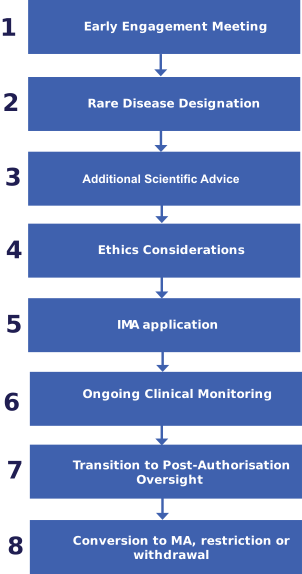
Subsequent steps are not mandatory for all products and may occur non-linearly, depending on available evidence and applicable regulatory requirements. The level and timing of interaction reflect the evidentiary needs at each stage.
The full process for application, criteria for grant, conversion, restriction or withdrawal will be published in the final framework post consultation. This will take into account the feedback of the consultation.
5.5.1 Early Engagement Meeting
Early dialogue enables informed decisions on regulatory routes, evidence requirements, and eligibility for specialised guidance. This early engagement meeting, which is a form of scientific advice, allows consideration of proposed development plans. It also allows developers to test proposed clinical and real-world evidence (RWE) considerations, and proposed lifecycle plans against regulatory expectations, helping to:
- Identify key risks and constraints early
- Focus investment on decision-relevant evidence
- Avoid unnecessary or duplicative requirements
- Apply risk-proportionate standards pragmatically
Early and sustained engagement with the MHRA supports developers of medicines for rare diseases by clarifying regulatory expectations, reducing uncertainty, and enabling proportionate development strategies. This is particularly important where conventional development guidance is not feasible and innovative approaches, such as adaptive trial designs, platform technologies, or staged authorisation models are required.
Ongoing engagement enables iterative refinement of development plans as new data emerge, particularly for products progressing through staged or adaptive authorisation.
Engagement also supports alignment with the wider health system. While reimbursement decisions sit outside the MHRA’s remit, early regulatory dialogue to then plan system interaction and readiness considerations can help ensure evidence-generation strategies to support downstream processes, enabling sustainable patient access. This can be maximised through joint processes with system partners.
Optional output for consideration: Scientific Opinion
Enabling development and having a public verification of a development plan could be advantageous. Therefore, the agency is considering offering a Scientific Opinion as the concluding step for the Rare Early Engagement Meeting.
A positive Scientific Opinion would only be issued if the criteria for the development of the rare treatment can be considered under the framework. This would be a precursor step to indicate a review by the MHRA had taken place prior to the designation step, if it was considered necessary to do so. There is no right of appeal for negative opinions and negative opinions will not be published. It is proposed that the positive Scientific Opinion will be published on the MHRA webpage alongside a public assessment report within 30 days of the opinion.
More information on Scientific Opinions can be found in Section 6.3.
5.5.2 Designation
The Rare Disease (RD) designation step is the MHRA’s mechanism for evaluating the justifications supplied by applicant organisations (industrial or non-commercial) that plan to utilise the Rare Disease Therapies Regulatory Framework. The MHRA will evaluate the justifications against the requirements and legal tests, and in the context of the proposed product, therapeutic indication, and patient population. This may build on a previously issued Scientific Opinion, where applicable.
The application for RD designation should occur early in product development and may be requested in conjunction with other early engagements with MHRA. This step will provide regulatory clarity and the assurance to innovator organisations to progress through the next steps of this framework.
Developers are encouraged to apply as early as possible to maximise translational efficiency and patient benefit, though application is possible at any stage of development.
The designation step determines eligibility for entry into The Framework, and applicants must demonstrate:
- Suitability of the product or therapy for the framework
- The therapy targets a condition with UK prevalence in the region of 1 in 50,000
- The severity of the condition and level of unmet clinical need e.g., life-threatening, severely disabling, high unmet need
- There are quantifiable barriers to conducting a standard clinical development programme or achieving standard regulatory approval
-
Proposed methodology to demonstrate efficacy
- Agreement of the data and reporting requirements for progression through IMA stages.
- Set key milestones and review points.
Process
Process: To apply for a RD designation, the applicant should complete the planned application form and provide a justification of the need. The application must be appropriately supported by clinical data or appropriate extensions. This data can be demonstrated using prior knowledge, real-world evidence, and predictive considerations as set out in the appropriate sections of this document.
The MHRA will review an application for RD designation and may request further information in writing or request a scientific designation meeting, prior to its decision.
Output for consideration: Rare Disease Designation
MHRA issues a written outcome confirming one of the following:
- Designation granted and acceptance into the framework.
- Additional data required before an IMA application.
- Sufficient evidence to proceed directly to submission for IMA
A positive Rare Disease Designation will be issued only if the criteria for progressing the development of the treatment within the framework are met. There is no right of appeal for negative opinions, although discussion and considerations will be shared and negative opinions will not be published. It is proposed that the positive designation will be published on the MHRA webpage alongside a public assessment report within 30 days of the opinion.
5.5.3 Additional Scientific Advice
Following the Early Engagement meeting or Designation, formal scientific and regulatory advice may be required to assist in the development and agreement of key principles of the underlying clinical trial (or trials) that form the backbone of the Designation. Consideration should be given to International Council for Harmonisation of Technical Requirements for Registration of Pharmaceuticals for Human Use (ICH) E8 ‘General Considerations for Clinical Studies’, especially given the scarcity of potential participants and the associated value of their data in supporting the IMA and potential future MA.
The meeting could be used to discuss key aspects of the proposed clinical trial including:
- Trial design
- Critical to Quality Factors and Quality by Design considerations
- Safety reporting and oversight
- Efficacy endpoints
- IMA decision making requirements
- Future follow-up
This will be offered as part of the process, but a separate application for scientific advice request is required.
5.5.4 Ethics Considerations
IMAs in the UK must meet appropriate ethical standards to protect participants, because these authorisations can involve first‑in‑human exposure to investigational medicinal products.
Ethical requirements include securing a favourable opinion from a recognised Research Ethics Committee, ensuring that risks are rigorously assessed and minimised, and providing clear, comprehensive informed consent that explains potential benefits, uncertainties, and safety measures.
It is emphasised that robust design, transparent risk‑mitigation strategies, and the availability of appropriate medical facilities and trained staff to manage adverse events are requirements. These safeguards, supported by the Health Research Authority’s ethics review processes and the MHRA’s accreditation framework, aim to uphold participant safety, dignity, and rights throughout these activities.
5.5.5 IMA Application
The application for an IMA uses the clinical trials framework and the application includes the requirements for the appropriate stage being considered. This is overlaid with the IMA considerations, to allow the continuation of benefit risk to prognosis considerations to be routinely completed.
All development within the Rare Disease Therapies Regulatory Framework should comply with the principles of the clinical trial framework, with internationally recognised Good Clinical Practice (GCP ICH E6) applied throughout.
The IMA incorporates the basis of clinical trials. GCP-compliant data generated before and after an IMA is granted continues to inform iterative regulatory review, and the MHRA may pause use if emerging evidence indicates a safety risk. Early studies, such as first-in-human and exploratory trials, will require clinical trial authorisation under the IMA approval, and full adherence to GCP standards. The use of the CARE Case Report Guidelines and the CARE case report form is suggested to form part of the application process.
GCP is applied proportionately to the rarity of the condition and the feasibility of traditional trial designs as promoted by ICH E6 and ICH E8. IMA/clinical trial approaches may use adaptive methods, external or real-world comparators, and/or surrogate endpoints, provided they are scientifically justified.
Given small sample sizes, strong emphasis is placed on clear definition, reliable endpoints, and high quality, traceable data. Consent of patients must also address uncertainty, long term follow-up, post IMA approval data collection, historical comparators, or surrogate endpoints, provided they are scientifically justified. If unvalidated surrogate endpoints are proposed, scientific advice should be sought.
It is expected that clinical trials are designed to be risk proportionate and support the capture of safety and efficacy data suitable for decision-making both at the IMA stage and ultimately to support a full marketing authorisation. The clinical trial(s) must be compliant with the UK Medicines for Human Use (Clinical Trials) legislation and ICH requirements to allow for full utilisation of the data collected and global acceptance of the work undertaken.
It is likely that there will be a clinical trial followed by a long-term follow-up study (which may or may not include ongoing dosing) that trial participants transition through, allowing for the collection of both safety and efficacy data and supporting long-term follow-up of trial participants. It is expected that participants consent to long-term follow-up as part of access to the rare disease treatment to support access and knowledge acquisition associated with the intervention. How this is managed for participants who travel to the UK for treatment and then return home should be actively considered and managed, which may involve the establishment of local trials to collect follow-up data.
Process
To apply for an IMA, the applicant should complete the planned application form and the required evidence package, which includes appropriate clinical, non-clinical, and quality information. This data can be demonstrated using prior knowledge, real-world evidence, and predictive considerations as set out in the appropriate sections of this document.
The MHRA will review an application for an IMA and use the principles of a national Marketing Authorisation (MA) for the assessment and issuance of a decision. Initial review would be completed within the stated 90 days within the MA guidance and additional further information may be requested in writing or request a scientific clarification meeting, prior to its decision.
Output for consideration
MHRA issues a written outcome confirming one of the following:
- IMA granted, with the conditions and requirements to acceptance to commence activities.
- IMA refused with rationale and considerations for change.
A positive IMA would only be issued if the criteria for the development of the rare treatment are met. There is no right of appeal for negative opinions, although discussion and considerations will be shared and negative opinions will not be published. It is proposed that the positive IMA will be published on the MHRA webpage alongside a public assessment report within 30 days of the opinion.
Output for Reimbursement decisions
It is proposed that, through ongoing engagement with system partners, the licence at this stage would provide an opportunity to be considered for initial reimbursement.
The relevant considerations and requirements for this are currently being established.
5.5.6 Ongoing Clinical Monitoring
The IMA is managed using a lifecycle-based, review-driven approach, with GCP principles providing the core control ; where no ongoing clinical trial is used, GCP principles will still apply. Granting an IMA enables conditional access while further evidence is generated, but it does not lower regulatory standards.
Ongoing clinical and safety monitoring are required throughout any investigational use under the framework and continue post-IMA approval as applicable.
The requirement for a Clinical Monitoring Plan and review cadence (time-based and/or patient-number triggers) are agreed at the earliest engagement meeting and may be updated at each checkpoint.
Ongoing management includes:
- Predefined expectations for continued data generation
- Structured review points, including periodic reassessment
- Evaluation of emerging clinical trial data, safety information, and real-world evidence
- Clear decision points to continue, modify, progress toward full marketing authorisation, or withdraw the IMA.
- Modifications or considerations from prior or predictive knowledge
These processes align with established GCP mechanisms, including protocol amendment, continuous safety evaluation, and documented regulatory oversight.
The Clinical Monitoring Plan and its associated regular report will require submission to the MHRA at a predefined frequency on the grant of an authorisation. This will then be considered and a formal outcome issued with any modifications or changes. This will be to understand the safety and efficacy considerations of the therapy.
The Clinical Monitoring Plan is expected to be critical for ongoing demonstrated safety and reimbursement considerations and would be regularly reviewed.
5.5.7 Transition to Post-Authorisation Oversight
For rare disease products, particularly those following innovative or staged development models, the differentiation of roles between clinical trial regulation and authorised use under an IMA must be explicitly managed.
The MHRA will therefore provide clear guidance as part of the ongoing review process to:
-
Clarify when a product is regulated primarily under the clinical trial framework and when it is regulated as an authorised medicinal product.
-
Set expectations for the handover of oversight responsibilities within MHRA (e.g. clinical trials, licensing, and pharmacovigilance functions).
- Ensure that sponsors understand which regulatory requirements apply at each stage.
- Ensure that appropriate actions are taken to appropriately control the product and transition to withdrawal or full marketing authorisation.
This clarity is essential to avoid regulatory ambiguity and to support international acceptability of the evidence generated.
5.5.8 Conversion to MA, restriction or withdrawal
Regulatory review within the framework may result in progression, IMA amendment, restriction, or withdrawal.
Where sufficient evidence has been generated, an IMA may be converted to a conventional MA, either as an exceptional or conditional licence. The potential for conversion to a full MA may be discussed during ongoing interaction, including prior to the grant of an IMA. However, conversion is not automatic and may not always be appropriate or feasible. Readiness for MA will be assessed with the IMA holder, the ongoing clinical monitoring and based on the totality of evidence. Considerations should be given to any impacted products which utilise similar prior knowledge or master file considerations.
Conversely, if emerging data indicate an unfavourable benefit–risk profile, or raise significant safety or efficacy concerns, use may be paused or restricted, or the IMA may be withdrawn.
If the IMA holder elects to withdraw the licence, all safety and efficacy data generated under the authorisation must be submitted to the MHRA in accordance with the conditions agreed prior to the granting of the authorisation.
Conversion to a Standard or Conditional MA: Finalisation Requirements
Conversion to a full MA requires completion and consolidation of quality, non-clinical, and clinical data packages to conventional marketing authorisation standards.
5.6 Summary of the framework
For patients, it enables earlier access to potentially life-saving therapies for rare diseases, while maintaining robust safety oversight and facilitating long-term outcome monitoring through structured follow-up.
For developers, the framework provides a more streamlined and efficient process. A single authorisation removes the need for separate transitions from clinical trial approval to marketing authorisation, supports more predictable and adaptive evidence requirements, and allows for rolling data submissions to accelerate decision-making. It also promotes better alignment between clinical development, regulatory approval, patient access, and reimbursement processes, thereby reducing complexity.
For regulators, the framework gives more flexibility for innovative therapies and simplifies lifecycle management by consolidating multiple regulatory stages within a single, coherent framework, while preserving the availability of established authorisation routes where these remain appropriate.
6. Regulatory Considerations
6.1 Principles
The Rare Disease Therapies Regulatory Framework has been deliberately designed to be technology‑agnostic. Its structure enables consistent application across a wide range of current and emerging technologies, including advanced therapies, individualised medicines, digital‑enabled medicinal products, and innovative manufacturing platforms.
At its core are foundational regulatory principles – such as proportionality, risk‑based evidence generation, lifecycle oversight, and patient‑centred benefit–risk evaluation – that apply irrespective of the underlying technology. Where specific scientific, manufacturing, or clinical considerations arise for a particular modality, these will be addressed through complementary, technology‑specific documents maintained by the MHRA. An example is the guidance on individualised mRNA cancer immunotherapies, noting that these therapies wouldn’t necessarily be licensed through the rare disease framework.
This modular approach ensures that the central framework remains stable, future‑proof, and adaptable, while still allowing bespoke guidance to evolve in parallel with scientific and technological advances. It is intended to provide regulatory clarity without constraining innovation.
The emerging framework is specifically designed to respond to the unique scientific and clinical challenges associated with rare disease therapies, many of which are increasingly individualised and therefore require novel approaches to enable timely patient access.
It also aims to align with globally recognised terminology and standards (e.g., ICH standards), supporting international clarity and facilitating broader regulatory understanding and convergence.
6.2 Flexible licensing model
An IMA is a single, flexible, and regularly reviewed regulatory authorisation that permits the controlled marketing and use of a medicinal product for a specified rare medical condition, where the available evidence supports a positive benefit–risk balance but is not yet sufficient for a full marketing authorisation.
The IMA serves as a bridge between clinical trial authorisation and full marketing authorisation, allowing incremental evidence accumulation rather than relying on a single, fixed development programme. Progression may involve continuing under existing conditions, expanding or narrowing the authorised scope, converting to an alternative type of authorisation e.g. exceptional or conditional authorisation, or withdrawal if evidence no longer supports a positive benefit–risk balance.
The introduction of an IMA is designed for situations of serious unmet medical need where traditional development guidance is not feasible or would delay patient access. It enables earlier availability of promising therapies while requiring further evidence to be generated in a structured and iterative manner. The model supports modular data submissions and staged regulatory reviews, allowing decisions to evolve as new data emerge. This means that evidence generation, clinical use, and regulatory oversight progress in parallel under a clearly defined framework.
An IMA would permit:
- Investigational use in eligible patients with rare conditions
- Controlled therapeutic use in defined clinical settings, including real-world data collection
- Evidence-driven adjustments to the authorised scope as understanding of safety and efficacy develops and the resulting effectiveness
Granting an IMA is subject to specific conditions, which may include changes to ongoing or new clinical trials, further enhanced safety monitoring, real-world evidence collection, and periodic regulatory review. The IMA complements rather than replaces existing trial and marketing authorisation routes and does not imply reimbursement or routine commissioning, which remain the responsibility of separate bodies. It also introduces additional points for regulatory review where needed.
6.3 Scientific Opinion
A Scientific Opinion, offered as part of the Rare Disease Therapies Framework, is a formal statement from the MHRA that sets out the Agency’s position on specific scientific, technical, or methodological aspects of a product’s development. It provides clarity on issues such as disease definition, unmet need, endpoints, evidence generation strategies, use of prior knowledge, manufacturing approaches, and the acceptability of innovative clinical or real-world methodologies.
In the Rare Disease Therapies Regulatory Framework, Scientific Opinions are an additional central regulatory tool used to maintain alignment between the MHRA and developers throughout the lifecycle of an IMA. Rather than a one-off interaction, they can be issued iteratively at predefined milestones, based on targeted dossier submissions and applicant request.
Scientific Opinions are decision enabling. They do not replace statutory regulatory decisions, but they:
- Provide an MHRA endorsed reference point for planning development.
- Reduce downstream uncertainty and avoid unnecessary re‑work.
- Clarify what evidence is sufficient at each stage, and what additional data will be required next.
- Support predictable progression through staged or adaptive guidance.
By using Scientific Opinions regularly as evidence matures, the framework allows regulatory expectations to evolve while maintaining continuous oversight of benefit–risk. This supports modular evidence generation, staged expansion of authorised use, and regulatory flexibility in areas of high unmet need. Scientific Opinions also help align regulatory, post-authorisation, and reimbursement expectations by ensuring that evidence plans remain coherent across the lifecycle.
Scientific Opinions may be issued at multiple points, each tailored to the development stage. They will be issued as set out in the process in Section 5.5. Amendments may be needed to the IMA where applicable.
6.4 Risk-appropriate evidence generation
Underpinning the IMA is a patient-centred benefit–risk–prognosis balance that ensures the level, type, and timing of evidence required are proportionate to the therapy’s risks, uncertainties, and the practical constraints of the rare disease setting. This approach supports timely patient access while maintaining robust regulatory oversight.
Patient-centred, risk-proportionate evidence generation could include:
- Use of prior knowledge: such as platform data, previous clinical experience, natural history studies, in silico or preclinical evidence supporting the mechanism of action, and manufacturing comparability data.
- Use of predictive knowledge: to appropriately address risk in patients through novel methodologies
- Projected safety profile: companies should provide anticipated based on non-clinical toxicological studies, including the use of non-animal models, adverse events, including expectations based on class effects.
- Innovative trial designs: including novel, validated methodologies and endpoints suited to situations where randomised controlled trials are not feasible, alongside appropriate regulatory requirements and post authorisation commitments. MHRA will consider basket trials, umbrella trials, and hybrid designs; companies are encouraged to seek scientific advice early
-
Real-world evidence: use of real-world evidence to provide supportive data to increase understanding of the disease.
-
Alternative evidence sources: such as patient video assessments where these can support evaluation of clinical benefit; MHRA scientific advice is recommended.
- New Approach Methodologies: the use of NAMs is encouraged to both speed the development process and reduce the use of animal models.
6.4.1 Prior knowledge
Prior knowledge is an established term which is used in ICH Q8, Q10 & Q11 and other regulatory guidelines, although this term is not formally defined. It can be derived using sources such as scientific publications and established scientific principles. It may also be internal knowledge derived from a developer’s experience of similar medicines or medical conditions where elements of the design and/or production are common.
Prior knowledge may be leveraged within a regulatory submission with reference to accumulated scientific, non-clinical, clinical and manufacturing data demonstrating that a material, process, or process control strategy – when used to its approved parameters – consistently delivers products/ outcomes that meet the treatment needs meeting standards of quality, safety and efficacy.
Within the Rare Disease Therapies Regulatory Framework, prior knowledge can support proportionate evidence generation, inform regulatory decision making, and enable more efficient progression through development. This may include existing quality, nonclinical, or clinical data that justify reduced or adaptive evidence requirements.
Where relevant, the it supports a platform-based approach, enabling the reuse of prior knowledge across related products to streamline dossier preparation and avoid unnecessary duplication of data.
Justification of prior knowledge
Justification of the use of prior knowledge should focus on the relevance of such data to the product under development, demonstrating that there is a scientifically sound basis for its use within a given context. The relative risks and potential benefit of this approach compared with alternative approaches (such as generating new product/disease specific data) should be considered.
Use of Real-World Evidence in Prior Knowledge
Real-world evidence (RWE) may contribute to prior knowledge. Companies can use one of three approaches when compiling natural history information:
Option 1– General Context Only
Where only context is required, companies may submit descriptive information about disease severity, progression, or outcomes.
Option 2 – Real-world data as an external control
If the company seeks to go beyond just general context and to use a natural history study as an external control to a proposed trial with full statistical evaluation (see MHRA draft guideline on external controls using real world data).
Option 3 – Insufficient patients for a real-world document
If the condition is too rare or heterogeneous to compile a natural history document, MHRA may treat each patient’s individual medical history as their natural history. In this case:
- Follow‑up is based on traditional doctor-patient relationship and focuses on symptoms, function, quality of life, family impact, and satisfaction with care
- Where a patient cannot report outcomes, a parent/guardian/carer may act as witness
- Clinical testimonies and videos before and after treatment may be submitted to illustrate clinical change
- MHRA has access to longitudinal assessments at defined or on‑demand timepoints
- Companies must record new or worsening symptoms and assess whether they relate to disease progression, comorbidities, or treatment
- Subjective and witness‑reported outcomes are acceptable
- MHRA looks for clear, sustained changes (“jump steps”) indicating treatment effect
- Scientific advice is recommended due to the risk of bias (e.g., physician’s fallacy)
6.4.2 Predictive Knowledge
In the development of treatments for rare diseases, the application of advanced computer-based predictive technologies is becoming increasingly pivotal. The MHRA is happy to consider how they can be employed to address the unique challenges inherent in rare disease research. Predictive methods can be strategically utilised to compensate for limited patient numbers, facilitate earlier and more informed decision-making, mitigate risks, improve safety, and hasten the pace of development. This is especially relevant when conventional approaches are impractical, such as in studies involving innovative therapies (e.g., gene and cell treatments) or vulnerable populations like children.
Employing In Silico Science and Evidence Generation
The deployment of digital models to simulate human biology, disease progression, and treatment effects can accelerate the development process. Their use should be discussed and agreed with MHRA during the early interaction meetings available.
By employing these technologies, hypotheses may be rigorously tested in a virtual environment before real patient involvement, rapidly exploring thousands of scenarios to identify optimal dosing regimens and refine trial designs for small or unique populations. This approach reduces uncertainty and conserves valuable resources, making it particularly useful when recruitment is difficult or ethical constraints limit experimentation in rare diseases.
- Safely testing hypotheses before involving real patients
- Rapidly exploring a multitude of clinical scenarios
- Predicting the safest and most effective dosing regimens
- Optimising trial designs for small or heterogeneous populations
- Reducing uncertainty and saving time and resources
While in silico approaches cannot replace real-world clinical trials, they serve as powerful adjuncts, especially where patient numbers are limited or conventional experimentation is not feasible.
In rare disease contexts, model-informed drug development leverages advanced mathematical and biological models to guide key decisions throughout the process. The discussion of these approaches is considered advantageous for the development of appropriate evidence. For example, quantitative systems pharmacology integrates disease biology, drug action, metabolism, and anticipated outcomes, informing dosing strategies and trial design.
Utilising Digital Patient Models
Digital patient models, which represent real-world biological variability, can be employed to simulate how individuals with varied characteristics might respond to new therapies. This allows the investigation of sources of variability and design clinical trials that are tailored to rare or heterogeneous populations, improving the chances of successful outcomes.
Application of Computational Models in Healthcare Development
Different types of computational models can be considered in rare disease research:
- Virtual Patients (Population Models): These models are used to predict responses across diverse demographic groups, supporting drug development and regulatory decisions in rare disease contexts where patient data are scarce.
- Digital Shadows (Virtual Twins): By constructing detailed digital replicas of real patients, researchers can conduct virtual trials that mirror actual patient experiences, providing well-matched control arms and helping to validate treatment effects.
- Digital Twins (Personalised Replicas): These maintain a dynamic connection with individual patients, enabling real-time adjustments to clinical management, such as medication dosing, thus supporting precision medicine approaches for rare diseases.
In summary, the employment of digital and virtual models in rare disease development facilitates the simulation and assessment of new treatments, enables the tailoring of therapies to individual needs, and supports regulatory submissions with robust, model-based evidence. However, it is essential that predictions generated by these tools are interpreted cautiously and continually validated against real-world data, ensuring their reliability and clinical relevance. These technologies are not intended to replace clinical trials, but to support and enhance the overall development process for rare disease therapies. Proactive discussion with MHRA is encouraged to ensure appropriate use.
6.4.3 Innovative Trial Designs for Rare and Extremely Rare Diseases
Innovative trial designs may be employed when traditional randomised controlled trials are not feasible due to extremely small patient populations, ethical constraints, or substantial disease heterogeneity. Sponsors may use novel, validated methodologies that preserve scientific robustness while maximising the evidentiary value of limited data. Acceptable approaches include:
- adaptive and Bayesian designs that allow prespecified modifications based on accruing evidence
- single arm trials supported by external, historical, or synthetic control arms derived from high quality natural history studies or real world data; platform or basket trials that evaluate multiple therapies or genotypes under a unified protocol
- enriched or sequential designs that focus on patients most likely to benefit.
Endpoints or outcome measures should be fit for purpose, potentially incorporating biomarker‑based, functional, or patient‑reported outcomes that reflect meaningful clinical change even in very small cohorts, provided they are appropriately validated or supported by strong biological rationale. When employing these designs, developers must engage early with regulators to agree on methodological acceptability, statistical assumptions, and evidence thresholds.
Use of innovative designs must be paired with appropriate regulatory requirements and post‑authorisation commitments, including long‑term follow‑up, structured real‑world evidence generation, ongoing safety monitoring, and adaptive lifecycle management plans. Collectively, these approaches enable timely access to promising therapies while ensuring that the totality of evidence continues to mature to a level consistent with regulatory standards for safety, efficacy, and patient protection.
Flexible study structures
Flexible study structures can be used to support the development of rare and extremely rare therapies when conventional trial formats are impractical, and the MHRA is open to a broad range of scientifically justified approaches.
Basket trials, which evaluate a single investigational therapy across multiple diseases or genetic subtypes, can efficiently generate signals of efficacy in very small populations. Umbrella trials allow several therapeutic candidates to be assessed within a single disease framework, enabling rapid comparison and adaptive allocation as evidence emerges. Hybrid designs, combining elements such as adaptive randomisation, external controls, RWE/RWD or pragmatic trials or staged cohorts, can further optimise the use of scarce patient data while maintaining methodological rigour.
The MHRA encourages sponsors to consider these structures early in development and to engage in scientific advice at the outset to align on design acceptability, endpoint selection, statistical assumptions, and evidence thresholds. Early dialogue helps ensure that innovative designs remain robust, ethically sound, and capable of supporting both initial authorisation and the post‑authorisation evidence commitments that are often required for rare‑disease therapies.
6.4.4 Alternative evidence sources
Alternative evidence sources can play a critical role in the development of rare disease therapies, particularly when traditional clinical endpoints or assessment methods are impractical, burdensome, or incapable of capturing subtle but meaningful changes in patient function.
These approaches may include patient video assessments, caregiver‑recorded functional tasks, wearable‑derived activity data, digital biomarkers, structured home‑based evaluations, and high‑quality natural‑history comparators. Video‑based assessments can be especially valuable in conditions where motor function, behavioural change, or episodic symptoms are central to understanding clinical benefit; when standardised and independently reviewed, they allow consistent longitudinal evaluation even in very small cohorts.
Digital tools and remote assessments can reduce patient burden, improve inclusivity, and generate continuous data that complements traditional clinical measures. When proposing alternative evidence sources, sponsors should ensure that methods are validated, reproducible, and anchored to clinically meaningful outcomes, with clear protocols for data capture, quality control, and blinded assessment where appropriate. These approaches benefit from early MHRA discussion to confirm acceptability, align on evidentiary standards, and agree on how such data will integrate with the overall benefit–risk assessment and any post‑authorisation evidence commitments.
6.4.5 Animal models and New Approach Methodologies (non-animal models)
Animal models may be used to support proof of principle, provided that their relevance to the human disease is clearly established. Sponsors should justify the pathogenetic and translational relevance of the chosen model(s), including alignment of the model’s phenotype, disease progression, and affected pathways with the human condition.
In accordance with the 3Rs principles, the use of animal models that are not directly relevant to the disease mechanism, or that cannot reasonably inform dose selection, safety, or efficacy for humans, is discouraged.
For therapies that target biological structures or pathways exclusive to humans, conventional animal efficacy data may not be feasible. The same applies when meaningful pharmacology cannot be demonstrated in animals, such as in cases involving species‑restricted receptors or human‑specific splice forms. In these situations, the absence of traditional animal efficacy data is acceptable. However, alternative lines of evidence or New Approach Methodologies must be provided. These may include humanised transgenic models, human‑derived in vitro systems, ex vivo tissues, organoids, or advanced in silico models. All such approaches must be robust, scientifically justified, and appropriately validated
Clinical monitoring
An IMA should be supported by a comprehensive, risk proportionate monitoring strategy that evaluates both safety and efficacy from the earliest stages of clinical use and adapts as evidence matures. This strategy should set out how efficacy will continue to be assessed in real world practice, including the use of validated clinical endpoints, functional assessments, digital measures, or disease specific biomarkers that can sensitively detect change in small or heterogeneous populations. The plan should define clear intervals for structured evidence review, specify how emerging data will be analysed, and outline predefined criteria for confirming, refining, or questioning the initial efficacy assumptions that supported the IMA. As the therapy progresses through its lifecycle, the monitoring plan should evolve to incorporate new knowledge about durability of effect, variability of response, and long-term clinical outcomes, ensuring that the benefit profile remains robust and clinically meaningful.
Continuous Regulatory Oversight Focused on Benefit–Risk Evolution
Ongoing regulatory oversight provides a dynamic mechanism for reassessing benefit–risk, ensuring that both emerging risks and evolving evidence of efficacy are continually evaluated. This oversight is operationalised through a detailed Clinical Monitoring Plan (CMP) that sets out responsibilities, data collection expectations, analytical approaches, and timelines for regulatory reporting. Regulators may require enhanced pharmacovigilance, long term follow-up, confirmatory efficacy studies, or real world evidence generation to address residual uncertainties, particularly for ATMPs, gene therapies, ASOs and other novel modalities where long term benefit and durability are central to the product’s value. These commitments should be proportionate to the level of uncertainty at approval and designed to progressively strengthen the evidence base for both safety and sustained clinical benefit.
Integration With Post‑Approval Requirements
Post‑IMA obligations including long‑term safety and efficacy follow‑up, confirmatory or comparative studies, data collection participation, and periodic benefit–risk evaluations form an integral part of this lifecycle approach. These measures ensure that early access is balanced with maturing evidence base capable of demonstrating durable, meaningful efficacy in real‑world use.
6.5 Continued IMA data collection
Therapies approved under the Rare Disease Therapies Regulatory Framework will typically have limited pre-authorisation safety and efficacy data. Continued evidence generation following IMA approval is therefore critical. Requirements will be set out in the Clinical Monitoring Plan (CMP).
Long-term follow-up of safety and efficacy following IMA approval should be detailed in the CMP and take place within the original trial or as a follow-up clinical trial as a continuum of the initial clinical trial. Adverse event reporting requirements for clinical trials continue to apply.
Regular submissions of periodic and cumulative safety data to the MHRA will be required at an agreed frequency. Review, assessment and discussion of safety data and emerging safety signals will be submitted in the form of a Development Safety Update Report (DSUR). These submissions should also contain review of other relevant data in the public domain that may inform the product safety or efficacy, as well as updated benefit/risk considerations. Where new safety signals arise during this period, risk mitigations strategies may be employed as appropriate.
The follow-up clinical trial is expected to run for a prolonged period until it is determined that sufficient data are available to confirm or refute a positive benefit–risk profile of the product. Further studies based on real-world usage may be used to support the evidence base. Such studies should be agreed with the agency and a protocol submitted for review. A decision for a full MA will be made at this point, following which post-marketing vigilance requirements as stipulated under the Human Medicines Regulations 2012 will apply.
The agency will explore a centralised collaborative solution for the collection of long-term safety data for rare disease therapies to improve patient outcomes, support clinical teams, inform policy, and enable high-quality research. The Framework is anticipated to offer a UK rare disease therapy safety and efficacy monitoring system under a national governance structure.
Management of risks
The CMP is a central element of the IMA and early consideration should be given to how efficacy and safety will be monitored and followed up.
In terms of safety, the CMP should:
- Identify important known and potential risks
- Highlight key uncertainties in safety and efficacy
Further study of the data collected during the Clinical Trial period and other relevant sources, including use of RWD, should be considered. For all proposed studies, applicants should outline:
- Objectives
- Study designs and protocols
- Timelines for interim and final reporting
These will be agreed and documented in the CMP.
6.6 Post-IMA Studies and Evidence Generation
After completion of the Follow-Up Clinical Trial, the IMA is expected to be converted into a full MA or conditional MA. At this point the post-marketing vigilance requirements as stipulated under the Human Medicines Regulations 2012 will apply. This includes the need for a UK based Qualified Person for Pharmacovigilance (QPPV), a Pharmacovigilance System Master File (PMSF) as defined by GvP module II, a Risk Management Plan and basic vigilance reporting requirements including regular signal detection activities, consideration of data pooled across relevant products, classes or shared platform components, where appropriate. Signal detection should be capable of identifying signals related to platform elements. Background incidence data should be used to support interpretation of safety signals where possible. Potential use of AI-based analytics should be accounted for in the data collection, as appropriate.
When analysing data, pooling – including international data – is encouraged to strengthen analytical power and the likelihood for detecting any safety signals. When integrating multi-country registry or observational data, developers should:
- Use common data models where possible
- Validate each data source for quality and completeness
- Apply methods that account for heterogeneity
Follow-up safety data post IMA should be collected as part of a registry and use should be made of a centralised collaborative solution for the collection of long-term safety data of rare disease therapies. Consent processes enabling wider data access for research (e.g. through NDRS) should be enabled where possible. Further data generation based on observational RWD studies using linked data sources (see MHRA guidance on the use of real-world data in clinical studies to support regulatory decisions) may be required and proposed as part of the Risk Management Plan.
For post-marketing safety studies applicants should consider:
- Data source selection and quality
- Study design and methods
- Completeness, representativeness, and timeliness of data
- Coding standards (SNOMED CT, ICD‑10, Orphanet)
- Steps to mitigate bias, confounding, and heterogeneity
A detailed study synopsis is sufficient to support application for MA, but a full protocol should be provided promptly and updated as required.
Single Patient or Extremely Low Number Situations
In some extremely rare conditions, only one patient (or very few patients) may be treated. In such cases, the above surveillance methods and formal post authorisation studies may not be feasible.
To support meaningful follow up:
- Invite the attending physician to construct an individualised follow-up package, aligned with clinical practice and the patient’s needs.
- Encourage the use of the CARE Case Report Guidelines and the CARE case report form to systematically document:
- Baseline clinical information at treatment initiation
- Follow-up assessments
- Outcomes, response durability, and any suspected adverse reactions
Use of the CARE framework supports high quality, structured case documentation and allows meaningful aggregation of information across international experience where only isolated cases exist.
For more information see Section 6.4.1 on Use of Prior Knowledge.
Product traceability is important to ensure effective signal detection. To support traceability, brand name, batch number, and relevant product identifiers for all suspected ADRs should be reported, a system to follow up missing information including product specifications should be in place. Internationally agreed naming conventions within electronic health records should be used.
Where AI tools are used for data evaluation or signal detection, AI tools must be listed in the Pharmacovigilance System Master File (PSMF), and the methodology and validation approach must be described in the periodic MHRA submissions.
Patient, carer and prescriber documents should be updated as appropriate where new data emerges,
7. Overview of fees
The Rare Disease Therapies Framework provides a structured approach for regulatory interactions as set out in Section 5.
Not all products will be eligible for all elements of the framework. Fees charged recover the costs associated with the staged activities and do not represent a single end-to-end charge.
Fees would be structured to align with specific framework steps, rather than the process as a whole.
Fee categories may include:
- Framework entry and initial review fees
-
Fees for defined regulatory interactions or milestones
-
Assessment fees linked to formal submissions
- Post-authorisation activity fees (where applicable)
A schedule of fees will be developed along these principles. Fees would be payable at the point when the MHRA delivers a defined activity, which may include:
-
Formal designation and acceptance onto the Rare Disease Therapies Regulatory Framework
- Initiation of a specific regulatory support step
- Commencement of an assessment phase
- Delivery of a formal regulatory output
Where activities are delivered in stages, fees are charged only for the steps undertaken, and unless by agreement not for future or optional stages.
8. System alignment
Reimbursement decisions sit outside the statutory remit of the MHRA and remain distinct from regulatory approval. The granting of an IMA does not, in itself, guarantee reimbursement or commissioning. However, the Rare Disease Therapies Regulatory Framework is intended to support earlier and more effective alignment across the system, recognising that regulatory flexibility alone will not deliver patient benefit without credible routes to funded access. This streamlined regulatory framework is intended to increase the speed and lower the cost of rare disease medicines development. It does not pre-empt reimbursement decisions nor imply that all authorised products will be funded.
Reimbursement considerations should be explored in parallel with regulatory development wherever possible, rather than deferred to later stages. Early engagement with reimbursement and commissioning bodies, including NICE and NHS England, is encouraged, particularly where products enter the framework with immature efficacy data. Evidence generation plans should, where feasible, be designed to support both regulatory decision-making and health technology assessment and should align with existing joint MHRA–HTA processes rather than creating duplicative or parallel routes.
For some rare disease therapies, particularly those authorised on the basis of limited or evolving evidence, managed access or conditional reimbursement arrangements may be appropriate. In such cases, continued funding may be linked to ongoing evidence generation and periodic review of safety, effectiveness and value. It is essential that developers, clinicians and patients understand that progression through the rare disease regulatory framework does not guarantee routine commissioning, and that reimbursement decisions may change as additional evidence becomes available.
The effectiveness of reimbursement arrangements for rare disease therapies depends on wider system enablers, including robust national data and registry infrastructure, strong coordination across the four UK nations, and sufficient capacity to support managed access and ongoing evidence generation. While these elements sit outside the MHRA’s direct remit, they remain critical dependencies for delivering timely and equitable patient access. Importantly, decision‑making and health technology assessment processes should align with existing joint MHRA–HTA frameworks, rather than creating duplicative or parallel routes.
9. General considerations for the Rare Disease Therapies Regulatory Framework
In addition to the considerations set out in this guidance, this section summarises broader topics and reflects current MHRA thinking that may be relevant to rare disease therapies.
9.1 Licensing of individualised medicines
The MHRA intends to support developers of individualised therapies for serious or life‑threatening conditions with unmet medical need. To enable this, the Agency is considering a new legal framework which would allow for such medicinal products to be licensed under a single marketing authorisation. While elements of this approach have been outlined for individualised mRNA cancer immunotherapies, the MHRA now seeks to formalise this framework so that the same principles can be applied to other types of individualised medicines, including those developed for rare diseases. The development of the new framework for individualised therapies is independent of the IMA but will be relevant to some of the products that come through the IMA process.
Under the proposed framework for individualised medicines, a medicinal product would be licensed on the basis that pre‑defined elements of the active substance may be customised for a patient based on their unique characteristics, provided the developer demonstrates quality, safety, and efficacy with a focus on the process by which such individualised variants are designed and produced. Developers of individualised medicines would therefore not be expected to apply for a separate marketing authorisation for each individualised and unique batch of product. The MHRA recognises that the development of such individualised medicines may require a proportionate, risk-based approach to medicines regulation.
To provide clarity to developers early on in their product development cycle, and to facilitate the development of individualised medicines in a risk-proportionate manner, the MHRA is proposing an eligibility (“designation”) review prior to a MAA, in which the MHRA will assess evidence provided by the developer which justifies their individualisation strategy. For example, this may involve developers demonstrating aspects such as:
- i. which elements are shared and which vary within their drug product
- ii. the benefit–risk justification for individualisation
- iii. how safety and efficacy will be inferred given patient‑specific variants
- iv. how prior knowledge will be applied
In accordance with the 3Rs principles, the use of animal models that are not directly relevant to the disease mechanism, or that cannot reasonably inform dose selection, safety, or efficacy for humans, is discouraged.
In the new individualised medicines framework, sponsors can begin with defined single species acute toxicology studies, with the goal of using learnings from the initial human studies to support a move away from animal models altogether towards non-animal methods.
The MHRA also understands that some individualised medicinal products are not developed for use in rare diseases, and that not all developers of individualised medicines for rare diseases will opt to use the Rare Disease Therapies Regulatory Framework. However, the MHRA will explore streamlining eligibility steps for products that depend on both the individualised medicines framework and the Rare Disease Therapies Regulatory Framework.
9.2 Platform technologies
The terms platform process, platform technology, and platform approach are not universally defined or agreed. However, they are commonly used to describe well-understood and reproducible technologies or processes that are shared across multiple medicines of the same type. Such well-characterised, validated technologies can often be applied reliably across multiple products. Consequently, products may have common processes (or parts of processes) and controls.
The use of such platforms enables the reuse of prior knowledge, data, and controls, including elements of manufacturing, quality, non-clinical, or clinical evidence (where scientifically justified and supported by comparability data) to facilitate efficient development, regulatory lifecycle management of related products. This approach is already widely used but not always formally recognised.
Examples include but are not limited to duplication of Common Technical Document (CTD) modules or sections between medicinal products with shared elements, the re-use of relevant preclinical toxicological or mechanistic data, consideration of supportive platform stability data , in-process control or validation data from closely related products as well as available nonclinical and clinical evidence derived from these closely related products. If dossier content is identical to earlier submissions, the same information can be submitted within the new dossier (or referenced to a master file if applicable).
Prior knowledge needs to be presented in the context of the application under assessment and not in isolation. Therefore, the applicability of the provided information to the application under assessment can be assessed in context. Including clear references in application files to other products where the information was previously submitted and assessed with a justification of the relevance of such data to the current submission is useful for assessment and can help to minimise redundant reassessments, where applicable. Consideration of platform data does not replace product-specific evaluation but provides a science- and risk-based mechanism for regulators to consider shared data and processes in a consistent and transparent manner.
Within the context of individualised medicines, some developers may interpret platforms as a mechanism to enable a medicinal product to have variable elements. Platforms can be essential tools for developing individualised ‘n of 1’ or ‘n of few’ medicines, where it is not feasible to generate completely new development, manufacturing and controls specific to each patient’s batch of medicine. Product development and production for each individualised batch in these cases therefore relies on prior knowledge derived from the platform.
The MHRA confirms that medicinal products, including those that incorporate individualised elements as part of their design, can be eligible for a marketing authorisation. There is an implicit understanding that a well characterised and validated technological and manufacturing foundation can often be applied reliably across multiple products that share core biological, process, or analytical features.
To support efficient development of such closely related products, the MHRA will systematise the use of prior knowledge. This may include leveraging shared components of nonclinical, clinical, and quality data packages across products that utilise a common drug substance or drug product process. At the same time, the MHRA will continue to maintain a full benefit–risk assessment at the individual product level.
The MHRA does not currently plan to define “platforms” in legislation. Instead, developers will retain the flexibility to justify how they intend to apply prior knowledge based on the characteristics of their specific platform. Developers are advised to seek scientific advice to ensure their approach is appropriate and well supported.
9.3 Master Files
Current UK regulatory mechanisms include specific master file procedures (e.g., Plasma Master Files and Active Substance Master Files (ASMF) for well-defined chemical active substances), but no equivalent concept exists for biological active substances, including for Advanced Therapy Medicinal Products (ATMPs) and their starting or raw materials.
9.3.1 Use of ASMFs in ATMPs
The ASMF procedure can be used for well-defined synthetic active substances within the context of an IMA, as it would for a conventional marketing authorisation. The main objective of the ASMF procedure is to allow valuable confidential intellectual property or ‘know-how’ of the manufacturer of the active substance to be protected, while at the same time allowing the applicant or Marketing Authorisation (MA) holder to take full responsibility for the medicinal product and the quality and quality control of the active substance. The MHRA has access to the complete information that is necessary for an evaluation of the suitability of the use of the active substance in the medicinal product. The concept of open (non-confidential) and closed (confidential) parts is specific to the ASMF and does not apply to plasma master files.
The ASMF concept has intentionally not been applied to biological active substances within the UK, since the characterisation and determination of biological active substances’ quality requires not only a combination of physico-chemical and biological testing, but also extensive knowledge of the production process and its control. The applicant or MA holder for a biological medicinal product could therefore not comply with the requirement to ‘take responsibility for the medicinal product’ without having full and transparent access to these quality-related data. The use of an ASMF would prevent such access and therefore is not considered suitable for biological active substances. In addition, active substances, which are present in most biological medicinal products do not fit with the concept of a ‘well-defined’ active substance. Equally, individualised medicinal products challenge the ASMF concept.
Biological products, frequently rely on complex manufacturing materials, including starting materials, raw materials, excipients, ancillary materials and specialised packaging components. These inputs may be developed and supplied by third parties and used across multiple products and sponsors, often incorporating proprietary technologies or intellectual property. In the absence of a formal mechanism, confidential third‑party information is managed on a case‑by‑case basis, which can lead to duplication, inconsistent submissions and inefficiencies in regulatory assessment.
9.3.2 Considerations for master files
Broadening the master file concept could offer a more structured and proportionate way to manage the use of materials across different MA holders. It would also support a more efficient regulatory review process. Under this approach, a master file holder could provide the relevant technical information to the MHRA with each application, allowing the agency to focus its review on only the information necessary for assessment. A further benefit is the potential reduction in duplicated data submissions.
A master file would focus on starting materials and raw materials, excipients and supplements, and packaging components. It could be used within the context of drug substance or drug product information for biological therapies, provided these were subject to direct marketing authorisation holder (MAH) submission and assessment (open submission). This allows for the efficiencies in dossier compilation and submissions, while ensuring that the MA holder maintains a complete and integrated understanding of their product and its manufacturing process. Regulatory assessment is based on a single, integrated submission, reducing interface risks between third‑party data and sponsor dossiers.
Under an open dossier approach, information on materials and processes critical to product quality, safety and performance is accessible to the sponsor and MAH. Confidentiality would be managed through commercial agreements, controlled disclosure, and clearly defined ownership of data rather than regulatory compartmentalisation. The sponsor retains full responsibility for the accuracy, completeness and ongoing maintenance of the dossier.
When considering the use of proprietary materials within a master file, developers should consider that it may also be a risk to rely on proprietary materials or methodology that may change outside of an MAH/applicant’s control, leading to unintended adverse effects on the quality, safety or efficacy of their product. In addition, a master file is a living document that requires updating with respect to the current manufacturing process and regulatory/scientific requirements. In case of changes to the master file, the master file holder must notify the Sponsor/MAH who would then need to make any necessary amendments/variations to all concerned IMAs (or other relevant authorisations).
9.4 Good Manufacturing Practice considerations
Good Manufacturing Practice (GMP) for rare disease therapies must ensure consistent product quality, patient safety and regulatory compliance, while recognising the specific challenges of small batch, individualised, and highly specialised manufacturing.
Manufacturers must maintain control over critical quality attributes (CQAs), process consistency, and supply chain integrity, in line with MHRA expectations and established GMP principles. For advanced, autologous, decentralised, or short shelf-life products, GMP should be applied in a risk-based and proportionate manner that reflects limited production volumes and the clinical urgency often associated with these treatments.
Overall GMP considerations for rare disease therapies must ensure consistent product quality, patient safety, and regulatory compliance while accommodating the scientific and operational realities of small-batch, individualised, or highly specialised manufacturing. In line with the expectations of the MHRA and established GMP principles, manufacturers remain responsible for demonstrating control over critical quality attributes, process consistency, and supply chain integrity.
However, for rare disease therapies, particularly advanced, autologous, or decentralised manufacturing models, the application of GMP should be risk-based and proportionate, recognising limited production volumes, short shelf lives, and high clinical urgency. Greater emphasis is placed on deep process understanding, robust control strategies, and real-time quality assurance rather than reliance on large-scale validation datasets. Early engagement with regulators is essential to align on acceptable approaches to process development, comparability, and ongoing change management as manufacturing evolves. GMP requirements for rare disease therapies should be scalable and adaptive across the product lifecycle, increasing in depth and formality as manufacturing experience, patient exposure, and distribution breadth expand.
In early development, flexibility may be appropriate for validation scope and documentation, provided that risks to product quality and patient safety are clearly understood and effectively mitigated. This scalable approach supports innovation and rapid clinical translation, particularly for start-up and virtual biotech models, while maintaining a clear guidance to regulatory robustness. Importantly, scalability does not dilute GMP standards; rather, it ensures that regulatory controls are aligned with actual manufacturing risk, enabling efficient development, sustainable commercialisation, and continued assurance of product quality throughout the lifecycle.
As a baseline, the minimum requirements are those that apply to clinical trials under the relevant regulations. However, additional requirements may apply depending on the technology, scale, and context of manufacture. Any rationale for alternative or adapted approaches should be documented and will be reviewed as part of regulatory assessment and ongoing oversight.