National norovirus and rotavirus report, week 31 report: data to week 30 (data up to 26 July 2026)
Updated 15 October 2026
Applies to England

© Crown copyright 2026
This publication is licensed under the terms of the Open Government Licence v3.0 except where otherwise stated. To view this licence, visit nationalarchives.gov.uk/doc/open-government-licence/version/3 or write to the Information Policy Team, The National Archives, Kew, London TW9 4DU, or email: psi@nationalarchives.gov.uk.
Where we have identified any third party copyright information you will need to obtain permission from the copyright holders concerned.
This publication is available at https://www.gov.uk/government/statistics/national-norovirus-and-rotavirus-surveillance-reports-2026-to-2027-season/national-norovirus-and-rotavirus-report-week-31-report-data-to-week-30-data-up-to-26-july-2026
This monthly report covers the 4-week period of weeks 27 and 30 of 2026 (29 June 2026 to 26 July 2026). Data reported here provides a summary of norovirus and rotavirus activity in England in the 2026/2027 season up to reporting week 30 of 2026.
In this report the ‘5-season average’ is calculated from the same period during the 5 seasons of 2018/2019, 2022/2023, 2023/2024, 2024/2025 and 2025/2026. See Data sources and methodology for more information and for guidance on interpretation of trends.
This is the first report of the 2026/2027 season. Some changes have been made to the report in response to user feedback. Further detail on these changes is available in the updated quality and methodology information report.
Main points
The main messages of this report are:
-
norovirus activity has decreased in recent weeks and remains within expected levels
-
total norovirus laboratory reports between weeks 27 and 30 of 2026 were 23.6% higher than the 5-season average for the same 4-week period
-
rotavirus activity has varied in recent weeks but remains within expected levels
-
total rotavirus laboratory reports between weeks 27 and 30 of 2026 were 7.2% higher than the 5-season average for the same 4-week period
-
the number of norovirus outbreaks reported to the Hospital Norovirus Outbreak Reporting System (HNORS) since the start of the 2026/2027 season is 74.4% lower than the 5-season average
-
during the 2026/2027 season to date, the majority (93.8%) of samples characterised were norovirus genogroup 2 (GII), of which the most frequent genotypes identified were GII.17[P17], GII.2[P2] and GII.4[P16] (18.8%)
Laboratory surveillance
Data presented here is derived from the Second Generation Surveillance System (SGSS). See Data sources and methodology for more information and for guidance on interpretation of trends.
Norovirus
During the first 4 weeks of the 2026/2027 season, the cumulative number of positive norovirus laboratory reports in England (464 laboratory reports) was 23.6% higher than the 5-season average (375 laboratory reports) for the same period (Figure 1).
Norovirus activity has decreased in recent weeks and remains within expected levels. Overall, norovirus laboratory reports between weeks 27 and 30 were 36.9% lower than during the previous 4-week period of weeks 23 to 26 of 2026 (735 laboratory reports).
Figure 1. Weekly norovirus laboratory reports in England during the 2026/2027 season, compared with the 5-season average
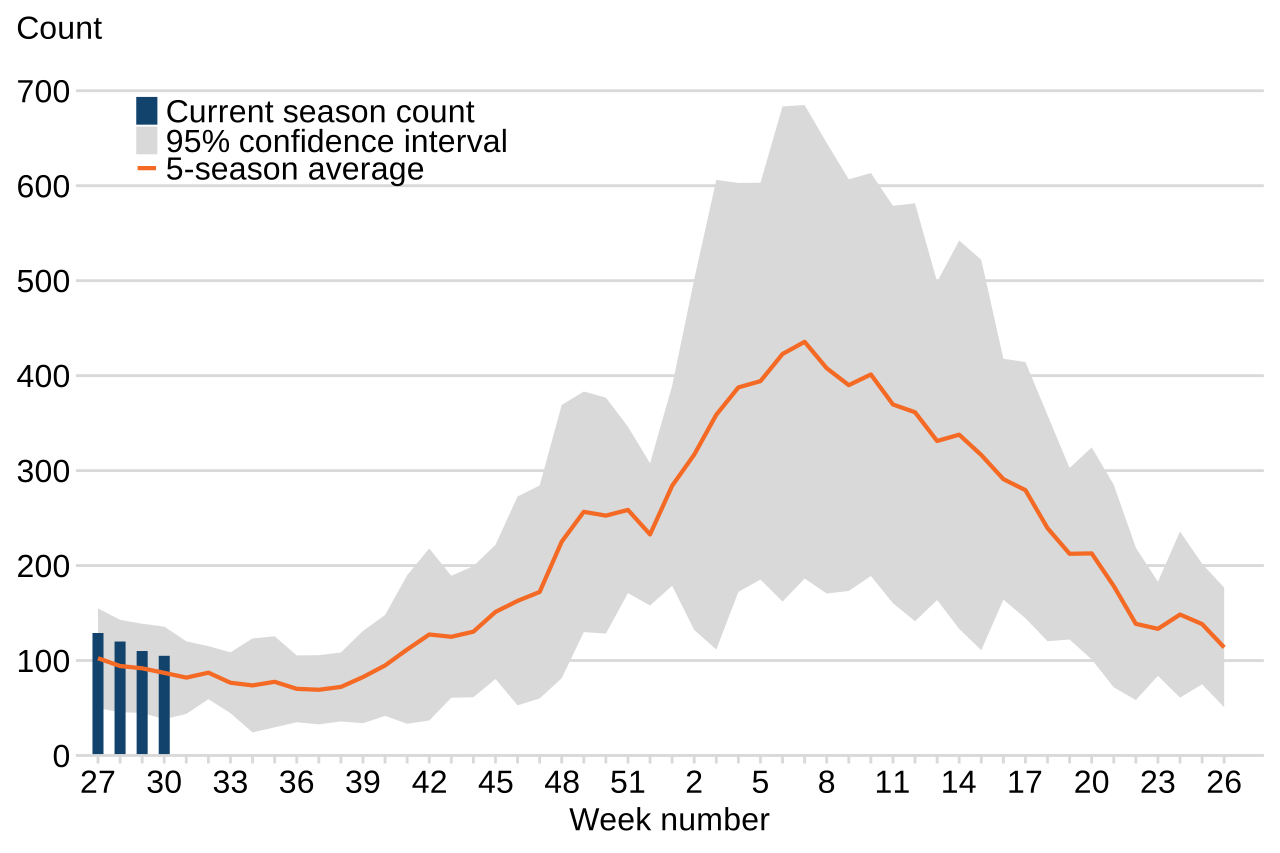
Note 1: the grey shading represents 95% confidence intervals for the 5-season average.
Data behind this graph can be found in the supplementary data tables.
Figure 2 shows the trends in the rate of norovirus-positive laboratory reports per 100,000 people for the current season and the average of the previous 5 seasons.
Figure 2. Norovirus laboratory reports per 100,000 in England during the 2026/2027 season, compared with the 5-season average
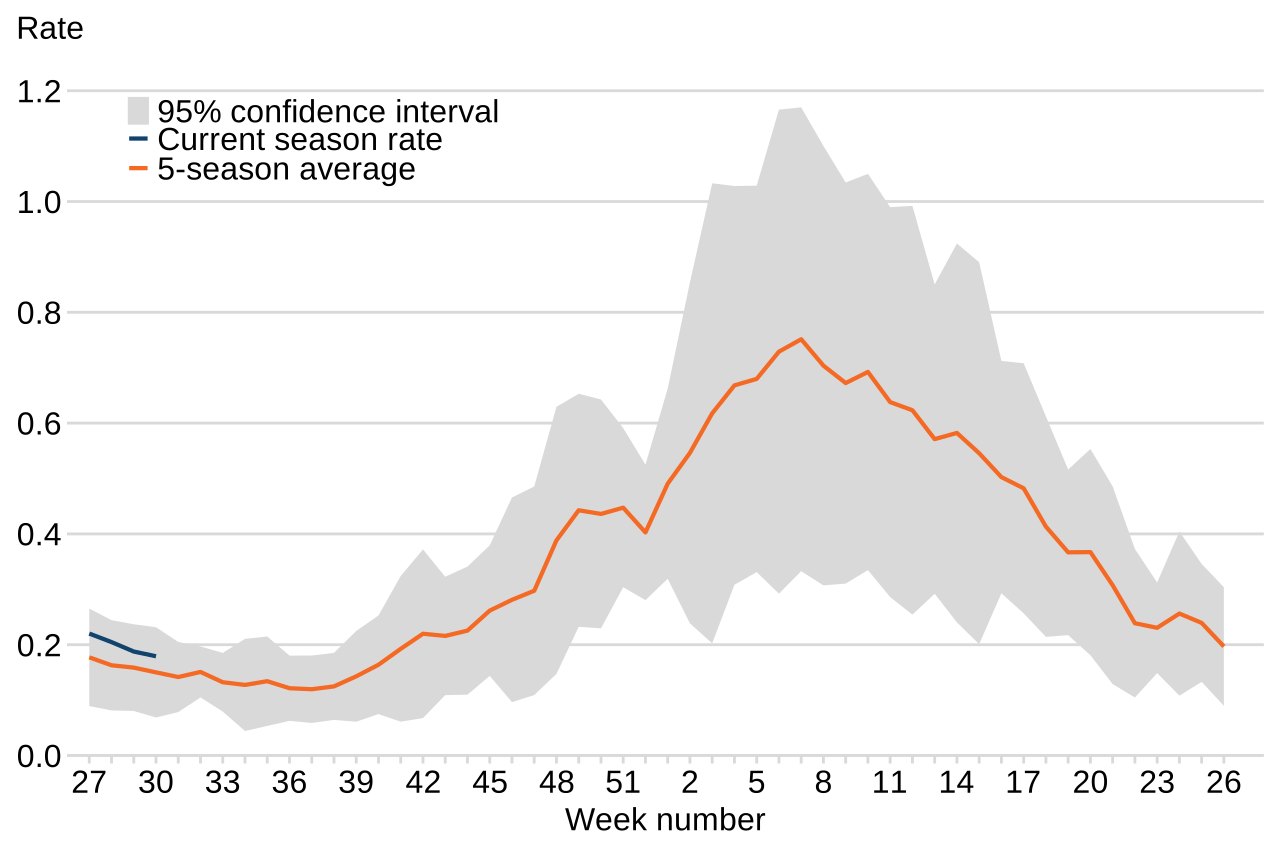
Note 1: the grey shading represents 95% confidence intervals for the 5-season average.
Data behind this graph can be found in the supplementary data tables.
Figures 3 and 4 show the trends in the rate of norovirus-positive laboratory reports per 100,000 people each week, by age group (Figure 3) and region of England (Figure 4) in comparison to the national, all ages rate. During this reporting period, the rate was highest among individuals aged 0 to 4 years.
Figure 3. Norovirus laboratory reports per 100,000 people by week and age group in England during the 2026/2027 season
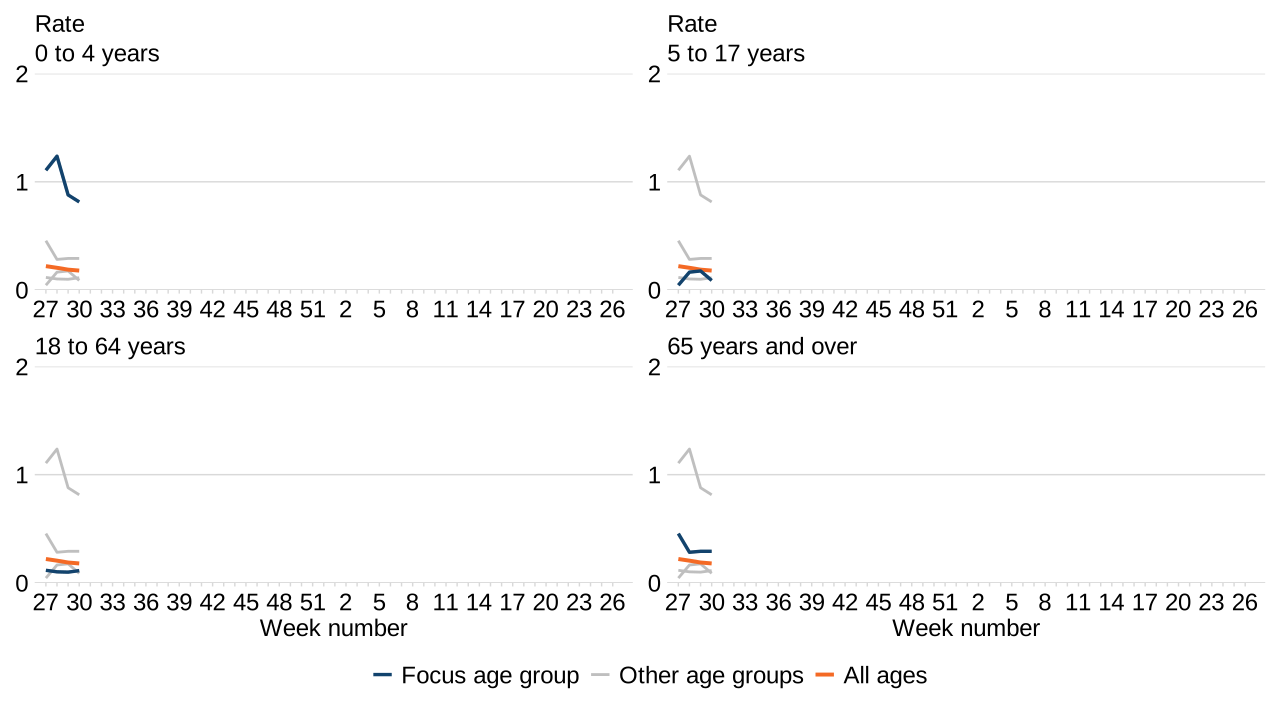
Note 2: for each chart, the blue line represents the age group in the chart sub-title, the grey lines represent all other age groups and the orange line represents the overall all ages rate. The range of the y-axis has been set based on the expected seasonal range from historical data.
Data behind this graph can be found in the supplementary data tables.
Figure 4. Norovirus laboratory reports per 100,000 people by week and region in England during the 2026/2027 season
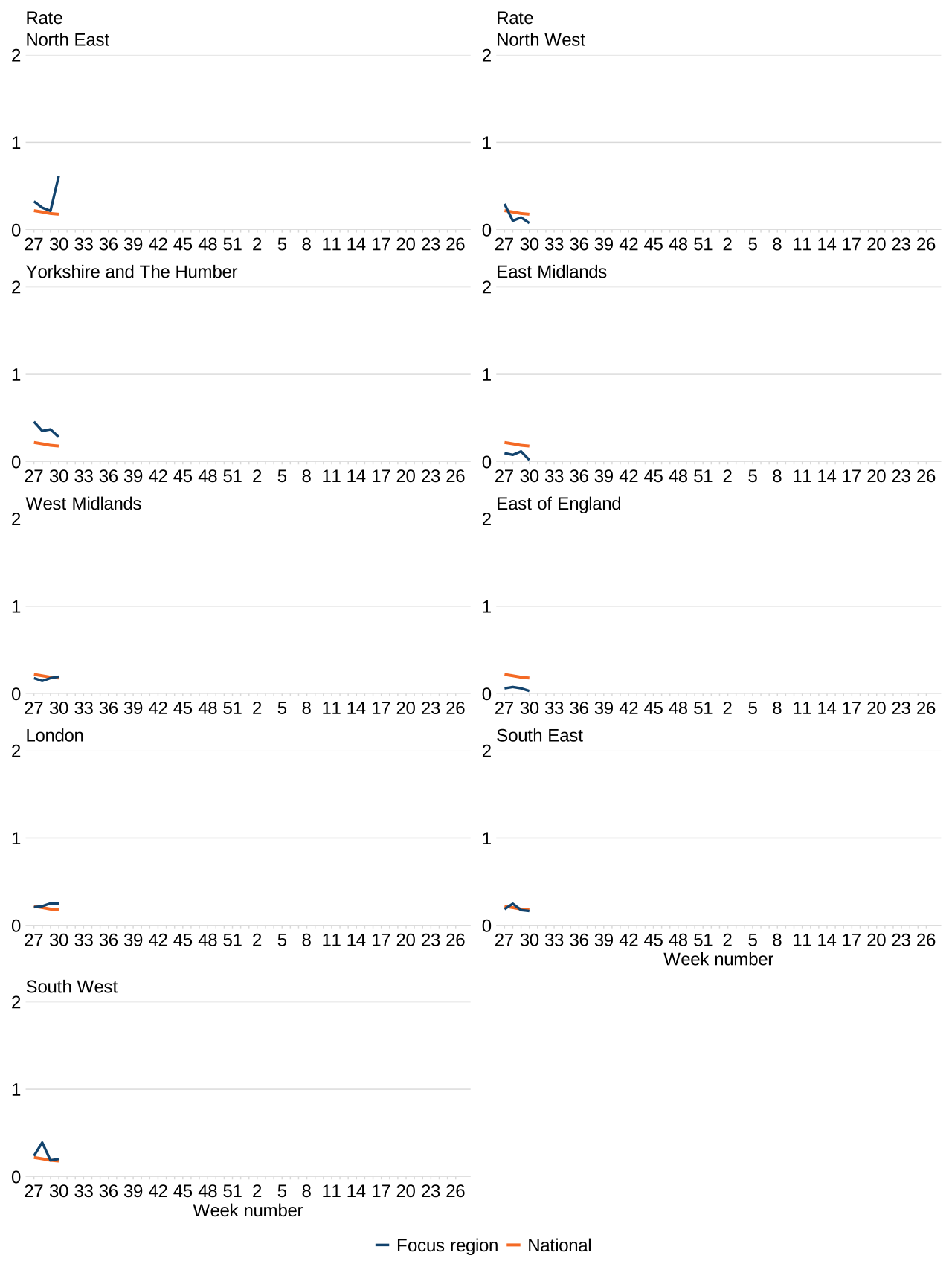
Note 3: regional data is presented by region of the reporting laboratory. For each chart, the blue line represents the region in the chart sub-title and the orange line represents the overall national rate. The range of the y-axis has been set based on the expected seasonal range from historical data.
Data behind this graph can be found in the supplementary data tables.
Rotavirus
During the first 4 weeks of the 2026/2027 season, the cumulative number of positive rotavirus laboratory reports in England (290 laboratory reports) was 7.2% higher than the 5-season average for the same period (271 laboratory reports) (Figure 5).
Figure 5. Weekly rotavirus laboratory reports in England during the 2026/2027 season, compared with the 5-season average
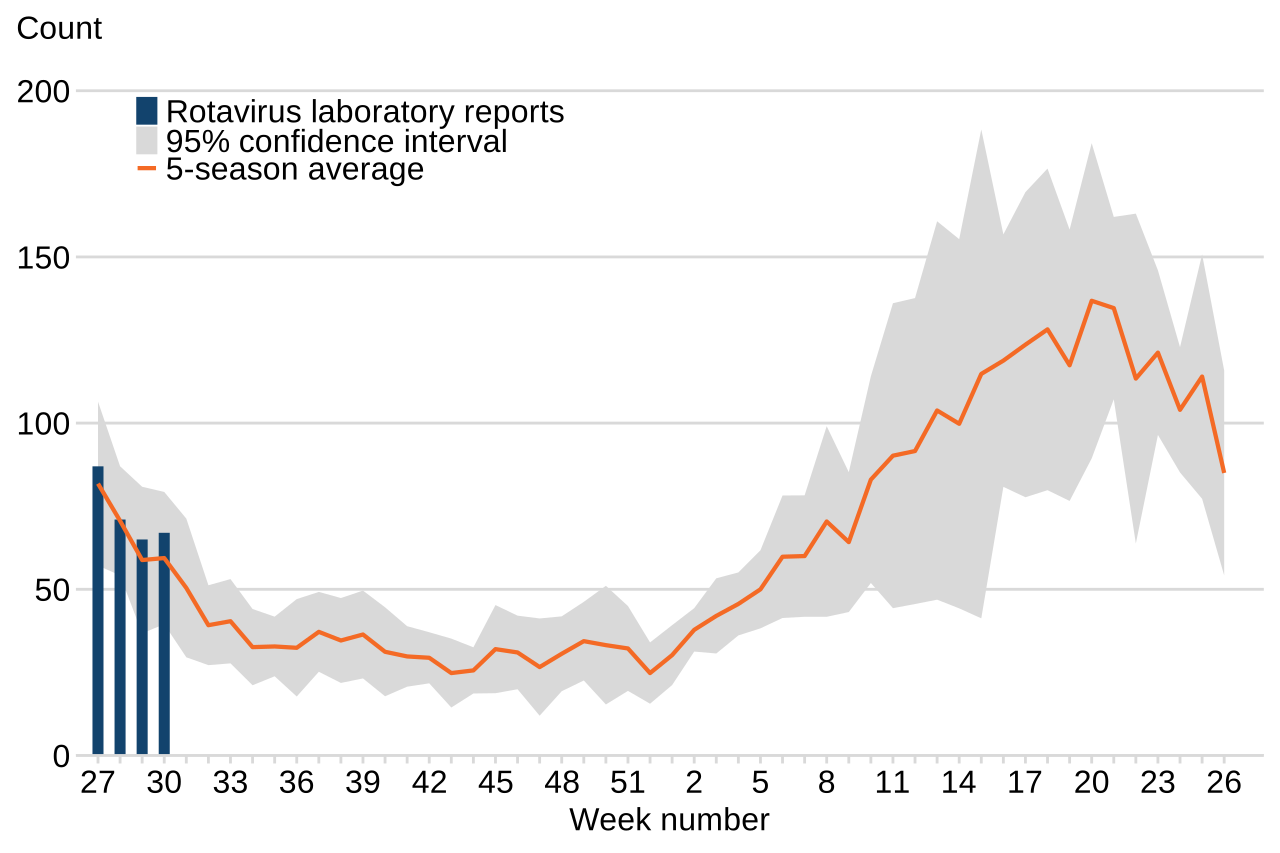
Note 1: the grey shading represents 95% confidence intervals for the 5-season average.
Data behind this graph can be found in the supplementary data tables.
Rotavirus activity has varied in recent weeks but remains within expected levels. Total rotavirus laboratory reports during this period were 33.8% lower than the previous 4-week period of weeks 23 to 26 of 2026 (438 laboratory reports).
Outbreak surveillance
Data presented here is derived from the Hospital Norovirus Outbreak Reporting System (HNORS). See Data sources and methodology for more information and for guidance on interpretation of trends.
Outbreaks in hospital settings
During the first 4 weeks of the 2026/2027 season, 2 outbreaks have been reported to HNORS (Figure 6), 74.4% lower than the 5-season average for the same period (8 outbreaks). Overall, neither outbreak was laboratory confirmed as norovirus and 1 (50.0%) outbreak resulted in ward/bay closures.
Figure 6. Suspected and confirmed norovirus outbreaks reported to HNORS by week of occurrence in England during the 2026/2027 season, compared with the 5-season average
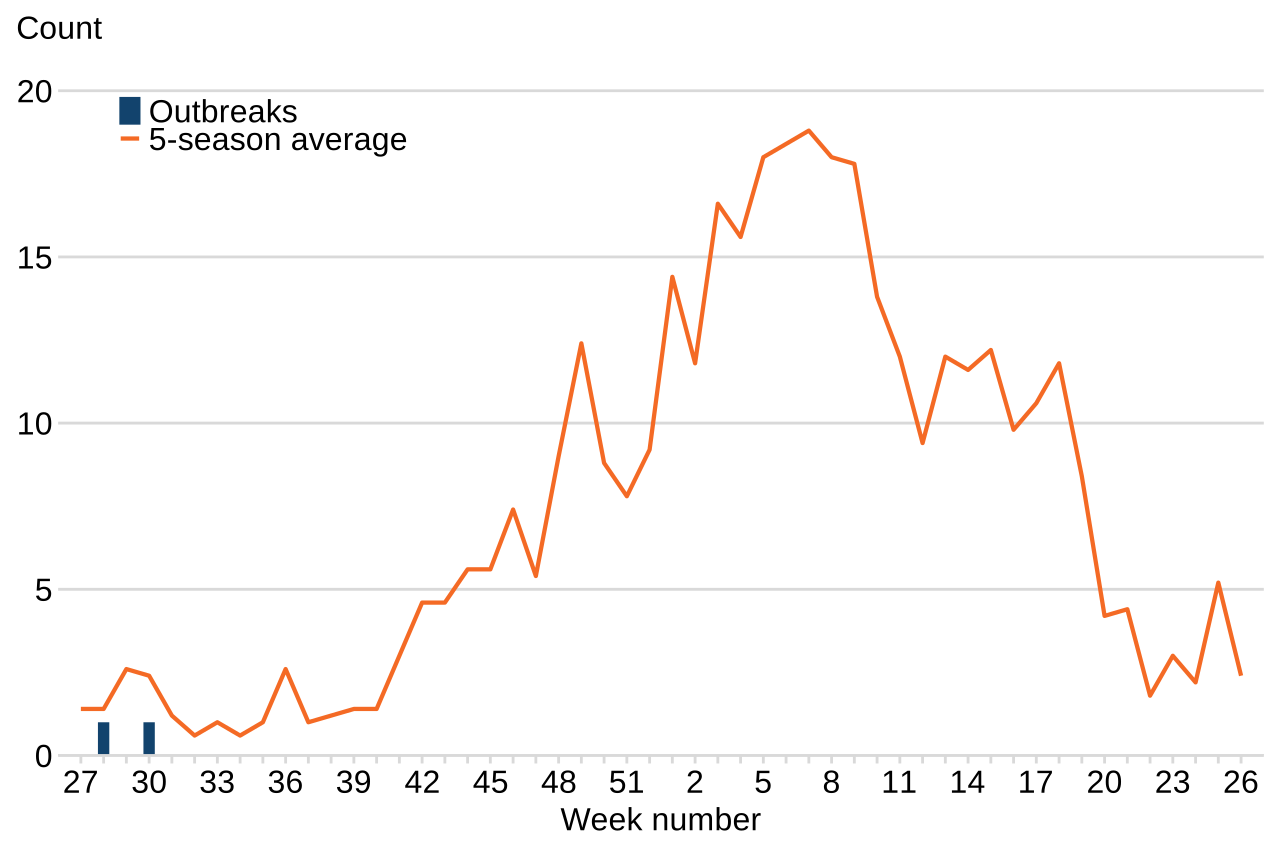
Data behind this graph can be found in the supplementary data tables.
During the 5 seasons from which the 5-season average was calculated, overall, 92.0% of outbreaks reported to HNORS were laboratory confirmed as norovirus.
Molecular surveillance for norovirus
Data presented here is provided by the UK Health Security Agency (UKHSA)’s Enteric Virus Unit (EVU) and is used by UKHSA to monitor circulating norovirus variants. See Data sources and methodology for more information and for guidance on interpretation of trends.
Of the 16 norovirus positive samples characterised during the 2026/2027 season to date, 93.8% were genogroup 2 (GII) and 6.3% were genogroup 1 (GI) (Table 1).
Table 1. Norovirus-positive samples by genogroup, England, 2026/2027 to date
| Genogroup | Number of sequences | Percentage of total (%) |
|---|---|---|
| Genogroup 2 (GII) | 15 | 93.8% |
| Genogroup 1 (GI) | 1 | 6.3% |
| Mixed | 0 | 0.0% |
| Total | 16 | 100.0% |
Note 4: only samples with a complete genotyping result are included. Percentages may not sum to 100% because of rounding.
The most frequent norovirus GII genotypes identified were GII.17[P17], GII.2[P2] and GII.4[P16] (18.8%). The most frequent norovirus GI genotype identified was GI.1[P1] (6.3%) (Table 2).
Table 2. Norovirus-positive samples by genotype, England, 2026/2027 to date
| Genotype | Number of sequences | Percentage of total (%) |
|---|---|---|
| GII.17[P17] | 3 | 18.8% |
| GII.2[P2] | 3 | 18.8% |
| GII.4[P16] | 3 | 18.8% |
| GII.2[P16] | 2 | 12.5% |
| GII.7[P7] | 2 | 12.5% |
| GII.9[P7] | 2 | 12.5% |
| GI.1[P1] | 1 | 6.3% |
| Total | 16 | 100.0% |
Note 5: only samples with a complete genotyping result are included. Percentages may not sum to 100% because of rounding.
In April 2024, GII.17 emerged and a trend for increasing detections of GII.17 was noted in the United States and other European countries (1). During the 2024/2025 season, GII.17 was the most commonly detected norovirus genotype. However, in early 2025 detections of GII.4 increased and by the end of the 2024/2025 season GII.4 was the most commonly detected genotype. During the 2025/2026 season, GII.4 and GII.17 continued to co-circulate but GII.4 was the predominant genotype.
Data sources and methodology
See the quality and methodology information report for more information on data sources, methodology, interpretation of trends and impact of COVID-19 pandemic on surveillance.
No single surveillance system fully captures national changes in norovirus or rotavirus activity. This report presents data from 3 systems and even though when combined they do not capture norovirus or rotavirus activity fully, they do collectively describe recent trends.
The Second Generation Surveillance System (SGSS) is the national laboratory reporting system, recording positive laboratory reports of norovirus and rotavirus.
The Hospital Norovirus Outbreak Reporting System (HNORS) is a web-based scheme for reporting suspected and confirmed norovirus outbreaks in acute NHS trust hospitals, and captures information on the disruptive impact these outbreaks have in hospital settings.
Norovirus characterisation data is produced by the Enteric Virus Unit (EVU) and is used to monitor the diversity of circulating strains of norovirus in England. Norovirus-positive samples are assigned to genogroups and genotypes using a dual-typing nomenclature in accordance with the latest norovirus classification scheme (2).
Data used to produce the statistics is typically extracted on a Tuesday, including any records reported by the previous Sunday, and the report is then published on the Thursday of that week. However, in the event of a bank holiday this cadence may change.
Under-ascertainment is a recognised challenge in enteric virus surveillance with sampling, testing and reporting criteria known to vary by region. All surveillance data included in this report is extracted from live reporting systems, is subject to a reporting delay, and the number reported in the most recent weeks may rise further as more reports are received.
Data is reported by the norovirus and rotavirus season rather than calendar year. To capture the winter peak of activity within one reporting period, the norovirus and rotavirus season runs from week 27 in year 1 to week 26 in year 2, currently week 27 2026 to week 26 2027 (July to June). The 2026/2027 season is compared to the 5-season average calculated from the 5 seasons of 2018/2019, 2022/2023, 2023/2024, 2024/2025, and 2025/2026. The 2019/2020, 2020/2021 and 2021/2022 seasons are not included in this calculation due to the adverse impact of the emergence of COVID-19 on surveillance part way through the 2019/2020 season and the continued impact into the 2020/2021 and 2021/2022 seasons.
Background information
Norovirus activity and the timing of the peak in reporting can vary considerably and differ from one season to the next. Transmission is mostly via contact with an infected person, but norovirus can also be spread by consumption of food contaminated with the virus or contact with contaminated surfaces. Norovirus transmission is influenced by many factors including, but not limited to, whether the person has been infected with norovirus recently, community contact patterns and the time of the year, as infections peak in the colder months and therefore norovirus is most prevalent during winter.
Since the 2019/2020 season, norovirus activity in England has been more variable compared to historical trends, likely due to multiple impacts of the COVID-19 pandemic. Throughout the 2019/2020 and 2020/2021 seasons a reduction in reporting to national surveillance was observed, followed by unusual activity in the 2021/2022 season such as a greater proportion of outbreaks reported in educational settings than prior to the pandemic. In the 2022/2023 season norovirus activity returned to pre-pandemic levels and in early 2023 norovirus reporting peaked at a level twice as high as that experienced in the decade prior to the emergence of COVID-19, as predicted by modelling undertaken in 2021 (3).
Following the introduction of the rotavirus vaccine in July 2013 the total number of laboratory-confirmed rotavirus infections each season has remained low compared to the pre-vaccine period. A 77% decrease in laboratory-confirmed rotavirus infections in infants was observed in the first season following vaccine introduction (4).
Reporting of enteric virus outbreak surveillance data from HPZone in the national norovirus and rotavirus report was paused in August 2024 due to quality assurance concerns related to the migration of outbreak surveillance data from HPZone to the Case and Incident Management System (CIMS). In August 2025, the UKHSA norovirus and rotavirus surveillance team determined that due to differences in how the data is captured between the systems it was not appropriate to include CIMS data in the report. The team will continue to review outbreak surveillance data internally and explore options for sharing it with stakeholders where appropriate.
UKHSA routinely undertakes norovirus characterisation as part of national surveillance to monitor the diversity of circulating strains. This molecular surveillance enables detection of novel strains or emergence of existing strains that could lead to a strain replacement event. In England, previous norovirus strain replacement events have been associated with both a temporal shift in the peak of activity when GII.4/Sydney/2012 emerged during the 2012/2013 season (5) and an overall increase in norovirus activity when the GII.17 genotype dominated during the 2024/2025 season (6), both of which placed unexpected pressure on the health and social care sectors.
Worldwide, the most commonly detected norovirus genotype is genogroup II- genotype 4 (GII.4). Between 1995 and 2013 there were 5 global GII.4 strain replacements events (7, 8). Since the winter of the 2012/2013 season and prior to the emergence of COVID-19 in England the most frequently detected strain was Norovirus/GII.4/Sydney/2012 or Norovirus/GII.4/Sydney/2012-like variants (9), until April 2024 when GII.17 emerged (1).
To enable effective molecular surveillance, it is crucial that samples are obtained from suspected norovirus cases or outbreaks for laboratory confirmation and then norovirus-positive samples are referred on to the EVU for characterisation.
Further information and contact details
Further information about norovirus surveillance and rotavirus surveillance is available on GOV.UK.
Feedback and contact information
This report was produced by the Gastrointestinal Infections, Food Safety and One Health Division, UKHSA.
You can direct any queries or comments to NoroOBK@ukhsa.gov.uk
Alternatively, you can contact the Office for Statistics Regulation (OSR) by emailing regulation@statistics.gov.uk or via the OSR website.
References
1. Chhabra and others. ‘Increased circulation of GII.17 noroviruses, six European countries and the United States, 2023 to 2024’ Eurosurveillance: volume 29, pages 1 to 6 (viewed on 26 September 2024)
2. Chhabra and others. ‘Updated classification of norovirus genogroups and genotypes’ Journal of General Virology: volume 100, issue 10, pages 1393 to 1406 (viewed on 28 July 2026)
3. O’Reilly and others. ‘Predicted norovirus resurgence in 2021-2022 due to the relaxation of nonpharmaceutical interventions associated with COVID-19 restrictions in England: a mathematical modeling study’ BMC Medicine: volume 19, article number 299 (viewed on 22 September 2025)
4. Atchison and others. ‘Rapid declines in age group–specific rotavirus infection and acute gastroenteritis among vaccinated and unvaccinated individuals within 1 year of rotavirus vaccine introduction in England and Wales’ The Journal of Infectious Diseases: volume 213, pages 243 to 249 (viewed on 17 October 2022)
5. Allen and others. ‘Emergence of the GII-4 norovirus Sydney2012 strain in England, winter 2012–2013’ The Public Library of Science One: volume 2, article e88978 (viewed on 17 October 2022)
6. UKHSA. ‘National norovirus and rotavirus report, week 28 report: data to week 26 (data up to 29 June 2025)’ (viewed on 22 September 2025)
7. Allen and others. ‘Characterisation of a GII-4 norovirus variant-specific surface-exposed site involved in antibody binding’ Virology Journal: volume 6, article number 150 (viewed on 17 October 2022)
8. Zakikhany and others. ‘Molecular evolution of GII-4 Norovirus strains’ The Public Library of Science One: volume 7, article e41625 (viewed on 17 October 2022)
9. Ruis C and others. ‘The emerging GII.P16-GII.4 Sydney 2012 norovirus lineage is circulating worldwide, arose by late-2014 and contains polymerase changes that may increase virus transmission’ The Public Library of Science One: volume 6, article e0179572 (viewed on 17 October 2022)
Acknowledgements
We are grateful to all who provided data used in this report, including NHS Infection Control and Prevention staff (HNORS users), UKHSA local health protection teams (HPTs), UKHSA regional teams (Field Services) and UKHSA Regional Public Health and collaborating laboratories.
Official statistics
Our statistical practice is regulated by the OSR who sets the standards of trustworthiness, quality and value in the Code of Practice for Statistics that all producers of official statistics should adhere to.
UKHSA is committed to ensuring that these statistics comply with the Code of Practice for Statistics. This means users can have confidence in the people who produce UKHSA statistics because our statistics are robust, reliable and accurate. Our statistics are regularly reviewed to ensure they support the needs of society for information.