Coroners statistics 2025: England and Wales
Updated 19 October 2026
Applies to England and Wales

© Crown copyright 2026
This publication is licensed under the terms of the Open Government Licence v3.0 except where otherwise stated. To view this licence, visit nationalarchives.gov.uk/doc/open-government-licence/version/3 or write to the Information Policy Team, The National Archives, Kew, London TW9 4DU, or email: psi@nationalarchives.gov.uk.
Where we have identified any third party copyright information you will need to obtain permission from the copyright holders concerned.
This publication is available at https://www.gov.uk/government/statistics/coroners-statistics-2025/coroners-statistics-2025-england-and-wales
1. Main Points
| Decrease in the number of deaths reported to coroners in 2025 | There were 147,800 deaths reported to coroners in 2025, the lowest level since the start of the annual time series in 1995 – down 15% (from 174,900) compared to 2024. |
| 26% of all registered deaths were reported to coroners in 2025 | The proportion of registered deaths in England and Wales that were reported to coroners has decreased by five percentage points compared to 2024. |
| Deaths in state detention, up 13% in the last year to the highest level since 2017 | There were 619 deaths in state detention (including deaths of those released from custody within 7 days and residents of probation-approved schemes) reported to coroners in 2025 (up from 549 in 2024). This increase was driven by an 8% rise in deaths of those in prison custody and a 21% rise in deaths of those in Mental Health Act detention. |
| Post-mortem examinations were carried out in 51% of all deaths reported to coroners in 2025 | There were 75,900 post-mortem examinations ordered by coroners in 2025, a 7% fall compared to 2024. The proportion of reported deaths requiring a post-mortem increased by five percentage points over the same period. |
| 2% fewer inquests opened in 2025 | 36,000 inquests were opened in 2025, down 2% (from 36,700) compared to 2024. As a proportion of deaths reported, the number of inquests opened is at its highest level since the start of the annual time series in 1995, at 24%. |
| Inquest conclusions down 1%, the largest fall seen in natural causes conclusions | In 2025, 39,100 inquest conclusions were recorded in total, down 1% compared to 2024. Natural causes had the largest decrease, down 24% on 2024, to 3,700 inquest conclusions in 2025. |
| Average time taken to complete an inquest remained stable | The estimated average time taken to process an inquest remained stable at 31.3 weeks in 2025. |
| Prevention of Future Deaths reports down by 8% | 654 Prevention of Future Deaths reports were issued in 2025, a decrease of 8% compared to 2024. |
This annual publication presents statistics of deaths reported to Coroners in England and Wales in 2025. Information is provided on the number of deaths reported to coroners, post-mortem examinations and inquests held, and conclusions recorded at inquests. A map of Coroner areas in England and Wales is available in the supporting document published alongside this bulletin. For previous editions of this report please see: www.gov.uk/government/collections/coroners-and-burials-statistics.
Care is taken in completing, analysing and quality assuring all the data in this publication, which is drawn from large scale returns completed by coroners. Users should note there may be minor inaccuracies as are typically associated with any large scale collection of this type. More information on the quality assurance that these statistics undergo is provided in Chapter 4 of the supporting guidance document.
2. Statistician’s comment
In 2025, the number of deaths reported to coroners fell to its lowest level since the annual time series began in 1995, whilst the number of registered deaths remained stable relative to 2024. The fall in deaths reported to coroners coincides with the introduction of the statutory Medical Examiner system in September 2024. Almost a quarter of these deaths reported to coroners resulted in inquests, the highest proportion since the annual time series began in 1995, although total inquests opened fell slightly over the same period.
Post-mortem examinations were conducted in half of all deaths reported to coroners, an increase compared to the previous year. Meanwhile, the number of inquest conclusions fell slightly, with the most common conclusions being death by misadventure, suicide, and drugs/alcohol related. This fall was driven by a decrease in conclusions for females, whilst the number of inquest conclusions for males remained stable over the same period.
Suicide conclusions increased in 2025 compared to the previous year to their highest level since the start of the series in 1995. This increase was driven by male suicides, with female suicides falling. It is important to note that these conclusions are recorded after an inquest and so may relate to deaths from the same or earlier years.
The average time taken to complete an inquest in 2025 remained stable at 31.3 weeks, when compared to 2024.
3. Deaths Reported to Coroners
15% decrease in the number of deaths reported to coroners in 2025
147,814 deaths were reported to coroners in 2025, the lowest level since the start of the annual time series in 1995. This was a decrease of 27,064 (15%) from 2024.
26% of all registered deaths were reported to coroners in 2025
The number of deaths reported to coroners as a percentage of all registered deaths decreased by five percentage points when compared with 2024, to the lowest proportion since the start of the annual time series in 1995.
All deaths in England and Wales must be registered with the Registrar of Births and Deaths and statistics on all registered deaths are published by the Office for National Statistics (ONS). The ONS mortality statistics, based on death registrations, report the number of deaths registered in England and Wales in a particular year irrespective of whether a coroner has investigated the death.
The Ministry of Justice’s coroner statistics provide the number of deaths which are reported to coroners in England and Wales. The coroner has a duty to investigate when there is reason to believe that the cause of death is unknown or that the death was violent, unnatural, or occurred in custody or other state detention. Further background information is provided in Chapter 1 of the supporting guidance document.
On 9 September 2024, a statutory Medical Examiner system was implemented in England and Wales. The new system means that every death is subject either to a medical examiner’s scrutiny or to a coroner’s investigation, ensuring that all deaths, without exception, are subject an independent review. The new arrangements also ensure that cases are managed in the right parts of the system and, in particular, that only those deaths which require investigation are referred to the coroner. This is designed to enable better focusing of coronial resource which, in turn, is expected to support the reduction of inquest backlogs and delays. The medical examiner’s responsibilities include scrutinising the causes of death to ensure accuracy in certification and determining whether a death should be reported to the coroner.
The introduction of medical examiners aims to reduce the number of unnecessary referrals to the coroner and decrease instances where deaths are referred simply due to the absence of a doctor who can certify a cause of death. This new process may affect the volume, complexity, and timeliness of cases reported to coroners.
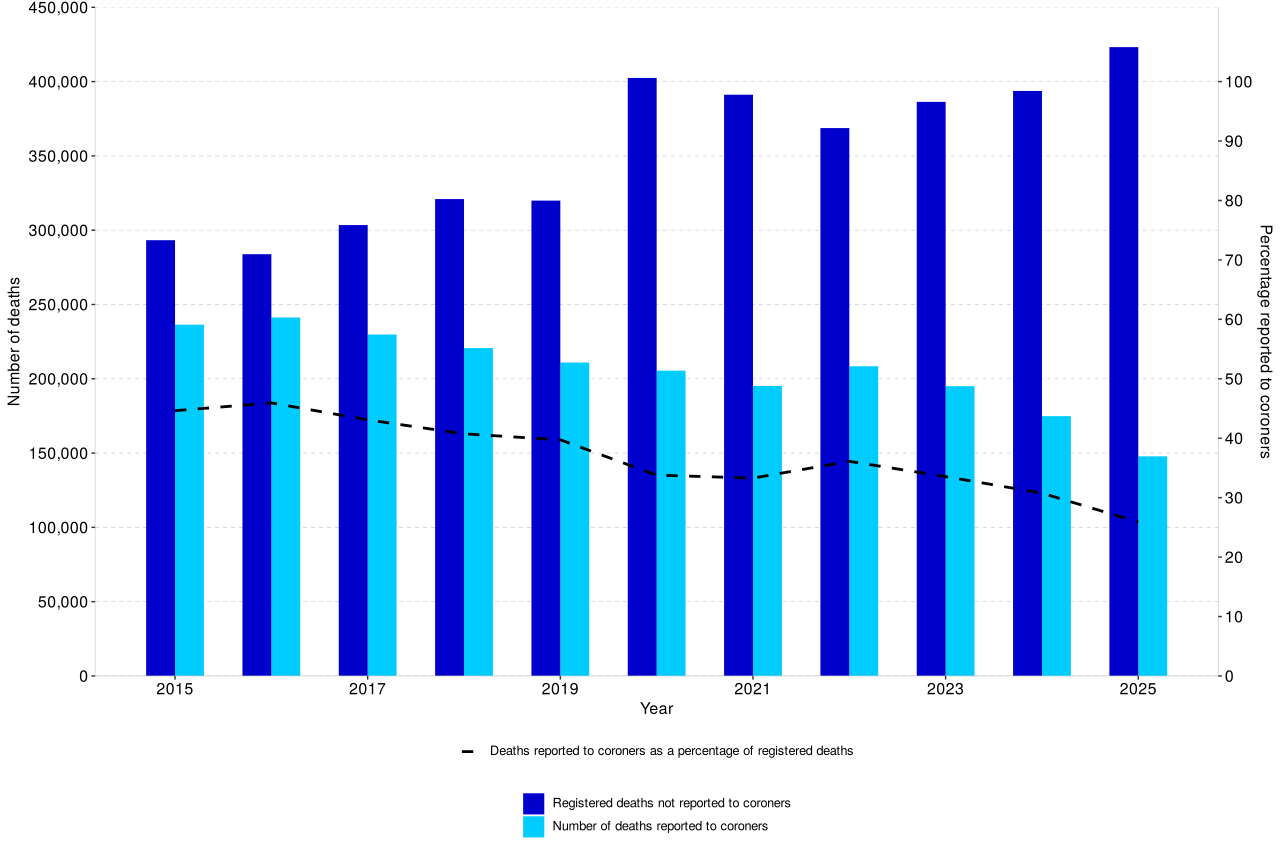
The number of deaths reported to coroners in 2025 decreased by 27,064 (15%) to 147,814, the lowest level since the start of the annual time series in 1995. The fall in deaths reported to coroners coincides with the introduction of the statutory Medical Examiner system in September 2024. In comparison, ONS registered deaths rose 2,404 (less than 1%)[footnote 1] from 2024 to 2025. The proportion of registered deaths in 2025 that were reported to coroners was 26%, down five percentage points from 2024.
The number of registered deaths in England, Wales and non-residents[footnote 2] had been broadly increasing, from a low of 484,367 in 2011 to 541,589 in 2018. Following a small fall in 2019, registered deaths rose to 607,922 in 2020, during the Covid-19 pandemic – the highest level in absolute terms since reporting began. Registered deaths fell in 2021 to 586,334 yet remained relatively stable around this level in the following two years. There was a fall in registered deaths in 2024, to 568,613. ONS provisional figures for 2025 were stable compared to 2024 (571,017).
The number of deaths reported to coroners initially followed a similar trend, from a low of 222,371 in 2011 and peaking at 241,211 in 2016. However, from 2017 to 2021 and again from 2023 to 2025, there was a decline in deaths reported to coroners, with registered deaths also decreasing in 2019, 2021 and 2024. 2022 marked the first increase in the number of deaths reported to coroners since 2016.
Figure 1: Registered deaths and deaths reported to coroners, England and Wales, 2015-2025 (Source: Table 2)
Out of England and Wales orders
To take a body of a deceased person out of England and Wales, notice must be given to the coroner within whose area the body is lying, whether or not the death is subject to investigation by the coroner. When the coroner gives permission for the removal of a body, an Out of England and Wales order is issued.
Out of England and Wales orders, as a proportion of registered deaths have consistently remained around 1%. This year coroners issued 5,517 Out of England and Wales orders, compared with 5,318 issued in 2024.
Deaths abroad
Of the 147,814 deaths reported to coroners in 2025, around 1% (1,609) were deaths that had occurred outside England and Wales. The number of reported deaths which occurred abroad increased by 5% (74 cases) in 2025 compared with 2024 (1,535 cases).
Discontinued Cases
Of the investigations without a post-mortem or inquest, a decision was made to discontinue 2,659 of them in 2025, up from 2,334, an increase of 14%, in 2024. The number of non-inquest investigations discontinued with a post-mortem was 52,678 in 2025, up from 28,571, an increase of 84%, in 2024.
4. Deaths in State Detention
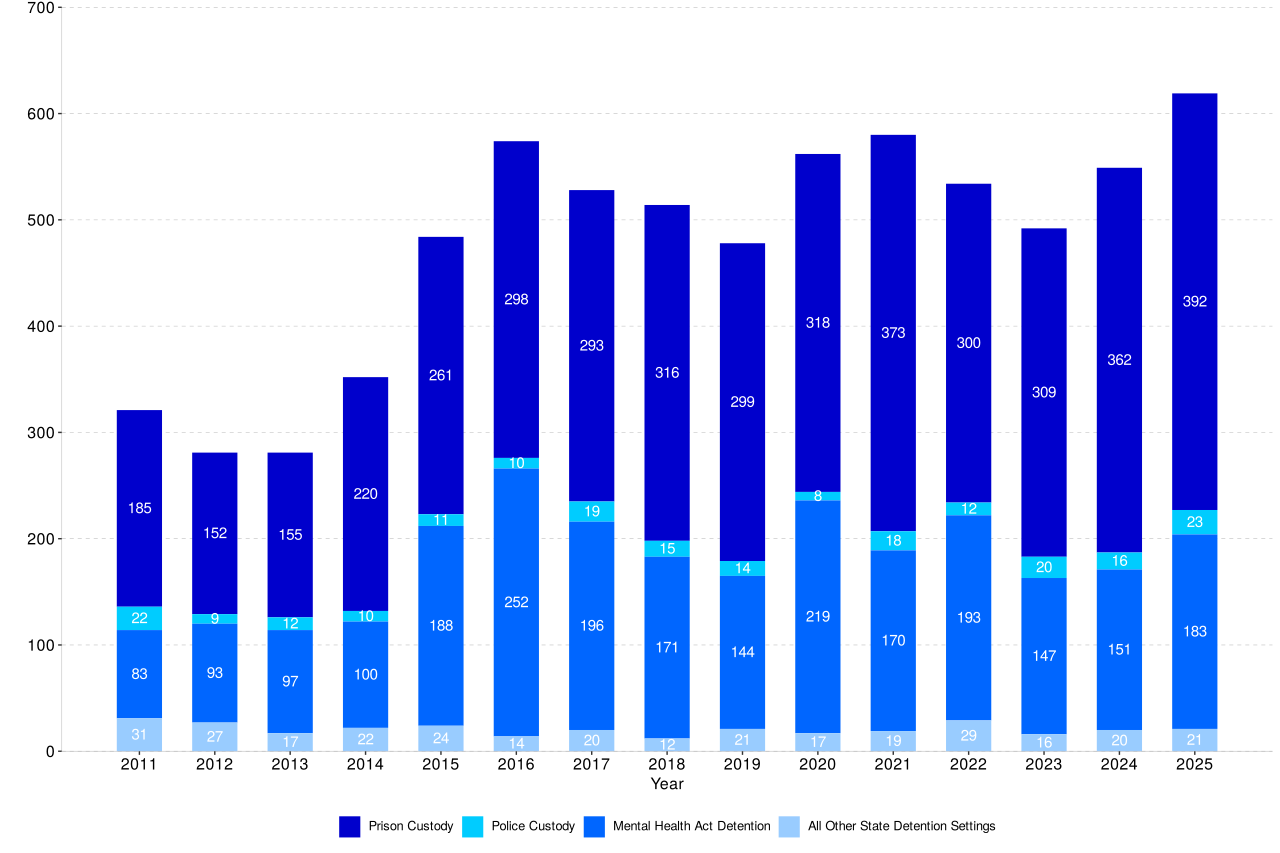
Deaths in state detention (including those released from custody within 7 days and residents of probation-approved schemes) reported to coroners increased by 13% to 619 in 2025, driven by a rise in the number of deaths which occurred in prison custody and Mental Health Act detention.
In England and Wales, all deaths in custody and state detention are reported to coroners and must have an inquest, including where the death is suspected to be from natural causes. This includes deaths in prison and police custody, Immigration Removal Centres (IRCs), Mental Health Act detention, Secure Training Centres and Local Authority Secure Children’s Homes, and deaths when on Release on Temporary License (ROTL). These figures also include some deaths of those released from custody within the last 7 days and residents of probation-approved premises, although these do not always have to be reported to the coroner.
In 2025, a total of 619 deaths which occurred in state detention were reported to coroners; an increase of 70 deaths (13%) on the previous year and representing less than 1% of all deaths reported to coroners.
There were 183 reported deaths of individuals subject to Mental Health Act Detention in 2025, a 21% increase (32 cases) compared with 2024. The Care Quality Commission reported 253 deaths under the Mental Health Act 1983 (as amended)[footnote 3] in financial year 2024/25, up 12% on the number they reported in 2023/24 (225 deaths).
The number of deaths in prison custody reported to coroners increased by 8% (30 cases) compared with 2024, to 392 deaths in 2025. His Majesty’s Prison and Probation Service (HMPPS) reported 394 deaths in prison custody in 2025 (Safety in Custody Statistics[footnote 4]), up 15% on the number they reported in 2024 (342 deaths). The deaths in prison custody reported by coroners (392) have been cross-referenced to deaths in prison custody recorded on the HMPPS database (394) in order to ensure consistency between these two sources. The difference in the two sources may be due to timing. Deaths which are transferred between areas or occur close to the end of the calendar year may be reported to the coroner in the next year, causing minor discrepancies. For more detailed information on prison custody deaths please see the Safety in Custody Statistics publication. Police custody cases increased by 7, to 23 deaths. There were no deaths in Immigration Removal Centres in 2025, down from four in the previous year.
Figure 2: Number of deaths in state detention (excluding Deprivation of Liberty Safeguards), by type of detention, 2011-2025 (Source: Table 6)
5. Post-Mortem examinations held
Post-mortem examinations were carried out in 51% of all deaths reported to coroners in 2025
A post-mortem is a detailed examination of a body after death to establish the medical cause of death. A coroner may commission a post-mortem examination, whether or not an inquest is held, particularly if the cause of death is not clear. A post-mortem examination is conducted in order to determine whether or not a coroner investigation is should be commenced or, where an investigation is commenced, a post-mortem can have important evidential relevance and can be used to inform whether or not the case can be discontinued before inquest.
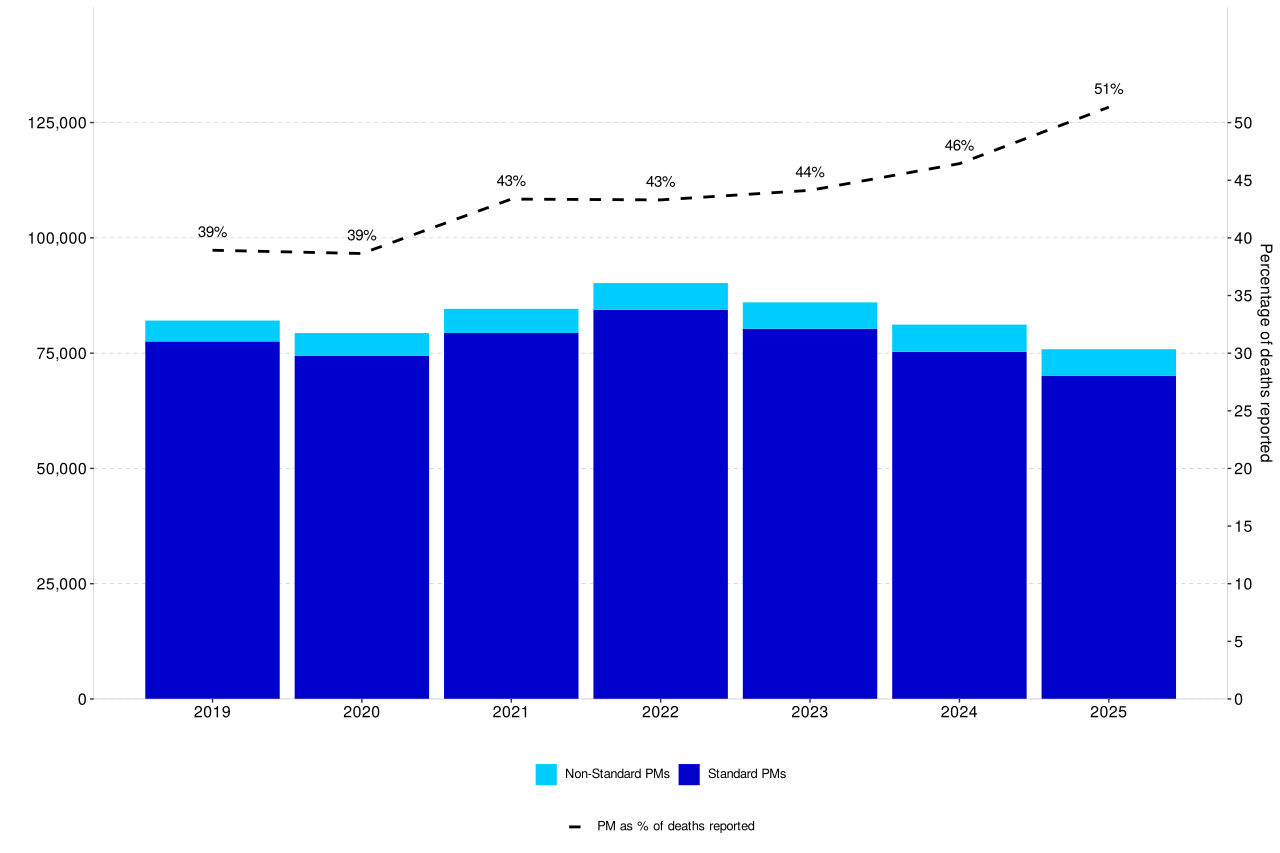
Post-mortem examinations (including invasive and less-invasive forms) were held in 75,852 deaths reported to coroners in 2025, down 5,333 (7%) from 2024. This represents 51% of all deaths reported to coroners in 2025, an increase in proportion of five percentage points on the 2024 volume.
Figure 1 of the supporting guidance document published alongside these statistics provides an overview of the possible outcomes when a death is reported to a coroner, including circumstances involving a post-mortem examination.
Figure 3: Post-Mortems as a percentage of deaths reported to coroners, England and Wales, 2019-2025 (Source: Tables 3-4)
Depending on the nature of a post-mortem examinations, it may require specialist skills – for example, a paediatric or other specialist pathologist. In 2025, almost all (92%) of post-mortem examinations did not require specialist skills – a decrease of less than one percentage point compared with 2024.
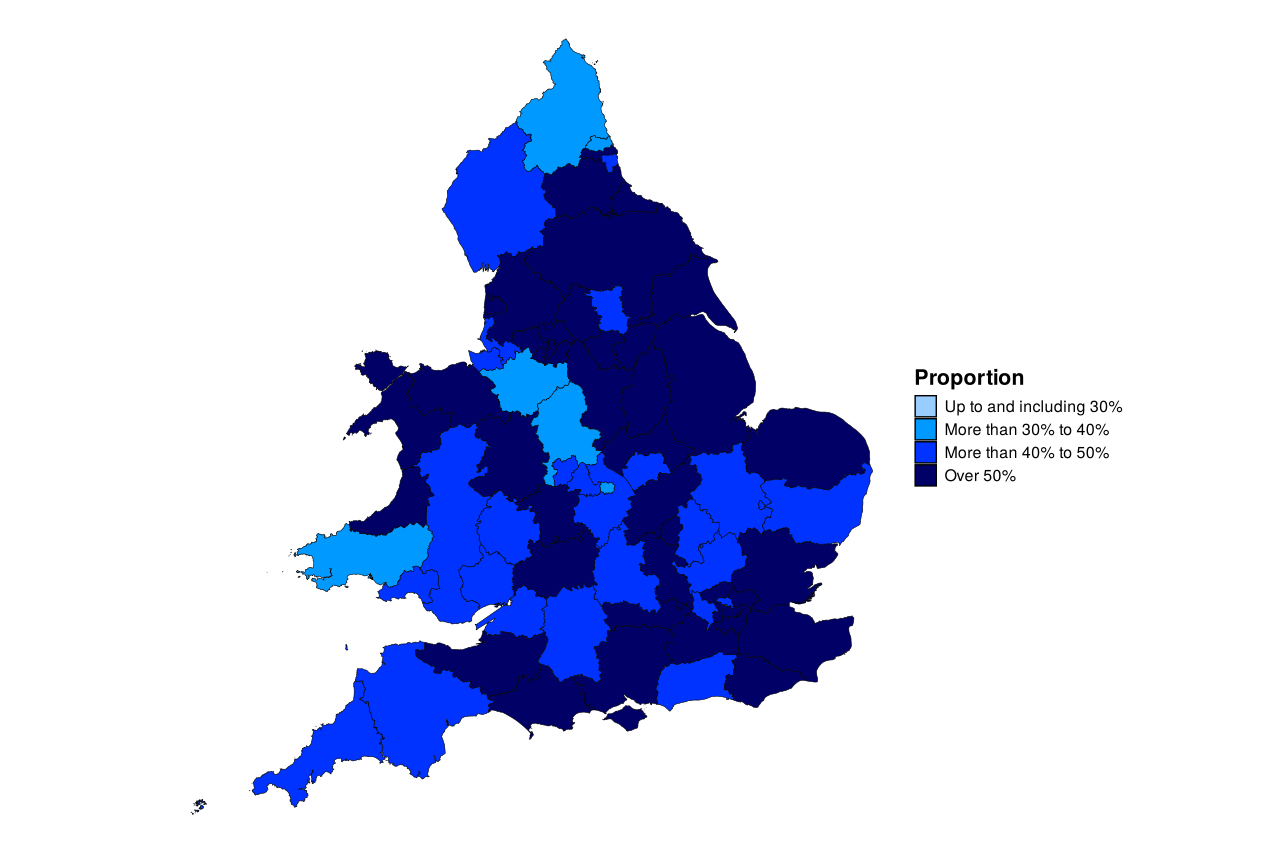
The number of post-mortem examinations as a proportion of area caseload varies from 24% of deaths reported in City of London to 74% in Surrey, as shown by Map 1. Caution should be taken when making comparisons between regions in terms of any coronial activity – for example, the number of post-mortem examinations, the number of inquests opened, or timeliness - due to differences in size, local authority set-up, resource, facilities and socio-economic profile, for example.
Map 1: Post-Mortem Examinations held as a proportion of deaths reported to coroners, England and Wales, 2025
Cases requiring neither a post-mortem nor inquest
There were 52,036 deaths reported to coroners where there was neither a post-mortem nor an inquest. These will be cases where a natural cause was established at some point after the report of death and before inquest. This type of case has decreased by 29% in the current year and the number of cases reported was the lowest level since the start of the time series in 1995. The proportion of all deaths reported to coroners where there was neither an inquest nor a post-mortem examination has decreased by seven percentage points to 35% in 2025.
Histology, toxicology and less-invasive post-mortem examinations
In 2025, 21% (15,931) of all post-mortem examinations included histology, an increase from 20% (16,604) in 2024. Post-mortem examinations including toxicology increased by 231 cases over the same period to 23,063 (up 1%), with 30% of all post-mortem examinations held in 2025 including toxicology - continuing the consistently rising trend since the timeseries begun in 2011.
There were 16,705 post-mortem examinations conducted using less-invasive techniques alongside an autopsy or other invasive intervention, and 6,717 using only less-invasive techniques (such as Computerised Tomography [CT] scans) in 2025. The number of post-mortem examinations carried out using only less-invasive techniques varied from zero in 18 areas to 1,097 in Lancashire and Blackburn with Darwen. East London, Leicester City and South Leicestershire, Black Country, South Yorkshire (Eastern), and Lancashire and Blackburn with Darwen conducted over half (52%, 57%, 75%, 79% and 86% respectively) of all their post-mortem examinations using only less-invasive techniques. Manchester South, South Yorkshire (Western), and Manchester City conducted over a quarter of all their post-mortem examinations using only less-invasive techniques (26%, 27% and 36% respectively).
Additionally, four “second” post-mortem examinations were ordered by the coroner but as a result of a request from a defence lawyer (less than 1% of all post-mortems) and 3% (2,271) of post-mortem examinations were conducted by a Home Office (HO) forensic pathologist. These would usually be carried out in relation to a criminal investigation.
6. Inquests Opened
2% decrease in inquests opened in 2025 (Source: Table 2)
The number of inquests opened in 2025 decreased by 672 (down 2%) to 35,989.
An inquest is a public hearing held by a coroner as part of their investigation to establish who has died, and how, when and where they came by their death. This is required if the death occurred in state detention or if the cause is not thought be natural. An inquest does not establish any matter of criminal or civil liability and does not seek to blame anyone or apportion blame between people or organisations.
There were 35,989 inquests opened in 2025, a 2% decrease on 2024.
Reported deaths which led to an inquest represented 24% of all the deaths reported to coroners in 2025, an increase from 21% in 2024. The number of inquests opened as a proportion of deaths reported in 2025 varied across coroner areas, from 12% in Inner West London to 47% in Manchester South. Map 2 shows the inquests opened as a proportion of deaths reported in 2025 for all coroner areas in England and Wales.
Inquests with juries and suspended investigations (Source: Table 9)
A jury is required by law in certain inquests, including non-natural deaths in custody or other state detention or where the death resulted from an act or omission of a police officer, or a member of a service police force. Coroners can exercise discretionary powers to hold a jury inquest where they deem it appropriate.
There were 527 inquests held with juries in 2025 (representing 1% of all inquests), a decrease of 19 (3%) compared with 2024.
In 2025, 793 investigations were suspended (and a decision was made not to resume) by the coroner under Schedule 1[footnote 5] to the Coroners and Justice Act 2009 because related criminal proceedings took place and the statutory questions had been sufficiently answered. Of these, 733 had an inquest open at the time of suspension.
Map 2: Inquests opened as a proportion of deaths reported to coroners, England and Wales, 2025
7. Inquest Conclusions
1% decrease in inquest conclusions recorded, with the largest decrease seen in natural causes.
In 2025, 39,118 inquest conclusions were recorded, down 1% on 2024. Inquest conclusions of natural causes had the largest decrease, down 24% on 2024, to 3,729, and, excluding unclassified conclusions, road traffic collision had the largest increase, up 3% on 2024, to 978.
There were 39,118 inquest conclusions recorded in 2025, down 468 (1%) from 2024, in part reflecting the decrease in the number of inquests opened. This is the lowest level since 2022. The decrease was driven by conclusions for female deaths (down 4%). Conclusions for male deaths remained stable. Of the inquests concluded 6,448 were inquests in writing, up 2,060 (47%) from 2024, and 18,048 were rule 23 inquests[footnote 6] (when written evidence is admitted at an inquest hearing in lieu of oral evidence). Background information on inquest conclusions is provided in Chapter 1 of the supporting guidance document.
Conclusions are recorded at the culmination of the inquest. This means that the conclusions recorded in a certain year may relate to deaths that occurred in the same year or in earlier years.
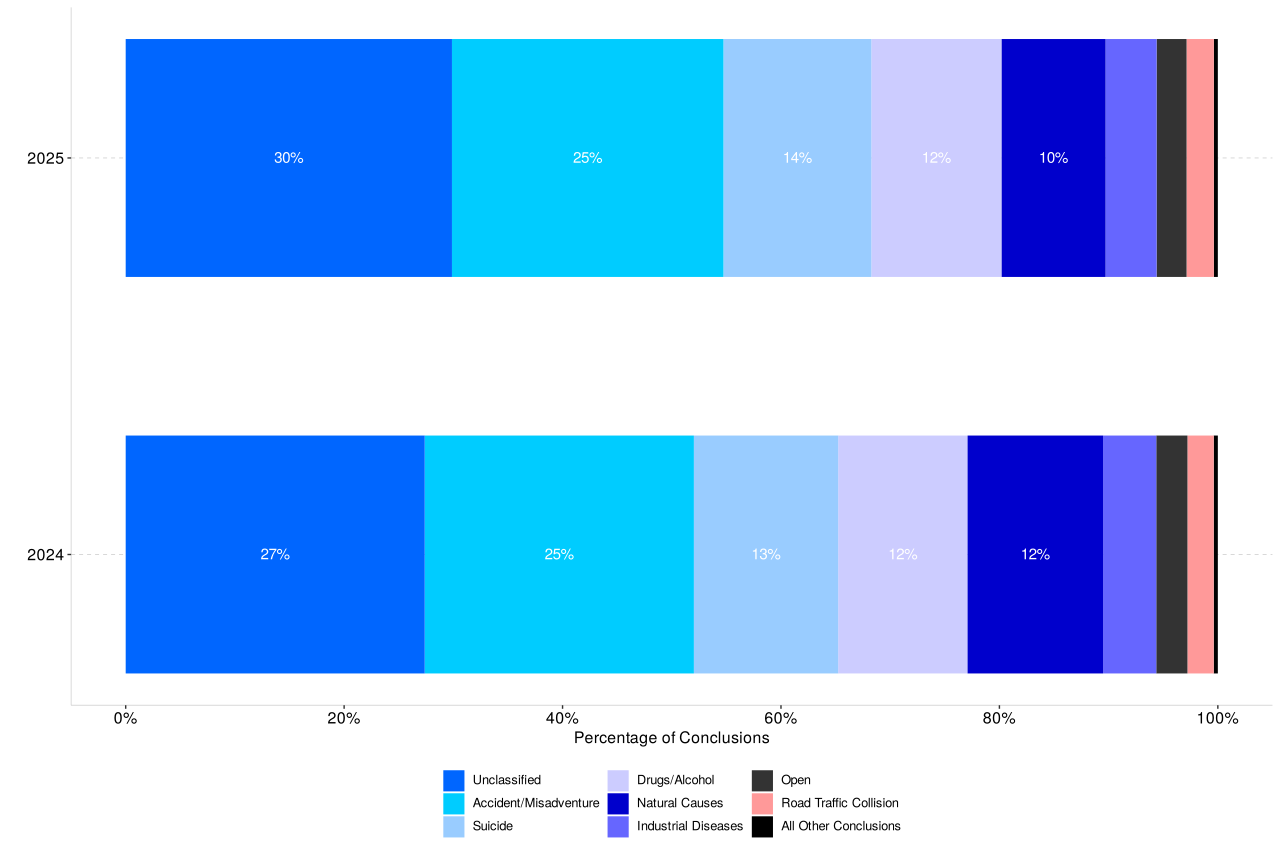
In 2025, the most common short form conclusions (by order of frequency) were death by misadventure (9,724 or 25% of all conclusions), suicide (5,298 or 14%) and drugs and alcohol (4,659 or 12%).
The number of suicide conclusions increased by 1% compared to 2024. The increase was driven by male suicides (up 3% compared with 2024), while female suicides decreased (down 4% compared with 2024). The proportion of conclusions recorded as suicide has remained broadly constant over the past eight years, with an increase from 13% of all conclusions in 2024 to 14% in 2025. This proportion varies from 3% in City of London to 36% in Ceredigion.
Industrial disease conclusions fell by 5% in the last year (to 1,828 cases), the lowest level since 1996.
Figure 4: Number of conclusions recorded at inquests, England and Wales, 2019-2025 (Source: Table 7)
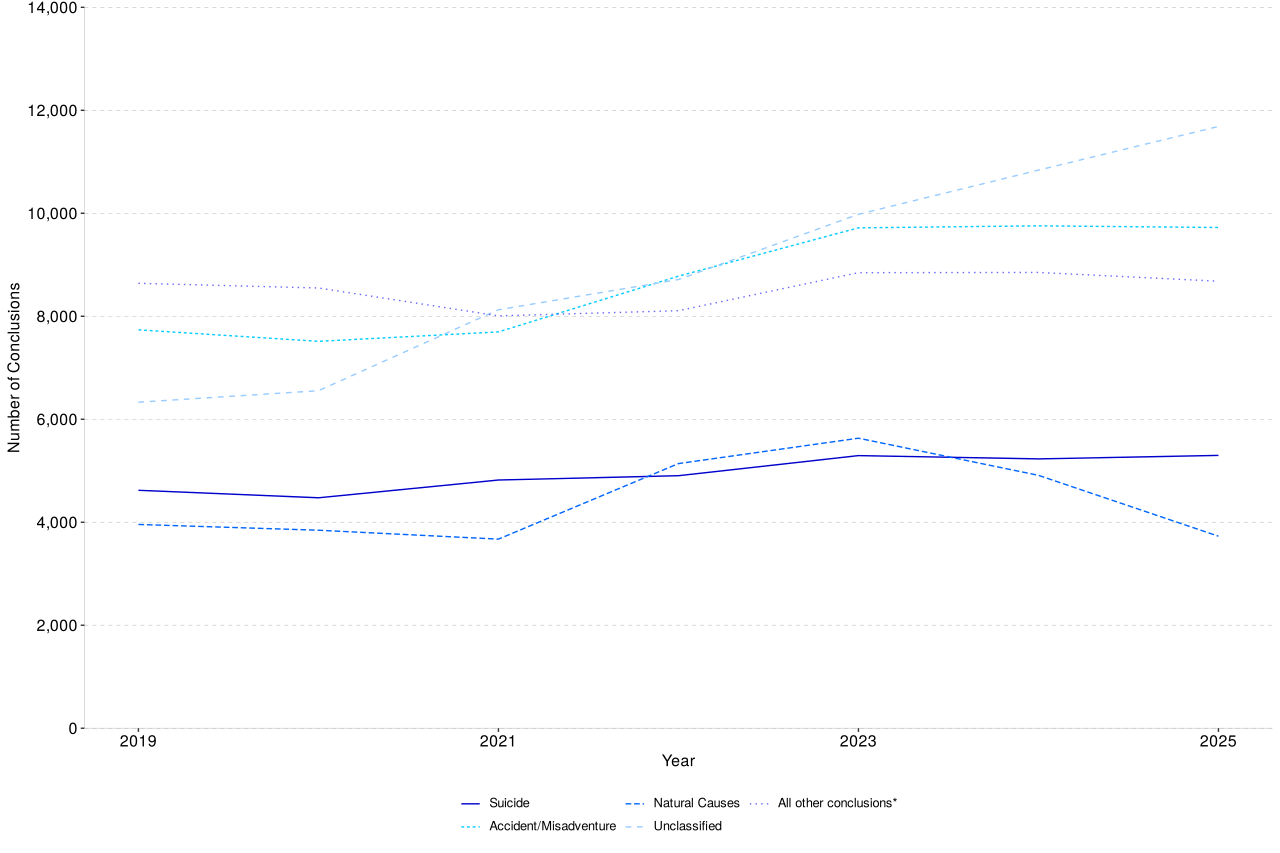
*Includes Killed unlawfully; Killed lawfully; Lack of care or self-neglect; Stillborn; Open; Industrial Disease; Drugs/Alcohol related[footnote 7]; and Road traffic collision.
In 2025, natural cause conclusions decreased by 24% to 3,729, possibly due to the effect of the statutory medical examiner system introduced in September 2024, which is designed to ensure that deaths are scrutinsed, certified and where necessary investigated in the appropriate part of the death management system.
In 2025, the number of unclassified conclusions increased by 848 cases (up 8%) to 11,686. Unclassified conclusions made up 30% of all inquest conclusions in 2025, an increase in proportion by two percentage points compared with the 2024 amount. The term “unclassified” is a way of recording an outcome where the coroner or jury do not rely on just one of the short-form conclusions, or where a narrative conclusion or rider (which may or may not be accompanied by a short-form conclusion) is returned by the coroner or jury. Self-Induced Abortion, Want of Attention at Birth and Disaster conclusions are included in the Unclassified conclusions figure[footnote 8].
For the remaining short-form conclusion types, alcohol/drugs related deaths decreased by 32 cases (down 1%) to 4,659, ending the rising trend seen since the conclusion type was introduced in 2014. Road traffic collisions increased by 25 cases (up 3%) to 978.
Open conclusions have decreased over the last decade - they accounted for 3% of all inquests concluded in 2025 compared with 5% in 2015. Year on year, open conclusions decreased by 5% compared with 2024.
Figure 5 shows the inquest conclusions by category as a proportion of the total number of conclusions in both 2024 and 2025.
Figure 5: Conclusions recorded at inquest, by category and as a proportion of all conclusions, England and Wales, 2024 and 2025 (Source: Table 7)[footnote 9] [footnote 10]
8. Inquest Conclusions by Sex
Conclusions recorded at inquests by sex[footnote 11]
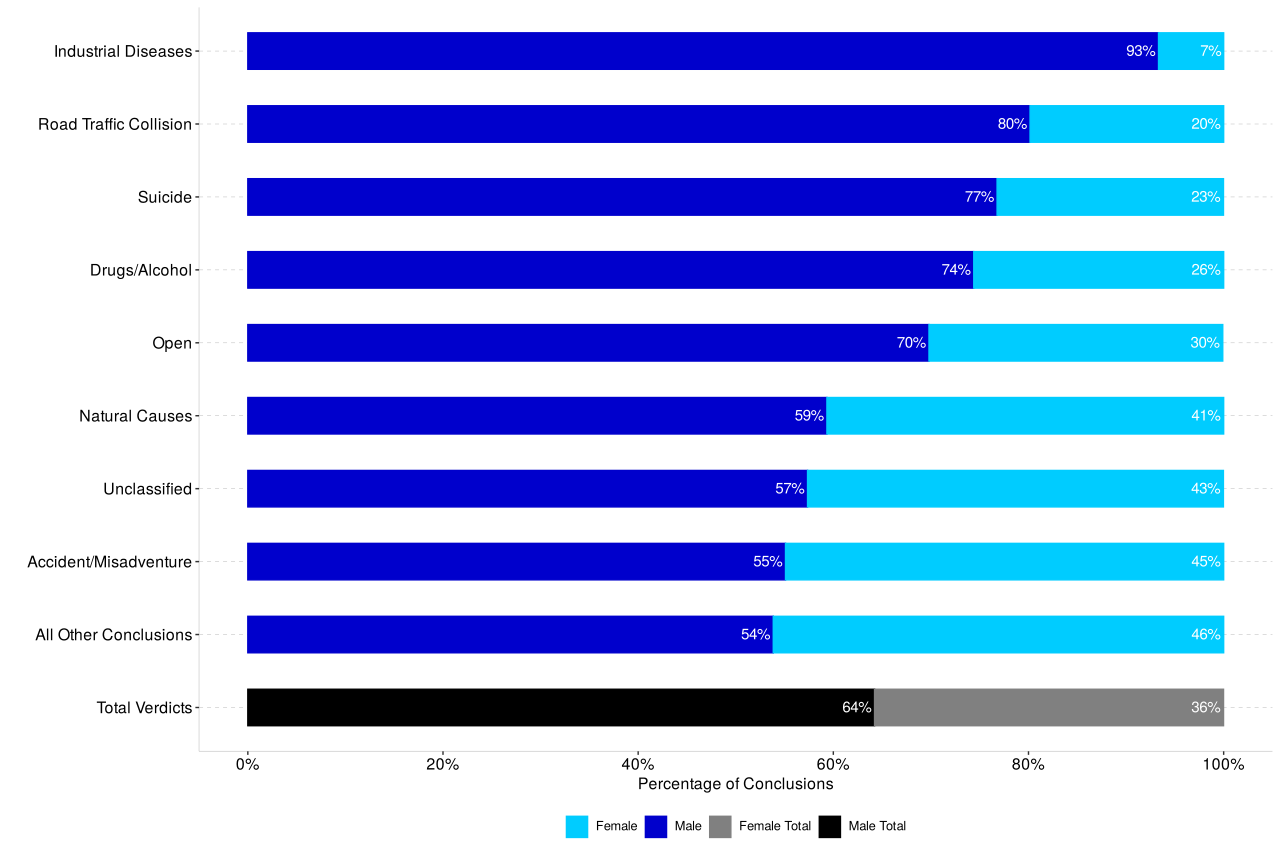
Male deaths accounted for 64% of all conclusions recorded in 2025 while female deaths accounted for 36%. In 2024, the percentages were 63% and 37% respectively.
The pattern of conclusions recorded differs between males and females. Males accounted for 61% of deaths reported but 64% of all conclusions recorded in 2025. Correspondingly, female deaths accounted for 36% of all conclusions recorded in 2025 (and 39% of all deaths reported).
Figure 6 shows the variation in the sex proportions, depending on the type of inquest conclusion. Industrial disease had the highest proportion of inquests relating to males, at 93%; lack of care or self-neglect had the highest proportion of inquests relating to females[footnote 12], at 50%.
Figure 6: Conclusions recorded at inquests by sex, England and Wales, 2025 (Source: Table 7)
9. Inquest Conclusions by Age
Around half of inquests completed were conducted in respect of those aged 65 years and over
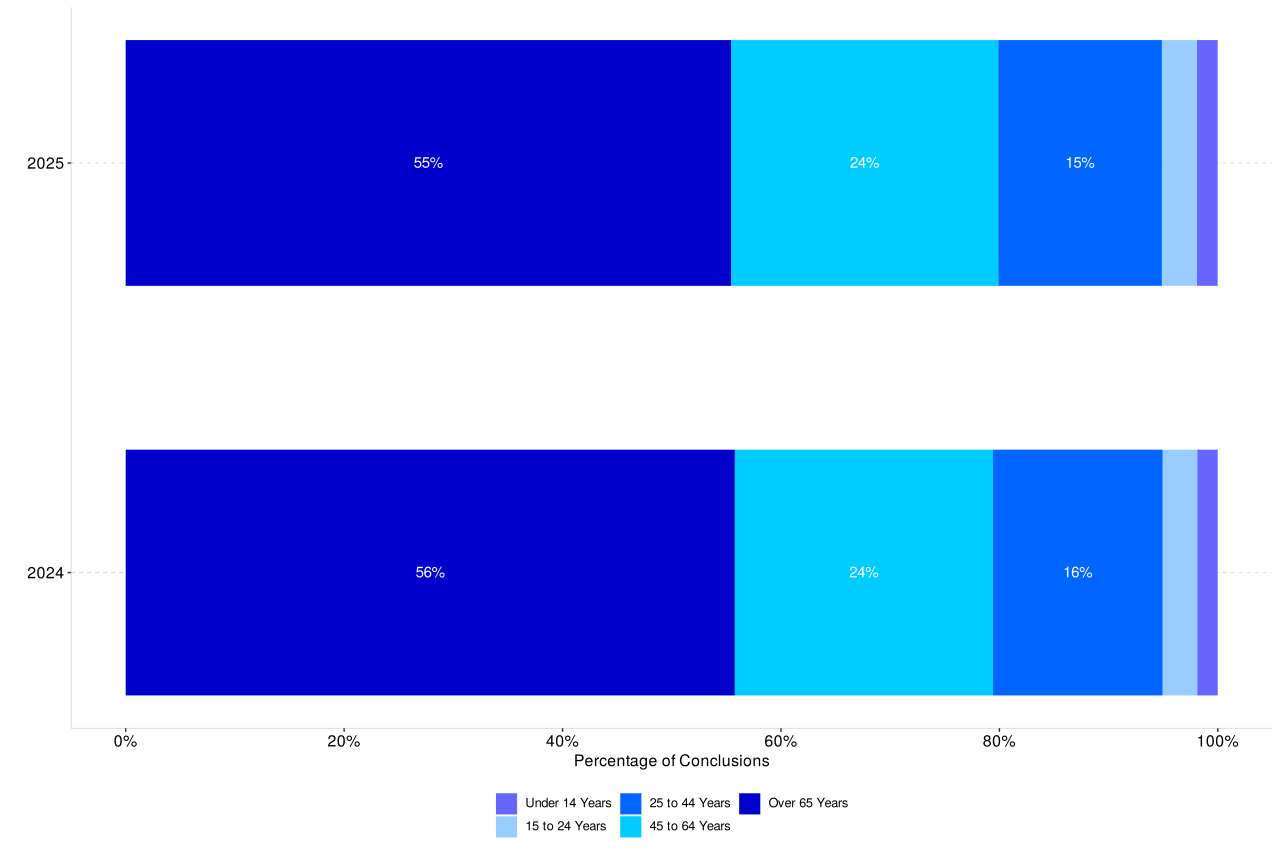
Of the inquests completed in 2025, 55% related to persons who were aged 65 years or over at the time of death compared with 5% relating to persons under 25 years of age.
The profile of the age of the deceased in inquests has changed slightly from 2024 to 2025. The percentage of inquests completed relating to persons aged 65 or over has decreased by less than one percentage point to 55%. By contrast, 5% of inquests concluded related to persons under 25 years of age, unchanged compared to 2024, while the percentage of those between 25 and 65 years remained stable at 39% (see Table 8).
Over the last 10 years from 2015 to 2025, the percentage of inquests completed for persons aged 65 or over decreased from 61% to 55%. Inquests concluded for those under 25 years of age remained stable at 5% and for those aged between 25 and 65 years the percentage rose from 34% to 39% over the same period.
Although an age breakdown of registered deaths in England and Wales in 2025 is not yet available, ONS figures for 2024[footnote 13] show that 84% of registered deaths in England and Wales were persons aged 65 or over, with only 1% aged under 25 years old.
Figure 7: Proportion of inquest conclusions by age of deceased, England and Wales, 2024 and 2025 (Source: Table 8)[footnote 14]
10. Time taken to process an inquest
Overall the average time taken to process an inquest remained stable
The estimated average time taken to process an inquest remained stable at 31.3 weeks in 2025.
The estimated[footnote 15] average time taken to process an inquest in 2025 (defined as being from the date the death was reported until the conclusion of the inquest) was 31.3 weeks (see Table 13)[footnote 16], stable compared with 2024.
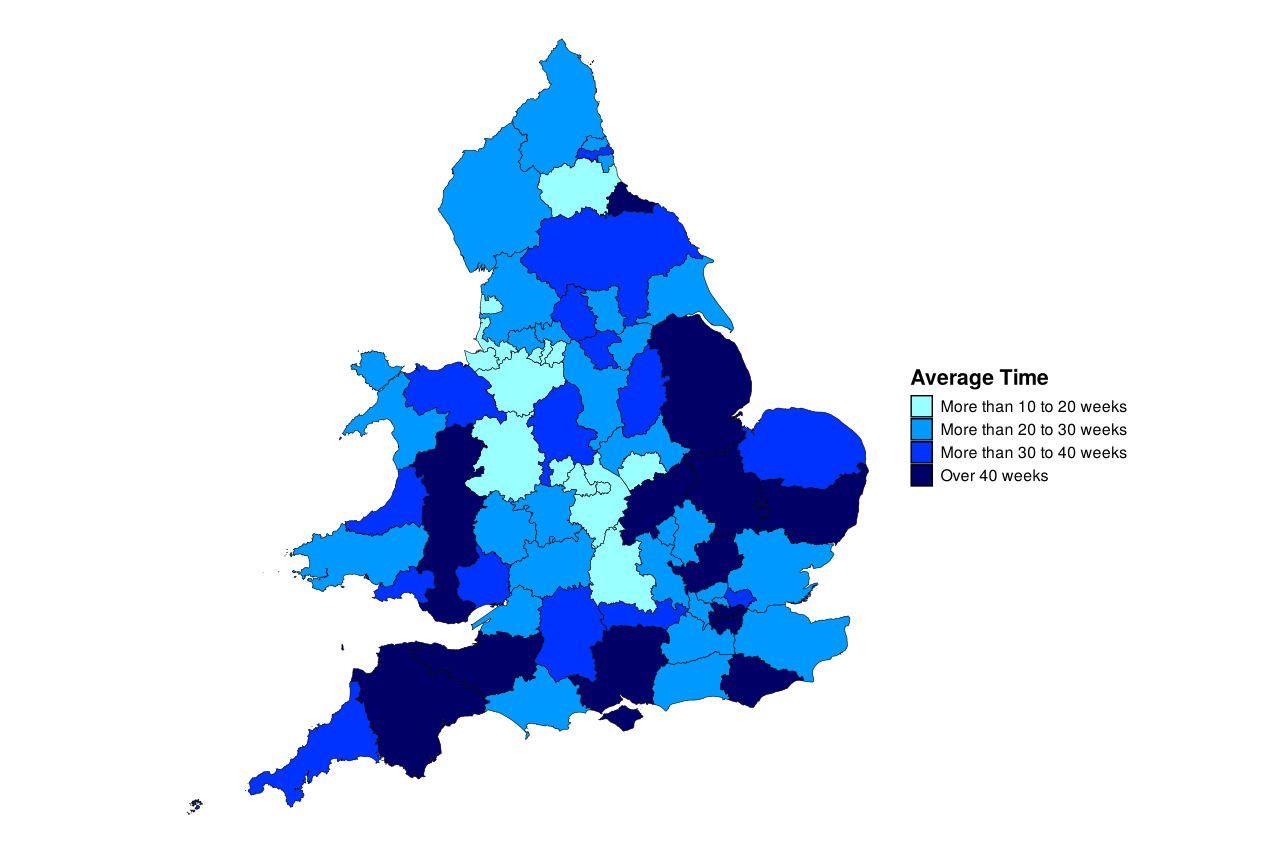
The average time taken to process an inquest in 2025 ranges from 11.2 weeks to 77.4 weeks. This disparity between regions is mainly due to differences that exist from one coroner area to another. Some of these differences are:
-
Availability of resource, including staff and judicial resources
-
Local complexity, including the presence of facilities like hospitals and prisons
-
Socio-economic make up of regions
Therefore, a direct comparison between coroner areas is not advised.
Map 3 provides an overview of average time taken across coroner areas in England and Wales.
More information about how the average time taken has been estimated can be found in the Guide to coroner statistics published alongside this report.
Figure 8: Average time taken to process an inquest (in weeks), 2019-2025 (Source: Table 9)
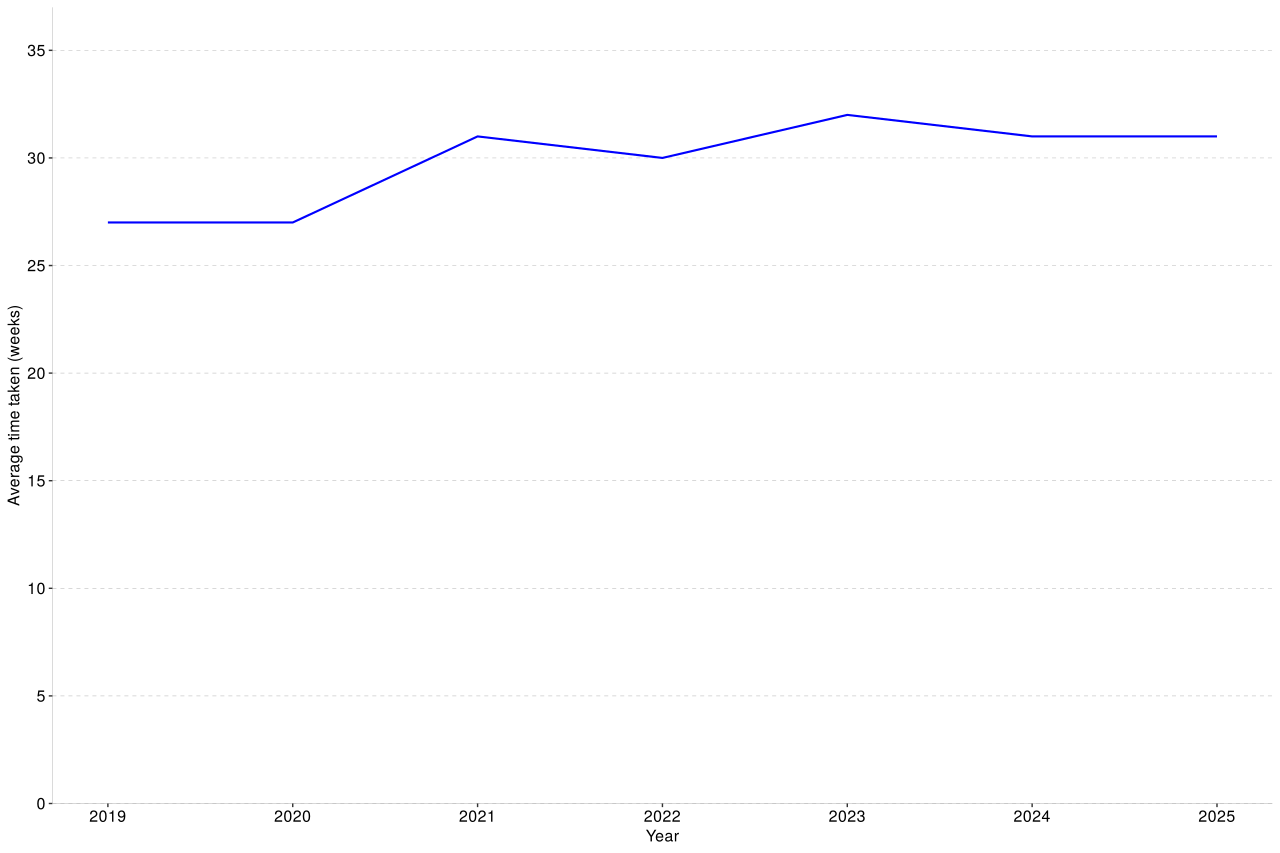
In 2025, 29% of inquests were completed in less than 3 months, 56% in less than 6 months, 81% took up to a year and 19% took over a year, compared to 29%, 55%, 82% and 18% respectively in 2024, and 29%, 54%, 82% and 18% respectively in 2023.
Map 3: Estimated average time taken to process inquests, England and Wales, 2025
11. Prevention of Future Death reports
There were 654 PFD reports issued by coroners in 2025, down 8% compared with 2024.
A Prevention of Future Deaths (PFD) report is issued by a coroner if there is a concern (arising from the investigation) that action should be taken to reduce or prevent the risk of other deaths occurring in the future. A PFD report is issued to people or organisations whom the coroner believes are in a position to take action.
Collection of data on PFD reports for these statistics started in 2021 (partial year collection). In 2025, there were 654 PFD reports issued - this represents 2% of all inquests concluded and a decrease of 8% in the number of PFDs issued compared with 2024.
All the coroner regions[footnote 17] issued PFDs in 2025. The London region issued 108, the highest number as a proportion of inquests concluded (3%). London also issued the highest proportion in 2024 (3%). The East Midlands region issued the lowest number of reports (41) as a proportion of inquests concluded (1%). The North East region issued the lowest proportion in 2024 (1%). A further breakdown shows 3 coroner areas issued no PFDs in 2025. PFD reports and the responses to them must be copied to the Chief Coroner, who may publish them on the Judiciary website. Individual PFD reports and their responses can be found here.
12. Treasure and Treasure Trove
There was a 19% increase in Treasure finds[footnote 18] reported in 2025 and a 27% increase in inquest conclusions on finds
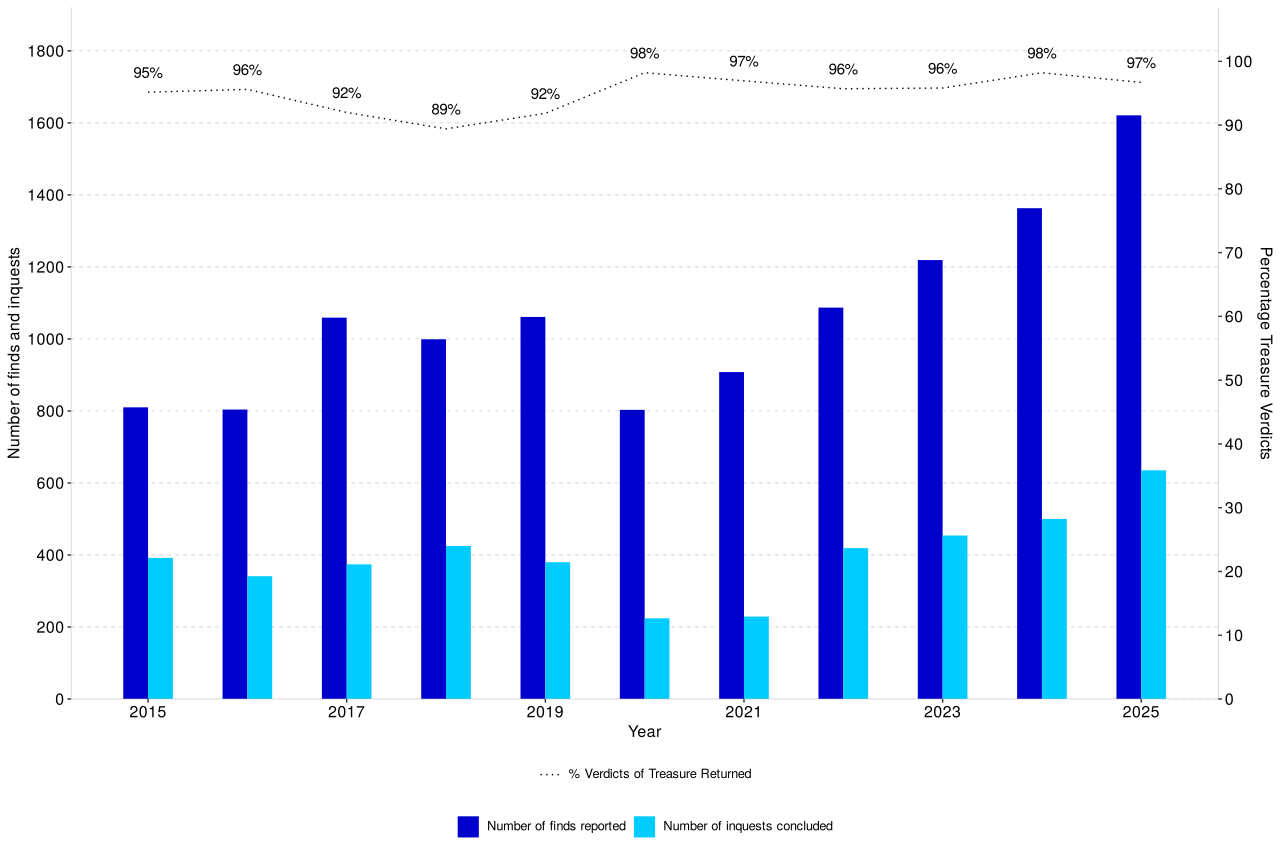
1,621 finds were reported to coroners in 2025, an increase of 258 on 2024. 635 inquests were concluded into finds. Of these, 97% (614) returned a conclusion of treasure, a decrease in proportion by two percentage points when compared with 2024.
The Government introduced a new and expanded definition of treasure from July 2023[footnote 19] which includes a “significance-based” class of treasure, rather than being based solely on material composition and age.
In 2025, 1,621 finds were reported and 635 inquests were concluded. Separately, there were no inquests held into Treasure Trove in 2025 (Tresure Trove relates to finds made before the Treasure Act 1996 came into force).
The number of finds reported has been steadily increasing since the commencement of the 1996 Act in September 1997, from 54 finds in 1997 to 1,059 in 2017. Between 2018 and 2020, however, the number was more volatile. Since 2021, the number has been rising again. In 2025, the number of finds rose to the highest level in the time series at 1,621, from 1,363 in 2024 (up 19%). The number of treasure inquest conclusions increased by 27% (from 500 in 2024 to 635 in 2025).
Of the 635 inquests concluded in 2025, 97% (614) returned a conclusion of treasure, a decrease in proportion by two percentage points compared to 2024.
Figure 9: Finds reported to coroners, treasure inquests held under the Treasure Act, and proportion of Treasure conclusions returned, 2015-2025 (Source: Table 10)[footnote 20]
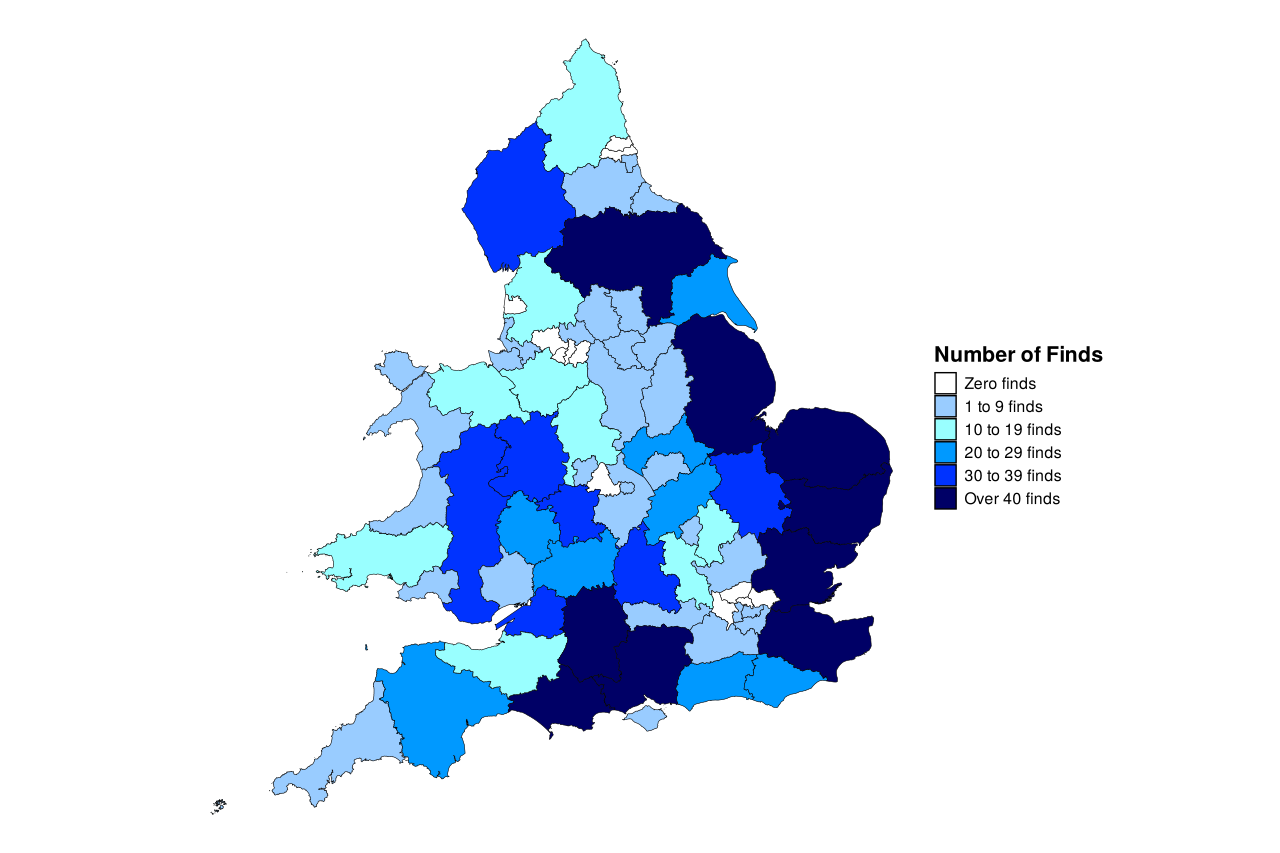
The number of finds and inquests held varies greatly across the country, which is likely due to geographical and historical differences between areas. In 2025, 12 coroner areas had no treasure finds reported to them, whilst Hampshire, Portsmouth and Southampton had the highest number of treasure finds at 172. Map 4 shows treasure finds across England and Wales in 2025. More information about the duties of coroners to investigate treasure found within their jurisdiction and the provisions of the Treasure Act 1996 (and the previous Treasure Trove provisions) can be found in the supporting guidance.
Map 4: Number of treasure finds reported to coroners, England and Wales, 2025
13. Annex A: Details of recent Coroner Area mergers
The following table summarises the coroner area mergers that have occurred during 2024 and 2025. For a list of all historical amalgamations and changes to coroner areas, please refer to the supporting guidance document.
| Date effective | Previous Coroner Area | New Coroner Area | Nature of merge |
|---|---|---|---|
| 01-Apr-24 | North Lincolnshire and Grimsby; Lincolnshire | Greater Lincolnshire | 2 into 1 |
| 01-Apr-24 | Exeter and Greater Devon; Plymouth, Torbay and South Devon | Devon, Plymouth and Torbay | 2 into 1 |
| 01-Apr-24 | North Northumberland; South Northumberland | Northumberland | 2 into 1 |
| 01-Jul-25 | Central and South East Kent; Mid Kent and Medway; North East Kent; North West Kent | Kent and Medway | 4 into 1 |
14. Annex B: Further analysis of deaths reported to coroners
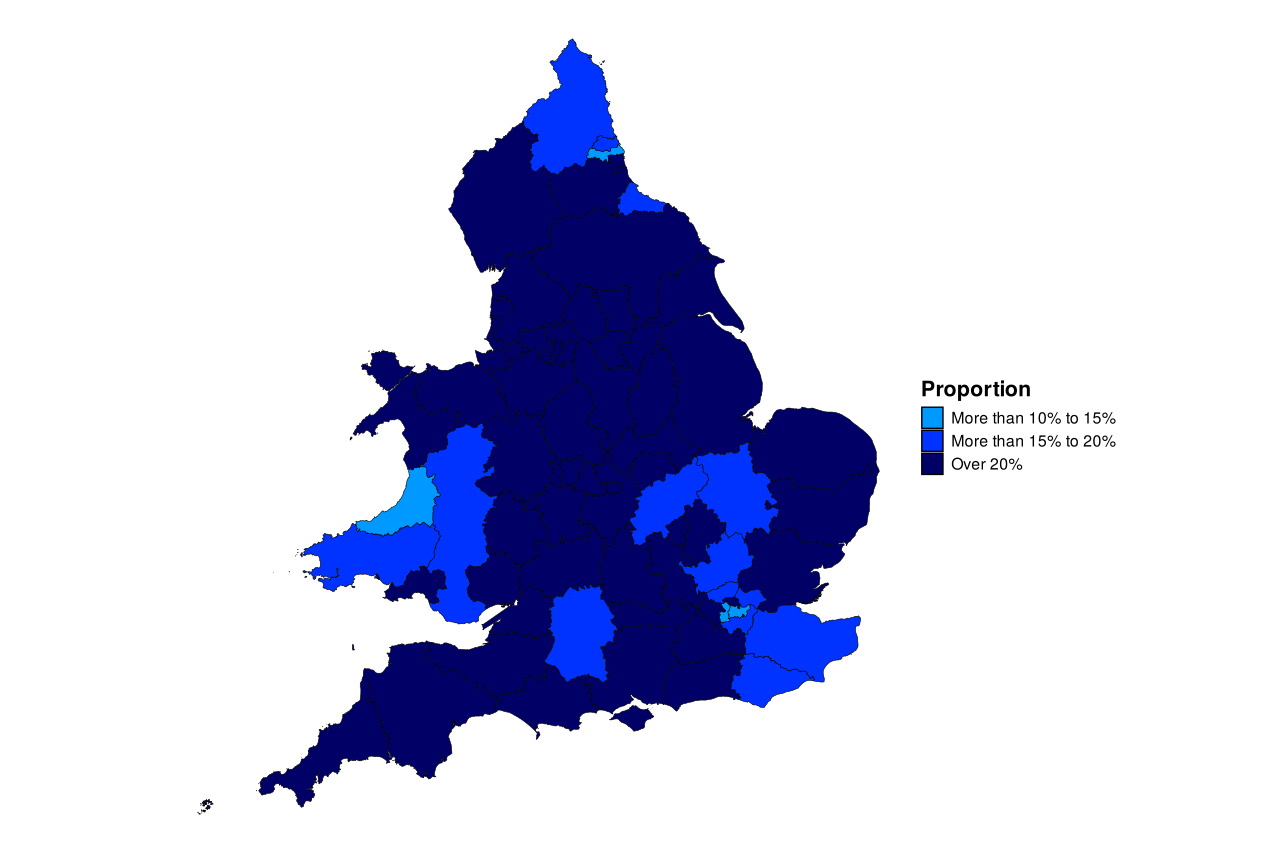
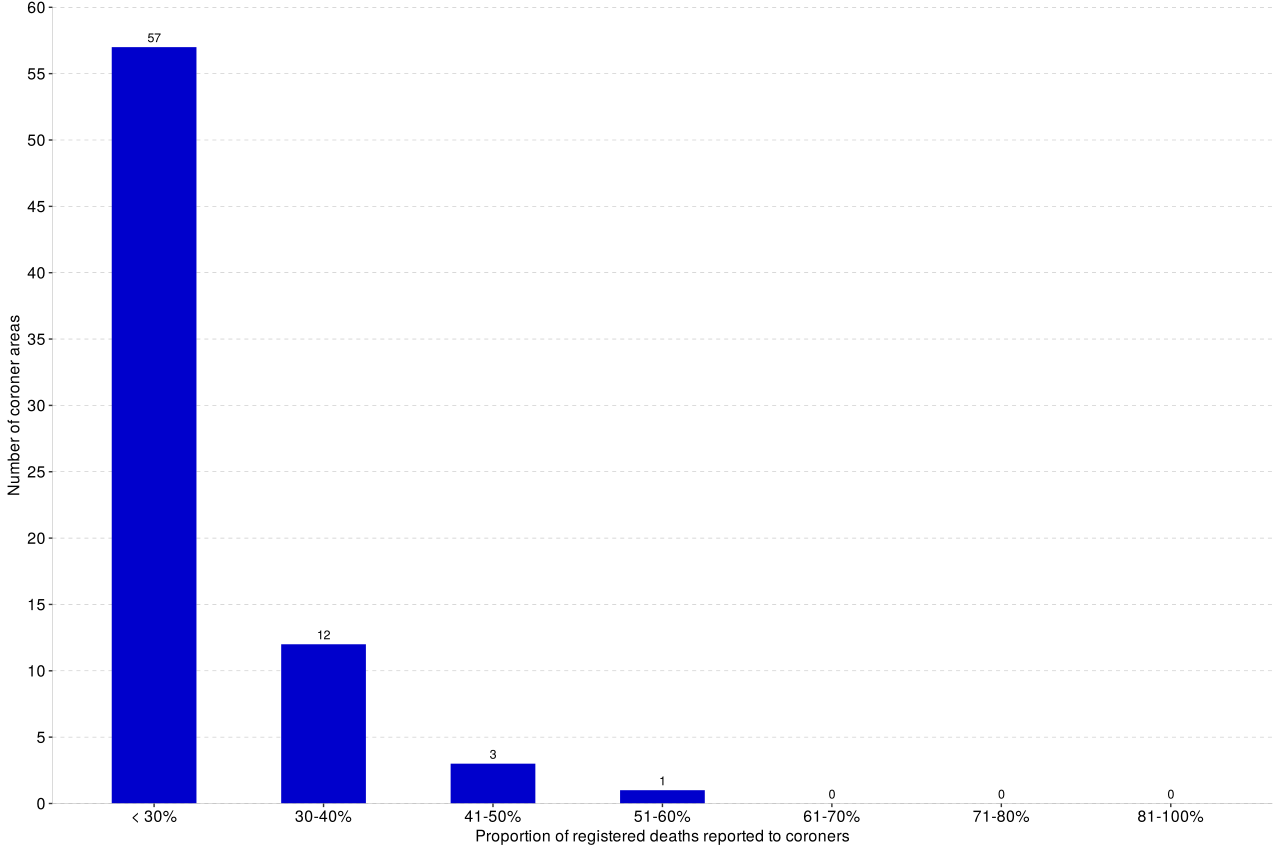
In 2025 the number of deaths reported to coroners as a proportion of registered deaths varied widely across coroner areas, from 13% in Rutland and North Leicestershire to 54% in Inner North London
In this section we have provided further analysis using data published by ONS[footnote 1].
The number of deaths reported to coroners in 2025 varied markedly by coroner area – from 222 in City of London to 4,897 in Kent and Medway. The number of deaths reported in each area will be affected by its size, resident population, demographic breakdown and profile, so comparisons of the number of deaths reported to coroners across coroner areas should be treated with caution.
When looking at the number of deaths reported to coroners in 2025 as a proportion of registered deaths[footnote 21], which allow for some differences in population characteristics, there is still a wide variation across coroner areas, with a minimum of 13% in Rutland and North Leicestershire compared with the maximum of 54% in Inner North London. However, caution should be taken when using these figures as local area factors can influence these proportions. For example, large hospitals can impact the proportion, due to the difference between the coroners’ figures being based on the place of death and the ONS figures being based on the place of residence.
Figure 10: Coroner areas split by the number of deaths reported to coroners in 2025 as a proportion of registered deaths (Source: Table 11)[footnote 22] [footnote 23]
15. Further Information
Revisions to statistics for previous years
The estimated figure for the number of registered deaths in 2024 which was derived from monthly data for the purposes of Table 2 in last year’s edition of this bulletin has now been replaced by the annual figure published by the Office for National Statistics.
Symbols and rounding convention
Within the ‘Key Findings’ sections, figures greater than 1,000 are rounded to the nearest 100. The following symbols have been used throughout the tables in this bulletin:
| n/a | = | Not applicable |
| - | = | Zero |
| .. | = | No data available |
| (p) | = | Provisional Data |
| (r) | = | Revised Data |
Accompanying files
-
This bulletin should be read alongside the statistical tables which accompany it. These tables are also available in an accessible format.
-
There is also a supporting comma-separated values file (CSV) to allow users to carry out their own analysis.
-
In addition to the bulletin and tables, we have published a coroners’ statistical tool. The tool provides easier access to local level data and allows the user to compare up to four areas of interest, for example, it is possible to compare a coroner area with a geographical region, England and/or Wales.
-
The accompanying guide to coroner statistics provides a more detailed overview of coroners; including the functions of coroners and the chief coroner, policy background and changes, statistical revision policies, and data sources and quality. It also includes a glossary with brief definitions for some commonly used terms.
-
The quality statement published with this guide sets out our policies for producing quality statistical outputs for the information we provide to maintain our users’ understanding and trust.
Accredited Official Statistics Status
Accredited official statistics are called National Statistics in the Statistics and Registration Service Act 2007. These accredited official statistics were independently reviewed by the Office for Statistics Regulation (OSR) in July 2025. They comply with the standards of trustworthiness, quality and value in the Code of Practice for Statistics and should be labelled as accredited official statistics.
Our statistical practice is regulated by the OSR, which sets the standards of trustworthiness, quality and value in the Code of Practice for Statistics that all producers of official statistics should adhere to. You are welcome to contact us directly with any comments about how we meet these standards. Alternatively, you can contact OSR by emailing regulation@statistics.gov.uk or via the OSR website.
It is the Ministry of Justice’s responsibility to maintain compliance with the standards expected for Accredited Official Statistics. If we become concerned about whether these statistics are still meeting the appropriate standards, we will discuss any concerns with the OSR promptly. Accredited Official Statistics status can be removed at any point when the highest standards are not maintained, and reinstated when standards are restored.
Contact
Press enquiries should be directed to the Ministry of Justice press office:
Lydia Jenkinson (MoJ) - email: Lydia.Jenkinson@justice.gov.uk
Other enquiries about these statistics should be directed to the Courts and People division of the Ministry of Justice:
Leanne Crew or Matteo Chiesa - email: CAJS@justice.gov.uk
Next update: Thursday 13th May 2027
URL: www.gov.uk/government/collections/coroners-and-burials-statistics
© Crown copyright
Produced by the Ministry of Justice
For any feedback on the layout or content of this publication or requests for alternative formats, please contact cajs@justice.gov.uk
-
Provisional figure based on ONS monthly death registration figures for 2025: https://www.ons.gov.uk/peoplepopulationandcommunity/birthsdeathsandmarriages/deaths/datasets/monthlyfiguresondeathsregisteredbyareaofusualresidence ↩ ↩2
-
Non-residents of England and Wales include those whose usual residence is outside England and Wales. ↩
-
For further detail please see section ‘Notifications of deaths of detained patients and patients subject to a community treatment order’ of ‘Monitoring the Mental Health Act in 2024/25’, available at the following link: https://www.cqc.org.uk/publications/monitoring-mental-health-act/2024-2025/activity ↩
-
Safety in custody: quarterly update to December 2025 - GOV.UK ↩
-
Schedule 1 to the Coroners and Justice Act 2009 states that the coroner should suspended an investigation in the event that criminal proceedings may or will take place. ↩
-
Data collection for rule 23 inquests only began for a full calendar year in 2025. ↩
-
For years 2007-2013 this includes the previously used conclusions “Dependence on drugs” and “Non-dependent abuse on drugs” ↩
-
An analysis of unclassified conclusions can be found in the Coroners Statistics 2012 publication (Annex A), available at: www.gov.uk/government/statistics/coroners-statistics ↩
-
Total percentages may not equal 100% due to rounding ↩
-
‘All other conclusions’ includes: Killed lawfully; Killed unlawfully; Lack of care or self-neglect; Stillborn and represent together less than 1% of the short-form conclusions recorded. ↩
-
The sex of the deceased is based on the ‘registrable particulars’ which coroners have a duty to record. Death certificates only give two options, ‘male’ and ‘female’, and these will normally be completed by the registrar based on the information given to them by the informant. Under normal circumstances there would not be an investigation to ascertain whether what the informant says corresponds to the biological sex of the deceased. ↩
-
Stillborn was excluded from above, as there were only 2 such inquest conclusions in 2025. ↩
-
ONS data is available online at: www.ons.gov.uk/peoplepopulationandcommunity/birthsdeathsandmarriages/deaths/datasets/deathsregisteredinenglandandwalesseriesdrreferencetables ↩
-
The ‘age not known’ category has been excluded from the chart due to small numbers (less than 0.5%). Totals may not add up to 100% due to rounding. ↩
-
A direct average of the time taken to process an inquest cannot be calculated from the summary data collected; an estimate has therefore been made instead. Please see the Guide to the Coroners statistics published alongside this report for the methodology used. ↩
-
Only deaths occurring within England and Wales are included in this estimation. ↩
-
The coroner regions are made up of multiple individual coroner areas. Regions have been used due to the low numbers of Prevention of Future Deaths reports in some areas. ↩
-
The latest Department for Digital, Culture, Media & Sport (DCMS) provisional figures are for 2024 and showed there were 1,531 finds reported in England and Wales, in line with the 1,363 treasure finds reported to Coroner Areas in 2024. These figures can be found at: https://www.gov.uk/government/statistics/statistical-release-for-reported-treasure-finds-2023-and-2024 ↩
-
Thousands more treasures to be saved for the nation as rules about discoveries are changed - GOV.UK (www.gov.uk) ↩
-
This chart does not include reported findings under “Treasure Trove” ↩
-
As the ONS death registration figures are based on the area of usual residence whereas the coroners’ figures are based on the area where a person died, these figures should be used with caution. For example, the coroner office for the City of London shows a distorted figure above 100% due to the low level of residence and high level of commuters. ↩
-
Provisional figure based on ONS monthly death registration figures for 2025 ↩
-
City of London has been excluded from this analysis due to the percentage of deaths being greater than 100% - please see footnote 21 above for further information. So only 73 coroner areas have been included in this analysis. ↩