Conditions potentially requiring urgent care
Updated 17 December 2025
Applies to England

© Crown copyright 2025
This publication is licensed under the terms of the Open Government Licence v3.0 except where otherwise stated. To view this licence, visit nationalarchives.gov.uk/doc/open-government-licence/version/3 or write to the Information Policy Team, The National Archives, Kew, London TW9 4DU, or email: psi@nationalarchives.gov.uk.
Where we have identified any third party copyright information you will need to obtain permission from the copyright holders concerned.
This publication is available at https://www.gov.uk/government/statistics/adult-oral-health-survey-2023/conditions-potentially-requiring-urgent-care
Introduction
While dental disease is often chronic and painless in its early stages and is managed through planned appointments with dental teams, it can at times cause acute symptoms which may require urgent dental care. The adult oral health survey (AOHS) 2023 collected information from participants about any symptoms they were experiencing. Data was collected within both the interview and oral examination.
The oral examination included an assessment of risk factors and clinical aspects of oral health which may increase the risk of needing urgent dental care. Methodological details of the AOHS 2023 can be found in the technical report.
Participants were asked whether they had any teeth, fillings, crowns or fixed bridges that were painful. The oral examination included 2 questions on current dental pain and used the PUFA index, which reports on the clinical consequences of advanced dental decay.
While these measures do not in themselves mean that those participants needed urgent dental care, they suggested an increased risk of both needing and demanding such care. It is important to understand the prevalence of these conditions in the adult population to plan services.
The associated data tables for this chapter present a breakdown of these measures by the following sociodemographic characteristics:
- sex
- age group
- NHS region
- equivalised (adjusted) household income
- area deprivation
Breakdowns by ethnic group have not been included in this report due to small sample sizes in some groups. Findings based on fewer than 5 participants were not reported on. Where differences are commented on in this report, these differences are statistically significant. This implies at least a 95% chance that any reported difference is a real one and not a consequence of sampling error. Please note that estimates in this report are rounded, however in the data tables they are presented to one decimal place. More detail on survey estimates can be found in the technical report.
There is also a data table presenting the trend in the number of potentially urgent conditions over time. Monitoring trends in the nation’s oral health are of importance not only to health care professionals but also a range of other people including policymakers and the general public at large. As the AOHS 2023 is an England-only survey, trends and comparisons presented here relate only to England. This includes any data presented from former ADHSs. More detail on the trends analysis can be found in the technical report.
Main findings
The main findings are summarised as follows:
- 7% of dentate adults reported experiencing current dental pain or problems
- 10% of dentate adults were assessed as having one or more PUFA index signs during the oral examination. The most common signs of PUFA were pulpal involvement (8%) with ulcerations, fistulas and abscesses less common (all 2%). This pattern was mostly the same across sociodemographic factors
- 10% of dentate adults had one or more teeth that were decayed with pulpal involvement. A total of 1 in 20 (5%) dentate adults had 2 or more decayed teeth with pulpal involvement
- 19% of adults had one or more potentially urgent conditions. Of these adults, most experienced one urgent condition (11% of all adults), with multiple conditions being less common (6% of adults experienced 2 urgent conditions and 1% of adults experienced all 3 urgent conditions)
Methods and definitions
Definitions of some of the oral conditions and terminology used in this chapter are explained below. Further details and a glossary of all clinical terms can be found in the technical report.
PUFA signs
PUFA is an index of the clinical consequences of dental decay and records the following conditions:
- pulpal involvement (as evidenced by a visibly open pulp chamber or when the coronal tissues have been destroyed by the carious process and only roots or root fragments are left) (‘P’)
- ulceration (due to carious teeth or roots) (‘U’)
- fistula (‘F’)
- abscess (‘A’)
The presentation of some of the elements of PUFA in adults may not indicate current carious lesions. Abscesses and fistulas may occur in teeth where there is no visible decay at the time of the observation. They are nevertheless usually indicative of sepsis from the pulp of the tooth and the need for treatment.
Decay with pulpal involvement
The adult dental health survey (ADHS) 2009 collected information on teeth with extensive dentinal decay, which were highly likely to have pulpal exposure. The 2023 survey criteria asked examiners to specifically identify teeth that had decay affecting the pulp, either because there was an open pulp chamber or because the extent of the decayed lesions made this likely. This applied to the assessment of both coronal and root surfaces and included decayed retained roots. While this is a change from the 2009 criteria, the difference in estimates is likely to be small.
Potentially urgent conditions
The 2023 definition of a ‘potentially urgent condition’ is based on having at least one of the following:
- current dental pain or problems reported at the oral examination
- one or more PUFA signs (pulpal involvement, ulceration (due to carious teeth or roots), fistula and abscess)
- one or more teeth with decay with pulpal involvement (this involves coronal surfaces only and does not include root surfaces)
This differs to the 2009 ADHS definition of a potentially urgent condition. In 2009, pain reported as part of the Oral Health Impact Profile-14 (OHIP-14) was also included as a potentially urgent condition. An indicator was derived from the 2 OHIP questions relating to the frequency of ‘a painful aching in the mouth’ or ‘discomfort when eating’ experienced in the previous 12 months. This indicator was excluded from the 2023 definition so that only current pain was included, rather than pain potentially experienced up to 12 months ago and which therefore may not be considered urgent. This chapter initially presents data according to the 2023 definition. However, note that for trend comparisons between 2009 and 2023 data, the 2009 definition of a potentially urgent condition has been applied.
Oral and dental pain
There are various potential causes of oral or dental pain and they can have numerous characteristics, including duration. The experience and description of pain can be different for different people. For this reason, it is useful to try a variety of ways of recording participants’ pain experience. The 2023 survey assessed current pain and pain-related problems in 2 ways:
- current dental pain was recorded during the interview with a yes or no question that asked self-reported dentate adults whether any of their teeth, fillings, crowns or fixed bridges were painful
- current dental pain was also recorded during the oral examination by 2 simple questions and a composite measure, based on responses to the 2 questions, is presented here. The first question asked dentate adults if they currently had pain or problems in their mouths and the second, asked only to those who had indicated that they had some pain, whether they thought this pain was related to their teeth. If the response was yes to both questions this was recorded as having current dental pain
These questions investigate pain experience in slightly different ways and so the prevalence of reported pain will vary between them.
Prevalence of dental pain reported at the interview
The source data for the following findings can be found in table 1 of the associated data tables.
All adults who were interviewed were asked how many natural teeth they thought they had. Those who reported having one or more teeth are considered dentate adults for the purposes of this section.
In 2023, 15% of dentate adults reported that they had teeth, fillings, crowns or fixed bridges that were painful.
There were variations by age group and household income; these are reported below. Prevalence of dental pain did not vary significantly by area deprivation, NHS region or sex.
Age group
The prevalence of reported dental pain varied by age group. Dental pain was most common among adults aged 35 to 44 (20%). It was least common in adults aged 16 to 24 and adults aged 65 to 74 (both 10%). These differences in reported dental pain by age group are shown in the bar chart below in figure 1.
Figure 1: proportion of adults reporting any teeth, fillings, crowns or fixed bridges that are painful, by age group

Base (respondent group): dentate adults (self-reported).
Source: table 1 in ‘Data tables: conditions potentially requiring urgent care’.
Household income
Household income was analysed in quintiles (fifths) and was equivalised (adjusted) to take account of the number of adults and dependent children in the household.
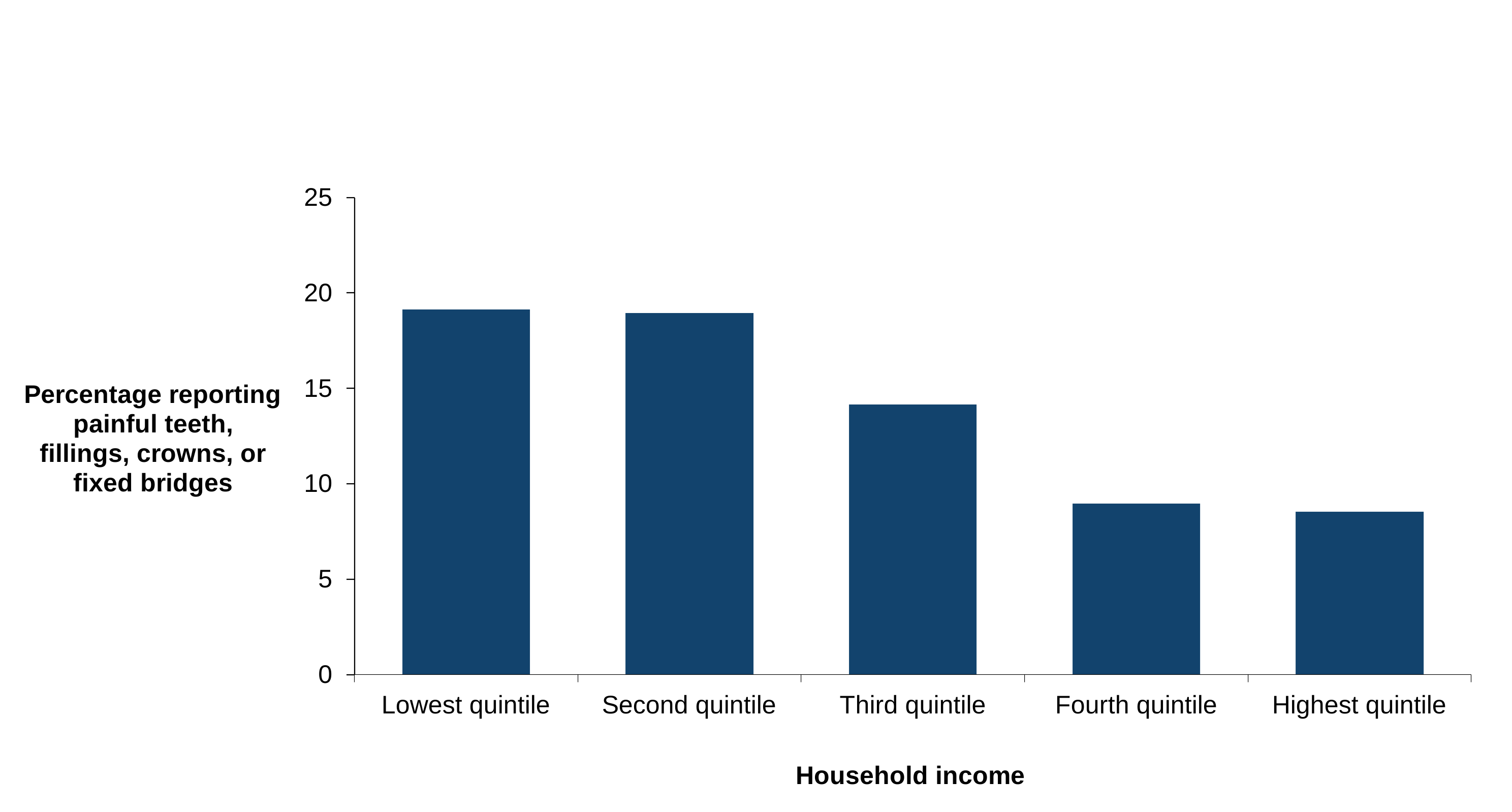
The proportion of dentate adults who reported experiencing dental pain increased from 9% in adults living in households in the 2 highest income quintiles to 19% among adults living in the 2 lowest household income quintiles. The bar chart in figure 2 below illustrates these differences in reported dental pain by household income.
Figure 2: proportion of adults reporting any teeth, fillings, crowns or fixed bridges that are painful, by household income
Base: dentate adults (self-reported).
Source: table 1 in ‘Data tables: conditions potentially requiring urgent care’.
Prevalence of dental pain reported at the oral examination
The source data for the following findings can be found in table 2 of the associated data tables.
During the oral examination, dental examiners recorded the condition of each tooth, including whether it was present or missing. Participants with one or more natural teeth (as observed during the oral examination) are considered dentate adults for the purposes of this section.
Participants were asked if they were currently experiencing pain or problems in relation to their teeth. Seven per cent of dentate adults reported current pain.
The proportions of adults who reported pain at the oral examination varied by area deprivation but not by age group, household income, NHS region or sex.
Area deprivation
Area deprivation was analysed in quintiles (fifths), based on the 2019 English Index of Multiple Deprivation (IMD). IMD is based on 37 indicators, across 7 domains of deprivation. IMD is a measure of the overall deprivation experienced by people living in an area, although not everyone who lives in a deprived area will be deprived themselves.
Experiencing dental pain was most common in adults living in the most deprived areas (12%, compared with between 4% and 8% in other areas). These observations by area deprivation are shown in the bar chart below in figure 3.
Figure 3: proportion of adults experiencing dental pain, by area deprivation

Base: dentate adults (observed).
Source: ‘Data tables: conditions potentially requiring urgent care’.
Prevalence of current dental pain reported at the oral examination, by self-assessed oral health
The source data for the following findings can be found in Table 3 of the associated data tables.
All participants were asked to assess their oral health on a scale from very good to very bad. Those who had one or more natural teeth (as observed during the oral examination) are considered dentate adults for the purposes of this section.
Dentate adults who assessed their oral health as being bad or very bad were 6 times more likely to report currently experiencing pain or problems in relation to their teeth at the oral examination than adults who assessed their oral health as being good or very good (24% compared with 4%). These results are shown in the bar chart below in figure 4.
Figure 4: proportion of adults experiencing dental pain, by self-assessed oral health

Base: dentate adults (observed).
Source: table 3 in ‘Data tables: conditions potentially requiring urgent care’.
PUFA signs
The source data for the following findings can be found in table 4 of the associated data tables.
During the oral examination, dental examiners recorded the condition of each tooth, including whether it was present or missing. Participants with one or more natural teeth (as observed during the oral examination) are considered dentate adults and were assessed for signs of PUFA. They are included in this section.
Overall, 1 in 10 dentate adults (10%) were assessed as having one or more PUFA signs during the oral examination. The most common signs of PUFA were pulpal involvement (8%), with ulcerations, fistulas and abscesses less common (all 2%). This pattern was mostly the same across demographics.
The prevalence of PUFA signs differed by sex, age group, NHS region, household income and area deprivation.
Sex
Prevalence of most signs of PUFA did not vary significantly by sex. The exception was open pulps, where a greater proportion of men had an open pulp than women (9% compared with 6%). The bar chart below in figure 5 illustrates these differences in PUFA signs by sex.
Figure 5: presence of pulpal involvement (PUFA), by sex

Base: dentate adults (observed).
Source: table 4 in ‘Data tables: conditions potentially requiring urgent care’.
Age group
PUFA signs were more commonly experienced among the older age groups (17% of those aged 55 to 64 and 11% of those aged 65 and older). One or more PUFA signs were least common in adults aged 35 to 44 (7%). The presence of PUFA signs across the age groups are shown in the bar chart below in figure 6.
figure 6: presence of one or more PUFA signs, by age group
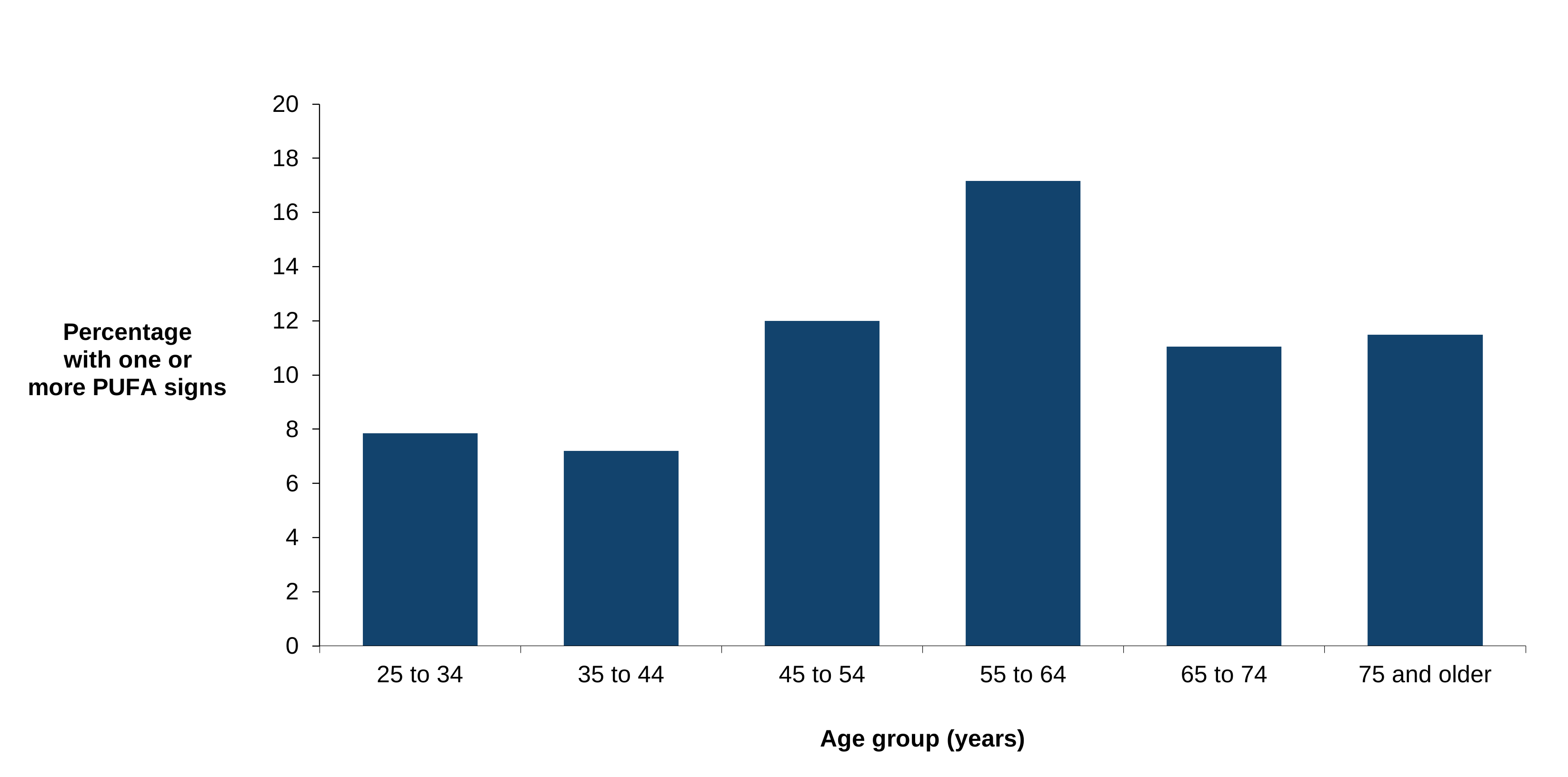
Note: data on 16 to 24 year olds has not been reported in the figure due to low numbers.
Base: dentate adults (observed).
Source: Table 4 in ‘Data tables: conditions potentially requiring urgent care’.
NHS region
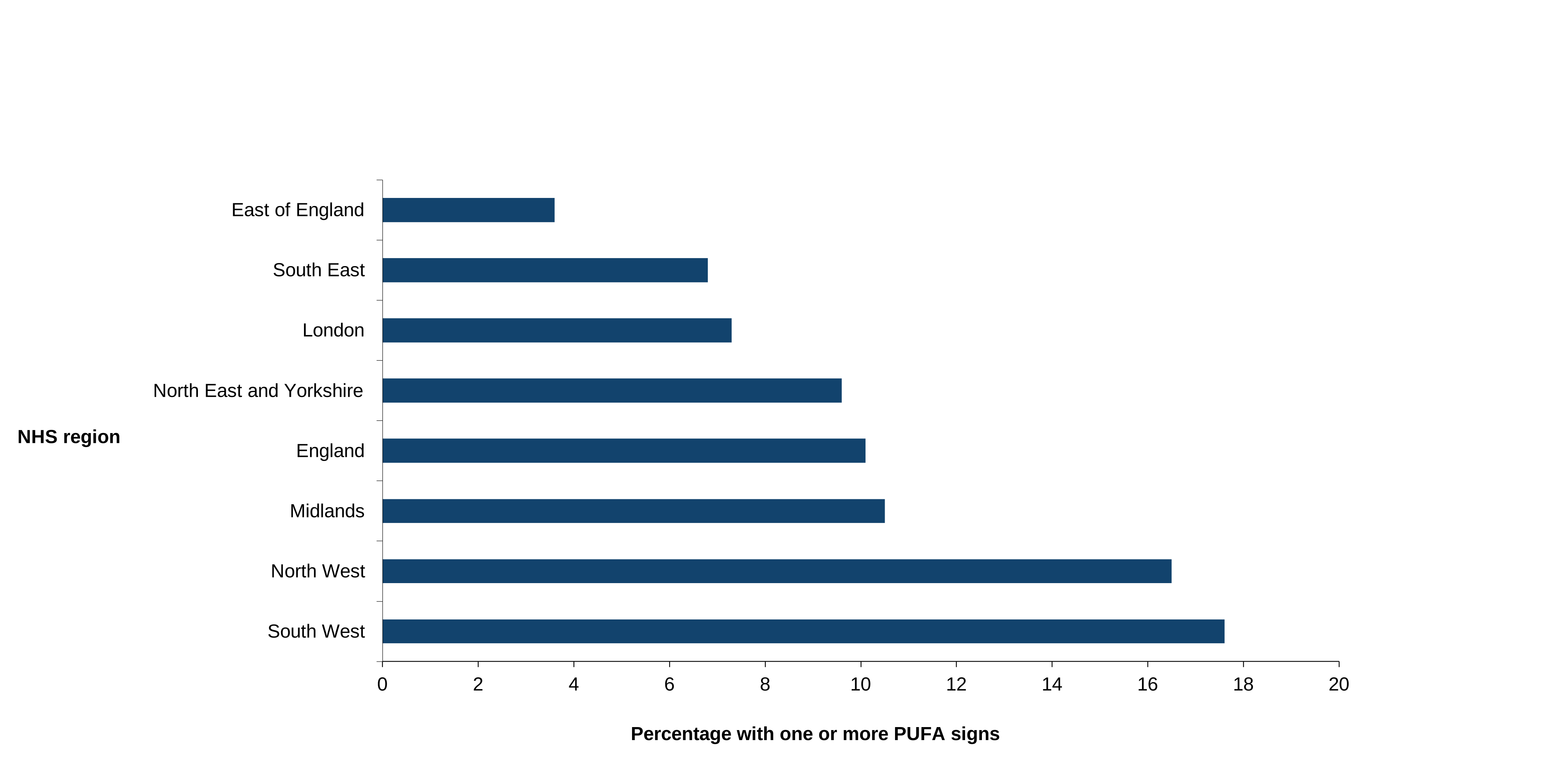
There was some variation between NHS regions, with the proportion of dentate adults having one or more PUFA signs ranging from 18% in the South West to 4% in the East of England. The bar chart in figure 7 below illustrates these proportions of PUFA signs by NHS region.
Figure 7: presence of one or more PUFA signs, by NHS region, with the England average for comparison
Base: dentate adults (observed).
Source: table 4 in ‘Data tables: conditions potentially requiring urgent care’.
Household income
Having one or more PUFA signs also varied by household income, with PUFA signs being identified in 16% of adults living in households in the lowest income quintile and in 4% and 6% of adults living in households in the highest income quintiles. These differences in PUFA signs by household income quintiles are shown in the bar chart below in figure 8.
Figure 8: presence of one or more PUFA signs, by household income

Base: dentate adults (observed).
Source: table 4 in ‘Data tables: conditions potentially requiring urgent care’.
Area deprivation
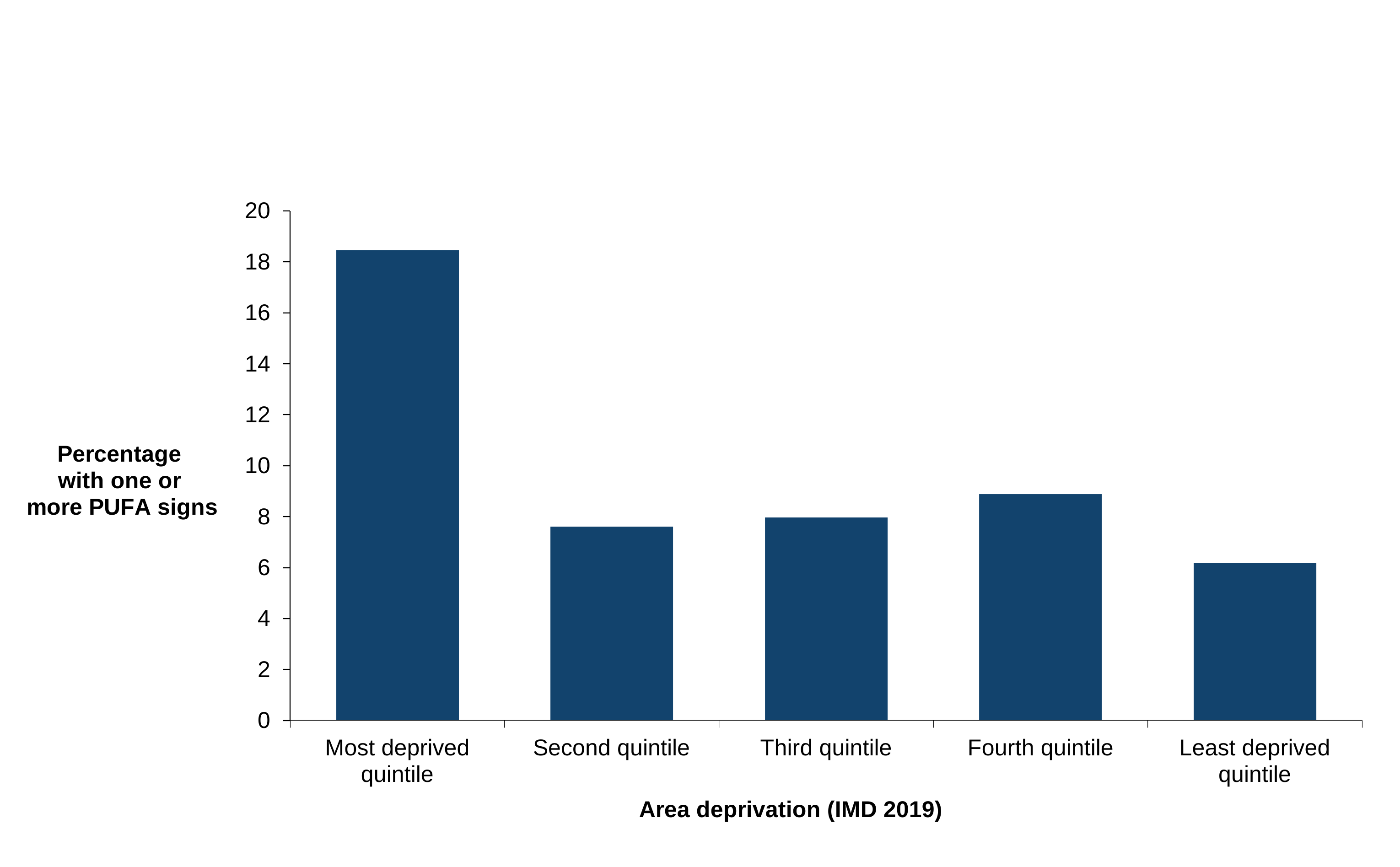
The pattern was similar for area deprivation, with adults living in the most deprived areas more likely to be showing any signs of PUFA than adults living in the least deprived areas (19% compared with 6%). These patterns of PUFA signs by area deprivation quintiles are shown in the bar chart below in figure 9.
Figure 9: presence of one or more PUFA signs, by area deprivation
Base: dentate adults (observed).
Source: table 4 in ‘Data tables: conditions potentially requiring urgent care’.
Tooth decay with pulpal involvement
The source data for the following findings can be found in table 5 of the associated data tables.
During the oral examination, dental examiners recorded the condition of each tooth, including whether it was present or missing. Participants with one or more natural teeth (as observed during the oral examination) are considered dentate adults for the purposes of this section.
Considering coronal surfaces only, 1 in 10 (10%) dentate adults had one or more teeth with decay with pulpal involvement. A total of 1 in 20 (5%) dentate adults had 2 or more teeth with decay with pulpal involvement.
Similar proportions of dentate adults had decayed teeth with pulpal involvement when considering both coronal and root surfaces (11% with one or more teeth, and 5% with 2 or more teeth).
Tooth decay with pulpal involvement varied by sex, NHS region, household income and area deprivation. It did not vary significantly by age group.
Sex
When including both coronal and root surfaces, men were more likely to have one or more decayed teeth with pulpal involvement than women (13% and 8% respectively). All other differences between men and women were not statistically significant.
NHS region
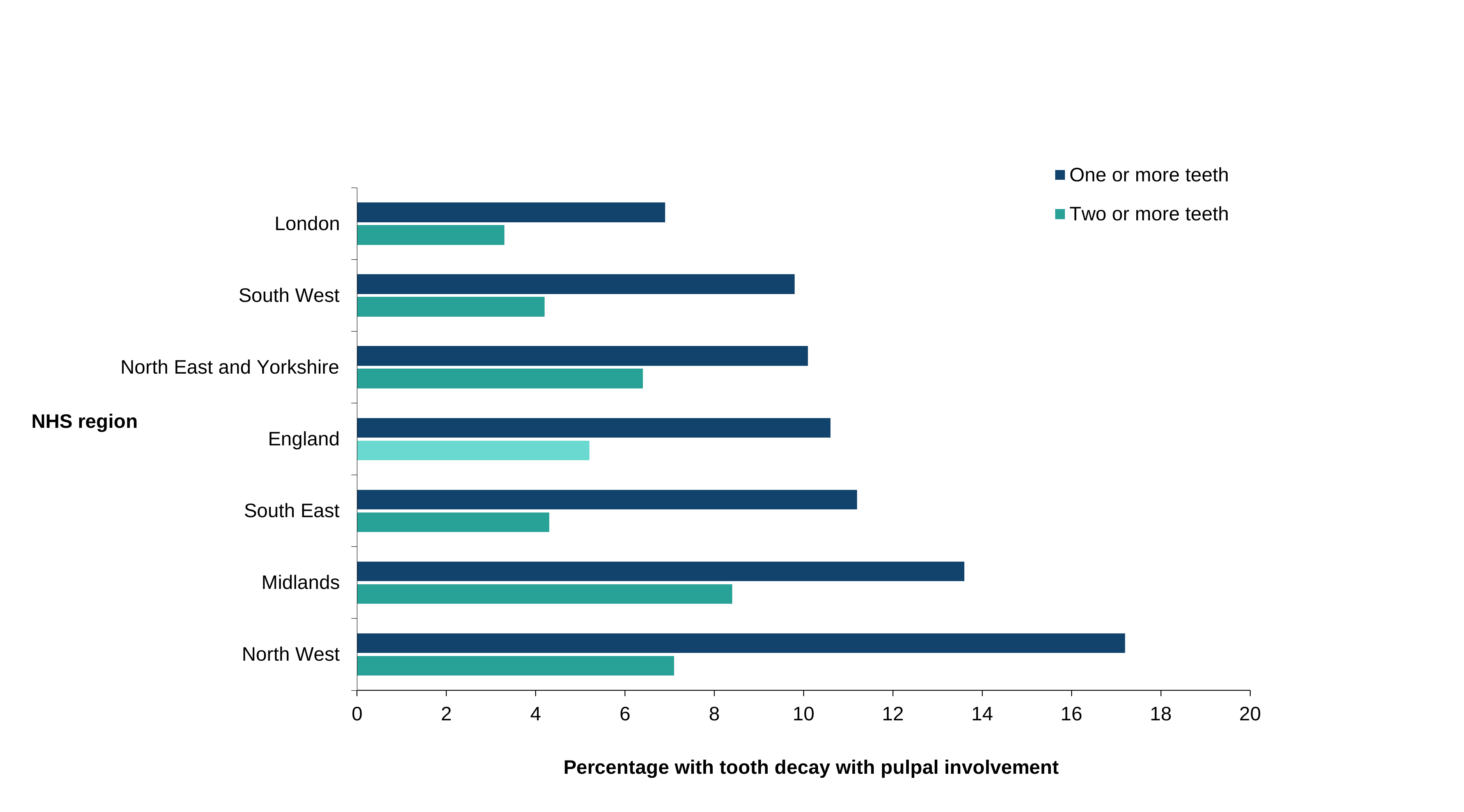
Prevalence of teeth with decay with pulpal involvement varied by NHS region. For one or more teeth, this was highest in the North West (17% coronal only and 17% coronal and root) and lowest in London (6% coronal only and 7% coronal and root).
For 2 or more teeth, prevalence of decay with pulpal involvement including coronal surfaces only, was highest in the Midlands (8%) and lowest in London (3%). Variation by region for 2 or more teeth with decay when considering coronal and root surfaces was not significant. These regional variations in tooth decay prevalence are shown in the bar chart below in figure 10.
Figure 10: tooth decay with pulpal involvement (coronal and root surfaces), by NHS region, with England average for comparison
Note: East of England figures have not been reported due to low numbers examined.
Base: dentate adults (observed).
Source: table 5 in ‘Data tables: conditions potentially requiring urgent care’.
Household income
The findings related to decay with pulpal involvement and household income were similar irrespective of whether one or more, or 2 or more teeth were considered. Similarly, the findings were consistent irrespective of whether coronal surfaces only were considered, or if root surfaces were also included.
Adults in the lowest household income quintile were generally more likely to be experiencing tooth decay with pulpal involvement compared with adults in other household income quintiles. For example, 18% of adults in the lowest income quintile had one or more teeth with decay with pulpal involvement, when considering both coronal and root surfaces, in comparison with 5% of adults living in the highest income quintiles. The bar chart below in figure 11 illustrates these patterns of tooth decay by household income quintiles.
Figure 11: tooth decay with pulpal involvement (coronal and root surfaces), by household income
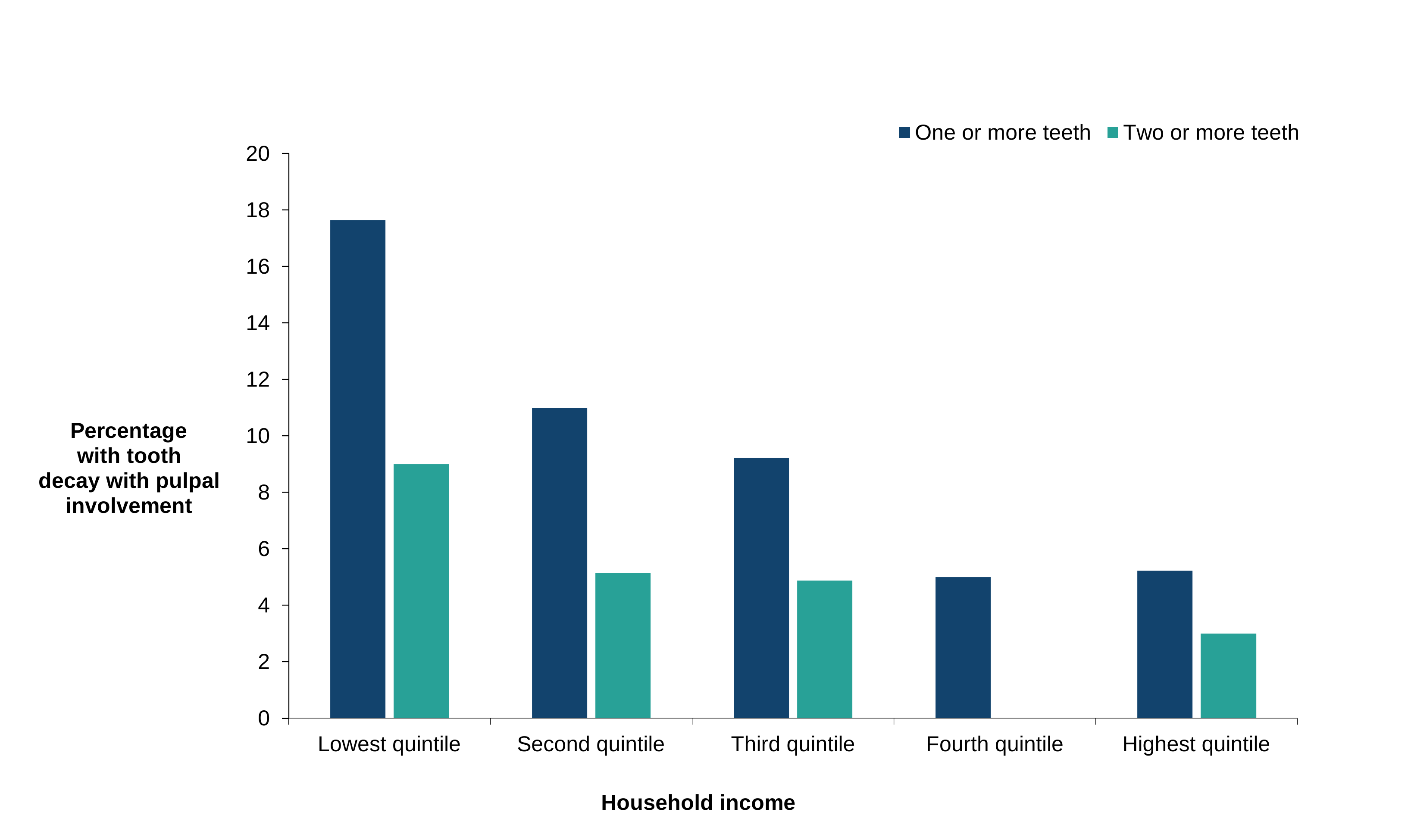
Note: data on the fourth income quintile for ‘2 or more teeth’ has not been reported in the figure due to low numbers.
Base: dentate adults (observed).
Source: table 5 in ‘Data tables: conditions potentially requiring urgent care’.
Area deprivation
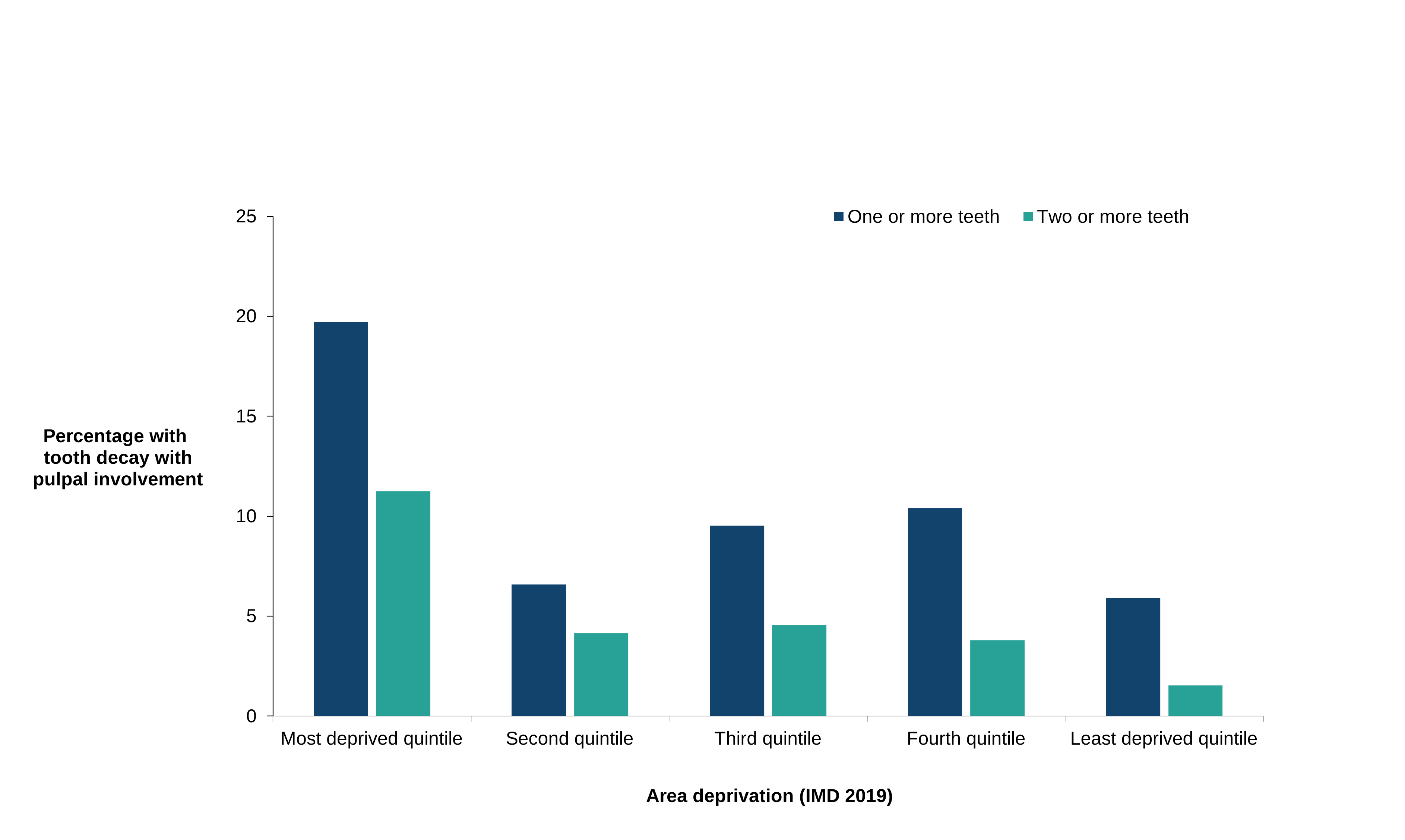
Prevalence of decayed teeth with pulpal involvement was highest in the most deprived areas and lowest in the least deprived areas and this pattern was again consistent across one or more and 2 or more teeth, and for coronal surfaces and when including coronal and root surfaces together. For example, 20% of adults in the most deprived areas had one or more teeth with decay with pulpal involvement, when considering both coronal and root surfaces, in comparison with 6% of adults in the least deprived areas. The bar chart in figure 12 below illustrates these differences in tooth decay by area deprivation quintiles.
Figure 12: tooth decay with pulpal involvement (coronal and root surfaces), by area deprivation
Base: dentate adults (observed).
Source: table 5 in ‘Data tables: conditions potentially requiring urgent care’.
Potentially urgent conditions
The source data for the following findings can be found in table 6 of the associated data tables.
The 2023 definition of a ‘potentially urgent condition’ is based on having at least one of the following:
- current dental problems or pain reported at the oral examination
- one or more PUFA signs
- one or more teeth with decay with pulpal involvement (this involves coronal surfaces only and does not include root surfaces)
Root surfaces with decay with pulpal involvement were not included as part of the urgent condition construct in order to continue comparability with 2009, and they do not greatly increase the coronal only findings.
Potentially urgent conditions are an important and sometimes dominant factor in decisions to use dental services and the prevalence and distribution of these conditions needs to be measured alongside estimates of other aspects of adult dental health. One aspect to consider is that retaining teeth increases the risk of tooth-related conditions. Those adults who have had several teeth removed may be at reduced risk while being at greater risk of other problems such as reduced function and aesthetics. It is important to understand the extent to which these conditions prevail in the adult population to plan the types of services required to best respond to them. This should be considered in conjunction with other aspects.
All dentate adults who had an oral examination are included in this section.
Prevalence of potentially urgent conditions
Nearly 1 in 5 adults (19%) had one or more potentially urgent conditions. Of these adults, most experienced one urgent condition only (11% of all adults), with multiple conditions being less common (6% of adults experienced 2 and 1% of adults experienced all 3 urgent conditions).
Prevalence of potentially urgent conditions varied by age group, NHS region, household income and area deprivation. However, there were no statistically significant differences between men and women.
Age group
Prevalence of one or more potentially urgent conditions varied by age group. Younger adults were least likely to have at least one potentially urgent condition (18% of 25 to 34 year olds and 17% of 35 to 44 year olds). Adults in the middle to older age groups were more likely to have at least one potentially urgent condition (25% of those aged 55 to 64 and 23% of those aged 75 and older). These observations of potentially urgent conditions by age group are shown in the stacked bar chart below in figure 13.
Figure 13: number of potentially urgent conditions, by age group
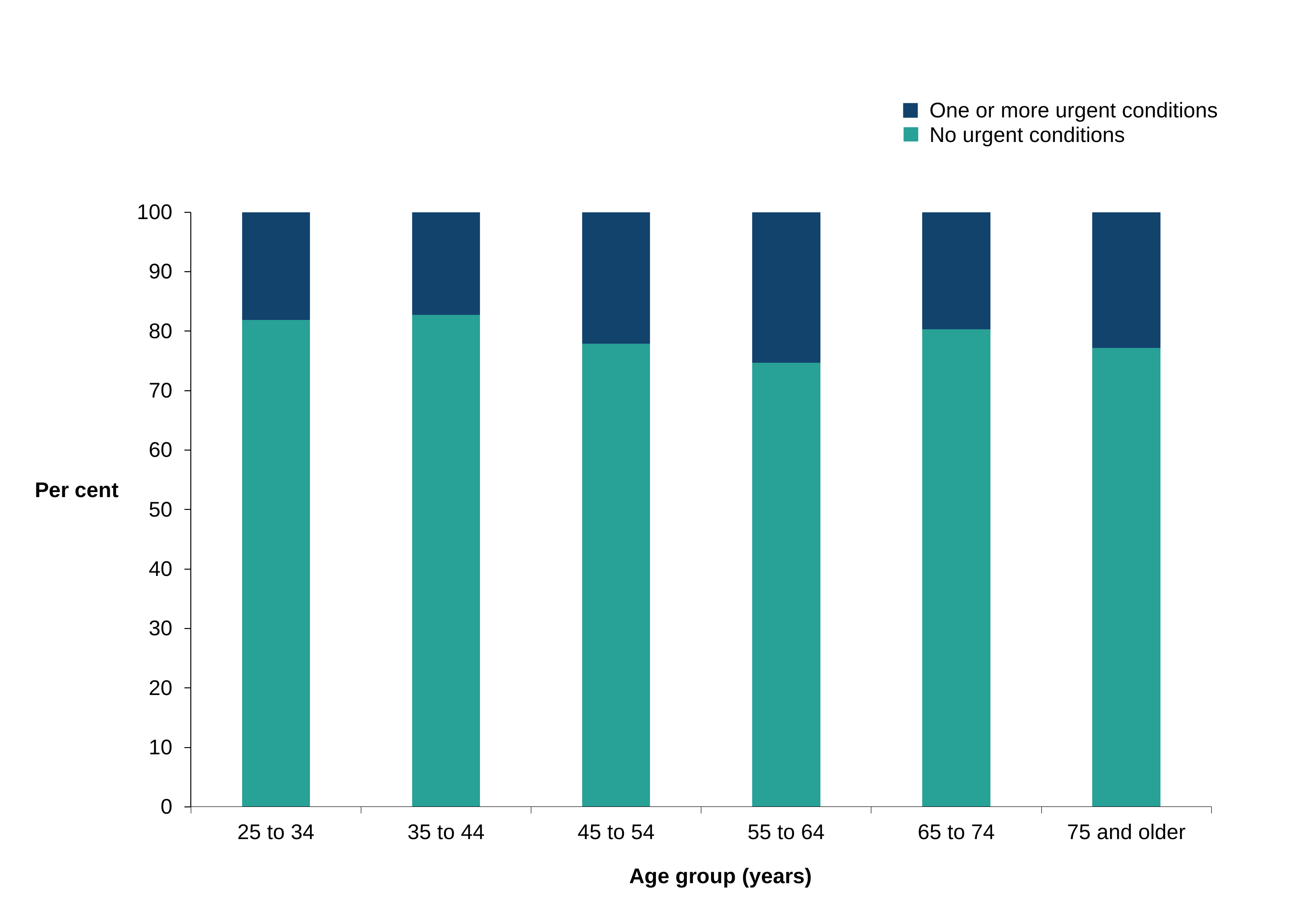
Note: data on 16 to 24 year olds has not been reported in the figure due to low numbers.
Base: dentate adults (observed).
Source: table 6 in ‘Data tables: conditions potentially requiring urgent care’.
NHS region
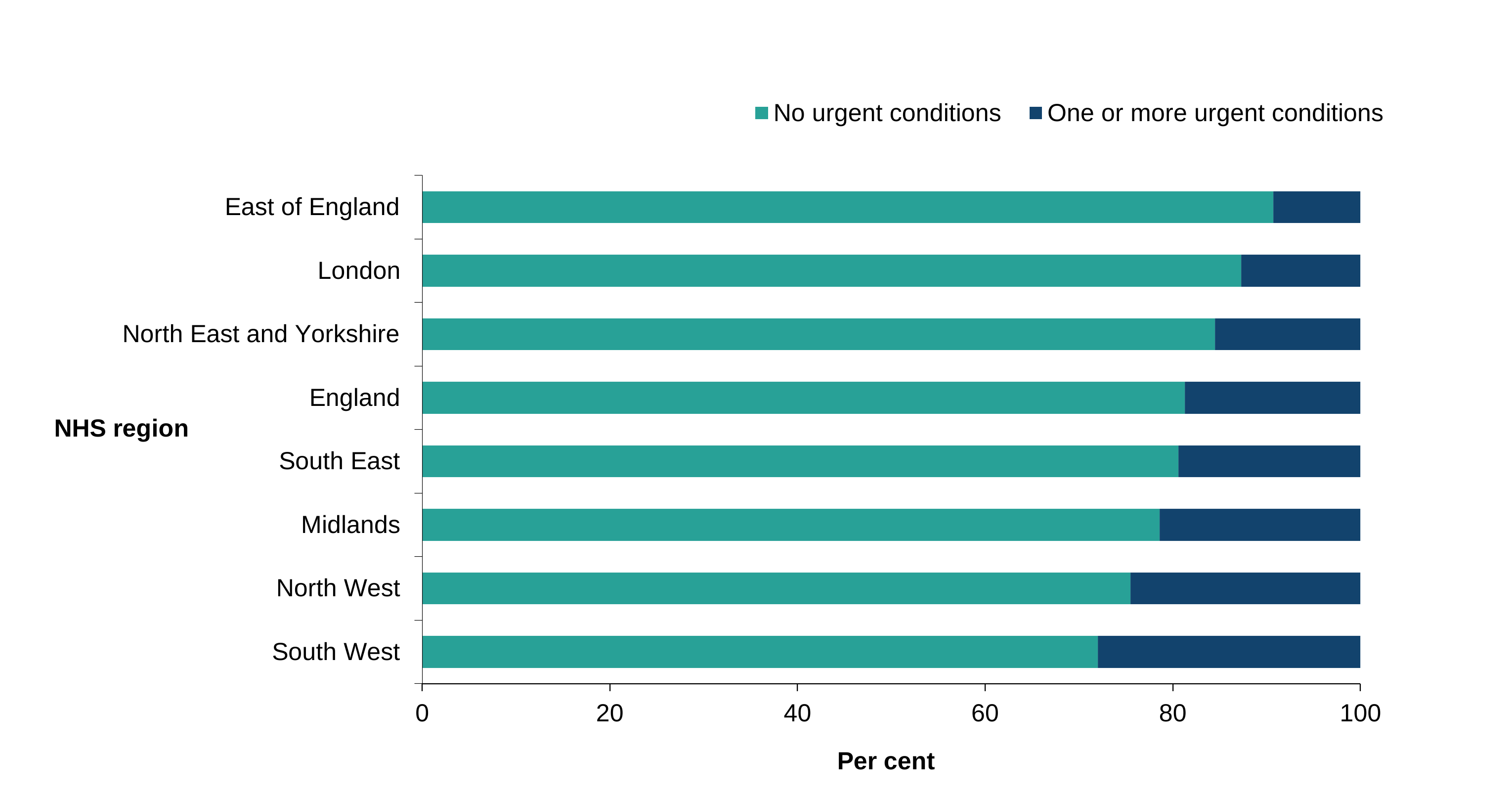
Prevalence of having one or more potentially urgent conditions varied by NHS region. Nine per cent of adults in the East of England had one or more potentially urgent conditions, in comparison with 28% of adults in the South West. The bar chart shown in figure 14 below shows these comparisons of potentially urgent conditions by NHS region.
Figure 14: number of potentially urgent conditions, by NHS region, with England average for comparison
Base: dentate adults (observed).
Source: table 6 in ‘Data tables: conditions potentially requiring urgent care’.
Household income
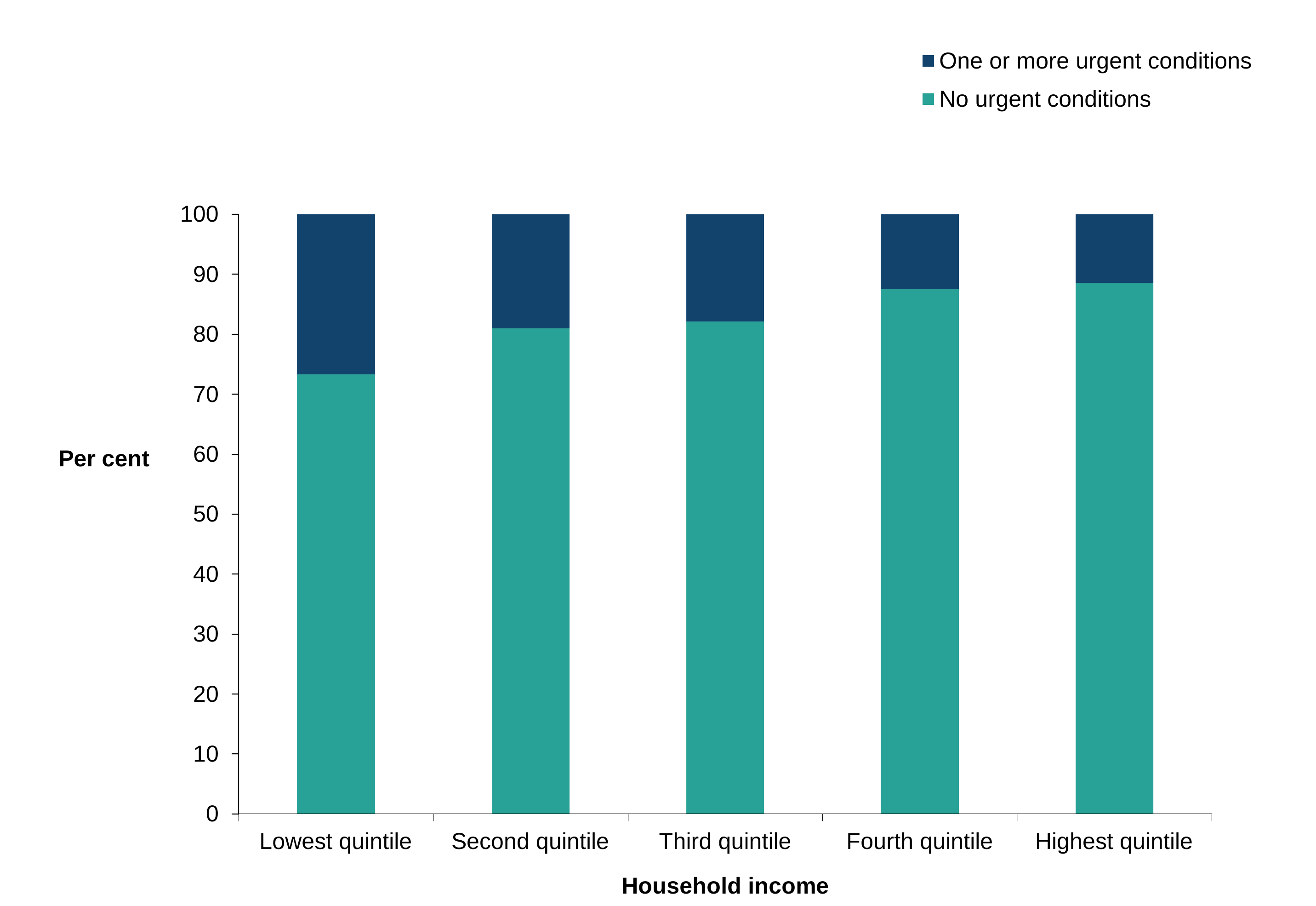
Adults in the lowest household income quintile were over twice as likely to have one or more potentially urgent conditions (27%) than adults in the highest income quintile, though over 1 in 10 adults (11%) in this group also had one or more potentially urgent conditions. These comparisons of potentially urgent conditions by household income quintiles are shown in the bar chart below in figure 15.
Figure 15: number of potentially urgent conditions, by household income
Base: dentate adults (observed).
Source: table 6 in ‘Data tables: conditions potentially requiring urgent care’.
Area deprivation
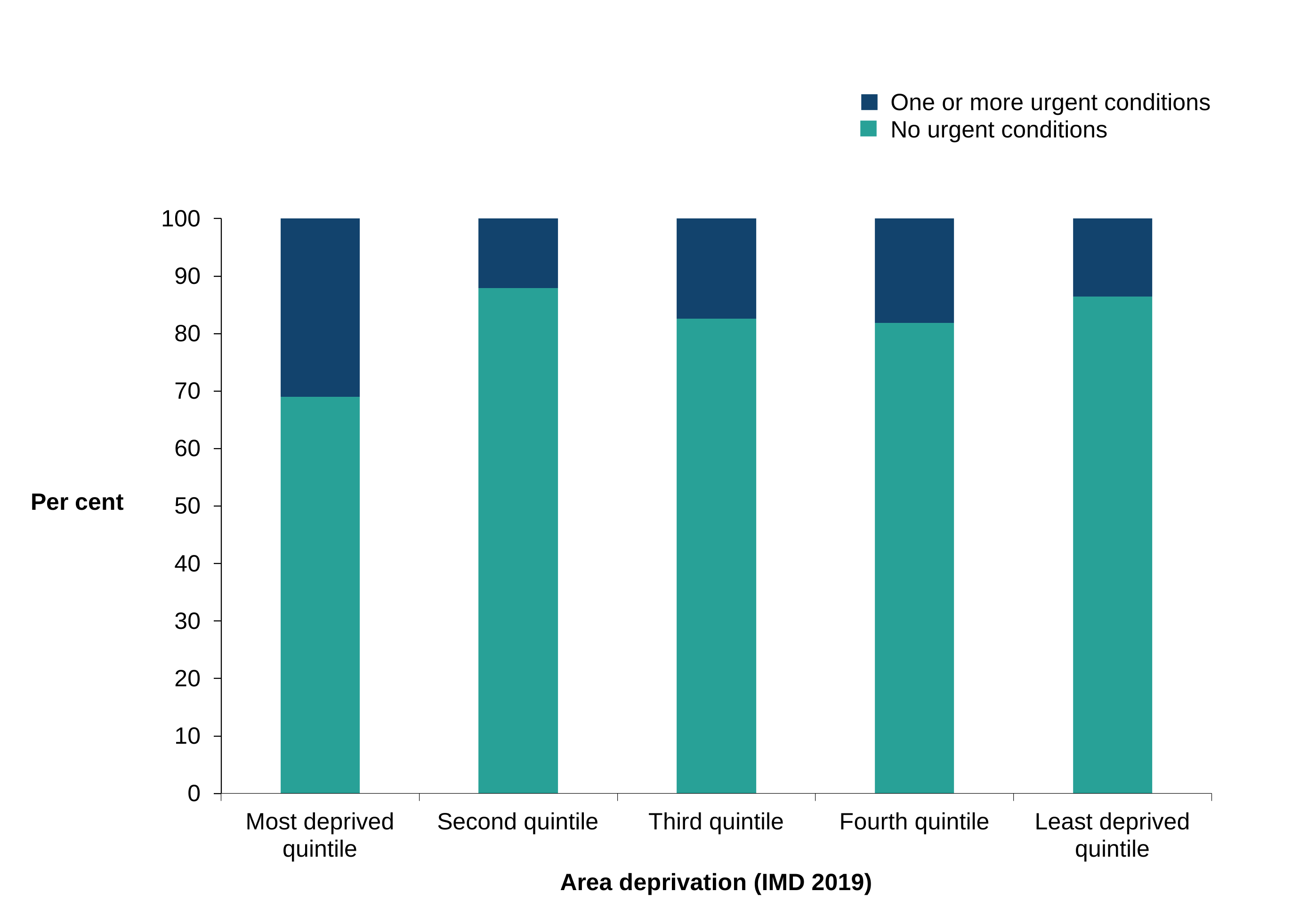
Similarly, adults living in the most deprived areas were twice as likely to have one or more potentially urgent conditions compared with adults living in the least deprived areas (31% and 14% respectively). These comparisons of potentially urgent conditions by area deprivation quintiles are illustrated in the stacked bar chart below in figure 16.
Figure 16: number of potentially urgent conditions, by area deprivation
Base: dentate adults (observed).
Source: table 6 in ‘Data tables: conditions potentially requiring urgent care’.
Trends in potentially urgent conditions
The source data for the following findings can be found in table 7 of the associated data tables.
In the ADHS 2009 an urgent condition also included adults who had experienced dental pain fairly or very often in the previous 12 months, which was reported at the interview. This indicator has been removed from the 2023 definition. However, for the purpose of comparing the 2009 and 2023 data, the 2009 definition of a potentially urgent condition has been applied. The trend data presented here is for England only.
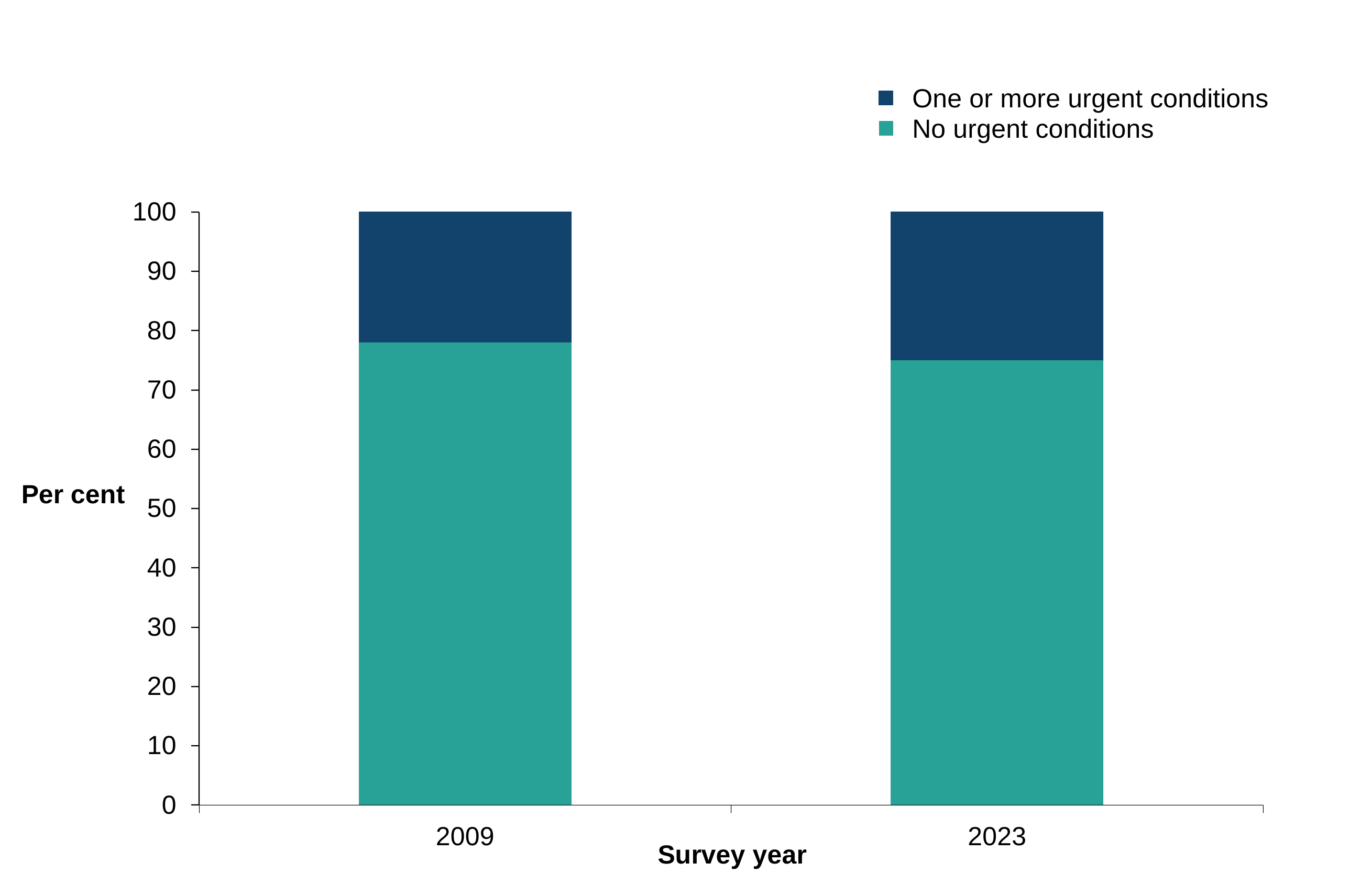
The proportion of adults who had one or more potentially urgent condition did not differ significantly between 2009 and 2023. This is illustrated in the stacked bar chart below in figure 17.
Figure 17: number of potentially urgent conditions, England, 2009 to 2023
Base: dentate adults (self-reported) who had an oral examination.
Source: table 7 in ‘Data tables: conditions potentially requiring urgent care’.
Summary
This chapter reported on findings which might suggest a potential increased risk of needing urgent dental care. While fewer than 1 in 10 dentate adults reported having dental pain or problems at the time of the oral examination, 10% had at least one tooth with advanced decay which had reached the deepest (pulp) part of the tooth and 10% were assessed as having one or more PUFA index signs. Nearly 1 in 5 had one or more of these potentially urgent conditions.
While the assessment of potential need for urgent dental care has considered different aspects of oral health, it is notable that both individual and combined measures show greatly increased risk with increased deprivation. This is likely to be of interest to those planning services for people needing urgent dental care and programmes to reduce the level of need.