Baroness Twycross' speech at Libraries Connected 2026
Baroness Twycross' speech at the Libraries Connected Conference in Kenilworth, 2026.
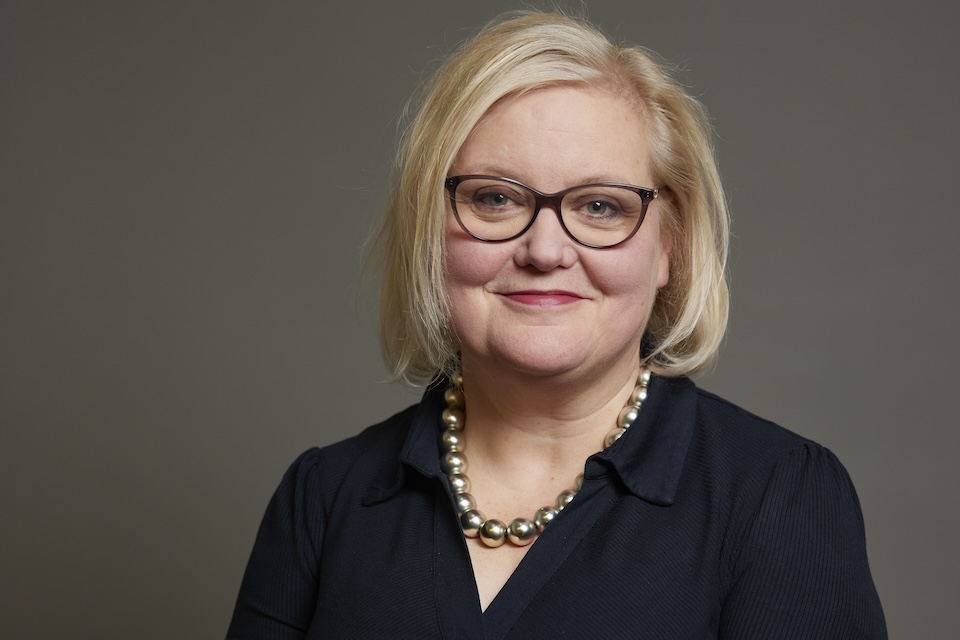
Thank you, and I’d like to say a massive thank you for the invitation for me to speak here today. I’m absolutely delighted to be here, I’ll just say a few words at what I hear has been a brilliant and at times very moving conference.
I’ve been the Libraries Minister responsible for Libraries for just over a year and as someone who always has at least one book on the go, it is an absolute delight and privilege. And I’ve been very much enjoying meeting a number of you when I’ve been on visits around the country.
It’s great to see skilled and experienced people in the libraries sector coming together to share your insights and expertise. I know you work tirelessly – and enthusiastically – to deliver great services to your communities.
I understand you have been covering a range of topics that are important for the sector - censorship, access, trust and reading for pleasure. I am also really pleased to see there has been a session on data as that is another priority for me, as it helps me sell what the sector does across Government.
These are all issues that we are taking seriously in the centre of Government too and I would like to talk briefly today about how I will be carrying them forward into the forthcoming libraries strategy. And I think we had hoped that we’d be able to unveil the strategy today. We’re not quite there, but hopefully we’ll get there soon.
I want to start by saying - and I don’t need to say this to you - but libraries matter. From the pop-up site I saw in Grimsby last month to the civic hub that is Liverpool Central, every time I visit a library I hear such enthusiasm from staff and users about the work you do and the impact you have, from supporting health and wellbeing, building businesses and showcasing arts and cultural experiences, libraries offer so much.
Libraries matter because they are places where everyone can build their knowledge and skills. People depend on libraries for trustworthy information in the face of misinformation and a rapidly changing world. They also support freedom of speech, a core value of our society. I know that this is a lively topic of debate for the sector, not least here in Warwickshire, and I want to support you to see library collections continue to represent a variety of perspectives and topics.
I am clear that the tone in which politicians talk about our public libraries can also have a chilling effect, and I am also clear that our libraries should be for everyone. When I was reading through my speech on the train, I thought it actually makes me sad and angry that I even feel I have to say that out loud.
Throughout the year, it is great to see themed displays of books celebrating the diversity across our communities. Books about so many topics are at the heart of what libraries offer and it is always good to see you celebrate projects centred around reading.
I was really pleased to see last weeks’ Libraries Change Lives Week focused on supporting the National Year of Reading through initiatives like ‘Discover Your Library Day’.
I’m also proud that DCMS gave a £150,000 funding boost to 72 library authorities covering 100 places, providing opportunities to extend reading projects and activities. These are all places which are disadvantaged by high deprivation, weak social infrastructure and low library engagement.
I look forward to finding out and hearing more about the impact of projects to deliver increased membership and use of libraries in those places, during 2026 and beyond.
I’m also delighted that some of the regional winners of the Library of the Year award are here today. They were recipients of an £1,000 cash prize from DCMS with the money going towards continuing local reading projects.
But the value of libraries - and why libraries matter - is often only available to people if they are members. I’m keen to see even more people signing up and using their local library, and getting the benefits that come with membership. Libraries are essential services in any neighbourhood. After all, public libraries in England have 6 million members and around 143 million physical visits a year.
That is four times the number of people who attend the Premier League, Championship and EFL Leagues 1 and 2 annually!
A third of adults regularly use their library, but there’s still more we can do to open up library services to more people, particularly those from underrepresented groups.
I want everyone to find something of value at their local library. I want to support you in your work removing barriers to library membership such as worries about the affordability of fines. And I also want to increase active use and share the brilliant practice we see in so many places.
I would like to see every child as a member of their local library so the next generation can enjoy the lifelong benefits libraries bring. The benefits they brought to me, in other words. We will work with the Local Government Association and others to consider how places like Best Start Family Hubs, schools, and other local public services can be supported to promote children’s library membership.
I know the Culture Secretary, Lisa Nandy, wants to make a difference in the places that need it the most. This is why DCMS has published our Culture Priority Places. These will help us prioritise and target investment in those areas to build social and community cohesion and to enhance opportunity where outcomes are poorest.
We have also committed to continuing the Libraries Improvement Fund until 2030. From this year LIF assessments will integrate our Culture Priority Places. And over the course of this parliament, we will invest up to £27.5 million in the Fund, supporting library services to upgrade physical and digital infrastructure to meet changing user needs.
I would like to see us collectively work together to ensure public libraries are well run, well used and well connected. And, more than anything, have an impact in their local communities.
I will continue to promote the critical contribution public libraries can and do make to so many important Government strategic objectives. For example, I recently met with Ministers in the Department for Education to talk about how we can build stronger partnerships between libraries, schools and Best Start Family hubs.
When I or the Libraries Team have these discussions, it is always valuable to have robust data and evidence on library usage and impact that we can use to help to make your case and inspire policy makers across Government.
Public libraries have always been engines to deliver change and I want to shine a spotlight on how libraries support the government to provide opportunities for all.
I do recognise the difficult context that libraries are working in, and the constraints that this creates. Our view is not that libraries should deliver more without resource, but that it can be highly effective and cost effective to maximise libraries’ role in communities.
I know that you are all waiting quite patiently for the forthcoming government libraries strategy. Many of you have already shared your views and feedback to help shape it, so thank you for that. And I hope I have given you a flavour of some of the things you can expect to see in it. I really value the input you have provided and those conversations I have had with people when on visits. I’d especially like to thank those of you who provided excellent case studies on the impact your library services have on your communities. They’re a really inspiring read. From Oldham, who are placing local data at the centre of service design, to Leicester who are working seamlessly across public and academic libraries. We have been blown away by the response.
The examples and all of the case studies underline what we absolutely know to be true: that you are making a difference in people’s lives in the communities you serve through your work.
I am committed to support you from central government to do that the best you can. We all have a part to play in ensuring that our public libraries continue to be the gateway to opportunity.
One thing I did want to say ahead of us publishing the Libraries Strategy formally is to give you some assurance about the national development agency function. After consideration and discussion with the Arts Council, sector bodies and the British Library, and with a number of representations from some of you in the room, we have decided to retain the function with the Arts Council. [Applause] The Arts Council are really keen to keep this function as well.
We know that there is work to be done together to understand what the sector wants from its development agency and to build a refreshed offer that serves your needs. But I hope that this allays any concerns you may have had and we look forward to taking the next steps on this together.
Over the next five years I want the ambitions outlined in our strategy to shape our work plan for the future. I want us to work together to realise these ambitions. You are the guardians of a system that can, in my case and the case of so many others, turn a weekly choice of five books into a lifetime of opportunity. Long may that be the case! And thank you so much for everything you do, sometimes in hugely difficult circumstances. It really is genuinely appreciated, thank you.