Responsible Dog Ownership taskforce report
Published 24 September 2026

© Crown copyright 2026
This publication is licensed under the terms of the Open Government Licence v3.0 except where otherwise stated. To view this licence, visit nationalarchives.gov.uk/doc/open-government-licence/version/3 or write to the Information Policy Team, The National Archives, Kew, London TW9 4DU, or email: psi@nationalarchives.gov.uk.
Where we have identified any third party copyright information you will need to obtain permission from the copyright holders concerned.
This publication is available at https://www.gov.uk/government/publications/responsible-dog-ownership-report/responsible-dog-ownership-taskforce-report
Ministerial foreword
Dogs play an important role in the lives of many people across the country. They provide companionship, bring joy to families, and are a valued part of our communities. However, with ownership comes responsibility, and we must ensure that dogs are kept in a way that is safe for themselves, people and other animals.
In recent years, we have seen a concerning rise in dog attacks, alongside changes in patterns of dog ownership. These trends underline the need to strengthen our approach to preventing attacks and to promote responsible dog ownership across all breeds. This report from the Responsible Dog Ownership taskforce provides an important and timely contribution to that work, and I warmly welcome it.
I would like to thank the taskforce and all those across the police, local authorities, animal welfare organisations and wider sector who have contributed their time, expertise and evidence. This is an excellent report, and I am grateful for the hard work and collaboration that has gone into producing it.
The report sets out a range of recommendations across education, training, data and enforcement, providing a strong foundation for future action. As Ministers, we are carefully considering the recommendations alongside the wider programme of work already underway. I welcome contribution and look forward to considering how the taskforce and others could inform future improvements in responsible dog ownership.
Baroness Hayman of Ullock
Parliamentary Under-Secretary of State for Biosecurity, Borders and Animal Welfare
Executive summary
Dogs bring joy into the homes of many, however they also come with responsibilities. Dogs, like many animals, have the potential to cause harm to their owners and others. This is why ensuring responsible dog ownership is of paramount importance for public safety and for the welfare of the nation’s dogs.
Dog ownership has steadily increased, with 30% of adults in the UK estimated to own a dog in 2025. This represents an estimated 11.1 million dogs living in the UK. Alongside this rise in ownership, reported attacks and hospital admissions have risen to a greater extent, showing a concerning trend and a need for prevention strategies.
Defra commissioned research from Middlesex University (The Middlesex Report), to investigate measures to reduce dog attacks and promote responsible dog ownership, which was published in 2021.
The Responsible Dog Ownership taskforce was established in 2022, to consider these findings and make recommendations on measures to encourage responsible dog ownership. The taskforce includes representation from the police, local authorities and animal welfare organisations. The taskforce is comprised of a steering group and four subgroups, which focus on four key areas: enforcement, data, education and communications, and training (for both dogs and their owners).
Over the course of 2022 and early 2023, the taskforce undertook significant work to consider these themes to produce recommendations for next steps. Following a pause in 2023 and 2024, while Defra delivered the XL bully ban, the taskforce reconvened in May 2025 to review, update and agree their recommendations.
The taskforce recognise that dog control issues and responsible dog ownership are complex issues with many underlying factors and drivers across several policy areas. There are a range of actors from government, enforcement agencies, the animal welfare sector, educators, the pet industry, dog owners and breeders.
The taskforce agreed 20 recommendations across the four key areas. Some of these recommendations could be delivered quickly, while others will take significantly more time to develop. Some of the recommendations are best led by government, while others will need to be led by the animal welfare sector or the enforcement agencies, emphasising the importance of a collaborative approach. Many will require partnership working, including with owners. The taskforce also emphasises the need for consideration of wider animal welfare policy, for example on dog breeding.
Responsible Dog Ownership (RDO) taskforce recommendations
Data
1. Introduce a statutory recording duty for enforcement authorities.
2. Explore creating a dog control database to support recording by enforcement authorities.
3. Work with Department for Health and Social Care and NHS Trusts to deliver greater recording of dog bite wounds and the underlying contextual factors.
4. Improve multi-agency accessibility of existing healthcare data, such as the dataset underpinning NHS Hospital Episode Statistics.
5. Design additional surveys to better understand enforcement practices and any barriers to the use of existing powers and information sharing agreements.
6. Undertake additional research on the underlying causes of dog attacks and the effectiveness of interventions.
Enforcement
7. Evaluating and developing potential options for new legal requirements on dog ownership.
8. Consider potential legal requirements for professional dog walkers, and take forward best options.
9. Introduce a statutory duty for local authorities to provide a dog control service to tackle low level dog control issues.
10. Promote greater use of preventative enforcement models.
11. Consolidate and update existing guidance for enforcers into one easily navigable document.
12. Deliver webinars on enforcement best practice for enforcement authorities.
13. Introduce Fixed Penalty Notices for offences under Section 3 of the Dangerous Dogs Act 1991 (to note that this has been completed).
Education and communications
14. Develop and support a childhood education plan to promote safe interactions between children and dogs.
15. Conduct targeted awareness campaigns to promote safe interactions between people of all ages and dogs.
16. Collate existing educational resources into a ‘one-stop-shop’.
17. Commission further research to study the long-term impact of existing education initiatives and whether they result in behaviour change.
Training
18. Explore options for regulating dog trainers and behaviourists, and take forward best options.
19. Work with stakeholders to develop clear messaging and plan for dissemination to improve consumer awareness and signpost dog owners to quality training and behavioural support.
20. Support wider uptake of dog awareness courses such as the Blue Cross Responsible Dog Ownership Course and Royal Kennel Club Good Citizen Scheme and evaluation of these schemes.
Priority actions
The taskforce steering group considered these 20 recommendations and agreed on the following priority actions.
Data
Take steps to standardise existing data collection and encourage greater use of existing tools amongst local authorities and the NHS. This would need to be led by government and LAs.
Enforcement
Update the guidance for enforcers and re-run training seminars for enforcers, encouraging greater use of existing powers and tools. This would need to be led by government, LAs and the police.
Education and communications
Promote the work of the Pet Education Partnership and to develop further targeted awareness campaigns focussed on adults. This would need to be led by the animal welfare sector.
Training
Instigate an evidence-gathering exercise on the options for regulating dog trainers and behaviourists. This could be led by government or the animal welfare sector.
Other priorities
Whilst it was agreed that these were the immediate priorities, it was also noted that it is important not to focus only on these quicker wins, as some of the longer-term recommendations, such as those involving potential legislative change, could have a more significant impact.
In addition, the taskforce recommends that it continues to operate moving forward, driving and coordinating the delivery of the recommendations. The taskforce also propose that the steering group continue to meet with Defra and Welsh Government colleagues to monitor progress against the recommendations and to foster further collaboration, so that collectively we can improve responsible dog ownership moving forward. The taskforce should also continue to engage and collaborate the Scottish Government and Northern Ireland Executive, to ensure joined up policy where possible.
The current context
Anti-social behaviour involving dogs, dog biting incidents and more serious attacks can cause distress and suffering to all involved. Not only do dog owners and keepers have a responsibility to ensure the welfare of the dogs under their care, but also to ensure that their dogs do not negatively impact on the wider community.
In parallel, the government and enforcement authorities also have a responsibility to ensure public safety through the implementation of powers and measures to tackle dog control issues before they escalate. With an estimated 30% of adults owning a dog in the UK, it is essential that any time spent with dogs is done so safely and responsibly, both for public safety and for the welfare of the nation’s dogs.
According to the People’s Dispensary for Sick Animals (PDSA), the dog population has been growing steadily in the UK since 2011 when it was 8.2 million dogs, to an estimated 11.1 million in 2025, representing a 35% increase. The proportion of UK adults owning a dog has also increased over time from 23% in 2011 to 30% in 2025. The impact of the Covid-19 pandemic on pet ownership has been widely reported, with pet acquisition spiking during this period. However, access to support services became more challenging at the same time. This led to less experienced owners struggling to access services and finding it harder to get help.
In addition to increasing ownership, over the past twenty years there has been an increase in hospital admissions relating to dog bites and strikes. Overall, there has been a 77% increase in hospital admissions[footnote 1] relating to dog bites or strikes in England over the time period 2010-11 to 2024-25 from 6,097 to 10,787. Whilst the number of dogs owned has increased in recent years, the number of dog bites and strikes has increased at a much faster rate pointing to a growing problem.
From 2020, there was also a considerable increase in the number of fatal dog attacks. The government announced that the XL Bully type dog was disproportionately involved in this increase in fatal attacks. In response, the government added the XL Bully breed type to the list of banned breeds under the Dangerous Dogs Act 1991. This means that it is now illegal to breed, sell or rehome an XL Bully, and to own one without a Certificate of Exemption from Defra. This ban was accompanied by a dramatic increase in media coverage of dog control issues and dog attacks, raising this issue to the forefront of the public’s attention. There have also been impacts on enforcement authorities, particularly on the police who are responsible for enforcing the ban, and on local authorities and rescue and rehoming charities who have seen an increase in bull-breed dogs being relinquished, with significant resource and operational impact. Figures across the Association for Dog and Cat Homes are clear that rescues have seen a significant increase in Section 1 types since the XL Bully ban. It is unclear, given the nature of rescue intake, whether these are more commonly strays, abandoned or gifted by concerned owners
In addition to an increase in attacks, there is also evidence of increasing problems with dog behaviour. Data collected as part of the 2023 PDSA PAW report indicated that 60% of veterinary professionals have seen an increase in dog behavioural issues in the last two years. 75% of veterinary professionals felt this was due to lack of socialisation, 66% due to owners not being able to understand canine behaviour and communication, and 64% due to lack of puppy training. This sentiment has been echoed by concerns across the animal welfare sector that a lack of opportunities for socialisation during the Covid-19 pandemic has resulted in an increase in behavioural issues amongst the current population of dogs.
In the 2024 PDSA PAW report, owners were asked about the behaviour of their dogs: 5% said their dog had been bitten by another dog away from home where veterinary care was needed (570,000 dogs), 2% (180,000 dogs) have bitten a familiar dog and 3% (350,000 dogs) have bitten an unfamiliar dog. In addition, 1% have bitten their owner or carer where professional medical care has been needed (150,000 dogs), however, this is likely to only capture the more severe bites. Incidents where medical intervention wasn’t warranted may be considerably higher. It was noted that the context for these bites is unknown. There are multiple potential factors at play, both human and dog related, for example, the history of the dog, the behaviour of the victim and the circumstances in which the incident occurred. However, this worrying increase suggests that further bite prevention strategies are warranted.
Dog bite prevention strategies, underpinned by robust evidence, and more responsible dog ownership are necessary to address these concerning trends, to improve public safety and the welfare of dogs. This report provides an overview of recommendations to promote responsible ownership and reduce dog attacks.
The taskforce
The Responsible Dog Ownership (RDO) taskforce was convened in 2022 by ministers from the Department of Environment, Food and Rural Affairs (Defra), a department of UK government, to consider recommendations to promote responsible dog ownership and reduce dog attacks.
EFRA Committee report
UK Parliament’s Environment, Food and Rural Affairs Committee (the EFRA Committee) published a report in 2018 ‘Controlling Dangerous Dogs’. The EFRA Committee received over 400 evidence submissions and held three evidence sessions. The EFRA Committee reviewed the existing legislative approach to dog control, in light of rising attacks, and made several recommendations to promote responsible dog ownership. It emphasised that ‘improvements to public safety that simultaneously safeguard animal welfare can only be achieved through an open-minded engagement with new strategies.’ The government responded to the EFRA Committee’s recommendations in 2019 with the taskforce considering outstanding recommendations.
Middlesex Report
In 2021 Defra published research it had commissioned from Middlesex University investigating measures to reduce dog attacks and promote responsible dog ownership. The overall aim of the project was to identify methods to reduce dog attacks and dog control issues and provide evidence-based recommendations to promote responsible dog ownership amongst owners with dog control issues.
The project conducted a literature review to identify factors contributing to the risk of dog bites, strikes and attacks. It synthesised a range of evidence to identify:
- particular environments which influenced dog aggression and dog attacks
- how behavioural problems among dogs might be addressed
- how policy should develop to address dog bites, strikes and attacks
Researchers then conducted empirical research (comprising of qualitative interviews and analysis of enforcement data) on enforcement of the Anti-social Behaviour, Crime and Policing Act 2014 and how effective this has been in addressing dog control issues. It analysed views of police, local authorities, vets, dog charities, rehoming organisations and dog trainers on whether enforcement of dog control issues is effective. Stakeholder discussions and semi-structured interviews further explored challenges faced by enforcement authorities in using Community Protection Notices.
Following the literature review and qualitative research, the study produced recommendations across several themes.
Role and scope of the taskforce
The purpose of the Responsible Dog Ownership (RDO) taskforce was to undertake a detailed consideration of the recommendations suggested by the Middlesex University Report and the EFRA Committee recommendations related to responsible dog ownership not covered by the Middlesex Report. The taskforce steering group discussed and prioritised recommendations, with the aim of producing advice for government to consider and act upon. It is worth noting that the final recommendations are broader than government action alone and should be considered by relevant organisations across the sector.
The work of the RDO taskforce did not include consideration of breed specific legislation – Defra set out that this was out of scope, as it had been from the Middlesex University research.
How the taskforce carried out its work
The taskforce was overseen by a steering group. The steering group reviewed all of the Middlesex Report recommendations and outstanding EFRA Committee recommendations and split them into key four themes. The steering group set up dedicated subgroups with relevant experience to consider these in detail. The four subgroups were:
- data collection and reporting
- enforcement practices
- training for dogs and their owners
- dog safety education and communications
Each subgroup discussed recommendations in detail and then reported their findings to the steering group, for the steering group’s input, agreement or challenge. The steering group and subgroups worked collaboratively throughout the process, with each group providing input on recommendations relevant across the subgroup themes. The enforcement and data subgroup held a joint meeting on statutory enforcement and recording.
The taskforce received additional evidence from key experts and stakeholders in the field through presentations at taskforce meetings, official-level engagement outside of meetings and through correspondence.
Recognising that some recommendations could be implemented without delay, the taskforce was able to take forward a range of actions in parallel to the taskforce’s longer-term considerations. These are referenced throughout the report.
The taskforce was supported by a secretariat comprised of civil servants from Defra. This secretariat set the agendas of the meetings, the timetable of the project and set out government priorities. It also facilitated the taskforce in drawing together its evidence review, and develop its recommendations, though the recommendations represent the views of the taskforce alone.
The steering group and subgroups met for a series of meetings between 2022 and 2023. 28 meetings were held in total and the taskforce developed initial recommendations. These were drafted into a report. The taskforce was paused in 2023. This was in response to the XL Bully ban, which required significant Defra resource to deliver and meant that continuing to coordinate the Taskforce was not possible.
The taskforce was reconvened in May 2025. Each subgroup met to review, update and agree the recommendations based on any progress or changes in contextual factors, recognising that significant time had passed. The steering group met again in December 2025 to discuss the report, ahead of agreeing the final version in January 2026.
RDO taskforce membership
The taskforce was made up of animal welfare experts, the police, local authorities and government officials. Taskforce members from 2022 until this report was finalised in 2026 are listed below.
Steering Group:
- Mike Webb, Battersea Cats and Dogs Home (on behalf of the Dog Control Coalition) (2022 to 2023)
- Superintendent Patrick O’Hara, National Police Chief’s Council Dangerous Dogs Working Group Lead
- Dr Sam Gaines, Royal Society for Prevention of Cruelty to Animals (RSPCA) (on behalf of the Dog Control Coalition, 2022 to 2023)
- Sarah Moran, representing English local authorities
- Gareth Walters, representing Welsh local authorities
- government officials from Department for Environment, Food and Rural Affairs (Defra) – in a secretariat function
- government officials from Welsh Government – as observers
Enforcement subgroup:
- Becky Thwaites, Blue Cross (on behalf of the Dog Control Coalition)
- Jennifer Roy, Battersea (on behalf of the Dog Control Coalition)
- Superintendent Patrick O’Hara, National Police Chiefs Council Dangerous Dogs Working Group Lead
- Sarah Moran, representative from English Local Authority
- Simon Osborne (2022 to 2023), Tony Prichard, RSPCA Inspectorate
- Zoe Phillips, Claire Loizos, representatives from Welsh local authorities
- Defra Legal Advisor
- Defra officials
Data subgroup:
- Dr Ed Hayes, Royal Kennel Club (on behalf of the Dog Control Coalition)
- Matthew Payne (2022 to 2023) and Melissa Upjohn (from 2025), Dogs Trust (on behalf of the Dog Control Coalition)
- Peter Madden, National Police Chiefs Council Dangerous Dogs Working Group Representative
- Professor Daniel Mills, University of Lincoln
- Tina Delaney, representative from English Local Authority
- Beverley Price, representative from Welsh Local Authority
- Defra officials
Education and communications subgroup:
- Anna Baggott, PDSA, on behalf of the Animal Welfare Education Alliance and Pet Education Partnership
- Dave Allen, RSPCA, on behalf of the Animal Welfare Education Alliance
- Matthew Payne (2022 to 2023), Jenna Kiddie (from 2025), Dogs Trust
- PC Michael Smith (2022 to 2023), West Yorkshire Police
- Ione Brownlie, representative from English Local Authority
- Rebecca Athay (2022 to 2023), Stephen Morbey (from 2025), Jason Bale (new member, 2025), representatives from Welsh local authorities
- Defra officials
Training subgroup:
- Christopher Laurence OBE FRCVS, Animal Behaviour and Training Council
- Vera Cottrell (2022 to 2023), Melinda Walsh (from 2025), British Veterinary Association
- Becky Thwaites, Blue Cross
- Heidi Lawrence, Royal Kennel Club
- PC Philip Nankivell, Devon and Cornwall Police (2022 to 2023)
- Peter Madden, National Police Chiefs Council Dangerous Dogs Working Group representative
- Mark Callis, representative from English local authority
- Hannah Edwards, Zoe Phillips, representatives from Welsh local authorities
The Dog Control Coalition is comprised of the RSPCA, Battersea Cats and Dogs Home, British Veterinary Association (BVA), Dogs Trust, Blue Cross, Royal Kennel Club, PDSA, Scottish Society for Prevention of Cruelty to Animals (SPCA), Hope Rescue, Woodgreen, Ulster Society for Prevention of Cruelty to Animals (USPCA).
Devolved administrations
The taskforce’s recommendations will pertain primarily to England. Some of the areas covered by the report are reserved in relation to Wales, and so the recommendations will be relevant. These primarily relate to enforcement, for example, the Anti-social Behaviour, Crime and Policing Act 2014 and the Dangerous Dogs Act 1991 apply to England and Wales. As a result, Welsh Government were represented on the taskforce in the form of observers, and the report will be shared with Welsh Ministers for information. Other areas, primarily related to animal health and welfare, are devolved in Wales and so the recommendations in this report will be of less relevance.
In parallel with attending the taskforce, Welsh Government have taken forward separate work in this space. Partnership working is central to this, and Wales has adopted a holistic, multi‑agency approach. Following a series of fatal dog attacks, Wales convened its first Summit in October 2023, bringing together local authorities, police, public health representatives, third-sector organisations, veterinary bodies, and campaigners for dog welfare and public safety campaigners. Its aim was to identify effective practice, highlight gaps, and strengthen collaboration. A programme of workshops throughout 2024 built on this work, culminating in a second Summit in October 2024. A Wales Dog Safety Partnership has also been established.
Dog control policy is devolved in Scotland and Northern Ireland, and officials from these administrations were not members of the taskforce or its subgroups. However, officials from both the Scottish Government and Northern Ireland Executive presented to the taskforce on some of their dog control measures. Defra and Welsh Government continue to maintain an open dialogue with Scottish Government and Northern Ireland Executive policy officials. The Scottish Government have set up their own Responsible Dog Ownership Expert Advisory Group which is considering similar issues. The Northern Ireland Executive have recently published their Animal Welfare Pathway which contains commitments to review their dog breeding regulations and launch a comprehensive communications campaign on responsible dog ownership.
Responsible dog ownership definition
Responsible dog ownership is complex and can mean different things to different people (Westgarth and others, 2019). The taskforce agreed the below definition of a responsible dog owner. This builds on the definition developed by the Welsh Government as part of their 2016 review of responsible dog ownership.
A responsible dog owner is defined as someone who:
- Ensures they are prepared for, and understands, the commitment and responsibility which dog ownership requires and proactively applies this knowledge in their behaviour.
- Acquires a dog following careful consideration ensuring that in doing so the health and welfare of the dog is protected as well as its parents’.
- Ensures that the dog’s present and future welfare needs are met throughout all of their life stages, and provides opportunities for the dog to have positive experiences.
- Takes all reasonable steps to ensure that their dog’s behaviour, and their own behaviour in respect of their dog, does not compromise the health, safety or well-being of other persons, animals and the community. This includes ensuring that their dog is trained and socialised such that they don’t pose a risk to safety or well-being of other persons, animals and the community.
- Adheres to all statutory provisions relating to the care, control and welfare of the dog.
Practical guidance to support the behaviours outlined in this definition is included in:
- the Defra statutory Code of Practice for the Welfare of Dogs[footnote 2]
- the Welsh Government Code of Practice for the Welfare of Dogs
- Buying a cat or dog - GOV.UK
Data
Good quality data is crucial to understand the number of dog bite incidents, any trends in frequency and the contextual factors leading up to any dog biting incident. These data are needed to inform prevention strategies. Data is also essential to measure the impact of any intervention to reduce dog attacks.
Currently, there is no centrally held data on dog biting instances or attacks within the UK. This is not centrally collected or held by Defra, the police or local authorities.
Instead, a range of data is collected and reported across various sources. At present there is a lack of standardised reporting and information sharing between agencies, and as this is not mandatory, practices differ by agency and location. Furthermore, there is no agreed definition of what constitutes a dog attack, bite or strike.
This means that it is difficult to measure the impact of any intervention to reduce dog attacks, and also that we are missing key contextual factors underlying attacks, which could be used to further our understanding and inform prevention strategies. In addition, we don’t fully understand the scale of dog bites, in terms of how frequent and how severe they are.
Available data
A range of data is collected across different settings in England and Wales which can be used to monitor the prevalence of dog control incidents and attacks. This includes the following data sets.
Enforcement data on dog control offences
Aggravated offences under Section 3 of the Dangerous Dogs Act 1991 are notifiable to the Home Office and are therefore recorded. Individual police forces and local authorities may collect data for lower-level offences. Court data can also provide information on the nature of incidents (noting that this will be skewed toward the most serious cases).
Prosecution and conviction data
Most offences under the Dangerous Dogs Act 1991 are ‘PNC recordable’, meaning that the police will record the arrest, prosecution, and any resulting conviction on the Police National Computer. These data are then routinely published by the by the Ministry of Justice as part of their criminal justice statistics.
Healthcare data
Collected by NHS hospitals in England and Wales in relation to bites and strikes that have resulted in admission to hospital or a bite wound which has resulted in presentation to an accident and emergency (A&E) department. This includes reported bites from all animals, so not all bites recorded can be attributed to dogs.
Mortality data
Collected by the Office of National Statistics where the cause of death was registered as a dog bite or strike in coroner reports. Additional information on dog attack fatalities in England is collected by the National Child Mortality Database, an NHS-funded programme delivered by the University of Bristol.
Animal-based data
Collected from behavioural assessments of dogs involved in biting incidents, surveys of owners regarding their dog’s behaviour and whether they have bitten or been bitten, such as the PDSA PAW report. Additionally, data is collected through veterinary practice management systems which may indicate where animals have presented to a veterinary surgeon requiring treatment following a dog biting incident or have wider behavioural issues.
While there is a range of data available across sources, there is no statutory reporting duty for this information to be shared centrally, and there is no coordinated approach agreed for either collating or sharing across agencies at present. Improving the collection and sharing of these data sources would be a significant and important step.
Battersea is currently working with Anglia Ruskin University on a research paper that assesses a variety of these sources – NHS, Court, Police and public survey data – which aims to assess different trigger factors to dog attacks in an attempt to help predict and avoid future incidents.
Enforcement agencies
Enforcement authorities are required to record aggravated offences – offences where a dog is dangerously out of control causing death or injury under section 3 of the Dangerous Dogs Act (1991) – as ‘Violence against the person’. These are notifiable to Home Office and so these data will be centrally collected.
For non-aggravated dog control offences and lower-level enforcement action, for example dog-on-dog attacks, attacks on other animals, anti-social behaviour with dogs, or dogs dangerously out of control who do not cause injury, there is no mandatory reporting. There is no coordinated, standardised way of collecting these data and related incident characteristics (for example, the severity of the incident, type of attack, breed involved, context in which it occurs). Methods of recording and the detail captured vary between localities, police forces and local authorities. It would benefit from being coordinated and consistent to aid policy decisions.
Lower-level dog control incidents still negatively impact communities. Data on these incidents could provide valuable insights to inform preventative strategies, by helping us to understand more about the issues that we are dealing with and the causal factors involved.
Healthcare data
Incidences of people presenting to A&E with a dog bite injury in England are recorded in the Emergency Care Data Set (ECDS) system. They are recorded as bite wounds under the ‘Chief Complaint’ category. These data are reported at a national level in NHS Digital Hospital Accident & Emergency statistics. The ‘bite wound’ classification can include any bite, and so not all injuries recorded will relate to dog bites specifically.
As part of A&E injury surveillance data collection, additional injury characteristics can be recorded, including how the injury happened, the type of activity being undertaken at the time the injury occurred and the location where the injury occurred.
In England, NHS Hospitals record admissions and continuous care episodes caused by a dog bite or strike under cause code W54. The data are reported in NHS Hospital Episode Statistics as high-level national counts of Finished Consultant Episodes which are typically broken down by age range.
The dataset which underpins these statistics contains additional information on where, when and how these injuries have occurred, as well as the demographics of the people admitted.
It is worth noting that there are limitations associated with these datasets, chiefly that they only include instances severe enough to lead to hospital admission. In addition, children and vulnerable adults will likely be over-represented as these individuals are more likely to be taken to hospital in these circumstances.
Data subgroup discussions
The data subgroup met six times between 2022 and 2025 to consider the Middlesex report and EFRA Committee recommendations on data.
Recommendations from Middlesex University report
Statutory recording of dog attack data and incident characteristics
We recommend statutory recording of dog attack incidents to provide a reliable evidence base on the nature and prevalence of dog attacks. Recording of incidents should distinguish between different types of attacks, strikes, bites, the severity of attacks, breeds involved, relationship of dog to victim and context and situations in which attacks occur – for example, home, public place, workplace etc.
Further research on data collection within police forces and local authorities
-
Research into collection of data concerning dog incidents by all police forces and local authorities. Our research identified variations in how data are currently recorded and classified and variation in the extent to which reliable data on dog attack issues exists. We recommend further research into data collection practices and that a trial of standardised data collection take place to assess levels of incidents and their characteristics.
-
A survey on the use of information sharing agreements between police, local authorities and other enforcers. Our research identified variation in information practices based on the evidence provided by research participants. We recommend further research to assess the extent to which information sharing agreements are in place or lacking across England and Wales.
-
Further research on prosecution practice and perspectives. Our research identified variation in prosecution practice, allocation of resources and local policies. We recommend a quantitative survey on the take up of new enforcement powers and use of Community Protection Notice (CPNs). We also recommend qualitative research on attitudes towards enforcement and any barriers to enforcement practice experienced by local authority and police staff (for example, resources, internal policies).
Recommendations from 2018 EFRA Committee report
Centralised dog control database
Defra should engage with the relevant Departments, local authorities and police forces to ensure local staff record all incidents appropriately. We further recommend that the government introduces a centralised database to record information on dog bites, level of severity, and the circumstances of the incident. This is key to improving understanding of the most effective ways to protect the public.
To consider these recommendations, the subgroup heard presentations from experts:
- Dr Angus Nurse, Head of Criminology and Criminal Justice at Nottingham Trent University and author of the Middlesex University report, on the data recommendations within the Middlesex Report
- Representatives from Scottish Government, on Scotland’s Dog Control Notice database
- Professor Carri Westgarth and Dr John Tulloch from Liverpool University, on multi-agency approach taken by the Merseyside Dog Safety Partnership
The subgroup discussed the following themes in detail to develop recommendations:
- terminology and interpretation
- mapping existing data
- uses for data – identifying incident characteristics, risk factors, prevalence
- data collection and information sharing within enforcement authorities
- data collection in healthcare settings
- data collection in animal settings
- standardised data collection
- information sharing between enforcement authorities
- multi-agency working
- further research required
Data: taskforce recommendations
Recommendation 1: Introduce a statutory recording duty for enforcement authorities
This would introduce a recording duty for enforcement authorities to record all dog control incidents that come to their attention and whether any enforcement action was taken.
Data reporting requirements should not be overly burdensome and should primarily seek to support effective enforcement practices which improve public safety. It was recognised that a suitable mechanism for recording would be required.
To support standardised recording, clarity on terms such as ‘dog attack’, ‘bite’, and ‘strike’ would be beneficial.
It was highlighted that a statutory reporting duty would also be important – to ensure that the data captured were published routinely.
It was recognised that there would be challenges to delivering this recommendation and this was a long-term aim.
In the meantime, it was agreed that the immediate priority should be to take steps towards standardising data collection across enforcement authorities. This should include encouraging enforcement authorities to record certain information consistently, such as whether the incident involved a bite or strike (to note that this would require the terms to be defined), the location and context in which the attack took place, the victim age and relationship to the dog and the dog’s acquisition background.
Recommendation 2: Explore creating a dog control database to support recording by enforcement authorities
The taskforce concluded that government should work with enforcement authorities to explore the creation of a database. For example, a database like the Scottish Government’s Dog Control Database.
Case study: The Scottish Dog Control Database
The Scottish Dog Control Database was launched in February 2022 and brings together the dog control records of all 32 local authorities into a centralised online database that is accessible by local authorities and Police Scotland. This enables local authorities and Police Scotland to access the database when dealing with a dog control incident to understand the background on the offending dog, whether control measures are already in place, and make an informed decision about the appropriate enforcement action to take.
A database should support enforcement authorities to record and share data in an effective manner. It would help to gather a central evidence base for use across agencies. Evidence gathered could be used to map hotspots to help target appropriate community interventions. Enforcement agencies could then target the application of available enforcement powers in priority locations. It was recognised that this would be expensive and would be a longer-term aim, and that a first step would be to undertake analysis on the costs and benefits of such a database. This work should generate a range of options, aiming for options that would not be prohibitively expensive. This recommendation is also dependent on the first recommendation, as standardised data collection would be necessary to feed into the database.
Recommendation 3: Work with Department for Health and Social Care and NHS Trusts to deliver greater recording of dog bite wounds and the underlying contextual factors
Defra should work across government to promote the recording of additional injury characteristics, including how the injury happened, the type of activity being undertaken at the time of the incident and the location that the injury occurred, within A&E Injury surveillance data collection (Emergency Care Data Set system), using the existing fields available.
Recording of additional injury characteristics and contextual factors could provide useful insights into the contextual factors that influence dog biting incidents. This could be used to inform prevention strategies.
Defra should work with Department for Health and Social Care (DHSC) to encourage NHS Trusts to consistently complete the existing additional fields and emphasise the importance of this kind of data collection as part of wider dog bite and injury prevention strategies.
Recommendation 4: Improve multi-agency accessibility of existing healthcare data, such as the dataset underpinning NHS Hospital Episode Statistics
The dataset underpinning the NHS Hospital Episode Statistics contains additional information on where, when and how these injuries have occurred, as well as the demographics of the people admitted.
Defra should engage with UK Health Security Agency and Department for Health and Social Care to encourage routine open access reporting of hospital admissions data relating to dog bites, in more detail than the count figures currently published (akin to a public health dashboard with more demographic, contextual and geographical data).
If these data were shared across enforcement agencies and public health officials, it would help to identify hotspots for dog attacks and assist in targeting local prevention strategies.
Recommendation 5: Design additional surveys to better understand enforcement practices and any barriers to the use of existing powers and information sharing agreements
Defra, the National Police Chiefs Council (NPCC) Dangerous Dogs Working Group and local authorities should conduct surveys amongst the enforcement authorities to better understand existing enforcement practices. Research should identify any barriers to enforcement and data collection, as well as barriers to information sharing across enforcement agencies.
It was noted that a survey was already conducted by the NPCC Dangerous Dogs Working Group and a parallel survey could be developed by local authority representatives.
Improved evidence on the use of existing powers and enforcement practices and any barriers, could be used to develop strategies to make better use of existing tools and powers.
The results could inform any future Defra guidance and training for enforcers.
Recommendation 6: Undertake additional research on the underlying causes of dog attacks and the effectiveness of interventions
Additional research to explore the underlying causes of dog attacks and the effectiveness of interventions would be beneficial. Potential areas for future research could be:
- further research into the effectiveness of existing dog control interventions, such as the Blue Cross Responsible Dog Ownership course, the Royal Kennel Club Good Citizen Scheme or the police-led Local Environmental Awareness on Dogs (LEAD) initiative
- further research into the contextual factors that influence dog bites in the home, and the underlying causes of dog attacks, particularly amongst harder to reach groups who don’t typically engage with academic projects
- further research into dog bite risk factors associated with newly acquired dogs from different backgrounds
Encouraging data sharing with academics, where possible, would further assist with research and ensure independent evaluation. It is worth noting that members of the Dog Control Coalition are already in the process of scoping further research and have commissioned research into some of these areas.
Data: key message
The taskforce support a statutory recording duty for enforcement agencies in the long-term but acknowledge that any statutory recording duty for enforcement agencies would require additional resource. In the immediate term, there are opportunities to make better use of existing data, and improve data collection and recording within existing sources.
Improved data collection and information sharing between enforcement agencies and healthcare settings would help to target community outreach and dog bite prevention strategies to the areas of most need. Coupled with additional research, it could also increase our understanding of the risk factors that influence dog bites and attacks as well as interventions designed to prevent them.
Enforcement
The success of statutory interventions is dependent on effective enforcement.
The Middlesex Report interviewed enforcement participants and found that there is variation in enforcement responses to dog attacks. The priority given to dog attacks and their recording is largely subject to local policy and operational decisions. The taskforce agree that it would be beneficial for this to be more consistent. Collaborations between police and local authorities were identified as variable and inconsistent. This could be due to local policies, interest and also the availability of resources. The report suggests that existing powers may not be fully utilised by all enforcers, and variation between more reactive or preventative approaches (Middlesex Report, 2021).
Current legislative framework
There is currently a range of legislation that can be used to curb dangerous dogs and anti-social behaviour involving dogs.
The many controls across different legislation are thought to make it more difficult for dog owners to understand their responsibilities, and lead to inconsistent practices in enforcement.
Dangerous Dogs Act 1991
Section 1 prohibits the ownership, breeding, gifting and sale of five types of dog (the Pitbull Terrier, Japanese Tosa, Dogo Argentino, Fila Brasileiro and the XL Bully). It is a criminal offence to be in possession of a banned breed type in England and Wales unless the dog is covered by a Certificate of Exemption.
Section 3 makes it an offence to allow a dog of any breed or type to be dangerously out of control in any place. A dog may be found to be dangerously out of control if it injures a person or it causes a person reasonably to fear that it may do so. An attack by a dog on another animal or aggressive behaviour toward another animal may also amount to the dog being found to be dangerously out of control.
The Dangerous Dogs Act applies in England, Scotland and Wales. Dangerous dogs and dogs dangerously out of control are reserved matters in relation to Wales and devolved in relation to Scotland.
Anti-Social Behaviour Crime and Policing Act 2014
Police and local authorities can issue community protection warnings (CPWs), and community protection notices (CPNs) and local authorities can implement public space protection orders (PSPOs) to tackle anti-social behaviour relating to dogs and to intervene to prevent minor dog control incidents becoming more serious. A CPN, for example, could require the owner of a dog to start doing certain things to reduce the impact of the dog’s behaviour on the community such as keeping the dog on a lead or muzzle when in public, attending dog training, or ensuring that a garden is securely enclosed. PSPOs, for example, can exclude dogs from certain areas, insist that they are kept on leads, or restrict the number of dogs walked by one person at any one time. The Act extends to England and Wales. The powers in the Act are deliberately local in nature, and it is for local agencies to determine whether their use is appropriate in the specific circumstances.
Section 2 of the Dogs Act 1871
Under section 2 of the Dogs Act 1871, a magistrates’ court may order that a dog which appears to it to be dangerous and not kept under proper control be kept by the owner under proper control or destroyed. The court may make any order it considers appropriate to require the owner to keep the dog under proper control. The Act extends to England, Wales and Scotland.
Dogs (Protection of Livestock) Act 1953
The Dogs (Protection of Livestock) Act 1953 deals with dogs who chase or attack livestock in England, Wales, and Scotland (known as livestock worrying). The matter of dogs attacking or worrying livestock is devolved to Scotland and Northern Ireland. The Livestock (Protection of Dogs) (Amendment) Act 2025 received Royal Assent on 18 December 2025 and will come into force on 18 March 2026. The 2025 Act amends the 1953 Act, introducing new measures to tackle the serious issue of livestock worrying, focusing on modernising the definitions and scope. strengthening police powers to improve enforcement and increasing the maximum penalty from a fine of £1,000 to an “unlimited” fine to act as a deterrent.
The Dogs (Protection of Livestock) (Amendment) (Scotland) Act 2021 made amendments to the 1953 Act in respect of Scotland. In Northern Ireland, livestock worrying is a criminal offence under the Dogs (Northern Ireland) Order 1983.
The Animals (Penalty Notices) (England) Regulations 2023
This order enables penalty notices to be issued as a means of enforcing certain criminal offences relating to animal health and welfare including offences under section 3 of the Dangerous Dogs Act 1991. This order extends to England.
Enforcement guidance
There is currently a range of guidance available to support enforcement practitioners in their application of relevant dog control legislation.
Defra dog control-specific guidance for enforcers
- Dog Control and Welfare - Guidance to Police and Local Authorities (Defra, 2018)
- Dealing with irresponsible dog ownership: practitioners’ manual - GOV.UK (Defra, 2014)
- Dangerous dogs law: Guidance for enforcers - GOV.UK (Defra, 2009)
Overarching guidance on application of anti-social behaviour powers
- Anti-social behaviour powers: statutory guidance for frontline professionals (accessible) - GOV.UK (Home Office, 2025)
- Public spaces protection orders: guidance for councils (Local Government Association)
CPS Prosecutorial guidance
- Dangerous Dog Offences (Crown Prosecution Service)
This means that where enforcement practitioners have questions or require clarification on enforcement, there is no easily accessible single document to refer to. A wealth of information is available, but the guidance is spread across multiple sources, and different content is within each guide.
Legal requirements on dog ownership
In addition to considering enforcement of existing provisions, the subgroup considered whether there should be new legislative requirements for dog owners.
Conditions
Currently anyone over the age of 16 can own a dog, unless they have been banned by a court due to animal cruelty, neglect or their dog being dangerously out of control. The dog must be microchipped, and owners are responsible for their welfare under the Animal Welfare Act 2006. No further conditions are attached to ownership.
The Middlesex Report recommends considering legal conditions such as requiring owners to have a clean criminal record, mandatory insurance, or to prove a certain level of knowledge prior to owning a dog and whether licensing would promote responsible dog ownership or improve public safety.
Licensing
Until 1987, the Dog Licences Act 1959 required dog owners in England, Wales and Scotland to take out an annual licence for their dog on payment of a fee. The name and address of the owner was registered on a local authority register and owners had to display their licence via a tag on the dog’s collar. The Local Government Act 1988 repealed the dog licensing scheme because it cost more to run than the revenue it generated. It had a compliance rate of around 50%. The government have been clear that they are not currently considering reintroducing dog licensing.
Mandatory microchipping was introduced in 2016, requiring all dogs over eight weeks old to be microchipped and registered with a compliant database. The microchipping databases keep records of dogs, their owners, and their address, similarly to the previous dog licence. The compliance rate is around 90% which has had a positive effect on reunification rates.
International models
There are several different examples of international models of dog ownership, with some applied at national level while others are local, regional or state requirements. Here are some examples of how the different methods are used.
Northern Ireland: universal licence
In Northern Ireland a person must be licensed to keep a dog. This is enforced by district councils and district councils keep a register of the licences issued. The licence is valid for one year, with an annual fee of £12.50, or £5 if the keeper (or keeper’s partner) is in receipt of an income-related benefit, or if the dog is neutered. The dog must be microchipped before it is issued a licence. Dog wardens are employed by district councils to enforce the licensing and microchipping legislation. Councils provide statistics to Department of Agriculture, Environment and Rural Affairs quarterly.
France: risk-based
There are two categories of dog which are subject to strict conditions, based on their perceived risk to public safety (based on the dog’s physical capacity to do serious harm). Category 1 dogs – ‘attack’ dogs and Category 2 dogs – ‘guard’ dogs. Category 1 dogs are prohibited to own, buy, sell, or import and the dogs must be neutered. Owners of existing Category 1 dogs must hold a special permit. Category 2 dogs are permitted with strict conditions. To be granted a licence to own a Category 1 or Category 2 dog, the dog must undergo a behavioural assessment by a vet, have third party liability insurance, and pass an approved dog training course. Nobody under age 18 or with a criminal record may own a dog from one of these categories. If a dog of any breed bites a person in France, it must be reported to the local council in line with rabies regulations, and a mandatory clinical and behavioural assessment of the dog must occur, allowing the authorities to assess the dog’s risk to public safety.
Switzerland: knowledge-based
Switzerland had previously required all dog owners to complete a knowledge test prior to acquiring a dog for the first time, to achieve a certificate of competency. Then a successful completion of a practical test to demonstrate responsible ownership within one year of acquiring a dog. This is no longer a requirement following questions of its effectiveness in reducing dog biting incidents. However, in Switzerland it is still recommended for first time dog owners to take an optional course to learn to train their dog properly. There are varying regulations per canton region, such as requiring all dogs to be insured, requiring all dogs to be on a lead at all times in public, and informing the competent authority veterinarian office if a dog is particularly aggressive or seriously injures a human being.
Spain: knowledge-based
Spain’s new Animal Welfare Law (2023) introduced a requirement for all future dog owners to take a free course on responsible ownership of animals. While the Animal Welfare Law is already in force, the responsible dog ownership course regulations are not yet implemented, with details and content being developed. It is expected to cover basic needs of the dog, canine behaviour, current legislation, prevention of abandonment and abuse and the importance of sterilization and identification. The new legislation also introduced a requirement for owners to take out mandatory liability insurance and mandated that only registered breeders can sell pets. A written contract of sale is required, and the sale must be reported to the pet register within three days.
Enforcement subgroup discussions
The enforcement subgroup met nine times between 2022 and 2025 to consider the Middlesex report and EFRA Committee recommendations on enforcement.
Recommendations from Middlesex University report
Legal requirements on dog ownership
We recommend that all dog owners observe new, legal requirements. The law can compel, for example, that those about to own a dog must have a ‘clean’ record, i.e. there is no evidence of complaints regarding dog ownership against them. Our recommendation that there be statutory recording of dog attacks would provide this history and evidence base. We also recommend that every dog owner must demonstrate a minimum standard of dog knowledge, and as evidence, show that they are on a register attesting to this fact.
Statutory enforcement duty
Given the variation in approach regarding enforcement, dog enforcement should be made a statutory duty for local authorities with clear guidance on their responsibilities, available powers and best practice in enforcement
Greater use of preventative enforcement models
During our research, the Local Environmental Awareness on Dogs (LEAD) initiative was identified as a model of preventative best practice for low level dog control issues. But while it had a high success rate, it was not taken up more widely by enforcement teams outside of its original geographical area (the London Borough of Sutton). The barriers to other areas engaging with LEAD (or similar preventative approach) should be explored further in order to maximise the potential for this to be taken up by other areas and adopted as a first instance preventative tool.
Updated Enforcement and Prosecutorial Guidance
We note that Defra produced a guide to Dog Control and Welfare in 2018 but recommend that updated enforcement and prosecutorial guidance should be developed that considers variable practice among police and local authorities and which provides examples of dog attack scenarios and how they should be dealt with.
Promote better information sharing and introduce model guidance
Given the variation in information sharing practice and attitudes towards information sharing between enforcement bodies, model information sharing agreements should be developed and made available for use by enforcers, and detailed guidance given on how to address data protection concerns.
Recommendations from 2018 EFRA Committee report
Learnings from abroad
The Department should engage with foreign governments, local authorities and police forces to develop a deeper understanding of different dog control models and successful approaches that could be used in the UK.
To consider these recommendations, the subgroup heard presentations from experts:
- representatives from Northern Ireland’s Department of Agriculture, Environment and Rural Affairs (DAERA), on the dog licensing scheme in Northern Ireland
- representatives from Scottish Government, on Scotland’s Dog Control Notice database
- Dr Sam Gaines, RSPCA, and Jenny Maher, University of South Wales, on research commissioned by RSPCA on effectiveness of international models
- Sarah Moran, Animal Health Inspector, City of London, on local authority enforcement and the use of Community Protection Notices
- PC Heath Keogh, Metropolitan Police Service, on the Local Environmental Awareness on Dogs Initiative
- Defra officials, on Fixed Penalty Notices for Dangerous Dog Offences
The subgroup discussed the following themes in detail, in order to develop recommendations:
- potential legal requirements to own a dog for example, a clean record, knowledge
- international models of dog control
- enforcement practices across the police and local authorities
- current application of anti-social behaviour powers
- standardising enforcement
- a potential statutory enforcement duty
- preventative models of enforcement, including the Local Environmental Awareness on Dogs initiative
- improvements to enforcement guidance
- potential use of Fixed Penalty Notices for dog control offences
Enforcement: taskforce recommendations
Recommendation 7: Evaluating and developing potential options for new legal requirements on dog ownership
In principle, most members of the taskforce supported new legal requirements for dog owners however they emphasised that further consideration would be needed regarding the form that this should take. Any legal requirement would need careful consideration of its objective and not appear as a tax on already responsible dog owners.
Reintroducing a universal dog licence may amount to another database of responsible owners or an administrative exercise with little public safety benefit or opportunity to promote responsible dog ownership. One aim of such a database would be traceability of dogs and their owners, and it was acknowledged by the taskforce that this is the purpose of the microchipping system and that improvements to the microchipping system could achieve some of these aims.
Instead, a licensing scheme where enforcement authorities could attach control measures to a dog and its owners, or which imposes legal requirements prior to owning a dog, could be more beneficial. There are several options:
Different methods of licensing dog ownership
Universal
All dog owners must pay a licence fee per dog owned, without any further conditions. For example, Northern Ireland has a universal dog licence.
Risk-based
A risk-based scheme for dogs considered higher risk to public safety, for example, based on physical capability to do harm. This could include background checks on owners, dog behavioural assessments, or practical tests. France and part of Germany operate a risk-based licensing approach.
Knowledge-based
A licence is granted once owners have completed a knowledge test prior to acquiring a dog. Switzerland previously used this method.
Ring-fenced funding
A licence where revenue generated is ring-fenced for dog control measures and enforcement. For example, in Calgary in Canada, the money generated from a dog licence is used towards enforcement.
(For ring-fenced funding, it was noted that due to the size of the dog population, the cost of a dog licence could be required to be high, to operate on a cost-recovery basis. This in turn could be prohibitive for some dog owners.)
Overall, there was a lack of consensus as to which legal requirements on dog ownership should be explored further by government. The taskforce concluded before new legal requirements on dog ownership were taken forward, further consideration should be given to the effectiveness of these requirements in reducing dog biting incidents and/or serious injuries and fatalities in the countries in which they have been applied. In addition, the size of respective country’s dog population, cultural attitudes towards dogs and enforcement structures should be considered, as it may be difficult to replicate similar models here. The RSPCA ‘Taking The Lead’ report is a positive step to consider interventions abroad.
Progress to date: The RSPCA Taking the Lead Report
The RSPCA commissioned and published research from the University of South Wales, identifying alternative approaches to dog control outside of the UK. It sought to gather evidence on effective measures to protect public safety, analysing international methods to review alternative measures that could be used in the UK.
The report covered five mini case studies: Ireland, Victoria (Australia), Multnomah County (USA), Vienna (Austria), and Calgary (Canada).
The RSPCA particularly noted the success of the Calgary Model which uses multi-methods across multiple agencies to incentivise responsible dog ownership and prevent dog control incidents. Calgary use licensing, with ring-fenced money towards enforcement alongside education and community buy in. Neutering and goods are subsidised for owners with a ‘responsible ownership card,’ and some services like daycare, pet sitting and walking are only available to owners who have licensed their pets. This was noted to have encouraged a high compliance rate. In addition, Calgary has rich data on dog-owner offences, allowing analysis of incidents.
Notable successful features from international approaches, which could enhance the UK response to dog control included:
- ‘responsiblising’ dog owners using incentives, punishment and education
- flexibility to attend to local issues through legislation and byelaws
- a tiered approach to identifying and responding to dangerous dogs
- paying attention to dog welfare concerns as part of the dog control response
- an evidence-based education and information approach
- IT infrastructure supporting data collection and enforcement
- consistent and robust enforcement, with consequences
The report found that responsible dog ownership is a core focus across the case studies. A successful approach to reducing dog bites and improving responsible dog ownership are holistic, multi-method and multi-agency. As there are many variables influencing dangerous dogs, coordinated action from multiple stakeholders is required.
It recommends next steps:
- Address critical data gaps around dog control using centralised and bespoke systems.
- Create and evaluate innovative multi-agency pilots to test recording of dangerous dog incidents and dog assessment systems.
- Implement legislation enabling development of responsible dog ownership and engagement while paying regard to dog welfare.
- Map and evaluate existing initiatives/scheme which encourage a culture of care.
The taskforce agreed that any legal requirement on dog ownership should seek to:
- increase awareness of the importance of responsible dog ownership and encourage behaviour change amongst dog owners to promote better dog control
- improve public safety and reduce the risk of low-level dog control and dog biting incidents, and, importantly, reduce the risk of dog attacks resulting in serious injury or death;
- be proportionate and not place an undue burden on the majority of responsible dog owners; and
- operate on a full cost recovery basis to ensure effective enforcement of any new requirements
- improve traceability of dogs and their owners, although it is acknowledged that this is the purpose of the microchipping system already in place
Further exploration is necessary to understand the various methods available and consider which (if any) would be most beneficial to support these objectives. This could include more detailed analysis on the effectiveness of international legal requirements on dog ownership and cost-benefit analysis. The Dogs Trust and the RSPCA have commissioned research to explore the costs of dog control in the UK and the costs and benefits of introducing a licensing scheme as well as supporting IT infrastructure. This will report in 2026.
Some members also recommended that if any new legal requirements are introduced, this could present an opportunity to consolidate current dog control powers into a single piece of legislation. This would make it easier for owners to understand their legal responsibilities and enforcers to be aware of the full range of dog control measures available to them.
Recommendation 8: Consider potential legal requirements for professional dog walkers, and take forward best options
Following a recommendation from Surrey County Coroner (Johnston, 2024), in response to an incident, the taskforce was asked to consider the regulation of professional dog walkers. Specifically, how the current powers are used by local authorities, and whether further regulation should be considered to set limits for the number of dogs, or the size/weight of dogs walked by one person at any time.
Most members of the taskforce agreed that additional regulation could be beneficial, however recognised that this was a longer-term aim. It was acknowledged that many local authorities have limited resources to enforce existing animal activities and adding additional activities would add further pressure. In the immediate term, further understanding of how local authorities apply the existing powers to regulate dog walkers, whether it is working and whether it would be helpful to form a basis to consider future regulation. It was also noted that there is a case for better harmonisation across local authorities in the use of existing powers.
Recommendation 9: Introduce a statutory duty for local authorities to provide a dog control service to tackle low level dog control issues
It was recognised that the Anti-social Behaviour, Crime and Policing Act 2014 provides effective enforcement tools to tackle anti-social behaviour, and their use should be encouraged where appropriate.
However, it was felt that a statutory duty for local authorities could help to increase the use of the current powers in the Anti-social Behaviour, Crime and Policing Act 2014 and ensure opportunities to prevent escalation are taken. This would have resource implications for the enforcement authorities.
To provide additional clarity on the tools available to enforcers, some members of the taskforce also supported the introduction of a dog-specific enforcement tool akin to a Dog Control Notice in Scotland, which could be issued if a dog had been dangerously out of control on at least one occasion. Although the taskforce also recognised that more information is needed on the effectiveness of Dog Control Notices.
It was recognised that the opportunity to amend primary legislation would be limited, so in the immediate term, action should be taken to improve the use of existing powers through non-legislative means. For example, engaging with local leaders in local authorities to illustrate the importance of prioritising dog control enforcement, and providing additional training and clarity on roles and responsibilities in each scenario.
Recommendation 10: Promote greater use of preventative enforcement models
The taskforce agreed that uptake of the Local Environmental Awareness on Dogs (LEAD) initiative, or other preventative enforcement models, should be encouraged alongside the use of existing anti-social behaviour powers.
Case study: Local Environmental Awareness on Dogs (LEAD) Initiative
Under LEAD, the police assume the role of lead partnership agency working alongside local authorities, housing associations and local hospitals. A structured approach seeks to prevent escalation of anti-social behaviour involving dogs.
- Community awareness events and childhood education to promote responsible ownership and prevent incidents.
- All incidents are recorded, and an audit trail is kept for future enforcement. All information is shared between partner agencies. This includes dog attacks on people or animals, dog welfare issues, persistent dog fouling or other dog related anti-social behaviour.
- Owners receive a Coming To Notice letter after the first incident, with supplementary information from animal welfare charities on dog welfare and control. The letter and incident details are shared with all agencies, including social landlords. If in social housing, landlords write to remind tenants of their responsibilities or take enforcement action.
- If anti-social behaviour persists, further action is taken. A second Coming To Notice letter is hand-delivered by Neighbourhood Policing Team. An Acceptable Behaviour Contract – voluntary agreement – is sought. The police monitor behaviour for six months if refused.
- Continued anti-social behaviour could result in a Community Protection Notice under the Anti-Social Behaviour, Crime & Policing Act, or Control Order under the Dogs Act 1871.
The LEAD initiative has expanded and is now in use across numerous forces in both England and Wales.
While the Anti-Social Behaviour, Crime and Policing Act 2014 can form an effective framework for addressing anti-social behaviour involving dogs, it was felt the LEAD initiative offered opportunities to prevent low-level incidents from escalating into serious dog control offences, particularly in instances where a dog’s behaviour may not meet the legal test for other enforcement action to be taken.
Another example of a preventative enforcement method is the referral to the Blue Cross Responsible Dog Ownership online course, where an owner has committed a low-level offence. This outlines the responsibilities of the owner, and dog behaviour, seeking to prevent more serious incidents (see more on the Responsible Dog Ownership online course in the Training section). As noted by the data subgroup under recommendation 6, it would also be useful to evaluate the effectiveness of these interventions.
Recommendation 11: Consolidate and update existing guidance for enforcers into one easily navigable document
The taskforce agreed that the current guidance documents are useful. Consolidating the guidance into one place, would enable enforcement authorities to more easily refer to guidance. Consolidating the guidance would ensure that it is standardised and clear.
In addition, while the existing documents are useful, the taskforce agreed that it would be beneficial to include additional case studies, and examples of how the full range of dog control tools can be effectively used in different scenarios. The guidance should also include advice on developing model information sharing agreements, to support collaboration and data sharing across enforcement agencies. It is important that the guidance is regularly reviewed to ensure it remains current.
Recommendation 12: Deliver webinars on enforcement best practice for enforcement authorities
Webinars should be delivered by Defra and key representative from the police and local authorities outlining the enforcement guidance and sharing best practice amongst the police and local authorities. These would be delivered to members of the police and local authorities that play a role in dog control. This would promote awareness of the tools available and help to standardise their use. The webinars would provide an opportunity to share preventative enforcement models, raise any barriers to enforcement, and also encourage the use of model information sharing agreements for example.
Between 2022 and 2023 Defra, the police and local authorities delivered enforcement webinars to enforcement practitioners. These were very well received. The taskforce recommends recommencing the enforcement webinars, particularly once improved consolidated enforcement guidance has been developed.
Recommendation 13: Introduce fixed penalty notices for offences under Section 3 of the Dangerous Dogs Act 1991 (complete)
The Animals (Penalty Notices) Act 2022 (“the 2022 Act”) provides powers to introduce penalty notices in England and Wales, with a maximum penalty of £5000, for Section 1, Section 3 and Section 4(B) offences under the Dangerous Dogs Act 1991. These offences respectively cover the possession, gifting, breeding, gifting or selling prohibited breed types; overseeing a dog which is dangerously out of control in any place and breaches of disqualification and destructions orders. The 2022 Act requires the Secretary of State to make regulations to “switch on” the penalty notices option for relevant offences under the primary legislation listed in the 2022 Act itself and all secondary legislation made under that primary legislation. The taskforce considered which, if any, dangerous dogs’ offences should be “switched on” and fall under scope of the penalty notices regime. The taskforce concluded that it would not be appropriate to bring Section 1 and Section 4(8) offences under the scope of the penalty notice regime as these offences must be heard before a court and criminal liability cannot be discharged by using a penalty notice for these specific offences.
The taskforce supported the principle of introducing proportionate financial penalties for offences under Section 3 of the Dangerous Dogs Act 1991 (the offence of allowing a dog to be dangerously out of control in any place). There was consensus that this would add to, and complement, the current enforcement regime for dangerous dogs’ offences, providing enforcers with an additional tool to encourage responsible dog ownership. The taskforce also felt there was an opportunity to explore how the penalty notices regime may work alongside other tools to encourage responsible dog ownership such as civil sanctions which allow control measures to be put on a dog for example, lead and muzzling, to ensure public safety.
The taskforce recognised that penalty notices were not designed to act as a strong punishment for serious incidents where dogs had been dangerously out of control, where prosecution is appropriate. They also should not be used as a substitute for seizing a dog/considering additional control measures should a dog be considered a risk to public safety. However, it was felt that penalty notices may represent a useful and proportionate alternative to prosecution in some instances, depending on the facts of the case. The taskforce agreed that it would be paramount for enforcement authorities to receive clear guidance and training from Defra to ensure penalty notices were used consistently and appropriately.
Since the initial taskforce discussions, this recommendation has been implemented. Defra introduced the Animals (Penalty Notices) (England) Regulations 2023 which came into force on 1 January 2024. These regulations give the police powers to issue Fixed Penalty Notices (FPNs) for offences under Section 3 of the Dangerous Dogs Act 1991 where a dog is dangerously out of control. In England additional guidance and training have been provided to police forces to help ensure that FPNs are used consistently as a proportionate enforcement tool. Currently forces are unable to use the FPNs due to an administrative issue around payments. There is ongoing work being led by the Home Office to support forces in issuing FPNs and collecting payment and this work is due to start early 2026.
Enforcement: key message
Further discussion is required on licensing or any new legal requirements on dog ownership, including what conditions to attach and what objective this would seek to achieve. There are a variety of interventions internationally and further analysis of their effectiveness would be important to inform discussions. While new legal requirements are a long-term discussion requiring further research, much can be done in the immediate term to improve the enforcement and awareness of existing dog control measures.
Education and communications
Education and human behaviour change is important to facilitate a more holistic, preventative approach to dog control. Dog owners must be aware of their responsibilities as owners. Education and human behaviour change interventions for children and adults can promote safe interactions with dogs, providing practical tips and encouraging greater awareness of dog body language and precursors to dog bite incidents. A significant amount of information has been developed across animal welfare charities to promote responsible ownership, acquisition and safe interactions. Animal welfare charities have undertaken a key role in providing education and outreach to school children.
Children
Due to the smaller size of children, and the behaviours involved (for example being in very close proximity to dogs), incidents involving children can result in significant injuries (Jakeman, 2020). According to the Pet Education Partnership (PEP), children are most commonly bitten by a familiar dog within the family home. The PEP noted that several schools attended their dog safety webinar after educators reported that a child in their class or school had experienced a negative encounter with a dog. This highlights the importance of education and communication to help children understand safe ways to interact with dogs and recognise canine body language with delivery focussed on prevention rather than a post incident response.
Animal welfare organisations already have a breadth of dog safety education materials and interventions for children and possess the relevant skills, networks and educational expertise to deliver these.
The Pet Education Partnership (PEP)
The PEP was established in 2022 as a programme to improve collaboration within the animal welfare sector and establish more efficient ways of educating children of primary school age across the UK. It is made up of the PDSA, RSPCA, Blue Cross, Cats Protection, Dogs Trust, Woodgreen, Scottish SPCA, and USPCA.
The focus is on collaborative working, pooled resources and aligned goals. Work to date has included research, forming consistent terms, delivering online events for schools, developing a one stop shop website and developing content. It also includes work to measure impact of interventions more consistently.
It is aimed at children aged 5-11 in the UK and at educators teaching in this age range and focuses on animal welfare and safety around animals.
The Animal Welfare Education Alliance (AWEA)
The Animal Welfare Education Alliance is a twice-yearly forum and sounding board for educationalists across the animal welfare sector. It was established in 2009. It includes animal welfare charities including RSPCA, Dogs Trust, Blue Cross, Cats Protection, PDSA, Woodgreen and more. Members of AWEA have campaigned to add animal welfare to the National Curriculum.
Interventions currently mostly take place within Key Stage 1 and Key Stage 2 year groups as the National Curriculum is more flexible to deliver lessons on subjects such as animal welfare and dog safety. There is an added benefit in primary schools that the class has the consistency of having one class teacher, whereas in secondary schools’ subjects are taught by a range of educators specialising in that subject. At present, within Key Stage 3 and 4, these topics can be taught through the existing curriculum within personal, social, health and economic (PHSE) and Citizenship lessons. However, this relies on the proactiveness of the educator, typically those who are already passionate about animal welfare.
Members of the Animal Welfare Education Alliance have campaigned for animal welfare to be added to the National Curriculum. One of the Pet Education Partnership’s main goals is to continue this work, while also ensuring that animal welfare education is accessible to every child in the UK. It was noted that this is a challenging goal to achieve in practice and is outside the remit of Defra.
Adults
While a significant number of communications and educational initiatives are aimed at younger children, it is important to engage with wider audiences. Current data suggests that dog biting incidences in adults are on the rise, while those in children remain high but stable (Tulloch and others, 2021). Therefore, interventions should also be considered to reduce the prevalence of dog bites in adults.
Animal Welfare Education Alliance members have previously been surveyed on how they would want to promote and disseminate dog safety initiatives with government support. Suggestions included:
- making better use of celebrities and influencers across diverse platforms to reach larger audiences
- showcasing family case studies where a dog biting incident had happened
- engaging with community leaders to facilitate community outreach session on safe interactions with dogs
- a collaborative digital and social media communication campaign
- making better use of the channels and voices which had the most potential to influence parents (for example, forums such as Mumsnet and vets)
Communications targeted at adults can also help to amplify messaging around child safety, as adults often have influence over child behaviour. For example, parents, teachers, health visitors, care workers and veterinary professionals are trusted voices that can assist in disseminating dog safety messages to families and children.
The Pet Education Partnership’s Children and Pets Survey 2025 found that when asked where they go for information about keeping pets happy and healthy, 44% of children said their parents, compared to just 21% who said teachers. Of these children, when asked who they trust most for information about pets, 40% again said their parents, while only 16% said teachers. This emphasises the need for further communications targeted at adults, to ensure that they can pass knowledge to their children.
Current interventions
Many of the animal welfare charities and wider stakeholders deliver educational activities or publish communications on responsible dog ownership, welfare and safety around dogs.
- Pet Education Partnership (PEP) – PEP have developed resources to be used in schools, that are adapted for England, Wales, Scotland and Northern Ireland. They also provide online webinars and visits regarding keeping children safe around dogs, as well as other topics. PEP have also developed an animation on being safe around dogs.
- PDSA – virtual school talks delivered by volunteers via Zoom, alongside a teacher-facilitated digital award scheme that helps children understand canine communication and recognise what dogs are expressing through their body language.
- RSPCA – presentations on dog body language, web resources on aggression, keeping children safe and behavioural advice
- Blue Cross – whole school assemblies, Key Stage 3 talks on keeping dogs under control. Web resources for example, guide for families on being safe with dogs
- Dogs Trust – a digital education programme available to primary schools, home schooling and uniform groups, aiming to prevent behaviours known to commonly precede a dog bite and shape alternative pro-welfare behaviours. Dogs Trust also provide guidance for adults responsible for overseeing child/dog interactions in the home.
- Woodgreen – Two dog safety school workshops – Woody’s Dog Safety aimed at children 4-7, and another aimed at children 7-11. Teaching children safe ways to play and giving a dog appropriate space. Family dog workshops via Zoom or face to face on welfare, safe spaces and play. Secondary school workshops on what makes a dangerous dog delivered face to face or on Zoom and choosing the right dog e-learning.
- Oak Tree Animals Charity – education officer working with local schools and community groups on a ‘ladder of aggression,’ safely approaching dogs and what actions to take if you feel scared of dogs
- Cats Protection – online webpage and video about safely introducing cats to dogs
- Pet Food Manufacturers Association – pet education resources and website signposting to other organisations.
- Merseyside Dog Safety Partnership – digital resources for community leaders, the public and professionals. Developed a dog safety game and several YouTube videos.
- Royal Mail – school talks on ‘Paws for Posties’, developed in collaboration with PDSA and delivered by postal workers during assemblies, teach children how they can help their parents keep postal workers safe. A digital version has also been created for schools where in-person visits are not possible.
- Battersea – Runs Dog Advice Line available to the public providing free behavioural advice for dog owners and support in tackling problematic behaviours in the home that the owner is concerned may develop into something more significant.
Human behaviour change
While many interventions focus on building awareness and providing knowledge, this does not always lead to behaviour change. There can be other motivations or barriers to changing behaviour. For example, cost could be a barrier to accessing training. There can also be a gap between behaviour people intend to make, or change, and making it – the intention-behaviour gap.
It is therefore important to map any behaviours that are desirable to change, all the situations in which these behaviours occur, all of the actors involved (not just the victim) and any potential barriers to change. Taking this human behaviour change approach can help to design interventions that have most impact.
Battersea has recently conducted research by surveying owners of dogs with extreme characteristics, finding that whilst most people are after an animal they consider ‘cute’, some 15% of potential owners are interested in an animal they consider ‘powerful’. They find information from a range of sources, and these places will be essential to targeting people to effect behaviour change both before they get a dog and once they are considering how to train their dog.
Dogs Trust is currently providing leadership in this respect by developing practical guidance to support key partners such as governments, animal welfare organisations and enforcement authorities to take a human behaviour change approach to dog bite prevention. This could be an extremely useful resource to support organisations to embed a human behaviour change approach in the development and evaluation of both current and new educational initiatives.
Measuring effectiveness of interventions
It is very difficult to measure the long-term impact of education and communications interventions. Evaluations often focus on reach and knowledge acquisition, but greater knowledge does not always result in behaviour change.
Where resources are published online, it is also difficult to get meaningful data as it is impossible to ascertain how materials are used after they are downloaded. For example, they could be printed and shared or used by a teacher in a classroom.
It is also very difficult to measure any long-term impact, as this would require longitudinal research. Different stakeholders measure the impact of specific interventions in different ways, compounding this problem.
It is also difficult to evaluate the effectiveness of dog bite prevention interventions, as it is trying to measure or prove a negative – that a dog bite did not happen.
However, it is extremely important that these kinds of educational interventions are evaluated to ensure that impact and reach is maximised.
Dog Safety Code and Child Safety Action Week
During the course of the taskforce, Defra convened an urgent communications roundtable in response to several child fatalities resulting from dog bite incidents. It was agreed that Defra and stakeholders would work together to disseminate messaging to promote safe interactions between children and dogs. This complemented the RDO Education and Communications subgroup, with outputs reviewed by the subgroup. This demonstrated well that government and the animal welfare sector can work efficiently and effectively together, even when needing to work quickly, and this kind of partnership will be necessary to improve safety around dogs.
Dog Safety Code
Jointly, stakeholders and Defra formed the Dog Safety Code and infographic.
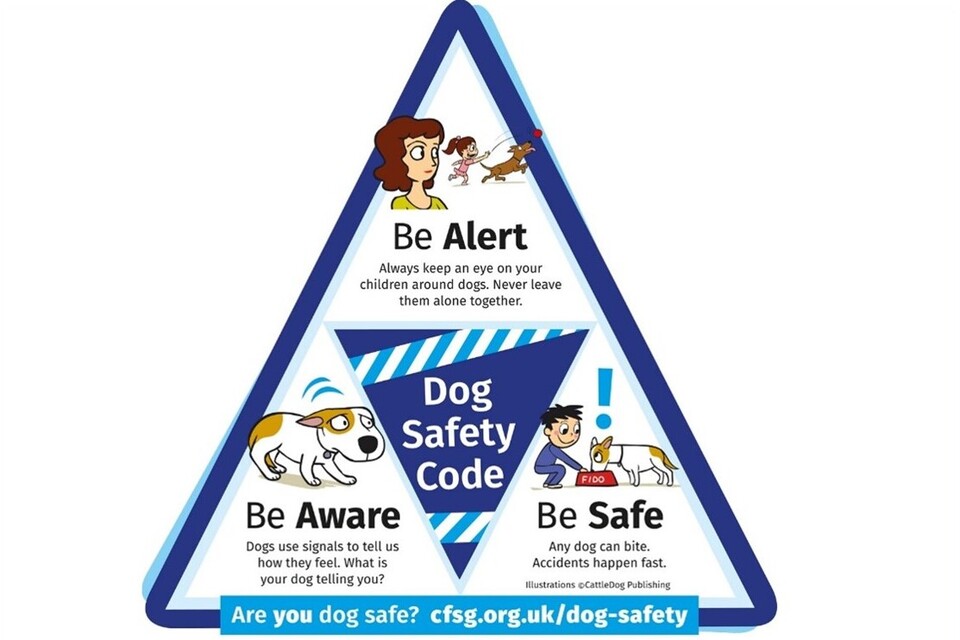
Figure 1. The Dog Safety Code infographic
Figure 1. description. The infographic shows 3 types of advice for dog safety:
-
Be alert – Always keep an eye on your children around dogs. Never leave them alone together.
-
Be aware – Dogs use signals to tell us how they feel. What is your dog telling you?
-
Be safe – Any dog can bite. Accidents happen fast.
It gives a web address where you can find more information: cfsg.org.uk/dog-safety.
The Canine Feline Sector Group (CFSG) also developed a dog safety library signposting to further advice from CFSG organisations.
Stakeholders agreed to share the dog safety code during May half term, Child Safety Awareness Week and during the summer holidays.
Local authorities, health organisations, the police, animal welfare charities and safeguarding groups shared the dog safety code messaging on their social media channels and amplified the key partner posts. Partners displayed the messaging both in digital and non-digital settings, for example some NHS Trusts printed the information to share as posters.
The potential reach of this messaging, shared on social media, was over 1.5 million people. Over 7000 people followed the links to find out more information. Through across government collaboration, over 5000 partners shared the message through their channels.
Child Safety Week
For Child Safety Week in 2023, Defra, the Child Accident Prevention Trust, Department for Health and Social Care, the RSPCA and Dogs Trust collaborated to produce fact sheets providing practical tips to encourage safe interactions between children and dogs. These were developed to be used during Child Safety Action Week and during school holidays. They were translated into other languages to increase accessibility. Materials were shared with devolved governments, local governments, the Department for Education, Department of Levelling Up Housing and Communities, health visitors, NHS Trusts, GP surgeries, schools, veterinary practices and police forces.
Education and Communications subgroup discussions
The education and communications subgroup met six times between 2022 and 2025 to consider EFRA Committee recommendations on education and communications.
Recommendations from 2018 EFRA Committee report on controlling dangerous dogs
Childhood education plan
Defra should commission a childhood education plan from experts and charities to determine the most effective education measures and how these could be implemented consistently across the country. The Department should then support the roll-out of this plan.
Targeted awareness campaign
Defra should introduce a targeted awareness campaign to inform dog owners and the public about responsible ownership and safe interactions.
To consider these recommendations, the subgroup heard presentations from experts:
- Anna Baggott and Dave Allen, on behalf of the Animal Welfare Education Alliance, on existing child educational interventions
- Matthew Payne, Dogs Trust, on human behaviour change approaches to dog bite prevention
- Officials from Scottish Government, on Scotland’s Responsible Dog Ownership Campaign
- Anna Baggott and Dave Allen, on behalf of the Pet Education Partnership, on the launch of the Pet Education Partnership to consistently approach animal welfare and dog safety education
The subgroup discussed the following themes in detail, to develop recommendations:
- existing educational interventions and outreach in schools, their audiences and reach
- mapping behaviours to change through targeted awareness campaigns
- identifying actors involved and wider influential audiences
- identifying the most credible source for any communications
- collaborative communications campaigns with consistent messaging across different stakeholders for example, the dog safety code
- measuring behaviour change and challenges of evaluating success of interventions
Education and communications: taskforce recommendations
Recommendation 14: Develop and support a childhood education plan to promote safe interactions between children and dogs
The establishment of the Pet Education Partnership in 2022 has made great progress towards developing a childhood education plan to be delivered across the UK.
Progress to date: The Pet Education Partnership (PEP)
- PEP have developed a One Stop Shop of information to provide educators with useful resources relevant to their curriculum.
- PEP have developed and delivered collaborative sessions, for example focusing on sentience, with accompanying resources.
- PEP have defined consistent terminology and definitions to develop a common language, improving consistency in communications and assisting in measuring impact.
- PEP hosted digital mass engagement events, with online events for school children and teachers.
- PEP has created a Speaker Heat Map and signposting document, to help identify and fill gaps in education across the UK.
- PEP have conducted large scale quantitative research on children’s current knowledge and attitudes towards pets to gather baseline data and shape future resources.
PEP has reached in excess of 2.25 million children since it began, and it continues to grow each year. This is in addition to the children reached through individual charities’ education initiatives.
PEP’s research into child experiences around pets, their existing knowledge and their perception of trusted voices, will enable education initiatives and communications to be developed and adapted accordingly, to maximise impact.
Defra should work to support PEP by facilitating links across departments and signposting other government departments towards the materials that PEP have developed. The taskforce also support considering dog safety being integrated into the curriculum during any future curriculum review.
It is also noted that many wider actors influence the behaviour of children. Communications should be shared with wider audiences, for example teachers, veterinary professionals, health visitors and care workers. Defra should work with other departments to promote sharing of resources with these additional trusted voices.
Although PEP is making significant progress, there is value in conducting the coordinated work on the Dog Safety Code as an annual exercise. Collaboration across the different stakeholders promotes a consistent message. This could become an annual exercise to deliver communications around school holidays and Christmas. Working together from an earlier stage would allow for pooled resources and potential development of further materials such as animations or videos.
Recommendation 15: Conduct targeted awareness campaigns to promote safe interactions between people of all ages and dogs
The taskforce were unanimous that education plans should not be limited to children. A more holistic approach addressing key actors of all ages is needed.
Animal welfare stakeholders, government and enforcement agencies should identify priority issues and target them with an awareness campaign based on human behaviour change principles. Developing understanding of audience segmentation and different behaviours in specific complex scenarios would help to tailor communications and maximise their effectiveness. Targeted campaigns tailored towards specific audiences and behaviours are likely to be more successful than one single communications push.
Targeted awareness campaigns could focus on:
- dog control and the responsibilities of owners
- penalties and sanctions
- the importance of dog training and socialisation
- pre-purchase considerations and advice for prospective dog owners
- best practice for professionals working with dogs in kennels
- advice to owners on keeping postal workers safe
- practical advice on how to reduce harm to humans and other animals during a dog attack
In addition, it was noted that dog attacks can have serious physical and mental health consequences for those affected. It is important to acknowledge the potential harm to victims when communicating messages around dog safety. Using victim impact and sharing firsthand experience within communications could help to personalise incidents and make them seem more relevant to the audience.
The taskforce agreed that messaging would be best delivered through animal welfare charities as a trusted voice. However, partnership working between government and the animal welfare sector should be encouraged, to decide which issues to focus on in any messaging and to amplify messaging to achieve further reach. There is also a role for government in providing credibility and legitimacy to any messaging, which can be amplified by Ministers.
Recommendation 16: Collate existing educational resources into a ‘one-stop-shop’
There is a wealth of helpful resources around dog safety and responsible dog ownership. However, these are published in different places and by different stakeholders. Bringing materials together into a ‘one-stop-shop’ would help people to find the advice they need and provide a resource to search to be signposted to the necessary information. A central hub of educational resources could be easily signposted to by all stakeholders, including enforcement agencies when responding to low level offences. This would support coordinated and consistent messaging, improving join up in communications.
Recommendation 17: Commission further research to study the long-term impact of existing education initiatives and whether they result in behaviour change
While it is difficult to measure the impact of communications and educational initiatives, longitudinal research to measure the effectiveness of campaigns should be a goal. Findings from this research can then be used to inform and shape further interventions.
The Pet Education Partnership have made progress in this area with their initial child survey creating a baseline of data for comparison in future years. However, PEP recognise that the findings cannot be directly attributed to a specific intervention, and also that the research is limited to children. Research considering the long-term effectiveness of existing dog safety education initiative, local approaches and barriers to engagement should be considered. Improved dog bite and enforcement data will further support this aim.
Education and communications: key message
Significant progress has been made in developing educational resources to promote dog safety and responsible dog ownership, in particular for children. Coordination between stakeholders and across government can amplify this messaging and reach wider audiences, improving childhood education. A behaviour change approach, identifying key actors, trusted voices and specific behaviours and barriers, should underpin targeted awareness campaigns on priority topics. Government should work in partnership with animal welfare stakeholders and develop a ‘one stop shop’ collating materials into a single location that can be signposted.
Research on the effectiveness of interventions would be beneficial to shape future efforts, but it is recognised that longitudinal research is complex and requires funding. In the immediate term, action should be taken to amplify and support existing initiatives through improved collaboration.
Training
Many people attend puppy training classes or seek advice from behaviourists to address behavioural issues with their dog. There are many trainers and behaviourists available currently, offering a range of services. The titles ‘Trainer’ and ‘Behaviourist’ are not protected, and therefore professional trainers and behaviourists can have a huge variation in experience and professional competence, as well as the methods used. It is important that consumers can identify professional trainers and behaviourists that provide training and advice based on best practice principles and in a way that is compatible with good animal welfare. Improved quality assurance and standards of professional competence would assist consumers in seeking advice. High quality training for dogs, and awareness courses for owners can also be used as an effective enforcement tool for low level offences, to address behaviour or raise owner awareness of their responsibilities.
“It is important that any efforts to encourage attendance at educational training courses are not undermined by bad practices in the private industry” – EFRA Committee Controlling Dangerous Dogs Report 2018
Self-regulation of trainers and behaviourists
The dog training and behaviour sector currently self-regulates; there are no mandatory standards for training and assessment, or requirements to demonstrate professional competence. Anybody can call themselves a dog trainer or behaviourist as the title is not underpinned by mandatory professional standards or codes of conduct.
It is very difficult to ascertain how many people are practising as trainers and behaviourists, and what standards they are adhering to. Owners have no externally vetted guarantee of quality.
There is limited legal basis to take enforcement action where provision of training or behaviour modification has not met the required standards, as there are currently no specific regulations or standards which professionals must adhere to. This can pose a risk to public safety and dog welfare, if bad practice is used by a trainer or behaviourist.
There have been several attempts by the sector to establish a unified approach to self-regulation, however, there have been difficulties in reaching consensus on acceptable training methods and requirements to demonstrate professional competence. There is also no agreement on what constitutes acceptable training practice, for example, around the use of electric shock collars - which are already banned in Wales. In the Animal Welfare Strategy, the government committed to consult on a ban on the use of e-collars in England.
Animal Behaviour and Training Council
The Animal Behaviour and Training Council (ABTC) is a charity that was established in 2010 in response to a Companion Animal Welfare Council recommendation for the self-regulation of the dog training and behaviour therapy sector in 2008. It is a voluntary scheme requiring registered professionals to demonstrate specified knowledge, complete practical assessments and undertake continuing professional development. It seeks to oversee and monitor standards of professional competence in the practice of behaviour therapy and training of animals. It requires its practitioners to use science-led compassionate and non-punitive methods. Its processes, though not the standards themselves, have just been accredited by the United Kingdom Accreditation Service (UKAS).
Practitioners are listed on a public register and there is a code of conduct as well as a disciplinary and appeals procedure. Practitioner organisations pay a fee to be accredited by ABTC. Practical assessments of individual practitioners are carried out within their partner organisations. ABTC approve educational courses, that are assessed based on the extent they align with ABTC knowledge and requirements. ABTC is supported by Battersea Dogs & Cats Home, Blue Cross, Dogs Trust, PDSA, RSPCA and SSPCA as well as others. The Army’s Trailblazer apprenticeship scheme has been written to align with an ABTC standard.
Other professional bodies
There are other self-regulating bodies offering accreditation to dog trainers and behaviourists. However, each has different requirements, procedures and methods of accreditation. For example, some professional bodies do not require practical assessment, and the scope varies. They may rely on self-accreditation, and some bodies allow aversive methods.
Consumers and accessibility
There is a lack of knowledge and understanding amongst the public as to what constitutes good or best practice in training and behaviour modification. This is compounded by the range of professional bodies that exist.
Cost is a crucial factor in the uptake of training and behavioural support, and this may be a higher consideration than the effectiveness of the service or the competence of the practitioner.
There are some schemes that seek to support the costs of accessing training or behavioural support. For example, ABTC piloted a scheme with PDSA to provide behavioural and remedial training advice (where behaviour was a welfare issue) to PDSA clients who could not afford to access these services ordinarily. The Royal Kennel Club dog training clubs also offered means tested access in some cases. Animal welfare organisations such as Dogs Trust or Battersea offer practical training advice and either in person or online training.
Dog awareness courses
Animal welfare charities alongside the British Veterinary Association highlight that wider education of dog owners and the public is vital to reduce incidents. Efforts to encourage responsible dog ownership with advice can fail to influence hard to reach demographics. An option proposed by the Middlesex Report and the EFRA Committee is a ‘speed awareness course for dog owners.’
Dog awareness courses can promote standardised resources to promote safe interactions between dog owners, family members and the public. The Middlesex Report recommends that they should be designed to support dog owners to understand their responsibilities and develop best practice in dog control. Dog awareness courses could be used as a method of enforcement, be a compulsory legal requirement, or linked to third party insurance.
The Blue Cross Responsible Dog Ownership Course
The Blue Cross Responsible Dog Ownership Course was established as a pilot project with the West Midlands Police in 2019. It provides a course for people who have committed low level offences under Section 3 of the Dangerous Dogs Act 1991.
It aims to provide education, using human behaviour change principles, to improve relationships between dogs and their owners. It aims to give owners tools and confidence to manage their dog’s behaviour. It is designed to:
- improve owner understanding of the law around dogs and how to stay within it
- help owners to understand their dog’s body language
- provide practical tips and advice on training and muzzling
- explain where to find extra help and advice
The course is suitable for dog owners aged over 18. It is a three-hour course delivered online. The course is interactive and delivered in small groups. Attendees need to be present and engaged throughout to successfully complete the course. The course costs participants £60 but may be at a reduced cost if evidence of means tested benefits is provided. It shares information and practical guidance on topics such as dog legislation, dog body language, positive training, lead walking and muzzle training, keeping children safe, and where to seek further help.
Royal Kennel Club Good Citizen Dog Training Scheme
The Royal Kennel Club accredit training clubs to host their Good Citizen Dog Training Scheme. The scheme enables owners to train to achieve puppy foundation, bronze, silver and gold awards. Puppy foundation classes are assessed by the class instructor, with bronze, silver and gold awards requiring a short practical test. Each dog and handler receive a certificate, and a range of accompanying merchandise is also available.
- The puppy course lays foundation for early learning and assists new owners in understanding basic training techniques.
- The bronze award focuses on training a dog to walk and behave in a controlled manner.
- The silver course increases the difficulty, introducing situations like greeting another dog, vehicle control and walking on a road.
- The gold award develops advanced training skills of the dog and handler, introducing concepts such as relaxed isolation, emergency stop and heelwork off the lead, for greater understanding and control.
The Royal Kennel Club Canine Code accompanies all levels of the scheme to educate owners about their responsibilities to their dog and the wider community.
Clubs who run the scheme are provided with guidance and have access to free course materials. Clubs are given an annual certificate and are advertised through Royal Kennel Club databases. Clubs must be approved by the Royal Kennel Club and be bound by its Code of Practice. Applicants must have a minimum amount of experience and a reference (on their prior dog training experience and their experience of the Good Citizen Dog Training Scheme), alongside a reference from the local authority Dog Handler/Environmental Health Officer to confirm safety and suitability of any premises where training is held. Clubs must also obtain third party liability insurance.
Use of training in enforcement
The Anti-social Behaviour Crime and Policing Act 2014 gives the relevant authorities the power to recommend remedial action such as training as part of Community Protection Notices, where it has been breached. A CPN can also include requirements to ensure that problems are rectified and that steps are taken to prevent the anti-social behaviour occurring again. The Dogs Act 1871 can also require training to address both an owner and dog’s behaviour. Some police forces also issue non-statutory dog control orders and community resolution orders. A training component could be used as part of these interventions. For training or behavioural expertise to be beneficial as an enforcement mechanism, there must be confidence that high quality training will be provided.
At present, not all police forces or local authorities use dog training as part of enforcement action. Cost is an important consideration for enforcement authorities when considering whether to use services as part of remedial action. Dogs that come to the notice of enforcement authorities often have complex behaviour needs and require support and training beyond that provided by training classes, which is often costly. It was highlighted in discussion that enforcement agencies tend not to deal with behaviourists due to financial accessibility, however some police forces and local authorities have strong relationships with local dog training clubs, which are more financially accessible.
Both the EFRA Committee and the Middlesex Report recommended considering responsible dog ownership courses (similar to speed awareness courses) as part of enforcement action. These courses could be geared towards a particular problem, focusing on responsible ownership for lower-level offences, and on dog training or dealing with aggression on more serious issues. The EFRA Committee report noted differing views between animal welfare stakeholders on whether courses should be mandatory as part of enforcement.
Case study: The Blue Cross Responsible Dog Ownership Course – use in enforcement
Blue Cross is currently working with the majority of police forces to deliver the Responsible Dog Ownership Course (RDOC). It is designed for any person over 18 who has committed a suitable low-level dog related offence, including aggravated and non-aggravated offences under section 3 of the Dangerous Dogs Act 1991. The course is a 3-hour online workshop, and referrals may be offered the course through advisory action, conditional caution, community resolution or whichever out of court disposal the referring Police Officer feels is most appropriate. Blue Cross has expanded the Responsible Dog Ownership Course and is now working in partnership with 41 police forces (including all four police forces in Wales).
Training subgroup discussions
The training subgroup met five times between 2022 and 2025 to consider the Middlesex Report on training.
Recommendations from Middlesex University report
Strengthened accreditation and regulation of dog trainers
We recommend research and evaluation with a view to awarding appropriate accreditation or recognition to dog trainers so that enforcers, local authority and NGOs and owners themselves have confidence in the quality not only in the trainer, but in the training provided. Accreditation should be via a recognised accreditation body.
Dog awareness courses
We recommend that there should be provision of dog awareness courses similar to speed awareness courses as part of the sentencing / contingent order / CPN enforcement regime. Such training should be compulsory in the event of a destruction order or contingent order being imposed by the courts. They should be designed to support dog owners to understand their responsibilities and develop best practice in dog control. Our research examined such a model in the Netherlands and noted a dog training regime provided by a university on a national basis following their assessment of dog issues on behalf of the police. We recommend a similar type of regime in the UK that makes use of independent training provision with scope for such training to be based on assessment of dog and owner behaviour and tailored to the specific needs of that relationship.
To consider these recommendations, the subgroup heard presentations from experts:
- Christopher Laurence, Animal Behaviour Training Council, on the current landscape of accreditation for dog trainers and canine behaviourists
- Hannah Molloy, All-Party Parliamentary Dog Advisory Welfare Group, on their proposal for improved regulation of dog trainers and behaviourists
- Kerry Taylor and Adam Stanley, Blue Cross, on the Blue Cross Responsible Dog Ownership online course
- Heidi Lawrence, Royal Kennel Club, on the Royal Kennel Club Good Citizen Dog Training scheme
The subgroup discussed the following themes in detail, in order to develop recommendations:
- current landscape for trainers and behaviourists – professional competence, quality assurance and standards, nomenclature
- possible methods to strengthen the accreditation of trainers and behaviourists
- The potential scope of accreditation
- impact on consumers, costs, welfare, and those currently practicing as trainers and behaviourists
- funding and accessibility to training
- promoting consumer awareness to assist in finding high quality training or behavioural support
- promoting prevention-based dog awareness courses for example, when owners acquire a dog, or before an offence is committed
- use of training to support enforcement
Training: taskforce recommendations
Recommendation 18: Further explore options for regulating dog trainers and behaviourists, and take forward best options
The taskforce discussed multiple options and questions surrounding the regulation of trainers and behaviourists. While there was consensus that action should be taken in this area, it was agreed that further discussion would be needed to explore the most appropriate method and to determine the scope of any regulations. The following options were discussed.
Industry self-regulation:
- industry self-regulating, determining standards
- the taskforce agreed that this approach was not working and did not guarantee quality training or confidence for consumers
Industry Assurance Schemes:
- similar to farm quality assurance schemes and the Royal Kennel Club Assured Breeder scheme, which closed in 2025
- the taskforce felt that this already existed and was not working, as multiple standards led to fragmentation and confusion for consumers
Trusted trader app or register:
- backed by government, an inclusive register of all professionals
- the taskforce expressed concerns that government could be seen to endorse aversive training methods
Government regulation of standards:
- government developing educational benchmarks and auditing and accrediting professionals and education providers
- the taskforce saw this approach as beneficial, with the government acting as an ‘honest broker’ where industry have failed to agree standards for professional competence and training methods
- it was recognised that this would take significant time and investment, but that the benefits could be considerable
UKAS accreditation:
- the government develops the educational benchmarks and professional standards, but with UKAS accreditation used to assess and enforce these standards
- the taskforce believed that this approach is worth further consideration
- any government standards developed would require consultation of a wide range of stakeholders in the training and behaviour field
- ABTC have just been accredited by UKAS
Veterinary Regulator:
- a reform of the Veterinary Surgeons Act 1966 to regulate ‘allied veterinary professionals’ – a vet-led team, working alongside RCVS-regulated allied veterinary professionals
- the taskforce agreed it is worth considering the proposed update to the Veterinary Surgeons Act 1966, and whether this could be used as a vehicle to regulate trainers and behaviourists
Licensing of Activities Involving Animals (LAIA) Regulations:
- regulating trainers and behaviourists under the Animal Welfare (Licensing of Activities Involving Animals) (England) Regulations 2018
- the taskforce saw this as inappropriate as LAIA is aimed at regulating premises and establishments rather than individual competence or professional standards
- local authority officers may not have sufficient expertise to assess
Before being able to successfully regulate the dog training and behaviour sector, there must be specific standards for technical competence and acceptable training practices in terms of animal welfare. Robust quality assurance would be necessary.
The taskforce agreed that government-led regulation of the dog training and behaviour sector should be explored further. Consideration could also be given to the role of UKAS-accredited organisations in assessing and enforcing any government set standards. The development of any regulatory regime would require close consultation with the wider sector, drawing upon relevant evidence and expertise to establish minimum standards of professional competence, designate acceptable training methods and ensure that the additional costs of regulation do not disproportionately burden dog owners or inadvertently reduce access to dog training and behaviour support.
The taskforce also agreed that consideration should be given to a grandfathering mechanism or a transition period for existing dog trainers and behaviourists. It was felt that an initial evidence-gathering exercise could be a useful first step in taking this forward.
Recommendation 19: Work with stakeholders to develop clear messaging to improve consumer awareness and signpost dog owners to quality training and behavioural support
Work together to develop a targeted awareness campaign on how to find training and behavioural support. This should raise awareness of best practice in training and behaviour modification. Communications should seek to educate consumers on the standards that they should expect from a dog trainer or behaviourist, and how to identify a professional with appropriate competence.
It was also highlighted that existing legislation could be used more effectively to tackle poor practices, such as the Consumer Rights Act 2015. The Digital Markets, Competition and Consumers Act 2024 has also now come into force. This regulates against unfair commercial practices and aims to protect consumers against misleading advertising. The requirements of this legislation should be communicated those who advertise their services online, as well as to enforcers and dog owners.
Recommendation 20: Support wider participation in dog awareness courses such as the Blue Cross Responsible Dog Ownership Course and Royal Kennel Club Good Citizen Scheme and evaluation of these schemes
Progress to date: The Blue Cross Responsible Dog Ownership Course
Since initial taskforce discussions, the Blue Cross Responsible Dog Ownership course has expanded. The Blue Cross now receives approximately 120-130 referrals a month and work with over 40 police forces to support enforcement. In 2024, the course was delivered over 30 times to 562 participants.
Feedback from the police has been positive, with reflections that it is a useful and easily quantifiable enforcement tool. The Blue Cross also conducted a small-scale qualitative research project, where participants gave positive feedback on the course and also reported changes in attitudes and behaviours around responsible dog ownership.
The Royal Kennel Club Good Citizen Training Scheme
The Royal Kennel Club scheme has also expanded, with over 2000 trainers registered as part of the scheme. The Royal Kennel Club also works with enforcement agencies.
The taskforce agreed that dog awareness courses should not be used as a mandatory enforcement action as this would be too blunt an instrument. Instead, enforcement officers need to be able to assess the individual circumstances of each case and act accordingly. However, the government should clearly signpost enforcement authorities and the courts to the available dog awareness courses.
While feedback has been positive, long-term study of the effectiveness and impact of participating in dog awareness courses could support wider rollout. Evaluation of behaviour change, reoffending rates or dog control incidents would be beneficial, to ensure that responsible dog ownership and dog training courses have the desired effect before wider rollout. Cost, availability and reliability are important to ensure success. Evaluation of existing initiatives is a recommendation of the data subgroup.
The benefits of these schemes could be realised more widely with financial support from government. Further consideration could be given to funding of subsidised places to increase accessibility.
Training: key message
Further discussion and evidence gathering is required to determine the most appropriate method for regulating dog trainers and behaviourists. There are several options available, with different advantages and challenges. In the meantime, more work could be undertaken to promote awareness amongst consumers to assist in finding quality trainers and behaviourists.
The taskforce is supportive of responsible dog ownership courses similar to a speed awareness course for low level dog control issues, such as the Blue Cross Responsible Dog Ownership Course. However, the taskforce does not believe that this should be a mandatory part of enforcement, and enforcement agencies should be able to tailor their response to the particular situation.
Wider policy
The taskforce highlighted that policy solutions to reduce the risk of dog attacks should be considered more widely than just the current framework for dog control. This includes considering how improvements could be made to current dog breeding, rehoming, buying and selling practices.
While dog breeding, rehoming, buying and selling practices were outside of the taskforce’s remit, both Defra and the Welsh Government have confirmed that they have ongoing workstreams through which the taskforce’s recommendations in this respect will be considered.
It is also essential that Defra continues to engage with Home Office and the Ministry of Housing, Communities and local government on any policy development to tackle anti-social behaviour in England and Wales.
Defra
Defra has recently published the Animal Welfare Strategy for England. This strategy commits to reforming the existing dog breeding regime in England to end puppy farming and low welfare breeding practices. The government also commit to ending puppy smuggling, continuing its work following the recent introduction of the Animal Welfare (Import of Dogs, Cats and Ferrets) Act 2025.
The strategy also commits to consult on banning the use of electric shock collars and a new licensing regime for rescue and rehoming centres. These commitments all link to improving responsible dog ownership.
Welsh Government
Ensuring high welfare standards, promoting responsible breeding and ownership, and addressing wider issues such as public safety, education, enforcement and public health remain core Welsh Government priorities. In addition to the work on responsible dog ownership outlined earlier, key developments include:
- the Welsh Government funded Animal Licensing Wales (ALW), a local authority enforcement project, which continues to drive progress in dog breeding, training and enforcement. Funding has been extended through 2025/2026, allowing award-winning work to continue, including the piloting of an online licensing system and standardisation of fees and conditions
- dedicated responsible dog breeding and ownership webpage and regular communications campaigns on social media and to stakeholders
- Operation Cabal investigation and intelligence work, including on illegal imports, mutilations and unlicensed breeding
- launch and endorsement of the Innate Health Assessment tool
- a commitment to regulate animal welfare establishments and pet grooming, both currently unregulated in Wales.
- a commitment to review the dog breeding regulations, when resources allow
Prioritisation and next steps
The taskforce has considered a range of different areas that relate to responsible dog ownership, and this has resulted in a number of recommendations across each area. We recognise the importance of providing a view on the relative prioritisation of these recommendations for Ministers to consider.
During the final meeting of each subgroup, members were asked both to agree to the final recommendations, but also to provide a view on relative priorities. This was then discussed in more detail with the steering group, who provided a view on every recommendation in the report. This has been summarised in the section below, including detail on potential costs, ease of implementation, timing and the key players that would need to be involved in taking this forward.
Prioritisation matrix
Recommendation: Introduce a statutory recording duty for enforcement authorities
- Cost: High – this would increase costs for enforcement authorities. In the more immediate term, steps could be taken to improve standardisation of data collection using existing tools. This would be low cost
- Ease of implementation: Hard – would require legislative change, and consensus on exactly what this would entail. Taking steps to standardise existing data would be relatively straightforward
- Timing: Long-term (but steps to standardise could be delivered more quickly)
- Key players: government, local authorities (LAs), police
Recommendation: Explore creating a dog control database to support recording by enforcement authorities
- Cost: Medium/high – a database would be expensive to build and roll out to enforcement authorities – but would depend on ambition
- Ease of implementation: Hard – would need to be built from scratch (but could learn from Scotland’s database)
- Timing: Long-term
- Key players: government, LAs, police
Recommendation: Work with the Department for Health and Social Care and NHS Trusts to deliver greater recording of dog bite wounds and the underlying contextual factors
- Cost: Low – as working with existing functionality, but would be some resourcing requirements
- Ease of implementation: Medium – may be challenging to implement due to existing resource constraints in the NHS
- Timing: Short-term
- Key players: government, NHS
Recommendation: Improve multi-agency accessibility of existing healthcare data, such as the dataset underpinning NHS Hospital Episode Statistics
- Cost: Low – some resourcing requirements
- Ease of implementation: Medium - may be challenging to implement due to existing resource constraints in the NHS
- Timing: Short-term
- Key players: government, NHS
Recommendation: Design additional surveys to better understand enforcement practices and any barriers to the use of existing powers and information sharing agreements
- Cost: Low – but there would be an admin burden
- Ease of implementation: Straightforward – could build on previous surveys, but would need to be clear on purpose
- Timing: Short-term
- Key players: government, LAs, police
Recommendation: Undertake additional research on the underlying causes of dog attacks and the effectiveness of interventions
- Cost: Medium – would require funding
- Ease of implementation: Medium – funding is a key barrier, but there are also challenges with designing a study that would produce robust research on these areas
- Timing: Medium-term
- Key players: Academics, government, animal welfare organisations
Recommendation: Evaluate and develop potential options for new legal requirements on dog ownership
- Cost: High – depending on options, but any mandatory requirements would have cost implications for owners and enforcers
- Ease of implementation: Hard – would require legislative change and consensus on way forward
- Timing: Long-term
- Key players: government, animal welfare organisations, police, LAs
Recommendation: Consider potential legal requirements for professional dog walkers, and take forward best options
- Cost: High – would come with costs to businesses and enforcers
- Ease of implementation: Hard – would require legislation and consensus on way forward
- Timing: Long-term
- Key players: government, LAs
Recommendation: Introduce a statutory duty for Local Authorities to provide a dog control service to tackle low level dog control issues
- Cost: High – would come with costs to enforcers.
- Ease of implementation: Hard – would require legislation
- Timing: Long-term
- Key players: government, LAs
Recommendation: Promote greater use of preventative enforcement models
- Cost: Low – some resourcing required as tools are bespoke to dog control
- Ease of implementation: Straightforward - promoting existing tools
- Timing: Short-term
- Key players: government, police, LAs
Recommendation: Consolidate and update existing guidance for enforcers into one easily navigable document
- Cost: Low – will require some resource
- Ease of implementation: Straightforward
- Timing: Short-term
- Key players: government, LAs, police
Recommendation: Deliver webinars on enforcement best practice for enforcement authorities
- Cost: Low – will require some resource
- Ease of implementation: Straightforward
- Timing: Short-term (but ideally timed after the guidance is updated)
- Key players: government, LAs, police
Recommendation: Introduce Fixed Penalty Notices for offences under Section 3 of the Dangerous Dogs Act 1991
- Cost: Low – largely complete, but outstanding work on payment mechanism for the police
- Ease of implementation: Straightforward
- Timing: Short-term
- Key players: government
Recommendation: Develop and support a childhood education plan to promote safe interactions between children and dogs
- Cost: Low – signposting to existing work
- Ease of implementation: Straightforward
- Timing: Short-term
- Key players: government, LAs, police, animal welfare organisations
Recommendation: Conduct targeted awareness campaigns to promote safe interactions between people of all ages and dogs
- Cost: Medium – varies depending on ambition
- Ease of implementation: Medium – again, depending on ambition
- Timing: Medium-term
- Key players: Animal welfare organisations, government
Recommendation: Collate existing educational resources into a ‘one-stop-shop’
- Cost: Medium – requires resource and funding
- Ease of implementation: Medium
- Timing: Medium-term
- Key players: Could be led by animal welfare organisations or government
Recommendation: Commission further research to study the long-term impact of existing education initiatives and whether they result in behaviour change
- Cost: Medium – would require funding for research
- Ease of implementation: Medium – would be challenges designing a project that would deliver robust longitudinal results
- Timing: Long-term
- Key players: Academics, animal welfare organisations, government
Recommendation: Explore options for regulating dog trainers and behaviourists, and take forward best options
- Cost: Low in short-term, high if regulation taken forward
- Ease of implementation: Straightforward in the short-term (evidence gathering exercise). Hard if regulation is taken forward as will require legislation.
- Timing: Short-term (with potential for longer-term work)
- Key players: government, LAs, police, animal welfare organisations, academics, training and behaviourist sector
Recommendation: Work with stakeholders to develop clear messaging and plan for dissemination to improve consumer awareness and signpost dog owners to quality training and behavioural support
- Cost: Low – some resourcing required
- Ease of implementation: Straightforward – more joined up signposting
- Timing: Short-term
- Key players: Animal welfare organisations, government, LAs, police
Recommendation: Support wider uptake of dog awareness courses such as the Blue Cross Responsible Dog Ownership Course and the Royal Kennel Club Good Citizen Scheme and evaluation of these schemes
- Cost: Low – some resourcing required
- Ease of implementation: Straightforward – increased messaging
- Timing: Short-term
- Key players: Police, LAs, animal welfare organisations, government
Core priorities
The steering group noted that many of these recommendations could be delivered in the short-term at low cost, and in a relatively straightforward way.
The steering group identified the following priorities as the most critical to take forward in the short-term.
Data
Take steps to standardise existing data collection and encourage greater use of existing tools amongst local authorities and the NHS. This would need to be led by government and LAs.
Enforcement
Update the guidance for enforcers and re-run training seminars for enforcers, encouraging greater use of existing powers and tools. This would need to be led by government, LAs and the police.
Education and communications
Promote the work of the Pet Education Partnership and to develop further targeted awareness campaigns focussed on adults. This would need to be led by the animal welfare sector (but to note that it will come with costs).
Training
Instigate an evidence gathering exercise on the options for regulating dog trainers and behaviourists. This could be led by government with support from the animal welfare sector.
Whilst it was agreed that these were the immediate priorities, it was also noted that it is important not to focus only on these quicker wins, as some of the longer-term recommendations, such as those involving potential legislative change, could have a more significant impact.
Recommendation: Continuation of the taskforce
One of the key conclusions from this prioritisation exercise was the importance of multiple organisations working together to achieve many of these outcomes. It was felt that the taskforce can play a key role in driving and coordinating the delivery of this work.
We therefore recommend that the taskforce steering group continues its work to:
- work together to plan and progress the delivery of the recommendations set out in this report – and ensure clear ownership, timeframes and accountability for each recommendation in accordance with the prioritisation matrix above
- review and publish progress against the recommendations set out in this report
- continue to explore the recommendations which required further discussion
- review emerging research and, where possible, support its implementation to inform policy change
- discuss issues related to responsible dog ownership if they arise
- continue to share expertise and best practice, and provide feedback on interventions
Conclusions
The taskforce concluded that dog attacks and dog control issues should be considered as complex and multifactorial issues, affecting different communities across the country in different ways. There is no single policy solution that could be seen as a ‘silver bullet’. As such, a range of interventions, both legislative and non-legislative, is required, from a range of parties working in partnership at national, regional and community levels.
The taskforce hope that Ministers will consider these recommendations in detail and take action to progress them. Meaningful change will require collaboration. It is clear that everybody has a role to play, including government, police forces, local authorities, dog owners, animal welfare organisations, the wider public, healthcare providers and safeguarding professionals to name but a few. It is hoped that the Responsible Dog Ownership taskforce can continue to play a role in coordinating these groups to ensure significant improvements in responsible dog ownership over time.
References
-
Westgarth C., Christley, R.M., Marvin, G., and Perkins, E. (2019) ‘The Responsible Dog Owner: The Construction of Responsibility’, Anthrozoös, 32:5, 631-646, DOI: 10.1080/08927936.2019.1645506.
-
Middlesex University. An investigation of measures to reduce dog attacks and promote responsible ownership amongst dog owners with dog control issues in the UK, AW1410, (Middlesex Report), 2021.
-
EFRA Committee. Controlling dangerous dogs (EFRA Report), 2018.
-
Johnston, Natasha. Prevention of Future Deaths Report, Courts and Tribunals Judiciary, 2024.
-
Jakeman, M., Oxley, J.A., Owczarczak-Garstecka, S.C., and others. ‘Pet dog bites in children: management and prevention’. BMJ Paediatrics Open 2020; 4:e000726. doi:10.1136/bmjpo-2020-000726.
-
Tulloch, J.S.P., Owczarczak-Garstecka, S.C., Fleming, K.M., and others. ‘English hospital episode data analysis (1998–2018) reveal that the rise in dog bite hospital admissions is driven by adult cases’. Sci Rep 11, 1767 (2021).
-
Finished consultant episode (FCE) - a continuous period of admitted patient care under one consultant within one healthcare provider. FCEs are counted against the year in which they end. Figures do not represent the number of different patients, as a person may have more than one episode of care within the same stay in hospital or in different stays in the same year. ↩
-
A breach of a provision of this Code is not an offence in itself but, if proceedings are brought against you for an offence under Section 9 of the Animal Welfare Act 2006, the Court will look at whether or not you have complied with the Code in deciding whether you have committed an offence. ↩